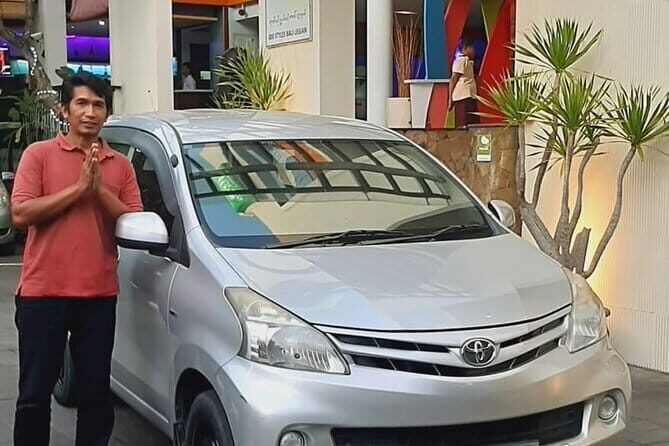
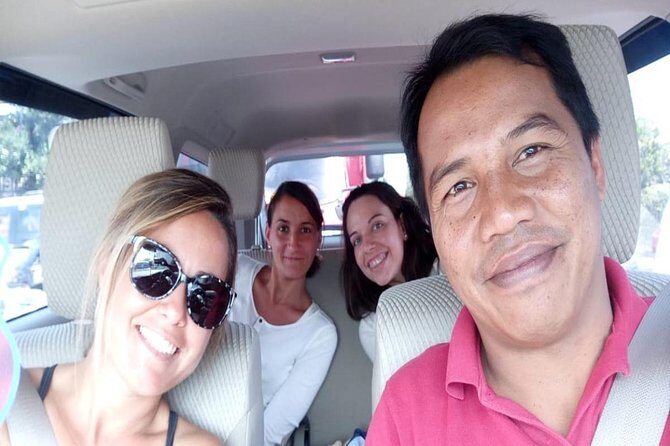
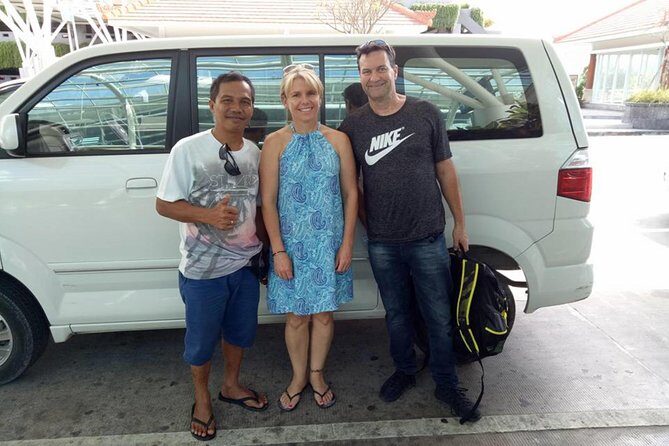
Bali is easier when you skip the taxi chaos. This pre-booked airport transfer takes you from Ngurah Rai to places like Ubud, Tanah Lot, Uluwatu, or Pecatu in air-conditioned comfort, with a driver ready at arrivals. I especially like the meet-and-greet sign and the WiFi on board that helps you stay on top of maps and messages right away.
The big watch-out is the luggage rules and what happens if a driver doesn’t show up. You’re limited to one suitcase plus one carry-on per traveler, and extra/oversized items can mean extra fees paid locally. And yes, there’s at least one scary case of an arrival pickup that never happened, so have a backup plan in mind.
Key highlights
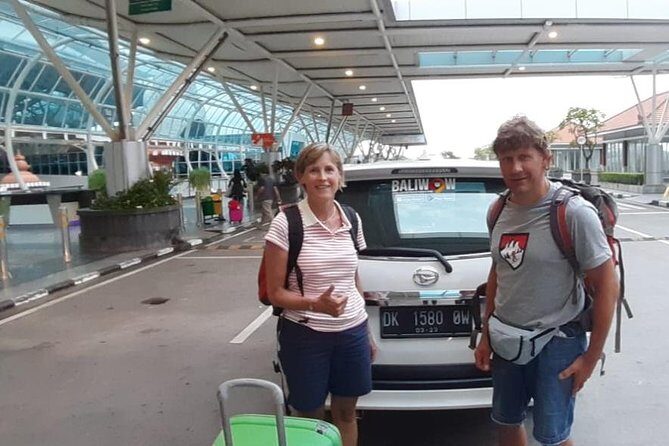
- Private door-to-door ride with air-conditioned comfort
- Personalized meet-and-greet sign at arrivals, not another guessing game
- WiFi and bottled water included during the trip
- Simple luggage limits: one suitcase + one carry-on per traveler
- Extra charges locally if you bring more or oversized gear (like surfboards or golf clubs)
- Private group transfer with only your group in the vehicle
A private door-to-door start at Ngurah Rai
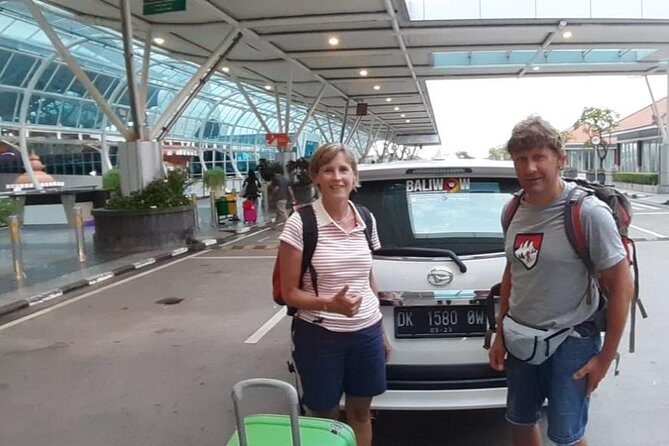
The main appeal here is straightforward: you land in Bali, and you leave with a driver. No taxi line. No arguing over pricing. No hunting for a rideshare app while your bags are getting heavier by the minute. The ride is set up as a private transfer from Ngurah Rai Airport to your selected Bali area.
The service is offered through Bali Wow, and the duration is listed at about 45 minutes. Real-world trip time can stretch with traffic, but planning for “about an hour” is a safe mindset on arrival days. This is also a good fit if you’re arriving with kids or anyone who just wants to get to the villa and exhale.
Meet your Bali Wow driver: mobile ticket and arrival sign

You get a mobile ticket, so you’re not juggling printed confirmations. The driver is meant to meet you in arrivals using a personalized meet-and-greet sign, which is exactly what you want when it’s crowded, loud, and humid.
This kind of handoff matters. Airport arrivals can be confusing even when you speak the language. A clear sign reduces the chance you’re walking past the wrong person with the right shirt and the wrong face.
Also, the driver can help with luggage, which sounds small until you’re standing there with a rolling suitcase that refuses to roll properly on that first step off the curb. If you need currency exchange support, the overview says the driver can help with that too.
45 minutes of air-conditioned comfort (and what the ride actually gives you)
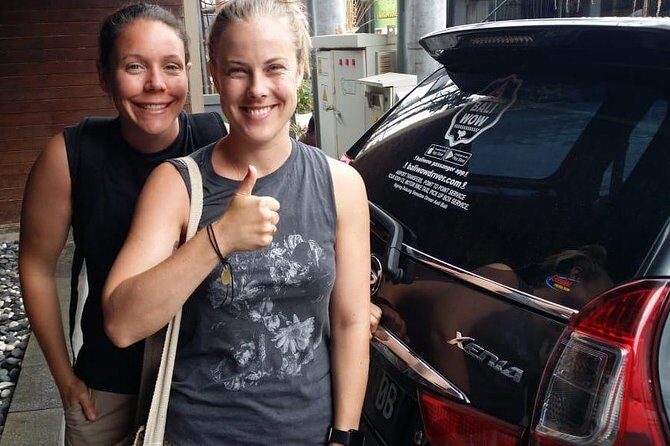
A transfer like this is about more than getting from A to B. It buys you time and calm at the start of your trip. You’ll be in a private vehicle, and the ride is listed as air-conditioned, which in Bali’s heat is a quality-of-life upgrade.
The included basics are solid:
- Bottled water
- WiFi on board
WiFi can be more than a perk. It helps you confirm directions to your accommodation, check message updates from your driver or hotel, and handle any arrival-day admin without sprinting across the airport to find signal.
One practical point: the transfer is described as private transportation, meaning you’re not sharing with strangers. That’s a big deal if you’ve got luggage that needs extra space or you just don’t want to think about anyone else’s timing.
Choosing your drop-off: Ubud, Tanah Lot, Uluwatu, or Pecatu
This transfer doesn’t stop at multiple sights. Your “itinerary” is basically one smooth leg from the airport to your chosen destination area. The trade-off is simple: you’re not doing sightseeing on the way, but you are getting to your real plans without detours.
Here’s how to think about your destination choice:
- Ubud: If you’re planning an interior base, Ubud is often a go-to area for people who want to be closer to Bali’s central sights. The downside is that traffic can be a factor on arrival days, so give yourself breathing room.
- Tanah Lot: Tanah Lot is typically chosen when you want a temple/coastal-area feel. The benefit is the location style. The consideration is that you may have slightly more planning around timing if your first day depends on a specific sunset window.
- Uluwatu: This is a popular southern destination for visitors who want dramatic coastal views. Your arrival-day reality check: getting there by car can mean winding roads and occasional traffic slowdowns, so keep your luggage secure and ready.
- Pecatu: Pecatu is another southern option that often works well for beach-and-sun plans. Like Uluwatu, you’re trading simplicity (one ride) for the fact that southern routes can still feel busy depending on the time you land.
No matter which one you pick, the big advantage of this service is that it takes you directly to your base area. That’s a real help when you’ve been traveling all day and you just want your room keys, not another decision.
Luggage rules and extras: what you can bring

This transfer is friendly toward normal travel loads, but it has clear limits. Each traveler is allowed a maximum of:
- one suitcase
- one carry-on bag
If you’ll bring additional or oversized luggage—the example list includes surfboards and golf clubs—you must advise at booking time. Extra charges apply and must be paid locally.
That local-payment detail matters for planning. If you’re bringing gear, I’d treat it like an expense you should expect, not a surprise you want to negotiate after arrival.
Also, wheelchair access is listed as available. If wheelchair assistance is required, you need to advise at booking.
WiFi, water, and the small comfort wins
It’s the small things that make airport transfers worth paying for. Here you get WiFi on board and bottled water included. That’s not just nice—it’s practical.
You can:
- check your accommodation pin location once you’re leaving the airport
- manage messages without burning through your phone data
- relax your group while you’re still in “arrival mode”
The service also claims the driver can help with luggage and currency exchange if required. Even if you don’t use those services, it signals that the driver is expected to handle arrival pressure, not just drive.
And because it’s private, you’re not dealing with last-minute bathroom stops or luggage reshuffling for people you didn’t meet five minutes ago.
Value check: is $26 per group a good deal?
The price is listed at $26.00 per group (up to 4). That’s not the cheapest thing you’ll find in Bali, but it’s often a smart value on arrival day because it replaces multiple hassles at once.
Here’s how I’d judge value for you:
- If you’d otherwise pay for a taxi and still spend time figuring out the right pickup and negotiating, pre-booking can end up feeling like a bargain.
- If your group includes luggage-heavy travelers, the “one car, your group only” setup can save time and stress.
- If you care about privacy and timing, a private transfer has a clear payoff.
That said, value depends on whether you match the service to your needs. If you’re traveling with lots of extra gear beyond the suitcase and carry-on rules, you’ll want to factor in potential excess-luggage fees paid locally.
One more note: the trip is about 45 minutes. When your transfer is short, you’re paying mainly for reliability and convenience. When it’s long, you’re paying for comfort and reduced friction. Either way, you’re buying peace of mind.
The main risk I see (and how to protect your arrival)
A pre-booked transfer should reduce risk. But no system is risk-free.
One of the major downsides shown in the experience record is a driver no-show situation. In that case, there was no contact, and the group had to scramble and take an expensive taxi to their villa.
I can’t help you predict when a rare failure happens. But I can help you reduce the damage if it does. Here are common-sense safeguards that cost you almost nothing:
- Keep your accommodation address details handy in offline format (screenshots help).
- Arrange a realistic buffer for arrival-to-villa time so one delay doesn’t derail the rest of your day.
- Have a fallback plan for a taxi or another transfer option if the pickup fails.
Pre-booking still makes sense for most people. Just don’t treat it like magic. Treat it like a plan, with a backup.
When this transfer is a great fit (and when it isn’t)
This is a strong choice if:
- you want door-to-door convenience right after landing
- you’re traveling with family or a small group and luggage space matters
- you like the idea of a meet-and-greet sign rather than roaming arrivals
- you want WiFi and bottled water during the ride
It may not be your best option if:
- you have unusual, oversized cargo and you’re not sure you’ll meet the luggage rules
- you’re extremely time-sensitive and can’t absorb a delay if something goes wrong with pickup coordination
Also check your group size. The pricing is per group up to 4, but the highlights mention groups with luggage and talk about up to five people. If you’re right on the edge, confirm vehicle capacity during booking so everyone is comfortable.
Should you book this Bali airport transfer?
If your top priority is a smooth start—skip the taxi hunt, get to your base area fast, and arrive with your group settled—this transfer makes a lot of sense. The included comfort items (air-conditioned ride, WiFi, bottled water) help justify the price, especially when you’re landing after a long journey.
I’d book it when your luggage is straightforward and you know exactly where you’re going: Ubud, Tanah Lot, Uluwatu, or Pecatu. For added safety, plan a little buffer time and keep a backup taxi idea in your back pocket.
If you’re bringing oversized gear, don’t assume. Mention it early so you know what extra charges might apply. And if you’re the kind of traveler who gets anxious about rare mishaps, prepare like it’s a normal plan with a normal backup, not a perfect fairy tale.
FAQ
How much does the Bali airport transfer cost?
It’s listed at $26.00 per group (up to 4).
How long is the transfer from Bali’s airport?
The duration is approximately 45 minutes.
How do I find the driver at the airport?
The driver provides a personalized meet-and-greet sign at arrivals.
What ticket do I receive?
You get a mobile ticket.
Is this a private transfer?
Yes. It’s private transportation, and only your group participates.
What’s included in the price?
Included are private transportation, WiFi on board, and bottled water.
What are the luggage limits?
Each traveler is allowed a maximum of one suitcase and one carry-on bag. You must advise at booking if you have additional or oversized luggage (extra charges apply locally).
Is the service wheelchair accessible?
Yes, it’s wheelchair accessible. You need to advise at booking if wheelchair assistance is required.
What’s the cancellation policy?
Free cancellation is available. You can cancel up to 24 hours in advance for a full refund. Cancellation within 24 hours is not refunded.