
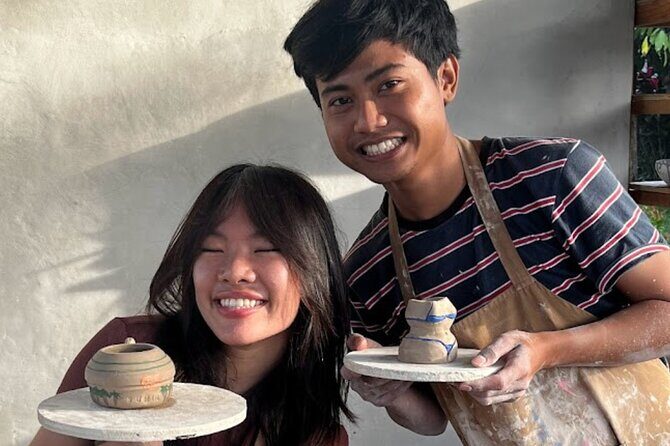
Ubud Pottery Ceramic Class in Bali
Pottery in Bali is oddly calming. This Ubud-area ceramics class turns you from spectator into maker, with local artisans guiding you as you shape 2kg of clay into your own pottery. I love how practical it is: you’re not just watching. You’re learning techniques while working with real materials and making choices about form and details.
The one watch-out is location. The class starts in Singapadu (Sukawati/Gianyar), about a 30-minute drive from central Ubud in lighter traffic, but it can take longer when roads slow down.
In This Review
- Key Highlights You’ll Actually Care About
- Why This Ubud Pottery Class Feels More Like Learning Than Browsing
- How the 3-Hour Workshop Typically Runs (What You’ll Be Doing)
- Getting to Tana ampo Pottery Studio From Ubud (And Why Timing Matters)
- What You Learn About Clay and Craft in Bali (Beyond the Hands-On Part)
- The 2kg Clay Setup and the Wheel vs. Hand Advantage
- Can You Take Your Pottery Home? Plan for the Extra Days
- Price and Value: Is $31.31 Fair for a Ubud-Area Workshop?
- Who Should Book This Class (And Who Might Skip It)
- A Quick Decision Guide: Should You Book This Ubud Pottery Class?
- FAQ
- How long is the Ubud pottery ceramic class?
- How much does it cost per person?
- Where does the class start?
- Is the class a small group?
- What’s included in the price?
- What should I bring or pay for separately?
- Can I take my pottery home?
- What is the cancellation policy?
Key Highlights You’ll Actually Care About

- Small group size (max 10) for more one-on-one attention while you work
- 2kg of clay included, so you can make more than a token souvenir
- Hands and wheel time are part of the experience, so you learn more than one technique
- Beautiful garden setting that makes the whole workshop feel less rushed
- Trip timing matters if you want to take your pieces home (plan for extra days)
Why This Ubud Pottery Class Feels More Like Learning Than Browsing
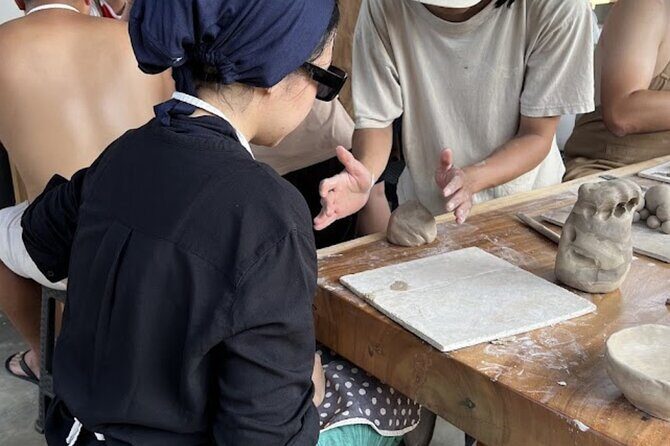
If you want Bali that feels human, this kind of class is a good bet. A ceramics workshop strips away the usual rhythm of check-in photos and canned chatter. Instead, you spend your time doing something slow and physical: molding, shaping, and refining clay under a mentor’s watch.
I like the format because it’s built around guided making. You’re not expected to magically know pottery the moment you sit down. The class is meant for beginners and for people who already know the basics. That matters, because pottery can either feel empowering or confusing fast. Here, you’re taught from the foundations so your hands and your brain stay on the same page.
I also like that the class gives you enough material to actually make choices. With 2kg of clay in front of you, you can commit to a plan: a hand-built piece, a wheel-thrown piece, or a mix—then personalize the outcome. In Bali, that small act of shaping your own object connects you to local craft in a way shopping never does.
One more practical note: the setting. The workshop is reported to be in a garden, and that kind of calm makes the time feel easier. You’ll still get focused instruction, but the atmosphere helps you settle in instead of feeling like you’re on a tour clock.
Other Ubud tours we've reviewed



How the 3-Hour Workshop Typically Runs (What You’ll Be Doing)
The class lasts about 3 hours, and it’s structured around you making pottery with help from local artisans. Since the workshop includes both hand-making and wheel practice in many sessions, your time is usually split between learning by touch and learning by motion.
Here’s what the experience is built to cover:
- Orientation to the clay and basics of working it
- Hand building / molding so you understand form from structure
- Wheel throwing / spinning so you learn how shaping changes when the clay spins
- Finishing steps and personal touches before you hand it off for completion
In a few of the shared class stories, people specifically mention making two pieces—one done by hand and one on the wheel. Even if your exact final pieces look different, you can expect to learn more than one approach during the session. That’s a big deal for value, because a class that only lets you do one technique teaches you less.
Also, the teaching style is described as professional and from the basics. That means you won’t be left guessing. You’ll get guidance that helps you avoid the most common beginner problems, like clay that dries too fast, a shape that collapses, or losing the center on the wheel.
You’re in a small group (up to 10 people). That size keeps things lively, but it also keeps the teacher attention from disappearing the moment you hit a snag. It’s the difference between learning pottery and learning to wait.
Getting to Tana ampo Pottery Studio From Ubud (And Why Timing Matters)
The meeting point is Tana ampo Pottery Studio, located at C793+8PH, Central Singapadu, Sukawati, Gianyar Regency, Bali 80582. The activity ends back at the same meeting point.
In the field, this is the part that can make or break your day: you’re not in the center of Ubud. One of the practical notes you’ll see is that it’s about a 30-minute drive from central Ubud, but traffic can stretch that travel time.
So plan like this:
- If you’re starting from central Ubud, aim to leave a bit early to protect your start time.
- Build some cushion if you’re traveling during peak hours.
- Don’t schedule another major activity right after. Your hands will be tired, and you’ll likely want time to clean up and reset.
If you’re staying closer to southern Bali or you’re already moving around the Ubud/Sukawati area, this can be a smooth add-on. But if your plan is a tight Ubud-only itinerary with no buffer, you might feel the commute more.
What You Learn About Clay and Craft in Bali (Beyond the Hands-On Part)
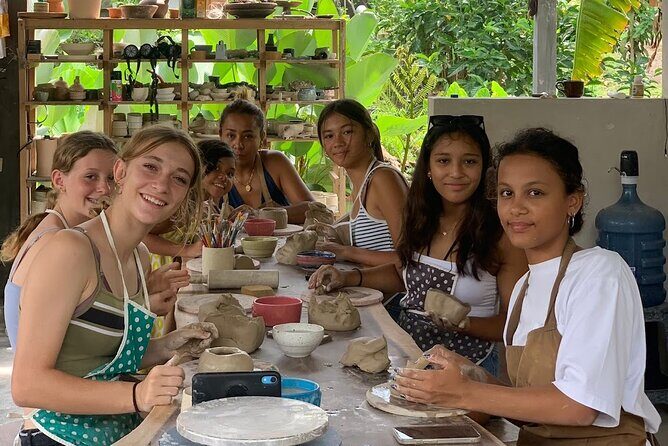
This class isn’t only about making something. It also teaches you how ceramic making thinks.
From the shared learning points, you can expect to learn basics like:
- Different types of clay and why not all soils work well for ceramics
- Core techniques such as spinning (wheel throwing), hand building, and molding
- How the process moves from rough material to shaped objects, guided step by step
That last point matters. Pottery can look simple until you try it. Clay doesn’t forgive mistakes the way paper does. When you’re taught the basics, you learn the logic behind the craft. That means when you try again later, you understand what went wrong and why.
There’s also an element of local explanation about products and how ceramic items are made. Some descriptions mention a style that feels education-forward, including an entrepreneurship angle. Even without a heavy business lesson, you’ll come away with a clearer sense that pottery isn’t just art for art’s sake in Bali. It’s part of how local makers earn a living and share culture.
And because you’re making your own pieces, those lessons stick. You don’t just hear about wheel throwing and molding. You physically feel how each technique changes the clay’s behavior.
The 2kg Clay Setup and the Wheel vs. Hand Advantage
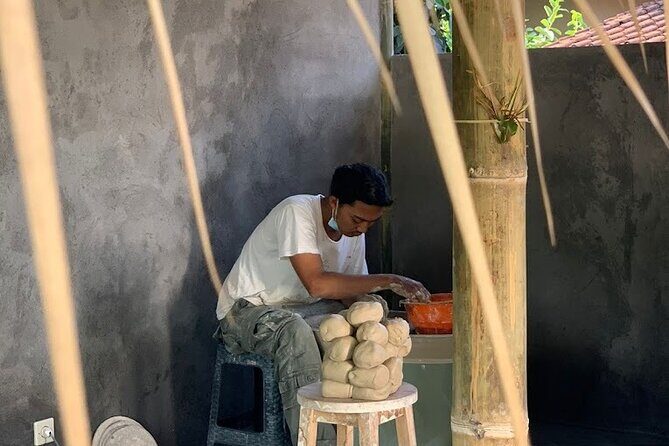
The class includes 2kg of clay. That’s enough for real practice without feeling wasteful or rushed. It also encourages experimentation. You can test a shape, adjust, and still end with usable work.
The wheel vs. hand part is where you get the real learning payoff:
- Hand-building teaches patience and structure. You’re shaping the piece through your grip, pressure, and form control.
- Wheel work teaches timing and symmetry. Even if your first attempt isn’t perfect, the teacher guidance helps you learn how to keep the clay centered and moving.
If you’re used to vacation activities that are mostly passive, this feels refreshingly honest. You’ll make mistakes. You’ll learn quickly. Then you’ll laugh a little and start improving.
One more subtle benefit: doing both techniques makes it easier to judge what kind of pottery you actually want to try again later. Some people fall in love with the wheel. Others prefer hand-building because it feels more intuitive. This class helps you figure that out with one paid session.
A few more Bali tours and experiences worth a look

Can You Take Your Pottery Home? Plan for the Extra Days
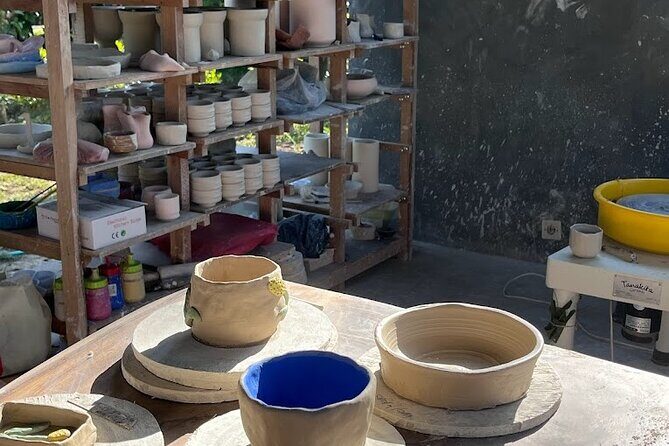
The class includes a clear warning: if you want to take home your work, make sure you have minimum 4 remaining days left.
That tells you something important about the process. Your pieces likely need time after the 3-hour session for finishing steps (drying and firing are common time-based steps for ceramics, but the key takeaway for you is simply this: the workshop is not a make-it-then-walk-out situation).
So here’s what I recommend:
- If you’re on a short Bali trip, check your remaining schedule before you book.
- If you only have a couple days left, treat the class as a creative experience rather than a last-minute take-home souvenir plan.
- Bring the mindset of a workshop, not a craft factory. You’ll make something now, then give it time to become properly finished.
If you can handle that timing, taking your pieces home becomes a memory you can use every day, not just something that sits in a closet.
Price and Value: Is $31.31 Fair for a Ubud-Area Workshop?
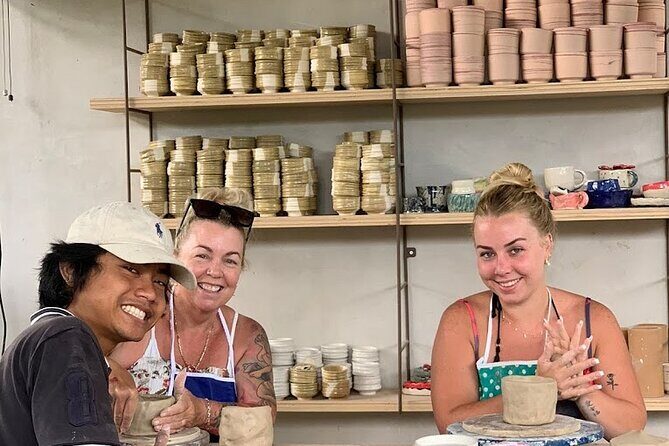
The price is $31.31 per person, and the class is about 3 hours with a small group and 2kg clay included. For a Bali activity, that lands in the range where value depends on one thing: whether you’re getting real instruction and enough making time.
Based on the details shared, you are:
- Getting guided pottery class time with mentors
- Working with enough clay to create more than a single tiny souvenir
- Often learning more than one technique (hand and wheel)
That combination is why the price feels fair. You’re paying for skill transfer and materials, not just a chair and a backdrop.
Also, the group cap (max 10) helps justify cost. In classes with larger groups, instruction quality usually drops. Here, you can expect the teacher to keep eyes on your progress.
If you’re the type of traveler who likes learning a craft, this is a better use of money than buying another handmade item you could easily find later. You’ll leave with both a physical object and the experience of learning how it’s made.
Who Should Book This Class (And Who Might Skip It)
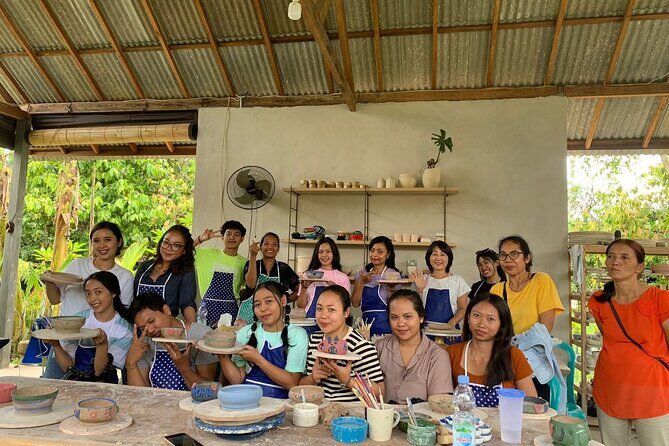
This Ubud pottery class is a great fit if you:
- Want a hands-on Bali ceramics workshop instead of another sightseeing loop
- Like small classes where you can ask questions and get direct feedback
- Are curious about how different clay types and techniques work in practice
- Want a take-home piece, and you can spare the 4-day buffer for finishing
You might consider skipping it if you:
- Have a very tight schedule and can’t spare time for finishing/pickup
- Hate messy, tactile activities or aren’t comfortable getting your hands dirty
- Only want a quick photo stop with minimal effort
Also, if you’re traveling as a couple or family, this kind of class often works well because everyone can participate. Even when people have different comfort levels, guidance helps bridge the gap.
A Quick Decision Guide: Should You Book This Ubud Pottery Class?
Book it if you want an activity that feels grounded and real. The class combines hands-on instruction, small-group attention, and a proper amount of clay. That’s the sweet spot where you come away feeling you learned something, not just played for an hour.
Skip it if your trip is too short to meet the minimum 4 days needed to take work home, or if you’re chasing an easy, low-effort half-day. This is a maker session. You’ll use your hands and learn by doing.
My final take: at $31.31 with 3 hours and 2kg clay included, this is a smart value pick for travelers who want craft with substance and don’t mind planning your pottery pickup.
FAQ
How long is the Ubud pottery ceramic class?
The class lasts about 3 hours (approx.).
How much does it cost per person?
It costs $31.31 per person.
Where does the class start?
It starts at Tana ampo Pottery Studio, C793+8PH, Central Singapadu, Sukawati, Gianyar Regency, Bali 80582, Indonesia.
Is the class a small group?
Yes. The maximum group size is 10 travelers.
What’s included in the price?
The price includes a guided pottery class and 2kg clay.
What should I bring or pay for separately?
Personal expenses are not included. The rest is covered by the class.
Can I take my pottery home?
If you want to take home your work, plan to have a minimum of 4 remaining days.
What is the cancellation policy?
Free cancellation is available if you cancel up to 24 hours in advance of the experience start time for a full refund.
More Workshops & Classes
More Tour Reviews





More Ubud Tours



More Bali tours we've reviewed











Ubud Tours: how the alternatives stack up


 ★ 5.0
★ 5.0Ubud: Monkey Forest, Jungle Swing, Rice Terrace, and Water Temple





The lists this tour appears in