Bali Customized Tour Private Car and Driver

Bali Customized Tour Private Car and Driver - Price and value: what $19.56 per person gets you

Bali days go best when driving is not your job. This private-car tour lets you pick the places you care about and have a driver map the route across Ubud and South Bali without the stress of traffic and left-side road habits. I really like the flexibility here, and I also like that the day is built around practical stops like temples and rice terraces with a relaxed, customizable pace. One drawback to consider: a few major sights have entrance fees, and you’ll want to plan for weather changes since some stops feel more comfortable when conditions cooperate.

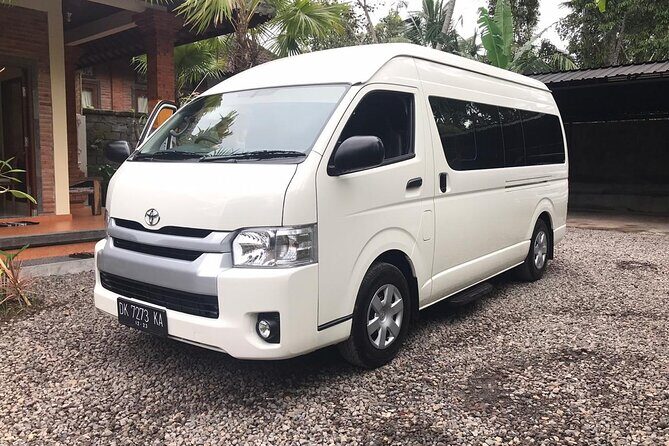
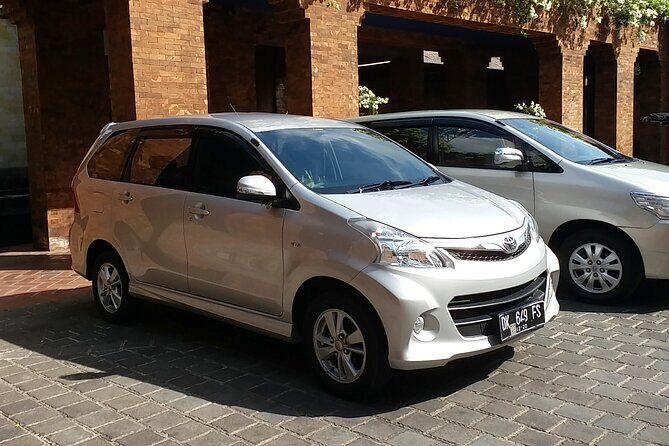
You’ll spend about 10 hours in an air-conditioned vehicle with a driver, plus parking fees handled for you. Pickup and drop-off run from Seminyak and other South Bali bases, and the tour is private, so it’s only your group. Just keep in mind there is at least one outlier story about a driver no-show, so I’d recommend confirming pickup details the day before and keeping communication handy.

Key highlights for your day

Bali Customized Tour Private Car and Driver - Key highlights for your day

  • Private driver with a route you control: you choose the stops, and the driver plots the day.
  • Ubud + South Bali in one long day: temples, rice terraces, and coastal icons, grouped by geography.
  • Practical inclusions: air-conditioned vehicle, parking fees, and the driver are included.
  • Entrance fees are mixed: many listed stops show free entry, but some do not.
  • Extend the day if you want: you can add time for a surcharge of USD 5 per hour around the service areas.
  • Great guide energy shows up often: strong communication and photo help come up in standout guide accounts (names like Kadek (Sannot), Darma, Agung, Pustika, Yaza, and Bim are mentioned often).

Why a private driver matters in Bali traffic

Bali Customized Tour Private Car and Driver - Why a private driver matters in Bali traffic
Bali looks easy on a map. On the road, it can feel like a moving puzzle—short distances, slowdowns, sudden detours, and motorbikes everywhere. Having a driver is the difference between enjoying the day and spending it white-knuckled over your phone and a route app.

This tour is set up for that reality. You’re in an air-conditioned car, and you’re not stuck trying to coordinate multiple rides between far-flung sights. The tour description also makes the key point clear: even if you’re not used to Bali’s left-side driving, you can let the chauffeur handle the hard parts.

Price and value: what $19.56 per person gets you
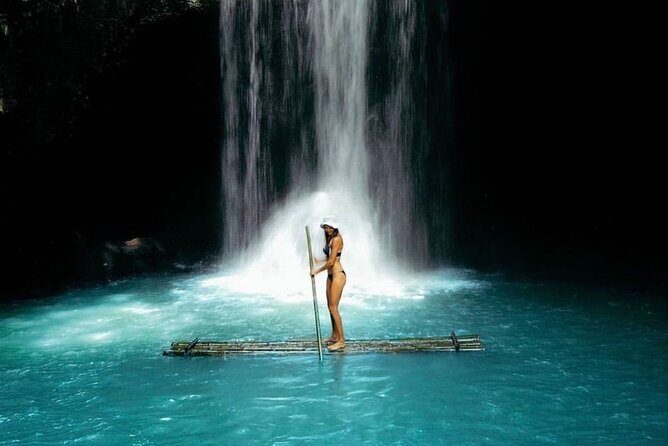
Bali Customized Tour Private Car and Driver - Price and value: what $19.56 per person gets you
The listed price starts at about $19.56 per person for a private car and driver for roughly 10 hours. That can be good value when you’re splitting the cost across your group, especially compared with buying multiple transport options or trying to hire separate drivers for each region.

Here’s the catch: entrance tickets are not included in the overall cost. Still, the good news is that many stops listed on the day plan show admission as free, so your out-of-pocket may be limited depending on which sights you pick. The trip includes parking fees and the driver, which sounds minor until you try to DIY it and realize how often parking and small payments add up.

A smart way to budget: pick your must-dos first, then ask your driver to confirm which ones have entry fees that day so you can pay easily on-site.

How the custom day works: choose stops, keep control

This is not a fixed, single-file itinerary. The way it’s written, you’ll work with your driver to arrange an ideal full-day route based on your interests, even on the day itself. That’s important because Bali days often hinge on what you feel like seeing at that moment—plus what the weather allows.

Your “menu” includes Ubud-area art and temples, famous rice terraces, then a move into South Bali icons like Tanah Lot and Uluwatu. You can also slot in Beratan, Taman Ayun, a beach break at Padang Padang, and the Garuda Wisnu Kencana Cultural Park.

One practical benefit: grouping stops by region keeps your day from turning into constant long drives. With only one chauffeur and one vehicle, you avoid the time tax of changing plans and rebooking transport.

Ubud Art Market to rice terraces: your first cultural arc
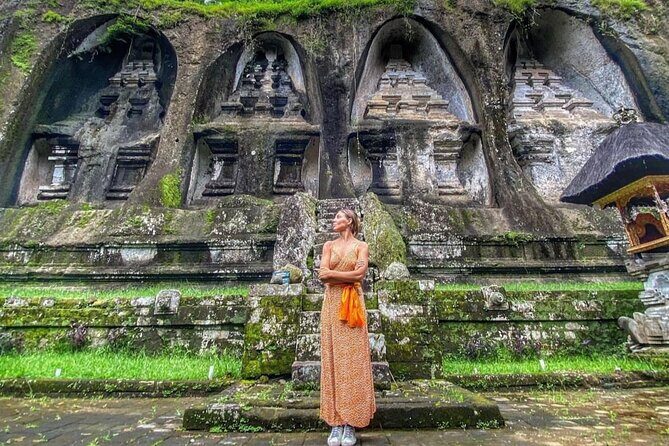
Bali Customized Tour Private Car and Driver - Ubud Art Market to rice terraces: your first cultural arc
Most people start the day around Ubud, because it’s a natural base for art, temples, and the rice-terrace views people come for.

Ubud Art Market (about 1 hour)

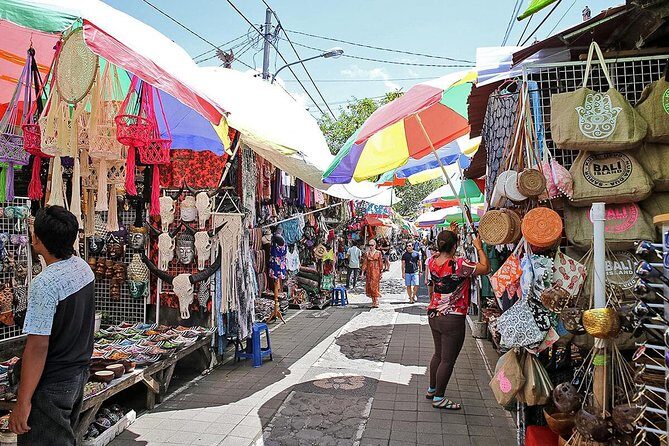
Kick things off at the Ubud Art Market. You get an easy opening hour to wander and take in the vibe of the area while your driver starts organizing the rest of your route. If you’re the type who likes to buy small, affordable souvenirs and gifts, this is the kind of stop that makes the rest of your day feel more “you.”

Potential drawback: market time can quietly expand. If you want more temples and less shopping, set expectations with your driver early so you don’t lose time later.

Batuan Temple (about 1 hour, free admission listed)

Next on the Ubud stretch is Batuan Temple, on the schedule as about an hour and marked with free admission. This is the kind of stop that works well in a full-day plan because it doesn’t demand a huge time commitment, yet it adds a real sense of place.

Potential drawback: temples are best when you’re ready to slow down. If your group wants constant movement and photos every 20 minutes, you may feel a bit “stalled.” The upside is that an hour gives you time to actually look.

Tirta Empul Temple (about 1 hour, free admission listed)

Tirta Empul is another temple stop set for about an hour and marked as free in the plan. Temples in Bali are not quick checkboxes; they’re active spiritual places. An hour is a decent compromise, especially when you’re pairing it with scenic stops afterward.

Potential drawback: temple visits can be emotionally and visually intense, especially if you’re rushing between sites. Going slower is not a waste of time here.

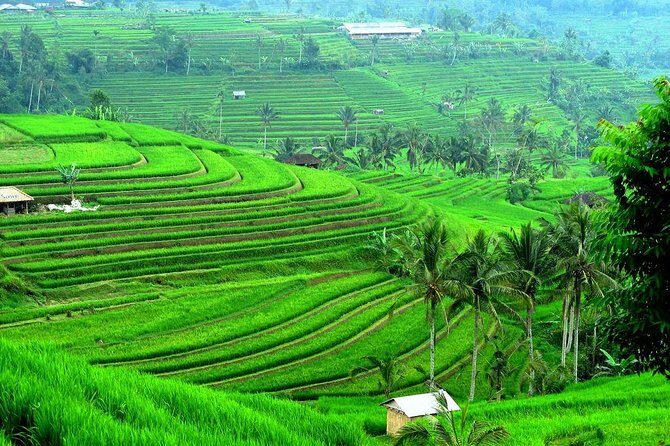
Tegalalang Rice Terrace (about 1 hour, free admission listed)

Then comes the big visual payoff: Tegalalang Rice Terrace, also listed as about an hour with free admission. This is one of those places where the best value is in timing and walking at your own pace. You don’t need to sprint through. You can step back, take photos, and enjoy the rhythm of the terraces.

Potential drawback: rice terraces can feel crowded and exposed depending on the day’s conditions. If your schedule allows, you’ll get more comfort by planning flexible timing with your driver rather than locking in every second.

The temple circuit: Beratan and Taman Ayun
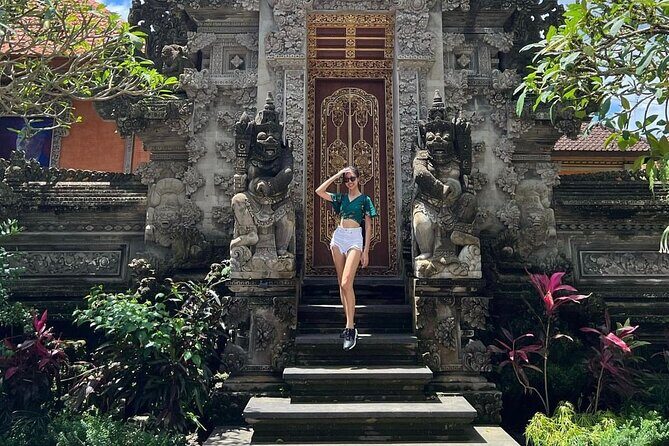
Bali Customized Tour Private Car and Driver - The temple circuit: Beratan and Taman Ayun
After Ubud, your route can pivot outward to add variety without feeling like you’re crisscrossing the island for no reason.

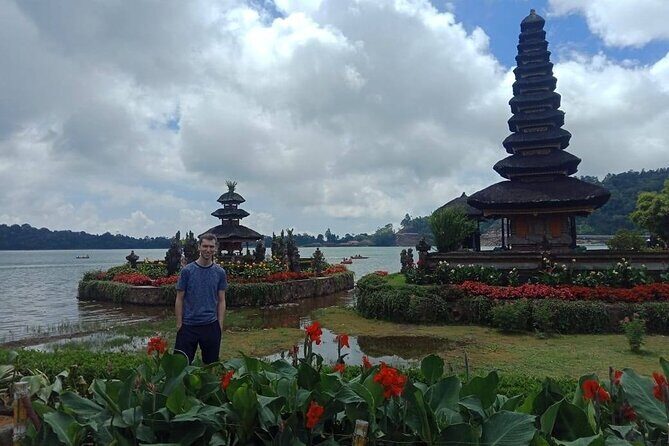
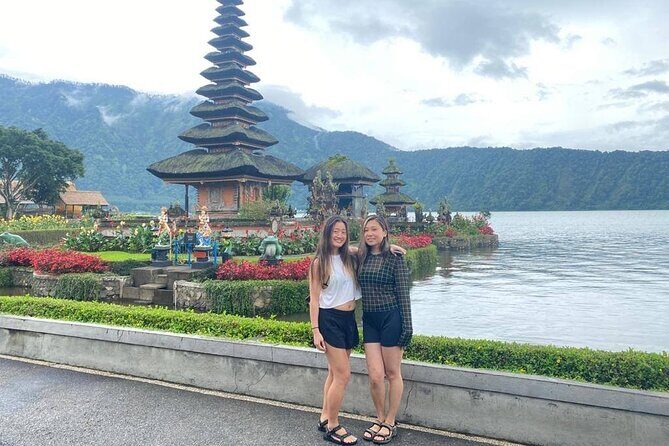
Ulun Danu Beratan Temple (about 1 hour, admission not included)

Ulun Danu Beratan Temple is on the plan for about an hour, and here’s the important part: the listing says the admission ticket is not included. That means you’ll likely pay on-site, so don’t be surprised if you hit an entry fee even when other stops on your day are free.

Potential drawback: you might want to plan cash or a simple payment method for this one. Also, it’s a longer-feeling leg of a full-day program, so it helps to be clear with your driver about your energy level.

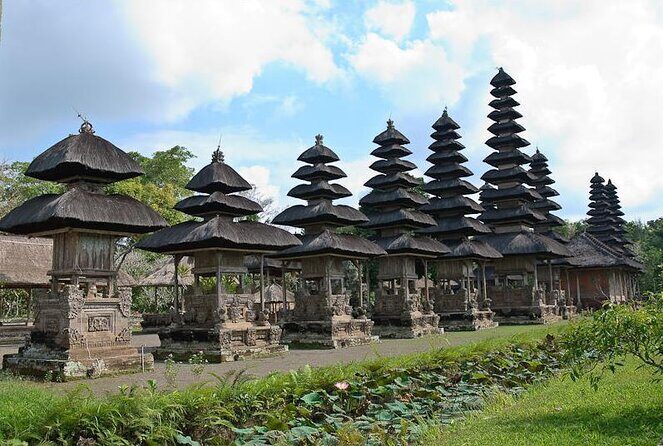
Taman Ayun Temple (about 1 hour, free admission listed)

Taman Ayun Temple follows as an about-one-hour stop with free admission listed. This pairs nicely with Beratan because it keeps your day temple-heavy but not repetitive. It’s also an easier tempo adjustment: you get the cultural sights without needing constant long walks.

Potential drawback: if your group is “temple fatigue” by mid-day, you’ll want your driver to build breaks into the route—especially water stops and shade time.

South Bali icons: Tanah Lot and Uluwatu
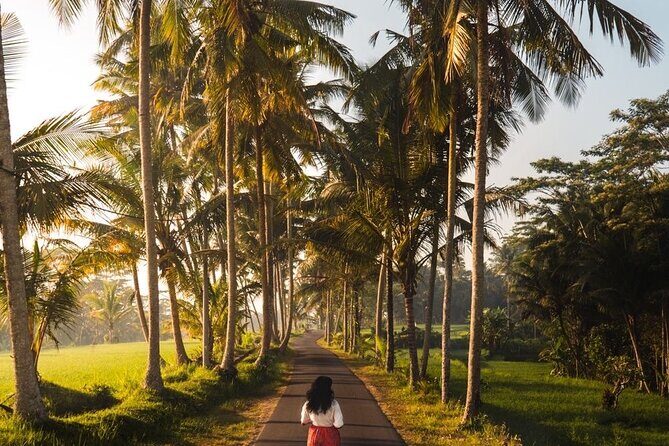
Bali Customized Tour Private Car and Driver - South Bali icons: Tanah Lot and Uluwatu
South Bali is where the day can swing toward dramatic coastal views and legendary temple locations. This is also where a private driver earns its keep, because road time and traffic become a bigger factor the farther you go.

Tanah Lot (about 1 hour, free admission listed)

Tanah Lot is scheduled for about an hour with free admission listed. It’s the kind of stop where you benefit from good timing and a clear game plan for photos without hogging time from your group.

Potential drawback: it’s easy to underestimate how long the approach area can take, especially with traffic. If you only have one chance for the view, arrive with buffer time built in and let the driver handle the route choice.

Uluwatu Temple (about 1 hour, free admission listed)

Then comes Uluwatu Temple, also listed at about an hour and marked as free admission. The main value is that this stop feels iconic—one of those places that instantly makes the day memorable even if you’re not a hardcore history person.

Potential drawback: the coast can be windy and the ground can be uneven. Comfortable shoes matter more than you think for a day like this.

Beach break and Garuda Wisnu Kencana: your late-day options
Bali Customized Tour Private Car and Driver - Beach break and Garuda Wisnu Kencana: your late-day options
By the time you reach this phase, you’ll be balancing two needs: keeping the day flowing and not burning daylight. This is where you can tailor the day to your vibe—nature break or culture park.

Padang Padang Beach (about 1 hour, admission not included)

Padang Padang Beach is scheduled for about an hour, and the listing says admission is not included. A beach stop can be a great reset after temple time, especially if you want your day to include something casual and scenic.

Potential drawback: weather matters. If it’s rainy or too rough for comfortable walking, you may want to shift priorities and spend that hour elsewhere.

Garuda Wisnu Kencana Cultural Park (about 1 hour, free admission listed)

Finally, you can add Garuda Wisnu Kencana Cultural Park for about an hour with free admission listed. This is a good “wrap-up” stop because it gives you something visually strong without requiring the same level of waiting or entry cost as some other attractions.

Potential drawback: in a 10-hour day, one more stop can make the schedule feel tight. If your group is sensitive to time pressure, keep this as optional until you see how the earlier legs went.

Getting the most out of your driver: photos, pacing, and flexibility

Bali Customized Tour Private Car and Driver - Getting the most out of your driver: photos, pacing, and flexibility
This is a driver-led tour, and the best days come down to how well you communicate. In multiple guide accounts, the standout theme is flexibility—especially when weather or conditions shift around Ubud.

Guide styles seem to vary, but the best ones do a few things consistently:

  • Help you adjust the route when conditions change
  • Communicate clearly so you’re not wondering where you’re going next
  • Take initiative on photo spots so you spend less time hunting angles

Names you may hear in feedback include Kadek (Sannot), Darma, Agung, Pustika, Yaza, and Bim. You can’t choose ahead in this kind of booking, but if you get a driver with that kind of energy, you’ll feel like the day is running smoothly instead of dragging.

My practical advice: before the day starts, list your top 4 stops. Then list 2 backups (especially one temple and one scenery option). That way your driver can rearrange without guessing.

Who this private Seminyak tour is best for

This tour fits best if you want a full day that feels like it has breathing room. It’s especially good for:

  • First-timers who want Ubud and South Bali without stitching together transport
  • Couples or small groups who don’t want to share a big tour bus with strangers
  • Anyone who likes temples and scenery but wants control over pacing
  • Travelers who care about photos and appreciate a driver who helps with timing and viewpoints

If your idea of a perfect day is strict, minute-by-minute structure, you may feel like the customization adds uncertainty. But if you like choosing your own priorities, this setup is built for that.

A quick caution: the one risk worth planning for

One negative item in the overall feedback pool is serious enough to mention: there’s at least one report of a driver no-show and unresponsiveness. That’s not the norm based on the rating (very high), but it’s still worth handling like a pro.

Do this:

  • Confirm pickup details the day before
  • Be ready to message quickly on the day
  • Keep your start point clear so there’s no confusion about the pickup location

That’s usually enough to prevent a small hiccup from becoming a big headache.

Should you book this Bali Customized Tour?

I’d book this if you want a private day that you can shape around your interests, not a rigid checklist. The value is strongest when you’re splitting the cost among a small group, and the private-driver setup is a smart way to avoid Bali’s most stressful part: road time and traffic management.

If you’re picky about entrance fees and want everything included, double-check which stops are marked with free entry versus not included. And if you’re traveling with tight timing pressure, build in a little flexibility, since Ubud weather and beach conditions can change plans fast.

If that sounds like your style of travel, this is a solid way to see a lot of Bali without turning your day into a logistics project.

FAQ

Where does this tour start and end?

The tour starts at the meeting point area around Seminyak, Kuta, and Badung Regency. It ends back at the same meeting point.

How long is the tour?

The experience is about 10 hours.

Is pickup and drop-off included?

Yes. Pickup is offered, and private 2-way hotel transfers are available from Ubud and key South Bali areas.

Which areas do pickup transfers cover?

Pickup/transfer coverage includes Nusa Dua, Tanjung Benoa, Jimbaran, Kuta, Seminyak, Canggu, Sanur, and Ubud.

Is this a private tour?

Yes. It’s private, meaning only your group participates.

What’s included in the price?

Included items are an air-conditioned vehicle, parking fee, and the driver.

Are entrance tickets included?

Entrance tickets are not included. Some stops on the plan are listed as free admission, while others are listed as admission not included.

Can I customize the itinerary?

Yes. You pick the spots you want, and you can discuss adjustments with your driver/guide even on the day.

Can I extend the tour time?

Yes. You can extend the hour of travel for a surcharge of USD 5 per hour, as long as you remain around the stated service areas.

Do I get a ticket on my phone?

Yes. A mobile ticket is included.

Is there free cancellation?

Yes. You can cancel up to 24 hours in advance for a full refund. If you cancel within 24 hours, the amount paid is not refunded.

Ubud Countryside Tour: Campuhan Ridge Walk and Rice Terrace

Ubud Countryside Tour: Campuhan Ridge Walk and Rice Terrace - Pickup, timing, and what 7 hours really means

Ubud countryside on a well-paced route. This private day tour strings together the big Ubud-area hits: Campuhan Ridge Walk, Tegalalang Rice Terraces, and sacred Tirta Empul, with waterfall time at the end. You’ll also get hotel pickup and drop-off from select areas, so you spend less time figuring out roads and more time looking around.

What I like most is the way it’s set up for easy flow. You’re not bouncing between stops on your own, and you’re traveling with an English-speaking driver/guide who can explain what you’re seeing. I also like the option to go all-in with entrance fees—handy when you’d rather not calculate costs mid-day. One thing to consider: the schedule is packed with several outdoor and temple stops, so plan for sun, humidity, and some walking at the ridge and terraces.

If you want a single, credible “best of Ubud jungle” day, this is a strong fit. It’s roughly 7 hours, starts at 9:00am, and it’s designed for a personalized experience with only your group.

Key highlights worth planning around

Ubud Countryside Tour: Campuhan Ridge Walk and Rice Terrace - Key highlights worth planning around

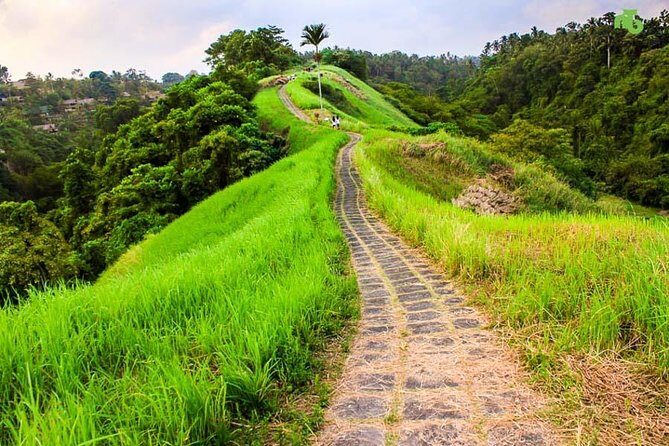
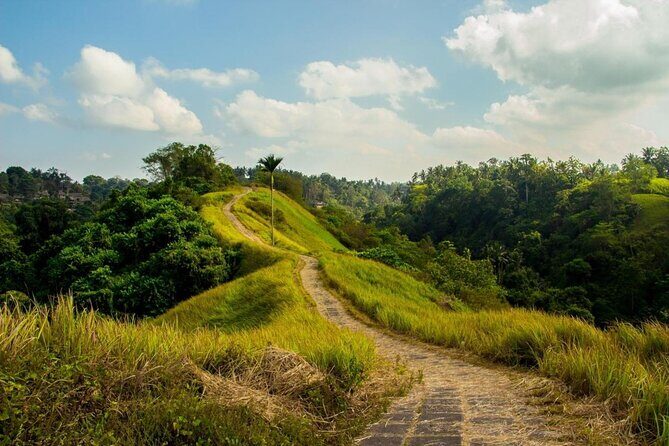
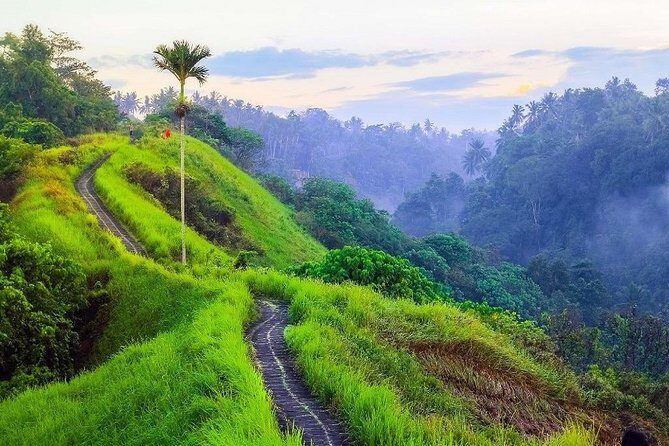
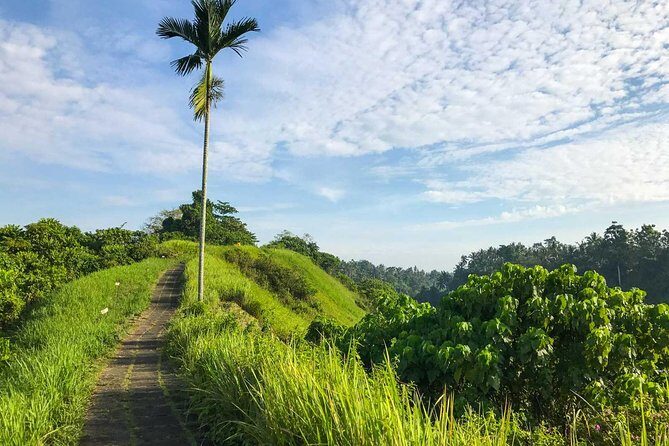
  • Campuhan Ridge Walk: a free, easy nature trek that still feels like a break from the busier south coast.
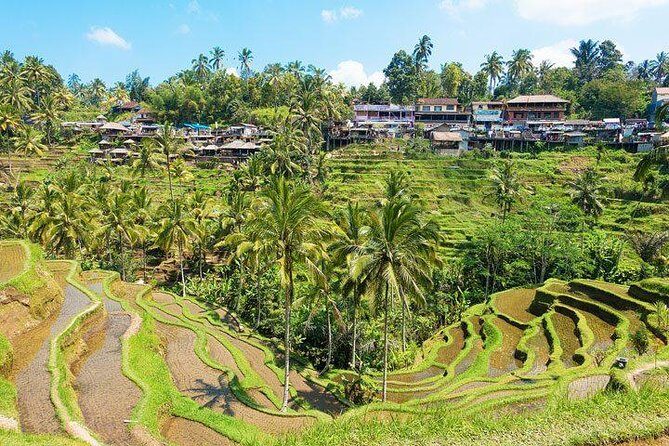
  • Tegalalang rice terraces views: the slopes and valley drop-offs make photos look good fast.
  • Tirta Empul’s water temple: holy springs and a religious site that’s very much in use.
  • Tegenungan Waterfall timing: a later-day nature payoff after temples and rice paddies.
  • Coffee plantation sample: a stop focused on local production, not just another selfie moment.
  • Guide quality (like Mour’s style): clear explanations and keeping the day running without constant add-ons.

A smart Ubud day outside the beach scene

Ubud Countryside Tour: Campuhan Ridge Walk and Rice Terrace - A smart Ubud day outside the beach scene
This tour works because it aims for variety in one arc. You start with culture, shift into easy jungle walking, then move into landscape-style sightseeing (rice terraces), and finish with water—holy water at Tirta Empul and actual waterfall water at Tegenungan.

I like that it doesn’t treat Ubud like one long line of temples. Instead, you get different “moods” in sequence:

  • morning outdoors for views and air,
  • midday spirituality at a working water temple,
  • then cooling down with the waterfall near the end.

It also helps that you’re not relying on random timing. The whole point of paying for a guided circuit is to keep you moving at a sensible pace, with transport organized between sights. That’s especially valuable around Ubud, where popular places can bunch up.

If you’re coming from the beach and want something calmer, this route makes that shift quickly. Campuhan Ridge Walk gives you that early “fresh air, fewer crowds” feeling, and the rice terraces show why the Ubud region is famous—terraces that look engineered, because they were.

Pickup, timing, and what 7 hours really means

Ubud Countryside Tour: Campuhan Ridge Walk and Rice Terrace - Pickup, timing, and what 7 hours really means
The day starts at 9:00am and runs about 7 hours. That’s enough time to see a full set of highlights without turning the trip into an all-day grind. The trade-off is that you won’t have hours to linger at every single viewpoint.

You’ll also get hotel pick-up and drop-off from select areas, which is a big deal in practice. Even if you know Bali roads, doing this yourself typically means extra taxis, waiting time, and figuring out entrance tickets on the fly.

This is a private tour, so it’s only your group. For you, that usually means:

  • fewer delays from other groups,
  • easier questions for your driver/guide,
  • more flexibility if you want to take a slower look at one stop.

One small planning note: bring something for sun and comfort. Even the “easy” parts (like the ridge walk) are still outdoors and weather-dependent. I’d pack water, sunscreen, and shoes you’re comfortable wearing on uneven surfaces.

Traditional Balinese house compound in Batuan: culture before the views

Ubud Countryside Tour: Campuhan Ridge Walk and Rice Terrace - Traditional Balinese house compound in Batuan: culture before the views
The day begins at a Traditional Balinese House Compound in Batuan (Gianyar Regency). It’s about 45 minutes from Denpasar Airport, so you’re not just popping around Ubud city streets—this is a regional stop.

Why this start matters: it gives you context before the scenery. Bali’s religious and daily life is built around family compounds, offerings, and the way houses relate to the spiritual side of the world. When you see a compound early, later temple visits feel more connected instead of being just another building you pass.

This stop is short—around 30 minutes—so think of it as a guided orientation. You’re getting a quick look at how these spaces are designed and what they represent. Don’t expect a long, museum-style pace. The goal is to set your mental framework and move on.

If you like cultural stops but hate “filler,” this is a smart way to begin. It keeps the day balanced before you hit the more outdoorsy highlights.

Campuhan Ridge Walk to Tegalalang terraces: your morning loop

Ubud Countryside Tour: Campuhan Ridge Walk and Rice Terrace - Campuhan Ridge Walk to Tegalalang terraces: your morning loop
Morning on this tour is built around two viewpoint-heavy stops that complement each other.

Campuhan Ridge Walk: easy, scenic, and actually restful

Campuhan Ridge Walk is described as a free and easy nature trek. That’s exactly the right combination for a guided day. You’re not committing to a hike that eats your whole morning, but you still get the sense of leaving town behind.

You’ll feel it in the setting. The ridge walk is popular among people who return to Ubud again and again, and not just for the photos. It’s the kind of walk that helps you reset—less about effort, more about getting your bearings and enjoying the air.

You also get a nice practical advantage: it’s outdoors, but the time is controlled (about 30 minutes). So you can enjoy it without wondering if you’ll be late for the next stops.

Tegalalang Rice Terraces: big valley views and quick photo wins

Next up is Tegalalang Rice Terrace, one of the most famous rice landscapes around Ubud. This place works because it’s visually dramatic even for short visits. You look across slopes and valleys and see terraces spreading down before you, not flat “panorama from one spot” scenery.

The vibe here is breezy and cooler than you might expect at a high roadside location. That’s good news mid-morning when the sun can be strong elsewhere in Bali.

A practical heads-up: there’s a donation for tracking at the rice terrace that’s not included. That likely means you may be asked to contribute if you go onto certain walking areas or trails. I’d bring small cash just in case, and I’d keep expectations realistic—some of the best angles can involve walking a bit further than the main lookout.

This is also a stop where your guide’s timing matters. If you arrive when crowds are heavy, the terraces can feel busy fast. A good guide helps you choose the moment to take photos and still see the view clearly.

Tirta Empul Temple: holy springs and working ritual space

Ubud Countryside Tour: Campuhan Ridge Walk and Rice Terrace - Tirta Empul Temple: holy springs and working ritual space
After the outdoors, the tour shifts to something deeper: Tirta Empul Temple. It’s considered one of the busiest water temples in Indonesia and is sacred to Balinese Hindu community life.

This matters because you’re not just sightseeing. Tirta Empul is a place where ritual water use is part of the temple’s purpose. The water comes from multiple holy springs, which are said to have been created by a god—so the springs aren’t treated as “pretty plumbing.” They’re part of a spiritual practice.

You’ll spend about 1 hour here. That’s enough time to:

  • watch how people move through the space,
  • take in the layout,
  • and understand what the holy springs mean.

If you’re sensitive to crowds, this is the one stop that may feel more busy than the ridge or terraces. It’s popular, and it’s active. The best approach is to slow down and let the guide explain the rules and meaning rather than trying to “power through” for photos.

Dress matters at temples, too. Even though the tour includes tickets (when you choose the entrance-fee option), it doesn’t replace basic respect. Wear something that you can adjust and feel comfortable covering where needed.

Tegenungan Waterfall plus coffee plantation: the cooling finish

Ubud Countryside Tour: Campuhan Ridge Walk and Rice Terrace - Tegenungan Waterfall plus coffee plantation: the cooling finish
The day ends with nature—Tegenungan Waterfall—plus a local coffee plantation stop where you can sample organic Balinese coffee.

Coffee plantation: the kind of stop that’s worth paying attention to

Not every coffee stop is the same. This one is positioned as part of the tour experience, with a sample of organic Balinese coffee. For you, that means you’re not just “seeing” coffee plants—you’re getting a taste of the product and learning how it fits into local life.

I like this kind of stop because it breaks up the day emotionally. Rice terraces and temples are visually strong, but coffee adds something hands-on and sensory. You can use that sample to judge what you actually want to buy later, instead of buying based on a pitch.

Tegenungan Waterfall: nature payoff after the busy parts

Then comes Tegenungan Waterfall. It’s a strong fit for the end of a full day because it’s simple: you’re there to see water and feel the change in temperature and sound.

It’s about 1 hour in total time at the waterfall area, which is enough to get your photos and still have a moment to just stand and listen. Waterfalls can also be slippery, so keep your footing careful and avoid rushing.

This final stop is also where the private guide helps. A good driver/guide times the day so you’re not always arriving at the most crowded moment possible.

Price and value: is $40 a fair deal for this circuit?

Ubud Countryside Tour: Campuhan Ridge Walk and Rice Terrace - Price and value: is $40 a fair deal for this circuit?
The price is $40.00 per person, for an approximately 7-hour private tour. On paper, that sounds simple. In practice, the value comes from what’s included and how much hassle it removes.

Included items that matter most:

  • Hotel pick-up and drop-off (from select areas)
  • English-speaking driver
  • Private tour service
  • Service & government tax
  • Entrance tickets if you select the all-inclusive option

That last point is important. If you choose the upgrade that includes entrances, you’re paying once and moving through sites without the mid-day ticket stress. It’s the kind of choice that’s worth it when you’d rather not keep track of costs and lines.

Not included:

  • Meals
  • A donation for tracking at the rice terrace

So you should budget for snacks or lunch out on your own. Honestly, this is normal for a day tour in Bali. But it affects the value calculation. A “cheap” tour becomes less cheap if you have to keep spending on food and unexpected extras.

Why I still think this is good value: the sights are concentrated, the transport is handled, and the day is structured as a full Ubud countryside highlights loop. You’re paying to avoid the friction of doing it separately.

Who this tour suits best

Ubud Countryside Tour: Campuhan Ridge Walk and Rice Terrace - Who this tour suits best
This is a great match if you:

  • want a single-day highlights plan in Ubud without doing logistics yourself,
  • enjoy a mix of nature and culture (ridge walk, terraces, temple, waterfall),
  • prefer a private experience rather than squeezing into shared van schedules,
  • like the idea of learning as you go, with an English-speaking driver/guide.

It’s also a solid pick for families who want structure. One reason this stands out is that the day stays smooth with clear explanations—like the guide Mour, known for not charging extra just because schedules or group size changed.

Should you book it?

Yes, if you want an organized Ubud countryside day that hits the big three—Campuhan Ridge Walk, Tegalalang Rice Terraces, and Tirta Empul—plus a waterfall and coffee. The private format and hotel pickup reduce friction, and the optional entrance-fee all-in choice makes the day feel more predictable.

I’d skip or rethink it if you hate walking in humid outdoor conditions, or if you prefer long, unstructured time at one place rather than a tight circuit. Also, if you’re very budget-focused, remember meals and the rice-terrace donation aren’t included, so plan for that small extra cash.

If that all fits your style, this is an efficient and satisfying way to see Ubud’s countryside without turning your day into a DIY scavenger hunt.

FAQ

How long is the Ubud countryside tour?

It runs about 7 hours.

What time does the tour start?

The start time is 9:00am.

Is hotel pickup and drop-off included?

Yes. Pickup and drop-off are included from select area hotels.

Is this tour private or shared?

It’s private. Only your group participates.

Are entrance tickets included in the price?

Entrance tickets are included if you select the option that includes entrance fees.

Are meals included?

No, meals are not included.

Can I cancel for a full refund?

Yes. You can cancel up to 24 hours in advance for a full refund.

Private Arrival Transfer: Bali Airport to Ubud Area

Private Arrival Transfer: Bali Airport to Ubud Area - The private minivan ride to Ubud takes the edge off

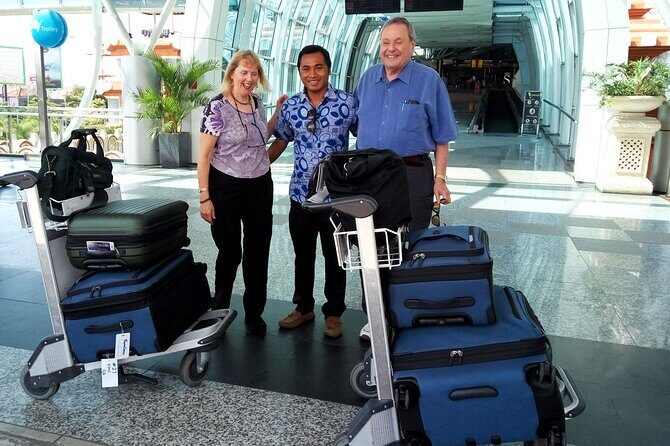
Landing in Bali should feel easy. This one-way private arrival transfer is built for your first hour on the island: a driver greets you at Denpasar International Airport with a name sign, then takes you straight to Ubud without stopovers for other people. I especially like the smooth meet-and-greet setup (easy to spot, quick walk-through) and the practical comfort of a clean, air-conditioned minivan that handles luggage well.

One possible drawback: the ride can be affected by Bali traffic and driving style. A few folks noted that the drive can feel intense if you’re not used to local road conditions, so keep that in mind on your first day.

Key things I’d pay attention to

Private Arrival Transfer: Bali Airport to Ubud Area - Key things I’d pay attention to

  • Name sign at the arrival gate: less wandering, less “is this my driver?” stress.
  • Private, door-to-door transport: you go straight from airport to Ubud (or your next stop).
  • Clean A/C minivan for up to 5 with luggage: comfortable, no squeezing.
  • Driver communication and patience during delays: helpful when flights, immigration, or luggage run late.
  • Bottled water included: a small thing that matters when you land tired.
  • $22 per person value: best when you’re traveling in a small group (2–5 in the vehicle).

Name-sign pickup at Denpasar: less stress, fewer headaches

Private Arrival Transfer: Bali Airport to Ubud Area - Name-sign pickup at Denpasar: less stress, fewer headaches
The hardest part of Bali arrivals is rarely customs. It’s the moment right after you land, when everyone’s hustling and you’re trying to confirm details with a fresh jet lag brain.

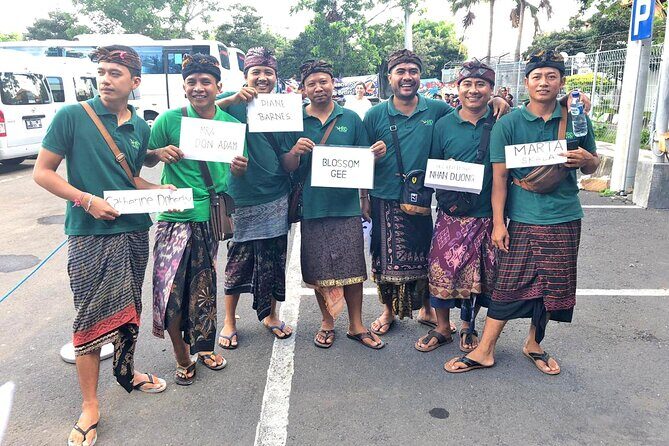
This transfer tackles that head-on. Your driver meets you at Denpasar International Airport arrival with a signboard that has your name on it. That detail sounds small, but it saves real time because you’re not trying to decode a crowd, a phone number, or a random driver with a similar-looking shirt.

The driver also helps you move from the arrival area out to the waiting vehicle. In plain terms: you get your first win of Bali right away, before you even see the green hills around Ubud.

One reason I like this setup is that several drivers in this service have been specifically praised for being friendly and easy to find, even when arrivals get messy. People have shared stories of being greeted late at night, or waiting through delays, with WhatsApp-style communication that keeps things from turning into a guess-and-hope situation.

The private minivan ride to Ubud takes the edge off

Private Arrival Transfer: Bali Airport to Ubud Area - The private minivan ride to Ubud takes the edge off
From the airport to Ubud is about an hour. That’s the kind of trip length where a private transfer really pays off. A taxi can be fine, but it often turns into bargaining, figuring out which line to stand in, and then negotiating with a meter or a flat rate. A prearranged private pickup removes that whole circus.

You’ll ride in a private air-conditioned minivan that can handle up to 5 people with luggage. That matters because luggage in Bali can be larger than you think—especially if you’re packing for temples, beach downtime, and a couple of day trips.

Door-to-door is the other key phrase. You’re not dropped at some central spot and told to find your way. You’re taken to your accommodation or private residence in the Ubud area. For your first day, that means less hauling bags across sidewalks and less time trying to understand how far everything is from everything else.

Also, you get bottled water in the car. Not a big “wow” moment, but it’s one less thing you have to hunt for right after you land.

What the praised drivers get right (and why it matters)

This transfer isn’t just a car. The driver experience shows up in the details people mention: communication, punctuality, and whether the ride feels safe and calm.

In the feedback you can see a pattern with certain drivers. Names that come up include Dexde, Oka, Wayang, and Made. The recurring themes are: clear communication ahead of pickup, friendly conversation, and patience when schedules slip.

That last part is underrated. Flights can be late. Luggage can arrive separately. Immigration lines can stretch. When that happens, a driver who waits without acting annoyed changes the tone of your entire arrival day.

And if you want the ride to be more than just a ride, some drivers also share tips about Bali as you go—so you arrive with a few practical pointers instead of a blank-map feeling.

Small perks that make Bali arrivals feel smoother

Private Arrival Transfer: Bali Airport to Ubud Area - Small perks that make Bali arrivals feel smoother
Let’s call these “quiet wins.” They don’t look flashy in a brochure, but they show up when you’re tired and moving fast.

Here are the included items that actually help:

  • Meet & greet service so you’re not guessing in the crowd
  • Bottled water for the first stretch of your day
  • Private one-way transport in an air-conditioned vehicle
  • Taxes, fuel surcharge, and service fees included in the stated price

And one practical note: food and drinks aren’t included. That’s normal for a transfer, but it helps you plan. If you land around a meal time, you’ll probably want to grab something near your hotel after dropoff rather than expecting the ride to include lunch or snacks.

Bali driving reality check: timing, traffic, and comfort

Private Arrival Transfer: Bali Airport to Ubud Area - Bali driving reality check: timing, traffic, and comfort
Even the best transfer can’t fully control Bali roads. One person described the drive as crazy, and that’s your cue to set expectations: traffic and road behavior can vary, and the ride style may feel different than what you’re used to.

Here’s how to handle it:

  • Keep some patience in your back pocket. The ride time is “about an hour,” not “guaranteed 60 minutes.”
  • If you’re prone to motion sickness, bring what you normally use.
  • If you’re anxious, ask your driver to drive at a comfortable pace. It’s a private setting; you can be direct.

The good news: lots of the praised experiences mention drivers being safe and calm, even when waiting longer due to delays. So while the drive can feel intense, the service tone tends toward reliable and professional rather than chaotic.

How this transfer fits your first-day Ubud plan

Private Arrival Transfer: Bali Airport to Ubud Area - How this transfer fits your first-day Ubud plan
Think about what you actually want on day one in Ubud. You want your bags down, your phone charged, and your mind clear enough to enjoy the town instead of just surviving the ride.

With this transfer, you can build a simple first-day rhythm:

  • You arrive, get settled, and start exploring later rather than racing against exhaustion.
  • You don’t waste energy on figuring out transport right when you land.
  • You have time to adjust before you commit to dinner, a walk around central Ubud, or an early temple visit.

And if you’re planning a tight schedule—like a morning class, a sunset stop, or a day trip—this transfer helps you keep the timeline cleaner because pickup is prearranged and focused on getting you there directly.

Price and value: $22 per person is about group math

Private Arrival Transfer: Bali Airport to Ubud Area - Price and value: $22 per person is about group math
At $22 per person, this transfer is easy to compare. But the real value depends on how you’re splitting the vehicle.

The pricing is per person based on 2 to 5 people per vehicle. So if you’re traveling as a couple, you’ll still pay less than a private car would cost you alone. The more people you add (up to five), the more the per-person value typically improves.

Where this price feels fair:

  • When you want a private, A/C vehicle with luggage space
  • When you value the name-sign meet-and-greet to reduce arrival stress
  • When you’re landing at a time when you really don’t want to negotiate transport

Where it might feel less necessary:

  • If you’re traveling solo with super flexible timing and you love spontaneous decisions
  • If you plan to do a lot of shopping and errands before check-in and don’t mind figuring out transport on the spot

One-way flexibility: airport, Ubud, and south Bali beach towns

Private Arrival Transfer: Bali Airport to Ubud Area - One-way flexibility: airport, Ubud, and south Bali beach towns
Even though your focus is airport to Ubud, the service is designed as a one-way transfer you can use in different directions.

The broader description includes transport between Ubud and the airport, and also south Bali destinations such as Kuta/Seminyak and Sanur. So if you’re building an itinerary that starts with Ubud and ends near the beaches—or the reverse—this can be part of your plan.

One real-world example from the experiences: one driver (Made) let the group stop at a supermarket to pick up supplies on the way. I wouldn’t treat that as guaranteed for every booking, but it’s a useful sign that some drivers are willing to accommodate reasonable, quick needs when it fits the route.

Who should book this transfer, and who might not

This transfer is a great fit if you want:

  • A stress-light arrival into Ubud
  • Private transport with A/C and luggage space
  • A driver who’s more focused on getting you settled than on taking detours
  • A setup that works well when flights are delayed

You might skip it if:

  • You’re comfortable handling airport transport chaos on arrival
  • You’re traveling with very specific timing and don’t want to prebook anything
  • You’d rather negotiate on the spot and see what the day offers

In short: if your priority is landing and getting to your place without drama, this is the kind of service that earns its keep.

Should you book this Bali airport-to-Ubud transfer?

I’d book it if you care about a clean arrival process and want to protect your first hours in Bali. The name-sign meet-and-greet, private door-to-door ride, and vehicle comfort add up to a simple benefit: you start your trip already in “vacation mode,” not “transport mode.”

Also, it’s priced in a way that makes sense for small groups. If you’re going with a friend or two, it often becomes one of those few Bali costs that feels genuinely useful, not just expensive.

If you’re sensitive to driving style or prone to motion sickness, just plan for that reality and treat traffic as the wildcard. Bring what you need, stay calm, and you’ll still get a smoother experience than the usual airport scramble.

FAQ

How much does the private airport to Ubud transfer cost?

It’s listed at $22.00 per person.

How long is the drive from Denpasar International Airport to Ubud?

The journey to Ubud is approximately 1 hour.

How many people can the minivan accommodate?

The private air-conditioned minivan accommodates up to 5 people with luggage, and the service has a maximum of 5 travelers.

Where will the driver meet me at the airport?

Your driver meets you at Denpasar International Airport at the arrival gate with a signboard showing your name.

Is the transfer door-to-door?

Yes. The service includes door-to-door transport to your hotel or private residence in the Ubud area.

What is included in the price?

Included are meet & greet service, bottled water, one-way transport by private air-conditioned minivan, and taxes, fuel surcharge, and service fees.

Is food or drinks included?

No. Food and drinks are not included.

Can this service be used to go to south Bali beach areas?

Yes. The service can transport you to or from the airport and to south Bali beach destinations such as Kuta/Seminyak and Sanur.

Is there free cancellation?

Yes. You can cancel for a full refund if you cancel at least 24 hours in advance. Within 24 hours, no refund is available.

Do I receive a ticket or confirmation on booking?

You receive confirmation at the time of booking, and the service offers a mobile ticket.

Gunung Kawi Rice Terrace Swing And Waterfall Private Guided Tour

Rain, monkeys, and rice views in one day. This private guided Ubud-style route is designed for efficient stops, with AC pickup from Nusa Dua and onboard Wi‑Fi so you can stay connected between photo breaks.

I like how it mixes Balinese culture and scenery without turning the day into a blur. Temple time (Gunung Kawi Sebatu) and a coffee/tea pause at Tampaksiring give you real rhythm, and you also get built-in chances to shoot photos at Tegalalang Rice Terrace and Happy Swing Bali.

One thing to keep your eye on: the cost can split depending on what you add. Swing rides and lunch may come as extras on the day, and there’s also a note about possible entrance add-on fees (around $18 per person) if certain private-guided entries apply.

Key things to know before you go

Gunung Kawi Rice Terrace Swing And Waterfall Private Guided Tour - Key things to know before you go

  • Private, English-speaking guide with a plan that stays flexible for your group
  • AC transport + onboard Wi‑Fi, handy on a 10-hour day
  • Multiple “big photo” stops: Tegalalang, Tegenungan, and Happy Swing Bali
  • Culture stops that aren’t just scenic (Gunung Kawi Sebatu Temple, Tampaksiring)

  • Included comfort items: mineral water, snacks, and coffee or tea at a rest area
  • Swing is optional and may work like an add-on when you arrive

How this 10-hour Ubud-style day works without wasting your energy

Gunung Kawi Rice Terrace Swing And Waterfall Private Guided Tour - How this 10-hour Ubud-style day works without wasting your energy
This is a full, active day—about 10 hours—built around some of the most popular (and very photogenic) places in the Ubud area. What makes it worth your time is the flow: you’re not just “driving past things.” You get time on the ground, plus a guide who helps you make sense of what you’re seeing and where to stand for the best photos.

Because it’s private, you’re not stuck waiting for a big group to shuffle down a path. You can move at a realistic pace: take pictures, cool off, learn the basics, then move on. That matters in Bali, where heat and crowds can quietly drain your mood.

The practical plus: you’ll have an AC vehicle, mineral water, and at least a snack plus coffee/tea at a rest stop. That’s the difference between enjoying a long day and feeling like you’re surviving it.

Sacred Monkey Forest Sanctuary and the Campuhan river bridge vibe

Gunung Kawi Rice Terrace Swing And Waterfall Private Guided Tour - Sacred Monkey Forest Sanctuary and the Campuhan river bridge vibe
Your day often starts at Sacred Monkey Forest Sanctuary in Ubud. This is the kind of place where you’ll want your camera ready—temples, bridges, greenery, and yes, monkeys. The guide helps you focus on the “must-sees” and points you toward good angles for photos, including the scenic bridge area around the Campuhan river.

A quick reality check: monkey forests are active. Stay aware of where you walk and keep your belongings secure. If you’re doing photos, keep one hand on your items and don’t get too close to animals for the sake of a perfect shot.

Why you’ll like this stop: it gives you an immediate Bali feel—temples, paths, and the classic Ubud atmosphere—before the day gets more waterfall-and-terrace heavy.

Possible downside: it can be busy and hot, so if you’re heat-sensitive, plan to take short breaks and drink the provided water early rather than waiting until you’re tired.

Happy Swing Bali: the Instagram spot, the swing add-on, and what to confirm

Gunung Kawi Rice Terrace Swing And Waterfall Private Guided Tour - Happy Swing Bali: the Instagram spot, the swing add-on, and what to confirm
Next is Happy Swing Bali, a famous photo stop with a swing area and options to do more than just look. The vibe here is playful: bird-nest style photo spots, and even complimentary dress to wear linked to the swing activities.

Here’s the key point: swing rides are typically treated like an optional add-on. You may be able to choose to participate when you arrive, rather than having every part of the swing experience automatically included. One review noted that the swing wasn’t fully accessible in their moment, so it’s smart to ask the guide (right away) what’s included with your package and what you can realistically do during your time there.

Practical tip: if you care about riding the swing itself (not just standing near it), clarify:

  • whether you’ll have time to go through the full swing area
  • whether any extra ticket or activity fee applies
  • how long you’ll actually have on-site

Why it’s still worth a stop: even if you skip the ride, it’s one of the easiest “Bali in a frame” moments on the route.

Tegalalang Rice Terrace: views first, then food and photos

Gunung Kawi Rice Terrace Swing And Waterfall Private Guided Tour - Tegalalang Rice Terrace: views first, then food and photos
Then you head to Tegalalang Rice Terrace, one of the most famous rice terraces in north Ubud. Expect lush, rolling views and a jungle-side perspective that’s perfect for wide shots and close-ups.

This is also where the day starts to feel more “slower and scenic.” The terrace stop is about an hour, which is enough time to:

  • walk to a good viewpoint
  • take photos without sprinting
  • reset with a break

You’ll also be offered a lunch stop linked to Balinese food at a local restaurant. The tricky part is that lunch is flagged as an additional personal expense (estimated around $4 per person) even though the tour description talks about enjoying a Balinese lunch. So treat lunch as a “check what’s included” situation.

Best use of your time here: go for the wide views early, then circle back for detail photos once you’re not rushing. Terraces are all about angles, and you’ll get better shots when you’re calm.

Gunung Kawi Sebatu Temple: a hot, spiritual stop with strong photo potential

Gunung Kawi Rice Terrace Swing And Waterfall Private Guided Tour - Gunung Kawi Sebatu Temple: a hot, spiritual stop with strong photo potential
In north Ubud, you’ll visit Gunung Kawi Sebatu Temple, described as having historical roots reaching back to around the 9th century, tied to Rsi Markandya and a journey toward Mount Agung. It’s not just a backdrop; the guide explains the story and what makes this place sacred.

The day is often warm here, so you’ll likely feel that mix of heat and stone as soon as you arrive. That’s normal in this part of Bali. Wear breathable clothes, keep water handy, and don’t plan to do “long wandering” beyond what you can comfortably handle in the time allotted.

Why I rate this stop highly: it gives you cultural grounding. You’re not only collecting photos—you’re learning what a temple site means and why locals care for it.

Possible drawback: if you’re not into temples or guided explanation, you might find the hour a little more “thinking” than “walking.” But for most people, it’s exactly the right balance after the photo-heavy swing and terrace.

Tampaksiring coffee and the flower field photo pause

Gunung Kawi Rice Terrace Swing And Waterfall Private Guided Tour - Tampaksiring coffee and the flower field photo pause
Next up is Tampaksiring, where you get a complimentary coffee and tea time. It’s a shorter stop—around 40 minutes—but it plays an important role: it breaks up the intensity of rice terraces and waterfalls with something calmer.

There’s also mention of taking great pictures in a flower field, with variants such as mary gold and rose. Even if you only spend a few minutes at the flower area, it’s a nice change from stone, swings, and steep paths.

Why it’s a good mid-day reset: coffee/tea plus a scenic pause helps you recharge before Tegenungan Waterfall. It also keeps the schedule from feeling like constant sightseeing.

Tegenungan Waterfall: the classic splash, timed for photos

Gunung Kawi Rice Terrace Swing And Waterfall Private Guided Tour - Tegenungan Waterfall: the classic splash, timed for photos
Your final big nature stop is Tegenungan Waterfall. The focus here is simple: views, tropical splash, and a green setting that makes photos pop.

The stop is about an hour, which is realistic. Waterfalls are fun, but they’re also unpredictable—wet ground, slippery surfaces, and crowds can change the pace quickly. Wear practical footwear, expect some dampness, and plan your photos so you’re not constantly moving when the footing isn’t ideal.

How your guide helps: a friendly guide can help you capture better pictures and choose spots where you can enjoy the waterfall without fighting the worst angles.

What to watch for: water makes surfaces slippery. Take your time getting in and out, and keep your phone and bag managed.

Price and value: what’s included, what might cost extra

Gunung Kawi Rice Terrace Swing And Waterfall Private Guided Tour - Price and value: what’s included, what might cost extra
At $22.67 per person, this tour can be good value if you actually use what’s included. Here’s what you should count on, based on the package details:

  • Professional English-speaking tour guide
  • AC vehicle transport and pickup offered
  • Mineral water, plus snack and coffee or tea at a rest area
  • Onboard Wi‑Fi between stops
  • Entrance tickets described as included (premium all inclusive)
  • Insurance
  • Mobile ticket

Now the “watch this” part. Two items are flagged as potential extra costs:

  • Lunch is listed as an additional personal expense (about $4 per person), even though the day is described as including Balinese lunch.
  • There’s also a note about special private guided only entrance fees that can be around $18 per person if additional entrance charges apply.

So how do you handle it without stress? Treat it like this:

  • If your day includes all sites without surprises, you may pay only your tour price.
  • If your package ends up charging some entries separately, expect lunch and swing/entry add-ons to be the likely places where extra money shows up.

Also remember: there’s mention of group discounts, but the experience is private—only your group participates. If you’re traveling with friends or family, that can still make it cheaper per person depending on how the operator structures your booking.

Transport comfort and the Wi‑Fi perk you’ll actually appreciate

A lot of Bali tours fail at the simple part: getting you from one place to the next comfortably. This one lists air-conditioned vehicle transport, which matters when you’re out in Ubud heat for hours.

Then there’s the bonus that sounds small but helps: onboard Wi‑Fi. On a day with multiple photo stops, you’ll want quick updates, maps, and sending shots to friends. Wi‑Fi doesn’t fix traffic, but it makes downtime less annoying.

If you’re sensitive to long drives or you need breaks to stay comfortable, I’d focus on how early the day starts (not provided here) and whether your guide builds in small pauses. The included snack and water help, but your body will still have preferences.

Photo tips that work specifically for this route

You’re moving between swing, terraces, temples, coffee flower fields, and a waterfall. That’s a lot of lighting changes in one day, so you’ll get better results with a simple strategy:

  • Start photoing wide first at Tegalalang, then go detail later.
  • Ask your guide where to stand for temple shots so you don’t waste time walking in the wrong direction.
  • At Happy Swing Bali, decide quickly whether you’re doing the swing experience. If you are, confirm timing and access on arrival so you don’t end up stuck at the edges.
  • For Tegenungan Waterfall, plan your shots so you’re not rushing—wet spots and crowds slow you down fast.

If you’re a “shoot first, ask later” person, a private guide can make the day smoother by guiding you toward the right angles and timing.

Who should book this tour, and who might not love it

This tour is a strong fit if you want:

  • a one-day overview of north Ubud highlights
  • a private experience with English guidance
  • multiple photo-driven stops with culture mixed in
  • comfort basics like AC transport, water, and snacks

It may be less ideal if:

  • you hate any chance of extra on-the-day fees (lunch and possible entrance add-ons are mentioned)
  • you want a “no surprises, fully included swing experience” plan without needing to pay for anything else
  • you prefer a relaxed day with fewer stops and less walking

One more note based on real-world experience with operators: pacing matters. One review mentioned an issue mid-day where the driver seemed tired while driving, which is understandably unsettling. If anything feels off—timing, comfort, or safety—flag it right away through your guide.

Should you book this Gunung Kawi Rice Terrace Swing And Waterfall tour?

If you’re coming to Bali for the highlights and want a guide to handle the details while you focus on photos and culture, this is a solid choice for the price. The strongest value is the mix: temple + terraces + waterfall, plus the comfort extras (AC, water, snack, coffee/tea, Wi‑Fi) that keep a 10-hour day manageable.

I’d book if you go in with two expectations:

1) swing is optional and may behave like an add-on when you arrive

2) lunch and possibly some entry charges can show up depending on how your package is applied

If you want, tell me your travel dates and whether you care more about the swing ride or the waterfall. I can help you decide what to prioritize so the day feels worth every hour.

FAQ

How long is the tour?

The duration is approximately 10 hours.

Is pickup offered from Nusa Dua?

Yes. Pickup is offered, and you’ll be transported in an air-conditioned vehicle.

Is the tour private?

Yes. It’s a private tour/activity, and only your group will participate.

Are entrance tickets included?

Entrance tickets are listed as included in the premium all-inclusive package, but there is also a note that special private-guided entrance fees may apply if visiting all attractions (up to about $18 per person).

What stops are included on the route?

Key stops include Sacred Monkey Forest Sanctuary, Happy Swing Bali, Tegalalang Rice Terrace, Gunung Kawi Sebatu Temple, Tampaksiring, and Tegenungan Waterfall.

Is Wi‑Fi included?

Yes. There is onboard Wi‑Fi to help you stay connected between stops.

What about lunch—does it cost extra?

Lunch is listed as an additional personal expense (estimated around $4 per person), even though the tour description mentions enjoying Balinese lunch.

Is the swing activity included?

Happy Swing Bali is part of the tour, and the swing experience is described as optional—something you can choose to participate in upon arrival.

What’s included for food and drinks?

You’ll receive a mineral water bottle, plus a snack and coffee or tea at a rest area.

What is the cancellation policy?

Free cancellation is available up to 24 hours in advance for a full refund.

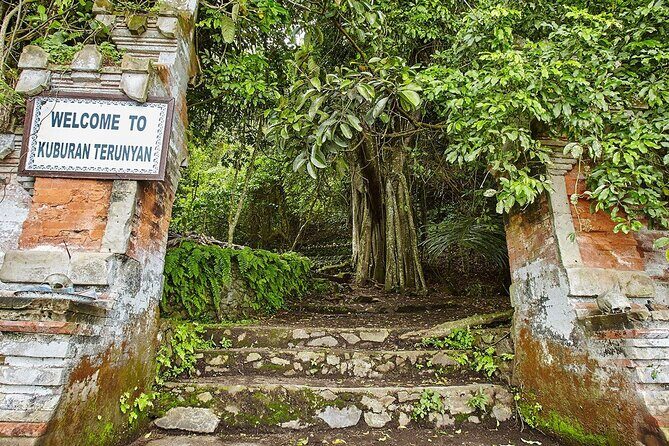
Private Tour to Trunyan Village “Skull Island of Bali”

Private Tour to Trunyan Village "Skull Island of Bali" - Getting from Ubud to the Trunyan area without losing your mind

Bali handles death differently. And on this long, thoughtful day trip from Ubud, you’ll get guided access to Trunyan Cemetery, where burial happens in an unusual open-air way. A good guide helps you see the rituals, ask questions, and not accidentally show disrespect in a sacred place.

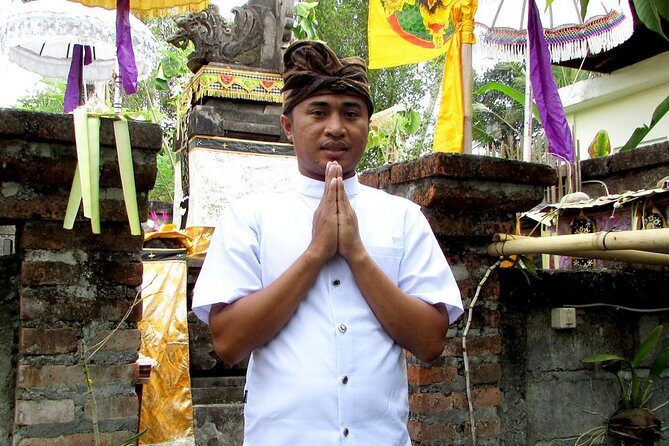
What I love most is the private setup—you’re not squeezed into a crowded bus—and the guidance that keeps the visit human, not just shock-value. I also like that lunch and a coffee stop are built into the day, so the schedule feels full without you having to hunt for food (some guides you may meet include Widana, Wayan, Putu, or Ketut Ajuz).

The main consideration is simple: it’s a long day. Expect traffic and rougher road stretches on the way out, so plan around that if you get carsick or hate sitting in slow traffic.

Key things to know before you go

Private Tour to Trunyan Village "Skull Island of Bali" - Key things to know before you go

  • Private transfer from Ubud with an air-conditioned minivan, so you start and end with less hassle
  • Trunyan Cemetery with a guide to help you understand what you’re seeing and how to behave respectfully
  • Scenic stop in Kintamani highlands paired with lunch at Grand Puncak Sari Restaurant
  • Coffee stop at Kumulilir with time for tea or coffee and a chance to taste Coffee Luwak
  • A full day rhythm (about 8 to 10 hours) with multiple stops, not a quick in-and-out photo stop

Why Trunyan’s open cemetery is so moving

Private Tour to Trunyan Village "Skull Island of Bali" - Why Trunyan’s open cemetery is so moving
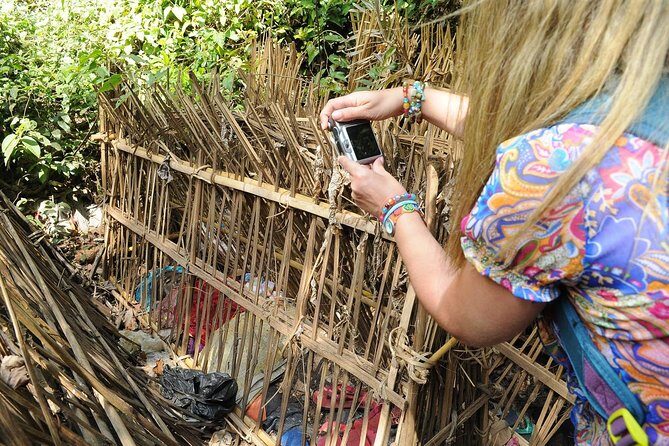
Trunyan Cemetery is famous for one thing: bodies are not buried in the ground the way you’d expect. Instead, the dead are treated according to local tradition, in an open-air setting that’s part of Bali’s older village culture. It can feel unsettling before you understand it. With a guide, it shifts from shock into a real lesson about how other people make meaning out of life and death.

What makes this tour especially compelling is the context. You’re not just shown skeletons and skulls as a spectacle. You’re taught how locals treat corpses, and why the site is handled with care. Several guides on this route—like Wayan, Putu, and Widana—are specifically praised for being friendly and for encouraging questions, which matters a lot when you’re visiting a place that requires tact.

And yes, the name Skull Island gets attention. But the day isn’t only about anatomy. It’s also about the quiet gravity of the rituals and the sense that you’re stepping into a part of Bali that still feels local.

Getting from Ubud to the Trunyan area without losing your mind

Private Tour to Trunyan Village "Skull Island of Bali" - Getting from Ubud to the Trunyan area without losing your mind
Plan on a full day. Even if the tour is organized, the drive time can stretch because you’re working with real island roads, real traffic, and a rural route. One traveler noted the roads can be bad and traffic can be heavy. Another warned the trip involves bumpy, narrow stretches—exactly the kind of drive that can hit motion-sickness-prone folks.

Here’s the practical upside: you’re in a private vehicle with a driver who knows the route, so you’re not stuck trying to navigate unfamiliar roads on your own. Plus, round-trip private transfer is included, so you’re not scrambling to arrange rides at the end of a long day when you’re tired and hungry.

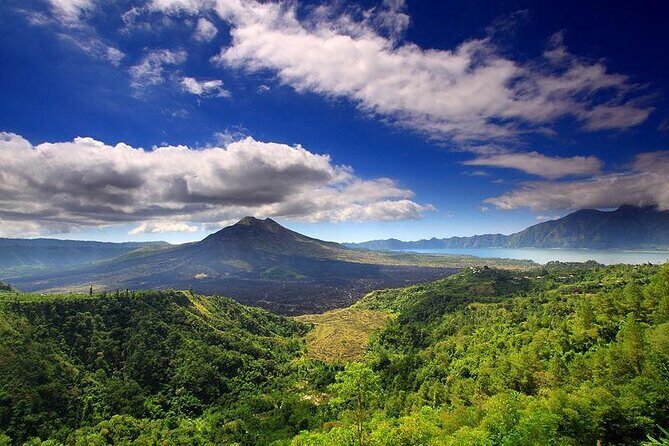
On the way, you may catch big regional views. Some guides build in time for the kind of sightline that makes the long ride worth it, including views connected to Mount Batur as the day unfolds. If the weather is clear, those moments add a lot to the emotional tone—less like a chore, more like a journey.

Trunyan Cemetery visit: what you’ll actually do there

Private Tour to Trunyan Village "Skull Island of Bali" - Trunyan Cemetery visit: what you’ll actually do there
This is the heart of the trip, with about 1 hour 30 minutes set aside for Trunyan Cemetery. Admission is included for this stop, and you’ll have a guide with you so you don’t get lost or accidentally wander into areas you shouldn’t.

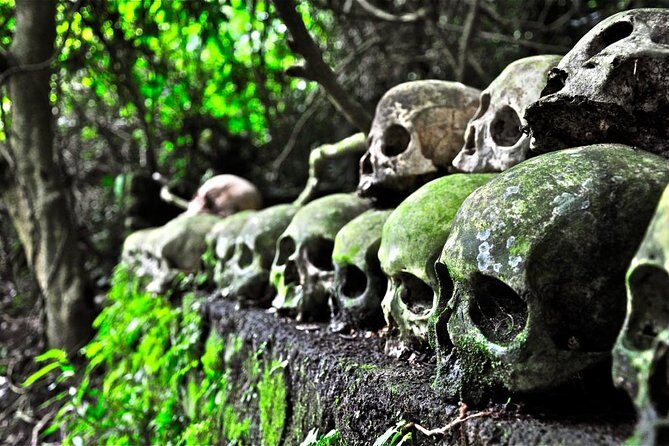
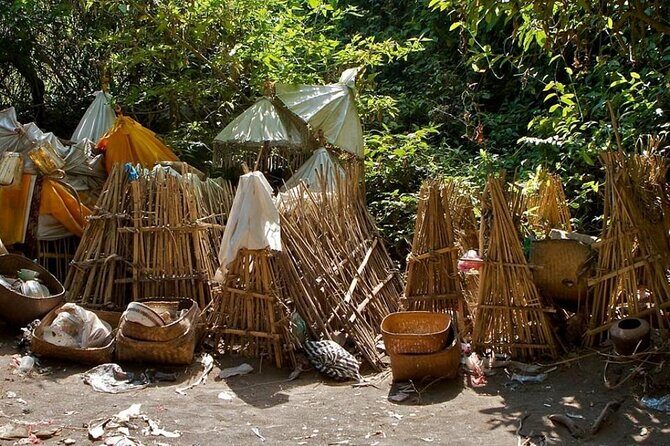
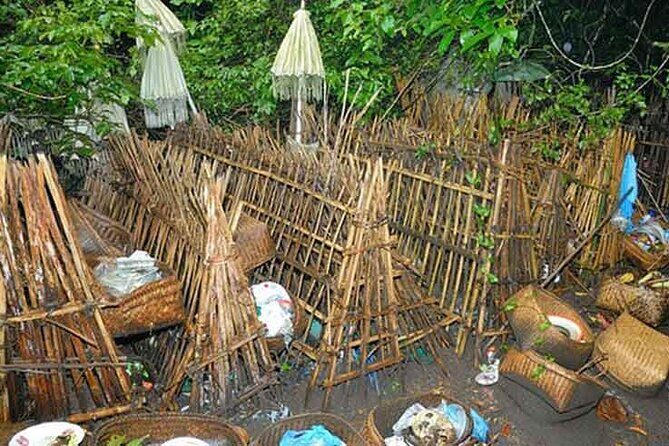
The visit centers on learning how the Trunyan burial custom works. You’ll see remains, including bones and skulls, and you’ll learn the basic idea: decomposition takes place on land in a designated cemetery, not under earth. The guide’s job here is not just pointing. It’s helping you understand what you’re looking at and how people show respect.

A helpful note: people who were worried about smell have said it wasn’t overpowering. Still, you should be mentally prepared. This is a cemetery where decomposition is part of the process. If you’re sensitive to strong visuals or you faint easily, don’t force it just for photos. Talk to your guide early about how you’re feeling, and they can help you pace yourself.

Also, etiquette matters. You’re in a sacred working site, not a theme park. Your guide (for example, names like Wayan, Dwiana, and Ketut Ajuz show up in feedback) can help you ask questions at the right moments and behave appropriately. That difference is the reason a guided visit is worth the money.

The Kintamani Highland lunch stop that breaks up the day

Private Tour to Trunyan Village "Skull Island of Bali" - The Kintamani Highland lunch stop that breaks up the day
After the Trunyan portion, the tour shifts gears to Kintamani Highland. You get a stop of about 1 hour 30 minutes, including lunch at Grand Puncak Sari Restaurant.

This part is valuable for two reasons. First, you get a proper meal without having to figure out where to eat once you’re already far from Ubud. Second, you get a change of scenery and a chance to reset your head after a heavy first stop.

Grand Puncak Sari Restaurant is the named lunch stop, and the tour includes admission for this segment. That sounds small, but it usually means you’re not paying extra at each place to keep moving. Several people also describe the lunch as good and well-presented, with one mentioning it as a multi-course meal and another saying it was a buffet-style lunch with a great view. Even if your meal style differs, you should expect a sit-down restaurant stop rather than a quick snack.

Practical tip: eat a bit slower than you normally would. After Trunyan, your body may feel tense without you realizing it. A calmer meal helps you enjoy the rest of the day.

Kumulilir coffee stop and the chance to taste Coffee Luwak

Private Tour to Trunyan Village "Skull Island of Bali" - Kumulilir coffee stop and the chance to taste Coffee Luwak
Next comes the Kumulilir stop, also about 1 hour 30 minutes. The tour includes coffee or tea, plus time to enjoy the setting. This is where you may get a chance to taste Coffee Luwak, the famous processed coffee associated with civets.

This stop is less intense than Trunyan, but it’s still part of learning. It’s a culture-and-agriculture kind of detour, and it gives your day a different texture—smell, taste, and conversation instead of ritual and remains.

A quick reality check: the wording is chance to taste Coffee Luwak, so think of it as an opportunity rather than a guaranteed tasting for every person in every moment. If you strongly want it, ask your driver/guide how the tasting works when you arrive.

Either way, you’ll likely leave with a couple of things you can talk about: how the coffee experience is explained locally, and whether you actually like the taste. This is also a good time to hydrate, since the day can be long and warm.

Time, pace, and what to pack for a long Bali day

Private Tour to Trunyan Village "Skull Island of Bali" - Time, pace, and what to pack for a long Bali day
The tour runs about 8 to 10 hours. That means it’s not just one activity—it’s a day schedule built around distance, meals, and multiple stops. If you’re the type who gets restless after two hours in a car, plan accordingly.

What to bring:

  • Water bottle refills can help; bottled water is provided
  • Sun protection (the highlands and road stops can feel bright and hot)
  • Something for motion sickness if you’ve needed it on winding drives before
  • A small layer for air-conditioned rides and cooler highland moments

Pace-wise, one theme shows up again and again in feedback: guides often allow flexibility. People appreciated that they could spend time where it mattered. That’s how you avoid turning the day into a rushed checklist.

Also, photography expectations: you’ll have plenty of chances for scenic shots and for the cemetery setting. But don’t run around. In a place like Trunyan, your job is to respect the site first.

Upgrades that can turn one day into a Bali mini-itinerary

Private Tour to Trunyan Village "Skull Island of Bali" - Upgrades that can turn one day into a Bali mini-itinerary
This tour isn’t only a single-stop experience. It can be upgraded with extras depending on what you want to see next. Options listed include:

  • Mt. Batur sunrise jeep tour
  • A waterfall stop
  • A hot spring visit
  • Tirta Empul Temple
  • Besakih Temple
  • Penglipuran Village

This is a good feature if you’re trying to balance your time in Bali. A sunrise jeep plus Trunyan can make the day feel epic rather than just long. But be smart about add-ons: if you choose hot springs or other attractions, entry/tickets may not be included in the base-day costs, and you’ll want to confirm what’s covered for the specific upgrade you pick.

One traveler described a situation where hot springs were passed but tickets weren’t included. That doesn’t mean upgrades are bad—it means you should budget for potential entrance fees if you’re adding extra sites.

Price and value: when $109 makes sense

Private Tour to Trunyan Village "Skull Island of Bali" - Price and value: when $109 makes sense
At $109 per person, this tour is priced for a private day that bundles a lot together: round-trip private transfer from Ubud, a driver/guide, air-conditioned minivan transport, bottled water, lunch, coffee/tea, and admissions for the main stops.

Here’s why I think the value works. Without a private guide, you’d still pay for transport, probably end up splitting meals into separate searches, and you’d likely miss out on context—especially at Trunyan Cemetery, where etiquette and understanding matter.

Could it be overpriced for you? Maybe, if you only want a quick look and don’t care about explanation. Or if you plan to spend extra time (and money) on upgrades like hot springs, you should compare the final total against alternatives.

Also, remember the duration. It’s not a 3-hour tour. This is a day you commit to, and that commitment affects value. If you hate long drives, you’ll feel every hour.

Who should book this Skull Island tour

This is for you if:

  • You want Bali beyond the usual temples and rice-terrace route
  • You like cultural context, not just photos
  • You’re comfortable with the idea of seeing a real cemetery and remains
  • You prefer a private guide who can answer questions and help you behave respectfully

This might not be for you if:

  • You get carsick easily
  • You dislike long days with lots of driving
  • You’re easily overwhelmed by death-related subject matter
  • You’re only looking for light entertainment

If you’re visiting Bali with a mix of interests—some culture, some scenery, some food—this tour can be a strong anchor. And if you’re the kind of person who wants to understand why people do what they do, you’ll likely feel it more than someone chasing a checklist.

Should you book this Trunyan Cemetery private tour?

If you’re curious about Trunyan Village and you want to go with a guide who helps you stay respectful, I’d lean toward booking. The private format, the included meals and coffee stop, and the time dedicated to Trunyan Cemetery make this a complete day rather than a half-formed excursion.

Just go in with the right expectations: it’s long, roads can be bumpy, and the cemetery is genuinely about death rituals. If you can handle that with an open mind, you’ll come away with a story that feels real—something you can’t get from a quick stop on a crowded route.

FAQ

FAQ

How long is the private tour from Ubud?

It runs about 8 to 10 hours.

Is pickup and drop-off included?

Yes, round-trip private transfer is included, with pickup offered.

What’s the price per person?

The price is $109.00 per person.

Is this tour private or shared?

It’s private, so only your group participates.

What’s included in the tour package?

Included items are round-trip private transfer, a driver/guide, private tour transport in an air-conditioned minivan, bottled water, lunch, and coffee and/or tea. Admission tickets are included for the stops listed.

Do I get lunch during the tour?

Yes. Lunch is included at Grand Puncak Sari Restaurant during the Kintamani Highland stop.

Will I have a chance to try Coffee Luwak?

At the Kumulilir stop, you’ll have a chance to taste Coffee Luwak.

Does the tour require good weather?

Yes. The experience requires good weather. If it’s canceled due to poor weather, you’ll be offered a different date or a full refund.

What is the cancellation policy?

Free cancellation is available. You can cancel up to 24 hours in advance for a full refund.

Ancient Temples and Jatiluwih Rice Terrace Private Tour

Ancient Temples and Jatiluwih Rice Terrace Private Tour - A coffee plantation stop that’s more useful than it sounds

A Bali day with temples, terraces, and a grand finale. This private 10-hour loop is interesting because you get ancient Hindu sites plus the UNESCO-listed Jatiluwih rice country in one go, with time to photograph it all. I really like the personalized pace from your driver-guide and the fact that the day is built around big scenery moments, especially the sunset at Tanah Lot. One thing to keep in mind: temple entrance tickets aren’t included, so your total cost can creep up.

This is the kind of tour that works well when you want to see more than just one hot spot. Your hotel pickup and return mean you spend less time wrangling rides and more time enjoying the drive through inland Bali. And if your guide is someone like Margot or Arya, you’ll usually get clear explanations and confident road skills, which matters on Bali’s winding routes.

Finally, the itinerary has a good rhythm: start in the gardens and temples, head into the lake and rice fields, then finish where the shoreline drama is at its best. Expect a coffee stop where you can see the plants and taste Balinese coffee varieties, plus a late-day temple visit where camera ready is a real requirement, not a suggestion.

Key things that make this tour worth your time

Ancient Temples and Jatiluwih Rice Terrace Private Tour - Key things that make this tour worth your time

  • Private-only day: your party stays with your own guide and driver, no shoulder-to-shoulder chaos
  • Jatiluwih rice terraces on purpose: a full stop for those wide, stepped views
  • Temple variety: from royal gardens to a lake temple to a sea-rock shrine
  • Buffet lunch with a view: lunch is part of the scenery plan, not a parking-lot afterthought
  • Countryside route: you get inland roads through jungle and foothills near Mt Batukaru
  • Sunset timing at Tanah Lot: you’re scheduled to catch the ocean-rock mood

Private pickup and a realistic 10-hour day plan

You start at 9:30 am with hotel pickup. That matters because Bali’s distances can be sneaky: without pickup, you’d lose time (and patience) just getting to the main roads.

This is a private tour, so your guide and driver are focused on your group only. In practical terms, that means the day runs smoother when someone needs a bathroom stop, wants extra time to look at a temple gate, or just moves at a slower pace. The best part is that your guide can explain what you’re seeing while you’re actually there, rather than handing you a generic script and rushing you to the next stop.

The tour runs about 10 hours, and it’s busy in a good way. You’re moving between multiple areas—temples, lake country, rice terraces, and then the coast. If you’re the type who hates schedules, you’ll still probably enjoy it, because the itinerary is built around long scenic stops, not constant “two-minute photo” moments.

Taman Ayun Temple: royal gardens that feel like a calm reset

Ancient Temples and Jatiluwih Rice Terrace Private Tour - Taman Ayun Temple: royal gardens that feel like a calm reset
One of the early highlights is Taman Ayun Temple in the Mengwi Regency. This is the “slower, greener” stop in the day. You’re looking at an ancient royal temple complex with gardens tied to the Mengwi Kingdom, and the vibe is less frantic than the typical tourist rush.

Plan for about 30 minutes here. That’s not enough time to become an expert, but it’s enough time to notice the layout and take in the atmosphere. Temples like this are a good warm-up because you’ll start recognizing Bali’s design language—gateways, courtyards, and the way buildings are arranged for ceremony space.

Practical tip: bring a light layer. Temples are often shaded, and after a car ride in the heat, your body sometimes goes from sweaty to chilly in a hurry.

A coffee plantation stop that’s more useful than it sounds

Ancient Temples and Jatiluwih Rice Terrace Private Tour - A coffee plantation stop that’s more useful than it sounds
Between temples, the tour includes a local coffee plantation stop. You’ll see different coffee plants and get to taste several Balinese coffee varieties.

This is one of those stops that can go either way on tours. Here, it’s valuable because it breaks up the driving, and you come away with context for why coffee is part of Bali’s daily life and local economy. It’s also a nice moment to stretch your legs before heading into the busier scenic parts of the route.

If you don’t like sampling foods, you can still treat this stop as a quick education break. If you do like tasting, this is one of the easiest ways to remember your day without relying only on photos.

Bedugul and Ulun Danu Beratan: lake temple views that stop you

Next up is the Bedugul area and Ulun Danu Beratan Temple, the lake temple. Expect a solid 1-hour stop here, and expect it to look like the name promises—temple structures associated with the lake setting and that classic “is it floating, is it perched?” feeling.

This is one of the best “Bali variety” points of the tour. You’re not just seeing temples on land; you’re seeing a temple identity shaped by water. On a day that also includes rice terraces and ocean rocks, that balance keeps everything from feeling repetitive.

If the weather is clear, you’ll get strong views. If clouds roll in, you’ll still get a moody atmosphere. Either way, you’re getting a different kind of scenery than you had earlier in the day.

Jatiluwih rice terraces at Pacung: the stop you’ll talk about later

Ancient Temples and Jatiluwih Rice Terrace Private Tour - Jatiluwih rice terraces at Pacung: the stop you’ll talk about later
Then comes the star for many people: Jatiluwih Green Land and the rice terraces around Pacung. You’ll have about 1 hour here, and it’s built for sweeping views of Bali’s largest rice paddy fields.

This is UNESCO-listed country, and you can see why. The terraces aren’t just pretty; they show how water and hillside farming are managed over time. From a visitor perspective, that makes it more meaningful than a simple viewpoint.

A buffet lunch is included during this portion of the day, with epic views. That’s a big deal because it stops the usual rhythm of: see scenery, rush, eat boring food, then leave. Here, lunch is part of the scenery plan.

What to do with your hour: don’t try to “cover everything” like you’re touring a museum. Instead, pick one or two vantage points and spend time there. The terraces shift visually with your angle, so moving slowly actually helps you see more.

Practical tip: terraces can be humid and uneven. Wear comfortable shoes you trust on slightly slick paths. And yes, bring your camera. But also pause and put the camera down for a minute. The best shots often come after you’ve looked with your eyes first.

Into the Mt Batukaru foothills: jungle roads and Batu Karu Temple

Ancient Temples and Jatiluwih Rice Terrace Private Tour - Into the Mt Batukaru foothills: jungle roads and Batu Karu Temple
After lunch, the tour heads through dense jungle and toward the foothills of Mt Batukaru to visit Batu Karu Temple.

This is where the day turns from “big view” to “deep countryside.” The ride itself is part of the experience, because it takes you off the most obvious tourist route. You’re seeing a different side of Bali—less coastal drama, more inland greenery and roadside life.

Even though the temple stop details aren’t spelled out as tightly as some of the other stops, the feel is clear: Batu Karu is about place and atmosphere. You’re reaching a site that’s not just a postcard. It’s also a reminder that Bali’s temple culture lives in the countryside, not only near the popular streets.

If you want variety in your photos—terraces and ocean rocks already cover two strong categories—then Batu Karu adds a third: hillside temple calm.

Tanah Lot at sunset: the ocean-rock finale

The final stop is Tanah Lot Temple, perched on a rock out in the ocean. This is where you get the day’s best “wow” factor.

The tour schedules you to catch sunset, and that timing is everything here. The light changes quickly, and when the sun drops, the rock and shoreline setting look especially dramatic. You’ll want your camera ready, but don’t treat it like a factory line. Let the moment happen.

Tanah Lot is listed as a 1-hour stop, and admission tickets aren’t included. If you want to avoid surprise costs, budget for entrances separately for stops that require them.

One more practical thought: sea-air can feel cooler than you expect, especially once the sun dips. Bring something light that you can pull on without turning the car ride into a wardrobe change.

What you’re paying for: $32.06 value that depends on entrances

Ancient Temples and Jatiluwih Rice Terrace Private Tour - What you’re paying for: $32.06 value that depends on entrances
At $32.06 per person, this tour is priced like a smart deal—mostly because the big costs are handled for you.

Included highlights:

  • Hotel pickup and drop-off
  • Private air-conditioned vehicle
  • Private driver/guide
  • Bottled water
  • Buffet lunch
  • All taxes, fees and handling charges

Not included:

  • Entrance tickets for the temple stops

So your “true” cost is usually the base price plus whatever the site entrances add up to. For many travelers, that’s still a good trade because you’re buying convenience and time. Instead of figuring out routes and transport for multiple areas, you pay for a single day plan with one driver doing the hard part.

Also, the private format matters. If you’re a couple, a small family, or friends traveling together, private tours can be a better value than you expect, because you’re not paying to share attention and time.

Transportation comfort and why it matters on this route

This tour uses a private air-conditioned vehicle. That’s not just comfort—it’s practical. Bali’s roads can be winding, and a full day of stops means you’ll spend real time in transit.

Because the day is long and multi-area, your vehicle comfort helps you actually enjoy the later parts like rice terraces and sunset. And since your driver is focused on your party, you’re less likely to lose momentum to the usual mix-and-match delays.

What to bring so the day feels easy

Based on how the stops work, you’ll have a smoother day with:

  • Comfortable shoes for temple grounds and terrace paths
  • A hat or sunscreen for the open rice areas and coastal sunset
  • A camera and/or phone charger strategy
  • A light layer for early-morning and sunset changes
  • Entrance-ticket budget in mind (since they’re not included)

And don’t forget water. Bottled water is included, but you’ll still feel better if you pace yourself and drink steadily.

Who this tour fits best

This is a strong match if you want:

  • A temple-and-nature day that doesn’t feel like a checklist
  • Big photo moments: Jatiluwih rice terraces and Tanah Lot at sunset
  • A private setup where your group’s pace matters
  • Someone to explain what you’re seeing, from gardens to lake temples to countryside sites

It’s also a good option for people staying around Seminyak who don’t want to deal with multiple transfers and uncertain timing.

If you hate long drives or you only want one major stop, you may find the schedule intense. But if you want a full Bali day with clear payoffs, this itinerary delivers.

Should you book this private temples and rice terrace tour?

I’d book it if you want one guided day that connects the dots between ancient temples, UNESCO-listed rice terraces, inland countryside, and a sunset finale at Tanah Lot. The mix of stops makes it feel like Bali in several moods, not just one highlight.

Skip it or consider another option if you’re trying to keep costs ultra-low, because entrance tickets aren’t included and the day is designed around paid sites. Also, if you’re very sensitive to time and traffic, the full 10-hour schedule might feel like a lot.

If you’re okay with a full day and you care about both scenery and cultural context, this is the kind of tour that gives you a memorable route home.

FAQ

What’s included in the price?

The price includes hotel pickup and drop-off, private air-conditioned transportation, a private driver/guide, bottled water, and a buffet lunch, plus all taxes, fees, and handling charges.

Are entrance tickets included for the temples?

No. Temple entrance tickets aren’t included, so you’ll need to budget separately for the sites that charge admission.

How long is the tour, and when does it start?

The tour is about 10 hours and starts at 9:30 am.

Is this tour private?

Yes. It’s a private tour operated with just your party and a guide/driver.

Do I need a minimum number of people?

Yes. A minimum of 2 people per booking is required.

Can I cancel and get a full refund?

Yes, you can cancel for a full refund if you cancel at least 24 hours before the experience’s start time. If you cancel less than 24 hours before, the amount paid isn’t refunded.

Dolphin Watching Tour, Swimming with Dolphins and Snorkeling

Dolphin Watching Tour, Swimming with Dolphins and Snorkeling - Getting from Ubud to Lovina: early pickup that actually matters

Sunrise + dolphins. It’s a special kind of early. This tour takes you from Ubud down to the north coast for a morning boat ride off Lovina Beach, where you’ll try to spot dolphins in their natural habitat as the light comes up. Then you get time in the water for snorkeling, with chances to see fish close to the reef and even underwater statues.

What I like most is the included hotel pickup (so you don’t have to figure out north Bali at 4am) and the fact that snorkeling gear is part of the package, not an extra add-on. The day is built around one clear goal: dolphins first, snorkeling second.

One consideration: the schedule is early, and the boat time can be long while you search. If you’re prone to motion sickness, plan for a seasickness risk during the dolphin-hunting stretch.

Key things that make this tour worth your morning

Dolphin Watching Tour, Swimming with Dolphins and Snorkeling - Key things that make this tour worth your morning

  • Lovina sunrise timing: you’re on the water early enough to catch that soft morning light.
  • Boat-to-water dolphin swim: after the sightings from the boat, you can swim alongside and look for dolphins from under the surface.
  • Snorkeling time in Lovina waters: coral, fish, and even underwater statues are part of the experience.
  • Staff who keep it moving: drivers like Juna, Ferry, and Adi (named in reviews) are repeatedly praised for being on time and friendly.
  • Real-world marine risks: jellyfish can be present, so bring the right protection and take stings seriously.
  • Big dolphin-boat turnout: you may see many boats at once chasing the action, which can make navigation feel crowded.

Lovina Sunrise Dolphin Hunting: why this feels more local

Dolphin Watching Tour, Swimming with Dolphins and Snorkeling - Lovina Sunrise Dolphin Hunting: why this feels more local
The magic here is the setting. Lovina is on Bali’s north coast, where sunrise views are the point—and the dolphins tend to show up in the morning as they feed. Instead of chasing wildlife from a roadside viewpoint, you’re going out by boat and looking where the animals actually spend time.

You’ll also get the feel of a working coastal area. Many boats go out during the same window, so you’re not watching from some private cove. Expect to see other tour boats in the water while everyone follows the same dolphin schools. It’s not a dealbreaker, but it’s part of how dolphin tours work in Lovina.

When it goes right, it’s genuinely memorable: there are accounts of dolphins popping up and swimming close, and others of dolphins spotted from the water below—one couple even described seeing around 40 dolphins far under the surface during their time in the water. Even if dolphins don’t show up constantly, the whole morning has a real “keep scanning the horizon” rhythm to it.

Getting from Ubud to Lovina: early pickup that actually matters

Dolphin Watching Tour, Swimming with Dolphins and Snorkeling - Getting from Ubud to Lovina: early pickup that actually matters
This tour offers pickup, and it’s one of the big reasons people enjoy it. Ubud is not next door to Lovina, so the morning begins with an air-conditioned ride by vehicle.

Plan for an early start. Reviews mention pickups as early as 3:00am in Ubud (and also a later meeting/start around the 5:00am range for other groups). The goal is simple: get you to Lovina in time for the sunrise dolphin window, not just for a vague morning departure.

The meeting point is listed at Saka Bali Dolphin Tour and Transport in Anturan (Buleleng area). Your end point brings you back to that same meeting point area. In practice, many people report being taken back to their hotel too, so if you want the cleanest handoff, ask your operator what drop-off looks like for your specific pickup.

What to do the night before

  • Charge your phone. Sunrise = low battery time if you’re taking photos.
  • Pack sunscreen and a light layer for the boat ride. Morning air can feel cooler than you expect.
  • If you get motion sick, treat it like a boat day, not a short trip.

On the water: how the dolphin search really plays out

Dolphin Watching Tour, Swimming with Dolphins and Snorkeling - On the water: how the dolphin search really plays out
Most of your time is spent searching. You’re taking a boat from Lovina, and the captain runs the route based on where dolphins are showing up. The experience is described as safe and comfortable, with proper sailing safety equipment on board.

But here’s the part you should plan for: dolphins don’t follow a schedule on demand. One review noted the dolphins were a bit elusive, and they still managed to see dolphins swimming below them later. Another described dolphins showing up multiple times during the hunt.

The boat can stay out for around three hours while you look. That means you need to be ready for a long, patient stretch on open water. If your body doesn’t love boats, this is where you’ll feel it first.

Language can be another small variable. One review mentioned the captain didn’t speak English clearly, so if you rely on a lot of spoken instruction, stick to the assumption that you’ll follow hand signals and the guide’s directions. Safety explanations usually still make sense; you just might get fewer detailed explanations.

Swimming with dolphins from the boat: what to expect (and how to do it safely)

After the dolphin spotting from the boat, you’ll get your water time. This is the “here’s what you came for” section, and it has a clear structure:

  1. You swim with the dolphins while keeping close to the boat.
  2. You may also be able to look for dolphins under the water while you hold onto a wood piece tied to the boat (used as a steady point).
  3. You’ll have a guide on hand to help keep things safe and organized.

This isn’t a scripted aquarium moment. Dolphins are wild animals. Sometimes they swim close; sometimes they stay a bit farther out. You might hear people describe dolphins jumping or swimming close to the boat, but it’s always a “when they’re in the mood” situation.

Things that make this section work

  • You stay calm and follow instructions. Sudden movements can make you panic in the water.
  • You keep your breathing steady. If you’re nervous, your body fights you.
  • You protect your skin. Even in “open water snorkeling,” there can be stinging hazards.

Don’t ignore the jellyfish note

One review was blunt about jellyfish: the water around the dolphins had many jellyfish, and they received dozens of stings with painful, itchy symptoms days later. They specifically mentioned venom and real damage risk.

That doesn’t mean every trip has the same jellyfish density, but it does mean you should plan like it could be present:

  • Wear a rash guard or a long-sleeve swim layer if you have one.
  • Avoid kicking blindly or stirring the water near where you can’t see.
  • If you get stung, don’t rub the area. Rinse and seek help for more serious symptoms.

Snorkeling in Lovina: coral, fish, and underwater statues

Once dolphin time finishes, you shift into snorkeling. This is where Lovina’s reef environment gives you something even if dolphins aren’t in view for the entire snorkel session.

The tour description calls out coral and various fish, and it also mentions underwater statues that you may see while snorkeling. One review also described baby jellyfish during snorkeling, which lines up with the idea that marine conditions can vary—so don’t treat snorkeling like it’s always “clean and calm.”

Time in the water here can be shorter than you expect. One review described snorkeling for about half an hour, paired with dolphin time that took much longer. That makes sense: dolphin boat searches take up most of the morning, and snorkeling is often the follow-up.

What to bring for the snorkeling portion

  • Reef-safe sunscreen if you have it (or plan to apply before you get in).
  • A small towel and a dry shirt in your bag for the ride back.
  • If you’re a cautious swimmer, go slow. Snorkeling conditions can feel more exposed than you expect.

Drivers and captains: punctuality and care show up in the details

Dolphin Watching Tour, Swimming with Dolphins and Snorkeling - Drivers and captains: punctuality and care show up in the details
The experience isn’t just dolphins and coral. The morning runs on people who manage time, keep safety tight, and make sure you don’t feel lost when you’re half-asleep.

A few names came up repeatedly in positive feedback:

  • Drivers such as Adi, Juna, and Ferry were praised for being on time and friendly.
  • Captains like Komang Suwika, Donald, Ponal, Oka, and Putu were mentioned for being patient, respectful, and helpful in getting the group set for success.

The practical value of good staff is huge here. If everyone is rushing, dolphin searching becomes stressful fast. If your team communicates clearly—what to do in the water, where to hold on, how to snorkel safely—you can actually enjoy it.

There’s also an emotional side. One review described being seasick, and the driver was willing to wait before leaving Lovina so the person could rest. Even if you don’t get sick, that signals the operator is thinking about real bodies, not just schedules.

Price and value: around $21 is the deal, if you’re prepared

At $21.39 per person, this is priced like a value tour, and the “what’s included” list is strong:

Included:

  • All fees and taxes
  • Air-conditioned vehicle
  • Snorkeling equipment
  • Boat tour
  • Mineral water

Not included:

  • Breakfast
  • Personal expenses

Is it worth it? For many people, yes—because the tour stacks three things into one morning: pickup + boat time + snorkeling gear. If you had to price those separately in north Bali, the cost would jump quickly.

But the value only holds if you show up ready. This is an early morning outing without breakfast included, so if you skip food beforehand, you’ll feel it. Grab something light before pickup if you can.

Also, remember the dolphin part is not guaranteed. The operator can’t control animals or weather. You’re buying a guided attempt with safety gear, timing, and a chance to swim—so treat it as a “best effort” experience, not a promise.

Weather and water conditions: what to expect if the day changes

This tour requires good weather. If conditions are bad enough, you should expect a reschedule or a full refund. That’s important because dolphin activity and safe boat operations depend on the sea.

When weather isn’t ideal, timing can shift. One review noted a reschedule due to conditions (and still ended up with an amazing time). Another described arriving early, struggling to find their group at a busy meeting area, and then starting a bit later.

So if you’re the kind of person who likes certainty, arrive with buffer time at the meeting point. It’s normal for there to be a crowd.

Who this tour suits best (and who should reconsider)

This is a great fit if you:

  • Want sunrise views and you’re willing to wake up early
  • Enjoy getting in the water, not just watching from the boat
  • Care about value and want snorkeling gear included
  • Can stay flexible if dolphins are elusive that morning

It’s less ideal if you:

  • Get motion sick and don’t take precautions
  • Have a strong allergy or sensitivity to jellyfish stings
  • Need lots of spoken English explanations during the hunt (some captains may not communicate clearly)

If you’re with kids, ask about what “most travelers can participate” means for your group and whether everyone in your party can handle the boat time.

Should you book the dolphin and snorkeling tour from Lovina?

I’d book it if you want a classic Bali north-coast morning: dolphins first, then snorkeling, with pickup handled for you. The strongest reasons are practical: pickup, included snorkeling equipment, and an operation that many people describe as punctual and friendly (with specific drivers and captains named like Juna, Ferry, Adi, and Ponal).

I’d think twice or prepare extra carefully if you’re jellyfish-sensitive or motion-sickness-prone. The risk is real enough to plan around, not ignore.

If you book, pack smart: sunscreen, a light swim layer or rash guard, and whatever helps you handle boat rides. Then you’ll be set for the part that makes this tour special—watching dolphins in morning light and getting real water time close to marine life.

FAQ

Where is the meeting point?

The tour starts at Saka Bali Dolphin Tour and Transport in Anturan (Jl. Laviana, Kec. Buleleng, Kabupaten Buleleng, Bali 81119). It ends back at that meeting point area.

How long does the tour take?

The duration is approximately 4 hours.

Is hotel pickup included?

Pickup is offered, and it’s commonly used by people staying in Ubud. The tour also notes an air-conditioned vehicle.

What snorkeling items are included?

Snorkeling equipment is included, along with use of the snorkeling gear during your water time.

Does the tour include breakfast?

No. Breakfast is not included.

What wildlife will you see?

The main focus is dolphin spotting in Lovina waters at sunrise, and you’ll also have snorkeling time that may include coral, fish, and underwater statues.

How many people are on the tour?

The maximum group size is listed as 50 travelers.

What if the weather is bad?

This experience requires good weather. If it’s canceled due to poor weather, you’ll be offered a different date or a full refund.

Is free cancellation available?

Yes, free cancellation is available up to 24 hours in advance for a full refund.

Ulun Danu Beratan Temple – Tanah Lot Temple Tour by UNESCO World Heritage

A great temple day needs smart routing. This one strings together three of Bali’s most famous temple moments, then adds a rice-terrace stop so the day feels more rounded than just stop-and-snap. You’ll learn the basics of Balinese religion and temple tradition while moving with hassle-free hotel transfers in an organized private setup.

What I like most is the pace and the guidance. The tour leans on a private guide experience, so you can ask questions and get explanations as you go, and you’re not stuck listening through a busload of noise. The second big win is the mix: Ulun Danu Beratan’s lakeside setting, Taman Ayun’s UNESCO World Heritage temple grounds, and Tanah Lot’s dramatic rock-coast silhouette, followed by Jatiluwih’s rice-terrace views.

One thing to consider: it’s a long travel day, roughly 8 to 10 hours, so plan for a lot of time in the car and expect early starts depending on where your hotel is in Ubud or south Bali. If you’re the type who hates schedule pressure, bring patience and a good snack plan.

Key Points Before You Go

Ulun Danu Beratan Temple - Tanah Lot Temple Tour by UNESCO World Heritage - Key Points Before You Go

  • Private group experience means only your party rides along, with time to ask questions
  • Pickup is built in from hotels in Ubud and much of south Bali, which saves real hassle
  • Three major temples in one day: Ulun Danu Beratan, Taman Ayun, and Tanah Lot
  • UNESCO World Heritage temple stop at Taman Ayun (listed in 2002)
  • Jatiluwih rice-terrace viewpoint adds a non-temple highlight and photo-friendly scenery
  • Transport-only or ticket upgrade options give you control over how you pay

A Temple Circuit That Makes Bali’s Beliefs Easy to See

Ulun Danu Beratan Temple - Tanah Lot Temple Tour by UNESCO World Heritage - A Temple Circuit That Makes Bali’s Beliefs Easy to See
This is the kind of Bali day trip that works because the temples are spaced like a story. You start at Ulun Danu Beratan, then go to Taman Ayun (the UNESCO stop), and finish with Tanah Lot where the sea-rock setting turns every photo into a postcard. Between each place, you get time to regroup rather than racing through one site after another.

What makes it interesting is how the day is framed around Balinese life and worship, not just architecture. The tour is designed to help you understand spiritual beliefs and traditions while you’re standing in front of the shrines, altars, and temple compounds. That context matters. Without it, temple stops can feel like a checklist. With it, you tend to notice the patterns in how people behave and what they’re paying attention to.

I also like that the experience is structured as a true day, with stop times listed for each location. That means you can plan your energy: around an hour for Ulun Danu Beratan, about two hours for Taman Ayun, roughly two hours at Tanah Lot, and about an hour for Jatiluwih. You still see a lot, but you’re not constantly wondering if you’re about to be rushed.

What You Really Get for $22: Pickup, Transport, and Ticket Options

Ulun Danu Beratan Temple - Tanah Lot Temple Tour by UNESCO World Heritage - What You Really Get for $22: Pickup, Transport, and Ticket Options
At $22 per person, the value is mainly about logistics. Bali traffic and driving times can eat your day fast, especially when you want to hit multiple sites outside your immediate area. This tour bundles direct transport from your hotel into the schedule and keeps the day moving.

You’ve also got a payment choice that can help you stay in control:

  • You can opt for transport-only, or
  • Upgrade to include tickets, depending on what you prefer.

The itinerary lists admission as ticket-free at each stop, but the key practical point is this: you should still confirm exactly what’s covered under your chosen option at booking. That way you avoid that annoying moment of figuring out what you’re expected to pay onsite.

One more value signal: the tour offers mobile tickets and has a strong track record of people booking recently. For you, that usually translates into fewer day-of surprises and a smoother start.

The Day at Ulun Danu Beratan Temple: A Lakeside Stop in Bedugul

Ulun Danu Beratan Temple - Tanah Lot Temple Tour by UNESCO World Heritage - The Day at Ulun Danu Beratan Temple: A Lakeside Stop in Bedugul
Your first temple stop is Ulun Danu Beratan, a well-known lakeside temple in Bali’s north highlands. It sits on the lake of Beratan, and the location in the Bedugul regency matters because it changes the whole mood of the visit. Even before you arrive, you’ll feel that shift from hot-city Bali to a cooler, more scenic highland setting.

Expect about 1 hour here. That’s a good window for two reasons:

  1. It gives you time to slow down and look around rather than just walking the main area once.
  2. It keeps your day from collapsing into an endless sequence of temples with zero recovery time.

Practical note: because this stop is set on a lake area and in higher terrain, it can feel different from the coastal feel of Tanah Lot later. Plan for temperature swings and bring a light layer if you get cold easily.

This is also a smart first stop psychologically. If you start at a visually iconic, scenic temple, the rest of the day feels easier. Even people who are temple-fatigued later often say the lakeside atmosphere is a standout.

Taman Ayun Royal Temple and UNESCO Status: Walking the Grounds

Ulun Danu Beratan Temple - Tanah Lot Temple Tour by UNESCO World Heritage - Taman Ayun Royal Temple and UNESCO Status: Walking the Grounds
Next up is Taman Ayun Temple, a royal temple connected to the Mengwi regency. The tour notes it was built by the former King of Mengwi regency in 1634 AD, and it is part of the UNESCO World Heritage list (2002). That UNESCO label isn’t just trivia. It usually means the site is especially valued and maintained, and it’s worth paying attention to how the space is used.

You’ll spend around 2 hours at Taman Ayun, which is a comfortable amount of time for a place with compound-style layouts. Two hours lets you do more than the quickest loop, and it gives you time to stop, look, and take photos without turning it into a chore.

This stop also tends to benefit from a good guide. In the Bali temple world, understanding the basic religious logic behind what you’re seeing can turn an information-heavy afternoon into something memorable. Guides with names like Bawa and Nyoman Bawa have been praised for explaining what you’re looking at and keeping the flow respectful and calm.

One drawback to note: the day is temple-focused, so if you’re hoping for a lot of free time to wander independently, you might find yourself following the schedule fairly closely. That’s not a bad thing here, but it’s good to know what you’re signing up for.

Tanah Lot at Rock-Edge Views: Timing Your Visit for Photos

Ulun Danu Beratan Temple - Tanah Lot Temple Tour by UNESCO World Heritage - Tanah Lot at Rock-Edge Views: Timing Your Visit for Photos
Finally, you reach Tanah Lot Temple, one of Bali’s most photographed temple locations. It’s described as an iconic temple for Balinese Hindus, placed on a large rock off the coast. That setting does most of the work for your photos: the temple and the sea-rock silhouette create a natural frame.

Plan for about 2 hours at Tanah Lot. That’s enough to:

  • walk around the main viewing areas,
  • get your photos without feeling rushed, and
  • still enjoy the atmosphere without treating it like a timed checkpoint.

One practical consideration: Tanah Lot is a coastal stop, which can mean wind and changing light. If your photos matter to you, wear shoes you can trust on uneven ground and be ready to adjust your angle. A patient guide helps here, and several guides on this route are praised for being careful, polite, and willing to work around your photo needs, including drivers named Ricky and Agus.

If you’re the type who likes a big finale, this is the right end-of-day choice. The temple’s rock-coast drama gives you a stronger closing memory than a more inland site.

Jatiluwih Rice Terraces: Green Views and the Rice-Making Process

Ulun Danu Beratan Temple - Tanah Lot Temple Tour by UNESCO World Heritage - Jatiluwih Rice Terraces: Green Views and the Rice-Making Process
After the temples, the itinerary shifts to Jatiluwih Green Land, where the focus is the rice terraces. This stop is shorter, about 1 hour, but it’s not a throwaway. Rice-terrace views help break up the day so you don’t end up with four temples blurring together.

What I like about this add-on is that it links scenery to daily life. The tour description specifically points to seeing the rice terrace and learning about the process of making rice on Bali. Even if you only catch a quick explanation, it changes how you look at the fields. You stop thinking only in terms of photos and start thinking in terms of work, timing, and tradition.

If you’re a photographer, Jatiluwih is a strong late-day option because terraces give layered depth. If you’re traveling with people who don’t love temples as much, this is often the stop that wins them over.

Guides and Private-Group Comfort: When Names Like Bawa and Ricky Matter

Ulun Danu Beratan Temple - Tanah Lot Temple Tour by UNESCO World Heritage - Guides and Private-Group Comfort: When Names Like Bawa and Ricky Matter
This tour is private, meaning only your group participates. That sounds like marketing until you think about how it affects your day. With a private setup, your guide can adjust the pace and focus on what matters to you, whether that’s asking questions or finding a safer, better viewing spot for photos.

The strongest praise in the provided feedback points to guide quality. People talk about guides being professional and patient, answering questions well, and taking time to help with photos. Specific guide names show up repeatedly, including Wira, Bawa, Yuda, Madu, Ricky, and Agus, plus Nyoman Bawa. When you see that pattern, it suggests the tour’s real strength is not just the itinerary, but the human side of it.

Also, one practical perk mentioned is flexibility. One experience notes that a guide was understanding and flexible when you’ve already seen some of the sites, which is the kind of thing that can save your day if you’re on a tight schedule in Bali.

Just remember: private guide time is still time inside a fixed route. You can often adjust a bit, but you shouldn’t expect the day to turn into a full custom plan unless you confirm that upfront.

Practical Tips for a Smooth 8 to 10 Hour Temple Day

Ulun Danu Beratan Temple - Tanah Lot Temple Tour by UNESCO World Heritage - Practical Tips for a Smooth 8 to 10 Hour Temple Day
Here’s how I’d make this day trip feel easier before you even leave your hotel.

Start with the right mindset. You’re doing a full temple circuit across different parts of Bali, with a total duration listed as 8 to 10 hours. That includes driving, time on site, and breaks that keep you from feeling fried by mid-afternoon.

Plan for site etiquette. The tour is centered on Balinese religious spaces, so dress and behavior matter. If you’re unsure, ask your guide. A good guide will guide you toward what fits the moment while keeping things respectful.

Bring the basics for comfort. Since you’ll be out for most of the day, pack sun protection, water, and comfortable shoes. Coastal and highland locations mean conditions can change, so don’t rely on only one outfit layer.

Use the guide’s photo help. Several named guides are praised for taking beautiful photos with guests. If that matters to you, tell your guide early. They can often point you toward angles and timing that make the shots look natural, not forced.

Think about your energy order. The day starts with Ulun Danu Beratan, moves to Taman Ayun, then ends with Tanah Lot. If you’re sensitive to motion sickness or fatigue, mention it in advance so the driver can manage the pace in a way that feels comfortable.

Should You Book This UNESCO World Heritage Temple Tour?

I think this is a solid booking if you want a single day that covers the big Bali temple hits with a guided explanation, plus a rice-terrace stop that adds variety.

Book it if:

  • You want pickup and transport handled for you from Ubud or south Bali
  • You like structured routes with enough time at each stop
  • You’d rather have a private guide than deal with a crowded group
  • You care about learning the meaning behind what you see at Balinese Hindu temples

Skip or reconsider if:

  • You hate long driving days and would rather pick fewer sites
  • You prefer very open-ended wandering with no schedule at all
  • You’re extremely weather-sensitive and can’t handle highland-to-coast changes

If you’re on the fence, I’d choose based on your travel style: this tour fits well when you want value through smart routing and you appreciate explanations that connect temples to daily Balinese belief and tradition.

FAQ

Is pickup included for this Bali temple tour?

Yes. The tour includes pickup from hotels in Ubud and much of south Bali, aiming to make transfers hassle-free.

How long is the tour from start to finish?

The duration is listed as 8 to 10 hours (approximately).

What temples and sights are included in the route?

You’ll visit Ulun Danu Beratan Temple, Taman Ayun Temple, and Tanah Lot Temple, plus a stop at Jatiluwih Green Land for rice-terrace views.

Is this a private tour or a shared group?

It’s private, meaning only your group participates.

Does the tour include admission tickets?

You can choose a transport-only package or upgrade to include tickets. The itinerary also lists admission as ticket-free for the stops.

Is there a mobile ticket?

Yes, the tour features mobile ticket access.

How much does it cost?

The price is $22.00 per person.

Can most travelers join this experience?

The tour notes that most travelers can participate.

Is free cancellation available?

Yes. You can cancel up to 24 hours in advance for a full refund.

Mount Batur Sunrise Jeep Tour and Hot Spring

Mount Batur Sunrise Jeep Tour and Hot Spring - Mount Batur Sunrise: The Plan, the Food, and the View Expectations

Mount Batur at sunrise feels like a cheat code. You get the big, early-morning payoff without the all-day slog: a private air-conditioned jeep setup gets you to a sunrise viewing point, then you settle in with light breakfast snacks and hot drinks while the sky turns. The tour also includes the next act—Batur Natural Hot Spring—so you’re not just chasing a view, you’re actually cooling down and recovering after.

One thing to keep straight: this is not a hike-to-the-mountain-top sunrise plan. The jeep takes you to a lookout point, and that mismatch in expectations shows up in at least one mixed review. If you’re picturing the true summit experience, I’d confirm the exact viewpoint route before you go.

Key Things That Make This Tour Worth It

  • Jeep-to-viewpoint sunrise (no summit hiking required)
  • Entrance fees included for Mount Batur and the government area connected to the sunrise site
  • AC vehicle and pickup options to keep the morning sane
  • Light breakfast and two hot drinks timed for the sunrise
  • Hot Spring included with a welcome drink plus locker and towel
  • Volcanic black lava or black sand stop after sunrise

Why a Batur Sunrise Jeep Tour Works Better Than You’d Think

Mount Batur Sunrise Jeep Tour and Hot Spring - Why a Batur Sunrise Jeep Tour Works Better Than You’d Think
If you like sunrise but hate the idea of spending your entire vacation trudging uphill, this is the sweet spot. Mount Batur is famous because the light there can look unreal—yet the effort can be a deal-breaker for many people. This tour keeps you active in the best way: short, scenic, and timed for when the view is at its most dramatic.

The value isn’t just the name on the volcano. It’s the pacing. You’re not gambling your morning on late starts or long transfers that eat your best hours. You also get a simple rhythm: snack as the horizon brightens, watch from the jeep-access area, then head to the hot spring for a real reset.

And yes, the hot spring part matters. After sunrise, you’ll likely feel chilly at the start and then warm up fast once the day starts moving. Soaking in natural volcanic heat is a practical reward, not just a bonus add-on.

Pickup, Comfort, and What “Private” Means on This Route

Mount Batur Sunrise Jeep Tour and Hot Spring - Pickup, Comfort, and What “Private” Means on This Route
This is built around comfort from the start. You have the option for pickup and drop-off, and the ride is in an air-conditioned vehicle. That’s a big deal because Bali mornings can start cool and end hot quickly, and a comfortable car helps you arrive without feeling wrecked before sunrise.

Also note the geographic reality: pickup is offered in most of Bali, but the pricing can change based on where you stay. The tour data says pickup in places like Amed, Lovina, and Balian beach costs extra (300K/car), and some locations aren’t covered by the standard pickup option.

One more detail that helps with expectations: the tour is described as private for your group. Even if the wider area is full of people heading to the same volcano, you still get a more controlled experience in your own vehicle and with your own guide.

Mount Batur Sunrise: The Plan, the Food, and the View Expectations

Mount Batur Sunrise Jeep Tour and Hot Spring - Mount Batur Sunrise: The Plan, the Food, and the View Expectations
The sunrise portion runs at the heart of the tour—about 4 hours focused on Mount Batur. Here’s what to expect in plain terms.

First, you’ll ride to the sunrise area by jeep. Instead of hiking to the summit, you’ll enjoy sunrise from the jeep-access viewing area. The tour emphasizes “no exerting yourself and hiking,” which is exactly the kind of promise you want for a tight schedule and mixed fitness levels.

While you’re waiting, you get a light breakfast and the warmth you need. The included snacks are simple and portable—things like a banana sandwich, chocolate bars, and a hard-boiled egg—plus two hot drinks (tea or black coffee). This is practical rather than fancy. You’re outdoors early, and you’re going to be moving from cold to warm. Having a little food in your stomach helps you stay comfortable and not get grumpy before the best part.

At this stage, the guide also handles the small logistics that make the difference: keeping your group coordinated and ready for the moment the sky starts changing. One of the best uses of the time here is photos and quick video clips. If you want that, you can ask your guide to help you time it right.

The one expectation-check from a mixed review

At least one review flagged that the description didn’t match the actual experience for them because they expected the top/summit view. The tour’s own structure points to jeep-access sunrise viewing, not a summit hike. So I’d treat this as: sunrise from a viewing point reachable by jeep, then onward. If your dream is the summit trail experience, this might feel different than you imagined.

After Sunrise: Black Lava or Black Sand (and Why It’s Not Just a Photo Stop)

Once the sunrise moment is done, the tour moves you to black lava or black sand at the foot area. You’re not just jumping between highlights—you’re getting the volcanic “aftertaste” of Mount Batur.

This part works well because it’s a contrast to the cold, dramatic morning sky. In a short span, you go from a distant wide view to something tactile and close-up: volcanic textures that look and photograph distinctly different from the beaches or rice terraces you may recognize from other parts of Bali.

What I like about this stop is that it’s not trying to turn the day into a long hike marathon. It’s an add-on that gives the volcano a physical presence—burned rock, dark sand, and the sense you’re standing on something still very much alive.

It’s also a smart time to breathe. Sunrise can make you feel like you need to rush to keep your camera ready. This leg lets you slow down, look around, and take photos without the same pressure.

Batur Natural Hot Spring: The Recovery Part You’ll Appreciate Later

After Mount Batur, you head to Batur Natural Hot Spring. Your soak time is 1 to 2 hours, with the admission included. The idea is simple: you’ve spent the early morning awake and outdoors, then you warm up in natural geothermal water surrounded by the area’s views.

The included extras help you actually enjoy it instead of worrying about basics. If you book with the hot spring option, you get a locker and towel, plus a welcome drink. Those are small items, but on a sunrise tour they matter—because you’re tired, you want to change quickly, and you don’t want to hunt for essentials.

This is one of those parts of the itinerary that can make the overall day feel worth it, even if you’re not obsessed with volcano photography. The hot spring is the payoff for the early start. It’s the moment you feel like you took the day seriously.

Price and Value: What $35 Includes (and What It Doesn’t)

At $35 per person, this tour can be a strong deal on Bali, mainly because it bundles costs that usually add up quickly.

Here’s what you do get:

  • Air-conditioned vehicle
  • Pickup/drop-off if you choose the option (with location-based exceptions and extra fees mentioned for some areas)
  • Light breakfast at the sunrise point (specific snacks included)
  • Two hot drinks (tea or black coffee)
  • Entrance fees for Mount Batur sunrise and the government of Bangli
  • If you include the hot spring: admission, plus welcome drink, locker, and towel

What you don’t get:

  • Any added personal spending
  • Gratuities/tips (not included)
  • And pickup may cost more depending on your hotel area (like Amed/Lovina/Balian beach, per the extra 300K/car note)

The best value angle

To me, the value comes from pairing two different types of experiences in one day: a sunrise viewpoint setup that’s easy on your legs, plus a geothermal soak that helps your body recover. If you were to book the hot spring separately while also paying for separate transport and entrance fees elsewhere, the total often climbs fast. This bundle keeps it straightforward.

Who Should Book This (and Who Might Want a Different Style of Tour)

Mount Batur Sunrise Jeep Tour and Hot Spring - Who Should Book This (and Who Might Want a Different Style of Tour)
This tour is a good match if you:

  • Want sunrise on Mount Batur without a strenuous climb
  • Prefer an air-conditioned ride early in the morning
  • Like a clear itinerary with a schedule that doesn’t drag
  • Want both sightseeing and a practical recovery stop

You might reconsider if you:

  • Imagine a summit-style sunrise hike and aren’t okay with jeep-to-viewpoint expectations
  • Want lots of hiking time, rather than a lighter, managed experience
  • Are staying in a spot that triggers pickup surcharges, and you’d rather plan local transport instead

It also fits a wide range of travelers because the tour is described as suitable for most people and structured for participation without extreme physical demands.

Should You Book This Mount Batur Sunrise and Hot Spring Tour?

I’d book it if your top priority is a Mount Batur sunrise experience that doesn’t eat your legs, and you want the hot spring afterward as a true payoff. The included entrance fees, the AC ride, the snack-and-hot-drink setup, and the hot spring amenities (locker and towel) all point to a day that’s meant to feel manageable, not exhausting.

My only real caution is expectation clarity. This is not a summit hiking tour. If you’re chasing the most intense, top-of-mountain sunrise experience, you’ll want to check the exact viewpoint route before paying. But if you want the famous sunrise look and then a relaxing soak, this tour is a very reasonable way to do it.

FAQ

How long is the Mount Batur sunrise jeep tour and hot spring?

The total duration is about 6 to 10 hours, with the Mount Batur sunrise portion taking around 4 hours and the hot spring time taking about 1 to 2 hours.

Is the entrance fee included for Mount Batur and the hot spring?

Yes. The tour data states that admission fees are included for Mount Batur sunrise and for Batur Natural Hot Spring.

Do I get pickup from Seminyak?

Pickup is offered as an option. The tour data says pickup/drop-off is available across Bali except Love, Amed, and that Amed, Lovina, and Balian beach add an extra 300K/car.

Do you hike to see sunrise at Mount Batur?

No summit hiking is part of this plan. The experience is built around enjoying sunrise without hiking, using a jeep to reach the sunrise lookout area.

What food and drinks are included before sunrise?

You’ll get a light breakfast at the sunrise point (such as banana sandwich, chocolate bars, and a hard-boiled egg) plus two hot drinks (tea or black coffee).

What is included at Batur Natural Hot Spring?

If you book the hot spring option, you get admission plus a welcome drink and provided facilities including a locker and towel.

Private Traditional Bali Silver Jewelry Making Class

Private Traditional Bali Silver Jewelry Making Class - Tools, Safety, and the Real Work: What You’ll Learn

Celuk makes silver magic. In about 3 hours, you can go from blank ideas to a piece you made with your own hands.

This private traditional Bali silver jewelry class happens in the silversmith village of Celuk (outside Ubud), where craftsmanship is the main event, not a demo. I like that you’re not stuck watching someone else work. You’re in the studio using real tools and techniques—sawing, stamping, hammering, soldering, sanding, and polishing—with a tutor right there to correct your moves as you go.

One thing to plan for: you work with a limited amount of silver. The class includes silver (5 grams is stated), and if you want more, there’s an extra charge per gram. Also, Celuk is a short distance from central Ubud, so decide early whether you’ll go on your own or use the paid return transfer.

Key Highlights You’ll Feel the Moment You Arrive

Private Traditional Bali Silver Jewelry Making Class - Key Highlights You’ll Feel the Moment You Arrive

  • Celuk’s silversmith focus: you’re learning in the craft village where most of Bali’s silver work comes from
  • Private, hands-on instruction: your tutor guides your design and your technique, step by step
  • You leave with wearable silver: not a souvenir photo, but an item made by your hands
  • You use the tools, not just see them: sawing, stamping, soldering, polishing, plus safety basics
  • Light refreshments included: bottled water or soft drink and snacks during the session

Celuk Near Ubud: Why This Craft Village Matters

Private Traditional Bali Silver Jewelry Making Class - Celuk Near Ubud: Why This Craft Village Matters
Celuk (spelled Celuk in the class info, and often called the silver center for this part of Bali) is where silversmiths keep the craft going day after day. That’s a big deal because jewelry making isn’t treated like a quick tourist stop here—it’s treated like work, and you’re stepping into the workflow.

I like that the class is set in a real workshop setting in Celuk, Sukawati, Gianyar Regency. You get a clearer feel for how silver is handled, how tools are used, and why finishing matters as much as shaping. It also helps you understand why people come back to Bali for crafts like this, not just temples and beaches.

You’ll meet at Rajata Silver Class, Celuk, Sukawati, Gianyar Regency. From there, you’ll move into the making side of the experience quickly—no long runaround.

The 3-Hour Flow: From Design Ideas to Polished Results

The class runs about 3 hours. In that time, the pacing is usually tight: you’ll spend time choosing or developing your design, then you’ll work through the metal steps in order so the piece can actually be finished.

Here’s what to expect in practical terms once you arrive:

  • You start with a friendly welcome and drinks/snacks, then jump into design planning and tool orientation.
  • You’ll go from choosing a simple approach to actually shaping the silver using the taught techniques.
  • By the end, you’ll have an item that’s exclusively made by you, finished and polished enough to take home.

One nice detail from the experience notes: you’re able to create your own design or use a sample/template from around the workshop. That means you don’t need to be an artist. If you’re the type who brings nothing but curiosity, the samples still give you a starting point. If you already sketched something at home, you’ll be able to work from that too.

Also, bring realistic expectations. This is not a 6-hour jewelry school. The best strategy is to choose a design that fits the time and silver amount you’re given.

Tools, Safety, and the Real Work: What You’ll Learn

Private Traditional Bali Silver Jewelry Making Class - Tools, Safety, and the Real Work: What You’ll Learn
This class is built around core techniques that silversmiths actually use, not just the flashy parts. You’ll learn and practice tools and how to use them, plus a safety guide for working with silver and studio equipment.

The main techniques included are:

  • Sawing: shaping a piece into the form you want
  • Stamping: adding textures, patterns, or marks (depending on the design)
  • Hammering: forming and adjusting the metal
  • Soldering: joining parts so your design holds together
  • Sanding and polishing: smoothing edges and bringing the shine up

What makes this valuable is the tutor’s hands-on feedback. In the workshop setting, you’re not left to figure things out alone—your guide helps you make choices that are realistic for your design. In particular, the guidance around what’s too complicated for the time is a practical gift. It keeps you from burning through time on something that won’t finish nicely.

The class is private, so you can ask direct questions as you work. If you’ve watched jewelry videos online and thought, I get the idea but not the technique, this is where you learn what the videos skip.

And yes, you’re working with real tools. Your hands will get involved. That’s the whole point.

Silver Amounts and Extras: The Budget Reality Check

Private Traditional Bali Silver Jewelry Making Class - Silver Amounts and Extras: The Budget Reality Check
The experience includes silver—5 grams is listed—plus tools and equipment. At the same time, the overview text mentions 10 grams (0.35 ounce), which is a small mismatch. Don’t panic, but do confirm the exact silver allowance at booking so you know what you’re starting with.

Here’s what’s clearly stated: if you use more than 5 grams of silver, there’s an extra charge of IDR 50,000 per gram. That means your design should match your metal budget.

My advice:

  • If you want something bold or multi-part, keep it simple. Fewer components usually mean a better chance of finishing cleanly.
  • If you’re aiming for a ring, focus on a design that can be executed with the steps and time you have.
  • If you’re not sure, choose the template or a sample design first. Then adjust only the details that fit your comfort level.

This is one of those experiences where paying attention to the constraints actually improves the result. You’ll end up with a piece you’re proud of, not a half-finished project you didn’t have time to refine.

Private Class Means Real Attention (and a Better Outcome)

Private Traditional Bali Silver Jewelry Making Class - Private Class Means Real Attention (and a Better Outcome)
This is a private tour/activity, so it’s just your group. That matters because silversmithing is slow, finicky work. Small mistakes show up later, especially during soldering and finishing.

In the class, the guide’s role is active: helping you decide what will work, guiding your steps, and supporting your design through the process. One of the most praised parts of the experience is the patience and step-by-step direction—exactly what you want when you’re learning tools you’ve never held before.

The guide name that shows up in the experience stories is Arik, and the overall vibe is very family-workshop friendly. People describe being welcomed at the door with cold drinks, then getting straight into the process with design support. If you’re lucky, you might even see the family side of the operation as part of the warmth of the day.

So if you’re traveling with a friend or a parent/child, this private format can be especially good. You’re not competing for attention, and your guide can adapt pacing to your questions and comfort level.

Getting There From Ubud: Meeting Point and Transfer Options

Private Traditional Bali Silver Jewelry Making Class - Getting There From Ubud: Meeting Point and Transfer Options
Your start point is Rajata Silver Class in Celuk, Sukawati. The activity ends back at the meeting point.

Return hotel transfer is available for a charge, and the price depends on where your hotel is:

  • Sanur and Ubud center hotel area: 450,000 IDR per car
  • Seminyak and Kuta and Legian: 500,000 IDR per car
  • Canggu: 550,000 IDR per car
  • Nusa Dua and Jimbaran: 550,000 IDR per car
  • Uluwatu: 600,000 IDR per car

If you’re staying around Ubud, the 450,000 IDR option can be a decent convenience value, especially if you don’t want to worry about navigation, traffic timing, or parking. If you’re comfortable with local rides, going on your own may be simpler—and sometimes cheaper.

One more practical note: the class requires good weather. That doesn’t mean you need beach-day sunshine, but it does mean you shouldn’t assume this is flexible on a rainy day.

Price and Value: Is $48 Worth It?

Private Traditional Bali Silver Jewelry Making Class - Price and Value: Is $48 Worth It?
At $48 per person, this class is priced like a serious activity—not a cheap craft workshop that results in a flimsy souvenir. What makes it feel worth it is the combination of:

  • Private instruction
  • Hands-on work with multiple techniques
  • Silver included (plus tools, snacks, and drinks)
  • A finished piece you take home

You’re also paying for time spent making decisions and building skill. A lot of Bali activities are either cultural shows or guided sightseeing. This one trades that for a new practical skill and a tangible keepsake.

The one value-risk is design scope. If you show up with something very complex and you hit the silver limit, you may end up paying extras (IDR 50,000 per gram beyond 5 grams). If you keep your design realistic, the $48 lines up better with what you’ll actually spend.

Also, the class is often booked ahead (the average booking lead time listed is 24 days). If you’re visiting during a busy season or with a tight schedule, book early so you don’t end up with only awkward time slots.

Who Should Book This Class (and Who Might Skip It)

Private Traditional Bali Silver Jewelry Making Class - Who Should Book This Class (and Who Might Skip It)
This class is a great fit if you:

  • Want a Bali souvenir you can wear, not just something decorative
  • Like making things with your hands and learning by doing
  • Prefer private, patient guidance while you try new tools
  • Are traveling with a partner, friend, or kid who enjoys hands-on activities

It’s less ideal if you:

  • Want a huge, highly detailed piece and don’t want any extra costs
  • Hate studio workshops or tool-heavy activities
  • Are hoping for a sightseeing-focused afternoon rather than a craft day

If you’re the type who loves temples and art but also wants one day where you do something practical, this is a strong combo. You’ll walk away with craft knowledge you can talk about for years.

Should You Book the Private Traditional Bali Silver Jewelry Making Class?

I’d book it if you want an authentic Ubud-area craft experience with private attention and a real piece of silver you designed and made. The best reason is simple: it’s one of the rare Bali activities where your effort directly turns into a physical keepsake.

My decision checklist for you:

  • Pick a design you can finish within the session and silver allowance.
  • Plan your transport so you arrive calm, not rushed.
  • Confirm the exact silver grams included at booking, especially given the different numbers mentioned in the description.

If those boxes work for you, this class is one of the most satisfying ways to spend a few hours in Bali.

FAQ

How long is the private silver jewelry making class?

The class lasts about 3 hours (approximately).

Where does the class take place?

It takes place in Celuk, Sukawati, Gianyar Regency, Bali. The meeting point is Rajata Silver Class Celuk, Sukawati, Gianyar Regency, Bali, Indonesia.

Is this class private?

Yes. It’s a private tour/activity, and only your group will participate.

What is included in the price?

Included items are silver (5 grams), all tools/equipment, a soft drink or bottled water, snacks, and a private silver class guide.

How much silver do I get, and is there an extra charge?

The included silver is stated as 5 grams. If you use more than 5 grams, there is an extra charge of IDR 50k per gram.

What techniques will I learn?

You’ll learn and practice tools and their usage, sawing, stamping and hammering, soldering, sanding, polishing, and a safety guide for working with silver.

Can I create my own design?

Yes. You can create your own design or take inspiration from samples around the workshop.

Is hotel pickup included?

Return hotel transfer is available for a charge, depending on your area. Pickup is not listed as included.

How much does return hotel transfer cost?

Rates listed are: 450k IDR per car for Sanur and Ubud center hotel area, 550k for Canggu and Nusa Dua/Jimbaran, 500k for Seminyak/Kuta/Legian, and 600k for Uluwatu.

What if the weather is bad?

The experience requires good weather. If it’s canceled due to poor weather, you’ll be offered a different date or a full refund.

From Bali: 24-Hour Kawah Ijen Blue Flames, Dinner & Room

From Bali: 24-Hour Kawah Ijen Blue Flames, Dinner & Room - What happens at the Ijen Crater stop (blue fire, sulfur mining, and the acid lake)

Blue fire turns night into theatre. This is one of the rare chances to see Kawah Ijen up close from Bali without doing stressful DIY logistics: you get a small group capped at 10, a guide to lead you down into the crater, and practical safety gear (including a gas mask and flashlight). I especially like the included private room with hot water and Wi‑Fi after the hard part, plus the way the trip is set up so you can focus on the volcano instead of schedules and transport. One main consideration: the mountain can close or conditions can change, and the crater is cold—so you should go in expecting uncertainty, not guaranteed fireworks.

You start at 1:00 pm from Bali, ride ferries and transfers to Java, then tackle the night hike and crater descent. The hike inside the crater is tough, but the payoff is seeing sulfur workers at work and the famous blue flames over the sulfur lake.

Key things to know before you go

From Bali: 24-Hour Kawah Ijen Blue Flames, Dinner & Room - Key things to know before you go

  • 24-hour plan with real crater time: a long travel day, then an 8-hour volcano climb and crater descent
  • Max 10 people: small enough to feel organized on a tough night
  • Crater kit included: gas mask, flashlight, and wool gloves
  • Food and sleep are included: dinner, breakfast, and a private room (even solo)
  • Room access after the hike: shower time is part of the plan, not an afterthought
  • Blue fire is natural and unpredictable: sometimes it looks dramatic, sometimes it is more subtle

Why Kawah Ijen blue flames feel unreal

From Bali: 24-Hour Kawah Ijen Blue Flames, Dinner & Room - Why Kawah Ijen blue flames feel unreal
Kawah Ijen is famous for a phenomenon that looks like it belongs in a sci‑fi movie: blue sulfur fires. Standing near the crater floor, you’re not just looking at a pretty view. You’re seeing chemical combustion driven by the volcano itself, right alongside sulfur mining activity and a massive acidic crater lake.

The best part is how close this trip gets you. You don’t just peek from far away. You hike in, then descend inside the crater area to witness the blue flames, the sulfur mine, and the huge acid lake. It’s intense, and it’s also honest. This isn’t a curated photo set. It’s a working volcano environment, and that makes it feel real.

The 24-hour rhythm from Bali (and why it’s worth packaging)

This is sold as a 24-hour experience, but what you’re really buying is a full-day logistics package that’s hard to replicate on your own. From Bali, getting to Ijen independently is complicated—there’s no public transport, and many providers won’t let you take rental vehicles off the island. So the value here is simple: you trade guesswork for transfers that are already built in.

You start at 1:00 pm from your Bali meeting point, then the plan includes a round-trip ferry between Bali and Java plus land transfers. The big idea is timing: you reach the volcano at night so you can see the blue flames, not just daytime activity.

After the long travel and the hike, your day ends back at the meeting point. The schedule is tight. That’s not a flaw—it’s the whole point. If you hate long days, this may feel like punishment. If you can handle a full push, it’s the fastest way to do Ijen from Bali.

What happens at the Ijen Crater stop (blue fire, sulfur mining, and the acid lake)

From Bali: 24-Hour Kawah Ijen Blue Flames, Dinner & Room - What happens at the Ijen Crater stop (blue fire, sulfur mining, and the acid lake)
Your main stop is Kawah Ijen crater. The hike and descent is listed at about 8 hours, with the entrance included.

Here’s what to expect in practical terms:

  • You climb at night: expect cold and fatigue to build fast. Your flashlight (provided) and your pace matter.
  • You descend inside the crater: this is where you actually see the blue fires, not just the idea of them.
  • You’ll see sulfur mining: the route passes workers harvesting sulfur. It’s part of why the place feels so grounded.
  • You’ll be near the crater lake: the acid lake is described as the biggest in the world, and seeing it in real scale is a wake-up call.

Drawback to keep in mind: the blue flames are a natural phenomenon. They can look huge one night and quieter another night. So I’d frame this as an experience of being there, not an experience of always getting the same exact flame show.

Your guide and safety gear: gas mask, flashlight, wool gloves

From Bali: 24-Hour Kawah Ijen Blue Flames, Dinner & Room - Your guide and safety gear: gas mask, flashlight, wool gloves
On Ijen, the most important thing isn’t dramatic Instagram lighting. It’s staying safe and following the guide when you’re tired and moving in the dark.

This tour includes a professional English-speaking guide who shows the way and helps you descend into the crater. In one named example from a past group, the guide team included people such as Harry and Sam. Even without caring about names, you should care about the role: crater descent is not the part where you want to freestyle.

You also get hiking equipment:

  • gas mask
  • flashlight
  • wool gloves

That gear matters because conditions can be harsh at night and inside the crater area. Even if you’re a confident hiker, you’re dealing with cold and the realities of sulfur. The mask and gloves are there for a reason, and it’s smart to use them as instructed.

Meals and your private room: comfort after the crater grind

From Bali: 24-Hour Kawah Ijen Blue Flames, Dinner & Room - Meals and your private room: comfort after the crater grind
One of the nicest surprises in this package is that it doesn’t treat food and sleep like extras.

Included are:

  • Dinner
  • Breakfast
  • Accommodation in a private room (even for solo travelers)
  • Hot water and Wi‑Fi
  • Room access and shower available after the hike

After a night hike, you don’t want to hunt for food or sit shivering while you search for a place to shower. Having hot water and a place to reset is a real quality-of-life upgrade.

Vegetarian or Halal options are available too—just tell the operator at booking. If that matters to you, it’s worth planning early so you don’t end up negotiating hunger at the worst possible time.

Price check: what $120 buys you (and where the value really is)

From Bali: 24-Hour Kawah Ijen Blue Flames, Dinner & Room - Price check: what $120 buys you (and where the value really is)
At $120 per person, you’re not just paying for a guide. You’re paying for the whole chain that makes Bali-to-Ijen workable:

  • pick-up and drop-off from Bali
  • round-trip ferry Bali–Java
  • entrance to Kawah Ijen National Park
  • professional English-speaking guide
  • two meals
  • accommodation in a private room
  • crater equipment (gas mask, flashlight, wool gloves)
  • room access and shower after the hike

So the value isn’t the hike itself. The value is the friction removed. DIY from Bali would likely mean solving transport, timing, ferry schedules, and crater logistics on your own—plus hoping you can move without running into restrictions.

What isn’t included is also worth noting: insurance, tips, and personal needs. If you want peace of mind, consider travel insurance before you go, especially for a trip with a night climb and limited flexibility.

Small-group hiking (max 10): easier to manage on a tough night

From Bali: 24-Hour Kawah Ijen Blue Flames, Dinner & Room - Small-group hiking (max 10): easier to manage on a tough night
This is capped at a maximum of 10 travelers. That matters more than it sounds.

On a crater climb, you want enough people for the trip to run smoothly but not so many that you’re constantly waiting. A small group usually means:

  • you can keep a steadier pace
  • the guide can manage the descent more closely
  • you spend less time lost in a crowd when visibility is low

There’s also a practical downside: small groups don’t mean unlimited flexibility. When conditions change, the group has to adjust together. So come with patience.

When conditions aren’t perfect: closures, cold, and flame variability

From Bali: 24-Hour Kawah Ijen Blue Flames, Dinner & Room - When conditions aren’t perfect: closures, cold, and flame variability
Here’s the honest part, and it’s not meant to scare you.

First, access to the mountain can change. One important caution to follow is to check whether Kawah Ijen access is likely to be open for your dates. It has been closed at times, and even when the trip runs, the schedule can depend on conditions.

Second, the crater is cold, both on top and inside the crater area. Even with wool gloves provided, you still need to be mentally ready for chill and fatigue.

Third, blue flames aren’t something you can force. They’re natural and can be stronger or weaker depending on conditions. That means you should aim for the experience of being there and doing the hike, not for a specific visual guarantee.

Who this tour is best for (and who should skip it)

This tour fits best if you:

  • can handle a night hike and a steep, long day
  • have moderate physical fitness
  • want a guided crater descent rather than DIY complexity
  • like being part of a small group and following a plan

It may not fit if you:

  • hate uncertainty or closures
  • struggle with cold and long walks
  • need lots of comfort breaks during the climb

Kids under 10 may have limited access under certain conditions, and children must be accompanied by an adult. If you’re traveling with younger kids, you’ll want to confirm suitability before you commit.

Should you book this 24-hour Ijen blue-fire trip?

Book it if you want the fastest, most structured way to reach Kawah Ijen from Bali and you’re comfortable with a tough night hike. The included private room with hot water, plus dinner and breakfast, is a big part of the value. It also beats DIY logistics when public transport just isn’t an option.

I’d hesitate if you’re booking purely for the blue flames to be huge and dramatic. Nature doesn’t read your itinerary. It can be cold, access can be limited, and the flame size can vary. If you can roll with that, you’ll likely walk away feeling like you saw something rare and real.

If you want, tell me your travel dates and fitness level (and whether you need vegetarian or Halal meals). I can help you judge if this is a smart match for your trip pace.

FAQ

What time does the tour start?

The tour starts at 1:00 pm.

How long is the tour?

The overall experience is about 1 day, with the main climb and crater descent listed at around 8 hours.

How big is the group?

The group is capped at a maximum of 10 travelers.

Is there a private room and shower included?

Yes. You get accommodation in a private room, and room access plus a shower are available after the hike. Hot water is included, and Wi‑Fi is available in the room.

What meals are included?

Dinner and breakfast are included.

What equipment is provided for the hike?

The tour provides gas mask, flashlight, and wool gloves.

Can I request a vegetarian or Halal meal?

Yes, vegetarian and Halal options are available. You need to advise the operator at booking.

What fitness level do I need?

You should have moderate physical fitness level.

Is travel insurance included?

No. Insurance is not included.

What if the weather or access causes issues, and I need to cancel?

This experience is non-refundable and cannot be changed for any reason.

When do I get confirmation?

Confirmation will be received at time of booking.

Best Of Ubud Tours

Best Of Ubud Tours - Stop 1: Pura Puseh Desa Batuan temple details to notice

Ubud in one efficient, private day. This private full-day outing strings together the main wow-stops of Ubud—plus a few spots locals care about—so you can see a lot without the hassle of bus hops. The schedule is flexible too, so you’re not stuck doing everything at the exact same minute.

What I really like is the private guide time, which means you can ask questions and move at a pace that fits you. I also like that the day is built around photo-ready sights and cultural stops, and guides like Putu Rika (and other guide names shared like Putu/Rika) tend to help with smart timing and even takes pictures for you.

One thing to consider: it’s an 8–10 hour day with multiple stops back-to-back. If you prefer slow travel, this might feel packed, especially in the middle of the day heat.

Key highlights worth clocking before you go

Best Of Ubud Tours - Key highlights worth clocking before you go

  • Private transportation and an English-speaking driver/guide so you’re not left guessing
  • Round-trip pickup from select Jimbaran hotels for a door-to-door feel
  • Tegenungan Waterfall + Tegalalang rice terraces as the big scenery anchors of the day
  • Monkey Forest, art market, and Puri Saren palace for culture beyond the Instagram feed
  • Admission tickets are included for several stops plus bottled water and an air-conditioned vehicle

From Jimbaran to Ubud: how the day stays easy

Best Of Ubud Tours - From Jimbaran to Ubud: how the day stays easy
This tour is set up for comfort first. You’re in Jimbaran, and you get round-trip transfers from select area hotels, using an air-conditioned vehicle. That matters more than you’d think. In Bali, traffic and heat can eat hours fast—having transport arranged lets you spend your time on sights, not logistics.

The day runs about 8 to 10 hours, and the timings are flexible for your convenience. That flexibility is a big deal on a tour that includes outdoor stops like a waterfall, rice terraces, and a forest sanctuary. If the light is better at one moment, or if you want to linger at a viewpoint, your guide can usually work with it.

This is also a private tour, meaning it’s only your group. So you avoid the classic problem of waiting for a large group to shuffle from place to place. You also tend to get better flow at places where quick guidance saves time—like where to stand for a good photo angle without blocking others.

Your guide: the secret sauce for a long day

The best part of this style of tour is the guide. The names shared with the best results are Putu and Putu Rika, and the common thread is clear: communication, personality, and being helpful at each stop.

A good guide does three things that you’ll feel immediately:

  • They explain what you’re looking at so your photos have context.
  • They help you move efficiently, especially at popular spots.
  • They often take photos for you, so you’re not stuck doing selfies with your arm halfway into the frame.

You’ll also appreciate an English-speaking driver/guide when you want simple answers, like what’s worth seeing at a temple, or how to approach a busy area without getting annoyed.

Since the tour includes all fees and taxes and bottled water, the guide can focus on the experience instead of handling paperwork or stopping for last-minute essentials.

Stop 1: Pura Puseh Desa Batuan temple details to notice

Best Of Ubud Tours - Stop 1: Pura Puseh Desa Batuan temple details to notice
You start at Pura Puseh Desa Batuan, a Bali Batuan temple looked after by local residents from the Batuan countryside. It’s not just a quick photo stop. You get about 40 minutes, and the focus is on Balinese Hindu temple character—especially the ornamentation.

What to look for here:

  • Balinese temple ornaments and carved details
  • The roof temple building and its decorative style
  • How the site feels cared for by the surrounding community

Admission is included, which is nice because you avoid the awkward moment of hunting for ticket lines while everyone else already moved on. The drawback? Temples can be best at a respectful, slow pace. If your goal is a fast drive-through photo spree, you might wish you had a little more time here.

Stop 2: Tegenungan Waterfall and the photo timing game

Next up is Tegenungan Waterfall, described as a beautiful and hidden waterfall near Ubud village, specifically in Tegenungan Kemenuh town (Sukawati, Gianyar). It’s about 16 km from Denpasar, so it’s not the most remote option, but it can still feel like a real destination.

You get about 1 hour, and admission is included. That’s a solid chunk for a waterfall circuit: time to walk to viewpoints, take photos, and enjoy the sound and mist without rushing.

Practical tips that help:

  • Plan for a slippery area around waterfalls. Wear shoes with decent grip.
  • Expect some standing and shifting positions for photos.
  • If weather conditions are off, the tour company notes the experience requires good weather, which can help you avoid disappointment.

If you love nature scenes and want a break from temple and market culture, this is the most refreshing change of pace on the day.

Stop 3: Tegalalang rice terraces and the subak irrigation system

Then you shift to the famous Tegalalang Rice Terrace area. The point here isn’t just the view. You’ll learn about the subak, the traditional Balinese cooperative irrigation system.

You get around 40 minutes, with admission included. That short timing is enough to take in the terraced geometry, understand how water management works, and still move on before you overheat.

What makes this stop worth your time:

  • You’re seeing how the irrigation system supports the whole rice landscape.
  • The guide can explain why these terraces matter to how communities work and farm.

Possible snag: rice terrace areas often mean uneven ground and stairs. So if your knees are picky, bring your most stable walking shoes. Also, this is a spot where being respectful matters—don’t step into restricted areas just for a better shot.

Stop 4: Natural Terrace Swing at D’Alas (fun, but read the vibe)

After the rice terraces, the schedule goes to The Natural Terrace Swing at D’Alas. This is Bali Swing territory—people come for the action and the views over forest and rice scenery.

You’ll have about 1 hour, and an admission ticket is included. That’s helpful for budgeting, since swing experiences can add costs elsewhere.

Before you go, think about whether you want:

  • A quick scenic swing moment
  • Or a longer “hang out and watch” approach

If you’re not into swinging, it can feel like the one stop that’s more activity-focused than cultural-focused. On the other hand, it’s a good energy reset between temples and the Monkey Forest, and it’s one of the most recognizable “wow” activities of the day.

Stop 5: Sacred Monkey Forest Sanctuary—how to enjoy it well

The Sacred Monkey Forest Sanctuary is next, in the Padangtegal village area. The key detail here is that residents view the Monkey Forest as an important spiritual, economic, educational, and conservation center. That framing changes how you look at the place. It’s not just monkeys and photos—it’s a living sanctuary with a role in local life.

You get about 40 minutes, with admission included. This is long enough to walk through the sanctuary loop, stop for photos, and still keep the day moving.

How to make this stop go smoothly:

  • Keep a calm attitude around monkeys.
  • Avoid sudden movements and keep bags secured.
  • Be ready for a little crowding at certain paths.

If you’re a person who loves animal encounters, this is one of the most memorable stops. Just don’t treat it like a theme park—your guide’s instructions matter here.

Stop 6: Ubud Traditional Art Market for practical souvenirs

After the forest, you head into the heart of Ubud for Ubud Traditional Art Market, also known as Pasar Seni Ubud. It’s located opposite Puri Saren Royal Ubud, which is convenient because you’ll pair market browsing with the palace later.

This is about 1 hour, and admission is free. The market sells local-made souvenirs, and it’s a good place to compare styles and prices while you’re still fresh.

Here’s how I’d handle the market to get value:

  • Decide your souvenir goal before you start walking (small crafts vs larger items).
  • Look at several stalls first, then buy.
  • If something feels like a rush sale, slow down and compare.

A drawback: markets can be busy and warm. If you’re sensitive to crowds, keep your pace steady and let your guide point out the most relevant stalls for what you want.

Stop 7: Ubud Palace (Puri Saren) for architecture and carving details

You end the cultural loop with Ubud Palace, known as Puri Saren. It was used as a governance center in the empire era, and you can see Balinese traditional architectural styling and wood carving details.

You get about 30 minutes, and admission is free. This timing is smart. It’s enough to appreciate the design features without dragging the day longer than it already is.

What you’ll likely enjoy most:

  • The feel of an active heritage site
  • Wood carving detail and traditional layout cues
  • A calmer pace after the market and forest

If you want a “thoughtful close” to the day rather than one more photo sprint, this is the right final stop.

Price and value: what $50.67 buys you in real terms

At $50.67 per person, this tour is positioned as a value play for a private day. What makes the math feel better is what’s included:

  • All fees and taxes
  • Bottled water
  • Air-conditioned vehicle
  • Private transportation
  • An English-speaking driver as your guide
  • Admission tickets included for several stops, while the art market and palace are free

The big hidden value here is time. Instead of you arranging separate tickets, sorting transport, and mapping routes through Ubud, the tour packages it into a single plan that runs 8 to 10 hours with sensible stop durations.

Food and personal expenses are not included, so plan on buying lunch or snacks on your own. But you won’t be paying extra for the main entrance costs listed for most stops.

One more point: it’s typically booked about 45 days in advance. If you want a specific date, don’t treat it like a last-minute idea—popular Ubud days can fill.

What this tour is best for

This works especially well if you:

  • Want a private day with an English-speaking guide
  • Prefer a built-in route that covers waterfall, rice terraces, monkey sanctuary, market, and palace
  • Like learning as you go, not just snapping pictures
  • Are starting from Jimbaran and want round-trip pickup

It may be less ideal if you hate structured schedules. The day is full, with multiple stops and set time windows like 40 minutes at temples and terraces, and about 1 hour for the waterfall and swing.

Should you book Best Of Ubud Tours?

I’d book it if you want the Ubud highlight loop with less stress. The strongest case is the guide impact—people highlighted experiences where Putu or Putu Rika kept things organized, explained what you were seeing, and even helped with photos. Add that to a route that balances scenery (Tegenungan, Tegalalang) with culture (temple, art market, palace), and it feels like good use of a single day.

You should skip it (or at least reconsider) if you’re the kind of traveler who wants fewer stops, more downtime, or a totally unstructured day. At 8–10 hours, you’ll be on the move.

If you fit the sweet spot—private comfort, cultural context, and major Ubud stops—you’ll probably leave this day feeling like you actually used your time.

FAQ

What is the tour duration?

The tour lasts about 8 to 10 hours.

Where does the tour take place and start?

It’s located in Jimbaran, Indonesia, and pickup is offered from select area hotels.

Is the tour private?

Yes. It’s a private tour/activity, meaning only your group participates.

What major stops are included during the day?

You’ll visit Pura Puseh Desa Batuan, Tegenungan Waterfall, Tegalalang Rice Terrace, The Natural Terrace Swing at D’Alas, Sacred Monkey Forest Sanctuary, Ubud Traditional Art Market, and Ubud Palace (Puri Saren).

Are entrance tickets included?

All fees and taxes are included. Admission ticket status is listed for each stop, with tickets included for several sights and the art market and palace marked as free.

Is food included?

No. Food is not included.

Does the tour include transportation and water?

Yes. You get a private air-conditioned vehicle and bottled water.

Do you get an English-speaking guide?

Yes. The tour includes an English-speaking driver as a guide.

Is the tour weather dependent?

Yes. The experience requires good weather, and if it’s canceled due to poor weather you’ll be offered a different date or a full refund.

How cancellation works if I change my plans?

You can cancel up to 24 hours in advance for a full refund. If you cancel less than 24 hours before the start time, the amount paid will not be refunded.

Mount Batur Sunrise Jeep Private Tour

Mount Batur Sunrise Jeep Private Tour - Stop 2: Black lava field and what you can learn there

Sunrise on Mount Batur starts early. The reward is a big volcano moment: a private Jeep ride to a sunrise point, breakfast with hot tea or coffee, photo time, then a visit to the black lava area with an explanation of how the eruption happened long ago.

I especially like the private Jeep setup with hotel pickup and drop-off. It cuts down the stress, so you can focus on timing, photos, and the cold start. I also like that the package includes breakfast and hot drinks, so you’re not hunting for food before the climb or the wait for light.

One thing to plan for: this experience needs good weather. If conditions are poor, the tour can be changed or refunded, and the start is still very early, so you’ll want to be ready for night air and wind.

Key things that make this Mount Batur sunrise Jeep tour work

Mount Batur Sunrise Jeep Private Tour - Key things that make this Mount Batur sunrise Jeep tour work

  • Private Jeep with an experienced driver plus hotel pickup and drop-off by private vehicle
  • Mount Batur sunrise time (3 hours) with admission included
  • Breakfast and hot tea/coffee so you start the morning fueled
  • Black lava field visit (1 hour) where you learn how eruptions created what you see
  • Photo-focused guidance and a team that helps you get the sunrise shots right
  • Weather-dependent scheduling, with a switch date or refund if needed

How the private Jeep sunrise tour runs from Ubud

Mount Batur Sunrise Jeep Private Tour - How the private Jeep sunrise tour runs from Ubud

This tour is built for a smooth morning. You’re picked up from your hotel area in the Ubud zone and taken to the starting area at Toya Bungkah (Toya Bungkah, Jl. Pendakian Gn. Batur, Batur Tengah, Kec. Kintamani, Kabupaten Bangli, Bali, Indonesia). The tour ends back at the same meeting point.

Total time is about 9 to 10 hours. That sounds long, but sunrise tours are a different clock. You’re not just “going somewhere”—you’re moving to match the light, then spending time at the viewpoint and the lava area afterward. When it runs smoothly, the day feels complete: you get the dramatic start, then you get a second stop that tells the volcano story in real terrain.

The vibe here is also important. This is described as a private tour where only your group participates. That matters on Mount Batur mornings, because the schedule is tight and the viewing spots can get busy. With your own group, you can keep things calmer—less waiting around, fewer rushed check-ins, and more control over your own pace.

Also note the logistics included: you get a mobile ticket, and all fees and taxes are covered in the tour price. That helps you avoid the annoying moments of “what else do I have to pay?”

Stop 1: Mount Batur sunrise time with guided photo moments

The first stop is the heart of the experience: Mount Batur at sunrise. You’ll have about 3 hours here, and the admission ticket is included.

What you’re really buying isn’t just access. You’re buying timing. Sunrise viewpoints depend on when you arrive and where you stand. A skilled guide and driver help you get positioned so you can watch the sky change without feeling like you’re sprinting.

I also like the way the tour is framed around photos. One strong review praised how the team worked hard from pickup through the sunrise moment, and specifically mentioned that the driver helped take good pictures of the sunrise. That aligns with what you should expect from a well-run sunrise operation: the staff isn’t just transporting you. They’re helping you capture the moment.

If you want a practical tip for the experience itself: plan your photo plan before the light arrives. Set up your angles while the sky is still dim, then adjust once the horizon starts glowing. Sunrise comes fast once it starts.

One more detail that adds credibility: a review mentions a guide named Juna, noting a successful early-morning ascent in tough conditions like wind and sandy ground, while still delivering an unforgettable experience. Even if your portion of the walk or climb feels shorter than someone else’s, it’s a reminder that the sunrise approach can be physically demanding in the dark. Wear footwear that works on uneven terrain, and don’t treat this as an easy stroll.

Stop 2: Black lava field and what you can learn there

Mount Batur Sunrise Jeep Private Tour - Stop 2: Black lava field and what you can learn there

After the sunrise viewpoint, you head to the black lava field on Mount Batur. This stop is about 1 hour, with the admission ticket included.

This part is valuable for one simple reason: it turns the volcano from a view into a lesson. You’ll learn how the eruption happened long ago and what that process left behind. You’re not just staring at rocks. You’re connecting the visual texture—dark, volcanic ground—with the story of the eruption.

If you’ve ever seen a volcano from a distance and wondered what “volcanic landscape” actually means on the ground, this stop helps. It’s one hour, so it’s not an exhausting add-on. But it does give your morning more meaning than “watch the sunrise, then leave.”

There’s also a nice contrast: sunrise time is all about light and sky. The black lava stop is about earth and atmosphere. It helps the day feel less like a single photo stop and more like a connected route.

Practical note: bring a camera or phone you’re willing to protect. Volcanic areas can involve grit and dust, and your hands might be busy adjusting gear while you listen. If you’ve got a phone, use a strap or wrist lanyard so you’re not balancing it precariously on a windy viewpoint.

Breakfast and hot tea/coffee: why it matters on cold early mornings

Mount Batur Sunrise Jeep Private Tour - Breakfast and hot tea/coffee: why it matters on cold early mornings

Breakfast plus hot tea or coffee is included. That’s not a small add-on. On volcano sunrise trips, the biggest problem isn’t hunger—it’s cold, waiting, and low energy before the main moment.

Having food before you start the sunrise experience helps you focus. You can also keep moving without feeling weak or distracted. It also means you’re less dependent on convenience stores or local kiosks that may not be open early.

The tour also includes that hot drink as part of the package. In practice, that turns waiting time from miserable to manageable. Even if you don’t feel cold at pickup, you’ll likely feel it once you’re in the open air and moving toward sunrise.

You’ll still want to dress for chilly conditions, but the breakfast/hot drink setup reduces the risk that the day becomes uncomfortable before the best part.

The timing: what a 9–10 hour day actually feels like

Mount Batur Sunrise Jeep Private Tour - The timing: what a 9–10 hour day actually feels like

This isn’t a quick morning jaunt. It’s built as a full experience day: early start, sunrise viewpoint time, then a volcanic stop afterward, with return back to the meeting point.

Why that matters: you’re trading a longer day for fewer gaps. If you tried to plan this on your own, you’d likely spend time figuring out transport, coordinating guides, and getting the timing right. Here, the schedule is packaged for you, including admission tickets at both stops and transportation via private vehicle plus private Jeep.

The tour is also described as “requires good weather.” That’s a major scheduling reality for Mount Batur. If weather turns, the operator may offer a different date or a full refund. That’s good news for your planning, but it also means you shouldn’t count on this happening on a specific day no matter what.

If you’re traveling in Bali during peak seasons, keep in mind that this is commonly booked about 9 days in advance on average. That suggests limited slots during the highest-demand sunrise windows. If you have your heart set on a specific date, plan ahead.

Jeep comfort versus the physical reality of a night ascent

Mount Batur Sunrise Jeep Private Tour - Jeep comfort versus the physical reality of a night ascent

A private Jeep can be a smart way to handle distance and logistics. You’re not in a long public bus line, and you’re not trying to coordinate the hard-to-time connection between the pickup and the sunrise point.

Still, this is a mountain sunrise. Even with vehicle support, there can be time spent moving in cool air and on uneven ground before the viewpoint. One review in German described a night ascent that became more difficult with wind and sandy ground, and credited guide Juna for leading successfully and early in the group. The point isn’t to scare you. It’s to set expectations: the day may ask a bit of stamina.

So if you’re the type who worries about uneven steps, windy conditions, or getting cold during waiting, prepare for that. If you’re generally healthy and you can handle chilly early mornings, you’ll likely find this manageable—especially since the tour is structured and guided.

Also, keep the private-group format in mind. If you’re traveling with friends or family, the pace can be more flexible than in a busy shared tour situation.

Price and value: what $47 per person covers

Mount Batur Sunrise Jeep Private Tour - Price and value: what $47 per person covers

At $47 per person, this tour lands in the “reasonable sunrise experience” category, especially since the inclusions are practical rather than fluffy.

Here’s what’s covered based on the tour package:

  • Hotel pickup and drop-off by private vehicle
  • All fees and taxes
  • Private Jeep with an experienced driver
  • Breakfast and hot tea/coffee
  • Mount Batur sunrise Jeep experience, with admission included
  • Black lava field visit, with admission included

What that means for you: you’re paying for convenience and a complete routing—transport, food, and access—without needing to piece together separate tickets and local arrangements. Sunrise trips are often expensive because of scheduling and guide expertise. This one spreads that cost across a full morning and two stops, which is exactly where value matters.

It’s also rated extremely high (4.9) with a 96% recommendation rate. Those scores can reflect lots of things, but the standout praise is about hard work around timing and photos, plus smooth pickup through the sunrise moment. That’s the stuff that makes the difference between a “went there” morning and a “this was worth it” morning.

One caution on value: because this depends on weather, you might not get the exact date you want. The plan is either a different date or a full refund if canceled due to poor weather, which protects you. Just remember that “weather protection” doesn’t always mean you’ll instantly have a free day. It means you need flexibility in your schedule.

Who this Mount Batur sunrise Jeep tour suits best

Mount Batur Sunrise Jeep Private Tour - Who this Mount Batur sunrise Jeep tour suits best

This tour is a good fit if you want the Mount Batur sunrise experience without turning the day into a complicated DIY mission.

It suits you if:

  • You prefer a private group experience over big shared logistics
  • You want pickup and a Jeep approach that reduces hassle
  • You care about sunrise timing and want help with photos
  • You want a second stop that explains the volcano’s physical story

It may not be the best match if:

  • You hate early starts and cold waiting
  • You have limited tolerance for windy, sandy, or uneven ground during sunrise approach

Good news: it’s listed as something most travelers can participate in. That doesn’t mean it’s effortless, but it suggests the operator expects a wide range of visitors to be able to handle the basics with guidance.

Should you book this Mount Batur Sunrise Jeep tour?

I think this is an easy yes if you want a well-run sunrise morning that covers transport, food, admission, and two meaningful stops. The best reasons to book are the practical inclusions—pickup, breakfast, hot drinks, and included entry—and the clear focus on getting you good sunrise results, including photo help.

I’d book sooner if your dates are fixed, since it’s commonly reserved around 9 days ahead. And I’d choose this with flexibility in mind because weather is the deciding factor on Mount Batur mornings.

If you’re deciding between a generic sunrise viewing and a guided package, this one leans toward the guided side: sunrise time with admission, plus the black lava stop where you learn what you’re seeing.

FAQ

How long is the Mount Batur sunrise Jeep private tour?

The tour lasts about 9 to 10 hours.

What is included in the price?

Hotel pickup and drop-off by private vehicle, all fees and taxes, a private Jeep with an experienced driver, breakfast with hot tea or coffee, the Mount Batur sunrise experience, and a black lava field visit (with admission tickets included). Personal expenses are not included.

Does the tour include admission tickets?

Yes. Admission tickets are included for Mount Batur sunrise (Stop 1) and for the black lava field stop (Stop 2).

Is this a private tour?

Yes. It’s listed as a private tour/activity, meaning only your group participates.

Is breakfast included?

Yes. Breakfast and hot tea or coffee are included.

Where is the meeting point?

You start at Toya Bungkah, Jl. Pendakian Gn. Batur, Batur Tengah, Kec. Kintamani, Kabupaten Bangli, Bali, Indonesia.

Where does the tour end?

The tour ends back at the meeting point (the Toya Bungkah meeting area).

Do I get confirmation after booking?

Confirmation is received at the time of booking.

What is the cancellation policy?

You can cancel for a full refund up to 24 hours in advance of the experience’s start time. If it’s canceled due to poor weather, you’ll be offered a different date or a full refund.

Bali (Serangan) to Gili Trawangan – Gili Air – Lombok (Bangsal)

Bali (Serangan) to Gili Trawangan - Gili Air - Lombok (Bangsal) - The hotel shuttle: the part that saves you the most energy

Crossing to the Gili should feel easy. This one works because you prebook your seats and head straight to the Serangan pier, near Padangbai, for a shorter sea crossing than the Sanur side. I like that the boats are modern and comfortable, with an onboard restroom and insurance folded into the trip.

The other big win: the package includes a shuttle that picks up and drops at most Bali hotels, so you don’t have to haggle your way to the port. One thing to plan around is weather—this experience needs good conditions, or you’ll be offered a different date or a full refund.

Key things to know before you go

Bali (Serangan) to Gili Trawangan - Gili Air - Lombok (Bangsal) - Key things to know before you go

  • Prebook your tickets so you avoid port confusion and ticket-tout time sinks
  • Serangan departure near Padangbai for a typically shorter crossing than Sanur
  • Modern high-speed boats with an onboard restroom
  • Insurance and medical coverage included
  • Hotel shuttles included to limit hassle on both ends
  • Small group size up to 70 people for smoother boarding

Why Serangan (near Padangbai) makes your Gili day easier

Bali (Serangan) to Gili Trawangan - Gili Air - Lombok (Bangsal) - Why Serangan (near Padangbai) makes your Gili day easier
If your Bali trip is built around island time, the port choice matters. Leaving from Serangan, close to Padangbai, usually means less time in transit than routes that start from the Sanur area. That’s not a small detail when you’re aiming to arrive on the islands with daylight left for real exploring.

On top of that, prebooking changes the whole mood of the start of your day. Instead of hunting down the right ticket counter or dealing with last-minute confusion, you’re set up to go from hotel pickup to check-in with less friction. The service is also built around a specific operator: BlueWater Express, using high-speed boats designed for this kind of hop.

I also appreciate the plain, practical approach here: you’re not asked to figure out how to get to the pier yourself. The shuttle is part of the package, so you can focus on the important part—getting to the Gili islands (or onward to Lombok’s Bangsal port) on schedule.

What you’re paying for: value at $55 for boat + insurance + basics

$55 sounds like a lot or a steal depending on what you compare it to. Here’s the value logic I see: you’re paying for a complete, low-stress transfer package, not just a boat seat.

You get:

  • Insurance and medical coverage included (this is a real risk-reducer on open water)
  • Bottled water (sealed mineral water plus sweet)
  • An onboard restroom, which is exactly what you want when the crossing takes a while
  • Shuttle support from most Bali hotels to the Serangan port

What’s not included is also important: an air-conditioned vehicle isn’t part of this package. That doesn’t mean the ride will be miserable, but it does mean you shouldn’t assume AC will be available during the land transfer.

The other hidden value is timing confidence. The service is described as reliable, with departures reported as on time and crossings running fast. When you’re traveling with limited days in Bali, arriving when you planned is often worth more than a slightly cheaper option.

The hotel shuttle: the part that saves you the most energy

Bali (Serangan) to Gili Trawangan - Gili Air - Lombok (Bangsal) - The hotel shuttle: the part that saves you the most energy
The included shuttle is the difference between a smooth start and a chaotic one. The service collects you and drops you at most hotels in Bali, and it removes the need to negotiate transfers to the Serangan departure point.

In practical terms, you’ll want to think about the handoff between two worlds:

  • Bali side: hotel pickup, then a short route to the pier
  • Island side: arrival at the corresponding port for Gili Air, Gili Trawangan, or Lombok’s Bangsal

The meeting point and ticket redemption both tie to the BlueWater Express office area at Serangan. The address is:

  • BlueWater Express | Serangan (Bali) Boat to Gili Islands & Nusa Penida

Br. Ponjok, Jl. Tukad Punggawa, Serangan, Denpasar Selatan, Kota Denpasar, Bali 80229, Indonesia

That matters because it sets expectations: you don’t show up at a random dock and guess. You go to a specific place for redemption.

One more practical note: the experience mentions you’ll get confirmation details including the trip and pickup time after booking. That’s the kind of clarity that makes transfers feel less like an adventure game.

On board with BlueWater Express: comfort, speed, and a restroom you’ll use

Bali (Serangan) to Gili Trawangan - Gili Air - Lombok (Bangsal) - On board with BlueWater Express: comfort, speed, and a restroom you’ll use
This is a high-speed crossing. The upside is obvious: you spend less of your day staring at water. The other upside is comfort design choices. The boats have:

  • Onboard restrooms
  • Bottled water during the trip
  • Insurance and medical coverage in the package

Having a restroom on a speed boat isn’t a luxury—it’s just smart planning. On island itineraries, bathrooms are often the first thing that becomes stressful, especially if you’re continuing to a beach, a restaurant, or a check-in afterward.

From the service feedback, one detail also pops up as a nice touch: people report receiving water and even a cold towel at the end of the journey on related trips. Since the exact items can vary by sailing, I wouldn’t treat it as a guarantee—but it does suggest the operator aims to finish the transfer feeling fresher rather than drained.

Also keep expectations realistic about group flow. The experience caps at 70 travelers. That’s not tiny, but it’s small enough that check-in and boarding should feel organized instead of chaotic.

Your ride length: 2.5 to 3 hours of open-water time

Bali (Serangan) to Gili Trawangan - Gili Air - Lombok (Bangsal) - Your ride length: 2.5 to 3 hours of open-water time
Expect about 2 hours 30 minutes to 3 hours, depending on the exact route and conditions. That time window is useful for planning your day:

  • If you’re going from Bali to the Gili islands, you’ll likely still have time to settle in after arrival.
  • If you’re continuing your Lombok plan via Bangsal, you’ll want onward transport lined up so you don’t lose the day to waiting.

The boat is fast, but it’s still the ocean. Bring a little buffer in your mind. Even with scheduled departures, weather can nudge timing.

This is also where onboard basics become more important. A restroom and water aren’t just check-the-box features—they make a 2.5–3 hour trip easier to tolerate.

Arriving in the right place: Gili Air vs Gili Trawangan vs Bangsal

Bali (Serangan) to Gili Trawangan - Gili Air - Lombok (Bangsal) - Arriving in the right place: Gili Air vs Gili Trawangan vs Bangsal
You’re given destination options, and that choice affects your next steps.

If you’re heading to Gili Air

Gili Air is often chosen for a slightly calmer pace than its bigger neighbor. You’ll dock at the island side and then continue on from there. The good part of this transfer is that you arrive already on the island infrastructure side, not stuck trying to figure out port-to-hotel transport at the last minute.

If you’re heading to Gili Trawangan

Gili Trawangan is the busier, more famous name. If your plan includes more activity and you want to be close to the island’s main buzz, this is the destination you’d pick. The practical win here is the same: you avoid extra steps by arriving by boat with the operator handling the transfer coordination.

If you’re choosing Lombok’s Bangsal port

Going via Bangsal makes sense if your Lombok plan starts there. You’re essentially transitioning from Bali into Lombok’s logistics network. The key is to line up what comes next on Lombok after you land, because the boat time is only one part of the whole journey.

One caution: the specific arrival location details listed with the experience point clearly to the Gili Trawangan side in the end-location text. Since the package offers multiple destination options, always confirm which jetty you’re assigned for your booking. That’s the kind of small check that prevents a big hassle later.

Weather and timing: the one variable you can’t ignore

Bali (Serangan) to Gili Trawangan - Gili Air - Lombok (Bangsal) - Weather and timing: the one variable you can’t ignore
This experience requires good weather. If conditions are poor and the trip is canceled, you’ll be offered a different date or a full refund.

It’s worth planning around that reality. If your Bali schedule is tight, avoid booking this transfer as your only possible option for getting to your islands. Build in a little slack so a weather cancellation doesn’t wreck your itinerary.

That said, the operator is described as reliable and fast, and the boat departure pattern is reported as on time. So while weather can change things, the service itself doesn’t sound like the kind that runs late and shrugs.

What the on-time service means for your trip

Bali (Serangan) to Gili Trawangan - Gili Air - Lombok (Bangsal) - What the on-time service means for your trip
Here’s why I think the “reliable service” feedback is more than just a score number. A fast crossing is great, but a fast crossing that leaves on schedule is even better—especially if you have:

  • a planned check-in window on the islands
  • a dinner reservation
  • a day trip you don’t want to cut short

The feedback also highlights helpful staff and a straightforward process, plus the small comfort touches like water during the journey. That combination tends to add up to fewer stress moments, which makes the rest of your day feel more like vacation and less like logistics.

Also, since insurance and medical coverage are included, you can travel with less mental load if something minor goes wrong.

Who should book this transfer

This one fits best if you want:

  • a prebooked boat transfer without ticket-hunting
  • to depart from Serangan with a shorter crossing option in mind
  • a comfortable speed boat with a restroom
  • included hotel shuttles to minimize hassle

It’s especially good for couples, solo travelers, and small groups who want to jump from Bali to the islands without turning the first hour into a negotiation session.

It might not be ideal if you’re the type who enjoys doing everything on your own. The package is designed to remove choices, not add them. And if air-conditioned transport is a must for you, note that air-conditioned vehicle is not included.

Practical tips to make this ride feel smooth

You don’t need a complicated game plan, just a few basics:

  • Aim to be ready at pickup time. Confirmation includes your pickup window, so don’t treat it like a suggestion.
  • Bring something light for sun and spray. Even on a fast boat, the sea can feel cool or windy depending on conditions.
  • If you’re sensitive to motion, consider your usual motion-sickness strategy before you board.
  • Keep your expectations aligned with the destination. You choose Gili Air, Gili Trawangan, or Bangsal port, and your onward transport should match that choice.
  • Use the Serangan meeting point and redemption details as your anchor. Going to the right place prevents last-minute scrambling.

Should you book the Bali (Serangan) to Gili Air/Trawangan/Bangsal transfer?

I’d book it if you value simplicity. For $55, you get more than transport: you get a coordinated boat transfer with insurance, an onboard restroom, and shuttles that take you to the pier. That’s a strong mix for anyone who wants to lose less time to logistics.

I wouldn’t book it as your only lifeline if your schedule is extremely tight, because the trip depends on good weather. But if you can give it a normal amount of itinerary flexibility, this is the kind of service that makes island-hopping feel manageable from the moment you leave Bali.

If you’re deciding between doing it yourself and going prebooked, this package is built for the “I just want it handled” crowd.

FAQ

How much does the Bali (Serangan) to Gili transfer cost?

The price listed for this experience is $55.

How long is the crossing from Serangan to the Gili islands or Bangsal?

It takes about 2 hours 30 minutes to 3 hours (approx.).

Where does the boat depart from in Bali?

It departs from BlueWater Express | Serangan (Bali) near Padangbai (Br. Ponjok, Jl. Tukad Punggawa, Serangan, Denpasar Selatan, Bali 80229).

What destinations are available?

The trip can be booked to Gili Air, Gili Trawangan, or Lombok’s Bangsal port.

What’s included in the ticket price?

Included items are bottled water, insurance and medical coverage, and an onboard restroom.

Is the shuttle to the port included?

Yes. The package includes shuttles that collect and drop at most Bali hotels. Air-conditioned vehicle is listed as not included.

What happens if the trip is canceled due to weather?

This experience requires good weather. If canceled because of poor weather, you’ll be offered a different date or a full refund.

Bali Ubud Private Costomized Tour – Explore Bali your way

Bali Ubud Private Costomized Tour - Explore Bali your way - Start Time 8:00am: Rice Terraces First, Then Temple Stops

Ubud feels big. This tour keeps it simple. I like the private charter style, where you can set your own pace and pick the sights you want in Ubud. It also includes real value with an included coffee tasting and local lunch, so you’re not just driving around looking at stuff. The main drawback: entrance tickets aren’t included, so plan extra cash for temples, the monkey sanctuary, and similar stops.

I also appreciate the human side of the service. Guides and drivers named Yan Mudita, Komang, and Wayan show up as punctual, friendly, and careful drivers, with details like cold bottled water and help with photos. That matters in Ubud, where one missed pickup can wreck your whole day.

One more practical note before you book: they flag that the experience needs good weather, and if you go solo there’s an extra IDR 350,000 fee. If you’re flexible and okay adding a bit for tickets, this day trip can be an easy win.

Key things to know before you go

Bali Ubud Private Costomized Tour - Explore Bali your way - Key things to know before you go

  • Private transportation with AC and WiFi so travel time feels less painful
  • A flexible Ubud route with options like Bali Swing, ATV, and rafting to swap in
  • Included coffee tasting plus a local lunch at Cantik Agriculture
  • Classic Ubud hits on one loop: rice terraces, temples, waterfall, monkey forest
  • Entrance tickets not included at most stops, so budget for that up front

A Private Day in Ubud That Fits Your Pace

Bali Ubud Private Costomized Tour - Explore Bali your way - A Private Day in Ubud That Fits Your Pace
This is the kind of tour that works when you want Ubud highlights without the stress of figuring out every turn. You start at 8:00am and you’re in a comfortable air-conditioned vehicle, which is a big deal in Bali heat—especially if your day includes walking bits like rice-terrace trekking.

The private format is the real value. Instead of joining a group schedule, you’re choosing what to emphasize. Want more spirituality and quiet temple time? Want more photos at viewpoints? You can steer the day. The tour also offers options beyond the core route—think Bali Swing, ATV jungle ride, or white water rafting—so you can match the day to your energy level.

Price and Value: What You’re Paying For

At $30 per person, this sits in the “good value” category for a private day. Here’s why: your price covers the private transportation, bottled water, and WiFi on board, plus the included stop for coffee tasting and lunch.

What’s not included is the stuff you’d normally pay at each attraction: entrance tickets. Most stops listed are “admission ticket not included,” while the coffee and lunch stop is “admission ticket included.” That means your final day cost is usually your base price plus whatever ticket(s) you decide to pay at temples and attractions.

If you’re traveling solo, there’s an extra IDR 350,000. If you’re two people, the tour includes a minimum booking of 2 people, which usually makes the price feel more “made for couples and small groups.”

Start Time 8:00am: Rice Terraces First, Then Temple Stops

Bali Ubud Private Costomized Tour - Explore Bali your way - Start Time 8:00am: Rice Terraces First, Then Temple Stops
Your day begins early, which is smart for Ubud. The first major stop is Tegalalang Rice Terrace, with about one hour there. You’re not just looking from the road—you get rice terrace trekking, which is where the magic comes in. You’ll see the layered green fields from close up, and you’ll feel the rhythm of terraced farming up close.

Practical tip: bring footwear you trust on uneven ground. Even if the walk sounds short, it’s easy to lose traction on wet or packed dirt around terraces.

Next you head to Batuan Temple for around 40 minutes. This is a historical Hindu temple visit, focused on the spiritual side and the ornate architecture. It’s a good “pause” stop after the outdoor trekking, and it helps you understand what you’re seeing around Ubud. Temples like this aren’t just photo spots—they’re active places of worship—so plan for respectful behavior and modest clothing.

Tegenungan Waterfall: The Refreshing Midday Reset

Bali Ubud Private Costomized Tour - Explore Bali your way - Tegenungan Waterfall: The Refreshing Midday Reset
After temples, the route shifts to Tegenungan Waterfall for about one hour. This is the stop that breaks up the day with movement and sound. You’ll get cascading views, a relaxed jungle-feeling atmosphere, and the opportunity to swim (or at least get close enough to cool off).

The practical reality: waterfall areas can be slick. If you’re not confident in wet footing, enjoy from the safer edges and save swimming for when you feel steady. Also, because admission tickets aren’t included here, have some cash handy for any on-site entry fee.

This stop is often why people book Ubud private tours at all. You go from “temple and terraces” to “water and breath,” and your whole day feels less like a checklist.

Mas Carving Center: Shopping Without the Hard Sell

Bali Ubud Private Costomized Tour - Explore Bali your way - Mas Carving Center: Shopping Without the Hard Sell
Then you’ll likely stop at Mas Carving Center for about 40 minutes. This is the craft-and-shopping layer of Ubud. You can browse art and carvings, see workshops and local items, and pick up souvenirs that feel more connected to the island’s work than generic tourist stores.

What I like about adding a craft center is simple: it gives you a break from landmarks. It also helps you slow down if you don’t want to rush from one viewpoint to the next.

The tradeoff is time. If you hate shopping stops, you’ll want to use this window to buy only what genuinely interests you, or ask your guide to focus more on browsing than shopping. Because it’s private, you can often make the stop work for your style.

Cantik Agriculture: Coffee Tasting and a Lunch You’ll Actually Enjoy

Bali Ubud Private Costomized Tour - Explore Bali your way - Cantik Agriculture: Coffee Tasting and a Lunch You’ll Actually Enjoy
One of the strongest value points is Cantik Agriculture, where you get about one hour. This is where you’ll do a free Bali coffee tasting and then enjoy an authentic Balinese lunch—and this is the one place marked with an admission ticket included.

This stop is more useful than it looks. Coffee tasting gives you a simple way to understand what people mean when they talk about Bali coffee varieties, without it turning into a long production. And the lunch is a real recharge before the more active parts of the afternoon.

Practical move: treat this like your “food anchor” stop. Once you’ve eaten, you can handle the rest of the day more comfortably, especially if you’re walking at the monkey sanctuary and temple steps later.

Sacred Monkey Forest Sanctuary: Fun, But Keep It Smart

Bali Ubud Private Costomized Tour - Explore Bali your way - Sacred Monkey Forest Sanctuary: Fun, But Keep It Smart
After lunch, it’s Sacred Monkey Forest Sanctuary for about 40 minutes. The standout detail here is the scale: it’s home to over 1,260 Balinese long-tailed monkeys, with jungle trails and temple areas to explore.

This stop is great for people who like nature walks and don’t mind a bit of chaos. It’s also where you’ll feel the difference between a guided stop and doing it on your own. A good local guide can help you navigate the areas while you keep things calm and safe around wildlife.

What to watch for: monkeys are curious. I suggest you keep your bag closed, hold your phone securely, and avoid bringing food out where you don’t need it. You’re there to observe, not negotiate.

Since admission tickets aren’t included, budget extra here too.

Gunung Kawi Sebatu Temple: The Peaceful Water Temple Finish

Bali Ubud Private Costomized Tour - Explore Bali your way - Gunung Kawi Sebatu Temple: The Peaceful Water Temple Finish
For the final major stop, you’ll head to Gunung Kawi Sebatu Temple for about one hour. This is described as a peaceful, greenery-filled sacred water temple—often chosen because it feels quieter and more reflective than the big headline sites.

This is where the tour leans into ritual. It’s centered around spiritual cleansing and holy water purification, so the feel shifts from “tourist sightseeing” to “slow down and respect the moment.” If you like temples that don’t feel rushed, this can be a strong ending.

Like the other temple stop, admission tickets aren’t included, so plan for entry costs. Also, because you’re in a sacred setting, bring a mindset that matches the place—quiet steps, modest clothing, and no loud behavior near rituals.

Guide Quality: Why Punctual, Friendly Driving Matters Here

This tour’s biggest consistent strength shows up in the people who run it. Names like Yan Mudita, Komang, and Wayan come up with a pattern: they’re punctual, friendly, and help the day run smoothly.

That “smooth” feeling isn’t just about arriving on time. It’s about knowing how to move between stops efficiently, when to adjust, and how to handle small moments like taking photos. One review-style detail that really sticks is that some guides actively help with photography and video, not just driving you from point A to point B.

If you’re the type who likes good communication—clear timing, practical advice, and a driver who takes care of the little things—this kind of private setup is a strong match.

What to Pack and How to Plan Your Day

Because your day includes terraces, temples, a waterfall, and a monkey sanctuary, the packing list is pretty straightforward:

  • Comfortable shoes (you’ll walk on uneven ground and wet surfaces)
  • Swimwear if you plan to use the waterfall water
  • Light, respectful clothing for temples
  • Cash for admission tickets since they’re not included at most stops
  • Sunscreen and water (you get bottled water, but you’ll still want protection)

Also, plan for weather. They state the experience requires good weather, so if rain rolls in, your route may change or the tour may be offered a different date.

If you’re the kind of traveler who likes a firm plan, you can still do that—just remember the whole point of “customized” is that the day should fit your comfort level.

Who This Tour Is Best For

This works best if you fit one (or more) of these profiles:

  • Couples and small groups who want a flexible day without negotiating transportation
  • Families who don’t want to manage driving, navigation, and timing for multiple stops
  • Solo travelers who still want private comfort (just note the solo extra fee)
  • People who want a well-balanced Ubud mix: rice terraces + temples + waterfall + monkeys + coffee and lunch

If you’re traveling on a shoestring and don’t want to pay for separate attraction tickets, you might feel the total cost creeping up. And if you hate shopping/craft stops, you’ll want to treat Mas Carving Center as optional or go in with a clear plan.

Should You Book This Ubud Private Customized Tour?

I’d book it if you want a private day that covers the Ubud classics with comfort and flexibility. The biggest reasons are practical: transportation is handled, you get included coffee tasting and lunch, and you’re not stuck in a rigid group schedule. The guide quality signals—punctuality, friendliness, safe driving, and photo help—also make the day feel easier, not just prettier.

I would think twice if you’re not interested in paying separate entrance fees, or if you’re only here for a super short window and want to focus on one single attraction for hours. This tour is built for variety. If you like that, it’s a smart use of a full day.

If you’re ready to spend a day moving at your pace through Ubud’s spiritual and scenic side, this is a solid pick.

FAQ

What is the duration of the Ubud Private Costomized Tour?

It runs for about 8 to 10 hours.

Is pickup offered?

Yes, pickup is offered (the start time is listed as 8:00am).

What’s included in the tour price?

You get bottled water, air-conditioned vehicle, private transportation, and WiFi on board. Mobile ticket is also included.

Are entrance tickets included for each stop?

No. Entrance tickets are not included for the listed stops, including the terrace, temples, and sanctuary.

Is this a private tour?

Yes. It’s a private tour/activity, and only your group participates.

Is there an extra cost for solo travelers?

Yes. There is an extra IDR 350,000 for a solo participant.

Is the tour available for just one person?

The tour has a minimum booking of 2 people, so a solo booking comes with that extra fee.

What happens if the weather is bad?

The tour requires good weather. If it’s canceled due to poor weather, you’ll be offered a different date or a full refund.