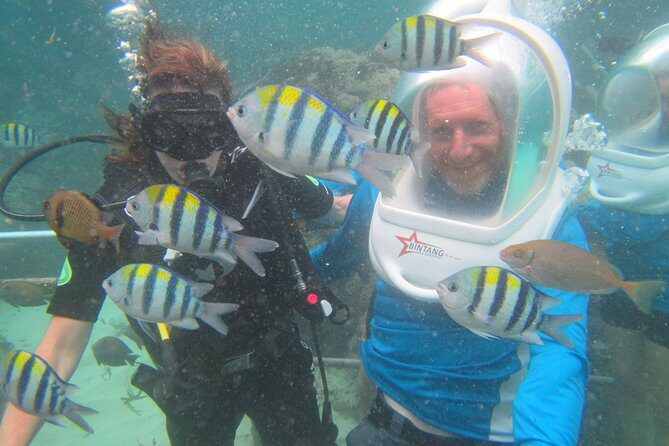
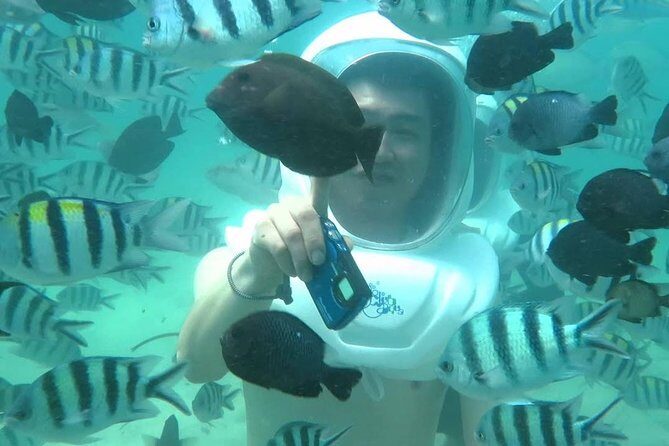
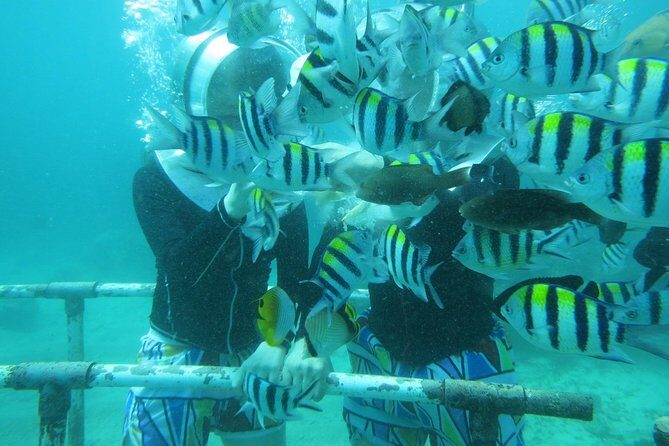
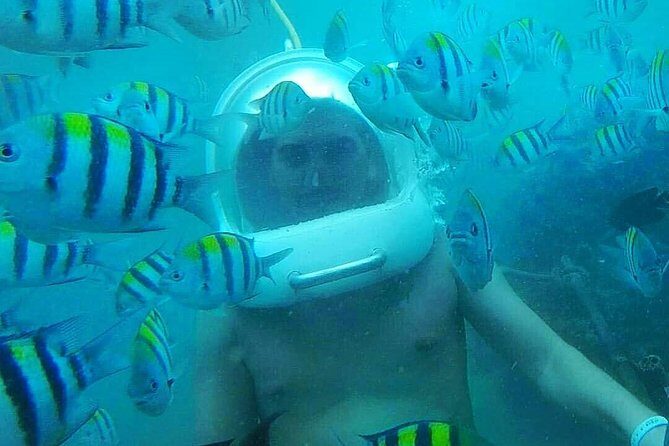
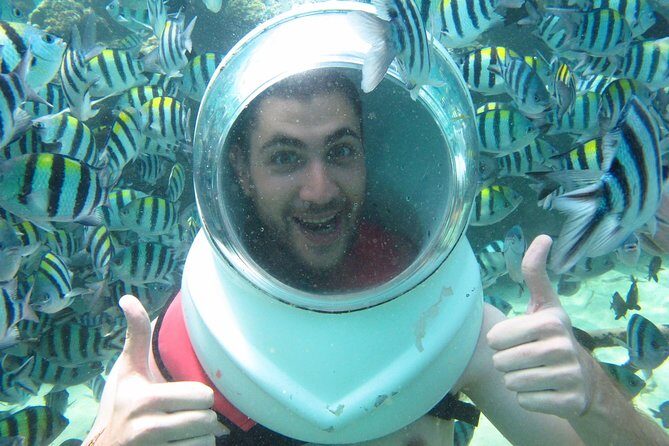
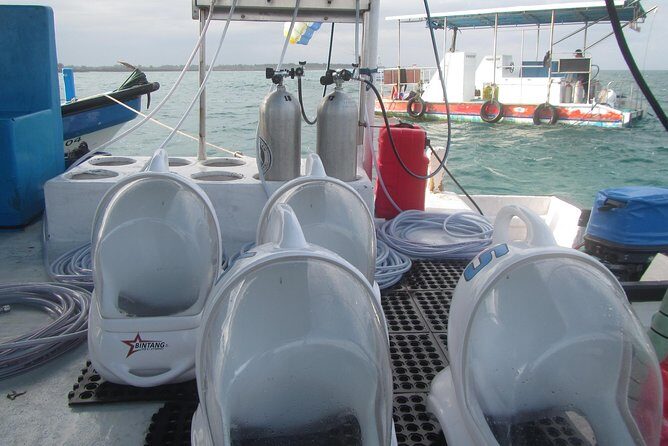
Scuba basics, without the course. This half-day try-it is a smart way to see if you like the feeling of breathing underwater, learning control skills first, then heading out over a coral garden. I like the small group size (up to 4 people) and that you get gear plus refreshments handled for you. One drawback to plan for: you have to be able to swim and pass a medical questionnaire, since ear/sinus issues, asthma, recent inner-ear surgery, and some medications can make you ineligible.
What makes this work for real life is the pacing. You start at 8:30am, fit into a guided skills flow in protected, pool-like conditions, and then do guided open-water time. If you’re nervous, you can also begin with a practice lesson in a resort pool before you go out. The whole format is built for comfort and safety, and that shows in the way instructors are described—patient, calm, and focused on fundamentals like buoyancy and how to handle your equipment.
Key Highlights Worth Knowing Up Front

- PADI-led Discover Scuba: learn core skills and try two guided underwater sessions without committing to a full certification course
- Max 4 people: a small, instructor-friendly group size that keeps attention on you
- Protected water skills first: practice in pool-like conditions before you go to open water
- Gear and snacks included: scuba gear (except swimwear) plus coffee/tea, fizzy drinks, and bottled water
- Pickup from Amed or Tulamben hotels: no need to figure out transport on your own
- Instructors with real patience: names like Roda, Coco, Sasa, and Pierre come up for calm coaching and clear explanations
Amed’s Shallow Reefs Make a First-Time-Friendly Setting
.jpg)
Amed is one of those places where the underwater experience is easier to say yes to. The plan here is built around shallow reefs and a coral garden vibe, not something wild or technical. That matters because your first goal is comfort: getting used to breathing through the regulator, feeling how your body moves with the water, and learning to stay relaxed instead of fighting your gear.
This setup also fits the way the training is described. You practice in protected bay conditions first, then you move to a guided open-water experience on shallow reefs. For a lot of people, that order is the difference between feeling overwhelmed and feeling in control. You’re not thrown out cold.
If you’re traveling to Ubud, keep in mind this experience is tied to Amed/Tulamben pickup. If you’re staying in Ubud proper, you might need extra planning for getting to the Amed/Tulamben side before the day starts.
Meeting at 8:30am: Transfers, Mobile Ticket, and Group Size
.jpg)
The day starts at 8:30am, and it’s designed to be straightforward. If your hotel is in the Amed or Tulamben area, you get two-way transfers, so you’re not coordinating a car or guessing local timing. You’ll also receive a mobile ticket, which makes check-in easier the morning of.
Group size is capped at 4 travelers, with a maximum of 4 total in the activity. That’s not a random marketing number. In this kind of setup—where you’re learning breathing, buoyancy, and how to work with your equipment—fewer people means more eyes on you. It also tends to keep the briefing from turning into a lecture marathon.
What you should watch for: the experience is listed as not recommended for certain health situations. That’s not a scare tactic. It’s because the medical limits are real, and you’re expected to complete a medical questionnaire to confirm you’re medically fit.
The Half-Day Flow: Skills First, Then Two Guided Underwater Sessions
.jpg)
Think of the schedule as a three-step arc: learn, practice, and then go out twice.
First, you’ll get fitted with scuba gear. The gear is included, but swimwear is not. Plan to wear or bring that with you, because without it the whole day gets annoying fast.
Next comes the skills work. You practice basic scuba techniques in protected bay conditions with pool-like water conditions. This is where you learn how to breathe underwater, how to manage your regulator, and how to handle simple movements without panicking. For many first-timers, the biggest win is that you’re working through fear before you deal with waves, wind, and real open-water scale.
Then you do the guided open-water experience on shallow reefs. After that first open-water session, the format is set up so you can continue with a second underwater session if you enjoyed the first one. The experience is clear that this is the recommended path: if you like it, do both.
If You’re Nervous, Use the Pool Option
If you get anxious when imagining open water, there’s an option that can make a big difference: you can start with a practice lesson in a resort pool to feel more comfortable before you go into the ocean. That’s a common need, and it’s good that this operator explicitly builds in that flexibility rather than insisting you go straight into open water.
Instructors You Can Trust: What I’d Look For in Roda, Coco, Sasa, and Pierre
.jpg)
The most convincing part of this experience is the way the instructors are described—patient, organized, and clear. Names that show up again and again include Roda, Coco, Sasa, and Pierre. Different people highlight different strengths, but the pattern is consistent: they explain what you’re doing, they keep the pace calm, and they focus on skills that let you relax.
For example, one instructor—Roda—gets credit for professional, kind support across a first-timer format. Coco is praised for being patient and careful while explaining the basics and then guiding the first time out. Sasa is noted for making new divers feel safe and guided through the experience step-by-step.
Pierre stands out for a skills-first mindset. In at least one full beginner story, he’s described as doing a comprehensive briefing and aiming to help people handle buoyancy quickly so they can enjoy the underwater time. That matters, because buoyancy control is usually where people stop feeling “watched” by the instructor and start feeling independent underwater.
One practical tip you can take from how these instructors work: during your briefing, don’t mentally multitask. You’ll learn faster if you treat the briefing like part of the training, not background noise.
What the $121 Price Buys: Value That’s More Than Just the Sessions
.jpg)
At $121 for an about-half-day experience (roughly 5 hours), you’re paying for a structured first-timer path, not just a ticket to equipment and water.
Here’s what’s included in a way that can actually save you money and effort:
- 2-way transfers from hotels in the Amed/Tulamben area
- PADI instructor guidance
- All scuba equipment you need (except swimwear)
- Snacks and refreshments, including fizzy drinks, coffee, tea, and bottled water
For many people, the biggest value is the coaching. A first-time underwater session is where errors are easiest—wrong breathing habits, struggling with buoyancy, forgetting equipment steps. Paying for a focused instructor and a small group size is the difference between a “fun moment” and a “I understand what’s happening” moment.
Also, this is built for testing the waters. If you later decide you want full certification, you’re starting from a place of actual experience rather than guesses. That can make the next step less intimidating and more efficient.
Where It Can Go Wrong: Medical Limits and Weather Reality
.jpg)
This experience comes with clear prerequisites:
- Minimum age is 10 years
- You must be able to swim
- You must be medically fit for diving, and you’ll fill out a medical questionnaire
It’s not recommended if you take prescribed medications, and it lists conditions and concerns like diabetes, ear or sinus problems, lung injuries, inner surgeries in the last 12 months, asthma, and allergies (and several other conditions). If any of that applies, it’s worth checking carefully before you book. The point is to avoid putting you in a situation that the team can’t support safely.
Weather also matters. The experience requires good weather, and if it’s canceled due to poor conditions, you’ll be offered another date or a full refund. That’s common for open-water work, and it’s best to keep your schedule flexible on the day you plan to go.
After You Try It: How to Plan Your Next Step in Amed
.jpg)
If your goal is to test whether scuba fits your life, this experience is designed for that decision. But if you end up loving it, the operator behind the experience also runs follow-on options for continuing underwater time and training.
A key detail: small groups and site choice matter. In other packages with this same team, the operation keeps groups to 2 people (max 3) and allows more choice after a check dive—options like reef, deep reef, macro, wreck, wall, drift, and cavern have been mentioned in their guidance style. That means if you want variety—big structures one day, small critters another—there’s room to build a repeatable routine.
For brand-new divers, some stories also mention going on to Open Water certification through the same community of instructors. One reason that helps: the instructors already know how you handled the first day, so the progression is less awkward.
Should You Book This Intro Scuba Experience in Amed?
.jpg)
Book it if you:
- Want to learn basic skills with a PADI instructor without paying for a full certification course
- Like the idea of up to 4 people so you get real attention
- Are comfortable being in the water and can pass the medical questionnaire
- Are staying in the Amed/Tulamben area so pickup and transfers are included
Skip it or reconsider if you:
- Have any of the listed medical risk factors (ear/sinus issues, asthma, recent inner surgery, etc.) or take prescribed medications that could affect eligibility
- Are not able to swim
- Need something that happens fully in controlled conditions only (pool options exist, but open-water time is still part of the main format)
If you’re on the fence about scuba, this is one of the cleanest ways to try it: short, guided, equipment provided, and paced for first-timers.
FAQ
Is this a full scuba certification course?
No. This is a Discover Scuba Diving experience designed to teach basic skills and let you try scuba with a PADI instructor without completing a full course.
How many times will I go underwater?
You’ll learn basic skills and enjoy two guided open-water sessions. A second session can be done after the first one if you liked it.
What time does the experience start?
The start time is 8:30am.
How long does it take?
It’s listed as about 5 hours (about a half day).
Where do pickup and drop-off happen?
Pickup and drop-off are available from hotels in the Amed or Tulamben area.
What’s the minimum age and swim requirement?
The minimum age is 10 years, and participants must be able to swim.
Is swimwear included?
No. Scuba gear is included, but swimwear is not.
Do I need to be medically fit to participate?
Yes. You’re required to fill out a medical questionnaire, and the activity is not recommended for people with certain conditions (like ear or sinus problems, asthma, recent inner surgeries, lung injuries) or for those taking prescribed medications.
What if I’m scared of open water?
If you’re a bit scared, the team can start with a practice lesson in a resort pool to help you feel more comfortable before going into the ocean.
What if the weather is bad?
This experience requires good weather. If it’s canceled due to poor weather, you’ll be offered a different date or a full refund.
When will I receive confirmation after booking?
Confirmation is received within 48 hours of booking, subject to availability.






.jpg)
.jpg)
.jpg)
.jpg)
.jpg)
.jpg)
.jpg)
.jpg)





















.jpg)
.jpg)
.jpg)
.jpg)
.jpg)
.jpg)
.jpg)
.jpg)