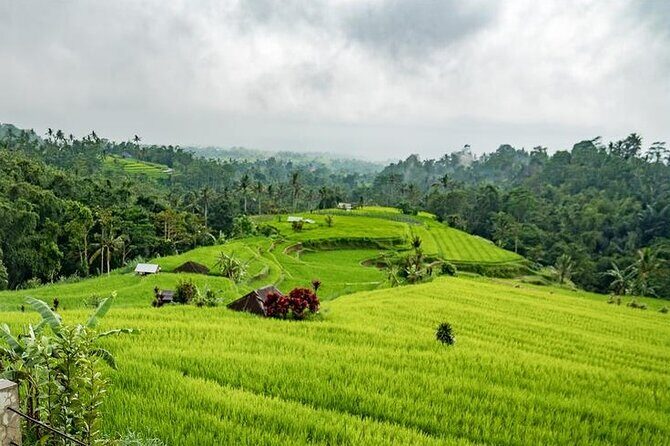
A great temple day needs smart routing. This one strings together three of Bali’s most famous temple moments, then adds a rice-terrace stop so the day feels more rounded than just stop-and-snap. You’ll learn the basics of Balinese religion and temple tradition while moving with hassle-free hotel transfers in an organized private setup.
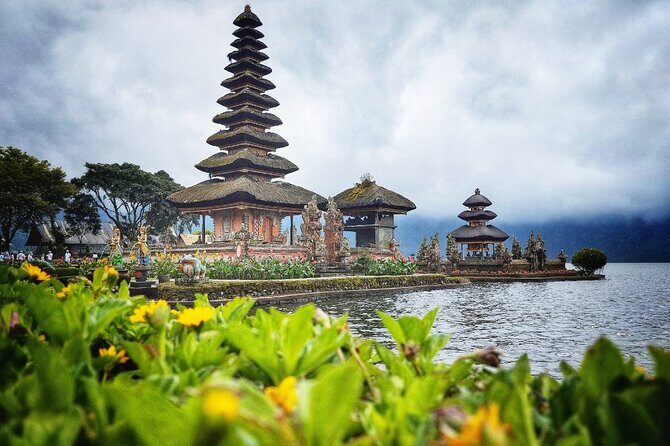
What I like most is the pace and the guidance. The tour leans on a private guide experience, so you can ask questions and get explanations as you go, and you’re not stuck listening through a busload of noise. The second big win is the mix: Ulun Danu Beratan’s lakeside setting, Taman Ayun’s UNESCO World Heritage temple grounds, and Tanah Lot’s dramatic rock-coast silhouette, followed by Jatiluwih’s rice-terrace views.
One thing to consider: it’s a long travel day, roughly 8 to 10 hours, so plan for a lot of time in the car and expect early starts depending on where your hotel is in Ubud or south Bali. If you’re the type who hates schedule pressure, bring patience and a good snack plan.
Key Points Before You Go

- Private group experience means only your party rides along, with time to ask questions
- Pickup is built in from hotels in Ubud and much of south Bali, which saves real hassle
- Three major temples in one day: Ulun Danu Beratan, Taman Ayun, and Tanah Lot
- UNESCO World Heritage temple stop at Taman Ayun (listed in 2002)
- Jatiluwih rice-terrace viewpoint adds a non-temple highlight and photo-friendly scenery
- Transport-only or ticket upgrade options give you control over how you pay
A Temple Circuit That Makes Bali’s Beliefs Easy to See
.jpg)
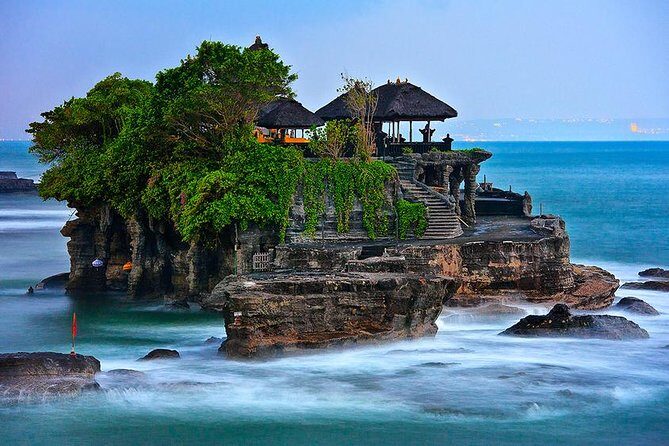
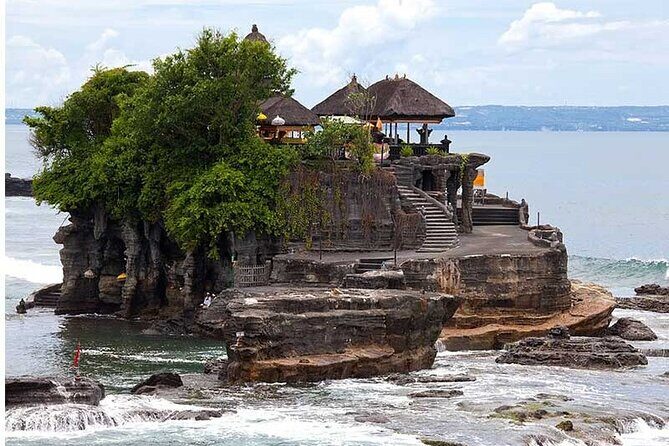
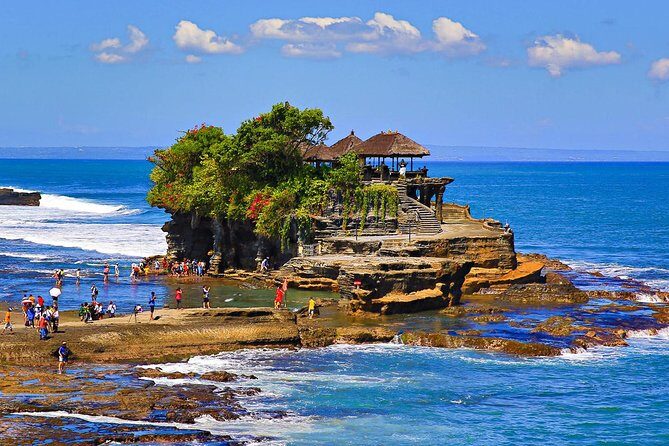
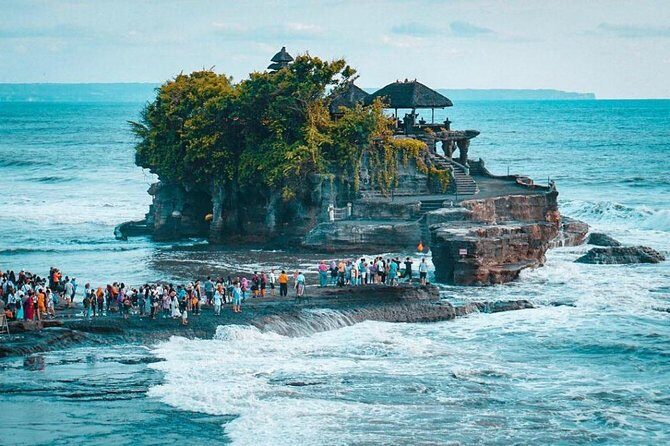
This is the kind of Bali day trip that works because the temples are spaced like a story. You start at Ulun Danu Beratan, then go to Taman Ayun (the UNESCO stop), and finish with Tanah Lot where the sea-rock setting turns every photo into a postcard. Between each place, you get time to regroup rather than racing through one site after another.
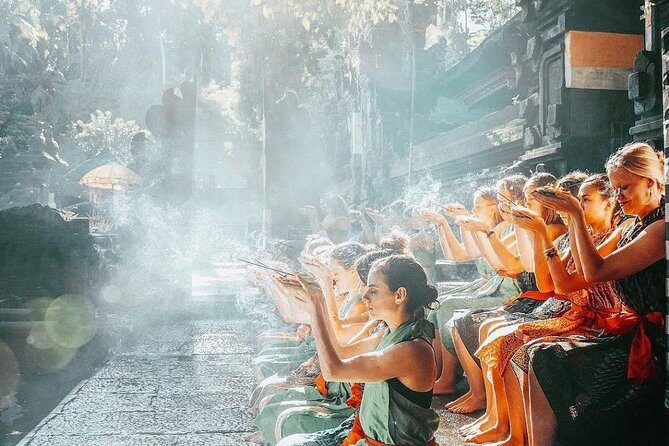
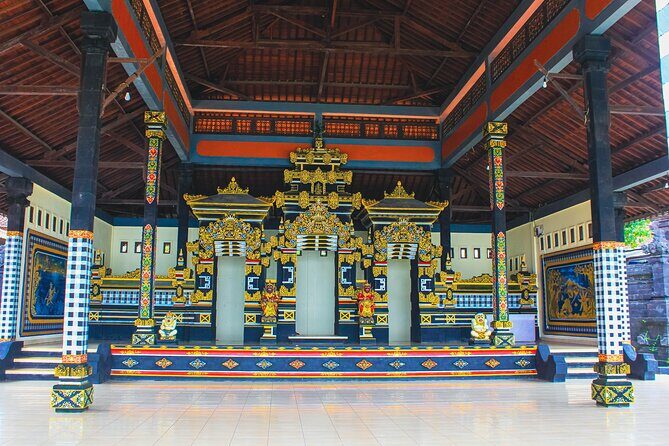
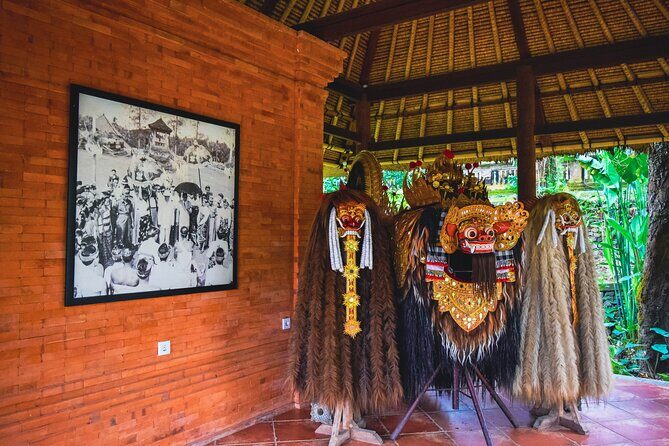
What makes it interesting is how the day is framed around Balinese life and worship, not just architecture. The tour is designed to help you understand spiritual beliefs and traditions while you’re standing in front of the shrines, altars, and temple compounds. That context matters. Without it, temple stops can feel like a checklist. With it, you tend to notice the patterns in how people behave and what they’re paying attention to.
I also like that the experience is structured as a true day, with stop times listed for each location. That means you can plan your energy: around an hour for Ulun Danu Beratan, about two hours for Taman Ayun, roughly two hours at Tanah Lot, and about an hour for Jatiluwih. You still see a lot, but you’re not constantly wondering if you’re about to be rushed.
What You Really Get for $22: Pickup, Transport, and Ticket Options
.jpg)
At $22 per person, the value is mainly about logistics. Bali traffic and driving times can eat your day fast, especially when you want to hit multiple sites outside your immediate area. This tour bundles direct transport from your hotel into the schedule and keeps the day moving.
You’ve also got a payment choice that can help you stay in control:
- You can opt for transport-only, or
- Upgrade to include tickets, depending on what you prefer.
The itinerary lists admission as ticket-free at each stop, but the key practical point is this: you should still confirm exactly what’s covered under your chosen option at booking. That way you avoid that annoying moment of figuring out what you’re expected to pay onsite.
One more value signal: the tour offers mobile tickets and has a strong track record of people booking recently. For you, that usually translates into fewer day-of surprises and a smoother start.
The Day at Ulun Danu Beratan Temple: A Lakeside Stop in Bedugul
.jpg)
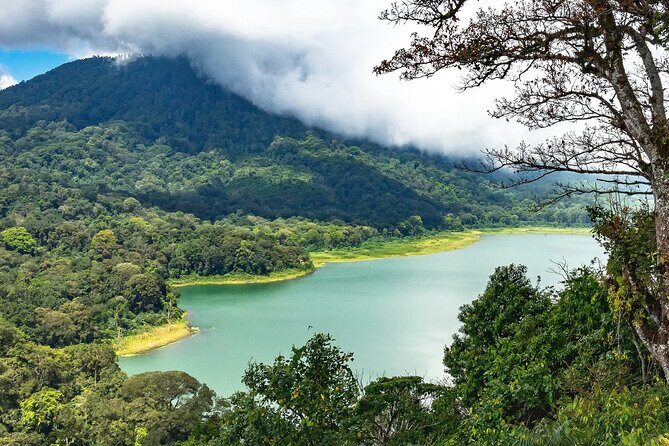
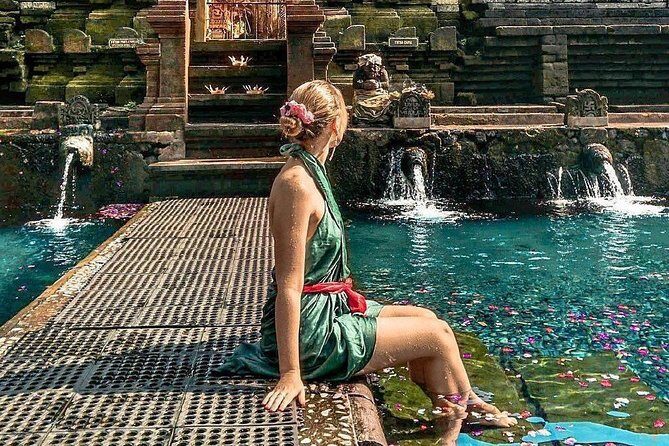
Your first temple stop is Ulun Danu Beratan, a well-known lakeside temple in Bali’s north highlands. It sits on the lake of Beratan, and the location in the Bedugul regency matters because it changes the whole mood of the visit. Even before you arrive, you’ll feel that shift from hot-city Bali to a cooler, more scenic highland setting.
Expect about 1 hour here. That’s a good window for two reasons:
- It gives you time to slow down and look around rather than just walking the main area once.
- It keeps your day from collapsing into an endless sequence of temples with zero recovery time.
Practical note: because this stop is set on a lake area and in higher terrain, it can feel different from the coastal feel of Tanah Lot later. Plan for temperature swings and bring a light layer if you get cold easily.
This is also a smart first stop psychologically. If you start at a visually iconic, scenic temple, the rest of the day feels easier. Even people who are temple-fatigued later often say the lakeside atmosphere is a standout.
Taman Ayun Royal Temple and UNESCO Status: Walking the Grounds
.jpg)
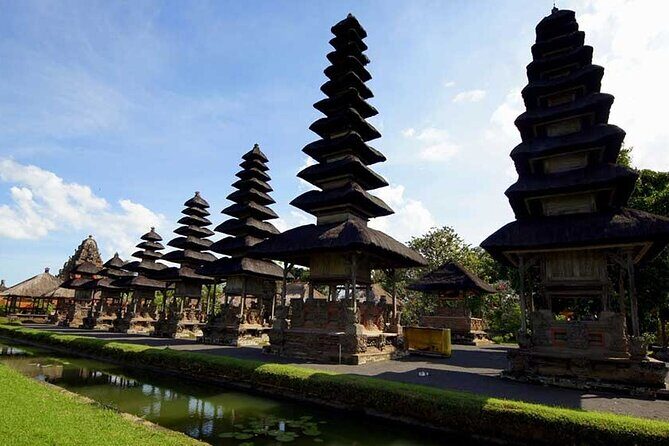
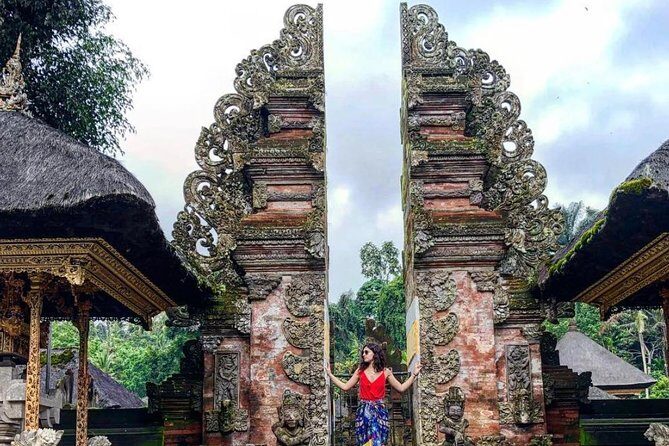
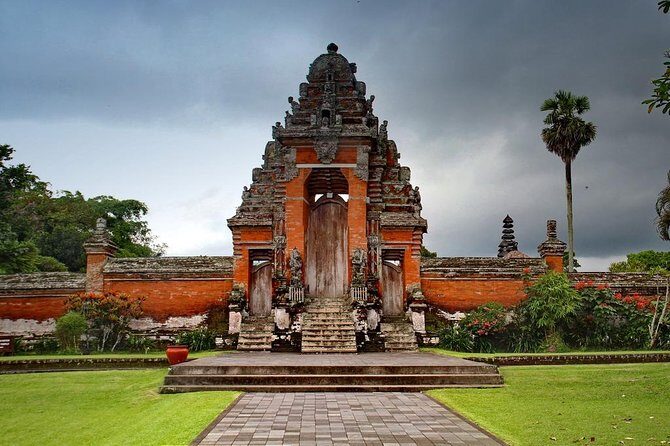
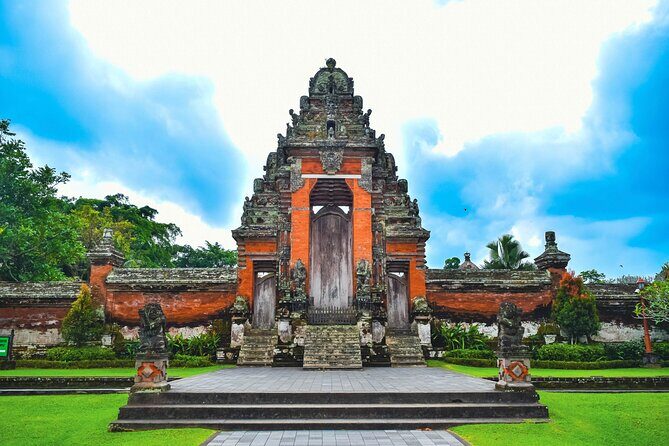
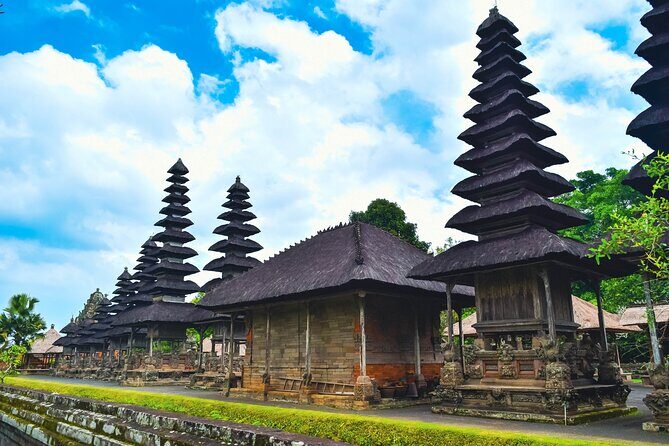
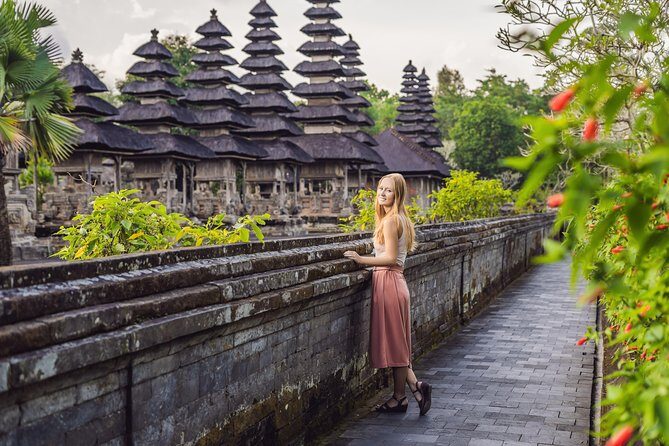
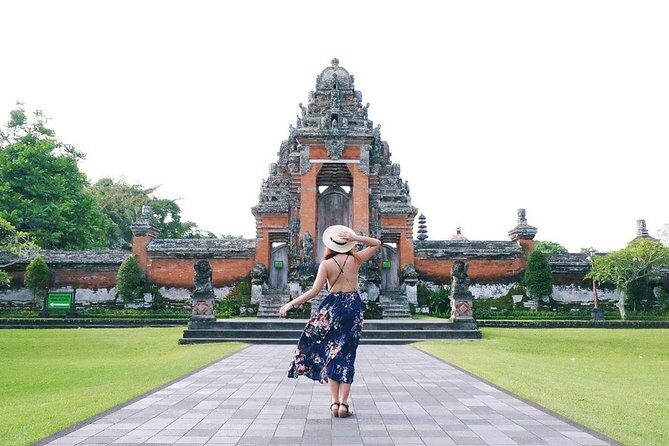
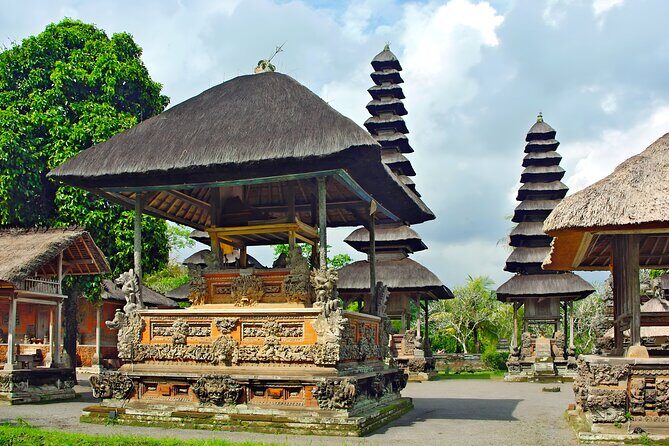
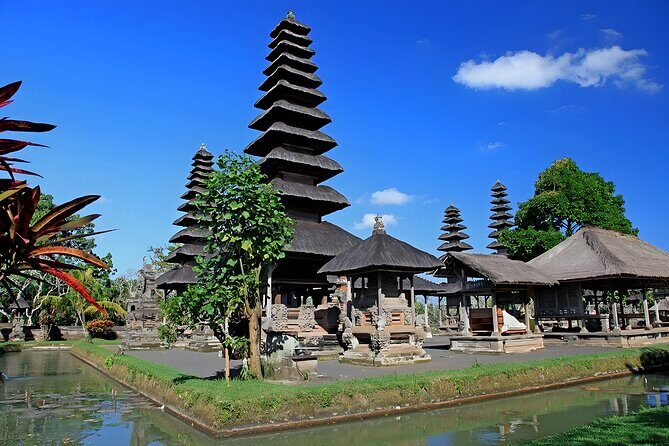
Next up is Taman Ayun Temple, a royal temple connected to the Mengwi regency. The tour notes it was built by the former King of Mengwi regency in 1634 AD, and it is part of the UNESCO World Heritage list (2002). That UNESCO label isn’t just trivia. It usually means the site is especially valued and maintained, and it’s worth paying attention to how the space is used.
You’ll spend around 2 hours at Taman Ayun, which is a comfortable amount of time for a place with compound-style layouts. Two hours lets you do more than the quickest loop, and it gives you time to stop, look, and take photos without turning it into a chore.
This stop also tends to benefit from a good guide. In the Bali temple world, understanding the basic religious logic behind what you’re seeing can turn an information-heavy afternoon into something memorable. Guides with names like Bawa and Nyoman Bawa have been praised for explaining what you’re looking at and keeping the flow respectful and calm.
One drawback to note: the day is temple-focused, so if you’re hoping for a lot of free time to wander independently, you might find yourself following the schedule fairly closely. That’s not a bad thing here, but it’s good to know what you’re signing up for.
Tanah Lot at Rock-Edge Views: Timing Your Visit for Photos
.jpg)
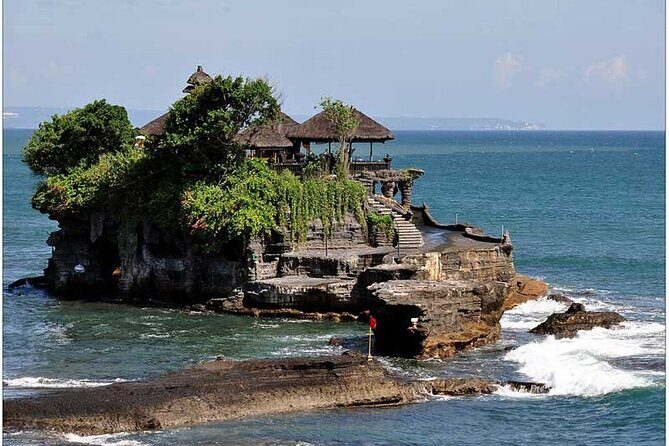
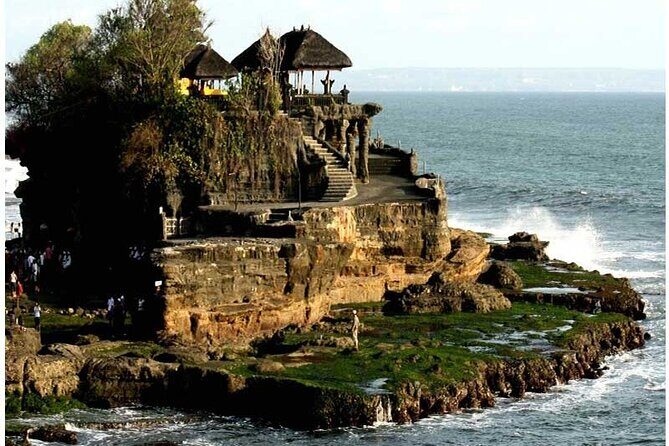
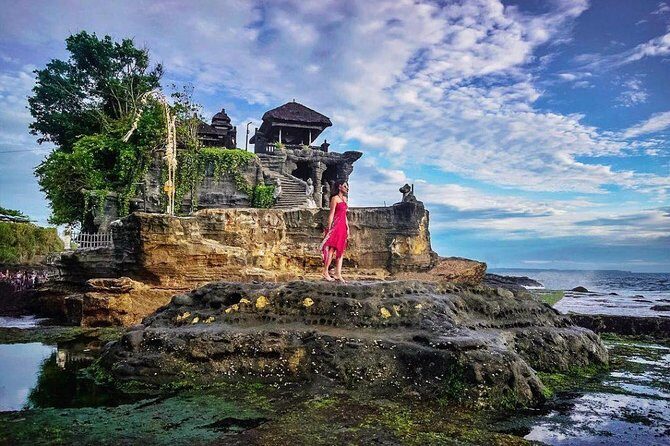
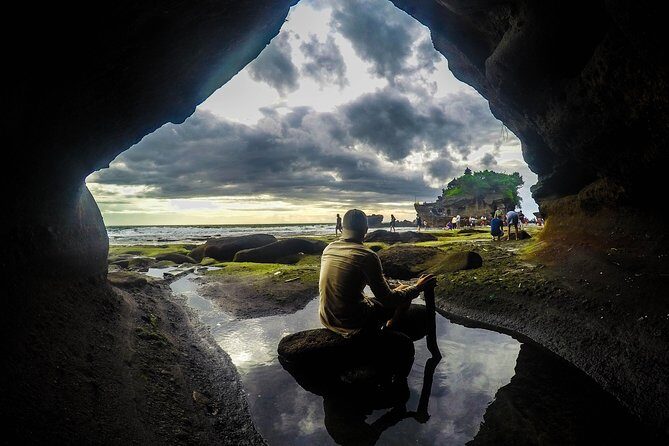
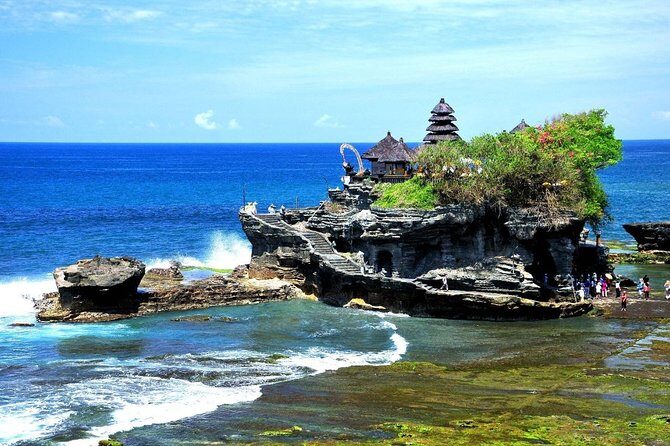
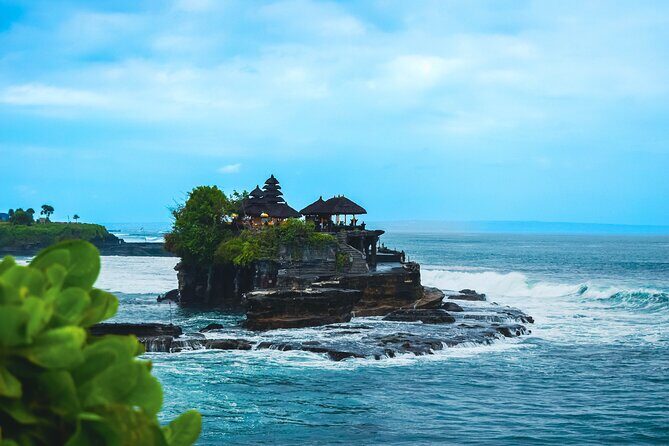
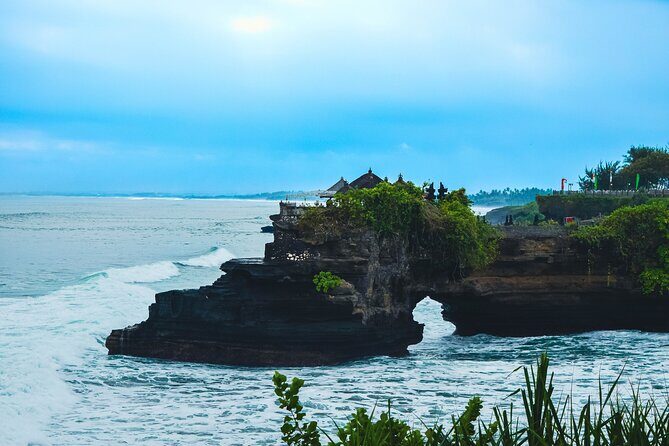
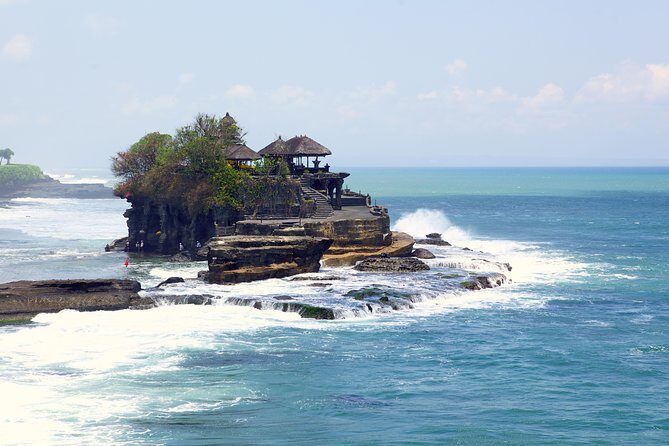
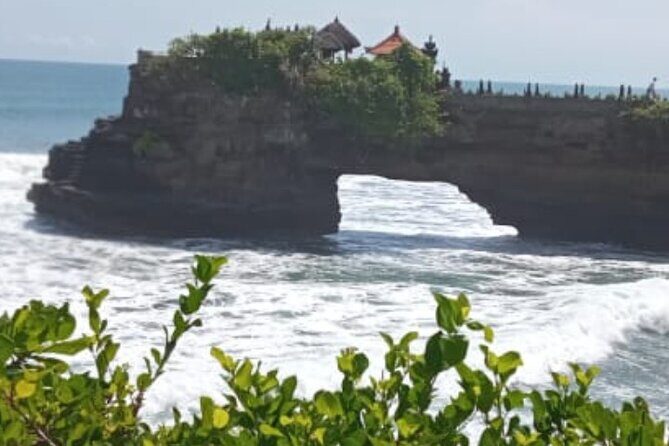
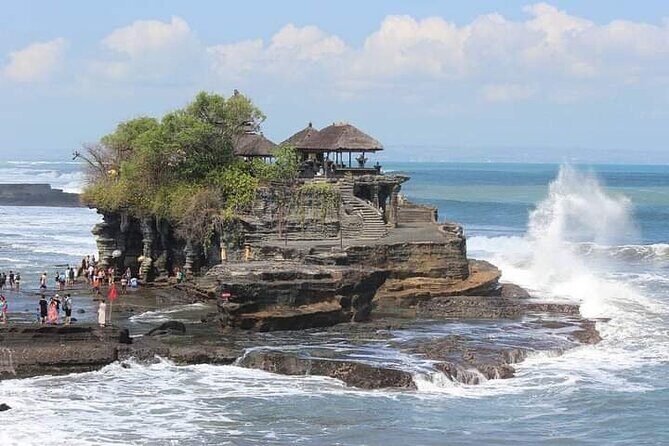
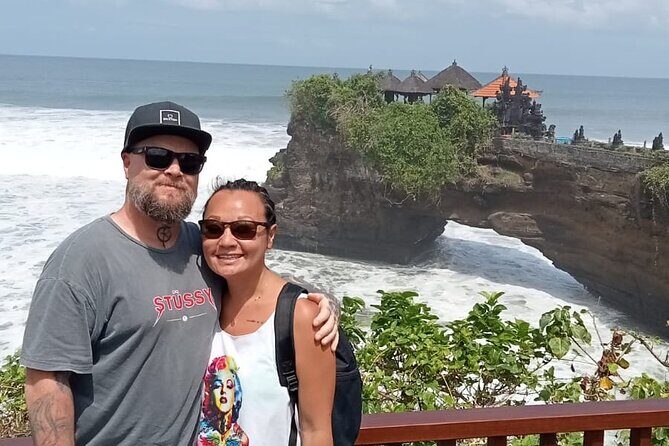
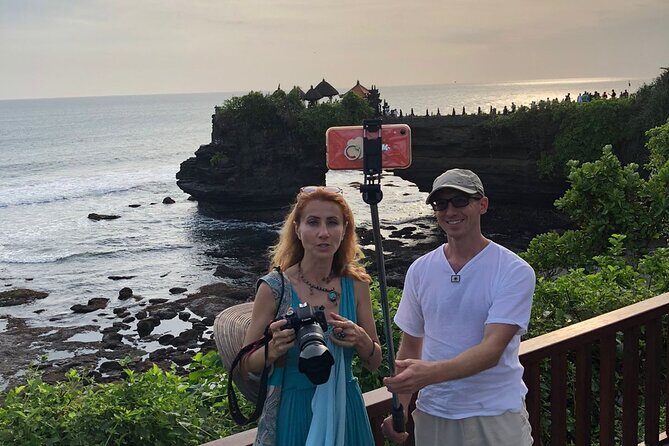
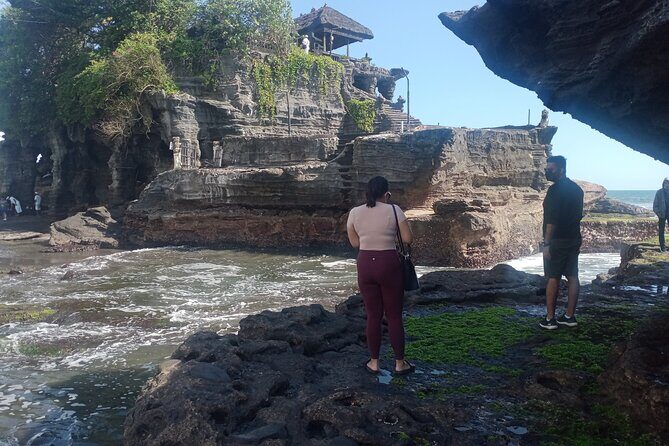
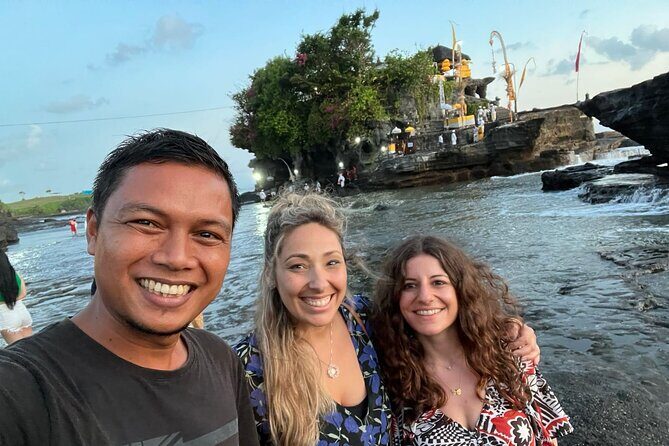
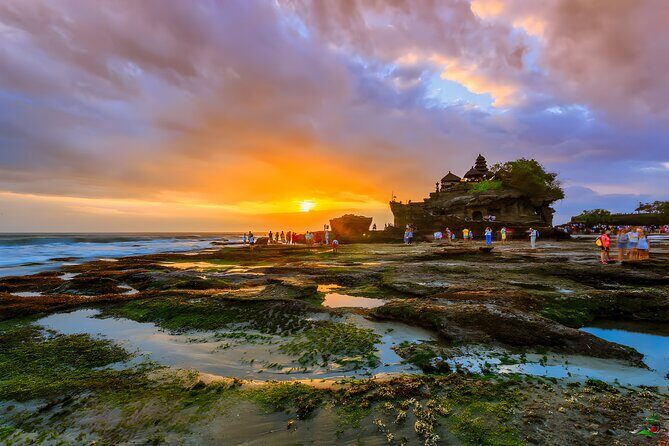
Finally, you reach Tanah Lot Temple, one of Bali’s most photographed temple locations. It’s described as an iconic temple for Balinese Hindus, placed on a large rock off the coast. That setting does most of the work for your photos: the temple and the sea-rock silhouette create a natural frame.
Plan for about 2 hours at Tanah Lot. That’s enough to:
- walk around the main viewing areas,
- get your photos without feeling rushed, and
- still enjoy the atmosphere without treating it like a timed checkpoint.
One practical consideration: Tanah Lot is a coastal stop, which can mean wind and changing light. If your photos matter to you, wear shoes you can trust on uneven ground and be ready to adjust your angle. A patient guide helps here, and several guides on this route are praised for being careful, polite, and willing to work around your photo needs, including drivers named Ricky and Agus.
If you’re the type who likes a big finale, this is the right end-of-day choice. The temple’s rock-coast drama gives you a stronger closing memory than a more inland site.
Jatiluwih Rice Terraces: Green Views and the Rice-Making Process
.jpg)
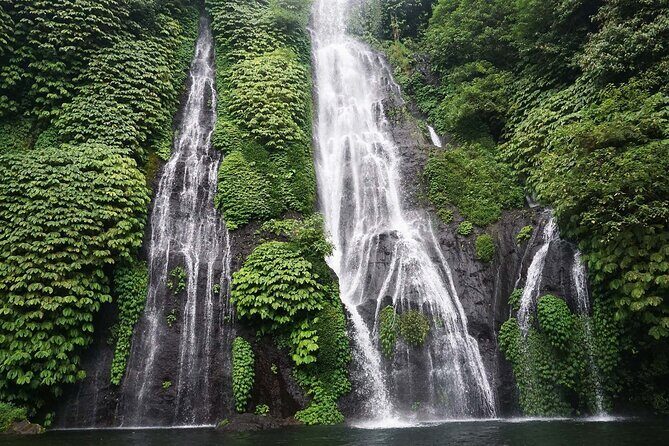
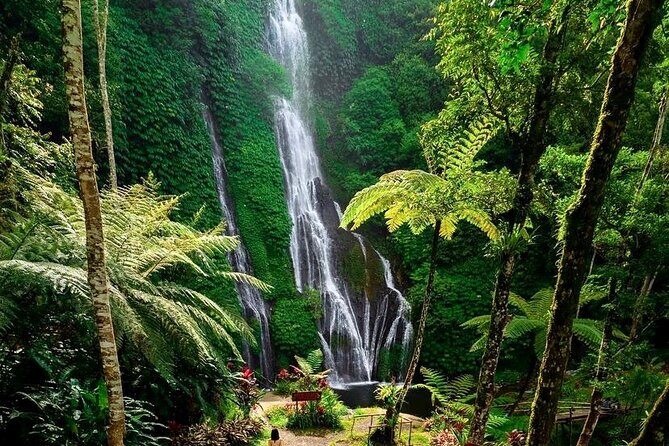
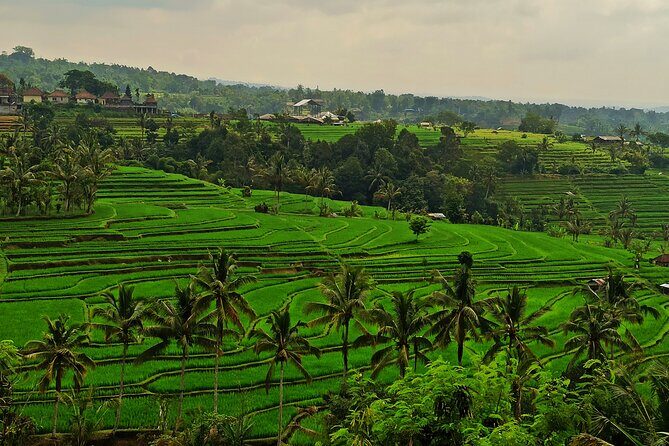
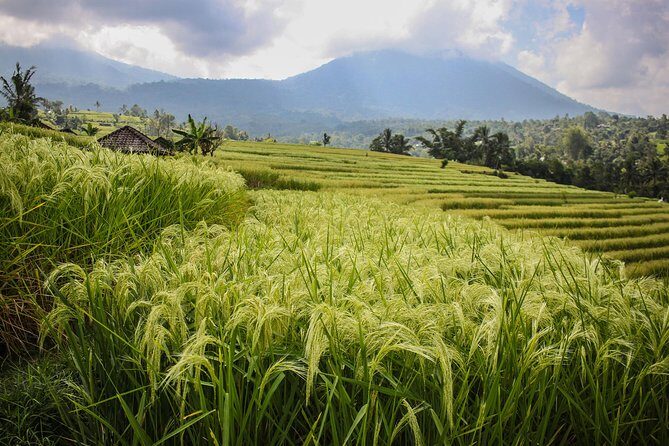
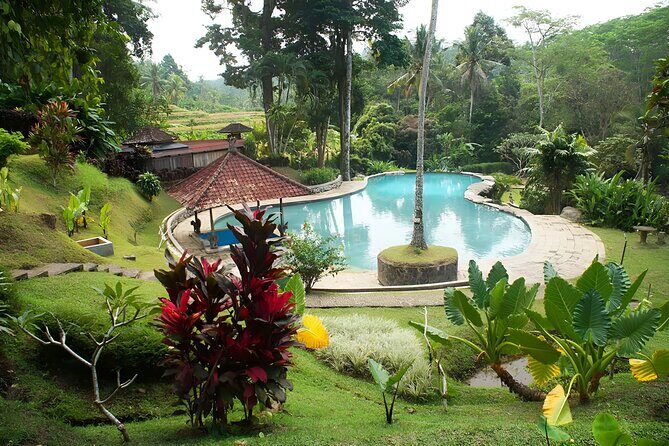
After the temples, the itinerary shifts to Jatiluwih Green Land, where the focus is the rice terraces. This stop is shorter, about 1 hour, but it’s not a throwaway. Rice-terrace views help break up the day so you don’t end up with four temples blurring together.
What I like about this add-on is that it links scenery to daily life. The tour description specifically points to seeing the rice terrace and learning about the process of making rice on Bali. Even if you only catch a quick explanation, it changes how you look at the fields. You stop thinking only in terms of photos and start thinking in terms of work, timing, and tradition.
If you’re a photographer, Jatiluwih is a strong late-day option because terraces give layered depth. If you’re traveling with people who don’t love temples as much, this is often the stop that wins them over.
Guides and Private-Group Comfort: When Names Like Bawa and Ricky Matter
.jpg)
This tour is private, meaning only your group participates. That sounds like marketing until you think about how it affects your day. With a private setup, your guide can adjust the pace and focus on what matters to you, whether that’s asking questions or finding a safer, better viewing spot for photos.
The strongest praise in the provided feedback points to guide quality. People talk about guides being professional and patient, answering questions well, and taking time to help with photos. Specific guide names show up repeatedly, including Wira, Bawa, Yuda, Madu, Ricky, and Agus, plus Nyoman Bawa. When you see that pattern, it suggests the tour’s real strength is not just the itinerary, but the human side of it.
Also, one practical perk mentioned is flexibility. One experience notes that a guide was understanding and flexible when you’ve already seen some of the sites, which is the kind of thing that can save your day if you’re on a tight schedule in Bali.
Just remember: private guide time is still time inside a fixed route. You can often adjust a bit, but you shouldn’t expect the day to turn into a full custom plan unless you confirm that upfront.
Practical Tips for a Smooth 8 to 10 Hour Temple Day
.jpg)
Here’s how I’d make this day trip feel easier before you even leave your hotel.
Start with the right mindset. You’re doing a full temple circuit across different parts of Bali, with a total duration listed as 8 to 10 hours. That includes driving, time on site, and breaks that keep you from feeling fried by mid-afternoon.
Plan for site etiquette. The tour is centered on Balinese religious spaces, so dress and behavior matter. If you’re unsure, ask your guide. A good guide will guide you toward what fits the moment while keeping things respectful.
Bring the basics for comfort. Since you’ll be out for most of the day, pack sun protection, water, and comfortable shoes. Coastal and highland locations mean conditions can change, so don’t rely on only one outfit layer.
Use the guide’s photo help. Several named guides are praised for taking beautiful photos with guests. If that matters to you, tell your guide early. They can often point you toward angles and timing that make the shots look natural, not forced.
Think about your energy order. The day starts with Ulun Danu Beratan, moves to Taman Ayun, then ends with Tanah Lot. If you’re sensitive to motion sickness or fatigue, mention it in advance so the driver can manage the pace in a way that feels comfortable.
Should You Book This UNESCO World Heritage Temple Tour?
I think this is a solid booking if you want a single day that covers the big Bali temple hits with a guided explanation, plus a rice-terrace stop that adds variety.
Book it if:
- You want pickup and transport handled for you from Ubud or south Bali
- You like structured routes with enough time at each stop
- You’d rather have a private guide than deal with a crowded group
- You care about learning the meaning behind what you see at Balinese Hindu temples
Skip or reconsider if:
- You hate long driving days and would rather pick fewer sites
- You prefer very open-ended wandering with no schedule at all
- You’re extremely weather-sensitive and can’t handle highland-to-coast changes
If you’re on the fence, I’d choose based on your travel style: this tour fits well when you want value through smart routing and you appreciate explanations that connect temples to daily Balinese belief and tradition.
FAQ
Is pickup included for this Bali temple tour?
Yes. The tour includes pickup from hotels in Ubud and much of south Bali, aiming to make transfers hassle-free.
How long is the tour from start to finish?
The duration is listed as 8 to 10 hours (approximately).
What temples and sights are included in the route?
You’ll visit Ulun Danu Beratan Temple, Taman Ayun Temple, and Tanah Lot Temple, plus a stop at Jatiluwih Green Land for rice-terrace views.
Is this a private tour or a shared group?
It’s private, meaning only your group participates.
Does the tour include admission tickets?
You can choose a transport-only package or upgrade to include tickets. The itinerary also lists admission as ticket-free for the stops.
Is there a mobile ticket?
Yes, the tour features mobile ticket access.
How much does it cost?
The price is $22.00 per person.
Can most travelers join this experience?
The tour notes that most travelers can participate.
Is free cancellation available?
Yes. You can cancel up to 24 hours in advance for a full refund.























.jpg)
.jpg)
.jpg)
.jpg)
.jpg)
.jpg)
.jpg)
.jpg)