Balinese Life Style Tour

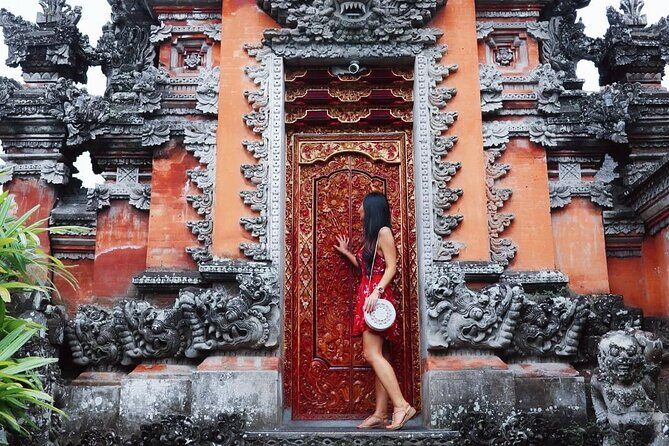
Balinese Life Style Tour - Tegalalang Rice Terraces and Tirta Empul: Views With a Purpose

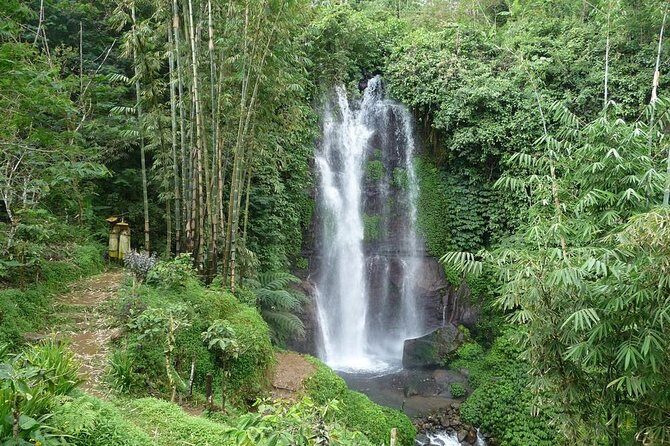
A simple day trip that explains Bali fast. I like the private driving setup and hotel pickup, so you start without fighting logistics. The route strings together rice terraces, purification springs, volcano views, and a coffee stop that breaks up the day. One thing to consider: entrance fees and meals are not included, so plan a little extra.

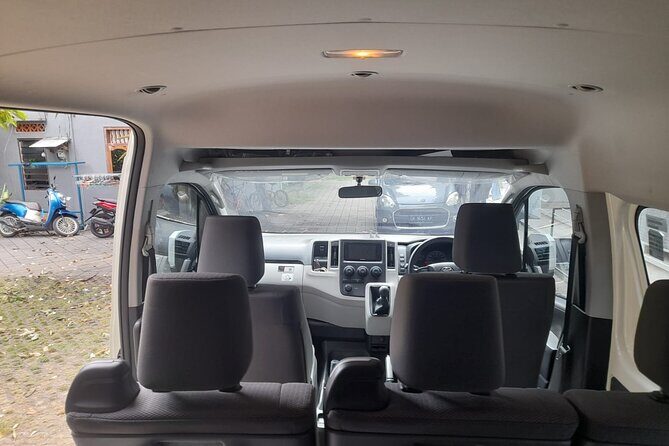
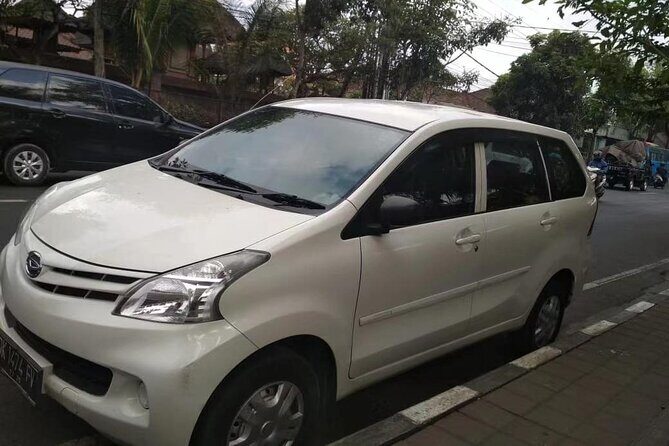
The vibe here is practical. You get an air-conditioned car, bottled water, parking covered, and a driver/guide who can answer your questions as you go. If you’re lucky enough to be guided by Arjana, his style is described as kind and strong on explanation, which makes the sites click faster.

You’re looking at about 8 hours starting around 8:30 am. It also needs good weather, so keep a little flexibility in your schedule.

Key Highlights You’ll Actually Feel During This Tour

Balinese Life Style Tour - Key Highlights You’ll Actually Feel During This Tour

  • Hotel pickup + private car mean you spend less time waiting and more time seeing
  • Tegalalang Rice Terraces paired with Tirta Empul gives you views plus a cultural reason to be there
  • Gunung Kawi Sebatu focuses on spring-water purification, not just photo stops
  • Kintamani / Mount Batur viewpoint adds the volcano perspective to a day of temples and fields
  • Segara Windhu coffee tasting finishes with a calm, low-effort cultural pause
  • Strong overall ratings (5.0 with 150 reviews, 100% recommended) suggest the experience is consistent

Private Bali Driving From Ubud: Less Hassle, More Culture

This is a private driving tour through central Bali from Ubud, built around the idea that culture makes more sense when you see daily-life settings up close. Instead of bouncing between random attractions, you move through a logical loop: fields, purification temples, a big viewpoint, then coffee.

The private car matters more than you might think. On Bali days when traffic and parking can eat time, being able to leave when you want helps you keep the day feeling smooth. You’re also not sharing the ride with strangers, so your pace and photo stops are easier to manage.

Price-wise, $74 for an 8-hour private experience is the kind of value that makes sense if you’re trying to get more than one or two sights out of your day. The tradeoff: most entrance fees and your meals are on you, so you’ll likely add a bit at a couple of stops.

The 8:30 am Start and What the Day’s Timing Means

Balinese Life Style Tour - The 8:30 am Start and What the Day’s Timing Means
The tour runs for about 8 hours, starting at 8:30 am. That early start is smart for two reasons: you get cooler morning temperatures for walking around, and you reach the most popular viewpoints before the day gets crowded.

Expect a full day that’s active but not exhausting. The itinerary includes a few stops that are around an hour each, plus drive time between them. This is a good pace for people who want variety without feeling like they’re sprinting from one place to the next.

Also, the tour uses a mobile ticket, which is handy if you’re already juggling photos, messages, and maps on your phone. And since the operator offers pickup, you won’t need to figure out how to get everyone to the same starting point on time.

Tegalalang Rice Terraces and Tirta Empul: Views With a Purpose

Balinese Life Style Tour - Tegalalang Rice Terraces and Tirta Empul: Views With a Purpose
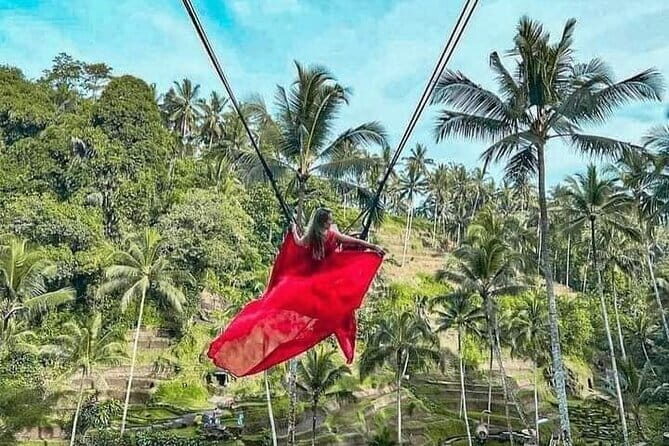
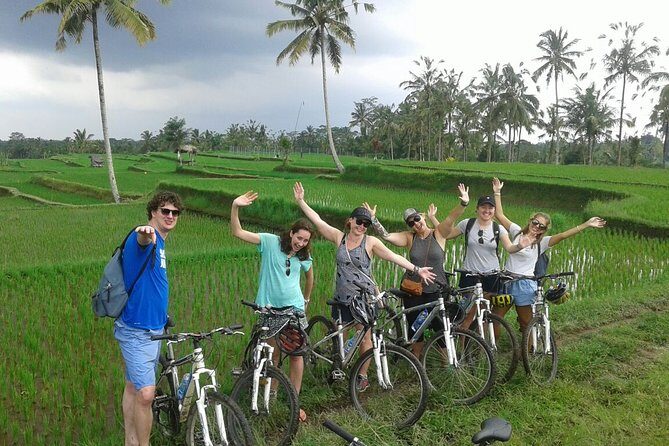
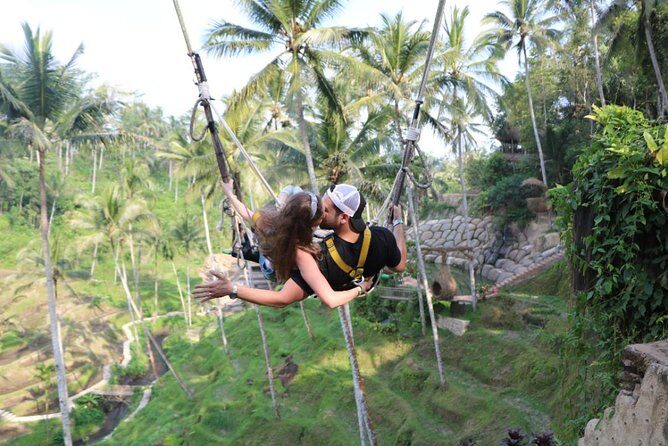
Stop one is the Tegalalang Rice Terrace area. This is one of Bali’s classic rice-growing landscapes, where the terraces follow the contours of the hills. The practical win here is that you’re not just looking at scenery—you’re seeing a working agricultural system and how the terrain shapes farming. Even if you’ve seen photos before, being there changes how the scale feels.

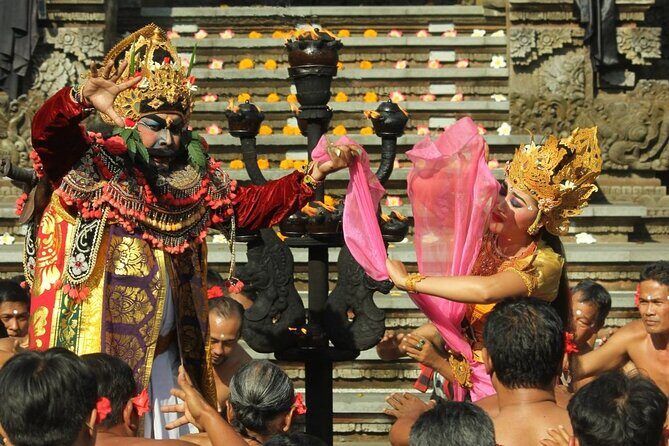
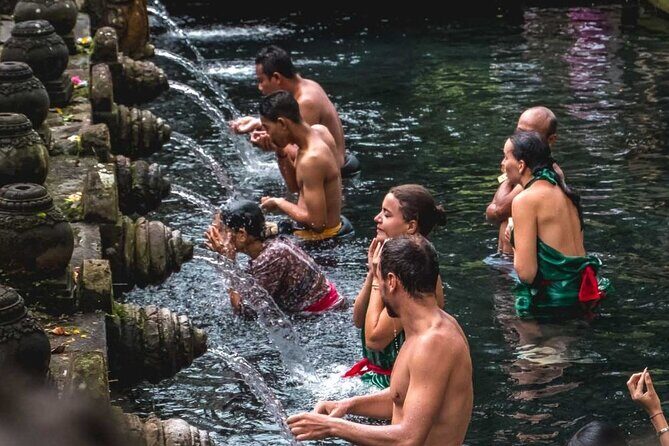
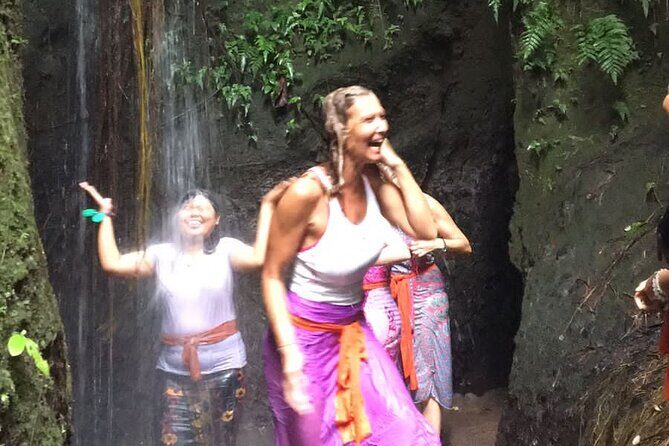
After that, the route includes Tirta Empul, the holy water spring connected with purification rituals. This part is what turns a pretty morning into a cultural moment. Rice terraces tell you about land use and daily work; Tirta Empul shows how spiritual practice connects to water and cleansing.

A quick consideration: Tirta Empul is about purification, so there can be rules about behavior and clothing. If you’re not sure what’s expected, ask your driver/guide what to wear and how to act before you enter. It’s one of the ways your guide time pays off—less stress, fewer awkward moments.

Gunung Kawi Sebatu Spring-Water Temple: A Calmer, Spiritual Stop

Balinese Life Style Tour - Gunung Kawi Sebatu Spring-Water Temple: A Calmer, Spiritual Stop
Next up is Gunung Kawi Sebatu Temple in the Sebatu village area. This stop is centered on spring water and purification, similar in theme to Tirta Empul, but with a different setting and feel.

What I like about including two purification sites in one day is that you get contrast. You’ll likely start noticing differences in how people approach ritual spaces, how water features are arranged, and how the atmosphere shifts from one temple complex to another. It’s also a nice change from rice terraces—more shade, more stonework, more focus on sacred use rather than open views.

Drawback to plan for: temple stops often mean you’ll be moving on uneven ground. Comfortable shoes are not optional for a day like this. If your footwear choices are more style than grip, you’ll feel it.

Kintamani and Mount Batur Views: The Volcano Moment

Balinese Life Style Tour - Kintamani and Mount Batur Views: The Volcano Moment
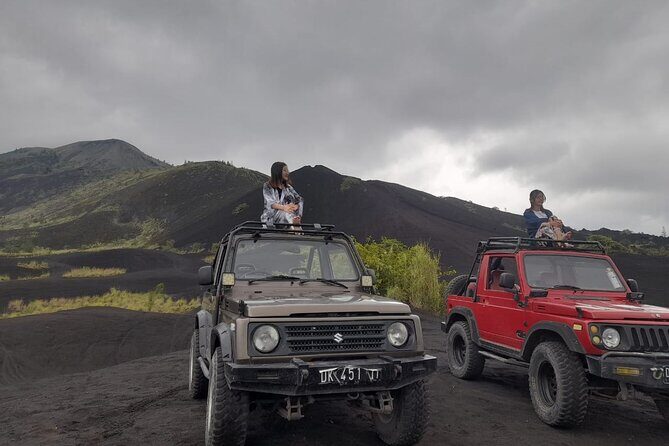
The tour then heads to Kintamani for Mount Batur volcano viewpoint. This is your big “wow” change of pace. After a day of fields and temple spaces, you’re suddenly looking outward—toward the volcanic shape that helps define central Bali.

This is also where your timing matters. If the weather is clear, the viewpoint is the payoff. If it’s cloudy, you might still get a sense of scale, but the view can be more muted. Since the tour is marked as weather-dependent, you should treat a clear day as part of the deal.

Entrance note: the Kintamani section mentions an entrance ticket around Rp. 50,000 per person. At the same time, the itinerary lists ticket status as free for that stop. If you want zero surprises, I’d bring a little extra cash just in case anything is required onsite.

Segara Windhu Coffee Plantations: A Relaxed Finish

Balinese Life Style Tour - Segara Windhu Coffee Plantations: A Relaxed Finish
The final stop is Segara Windhu Coffee Plantations for coffee and tea tasting. This isn’t about rushing through ten tastings and leaving with a shopping bag. It’s a structured pause after a long day, where you can sit, learn a bit, and sample without needing to walk much.

The value here is simple: it gives your brain a break after temples and viewpoints. You get a chance to ask questions about what you’ve seen earlier—especially how agriculture and daily routines connect across the island.

If you don’t drink coffee, you can still treat this as a culture stop. The tasting experience usually includes tea options as well, and the point is understanding how Balinese households interact with local crops.

What’s Included in the Price, and What You Should Budget

Balinese Life Style Tour - What’s Included in the Price, and What You Should Budget
For $74, you’re getting a lot of the stuff that usually costs you time and energy:

  • Air-conditioned vehicle
  • Parking fees
  • Bottled water
  • Driver/guide
  • Pickup is offered
  • Mobile ticket

Not included:

  • Breakfast
  • Lunch
  • Entrance fees

Because entrance fees aren’t included, your final cost depends on what’s required at each stop. That’s why this tour is best for people who like structure and guidance, and don’t mind paying small add-ons once you arrive.

Practical tip: if you’re budgeting for a full day, plan one lunch and a few small entrance charges. Even if a couple of stops end up costing less than you expect, meals and drinks will still be on your bill.

The Real Value: A Guide Who Makes the Sites Make Sense

Balinese Life Style Tour - The Real Value: A Guide Who Makes the Sites Make Sense
The most praised part of this experience is the guide relationship. The tour’s design basically rewards curiosity. If you want to ask why a place matters, how purification works, or what daily life looks like beyond tourist signage, you’ll get plenty of chances.

One name that comes up is Arjana. His style is described as kind and knowledgeable, and that matters because explanation turns a checklist day into understanding. A private driver/guide can also steer you through pacing and photo timing so you’re not stuck in the wrong spot at the wrong time.

And because it’s private, you’re not stuck with a group that moves at a different speed. If you want to linger at a terrace viewpoint or slow down at a temple area, you can.

Who This Bali Lifestyle Tour Is Best For

I’d point you toward this tour if you:

  • Want a single, organized day in central Bali without planning the route yourself
  • Prefer private transport over joining a bigger group
  • Like variety: fields, temples, a volcano viewpoint, then coffee tasting
  • Want cultural context, not just photos

It’s also a good option for couples, friends, and solo visitors staying in Ubud. If you’re the type who enjoys asking questions and learning why places are important, the format fits you well.

If you’re traveling with very young kids or someone who struggles with uneven walking at temple sites, you should consider how much movement those stops require. The itinerary includes a few hours of total walking and standing, even if the overall day is not one long hike.

Weather and Comfort: The Two Things That Affect Your Day

This tour requires good weather. Central Bali can change fast, and visibility at Kintamani is a big deal when you’re aiming for Mount Batur views. If conditions aren’t ideal, the operator may adjust with a different date or refund.

Comfort-wise, you’re in an air-conditioned car most of the day, and bottled water is included. That’s a real plus on warmer mornings, especially when you’re moving between open terraces and temple interiors.

Bring your own small essentials too—sunscreen, a hat, and a light layer—because you’ll spend time outdoors at the terrace and viewpoint.

Should You Book This Bali Ancient Tours Experience?

I think this is a strong choice if you’re based in Ubud and want one day that feels like it teaches you something. The private car, pickup, and guide time create real value at this price point, especially when you compare it to doing the same route on your own and paying for transport and surprises separately.

Book it if:

  • You want rice terraces + purification temples + Mount Batur viewpoint in one clean plan
  • You’d rather pay for guidance than spend your day figuring out timing
  • You like coffee tasting as a relaxed finish

Skip it (or think twice) if:

  • You hate paying entrance fees on top of the tour price
  • You’re relying on perfect weather for volcano views and can’t flex your schedule
  • Your group needs lots of downtime and minimal walking

If you want a day that brings together Bali’s land, water, and daily routines with a guide who can answer your questions, this one is easy to recommend.

FAQ

How long is the Balinese Life Style Tour?

It runs for about 8 hours.

What time does the tour start?

The start time is 8:30 am.

Is hotel pickup included?

Yes, hotel pickup is offered.

Is this tour private?

Yes. Only your group participates.

What’s included in the $74 price?

An air-conditioned vehicle, parking fees, bottled water, and a driver/guide are included.

Are entrance fees included?

No. Entrance fees are not included.

What stops are part of the itinerary?

You visit Tegalalang Rice Terrace, Tirta Empul, Gunung Kawi Sebatu Temple, the Kintamani/Mount Batur viewpoint area, and Segara Windhu Coffee Plantations.

Is breakfast or lunch included?

No. Breakfast and lunch are not included.

What if the weather is poor?

The experience requires good weather. If it’s canceled due to poor weather, you’ll be offered a different date or a full refund.

What is the cancellation policy?

You can cancel for a full refund up to 24 hours before the experience’s start time. If you cancel less than 24 hours before, the amount paid is not refunded.

Best of East Bali Tour

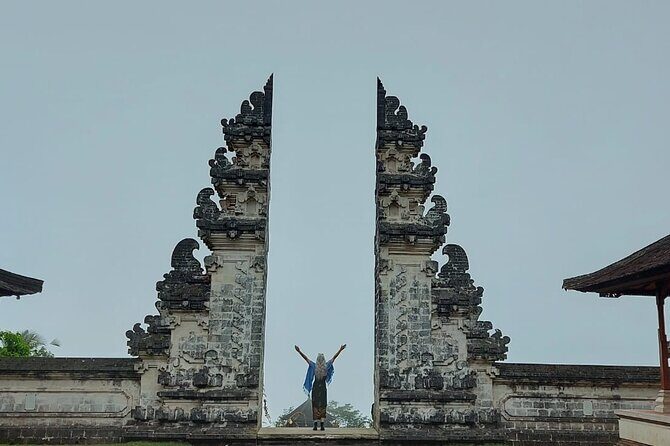
A long day with big rewards. This Best of East Bali Tour strings together Ujung Water Palace, Tirta Gangga, and Lempuyang Temple in a smooth, door-to-door format with a private guide and included entrance tickets. I especially like the relaxed pace at each stop, and I like how guides such as Darma and Toni help you time photo moments and move around without fuss. One drawback is simple: it’s a long drive, so you should plan for traffic and bring snacks for the road.

You’ll start with pickup and you’ll end with drop-off, so you don’t have to wrestle maps, parking, or changing pickup points. The vibe is practical and sightseeing-focused, not a rushed lineup. If you hate long car rides, you might find the day exhausting.

Key highlights I’d target

Best of East Bali Tour - Key highlights I’d target

  • Ujung Water Palace: calm gardens and good time for photos without wall-to-wall crowds
  • Tirta Gangga: fish-filled ponds plus statues and garden features that reward slow walking
  • Lempuyang Temple gate photos: stunning views, but lines and timing matter
  • Private guide help: guides like Darma, Okta, Toni, and Putu are praised for timing and explanations
  • Temple logistics included: sarong donation, a shuttle at Lempuyang, and entrance tickets handled
  • Value for $65: private transport plus all key admissions and bottled water

East Bali in one day: what this route gets right

Best of East Bali Tour - East Bali in one day: what this route gets right
This is the kind of tour that makes sense if you want the highlights of east Bali but you don’t want to plan three separate trips. The day is built around three very different settings: water-palace gardens, water-garden ponds, and one of the island’s most famous temple photo backdrops.

The big win is how the stops flow. Ujung Water Palace gives you a peaceful garden start, Tirta Gangga shifts the mood to ponds and sculptural details, and Lempuyang Temple is the dramatic finale. If you like photos, you’ll feel the structure: each location gives you a window to wander and shoot without sprinting.

The trade-off is time on the road. Even when things go well, east Bali is not close to the usual beach areas. Several people mention the drive can be heavy because of traffic, so mentally pack for a long day rather than a short excursion.

Pickup, private transport, and why comfort matters here

Best of East Bali Tour - Pickup, private transport, and why comfort matters here
You get hotel pickup and drop-off, plus a private car with petrol, parking fees, and a driver/guide who speaks English. That matters on a route like this because the roads can be narrow and the traffic can be unpredictable, and you don’t want to manage the stress yourself.

One theme pops up again and again: smooth driving and smart timing. Guides such as Darma and Yudi are praised for handling tricky traffic and still getting people to the sites with minimal waiting. And because it’s private, you can usually ask for small adjustments, like skipping extra climbing or getting help with a slower pace.

Also, this is not a bare-bones ticket. Your entrance tickets are included, bottled water is provided, and sarong requirements are handled via a donation at Lempuyang Temple. You end up spending less time on paperwork and more time doing the fun parts.

Ujung Water Palace: garden wandering with real photo time

Best of East Bali Tour - Ujung Water Palace: garden wandering with real photo time
Ujung Water Palace is the first stop, with about an hour on the grounds. People love it because it’s not chaotic in the way some top attractions can be. The setting is made for calm exploring: garden paths, water features, and plenty of spots to stop and frame photos.

There are stone steps, so plan your footwear like you’re doing a walking tour, not a casual stroll. One reviewer notes the steps gave the legs a workout, and another says the view over the surrounding areas is worth it. If you need to minimize climbing, a good guide will help you pace and find the best accessible angles.

This stop is also a great warm-up for the rest of the day. You get beauty first, before the heavier crowd timing at Lempuyang Temple. And because it’s early in the route, you’re more likely to enjoy Ujung without feeling rushed.

Tirta Gangga: fish ponds, statues, and a slower way to look

Best of East Bali Tour - Tirta Gangga: fish ponds, statues, and a slower way to look
Tirta Gangga is the second stop, also with about an hour. This is the part of the day where the mood shifts from “palace gardens” to “water gardens.” You’ll be walking around the pond area, checking out the fish and noticing the artistic statues and building details.

I like that this stop rewards patience. You can move slowly, pause for photos, and still feel like you saw everything. If you enjoy water features and small details, Tirta Gangga is often easier to enjoy than the bigger, headline-only attractions.

One practical note: because you’re on foot for the pond area, wear shoes you trust on uneven garden surfaces. The tour is designed around walking and wandering, so comfortable footwear pays off.

Lempuyang Temple: the Gate of Heaven photos and the timing truth

Best of East Bali Tour - Lempuyang Temple: the Gate of Heaven photos and the timing truth
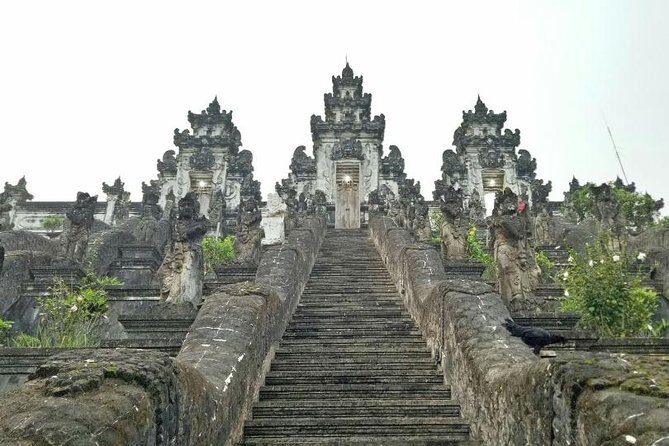
Lempuyang Temple is the centerpiece, with about three hours allocated. This is where you get the famous Gate of Heaven vibe and the iconic photos everyone comes for. The temple grounds are beautiful, but the real factor is timing.

Plan for lines. At peak moments, the photo line at the gate can get very long, and one person specifically called out that in March their wait could have been around three hours if they chased the exact photo timing. The good news is that your guide can help you work around this.

Two helpful logistics are built in. First, you’ll have an included sarong donation for temple entry requirements. Second, there’s a shuttle service at Lempuyang Temple, which can be useful if walking routes are tiring. Guides also tend to know when to aim for fewer crowds.

The other reality is festivals. During big Lempuyang temple celebrations, the gate may close. The tour still works because you’ll get other nearby photo spots with a similar view, so you’re not stuck with nothing to shoot.

Most importantly, guides are praised for photo strategy, not just driving. Darma, Okta, and Toni are all mentioned for helping people get great angles and taking photos. Some people even mention requests like reducing climbing so an older family member wouldn’t miss key moments.

Price and value: what $65 covers and what it doesn’t

Best of East Bali Tour - Price and value: what $65 covers and what it doesn’t
At $65 per person for a 7 to 8 hour private-day format, the value comes from what’s included. You’re paying for a private vehicle with parking and fuel, an English-speaking driver/guide, bottled water, and all entrance tickets for the main sites. You’re also paying for Lempuyang temple basics through the sarong donation and the shuttle service.

The cost gets easier to justify when you’re comparing it to paying for three separate entrances plus transport. This tour bundles those key pieces so you can focus on the experience, not the admin.

The one clear extra is lunch. Lunch is not included, and there’s also personal spending. If you’re sensitive to getting hungry during long driving hours, you’ll be happier planning a simple stop for food or bringing a snack pack. More than once, people recommend bringing something to munch because the drive can take a while.

How to make the day feel less exhausting

Best of East Bali Tour - How to make the day feel less exhausting
This is not a “hop on a scooter and dash around” day. It’s a full-day circuit with real driving time, and you’ll feel it in your schedule. You’ll do better if you treat the day like a paced itinerary with a car as part of the plan, not as something to fight.

Start early if you can. One reviewer recommends an earlier start (they mentioned starting at 7am) to beat crowds, and it helped them still get back by around mid-afternoon despite traffic. Even if your hotel pickup time differs, the main idea stays: earlier usually means smoother temple timing.

Bring a snack, even if bottled water is included. People specifically call out the road time and suggest having something to eat during transit. It’s a small move that prevents the “we’re great, then suddenly hangry” problem.

Wear smart casual. That’s the listed dress code, and it helps you avoid last-minute outfit changes before temple entry. Also, pack your patience for traffic. The guide can’t control Bali’s road congestion, but a strong driver/guide can reduce stress through skillful routing and timing.

Who this tour fits best

Best of East Bali Tour - Who this tour fits best
This is a strong fit for couples, friends, and families who want east Bali’s key sights without planning. It’s also a good match if you want cultural context and photo help, since multiple guides are praised for explaining what you’re seeing and getting the right moments.

It also works well if you prefer a flexible feel over a strict group schedule. Even though it’s a private tour/activity (only your group participates), your guide can often adjust how you experience a site, including pacing for people who want fewer steps.

If you’re traveling with limited mobility, ask upfront how you can approach the temple areas. The tour includes temple logistics like a shuttle and guides are noted for finding ways to reduce climbing for someone older, but your comfort will depend on your specific needs.

Should you book this Best of East Bali Tour?

Book it if you want east Bali highlights in one day with hotel pickup, private comfort, and included entrance tickets. It’s also a good pick if photos matter, because the guides you’re likely to get (from Darma to Toni and others) are repeatedly praised for timing, photo angles, and making the day flow.

Skip or rethink if you hate long drives or you know you’ll feel drained by traffic-heavy sightseeing days. This tour can be worth it even then, but you’ll enjoy it more if you plan snacks, go in with realistic expectations about driving time, and start the day early when possible.

FAQ

What is the duration of the Best of East Bali Tour?

The tour lasts about 7 to 8 hours.

Where does the tour take place?

The tour is based around Jimbaran, Indonesia, and it runs from Kuta and nearby towns on the eastern Bali route.

How much does it cost?

It costs $65.00 per person.

Is hotel pickup and drop-off included?

Yes. Hotel pickup and drop-off are included.

Which stops are included in the tour?

The tour includes Ujung Water Palace, Tirta Gangga, and Lempuyang Temple.

Are entrance tickets included?

Yes. All entrance tickets are included.

Is lunch included?

No. Lunch is not included.

What is the dress code?

Smart casual dress is required.

Is there a sarong requirement at Lempuyang Temple?

Yes. A donation for a sarong at Lempuyang Temple is included.

What is the cancellation policy?

Free cancellation is available up to 24 hours in advance for a full refund. If you cancel less than 24 hours before the experience starts, the amount paid is not refunded. Cut-off times are based on local time.

Ubud ATV Quad Bike with Ayung River Rafting Experience

Ubud ATV Quad Bike with Ayung River Rafting Experience - Stop 1 at Dadi Bali Adventures: where the day kicks off

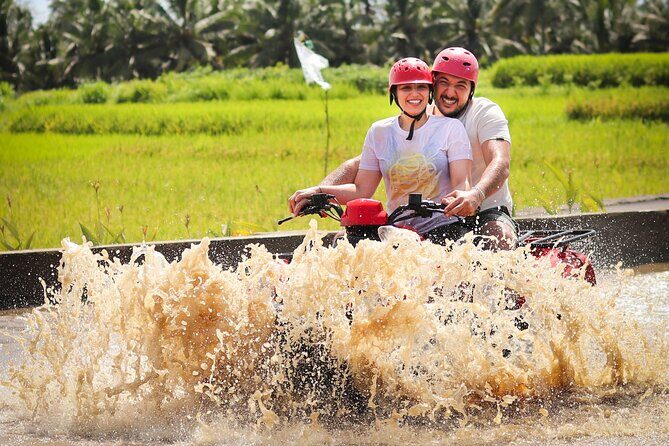
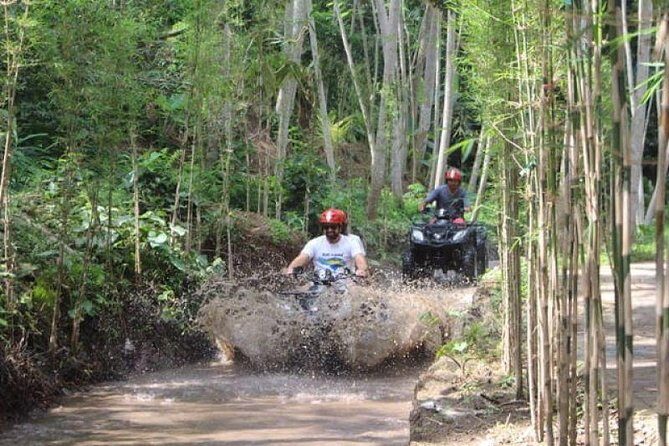
Tough day, good stories. This Ubud combo tour mixes quad biking through countryside with Ayung River white-water rafting, plus a buffet lunch that keeps the day moving. It’s built for people who want more than a slow photo stroll and don’t mind getting a little muddy along the way.

Two things I really like: you get a real two-activity day (ATV and rafting) without having to plan separate tours, and you’re not left guessing—guides stay with you during the key parts of the route. I also like that your tour includes lunch, bottled water, and insurance, so the $31 price feels more like a package than a basic outing.

One drawback to keep in mind: pickup can be a little confusing. The experience lists hotel pickup with an upgrade/option, but it’s smart to confirm what the day’s handoff looks like before you rely on a driver showing up at your lobby.

Key highlights to know before you go

Ubud ATV Quad Bike with Ayung River Rafting Experience - Key highlights to know before you go

  • ATV + Ayung rafting in one half-day so you get adrenaline and scenery without extra planning
  • Guides for both big activities, with safety equipment included
  • Buffet lunch and bottled water included, which matters when you’re active for hours
  • Rice-field time after lunch, with helmet and boots provided
  • Small-group feel with a maximum of 30 travelers
  • Solo or tandem quad-bike riding options, depending on how you want to enjoy it

Ubud in 6 hours: how this quad bike and rafting day fits together

This is a roughly 6 hours 30 minutes experience that’s paced like an action day, not a long sightseeing day. You’ll be moving through Ubud’s countryside and then switching to water time on the Ayung River. That rhythm matters: it’s a great format when you want to cram in fun, but you’ll feel it in your legs and arms by the end.

The overall value is in the mix. For one price, you get guided quad-bike riding, white-water rafting, and lunch, plus insurance and safety equipment. At about $31, it’s not a luxury day. But it does cover the core costs that usually add up fast: instruction, gear, and the big activities.

Also, there’s a practical “Bali reality check” here. This tour ends back at the meeting point, and your route starts at Dadi Bali Adventures in Melinggih Kelod (Payangan area). If you didn’t select the pickup option, you’ll want to plan how you’ll reach the start yourself.

Getting to Dadi Bali Adventures: pickup and meeting point reality

Ubud ATV Quad Bike with Ayung River Rafting Experience - Getting to Dadi Bali Adventures: pickup and meeting point reality

Your start point is Dadi Bali Adventures, at Jl. Begawan Giri, Melinggih Kelod, Kec. Payangan, Kabupaten Gianyar, Bali 80572, Indonesia. The tour ends back at the same meeting point.

Pickup is listed as hotel pickup and drop off (Option Select), and the description also frames pickup as an upgrade. So here’s what you should do: when you book, double-check what you selected in your confirmation. If pickup is part of your plan, confirm the exact pickup time and where you’ll be collected.

Why I’m stressing this: when a day includes multiple activities, the biggest annoyance is losing time trying to figure out where to be. If you arrive late or miss the handoff, the whole schedule can get thrown off for you and the group.

Tip: if you’re staying in central Ubud, I’d plan a little buffer to reach the Payangan area. This tour is not a “step outside your hotel and walk over” situation.

Stop 1 at Dadi Bali Adventures: where the day kicks off

Ubud ATV Quad Bike with Ayung River Rafting Experience - Stop 1 at Dadi Bali Adventures: where the day kicks off

The day begins at Dadi Bali Adventures, which is also your anchor for the rest of the trip. This is where you’ll meet the team and get set up for the ATV side of the experience.

From a practical perspective, the ATV portion is the moment you want to pay attention. Listen to the guide about how to handle the bike and what to do if you’re not comfortable right away. With quad biking, your first few minutes teach you everything you need for the rest of the ride.

Also check what’s included in your kit. The tour provides safety equipment, and you’ll want to wear whatever clothing works for dirt, water splashes, and a bit of sweat. Comfortable shoes matter most because you’re going to have active ground time later too.

If you’re booking solo or as a couple, this is also a good moment to make sure you’re arranged for solo or tandem riding the way you want.

ATV quad bike through Ubud: what the ride actually feels like

Ubud ATV Quad Bike with Ayung River Rafting Experience - ATV quad bike through Ubud: what the ride actually feels like

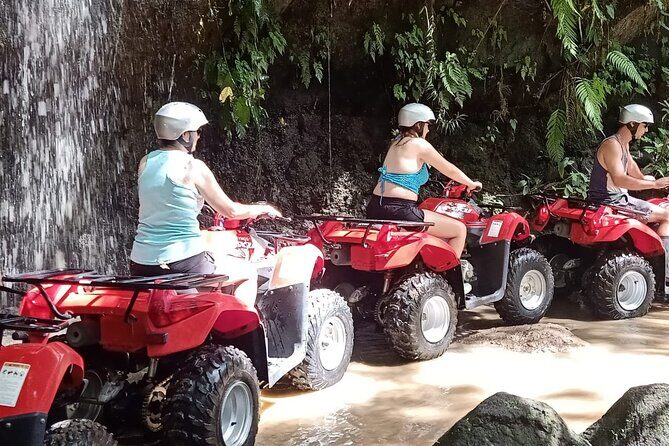
The ATV part is built for thrill-seekers, but it’s not just a straight shot. You’re riding through scenic countryside, and the route is described as including waterfalls and tunnels. That combination is what turns ATV time from sightseeing into actual adventure.

Why this matters: tunnels and narrow passages change your pace and your concentration. It’s less about speed and more about staying smooth on uneven ground and following the guide’s line. You also get moments where the scenery is right there—rice-field scenery and the rural green around Ubud—without needing to hike for hours first.

What to expect during the quad-bike portion:

  • You’ll ride with a guide/instructor to help keep you safe
  • You’ll pass natural features like waterfalls along the way
  • Your route includes a mix of open areas and more enclosed sections (tunnels)

One small reality check: ATV rides can be bumpy even when they’re fun. If you have back or neck sensitivity, consider that you may want a more comfortable riding posture and take it steady on rough patches. Moderate fitness is listed for the experience overall, and ATV riding definitely counts.

Ayung River rafting: staying safe on white water

Ubud ATV Quad Bike with Ayung River Rafting Experience - Ayung River rafting: staying safe on white water

After the ATV energy, you switch gears to the Ayung River, one of Bali’s well-known rafting routes. The description is clear: this is white-water rafting, and there’s a guide on hand to help keep things safe during the ride.

What makes this part worth doing in the same day? It’s the contrast. On land, you manage your bike and your balance. On water, your job is basically to follow directions as the river does what it does. That balance of skills keeps the experience from feeling repetitive.

Here’s what you should think about before you go:

  • Expect some cold-to-refreshing water, especially if you cool off near waterfalls earlier
  • Bring a mindset of listening first, reacting second
  • Plan for wet gear and a little splash on your clothing

Safety equipment is included, and insurance is included too. That combo matters because rafting is one of those activities where having the right gear and instruction is not optional—it’s the whole point.

Buffet lunch: when you’ll need it most

Ubud ATV Quad Bike with Ayung River Rafting Experience - Buffet lunch: when you’ll need it most

You’ll stop for a buffet lunch, and it’s included in the price. This isn’t just a polite add-on. It’s a practical lifesaver because you’re combining hard movement on the ATV with a physically active water experience.

A buffet format is also convenient for a mixed group. Some people eat fast and recharge. Others take their time and regain their breath. Either way, you get enough calories to keep going.

The day also includes bottled water, so you’re not stuck rationing sips after the fun parts.

My advice: eat like an athlete, not like you’re on vacation dinner. You want energy and hydration for whatever comes next—especially because the itinerary continues after lunch.

Rice fields after lunch: helmet and boots, plus a calmer pace

Ubud ATV Quad Bike with Ayung River Rafting Experience - Rice fields after lunch: helmet and boots, plus a calmer pace

After lunch, you’ll continue with a guided rice-field tour. Here’s the interesting detail: you’ll don a helmet and boots for this part.

That suggests you’re not just walking through a scenic viewpoint. You’ll likely be moving through farm areas where footwear and protective gear keep you comfortable and safe. It’s also a nice contrast to the ATV and rafting. You’ve had adrenaline and water time; now you slow down enough to notice the countryside around Ubud more clearly.

Because it’s guided, you’re not just staring at greenery and guessing what you’re seeing. Your guide is there to help you understand what’s around you and how to move through the area appropriately.

If you’re taking the tour mainly for thrill, this rice-field time can surprise you in the best way: it gives your body a break while still keeping the day feeling full.

Who this tour suits best (and who should reconsider)

Ubud ATV Quad Bike with Ayung River Rafting Experience - Who this tour suits best (and who should reconsider)

This one is best for people who want an active day and like variety. The experience calls for moderate physical fitness, and you’ll be doing things that ask for balance and stamina—ATV time, rafting, and walking around farm paths.

You’ll probably love it if:

  • You want ATV + rafting in a single day
  • You enjoy adrenaline but still want a guided nature experience
  • You’re okay getting wet and dealing with dirt and splashes
  • You prefer a guided group day rather than DIY planning

You might want to rethink it if:

  • You have mobility concerns that make bumpy ATV rides or stepping around farm areas difficult
  • You’re sensitive to water, since rafting is part of the core experience
  • You hate scheduling and want a slow, open-ended plan (this tour is structured)

Group size is capped at 30 travelers, which helps keep things from feeling like a cattle queue, but it’s still a group format—follow the guide and you’ll have a smoother ride.

Price check: does $31 make sense for this much?

At $31, the best argument for this tour is what’s included:

  • ATV and Ayung rafting with guides/instructors
  • Safety equipment
  • Lunch plus bottled water
  • Insurance
  • Option for hotel pickup and drop off

Even without comparing to other operators, you can see where the value comes from. A guided rafting day alone usually isn’t the cheapest part of Bali activities. Add ATV time, instruction, safety gear, and lunch, and you get a lot of “logistics cost” wrapped into one payment.

The potential cost risk isn’t really the base price—it’s extras. The tour notes photo and video CD/USB are an additional charge ($25). If you want souvenirs, budget for that. Also plan for personal expenses not included.

If you’re trying to keep your Bali spend under control, this is the kind of package that can give you a big day without big add-ons.

Booking advice: how to make this day go smoothly

Before you go, do these simple checks:

  • Confirm whether you selected hotel pickup and drop off. If not, plan to reach Dadi Bali Adventures.
  • Decide how you want to ride: the tour offers solo or tandem options.
  • Dress for getting wet and dusty. Bring a change of clothes if you can.
  • Eat before you’re hungry. The included lunch helps, but you’ll be more comfortable if you don’t start the day starving.

If you want one more practical tip: keep your phone secured. You’ll be in water time on rafting, and you’ll likely be splashed on the ATV/river transitions too.

Should you book this ATV and Ayung rafting combo in Ubud?

I think you should book it if you want a true action day in Ubud: quad biking through countryside, Ayung River white water, a buffered lunch, and then a guided rice-field experience with helmet and boots. The price is attractive because so much is bundled—guides, safety equipment, insurance, and food.

I’d skip (or at least double-check details) if pickup logistics matter a lot to you or if you’re expecting a relaxed, slow tour. This isn’t that. It’s a structured half-day built around moving, riding, and getting wet.

If you like active travel and don’t mind following directions, this combo makes a smart first-or-second Ubud adventure—especially when you want to see more of Bali than just one viewpoint.

FAQ

How long is the Ubud ATV and Ayung River rafting experience?

It’s approximately 6 hours 30 minutes.

Does the tour include hotel pickup?

Hotel pickup and drop off are included if you select the option, and you can also upgrade to include hotel transfers.

What activities are included in this tour?

You’ll do ATV quad bike riding, Ayung River white-water rafting, and a guided rice fields tour after lunch.

What’s included besides the ATV and rafting?

Included are guides/instructors, safety equipment, lunch, bottled water, and insurance.

What fitness level do I need?

You should have moderate physical fitness.

Can I cancel for a full refund?

Yes. You can cancel for a full refund up to 24 hours in advance of the experience start time.

Mount Batur Sunset Jeep Guided Tour (Private Tour)

Mount Batur Sunset Jeep Guided Tour (Private Tour) - Stop One at Mount Batur: sunrise views and breakfast without the hike

Mount Batur looks best from the right seat. This private jeep day out from Ubud pairs a Mount Batur sunrise viewpoint stop (with breakfast) and a guided look at the black lava formations—without a hike. I like that you can choose your timing (day, sunrise, or sunset) and still get a full, guided explanation of what you’re seeing.

My other favorite part is the “sit back” format: private pickup and drop-off, plus a snack and water bottle so you’re not managing logistics at 5 a.m. or during the late-day climb. One thing to consider: a private tour should mean just your group in the Jeep—double-check that arrangement at pickup, since timing can get dragged down if routing turns into shared transport.

Key takeaways before you go

  • Pick your start time: day, sunrise, or sunset scheduling keeps the day flexible.
  • No hike for the big views: you get sunrise-style scenery without a trek.
  • Real geology talk: you’ll get explanations of pillow lava, ropy lava, and lava balls.
  • Black lava is the wow factor: it’s more than dark sand—it’s a story you can see.
  • Private 4WD comfort: the driver handles the rough roads while you focus on views.
  • You need workable weather: poor conditions can reduce sunset/sunrise visibility.

Mount Batur by Jeep: how the “easy access” part changes your whole day

Mount Batur Sunset Jeep Guided Tour (Private Tour) - Mount Batur by Jeep: how the “easy access” part changes your whole day
The Mount Batur area is famous for sunrise and sunset, but those big-time views can come with big effort—steep trails, early starts, and long waits. This tour is built to protect your energy. You get the volcano viewpoint experience and breakfast time at Mount Batur without a hike, then you roll on to black lava areas for a guided look at the rock shapes.

What makes it feel different is the pacing. You’re not racing between stops. You’re guided through them at a human speed: viewpoint time up front, then a focused stop to learn what you’re actually looking at. If you’re the type who likes scenery and understanding, this format tends to click.

And because this is a private 4WD Jeep with a professional driver, you also don’t have to think about road conditions, getting lost, or how to carry water and snacks. You show up, you ride, you look out the window, and the day has a clear shape.

Getting to the start: Ubud pickup, drop-off, and Toya Bungkah

Mount Batur Sunset Jeep Guided Tour (Private Tour) - Getting to the start: Ubud pickup, drop-off, and Toya Bungkah
This tour is set up with private hotel pickup and drop-off, which matters in Bali because “just meet me somewhere” can turn into a half-day scavenger hunt. If pickup is offered for your hotel, take advantage of it. It also helps if you’re timing a sunrise-style outing—getting there on time can be the difference between a good viewing window and a rushed one.

If you’re instead meeting at the tour’s listed start point, the location is Toya Bungkah, Jl. Pendakian Gn. Batur, Batur Tengah, Kec. Kintamani, Kabupaten Bangli, Bali. The tour ends back at the meeting point, so you’re not left scrambling for transport on the way back.

One practical tip: confirm what pickup means for your day. Ask the operator (or your booking contact) whether pickup is included for your specific address and exactly what time they plan to collect you. The Mount Batur timing game is real.

Stop One at Mount Batur: sunrise views and breakfast without the hike

Mount Batur Sunset Jeep Guided Tour (Private Tour) - Stop One at Mount Batur: sunrise views and breakfast without the hike
The first stop is where you set the tone: Mount Batur sunrise viewpoint time, with breakfast. It’s scheduled for about 2 hours, and admission for that stop is included.

The key benefit here is the no-hike approach. Instead of earning your view with legs and sweat, you get the payoff by driving to a vantage point. That’s a big deal if you’re traveling with older friends, you’re not into steep climbs, or you just don’t want to spend your precious energy on stairs before the views.

From this viewpoint, Mount Batur is the main character—an active volcano in the Kintamani Regency area of Bali. You’ll also get context from your local driver/guide, so it doesn’t just feel like a photo stop. The volcano setting is part of the experience, not just background scenery.

What about the timing? This tour is sold as a sunset jeep experience, but the experience design is flexible. You can start the trip when you want—day, sunrise, or sunset—so that same Mount Batur viewpoint stop can work with different goals. Sunrise focuses on the first light. Sunset focuses on softer colors and dramatic shadows. If you want a calm, scenic start to your day, schedule it earlier. If you want a late-day payoff, go later.

A consideration for the viewpoint stop

Weather can make or break your volcano views. Clouds can hide the sun, and even when you still get good scenery, the “sunburst moment” may not happen. Still, the value isn’t only the sun. It’s the volcano setting and the guided explanation that you’ll take with you.

Stop Two: Black Lava and the rock shapes you’ll actually remember

After Mount Batur, you move to Black Lava for about 1 hour. Admission is included here too, and this is where the tour gets very hands-on in a storytelling way.

Your guide will explain the eruptions and help you recognize different types of lava formations around you, including:

  • pillow lava
  • ropy lava
  • lava balls

Those names might sound like science-class trivia, but that’s exactly why this stop is so satisfying. When someone points out what you’re looking at, the black ground stops being generic “volcanic sand” and becomes a visible record of past activity.

This is also the stop that tends to stick in people’s minds because black lava areas are visually unusual. It feels different from Bali’s usual green, rice-terrace palette. Even if the light isn’t perfect, the texture and the shapes give you something to study.

Why this geology stop is good value

If you’ve ever visited a viewpoint and felt like you mainly collected photos, Black Lava fixes that. It gives you a quick, readable way to understand why the terrain looks the way it does. You come away with a mental checklist—pillow lava, ropy lava, lava balls—and you can interpret the view after you leave.

Jeep ride reality: comfort, route, and how to protect your time

Mount Batur Sunset Jeep Guided Tour (Private Tour) - Jeep ride reality: comfort, route, and how to protect your time
The private 4WD Jeep is the heart of the experience. It’s what turns “volcano time” from a hike or a scramble into a relaxed ride. Expect a driver handling the road while you focus on scenery and guide talk.

That said, one review-style caution shows up in a theme: if your tour ends up sharing transport elements or adding pickup stops for strangers, it can stretch the total day. On a sunrise or sunset schedule, time is everything. Extra stops can push you past the best light window.

So I’d suggest you do two simple things:

  1. Confirm the tour is truly private for your group when you’re booking and again the day before.
  2. At pickup, ask for clarity on the plan: how long to the Mount Batur viewpoint, and whether there will be any shared pickup.

If the operator sticks to the private promise, you’ll likely feel what most people rave about: a smooth ride and a day that stays on track.

Pricing and value: what $27.51 buys you in the real world

Mount Batur Sunset Jeep Guided Tour (Private Tour) - Pricing and value: what $27.51 buys you in the real world
At $27.51 per person, this is priced like a budget-friendly “big sight” day—but it’s not only about being cheap. You’re paying for the pieces that are costly in time and stress: a private 4WD Jeep with a professional driver and hotel pickup/drop-off.

Here’s where the value really shows up:

  • Private transport saves you from coordinating multiple rides or chasing schedules.
  • Admission tickets are included for both the Mount Batur viewpoint stop and the Black Lava stop.
  • Snack and water are included, which matters on long days when you’d rather not hunt for small purchases.
  • Mobile ticket is part of the setup, which cuts down on paper fuss.

You’ll also get some built-in flexibility. This tour can start when you want (day/sunrise/sunset). That flexibility is valuable because Bali timing isn’t one-size-fits-all. You might want sunrise if you’re an early riser. You might prefer sunset if you want a later start after a morning of exploring Ubud.

One more note: the tour is described with group discounts. If you’re traveling with friends or family, you may find the per-person value improves. For solo travelers, the private framing can still feel good because pickup/drop-off and guided stops are part of what you’re buying.

Timing for sunset vs sunrise: how to choose your best light

Mount Batur Sunset Jeep Guided Tour (Private Tour) - Timing for sunset vs sunrise: how to choose your best light
Even though the tour is called a sunset jeep tour, the same framework can work for sunrise. The choice comes down to how you want your day to feel.

  • Sunrise start tends to feel more intense and focused. You’ll want to be ready early, and the payoff is early light over an active volcano setting. The breakfast component also fits sunrise vibes.
  • Sunset start can feel slower and more forgiving. You’re doing volcano views later in the day, and the ride becomes more of a scenic arc back toward Ubud.

Clouds can change the outcome either way. If it’s cloudy, you might lose the dramatic sun moment. But you can still get impressive views and the guided geology stop remains worthwhile—especially at Black Lava, where the texture and formations can still show even without direct sunlight.

Practical advice: if you’re choosing sunset, don’t treat it like a guarantee of a perfect orange sky. Build the day around the bigger goal: a guided, energy-saving Mount Batur experience from a private Jeep.

What’s included (and what you’ll need to plan yourself)

Mount Batur Sunset Jeep Guided Tour (Private Tour) - What’s included (and what you’ll need to plan yourself)
This tour includes several things that make it easy to commit without extra spending:

  • Private hotel pickup and drop-off
  • All fees and taxes
  • Private 4WD Jeep with professional driver
  • Snack and water bottle
  • Admission tickets at Mount Batur and Black Lava stops

Not included is simple: other personal expenses. That can mean anything you choose to buy on your own (extra drinks, souvenirs, tips). Since the essentials are covered, you’ll mostly be choosing optional extras rather than solving basic needs.

One more practical angle: you’ll be out for about 8 to 10 hours. That’s long enough to justify the included snack and water, but you’ll still want to think about how you dress and how you’ll handle the weather. Bring layers if you tend to feel cold early or later in the day.

Who this tour is best for (and who might want a different style)

Mount Batur Sunset Jeep Guided Tour (Private Tour) - Who this tour is best for (and who might want a different style)
This private Mount Batur jeep experience is a strong fit if you:

  • want volcano views without a hike
  • like having a guide explain what you’re seeing
  • want comfort and simple logistics (pickup, drop-off, snacks)
  • are traveling with mixed ages or different fitness levels
  • care about timing and want to choose day/sunrise/sunset

It’s also a good match if you’re not trying to “collect every temple” that day. Instead, you’re carving out a full day for one iconic volcanic area and doing it in a structured way.

If you’re the type who loves getting out and walking everywhere, you might find the no-hike approach less thrilling. But even then, the Black Lava stop and the jeep-only convenience can still be a satisfying compromise.

Should you book this private Mount Batur sunset jeep tour?

I’d book it if you want a day that’s scenic, guided, and low-stress. The combination of Mount Batur viewpoint time with breakfast plus the Black Lava geology explanation is exactly the kind of “two-part payoff” that makes a long day feel worth it. Add in private hotel pickup and a private 4WD Jeep, and you’re not juggling transport or carrying your own snacks.

The only reason I’d hesitate is timing risk. Weather can blunt sunrise/sunset drama, and you should also make sure your “private” day stays private and doesn’t turn into shared logistics. If you confirm both, you’re set up for a memorable Mount Batur outing that goes beyond just taking pictures.

FAQ

How long is the Mount Batur Sunset Jeep Guided Tour?

The tour runs about 8 to 10 hours.

Is hotel pickup and drop-off included?

Yes. The tour includes private hotel pickup and private drop-off.

Does the tour include a hike?

No. The Mount Batur sunrise viewpoint stop is described as without a hike involved.

What are the main stops?

The tour includes a Mount Batur stop (with sunrise viewpoint time and breakfast) and a Black Lava stop for about an hour.

What’s included in the price?

It includes a private 4WD Jeep with a professional driver, snack and water bottle, all fees and taxes, and admission tickets for the Mount Batur and Black Lava stops.

What’s not included?

Other personal expenses are not included.

Where does the tour start?

The listed start point is Toya Bungkah on Jl. Pendakian Gn. Batur in Batur Tengah, Kec. Kintamani, Kabupaten Bangli, Bali. The tour ends back at the meeting point.

Can I cancel if the weather is bad?

Yes. This experience requires good weather. If it’s canceled due to poor weather, you’ll be offered a different date or a full refund.

When can I start the tour?

The experience notes that you can start whenever you want, including day, sunrise, or sunset options.

Mount Batur Sunrise Trekking – All Inclusive

The dark climb turns into pure gold. This Mt Batur sunrise trek is an early-morning hike into an active volcano, built around one payoff: watching night break into orange and gold over the caldera and Lake Batur. You start by headlamp, get up to the top with an English-speaking guide, then eat breakfast as the sky lights up.

I really like how much the trip handles for you. You get round-trip hotel pickup/drop-off, plus the basics that make the dark hike easier: a headlamp, trekking poles, breakfast, and bottled water.

The main consideration is the early start. You’ll be meeting in the early hours and hiking before sunrise, so this isn’t for people who hate mornings.

Key highlights to know before you go

Mount Batur Sunrise Trekking - All Inclusive - Key highlights to know before you go

  • Headlamp-first timing: the hike begins in the dark so you reach the summit for sunrise
  • Breakfast on the summit: eat as the view changes from black sky to glowing rays
  • Descent includes younger craters: you don’t just go up and down, you get more volcanic scenery
  • Add-ons after sunrise: ATV ride, waterfall, rice terrace, hot springs options (hot spring entry included if selected)
  • Guide quality shows up in the details: names like Wan, Ari, Harry, Putu, and Mas Gede get praised for pacing and encouragement
  • Group size cap: up to 101 people, so it can feel busy compared to smaller hikes

Why Mount Batur sunrise is worth the pre-dawn grind

Mount Batur Sunrise Trekking - All Inclusive - Why Mount Batur sunrise is worth the pre-dawn grind
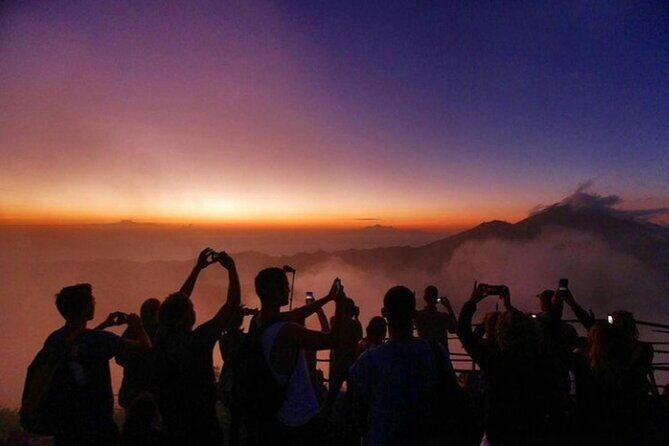
Mount Batur is one of Bali’s most famous volcano climbs for a reason: the view feels dramatic even before you understand it. At the summit, you’re looking over the caldera while darkness loosens and the sky turns orange and gold. The silhouette of Mount Agung and the glassy surface of Lake Batur are part of the show, if the weather cooperates.

What makes this hike special is the structure. You’re not just walking uphill in the dark for exercise. You’re moving with a goal—reach the top, watch the first light, then come down through volcanic terrain.

The tour also gives you a clear sense of what’s happening. After sunrise, you start descending and explore three younger craters, which adds variety and keeps the experience from feeling like a one-note climb.

The all-inclusive setup that keeps logistics from stealing your energy

Mount Batur Sunrise Trekking - All Inclusive - The all-inclusive setup that keeps logistics from stealing your energy
This trip is designed to feel “taken care of.” You get hotel pickup and drop-off, so you’re not coordinating transport while half-awake. You meet at the Mt Batur Lounge around your pickup time, then head to the Kintamani region for the hike.

Once you start climbing, the included gear helps a lot. You’ll have an English-speaking trekking guide/driver, plus a headlamp and trekking poles. Those matter more than people think on a dark, uneven trail—having the right light and support makes it easier to keep balance and keep pace.

Food and drinks are handled too. You get breakfast at sunrise and coffee and/or tea, plus bottled water. That means you don’t have to gamble on what’s available at the top or worry about running out mid-hike.

One more practical detail: you receive a mobile ticket. That’s helpful because you’re likely relying on your phone for everything that morning, and it reduces paper chaos.

The climb itself: flashlight start, guide pacing, and crater variety

Mount Batur Sunrise Trekking - All Inclusive - The climb itself: flashlight start, guide pacing, and crater variety
The hike begins after a briefing, with flashlight/headlamp trekking to get you to the summit. This is a good sign if you’re new to hiking, because you’re not alone figuring out when to step and where to place your feet.

The guiding style seems to be a major part of the positive feedback. People specifically mention guides like Wan as patient and encouraging, and Ari as motivating when the climb got tough. Putu is praised for letting beginners set a pace while still keeping everyone on schedule for sunrise. You’ll also see notes about guides looking out for participants who lag behind, like Mas Gede, which is exactly what you want on a pre-dawn trek.

As you descend, you get the volcanic “bonus.” The route includes three younger craters, giving you changing views and a better feel for the terrain than a simple up-and-down hike. Even if you’re not a volcano nerd, this section helps the trip feel like more than just a viewpoint.

Sunrise breakfast: simple, useful, and timed to the view

Mount Batur Sunrise Trekking - All Inclusive - Sunrise breakfast: simple, useful, and timed to the view
Breakfast is included, and it’s not an afterthought. The tour is built around watching sunrise from the summit, then eating while the sky turns. That timing is the whole point, because it turns a hard, dark climb into a payoff you’ll remember.

You’ll also have coffee and/or tea, which is a small comfort that feels big when you’re starting early. The tour includes bottled water, so you can focus on enjoying the moment instead of budgeting your fluids while you’re high up and active.

The best part is that your senses get a workout. Your eyes track the colors changing over the caldera, and your brain goes quiet for a minute because you’re just watching and eating. If you like “one big thing” experiences, this one does it well.

After sunrise options: coffee plantation, hot springs, and the fun stuff

Mount Batur Sunrise Trekking - All Inclusive - After sunrise options: coffee plantation, hot springs, and the fun stuff
Once the main sunrise moment is done, you can shape the day. The tour offers add-ons so you can keep going beyond the summit.

There are a few ways this shows up:

  • You may have an option to visit a coffee plantation site after sunrise for coffee, tea, and chocolate.
  • You may choose ATV ride as an add-on.
  • You may visit a waterfall or rice terrace.
  • You may visit hot springs after sunrise, with entry to a natural hot spring included if that option is selected.

This flexibility is practical. If you’re the type who wants more than just one viewpoint, you’ve got options. If you want to keep it light after sunrise, you can stick closer to the core hike and go back toward the hotel sooner.

The big tradeoff is time and energy. Add-ons can turn your “8.5 hours-ish” day into something that feels fuller. If you’re tired from the hike, choose one extra thing, not four.

Price and value: what $24 gets you (and why that matters)

Mount Batur Sunrise Trekking - All Inclusive - Price and value: what $24 gets you (and why that matters)
At about $24 per person, this feels like a strong value when you look at what’s included. You’re paying for more than a guide and a viewpoint.

You get:

  • Hotel pickup and drop-off
  • English-speaking trekking guide/driver
  • Breakfast
  • Coffee and/or tea
  • Bottled water
  • Headlamp and trekking pole
  • Mobile ticket
  • Optional: natural hot spring entry if you add it

A lot of climbs charge you separately for transfers, basic gear, or meals. Here, the core “morning survival kit” is included, so you show up, follow the plan, and get fed at the moment that counts.

One thing to remember: tips are optional, and other personal equipment is not included. That’s normal, but it’s worth planning for—don’t assume everything you might want is already covered.

Group size: what “up to 101” can mean on the ground

Mount Batur Sunrise Trekking - All Inclusive - Group size: what “up to 101” can mean on the ground
The tour has a maximum of 101 travelers. That number sounds big, and it can be. The upside is that you’re typically moving with a well-run operation.

The downside is that it may feel less intimate than a small-group sunrise climb. If you’re the type who likes quiet, private moments, you might feel the crowding at the summit or during briefing.

Still, the guide’s job is to keep people safe and on schedule for sunrise. The positive notes you see about guides pacing participants—especially beginners—suggest the group size doesn’t automatically ruin the experience.

Guide energy makes the difference: Wan, Ari, Harry, Putu, Mas Gede

Mount Batur Sunrise Trekking - All Inclusive - Guide energy makes the difference: Wan, Ari, Harry, Putu, Mas Gede
This is one of those tours where the guide personality shows up fast. Several guides get named in feedback, and the themes repeat: patience, motivation, humor, and attention to safety.

  • Wan gets praised for being patient and encouraging, and for helping keep the journey feeling safe.
  • Ari is noted for motivation—people mention needing that push when they wanted to stop.
  • Harry is described as fun, friendly, funny, and attentive, which matters when you’re climbing in the dark.
  • Putu gets called out for guiding beginners at a pace they can handle while still making the sunrise.
  • Mas Gede is mentioned for looking out for people who were falling behind.

So here’s the practical advice: communicate your pace early. If you need breaks, say so. The tour is structured for sunrise timing, but good guides adjust within reason. If you keep quiet and suffer alone, you lose the best part of the guiding.

Who this tour fits best (and who might skip it)

This Mt Batur sunrise trek works for a wide range of people because most can participate, and because the tour includes key support tools like headlamp and trekking poles. If you want a well-timed volcano sunrise with food and transfers handled, you’re in the right place.

It might be less ideal if you hate early wake-ups or you’re planning a very relaxed vacation day. The sunrise goal pushes the schedule, and the hike starts before sunrise.

It also helps if you like guided experiences. You get an English-speaking guide, and the route includes the crater descent and the optional add-on choices. If you’re the independent type who prefers setting your own schedule and skipping breakfast logistics, you might find a different style of tour better.

Practical tips to make the morning easier

Because some things are included and others aren’t, plan smart.

First, count on the basics being provided. You’ll have a headlamp and trekking poles, plus breakfast, coffee/tea, bottled water, and an English-speaking guide.

Next, cover what’s not included. Bring your personal equipment so you’re not stuck improvising.

Finally, treat the phone like your ticket. You get a mobile ticket, so keep your phone charged and accessible. If you need to reach the team, there’s a WhatsApp number listed—use it if you have questions before the start of your hike.

Should you book Mount Batur Sunrise Trekking – All Inclusive?

I’d book this if you want the classic Bali volcano sunrise with the hard parts handled. The combination of pickup/drop-off, headlamp and trekking poles, and breakfast timed to sunrise is exactly what makes early climbs feel fair instead of stressful.

I’d think twice if you’re sensitive to early mornings or you want a quiet, ultra-small group feel. And if you plan on adding extras like ATV or hot springs, decide in advance what’s most important so the day doesn’t drag.

If your dream is sunrise on an active volcano—caldera views, Lake Batur in the early light, and that bright shift from black sky to gold—this tour is built to deliver it.

FAQ

How long is the Mt Batur sunrise trekking?

It runs about 8 hours 30 minutes (approx.).

Do I get picked up and dropped off from my hotel?

Yes. The tour includes hotel pick up and dropp-off.

What do I do before the hike starts?

You meet at the Mt Batur Lounge following your hotel pick-up time, then you go to the Kintamani region for the trek. There’s also a briefing before the hike.

Is breakfast included?

Yes. Breakfast is included, and it’s served so you can enjoy it while watching sunrise.

Is there an English-speaking guide?

Yes. You’ll have an English speaking trekking guide/driver.

What gear is provided for the hike?

You get a headlamp and trekking pole included.

Can I add hot springs, ATV, or other activities?

Yes. You can add activities such as an ATV ride, waterfall, rice terrace, or hot springs after sunrise. Entry to a natural hot spring is included if you choose the hot springs option.

How big is the group?

The tour lists a maximum of 101 travelers.

Can I cancel for a full refund?

Yes. Free cancellation is available, and you can cancel up to 24 hours in advance for a full refund. If you cancel less than 24 hours before the start time, the amount paid isn’t refunded.

Mount Agung Sunrise Trekking Tour

Mount Agung Sunrise Trekking Tour - Besakih and the Pasar Agung Temple stops on the way

That midnight start does something to your expectations. A Mount Agung sunrise trek turns Bali into a different place: darker roads, colder air, and a slow climb toward a big, holy view. I like two things right away: hotel pickup and drop-off (so you don’t wrestle with late-night transport) and the fact that headlamps and trekking poles are provided for the steep, dark hike. The one real catch is fitness: this is not a casual walk. It’s designed for people with strong trekking stamina, and some sections can feel like hands-on climbing.

Timing is the other big selling point. You’re picked up around 9pm, begin the trek after Besakih Temple around 11pm, reach the summit around 6am, then get time for sunrise before you head down again. The stops at Pasar Agung Temple route and Besakih make the whole thing feel tied to the island’s spiritual rhythm, not just an Instagram mission.

Key reasons to put Mount Agung on your list

Mount Agung Sunrise Trekking Tour - Key reasons to put Mount Agung on your list

  • Private group for you and friends with a guide walking with you the whole way
  • Headlamp + trekking pole support so you’re not improvising gear at midnight
  • Temple-linked start at Besakih with the Pasar Agung Temple route on the way
  • Coffee/tea and breakfast included, plus bottled water to keep energy steady
  • Multiple pickup areas in Bali like Ubud, Seminyak, Canggu, Sanur, Kuta, and Jimbaran

Why Mount Agung sunrise feels different than a normal Bali hike

Mount Agung Sunrise Trekking Tour - Why Mount Agung sunrise feels different than a normal Bali hike
Mount Agung is Bali’s highest mountain, and it has that mix of drama and devotion. You’re hiking toward a sunrise on an active volcano (3142m), which means the whole day is built around a specific moment in the sky, not a loose sightseeing schedule. When the summit finally opens up, it can feel like the island is giving you the headline right on time.

I also like that this isn’t presented as a rugged adventure for people who just want suffering. It’s a guided experience with structure: private transportation, a trekking guide, and scheduled times for starting, reaching the top, and descending. That matters on a volcano hike where darkness, steep slopes, and fatigue can turn wrong turns into problems.

There’s a spiritual layer too. You’re not just walking in empty jungle after dark. The route includes Pasar Agung Temple route and a start point at Besakih Temple. Even if you’re not a deep-dive into Hindu temples, it helps the hike feel anchored and meaningful.

Night-to-dawn timing: what your clock should expect

Plan for a late start. You’ll be picked up around 9pm from your hotel, then driven to the trail starting area. At 11:00pm, the Besakih Temple area becomes your starting point, and you’ll begin trekking shortly after, around 11:15pm.

From there, it’s an overnight climb. The goal is to arrive at the summit around 6:00am so you can watch sunrise and stay long enough to take in the view. After that, you’ll begin descending around 7:30am.

By late morning, you’ll be back at the finishing point and ride toward your hotel, with arrival back around 11:30am. On paper, the active part is often described as 8 to 10 hours, but the total feel is longer because your day starts at 9pm and ends well after sunrise. In other words: you’re trading a normal bedtime for a midnight alarm. Worth it, but treat it like a real commitment.

A practical note: because you start in the dark and reach the summit close to dawn, you’ll want to be ready for changing conditions. That means warm layers for the early hours, and comfortable trekking boots with grip. The tour includes the big gear like headlamps, but you’re still responsible for your footing.

Besakih and the Pasar Agung Temple stops on the way

Mount Agung Sunrise Trekking Tour - Besakih and the Pasar Agung Temple stops on the way
One of the nicer touches here is that the hike is tied to Bali’s temple world, especially at Besakih Temple in Karangasem. You’ll reach the Besakih Temple starting point around 11:00pm, then begin the trek about 15 minutes later. That timing isn’t random. Starting at a temple area helps create a sense of order and purpose before the climb gets physical.

You’ll also have a stop along the Pasar Agung Temple route. The data doesn’t spell out what you’ll do at that stop, but the fact it’s listed as a dedicated stop suggests you’ll pause instead of just rushing through. That’s helpful for the mood of the day and for giving your guide a chance to set expectations before you move uphill in the dark.

If you like experiences that feel more local and spiritual (and less like a stopwatch challenge), these temple-linked moments are part of the value. They also break up the mental monotony of midnight walking and keep the whole thing from feeling like pure endurance sport.

The climb itself: gear, pacing, and the fitness reality check

Mount Agung Sunrise Trekking Tour - The climb itself: gear, pacing, and the fitness reality check
Mount Agung sunrise treks sound glamorous. The climb is not. This is steep, it’s dark early on, and the route is designed for experienced hikers with a strong fitness baseline.

The tour is explicitly not recommended for beginners. The description calls out that these hikes are for travelers with strong physical fitness and trekking background. One important detail from feedback: some people find that the terrain can feel more intense than they expected, including rockier, very steep sections where you may need extra care and, in some cases, hands-on confidence.

So here’s my straight advice: if you can comfortably do steep hikes in the dark without panicking about footing, you’ll probably enjoy this. If you only hike on flat trails, skip it and choose an easier sunrise option on Bali.

What the tour provides helps a lot:

  • Trekking poles / walking stick for balance and support
  • Headlamp for the night trek
  • A guide with you the entire time

Guide quality matters because fatigue can make you sloppy. A guide’s job is not just route-finding; it’s keeping your pacing safe and steady. In one set of feedback, the guide Khaki (60 years old) came up as someone who kept the group moving through a long day. Even if your guide isn’t Khaki, the point is clear: you’re in the hands of someone doing this work day after day.

Pacing matters too. You’re aiming to reach the summit around 6am. That means the hike needs to be controlled, not sprinted. If you try to win the climb, you’ll pay for it later on the descent.

Coffee, breakfast, and the small logistics that keep you moving

Mount Agung Sunrise Trekking Tour - Coffee, breakfast, and the small logistics that keep you moving
You don’t want a sunrise trek where you’re hungry and cold and then offered a granola bar at the worst time. This tour includes breakfast, coffee and/or tea, and bottled water. That support is more valuable than it sounds, because it helps you stay focused instead of thinking about snacks every 20 minutes.

The experience also includes an admission ticket, which matters because it removes one more variable from a trip that already starts in the middle of the night. You also get mobile ticket access, which is usually the easiest way to manage documents for an early departure.

One practical benefit of having everything timed: you can plan what you’ll wear and carry. Since the climb runs from late evening to the morning, you’ll be spending hours on layers. Wear something you can manage in the dark, and keep your headlamp accessible. The tour gives you a headlamp, so you’re not starting the night rummaging through your bag.

Also, you’ll be provided walking stick and headlamp, so you don’t need to haul trekking poles from home. That’s a real cost-saver if you only plan to use them once.

Pickup across Bali: getting to the mountain without turning it into a travel day

The success of a midnight hike often comes down to transport. Here, hotel pickup and drop-off are included, and pickup is available across a wide set of Bali areas: Ubud, Sanur, Canggu, Seminyak, Kuta, and Jimbaran. Pickup and drop-off are also available for Sidemen, Candidasa, and Nusa Dua.

This is one of those details that makes the tour feel smoother than doing the hike on your own. At 9pm, Bali traffic and last-minute logistics can be messy. A private vehicle lined up for you means the climb starts when it should, not when you finally find a ride.

Because this is a private group tour for you and your friends, your timing should also be tighter. You’re not waiting around for a large van of strangers with slower checkouts and longer conversations.

If you’re staying outside the listed pickup zones, double-check pickup availability before you book. The data says pickup is available for the areas listed above, so treat that as the reliable coverage map.

Price and value: why $109 can be fair for Mount Agung sunrise

The price is $109 per person, and what you’re paying for is the whole midnight package, not just the walking. For that amount, you get:

  • Private transportation with hotel pickup and drop-off
  • A trekking guide
  • Walking stick and headlamp
  • Coffee/tea, breakfast, and bottled water
  • Admission ticket included
  • A mobile ticket and private group arrangement

A sunrise trek can be expensive when you have to add transportation, pay for guides separately, and rent basic gear. Here, those pieces are bundled, which can make the total feel more reasonable if you were planning to do it more independently.

The main thing to keep your eyes open for is effort. If you book and then you’re undertrained or underprepared, no bundle can fix that. But if you match the fitness level, the value is pretty clear: you’re buying safety support, guidance, and timing for a hike that’s fundamentally about a specific sunrise moment.

Who should book this Mount Agung Sunrise Trekking Tour

Mount Agung Sunrise Trekking Tour - Who should book this Mount Agung Sunrise Trekking Tour
Book it if you want a sunrise-focused Bali hike with real structure. It suits you if:

  • You’re comfortable with steep, challenging hiking and can handle late-night physical effort
  • You like the idea of starting around Besakih Temple and making the climb feel connected to Bali culture
  • You want a guided experience where someone handles logistics and route direction

Skip it if:

  • You’re a beginner or you don’t have trekking stamina (this is not aimed at first-timers)
  • You’re expecting an easy walk with minimal difficulty
  • You don’t like the idea of night hiking and an early summit timing

You’ll also appreciate it more if you’re traveling with friends and want a private group instead of mixing with strangers. And if you hate scrambling for transport at night, included pickup across many Bali areas is a big plus.

Should you book this Mount Agung Sunrise Trekking Tour?

If you’re fit, experienced, and serious about sunrise on Bali’s highest mountain, this is a strong pick. The tour’s value isn’t only the view. It’s the combination of private transport, included gear for dark hiking, and scheduled temple-linked timing that gets you to the summit around 6am.

I’d only hold back if you’re unsure about the terrain. The hike is described as advanced, and feedback highlights that steep, rocky parts may feel more intense than people expect. If you’re on the fence, choose a gentler hike for your first volcano sunrise and build up to this one later.

FAQ

What time is hotel pickup for the Mount Agung Sunrise Trekking Tour?

Pickup is around 9pm, depending on your hotel location.

When do we start trekking?

You’ll begin trekking at around 11:15pm after arriving at the Besakih Temple starting point at about 11:00pm.

What time do we reach the summit and see sunrise?

You’ll arrive at the summit around 6:00am to witness the view and sunrise.

How long is the tour?

The duration is about 8 to 10 hours. You’ll start late at night and typically finish around 11:30am.

Is this a private tour?

Yes. It’s private for you and your group only.

What’s included in the price?

Included are private transportation, a trekking guide, walking stick and headlamp, coffee and/or tea, breakfast, bottled water, and an admission ticket.

Is the tour suitable for beginners?

No. It’s recommended for travelers with strong physical fitness and trekking background. It is not recommended for beginners.

Should you book it?

You can cancel for a full refund up to 24 hours before the experience start time. If you cancel less than 24 hours before, the payment isn’t refunded.

Bali East Nusa Penida Private Tour – All Inclusive

Bali East Nusa Penida Private Tour - All Inclusive - Stop One: Atuh Beach for Clear-Water Views and Quick Photo Time

East Nusa Penida feels like a different island. This full-day escape from Bali’s main tourist hubs takes you across by fast boat, then covers the east side with a private driver/guide. You’ll hit standout coastline viewpoints like Atuh Beach, Diamond Beach, Rumah Pohon Molenteng, and Teletubbies Hill—built for photos, but also great for quiet staring at the ocean.

I like the all-inclusive setup for the price: round-trip hotel transfer to Sanur, fast boat tickets, private A/C transport on the island, English-speaking guide, and lunch are all included. I also like the tight stop rhythm (about 40 minutes each) because it keeps the day moving without feeling like a rushed checklist.

One drawback to plan for: you start early (pickup begins around 6:30am), and the day depends on good weather for the boat and viewpoints. If it’s rough out, your tour may get rescheduled or refunded.

Key things I think you’ll like

  • Fast boat to the east, then private A/C car on Penida keeps most of your day comfortable and efficient
  • English-speaking driver cum guide helps you get oriented quickly and find the best viewpoints
  • Four major photo stops: Atuh Beach, Diamond Beach, Rumah Pohon Molenteng, and Teletubbies Hill
  • Admission is included for the first three stops, so you don’t lose time buying tickets
  • Lunch plus bottled water means you’re not hunting food between viewpoints
  • Extra photo fee may apply at Rumah Pohon Molenteng, which isn’t included

Why East Nusa Penida Works as a Full-Day Break

Bali East Nusa Penida Private Tour - All Inclusive - Why East Nusa Penida Works as a Full-Day Break
Bali can feel like it has a “same road, same crowds” vibe once you’ve done a couple of days. East Nusa Penida is a smart reset. It’s drier, rockier, and visually dramatic—more about cliffs, coast lines, and wind-swept viewpoints than beach clubs and traffic.

This tour is built around that east-side feel. You’re not just going to one famous spot and turning around. You’ll cover a string of well-known attractions that give you variety: clearer-water beach views, a classic Diamond Beach angle, cliffside Rumah Pohon Molenteng views, and the rounded forms people associate with Teletubbies Hill.

The best part is pacing. A full day can feel tiring, but here the stop lengths are set (around 40 minutes each). That helps you enjoy the scenery without wondering when you’ll finally get a break.

Getting There: 6:30am Pickup, Sanur Fast Boat, and a Private A/C Car

Bali East Nusa Penida Private Tour - All Inclusive - Getting There: 6:30am Pickup, Sanur Fast Boat, and a Private A/C Car
The schedule starts early. The tour begins at 6:30am, with hotel pickup in Kuta and transfer to Sanur Harbor. From there, you take a public fast boat to Nusa Penida, then switch to a private A/C vehicle once you arrive.

Why this matters: Penida’s east side is spread out. Doing it by taxi rides alone usually turns into a slow, stop-and-go mess. A private A/C car means you can reset between viewpoints instead of getting cooked in the heat and dust.

A small practical note about the boat: the fast crossing is part of the magic, but it’s also the most “basic” segment of the day. You might find it has limited comfort features like air-conditioning. If you’re sensitive to motion, pack accordingly (sea sickness meds can be a life saver on early departures).

Also, keep your morning simple. Eat before pickup if you can, bring a light layer for the boat ride, and keep your essentials where you can grab them fast.

Your English-Speaking Guide: How It Helps More Than You Think

This tour includes an English-speaking driver cum guide. That’s not just for conversation. On Penida, the “how” matters: where to park, which viewpoint has the best angle at that moment, and how to keep you moving when crowds build.

What I liked from the pattern of guide experiences tied to this tour: guides like Angga, Dul, Eka, Darma, Budi, and Anya show up in notes for doing the basics really well—being punctual, explaining the route clearly, and helping with photo stops. One guide story even mentioned bringing an umbrella for the ferry crossing, which sounds small until you’re the one standing there getting rained on.

A good guide also helps you not waste time. With a set route and limited stop windows, you want someone who can steer you toward the best vantage quickly, then step back so you can enjoy the view.

Stop One: Atuh Beach for Clear-Water Views and Quick Photo Time

Bali East Nusa Penida Private Tour - All Inclusive - Stop One: Atuh Beach for Clear-Water Views and Quick Photo Time
Atuh Beach is on Penida’s eastern edge, and it’s popular for a reason: clear water, natural beauty, and a viewpoint that looks good whether you’re shooting wide angles or looking for details in the coastline.

You’ll get about 40 minutes here, and admission is included. That time box is key. Atuh can be gorgeous, but it’s not a “hang out for hours” kind of beach on this schedule. The goal is to see it, get your photos, and move on while the light still works.

Practical expectations:

  • Bring water with you even though bottled water is included for the tour; you may want access during the stop.
  • Wear shoes with grip. Penida’s viewpoints and routes can be uneven, and you’ll be walking to get the camera angles.
  • If it’s windy, keep your phone secure. It’s the ocean—wind happens.

Stop Two: Diamond Beach and the White Sand Angle

Bali East Nusa Penida Private Tour - All Inclusive - Stop Two: Diamond Beach and the White Sand Angle
Diamond Beach has a quick reputation for a reason: bright sand and striking coastal shapes. It was introduced more recently than some other famous Penida spots, but it caught attention fast.

You’ll also get around 40 minutes here, with admission included. That’s enough time to walk to the main view points, capture a few angles, and soak in the scale. The “diamond” part is the look—sharp, photogenic coastline geometry, especially when the light is good.

One consideration: Diamond Beach can look very different depending on wind and cloud cover. If the sky is dramatic, it can be even better for photos. If it’s grey and stormy, don’t expect the brightest colors, but the rock shapes still photograph well.

If you’re serious about photos, arrive ready: camera charged, lens clean, and a plan for how many shots you want. When you only have 40 minutes, you’ll appreciate not fiddling endlessly.

Stop Three: Rumah Pohon Molenteng (Tree House) and the Photo Fee Detail

Bali East Nusa Penida Private Tour - All Inclusive - Stop Three: Rumah Pohon Molenteng (Tree House) and the Photo Fee Detail
Rumah Pohon Molenteng, often called the tree house, sits on a rock cliff with views over the beach stretch below. It’s famous because it’s dramatic and because it gives you that “standing on a cliff” photo look without requiring a long hike.

This stop comes with about 40 minutes and admission is included, but there’s one catch: photo fees at Rumah Pohon Molenteng are not included.

That means two things for your planning:

  • If you want the official photo option (or any paid photo service on-site), bring some extra cash or be ready to pay on the spot.
  • If you’re fine with your own photos, you can still enjoy the view without the extra spend.

I also suggest timing your photos. If everyone arrives at once, you’ll feel pressure to shoot quickly. Move a bit, find your angle, then settle in for steady shots rather than rushing.

Stop Four: Teletubbies Hill and Its Rounded Viewpoint Shapes

Bali East Nusa Penida Private Tour - All Inclusive - Stop Four: Teletubbies Hill and Its Rounded Viewpoint Shapes
Teletubbies Hill is the playful stop. The hill forms rounded shapes that people associate with the look from the Teletubbies show, and the result is instantly recognizable in photos.

You’ll have about 40 minutes, with admission included. The value here is the contrast: earlier stops are coastline and beach angles; this one shifts to a more “sculpted” viewpoint.

What to watch for:

  • Wind can be strong at viewpoints on Penida. If it’s gusty, keep your posture steady and your camera grip secure.
  • If weather is unsettled, this is the stop where you might spend more time seeking the best spot that still offers a clear view.

Even if you don’t care about the theme, it’s a cool reminder that Penida isn’t just about beaches. It’s also about shape, texture, and how the terrain reads from a distance.

Lunch and Water: Small Inclusions That Save Your Day

This tour includes lunch (Indonesian food) and mineral water (one bottle per person). That’s not flashy, but it’s smart value. When you’re on Penida for a full day, your biggest risk is not just missing a stop—it’s getting hungry and then spending time tracking down something that’s open and decent.

Lunch is part of why the schedule feels workable. You’re not trying to “figure out food” between beach viewpoints.

For a smoother day, I’d bring:

  • A small snack if you’re the type who gets hungry quickly
  • A light layer (mornings can be cooler and boat rides can feel different than land)
  • Sunscreen and a hat, because east Penida sun can be intense once you’re out of the early morning air

Photo Stop Strategy: How to Get Good Shots Without Burning Out

Bali East Nusa Penida Private Tour - All Inclusive - Photo Stop Strategy: How to Get Good Shots Without Burning Out
This tour is built for photographs, so you’ll want to shoot with a plan. With four main stops and about 40 minutes each, here’s a simple approach that keeps you enjoying the scenery too.

First, do the wide shots early. Get your main composition when you arrive—ocean line, cliff edge, beach shapes, rounded hill forms. Then switch to details: texture, shadows, and small perspective changes.

Second, don’t chase perfect conditions at the cost of time. On Penida, weather can change. If it’s overcast, push your contrast with composition rather than waiting for blue skies.

Third, if you hire extra photo services on-site (possible at Rumah Pohon Molenteng), decide ahead of time. Once you’re there, you’ll be tempted to say yes because it’s right in front of you. Having a budget prevents surprises.

Price and Value: Why $85 Can Make Sense

At $85 per person, you’re paying for a package that includes more than just transportation. You’re getting:

  • Round-trip hotel transfer to Sanur harbor via private A/C car
  • Round-trip fast boat (public fast boat)
  • Private A/C vehicle on Penida
  • English-speaking driver cum guide
  • Lunch plus a bottled water
  • Admission tickets and all fees and taxes

If you were to piece this together yourself, you’d likely spend time coordinating boats, paying for separate local transport, and dealing with gaps in coverage between stops. The value here is time plus structure: you’re paying to remove the decision fatigue.

One more value tip: this is a private tour/activity, meaning only your group participates. That helps when you want to move at a comfortable pace without a big group schedule dictating your day.

Who This Tour Fits Best (and Who Might Want a Different Style)

This works best for you if:

  • You want a full-day hit list of east Penida’s most popular visual stops
  • You’d rather pay for structure than organize transport and timing yourself
  • You like having a guide who can handle the route and help you find photo angles fast

It might not be ideal if:

  • You hate early mornings (the day starts around 6:30am)
  • You want long, slow beach lounging time at one location
  • You’re extremely uncomfortable with boat rides or motion, since the fast boat is central to the plan

If your ideal Penida day is mostly about one beach and hanging out, you may prefer a slower plan. But if you want the “east side greatest hits” feeling, this format is a strong fit.

Should You Book This East Nusa Penida Private Tour?

If you want a day that feels efficient, photo-friendly, and low-stress, I’d book it. The inclusions are practical—fast boat, private A/C transport on the island, lunch, and a real English-speaking guide. The stop durations help you enjoy the viewpoints without turning the day into a long, tiring waiting game.

My only real caution: be honest about the early start and the weather dependency. The tour notes good weather is needed, and if conditions are poor, you’ll be offered a different date or a full refund. That means you should keep your day flexible.

If you book, do yourself a favor:

  • Arrive at pickup on time and keep essentials in reach
  • Bring sunscreen, shoes with grip, and something for motion sensitivity
  • Plan for the possibility of a photo fee at Rumah Pohon Molenteng if you want the extra service

FAQ

What time does the tour start?

The start time is 6:30am. Pickup begins in the morning and you’ll head to Sanur Harbor for the fast boat crossing.

How do I get to Nusa Penida from Bali?

You’ll take a round-trip fast boat from Sanur Harbor to Nusa Penida. After you arrive, you travel around the island by private A/C vehicle.

Is hotel pickup included?

Yes. The tour includes round-trip hotel transfer to Sanur Harbor by private A/C car.

What stops are included on the east Nusa Penida route?

The tour includes Atuh Beach, Diamond Beach, Rumah Pohon Molenteng (Tree House), and Teletubbies Hill.

Are admission tickets included?

Admission tickets are included for the stops listed (each shows an included ticket in the itinerary). A separate note says photo fees at Tree House Molenteng are not included.

What meals and drinks are included?

Lunch includes Indonesian food, and you get mineral water (1 bottle per person).

What should I bring for the day?

Bring sunscreen, a hat, comfortable shoes with grip, and essentials for a fast boat ride. If you’re prone to motion sickness, consider bringing appropriate medication.

What happens if weather is bad?

This experience requires good weather. If it’s canceled due to poor weather, you’ll be offered a different date or a full refund.

Private Uluwatu Sunset, Kecak Dance, Dinner at Jimbaran Beach

Uluwatu gives you drama fast. From a cliff-top Hindu temple to the famous Kecak and Fire Dance, this afternoon is built around one big moment: the day turning to night over the sea. You get private air-conditioned transport from Seminyak, plus tickets to Uluwatu and the Kecak performance, so you’re not piecing things together yourself.

What I like most is the easy, no-group setup and the fact that the dance show is already handled for you, including entrance and performance tickets. The other win is the Jimbaran beach dinner setup—tables on the sand with a romantic seaside feel. One thing to keep in mind: this timing is all about sunset, which means you may deal with waiting in crowds and heat before the Kecak starts.

If your evening is short, this tour gives you the classic Uluwatu-to-Jimbaran route in one smooth block. You’ll see the cliff temple first, then move on to the dance, then sit down to seafood on the beach. Just don’t expect a long, custom temple lecture—this is mainly handled by your English-speaking driver, not a dedicated guide who fills every gap.

Key things to know before you go

Private Uluwatu Sunset, Kecak Dance, Dinner at Jimbaran Beach - Key things to know before you go

  • Private pickup and A/C car: You travel as your own group, no other tour bus joining your plans.
  • Temple and Kecak tickets included: Uluwatu entrance and the Kecak and Fire Dance admission are part of the price.
  • Dinner depends on your option: Jimbaran dinner is included only if you select the all-inclusive dinner option at booking.
  • Sun + crowd timing is real: The Kecak show runs in the evening window, so expect some waiting before seating.
  • Monkeys at Uluwatu mean real caution: Keep phones and glasses protected and stay alert around the crowd.
  • Dinner happens at the beach after the traffic shift: The route from Uluwatu to Jimbaran can be busy, but a good driver helps you stay calm.

A 2:30 pm start that’s built around sunset timing

Private Uluwatu Sunset, Kecak Dance, Dinner at Jimbaran Beach - A 2:30 pm start that’s built around sunset timing
This tour kicks off at 2:30 pm and usually runs 5 to 6 hours. That schedule matters because Uluwatu and the Kecak show are both about timing—Uluwatu is best in late day light, while the dance performance happens in the evening window.

You’re picked up and driven to the temple area in a private vehicle with good A/C. In practice, that’s a big deal on Bali afternoons when roads get slow and the heat ramps up. One consistent theme is that the experience feels simpler when you don’t have to coordinate transport or tickets while everyone else is trying to do the same thing.

If you’re coming from Seminyak-area hotels, plan for traffic and a longer ride than your map might suggest. This tour sometimes works around that with driver routing choices, which is why picking a solid driver (and following their meeting instructions) is so important.

Uluwatu Temple cliffs: the views are the main character

Private Uluwatu Sunset, Kecak Dance, Dinner at Jimbaran Beach - Uluwatu Temple cliffs: the views are the main character
Uluwatu Temple sits high on a dramatic clifftop, set over the ocean—about 70 meters up. The temple is famous for how it frames the coastline, and it’s the kind of place where your photos are basically automatic once you find a safe viewing angle.

You get entrance included, and your time here is long enough to soak in the setting and walk around at a comfortable pace. The temple setting is also where you’ll run into one of Uluwatu’s biggest realities: monkeys. They’re not just a background detail. They can move fast, get bold in crowds, and go after small items like phones and glasses.

So, go in prepared:

  • Keep your phone secure and avoid carrying it out in the open for long periods.
  • If you’re wearing glasses, consider a strap or case.
  • Keep bags zipped and close to your body.

Another note: there can be a fair bit of “waiting mode” here. Even if you arrive and do a quick loop, the Kecak show is timed later, and you may have to wait until it’s time for the performance.

Kecak and Fire Dance: what you’re buying with your time

Private Uluwatu Sunset, Kecak Dance, Dinner at Jimbaran Beach - Kecak and Fire Dance: what you’re buying with your time
The big included event is the Kecak and Fire Dance performance, with admission ticket coverage in the tour price. The show itself is about an hour, and it’s staged in an open-air setting designed for sunset viewing. People call it spectacular for a reason: you’re watching a theatrical performance built around synchronized chanting and the dramatic fire element.

Timing is the key detail. The performance typically runs in the early evening (around 6:00 pm to 7:00 pm), which means you may spend a chunk of time at Uluwatu before it begins. In real life, that can mean:

  • Being in direct sun for part of the wait
  • Waiting with lots of other people aiming for the same seats
  • Trying to stay comfortable without shade

This is where practical prep pays off. Bring water and use sunscreen, and if you’re sensitive to heat, plan for a hat. If you’re traveling with kids, note that the waiting and sun can be tough since there’s often not much to do besides wait, watch, and manage the monkey situation.

After the show ends, there’s another timing reality: everyone leaves at once. That crowd flow can make pickups feel chaotic if you don’t meet your driver exactly where and when they specify. One of the most useful things you can do is to listen carefully during the ride and make sure you know the exact meeting point after the dance before you settle into the seating area.

Jimbaran Beach dinner: seafood on the sand, with some real-world variations

Private Uluwatu Sunset, Kecak Dance, Dinner at Jimbaran Beach - Jimbaran Beach dinner: seafood on the sand, with some real-world variations
After Uluwatu, the tour heads to Jimbaran Beach. Dinner timing is set after the dance, and the meal time is about 1.5 hours.

Here’s the important value piece: Jimbaran dinner is included only if you choose the all-inclusive option when booking. If you booked without that dinner add-on, you’ll want to plan your meal separately.

When dinner is included, the format is tables set up on the beach, with a seafood focus and a romantic seaside vibe. Portions can feel generous—at least in the better experiences. Some people describe it as filling, with plates that arrive overflowing.

Still, quality can be inconsistent. Seafood dinners at tourist hotspots can swing from great to merely average depending on the catch and how that night’s prep goes. One traveler even linked feeling unwell to shellfish, so if you’re sensitive, it may be smart to choose safer items and go easy on clams or other shellfish.

You might also notice live music or themed entertainment during dinner. In at least one case, a Mariachi band showed up and played requests for a guest. That’s not guaranteed, but it helps explain why the beach dinner feels like an event, not just a meal.

One more real-world thing: you may see aircraft approaching the area near Denpasar at night, and that can show up as a backdrop while you eat. It doesn’t ruin the atmosphere, but it’s good to know you’re not always looking at pure, uninterrupted skyline.

Private transport and your driver: what matters for comfort and timing

Private Uluwatu Sunset, Kecak Dance, Dinner at Jimbaran Beach - Private transport and your driver: what matters for comfort and timing
This is a private tour, which means no strangers join you mid-trip. That’s genuinely useful with Uluwatu because the schedule is tight and the crowd flow is intense. You’re also getting an English-speaking driver, along with:

  • Mineral water (1 bottle per person)
  • Petrol and parking fees
  • A/C in the car
  • Hotel pickup offered (your pickup point is based on your meeting details)

Drivers matter here because they’re managing your timeline across two major areas—Uluwatu and Jimbaran—where traffic can turn messy. Multiple drivers have been praised for being calm and communicative, with names like Bagus, Dewar, Oka, Adi, Anya, and Dirga showing up as examples of smooth, friendly service.

One consideration: your driver may not function like a full-on tour guide who narrates every temple detail. In practice, you might get directions and helpful timing more than deep temple storytelling. Still, an attentive driver can reduce stress, especially around parking, entrances, and where to meet after the dance.

Price and value: what $50 buys you (and where the cost can shift)

Private Uluwatu Sunset, Kecak Dance, Dinner at Jimbaran Beach - Price and value: what $50 buys you (and where the cost can shift)
At $50 per person, the value depends on whether you choose dinner in the all-inclusive option.

What’s included regardless:

  • Uluwatu Temple entrance
  • Kecak and Fire Dance tickets
  • Private A/C car
  • Driver service and transport fees (petrol and parking)
  • Water

That means you’re paying mostly for the “hard parts”—tickets and transport—while keeping the experience private and streamlined. If you were doing this on your own, you’d still pay for temple admission, buy the show ticket, and figure out the ride between areas. The tour bundles those together with a driver to handle the timing.

Where the cost can change:

  • Dinner at Jimbaran is only included if you select the dinner option during booking.
  • Your total evening spending may also depend on what you do while waiting (snacks, extra drinks, tips).

Is it worth it? For most people, yes—especially if you want the Uluwatu-to-Jimbaran arc done in one go without negotiating tickets and transport yourself. But if you’re expecting a long guided cultural lecture, this may feel more like a well-run route with a major show than a deep-dive history program.

Who this tour is best for (and when to choose another plan)

Private Uluwatu Sunset, Kecak Dance, Dinner at Jimbaran Beach - Who this tour is best for (and when to choose another plan)
This tour fits well if you want:

  • A classic Uluwatu sunset + Kecak combo
  • A private setup so you don’t share the day with another group
  • The option for a romantic beach dinner at Jimbaran

It’s also listed for travelers with moderate physical fitness, which makes sense because temple areas can include stairs and uneven ground. If you’re worried about mobility, it’s worth asking how much walking you’ll do at Uluwatu.

I’d think twice if:

  • You hate waiting in direct sun. The show happens later, and there can be time spent sitting or standing in heat.
  • You need constant guidance throughout the entire temple walk. This is built around transport and ticketing more than a full guide-led temple tour.
  • You’re extremely anxious about the monkey situation. They’re part of Uluwatu, and the crowd is where they’re most active.

Should you book this Uluwatu sunset package?

Private Uluwatu Sunset, Kecak Dance, Dinner at Jimbaran Beach - Should you book this Uluwatu sunset package?
I’d book it if you want one confident plan that stacks the key Uluwatu moments: temple views, included Kecak and Fire Dance tickets, and an evening that ends on Jimbaran Beach. The private A/C car and included tickets are the backbone, and the driver support helps you enjoy the show instead of managing logistics.

Two smart checks before you commit:

  • Pick the all-inclusive dinner option if dinner is part of your “worth it” equation.
  • Treat the post-show meeting spot like it’s important—because it is. Know exactly where your driver will meet you after the dance, and avoid confusion in the biggest crowd moment of the night.

If you’re flexible on food perfection and you can handle waiting for the Kecak timing, this is a strong way to spend a Bali afternoon.

FAQ

What time does the tour start?

The tour starts at 2:30 pm.

How long is the Uluwatu sunset, Kecak dance, and Jimbaran dinner experience?

It typically lasts about 5 to 6 hours.

Is this tour private?

Yes. It’s private, and only your group participates.

What’s included in the tour price?

Entrance to Uluwatu Temple is included, and tickets for the Kecak and Fire Dance performance are included. The tour also includes private A/C transport, an English-speaking driver, petrol and parking fees, and mineral water (1 bottle per person).

Is dinner at Jimbaran Beach included?

Dinner is included only if you choose the all-inclusive option when booking.

Do I get air-conditioned transportation?

Yes. The tour includes a private car with good A/C for the drive to and from Uluwatu Temple.

Are pickup and transport included from Seminyak?

Pickup is offered, and the meeting point is near public transportation. Your specific pickup point depends on the booking details.

What should I bring for Uluwatu Temple and the Kecak show?

You should be prepared for the outdoor timing of the show and the temple area. Since monkeys can be present around the temple crowd, keep phones and glasses secure.

What happens if the weather is bad?

This experience requires good weather. If it’s canceled due to poor weather, you’ll be offered a different date or a full refund.

Can I cancel for a full refund?

Yes, free cancellation is available. You can cancel up to 24 hours in advance for a full refund.

Full-Day Ayung River White Water Rafting and Ubud Tour

Full-Day Ayung River White Water Rafting and Ubud Tour - Safety briefing and gear: the calm part before the splash

White-water rafting and macaques in one day is a smart combo. You’ll get real rapids time on the Ayung River with an expert guide, then switch gears to Ubud’s famous Sacred Monkey Forest Sanctuary. It’s the kind of day where adventure and culture actually share the same schedule.

I especially like that the tour includes the practical stuff: Denpasar hotel pickup/drop-off, a lunch buffet, and all the rafting safety gear (plus locker, shower, and changing room). One possible drawback: Ubud traffic can stretch the timing, and the river walk includes a lot of stairs going down and back up, so plan your day with that in mind.

Key highlights at a glance

Full-Day Ayung River White Water Rafting and Ubud Tour - Key highlights at a glance

  • Ayung River rapids with a professional guide and all safety equipment
  • Monkey Forest rules for wild macaques plus temples in a shaded forest walk
  • Lunch buffet and bottled water with shower/changing facilities after rafting
  • Ubud Market and Ubud Palace stops in the heart of town
  • A final scenic break at Tegenungan Waterfall, if time and energy allow
  • Small group size (max 15) and minimum age 7

How the day moves: Denpasar pickup to the Ayung River

Full-Day Ayung River White Water Rafting and Ubud Tour - How the day moves: Denpasar pickup to the Ayung River
This is a full-day schedule that starts with pickup from your Denpasar hotel. You’ll ride in an air-conditioned minivan toward the rafting area along the Ayung River. On the way, the route includes stops in Tohpati and Celuk, two areas known for artisan crafts, so you’re not just sitting in traffic before the fun begins.

Once you reach the meeting point, the pace shifts quickly from road trip to river mode. Expect a safety briefing, then you’ll gear up and board your raft with your guide. The overall plan runs about 8 hours, but your exact timing can move around because the roads in Bali can be slow—your operator can’t erase that, so I’d treat the day as flexible rather than clockwork.

Ayung River rafting: what you’re really signing up for

The Ayung River rafting portion is the main event. It’s a few hours of paddle time through lush jungle scenery and dramatic river bends, including undulating green hills, rugged cliffs, and jungle abundant with exotic plants. This is not the kind of activity where you sit back and watch the guide do everything. You’ll be in the raft doing the paddle work with instruction from staff.

Two things to keep in mind:

  1. You’ll get wet. River splashes are part of the experience, not a surprise.
  2. There are stairs and a long walk. One common theme in feedback is that the walk down to the river can be long and the steps back up can be a workout. Even when the rafting itself is described as doable for different ages, the physical challenge of getting to and from the water is real.

If you like photos, plan ahead. Views on the river are great, and waterproof options matter. Some staff will help take pictures if you provide a waterproof camera (like a GoPro-style setup).

A note on difficulty and fitness

Your tour requires moderate physical fitness, and the minimum age is 7. That doesn’t mean you need to be an athlete, but it does mean you should be comfortable with movement—especially stairs, changing clothes fast, and spending a day outdoors in the heat.

Safety briefing and gear: the calm part before the splash

Full-Day Ayung River White Water Rafting and Ubud Tour - Safety briefing and gear: the calm part before the splash
Most rafting scares aren’t about the rapids—they’re about not knowing what to do. That’s why the safety briefing is a big deal on this tour. You’ll get instruction before you hit the water, and the operator provides all safety equipment.

After the river segment, you’ll find the logistics are handled for you. The included facilities include lockers, a shower, and changing rooms. That’s a practical win because it means you’re not trying to rinse off in public or travel the rest of the day damp and uncomfortable.

Lunch buffet: fuel that actually matters

Full-Day Ayung River White Water Rafting and Ubud Tour - Lunch buffet: fuel that actually matters
Rafting is physical and messy. The included lunch buffet helps you reset before the Ubud sightseeing portion. You’ll also have bottled water in the car, which is a small detail but a welcome one in a day that runs most of the daylight hours.

Some people aren’t thrilled with the specific lunch, but the bigger takeaway is that you’re not stranded without food options. You’re on a tight itinerary, so having a planned meal is what keeps the day from turning into a scavenger hunt.

Sacred Monkey Forest Sanctuary: temples, shade, and unpredictable macaques

Full-Day Ayung River White Water Rafting and Ubud Tour - Sacred Monkey Forest Sanctuary: temples, shade, and unpredictable macaques
After rafting, you head to the Sacred Monkey Forest Sanctuary. This stop is about one hour and includes access to sacred temple areas inside a thick forest. You’ll walk shaded paths and see lots of wildlife—especially grey macaques.

Here’s the key part: the monkeys are wild. The experience comes with rules for a reason. If you treat them like zoo animals—fast movements, snacking, or reaching—you’ll have a bad time. Go slowly, follow staff guidance, keep belongings secure, and enjoy the fact that you’re watching real animals in a sacred space rather than staged performances.

Also, the sanctuary vibe is different from the river. The air feels calmer. Birds, lizards, and butterflies show up along the walk, so it’s not only about monkey spotting.

Ubud Art Market and Ubud Palace: quick hits in the center of town

Full-Day Ayung River White Water Rafting and Ubud Tour - Ubud Art Market and Ubud Palace: quick hits in the center of town
Next up are Ubud Art Market and Ubud Palace.

The market stop is short (about 30 minutes), but it’s a good “browse and buy” window. You’ll see traditional art work and souvenirs concentrated around Ubud’s center. If you like bargaining and you enjoy looking at craftsmanship, this is the time to do it. If you don’t, you can treat it as a quick orientation stop—just enough to understand what the area sells and how prices tend to be presented.

Then there’s Ubud Palace, a cultural landmark tied to Ubud’s royal history. It’s the kind of stop that works best if you like architecture and public spaces that feel connected to daily life in Bali—not just ticketed attractions.

Because the timing is tight, keep expectations realistic. This isn’t a slow museum day. It’s more like a guided slice through Ubud’s core.

Tegenungan Waterfall: the fresh-air finale

Full-Day Ayung River White Water Rafting and Ubud Tour - Tegenungan Waterfall: the fresh-air finale
You’ll finish the tour with a stop at Tegenungan Waterfall (about 45 minutes). It’s a scenic break with a short walk options depending on how close you want to get and where you stand for photos. The area around the waterfall is green and feels cooler than the town.

One practical consideration from real-day pacing: if the earlier portions run long (or if you’re tired after rafting), you might skip this last stop. That’s not uncommon when the day stretches due to traffic or when stairs take more out of you than expected.

Price and value: is $45 a fair deal?

Full-Day Ayung River White Water Rafting and Ubud Tour - Price and value: is $45 a fair deal?
At $45 per person, this tour is priced like a value-packed day rather than a luxury private experience. Here’s where the money makes sense:

  • Pickup and drop-off from Denpasar hotels removes the hardest part of organizing rafting plus Ubud sightseeing.
  • Lunch buffet is included, so you’re not budgeting meals on the fly.
  • All rafting safety gear and a professional guide are included, which usually adds up quickly on separate booking.
  • Entrance fees are included for the included sites, so you’re not paying multiple ticket counters at the end.

Is everything perfect for everyone? No. Lunch can be the weak spot for some people. But the core formula—rapids + Ubud culture + included transport and fees—is strong for the price.

Also, the operator caps the group at 15 travelers. That’s a workable size for a day tour: not tiny, not chaotic, and usually easier for staff to manage around timing.

Group size, timing, and what to pack

Because this is a shared tour (maximum 15), timing can vary a bit. Add Bali traffic to the mix and you should expect your day to run with small shifts. The good news is that the stops are close enough to keep the itinerary flowing, and you’re not expected to manage transport on your own.

Pack like you’re doing two days in one:

  • Clothes you can change out of fast
  • A small waterproof pouch or plan for valuables
  • Waterproof camera or GoPro-style setup if you want river shots
  • A towel or plan for drying after the shower (you’ll have shower access)
  • Simple shoes that work for stairs and wet surfaces

Who should book this tour

This tour fits best if you want:

  • Ayung River white-water rafting as the main event, not a side activity
  • A classic Ubud sampler in one day: Monkey Forest, market, palace, and a waterfall stop
  • Included logistics that make it easy: pickup, transport, lunch, entry fees, and rafting gear
  • A guided experience with staff handling the “how” so you can focus on the “wow”

It’s especially good for couples and families who can handle a stair-heavy rafting access route and who want a balanced day, not an all-day temple-only route or an all-adventure-only route.

Should you book the Full-Day Ayung River Rafting and Ubud Tour?

I’d book it if you want one ticket that strings together the best-known Ubud highlights with an actual adventure on the Ayung River. The value is real at $45, mostly because transport, lunch, safety gear, and entrance fees are folded into the price.

I’d hesitate if stairs and long walks are hard for you, or if you hate the idea of a day that can run later due to traffic. In that case, you might be happier with a shorter, more controlled itinerary.

Overall, this is a well-structured day: start with rafting, reset with lunch, then enjoy Ubud’s signature sights before finishing at Tegenungan for that last hit of nature.

FAQ

What’s included in the full-day tour price?

The tour includes a lunch buffet, hotel pickup and drop-off in Denpasar, bottled water, a professional rafting guide, all safety equipment, and locker/shower/changing room access. It also includes all entrance fees for the stops listed.

Where does pickup happen?

Pickup is offered from Denpasar hotels, and the tour ends with drop-off back at your hotel.

How long is the tour?

The duration is about 8 hours.

What is the minimum age?

The minimum age is 7 years.

Do I need moderate fitness?

The tour requires moderate physical fitness.

What should I know about what is not included?

Alcoholic drinks are not included. Also, souvenir photos from the rafting activities are not included (they’re available to purchase).

Cave Tubing Adventure & Rice terrace

Cave Tubing Adventure & Rice terrace - Tegalalang Rice Terrace First Stop: Photos, Views, and the Crowd Factor

Bali can be pretty intense. This half-day mix of cave tubing and Tegalalang Rice Terrace is a calmer way to add adventure, without needing huge fitness or experience.

I especially like that the plan builds in real downtime: lunch is included, and you also get hotel pickup and a private vehicle so your day doesn’t get chewed up by traffic. One drawback to factor in: the cave sections can feel narrow and low, so if you’re claustrophobic, you’ll want to think twice.

Key Things To Know Before You Go

Cave Tubing Adventure & Rice terrace - Key Things To Know Before You Go

  • Cave tubing on the Dutch Heritage River near Tegalalang Village, with life jacket support
  • Tegalalang Rice Terrace included as your main scenic stop, often paired with a swing/zipline option
  • Private transport and pickup from many Bali areas, plus mobile ticketing
  • Good for beginners and kids, with guides running the experience and safety gear provided
  • Optional add-ons can turn the half-day into a longer adventure day (ATV, e-bike, swing, zipline)

Cave Tubing in Ubud: The Lazy-River Feel With Cave History Vibes

Cave Tubing Adventure & Rice terrace - Cave Tubing in Ubud: The Lazy-River Feel With Cave History Vibes
If you’re imagining a chaotic white-water ride, this isn’t that. Your tubing run is more like a lazy river float through tunnels and cave sections tied to local history, with soft action and lots of time to look around.

You’ll also be surrounded by the rural, green-side-of-Ubud feel that many people chase in the first place, without having to hike for hours. And because life jackets are provided, you’re not starting from zero.

The cave part is the one variable. Expect portions that feel low and tight, and go in with a calm mindset, even if you’re a confident swimmer.

Tegalalang Rice Terrace First Stop: Photos, Views, and the Crowd Factor

Cave Tubing Adventure & Rice terrace - Tegalalang Rice Terrace First Stop: Photos, Views, and the Crowd Factor
This tour makes Tegalalang Rice Terrace part of your day, and it’s an obvious win if you want classic Ubud views without trying to time multiple stops yourself. It’s also the kind of place where the ground-level angles are as good as the overlook shots.

One thing to plan for: Tegalalang can get busy. You may find some areas feel built specifically for visitor photos and activities, so treat it as a scenic highlight first, not an untouched farming landscape.

If you add the optional swing or other terrace-side activities, that crowd effect matters even more. The good news is that your day is structured, so you’re not stuck wandering between vendors to find the best moment.

Riding the Dutch Heritage River Cave: What the Tubing Experience Feels Like

Cave Tubing Adventure & Rice terrace - Riding the Dutch Heritage River Cave: What the Tubing Experience Feels Like
This is the headline: tubing through a cave river near Ubud on the north side of the center, down the Dutch Heritage River near Tegalalang Village. The route is designed so most people can participate, including families with kids.

The water experience is typically described as easy and fun, with rapids kept gentle. One practical detail: guides help make sure you can move through the cave safely, and you’ll have what you need like life jacket support before you enter the water.

Caves bring one real consideration: if you don’t like tight spaces, you can feel it in your body fast. Some people love the novelty; others realize they’re not comfortable once they’re inside. If that’s you, it’s worth deciding early rather than hoping it feels fine once you’re already suited up.

Safety Gear and Guide Energy: How This Stays Beginner-Friendly

Cave Tubing Adventure & Rice terrace - Safety Gear and Guide Energy: How This Stays Beginner-Friendly
You don’t just get a tube and a shrug. The experience is built around guides who keep things moving and make the ride feel less like logistics and more like an activity.

A few safety-and-comfort points that matter:

  • Life jackets are provided
  • You’ll be able to swim along the route safely and comfortably (you don’t need advanced skills)
  • You’re guided through cave segments where visibility and space change

From the way the day is described, the staff focus isn’t only on rules. They also bring humor and energy, which helps when you’re wet, slightly nervous, and waiting for your turn.

Lunch Included: Why the Meal Matters on a Half-Day

Cave Tubing Adventure & Rice terrace - Lunch Included: Why the Meal Matters on a Half-Day
The tour includes lunch, which is a big value point when you’re spending a few hours moving between water and viewpoint stops. In practice, that means you won’t have to solve food timing while you’re already damp and hungry.

What you should expect from the food: reviews suggest it’s more functional than fancy. Still, it’s often served in a cafe setting with a nice view, and at least one person specifically notes that the lunch was worth it and they’d stay for it.
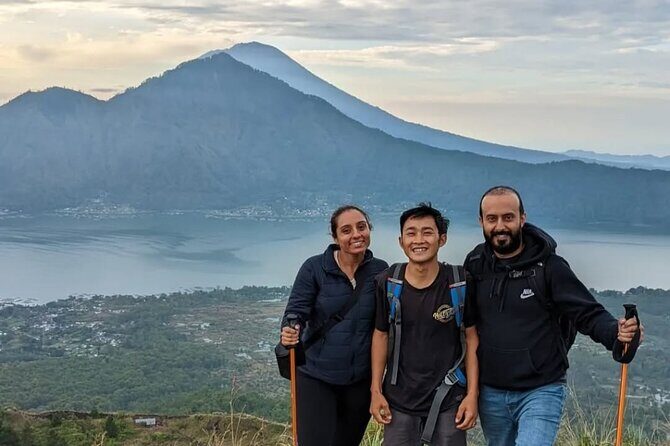
Bottom line: don’t expect a gourmet tasting menu. Do expect the meal to keep your energy up so the second half of the day feels relaxed instead of rushed.

Optional Add-Ons Near Ubud: ATV, E-Bike, Swing, Zipline

Cave Tubing Adventure & Rice terrace - Optional Add-Ons Near Ubud: ATV, E-Bike, Swing, Zipline
This is where your day can change shape. The core is cave tubing plus the terrace, but you can tack on activities such as:

  • ATV ride
  • E-bike tour
  • Jungle swing visit
  • Zipline adventure

ATV tends to be a favorite for turning the day more “hands-on.” People describe the trails as fun and well organized, and several guides/drivers are praised for keeping everything smooth even with traffic.

Zipline is usually described as a good match for families who want something exciting without the same wet-and-wild factor as tubing. There’s a specific age note you should know: kids under 13 can only do one line.

If you’re trying to plan around comfort, pick add-ons based on how you feel after tubing. Wet clothes and tired legs are real. Swing and zipline often work well after you’ve dried off a bit, while ATV can be more physically demanding.

Transport and Timing: Making a 4-Hour Tour Actually Feel Like One

Cave Tubing Adventure & Rice terrace - Transport and Timing: Making a 4-Hour Tour Actually Feel Like One
This is listed as about 4 hours, and the timing matters because traffic around Ubud can stretch even short plans. The tour includes pickup offered and private transportation, which is a huge relief compared with shared shuttles that drop you in the wrong order.

You’ll also have an air-conditioned vehicle, which helps when you’re traveling in the heat between terrace and river. The experience ends back at the meeting point, and the meeting area is listed in Tegallalang.

If you’re booking from a far end of Bali, this kind of structured transfer approach is often the difference between a fun half-day and a long day that feels like commuting.

What to Bring (and What You Can Skip) for Cave Tubing

Cave Tubing Adventure & Rice terrace - What to Bring (and What You Can Skip) for Cave Tubing
You’ll get life jacket support, and at the end you can use facilities designed for post-ride cleanup. In reviews, people mention lockers and even a towel/hot towel setup, which means you’re not trying to improvise drying your stuff in the open air.

Still, pack like you’re going to get wet:

  • Swimsuit or quick-dry clothes you don’t mind soaking
  • Water-friendly footwear (not bare feet on rocky cave areas)
  • A dry set of clothes for after tubing
  • A phone in a waterproof case or secured pouch if you plan to use it

One more thing: caves can be tight. If you bring a GoPro setup or bulky items, you’ll likely regret it once you’re moving through narrow sections. Keep gear minimal.

Price and Value at About $18.95 Per Person

At $18.95 per person, this is positioned as one of the more accessible ways to do a Ubud-style adventure combination. The value comes from a few concrete items bundled together:

  • Lunch included
  • Hotel pickup and private transportation
  • Life jacket provided
  • Rice terrace stop as part of the half-day

Could you do tubing cheaper on your own? Maybe. But the bargain risk is you lose the clean chain of timing, transfers, and safety gear. Here, the price is buying you a smoother schedule and fewer decision points.

One practical trade-off: add-ons (ATV, swing, zipline, e-bike) are where your total can climb, and the included lunch is described as basic by some. So treat the base price as “core adventure + meal + terrace,” then add extras only if you genuinely want them.

Who This Tour Suits Best (And Who Should Think Twice)

This tour fits best if you want fun without needing training. It’s described as suitable for beginners and children, which usually means the activity is paced and supported rather than extreme.

You’ll also likely enjoy it if you’re trying to balance Bali experiences:

  • You want one “wow” moment (the cave tubing)
  • You want one “classic” moment (Tegalalang Rice Terrace)
  • You’re okay with a day that’s active, but not punishing

Think twice if you’re very claustrophobic due to the cave’s narrow and low conditions. Also, if you’re picky about crowds at the terrace, plan to manage expectations and focus on the photos and views you came for.

Should You Book Cave Tubing and the Tegalalang Terrace Mix?

Book it if you want an efficient half-day that includes transport, lunch, safety gear, and a major sightseeing stop. It’s also a strong choice when you’re traveling as a family or with friends who want different types of fun without splitting into separate tours.

Skip (or at least reconsider) if caves make you uneasy. You’ll be much happier if you go in open-minded, calm, and ready for a tubing experience that’s more fun lazy float than adrenaline white-water.

If you’re the type who likes simple plans with clear structure, this one makes sense: you get your cave run, you get your rice terrace visuals, and you’re back with time left to enjoy the rest of Ubud.

FAQ

How long is the Cave Tubing Adventure & Rice Terrace tour?

It runs for about 4 hours (approx.).

Is pickup included?

Yes. Pickup is offered, and the tour includes private transportation in an air-conditioned vehicle.

What’s included in the price?

The tour includes all fees and taxes, lunch, life jacket, and private transportation.

Where does the tour start and end?

It starts at the NUKUWERA & PANDAWA meeting point on Jl. Raya Sapat in Tegallalang and ends back at the meeting point.

Is this tour suitable for kids and beginners?

Yes. It’s listed as suitable for beginners and children, and a life jacket is provided.

Are there optional add-ons?

Yes. You can add activities such as e-bike tour, ATV ride, jungle swing, or zipline.

What’s the cancellation rule?

You can cancel for a full refund up to 24 hours in advance. If you cancel less than 24 hours before the start time, the amount paid is not refunded.

Balinese Cooking class with traditional morning market visit

Balinese Cooking class with traditional morning market visit - Hotel Pickup and A/C Transport: Small Detail, Big Comfort

A morning market sets the tone. This Ubud cooking experience pairs a traditional fresh-food market visit with a chef-guided workshop in the jungle area, so you’re not just copying recipes—you’re learning how Balinese cooks think about ingredients. I like that it includes the full cultural “pre-game,” including making Balinese offerings (like canang) before you start cooking.

Two things I really like: the small group size (max 8) and the convenience of air-conditioned hotel pickup and transport. The one drawback to plan for is that it’s a solid half day—about 6 hours—so you’ll want a relaxed start and not a long evening commitment after.

Key highlights

Balinese Cooking class with traditional morning market visit - Key highlights

  • Morning market shopping so you pick spices, herbs, and produce yourself
  • Offering-making training (canang and related items) before the cooking starts
  • Small group (up to 8) for real interaction, not a classroom lecture
  • Chef-led, hands-on cooking with guidance as you prepare multiple dishes
  • Jungle-area cooking setting in Ubud that makes the meal feel special
  • Included A/C transport plus pickup for an easy, low-stress day

Ubud Morning Market, Laplapan Welcome, and Why This Format Works

Balinese Cooking class with traditional morning market visit - Ubud Morning Market, Laplapan Welcome, and Why This Format Works
This is the kind of Bali food day that makes sense. You start with shopping, then you cook with what you just chose. That order matters. When you learn why certain aromatics and spice blends show up again and again in Balinese cooking, it sticks.

After pickup, you head to a local fresh food market where you’ll select ingredients from what’s on display—vegetables, herbs, meat, and spices. Expect to smell and sample your way through the experience, because part of the point is understanding what you’re looking at. One review summed it up well: the market visit helps make unfamiliar items feel normal fast, especially when someone explains what you’re tasting.

Then you continue to a traditional village area in Laplapan. You get a warm welcome on arrival, which sets a respectful tone for the rest of the day. You’re not just being shown a production kitchen—you’re joining a living food culture.

Hotel Pickup and A/C Transport: Small Detail, Big Comfort

Balinese Cooking class with traditional morning market visit - Hotel Pickup and A/C Transport: Small Detail, Big Comfort
In Bali, the best tours are the ones that don’t waste your morning. Here, you get pickup from your hotel and air-conditioned vehicle transport is included, plus cooking class fees and taxes are covered.

Why I think this is valuable: Ubud traffic can turn a short day into a long one. A/C comfort means you arrive ready to focus on chopping, grinding, tasting, and asking questions. It also helps if you’re combining this with other activities, because you’re less likely to feel wiped out before the fun part.

One more practical note: this experience is designed for a day length of about 6 hours. If you’re a strict planner, treat it like a commitment, not a casual stroll.

The Traditional Morning Market: Your Spice Education Starts Here

The market is the “classroom” that smells the best. You’ll choose ingredients for the cooking workshop, and that shopping time is not just browsing—it’s guided selection. In the reviews, people highlight the joy of tasting fruits, trying small unfamiliar items, and learning what’s local versus what’s more common from elsewhere.

You’ll likely notice a pattern: Balinese flavor isn’t built from one big ingredient. It’s built from layers—fresh herbs, pungent aromatics, and the right balance of spices. When you see the ingredients in real market form, you start to understand why certain combinations show up in offerings and everyday dishes alike.

A tip for getting the most out of the market stop: ask how to tell one ingredient apart from another. That’s usually where the guide turns “I saw it” into “I’ll remember it.” And if you have dietary preferences, this is the time to mention them early so the workshop plan can adjust.

Making Canang Offerings Before Cooking: The Culture Part You’ll Actually Use

Balinese Cooking class with traditional morning market visit - Making Canang Offerings Before Cooking: The Culture Part You’ll Actually Use
Before the cooking begins, you learn how to make Balinese canang and other related offering items. This isn’t a quick photo moment. It’s a hands-on practice in how offerings are assembled, and it connects the food you’ll cook later to the everyday spiritual rhythm of Balinese life.

Why this is worth your time: it changes how you taste. Even if you don’t follow the same traditions at home, you start to see that Balinese cooking is not only about flavor—it’s about intention and respect. One of the strongest review themes is that people left feeling they understood more than just recipes: they understood meaning.

If you’re into culture, this part is a win. If you’re food-first, it’s still useful, because it gives you context for why certain ingredients show up again and again. Reviews also mention making a votive offering basket, so the session may cover more than just basic canang construction.

The Cooking Workshop: Small Group, Real Guidance, Multiple Dishes

Balinese Cooking class with traditional morning market visit - The Cooking Workshop: Small Group, Real Guidance, Multiple Dishes
The cooking class itself is the main event: an expert chef teaches Balinese cooking secrets using traditional techniques, and you cook alongside others in a small group. With a maximum of 8 travelers, you’re not just watching. You’re doing.

Here’s what that means in practice:

  • You’ll have guidance while you prep starters, main dishes, and dessert.
  • You’ll work through steps rather than receiving a “watch and copy” lesson.
  • You can ask questions and get feedback during the process.

Reviews repeatedly praise the teachers—especially hosts named Wayan and Dewa—for being patient, friendly, and clear. People also mention that the team adapts to dietary needs, including offering vegetarian options. That’s important. It means you’re not stuck with a watered-down version of the day.

One small consideration: in at least one review, the class was described as efficient, with some things pre-prepped to make the timeline work. That’s normal for a group cooking class. It can also be a good thing, because it keeps the workshop from rushing you through the whole learning process.

What You’ll Eat: Sit-Down Meal, Stunning Plates, and No Food Waste

Balinese Cooking class with traditional morning market visit - What You’ll Eat: Sit-Down Meal, Stunning Plates, and No Food Waste
After cooking, you sit down and eat your creations. That matters more than it sounds. It’s easy to cook and then end up too busy (or too hungry) to really enjoy what you made. Here, you get the payoff meal right after.

In reviews, people mention that the final meal is generous and includes the dishes you prepared. Some describe a full set—like a multi-course spread (one review mentioned a five-course set, another referenced many dishes, including nine). Even when the exact dish count varies by group and teaching flow, the consistent message is that you’ll eat what you cook, together, as a proper sit-down meal.

You might also notice presentation details. One review called out beautiful, stunningly arranged food. Another mentioned a welcome drink and snacks before cooking began, which helps break up the day and get everyone settled.

If you’re trying to take this experience home, ask your host for tips on the key flavor steps—usually it’s the spice timing and grinding or mixing method that makes the difference.

Price and Value: What $35 Buys You in Real Terms

Balinese Cooking class with traditional morning market visit - Price and Value: What $35 Buys You in Real Terms
At $35 per person, this experience is priced in the “good deal” zone for Ubud. Here’s why, based on what’s included:

  • Market ingredient selection (core to the whole concept)
  • Workshop instruction from a local chef
  • Offering-making practice (canang and related items)
  • Cooking equipment
  • A/C vehicle transport and included pickup
  • Taxes covered

What you’re not paying for: personal expenses. That’s about it.

Is it a bargain? Not in a “cut corners” way. It’s good value because the price covers the things that normally cost extra on separate tours: transport, a guided market experience, and a proper cooking class with meals. Plus, the small group limit (8) is part of the value. It’s not just a big group tour with “line up and stir” energy.

Also, you get a cultural component that many cooking classes skip entirely: the offering workshop.

Who Should Book This Ubud Balinese Cooking Class

Balinese Cooking class with traditional morning market visit - Who Should Book This Ubud Balinese Cooking Class
This is a strong fit if you:

  • Want hands-on cooking rather than watching from the sidelines
  • Like a cultural food day where you learn why ingredients matter
  • Prefer small groups so you can actually ask questions
  • Care about convenience (pickup and A/C transport are included)

It’s also a nice option for solo visitors who want to meet people without it feeling like a giant group. Several reviews mention enjoyment from being in the class and getting attention during both the market and cooking portions.
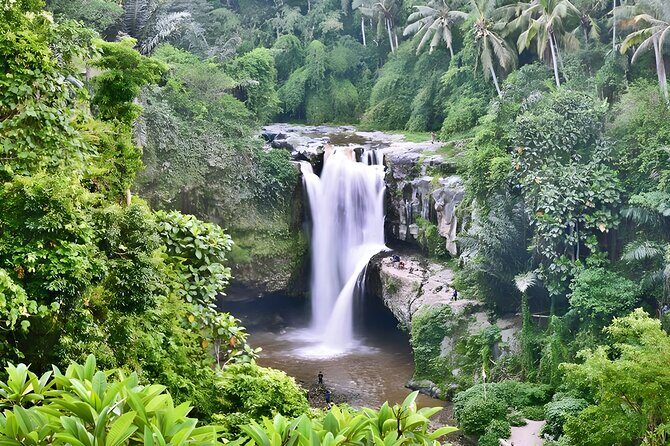
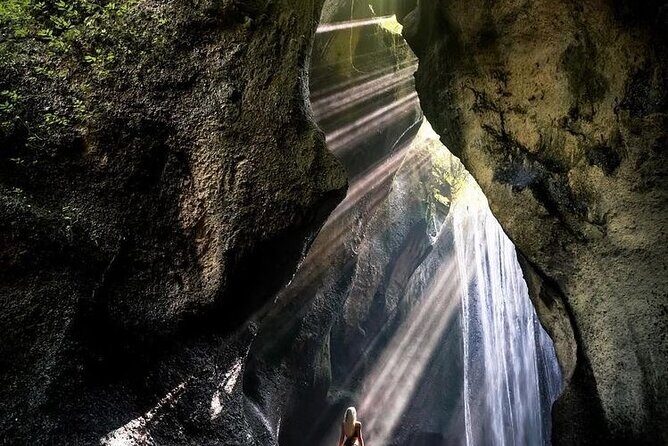
If you’re traveling with kids, you’ll likely appreciate the interactive style. One review specifically mentioned the guide being great with children aged 6, 8, and 9, with kids enjoying the class and learning ingredients and methods.

The Best Way to Plan Your Day Around It

Because this is about a 6-hour commitment, plan for it like an anchor activity. Do something gentle before, like coffee and a short walk, then keep your evening free for dinner after you’re done cooking.

A practical approach:

  • If you care about dietary needs, communicate them early so the workshop can adjust.
  • If you’re camera-happy, remember that tasting and learning come first. Take photos during breaks, not mid-step.
  • Bring curiosity. If you don’t know what something is at the market, that’s the moment to ask.

Should You Book This Balinese Cooking Class in Ubud?

If you want a cooking class that feels tied to real local life—not just a themed kitchen—this one is a smart choice. The pairing of morning market shopping plus offering-making plus a chef-guided workshop is exactly what makes it memorable. You’re likely to leave with both techniques and context, not just a cookbook.

Book it if you’ll enjoy the active pace and you like small-group learning. Skip it only if you’re looking for a low-effort, passive experience. This day is meant for hands-on people.

FAQ

Is hotel pickup included?

Yes. The experience includes pickup from your hotel and air-conditioned transport to the market and workshop.

How long is the Balinese cooking class and market visit?

It runs for about 6 hours (approx.).

How big is the group?

The class has a maximum group size of 8 travelers.

Do I learn how to make Balinese offerings?

Yes. Before the cooking class, you’ll learn the process of making canang and other offering equipment.

What’s included in the price?

Included items are cooking equipment, air-conditioned vehicle, cooking class fees, and taxes.

Can the class handle dietary requirements?

The experience can adapt to dietary needs, and vegetarian options are mentioned in reviews.

What is the cancellation window for a full refund?

You can cancel up to 24 hours in advance for a full refund. If you cancel less than 24 hours before the start time, the amount paid is not refunded.

Bali Instagram Tour: The Most Popular Spots ( Private All-Inclusive )

Bali Instagram Tour: The Most Popular Spots ( Private All-Inclusive ) - Stop 1: Lempuyang Temple and the Gates of Heaven angle

Bali has three things: temples, water, and light. This private all-inclusive Instagram-style day lines up all three—so you spend less time fighting traffic and more time getting your best shots at Lempuyang and Tukad Cepung.

Two big things I like: you get a real private driver/guide so the route feels smooth, and the photo stops are specific enough that you’re not wandering around guessing. In the feedback, guides such as Adi and Asta were praised for handling the timing and helping people get photos without stress.

One possible drawback: you’re doing three famous places in one day, so it’s early starts and a packed schedule. If you prefer long, slow hangs with zero crowds, this may feel like a sprint.

Key takeaways before you go

Bali Instagram Tour: The Most Popular Spots ( Private All-Inclusive ) - Key takeaways before you go

  • Private pickup from multiple Bali areas means you don’t have to figure out transport on your own.
  • Mt. Agung backdrop at Lempuyang is the whole point, so timing matters.
  • Tirta Gangga gives you a quieter, garden-and-water palace break from temple crowds.
  • Tukad Cepung is a walking-and-cave experience, not just a quick photo stop.
  • Entry is either pay-as-you-go or included if you upgrade, so you can choose how simple you want it.

Private photo-routing beats Bali traffic chaos

Bali Instagram Tour: The Most Popular Spots ( Private All-Inclusive ) - Private photo-routing beats Bali traffic chaos
If you’ve ever driven in Bali, you already know the truth: it can be chaotic, and time can evaporate fast. This tour is built around the idea that you’ll get picked up and guided directly from your hotel or villa, with a driver who takes on the stress. That alone makes the day feel easier, especially if you’re staying in Ubud, Kuta, Sanur, Legian, Nusa Dua, Seminyak, or Denpasar.

The price is $65 per person for a private, all-inclusive-style day that runs about 7 to 8 hours. You also get a mobile ticket. That matters because you want smooth entry into places that can be slow when you’re doing everything yourself.

Value check: you’re paying for (1) time saved, (2) local driving, and (3) a tight route to three highly photographed stops. If you were to DIY the same triangle of locations with uncertain timing, you’d likely burn hours—or still end up paying for ad-hoc transport plus entry coordination.

Where you’ll go: three iconic spots, one efficient day

This day is focused on Instagram-worthy targets, yes—but the places themselves are worth the hype. The key is that the schedule is designed for viewing angles and light, not just checking boxes.

You’ll hit:

  • Lempuyang Temple (Gates of Heaven)
  • Tirta Gangga Water Garden / Palace
  • Tukad Cepung Waterfall

Each stop is about an hour for Lempuyang and Tirta Gangga, and about two hours for Tukad Cepung (because there’s more walking and the setting is more involved than a quick viewpoint). The tour is private, so it’s just your group, not a shared bus scene.

Stop 1: Lempuyang Temple and the Gates of Heaven angle

Bali Instagram Tour: The Most Popular Spots ( Private All-Inclusive ) - Stop 1: Lempuyang Temple and the Gates of Heaven angle
The Gates of Heaven at Lempuyang is famous for a reason: it frames the world in a single vertical split gate, with Mt. Agung as the dramatic background. The gate is part of pura penataran agung at the foot of Lempuyang, so the view feels like it’s built for that postcard shot.

Here’s how to think about this stop. You’re not just sightseeing. You’re waiting for the right moment with the right angle. That’s why the tour’s early start gets mentioned again and again in how people describe the experience.

What I’d love for you to know before you show up: crowds are part of this scene. The trick is letting the guide help you manage the wait and the photo sequence. In the real-world experience people describe, guides such as Adi were praised for getting people there early and helping make the wait feel worth it.

Possible drawback? This is a high-demand, high-photography location. You should expect lines and a lot of people turning the same direction for the same shot. If that sounds exhausting, consider mentally switching from I want to get one photo to I’m going to enjoy the place while the light lines up.

Stop 2: Tirta Gangga, the royal water palace for calmer photos

Bali Instagram Tour: The Most Popular Spots ( Private All-Inclusive ) - Stop 2: Tirta Gangga, the royal water palace for calmer photos
After temples, you need water that feels different. Tirta Gangga is a former royal water palace, known for ponds, fountains, and gardens. It was built in 1948 and holds cultural importance for Balinese Hindus. That blend—nature plus design plus belief—makes it more than a decorative set.

This stop is often a breather. The pace usually feels less like queue-and-wait and more like wander-and-pause. You get about an hour here, which is just enough to take in the water gardens and try a few angles without turning it into an all-day photo marathon.

Why it’s valuable in a day like this: it balances the day’s intensity. Lempuyang can be intense visually and emotionally, depending on how crowded it feels to you. Tirta Gangga shifts the mood toward symmetry, reflection, and the gentle rhythm of water features.

Possible drawback? Because it’s famous, you’ll still find other visitors moving around. But compared with Lempuyang, it usually feels easier to breathe and get photos at your own pace.

Stop 3: Tukad Cepung Waterfall and the cave-lit photo moment

Bali Instagram Tour: The Most Popular Spots ( Private All-Inclusive ) - Stop 3: Tukad Cepung Waterfall and the cave-lit photo moment
Now for the “how is this real?” stop. Tukad Cepung Waterfall is known as a beautiful hidden waterfall where the water shines straight through a gap in the trees. The setting is built around a canyon walk that continues into a cave-like area, which is why the time block is longer—about two hours.

This is the kind of place where your photos depend on where you stand and how the light hits that opening. That’s also why good timing and group flow matter. You’ll follow the walking path through the canyon and into the area where the waterfall appears framed, almost like a curtain of water catching sun rays.

What to expect physically: there’s walking through the canyon and time spent inside a more cave-like area. Wear shoes you trust on uneven ground. You don’t need hiking boots, but you do need grip.

Possible drawback? It’s more physically involved than a simple viewpoint. If you’re hoping for a quick stop with minimal walking, Tukad Cepung won’t match that idea. Think of it as a short adventure with photos as the reward.

What private really changes (beyond comfort)

Bali Instagram Tour: The Most Popular Spots ( Private All-Inclusive ) - What private really changes (beyond comfort)
“Private” sounds like a luxury label. Here it’s more practical than fancy.

First, you avoid the usual Bali time sink: waiting for other groups and getting bounced between pick-up windows. Second, you can move with fewer surprises because your driver/guide is handling the route. And third, the guide can help with photo logistics—positioning you for the angle, steering you through the pacing, and keeping the day from getting messy.

The guides you might get—people mentioned include Asta and Adi—are remembered for photo-focused work. That usually means they help you move when it counts and don’t treat each stop like an aimless stroll.

You still need to do your part: arrive ready for early light, bring a camera plan, and keep expectations realistic about crowd dynamics. But the tour reduces the friction.

Timing and “photo reality” you should plan for

Bali Instagram Tour: The Most Popular Spots ( Private All-Inclusive ) - Timing and “photo reality” you should plan for
This itinerary is built for well-known photo spots, which means the day can feel schedule-heavy. Plan on waking up early and being ready to move. The payoff is that you’re not showing up to your dream shot at the time when everyone already took theirs.

Also, be flexible about the view. Mt. Agung shots can depend on conditions, and waterfalls can look different depending on light. You’re in the right place—but nature doesn’t always cooperate on your exact minute.

The good news: you’re doing three spots with different visual personalities. If one moment doesn’t look perfect, the next stop gives you a new look—gate framing, garden reflections, then a cave-framed waterfall.

Price and what you’re really paying for ($65 per person)

Bali Instagram Tour: The Most Popular Spots ( Private All-Inclusive ) - Price and what you’re really paying for ($65 per person)
At $65 per person, this tour is positioned as mid-range: not a budget “hop on a scooter and hope,” and not a high-end luxury day. The real question is whether it saves you enough effort to justify the cost.

Here’s the value angle that matters:

  • You’re paying for private transport (and the stress reduction that comes with it).
  • You’re paying for a tight sequence of three major photo targets.
  • Entry can be handled two ways: either you pay as you go for entry or you can upgrade for included tickets. That choice affects how much admin you want to deal with during the day.

If you hate sorting out entry lines and you want the day to run clean, the ticket-included upgrade can be worth it. If you prefer to manage your own spending and want more control, pay-as-you-go keeps it flexible.

Either way, you’re not guessing your way through Bali traffic.

Logistics you’ll feel on the day (pickup, duration, and comfort)

The tour offers pickup, and that’s meaningful because the listed pickup areas cover most common bases: Ubud, Kuta, Sanur, Legian, Nusa Dua, Seminyak, and Denpasar. If you’re staying outside those zones, you’d need to check what’s possible, since that list is what’s stated.

Duration is about 7 to 8 hours. That’s long enough to get three stops done properly but short enough that you’re not trapped on the road all day. Bring water, and plan for early hours.

Comfort tips that match the reality of these places:

  • Expect some waiting at Lempuyang.
  • Expect walking and canyon terrain at Tukad Cepung.
  • Bring a light layer and sun protection; these spots can move between shade and bright open light.

Who should book this Bali Instagram tour

This private day fits best if:

  • you want three signature photo stops without planning the transport yourself
  • you’re okay with early morning timing and a packed-but-manageable schedule
  • you want your day shaped around photography, not just random sightseeing

It’s also a good choice if you’re traveling in a small group and want the day to feel coordinated. Because it’s private, it suits couples and friends who’d rather talk, move, and shoot at their own pace.

If you’re the type who hates crowds and waits, you might find Lempuyang less fun than the photos suggest. Still, if you treat it like a short, goal-based waiting game, you’ll likely enjoy the payoff.

Should you book it or pass?

Book this Bali Instagram tour if you want a straightforward plan: pickup, three famous stops, and help handling the photo-and-timing details. At $65 per person, it’s a solid value when you factor in private transport and the time saved by skipping DIY routing headaches.

Pass or look for a slower alternative if you want a relaxed, unstructured day with minimal walking. Lempuyang and Tukad Cepung both involve crowd and movement realities that you can’t fully escape.

FAQ

FAQ

How long is the Bali Instagram tour?

It runs about 7 to 8 hours.

Is this tour private or shared?

It’s private. Only your group will participate.

What are the main stops on the itinerary?

You’ll visit Lempuyang Temple (the Gates of Heaven), Tirta Gangga, and Tukad Cepung Waterfall.

Are entry tickets included?

Entry can be pay as you go, or you can upgrade to include tickets.

Where does pickup happen?

Pickup is offered from Ubud, Kuta, Sanur, Legian, Nusa Dua, Seminyak, and Denpasar.

What is the cancellation policy?

You can cancel for a full refund up to 24 hours before the experience’s start time.

All Inclusive : Bali Blue Lagoon Snorkeling with Lunch &Transfers

All Inclusive : Bali Blue Lagoon Snorkeling with Lunch &Transfers - Blue Lagoon Beach: calm water, coral reef life, and the first wildlife moments

Clear water, simple plan, good value. This all-inclusive day pairs Blue Lagoon and Tanjung Jepun, with coral reef snorkeling near shore plus gear and lunch built into the schedule. I like that hotel pickup handles the long ride so you can spend your energy on the water, not traffic. And yes, drivers like Romy and Am Ngurah have been praised for friendly, smooth handling of the trip.

I especially like the practical extras: snorkeling kit (mask, fins, and a life jacket) and a real Indonesian lunch instead of a snack that leaves you hungry. Even for families, the day is designed around calm sessions (about 45 minutes to 1 hour at each spot), and life jackets are provided if you want that extra comfort.

One possible drawback to plan around: you can get mild jellyfish stings depending on conditions, so I’d keep that in mind before you go in. Also, the tour runs on good weather, so if conditions are poor, you’ll need to accept a reschedule or refund.

Key things I’d track before you book

All Inclusive : Bali Blue Lagoon Snorkeling with Lunch &Transfers - Key things I’d track before you book

  • Two different snorkeling sessions (Blue Lagoon Beach, then Tanjung Jepun) instead of one stop
  • Hotel pickup and drop-off from popular areas like Ubud, Seminyak, Sanur, Kuta, and Denpasar
  • Included snorkeling gear: mask, fins, and life jacket
  • Indonesian lunch is included, with a vegetarian option if you request it
  • Private tour format means your group sets the pace
  • Bring a change of clothes, because you’ll go from water to land fast

How the transfers and timeline keep this snorkeling day from feeling rushed

All Inclusive : Bali Blue Lagoon Snorkeling with Lunch &Transfers - How the transfers and timeline keep this snorkeling day from feeling rushed
This tour is built around the simple idea that Bali is spread out. If you’re staying in Ubud (or nearby areas like Seminyak, Sanur, Kuta, or Denpasar), the big win is pickup and drop-off. You’re not guessing routes or timing buses. You’re also not trying to coordinate with a friend who is always running late—because the driver comes to you.

From pick-up to drop-off, expect about 6 to 7 hours. That includes travel time plus two snorkeling sessions of roughly 45 minutes to 1 hour each. It’s a good rhythm for most people: long enough to enjoy the reef, not so long that everyone is exhausted and cranky.

It’s also listed as private, meaning only your group participates. That often matters more than people expect. When you’re on a boat and in the water, small delays can snowball. A private setup can keep the timing tighter and the experience calmer.

One detail I’d actually plan around: you’ll want to arrive with a realistic attitude about swim comfort. The minimum age is 5 years and able to swim, but the operator also notes that life jackets are served if you can’t swim. So you can bring your comfort level, and the team can support you appropriately—just don’t assume everyone will treat snorkeling like a free-for-all.

Blue Lagoon Beach: calm water, coral reef life, and the first wildlife moments

All Inclusive : Bali Blue Lagoon Snorkeling with Lunch &Transfers - Blue Lagoon Beach: calm water, coral reef life, and the first wildlife moments
The day starts at Blue Lagoon Beach near Padangbai. This is the kind of snorkeling location that’s meant for a range of swimmers. The water is described as warm and often calm/clear, with the reef close to shore. That matters because it lowers the intimidation factor. You’re not relying on a long, hard swim just to reach “the good stuff.”

Here’s what you can reasonably expect to look for:

  • Colorful reef fish around the coral
  • Coral reef habitat right near the shoreline
  • Sometimes turtles, depending on conditions

The snorkeling session here runs about 45 minutes to 1 hour. In that window, you usually get the first burst of excitement—seeing lots of small fish move between coral heads—then you settle into a slower pace and start noticing more detail. If you’re prone to getting cold in water (some people are), the warm-water note is worth paying attention to.

Equipment is handled for you: you’ll get a mask, fins, and life jacket. That’s one less purchase or rental stop before you even reach the beach. It also means you can travel lighter, and your “packing list” becomes simpler.

Now for the honest part: there’s at least one note about mild jellyfish stings. I can’t promise it won’t happen, but it’s the kind of risk you should plan for. Bring a calm, cautious mindset, and don’t treat the first minute in the water like a race. If you’re sensitive, ask what precautions the guide recommends on the day.

Tanjung Jepun: a second reef stop that keeps the day interesting

After the first session, the tour moves to Tanjung Jepun for your second snorkeling stop. The value of a two-location plan is simple: reefs can vary hour to hour. If visibility or fish activity feels slow at one spot, you still have another chance shortly after.

This second session is also about 45 minutes to 1 hour. Think of it as your “second bite” at the underwater experience—still relaxed, still focused on seeing marine life, and still close to shore with reef habitat.

In terms of what you’ll actually see, the overall snorkeling description points to coral reef fish life and marine wildlife. You’re likely to spend the second session moving a bit more deliberately—slow turns, hovering at coral edges, and checking your buoyancy—because by then you’ll be more comfortable with breathing and fin kicks.

If you’re traveling as a family or with mixed swim confidence, this second stop is also helpful emotionally. It gives everyone time to adjust before the “real highlights” are finished. And because it’s private, the team can better manage the flow around your group instead of herding people with different comfort levels.

Lunch in between: included Indonesian food (and a vegetarian option)

All Inclusive : Bali Blue Lagoon Snorkeling with Lunch &Transfers - Lunch in between: included Indonesian food (and a vegetarian option)
Snorkeling works up an appetite fast. That’s why I like that lunch is included and described as Indonesian food, not just a token meal. This isn’t meant to be gourmet, but it’s meant to keep your energy steady for the rest of the day.

If you’re vegetarian, there’s a specific option: vegetarian lunch is available if you advise them at booking. So if that matters for you, don’t wait. Send the request when you book.

Because the tour includes lunch and doesn’t rely on you finding food mid-day, it also reduces one of the most common Bali travel headaches: “Where do we eat?” between activities. Instead, you get a predictable break and you can refocus on the second snorkeling session (or on wrapping up afterward, depending on the day’s flow).

One more practical note: bring a change of clothes. You’ll be in and out of swim gear, and you don’t want to sit around damp. Small comfort wins add up on a day that’s already long from pick-up to drop-off.

The private-tour feel: drivers who keep things calm (and named for a reason)

All Inclusive : Bali Blue Lagoon Snorkeling with Lunch &Transfers - The private-tour feel: drivers who keep things calm (and named for a reason)
The snorkeling part is the headline, but in my experience, the real difference-maker is the driver and on-the-day coordination. Here, the setup includes hotel pickup/drop-off and a private format, which tends to reduce chaos.

You’ll also notice that some drivers have been specifically praised by name. People mention Romy, Am Ngurah, Tyson, Sun, and Santanu as friendly and knowledgeable, with a focus on safe transport. That kind of detail matters because traffic and timing can stress out the best itinerary. When your driver is confident and communicative, the whole day feels easier.

Safety and comfort are also part of the plan:

  • Life jackets are provided for those who need them
  • Snorkeling sessions are time-boxed, not open-ended
  • The minimum age is clearly stated (5 years and able to swim)
  • The tour notes that you can participate in general, with the expectation that you’re comfortable in the water

If you need snorkeling help beyond standard gear, there’s also an important line to know: contact the team for special degrees glass for snorkelling. If you wear prescription lenses and snorkeling masks don’t work for you, this is the one request you’ll want to make early.

Price and value: why $39 can make sense for an all-in snorkeling day

All Inclusive : Bali Blue Lagoon Snorkeling with Lunch &Transfers - Price and value: why $39 can make sense for an all-in snorkeling day
At $39 per person, this tour lands in the “don’t overthink it” category—especially because it bundles a lot of the usual add-ons:

  • Hotel transfers from several major areas
  • A private tour (only your group)
  • Two snorkeling locations
  • Snorkeling equipment (mask, fins, life jacket)
  • Lunch (Indonesian food, vegetarian option on request)

You’re paying for convenience as much as underwater time. If you’ve ever tried to piece together snorkeling, transport, and a meal in Bali, you know the day can turn into a checklist of small costs and timing problems. Here, the schedule is packaged into one block—about 6 to 7 hours—so you can spend your morning and early afternoon in one smooth arc.

Booking is also shown as commonly made about a month in advance on average. That’s a good sign for planning: if you want a particular day, don’t wait until the last minute.

Who this snorkeling trip fits best

All Inclusive : Bali Blue Lagoon Snorkeling with Lunch &Transfers - Who this snorkeling trip fits best
This is a strong match if you:

  • Want a simple, organized day with pickup, gear, and lunch handled
  • Like the idea of two reef stops instead of one
  • Are a beginner or intermediate snorkeler who benefits from calm, near-shore snorkeling conditions
  • Are traveling with family and want the pacing managed for your group

It’s also a decent pick for wildlife lovers, because the description and experiences include highlights like colored reef fish and the occasional turtle sighting.

You might want to think twice if:

  • Jellyfish risk worries you (it’s mentioned as a possible issue in the experience history)
  • You dislike long transport times from your accommodation area
  • You’re not comfortable in open water even with a life jacket (the tour provides life jackets, but your comfort still matters)

Should you book Bali Blue Lagoon Snorkeling with Lunch & Transfers?

All Inclusive : Bali Blue Lagoon Snorkeling with Lunch &Transfers - Should you book Bali Blue Lagoon Snorkeling with Lunch & Transfers?
I’d book it if your goal is a stress-free snorkeling day that doesn’t require planning a dozen moving parts. The combination of two locations, included transfers, and included lunch makes the whole thing feel like a complete package rather than a “snorkel for an hour, figure out the rest” trip.

If you’re the type who gets annoyed by chaotic group schedules, the private format is a real plus. And if you’re bringing kids, the stated minimum age and life jacket support give you a clear starting point for matching the trip to your family’s comfort level.

Just go in with two practical expectations: conditions can affect jellyfish presence, and the tour depends on good weather. If you’re flexible on timing and you prepare with a change of clothes, you’re set up for a genuinely enjoyable reef day.

FAQ

FAQ

How long is the Bali Blue Lagoon snorkeling tour?

The total experience time is about 6 to 7 hours, including pickup and drop-off.

Where do you get picked up for this tour?

Hotel pickup is offered from popular areas including Seminyak, Ubud, Denpasar, Sanur, and Kuta.

What snorkeling gear is included?

Snorkeling equipment is provided, including a mask, fins, and a life jacket.

What snorkeling locations will you visit?

You’ll snorkel at two locations: Blue Lagoon Beach and Tanjung Jepun.

Is lunch included, and can it be vegetarian?

Yes, lunch is included and vegetarian options are available if you advise at the time of booking.

What are the swim requirements and age limits?

The minimum age is 5 years. The tour notes that life jackets are provided if you can’t swim, but the age requirement includes being able to swim.

What if I need a special mask for my eyesight?

You can contact the provider for special degree glass for snorkeling if you need prescription-style help.

Can I cancel, and what happens if weather is bad?

You can cancel up to 24 hours in advance for a full refund. The tour requires good weather, and if it’s canceled due to poor weather you’ll be offered another date or a full refund.

Ubud Bali Silver Jewelry Class

Ubud Bali Silver Jewelry Class - Where you meet and what “workshop time” feels like

Two hours, real silver on your hands. In Ubud, this class turns traditional Balinese craft into a hands-on workshop with small-group attention and Balinese silver skill-building.

I love that you design your own piece and actually leave with something you made—ring, bracelet, earrings, or a lion—rather than watching from the sidelines. The instructors (like Bima, Komang, and Diah) keep the pace beginner-friendly while still letting you do the work.

One thing to plan for: the class includes a limited amount of silver, and gemstones or extra silver can add cost. You’ll also want cash ready if you decide to upgrade materials.

Key highlights you’ll care about

Ubud Bali Silver Jewelry Class - Key highlights you’ll care about

  • Up to 8 people means you’re not stuck waiting around for help
  • Pick your item: ring, bracelet, lion, or earrings
  • You learn the process from design through burn, cut, clean, and finish
  • Silver amount matters: more than 4 grams costs extra (IDR 75,000/gram)
  • Gemstones are extra and stone pricing runs IDR 100k to 500k
  • Multiple class times daily make it easier to fit into a Ubud day

Silver jewelry in Ubud: why this class is more than a souvenir stop

Ubud Bali Silver Jewelry Class - Silver jewelry in Ubud: why this class is more than a souvenir stop
If you like crafts, this is one of the better ways to spend a couple hours in Ubud. You’re not just buying something pretty. You’re learning how silver jewelry gets shaped, cleaned, and finished, with a real focus on beginners.

The value comes from the combination of format and outcome. The class runs in a traditional silver-making village area near Ubud, with hands-on teaching and a small group limit of 8. That size is big enough to feel social, but small enough that you can ask questions while your hands are still learning.

And you leave with an item you designed yourself. That’s the part that makes it stick in your memory, because you can show your ring or earrings and explain how you made the choices.

Where you meet and what “workshop time” feels like

Ubud Bali Silver Jewelry Class - Where you meet and what “workshop time” feels like
Your start point is at Ubud MK2 Silver Class, on Jl. Raya Tegallalang No.Br, Sapat, Kec. Tegallalang, Kabupaten Gianyar, Bali 80561. The activity ends back at the same meeting point, so you don’t need to worry about a long drop-off or a complex route.

When you arrive, expect a friendly welcome and simple setup. One nice detail from past sessions: you may be asked to switch into indoor shoes for the experience. That’s a small thing, but it helps keep the space clean while you’re working.

Timing is straightforward: it’s about 2 hours. Also, there are multiple class times daily, which helps if you’re juggling temple schedules, waterfalls, or rice-terrace sightseeing in the Tegallalang area.

Choose your design first: ring, bracelet, earrings, or a lion

The class is built around the idea that you’ll create your own piece. You can choose from:

  • ring
  • bracelet
  • lion
  • earrings

In practice, you’ll work with an instructor-led flow, and you’ll often be able to look at examples available on site to help you decide on a style. That matters more than it sounds. When you’re new to jewelry making, it’s hard to “invent” something from scratch. Seeing sample pieces gives your brain a starting point.

You’ll also learn the basics of traditional silver jewelry making for beginners. The process teaching includes the main stages listed by the class: design, burn, cut, clean, and finish. In other words, you’re not doing only one step. You’ll understand how silver goes from rough material to a finished piece.

One item per person is part of the deal. The included package is set up so that one person can make one item design. If you’re traveling as a couple, you’ll likely both make your own piece instead of trying to split one creation.

Your hands-on steps: design, shaping, and finishing

Ubud Bali Silver Jewelry Class - Your hands-on steps: design, shaping, and finishing
Here’s the practical rhythm you should expect in the workshop.

First comes design. You’ll pick what you want to make and work through the basic approach for your chosen item. If you’re making a ring, you’ll focus on getting the shape and fit concept right early, because later steps depend on the metal form you create.

Then you’ll move into the hands-on craft stages the class mentions:

  • burn (part of preparing and working the metal)
  • cut (to size or shape components)
  • clean (to prepare for finishing)
  • finish (final refinement so it looks like real jewelry)

Past sessions highlight that instructors keep you moving step by step, and they help you with adjustments when something feels off. That’s huge for beginners. Metalwork looks easy in videos. In real life, you need corrections in the moment.

For me, the best part is that you’re learning something tangible, not chasing a perfect outcome. You’ll get better as you go, and you’ll understand what each stage changes.

Also, you’re not working in silence. The teacher-led format means you can ask questions while your piece is in progress. That is exactly what makes a short class feel satisfying instead of rushed.

Coffee, tea, and a comfortable pace in a small group

This isn’t a giant factory-style class where you’re stuck waiting your turn. The maximum group size is 8 travelers, and that small ceiling changes the whole experience.

With fewer people in the room, you get faster feedback. The instructors can watch what you’re doing and correct technique right away. That reduces frustration and helps you finish with something that looks polished.

You’ll also get coffee and/or tea and bottled water included. It keeps the experience grounded and comfortable, especially in the warmer Ubud climate. There’s also mention in past experiences of an open, clean setup with airflow, which makes it easier to focus when you’re doing precise work.

Price and the real cost picture: $50 base, plus weight and stones

On paper, the class price is $50 per person. For many visitors, that’s a great entry point because you’re paying for instruction and a guided session where the main work is included.

But here’s how the costs can expand so you aren’t surprised.

Silver amount rules (this is the big one)

The included silver amount is capped. Specifically:

  • If you use more than 4 grams of silver, there’s an additional fee of IDR 75,000 per gram.
  • You also cannot share silver rations with other guests.

This means your design choice matters. A ring versus earrings will change how much metal you use. If you’re aiming to control cost, choose a simpler style or plan for an item that stays within the included silver amount.

Some people have found that using less silver still lets them make a second concept or add small upgrades by paying extra. Still, don’t assume that outcome. Use the rule above as your baseline.

Gemstones: extra, and sold at the workshop

Gemstones are not included in the base price. The class notes:

  • additional cost if using gemstone
  • stone price ranges from IDR 100k to 500k

So if your plan is to add stones, budget extra. And the class request is clear: please prepare cash if you want to buy gemstones and additional silver.

What’s not included

The list of what’s not included lines up with the same idea: the gemstones and the upgrades. Everything else that supports the class experience—teacher time, basic crafting, and the drink/water setup—is included.

Transfers and timing: fitting it into your Ubud day

The experience starts at the Tegallalang-area meeting point near Ubud. If you don’t want to manage transport, you can opt for transfers from Ubud for an easier ride.

Because there are multiple class times daily, you can usually pick a slot that matches your day. For example:

  • schedule it after a morning temple visit when your brain is ready to focus on hands-on learning
  • or place it earlier in the afternoon so you still have energy for dinner plans

A practical tip: since the workshop takes about 2 hours, plan a simple buffer afterward. You’ll likely want time to admire your piece, and you might want time to shop nearby (or head back to your hotel calmly).

Small-group personal attention: what the best instructors do

The standout feature of this class isn’t the craft itself—it’s the teaching. Past experiences emphasize that instructors are patient and guide you step by step.

Names like Bima, Komang, and Diah show up in feedback, and the common theme is clear: they help you through each stage while you’re working.

What that means for you:

  • You won’t have to guess what comes next.
  • Mistakes become part of the learning, instead of a reason to give up.
  • You get help when you’re shaping metal for a specific design.

If you’ve never made jewelry before, this format makes a beginner experience feel achievable. If you have done some craft work before, it still works because you can compare your technique to what the instructor teaches.

What you can take home (and why that matters)

You don’t just get a certificate. You take home what you make. The class explicitly says you can keep your creations, and that includes designs like rings, bracelets, earrings, or a lion.

That’s a real advantage over many short activities in Ubud. Most tours are memories and photos. This one gives you an object that holds the story.

Also, since you’re learning how silver gets cut, cleaned, and finished, you’ll understand why certain pieces look shinier or more refined. That knowledge changes the way you shop later. You’ll spot what makes workmanship look professional.

Who should book this silver jewelry class

This class is a strong fit if you:

  • want a beginner-friendly craft with real output
  • enjoy hands-on lessons more than passive sightseeing
  • like Ubud activities that produce something wearable or giftable
  • are okay budgeting extra for gemstones or extra silver if you want upgrades

It may not be ideal if you’re trying to keep spending very rigid. The base price is good, but any gemstone or extra silver moves the total.

It’s also smart if you’re traveling as a couple or small group. Since each person can make one design, everyone gets their own item without complex sharing rules.

Should you book Ubud MK2 Silver Class in Tegallalang

Yes, I’d book it if you want a short, practical class with a clear result. The combination of small-group teaching, a full process (design to finish), and a take-home creation makes it a high-value Ubud activity.

Book it especially if you’re the type who likes learning one new skill during a trip, even if you’re not an artist. The instruction is built for beginners, and the workshop setup keeps you from feeling lost.

I’d rethink if you’re not interested in paying for upgrades. The silver weight cap (4 grams) and gemstone pricing can change your total. If you’re cost-sensitive, plan a simpler design and decide in advance whether you want stones.

If you’re curious and okay with a bit of flexible spending for a better-looking piece, this is one of the more satisfying “do it yourself” experiences around Ubud.

FAQ

How long is the Ubud Bali Silver Jewelry Class?

The class lasts about 2 hours.

How much does the class cost?

The price is $50.00 per person.

Where does the class meet?

The meeting point is Ubud MK2 Silver Class, Jl. Raya Tegallalang No.Br, Sapat, Kec. Tegallalang, Kabupaten Gianyar, Bali 80561, Indonesia.

What jewelry can I make in this class?

You can make a ring, bracelet, lion, or earrings.

What is included in the price?

It includes coffee and/or tea, one person can make one item design, bottled water, and instruction from an experienced teacher. Silver use beyond 4 grams and gemstones (if you choose them) cost extra.

Is there an additional fee for using more silver?

Yes. If you use more than 4 grams of silver, there is an additional fee of IDR 75,000 per gram. You also cannot share silver rations with other guests.

Are transfers from Ubud available?

Transfers from Ubud are available if you opt for them. This is meant to make the day easier.

Can I bring my own silver or gemstones?

No. You are not allowed to bring silver & gemstones materials from outside.

How much do gemstones cost if I want to add them?

Gemstones are an additional cost, and stone prices range from IDR 100k to IDR 500k.

What is the cancellation policy?

You can cancel for a full refund up to 24 hours before the experience starts. If you cancel less than 24 hours before, the amount paid is not refunded.

Crafting Heritage Batik Painting Workshops

Crafting Heritage Batik Painting Workshops - The 3-Hour Process: Sketch, Wax, Dye, and Wash-Back to Color

Turn wax into art in 3 hours.

This Ubud-area batik class is a mellow, hands-on way to understand how Indonesian fabric art works, not just admire it. You’ll sketch a motif, draw with hot wax, then dye so the pattern appears when the wax is washed off.

I especially like the patient teaching and the calm studio vibe. In classes led by instructors such as Dika and Agong, you get step-by-step guidance without feeling rushed, even if you’re not an art person.

One consideration: batik is harder than it looks. Expect you’ll need patience, and the best results come from accepting happy accidents rather than chasing perfection.

Key things I’d put on your radar

  • Hot-wax resist batik in real time, so you see exactly how the pattern locks in
  • A relaxed studio setting in a family compound, outside the busiest Ubud lanes
  • Choice in how you work: solo creativity or closer tutor support
  • Included materials plus snacks and drinks, making the $29 feel fair
  • Take-home souvenir you made yourself, not a mass-produced print

Why Hot-Wax Resist Batik Feels Like Real Craft, Not a Souvenir Line

Crafting Heritage Batik Painting Workshops - Why Hot-Wax Resist Batik Feels Like Real Craft, Not a Souvenir Line
Batik is one of those traditions that sounds simple until you try it. The core idea is wax-resist: you cover parts of your fabric with hot wax, apply dye to the whole piece, and then wash the wax out so the waxed areas keep their original color.

That process is why this workshop is more than a hands-on activity. You learn a repeatable method that artists in Bali and across Indonesia use to make meaning—motifs, patterns, and symbolism—through careful steps rather than random luck.

And because you’re doing it step by step, the “wow” moment isn’t just in the finished piece. It’s in watching how your choices turn into outcomes: where your wax goes, what you choose to dye, and how your design changes as you work.

Five Arts Studio Near Ubud: A Peaceful Family-Compound Setting

Crafting Heritage Batik Painting Workshops - Five Arts Studio Near Ubud: A Peaceful Family-Compound Setting
The class takes place at Five Arts Studio in Keliki (near Tegallalang), tucked into a family home compound. That matters. You’re not stuck in a commercial workshop surrounded by loud sales energy, and you’re not just “touring” the craft—you’re working inside the environment where art-making fits into daily life.

The studio setup is casual and comfortable, and it’s run by a master artist with a team that clearly wants you to succeed. Based on what people highlight, the atmosphere feels calm and supportive, even when you mess up a bit (because you will, if you’re human).

Also, you’re in a smaller setting: the group size is capped at 30 travelers. That’s large enough for a fun shared vibe, but small enough that you’re not lost in a crowd.

The 3-Hour Process: Sketch, Wax, Dye, and Wash-Back to Color

Crafting Heritage Batik Painting Workshops - The 3-Hour Process: Sketch, Wax, Dye, and Wash-Back to Color
Plan for an activity that runs about 3 hours. The schedule is built around the batik steps, so you’re not just watching someone else do the work.

Here’s the heart of what you do:

  • You sketch out your design, using a chosen motif as a starting point
  • You draw the design onto the fabric using hot wax
  • You apply dye so it only takes to areas you didn’t wax
  • Later, you wash off the wax, which leaves the outline and protected zones in the original color

You’ll likely notice how much the design phase affects everything after. When your lines and choices are clear, the wax-resist effect looks crisp. When your design is loose, you get softer edges. Neither is “wrong,” but the wax step rewards focus.

Most people end up learning quickly that batik isn’t about being fast. It’s about being steady. If you get frustrated—like when wax lands somewhere you didn’t plan—good instruction helps you pivot instead of shutting down.

Working Solo vs Getting Closer Tutor Support

One of the best things about this class is that you get a choice in your learning style. You can work more independently, or you can stay closer to the tutor as you go.

That flexibility is useful because batik skill-building has two parts:

1) the technical part (wax and dye control)

2) the creative part (motifs, personal touches, how bold you make your pattern)

In many sessions, instructors encourage you to bring your own ideas or motif, while also offering helpful suggestions and stencil options. People also note that teachers talk you through the process clearly—so you’re not stuck guessing what comes next.

In at least some classes, you can get real one-on-one help, which makes a difference if you’re nervous about doing it “wrong.” And if you’re traveling with kids, the teaching style is set up to keep them moving through the steps too.

What’s Included in the $29 Value (and What You’ll Likely Spend Extra)

Crafting Heritage Batik Painting Workshops - What’s Included in the $29 Value (and What You’ll Likely Spend Extra)
At $29 per person, the value comes from the materials and structure. The class includes the supplies you need to make an original batik piece, plus snacks, coffee and/or tea, and mineral water.

That’s a lot for a 3-hour activity, especially in Bali where you can sometimes pay similar money for classes that don’t include much beyond a quick demo. Here, you leave with a finished souvenir that reflects your choices.

What’s not included:

  • Lunch is available to order locally
  • Alcohol can be purchased, but it’s not part of the price

So if you’re trying to keep the day simple, plan on breakfast or a light meal beforehand and then decide on lunch after the workshop. If you want to stay flexible, ordering local food on-site is an easy plan.

Getting There: Keliki Start Point and a Low-Stress, No-Fuss Finish

Crafting Heritage Batik Painting Workshops - Getting There: Keliki Start Point and a Low-Stress, No-Fuss Finish
You’ll start at Five Arts Studio, Jl. Raya Keliki, Keliki, Kec. Tegallalang, Kabupaten Gianyar, Bali 80561. The activity ends back at the same meeting point, so you’re not stuck figuring out transportation at the end.

Timing-wise, this fits well as a “creative block” in your day. It’s long enough to feel satisfying and educational, but short enough that you can still hit other Ubud-area sights afterward if you want.

A practical note from the way the workshop is described: the studio is in a family compound. You should dress for hands-on crafting and be ready to move around a bit. The activity lists a strong physical fitness level, so if you have mobility limitations, it’s smart to check what the walking and seating options look like before you go.

Who This Batik Workshop Is Best For (and Who Might Want Another Plan)

Crafting Heritage Batik Painting Workshops - Who This Batik Workshop Is Best For (and Who Might Want Another Plan)
This is a great fit for:

  • beginners who want to try a traditional craft without feeling judged
  • travelers who want a handmade souvenir with real technique behind it
  • families looking for a structured activity that still feels relaxed
  • art-minded people who like learning how the method works, not just buying the output

You might want to reconsider if:

  • you hate careful, slow tasks and want instant results
  • you need an activity where everything is low effort and zero concentration
  • you’re looking for a fast photo-op instead of a real craft session

The upside is that the teaching style is built around helping you succeed. People specifically praise how patient the team is and how they guide you through mistakes rather than treating them like failures.

So, Should You Book This Ubud Batik Class?

Crafting Heritage Batik Painting Workshops - So, Should You Book This Ubud Batik Class?
Yes—if you want a meaningful Bali craft experience that still feels easygoing. For the price, you’re paying for real instruction, all the materials, and the chance to take home an original piece you actually made.

Book it if you like being hands-on and you can give yourself permission to not be perfect on step one. Batik rewards patience, and this workshop is designed to help you get there without stress.

FAQ

Crafting Heritage Batik Painting Workshops - FAQ

FAQ

How long is the Crafting Heritage Batik Painting Workshop?

It lasts about 3 hours.

Where is the workshop located?

It starts at Five Arts Studio, Jl. Raya Keliki, Keliki, Kec. Tegallalang, Kabupaten Gianyar, Bali 80561, Indonesia.

What is the price per person?

The price is $29.00 per person.

What is included in the workshop?

Snacks, coffee and/or tea, mineral water, and the materials you need to make your own original batik are included.

Is lunch included?

No. Lunch is available to order local food.

Is alcohol included?

No. Alcohol is available to purchase.

Can I work independently or with the tutor?

Yes. You can choose to work independently or work more closely with the tutor.

How big is the group?

The maximum group size is 30 travelers.

What is the cancellation policy?

Free cancellation is available up to 24 hours in advance for a full refund. If you cancel within 24 hours of the start time, you don’t get a refund.

If you want, tell me your travel month and whether you’re going with kids or as a solo traveler, and I’ll suggest the best time of day to schedule this class around Ubud traffic.