One Day Trip Nusa Penida – West Trip-Free Breakfast

One Day Trip Nusa Penida - West Trip-Free Breakfast - Stop 1: Kelingking Beach and the T-Rex Cliffs

Nusa Penida is built for big sea views. This one-day west-side plan stacks the island’s most talked-about shoreline moments into an efficient loop, mixing cliff viewpoints, time at the water, and a couple of jaw-drop natural rock formations. I love the return fast-boat setup from Sanur and how the day is organized around major stops like Kelingking Beach and Crystal Bay. I also like that a local expert is included to explain what you’re seeing, so you’re not just chasing photos.

One watch-out: this trip expects moderate physical fitness, since you’ll spend a day hopping between viewpoints and coastal spots. And because it depends on good weather, you’ll want to stay flexible if conditions are rough or if the sea doesn’t cooperate.

Key highlights

  • Return fast boat from Sanur is included, saving you the headache of booking separately.
  • Small group size (max 15) helps the timing feel controlled.
  • West Penida classics in 1 day: Kelingking, Manta Point, Crystal Bay, Broken Beach, and Angel’s Billabong.
  • Breakfast + bottled water are covered, so you can focus on the sights.
  • Local expert guidance adds context about the island’s natural sights and culture.
  • Lunch isn’t included, so plan for a budget (or pack snacks if allowed).

Is the West Side One-Day Plan Actually Worth It?
One Day Trip Nusa Penida - West Trip-Free Breakfast - Is the West Side One-Day Plan Actually Worth It?
If you only have one full day in Bali and you want the Penida feeling without losing a whole vacation to travel, the West Side layout makes sense. You’re working from Sanur, then spending the day on Penida’s more dramatic coastline, with multiple stops that are famous for a reason: big cliffs, ocean-carved rock shapes, and clear-water swim/snorkel chances at the right points.

What I like about this style of tour is that it’s structured for momentum. Instead of just doing one beach all day, you get several distinct “scenes” in a tight order. That’s great when your main goal is to see Penida’s signature look—cliff angles, ocean arches, and those edge-of-the-water pools—without having to plan local transport and ticket timing yourself.

Price and What $99 Buys You (And What It Doesn’t)
One Day Trip Nusa Penida - West Trip-Free Breakfast - Price and What $99 Buys You (And What It Doesn’t)
At $99 for about 8 hours, the value is mostly in what’s bundled. You get private transportation, the return fast boat ticket (Sanur–Nusa Penida–Sanur), and the entrance fee ticket, plus breakfast and bottled water. Those items are exactly the kind of things that can quietly turn an easy plan into a complicated checklist.

What’s not included is lunch. That’s the biggest budgeting gap to watch. If you’re the type who needs a proper meal midway through, factor in an extra spend on Penida, because the tour isn’t promising it’s taken care of.

Also note: the day is built for movement. So even if the price is strong, you’ll get the best outcome if you’re comfortable doing a packed itinerary and staying reasonably flexible with sea and weather conditions.

Sanur Harbour to Penida: Fast-Boat Day Setup You Can Rely On

This tour starts and ends at Sanur Harbour (Jl. Matahari Terbit, Sanur Kaja, Denpasar Selatan, Kota Denpasar, Bali). The schedule is designed around a round trip with a fast boat, which matters because Penida isn’t next door. With the ferry included, you’re not stuck trying to coordinate a time window with multiple providers.

A small but important detail: there’s mobile ticketing. That typically makes life easier on travel days when you’re moving between pickup points, check-in lines, and handoffs.

Because the group is capped at 15 travelers, the logistics tend to stay manageable. Large groups can slow everything down; smaller ones usually help the driver and guide keep the timing tighter at each stop.

Stop 1: Kelingking Beach and the T-Rex Cliffs

One Day Trip Nusa Penida - West Trip-Free Breakfast - Stop 1: Kelingking Beach and the T-Rex Cliffs
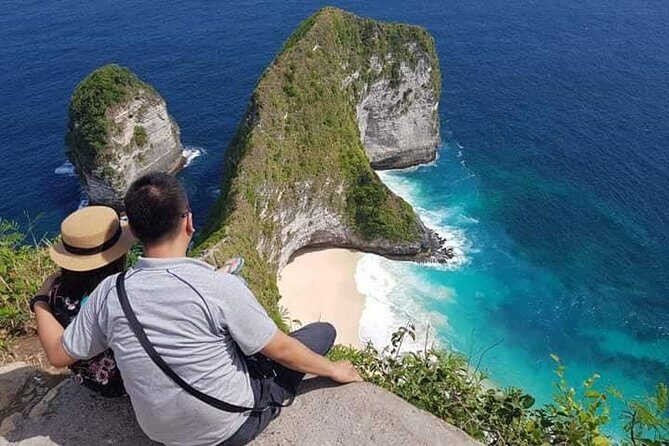
Kelingking Beach is the opening scene for a reason. You’ll get a classic Penida view of the T-Rex-shaped cliffs dropping toward turquoise water, and the main draw is that iconic cliff silhouette you’ll recognize from photos.

This is one of those stops where your best experience depends on your attitude. If you like photo time, this is your moment. If you prefer to just stand and take in the scale, Kelingking also rewards that. Either way, come prepared for a bit of effort—this is a viewpoint style stop, and the day is rated for moderate physical fitness.

A practical tip: wear shoes that grip. Coastal viewpoints often mean uneven ground and slippery patches, especially when humidity is high.

Stop 2: Manta Point for Marine Time

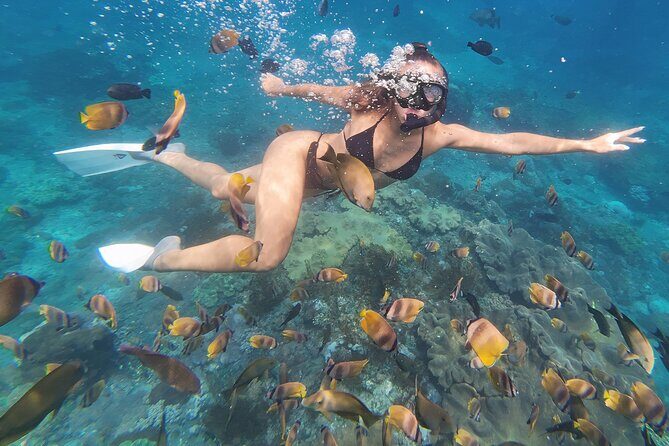
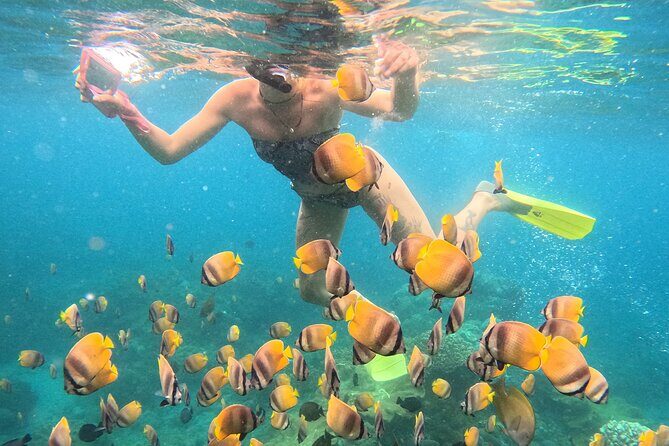
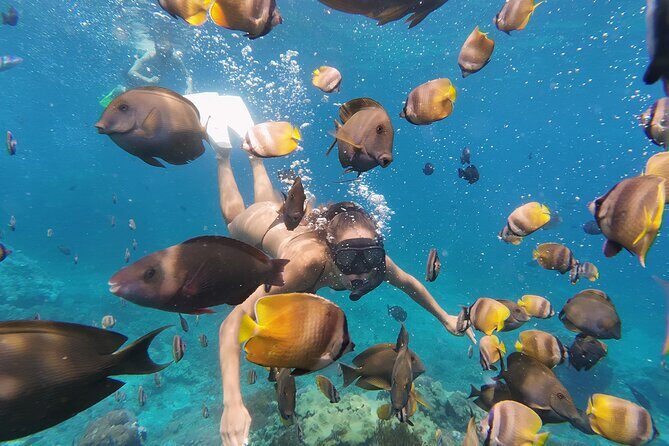
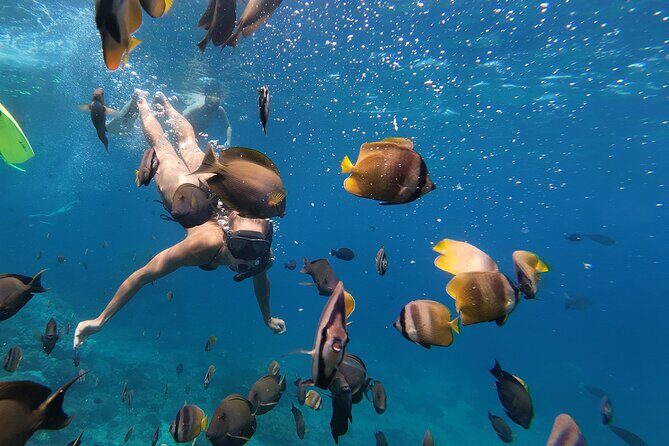
Next up is Manta Point, a stop built around Penida’s reputation for sea life and snorkeling. This is where the tour shifts from cliff photography to water time, and it’s a good match if your travel style includes getting your face in the water (when conditions allow) or at least spending time watching the ocean up close.

One consideration: sea conditions can change how comfortable water activities feel. This tour is weather-dependent, and the ocean is part of the equation. If the water’s not cooperating, you’ll still get the stop and the views, but you may need to adjust expectations about how long snorkeling time lasts.

The upside is that this stop naturally breaks up the day. After Kelingking’s dramatic viewpoint, Manta Point gives you a more relaxed pace focused on the water and marine viewing.

Stop 3: Crystal Bay for Beach Downtime

Then the itinerary moves to Crystal Bay, where you’ll find a calmer rhythm. Crystal Bay is known as a tranquil beach with pristine sands and lots of marine life, which makes it a strong choice for unwinding after the heavier cliff moments.

This stop is where you can reset. If you want a slower hour—standing at the waterline, taking in the coastline, maybe snorkel time—Crystal Bay is a logical place to do it. It’s also a good buffer stop if you’re planning to take photos elsewhere but don’t want every minute to feel rushed.

If you’re the kind of person who gets seasick easily, this is also the spot where you’ll likely appreciate the chance to spend time stationary on land before moving again.

Stop 4: Broken Beach and Angel’s Billabong Natural Formations

This is where Penida earns its hype in a different way: not just views, but rock shapes made by the ocean over time.

Broken Beach

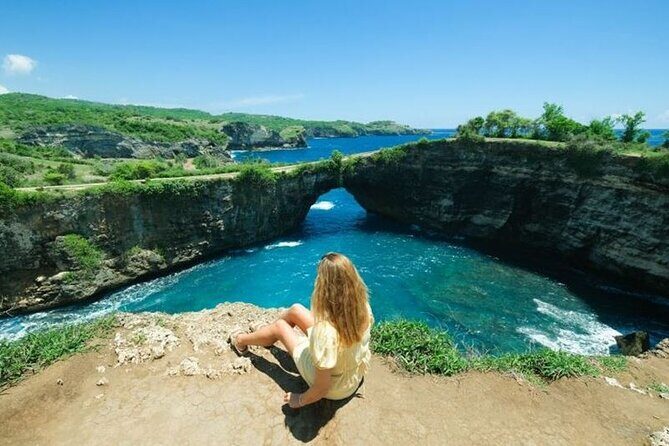
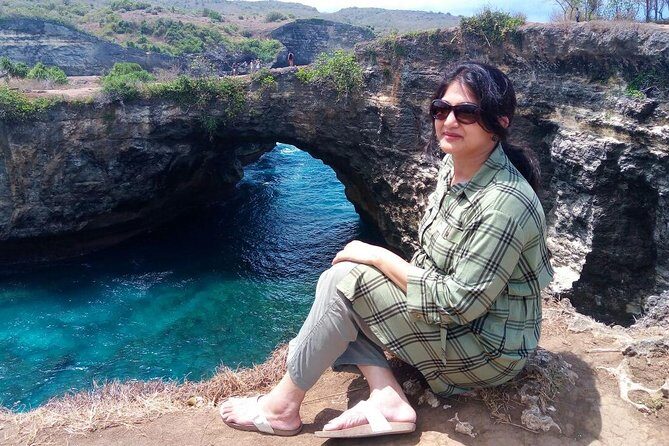
At Broken Beach, you’ll see the ocean carved into the cliffs, creating a dramatic arch and a serene cove. This stop often feels special because it’s less about one iconic silhouette and more about how the water moves through the rock. It’s a great location for lingering, because the scene changes as waves come in.

Angel’s Billabong

Right after that is Angel’s Billabong, known for a natural infinity-pool look at the ocean’s edge. The draw here is the geometry: the feeling that the pool’s edge flows right into the sea.

This portion of the day also matches the tour’s “adventure plus relaxation” promise. You start with a rugged coastal arch, then shift to a calmer pool-like scene. If you want the best photo chances, aim to be ready early at the viewpoint and keep an eye on wave timing.

The Guide and the Pace You’ll Feel on a Small Group Trip

A local expert is part of the package, and that matters more than you’d think. When someone explains what you’re looking at—how the coastline formed, why certain areas attract marine life, and what to watch for at the waterline—you end up with a better day, not just more photos.

In the feedback for this operator, the names that come up most for guiding style include Mr. Wayan, Kadek, and Wayan Widarsana, plus Made Mudana in other Bali itinerary contexts. The common thread across these names is punctual, friendly service and good English, which tends to make a long day feel smoother.

Because the group is capped at 15, you also avoid the chaos that can happen when too many people try to get pictures at one viewpoint. You’ll still be sharing space, but the pace is more likely to feel controlled.

What to Bring for Comfort (So You Enjoy the Day)
One Day Trip Nusa Penida - West Trip-Free Breakfast - What to Bring for Comfort (So You Enjoy the Day)
This tour is about coastal stops, photo time, and water time, so pack like you’ll be a little sweaty and a little sandy.

Bring:

  • Water (you’ll get bottled water during the tour, but having more is never a bad idea)
  • Swimwear if you plan to use the snorkeling-friendly stops
  • Sunscreen and a hat (Penida sun can feel intense)
  • Shoes with grip for viewpoint paths and beach edges
  • A light rain layer (not because it’s promised, but because weather can change fast)

Also, plan around the food gap. Breakfast is included, but lunch isn’t. If you’re the type who needs a specific meal to stay energetic, check what your guide suggests during the day and budget accordingly.

Who This Trip Suits Best

This is a strong fit if you:

  • Want the most famous west-side Penida sights in one day
  • Prefer a guided, structured plan over figuring out ferry times and island transport
  • Enjoy snorkeling or at least want stops designed around marine viewing
  • Like small-group pacing (max 15)

It may be less ideal if you:

  • Need a very relaxed day with long breaks and zero walking
  • Have low tolerance for ocean conditions, since the day requires good weather and uses a fast boat

Book It or Skip It?

I’d book this one-day Nusa Penida West trip if your goal is simple: see Kelingking’s cliff drama, spend time on the coast at Crystal Bay, and hit both Broken Beach and Angel’s Billabong without turning your Bali holiday into a logistics project.

Skip it or think twice if you’re worried about physical effort or you don’t handle weather changes well. Because the itinerary depends on good conditions, your experience quality can rise or fall with sea and sky.

If you are choosing between DIY and a guided day, this is one of the cleaner guided options for Penida: ferry in, entrance fees in, transport in, breakfast in. The only major gap is lunch, and that’s easy to plan for.

FAQ

How long is the One Day Trip Nusa Penida – West Trip-Free Breakfast?

It runs for about 8 hours.

Where is the meeting point?

You meet at Sanur Harbour, Jl. Matahari Terbit, Sanur Kaja, Denpasar Selatan, Kota Denpasar, Bali.

What’s included in the price?

Included items are private transportation, return fast boat tickets (Sanur–Nusa Penida–Sanur), entrance fees, bottled water, and breakfast.

Is lunch included?

No. Lunch is not included.

What is the group size limit?

The tour has a maximum of 15 travelers.

What happens if weather is poor?

This activity requires good weather. If it’s canceled due to poor weather, you’ll be offered a different date or a full refund.

Bali Quad Bike: 2 Hours ATV Ride Adventure Activity

Bali Quad Bike: 2 Hours ATV Ride Adventure Activity - The ATV setup: automatic power, real safety briefing, and gear that matters

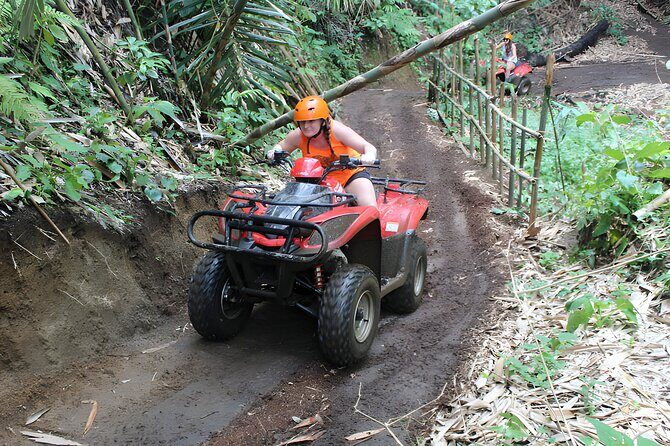
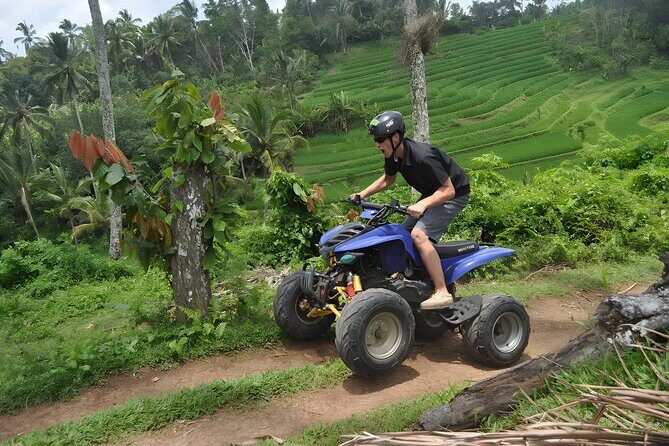
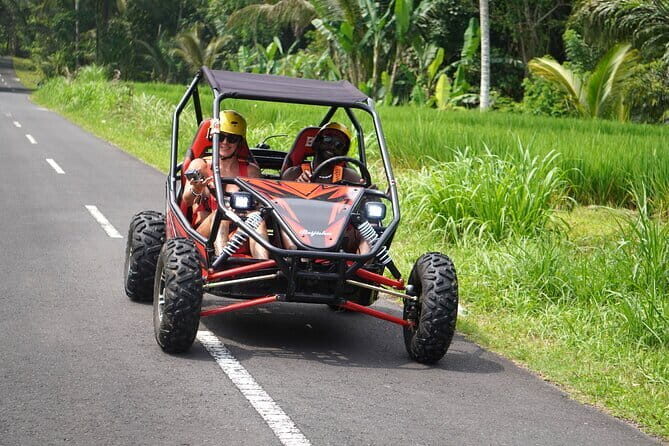
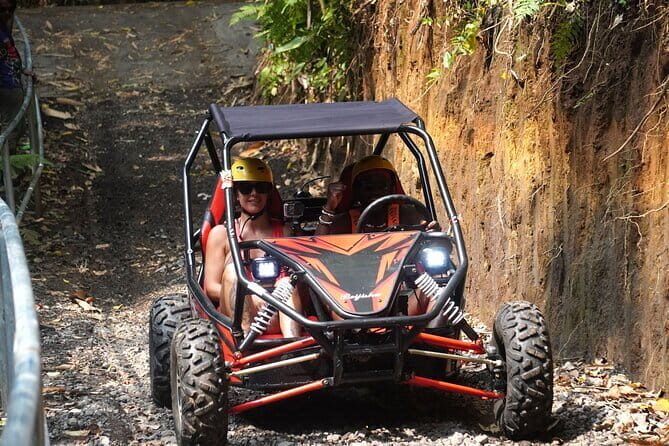
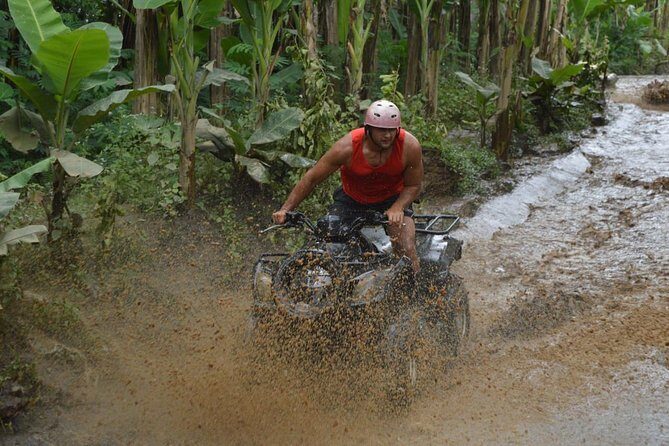
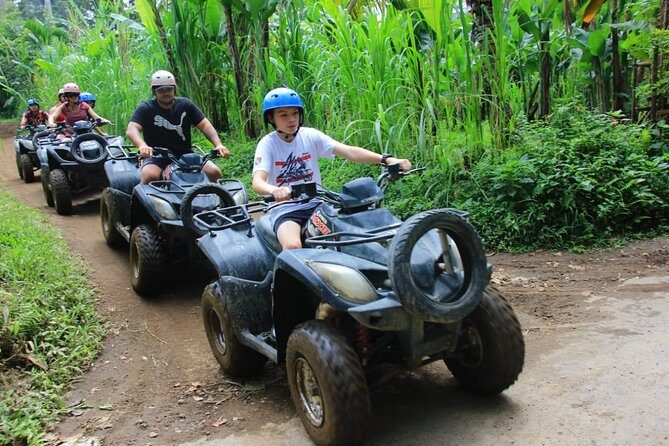
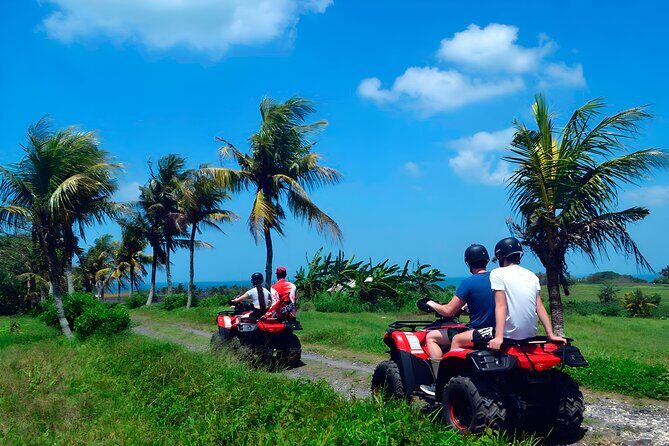
Bali quad biking is the kind of day you remember. This half-day adventure is built around an automatic 250cc ATV and a guided route that cuts through Bali’s countryside: rice terraces, a tunnel, bamboo, jungle paths, river crossings, and village scenery.

What I like most is that you start with a real safety briefing and you get the equipment you need (boot shoes, tools, lockers, towels, and even a shower/changing room). The other big plus is the variety packed into the 2-hour ride, with instructors pushing you onto more technical terrain only if you want that challenge. One thing to consider: the trails are bumpy and muddy when conditions call for it, so if you hate rough rides, you may want to sit this one out.

Key Highlights at a Glance

Bali Quad Bike: 2 Hours ATV Ride Adventure Activity - Key Highlights at a Glance

  • Automatic 250cc ATV so you can focus on steering, not shifting gears
  • Guided route through rice terraces, bamboo forest, jungle paths, rivers, and villages
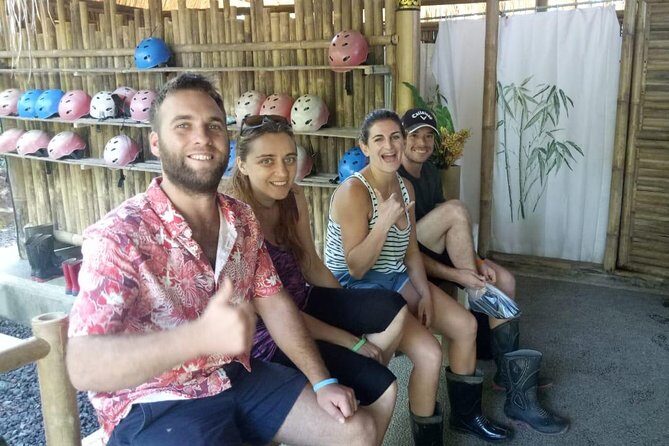
  • Safety gear and support including boot shoes, lockers, towels, and changing room
  • Lunch buffet included plus insurance coverage
  • Private group experience (your group rides together)
  • Pickup from many Bali areas makes it easy if you’re staying in Seminyak and nearby

Why Seminyak-to-Ubud quad biking feels like a smart Bali upgrade

Bali Quad Bike: 2 Hours ATV Ride Adventure Activity - Why Seminyak-to-Ubud quad biking feels like a smart Bali upgrade
If you’re staying in Seminyak, it’s easy to fall into the same loop: beach, shop, repeat. This tour is different because it gets you off the main drag and into the countryside, and it does it with real motion, not just sightseeing from a car window. You spend your time riding, not waiting.

The timing works too. Even though the quad portion is 2 hours, the whole experience runs about 6 hours. That extra time typically goes to pickup, briefing, changing, and lunch—so you get an adventure day that still feels manageable.

Finally, there’s a good sense of purpose to the route. The ride isn’t just a straight track. It’s designed to move you through scenes Bali is famous for—rice terraces and leafy jungle areas—while also mixing in technical moments that instructors can scale to your comfort level.

The ATV setup: automatic power, real safety briefing, and gear that matters

Bali Quad Bike: 2 Hours ATV Ride Adventure Activity - The ATV setup: automatic power, real safety briefing, and gear that matters
This is an automatic ATV adventure. That matters because it makes the ride more about balance and control than learning a new mechanical routine on the fly. You still need to pay attention—ATVs are powerful and the terrain can be uneven—but the learning curve is smaller.

Before you ride, you get a full safety briefing from your instructor. That includes guidance for handling slopes and uneven ground. The goal is simple: you should feel confident enough to enjoy the ride, not white-knuckle it through every turn.

You also get the kind of support that actually helps you enjoy the experience:

  • Boot shoes for grip
  • Lockers for your stuff
  • Towels, plus a shower and changing room after the ride
  • Insurance coverage included with the activity
  • Well-maintained bikes and safety tools

From the experience reviews, one theme really pops: the guides tend to be friendly and attentive, with people praising instructors and drivers like Gusti, Putu, Ngurah, Raka, and others for being kind, helpful, and clear. That kind of human factor is a big part of why quad biking feels fun instead of chaotic.

Two hours of countryside riding: rice terraces, tunnel, bamboo, jungle, river, villages

Bali Quad Bike: 2 Hours ATV Ride Adventure Activity - Two hours of countryside riding: rice terraces, tunnel, bamboo, jungle, river, villages
The heart of the tour is the 2-hour ride through a sequence of environments that keep changing. Expect the scenery to shift from cultivated fields to more wild-feeling trails as you go.

A typical flow includes:

  • Rice terraces with that classic Bali view of stepped paddies
  • A tunnel section (cool factor goes up fast here)
  • Bamboo forest and jungle paths
  • River and village areas with local life nearby
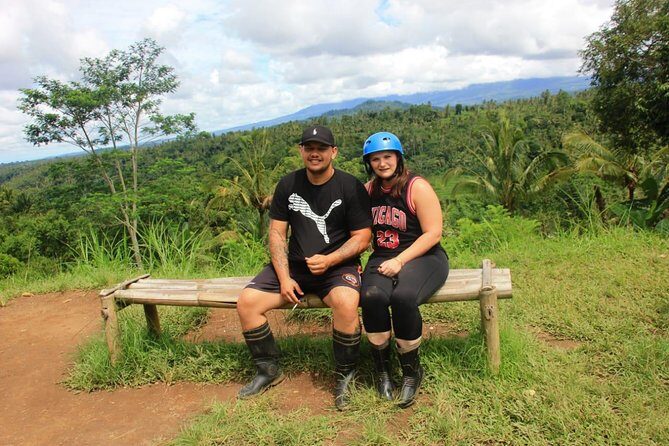
  • Panorama spots where the ride slows just enough to take in the view

This is also where the “challenge” part earns its keep. The terrain is not all smooth track. You may deal with ruts, uneven ground, and wet sections depending on the day.

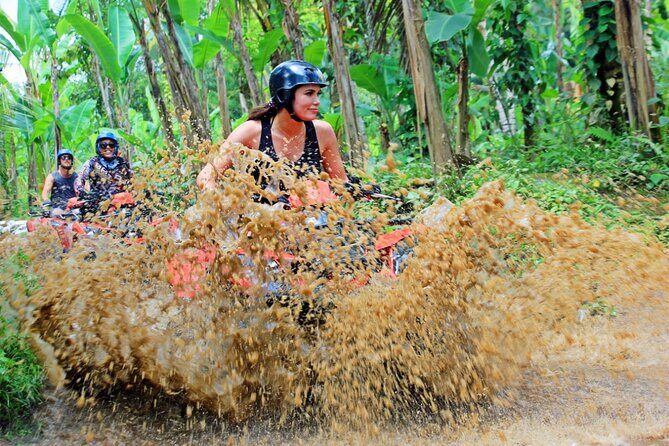
One more practical point: because the ride passes through muddy and bumpy sections, plan for it mentally. In the feedback, people describe the ride as bumpy but fine—so if you’re expecting a gentle stroller-like experience, reset your expectations now and you’ll enjoy it more.

If you want the technical stuff: slopes, downhills, and powered uphill climbs

Bali Quad Bike: 2 Hours ATV Ride Adventure Activity - If you want the technical stuff: slopes, downhills, and powered uphill climbs
If your idea of fun includes a bit of adrenaline, instructors can guide you through technical terrain. The tour is set up for that because your guide can take you over more demanding sections like steep slopes and downhills, then help you use the bike’s power to climb back up.

Here’s why that matters for your enjoyment: doing technical terrain with an instructor is safer than trying to “test yourself” alone. You still get the thrill, but with guidance on how to handle the bike through tough moments.

That said, the tour is built to be flexible. The wording around the experience makes it clear that the ride challenge depends on preference. If you want a calmer experience, you can likely keep it that way. If you want to feel the bikes working hard on the climbs and feel the terrain under your tires, your guide can steer you there.

The full half-day rhythm: pickup, lunch buffet, and getting clean again

Bali Quad Bike: 2 Hours ATV Ride Adventure Activity - The full half-day rhythm: pickup, lunch buffet, and getting clean again
Even with just 2 hours riding, the day feels complete because you’re not left hanging between activities. After pickup and the ride itself, you get a lunch buffet, plus the facilities to reset afterward.

Included items you’ll actually use:

  • Lunch buffet
  • Towel
  • Shower and changing room
  • Lockers for your belongings

This combination is a big value add. A lot of adventure tours stop at the activity and leave you to deal with the aftermath. Here, you’re set up to go back to your hotel without feeling like you dragged wet mud all day through Bali nightlife.

Also, based on people’s experiences, the food quality gets mentioned positively. One review specifically calls out the lunch as good, and that matches the overall vibe: the day is paced so you can eat, recover, and enjoy the rest of your Bali plans without needing a full second outing.

Pickup coverage across Bali: where transfers are available and why it helps

Bali Quad Bike: 2 Hours ATV Ride Adventure Activity - Pickup coverage across Bali: where transfers are available and why it helps
This is one of those tours that makes sense if you’re staying anywhere in southern Bali. You’ll find pickup offered from multiple areas including:

Tanjung Benoa, Nusa Dua, Legian, Jimbaran, Sanur, Canggu, Seminyak, Kuta, Ubud, and Denpasar.

That matters because quad bike tours are often far from the beach zones. If your transfer is handled for you, you don’t have to arrange transport to the meeting point or worry about getting there on time.

Your meeting point is Bali Pertiwi Adventure at Jl. Dewi Saraswati No.2, Bongkasa Pertiwi, Kec. Abiansemal, Kabupaten Badung, Bali 80352, Indonesia. The activity ends back there, so the logistics are straightforward: ride, lunch, shower, then get returned via the included pickup/drop-off when your package includes transfer.

Price and value: why $35 can feel fair (or not) depending on what you need

Bali Quad Bike: 2 Hours ATV Ride Adventure Activity - Price and value: why $35 can feel fair (or not) depending on what you need
At $35 per person, this tour is priced in the “do it if you want it” range rather than the “splurge extravagantly” range. For many people, the value comes from what’s included alongside the ride:

  • 2 hours quad bike activity
  • Instructor-led guidance
  • Well-maintained bikes and safety tools
  • Boot shoes, lockers, towels, shower, changing room
  • Lunch buffet
  • Insurance coverage
  • Tax and services

If you were to price these things separately—transport to the countryside, safety gear, a guided activity, and a proper meal—you’d likely spend more. The tour also includes a mobile ticket, which is convenient.

The only real value question is whether pickup/drop-off applies to you. The info says pickup and drop-off is included only for packages that include transfer. If you’re not sure what your booking includes, check before you commit so you don’t end up paying extra transport on top.

Who this tour fits best, and who should rethink it

Bali Quad Bike: 2 Hours ATV Ride Adventure Activity - Who this tour fits best, and who should rethink it
This is aimed at most travelers, but the age limits are specific:

  • Minimum age allowed is 5 years
  • Maximum age allowed is 60 years
  • Minimum age for a single quad ride is 12 years
  • Children 5–11 must be accompanied by an adult for tandem ride
  • Tandem ride must be booked in multiples of 2 (example: 2, 4, 6, etc.)

From a comfort standpoint, the ride is described as bumpy. If you have back or neck issues, or you hate uneven surfaces, you might find the experience less enjoyable than the scenic parts. If you’re generally fine with rugged outdoor movement, this kind of ride is usually a hit.

This is also ideal if you want a group adventure with structure. Reviews tend to praise guides and drivers for hospitality, friendliness, and being informative, so it’s not just a ride with a helmet—it’s a guided day with real people behind it. Names that come up include Kadek Agus, Wayan Balik, Putra Kirani, Naya, Ngurah, and Putu.

Small downsides to plan for: bumpy trails, mud, and minor service quirks

No adventure tour is perfect. Here are the realistic considerations based on what’s been shared:

1) Bumpy terrain and mud

Even when it’s fun, it’s still an ATV ride. Expect jolts, uneven patches, and wet or muddy conditions when weather makes trails slippery. If you’re bringing a camera, keep it protected.

2) Photo and video are extra

You can buy souvenir photo or video, but they are not included. If you want action shots, budget a little for this.

3) Comfort details can vary

One review mentions ants in the truck. That’s not something you can fully control, but it’s a reminder to bring a basic layer of preparedness: light snacks, wipes, and maybe a quick plan for how you’ll store belongings.

If weather gets truly poor, the tour’s requirement says it depends on good weather. If it gets canceled due to poor weather, you’ll be offered a different date or a full refund.

Should you book Bali Quad Bike in Seminyak?

I’d book this if you want a real activity day where the main event is the riding. The mix of rice terraces, bamboo, jungle trails, river, and villages makes it more interesting than a basic loop track. You also get the cleanup setup (shower and changing room) and lunch buffet, so the experience doesn’t end with mud on your boots.

I’d think twice if you’re very sensitive to bumpy rides, or if your group includes riders who don’t meet the age rules for single or tandem riding. Also, if you’re expecting a smooth, polished, city-style tour, this is outdoorsy and practical—not soft and scenic-only.

If your goal is to get an authentic Bali countryside experience you can feel in your legs and senses, this one fits. Just go in with the right mindset: you’re here to ride, get a little dirty, and enjoy the countryside views at speed.

FAQ

How long is the quad bike activity?

The quad bike activity is 2 hours. The full tour is about 6 hours including pickup, briefing, lunch, and getting ready afterward.

Where does the tour start in Bali?

The meeting point is at Bali Pertiwi Adventure, Jl. Dewi Saraswati No.2, Bongkasa Pertiwi, Kec. Abiansemal, Kabupaten Badung, Bali. The activity ends back at the meeting point.

Do you offer pickup from Seminyak?

Yes. Pickup/drop-off is offered from many Bali areas including Seminyak, as well as places like Canggu, Kuta, Legian, Sanur, Jimbaran, and more. Pickup/drop-off is included only for packages including transfer.

What type of ATV do I ride?

You ride an automatic 250cc ATV.

What safety support do you get?

You get a full safety briefing and you’ll use safety tools. Included gear also covers boot shoes, lockers, towels, and a shower/changing room.

What should I bring?

Bring sunscreen, a camera, and a change of clothes.

Is lunch included? Can I get a vegetarian option?

Yes, there’s a lunch buffet included. A vegetarian option is available if you advise at booking.

What are the age limits?

Minimum age allowed is 5 years and maximum is 60 years. Minimum age for quad bike single ride is 12 years. Children 5–11 must ride tandem with an adult, and tandem ride bookings must be in multiples of 2.

Tanah Lot – Jatiluwih (UNESCO) – Beratan lake -Hidden hill (Wanagiri)-FREE WI-FI

Tanah Lot - Jatiluwih (UNESCO) - Beratan lake -Hidden hill (Wanagiri)-FREE WI-FI - Getting around: private transfers and Wi‑Fi that actually helps

Bali can feel like a puzzle of roads and timings, but this route keeps it simple. You’ll see Tanah Lot and the lakeside Ulun Danu Bratan temple, plus UNESCO Jatiluwih terraces and scenic viewpoints at Wanagiri Hidden Hills. I like the fact that it’s a door-to-door day plan, not a half-guided scramble across the island.

Two big wins for me are the onboard Wi‑Fi (so you can map, message, and share without roaming) and the way the itinerary balances temples with views. One thing to watch: lunch is not included, and entrance fees are listed as your responsibility once you’re there, so budget a bit extra on-site.

Key highlights you’ll feel on the day

Tanah Lot - Jatiluwih (UNESCO) - Beratan lake -Hidden hill (Wanagiri)-FREE WI-FI - Key highlights you’ll feel on the day

  • Door-to-door private transfers from many Ubud and south Bali hotels, so you spend less time figuring out transport.
  • Onboard Wi‑Fi to keep you connected during the long drives.
  • Tanah Lot + Ulun Danu Bratan as the main temple pair, with big photo energy and clear scenery payoff.
  • Jatiluwih UNESCO rice terraces with time built in to appreciate the scale.
  • Wanagiri Hidden Hills for swings and bird-nest style photo spots above the lakes.
  • Taman Ayun Temple for royal ancestry worship in a calmer, garden-like setting.

A full-day temple-and-terrace route that won’t drain you

This is the kind of Bali day trip that works when you want the headline sights without turning your vacation into a logistics project. You’re rolling through west and central Bali’s highlands and temple areas in an air-conditioned vehicle, and you don’t need to worry about finding the next stop. The pacing is set up for comfort: the day runs about 8 to 10 hours, with roughly an hour at key stops.

You’ll also get small touches that make the trip feel smoother: bottled water, coffee or tea, and Wi‑Fi on board. It’s not just about seeing places; it’s about doing it in a way that keeps you alert for photos and short walks.

Possible drawback: it’s still a full day. If you get tired of driving, this won’t feel like a slow, chill itinerary. Think of it as a “see a lot, enjoy it while you’re there” kind of day.

Price and what $37.50 really buys you in Bali

Tanah Lot - Jatiluwih (UNESCO) - Beratan lake -Hidden hill (Wanagiri)-FREE WI-FI - Price and what $37.50 really buys you in Bali
At $37.50 per person, this tour is priced like a practical value play. For that cost, you’re not only paying for transport—you’re also paying for an AC vehicle, parking fees, and fuel surcharge, plus the included water and coffee/tea.

What you should mentally separate is the “included vs. on-site” part:

  • Included: bottled water, coffee and/or tea, Wi‑Fi on board, private transportation, parking fees.
  • Not included: lunch, and entrance fees are at your own expense.

You’ll want to plan lunch costs separately and bring some small cash or card readiness for entry tickets. If you’re the type who hates surprise fees, this is the one area to double-check before you go—because the schedule suggests some entries may be free while the overall tour note says entrance fees are not included. Either way, you’ll be paying something at the gates, so budget for it.

Getting around: private transfers and Wi‑Fi that actually helps

Tanah Lot - Jatiluwih (UNESCO) - Beratan lake -Hidden hill (Wanagiri)-FREE WI-FI - Getting around: private transfers and Wi‑Fi that actually helps
The biggest comfort advantage here is the private 2-way transfer. Pickup is available from many Ubud and south Bali hotels, and you get dropped back afterward. That matters because Bali traffic can turn a “quick trip” into a long one. With a door-to-door setup, you can spend the ride planning your photos and relaxing instead of haggling or rerouting.

Onboard Wi‑Fi is a rare but very useful inclusion. In a day with multiple viewpoints and quick stops, you’ll likely want to:

  • check map directions for where you’re walking next,
  • message family about timing,
  • and upload a few photos while you still have signal.

One more small note: the tour is listed as private, meaning only your group participates. That tends to make the day feel less rushed and easier to manage, especially when you’re trying to get clean photos.

Stop 1: Tanah Lot, the sea temple with strong photo pull

Tanah Lot - Jatiluwih (UNESCO) - Beratan lake -Hidden hill (Wanagiri)-FREE WI-FI - Stop 1: Tanah Lot, the sea temple with strong photo pull
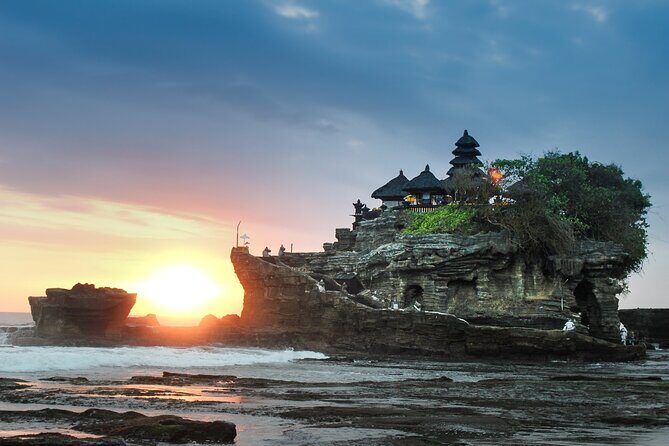
Tanah Lot is one of those Bali landmarks that needs less explanation once you arrive. It’s a sea temple that draws people for its dramatic setting and the way the area frames the coastline.

In the plan, the timing sets you up for about one hour at the site. You’ll also start with a helpful orientation moment: Tanah Lot is about 30 km from Ngurah Rai Airport in Denpasar, and coming in via the main highway you’ll spot a big sign around Kediri. That little “you’re here” moment helps if you’re arriving in Bali and still learning the roads.

How to enjoy it:

  • Don’t treat it like a single shot stop. Use the hour to walk around the temple area so you’re not only viewing it from one angle.
  • If you’re aiming for photos, plan on a few tries. The setting is visually busy, and getting a clean composition takes a little patience.

Possible drawback: because it’s famous, the area can feel crowded at peak times (that’s common for Tanah Lot). If you’re sensitive to crowd pressure, use your time by moving deliberately—find your spot, shoot, then reposition.

Stop 2: Jatiluwih Green Land UNESCO rice terraces (and why guide time matters)

Tanah Lot - Jatiluwih (UNESCO) - Beratan lake -Hidden hill (Wanagiri)-FREE WI-FI - Stop 2: Jatiluwih Green Land UNESCO rice terraces (and why guide time matters)
Jatiluwih is where Bali’s scenery becomes the main event. You’re stepping into Jatiluwih rice terraces, recognized as a UNESCO site and known for dramatic highland views. The tour gives you around one hour here, which is a realistic amount: enough time to get your bearings and enjoy the terrace layers without turning it into an all-day hike.

The best part of this stop isn’t just the view—it’s how you interpret it. In a strong piece of feedback, Ketut was singled out for giving a detailed walk-through of Jatiluwih. That kind of guide attention can completely change how you see terraces. Instead of looking at green fields, you start noticing how the hills, water management, and terrace pattern create the look.

What you should consider:

  • Entrance tickets are listed as not included for this stop, so plan on paying on-site.
  • Also, you’ll likely want comfortable shoes. Terrace areas can be slippery or uneven depending on conditions.

Stop 3: Lake Beratan and Ulun Danu Bratan Temple for a story-driven visit

Tanah Lot - Jatiluwih (UNESCO) - Beratan lake -Hidden hill (Wanagiri)-FREE WI-FI - Stop 3: Lake Beratan and Ulun Danu Bratan Temple for a story-driven visit
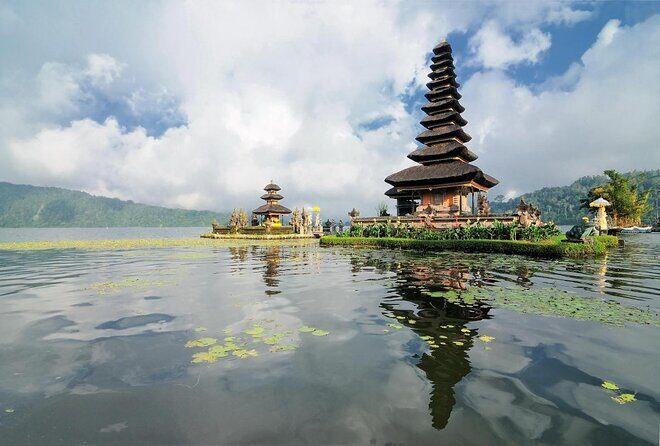
Next comes the lakeside temple, Ulun Danu Bratan (often called Ulun Danu Beratan or associated with Lake Beratan). This is the stop that turns sightseeing into something more meaningful.

Here’s the key story point you’ll hear tied to the site: the temple was constructed in honor of Dewi Danu, the goddess of the lake. And the lake itself is described as being formed by a volcanic eruption about 30,000 years ago. That backstory helps when you’re standing at the water’s edge—suddenly the scenery isn’t just pretty, it’s part of a long geological and cultural timeline.

You’ll get about one hour at the temple area. This duration is enough for a careful look, photos, and a calm walk around the lakeside feel of the spot.

Possible drawback: because it’s a temple by water, weather can shift how the day feels. If it’s misty or rainy, you may get lower-contrast photos—but the mood can also be worth it.

Wanagiri Hidden Hills: swings, bird-nest photos, and twin-lake views

Tanah Lot - Jatiluwih (UNESCO) - Beratan lake -Hidden hill (Wanagiri)-FREE WI-FI - Wanagiri Hidden Hills: swings, bird-nest photos, and twin-lake views
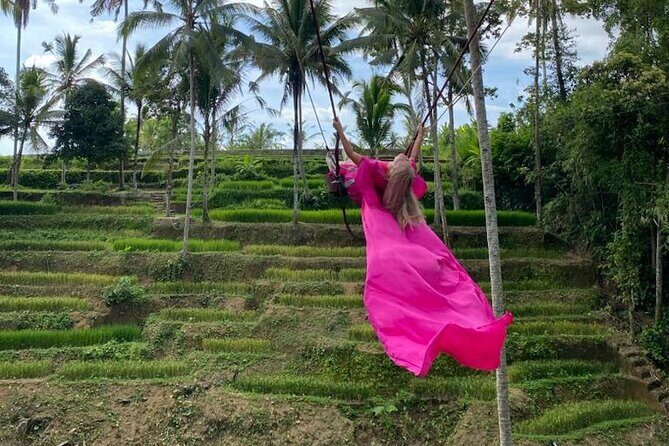
Between the temples and UNESCO terraces, you’ll also stop at Wanagiri Hidden Hills, famous for photo spots. The big appeal here is the chance to pose on swings and bird-nest style setups with views over Bali’s twin lakes.

This is a more modern Bali experience than the temple stops, and that contrast is exactly why it works in a single day. You’ll get a change of pace: less about history, more about viewpoint energy and quick, fun shots.

Practical advice so you get the best results:

  • Give yourself time to pick an angle before you start posing. These spots are set up for photos, but you still need to line up the view.
  • Expect that the “main shot” might be popular. If you want fewer photo pauses, be ready to move quickly and try alternate angles.

The tour doesn’t list a separate admission detail for this stop in the schedule you provided, so entrance cost expectations may vary. Treat it as a potential on-site fee area and plan accordingly.

Taman Ayun Temple: royal ancestral worship in a quieter setting

Tanah Lot - Jatiluwih (UNESCO) - Beratan lake -Hidden hill (Wanagiri)-FREE WI-FI - Taman Ayun Temple: royal ancestral worship in a quieter setting
Your final temple-style stop is Taman Ayun Temple. This site is described as a Paibon / Pedarman King Mengwi Temple, tied to worship of ancestral spirits of the kings. In other words, this is less about dramatic cliff views and more about temple meaning and royal heritage.

Taman Ayun is scheduled as another “ancient temple” stop in the day plan. It gives you one more layer of Bali temple culture before you head back.

What I like about adding Taman Ayun:

  • It balances the big-name temples (like Tanah Lot) with something that can feel calmer.
  • It rounds out your cultural understanding of Bali’s temple traditions beyond one single style.

Possible drawback: the day is already packed. If you’re the type who wants lots of time to linger, you may find the hour allocation forces you to prioritize.

Pacing, weather, and how to stay comfortable for the 8–10 hour day

This tour is structured around multiple stops, meaning you’ll be in the car as much as you’re at the sights. That’s not automatically bad—it’s the tradeoff for hitting Tanah Lot + Jatiluwih UNESCO + Ulun Danu Bratan + Wanagiri Hidden Hills + Taman Ayun in one day.

Here’s how I’d plan the day to feel good:

  • Use the onboard Wi‑Fi to stay organized. If you’re coordinating with someone, you’ll appreciate quick updates rather than guessing timing.
  • Bring a simple plan for lunch since it’s not included. You’ll be happier if you decide what you’ll do before the day starts.
  • Expect the weather to change between the coasts and highland areas. Even if it’s sunny early, later viewpoints can feel different.

Who should book this tour (and who should skip it)

This tour fits best if you want:

  • a private, door-to-door day without navigation stress,
  • Bali’s top temple and UNESCO terrace hits in one go,
  • lots of photo opportunities, especially at Wanagiri Hidden Hills and Tanah Lot,
  • and the comfort perks of Wi‑Fi, bottled water, and AC.

Skip it if:

  • you dislike driving days,
  • you want unhurried, long stays at a single site,
  • or you’re on a tight budget and don’t want to handle on-site entrance costs.

Should you book this Tanah Lot–Jatiluwih–Beratan–Wanagiri–Taman Ayun tour?

If you want a full Bali sampler with real convenience, I’d say this is a smart booking. The value sits in the combination: private transfers, AC comfort, onboard Wi‑Fi, and a route that covers both iconic temples and UNESCO terraces, plus a fun viewpoint stop at Wanagiri.

My main caution is practical: entrance fees and lunch are not included, so you should budget for on-site spending. If you’re okay with that and you want a one-day plan that’s easy to manage, this tour is a strong choice.

FAQ

FAQ

How long is the tour?

It runs about 8 to 10 hours.

What places are included in the tour?

You’ll visit Tanah Lot, Jatiluwih rice terraces, Lake Beratan / Ulun Danu Bratan Temple, Wanagiri Hidden Hills, and Taman Ayun Temple.

Do I get pickup and drop-off?

Yes. Private 2-way transfers are available from many Ubud and south Bali hotels.

Is Wi-Fi available during the tour?

Yes. There is Wi‑Fi on board.

What is included in the price?

Included items are bottled water, coffee and/or tea, air-conditioned vehicle, onboard Wi‑Fi, private transportation, fuel surcharge, and parking fees.

Is lunch included?

No. Lunch is not included.

Are entrance fees included?

Entrance fees are at your own expense. The schedule notes that some stops have admission listed as not included, and Tanah Lot is shown with admission ticket free, but you should expect on-site payments.

Is this a private tour?

Yes. Only your group will participate.

Is there a group discount?

Group discounts are listed as a feature.

What is the cancellation policy?

You can cancel for a full refund if you cancel up to 24 hours in advance of the experience’s start time, based on local time.

Bali Buggy – Best UTV Ride Adventures in West of Ubud

Bali Buggy - Best UTV Ride Adventures in West of Ubud - The ride length you’re really getting: 1 hour of riding, more time for the rest

One hour of motorized mud fun. I like the rice-terrace scenery and the automatic 300cc buggy that makes speed feel manageable from the start. The instructor runs a safety briefing before you hit the track, but heavy rain can make the ride extra slick and limit same-day flexibility.

The action starts at Bongkasa Pertiwi, about 25 minutes from Ubud, on an exclusive private buggy course. In one trip, my guide Wayan kept an eye on riders and stepped in when someone needed a hand.

Key things to know before you book

Bali Buggy - Best UTV Ride Adventures in West of Ubud - Key things to know before you book

  • Private track near West of Ubud: Your ride happens on an exclusive course, not a random public area.
  • Automatic 300cc buggy, beginner-friendly control: You don’t have to fight a manual clutch while you’re learning.
  • Terrain variety: Rice terraces, gravel roads, bamboo areas, jungle sections, and tougher climbs/descents.
  • Built for dry weather and rain: It’s an all-weather style outing, so expect muddy sections when it’s wet.
  • Useful extras after the ride: Showers, towels, lockers, and an Indonesian buffet lunch are included.
  • Bring eye protection: Mud and water can splash up fast, and sunglasses can save your trip.

Bongkasa Pertiwi UTV: rice terraces, bamboo, and real dirt roads

Bali Buggy - Best UTV Ride Adventures in West of Ubud - Bongkasa Pertiwi UTV: rice terraces, bamboo, and real dirt roads
This is Bali UTV riding aimed at people who want more than a flat, short loop. You’re put on a course that moves through rice-terrace views and then pushes you onto gravel, bamboo, and jungle-style sections. The ride is built around change: a little calm scenery, then sudden puddles, then a stretch where the buggy feels like it has something to prove.

I also like that the course is described as private and exclusive to your activity. In practice, that usually means a smoother flow: you’re not stopping every few minutes because you’re sharing space with random vehicles. At this location, you’re in Bongkasa Pertiwi, about 25 minutes from Ubud, which makes it a solid half-day plan without feeling like you’re vanishing across the island.

One more detail that matters: this is described as an all-weather adventure. That doesn’t mean it’s magic in a storm. It means the experience is designed to continue in wet conditions, which usually translates to more mud on your clothes.

The ride length you’re really getting: 1 hour of riding, more time for the rest

Bali Buggy - Best UTV Ride Adventures in West of Ubud - The ride length you’re really getting: 1 hour of riding, more time for the rest
The published duration is about 1 hour. That’s best thought of as the main riding window, not the entire block of time from pickup to lunch and shower. Between getting geared up, doing the safety talk, and taking a little time to settle after the mud, your total time will likely feel longer than 60 minutes.

Because the buggy is automatic (300cc), you don’t spend the first minutes learning footwork. That’s a big deal if you’re the type who wants to start driving quickly and not get stuck in a lecture. You still get instruction and a proper safety briefing, but the vehicle setup helps you feel comfortable faster.

Also, this is a private tour/activity, meaning only your group participates. If you’re riding with friends or family, that usually makes it easier to keep a steady pace and not feel shuffled around.

Automatic 300cc buggy control and the safety briefing that matters

Bali Buggy - Best UTV Ride Adventures in West of Ubud - Automatic 300cc buggy control and the safety briefing that matters
You get expert instructors who give you a detailed safety briefing before you start. The point isn’t to scare you—it’s to make sure you know how the vehicle behaves on uneven ground and how to handle the buggy on slopes and descents.

The buggy itself is described as powerful, with an automatic system built for easier control. That matters because the course includes more than smooth dirt paths. You’re guided through steeper slopes, downhill descents, and uphill climbs. When you’re driving something that’s automatic, your focus stays on steering lines and not on juggling gears or clutch timing.

On top of safety, the equipment support is strong. You’ll get safety-approved gear and helmet + boot shoes included. If you’ve ever done a ride where you show up in sneakers and instantly regret it, this part helps you start with less stress.

What the track includes: rice fields, extreme puddles, bamboo forest, and tough terrain

Bali Buggy - Best UTV Ride Adventures in West of Ubud - What the track includes: rice fields, extreme puddles, bamboo forest, and tough terrain
The course description is clearly trying to hit multiple “wow” moments. Here’s what you can expect, in the order your mind will likely experience it: scenery, then splashes, then concentration.

First comes the rice-terrace and rural-path section. It’s where the ride feels scenic and your camera gets the right angles. Then you move into areas described as gravel roads and dense bamboo forests, where steering and traction matter more.

From there, the “adrenaline” side ramps up. The route includes muddy extreme puddles and freestyle-style track sections. The point isn’t just to get you muddy; it’s to test how the buggy handles when the ground turns slick and visibility drops. For this reason, I strongly recommend sunglasses or eye protection. Mud and water can splash straight into your line of sight.

The route also mentions hidden waterfalls and caves as part of what you may encounter during the ride. You shouldn’t expect a ticketed waterfall walk, but you can expect Bali-style natural features to pop up along the way, especially in wetter conditions when the surroundings look their best.

Finally, if you want a challenge, instructors can guide you through tougher terrain: steep slopes, downhill descents, and uphill climbs. This is the portion where you’ll feel the buggy’s power in a way that flat rides never deliver.

Included gear, lockers, showers, and lunch: the part most people forget to plan for

Bali Buggy - Best UTV Ride Adventures in West of Ubud - Included gear, lockers, showers, and lunch: the part most people forget to plan for
A lot of UTV outings sell the ride and forget the cleanup. This one includes the basics that make it easier to keep your day comfortable afterward.

You get lockers, towels, shower access, and a changing room. That means you don’t have to carry the smell and grime around for the rest of your Bali schedule. It’s also one of those “small” inclusions that turns an adrenaline activity into something you can actually enjoy from start to finish.

You’ll also get:

  • Helmet + boot shoes
  • A professional instructor
  • Insurance coverage
  • Tax and services
  • An Indonesian buffet lunch
  • Towels and changing facilities (tied to the lockers and shower access)

Photo and video souvenirs aren’t included. You can purchase them if you want the recorded proof of your muddy face.

The lunch is described as an Indonesian buffet. Even if you’re not a big buffet person, it helps because you’re probably not going to want to hunt for food right after getting dirty.

Price and value: why $60 can feel fair here

Bali Buggy - Best UTV Ride Adventures in West of Ubud - Price and value: why $60 can feel fair here
At $60 per person, you’re paying for a short, high-energy activity with more inclusions than the cheapest options. The key value pieces here are the ride itself plus the “support layer” around it: instructor-led safety, safety-approved equipment, insurance coverage, and the post-ride cleanup amenities. Add lunch and the price starts to look less like a bare-bones ticket and more like a package.

Also, this is described as offering group discounts and an all-private experience for your group. If you have a group of friends or family, that can make the per-person cost feel even more reasonable.

Two practical caveats:

  • Pickup and drop-off are included only for packages that include transfers. If you want hotel pickup, confirm that your booking includes it.
  • The ride is about an hour, so if you’re craving an all-day adventure, you may want to pair this with another stop in the Ubud area.

Who this UTV ride fits best (and who should think twice)

Bali Buggy - Best UTV Ride Adventures in West of Ubud - Who this UTV ride fits best (and who should think twice)
This activity is aimed at most travelers, with a stated range of ages: minimum 5 years and maximum 65 years. The ride rules split by how the buggy ride is set up.

Important age and ride setup rules:

  • Minimum age for a buggy single ride is 12 years.
  • Ages 5–11 can join only as a tandem ride, and they must be accompanied by an adult.
  • Tandem ride bookings must be in multiples of 2 (example: 2, 4, 6, 8, 10, etc.).

If you’re traveling with kids, this is one of the easiest categories to plan because the rules are clearly stated. Just remember: tandem riding is still real driving time, so expect the course to be bumpy and muddy.

If you have mobility concerns, the data here doesn’t spell out accessibility details. You’ll want to judge your comfort with getting on and off a buggy and handling wet ground.

Rain and weather: what to plan for when the forecast turns

Bali Buggy - Best UTV Ride Adventures in West of Ubud - Rain and weather: what to plan for when the forecast turns
The experience is presented as all-weather, including the rainy season. That’s a plus in Bali, where weather can change fast. The tradeoff is simple: if it rains hard, you should expect slick ground and heavier mud.

There’s also an important operational reality: cancellation is described as tied to good weather. The activity can be canceled due to poor weather, and then you’ll be offered a different date or a full refund. Still, one past account included disappointment after a day with torrential rain and a lack of day-of cancellation options. So here’s the practical mindset I’d use: don’t gamble on perfect timing. If you’re booking close to a weather-sensitive window, have a flexible plan for that day.

In other words: rain might not ruin it, but it can change what the ride feels like.

Getting there: meeting point and what to bring to stay sane

You meet at Bali Pertiwi Adventure at Jalan Dewi Saraswati No. 2, Bongkasa Pertiwi, Kec. Abiansemal, Kabupaten Badung, Bali 80352, Indonesia. The activity ends back at the meeting point.

Bring:

  • Sunscreen
  • A camera (if you want shots, plan for splashes)
  • Change of clothes
  • Sunglasses or another form of eye protection (strongly recommended due to mud/water splash)

Dress code is smart casual. That’s a little funny for a mud ride, but it usually means: wear clothes you don’t mind getting ruined, and avoid anything you need to look pristine for later.

Also, you’ll want to arrive ready for wet ground. The buggy course includes puddles, and the included boot shoes don’t make you invincible. They just help you feel more secure.

Should you book Bali Buggy (Bali UTV Ride) near Ubud?

Book it if you want a short, energetic UTV session with real terrain variety and a proper support setup: safety briefing, helmet and footwear, insurance coverage, lockers, shower access, and lunch included. This is a great match for people who like dirt roads and don’t mind getting messy.

Skip or rethink it if you’re trying to plan around very specific weather windows and you hate uncertainty. Rain can mean heavy mud, and while the experience is built for wet conditions, weather can still affect how comfortable the ride is and whether plans shift.

If you’re deciding based on value, $60 is easier to justify here because the package includes more than just the engine time. And if your group includes kids, the clear tandem rules (5–11 with an adult, and multiples of 2) make it easier to plan than many other rides.

FAQ

FAQ

How long does the Bali Buggy ride last?

The riding activity is listed as about 1 hour (approx.). You’ll also have extra time for safety briefing, pickup if included, and the included lunch.

Is hotel pickup and drop-off included?

Hotel pickup and drop-off is included only for packages that include transfers. If your booking includes transfers, you’ll use that service.

What’s included in the price?

The package includes an instructor, well maintained bikes and safety-approved equipment, lockers, towels, shower and changing room access, boot shoes and helmet, Indonesian buffet lunch, insurance coverage, and tax and services.

What should I wear and bring?

Dress code is smart casual. Bring sunscreen, a camera, and change of clothes.

What are the age requirements?

The minimum allowed age is 5 and the maximum is 65. For a buggy single ride, the minimum age is 12. Children ages 5–11 must ride tandem and be accompanied by an adult.

Are tandem rides available for children?

Yes. Children age 5–11 ride tandem, but tandem rides must be booked in multiples of 2 (for example: 2, 4, 6, 8, 10, 12, 14).

Is lunch included, and is there a vegetarian option?

Yes, an Indonesian buffet lunch is included. A vegetarian option is available if you advise at booking.

What happens if it rains?

The experience is described as all-weather, but it also requires good weather. If the activity is canceled due to poor weather, you’ll be offered a different date or a full refund.

Bali Jungle ATV Quad Bike

Bali Jungle ATV Quad Bike - 8 km of rice fields, bamboo forest, and muddy river crossings

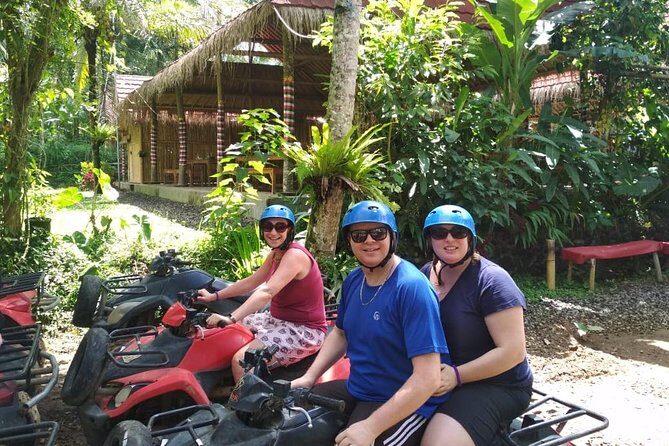
Mud, bamboo, and a quad in Ubud. This Bali Jungle ATV Quad Bike tour sends you about 30 minutes from Ubud into Gianyar Regency for what they describe as Bali’s longest ATV trek, with real countryside riding, not a short loop. You’ll tackle jungle sections, bamboo forest, river crossings, and muddy puddles, with a professional local guide keeping the ride fun and moving.

Two things I like a lot: the 8 km real jungle track and the way the guides help all skill levels. I’ve seen praise for guides like Komang, Teja, and Juna—the kind of support that matters when you’re trying not to drive your quad like a lawnmower in the first 5 minutes.

One thing to consider: if you’re staying far from the pickup area, transportation can cost extra. I’d also expect a track that takes focus; even on a great circuit, you can’t stare at scenery the whole time—you’re steering, braking, and choosing lines through mud.

Key highlights you should care about

Bali Jungle ATV Quad Bike - Key highlights you should care about

  • 8 km real jungle track with jungle, rice fields, and river sections
  • Beginners are supported with instruction and a guide riding with you
  • Single or tandem quad options, with chances to swap during the ride
  • Bali jungle sights like bamboo forest, villages, plantations, and mudflats
  • Lunch + welcome drink included, plus insurance and safety gear
  • Max group size 30, so it doesn’t feel like a cattle line

Balaji Adventure Bali: remote start, countryside pace

Bali Jungle ATV Quad Bike - Balaji Adventure Bali: remote start, countryside pace
The experience begins at Balaji Adventure Bali, and that remote location is part of the appeal. You’re not just driving in a fenced area—you’re getting out into Gianyar Regency, roughly 30 minutes from Ubud, where you can feel the ride changing with the terrain.

There’s a reason the track feels long. The ride is designed as a real circuit, described as the longest ATV trek in Bali, with countryside segments rather than repeated tiny turns. The operation uses professional guides and safety equipment, so your first goal is simple: learn how to control the quad before you push speed.

The tour includes a welcome drink, which sounds small until you’ve just arrived hot and muddy-happy. It’s a nice reset before gear up time, and it keeps the start from feeling rushed.

8 km of rice fields, bamboo forest, and muddy river crossings

Bali Jungle ATV Quad Bike - 8 km of rice fields, bamboo forest, and muddy river crossings
The heart of the day is the riding: an 8 km real jungle track that mixes countryside scenery with physical challenges. Expect long stretches that go through rice paddy areas and plantations, then transition into more jungle-style ground where footing gets unpredictable.

Bamboo forest is specifically mentioned, and you’ll also ride through villages and traditional areas that aren’t meant to feel repetitive. The route is built to change often—jungle to fields to muddy crossings—so even if you’re concentrating on throttle and balance, you’re still moving through different environments.

River crossings and puddles are also part of the experience. That’s the point where ATVs feel like ATVs, not theme-park toys. Plan for getting dirty. Even if the exact amount of mud varies day to day, you’re riding with muddy terrain clearly in the plan.

Some routes include hill sections and mudflats (the description mentions hills over 700m). If your knees or wrists aren’t used to bouncing on rough ground, go slow at the start and let your confidence build.

Single vs tandem quad biking: swapping is part of the fun

You can ride a quad as a single rider, or you can choose tandem. Tandem matters because it changes the whole vibe of the track—one person drives while the other rides along, and you can switch during the tour.

That swap feature came up in feedback, and it’s a great way to handle mixed experience levels in the same group. If one person is new and the other is comfortable, you can still enjoy the ride together instead of splitting up.

Guides are key here. The operation makes a point that the tour is safe and suitable for both beginners and professionals, and that lines up with what you’ll feel in the training moments. Multiple guides are praised for patience with beginners, and that’s exactly what helps when the track gets more technical.

If you’re traveling with kids or very nervous first-timers, tandem is often the easiest way to keep everyone involved without forcing full-on control right away. (Just note: tandem options depend on how you book and how the group is set up that day.)

How the guides make or break the experience (Komang, Teja, Juna, Edi, Budi)

Bali Jungle ATV Quad Bike - How the guides make or break the experience (Komang, Teja, Juna, Edi, Budi)
This tour is guided riding first and sightseeing second. The best rides come down to the guide’s ability to teach without killing the fun—and the reviews give you clues about who shines.

Komang shows up in feedback as friendly, active, and supportive. People also mention Teja as knowledgeable across the areas you pass and flexible about getting the most out of stops. Juna is praised as friendly and helpful with authentic local travel advice, not just pointing the way.

The names Edi, Komang, and Budi also appear together with praise for making the day memorable. That matters because on an ATV tour, you want someone who understands the terrain and knows when to slow down for safety.

Here’s the practical takeaway for you: during your ride, watch for the moments when the guide slows the pace, gives position adjustments, or signals lines through mud and puddles. Those small cues are the difference between feeling in control and feeling like you’re white-knuckling your way through a bumpy course.

Timing and what a 2–3 hour ride feels like

Bali Jungle ATV Quad Bike - Timing and what a 2–3 hour ride feels like
The scheduled duration is about 2 to 3 hours. In practice, the time can feel different depending on how quickly you get fitted with gear, how many small breaks happen along the way, and whether the group needs extra time for instruction.

One piece of feedback notes the ride can feel like it goes through loops or repeated segments, which can make it harder to take in scenery if you’re new. That doesn’t mean it’s bad—it means you should be ready for concentration time. ATV riding isn’t a slow walk through a postcard. You’ll get scenery, but you’ll mostly get it while managing the bike.

The good news: you’re riding through varied terrain, so even if you’re stuck thinking about where your tires are going, the environment changes. Rice fields, jungle sections, villages, and river features keep things from feeling identical every minute.

What’s included: lunch, insurance, welcome drink, and safety gear

Bali Jungle ATV Quad Bike - What’s included: lunch, insurance, welcome drink, and safety gear
This is one of the more straightforward “included” packages. You get:

  • Welcome drink
  • Jungle ATV quad biking with 8 km track
  • Safety equipment and a professional ATV guide
  • Lunch
  • Insurance
  • Optional private hotel transfers (if you select this)
  • Optional white water river rafting (if you select it)

Lunch being included is genuinely useful on a full active tour. After muddy riding, you don’t want to start negotiating for food or chase a meal with sore arms and an energy crash.

Insurance and safety equipment are also big value adds for an ATV activity. You may still feel the bumps, but at least the basic safety structure is built in rather than tacked on.

If you’re combining with rafting, that can turn the day into a bigger nature-and-adventure block. Just make sure you’re realistic about your stamina. Two high-adrenaline activities back to back can be a lot if you’re not used to rough terrain.

Price check: does $40 make sense in Ubud?

Bali Jungle ATV Quad Bike - Price check: does $40 make sense in Ubud?
At $40, this tour is positioned as a budget-friendly adrenaline option compared to many ATV day trips in Bali. You’re getting a guided ride with a named track length (8 km), lunch, safety gear, insurance, and optional transfers.

The value equation usually comes down to these questions:

  1. Are you actually getting a meaningful track length rather than a short loop? The answer here is yes, with 8 km riding described.
  2. Are meals and safety basics included? Yes: lunch, safety equipment, and insurance are part of the package.
  3. Are you paying extra for transportation? This is where it can vary. One review mentions extra charge due to how far the pickup was from where they were staying, so ask about transfer fees when you book.

If you’re staying near Ubud and can use the private hotel transfer option, $40 looks like a strong deal for a real guided ATV adventure.

Logistics in Ubud: pickups, mobile tickets, and the “where is it?” question

Bali Jungle ATV Quad Bike - Logistics in Ubud: pickups, mobile tickets, and the “where is it?” question
The tour offers pickup as an option, and that matters because Gianyar Regency is about 30 minutes from Ubud. If you choose transfers, you’ll avoid the stress of figuring out how to reach a remote starting point after the ride.

The tour also uses a mobile ticket, which is convenient if you don’t want to manage paper vouchers. Confirmation is received at booking time, which usually helps you feel locked in.

Still, transportation can become the main hidden cost for people staying farther out. One person reported that they had to pay extra because they booked while staying far away. My advice: before you pay, confirm the pickup area and any extra fee. The $40 price is great, but only if you don’t get surprised by transfer costs.

Also consider group size. With a max of 30 travelers, you should still have energy around you, but it isn’t a packed mass event where you wait forever for your turn.

Who this tour is best for (and who should think twice)

This quad bike tour fits well if you want a hands-on Bali nature experience with action built in. If you like dirt, puddles, and countryside roads, you’ll probably love how quickly the ride becomes about real control instead of just watching from a bus window.

It’s also a good choice if you’re traveling with a mix of experience levels. Tandem options, plus guides known for patience, help beginners get started without feeling thrown into the deep end.

Think twice if:

  • You’re expecting a relaxed sightseeing day. The course demands focus, so you won’t have time to admire scenery nonstop.
  • You’re very sensitive to bumpy terrain. Mud, river sections, and rough patches can shake you up.
  • You need guaranteed pickup from a far location. Verify transfer costs first.

If you’re an experienced rider, you’ll likely appreciate the longer track and the chance to push through technical sections. If you’re a first-timer, the guide support is the difference between enjoying mud and getting overwhelmed.

Should you book Bali Jungle ATV Quad Bike in Ubud?

I’d book it if you want an ATV day that feels like you’re actually riding through Bali countryside—rice fields, bamboo forest, villages, and muddy river crossings—while still getting basic structure (safety gear, guide, insurance, lunch).

I’d hesitate only if you’re booking from a location far from Ubud without confirming transfer fees, or if you want a calm, photo-first itinerary. This tour is active by design, and your attention will be mostly on driving and staying balanced.

If you’re ready to get dirty, choose the tandem option if you’re bringing someone nervous, and go in trusting the guides. Names like Komang, Teja, Juna, Edi, and Budi show up for a reason: on this kind of ride, the right guide turns a tough track into a memorable day.

FAQ

How long is the Bali jungle ATV quad bike tour?

It runs for about 2 to 3 hours.

Where is the tour located and how far is it from Ubud?

It starts in Gianyar Regency, about 30 minutes from Ubud.

Is hotel pickup included?

Private hotel transfers are available as an option. The tour also offers pickup, but extra charges may apply depending on how far you are from the pickup point.

What’s included in the $40 price?

The package includes a welcome drink, quad bike with an 8 km real jungle track, safety equipment, a professional guide, lunch, and insurance. Optional white water river rafting and optional hotel transfers can be added.

Do I need to be an experienced rider?

No. It’s described as safe and suitable for beginners and professionals, with a professional guide to support you.

What if I need to cancel?

You can cancel up to 24 hours in advance for a full refund.

Private Departure Transfer: Hotel to Bali Airport

Private Departure Transfer: Hotel to Bali Airport - Car comfort and what you should know about bags

Getting to Ngurah Rai airport should feel boring—in a good way. This private transfer picks you up at your Bali address and gets you to Denpasar’s Ngurah Rai International Airport (DPS) with a professional driver, an air-conditioned vehicle, and help with your bags.

What I like most is the real door-to-door setup: meet-and-greet service, a printed sign, and luggage assistance so you’re not juggling cases while looking for the right taxi. I also like that it’s not limited to south Bali; it covers areas as far out as Ubud, Candidasa, Lovina, Uluwatu, and Tanah Lot, which matters if you’re staying beyond the usual tourist grid.

One thing to consider: this is a private transfer, but it still depends on your exact pickup time and traffic. Some departures run early, some run late, and a few people felt the car and driver experience wasn’t as polished as they expected—so I’d treat punctuality as something you confirm, not something you assume.

Key takeaways before you book

  • Meet-and-greet at your hotel or villa: You should see a driver with a clear sign and get help with luggage right from the start.
  • Private, air-conditioned car for your group: No shared van stops, and you can ride in comfort for the ~1 hour trip time.
  • Covers wide Bali territory: Works if you’re staying outside south Bali, including Ubud, Candidasa, and Lovina.
  • Baggage rules are simple but strict: Plan for one suitcase plus one carry-on per traveler, with extra charges if you bring more.
  • Your timing impacts the whole day: For midnight flights, pickup is earlier (3 hours prior) and there’s a nighttime surcharge.

A smoother Bali goodbye starts at your front door

Private Departure Transfer: Hotel to Bali Airport - A smoother Bali goodbye starts at your front door
If you’ve ever tried to find a taxi in a hurry in a new country, you already know why private airport transfers are so popular. With this option, you’re not negotiating, scanning for vehicles, or trying to explain your exact pickup point while your bags weigh down your day.

In Bali, the payoff is practical: you get direct transport to DPS, plus bottled water and a driver who’s responsible for the driving. For a departure day, that peace of mind can be worth more than you think—especially after a long trip or when you’re trying to keep your flight stress-free.

You also get coverage that’s useful beyond the typical resort bubbles. If your stay is in places like Candidasa or Lovina, you’re still able to book a transfer that gets you to Denpasar without stringing together other local rides.

Pickup that’s designed to find you quickly

The biggest problem on departure day is rarely the car. It’s the handoff. This transfer is set up for a straightforward meeting: at your chosen time, a professional driver meets you at your hotel lobby, villa, or address.

In real-world use, the meet-up tends to work the way you’d hope. One person got picked up by an assistant and described the car as safe and the pickup as helpful. Another noted a driver waiting with a printed, clearly visible sign. That’s the difference between arriving at the right place and arriving at the right place without a mini-scavenger hunt.

The included luggage help is also a big deal on a departure day. You’re allowed one standard-sized suitcase and one carry-on per traveler. A porterage component is included for that one checked piece, so you’re not left doing the heavy lifting while you manage paperwork and boarding time.

Car comfort and what you should know about bags

Private Departure Transfer: Hotel to Bali Airport - Car comfort and what you should know about bags
This is a private ride in an air-conditioned vehicle. The duration is listed at about 1 hour, but like any airport transfer, your actual time will depend on traffic, your pickup location, and the time of day.

The transfer includes bottled water, which sounds small until you’re dragging yourself through an airport after heat and stairs and checked-bag waiting. It also includes insurance and fuel surcharge in the price, which means fewer surprise add-ons on the day.

Now the baggage reality check. You get a baseline allowance of one suitcase plus one carry-on per person, and you must tell the operator ahead of time if you’ll bring oversized or special items like surfboards or golf clubs. If you have extra luggage beyond the standard allowance, excess charges can apply and are paid locally. That’s not a dealbreaker—it’s just something you should plan for, so you don’t get stuck at the pickup point.

Timing for DPS: what “on time” really means

Ngurah Rai (DPS) is where you want to be when check-in and security matter most. The listing shows a start time of 6:00 am, but your actual pickup time is tied to your flight details and the transfer schedule.

The key detail to remember is the nighttime rule. If you’re flying during the 23:00 to 05:59 window, there’s a surcharge and pickup timing shifts earlier. For midnight transfers, pickup is 3 hours prior. In other words: don’t assume you’ll be picked up at a nice casual time. For late flights, you plan like you’re already running late.

The other timing tip comes from the mixed feedback on punctuality. Some pickups are described as early, on time, and smooth. A few experiences mention late arrival—one by around 45 minutes. That doesn’t mean it always happens, but it does mean you should build in a buffer on departure day and keep your phone handy in case pickup timing changes.

Where this transfer goes: south Bali plus the far edge

What makes this transfer feel like a true Bali service (not just a simple city-to-airport ride) is the territory coverage. It’s designed for stays across much of the island—not only the usual areas in and around Ubud and south Bali.

You can book it for places that include:

  • Ubud and south Bali
  • Candidasa
  • Lovina
  • Uluwatu
  • Tanah Lot

In practical terms, this matters if you’re finishing your trip somewhere scenic but inconvenient for airport logistics. If you’ve moved hotels during your stay (common in Bali), a private transfer can also remove the hassle of coordinating a last-minute ride across regions.

Because your driver is navigating to DPS, you’re avoiding the usual problems: multiple stops, guessing routes, and dealing with ride availability late in the trip. You’re also getting a driver who’s set up for this run, rather than someone who’s figuring it out on the fly.

Meet-and-greet support and the role of the guide

This transfer includes an English speaking licensed guide service, plus a friendly driver to meet you and assist with luggage. That combination can feel like a normal airport transfer—or it can turn into a useful mini briefing about the rest of your trip.

In the best-case scenarios, the guide is genuinely helpful. One person mentioned help getting ready to leave and getting to the airport on time. Another described a friendly guide who wasn’t pushy and even shared information and deals for things to do. That’s a nice bonus if you still have time in Bali or if you want ideas for a follow-up trip.

But there’s also a more “real human” side to this. One review described a driver who didn’t introduce himself and didn’t ask about radio preferences. Another mentioned not wanting historical info after a very long flight. So the guide element can range from quiet and efficient to conversational.

My advice: if you want low-talk, say so calmly at pickup. If you want info, ask for it. This kind of service works best when you set the tone early—especially after a long day of travel.

Price check: is $32 per person good value?

The price is listed at $32.00 per person, and it’s based on 3 to 6 adults per car/vehicle. There are group discounts mentioned, and the service is capped at a maximum of 15 travelers, which fits the idea that this stays small and controlled rather than turning into a big shared transport.

Is it “worth it” compared to a taxi? For many people, yes—because you’re buying certainty. You get:

  • a scheduled meet-and-greet
  • luggage help
  • an air-conditioned private car
  • bottled water
  • airport fees and charges

Those are the parts that add up fast if you try to cobble it together with taxis, especially when you’re hauling bags and trying to stay on schedule. Hotel-arranged cars can also be pricey, and you’d rather not pay that premium when a direct transfer is available.

The only time value can turn iffy is when you’re comparing to a cheap taxi and the pickup timing doesn’t match your expectations. A couple experiences mention late pickup or feeling the cost was higher than the going rate. If your travel style is very budget-first and you’re comfortable taking local taxis, this may feel expensive. If you value a stress-free exit and a driver waiting for you, the price usually feels reasonable.

Small risks to watch on departure day

Even a good airport transfer can have weak spots, and the feedback shows a few clear patterns.

First: punctuality varies. Some pickups were described as extremely punctual, on time, and smooth. Others were late, and one person specifically said the arrival was late by about 45 minutes. That’s the one risk you can’t fully control—so plan for it.

Second: communication can be inconsistent. Some drivers were described as friendly and helpful. Others weren’t big on introductions or didn’t ask preference questions like radio. That doesn’t usually affect getting to the airport, but it can affect your comfort level after a long flight.

Third: quiet versus talk. If you want peace after travel, you may need to set that expectation. The guide portion can lead to conversation or information-sharing, and one person wanted more quiet rather than additional commentary.

None of these are deal breakers. They just mean you should treat the transfer like a service you manage: confirm your details, know your pickup time, and speak up about your comfort preferences.

Should you book this Bali hotel-to-DPS transfer?

I’d book it if you want your Bali departure to feel like an orderly checklist: driver waiting, bags handled, air-con car, and straight to DPS. It’s especially smart if you’re staying in Ubud, Candidasa, Lovina, Uluwatu, or Tanah Lot, where the taxi hunt can be more stressful than in the center of south Bali.

Skip it (or compare prices) if you’re purely cost-driven and you’re comfortable handling taxis with your own luggage. Also consider shopping around if you know you’re the type to get tense when anything runs late. The experiences show punctuality is often great, but it isn’t universally perfect.

In most cases, this transfer works best when you give clear flight details, arrive at your pickup point ready to go, and keep one eye on the clock. Pay for the convenience, then cash it in on a calmer airport arrival.

FAQ

How long does the hotel to Bali airport private transfer take?

It’s listed as about 1 hour, though your exact drive time can vary based on traffic and where you’re being picked up.

Where will the driver pick me up?

You’ll be met at your Bali address—hotel lobby, villa, or resort—at the scheduled time.

What airport is this transfer for?

It goes to Denpasar’s Ngurah Rai International Airport (DPS).

What’s included in the transfer price?

The transfer includes one-way private transportation, a friendly driver, meet-and-greet and luggage assistance for one standard suitcase, all road tolls, airport fees and charges, bottled water, GST, insurance, and fuel surcharge.

How much luggage can I bring?

Each traveler is allowed a maximum of one suitcase and one carry-on bag. If you have additional or oversized luggage (like surfboards or golf clubs), you must advise at booking and extra charges may apply locally.

Is there a night surcharge for late flights?

Yes. For flights between 23:00 and 05:59, there’s a midnight surcharge of USD 3 per person per way, and pickup is required 3 hours prior.

Does the transfer cover places outside south Bali?

Yes. It covers a wide area, including Ubud and south Bali, as well as Candidasa and Lovina.

What’s the cancellation rule if my plans change?

You can cancel for a full refund up to 24 hours before the experience start time. If you cancel less than 24 hours before, the amount paid is not refunded.

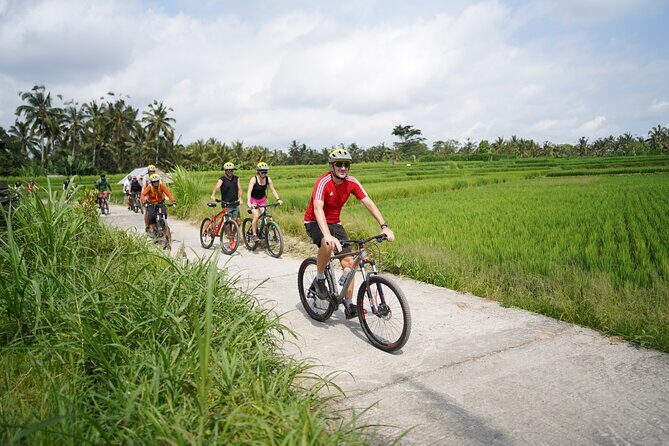
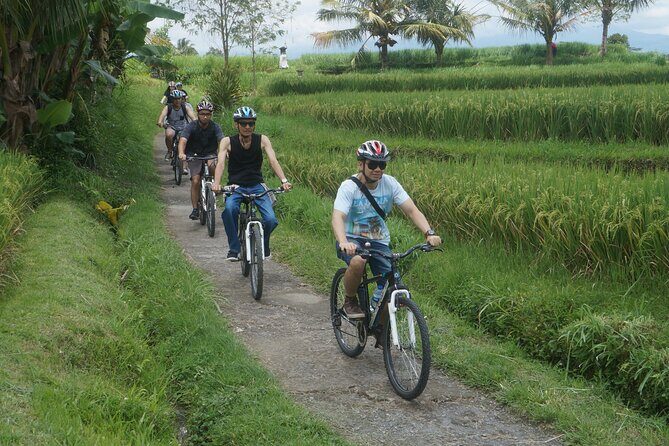
Kintamani Down Hill Cycling

Kintamani Down Hill Cycling - The ride: coasting through villages, farms, and greener roads

Downhill bikes, real village stops. This Kintamani-to-Ubud ride pairs downhill cycling with genuine community moments, including a local school visit and a traditional Balinese compound. You’ll pedal through countryside that changes fast, then finish with the kind of lunch stop that makes time feel slower.

I love that this tour is built for an active day without turning into a suffer-fest. The ride is mostly downhill, and the bikes and helmets tend to be new and easy to handle, with guides like Eka and Niko helping you get great photos and clear explanations.

One thing to keep in mind: the full day runs about 6 hours, and the cultural stops take time that may feel shorter than you expect if you’re craving nonstop riding. It is a mixed itinerary, so plan for a few pauses along the way.

Key highlights to know before you go

Kintamani Down Hill Cycling - Key highlights to know before you go

  • Mostly downhill riding helps you enjoy the views without needing to be a hardcore cyclist
  • A school visit gives you a quick, real look at daily education in a Balinese village
  • Traditional Balinese compound stop where you learn about ideas, architecture, and daily traditions
  • Iconic rice-field cycling around Ubud, with photo opportunities built in
  • Lunch with a view comes included, so you’re not stuck hunting food afterward
  • Pickup and group size are set up for comfort, with a max of 30 people

Kintamani Down Hill Cycling: what you’re really paying for

Kintamani Down Hill Cycling - Kintamani Down Hill Cycling: what you’re really paying for
This tour is not just about getting from point A to point B. Yes, you’re riding a downhill route, but the value is in the combo: movement through the countryside plus cultural stops that explain how people live in Bali.

For $33.60 per person, you’re also getting the stuff that usually costs extra on your own: lunch, bottled water, entrance fees, and shuttle/transfer coverage for the Ubud area. That turns the day into a more predictable budget, especially if you’d rather not piece it all together.

Getting from Ubud to the start near Bayung Gede

Your day starts with pickup from your hotel area, then travel to the starting point around Bayung Gede in Kintamani. It’s one of those details that makes the whole experience feel smoother, since you don’t have to coordinate your own transport to the top.

Once you’re dropped at the start, the atmosphere shifts fast. You go from Ubud’s energy toward cooler, calmer countryside air, with views of farms and forests that feel like you’ve stepped out of the city for a few hours.

The ride: coasting through villages, farms, and greener roads

Kintamani Down Hill Cycling - The ride: coasting through villages, farms, and greener roads
The cycling portion is the star, and the main reason this tour works for a wide range of people is that it’s designed as a downhill experience. In practical terms, you spend less effort pedaling and more time enjoying the route, which is why families often like it.

The route moves through a mix of village lanes and greener stretches, including areas described as jungle-like and rural village roads. One rider noted a downhill distance around 26 km, and the big takeaway is that you usually feel the ride more than you fight it.

You’ll likely notice that the bike itself matters here: reviews highlight new bikes that feel light and easy to control, plus helmets provided for safety. That means your energy stays for the moments you want to pay attention to: turns, views, and photos.

School visit: what you’ll see in daily Balinese education

Kintamani Down Hill Cycling - School visit: what you’ll see in daily Balinese education
One of the most meaningful parts of the day is the stop at a local school. This isn’t a quick photo-and-go pit stop. You’ll be able to watch children in their daily classes and get a sense of how education looks in a village setting.

What I like about this stop is that it gives context to the place you’re biking through. You’re not just seeing scenery; you’re seeing a community that’s still at the center of daily life while tourism moves around it.

Possible downside: the school visit is only one slice of the day. If you’re hoping for long conversations, this is more of a brief window into everyday routine, followed by more cycling.

Traditional Balinese compound: philosophy, architecture, and traditions

Kintamani Down Hill Cycling - Traditional Balinese compound: philosophy, architecture, and traditions
After the school visit, you head to a traditional Balinese compound where the tour explains philosophy, architecture, and cultural traditions tied to daily life. This is where the day stops feeling like a standard sightseeing route and starts feeling like guided understanding.

Balinese compounds are often arranged in ways that reflect how life is organized, and the explanations help you notice details you’d normally overlook. Even if you’re not a religion-history person, architecture and daily practice are easier to grasp when someone walks you through what you’re looking at.

From the way guides like Eka and Niko describe things, the tone is practical: you’re learning enough to make the experience stick, without getting buried in information.

Rice fields toward Ubud: the views that make the hard part feel easy

Kintamani Down Hill Cycling - Rice fields toward Ubud: the views that make the hard part feel easy
As the ride continues, you cycle through rice fields and countryside that’s closely tied to what people picture when they think of Ubud’s surroundings. This is the part you’ll probably remember first because you’re actually in the scene, moving through it at a relaxed pace.

The mix of downhill momentum and open views makes it easier to take your time. You can slow for photos, glance over irrigation patterns, and watch how village life sits alongside agriculture.

This is also where moderate fitness matters. Even though the ride is downhill, you still need enough comfort to sit, steer, and handle uneven or rural paths. If you know you get shaky on bikes, choose this only if you feel confident controlling the bike for sustained stretches.

Lunch with a view: a satisfying, included finish

Kintamani Down Hill Cycling - Lunch with a view: a satisfying, included finish
Lunch is included at the end of the cycling portion, served with an impressive view that matches the setting. Since lunch is built into the tour, you’re not left searching for food right after a ride, which is a small detail that makes a big difference.

In terms of value, this matters. Many tours like this sell the ride experience but charge extra for food, then you’re dealing with menus and timing. Here, lunch is part of the plan, and that keeps the day from turning chaotic.

Then you’ll head back toward your hotel area. The experience ends back at the meeting point, and the transfer coverage for the Ubud area helps you wrap up without stress.

Bikes, helmets, and guiding style (Eka and Niko)

Kintamani Down Hill Cycling - Bikes, helmets, and guiding style (Eka and Niko)
The bike setup gets praised for a reason. You’ll have helmets and bikes that are described as new and light, which helps your confidence right away. When a bike feels stable, you pay attention to the scenery instead of worrying about your grip or steering.

Guides also play a big role in making the cultural stops meaningful. Reviews mention staff like Eka and Niko as patient, professional, and helpful, especially when it comes to explanations and taking good photos. That matters because a downhill bike ride can move fast, so you want a guide who helps you get the moment right without rushing you.

If you like a day that feels organized but not rigid, this is a good fit. Pickup timing is also brought up as smooth, so the day starts strong instead of starting late.

Price and value: is $33.60 a fair deal?

At $33.60, you’re getting a full half-day-style experience that runs about 6 hours, with pickup/shuttle coverage in the Ubud area, lunch, bottled water, and entrance fees. That package is usually where value shows up, because those add-ons are exactly what trip budgets leak on.

You also get a small group setting, with a maximum of 30 travelers. Smaller group size tends to make it easier to hear explanations at stops and keep the pace comfortable.

What you should consider is that this is not a pure biking event. The day includes school and compound visits, so if you want maximum time on the bike only, you might wish the cultural stops were shorter.

Who this tour suits best

This is a great match if you want a downhill cycling day but still want cultural learning that doesn’t feel like a lecture. I think it also works well for families, since one review specifically points out how downhill cycling keeps energy use low and makes it feel fun rather than exhausting.

It’s also a smart choice if you’re new to cycling. The bikes feel easy to handle and the ride is planned so you’re not stuck working hard the whole way.

If you’re the type who wants long, unscheduled exploration time or nonstop scenery with no stops, look carefully at the day’s structure. Expect a mix, not a single-track cycling session.

A few practical tips before you book

Bring a calm mindset for a mixed itinerary. You’ll have riding time and guided stops, and both parts are part of why the tour feels complete.

Also, since the day is around 6 hours, plan around getting comfortable early. If you’re sensitive to sun or you’re doing this right after other activities, you may want to manage your energy the morning of the tour.

And if you’re hoping for lots of close-up culture time, you’ll enjoy the school and compound stops, but they’re still designed to fit into a flowing schedule. The best approach is to show up curious and let the guide point out what you should pay attention to.

Should you book Kintamani Down Hill Cycling?

If you want a day that combines easy downhill riding, scenic countryside, and real community context, I’d book it. The included lunch, bottled water, and entrance fees make the price feel more like a full program than just a bike rental.

I’d only hesitate if you’re looking for a totally biking-focused day with minimal stops, or if you’re not comfortable with moderate physical activity on a bike for a longer outing. Otherwise, this is the kind of Ubud-area experience that gives you something to remember beyond a photo: views, movement, and a clearer sense of village life in Bali.

FAQ

How long is the Kintamani downhill cycling experience?

The experience lasts about 6 hours.

Where does the tour start and end?

It starts at Bayung Gede, Kintamani, Bangli Regency, Bali, Indonesia. It ends back at the meeting point.

Is pickup offered from Ubud hotels?

Pickup is offered, and shuttle coverage is included for the Ubud area.

What’s included in the price?

Included are bottled water, lunch, entrance fees, and the shuttle in the Ubud area.

What is not included?

Personal expenses are not included.

Do I need a specific fitness level?

You should have a moderate physical fitness level.

How big are the groups?

The tour has a maximum of 30 travelers.

What is the cancellation policy?

You can cancel for free up to 24 hours in advance for a full refund. If you cancel less than 24 hours before the start time, no refund is given.

Bali ATV Ride Adventure and Bali Swing Packages – All Inclusive

Bali ATV Ride Adventure and Bali Swing Packages - All Inclusive - Step One: The ATV Ride Through Rice Fields, Village Life, and a Small River

Two adventures in one packed day.

This Ubud ATV ride plus Bali Swing combo is a smart way to see Bali’s countryside and get big-photo energy, all with an English-speaking driver and air-conditioned transport. You’ll do the ATV sightseeing ride through rice fields, a local village, and a small river area, then switch to the swing park in Bongkasa for forest views and multiple swing styles.

I especially like that the swing stop is set up for variety, from single swings to the more dramatic options like the bed swing, sky bed, chicken nest, and bird nest. One thing to keep in mind: this is outdoors and involves some physical effort (ATV riding plus getting positioned for swings), so plan for moderate fitness and hope for good weather.

Key Highlights at a Glance

Bali ATV Ride Adventure and Bali Swing Packages - All Inclusive - Key Highlights at a Glance

  • Two different thrills, same day: ATV for nature-and-village views, then Bali Swing for big scenic photo moments.
  • Sightseeing pace on the ATV: it’s described as not a speeding tour, more about views than racing.
  • Swing lineup built for photos: 2 single swings, 1 romantic swing, 1 bed swing, 1 sky bed, plus chicken nest and bird nest options.
  • Private comfort with pickup: air-conditioned private car, English-speaking driver, and mineral water included.
  • Safety coverage included: insurance coverage is included during both the ATV and Bali Swing parts.
  • Lunch is included: Indonesian lunch comes between the two activities, so you’re not scrambling for food.

How the Ubud ATV + Bali Swing Double Adventure Actually Flows

This is an all-in-one day built around timing. You start at about 8:30 am, and the whole experience runs around 8 hours (give or take depending on driving and timing). Expect a travel window of about 3 hours, because Ubud is the base for this route and you’ll move between the ATV area and the swing spot near Bongkasa.

The day is structured in a simple rhythm:

  • First: 2 hours of ATV riding for countryside views and photo stops
  • Then: Indonesian lunch
  • Finally: Bali Swing for pictures and trying different swing types

The “double adventure” idea is what makes this package appealing. Instead of choosing only one activity and spending the rest of the day doing nothing, you’re stacking two experiences that both depend on being in the right place at the right time. It’s also a good match if you’re staying in or near Ubud and you want to move beyond temples and cafés.

Because it’s private, you’re not sharing the day with random strangers from other hotels. Your group joins together, and the schedule stays consistent around your pickup.

Price and Value: Is $120 a Fair Deal in Bali?

Bali ATV Ride Adventure and Bali Swing Packages - All Inclusive - Price and Value: Is $120 a Fair Deal in Bali?
At $120 per person, the real question is whether you’re paying for convenience or for actual content. Here, you get both.

What’s included that usually costs extra when you book separately:

  • Private A/C car and English-speaking driver
  • ATV ride time (2 hours) with admission ticket included
  • Bali Swing entry with admission included
  • Indonesian lunch
  • Mineral water (1 bottle/person)
  • Insurance coverage during both activity portions
  • Admission for a full set of swing types (more on that below)

What’s not included:

  • Rent dress at Bali Swing
  • Photographer at Bali Swing

So you’re not just buying “some time on an ATV and a quick swing.” You’re buying a guided, timed day with transportation, food, entry, and coverage. If you’ve ever tried to assemble ATV + swing + lunch + transport on your own in Bali, you know how quickly the planning becomes a headache. This package trades DIY stress for a set schedule.

One extra note from real feedback: some people add rafting on top of the day and call it totally worth it. That doesn’t mean rafting is built into this exact package, but it does suggest the route and timing can sometimes support an additional adventure if you want to go even harder.

Step One: The ATV Ride Through Rice Fields, Village Life, and a Small River

Bali ATV Ride Adventure and Bali Swing Packages - All Inclusive - Step One: The ATV Ride Through Rice Fields, Village Life, and a Small River
Your day starts with the Bali ATV Ride portion, built as a sightseeing-focused adventure rather than a speed run. The route is designed to show you parts of Bali that are easy to miss if you only drive past them.

Here’s what to expect during those 2 hours:

  • Rice field views and countryside scenery
  • A chance to stop for pictures as much as you want during the ride
  • Passing through a local village, where you can see everyday social activities
  • Continuing to a small river area, adding variety to the scenery

The vibe matters. When an ATV tour leans toward racing, it can get tiring and you miss the surroundings. This ride is described as not speeding, so you should feel more like you’re exploring than trying to survive a throttle contest.

This is also a great “Bali reality check” moment. Seeing rice fields from the road is one thing. Watching daily life in a village while you’re on the trail is another. You get a different feel for the island’s rhythm, and your photos look more grounded than the typical staged shots.

Practical tip: if you love photos, this is where you’ll want to be ready. Bring your phone or camera with a secure grip, and be prepared to stop often during the ride area where the view is strong.

Lunch Reset: Indonesian Food Between ATV and Swing

Bali ATV Ride Adventure and Bali Swing Packages - All Inclusive - Lunch Reset: Indonesian Food Between ATV and Swing
After the ATV portion, the schedule includes lunch (Indonesian food). This is more valuable than it sounds, because it breaks up the day into two energy modes.

ATV riding is physical and hot-weather draining, even when it’s not a speed tour. Then you jump into a swing attraction where you’ll likely be climbing into positions and taking photos in bright light. Lunch gives you a real pause to reset your energy and hydrate before the next stop.

If you’re the type who tends to skip lunch while traveling, this part matters. A day like this goes smoother when you’re not running on caffeine and snacks.

Real Bali Swing in Bongkasa: Multiple Swing Types, One Big Photo Moment

Bali ATV Ride Adventure and Bali Swing Packages - All Inclusive - Real Bali Swing in Bongkasa: Multiple Swing Types, One Big Photo Moment
The Bali Swing stop is located in Bongkasa, close to Ubud. This is a “choose-your-swing” kind of attraction, and the package is set up with a full set of swing experiences, including:

  • 2 single swings
  • 1 romantic swing
  • 1 bed swing
  • 1 sky bed
  • 1 chicken nest
  • 1 bird nest

That lineup is one of the best reasons to book this combination rather than doing a shorter swing visit. You’re not limited to one style where you take a couple of shots and move on. You’ll have options that change your photo angle and the mood of your pictures.

The setting is also part of the appeal. The swing experience is positioned for scenic forest views, meaning your photos should frame more greenery than plain walls or parking lots.

One practical consideration: the package does not include a photographer at the swing. And it does not include the dress rental either. That doesn’t make the swing less fun. It just means:

  • You’ll likely handle photos yourself, or
  • Your group becomes the “photo team,”
  • You may want to budget for dress rental if you want the full swing-park look.

If you’re worried about heights, start by choosing the more comfortable swing option first (single or romantic). Save the bed and sky options for last, when you’ve already gotten your confidence up.

Photo Strategy: How to Get Great Shots Without a Photographer

Bali ATV Ride Adventure and Bali Swing Packages - All Inclusive - Photo Strategy: How to Get Great Shots Without a Photographer
This package is designed for picture lovers, but since a photographer is not included, you’ll get the best results with a simple plan.

What you can do easily:

  • Assign one person as the photo shooter for each swing so you’re not all rotating at once.
  • Use burst mode and quick reactions. Swings move, and you’ll want a few attempts to catch the right moment.
  • Think about background first. The swing areas are set up for views, so don’t only frame your face—include the greenery when it looks right.

If you plan to rent a dress, it may add comfort and style but also adds logistics. Decide ahead of time if you want the costume look or if you’d rather keep your clothes simple and practical.

Also, remember the swing spot is outside. Wind, sun, and occasional dampness can happen. Bring a way to keep your phone secure and easy to reach.

What This Day Is Like On the Ground (Group Size, Timing, and Comfort)

Bali ATV Ride Adventure and Bali Swing Packages - All Inclusive - What This Day Is Like On the Ground (Group Size, Timing, and Comfort)
This is listed as a private tour/activity, meaning only your group participates. That’s a big deal for a day like this. When you’re dealing with ATV riding and swing photos, group pacing can make or break the experience. Private scheduling helps keep transitions smooth.

You also get a private car with good A/C, which matters in Bali’s heat. Between ATV driving and outdoor time, comfort in transit is not a luxury. It’s how you arrive feeling ready rather than wiped out.

English-speaking driver support is included, and the tour starts at a fixed time (about 8:30 am). If your hotel is farther from Ubud, you’ll feel the driving time more, but the A/C transfer helps.

What to Wear and Bring for ATV + Swing

Bali ATV Ride Adventure and Bali Swing Packages - All Inclusive - What to Wear and Bring for ATV + Swing
You’ll be doing two very different activities back-to-back, so dress for the ATV part first, then adjust for photos.

For the ATV portion, prioritize:

  • Comfortable clothes that you don’t mind getting a little dusty
  • A secure way to carry personal items (phone, small bag)
  • Footwear that feels stable for transfers and walking

For the swing portion, think about photos and comfort:

  • If you want the rental look, plan for it since it’s not included
  • If you’re skipping rentals, wear something that looks good in photos and is easy to manage while you’re on the swing platform

Bring hydration awareness. You receive mineral water (1 bottle/person) as part of the package, but you may still want your own extra water depending on the day and how long you sweat it out under the sun.

Weather and Physical Effort: The Two Real Variables

This experience requires good weather. Outdoor attractions in Bali are best when the sky cooperates. If weather turns, you’ll be offered another date or a full refund.

On physical effort: the tour recommends moderate physical fitness. You’re not asked to train for a marathon, but you should be able to handle active riding plus repositioning for swings. If you have mobility challenges, you’ll want to assess whether you can comfortably participate in both halves of the day.

If you’re a bit nervous about heights, that’s more of a mindset and choice issue than a fitness issue. Start with swing options that feel most comfortable to you.

Who Should Book This Package (and Who Should Skip It)

Book this if:

  • You want a short Bali day that hits both adrenaline scenery and photo-friendly fun
  • You’re staying around Ubud and want transport handled
  • You like variety: rice fields and village life in the morning, then forest swing views after lunch
  • You’re traveling as a couple or small group and want multiple swing types

Skip it or consider a lighter version if:

  • You prefer slow, restful days with minimal driving and minimal physical activity
  • You want only one signature activity and don’t care about the second stop
  • You strongly dislike heights, or you’re the kind of person who gets overwhelmed by multiple photo setups

The best fit is someone who likes moving through Bali, not just looking at it from a seat.

Should You Book the Bali ATV Ride and Bali Swing Double Adventure?

I’d book it if you want maximum variety per day, with transport, lunch, and admission handled. The pricing feels most fair when you factor in the included A/C pickup, the ATV riding time, and the full swing set. It’s also the kind of tour where the photos can actually look different, because you get multiple swing styles and you’re in a scenic forest setting.

I’d think twice if you’re chasing a super-chill day or if weather is unpredictable during your dates. But if your schedule is flexible and you can handle moderate effort, this package is a strong value way to experience two of Ubud’s most popular outdoor activities in one go.

FAQ

What does the Bali ATV Ride and Bali Swing package include?

It includes a private A/C car, an English-speaking driver, petrol and parking fees, 2 hours of ATV ride admission, Bali Swing admission, Indonesian lunch, mineral water (1 bottle/person), and insurance coverage during the ATV and Bali Swing parts.

Where is the Bali Swing activity located?

The swing activity is in Bongkasa, close to Ubud.

How long is the experience?

The total duration is about 8 hours (approximately), including travel time (about 3 hours).

What time does the tour start?

The start time is 8:30 am.

Does the package include a photographer or swing dress rental?

No. A dress rental at Bali Swing and a photographer at Bali Swing are not included.

Is this a private tour?

Yes. It’s described as a private tour/activity, so only your group participates.

What happens if weather is poor?

This experience requires good weather. If it’s canceled due to poor weather, you’ll be offered a different date or a full refund.
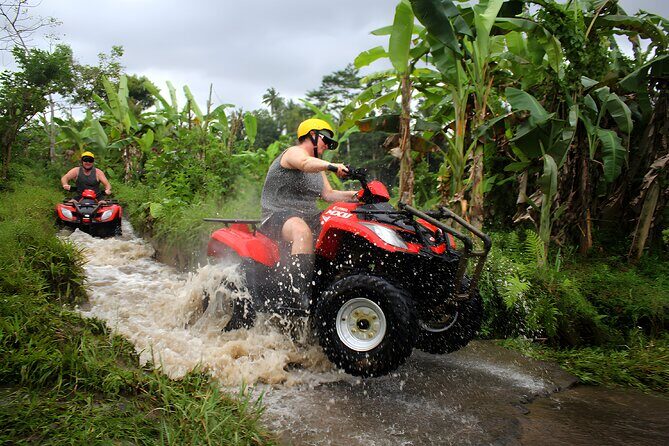
Batur Volcano Sunrise Jeep

Batur Volcano Sunrise Jeep - The drive to the volcano and the Toya Bungkah area

Sunrise over Batur starts with a jeep. This tour strings together the big moments: a 4-wheel-drive ride up Mount Batur, a guide’s explanations along the way, and time to watch the sky change color before you head to black lava fields. You also get round-trip hotel pickup, so you’re not spending your morning figuring out roads and parking.

I especially like two things. First, the hotel pickup and drop-off are handled end to end, and that saves real energy when you’re leaving early. Second, the breakfast is built into the experience right after the sunrise viewing, with a practical menu that actually tastes good when you’re still half-awake.

One consideration: lunch isn’t included, so plan what you’ll do after the tour if you’re hungry later. Also, it’s an ~8-hour morning, so it’s more of a full commitment than a quick stop.

Key things to know before your Mt. Batur sunrise jeep ride

Batur Volcano Sunrise Jeep - Key things to know before your Mt. Batur sunrise jeep ride

  • Round-trip hotel pickup means less hassle and more sleep time.
  • 4WD jeep transport keeps you from dealing with the steep hike on your own.
  • Breakfast is included (banana sandwiches, hard-boiled eggs, chocolate bar) right after sunrise viewing.
  • Entry tickets are included for Mount Batur and Kintamani.
  • Small group size (max 15) keeps the morning from feeling crowded.
  • After-sunrise lava-field stop adds variety beyond the main viewpoint.

What you’re really paying for on this $45.82 sunrise jeep tour

At $45.82 per person, this tour is priced like a value option that still covers the hard parts of logistics. You’re not only paying for a view. You’re also paying for a working vehicle setup (air-conditioned transport plus a 4WD jeep experience), the guide’s in-the-moment explanations, and the permissions you’d otherwise have to track down.

Here’s what the price effectively covers:

  • Hotel pickup and drop-off (round-trip convenience)
  • A 4WD jeep ride up the volcano area so you don’t do the summit trek
  • Admission tickets for Mount Batur and Kintamani
  • Breakfast + coffee/tea, plus bottled water
  • 4WD jeep adventure fees (so you’re not surprised later)

The big “what’s missing” item is lunch. That’s the main thing that can shift the total cost once you’re done with the tour.

Hotel pickup and the early-morning advantage

Batur Volcano Sunrise Jeep - Hotel pickup and the early-morning advantage
This is built for early starts. You’ll get stress-free round-trip pickup from your hotel in the Ubud area, and the experience runs for about 8 hours total.

In the past, people have described pickup as punctual, with messages sent the day before by the driver. One named driver, Komang, was specifically praised for being on time and driving safely. Even if your driver isn’t Komang, the theme is consistent: you show up, you go, and you don’t get stuck waiting around in the dark.

Why this matters for you: on a sunrise trip, time is everything. Waking up early is hard enough. Wasting time is worse.

The drive to the volcano and the Toya Bungkah area

Batur Volcano Sunrise Jeep - The drive to the volcano and the Toya Bungkah area
The jeep part doesn’t start right at the doorstep. Your morning includes a scenic drive that passes local farms and homes, so you get a sense of daily life outside the main tourist pockets.

One practical detail from the experience flow: people have talked about meeting the jeep tour guide near the Mount Batur area after pickup, then continuing from there by jeep. The drive has also been described as enjoyable, with chances to look at stars during the early hours.

What you should expect from this segment:

  • Local passing routes (farms and homes)
  • A change from quiet morning roads to the more dramatic volcanic area
  • A guide present to help you understand what you’re seeing

Mount Batur sunrise: viewpoint time plus a real breakfast

The main event is the sunrise on Mount Batur. You’ll reach a panoramic viewing area where you get time for photos and to enjoy the sky shift over the volcanic terrain.

This is also when the tour stops being just a ride and becomes an experience. The guide is there to explain the volcano and what you’re looking at. That’s a key difference between a sunrise “transfer” and a guided tour. You’re not just standing there hoping your camera captures something—your brain has context.

Right after sunrise, you’re served a simple breakfast prepared for the group. The menu includes:

  • Banana sandwiches
  • Hard-boiled eggs
  • A chocolate bar
  • Hot drinks (plus coffee and/or tea are included)

Why this breakfast timing is smart: you’re fueled without needing a sit-down restaurant. And because it’s included, you avoid the common problem of sunrise tours that forget to feed people until much later.

Photo tip without overcomplicating it: if you want sunrise photos, plan on using the provided time for pictures first, then eat. The tour is structured so you’re not stuck doing both at once.

After the sun: Batur’s black lava fields

Batur Volcano Sunrise Jeep - After the sun: Batur’s black lava fields
Sunrise on Mt. Batur is the headline, but the experience doesn’t end when the sky finishes changing. After the sun comes up, you’ll explore Batur’s black lava fields.

This stop matters for a couple reasons:

  1. It gives you more than one type of “wow.” Sunrise is emotional; the lava fields are visual in a different way.
  2. It turns the morning from a single point-in-time event into something you can move through and look at slowly.

Expect this part to be less about big explanations and more about exploration with the guide’s help. It’s also a good stretch of time to swap cameras around and reframe what you’ve already seen from the viewpoint.

How the 15-person group size changes your morning

The tour caps at 15 travelers. That’s not tiny like a private driver, but it’s also not the kind of mass group where you’re always waiting for someone else’s belongings or photos.

In practice, a smaller group usually means:

  • Easier movement between key moments
  • Less crowding at the viewing area
  • More chances to ask the guide questions (especially on the volcano basics and what to look for)

If you prefer mornings that feel organized and not chaotic, this group size fits well.

Transportation details that affect comfort

You’ll ride in an air-conditioned vehicle for the pickup and transfer portions. Then, once you’re at the volcano area, you’re in the 4WD mode for the adventure segment.

There’s also bottled water included, plus coffee and/or tea. That may sound small, but on an early start, small comforts add up. It’s one less thing to manage during the morning window.

Also note what’s included and excluded:

  • Included: coffee/tea, breakfast, bottled water, entry tickets, and the 4WD fees
  • Not included: lunch

If your stomach runs loud in the afternoon, you’ll probably want to plan food for later in the day.

Tickets and entry fees: what you avoid by choosing this tour

This experience includes Mount Batur entry tickets and Kintamani entry tickets.

Why that’s valuable for you: sunrise timing can get messy if you have to handle ticketing on the morning itself. Included admission smooths the day. You can focus on the schedule—pickup, ride, viewpoint, breakfast, then lava fields.

It also reduces the chance of last-minute confusion about where you go and what you need.

Who should book this Batur sunrise jeep tour

This tour says most people can participate. It’s especially a good fit if:

  • You want sunrise on Mt. Batur without doing the full summit hike yourself.
  • You’re short on time and want a morning plan that stays organized.
  • You prefer a guide-led approach so you understand what you’re seeing, not just where to stand.

It can also work well for first-time Bali visitors because it covers multiple textures of Bali in one morning: Ubud pickup, local villages/farms on the drive, volcano sunrise viewing, and black lava fields after.

When this tour might not be your best match

A couple factors to think about before you commit:

1) It’s still a long early morning.

Even though there’s no summit hike, the trip is about 8 hours. If you hate early starts, this may feel like a lot.

2) Lunch isn’t included.

If you’re the kind of person who gets genuinely hungry a few hours after breakfast, you’ll want a meal plan for after drop-off.

3) You’ll trade hiking effort for jeep ride logistics.

Some people love hiking. If that’s you, a jeep sunrise tour may feel like you missed the challenge. But if your goal is views plus a smooth day, the 4WD approach is the point.

Should you book the Batur Volcano Sunrise Jeep?

I’d book it if you want a sunrise experience that’s structured, ticketed, and comfortable enough to be enjoyable—even when the morning starts ridiculously early. The best part is the balance: 4WD transport handles the tough terrain, the guide adds meaning, and the included breakfast with hot drinks keeps you from feeling dragged through the day.

Skip it if you want a long, independent exploration day or if lunch timing will be a problem for you. Also, if early mornings are a hard no, you’ll probably be happier with a later outing.

One extra nudge: the experience has free cancellation up to 24 hours in advance for a full refund. That gives you some breathing room if your plans shift.

If you’re deciding now, here’s the simplest question: do you want a smooth, sunrise-centered Mt. Batur morning with entry tickets + breakfast included? If yes, this one fits.

FAQ

FAQ

Where is this tour located?

The tour is based in Ubud, Indonesia, with round-trip hotel pickup offered.

How long is the Mount Batur sunrise jeep tour?

It lasts about 8 hours.

Does the tour include hotel pickup and drop-off?

Yes. Stress-free round-trip hotel pickup is included.

What is included in the breakfast?

Breakfast includes banana sandwiches, hard-boiled eggs, and a chocolate bar, served with hot drinks.

Are entry tickets included?

Yes. Mount Batur entry tickets and Kintamani entry tickets are included.

Is lunch included?

No. Lunch is not included.

How many people are in each group?

The group size has a maximum of 15 travelers.

What payment or confirmation timing should I expect?

You’ll receive confirmation at the time of booking.

What’s the cancellation policy?

You can cancel for a full refund if you cancel at least 24 hours in advance of the experience start time. Cancellation is free up to that window.

How far in advance is this tour commonly booked?

On average, it’s booked 42 days in advance.

Electric Bike and Swing Package

Electric Bike and Swing Package - Taro Village: Real House Life, Temple Fronts, and Coffee Among Palms

One Bali day, zero taxi drama. This electric bike route turns Ubud-area countryside into an easy, hands-on ride, even on hillier bits. I also love the small-group feel and the way the day is built around real breaks—coffee, lunch, and photo stops. One heads-up: it’s about 8 hours, so if you hate long days or sitting for stretches, plan to take it slow.

What makes this day special is the mix: countryside biking, cultural stops in Taro, and a clear explanation of Bali’s UNESCO-linked subak water system. You’ll also get hotel pickup and drop-off (Ubud and much of south Bali), plus a helmet and insurance, so you spend less time figuring things out and more time riding.

Key Highlights at a Glance

Electric Bike and Swing Package - Key Highlights at a Glance

  • Electric assist for hills: you get power when the road steepens, not just willpower.
  • UNESCO-linked subak lessons: irrigation and rice farming explained as you ride.
  • Taro village culture stops: home life, a temple front stop, and local coffee.
  • Greenkubu meals and swing photos: breakfast, lunch, and a signature swing stop.
  • Small group limit: maximum 15 people, which keeps the pace human.

Starting at Greenkubu: Breakfast, Coffee Break Energy, and Photo Time

Electric Bike and Swing Package - Starting at Greenkubu: Breakfast, Coffee Break Energy, and Photo Time
Your day typically kicks off with breakfast at Greenkubu, before you mount the bikes. This matters more than you’d think. You’re going to do a lot of moving—start-stop riding, short transfers, and village walks—so a real breakfast helps you avoid the afternoon energy dip that can ruin a cycling day.

After breakfast, you’re set up with your bike and gear. You get a helmet and insurance as part of the package, and the guide handles bike basics on the route start. That bike intro is important if you haven’t used electric assist before. I like that you’re not left to guess the settings while everyone else is already rolling.

Greenkubu also ties into the photo side of the day. You’ll return later for lunch and another swing session, but the name alone hints what you’re in for: the Bali swing is the kind of stop people remember. Just don’t treat it like the whole point. The real value is how the swing fits into the ride—like a punctuation mark at the end of a full countryside segment.

What to expect here

  • A breakfast stop around 45 minutes
  • Setup time and guidance before the ride begins
  • A place to get your bearings before countryside roads take over

A small consideration

If you’re the type who hates waiting around, ask your guide what the timing feels like once you’re there. The ride day includes multiple short stops, and you’ll want a sense of how long each one takes so you don’t feel rushed later.

E-Biking Ubud to Kintamani: Hills Get Easier, Views Get Better

This is the core of the tour: riding through the Ubud area and into the Kintamani countryside. The electric assist is the key difference maker. With it, you can focus on steering and enjoying the route instead of turning every hill into a workout you didn’t plan for.

Your riding starts in Abuan, Kintamani village. The guide gives you an explanation of the bikes and the route before you ride off, which is helpful if your group includes different experience levels. The goal here isn’t speed. It’s variety: different roads, different scenery, and the chance to stop and look without feeling like you’re holding up a motorbike tour.

A short Kintamani stop happens right near the start. It’s not long—about 15 minutes—but it’s a useful moment to see what the day feels like once you’re out of the first cluster of activity.

Why this part is worth your time

  • Electric assist makes countryside cycling realistic for more people.
  • You get movement without the “slog up the hill forever” problem.
  • The ride format gives you chances to observe farms and irrigation rather than just driving past them.

Who this suits best

If you have moderate physical fitness, you’ll probably be comfortable. If you’re brand-new to cycling, the electric help can make a big difference, but it still involves longer stretches of riding and short walks at stops.

Taro Village: Real House Life, Temple Fronts, and Coffee Among Palms

Electric Bike and Swing Package - Taro Village: Real House Life, Temple Fronts, and Coffee Among Palms
Once you’re rolling, the tour shifts from riding scenery into village context. Your first Taro stop focuses on Balinese family life in an extended household. This isn’t just a quick photo point. You’ll spend about 45 minutes there, enough time to understand what you’re looking at—how people live in a compound, and how that structure supports daily life.

Next is a coffee break in a palm tree garden. It’s about 30 minutes, and it’s the kind of pause that keeps the day from turning into pure effort. Coffee here is also a cultural buffer. You’re on a bike, then suddenly you’re sitting, tasting, and resetting.

Then comes a temple-front stop in Taro, at Gunung Raung Temple. You’ll get around 30 minutes here. Temple visits on biking days work best when you have a guide pointing out what matters—where people focus their attention, what features mean, and how the place fits into the wider rhythm of the local area. This is also where a good English-speaking guide becomes more than “nice to have.” From the reviews, guides like Yoga have been praised for clear English, which can turn a quick temple stop into something you actually understand.

What makes Taro special on this route

  • You learn about family compound life rather than only seeing monuments.
  • The coffee stop breaks up the ride in a satisfying way.
  • The temple-front visit adds meaning to the countryside you’re biking through.

A practical tip

Bring a light layer. Even if the sun is strong during the ride, temple and garden shade can cool things down fast.

Subak, Rice Fields, and Irrigation: The UNESCO Lesson You Can See

Here’s the educational heart of the day. You ride through Bresela rice fields and learn about the irrigation system of subak, which is tied to UNESCO world heritage status in Bali. The tour time for this segment is about 30 minutes.

This is one of those rare moments where a term you’ve heard online becomes real. Subak is not just a farming label. It’s a system of water management and community cooperation. When your guide explains it as you bike past rice fields, you start noticing the logic: water flow, timing, and why the fields look the way they do.

This stop also gives you a different angle on Bali. Instead of only focusing on temples and craft markets, you’re looking at how food and water systems shape daily life. That’s why people remember this kind of ride long after the swing photos fade from their camera roll.

What you’ll likely notice

  • The pattern of fields and water movement
  • How irrigation links multiple plots
  • Why farming isn’t just individual work here—it’s coordinated

Consideration

Subak explanations rely on your guide’s pacing and your attention. If you tune out during the talk, you may miss why this stop matters. I recommend listening for one simple idea: how water is shared and scheduled.

Tegallalang Finish and the Greenkubu Lunch Reset

Electric Bike and Swing Package - Tegallalang Finish and the Greenkubu Lunch Reset
After the Bresela segment, the ride concludes in Tegallalang village. That stop is shorter—around 15 minutes—but it works well as a transition. You’ve done the main cultural and irrigation learning, and now you’re shifting into food and photo time.

Then you head back to Greenkubu Restaurant and Swing for lunch, with about 45 minutes for the meal. The lunch is Indonesian food, and the setting is part of the experience. One of the practical advantages of including lunch in the package is that you avoid the “where do we eat now” scramble, especially when the day is paced with multiple short stops.

After lunch, you do the swing session again—about 45 minutes total for the swing time and photo opportunities. This is your chance for the classic Bali swing pictures in a more relaxed way, because you’re not rushing while hungry or tired.

A good way to enjoy the lunch stop

Eat when you’re hungry, not when you’re full. Then pace yourself before the swing session, because you’ll want enough energy for photos and movement around the venue.

Guides and Safety: Why the Day Feels Smooth

This tour works because the guide role is real, not just “someone holding a flag.” In the reviews, guides like Dalma, Yoga, Pendi, and Kadek are singled out for being professional, local, and genuinely helpful.

The most consistent praise isn’t just that they know Bali. It’s that they guide the day in a way that keeps it safe and enjoyable: checking you’re comfortable with the bike, helping with the route, and explaining the stops so you understand why you’re standing there.

Safety elements included with the package are straightforward:

  • Helmet provided
  • Insurance included
  • Bike setup and route explanation before riding

If you’ve ever done a scooter day where the rules feel fuzzy, you’ll appreciate the clarity here. The electric bike still needs common sense, but the structure reduces the chaos.

English and communication matter

If you care about explanations, look for guide-style reviews. Yoga being praised for English that’s easier to follow is a good sign that the cultural stops won’t be a confusing blur.

Price and Value: What $41 Buys You in a Full 8 Hours

Electric Bike and Swing Package - Price and Value: What $41 Buys You in a Full 8 Hours
At $41 per person, this isn’t just an inexpensive activity. It’s a full-day bundle: biking, a guide, two meals (breakfast and lunch), coffee time, hotel pickup and drop-off, and the bike with helmet and insurance.

That combination is where the value shows up. You’re not paying separately for transport across multiple countryside stops. You’re also not piecing together food plans while trying to keep a group moving.

The ride day also stays small, with a maximum of 15 travelers. That size helps with pacing. You’re more likely to get personal attention at stops, especially when the guide is explaining something like subak irrigation.

Who should feel especially good about the price

  • People staying in Ubud or south Bali who want pickup
  • Food-included travelers who don’t want to hunt for lunch
  • Visitors who want countryside and culture in one day

A quick reality check

This isn’t marketed as an extreme off-road adventure. It’s a guided e-bike route with cultural stops, not a technical mountain biking test.

Should You Book This E-Bike and Swing Day from Ubud?

Book it if you want a day that mixes countryside riding with explanations you can actually use. The electric assist makes the Kintamani route feel doable, and the subak stop gives you more than postcard scenery. Add in breakfast, lunch, and the signature Greenkubu swing, and you get a complete, low-stress package.

I’d think twice if you:

  • Dislike long days (it’s about 8 hours)
  • Struggle with sustained time on a bike, even with electric assist
  • Want a super flexible, no-schedule experience (this day has a set rhythm with several stops)

One important note about age

The package lists a minimum age of 18. If you’re traveling with younger people, confirm directly with Greenbike Adventure before you assume it’s okay.

If you want one practical souvenir from Bali that isn’t just a photo, this tour leans that way: you’ll come home with images, sure, but also a clearer picture of how Bali’s rice irrigation system works—and why the countryside you rode through looks the way it does.

FAQ

How long is the Electric Bike and Swing package?

It’s listed as approximately 8 hours.

Where does the tour take place?

It’s in Ubud, Indonesia, with riding that reaches the Kintamani countryside and includes stops around Taro and Tegallalang.

Is hotel pickup included?

Yes. 2-way transfers are offered from hotels in Ubud and much of south Bali.

What’s included in the price?

You get breakfast and lunch, coffee during the day, a guide, your e-bike, helmet, and insurance.

Do you need a certain fitness level?

The tour asks for travelers with moderate physical fitness.

Is there a minimum age?

Yes, the minimum age is 18 years.

Is the group size limited?

Yes. The tour has a maximum of 15 travelers.

What is the cancellation policy?

You can cancel for a full refund if you cancel at least 24 hours in advance. If you cancel less than 24 hours before the start time, the amount paid is not refunded.

Private Airport Transfer to Your Accommodation

Private Airport Transfer to Your Accommodation - Flat-Fee Pricing: Why You’ll Appreciate This at the Airport

First minutes in Bali set the tone. This transfer is built for that moment: your driver greets you at Ngurah Rai with a nameplate, then you skip the chaos and go straight to your Seminyak hotel or villa with a flat, no-meter price.

What I love most is the straightforward nameplate meet-up and the flat fee pricing that keeps things from getting awkward. One possible drawback: the ride time is listed as 30 minutes to 2 hours, so you’ll want patience if traffic or airport logistics slow things down.

Easy Landing: How the Meet-and-Greet Works at Ngurah Rai

Private Airport Transfer to Your Accommodation - Easy Landing: How the Meet-and-Greet Works at Ngurah Rai
When you land at Denpasar’s Ngurah Rai International Airport (DPS), the hardest part of any trip is the first maze: walking, passport checks, bags, and then figuring out which car is yours. This service is designed to remove most of that stress.

Your driver meets you inside the arrivals area holding a sign with your name. They stand where you can spot them quickly, not hidden somewhere near the back exit. After you grab your luggage, your driver helps you avoid the worst of the crowds and walks you to a private air-conditioned vehicle.

That small detail matters more than it sounds. If you’ve ever tried to coordinate transport right after customs—hungry, tired, and hit with sudden heat—you know how quickly the situation can turn from fun to frustrating.

The Ride to Seminyak: Private, Air-Conditioned, and Door-to-Door

Private Airport Transfer to Your Accommodation - The Ride to Seminyak: Private, Air-Conditioned, and Door-to-Door
Once you’re in the car, the goal is simple: get you to your accommodation without detours or extra negotiating.

Expect a private vehicle with air-conditioning that can handle up to 5 people with luggage. The typical duration is 30 minutes to 2 hours, which is a wide range because Bali traffic can be unpredictable once you leave the airport. Still, even on a busy day, the private-car approach usually beats trying to line up public options or find a taxi while you’re managing bags.

You’ll also get bottled water during the trip. It’s included, and it’s the kind of small comfort that becomes a big deal when you’re landing after a long flight.

Flat-Fee Pricing: Why You’ll Appreciate This at the Airport

Private Airport Transfer to Your Accommodation - Flat-Fee Pricing: Why You’ll Appreciate This at the Airport
Airports can be a magnet for confusing pricing. This transfer is set up to avoid the guessing game.

You’re paying a flat fee, with the promise of no meters and no hidden costs. That means you can focus on getting settled instead of debating rates with someone holding a phone flashlight and a calculator.

In practice, this also helps with group planning. The service lists group discounts, so if you’re traveling with friends or family, the cost can feel even more reasonable.

En Route Stops You Can Request (ATM, Money Changer, Mini Mart)

Private Airport Transfer to Your Accommodation - En Route Stops You Can Request (ATM, Money Changer, Mini Mart)
You don’t have to go straight from airport to hotel. The driver can stop along the way if you ask.

Options listed include:

  • ATM stop
  • Money changer with a good rate
  • Mini mart for quick supplies

This is useful if you land and realize you need cash right away, or you want to grab water, snacks, or basic essentials without hunting around Seminyak first.

One caution: every stop adds time. If you’re arriving late at night, or you’re trying to meet a dinner reservation, ask for a quick, single-stop plan.

What Your Driver Adds Beyond Transportation

Private Airport Transfer to Your Accommodation - What Your Driver Adds Beyond Transportation
A transfer should be more than a ride. This one is framed as a Bali welcome, and the driver is positioned as your on-the-ground helper.

Your driver can answer questions about Bali on the way to your accommodation, so you’re not stuck staring at a map while your first sunset timer ticks away. The service also includes constant communication before pickup, and multiple drivers have been described as professional and friendly.

Names that come up in feedback include Wayan as the manager, and a driver named Buddy who handled a delayed arrival situation without adding charges. That kind of calm, clear service is exactly what you want when plans change.

Timing and Getting Set Up Without Stress

The service runs daily from 12:00 AM to 11:30 PM, which covers most flight schedules—early arrivals, late arrivals, and everything in between.

After booking, you receive confirmation at the time of purchase. To make pickup smooth, you’ll provide details in advance: your full name, arrival time, flight number, and a contact number.

If you want fewer problems on arrival day, double-check those details. A misspelled name on a sign is annoying. The whole point here is that your driver finds you fast.

Also note the practical part: the pickup is described as hotel pickup and drop-off, and it’s a one-way private transfer. So this setup is meant for getting you from the airport to your first base in Seminyak.

Value Check: What $13.60 per Person Really Buys

At $13.60 per person, this isn’t the cheapest way to get from DPS to Seminyak. But you’re not just buying a vehicle. You’re buying time, clarity, and a low-friction start.

Here’s what you’re getting that you’d usually have to manage yourself:

  • Meet-and-greet with a sign
  • Help avoiding airport crowds
  • A private air-conditioned ride
  • Bottled water
  • Flat-fee pricing (no bargaining at the worst possible moment)

For solo travelers, the “value” is mostly about reducing stress and risk. For small groups, the value rises because a private car that fits up to 5 people can make the per-person cost feel more like a fair deal than a luxury.

Who Should Book This Transfer (and Who Might Skip It)

This private transfer fits best if you:

  • Want a straightforward arrival with minimal stress
  • Don’t want to deal with bargaining right after landing
  • Prefer door-to-door transportation to Seminyak
  • Are traveling with luggage and want an easy handoff

You might skip it if you’re ultra-budget and comfortable managing airport transport yourself, or if you don’t mind spending time figuring things out right after customs. But if your goal is a calm start—this is the kind of service that makes the rest of the trip feel easier.

Should You Book This Airport Transfer?

Private Airport Transfer to Your Accommodation - Should You Book This Airport Transfer?
Yes—if your priority is a clean, predictable arrival. The combination of nameplate meet-up and flat-fee pricing cuts out the two biggest airport headaches: finding the right car and dealing with uncertainty.

Book it especially if you land during peak chaos, arrive with multiple bags, or just want Bali to start on a good note. If you’re traveling in a group, it can also be a strong value thanks to the private-car setup for up to five people.

FAQ

Where will the driver meet me?

Your driver meets you at Ngurah Rai International Airport (DPS) at the arrival gate with a sign showing your name.

Do I have to negotiate the price or use a meter?

No. The transfer is listed as a flat fee with no meters or hidden costs.

How long does the transfer take?

The duration is listed as 30 minutes to 2 hours (approx.), depending on conditions along the way.

What vehicle size and luggage capacity should I expect?

The private air-conditioned car can accommodate up to 5 people with luggage.

What is included in the price?

Included features are fuel surcharge, bottled water, hotel pickup and drop-off, one-way private transfer, and transport by a private vehicle.

Can the driver stop for an ATM or money changer?

Yes, the driver can stop by an ATM, money changer, or mini mart by request while you’re on the way to your accommodation.

What details do I need to provide after booking?

You’ll need to provide your full name, arriving time, flight number, and a contact number in advance.

What are the service hours?

The transfer is available daily from 12:00 AM to 11:30 PM for the listed dates.

North Bali: Sekumpul Waterfalls and Ulun Danu Temple Tour

North Bali: Sekumpul Waterfalls and Ulun Danu Temple Tour - The Morning Start and North Bali Logistics (Why Timing Matters)

Sekumpul starts with a great morning. This North Bali trip pairs a seven-waterfall hike with two famous temple stops: Ulun Danu Beratan and Taman Ayun. The payoff is big if you love views and photos, and the local driving gets handled by pros like Poetra, who knows how to keep things calm and comfortable while you’re heading north.

Two things I really like: you get door-to-door pickup in an air-conditioned vehicle (small-group size max 9), and you also get an English-speaking guide to help the day run smoothly. One thing to consider: the north Bali drive is long, early, and can feel like it eats part of your energy before the hike even starts—so pack patience for a very full 10-hour day.

Seven Waterfalls Plus Two Temples: The Value of This North Bali Day

North Bali: Sekumpul Waterfalls and Ulun Danu Temple Tour - Seven Waterfalls Plus Two Temples: The Value of This North Bali Day

This is a classic combo day in North Bali, built around three big moments. First comes Sekumpul Waterfall, known for the hike to multiple falls rather than one single viewpoint. Then you pivot from jungle sounds to postcard-style scenery at Ulun Danu Beratan. Finally, you slow down again with Taman Ayun, another standout water temple that rounds out the day without feeling like a rushed checklist.

I like that the tour isn’t only about nature. Temples here aren’t tacked on. They give your brain a break after moving around on trails, and they’re also excellent for cultural photos—especially Ulun Danu Beratan with the shrine layout by the lake.

Price and What You Actually Get for $22.50

North Bali: Sekumpul Waterfalls and Ulun Danu Temple Tour - Price and What You Actually Get for $22.50

The headline price is $22.50 per person, and it’s the kind of deal that makes sense when you break it down. You’re paying for a full day of transportation, a guide, and the main sites. The tour also runs in a way that’s built for convenience: you don’t have to organize separate rides from the south side of Bali.

Here’s where value depends on your option. Entrance fees are included only if you choose the option that covers them. If you pick the version without entrance fees, you’ll pay those onsite (your exact amounts aren’t specified here). Either way, you still get pickup and drop-off, an English-speaking tour guide, bottled water, and insurance.

Then there’s the one cost that’s easy to overlook: the trekking guide fee at Sekumpul. It’s not included. Medium trekking is IDR 150K per person, and long trekking is IDR 250K per person. If you like having extra help for routes and timing, plan for that add-on.

Lunch is not included. That’s normal for long Bali touring days, but it matters. If you’re hungry, you’ll want to eat before you start (or be ready to buy something later).

The Morning Start and North Bali Logistics (Why Timing Matters)

North Bali: Sekumpul Waterfalls and Ulun Danu Temple Tour - The Morning Start and North Bali Logistics (Why Timing Matters)

This tour starts at 6:30 am and runs about 10 hours. That early start is the difference between getting good light for photos and arriving when crowds and heat can feel more intense. It also means you’ll spend a lot of your day in transit before you even reach Sekumpul.

And here’s the honest part: the drive can be the hardest element. The day is famous for a dreamy hike, but the road north from Kuta and other south locations can feel like a whole event by itself. You’ll be in an air-conditioned vehicle, and the driver is there to keep things moving, but you should assume the schedule is built around site timing, not lots of extra wandering.

If you’re the type who needs frequent comfort breaks, it’s worth asking your driver at the start what the plan is. I’ve found that a quick heads-up early helps avoid stress later, especially when you’re leaving so early.

Small-Group Comfort: Max 9 People, English Guide, and Smooth Transfers

North Bali: Sekumpul Waterfalls and Ulun Danu Temple Tour - Small-Group Comfort: Max 9 People, English Guide, and Smooth Transfers

This is not a giant bus day. The group limit is 9 travelers, which usually means you’re not lost in a crowd at temples, and you’re more likely to get attention if questions come up.

You’ll also get:

  • Hotel pickup and two-way transfers from key locations
  • An English-speaking tour guide
  • A vehicle with air conditioning
  • Bottled water

Pickup is free from Kuta, Legian, Seminyak, Jimbaran, Sanur, Kerobokan, Canggu, Nusa Dua, and Ubud. If you’re staying farther north or east, there’s an extra pickup charge: Lovina, Amed, Tulamben (150K per person), and Candidasa (100K per person).

There’s also a mobile ticket involved, which generally makes it simpler on the day.

Stop 1: Sekumpul Waterfall Hike to Seven Falls

North Bali: Sekumpul Waterfalls and Ulun Danu Temple Tour - Stop 1: Sekumpul Waterfall Hike to Seven Falls

Sekumpul is the main event. The tour takes you into North Bali’s wilderness as you search for the majestic Sekumpul Waterfalls. The big theme here is not one waterfall stop, but a hike that leads to seven different falls.

This is where a guide matters. A local trekking guide is not included in the base price. The fee depends on trekking length (medium: IDR 150K per person; long: IDR 250K per person). Based on how the day is structured, the trekking guide helps you move with confidence and get to the right spots without turning the hike into a confusing maze.

One review story that stands out from this kind of setup: Poetra’s approach was to make sure everyone felt comfortable once they met the local guide. That matters at Sekumpul, because it’s not the sort of place where you want to be figuring things out while you’re trying to enjoy the view.

What I’d personally plan for: a big chunk of your morning is physical effort plus photo stops. Wear shoes you’re happy to walk in for a while, and bring layers, because near waterfalls the air can feel different than it does in the car.

Stop 2: Ulun Danu Beratan Temple for Lake-Side Postcard Photos

North Bali: Sekumpul Waterfalls and Ulun Danu Temple Tour - Stop 2: Ulun Danu Beratan Temple for Lake-Side Postcard Photos

After the hike, the atmosphere shifts fast. At Ulun Danu Beratan, you get a full 1 hour to take in the iconic temple setting.

This is the temple people recognize from images: picturesque shrines by the water, commonly featured in postcards, and the dramatic look of the temple suspended over the lake. The way the buildings sit against the water makes it one of the easiest places on Bali to get photos that look polished even when you’re not using fancy gear.

This stop also acts like a mental reset. You’ve earned it after Sekumpul. Instead of moving from spot to spot, you can slow down, take photos, and just absorb the scene.

If you’re serious about pictures, this is one of the best times to experiment with angles. The temple is visually strong from multiple spots around the lake area, and the surrounding mountain scenery gives you depth even with simple shots.

Stop 3: Taman Ayun Temple (Water Temple and UNESCO Stop)

North Bali: Sekumpul Waterfalls and Ulun Danu Temple Tour - Stop 3: Taman Ayun Temple (Water Temple and UNESCO Stop)

Your final temple stop is Taman Ayun, a water temple tied to UNESCO heritage. You’ll get another 1 hour here.

Taman Ayun brings a more grounded temple feel compared to the lakeside drama at Ulun Danu Beratan. It’s a good contrast: the setting is still scenic, but the focus is more on the temple complex itself and how it’s arranged around water.

I like making this your last stop because it’s not the place you rush through. By the time you arrive, you’re probably done with intense photo chasing, but you still have the energy to enjoy a cultural site at a steady pace.

What’s Included vs What’s Not (So You’re Not Surprised)

North Bali: Sekumpul Waterfalls and Ulun Danu Temple Tour - What’s Included vs What’s Not (So You’re Not Surprised)

Before you go, I recommend you look at cost in two layers: what’s covered by the tour price, and what’s optional.

Included:

  • Pick-up and drop-off
  • Air-conditioned vehicle
  • English-speaking tour guide
  • Entrance fees (only if you select the option that includes them)
  • Bottled water
  • Insurance

Not included:

  • Lunch
  • Sekumpul trekking guide fee (medium IDR 150K per person, long IDR 250K per person)
  • Personal expenses

This matters because the tour can end up feeling like a great deal or a slightly pricier day depending on the option you choose and the trekking length you want.

Also note: there are different tour versions—small-group without tickets, small-group with tickets and a guide, or private with tickets and a guide. The trekking guide is still additional.

Drive, Breaks, and How to Handle a Very Full Day

North Bali: Sekumpul Waterfalls and Ulun Danu Temple Tour - Drive, Breaks, and How to Handle a Very Full Day

A long day can go two ways. It can feel smooth, or it can feel like you’re counting down hours. The difference often comes down to whether the tour keeps you comfortable during the transit windows.

This tour keeps you in an air-conditioned vehicle, and the guide and driver are there to manage the flow. Still, the day starts at 6:30 am, and total time is about 10 hours, so it’s smart to plan snacks or a breakfast you like.

If you’ve learned you need comfort breaks more often than the schedule allows, be proactive. Ask the driver what the plan is and whether there’s time to stop. It’s better to manage that early than to feel tense later.

Tips That Make a Big Difference on This Route

Here are practical moves that help you enjoy the day without adding stress:

  • Bring cash for the trekking guide fee (medium or long) and anything you might want to buy onsite.
  • Pack a small water buffer even though bottled water is included.
  • If you’re sensitive to early mornings, plan a calmer night before. Starting at 6:30 am is not optional.
  • For photos at Ulun Danu Beratan, give yourself time to experiment. The temple setting is naturally photogenic, but you still want a minute to pick your angle.

If you’re choosing trekking length, think about your pace. Medium trekking is less time on the trail, while long trekking costs more but can fit people who want more time in the Sekumpul area.

Should You Book This North Bali Tour?

Book it if you want a one-day structure that covers nature plus two iconic temples, and you prefer pickup and transfers over self-driving. The small-group size is a plus, and having an English-speaking guide helps you get organized quickly once you arrive.

Consider skipping or switching plans if you strongly dislike long early drives. The day is packed, and the north Bali transit can test your stamina. Also remember that the trekking guide fee at Sekumpul is extra, and lunch isn’t included, so check that you’re comfortable with those added expenses.

If you’re an early riser who wants an efficient route through North Bali’s best-known sights—Sekumpul, Ulun Danu Beratan, and Taman Ayun—this is a solid value way to do it.

FAQ

What time does the North Bali tour start?

The tour starts at 6:30 am.

How long is the tour?

It runs for about 10 hours.

Where do pickup and drop-off happen?

Free pick up is offered from Kuta, Legian, Seminyak, Jimbaran, Sanur, Kerobokan, Canggu, Nusa Dua, and Ubud. There are extra charges from Lovina, Amed, Tulamben (150K per person) and Candidasa (100K per person).

What is the maximum group size?

The group has a maximum of 9 travelers.

Are entrance fees included in the price?

Entrance fees are included if you select the option that includes them.

Do I need to pay for a trekking guide at Sekumpul?

Yes. The trekking guide fee is not included. Medium trekking is IDR 150K per person and long trekking is IDR 250K per person.

Is lunch included?

No, lunch is not included.

Is it free to cancel?

Yes, you can cancel for free up to 24 hours in advance for a full refund.

What’s included in the tour?

Included are pick-up and drop-off, an air-conditioned vehicle, an English-speaking tour guide, bottled water, insurance, and entrance fee coverage if you choose that option.

Ubud Temples, Waterfalls, Rice Terraces & Balinese Culture

Ubud Temples, Waterfalls, Rice Terraces & Balinese Culture - Sacred Monkey Forest Sanctuary: Jungle Trails and Cheeky Encounters

One day can feel like four. This private Ubud tour is built for people who want big variety without the headache—hotel pickup and drop-off, a driver in an air-conditioned van, and a local Balinese English-speaking guide. I like that it’s customizable, so you can tighten up the pace or slow down where you care most. One caution: not all entry fees are included, and lunch isn’t part of the price.

What really makes this day work is the mix of culture and nature in a single circuit: a long stop at the Ubud Traditional Art Market (batik, silver, wood carving, painting), then iconic Tegalalang Rice Terrace viewpoints, plus time at Tukad Cepung Waterfall where you can cool off and grab photos in the jungle setting. The guide names I’ve seen associated with this tour—Yoga, Jero Gede, Gede, and Jeling—show up in how people describe smooth communication and flexible pacing when the day turns rainy or slippery.

Key tour highlights you’ll actually feel

  • Door-to-door convenience with pickup/drop-off at your hotel lobby plus an air-conditioned private van
  • Customizable schedule for weather shifts and your personal interests
  • Included admission at 3 major stops, while Monkey Forest entry is not included
  • Tukad Cepung Waterfall time for photos and a refreshing swim in the jungle water flow
  • Time for real shopping at Ubud Traditional Art Market, not just a quick photo stop
  • Local guide support that can include smart little help with tough footing at the waterfall

How This Private Ubud Day Fits Real Travel Time

Ubud Temples, Waterfalls, Rice Terraces & Balinese Culture - How This Private Ubud Day Fits Real Travel Time
This is a full-day plan that runs about 10 hours, and that matters because Ubud can eat your time if you’re piecing things together on your own. With return hotel transfers included, you’re not trying to figure out transport between neighborhoods, art stops, jungle walks, and viewpoints.

The tour is also private, so you’re not stuck waiting for strangers at every gate. The vehicle is specifically air-conditioned, which becomes a big deal in Bali heat—especially if your day starts early.

Customization is another quiet win. Even with a set order of sights, the way the day is handled can flex. People associated with this tour describe guides who adjust the flow when weather changes and who build in time where you actually need it. If you want a slower photo-focused pace at one stop, you can ask.

Ubud Traditional Art Market: Batik, Silver, and Wood in One Working Stop

Ubud Temples, Waterfalls, Rice Terraces & Balinese Culture - Ubud Traditional Art Market: Batik, Silver, and Wood in One Working Stop
Your first major block is the Ubud Traditional Art Market, scheduled for about 4 hours with an admission ticket included. This is long enough to do more than grab a magnet.

Here’s what you can expect to find, based on what’s called out for the stop:

  • batik
  • silver
  • wood carving
  • painting

Why this stop is worth real time: it’s one of the easiest places to understand what “Balinese style” actually means in product form. You’ll see craftsmanship categories side by side, which makes shopping less random. If you’re buying gifts, I like that you can compare quality quickly, because you’re not bouncing between scattered shops.

A practical tip: wear something comfortable for walking and browsing. You’ll be moving, and that’s true even when the market feels “slow.” Also, since not all entry fees are included later in the day, this is one place where the ticket inclusion helps you control costs.

Sacred Monkey Forest Sanctuary: Jungle Trails and Cheeky Encounters

Ubud Temples, Waterfalls, Rice Terraces & Balinese Culture - Sacred Monkey Forest Sanctuary: Jungle Trails and Cheeky Encounters
Next is the Sacred Monkey Forest Sanctuary for about 1 hour. The Monkey Forest admission ticket is listed as not included, so you should expect to pay separately when you arrive (or when your guide helps you manage access).

The key to enjoying this stop is mindset. You’re in a jungle environment with trails and walkways plus artwork. That means you’re walking at the mercy of nature: shade, uneven paths, and the constant awareness that there are monkeys in the area.

Since the tour description calls them cheeky, I’d treat this like a rule-following zone:

  • keep bags zipped and close
  • avoid dangling items
  • don’t feed or provoke

It’s also a good stop to do early in the day. When you start your day fresh and cool, the walk feels less like a chore and more like a chance to see how wild Bali can look inside its cultural pocket.

Tegalalang Rice Terrace: One Hour of Iconic Views (and Included Entry)

Then you head to Tegalalang Rice Terrace for about 1 hour, with admission included at this stop.

This is the “postcard Bali” moment for a reason. Rice terraces here are famous because the stepped shapes create layers of views, and the photos come out better when you’re there in person rather than through a screen.

One thing to plan for: viewpoints can get busy, and the sun can be harsh. If your guide offers timing adjustments, take them. If the weather shifts, a flexible guide helps you protect your photo time.

Also, keep your pace steady. One hour sounds short, but it’s usually enough for:

  • a viewpoint scan
  • a walk down and back to a couple of angles
  • time for a drink and a reset before the next stop

Tukad Cepung Waterfall: Photos, Possible Swim, and Slippery Rocks

Ubud Temples, Waterfalls, Rice Terraces & Balinese Culture - Tukad Cepung Waterfall: Photos, Possible Swim, and Slippery Rocks
The highlight nature stop is Tukad Cepung Waterfall, scheduled for about 1 hour with admission included. This is described as a jungle waterfall where you can take amazing photos—and also go for a refreshing swim.

That swim option changes how you should pack. If you want to cool off, I’d bring swim-ready clothes under your day outfit. If you’re not swimming, still expect wet conditions, because waterfalls don’t stay dry just because you want photos.

Footing is the real issue at this one. In guide stories connected to this tour, I’ve seen examples of helpers offering small practical solutions—like lending a slipper to protect feet when walking on rocks. Translation: the route can be rocky and uneven, especially near water.

My advice:

  • wear shoes that can handle wet ground
  • bring a small towel or plan to dry as you move
  • keep your phone secure if you’re near splashes

If you go in expecting a quick photo stop only, you might miss the point. This place is about squeezing a bit of adventure out of an hour—cool air, sound of water, and a jungle setting that feels very different from Ubud’s shopping streets.

How the Local English-Speaking Guide Improves the Whole Day

Ubud Temples, Waterfalls, Rice Terraces & Balinese Culture - How the Local English-Speaking Guide Improves the Whole Day
The tour includes a local Balinese English-speaking guide, and that affects quality in ways you’ll feel more than you’ll notice. When communication is strong, you don’t waste time interpreting directions, figuring out ticket steps, or asking the same question twice.

Guide names connected with this experience include Yoga, Jeling, Gede (and Jero Gede), and the company owner Redika has also been described as quick to respond and hands-on.

Here’s what that means for you in practical terms:

  • clearer pacing (especially early morning)
  • smoother navigation between countryside stops
  • flexibility when rain shows up
  • a more human feel to your day, not just a checklist

One small but meaningful sign of a good guide: people associated with the tour mention that they tailor the itinerary, don’t rush guests at each stop, and stay alert to weather and comfort. In Bali, that patience can be the difference between a “good tour” day and a “we remember this” day.

Transportation, Timing, and What to Bring

Ubud Temples, Waterfalls, Rice Terraces & Balinese Culture - Transportation, Timing, and What to Bring
You’ll ride in a private air-conditioned van with mineral water included. There’s also a parking fee included, which saves you one more micro-charge to manage.

The tour operates during Monday–Sunday, 6:00 AM to 5:00 PM. Duration is listed as about 10 hours, so the day is long enough that you should plan meals accordingly.

What’s not included:

  • Lunch (so you’ll need a plan: eat before, budget for a stop, or bring something if your guide allows based on the schedule)
  • Monkey Forest entry ticket (separate cost)
  • Gratuity

What’s included:

  • mineral water
  • private transportation in an air-conditioned van
  • local Balinese English-speaking guide
  • pick up/drop off at your hotel lobby
  • parking fee
  • admission tickets at the Art Market, Tegalalang Rice Terrace, and Tukad Cepung Waterfall

A smart packing checklist for this specific day:

  • comfortable walking shoes (you might get wet at the waterfall)
  • a light layer for early jungle shade
  • cash/card for the Monkey Forest ticket and lunch
  • swimwear if you want the waterfall swim option
  • a small bag that stays secure around monkeys

Also note: you get a mobile ticket, which can be convenient if you hate hunting for paper.

Price and Value: What $35 Buys in One Big Ubud Circuit

Ubud Temples, Waterfalls, Rice Terraces & Balinese Culture - Price and Value: What $35 Buys in One Big Ubud Circuit
At $35 per person, the value depends on what you’d otherwise pay to do this yourself.

What you’re getting for that price:

  • a private guide
  • private air-conditioned transport
  • door-to-door transfers
  • admission tickets included at 3 key stops (Art Market, Tegalalang, Tukad Cepung)
  • mineral water and parking included

What you’re not getting:

  • Monkey Forest admission
  • lunch
  • gratuity

So you’re not paying for a vague “driver service.” You’re paying for the structure: multiple sights across Ubud’s culture-and-nature side, with ticket coverage at major points.

For short-on-time visits, this is often the sweet spot. If you only have one day in the Ubud area, the cost of piecing it together (transport, confusion, and scattered stops) can add up fast. This tour keeps you moving with less friction.

One more factor: it’s described as private and customizable, so you aren’t locked into a rigid group schedule. That’s a value boost if you want to control pace around heat, photos, or rain.

Should You Book This Ubud Temples, Waterfalls, Rice Terraces & Balinese Culture Tour?

Ubud Temples, Waterfalls, Rice Terraces & Balinese Culture - Should You Book This Ubud Temples, Waterfalls, Rice Terraces & Balinese Culture Tour?
Book it if you want a one-day answer to Ubud: art market culture, a jungle wildlife stop, iconic rice terraces, and a waterfall that can turn into a swim. It’s especially a good match if you:

  • have limited time and want an easy full-day plan
  • care about both craft shopping and natural sights
  • prefer a private vehicle and a real local guide
  • like the idea of schedule tweaks if weather changes

Skip it (or adjust expectations) if:

  • you mainly want long unstructured hiking time with fewer stops
  • you hate paying separate entrance fees mid-day
  • you’d rather pick your own lunch without timing pressure

Overall, I’d call this a strong value for an efficient Ubud sampler—built around comfort, clear communication, and high-impact stops like Tukad Cepung and Tegalalang. If you pack smart for wet rocks and bring funds for lunch and the Monkey Forest ticket, you’ll get a full day that feels worth the effort.

FAQ

How long is the Ubud temples, waterfalls, rice terraces tour?

It runs for about 10 hours (approx.).

Is hotel pickup and drop-off included?

Yes. Pickup and drop-off at your hotel lobby are included.

Is this tour private?

Yes. It’s a private tour/activity, so only your group participates.

Are entrance tickets included?

Admission tickets are included for the Ubud Traditional Art Market, Tegalalang Rice Terrace, and Tukad Cepung Waterfall. The Monkey Forest admission ticket is not included.

Is lunch included?

No. Lunch is not included.

What’s included in the tour price?

Mineral water, private transportation in an air-conditioned van, a local Balinese English-speaking guide, pick up/drop off at your hotel lobby, and parking fee are included.

Can I cancel for a full refund?

Yes. You can cancel up to 24 hours in advance for a full refund.

Private Arrival Transfer: Bali Airport to Sanur and Ubud Hotel

Private Arrival Transfer: Bali Airport to Sanur and Ubud Hotel - What’s Included In The Ride (So You Don’t Get Hit With “Surprise” Costs)

Bali arrivals feel complicated. This transfer makes them simple. You walk out of Ngurah Rai Airport and your driver is already there, holding a sign with your name—so you can get moving fast. I like that you get a private air-conditioned car door-to-door to Sanur or Ubud, and you’re not left guessing about taxis, apps, or meeting points. I also like the no-drama waiting plan if your flight is late or you hit rush hour traffic.

One thing to keep in mind: Bali traffic is intense, and you may notice driving that feels bold (plus lots of scooters). That’s not a reason to skip it—just a good heads-up for nervous passengers.

Key Things I’d Pay Attention To

Private Arrival Transfer: Bali Airport to Sanur and Ubud Hotel - Key Things I’d Pay Attention To

  • Name-sign meet-and-greet in the arrivals hall, so you can get your bearings fast after baggage and customs.
  • Sanur vs Ubud timing is real: about 45 minutes to Sanur and about 75 minutes to Ubud, give or take traffic.
  • Waiting is included if your flight is delayed or you’re stuck in rush hour—no extra charge noted.
  • English-speaking driver and general Bali info on the way (handy on day one).
  • A clean private car for up to four with luggage—ideal if you’re traveling in a small group.
  • One caution on communication or findability: a driver not being found (or English being limited) can turn into your problem if you don’t call the voucher number.

Walking Out Of Bali Ngurah Rai With Your Driver Waiting

Private Arrival Transfer: Bali Airport to Sanur and Ubud Hotel - Walking Out Of Bali Ngurah Rai With Your Driver Waiting
Your first win here is the meeting process. After you collect luggage and clear customs, you head to the arrivals area where your driver is waiting with a sign that has your name on it. That small detail matters more than it sounds, especially when your brain is fried from travel time.

You also avoid the common “airport chaos” routine: scanning faces, negotiating with random drivers, or trying to get Wi‑Fi just to use a rideshare app. This service is built for that moment when you’re tired, you’re holding a phone battery that’s at 7%, and you just want to get to your hotel.

Meet-and-greet also means help with the transition into the car. You get greeted, your driver assists you, and you’re on your way in an air-conditioned private vehicle rather than something open-air or packed.

Private Car Transfer: Sanur vs Ubud Timing (And Why It Changes Your Day)

This is a one-way arrival transfer from Bali Ngurah Rai Airport to the Sanur or Ubud hotel area. The timing depends on where you’re staying:

  • Sanur: about 45 minutes
  • Ubud: about 75 minutes
  • In general, the transfer range is roughly 45 minutes to 1 hour 15 minutes (based on traffic)

In plain terms: if you land expecting a quick hop, Ubud will usually take longer. Not because it’s far in a straight line, but because Bali road conditions and traffic patterns add time.

So when planning your first evening, I’d treat Ubud arrivals as “plan for extra buffer.” If you’re trying to catch dinner reservations, schedule a relaxed plan rather than something strict right after landing. One of the most practical strengths of a private pickup is that the driver can help you handle small timing surprises—like adjusting your plan when your estimate slips.

Group size: small and comfortable

This transfer is set up for up to four travelers with luggage. If you’re traveling as a duo, it can be great value because the price is per person but the car is private. If you’re traveling as a group of four, you basically split a car designed for you, not for a random crowd.

What’s Included In The Ride (So You Don’t Get Hit With “Surprise” Costs)

Private Arrival Transfer: Bali Airport to Sanur and Ubud Hotel - What’s Included In The Ride (So You Don’t Get Hit With “Surprise” Costs)
This service includes a lot of the “stuff that makes transfers annoying” that you often end up paying for separately with taxis.

Included:

  • Transport by private vehicle
  • One-way private transfer to Sanur or Ubud
  • Meet and greet
  • Airport parking fees
  • Gas/petrol
  • A private car and an English-speaking driver (not perfect English guaranteed, but this is explicitly part of the service)

Not included:

  • Excess luggage charges (if applicable)
  • Gratuities

Why those included items matter: parking fees and fuel are the two things that can make taxi pricing feel fuzzy. Here, you’re paying for the full ride experience rather than negotiating each small add-on.

Also, the car being air-conditioned matters a lot on Bali arrival days. Heat + walking + luggage = instant fatigue. You’ll feel it less because you go straight into comfort.

On-Time Expectations: Delays, Traffic, and the Waiting Plan

Bali’s traffic can be unpredictable. The service is designed around that reality with a simple promise: if you get delayed (flight changes or rush hour), your driver will still wait without an additional cost.

That waiting plan is huge for peace of mind. You can clear customs and not spend the first 20 minutes of vacation stress-scrolling messaging apps, wondering if your driver is gone.

There are two practical notes to protect yourself:

  • If your flight changes, you need to contact the operator to adjust pickup time.
  • If you can’t find your driver, your job is to call the number on your voucher information sheet for assistance.

That second point is the difference between a smooth arrival and a stressful one. Airport pickups work when you can quickly connect if something is off.

Finding Your Driver: The Sign, The Hall, and Phone Backup

The driver waiting with your name on a sign is the headline. It’s also usually what makes this transfer feel “easy no-fuss.”

But there’s also a reality check: airports are busy, and signs can be easy to miss if you wander into the wrong arrivals section. That’s why I treat the “can’t find driver” phone number as part of your arrival kit.

Here’s what I’d do:

  • Keep your voucher info accessible offline (screenshots help).
  • Don’t drift for long after you reach the arrivals hall—pick a direction and confirm you’re in the right area.
  • If you don’t see the sign quickly, call the voucher number right away.

In the feedback, there was at least one situation where the driver didn’t show up and the passenger had to take a taxi instead. That’s rare compared to the overall positive experience, but it’s exactly why I recommend having the phone contact ready. Private service is usually reliable, but you still want a Plan B that doesn’t require guesswork.

Language tip: ask for clarity early

One of the recurring practical complaints is that some drivers may have limited English. The service claims an English-speaking driver, and many are friendly and helpful, but communication can still be uneven.

If English is important to you, you can make it easier by preparing a simple message before you leave the airport, like:

  • Your hotel name
  • Your hotel area (Sanur or Ubud)
  • Any must-do stops
  • “Please confirm route/timing”

A good driver will work with you quickly.

Bali Driving Reality: Scooters Everywhere and Drivers Who Stay Calm

Here’s the part that matters if you’re sensitive to chaotic traffic: Bali has lots of scooters, and the roads can look intense. One passenger described the drive as a bit scary for a newbie, mentioning scooters everywhere.

That doesn’t automatically mean unsafe driving. In fact, many pickups are described as safe and careful, with drivers praised for being attentive and helpful. Names that came up included Mudana and Raka, both described as friendly and supportive. That’s consistent with what you want: confidence at speed, awareness of scooters, and smooth handling when traffic tightens.

Still, be honest with yourself:

  • If you don’t like fast lane changes or close scooter spacing, choose a calmer mindset for day one.
  • Sit where you feel most comfortable (often front passenger if you like watching the road).
  • Ask the driver to drive carefully if you’re nervous.

The transfer is about stress reduction, but it can’t remove Bali’s driving style entirely. It can only handle it better than you would trying to figure things out on your own.

Stops and Quick Info: What the Driver Can Do for You

Private Arrival Transfer: Bali Airport to Sanur and Ubud Hotel - Stops and Quick Info: What the Driver Can Do for You
This transfer is primarily transportation, not a sightseeing tour. But the “on the way” part is where it becomes genuinely useful.

You can expect general information about Bali from your driver and answers to questions. That’s a nice way to start learning what you’re actually seeing, not just checking boxes.

Some drivers also help with small adjustments. One passenger had a planned excursion and miscalculated transfer timing; the driver met them for it. That tells you the best-case scenario: a driver who’s flexible, aware, and proactive within reason.

If you want a bit of guidance without turning this into a full day tour, keep your expectations modest:

  • Ask what areas to visit first
  • Ask which direction to shop or eat
  • Ask what to avoid during your stay (like typical traffic bottlenecks)

You’re paying for the ride, but you’re getting the added value of local advice built into the drive.

Price and Value: Is $18 Per Person a Good Deal?

Private Arrival Transfer: Bali Airport to Sanur and Ubud Hotel - Price and Value: Is $18 Per Person a Good Deal?
At $18.00 per person, this transfer can feel either like a steal or a luxury—depending on your situation.

Value hits hardest when you factor in what you’re avoiding:

  • You skip taxi negotiation on arrival.
  • You avoid the time cost of figuring out transport with limited battery.
  • You get a private car with luggage space for a small group.
  • Airport parking fees and gas are included.
  • The driver is there with your name, which reduces uncertainty.

If you’re traveling alone, you might wonder why not just grab a taxi. The answer is the time and stress saved, plus the expectation that delays won’t leave you stranded.

If you’re traveling with two to four people, this usually feels like better value because you’re essentially splitting the “private” part across multiple fares. In Bali, taxis can be fine, but pricing and hassle can vary by situation. A pre-booked private transfer gives you one less decision to make on day one.

Also, the service notes group discounts and a mobile ticket. Even if you don’t think about those now, they’re often useful for smoothing the process when travel plans shift.

Who Should Book This Transfer (And Who Might Reconsider)

This is a great fit for:

  • First-time Bali visitors who want a confident arrival
  • Couples and small groups (up to four) who want a private, air-conditioned ride
  • People landing late, landing tired, or landing during traffic-heavy hours
  • Travelers who don’t want to deal with taxis or Wi‑Fi on arrival

It might be less ideal if:

  • You’re extremely worried about chaotic scooter traffic and driving style, and you’d rather build in your own controlled transport method
  • You need perfect English communication from the first minute. Many drivers are helpful, but some language gaps can happen.

For most people, though, this transfer does exactly what it promises: a door-to-door start that prevents day-one stress from turning into day-one fatigue.

Bottom Line: Should You Book This Arrival Transfer?

Yes—if your priority is a low-stress start. The strongest reasons are practical: name-sign pickup, door-to-door private comfort, and a waiting plan if your flight is delayed or traffic slows you down. Add in included airport parking and gas, and it’s one of those bookings that quietly protects your trip.

My only caution is also practical: keep your voucher info handy and be ready to call if you don’t spot your driver quickly. And if English matters, plan to communicate hotel name and basic needs clearly.

If you’re arriving in Sanur or Ubud and you want your first hour in Bali to feel controlled instead of chaotic, this is a smart, value-minded choice.

FAQ

Where does this transfer go?

It’s a one-way private arrival transfer from Bali Ngurah Rai Airport to the Sanur hotel area or the Ubud hotel area.

How long does the drive take?

It’s about 45 minutes to Sanur and about 75 minutes to Ubud, with an approximate overall range of 45 minutes to 1 hour 15 minutes depending on conditions.

How many people can ride in the car?

It’s designed for up to four travelers, including luggage.

Will I have help finding the driver?

Yes. Your driver waits in the arrivals hall with a sign showing your name, and they meet and greet you after customs and luggage.

What if my flight is delayed?

The driver will wait without an additional cost if your flight is delayed or you hit rush hour traffic.

Is there a surcharge for airport parking?

No. Airport parking fees and gas/petrol are included in the transfer.

What do I do if I can’t find my driver?

It’s your responsibility to call the number shown on your voucher information sheet for assistance.

What’s included in the price?

Transport by private vehicle, meet-and-greet service, airport parking fees, gas/petrol, and a one-way transfer to Sanur or Ubud with a private air-conditioned car.

What isn’t included?

Excess luggage charges (if applicable) and gratuities (optional) are not included.

Can I cancel for a full refund?

Yes, free cancellation is available up to 24 hours before the experience starts for a full refund. If you cancel less than 24 hours before, the amount paid is not refunded.
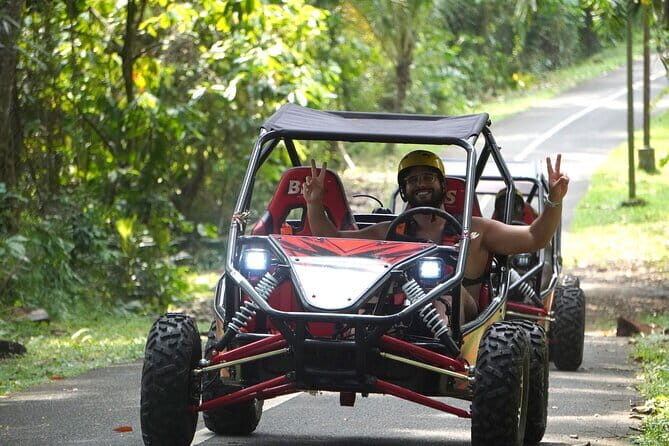
Snorkeling 4 Spot With Manta Bay Or Optional Land Trip

Snorkeling 4 Spot With Manta Bay Or Optional Land Trip - The Other Three Stops: Gamat Bay, Wall Point, and Crystal Bay

Nusa Penida snorkeling in just a couple hours. This 4-spot outing is built around swimming the water that feeds the famous manta sightings, starting at Manta Bay and then moving through other scenic snorkeling areas around the island. You get an English-speaking guide, proper safety instruction, and GoPro photos and video so your time in the water has a real payoff beyond just memories.
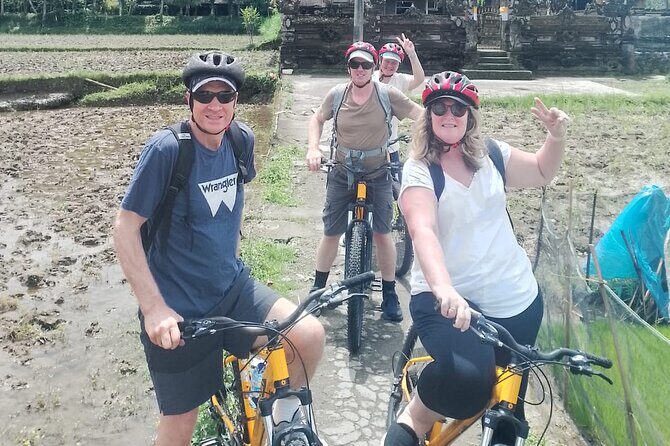
I also like that the water time is split into multiple sites, so you are not pinning everything on one location. And the small group size (up to 10) helps the guide keep an eye on everyone. One thing to keep in mind: there is no guarantee of always seeing manta rays, and the tour expects a strong physical level.

Key Things to Know Before You Go

Snorkeling 4 Spot With Manta Bay Or Optional Land Trip - Key Things to Know Before You Go

  • Manta Bay is the headline: it’s the spot built for manta sightings, but sightings aren’t promised.
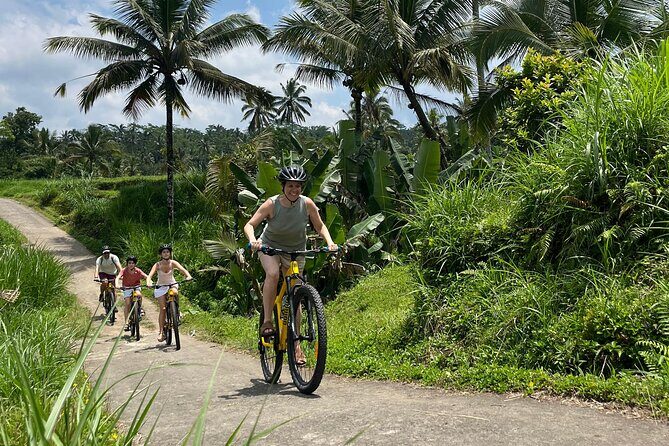
  • Four different snorkeling areas: each stop has its own feel, from coral gardens to clearer-water swimming.
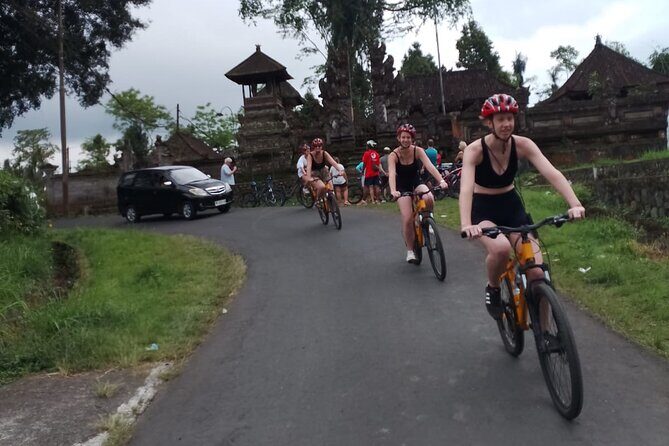
  • Small group (max 10): easier pacing, more attention in the water.
  • GoPro is included: you come back with shared photos/video and help using gear.
  • Fastboat return can be included: only for bookings tied to the Sanur port option.
  • You meet at the Ped dock: the tour ends back there, so plan your day around that point.

Why This 4-Spot Snorkel Works So Well in Bali’s Busy Schedule

Snorkeling 4 Spot With Manta Bay Or Optional Land Trip - Why This 4-Spot Snorkel Works So Well in Bali’s Busy Schedule
If you want Nusa Penida without turning your day into a full-on production, this format makes a lot of sense. You’re looking at about 2 hours total, and that time is focused on getting you into the water at four locations rather than doing one long, one-note swim.

The best part for me is how the tour is designed for variety. One site may be calm and clear enough for an easy glide over reef edges. Another may be the one you remember for coral detail or the feeling of swimming near rock formations. That variety matters, because snorkeling can be wildly “spot-dependent.” If you hit a good day on one site, you still get good swimming elsewhere.

You also get a real safety framework. Multiple reviews mention clear instructions on snorkeling technique and safety, and you’ll feel less like you are winging it alone. That’s especially helpful if you are newer to snorkeling or just want to avoid the common mistakes like panicking on the surface or wasting air too fast.

One more practical win: the package includes a towel, plus snorkeling equipment. You’re not hunting for gear at the last minute, which is how “cheap plans” often turn expensive.

Manta Bay: What You’re Really Paying For

Manta Bay is the big reason many people book. This is the stop where the tour is centered on swimming with majestic manta rays. The water here is often clear enough to spot fish below the surface, which is exactly what you want when you’re trying to enjoy the moment instead of scanning for anything to see.

Now, here’s the honest part. The operator is upfront that there’s no guarantee you’ll always see manta rays. That doesn’t mean you’ll see nothing. It means you are booking a nature encounter, not a theme-park schedule.

So how do you make that risk feel less scary?

  • Go with the right mindset: you are snorkeling in a world-class area even if the mantas don’t show.
  • Pay attention during the guide’s setup: clear instructions improve how long you can stay comfortable in the water.
  • Expect the day to be about the sea’s mood. Some days are manta days. Some days are just stunning coral and fish.

From the feedback, the experience tends to land well when mantas do appear, and several people specifically said they saw manta rays, sometimes multiple times. Even without that, the overall visibility and guided approach seem to be what keeps satisfaction high.

The Other Three Stops: Gamat Bay, Wall Point, and Crystal Bay

Snorkeling 4 Spot With Manta Bay Or Optional Land Trip - The Other Three Stops: Gamat Bay, Wall Point, and Crystal Bay
After Manta Bay, the itinerary continues with other snorkeling areas around Nusa Penida. The names you’ll hear—Gamat Bay, Wall Point, and Crystal Bay—aren’t just random labels. Each stop gives you a different “kind” of snorkeling.

Gamat Bay: Coral Gardens You Can Actually Enjoy

Gamat Bay is described as having vibrant coral gardens. For you, that means the snorkeling experience is more than just looking for wildlife drifting past. You’ll want to keep your fins steady and your head up enough to enjoy coral structure and the fish that frequent it.

In plain terms: coral gardens tend to reward slow, relaxed swimming. If you blow your energy too fast, you miss the details. If you go steady, you get the feeling of floating through a living reef wall.

Wall Point: More Scenery, More Texture

Wall Point hints at rock-and-current style snorkeling. Stops like this often feel different because the scenery is more dramatic than a flat, shallow area. For many snorkelers, that “rock texture” becomes part of the fun, even if you’re not seeing a huge animal every minute.

This is also the kind of spot where good technique matters. If you’re fighting your balance, you’ll burn air and stop enjoying the view. The guide’s instruction and the group pace help here.

Crystal Bay: Clear Water Time

Crystal Bay is described as having crystal-clear waters. That matters because visibility changes everything. When water is clear, you can watch fish without stirring up sand or constantly adjusting your mask. It also makes manta-rhythm snorkeling (or just reef watching) feel more relaxed.

If you are the type who likes photos, clear water is your friend. The difference between murky and clear is the difference between a blurry memory and an image you actually want to keep.

Boat, Timing, and Meeting at Ped Dock

Snorkeling 4 Spot With Manta Bay Or Optional Land Trip - Boat, Timing, and Meeting at Ped Dock
The meeting point is at Manta Fish Snorkeling, Dermaga banjar nyuh, Ped, Kec. Nusa Penida, Kabupaten Klungkung, Bali 80771, Indonesia. The tour also ends back at that meeting point.

That means two things for your planning:

  1. You should build your schedule around being at the Ped dock, not around a vague “somewhere near the coast” plan.
  2. There is no hotel pickup included, so you’ll want a reliable way to reach the meeting dock in the first place.

About the boat ride: reviews mention a fastboat that was clean and that staff were friendly and helpful, with good on-time performance. That’s a big deal on trips like this, because Nusa Penida days can get stressful if transfers drag.

If your booking option includes the Sanur port connection, a fastboat ticket return is included. If it doesn’t, you might need to cover transport yourself. Either way, check what’s included in your option before you lock in your day.

Gear, GoPro Photos/Video, and Getting Better Underwater Shots

Snorkeling 4 Spot With Manta Bay Or Optional Land Trip - Gear, GoPro Photos/Video, and Getting Better Underwater Shots
This tour includes snorkeling equipment, plus videos and photos with a GoPro. That is a real value add for people who don’t want to mess with an underwater camera or worry about who is taking photos.

In feedback, people specifically thanked the team for help using the camera, and one person described an underwater photo-taking moment that felt like more than just a quick snapshot. Another mentioned that the guide helped with taking good pictures while they were in the water. That’s key: when the staff helps you get positioned, your results tend to improve fast.

Also, your goal shouldn’t be perfect cinematography. Your goal is safe, calm snorkeling so you can actually enjoy what you’re seeing. When you get too focused on filming, you start kicking too hard or holding your breath too long.

A practical trick: treat the GoPro as the bonus, not the main mission. You’ll get better footage because your body is relaxed.

And don’t ignore the towel. After a saltwater swim, having a towel ready means you can keep moving instead of freezing in damp clothes while you wait for the boat.

Who Should Book (and Who Might Prefer the Land Option)

Snorkeling 4 Spot With Manta Bay Or Optional Land Trip - Who Should Book (and Who Might Prefer the Land Option)
This experience is best for people with strong physical fitness. That doesn’t necessarily mean you need to be an athlete, but it does suggest the day involves getting in and out of the water and coping with open-water conditions.

You’ll probably feel most comfortable if you can:

  • swim or handle buoyancy without panic
  • move steadily in and out of the water
  • stay calm when you lose sight for a moment beneath the surface

If you are determined to see mantas, this is still the right choice, because it’s built around that. But if you’re not up for water time, or you’d rather spend your day differently, the tour name includes an optional land trip. The details for the land alternative aren’t provided here, so if that’s your plan, you’ll want to confirm what’s actually included before you book.

Also, small groups (max 10) are great for your comfort. You’re not stuck behind a bunch of snorkelers who take forever to adjust gear.

Price and Value: Why $14.14 Can Be a Smart Deal

Snorkeling 4 Spot With Manta Bay Or Optional Land Trip - Price and Value: Why $14.14 Can Be a Smart Deal
At $14.14 per person, this is priced like a budget-friendly way to hit multiple Nusa Penida snorkeling areas. That price becomes more believable when you look at what’s included:

  • snorkeling equipment
  • towel
  • GoPro photos and video
  • and, in the right booking option, fastboat return from Sanur port

What might make it feel less “cheap” in real life is what’s not included: personal expenses and tips, plus no pickup/drop services from your hotel. If you need transport to the Ped dock, that cost is on you.

So here’s the value equation I’d use:

  • If you already have a solid way to reach the meeting point and you’re fine with the no-manta-guarantee reality, the included GoPro content and multiple stops make this good value.
  • If getting to the dock is complicated for you, your total cost may creep up once you add transportation.

Either way, for a short, focused day, it’s hard to beat the mix of four sites + GoPro + small group at this price.

Practical Tips to Make Your Snorkeling Smoother

Snorkeling 4 Spot With Manta Bay Or Optional Land Trip - Practical Tips to Make Your Snorkeling Smoother
You’ll enjoy this trip more if you handle the basics well. Here are practical things to do before and during the water time—based on the kind of instruction and comfort many people highlight.

  • Listen closely during safety briefing: the guide’s clear instructions seem to be a big part of why people feel confident.
  • Breathe evenly and don’t sprint: you want steady swimming so you can enjoy coral and fish without burning all your air early.
  • Keep your gear simple: if staff are helping with GoPro positioning and camera use, follow their pace. It saves frustration.
  • Bring a recovery plan: since it’s a short trip but you’ll be in salty water, plan quick dry clothes and hydration.
  • Accept the manta reality: if the mantas don’t show, you still chose a coral and visibility circuit. Go in ready to enjoy the reef and fish.

And one more gentle reminder: being overconfident is how snorkel days go wrong. Even on a good day, stay close to your group and let the guide handle the route.

Should You Book This Nusa Penida 4-Spot Snorkel?

Book it if you want a short, well-paced snorkeling day on Nusa Penida that gives you multiple chances at different types of underwater scenery. The included GoPro photos/video, the small group size, and the clear safety/technique focus make this feel built for real comfort—not just a quick sea dip.

Don’t book it if you need a guaranteed manta experience. The operator is clear that mantas are not assured. Also, if you don’t have strong physical fitness for water work, this may be the wrong format for you—ask about the optional land trip instead.

If you’re flexible, follow the guide’s instructions, and show up ready for real ocean conditions, this is one of those rare budget snorkeling outings that can actually deliver more than expected.

FAQ

How long is the snorkeling 4 spot tour?

It lasts about 2 hours (approx.).

What’s included in the price?

The tour includes snorkeling equipment, a towel, GoPro videos and photos, and a fastboat return for options that use the Sanur port meeting point.

Is pickup from my hotel included?

No. Pickup and drop services from/to your hotel are not included.

Where do I meet for the tour?

You meet at Manta Fish Snorkeling, Dermaga banjar nyuh, Ped, Kec. Nusa Penida, Kabupaten Klungkung, Bali 80771, Indonesia.

Does the tour end at the meeting point?

Yes. The activity ends back at the meeting point.

Is the fastboat ticket always included?

Not always. It’s included only for options that meet at the Sanur port. Other options may require separate transport.

Will I definitely see manta rays?

No. There is no guarantee of always seeing manta rays at the snorkeling spots.

How many people are in the group?

The tour has a maximum of 10 travelers.

Do I need previous snorkeling experience?

The tour is guided and includes clear safety and snorkeling technique instructions. If you’re new, the guide support is a major part of making it work.

What is the cancellation policy?

You can cancel for a full refund up to 24 hours in advance of the local start time. Less than 24 hours before start time is not refundable.