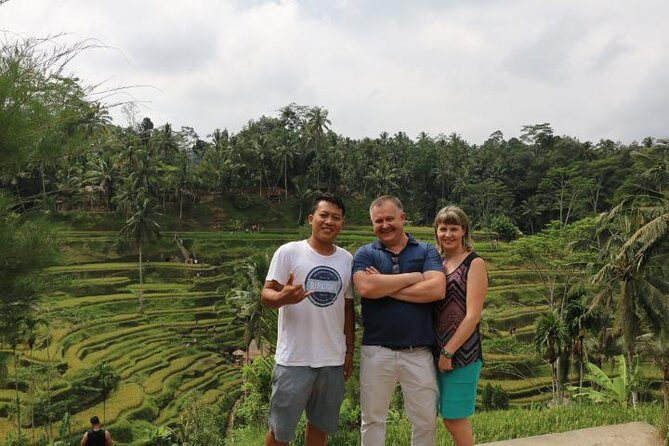
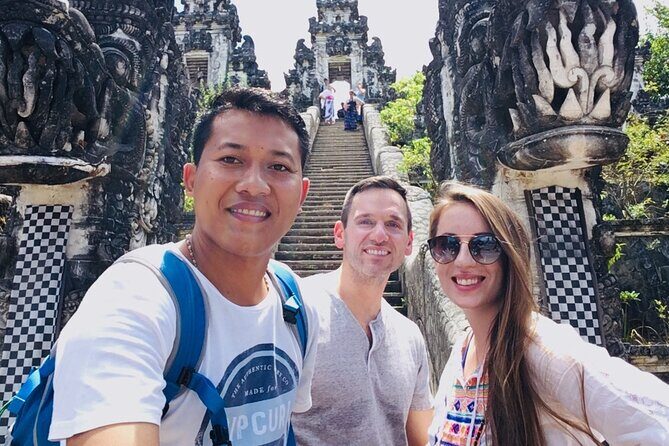
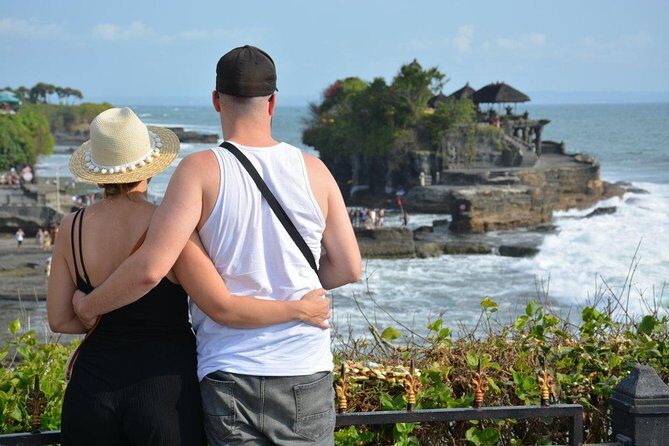
Private Tour : Bali Best Waterfalls, Temples and Monkey Forest

Private Tour : Bali Best Waterfalls, Temples and Monkey Forest - Tukad Cepung Waterfall: The Cave Waterfall Moment

A Bali day that moves at your speed.

This private tour strings together two standout waterfalls and major temple/nature stops, with hotel pickup so you don’t waste time figuring out meeting points. I also like that it’s designed for day-in-nature vibes, not a rushed sprint. One consideration: getting to the waterfalls can involve a river-stream walk, and the tour asks for moderate fitness and the right clothes.

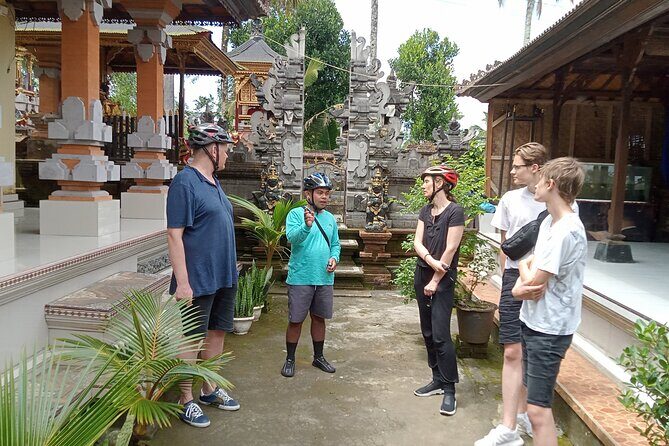
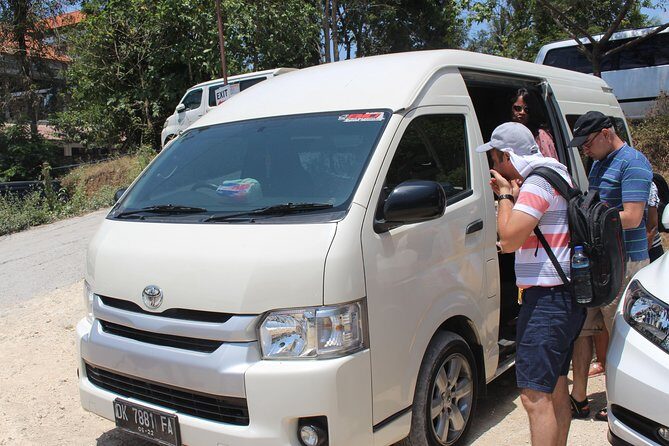
You’ll ride in an air-conditioned minivan with a driver/guide from Bali Yowana Tour, and the guide experience really matters here. In the feedback, guides like Dewa, Vito, Ayuni, and Yogi come through with humor, local context, and even itinerary tweaks when plans need adjusting.

Key Highlights You’ll Feel Immediately

Private Tour : Bali Best Waterfalls, Temples and Monkey Forest - Key Highlights You’ll Feel Immediately

  • Pickup + drop-off from selected hotels means less logistics and more time outside
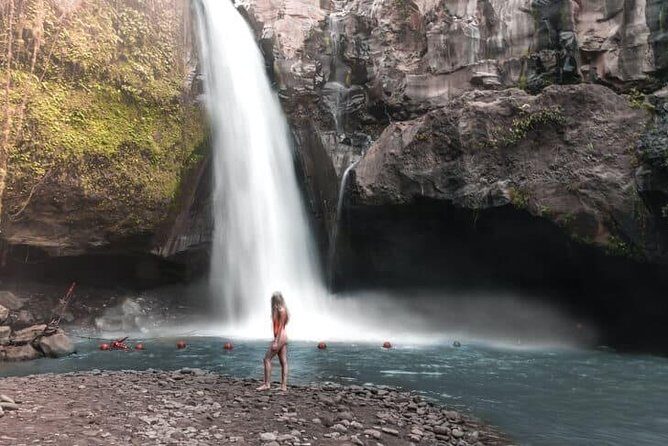
  • Tukad Cepung Waterfall inside a cave where light can hit the cliffs when weather cooperates
  • Tibumana Waterfall with a jungle-trail feel plus a cooling swim option
  • Elephant Cave Temple expectations check: it’s not an elephant house, it’s a temple site
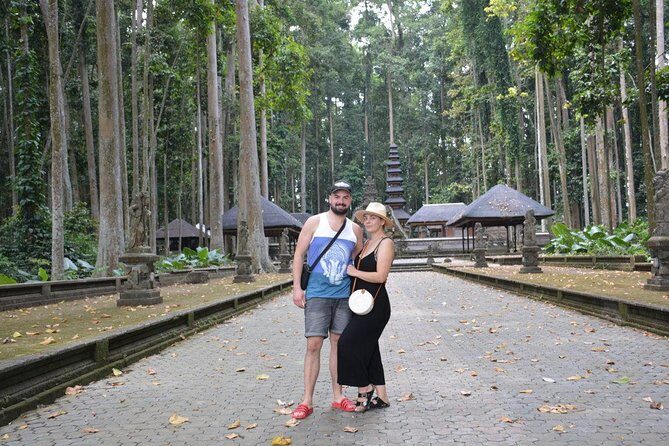
  • Sangeh Monkey Forest sanctuary with Balinese long-tailed monkeys and strong conservation ties
  • Private car flexibility: you can customize within the same region, and you can ask for lunch/snack breaks near Ubud

Private Bali, 8–9 Hours: How the Whole Loop Works

Private Tour : Bali Best Waterfalls, Temples and Monkey Forest - Private Bali, 8–9 Hours: How the Whole Loop Works
This is a private, full-day style tour (about 8 to 9 hours) in the Kuta area, operating with Bali Yowana Tour. You stay with your own group in the car the whole time, which is a big deal in Bali. It means you’re not waiting for other people, and you can tell your guide what pace you want.

The route is built around a very practical idea: pack in two waterfalls, then add temple and monkey-forest time without constantly bouncing between far-apart corners of the island. You also get an air-conditioned minivan, plus parking fees covered. That keeps the day smoother and easier to predict, even if traffic stretches the schedule a bit.

Timing-wise, there’s transfer time to consider before you even reach the first area stop. For example, the transfer estimate to the Tembuku village area is roughly:

  • Ubud/Sanur: 45 minutes to 1 hour
  • Kuta: about 1 hour 30 minutes (based on hotel location and traffic)

So if you’re starting in Kuta, plan for a real chunk of drive time before the waterfalls start delivering the pay-off.

Tembuku Village Stop: A Ticket-Free Reset Before Nature

The day’s first stop is Tembuku (ticket free), with transfer time varying by where your hotel is. This part of the itinerary is basically your warm-up: you’re getting oriented and getting out of the heavier tourist rhythm.

Since the tour doesn’t require paid admission here, you can treat it as a timing buffer. If you need a quick break, a bathroom stop, or a moment to hydrate before heading to the waterfalls, this is the kind of stop that makes the later walking feel easier.

The practical win: it helps spread the day so you’re not jumping straight from the road into wet cave steps without any adjustment time.

Tukad Cepung Waterfall: The Cave Waterfall Moment
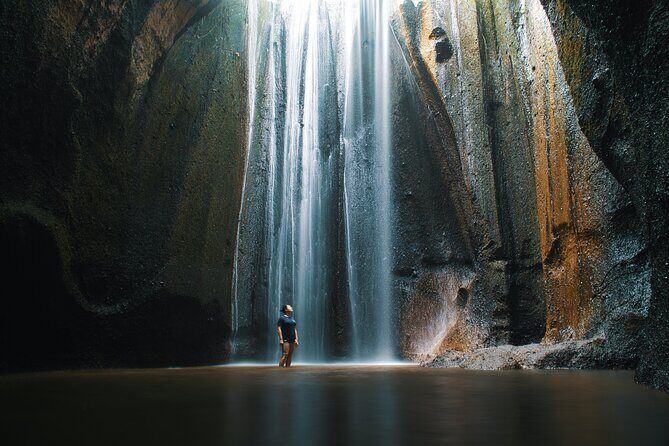
Private Tour : Bali Best Waterfalls, Temples and Monkey Forest - Tukad Cepung Waterfall: The Cave Waterfall Moment
Tukad Cepung is the waterfall you’ll remember because it’s inside a cave. That single detail changes everything. Instead of chasing a waterfall from a wide viewing platform, you’re moving through a setting where the waterfall feels tucked into the landscape, with light and shadows doing a lot of the work.

The tour description points out that this waterfall’s flow is gentler than the typical “dramatic drop to a river” picture. You’ll see water that gently flows into cliff areas rather than blasting straight down into the stream like some of Bali’s more open waterfalls.

Then there’s the light factor. If the weather permits, you can witness sun light falling into the cave and illuminating the scene. No guarantee, but it’s exactly the kind of natural element that makes Tukad Cepung special when conditions line up.

What to watch for

  • You’ll likely be wearing shorts and moving carefully around uneven cave terrain.
  • The tour advises moderate fitness, and it’s set up like a real walk, not a drive-by selfie spot.

Why it’s worth it

This is one of the rare waterfall experiences in Bali where you don’t just “see water,” you experience light, cave air, and that enclosed hush.

Tibumana Waterfall: Jungle Trail Feel and a Swim Break
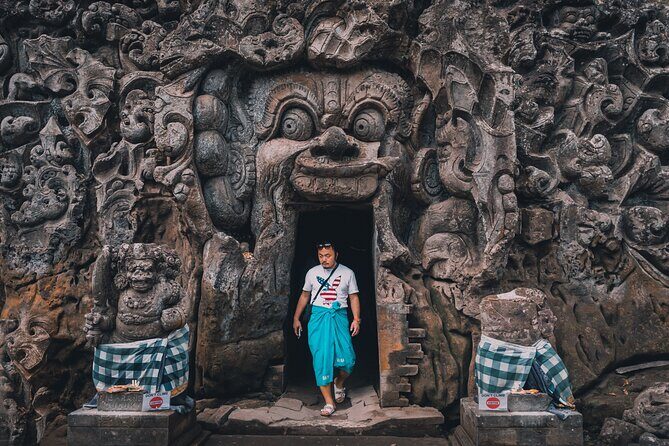
Private Tour : Bali Best Waterfalls, Temples and Monkey Forest - Tibumana Waterfall: Jungle Trail Feel and a Swim Break
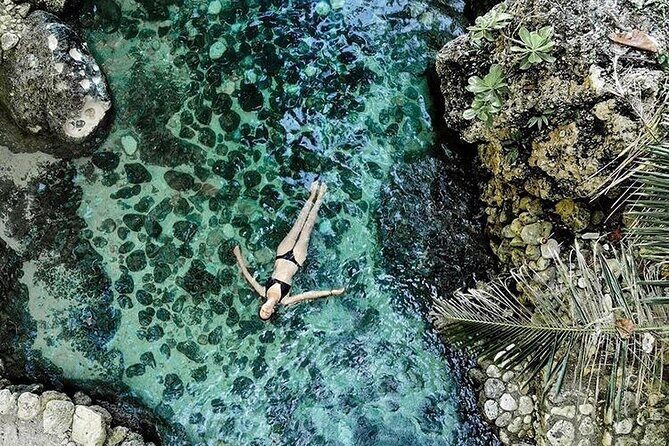
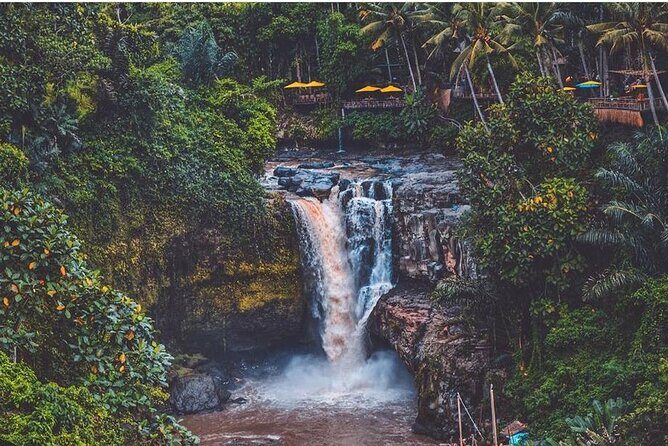
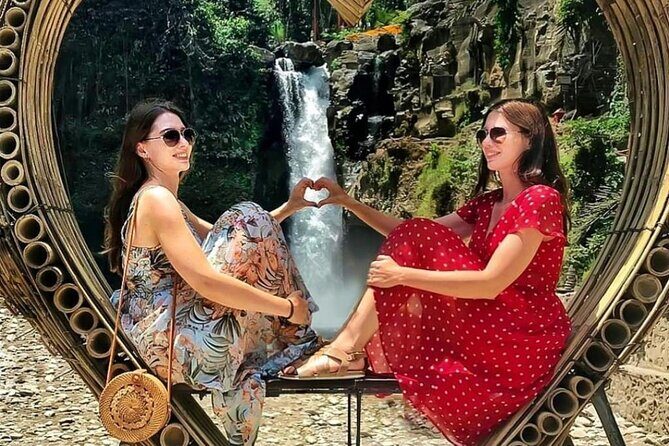
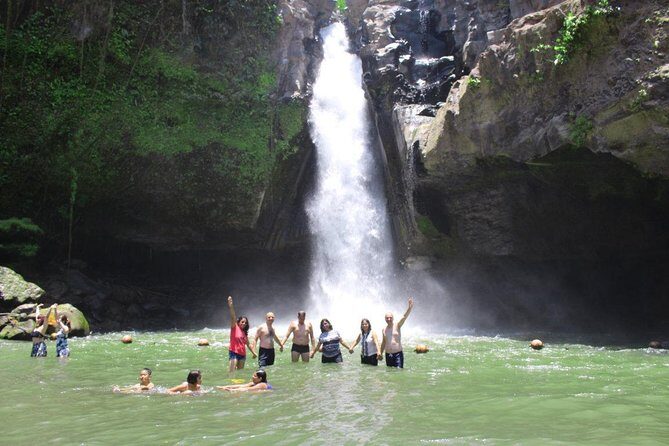
Tibumana is the other half of the waterfall story, and it leans into the paradise fantasy: a jungle-trail walk, a hidden-feeling waterfall, and the option to cool off with a swim.

The description is clear: when you picture hiking through jungle trails to find a waterfall, that image is essentially what Tibumana delivers. Expect a walk from the entrance road into the Tibumana area.

The itinerary lists Tibumana for about 1 hour 30 minutes total. That gives enough time to:

  • get to the waterfall,
  • take photos without feeling totally rushed,
  • and decide whether you actually want the water break.

Practical note about the walk

The tour specifically advises wearing shorts because you’ll walk through a river stream to access the waterfalls. That means water and wet feet are part of the deal. The “bring a change of clothes” advice isn’t optional fluff; it’s there because you’ll likely get damp on the way in and out.

What I’d do if I were planning your day

Pack your swimsuit and keep it accessible. Bring towels/something to dry off. If you don’t want to swim, you’ll still want to be comfortable changing and staying warm afterward.

Ubud Recharge Stop: Lunch Flexibility Without Forcing a Restaurant
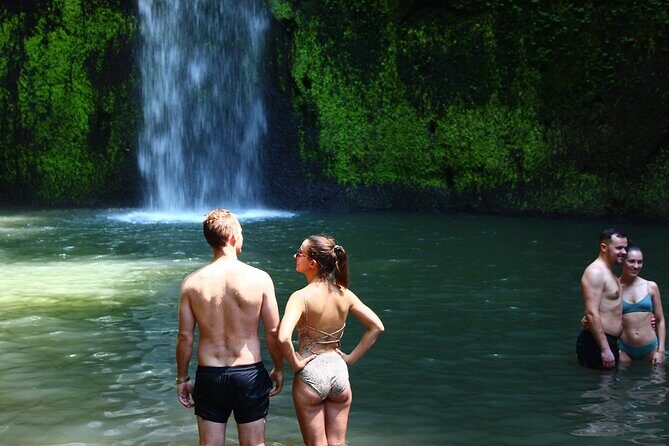
Private Tour : Bali Best Waterfalls, Temples and Monkey Forest - Ubud Recharge Stop: Lunch Flexibility Without Forcing a Restaurant
After waterfalls, you get an Ubud stop to recharge. Admission is free here, and the tour also gives you control over breaks.

You can notify the driver/guide anytime to stop for lunch or a snack. There are restaurants nearby where you can choose on your own, and lunch is at your own expense.

This matters because Bali lunch options vary wildly by budget and mood. With your own private guide, you can ask for something practical—simple, quick, air-conditioned, whatever keeps your energy steady for the next stops.

Expect about 1 hour here. It’s long enough to eat without turning the day into a long, expensive detour, but short enough that you don’t lose the magic of the later temple/monkey time.

Elephant Cave Temple: What the Name Really Means
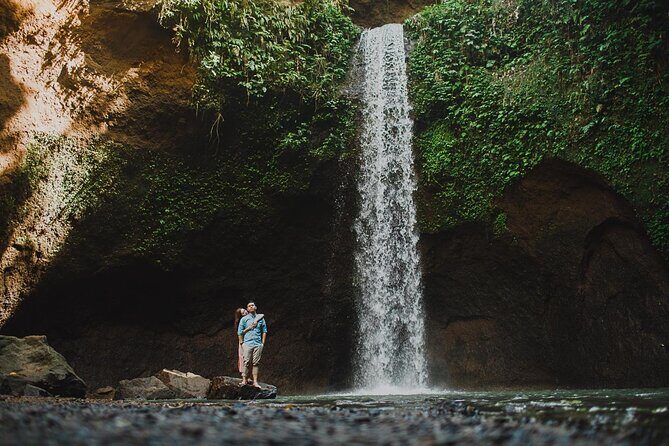
Private Tour : Bali Best Waterfalls, Temples and Monkey Forest - Elephant Cave Temple: What the Name Really Means
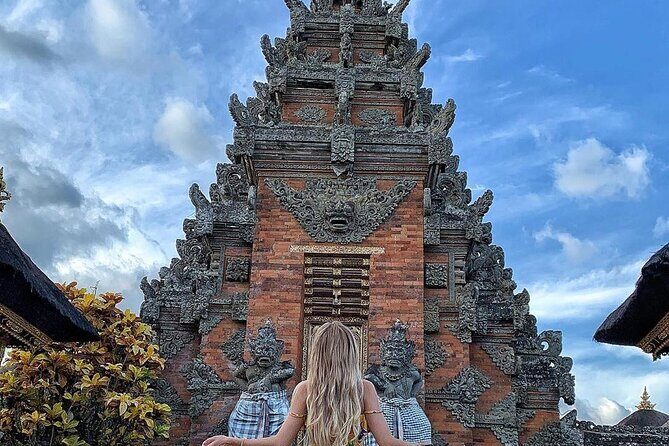
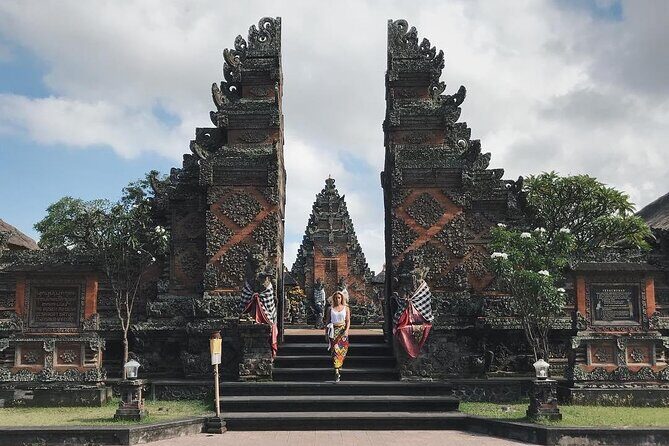
Elephant Cave is one of those attraction names that can trick your expectations. The tour description warns you about a common misunderstanding: the name doesn’t mean a gigantic dwelling full of elephants.

Once you step into the site, you’ll understand it as an ancient temple experience. The “Elephant Cave Temple” label is more about the association with the site than about elephants wandering around to pose for photos.

You’ll spend about 1 hour here, with admission included. In a place like this, the value is usually less about one single photo angle and more about moving through the temple atmosphere, reading the guided context, and understanding why it’s important to locals.

A key part of this experience is the guide commentary. In the feedback, guides like Dewa and Yogi were praised for being funny while still delivering real knowledge. That combination helps temple sites feel alive instead of like a checklist.

Sangeh Monkey Forest: Sanctuary Energy and Real Close Encounters
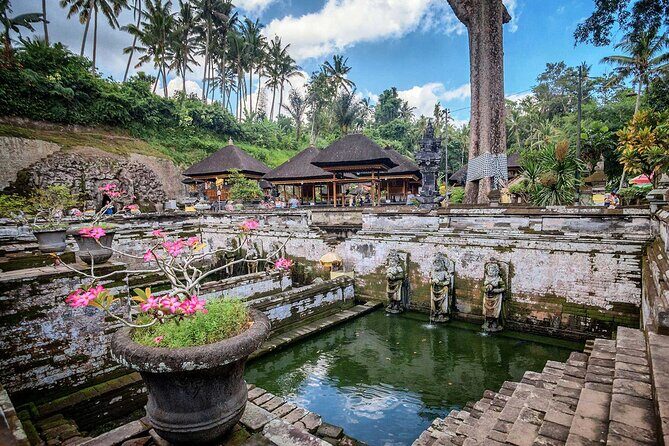
Private Tour : Bali Best Waterfalls, Temples and Monkey Forest - Sangeh Monkey Forest: Sanctuary Energy and Real Close Encounters
Sangeh Monkey Forest is a sanctuary and natural habitat for Balinese long-tailed monkeys—described as thousands. That word choice matters. This isn’t a zoo-style show with scheduled performances. It’s an ecosystem with humans visiting inside it.

The local perspective is also part of the story: the monkey forest is viewed as spiritually, economically, educationally, and conservation-wise important. That framing helps you approach the visit more respectfully—less “free entertainment,” more “shared space.”

The itinerary allocates about 1 hour for this stop, with admission included.

What to expect

  • Monkeys can be bold. They’re curious, fast, and very interested in anything you bring that looks like food or something shiny.
  • The experience works best when you follow your guide’s instructions and keep valuables handled.

Why having a guide helps

One piece of feedback highlighted that having a guide bring you to the monkeys made the experience feel more manageable and enjoyable. A good guide also helps you avoid spending an hour arguing with a monkey over a snack—an argument you will lose.

Price and Value: Does $55 Make Sense for This Day?
Private Tour : Bali Best Waterfalls, Temples and Monkey Forest - Price and Value: Does $55 Make Sense for This Day?
At $55 per person, this tour is priced to be realistic for a full-day private experience that includes a lot of what usually adds up.

Here’s what you’re getting:

  • Driver/guide
  • Air-conditioned minivan
  • Hotel pickup and drop-off (selected hotels)
  • Parking fees
  • Admission included for Tukad Cepung, Tibumana, Elephant Cave, and Sangeh Monkey Forest
  • Lunch is the only major item explicitly not included

Where value really shows is in the combination. If you tried to do this yourself, you’d be juggling transport, timing, and multiple separate admissions. Even if you’re a strong planner, you’d still lose time and add stress. With a private car, you’re buying day efficiency plus local navigation.

One small caution from the feedback: there was an issue where one party expected a minivan and found the vehicle less comfortable for 4 adults. The operator’s response said they drive a minivan setup (5+1 seats). Still, it’s worth asking about vehicle comfort when you book, especially if your group includes tall people or you have specific comfort needs.

Guides Matter: Dewa, Vito, Ayuni, and Yogi’s Common Thread

The guides in the feedback share a pattern: they’re not only driving. They’re interpreting Bali in a way that makes the day easier to understand and more fun to experience.

  • Dewa was described as funny, down to earth, and full of knowledge.
  • Vito was praised as professional and friendly, especially for an easy day around Ubud.
  • Ayuni was highlighted as a lovely host and driver, with the ability to adjust the itinerary to preferences.
  • Yogi was noted for being knowledgeable and especially considerate of an 80-year-old traveler with a handicap.

That last point matters because this tour has a moderate-fitness requirement and includes river-stream walking to access waterfalls. If mobility is limited, don’t assume it’s automatically a perfect fit. Do ask your guide directly about what parts are optional and what pace you can manage.

What to Pack and Wear for Waterfalls (So You Don’t Have a Wet-Day Crisis)

This is the part that makes or breaks the day. The tour advises:

  • Wear shorts
  • Wear light, comfortable clothing
  • Bring a change of clothes
  • Pack a towel, sunscreen, sunglasses, and a cap/hat
  • Bring a water bottle and snacks
  • Bring a swimsuit and a camera
  • Carry some petty cash

The reason is straightforward: you’ll walk through a river stream to access the waterfalls. Even if you skip swimming, you’ll still deal with wet terrain and changing conditions.

If you want an easy day, treat this like a day at the water plus temple time afterward. Dress to get damp early, then plan to look human again by the later stops.

Who This Tour Fits Best (and Who Should Rethink)

This tour is a strong match if you want:

  • A private day that feels like you’re choosing the pace
  • Two memorable waterfalls in one outing
  • Temple and monkey-forest time without complicated planning
  • A guide who can explain what you’re seeing while keeping things light

You might want to rethink (or at least ask a lot of questions before booking) if:

  • You can’t manage moderate fitness demands
  • You have mobility limits that make river-stream walking tough
  • Your main goal is lounging and minimal walking—this day includes real movement

The good news is that private format usually gives you more chances to adjust. The itinerary explicitly allows customization within the same region, and you can inform the guide ahead of time if you’d like changes (with any additional fees covered by you if they apply).

Should You Book This Bali Private Tour?

If you want a well-paced Bali day that covers waterfalls, a temple site, and a monkey sanctuary without turning your schedule into a transportation puzzle, this tour is a smart pick. The $55 price works especially well because admissions for the main sights are included, and you’re paying for a guide plus air-conditioned transport.

I’d book this if you like nature stops and don’t mind a little wet, a little walking, and a lot of photo opportunities—especially at Tukad Cepung’s cave setting.

I’d hesitate if your comfort needs are strict or you expect an easy, flat route with minimal movement. In that case, ask your guide how the river-stream access works for your situation before you commit.

FAQ

What’s included in the tour?

The tour includes a driver/guide, hotel pickup and drop-off (selected hotels), transport by air-conditioned minivan, and parking fees. Admission is included for Tukad Cepung Waterfall, Tibumana Waterfall, Elephant Cave, and Sangeh Monkey Forest. Lunch is not included.

How long is the tour?

The duration is about 8 to 9 hours.

Is this tour really private?

Yes. It’s a private tour, meaning only your group participates in the car.

Do I need to pay for entrance fees at every stop?

No. Tembuku and Ubud are listed as ticket free, while Tukad Cepung, Tibumana, Elephant Cave, and Sangeh Monkey Forest include admission.

Can the itinerary be customized?

Yes. You can customize as long as the locations are in the same region. Let the provider know in advance if you want changes, and any additional fees would be paid by you.

What should I wear and bring for the waterfalls?

Wear shorts and light, comfortable clothing. Bring a change of clothes, towels, sunscreen, sunglasses, a cap or hat, a water bottle, snacks, a swimsuit, a camera, and some petty cash.

Is the tour physically demanding?

It asks for moderate physical fitness level. Access to the waterfalls involves walking through a river stream, so plan for some uneven and wet terrain.


Bali Private Mystic Death Tour In Trunyan

Bali Private Mystic Death Tour In Trunyan - Trunyan Cemetery: the open-air way of handling death

Death rituals, in daylight.

This is a private, guided circuit that looks at how Bali frames death through living-spirit ceremony and the idea of giving back to nature. I like that it pairs major sacred sites with one of Bali’s most unusual cemeteries, so the day feels both meaningful and practical. I also like the built-in Mount Batur and Lake Batur scenic payoff after the heavier stops. One caution: this is a sensitive subject, and there’s a lot of driving from Ubud, so plan for a long day on the road.

Because it’s private, you’re not stuck in a loud bus shuffle. An air-conditioned vehicle, bottled water, and included tickets help you focus on the experience, not the logistics. Guides named in standout stories include Tagu (driver), Ade (guide), and Gede (guide), and the common thread is clear explanation and a calm, supportive pace—exactly what you want when the topic is death.

Key highlights to pay attention to

Bali Private Mystic Death Tour In Trunyan - Key highlights to pay attention to

  • Kehen Temple’s fire symbolism and the wooden bell on Banyan trees
  • Trunyan Cemetery’s open-air approach to leaving bodies to decompose naturally
  • Bayung Gede placenta tradition—a glimpse into how communities handle life’s beginnings and endings
  • Lake Batur views with time to slow down and take it in
  • Included sarong at the temple so you don’t scramble at the last minute
  • Private group comfort with pickup and an air-conditioned vehicle

A sacred day trip around Bangli, Trunyan, and Lake Batur

Bali Private Mystic Death Tour In Trunyan - A sacred day trip around Bangli, Trunyan, and Lake Batur
This tour starts in Ubud and runs roughly 6 to 8 hours, which is long enough to feel like a real excursion, not a quick hit-and-run. You’ll move through four very different stops: temple, cemetery, village custom, then a big outdoor view day on Lake Batur.

What makes the “mystic death” theme work here is the pacing. You don’t jump straight into the most intense site. You build context with a major temple first, then you walk into Trunyan with your guide able to explain what you’re seeing and why the community treats the process differently.

Also, it’s not just sightseeing. The day is designed around ceremony and respect. That matters, because this isn’t entertainment dressed up as travel—it’s a look at local spiritual practice, up close.

Kehen Temple: fire of God and the wooden bell detail

Your first stop is Kehen Temple in Bangli, tied to the symbol of the fire of God. It’s one of the older temples in the Bangli Regency area, and the key point here is that the site has specific religious meaning, not just pretty architecture.

A small detail I’d put on your “watch list” is the wooden bell located on Banyan trees. Even if you’re not a temple-history nerd, these kinds of details help you read the place as living worship, not a museum display.

The stop runs about 1 hour 30 minutes, and admission is included. That’s a good amount of time: long enough to get your bearings with your guide, but not so long that you’re rushing through the next part.

Possible drawback to keep in mind: temple visits can move at a modest walking pace, and you’ll still have a full day ahead. Wear comfortable shoes and keep your energy for Trunyan and Lake Batur later.

Trunyan Cemetery: the open-air way of handling death

Bali Private Mystic Death Tour In Trunyan - Trunyan Cemetery: the open-air way of handling death
Next is Trunyan Village, known as Skull Island because of its open cemeteries. Here, bodies are left to decompose on land rather than being buried, which is a huge part of the ceremony’s meaning in the local tradition.

This stop is about 2 hours. Admission is included, and it’s the point in the day where you’ll feel the theme of the tour most strongly. Your guide’s job is not just to name what you’re looking at, but to explain how the spiritual view of death connects back to the idea of returning to nature.

If you’re the type who needs a “why” before you can appreciate something, this is where the tour can really click. You’ll see how a place can be both practical and spiritual—community members still have a system, just one that’s grounded in their worldview.

One respect note: dress and behavior matter at sacred sites like this. The tour also includes a sarong at the temple, which is a big help if you didn’t bring one. You’ll want to follow your guide’s cues so you feel comfortable and appropriate throughout.

Bayung Gede Village: how the placenta tradition is treated

Bali Private Mystic Death Tour In Trunyan - Bayung Gede Village: how the placenta tradition is treated
After Trunyan, you head to Bayung Gede Village for a look at local custom around baby placenta. This is one of the reasons the day feels different from a standard temple-and-view itinerary.

The time here is shorter—about 1 hour—and admission is listed as free. Even with the shorter stop, it’s worth paying attention because it links to a theme many people miss: in many cultures, care for the start of life is connected to how a community thinks about life’s cycles.

The practical value of this stop is that it broadens your understanding. You’re not only seeing how death is handled. You’re also seeing how a community treats what comes before it—how “ritual” can be part of ordinary life, not a one-off event.

If you’re sensitive to cultural practices that feel unusual, this is still likely to be a thoughtful, guided explanation rather than a shock tour. Go in with a mindset of observation, not judgment, and you’ll get more out of the time here.

Lake Batur views: volcano-and-lake time at the end

Bali Private Mystic Death Tour In Trunyan - Lake Batur views: volcano-and-lake time at the end
Then comes the payoff: Lake Batur (Danau Batur). The tour includes about 2 hours here and notes views around Mount Batur and Lake Batur.

This is where the day breathes again. After cemetery and village customs, you’ll have a more open, scenic setting to reset your brain. It’s also simply a beautiful way to end a tour with spiritual intensity: nature as the final frame.

Admission is included for this stop. And because your day ends back at the meeting point, this is the last “sit back and enjoy” segment before you return to Ubud.

A practical tip: plan for temperature shifts. Higher areas near volcano regions can feel cooler than central Ubud. Bring layers if you get chilly easily, especially in the later part of the tour.

Price and what makes $79 feel fair

Bali Private Mystic Death Tour In Trunyan - Price and what makes $79 feel fair
At $79 per person, this isn’t the cheapest Bali day trip, but it also isn’t priced like a premium private driver-only excursion. The value comes from what’s included:

  • Air-conditioned vehicle
  • Pickup offered and return to the meeting point
  • Entrance tickets for the temple, cemetery, and Lake Batur
  • Live tour guide
  • Sarong at temple
  • Boat ticket
  • Bottled water and parking fees

Lunch is not included, so you’ll likely want to either eat after the tour or bring snacks if your schedule makes you hungry.

What you’re really paying for is time plus access. Admission fees and guided interpretation can add up fast, especially when you’re doing multiple culturally significant stops in a single day. You’re also paying for comfort: a private group and an organized route reduce stress on a long driving day.

If you’re the kind of traveler who hates wasting hours sorting tickets and logistics, the inclusions make the price feel more reasonable.

How the long Ubud drive affects your day

Bali Private Mystic Death Tour In Trunyan - How the long Ubud drive affects your day
This tour runs 6 to 8 hours, which already hints at real travel time. The route includes multiple villages and sites around Bangli, so expect winding roads and stretches where you’ll be in the vehicle more than you’d like.

That’s the main consideration I’d flag before you book. If you hate long car rides, you might feel it more strongly on this day. On the upside, private transport can make the drive less painful than a shared group setup.

Your guide and driver matter here. Stories tied to the experience include Tagu for a chill, supportive vibe, which is exactly what helps during the “in-between” time when you’re not at a stop.

Who should book this tour

Bali Private Mystic Death Tour In Trunyan - Who should book this tour
I’d book this if you want an experience that goes beyond typical Bali checklists. This is ideal for travelers who:

  • like cultural context and guided explanations
  • don’t mind heavier themes if they’re presented respectfully
  • want private comfort and a structured route
  • enjoy pairing sacred sites with scenic nature views

You might want to skip it if you’re looking for a light, party-style day or if death-related cultural practices would feel too intense for you. The tour is designed for respect and understanding, but it still centers on funerary traditions.

Practical tips for a respectful, low-stress visit

A few things can make this day smoother:

  • Wear shoes you can walk in for multiple stops, including temple grounds and village areas.
  • Bring a light layer; the Lake Batur part can feel different from Ubud.
  • Use the sarong provided for temple entry and follow your guide’s lead on what’s expected.
  • If you’re sensitive to spiritual topics, treat this like a “learn respectfully” day, not a casual sightseeing day.

One more small strategy: pace your mindset. Start the day curious, not shocked. Let Kehen Temple and the guide’s framing prepare you for Trunyan, then let Lake Batur reset you at the end.

Should you book the Bali Private Mystic Death Tour In Trunyan?

If you want a meaningful, guided deep look at Bali’s spiritual view of death and life cycles—with the reward of Lake Batur at the end—this is a strong pick. The biggest reasons to book are the private setup, the included tickets and sarong, and the fact that the day is built with pacing so you’re not thrown into the toughest stop unprepared.

If you prefer only cheerful scenery or you really don’t do well with long driving days, you may feel this one more than you’d like. But for the right traveler, this tour offers a rare blend of ritual context, unusual cultural practice, and real nature views.

FAQ

What is the duration of the Bali Private Mystic Death Tour In Trunyan?

The tour lasts about 6 to 8 hours.

Where does the tour start?

It starts at Ubud Palace, F7V7+72R, Jl. Raya Ubud No.8, Ubud, Kecamatan Ubud, Kabupaten Gianyar, Bali 80571, Indonesia.

Is this tour private?

Yes. It’s listed as a private tour/activity, meaning only your group participates.

What stops are included in the itinerary?

The tour includes Kehen Temple, Trunyan Cemetery (Trunyan Village), Bayung Gede Village, and Lake Batur (Danau Batur).

Are entrance tickets included?

Yes. Entrance tickets are included for Kehen Temple, Trunyan Cemetery, and Lake Batur. Bayung Gede Village is listed as admission ticket free.

Does the tour include a sarong?

Yes. Sarong at Temple is included.

Is lunch included?

No. Lunch is not included.

Is pickup included?

Pickup is offered, and the activity ends back at the meeting point.

Are there any tickets besides entrance tickets included?

Yes. A boat ticket is included.

What is the cancellation policy?

You can cancel for free up to 24 hours in advance for a full refund, based on the experience’s local time.

Bali Airport Taxi

Bali Airport Taxi - The Ride Itself: A/C, Wi‑Fi, and Bottled Water

First days in Bali should start calm. This private, air-conditioned ride meets you in arrivals with a sign-and-driver pickup and gets you to Seminyak in about 45 minutes, no shuttle stops. I especially like the Wi‑Fi and bottled water for the ride. One drawback: like any airport service, you should have an emergency contact ready in case a driver is late or doesn’t show.

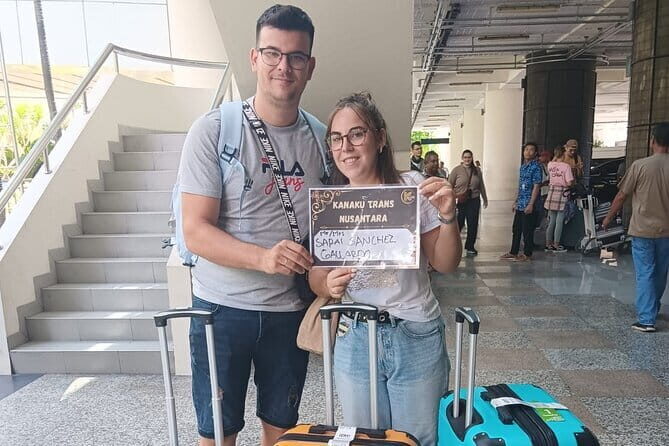
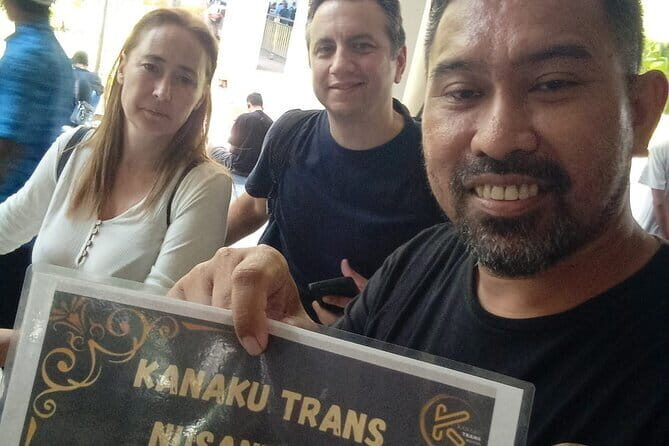
I also like the way coordination can save your trip when plans wobble. In one late-arrival scenario, a driver named Wayne waited close to 2 hours. In another, Razis (Raz) contacted by WhatsApp with confirmation and made pickup easy with a selfie and the sign.

The price is a big part of the appeal, especially when you’re not traveling solo—this fare is good for up to five guests. Still, remember service hours run from 5:00 AM to 11:30 PM, so late-night arrivals need a plan.

Key Points That Matter for Your Bali Arrival

Bali Airport Taxi - Key Points That Matter for Your Bali Arrival

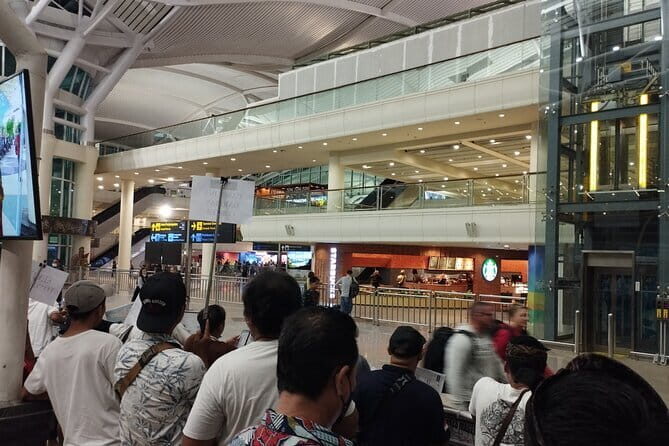
  • Meet-by-sign pickup at arrivals so you can skip taxi-line chaos.
  • Air-conditioned private vehicle with onboard Wi‑Fi and bottled water.
  • Direct transfer to your hotel in Seminyak (about 45 minutes, no multiple shuttle stops).
  • Mobile ticket and WhatsApp-style communication that helps when flights run long.
  • Group-friendly value (up to five guests for the stated price).
  • Rare but real risk of hiccups, including a reported no-show; have the emergency number handy.

Price and Logistics: What $15 Really Buys You

Bali Airport Taxi - Price and Logistics: What $15 Really Buys You
On paper, $15 can look almost too good to be true. But the value here isn’t just the cost—it’s that you’re buying less friction when you land. You get a private car, air-conditioning, and a driver who is meant to meet you right at arrivals, not after you wander around looking for a taxi or a random “airport helper.”

You’re also getting something practical: no multiple stop-and-start shuttles. The transfer is set up to move you straight to your accommodation area in Seminyak, with a trip time of about 45 minutes. In Bali traffic, timing can flex, but the service is designed around direct arrival-to-hotel movement, which matters when you’re tired and carrying bags.

One more logistics note: the service window is 5:00 AM to 11:30 PM. If your flight lands outside that range, you’ll need to check what’s possible with the provider for your specific timing.

Getting Picked Up Without the Airport Stress

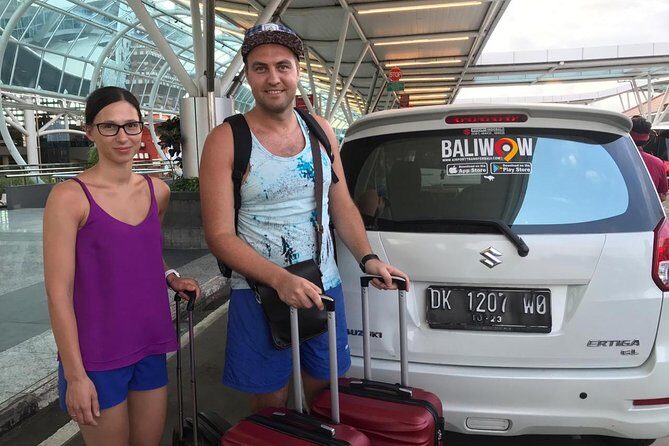
The best part of an airport transfer is often invisible: you don’t have to solve problems while you’re jet-lagged. This service is built for that. Your driver is supposed to meet you at arrivals, help with luggage, and take you to your hotel without you juggling multiple taxi stops or searching for the right vehicle.

The details from real driver coordination show how this can work smoothly:

  • One driver, Wayne, waited when a flight delay made the pickup later than expected, then got the group to the hotel quickly.
  • Razis (Raz) provided easy-to-identify pickup by contacting via WhatsApp with confirmation and using a selfie to match the sign.

That’s the kind of “tiny” help that makes a big difference—especially if you’re arriving at a busy hour or your suitcases are heavier than you planned.

Tip for your side of the bargain: keep your phone charged, and be ready at the pickup point as soon as you’re out of arrivals. The smoothest pickups happen when you minimize the gap between landing and meeting.

The Ride Itself: A/C, Wi‑Fi, and Bottled Water

Bali Airport Taxi - The Ride Itself: A/C, Wi‑Fi, and Bottled Water
This transfer is designed to feel like a reset after your flight. You’re in a private air-conditioned vehicle, and you’ll have Wi‑Fi onboard plus bottled water.

Those extras sound small until you’re standing in heat with bags. Bottled water is exactly what you want right away, and Wi‑Fi can help you verify your hotel name, check your route, or just send a quick message home to calm the nerves.

That said, one reported issue is worth taking seriously: in one case, the onboard Wi‑Fi didn’t work and the connection didn’t clear until the situation was resolved. I’d treat the Wi‑Fi as a bonus, not something you should rely on as your only internet source. If you need connectivity for navigation or communication, bring a backup like your phone data.

Also, one driver described as having a modern, clean car shows up in the feedback pattern: comfort and cleanliness aren’t treated like afterthoughts here. When you’re paying for convenience, cleanliness is part of what you should expect.

When Your Flight Delays: How This Transfer Can Save You

In Bali, airport timing can get messy. You might face long lines, slow baggage, or immigration queues that push you later. This service is built for those “life happens” moments.

The clearest example: Wayne waited almost 2 hours for a delayed arrival. That’s not something you can assume will happen every time, but it shows the provider’s goal—get you moving even when you miss the original schedule by a lot.

Another example: communication ahead of arrival was emphasized, including WhatsApp-style updates. In one case, the driver communicated before departure, so the passenger wasn’t left guessing at the airport.

Here’s how to maximize your odds of a smooth delay-handling experience:

  • Book your pickup time close to when you expect to clear the airport, not just when you land.
  • Keep your confirmation details accessible on your phone.
  • If you’re delayed, message promptly (WhatsApp-style contact is referenced in the driver behavior).
  • Have your hotel address ready, including the area (Seminyak) and any easy-to-find landmark.

If a delay is extreme, your best move is to stay in contact rather than waiting until you’re fully out of options.

Seminyak Arrival: Why This Location Works Well

Bali Airport Taxi - Seminyak Arrival: Why This Location Works Well
This transfer is positioned around Seminyak, which is a convenient base for shopping, dining, and beaches. If you’re staying in Seminyak proper, the “direct to your hotel” approach reduces the time you spend bouncing between pickup points or meeting vans.

The trip length is listed as around 45 minutes. That’s useful for planning your first evening. If you’re thinking about dinner reservations or a first stop at your hotel to freshen up, this transfer time gives you a baseline.

If you’re in a more spread-out part of Seminyak, you might find traffic changes the duration, but the service promise is still simple: private car, minimal stops, and quick arrival to your accommodation.

Communication That Helps (When You Actually Need It)

A good airport transfer feels calm because communication is clear. This provider emphasizes easy coordination with tools like a mobile ticket, chat support, and driver confirmation.

From the feedback patterns included here, drivers often do the following:

  • Contact you in advance to confirm the pickup time and meeting place.
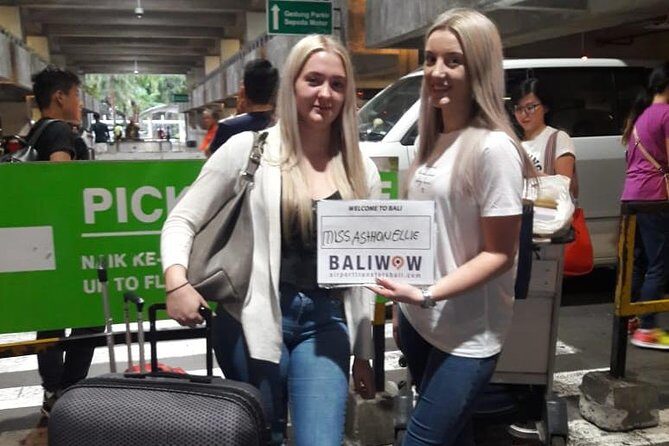
  • Present themselves clearly (sign, sometimes even a selfie-style confirmation).
  • Help with luggage right at the pickup point.

One passenger even described the pickup as the easiest they’d had—because the driver was ready with a sign and helped with bags immediately.

If you’re traveling with family, friends, or a group, this matters even more. Coordinated pickup reduces the “where are you?” scramble that can turn a smooth arrival into a stressful one.

Clean, Friendly Drivers: The Human Side of Value

Transport reviews tend to focus on the car, but the driver is really the experience. The positive details here aren’t vague:

  • Drivers are described as friendly and helpful with luggage.
  • Cars are noted as clean and modern.
  • Drivers sometimes share quick local insight while you’re riding to your hotel.

That last part is useful when you land and don’t want to spend your first hour figuring out what’s nearby. Even a quick orientation—where the main areas are, what not to waste time on—can help you start enjoying Bali faster.

The other side of the coin is also real: one report describes a no-show situation where nobody turned up, and the passenger had to get help after contacting emergency support. The service was eventually resolved by another driver, but it’s still a reminder that you should always stay proactive if anything feels off.

The Possible Drawback: What to Do About No-Shows or Problems

I’m going to be blunt: airport transfers are only as good as the pickup plan in the real world. Most experiences seem to go smoothly, but one negative case involved a missed pickup and repeated attempts to reach the driver, followed by emergency intervention and another driver arriving later.

So what’s your practical takeaway?

  1. Save the provider’s emergency contact before you step away from your luggage.
  2. Keep messaging active if your driver doesn’t appear within a reasonable window.
  3. Don’t wander too far—if you drift, it gets harder to match you with the correct driver.
  4. Have your hotel details ready in case you need to reroute quickly.

This isn’t about expecting failure. It’s about being ready, just like you would in any destination where airport procedures can get hectic.

Who This Transfer Is Best For

This is a great fit if you:

  • Want a hassle-light start to Bali.
  • Care about privacy (only your group rides together).
  • Prefer direct transport over waiting for shuttles.
  • Are arriving as a couple or group and can split the cost (this price supports up to five guests).

It’s also good if you dislike navigating transport on your first day in a new country. When you’re landing, your brain is still on airplane mode. A private pickup removes decisions.

If you’re the kind of traveler who enjoys figuring out taxis on the spot, this may feel less exciting than a self-directed plan. But you’re paying to trade control for comfort and time saved.

Small Details Worth Noticing Before You Go

A few included elements are worth putting on your mental checklist:

  • Bottled water: good for that immediate post-flight moment.
  • Onboard Wi‑Fi: treat it as helpful, but not guaranteed if you depend on it for navigation.
  • Air-conditioned vehicle: in Bali heat, this is not a luxury—it’s sanity.
  • Service hours (5:00 AM–11:30 PM): check your arrival time against the service window.
  • Private transfer for your group: no sharing the ride with strangers.
  • Service animals allowed: included in the info provided.

Also, the provider lists free travel advice and chat support. Even if you only ask one question—where to go on your first night—that can be time saved.

Cancellation and Changes: Keep It Simple

The service offers free cancellation up to 24 hours in advance for a full refund. That flexibility helps if your flight changes or your schedule shifts.

If plans change within that 24-hour window, the refund terms depend on timing, so it’s best to cancel early when you can.

There’s also a note that the experience requires a minimum number of travelers. If that minimum isn’t met, you should be offered another date/experience or a full refund.

Should You Book This Bali Airport Taxi Transfer?

I’d book it if you value a calm first hour, want a private ride in A/C, and can use the group value (up to five guests). It’s especially worth it if your arrival timing is uncertain, because the best-case scenario includes drivers who confirm clearly and handle delays with patience.

I would pause and prepare with extra care if:

  • You’re arriving at a very odd hour near the edge of the service window.
  • You rely heavily on onboard Wi‑Fi for navigation or work.
  • You’re the type who gets overwhelmed if a pickup is delayed even briefly.

Quick decision rule: if you want reliable comfort over airport problem-solving, this transfer fits. If you enjoy improvising and you’re confident navigating taxis right away, you might not need it—but you’ll be trading convenience for effort.

FAQ

FAQ

How long does the Bali airport to Seminyak transfer take?

The transfer duration is listed as about 45 minutes.

Is the vehicle private or shared?

This is a private transfer, and only your group will participate.

What’s included in the price?

Included items are private transportation, an air-conditioned vehicle, Wi‑Fi onboard, and bottled water.

Can I be picked up at the airport?

Yes. Pickup is offered, and the driver meets you at arrivals.

Is Wi‑Fi actually provided during the ride?

Wi‑Fi on board is listed as included.

How many people can this price cover?

The price is stated as good for up to five guests.

What are the service hours?

Service runs Monday through Sunday from 5:00 AM to 11:30 PM.

Do you allow service animals?

Yes, service animals are allowed.

What if my flight is delayed?

The service is set up to coordinate pickup at arrivals, and communications like WhatsApp-style confirmation are referenced in the feedback, so staying in contact is key if you’re delayed.

What’s the cancellation policy?

You can cancel up to 24 hours in advance for a full refund. Free cancellation is provided based on the local start time.

Snorkeling Manta Rays, Land Tour Tembeling Pool & Kelingking

Snorkeling Manta Rays, Land Tour Tembeling Pool & Kelingking - Manta Bay snorkeling: majestic, but timing and conditions rule the day

Bali’s neighbor island can pack a lot. This full-day Nusa Penida trip mixes manta-ray snorkeling with classic cliffs and viewpoint stops. I especially like that you get a guided sequence (and not just dropped at a beach), plus the tour is led by locals—many people rave about guide Wayan. One drawback: snorkeling time in the water can feel short, and if the sea is busy, you may have less space than you want.

The land portion is the payoff for me. You’ll go from the Kelingking viewpoint (top photos, no big descent) to the greener, calmer feeling of Tembeling’s forest pool—plus you’ll stop for lunch after snorkeling. The pace is still active, so bring good shoes and a realistic attitude: it’s a shared day, not a private slow tour.

Key things I’d zero in on before you book

Snorkeling Manta Rays, Land Tour Tembeling Pool & Kelingking - Key things I’d zero in on before you book

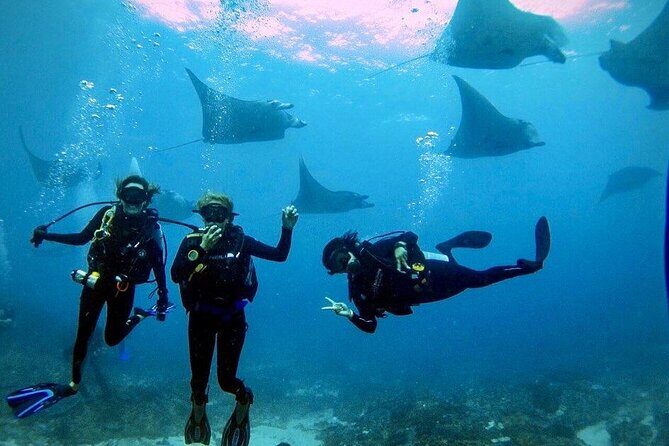
  • Manta Bay is your first water stop, which helps you aim for best visibility while you’re fresh
  • Three snorkeling bays (Manta Bay, Gamat Bay, Wall Bay Point) instead of one quick swim
  • Kelingking viewpoint is the big photo moment, but you won’t head down to the beach
  • Tembeling Pool includes a short motorbike taxi transfer, then time to swim in the natural pool
  • Guide quality matters here, and Wayan comes up again and again in good feedback
  • Short snorkeling windows are a reality on shared boats, especially when multiple groups are in the water

One full day on Nusa Penida, without feeling rushed (too much)

Snorkeling Manta Rays, Land Tour Tembeling Pool & Kelingking - One full day on Nusa Penida, without feeling rushed (too much)
Nusa Penida is famous for “just one more viewpoint,” but most people don’t have two or three days. This tour runs about 8 hours and stitches together underwater and land highlights in a single block of time. You meet at Banjar Nyuh Harbour and then it’s onward by shared boat for snorkeling and shared car for the land stops.

The tour is capped at up to 49 people, but the practical group size can feel smaller once you’re on the boat. One review mentions a snorkeling group around 16, which is a more manageable number than “max capacity” suggests. Still, expect shared logistics: you’ll line up, you’ll wait a bit, and you’ll follow the rhythm of the group.

If you want a quiet, private day where you linger and control every minute, this probably isn’t your style. But if you want the big Nusa Penida experiences in one go—and you like being guided to the right places—it’s an efficient way to use your time.

Manta Bay snorkeling: majestic, but timing and conditions rule the day

Snorkeling Manta Rays, Land Tour Tembeling Pool & Kelingking - Manta Bay snorkeling: majestic, but timing and conditions rule the day
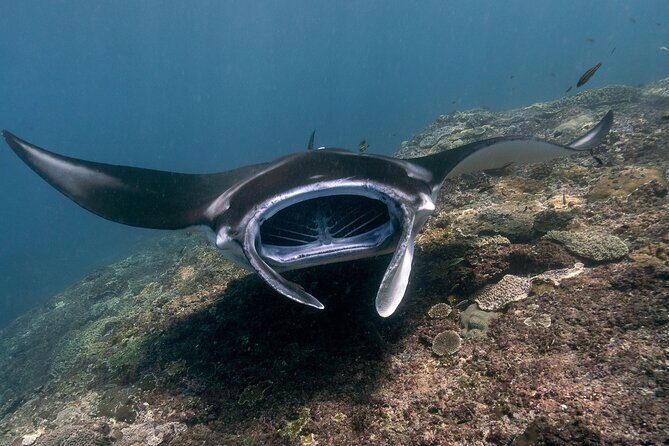
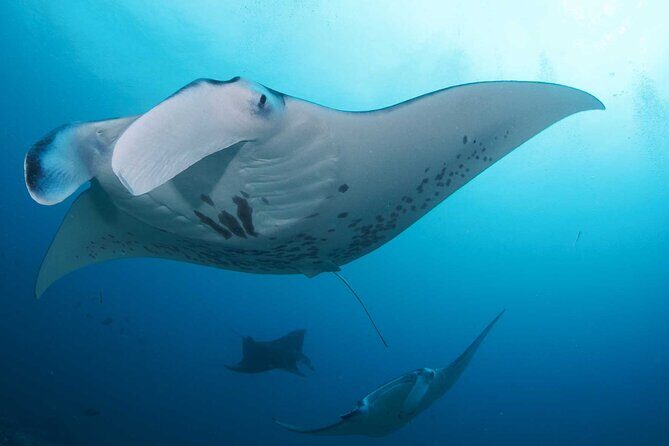
Manta Bay is the star name, and the tour sequence reflects that: it’s your first snorkeling stop. You spend about 1 hour at the stop (including getting geared up and getting in), and the goal is to meet manta rays alongside tropical fish.

Here’s the real-world catch. Even when you’re scheduled for an hour at each bay, the actual time in the water can be short. One piece of feedback described snorkeling time around 10–15 minutes, which depended on where you were in line to jump in. If you hate the feeling of “we’re in the water and then it’s suddenly over,” mentally plan for quick bursts rather than an extended swim session.

Also, manta encounters are nature-driven. One report said mantas weren’t visible during their attempt, while the rest of the marine life and corals still made the experience worthwhile. Another note flagged jellyfish as a factor during snorkeling—again, not a problem you can fully control. If you’re sensitive to stings or you know how you react to jellyfish, bring your own calm plan and don’t assume conditions will match your imagination.

Finally, with multiple boats in the same area, snorkel space can get limited. A review mentioned they were restricted to a smaller area because of how many boats were around. You can’t fight that reality on a popular day, but you can manage it: go early, stay relaxed, and focus on the bigger picture—manta rays are the dream, but the reefs and fish are the backup plan.

Bottom line: Manta Bay is the main reason to book. Just treat it as a “best chance” experience, not a guaranteed manta guarantee.

Gamat Bay and Wall Bay Point: clearer water, more fish, and coral structure

After Manta Bay, you move to Gamat Bay. The vibe here is about clarity and fish variety—this is the stop where you get the feeling that the water is doing its job. One reviewer described Gamat as offering a new experience with more fish, especially compared to what they expected at the manta stop.

Then comes Wall Bay Point, your third snorkeling location. This one is described as a chance to see great wall corals. If you like structure—coral formations that create lanes of movement for fish—this is often the kind of stop that feels better even when manta rays don’t show up.

One important pattern shows up across feedback: stops are frequent and snorkeling windows are short. Think “three scenic snorkel hits” rather than “one long reef session.” That can sound negative, but it also means you’re not stuck in one area that isn’t working that day.

If you’re the type who enjoys quick comparisons—clearer water here, different fish there, coral wall over there—this format can be satisfying. If you want to slow down and drift for an hour, you’ll probably wish you had more time at each site.

El Moon Penida lunch: a needed break between saltwater and cliffs

Snorkeling Manta Rays, Land Tour Tembeling Pool & Kelingking - El Moon Penida lunch: a needed break between saltwater and cliffs
Once snorkeling wraps, you drive to the El Moon Penida area for lunch. The itinerary frames it as a car transfer to a restaurant on Nusa Penida.

In practice, this is where you reset. You’ll likely be tired from a full morning of gearing up, swimming in short windows, and waiting for the group rhythm. I like having lunch built in after water stops because it prevents the common “we’re starving but stuck in a queue” problem.

What to watch for: you’re still on a clock. So eat what you can, hydrate, and don’t wander too far from where you’re meant to meet back up.

Kelingking Beach: the iconic viewpoint, no beach scramble

Snorkeling Manta Rays, Land Tour Tembeling Pool & Kelingking - Kelingking Beach: the iconic viewpoint, no beach scramble
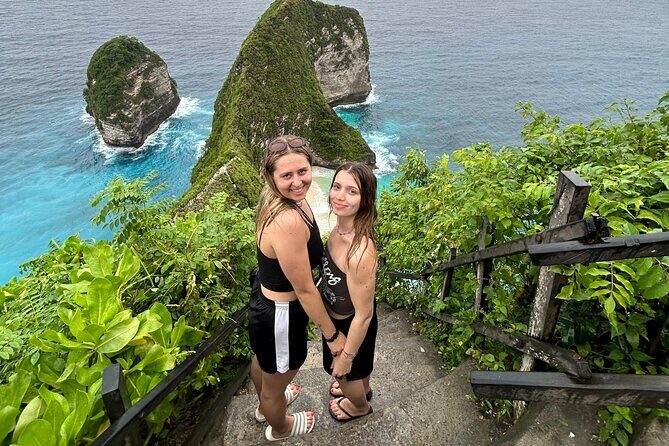
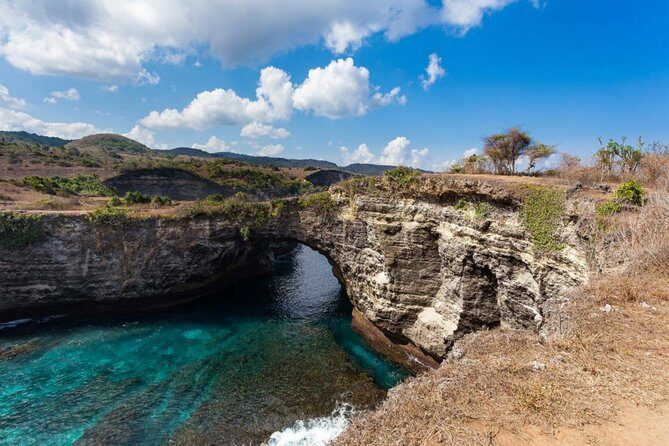
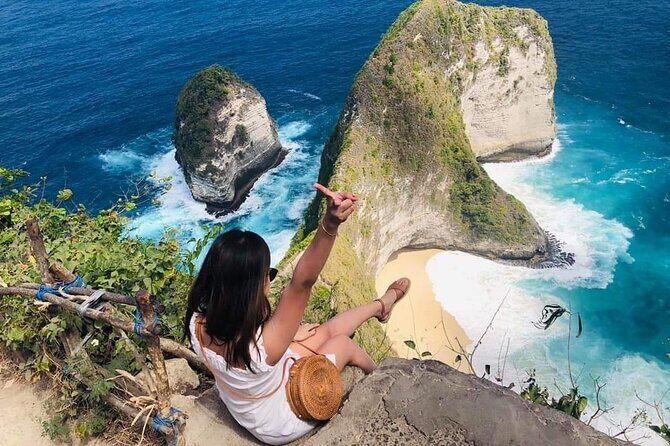
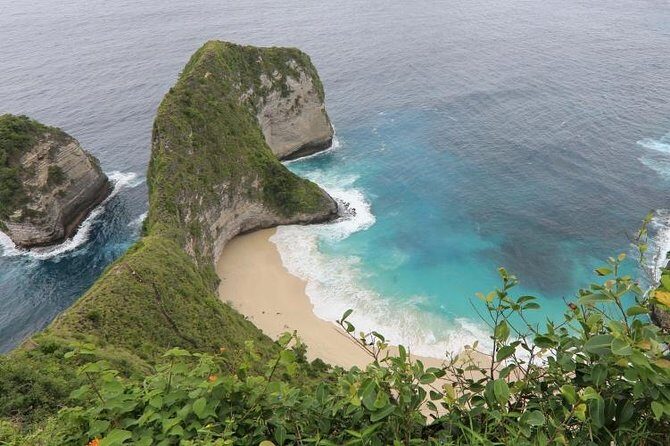
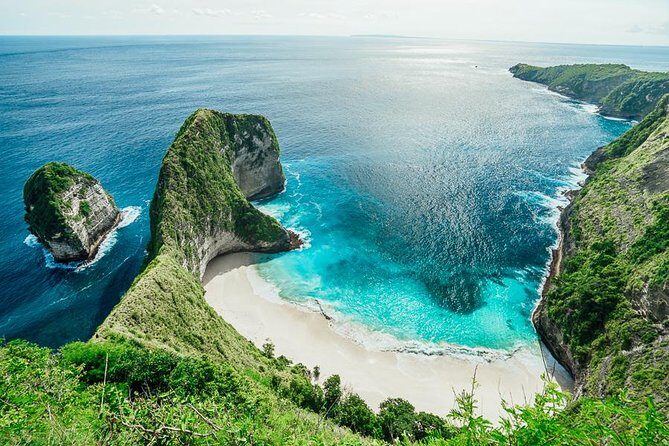
Kelingking Beach is one of those places that looks unreal from the top—like a giant fossilized wave. This tour includes Kelingking Beach as its land “wow” stop, with time focused on the viewpoint and pictures.

Key detail: you won’t be able to go down to the beach. So if you’re thinking of a hike, a scramble, or spending a long time on sand, plan on being a viewpoint-only spectator. That’s not a dealbreaker—most people actually want the iconic angle and the photo moment anyway.

Also, because you’re doing this after snorkeling and lunch, you’ll probably appreciate the structure: you arrive, you look, you shoot, you soak in the view, and then you’re moving again.

If you have limited time on Nusa Penida, Kelingking viewpoint access is a huge value. If your ideal day includes down-cliff exploration, you’ll need a different type of tour.

Tembeling Beach and Forest Pool: where the jungle feels cooler

Snorkeling Manta Rays, Land Tour Tembeling Pool & Kelingking - Tembeling Beach and Forest Pool: where the jungle feels cooler
After Kelingking, you head to Tembeling Beach and Forest. This is the “slow green” contrast in the day: a natural pool inside a jungle-like setting, with enough calm that it feels different from the cliff drama.

Time-wise, you get about 2 hours here. That’s long enough to change into swim gear, take a breath, and actually enjoy the pool instead of rushing through it.

There’s also a practical transfer detail you should know: the car parks on the main road, and you use a motorbike taxi for about 15 minutes. That transfer is included, but it means you should be comfortable with a short ride on uneven or tight roads.

If you’re thinking “I came all this way to swim,” this is one of the best ways to get that without paying separate entry or scrambling to find transportation. If you hate motorcycles or have mobility limits, this part is worth considering carefully—because it’s not a simple walk from the parking lot.

Guides, language, and the little things that make it feel personal

Snorkeling Manta Rays, Land Tour Tembeling Pool & Kelingking - Guides, language, and the little things that make it feel personal
This is where the tour earns its high marks. People consistently mention Wayan as helpful, friendly, and easy to talk with, including strong English. That matters more than it sounds. On Nusa Penida, you want someone who can explain the viewpoints clearly, help you time photos, and keep the day running smoothly even when the group is mixed.

A couple of practical details also get attention. One review mentioned that the instructor captures GoPro footage and shares it quickly afterward. Even if you’re not planning on buying footage, having someone actively filming can help you feel like the day is organized—not just a rough schedule with scattered meet points.

At the same time, one critique stands out: some snorkel photos were taken without much explanation about what you’re seeing in the water. That’s not a safety issue, but it can affect how meaningful the snorkeling feels. My advice: if you care about learning what you’re looking at, ask your guide questions during or right after each stop. A good guide usually loves that.

Overall: the guide can turn a shared day into something that feels thoughtfully run, not mass-assembly.

Price and logistics: is $18.35 a smart buy?

Snorkeling Manta Rays, Land Tour Tembeling Pool & Kelingking - Price and logistics: is $18.35 a smart buy?
For $18.35 per person, this tour is priced like a value play, and the structure supports that. You’re getting:

  • three snorkeling stops
  • land highlights including Kelingking viewpoint and Tembeling pool
  • a full-day itinerary that starts at Banjar Nyuh Harbour and ends back there
  • a mobile ticket
  • guided transport by shared boat and shared car

So where does the cost “go”? Not into luxury time. You’re paying for access, scheduling, and basic coordination across multiple famous sites, which is exactly what you want when Nusa Penida is your limited-time mission.

Two logistics points to plan around:

  • Hotel pickup is available but costs extra. If you’re staying far from the meeting point, check the added fee before you assume pickup is included.
  • Snorkeling is communal. Waiting and short water windows are part of the package, especially when multiple boats and groups share the same water.

If your priority is long private snorkeling, you’d likely spend more elsewhere. But for a time-efficient day with real Nusa Penida highlights, this looks like a fair bargain.

Who this tour fits best (and who should skip it)

This is a great match if you:

  • want to see as many top Nusa Penida sights as possible in one day
  • like guided stops and don’t mind a shared pace
  • care about snorkeling, but you’re okay with short water windows and changing conditions
  • appreciate local guidance (Wayan is repeatedly mentioned for a reason)

You might want a different option if you:

  • want long solo snorkeling sessions or a quiet reef experience
  • dislike being in crowds near popular snorkel spots
  • hate motorcycle transfers (because Tembeling includes a ~15-minute motorbike taxi ride)

One more reality check: manta sightings are not 100% controllable. If you’re obsessed with guaranteed manta rays, you’ll want to manage expectations. Still, even without mantas in view, you’ll be visiting other bays with fish and coral—and you’ll still get the major land sights.

Quick practical tips so you enjoy the day more

  • Pack light. You’re carrying gear at each snorkeling stop and walking between viewpoints.
  • Bring reef-safe essentials if you have them (and don’t forget sunscreen for land time).
  • Expect short snorkeling windows. Treat it like three opportunities, not one long session.
  • If you want better photos, aim to shoot early at each stop. The group moves fast.

Should you book this Nusa Penida snorkeling + land tour?

I’d book it if you want a single-day highlight reel: mantas as the headline, fish and coral as support, then Kelingking and Tembeling to close the loop. The guide factor (especially Wayan) is a real strength here, and the price-to-experience ratio looks strong for what you get.

I would skip it if your dream day is long, quiet snorkeling with lots of time in the water. The shared format means waiting and shorter swims can happen, and the sea can be crowded.

If you’re flexible, enjoy viewpoints, and you like the idea of doing underwater and jungle pool time in one packed day, this tour is a solid pick.

FAQ

How long is the tour?

The tour duration is about 8 hours.

Where does the tour start and end?

It starts at Banjar Nyuh Harbour in Nusa Penida and ends back at the same meeting point.

Is this tour shared or private?

It’s a shared tour, with a shared boat for snorkeling and a shared car for the land portion.

What snorkeling stops are included?

You’ll snorkel at Manta Bay, Gamat Bay, and Wall Bay Point.

What land stops are included after snorkeling?

You’ll visit Kelingking Beach and then Tembeling Beach and Forest Pool.

Can you go down to Kelingking Beach?

The tour notes that you won’t be able to go down to the beach; the experience focuses on the viewpoint.

Is lunch included?

Lunch is included as part of the stop at the El Moon Penida area restaurant.

Is hotel pickup included?

Hotel pickup is available, but it has an extra charge.

What size is the group?

The activity has a maximum of 49 travelers.

Does the tour run in any weather?

It requires good weather. If canceled due to poor weather, you’ll be offered a different date or a full refund.

Bali UNESCO Sites: Water Temples and Jatiluwih Rice Terrace Tour

Bali UNESCO Sites: Water Temples and Jatiluwih Rice Terrace Tour - The morning plan: 8:30 am pickup and a full, single-day route

Bali has a way of turning a drive into a lesson. This private day strings together UNESCO water temples and the famous Jatiluwih rice terraces, with a guide who can shape the timing around your questions and photo stops.

I like the personal touch built into the tour: you’re with an English-speaking driver-guide, not shuffled into a crowd. I also like the “do-able in one day” logic—visiting Taman Ayun, Ulun Danu Beratan, Jatiluwih, then Tanah Lot sunset keeps the day focused instead of exhausting.

One thing to consider: the schedule is long (about 9.5 hours), and the added stops are “if time permits.” That flexibility is great, but it also means your exact extras depend on traffic and pacing.

Key highlights to expect on this Bali UNESCO day

Bali UNESCO Sites: Water Temples and Jatiluwih Rice Terrace Tour - Key highlights to expect on this Bali UNESCO day

  • Private door-to-door pickup from Ubud plus many southern Bali areas, in an air-conditioned vehicle
  • Four UNESCO-linked water and irrigation stops in one organized route (temples + terraces + sea sunset)
  • Photo-friendly timing, especially the Tanah Lot sunset slot
  • English-speaking driver-guide who can tailor the day to what you care about (I saw guides like Juli and Gede focus on culture and great picture spots)
  • Ticket option available if you want included entry fees for the main stops
  • Flexible extras like waterfalls, hot springs, and butterfly/botanical stops when time allows

Price and logistics: what you get for $38

Bali UNESCO Sites: Water Temples and Jatiluwih Rice Terrace Tour - Price and logistics: what you get for $38
At $38.18 per person, this is priced like a value day trip for a private-vehicle format. You’re not just paying for driving; you’re paying for an English-speaking guide, bottled water, parking, and pickup/drop-off from a long list of areas.

A smart way to read the value: you’d normally spend time stitching together temple tickets, routes, and local transport. Here, the day is built so you can cover the key UNESCO highlights without turning your vacation into a logistics project.

The other cost detail that matters: food and drinks are not included. So plan a breakfast before pickup, then budget for lunch and any snacks you want during the long middle stretch.

The morning plan: 8:30 am pickup and a full, single-day route

Bali UNESCO Sites: Water Temples and Jatiluwih Rice Terrace Tour - The morning plan: 8:30 am pickup and a full, single-day route
The tour starts at 8:30 am. That early start helps you beat morning heat, and it gives enough daylight to reach the inland temple-terrace sites and still land for Tanah Lot sunset.

If you’re staying around Ubud/Gianyar, Sanur, Kuta/Legian, Seminyak, Canggu, Jimbaran, Nusa Dua, or Denpasar, pickup is part of the package. I like this because it reduces decision fatigue—you don’t need to coordinate separate transfers just to see multiple sites.

This is also a private tour with only your group. If you’re traveling solo, that matters. Solo visitors who booked this format specifically praised how guides like Juli tailored the trip to their interests and kept things easy for questions.

Stop 1: Taman Ayun Temple and its royal water-garden setting

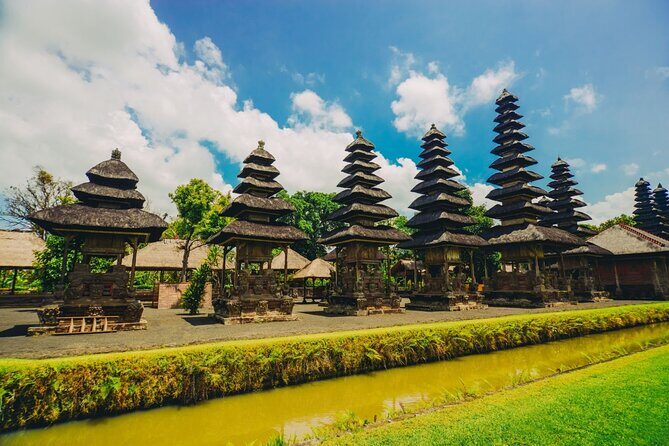
Taman Ayun is a 17th-century temple complex known for its dramatic pagoda-style shrines and lush gardens. You get about 1 hour here, which is long enough to wander at a comfortable pace and still keep the day moving.

What makes it worth your time is the way the temple feels designed as a garden-water experience, not just a stone structure. Expect a calmer mood than you might find later in the day at larger, more tourist-heavy viewpoints.

Practical note: you’ll be walking on temple paths and viewing areas, so wear footwear you trust. Also, temples often mean you’ll want a quick reset before the next stop—this is a good place to pause, take photos, then refocus.

Stop 2: Ulun Danu Beratan and the lake-goddess temple vibe

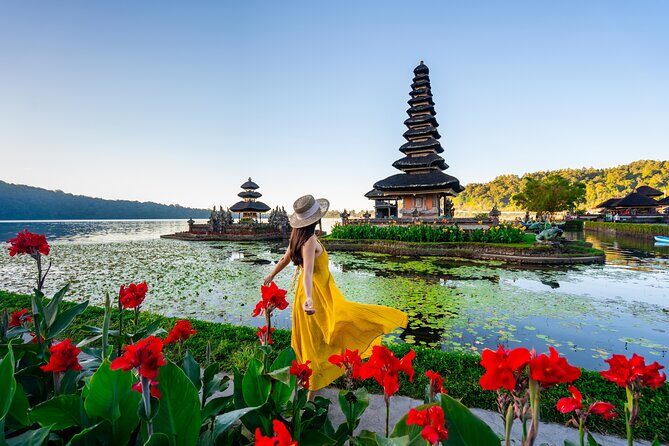
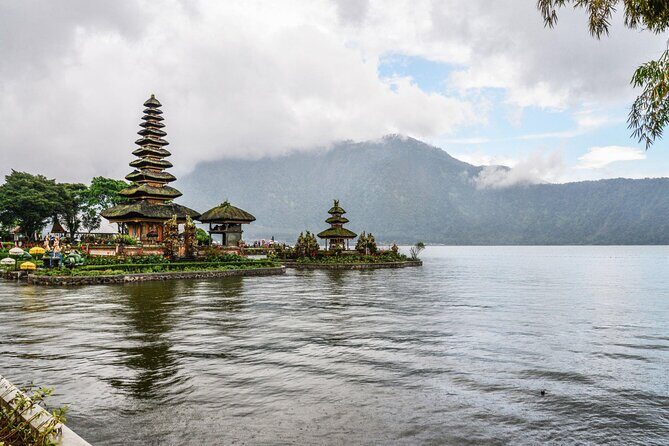
Next up is Ulun Danu Beratan (Ulun Danu Bratan), built as a worship site for Dewi Danu, the lake goddess. It’s famous for the way the temple appears like it sits right in the water.

You’ll get about 1 hour here. That’s enough time to see the main temple area and still step back for wider shots with the lake backdrop.

Here’s the culture angle that makes it more than scenery: this stop ties into Bali’s water-centered religious traditions—water isn’t just a background in Bali. It’s part of the belief system and daily life, and the day’s other sites reinforce that connection.

If you’re photo-minded, take your first round of pictures early in your hour. Later, you can slow down for calmer compositions once you know your favorite angles.

Stop 3: Jatiluwih rice terraces and the visible subak system

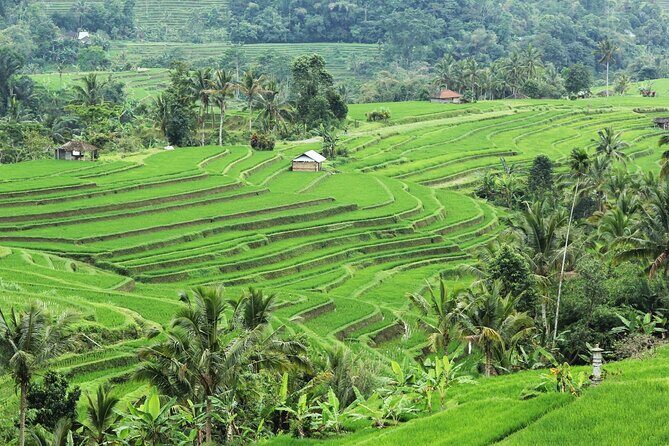
Then comes Jatiluwih Rice Terraces (listed as Jatiluwih Green Land), a rolling hillside view that people come to see for both its scale and its working feel. You get about 1 hour here.

The big idea behind the UNESCO connection is Bali’s subak irrigation system—community water management tied to farming and rituals. At Jatiluwih, you can actually see what that means: terraces, water flow, and the way the hills are shaped for growing rice.

This is also where the day’s “authentic feel” matters most. The terraces aren’t just a postcard. They’re active farmland, so your experience is more grounded than a pure temple courtyard.

One drawback to consider: Jatiluwih can involve uneven walking and open viewpoints. Bring water (you’ll have bottled water from the tour), but also expect you may want a hat and sunglasses. If you’re sensitive to long outdoor time, pace yourself during the hour.

Stop 4: Tanah Lot at the sea and the sunset factor

Bali UNESCO Sites: Water Temples and Jatiluwih Rice Terrace Tour - Stop 4: Tanah Lot at the sea and the sunset factor
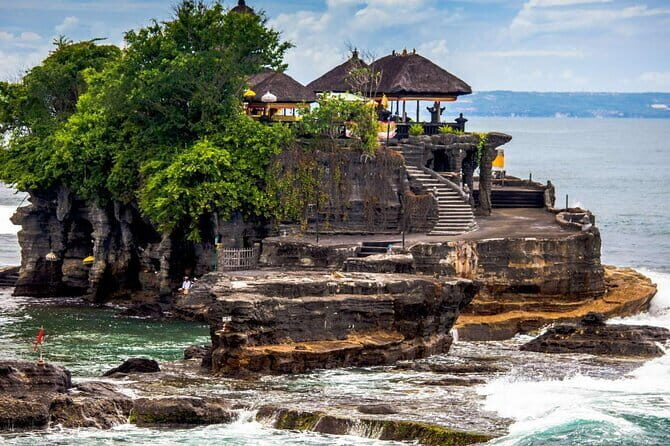
Tanah Lot is a temple by the sea, perched on a rocky islet off Bali’s southeast coast. You’ll spend about 1 hour 30 minutes here, and the timing is built around sunset.

This is the stop that turns a temple tour into a full-on Bali memory. The sea setting makes the whole scene feel dramatic, and sunset photography is usually the main event—especially if you’ve seen Tanah Lot in photos before and want the real-life version.

Practical tip: plan to arrive ready to shoot, then take time to look without your camera. The best shots often come from knowing where you want to stand before the light changes.

Also, since this is a coastal stop, expect breezier conditions in the late afternoon. That’s great for comfort—just keep a light layer in mind if you run cool easily.

Optional add-ons if time permits: waterfalls, hot springs, and a few wild diversions

Bali UNESCO Sites: Water Temples and Jatiluwih Rice Terrace Tour - Optional add-ons if time permits: waterfalls, hot springs, and a few wild diversions
Your route can include extra stops if time permits. The list is long, so think of this as a menu rather than a guaranteed set of sights. Depending on timing, you might add things like:

  • A hidden waterfall with a narrow stream into a shallow pool
  • A museum focused on preserving ogoh-ogoh (Balinese ceremonial figures)
  • A stop at a caldera lake area near Baturiti, close to Ulun Danu Beratan
  • A few classic “camera magnet” viewpoints, including another iconic Instagram spot
  • A huge cliff-top waterfall with water dropping through a narrow jungle gap
  • Hot springs for that mix of traditional feel and scenic setting
  • The Sekumpul waterfall area, described as three waterfalls with different heights
  • A butterfly park focused on preservation and breeding of butterflies and insects
  • A botanical collection with tropical flowering plants and specimens
  • A beach break near a surfer-friendly area
  • A temple with a giant sleeping Buddha
  • A place tied to the new edu-vacation concept
  • Additional hot spring pool stops and viewpoints, if time allows

How to use this menu well: ask your driver-guide what’s realistic that day. Good guides can read your pace and priorities. In past bookings, guides like Mika and Teget were praised for careful driving and patient, useful explanations—exactly what you want when you’re deciding between an extra viewpoint and getting back for sunset.

If hot springs are on the table, bring swimwear and plan for a quick rinse afterward. For waterfalls, expect wet paths and bring something you can comfortably handle.

What the driver-guide really adds to the day

This tour isn’t just a checklist. It’s built around an English-speaking driver-guide who also drives. That setup often means you get context as you travel, plus help making choices on the fly.

In real feedback, guides named Juli, Mika, Teget, and Gede showed up for the kind of service that turns a long day into a smooth one. People specifically liked the guides being patient with questions, sharing Balinese traditions, and helping find strong picture spots.

If you want the day to feel personal, use the guide time. Ask things like:

  • What does water mean in the temple rituals?
  • How does subak fit into day-to-day farming?
  • What’s the best time to get calm light at Tanah Lot?

Those answers are often what you’ll remember after the photos fade.

Photo and timing advice that matches the itinerary

This route has a built-in photo rhythm: gardens → lake temple → terraces → sea sunset. You’ll move from inland cooler-feeling sites to coastal sunset light, so you’ll want to keep your settings adaptable.

My practical suggestions:

  • Start with quick wide shots at each stop, then do a second round for detail once you know your angles.
  • Bring a small cloth or towel if you plan on any waterfall add-ons. Wet gear gets annoying fast.
  • For sunset at Tanah Lot, do at least one non-photo moment. You’ll enjoy the moment more, and you’ll still get great shots.

And if your guide is willing, ask them to show you a couple of standing spots. Multiple guides were praised for taking strong photos and helping guests find good places.

Who this private Bali UNESCO tour is best for

This tour is a strong match if you want:

  • A private day without the hassle of public transport timing
  • A focus on Bali’s water traditions, from temple worship to rice irrigation
  • A plan that works even if you only have one full day to cover multiple UNESCO highlights
  • Guides who will explain and adjust for questions

It’s also a good choice if you’re traveling solo. Because it’s private for your group, solo travelers get a real guide conversation instead of feeling like they’re interrupting a tour.

If you hate long car time or you want zero driving, this may feel like too much. But if you enjoy being on the move with purpose, it’s a very satisfying day.

Should you book this Bali UNESCO water temples and Jatiluwih tour?

I’d book it if you want one organized day that connects the dots between Bali’s temples, water worship, and rice irrigation—and still ends with the classic sunset payoff at Tanah Lot. The value holds up especially well because you’re paying for private transport, an English-speaking guide, and ticket support when you choose that option.

I’d think twice if you’re very sensitive to a packed schedule, because the day is long and the extra stops depend on timing. Also, if you’re only interested in one type of sight—say, only temples or only beaches—this tour’s variety might feel like too much change.

If you’re okay with a full day and you want the UNESCO highlights without playing route-maker, this is a smart way to spend your Bali time.

FAQ

What time does the tour start?

The tour starts at 8:30 am.

How long is the Bali UNESCO water temples and Jatiluwih rice terrace tour?

It runs for about 9 hours 30 minutes (approx.).

Where are pickup and drop-off available?

Pickup and drop-off are offered for Ubud/Gianyar, Sanur, Kuta/Legian, Seminyak, Canggu, Jimbaran, Nusa Dua, and Denpasar.

Is this a private tour?

Yes. It’s a private tour/activity, and only your group participates.

Are temple and attraction tickets included?

Tickets are included if the ticket option is selected. The tour also notes that entry tickets are available as an upgrade.

Is food included in the price?

No. Food and beverage are not included and you can purchase them during the day.

Can I cancel for a full refund?

You can cancel for a full refund if you cancel at least 24 hours before the experience’s start time. If you cancel less than 24 hours before, the amount you paid will not be refunded.

Private Ubud Downhill Cycling with Volcano, Rice Paddies & Meal

Private Ubud Downhill Cycling with Volcano, Rice Paddies & Meal - Plantation Lessons and Tropical Fruit Tasting in Plain English

Two pedals, a volcano, and rice paddies. This private Ubud downhill ride mixes countryside cycling with a big Mount Batur viewpoint, then finishes with an actual meal in Ubud (not a snack). The biking is set up to be easier than most people expect—because it’s mainly downhill—but it does start early.

I like that you get the gear and food handled for you: helmets, cold face towels, breakfast, lunch, and transportation to the departure point. The one thing to consider is timing and stamina: it’s an 8.5-hour day, and while the route is gentle, you’re still on a bike for a good chunk of the morning.

Key Points You’ll Care About

Private Ubud Downhill Cycling with Volcano, Rice Paddies & Meal - Key Points You’ll Care About

  • Private for just your group: your guide can pace things around you instead of herding a big crowd.
  • Mostly downhill, village-road riding: easier effort, plus time to look around rather than grind uphill.
  • Mount Batur crater-lake viewpoint at Kintamani: one of the tour’s strongest payoff moments.
  • Plantation stop with tropical fruit tasting: learn traditional and current uses of plants while you snack.
  • Breakfast and lunch included: with vegan and vegetarian options, plus bottled water and dessert.
  • Guides known for patient, clear instruction: people mention guides like Agus, Kadek, and Ikarak for English and calm safety focus.

The Ubud Downhill Cycling Day That Feels Like a Local Route

Ubud has plenty of rides you can do on your own—but this one feels curated in the best way. You’re not just biking for exercise; you’re moving through rural Bali in a way that’s easier to manage. The day blends three moods: morning food, scenic viewpoints, and then the relaxed joy of mostly downhill cycling through smaller roads.

I also like the practical touch. Instead of showing up, getting lost, and figuring it out, you start the day with breakfast, then get your bicycle picked and fitted for comfort. That small step matters, especially if you’re new to cycling or you just don’t want any fuss.

7:00 AM Start, Pickup, and a Breakfast That Actually Powers You

Private Ubud Downhill Cycling with Volcano, Rice Paddies & Meal - 7:00 AM Start, Pickup, and a Breakfast That Actually Powers You
The tour starts at 7:00 am, and that early timing is part of what makes the day work. You’ll get breakfast in Ubud (pancake and omelet options are part of the spread), plus juice, coffee, and tea. It’s a solid start because you’ll be outside and moving for hours, not just doing a quick loop.

You may also have pickup offered, and either way, transportation is included to get you to the departure point for the cycling portion. That saves time and reduces stress—especially if Ubud traffic is already making you cranky.

One gear detail I’m glad you don’t have to think about: Bali Bikes, plus a helmet and cold face towels. Even on a “light” ride, Bali sun and heat can hit hard, and having those little comfort items ready helps the whole day feel smoother.

Plantation Lessons and Tropical Fruit Tasting in Plain English

Private Ubud Downhill Cycling with Volcano, Rice Paddies & Meal - Plantation Lessons and Tropical Fruit Tasting in Plain English
After breakfast, the route includes a Balinese plantation stop where you learn how local flora is used in both traditional and present-day ways. This isn’t just a photo stop. You’ll get a quick education tied to what you can actually see and smell, and you’ll taste tropical fruits you might not have seen before.

Why this matters: if you only focus on the cycling, it can feel like you’re watching scenery go by. This plantation stop turns the day into something more “connect the dots.” You understand what you’re seeing—then you can carry that into the ride and even later as you explore on your own.

A small consideration: fruit tasting and walking around a bit can take a little time even before the volcano viewpoint. If you’re the type who wants zero delays and only wants cycling, you might feel the schedule is a bit busy. Most people enjoy it because it adds variety before the bike portion.

Mount Batur and Kintamani: Why This Crater-Lake View Gets Mentioned

Private Ubud Downhill Cycling with Volcano, Rice Paddies & Meal - Mount Batur and Kintamani: Why This Crater-Lake View Gets Mentioned
Next comes Mount Batur and the Kintamani area for a lookout over the crater lake of the active volcano. This is one of the big highlights of the day, and it’s easy to see why. Even when weather isn’t perfect, the experience is the kind that makes your brain go quiet for a second.

Here’s the practical angle: volcano viewpoints often look best when you’re fresh, not tired and distracted by logistics. That’s another reason the early start helps. You’re more likely to enjoy the view instead of racing to make it back for lunch.

If you’re sensitive to motion or bumpy rides, keep in mind you’re also doing a road transfer between points. The good news is the day is built to balance driving with long breaks and then the calm downhill biking after.

Pura Dalem Pukuh: Where the Bike Ride Really Begins

Private Ubud Downhill Cycling with Volcano, Rice Paddies & Meal - Pura Dalem Pukuh: Where the Bike Ride Really Begins
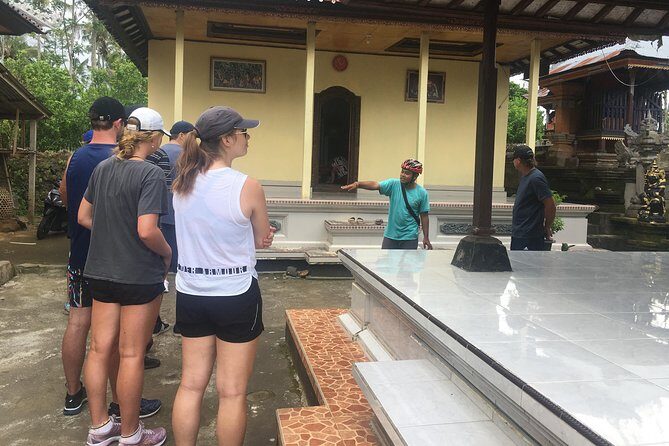
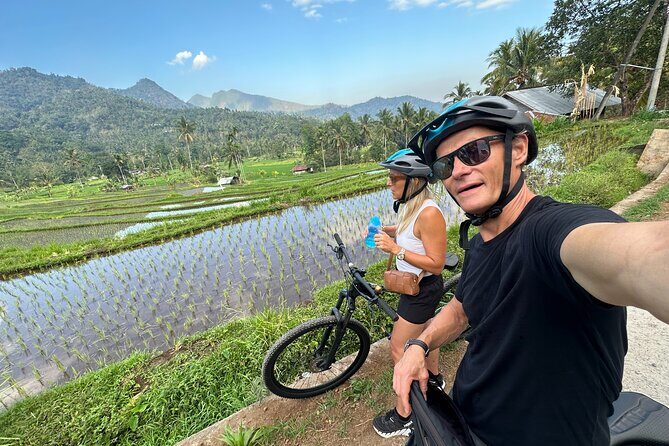
The cycling portion starts at Pura Dalem Pukuh. Before you ride, you choose a bicycle and work out comfort—so you’re not stuck with a bike that feels off right from the start. Your guide also explains about the bicycles before you roll.

This is one of those underrated parts of the tour. A downhill ride is fun, but it still needs good posture and comfortable handling. Picking the bike to fit you means you’ll feel more in control, which makes the whole day feel easier.

You’ll also get your guide-led orientation before heading out onto smaller roads. People talk about safety being a top priority, and it shows in the way the day starts with setup and instruction instead of rushing straight to speed.

The Downhill Ride to Manukaya: Mostly Down, Very Chill

Private Ubud Downhill Cycling with Volcano, Rice Paddies & Meal - The Downhill Ride to Manukaya: Mostly Down, Very Chill
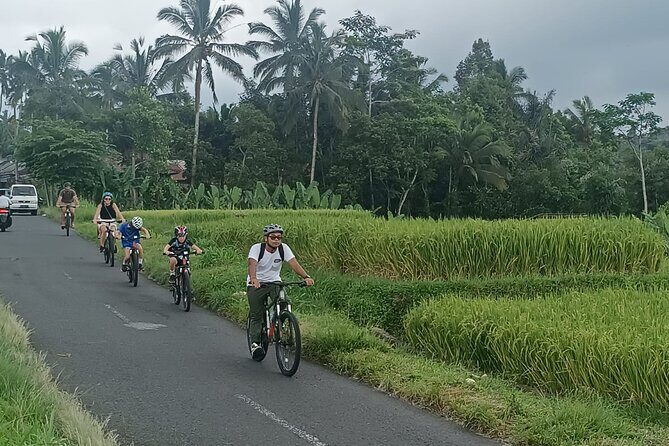
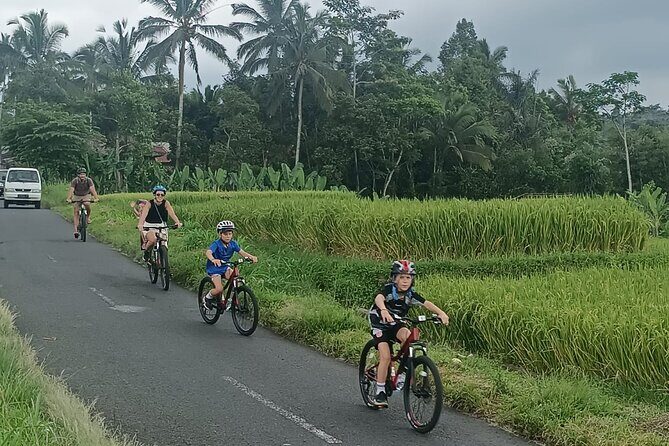
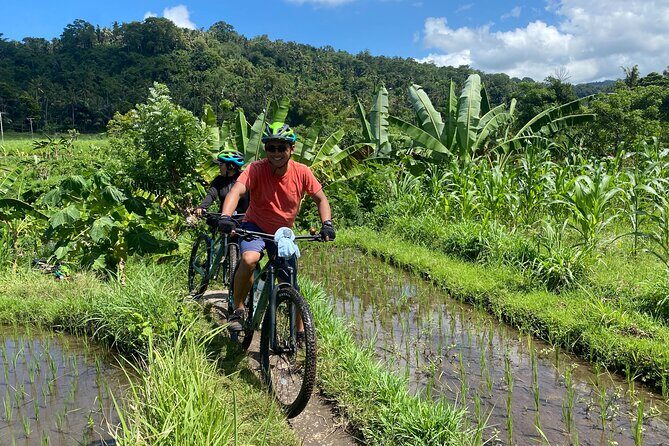
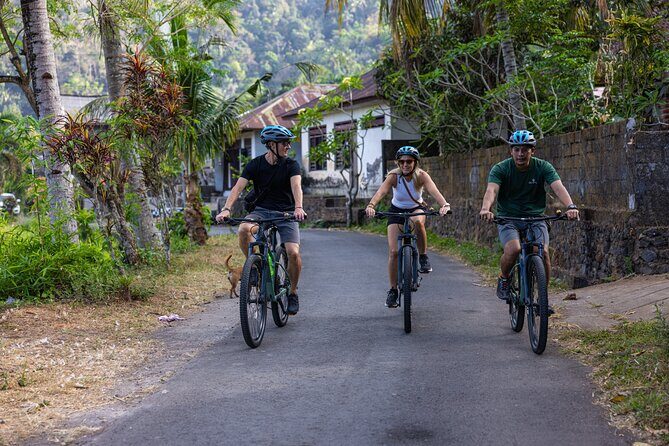
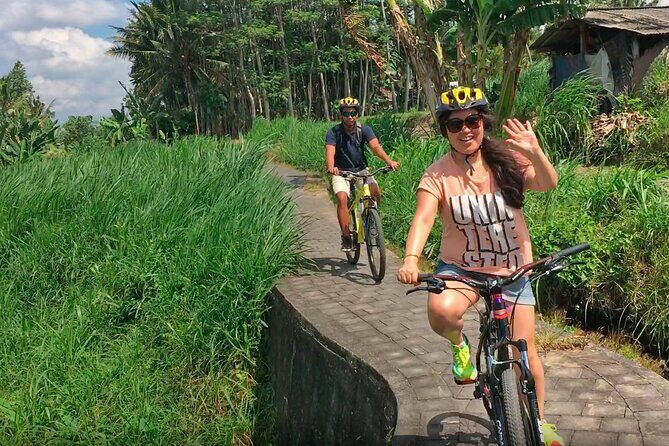
The main ride takes you through rural areas on small village roads, and the route is almost entirely downhill. That’s the real secret sauce for this tour. You’re not training for a mountain stage; you’re enjoying the ride while the terrain does the work.

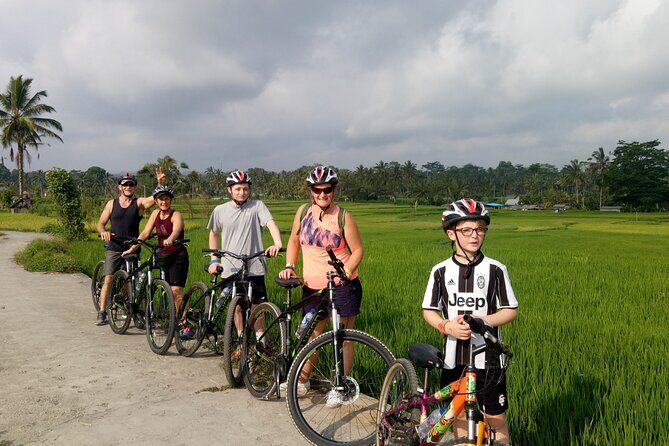
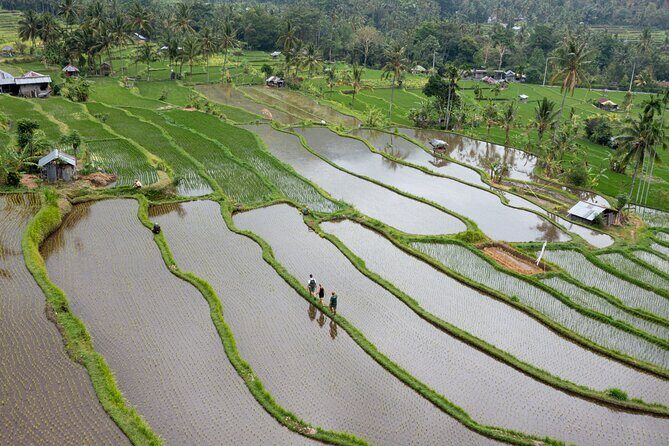
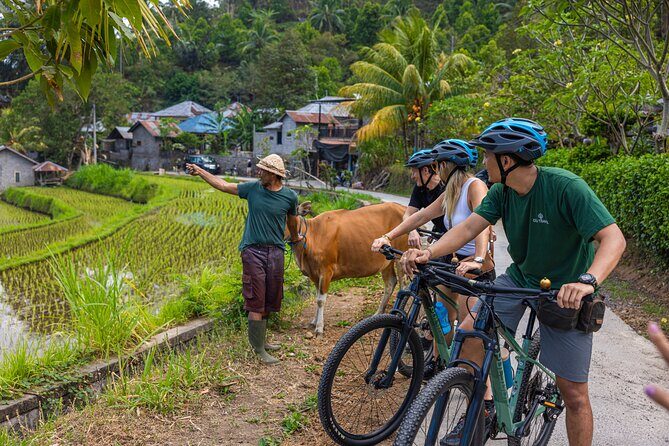
On the way toward Manukaya, you’ll pass through scenery like rice fields, plantations, and quiet villages. The idea is to show Bali in a way that feels less like a traffic jam and more like you’ve found a back way locals use.

What you’ll feel while riding:

  • Your effort stays moderate because gravity helps you.
  • You can look around without getting totally wiped out.
  • You’ll want to keep attention on the road since you’re on village paths, not a sealed bike trail.

A note if you’re new to cycling: even downhill needs good braking and calm control. If you’re cautious, go slower. The tour is designed for ease, but your comfort still depends on how you ride.

And if weather turns? Some people have done this trip during rain, and the tone stayed upbeat with strong focus on safety. Still, it’s smart to bring a light rain layer in your day bag. You can’t always control weather, but you can control comfort.

Ubud Lunch: Real Balinese Food Plus Choices That Work

Private Ubud Downhill Cycling with Volcano, Rice Paddies & Meal - Ubud Lunch: Real Balinese Food Plus Choices That Work
After the ride, you end back in Ubud for lunch. This isn’t just one standard plate either. The menu supports different diets: vegan options, vegetarian options, and meat for those who want it. You’ll also get mineral water.

Dessert is part of the finish—either ice cream or Balinese fruits, depending on what’s being offered. It’s a nice way to close the day because you’re not heading back hungry or trying to find food after you’re already tired.

Why this lunch stop adds value: a cycling tour can feel half-finished if you only snack. Here, you get an actual sit-down meal rhythm that makes the whole day feel like a full experience.

Guides and Team: Clear English and Patient Control

Private Ubud Downhill Cycling with Volcano, Rice Paddies & Meal - Guides and Team: Clear English and Patient Control
One reason this tour consistently gets high praise is how the day is handled by the team. People have highlighted guides like Agus for being funny and curious with strong English, and Kadek for positivity, safety-first focus, and calm guidance even when conditions weren’t ideal. Ikarak also comes up as a guide people appreciated for the overall organization and pacing.

Even if you don’t care about names, you should care about the job they do: timing, pacing, explanations, and making sure the bike portion stays comfortable. The private format helps here, because your guide isn’t juggling a large group of different skill levels.

Price and Value: Is $75 Worth It in Ubud?

At $75 per person for about 8.5 hours, the price looks reasonable when you break it down:

  • You’re paying for a private guided day, not just a rental bike.
  • Gear is included: bikes, helmets, and cold face towels.
  • Food is included: breakfast and lunch.
  • Transportation is included to move you between key points.

If you were to recreate this on your own—driver, tickets, and two meals—you’d likely spend more and spend more time coordinating. The value is in the saved hassle and the structure: you get viewpoints, a cultural stop, and a downhill ride in one package.

One more practical note: the average booking window is about 87 days in advance, which suggests demand. If you’re traveling in peak season or you want a specific day, booking ahead is a smart move.

Who Should Book This Tour (and Who Might Skip)

This tour fits best if you want:

  • An easy cycling experience where downhill does the heavy lifting.
  • A guided day that includes viewpoints plus culture stops, not just riding.
  • Meals handled for you, including vegan and vegetarian choices.
  • A private setup where you’re not stuck with an overly fast or overly slow pace.

You might consider a different option if:

  • You hate early starts and long days.
  • You want a long, intense workout with lots of uphill climbing.
  • You prefer purely self-guided exploring with no scheduled stops.

For families, this is also a strong option because the route is described as easy downhill and the guide approach is patient. One family group included kids aged 14 and 10 and still described the ride as enjoyable.

Should You Book It? My Quick Recommendation

If you’re in Ubud and you want one day that blends volcano scenery, rural cycling, and good meals, I’d book this. The best part is the balance: you get the payoff of a Mount Batur viewpoint, then you get the fun of easy downhill riding, and then you sit down for lunch instead of scrambling for food later.

The main “watch out” is the schedule. It’s early, it’s long, and the biking is active enough that you’ll feel it. If that sounds like your kind of Bali day, this is a very solid value for a private, well-fed, easy cycling experience.

FAQ

What time does the tour start?

The start time is 7:00 am.

How long is the cycling tour?

It’s approximately 8 hours 30 minutes.

Is this a private tour?

Yes. It’s a private tour, and only your group participates.

What’s included in the experience?

You get bikes, helmets, cold face towels, breakfast and lunch, and transportation to the departure point. Pickup is also offered.

Are meals offered for vegan or vegetarian guests?

Yes. Lunch includes options for vegan, vegetarian, and meat lovers, and you’ll also have mineral water.

If I cancel, can I get a full refund?

Yes—free cancellation is offered. A full refund is available if you cancel at least 24 hours before the experience’s start time.

Do Photo Shoot at Your Hotel & Resort in UBUD

Do Photo Shoot at Your Hotel & Resort in UBUD - Working With Nyoman, Berto, and Other Pros Focused on Lighting

Your hotel can look like a photo set.

This Ubud experience turns your own resort into the backdrop, with a portrait-focused photographer and time to walk through the property while you get guided for the shots you actually want. I love the promise of minimum 75 high-resolution edited photos, and I also like that you can steer the vibe toward candid, funny, or romantic scenes. Even the host team comes with names you can connect with up front—Kadek, with co-hosts Wayan and Putu—plus photographers like Nyoman or Artha Berto have handled sessions with a close eye on lighting and flow.

The one thing to keep in mind: the shoot is mostly about your hotel or resort grounds, and other hotel areas may cost extra, so you’ll want to confirm the exact coverage for your address and location in Ubud.

Key highlights at a glance

  • 75+ edited, high-resolution photos delivered to you digitally
  • 1.5-hour private session focused on your resort’s look and feel
  • Your style input matters (candid, funny, romantic)
  • Pro camera + photographer included so you’re not juggling phones
  • Lighting attention and patient direction shows in the results
  • Bad weather still can work with good planning on the day

A 1.5-Hour Portrait Session at Your Own Ubud Resort

Do Photo Shoot at Your Hotel & Resort in UBUD - A 1.5-Hour Portrait Session at Your Own Ubud Resort
Think of this as a “yes, we can do photos without leaving the place” plan. You meet, then you spend about 1 hour 30 minutes working with a portrait photographer around your hotel or resort in Ubud. Instead of chasing a long checklist of sights, you get a concentrated session in a setting you already chose—balconies, gardens, hallways, pools, and that particular brand of Bali beauty your property has worked hard to create.

I like that it’s private. The activity is set up for only your group, so you can move at your pace and ask for what you want without performing in front of strangers. The host team (Kadek, Wayan, and Putu) also frames the experience clearly: it’s about capturing your best moments during your stay, not just taking “tour photos.”

You should expect walking during the session. That’s part of the value: it keeps the look natural, and it helps you get variety by moving through different corners of the property. If you’re picturing a few portraits that look like they belong on a postcard and also a handful of relaxed shots that feel real, this setup fits.

Why $40 Buys a Lot Here: 75+ Edited Images

Do Photo Shoot at Your Hotel & Resort in UBUD - Why $40 Buys a Lot Here: 75+ Edited Images
At $40 per person, the best question isn’t just what it costs. It’s what you get for your money.

Here’s the core math: the session includes a minimum of 75 edited photos in high resolution. Even without knowing the exact final selection count every time, that’s a lot of finished images for one session. You’re not just paying for “a couple good ones.” You’re paying for a folder you can actually use—social media posts, profile pics, and the kind of couple or solo photos you’ll want later.

Then there’s the delivery method: edited photos are sent by email via Google Drive. That’s practical. You won’t be stuck waiting in a dark office for prints or trying to download from a complicated system. You get your file set in a way that’s easy to manage.

One small value caution: because you get a sizable photo bundle, this is best if you’ll use more than just two or three images. If you only want a couple quick photos, you might prefer a shorter mini session (though this one is already built around giving you plenty).

Walking the Property for Candid, Funny, and Romantic Shots

The shoot is built around movement through your hotel or resort, which is what makes the photos feel less stiff. You’ll walk along areas inside the property while the photographer captures different angles and moments—portraits, relaxed couple frames, and more natural-looking images that don’t feel like a forced pose.

A key detail I think is worth emphasizing: you’re invited to suggest the picture style before the shoot gets going. You can request candid, funny, or romantic photos. That direction matters, because it changes how the photographer prompts you.

Want candid? You’ll get prompts that help you look like you’re enjoying your trip, not waiting for instructions. Want funny? Expect playfulness and actions that look spontaneous rather than staged. Want romantic? The session leans into softer posing and moments that read clearly as couple time.

Some sessions may also include a shift beyond the deepest interior of the property—at least for quick outdoor frames. One example mentioned an outside shot toward the main road area, which is a reminder that if your resort has a photogenic edge or street-side view nearby, you can sometimes add variety without turning it into a full city tour. Still, the “anchor” is your hotel or resort.

Working With Nyoman, Berto, and Other Pros Focused on Lighting

Do Photo Shoot at Your Hotel & Resort in UBUD - Working With Nyoman, Berto, and Other Pros Focused on Lighting
This is a portrait photography hobbyist setup, but the results described emphasize real craft. Photos have been praised for luxurious vibes, strong use of lighting, and a sense of elegance in the final frames. That’s not a small detail. In Bali, light can change fast—clouds roll in, late afternoon softens everything, and shadows get dramatic. Having a photographer who thinks about lighting helps your images look intentional instead of accidental.

The other big plus from the feedback: patience and attention. One session described a photographer who was very patient and attentive to details, which makes a difference when you’re trying to look good but you’re also dealing with nerves, heat, or just not being a “model” person.

Punctuality and kindness also came up. That sounds basic, but it matters because a portrait shoot is only 1.5 hours. If the first 20 minutes get lost, you end up rushing the good parts.

If you’re booking for something emotionally important—one person mentioned a honeymoon and how professionally done photos felt important—that’s exactly where I think this experience works best. You’re not just getting random images. You’re getting a focused portrait session with guidance.

Ubud Timing and Weather: How the Session Stays Photogenic

Do Photo Shoot at Your Hotel & Resort in UBUD - Ubud Timing and Weather: How the Session Stays Photogenic
Ubud weather can be unpredictable. One note specifically mentioned bad weather, but the session still produced good photos. That tells me the photographer isn’t just banking on perfect sunshine.

Here’s how you can help the day go smoothly even if the sky changes:

  • Decide your outfit plan with comfort in mind, not just style. You’ll walk during the shoot.
  • Be ready for light shifts. Even if the mood changes fast, your photographer’s lighting approach can still create flattering looks.
  • If conditions are wet or windy, ask the photographer how they want to handle it on the spot so you don’t lose momentum.

You’re not guaranteed that you’ll avoid rain. But you are getting a setup that seems designed to work with real-life conditions rather than pretending the weather is always cooperative.

Meeting Point at Jl. Raya Ubud and Keeping It Smooth

Do Photo Shoot at Your Hotel & Resort in UBUD - Meeting Point at Jl. Raya Ubud and Keeping It Smooth
This experience has a clear start location: Jl. Raya Ubud No.35, Ubud, Kecamatan Ubud, Kabupaten Gianyar, Bali 80571, Indonesia. The activity ends back at the meeting point.

That matters because it signals the plan is organized. You’re not trying to coordinate a complicated handoff by WhatsApp alone. You also use a mobile ticket, which is convenient when you’re moving around Ubud with limited patience for paperwork.

Two more practical bits:

  • Confirmation is received at booking time, so you should know your setup ahead of day-of.
  • It’s structured as a private activity, which usually means your timing stays more focused on your group and less on the clock of a big tour.

There’s one logistics item to flag early: other hotel areas may be an additional cost. If your resort is on the edge of where the provider considers a normal reach, confirm what’s included for your address so there are no surprises.

Who Should Book This (and Who Might Skip It)

Do Photo Shoot at Your Hotel & Resort in UBUD - Who Should Book This (and Who Might Skip It)
This is a strong choice if you fit one of these scenarios:

  • Couples and honeymooners who want romantic, clear portraits without turning it into a whole sightseeing day. The session length is short, so you still have time to enjoy Ubud.
  • Solo people who want portraits that look confident and polished. One example highlighted a female solo traveler who wanted nice photos of herself for social media and felt the results matched the intent.
  • Anyone who prefers convenience: you want professional photos but you don’t want to spend hours traveling around for locations.

This isn’t as ideal if:

  • You’re hoping for a full Ubud highlights route with multiple landmarks. This is anchored around your hotel or resort.
  • You’re staying in an area that may trigger extra cost for pickup or location coverage. The activity can cost more outside the standard zone.

My Practical Advice to Get the Best Results

Do Photo Shoot at Your Hotel & Resort in UBUD - My Practical Advice to Get the Best Results
You’ll get the best photos when you treat this like a collaboration instead of a passive service.

Before the shoot, think about:

  • What you want the photos to feel like: candid, funny, or romantic is a great starting point. Decide which one is your top priority.
  • What background you love most at your resort. You know the place better than anyone, so point out the spots that feel like “you.”
  • How many people you want in the frame: solo portraits, couple frames, or both. It’s easier when you set a simple goal.

During the shoot:

  • Don’t panic if you feel awkward at first. A good portrait session often looks awkward at the start and smooths out once you relax.
  • Use clear direction. If you want more laughing shots or more posed elegance, say it early so your photographer can pace the walk.

And remember, you’re paying for edited, high-resolution images. The photographer’s job isn’t just pressing the shutter. It’s helping choose angles, timing, and lighting so the final files look cohesive.

Should You Book This Ubud Hotel Photo Shoot?

Do Photo Shoot at Your Hotel & Resort in UBUD - Should You Book This Ubud Hotel Photo Shoot?
I think you should book if you want professional-looking Bali photos without spending a day commuting or chasing landmarks. For $40, the combination of 1.5 hours, a private setup, and 75+ edited photos delivered via Google Drive is solid value—especially if you’ll actually use the photos for posts, keepsakes, and gifts.

I’d hold off if your plan is to capture Ubud sights beyond your resort, or if your hotel location might trigger extra fees for the shooting area. In that case, ask for clarity on what’s included for your exact address before you commit.

If your goal is simple: get great portraits at your hotel, in Ubud, with a photographer who pays attention to lighting and direction—this is a pretty smart buy.

FAQ

How long is the photo shoot?

It lasts about 1 hour 30 minutes.

What is the price per person?

The price is $40.00 per person.

How many edited photos will I receive?

You’ll get a minimum of 75 high-resolution edited photos.

How will I get the photos after the shoot?

The edited photos are sent by email using Google Drive.

Is this tour private?

Yes. It’s private, and only your group participates.

Where does the activity start and end?

It starts at Jl. Raya Ubud No.35, Ubud, and ends back at the same meeting point.

Do I need to choose the photo style?

You can suggest what kind of pictures you want, like candid, funny, or romantic.

Is there extra cost for hotels outside the main area?

Other hotel areas in Ubud may require an additional cost.

Is there a cancellation option if plans change?

Free cancellation is available up to 24 hours in advance for a full refund.

Rafting Telaga Waja River with optional transfer, zipline & lunch

Fresh river rapids in Bali can feel instantly real. This Telaga Waja rafting trip puts you on Class III–IV water with a professional guide, then lets you cool down with real post-activity facilities. I like that the package covers the basics you’d otherwise have to hunt for—safety gear and shower/changing facilities—so you can focus on the ride, not the logistics.

One thing to keep in mind: the day can involve shared timing and optional add-ons, so your first moments may feel a bit like getting your bearings before you fully lock into the plan.

Key points to know before you go

  • Class III–IV Telaga Waja rapids with helmet and life jacket on the whole stretch.
  • Return transfer from major south Bali spots and Ubud, with pickup offered.
  • Showers, towel, and changing facilities right after the ride.
  • Included buffet lunch to reset your energy before heading back.
  • Optional adventure add-ons: zipline and/or ATV, including a reported 200m zipline add-on option.

Telaga Waja Rafting: Why This Stretch Feels Like Proper Bali Adventure

Rafting Telaga Waja River with optional transfer, zipline & lunch - Telaga Waja Rafting: Why This Stretch Feels Like Proper Bali Adventure
Telaga Waja rafting is one of those Bali activities that doesn’t try to be too fancy. It focuses on what you came for: moving water, real effort, and a guide who keeps everyone safe while you work the paddles. The rapids are rated Class III–IV, which is the sweet spot where you get strong thrills without turning the trip into pure survival mode.

What I like most is how the experience is set up to be physical but not punishing. You’ll be in a boat with other riders, paddling as instructed, and getting the kind of ride where the jungle scenery feels close—not a distant postcard. In one of the better moments, expect sections under bamboo structures where you’ll need to bend low. That’s not a technical “scary” detail, it’s just a practical one: your body will follow the guide’s cues.

And yes, you will get wet. That’s part of it. The win is that you don’t have to end the day sticky, sandy, or soaked in your own choices—this tour includes showers and changing facilities so you can transition back to normal life fast.

Getting There from Ubud: Transfer, BMW Rafting, and How the Day Starts

Rafting Telaga Waja River with optional transfer, zipline & lunch - Getting There from Ubud: Transfer, BMW Rafting, and How the Day Starts
This is built for convenience. You can get round-trip hotel transfer from a long list of areas, including Ubud and many popular south Bali bases like Nusa Dua, Uluwatu, Jimbaran, Canggu, Kuta, and Seminyak (plus Sanur and Sidemen). That matters because rafting zones in Bali are rarely “close by.” This saves you the headache of arranging transport and negotiating with drivers while you’re already excited and a little impatient.

The start is handled through BMW Rafting. Your meeting point is at Rendang, Karangasem Regency, and you finish at BMW Rafting in Selat, Klungkung. The tour is scheduled for about 2 hours to 2 hours 25 minutes total, so the day is relatively compact once you’re at the operator’s base.

You’ll also receive a mobile ticket, and confirmation is provided at booking time. If you’re thinking of slotting this into a packed Bali schedule, that “tight” duration is a big reason people choose it: you can still do other things before or after without turning your itinerary into a full-day gamble.

On-Water Flow: Safety Briefing, Paddling, and the Real Rapids Moments

Rafting Telaga Waja River with optional transfer, zipline & lunch - On-Water Flow: Safety Briefing, Paddling, and the Real Rapids Moments
The core of the experience is straightforward: get outfitted, follow instructions, and run a stretch of rapids with the group. You’ll have helmet and life jacket, and you’ll be with a professional rafting guide. Those two details are not filler. They’re what lets rafting feel like fun instead of anxiety.

The sequence you can expect usually goes like this:

  • You arrive at the rafting base (BMW Rafting area) and get your gear sorted.
  • You do a safety run-through with the guide.
  • Then you step into the boat and start on the water.

Once the boat hits the first real sections, that’s when the trip shifts from waiting to doing. Class III–IV rapids bring quick changes in tempo: paddle, brace, paddle again, and listen for guide commands. The best part here is that the boat work feels active. You’re not just drifting for scenery. You’re part of the action.

A couple of practical notes from the kinds of moments riders call out: there are sections under bamboo structures where you’ll likely need to duck. You might also feel like you’re getting plenty of time to adjust as the guide sets the rhythm early. If you want a thrill without chaos, this is the style of rafting setup that fits.

Also, this tour includes insurance. It won’t make you invincible, but it’s one more layer that helps this feel like a responsible adventure rather than a risky one.

Lunch, Showers, and the Comfort Reset After the Raft

Rafting Telaga Waja River with optional transfer, zipline & lunch - Lunch, Showers, and the Comfort Reset After the Raft
After the adrenaline, Bali can be hot and humid. This matters because you’ll likely feel cold-buzzy from water at first, then warm up fast. The tour handles the after part with towel and shower facilities, plus changing areas. In other words: you get the chance to reset like a normal human, not just wipe off with a random convenience store towel and hope for the best.

The buffet lunch is also included, which changes the whole value picture. A lot of rafting deals in Bali are heavy on the ride but light on food—then you end up hunting for lunch wherever you’re stranded. Here, you can plan your day around a real meal after rafting.

If you’re the type who gets cranky when you’re hungry, this is a genuine benefit. You’re working your arms on the paddles, so you’ll appreciate food that’s timed for the end of the activity.

And if you add zipline or ATV, you’ll be glad the plan already includes a post-adventure meal and a way to wash off.

Optional Zipline and ATV: How to Decide Without Overpaying

Rafting Telaga Waja River with optional transfer, zipline & lunch - Optional Zipline and ATV: How to Decide Without Overpaying
This tour offers add-ons for a fuller day: ziplining, an ATV ride, or both. The pricing for add-ons isn’t listed in your details, but one useful real-world detail is: a zipline top-up option has been reported at 100,000 Rupiah for a roughly 200-metre zipline ride to the starting point.

Here’s how I’d think about the value:

  • If you’re excited by heights and want variety beyond water, the zipline adds a different kind of thrill without extending the core rafting too much.
  • If you’re more into speed and dirt-bike energy, ATV may scratch that itch.
  • If you like both, combining them can make sense, but only if you’re comfortable doing multiple activities in one day.

One consideration: ATV fun can depend on conditions. In dry-season conditions, the quad ride can feel less satisfying. That doesn’t mean it’s bad. It just means your expectations should be flexible, especially around traction and the “feel” of the ride.

If you’re unsure, a practical approach is to start with rafting. Then decide about add-ons once you’re actually on the ground and can see how the schedule feels that day. That also helps if shared transport timing shifts.

Price and Value: Is $27-ish a Good Deal in Bali?

Rafting Telaga Waja River with optional transfer, zipline & lunch - Price and Value: Is $27-ish a Good Deal in Bali?
At $27.03 per person, this is priced in a budget-friendly range for a rafting experience that includes more than just a boat ride. Here’s why that price can work for you:

You’re getting:

  • Return hotel transfer from multiple major areas (pickup included)
  • Safety equipment (helmet and life jacket)
  • A professional rafting guide
  • Buffet lunch
  • Towel, shower facilities, and changing facilities
  • Insurance

That package is the difference between “I paid for rafting” and “I paid for a handled day.” In Bali, transport and post-activity comfort are often where the hidden costs show up if you build your own plan.

The likely extras to budget for:

  • Photos (not included)
  • Drinks at the restaurant (not included)
  • Any pickup not covered by the standard areas

If you’re staying in Ubud or a major south Bali area covered by pickup, you’re getting the kind of value where you don’t have to solve multiple problems yourself.

Who This Telaga Waja Trip Fits Best

Rafting Telaga Waja River with optional transfer, zipline & lunch - Who This Telaga Waja Trip Fits Best
This is a great match if you:

  • Want real whitewater (Class III–IV), not a gentle float
  • Like the idea of a pro guide and safety equipment included
  • Want a day that’s adventurous but still organized: lunch plus showers matter
  • Prefer hotel transfer over DIY transport

It’s also a good option for first-timers who want thrills that feel guided. The rapids can be intense, but the whole structure is built for clarity and instruction. If you can follow directions and you don’t mind getting wet, you’re likely to have a strong time.

If you hate unpredictability, keep one thing in your mind: shared timing and optional add-ons can affect how you experience the first part of the day. The river action itself is the dependable part.

Should You Book This Rafting Tour from Ubud?

Rafting Telaga Waja River with optional transfer, zipline & lunch - Should You Book This Rafting Tour from Ubud?
Yes, I’d lean toward booking it if you want Telaga Waja rafting with the comfort built in—especially the showers/changing facilities and the included buffet lunch. At a budget price point, this feels like one of those Bali deals where you pay once and stop thinking.

Skip or reconsider if:

  • You’re very sensitive to unclear “start order” moments and want everything spelled out to the minute. Shared transport and optional add-ons can add a little uncertainty at first.
  • You’re planning the day around pictures only. Photo purchases are separate, and the rafting itself naturally isn’t a dry, studio-friendly environment.

Best call: book the rafting portion as the anchor. If the zipline or ATV sounds fun, add it based on your comfort and the day’s conditions once you’re there.

FAQ

Rafting Telaga Waja River with optional transfer, zipline & lunch - FAQ

How long is the rafting experience?

It runs about 2 hours to 2 hours 25 minutes.

Where does this rafting tour start and end?

It starts at BMW Rafting in Rendang, Karangasem Regency, and finishes at BMW Rafting in Selat, Klungkung Regency.

What rapids level will I ride?

You’ll tackle a stretch of Class III–IV rapids on the Telaga Waja River.

What’s included in the price?

Return hotel transfer (from listed south Bali and Ubud areas), helmet and life jacket, professional rafting guide, towel and shower facilities, buffet lunch, and insurance.

What add-ons are available?

You can add ziplining, an ATV ride, or both.

Are photos and drinks included?

No. Photos and drinks at the restaurant are not included.

What happens if the weather is bad or the tour can’t run?

If it’s canceled due to poor weather, you’ll be offered a different date or a full refund. If it’s canceled because a minimum number of travelers isn’t met, you’ll be offered a different date/experience or a full refund. This experience is non-refundable and cannot be changed for any reason.

Bali Ubud private Tour with Ubud Bali Driver – FREE WIFI

Bali Ubud private Tour with Ubud Bali Driver - FREE WIFI - Price and value: what $38 buys you in a full day

Ubud can feel like a choose-your-own-adventure day. This private tour is built for that: you get picked up, ride in comfort, and shape the route around what you actually care about. The car includes Wi-Fi plus coffee and tea, which makes the long day much easier to handle.

I especially like two things. First, you get a private vehicle and transport that saves you from the endless back-and-forth of coordinating rides. Second, the driver/guide keeps the day moving with smart suggestions, and I’ve seen guides like Putu tailor the order on the fly so the day feels calm, not rushed.

One thing to plan for: entry tickets are not included for the sights, and lunch isn’t included either. That’s not a deal-breaker, but it does mean you should budget a bit beyond the base price.

Key takeaways before you go

Bali Ubud private Tour with Ubud Bali Driver - FREE WIFI - Key takeaways before you go

  • Private, not group-chaos: it’s just your party in the car.
  • AC + on-board Wi-Fi: good for messages, maps, and a breather between stops.
  • Coffee and tea included: small comfort that helps on a 8 to 10 hour day.
  • Classic Ubud mix: temple, forest, rice terraces, waterfall, dance, and a swing stop.
  • Workshop-style stops: silver jewelry making and wood carving production are part of the route.
  • Tickets and lunch extra: budget for entry fees and bring a lunch plan.

Ubud, with your own driver and real flexibility

Bali Ubud private Tour with Ubud Bali Driver - FREE WIFI - Ubud, with your own driver and real flexibility
Ubud is easy to love and easy to overdo. You can pack in temples, paddies, waterfalls, shows, and shops so fast that you start checking boxes instead of enjoying Bali. This format helps because you’re not stuck with one fixed loop.

Your driver/guide picks you up from your hotel and brings you around in a comfortable, air-conditioned vehicle. Then you get to customize the day to your tastes. If you want more nature and less performance, you can steer it. If you’re more into culture and craft, you can spend extra time in those spots. That flexibility is the main reason this kind of tour works well in Ubud, where the best time to see things can change with the day’s light and crowds.

Price and value: what $38 buys you in a full day

Bali Ubud private Tour with Ubud Bali Driver - FREE WIFI - Price and value: what $38 buys you in a full day
At $38 per person for about 8 to 10 hours, the value here is mostly about what’s bundled. You’re not paying only for a ride. You’re paying for private transportation plus the extras that usually cost extra when you do it yourself: parking fees, fuel surcharge, and a comfortable car for the whole stretch.

You also get bottled water, coffee and/or tea, and Wi-Fi on board. For a long day, those small comforts matter more than they sound. Wi-Fi isn’t just for entertainment either. It helps you coordinate, translate basic signs, and keep your group on the same page when you’re hopping between different areas of Ubud.

One more value point: you can book with a mobile ticket and confirmation comes right at booking time. That cuts down on friction when your schedule is already busy.

Bottom line: if you’re planning to do at least 3 or 4 paid stops plus transportation, this price can feel fair quickly. The main add-ons are entry tickets and lunch.

Comfort details: AC, bottled water, and on-board Wi-Fi

Bali Ubud private Tour with Ubud Bali Driver - FREE WIFI - Comfort details: AC, bottled water, and on-board Wi-Fi
This is the kind of tour where comfort shows up in the details. The car is air-conditioned, and you’re given bottled water. Between stops, you can cool down fast instead of melting in traffic heat.

The on-board Wi-Fi is a surprisingly practical touch. You can check opening hours if you want, confirm your next meeting point, or handle quick emails/messages without burning time at cafés. And having coffee and tea included means you can take a real break before you head back into temples and outdoor sites.

Also, since this is a private tour, you’re not stuck waiting on other people’s pace. You keep your timing, which matters in Bali because the best moments often depend on light and crowd levels.

The day’s flow: Monkey Forest, Batuan Temple, and Tegenungan Waterfall

Bali Ubud private Tour with Ubud Bali Driver - FREE WIFI - The day’s flow: Monkey Forest, Batuan Temple, and Tegenungan Waterfall
Your morning can start with the Sacred Monkey Forest Sanctuary. It’s a classic Ubud stop because it combines nature and temple atmosphere in one place. Expect a walk through a leafy environment where monkeys are part of the scene. Practical tip: keep your belongings secure. Loose items attract attention in areas where monkeys roam.

Next is Puseh Batuan Temple, also referred to locally as Pura Puseh lan Pura Desa Adat Batuan. This stop feels different from the Monkey Forest because it’s focused on Balinese religious life and local arts. Batuan is known in the region for traditional Balinese painting and crafts, and this temple is treated like a focal landmark in the village of Batuan. You’ll get a calmer, more grounded feel than the more tourist-famous Ubud highlights.

Then you head toward Tegenungan Waterfall. This is a great nature break, especially if you want a bit of drama in your day after temples and forest paths. The route also makes sense because Tegenungan sits around the middle of the Ubud area and the direction toward Sukawati, so it fits well into a full-day loop.

A timing note: waterfalls and outdoor stops can be affected by weather. If it has rained recently, surfaces can be slick. Plan for shoes that work and be ready for a slower pace.

Tegalalang Rice Terrace: what to look for beyond the photos

Bali Ubud private Tour with Ubud Bali Driver - FREE WIFI - Tegalalang Rice Terrace: what to look for beyond the photos
Tegalalang Rice Terrace is one of those places where the views are the headline, but the real value is what you notice while you’re there. The terraces are tied to the subak irrigation system, the traditional cooperative system Balinese communities used to manage water for rice growing. That’s the detail that turns a pretty scene into something more meaningful.

You’ll probably spend around an hour here. That’s enough time to walk a bit, find a photo angle, and still take in the working landscape. Just don’t plan to rush through everything. The best moments are usually the slow ones—watching how people move along paths and how the water channels interact with the rice plots.

If you’re sensitive to crowds, going earlier tends to help. Ubud can draw a lot of day-trippers, and rice terraces are often where everyone wants to be at the same time.

Sahadewa Barong Dance and Fire Dance: culture with a performance beat

Bali Ubud private Tour with Ubud Bali Driver - FREE WIFI - Sahadewa Barong Dance and Fire Dance: culture with a performance beat
After the outdoors, this stop swings the day back toward culture. Sahadewa Barong Dance and Fire Dance is built around Balinese performance traditions. You’ll see Barong dance elements, and you’ll also catch the fire dance segment that adds intensity and showmanship to the evening atmosphere, even when it’s still daytime.

The value of putting this in your day is simple: it gives context to the places you’ve visited. A lot of Bali’s temple culture connects to ritual and story. When you watch performance, you’re not just seeing movement—you’re seeing how people express beliefs through dance.

Practical advice: wear something comfortable you can move in and still get through the crowd flow without stress. Also remember that tickets for the performance are not included, so budget for entry as part of your overall day math.

Silver jewelry making, wood carving production, and a lotus-temple moment

Bali Ubud private Tour with Ubud Bali Driver - FREE WIFI - Silver jewelry making, wood carving production, and a lotus-temple moment
A big part of Ubud is craft. This tour includes a stop at one of the local silver jewelry home production sites. Instead of treating it as a quick shopping stop, it’s usually a chance to see how the work happens—how artisans create pieces and how the process fits into local life.

Then there’s a wood carving production stop. This one tends to feel grounded because it’s hands-on craft work rather than just a showroom display. You may see different carving styles and learn how wood art became a major Ubud export over time.

There’s also time set aside for temples in central Ubud, including one described with a lotus theme. That kind of temple stop can be a nice change of pace after performances and workshops. It gives you a moment to pause, slow your breathing, and appreciate Bali’s visual language—without needing a long hike.

One caution: craft stops can come with the expectation that you browse. If you’re not interested in buying, you can still enjoy watching the process. Just be clear with yourself about what you want out of the visit.

Real Bali Swing: fun factor, plus realistic expectations

Bali Ubud private Tour with Ubud Bali Driver - FREE WIFI - Real Bali Swing: fun factor, plus realistic expectations
Real Bali Swing is an adventure stop designed for people who want a different kind of view. You’ll get the classic swing-and-photo experience with forest scenery around you.

Here’s the honest way to think about it: swings are fun, but they’re also time-consuming. Expect you’ll spend about an hour total here, and you might end up waiting your turn depending on timing.

Since admission tickets aren’t included, build that cost into your planning. Also, plan clothing that works in outdoor conditions. If you’re carrying a bag, keep it secure and be ready for a short stretch of getting organized before you take turns.

If you’re traveling with kids or people who are nervous around heights, this is worth considering carefully. The tour is flexible in the sense that you can customize, but the swing stop is on the default route, so make sure it matches your comfort level.

Lunch and entry tickets: the two extras to budget for

Two big things are not included: lunch and admission tickets. That means the base price covers your private ride, parking, and the built-in perks like Wi-Fi, water, and coffee/tea—but you’ll still pay for entry at several stops.

So how do you handle lunch without derailing the day?

  • If you want a simple plan, choose a lunch place near where your guide is already driving.
  • If you’re picky about food, let your guide know preferences early so you’re not hunting during a peak traffic window.
  • If you want to save time, you can ask your driver when the next stop might run long and plan accordingly.

I also recommend carrying some small cash or a card that works well for small entrance fees and snacks. Having that ready keeps the day smooth.

Who should book this private Ubud tour?

This tour fits best if you want to do a lot without turning it into a stress test. You’ll like it if:

  • You want private transportation for an 8 to 10 hour day.
  • You care about flexibility, not just a fixed route.
  • You appreciate comfort perks like AC, bottled water, and Wi-Fi.
  • You want a balanced Ubud mix: forest + temples + rice terraces + waterfall + performance + craft + swing.

It’s also a good match if you’re traveling as a couple or small group and want your own pace. The private setup matters in Ubud because you can end up spending less time coordinating.

One more real-world clue: in at least one case, the guide met a pair at the Benoa Bali cruise port and helped shape an itinerary that felt comfortable and peaceful. That’s a sign the driver/guide style can be responsive when your schedule has constraints.

Should you book this Bali Ubud private tour with Agung Bali Travel?

I’d book it if your goal is a full Ubud day with minimal hassle and a driver who can adjust the plan to you. The combination of private transport, Wi-Fi, and comfort perks makes it easier to say yes to more stops without feeling worn out.

Skip it or think twice if you hate paying extra for entry tickets and you don’t want to deal with lunch planning. Also, if swings or monkeys aren’t your thing, you’ll want to customize early so the day doesn’t feel mismatched.

If you want a practical, comfort-first way to see the classic Ubud hits while still having control, this is a strong option.

FAQ

How long is the Ubud private tour?

It runs about 8 to 10 hours.

Is pickup included?

Yes, pickup is offered from your hotel.

Is Wi-Fi available during the tour?

Yes, there is Wi-Fi on board the vehicle.

Are entrance tickets included for the sights?

No. Admission tickets are not included for the listed stops.

Is lunch included?

No, lunch is not included.

What’s included in the price?

Included items are bottled water, an air-conditioned vehicle, private transportation, fuel surcharge, parking fees, WiFi on board, and coffee and/or tea.

Can I cancel for a full refund?

Yes. You can cancel up to 24 hours in advance for a full refund, based on the experience’s local time.

Full-Day Tour To Nusa Penida Bali

Full-Day Tour To Nusa Penida Bali - West-Side Views: Broken Beach and Angel’s Billabong on Foot

Penida is the kind of day you remember.

This full-day tour from Seminyak is built around the island’s two different shorelines, so you get the big west-view stops and then the east coast highlight at Diamond Beach. I like that it’s not just a bus-to-one-point plan, and it feels organized end to end with boat tickets, hotel pickup, and entry fees handled for you. One thing to consider: the schedule starts early (you’ll be ready at 6:30am) and there’s real walking at the first beaches.

What really makes this tour worth your time is how the stops connect visually. You’ll move from the dramatic cliff viewpoint style at Kelingking to the sharper, open-panorama views on the east side, with lunch and mineral water included so you’re not hunting food all day. The main drawback is weather: this experience requires good conditions, and if seas or rain don’t cooperate, plans can change.

Key things I’d bet you’ll care about

Full-Day Tour To Nusa Penida Bali - Key things I’d bet you’ll care about

  • Both sides of Nusa Penida in one day (west viewpoints plus east coast Diamond Beach)
  • Fast boat from Sanur with return included, so you don’t juggle schedules
  • Lunch + mineral water included, plus entry tickets and fees
  • West-side hiking at the Broken Beach area (and it’s not a stroll)
  • Guides who handle the day so you can focus on views and photos

Why This Nusa Penida Day Trip Hits Both East and West

Most Nusa Penida tours pick one side and call it a day. I like that this one is structured around the fact that Penida’s beaches feel very different depending on whether you’re looking east or west. You’ll see the west-side trio—Broken Beach (Pantai Pasih Uug), Angel’s Billabong, and Kelingking Beach—then head over to the east for Diamond Beach.

That matters because the island reads like two separate worlds. The west is all cliff drama and angles, while the east tends to reward you with broader, more exposed views. If you’ve only got one day in Bali and you want the classic Penida highlights without missing a side, this plan makes sense.

Getting From Seminyak to Sanur for the Fast Boat

Full-Day Tour To Nusa Penida Bali - Getting From Seminyak to Sanur for the Fast Boat
Your day starts early. You’ll be asked to be ready at 6:30am, then you’ll drive to Sanur Port to catch the fast boat to Nusa Penida. The tour aims to take the pressure off by handling the round-trip boat ticket plus hotel pickup and return transfer from most Bali hotels or addresses.

You also get a built-in sanity check on arrival. On Penida, your guide will be looking for your name (they hold a board/paper for check-in), so you’re not wandering around trying to guess which group is yours. It’s a small detail, but it reduces the “where do I go?” stress that can otherwise eat half your morning.

West-Side Views: Broken Beach and Angel’s Billabong on Foot

Full-Day Tour To Nusa Penida Bali - West-Side Views: Broken Beach and Angel’s Billabong on Foot
On Penida, the west-side portion starts at Pasih Uug Beach, where you’ll then head toward the Broken Beach viewpoint area. This is the kind of stop where the scenery earns its reputation, but the access is part of the story—you should expect some hiking. Comfortable shoes are not optional here. If you hate uneven paths, this will feel like a workout in disguise.

Angel’s Billabong is typically paired with this west-side block, and it fits the theme: a rock-and-water look that’s very “Penida.” The payoff is the sense that you’re moving through the coastline rather than standing in one spot for hours. Just pace yourself. The early cliffs make it easy to rush, and rushing is how you end up winded halfway down.

Practical tip: bring a small towel or wipes. When you’re doing coastal viewpoints plus walking, you’ll appreciate having a way to freshen up before photos.

Kelingking Beach: The T-Rex Cliffs and Best View Strategy

Full-Day Tour To Nusa Penida Bali - Kelingking Beach: The T-Rex Cliffs and Best View Strategy
Next comes Kelingking Beach, the big star of the west side. This is the spot people talk about because of the cliff shape often compared to a T-rex, and the best action is at the viewpoint from the top. The main attraction here is not the sand. It’s the view line—framed cliffs, sharp edges, and a dramatic sense of scale.

The tour gives you time here (about 2 hours), which is important. Kelingking is popular and the viewpoint can get busy. You’ll want a little breathing room to get the photo angle you want without rushing your whole group.

One thing I’d pay attention to: if you’re the type who hates heights, still go. Don’t let that stop you—just move slowly and keep your focus on your footing. The best “I’m glad I did this” moments often come from those places you were hesitant about at first.

Diamond Beach on the East Side: What to Expect and How to Photograph It

Full-Day Tour To Nusa Penida Bali - Diamond Beach on the East Side: What to Expect and How to Photograph It
After the west coast stops, you head to Pantai Diamond (Diamond Beach) on the east side. This area is described as having sharp cliffs and a panorama-style look, the kind where you can see the coastline stretching out and feel like you’re standing on the edge of the island.

Your time here is shorter (about 1 hour), so treat it like a focused photo-and-view stop rather than a long hangout. If you know you want a few specific shots—wide coastline view plus a closer cliff frame—this is the time block where you’ll make those happen.

Practical tip: the east side can feel more exposed. Plan for sun. I’d rather you bring more water than you think you need, even though mineral water is included. If you’re someone who drinks more in heat, having a bit extra safety margin helps.

Lunch, Water, and What the Price Really Buys

Full-Day Tour To Nusa Penida Bali - Lunch, Water, and What the Price Really Buys
The price is $150 per person, for a 6 to 8 hour day. That number can feel high at first glance—until you break it down into what’s actually included.

You’re getting:

  • Pickup and return transfer (not just meeting at the port)
  • Return fast boat tickets
  • Local guide
  • Lunch
  • Mineral water
  • Entry fees and tickets
  • A plan that covers both east and west beaches in one run

When a tour includes both boat logistics and entry fees, it saves you the hassle of piecing everything together, and it’s usually cheaper than doing parts separately once you add up tickets, transport, and guide coordination. Also, the included lunch means you don’t waste time searching for food near busy viewpoints.

What’s not included: personal expenses. That’s normal, but it’s worth noting so you don’t accidentally assume everything is covered (souvenirs, snacks beyond lunch, extra drinks, that sort of thing).

Guides and Photo Help: How Ketut Ajus, Komang, and Dendi Show Up

Full-Day Tour To Nusa Penida Bali - Guides and Photo Help: How Ketut Ajus, Komang, and Dendi Show Up
One theme that comes through is that the best part isn’t just the beaches—it’s the guidance that keeps the day smooth. In the reviews, Ketut Ajus is mentioned as both an organizer and guide, including picking people up early and handling the flow so the day doesn’t stall at each switch (hotel to port, port to island, island between stops).

You’ll also see names like Komang and Dendi tied to on-the-ground support. The practical value: you’re not just paying for someone to point at scenery. You’re paying for a person who helps you find the right spots, manage timing, and get your group to the photo angles without wasting daylight.

If you care about photos, that matters. Kelingking and Diamond are “stand there and compose” type views. Having help with timing and viewpoints can be the difference between getting one decent shot and coming away with a set you actually like.

Comfort Tips: Shoes, Sun, and Weather You Can’t Ignore

Full-Day Tour To Nusa Penida Bali - Comfort Tips: Shoes, Sun, and Weather You Can’t Ignore
This is a day built around cliffs and coastal viewpoints, so your body will do more than you expect from an easy “scenic tour” label. Plan for walking at the first beaches (Broken Beach area) and uneven terrain. Wear shoes you trust on rough ground.
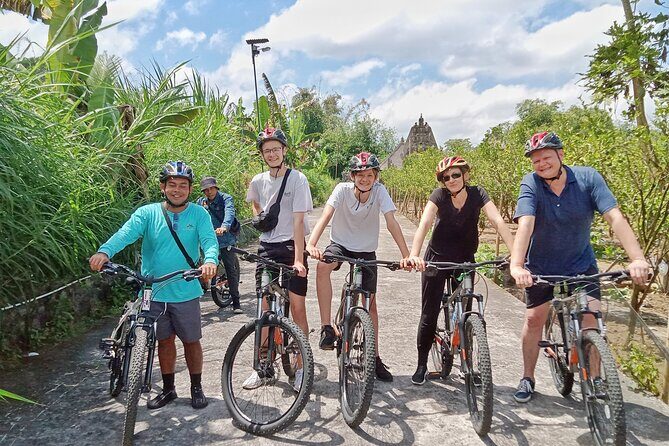
Sun protection is non-negotiable. You’ll have open-air viewpoints plus a boat day. Even with lunch and water included, I’d bring:

  • sunscreen
  • a hat
  • a light rain layer

Weather is the other big factor. The experience notes that it requires good weather, and a rain change can affect the schedule. If you’re traveling in December, you should assume conditions can be unpredictable and you’ll be happier if you pack for both sun and sudden rain.
Best Fit for Your Bali Trip (And Who Might Skip This)

This tour is a great match if you:

  • have one day to spend on Nusa Penida
  • want both west and east beaches without building your own route
  • prefer a guided plan that includes boat + tickets + entry fees

It’s also a good fit if you like your sightseeing structured. Early pickup, a clear order of beaches, and built-in meals mean less decision fatigue.

You might skip (or consider a different format) if you:

  • hate hikes or uneven footing (the first beach area isn’t flat)
  • get seasick easily and aren’t comfortable with fast boat crossings
  • need lots of downtime mid-day (this is still a full-day pace)

Should You Book This Nusa Penida Tour?

I’d book it if you want the classic Penida hits in one efficient day: Broken Beach + Angel’s Billabong + Kelingking + Diamond Beach, with fast boat tickets and hotel transfers handled. At $150, the value comes from coverage—transport, entry fees, guide time, and lunch—not just sightseeing.

I wouldn’t book it blindly if you’re going to struggle with early mornings, hills, and cliff viewpoints. If you can handle that, you’ll likely have a powerful day: big views, varied coastline, and a plan that keeps you moving without feeling chaotic.

FAQ

What time do I need to be ready?

You’ll be picked up so you can be ready by 6:30am to reach Sanur Port for the fast boat.

Where does the boat leave from?

The fast boat departs from Sanur Port in Bali.

Which beaches are included in the tour?

You’ll visit the west side stops including Broken Beach (Pantai Pasih Uug), Angel’s Billabong, and Kelingking Beach, plus the east side Diamond Beach.

Is lunch included?

Yes. Lunch is included, along with mineral water.

What’s included in the tour price?

The package includes pickup and return transfer, return fast boat ticket, local guide, lunch, mineral water, and entry fees/tickets.

How long is the full-day experience?

The duration is about 6 to 8 hours.

Does the tour depend on weather?

Yes. The experience requires good weather, and if it’s canceled due to poor weather you’ll be offered a different date or a full refund.

Can I get a refund if I cancel?

Yes. Free cancellation is offered if you cancel at least 24 hours in advance of the experience start time for a full refund.

Airport Transfer Bali

Airport Transfer Bali - Seminyak Pickup Timing: How the 30-Minute Promise Helps You Breathe

Landing in Bali is easy when you already have transport. This private Bali airport transfer is built for real arrival stress: no waiting on other people, no haggling in the terminal area, and a driver who comes to meet you. It also covers a wide set of drop-off areas, from Seminyak/Canggu-style hubs to longer routes like Amed and Gilimanuk.

Two things I like a lot are the 24/7 pickup availability and the promise of pickup timing within 30 minutes. You also get AC and bottled water, which matters more than it sounds after a long flight. One thing to think about first: there are luggage and surfboard limits, and extra fees can apply if you exceed them.

Key Highlights You’ll Feel Immediately

Airport Transfer Bali - Key Highlights You’ll Feel Immediately

  • Private, no waiting: your group goes when your group is ready
  • 24/7 availability: rides are scheduled around your flight, not the other way around
  • Cooling perks included: AC plus bottled water during the drive
  • WhatsApp-style coordination: easy communication on the day of arrival
  • Clear limits up front: up to 4 suitcases, with fees if you go beyond

Why a Bali Airport Arrival Transfer Beats the Touts at Ngurah Rai

Airport Transfer Bali - Why a Bali Airport Arrival Transfer Beats the Touts at Ngurah Rai
Ngurah Rai International Airport (Denpasar) is famous for touts that swarm new arrivals. The real problem isn’t just annoyance. It’s the time loss and the mental tax after you’re tired from flying.

Prebooking a private pickup changes that whole first hour. You’re not trying to figure out who is legitimate while you’re still in jet-lag mode. Instead, you’re heading straight to your car with a driver who already has your information and route details lined up.

And because the ride is private, you avoid that common Bali arrival headache where one stop turns a short transfer into a long wait. You get your own vehicle, so the day starts with control.

Seminyak Pickup Timing: How the 30-Minute Promise Helps You Breathe

Airport Transfer Bali - Seminyak Pickup Timing: How the 30-Minute Promise Helps You Breathe
This transfer is designed around the messy reality of arrivals. Your pickup can be booked 24/7, and confirmation happens around your booking time. Then, about H-1 before pick-up, the provider actively reconfirms the schedule with the person who made the booking. That one step reduces a lot of day-one uncertainty.

The other detail that makes a difference: the pickup is promised to be accurate within 30 minutes. That doesn’t mean you’re guaranteed a minute-perfect arrival, but it does give you a practical expectation. You can step out, handle your airport stuff, and not feel like you’re playing a waiting game.

This is especially valuable if your flight lands at an awkward hour or you want to keep your first evening in Seminyak calm.

Your Ride: Private Vehicle Comfort Without the Group Chaos

Airport Transfer Bali - Your Ride: Private Vehicle Comfort Without the Group Chaos
The pitch is simple: you get space and comfort in your own vehicle. Since this is a private transfer, your group is the only one in the car. That matters when you’re traveling with different arrival times, different luggage needs, or just different levels of patience.

You also get air conditioning. On Bali’s warm arrival days (or after a sweaty baggage wait), AC turns the car from a chore into a reset button. The included bottled water is the kind of small comfort that helps you arrive feeling human instead of dehydrated.

One more practical bonus: the transfer includes parking fees. It also includes toll fees. So you’re not constantly wondering whether the driver will add extra charges mid-ride. Fewer surprises usually means a smoother start.

In the Car: What AC and Bottled Water Change on Day One

Airport Transfer Bali - In the Car: What AC and Bottled Water Change on Day One
After landing, your body is doing a lot. Even when you feel fine, heat, humidity, and stress add up. AC reduces that slow burnout that hits right away in Bali. You don’t need to be dramatic to notice it.

Bottled water may seem basic, but it helps you:

  • stay comfortable right away
  • manage the time before you’re settled in your accommodation
  • avoid the quick dehydration spiral that makes everything feel harder

This is one of those value-adds that often gets ignored when people only focus on price. On a transfer day, comfort is part of the cost you would otherwise pay in convenience.

Drop-Off Options: From Seminyak to Uluwatu, Plus Longer Routes

Airport Transfer Bali - Drop-Off Options: From Seminyak to Uluwatu, Plus Longer Routes
Even though the experience is associated with Seminyak, the ride is flexible. You can be picked up and taken to places like Kuta, Ubud, Canggu, and Uluwatu. There are also routes listed farther afield such as Gilimanuk and Amed.

That range is important because it means you’re not hunting for a separate solution once you decide where you’re staying. It also means your total duration can vary a lot.

The ride duration is listed as about 30 minutes to 4 hours. Your exact time depends on where you’re going. The practical takeaway: if you have a tight plan after arrival, give yourself a buffer. The shortest rides are great for quick check-ins, while longer routes need a more relaxed schedule.

Money Talk: Is $9.35 Per Group Good Value?

Airport Transfer Bali - Money Talk: Is $9.35 Per Group Good Value?
The price is $9.35 per group for up to 4 people. That structure is a big part of the value. It’s not priced per person where a small group quickly turns expensive.

So here’s the real math you should do before booking: if you’re traveling as a pair, you still get the group pricing. If you’re traveling as a family or two friends plus someone else, your effective per-person cost drops fast.

Also, included costs matter. Parking fees and tolls are included, which helps prevent the dreaded add-ons that sometimes happen on arrival rides. You also get the benefit of prebooking in advance for a transparent fare in the currency you choose.

A fair note: the listed price is for a group up to 4. If you have more people, you’d need another arrangement. And if you exceed the luggage limits, extra fees apply.

Communication That Works: Confirmation, WhatsApp, and Your Driver Being There

Airport Transfer Bali - Communication That Works: Confirmation, WhatsApp, and Your Driver Being There
On arrival day, communication is everything. The service uses a mobile ticket, and the provider actively coordinates with the person who made the booking. That reconfirmation about H-1 before pick-up is a solid touch.

In the real-world feedback tied to this service, drivers have been described as waiting when passengers arrive. One driver named Surya is specifically mentioned for safe driving and a welcoming start. Communication through WhatsApp is highlighted as easy too, which is helpful when you’re navigating a busy airport.

You don’t need to be an expert on Bali to use this well. Just keep your phone ready, and make sure the booking contact is accessible around arrival.

Small Rules That Can Change the Cost: Suitcases and Surfboards

Airport Transfer Bali - Small Rules That Can Change the Cost: Suitcases and Surfboards
This is where planning pays off.

  • Max luggage: 4 suitcases
  • If you exceed that: USD 5 per extra suitcase
  • Surfboard rule: you are not allowed to bring a surfing board; if you already have one, there’s an additional USD 5 fee

These details are easy to miss when you’re packing fast. But they can affect your budget at the worst moment: as you’re trying to leave the airport.

If you’re bringing surf gear, plan to travel light or check whether you can leave the surfboard out of the transfer. If you’re not sure how many suitcases you have, count them now. It’s the difference between a smooth ride and an extra charge at pickup.

Route Reality Check: Duration and What It Means for Your First Evening

Because the drive time can run from 30 minutes to 4 hours, your “first evening plan” should match the destination. If you’re heading from the airport to Seminyak or nearby areas, things usually feel quick and manageable. If your accommodation is farther out, you’ll want to treat the ride like part of your arrival day, not a rushed hallway between airport and dinner.

A good approach:

  • plan something easy after arrival
  • avoid booking rigid activities right after landing when you’re going far
  • keep your luggage organized so you can settle quickly at the end

This is a private ride, so you don’t waste time waiting on other passengers. But you still need to respect distance and time.

Who This Transfer Suits Best (And Who Might Want Another Plan)

This transfer is a strong match if you want:

  • a calmer arrival with private transport
  • AC and bottled water right away
  • a driver you can coordinate with before and during pickup
  • a ride that works even if you land at odd hours thanks to 24/7 pickup

It also fits groups of up to 4 people who want a straightforward, predictable airport-to-accommodation move.

You might reconsider if:

  • your luggage is beyond the limit and you don’t want to deal with extra fees
  • you plan to bring a surfing board, since there’s a specific rule and extra fee
  • you’re traveling solo on a super-tight budget and are comfortable with riskier alternatives (this service is built to reduce stress, not gamble with it)

Should You Book This Bali Airport Transfer?

I’d book this when your priority is a clean, low-stress start in Bali. The combination of private pickup, AC comfort, bottled water, and active coordination about an hour before pickup is exactly what you want on arrival day. Add in included parking and tolls, plus a group price that works well for up to four people, and the value becomes easy to understand.

If your trip includes more luggage than the 4-suitcase limit (or a surfboard), check the rules before you get to the airport. If that’s manageable, this is a very practical way to skip the toughest part of arriving in Bali.

FAQ

How much is the Bali airport transfer?

It’s priced at $9.35 per group, for up to 4 people.

How long does the transfer take?

The duration is approximately 30 minutes to 4 hours, depending on the destination.

Is pickup available at any time?

Yes. Pickups are available 24/7, and timing is promised within 30 minutes.

Where does the transfer start and end?

It starts at Bali Ngurah Rai International Airport (Denpasar) and ends at a different location based on your drop-off details.

What’s included in the price?

Included items are parking fees, bottled water, and toll fees.

What is not included?

Food, wheelchair, and personal expenses are not included.

What are the luggage rules?

The maximum luggage is 4 suitcases. If you have more, there’s an additional USD 5 fee per extra suitcase.

Can I bring a surfboard?

You are not allowed to bring a surfing board. If you already have one, there is an additional USD 5 fee.

What is the cancellation policy?

You can cancel for a full refund if you do so at least 24 hours before the experience starts. If you cancel less than 24 hours before, the amount paid is not refunded.

Hikaria: Bali’s First Immersive Night Walk

Hikaria: Bali's First Immersive Night Walk - The 45 to 60 minute flow: what happens once you’re there

Ubud after dark has a secret show. Hikaria’s mix of Japanese projection mapping and traditional dance brings Balinese myths to life right in the rice-field temple setting. I also like the photo help from staff, but there’s one catch to keep in mind: the posted address can be off, so double-check your actual drop-off spot.

This is a great date-night option because it’s open-air, atmospheric, and built around a light-and-sound story rather than a checklist. Service animals are welcome, and the experience runs in the evening window that fits most sightseeing plans. The one drawback: plan for a short, focused visit—roughly 45 minutes to 1 hour—so arrive with the right expectations.

Key takeaways before you go

Hikaria: Bali's First Immersive Night Walk - Key takeaways before you go

  • Japanese projection mapping in a real outdoor setting: state-of-the-art tech projected onto a canvas of water, stone, and trees
  • Balinese myths and legends told with light, music, and movement: dancers and live music carry the story
  • Photo support on site: someone is there to help you capture the memories
  • Refreshments available: you’re not just sitting in the dark waiting for the show
  • Evening timing matters: it runs nightly between 6:30 PM and 10:30 PM, and good weather helps

What makes Hikaria a smart Ubud night plan

Hikaria: Bali's First Immersive Night Walk - What makes Hikaria a smart Ubud night plan
Hikaria is the kind of Ubud experience many people skip because it doesn’t look like the usual Bali bucket list. It’s a nighttime cultural light show, but it’s not just pretty visuals. The story uses Balinese myths and legends, and it links that storytelling to the actual physical setting—rice fields and nearby temple scenery—so you feel the culture right where it’s grounded.

I especially like that it’s designed to be easy to enjoy. You don’t need to study anything ahead of time. The show does the work: the light and sound build the narrative, dancers provide the visual language, and live music keeps the mood moving forward. The result is something you can treat like a relaxed evening out, not a complicated outing.

There’s also a practical side. At $13.76 per person, you’re paying for a focused night experience with a clear payoff: a show with production value, refreshments, and photo help. If you want a calmer evening after daytime tours, this hits that sweet spot.

The rice-field and temple setting: why the show hits harder outside

The venue sits in the heart of Bali, with the experience built around an outdoor open-air setting. As the sun sets, the area comes alive with projection mapping technology from Japan. That matters because outdoor light shows can be hit-or-miss—too bright and you lose detail, too dark and it’s hard to see. Here, the show is designed to use the surroundings as part of the presentation.

The story unfolds on a giant canvas made from real elements: water, stone, and trees. That’s a big deal. Instead of watching projections only on a flat screen, you get visuals that react to an actual outdoor environment. It makes the show feel less like a theater production and more like a nighttime event that’s happening in the landscape around you.

You’ll also notice the blend of tradition and technology. The choreography and the live music keep things rooted in Balinese performance culture, while the projection mapping gives the myths a modern, cinematic feel. If you like your cultural evenings to feel intentional—rather than staged just for photos—this setup works.

The 45 to 60 minute flow: what happens once you’re there

Hikaria: Bali's First Immersive Night Walk - The 45 to 60 minute flow: what happens once you’re there
Hikaria’s timing is short and clean. You’re looking at about 45 minutes to 1 hour from start to finish, so don’t treat this like a whole evening event where you can wander for hours.

Here’s how your night typically feels once you arrive:

  1. You settle into the outdoor venue as it lights up. As evening progresses, the projections become part of the scenery. There’s time to get oriented rather than rushing straight into a dark room.
  2. You watch the light-and-sound show unfold. The story brings Balinese myths and legends to life using colorful visuals and the “giant canvas” effect—water, stone, and trees.
  3. Traditional dance and live music carry the narrative. The performance elements don’t feel like separate extras. They connect to the visuals so the story keeps moving.
  4. You explore the venue between moments. Along the way, you can take in the atmosphere, enjoy refreshments, and get help for photos.
  5. You exit after the show with photos in hand. Since the whole experience is about an hour, you’ll be able to return to dinner plans without losing the night.

Because the visit is compact, I recommend building your schedule around it. If you’re also trying to squeeze in a long dinner plus a sunset stop, you may feel rushed. Let Hikaria be the “main event” for your evening.

What’s included: refreshments, dance, music, and photo support

Hikaria: Bali's First Immersive Night Walk - What’s included: refreshments, dance, music, and photo support
This tour includes your admission ticket, and the experience is built with a few “comfort features” that make a difference outdoors at night.

You can count on:

  • A light and sound show with projection mapping (Japanese tech mentioned in the details)
  • Colorful storytelling based on myths and legends
  • Traditional dancers and live music as part of the show
  • Refreshments available at the outdoor venue
  • A photographer on hand to help you capture memories

What you might not realize until you go is how useful the photo help can be. Nighttime scenes in Ubud can be gorgeous, but your phone camera struggles with low light and moving performers. Having someone there to help you get the shot makes the whole experience feel more complete. It’s not just watch-and-go.

Refreshments matter too. Outdoor events can cool down fast, and even when it’s not cold, you’ll appreciate something to sip or hold while you wait for the story to build. It also makes the time between show segments feel less empty.

Price and value: is $13.76 worth it?

Hikaria: Bali's First Immersive Night Walk - Price and value: is $13.76 worth it?
At $13.76 per person, Hikaria is priced like an affordable evening attraction rather than a premium “only-on-a-private-tour” kind of production. The value depends on what you want from your night.

Here’s how I’d think about value:

  • If you want a short, high-impact show, the price makes sense. You’re paying for a planned narrative performance that takes about an hour.
  • If you expected a long cultural program with lots of walking or many different stops, you might feel it’s too brief. The experience is specifically about the night show and the outdoor venue atmosphere around it.
  • If you care about photo help and refreshments plus a show built with projection mapping and live performance, the total package feels more substantial than the ticket price suggests.

One more value point: this is well suited for adding to an already busy Ubud schedule. It doesn’t require a full-day commitment. You can pair it with dinner afterward without scrambling.

Timing, weather, and the evening window

Hikaria: Bali's First Immersive Night Walk - Timing, weather, and the evening window
Hikaria runs daily within a set evening window: Monday through Sunday from 6:30 PM to 10:30 PM, with the operating range listed for 10/29/2025 through 02/16/2027. The experience itself is around 45 minutes to 1 hour.

There’s also an important weather note. The show requires good weather. That means you should expect the operator to be weather-aware. If poor weather cancels the experience, you’ll be offered a different date or a full refund.

Practical tip: plan the rest of your evening with some flexibility. If you lock in an early dinner reservation and the show shifts, you may end up feeling stressed. A little buffer around the start time makes the whole experience smoother.

Getting there: mobile ticket and double-checking the drop-off

Hikaria: Bali's First Immersive Night Walk - Getting there: mobile ticket and double-checking the drop-off
You’ll use a mobile ticket, which keeps this simple. No printing, no fumbling with paperwork.

The venue is also listed as near public transportation, which is good news if you prefer not to rely solely on rideshares all night. That said, “near” still means you may walk some portion, especially in the dark. Wear shoes you’re comfortable walking in after sunset.

Now for the one caution worth repeating: one booking note mentioned that following the address on the booking led to a drop-off that was about 10 minutes away from where the experience actually handled arrivals. That doesn’t mean your experience will be the same—but it does mean you should be careful. I suggest you:

  • screenshot your meeting/drop-off info after you book
  • confirm you have the right pin and instructions before you head out
  • arrive with enough time to handle a short detour

If you show up right at the start window and the location pin is off, you could end up feeling like you missed part of the event. Arriving early solves a lot of that.

Who this is best for (and who should skip it)

Hikaria: Bali's First Immersive Night Walk - Who this is best for (and who should skip it)
Hikaria fits best if you want an easy evening with clear entertainment value.

You’ll probably love it if:

  • you’re doing a date night and want atmosphere with a story
  • you want something different from temple visits and day tours
  • you like light shows, but you also want live cultural performance
  • you appreciate the outdoor setting—rice fields, temples, and night air

You might reconsider if:

  • you want a very long tour or lots of stops
  • you’re not comfortable with the show being weather-dependent
  • you prefer traditional daytime culture only and don’t want projections or night production elements

One more fit check: service animals are welcome, and the experience says most travelers can participate. If you’re traveling with a service animal, this is a rare kind of evening attraction that explicitly welcomes them.

What the top-rated experience gets right

The overall rating is 4.8, with 94% recommending. The strong scores make sense when you look at what people seem to appreciate: the show’s lighting and the mythical storytelling feel genuinely memorable. The core strength is that the visuals aren’t random. They’re linked to the legends, and the mood stays magical rather than purely technical.

The show also seems to land well for couples because it’s built for a nighttime vibe—easy to talk during the build-up, then watch the story when it matters. And with photographer support and refreshments, you’re not spending the whole hour stressed about whether you’ll get a good picture or whether you’ll feel comfortable.

Just keep that one negative note in mind: if your arrival goes sideways because the drop-off location isn’t where you expected, your time can feel wasted. You can avoid that by double-checking and building a little cushion.

Should you book Hikaria in Ubud?

Book it if you want an affordable, night-focused cultural show that mixes myths, live dance, live music, and Japanese projection mapping in an outdoor rice-field temple setting. For most people, $13.76 buys a satisfying hour of storytelling with photos and refreshments included, and it’s a great way to add variety to a Ubud trip.

Don’t book it if you need a long guided experience, or if you’re traveling on a tight schedule where any weather risk or location confusion would throw off dinner plans. In that case, pick something more flexible during the day.

If you’re choosing tonight’s plan in Ubud and you want something atmospheric with real performance—not just sightseeing photos—Hikaria is a strong pick.

FAQ

FAQ

What is Hikaria in Ubud?

Hikaria is an open-air cultural night attraction in Ubud centered on a light-and-sound show that brings Balinese myths and legends to life with projection mapping, traditional dance, and live music.

Where is the experience located?

It takes place in Ubud, Indonesia, in the heart of Bali.

How much does it cost?

The price is $13.76 per person.

How long does the show last?

The duration is about 45 minutes to 1 hour.

What time does Hikaria run?

The listed opening hours are Monday through Sunday, from 6:30 PM to 10:30 PM.

Do I get a mobile ticket?

Yes. The experience uses a mobile ticket.

Are service animals allowed?

Yes. Service animals are welcome.

Is there a photographer or photo help?

Yes. There is a photographer on hand to help you capture memories.

Are refreshments included?

Refreshments are available at the outdoor venue.

What if the weather is bad?

The experience requires good weather. If it’s canceled due to poor weather, you’ll be offered a different date or a full refund.

What is the cancellation policy?

You can cancel for a full refund up to 24 hours in advance of the experience start time. If you cancel less than 24 hours before the start time, the amount paid is not refunded.

Bali Bike Tour Ubud Area

Bali Bike Tour Ubud Area - Timing and Pickup: Making Sense of the 8:30 am Day

Two wheels make Ubud feel quieter. This Ubud-area Bali Bike Tour trades main roads for north-side backroads, led by an official English/Danish guide with a safety vehicle following. I love the mostly-downhill pace that keeps things relaxed, and I love the family stops that show real daily life, not just photo stops.

If you have never ridden a mountain bike, the early pedaling and turns can feel a bit active even though the route is designed for most fitness levels. Also, plan around weather since the tour needs good conditions, and rain can change the timing.

Key Highlights You’ll Care About

Bali Bike Tour Ubud Area - Key Highlights You’ll Care About

  • Mostly downhill riding that still feels like you’re earning the views
  • Family-compound and offering moments that explain daily Balinese life
  • English or Danish guide support with stories delivered right where you are
  • Helmet, safety gear, and a following safety car for peace of mind
  • Balinese lunch included after you finish in Bongkasa
  • 8:30 am start with pickup so the day starts early and moves smoothly

The Ubud Countryside Shift: Why This Feels More Like Real Bali

Bali Bike Tour Ubud Area - The Ubud Countryside Shift: Why This Feels More Like Real Bali
Ubud can be busy fast. This tour takes you away from the usual routes and onto quiet countryside roads north of town, where rice fields and temple areas show up as part of everyday life. You’re not just passing through. You’re riding through it.

What I like most is the balance: you still get that sense of a full day out (bike, villages, lunch), but the format is built to be comfortable for a wide range of people. The ride is mostly downhill, and the route is designed for connection rather than suffering. That matters because on Bali bike days, it’s easy to end up doing a workout that still feels like a bus ride with handlebars.

And the guide makes a difference. In the feedback I saw, guides like Kumbara and Yande Widianthara are praised for explaining what you’re seeing as you pass it, including how rice and plants relate to day-to-day routines. Another guide, Rias, gets mentioned for creating safety and joy for families with kids.

Timing and Pickup: Making Sense of the 8:30 am Day

Bali Bike Tour Ubud Area - Timing and Pickup: Making Sense of the 8:30 am Day
The tour runs about 6 hours total and starts at 8:30 am. That early start is practical in Ubud. It gives you a head start on traffic and heat, and it usually means the rice fields and roads feel calm rather than crowded.

Pickup is offered, and you’ll travel by air-conditioned vehicle to the start area. That’s not just comfort. It’s also time-saving. You get to spend your energy on the biking part, not on logistics before you even start.

The day flows in three main chunks:

  • a scenic drive-in to the first area,
  • a longer bike stretch from Ubud through rural roads,
  • then a final ride into Bongkasa and lunch.

Petang Stop: A Scenic Drive-In That Sets the Mood

Your morning begins with a drive to the starting point around Petang. This is a short stop, but it’s helpful because it eases you into the day. Instead of jumping straight onto the bike, you get a look at mountains and rice fields as you’re moving into the countryside zone.

This matters more than it sounds. On a bike day, your brain switches from city mode to riding mode. A calm start helps you feel stable from the first minutes. It also helps you notice things—terraces, waterways, and the way locals use small lanes—before you’re actually pedaling them.

Admission at this stop is free, so there’s no awkward moment of figuring out extra payments. You simply roll into the ride.

Ubud by Mountain Bike: Rice Fields, Lanes, and a Family Compound Visit

Bali Bike Tour Ubud Area - Ubud by Mountain Bike: Rice Fields, Lanes, and a Family Compound Visit
This is the heart of the tour: about 3 hours of biking, focused on rural charm. You’ll ride a quality mountain bike with a helmet and safety gear, and you’ll follow winding lanes through rice fields and village areas.

Expect a mix of:

  • slower stretches where you can take in views and listen,
  • tighter segments where the road demands attention,
  • and a route that stays mostly downhill to keep the energy manageable.

One of the best parts is the family visit in the Ubud area. The tour includes a stop at a family compound to see daily routines. In the feedback I read, this kind of stop often includes learning about Balinese offerings—not as a lecture, but as something you can understand because you’re watching it happen. You might also notice how homes connect to worship spaces and daily schedules.

The practical upside: the guide can explain rituals and daily life while you’re physically close to the context. That’s when it stops being trivia and starts making sense.

A small caution: this is a bike tour, not a leisurely stroll. You’ll want to feel comfortable controlling a bike, especially for turns and changes in road texture. The route is designed to be doable, but you still need basic bike confidence.

Bongkasa Village Finish: Lunch in a Family Setting

Bali Bike Tour Ubud Area - Bongkasa Village Finish: Lunch in a Family Setting
After the main ride, cycling ends in Bongkasa. This part is shorter—about 45 minutes total for the stop segment—so it feels like a landing after the longer biking.

Then comes lunch. The tour includes authentic Balinese food, served in a family house/cozy setting tied to the village experience. The point here isn’t fancy presentation. It’s real food after real movement—rice-field day energy.

Two useful things to know:

  1. Lunch and drinking water are included, so you’re not juggling snacks mid-ride.
  2. Eating at the end of the cycling portion helps you feel the day finish properly, instead of eating while still feeling stressed about whether you’re late.

If you’re traveling with kids, this is often the moment that makes parents relax. In one family example, children ages 4–8 were comfortable during the day, and the guide’s role in keeping things calm seems to be a big reason why.

Guide-Led Culture Stops: The Names That Keep Showing Up

Bali Bike Tour Ubud Area - Guide-Led Culture Stops: The Names That Keep Showing Up
A bike tour can either be a route with stops, or it can be a story you ride through. This one leans story-forward. The guide is official and supports English and Danish, which is great if you want someone to translate not just words, but meaning.

From the feedback, I noticed a pattern: guides are praised for giving explanations right where you are, especially around rice and plants, and for connecting what you’re seeing to daily routines and rituals.

Specific names that popped up:

  • Kumbara, mentioned as a standout guide who provides lots of local history and context on the go.
  • Made Kumbara, praised for making the trip unforgettable, including moments that felt special for families and children.
  • Yande Widianthara, noted for knowing Bali culture and sharing it in a way that makes the ride click for everyone.
  • Rias, praised for safety-minded guidance and for keeping kids engaged while still maintaining order.

If you care about learning without sitting in a classroom, this kind of guided storytelling is the best payoff.

Safety and Support: What the Following Car Really Does

Bali Bike Tour Ubud Area - Safety and Support: What the Following Car Really Does
Bike tours can feel risky even when they’re not. This one helps manage that with a safety car following you. That means if someone needs help, the support system is already in place rather than being an afterthought.

You also ride in a small group format, which matters because it makes it easier for the guide to manage pace, spacing, and road decisions. Large groups force guides into traffic-mode. Small groups keep things calmer.

And yes, you’ll have gear: helmet and safety gear are included. That’s basic, but it’s also part of why you can focus on the ride instead of worrying whether you packed the right stuff.

What to Wear and Expect on a Mostly-Downhill Route

Bali Bike Tour Ubud Area - What to Wear and Expect on a Mostly-Downhill Route
This tour is designed to be comfortable, but downhill doesn’t mean effortless. You’ll still pedal some parts, and you’ll still need to handle a mountain bike on real roads.

Here’s how I’d prep based on what the tour is set up for:

  • Wear closed-toe shoes with grip. Wet rice-field areas can mean slick patches.
  • Bring a light layer for the morning, since start time is early.
  • Use a small day bag for water and essentials. Water is included, but you’ll want space for your phone, sunscreen, and maybe a light rain cover.

If you’re nervous about bikes, don’t pretend you’re fine. The route is mostly downhill and suitable for most fitness levels, but one review highlighted that being familiar with a mountain bike helps. If you’ve never ridden one, it’s worth arriving with a relaxed, careful mindset.

Price and Value: Is $67.28 Worth It?

At $67.28 per person, this isn’t a “cheap bike rental” deal. It’s closer to paying for a guided half-day countryside experience with real extras built in.

Your money covers:

  • a quality mountain bike plus helmet and safety gear
  • air-conditioned vehicle transport as part of the day
  • an official guide (English and Danish)
  • a safety car following for extra reassurance
  • lunch and drinking water

You also get a flexible structure: you can have the tour as a private group (only your group participates). That can make the price feel more fair because you’re not sharing your guide with strangers if you want your own group dynamic.

If you only paid for bike rental, you’d still need transport, guide help, and a plan for lunch. Here, the day is packaged so you can show up and ride.

Who This Tour Suits Best

This Bali Bike Tour in the Ubud area is a strong fit if you want:

  • a countryside day that feels quieter than town,
  • a guided look at daily life through a family compound visit,
  • an easier-feeling ride thanks to the mostly downhill design,
  • and a built-in payoff at the end with Balinese lunch.

It also seems to work well for groups that include children, as long as they’re comfortable with the basic riding day and the family context. One family described bringing kids aged 4–8, and they felt there was room for everyone.

Who might think twice:

  • If you dislike riding bikes on real roads at all, this could feel like work.
  • If you’re coming in during a period of frequent rain, you might want to treat weather as a serious factor since the tour depends on good conditions.

Should You Book This Bali Bike Tour in the Ubud Area?

I’d book it if your ideal Bali day sounds like this: quiet roads, rice fields, a guide who explains what you’re seeing, and a real lunch afterward without turning the day into a logistics puzzle.

It’s especially worth it when you want more than just sightseeing. The family compound part and the chance to understand offerings and daily routines tend to be the emotional payoff, and the safety setup plus helmets help keep the ride comfortable.

If you want a pure workout, you may feel like this is too easy. But if you want a friendly, scenic ride with culture that makes sense in real time, this is a very solid pick.

FAQ

What time does the tour start?

The tour starts at 8:30 am.

How long is the Bali Bike Tour in the Ubud area?

The duration is about 6 hours.

Is pickup included?

Pickup is offered.

Do I get a bike and safety equipment?

Yes. You’ll have a quality mountain bike, a helmet, and safety gear.

Is lunch included?

Yes. Lunch is included, along with drinking water.

What languages does the guide speak?

The official guide provides support in English and Danish.

Is this a private tour?

Yes. It’s listed as private, and only your group participates.

What happens if weather is bad?

The tour requires good weather. If it’s canceled due to poor weather, you’ll be offered a different date or a full refund.

Best Bali Private Customize Tour

Best Bali Private Customize Tour - Price and what $65 covers (and what it doesn’t)

Bali can feel planned or personal. This Seminyak-based private tour lets you build your own day with an English-speaking driver and your kind of itinerary. I also love the easy hotel pickup in a fully air-conditioned vehicle, so you spend less time figuring out transport and more time enjoying the places you chose.

The main thing to keep in mind is that entrance tickets and lunch aren’t included, and some attractions can add up fast if you stack several paid stops.

Key highlights worth your time

Best Bali Private Customize Tour - Key highlights worth your time

  • True customization: tell your driver what you want, and they help shape the route
  • English-speaking private driver: friendly communication with practical help during the day
  • Sarong included on request: helpful if you want to visit one of Bali’s temples
  • Signature Bali stops: Tegenungan Waterfall, Real Bali Swing, Tegalalang Rice Terraces
  • Ubud pairing: Ubud Palace plus the Art Market area for shopping and walking
  • Value for groups up to 4: priced per group, not per person

A private Bali day you actually control

Best Bali Private Customize Tour - A private Bali day you actually control
This is the kind of Bali tour that makes sense if you don’t want a rigid checklist. You’ll work with your driver to put together a plan that matches your pace and interests. Want more time for photos? Want less time in crowds? You can shape the day around your priorities, not someone else’s schedule.

You’ll start with a named pickup: the driver meets you in the hotel lobby at 9:00 AM, holding a sign with your name. That sounds like a small detail, but in Bali it can mean the difference between a smooth start and an awkward scramble.

If you’re the type who likes a little structure, the tour also has a natural route built in: Kuta to the south-west, then waterfall and swing territory, then the rice terraces and coffee/spice experiences, and finally Ubud for palace history and shopping.

One more practical plus: bottled water, parking fees, and a clean, air-conditioned car are handled. You’re not hunting for basic comforts while you’re trying to enjoy the day.

Price and what $65 covers (and what it doesn’t)

Best Bali Private Customize Tour - Price and what $65 covers (and what it doesn’t)
At $65 per group (up to 4), the core value is the private transportation and driver time. In plain terms: you’re paying for a day of reliable wheels, a driver who can speak English, and a route that you can personalize.

What’s not included matters. Entrance tickets for attractions are not included, and lunch is also not included. If you choose several paid stops, your final spend will rise quickly. The good news is you can plan around that by deciding what you truly want to pay for that day (for example, waterfall and swing are separate from transport).

There are also two cost “watch-outs” you should know:

  • If you go past the time limit, extra time is $10 per hour, payable at the end of the tour.
  • If you push the route into farther regions outside the popular area list, there’s an additional $30 per vehicle paid in cash directly to the driver.

For many people, this ends up being a great deal because you’re not paying solo tour prices. Your cost stays group-based, and the day feels tailored instead of squeezed into a standard bus tour.

The driver experience: English help plus real-world convenience

Best Bali Private Customize Tour - The driver experience: English help plus real-world convenience
This tour leans hard on the driver service. You’re getting a friendly English-speaking driver and private transport that fits your group size (minivan/minibus style).

In the review notes you shared, one driver named Dodi gets called out for being especially helpful and kind. The same notes mention a clean vehicle, bottled water, and even phone chargers. Those are the “small wins” that save your day: your phone stays alive for photos, you’re not scrambling for water, and the ride feels comfortable instead of chaotic.

Also pay attention to how the day is timed. The tour is set up to run for about 10 hours, starting at 9:00 AM and finishing no later than 7:00 PM. That structure helps you plan meals and doesn’t leave you wondering when you’ll get back.

Route overview: how this day flows from Kuta to Ubud

Best Bali Private Customize Tour - Route overview: how this day flows from Kuta to Ubud
This isn’t a “stay in one neighborhood all day” trip. It’s built like a triangle: a western beach-town start, then dramatic nature stops, then Ubud for culture and shopping.

Here’s the logic:

  • Start in Kuta for an easy kickoff and a classic Bali setting.
  • Head toward the green, outdoor sights: Tegenungan Waterfall and Real Bali Swing.
  • Move into the rice terrace region: Tegalalang Rice Terraces.
  • Add a sensory pause with Alas Harum Bali coffee and spice learning.
  • Finish with Ubud: Ubud Palace and the Ubud Art Market area across the street.

The benefit of this flow is you get variety without a full multi-day grind. The potential drawback is timing. If you add extra paid stops or insist on long shopping sessions, you can feel the day getting tight—so you’ll want to be smart with how long you linger at each place.

Kuta stop: a simple start with flexible momentum

Best Bali Private Customize Tour - Kuta stop: a simple start with flexible momentum
You’ll spend about 1 hour at Kuta, with admission listed as free. The data doesn’t spell out a single named attraction here, so treat this stop as a helpful launch point rather than the “main event.”

Why it’s useful:

  • Kuta is easy to orient around. It’s a familiar starting zone if you’re coming from Seminyak.
  • One hour is long enough to grab a quick snack, do a short stroll, and reset before the more nature-heavy parts of the day.

Possible consideration:

  • If you’re hoping Kuta is all about one specific sight, you might want to confirm what your driver plans to do during that hour based on your interests. Custom tours are only as good as the plan you agree on upfront.

Tegenungan Waterfall: photos, jungle paths, and the reality of time

Best Bali Private Customize Tour - Tegenungan Waterfall: photos, jungle paths, and the reality of time
Next up is Tegenungan Waterfall for about 45 minutes. The appeal is clear: it’s one of Bali’s more accessible waterfall options, with a jungle backdrop, powerful cascading water, and scenic walking paths.

What you’re likely to enjoy most:

  • The photo angles. Waterfall scenery in Bali tends to look best from multiple walking viewpoints, and this stop includes time for that.
  • The “nature break” feeling. It gives you a sharp contrast to traffic and shopping zones.

What to consider:

  • The stop is short. That’s great if you’re trying to fit a full day, but it also means you’ll want to arrive ready to move—comfortable shoes help, and you’ll want to keep your photo stops tight.
  • Entrance tickets aren’t included, so budget for that.

Real Bali Swing: the big photo moment, with flexible packages

Best Bali Private Customize Tour - Real Bali Swing: the big photo moment, with flexible packages
Then comes Real Bali Swing for about 45 minutes. This is the part of the day many people remember: you go up and swing over the landscape for that classic Bali Instagram look.

The swing options matter because the scenery changes the vibe. You can choose views like jungle scenery, rice terraces, or bird’s nest photo spots. The on-site setup also offers multiple packages, so you can pick what fits your comfort level and budget.

Why this is worth considering for your itinerary:

  • It’s fast entertainment. You’re not spending half a day waiting around.
  • It’s a built-in photo stop. No hunting, no guessing, just show up and go for the shot(s).

Possible drawback:

  • It isn’t included in the ticket bundle, so it becomes a paid add-on. If your goal is to keep entrance costs low, you might treat this as the one “paid adventure” you pick, not one of many.

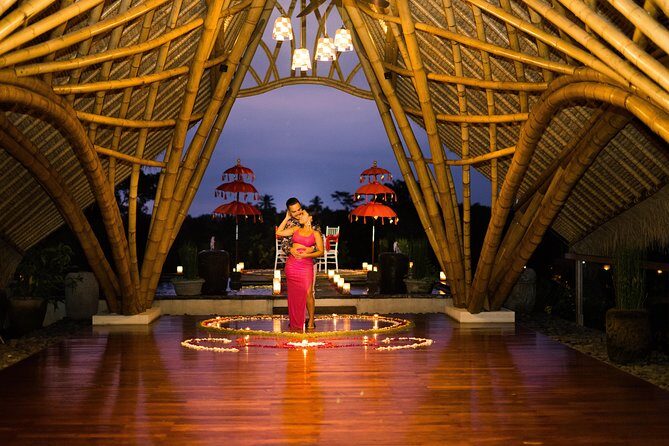
Tegalalang Rice Terraces: culture in your camera roll

Best Bali Private Customize Tour - Tegalalang Rice Terraces: culture in your camera roll
After the swing, you’ll hit Tegalalang Rice Terrace for about 45 minutes. This is one of Bali’s signature visuals: terraced rice paddies and a chance to learn about the Subak irrigation system, which is part of how Bali’s rice farming tradition is managed.

What you’ll enjoy during this stop:

  • A relaxing walk through the fields, with great photo viewpoints.
  • Local stalls selling coconut drinks, which are an easy way to slow down without adding time-consuming plans.
  • The overall setting. Even if you’ve seen pictures, the scale and layering are hard to replicate elsewhere.

What to watch for:

  • Like other stops on a 10-hour schedule, it’s short. If you want a slower, deeper exploration, you’ll need to decide whether to reduce time elsewhere or add extra time (at the stated hourly rate).

Entrance tickets aren’t included, so this is another paid element you’ll want to account for when budgeting.

Alas Harum Bali: coffee and spice tastings with a practical lesson

Alas Harum Bali is a coffee and spice plantation stop of about 45 minutes, with admission not included. This is not just a souvenir stop. You’ll learn how Balinese coffee is traditionally processed, and you’ll get complimentary tastings of herbal teas and roasted coffees while walking through the gardens.

Why this fits well on a private day:

  • It’s a “sit-and-learn” break that resets you between nature photo stops and Ubud’s shopping area.
  • Tastings can make the experience feel active rather than just watching from a distance.

A balanced note:

  • If you’re not into coffee or tea, it may feel like a time tax. Still, the processing explanation can be interesting even for people who don’t plan to buy anything.

Ubud Palace and the Art Market: culture plus shopping in walking distance

The final stretch is Ubud. First is Ubud Palace (Puri Saren Agung) for about 1 hour. The tour describes it as the historic home of Ubud’s royal family, and you’ll do a short stroll in the palace area.
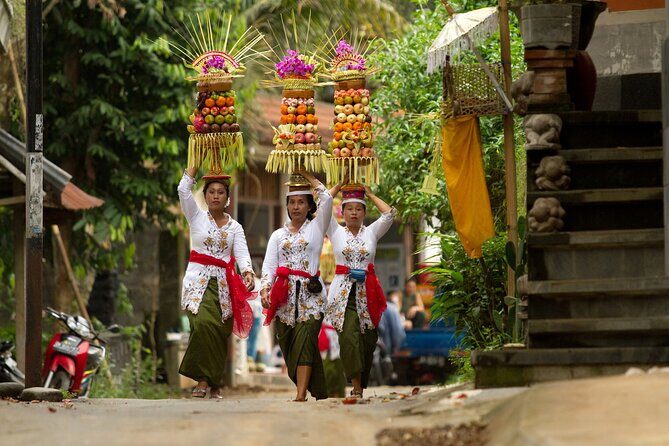
Then you have Ubud Art Market right across the street. This is where you can shop for textiles and wood carvings, and it’s a nice fit for travelers who like to mix a cultural stop with practical browsing.

Why this pairing works:

  • Ubud Palace gives you a sense of place and local heritage.
  • The Art Market keeps it flexible. If you’re in a browsing mood, you can spend longer. If not, you can keep it quick.

Temple clothing tip:

  • The tour notes that a sarong is provided if you want to visit one of Bali’s temples. Even if Ubud Palace itself doesn’t require it, having that option gives you more freedom if your driver proposes a temple stop nearby.

Building your custom itinerary without running out of day

Here’s how to make this “custom” part actually feel custom (instead of rushed):

1) Pick a theme for each half-day
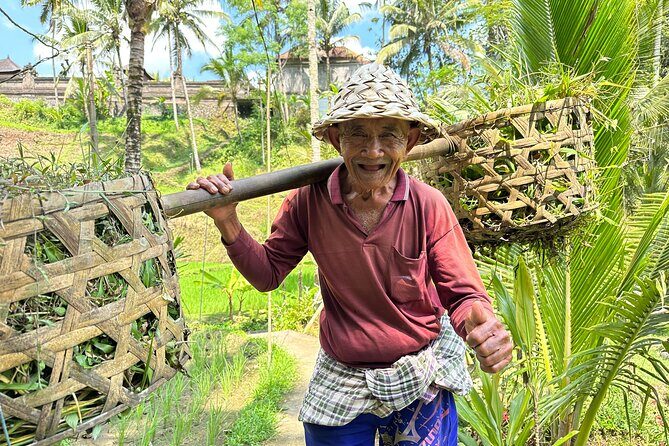
For example: morning nature (waterfall and terraces), afternoon culture and shopping (Ubud). That reduces decision fatigue.

2) Choose one “paid highlight” and keep the rest lighter

Real Bali Swing and many attractions have separate entrance costs. If you want value, you can treat one of these as the big-ticket moment.

3) Think about flow, not just must-sees

Kuta to Ubud plus nature stops can be a lot of movement. If you add extra shopping-heavy stops, your 10-hour limit can tighten fast.

4) Confirm the plan with your driver at the start

Since the driver helps build your route, it’s worth asking what order they recommend to reduce backtracking and keep you on schedule.

5) If you want farther regions, plan for the extra vehicle fee

Areas like Singaraja, Karangasem, Jembrana, Bedugul, Lempuyang, Lovina, and others have an additional $30 per vehicle charge paid in cash. If you’re dreaming about a very long-distance day, ask early so the route doesn’t surprise you later.

Timing, transport, and comfort details that matter

This tour is designed around a clean transport experience:

  • Fully air-conditioned private car
  • Bottled water provided
  • Parking fees included
  • Pickup timing set for 9:00 AM (with the option to request a preferred pickup time if it’s no later than 11:00 AM)

The “private” part matters too. You’re not negotiating with a big bus schedule or waiting for slow transfers. You’re also more likely to have a smooth day for phone photos, quick breaks, and small schedule tweaks.

If you’re traveling with kids, children must be accompanied by an adult. If you need a baby car seat, it’s available with an extra cost of USD $10 per trip on request.

Should you book this Seminyak private custom tour?

Book it if you want:

  • A private, driver-led Bali day that you can shape
  • A route mixing Tegenungan Waterfall, Real Bali Swing, and Tegalalang with a Ubud finish
  • The convenience of hotel pickup and an air-conditioned vehicle
  • Good value for up to 4 people, with the cost staying group-based

Skip it or rethink it if:

  • You only want included attractions with no extra ticket spending
  • You’re looking for a slow, unhurried day in just one area. This is more of a “see a lot” day, and the time limit means you’ll be moving.

If you like planning your own day, this tour structure is strong. You get the classic Bali highlights, plus the freedom to tell your driver what matters most. Just budget for entrance tickets and keep an eye on the 10-hour cap so you end the day feeling happy, not rushed.

FAQ

How much does the Bali private customize tour cost?

It costs $65 per group (up to 4 people).

How long is the tour?

The duration is about 10 hours, with a maximum of 10 hours. It starts at 9:00 AM and finishes no later than 7:00 PM.

What time and where do they pick me up?

Normal pickup time is 9:00 AM from your Bali hotel. Pickup is offered across popular destination areas like Seminyak, Kuta, Ubud, Denpasar, and more.

Can I choose where we go during the tour?

Yes. You’ll work with a driver to make a list of places you want to visit, and you can customize the itinerary to your interests.

Are entrance tickets included?

No. Entrance tickets are not included, although some listed items show admission ticket free at specific stops.

Is lunch included?

No. Lunch is not included.

What’s included in the price?

Included items are parking fees, bottled water, a friendly English-speaking driver, a private tour, and hotel pickup with a fully air-conditioned private car.

Is a sarong provided for temple visits?

Yes, a sarong is provided if you want to visit one of Bali’s temples.

Is there an extra fee for farther areas outside the popular destinations?

Yes. For long-trip areas like Singaraja, Karangasem, Bedugul, Lovina, and others, there is an additional charge of $30 per vehicle, paid in cash directly to the driver.

What is the cancellation policy?

You can cancel for free up to 24 hours in advance for a full refund. If you cancel less than 24 hours before the experience starts, the amount paid is not refunded.

PADI Open water Course in Lembongan – Get certified & dive anywhere in the world

PADI Open water Course in Lembongan - Get certified & dive anywhere in the world - Theory you can do on your schedule: PADI e-learning setup

Three days sounds short. It is not, not when you’re learning scuba basics from scratch. In Nusa Lembongan, Bali Diving Academy runs a PADI Open Water course that mixes online theory with hands-on skills and ocean training around Nusa Penida, all capped at a small group size. You leave with PADI Open Water certification recognized worldwide, valid for going underwater up to 18 meters.

What I like most is the feel of the program: small-group instruction (max 4) and a strong emphasis on safety, led by certified, insured professionals who know local reefs and habitats. I also like that the theory work happens through the PADI e-learning platform, so you can knock it out before you arrive or finish it during the course days.

One consideration: this is weather-dependent, and the experience is non-refundable and can’t be changed for any reason. If your schedule is tight and the forecast goes sideways, you’ll want to plan some flexibility.

Key things to know before you go

PADI Open water Course in Lembongan - Get certified & dive anywhere in the world - Key things to know before you go

  • Max 4 students means more attention during skill practice
  • PADI e-learning theory can be done before you arrive or during the 3 days
  • Day 1 confined-water skills give you confidence before open water
  • Ocean sessions around Nusa Penida build the real underwater comfort level
  • Safety-first teaching shows up in how instructors pace students (and how they explain)

PADI Open Water in Nusa Lembongan: what you’re really buying for $425

PADI Open water Course in Lembongan - Get certified & dive anywhere in the world - PADI Open Water in Nusa Lembongan: what you’re really buying for $425
At $425 per person for about 3 days, this course is priced like a serious, guided certification path, not a rushed “try it once” experience. The value comes from the structure: you get both the book-and-screen basics and the supervised skills you’ll need to handle real conditions in the ocean.

You’re also paying for small-group teaching. With a maximum of 4 travelers, you should expect more direct feedback while you learn the breathing, buoyancy, and safety steps that matter later. A bigger class can work for some people, but if you learn best with close coaching, this setup is easier on your nerves.

Also, Bali Diving Academy’s promise is very clear: high-standard service, professional guidance, and a 100% safety track record. That matters most during the part new divers often worry about, which is getting comfortable with your gear and breathing at the surface and underwater.

Is it “cheap”? No. Is it a good deal for what you’re buying? I think so—especially if you want the PADI Open Water card that lets you go underwater up to 18 meters anywhere it’s accepted.

Location and timing: Jungut Batu mornings and Nusa Penida days

The course starts at 8:00 am at the Bali Diving Academy base in Jungut Batu (Nusa Lembongan area, with the address tied to Nusa Penida/Klungkung). The day ends back at the meeting point, which is convenient. You’re not bouncing between random pick-up spots or making complicated transfers every day.

One practical tip: because mornings start early, plan your night before like you would for an early flight. Get some sleep, eat a real dinner, and keep your schedule light. You’ll do better in training when your body isn’t already running on vacation fatigue.

The course is designed for people with moderate physical fitness. That does not mean athletes only. It usually means you should feel comfortable doing basic tasks like staying steady in the water and following instructions calmly—no heroics required.

Theory you can do on your schedule: PADI e-learning setup

PADI Open water Course in Lembongan - Get certified & dive anywhere in the world - Theory you can do on your schedule: PADI e-learning setup
This course uses PADI e-learning for the theory portion. The nice part is timing flexibility: you can complete the online modules and reviews before you arrive, or you can do it during the 3-day schedule while you’re there.

Why this matters in real life: scuba training is not just “learning gear.” It’s learning what’s happening to you and why. Theory covers the basic facts, principles, and concepts you’ll use later when something feels unfamiliar. If you’ve ever tried to learn something brand-new while still trying to stay calm, you’ll know the trick is getting your head in the game before you hit the ocean.

During your course, a certified instructor reviews the theory. That helps you catch misunderstandings early—especially important for topics that affect safety, like awareness, controlled breathing, and basic underwater procedures.

Day 1: confined-water practice that builds real confidence

PADI Open water Course in Lembongan - Get certified & dive anywhere in the world - Day 1: confined-water practice that builds real confidence
The first day is your confined-water session, basically “pool time,” taught in a safe and controlled environment. This is where you learn the core scuba basics without the stress of open-water conditions.

You’ll work on the skills that can feel awkward at first: how to manage your breathing, how to stay stable in the water, and how to operate your equipment while learning how to think like a diver. Confined water is not glamorous, but it’s the part that makes everything else feel less intimidating.

I’m a big fan of this structure because it reduces the number of new variables at once. Ocean training goes much better when you already know what to do with your body, your gear, and your attention.

Days 2–3: open-water training around Nusa Penida (sessions 1–4)

PADI Open water Course in Lembongan - Get certified & dive anywhere in the world - Days 2–3: open-water training around Nusa Penida (sessions 1–4)
The second and third days are ocean dives—called Open Water dives 1 to 4—where you use the skills from the confined-water practice and explore the sea. This is the “oh wow, I’m really underwater” stage, but with training wheels: you’re still learning and being guided.

Nusa Penida is a major draw because it offers some of the most memorable marine scenery in the area, so your course doesn’t feel like a boring requirement. It feels like a start.

One practical thing: ocean conditions can vary day to day. Some days feel smooth; some days feel lively. The course format is built for that learning curve. Your instructor’s job is to keep you comfortable while still pushing you just enough to progress.

And if you’re thinking about whether you’ll see life, you’ll likely enjoy it. In previous courses, students finished their training and went on to spot marine life like turtles and octopus during the final session—proof that the course can be both educational and genuinely exciting.

Meet the crew: what it’s like to learn with patient instructors

PADI Open water Course in Lembongan - Get certified & dive anywhere in the world - Meet the crew: what it’s like to learn with patient instructors
The strongest theme from the experiences shared is coaching style. Students talk about instructors who are patient, calm, and practical.

You might learn with instructors such as Mark, Rai, Carlos, Sib, Sybille, or Tom. Names aside, what stands out is how they teach safety and keep you comfortable while you’re still figuring out the mechanics of breathing and control.

You may also get help from dive masters and buddy-style support, with examples like Sammy (patient teacher) and a dive buddy like Leano. Other names mentioned include Callie, Gisela, and Laurelia—people who help the course feel smoother when you have questions in the water.

Here’s the part that matters for you: in open-water learning, your confidence is a safety tool. A good instructor doesn’t just correct mistakes; they create a pace where you can actually process the instructions.

Gear and safety: why 100% focus beats “winging it”

PADI Open water Course in Lembongan - Get certified & dive anywhere in the world - Gear and safety: why 100% focus beats “winging it”
Bali Diving Academy emphasizes high-standard service and safe, guided experiences. The staff is described as professional, and students also note top-of-the-line equipment.

That combination is a big deal for beginners. When gear is set up well and instruction is clear, you spend less energy fighting your equipment and more energy learning. You also feel more secure when the guidance is consistent.

The course is built around PADI Open Water standards, including the theory review and the progression from confined water to ocean sessions. That structure matters because it creates a logical path: you’re not thrown straight into conditions without preparation.

If safety is your main concern, this is the right kind of certification format. You’re not just “trying scuba.” You’re being trained.

The certification payoff: what you can do after 3 days

PADI Open water Course in Lembongan - Get certified & dive anywhere in the world - The certification payoff: what you can do after 3 days
By the end of the course, you’ll be certified under PADI Open Water, recognized worldwide. Practically, that means your skills and card travel well—you can use your certification to go underwater up to 18 meters where local rules and guides allow.

This is the point of doing Open Water first instead of jumping to advanced specialties immediately. You build the foundation that makes future training easier. It also makes casual future trips more fun, because you aren’t spending every outing relearning the same basics.

I also like that the course can serve different goals. Some people just want the card for future travel. Others want the training because they’re curious about marine life and want to experience it firsthand with correct skills.

Price and value: does $425 make sense here?

For many people, the sticker price is what triggers the “is this worth it?” question. Here’s how I’d judge it.

You’re paying for:

  • 3 days of structured training (confined-water + ocean sessions 1–4)
  • Online theory plus instructor review
  • Small groups (max 4), which directly affects how much attention you get
  • Professional, insured guidance with a strong safety emphasis
  • Access to well-regarded local training sites around Nusa Penida

If you’ve ever taken a shortcut course that feels chaotic, you know that “cheaper” often costs more later—usually in stress and wasted time. In this setup, the cost feels tied to quality control, which is what you want for your first scuba certification.

Should you book this PADI Open Water course?

I’d book it if you want a real PADI foundation in a place that’s set up for practical learning. The small group size, safety-first teaching, and calm instruction style are exactly what you want on day one when everything is new.

I’d skip or at least think twice if you can’t handle weather-related changes. The experience requires good weather, and it’s non-refundable with no changes allowed for any reason. If your schedule is hard-locked, that risk matters.

If you’re curious, motivated, and ready to put in the effort for theory + skills practice, this course is a solid way to earn a globally recognized certification without turning your training into a stressful production.

FAQ

How many days is the PADI Open Water Course in Lembongan?

The course runs for 3 days (approx.). It includes online theory work and guided confined-water and ocean sessions.

Is the theory part online, and when do I do it?

Yes. Theory is done online using the PADI e-learning platform, and it can be completed before the start or during the 3-day course. A certified instructor reviews it.

What certification do I get, and how deep can I go after?

You get PADI Open Water certification, and the course trains you to safely go underwater up to 18 meters deep.

Where does the course start, and what time?

You start at Bali Diving Academy Lembongan in Jungut Batu, with the start time listed as 8:00 am. The activity ends back at the meeting point.

How big are the groups?

The course has a maximum of 4 travelers, which keeps instruction more personal.

What happens if weather is bad?

The experience requires good weather. If it’s canceled due to poor weather, you’ll be offered a different date or a full refund. The experience is non-refundable and cannot be changed for any reason.