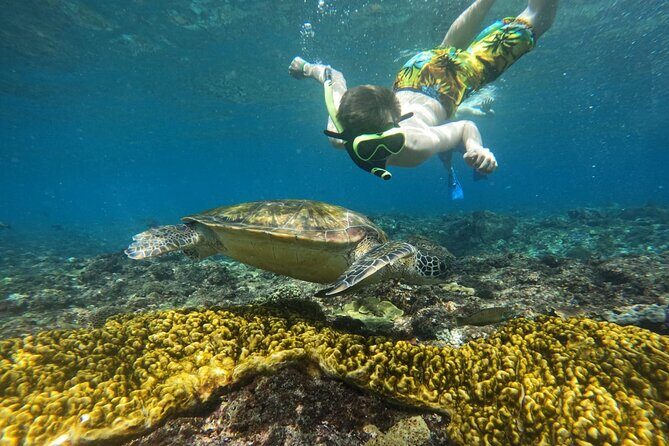
Private Tour : Mount Batur Sunrise Trekking and Rice Terrace with All Inclusive

Private Tour : Mount Batur Sunrise Trekking and Rice Terrace with All Inclusive - The Mount Batur climb and volcanic steam breakfast

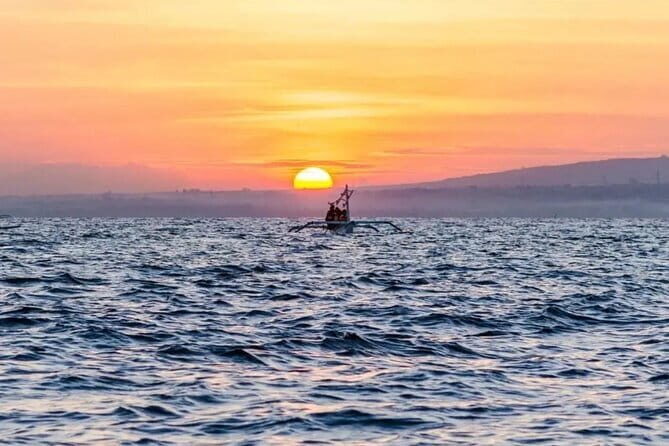
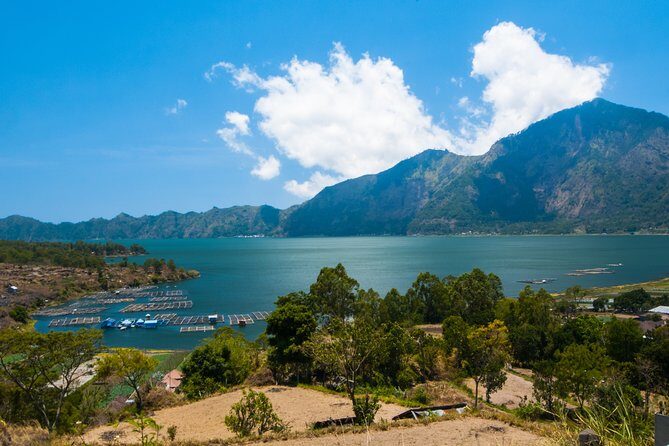
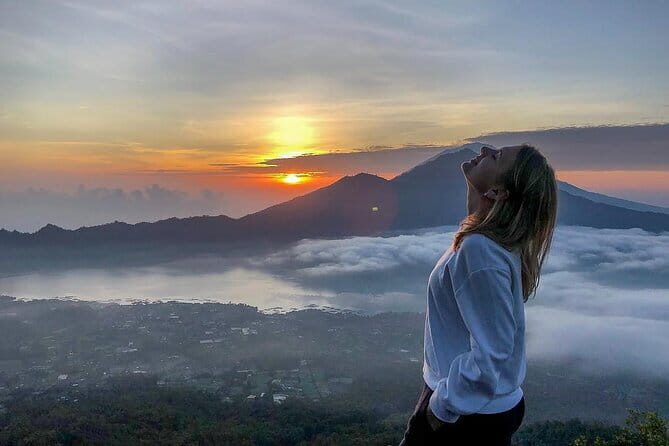
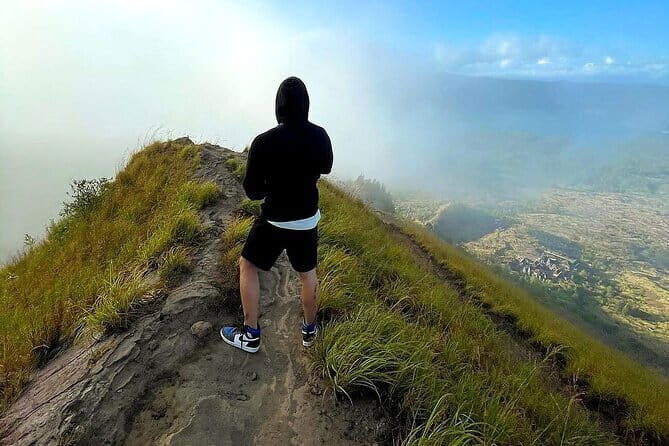
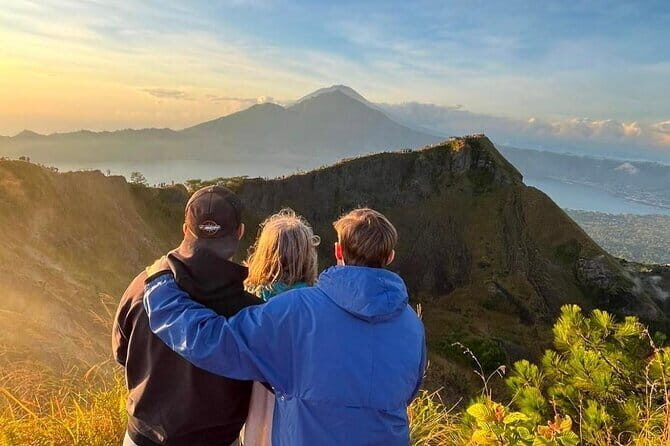
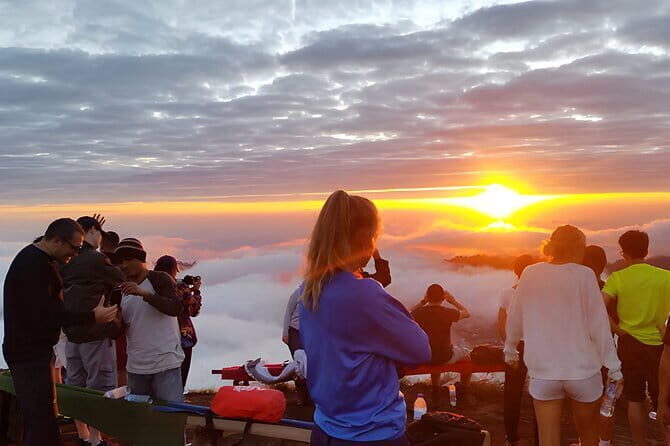
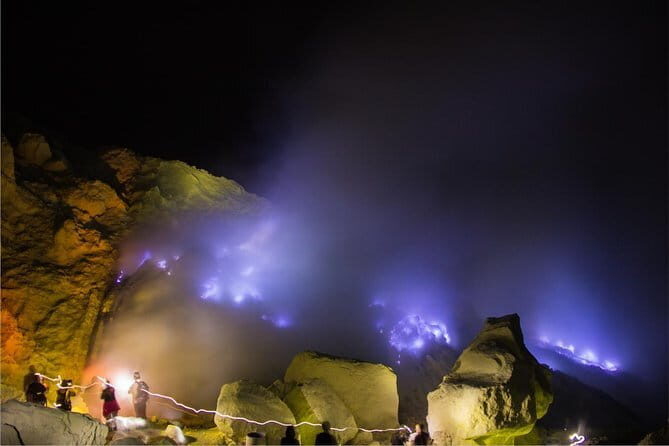
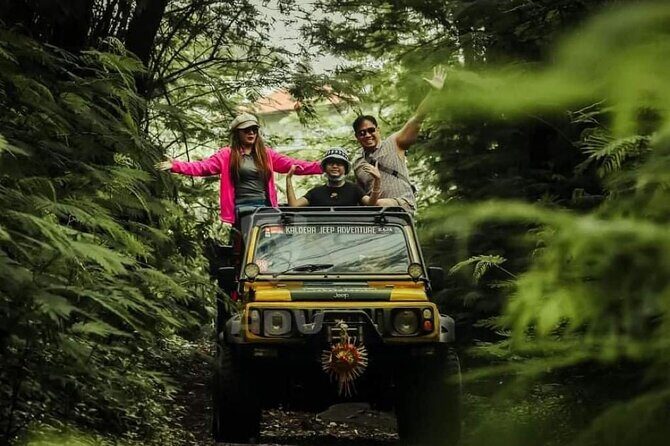
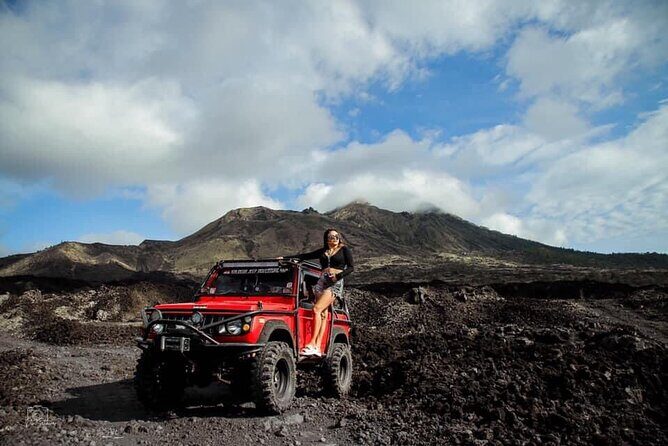
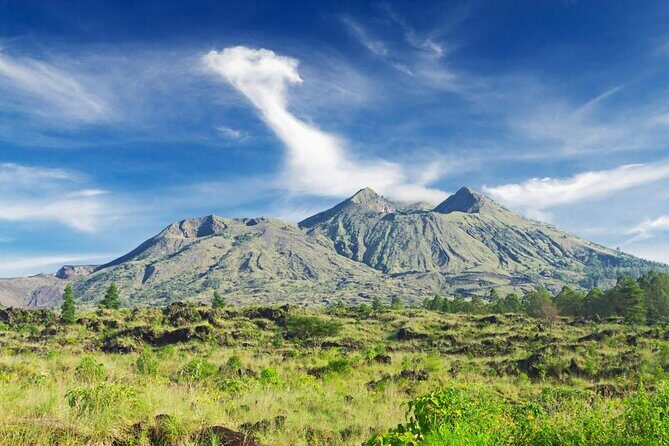
Mount Batur at dawn is a whole different Bali. You’ll start in the dark, hike up an active volcano, and then eat breakfast cooked in volcanic steam. What I like most is the combo of a real sunrise climb plus the very practical included details like flashlights and an English-speaking guide who keeps things moving at altitude.

One catch: the summit can get cold and breezy, even if the drive from Ubud feels warm. Wear layers and plan for a slow, steady climb rather than a sprint.

Key things to know before you go
Private Tour : Mount Batur Sunrise Trekking and Rice Terrace with All Inclusive - Key things to know before you go

  • 2:00–2:30am hotel pickup means you’ll trade sleep for first light
  • Breakfast cooked in volcanic steam is the fun, unusual payoff after the climb
  • Flashlights and entrance fees are included, so you’re not piecing the day together
  • Coffee plantation tasting plus Tegalalang Rice Terrace adds more than just hiking views
  • Private door-to-door transfers make it easier to manage an early start
  • Not for back/heart issues and you should bring proper hiking shoes

Mount Batur Sunrise: Why the 2am start matters

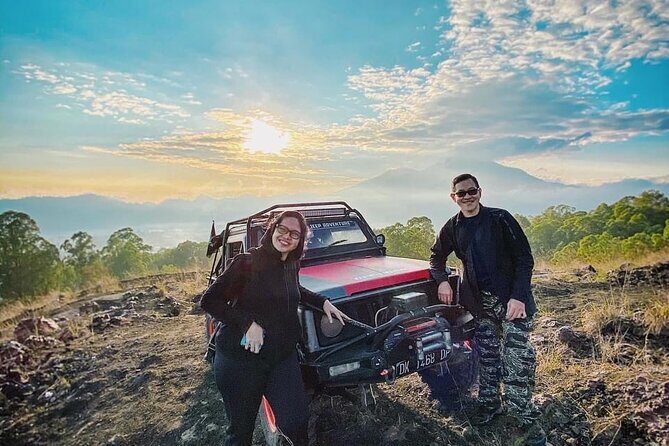
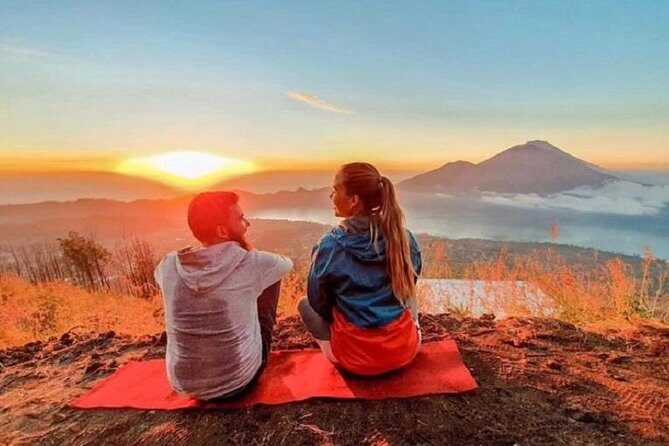
This tour is built around one simple goal: being on Mount Batur when the sky is turning. Pickup starts around 2:00–2:30am from your hotel area, then you head to Kintamani, where the trail begins. That early timing is what lets you see stars overhead on the hike and still reach the summit before sunrise.

The timing also shapes your day. You’ll finish with a relaxed stop at the Tegalalang Rice Terrace, then return to Ubud without having to organize transport yourself. It’s long, but it’s efficient: you use the early morning for the main event, then the rest of the route stays calm.

If you’re the type who hates unclear schedules, this helps. You get pickup, guide support, and included entrance fees, so the day has less friction than many DIY attempts at sunrise trekking.

Pickup, footwear, and what to pack for a cold summit
Private Tour : Mount Batur Sunrise Trekking and Rice Terrace with All Inclusive - Pickup, footwear, and what to pack for a cold summit
Let’s talk comfort, because sunrise trekking is half weather management. Even though Bali is warm overall, the summit can be chilly with wind, so pack like you’re going to a windy mountain, not the beach.

Bring:

  • Hiking shoes with grip
  • A jacket and long pants for the summit breeze
  • Insect repellent
  • A camera
  • Any warm layers you normally skip on tropical days

You’ll also get flashlights (good if you’re starting before dawn), plus mineral water during the outing. The tour includes those practical items so you can focus on the climb instead of last-minute shopping.

One more tip: go slow on the first stretch. The trail is steep enough that a steady pace beats heroics, especially if you’re hiking for sunrise rather than for speed.

The Mount Batur climb and volcanic steam breakfast
Private Tour : Mount Batur Sunrise Trekking and Rice Terrace with All Inclusive - The Mount Batur climb and volcanic steam breakfast
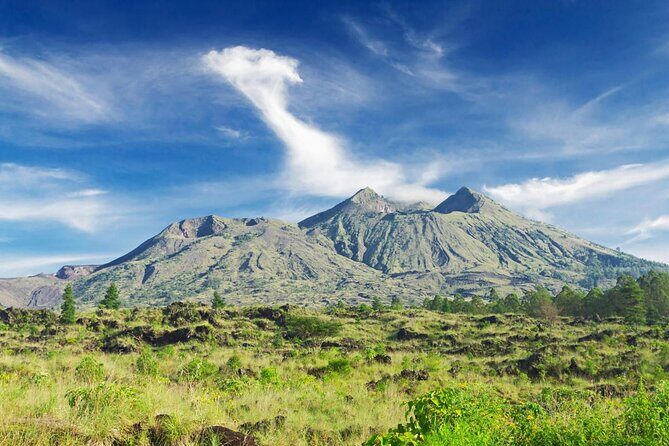
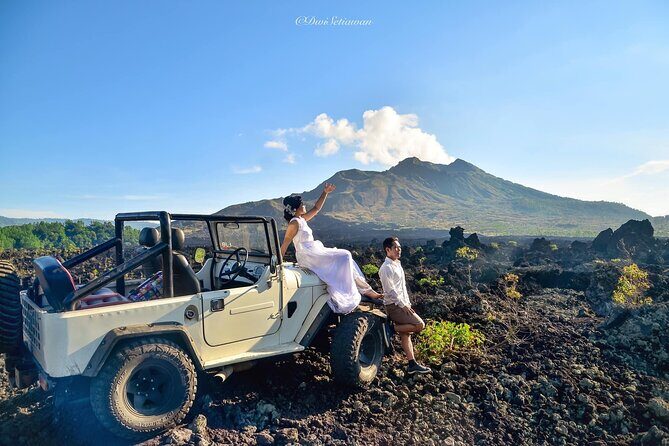
Mount Batur sits at about 1,717 meters (5,600 feet) and it’s an active volcano. The guide sets you up for a successful summit, typically around 2 hours for physically fit hikers, depending on your pace and trail conditions.

Before you even think about photos, you’ll want to think about footing and breath. The early hours mean you’ll be moving in low light, and the slope can feel demanding even when it’s not too long. Your trekking guide handles the pacing and route so you don’t end up stopping every five minutes to figure out what’s next.

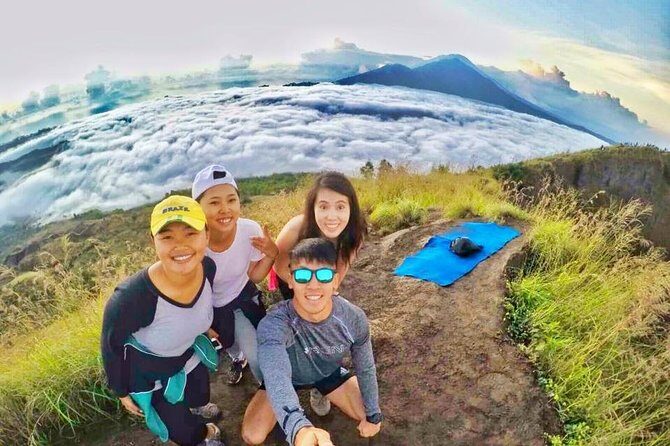
Then comes the best reward: breakfast cooked in volcanic steam. It’s included, and it turns the volcano from a background feature into the main character of your morning. After the cold air and the uphill effort, warm food feels like a cheat code—especially since it’s part of what makes Mount Batur so iconic.

Admission to the Mount Batur area is included, and the schedule is set so you can enjoy the sunrise without turning the day into a race. If the sky cooperates, you’re there for the first light; if it doesn’t, you’re still in for a memorable, stark-at-night mountain experience.

Coffee plantation tasting: a calmer stop with a clear purpose
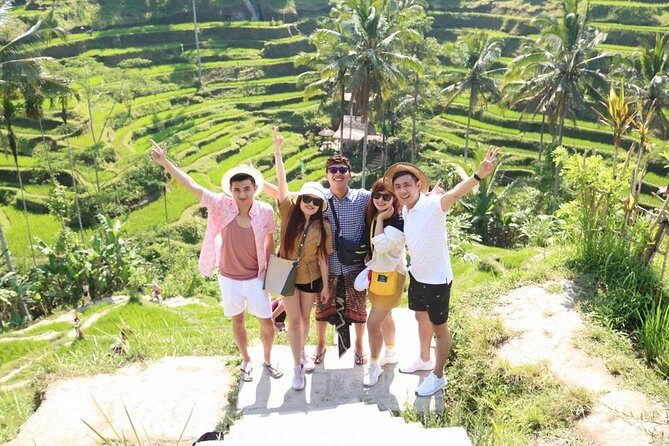
Private Tour : Mount Batur Sunrise Trekking and Rice Terrace with All Inclusive - Coffee plantation tasting: a calmer stop with a clear purpose
After the volcano part, the day shifts gears. You’ll visit a coffee plantation where you get a tea and coffee tasting. This isn’t just a break from walking; it’s a chance to learn how Bali’s coffee culture works at ground level.

The timing matters here. You’ll likely still feel the early morning in your legs, so the tasting is a more relaxed segment compared to the trek. You can sit, warm up, and reset before the rice terrace portion of the tour.

One thing I like about adding this stop is that it gives you a local, everyday flavor to the day. Sunrise treks can feel “wow” and then vanish; the coffee tasting makes the experience feel more grounded in how people live and earn in the region.

Also, the tour includes entrance fees during this day, which helps keep the flow smooth.

Tegalalang Rice Terrace and Subak irrigation up close
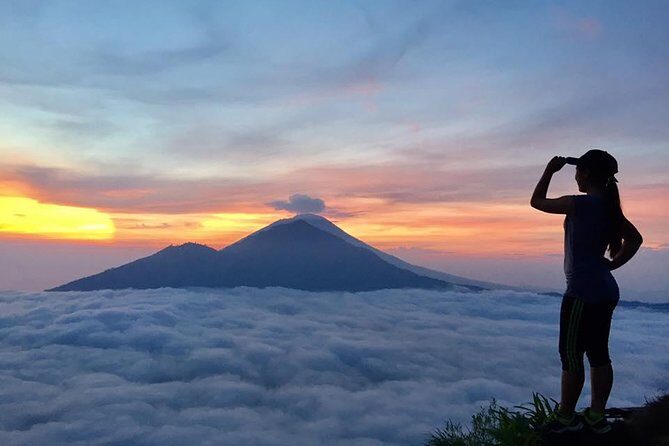
Private Tour : Mount Batur Sunrise Trekking and Rice Terrace with All Inclusive - Tegalalang Rice Terrace and Subak irrigation up close
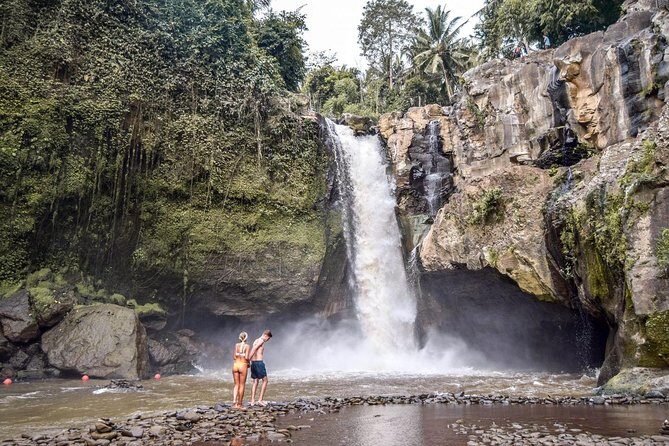
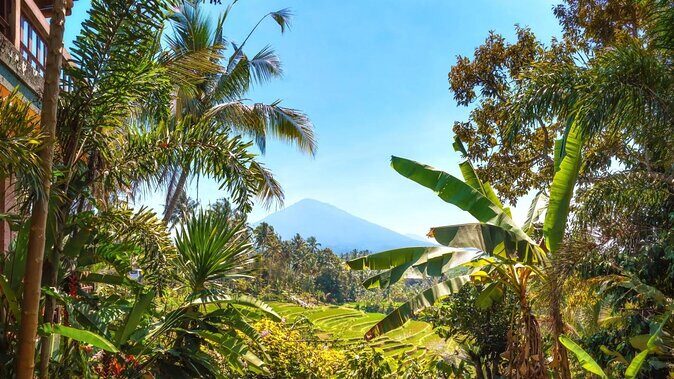
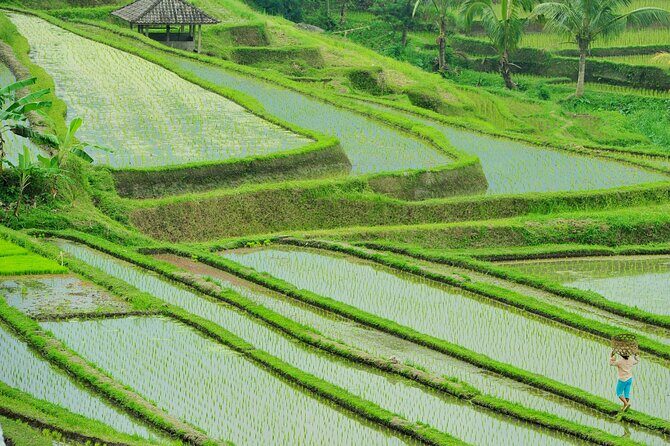
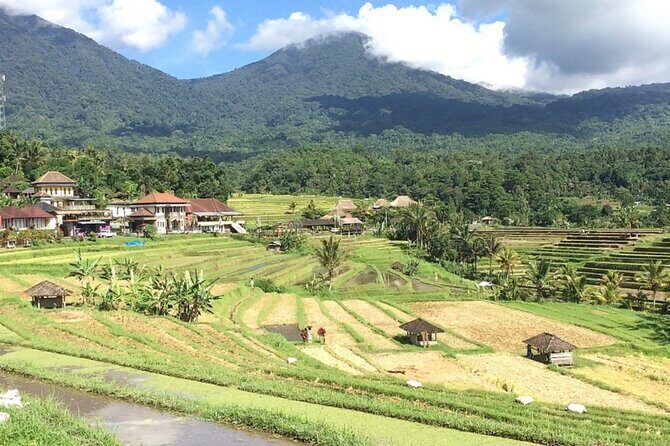
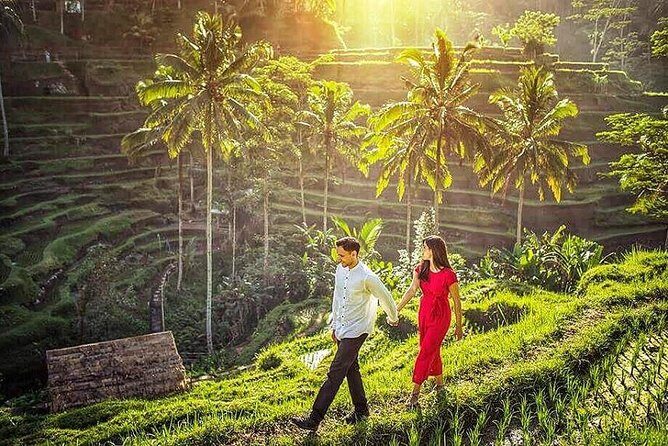
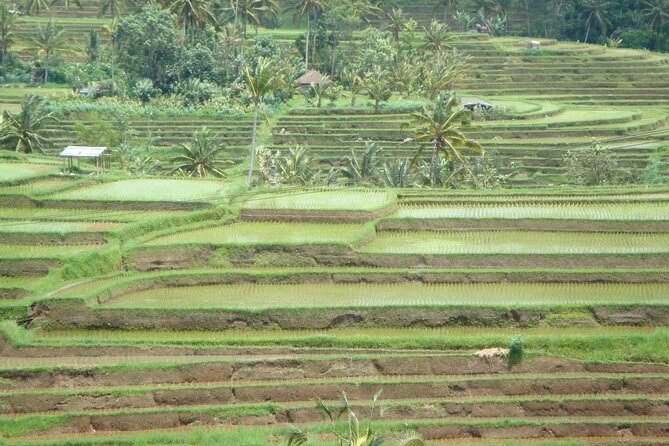
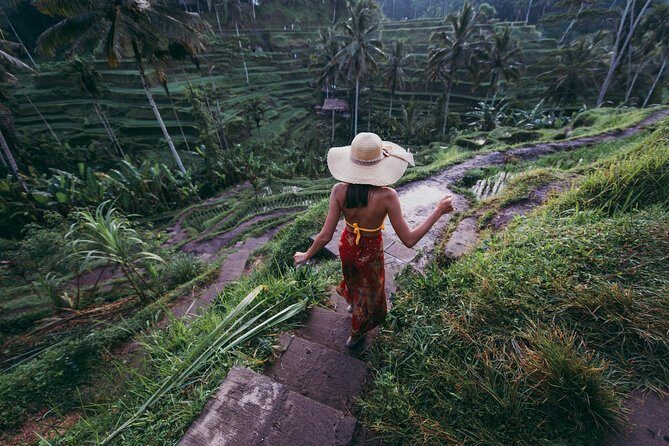
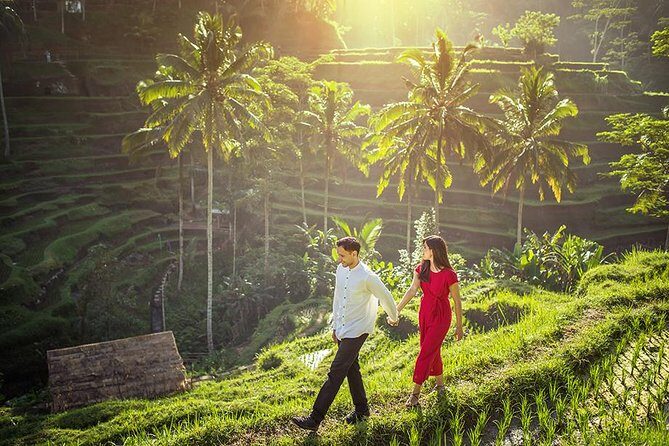
Next up is Tegalalang Rice Terrace, one of Bali’s most recognizable farming scenes. You’ll spend about 30 minutes here, long enough for photos and a slow look at how the paddies step down the hills.

What makes it more than pretty green stairs is the irrigation system. The terraces use the Subak irrigation method, which you’ll see reflected in how water is managed across the fields. That’s a key reason this place feels alive: you’re not only looking at farming as scenery, you’re seeing a working system that sustains the landscape.

The air here is described as clean and refreshing, which is believable once you’re out of the early-morning cold and back into daytime light. It’s also a great contrast after the volcano, because the pace is calmer and the terrain is more walkable for most people.

One practical note: 30 minutes can feel fast if you want lots of photos. If you’re serious about shots, plan for a quick sweep first, then slow down once you’ve found your angles.

Private door-to-door transfers: the real value in a long day
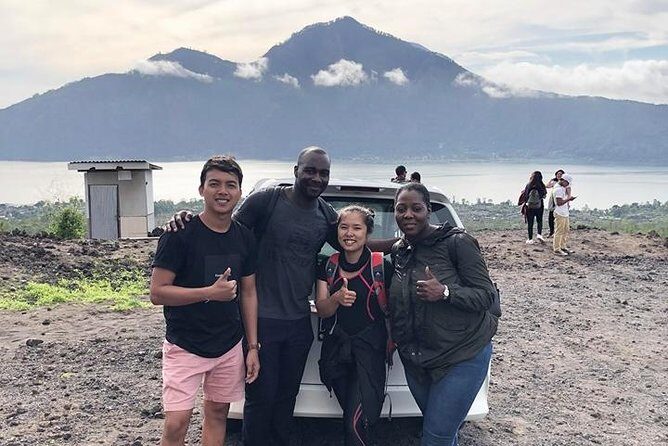
Private Tour : Mount Batur Sunrise Trekking and Rice Terrace with All Inclusive - Private door-to-door transfers: the real value in a long day
Batur sunrise tours can fall apart on logistics. This one avoids a lot of the hassle by offering private air-conditioned car pickup and return to your hotel. You don’t need to wrestle with finding a meeting point at 2am, or line up with strangers whose schedules don’t match yours.

The private format matters even if you’re traveling with just one companion. The tour is private for your group, and there’s a minimum of 2 people per booking, so it tends to work best for pairs, friends, or couples who want control over timing and comfort.

The included items also make the day feel more “all-in-one.” You get:

  • Experienced English-speaking trekking guide
  • Parking fee
  • Mineral water
  • Breakfast (volcanic steam)
  • Entrance fees
  • Flashlights

Lunch is not included, so you’ll want to plan that yourself for later in the day when you’re back in Ubud. Personally, I’d treat this as a morning-and-midday experience: start early, eat big and warm at the volcano, then let lunch be your own choice afterward.

At $72 per person for about 10 hours, the value comes less from a single item and more from the bundle: early transport, guide expertise, tickets, and breakfast. If you tried to assemble it yourself, you’d likely spend time and money coordinating pieces—especially with the hard start time.

Who this tour suits (and who should skip it)
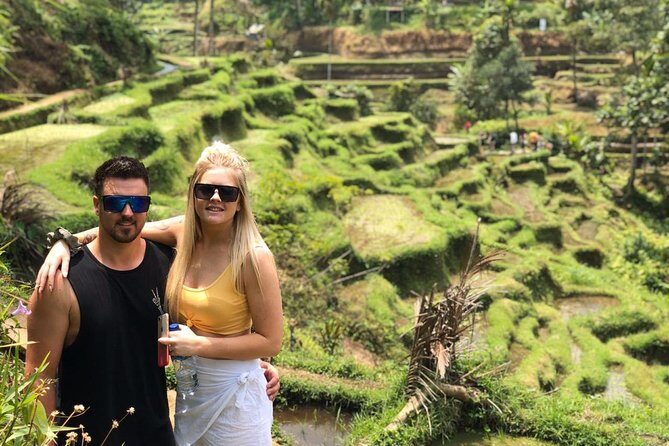
Private Tour : Mount Batur Sunrise Trekking and Rice Terrace with All Inclusive - Who this tour suits (and who should skip it)
Most travelers can participate, and the tour is designed for people who are at least comfortable hiking uphill in the dark. There’s a minimum age of 12 years, which suggests the route isn’t intended for very small kids.

You should also take the health warning seriously. It’s not recommended if you have back problems, heart complaints, or other serious medical conditions. If you’re unsure, it’s worth checking with your doctor before committing—because sunrise trekking isn’t a gentle stroll, even when the guide keeps things organized.

Fitness-wise, the summit is doable for physically fit hikers in around 2 hours, but the climb is still a steady uphill effort. If you’re comfortable with stairs, uneven ground, and cooler temps, you’ll probably enjoy this more than you fear it.

If you’re the kind of person who loves early mornings, clear goals, and a strong payoff, this is a top choice. If you hate cold weather or you get flustered with early starts, you may find it tougher—so pack warm and plan to relax afterward.

Should you book this Mount Batur sunrise + rice terrace tour?
Private Tour : Mount Batur Sunrise Trekking and Rice Terrace with All Inclusive - Should you book this Mount Batur sunrise + rice terrace tour?
I’d book it if you want a sunrise experience with real structure: hotel pickup, a guide, included entrance fees, flashlights, and that signature volcanic steam breakfast. The day also offers variety, not just a single viewpoint. You get Mount Batur, coffee tasting, and Tegalalang’s Subak-fed terraces in one smooth loop.

I wouldn’t book it if you’re sensitive to cold, you have medical limitations that make strenuous activity unwise, or you’re hoping for an easy “walk and watch” morning. This is active, early, and purposeful.

Also, check your travel style. At minimum, you need to be happy with a 2am departure and a long day that ends back in your hotel. If that fits your mood, this tour is excellent value for a complete volcano-to-terrace morning in Bali.

FAQ

What time does the tour start?

Start time is 2:00am, with pickup typically between 2:00am and 2:30am from your hotel area.

How long is the tour?

The duration is about 10 hours (approx.).

Is breakfast included?

Yes. You’ll have breakfast cooked by your guide in volcanic steam.

Is lunch included?

No, lunch is not included.

Do I need entrance tickets for Mount Batur and the rice terrace?

Entrance fees are included for Mount Batur and Tegalalang Rice Terrace.

Will I have transportation from and back to my hotel?

Yes. The tour includes pickup and return to your hotel by private air-conditioned car.

What should I bring for the hike?

Bring hiking shoes, a jacket, long pants, insect repellent, and your camera. The summit can be cool and breezy.

What if weather is bad?

This experience requires good weather. If it’s canceled due to poor weather, you’ll be offered a different date or a full refund.
Bali Lempuyang Gate of Heaven and Besakih Mother Temple Tour

Bali Lempuyang Gate of Heaven and Besakih Mother Temple Tour - Lempuyang Temple and the Gate of Heaven: the photo spot with real meaning

Two temples, one iconic gate.

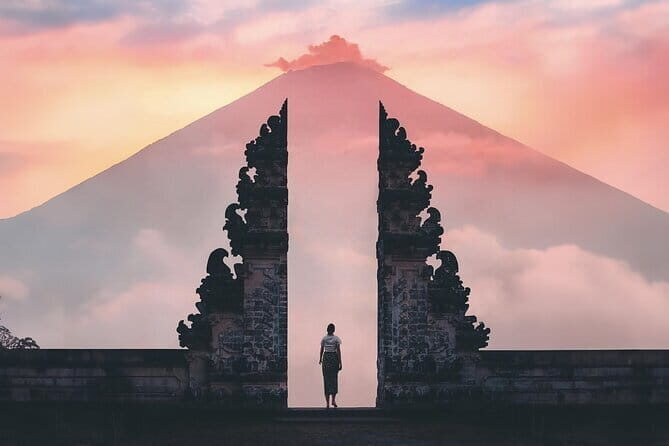
This full-day route strings together three major stops: Lempuyang Temple for the Gate of Heaven photo with Mount Agung in the background, Tirta Gangga with its famous koi ponds, and Besakih Mother Temple, Bali’s “mother” temple complex. It’s a strong mix of devotion and Instagram-ready scenery, done with smooth logistics instead of DIY driving.

I especially like that the day is built around your time: admission tickets are included for each main stop, plus there’s lunch (Indonesian food) and a bottle of mineral water per person. And I like the people side too—guides such as Uncle Darma, Oka, Pak Kris, and Wawan come up again and again for clear English, helpful explanations, and a calm, punctual vibe.

One thing to plan for: the Gate Lempuyang photo fee (around IDR 25,000 per person) is not included, so expect an extra payment if you want the classic photo setup. Also, the total day runs about 9 to 10 hours starting at 6:00 am, so you’ll want to be ready for an early start.

Key highlights worth knowing

Bali Lempuyang Gate of Heaven and Besakih Mother Temple Tour - Key highlights worth knowing

  • 6:00 am start time helps you get to Lempuyang earlier in the day
  • Gate of Heaven views with Mount Agung as the backdrop
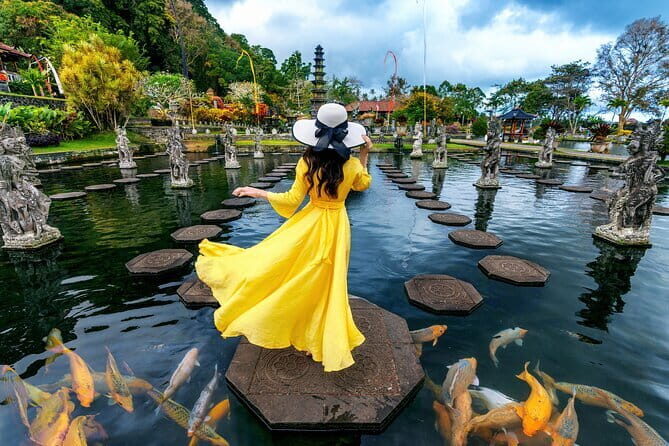
  • Tirta Gangga (1948 royal water palace) and its large koi pond
  • Besakih Mother Temple as Bali’s major temple complex
  • Lunch + bottled water included, so you’re not hunting for food mid-route
  • Shuttle bus to Lempuyang Temple, reducing the need to manage local transport

6:00 am pickup and the full-day timing that makes sense

Bali Lempuyang Gate of Heaven and Besakih Mother Temple Tour - 6:00 am pickup and the full-day timing that makes sense
This tour starts early, at 6:00 am. That’s not just for convenience. Lempuyang Temple can be a long day once you add up travel time, time at the viewpoints, and the practical stops along the way. Starting early keeps the schedule feeling doable and helps you avoid the day turning into a scramble.

You’ll ride in a private car with good A/C with an English-speaking driver, and petrol plus parking are covered. The tour is also set up as a private tour/activity, meaning only your group participates. If you like having your own space and a driver who can answer questions on the spot, that matters.

Add to that: the experience includes mobile ticket delivery and even group discounts. If you’re traveling as a small circle of friends or family, this kind of pricing can be a lot easier to justify than hiring a driver and tickets separately.

Lempuyang Temple and the Gate of Heaven: the photo spot with real meaning

Bali Lempuyang Gate of Heaven and Besakih Mother Temple Tour - Lempuyang Temple and the Gate of Heaven: the photo spot with real meaning
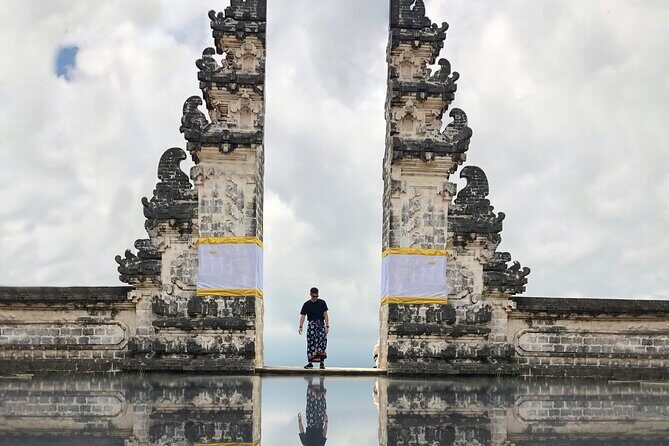
Lempuyang Temple is the headline. It’s in Karangasem Regency, and it’s famous for the view of the Gate of Heaven with Mount Agung as a dramatic backdrop. Even if you mainly care about photos, this stop works because it’s not just scenery—it’s part of Bali’s ongoing Hindu worship. The location’s sacred status is built into the experience.

You’ll have about 4 hours at Lempuyang, and admission is included. Also, there’s a shuttle bus to Lempuyang Temple. That’s a big deal for comfort and time management. You’re not trying to figure out local transport, and you’re not stuck improvising when the route gets busy.

The photo fee: what you should expect

The tour includes most costs, but one key item is not covered: photo fee at Gate Lempuyang Temple (around IDR 25,000/person). If you’re aiming for the classic pose at the gate, plan to pay that on-site. If you’re more interested in the temple atmosphere than the specific shot, you might decide to skip the paid photo setup.

A practical tip: bring patience, not perfection

That gate view is the goal, but sunrise lighting and cloud cover can change the look of Mount Agung. So set yourself up for success by keeping expectations flexible. You’re there for a place with spiritual weight, not just a view finder.

Tirta Gangga Water Palace: koi ponds, royal bathing, and a slower pace

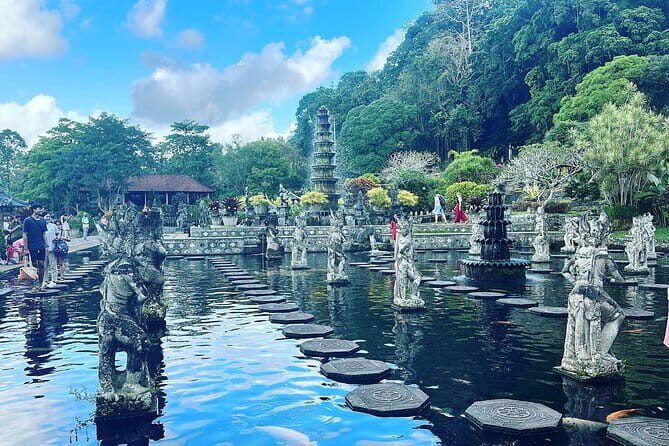
After Lempuyang, the day shifts into a calmer, scenic break at Tirta Gangga Water Palace. This is a recreational park built as a water-and-garden area tied to royalty in Karangasem. It dates to 1948, and it originally functioned as a bath and recreation space for the royal family.

You’ll spend about 2 hours here, and admission is included. The standout is the large koi pond and the overall layout of water features. It’s the kind of place where you can wander at your own pace, take photos, and reset before the main temple complex later in the day.

Why this stop is valuable

In a full-day temple tour, it’s easy to feel like you’re bouncing from one sacred site to the next without a breather. Tirta Gangga offers a different mood: less “big view, big gate,” and more “water palace details.” It’s also a smart time buffer—by the time you arrive at Besakih, you’ll have more energy for the longer temple visit.

Besakih Mother Temple: Bali’s biggest temple complex

Bali Lempuyang Gate of Heaven and Besakih Mother Temple Tour - Besakih Mother Temple: Bali’s biggest temple complex
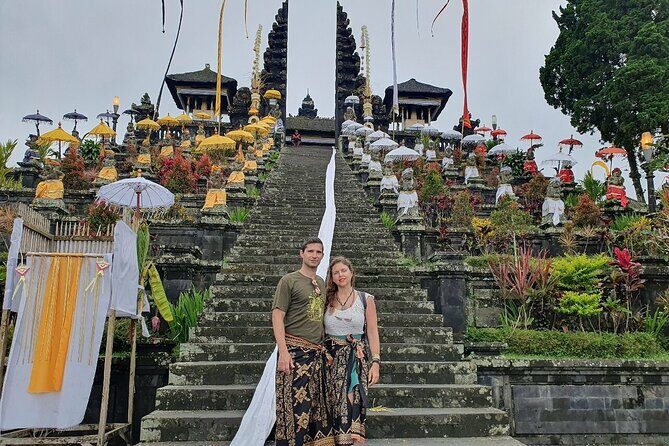
Besakih is the other major anchor on this itinerary. It’s often called the Mother Temple of Bali and is described as the biggest and sanctified temple on the island. You’ll spend about 3 hours at Besakih, with admission included.

This stop matters for one clear reason: it gives you a sense of scale. Besakih isn’t just one gate or one courtyard. It’s a complex setting with sweeping views and the feeling that you’ve arrived at something central to daily religious life on the island.

You’ll also notice the mountain views tied to the temple setting—Besakih is positioned so the natural backdrop feels part of the sacred experience. That combination of architecture and setting is a big reason people keep this stop on their Bali checklist.

Expect a “walk and observe” rhythm

Most temple time works best when you go slow and look around. Give yourself time to notice the flow of the grounds, how worship spaces are arranged, and how the atmosphere feels different from your earlier photo-focused stop. If you’ve spent the morning focused on images, Besakih is where you can shift back to observation.

Price and value: what you get for $97 per person

Bali Lempuyang Gate of Heaven and Besakih Mother Temple Tour - Price and value: what you get for $97 per person
The price is $97.00 per person. For a full day, that can feel like either a bargain or a toss-up—depending on what’s included. Here, the value is in the package design.

You’re getting:

  • Private car with A/C (plus petrol and parking)
  • English-speaking driver
  • Lunch (Indonesian food)
  • Mineral water (1 bottle/person)
  • Shuttle bus to Lempuyang Temple
  • Admission included for the main stops (Lempuyang, Tirta Gangga, Besakih)
  • All fees and taxes for the items listed as included

What’s not included:

  • Photo fee at Gate Lempuyang (around IDR 25,000/person)

If you tried to DIY this with a driver of your own, you’d still need to line up tickets, coordinate the shuttle logistics, and make sure you arrive on time for a site-heavy schedule. This tour removes a lot of that friction. The early start and the long day also suggest that the pricing is built to cover real logistics, not just sightseeing.

Guides that make or break the day

Bali Lempuyang Gate of Heaven and Besakih Mother Temple Tour - Guides that make or break the day
On tours like this, the guide is the difference between seeing temples and understanding what you’re looking at. The feedback for this operator shows a pattern: people praise guides by name for English fluency and practical explanations.

Names that come up include Uncle Darma, Oka, Pak Kris, Wawan, and Dirga. The common thread in the praise is how they handled the day: punctual timing, clear explanations of culture and sites, and a helpful attitude. Some guides also focus on getting you good photos, not just good directions.

How to get more from your guide

Even without a deep religious background, you can ask simple, respectful questions like:

  • What makes this temple important to Hindus in Bali?
  • What should I pay attention to at the gate or in the water palace?
  • What’s the easiest way to move through the site without rushing?

A good English-speaking driver can answer in a way that helps you see more with less guesswork.

Logistics that matter: shuttle bus, meals, and the long day

Bali Lempuyang Gate of Heaven and Besakih Mother Temple Tour - Logistics that matter: shuttle bus, meals, and the long day
This isn’t a short hop between places. Total duration is about 9 to 10 hours. That long span is why the inclusions (lunch, water, and ticket coverage) are more than small perks—they keep you from losing time and budget to random add-ons.

A few practical notes based on how the tour is set up:

  • Lunch is included (Indonesian food). If you have dietary restrictions, you’ll want to ask ahead since only the included option is specified here.
  • You’ll use a shuttle bus to Lempuyang Temple, so expect a transport handoff rather than one continuous drive the whole way.
  • The schedule is built around three temple-heavy stops, so wear comfortable clothing and plan for time on your feet. (Temple areas can have uneven surfaces, so stable footwear helps.)

Who this tour suits best

Bali Lempuyang Gate of Heaven and Besakih Mother Temple Tour - Who this tour suits best
This is a great fit if you want:

  • Big-name Bali sights in one organized day without driving yourself
  • A mix of spiritual temple time and photo-friendly stops
  • A tour that includes tickets, lunch, and transport support
  • A group setup that stays private for your party

It’s also a strong choice if you’re the kind of traveler who likes explanations. When a guide talks through what you’re seeing, Besakih and Lempuyang stop being just “pretty structures” and start feeling like living places.

If you’re traveling solo but want a structured day, the private setup can still work well, especially if you’re okay paying for the one-car comfort.

Should you book this Bali Golden Tour?

I’d book it if your priority is a stress-light full day that hits the iconic trio: Lempuyang Gate of Heaven, Tirta Gangga, and Besakih Mother Temple. At $97 per person, the included admissions, lunch, bottled water, private AC transport, and shuttle support make the math cleaner than piecing it together.

Skip it or rethink it if:

  • The Gate Lempuyang photo fee would be a dealbreaker for your budget
  • You don’t do well with early mornings and a 9 to 10 hour schedule
  • You’re only interested in one site and would rather keep the day flexible

FAQ

What time does the tour start?

The tour starts at 6:00 am.

How long is the tour?

The duration is about 9 to 10 hours.

Is pickup included?

Yes. Pickup is offered, and you’ll travel by private car with good A/C.

Are admission tickets included?

Yes. Admission tickets are included for Lempuyang Temple, Tirta Gangga, and Besakih Temple.

Is lunch included?

Yes. Lunch with Indonesian food is included.

Is the Gate Lempuyang Temple photo fee included?

No. The photo fee at Gate Lempuyang Temple (around IDR 25,000/person) is not included.

Is this a private tour or shared group?

This is listed as private. Only your group participates.

What is the cancellation policy?

You can cancel for a full refund up to 24 hours before the experience’s start time. If you cancel less than 24 hours before, the amount you paid isn’t refunded.

Ubud City Tour I: Monkey Forest, Ubud Palace, Art Market, and Waterfall

Ubud City Tour I: Monkey Forest, Ubud Palace, Art Market, and Waterfall - Sacred Monkey Forest Sanctuary: macaques and temple vibes

Four stops, one smooth Ubud day. This private 6-hour plan strings together the Sacred Monkey Forest Sanctuary, Ubud Palace (Puri Saren), the art market, and Tegenungan Waterfall, so you get variety without burning a full day. I like that hotel pickup helps you avoid wasted time and that it skips the usual awkward waiting around.

The Sacred Monkey Forest Sanctuary is a standout because it blends a nature reserve with a temple complex, with about 340 crab-eating macaques living there. I also love how the day stays practical: Ubud Palace is quick to reach (right in central Ubud), and the art market afterward makes it easy to turn photos into souvenirs without guessing where to go.

One thing to plan for: Ubud traffic can slow you down, and the day includes some walking (especially around the waterfall). If you’re expecting zero crowds or zero effort, this isn’t that kind of tour.

Key highlights at a glance

Ubud City Tour I: Monkey Forest, Ubud Palace, Art Market, and Waterfall - Key highlights at a glance

  • Sacred Monkey Forest Sanctuary with about 340 crab-eating macaques in a sacred temple setting
  • Ubud Palace (Puri Saren) located right in central Ubud for a fast, focused culture stop
  • Ubud Traditional Art Market where you can browse silver jewelry, batiks, wood carvings, and more
  • Tegenungan Waterfall for a memorable photo stop in about an hour
  • Private transfers mean no waiting on other travelers and quicker hotel-to-stop routing
  • Flexible hosting you might get from guides like Budi or Agus, who can help manage time and photos

Four highlights in six hours: Monkey Forest to Tegenungan

This is the kind of Ubud tour that works when you want the island’s best-known highlights, but you don’t want to spend your whole day crisscrossing town. You start at 9:00am and you’re typically done around 6 hours later, with a logical flow: monkeys first, then palace and shopping, then a waterfall finish.

What makes it especially appealing is the mix. Monkey Forest gives you the nature-and-temple feel. Ubud Palace adds cultural context. The art market makes the day feel hands-on and local. Tegenungan Waterfall is the payoff—photos, cool air, and the classic “I’m really in Bali” moment.

The time at each stop is tight but not rushed. The tour is designed around short, efficient visits, with admission tickets included so you’re not hunting for counters or adding extra logistics mid-day.

Private hotel pickup and the reality of Ubud traffic

Ubud City Tour I: Monkey Forest, Ubud Palace, Art Market, and Waterfall - Private hotel pickup and the reality of Ubud traffic
Pickup is part of the deal, with direct transfers to and from your hotel in Ubud or much of south Bali. That matters more than it sounds. Ubud is compact, but getting across it (or into nearby areas) can still eat time, especially when roads get busy.

Because this is a private tour/activity—just your group—there’s no need to coordinate with other parties. You’re not waiting for someone else’s pace, someone else’s late start, or someone else’s lost directions. In practice, that often translates into a more relaxed rhythm, even if the drive itself slows down.

Plan for this honestly: traffic can be heavy. The practical move is to see the driving time as part of the day, not a failure of planning. If you ride in an air-conditioned vehicle, you can treat the ride as a breather before the next stop.

Sacred Monkey Forest Sanctuary: macaques and temple vibes

Ubud City Tour I: Monkey Forest, Ubud Palace, Art Market, and Waterfall - Sacred Monkey Forest Sanctuary: macaques and temple vibes
Your first stop is the Sacred Monkey Forest Sanctuary. It’s a nature reserve and also a religious temple complex, so it feels different from a zoo-like monkey attraction. The big number to remember is that it’s home to about 340 crab-eating macaques, meaning you should expect plenty of activity and plenty of eyes watching you back.

You’ll get about an hour here. That’s enough time to find a good viewing route, take photos, and still move on without feeling trapped in the same loop. Just keep your expectations balanced: Monkey Forest is popular for a reason, but it can feel busy. This is one of those places where quick attention to what you’re doing helps your experience go smoother.

A simple, low-stress approach:

  • Keep valuables secure and avoid waving things around for photos.
  • Watch where you step and keep moving when the path gets crowded.
  • If a moment blocks your view, step aside rather than stopping in the middle of the walkway.

The religious-forested setting is the charm. You’re not only seeing monkeys; you’re seeing a living space that’s important to locals, with temple architecture and ritual life mixed into the greenery.

Ubud Palace (Puri Saren): a quick royal stop in the center

Ubud City Tour I: Monkey Forest, Ubud Palace, Art Market, and Waterfall - Ubud Palace (Puri Saren): a quick royal stop in the center
Next comes Ubud Palace, also known as Puri Saren. The tour gives you about 15 minutes here, which is short, but it’s a sensible match for this kind of itinerary. This is the moment to understand the center of Ubud without turning your day into a museum marathon.

Ubud Palace is located right in the center of Ubud Village, so it’s easy to fold into the route. Because your stop is brief, you’ll want to focus on a few photo angles and the layout, rather than trying to absorb everything at once.

What I like about this timing: you get a cultural anchor after Monkey Forest, and then you immediately shift into browsing mode. That keeps the day from feeling like three separate trips stitched together. Palace first, market second, waterfall third—storyline pacing, not random sightseeing.

If you enjoy architecture and everyday Balinese culture, this quick stop is a good contrast. You don’t need hours here to get the flavor of what Ubud’s royal and spiritual life looks like in the heart of town.

Ubud Traditional Art Market: what you can realistically shop for

Then you’re at the Ubud Traditional Art Market for about an hour. This is where the trip turns practical. The stalls are set up to cover the souvenir spectrum: silver jewelry and precious stones, batiks, T-shirts, beach sarongs, wood carvings, and even cane work bags.

The value of an art market stop is not just shopping. It’s figuring out what’s actually available in Ubud, what styles are common, and what’s worth asking about. You can compare materials and see the quality difference on the spot.

How to get more from your market hour:

  • Decide what you’re buying before you step in. Jewelry? Batik? Carvings? It keeps you from getting pulled in ten directions.
  • Be ready for packed stalls and narrow aisles. Move steadily and give yourself room to look.
  • Use the guide’s help to point you toward what you want. A good host can help you avoid dead-end searching and spot stalls faster.

This is a good place for photos too. The market energy gives you the everyday Bali feel that doesn’t show up the same way in temples or waterfalls. If you want to go home with something tangible, this stop is the easiest way in the itinerary.

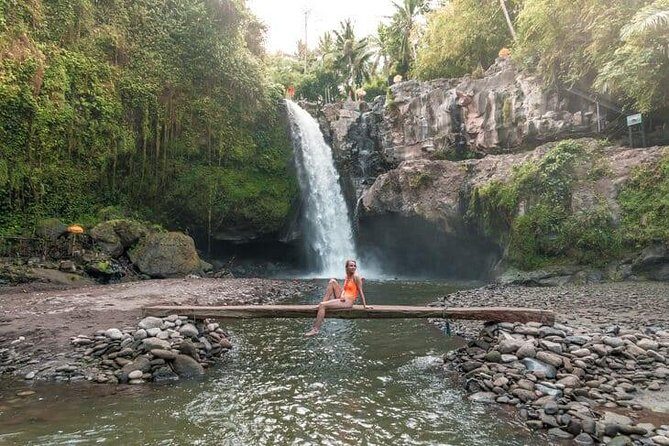
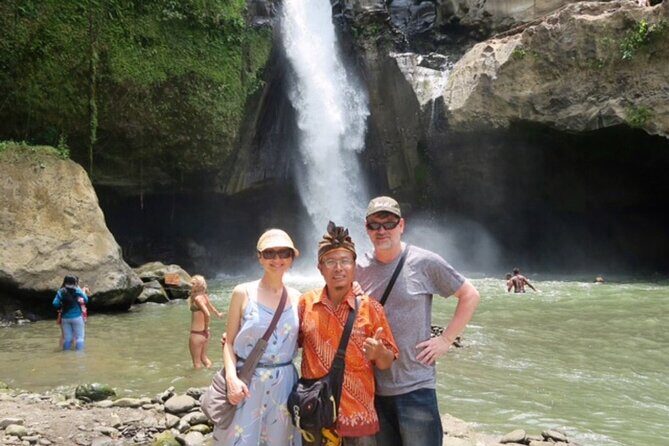
Tegenungan Waterfall: photo time, plus a possible swim

Ubud City Tour I: Monkey Forest, Ubud Palace, Art Market, and Waterfall - Tegenungan Waterfall: photo time, plus a possible swim
Your final main stop is Tegenungan Waterfall, with about an hour allotted. It’s conveniently located halfway between Ubud and the south Bali area, with nearby Sukawati often grouped into the same regional route, so it’s a natural end point for a half-day Ubud itinerary.

A waterfall stop does two things well. It offers a reset for your senses after temple and shopping, and it gives you a strong visual memory. The photo opportunities are the obvious part, but the air and sound shift can be just as satisfying.

There’s also room for fun. On at least some days, the experience can include a swim as part of the waterfall finish, if that’s what you want to do. If swimming isn’t your thing, you can still enjoy it as a look-and-photo stop without needing extra planning.

Practical note: the waterfall area means you’ll likely walk some. Wear shoes that handle uneven ground comfortably. And bring water—Tegenungan is the kind of place where the day’s heat can catch up to you.

Guide power: how hosts like Budi and Agus manage your day

Ubud City Tour I: Monkey Forest, Ubud Palace, Art Market, and Waterfall - Guide power: how hosts like Budi and Agus manage your day
This tour tends to succeed or fail on one thing: how well your guide handles pacing. The good news is the hosting style here often focuses on time management and comfort, not just checking boxes.

In real-life examples from this tour style, guides like Budi have shown up as a helpful navigator and even a personal photographer type, making it easier to get photos without turning your day into a self-shot struggle. Other hosts, like Agus, have been described as flexible and kind, keeping the plan moving while still allowing time to explore at your own pace.

That flexibility matters because Ubud days change. Traffic can slow your drive. Crowds can shift your route. If your group wants a little more time for photos at Monkey Forest or a longer browse in the art market, a responsive host can help you adjust without breaking the overall schedule.

Even when the itinerary is structured, the experience still feels personal because it’s private. Your group isn’t competing with someone else’s timeline.

Is $45 for this Ubud city tour a good value?

At $45 per person for roughly 6 hours, the value comes from what you’re getting bundled together, not just the number on the ticket.

You’re paying for:

  • Private hotel pickup and drop-off (Ubud and much of south Bali)
  • Admission tickets included at each main stop
  • A route that hits four high-recognition experiences: Monkey Forest, palace, market, and Tegenungan Waterfall

If you try to do these on your own, you’ll spend time and money on transport and you’ll still deal with entry fees and figuring out what order makes sense. This tour wraps those parts into a single plan, which is especially helpful if you’re short on time or you don’t want to gamble on driving between sites.

It can also be a solid pick for families. One of the key strengths is that the day is short enough to feel doable, even with kids—though there will still be walking, and that’s the one reality check.

Book it or skip it: who should choose this day plan

I’d book this tour if you want a fast, organized Ubud day that covers the big hits without a complicated itinerary. It’s ideal if you:

  • Like the idea of Monkey Forest plus palace and a market, then finishing with a waterfall
  • Want private transfers so you avoid waiting around
  • Prefer a guide to manage the flow and help with photos and pacing

I’d rethink it if you’re the type who wants lots of slow wandering and deep time at just one location. This plan is built for variety and efficiency, not for staying in any single place for hours.

If you’re on the fence, think about your priorities. If your top goal is seeing Ubud’s most famous sights in one day, this is a practical way to do it. If your top goal is total calm and long exploring, pair Ubud with a slower standalone plan instead.

And one last smart move: since this tour is often booked about 23 days in advance on average, consider reserving ahead if your dates are fixed.

FAQ

What time does the Ubud City Tour I start?

The start time is 9:00am.

How long is the tour?

The duration is about 6 hours.

What stops are included?

It includes Sacred Monkey Forest Sanctuary, Ubud Palace, Ubud Traditional Art Market, and Tegenungan Waterfall.

Are pickup and drop-off included?

Yes. Pickup is offered, with direct transfers to your hotel in Ubud or much of south Bali, plus drop-off back to your hotel.

Is this a private tour?

Yes. It’s a private tour/activity, and only your group will participate.

Is the admission ticket included?

Admission tickets are included for each listed stop.

Can I cancel for free?

Yes. Cancellation is free up to 24 hours in advance of the experience’s start time for a full refund. If you cancel less than 24 hours before, the amount paid is not refunded.

Jatiluwih Batukaru Mountain Nature’s Best Tour

Jatiluwih Batukaru Mountain Nature's Best Tour - Getting picked up at 8:30 and riding north

Bali, minus the surf. This full-day outing steers you into the island’s lush interior—foothills, rice paddies, and a remote temple setting under Mount Batukaru. I like the small-group feel (the operator lists a maximum of 15, and the experience is often described as very limited), and I’m also a big fan of how the day centers on Pura Luhur Batukaru Temple, not just quick photo stops.

The main consideration is time and pacing: expect a lot of driving on winding roads in an 8-hour day, and you may spend extra minutes at cultural stops that can feel shop-heavy depending on your guide and timing. If you’re prone to motion sickness, plan for it.

Quick hits before you leave

Jatiluwih Batukaru Mountain Nature's Best Tour - Quick hits before you leave

  • Hotel pickup and drop-off (from Kuta, Seminyak, Sanur, Jimbaran, and the Nusa Dua area)
  • English-speaking licensed guide who can explain Balinese agriculture and temple meaning
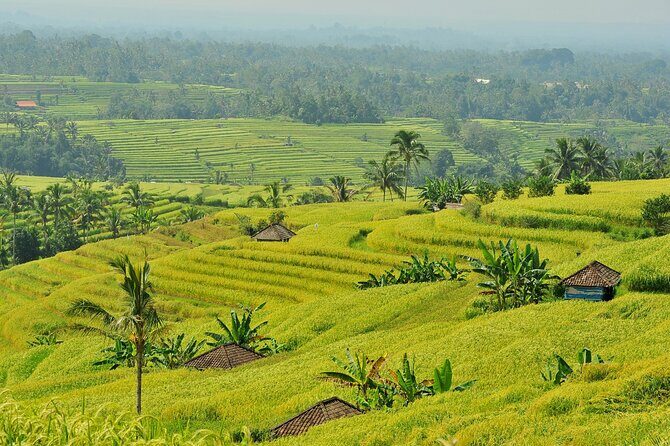
  • Jatiluwih rice terraces with serious photo potential and real farming context
  • Pura Luhur Batukaru Temple in a quiet, forest-adjacent setting that feels far from the crowds
  • Air-conditioned vehicle for the ride north into Bali’s interior
  • All entrance fees included, plus a food stop you pay for yourself

Why Batukaru and Jatiluwih feel like real Bali

If you’ve only seen Bali from a beach chair, this tour changes your mental map fast. You go north, away from Denpasar’s urban sprawl, toward green hills and farm country. The focus isn’t nightlife or shopping streets. It’s how people live with the land—and how Balinese Hindu spirituality is woven into that landscape.

The best part is that the day isn’t just scenery. You’re guided through what you’re seeing: the volcanic soil that supports crops, and the communal work behind those stepped rice fields. In plain terms, you’re not only looking at rice terraces—you’re learning why they exist and who depends on them.

Then you shift from farming to religion at Pura Luhur Batukaru, a temple complex described as one of the island’s holiest for Balinese Hindus. The experience is meant to feel quiet and reflective, with time to walk, pause, and absorb the setting with your guide doing the talking when you need context.

Price and logistics: what you’re paying for

Jatiluwih Batukaru Mountain Nature's Best Tour - Price and logistics: what you’re paying for
At about $61.54 per person for an ~8-hour day, the value comes from what’s bundled: pickup/drop-off, a licensed English-speaking guide, air-conditioned transport, and all entrance fees. In Bali, that combo usually costs more if you try to piece it together on your own.

You’re also buying convenience. Many departures are designed around pickup from major beach areas (Kuta, Seminyak, Sanur, Jimbaran, and Nusa Dua). If your hotel is in the pickup zone, you can start the day already settled—no wrestling with transport in the morning.

The tradeoff is travel time. Roads through Bali’s interior can be winding and slow, and the day can feel longer in practice than the “8 hours” headline. I’d go in with a relaxed mindset and plan for comfort first: a light stomach, a little patience, and camera batteries charged.

Getting picked up at 8:30 and riding north

Jatiluwih Batukaru Mountain Nature's Best Tour - Getting picked up at 8:30 and riding north
Most tours start with pickup 30 to 60 minutes before 8:30am, so you’ll likely be leaving early. Expect a drive that gradually swaps city blocks for green fields and hillside views. If you’re coming from southern Bali, the change in scenery is part of the fun—watch the urban density fade as the interior opens up.

The vehicle is air-conditioned, which matters. Even with comfortable temps, you’ll be in the car enough that AC helps everyone stay human. The ride also means you’ll want a plan for your seat comfort. If you’re sensitive to motion or bumpy roads, take precautions before you leave your hotel.

One more practical point: the tour is set up as a small group. The operator lists a maximum of 15, while the tour description also mentions a very limited group (often closer to a handful). Either way, it usually feels less chaotic than big bus tours.

Stop 1: Mount Batukaru foothills and farming life

Jatiluwih Batukaru Mountain Nature's Best Tour - Stop 1: Mount Batukaru foothills and farming life
The first major stretch lands you in the fertile volcanic foothills near Mount Batukaru. This is where the day stops being abstract and starts feeling hands-on. The area is known for crops and spice/fruit growing—think vegetables, tropical fruits, spices, and flowers.

What makes this stop valuable is how it sets up the rest of your day. The terraces at Jatiluwih won’t make sense as more than “pretty fields” unless you understand the conditions that make rice farming work here. Volcanic soil and mountain-fed growing conditions are the backdrop.

You may also see stops that feel like agricultural demonstrations. In some versions, the farming theme includes sampling and product displays linked to what grows there (for example, coffee/tea tastings or spice-focused presentations). Keep your expectations flexible: sometimes these moments are genuinely informative; other times they can drift toward sales. If you’re not interested in shopping, treat these stops as a quick culture checkpoint and move on as soon as you’re done looking.

Stop 2: Jatiluwih rice terraces for real farming, not just photos

Jatiluwih Batukaru Mountain Nature's Best Tour - Stop 2: Jatiluwih rice terraces for real farming, not just photos
Jatiluwih is one of Bali’s most famous rice-terrace areas, but what matters here is the framing. This stop is designed to show rice terraces as a creative art and communal effort, not a stage set.

You’ll spend about 2 hours in the Jatiluwih area. That’s enough time to walk a little, get your bearings, and keep enjoying the views without feeling rushed. And if you’ve been in Bali long enough to spot the most “touristy” photo angles, you’ll likely appreciate that the terrace system here is treated as working farmland.

Why it’s worth your attention: these terraces are carved and maintained by the local community. The tour’s goal is to connect the beauty you’re photographing to food and income. That context turns green steps on a hillside from a nice view into a story.

Practical tip: bring shoes you can trust on uneven ground. Terrace paths can be slippery, especially in wet conditions. If it has rained, slow down and watch your footing.

Stop 3: Luhur Batukaru Temple in the forest

Jatiluwih Batukaru Mountain Nature's Best Tour - Stop 3: Luhur Batukaru Temple in the forest
After Jatiluwih, the day shifts from open farmland to a temple visit reached through thick tropical forest near Mount Batukaru. This is the “get off the beaten track” part of the itinerary that people tend to remember.

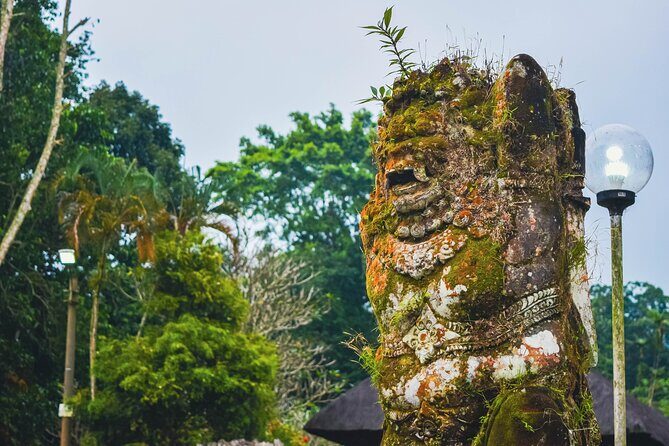
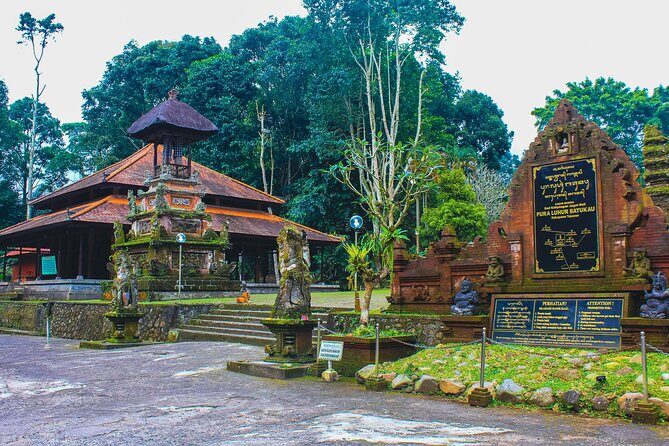
You’ll reach Pura Luhur Batukaru (also spelled Luhur Batukaru in places). The temple complex is described as among the holiest on the island, with Besakih noted as the only site typically ranked as more sacred. Your guide should help make sense of what you’re seeing—where to look, what the architecture signals, and why the setting matters.

The temple time is about quiet immersion rather than a checklist. Many guides build in time for reflection, including moments to sit and meditate if that’s your style. Even if you’re not big on meditation, the atmosphere is what you’re buying: birds, shade, and a sense that you’ve stepped into a different rhythm.

One important “go in prepared” note: temple paths can involve steps and slick surfaces, especially with moisture. If it’s rainy, take extra care. And if you’re walking more than you expect, pace yourself—this is still an 8-hour day.

Guides make the day: the difference between facts and tone

Jatiluwih Batukaru Mountain Nature's Best Tour - Guides make the day: the difference between facts and tone
On tours like this, your guide can change the experience a lot. Some guides bring a lively, friendly explanation style. Others are more serious or reserved. Either way, the best guides do two things well: they connect the scenery to Balinese life, and they keep you moving at a comfortable pace.

You might be with guides such as Darta, Mandara, Gus, Rodney/Rody, Radi/Radiawan, Benny, Arya, or Sandy (names vary by departure). What’s consistent is that the tour is set up around an English-speaking licensed guide, so you’re not left guessing what you’re seeing.

If you want the most value, come with one or two questions:

  • How do farming practices connect to religious life here?
  • What makes Pura Luhur Batukaru special compared to other temples?

Ask early in the day. A good guide will shape their explanations around what you care about.

The food stop and what to budget for

Jatiluwih Batukaru Mountain Nature's Best Tour - The food stop and what to budget for
Between temple and return, you’ll have time for a local restaurant stop. Food and drinks are not included, so budget extra. The tone here is simple: you’re on a countryside day, and lunch is more of a break than part of a gourmet program.

From past experience with similar itineraries, lunch quality can vary. Plan for basic, filling meals—especially if you’re hungry after walking and driving. If you’re picky about food temperature, keep that in mind and be flexible.

Pace, comfort, and photo strategy (so you don’t feel rushed)

A typical day here runs long enough that you’ll want to manage energy. It’s not a sprint between highlights; it’s a sequence of meaningful stops: foothills, terraces, temple, then back.

The ride matters. Expect bumpy, winding roads and enough time in the van that comfort should be part of your packing plan. If you suffer from motion sickness, take preventative measures before you depart.

For photos, you’ll likely get multiple opportunities:

  • From viewpoints as you travel
  • On terrace paths at Jatiluwih
  • At Pura Luhur Batukaru during quieter moments with your guide

Keep in mind that in the temple area, the goal is calm. That means you might not get the same kind of constant “pose and shoot” freedom as in open fields.

Who this tour fits best

This is a strong pick if you want culture plus countryside in one day. I’d especially recommend it if:

  • You’re staying in Ubud and want to see Bali beyond beaches
  • You care about agriculture, rice terrace farming, and what “living traditions” look like
  • You prefer a small-group experience over a big bus crowd
  • You want a temple visit that’s more about meaning and atmosphere than souvenir stops

It’s less ideal if you dislike driving time, hate slow road conditions, or strongly prefer “no shopping stops” days. Some versions can include additional craft or plantation-style stops that feel salesy. You can still enjoy the day, but go in clear-eyed.

Should you book this tour?

Book it if you want a day that actually changes what you think Bali is. The combination of Jatiluwih rice terraces and Pura Luhur Batukaru—with a real-world agriculture explanation—makes this tour feel like more than sightseeing. And the included entrance fees, guide, and transport help justify the price.

Skip it or choose another option if:

  • You’re extremely sensitive to motion sickness
  • You need a very tightly timed schedule
  • You don’t want any possibility of extra craft or coffee/plantation-style sales stops

If you’re flexible and you like learning while you walk, this one is a solid value way to spend a day in Bali’s interior.

FAQ

What time does the tour start?

The start time is listed as 8:30am, with hotel pickup happening about 30 to 60 minutes before that time.

How long is the Jatiluwih Batukaru Mountain Nature’s Best Tour?

It runs for about 8 hours (approx.).

Is pickup and drop-off included?

Yes. Pickup and drop-off are included from major hotels in Kuta, Seminyak, Sanur, Jimbaran, and the Nusa Dua area.

How big is the group?

The tour is described as small-group, with a maximum of 15 travelers.

Are entrance fees included?

Yes. Entrance fees are included for the sites on the tour.

Is food included?

Food and drinks are not included. You’ll have a stop at a local restaurant where you can buy what you want.

Can I cancel for a full refund?

Yes. You can cancel up to 24 hours in advance for a full refund.

Ubud Tour : Best of Ubud with All inclusive

Ubud Tour : Best of Ubud with All inclusive - Batuan Temple: architecture-focused calm and a black-palm roof detail

Ubud shines when you group its big sights into one smooth day. This tour strings together Batuan Temple, Tirta Empul, and Ubud’s most famous nature stops without you juggling maps or scooters. It is the kind of route that makes sense for a first Bali trip, with guides like Adi and Aris showing you what to look for and when to move.

I especially like the door-to-door comfort: hotel pickup and drop-off from many south Bali areas, plus an English-speaking driver and air-conditioned transport. I also like that key entry fees are bundled, so you spend less time sorting tickets and more time seeing places like Tegenungan Waterfall and Tegalalang Rice Terrace.

One possible drawback: it is a long full day (about 8 hours) and the day includes a waterfall and temple walking, so wear shoes you can handle. Also, lunch is not included, so plan a meal stop before or after.

Key things to love about Best of Ubud with All inclusive

Ubud Tour : Best of Ubud with All inclusive - Key things to love about Best of Ubud with All inclusive

  • Private 2-way transfers from many south Bali hotels, so you skip the self-driving stress
  • Temple-to-waterfall routing that keeps Ubud’s top sights in one day
  • English-speaking driver who can explain what you are looking at, not just drive
  • Entrance fees included, including tickets at major stops
  • Coffee plantation time plus photo-friendly rice terrace views
  • High satisfaction, with a 5-star average and 100% recommend

Door-to-door transfers from south Bali, minus the driving headache

Ubud Tour : Best of Ubud with All inclusive - Door-to-door transfers from south Bali, minus the driving headache
If you want a stress-free Ubud day, the pickup matters. This tour offers round-trip hotel transfer from a long list of areas, including Seminyak, Legian, Kuta, Tuban, Jimbaran, Sanur, Tanah Lot, Ubud, Tanjung Benoa, and Nusa Dua. That is huge if you are staying outside Ubud, because traffic and navigation can eat up your energy.

You also get an air-conditioned vehicle described as super comfort, plus petrol, parking, and mineral water. So you are not paying extra small stuff all day. And since it is a private experience, it is only your group, which usually means fewer delays and a schedule that fits your pace better than a shared bus.

The driver being English speaking is a practical win. At places like Tirta Empul, you will get more out of the visit when someone can point out what the sacred springs are and why locals treat the temple with special respect. The same goes for Monkey Forest, where you should know how to behave around macaques and temple areas.

One more logistics note: the tour starts at 8:30 am. Going early helps you beat the worst crowds at the most popular viewpoints and temples.

The full 8-hour flow: how the day is paced

The route is built like a hits-and-views loop: temples first, then nature, then back to more spiritual stops. The total time is about 8 hours, with a typical rhythm of one to two hours per main stop.

Here is the order you can expect:

  • Batuan Temple (about 1 hour)
  • Tegenungan Waterfall (about 2 hours)
  • Monkey Forest Sanctuary (about 1 hour)
  • Tegalalang Rice Terrace (about 1 hour)
  • Tirta Empul Temple (about 2 hours)

This structure is useful because it prevents the day from feeling like a quick photo sprint at every location. You get enough time at Tegenungan to actually enjoy the waterfall setting, and enough time at Tirta Empul to see the holy spring area without feeling rushed.

The main timing challenge is not the walking time. It is the natural Ubud rhythm: you can run into traffic leaving busier areas later in the day. One review specifically flagged traffic on the way out of Ubud as the main hassle point. So build your expectations around a full-day schedule, and try to keep your energy for the sightseeing, not the stress.

And remember, lunch is not included. Since the tour does not list a meal stop, you should eat before pickup or plan food for after you return.

Batuan Temple: architecture-focused calm and a black-palm roof detail

Ubud Tour : Best of Ubud with All inclusive - Batuan Temple: architecture-focused calm and a black-palm roof detail
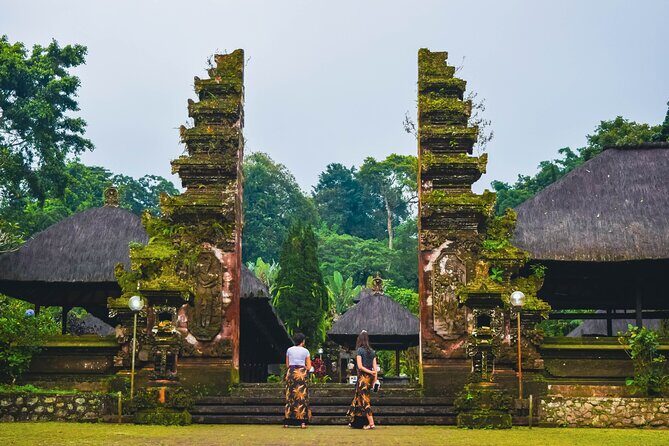
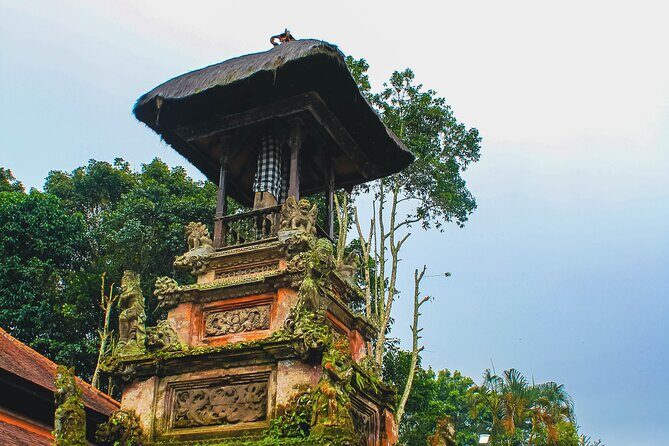
Batuan Temple is a great opener because it sets a quieter tone before the day’s more chaotic photo spots. You are given about an hour here, along with admission included, and the focus is on Hindu temple meaning and architecture.

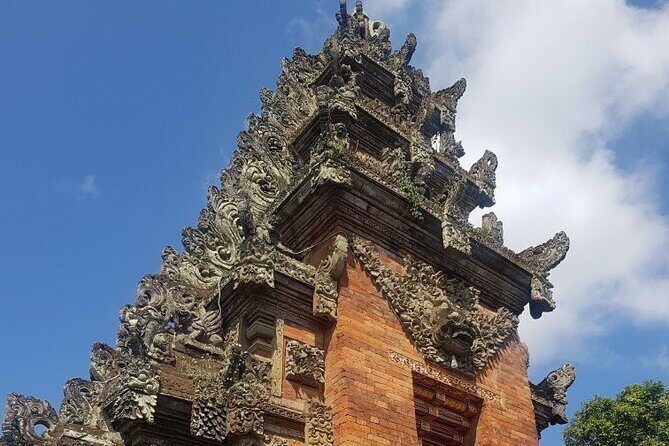
What I like about this stop is the attention to details you might otherwise miss. The tour notes highlight the temple’s beautiful structure and, specifically, the black palm roof. That is the kind of visual detail that makes your photos feel more than just a generic temple snapshot.

Batuan is also a smart choice because it is less of a nature spectacle than the waterfall or rice terrace. It helps you balance the day so you are not just chasing landscapes. Instead, you get a spiritual and architectural stop early when you are fresh.

Practical tip: wear smart casual. Temple visits are not the place for flashy beach wear. And if you want nicer photos, aim for respectful angles and avoid blocking pathways while you frame your shot.

Tegenungan Waterfall: dramatic views, cool air, and stairs to plan for

Ubud Tour : Best of Ubud with All inclusive - Tegenungan Waterfall: dramatic views, cool air, and stairs to plan for
Tegenungan Waterfall is one of the most dramatic waterfalls near Ubud, and you get about 2 hours there. The setting is described as having clean water and a cool atmosphere, with steps from a stepping zone down toward the viewing area.

This stop is worth the time because you are not just seeing the falls from one flat platform. The tour includes time to walk around and explore viewpoints, and the day gives you the window to find angles for photos and just enjoy the sound of water for a while.

The main consideration is physical. The waterfall area includes steps going down, so wear shoes with grip and skip anything with slippery soles. If you prefer minimal stair time, you can still enjoy the scenery from the more accessible viewpoints, but this part is not designed to be fully flat.

Also, bring your expectations to match the vibe: it is a popular attraction. That is why having a driver and a scheduled stop helps. You do not waste time figuring out transport or parking, and you can focus on soaking in the waterfall.

Monkey Forest Sanctuary: macaques, temples, and simple etiquette

Ubud Tour : Best of Ubud with All inclusive - Monkey Forest Sanctuary: macaques, temples, and simple etiquette
Ubud Monkey Forest Sanctuary is a classic stop for a reason: you see gray macaques roaming around Hindu temples in a forest setting. You get about 1 hour here, and admission is included.

I like this stop when it is handled with care. Monkey Forest can be chaotic if you treat it like a theme park. A good guide (and this tour is built around an English-speaking driver who can explain what you are looking at) helps you understand the basic rules: watch your belongings, keep respectful distance, and avoid tempting behavior around animals near temple areas.

Time matters here too. One hour is enough to see the main temple-and-forest feel without letting it turn into a long endurance test. Also, the earlier you get here on a full-day plan, the less you will feel rushed.

Photo tip: zoom in rather than getting close. If a macaque is walking near you, it is better to step back and let it pass than to try to pose with it. The temple setting is sacred, so treat the area like a place to observe, not a place to conquer with selfies.

Tegalalang Rice Terrace and the coffee plantation stop

Ubud Tour : Best of Ubud with All inclusive - Tegalalang Rice Terrace and the coffee plantation stop
The Tegalalang Rice Terrace stop is about a 1 hour visit, with admission included. This is one of those places that looks great at any time, but it really shines when you have enough time to find good angles. The terraces are famous for their verdant stepped views, and the photo opportunities are obvious the moment you arrive.

What I find valuable is the way the day pairs rice terrace views with a coffee plantation experience. The tour description includes seeing coffee being made on a plantation and posing at the rice terrace, so you get both visual scenery and a taste of local agriculture life.

One review also mentioned coffee tasting as part of their day. The tour overview at minimum promises you will see how coffee is made, so if tasting is offered during your plantation visit, consider it a bonus.

Practical tip: rice terrace areas are often uneven and can be damp depending on recent weather. Wear shoes that can handle footpaths, and keep your bag zipped and secure for stairs and slopes.

Tirta Empul: sacred springs and why people come

Ubud Tour : Best of Ubud with All inclusive - Tirta Empul: sacred springs and why people come
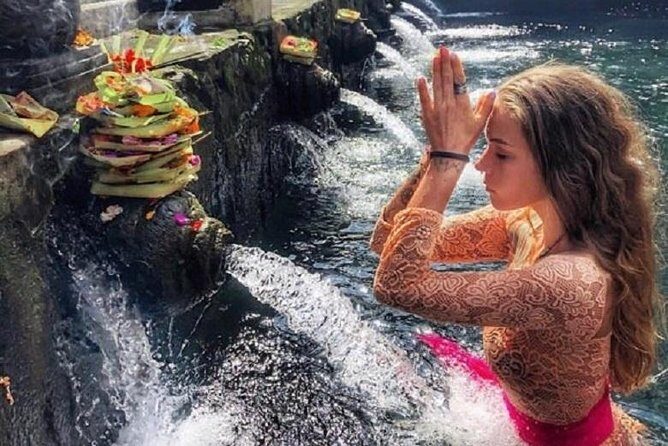
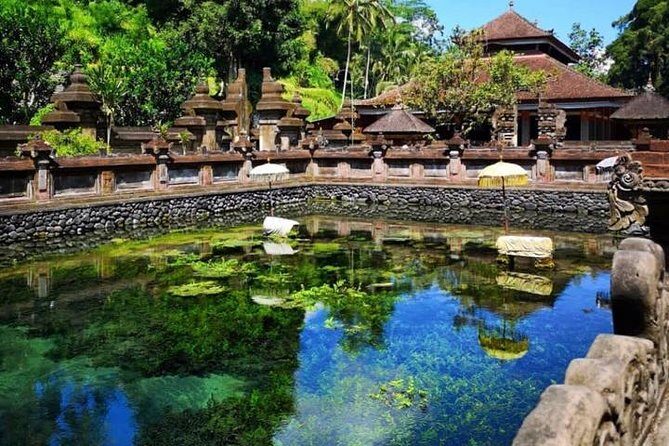
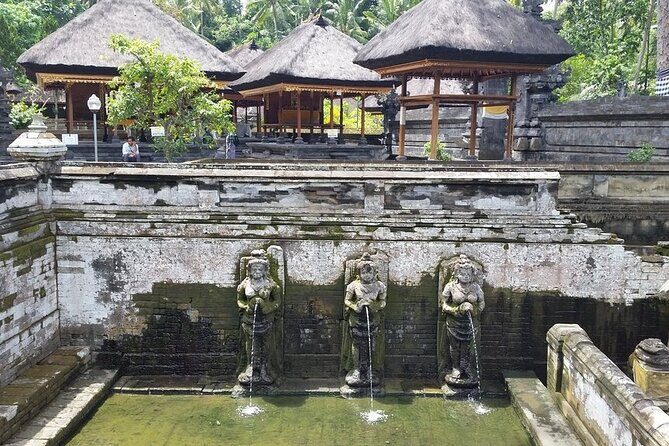
Tirta Empul Temple is one of the most meaningful stops on the route. The tour positions it as a holy temple and mountain spring in central Bali, with a setting tied to a story about good versus evil. You get about 2 hours here, and entrance is included.

This is the kind of place where an English-speaking guide makes a difference. Without context, you might mostly see fountains and worship areas. With explanations, you understand that the springs are treated with reverence and that the temple is not just scenic—it is a living ritual site.

The best way to enjoy it is to move at temple pace: look first, then take photos only where it feels appropriate, and be mindful that people may be participating in ceremonies. The tone here is more respectful and slower than the waterfall.

Because the tour bundles entrance fees, you can spend your energy on observing and learning instead of checking whether you need tickets for every area.

Guide quality is the real all-inclusive part

Ubud Tour : Best of Ubud with All inclusive - Guide quality is the real all-inclusive part
On a tour like this, the sights are famous. The driver is what turns it into a good day.

The experience stands out for the quality of guides. I saw multiple positive examples: Adi is described as great and accommodating, Alit as knowledgeable with excellent English, Aris as helpful and punctual, Komang as flexible about fitting the schedule, and Kadek as friendly with explanations about Hindu culture. That adds up to something practical: you are not just chauffeured between stops. You are guided through the meaning of what you see.

Flexibility is especially important on a day that includes multiple locations. One review praised a guide for adjusting the itinerary to fit the schedule. In real life, that can mean more time at a spot you care about, less time where you do not.

So if you book, give your driver a simple preference at the start. For example: if you care most about Tirta Empul and temples, ask to keep that stop unhurried. If you want more time at Tegenungan for views and photos, that is where it helps to be specific.

Price and value: why $62 can make sense for a full-day private route

At $62 per person, this tour can feel like a steal or a no-brainer if you look at what is included. You are getting:

  • hotel pickup and drop-off from a wide south Bali area list
  • a private experience (only your group)
  • English-speaking driver
  • air-conditioned comfort transport
  • petrol, parking fees
  • mineral water
  • entrance fees and admission tickets for major stops
  • mineral water and private tour service

Most of the cost of a private day is transportation plus driver time. Here, transport and most extras are bundled. Also, because entrance fees are included, you avoid the annoying add-on feeling that can happen when you self-plan.

The main thing you must account for is lunch. Since it is not included, your real day cost depends on what you eat and where. Still, you are in Ubud for a full day, so it is easy to plan a meal before pickup or after you return.

If you are traveling as a couple or small group, private tours tend to become better value fast, because you are paying for one vehicle and a driver rather than buying multiple tickets and coordinating your own transport between sites.

Should you book Best of Ubud with All inclusive?

Book this tour if you want a full-day overview of Ubud’s top hits with private door-to-door transfers, included admission, and an English-speaking driver who can explain what matters. It is especially good for a first visit, limited time, or anyone who does not want to deal with self-driving and route planning.

Skip it or choose a lighter day if you have mobility limits around stairs, or if you really want to linger slowly without a structured schedule. Also note the lack of lunch: if you dislike searching for food midday, plan ahead.

If your goal is to see Monkey Forest, Tirta Empul, rice terraces, a major waterfall, and a temple with distinctive architecture in one organized package, this tour fits the bill.

FAQ

How long is the Ubud tour?

It runs for about 8 hours.

What time does the tour start?

Start time is 8:30 am.

Is hotel pickup and drop-off included?

Yes. Pickup and drop-off are included from many south Bali areas, including Seminyak, Legian, Kuta, Tuban, Jimbaran, Sanur, Tanah Lot, Ubud, Tanjung Benoa, and Nusa Dua.

Is this tour private?

Yes. It is a private tour/activity, with only your group participating.

Are entrance fees included?

Yes. Entrance fees and admission tickets are included for the listed stops.

Is lunch included in the price?

No. Lunch is not included.

Is the driver English speaking?

Yes, the tour includes an English speaking driver.

What sites are visited during the day?

You visit Batuan Temple, Tegenungan Waterfall, Sacred Monkey Forest Sanctuary, Tegalalang Rice Terrace, Tirta Empul Temple, plus a coffee plantation stop.

What is the dress code and minimum age?

Dress code is smart casual, and the minimum age is 5 years.

Is free cancellation available?

Yes. You can cancel up to 24 hours in advance for a full refund.

Bedugul Cultural Private Tour

Bedugul Cultural Private Tour - Mambal morning market: where breakfast becomes culture

Foggy temples, rice terraces, and food.

That combo is why this Bedugul Cultural Private Tour works so well as a break from beach-and-shopping days. You get door-to-door private transfers, an air-conditioned ride, and a local English-speaking guide to connect the dots between farming, religion, and daily Balinese life. I like that it’s built around real places you’ll actually walk through, not just quick photo stops.

My favorite parts are the morning market in Mambal (where you can try local foods and see how people shop) and the Jatiluwih rice terraces (Bali’s wide, UNESCO-linked view of how people shape the land). The only real drawback to plan for is cost on top of the $40 price: entrance fees aren’t included, including a temple fee that can be a big add-on.

Key things to know before you go

Bedugul Cultural Private Tour - Key things to know before you go

  • Private, door-to-door comfort: you ride in an air-conditioned vehicle with hotel pickup and drop-off.
  • Local food time, not just sightseeing: the morning market stop is built for tasting and learning.
  • Jatiluwih photo time: you get 1.5 hours at Bali’s widest rice terraces.
  • Pura Ulun Danu Bratan by the lake: a full hour to see pagodas and take photos, with sarongs provided.
  • A farm-flavored day: you’ll learn about spices, coffee, and fruit tied to daily life.
  • Bring cash for entrance fees: Jatiluwih and the Bratan temple each have separate fees.

From Ubud to Bedugul: a long but worthwhile private day

This is a full-day outing, about 8 to 10 hours, designed for travelers who want to see Bali’s cooler, greener interior without doing the driving themselves. The big win is the private setup: you and your group go together with one local English-speaking guide, and you don’t have to time buses, coordinate transfers, or worry about missing a connection.

You’ll also appreciate the practical basics included with your tour: bottled water, fuel surcharge, and an air-conditioned vehicle. For a day that includes at least a couple of scenic stops, that comfort matters more than you’d think. It’s also a good fit if you’re traveling with someone who hates rushing. Your schedule is still moving, but the pacing feels human because you’re not sharing the day with a giant group.

The photo goal is clear. Your route focuses on iconic places like Pura Ulun Danu Bratan and Jatiluwih rice terraces—but it also adds “how people live” stops like markets and farms. That mix is what makes it more than a checklist day.

Mambal morning market: where breakfast becomes culture

Bedugul Cultural Private Tour - Mambal morning market: where breakfast becomes culture
Your day starts in Mambal, at a traditional morning market. This isn’t just a photo stop. The point is to watch daily shopping happen and try local foods while your guide explains what’s what. It’s one of those moments where you can feel the rhythm of Bali in a very normal way: food first, family needs, and stalls built for what people actually buy.

The stop is about 45 minutes, which is short enough to keep it fun and not exhausting. But it’s long enough to do the two things that make markets worth it: sample a few bites and ask questions without feeling like you’re being herded.

A couple practical tips:

  • Go into it with an open mind. Market food can be a little different from what you’re used to, even if the ingredients feel familiar.
  • If you’re worried about ordering or spicy levels, your guide can help you choose. One of the standout themes from guides’ reviews is that they’re happy to answer questions and help you navigate what you’re seeing.

Even if you’re not a hardcore foodie, this market stop gives you a real baseline for the rest of the day. When you later see farm life and temple rituals, you’ll understand the context faster.

Passing the monkey forest: quick views, no time-waster

Between the market and the next big scenic stop, you’ll pass by an area known for monkeys in Bali. You don’t get long “do it all” time here—this is more of a roadside passerby moment. That can be a relief if you’d rather not spend hours negotiating crowds and chaos.

Still, it’s worth using as a mental note: this island has wildlife in public spaces, and your guide can explain what to watch for. If you’re prone to getting distracted by cute chaos, keep your camera ready, then shift focus back to the main targets: rice terraces and the lakeside temple.

Jatiluwih rice terraces: the wide-view UNESCO kind

Next comes Jatiluwih Bali, at about 1 hour 30 minutes. This is where you’ll see Bali’s rice terraces as a long, wide system rather than a single tight photo angle. The tour is explicit about it being a UNESCO site area, and you’ll feel why: the views keep going, and the terraces look like they were shaped to match the hills.

There’s also a key planning detail: Jatiluwih entrance fees are not included. The fee listed is IDR 75.00 per person. It’s small, but you’ll still want to have a little cash ready rather than scrambling at the gate.

What I like about giving you 1.5 hours here is that it’s enough time to do more than one thing:

  • Get the classic terrace shots
  • Walk to a better angle
  • Pause long enough to let your guide’s cultural explanations land

Cultural context matters at Jatiluwih. Rice terraces in Bali aren’t just scenery. They tie into how communities work the land and how farming connects with spirituality. If you ask your guide how the landscape functions in daily life, you’ll get a more meaningful experience than if you just treat it like a view platform.

Pura Ulun Danu Bratan: pagodas, lake views, and sarong moments

Your next major stop is Ulun Danu Bratan Temple (also commonly spelled along the lines of Bratan), with about 1 hour on site. This is the iconic lakeside temple with pagodas placed right near the water, surrounded by lush hills. It’s one of those locations where the architecture and the setting are so tied together that it feels like one big scene.

Two important notes for you:

  • Entrance fee is not included and is listed as IDR 75,000 per person.
  • You’ll be provided sarongs for entering Hindu holy sites.

That sarong detail is more than a convenience. Temple visits go smoother when you don’t have to hunt for the right clothing at the last minute. If you’re the type who hates “one more thing,” this is a win.

Photo-wise, a one-hour temple stop is well measured. It gives you time to look around, try a few angles, and still avoid turning the visit into a hurried rush. If you’re sensitive to crowds, the private guide setup can also make it easier to find a comfortable rhythm.

And here’s the cultural bonus: a strong theme from guide reviews is their ability to explain what you’re seeing in practical language. Expect stories about how Balinese Hindus relate to place, water, and spirituality. Even if you’re not a temple expert, your questions will get good answers.

Baturiti break: slower pacing with vegetable-farm views

Before heading back to your hotel, the tour includes an afternoon break at Baturiti, about 1 hour. This stop is a view-and-rest moment: you’ll enjoy the sight of vegetable farms and take a breather before the ride back.

I like breaks like this on a long day. After temples and terraces, it’s smart to have a slower segment where you can stand, look, and let the information from earlier stops settle. It also adds balance: farming isn’t only rice. You see everyday agriculture in the form of vegetables, which helps round out the day.

If you’re concerned about fatigue, this hour is your buffer. It can be an easy time to grab something light if you brought snacks, though lunch is not included in the tour price.

Family farm lessons: spices, coffee, and fruit you can connect to daily life

The tour is marketed with a “family farm” component focused on spices, coffee, and fruit. That theme fits naturally with the rest of the day: markets show what people buy, farms show how it’s grown, and temples show how belief ties into daily rhythms.

Even when you’re not buying anything, this kind of stop can be valuable because it turns vague curiosity into specifics:

  • What ingredients matter locally
  • How farming works as a family business
  • Why certain crops show up again and again in Balinese food culture

Since this is a private tour, your guide can tailor questions to your interests. If coffee is your thing, ask about the process and what locals drink. If spices are your interest, ask what they use them for in everyday cooking. The better your questions, the more useful the answers will be.

Guides are the real differentiator (Mawa, Awan, Ketut, Wira)

The reviews strongly point to one factor: the guide experience. Different guides come up repeatedly, and they share the same kind of approach—friendly, confident in English, and eager to explain more than just the facts.

Names you’ll hear tied to this tour include Mawa, Awan, Ketut, and Wira. Across those experiences, the consistent strengths are:

  • Guides who are willing to answer questions (not just recite a script)
  • A sense of humor that keeps the day light
  • The ability to link culture, religion, and daily life in a way that makes sense fast

One guide even stands out for actively showing local Balinese cuisine. That matches the tour’s emphasis on food culture, especially the morning market and family-farm learning.

If you want more than photos, pick this tour for the guide. It’s the difference between seeing Bali and understanding why Bali looks the way it does.

Price and value: what $40 really buys you

At $40 per person, this tour isn’t trying to be a luxury day. It’s trying to be a solid, private way to hit several high-impact sights from Ubud without the stress of coordinating transport.

Here’s what’s included:

  • Private tour
  • Air-conditioned vehicle
  • Local English-speaking guide
  • Bottled water
  • Hotel pickup and drop-off
  • Fuel surcharge
  • Mobile ticket
  • Group discounts (available if you’re booking with others)

What’s not included:

  • Jatiluwih entrance fee: IDR 75.00 per person
  • Bedugul Bratan Temple entrance fee: IDR 75,000 per person
  • Lunch

So the real “gotcha” isn’t the small Jatiluwih fee. It’s the temple entrance fee. If you’re budget-minded, plan to add the temple cost and bring some cash so you’re not stuck at the gate.

The value question is simple:

  • If you want multiple iconic stops plus local food/farm context, this is a good deal.
  • If you only care about one or two sights and you’re comfortable arranging your own transport, you might spend less by doing it independently.

But if the whole point is a guided, private cultural day, the pricing makes sense.

What to bring and how to keep the day easy

This is a full-day schedule, so your comfort matters. The tour provides sarongs for Hindu sites, but you should still bring smart basics.

Bring:

  • Cash for entrance fees (especially the temple fee)
  • Comfortable walking shoes for terraces and temple areas
  • A light layer (interior Bali can feel cooler than you expect, especially around water)
  • Your camera gear, since the temple and terraces are photo-heavy

If you’re a food-focused traveler, plan to eat early at the market and then decide how you want to handle lunch since it’s not included. Your guide can usually point you toward practical options.

Also, this is a service-animal-allowed experience and it lists that most travelers can participate, so it’s designed to be flexible for many needs.

Who this tour fits best

This is a great fit if you:

  • Want a private guide who can explain what you’re seeing
  • Like mixing sights with food and farming
  • Prefer hotel pickup and a no-stress ride over DIY planning
  • Care about getting better context for temples and agricultural life

It might be less ideal if you:

  • Want a half-day schedule (this runs 8 to 10 hours)
  • Don’t want to pay extra entrance fees on top of the base price
  • Prefer zero walking time and fully seated sightseeing

If you’re in Ubud and you’re tired of the same day-tour routine, this one feels grounded in the interior. You’re not just looking at Bali. You’re learning why people farm, eat, and worship in the way they do.

Should you book the Bedugul Cultural Private Tour?

I’d book it if your goal is a balanced Bali day: market food + terrace views + the lakeside temple, all with a guide who can answer your questions and keep things moving at a sane pace. The private door-to-door setup from Ubud is part of the value, not just a convenience.

I wouldn’t book it if you only want one big photo stop and would rather skip the market and farm context, or if you don’t want to handle entrance fees and lunch on your own.

If you’re deciding, think like this: do you want a guided cultural day that makes the scenery feel meaningful? If yes, this tour is a strong choice.

FAQ

What’s the duration of the Bedugul Cultural Private Tour?

The tour runs about 8 to 10 hours.

Where does the tour start from?

It includes hotel pickup and drop-off, and it’s described as being located in Ubud, Indonesia.

What entrance fees should I expect to pay on-site?

Entrance fees are not included. Jatiluwih rice field fee is listed as IDR 75.00 per person, and Bedugul Bratan Temple entrance fee is listed as IDR 75,000.00 per person.

Is lunch included?

No. Lunch is not included.

Do I need my own sarong for temple visits?

No. Sarongs are provided for entering Hindu holy sites.

Is this a private tour?

Yes. It’s a private tour/activity with only your group participating.

If you want, tell me your travel month and how many people are going, and I’ll help you sanity-check the total budget (base price plus entrance fees) and how to plan timing for the day.

Private Full-Day Tour : North Bali Trip to Discover The Culture of Bali Island

Private Full-Day Tour : North Bali Trip to Discover The Culture of Bali Island - Handara Iconic Gate: the camera moment that drives the schedule

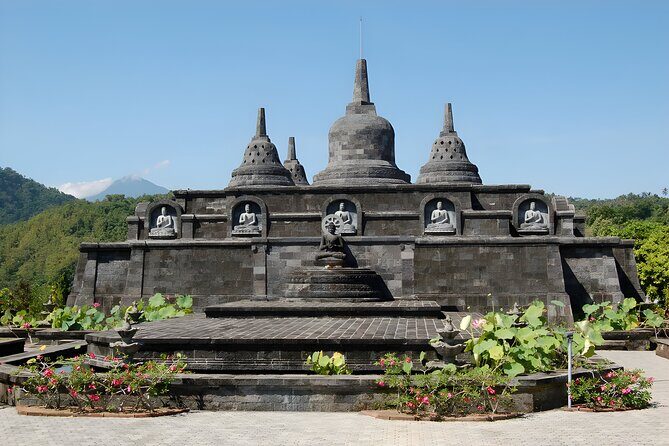
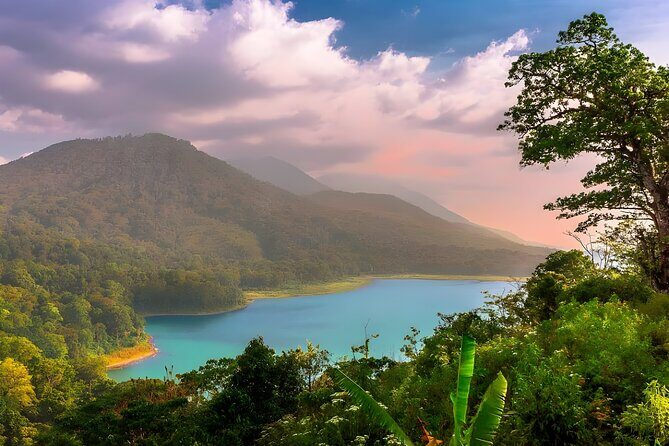
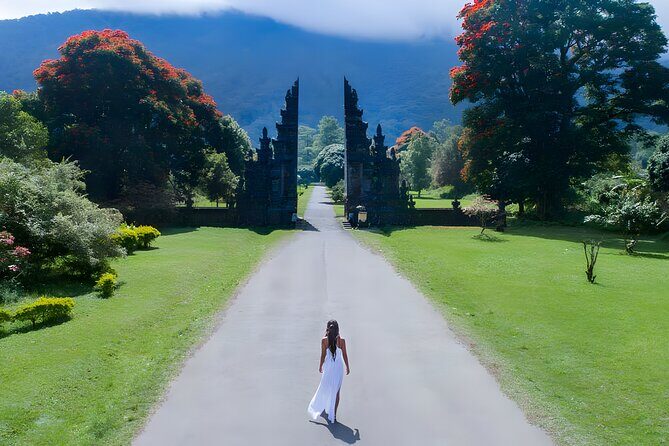
A day in north Bali can feel like two trips glued together. This one mixes signature photo spots with real scenery, plus a soak at Banjar Hot Springs. I like that it’s built around memorable stops (Handara Gate, Munduk, Brahma Vihara Arama) and that the day stays practical with an English-speaking driver-guide. One thing to consider: it depends on getting good weather for the outdoor parts, and you’ll spend a chunk of time in the car.

What makes it especially appealing is the private setup and the way your plan can flex. In the reviews, guides like Norman stood out for being easy to work with when someone wanted to change the order, and Naya was praised for using shortcuts to reduce traffic so you actually get more time at the sights. The possible drawback is that with a full route, the stops are timed, so you’ll want to be ready to move when it’s time to go.

This is priced at $70 per person and works well if you want a smooth, ticketed day without juggling drivers, entrances, and logistics yourself. Entrance fees are included, and there’s optional lunch if you want it.

North Bali in one day: photo moments and a proper soak

Private Full-Day Tour : North Bali Trip to Discover The Culture of Bali Island - North Bali in one day: photo moments and a proper soak
This tour is a good fit for people who want north Bali’s variety without switching bases. You start with an iconic gate that’s made for photos, then shift to lake views, a waterfall hike through coffee and clove country, and a big Buddhist monastery stop before finishing with a hot spring swim.

You get a private, air-conditioned car, with pickup and drop-off from many popular Bali areas. And you’re not just getting driven past things—you’re doing short on-site visits with admission included.

Quick hits before you go

  • Private vehicle for your group with an English-speaking driver-guide, so you can keep the pace you want
  • Handara Iconic Gate for your best camera round of the day (admission included)
  • Munduk waterfall hike through clove and coffee plantation terrain, plus a calmer feel than the most crowded tourist spots
  • Brahma Vihara Arama Buddhist monastery stop that’s larger and more significant than most temples you’ll see on a day trip
  • Banjar Hot Springs for a sulfur-water swim after time on the trail

Getting picked up around Seminyak (and beyond) without stress

Private Full-Day Tour : North Bali Trip to Discover The Culture of Bali Island - Getting picked up around Seminyak (and beyond) without stress
Pickup is offered from a wide list of areas around the south and central coast, including Seminyak, Ubud, Sanur, Denpasar, Tanjung Benoa, Nusa Dua, Uluwatu, Jimbaran, Tuban, Kuta, Legian, Kerobokan, and Canggu. If you’re in one of those zones, this is the kind of tour that keeps your day simple: you’re picked up, you’re dropped back, and the car stays air-conditioned.

It also helps that the tour is described as flexible with time arrangements based on your request. That’s not “freeform wandering,” but it does mean your driver-guide should be able to adjust a bit if you want extra photo time or a slightly different flow.

Handara Iconic Gate: the camera moment that drives the schedule

Private Full-Day Tour : North Bali Trip to Discover The Culture of Bali Island - Handara Iconic Gate: the camera moment that drives the schedule
Handara Iconic Gate is the kind of stop where you’ll want to treat it like your main photo assignment of the day. The setting is inside the broader resort/golf area, and it’s known for lots of picture-ready angles and scenic backdrops. Since the stop is roughly one hour with admission included, you’ll likely have enough time to:

  • Get the classic gate shots
  • Move around for different angles
  • Re-check your camera settings before the day gets busier

Practical tip: go a bit early in your stop window if the driver can time it that way. Even a short delay can mean more people in your frame.

Why it’s worth it: this is the part that most clearly delivers on the “Instagrammed attraction” promise—so if photos matter to you, this gives you a focused block to nail them without rushing.

Lake Tamblingan and Buyan: twin-lake views and cooler mountain air

Private Full-Day Tour : North Bali Trip to Discover The Culture of Bali Island - Lake Tamblingan and Buyan: twin-lake views and cooler mountain air
Next comes a lake stop with Tamblingan and Buyan views—often described as twin lakes when seen from above. The payoff here is scenery and the change in environment. You’ll pass through an area surrounded by coffee and clove plantations, and the vibe in Bedugul region is typically cooler than the coast.

This stop is also about one hour with admission included, which usually means you can take a breath, grab a few landscape photos, and enjoy the viewpoint without turning it into an all-day hangout.

Possible drawback: if you’re expecting a long walk or a beach-style stop, that’s not the focus. This is mainly a viewpoint-style break in the middle of the route.

Munduk Waterfall: plantation walking to a less-commercial-feeling stop

Private Full-Day Tour : North Bali Trip to Discover The Culture of Bali Island - Munduk Waterfall: plantation walking to a less-commercial-feeling stop
Munduk Waterfall is the day’s nature and hiking component. The route is described as walking through clove and coffee plantations and then up to a highland waterfall. The best part for many people is that it’s positioned as a more relaxed option compared with the most commercial waterfall stops—you spend time enjoying the falls rather than getting pulled into constant sales pitches.

The visit is roughly one hour with admission included. That timing usually works like this: you walk in from the drop-off area, you reach the main viewing point, you take your photos, and you have time to soak in the scenery before moving on.

What to watch for: the waterfall experience is weather-dependent. If the day is rainy or visibility is poor, the hike and waterfall views can feel less rewarding. The tour is explicitly tied to good weather, and you should plan on that.

Brahma Vihara Arama: a major Buddhist temple break from the outdoors

Private Full-Day Tour : North Bali Trip to Discover The Culture of Bali Island - Brahma Vihara Arama: a major Buddhist temple break from the outdoors
After the waterfall and plantation air, the monastery stop is a nice change of pace. Brahma Vihara Arama Buddhist Monastery is described as Bali’s largest Buddhist temple. It’s also tied to a clear timeline: built in the late 20th century, with development linked to 1960 and formal opening in 1973.

This is another about one hour with admission included, and it’s the kind of stop that rewards calm attention. You’re not climbing a viewpoint; you’re visiting an active religious complex where architecture, layout, and atmosphere are the point.

Practical note: the tour uses a smart casual dress code. For temple stops, that usually means cover up enough to feel comfortable and respectful once you’re inside.

Banjar Hot Springs: sulfur-water recovery after walking

Private Full-Day Tour : North Bali Trip to Discover The Culture of Bali Island - Banjar Hot Springs: sulfur-water recovery after walking
Ending at Banjar Hot Springs is one of those classic Bali combos: get outdoors, do a bit of effort, then switch gears to relaxation. The tour describes Banjar Hot Spring as known locally as Air Panas Banjar and highlights the sulfurous water benefits.

Since the day includes time to swim, you’ll want to be ready for water time. I suggest packing or carrying a swimsuit and something simple for after (even if you don’t want a big towel situation, at least have a plan to get comfortable afterward).

This stop is about one hour with admission included, which is enough time to:

  • Find a spot to soak and cool off
  • Take a slow break after the earlier hike
  • Refocus before the drive back

Possible drawback: hot springs aren’t always everyone’s comfort zone. If you’re sensitive to heat or prefer a more casual approach, treat it as a soak opportunity rather than a full-on long swim session.

Food and included tickets: what you actually pay for

Private Full-Day Tour : North Bali Trip to Discover The Culture of Bali Island - Food and included tickets: what you actually pay for
The base price is $70 per person, and it includes a lot of what usually adds up on your own:

  • Air-conditioned private vehicle
  • Professional English-speaking driver-guide
  • All entrance tickets
  • Petrol and parking
  • Hotel/villa pickup and drop-off
  • Tax and service
  • Optional Indonesian set menu lunch (if you choose that option)

There’s also a vegetarian option available, but you need to advise at booking. If food constraints matter, lock that in early.

How to think about value: the entrances are included, so you’re not surprised later by multiple ticket costs for multiple sites. And because it’s private, you’re paying for time efficiency—your driver isn’t juggling other groups.

Price and logistics: is $70 fair for north Bali?

For a private north Bali day that hits Handara Gate, two lake views, a waterfall hike, a major monastery, and hot springs, $70 per person can be a fair deal—especially if you’d otherwise spend time arranging transport and separate ticket entries.

Two value angles make this work:

  1. The day is packed but not chaotic: each stop is roughly a one-hour block, so you’re not stuck waiting around for long stretches.
  2. The costs are clearer: entrance tickets, petrol/parking, and pickup/drop-off are already handled.

If you’re traveling solo or as a couple, the price is still attractive because you’re effectively buying a smooth service that would otherwise require coordinating multiple pieces.

Who this private north Bali tour fits best (and who should skip it)

This tour fits best if you:

  • Want a private plan (just your group in the vehicle)
  • Like a mix of photo stops, nature, and culture
  • Prefer not to handle entrances and route planning yourself
  • Enjoy having your driver-guide as a helpful human on the road

It may not be the best match if you:

  • Want a long, slow hike day with lots of free wandering
  • Are traveling when weather is unpredictable and you’d rather choose a more weather-proof itinerary
  • Expect lots of downtime between stops (this is a full 9–10 hour day)

Should you book this north Bali private tour?

If your idea of a great day is: see iconic places, get a real nature moment, then end with something relaxing, I’d say it’s a strong choice. The private setup, included tickets, and driver-guide flexibility are the real wins here—especially if you like having someone else manage the route so you can focus on enjoying each stop.

I’d book it when:

  • You want north Bali variety in one shot
  • You’re okay with a full day and timed visits
  • You can do some light walking on the way to Munduk

FAQ

What’s the duration of the North Bali trip?

It runs about 9 to 10 hours. Stops are scheduled with time at each main location, and the plan can be adjusted based on your request.

Are pickup and drop-off included?

Yes. The tour includes hotel/villa pickup and drop-off from several Bali locations, including Seminyak and nearby areas listed by the operator.

What’s included in the price?

The price includes a private air-conditioned vehicle, a professional English-speaking driver-guide, all entrance tickets, petrol and parking, and tax and service. Indonesian set menu lunch is included only if you select the lunch option.

Can I get a vegetarian lunch?

Yes. A vegetarian option is available, but you need to advise at booking.

What should I bring and wear?

The suggested dress code is smart casual. Bring sunscreen and a camera.

What happens if the weather is bad?

This experience requires good weather. If it’s canceled due to poor weather, you’ll be offered a different date or a full refund. Free cancellation is available up to 24 hours before the start time.
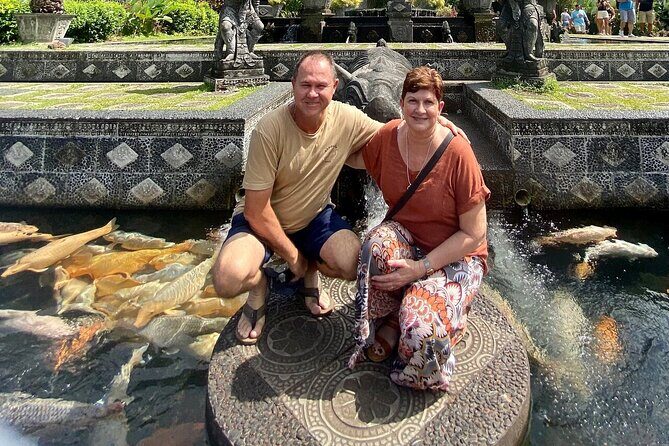
Bali Spiritual Shamanic-Palm Reading, Temple Healing Tour

Bali Spiritual Shamanic-Palm Reading, Temple Healing Tour - Getting ready: What to bring for sacred springs and temple spaces

Some days in Bali feel like a reset button.

This one mixes a Hindu water purification at Tirta Empul with a shamanic-style follow-up, so you’re not just sightseeing—you’re participating in ritual. I like that the plan gives you real structure: you meditate at a temple, you wash at sacred springs, then you end with either a palm reading or mantra healing.

Pickup and a private, just-for-your-group pace are a big plus, especially when your day runs 6 to 8 hours and you want it to feel calm, not rushed. I also like the choice at the end—your healer session can be done as mantra healing or as a palm reading (or both, depending on what you select).

Just note the practical side: the purification part expects you to get into the water, so bring a swim suit and towel and be ready to follow priest guidance closely.

Key things to know before you go

Bali Spiritual Shamanic-Palm Reading, Temple Healing Tour - Key things to know before you go

  • Tirta Empul purification is the core moment: you’ll be doing the cleansing at the water temple as part of the ritual flow
  • Goa Gajah (Elephant Cave) adds a strong contrast: from bathing and prayer to an older temple space with its own mood
  • Your final stop is interactive: you can choose mantra healing or a palm reading with a local healer
  • You get temple essentials: sarong/canang/offering support is included, so you’re not scrambling last minute
  • A private guide makes it easier to follow the rules: you’ll have a live guide translating the whys, not just the where

A 6–8 Hour Ubud Reset: What This “Temple Healing” Day Includes

This is the kind of tour that works best when you treat it like an experience, not a checklist. The day is designed around participation: you start at a major cleansing site, you continue through a historic temple stop, and you finish with a healer session that focuses on mindset and interpretation.

You’re looking at about 6 to 8 hours total, with admission included at each temple stop. Pickup and drop-off from your Ubud area help you keep your time tight, especially if you’re pairing this with other Ubud plans.

Price and value: Why $75 can make sense in Ubud

Bali Spiritual Shamanic-Palm Reading, Temple Healing Tour - Price and value: Why $75 can make sense in Ubud
At $75 per person, the price feels reasonable only because the tour covers the things that usually cost you extra or slow you down: entrance fees, a live guide, and pickup/drop from your hotel area. You also get bottled water, plus sarong/canang/offering items for temple use, which is the kind of small cost that adds up when you’re booking pieces separately.

The best part for value is the ritual time. Tirta Empul is not just a quick look from the walkway; the tour is built around doing the cleansing with a priest-guided flow. Then you add the human factor: at the end you’re meeting a healer at a local place for mantra treatment or a palm reading, not just watching from a distance.

If you’re someone who likes to understand what you’re doing—why you’re doing it, what to expect next—this format pays off.

Getting ready: What to bring for sacred springs and temple spaces

Bali Spiritual Shamanic-Palm Reading, Temple Healing Tour - Getting ready: What to bring for sacred springs and temple spaces
There are a few items you’ll want to plan around before you leave your room. Bring a changing cloth, a swim suit, and a towel for the purification part. Even if you’re comfortable around water, you’ll still want a towel for drying off and getting back to a presentable state.

You don’t need to hunt for temple basics. Sarong/canang/offering items are included, but you may still want to wear something easy to change out of later. Plan for a long day in warm weather, and think practical: flip-flops or sandals that can handle wet temple steps.

Also keep your expectations respectful and open. This is a spiritual ritual day, so the best results come from following the guide’s cues and staying present.

Stop 1: Tirta Empul Temple cleansing at the water temple

Bali Spiritual Shamanic-Palm Reading, Temple Healing Tour - Stop 1: Tirta Empul Temple cleansing at the water temple
Tirta Empul is where the tour earns its name. You’ll spend about 3 hours at the temple complex, and the focus is the spiritual cleansing at the water temple with a priest.

What makes this stop special is the way the ritual is staged. You’re not there to take a fast photo and move on. The tour is built for the full process, which means you should expect guidance, time, and a bit of patience while you work through the cleansing flow.

Practical tip: treat your swim suit like part of your packing plan, not an afterthought. One of the clear takeaways from this style of day is that you’ll be in the water as part of the purification. That’s why a towel and changing cloth matter.

Possible drawback? If you’re uncomfortable with water-based rituals or you don’t like being told what to do step-by-step, you may feel awkward. The solution is simple: go with a calm attitude, follow the priest’s instructions, and let the structure do its job.

Stop 2: Goa Gajah (Elephant Cave) for an older, calmer temple mood

Bali Spiritual Shamanic-Palm Reading, Temple Healing Tour - Stop 2: Goa Gajah (Elephant Cave) for an older, calmer temple mood
After the cleansing, you shift gears. The next stop is Goa Gajah, commonly called Elephant Cave, for about 2 hours. The site is described as an old temple complex dating back to around the 11th century.

This stop works as a visual and emotional contrast. Tirta Empul is movement and purification; Goa Gajah feels more like stepping into a historic atmosphere where the details, stone spaces, and layout help you slow down.

What you’ll likely enjoy most here is the change of pace. You get a culturally meaningful temple visit without the same wet-ritual intensity. If your legs got tired from temple steps at Tirta Empul, this can feel like a welcome break while still keeping you in the spiritual places of Bali.

A small consideration: 2 hours is enough time to see and understand the layout, but you should still expect some walking and uneven surfaces. Wear footwear that handles temple terrain comfortably.

Stop 3: Ubud healer session with mantra treatment or palm reading

Bali Spiritual Shamanic-Palm Reading, Temple Healing Tour - Stop 3: Ubud healer session with mantra treatment or palm reading
This is the heart of the “shamanic” part, and it’s also where you get personal. You’ll meet the healer at a local place for a ritual treatment session, usually for about 2 hours. You can choose either mantra treatment, a palm reading, or both, based on the option you select.

Here’s what makes this stage valuable: you’re not only hearing about Balinese spiritual traditions—you’re experiencing how a local healer frames meaning. Palm reading adds a storytelling layer, while mantra healing tends to focus more on intention and emotional/mental alignment.

I also like that the tour gives you a menu of options instead of forcing one style. If you want insight and reflection, palm reading can scratch that itch. If you’re more drawn to chanting and spiritual “tuning,” mantra treatment may feel more your speed.

If you’re bringing family or a small group, this final stop can become the most memorable part because it turns the day from cultural education into something personal. One clear theme in the praise for this kind of tour is the way people describe it as a family healing day when they approach it with openness.

The guide experience: Why names like Ade, Gede, and Gusty show up

Bali Spiritual Shamanic-Palm Reading, Temple Healing Tour - The guide experience: Why names like Ade, Gede, and Gusty show up
A good guide matters more on a ritual tour than on a standard museum day. You’re asking someone to translate customs in real time—what to wear, how to behave, when to move, and how to understand what you’re doing.

In the examples of praised guides, names like Ade and Gede come up for being kind and accommodating, and Gusty is mentioned for making the day feel easy while also taking great photos. Another guide, Dek Kembar Bagus, is highlighted for positive energy, strong English, and plenty of knowledge shared during the cleansing and healer parts.

You don’t need to get your guide to do everything for you, but you do want someone who can help you follow the flow without guessing. That’s a big reason this tour works well as a guided spiritual day.

What the whole day feels like (and how to get the best out of it)

Bali Spiritual Shamanic-Palm Reading, Temple Healing Tour - What the whole day feels like (and how to get the best out of it)
Think of the day as three chapters:

1) Cleansing (Tirta Empul, with a priest-led water purification flow)

2) Reflection through place (Goa Gajah, an older temple setting that slows your pace)

3) Meaning-making (the healer session, where you choose palm reading and/or mantra healing)

For me, the biggest sign this tour is worth your time is that it doesn’t stop at spectacle. You’re given context about Balinese shamanism and you’re guided through rituals instead of being left alone to interpret everything.

The best way to get value is also the simplest: come with a flexible mindset. If you try to judge every moment like a science project, you’ll miss the point. This is spiritual practice in a living cultural setting.

Also, don’t be afraid to ask your guide what comes next. A live guide is included, and on a day with temple rules and a water ritual, clarity is comfort.

Lunch, timing, and day planning in Ubud

Lunch isn’t included, and it’s commonly priced around $10. Plan for a light meal so you don’t feel heavy during the purification portion. If you want your day to feel smoother, keep lunch simple and easy to access after your temple visits.

Your total time target is 6 to 8 hours, and the stops themselves add up to about 7 hours (3 hours at Tirta Empul, 2 at Goa Gajah, 2 at the healer session). Travel and waiting time fill the rest, so treat this as your main Ubud activity day.

Should you book this Bali Spiritual Shamanic-Palm Reading Tour?

Book it if:

  • You want a structured spiritual day, not a random temple hop
  • You’re curious about Balinese spiritual traditions and want context as you go
  • You’re willing to do the purification part with a swim suit and towel ready
  • You like the idea of ending with something personal: palm reading, mantra healing, or both

Skip it if:

  • You strongly dislike water rituals or feel uneasy following religious instructions closely
  • You want purely historical sightseeing with no spiritual interpretation component
  • Your schedule can’t handle a full 6–8 hour block

FAQ

How long is the tour?

It runs about 6 to 8 hours total.

Where does the tour start and end?

It starts at Ubud Palace on Jl. Raya Ubud No. 8, Ubud, and ends back at the meeting point.

What are the main stops?

The tour includes Tirta Empul Temple (water cleansing), Goa Gajah (Elephant Cave), and a healer session in the Ubud area.

How long do you spend at each location?

Tirta Empul is about 3 hours, Goa Gajah is about 2 hours, and the healer session is about 2 hours.

Is admission included?

Yes. Entrance fees are included for the temple stops.

Do I get pickup and drop-off?

Yes, pickup and drop hotel service is included.

What should I bring?

Bring a changing cloth, a swim suit, and a towel.

What does the tour include besides temples?

It includes a donation for the priest, live tour guide, bottled water, sarong/canang/offering at the temple, and the option you select for the healer session.

Is lunch included?

No. Lunch is not included, and it’s around $10.

What’s the difference between the healer options?

You can choose mantra healing, palm reading, or both, depending on the options available for your booking.

Can I cancel and get a refund?

Free cancellation is available up to 24 hours before the experience starts for a full refund.

Ubud Kintamani Tour

Ubud Kintamani Tour - Price and value: what $60 gets you (and why it matters)

If you want Bali without the usual scramble, this Ubud–Kintamani loop is an easy win. You get a private setup, with pickup and two-way transfers that keep you focused on the sights instead of traffic math.

What makes it work is the mix: dance and culture in Ubud, then the jump into the central highlands for big views. I especially like how the day includes a barong and kris performance (with that shaggy monster vs. witch story) and how lunch is paired with the Mount Batur area scenery. That combination feels very “real Bali,” not just photo stops.

One thing to consider: the central highlands roads can be a bit challenging. If you’re sensitive to winding drives, build in a calm mindset and expect some bumpy moments.

Key highlights you’ll feel right away

Ubud Kintamani Tour - Key highlights you’ll feel right away

  • Barong & Kris in one hour: a myth-style performance with a sacred barong creature theme and the good-versus-bad storytelling beats.
  • Tegenungan Waterfall photo time: a solid 45 minutes at a popular but more secluded-feeling waterfall spot.
  • Mount Batur as the main show: time in Kintamani for a semi-active volcano setting and crater lake views, plus lunch in the area.
  • Tegalalang Rice Terrace views: classic dramatic paddies tied to Bali’s subak irrigation system—great for photos and cultural context.
  • Sacred Monkey Forest Sanctuary (Wanara Wana): 45 minutes near Ubud Palace with up-close time around grey macaques.

Why this Ubud–Kintamani day works as a single plan

Ubud Kintamani Tour - Why this Ubud–Kintamani day works as a single plan
Ubud is a natural starting point because it’s compact enough to feel cultural, then it’s close enough to launch into the highlands. This tour is built around that rhythm: you start with performance and temple-area energy, then you head toward Kintamani for the volcano-and-crater-lake setting.

The best part is that the “in-between” stress gets removed. You’re not trying to coordinate separate tickets, directions, and timing between far-flung stops. Instead, you’re handed a clear, single-day route and you can just show up, pay attention, and enjoy the pace.

And yes, there are photo moments—Tegalalang and Tegenungan are both known for dramatic views. But this day doesn’t feel like you’re only there for pictures. The barong and kris dance gives you a cultural anchor, and the Monkey Forest adds a living, chaotic edge right in the middle of Ubud.

Price and value: what $60 gets you (and why it matters)

Ubud Kintamani Tour - Price and value: what $60 gets you (and why it matters)
At around $60 for a roughly 10-hour private day, the value comes from what’s bundled in, not just the number. You get pickup offered plus two-way transfers, and that alone is the kind of convenience that often costs extra when you book things separately.

You also get entrance fees included for each stop, plus lunch and bottled mineral water. Entrance fees and drinks add up fast in Bali, especially when you’re stacking multiple sights in one day.

Finally, the day includes a Bali map. It’s small, but it helps you orient yourself when you’re bouncing between areas of Ubud and up toward Kintamani. When you’re trying to understand where you’ve been, having that basic orientation makes the whole day feel less like a blur.

This experience also gets strong praise for the human side—people highlight that the guide and driver are polite, friendly, and considerate. In a day this long, that matters as much as the sights.

The route in plain terms: what you’ll do for 10 hours

This is a private tour, meaning it’s only your group. That’s important because it changes the feel. You don’t lose time waiting on other people, and you can move at a calmer pace between stops.

Here’s the basic flow, with the “why this stop exists” behind it.

Stop: Barong & Kris Dance (1 hour)

Your day kicks off with the barong and kris performance, a sacred Balinese dance tradition. Barong is often shown as a strange creature—four legs like a lion or tiger—performed by two men. It’s theatrical, but it’s also tied to Balinese storytelling and myth.

I love this stop because it gives context to everything you’ll see later. Bali isn’t just scenery; it’s belief, performance, and symbolism. The dance narrates the mythological fight between good and bad, including the classic scene of the shaggy monster battling a witch.

Practical note: plan to stay seated and watch closely for the storyline. If you only half-watch, you’ll miss what makes it more than a dance show.

Stop: Tegenungan Waterfall (45 minutes)

Next up is Tegenungan Waterfall, reached from the Ubud area side. It’s described as more isolated in feel, but it still draws visitors, which tells you two things:

1) it’s worth the trip, and

2) you should arrive with the expectation that it’s not empty.

You get about 45 minutes, which is enough time to move to a good viewpoint, take photos, and enjoy the view without feeling rushed. Just keep it practical: wear shoes you can trust on uneven ground, and bring your attention to your footing first. Waterfall areas can be slick.

What I like about Tegenungan in a day like this is the contrast. You go from dance drama to nature power, then you’re ready for the big volcano scenery.

Stop: Mount Batur / Kintamani (45 minutes)

Kintamani is where the day really changes gears. You’ll be in the Mount Batur area, a semi-active volcano with a crater lake. The tour schedule gives you about 45 minutes, which is focused enough to see the key views without turning into a long, draining stop.

Lunch is part of the day and is included with the Mount Batur area scenery. Eating with that crater-and-volcano backdrop is one of those “this is why I came” moments. It’s not a random lunch break—it’s timed to make the whole experience feel connected.

One consideration: this is also the part of Bali where road conditions can be tougher. If you’re prone to motion sickness, take it easy on the ride, keep hydration going, and try to focus your eyes on the road ahead rather than looking around.

Stop: Tegalalang Rice Terrace (30 minutes)

Then you head to Tegalalang Rice Terrace, one of Ubud’s best-known photo spots. The terraces are famous for their subak system—Balinese cooperative irrigation. That matters because it turns “pretty paddies” into something with real local structure behind it.

You’ll have about 30 minutes, which means you’ll want to move efficiently: pick your viewpoint, take your photos, and then walk a little for perspective. If you try to do everything slowly, 30 minutes can vanish.

This is also where timing and weather make a difference in how photos turn out. If conditions are bright and clear, the terrace lines look crisp. If it’s hazy, you may get a softer, moodier look, but your visibility can drop.

Stop: Sacred Monkey Forest Sanctuary (45 minutes)

You finish with Sacred Monkey Forest Sanctuary, also known as Wanara Wana. It’s near Ubud Palace (the southern part of downtown Ubud, Padang Tegal village).

You’ll get about 45 minutes here, which is enough time to see the main areas without turning it into an all-day commitment. Grey macaques are part of what you can encounter up close, and this stop can be entertaining—fast, active, and sometimes mischievous.

Practical advice: keep your belongings zipped, avoid dangling bags, and don’t treat it like a zoo where you can stand still for long. These monkeys are used to people. That doesn’t make them harmless, it just means they’ll act like they own the place if you leave an easy snack or grabby situation.

What’s included (and why it reduces decision fatigue)

Ubud Kintamani Tour - What’s included (and why it reduces decision fatigue)
The included items make this tour easier to book and easier to do. You get:

  • All entrance fees for every included stop
  • Lunch
  • Bottle mineral water
  • Bali map

That’s a big deal because many Bali day tours have “almost” inclusive pricing. You pay for the highlights, then get hit with entrance fees, drinks, and surprise extras once you arrive. Here, the plan is designed so you don’t need to manage that mental load.

Also, the tour offers a mobile ticket, which saves time when you’re in transit and don’t want to deal with paper.

Comfort, pacing, and the small details that matter on a long day

Ubud Kintamani Tour - Comfort, pacing, and the small details that matter on a long day
This is around 10 hours, give or take. That’s long enough that pacing becomes the difference between a great day and a tiring one.

The itinerary uses short-to-medium blocks:

  • 1 hour for the dance
  • 45 minutes for both the waterfall and Mount Batur
  • 30 minutes for Tegalalang
  • 45 minutes for Monkey Forest

That structure is smart because it prevents “stand and stare” burnout. You’re always either moving, looking, or experiencing something.

If you’re the type who likes to linger, you might feel a little time pressure—especially at Tegalalang. But in exchange, you’ll get the whole “Ubud + highlands” set in one day.

The praised vibe from the guide and driver is also a comfort factor. Polite, friendly, considerate service helps on long drives and in crowded spots. When you feel looked after, the day feels smoother.

Weather and road conditions: the real-world consideration

Ubud Kintamani Tour - Weather and road conditions: the real-world consideration
This experience depends on good weather. If it’s canceled due to poor weather, you’ll be offered a different date or a full refund.
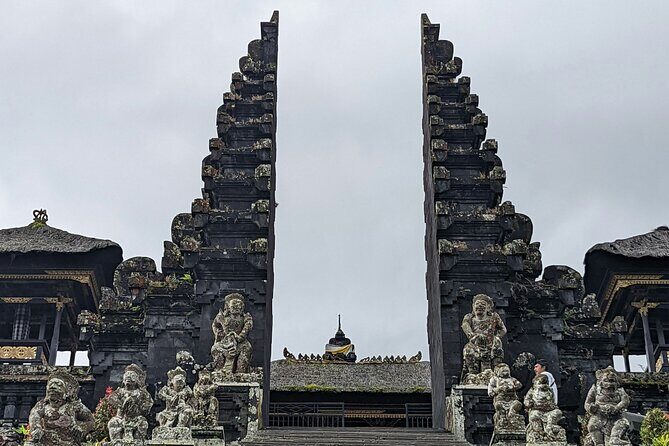
That matters because waterfall and highland views are weather-sensitive. Rain can reduce visibility around Mount Batur and can make paths slippery near the waterfall.

Roads in Bali’s central highlands can be challenging at times. If you’re sensitive to winding routes, go in prepared: wear comfortable clothes, bring water (you’ll have bottled water included), and keep expectations realistic about bumps.

Who this tour suits best

Ubud Kintamani Tour - Who this tour suits best
This is a good fit if you:

  • want a private day with your own group
  • like a mix of culture and nature (dance, waterfall, volcano, rice terraces, and monkeys)
  • prefer having entrance fees, lunch, and transfers handled
  • want an efficient day without bouncing between independent tickets and navigation

It’s also a decent choice for people who are short on time in Bali but still want the Ubud-to-Kintamani contrast.

Should you book this Ubud Kintamani tour?

Ubud Kintamani Tour - Should you book this Ubud Kintamani tour?
If you want a structured, value-packed private day that hits the major emotional beats—culture first, then waterfall energy, then the Mount Batur crater-lake moment—this is an easy recommendation.

I’d book it if you appreciate convenience: pickup, two-way transfers, entrance fees, lunch, and water are built in. It’s also strong on service quality, based on the consistent praise for the guide and driver being polite and considerate.

Skip it or think twice if you’re very uncomfortable with mountain driving, or if your trip is in a period where weather is unpredictable. In Bali’s central highlands, conditions can change fast, and the tour explicitly depends on good weather.

If your goal is a full Ubud + Kintamani day that feels organized and culturally grounded, this one is worth your attention.

FAQ

How long is the Ubud Kintamani tour?

The duration is approximately 10 hours.

Where does the tour start?

The tour location is Seminyak, Indonesia, and pickup is offered.

Is this a private tour?

Yes. It’s a private tour/activity, so only your group will participate.

What’s included in the price?

Entrance fees for all listed stops, lunch, bottled mineral water, and a Bali map are included.

What activities and stops are part of the day?

The day includes a Barong & Kris dance, Tegenungan Waterfall, Mount Batur (Kintamani), Tegalalang Rice Terrace, and Ubud Monkey Forest (Sacred Monkey Forest Sanctuary).

What if the weather is poor?

The tour requires good weather. If it’s canceled due to poor weather, you’ll be offered a different date or a full refund.
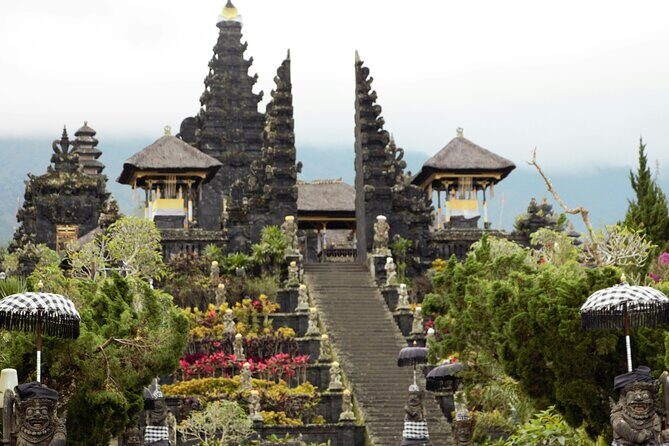
What is not included?

Personal expenses are not included.

Snorkeling Tour In Gili Trawangan, Gili Meno And Gili Air Pick Up From Bali

Snorkeling Tour In Gili Trawangan, Gili Meno And Gili Air Pick Up From Bali - Price and what you’re really paying for ($275)

This tour is built for one thing: seeing the Gili Islands fast, without turning your day into a DIY maze. You get hotel pickup in Bali, then a speedboat run over to three islands—Gili Trawangan, Gili Meno, and Gili Air—each with a short snorkeling stop for turtles and tropical fish.

I love how this keeps the pace relaxed once you’re on the water. You’ll have snorkeling gear included, plus an underwater camera (GoPro) handled as part of the experience, so you’re not juggling equipment or worrying about footage.

The main trade-off is time. You’re looking at early mornings and long transfer hours from Bali for a few focused snorkeling sessions.

Key things that make this tour tick

Snorkeling Tour In Gili Trawangan, Gili Meno And Gili Air Pick Up From Bali - Key things that make this tour tick

  • Three islands, three named snorkeling areas: Turtle Spot, Statue’s Spot, and Fish Spot
  • Short, timed sessions (about 30 minutes each) that fit a busy day
  • All snorkeling gear included, so you can travel lighter
  • GoPro underwater camera included, great for saving proof when the sea gets busy
  • Private car + speedboat transfers with hotel pickup, so you skip the step-by-step logistics
  • Budget for harbour taxes that are not included (Padang Bai and Gili Air)

How the Gili Speedboat Day Trip Works From Kuta

Snorkeling Tour In Gili Trawangan, Gili Meno And Gili Air Pick Up From Bali - How the Gili Speedboat Day Trip Works From Kuta
This is a classic Bali-to-Lombok “go farther, stay sane” setup. Your day starts at 6:30 am, with pick-up from your Bali hotel area (the tour notes Kuta as the location), then transport to the port area for the speedboat crossing to the Gilis.

Once you arrive, the tour switches gears. Instead of one long stop, you get three separate snorkeling windows, each tied to a specific spot name. That matters because it keeps the day from dragging, and it gives you variety across the islands.

Also, the tour is described as private, meaning it’s just your group for the activity. In practical terms, that usually helps: less waiting around for other groups to trickle in, and easier coordination with your snorkeling guide.

Price and what you’re really paying for ($275)

Snorkeling Tour In Gili Trawangan, Gili Meno And Gili Air Pick Up From Bali - Price and what you’re really paying for ($275)
At $275 per person, this isn’t a budget snorkel outing. But when you price it out like a realist, it’s easier to see why it costs what it does.

You’re paying for:

  • Hotel pickup and private car transfers (so you’re not arranging your own ride to the port)
  • Speedboat transport between Bali and Lombok
  • A private snorkeling boat for your snorkeling time
  • Snorkeling equipment included
  • GoPro underwater camera included
  • Admission tickets included for the snorkeling spots

The biggest value for me is the “less hassle” factor. If you’ve ever tried to coordinate your own day across Bali, Padang Bai, and the Gilis, you know how quickly it turns into the kind of day you don’t want.

Two things to watch: lunch is not included, and harbour taxes are not included (Padang Bai and Gili Air). If you budget for those up front, the price feels much less like a sticker shock and more like a bundled service.

Transport and timing: the long day math

Even though the snorkeling portion is listed as 3 to 4 hours approx., the overall day includes travel. Expect a very early start and a return to Bali in the evening.

One review-style detail that lines up with how this kind of tour runs: travel can feel heavy compared to the time spent in the water. The upside is that you get to hit three islands, not just one, which is why you’re willing to trade some hours on boats and transfer time.

Here’s the logistics shape:

  • Pick up early from your hotel in Bali
  • Private car to the port area
  • Speedboat crossing to the Gili Islands
  • Snorkel at three islands, about 30 minutes each
  • Return to Bali in the evening (the listing says sharing speedboat (return))

If you hate early mornings, this tour will still work, but you’ll feel it. If you’re the type who likes ticking off a route efficiently, this is right in your lane.

Gili Trawangan Turtle Spot: first taste of turtles

Snorkeling Tour In Gili Trawangan, Gili Meno And Gili Air Pick Up From Bali - Gili Trawangan Turtle Spot: first taste of turtles
Your first stop is Gili Trawangan, snorkel time at Turtle Spot (about 30 minutes). Trawangan is the most developed-feeling of the three, but it’s still a slower-world compared with Bali’s pace.

This stop is built around wildlife viewing. The tour focuses on turtles, coral, and tropical fish—exactly what you want on a short snorkeling window. Thirty minutes sounds brief until you realize it’s long enough to get comfortable, slip into the water, and do a couple of passes where the sea life has a chance to show up.

Practical tip: at the start of your swim window, give yourself a minute to settle your breathing and buoyancy. You’ll see more, and you’ll bump into less coral.

Potential drawback: because it’s a timed stop, you won’t have endless wandering time. If you want a long, slow, stretch-out swim session, this is still fun—but it’s more “snorkel efficiently” than “snorkel forever.”

Gili Meno Statue’s Spot and Turtle’s Spot: variety in a quieter pocket

Snorkeling Tour In Gili Trawangan, Gili Meno And Gili Air Pick Up From Bali - Gili Meno Statue’s Spot and Turtle’s Spot: variety in a quieter pocket
Next up is Gili Meno, with snorkeling at Statue’s Spot and Turtle’s Spot (again 30 minutes total for the stop). Meno is typically the one people choose when they want a bit less commotion than Trawangan, and that vibe can make the experience feel more relaxed.

The clever part here is variety inside one island stop. Instead of one generic swim, you’re guided toward two named areas. Even if the sea looks similar from the surface, the underwater details can change—so you’re more likely to feel like you got something different than a repeat.

About what you’ll focus on: turtles and coral plus tropical fish, the same core checklist as the other stops. If your goal is wildlife first, Meno fits that goal well.

One consideration: you’ll be on a schedule, so don’t plan on treating this like a photography-only outing. It’s better thought of as a “get in, get the shots, enjoy the life” kind of stop.

Gili Air Fish Spot: the lighter finish

Snorkeling Tour In Gili Trawangan, Gili Meno And Gili Air Pick Up From Bali - Gili Air Fish Spot: the lighter finish
Your final island is Gili Air, snorkeling at Fish Spot for about 30 minutes. The tour frames this stop around fish, which is a smart way to end the day. If you’ve already had turtle chances earlier, finishing with a fish-forward area can keep the momentum and reduce that feeling of “we already saw the highlight.”

Gili Air tends to feel less like a party magnet and more like a comfortable in-between. That can help your day land softly after two earlier stops.

Again, the time window is short, so make your plan simple:

  • Keep your gear on correctly the first time
  • Do one calm pass looking for movement
  • Do one second pass with slightly lower head position (so you’re watching fish at your level)

If the day has gone by fast, this last stop helps you end with something visual and immediate.

Snorkeling gear and GoPro: included, useful, and check-worthy

Snorkeling Tour In Gili Trawangan, Gili Meno And Gili Air Pick Up From Bali - Snorkeling gear and GoPro: included, useful, and check-worthy
This tour includes snorkeling equipment, and it also includes an underwater camera (GoPro). In the real world, that’s a big win. Less gear to carry means less fiddling, and the camera means you’re not relying on your own waterproof phone setup.

One review detail that’s worth taking seriously: some people flagged that gear can be old or not in perfect shape. So if you’re picky about fit or your mask seals well, consider bringing your own mask and snorkel if you have them. You may still use the included set, but it’s smart to have a backup comfort option.

As for the GoPro, the tour experience is set up so you get underwater photos and clips from the day. That’s exactly what you want because sea life is quick. If your brain is busy trying to film, you’ll miss moments underwater.

What to bring so the day feels smooth

Snorkeling Tour In Gili Trawangan, Gili Meno And Gili Air Pick Up From Bali - What to bring so the day feels smooth
Even with gear included, you’ll do best if you pack like you’re going on a long travel day with short water sessions.

Bring:

  • Sunscreen (reef-safe if you have it)
  • A hat and light rash guard for extra sun protection
  • Water shoes if you like secure footing during boarding and landing
  • A dry bag for phone, cash, and any paperwork
  • Small snacks or water if you expect to feel hungry before or after (since lunch isn’t included)

Also, treat the day like a boat day. You’re on a speedboat and moving between islands. Water can be refreshing, but you still want to hydrate and take breaks between swims.

If you’re the type who gets cold in shade quickly, bring a light layer for the return trip.

Which kind of traveler should book this?

This tour fits best if you want a Gili hit without a full multi-day plan. It’s especially appealing if:

  • You’re short on time but still want turtle-and-fish snorkeling
  • You prefer the smoother version of transport (pickup, transfers, and guided stops)
  • You like structure: three stops, short sessions, clear targets

It may not be your best match if:

  • You want hours and hours of one island, at your own pace
  • You truly hate long transfer days from Bali
  • You’re extremely sensitive to equipment fit and condition

The private-group setup can also make it feel more comfortable for couples and small groups who don’t want to wait on crowds.

Weather and sea conditions: the one variable you can’t control

This experience requires good weather. If it’s canceled due to poor weather, you’ll be offered a different date or a full refund.
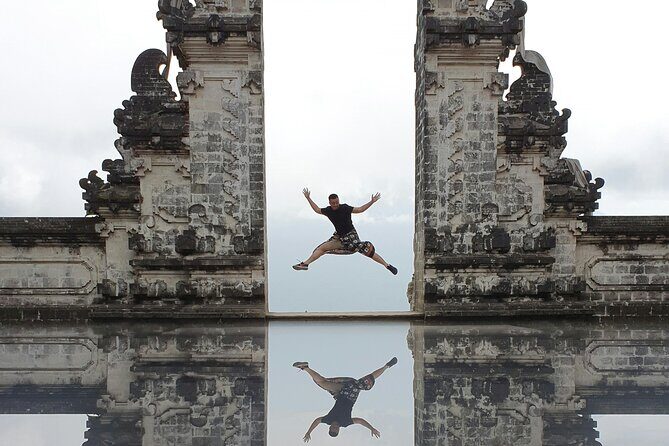
That’s the responsible part of planning. Speedboats and snorkeling both depend on sea conditions, so don’t assume it will run no matter what.

If you’re traveling in the same week as the tour date, consider keeping your schedule flexible enough to accept an alternate day.

Should you book this snorkeling speedboat day trip?

If you want the best value in time—one morning, three islands, gear included, and underwater GoPro capture—then yes, I’d book it. The price feels steep until you count what’s included: transfers with pickup, a private snorkeling boat, admission, gear, and the camera.

I’d say go for it if you’re excited by the idea of turtles plus fish and you like a structured day that takes you beyond Bali without the chaos of DIY planning.

Skip it only if long travel time is a deal-breaker for you or if you know you need a very specific mask/fit and you don’t want to risk any gear issues. If you do book, bring your own mask if you’re picky, pack sun protection, and treat the day as a full travel-and-snorkel combo.

In short: this is a smart choice when you want maximum Gili snorkeling for the hours you have.

FAQ

FAQ

How long is the tour?

The tour duration is listed as 3 to 4 hours approx., with hotel pickup and evening return included.

What time does the tour start?

The start time is 6:30 am.

Where does pickup happen?

The tour includes pickup from your hotel in Bali. The listing also notes Kuta as the location.

Which islands do you snorkel at?

You snorkel at Gili Trawangan, Gili Meno, and Gili Air.

How long is snorkeling at each stop?

Each snorkeling stop is listed at about 30 minutes.

Is snorkeling gear included?

Yes. Snorkeling equipment is included.

Do you get an underwater camera?

Yes. An underwater camera (GoPro) is included.

Is lunch included?

No. Lunch is not included.

Are harbour taxes included?

No. Harbour tax in Padang Bai Harbour and harbour tax in Gili Air are not included.

What happens if the weather is poor?

If the experience is canceled due to poor weather, you’ll be offered a different date or a full refund. The experience requires good weather, and it may also depend on a minimum number of travelers.

Nusa Penida Day Tour Kelingking Broken and Angels Bay

Nusa Penida Day Tour Kelingking Broken and Angels Bay - Broken Beach (Pasih Uug) and Angel’s Billabong: waves carving limestone over time

T-Rex cliffs make a first impression fast. This Nusa Penida day tour strings together Kelingking Beach and the west-coast photo stops that made the island famous, and I like how the pacing keeps your viewpoints moving without feeling rushed. I also love the pickup + fast-boat logistics that handle the hard parts for you, including a private driver and car once you reach Penida. One possible drawback: in rainy-season weather the views can look hazy, and Crystal Bay can close if conditions get rough.

Your day runs long—about 10 to 12 hours—so plan for a full-on outdoor outing. The roads on Penida can be bumpy, but the private-driver setup helps, and guides like Mangku and Mangku Setia are known for working hard to keep things comfortable and organized. Expect time at each big stop (around an hour each), which is enough to take photos, pause, and just stare at the coast.

Between the cliffs, the included meal is a real break: an Indonesian lunch served by the beach, and yes, one tour stop comes with a small puppy appearing near lunch time. The timing starts early (7:00 am) and you’ll be back after a long day, but the value is that you get the iconic route without coordinating boat schedules, island transport, and stop-to-stop navigation yourself.

Key highlights worth planning around

Nusa Penida Day Tour Kelingking Broken and Angels Bay - Key highlights worth planning around

  • Kelingking Beach viewpoint with its T-Rex-shaped cliff angle (Kelingking entry is free)
  • Broken Beach (Pasih Uug) and Angel’s Billabong packed into the same west-coast stretch
  • Photo-focused guiding, with guides like Mangku showing up as strong photographers and spot-finders
  • Lunch included by the coast, often with a jungle-style view depending on where you’re served
  • Crystal Bay is weather-dependent, so your plan works best with flexible expectations
  • Private car on Penida gives you a little control over how you move between stops

From Ubud to Sanur Harbour: getting the day rolling early

This tour is based out of Ubud, with hotel pickup offered, so you don’t waste your morning figuring out transport to the harbor. You’ll head to Sanur Harbour, the main fast-boat departure point for Nusa Penida, and it’s about 30–45 minutes from areas like Kuta, Seminyak, and Ubud.

The start time is set for 7:00 am, which matters because the west-coast viewpoints look their best when the sky cooperates. Sanur Harbour has modern facilities, so it’s not just a random dock situation—you can usually get yourself settled before the crossing.

Once you’re on the boat, you’ll cross the Bali Strait quickly (the exact crossing time isn’t spelled out here, but it’s described as a fast boat ride). What you should plan for is motion and sun: this is an outdoor day with lots of walking near viewpoints, so keep your essentials simple—hat, water, and something light for rain just in case.

Kelingking Beach and its T-Rex cliff: the hour that steals the show

Nusa Penida Day Tour Kelingking Broken and Angels Bay - Kelingking Beach and its T-Rex cliff: the hour that steals the show
Kelingking Beach is the big-name stop on Nusa Penida. It’s famous for the dramatic cliff that looks like a T-Rex head, staring over a hidden strip of white sand below. Even if you’ve seen pictures, the real view hits differently because the scale feels huge once you’re there.

This stop is about an hour, and Kelingking Beach entry is free on this tour. That free admission matters because it helps explain the value: you’re paying for the full routing and transport, while several of the other stop costs are handled too.

Here’s what I’d watch for at Kelingking: the viewpoint angles. One of the strongest points from guide experiences is photo positioning—getting you to the best spot away from the densest crowd zones. If you care about photos, ask your guide where to stand for the shot they like best; guides such as Mangku and others are often described as getting people to the photo-friendly areas quickly.

A small practical note: viewpoints can feel exposed, and the weather can shift fast. If it’s raining season-style and visibility drops, don’t assume the whole day is ruined. The coastline and cliff shapes still read well even with softer light.

Broken Beach (Pasih Uug) and Angel’s Billabong: waves carving limestone over time

Nusa Penida Day Tour Kelingking Broken and Angels Bay - Broken Beach (Pasih Uug) and Angel’s Billabong: waves carving limestone over time
After Kelingking, the tour moves into a stretch of limestone coast that looks sculpted by centuries of wave action. Broken Beach (Pasih Uug) is the first of this duo, and it’s known for a dramatic cliffside cove with a massive circular hole in the center.

Like the main stops, this is about an hour, and the admission for Broken Beach and Angel’s Billabong is included. Pasih Uug is one of those places where you’re not just looking at one photo—you’re looking at a whole scene. The round opening makes the view feel like a frame, and the cove below gives you that layered look photographers love.

Then it’s Angel’s Billabong, often described as an infinity-pool-style tide pool made by ocean waves carving into limestone. The water is crystal-clear when conditions cooperate, and it can look almost unreal because the rock edges and pool shape cut the scene into clean geometry. This stop is also about an hour, with admission included.

The honest trade-off: these are nature sites. If the sky is cloudy or the season is rough, the color can mute and the water reflections can get less crisp. Still, the formations remain the point—Broken Beach’s hole and Angel’s Billabong’s tide-pool shape are the stars, and those structures don’t change just because the weather gets moody.

Crystal Bay: the white-sand coast that depends on conditions

Nusa Penida Day Tour Kelingking Broken and Angels Bay - Crystal Bay: the white-sand coast that depends on conditions
Crystal Bay is the softer, beachier contrast to the cliff-heavy stops. It’s known for crystal-clear water, soft white sand, and swaying palms. The bay sits near green hills, and there’s also a small rocky islet just offshore, which adds visual interest to the waterline.

This stop is listed as about an hour, and admission is included. When it’s clear, it’s an easy place to switch gears—less staring over cliffs, more enjoying the water and relaxing between photo angles.

One important reality check: Crystal Bay can close. In one case, it was shut down due to flash flooding. You might not be in control of that, so the best mindset is flexibility. Ask your driver how they plan to handle weather shifts once you’re on the island. A good setup won’t just freeze if plans change—it adapts the route within the day.

The private-car west route: why the ride quality matters

Nusa Penida Day Tour Kelingking Broken and Angels Bay - The private-car west route: why the ride quality matters
Part of what makes this tour feel worth it is the way transportation is handled. Once you land on Nusa Penida, you’ll have your own private driver and car, and you’re free to explore at your own pace. It’s also a private tour/activity, so only your group participates.

This matters because Penida is not a “show up and stroll everywhere” island. The roads can be bumpy and uneven, and one guide experience specifically notes the roads can be rough—but the driver worked hard to keep everyone comfortable.

It also helps explain why the tour is structured as it is. The west side holds the iconic cliffs and bays, and the route is built to string those highlights into a single, logical day. If you tried to recreate it on your own without local driving experience, you’d spend a lot of time coordinating and recalculating on the fly.

This is a good match if you want big sights with less friction—no scooter rental decision at sunrise, no hunting for local transport between scattered viewpoints.

Lunch by the beach: the reset button you’ll actually appreciate

Nusa Penida Day Tour Kelingking Broken and Angels Bay - Lunch by the beach: the reset button you’ll actually appreciate
The included meal is Indonesian lunch by the beach, and it’s more than a box-check. After hours of viewpoints, a proper sit-down break helps you enjoy the rest of the day instead of turning it into a blur.

In guide experiences, the lunch is described as good, and in at least one case it’s served with a jungle view. That sounds like the kind of detail you’d normally ignore, but on an island day it changes the mood—suddenly you’re not just moving from one cliff to the next.

One extra little detail that stuck: a cute puppy made an appearance around lunch time. It’s not a reason to book, but it shows the tone at the lunch stop—less rushed, more human.

Practical tip for you: eat like you’ll be active afterward. You’ll still have multiple viewpoint stops after lunch, so don’t go heavy on anything that sits too long in your stomach.

Optional snorkeling upgrade: manta rays are possible, not guaranteed

Nusa Penida Day Tour Kelingking Broken and Angels Bay - Optional snorkeling upgrade: manta rays are possible, not guaranteed
Some people add a snorkeling upgrade to this day. That’s not always part of the baseline cliff route, but it comes up in guide experiences enough that it’s worth mentioning if you’re thinking about getting in the water.

Outcomes vary. One snorkeling-upgrade experience describes seeing lots of manta rays, plus coral and fish, with guides including Ketut Putra Sudarma Yasa and Mangku Su Tea. Another experience mentions snorkeling too, but no manta rays—still, there were heaps of tropical fish and corals to enjoy.

So here’s the takeaway for you: if your goal is manta rays, it’s a real possibility, but it isn’t something you can lock in with certainty. If you’re flexible and you’re happy with colorful fish and coral even without manta rays, snorkeling can be a great way to balance the day’s cliff views.

Price and value at $67 per person from Ubud

Nusa Penida Day Tour Kelingking Broken and Angels Bay - Price and value at $67 per person from Ubud
At $67 per person, this tour is priced like a “don’t sweat logistics” day. And in this case, the value is pretty clear because multiple pieces are bundled.

You’re getting:

  • Hotel pickup from Ubud
  • Fast-boat transfer from Sanur Harbour to Nusa Penida
  • A private driver and car on Penida
  • Lunch included (Indonesian lunch by the beach)
  • Admission coverage across key stops (Kelingking is free; Broken Beach and Angel’s Billabong are included; Crystal Bay is included)

Even if you’re an efficient DIY planner, matching that combination takes work: ferry timing, local transport, entrance costs, and a workable route across Penida. The tour also trends popular enough that it’s commonly booked weeks ahead (one data point says about 19 days in advance), which is a hint that the early start and west-coast routing fit a lot of schedules.

Group discounts are mentioned too, which can help if you’re traveling with a few friends or want a quieter, private-feeling day without paying for a full custom vehicle.

Who should book this, and who should rethink it

You should lean toward booking if:

  • You want the iconic west-side Penida highlights in one day without coordinating everything yourself
  • You care about photos and like having a guide help you find strong viewpoint angles (names like Mangku show up repeatedly in accounts)
  • You prefer a private driver/car setup over scooter logistics
  • You don’t mind a long outdoor day (10–12 hours) with multiple stops

You might rethink it if:

  • You’re sensitive to long days or you want a light, low-effort outing
  • Weather is the only thing that makes or breaks your trip. Rainy-season skies can reduce clarity, and Crystal Bay can close if conditions go bad.

One more angle: the tour is listed as suitable for most people, but since this is a viewpoint-heavy day on rocky coasts, bring a steady walking mindset and plan your energy for lots of standing and looking.

Should you book this Nusa Penida day tour?

If your trip to Bali has limited time and you want the big-name scenery—Kelingking Beach, Broken Beach, Angel’s Billabong, and Crystal Bay—this tour is a strong fit. The best part for me is the balance of effort and payoff: early start, then mostly scenic payoff with transport and most admissions handled.

I’d book especially if you like the idea of guides helping with photo angles, and if you’re okay with nature being nature (weather can soften views, and one stop can be disrupted by flooding). If you’re the type who gets cranky when plans shift, build in that flexibility mindset before you go.

FAQ

What time does the Nusa Penida day tour start?

The tour start time is listed as 7:00 am.

How long is the Nusa Penida day tour?

The duration is listed as 10 to 12 hours (approximately).

Where does the fast boat depart from in Bali?

The main departure point is Sanur Harbour.

What are the main stops on the tour?

The tour includes Kelingking Beach, Broken Beach and Angel’s Billabong, and Crystal Bay.

Is lunch included?

Yes. A delicious Indonesian lunch by the beach is included.

Is free cancellation available?

Yes. You can cancel for a full refund if you cancel at least 24 hours before the experience’s start time.

Pick 5 Destinations: Customized Ubud Tour

Pick 5 Destinations: Customized Ubud Tour - Pickup and getting around: where this tour saves you time

Your Ubud day, built your way.

This private custom tour lets you pick as many as five attractions from a menu, then spend an easy 8–10 hours with a dedicated driver. I like that it can swing from classic Ubud hits (like the Monkey Forest and rice terraces) to quieter spots such as Mount Kawi, without feeling like you’re stuck on one fixed route. One thing to consider: entrance fees and lunch are not included, so the day can cost a bit more once you decide which stops to add.

Two things I really like: the free pickup covers a wide slice of Bali, not just central Ubud, and the ride is comfort-first with an air-conditioned vehicle plus bottled water. I also appreciate how flexible the time feels, because the driver can take you to the places you actually want, then wait while you explore.

The main trade-off is simple: you’re paying for convenience and car time, not site tickets. If you choose several paid attractions (Monkey Forest, Bali Swing, multiple temples/waterfalls), budget extra for entrance fees bought on the spot, and plan for lunch on your own.

Key highlights to know before you go

Pick 5 Destinations: Customized Ubud Tour - Key highlights to know before you go

  • Custom routing with up to five stops: You choose what fits your mood and your pace.
  • Private, only your group: No mixing with strangers, so your day stays calmer and more personal.
  • Free pickup from many Bali areas: Ubud and several south Bali neighborhoods are included.
  • Comfort basics included: Air-conditioned vehicle, bottled water, parking fees, and fuel surcharge are covered.
  • Flexible driver energy: Feedback highlights drivers like Agung Rai, Winata, Wayan, and Sakha for being accommodating and patient while you do activities.

How this customized Ubud tour really plays out in a day

Pick 5 Destinations: Customized Ubud Tour - How this customized Ubud tour really plays out in a day
This isn’t a “one-size-fits-all” Ubud checklist. It’s more like renting a smart set of wheels and then selecting your own best-of Ubud route. You pick up to five places, and the tour runs about 8–10 hours—long enough to feel like you made progress, but not so long that it turns into a full-day endurance test.

Here’s the practical advantage: Ubud can be compact on the map and chaotic in real life. This tour helps you dodge that problem by letting your driver move you around based on what you picked—temples, viewpoints, rice terraces, waterfalls, and jungle-adventure stops. If you’re the type who wants a day that feels tailored, you’ll like the freedom.

Also, this is a private transportation setup. That means your group sets the rhythm. If you’re faster, you can pick efficient stops; if you like to linger (rice terrace photos, waterfall swims, temple atmosphere), you can do that too—within the 8–10 hour window.

Pickup and getting around: where this tour saves you time

Pick 5 Destinations: Customized Ubud Tour - Pickup and getting around: where this tour saves you time
A huge value point is that pickup is free from many places: Ubud plus Sanur, Kuta, Legian, Seminyak, Canggu, Denpasar, Nusa Dua, Jimbaran, and Uluwatu. That’s a lot of coverage, and it matters because Bali traffic can eat your day.

The vehicle is air-conditioned, and you get bottled water. Fuel surcharge and parking fees are included, too. In other words, you’re paying to get moved comfortably and efficiently—without surprise line items for the basic stuff.

The tour also uses a mobile ticket, which is handy if you don’t want paper floating around in your bag.

Choosing your five destinations: my advice for a balanced route

With up to five stops, you’ll want a mix that avoids “all photos” or “all stairs.” The classic Ubud formula works well: one jungle/nature stop, one culture stop, one big scenic view, then one or two shorter add-ons.

Here’s a smart way to think about it:

  • Pick one main wildlife or adventure moment (Monkey Forest or Bali Swing).
  • Pick one cultural anchor (a temple or archaeological site).
  • Pick one signature scenery stop (Tegalalang Rice Terrace or Mount Batur).
  • Add one to two smaller stops like waterfalls or a second temple, depending on your comfort level.

If you love photos, you can lean toward terraces, swings, and waterfalls. If you prefer calm, add Mount Kawi or Goa Gajah (Elephant Cave) type stops and keep the waterfall time shorter.

Sacred Monkey Forest Sanctuary: wildlife, shade, and a sacred feel

Pick 5 Destinations: Customized Ubud Tour - Sacred Monkey Forest Sanctuary: wildlife, shade, and a sacred feel
Sacred Monkey Forest Sanctuary is the kind of stop that instantly changes the mood. The forest is thick, and you walk along shaded paths where you may spot birds, lizards, butterflies, and monkeys among the trees. It’s described as sacred, so it’s not just a casual stroll.

Time on site is typically about 1 hour. That’s usually enough to get your bearings in the forest without rushing, especially if you like observing animals rather than sprinting for photos.

What to consider: this is a wildlife environment. You’ll be walking in a natural setting with lots going on, so expect movement and noise around you. If your group prefers quiet and structured sightseeing, you can still do it, but keep your expectations realistic.

Ubud Traditional Art Market: souvenirs, bargaining, and local rhythm

Pick 5 Destinations: Customized Ubud Tour - Ubud Traditional Art Market: souvenirs, bargaining, and local rhythm
Ubud Traditional Art Market is a practical stop if you want real shopping time instead of a quick pass-by. It’s described as the center of the art market in Ubud, with handmade products you can browse.

You’ll spend about 1 hour here, and the expectation is clear: bargain. That’s part of the experience—talk prices, take your time, and don’t be shy about comparing what similar items cost.

In front of the market area, you can also come into Ubud King Palace (based on the way the stop is described). So it can function as both shopping and a culture-adjacent pause.

If you hate shopping crowds, this is still doable, but it helps to give yourself the full hour so you don’t feel trapped in a quick, stressful grab-and-go.

Tegalalang Rice Terrace: the view you can walk into

Pick 5 Destinations: Customized Ubud Tour - Tegalalang Rice Terrace: the view you can walk into
Tegalalang Rice Terrace is famous for a reason: you get magical rice terracing with green surroundings, and it’s one of the best spots for photos. Plan about 1 hour here.

The description also includes a short trek along the rice paddy to get a clearer view—so this isn’t just a lookout platform. You’ll have some walking, and the reward is the layered scenery.

Value tip: if your day includes a viewpoint like Mount Batur, you’ll get a second kind of “big view.” Rice terraces give you textured, close-up countryside energy, while Batur gives you volcano-and-lake drama. Pairing them is a nice contrast.

Real Bali Swing: adrenaline photos with extra time to plan

Pick 5 Destinations: Customized Ubud Tour - Real Bali Swing: adrenaline photos with extra time to plan
If your group wants the iconic Ubud swing moment, Real Bali Swing is one of the most famous choices. The idea is simple: zip on the giant jungle swing and get that adrenaline kick while overlooking the surrounding greenery.

Time is listed as about 1 hour, and the stop is very much about the photo memory. Entrance fees are not included, so treat it as a paid add-on you’ll only do if it fits your group’s vibe.

Practical consideration: swings and photo stops tend to be popular. Even if everything runs smoothly, you may spend part of your hour waiting for your turn or getting your photos done in sequence. That’s not a dealbreaker—just plan for it so you don’t feel rushed when you reach your next stop.

Mount Batur: volcano and lake views with lunch energy

Pick 5 Destinations: Customized Ubud Tour - Mount Batur: volcano and lake views with lunch energy
Mount Batur is the heavy-hitter scenic stop in this set. It’s described as a great place to enjoy lunch, with an overlook of the volcano and lake views. The time allocation is about 1 hour, which is usually enough to eat, take in the view, and recharge before the next temple or waterfall.

What makes it valuable is the perspective shift. Ubud is lush and close. Batur is wider and dramatic, like you’re seeing Bali’s bigger picture.

Since lunch is not included in the tour price, use this stop as your cue to budget for your meal. If you pick Batur, I’d treat it as a planned lunch moment—not just a quick photo stop.

Tirta Empul Temple: holy cleansing and hands-on cultural meaning

Tirta Empul Temple (Tampaksiring area) is one of the most meaningful cultural stops in this mix. The description is specific: local people do holy blessing rituals for cleansing the body and soul. If you have the chance, you can participate with the temple ritual.

Time is typically 1 hour. This is a stop where you’ll likely slow down. The value isn’t in photos; it’s in the ritual context and how the temple works as a living part of local life.

Practical consideration: because this includes a holy cleansing element, you’ll want to approach it respectfully and be ready to follow what’s allowed on site. The tour doesn’t include any temple fees, so entrance is an extra cost you pay there.

Mount Kawi: cliffside temple with serious stairs

Mount Kawi is described as an archaeological spot with a 11th-century temple shrine on the face of a cliff. Getting there isn’t casual: it’s reached after walking around 600 stairs down and the same way up.

Time is listed as 1 hour. That’s a useful clue because this stop has a built-in workout component. If your group has mobility limits, long stair climbs can be a deal-breaker. If you’re comfortable with stairs and want a more remote-feeling temple setting, Mount Kawi can be very rewarding.

What I’d pair it with: keep it as your main temple/climb day feature. Don’t stack it with multiple other heavy-walking stops unless your group is all-in.

Elephant Cave (Goa Gajah) and Batuan Temple: archaeology with calmer pacing

Goa Gajah (Elephant Cave) is another archaeological stop. You walk down about 80 stairs, then see old temple pieces and the main cave with old ornaments. The description also notes you can see the cave’s features from inside.

Time is about 1 hour. This feels good if you want culture without the massive staircase challenge of Mount Kawi.

Batuan Temple (Pura Puseh Batuan) is described as a shrine owned by villagers in the Batu-an area, part of the concept of Tri Kahyangan or Tri Murti taught around the 10th century. It’s shorter here: about 30 minutes.

Why this pairing works: Goa Gajah gives you a deeper, cave-and-archaeology moment, while Batuan adds a shorter, culture-rich intermission. Together, they create variety without eating the entire day.

Waterfalls strategy: Tibumana, Kanto Lampo, and Tegenungan

Ubud’s waterfall options are spread out, and this tour includes a few top picks. If you want swimming time, choose based on what’s described.

Tibumana Waterfall is described as a beautiful waterfall on the east side of Ubud, with a blue lagoon of fresh water from the mountain. It’s also mentioned as a nice place for swimming, and you might spend more time here. Time is 30 minutes.

Kanto Lampo Waterfall is popular for photos, with water splash and sun rays creating natural beauty for pictures. Time is 30 minutes.

Tegenungan Waterfall is close to the center and is described as a popular place to hang out, also suitable for swimming. Time is 30 minutes.

Here’s the balanced approach: if you’re picking more than one waterfall, treat the first one as your photo stop and the next as your swim or hangout stop. That way you don’t end up cold, wet, and tired before your final scenic viewpoint.

Why the driver matters: from Agung Rai to Winata to Sakha

In this kind of custom day, the driver can make or break the flow. The best feedback highlights drivers who are accommodating and patient—people who keep things flexible while you do the activities you chose.

Names that come up include Agung Rai, praised for sharing Balinese culture and history, and Winata, described as extremely accommodating and willing to take you to what you choose with time to do it. Sakha is also mentioned as a great driver and guide with options and patience while activities happen. Wayan appears in a positive response tied to an enjoyable overall day.

What that tells you: your experience is likely smooth when you have a driver who can handle timing and keep the day from feeling rushed. That matters especially when your route includes both temples and outdoor stops.

Price and value at about $34.62 per person

At $34.62 per person, this isn’t a luxury experience in the sense of paying for entrance fees and meals. But it is strong value for what’s included: air-conditioned private transportation, bottled water, parking fees, and fuel surcharge, plus free pickup from many areas.

So where does the money really go? Mostly into car time and driver support. Your biggest additional costs are straightforward: entrance fees (paid on the spot) and lunch.

Your value will depend on what you choose. If you select five paid stops, you’ll pay more total during the day—but you still aren’t paying extra for transport and parking. If you select fewer paid attractions and focus on one main paid highlight, you’ll keep the day relatively budget-friendly.

One more detail: the tour is listed as group-discount eligible. If you’re traveling with friends, ask about that when you book so you can reduce the per-person cost.

Should you book this Customized Ubud Tour?

Book it if you want a Ubud day that matches your group’s interests, not someone else’s script. It’s especially worth it when you want variety—jungle wildlife, temple culture, rice terrace scenery, and at least one wow-view stop like Mount Batur.

Skip it only if your group prefers fully planned sightseeing with everything included. Here, you’re making choices, and you’ll pay entrance fees on site. If that flexibility sounds fun rather than stressful, this tour style is a smart way to experience Ubud without turning the day into a sprint.

FAQ

What’s included in the tour price?

The tour includes an air-conditioned vehicle, private transportation, bottled water, fuel surcharge, and parking fees. It also includes free pickup from multiple areas including Ubud and parts of south Bali. You’ll receive a mobile ticket.

How many places can I visit during the tour?

You can select up to five attractions from the available options.

Are entrance fees included?

No. All entrance fees are not included, and you can buy them on the spot.

What about lunch?

Lunch is not included.

How long is the tour?

It runs about 8 to 10 hours.

Is this tour private or shared with others?

It’s private. Only your group will participate.

Can I cancel and get a full refund?

You can cancel for a full refund up to 24 hours in advance of the experience’s start time.

Mount Batur Sunrise Trekking (Group Tour)

Mount Batur Sunrise Trekking (Group Tour) - Getting There: Transfers That Save Your Brain at 2:00 a.m.

Sunrise on Mount Batur changes your mood fast. This guided hike is all about beating the dark, reaching the rim in time, and photographing the first light over Lake Batur and Mount Agung. You’ll be climbing with a small group while your guide keeps everything moving at a sane pace.

I really like two parts of this setup: the included round-trip transfers (no midnight driving headaches) and the fact that you get the key hike essentials—flashlight and trekking pole—so you’re not shopping for gear at the last second. It’s also run like a real tour, with a licensed guide leading the route.

One consideration: it’s early and it gets cold at the top, so if you hate dawn hikes or you underpack for the chill, you’ll feel it. And while breakfast is included, it’s described as simple, not fancy.

Key Highlights at a Glance

Mount Batur Sunrise Trekking (Group Tour) - Key Highlights at a Glance

  • Pickup and drop-off across Bali means you start the trek without navigating in the dark
  • Small group size (max 15) keeps the hike from feeling chaotic
  • Flashlight and trekking poles included so you can hike lighter
  • Sunrise on the crater rim with warm coffee and a simple breakfast
  • Photo help from guides can make a difference when you’re trying to capture the moment
  • Weather-dependent experience with a reschedule or refund option if conditions fail

Why the Mount Batur Sunrise Trek Really Works

Mount Batur Sunrise Trekking (Group Tour) - Why the Mount Batur Sunrise Trek Really Works
Mount Batur is Bali’s classic sunrise climb for a reason. The trail is famous, the views are iconic, and the timing matters—because sunrise on the crater rim is a different world than daylight around town.

What makes this tour feel like a smart choice is the structure. You’re not left to guess when to depart, who to follow, or how to navigate the approach. A local licensed guide leads the hike step-by-step, and you’re set up to show up ready, not scrambling.

The payoff is the moment the first light spills over Lake Batur, with Mount Agung visible in the distance. Even if you’re not a “big photo person,” it still hits. The quiet, the steam and fog that sometimes hang over the water, and the sheer scale of the volcanic setting make it easy to understand why this trek sells out.

Small-Group Energy: Up to 15 People, Not a Chaos Train

This is a shared experience with a maximum of 15 travelers. That group size sits in the sweet spot for me: big enough to be social, small enough to keep things organized.

You also get that “like-minded hike” vibe. People tend to be here for sunrise, photography, and the challenge—not to treat the climb like a casual stroll. The result is a group that usually moves with similar energy, and that helps on steep, dark segments.

A big plus: guides can adapt when fitness levels vary. In past trips, guides were able to accommodate people who were slower or had different comfort levels, while still keeping the group safely on track toward sunrise.

Getting There: Transfers That Save Your Brain at 2:00 a.m.

Mount Batur Sunrise Trekking (Group Tour) - Getting There: Transfers That Save Your Brain at 2:00 a.m.
This is one of the most valuable parts of the tour: round-trip transfers are included from addresses all over Bali. You pick a base location, and the tour handles the ride both ways.

For Mount Batur, the early hours matter. Driving in the dark on unfamiliar roads is not the kind of “adventure” most people want before a hike. With pickup included, you can focus on the real mission: getting to the trail on time, warm enough, and not running late.

The total experience is listed at about 8 hours. A common rhythm people experience is pickup around 2:30 a.m., arrival at the base around 4:00 a.m., reaching the peak by roughly 6:00 a.m., then returning around 11:00 a.m. (timing can vary, and not every trip adds extra stops afterward).

The Climb: 1.5–2 Hours of Work You Can Manage

Mount Batur Sunrise Trekking (Group Tour) - The Climb: 1.5–2 Hours of Work You Can Manage
The hiking portion takes about 1.5 to 2 hours. It’s described as a decent workout, but doable for most people with basic fitness—especially if you pace yourself instead of trying to “win” the climb.

You don’t need to pack a flashlight. This tour includes one, along with trekking poles, which can make the steep sections feel way more controlled. The poles are especially useful when footing gets slippery or when you’re tired and your legs want to shake a little.

Your guide sets the pace and keeps the group moving safely. The climb is not just about endurance—it’s about rhythm. Slow down slightly on the ascent and you’ll reach the rim with enough energy to enjoy the sunrise instead of gasping at it.

Sunrise Time: Coffee, Breakfast, and the View Over the Water

Mount Batur Sunrise Trekking (Group Tour) - Sunrise Time: Coffee, Breakfast, and the View Over the Water
At the summit, the goal is simple: be there when the light changes. The first light over Lake Batur and the distant Mount Agung is what the whole early departure is for.

Most people love the peaceful quality of the experience once you’re up there. The vibe shifts from “push up the mountain” to “wait, watch, and soak it in.” If there’s cloud cover, don’t assume it’s a total loss—there have been trips where clouds hung around at first, and the sunrise still broke through eventually.

A standout detail here is that your guide may prepare warm coffee and a simple breakfast at the top. It’s not portrayed as a gourmet spread, but it hits the spot after the climb—especially when your hands are cold and you’re thinking only one thought: warm me up.

One smart tip from real experience: bring warm clothes. Sunrise on an active volcano can be colder than you expect, and the temperature drop can sneak up on you fast while you’re waiting for the sun.

Your Guide and Driver Really Do Make It Easier

Mount Batur Sunrise Trekking (Group Tour) - Your Guide and Driver Really Do Make It Easier
This tour leans hard on local leadership. You get a licensed trekking guide, and the guides on these trips have a reputation for being helpful, friendly, and good at getting people up and down safely.

The names you’ll hear from successful trips include Arya, Kadek, Ardana, Surama, Suka, Bona, Ketut, Arkana, and Jaya. Different people, different personalities—but the recurring theme is service that feels personal, not robotic.

Some guides also help with photos and videos. If you’ve ever tried to juggle a camera while walking uphill in low light, you’ll appreciate that. You can focus on positioning and timing, and the guide handles practical stuff like where to stand when the light hits.

What’s Included (So You Don’t Get Surprise Costs)

Mount Batur Sunrise Trekking (Group Tour) - What’s Included (So You Don’t Get Surprise Costs)
For a $75 per person group tour, the included items are the real value story. You’re not just paying for a guide—you’re paying for the friction-free package.

Included:

  • Hotel pickup and drop-off (based on your location)
  • All fees and taxes
  • Flash light and trekking pole
  • Bottled water
  • Breakfast
  • Licensed trekking guide

Not included:

  • Personal expenses

That matters because Mount Batur treks can get expensive when you factor in private transfers, gear rentals, and “add-ons” to cover logistics. Here, the fundamentals are bundled, and you can plan your budget knowing what you’re getting.

What You Should Bring (The Part That Actually Changes Comfort)

Mount Batur Sunrise Trekking (Group Tour) - What You Should Bring (The Part That Actually Changes Comfort)
The tour covers several essentials, like flashlight, trekking poles, bottled water, and breakfast. So your packing focus should be on what the cold and early morning demand.

Bring warm layers. That’s the most repeated, practical piece of advice. You’ll be moving at night, but then you stop and wait for sunrise—standing still while the air stays cold is where comfort can make or break the experience.

Also, wear shoes you trust for steep steps. Even with poles, the climb is still a climb, and your feet are your main tool. If your shoes grip poorly, you’ll notice.

Finally, keep some room in your day. The full experience is about 8 hours total, and the schedule is built around sunrise timing. That means you’ll want a buffer afterward so you’re not rushing into the next activity half-asleep.

How Weather Changes the Plan (and How This Tour Handles It)

This experience requires good weather. If conditions are poor and the tour can’t run as planned, you’ll be offered a different date or a full refund.

That policy matters because sunrise treks are weather-driven. Fog, heavy cloud, or rain can wipe out visibility—and safety considerations can come first. The goal is to get you on the mountain when it’s worth the effort.

Also, manage expectations for the photo moment. Sunrise is dramatic, but it’s also nature. Even on days when visibility isn’t perfect at first, the timing of sunrise can still surprise you.

Price and Value: What $75 Buys You in Real Terms

$75 per person sounds simple, but the value is in what’s bundled. This price includes round-trip transfers, a licensed guide, and the hike tools that most people would otherwise need to rent or borrow. Add bottled water and breakfast, and suddenly the tour becomes a structured way to do Mount Batur without extra steps.

It’s also positioned as a budget-friendly alternative to private options. If you want a guided sunrise climb but you don’t need a private car and private guide setup, this shared format makes sense.

Two realities to weigh:

  • Breakfast is included but described as simple, not an upgraded breakfast buffet.
  • It’s early and group-based, so you’re trading flexibility for organization.

If your top priority is a smooth, safe, sunrise-centered plan without added logistics, this tour price fits the job.

Is This the Right Mount Batur Tour for You?

I’d book this if you want:

  • A guided sunrise trek led by a licensed guide
  • Pickup and drop-off so you don’t handle early driving
  • A small group that stays manageable (up to 15)
  • The basics covered: flashlight, trekking poles, water, and breakfast
  • A strong focus on reaching the crater rim on time for sunrise

I’d think twice if:

  • You hate cold mornings or you’re unlikely to pack warm layers
  • You want a slower, fully customized pace (this is a set-group sunrise schedule)
  • You’re expecting a gourmet breakfast at the top

One interesting workaround that’s come up: if someone reaches their limit and can’t continue the summit portion, there may be options using ride-hailing services to get help up, but you’d need to arrange and pay separately. It’s not the tour’s core plan, but it’s good to know in case you’re worried about stamina.

FAQ

What time does the Mount Batur sunrise trek usually start?

The hike starts in the early hours of the morning. The overall experience is about 8 hours, and the hiking portion takes around 1.5 to 2 hours.

What’s included in the tour price?

It includes hotel pickup and drop-off (based on your location), all fees and taxes, a flashlight and trekking poles, bottled water, breakfast, and a licensed trekking guide.

Do I need to bring a flashlight or trekking poles?

No. The tour includes both the flashlight and trekking poles.

How fit do I need to be?

You should have a moderate physical fitness level. The hike is a decent workout, but it’s described as doable for most people with basic fitness when you pace yourself.

How large is the group?

The tour has a maximum group size of 15 travelers.

What happens if the weather is bad?

This experience requires good weather. If it’s canceled due to poor weather, you’ll be offered a different date or a full refund.
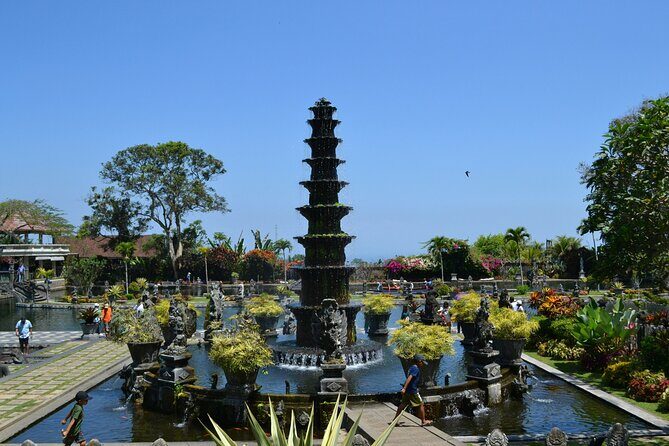
If you tell me where you’re staying in Bali (Canggu, Seminyak, Ubud, Nusa Dua, etc.), I can help you figure out whether this pickup setup lines up well with your schedule.

Mount Batur Jeep Tour

Mount Batur Jeep Tour - Ubud hotel pickup and a smooth start in an air-conditioned vehicle

Mount Batur by jeep feels like a smart trade: comfort for crater views. I like the 4×4 sunrise setup because it saves your legs, and I also like the balance of big scenery plus small local touches like coffee and Temen Village treats. The one catch: it runs on early timing and the view can be weather-dependent, so you’ll want to dress for the cold climb in the dark.

This tour is built for people who want the iconic Bali volcano moment without a strenuous trek. The day runs about 8.5 hours, with pickup options from Ubud area and a mobile ticket you can show on your phone. If you’re only here for a quick, late-morning stroll, the early departure may feel like a cost.

Key Things I’d Watch Before You Go

Mount Batur Jeep Tour - Key Things I’d Watch Before You Go

  • A true sunrise-first plan that puts you in position before the light really hits Mount Batur
  • Rare-view positioning with guidance to help you get the best angle for photos
  • Black lava and black sand by jeep, so you still explore even if you don’t hike
  • Coffee and tea included, plus time to taste local products in Temen Village
  • Friendly, hands-on driving guides who also act as photographers when needed

Sunrise by 4×4: The Big Idea Behind This Day

Mount Batur Jeep Tour - Sunrise by 4x4: The Big Idea Behind This Day
Mount Batur sunrise is one of Bali’s most famous wow-moments. The smart question is: do you want to earn it with hours of uphill trekking, or do you want the same payoff with a more comfortable route? This jeep tour leans hard into comfort, using a 4×4 ride to get you up to a sunrise viewpoint without the full hike.

What makes it appealing is that you don’t just do one photo stop and disappear. You get a sunrise segment, then you keep moving around the volcanic area—rolling past black lava and black sand—so the day feels like exploration, not a single moment on a timetable.

What The Day Feels Like From Pickup to Finish

The tour is listed at about 8 hours 30 minutes total. It’s an early-start kind of day, because sunrise requires you to be in position before the sky turns. I like that the schedule respects this reality instead of pretending you can stroll in after the sun is already up.

You’ll have transportation included, plus a local guide/driver and all the basic overhead covered like entrance and parking fees. You’ll also have mineral water and coffee/tea during the day, which helps a lot when you’re dealing with early morning chill.

A quick heads-up: brunch is not included. That means if you’re hungry later, plan to eat on your own after the tour ends, or keep a light snack strategy for the timing.

Stop 1: Mount Batur Sunrise From a Rare Viewpoint

Mount Batur Jeep Tour - Stop 1: Mount Batur Sunrise From a Rare Viewpoint
The main event is sunrise from Mount Batur, described as the popular and up-to-date activity on the volcano scene. Mount Batur is active, so the vibe is dramatic—dark slopes, steam, and the feeling you’re staring into a working engine of the island.

Here’s what the tour does in a practical way: it gets you to a sunrise spot that many people don’t know about. That matters because early visibility and clean angles are easier to find when you’re not competing for the same few viewpoints.

You’ll also see more than just Mount Batur. The experience highlights views toward Mount Agung and Mount Abang, plus the surrounding volcanic ridges. Even when the weather isn’t perfect, you still get the volcanic panorama feeling, not just a single mountain silhouette.

Photos: Where the Guide Skills Actually Matter

One of the strongest themes in the feedback is the guide role. Names you might hear include Adi and Mertha, and you may also get Arman as your driver/guide. The big value isn’t just driving well on steep dirt; it’s that they help with pictures.

The best part: the guides don’t leave you guessing. They actively help with spotting good angles and giving advice on how to pose, so your sunrise photos look like they belong in a travel album, not a blurry screenshot.

The trade-off to consider

Early pickup means early bedtime. Also, sunrise timing is fixed, so if clouds roll in, your lighting won’t look like the photos you’ve seen online. The tour itself keeps moving, but the sky is the sky.

Stop 2: Riding Past Black Lava and Black Sand

Mount Batur Jeep Tour - Stop 2: Riding Past Black Lava and Black Sand
After sunrise, the day shifts from waiting for light to exploring the volcanic surface itself. You’ll continue the trip by jeep, passing areas known for black lava and black sand.

This part is valuable because it changes the texture of what you’re seeing. Sunrise gives you atmosphere; lava fields and sand give you scale and character. It’s one thing to read about volcanic landscapes, and another thing to watch dark rock and sand in person while you’re moving around.

And since this is by jeep, you’re not forced into another endurance test right after a cold early morning. If hiking isn’t your thing—maybe you’re traveling with kids, you’re recovering from jet lag, or you simply don’t love steep climbs—this segment keeps you in the action.

Coffee Break and Temen Village Local Treats

Mount Batur Jeep Tour - Coffee Break and Temen Village Local Treats
Some volcano tours feel like a hit-and-run. This one includes a coffee break and time to try local products at Temen Village.

That matters more than it sounds. Coffee stops are where you warm up, refuel, and reset your energy before the rest of the day. And a village taste gives you something tangible beyond scenery—small flavors, a quick glance at local life, and a chance to slow down for a few minutes instead of sprinting from viewpoint to viewpoint.

Coffee and/or tea are included, so you don’t have to budget extra for a hot drink to survive the early hours.

Who This Jeep Tour Fits Best (and Who Might Want Something Else)

Mount Batur Jeep Tour - Who This Jeep Tour Fits Best (and Who Might Want Something Else)
This tour is a great match if you:

  • Want Mount Batur sunrise without trekking for hours
  • Prefer a guided day where the driving and timing are handled for you
  • Like the idea of combining sunrise views with a second volcanic stop (lava and sand)
  • Value a friendly guide who helps with photos, not just directions

It may feel less ideal if you:

  • Want a late start or you hate very early pickups
  • Expect perfect sunrise conditions regardless of weather
  • Are looking for a long hike experience and want lots of walking as the main activity

In other words, this is for people who want the payoff, not the grind.

Price and Value: Is $24 a Smart Deal?

Mount Batur Jeep Tour - Price and Value: Is $24 a Smart Deal?
At $24 per person, this tour sits in the “good value” zone for Bali activities, especially because several key things are bundled in:

  • transportation
  • a local guide and driver
  • all entrance fees and parking fees
  • mineral water
  • coffee/tea

When a volcano tour includes transport plus fees, you avoid the common trap of cheap ticket prices that become expensive at the final checkout. Here, your biggest potential extra cost is food, since brunch isn’t included.

Also, the guiding seems to be a major part of what you pay for—people highlight expert driving and photo support. If you’re the type who wants sunrise memories that actually look good, that added effort can make the value feel even better.

Timing Tips: How to Prepare for a Cold, Early Morning

Mount Batur Jeep Tour - Timing Tips: How to Prepare for a Cold, Early Morning
Even if you go in “jeep comfort” mode, sunrise can still feel chilly. One piece of advice stands out: bring warm clothes. The sunrise timing means cooler air, and you’ll be outside long enough for it to register.

I also suggest:

  • wear layers you can peel on the move
  • bring a hat or something for wind
  • keep your phone warm in a pocket if you’re worried about battery life

If you’re hoping to photograph sunrise, don’t just bring a camera—bring a plan. The guides who know the angle help you make that plan real.

Group Size and the Experience Vibe

The tour notes a maximum of 100 travelers. That’s fairly large, but it also depends on how the group is split for sunrise positioning. The key is that you still get guided attention for the photo moments, which is where big tours often fall short.

The tone is friendly and practical, with drivers acting like guides—enthusiastic, considerate, and focused on getting you to the right spots.

FAQ

FAQ

How long is the Mount Batur Jeep Tour?

The duration is listed as about 8 hours 30 minutes (approx.).

How much does the tour cost?

It’s $24.00 per person.

Is pickup offered?

Yes, pickup is offered.

Do I need to print anything or can I use my phone?

You can use a mobile ticket.

What’s included in the price?

Included items are transportation, a local guide and driver, all entrance fees, parking fees, mineral water, and coffee and/or tea.

What’s not included?

Brunch is not included.

Where is the tour located?

It runs in the Mount Batur area with pickup from Ubud, Indonesia.

What will I see during the tour?

You’ll watch sunrise on Mount Batur, then pass black lava and black sand by jeep, with a coffee break and local product tastings at Temen Village.

Is the tour good for people who don’t want to trek?

Yes. The tour is specifically described as a comfortable way to enjoy sunrise without tiring trekking.

Can I cancel for a full refund?

Yes. Cancellation is free up to 24 hours in advance for a full refund.

Should You Book This Mount Batur Jeep Tour?

I’d book it if you want the Mount Batur sunrise moment but you’d rather spend your energy on the view, not on a long climb. The combination of jeep comfort, volcanic sights (black lava and black sand), and included coffee/tea makes the day feel complete without nickel-and-diming you for every step.

Skip it only if you’re set on a full hiking challenge or you’re uncomfortable with very early starts. If that part is fine, this is a solid, practical way to do Bali’s volcano highlight with less strain and more photo support.

No:#1. Penida Island Tour And Snorkeling With Manta

No:#1. Penida Island Tour And Snorkeling With Manta - What’s included (and what isn’t): gear, lunch, towels, and transfers

Penida can be a long day, in a good way. What makes this tour special is the way it’s built around manta-ray snorkeling, with a full day plan and expert logistics so you can focus on swimming, not schedules. You’ll typically hit several reef areas, and the day is timed to catch the best underwater conditions when you’re out there.

I also like the practical setup: hotel pickup and return transfers (air-conditioned car where available) plus fast boats back and forth. That means less time haggling, getting lost, or figuring out which dock is correct at 7:00 am. And since you’re not expected to bring your own kit, you can keep your packing simple.

One possible drawback to consider: quality can vary. In one account, the equipment felt less solid than on a prior snorkeling trip, and communication was an issue when the driver in Nusa Penida didn’t seem comfortable with English—so have realistic expectations and bring a backup plan for how smooth everything feels.

Quick hits: what I’d notice first on this manta snorkeling day

No:#1. Penida Island Tour And Snorkeling With Manta - Quick hits: what I’d notice first on this manta snorkeling day

  • Manta-ray focused route with multiple snorkeling stops like Manta Bay, Crystal Bay, Gamat Bay, and Wall Bay Point
  • Hotel pickup + fast boat returns with included land transport on Nusa Penida
  • Snorkel gear and life jacket are part of the experience (depending on the option you select)
  • Indonesian lunch included, so you’re not paying for food during a long outing
  • Underwater photography support during the snorkel stops so you can get group shots

Entering the day at 7:00 am: Seminyak pickup and the pace you need

No:#1. Penida Island Tour And Snorkeling With Manta - Entering the day at 7:00 am: Seminyak pickup and the pace you need
This starts early: the tour kicks off at 7:00 am. That’s not just for show. With Nusa Penida, conditions and travel time matter, and an early departure gives you a better shot at calmer water and more usable snorkeling windows.

Pickup covers a wide slice of areas around Seminyak and beyond, including Nusa Dua, Jimbaran, Kuta, Canggu, Sanur, and Ubud. You’ll ride in an air-conditioned car for the land portions, then switch to fast boat transport. The group size is capped at 28 people, which helps keep the day from feeling like an endless cattle line.

Your fitness needs are described as moderate. That usually means you should be comfortable with getting in and out of boats, moving around at the sites, and spending several hours in the sun and on the move. If you’re sensitive to rougher rides, you’ll want to be mentally ready for the fact that sea conditions can change.

What’s included (and what isn’t): gear, lunch, towels, and transfers

No:#1. Penida Island Tour And Snorkeling With Manta - What’s included (and what isn’t): gear, lunch, towels, and transfers
This tour is priced at $67.75 per person, and a lot of that value comes from how much is wrapped into one package.

What you get included:

  • Return hotel transfer by air-conditioned car (from the listed areas)
  • Fast boat tickets return
  • Land transportation in Nusa Penida
  • Lunch (Indonesian food)
  • Snorkeling gear, life jacket, and towel per person if you selected the gear option

What’s not included:

  • Breakfast

So if you’re someone who tends to forget breakfast until it hurts, plan ahead. Even though lunch is provided, you’ll still be starting the day early, so you’ll want your morning fuel before pickup time.

Also, you’ll get a mobile ticket, which is handy for check-in and reduces the need for paper. Confirmation is provided at booking, so you should be able to organize your day without extra guesswork.

The reef circuit: Manta Bay, Crystal Bay, Gamat Bay, Wall Bay Point

No:#1. Penida Island Tour And Snorkeling With Manta - The reef circuit: Manta Bay, Crystal Bay, Gamat Bay, Wall Bay Point
This is not a one-stop snorkel. It’s a snorkel safari by boat where the actual locations depend on water conditions. Still, you can expect stops that often include three or four areas, such as:

  • Manta Bay
  • Crystal Bay
  • Gamat Bay
  • Wall Bay Point

Here’s how to think about each stop and why it matters:

Manta Bay

This is the headline area. It’s where the chance of seeing manta rays is central to the plan, not a side bonus. In practice, what you’re looking for is that moment when the water turns from “nice reef” into “something big cruising overhead.” Your guide keeps you oriented and helps you snorkel in the right spot and direction for what the area is known for.

Crystal Bay

This stop is often about variety—different reef conditions and different chances to spot fish and coral life. Even if mantas aren’t the headline at every moment, you’ll still get meaningful underwater time at a reef site.

Gamat Bay

This area tends to be about the overall snorkeling experience: coral, reef scenery, and the kind of underwater activity you can enjoy even while waiting for mantas. If you’re a less confident snorkeler, this is also the kind of stop where you can settle in and enjoy the water without feeling like you’re constantly on high alert.

Wall Bay Point

A lot of Penida snorkeling revolves around underwater edges and currents that bring marine life into view. Wall Bay Point is listed as part of the typical route, so it’s one of the stops you’ll want to respect: follow guide instructions closely, stay calm, and don’t rush your breathing or positioning.

And here’s the key point: since the stops depend on conditions, you shouldn’t treat any single bay as guaranteed. Your goal is to get multiple chances in the best conditions the day allows.

Snorkeling with mantas: safety rhythm, gear use, and real expectations

No:#1. Penida Island Tour And Snorkeling With Manta - Snorkeling with mantas: safety rhythm, gear use, and real expectations
You’re snorkeling around coral reefs, and you’ll do it as a group with a guide keeping watch. You also get a life jacket, and snorkeling gear is provided (depending on your selected option). That setup is important because it reduces one common stress: the need to source gear at the last minute.

This experience is described as suitable for snorkelers of all levels. That doesn’t mean it’s zero-skill. You still need to be comfortable floating, clearing your mask, and keeping your movements steady. If you’re new, it helps to focus on slow, controlled breathing and staying where your guide tells you to be.

Manta rays are the reason many people book. But don’t treat manta spotting like a show with fixed seating. What you can control is how prepared you are:

  • Put on gear correctly before you hit the water
  • Keep your body calm and horizontal
  • Let the guide manage the “where now” decisions

Also, you’ll have an underwater photographer on hand who can grab shots of you and your group. That’s a nice extra because it captures the day without you needing to hold a waterproof camera or awkwardly time selfies. One practical note: the tour description doesn’t spell out how you receive those photos. If photos matter, confirm how delivery works when you book.

The boat day reality: what “12 hours 30 minutes” feels like

No:#1. Penida Island Tour And Snorkeling With Manta - The boat day reality: what “12 hours 30 minutes” feels like
This runs about 12 hours 30 minutes, including travel and time on Nusa Penida. That’s a full day. The benefit is you get enough time for multiple snorkeling stops and the travel chain to work without rushing you into just one quick swim.

The cost of that long duration is obvious: you’ll be hungry, tired, and slightly “done” by the end—especially if you’re sensitive to heat. The good news is lunch is included, so you’re not spending your whole day hunting for food.

Your best strategy is to treat the day like a cycle:

  • Keep a steady energy pace from the start
  • Hydrate when you can during land transfers
  • Don’t overexert early in the day in the water

And yes, there’s a factor that can affect comfort: sea conditions. Since stops depend on water conditions, there can be day-to-day variation in how smooth the ride feels and how long you’re in each area.

Value check: is $67.75 a smart deal or a gamble?

No:#1. Penida Island Tour And Snorkeling With Manta - Value check: is $67.75 a smart deal or a gamble?
For $67.75 per person, the value depends on what you’re comparing it to.

If you tried to DIY this yourself, you’d likely pay for:

  • Dock transfers and transport logistics
  • Fast boats (round trip)
  • Multiple reef-site transport coordination
  • Snorkel gear and life jacket
  • Food, if you end up buying it while racing the schedule

This tour bundles the big chunks: round-trip fast boat tickets, return transfers by air-conditioned car from listed areas, land transport on Penida, lunch, and gear (with the option). That bundling is where the price starts to look more reasonable, especially for a day as long as 12.5 hours.

The gamble part is also real: mantas aren’t guaranteed, and the reef stops depend on conditions. Still, the fact that you typically go to three or four snorkeling areas helps you maximize the chances that the day feels worth it even if manta encounters are brief.

Also worth noting: this experience gets booked fairly ahead of time (on average about 28 days in advance). If you’re traveling during a busy period, booking earlier can reduce the chance of missing your preferred departure time.

The human factor: communication and equipment quality can vary

No:#1. Penida Island Tour And Snorkeling With Manta - The human factor: communication and equipment quality can vary
Most of the feedback for this tour is very strong—a 4.8 rating from 32 reviews, with 94% recommending it. That tells me the overall experience tends to land well for people who want a well-run day trip and don’t want to think about logistics.

But I won’t ignore what can go wrong. One account described shoddy-feeling equipment, and said the driver in Nusa Penida didn’t appear to know English, which made it harder to ask questions and contributed to a faster, more time-pressured ride. That kind of mismatch can turn a relaxing day into a stressed one.

So how should you protect yourself? Simple:

  • Arrive ready and on time for pickup
  • Double-check your gear fit before you step into the water
  • If you have questions, write them down or use simple phrases
  • Keep your expectations flexible if the day runs tightly to the schedule

This is exactly the kind of day where calm cooperation matters as much as the coral.

Who should book this Penida manta snorkeling tour?

No:#1. Penida Island Tour And Snorkeling With Manta - Who should book this Penida manta snorkeling tour?
This is a good fit if you want:

  • Manta-ray snorkeling as the main goal
  • An all-in-one setup with pickup, boat transport, and lunch
  • Snorkeling that works for different comfort levels
  • A day planned to reach multiple snorkeling locations in one outing

It’s also a decent option if you don’t want to manage logistics alone—especially if you’d rather spend your mental energy watching for movement overhead instead of figuring out timetables and meeting points.

You might reconsider if:

  • You’re very sensitive to rougher boat rides or long days
  • You expect perfect communication all day and every stop runs like a private charter
  • You care deeply about gear condition and would rather bring your own backup kit

Should you book? My practical take

I’d book this tour if you want a structured manta-focused Penida day with the essentials handled: transfers, fast boat, land transport, lunch, and snorkeling gear support. The strongest selling points are the logistics and the multiple snorkeling stops, which increase your chances of having a great underwater day even when conditions change.

If you’re choosing between DIY and a package, this is the kind of plan where the bundled transport and day structure can be worth it fast—especially starting from Seminyak. Just go in with flexible expectations about manta sightings and the day’s flow, and you’ll get the best chance at the magic Penida is known for.

FAQ

What time does the tour start?

It starts at 7:00 am.

Where do pickups happen?

Pickup is offered from Nusa Dua, Jimbaran, Kuta, Canggu, Sanur, and Ubud.

How long is the tour?

It runs for approximately 12 hours 30 minutes.

What snorkeling stops will we visit?

Stops typically include areas such as Manta Bay, Crystal Bay, Gamat Bay, and Wall Bay Point, but the exact places depend on water conditions.

Do I need to bring snorkeling gear?

No. Snorkeling gear is provided (and includes additional items like a life jacket and towel if that option is selected).

Is lunch included?

Yes. Lunch (Indonesian food) is included. Breakfast is not included.

Are there underwater photos?

There is an underwater photographer on hand to take shots of you and your group during the snorkel stops.

How big is the group?

The tour has a maximum of 28 travelers.

What if the weather is bad?

This experience requires good weather. If it’s canceled due to poor weather, you’ll be offered a different date or a full refund.
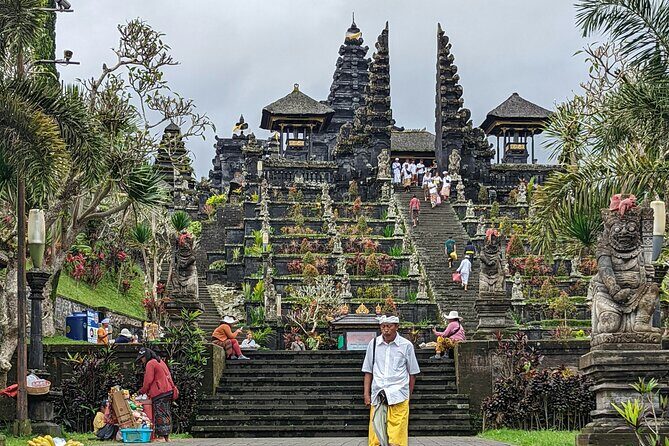
Can I cancel for a refund?

Yes, you can cancel for a full refund up to 24 hours before the experience’s start time. If you cancel less than 24 hours before, the amount paid won’t be refunded.