Ubud Small Group Tour: Monkey Forest, Tegalalang Rice Terraces and more

Ubud Small Group Tour: Monkey Forest, Tegalalang Rice Terraces and more - Timing from Kuta: why your day may run long

Ubud in one big loop is a smart use of time. This tour strings together the key hits—cool off at Tegenungan Waterfall, watch the “nope” factor of Monkey Forest, and end at Tirta Empul—so you get a real taste of Bali’s culture and nature without planning a full itinerary. I love the hotel transfers that save you from guessing routes, and I also like the small group size (max 9) that keeps the day from feeling chaotic. One thing to plan for: it’s a packed day, and most entrance fees are not included unless you pick the inclusive option.

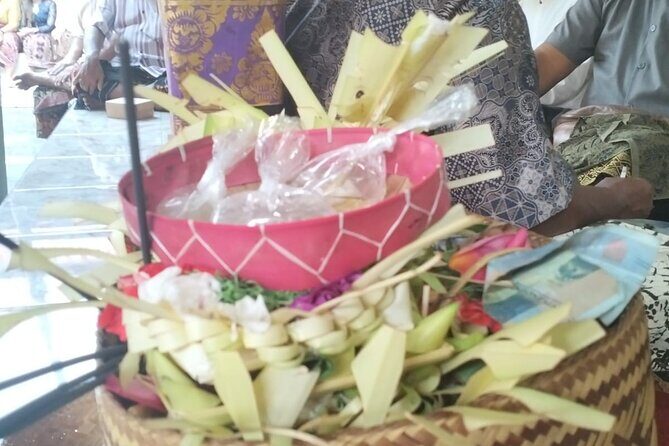
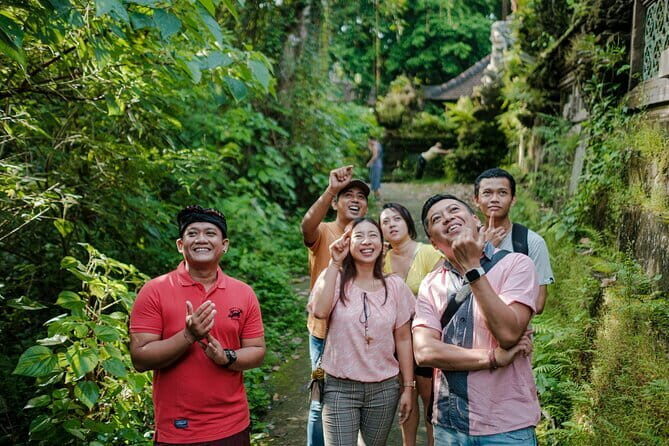
What makes this one feel worth it is the guide. English-speaking guides are part of the deal, and in the feedback I reviewed, people called out guides by name like Dewa, Yogi, Eddy, Gusti, and Patu for explaining culture clearly and helping with photos. If you like learning what you’re actually looking at—offerings, temple meanings, and why rice terraces matter—this format works.

Because it starts in the Kuta area, timing can stretch. Even if the tour is listed at about 7 hours 30 minutes, plan a longer day in heavy traffic, and bring cash for any entrance fees that end up being due at the sites.

Key things that make this tour work
Ubud Small Group Tour: Monkey Forest, Tegalalang Rice Terraces and more - Key things that make this tour work

  • Small group, max 9: easier pacing and fewer waiting games than big buses
  • Hotel pickup and drop-off in Kuta: you avoid the “how do I get there” headache
  • Real Ubud mix: waterfall, monkeys, markets, rice terraces, then a holy spring temple
  • An English-speaking guide: you’ll get explanations, not just a checklist
  • Cool refreshment details: bottled water on board and an air-conditioned vehicle
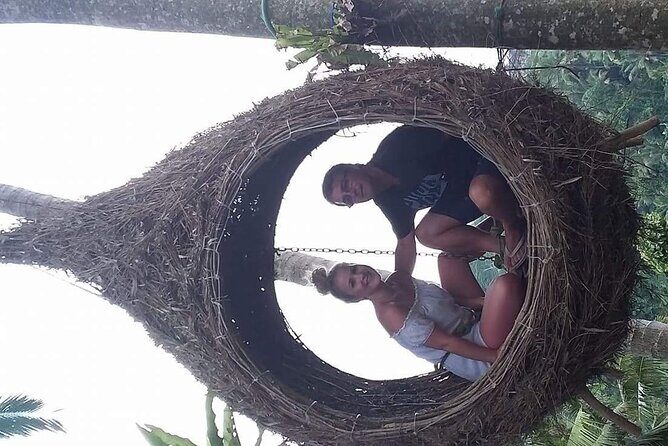
  • Optional add-ons: Tegalalang swing costs extra if you want the thrill

The point of this day: a fast, guided Ubud sampler
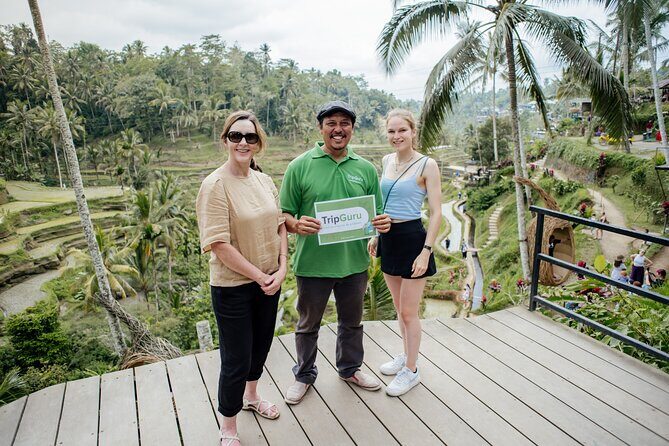
Ubud Small Group Tour: Monkey Forest, Tegalalang Rice Terraces and more - The point of this day: a fast, guided Ubud sampler
This is a get-your-bearings-fast kind of tour. Ubud is Bali’s culture-and-arts hub, but it’s also spread out. If you only have one day, you’ll waste time trying to stitch stops together with rides and waiting. This route solves that problem by grouping nearby experiences into one loop.

You’re not just sightseeing. You’re moving through very different Bali worlds back to back: a waterfall for scenery and a break from the heat, the playful (and loud) Monkey Forest, a market area for everyday local life, the rice terraces for how Bali feeds itself and shapes land, and then Tirta Empul for spiritual practice and a holy water spring.

That variety is the real value. You come away with more context than if you only did one type of place—temples only, or nature only.

Timing from Kuta: why your day may run long
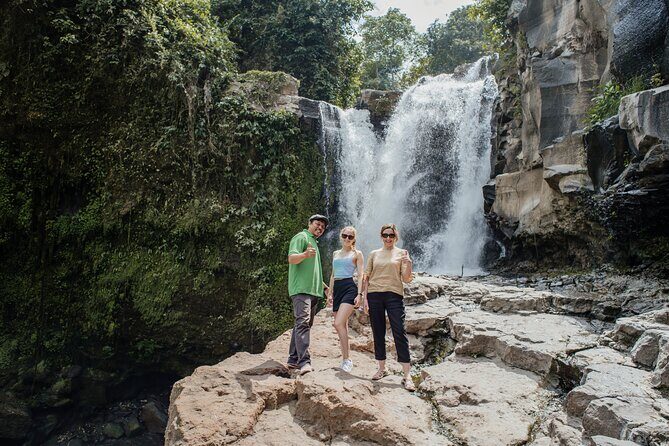
Ubud Small Group Tour: Monkey Forest, Tegalalang Rice Terraces and more - Timing from Kuta: why your day may run long
The tour is listed at about 7 hours 30 minutes, with multiple stops adding up to a longer on-the-road day. If you’re staying in Kuta, you should assume drive time can be significant.

In one bit of practical advice from the experience feedback: the drive from Seminyak or Kuta to the Ubud area can take about 1.5–2 hours depending on traffic. That means you’ll feel the day more than if you were starting closer to Ubud.

What to do with that info:

  • Wear comfy shoes and plan for walking stretches at each stop.
  • Treat the schedule as “about” time, not to-the-minute precision.
  • Keep your phone charged. You’ll want photos, especially at the terraces.

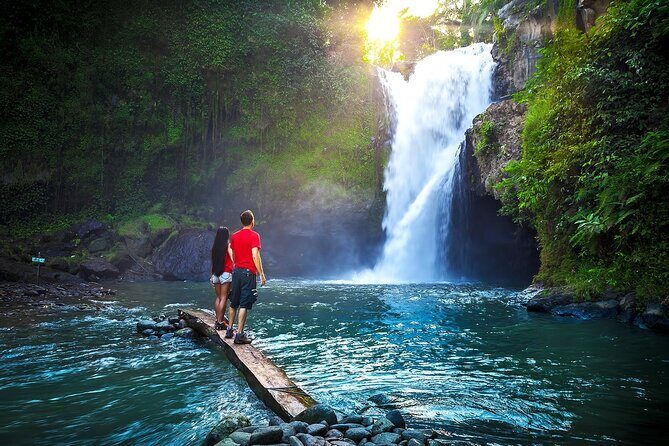
Tegenungan Waterfall: a quick nature reset

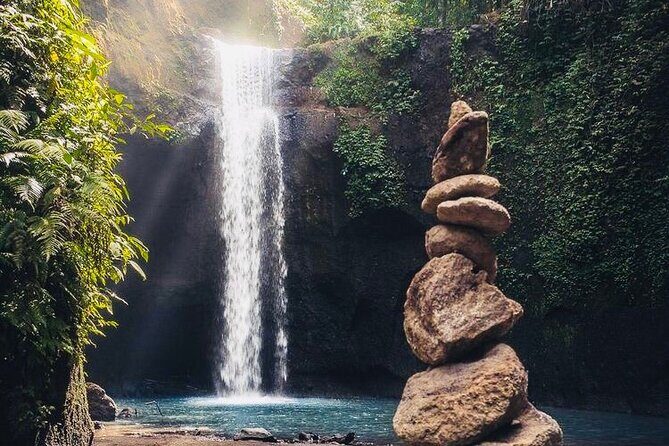
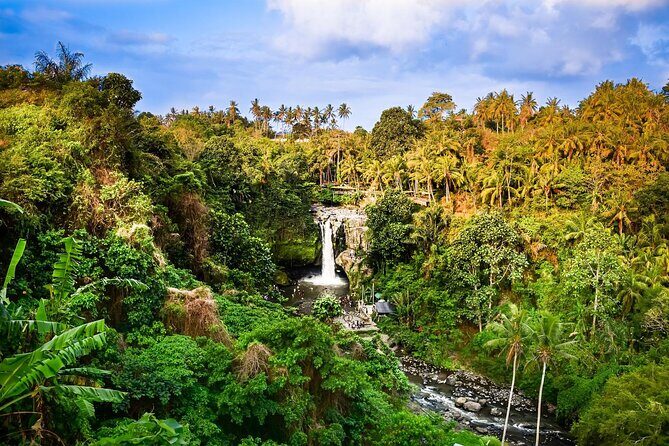
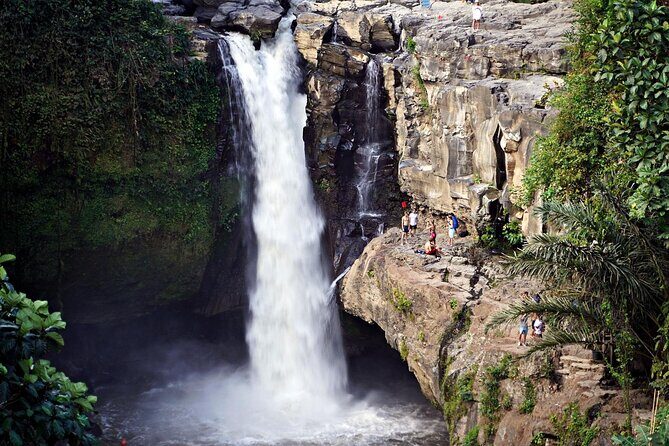
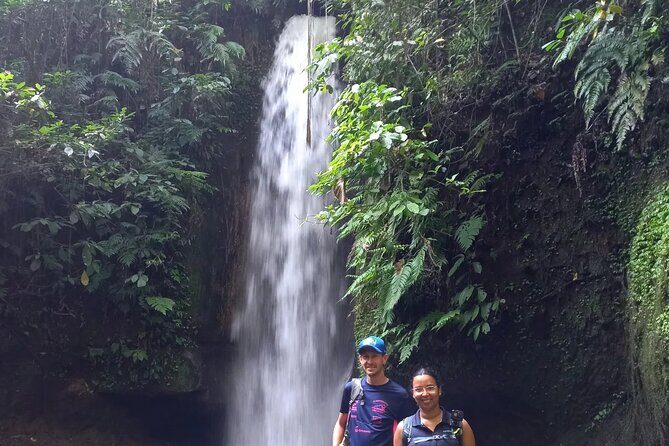
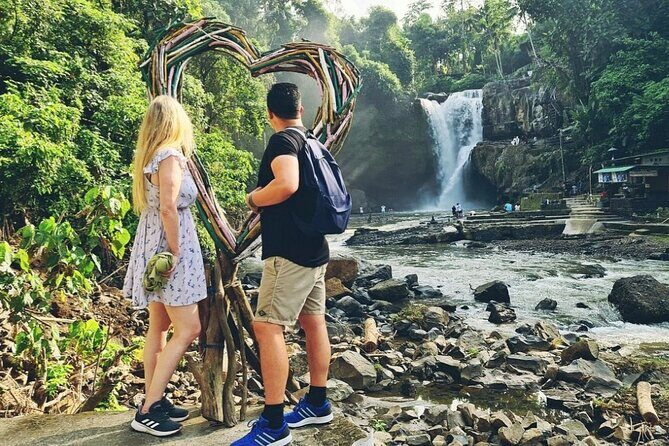
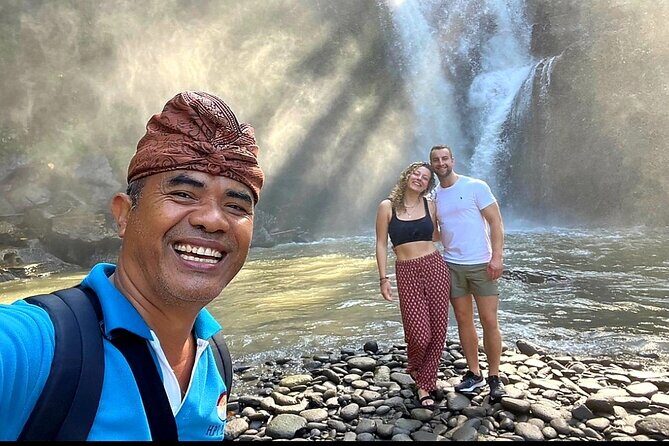
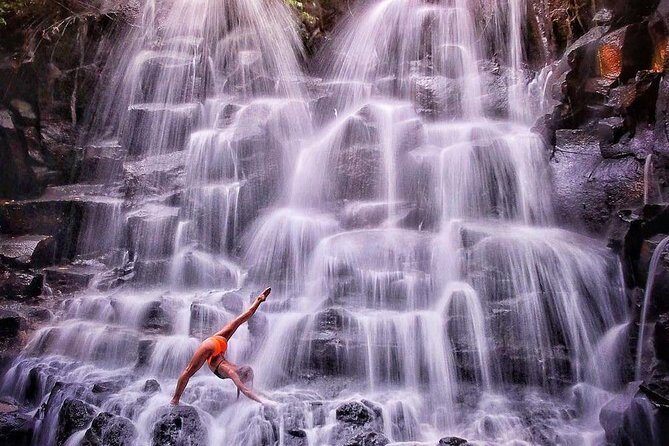
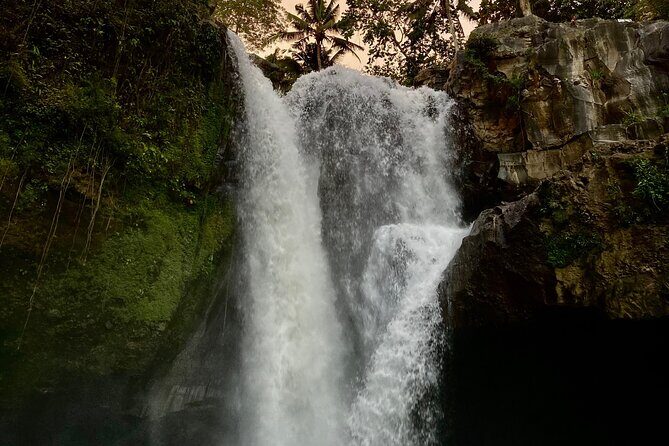
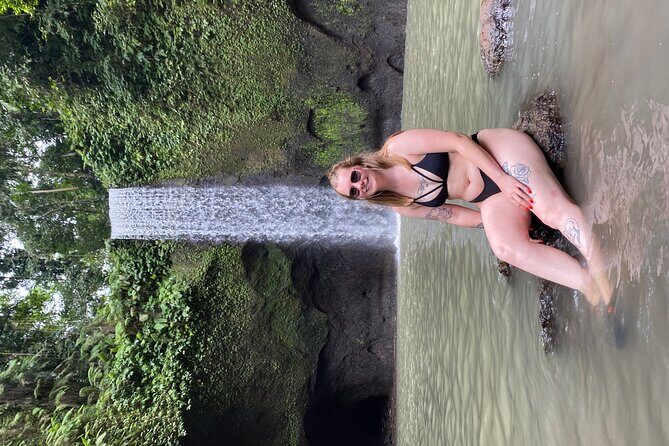
First stop is Tegenungan Waterfall. You get around 1 hour 15 minutes there, which is plenty for cooling off, getting a few solid photos, and then moving on without spending your whole day at one location.

Important: the waterfall entrance fee is listed as not included unless you choose an inclusive entrance-fee option. It’s shown as IDR 30,000 per person when it’s an extra cost.

What I like about starting here: it sets a calm tone. After pickup and driving, it’s a clean reset. You get that tropical “fresh air” feeling right away, before the day gets more crowded and active.

One practical drawback: you may be there in mid-day heat. Bring a hat and something small to protect your skin, because your time at the waterfall can feel longer than the clock if the sun is strong.

Monkey Forest: impressive, chaotic, and worth the rules
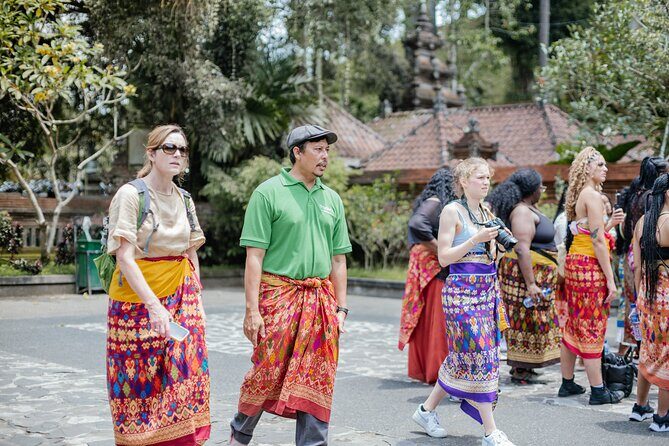
Ubud Small Group Tour: Monkey Forest, Tegalalang Rice Terraces and more - Monkey Forest: impressive, chaotic, and worth the rules
Next is Sacred Monkey Forest Sanctuary, with about 1 hour 15 minutes on the ground. This is one of those places where you’ll either have a great time or you’ll stress out—so the key is mindset.

This stop is all about sharing space. The monkeys are curious, quick, and not always interested in your plans. A guide can make this way easier by setting expectations and keeping you moving safely.

Entrance fees here are also not included unless you select the inclusive option. The listing shows:

  • Weekday rate: IDR 100,000 per booking
  • Weekend rate: IDR 120,000 per person

Practical tips that actually help:

  • Keep bags zipped and secured. Don’t hang things off your hands.
  • Hold your valuables close and avoid flashy snacks.
  • Bring patience. If a monkey steals the show, your guide will help you handle it calmly.

In the feedback I saw, camera moments were common—and guides like Patu were specifically praised for handling a monkey interaction fast and safely. That kind of competence matters here.

Ubud Traditional Art Market: a lunch-and-local-life stop
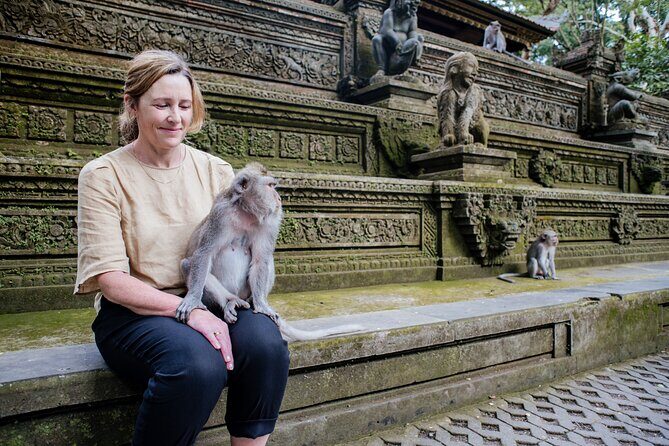
Ubud Small Group Tour: Monkey Forest, Tegalalang Rice Terraces and more - Ubud Traditional Art Market: a lunch-and-local-life stop
After monkeys, you’ll head toward the Ubud Traditional Art Market area. This is timed around about 1 hour.

The schedule frames lunch as part of the day, but the “Meals and other drinks” line is listed as not included. Translation: you’ll likely have a chance to eat there, but you should expect to pay your own way for your meal unless you see a package option that explicitly includes it.

Why this market stop is useful:

  • It slows the pace for a bit.
  • You can pick up small souvenirs or watch local crafts in action.
  • It’s a break before the rice terraces, which involve more outdoor time.

If you care about authenticity, this kind of stop beats a rushed photo-only break. It lets you see how locals shop and move through daily life, not just tourist zones.

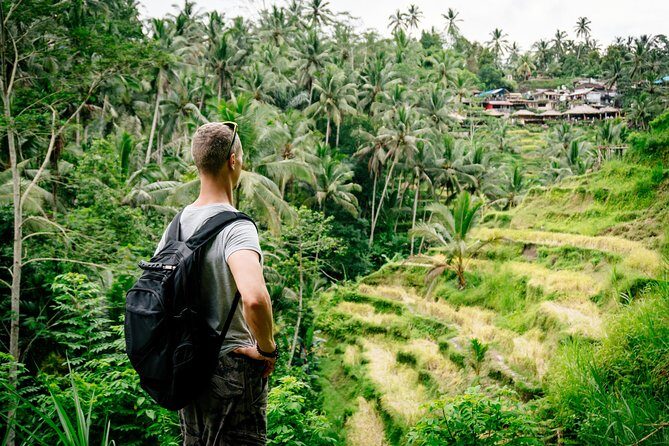
Tegalalang Rice Terraces: the short walk that feels bigger
Ubud Small Group Tour: Monkey Forest, Tegalalang Rice Terraces and more - Tegalalang Rice Terraces: the short walk that feels bigger
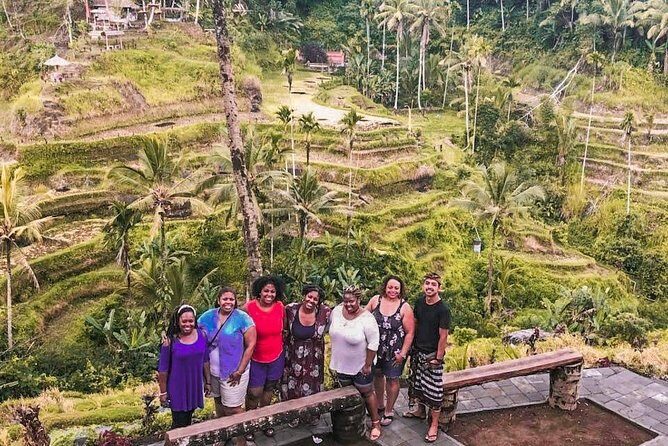
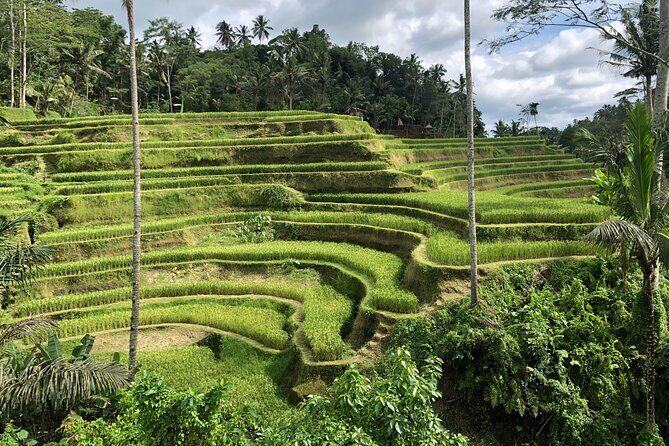
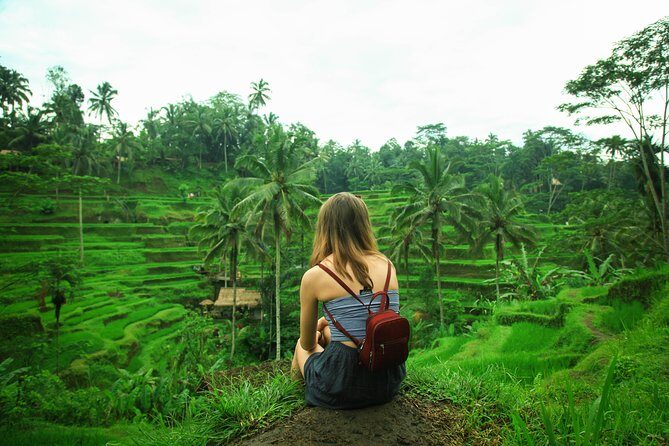
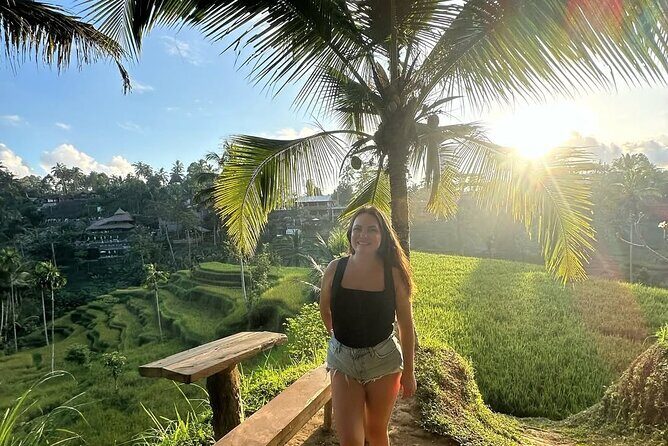
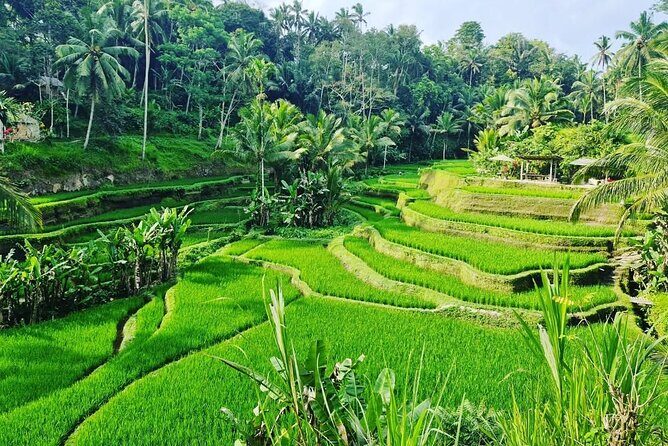
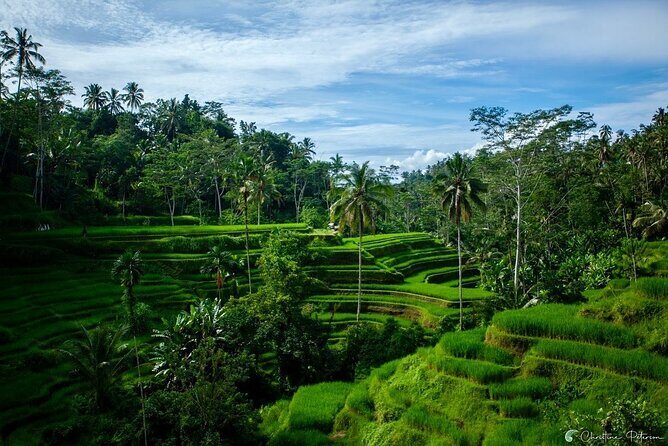
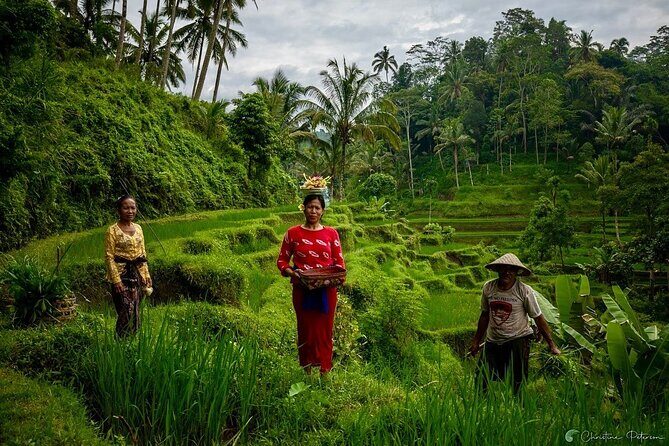
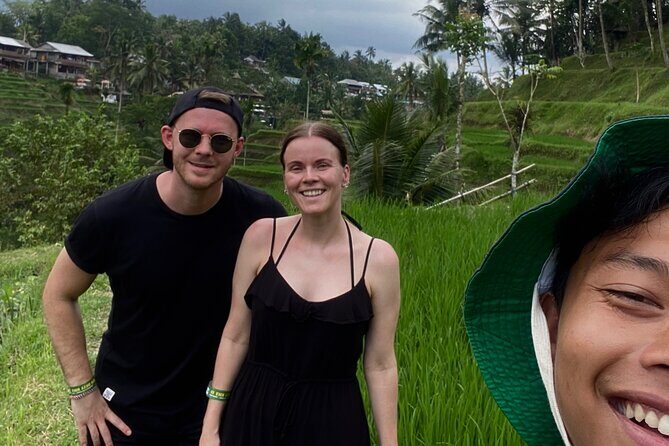
Then you move to Tegalalang Rice Terrace with about 45 minutes allocated. This is a “see it, walk a bit, then get back out before you melt” timing.

Entrance fees for the rice terrace are not included unless you chose the inclusive option. The listing shows IDR 50,000 per person as an extra.

What to expect in the time you have:

  • You’ll get viewpoints for photos.
  • There’s typically a short walking portion to reach good angles.
  • It’s less about long hiking and more about quick access to the most photogenic areas.

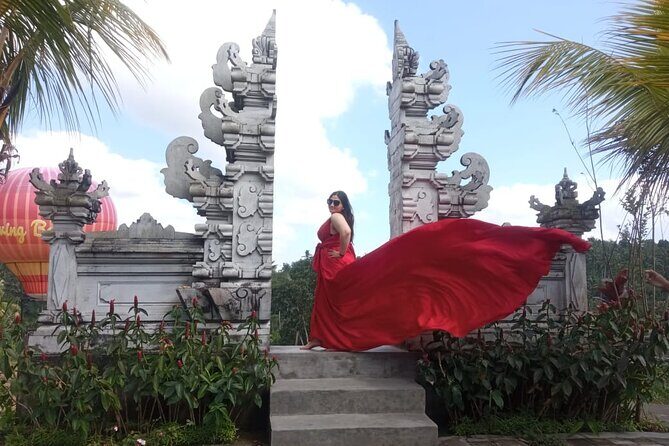
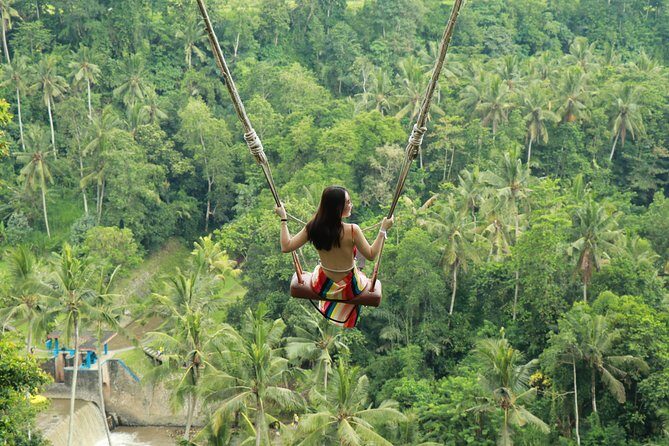
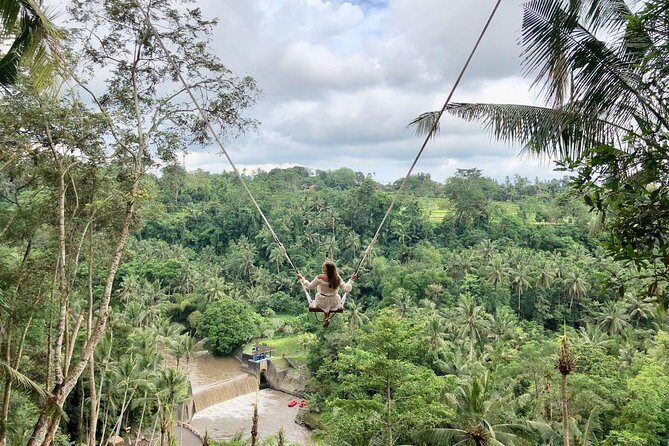
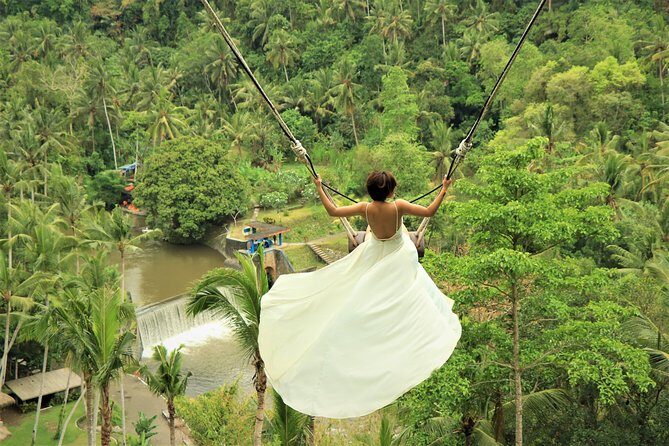
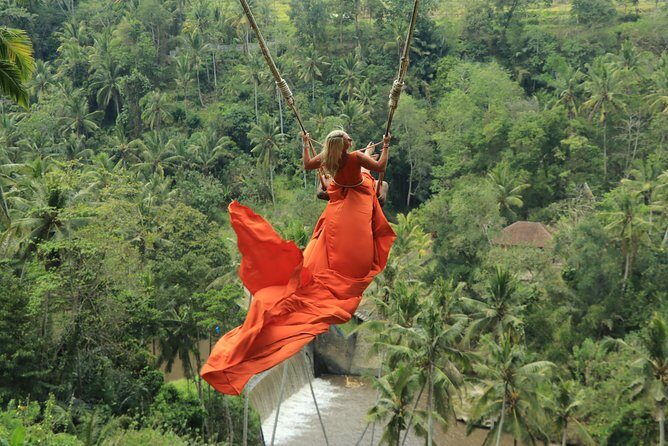
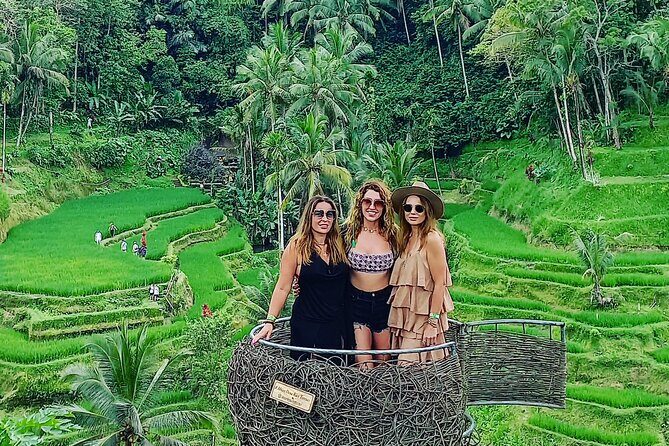
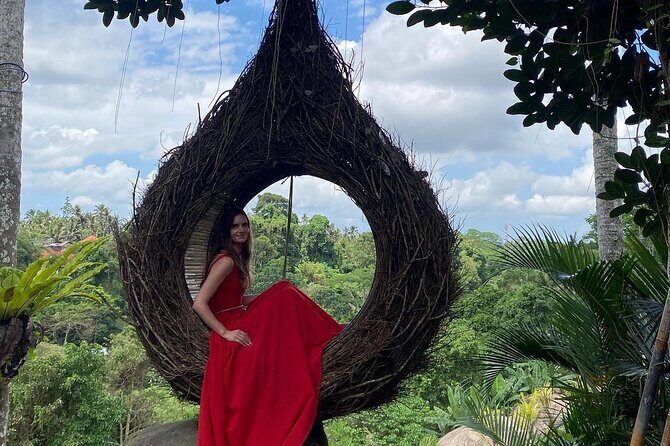
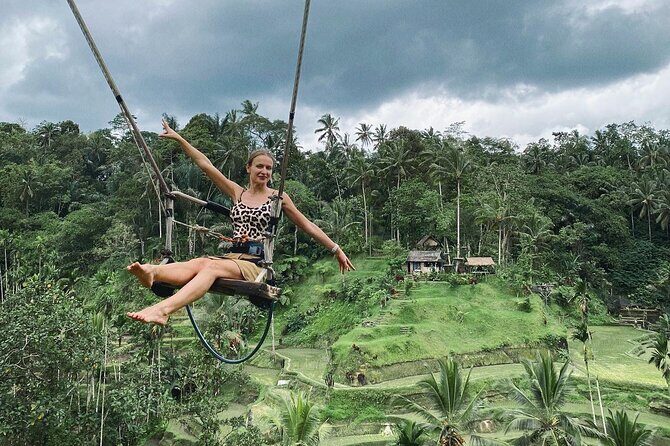
There’s an optional add-on here: the Tegalalang Swing. It’s listed as optional at IDR 200,000. If you want the thrill shot, factor it into your budget and your stamina. If you don’t, skip it and enjoy the terrace walking at a calmer pace.

One helpful habit: bring water and take breaks when you can. Even with bottled water included on the vehicle, terrace time is exposed, and your energy goes fast.

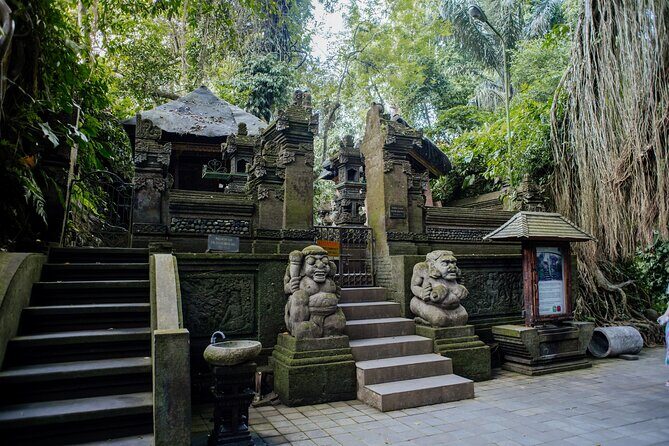
Tirta Empul Temple: holy spring time, guided and respectful
Ubud Small Group Tour: Monkey Forest, Tegalalang Rice Terraces and more - Tirta Empul Temple: holy spring time, guided and respectful
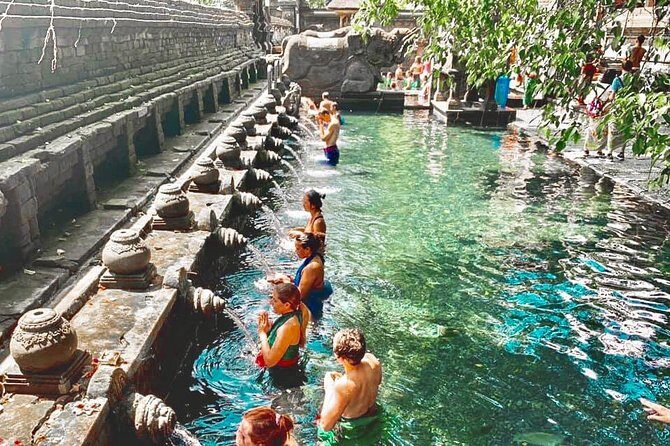
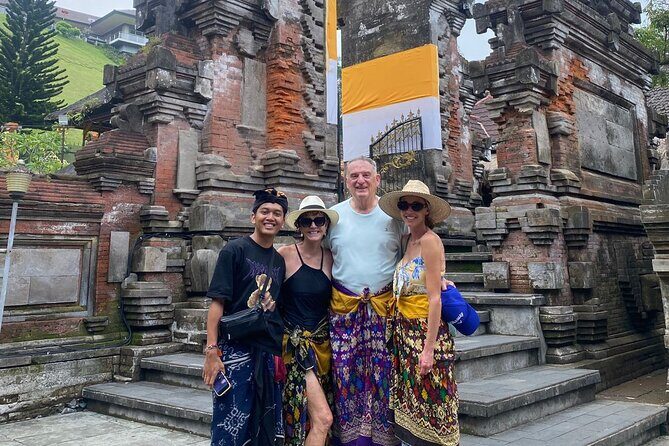
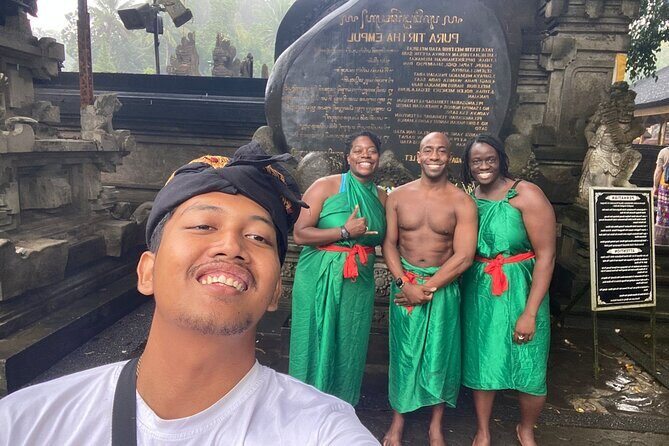
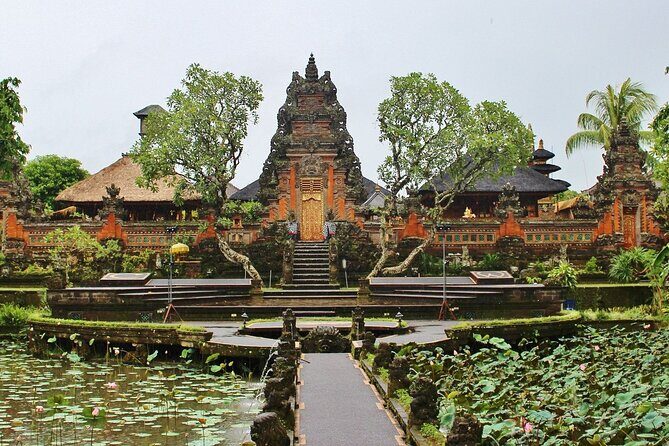
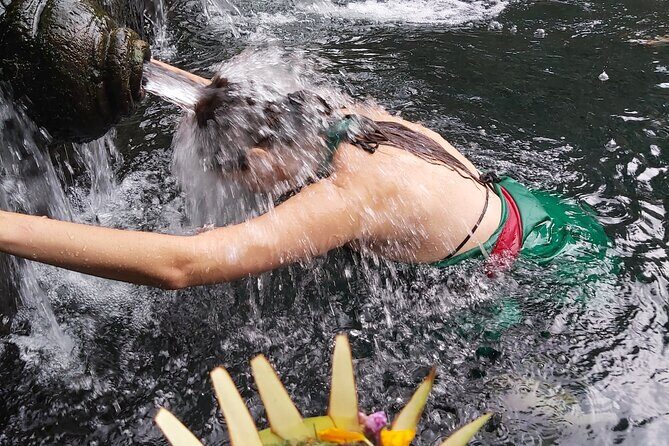
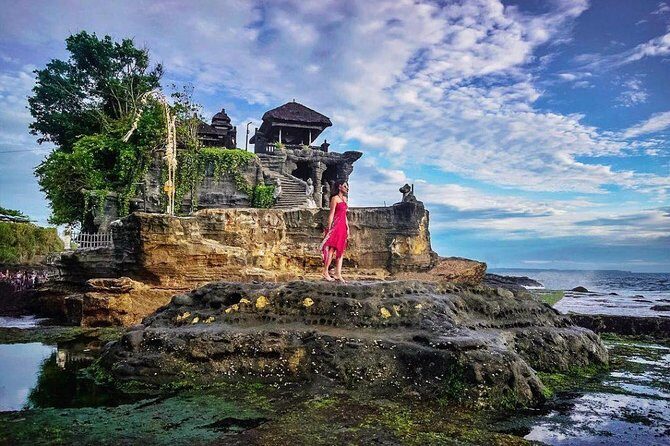
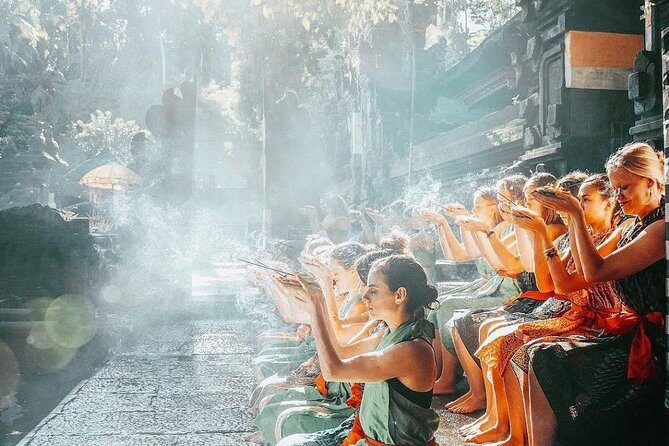
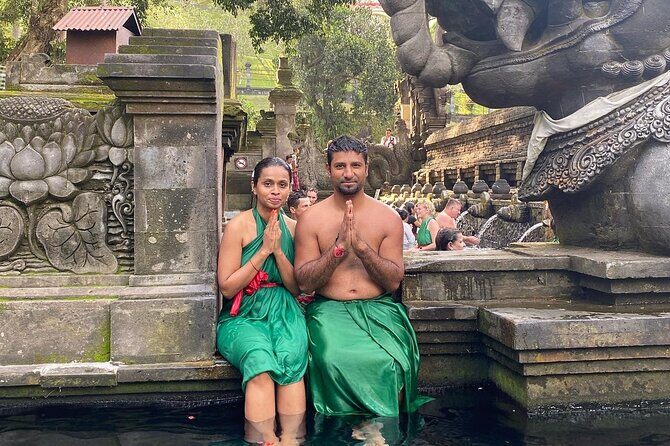
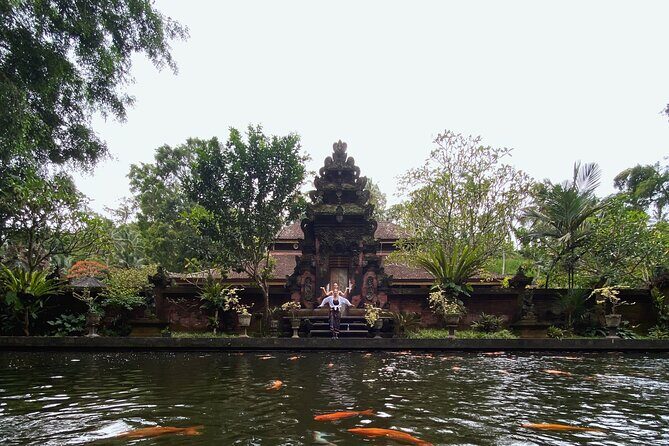
Your final stop is Tirta Empul Temple, with about 1 hour 15 minutes there. This is the most spiritual moment of the day, and it’s where a guide’s explanations can really pay off.

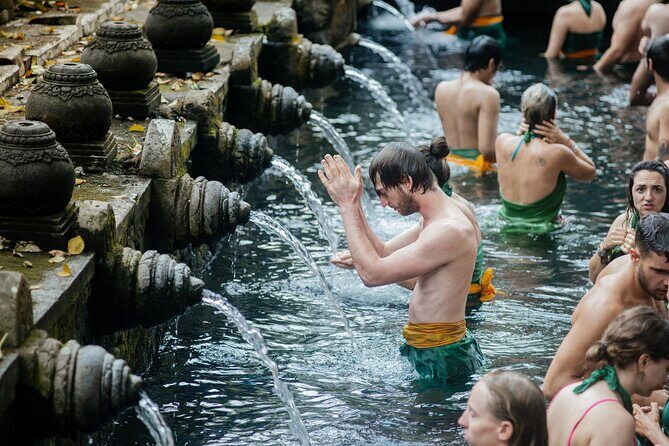
The tour includes a visit to the temple complex and the holy mountain spring at Tirta Empul. Entrance fees are listed as not included unless inclusive is selected, at IDR 75,000 per person.

What makes this stop stand out in a good way:

  • It connects the “culture and arts” theme to something lived, not staged.
  • You get time to observe, learn, and experience the atmosphere without rushing through a checklist.

Temple etiquette varies by site and by what’s happening when you arrive, so follow your guide’s instructions closely. If you’re unsure, ask. Most problems in temples come from guessing.

Price check: is $18 a good deal after add-ons?
Ubud Small Group Tour: Monkey Forest, Tegalalang Rice Terraces and more - Price check: is $18 a good deal after add-ons?
The tour price is $18 per person, which is low compared with the number of stops and the fact that it includes hotel pickup and drop-off, an English-speaking guide, air-conditioned transport, drinking water, and insurance.

But here’s the catch: most entrance fees are not included unless you chose an entrance-fee inclusive option. The not-included fees listed in the details add up across multiple sites—especially Monkey Forest and Tegalalang.

So how do you judge value?

  • You’re paying for convenience: pickup, transportation, guide time, and bottled water.
  • You’re also paying for time-saving: you’re compressing several separate Ubud excursions into one organized day.
  • Your final spend can land higher once entrance fees are added, plus optional extras like the Tegalalang swing.

One practical tip from experience feedback: sometimes the entrance-fee coverage you expect doesn’t match what you find on the ground. The safest move is to budget for entrance fees and carry cash.

Even if you end up paying some extras, you can still find this kind of guided loop cost-effective because it replaces several separate tours and cuts out a lot of planning stress.

Small group comfort: max 9 feels like the sweet spot

This is a small group tour with a maximum of 9 travelers. That matters more than people think. In real life, a small group:

  • Moves together more smoothly.
  • Lets your guide manage timing better at each stop.
  • Cuts down on the “everyone disappear for photos” chaos that happens in large groups.

It also helps for photos and interactions—especially at Monkey Forest and the rice terraces, where you’re frequently stepping aside for angles and paths.

The vehicle is air-conditioned, which is a real win in Bali’s heat. Bottled water is included, and that tiny comfort addition makes a long day feel more manageable.

What I’d pack for this exact route

Because you’re doing a waterfall, a forest, temple grounds, and terrace viewpoints, pack for mixed walking and sun.

Bring:

  • Comfortable walking shoes (you’ll want grip)
  • A hat and sunscreen
  • A small towel or dry clothes if you tend to get wet at waterfalls
  • Cash for entrance fees if you are not using an inclusive entrance-fee option
  • A light layer for temple areas if you get chill from AC in the car

Also, keep your day organized: if you’re using a mobile ticket, have it accessible so you’re not digging through your phone at the entrance.

Who should book this Ubud Small Group Tour

Book it if:

  • You’re short on time and want a single day that hits major Ubud sights
  • You like guided storytelling and practical explanations at temples and culture stops
  • You prefer a group that’s small enough to feel personal

Skip it or rethink it if:

  • You hate long days and are sensitive to traffic-driven schedule changes
  • You want a slow, deep visit to one site rather than a sampler across many
  • You want all entrance fees to be included with zero follow-up costs (since several are listed as extra unless inclusive option is chosen)

If you’re traveling with kids, a small-group format can work well, and the feedback included at least one case where a booking shifted into a private-style day for a son and a parent. That suggests the experience can flex with your needs when capacity allows.

Should you book? My honest take

If you want one day that covers the big Ubud moments—waterfall, Monkey Forest, Tegalalang rice terraces, and Tirta Empul—this is a solid choice. The low base price plus pickup/drop-off and guide support is the kind of deal that works when you don’t want to micromanage logistics.

Just do two things to make it smoother: plan for entrance fees that aren’t listed as included unless you select the right option, and bring cash as a backup. Then you can focus on what you actually came for: seeing how Bali feels in motion, not just in one photo spot.

FAQ

How long is the Ubud small group tour?

It’s listed at about 7 hours 30 minutes, though the day includes multiple stops and travel time around Ubud from the Kuta area.

What stops are included in the tour?

The tour includes Tegenungan Waterfall, Sacred Monkey Forest Sanctuary, an Ubud Traditional Art Market stop (with a lunch opportunity), Tegalalang Rice Terrace, and Tirta Empul Temple.

Are hotel transfers included?

Yes. Hotel pickup and drop-off are included.

Is bottled water provided?

Yes. Drinking water is included, and bottled water is provided for refreshments.

Are entrance fees included?

Entrance fees are included only if you select an entrance-fee option. Otherwise, several site fees are listed as not included.

What entrance fees should I expect if they are not included?

The listing shows extra fees for Tegenungan Waterfall (IDR 30,000 per person unless inclusive), Monkey Forest (weekday IDR 100,000 per booking, weekend IDR 120,000 per person unless inclusive), Tegalalang Rice Terrace (IDR 50,000 per person unless inclusive), and Tirta Empul (IDR 75,000 per person unless inclusive).

Does the tour include lunch?

The schedule includes an Ubud Traditional Art Market stop that’s framed around lunch, but meals and other drinks are listed as not included, so you should expect to pay for what you eat unless an option says otherwise.

Is the Tegalalang swing included?

No. The Tegalalang Swing is optional and listed at IDR 200,000.

How big is the group?

It’s a small group tour with a maximum of 9 travelers.

What is the cancellation policy?

Free cancellation is available up to 24 hours in advance for a full refund. Canceling less than 24 hours before start time is not refunded.

Bali: Ubud Highlights Tour with Private Guide and Transfers

Bali: Ubud Highlights Tour with Private Guide and Transfers - What’s actually included: tickets, car, and the parts you still pay for

Ubud can feel like a blur. This tour helps you slow it down. You get a private guide, planned stops, and round-trip hotel transfers so you’re not spending your day figuring out routes. The route mixes culture and nature: Sacred Monkey Forest, Tirta Empul water temple, two waterfalls (Tibumana and Kanto Lampo), and the Tegalalang Rice Terrace.

Two things I really like: the admission tickets are included for most stops, and the day is built around a local’s pacing. In guide-led tours here, names like Dewa Putu, Esa, Made, Dena, Mawa, and Maha show up a lot—and the common thread is storytelling plus flexibility when road conditions change.

One consideration: the swing stop (Terrace River Pool Swing) is on your route, but its admission is not included, so you’ll want a little cash buffer if you’re planning to do it.
Key takeaways before you go

Bali: Ubud Highlights Tour with Private Guide and Transfers - Key takeaways before you go

  • Private, flexible guide: you can adjust the day when traffic or timing gets weird
  • Hotel transfers in multiple areas: pickup and dropoff are offered across popular Bali bases
  • Most entry tickets included: you’re paying for a sight-focused day, not a drive-and-hope day
  • Two different waterfall vibes: Tibumana is calmer; Kanto Lampo is more photo-adventure
  • Temple + water ritual setting: Tirta Empul is a major cultural stop on this circuit
  • One paid add-on: Terrace River Pool Swing isn’t covered

How this Ubud highlights route fits real schedules

If you’ve got a limited time in Ubud, the trick is choosing stops that “stack” well. This tour does that. You move between jungle, sacred spaces, and rice terraces without having to negotiate every ticket line or transport problem yourself.

You’ll also notice the pacing works for photos but doesn’t turn into a photo factory. Several stops are set at around 1–2 hours each, which is long enough to walk at a comfortable speed, ask questions, and still get to the next location without feeling rushed.

And because it’s private, you’re not stuck with the slowest person in the group (or the person who needs to sprint from view to view). Your guide can keep the day moving based on your energy level.

Private guide + air-conditioned transfers: the comfort part people forget

Bali: Ubud Highlights Tour with Private Guide and Transfers - Private guide + air-conditioned transfers: the comfort part people forget
This is one of those tours where the “extras” are actually the point. You get an English-speaking driver and an air-conditioned vehicle, plus mineral water during the ride. You’re also covered for parking and fuel, which quietly saves you from the small annoyances that add up.

Where you’ll feel it most is the mental load. You don’t have to map out:

  • which entrance to use
  • how to get between scattered sights
  • how long you’ll lose to traffic at the wrong time of day

Transfers are offered for a range of Bali areas. Pickup and dropoff availability is specifically mentioned for places like Kuta, Sanur, Seminyak, Nusa Dua, and Ubud-area pickup points (including Ubud Art Market). There are also options for specific zones like Kemenuh, Saraswati Temple area, and several well-known Ubud/near-Ubud points. If you’re staying somewhere less central, you’ll want to double-check your exact hotel area when you book.

What’s actually included: tickets, car, and the parts you still pay for

Bali: Ubud Highlights Tour with Private Guide and Transfers - What’s actually included: tickets, car, and the parts you still pay for
This tour includes:

  • English speaking driver
  • Mineral water
  • Gas/fuel, parking fee
  • Air-conditioned car
  • Entrance tickets (for included stops)
It does not include:

  • Lunch
  • Personal expenses

One stop also stands out: Terrace River Pool Swing is listed with admission not included. In other words, your main day is ticket-covered, but the swing activity is an add-on you should plan for.

Why that matters for value: you’re not paying twice for the big named sights. Most day tours sell the same idea—private car and “a few entrances.” Here, the structure is clearer: you’re buying a real route with most entries covered.

Sacred Monkey Forest Sanctuary: fun, fast, and a little chaotic

Bali: Ubud Highlights Tour with Private Guide and Transfers - Sacred Monkey Forest Sanctuary: fun, fast, and a little chaotic
Your first major stop is the Sacred Monkey Forest Sanctuary. It’s allocated about 1 hour, and you’ll spend that time walking among temple areas and watching monkeys do monkey things.

Here’s what to know so it stays fun:

  • Keep bags closed and avoid showing snacks or food openly. Monkeys here are bold and quick.
  • Keep an eye on your phone or camera strap when you stop for pictures.
  • Wear shoes you can walk in—paths can get slick.

A short timing window can be a plus. One hour means you get the experience without overdoing the chaos. And with a guide, you’ll typically spend more time understanding the place and less time just trying to figure out where to go next.

Tibumana Waterfall: the calmer side of waterfall chasing

Bali: Ubud Highlights Tour with Private Guide and Transfers - Tibumana Waterfall: the calmer side of waterfall chasing
Tibumana Waterfall gets about 2 hours, and it comes with a local belief tied to the entrance being a secret gateway connected to Raja Besakih’s temple. Even if you’re not a myth-trivia person, those stories change how you look at a place. It stops being just a waterfall stop and becomes a stop with meaning.

The area is described as having a clear shallow pool, which usually means you’ll see people lingering closer to the water (when conditions allow). A two-hour block is good here because it gives you time to:

  • find a comfortable viewpoint
  • take a few photos without feeling rushed
  • settle into the sound of water instead of sprinting on

Potential drawback: waterfalls can be more slippery or crowded depending on the day. Plan for careful footing and some waiting if you run into peak-time groups.

Kanto Lampo Waterfall: photo-adventure with a “secret” feel

Bali: Ubud Highlights Tour with Private Guide and Transfers - Kanto Lampo Waterfall: photo-adventure with a “secret” feel
Next is Kanto Lampo Waterfall, also about 2 hours. This one is positioned as an adventure-meets-Instagram-photo stop, and it’s described as a secret waterfall with a combo of thrill and picture payoff.

What that usually means on the ground is:

  • you’ll likely do more active walking
  • you may deal with uneven steps or tighter viewpoints
  • you’ll spend more time “moving” to get the right angles

If you’re the kind of person who likes waterfall photos with a little drama in them, this stop will probably be the one you remember most. If you’re more about serene and low effort, it might feel more intense than Tibumana.

Either way, your guide helps you pick the best moments to pause for photos rather than just getting herded by the flow.

Tegalalang Rice Terrace: walking the terraces at your own pace

Bali: Ubud Highlights Tour with Private Guide and Transfers - Tegalalang Rice Terrace: walking the terraces at your own pace
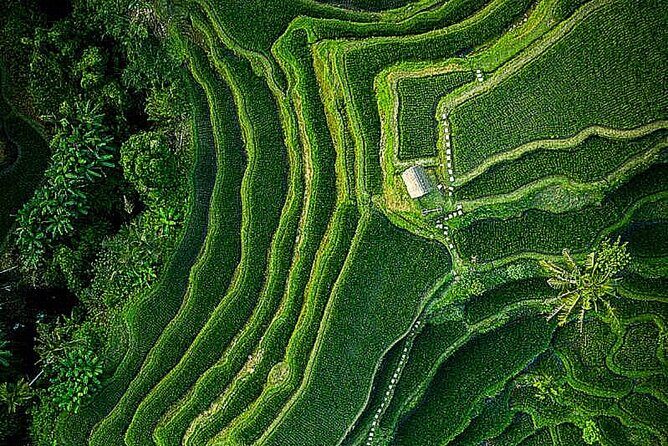
Then you head to the Tegalalang Rice Terrace, around 10 km north of Ubud. It’s set for about 2 hours, and terraced rice fields are the kind of sight that hits differently when you’re there in person: changing light across steps, small irrigation channels, and views that make you slow down.

In a private setup, the benefit is simple: you don’t have to race. You can:

  • look for the angle that matches your photos
  • take time to understand how the terraces are arranged
  • avoid getting stuck on the most crowded viewpoints

There’s also a practical side. Rice terraces often sit outdoors, exposed to sun and humidity. Plan for water breaks, and keep your energy level in mind so the next stops still feel enjoyable.

Terrace River Pool Swing: fun, but budget it as an add-on

Bali: Ubud Highlights Tour with Private Guide and Transfers - Terrace River Pool Swing: fun, but budget it as an add-on
This stop is built around a jungle swing that’s described as a major Instagram photo spot, and it’s given 1 hour. But it’s also the one activity where admission is not included.

So here’s how to think about it:

  • If you’re here for the photo moment, budget for the swing and treat it like a paid activity
  • If you’re not into the swing, you can still enjoy the views, but you might feel like time is tight if you’re not planning to participate

I’d call this a “choose-your-own-adventure” part of the day. If you’re already spending your energy on waterfalls and temples, you’ll feel good about the swing being short at least. If you love thrill photos, it’s worth prioritizing.

Tirta Empul Temple: a major cultural stop tied to water

The final major temple stop is Tirta Empul Temple, a Hindu Balinese water temple near Tampaksiring. It’s described as one of the most popular day trips for people who like nature and local cultural experiences, and it gets about 2 hours.

Even though it’s a temple, it’s also a water-centered place. That changes the feel of your visit compared to a purely architectural stop. You’re moving through a setting where water is part of the experience, not just background scenery.

Practical etiquette tip: temples often come with dress and behavior expectations, and your guide is the right person to ask what to do on arrival. In many places, modest dress and respectful movement matter. Don’t guess—ask your guide and follow local direction.

Why it’s a good capstone: by the time you reach Tirta Empul, you’ve already done monkey forest and two waterfalls. Ending on a cultural water temple gives the day a satisfying balance.

Timing, crowds, and how your guide keeps the day sane

This tour is listed at about 10 hours total, which is a full day but not an all-day slog. The stops are spaced so you get enough time to enjoy each place without turning the schedule into a sprint.

That’s where the flexibility of a private guide matters. Reviews and tour descriptions emphasize that guides handle adjustments when conditions change. In real Bali traffic, that’s the difference between a “great on paper” day and a day where you actually enjoy the sights.

What I like for you here is that the day is structured around “stay time,” not just drive time:

  • 1 hour for the Monkey Forest
  • 2 hours for Tibumana
  • 2 hours for Kanto Lampo
  • 2 hours for Tegalalang
  • 1 hour for the swing
  • 2 hours for Tirta Empul

If you have mobility limits, you’ll want to mention it. The itinerary includes active walking at at least the waterfalls and rice terraces. If you’re comfortable on uneven ground, you’ll be fine. If not, a guide can often suggest where to pause and how to keep it easier.

Price and value: why $35.15 can work (if you want this exact day)

The price is $35.15 per person, and the tour duration is about 10 hours with private transfers. That price might look low if you compare it to ticket-and-car costs in many other destinations.

Here’s why it can be good value:

  • You get round-trip transfers
  • You get an English-speaking driver
  • Most entrance tickets are included
  • You get mineral water, plus parking/fuel handled

What you don’t get is lunch, and you may add the swing activity. Still, for a day that hits multiple major sights in Ubud, you’re paying for a packaged experience rather than building it stop-by-stop.

If you were planning to do this on your own, the math can get messy fast. Even if you arrange transport, entrance fees and the time cost of figuring out routes add up. This tour pays those “unknowns” for you.

One more angle: you can book as a private tour, which matters if you’re traveling with family, friends, or a partner and you want your pace.

Who this tour suits best (and who should reconsider)

This tour is a great fit if:

  • you’re short on time and want a strong Ubud sampler
  • you want a private guide who can answer questions
  • you like mixing nature stops with cultural sights
  • you prefer having transfers and ticket planning taken off your plate

It might not be ideal if:

  • you hate structured itineraries and want total freedom to roam
  • you’re only interested in one type of place (all temples or all waterfalls)
  • you’re on a super-tight budget that can’t stretch to the swing add-on or snacks

A few practical tips that will make the day smoother

You’ll be outdoors for a lot of the route, so plan for basic comfort:

  • Bring sunscreen and a hat for the rice terrace and waterfall viewing
  • Wear shoes with grip for waterfall areas and uneven paths
  • Have a small towel or quick-dry change if you don’t mind getting a little wet

For photos, the best move is to let your guide help with timing. A private guide can often spot the right moment to pause without everyone clumping into the same frame.

Also, if you care about photos, check with your guide before you head out how they prefer to handle picture stops. Some guides have a reputation for taking and helping with photos, but don’t assume it’s automatic—ask.

Should you book this Bali Ubud Highlights Tour?

Yes—if you want a one-day plan that realistically hits the core Ubud highlights without turning your vacation into logistics homework. The blend of Monkey Forest, Tirta Empul, rice terraces, and two waterfalls is exactly the kind of “see a lot, still enjoy it” itinerary that works for first-timers and time-limited trips.

Book it especially if:

  • you value included entrances and transfers
  • you want a private guide who can adjust to the day
  • you’re excited by both cultural sites and outdoor scenery

If you’re the type who wants total freedom, you might feel boxed in. But for most people, this tour hits the sweet spot: planned stops, reasonable time in each place, and a guide who helps the day make sense.

FAQ

How long is the Ubud highlights tour?

It’s listed at about 10 hours.

Is hotel pickup and drop-off included?

Yes. Pickup and drop-off are offered for multiple Bali areas, including Kuta, Sanur, Seminyak, Nusa Dua, and several Ubud-area pickup points.

Are entrance tickets included?

Yes, entrance tickets are included for the stops that list admission included. Terrace River Pool Swing is not included.

What isn’t included in the tour price?

Lunch and personal expenses aren’t included.

Is this tour private?

Yes. It’s a private tour/activity, and only your group participates.

Can I get a full refund if I cancel?

Yes. Free cancellation is available up to 24 hours in advance for a full refund.

Ubud Tour With Monkey Forest, Rice Terrace, Waterfall, Temple

Monkeys first, then rice terraces, then temples. That’s the rhythm of this Ubud loop. You get a private plan that stacks big sights into one day, with the comfort of an air-conditioned car and the convenience of round-trip hotel pickup. Two things I really like: the way the stops fit together (nature, art, worship, then a waterfall), and the fact your English-speaking driver can explain what you’re actually looking at, not just drive you from sign to sign.

One thing to consider: it’s a long day (about 8 to 10 hours), so the waterfall time is short, and you’ll want to be realistic about how much temple-and-monkey time you can handle with heat, traffic, and travel time.

Key points to know before you go

Ubud Tour With Monkey Forest, Rice Terrace, Waterfall, Temple - Key points to know before you go

  • Private, hotel-based convenience: pickup and drop-off mean less hassle and more sightseeing time
  • Big-name Ubud highlights in one loop: Monkey Forest, Tegalalang, Tirta Empul, and Ulu Petanu
  • Short stops with strong scenery: you’ll get views and photos, but not a slow wander day
  • Admissions are mostly on you: several major sites list tickets as not included (Mas Carving Center is free)
  • Waterfall prep matters: you’ll want to manage the wet/dry-clothes situation yourself
  • English-speaking driver with context: guides like Made, Radek, Raza, Tony, and Ib Kumara Bawa are named in people’s experiences for being communicative and flexible

How this Ubud day tour really feels

Ubud Tour With Monkey Forest, Rice Terrace, Waterfall, Temple - How this Ubud day tour really feels
This is a classic “Ubud highlights” day, but with one practical advantage: you don’t have to stitch together multiple taxis and figure out routes on your own. The tour is built as a smooth hopscotch—forest → craft village → rice terraces → holy spring temple → a waterfall—so your day keeps moving instead of stalling in transit.

The private setup also changes your pace. You’re not balancing a group that wants to linger while someone else is already asking about the next stop. Your driver can also help you make small adjustments when the day needs it, like when timing and traffic don’t match a perfect calendar.

And yes, Ubud is photogenic. But the better part is what you learn while you’re there. You’ll get context for things like Balinese offerings, purification rituals at Tirta Empul, and why Monkey Forest feels more like a lived-in religious landscape than a simple zoo.

Entering Sacred Monkey Forest Sanctuary (700 long-tailed macaques)

Ubud Tour With Monkey Forest, Rice Terrace, Waterfall, Temple - Entering Sacred Monkey Forest Sanctuary (700 long-tailed macaques)
Your first major stop is Sacred Monkey Forest Sanctuary. This isn’t a quick “see a monkey, move on” stop—at least in theory. You get about an hour to walk the well-maintained pathways.

The standout detail here is the scale and variety of what surrounds the monkeys. The forest is home to over 700 long-tailed macaque monkeys, and the pathways don’t just lead you past animals. You’ll also find ancient temples, old banyan trees, and serene streams.

What to expect, practically:

  • Expect close-up monkey behavior. They’re curious and fast, and they’ll treat your pockets like a snack bar.
  • The hour goes quickly if you stop often for photos and also try to read the vibe of the temples and trees.
  • If you’re nervous around monkeys, you’ll still likely enjoy the forest atmosphere, but you’ll want to keep a firm handle on anything you’re carrying.

One more thing: some people love this stop because it feels spontaneous and lively. Others just want the view and the temples. Either way, it’s a great opener because it grabs your attention before you move into the more structured sites later.

Mas Carving Center: wood, jewelry, and art village energy

Ubud Tour With Monkey Forest, Rice Terrace, Waterfall, Temple - Mas Carving Center: wood, jewelry, and art village energy
Next up is Mas Carving Center—an art village stop that acts like a palate cleanser after Monkey Forest.

This portion is about crafts, not temples. The emphasis is on seeing wood carving in good quality, plus gold & silver jewellery and painting. The admission here is listed as free, which is nice because it keeps your costs under control when other major attractions require tickets.

What I like about this stop is that it’s not only about buying stuff. Even if you don’t plan to shop, it helps you understand why Ubud has such a strong arts identity. You also get a chance to use this time to regroup before you hit Tegalalang’s big photo views and Tirta Empul’s ritual focus.

A practical note: like many craft centers, this can come with sales pressure. If you’re not in a shopping mood, just treat it like a gallery stop. Look, ask a couple questions, and move on when you’re done.

Tegalalang Rice Terrace: views that earn your camera time

Ubud Tour With Monkey Forest, Rice Terrace, Waterfall, Temple - Tegalalang Rice Terrace: views that earn your camera time
Then comes Tegalalang Rice Terrace, one of the most recognizable rice terrace areas near Ubud.

You get about an hour here, and the whole point is the panoramic look. The terraces create layers of green (and in many seasons, the color looks extra strong under the Bali light), and the views are wide enough that you’ll want to spend time just watching where the paths and ridges lead.

This is also the stop where you’ll likely do the most photos. The itinerary note calls out great photograph opportunities, and that’s exactly what you’ll find—especially if you’re standing at viewpoints that overlook the terraces rather than looking only at one patch of them.

Admission is not included for this stop, so factor that into your total day cost. The value check for me: if rice terraces are your thing, this is worth paying to enter because you’re paying for access to those viewpoints and walking areas rather than just seeing them from a roadside look.

Tirta Empul Temple: holy spring purification at the center of the ritual

Ubud Tour With Monkey Forest, Rice Terrace, Waterfall, Temple - Tirta Empul Temple: holy spring purification at the center of the ritual
From scenic terraces, you shift into something more spiritual at Tirta Empul Temple.

This place is famous for its holy spring water, and the reason the site matters is clear: Balinese Hindus go there for ritual purification. You’ll spend about an hour exploring the temple and taking in what’s happening around the spring area.

What makes Tirta Empul stand out is that it’s not just a pretty temple building. The spring water is the whole story. If you’ve never seen a Hindu purification ritual, this is one of the more meaningful ways to understand how religion plays out in daily practice.

Practical considerations:

  • Expect a respectful atmosphere. Keep your voice down and be mindful of where people are performing the ritual.
  • Admission is not included, so again, add tickets to your mental budget.
  • This stop can feel slower than Monkey Forest because you’re observing a ritual and reading the space, not chasing motion.

If you like cultural context, this is one of the best stops to have your driver/guide explain what you’re seeing—especially the idea of purification and why water matters in the ritual.

Ulu Petanu Waterfall: the water gets the spotlight

Ubud Tour With Monkey Forest, Rice Terrace, Waterfall, Temple - Ulu Petanu Waterfall: the water gets the spotlight
Finally, you head to Ulu Petanu Waterfall, a waterfall near Ubud that the itinerary frames as “hidden,” with crystal-clear water.

You get about 45 minutes, which is short but typical for a waterfall stop when the day is packed. The note also says you can get into the water, so this isn’t just a photo platform. You’re supposed to experience it.

What to know before you go in:

  • Bring a plan for wet clothes. The tour does not include a towel or a dry change of clothes.
  • Since you’re only there for 45 minutes, don’t overthink. If you want to swim, do it early enough that you’re not rushing at the end.
  • Admission is listed as not included, so treat that as a cost line you’ll cover.

Why this stop is still worth it even with limited time: a good waterfall break helps your day feel less like a checklist. It’s the moment where you can feel the place instead of just seeing it.

Timing and logistics: why 8–10 hours can feel both perfect and long

Ubud Tour With Monkey Forest, Rice Terrace, Waterfall, Temple - Timing and logistics: why 8–10 hours can feel both perfect and long
The tour runs 8 to 10 hours, with the remaining time allotted for transportation. That’s the honest reality of Ubud sightseeing: even when stops are close-ish, traffic and winding roads make the schedule flex.

In your day, expect:

  • The first half to be energetic: Monkey Forest plus craft shopping.
  • The mid part to be scenic and photo-heavy: rice terraces.
  • The later part to become more reflective and spiritual: Tirta Empul.
  • The last moment to be physical and wet: the waterfall.

One thing I appreciate is the air-conditioned car. It matters more than you’d think when you’re dealing with sun, humidity, and the stop-and-go tempo of Bali roads.

Also, the tour includes parking fees and uses an air-conditioned vehicle, which is a small detail, but it reduces the random “surprise extras” that can pop up on less organized days.

Cost and value: what $30.89 buys you (and what it doesn’t)

Ubud Tour With Monkey Forest, Rice Terrace, Waterfall, Temple - Cost and value: what $30.89 buys you (and what it doesn’t)
At $30.89 per person, this tour is priced like a smart budget day—especially because it includes:

  • private tour with an English-speaking driver
  • air-conditioned vehicle
  • parking fees
  • pickup and drop-off from your hotel

The part to watch is what’s not included: multiple stops list admission tickets not included. Mas Carving Center is free, which helps, but Monkey Forest, Tegalalang Rice Terrace, Tirta Empul Temple, and Ulu Petanu Waterfall all have ticket costs you’ll handle separately.

So the value story depends on how you travel. If you’d rather pay for a driver and let someone manage the route, this can be a good deal even after adding tickets. If you’re comfortable hiring your own car for the day and dealing with navigation and parking yourself, you might find cheaper options. But for many people, the convenience is the entire point—less hassle, fewer coordination headaches, and a full day organized around local stops.

My take: this is a great value if you want variety in one shot, and you’re okay with a schedule that’s efficient rather than slow.

Guides and the difference between a drive and a day

This is where the personal touch shows up. People’s experiences include guides like Made, who’s mentioned for adding lots of interesting additional information and teaching about Balinese traditions. Other names come up too: Radek for being first rate, Raza for excellent English and friendly, chatty guidance, and Tony for being very nice.

Even when someone feels the price was too high, the driver itself often still gets positive comments. That tells you something important: the quality of the day isn’t only the itinerary. It’s how well your driver communicates and whether they can adjust the day to how you’re feeling.

If you like learning while you travel, this tour fits that style. You’re not only looking; you’re getting explanations as you go.

What to bring so the day stays comfortable

This tour isn’t difficult, but you’ll want to pack smart because a couple items are not provided.

Bring:

  • swim-ready clothes for the waterfall, if you plan to get in
  • a dry change of clothes and/or a small towel solution (the tour doesn’t include towel or change dry clothes)
  • cash or a card for admission tickets at Monkey Forest, Tegalalang, Tirta Empul, and Ulu Petanu
  • water and snacks only if you personally prefer it, since food is available to purchase but not included

If you’re the type who runs hot, the air-conditioned car helps, but you’ll still spend time outdoors. Sun protection is your friend here.

Who this tour suits best (and who might want a different plan)

This tour is best for you if:

  • you want a one-day sampler of major Ubud hits
  • you prefer private transport so you can move efficiently
  • you like having a driver who explains culture and history, not just the road
  • you’re okay with a full schedule rather than a slow wandering day

It may not be the best fit if:

  • you’re chasing an unhurried day with long stays at each site
  • you want only one or two major sights and hate ticket line items
  • you’re traveling with very small kids and your patience for a long day is limited (even though the trip is private and flexible, travel time still adds up)

Should you book this Ubud tour?

I’d book it if you want a clean, organized way to see Monkey Forest, rice terraces, Tirta Empul, and a waterfall in one day without juggling transport. The combination makes sense: nature first, crafts next, big scenery in the middle, a meaningful temple ritual, then a wet finish.

I’d think twice if you’re price-sensitive about admissions and prefer to keep ticket costs minimal, or if you’d rather spend more time at just one or two places. Also, if you don’t plan to get into the waterfall, you may feel the last stop is too short.

If your goal is variety plus convenience, this tour is a strong bet. Just pack for the wet-and-dry reality, and budget for site tickets.

FAQ

What’s included in the tour price?

You get a private tour with an English-speaking driver, an air-conditioned vehicle, and parking fees. Hotel pickup and drop-off are included.

Are admission tickets included for the main attractions?

Admission tickets are not included for several stops: Sacred Monkey Forest Sanctuary, Tegalalang Rice Terrace, Tirta Empul Temple, and Ulu Petanu Waterfall. Mas Carving Center is free.

How long is the tour, and how is the time used?

The tour is about 8 to 10 hours. The remaining time is allotted for transportation between stops, while each listed stop has its own time window (roughly 45 minutes to 1 hour).

Is this a shared group tour?

No. It’s private, meaning only your group participates.

Is food included?

No. Food is available to purchase, but it’s not included in the tour.

Do I need to bring a towel or dry clothes?

Yes, plan to bring your own. Towel and change dry clothes are not included, and you may want them for the waterfall stop where you can get into the water.

Wonderful of Ubud Private Guided Tour

Wonderful of Ubud Private Guided Tour - Getting picked up across Bali, and staying online with free Wi-Fi

One day like this makes Ubud feel doable. You get a tight hit of cultural and natural highlights—dance, temples, rice terraces, and a waterfall—so you spend less time planning and more time seeing. I especially like that the tour includes the attraction entry fees, which means fewer pay-stops and fewer surprises.

I also like the door-to-door pickup setup with a private AC ride and an English-speaking guide who can help you make sense of what you’re watching. The one watch-out is that lunch is not included, so you’ll want cash or a card ready when the day turns into eating time.

Key things that make this Ubud day work

Wonderful of Ubud Private Guided Tour - Key things that make this Ubud day work

  • All-inclusive attraction entry fees: admission fees for the stops are covered, so your schedule stays smoother
  • Private driver/guide for your group: you’re not squeezed into a large bus day
  • Free onboard Wi-Fi: handy for maps, sharing, and keeping your day organized
  • Temple context, not just photos: the guide helps with practical temple-doing basics like prayer etiquette
  • Ubud classics in one long loop: Monkey Forest, Tirta Empul, rice terraces, and Tegenungan Waterfall in one day

Ubud in a single long day: what 10 hours really gives you

This is built for travelers who want the best-known Ubud sights without doing the whole logistics shuffle. Over about 10 hours, you’ll move through classic cultural stops and high-impact nature stops around Ubud—then come back with a full memory card and a clearer sense of Balinese life.

What makes the pacing feel “worth it” is the mix. You’re not only chasing temples or only chasing viewpoints. You get myth and performance first, then sacred spaces, then rice-country scenery, then a waterfall. It’s basically a greatest-hits sampler, but with enough structure that you’re not just rushing from one random photo spot to another.

The private transport helps here. A shared tour can mean waiting for stragglers and cutting your time at stops. With a door-to-door setup and your own vehicle, you keep your day moving on your schedule.

Price and value: where $18.41 per person starts to make sense

Wonderful of Ubud Private Guided Tour - Price and value: where $18.41 per person starts to make sense
On paper, $18.41 per person sounds like a bargain, and it is—especially because the tour states that it’s all-inclusive for admission fees at the attractions you visit. That one detail matters in Bali, where entrance costs can add up fast if you’re paying one by one.

Here’s how I think about the value:

  • You’re paying for transport + guide + admission coverage for the listed stops.
  • Lunch is extra (about $6 per person is mentioned).
  • If you add anything special beyond the standard inclusions, there could be extra entrance-ticket costs.

So the real trick to getting value is timing. If you show up with hunger, a temple-ready outfit, and a plan for lunch, you’re mostly covered for what the day is built around. You’re not constantly stopping to buy tickets or negotiate what’s included.

Also, it’s listed as a “wonderful” private guided experience with a 5/5 rating and strong recommendation rate. That’s not a guarantee, but it does suggest the format lands well for a lot of people.

Getting picked up across Bali, and staying online with free Wi-Fi

Wonderful of Ubud Private Guided Tour - Getting picked up across Bali, and staying online with free Wi-Fi
Pickup and drop-off are part of the package, covering South Bali, Middle Bali, East Bali, and West Bali. The tour also notes pickup options for places like Candidasa and Sidemen, which is useful if you’re not staying right in the center of Bali’s main tourist zone.

Practically, door-to-door pickup means:

  • less time figuring out meeting points
  • fewer taxi negotiations
  • a smoother start, especially for a long day

On top of that, there’s free onboard Wi-Fi. I like this for two reasons. First, it helps you share photos right away without draining your phone later. Second, it helps you keep track of what you’re heading to next, so the day stays less chaotic.

One more practical note: it’s described as private transportation with AC, which you’ll appreciate if your day starts early or if Bali feels hot and steamy (it often does).

Barong & Kris Dance at Jambe Budaya: myth you can follow

Wonderful of Ubud Private Guided Tour - Barong & Kris Dance at Jambe Budaya: myth you can follow
The day starts with a performance: Barong & Kris Dance at Jambe Budaya. This is one of the most well-known dance stories in Bali, and it’s built as a storytelling fight between good and evil.

Why this stop is a smart opener:

  • It sets the cultural frame for the rest of the day.
  • Even if you don’t know the plot beforehand, you’ll feel the meaning through the staging and symbolism.
  • It gives context before you move into temples and sacred rituals later.

You get about an hour here, including the admission ticket being covered. The main value isn’t only the show itself—it’s that the guide can help you connect what you see to the broader Balinese idea of mythology showing up in everyday spiritual life.

If you’re hoping to understand Balinese culture beyond Instagram photos, this is a good place to start.

Sacred Monkey Forest Sanctuary: holy wishes, coin tosses, and calm timing

Wonderful of Ubud Private Guided Tour - Sacred Monkey Forest Sanctuary: holy wishes, coin tosses, and calm timing
Next is the Sacred Monkey Forest Sanctuary. You’ll walk into a rainforest setting where monkeys live around temple spaces, and there’s also a holy water area described as a place where visitors can throw a coin and make a wish.

This stop can be joyful—and a little chaotic—depending on crowds and how you handle the environment. Here’s the mindset I’d bring:

  • Keep your valuables secure and follow your guide’s cues.
  • Expect a mix of wild energy (from the monkeys) and spiritual space (from the temple areas).
  • Give yourself time to look at details, not just animals.

A solid guide makes a difference here. The experience notes that the tour includes guidance, and one example from the driver named Matu highlights how he helped people understand how to pray at temples and made the day feel genuinely enjoyable. For a place like Monkey Forest, that kind of guidance helps you behave respectfully in the sacred areas while still enjoying the playful sides.

Tip: if you care about photos, plan on doing your best shots in the moments when the walk feels calm rather than when everyone is rushing to the same spot.

Tegalalang Rice Terraces plus lunch time at Boni Bali: scenery you can actually savor

Wonderful of Ubud Private Guided Tour - Tegalalang Rice Terraces plus lunch time at Boni Bali: scenery you can actually savor
Tegalalang Rice Terrace is famous for a reason: you get sweeping views of stepped rice fields and that classic green-gold texture of Bali’s farming landscape. This stop is timed for lunch, and the day mentions lunch time at Boni Bali restaurant and Warung.

Even though lunch is not included in the price, having lunch scheduled around a known place is still useful. It saves you from hunting at exactly the wrong moment while the day is rolling.

What I’d watch for:

  • Bring some cash or a card. Lunch is your expense.
  • If you’re picky about timing, don’t wait until the last minute. Settle in when you first get there so you’re not stuck grabbing something quick while the best photo moments pass.

The rice terraces are about more than pictures. They’re a window into how the region shapes itself around agriculture, water, and seasonal rhythm. If you take a minute, the view makes more sense as part of the larger story of Bali beyond temples.

Happy Swing Bali: fun photo moments, with costs that may be on you

Wonderful of Ubud Private Guided Tour - Happy Swing Bali: fun photo moments, with costs that may be on you
After rice terraces, you’ll stop at Happy Swing Bali. The focus here is the jungle swing experience and the photo opportunities, with the idea that you’ll capture memories and build more picture collection for social media.

Important detail: the tour describes this as an included stop with admission tickets marked as free, but it also labels lunch as your expense and doesn’t clearly state what you pay for the actual swing rides. So I’d treat this as: the venue time is provided, but any optional activities or ride charges may be additional.

Still, it can be a fun energy reset after temple and forest walking. If you want the classic “over-the-river or over-the-jungle” swing photos, this stop is your chance.

If you dislike heights or busy photo setups, you can still enjoy the viewpoint area and skip any extra ride-related costs.

Tirta Empul: purification rituals and the meaning of the springs

Wonderful of Ubud Private Guided Tour - Tirta Empul: purification rituals and the meaning of the springs
Tirta Empul Temple is one of the most meaningful spiritual stops on the day. This is described as a holy water temple with a special blessing ritual tied to purification—specifically, the cleansing of bad spirit energy.

What makes this visit interesting is the detail that each spring has different meaning, with the idea that the water’s character supports cleansing on multiple points. You’re not only looking at a temple façade. You’re seeing a system of ritual water use that’s meant to restore spiritual balance.

This is also where a good guide matters a lot. The day includes an English-speaking guide, and a driver named Matu is noted for guiding people through how to pray at temples. Even if you’ve never visited a temple like this before, having someone explain what you’re doing and when can make the visit feel respectful instead of confusing.

Practical advice I’d give you:

  • Move with purpose and follow your guide’s pace.
  • Dress modestly and keep your focus on what people are doing, not only on taking photos.
  • If you’re uncomfortable with ritual water, ask your guide how much participation is expected.

Tampaksiring tea time and herb learning: a slower, local breather

After Tirta Empul, you’ll head to Tampaksiring. This stop is less about intense ritual and more about a rest-and-learn break. You get complimentary tea time and fresh hot coffee presented at a village rest area.

It also includes education on tropical Balinese flower and herbal medicine. That’s a nice contrast to temples and waterfalls, because you get something “ordinary but important”: how locals think about plant-based medicine and everyday nature knowledge.

Why this stop earns its place on a long day:

  • It resets your energy before the final nature push.
  • It gives you a bit of context for Bali beyond sacred buildings.
  • It offers a warm drink when the day is hot and you might otherwise feel drained.

Even though it’s only about an hour, the payoff is mental. You’ll likely feel calmer leaving this stop than when you arrived.

Tegenungan Waterfall: accessible views, and how to enjoy without rushing

The final highlight is Tegenungan Waterfall. It’s described as popular because it’s easy to access compared to other waterfalls, and because the view looks great when you’re standing in the right spot.

This is your “nature exhale” moment. After temples, forests, and rice terraces, your eyes can finally focus on moving water and open space.

A few practical thoughts so you enjoy it fully:

  • Wear footwear that handles slick or uneven ground.
  • Keep your phone and bag secure if there’s mist near the falls.
  • Give yourself a moment to watch the water first, not only to pose. It helps the place feel real instead of like a quick stop.

Also, because this is a full-day tour, there can be a gentle pressure to move along. You’ll enjoy Tegenungan more if you treat it like the finish line for photos but not the finish line for your attention.

Who should book this Ubud private guided day?

This tour fits best if you want:

  • a private, English-speaking guide and smooth logistics
  • major Ubud highlights in one day without piecing things together
  • admission fees covered for the included attractions
  • a guide who can explain temple behavior and rituals, not just point at buildings

It’s also a strong match if you like structure. Seven stops in a day can sound like a whirlwind, but the covered tickets and private transport help make it feel organized rather than scattered.

You might want a different style of tour if:

  • you want a slow, no-rush Ubud day focused on one area
  • you dislike performances or prefer only nature
  • you’re sensitive to monkey energy (you can still go, but you’ll need to follow your guide’s instructions)

Should you book this private Ubud day?

If your goal is to see Ubud’s signature sights in a single 10-hour run—with admission fees handled, a private AC driver, and a guide who can explain what you’re looking at—then this is a solid choice.

I’d book it if you:

  • want a day with clear structure and fewer ticket hassles
  • value temple context and practical guidance (especially around prayer)
  • appreciate the convenience of door-to-door pickup plus onboard Wi-Fi

I’d think twice if you:

  • want lunch included in the price
  • hate long days and prefer deeper time in fewer places
  • expect every activity to be fully included at no extra cost (the day notes lunch is extra, and swing activity costs aren’t specified)

FAQ

FAQ

How long is the Ubud private guided tour?

It runs about 10 hours.

What’s included in the price?

Entrance tickets for the included attractions are covered, along with an English-speaking guide, private AC transportation, insurance, and pickup/drop-off in Bali. There’s also free onboard Wi-Fi.

Is lunch included?

No. Lunch is not included and is listed as an additional personal expense at local restaurants.

Does the tour include pickup and drop-off?

Yes. Pickup and drop-off are included, covering South Bali, Middle Bali, East Bali, and West Bali, with hotel lobby pickup mentioned.

Is it really private, or shared?

It’s a private tour/activity, so it’s only your group in the vehicle.

Do I need separate tickets for places like Monkey Forest and Tirta Empul?

The tour states that admission fees for the attractions visited are covered as part of the all-inclusive offering.

What happens if the weather is bad?

The experience requires good weather. If it’s canceled due to poor weather, you’ll be offered a different date or a full refund.

Can I cancel for a full refund?

Yes. You can cancel up to 24 hours in advance for a full refund. If you cancel less than 24 hours before the start time, the amount paid won’t be refunded.

Ubud Guided Walking Tour

Ubud Guided Walking Tour - Stop 1: Gunung Lebah Temple and the arrival of Hinduism

Ubud tells its story on foot. This guided walk strings together some of the area’s most meaningful stops, from Ubud’s oldest temple to a major art museum and royal compounds, with a guide who keeps the facts flowing in an easy, human way. I like the small group size (up to 8), because it feels personal instead of rushed. I also like that the route mixes culture, art, and power in a way that helps you understand how Ubud became what it is today.

One thing to plan for: the tour involves uneven temple stairs, steep gradients, and patchy sidewalks. If you’re not comfortable climbing steps or walking around an urban area for up to 3 hours, this is probably not the best fit. Also, it runs rain or shine, and if weather gets severe, the team will contact you before the start time.

Key highlights at a glance

Ubud Guided Walking Tour - Key highlights at a glance

  • Gunung Lebah Temple: learn how Hinduism arrived in Bali and why temples matter to community life
  • Campuhan Ridge Walk: a Dutch-colonial-era bridge and stories tied to the Dutch East India Company
  • Museum Puri Lukisan: the meeting point of 20th-century Balinese and Western artists and how that shaped Ubud’s reputation
  • Ubud Palace courtyards: architecture plus traditional cremation rituals
  • Puri Kantor access: special access to the palace of Tjokorde Gede Raka Sukawati and links to the Pitamaha Foundation

Where the tour starts (and how you’ll finish)

Ubud Guided Walking Tour - Where the tour starts (and how you’ll finish)
You meet at Cantina Rooftop Restaurant | UbudSayan, Ubud. That’s convenient if you’re already staying in central Ubud, and it means you’re starting your walk right where most people want to be: close to the historic core.

The tour ends at Puri Kantor, Jl. Suweta No.1, Ubud (80571). This matters because you’re not going back to the exact same starting point. Plan for an easy ride, a short walk, or a final meal near the end area. Also, there’s no pickup or drop-off included, so you’ll want to get yourself to the meeting spot on your own.

Good to know: you’ll get a mobile ticket, and service animals are allowed. There’s also mention that it’s near public transportation, so you can usually stitch the rest of your day together without too much fuss.

The 3-hour walking format: what it feels like in real time

This tour runs about 3 hours and keeps the pace moving with short stops (roughly 15–45 minutes each). That timing style is smart in Ubud because you get context without burning half a day, and you can still fit in other activities afterward.

It’s limited to a maximum of 8 travelers. I like that structure for two reasons. First, small groups make it easier to hear your guide and ask questions. Second, it helps the tour stay flexible when people slow down for views, photos, or just to catch the story again.

You’ll be walking around historic landmarks. The “around” part is important: you’re not just stepping through one neat, museum-like corridor. You’re moving through an actual neighborhood with uneven stairs, steep bits, and patchy sidewalks. If you pack yourself like it’s a city stroll in sneakers-only territory, you’ll have a better time.

Stop 1: Gunung Lebah Temple and the arrival of Hinduism

Ubud Guided Walking Tour - Stop 1: Gunung Lebah Temple and the arrival of Hinduism
The walk starts at Gunung Lebah Temple, spending about 20 minutes here with the admission ticket included.

What makes this stop feel useful is that it’s not only a photo-op. You’re standing outside Ubud’s oldest temple and getting a guided explanation of how Hinduism arrived in Bali, plus what you’re seeing in Balinese temple architecture and why these sites remain central to community life.

This is the kind of stop that changes how you read the rest of the day. Once you understand the religious and social role of temples, Ubud’s royal spaces and art world stories start to click into place. You’ll also be walking into later stops with more “why this matters” in your head, not just “what this looks like.”

Practical tip: wear shoes with grip. Temple areas often involve uneven footing, and your guide will be keeping the group moving.

Stop 2: Campuhan Ridge Walk and the Dutch-colonial bridge story

Ubud Guided Walking Tour - Stop 2: Campuhan Ridge Walk and the Dutch-colonial bridge story
Next is Campuhan Ridge Walk (about 20 minutes), again with the admission ticket included.

The star here is a modest bridge associated with the Dutch colonial era. Your guide connects that bridge to the broader influence of the Dutch East India Company and explains how Dutch power shaped the story of the region. The point isn’t just dates. It’s how outside rule affected local development and how those layers still show up in places you can walk to today.

This stop is a helpful change of pace after the temple. It’s where the tour shifts from “belief and community” to “history and power,” and you get to see how Ubud fits into a much wider Indonesian story.

Because it’s outdoors, you should treat it like a weather-sensitive segment. If it’s wet, expect the ground to be slick in spots and take your time.

Stop 3: Museum Puri Lukisan and the Balinese–Western art exchange

Ubud Guided Walking Tour - Stop 3: Museum Puri Lukisan and the Balinese–Western art exchange
You’ll spend about 45 minutes at Museum Puri Lukisan, with the admission ticket included. This is described as Ubud’s oldest art museum, and the focus is the collaboration between 20th-century Balinese and Western artists.

For me, the value here is the way it explains how artistic exchange helped shape Ubud’s international reputation. Instead of just telling you Ubud has art, your guide connects the dots: who worked together, what that collaboration looked like, and why it mattered for the town’s cultural identity.

This is also one of the stops where a good guide can turn a museum from “look at objects” into “understand a turning point.” If you care about why Ubud became an art hub, this is the portion that gives you that cause-and-effect feeling.

Tip for your day planning: this is the longest indoor stop, so if you’re tired from walking already, it’s a good place to slow your pace, sit for a moment, and recharge.

Stop 4: Ubud Palace courtyards, royal roles, and cremation rituals

Ubud Guided Walking Tour - Stop 4: Ubud Palace courtyards, royal roles, and cremation rituals
At Ubud Palace, you’ll spend about 15 minutes, visiting the outer courtyards. The tour connects the architecture to both historical and modern roles of Balinese royalty, and you’ll also hear about traditional cremation rituals.

This stop can be powerful because it’s not only about old kings and old buildings. You’re getting the living context—how royal traditions relate to today’s cultural structure. It’s also a quick way to understand the “gravity” of the palace area: it’s respected, it’s active in cultural terms, and it’s more than a set of pretty gates.

Time-wise, it’s short, which is good if you want to stay mobile and hit everything in about 3 hours. It also means you’ll want to listen carefully early, because the palace story gets better the more you track it.

Respect note: you’ll be in a royal setting. Follow any guidance from your guide and be mindful of others in the area.

Stop 5: Puri Kantor and exclusive access to the Prince’s compound

Ubud Guided Walking Tour - Stop 5: Puri Kantor and exclusive access to the Prince’s compound
The final stop is Puri Kantor, about 20 minutes, with special access to a Balinese compound and the admission ticket included.

This is the part of the tour that feels most like you’re stepping behind a curtain. The access is described as exclusive to the palace of Tjokorde Gede Raka Sukawati, the Prince of Ubud, and you’ll also learn about his role in shaping Ubud and his connection as a co-founder of the Pitamaha Foundation.

What you should take from this stop is the way authority and culture are tied together in real spaces. Earlier you walked through temple meaning and museum context; now you’re seeing how leadership and tradition are rooted in specific places you can actually stand inside.

Also, since this is the endpoint of the tour, it’s a good place to have your questions ready. Once you finish, you’ll head out on your own.

Guides: the story matters more than the checklist

Ubud Guided Walking Tour - Guides: the story matters more than the checklist
The tour’s big strength is the people leading it. The guide experience comes through as friendly, interactive, and built around storytelling, not just reciting facts.

I’ve seen strong praise for guides such as Windari and Ira, described as funny, captivating, and attentive to questions. There are also references to guides like Ilia and a guide named Win, with the common thread being clear explanations and a style that helps you understand the “how and why” behind each site.

What that means for you: your time feels like a conversation, especially if you like to ask questions. It also helps if your interest is broad—history, religion, art, and local identity—because a good guide can connect all those threads without you needing prior knowledge.

Language note: the tour includes a local English-speaking guide, and there’s also an Indonesian guide available. That’s useful if you’d like options depending on your comfort level.

Rain or shine, plus the real-world comfort checklist

This tour operates rain or shine. If conditions are severe, like an intense downpour, the team will call you before the start. That’s a good system because it prevents showing up and hoping.

But there’s no sugarcoating on the physical side. The tour takes place around landmarks with uneven temple stairs, steep gradients, and patchy sidewalks, and you need to be prepared for up to 3 hours of walking in an urban environment. If you’re generally comfortable on stairs and can handle short uphill stretches, you should be fine. If not, plan for it.

Before you go, think practical:

  • Bring comfortable, grippy shoes
  • Bring a reusable water bottle for refills (the tour has an environmental commitment to reduce plastic waste in Bali’s rivers)
  • Keep some patience for weather changes, since it’s outdoor walking

Small note: since the tour doesn’t include pickup/drop-off, you’ll want to be on time and ready to start from the meeting point.

Value for $28.36: where your money goes

At $28.36 per person, this tour isn’t just “a walk with a guide.” It bundles real access and key entries across several stops, including museum entry (Museum Puri Lukisan entrance ticket is listed as Rp 95,000) and admission tickets for the temple and palace sites.

It also includes:

  • a local English-speaking guide
  • special access to a Balinese compound at the final stop
  • local discounts

For many first-time visitors, the value is the combined package: you get a narrative thread across multiple locations in a short time, and you’re not trying to piece together tickets, explanations, and directions on your own. For people who prefer to learn without constantly stopping to read or ask, this is where the pricing starts to make sense fast.

Who this walking tour suits best

This is a great fit if you:

  • want an easy way to get your bearings fast in Ubud
  • like stories that connect religion, art, and cultural power
  • prefer small groups and question-friendly guiding
  • are happy walking around real streets and temple areas for a few hours

It’s less ideal if you:

  • have trouble with stairs or steep gradients
  • need a fully flat, low-movement outing
  • want transportation included from your accommodation (this tour does not offer pickup/drop-off)

Should you book Ubud’s guided walking tour?

Book it if you want a structured, guided overview that doesn’t feel like a rushed bus tour. The mix of Gunung Lebah Temple, Museum Puri Lukisan, and royal spaces (Ubud Palace and Puri Kantor) gives you a well-rounded sense of why Ubud looks and feels the way it does.

Skip it (or choose another style) if walking on uneven ground for up to 3 hours is a stretch for you. And do yourself a favor: wear shoes you trust, bring your reusable bottle, and show up ready to listen. This tour rewards attention.

FAQ

How long is the Ubud Guided Walking Tour?

It lasts about 3 hours (approx.), with multiple stops that run from around 15 to 45 minutes.

How much does the tour cost?

The price is $28.36 per person.

Where does the tour start and end?

It starts at Cantina Rooftop Restaurant | UbudSayan, Ubud and ends at Puri Kantor, Jl. Suweta No.1, Ubud.

Is pickup or drop-off included from my hotel?

No. The tour does not provide pickup or drop offs from your accommodation.

What’s included in the ticket price?

You get a local English-speaking guide and the guided walking tour, plus entrance tickets for the included sites, with Museum Puri Lukisan entrance listed as Rp 95,000. It also includes special access to a Balinese compound and local discounts.

Do I need a printed ticket?

No. The tour uses a mobile ticket.

Will the tour run in rain?

Yes, it runs rain or shine. If weather is severe (like an intense downpour), the provider will call you before the start.

What group size should I expect?

The tour has a maximum of 8 travelers.

Is there a language option besides English?

A local English-speaking guide is included, and there’s also an Indonesian guide available.

Is the tour accessible for people with mobility issues?

The tour includes uneven temple stairs, steep gradients, and patchy sidewalks, and it’s designed for guests who are physically able to climb steps and walk around for up to 3 hours.

What is the cancellation policy?

Cancellation is free if you cancel at least 24 hours in advance for a full refund. If you cancel less than 24 hours before, the amount paid is not refunded.

Ubud Private Tours with Jungle Swing Experience – all inclusive

Ubud Private Tours with Jungle Swing Experience - all inclusive - Sangeh Monkey Forest: wildlife viewing without rushing

Swing photos need good timing.

This all-inclusive Ubud jungle swing day is built around photo-friendly stops and classic Bali art villages, with tickets, lunch, and private transfers handled for you. You start with swing time at Swing Heaven, then work your way through Sangeh Monkey Forest and the craft centers of Mas, Celuk, and Batubulan, before ending at Tegenungan Waterfall.

I love the all-in setup: pickup, entrance fees, fuel and parking, and an included lunch. I also like that it stays focused—less “drive and wait,” more actual sights with enough time to enjoy and shoot.

One thing to consider: this is priced per person, but there’s a minimum of 2 people per booking. If you’re booking solo, you risk cancellation and waiting for a refund process.

Key highlights you’ll care about

Ubud Private Tours with Jungle Swing Experience - all inclusive - Key highlights you’ll care about

  • Jungle swing time planned for getting real photos, not a rushed stop
  • Sangeh Monkey Forest plus time to slow down in the greenery
  • Arts villages you can watch up close: batik, silver, and wood carving
  • Tegenungan Waterfall with options to walk closer or view from above
  • Private round-trip transfers across Ubud and south Bali areas

Jungle Swing to Waterfall: how this Ubud tour really plays out

This tour is designed for one main goal: you leave with a set of Bali images that actually looks like Bali. The schedule combines three things that work well together in Ubud: an iconic photo stop (jungle swing), a wildlife/ecosystem stop (Sangeh Monkey Forest), and a big natural payoff (Tegenungan Waterfall)—all supported by art villages in between.

Because it’s private, the pacing is easier than a typical “group bus” day. You’re not negotiating where to stand for photos or where everyone else wants to go first. An English-speaking driver does the heavy lifting: driving, timing, and getting you back to your hotel or villa.

Duration is listed as about 8 to 10 hours, which is right for this kind of combo day. You’ll spend the early part of the day in the swing area, then you’ll move from one craft village to the next, and finish with the waterfall when daylight still looks good for pictures.

Swing Heaven and the jungle swing photo mission

Ubud Private Tours with Jungle Swing Experience - all inclusive - Swing Heaven and the jungle swing photo mission
Swing Heaven is the start of the whole plan, and it’s scheduled for about 2 hours, with admission included. That matters. A jungle swing stop can be either a quick photo-and-go or a proper session where you can get angles, adjust your pose, and try again if the moment doesn’t cooperate.

This stop also gets the most attention for a reason: it’s where the “Bali swing” shots happen. The wording around the experience suggests it’s built for people who want Instagram-style photo spots and lots of interesting viewing angles, not just one swing and done.

Practical tips for this stop:

  • Wear something you’re comfortable moving in. You’ll be shifting your weight and posing.
  • Expect the humidity. Bring a small towel or tissues if you’re the sweaty type.
  • Skip only if you truly don’t want it. Most people will find it fun, and the included time is long enough to make it worthwhile.

One extra note: souvenir swing photos are available to purchase. If you’re happy relying on your own camera, you can ignore that add-on.

Sangeh Monkey Forest: wildlife viewing without rushing

Ubud Private Tours with Jungle Swing Experience - all inclusive - Sangeh Monkey Forest: wildlife viewing without rushing
After the swing, you head to Sangeh Monkey Forest, scheduled for about 1 hour, with admission included. Sangeh is known for being a monkey sanctuary set in a tropical forest setting, and the experience is described as featuring friendly monkeys.

Here’s how to enjoy this stop:

  • Treat it like a walking visit. Don’t expect a zoo-style experience with fixed schedules.
  • Keep your phone/camera secure and avoid sudden moves. Monkeys are curious, and you’ll feel better if you’re not chasing after them or grabbing back.
  • Stay alert but calm. The best photos come when you’re steady.

The time block is short enough that you won’t feel trapped in the humidity all day. But it’s long enough that you can actually look around—trees, pathways, and those “monkeys in the canopy” moments.

Batubulan, Celuk, Mas: art villages you can actually see

Ubud Private Tours with Jungle Swing Experience - all inclusive - Batubulan, Celuk, Mas: art villages you can actually see
From here, the tour shifts into Bali’s art-village rhythm. These craft stops are shorter—about 30 minutes each—but that’s a good match for what you’re trying to get: a quick, real look at what each village is known for, plus the chance to shop or watch how the work is made.

Batubulan: traditional batik hand weaving (and quick viewing)

Batubulan is focused on traditional batik hand weaving. Admission is free for this stop. In a half-hour, you’re not going to become an expert, but you can still:

  • watch how patterns are created,
  • understand the overall process,
  • and decide what style you like before you hit later shopping.

If you’re sensitive to shopping pressure, this is the part of the day where you can set boundaries. You can look first, ask a question or two, then move on.

Celuk: silver crafting in Bali

Next is Celuk Village, described as a major center for silver crafting. Admission is also listed as free. Celuk is a nice contrast to batik because you’re shifting from fabric patterns to metalwork details.

What you’ll likely notice:

  • the fine finishing that makes jewelry look crisp,
  • the variety of styles you can find in a short time,
  • and the way craftsmanship changes from one shop to the next.

This stop can be fun if you like details. If you only want photos, you’ll still get interesting textures and displays.

Mas: wood carving village

Finally, Mas Village is known for wood carving and is framed as an artistic countryside. Admission is free here as well. This stop rounds out the “materials” trio: fabric, metal, and wood.

Wood carving is one of those crafts where even a brief visit can feel satisfying because you can see the work change in front of you. Look for:

  • tools and carving techniques,
  • finished pieces that match the local style,
  • and practical items you might actually use back home.

Puseh Batuan Temple: a calm cultural stop in the middle

Ubud Private Tours with Jungle Swing Experience - all inclusive - Puseh Batuan Temple: a calm cultural stop in the middle
Puseh Batuan Temple is one of the featured temple stops, with admission included and about 30 minutes on the schedule. A temple visit is a great midpoint because it breaks up the shopping-and-photo pace with something quieter.

You’ll want to dress for a smart-casual requirement. The tour lists dress code as smart casual, so skip beachwear and keep it respectful.

Even if you’re not a big temple person, this stop helps the day feel balanced. Without it, the route could start to feel like a string of photo points. With it, you get a more complete snapshot of Bali beyond swings and water.

Tegenungan Waterfall: big green views and practical walking options

Ubud Private Tours with Jungle Swing Experience - all inclusive - Tegenungan Waterfall: big green views and practical walking options
The final major highlight is Tegenungan Waterfall, scheduled for about 1 hour, with admission included. The setting is described as having a beautiful green surrounding, and the visit includes choices:

  • take a short walk closer, or
  • view from the top hill.

That flexibility is smart. If you’re traveling with knees that protest, you can still get a view without committing to a longer hike. If you want the classic closer-to-water feeling for photos, you’ll have time to make that happen too.

One thing to know: this experience is described as requiring good weather. If the weather is poor, the tour may be canceled and you’ll be offered another date or a full refund. Waterfalls are gorgeous in good conditions, and they’re less fun when rain turns everything slick or chaotic.

Lunch on the road: included fuel for a long day

Ubud Private Tours with Jungle Swing Experience - all inclusive - Lunch on the road: included fuel for a long day
Lunch is included. That’s a big value piece on an 8 to 10 hour day, especially in a route with multiple stops. You won’t have to figure out where to eat while also trying to stay on schedule.

Vegetarian options are available—just tell the provider at booking. This is one of those details that can make or break a day, so if you eat vegetarian, make sure you send that note up front.

The most practical advice here: hydrate. Between monkeys, sun, and walking, you can feel tired fast. If you’re prone to headaches, bring a small bottle of water if the lunch area doesn’t give you enough.

Private transfers across Ubud and south Bali: why it’s worth it

Ubud Private Tours with Jungle Swing Experience - all inclusive - Private transfers across Ubud and south Bali: why it’s worth it
This tour includes private round-trip transfers from villas and hotels in Ubud, Sanur, Denpasar, Kuta, Jimbaran, and Nusa Dua. That range matters because it determines how much time you lose commuting.

Instead of coordinating multiple taxis or waiting at pickup points, your driver handles the route and drop-off. It’s a simpler way to do Ubud when you’re also trying to fit in the arts villages and Tegenungan, which can take time to reach depending on traffic.

Also included:

  • fuel surcharge and parking fee
  • private transportation
  • an English-speaking driver
  • all fees and entrance tickets

When you add all of that up, the pricing starts to make more sense. You’re not just paying for attractions—you’re paying for the full “day machine” that moves you around without friction.

Price and logistics: what $60 buys you (and what can cost extra)

The price is $60 per person, with tickets and transfers included, plus lunch. On paper, that can sound like a budget tour, but the inclusion list is what makes it feel realistic.

What’s included that usually costs more when you plan it yourself:

  • admission for the swing and monkey forest
  • admission for the temple and waterfall
  • lunch
  • private transport
  • fuel and parking

What’s not included:

  • souvenir photos (you can purchase these)

One more logistics note: this is private, meaning only your group participates. You still get group-discount pricing information listed, but the core value is that you won’t be merged into a big crowd.

And remember the minimum: the experience requires at least 2 people per booking. There’s also a free cancellation window of up to 24 hours in advance for a full refund. But if the provider cancels because the minimum isn’t met, you may deal with refund timing. If you’re thinking of booking as a solo, plan around that rule.

Who this tour suits best

This works especially well for:

  • couples or small groups who want strong photo moments without planning routes,
  • people who like Bali’s crafts and want quick, focused stops at Batubulan (batik), Celuk (silver), and Mas (wood carving),
  • anyone who prefers private driving and a set day plan.

It may not be ideal if you:

  • want a slow, deep cultural day with long stays at fewer places,
  • hate swings or don’t want to spend time on photo stops,
  • are traveling solo and can’t meet the 2-person minimum.

Should you book Ubud Private Tours with Jungle Swing Experience?

I’d book it if you want a photo-and-culture day that already bundles the tickets, transport, and lunch. The biggest strength is that it doesn’t ask you to solve logistics while you’re trying to enjoy Bali. With the very high rating and strong recommendation score, it’s clearly hitting what people expect from this kind of Ubud “greatest hits” route.

I’d hesitate only if you’re a solo traveler and the minimum rule could cause cancellation. If you can travel with at least one other person, or if you’re flexible about dates, this is a solid, value-focused way to do jungle swing, Sangeh Monkey Forest, and Tegenungan Waterfall in one day without chaos.

FAQ

How long is the tour?

It runs about 8 to 10 hours.

What’s included in the price?

Lunch, fuel surcharge and parking fee, all fees and entrance tickets, private transportation, and hotel pickup and drop-off.

Do I get hotel pickup and drop-off?

Yes. Pickup and drop-off are offered for hotel areas in Ubud, Sanur, Denpasar, Kuta, Jimbaran, and Nusa Dua.

How many hours do I spend at the jungle swing?

The jungle swing stop at Swing Heaven is scheduled for about 2 hours, and admission is included.

Is lunch included, and can I get a vegetarian meal?

Lunch is included. A vegetarian option is available if you advise at the time of booking.

Which stops are part of the arts villages?

You visit Batubulan (batik hand weaving), Celuk (silver crafting), and Mas (wood carving).

Are admission tickets included for all attractions?

Admission tickets are included for Swing Heaven, Sangeh Monkey Forest, Puseh Batuan Temple, and Tegenungan Waterfall. Batubulan, Celuk, and Mas are listed as admission-free.

Is this tour really private?

Yes. It’s a private tour/activity, and only your group will participate.

Full-Day Highlights and Best of Ubud Village

Full-Day Highlights and Best of Ubud Village - Tirta Empul: holy spring temple and purification by water

Ubud hits hard in one day. This route strings together the big-name Ubud sights with temple stops and jungle views, all in one smooth schedule. I especially like the private A/C car for the ride between stops, and I also like that admission tickets are included for most attractions. The main drawback is that it’s a full day (about 8 to 10 hours) with time kept tight at each stop.

What makes this outing feel worthwhile is the balance of nature and culture. You’re not just sightseeing from the roadside; you get a focused visit at each place, roughly an hour per main stop, plus a lunch break in Ubud village.

One more consideration: the experience requires good weather. If rain or poor conditions roll in, the plan can change (you’ll be offered a different date or a refund, and guides may adjust the day).

Key highlights worth your time

Full-Day Highlights and Best of Ubud Village - Key highlights worth your time

  • Tegenungan Waterfall: built-in visit with admission and time to enjoy the cool, clear-water views
  • Tirta Empul: the holy spring temple where people come for body and soul cleansing using holy water
  • Tegalalang rice terrace: a dedicated hour to see the layered rice fields and viewpoints
  • Sacred Monkey Forest Sanctuary: a nature reserve temple complex where you can watch tame monkeys with natural surroundings
  • Saraswati Temple (Pura Taman Saraswati): Balinese architectural beauty in an older temple setting
  • A guide who can handle the day: English-speaking Balinese drivers/guides are common, including Wawan, Putu Lencong, Dirga, Anya, Harry, Gus Adi, and Erna

A tight Ubud day with a private A/C car and a real game plan

Full-Day Highlights and Best of Ubud Village - A tight Ubud day with a private A/C car and a real game plan
This is the kind of day that’s ideal when you want Ubud’s highlights without renting a scooter and playing navigation roulette. You start around 8:30am, and you can expect a total time of roughly 8 to 10 hours, depending on timing between locations.

I like that it’s a private tour/activity, meaning it’s just your group. That matters in Bali, where a day can feel calmer when you aren’t merging with a big pile of strangers at each gate.

The vehicle is a comfortable private A/C car, which is a big deal in the heat. It’s also the difference between rushing and actually enjoying the stops, because you’re not worn out before you reach the good stuff.

Tegenungan Waterfall: clear water, steps, and a cool reset

Your day begins at Tegenungan Waterfall, one of the top waterfall options in the Ubud area. The draw here is the combination of clean water, a cool atmosphere, and that feeling of nature closing in around you.

You’ll have around one hour, plus admission is included for this stop. The layout includes stepped areas down toward the viewing zone, so it’s not just a quick look from above. Plan for comfortable shoes, since you’ll be moving along pathways to find your best angle.

Photo tips without the fluff: go a little early in your hour so you’re not stuck waiting your turn at the most popular spots. And if you’re the type who likes lingering, remember your hour is fixed—so it helps to choose where you want your main viewpoint first, then explore a bit.

Tirta Empul: holy spring temple and purification by water

Full-Day Highlights and Best of Ubud Village - Tirta Empul: holy spring temple and purification by water
Next comes Tirta Empul, also known as the Holy Spring Temple, in the Tampak Siring area. What makes this stop special is the purpose: for thousands of years, Balinese worshippers have used the temple’s holy water for cleansing ceremonies aimed at the body and soul.

You get about one hour here, and admission is included. This isn’t a place where you’re meant to speed-run your way through. Even if you don’t know the ritual details, you can still appreciate the temple setting and the calm focus of the practice.

A practical note: temple environments can feel very “active” depending on the time of day. If you want photos, look for moments where people are moving through rather than pausing for ceremonies, so you don’t constantly interrupt the flow.

Tegalalang rice terrace: your hour for the best layered views

Full-Day Highlights and Best of Ubud Village - Tegalalang rice terrace: your hour for the best layered views
Then it’s on to Tegalalang Rice Terrace, one of the most famous rice terrace areas near Ubud. The appeal is simple: you get a wide view of layered green fields shaped into terraces, and it’s visually striking from multiple angles.

You’ll spend about one hour, and admission is included. Many people stop here as they travel around the Ubud region, but this tour gives you proper time instead of a quick pull-over.

What I like about this stop is the pace. A full hour means you can walk to one or two viewpoints, rather than only getting the first scenic spot you stumble upon.

What to watch for: rice terrace areas can involve uneven ground and lots of little paths. If you have any knee or ankle issues, take your time and stick to stable routes.

Sacred Monkey Forest Sanctuary: tame monkeys, but don’t get complacent

Full-Day Highlights and Best of Ubud Village - Sacred Monkey Forest Sanctuary: tame monkeys, but don’t get complacent
After the terraces, you head to the Sacred Monkey Forest Sanctuary, officially known as the Padangtegal Mandala Wisata Wanara Wana Sacred Monkey Forest Sanctuary. It’s a nature reserve temple complex in Ubud, and the big theme is the tropical forest environment with tame monkeys around.

You’ll have about one hour, and admission is included. This stop is great if you want wildlife without a full-on safari day. It also tends to feel more like a walk through a living forest than a museum-style attraction.

Two things to keep in mind. First, even if monkeys are described as tame, you’ll still be in a place where wild animals are part of the setting. Second, follow your guide’s lead on where to stand and when to move, so your photos don’t turn into a traffic jam.

If you’re traveling with kids, this can be the most fun stop of the day, but keep the vibe respectful. A forest reserve works best when everyone stays calm and observant.

Saraswati Temple in Ubud: Pura Taman Saraswati and Balinese design details

Full-Day Highlights and Best of Ubud Village - Saraswati Temple in Ubud: Pura Taman Saraswati and Balinese design details
Your final listed highlight is Saraswati Temple, Pura Taman Saraswati. This temple was designed by I Gusti Nyoman Lempad, under commission from the Prince of Ubud, Cokorda Gede Agung Sukawati—so you’re not just seeing pretty architecture; you’re seeing a place tied to Balinese cultural leadership.

Admission for this stop is listed as free, and your visit is about one hour. The temple’s design is described as old and thick with Balinese architectural style, which is why this is a strong counterpoint to the more nature-based stops earlier.

I like ending with a temple, because it gives you a different kind of memory. Waterfall and rice fields give you big scenery; a temple gives you details—shapes, materials, and a sense of how Balinese life holds spiritual space.

Go in with a relaxed mindset. This isn’t a stamp-collecting stop. Take your time looking around, then let your guide explain what you’re seeing in plain language.

Lunch in Ubud village: build your day around the meal break

Full-Day Highlights and Best of Ubud Village - Lunch in Ubud village: build your day around the meal break
The tour includes lunch in Ubud village with Indonesian food. That matters because it gives you a predictable break in the middle of a long day, instead of forcing you to find food on your own while you’re between sights.

Since the schedule is tight—about 1 hour per main stop—lunch becomes more than just eating. It’s a reset so you can still enjoy the later temples and forest without dragging.

If you’re sensitive to spice, you might want to tell your guide your preferences early. Since the tour uses one driver/guide for the day, they can help smooth out small issues faster than if you were on your own.

The guide experience: why Wawan, Putu Lencong, and others matter

Full-Day Highlights and Best of Ubud Village - The guide experience: why Wawan, Putu Lencong, and others matter
This is one of those tours where the guide can seriously change the day. The description calls out a friendly and experienced Balinese driver cum guide, and the sampled guide names show a pattern: English skills and patient, attentive driving are often highlighted.

Guides such as Wawan, Putu Lencong, Dirga, Anya, Harry, Gus Adi, and Erna come up in the provided information as people who helped make the day run well. What you’re really buying is judgment: choosing routes, keeping timing on track, and explaining the meaning behind the places you visit.

There’s also a smart practical advantage: on rainy days, guides may add extra indoor sites while waiting out the weather. Even though the plan is set, that kind of flexibility can prevent the day from feeling wasted.

Timing, weather, and how to keep the day feeling fun

Start time is 8:30am, so you’ll want to be ready early. After that, the day moves through the highlights in a structured order—waterfall, holy spring temple, rice terraces, monkey forest, then Saraswati Temple.

The big scheduling reality: you’re looking at an 8 to 10 hour day. That’s not bad if you want a one-day Ubud sampler, but it’s not a slow, wandering experience.

Weather is the other big factor. The experience requires good weather, and if it’s canceled due to poor conditions, you’ll be offered a different date or a full refund. If you’re booking as part of a tight itinerary, I’d keep some breathing room in your plan so you can shift dates if needed.

Pack for a mixed day: warm weather for outdoors, and something light in case the sky changes. And if rain hits, stay flexible. A good guide can shift the feel of the day while still getting you to the core sights.

Price and value: why $70 can make sense for a full highlight day

At $70 per person, this isn’t a budget half-day. But the value can stack up because several major costs are built in.

Admission is included for key stops: Tegenungan Waterfall, Tirta Empul Temple, Tegalalang Rice Terrace, and the Sacred Monkey Forest Sanctuary. Saraswati Temple is listed as free. Lunch in Ubud village is included too.

Add in the private A/C car and pickup offered, and you’re not just paying for “seeing things.” You’re paying for transportation time, entry fees, and a guide who helps connect the dots between nature and ritual.

There’s also mention of group discounts and a mobile ticket. Those small details matter when you’re trying to keep the whole day simple.

The main reason to compare price is the schedule length. If you hate packed itineraries or prefer long hangs at one place, you might feel rushed. But if your goal is Ubud’s top hits in a single day, this price-to-time ratio often works.

Who should book this Ubud Village highlights tour

This tour is a strong match if you want:

  • A first-time Ubud overview with major highlights in one day
  • A private experience with a friendly, English-speaking Balinese guide/driver
  • A mix of waterfall, temple, rice terraces, and forest without planning each leg

It’s less ideal if you want:

  • A slow day with no time pressure
  • Only one or two attractions and long unstructured breaks

If you’re traveling as a small group and want comfort with pickup and A/C, you’ll likely appreciate the practicality. It’s basically a structured Ubud day built for people who value convenience and clear pacing.

Should you book it?

Yes, consider booking if your priority is ticking off Ubud’s biggest names—Tegenungan Waterfall, Tirta Empul, Tegalalang rice terraces, Monkey Forest, and Saraswati Temple—without arranging everything yourself. The combination of included admissions for most stops, lunch in Ubud village, and private A/C transport makes the day feel efficient.

Hold off if your plan is flexible only on perfect weather days and you hate tight timing. Also be honest about your tolerance for a long day around 8:30am.

If you book, set expectations: your time at each stop is focused, your guide helps keep it running smoothly, and the day works best when you’re open to both nature views and temple culture.

FAQ

How long is the full-day Ubud Village highlights tour?

The duration is listed as approximately 8 to 10 hours.

What time does the tour start?

The start time is 8:30am.

Is pickup included?

Yes, pickup is offered.

Are admission tickets included for the attractions?

Admission tickets are included for Tegenungan Waterfall, Tirta Empul Temple, Tegalalang Rice Terrace, and the Sacred Monkey Forest Sanctuary. Saraswati Temple is listed as free.

Is this tour private or shared?

It’s private. Only your group participates.

What is the main weather requirement?

The experience requires good weather. If it’s canceled due to poor weather, you’ll be offered a different date or a full refund.

What is the cancellation policy?

You can cancel for free up to 24 hours in advance for a full refund. Canceling less than 24 hours before the start time is not refundable.

Mount Batur Sunset Trekking From Ubud

Mount Batur Sunset Trekking From Ubud - Getting Picked Up in Ubud (So You Don’t Sweat the Start)

2 a.m. isn’t your usual start. That early push is exactly what makes Mt. Batur so worth it, and this tour keeps the plan simple with hotel pickup and a small group (max 15). You get guided help so you don’t spend the night worrying about where to step, and you’ll be at elevation in time for the first light. One thing to plan for: it can be foggy near sunrise, and you’ll need to be ready for a moderate-to-difficult hike.

I also like that the pacing is relaxed once you’re moving. The climb is about 1.5–2 hours with trekking gear provided, and you’re guided the whole way. The payoff is a summit viewpoint over the Kintamani highlands and Lake Batur—plus a picnic meal included when you reach the top.

If you hate early mornings or you’re not comfortable hiking in the dark, this tour may feel like a lot. Expect a start around 2am, and the whole day runs roughly 8–10 hours depending on pickup and timing.

Key Points That Make This Mt. Batur Trek Work

Mount Batur Sunset Trekking From Ubud - Key Points That Make This Mt. Batur Trek Work

  • Small group size (max 15): easier pace control and more personal attention.
  • Pickup from Ubud area: you avoid the awkward early-morning meeting hunt.
  • Gear + poles + water: you travel lighter and spend less time figuring it out.
  • Summit timing for first light: the whole schedule is built around reaching the top for sunrise.
  • Optional hot springs upgrade: a practical way to soothe sore legs after the climb.

Why Mt. Batur Sunrise Feels Different From Other Bali Hikes

Mount Batur Sunset Trekking From Ubud - Why Mt. Batur Sunrise Feels Different From Other Bali Hikes
Mt. Batur is one of those Bali hikes that feels both wild and organized. You’re climbing an active volcano, but you’re not doing it solo with a vague map app and hope. The key here is the guided approach: you follow your guide’s route so navigation stays off your mind, even if the trail looks similar in the dark.

The second big win is timing. You’re brought up in time for sunrise over the Kintamani highlands, so your effort lines up with the big moment at the top. Even when conditions aren’t perfect—fog can roll in—there’s still value in being up there. The “where did the view go” feeling turns into “okay, I get it, this is why they start so early.”

Finally, the experience is structured to keep you moving without turning it into a race. The hike itself is short by hiking standards (about 1.5–2 hours up), and that makes it a good choice if you’re strong enough for a real climb but you don’t want a long, grinding trek.

Getting Picked Up in Ubud (So You Don’t Sweat the Start)

Mount Batur Sunset Trekking From Ubud - Getting Picked Up in Ubud (So You Don’t Sweat the Start)
This tour is designed around convenience. Hotel pickup and drop-off are offered for your Ubud hotel area, so you’re not scrambling for a meeting point when it’s still dark and you’re half-awake. That matters more than it sounds, because the start is early—around 2am—and you want the first plan of the day to be solid.

If you’re not using pickup for some reason, there’s a clear meeting point listed at Volcano Side Bali in Kintamani (Songan A). But with pickup available, most people can treat the morning like a scheduled transfer rather than a logistics puzzle.

A small detail that adds comfort: the round-trip transfer covers the movement between Ubud and Kintamani. That’s helpful because Mt. Batur is not right by central Ubud, and travel time affects whether you’re genuinely rested when your hike begins.

The Climb: What 1.5–2 Hours Up Really Means

Mount Batur Sunset Trekking From Ubud - The Climb: What 1.5–2 Hours Up Really Means
The hike portion is about 1.5–2 hours, guided and paced for a relaxed climb. “Relaxed” doesn’t mean effortless. You should still plan for a moderate physical fitness level, and one of the strongest pieces of feedback is that this is a real climb—described as moderate to difficult for the hike to the top.

Expect the hike to feel physically demanding because you’re working uphill at elevation, often in low light. What helps is that you’re not carrying the wrong gear or second-guessing every step. Trekking equipment is provided, including light trekking poles, plus a water bottle to get you through.

The guide support is also part of the value. You’re led the way, so you don’t have to worry about getting lost. That’s not just reassurance—it changes how you hike. When you’re not constantly checking where you are, you can focus on rhythm and breath.

Summit Moment: Sunrise Timing, Fog, and the Picnic Reset

Mount Batur Sunset Trekking From Ubud - Summit Moment: Sunrise Timing, Fog, and the Picnic Reset
Reaching the summit in time for sunrise over the Kintamani highlands is the whole point. This is where the tour stops feeling like “exercise with a view” and becomes the kind of morning you remember.

Now, let’s talk about the part people sometimes forget: fog at the top can happen. One experience noted fog during sunrise, which means you might not see the full panorama you imagined. But fog doesn’t remove the value. It changes it. You’re still up there with the volcano’s atmosphere, you’re seeing how conditions shape the view, and you’re getting that pre-daylight mountain feeling.

When you reach the top, you’re not just standing around freezing. A picnic meal at the summit is included. That’s an underrated feature. Food turns waiting time into something useful—warm up your body, catch your breath, and reset before the descent.

Tip: if you’re the type who runs cold, pack for it. Even if the sun eventually burns through, mornings on volcano hikes can feel chilly.

Descending With Hot Springs in Mind (Optional Upgrade)

Mount Batur Sunset Trekking From Ubud - Descending With Hot Springs in Mind (Optional Upgrade)
The tour idea includes muscle recovery. There’s an upgrade option to soak at nearby hot springs, which makes practical sense. Hike up, work your calves and quads, then ease the stiffness with heat and water.

Hot springs aren’t listed as a guaranteed default in the provided details—you’ll typically pay extra if you choose the add-on. But if your legs tend to protest the next day, it’s a smart upgrade to consider. You’re already committing to an early departure and a climb that’s described as moderate to difficult.

Even if you skip the hot springs, the overall day is still set up to move from summit to comfort rather than leaving you with only fatigue and no plan. The day runs long enough (around 8–10 hours) that you’ll likely appreciate having a structured follow-through.

Coffee Farm Add-On: A Short Cultural Stop That’s Actually Relevant

Some packages include a visit to a home-made local coffee farm. If you’re selecting that option, it adds a grounded local flavor to your volcano morning.

Why it works: your Mt. Batur hike starts with physical effort, then your afternoon (or later stretch of the day) shifts into something sensory and calmer. Coffee is also a good choice in Bali because it connects to how people farm, process, and prepare something that many visitors only consume, not learn about.

Just make sure you choose the package with the farm only if you actually want that extra stop. If you’d rather keep the day moving and get back to rest, you can stick to the core experience.

Price and Value: How $25 Makes Sense Here

Mount Batur Sunset Trekking From Ubud - Price and Value: How $25 Makes Sense Here
At $25 per person, this tour is priced for what you get: pickup in the Ubud area, round-trip transfers between Ubud and Kintamani, an experienced trekking guide, admission included, trekking gear (including poles), a water bottle, and a summit picnic meal.

In other words, you’re not only paying for the hike. You’re paying for:

  • Transport to the volcano area (which can eat up time and cost on your own)
  • Guiding so you don’t navigate in the dark
  • Provided gear so you don’t show up underprepared
  • A summit meal so the morning isn’t just “up, stand, down”

The fact that it’s a small group limited to 15 also matters. Larger groups can turn sunrise hikes into a slow-moving bottleneck. Here, you’re more likely to get a pace that feels intentional.

As for timing, it’s typically booked about 5 days in advance on average. That’s long enough that you can plan, but short enough that it’s not a once-in-a-lifetime “book months ahead” situation either.

Small-Group Attention: The Difference Between a Guide and a Driver

There’s a clear emphasis on people who run the trip with competence. One highlight from real-world service is that the guide (named Yus) and the driver (named Yoga) were described as attentive, experienced, and prompt. Even if you don’t get those exact individuals, the important takeaway for you is what the tour values: reliable leadership on the hike and smooth pickup/transfer timing.

That matters on a volcano morning. Being early isn’t just about waking up—it’s about hitting the conditions that make sunrise possible. Prompt transfers also reduce the stress of a long day starting at an hour that feels suspiciously illegal.

What to Expect During the Full Day (8–10 Hours)

Even though the hike up is about 1.5–2 hours, the experience is long because it’s a full-day outing. Between pickup, the climb, the summit time for first light, a picnic break, and the return transfer, you’ll likely be out for about 8–10 hours.

Here’s the pacing you should mentally plan for:

  • Early departure from Ubud area for the volcano climb
  • Short-but-real uphill hike guided by your leader
  • Time at the summit timed for sunrise (including meal time)
  • Descent and return transfer back

This matters because it helps you set your expectations. If you’re thinking of it as a “quick hike and back home,” you’ll end up surprised by the time commitment. If you treat it like a sunrise day trip that replaces your normal morning with a volcano moment, it feels very manageable.

Who This Mt. Batur Trek Suits Best

This is a strong fit if you want:

  • A guided volcano climb without navigating stress
  • A chance to be at the summit for sunrise
  • A structured experience with pickup, gear, and a summit picnic included
  • A moderate fitness challenge that still has a relaxed group structure

It may be less ideal if you:

  • Are not comfortable with a climb described as moderate to difficult
  • Strongly prefer sleeping in and hate starts around 2am
  • Don’t like cold morning conditions, especially since fog can affect the summit experience

Quick FAQ

FAQ

How long is the Mount Batur trek?

The overall experience runs about 8–10 hours (approx.), with the guided hike taking about 1.5–2 hours.

Is hotel pickup in Ubud included?

Hotel pickup and drop-off are offered for the Ubud hotel area. There’s also a listed meeting point address in Kintamani if you’re not using pickup.

How many people are in the group?

The group is limited to a maximum of 15.

What does the tour include?

It includes round-trip hotel transfer (Ubud area and Kintamani), all fees and taxes, an experienced trekking guide, water bottle, trekking equipment (light and poles), a picnic meal at the summit, and an admission ticket. A coffee farm visit may be included if you select that package.

Do I get trekking poles?

Yes. Trekking equipment is provided, including light trekking poles.

Is a hot springs soak included?

Hot springs can be added via an upgrade to soak aching muscles after the hike.

What fitness level do I need?

The tour notes moderate physical fitness. One detailed account also describes the hike to the mountain top as moderate to difficult.

Where does the activity start and end?

It starts at the Volcano Side Bali meeting point in Songan A, Kintamani, and ends back at the same meeting point.

What’s the cancellation policy?

You can cancel for free up to 24 hours in advance for a full refund.

How far in advance is it typically booked?

On average, it’s booked about 5 days in advance.

Should You Book This Mt. Batur Sunrise Trek From Ubud?

If you want an early volcano morning that’s handled end-to-end—pickup, guided route, gear, and a summit picnic—this is a solid buy at $25. The small group cap of 15 is a real quality marker, and the guide support means you spend your energy on the climb, not on figuring things out.

Book it if you’re okay with a very early start around 2am, moderate-to-difficult hiking effort, and the possibility of fog near sunrise. If that sounds exhausting, you may enjoy a less demanding day trip more.

Ubud yoga, rice terrace walk and floating Breakfast tour

Ubud yoga, rice terrace walk and floating Breakfast tour - Kumulilir Start: Yoga Class Ticket and the Calm-First Setup

Bali does calm in the middle of your busy day. This Ubud-area combo tour strings together a yoga class, a rice terrace walk, and a floating breakfast stop so you get views and a little reset time without complicated planning. Two things I really like are that the day includes entrance tickets and pickup (so you’re not figuring out transport), and that the yoga + breakfast pairing gives the morning a smoother rhythm than a typical sightseeing run. One possible drawback: the tour is weather-dependent, and if conditions are bad you may be asked to switch dates or get a refund—plus last-minute bookings can leave less time to coordinate pickup.

You’re also not stuck with a huge crowd feeling. It’s a private tour/activity, so you and your group are the only participants. If you want a “Bali day” that feels scenic and easy on the logistics, this hits the sweet spot—just don’t treat it like a guaranteed never-change plan.

Key highlights worth knowing

Ubud yoga, rice terrace walk and floating Breakfast tour - Key highlights worth knowing

  • A/C vehicle + free pickup from many popular areas makes the day feel low-stress
  • Yoga class ticket included so you can show up and actually do the activity
  • Tegalalang rice terrace entrance ticket included which saves time at the gate
  • Floating breakfast at a scenic cafe gives you a memorable food moment with the scenery
  • Private group experience keeps things from feeling like a conveyor belt
  • Weather matters since the experience requires good conditions to run

Why This “Balinese Bliss” Day Feels Different Than Usual Sightseeing

Ubud yoga, rice terrace walk and floating Breakfast tour - Why This “Balinese Bliss” Day Feels Different Than Usual Sightseeing
Most Bali tours have a simple formula: hop in a car, stop at a place, take photos, move on. This one adds a calmer pace on purpose. The day is built around yoga and a floating breakfast stop, then finishes with the signature rice terrace walk at Tegalalang.

That mix is the appeal. Yoga changes how you experience the landscape. You’re not just looking at it. You’re moving a little, breathing, and then walking through one of Bali’s most famous view corridors. And the floating breakfast is the opposite of a rushed meal. It’s a “slow down and notice” kind of stop—plus you get the scenic setting that makes breakfast feel like an event.

Pickup, Private Tour Feel, and What 6 Hours Really Covers

The timing is listed as about 6 hours, which is a practical length. It’s long enough to include three meaningful pieces—yoga, floating breakfast, and the rice terrace walk—but short enough that you’re not burning an entire day on the road.

Here’s what I like for logistics:

  • Air-conditioned vehicle (big deal in Bali heat and traffic)
  • Free pickup from multiple areas, including Kuta, Seminyak, Denpasar, Ubud, Canggu, Sanur, Jimbaran, Nusa Dua, and more
  • Private tour/activity, meaning only your group participates

That last point matters more than it sounds. A private day usually means fewer coordination headaches and less waiting around. If your group has different comfort levels for walking and timing, you’re not trapped in a fixed pace.

You can also get group discounts and you’ll use a mobile ticket. Those details are small, but they usually help when you’re balancing other plans.

Kumulilir Start: Yoga Class Ticket and the Calm-First Setup

Ubud yoga, rice terrace walk and floating Breakfast tour - Kumulilir Start: Yoga Class Ticket and the Calm-First Setup
Your day begins at Kumulilir. The itinerary is short and simple on paper—Stop 1 at Kumulilir—then you move on toward the rice terraces. Even without a lot of extra detail listed, this first stop is clearly where the “serenity” part starts, since a yoga class ticket and coffee and/or tea are included.

I like this structure because it solves a common Bali travel problem. If you jump straight into sightseeing, you spend the first hour overheated, rushing, and trying to understand where to stand and what to do next. Starting with yoga (and a drink) gives your body an on-ramp. It also helps you enjoy the later part of the day more, because you’re already in a slower mindset.

One practical consideration: the tour notes a moderate physical fitness level. Yoga is usually not extreme, but the day overall isn’t designed for zero walking. Plan for some movement and comfortable clothing you can move in.

Tegalalang Rice Terrace Walk: The Views Part (and the Walking Part)

Ubud yoga, rice terrace walk and floating Breakfast tour - Tegalalang Rice Terrace Walk: The Views Part (and the Walking Part)
Next up is Tegalalang Rice Terrace, and the rice terrace entrance ticket is included. This is the part most people picture when they book a Bali rice terrace experience—and it’s the centerpiece view of the day.

A few things to keep expectations grounded:

  • You should expect a walk, not just a viewpoint.
  • Rice terrace areas can involve uneven paths and steps, depending on where you enter and how the route is set up.
  • The day requires good weather, and that matters a lot for terrace viewing. If skies are heavy, you lose contrast and the whole look changes.

Why I think the terrace walk inclusion is a smart value. Many tours will charge separately for entrance or “guided access” to the site. Here, the entrance ticket is already included, which means less friction on arrival.

Also, it’s timed as part of a full 6-hour day, not an isolated photo stop. That helps you avoid that “10 minutes, move along” feeling. You get time for the slow look and the walk-through, plus the earlier yoga element helps you notice more than just scenery.

Floating Breakfast at the Scenic Cafe: A Photo Moment You Can Still Enjoy

Then comes the fun and slightly surreal part: floating breakfast at a scenic cafe. The breakfast component is included as part of the package, and coffee and/or tea are also included.

Floating breakfast is one of those activities that can go two ways:

1) It becomes a stressful photo production, or

2) It becomes a relaxed, once-in-a-while Bali food experience.

This tour’s structure leans toward option 2. You’re not doing it as a quick add-on right before leaving. It’s one of the planned stops after yoga and before the rice terrace time fully takes over the day.

Here’s what to consider so it’s enjoyable:

  • Wear clothes that feel comfortable around water and humidity (you’ll be in a hot outdoor environment).
  • Bring a basic mindset for “messy and fun,” not fine-dining perfection.
  • If you care about photos, arrive ready to take them—but also plan to actually eat. The point is the combination of food + setting, not just the surface spectacle.

If you’re booking for the Instagram look, you’ll likely like this. If you’re booking for a memorable meal in a scenic spot, you’ll also probably feel satisfied.

Value Check: Is About $25 Actually a Good Deal?

At $25 for about 6 hours, this tour’s value is mostly in what’s included. Many “cheap” tours only cover the ride and then you pay separately for the activity and entry fees. Here, the included list is doing the heavy lifting:

Included highlights:

  • Air-conditioned vehicle
  • Yoga class ticket
  • Floating breakfast
  • Rice terrace entrance ticket
  • Coffee and/or tea
  • Free pickup from many areas
  • Mobile ticket
  • Private tour/activity (your group only)

When you add those pieces up, the money starts to make sense for travelers who don’t want to piece the day together. Even if you’d normally pay for yoga access or entrance tickets, you don’t want to spend your vacation time hunting down those add-ons.

One more value point: the transportation. A/C pickup reduces the stress cost. That’s hard to measure, but it’s real—especially when you’re traveling between Ubud-area sights from places like Kuta or Seminyak.

Weather, Cancellations, and the One Lesson From a Bad Experience

This experience requires good weather. If it’s canceled due to poor weather, you’ll be offered a different date or a full refund. That’s the standard “protect the experience quality” approach, and it’s fair.

Also pay attention to timing when you book. In one disappointing case, the booking was made just a couple of hours before start time, and the company couldn’t complete the itinerary due to same-day cancellation. The lesson is simple: book with enough lead time so pickup and coordination aren’t rushed.

If you want a smooth day:

  • Don’t schedule this as your absolute last plan of the trip.
  • Have a flexible mindset for weather and timing changes.
  • If you’re booking close to the start time, double-check your pickup details quickly.

That’s not paranoia—it’s just smart travel hygiene for Bali.

Who This Tour Suits Best

This works especially well if:

  • You want a first-time Bali day that mixes culture-adjacent calm (yoga) with the classic scenic payoff (Tegalalang).
  • Your group wants private pacing rather than joining a big tour herd.
  • You prefer activities that are already packaged—entrance ticket, yoga, breakfast, and transport are included.

It may not be ideal if:

  • Your group hates walking on uneven paths.
  • You’re traveling with very strict timelines and no flexibility (weather can change plans).
  • You dislike structured activities like yoga classes and meal stops.

Should You Book “Balinese Bliss” with Bali Agung Tours?

I’d book it if you want a practical, scenic Bali day that doesn’t feel like a scramble. The best reasons are the ones you can actually use: A/C pickup, private group feel, and the fact that the big components—yoga, rice terrace entrance, and floating breakfast—are already included in the price.

You should think twice only if you’re booking last-minute with no flexibility. Weather can also impact whether the day runs as planned. If you can handle that with a relaxed schedule, this is the kind of tour that gives you a balanced taste of Bali: movement, views, and a memorable breakfast moment.

If your goal is a “do it once” Bali experience that stays easy to manage, this one is a strong bet.

FAQ

How long is the Balinese Bliss tour?

The duration is listed as about 6 hours.

Where does the tour take place?

The tour is listed with the location as Kuta, Indonesia, with stops that include Kumulilir and Tegalalang Rice Terrace.

What’s included in the price?

The package includes air-conditioned vehicle, coffee and/or tea, a yoga class ticket, floating breakfast at a scenic cafe, rice terrace entrance ticket, and free pickup from many Bali areas.

Does the tour include pickup?

Yes. Free pickup is offered from areas such as Ubud, Canggu, Seminyak, Kuta, Nusa Dua, Jimbaran, Denpasar, Sanur, and Unggasa.

Is the tour private?

Yes. It’s a private tour/activity, meaning only your group participates.

What happens if the weather is bad?

The experience requires good weather. If it’s canceled due to poor weather, you’ll be offered a different date or a full refund.

If you want, tell me where you’re staying (exact area) and whether your group has any walking limits, and I’ll help you judge if this timing and pace fit your day.

CRETYA Ubud infinity Pool + Hidden Water fall + Water Temple Tour

CRETYA Ubud infinity Pool + Hidden Water fall + Water Temple Tour - Seminyak pickup, mobile tickets, and why timing matters

A day like this moves fast. One stop is a rice-terrace infinity pool scene. Next, you’re at a calm water temple. Then you get wet again at Manuaba waterfalls, with lunch and coffee/tea tasting in between. I love the private, all-in-one pacing and the strong hosting you can count on, with names like Yan and Guna showing up in people’s stories for keeping everything smooth and photo-friendly.

Two quick considerations before you go: the Cretya infinity pool vibe can come with practical limits (think cold water and possible extra costs for seating comfort), and visitors under 19 might not be allowed to swim at Cretya’s infinity pool. Still, if you show up early and go in with the right expectations, this tour is a fun hit of Bali—culture, adrenaline options, and waterfalls—without you having to plan the logistics.

Key highlights to look forward to

CRETYA Ubud infinity Pool + Hidden Water fall + Water Temple Tour - Key highlights to look forward to

  • Cretya Ubud infinity pool on a rice-terrace backdrop with a free drink included
  • Gunung Kawi Sebatu water temple for spiritual cleansing in a quiet setting
  • Oka Agro Wisata lunch plus free local coffee and herbal tea with a view
  • Manuaba waterfall time that includes other lesser-visited falls on the way
  • Mas carving center with free entry and a focused art stop
  • Private transport and one-group service so you’re not stuck waiting on strangers

Why this Cretya, temple, and waterfall combo makes sense

This tour is built for people who get bored doing one thing all day. You get the wow-factor early, then you slow down for ritual and stories at the water temple, then you turn wet and muddy again at the falls. It’s not just sightseeing. It’s a mix of moods: bright and scenic, reflective and spiritual, then hands-on nature time.

You’ll also like the way the stops fit together logistically for a day trip: Cretya first (you’ll want good light and fewer crowds), Gunung Kawi Sebatu for a calmer break, lunch with coffee/tea, then waterfalls, and finishing with a short art stop at Mas. The route is designed so you’re not spending the whole day in the car.

Price and what you get for $65

CRETYA Ubud infinity Pool + Hidden Water fall + Water Temple Tour - Price and what you get for $65
$65 per person can feel like a steal or a splurge, depending on what you’re comparing it to. Here’s the value math that matters.

Included in the price:

  • Air-conditioned vehicle and private transportation
  • Bottled water
  • Lunch
  • All entrance tickets (for the stops that require tickets)
  • One free drink at Cretya

Not included:

  • The paid add-ons at Cretya (like the swing, zip line, and sky bike)
  • Shopping

Solo traveler note:

  • If you go solo, there’s an extra IDR 350,000 cost paid directly to the driver.

And one more budget reality: special events at Cretya can bring extra charges to enter. So if you’re planning to spend a lot at the venue, keep a little cash cushion.

My practical take: if you want an organized day with transport + tickets + lunch bundled, this price is reasonable. If you’re the type who will likely pay for multiple Cretya activities, it can rise fast. Decide in advance if you’re doing just the infinity pool and photos—or if you’re going all-in on the rides.

Seminyak pickup, mobile tickets, and why timing matters

CRETYA Ubud infinity Pool + Hidden Water fall + Water Temple Tour - Seminyak pickup, mobile tickets, and why timing matters
This is a private tour/activity, meaning it’s only your group in the vehicle. That’s a big deal in Bali traffic because it keeps the day from turning into a scavenger hunt of other groups and lag time.

You can choose pickup (it’s offered), and you’ll use mobile tickets. The total day runs about 8 to 10 hours. The tour provider lists operating hours from 6:00 AM to 11:00 PM, which is why early Cretya visits are such a common strategy: you get better conditions and less crowd pressure.

Also, you’ll want to dress like you expect to change states:

  • Dry-ish for Cretya and the temple
  • Wet-ready for the waterfalls

Even if you’re not doing the paid activities at Cretya, you’re still dealing with water and humidity later in the day.

Stop 1: Cretya Ubud infinity pool and rice-terrace views

CRETYA Ubud infinity Pool + Hidden Water fall + Water Temple Tour - Stop 1: Cretya Ubud infinity pool and rice-terrace views
Cretya is the headline. You’re looking at a rice-terrace backdrop while you get that infinity-pool look—plus the venue has food and drinks on site. A free drink is included, so factor that in when you’re thinking about spending.

This stop is also where optional adrenaline shows up. You might see guests lining up for the paid extras like:

  • Bali swing
  • Zip line
  • Sky bike

Those are not included in the tour price, but the tour takes you there with time to do them if you want.

Two real-world considerations from people’s experiences:

  • Water can be very cold. If you hate “ice bath” feelings, treat the pool time like a quick dip rather than a long soak.
  • Seating and comfort can cost extra at the venue. Some guests report limited areas to sit unless you rent a spot, with the price going high.

And there’s a hard rule to know:

  • Under 19 years old might not swim at Cretya’s infinity pool.

What I recommend to keep this fun:

  • Go early to enjoy the views before the crowds build.
  • Keep your expectations flexible about the venue layout (locker/storage and seating may not be free-flow perfect).
  • If you’re doing any paid activities, decide on your budget before you arrive—Cretya can add up quickly once you’re there.

Gunung Kawi Sebatu Temple: water, cleansing, and quiet respect

CRETYA Ubud infinity Pool + Hidden Water fall + Water Temple Tour - Gunung Kawi Sebatu Temple: water, cleansing, and quiet respect
After the bright energy of Cretya, Gunung Kawi Sebatu Temple gives you a different pace. This is described as a peaceful water temple with spiritual cleansing and lush greenery.

You’ll spend about 1 hour here, with admission included. The key value is that this isn’t just a photo stop. It’s a place tied to ritual and local practice, so act like you’re visiting someone’s sacred space, not staging a set.

Practical advice:

  • Wear clothing you can feel comfortable in for a temple setting.
  • Keep your volume down and move thoughtfully.
  • Follow your host’s cues. A good guide helps you understand what you’re seeing without turning it into a lecture.

Oka Agro Wisata lunch plus coffee and herbal tea tasting

CRETYA Ubud infinity Pool + Hidden Water fall + Water Temple Tour - Oka Agro Wisata lunch plus coffee and herbal tea tasting
This stop is where the day gets comfortable again. You’re looking at a set-menu lunch with options that can be local or international. You’ll also get free local coffee and herbal tea tasting.

The time here is about 1 hour, with admission included. That hour matters because it resets your energy before the wet part of the day.

Diet note: lunch is set-menu, so don’t assume every dietary need will be possible. That said, one guest specifically said vegan options were accommodated. If you have a strict diet, tell your host in advance so you’re not scrambling on the day.

If you like the Bali coffee ritual, this is a good moment to enjoy it without turning it into a shopping pressure campaign. You’ll try flavors, sip something warm or soothing, and then move on.

Manuaba Waterfall: getting wet on a less crowded route

CRETYA Ubud infinity Pool + Hidden Water fall + Water Temple Tour - Manuaba Waterfall: getting wet on a less crowded route
Then comes the payoff for nature lovers. You’ll visit Manuaba Waterfall, and the tour can also include two hidden waterfalls that are described as less visited. Expect tropical trees, bamboo forest, rice fields, and local farming along the way.

You’ll spend around 1 hour total at this section, with admission included.

A few tips that save your day:

  • Wear shoes you don’t mind getting muddy. If you’re worried about slipping, ask your host what shoes grip best for the path.
  • Bring your phone mindset: you might want it in a zip bag or keep it packed until you’re at the viewpoint.
  • Expect water conditions to be different from the pool. Cold water can be a theme on this tour day.

This is also where the good hosting shows up. A kind, organized driver/host can help you move at the right pace, spot safe footing, and keep your time from turning into chaos.

Mas Carving Center: short art time with free entry

CRETYA Ubud infinity Pool + Hidden Water fall + Water Temple Tour - Mas Carving Center: short art time with free entry
To end the day, you stop at Mas Carving Center for about 40 minutes. Entry is free, which is nice because it keeps the day from feeling like you’re paying again and again.

This is where Ubud’s craft energy comes in. You’ll see local wood carving and painting, and the area is also tied to silver jewelry. It’s long enough to appreciate the work and maybe watch a demo style scene, but short enough that you won’t feel trapped after a long day already full of swimming and walking.

If you want to buy something, compare prices quickly and don’t feel pressured to buy on the spot. The tour format gives you time to look, not just browse at speed.

Guide quality: why your host can make or break the day

This tour is priced like a straightforward day trip, but the difference is the human factor. The highest praise in the stories you’ll read tends to be about hosts and drivers who are:

  • Organized and stress-free
  • Informative about culture
  • Helpful with logistics at Cretya (like finding a good table or making sure you’re comfortable)
  • Friendly and practical (including thoughtful moments when things get wet)

Names that stand out in the experiences shared include Ketut, Yan, and Guna. One guest even described a host removing shoes to help when their feet got soaked. That kind of attention isn’t required by the tour price, but it’s exactly what turns a good day into a memorable one.

If you care about photos, bring a clear plan for what you want. A host who takes pictures and helps with angles makes your Cretya stop much more satisfying.

Best fit: who will love this tour most

This tour works best for you if:

  • You want one day that blends pool views, culture, and a waterfall walk.
  • You like a private, paced schedule rather than waiting around with strangers.
  • You’re open to doing optional paid activities at Cretya, or at least watching and sampling the food/drink scene there.
  • You want lunch included and coffee/tea tasting built into the day.

It may be less ideal if:

  • You hate cold water and aren’t interested in a quick pool dip.
  • You’re expecting everything at Cretya to be perfectly free and comfortable.
  • You’re traveling with someone under 19 who wants to swim at the infinity pool (the tour notes that they might not be able to swim).

Should you book it?

If you want a structured, high-energy day that hits Cretya’s rice-terrace magic, a calmer water-temple stop, and Manuaba’s waterfall time without the stress of planning transport and entry tickets, I’d say yes, book it.

Just go in with two smart expectations:

  1. Cretya can add extra costs for comfort and activities, so decide your budget before you arrive.
  2. The day includes water—and it may be cold—so pack for getting wet, not just for photos.

If that sounds like your Bali style, this is a solid way to turn a single day into a full story.

FAQ

FAQ

How long is the tour?

The tour runs about 8 to 10 hours.

Is pickup included?

Pickup is offered, and the tour uses air-conditioned vehicle and private transportation.

What’s included in the $65 price?

Included are bottled water, lunch, all entrance tickets, and one free drink at Cretya.

Are the swing, zip line, and sky bike included?

No. Those activities at Cretya are not included in the tour price.

What extra cost applies for solo travelers?

A solo participant has an extra IDR 350,000 cost, and it’s paid directly to the driver.

Can children or teens swim at Cretya?

The tour notes that under 19 years old might not swim at Cretya’s infinity pool.

What happens if weather is poor?

The experience requires good weather. If it’s canceled due to poor weather, you’ll be offered a different date or a full refund. You can also cancel for a full refund up to 24 hours in advance.

Ubud Bali Driver – Private Driver in Ubud

Ubud Bali Driver - Private Driver in Ubud - Kanto Lampo Waterfall: a quick stop with a big pay-off

Ubud’s sights are spread out, so plan wisely. A private Ubud driver turns a scattered day of temples and waterfalls into one smooth route, with online booking and no haggling for transport. You can stick to a solid standard plan or steer the day yourself, based on what you actually want to see.

Two things I really like: the ride comfort and the human touch. You’re in an air-conditioned vehicle with an English-speaking driver/guide, and in practice that can mean real explanation at each stop, plus help with timing and photos. Guides such as Osa, Murdita, Ketut S, and Agung Wiarta have a knack for answering questions and making the day feel more like a guided tour than a taxi run.

One thing to watch: several major stops need extra cash on site, and lunch isn’t included. The admission fees for Kanto Lampo, Tibumana, Tirta Empul, and Tegalalang can add up, and Kanto Lampo is seasonal—so water flow can vary.

Key highlights at a glance

Ubud Bali Driver - Private Driver in Ubud - Key highlights at a glance

  • Hotel pickup plus drop-off in Ubud, Sanur, and Benoa port, so you don’t fight with last-minute transport
  • English-speaking driver/guide who can explain what you’re looking at, not just drive
  • A practical 8 to 10 hour plan with time set aside for waterfalls, a holy spring temple, and rice terraces
  • Tickets not included for key sights, with listed IDR admission fees you can budget for ahead
  • Smart extras on the ground, like waters and cool towels, and sometimes umbrellas if needed
  • Good communication using WhatsApp after booking, which reduces stress on pickup day

Why a private Ubud driver is the smart move

Ubud looks walkable on a map, but in real life most of the best sights sit out in the hills and countryside. That’s where a private driver earns its keep. Instead of risking the wrong car, scrambling for directions, or dealing with street negotiation, you start with an arranged plan and an air-conditioned car waiting for you.

This is also a value play. You pay around $32 per person for the day (with options for group discounts), while fuel, parking, and taxes are handled as part of the service. You’re not paying for each hop separately like you might with taxis, and you avoid the time tax of figuring out transport between scattered stops.

The other big win is control. The route you’ll follow is built around Ubud signatures—waterfalls, Tirta Empul, and Tegalalang—but the day isn’t locked like a train schedule. You can discuss adjustments at pickup, so you can swap priorities without derailing the whole plan.

The route: waterfalls, holy water, and rice terraces (in one day)

Ubud Bali Driver - Private Driver in Ubud - The route: waterfalls, holy water, and rice terraces (in one day)
Your itinerary is set up to hit four classic zones with realistic time blocks:

  • Kanto Lampo Waterfall (about 30 minutes)
  • Tibumana Waterfall (about 45 minutes)
  • Tirta Empul Temple (about 1 hour)
  • Tegalalang Rice Terrace (about 45 minutes)

That totals the core sightseeing time, and the rest of the 8 to 10 hours is for driving and breaks. In Ubud, that’s important. Even if each stop is short, the travel between them can make the day feel long—so having a plan you can trust helps your energy stay where it matters: at the sights.

If you’re the kind of traveler who likes to build a day around photos and atmosphere, this pacing works well. If you prefer a slower rhythm, you can ask your driver to tighten the schedule around your favorites, because the stops themselves give you flexibility: you can spend more or less time at each place depending on what you’re feeling.

Kanto Lampo Waterfall: a quick stop with a big pay-off

Ubud Bali Driver - Private Driver in Ubud - Kanto Lampo Waterfall: a quick stop with a big pay-off
Kanto Lampo is a seasonal waterfall, which matters. When the water is flowing, the view is excellent for photos and a refreshing break from the car. When it’s low, you’ll still get the setting, but don’t assume it will look identical every day.

You’ll have about 30 minutes here. That’s just enough for:

  • taking in the waterfall view
  • a short walk and photos
  • moving on before the day gets too heavy

Admission is not included, and the listed fee is IDR 25,000 per person. If you want to keep the day stress-free, budget for the ticket before you arrive. It also helps to have your exact amount ready instead of hunting for cash at the last second.

A nice side effect of doing Kanto Lampo first: it gets the waterfall moment out of the way early, and then the rest of your day shifts from “water” to “culture,” with Tirta Empul as the turning point.

Tibumana Waterfall: natural views and more time on the water

Ubud Bali Driver - Private Driver in Ubud - Tibumana Waterfall: natural views and more time on the water
Tibumana comes next, with about 45 minutes. Compared to Kanto Lampo, you get more time to slow down and actually enjoy the natural views. This stop is a better fit if you want a little extra flexibility for photos, a calm moment, and less rushing.

The key practical detail: admission isn’t included. The listed fee is IDR 30,000 per person.

If you’re trying to choose between waterfall vibes, think of Tibumana as the longer, calmer pause, while Kanto Lampo is the quick hit. Doing both means you cover different waterfall “moods” without turning your day into a full-time hiking mission.

Also, since water can vary by season, having two waterfall stops is a good strategy. Even if one is less impressive that day, the other still gives you a real payoff.

Tirta Empul Temple: holy spring and a purification ritual

Ubud Bali Driver - Private Driver in Ubud - Tirta Empul Temple: holy spring and a purification ritual
Tirta Empul is where the day shifts from scenery to something more meaningful. This is a popular temple with a holy water spring, and local people typically do a purification ritual there.

Your stop runs about 1 hour. That’s enough time to:

  • take in the temple area calmly
  • watch the ongoing ritual activity from a respectful distance
  • appreciate why this place matters to locals, not just tourists

Admission isn’t included, and the listed fee is IDR 75,000 per person—the highest ticket of the four stops. Budgeting for it ahead of time will help you avoid feeling surprised later.

One practical tip from how guides tend to handle this day: you’ll get better mileage if you ask your driver what to look for and what the ritual represents. Several guides connected to this service are known for answering questions during the ride, which makes the temple stop feel less like a checklist item.

Tegalalang Rice Terrace at 600m: the irrigation system in action

Ubud Bali Driver - Private Driver in Ubud - Tegalalang Rice Terrace at 600m: the irrigation system in action
Tegalalang Rice Terrace is the final big stop, and it’s a classic because you can understand the farming system just by looking. The terraces are located about 600 meters above sea level, and this stop is one of the best ways to learn about Bali’s ancient irrigation approach—because the layout tells the story.

You’ll have around 45 minutes here. That’s a good window for:

  • walking to a couple of viewpoints
  • taking photos
  • slowing down and studying the terrace patterns rather than rushing through

Admission is not included, with a listed fee of IDR 50,000 per person.

If your goal is a “Ubud overview” day, Tegalalang is the place that connects everything. You started with waterfalls, moved into a spiritual spring, and you end with the working landscape that feeds communities. Even if you don’t know much about rice farming, the visuals and the irrigation logic are easier to grasp in person than from a short description.

Price and what you really get for $32

Ubud Bali Driver - Private Driver in Ubud - Price and what you really get for $32
Let’s talk value in plain terms. At about $32 per person, you’re paying for a day of private transportation and a driver/guide. Here’s what’s included in the service price:

  • English-speaking driver/guide
  • Car parking, petrol and tax
  • Pickup and drop-off in Ubud, Sanur, and Benoa port
  • Air-conditioned vehicle
  • Private transportation

And there are also features that make the experience easier to manage: a mobile ticket, pickup options, and the chance of group discounts depending on your party size.

What costs extra:

  • Kanto Lampo admission: IDR 25,000 per person
  • Tibumana admission: IDR 30,000 per person
  • Tirta Empul admission: IDR 75,000 per person
  • Tegalalang admission: IDR 50,000 per person
  • Lunch
  • Gratuities (optional)

So what’s the real math? The transport part is covered, which is where a lot of day trips get expensive or messy. Your biggest variable is admissions plus lunch. If you’re traveling as a pair or small group, group discounts can help you stretch the budget further—especially since this stays private.

If you like spending money where it directly buys time and comfort, this pricing structure makes sense: you’re paying to avoid transport stress and save decision energy.

8 to 10 hours: how to pace a day without getting tired

Ubud Bali Driver - Private Driver in Ubud - 8 to 10 hours: how to pace a day without getting tired
Ubud days can feel long even when your stops are short. That’s because you’re moving between different zones with roads that can slow down travel. The good news is your plan doesn’t cram every stop back-to-back without breaks. Each sightseeing block has a clear time: 30 minutes, 45 minutes, 1 hour, 45 minutes.

To make the day comfortable, treat it as an “active sight day,” not a lazy stroll day. Wear shoes you can walk in easily, keep a small water plan, and expect that your driver may offer practical extras (some guides have been known to provide waters, cool towels, and umbrellas if needed).

Another small but real advantage: because this is private, you control the pace. You’re not waiting for a group to arrive, and you’re not stuck with someone else’s sightseeing priorities. That’s the difference between arriving at a viewpoint and actually enjoying it versus just rushing through it.

Picking the right day trip for your style

This private driver setup is best for you if you:

  • want a structured day that covers major Ubud highlights
  • don’t want to negotiate for transport while you’re already tired and sightseeing
  • prefer a driver who can answer questions and help with timing
  • want to adjust your day at pickup instead of being stuck with one rigid schedule

It’s also a good fit if you’re traveling solo but still want the comfort and safety of a private car. And if you’re with friends or family, it can be a cost-smart way to keep everyone together while still getting private attention.

If you hate paying multiple entrance fees, you might feel the cost at the final step. But if you’re okay with tickets for major sights, this itinerary is an efficient way to get a lot of Ubud in a single day.

Booking timing and how communication helps

This tour type tends to get reserved ahead. On average, bookings happen around 21 days in advance, so waiting until the last moment can narrow your options for timing.

Once you book, you’ll receive confirmation at the time of booking. A big peace-of-mind detail: you can typically contact your driver by WhatsApp ahead of pickup. That matters in Ubud, where schedules can shift and your hotel pickup point needs to be clear.

If plans change, free cancellation is offered up to 24 hours in advance, which gives you flexibility if weather or timing shifts.

Should you book this private Ubud driver?

Book it if you want a low-stress Ubud day that hits the core sights in a way that feels organized, not chaotic. The included air-conditioned private transport and English-speaking driver/guide make it especially appealing if you’d otherwise be piecing together rides. Add in the fact that guides like Osa, Murdita, Ketut S, and Agung Wiarta can bring local context and even solid photo help, and this becomes more than just a seat in a car.

Skip or rethink it if you’re trying to keep your day strictly budget-only. With admissions and lunch extra, the day won’t be a flat all-in cost. Also, because Kanto Lampo is seasonal, you might not get identical waterfall conditions every day.

FAQ

What does the private Ubud driver include?

The price includes an English-speaking driver/guide, car parking, petrol and tax, air-conditioned vehicle, and pickup and drop-off in Ubud, Sanur, and Benoa port.

Are the admission fees for Kanto Lampo, Tibumana, Tirta Empul, and Tegalalang included?

No. Admission fees are not included. The listed fees are IDR 25,000 for Kanto Lampo, IDR 30,000 for Tibumana, IDR 75,000 for Tirta Empul, and IDR 50,000 for Tegalalang.

How long is the day trip?

It runs about 8 to 10 hours.

Can I customize the itinerary instead of following the standard route?

Yes. You can create your dream day out, either follow the standard route or ask for advice and discuss changes at pickup.

Where will you be picked up and dropped off?

Pickup and drop-off are available in the Ubud area, Sanur, and Benoa port.

Is this a private tour or a shared group?

This is a private tour/activity, so only your group participates.

Ubud Monkey Forest – Rice Terrace – Jungle Swing – Water Temple

Ubud Monkey Forest - Rice Terrace - Jungle Swing - Water Temple - Tegalalang Rice Terraces: real irrigation, real steps, real photos

Monkeys, rice terraces, and holy water in one day. This Bali circuit strings together five big-name stops with a private air-conditioned car and an English-speaking driver who helps keep the day moving. You get the famous sights, plus time for photos and even a freshwater dip.

I really like the balance here: wildlife at Ubud Monkey Forest, real-world farming at Tegalalang, and then a nature break at Tegenungan Waterfall. I also like the human side of the tour. The guides who keep showing up in this experience—Agus, Santanu, Restu, Ketutbayu, Madi, and Tyson—are praised for making the stops smoother and for taking great photos and videos.

One thing to watch is the temple and ticket details. Tirta Empul has a clear rule that women during menstruation are not allowed to enter, and the price can be confusing because there’s an excluded entry fee of $28 per person unless you select the option that includes it. It’s still a good deal, but it’s worth double-checking before you go.

Key takeaways before you go

Ubud Monkey Forest - Rice Terrace - Jungle Swing - Water Temple - Key takeaways before you go

  • A packed-but-doable 8–10 hours with pickup and drop-off across major Bali areas
  • Ubud Monkey Forest in a natural setting where monkeys can get very close
  • Tegalalang rice terraces built for traditional irrigation farming down the valley
  • Jungle swing time tied to the rice-terrace views (bring your camera mindset)
  • Tegenungan Waterfall swim in a freshwater pool (great for a mid-day reset)
  • Tirta Empul holy water with public access and clear entry rules

The route that makes this day trip work

Ubud Monkey Forest - Rice Terrace - Jungle Swing - Water Temple - The route that makes this day trip work
This tour is designed like a circuit: start in the Ubud-area highlights, move into the iconic rice terraces, then shift toward water and a temple ritual. The day runs about 8 to 10 hours, so you’re not racing nonstop, but you also won’t have a long, slow day at a single place.

A smart part of the experience is timing. Several guide styles you’ll see mentioned—like Santanu’s photo focus or Tyson’s shortcut thinking to reduce traffic time—point to the same goal: spend more of your day at the stops, less of it in transit. If you care about photos, it helps that your driver can coordinate the order and pacing.

Ubud Monkey Forest: up close with Bali’s most recognizable monkeys

Your first major stop is the Sacred Monkey Forest Sanctuary, about 50 minutes. The key idea here is simple: it’s a natural environment, not a zoo staging. You’ll be able to watch monkeys as they go about their day, and the most memorable moments tend to happen when you’re patient and let them come to you.

The best part is the proximity. In guide-led moments, people describe monkeys playing close—one even tugging at hair—so this is more interactive than you might expect. That means you should treat it like an animal space: keep your stuff secure, follow any site guidance, and don’t try to “force” a moment.

The possible drawback is crowds and motion. A monkey forest moves fast, and you’ll want to pick your path quickly rather than getting stuck waiting for the perfect photo angle. Your driver’s help matters here because they can point you toward a smooth route and good photo timing.

Tegalalang Rice Terraces: real irrigation, real steps, real photos

Ubud Monkey Forest - Rice Terrace - Jungle Swing - Water Temple - Tegalalang Rice Terraces: real irrigation, real steps, real photos
Next comes the Tegalalang Rice Terraces for about 40 minutes. This isn’t just a pretty view—these terraces are built for rice farming, curving down into the valley and using traditional irrigation patterns to support the fields.

What I like about this stop is that it feels grounded. You’re not only looking up at scenery; you’re seeing how people farm on steep slopes. In a short time window, that makes it more meaningful than a quick viewpoint.

The trade-off is physical effort. Terraces are stepped, and you may find yourself walking on uneven ground. If you want photos, it’s worth wearing shoes you trust on dirt and steps. Also, go in with the expectation that the best shots often come from moving slightly—standing still won’t always get you the view you want.

Jungle swing with rice-terrace views: fun, but plan your timing

Ubud Monkey Forest - Rice Terrace - Jungle Swing - Water Temple - Jungle swing with rice-terrace views: fun, but plan your timing
The day also includes a jungle swing experience tied to the rice-terrace scenery. Since swing time is usually about setting up, waiting for your turn, and getting photos, it can be the hardest part of the schedule to “estimate” emotionally—even if the official timing is short.

The upside is obvious: the view can feel cinematic, and it’s one of those Bali moments that’s easy to remember. The practical downside is that photos take time, and the line or wait can shape your mood if you’re hungry or tired.

My practical advice: treat this as your photo moment, not your whole workout. Keep your phone/camera ready, but also keep water in your mind. A short day trip can still feel long under Bali sun and humidity.

Tegenungan Waterfall: photos now, swim if you’re game

Ubud Monkey Forest - Rice Terrace - Jungle Swing - Water Temple - Tegenungan Waterfall: photos now, swim if you’re game
Then you head to Tegenungan Waterfall for about 40 minutes. This waterfall is known for being one of Bali’s few that isn’t tucked in the highlands or mountains, which helps keep the vibe more “accessible” than the more remote waterfalls people sometimes chase.

What makes it more than a viewpoint is the swim option. You can pose for photos and then take a dip in a clean freshwater pool that’s constantly supplied. If you’re hot from terraces and walking, this stop becomes a reset button.

The catch is timing and comfort. A waterfall can mean slick surfaces and limited space for changing or drying off. Bring a plan: quick swim, quick photos, then move on. Don’t get stuck trying to do everything at once, because your driver still needs to get you to the next stop.

Tirta Empul Temple: holy water ritual with public access

Ubud Monkey Forest - Rice Terrace - Jungle Swing - Water Temple - Tirta Empul Temple: holy water ritual with public access
Your final cultural stop is Tirta Empul Temple in Gianyar for around 30 minutes. The big draw here is the holy water and the fact that it’s open for public participation. Even if you don’t plan to do a full ritual sequence, it’s one of the more memorable “Bali beyond beaches” experiences in a day.

The must-know rule is important: women during menstruation are not allowed to enter. Plan around that if this affects you or your group, because it can change what you’re able to do on-site.

Also, temple time can be a little more about observing than wandering. Go with calm expectations: it’s a sacred place, so you’ll do better if you slow down, dress appropriately, and let the moment be about the ritual and the setting rather than chasing constant photos.

One small scheduling tip that can help: some guides aim to reach key sites earlier to reduce how busy they get. If your driver can adjust pacing, earlier temple time can make the experience feel more comfortable.

Price and value: what $32.40 really buys

Ubud Monkey Forest - Rice Terrace - Jungle Swing - Water Temple - Price and value: what $32.40 really buys
At $32.40 per person, this tour is positioned as a value-packed day because you’re paying for more than “a place.” You’re paying for transport, driver time, and a full itinerary that includes multiple major stops without you needing to coordinate between them.

Here’s what you typically get included:

  • Pick-up and drop-off in common Bali areas (the operator covers many hotel zones including Ubud, Sanur, Seminyak, Legian, Kuta, Jimbaran, Canggu, and Nusa Dua; other locations apply)
  • Air-conditioned vehicle with fuel
  • A private tour setup with an English-speaking driver
  • Local taxes and parking fees as per the itinerary
  • Mineral water
  • A mobile ticket
  • Group discounts

What’s not included is the potentially large cost of entry fees. The info says there’s an excluded entry fee of $28 per person unless you select the option that includes it. So the “real” cost depends on your booking choice.

My take: if you choose the option that covers entry fees, you’re buying predictability. If you don’t, you’ll want to budget for those fees so the day doesn’t end with surprise payments.

What to bring for a full, active Bali day

Ubud Monkey Forest - Rice Terrace - Jungle Swing - Water Temple - What to bring for a full, active Bali day
This is an 8–10 hour day with walking, stepped terrain, and at least one spot where you might get wet. Bring like you’re doing a real activity day, not just sightseeing.

At minimum, I’d pack:

  • Comfortable shoes for steps and uneven ground
  • A light layer you can move in, since temples require respect
  • A small towel or quick-dry plan for the waterfall
  • Sunscreen and a hat (terraces and outdoor time add up)
  • A dry bag or zip pouch for phone and wallet

If you’re sensitive about temple entry rules, plan outfits and check the menstruation restriction ahead of time so nobody gets stuck in an awkward moment at the gate.

How to choose this tour style (and who should book it)

This is a strong fit if you want a “best-of Bali day” feel: monkeys, terraces, waterfall swim, and temple holy water without jumping between drivers or sorting out routes yourself. It’s also a good match for first-timers who like structure and for couples who want shared memories and photos.

It’s less ideal if you hate tight schedules or want long, slow time at one place. With stops around 30–50 minutes each, you’ll move through several environments in one day.

If you care a lot about photos, the guide element is a major reason this works. People mention drivers taking good pictures and videos and using smart timing. That’s not guaranteed with every booking, but it’s clearly a theme of the experience.

Should you book Ubud Monkey Forest, Tegalalang, swing, Tegenungan, and Tirta Empul?

If your goal is a full Bali sampler with smooth transport, this tour looks like a solid choice. The price is reasonable for the number of major stops, and the included private transport plus mineral water keeps things simple.

I’d book it if:

  • You want multiple iconic stops in one day
  • You’re okay with short visits rather than deep time in one place
  • You want a driver who helps with timing and photos

I’d think twice if:

  • You need long, quiet time at a single attraction
  • Your group is affected by the temple entry rule at Tirta Empul
  • You want zero surprises and you haven’t confirmed whether the $28 entry fee is included in your purchase

If you do book, send a clear note about your priorities (photos, slower pace, or which stop you want earlier). With the right guide mindset, this kind of day can feel like you got the highlights without the headache.

FAQ

What’s the duration of this Bali tour?

The tour runs about 8 to 10 hours.

Where is pick-up and drop-off offered?

Pick-up and drop-off are offered in many Bali hotel areas, including Ubud, Sanur, Seminyak, Legian, Kuta, Jimbaran, Canggu, and Nusa Dua (other hotel locations are listed as applying).

Is the tour private?

Yes. It’s described as a private tour/activity, so only your group participates.

Are entry fees included in the price?

The info says an entry fee is excluded (unless an option is selected) of $28 per person. You should confirm what’s included in your booking choice.

What’s included during the tour?

Included items are pick-up/drop-off, an air-conditioned vehicle with fuel, a private tour with an English-speaking driver, local taxes and parking fees as per itinerary, and mineral water.

Does it include a mobile ticket?

Yes. It notes a mobile ticket.

Can women enter Tirta Empul temple during menstruation?

No. The information states that women during menstruation are not allowed to enter the temple.

Is free cancellation available?

Yes, free cancellation is available up to 24 hours in advance for a full refund.

Tanah Lot Temple, Waterfall & Ubud Tour (Private & All-Inclusive)

Tanah Lot Temple, Waterfall & Ubud Tour (Private & All-Inclusive) - The 10-hour rhythm: what the schedule feels like

Bali in one day can work. This private tour strings together temples, a waterfall, and coastal scenery into a single smooth route, so you’re not spending your day on the road guessing what to do next. I like that the timing is built around classic highlights: Tirta Empul’s holy water rituals, Ubud’s Monkey Forest area, then Kanto Lampo waterfall, and finally Tanah Lot on the ocean. I also like the human factor: guides such as Aprio, Ketut Sugara, and Agus are repeatedly described as punctual, flexible, and focused on getting people to the right moment for photos.

One possible drawback: it’s a full 10-hour day. You’ll get about an hour at each main stop, so if you want long, slow hangs at just one place, this format may feel a bit “go-go” even with a private guide.

Key things that make this tour worth a spot

Tanah Lot Temple, Waterfall & Ubud Tour (Private & All-Inclusive) - Key things that make this tour worth a spot

  • Hotel pickup and return so the day stays stress-free
  • A tight highlight route across Tirta Empul, Ubud, Kanto Lampo, and Tanah Lot
  • Entrance tickets included at the main stops listed in the itinerary
  • Photo-friendly guiding highlighted by guides who actively help with photos and video
  • Flexible timing when needed, with guides adjusting the plan if conditions change
  • Mobile ticket use, making entry simpler on the day

One private day that links Ubud and the coast

Tanah Lot Temple, Waterfall & Ubud Tour (Private & All-Inclusive) - One private day that links Ubud and the coast
This is a smart tour idea if your Bali schedule is short and you want variety without the chaos of planning. You start around 8:00 AM with pickup, then the day flows from inland spiritual sites to the lush Ubud zone, and ends at one of Bali’s most iconic sea temples.

The practical win here is pacing. A private guide can keep you moving efficiently, but also slow down when you need it. The reviews on guides like Aprio and Ketut Sugara repeatedly mention comfort, patience, and staying on top of timing, which matters because Bali traffic and temple crowds can throw off your day fast.

The 10-hour rhythm: what the schedule feels like

Tanah Lot Temple, Waterfall & Ubud Tour (Private & All-Inclusive) - The 10-hour rhythm: what the schedule feels like
The tour is listed at about 10 hours total. In real life, that usually means a full day with transitions, not a leisurely sightseeing cruise.

A typical flow runs like this:

  • Morning temple time at Tirta Empul
  • Ubud-area stop at the Sacred Monkey Forest Sanctuary
  • Lunch time (planned into the day, but your meal is not clearly stated as included)
  • Waterfall time at Kanto Lampo
  • Late-day Tanah Lot Temple visit
  • Return to your hotel by about 6:00 PM

This works best if you travel with a plan for energy. Bring water, wear something comfortable, and accept that you’re sampling. You’re not “studying” Bali; you’re collecting the big visuals and stories in one day.

Tirta Empul Temple: holy water spring with an early calm

Tanah Lot Temple, Waterfall & Ubud Tour (Private & All-Inclusive) - Tirta Empul Temple: holy water spring with an early calm
Tirta Empul Temple is the first main stop, with about 1 hour and admission included. The key idea of Tirta Empul is its active holy water spring, known as the Holy Water Spring, where people come for a purification-related ritual.

Two things I think you’ll appreciate:

  • It’s a major temple in Bali, so you get a real sense of scale and importance fast.
  • The tour’s early placement often helps. One guide experience described starting with the purification ceremony when it was quiet early in the day, which lets you actually watch what’s happening instead of just being pushed along by crowds.

A consideration: since it’s a working, active ritual site, you’ll want to be respectful and ready for a cultural moment, not just a photo stop. Also, if you’re sensitive to crowds or you want a very casual vibe, plan to take your time with the guide’s instructions.

Sacred Monkey Forest Sanctuary: classic Ubud energy, guided timing

Tanah Lot Temple, Waterfall & Ubud Tour (Private & All-Inclusive) - Sacred Monkey Forest Sanctuary: classic Ubud energy, guided timing
Next up is the Sacred Monkey Forest Sanctuary, again about 1 hour with admission included. This area is famous for its monkeys and temple landscape, and it’s one of those places where timing matters more than you’d think.

Why a guided visit helps: the value isn’t just walking into the forest. It’s getting there at the right time and moving through without wasting half your hour figuring out where to go next. Reviews include praise for guides who coordinate and time the day so you’re at key spots when it’s most comfortable for photos and viewing.

What could be a drawback? If you’re not a fan of animals being part of the scenery, this is the stop most likely to test you. Also, since the time is fixed at about an hour, you won’t have the freedom to linger endlessly in one corner.

Kanto Lampo Waterfall: black rocks and a quick photo window

Tanah Lot Temple, Waterfall & Ubud Tour (Private & All-Inclusive) - Kanto Lampo Waterfall: black rocks and a quick photo window
Then comes Kanto Lampo Waterfall, also about 1 hour with admission included. Kanto Lampo is known for its jumbled black rocks, which create the look of water spreading in different directions as it falls.

This stop is great for people who want a Bali waterfall without spending the whole day hiking. The tour format turns Kanto Lampo into a clean “hit”: arrive, view, take photos, and move on while you still have energy for Tanah Lot.

A practical consideration: because your waterfall time is limited, you’ll want to arrive ready to go. Think hat, water, and comfortable footwear. If you’re the type who wants to linger for sunset light and a long calm sit-down, you might find this schedule a bit tight.

Tanah Lot Temple: sea temple views on a stone out at the ocean

Tanah Lot Temple, Waterfall & Ubud Tour (Private & All-Inclusive) - Tanah Lot Temple: sea temple views on a stone out at the ocean
The last main stop is Tanah Lot Temple, about 1 hour with admission included. It’s described as a Balinese Hindu sea temple located at Braban village in Tabanan, built on a stone in view of the ocean.

Tanah Lot is the kind of place where the surroundings matter as much as the temple itself. I love that it gives your day a strong finish: you’ve gone from holy water spring to forest sanctuary to waterfall, and then you close with ocean air and the iconic rocky temple setting.

A consideration for your expectations: like most famous coastal temples, it can be busy and photo-driven. This is where your guide’s timing really helps. Several guides (including Agus, and others named in reviews like Ketut Sugara and Aprio) are praised for being punctual and positioning you to enjoy the moment rather than just rushing through.

The “pass-by” extras: rice terraces, beaches, and Bali Swing areas

Tanah Lot Temple, Waterfall & Ubud Tour (Private & All-Inclusive) - The “pass-by” extras: rice terraces, beaches, and Bali Swing areas
Your day isn’t only the four headline stops. The route can also include pass-by sights such as:

  • Rice terrace areas
  • Beach areas depending on where your hotel is
  • A market pass-by
  • Bali Swing area pass-by
  • An elephant cave pass-by
  • A few village/area pass-bys

These aren’t full detours, so they’re best thought of as visual bonuses. I like pass-bys when you don’t want to lose time to another ticket line or another half-hour of back-and-forth. But if you’re hoping to spend real time at Bali Swing or you want to stop for a long beach swim, this tour is not built for that.

Private guiding in practice: what you gain beyond the route

Tanah Lot Temple, Waterfall & Ubud Tour (Private & All-Inclusive) - Private guiding in practice: what you gain beyond the route
A private tour lives or dies on the guide. In this case, the most praised theme in the guide reviews is clear: the people make the day feel organized, comfortable, and photo-friendly.

Here are a few real examples from named guides:

  • Aprio is described as accommodating and making people feel comfortable the whole ride.
  • Mang Dut is praised along with photographer Gede for knowledgeable guidance and smooth logistics.
  • Ketut Sugara gets repeated mentions for friendliness, punctuality, and help with taking pictures and even providing photos and videos.
  • Exbi is described as incredible and tied to the feeling that the company coordinated well across multiple tours.
  • Hendy is noted for enjoying the purification ceremony early when it was quiet, plus handling changes by finding an alternative waterfall.
  • Sutha gets praise for caring for a tired child by carrying him.
  • Agus is praised for timing each stop so people can enjoy the moments instead of rushing.

If you’re the kind of traveler who likes your photos to look like you didn’t just grab them in a crowd, pay attention to this part. Even with excellent sites, your results improve when someone knows where to stand and when to move.

Price and value: what $127 buys you (and what you should budget)

The price is $127 per person for this private, all-inclusive style day. Here’s the value breakdown based on the details you’re given:

  • Pickup and return to your hotel
  • Admission tickets included for Tirta Empul, Kanto Lampo Waterfall, the Sacred Monkey Forest Sanctuary, and Tanah Lot Temple
  • A private group experience, meaning it’s only your party
  • Mobile ticket use for simpler entry

What’s not clearly included: lunch. Since the schedule shows Lunch Time as part of the day but doesn’t state meals as included, I’d plan on paying for your own lunch.

So is $127 fair? For Bali, the biggest cost saver is the combination of private transport + entry tickets + guide time for four major sites. If you tried to piece it together yourself, you’d likely spend time on ticket purchasing and route planning, plus you’d still need reliable driving. This tour is basically buying you smooth sequencing.

Who this tour suits best

This is a good match if:

  • You want to see multiple Bali highlights in one day
  • You prefer private guiding rather than joining a larger group
  • You like photography help and expect your guide to manage timing
  • You want classic Bali variety: ritual temple, forest sanctuary, waterfall, and sea temple

It may not be ideal if:

  • You want a slow day with lots of free time at one site
  • You dislike animal-involved attractions (the Monkey Forest stop is part of the plan)
  • You’re easily overwhelmed by a full schedule with multiple transitions

Should you book this Tanah Lot, Waterfall & Ubud tour?

Book it if you want a structured day with pickup, tickets, and a guide who’s good at timing. The price makes sense because it’s bundled around four major stops, not random sightseeing. I’d also lean toward booking if you care about photos, since multiple guides named in the reviews are specifically praised for photo and video help.

Skip it if you’re traveling at a slow pace and would rather spend your time deeply at fewer places. This tour is built for breadth, not long stretches of downtime.

If you do book, your best move is simple: pack for a full day, keep your lunch expectations flexible, and trust the guide to keep the schedule in sync. That’s where this tour tends to feel worth every minute.

FAQ

What places are included in the tour?

You’ll visit Tirta Empul Temple, the Sacred Monkey Forest Sanctuary, Kanto Lampo Waterfall, and Tanah Lot Temple.

How long is the tour?

The tour is about 10 hours.

Are entrance tickets included?

Admission tickets are listed as included for Tirta Empul Temple, Kanto Lampo Waterfall, the Sacred Monkey Forest Sanctuary, and Tanah Lot Temple.

Is pickup from my hotel included?

Yes, pickup is offered, and the tour returns you back to your hotel.

Is this a private tour?

Yes. It’s private, and only your group participates.

How does the ticketing work?

A mobile ticket is offered for this experience.

What time does the tour start and end?

Pickup is around 8:00 AM, and you arrive back at your hotel around 6:00 PM (exact times can vary by location).

Can I cancel for free?

Yes, you can cancel for a full refund if you cancel at least 24 hours before the experience’s start time.

When will I get confirmation after booking?

Confirmation is received at the time of booking.

Ubud: Dance Show + Dinner at Lost City – Story of Humanity

A myth you can walk into. At Lost City in Ubud, you pick Lemuria or Atlantian allegiance and the story of humanity plays out with dancers moving through your space. It’s a night show, a full buffet dinner, and a choose-your-side script that keeps you from sitting there like a spectator.

I especially like the buffet dinner with BBQ-style food and traditional wood-bowl serving, plus clear vegan, vegetarian, and halal options. I also like the interactive format, where dancers pull you into the action and you end up watching the conflict between emotion and technology from inside the performance.

One thing to plan for: the venue has lots of very steep stairs, and access to the stage/restaurant area is described as limited for those who need it. If you have mobility concerns, you’ll want to think this through before you commit.

Key things to know before you go

Ubud: Dance Show + Dinner at Lost City - Story of Humanity - Key things to know before you go

  • Choose Lemuria or Atlantian when you arrive and watch the story unfold around your side of the room
  • Dinner is included and food is served buffet-style, with BBQ items and multiple dietary options
  • The show mixes story, audience participation, and fire-dancing for a high-energy performance
  • You can find vegan, vegetarian, and halal options without having to plan extra meals
  • Stairs are steep, so wear grippy shoes and consider your comfort on the climb
  • Alcohol isn’t included, so factor that into your budget

Lost City in Ubud: choosing your side before the lights go down

Ubud: Dance Show + Dinner at Lost City - Story of Humanity - Lost City in Ubud: choosing your side before the lights go down
This is a dinner show with a twist: you don’t just watch a plot, you pick a side. When you arrive, you choose the Lemurian camp (connected to people and nature) or the Atlantean camp (connected to technology and productivity). Then the story frames the rest of your evening around that choice, with dancers interacting from your area.

The setting is built for night theater, not daytime sightseeing. That matters because the show runs on timing and atmosphere: you’ll want to arrive with enough buffer to get seated, choose your allegiance, and settle in before the story begins.

If you’re the type of person who enjoys group energy, you’ll likely have a good time. If you hate being pulled into games, the interactive element could feel a bit pushy, even though the overall vibe stays friendly.

Lemuria Harmony Dance and Shauja’s wedding: the opening story beats

Ubud: Dance Show + Dinner at Lost City - Story of Humanity - Lemuria Harmony Dance and Shauja’s wedding: the opening story beats
The evening kicks off with a ceremonial start called the Lemuria Harmony Dance, set at the royal wedding of Shauja and Halifu. That opening gives you a “mythic” tone right away: love, gratitude, and a sense of connection are presented as the Lemurian way of life.

From there, the plot sets up the central conflict. Lemurians celebrate their bond with each other and nature, while the Atlanteans represent a belief that technology—not emotions—is the route to human happiness.

This is one of the reasons the show is fun even if you don’t follow every detail. The conflict is easy to understand at a human level: heart versus machine-thinking, community versus control. Your job is to watch (and sometimes react), not to decode an advanced script.

How the audience gets involved: where your role actually shows up

Ubud: Dance Show + Dinner at Lost City - Story of Humanity - How the audience gets involved: where your role actually shows up
This isn’t a sit-still production. Dancers interact with the audience during the performance, and participation is part of the experience, not just an optional extra.

You can think of it as “story with prompts.” The cast weaves in adventure, fantasy, and life lessons, and they use audience engagement to keep the pace up. Fire-dancing is also part of the action later in the show, which raises the energy and helps explain why the event works best as a full evening, not a quick stop.

One practical tip: be ready to move a little. The show is set up for interaction, and you may find yourself standing, turning, or stepping into view areas. Comfortable shoes matter more than you’d expect for a theater night.

Also, if sound is off on your date, it can be harder to catch what your role is. That doesn’t happen every time, but it’s something to keep in mind if you’re sensitive to audio or rely on cues.

Fire-dancing and the eternal conflict: Atlanteans versus Lemurians

Ubud: Dance Show + Dinner at Lost City - Story of Humanity - Fire-dancing and the eternal conflict: Atlanteans versus Lemurians
The story turns as the Atlantean side attacks, disrupting the Lemurian celebration. When that tension rises, the show leans into spectacle and motion—exactly the kind of staging that works well when you’re physically close to the action.

A key plot beat is that many Lemurians end up lost during the struggle. That’s the “turn the evening” moment, where the narrative shifts from harmony to chaos and back toward meaning.

This is where the show’s format helps you as a viewer. Because you’re assigned a side, you’re not just listening to a story—you’re watching it play out like a shared game with stakes.

Buffet dinner at Lost City: what you actually get for $26.20

Ubud: Dance Show + Dinner at Lost City - Story of Humanity - Buffet dinner at Lost City: what you actually get for $26.20
For $26.20 per person, you’re paying for two big things: the dinner and the interactive show, plus access to the Lost City site. That’s why the value here can be strong compared to pay-only ticket theater—especially in Ubud, where dinner plans can quickly become their own expense.

The dinner is an all-you-can-eat buffet with BBQ-style dishes from ancient-civilization inspired fare. Drinks aren’t included, and alcohol isn’t included, so if you like to pair dinner with cocktails, you’ll pay extra.

In terms of how it’s served, one detail that stands out is the use of traditional wood bowls for the meal. That’s not just decoration—it makes the dinner feel like part of the theme rather than a rushed add-on.

Dietary needs are handled clearly, with vegan, vegetarian, and halal options available. You still should check what’s offered on your specific night, but the options exist and are built into the meal setup.

Food, timing, and how to avoid a rushed feeling

Ubud: Dance Show + Dinner at Lost City - Story of Humanity - Food, timing, and how to avoid a rushed feeling
The show starts at 6:30 pm, and the overall experience is listed at about 1 hour 20 minutes. That time frame is useful because it tells you this isn’t an all-night production—you can still have a second plan after (if you’re staying near central Ubud).

To get the best rhythm, I’d plan to eat without hovering for the perfect plate. Buffet nights are most enjoyable when you treat them like a food tour: pick a few items, go back if you really love something, and then settle in before the show ramps up.

Also, since the menu includes multiple diets, you won’t be stuck waiting for a special meal. That makes it easier to handle the dinner part with a group, especially if you’re traveling with someone who eats differently than you do.

Stairs, shoes, and getting there from central Ubud

Ubud: Dance Show + Dinner at Lost City - Story of Humanity - Stairs, shoes, and getting there from central Ubud
This is the one “small detail” that isn’t small. Access to the stage/restaurant area involves steep stairs, and the venue notes that it’s only for able-bodied access. If you have any walking limitations, it’s worth checking your comfort level before booking.

Shoes are not optional here. Choose something with grip, and take the stairs slowly. If rain hits (and weather can be a factor for the area), surfaces can feel slick, which turns “steep” into “spicy.”

Distance is another practical point. The venue is described as about 6 km from Ubud center, and on a normal day that drive is roughly 13–17 minutes. In traffic, it can balloon—one account mentions a much longer drive time even for that short distance—so I’d budget extra time and expect slowdowns on busy evenings.

The event is near public transportation, which helps if you’re not using a private driver. Still, most people will likely use a taxi or ride to keep the timing simple.

Service and names to listen for: Arthur, Claudia, and D

Ubud: Dance Show + Dinner at Lost City - Story of Humanity - Service and names to listen for: Arthur, Claudia, and D
A big part of whether a show feels smooth is the staff energy. On past nights, the host Arthur has been described as attentive, and he seems to help the audience understand what’s happening as the story moves forward.

The dinner service also matters because you’re eating while the performance is part of the atmosphere. A server named Claudia has been praised for being sweet and helpful, including handling the dinner flow so people can keep up.

If you end up with a transport assist arranged for your group, a helper named D has been described as professional and on-time with pickup and drop-off. That doesn’t mean it’s guaranteed for every booking style, but it’s a good sign that the operator can handle logistics when they’re part of the plan.

What might not match your expectations

This show has plenty of fans, but it’s not perfect for everyone. One issue that can happen is audio confusion, which makes it harder to follow the story or understand your expected audience role. If you’re the type who needs clear narration to enjoy a performance, plan for the fact that the night can run imperfectly at times.

The show also starts with heavy story framing—Lemuria versus Atlanteans—so if you want pure dance without plot, you might find the structure a bit busy. The good news is that the main conflict is easy to grasp, and the action does a lot of the storytelling for you.

Finally, the interactive portion means you shouldn’t expect a quiet, formal theater vibe. It’s performance-as-event, not performance-as-museum.

Who this Ubud dinner show is best for

I think this works especially well for people who enjoy:

  • Family-friendly theater where kids can get excited by audience interaction and fire-dancing
  • Couples looking for an easy “one-ticket night” with food included
  • Solo travelers who want a shared experience instead of another quiet meal

If you’re traveling with strict dietary needs, the presence of vegan, vegetarian, and halal options is a strong advantage. If you need alcohol, keep in mind drinks aren’t included, so the dinner is more of a no-stress meal than a full bar night.

If you have mobility limitations, steep stairs are the big factor. Don’t assume you’ll be able to handle them, even if you think you can. This venue’s design affects access to the main areas.

Should you book the Lost City Dance Show and Dinner?

Book it if you want a value-packed evening: dinner plus a story-driven, audience-involved dance show at one price. The $26.20 cost makes the math simpler because the meal isn’t an extra add-on, and the dietary options reduce the usual Bali/Ubud “what can I eat?” stress.

Skip it or rethink it if you:

  • Need step-free access or have concerns about steep stairs
  • Want a quiet show where you can sit still the whole time
  • Are very dependent on perfect audio narration to enjoy theater

If the idea of choosing Lemuria or Atlantian and watching the conflict unfold around you sounds fun, this is an easy yes. Just arrive ready to climb a bit, eat well, and let the evening turn into performance.

FAQ

What time does the show start in Ubud?

The start time is 6:30 pm.

How long is the dinner show?

It runs about 1 hour 20 minutes (approx.).

What’s included with the ticket price?

Your ticket includes dinner (all-you-can-eat buffet), the interactive show, and access to the Lost City. Alcoholic beverages and drinks are not included.

Do you have vegan, vegetarian, and halal options?

Yes. Vegan, vegetarian, and halal options are available for the dinner buffet.

Can I bring a service animal?

Yes, service animals are allowed.

Is the ticket digital or paper?

You’ll receive a mobile ticket.

What if the weather is bad?

The experience requires good weather. If it’s canceled due to poor weather, you’ll be offered a different date or a full refund.

Ubud Day Tour – Private Ubud Tour Guide – Best Of Ubud Tour

Ubud Day Tour - Private Ubud Tour Guide - Best Of Ubud Tour - Sacred Monkey Forest Sanctuary: A Great First Stop (With Monkey Rules)

Ubud can feel like a lot at once. This private day tour turns the main sights into a simple, timed route with hotel pickup and an English-speaking chauffeur. I like how the stops are laid out for an efficient full day, and I really like the comfort of a private air-conditioned vehicle. One thing to plan for: entrance fees aren’t included, so you’ll want some cash or a card ready for tickets.

This kind of small-group format matters in Ubud. You’re not stuck in a slow-moving crowd, and you can usually keep the day moving between Sacred Monkey Forest, Tegalalang Rice Terraces, a coffee plantation, Tirta Empul, and Tegenungan Waterfall. Guides like Putu and Yogix show up in feedback, and that’s a good sign for friendliness and English skills.

The one drawback I’d flag is the pace: it’s about one hour per stop, plus driving time, so it’s not a slow stroll day. If you want lots of free time for wandering, you may feel a bit guided. Still, for first-timers or anyone who wants the hits without the stress, this is a very practical way to do it.

Key things to know before you go

Ubud Day Tour - Private Ubud Tour Guide - Best Of Ubud Tour - Key things to know before you go

  • Private, up to four people: You pay one group price, not per seat on a big bus.
  • Air-conditioned vehicle with pickup: You save energy and reduce the hassle of Ubud navigation.
  • Five classic Ubud stops: Monkey Forest, Tegalalang, Segara Windhu, Tirta Empul, and Tegenungan.
  • Admission fees not included: Budget extra for tickets at the main sites.
  • Comfortable pacing (about 1 hour each): Great for packing in highlights, not for long meanders.
  • Short walks and temple etiquette: Wear comfy shoes and be ready for rules around holy sites.

A Ubud Private Day Tour That Actually Feels Manageable

Ubud is famous for “one more stop” energy. The problem is that the more you add, the more the day starts to feel like a chore. What I like about this tour is that it’s built like a plan: you get picked up, you ride in comfort, and you hit the top attractions in a sensible order.

You’re also doing it in a small group—private for just your party of up to four. That changes the vibe. You can ask questions, adjust small timing needs, and avoid the constant stop-start that comes with larger tours. In feedback, guides such as Putu and Yogix come up as friendly and flexible, which fits the format you’re paying for.

That said, this isn’t a “show up and improvise all day” style outing. The itinerary has set stops, each roughly an hour. If you’re the type who wants long hangs for photography, you’ll still get your shots—just know you won’t have unlimited time at every location.

Pickup, Driving, and the Real Timing of a 10-Hour Day

Ubud Day Tour - Private Ubud Tour Guide - Best Of Ubud Tour - Pickup, Driving, and the Real Timing of a 10-Hour Day
This tour runs about 10 hours with hotel pickup and drop-off. Most of your day is about two things: rides between sights and time at each attraction. At roughly one hour per stop, you’ll get a solid taste of each place without burning the whole day standing around.

In practice, that timing is ideal for people who want highlights but don’t want to spend their vacation solving transport puzzles. Ubud can be busy and roads can slow down, so having a driver handle route decisions is a big deal. Plus, the vehicle is air-conditioned, which matters when you’re doing temple visits and waterfall viewpoints in the heat.

Also: bring realistic expectations for the day. You’ll see a lot, but you won’t live inside any single site. For many travelers, that’s the point. You leave with a mental map of Ubud and a list of places you might return to later for slower exploring.

Sacred Monkey Forest Sanctuary: A Great First Stop (With Monkey Rules)

Ubud Day Tour - Private Ubud Tour Guide - Best Of Ubud Tour - Sacred Monkey Forest Sanctuary: A Great First Stop (With Monkey Rules)
Your day begins at the Sacred Monkey Forest Sanctuary. It’s a popular Ubud stop for a reason: the setting is full of greenery, paths, and those famously curious macaques. It’s a memorable start because it feels like you’ve stepped into a wildlife-plus-temple style park right away.

What makes it worthwhile is the mix. You’re not just looking at animals from afar. You’re walking through a sacred space with shrines and natural shade, which changes the feel from a typical zoo visit. Plan on a relaxed walk and some time for photos, but keep it simple: you’ve only got about an hour.

Important practical note: monkey areas come with behavior rules. Keep belongings zipped or secured, and don’t tease or try to touch the animals. If a monkey approaches, step back calmly and let it pass. This isn’t just for safety—it’s also part of respectful visiting.

One more planning detail: the admission ticket for this stop isn’t included. So factor that into your budget and make sure you can handle tickets before you arrive.

Tegalalang Rice Terrace: Subak Irrigation Views You Can Actually Explain

Ubud Day Tour - Private Ubud Tour Guide - Best Of Ubud Tour - Tegalalang Rice Terrace: Subak Irrigation Views You Can Actually Explain
Next up is Tegalalang Rice Terrace, one of the most recognizable rice-growing landscapes in Bali. Even if you’ve seen photos online, it hits differently in person because you’re looking at layered fields and thinking about how people work these slopes day after day.

Here’s the detail that makes the stop more than just scenery: the rice terraces are tied to subak, the traditional Balinese cooperative irrigation system. That’s the kind of cultural context that turns the view from pretty to meaningful. You’re not just standing in front of green steps—you’re seeing a system of farming and water management that supports the landscape.

You’ll also appreciate this stop’s pacing. About an hour is a good amount of time to walk some sections, catch a few viewpoints, and still be ready for the next stop without feeling rushed.

Considerations: rice terrace areas can mean uneven ground and steps. Wear shoes that grip. If it rains, paths can get slippery, and you don’t want to spend your one-hour window trying to stay upright.

Like the monkey forest, admission for this stop isn’t included, so don’t forget to budget for tickets.

Segara Windhu Coffee Plantation: More Than a Tasting Stop

Ubud Day Tour - Private Ubud Tour Guide - Best Of Ubud Tour - Segara Windhu Coffee Plantation: More Than a Tasting Stop
Then the tour heads to Segara Windhu Coffee Plantation. This is the kind of stop that works well in a full-day itinerary because it’s different from temples and viewpoints. It gives you a break from the “walk and look” loop and adds a hands-on food-culture angle.

The plantation focus is on tropical crops and coffee. You’ll typically see and learn about plants such as coffee robusta, pineapple, Balinese snake fruit (salak), and even plain Balinese potatoes. It’s a quick education in what grows in this region and how coffee fits into a wider agricultural mix.

What I like about including a plantation stop is that it gives you a chance to slow down and ask questions. Even if you don’t buy anything, you’ll leave understanding the basics of what you saw. It’s also a good moment to pause, cool off under shade, and take a breather before heading back into sacred places.

One practical point: admission isn’t included here either. And food and drinks aren’t included on the tour, so if you want snacks, budget for them at the plantation.

Tirta Empul Temple: Holy Springs and the Story of Purification

Ubud Day Tour - Private Ubud Tour Guide - Best Of Ubud Tour - Tirta Empul Temple: Holy Springs and the Story of Purification
Tirta Empul Temple is one of those stops that feels like it has a real purpose beyond sightseeing. This is where you’ll encounter several holy springs, and the holy water is believed to be blessed water used to purify bad spirit in the body.

Even if you’re not there to participate in any ritual, it’s still an intense place to watch. Water is central, and you can see how the architecture and flow of people around the springs shape the experience. The setting helps you understand why this kind of temple remains important in Bali life.

You’ll have about an hour here. That’s enough time to explore respectfully and take in the water features without turning it into a rush-job. Still, remember: this is an active sacred site, so dress and behavior matter. Keep it respectful, follow any guidance from staff, and be prepared for a more rules-based environment than what you get at rice terraces.

As with the other attractions, admission for Tirta Empul isn’t included. Plan for that ahead of time.

Tegenungan Waterfall: The Walk-Down vs. View-From-Above Choice

Ubud Day Tour - Private Ubud Tour Guide - Best Of Ubud Tour - Tegenungan Waterfall: The Walk-Down vs. View-From-Above Choice
Your final highlight is Tegenungan Waterfall. This is the kind of finish that makes the day feel complete: you go from temples and terraces to open air, green surroundings, and the sound of water.

You’ll get choices at this stop. There’s a short walk to get closer to the waterfall, or you can stay near the top and take in the view from above. That flexibility is useful, especially if your group includes people with different comfort levels.

One thing to plan: Tegenungan is still a waterfall visit, so expect wet areas near the falls and uneven paths. Comfortable shoes and an eye for footing help. Also, plan for photos that don’t turn into a slipping contest.

Admission isn’t included here either, so your day budget should cover tickets for all five stops.

Price and Value: What $50 Per Group Really Means

Ubud Day Tour - Private Ubud Tour Guide - Best Of Ubud Tour - Price and Value: What $50 Per Group Really Means
This tour costs $50 per group for up to four people. When you split that, it can be a very fair deal—especially in Ubud, where arranging multiple locations on your own can take time and planning.

Here’s what you’re paying for:

  • Hotel pickup and drop-off
  • Air-conditioned vehicle
  • English-speaking chauffeur
  • Gasoline and parking fee

Here’s what you pay separately:

  • Admission fees at the stops
  • Food and drinks

So the value comes from bundling transport and guide service for the day. If you’re a couple, it’s still useful because a private car plus an English-speaking guide can cost more if you arrange it piece by piece. If you’re a family of four or traveling with friends, the pricing structure becomes even easier to justify.

The best way to judge value is to ask: do you want someone to handle driving, timing, and the order of sights? If yes, this is a smart format. If you only want one or two stops, then it may be overkill.

Who This Tour Fits Best (And Who Might Prefer Something Else)

This is a strong match for:

  • First-time Ubud visitors who want a tight highlight circuit
  • Families up to four who want a single driver handling the busy day
  • People who dislike navigating and want a private, air-conditioned ride
  • Anyone who values flexibility from the guide within the day’s structure

It’s also supported by feedback about families, including a family of four with kids ages 12 and 13. That’s a good signal that the tour is doable without requiring extreme stamina or a long multi-hour hike.

The tour asks for moderate physical fitness. That’s mainly because you’ll do a short walk at the waterfall and move around different sites. If your mobility is limited, you may still manage with careful pacing, but it’s worth thinking about how the walk portions will feel for your group.

Small Details to Get the Best Day Out of Ubud

A few practical tips can make a big difference on a full-day highlights route:

  • Wear comfortable shoes. You’ll walk around terraces, temple areas, and the waterfall approach.
  • Bring sun protection. You’ll be outside for multiple stops.
  • Expect heat and humidity. The car helps, but your time outside adds up.
  • Carry cash or a payment method for tickets. Admission is not included at each stop.
  • Bring a plan for water and snacks. Food and drinks aren’t included on the tour.

Also, if your goal is great photos, arrive ready. You don’t have an unlimited amount of time at each stop, so it helps to move efficiently: decide what shots you want, then explore.

One more note from real-world feedback style: guides such as Putu and Yogix have been described as professional and accommodating, even when things feel chaotic in Ubud. That matters, because the real travel win is not just the checklist—it’s how smoothly your day flows when you’re switching environments every hour.

Should You Book This Ubud Day Tour?

Book it if you want an easy, private way to see Ubud’s top hits in one day—with pickup, an air-conditioned car, and a driver handling the hard parts. It’s especially worth it when you’re splitting the group price and when you’d rather spend energy enjoying sights than plotting routes.

Skip (or consider a different style of tour) if you want lots of free time at each attraction or you’re not keen on paying separate admission fees. Also, if you’re looking for a very relaxed day with minimal walking, know that the stop rhythm is quick and includes some movement at the waterfall and around temple areas.

If your priority is clarity and convenience, this is a solid call. You’ll leave with the key Ubud landmarks checked off and a better sense of where you’d want to return next.

FAQ

What does the tour include?

The tour includes hotel pick up and drop off, an air-conditioned vehicle, an English-speaking chauffeur, gasoline, and parking fee.

How many people can join this private tour?

It’s private and set for your group only, with up to four people per group.

How long is the tour?

The duration is about 10 hours.

Are admission fees included?

No. Admission fees to the places you visit are not included.

Do you provide food and drinks?

Food and drinks are not included.

Is pickup available in Ubud?

Yes, hotel pick up and drop off are included.

Is this tour suitable for active travelers only?

It’s recommended for people with moderate physical fitness level.

Do I get a ticket on my phone?

A mobile ticket is offered.

Is free cancellation available?

Yes, you can cancel for a full refund up to 24 hours in advance of the experience start time.