One day, five Ubud icons. This private tour is built to check off the big sights without the ticket-tangle, with admission fees handled for you. I especially like the mix of old temples, the dramatic Tegalalang rice terraces, and a real craft-stop at Celuk Village. The one thing to watch: it’s a packed 9-hour day, so expect a faster pace rather than long hangs.
In practice, the best part is the guide time. Names like Arde, Dastra, and Tedek show up in the guide credits, and they’re praised for being prompt, friendly, and good at answering culture questions on the fly. If you want to slow down and wander at your own tempo, you may feel rushed; if you want the highlights done well, this is a strong match.
Key things to know before you go
- Admissions included means you skip the ticket desk stress and keep moving.
- Private pickup from many Bali areas, with a hotel-lobby meet so you’re not hunting vans.
- An English-speaking guide who also drives, so you get smoother timing and fewer “wait for the other car” moments.
- A lineup that’s actually varied: craft village, waterfall, 11th-century temple complex, rice terraces, and Monkey Forest.
- Free time in Ubud Center gives you room to snack, browse, and choose your own pace for an hour.
How this Ubud highlights day saves time (8:30 start, about 9 hours)
The tour starts at 8:30am and runs about 9 hours, which is ideal for squeezing Ubud’s top hits into one outing. You’ll be going from craft and temples to scenery and wildlife without the usual back-and-forth of planning each stop yourself.
This schedule works because it’s organized around efficient “clusters.” You’re not hopping randomly across the island. It’s a Ubud-focused route, so your day feels purposeful: one highlight after another, with just enough time at each place to see what matters before the crowd pressure (and the heat) ramps up.
That said, 9 hours is still 9 hours. With multiple major sites and roughly one hour at each, you’ll want to travel light and keep expectations realistic. Think: see a lot, not linger forever.
Private transport plus included tickets: where the $51.65 value really comes from
At $51.65 per person, the headline number isn’t the whole story. The value is in what you don’t have to manage: private air-conditioned vehicle, pickup and drop-off, and entry/admission fees included.
When admissions are included, you avoid a common Bali travel annoyance: waiting while someone in the group figures out tickets, lines, or payment methods. Instead, you get guided pacing—walk in, get context, then move on. The tour also lists bottled water and parking/gas included, which removes a chunk of “small fees” stress that adds up when you DIY.
Price-per-hour math is also fair here because the day is long enough to cover real distance around Ubud. You’re paying for that convenience, especially if you’re not riding a scooter (or you simply don’t want to do it on unfamiliar roads).
Celuk Village for gold-and-silver craft, with Mas and Batuan as the backup plan
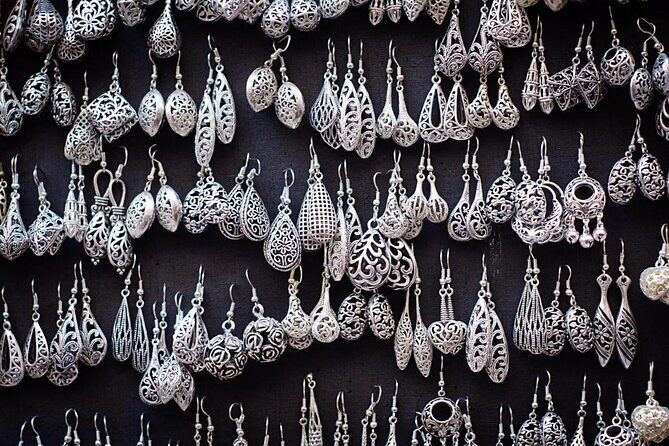
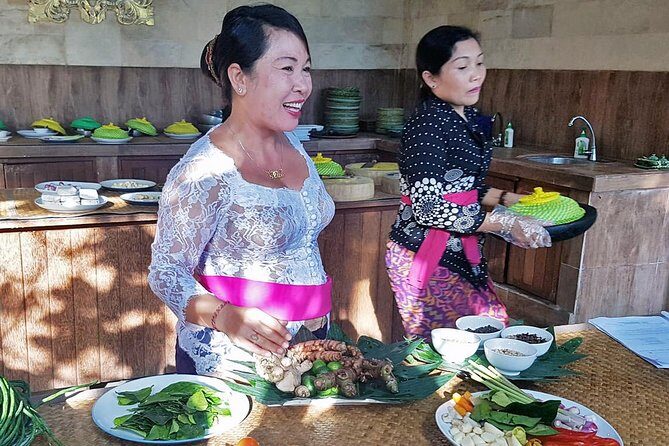
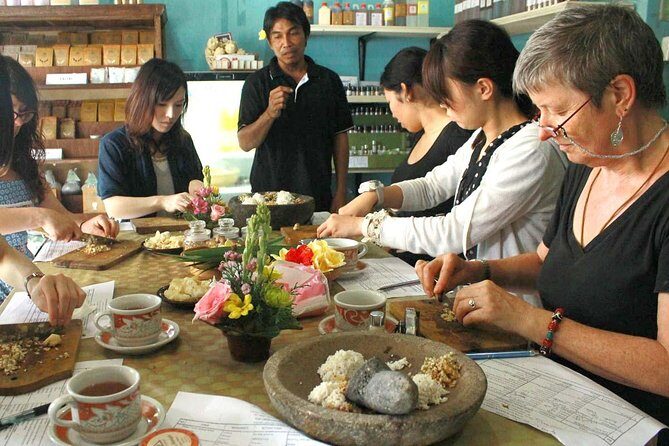
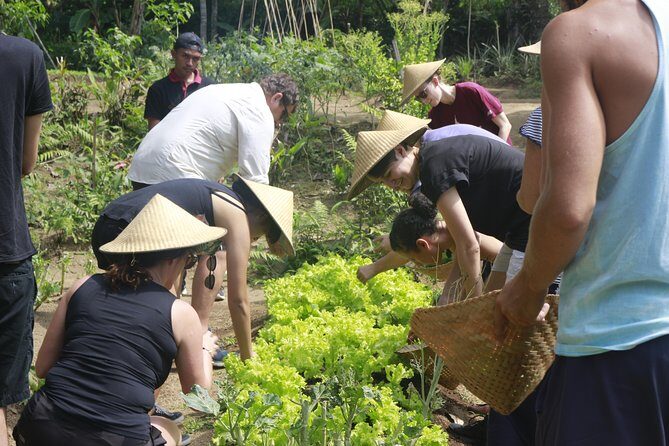
Your craft stop begins at Celuk Village, a place famous for gold and silver jewelry. Even if you’re not buying, it’s a great way to understand that Ubud isn’t only temples and rice. It’s also hands-on art and small workshops where techniques matter.
The tour format also gives you a choice from three famous art villages:
- Celuk: gold and silver jewelry
- Mas: sculptures and carvings
- Batuan: known for its art style
That choice matters because it helps tailor the day to what you actually care about. If you love seeing how materials turn into art, carvings or painting may feel more rewarding than jewelry. Either way, this is your “human scale” stop—less about grand scenery, more about craft and process.
Tegenungan Waterfall and Goa Gajah: a temple complex you’ll remember
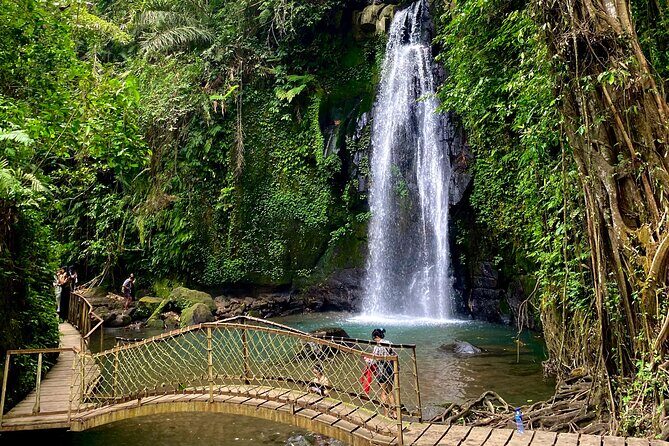
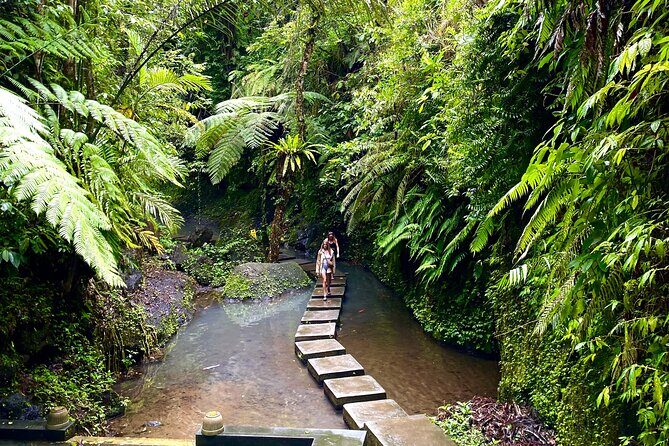
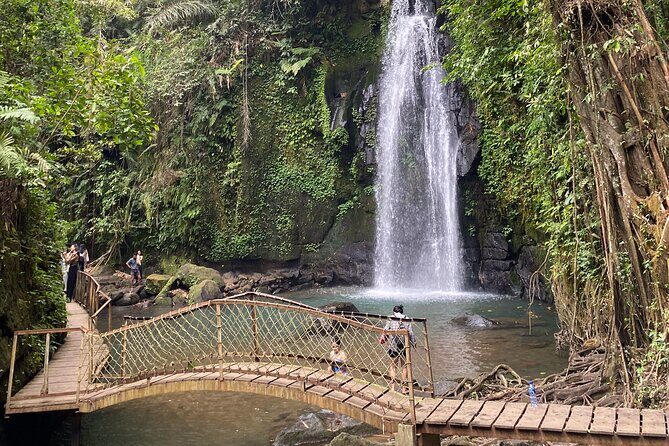
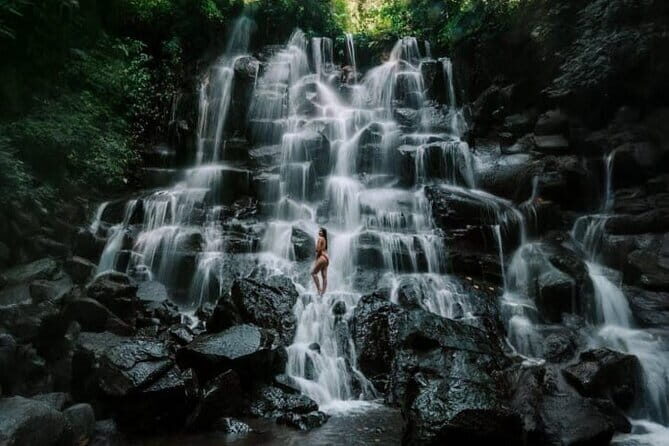
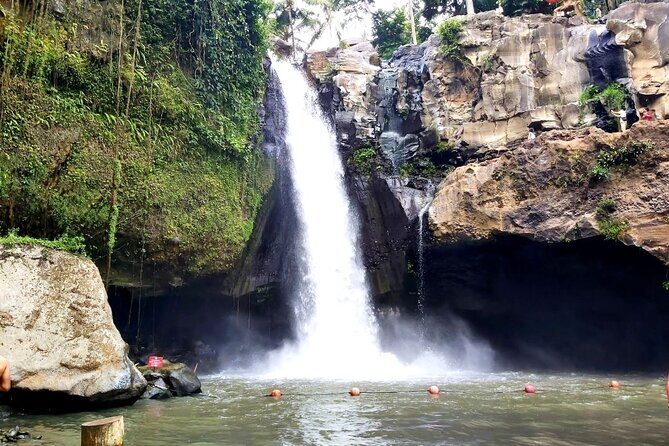
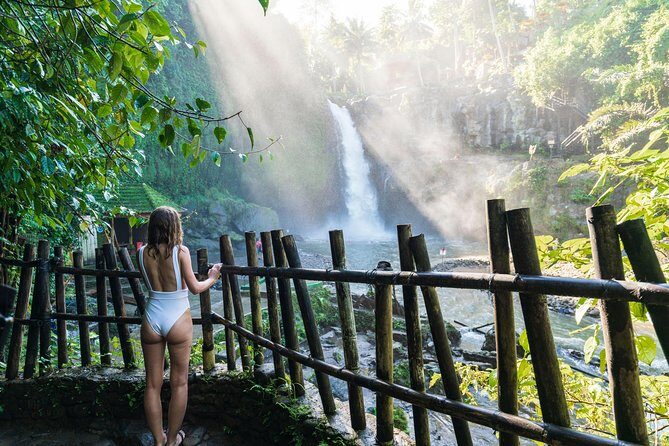
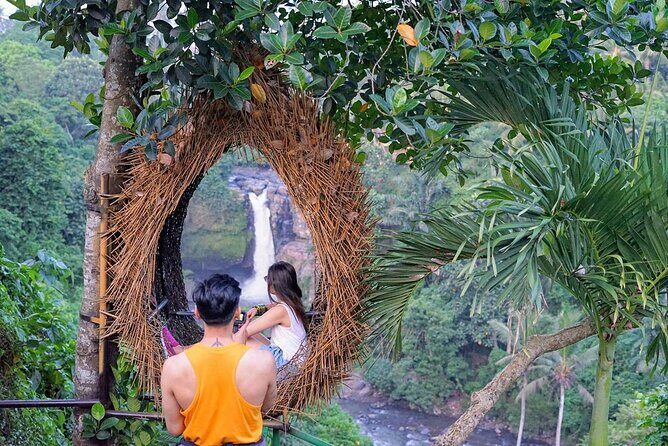
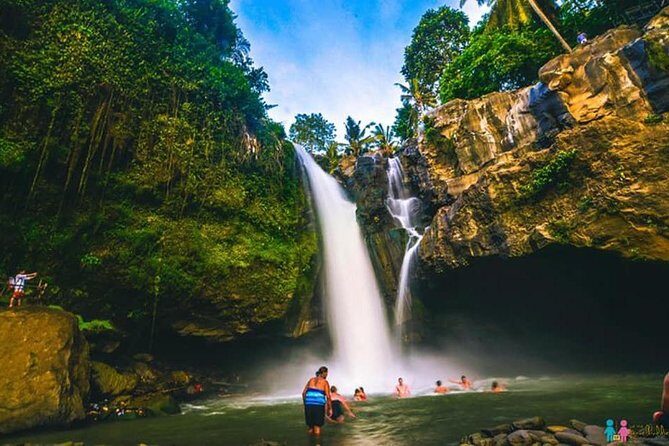
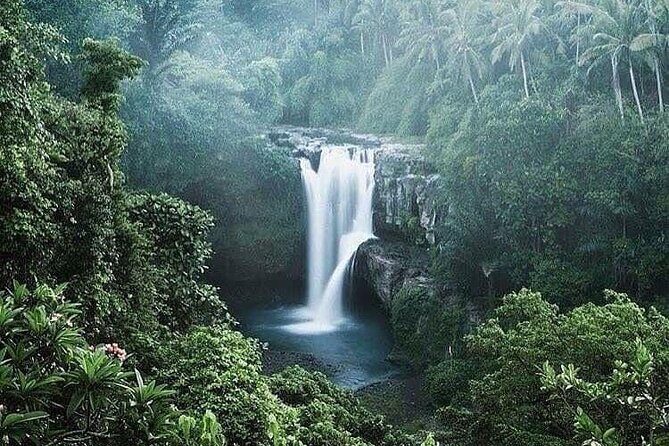
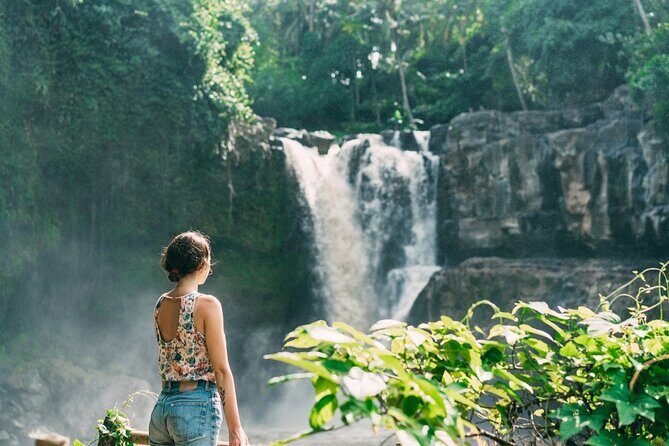
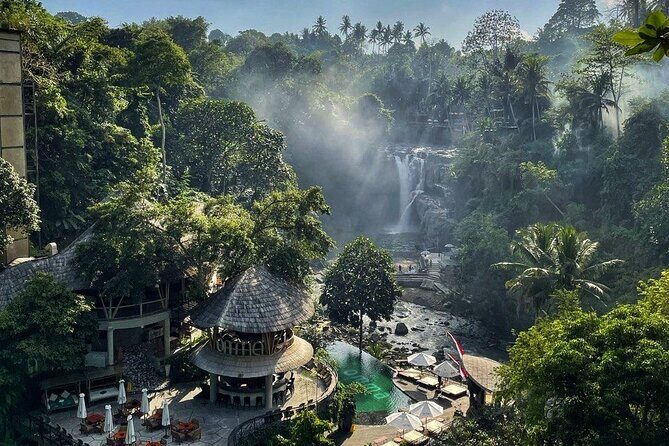
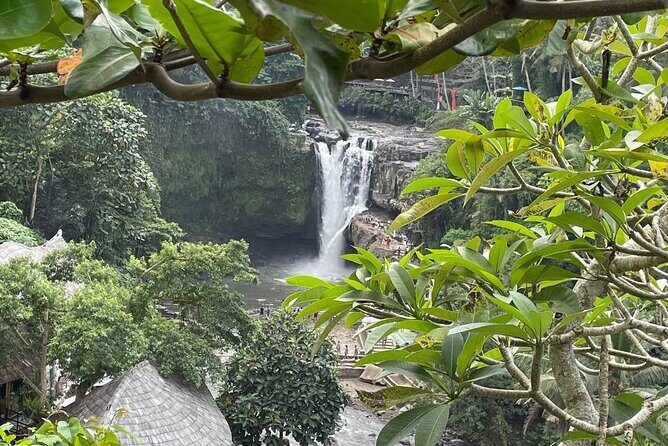
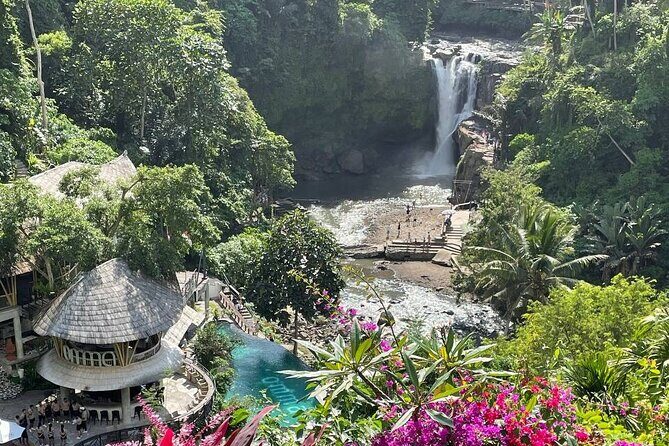
From craft workshops, the day pivots hard to nature at Tegenungan Waterfall. The description you should picture is a lush jungle setting with a wide green valley view and cascading water as the centerpiece. This is one of those places where even if you’ve seen waterfalls before, the setting makes the photo look different.
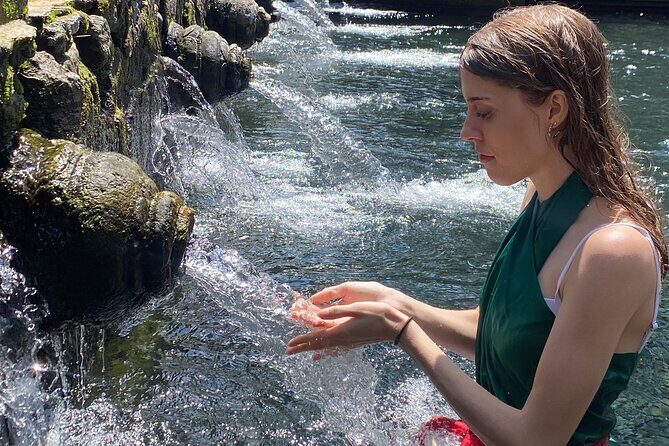
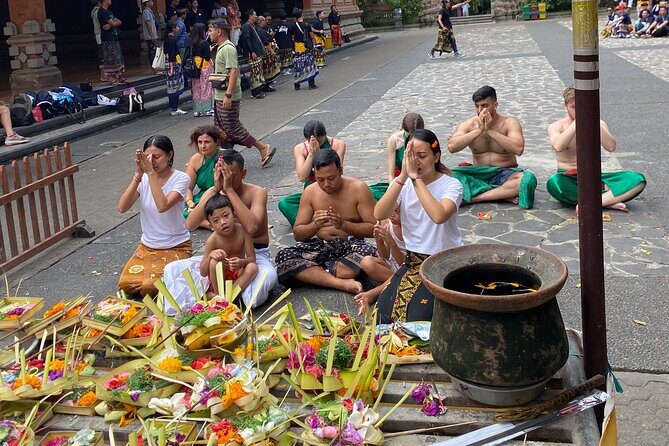
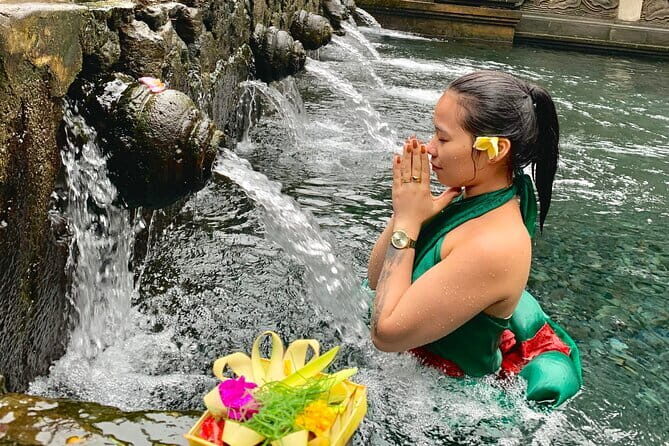
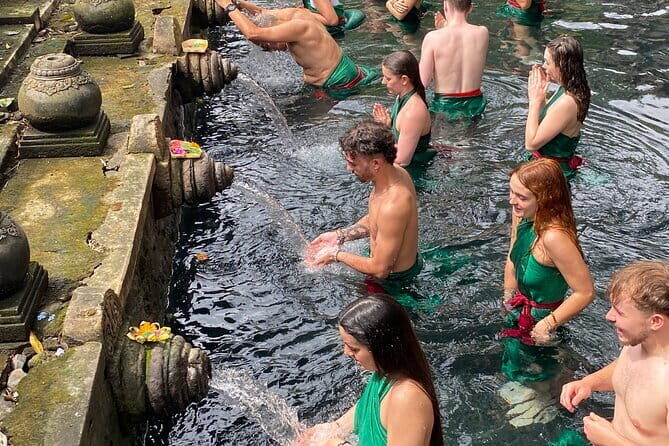
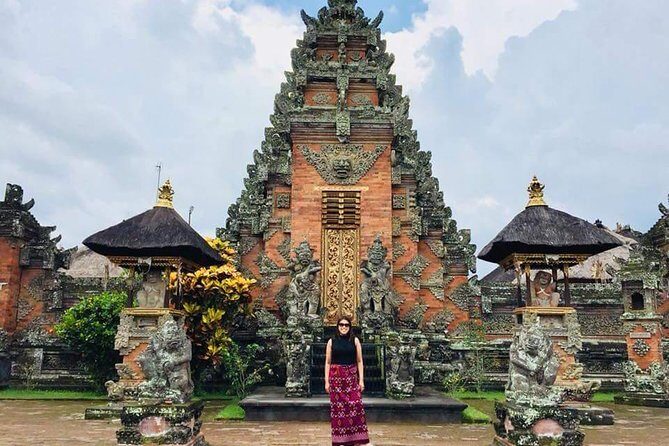
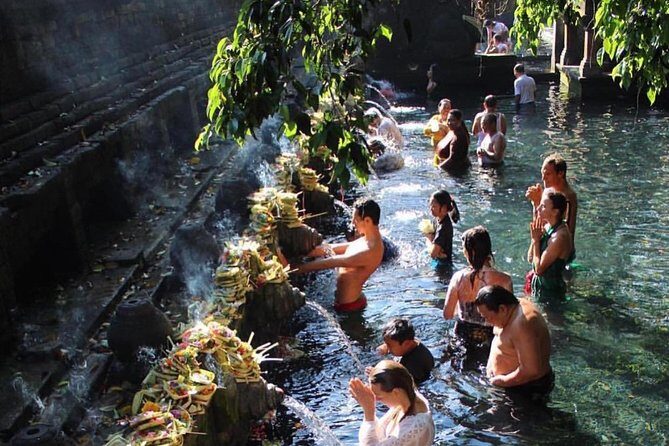
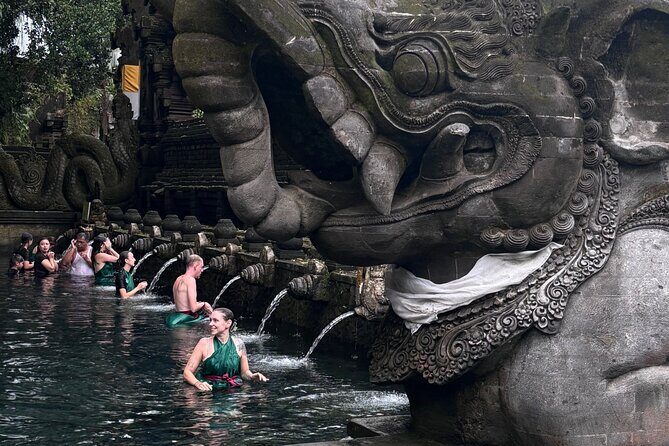
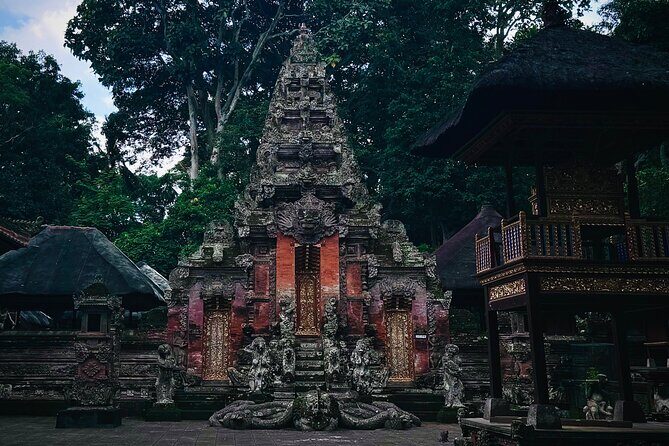
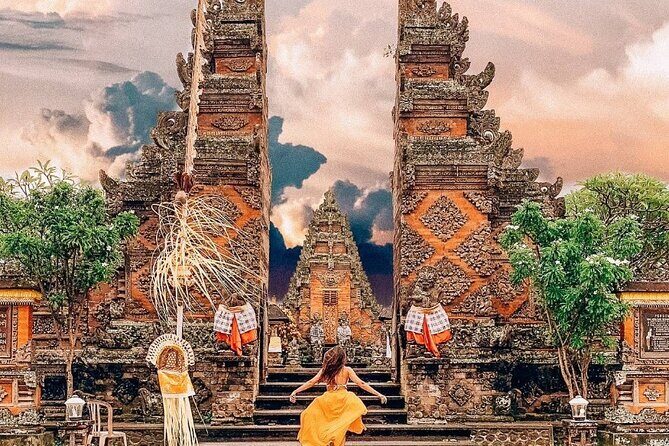
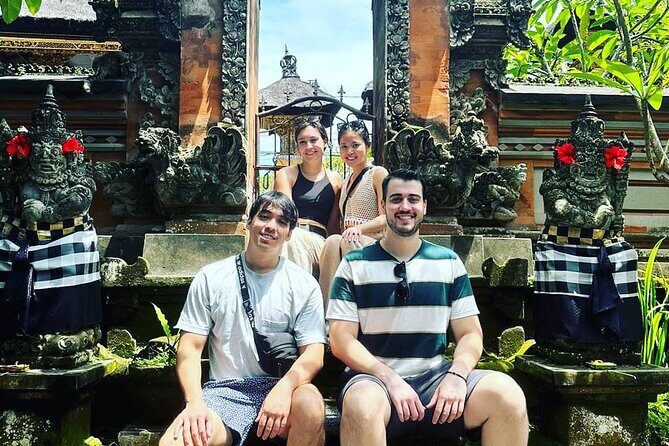
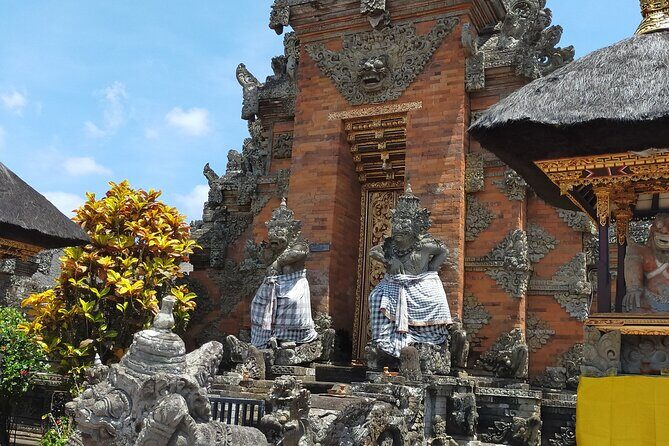
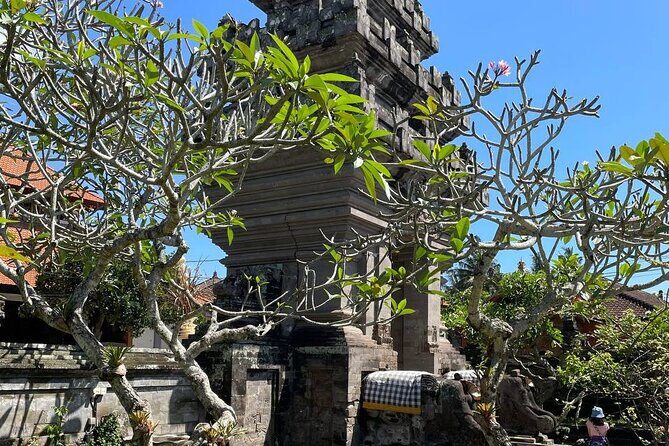
Then comes Goa Gajah, also called Elephant Cave, dated to the 11th century. This isn’t just a cave entrance. It’s an entire temple complex with an ancient cave, bathing pool, fountains, and stone-cut stupas. The setting gives you that “how old is this?” feeling fast.
Practical note: temple sites often reward a calm pace because details are part of the point. A guide helps because you’re not just looking at rocks—you’re learning what you’re looking at while you’re standing there.
Tegalalang Rice Terraces: what to look for (and how to shoot better)
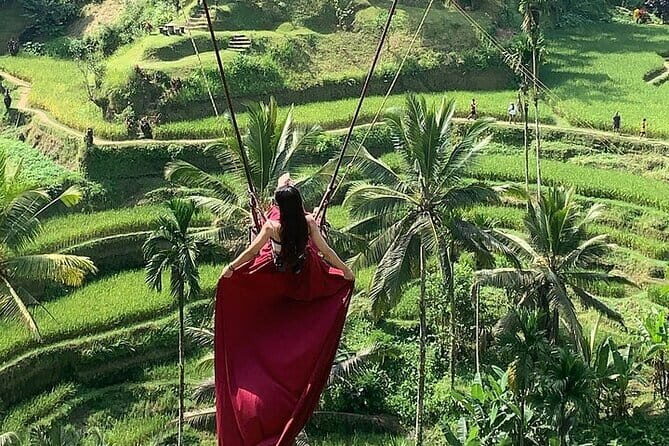
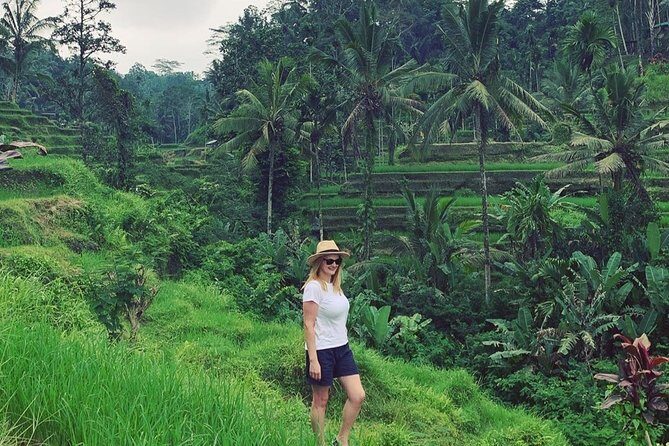
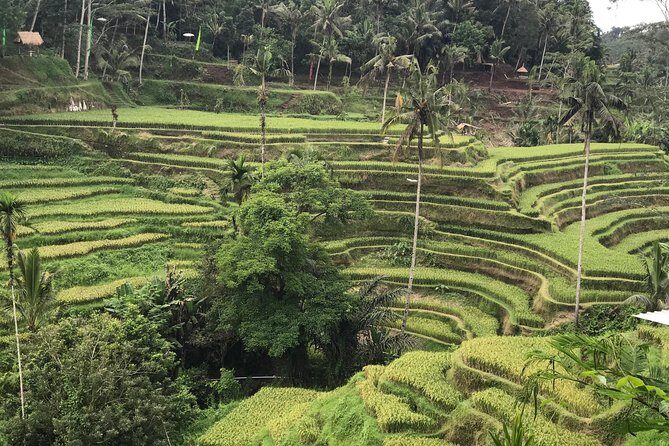
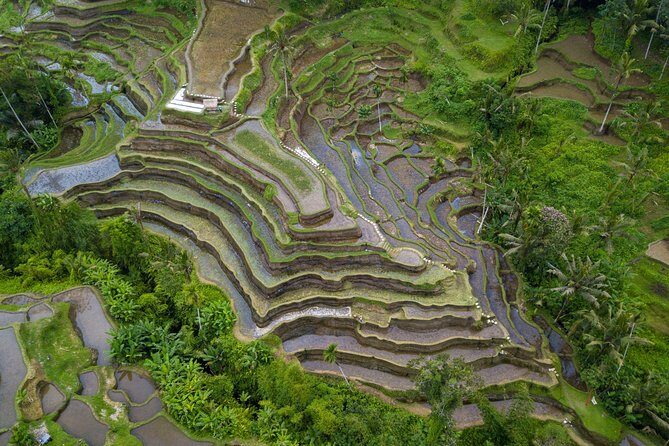
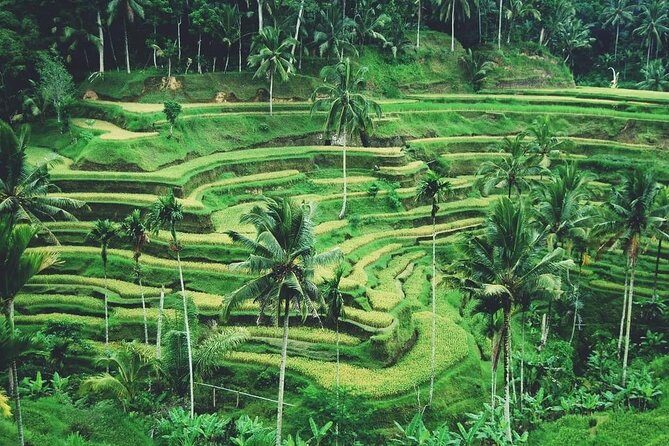
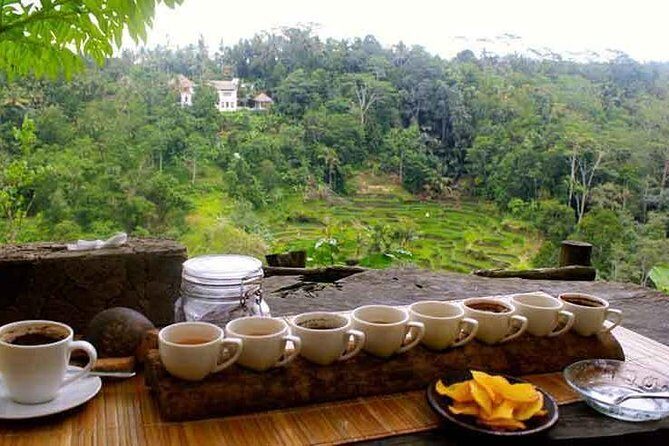
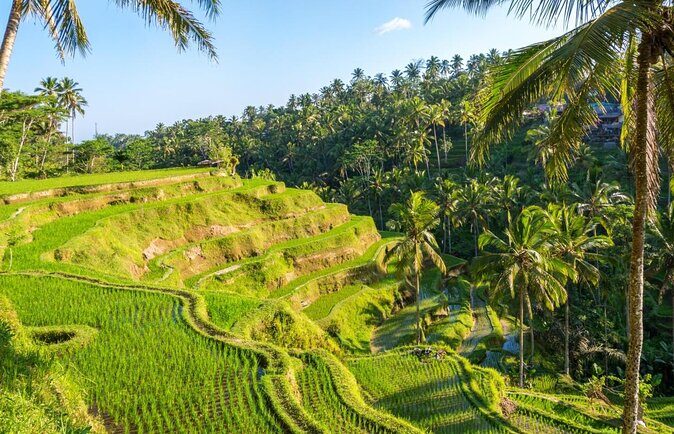
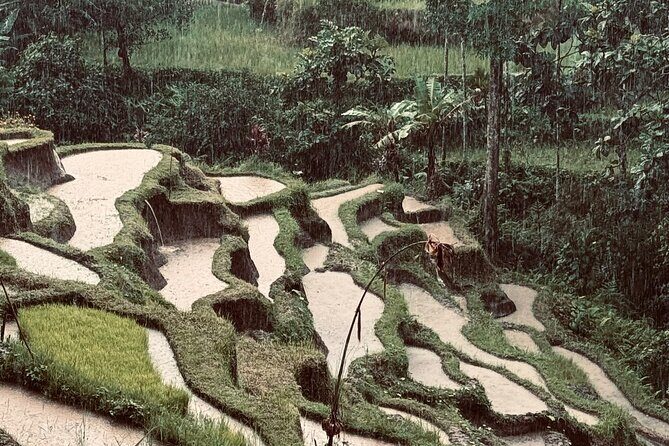
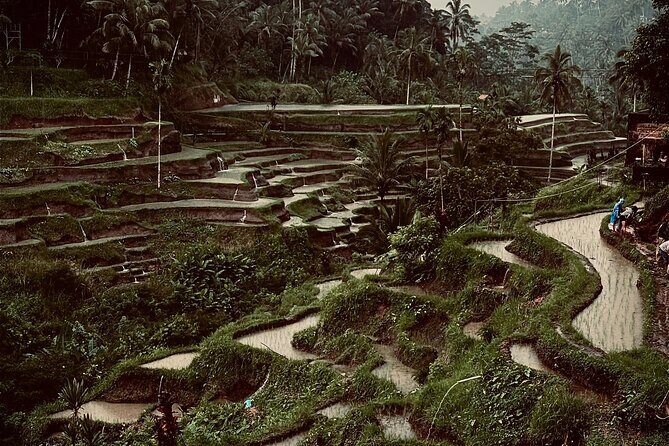
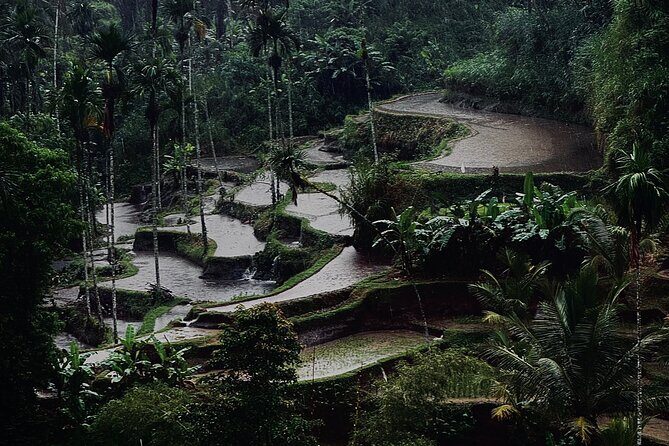
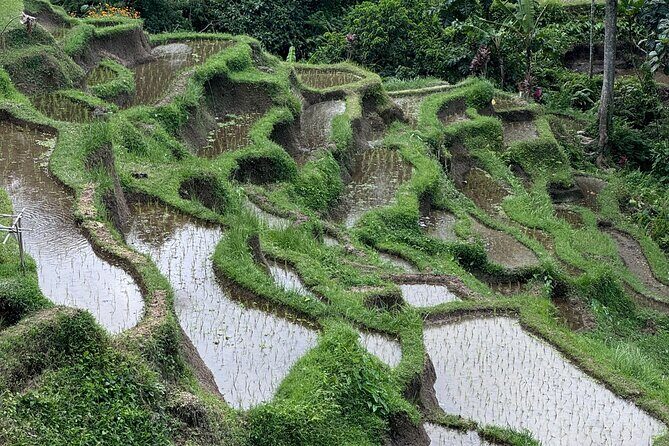
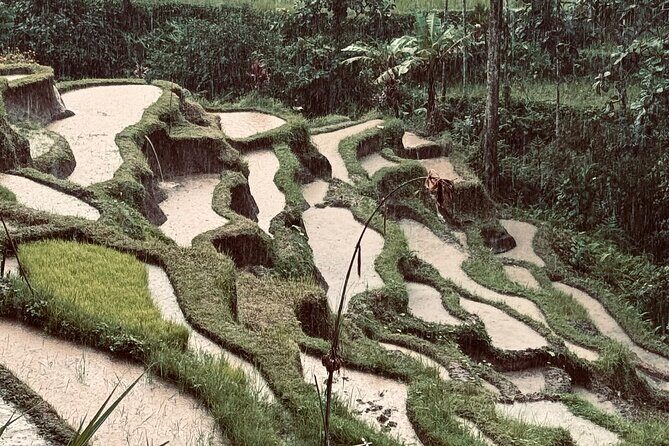
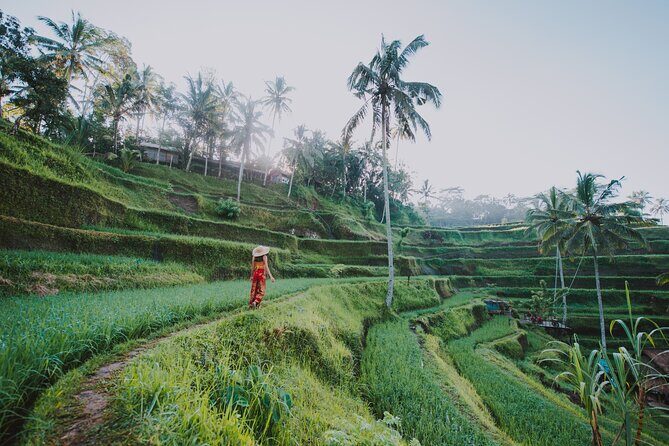
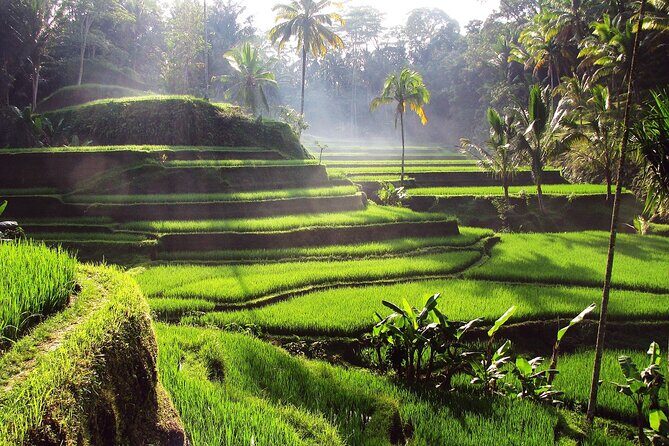
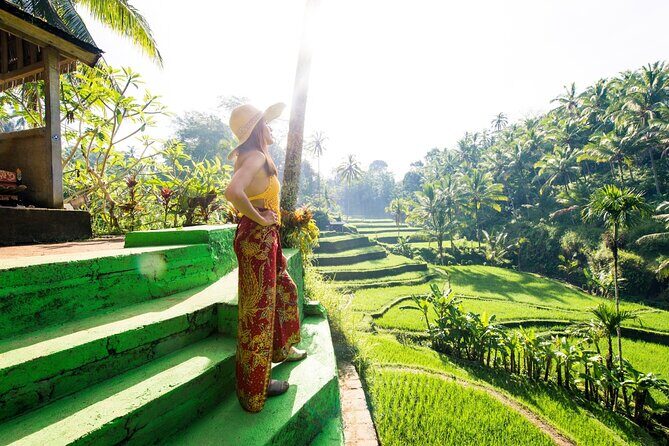
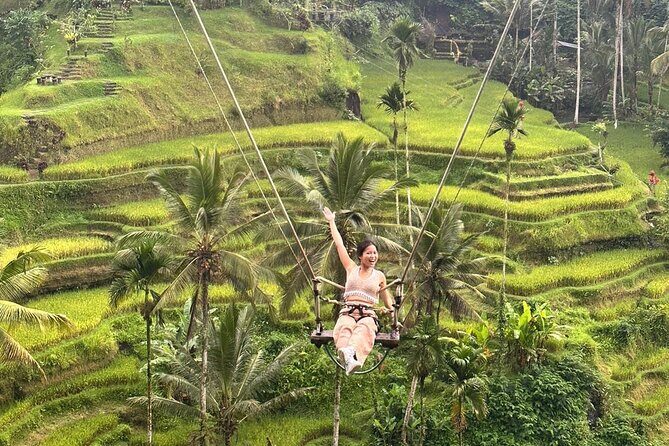
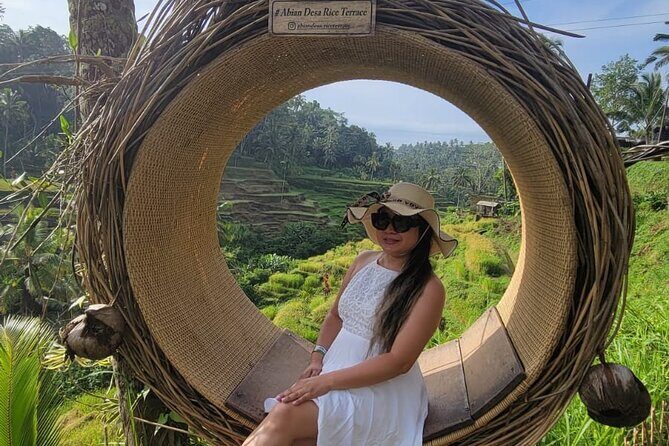
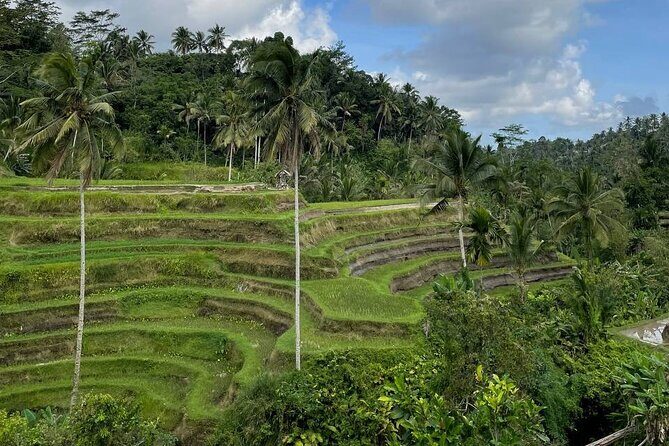
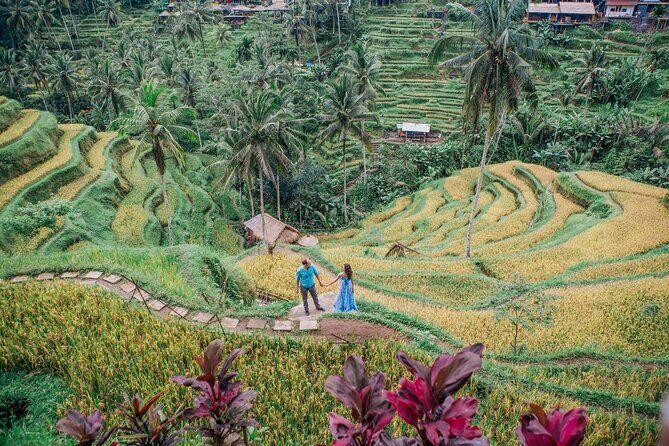
Tegalalang Rice Terrace is one of Ubud’s iconic views, and it’s easy to see why. Expect exotic rice fields spread through a valley, with paddies cascading down slopes and sweeping views across the opposite side.
Here’s how I’d work the stop to get the best results:
- Arrive ready to look over the rice terraces, not only at the nearest steps. The best views are down-valley.
- Take a few photos from different angles, since the terrace layers change how the light falls.
- Slow down just enough to spot the pattern of the terraces, since that’s what turns a photo from pretty to memorable.
If you’re visiting for scenery, this is the one stop where you can feel the “Ubud signature” most strongly. If you’re short on energy, it’s still worth it—because the view gives you an instant reward even if you’re tired from the morning driving.
Sacred Monkey Forest Sanctuary: seeing wildlife without making it a problem
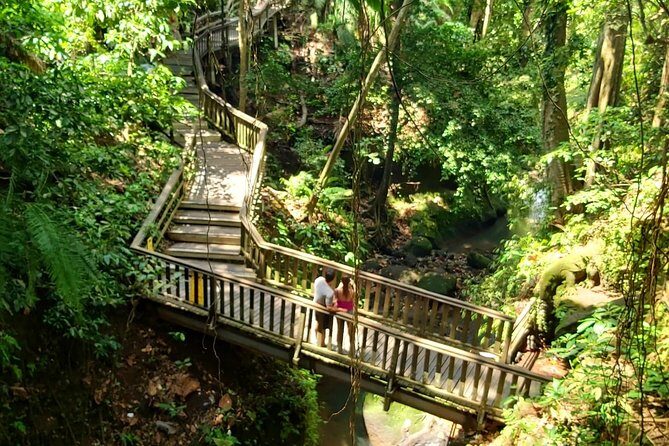
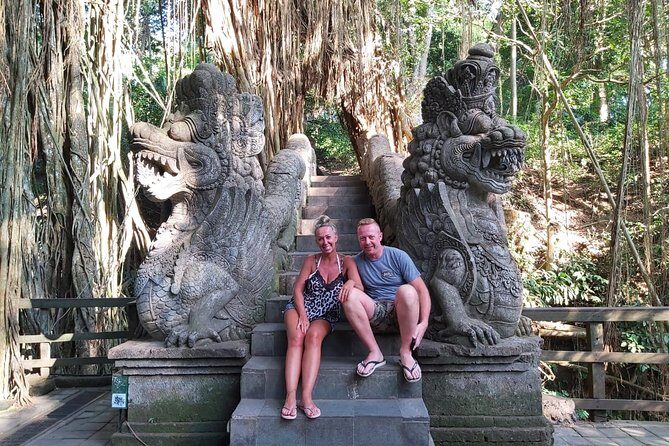
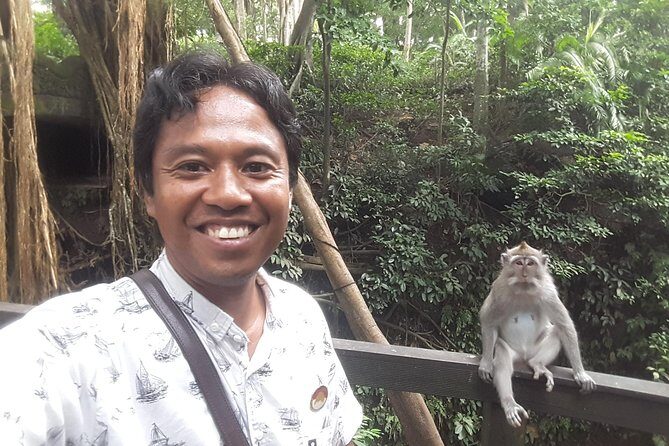
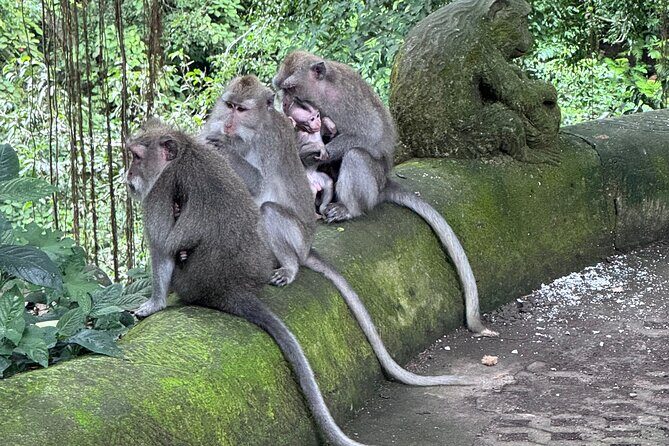
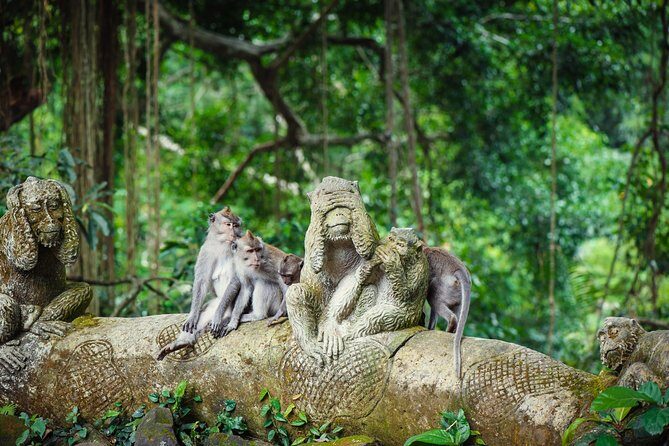
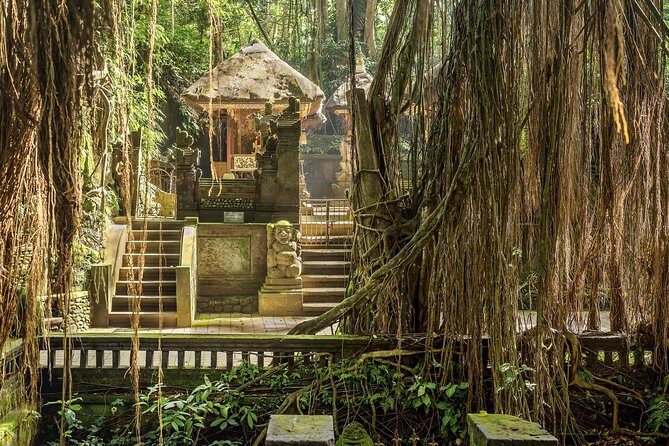
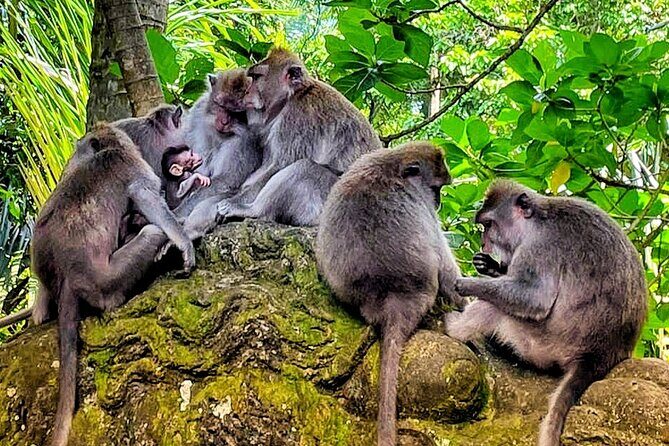
Next is Sacred Monkey Forest Sanctuary, described as the natural habitat of Balinese long-tailed monkeys, with more than 1,049 monkeys living there. The big idea is that monkeys roam freely, so you’re not only watching from a distance—you’re sharing the space.
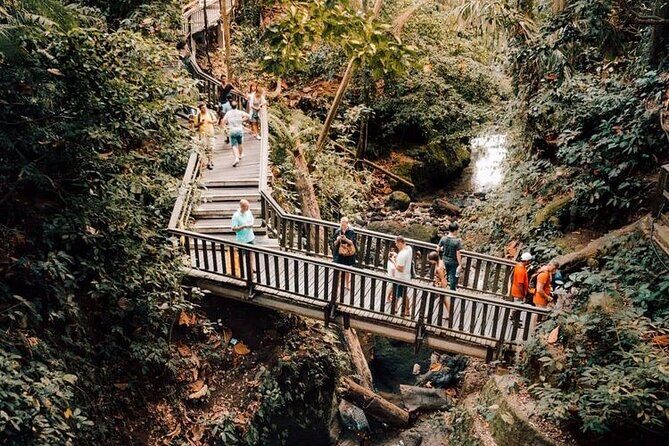
For your safety and the monkeys’ safety, follow the on-site rules and your guide’s instructions closely. Keep valuables secure, don’t tease, and treat it like a real animal habitat—not a theme park. A good guide also helps with practical “what to do if…” moments.
This stop is often a favorite because it’s unpredictable in the best way. One minute you’re walking through greenery and temple structures, the next you’re watching monkeys move with full confidence like they own the paths.
Ubud Center art market time, plus temple add-ons if you still have energy
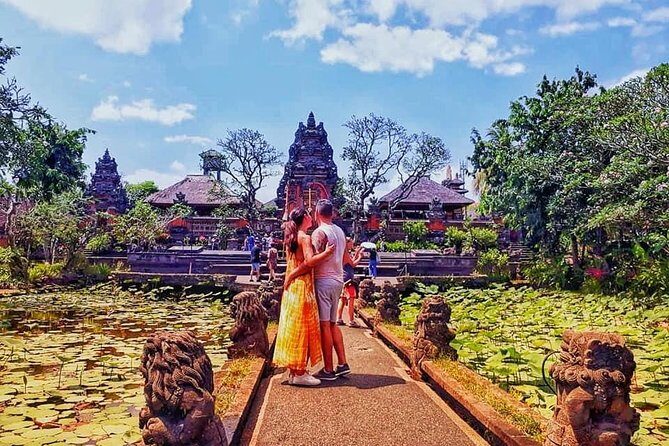
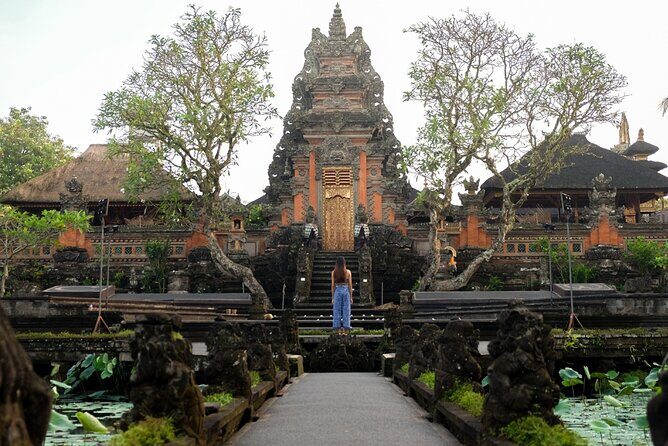
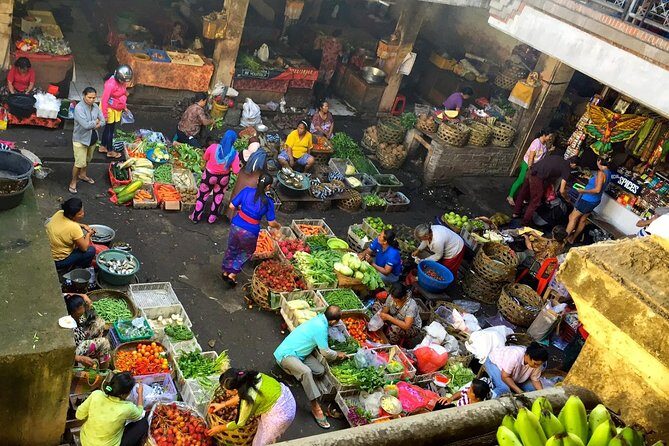
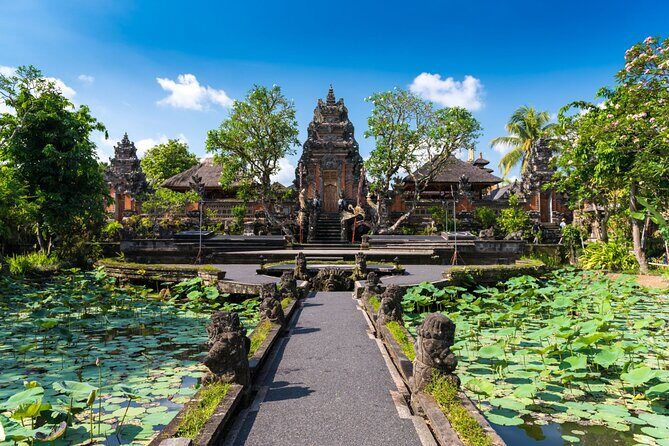
After the main highlight circuit, you get about one hour of free time in Ubud Center to explore the Ubud Traditional Art Market, plus nearby sights like Puri Saren Palace and Saraswati Temple (as listed for the area). This hour is the pressure release valve of the day.
Use that time to:
- Grab a cold drink or light bite (food isn’t included).
- Shop only if you’re ready to browse and compare—markets have plenty of variety.
- If you’re into temples, you can connect this free time with optional nearby stops if there’s slack in the schedule.
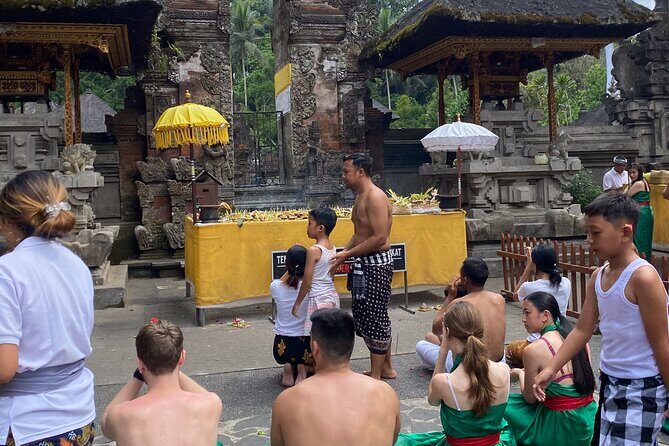
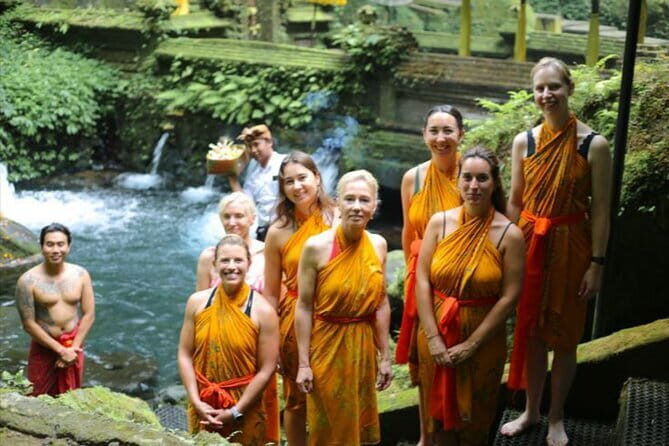
The tour also lists optional add-ons if time allows. From what’s specifically named, you might see options like Kajeng Rice Fields Walk, the Campuhan mountain valley view walk, and other temple-related stops (some mention sarongs required for entrance). If you know you’ll visit temple spaces, it’s smart to pack a light sarong or plan to rent one—because nothing ruins a good day like being turned away for lack of the right cloth.
The guide experience: why prompt, friendly explanations matter on this route
Because you’re moving from stop to stop, the guide isn’t just “background.” They affect how smoothly the day flows and how much you actually get out of each site.
In the feedback tied to this tour, guides such as Dastra, Arde, and Tedek are repeatedly praised for being prompt and friendly, and for going above and beyond to make the day enjoyable. One detail that stands out: your guide may arrive early and wait in the hotel lobby, which is exactly what you want when your day starts at 8:30am.
Also, since your guide is listed as English speaking and also acts as the driver, you tend to get fewer communication gaps. Instead of repeating information to multiple people, you’re working with one partner who understands the whole day.
Included comforts that make the day easier than DIY
This tour lists a lot of practical items included, which matters when you’re covering multiple major attractions:
- Private air-conditioned vehicle
- Pickup & drop-off from Sanur, Ubud, Kuta/Legian, Seminyak, Canggu, Jimbaran, Nusa Dua, Benoa, and Denpasar
- Bottled water
- Parking fees and gas/petrol
- Entry/admission fees for the featured stops
- A private tour setup (only your group)
Those inclusions add up because Ubud can be spread out. If you’ve ever tried to DIY a full highlight day, you know the hidden cost is time lost to transport logistics. Here, the goal is to get you between sites fast so you spend your energy on the places themselves.
What could feel less fun: the pace and how to plan for it
The only real drawback is that this is a highlight circuit. Each major stop is described at about one hour, which is enough to see the key points but not enough to be slow.
So, if you’re the type who likes to:
- linger at photo angles,
- chat for an hour with artisans,
- or wander side paths without an agenda,
you’ll probably want to treat some stops as “check it off” visits rather than deep exploration.
A second consideration is what always comes with wildlife and temples: you’ll need flexibility and basic etiquette. Go with the flow, listen when the guide gives instructions, and don’t expect to control every moment when monkeys are involved and temples have their own rhythms.
Who should book this Ubud highlights tour (and who should skip it)
This tour is a great fit if you:
- have limited time in Ubud and want the core icons covered,
- prefer private transport over public options,
- want admission included so you aren’t coordinating tickets,
- like guided context (so places make more sense as you walk through them).
It may be less ideal if you’re traveling with a group that strongly wants downtime, or if your idea of a vacation day is long, unplanned wandering. In that case, you might do better with fewer stops and more breathing room.
Quick practical tips for a smoother temple + waterfall day
A few small choices will make the day nicer:
- Bring a light layer for early morning and temple shade changes.
- Wear shoes that handle uneven walking, since temples and forest paths can be slippery.
- Pack sunscreen and a hat—your day includes open views at rice terraces and waterfall time outdoors.
- Bring cash if you want snacks and drinks, since food and drink aren’t included.
- For temple add-ons where sarongs are required, plan to have one.
If you’re worried about weather, you can still go—just keep expectations flexible. Waterfall areas can change quickly with conditions, and jungle weather is part of the setting.
Should you book this Ubud highlights tour?
I’d book it if you want an efficient, guided day that hits Ubud’s big-name sights while keeping logistics simple. The best reason is value: private transport + included admissions turns a messy DIY day into a mostly guided, mostly problem-free run.
I’d think twice if you dislike tight pacing or you’re chasing a slow, laid-back itinerary. This tour is built to move. When you match that style, you’ll get a day that feels full without feeling chaotic.
If your Ubud plan is “see the essentials,” this is one of the safer bets for a smooth first pass through the area.
FAQ
What time does the tour start and how long is it?
It starts at 8:30am and runs for about 9 hours.
Is pickup and drop-off included, and where does it pick up?
Yes. Pickup & drop-off are included from Sanur, Ubud, Kuta/Legian, Seminyak, Canggu, Jimbaran, Nusa Dua, Benoa, and Denpasar.
Are admission fees included for the stops?
Yes. Entry/Admission fees are included, along with bottled water, parking fees, and gas/petrol.
Is food included during the tour?
No. Food and drink are available for purchase, but they are not included.
Is this tour private or shared with other groups?
It’s private. The tour/activity notes that only your group will participate.
Does this tour require tips or gratuities?
Gratuities are listed as optional, so you’d decide what to give.