Bali: Ubud Palace Legong Dance Show Ticket

Bali: Ubud Palace Legong Dance Show Ticket - What makes Legong Kraton feel so precise

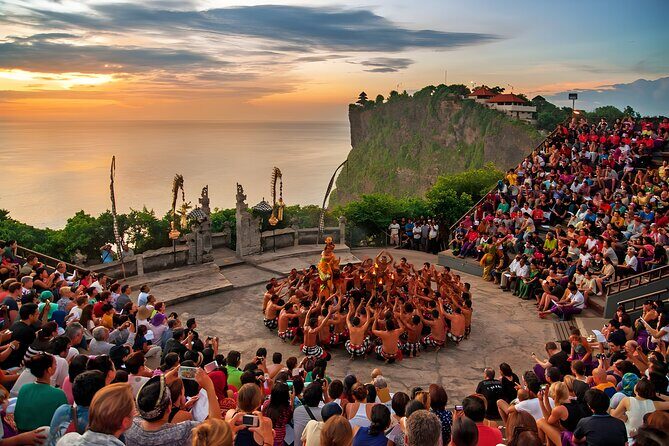
Legong at Ubud is pure wrist-and-eye magic. This Legong Kraton show is a window into Bali’s old court traditions, performed by young dancers in gold costumes while a live gamelan orchestra drives every beat. It’s staged right in Ubud, so the cultural payoff feels close to the city, not tucked away in a hard-to-reach corner.

I particularly like how the dance is built on tiny hand gestures and controlled facial expressions, so the performance reads even if you don’t know the language. I also love the value: at about $6, you’re getting a full classical-dance experience with live music and real storytelling energy.

One thing to plan around: it gets crowded fast, and filming phones can interfere with the view and mood. Seats are limited, and the best spots are earned by arriving early.

Key things to know before you go

Bali: Ubud Palace Legong Dance Show Ticket - Key things to know before you go

  • Go early for seats: arrive about 45–60 minutes before showtime if you want a clear view.
  • It’s outdoor seating: comfortable enough when weather cooperates, but it can get hot and tight.
  • Read the story aids: pamphlets help you follow who is who and what’s happening.
  • Expect crowds and phone lights: people filming is a real distraction during parts of the show.
  • Stage location may surprise you: the performance is not always on the palace main grounds.
  • Bring cash and a camera: cash is useful for on-site purchases, and photography is part of the fun.

Ubud Palace Legong Kraton: a classic Bali dance in practical terms

Bali: Ubud Palace Legong Dance Show Ticket - Ubud Palace Legong Kraton: a classic Bali dance in practical terms
If you want one Bali night that feels distinctly Balinese (not just a generic show), Legong Kraton is a smart pick. This dance is one of Bali’s most revered classical court styles, originally performed in royal settings and shaped by court discipline and symbolism. You’ll see that formality immediately: the dancers don’t move like a casual performance. They move like they’ve trained for exact timing, exact angles, and exact expression.

This show lasts about 90 minutes, so it’s long enough to feel like a real event, not a quick photo stop. It’s also simple logistically: you go straight to the ticketing counter at Ubud Palace, get sorted, and take your place for the performance.

The other reason I think this works well for most travelers: it’s not only about steps. It’s about story. Legong is traditionally linked to a royal tale of love, conflict, and destiny, supported by the rhythm of a gamelan ensemble and the dancers’ facial work. Even if your understanding is basic, you can still track the emotions and the turning points.

What makes Legong Kraton feel so precise

Bali: Ubud Palace Legong Dance Show Ticket - What makes Legong Kraton feel so precise
Legong is famous for its delicate, controlled technique—especially the hands. Those gestures aren’t decoration. They act like punctuation in the story, letting the dancers show meaning with small movements. The choreography also includes fast, precise actions that can look effortless from the audience, even though they’re anything but.

A key visual element is the costume work: you’ll typically see young female dancers wearing elaborate gold outfits and ornate headdresses. The look matters because the dance is designed to be read from a distance—costume detail helps the characters stand out, and the bright gold intensifies how the movements register in the light.

Then there’s the gamelan. The music isn’t a background soundtrack; it’s the engine of the performance. You’ll feel the orchestra’s rhythms cue changes in the dancers’ energy and timing. If you like traditional instruments, this show delivers without needing extra context.

If you want one small homework shortcut, take it: pick up and read the story notes or pamphlets handed out on site. A few minutes of reading helps you follow who’s who and why certain scenes matter. Without it, the dance still works visually—but you’ll connect fewer dots.

Finding your seat at Ubud Palace: timing is everything

Bali: Ubud Palace Legong Dance Show Ticket - Finding your seat at Ubud Palace: timing is everything
Your ticket is valid for the selected date, and you’ll want to show up ready to stand in line without stress. Meeting point is straightforward: head directly to the ticketing counter at Ubud Palace.

Now for the real ticket hack: seating fills early. Multiple people note the venue packs up quickly, and if you arrive late, you may end up standing or watching from angles that cut off the view. A good rule is to arrive about 45–60 minutes early. If you’re picky about photos or you want a front-area sightline, go even earlier.

Also pay attention to how you get in. Some bookings can route you through a different entrance on the other side of the complex. It’s not hard, but it can be confusing if you assume there’s only one obvious path.

One more practical point: seats can be limited, and some areas may involve floor viewing. There are mats placed near the front in at least some setups, but access may require buying a drink from the vendors nearby. Plan a small budget for that if you care about sitting close.

The show itself: what happens during the 90 minutes

Once you’re seated, the pacing feels like a proper performance, not a rushed lineup. The dancers use strong facial expressions, quick eye focus, and controlled posture to communicate the story in layers. That can be especially striking if you’ve been reading or learning basic Balinese themes during your trip.

A common tip that keeps repeating for a reason: arrive early because the show starts and fills in around you. By the time the performance is underway, the crowd noise drops into a shared attention—but only if people aren’t constantly blocking lines of sight. Keep your expectations realistic: yes, you’ll see plenty of phones raised. If you’re the type who wants a quiet, focused experience, choose your seating spot strategically and be ready to mentally filter the filming.

The show is also long enough that you’ll notice fatigue if you’re standing. A few people mention the length and suggest that you can leave if you need to step out. That flexibility matters if you’re traveling with kids, or if you’re sensitive to heat.

If you go for an evening show (like the popular 7pm slot), plan your dinner timing. One schedule example puts the end around 9:15. So treat it like a real dinner-shift decision, not a casual activity.

Cost and value: is $6 really enough?

For around $6 per person, this is one of the most affordable ways to watch a serious classical performance in Bali. The value comes from three things:

  • You get live music, not canned audio.
  • You get costumed dancers with trained technique.
  • You get a full 90-minute show rather than a short “highlight reel.”

Even if the venue setup isn’t perfect, the core experience is strong: ornate costumes, intricate choreography, and the gamelan rhythms that make the dance come alive. At this price point, you’re not paying for transportation or a guide. You’re paying for access to the performance itself, and that’s exactly what you should compare it to.

One balanced note: the infrastructure isn’t always what you’d expect for comfort. Some seating areas are basic, and the venue can feel crowded or tight. If you expect theater-style comfort, adjust your mindset: think cultural event first, comfort second.

Crowds, filming, and comfort details that affect your view

This show has a big draw, and that means crowds. The most common downside is simple: people filming the entire performance can be distracting. Phone screens and raised arms can partially block the view, especially if you end up in a lower-seated or side position.

Where you sit changes what you see. Several people mention the side sections can offer better angles with fewer obstructions. Others point out the show is mostly presented toward the front, so sitting on the wrong side can make parts feel less clear.

Weather matters too. Since the performance is held outdoors, it can feel great when the air is comfortable—but it can also be hot, especially when the crowd density traps warmth. If you run warm, bring a small fan or something similar.

Toilets and food are another practical reality check. One person notes there was no toilet available, so don’t count on facilities being easy. For drinks, vendors sell refreshments inside the venue area. That’s convenient, and it also supports the small ecosystem around the show.

Where the show is staged (and why that matters)

One detail that can surprise you: the performance may not be happening on the palace main stage you picture. Some mention the show is staged on a setup across the road rather than inside the palace grounds. It still connects to the Ubud Palace experience, but your mental map may not match the physical one.

That’s why arriving early helps more than you’d think. When you have time, you can find the correct entrance, locate seating areas, and avoid wandering around when the venue is already packed.

Who should book this Legong ticket, and who might skip it

Bali: Ubud Palace Legong Dance Show Ticket - Who should book this Legong ticket, and who might skip it
I’d book this if you want:

  • A true Balinese classical dance in one focused evening block
  • Live gamelan music as part of the experience
  • A low-cost cultural activity that doesn’t require a complex itinerary

You might reconsider if:

  • You hate crowds and don’t want to deal with constant phone filming
  • You need theater-like comfort (limited seating and basic viewing are common)
  • You’re very short on time and can’t arrive early

Kids are charged at the same rate as adults, so it’s not a discounted family ticket. On the bright side, the performance is visually engaging, and the costumes and music tend to hold attention.

Should you book Ubud Palace Legong Kraton?

Bali: Ubud Palace Legong Dance Show Ticket - Should you book Ubud Palace Legong Kraton?
Yes, if you’re willing to play the seating game. For about $6, you’re getting a genuine classical performance with ornate costumes and live gamelan backing. The biggest risk is not the dance—it’s view quality and crowd distraction. If you arrive early, read the story notes, and accept the outdoor-venue reality, this is a high-value Bali night.

If you’re the type who wants comfort first, bring earplugs or choose a spot with a clean line of sight and plan a quick rest break. But for most people, this is one of the easiest ways to experience Bali’s traditional court dance style without paying tour-package prices.

FAQ

Where is the meeting point for the Legong dance ticket?

You should head directly to the ticketing counter at Ubud Palace.

How long is the Legong Kraton show?

The show runs for about 90 minutes.

Is hotel pickup or drop-off included?

No. Hotel pick-up and drop-off are not included.

What should I bring to the show?

Bring a camera and cash.

Are children charged the same as adults?

Yes. Children are charged at the same rate as adults.

Can I get a refund if my plans change?

No. The activity is non-refundable.

Is the performance held outdoors?

Yes, it’s staged on an outdoor stage, so plan for open-air conditions.

Best of Ubud 1-Day Private Tour

Best of Ubud 1-Day Private Tour - Your 8:30am Start and the 8–9 Hour Reality

One day can hit Ubud’s best in one loop.

This private driver-guide plan links Celuk’s craft village, the classic Balinese carvings at Batuan Temple, the jungle roar of Tegenungan Waterfall, and the photo-famous rice terraces at Tegalalang. You also get dedicated time at Ubud Monkey Forest and a quick look around central Ubud, with guides like Oka, Sudi, and Gede often stepping in as driver, storyteller, and on-the-spot photo helper.

I love two things about this style of Ubud day. First, it saves you from hopping between far-flung sights with slow public transit. Second, the price already covers entry/admission fees for the main stops plus bottled water—so you’re not doing money math every time you arrive at a gate.

One consideration: it’s a full 8–9 hour push. You’ll do some walking at temples, terraces, and the Monkey Forest, and the schedule gets tighter if traffic runs hot—so pack water, wear grippy shoes, and keep your expectations flexible for short breaks.

Key things that make this Ubud day work

Best of Ubud 1-Day Private Tour - Key things that make this Ubud day work

  • Private transport solves Ubud’s sprawl: the headline sights sit outside the center.
  • Celuk Village is a real craft stop: silver/gold work, wood carving, and painting options.
  • Batuan Temple rewards slow looking with its classical Balinese-style carvings.
  • Tegenungan + Tegalalang give you both waterfall power and terraced-rice views in one day.
  • Monkey Forest is best with a guide mindset: rules, timing, and photo help matter.
  • Central Ubud time is built in for the Art Market and Ubud Palace.

Why This Private Ubud Loop Makes Sense

Best of Ubud 1-Day Private Tour - Why This Private Ubud Loop Makes Sense
Ubud is not one compact “walk everywhere” place. It’s a cluster of neighborhoods and countryside hits that spread out into rice valleys, temple grounds, and craft villages. A private setup matters because it keeps you moving efficiently without the stress of timing buses or squeezing into shared vans.

I also like that your day mixes big-name scenery with cultural stops. One minute you’re looking at temple details. Next minute you’re watching water crash over stone at Tegenungan. Then you’re back in rice-terrace country, where the view is the whole point.

The tone here is practical. You’re not just touring for a checklist. A good guide will help you spot what to notice—like how temple carvings tell a story, or why certain viewpoints at the rice terraces feel better for photos.

Your 8:30am Start and the 8–9 Hour Reality

Best of Ubud 1-Day Private Tour - Your 8:30am Start and the 8–9 Hour Reality
You start at 8:30am, and the day runs about 8 to 9 hours. That means an early morning pickup from your hotel area, followed by a steady rhythm of driving and visiting.

The best part of the long day is variety. You get waterfall, terrace, temple, and a forest encounter—plus short breaks in central Ubud. The tradeoff is fatigue. By late afternoon, you’ll feel the walking and waiting, especially around popular photo stops and temple entrances.

If you’re the type who loves to linger, I’d still keep your pace reasonable. This tour is designed to fit multiple regions into one day, so you’ll want to choose where you stretch your time. A flexible guide can help you adjust, but it can’t cancel traffic or sudden weather.

Celuk Village: Crafts You Can Actually Shop With Your Eyes

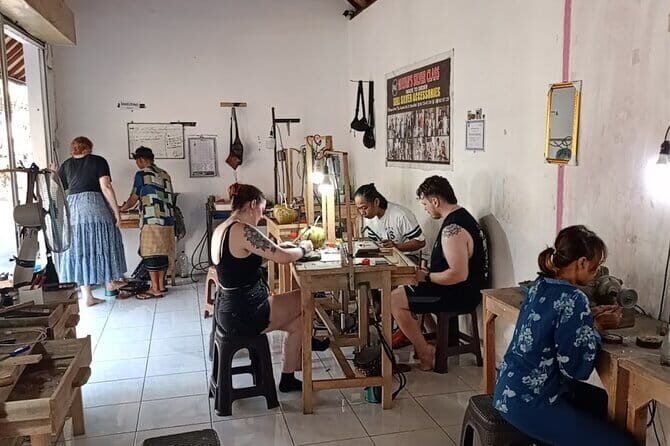
Celuk Village is the art village stop, where you can choose the kind of craft you want to see and buy. The focus options include silver/gold, wood carving, and painting.

This is a good first stop because you’re fresh, alert, and still thinking in “learning mode.” Temple and waterfall days can blur together, but craft villages add a different kind of context. You also get a full 1 hour here, which is enough time to look around without feeling rushed.

Practical tip: go in with a simple plan. If you love small items, check jewelry-making and metalwork. If you like texture, wood carving catches the light in a way flat souvenirs can’t. If you’re into art, painting stalls help you compare styles quickly.

Batuan Temple: Classic Balinese Carvings Up Close

Best of Ubud 1-Day Private Tour - Batuan Temple: Classic Balinese Carvings Up Close
Batuan Temple (Pura Puseh Desa Batuan) is a traditional Hindu temple built in a classical Balinese style, known for elaborate carvings. You get 1 hour at this stop, including entry.

This is the stop that rewards slow attention. Instead of just snapping a few pictures, you’ll want to look at the layered carvings, the architectural details, and the way the temple complex feels lived-in rather than staged for tourists.

One smart way to enjoy it: use your guide’s explanations in the moment. Even if you only catch a few points, it changes your eye from tourist mode to observer mode. In a lot of Bali tours, the temple becomes background. Here, it can be the highlight.

Tegenungan Waterfall: Jungle Scenery With a Wet-Feet Risk

Best of Ubud 1-Day Private Tour - Tegenungan Waterfall: Jungle Scenery With a Wet-Feet Risk
Tegenungan Waterfall is your 1 hour nature stop, built around the foaming water and lush surroundings. It’s a satisfying change from temples and shops, because the waterfall forces your attention to one thing: sound, motion, and that constant green backdrop.

This is also a stop where conditions matter. You may want quick-dry clothing or at least be ready for spray and wet steps. If you’re bringing sandals, consider shoes with grip. The point isn’t to “be tough.” It’s to keep your footing calm so you can enjoy the view.

Photo note: guides can help you time viewpoints, so you get the waterfall look without standing in the worst crowds for too long. Many of the stories I’ve heard from guides like Tegeg and Aris center on helping people get solid shots while you keep moving.

Tegalalang Rice Terrace: Terraces That Make Time Feel Different

Best of Ubud 1-Day Private Tour - Tegalalang Rice Terrace: Terraces That Make Time Feel Different
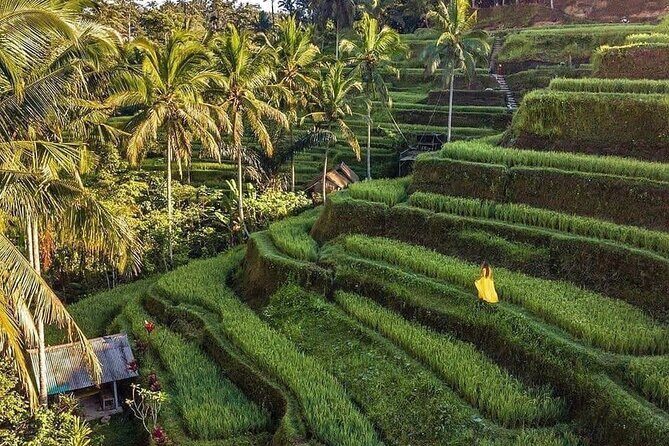
Tegalalang Rice Terrace is one of those places where the view grabs you by the brain. You get 1 hour here, and it’s a favorite for nature lovers because the terraced paddies are basically designed for looking.

What I like about pairing this with a waterfall stop is how different your senses get. At Tegenungan, you’re reacting to sound and mist. At Tegalalang, you’re reading the lines of the terraces—walking paths, levels of green, and the way the light hits leaves and water.

A helpful mindset: don’t rush. Even if you only explore the main viewpoints, giving yourself time helps you notice how the terrain folds. You can also shift your walking style: some spots are better from up a little higher, others feel best closer to the edges (where available).

Sacred Monkey Forest Sanctuary: A Fun Stop That Needs Common Sense

Best of Ubud 1-Day Private Tour - Sacred Monkey Forest Sanctuary: A Fun Stop That Needs Common Sense
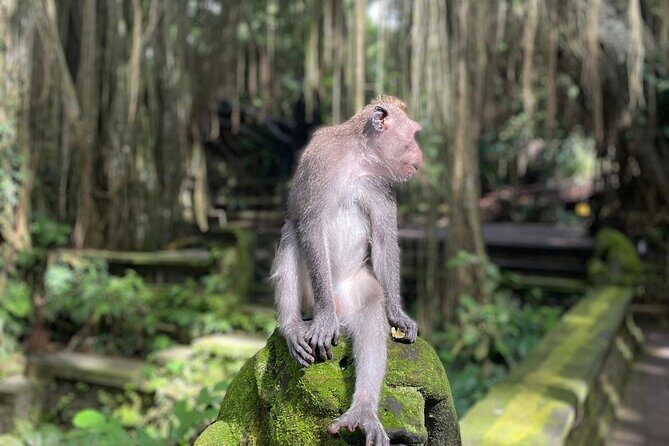
Ubud Monkey Forest Sanctuary is a protected reserve and temple complex sheltering hundreds of long-tailed Balinese macaques. You get 1 hour there, including entry.

This can be the most memorable part of the day, but it also needs the right expectations. The monkeys are curious and fast. They’re not a zoo exhibit you ignore. You’ll want to keep your personal space clean: hold onto bags, watch your pockets, and avoid sudden moves near them.

It’s also a stop where your guide’s job is more than explaining. A good guide acts like a buffer—helping you decide where to stand, keeping you safe, and guiding your photo timing. Many guide stories mention this “monkey first security guard” role, especially around Sudi and other guides who helped visitors manage encounters smoothly.

If you want the best photos, don’t just hunt for a monkey. Watch the rhythm: where monkeys tend to gather, when they pause, and which angles keep you from standing where they want to pass through.

Free Time in Ubud: Art Market and Ubud Palace Break the Day Up

Best of Ubud 1-Day Private Tour - Free Time in Ubud: Art Market and Ubud Palace Break the Day Up
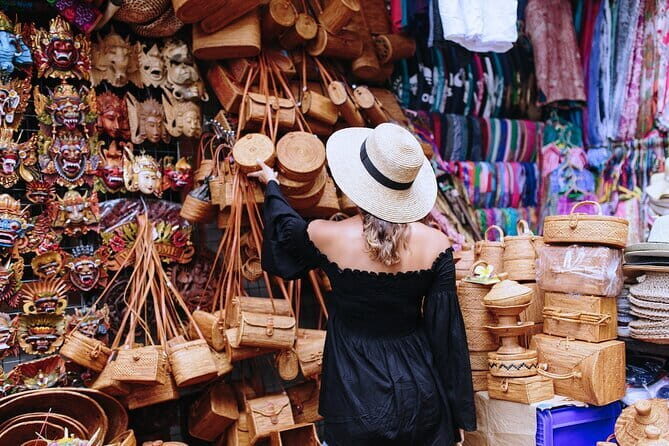
The tour gives you 30 minutes in the Ubud center for the Art Market and 30 minutes for Ubud Palace. This is a nice design choice. After temples, waterfall, and terraces, a short city block gives you a reset—and a chance to buy small gifts without turning the whole day into shopping.

At the Art Market, you’ll find multiple buildings and a long street where vendors set up shop for the day. At Ubud Palace, you’re seeing the crafted royal compound that has been the home of Ubud’s royal family since the late 19th century.

In this slot, I recommend you keep your goals small. If you try to do everything—market, palace, photos, food—it’s easy to feel rushed. Better to decide: either shop for a couple items and enjoy the atmosphere, or focus on photos and architecture. The limited time keeps you from overthinking.

How the Included Fees Change the Value of This Tour

At $54.68 per person for about 8–9 hours, this is one of those tours that can actually feel fair—because several costs are baked in. Your price includes a private air-conditioned vehicle, entry/admission fees for the stops, bottled water, parking fees, and gas/petrol.

Food and drink are not included, and gratuities are optional. That’s normal. But the key value play is admissions. Since you’re paying for multiple attractions in one day, covering entry tickets inside the package reduces the chance you’ll get hit with surprise expenses late in the schedule.

Also, this kind of itinerary is hard to do efficiently on your own. Even if you could hire a driver, you’d still be coordinating stops, timing, and entrance logistics. Here, the structure does the heavy lifting, and your guide adds the context.

Pickup Areas and What You Should Expect From the Vehicle

Pickup is offered from a long list of areas: Sanur, Ubud, Kuta/Legian, Seminyak, Canggu, Jimbaran, Nusa Dua, Benoa & Denpasar. That range matters because it opens the tour to more than just travelers who stay right in central Ubud.

You’ll travel in a private, air-conditioned vehicle. For an 8–9 hour day, that comfort isn’t luxury—it’s sanity, especially when traffic can slow things down.

One more practical point: this is set up for your group only. So you’re not waiting on other schedules. That helps keep the day moving, even if you decide to take a little extra time in one place.

Guide Quality: Why Names Like Oka, Sudi, and Gede Matter

In Bali, the driver-guide is often the whole experience. With this tour style, guides can be more than a translator. They can act like a travel operator in real time.

I’ve seen mentions of guides such as Oka, Sudi, Gede, Aris, Tegeg, Rio, Darma, and Rika—and the common thread is clear: they help pace the day, answer questions, and manage the photo-heavy moments so you spend energy on the sights rather than logistics.

The best guides also bring small extras that improve the day without making it weird. For example, help with rainy conditions, umbrellas, and fast photo setups show up in guide stories. And when the day is stuck in traffic, a guide who can keep you informed makes the time feel less wasted.

Small Drawbacks to Plan For (Without Killing the Fun)

Nothing is perfect, and the most realistic downsides are simple:

  • You’re packing a lot into one day, so you may have to trade “wander time” for “see everything time.”
  • The Monkey Forest and some temple areas can mean walking on uneven ground.
  • Traffic can stretch your schedule. Some people handle this fine, others want slower pacing.

If you’re the type who hates schedule pressure, you can still enjoy this tour—just pick the places you want to linger. Use the free time in central Ubud to breathe. Then, if you want maximum value, treat the waterfall and terrace stops as your main “slow looking” moments.

Who Should Book This Ubud Day Tour

This is a strong match if you want:

  • a one-day plan that hits the big Ubud sights,
  • private transport and an English-speaking guide/driver,
  • included entry fees and a full-day structure,
  • a mix of culture, scenery, and a playful Monkey Forest stop.

It’s especially good for first-timers who don’t want to spend their vacation building an itinerary from scratch.

If you already know Ubud well and you want long, deep time in one area, you might prefer a slower, single-neighborhood plan. But if you’re in town briefly or you want the highlight loop with minimal hassle, this works.

Should You Book the Best of Ubud 1-Day Private Tour?

If your goal is to see Ubud’s essentials without the stress of arranging rides, this is an easy yes. The combination of private transport, admissions included, and a route that covers crafts, temple details, waterfall drama, rice-terrace views, Monkey Forest encounters, and quick central Ubud time is a solid way to spend a short visit.

Book it if you:

  • want an organized day with a guide who can help with pacing and photos,
  • appreciate cultural plus scenic stops,
  • like the idea of spending 8–9 hours moving through different sides of Ubud.

Skip it if you hate schedule pressure, you’re not comfortable with walking uneven paths, or you want a slower day with fewer stops. For most people, though, it’s one of the best ways to get a lot of Ubud into one clean, efficient loop.

FAQ

How long is the Best of Ubud 1-Day Private Tour?

It runs about 8 to 9 hours.

What time does the tour start?

The start time is 8:30am.

Where does pickup happen?

Pickup is offered from Sanur, Ubud, Kuta/Legian, Seminyak, Canggu, Jimbaran, Nusa Dua, Benoa & Denpasar.

What’s included in the price?

The tour includes a private air-conditioned vehicle, pickup and drop-off, an English speaking guide (who also serves as a driver), entry/admission fees, bottled water, parking fees, and gas/petrol.

Are food and drinks included?

No. Food and drink are available for purchase.

If I cancel, do I get a refund?

Yes, free cancellation is available. You can cancel up to 24 hours in advance for a full refund, based on the experience’s local time.

Best of Ubud Full-Day Tour with Jungle Swing

Best of Ubud Full-Day Tour with Jungle Swing - Tegalalang Rice Terraces: Farmer Life Views With a Short Walk

One day, and Ubud feels huge. This full-day circuit blends classic Ubud stops with the big-ticket jungle swing moment, plus temple and waterfall time. What I like most is the private setup, which keeps the day from feeling like a cattle drive, and the way the schedule hits several top sights without rushing you into one line after another. The one catch: it’s still a long day, and traffic can make the pacing a little hectic.

You’ll start in central Ubud (pickup from many Ubud and south Bali locations), roll north for the terraces, then return through temples, a waterfall swim break, and a couple of culture stops like the art market and Ubud Palace. The swing has a minimum age of 9, so it’s worth planning that in advance if you’re traveling with kids.

Why This Ubud Full-Day Circuit Works (Even If You’re Short on Time)

Best of Ubud Full-Day Tour with Jungle Swing - Why This Ubud Full-Day Circuit Works (Even If You’re Short on Time)
If you want the Ubud highlights in one go, this tour makes sense. It’s built around the major wow moments: Monkey Forest, the Tegalalang Rice Terraces, a jungle swing through the trees, and Tegenungan Waterfall. Then it adds meaningful spiritual and cultural stops like Tirta Empul Temple and Ubud’s art market.

The private format matters more than you might think. You get undivided guide attention, and you’re not stuck waiting for the slowest person in a group. That flexibility is also useful when weather or roads slow things down. In the real world, Ubud traffic happens, and this kind of day is when your driver’s route sense and pacing show up.

Private Pickup and an Air-Conditioned Minivan That Makes the Day Feel Easier

The tour includes hotel pickup and drop-off, and it uses an air-conditioned minivan. That sounds like a small comfort until you’re doing hours of moving between sights. In Bali’s heat, having shade and AC for the transitions helps you show up fresh.

It’s also truly private: only your group rides in the van. If you’re traveling as a family, as a couple, or with friends and you want to talk, ask questions, or take photos without timing everyone else, this setup fits well.

One more practical note: the day is long (about 10 hours), and the itinerary includes both included sites and quick local stops. So plan your energy like you would for a road-trip day—water helps, and you’ll want to eat something satisfying during the lunch window.

Sacred Monkey Forest Sanctuary: Shade Walks and Close-Up Nature

Best of Ubud Full-Day Tour with Jungle Swing - Sacred Monkey Forest Sanctuary: Shade Walks and Close-Up Nature
Your day begins at Sacred Monkey Forest Sanctuary for about an hour. This is a thick, shaded forest where you can see wildlife up close: monkeys plus birds, lizards, and butterflies. The path is your main experience—walk under the canopy, pause for photos, and enjoy how different this feels from the open rice-terrace views later in the day.

The main consideration here is also the easiest to handle: you’ll be in an animal habitat, so keep your focus on your surroundings, move steadily, and don’t treat it like a silent museum. It’s living nature.

Tegalalang Rice Terraces: Farmer Life Views With a Short Walk

Best of Ubud Full-Day Tour with Jungle Swing - Tegalalang Rice Terraces: Farmer Life Views With a Short Walk
Next comes Tegalalang Rice Terrace, about 45 minutes north of Ubud. The point of this stop is the real working-feel of the terraces: you’ll see traditional farmer activity as part of the scenery, then take a short walk through the green fields.

I love that this is not a marathon hike. You still get that “I’m really here” rice-terrace perspective, but you can keep moving toward the swing and the rest of your day without exhausting yourself early.

Jungle Swing: The Main Event (Plus the 9+ Minimum)

Best of Ubud Full-Day Tour with Jungle Swing - Jungle Swing: The Main Event (Plus the 9+ Minimum)
The jungle swing is the headliner. A swing ticket is included, and there’s a minimum age of 9 to join. Even if you don’t swing, this is often a prime photo stop, since the setting mixes trees, height, and that classic Ubud “soaring” view.

How you handle it depends on your comfort level. Some people love it immediately; others hover near the edge and need a few minutes of encouragement. Either way, build in time for the swing session and for photos, because this moment tends to be the one you’ll remember later when you’re back home comparing notes with friends.

D Alas Warung Lunch Break: Food in a Natural Setting

Best of Ubud Full-Day Tour with Jungle Swing - D Alas Warung Lunch Break: Food in a Natural Setting
Between the terrace and the temple/waterfall stretch, you’ll stop at D Alas Warung Restaurant for about an hour. The vibe here is explicitly nature-focused—this is the part of the tour designed to reset you before the next big sightseeing block.

Lunch is included only if you choose the option that adds it. If you’re booking the transport-only version, you’ll want to plan for your own meal costs. Either way, try to treat this meal as your fuel for the second half of the day, not just a quick bite.

Tirta Empul Temple: Watching (and Possibly Joining) a Holy Spring Blessing

Best of Ubud Full-Day Tour with Jungle Swing - Tirta Empul Temple: Watching (and Possibly Joining) a Holy Spring Blessing
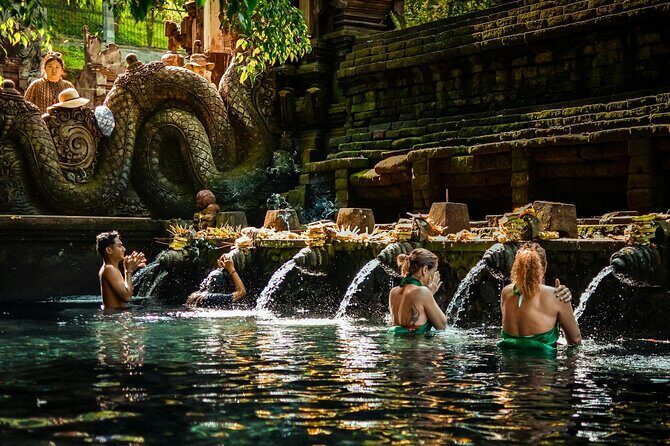
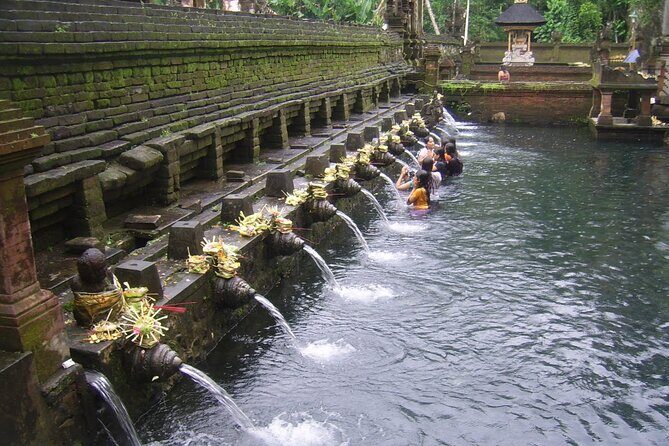
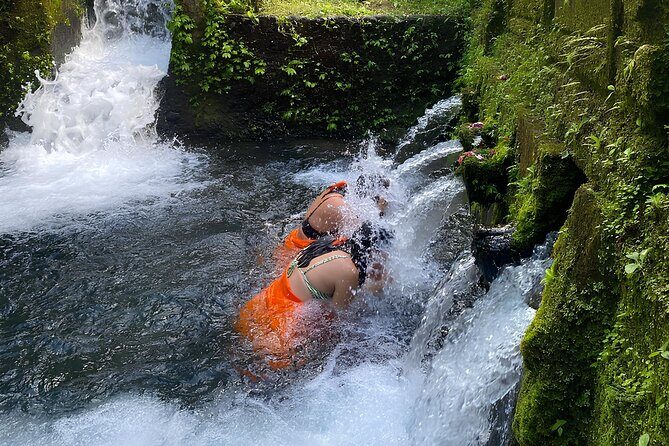
Tirta Empul Temple is one of those stops where you’re not just sightseeing. You’ll visit a holy spring temple where Balinese people perform a blessing ritual before they pray at the main temple.

A key detail I like is that you can see the ritual and may even experience the blessing itself, depending on how it’s offered during your visit. That turns a normal cultural stop into a moment with real meaning and local context.

Give yourself this hour. The value isn’t only the buildings—it’s the fact that you’re observing a living spiritual practice, not a staged show. Keep your posture respectful, take your time, and let the atmosphere sink in.

Tegenungan Waterfall: Green Surroundings and a Swim-Ready Stop

Best of Ubud Full-Day Tour with Jungle Swing - Tegenungan Waterfall: Green Surroundings and a Swim-Ready Stop
Then comes Tegenungan Waterfall for about 45 minutes. The setting is described as fresh and green, and the stop is designed for both views and closeness. You can take a short walk to get nearer to the falls, or stay higher for the view.

Your day-plan includes a swim. That means shoes or sandals you can handle getting wet, and a towel or quick-dry plan if you have one. If you’d rather just watch and cool off at the edges, you still get the waterfall atmosphere without committing to a full-on dip.

Ubud Traditional Art Market and Ubud Palace: Culture at Your Own Pace

Best of Ubud Full-Day Tour with Jungle Swing - Ubud Traditional Art Market and Ubud Palace: Culture at Your Own Pace
After the waterfall, you shift into lighter, shorter culture stops:

  • Ubud Traditional Art Market (about 30 minutes): a lively hub where vendors show fresh produce, spices, and crafts. The best part is the mix of locals and visitors, which gives you a more everyday feeling than the major landmarks.
  • Ubud Palace (about 30 minutes): the king palace area, with gardens and intricate architecture. It’s a compact visit, so it works well when you’re tired from the full day but still want to see the royal-era center of Ubud.

Because these are shorter stops, you can choose how deep you want to go. If you’re shopping, keep it quick and focused. If you’re photographing, aim for calm angles early before the afternoon crowd swell.

Price and Value: What $56.05 Gets You for a Full Circuit

At $56.05 per person, the big question is value. Here’s what you’re paying for in practical terms:

  • Full-day logistics: private pickup and drop-off plus an air-conditioned minivan
  • Multiple major Ubud “anchor stops” that would each take time to arrange on your own
  • The jungle swing ticket
  • Bottled water
  • All fees and taxes are listed as included

The schedule also includes admission tickets for several big sights (Monkey Forest, Tegalalang Rice Terrace, Tirta Empul Temple, and Tegenungan Waterfall). The market and palace stops are free, so the day isn’t only paid attractions—it mixes paid highlights with local culture.

The one variable to watch is lunch. Lunch is only included if you choose the lunch option. If you’re sensitive to surprise costs, confirm your selected package before you go.

Pacing, Traffic, and How to Get the Best Version of This Day

This kind of day is always a timing game in Ubud. Roads and schedules can slip, and rain can change the order or how long you stay at each place. The good news is that the tour is private, and that usually makes it easier to adjust without destroying your whole day.

Two tactics I’d use:

  1. Aim for an early start. When you hit key sights earlier, queues tend to be shorter and the photos look better.
  2. Keep expectations realistic. You’re packing in a lot: forest, terraces, swing, temple, waterfall, market, and palace. If you want maximum calm, this may feel like a “see a lot” day rather than a slow meander.

Who Should Book This Tour (and Who Might Skip It)

This tour is a strong match if:

  • You’re doing Ubud as a first-time stop and want the main highlights in one day
  • You like having a plan, but not having to drive or figure out routes
  • You want the jungle swing without spending extra time arranging transportation
  • You’re okay with a 10-hour day that moves

You might skip or adjust plans if:

  • You’re very sensitive to long travel days and don’t want back-to-back sightseeing
  • Your group includes someone not comfortable with heights, since the swing is a centerpiece
  • You prefer deep, slow study of one area instead of a quick tour of several

Should You Book the Best of Ubud Full-Day Tour With Jungle Swing?

If your goal is maximum Ubud in one day and you want the jungle swing plus temple and waterfall stops without planning transportation yourself, I think this is an easy yes. The private van and pickup/drop-off lower the stress level a lot, and the itinerary includes enough variety that the day doesn’t feel repetitive: forest, terraces, spirit, water, then local culture.

Just go in knowing it’s a full day with real-world traffic and weather. If you can handle that, you’ll come away with a stack of memorable moments that cover the broad Ubud picture.

FAQ

How much does the Best of Ubud Full-Day Tour with Jungle Swing cost?

The price is $56.05 per person.

How long is the tour?

It lasts about 10 hours.

Where does the tour take place?

The tour takes place in Ubud, Indonesia.

Is hotel pickup and drop-off included?

Yes. Hotel pickup and drop-off are included.

Is this tour private?

Yes. It’s a private tour/activity, and only your group participates.

What are the requirements for joining the jungle swing?

The minimum age to join the swing is 9 years.

What’s included in the tour price?

Included items are bottled water, hotel pickup and drop-off, a private tour, air-conditioned minivan transport, the jungle swing ticket, and all fees and taxes. Lunch is included only if you select the lunch option.

Can I cancel for a full refund?

Yes. Free cancellation is available up to 24 hours in advance for a full refund.

All-Inclusive Ubud Private Tour

All inclusive Ubud private tour - Pickup at 8:00 am and why timing matters in Ubud

Ubud looks amazing from the start. This private day tour strings together classic sights you actually want to photograph, from the Monkey Forest to Tirta Empul’s holy springs. Guides often help you understand what you’re seeing, like how the subak irrigation system shapes the rice fields.

I especially like two parts: the pickup and air-conditioned transport that keep you from wrestling with Ubud’s traffic, and the way your driver/guide plays personal photographer. In the reviews, guides such as Guna, Eka, Enawan, and Indra come up again and again for clear English and great photo timing.

One thing to plan for is the pace. It’s a full 8 to 10 hours, with several stops that can involve steps, crowds, and a lot of outdoor time in the sun, so pack for a long day rather than a leisurely stroll.

Key things that make this tour worth your time

  • Private driver/guide with mobile photo help so you’re not guessing angles all day
  • Monkey Forest with real macaques plus a guided walking format through the key areas
  • Tegalalang rice terraces explained through subak so the scenery has meaning
  • Lunch with jungle views and the included swing experience with dress support
  • Tirta Empul holy springs focused on purification at the fountains
  • Tegenungan waterfall for a final, loud, forest-backed photo moment

Batuan Bali Native House: starting with living culture, not just views

All-Inclusive Ubud Private Tour - Batuan Bali Native House: starting with living culture, not just views
If you want Ubud to feel more than a photo run, this first stop helps. You’ll visit a traditional-style Bali house compound in Batuan, where the guide walks you through how Balinese families organize daily life around shared spiritual ideas.

The big theme you’ll hear about is TRI HITA KARANA—the balance between people, the natural world, and the spiritual order. That matters because later in the day you’ll see water systems, temple rituals, and irrigation practices that all connect back to the same worldview.

Practical note: this is billed with a free admission ticket, so you’re not paying extra just to get context. The visit is also a good warm-up for how your guide likes to explain—short, direct, and tied to what you’re looking at on-site.

Monkey Forest in Ubud: how to enjoy the macaques (without turning it into chaos)

All-Inclusive Ubud Private Tour - Monkey Forest in Ubud: how to enjoy the macaques (without turning it into chaos)
The Sacred Monkey Forest Sanctuary is the one you can’t fake. You step into a lush area filled with almost 900 Bali long-tail macaques, and it feels like a movie set even when you’re not trying.

You’ll follow a guided walking route that covers the signature spots, including areas like the dragon bridge, river canyon viewpoints, and the monkey temple. Your driver/guide also shows you how to interact safely, which is the part that saves your day. Even if you’re used to animals, you’ll still want to follow the basic rules: keep your items secure, don’t tease the monkeys, and avoid sudden movements when they get close.

This is also where having a guide who can time photos is a real advantage. In multiple reviews, guides (including Guna, Eka, Enawan, and Komang Godoh) were praised for being helpful with photos—standing in the right place at the right moment is half the work at a fast-moving site like this.

One consideration: monkey forests can be crowded and noisy. If you’re sensitive to chaos or you don’t like animal-adjacent crowds, plan your mindset for a lively experience.

Tegalalang rice terraces and the subak system: scenery with a real reason

All-Inclusive Ubud Private Tour - Tegalalang rice terraces and the subak system: scenery with a real reason
Then you’ll move to Tegalalang Rice Terrace, one of Ubud’s most recognizable views. This stop isn’t only about the photo-worthy rows. The best part is how your guide explains the ancient irrigation system called subak—how water distribution and farming rhythms are managed through community traditions rather than just technology.

This is where Ubud starts to feel coherent. You see how the same idea—respect for water and balance—shows up again and again, from farm life to temple springs. Your guide helps you connect the dots so you’re not staring at greenery without knowing why it looks the way it does.

You’re also getting some height and wide sight lines here, which makes it a strong pause in the schedule. Try to time your walking so you’re not only photographing from one spot. If you can, give yourself a few minutes to watch how locals and visitors move across the terraces; it helps you choose the best angles without rushing.

D Alas Warung lunch plus the swing: the fun break that still fits the culture

Lunch at D Alas Warung Restaurant is more than a meal break. It’s positioned with outback-style jungle views, so you’re eating while the scenery keeps going. That sounds simple, but in a packed day it matters. A scenic lunch helps you reset and refuel before the spiritual and waterfall parts.

This is also where the tour leans into the “Ubud moment” that people talk about: the Ubud Swing experience, with various dress included. You’ll likely dress for the activity and get the classic photo set with the rice-field or jungle backdrop vibe.

A quick reality check: this stop can be a highlight, but it can also be the most time-sensitive one. If you’re particular about your photos—like you want clean shots without lots of people—ask your guide about timing and where to stand. The reviews consistently mention guides who manage photos well, and you’ll feel that advantage here.
What you’ll get out of it: a fun break that doesn’t feel randomly tacked on. It also gives your guide a chance to slow things down for a moment, so the rest of the day stays enjoyable rather than just “more stops.”

Tirta Empul holy springs: watching purification with the right expectations

All-Inclusive Ubud Private Tour - Tirta Empul holy springs: watching purification with the right expectations
Next comes Tirta Empul Temple, famous for its natural springs and purification rituals. This isn’t presented as a quick photo spot; it’s focused on the spiritual meaning of water.

At the holy spring fountains, you’ll observe how local Hindu practice body purification through water as part of a ceremony. The guide helps explain the context, including how the springs relate to older irrigation systems in the wider Ubud area. You’ll also hear about the springs’ long historical connection and how the area links to the ancient water management story that made Ubud agriculture work for generations.

A key piece of advice: act like you’re visiting a working sacred site, not a theme park. Keep your voice down, follow the flow of people around the fountains, and be patient if the space gets busy. If you go in expecting something active and staged for your camera, it can feel underwhelming. If you go in prepared to watch and understand, it lands well.

This is also one of the emotional stops in the day. In reviews, people described it as a moving purification experience and remembered the feeling it created. You don’t need to be spiritual to appreciate the seriousness and the routine people bring to it.

Tegenungan waterfall: the final roar and the last big photo payoff

All-Inclusive Ubud Private Tour - Tegenungan waterfall: the final roar and the last big photo payoff
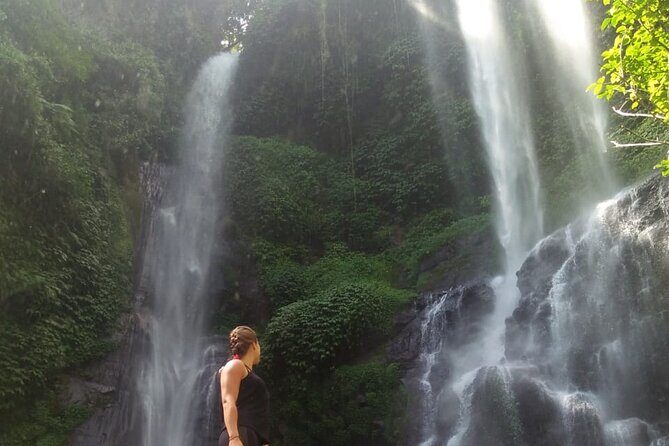
To close your day, you’ll head to Tegenungan Waterfall, a roughly 15-meter cascade set in lush greenery. This is the stop that gives you speed and drama. The sound is immediate, and the surrounding forest makes it feel like a reset button after the temple’s stillness.

You’ll have time to take in the view and get your final photos. This is also a practical moment to check your daypack setup: water, tissues, and anything that needs to stay dry should be handled before you get too close to the misty areas.

One consideration: it’s a waterfall, so footing and wet surfaces may be part of your experience. Wear shoes you trust. Your guide can help you decide where to stand safely.

Price and value: what you’re really paying for

All-Inclusive Ubud Private Tour - Price and value: what you’re really paying for
At $100 per person for a private 8 to 10 hour day, the value comes from what’s bundled. This isn’t just transportation. You’re getting:

  • All fees and taxes included
  • Lunch included, plus bottled water
  • Private transportation in an air-conditioned vehicle
  • A private driver/guide who can act as a photo helper
  • Ubud Swing experience included, with dress support
  • Balinese house compound visit included

When you price those separately, private touring can get expensive fast, especially once you add entry fees, paid guides, and transport. Here, you’re paying a single rate that lets you spend time where it matters—at the sites—rather than budgeting your day stop-by-stop.

Also, the tour is private for your group, which means you can move at the pace your guide thinks works best. In the reviews, people repeatedly mention feeling well taken care of, with enough time at each stop rather than being shoved along.

There are also group discounts mentioned, but the experience is still described as private. In plain terms: if you’re traveling with others and want private access, it can work out even better.

Timing, transport, and how to make the day feel smooth

All-Inclusive Ubud Private Tour - Timing, transport, and how to make the day feel smooth
This tour runs about 8 to 10 hours, and you’ll be picked up from your hotel, villa, apartment, or even from the port or the airport if that’s where you’re starting. If you’re staying in southern Bali, round-trip transport from select areas is part of the setup, which is a big deal for reducing wasted time.

Here’s what helps you enjoy a long day like this:

  • Bring sunscreen and something for the heat. You’ll be outside for long stretches.
  • Wear shoes you can walk in. Monkey Forest and waterfall zones usually involve uneven ground.
  • Have a simple plan for your phone and camera. Your guide can help with photos, but you should still keep your gear easy to grab.

In multiple reviews, drivers and guides were praised for being punctual and organized with tickets. That matters because it prevents the most annoying kind of travel day: waiting in lines with a tired group.

Who should book this private Ubud tour

All-Inclusive Ubud Private Tour - Who should book this private Ubud tour
This tour is a strong fit if you:

  • Have one day (or less) to see Ubud’s best-known sights
  • Want a private guide rather than hoping shared tour timing works out
  • Care about photos, but also want your guide to explain what you’re looking at
  • Like a mix of nature, culture, and spiritual sites in a single day

It’s also been recommended for honeymoon trips and first-time Bali visits, mostly because it covers a lot without feeling random. People also mention enjoying the personal service and photo help, especially on action stops like the monkey forest and swing.

If you’re the type who hates crowded sites, you might find Monkey Forest a challenge. But if you go in with patience and follow your guide’s safety tips, it’s often exactly the kind of energetic Ubud experience you came for.

Should you book this Ubud private day tour?

Yes, if you want a full Ubud hit with private transport, included entries, lunch, and the swing already handled. This is one of those days that can save you real stress: you’re not trying to stitch together rides, tickets, and timing across multiple sites.

I’d skip it (or at least rethink) if you:

  • Prefer slow travel and long downtime
  • Don’t want to deal with crowds or animal-adjacent areas
  • Want a lighter day with fewer moving parts

If you book, you’ll get the best results when you treat it like a guided program: listen to your guide’s instructions at the macaques, show respect at Tirta Empul, and let the schedule carry you instead of trying to squeeze in extra stops.

FAQ

What is the duration of the All-Inclusive Ubud Private Tour?

It runs about 8 to 10 hours.

What does the tour cost?

It is $100.00 per person.

Is pickup available?

Yes. Your driver/guide collects you from your hotel, villa, apartment, port, or airport, depending on what you chose.

Is lunch included?

Yes, lunch is included.

Are entrance fees included?

Yes. All fees and taxes are included.

What are the main stops during the day?

You’ll visit Batuan (Balinese house compound), Sacred Monkey Forest Sanctuary, Tegalalang Rice Terrace, Tirta Empul Temple, and Tegenungan Waterfall. A lunch stop at D Alas Warung is included, and the day also includes a Ubud Swing experience.

Is the Monkey Forest guided?

Yes, you get a guided walking tour at the Sacred Monkey Forest Sanctuary.

Is the Ubud Swing experience included?

Yes, the swing experience is included, with various dress included.

Is this tour private or shared?

It’s private. Only your group participates, though group discounts may be available.

What is the cancellation policy?

Free cancellation is available up to 24 hours before the experience start time for a full refund. If you cancel less than 24 hours before, you won’t receive a refund.

Ubud: Monkey Forest, Jungle Swing, Rice Terrace, and Water Temple

Ubud: Monkey Forest, Jungle Swing, Rice Terrace, and Water Temple - Pickup, transport, and the comfort you’ll thank yourself for

Your Ubud day moves fast, in a good way. I love the private pickup that keeps you from hassling with transport, and I also like how the route mixes big-photo stops like Monkey Forest with countryside walking and a sacred water ritual. One catch: if weather turns ugly, the waterfall and temple areas can be less fun, and some outdoor viewpoints may get skipped for safety.

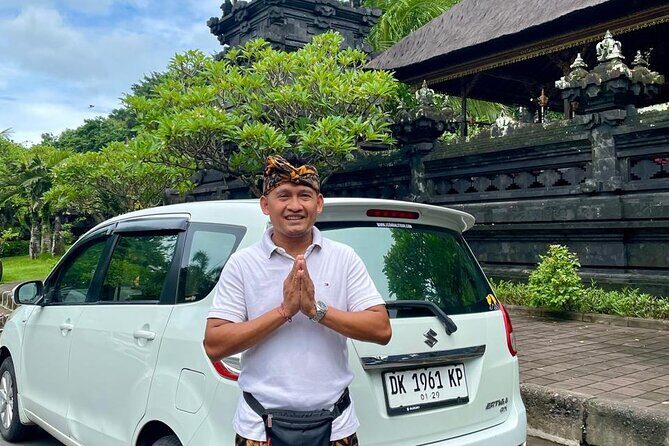
This is the kind of day that suits you if you want a clear plan and steady guidance. You’ll get an English-speaking driver-guide, bottled water for the route, and a traditional sarong for the temple stop, so you can focus on the places (and the photos) rather than logistics.

Key things to know before you go

Ubud: Monkey Forest, Jungle Swing, Rice Terrace, and Water Temple - Key things to know before you go

  • Private, just-for-you feel with a full loop through Ubud’s top sights
  • A real mix of experiences: monkeys, rice terraces, a jungle swing, sacred springs, and a waterfall
  • Smart pacing option: you can sometimes adjust order based on weather and timing
  • Tirta Empul needs respect: you’ll get a sarong for temple rules
  • Celuk Village for silver craft and a Ubud center market stop
  • Go early when you can to make Monkey Forest and the swing more manageable

How this Ubud day tour fits together: forest, swing, temples, water

This is a classic Ubud mash-up, but it’s put together with a purpose. You start with a jungle-and-water mood, then swing into terrace walking and temple culture, and end with more outdoor scenery. The best part is that it doesn’t feel like one long drive with a few quick stops. It’s more like a day of contrasts: primates in the trees, farmers’ work in the paddies, people doing purification at Tirta Empul, and the big visual hit of Tegenungan Waterfall.

The pacing is designed for a full day out—plan around 8 to 10 hours. If you like to see a lot without micromanaging schedules, this structure works. If you prefer a slow, quiet vibe, it can feel like a lot in one go, especially if you pause for photos every time you turn your head.

Price and value: what around $31 actually buys you

Ubud: Monkey Forest, Jungle Swing, Rice Terrace, and Water Temple - Price and value: what around $31 actually buys you
At about $31 per person, the real value isn’t only the sights. It’s the day being packaged with round-trip transportation and an English-speaking driver-guide. That matters in Ubud because traffic and timing can drain your energy. When pickup and drop-off are handled for you, you spend your attention on what you came for: Monkey Forest, the rice terraces, Tirta Empul, and the waterfall.

A key detail: entrances and lunch are not automatically included unless you pick the all-inclusive option. The same goes for the jungle swing—some versions include it, some don’t. So check what you selected before you go. Even with that caveat, this can still be good value if you’re planning to do most of these stops anyway. It’s also one of the easier ways to knock off multiple Ubud highlights in a single day without hiring separate activities.

Pickup, transport, and the comfort you’ll thank yourself for

Ubud: Monkey Forest, Jungle Swing, Rice Terrace, and Water Temple - Pickup, transport, and the comfort you’ll thank yourself for
You’ll get pickup from many areas (Ubud, Kuta, Seminyak, Canggu, Legian, Jimbaran, Nusa Dua, Sanur), and you’ll be in an air-conditioned vehicle. That sounds basic, but it’s a lifesaver when you’re moving between forest paths, temple compounds, and waterfall viewpoints back-to-back.

This tour also includes bottled water. Small thing, big impact when you’re walking under the sun. I also like that you’ll have the traditional sarong provided for the temple visit. Tirta Empul is a place where you’ll want to follow the rules, and having the right clothing reduces stress.

Tegenungan Waterfall: big jungle views, and the rain factor

Ubud: Monkey Forest, Jungle Swing, Rice Terrace, and Water Temple - Tegenungan Waterfall: big jungle views, and the rain factor
The day kicks off at Tegenungan Waterfall, a tropical scene surrounded by green jungle. You can either head down toward the water or stay up for photos from the hill. Either way, it’s a strong visual start. If you’re the type who enjoys standing where the view opens up and letting your camera do its job, this stop is built for you.

Here’s the practical consideration: weather changes what you can do. In pouring rain, you may not get the same access and you might lose the chance to swim or even get safe viewing at some outdoor areas. You can avoid some disappointment by packing for wet weather and keeping a flexible mindset. When the day is dry, you’ll have the option to experience the waterfall area more fully.

Tirta Empul Temple: sacred spring water and purification rituals

Ubud: Monkey Forest, Jungle Swing, Rice Terrace, and Water Temple - Tirta Empul Temple: sacred spring water and purification rituals
Tirta Empul is where the day shifts from scenery to culture. The name translates as holy spring, and the temple compound includes a petirtaan (bathing structure) fed by famous spring water. Balinese Hindus visit for ritual purification, so it’s not just a photo stop. It’s an active religious space.

You’ll spend about an hour here, which is enough time to understand what’s happening and still enjoy the atmosphere without feeling rushed. You’ll also have a sarong provided, which is handy because temple sites typically require appropriate attire. Be prepared to move at a quieter pace than at the waterfall or terrace.

Tegalalang Rice Terrace: how to walk the paddies without rushing

Ubud: Monkey Forest, Jungle Swing, Rice Terrace, and Water Temple - Tegalalang Rice Terrace: how to walk the paddies without rushing
Next up is the famous Tegalalang Rice Terrace. This is one of those Ubud sights where the photos are great, but what you’ll actually feel is the setting: green paddies, layered hills, and the sense that farming is part of everyday life.

You’ll stroll through the rice fields and see how farmers work their day-to-day activities. You’ll get about an hour here, including time to walk and take photos. This stop tends to work best if you don’t try to power through every viewpoint. Instead, pause. Look at the terraced structure, notice the paths, and slow down just enough to feel like you’re part of the place rather than passing through.

One caution from real-world timing: if conditions are unsafe due to weather, you might lose access to parts of the terraces. That’s why the waterfall and terrace experience can vary from one day to another. The good news is your driver-guide can often manage the route so you still get the important moments.
Sacred Monkey Forest Sanctuary: etiquette, photos, and keeping it fun

Ubud: Monkey Forest, Jungle Swing, Rice Terrace, and Water Temple - Sacred Monkey Forest Sanctuary: etiquette, photos, and keeping it fun
This is the Ubud stop most people think they already know, and then they’re surprised by how special it feels. The Sacred Monkey Forest Sanctuary is a thick, shaded forest filled with wildlife, including monkeys. You’ll walk along shaded paths and see birds, lizards, butterflies, and monkeys moving through the trees.

The big practical advice: go in with respect and keep your expectations realistic. Monkeys are wild animals, not performers. Keep distance, follow staff instructions, and don’t treat it like a theme park ride. If you do that, the experience tends to feel more pleasant and less chaotic.

Timing also helps. If you want the best photo opportunities (and fewer crowds), you’ll be happier going early. A well-run guide will help you get your bearings fast and choose when to move on so you’re not constantly dodging people.

Happy Swing Bali: the thrill behind the jungle photos

Ubud: Monkey Forest, Jungle Swing, Rice Terrace, and Water Temple - Happy Swing Bali: the thrill behind the jungle photos
Then comes Happy Swing Bali, the jungle swing stop with a view of lush greenery. This is pure fun, and it’s usually one of the most memorable moments of the day because you’re doing something physical and a bit fearless, not just watching.

Plan on about 1.5 hours here. That includes time to get through the process, take photos, and actually ride. It’s also a stop where your guide’s vibe matters: a great guide will ask what you want and help you make choices that fit your comfort level. Some guides will even adapt based on what you care about most—stairs, crowd levels, or which spots feel calmer.

One thing to keep in mind: the swing experience depends on how the attendants run things on that specific day. There can be moments where the tone feels rushed or impatient. If that happens, keep your focus on what you came for—your turn to swing, your photos, and a quick reset between rides.

Celuk Village and Ubud center: silver craft and everyday arts

You’ll also stop at Celuk Village, a place known for silver crafting. Expect a short visit (around 30 minutes) where you can see craft at work and browse what’s for sale. This is a nice change from the outdoor stops because it gives you a break from walking in the sun.

There’s also time in central Ubud for a traditional market-style stop where you can pick up art work. If shopping is on your list, this is a good spot because it feels connected to the local creative economy, not just tourist souvenirs sold in one uniform style.

Don’t feel pressure to buy. Treat it like a cultural wander. Even if you leave empty-handed, you’ll come away understanding what kinds of objects people make and how styles differ.

Guides make the difference: from Wah to Vitho to Ary to Wayan

The driver-guide is the secret ingredient on a day like this. When the guide is good, you feel it in the flow: pickup on time, sensible routing, and enough patience so you don’t feel like a passenger in a checklist.

Names that show up in great experiences include Wah, Vitho, Ary, Wayan, Komang, Adi(you might see it as Adi or Adik), Dika, and Putu Vitho. If you get one of these guides, it’s usually because they’re attentive, communicative, and willing to help you make choices that match what you care about.

A standout theme in the best days: guides who keep you informed while you drive. They’ll share context about what you’re seeing—culture, landmarks you pass, and why certain places matter. On top of that, some guides also adjust the order when weather changes. That can save your day if the rain is moving in.

Practical tips to get the most from this full Ubud loop

Here’s what I’d do to keep the day enjoyable, not just busy:

  • Start early when you can. It helps with Monkey Forest and can make the swing and waterfall feel less crowded.
  • Bring a plan for rain. Some outdoor parts can change or get reduced if it’s unsafe. Flexibility beats frustration.
  • Use your time smartly at each stop. One hour at the terraces goes fast, so take photos early, then settle into a slower walk.
  • Respect temple space at Tirta Empul. Wear what you’re given (sarong) and keep the mood quiet.
  • Treat monkey encounters carefully. Don’t provoke, don’t grab, and don’t try to “stage” closer-than-necessary photos.

If you’re traveling with kids, this can still work well because the day has multiple activity types: animals, a ride, walking views, and a sacred stop. Just expect that younger travelers might need more frequent breaks.

Should you book this Ubud Monkey Forest and Jungle Swing tour?

Book it if you want a structured, high-value Ubud day where transportation, guide support, and key highlights are handled for you. This is especially worth it if you’re trying to fit Monkey Forest, the rice terraces, Tirta Empul, and Tegenungan Waterfall into one trip.

Skip or reconsider if you hate the idea of rain changing your schedule, or if you prefer one or two sights at a slower pace. Outdoor areas can be weather-dependent, and this day is packed enough that you’ll feel it if you lose access to swimming or certain terrace viewpoints.

If you’re the kind of traveler who likes variety in one day—and you don’t mind that “full day” means moving—this is a strong pick for Ubud.

FAQ

How long is the tour?

The day runs about 8 to 10 hours, with a plan around 10 hours for the full outing.

Is this tour private?

Yes. It’s a private tour/activity, just for your group.

What’s included in the price?

Pickup and drop-off are included, along with an air-conditioned vehicle, an English-speaking driver-guide, bottled water, and a traditional Balinese sarong for the temple visit. Entrance fees and the jungle swing are included only if you choose the Ubud Tour – All Inclusive option.

Are entrance fees included?

Not always. Entrance fees are not included by default, but they are included if you select the all-inclusive option.

Where does pickup happen?

Pickup is available from Ubud and also from Kuta, Seminyak, Canggu, Legian, Jimbaran, Nusa Dua, and Sanur.

Which places do you visit during the day?

You’ll go to Tegenungan Waterfall, Tirta Empul Temple, Tegalalang Rice Terrace, Sacred Monkey Forest Sanctuary, Happy Swing Bali, Celuk Village, and there’s also a traditional market stop in central Ubud.

What if the weather is bad?

This experience requires good weather. If it’s canceled due to poor weather, you’ll be offered a different date or a full refund.