One day in Ubud, done right. This private route is built for your pace, with a driver who gets you door-to-door to big hitters like Monkey Forest, Tirta Empul, rice terraces, a swing, and a waterfall—without the pressure of a giant group. I especially like the hotel pickup and drop-off, plus the UNESCO-style context behind what you’re seeing, including the subak irrigation system. One thing to consider: in the real world, the amount of on-the-ground explaining can vary by guide, so if you want lots of narration, make sure your group gets a true guide experience rather than just rides.
Ubud’s countryside makes a perfect full-day loop, and the stops are chosen for a reason. You’ll pass through sacred temple spaces like Tirta Empul’s holy springs, then shift gears to big-photo spots like Tegalalang and the thrill stop at Ubud Jungle Swing. And yes, guides like Made, Juli, Karyana, Dika, and Sutha are repeatedly named for being friendly, punctual, and helpful in English.
Key things I’d plan around

- Private pacing that feels less rushed: you can move between stops in an order that works for your day.
- UNESCO-listed subak irrigation context: it helps you understand why Bali’s rice fields look the way they do.
- Real cultural temple time at Tirta Empul: you can witness or join the water purification ritual at the holy springs.
- Photo + thrill combo: Tegalalang for views, then the swing for adrenaline with a valley backdrop.
- Waterfall finish with dip option: Tegenungan is a classic end-of-day stop, with time to cool off.
- All-inclusive vs pay-as-you-go matters: lunch and the swing/entrance fees can be bundled in one option only.
Why this Ubud day feels less like a checklist
This tour is designed for people who like structure, but hate being herded. You get picked up and dropped off, and you ride in your own private vehicle, so you’re not waiting on strangers or squeezing in between other groups. At $30.50 per person, the big value is that you’re paying for time, transport, and entry costs in a way that usually costs more when you book each piece separately.
What makes it more interesting than a simple temple-and-photos run is the subak angle. Bali’s “subak” irrigation system is UNESCO World Heritage–listed, and that’s not just trivia. When you learn why irrigation is organized the way it is, the rice terraces stop being scenery and start being a living system tied to community life.
The main drawback is not the route. It’s the experience style. One experience can run more like a narrated cultural tour, while another can feel more like transportation between stops. If you want strong guidance, I’d treat this as a “private tour” in the real sense: ask for explanations and confirm who is leading you at each location.
Getting around Ubud: private vehicle, 8–10 hours, and why timing matters

Ubud is walkable, but the star sights are out in the countryside. That’s why having a car matters here. With an 8 to 10 hour day, you’ll cover a spread of locations that would be tough to combine on your own with limited public transport.
This is also one of those tours where starting and ending on schedule makes the whole day easier. Pickup and drop-off reduce friction—less time spent figuring out directions, and more time in the places themselves.
A quick reality check: with stops like Monkey Forest and the rice terraces, you’ll spend a good chunk of time outdoors. That’s great for photos and atmosphere, but it also means you’ll want to be ready for a long day in the sun.
Stop 1: Sacred Monkey Forest Sanctuary and the rules of staying calm

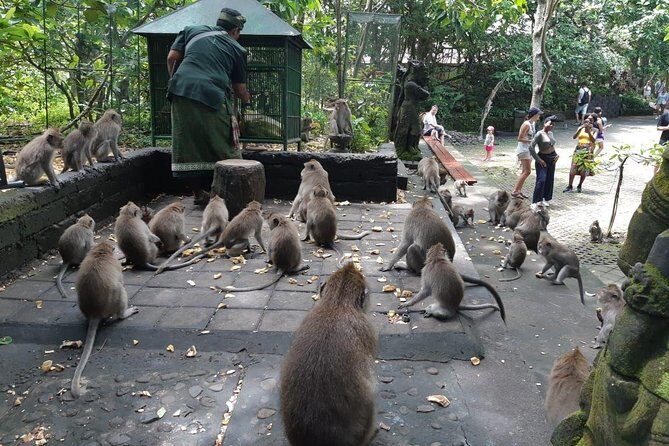
Monkey Forest is the kind of place that’s either fun or chaotic, depending on how you handle it. You’ll visit Sacred Monkey Forest Sanctuary for about 1 hour, and you’ll see around 600 long-tailed macaques moving around ancient pathways near temples and tall trees.
Here’s what to expect: the monkeys aren’t just “in the background.” They’re active, curious, and they can approach people if you get too casual. The best way to enjoy this stop is to keep your attention on where you’re walking and on what’s happening around you, especially when you’re close to other visitors.
The upside is obvious: it’s one of Ubud’s most iconic experiences, and the setting feels timeless. The possible downside is crowd energy inside the forest on peak hours. Since this is private, you can often avoid the worst surges simply by moving with your group instead of waiting in lines.
Stop 2: Tegalalang Rice Terraces and the subak story behind the view

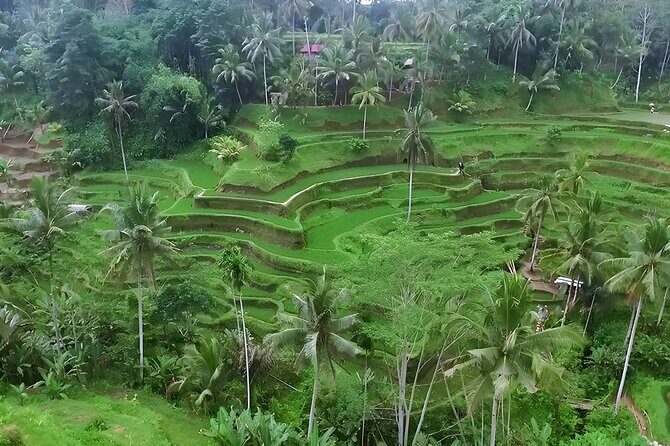
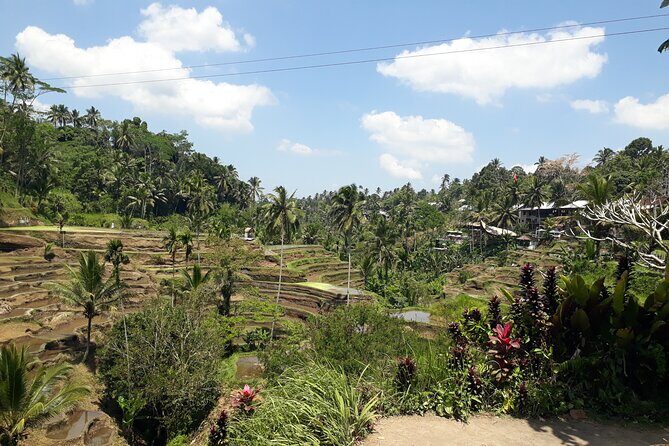
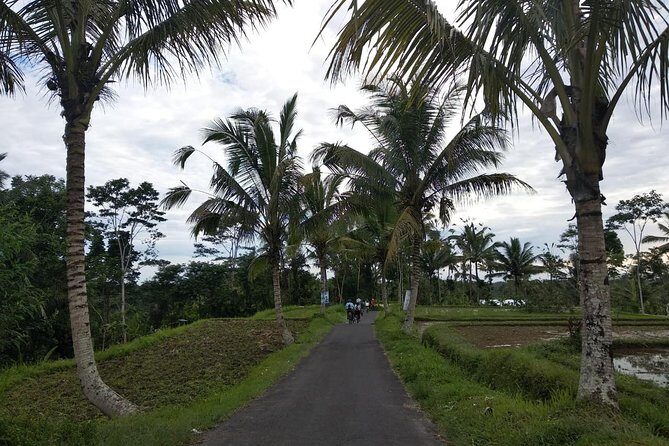
Tegalalang Rice Terraces are made for panoramic photos. Plan for 1 hour here, with admission included, and expect those classic stepped green layers you’ve probably seen in postcards—but up close they feel more textured and real.
What you might not realize until you learn it is that Bali’s rice terraces are not just “pretty hills.” They connect to the UNESCO World Heritage–listed subak irrigation system, a community-based approach to managing water for rice cultivation.
That context changes how you look at the terraces. Instead of seeing them as a static backdrop, you start noticing the logic of water and cultivation—why certain areas look the way they do, and how people coordinate to keep the system working.
One consideration: the most photogenic viewpoints can also be the most crowded. With a private plan, you can still get photos, but you’ll want to be flexible about which angle you choose first.
Stop 3: Tirta Empul Temple and the holy springs water ritual

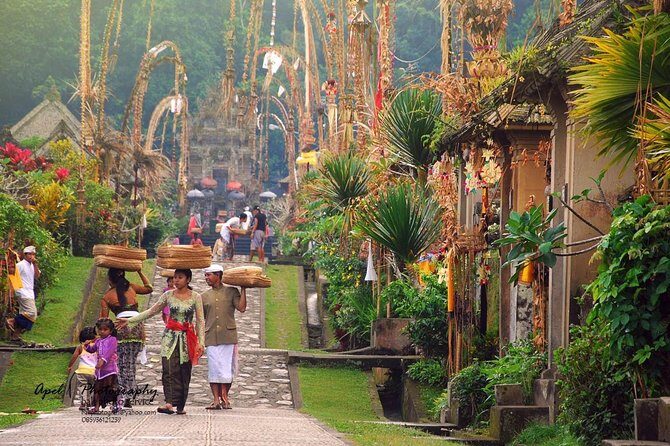
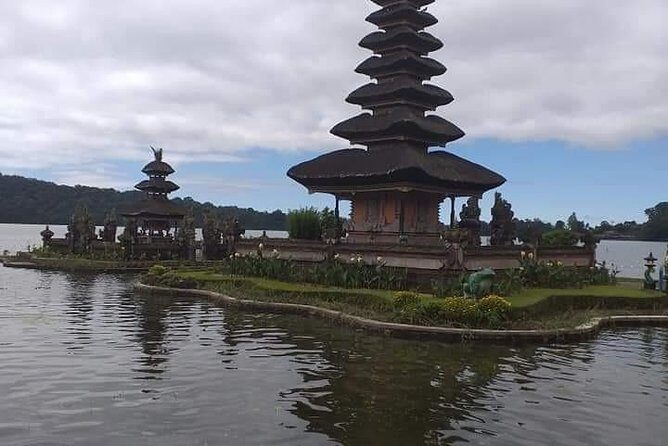
Tirta Empul Temple is where the day turns from scenery into something more spiritual. You’ll spend about 1 hour here, with admission included, and you can either witness or participate in the traditional water purification ritual at the sacred holy springs.
Even if you don’t join in, it helps to slow down and watch carefully. The atmosphere is calm, and the water at the holy springs is the main event. This isn’t a “quick look and move on” stop unless you make it one.
The best part is that the ritual gives you a reason to be there beyond photos. The main possible drawback is that temple rules and behavior expectations can vary by site and time of day. Keep your actions respectful and follow what’s going on around you.
Stop 4: Ubud Jungle Swing—fun, famous, and not for everyone

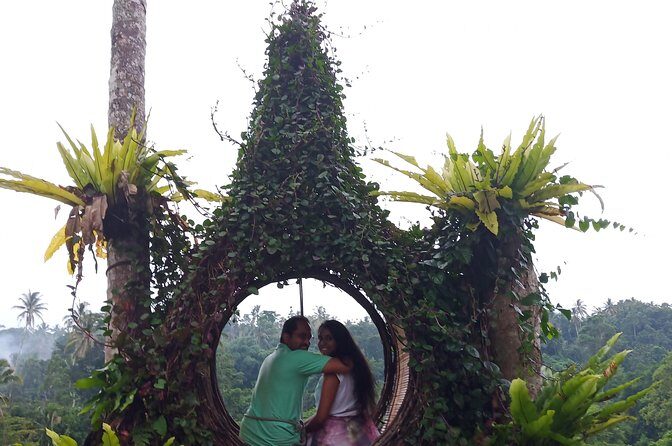
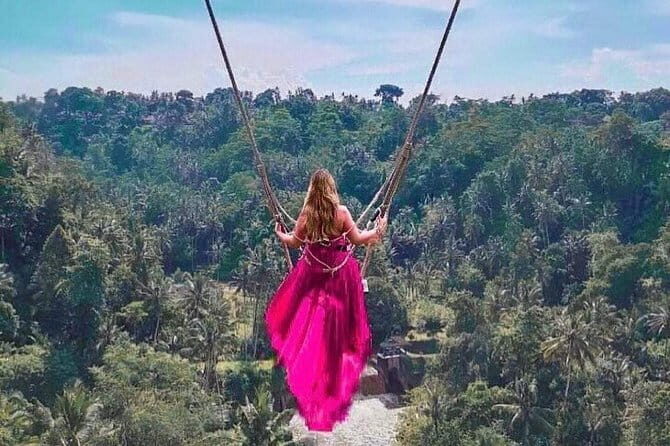
Then you switch gears to Ubud Jungle Swing, a big thrill stop over the valley. You’ll get about 1 hour for this, and it’s listed with an included admission ticket in the itinerary.
Important detail: the swing itself is only included for the All Inclusive option. If you choose a different option, you may pay extra. I like the all-inclusive approach here because it removes guesswork mid-day—especially when you’re also paying for lunch and other entries.
Who should do the swing? If you enjoy heights and don’t mind a staged photo moment, this is a fun break in the middle of a busy day. If you’re not into thrill activities, you can still enjoy the views, but you may want to treat this as optional in your head.
Stop 5: Lunch at D Alas Warung—how the meal fits the day

Lunch is built into the itinerary with D Alas Warung Restaurant and about 1 hour 30 minutes set aside. The catch is which tour option you choose. Lunch is free only for the All Inclusive option.
If you’re not on the all-inclusive version, lunch costs $10.00 per person. I’m fine with either approach, but I’d think about it this way: if you want fewer small payments and a smoother day, bundle it. If you’d rather control meal choices, then pay as you go and use that time for something else.
One practical benefit of a set lunch stop: your guide/driver can time the day so you’re not hunting for food between temples and waterfalls.
Stop 6: Tegenungan Waterfall for a cooling finish

End your loop at Tegenungan Waterfall, one of Bali’s most scenic waterfall spots. You’ll have about 1 hour here with admission included, and you’ll likely be able to take a refreshing dip or simply admire the waterfall.
This stop works well as a finale because it gives you a natural cooldown after a full day of walking. It’s also a high-emotion place for photos, especially when you want something that looks like Bali beyond rice terraces.
The only downside is the usual one with waterfalls: it can get slippery and crowded depending on time of day. Since your plan is private, you have a bit more flexibility to manage how long you stay in the most popular areas.
Price and what you’re really buying for $30.50
At $30.50 per person, this tour is priced like a budget-friendly way to stitch together several major Ubud sights. The value comes from a few included items that add up fast when booked separately: private transportation, tour insurance, bottled water, and fuel and parking fees.
Entrance fees and the swing are a key value lever. The big rule is:
- All entrance fees & swing are included only for the All Inclusive option
- Lunch is free only for the All Inclusive option
- If not all-inclusive, lunch is $10.00 per person
So if you want maximum simplicity, pick the All Inclusive option and let the price cover most of the day’s costs. If you’re comfortable paying a la carte, the alternative can still work, but you’ll want to understand what’s bundled versus what’s extra.
Also note the format: this is private, so it’s only your group. That matters because you’re not splitting time with other people’s pace and bathroom breaks.
Who should book this Ubud route (and who should skip it)
This tour fits you if you want a high-impact day that covers the classics—Monkey Forest, a major temple ritual stop, rice terraces, a famous swing, and a waterfall—while still having control over pacing through private transport.
It’s also a good choice if you like cultural context alongside photos. The subak irrigation system mention isn’t just a label; it helps connect the rice terraces to how Bali organizes water and agriculture.
Skip or rethink it if you’re expecting a guaranteed, constant level of narration at every stop. With any private tour, your experience depends on your guide. If you want deep explanations on every location, treat that as a requirement when you book.
Should you book it?
Yes, if you want an efficient Ubud day that avoids the stress of coordinating transport and entry fees. The strongest reason to book is that it packages multiple top-tier stops—temples, terraces, a thrill activity, and a waterfall—into one private route with pickup and drop-off.
If you’re the kind of traveler who cares about the “story” behind places, this can be a great fit, especially with guides such as Made, Juli, Karyana, Dika, and Sutha mentioned as knowledgeable and helpful in English. Just make sure you’re clear about what kind of guiding you want during the day, so you don’t end up with a mostly driving-focused experience.
FAQ
How long is the Ubud tour?
The tour runs about 8 to 10 hours.
Is hotel pickup and drop-off included?
Yes. Hotel pickup and drop-off are offered for a more seamless experience.
Is this tour private or shared?
It’s private. Only your group participates.
Which stops are included?
The day includes Sacred Monkey Forest Sanctuary, Tegalalang Rice Terrace, Tirta Empul Temple, Ubud Jungle Swing, lunch at D Alas Warung Restaurant, and Tegenungan Waterfall.
Are entrance fees included?
Admission tickets are included for the listed stops. Also, all entrance fees and the swing are included only for the All Inclusive option.
Is lunch included?
Lunch is included only for the All Inclusive option. If not all-inclusive, lunch costs $10.00 per person.
Is the Bali swing included?
It’s included only for the All Inclusive option.
Can I cancel for a full refund?
Yes, free cancellation is available. You can cancel up to 24 hours in advance for a full refund.
Is the tour suitable for most people?
Most travelers can participate.


.jpg)
.jpg)
.jpg)
.jpg)
.jpg)
.jpg)
.jpg)
.jpg)