Bali by private car is the quick route to feeling free. This Ubud-based custom day pairs an English-speaking driver with an air-conditioned vehicle, so you can hit major sights without the hassle of transfers. It also matters that pickup is door-to-door from your hotel area, which makes a 10-hour day feel realistic instead of rushed.
I love how much is built into the price: private transport, fuel, and bottled water. I also like that you get to shape the day by listing up to five places in your remarks, and the driver can help keep the route logical so you spend time sightseeing, not stuck in planning.
One thing to watch: most temple and attraction entry fees are not included. That means you should expect extra payments on top of the base rate, and you’ll want a bit of cash on hand for the smaller onsite moments.
Key points to know before you go

- Private, door-to-door car service keeps this day flexible from the start.
- English-speaking drivers (like Widi, Dedek, Agung, and Sumona) help you read the day and adjust when traffic or weather changes.
- A full loop of Bali highlights mixes coast temples, Ubud culture, rice terraces, and major Hindu sites.
- Admission fees are separate at several stops, so budget a little beyond the ticket.
- Temple etiquette and monkey safety can make or break your comfort—plan ahead and move calmly.
How the Ubud custom car-and-driver day actually works

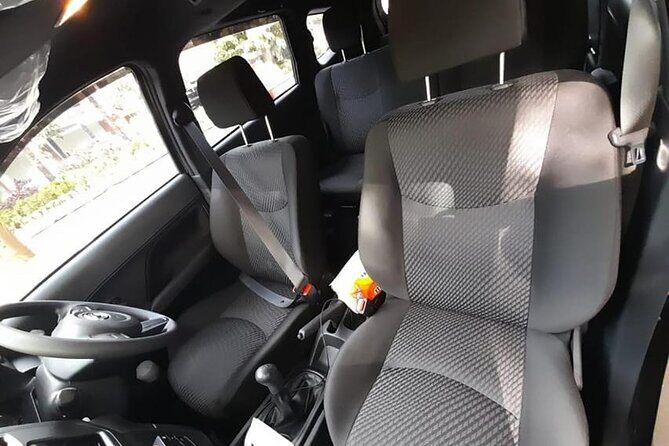
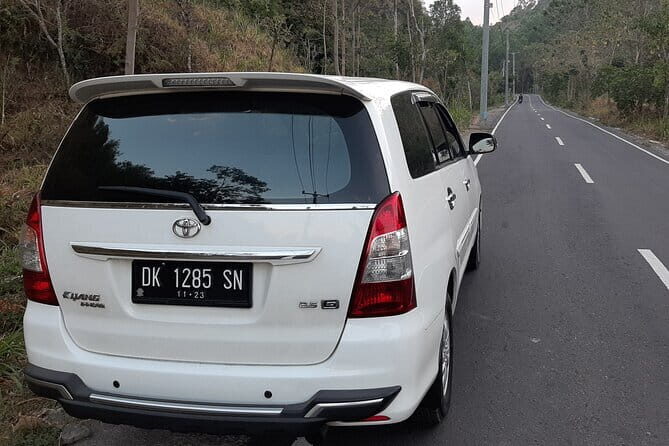
This is a private activity: only your group rides together, in one air-conditioned car. You’ll start with hotel pickup and end with a return drop-off, which is a big deal in Bali where traffic can chew up time fast.
The driver’s role is part transport, part planning. You’ll share what you want to see, and you can also list up to five places in the remarks section so the itinerary can be prepared in a way that fits one continuous route.
Service coverage is mainly around Ubud and the nearby tourist zones: Ubud, Gianyar, Denpasar, South Badung, Bangli, and Tabanan. If you want more time, you can extend within those areas for USD 5 per extra hour. And if your wishlist goes farther afield, it’s possible to travel to Gilimanuk, Lovina, or Amed Karangasem regency with a surcharge of USD 30 per area.
This kind of setup is ideal if you want a full day of sights, but you don’t want to feel like you’re in a cattle pen with a rigid schedule. The trade-off is that you’re responsible for managing entry fees and any on-site rules, so it helps to go in with a simple plan and a flexible attitude.
Price and value: what $33 per person really covers
At USD 33 per person for about 10 hours, the value comes from what’s included, not from what’s optional. Your day includes hotel pickup and return transfers, private air-conditioned transportation, fuel, and bottled water, plus an English-speaking driver.
So you’re paying for time plus convenience. You’re not just buying transportation; you’re buying the ability to reorder your day if weather or road conditions shift. In practice, drivers have helped adjust plans when rain hit, and some even bring small extras like umbrellas so temple visits don’t turn into a miserable slog.
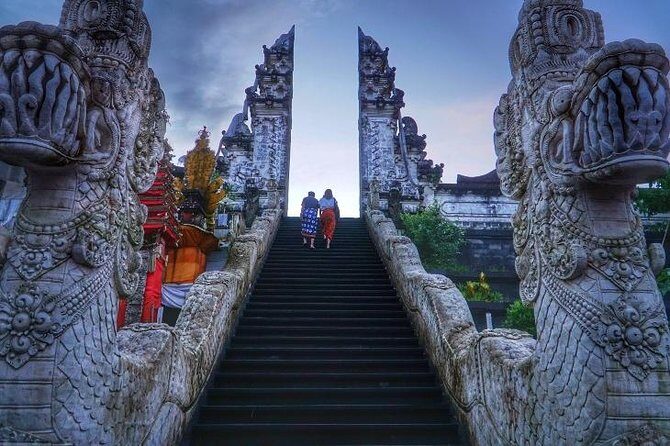
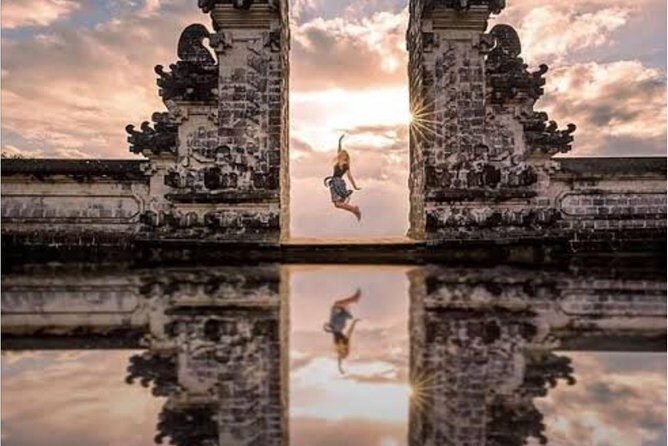
What you’ll pay extra for is admissions. Your base route includes several well-known stops, but entrance fees are not included. The not-included list also shows extra costs you might run into if you swap in other famous sites, like Lempuyang Temple, Tirta Gangga, Ulun Danu Beratan, Jatiluwih Rice Terraces, or Tanah Lot.
A simple budgeting move: bring enough cash for temple tickets and small purchases, and assume your total will be higher than the base price. If you’re traveling with multiple people, this can still be a great deal because you’re sharing the car and driver costs.
Your 10-hour route through Bali’s Ubud icons

This day is designed as a “best-of” loop. Each stop is roughly one hour, but how long you actually stay depends on queues, parking, weather, and how much you want photos and walking time.
Here’s how the major stops fit together—and what to expect.
Stop 1: Tanah Lot sea-temple views

Tanah Lot is an iconic sea temple. You’ll get that postcard setting where the temple grounds sit dramatically by the water, and if the light is good it’s an easy place to linger.
Expect a short visit that mixes walking paths with viewpoint time. Admission isn’t included, so budget for the entry fee when you arrive.
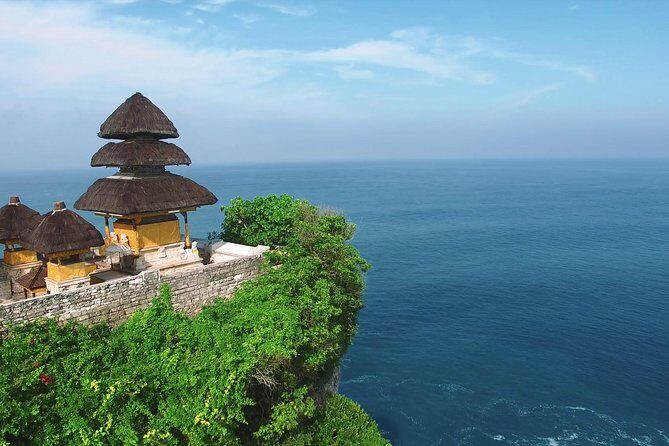
Stop 2: Uluwatu Temple and the cliffside drama
Uluwatu Temple sits on a cliff with ocean views. It’s also known for traditional Kecak dance performances, so you might see parts of that cultural side depending on timing.
This is a great stop for dramatic scenery and photo angles, but it can also mean wind and crowds. Go slowly, watch your footing, and keep your phone secure while you’re moving around.
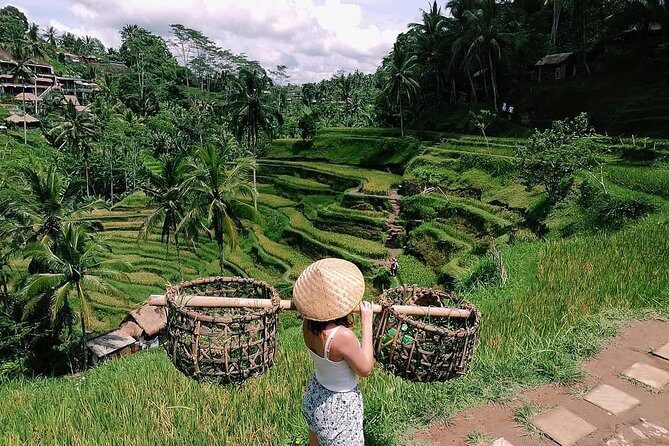
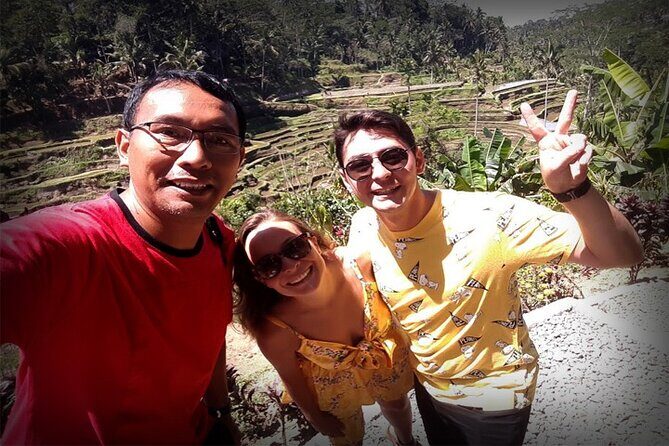
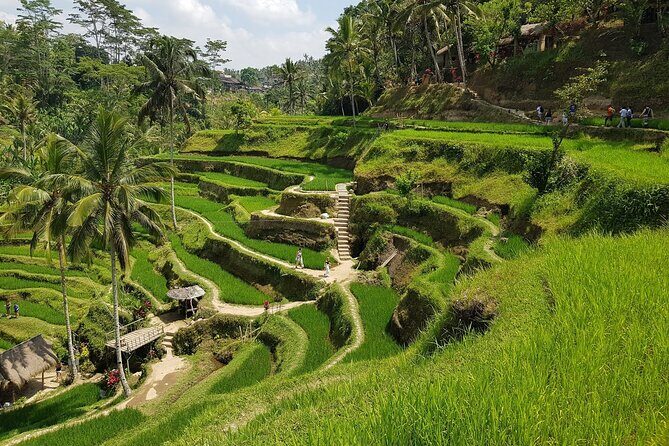
Stop 3: Tegalalang Rice Terraces (the classic Ubud paddies)
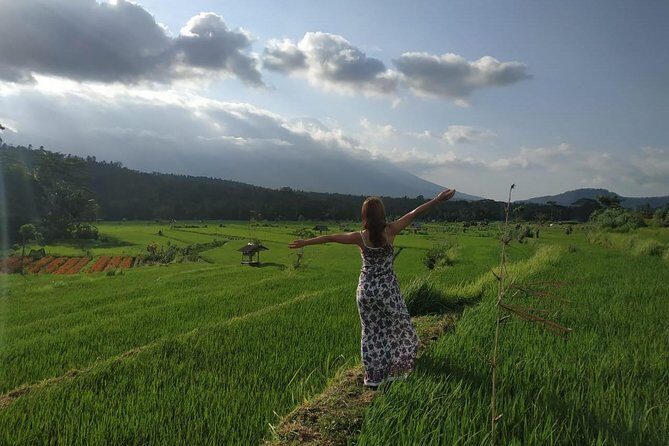
Tegalalang Rice Terraces are famous for their lush green rice paddies and layered viewpoints. This is where you can slow down and feel the “Ubud” rhythm—walking, scanning the fields, and stopping for angles.
You’ll typically have an hour, so aim for the viewpoints that give you the best depth lines rather than trying to see every corner. Admission isn’t included in the base plan.
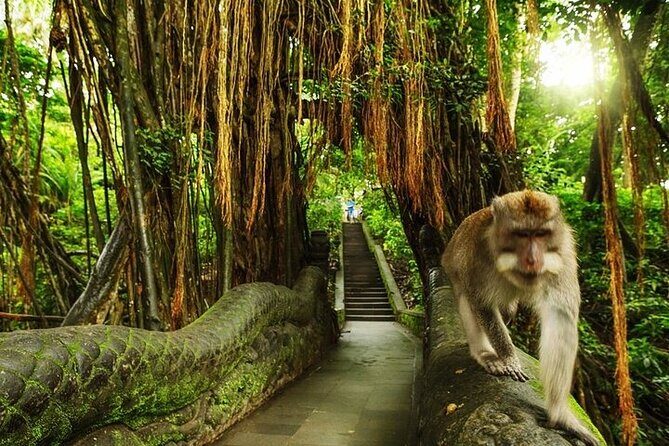
Stop 4: Sacred Monkey Forest Sanctuary in Ubud
This is a nature reserve and temple complex in Ubud, home to hundreds of monkeys. It’s fun and memorable, but also not the time to be careless with bags, sunglasses, or dangling jewelry.
Go with a calm, respectful mindset. Keep your distance, don’t startle animals, and follow any staff directions on where you can and can’t walk.
Stop 5: Ubud Art Market for crafts and culture
Ubud Art Market is where you can browse for traditional crafts. You’ll also get a look at the cultural vibe of the area, and the stop can include performances depending on the day.
This isn’t just shopping. It’s a window into how art and daily life mix in Ubud. If you plan to buy, set a budget before you arrive so you don’t get swept into decision fatigue.
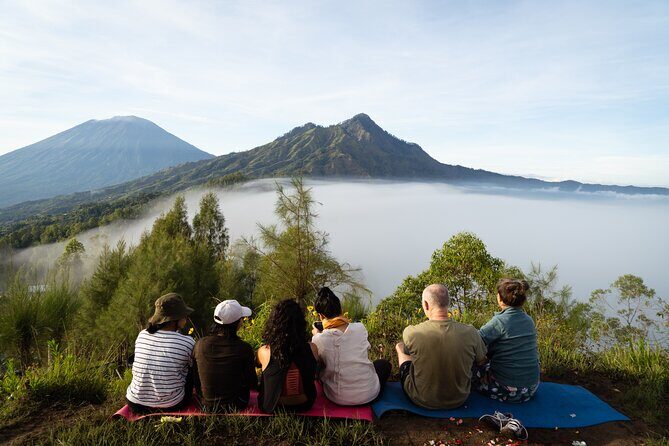
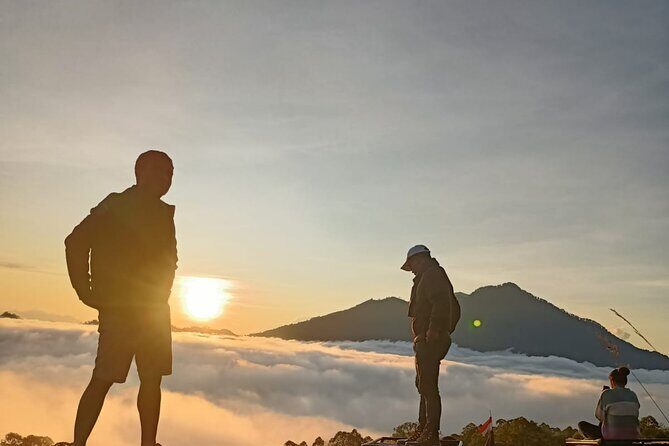
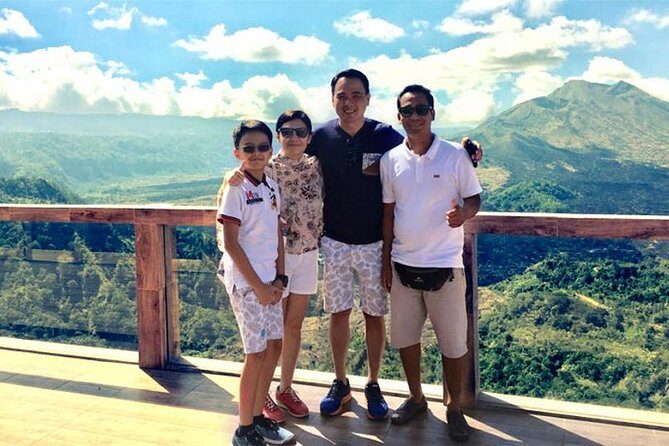
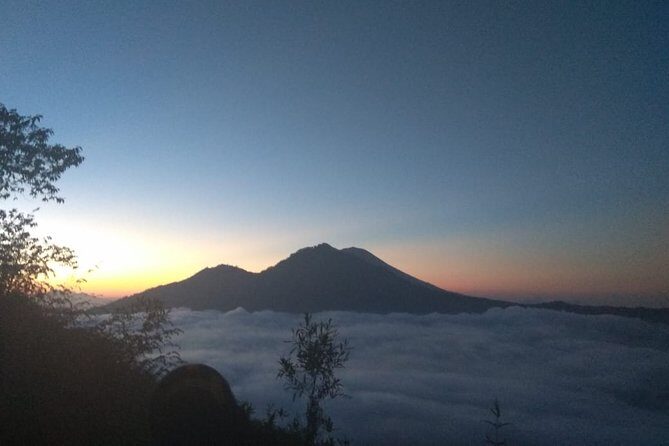
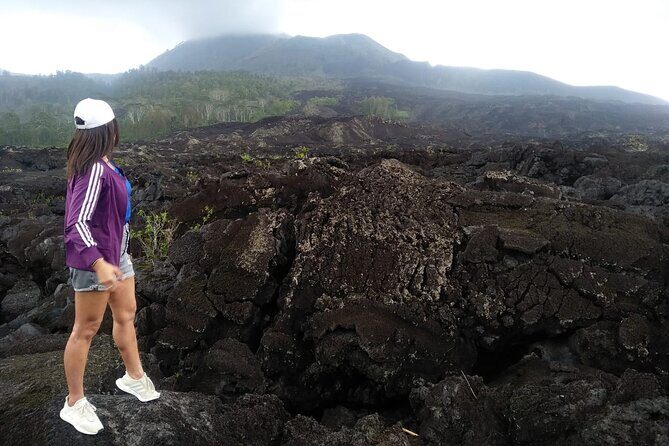
Stop 6: Mount Batur for sunrise-style views

Mount Batur is often done as a sunrise hike with panoramic views. In a single-day itinerary, this stop tends to require strong timing, so you’ll want to be ready for an early departure and changes based on conditions.
Also note the experience requires good weather. If conditions are poor, you may be offered an alternative date or a full refund, so don’t assume sunrise timing is guaranteed every day.
Admission isn’t included, so factor in entry costs.
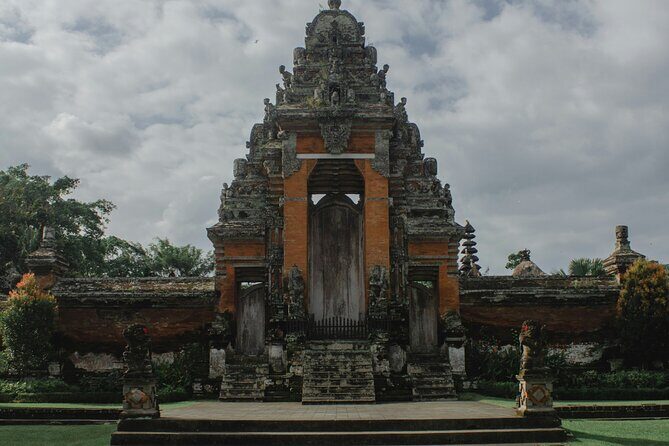
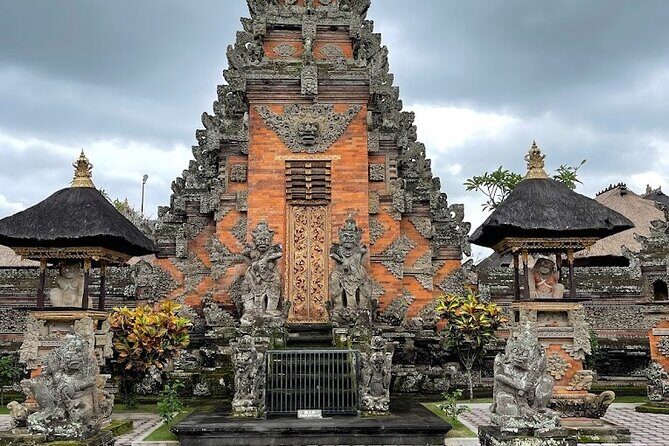
Stop 7: Besakih Temple, the Mother Temple of Bali
Besakih Temple is known as the Mother Temple of Bali and is described as the largest and holiest temple on the island. It’s a major spiritual site, and it tends to feel more grand and serious than the smaller roadside stops.
Have respect for the space. Move with the flow of other visitors, follow local rules, and plan for a short but meaningful walkthrough.
Stop 8: Tirta Empul Temple and purification spring water
Tirta Empul Temple is famous for its holy spring water, where Balinese Hindus go for ritual purification. This stop gives you something different from the “viewpoint-only” sights.
Admission isn’t included. Also, be prepared to act respectfully around people performing rituals. Observing quietly usually goes over better than trying to rush photos.
Transport and timing: the part people don’t think about

Bali driving is its own event. You’ll be spending a lot of time in the car, even on a “10-hour” day, because routes across the island take time. The upside is that you’re not the one negotiating roads or parking.
In real service experiences, drivers have handled heavy traffic and wet mountain roads with patience and careful driving. That’s not a small thing: it’s what keeps the day from feeling stressful.
Another timing factor is how you use your one-hour stops. At major temples and viewpoints, you’ll often spend part of that hour parking, walking in, and waiting for a good moment. If you like photos, plan to leave a little buffer so you don’t sprint at the end.
If rain hits, don’t panic. Good drivers have suggested alternatives when weather changed and helped keep the day moving instead of cancelling your whole plan.
Temples, monkeys, and the photo-and-etiquette reality

This itinerary is heavy on temples and sacred spaces, plus one monkey-focused sanctuary. That combination is great, but it does require a mindset shift from “tourist mode” to “visitor with respect.”
At temples, you’ll be dealing with local customs and crowds. In one service experience, an interaction around photo rules became a surprise moment, so here’s the practical approach: ask your driver what’s allowed before you line up for a shot, and don’t push when someone on-site says no.
At Sacred Monkey Forest, expect monkeys to be bold. If you bring anything that can be grabbed, like open bags or dangling accessories, you’ll feel the pressure to guard it nonstop. Keep things zipped. Move slow. Smile and give them space.
For the temple-water stop at Tirta Empul, the best vibe is quiet observation. Rituals are for worship, not entertainment. When you keep that in mind, the experience feels more authentic and less like sightseeing by checklist.
Choosing a driver: why names like Widi and Dedek show up a lot

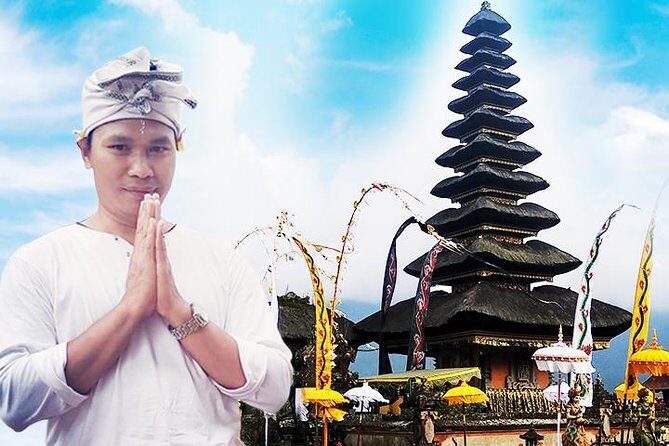
This is car-and-driver service, so the day quality depends heavily on your driver. In the service style here, English-speaking drivers are a key selling point, and many have gone beyond directions into real explanation and pacing.
I’ve seen drivers like Widi praised for early pickup, staying with you through stops, and offering suggestions that changed the day for the better. Dedek has been highlighted for safe driving through tricky conditions and for attention to animals on the road. Agung has been described as friendly, on-time, and good at planning with you rather than simply following a script.
You might also meet Sumona, who’s noted for offering options and explaining things throughout the day. Other names you might see include Bukal, Dewa, and Gusti in various roles tied to guiding and driving.
The takeaway for you: message your driver with your priorities at the start. If you want more cultural context, say so. If you want fewer photo stops, say so. When you communicate clearly, the day tends to feel smoother.
Small traps to avoid: tastings and aggressive sellers

Not every moment in Bali is automatically tourist-friendly, and this kind of car day can include extra stops or shopping pressure depending on how your driver manages time.
One common caution is that some coffee or tea tasting experiences can feel sales-y. If you don’t want to stop at a tasting venue, you’ll be happiest if you set that expectation early and keep the itinerary focused on your agreed sights.
Another issue is dealing with people offering items at temples. You might encounter offering sellers at sacred sites, and in tougher cases the interaction can feel pushy. The practical fix is simple: keep calm, don’t feel pressured to buy immediately, and ask your driver for guidance if it feels uncomfortable.
If you remember nothing else, remember this: you’re in control of your money and your boundaries. The driver’s job is to help you navigate the day, not to leave you alone when you’re unsure what’s going on.
Who should book this Ubud Bali driver day

Book this if you want a private, full-day route with major icons—coast temples, Ubud culture stops, rice terraces, and heavyweight religious sites. It’s a great fit for couples, families, and small groups who hate transfers and want one reliable car for the whole day.
You’ll also like it if you want flexibility. This isn’t a fixed group tour that forces you into one schedule. You can list up to five places in your remarks, and drivers have a track record of adapting when rain or traffic changes the plan.
You might want a different style of tour if you dislike early starts or if you’re very price-sensitive about admissions. Temple fees are not included, and Mount Batur timing can be weather-dependent.
Finally, consider this if you enjoy learning through conversation. Even when it’s not a formal guided tour, drivers often add context and help make the stops feel connected rather than random.
Should you book the Ubud Bali Driver (Bali Custom Tour)?
Yes, if you want convenience and control in one package. The included air-conditioned car, fuel, bottled water, and hotel pickup make a long day easier to manage, and the English-speaking driver support can turn a “drive around” day into a more meaningful route.
I’d book it with a small mindset adjustment: budget for entrance fees, set boundaries about optional sales stops, and treat temples as places of worship. Do those three things and you’ll likely get a smooth, memorable day across some of Bali’s most famous sites.
FAQ
Is hotel pickup and return transfer included?
Yes. Hotel pick up and return transfers are included, and the service operates from key tourist areas around Ubud and nearby regions.
Does this include an English-speaking driver?
Yes. The tour includes an English-speaking driver.
Are admission fees included for the temples and attractions?
No. Admission tickets are not included for the listed stops. The package notes separate fees for several sites (for example Tanah Lot Temple and other temples/terraces).
What places can I request to visit?
You can list up to 5 places in the remarks section when booking.
How long is the tour, and can I extend it?
The duration is about 10 hours. You can extend your travel time for USD 5 per extra hour within the listed service areas.
What areas does the service cover?
The service area includes Ubud, Gianyar, Denpasar, South Badung, Bangli, and Tabanan.
What happens if weather is poor?
The experience requires good weather. If it’s canceled due to poor weather, you’ll be offered a different date or a full refund.

.jpg)
.jpg)
.jpg)
.jpg)
.jpg)
.jpg)
.jpg)
.jpg)


.jpg)
.jpg)
.jpg)
.jpg)
.jpg)
.jpg)
.jpg)
.jpg)


.jpg)
.jpg)
.jpg)
.jpg)
.jpg)
.jpg)
.jpg)
.jpg)


.jpg)
.jpg)
.jpg)
.jpg)
.jpg)
.jpg)
.jpg)
.jpg)

.jpg)
.jpg)
.jpg)
.jpg)
.jpg)
.jpg)
.jpg)
.jpg)