A full Ubud day can feel like a juggling act. This one stays organized with a private English-speaking guide and included tickets, so you spend your energy on places—not paperwork. I especially like the stop-by-stop structure (you actually get to see a lot) and the fact that Balinese lunch is built in. The only real watch-out is that it’s a long, packed day, so plan on some walking and a steady rhythm from morning to afternoon.
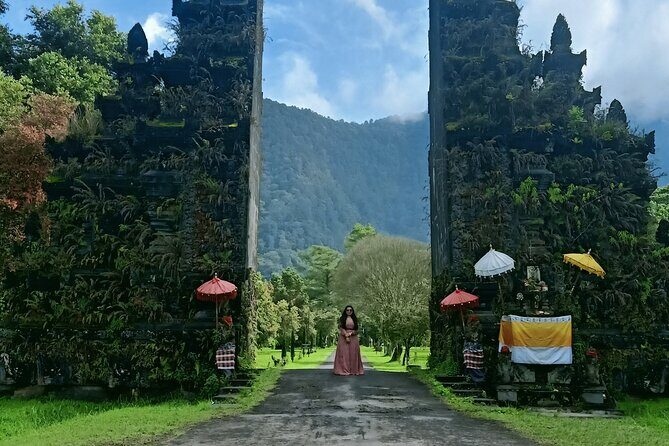
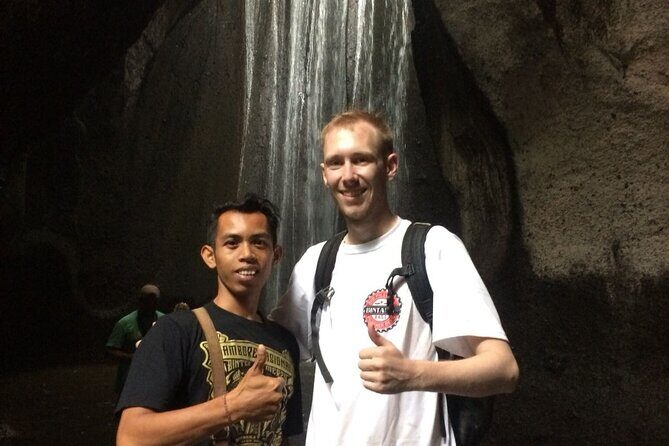
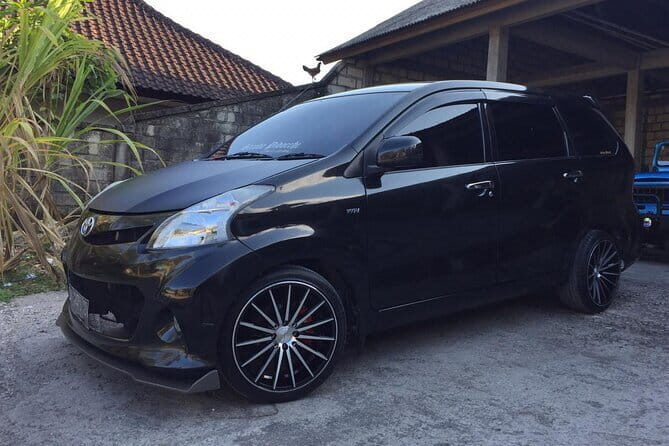
The big practical win is the transportation. You get picked up and dropped off, ride in a comfortable air-conditioned car, and don’t have to negotiate rides between scattered sights. Your guide also helps with photos at the stops, and that alone can save you time and stress.
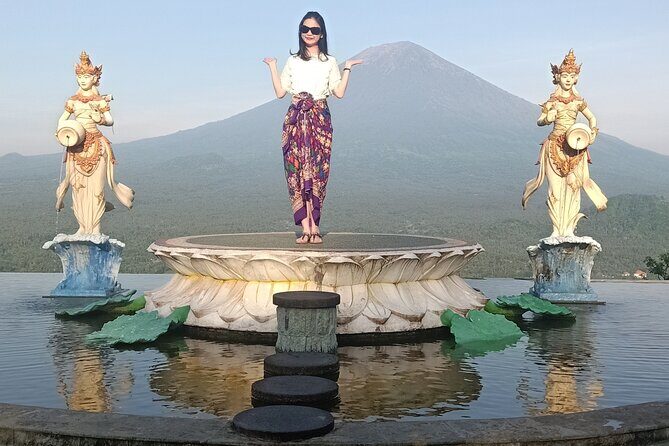
It also nails the Instagram-friendly Ubud classics without feeling random: Ubud jungle swing is on the schedule, and you also hit the Tegalalang Rice Terrace (UNESCO-listed) and the Sacred Monkey Forest Sanctuary. If you want a relaxed Ubud pace, though, this may feel a bit “go-go,” since you’ve got two 45-minute free windows plus big-ticket stops.
Key highlights to plan around
- Private, English-speaking guide + driver means less confusion and better timing at each photo stop
- Round-trip pickup from Ubud/Gianyar plus major Bali areas like Sanur, Seminyak, Canggu, and Denpasar
- Admission fees included for Celuk Village, Tegenungan Waterfall, Tirta Empul, jungle swing, Tegalalang, and the monkey sanctuary
- Traditional Balinese lunch at D Alas Warung, with the meal scheduled as part of the flow
- Two short free periods in central Ubud for the Traditional Art Market and Ubud Palace
A smooth Ubud day without the DIY headache
Starting at 8:30 am is a smart choice. You’ll beat some of the busiest daytime conditions and settle into the day before heat and crowds really stack up. With a 9-hour schedule, you’re not wasting half your day figuring out transport. Instead, you’re moving through Ubud’s most photographed cultural and nature stops in an intentional route.
This is also set up as a private tour/activity, meaning only your group participates. That matters because it keeps the vibe calmer than a big shared bus day. You’ll still be in public places, but the pace is easier to manage, and your guide can adjust when a stop is crowded or when photos take a bit longer.
The guide/driver combo is another underrated benefit. In many places, the driver focuses on driving while another person handles guiding. Here, one person does both, which helps your day stay continuous and keeps instructions clear—especially when you’re jumping from Celuk Village to Tegenungan Waterfall to the temple complex at Tirta Empul.
How the day flows: Celuk, waterfalls, temples, swing, and rice terraces
The itinerary is basically a “best-of Ubud hits” loop, but with enough variety to keep it interesting. You start with Celuk Village, then move to Tegenungan Waterfall, continue to Tirta Empul Temple, and move into lunch before the more adventure-leaning Ubud jungle swing. After that, it’s back to scenic classics: Tegalalang Rice Terrace, then the Sacred Monkey Forest Sanctuary, and finally two shorter breaks for central Ubud.
Here’s the time rhythm you should expect:
- Celuk Village: 1 hour
- Tegenungan Waterfall: 1 hour
- Tirta Empul Temple: 1 hour
- D Alas Warung lunch: 1 hour 30 minutes
- Ubud Jungle Swing: 1 hour
- Tegalalang Rice Terrace: 1 hour
- Sacred Monkey Forest Sanctuary: 1 hour
- Ubud Traditional Art Market: 45 minutes
- Ubud Palace: 45 minutes
That’s a lot of highlights, so your best move is mental: treat it like a curated day, not a “wander forever” day. If you’re the type who likes to linger at one place for hours, you may want to save your real slow strolls for another trip.
Celuk Village: the silver-and-gold craft stop that explains the culture
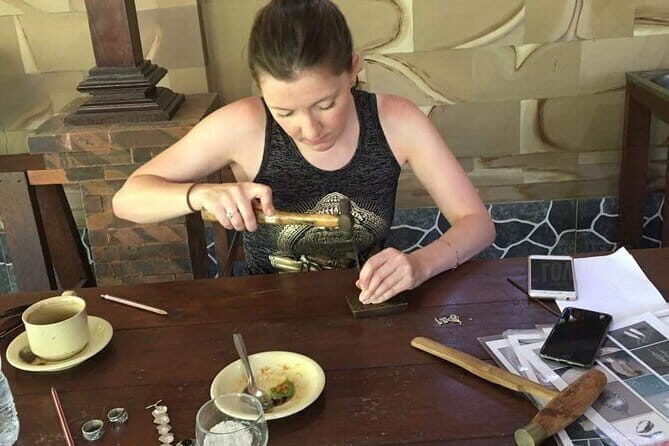
Celuk Village is known as the silver village, and the focus here is hands-on craft culture. Expect artisans making silver and gold jewelry and handicrafts in homes and workshops—work that’s been passed along for centuries. Even if you’re not shopping, it’s one of the best places to start because it grounds you in how Bali’s local skills show up in everyday life.
What I like about this stop is that it’s not just a photo spot. You get the chance to see the human side of the craft—where the materials, tools, and work rhythm are the story. It also sets context for the rest of the day: Bali isn’t only temples and scenery. It’s also work, making, and community.
A practical consideration: if you’re planning to buy anything, give yourself time to look slowly. A single hour can vanish fast when you’re comparing styles.
Tegenungan Waterfall: a nature break built for photos
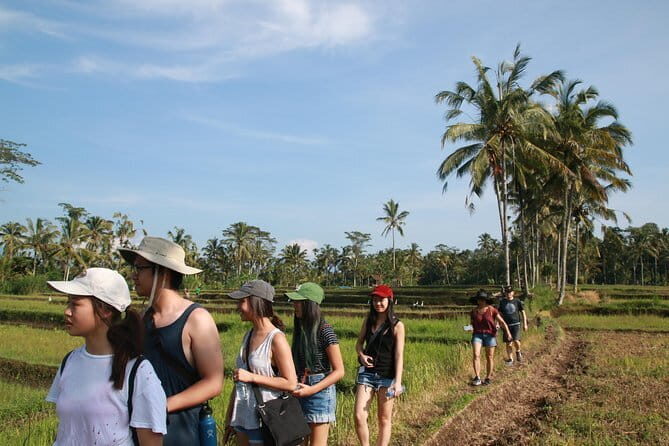
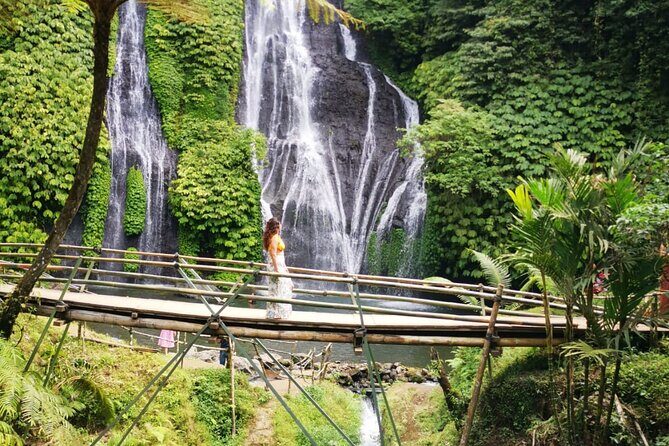
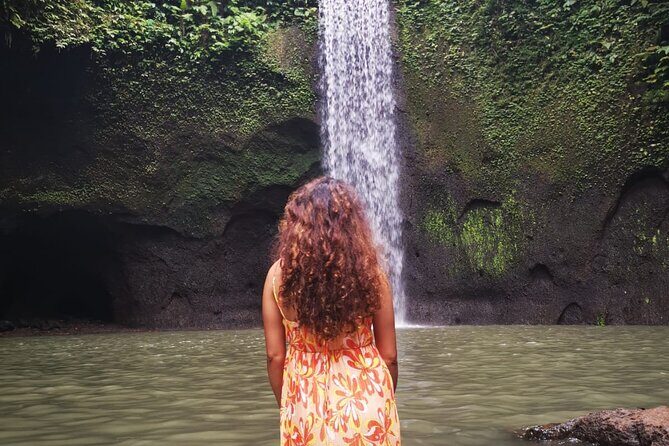
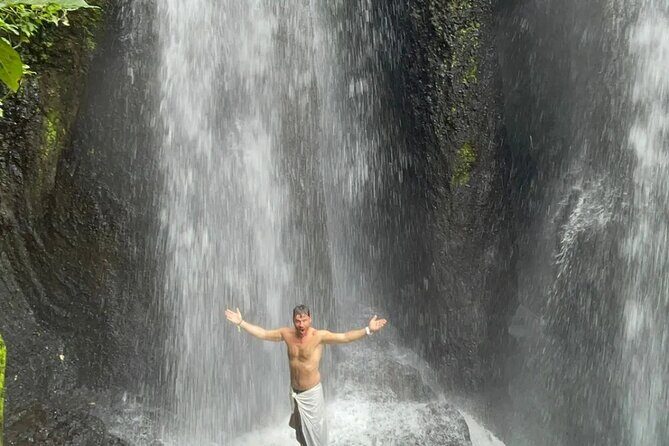
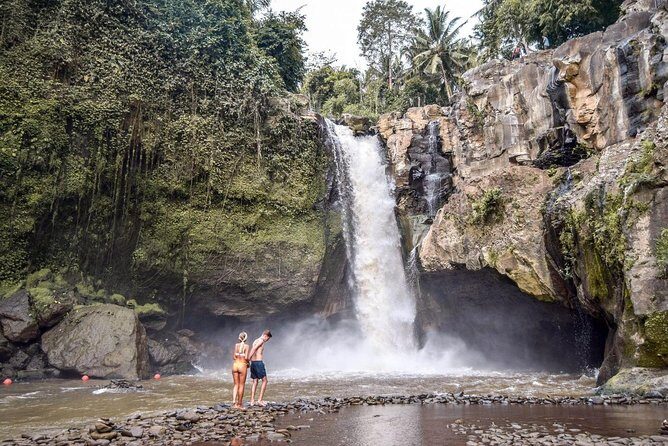
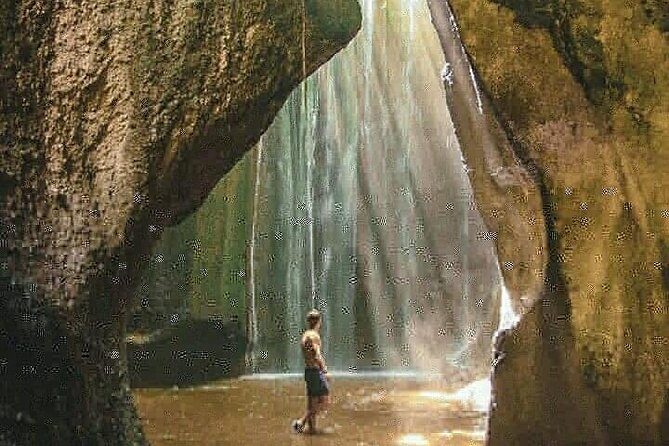
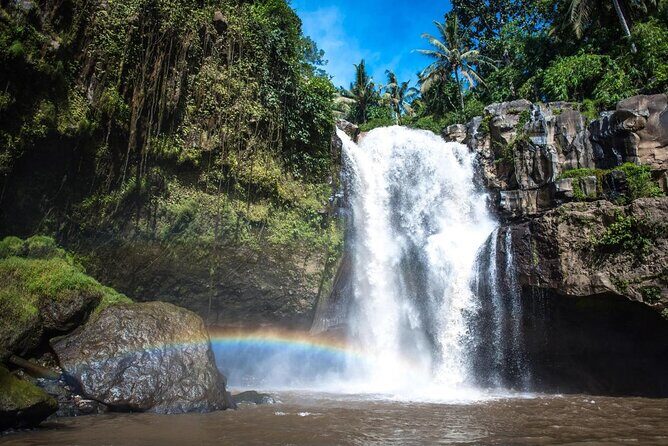
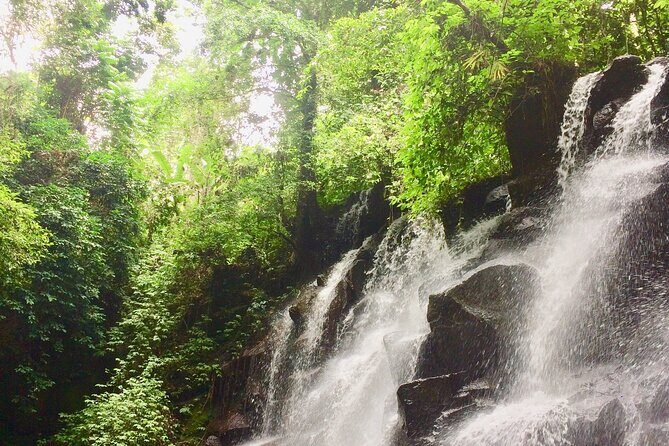
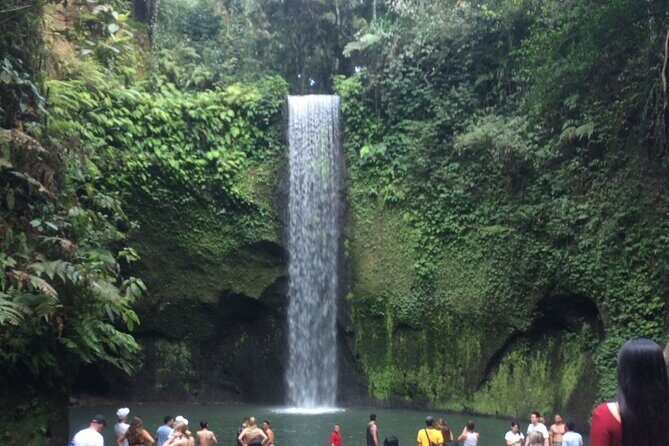
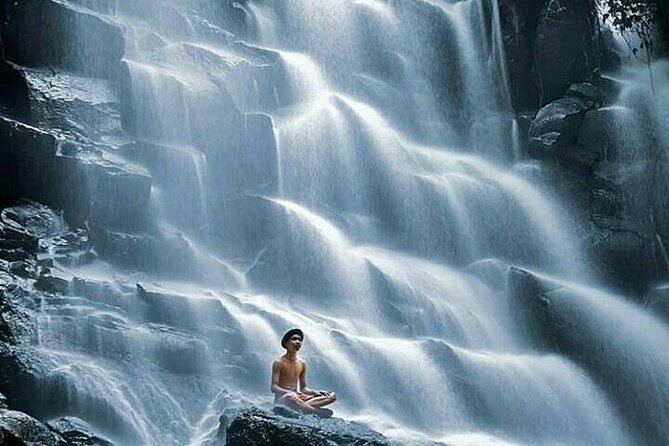
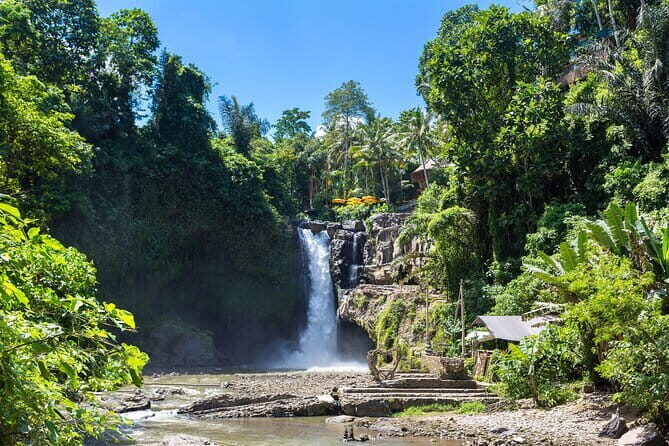
Next up is Tegenungan Waterfall. The key appeal is the view: lush jungle and a waterfall you can photograph from multiple angles. This is the moment in the day where you shift gears from crafts and cultural learning into pure scenery.
The value of scheduling it with a full hour is simple: you’re not forced to sprint through. You can take your time finding a good angle, let the light change slightly, and still stay on schedule for the rest of the day.
One thing to plan for is that waterfall stops can involve uneven footing and areas that feel slippery. Wear shoes you can trust. And while your guide helps with photos, you’re still moving around, so keep that steady pace mindset.
Tirta Empul Temple: purification rituals around a sacred spring
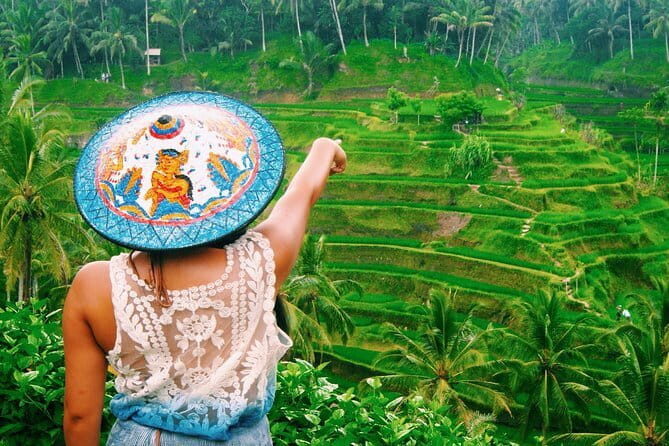
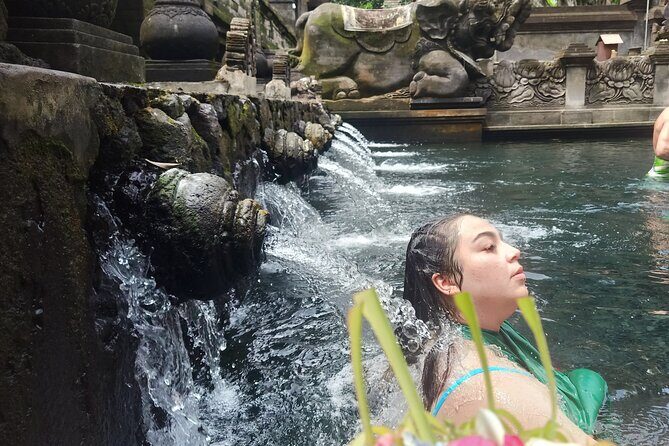
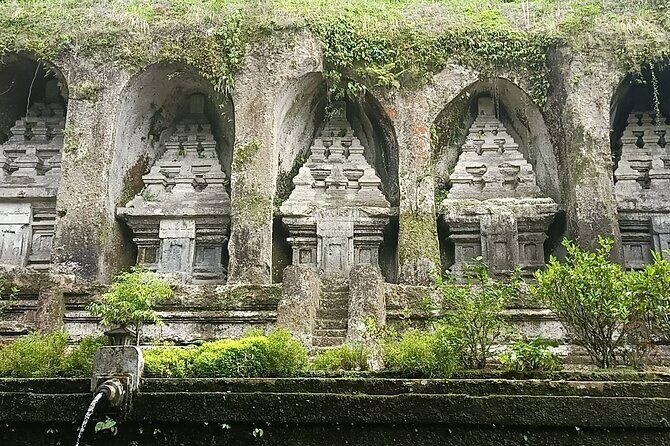
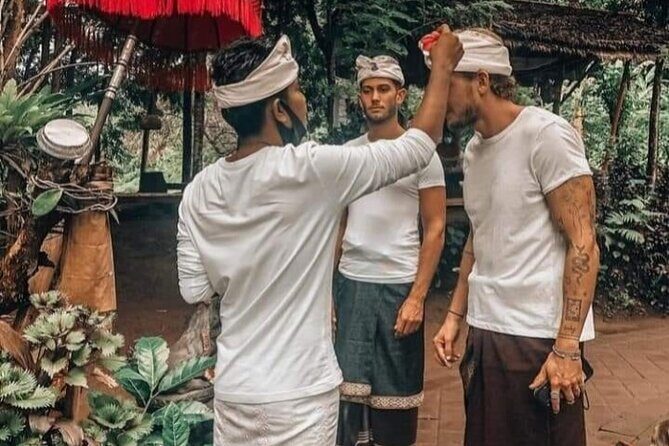
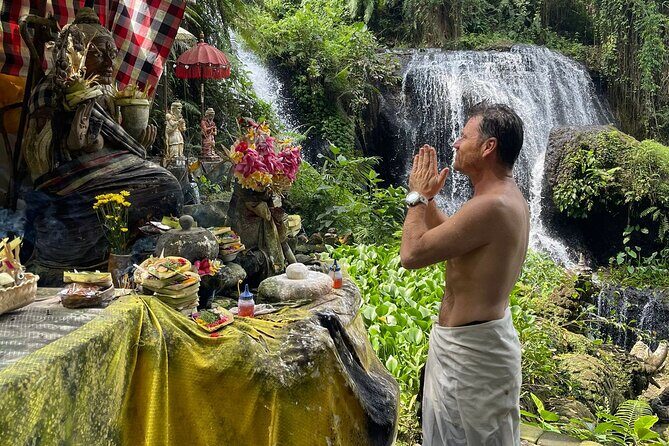
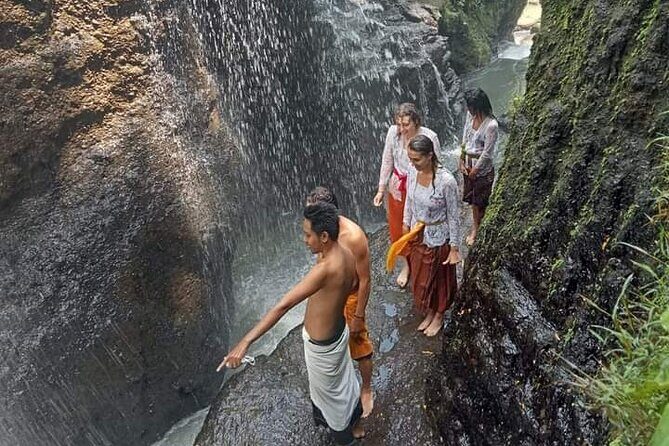
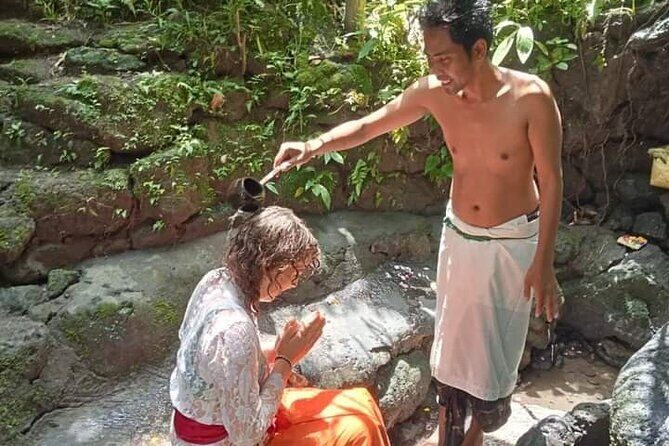
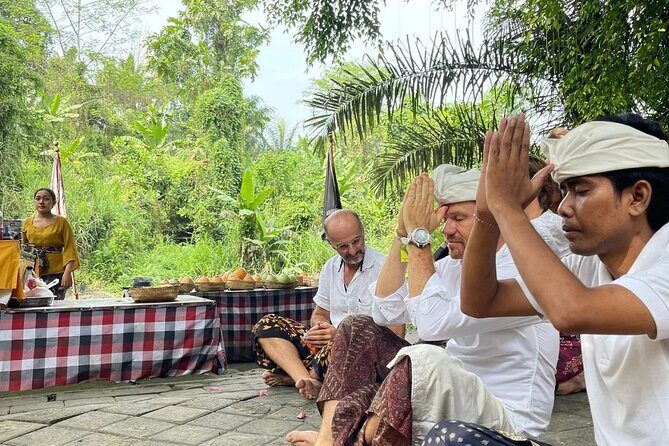
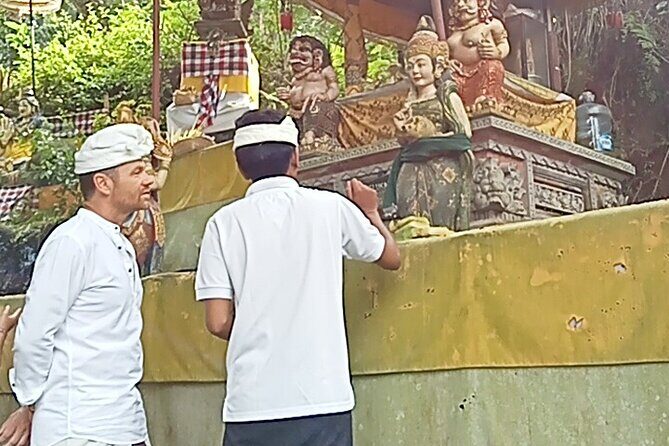
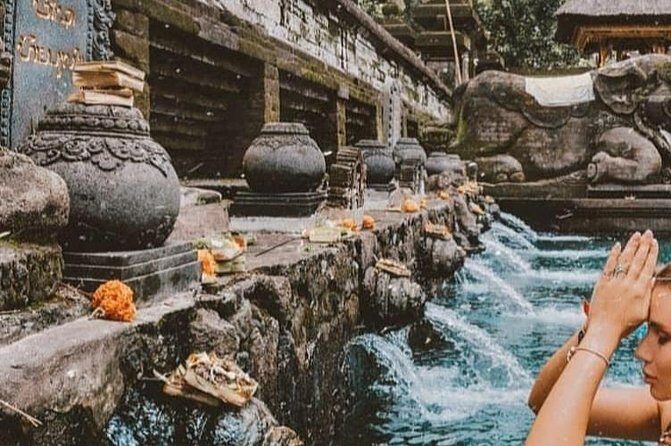
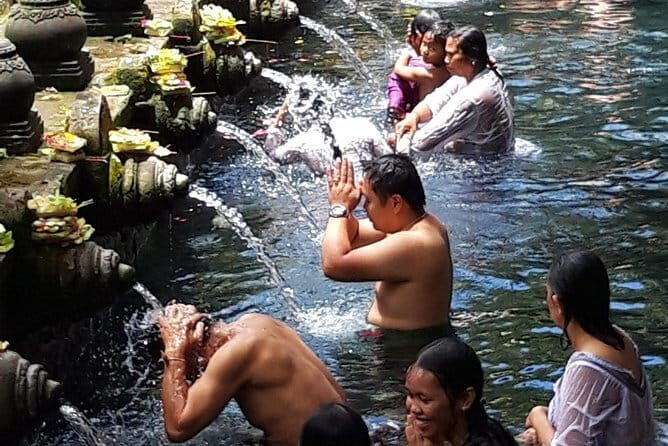
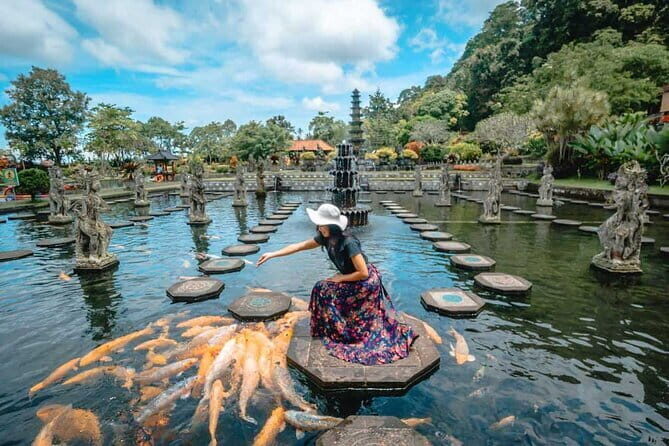
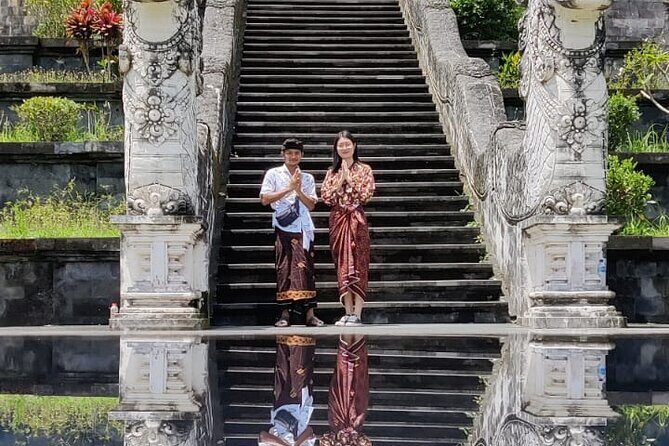
Tirta Empul Temple is built around a sacred natural spring, and worshippers come to purify themselves and collect holy water for religious rituals at home. The experience here is about respect and observation—this isn’t just a scenic stop. It’s a working religious site tied to ongoing daily devotion.
What makes this stop meaningful is that it explains why the temple matters beyond architecture. You’re seeing a place of ritual practice, not only viewing buildings as objects. Even if you’re not participating, the guide can help you understand what people are doing and why.
Practical tip: keep your tone calm and your movements considerate. You’ll get the most out of Tirta Empul by slowing down a little and letting the ritual context land.
D Alas Warung lunch: Balinese food in a village-style setting
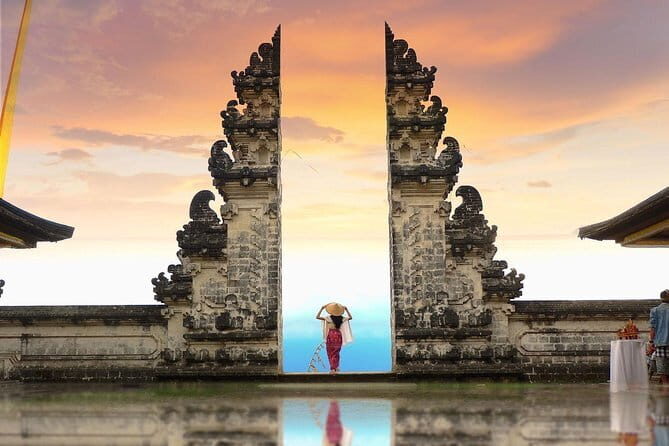
Lunch is at D Alas Warung Restaurant, and it’s specifically described as authentic Balinese cuisine with healthy homegrown food in a traditional crafted village setting. It’s also scheduled for 1 hour 30 minutes, which is a comfortable window. You’re not rushing through food between two sprinting stops.
The biggest value here is that lunch is not an afterthought. It’s planned into the route, and it’s included. That means you don’t spend energy hunting for something that fits your schedule, especially when you’re traveling through areas where options might be more spread out.
A balanced consideration: because the lunch is traditional, it may not match every dietary preference perfectly. If you have specific dietary needs, you should flag them in advance when you book, since the tour data only confirms traditional Balinese lunch—not customizable menus.
Ubud Jungle Swing: ticket included, and your guide can help you frame the shots
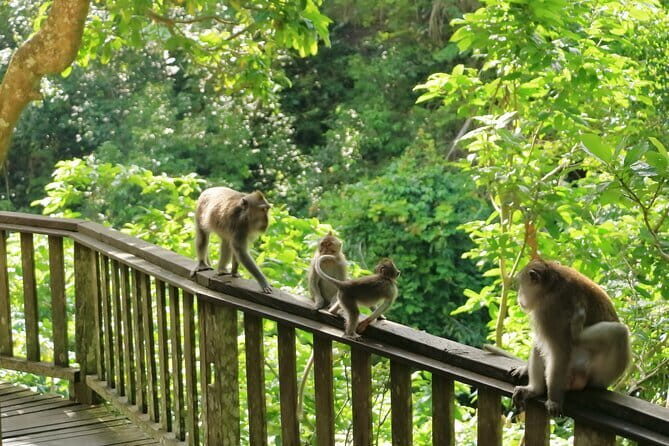
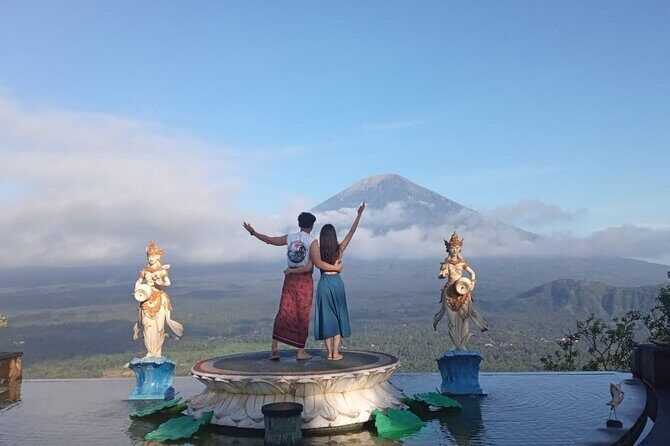
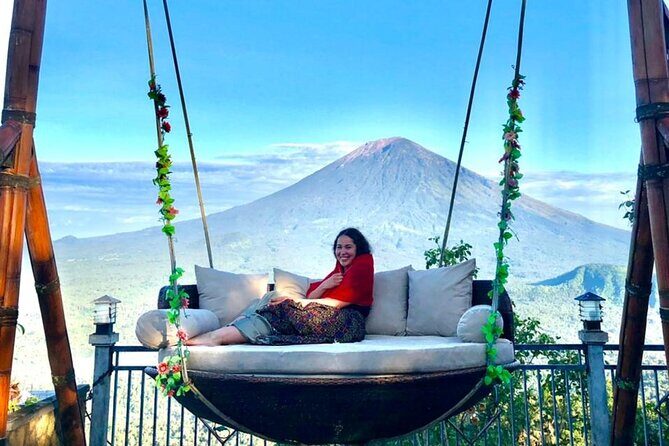
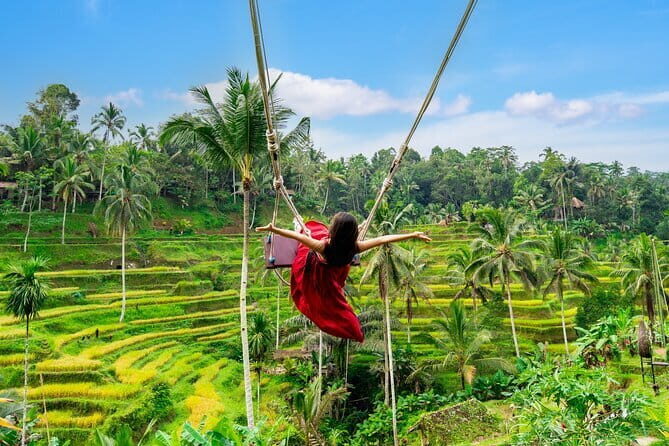
Ubud Jungle Swing is your adventure-and-view segment. The idea is simple: you’ll get panoramic views over cascading rice fields and surrounding jungle, and you do it with an included admission ticket.
This stop is where you’ll want to be ready for photos and for height or motion. The schedule gives you an hour, which should be enough time to handle check-in, time on the swing, and a few perspective angles—especially since your guide can help take the best possible photos at stops.
The practical consideration is that swing setups can be physically demanding compared to a temple stop. You’ll be fine if you’re generally mobile, but keep in mind this is not a sit-and-watch stop. Wear clothes you can move in, and plan for time taken to get the right shots.
Tegalalang Rice Terrace: UNESCO-listed views with traditional irrigation
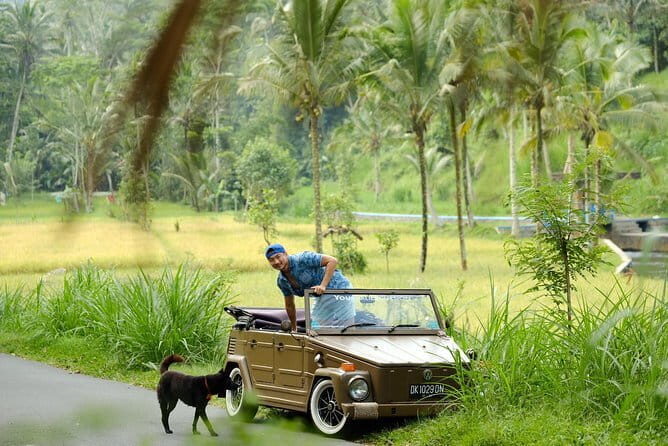
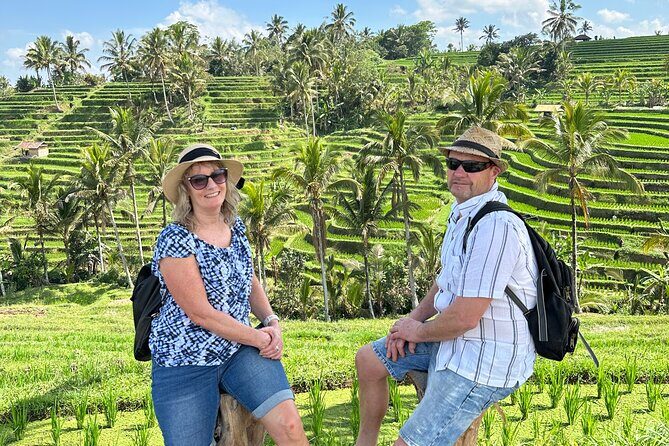
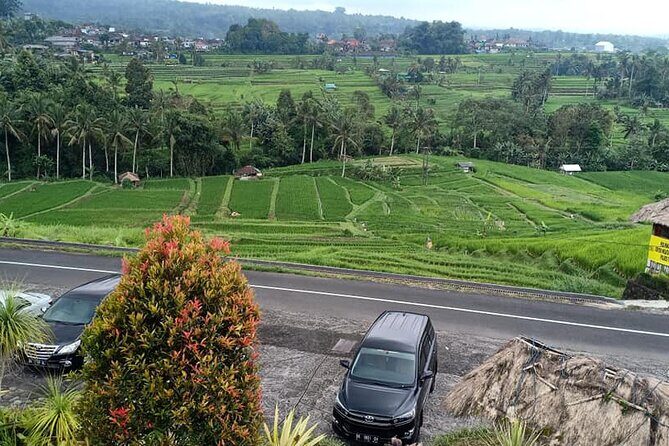
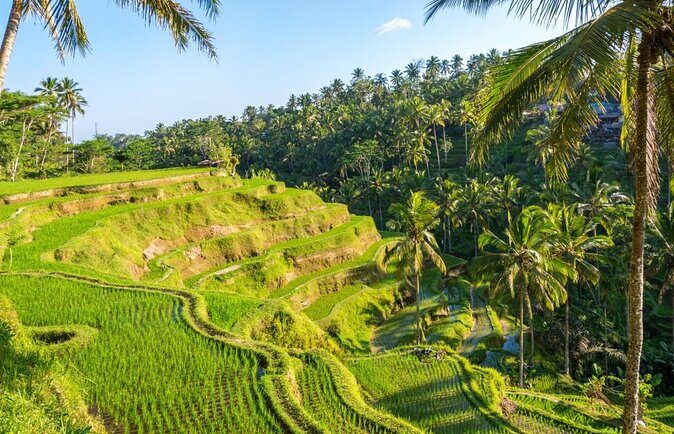
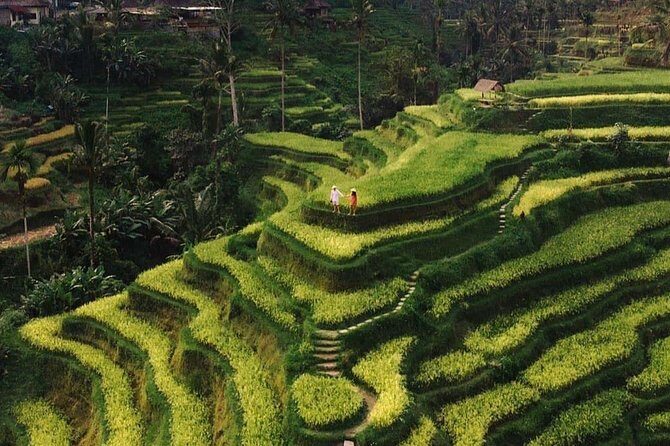
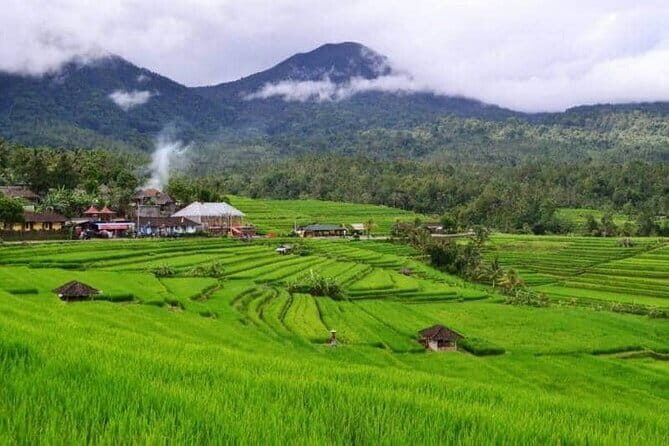
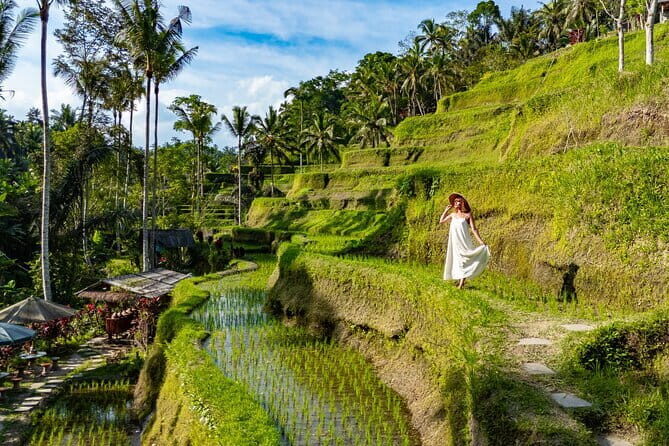
Tegalalang Rice Terrace is famous for a reason. It’s dotted with coconut trees, and the rice grows with a traditional irrigation system. It’s also listed as a UNESCO World Heritage Site, so it’s not just a pretty backdrop—it’s a preserved landscape shaped by agricultural knowledge.
The hour you get matters. This is one of those places where it’s tempting to keep walking for “one more angle.” With a scheduled stop, you can still choose your spots carefully, but you won’t lose the day.
If you care about photography, this is where early momentum helps. Morning light tends to flatter texture in rice terraces. When your guide helps with photos elsewhere too, it means you can ask for specific framing without having to coordinate it yourself.
Sacred Monkey Forest Sanctuary: nature reserve, temple complex, and long-tailed monkeys
The Sacred Monkey Forest Sanctuary is described as a highlight of Ubud: a nature reserve, sacred temple complex, and home to hundreds of Balinese long-tailed monkeys. It’s also an hour-long stop, which is about right for walking through temple areas and viewing monkeys without turning it into a full marathon.
What I like about this stop is that it mixes the feel of nature with the sense of sacred space. You’re not only seeing animals. You’re moving through a sanctuary tied to cultural meaning.
Important practical note: monkeys are wild animals. Keep a respectful distance, secure bags, and follow your guide’s cues. If a monkey approaches your space, you don’t need to be brave or clever—just step back and let things pass.
Ubud free time: market browsing and a palace look-over
After the major sights, you get two short breaks in central Ubud: 45 minutes at the Traditional Art Market and 45 minutes at Ubud Palace. Both are described as free self-exploration time, with no admission included for these specific stops (since the time is free on the schedule).
This is a smart design for two reasons. First, it gives you room to buy small souvenirs or look for local art without losing the whole day. Second, it lets you rest your feet a bit after the swing and sanctuary segments.
How to make the most of it:
- Use one window for browsing and the other for photos and quick wandering
- If you’re shopping, set a loose plan: what you’re actually looking for, not just random browsing
- Keep your time awareness tight; 45 minutes disappears fast when you find something you like
Price and value: what $87.36 gets you in real terms
At $87.36 per person, this tour can look like a splurge—until you list what’s included. Your package covers transportation by private air-conditioned vehicle, round-trip pickup and drop-off from several areas around Bali, an English-speaking guide who also serves as the driver, entry/admission fees, and lunch. It also includes the Ubud jungle swing admission ticket, bottled water, and parking fees.
That’s the value story: you’re paying for a full structured day where the usual “extras” are already handled. In places like Ubud, entrance fees and paid activities can stack quickly, and food costs add up too. Here, you’ve got fewer decisions to make mid-day, and less time lost organizing.
Group discounts are mentioned as well, but you should treat this as primarily a private-day convenience play: fewer crowds, clearer instructions, and a guide who can help you with photos at the stops.
Who this is best for (and who should think twice)
This tour is a strong match if you want a well-paced highlights circuit: crafts at Celuk, a waterfall break, a major temple visit at Tirta Empul, scenic rice terraces, and the monkey sanctuary—plus jungle swing and lunch. It’s also a good fit if you’d rather not manage transport logistics across multiple locations.
It’s less ideal if you want a slow, purely self-guided Ubud day. With nearly every hour assigned to a stop, you have limited flexibility to stretch one location into a long stay.
If your group loves photos, the guide’s help at the stops is a practical bonus. If your group loves culture, the combination of craft village, temple ritual context, and sacred sanctuary makes the day feel grounded rather than just sightseeing.
Final call: should you book this Ubud tour?
I’d book it if you want the “Ubud greatest hits” day done with minimal hassle, and you care about having the key entrances and lunch handled for you. The private air-conditioned car, pickup coverage across multiple Bali areas, and included admission fees make it a strong value for an all-day plan.
I’d think twice if you want lots of downtime or you dislike packed schedules. This is a full-day route with many stops, including Ubud jungle swing and the Sacred Monkey Forest Sanctuary, so your comfort level with moving on a tight rhythm matters.
FAQ
What time does the tour start?
The start time is 8:30 am.
How long is the tour?
The duration is about 9 hours.
Is hotel pickup and drop-off included?
Yes. Round-trip hotel pickup and drop-off are included, covering Ubud/Gianyar and areas including Sanur, Kuta/Legian, Seminyak, Canggu, Jimbaran, Nusa Dua, and Denpasar.
What’s included in the price besides transportation?
Entry/admission fees, a traditional Balinese lunch, the Ubud jungle swing ticket, bottled water, and parking fees are included. An English-speaking tour guide (who also serves as a driver) is included too.
Do I pay for the attractions separately?
No. Admission fees are included for the listed paid stops, including Celuk Village, Tegenungan Waterfall, Tirta Empul Temple, Ubud Jungle Swing, Tegalalang Rice Terrace, and the Sacred Monkey Forest Sanctuary.
Is this a private tour or shared group?
It’s private. Only your group will participate.
What free time is included in Ubud?
You get 45 minutes for the Ubud Traditional Art Market and 45 minutes for Ubud Palace.