Blue Water Express Boat Transfer From Serangan Or Padang Bai To Lombok Or Vice Versa

Blue Water Express Boat Transfer From Serangan Or Padang Bai To Lombok Or Vice Versa - On Board: Timing, Seating, and the Little Comforts

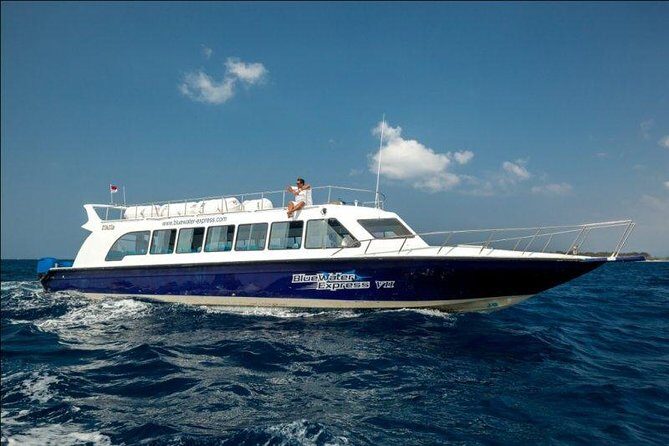
Getting from Bali to Lombok or the Gili Islands can be a juggling act. This Blue Water Express boat transfer is built to simplify it: you choose your Bali departure point, get time-saving hotel pickup on the Bali side, and land on the Lombok/Gili side without having to piece together separate buses and ferries.

Two things I like right away. First, the hotel pickup and drop-off in Bali (from areas like Seminyak, Canggu, Sanur, Nusa Dua, and Ubud) saves real time and guesswork. Second, the “comfort extras” are practical: you get a coffee/tea/mineral water before boarding, then drink service and a cold towel before landing.

One thing to consider: this ride is fast and it’s weather-dependent. The operator says the journey isn’t recommended for people with certain medical limits (heart or back problems, for example), and there’s also at least one widely shared caution about mechanical trouble in the water—so it’s smart to be mentally prepared and travel with flexibility.

Quick highlights before you book
Blue Water Express Boat Transfer From Serangan Or Padang Bai To Lombok Or Vice Versa - Quick highlights before you book

  • Serangan or Padang Bai departure: pick the Bali port that fits your hotel and schedule.
  • One-way service with chosen ports on the other side: Teluk Kode, Gili Trawangan, or Gili Air.
  • Hotel pickup/drop-off only for Bali legs: Lombok/Gili to Bali requires you to get to the port yourself.
  • Small-group feel on a set shuttle route: max 15 travelers per departure.
  • Cooling comfort and drinks: coffee/tea/mineral before boarding, then free flow drinks and a cold towel near arrival.

Fast Boats, Real Logistics: What This Transfer Actually Does
Blue Water Express Boat Transfer From Serangan Or Padang Bai To Lombok Or Vice Versa - Fast Boats, Real Logistics: What This Transfer Actually Does
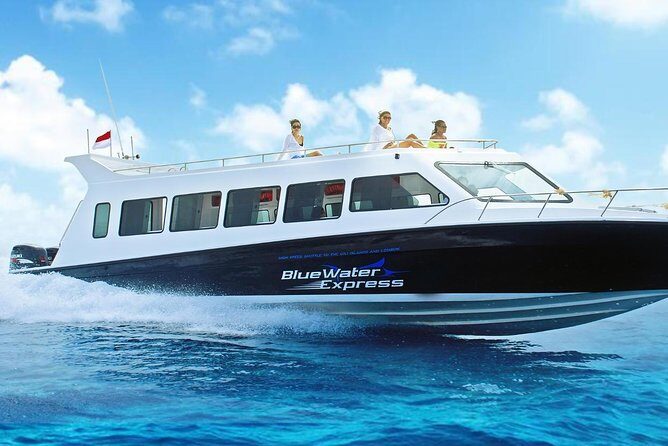
This is a point-to-point boat transfer that connects Bali with Lombok and the Gili Islands. Think of it as the “bridge” across the water, not a full day tour. Your focus stays on timing and getting to the right island port, then moving on.

Outbound, you start in Bali at either Serangan (near Denpasar/Legian/Seminyak/Sanur/Canggu and also Ubud) or Padang Bai (also serving areas like Denpasar, Kuta, Legian, Seminyak, Sanur, Ubud, plus the Padang Bai area and around Candi Dasa/Sidemen). From there, you cross toward Teluk Kode or the Gili Islands ports.

Inbound is simpler in one way and trickier in another. You check in at the Blue Water Express office in the port (Teluk Kode, Gili Trawangan, or Gili Air), then the boat brings you back to Bali and staff transfers you to your Bali hotel. What you don’t get is pickup while you’re on Lombok/Gili—you’ll need your own land plan to reach the harbor.

The overall timing is built for “day-to-day travel,” not “slow travel.” The ride is about 2.5 hours outbound (and stated as 2h15 depending on conditions on the return), with a momentary stop in some ports along the way.

Where Bali Pickup Works Best: Serangan vs Padang Bai

Choosing between Serangan and Padang Bai isn’t just about geography. It changes how painless your morning logistics feel.

If you’re staying around Denpasar, Sanur, Nusa Dua, Kuta/Legian/Seminyak, Canggu, or even Ubud, Serangan can be a strong fit because it’s part of their pickup coverage. It’s also typically convenient if you want a smoother run from your hotel to the harbor—less “last mile stress.”

Padang Bai is often a better match if you’re closer to East Bali routes (like Candi Dasa or Sidemen) or if your schedule is centered around that side of the island. Padang Bai pickup lists overlap with Serangan coverage for western and central areas too, but the key advantage is simple: you pick the port that already matches your day.

Before boarding in either port, you’ll get small but helpful comforts: coffee or tea or mineral water in the harbor area while staff handle boarding readiness. They also help with luggage and getting you onto the deck at the right time.

Practical tip: when you’re comparing departure times, use your hotel location first, then check the WITA schedule. The “best port” is the one that makes the morning easy, not the one that sounds best on paper.

On Board: Timing, Seating, and the Little Comforts

Blue Water Express Boat Transfer From Serangan Or Padang Bai To Lombok Or Vice Versa - On Board: Timing, Seating, and the Little Comforts
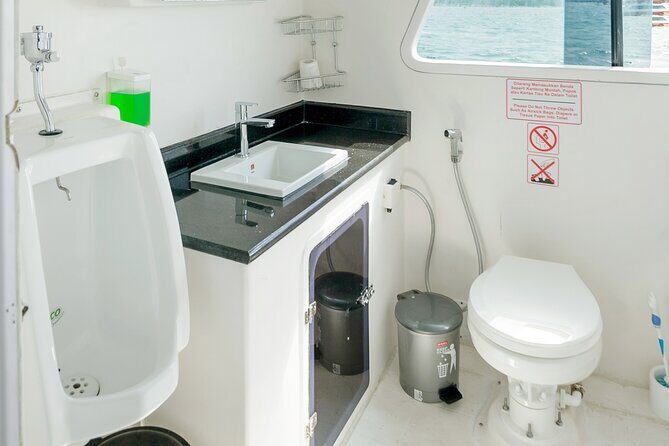
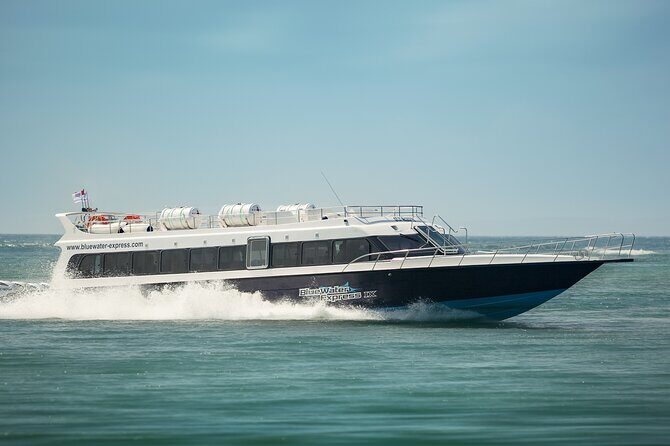
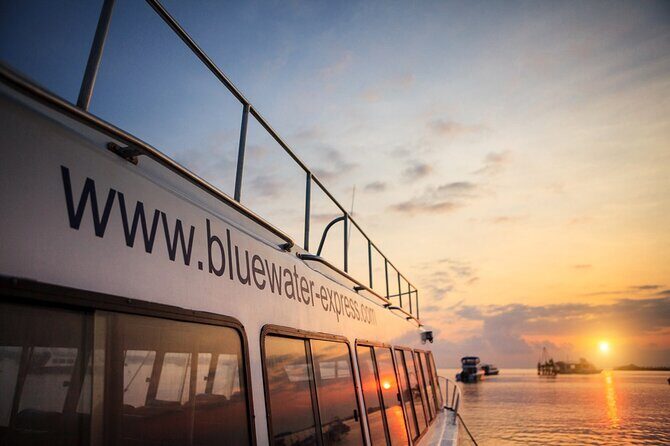
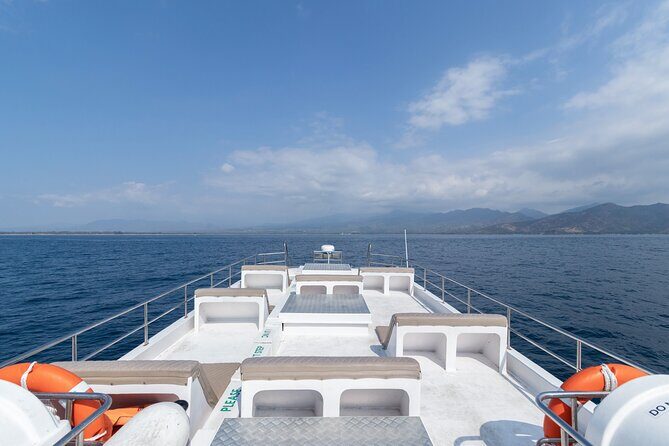
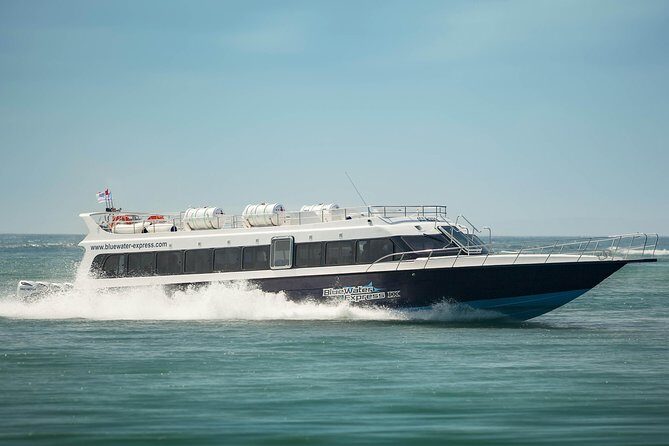
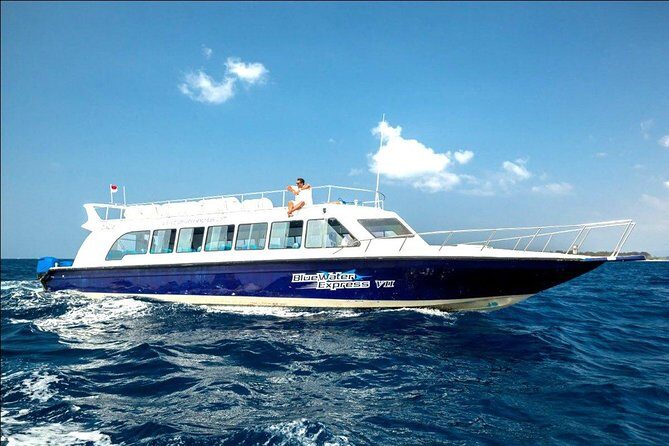
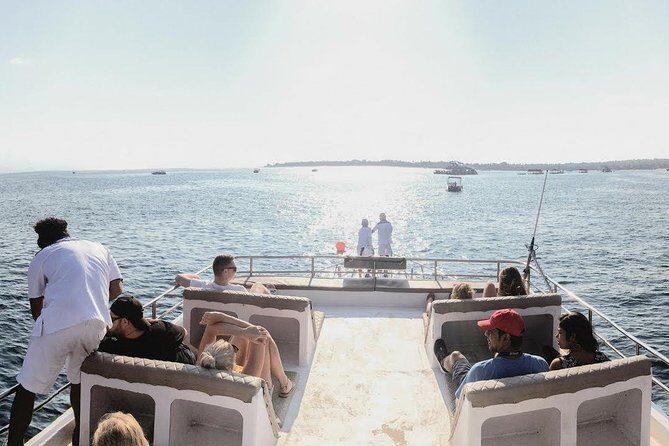
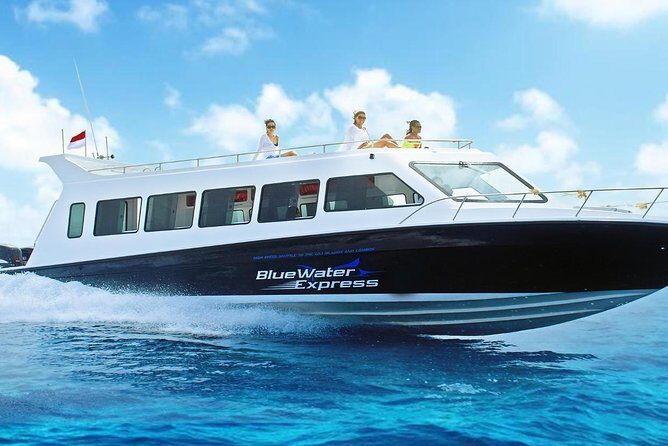
Once you’re on the boat, this service is positioned as a high-speed shuttle with enclosed cabin seating and spacious sundecks. That combo matters because it gives you options. If you want shade and a more sheltered ride, you can stay inside. If you want sea views and more open air, the sundeck is there.

Boarding runs with a clear rhythm:

  • You arrive and check in.
  • Staff assist with luggage and deck setup.
  • You get free flow drinks and sweet once you’re on board.
  • Around the final stretch, you receive a cold towel about 15 minutes before landing.

That cold towel is a small thing, but on hot Indonesian island days it’s genuinely useful. It also signals that arrival is close, which helps if you’re mentally switching modes from “transit” to “island exploring.”

A note on stops: on the way across, the boat may stop momentarily in Teluk Kode and Gili Air, and there are pick-up/drop-off moments connected to the order (including Gili Trawangan). This is normal for shuttle-style routes; the upside is that you don’t have to transfer again. The downside is you should expect the ride to be “direct-ish,” not like a private speedboat with zero interruptions.

Arrival Ports: Teluk Kode and the Gili Islands (How to Think About It)
Blue Water Express Boat Transfer From Serangan Or Padang Bai To Lombok Or Vice Versa - Arrival Ports: Teluk Kode and the Gili Islands (How to Think About It)
The arrival side determines your next moves. This transfer lands you at one of:

  • Teluk Kode (Lombok)
  • Gili Trawangan
  • Gili Air

Teluk Kode is the “Lombok entry” option. From there, your travel often becomes a land-and-local transport problem—short distances, but you’ll still need a way to your destination.

For the Gili Islands, keep in mind that the service takes you to the port, not all the way to your bungalow or beach spot. Also, you may need to budget for local transport after landing. The operator explicitly lists Cidomo transfers as a personal expense on Lombok and the Gili Islands, with an approximate cost range of IDR 100,000 to IDR 300,000 per person.

Two more “arrival reality” points:

  • Island entrance fees are not included and are paid locally.
  • If you’re heading straight to a hotel, your best strategy is to plan your last-mile transport before you board, so you’re not figuring it out while tired and sun-kissed.

Return Trip: Port Check-In in Lombok/Gili (No Land Pickup on That Side)
Blue Water Express Boat Transfer From Serangan Or Padang Bai To Lombok Or Vice Versa - Return Trip: Port Check-In in Lombok/Gili (No Land Pickup on That Side)
If you’re coming back to Bali, the workflow changes.

You won’t get pickup in Lombok or the Gili Islands. Instead, you must check in at the Blue Water Express office at the port (Teluk Kode, Gili Trawangan, or Gili Air). Staff will announce boarding and assist you onto the boat.

On the boat, the service again includes the practical “comfort stack”:

  • free flow sealed mineral water, plus
  • a cold towel about 15 minutes before landing.

Then comes the port pattern: on the way back, the boat stops to pick up/drop off in Gili Air, Teluk Kode/Lombok, and Gili Trawangan before landing in Serangan or Padang Bai. After landing, they transfer you back to your Bali hotel.

This is where you’ll want to be organized. Make sure you know which port you’ll depart from and give yourself time to reach the check-in area. Because this is point-to-point, the company notes it doesn’t take responsibility for delays or connecting flights—so treat your boat return time as the “real anchor” for your onward plans.

Price and Value: Is $32.06 a Good Deal?

Blue Water Express Boat Transfer From Serangan Or Padang Bai To Lombok Or Vice Versa - Price and Value: Is $32.06 a Good Deal?
At $32.06 per person, this transfer is priced for people who want speed and simplicity without overpaying for private transport.

Here’s what you’re really buying for that money:

  • Bali hotel pickup and drop-off (for the Bali side only)
  • drinks in harbor before departure (coffee/tea/mineral)
  • bottled water and drink service during the ride
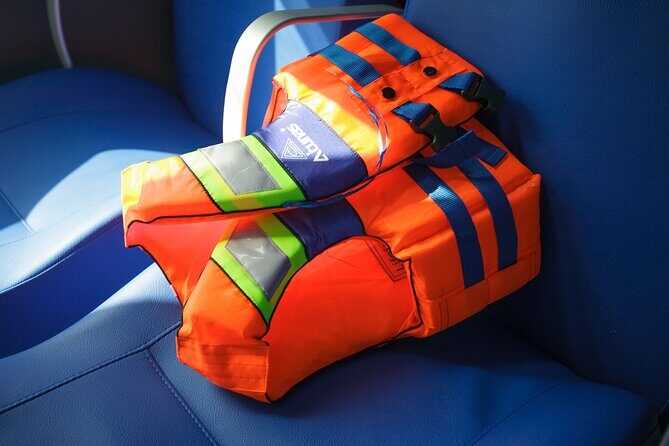
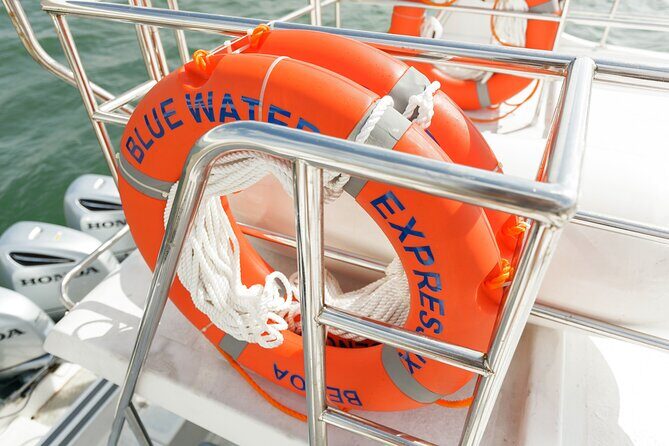
  • international safety equipment (as described for the shuttle experience)
  • the convenience of a mobile ticket and the reassurance that booking in advance reduces your risk of missing your preferred date

What you’re not buying:

  • Lombok/Gili entrance fees (paid locally)
  • local transport like Cidomo
  • anything that depends on your hotel being on the Bali pickup route (the return pickup is only after the boat arrives in Bali)

So the value calculation is straightforward: if your hotel is in their Bali pickup coverage and you want a straightforward crossing to Teluk Kode or the Gili ports, the price makes sense. If you’re planning complicated add-ons on the island side anyway, you’ll still need a little extra budget for local transport and entrance fees.

Schedule Reality: July Timetables, WITA Times, and Weather
Blue Water Express Boat Transfer From Serangan Or Padang Bai To Lombok Or Vice Versa - Schedule Reality: July Timetables, WITA Times, and Weather
One of the most important practical points is that the schedule is tied to WITA (not your home time zone). The operator says schedules may change, so check before you book.

The dates shared for July 2023 show patterns, not a single fixed daily departure. For example:

  • From Padang Bai to Lombok (Teluk Kode), departures listed include 08:00 or 13:00 WITA on multiple date ranges, with at least one day showing only a 13:00 departure.
  • From Serangan to Lombok, departures listed include 08:00 or 11:00 WITA for the included date ranges.

They also share reverse routes from Lombok to Bali:

  • From Lombok to Padang Bai, listed departures include 10:45 or 15:45 WITA on the included date ranges.
  • From Lombok to Serangan, multiple departure times are listed across different days.

There’s also an important note: dates that are not available in the timetable indicate the ship is not operating. That means you should match your plans to what’s actually running on your specific date, not what ran a week earlier.

Weather is the other schedule wildcard. The experience requires good weather. If the operator cancels due to poor weather, you’ll be offered a different date or a full refund. Separately, the general policy is strict: the booking is non-refundable and cannot be changed for any reason. In practice, that means you should treat this like a fixed commitment unless they cancel for weather.

Safety and Comfort: Who Should Think Twice
Blue Water Express Boat Transfer From Serangan Or Padang Bai To Lombok Or Vice Versa - Safety and Comfort: Who Should Think Twice
The policy is blunt, which I appreciate because it helps you decide fast.

This journey is not recommended for:

  • pregnant women,
  • people with heart or back problems, and
  • infants under 2 years.

It also notes it’s not recommended for child age 5 and under.

That doesn’t mean the boat is unsafe. It means the operator is being careful about who can handle high-speed sea travel and the physical experience that comes with it. If you’re in any of the categories above, you’ll want to choose a different travel method.

Seat-wise, you can choose between enclosed cabin seating and sundecks. If you prefer staying shaded and more controlled, the enclosed area is your friend. If you like fresh air and photo stops, the sundeck gives you that.

A Real-World Caution: Mechanical Trouble Does Show Up

Even with an overall rating of 4.3 from 49 reviews, one written experience includes an alarming claim: a user reports two engine breakdowns at sea and describes the boat as old. That’s not something to ignore.

What should you do with that information? Keep it practical:

  • Build in a bit of buffer in your day plan.
  • Avoid tight connections immediately after the boat if you can.
  • When possible, confirm the vessel details and departure readiness at the port before you fully lock in any onward plans.

Most trips are likely to run fine—these services operate frequently—but no travel plan is risk-free. This is the only “big red flag” included in the data you provided, so it deserves real consideration.

Who This Transfer Fits Best

I’d book this if you want:

  • a simple one-way crossing between Bali and Teluk Kode / Gili Trawangan / Gili Air,
  • Bali hotel pickup to reduce morning stress,
  • drinks and comfort touches that make the sea leg less annoying.

It’s especially good if your trip style is: land somewhere, start exploring quickly, and don’t waste half a day on transfers.

I’d reconsider if:

  • you have health concerns listed in the operator’s policy,
  • your return needs you to catch a strict flight right after the boat (the company notes it doesn’t take responsibility for delays or connecting flights),
  • you’re the type who needs a guaranteed “private” experience (this is a scheduled shuttle with possible port stops).

Should You Book This One-Way Boat Transfer?

Yes, if your priorities are speed, clear routing, and hassle-free Bali pickup. At $32.06, the value stacks up best when your hotel is on their Bali pickup/drop-off route and you want a direct route to Teluk Kode or the Gili ports without separate ferry logistics.

No, if you’re sensitive to schedule risk, have any of the health constraints the operator lists, or you’re planning tight onward connections that can’t absorb delays. And with that one mechanical-trouble warning in the mix, I’d treat this as a real travel plan—built with a little buffer—not a casual hop with zero consequences.

If you do book, the smartest move is to match your date to the WITA timetable, confirm your departure port (Serangan vs Padang Bai), and plan your local transport on the island side in advance so you’re not solving transportation problems right after arrival.

FAQ

How long is the Blue Water Express boat transfer?

It’s listed as about 2 hours 30 minutes (approx.) for the service. The return trip is stated as around 2 hours 15 minutes depending on weather to landing in Bali.

Do I get hotel pickup in Bali and in Lombok/Gili?

You get hotel pickup and drop-off in Bali only. On the Lombok/Gili side (for the return), you need to check in at the port office yourself.

Which pickup areas in Bali are included?

The Bali hotel transfer covers Denpasar, Kuta, Legian, Seminyak, Sanur, Canggu, Nusa Dua, and Ubud. For Padang Bai, it also includes the Padang Bai area, Candi Dasa, and Sidemen.

What ports does it serve on the Lombok/Gili side?

On the other side you can arrive or depart from Teluk Kode, Gili Trawangan, and Gili Air.

What’s included in the ticket price?

Included items are hotel pickup/drop-off in Bali, coffee or tea or mineral water prior departure in Serangan/Padang Bai, bottled water, and coffee and/or tea.

What costs extra once I’m on Lombok or the Gili Islands?

Island entrance fees are paid locally. Also, Cidomo transfer at Lombok and the Gili Islands is a personal expense (approx. IDR 100,000–300,000 per person).

What if the boat is canceled due to weather?

The experience requires good weather. If it’s canceled due to poor weather, you’ll be offered a different date or a full refund. The general policy is non-refundable and not changeable, except for weather-related cancellations.
An Evening of Bali Traditional Dance

An Evening of Bali Traditional Dance - Where It Takes Place: Batubulan’s Amphitheater Vibe

Balinese trance and fire on one stage.

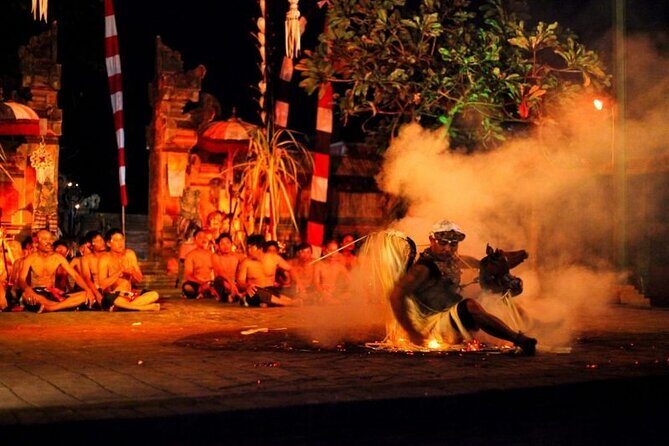
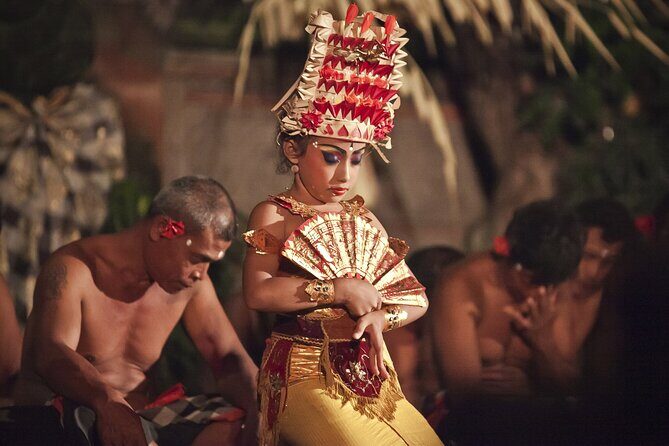
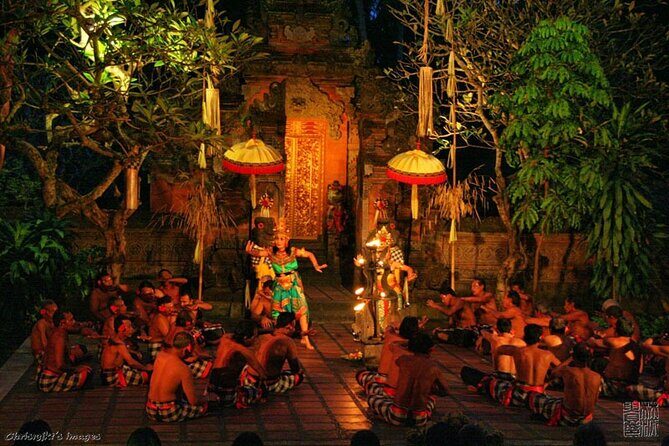
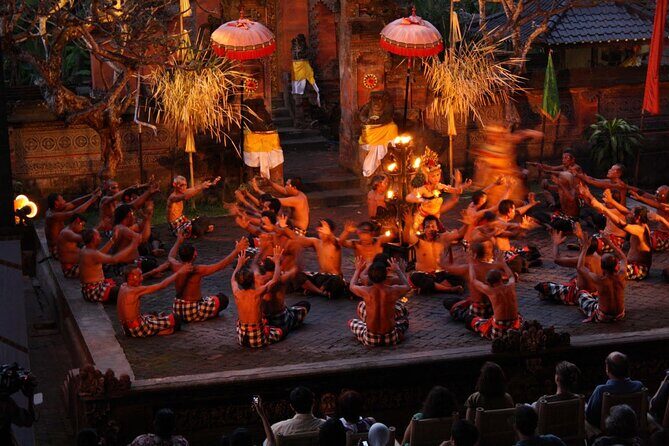
What makes this evening tour worth your time is the way it stitches the spectacle to the meaning. You’ll watch Kecak with a chorus of torch-bearers and then the Fire Dance that turns heat and control into theater, all with an English-speaking licensed guide to explain what you’re seeing.

I also like the convenience: hotel pickup and drop-off keeps you from wrestling with Bali traffic and timing yourself. And if you get a guide like Darta, you can get extra context on local buildings and ceremonies; if you get someone like Oka, you may even receive practical help like mosquito repellent for the outdoor seating.

The main drawback to plan around is timing and value. From Kuta, the ride can be long, some groups have reported early pickups that lead to waiting, and show length can vary, so you’ll want to keep expectations flexible.

Why This Shows More Than a Quick Dance Ticket

An Evening of Bali Traditional Dance - Why This Shows More Than a Quick Dance Ticket

Here’s what you’re really paying for: three different dance traditions in one evening, tied together by story, setting, and performance style. The program is built around the provincial village of Batubulan, where you’ll sit in a rustic amphitheater and watch the performers come out in a slow, dramatic build.

That structure matters. If you arrive understanding even a little—who Prince Rama is, what the trance elements represent—you’ll follow the action instead of just watching cool costumes. It’s also a smart option for a first Bali night when you want culture without spending the day organizing transport and separate tickets.

One more plus: the group size is limited. With a maximum of 15 travelers, the night tends to stay organized compared with bigger bus tours.

The Schedule: What Happens From Pickup to Drop-Off

An Evening of Bali Traditional Dance - The Schedule: What Happens From Pickup to Drop-Off

Start time is 4:00 pm, and the tour runs about 4 hours total. You’ll get a pickup from major Kuta-area hotels and nearby districts, then head toward the Batubulan performance venue. The dance portion is typically about 1 hour, with admission included.

That means the real variable isn’t the performance itself. It’s your ride time, plus how the tour handles transitions—loading, waiting, and any added stops along the way. Several experiences have run smoothly and on time, while others have felt dragged out by early collection or extra stops that were more sales-focused than cultural.

Stop 1: The Three-Act Dance Night (Kecak, Fire, Sanghyang)

You’ll arrive at the amphitheater and feel the atmosphere change right away. There’s an expectant hush as dancers take the stage in colorful costume and heavier symbolism than typical stage shows.

The Kecak (Monkey) Dance: 50 Torch-Bearers and Rama’s Rescue

The Kecak segment is the one many people remember later. You’ll see a large group—described as around 50 men—with blazing bamboo torches. The performance uses rhythm and repetition to tell a story linked to Prince Rama’s rescue of a kidnapped princess.

What to watch for: the group energy. Kecak isn’t just “dancers moving”—it’s sound and synchronized motion that makes the audience feel like part of the ritual. If you read or listen to the story beforehand (even the simple outline your guide provides), you’ll catch the emotional beats faster.

The Fire Dance: Heat, Control, and Coals

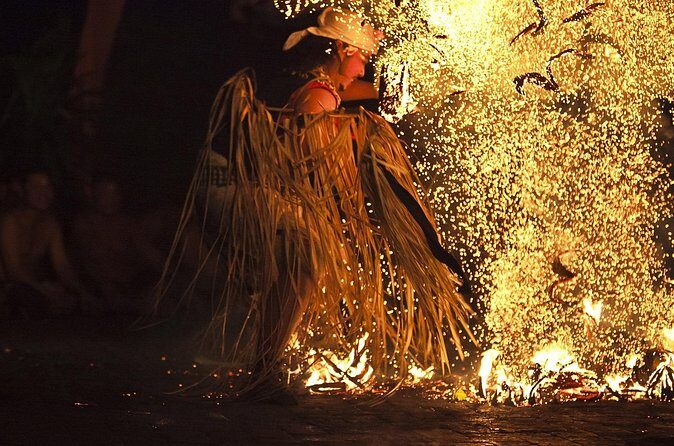
Next comes the Fire Dance, where performers become entranced and then step over smoldering coals without showing pain. This moment looks risky even from a safe distance, and the show’s power comes from confidence—breath, posture, and pacing.

Practical note: even if you’re not a fan of intense moments, you’re usually seated at a comfortable viewing distance. Still, one reason this tour earns mixed feelings is that the fire segment can feel a bit scary up close for some people, especially if you were expecting something lighter.

Sanghyang (Trance) Dance: Exorcism Roots

The evening closes with the Sanghyang (Trance) Dance, described as a tradition originally performed as an exorcism. The choreography is more convulsive and ritual-like than the other acts, and it’s meant to feel like something is happening beyond normal stage acting.

If you’re hoping for a modern, slick production, Sanghyang might feel rawer than you expect. But if you like cultural context—why trance appears in traditional ceremonial performance—this is the part that can feel most meaningful.

After the Show: Back to Your Hotel (and Helpful Food Tips)

Once the performances conclude, you’ll head back. Your guide should be happy to point you toward local restaurants near your hotel, which can save you time later, especially on a night when you don’t want to hunt for a place.

That’s a small thing, but it’s real value. After a 4-hour day out, good directions can matter more than another souvenir stop.

Where It Takes Place: Batubulan’s Amphitheater Vibe

An Evening of Bali Traditional Dance - Where It Takes Place: Batubulan’s Amphitheater Vibe

The show is staged in Batubulan, described as a provincial village. The amphitheater is rustic, and the performance is outdoors, so you’re dealing with night air—sometimes cooler, sometimes humid—and bugs.

That’s where guide tips show up in the real world. One review specifically mentioned Oka bringing mosquito repellent so a guest could apply it for the outdoor Kecak portion. If you go, I’d pack (or plan to borrow) something simple for mosquitoes because dusk in Bali is prime time for bites.

Also note: because it’s outdoor seating, comfort varies. If you’re heat-sensitive or you hate sitting in one position for a full hour, consider bringing light layers. And yes, you might find yourself wanting to arrive early to get a good view and settle in.

Pickup and Transport: Convenience With a Timing Catch

This tour includes air-conditioned vehicle pickup and drop-off from major hotels around Kuta, Seminyak, Sanur, Jimbaran, and Nusa Dua. The tour limit is small, which helps.

But Bali traffic is Bali traffic. Multiple experiences have pointed out that the ride from Kuta can be long, and that can push the evening schedule around. A couple of reviews highlighted how guides handled it well—like Darta who anticipated heavy traffic—while other accounts described awkward early pickup that turned into waiting until the venue opened.

So here’s the practical way to think about it:

  • If your hotel is near the central pickup zones, you’re more likely to get a smooth ride.
  • If your pickup is pushed early, treat it as a bonus chance to wander nearby rather than a promise of extra show time.

Some experiences also mention optional added stops. One person described being taken to a nearby temple, which turned waiting into something educational. Other experiences describe detours into markets or shops that felt sales-heavy. You can’t control this fully, but you can control your mindset: decide in advance if you want shopping time or if you’d rather focus purely on the performance.

Price and Value: When It Feels Worth It (and When It Doesn’t)

An Evening of Bali Traditional Dance - Price and Value: When It Feels Worth It (and When It Doesn’t)

At $48.72 per person, the price looks moderate for an evening with hotel transfer, an English-speaking licensed guide, and admission to the dance performance. The math improves if you see the full program as described and the transportation is comfortable.

Where value gets shaky is in the mismatch between expectations and what you experience. A few accounts said the show ran closer to 45–60 minutes instead of what they expected from the broader tour description. Others felt uncomfortable on the bus due to air-conditioning issues.

And then there’s the shopping question. Several reviews complained about time spent in craft or souvenir stops and described pushy sales. If that happens to you, you might feel like you paid for transport and entertainment and got a sales outing as the bonus.

A budget comparison one reviewer used suggested that a private taxi plus separate tickets could come out cheaper than the tour price for some combinations. You don’t need to do that if you value simplicity, but it’s useful if you’re traveling as a couple and you hate being tied to group timing.
My balanced take: this tour is a good deal if you want the guide explanation and you want an easy transfer with minimal planning. It’s not a bargain if the ride is long, the schedule drifts, and the experience feels padded with detours.

What to Bring and How to Prepare

An Evening of Bali Traditional Dance - What to Bring and How to Prepare

You’ll get pickup at 4:00 pm, and the show is outdoors in the evening. Since food and drinks aren’t included, plan an easy snack or hydrate before you go. You’re not guaranteed a meal stop, and some people reported only basic snacks or packaged options when they expected more.

Also keep these practical items in mind:

  • A light layer for night air and outdoor seating.
  • Mosquito protection (especially if you’re sensitive).
  • Comfortable shoes for short walks around the venue areas.
  • Your attention span for three different dance styles—Kecak, Fire, and Sanghyang—so you can actually follow the story flow.

Finally, I’d skim any printed program your guide provides before the show starts. One review made the simple point that the guide didn’t always narrate everything, so reading along helps you follow the storyline as it changes.

Who This Tour Fits Best

An Evening of Bali Traditional Dance - Who This Tour Fits Best

This is a great match if you want a first-rate cultural introduction without spending hours organizing. You’ll likely enjoy it if you like:

  • story-based performance (not just spectacle)
  • traditional dance forms with ritual elements
  • an evening plan with hotel pickup

It can be less satisfying if you’re the type who hates waiting. Reviews mention early pickups and waits for venues to open. It can also be a rough fit if you dislike fire or trance-style performance pacing.

If you’re traveling with someone who wants only one big highlight, you might prefer a shorter event or a different location altogether. But if you want one night that covers three dance traditions, this setup makes sense.

A Quick Word on Mixed Reviews

An Evening of Bali Traditional Dance - A Quick Word on Mixed Reviews

The rating sits around 3.6 from 49 reviews, which tells me the experience can be either smooth or frustrating depending on timing, guide style, and how the day is managed. When people rate high, it’s usually because they got:

  • good storyline explanations
  • smooth timing
  • a memorable Kecak and Fire segment
  • friendly, organized service

When people rate low, it’s usually because they got:

  • long travel or early pickup with waiting
  • extra stops for purchases
  • bus comfort problems
  • a shorter-than-expected performance window

So, treat this like a cultural night with a bit of Bali logistics attached. If you go with that mindset, you’ll enjoy it more.

Should You Book This Bali Traditional Dance Evening?

An Evening of Bali Traditional Dance - Should You Book This Bali Traditional Dance Evening?

Book it if you want an easy, guided, story-based introduction to Bali performance, and you’re staying in the Kuta/Seminyak/Sanur/Jimbaran/Nusa Dua cluster. The included admission, air-conditioned transport, and English guide make it simpler than piecing it together yourself.

Skip or adjust your expectations if you strongly dislike crowds, hate being moved from place to place, or you’re very sensitive to schedule drift. If you’re comparing costs, also check whether you’d be happier taking a private driver and buying tickets separately—some people find that can reduce time spent on detours.

If you do book, I’d set one rule for yourself: go in wanting the story as much as the show. When the guide connects Rama, the trance element, and the overall meaning, this tour turns from entertainment into something you remember for the right reasons.

FAQ

FAQ

What time does the tour start?

It starts at 4:00 pm.

How long is the experience?

The tour is about 4 hours (approx.), with a 1-hour dance performance included.

Which dances are included?

You’ll see the Kecak (Monkey) Dance, the Fire Dance, and the Sanghyang (Trance) Dance.

Do I get hotel pickup and drop-off?

Yes. Pickup and drop-off are included from major hotels in Kuta, Seminyak, Sanur, Jimbaran, and Nusa Dua areas.

Is the ticket price inclusive of admission?

Yes. The 1-hour dance performance admission ticket is included.

Are food and drinks included?

No. Food and drinks are not included.

What group size should I expect?

The maximum group size is 15 travelers.

Is cancellation free?

Yes, you can cancel for a full refund up to 24 hours before the experience’s start time.

Private Instagramable West Nusa Penida Tour

Private Instagramable West Nusa Penida Tour - The fast-boat crossing to Nusa Penida: Speed with a side of motion

Penida day trips move fast. This one is built for private time on the island while still fitting an efficient schedule from Bali. I like the way you get a full round-trip plan—air-conditioned pickup to Sanur, a fast boat crossing, and guided driving—so you spend less time figuring things out. I also like the focus on famous photo stops like Kelingking Beach and Pasih Uug, with enough time to pause, walk a bit, and frame your shots. The main drawback is that Nusa Penida’s roads are bumpy and uneven, so motion sickness is a real concern.

You’ll start early from your hotel area, then trade the busyness of Bali for coastal cliffs, rocky coves, and that “how is this real?” sea view. Your guide has to coordinate multiple viewpoints in a single day, so the pacing feels like a sightseeing route, not a relaxed beach day. One more watch-out: English communication can vary from day to day, so it helps to ask clear questions before you’re out on the island.

At $85 per person for roughly 10 hours, this is a value play if you’re short on time and want the convenience of private transport on Penida. Just remember the boat transfer is listed as a sharing/public fast boat, and lunch wording is a bit mixed in the trip info. If you care about snorkeling gear or a guaranteed lunch stop, check those details before you go.

Key highlights you’ll actually care about

Private Instagramable West Nusa Penida Tour - Key highlights you’ll actually care about

  • Private on Penida, share the boat: your group gets its own car and driver on the island, even though the fast boat is sharing/public.
  • Built for classic West Penida: Kelingking Beach, Broken Beach (Pasih Uug), Angel’s Billabong, and Crystal Bay are all in one sweep.
  • Time to stop, not just drive by: each main site has a set visit window so you can take photos and move at a comfortable pace.
  • Air-conditioned comfort for the transfers: hotel pickup/drop-off and island driving are described as fully air-conditioned.
  • Road conditions are part of the deal: uneven roads and vehicle motion are common—plan for it.

Entering Nusa Penida West: What the 10-hour day really feels like

Private Instagramable West Nusa Penida Tour - Entering Nusa Penida West: What the 10-hour day really feels like
This tour is structured around one big goal: seeing a lot of West Nusa Penida in one day without you planning transportation. You’re out for about 10 hours, with an early start from Kuta and a full circuit of viewpoints and coastline stops. The vibe is “photo and viewpoints,” not “sit and do nothing.”

Because it’s a private tour for your group, you won’t be squeezed into a packed van with strangers all day. That said, you’ll still meet the shared element during the boat ride. On the island itself, the vehicle is described as fully air-conditioned, which helps a lot when you’re bouncing between cliff-side roads.

The route is also realistic: Penida is not flat, and getting from one iconic viewpoint to the next takes time and patience. If your goal is maximum scenery with minimum hassle, this is the kind of day trip that fits.

Hotel pickup to Sanur: The air-conditioned start that matters

Your day begins with pickup at your hotel lobby by private fully air-conditioned vehicle. From there, you head to Sanur Harbor to cross to Nusa Penida by fast boat, listed at about 45 minutes. This matters because it removes two big stress points: finding your way to the harbor and timing the departure.

The schedule also sets expectations. You’re leaving early (start time is 7:00 am), which helps you catch better light for cliff viewpoints and reduces the feeling that you’re watching the island in “late-day glare.” It’s not a late start tour, so plan your evening before accordingly.
You’ll come back the same way at the end of the day: transferred to Sanur Harbor, then by private air-conditioned car back to your hotel.

The fast-boat crossing to Nusa Penida: Speed with a side of motion

Private Instagramable West Nusa Penida Tour - The fast-boat crossing to Nusa Penida: Speed with a side of motion
The crossing is short—about 45 minutes—and that’s one reason this day trip works at all. Fast boats save time, but they also add motion. The tour information specifically warns that Penida roads are bumpier/uneven, and vehicle motion can be uncomfortable if you’re sensitive.

If you’ve had issues on boats or winding rides before, take precautions. Bring motion-sickness measures if you use them, and try to sit where you feel most stable. You’ll also want sun protection ready, because once you arrive, you’re immediately dealing with bright coastal light and viewpoint walking.
On-island private driving: How you reach Kelingking and the coves efficiently

Private Instagramable West Nusa Penida Tour - On-island private driving: How you reach Kelingking and the coves efficiently
Once you land on Nusa Penida, your driver/guide takes you around West Penida by fully air-conditioned car. This is one of the strongest reasons to book this style of tour: you’re not coordinating scooters or hunting for parking at cliff viewpoints.

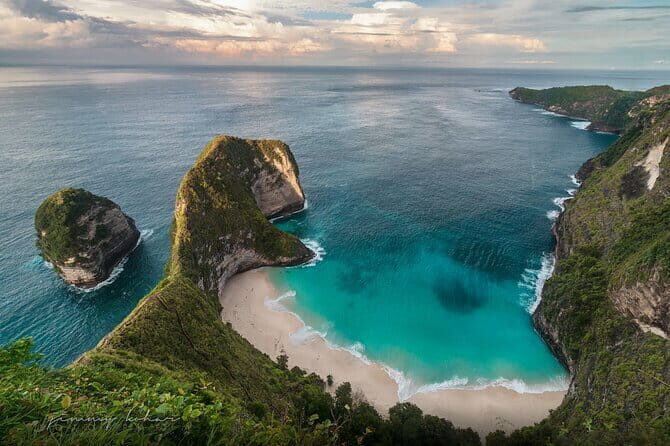
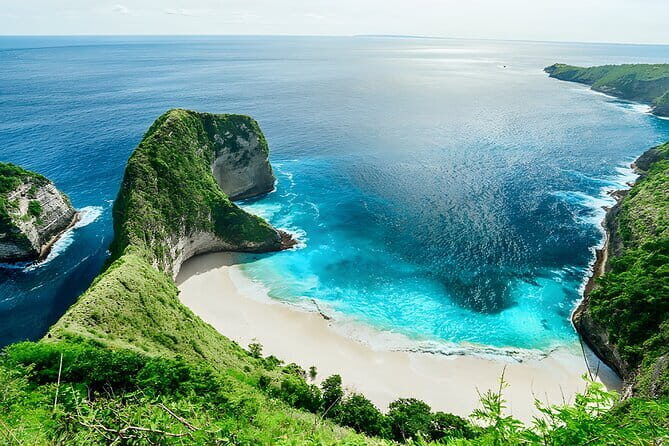
The stop sequence is designed like a loop. You start with the most famous cliff view (Kelingking), then continue through Broken Beach (Pasih Uug) and Angel’s Billabong, and finish with Crystal Bay. It’s a “see the icons, then use the last window for water” kind of plan.

One detail I appreciate: entrance admissions are listed as included for the stops. That means you’re not stuck at the gate wondering what you need to pay on arrival. Bottled water is also included, which helps on a day where you’re outside a lot.

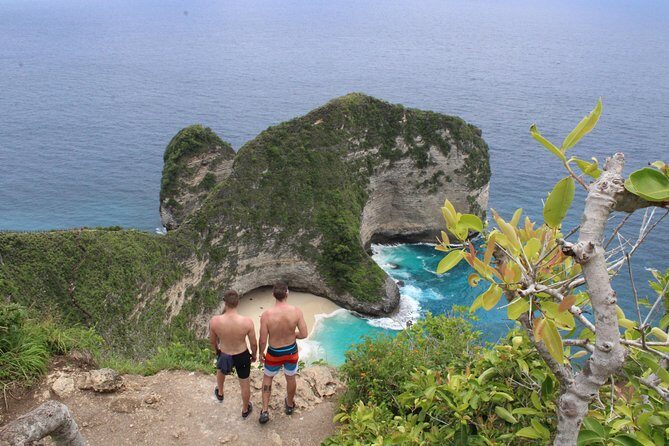
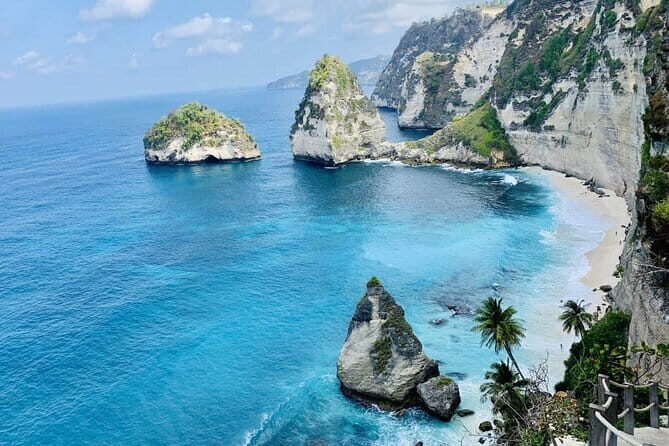
Kelingking Beach: The cliff view that people come for

Private Instagramable West Nusa Penida Tour - Kelingking Beach: The cliff view that people come for
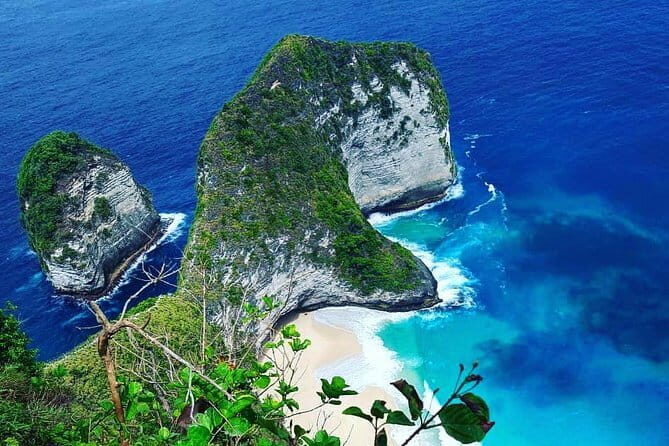
Kelingking Beach is the headline stop. You’ll get driven to the viewpoint to admire the cliff and the classic white-sand look below. The tour gives you about 1 hour here, which is a practical window for: taking photos, walking as far as your comfort allows, and waiting for your moment of clear framing.

This stop is also where motion and footing matter most. Cliff-side areas can be uneven, and the day’s earlier travel means you’ll want to pace yourself. Wear grippy footwear. If you’re bringing a camera, keep it accessible so you’re not fumbling when you spot a great angle.

Expect this to be the most crowded-feeling moment of your day trip—so going early in the morning can be a real advantage for photo time and calmer viewing.

Pasih Uug (Broken Beach): Photos, caves, and that sea-below feeling

Private Instagramable West Nusa Penida Tour - Pasih Uug (Broken Beach): Photos, caves, and that sea-below feeling
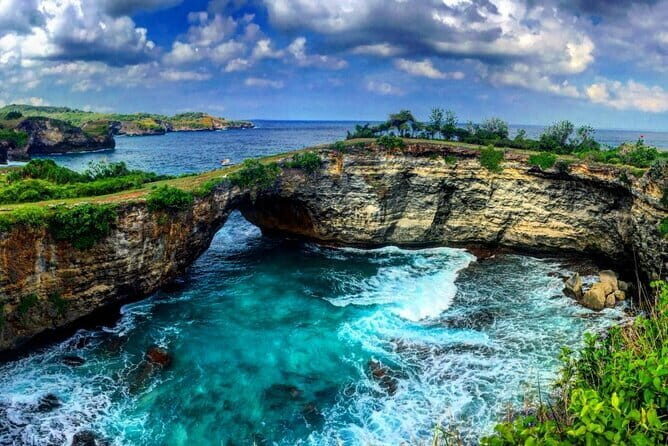
After Kelingking, the tour heads to Broken Beach, locally called Pasih Uug. This is described as a large cave formation that has lost its roof over time. The main draw is the photo opportunity: you’re looking at a dramatic rock opening with sea below.

The visit time here is about 1 hour, which gives you room to take photos from a couple of angles and to enjoy the view without rushing. The tour info also notes that giant mantas can sometimes be seen swimming below. That’s not guaranteed, but it’s exactly the kind of reason you might linger and scan the water.

If you’re hoping to swim or snorkel, this stop is more about viewing and photography than about being in the water. For the water time, Crystal Bay comes later.

Angel’s Billabong: A lagoon-style infinity pool moment

Private Instagramable West Nusa Penida Tour - Angel’s Billabong: A lagoon-style infinity pool moment
Next up is Angel’s Billabong, near Pasih Uug on the southwestern end of the island. The description focuses on the lagoon between the rocks, with crystal-clear infinity pool vibes. Your time here is around 30 minutes.

That shorter time is worth noting. This is one of those stops where it’s easy to over-plan in your head. If you show up expecting lots of wandering, you might feel a little “time pressure.” But if you treat it like a quick, well-timed photo stop, the 30 minutes is workable.

Also, the terrain around these rocky formations can be slick depending on conditions. Dress appropriately, and keep your steps careful.
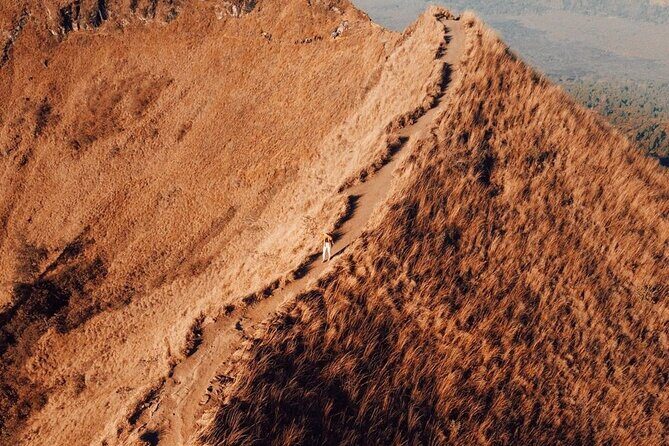
Crystal Bay: Calm water for relaxing and snorkeling time

Private Instagramable West Nusa Penida Tour - Crystal Bay: Calm water for relaxing and snorkeling time
Crystal Bay is listed as a stop with relatively calm diving conditions, with water described as crystal clear. The tour specifically calls out snorkeling as an option if time allows, plus relaxing on shore.

You’ll have about 1 hour here. That’s your “last big chance” for water time, whether you keep it simple with shore relaxation or you bring yourself into snorkel mode.

Snorkeling equipment is listed as not included, so if you want to snorkel, plan to rent or bring your own. Even if you don’t snorkel, Crystal Bay is a good place to cool down after the cliff-heavy walking and photo standing.

Lunch and the $85 price: What’s covered, what you should confirm

At $85 per person, you’re paying for a full-day route that stitches together transportation, driving, and admissions. The included list highlights: local taxes, bottled water, private hotel pickup/drop-off, private tour around Penida by fully air-conditioned car, and return boat transfer between Bali and Nusa Penida by sharing/public fast boat. Admission tickets at stops are also listed as included.
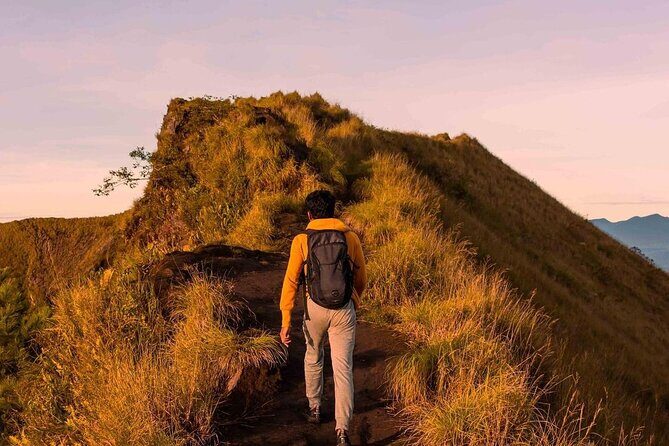
But here’s the messy part: the overview says lunch at a local restaurant in Angel’s Billabong area is included, while the separate “not included” section lists lunch as not included. I’d treat this as a detail to confirm with the provider before you show up. If lunch is important to you, ask directly whether lunch is guaranteed in the package you book.

If lunch turns out not to be included, you’ll still likely be okay because you have structured time blocks. Just don’t assume you’ll get a meal without checking.

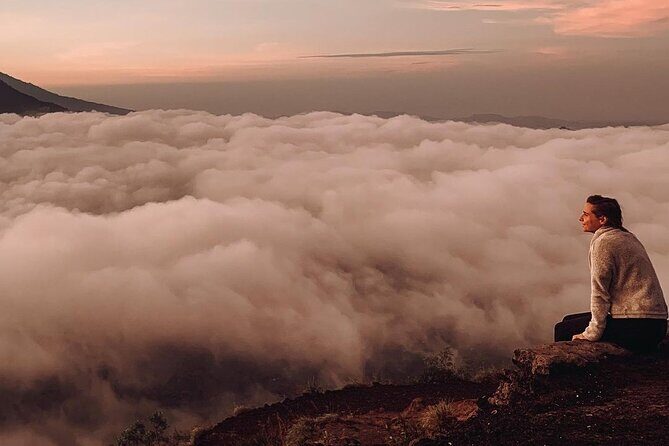
What you can count on: bottled water, admissions, and that all-in-one transport convenience that makes a day like this feel doable.

Your guide and photo help: Great angles, variable communication

The guide experience seems to be a major factor in why the ratings are high. One well-rated guide name you may hear is Ross, praised for knowing his way around and producing excellent photos from adventurous angles. Another guide name that comes up is Gusti, described as kind and friendly.

That’s a good sign if you like the idea of getting photos without wrestling with your own camera timer. A private driver who understands the viewpoint timing can mean fewer missed shot chances.

The balanced side: English communication can be limited at times. You might also get less explanation than you expect about what you need to do at water-access or rocky shoreline areas—especially if you’re carrying bags or unsure about where you’re meant to step.

My practical advice: before you depart, ask two simple questions:

1) Where do we enter or step down, and what should I do with my belongings?

2) What’s the easiest path to the best photo angles at each stop?

Clear expectations make the day smoother.

Roads, motion sickness, and physical pace: Plan like an adult, not a superhero

Penida roads are specifically described as bumpiness/uneven, and the tour warns about motion sickness. Your best move is to plan for that reality rather than hoping it won’t matter. If you’re sensitive to motion, consider bringing remedies, and try to sit where you feel steadier in the vehicle.

The tour also asks for moderate physical fitness and notes a minimum age of 7 years. That’s sensible because even when time windows are short, you’re dealing with viewpoints, stairs or walking, and uneven coastal areas.

Dress appropriately. Use sunscreen. Bring water beyond what’s included if you run hot. And keep your phone/camera protected if you’re in splash zones near rocky coastlines.

Who this tour suits best (and who should pick something else)

This West Nusa Penida private tour is a strong match if you:

  • Want maximum iconic scenery in one day with private driving on Penida
  • Like photo stops and don’t want to spend hours figuring out transport
  • Have limited time in Bali and want a plan that starts early and returns you the same day

It might be less ideal if you:

  • Are very motion-sensitive and hate bumpy rides
  • Need long, unstructured beach time instead of scheduled viewpoints
  • Expect perfect English coaching throughout every stop

Also remember: snorkeling gear is not included, so if snorkeling is a big priority, budget for equipment.

Should you book this Private Instagramable West Nusa Penida Tour?

Book it if your goal is a tightly planned West Penida day with private on-island driving, included admissions, and a route that hits the big-name cliff and rock formations. The value is strongest when you’re time-limited and you want the convenience of air-conditioned transport plus a guide who can get you to the right spots in the right order.

Consider waiting or confirming details first if you care about lunch being included (because the info conflicts) or if you plan to snorkel (because equipment is not included). And if you’re motion-sickness prone, take it seriously and come prepared.

If you go in with the right mindset—expect bumps, expect crowds at the famous viewpoints, and treat it like a photo-and-view day—you’ll likely feel you got your money’s worth.

FAQ

What time does the tour start?

The start time is listed as 7:00 am.

How long is the Nusa Penida tour?

The duration is listed as approximately 10 hours.

How do I get from Bali to Nusa Penida?

You’ll be picked up from your hotel by a private air-conditioned vehicle, then transfer to Sanur Harbor and take a fast boat to Nusa Penida (about 45 minutes).

Is this tour private?

Yes. It’s described as private, with only your group participating.

Are entrance tickets included?

Yes. Admission tickets are listed as included for the stops.

Is lunch included, and is snorkeling gear included?

Lunch is mentioned as included in the overview, but the not-included section says lunch is not included, so you should confirm with the provider. Snorkeling equipment is not included.

What should I know about the roads and motion sickness?

The tour notes that Penida Island has developing roads with bumpiness/uneven conditions, and it warns about motion sickness. It also says moderate physical fitness is needed.

Can I cancel for free?

Yes. You can cancel for a full refund up to 24 hours in advance. The experience also requires good weather, and if it’s canceled due to poor weather you’ll be offered a different date or a full refund.

From Bali: Nusa Penida Snorkeling and Island Tour

From Bali: Nusa Penida Snorkeling and Island Tour - Speedboat to Nusa Penida: fast transport that drives the itinerary

A long day of sea life starts early. This Nusa Penida snorkeling-and-island tour packs multiple stops into a 6:30 AM launch, using fast speedboat travel so you can hit caves, bays, and iconic viewpoints without losing the whole day.

I like the practical setup: snorkeling equipment is included (mask, fins, life jacket), so you don’t waste time tracking rentals. I also like the value extras—underwater GoPro shooting plus lunch and entrance tickets—because that’s usually where day trips get pricey. One watch-out: even if the tour is billed as private for your group, the snorkeling portion can still run on a boat with other people.

Key highlights you’ll actually care about

From Bali: Nusa Penida Snorkeling and Island Tour - Key highlights you’ll actually care about

  • Early start (6:30 AM) that protects your snorkel time and keeps the schedule moving
  • Included gear and life jackets, so you can get in the water faster and travel lighter
  • GoPro underwater shooting included, which helps you leave with more than memories
  • Big “icon stops”: Kelingking Beach viewpoint, Broken Beach, and Angel’s Billabong
  • Multiple snorkeling bays across the island rather than just one location
  • AC transport + professional English-speaking driver, with hotel pickup in many Bali areas

6:30 AM Pickup in Bali: how the day starts

From Bali: Nusa Penida Snorkeling and Island Tour - 6:30 AM Pickup in Bali: how the day starts
Your day begins with pickup from a wide set of Bali areas, including Kuta, plus places like Seminyak, Legian, Canggu, Uluwatu, Jimbaran, Sanur, and others. If you’re in Kuta (your listing location), you’ll typically be ready early—this tour starts at 6:30 AM.

The big reason an early start matters here is simple: Nusa Penida is a long day even when you move quickly. Getting to the port and out to the island early means you can actually fit several snorkeling windows and still make the land-view stops.

Also note the tour is set for groups only within your party for the tour itself, which is great for comfort on the Bali side. Just keep reading, because the snorkeling transport experience can be less “private” than you’d expect (more on that later).

Speedboat to Nusa Penida: fast transport that drives the itinerary

From Bali: Nusa Penida Snorkeling and Island Tour - Speedboat to Nusa Penida: fast transport that drives the itinerary
After pickup, you’ll head to Sanur Beach as the meeting point. From there, you take a return speedboat to Nusa Penida. This is key: the itinerary is built around short, efficient travel hops, so the day doesn’t drag.

On arrival, the process is designed to feel organized. You’ll meet your driver at the port and be welcomed with your name written on a white board. That sounds like a small detail, but in a place where timing matters, it helps you get your bearings quickly.

This tour is also described as having moderate physical fitness expectations. Translation: plan for stairs and uneven ground at viewpoints, and don’t plan on making the day your first major physical workout.

Snorkeling lineup: Manta Bay, Crystal Bay, Gamat Bay, and Wall Bay Point

The heart of the experience is snorkeling across several bays. Each water stop is planned for about 30 minutes, which means you’ll spend less time waiting around and more time actually in the water. Equipment is included, including a mask, fins, and life jacket—so you can focus on enjoying the sea rather than managing gear logistics.

Here’s what you’re set up to see:

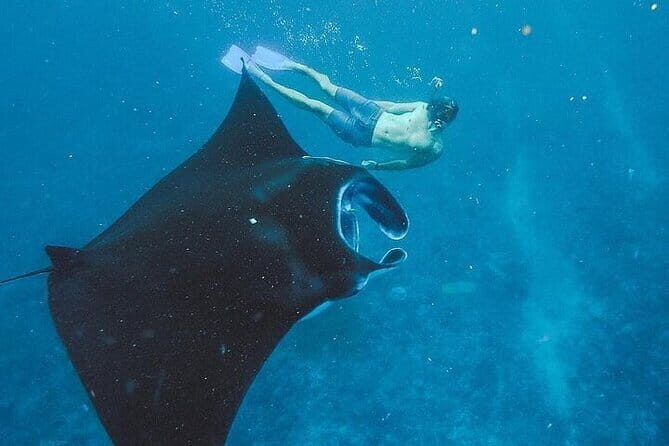
Manta Bay: the “spot mantas” stop

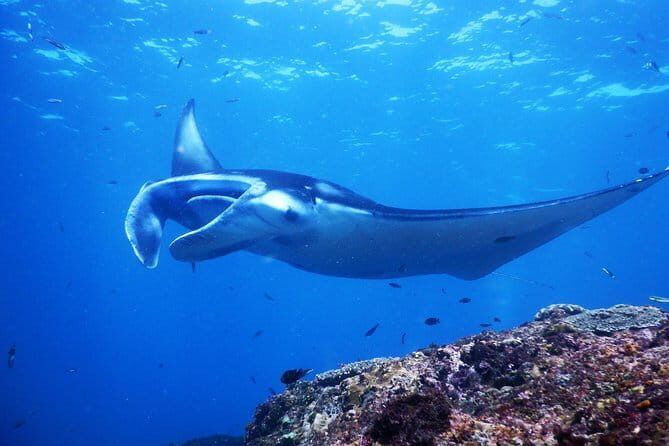
Manta Bay is named for one of its big draws: the chance to see manta rays. The tour description also points to other sea life that may show up around this kind of site, like spotted stingrays and nurse sharks.

If manta rays are your top reason for going, this is where your morning effort is supposed to pay off. You’re not promised a specific animal, but the site choice is clearly built around that classic Nusa Penida expectation.

Crystal Bay: clear water and colorful fish schools

At Crystal Bay, the emphasis is on clear water and good visibility for snorkeling. The tour describes seeing schools of fish like anthias and batfish.

Practically, this is the stop that tends to feel the most “snorkeler-friendly.” Clear water usually means you can enjoy more of the underwater action without feeling like you’re peering through fog.

Gamat Bay: calmer feel and natural scenery

Gamat Bay is described as beautiful and still natural, with a focus on it being less crowded than some other places. It also mentions clean sand and soft, colorful corals.

Even when snorkeling time is short, this kind of bay choice matters because it can make the whole session feel more relaxed. If you’re the type who wants a slower, more peaceful swim, this is one to keep an eye on.

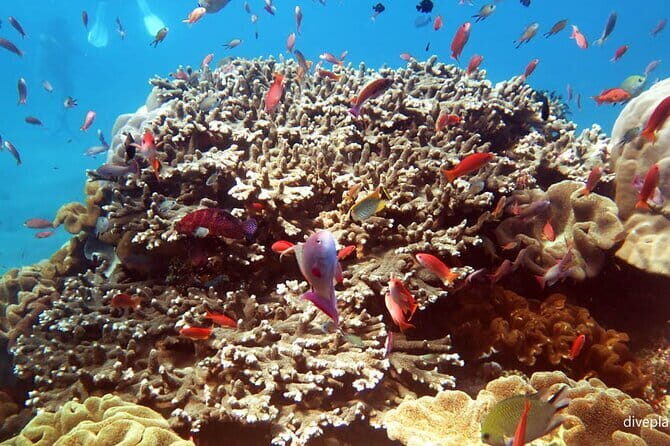
Wall Bay Point: coral mound and fish refuge

Wall Bay Point is described with a specific underwater idea: a coral mound where small fish seek refuge. The description frames it as a place that divers like because of the variety of marine life in the area.

For you, that means the goal is not only “see something big,” but also “watch the small stuff.” Short snorkeling windows can still feel worth it if the site has active fish life.

Kelingking Beach viewpoint: don’t skip the low-tide detail

From Bali: Nusa Penida Snorkeling and Island Tour - Kelingking Beach viewpoint: don’t skip the low-tide detail
Kelingking Beach is one of the most famous Nusa Penida photo stops, and this itinerary gives you time to enjoy the view from a purpose-built platform bordered by bamboo fences.

The key practical note: if you want to go down to the beach, it’s recommended to do it during low tide. Since tide conditions aren’t described in detail for your exact day, plan to treat that as a decision point. If you’re not sure you want the extra effort, the viewpoint alone is still part of the experience.

This stop is about balancing effort and payoff. The climb down (if you choose it) is the kind of physical challenge that doesn’t fit every traveler, especially when you’ve already done multiple snorkeling sessions earlier.

Broken Beach and Angel’s Billabong: the limestone duo

From Bali: Nusa Penida Snorkeling and Island Tour - Broken Beach and Angel’s Billabong: the limestone duo
After Kelingking, the itinerary shifts back to iconic scenery.

Broken Beach: arch-like rock over open ocean

Broken Beach is known for an arch-like rock formation that’s visible from the coastal area. The tour describes it as set over crashing waves of the open Indian Ocean and highlights it as a great spot for photos.

This stop is a reminder that Nusa Penida isn’t only underwater. It’s a place where the cliffs and rock shapes are the main character on land.

Angel’s Billabong: a natural rock lagoon feel

Angel’s Billabong is nearby, described alongside Pasih Uug (Broken Beach). The feature here is a naturally formed rock lagoon with limestone formations, and the tour mentions the option to descend into its area.

The practical value: both Broken Beach and Angel’s Billabong are in the same “rocky coastline” zone, so you’re not burning time traveling far across the island just to see the main landmarks.

What’s included in your $142.50 price—and why it can be good value

From Bali: Nusa Penida Snorkeling and Island Tour - What’s included in your $142.50 price—and why it can be good value
At $142.50 per person, you’re paying for a full-day structure: Bali pickup, AC transport, speedboat, multiple snorkeling sessions, island admissions, lunch, and included gear.

Here’s what’s explicitly included:

  • Professional English-speaking driver
  • Private transport with air-conditioning on Bali and Nusa Penida sides
  • Return speedboat ticket to Nusa Penida
  • Snorkeling equipment (mask, fins, life jacket)
  • Underwater shooting with GoPro
  • All entrance tickets
  • Lunch

Not included:

  • Alcoholic beverages
  • Breakfast

Why this package can feel like value: snorkeling day trips often surprise you with add-ons—gear rental, entrance fees, and sometimes even lunch. Here, those basics are already covered, so you can budget for what’s missing (breakfast and drinks) and stop thinking about the rest.

Also, average booking timing is about 40 days in advance. That’s a hint that this itinerary is in demand. If you’re traveling in a busy season or on a tight schedule, you’ll probably do yourself a favor by booking sooner rather than later.

Group size reality check: private transfers, shared snorkeling

From Bali: Nusa Penida Snorkeling and Island Tour - Group size reality check: private transfers, shared snorkeling
One detail you should not ignore: there’s at least one mismatch that can matter to your day. The tour is described as private for your group, but snorkeling can still be done from a shared boat (for example, with a boat size of around 25 people in one reported case). That changes the vibe, because coordinating a larger group affects how smoothly check-ins and water entry can go.

So how do you handle this?

  • If you truly want a private snorkeling boat experience, ask the provider what “private” means for the snorkeling transport before you commit.
  • If you’re fine with sharing transport during snorkeling as long as your land transfers stay comfortable and organized, this tour still can work well—especially because the itinerary is packed and time-efficient.

This isn’t about being picky. It’s about matching expectations to the practical reality of where you’ll spend your time on the water.

Practical tips to make the most of each stop

From Bali: Nusa Penida Snorkeling and Island Tour - Practical tips to make the most of each stop
You can’t control sea conditions, but you can control how ready you are.

For snorkeling days:

  • Arrive with a calm plan for timing. Snorkeling sessions are planned in short blocks, so you’ll want to be ready when your group is called.
  • Bring what you need to stay comfortable on a long day since lunch is included, but breakfast is not.

For Kelingking and walking:

  • Treat the low-tide note as serious. If you plan to go down to the beach, check tide conditions when you get your day-of guidance.
  • Wear footwear that works on rocky, uneven ground. Even if you only use the viewpoint platform, the surrounding paths can be rough.

For photos:

  • Since GoPro underwater shooting is included, it’s smart to be in a stable, relaxed position during your swim so the camera capture makes sense. (And yes, you’ll probably still want your own phone camera for land shots.)

Who should book this Nusa Penida snorkeling and island tour

This tour fits best if you want:

  • A fast, structured day with several snorkeling locations instead of one long stop
  • A mix of underwater time plus major land viewpoints
  • Included gear, included lunch, and included entrances so you don’t manage a pile of small costs

It may be less ideal if:

  • You’re expecting every moment of transport and snorkeling to be fully private with zero sharing
  • You don’t want any walking challenge at all (especially around the Kelingking area)

Should you book Bali View Tours for Nusa Penida?

I’d book this tour if you want a one-day “greatest hits” approach: multiple bays for snorkeling, plus the big Nusa Penida landmarks like Broken Beach and Angel’s Billabong. The included GoPro underwater shooting and lunch make it easier to get a clean cost picture.

I’d hesitate if private snorkeling is a non-negotiable for you, because the snorkeling boat can be shared even when land transport feels private. If that’s your top priority, ask directly how many people typically join the snorkeling boat for your departure.

Either way, you’re signing up for an early start and a packed day. If you embrace that pace, it’s a solid way to see a lot of Nusa Penida without turning the trip into logistics work.

FAQ

What time does the tour start?

The tour starts at 6:30 AM, with pickup from your hotel.

Where do we meet before the speedboat?

You’ll be taken to Sanur Beach as the meeting point.

Is snorkeling equipment included?

Yes. The tour includes snorkeling gear: mask, fins, and life jacket.

Are entrance tickets and lunch included?

Yes. Entrance tickets are included, and lunch is provided. Breakfast is not included.

Is underwater GoPro shooting included?

Yes. Underwater shooting with a GoPro is included.

What areas on Bali offer pickup?

Pickup is offered from multiple Bali areas including Tanjung Benoa, Nusa Dua, Uluwatu, Jimbaran, Pecatu, Kuta, Seminyak, Legian, Canggu, and Ubud, plus Sanur.

What’s the cancellation policy?

Cancellation is free up to 24 hours in advance of the experience start time for a full refund.

Ubud Tubing Adventure Holy Spring Temple Private Guided Tour

Ubud Tubing Adventure Holy Spring Temple Private Guided Tour - Tampaksiring: a calm coffee and panorama reset

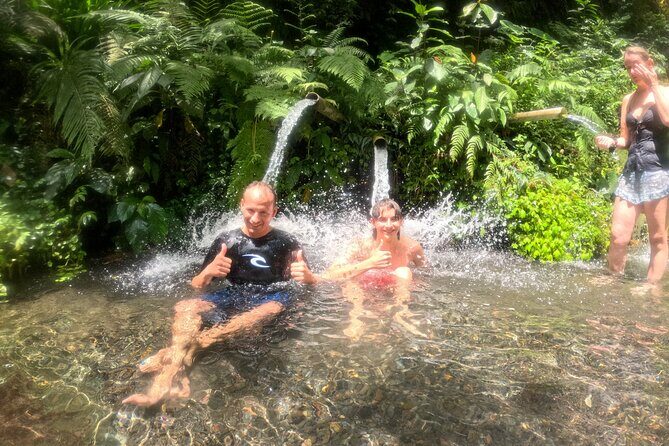
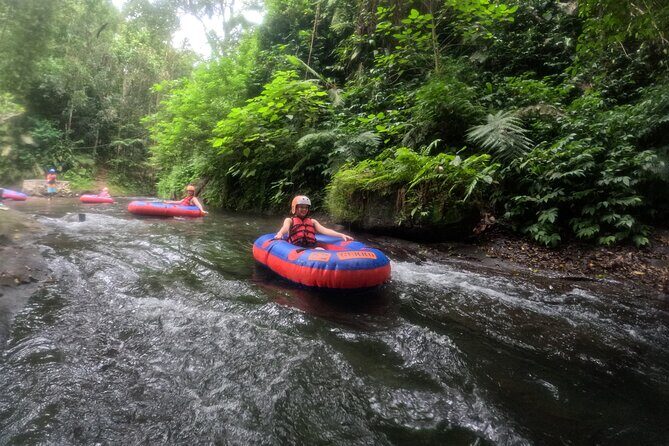
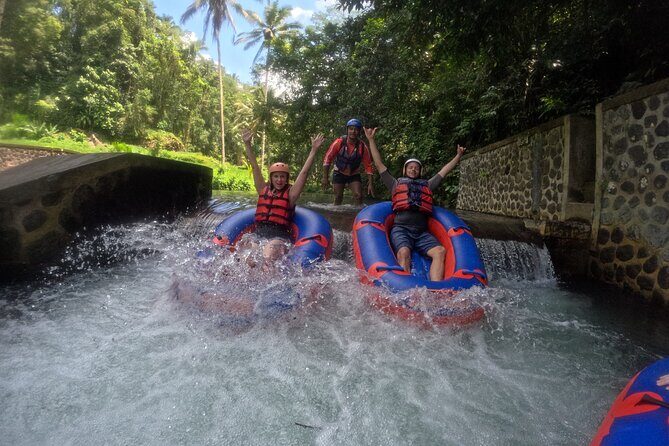
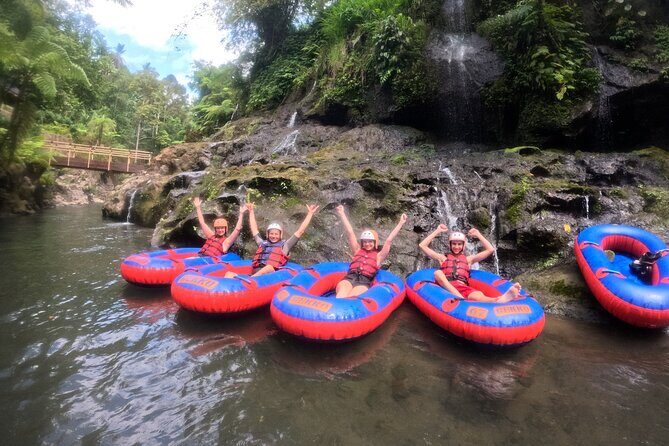
A wet-and-wild Bali day is the plan. This private outing strings together Petanu River tubing, a real temple blessing at Tirta Empul, and a calm coffee stop in Tampaksiring—so you get variety without juggling buses.

I especially loved two things: the private guide time, with real local context (I’ve heard guides like Dee and Sandy make history make sense), and the fact that the tubing is run with a trained team and full safety focus. One thing to consider: it’s a water day, and there can be restrictions around cameras during tubing—so plan around getting wet, not filming everything.

Key highlights you’ll actually care about

Ubud Tubing Adventure Holy Spring Temple Private Guided Tour - Key highlights you’ll actually care about

  • Private, flexible pacing: you’re not stuck on a rigid group schedule, and your guide can adapt
  • Professional tubing setup at the clean Petanu River, with safety-forward guidance
  • Tirta Empul purification ceremony led alongside a friendly guide so you know what you’re looking at
  • Included admissions for tubing and Tirta Empul (so you’re not paying extra on the day)
  • Tampaksiring refresh break with complimentary tea and hot coffee plus a pretty green-village view

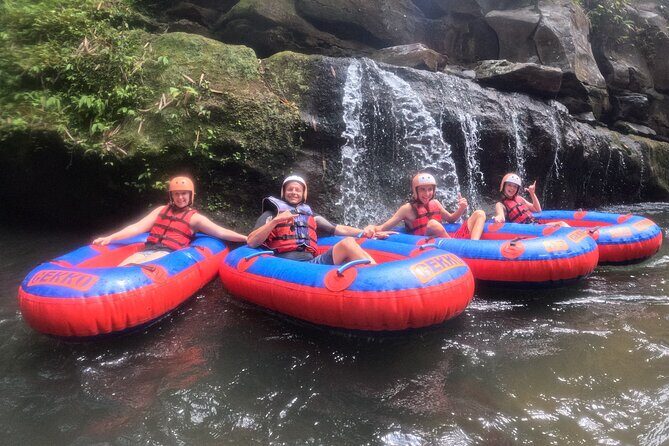
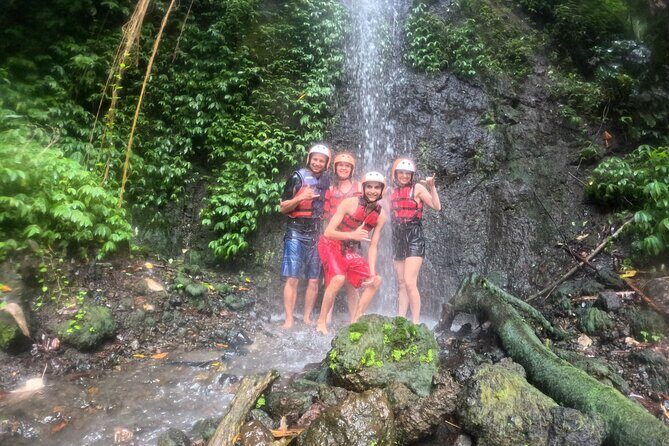
Tubing the Petanu River without turning it into a circus

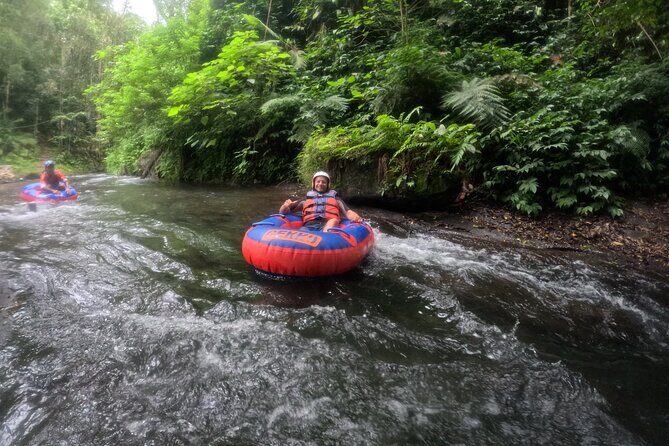
Your day kicks off with tubing at Gekko Tubing Bali on the Petanu River. Think lazy-river energy with moments of real fun—more than a float, less than a full-on extreme stunt. The best part for me is the mix: you get stretches where you can relax, then bursts where you laugh, get splashed, and feel fully awake.

What makes this feel worth booking is the way it’s run. You’re guided by friendly, professional, trained staff, and the setup is described as meeting standard safety expectations. That doesn’t mean it’s a theme-park ride with no risk—but it does mean you’re not guessing your way through water. I like that.

About cameras and what to pack for the water

One practical heads-up: you may not be allowed to bring a camera on the tubing part. I’ve also seen guides/ops enforce this style of rule, so don’t assume you’ll be filming the whole river run. Your best move is to bring a phone only if you’re told it’s okay, and otherwise rely on the experience itself.

Also plan to wear swimming clothes. The tour’s dress notes call for swimming gear, sunblock, sandals, and spare clothing. That spare clothing detail matters more than people think. After you’re wet, you’ll be happy to change before heading to a sacred site.

Tubing reality check (the “good” and the “be ready”)

  • You’ll get wet. That’s the point.
  • You’ll be active—so bring a calm attitude, not a delicate one.
  • It’s timed into a longer day, so treat it like an adventure block, not a quick stop.

Tirta Empul and the holy spring purification ritual

Ubud Tubing Adventure Holy Spring Temple Private Guided Tour - Tirta Empul and the holy spring purification ritual
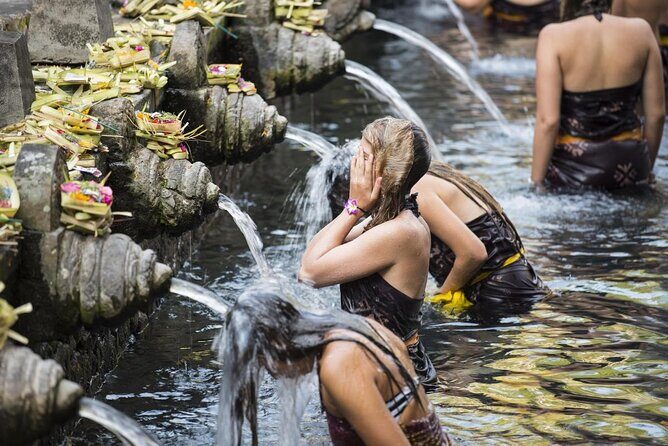
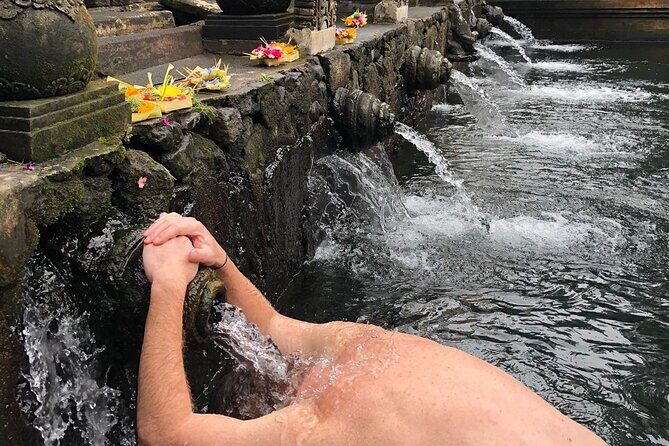
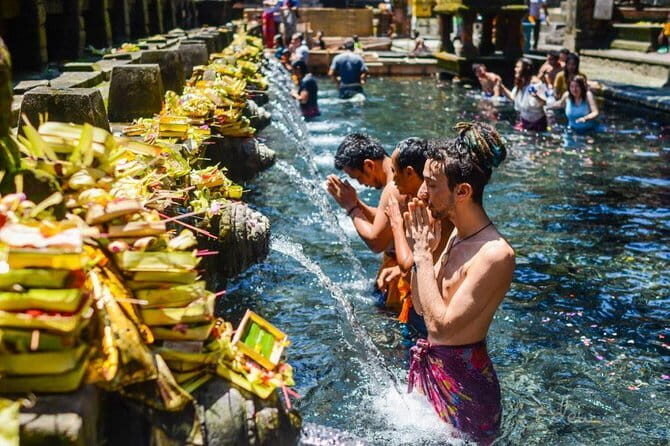
After the river, you’ll head to Tirta Empul Temple, one of Bali’s most famous sacred spring sites. This is where the tone shifts from playful chaos to quiet focus.

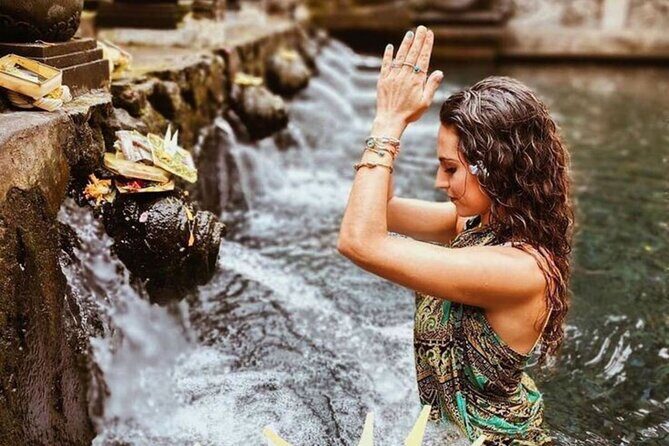
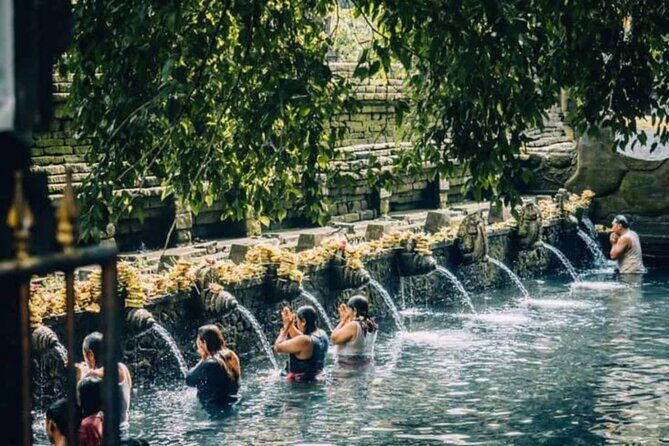
You join a blessing ceremony connected to the holy springs, accompanied by your guide. The key value here isn’t just seeing the temple. It’s understanding why people line up, what the purification is for, and what to do during the ceremony—especially if you’re visiting for the first time.

I love guided context at temples. Without it, you might just watch rituals from the outside. With it, you feel less like a spectator and more like you’re participating respectfully. The tour style here is built for that: professional, friendly guidance plus the explanation you’re unlikely to pick up on your own.

What to expect when you arrive

You’ll likely want to dress thoughtfully for a sacred space. The tour’s official dress guidance is swimming clothes plus spare clothing, which is a useful sign: you can go from water to temple without scrambling. Bring your sandals and sun protection as suggested, and consider the simplest plan—change quickly, then be ready to follow your guide’s lead.

Also, the temple stop is listed at about 1 hour, with admission included, so you don’t feel like you’re rushing through something important. Still, 60 minutes is not a long meditation session—so if you want time for photos or questions, stay engaged with your guide early.

Tampaksiring: a calm coffee and panorama reset

Ubud Tubing Adventure Holy Spring Temple Private Guided Tour - Tampaksiring: a calm coffee and panorama reset
Next up: Tampaksiring. This is your palate cleanser between the temple and the ride back. You’ll have a rest point break with complimentary tea and fresh hot coffee, plus a panorama view over the green village surroundings.

Why this matters: after water and a spiritual ceremony, your brain needs an easy moment. Coffee and a view can turn the day from a checklist into a story. This stop is also practical—you get a chance to dry off a bit, reorganize your things, and recharge before heading home.

The stop duration is listed at around 40 minutes. That’s enough time to refuel without dragging the tour out.

How a good private guide turns a long day into a smooth one

Ubud Tubing Adventure Holy Spring Temple Private Guided Tour - How a good private guide turns a long day into a smooth one
This is a private tour, meaning it’s just your group. That matters for two reasons.

First, your guide can give you attention that’s hard to get on bigger group tours. Second, the itinerary can be adjusted to fit your pace. The tour description highlights that flexibility, and the way the guides operate in practice is what makes the difference.

Local info you won’t get from a map

In Bali, it’s easy to focus only on famous sights. What changes everything is hearing the local meaning behind them—why one place feels calmer, why another is more crowded, and how to move respectfully.

From the guide stories I’ve seen with this tour style, names like Dee and Sandy have been praised for sharing local history and adapting for families with very different energy levels. Other guides mentioned include Gusti Arimbawa, who’s described as friendly, fluent in English, and able to take you where you want while waiting as long as you want at each stop. That’s the kind of private-guide advantage that turns a rigid schedule into something that feels like your day.

Family-friendly energy

One reason this outing earns top marks is that it works across ages. I’ve seen it described as fun for kids, parents, and grandparents in the same group. That’s a good sign if you’re traveling with mixed ages, because the structure gives you variety without requiring everyone to be the same kind of athlete.

Price and value: what $58.34 buys you (and why it can be worth it)

Ubud Tubing Adventure Holy Spring Temple Private Guided Tour - Price and value: what $58.34 buys you (and why it can be worth it)
The price is listed at $58.34 per person, and it’s typically booked about 17 days in advance. I’d frame the value like this:

You’re paying for three things at once:

  • Transport with pickup (so you avoid the stress of arranging cars yourself)
  • Guided experiences across two very different settings (river + temple)
  • Admissions included where it counts: tubing and Tirta Empul

Stop 1 (tubing) and stop 2 (Tirta Empul) both include admission tickets. Stop 3 (Tampaksiring tea and coffee) is free for that part of the day. When a tour includes the paid entries and a guide, the per-person cost can look more reasonable fast—especially if you’d otherwise pay separately for transportation and individual attraction tickets.

When the math gets less flattering

If you already have a driver lined up and you’re comfortable planning a route solo, the guide portion becomes less essential. But if you want an easy day—one plan, one guide, no logistics puzzles—this style of private day is the kind of value that saves time and mental effort.

Practical packing list: go light, go safe, go comfy

Ubud Tubing Adventure Holy Spring Temple Private Guided Tour - Practical packing list: go light, go safe, go comfy
Here’s the packing guidance you should follow closely, because it’s built for this exact day:

  • Swimming clothes
  • Sunblock
  • Sandals
  • Spare clothing (bring enough to change after tubing)
  • Money and a camera (but expect you might face camera restrictions during tubing)
  • Keep in mind the luggage note: each traveler is allowed up to 1 suitcase and 1 carry-on. Oversized items like surfboards can have restrictions, so it’s worth asking in advance if you’re traveling with unusual gear.

A smart comfort move

Bring a simple plan for your wet-to-temple transition:

1) get through tubing,

2) change immediately if you can,

3) keep your temple-time items together so nothing is soaked.

The tour is about a full day (about 8 hours), so you’ll feel the difference between packing “just enough” and packing to stay comfortable.

Timing, pace, and who this day fits best

Ubud Tubing Adventure Holy Spring Temple Private Guided Tour - Timing, pace, and who this day fits best
Duration is listed at about 8 hours. That’s long enough to feel like you left the hotel for an experience, not a quick taste. It’s also long enough that your energy management matters.

Best fit

This tour looks like a strong match if you:

  • want a first-time-friendly taste of Bali without overplanning
  • like having a guide explain what you’re seeing
  • want a mix of action (tubing) and meaning (temple ceremony)
  • travel with kids or multiple generations and need a flexible pacing setup

Considerations

This isn’t the best choice if you want a quiet, low-activity day. Tubing means movement, getting wet, and being in the river environment. If water activity stresses you out, you may want to swap to a different plan.

Should you book the Ubud tubing + Tirta Empul private day?

Ubud Tubing Adventure Holy Spring Temple Private Guided Tour - Should you book the Ubud tubing + Tirta Empul private day?
I’d book it if you want a day that feels “Bali” in two moods—play and prayer—under one private schedule. The combination of tubing on a clean river, a guided Tirta Empul purification ceremony, and a straightforward coffee-and-view break makes the day easy to love.

I’d think twice only if camera restrictions during tubing would really bother you, or if a water-and-temple day sounds like too much switching for your comfort level. If you’re okay getting wet and you like guided context, this is the kind of tour where the guide quality can make the whole day go smoothly.

If you’re booking, I’d also message ahead about camera rules for the tubing section and confirm your pickup details for your area.

FAQ

How long is the Ubud Tubing Adventure and Tirta Empul tour?

It’s listed at about 8 hours.

Is pickup and round-trip transport included?

Yes, pickup offered and round-trip transport are part of the tour.

Is this a private tour?

Yes. It’s private, and only your group participates.

Are admission tickets included?

Admission tickets are included for the tubing experience and for Tirta Empul Temple. The Tampaksiring tea/coffee stop is listed as free.

What’s the dress code for this day?

You’re advised to wear swimming clothes, use sunblock, bring sandals, and pack spare clothing. The notes also mention money and a camera.

Can I bring a vegetarian meal option?

Yes, a vegetarian option is available if you advise the operator at booking.

What luggage can I bring?

Each traveler is allowed a maximum of 1 suitcase and 1 carry-on bag. Oversized or excessive luggage may have restrictions, so ask the operator before you travel.

Is the tour suitable for most people?

The information says most travelers can participate.

What is the cancellation policy?

Free cancellation is available up to 24 hours in advance for a full refund. If you cancel less than 24 hours before the start time, it won’t be refunded.

Batur Hike : Mount batur Sunrise Hike & Natural Hotspring

Batur Hike : Mount batur Sunrise Hike & Natural Hotspring - Pre-dawn logistics: pickup, timing, and how not to feel frantic

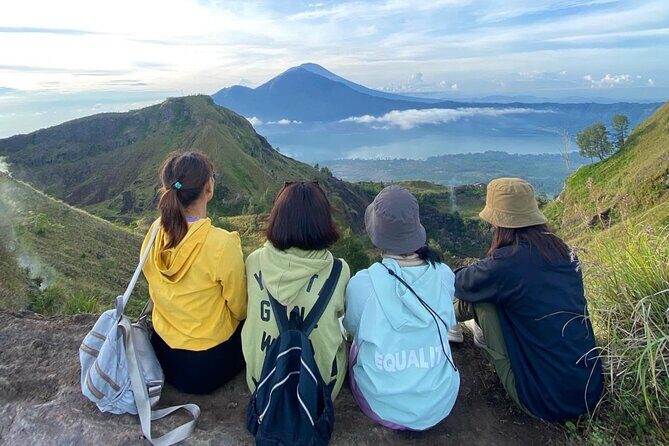
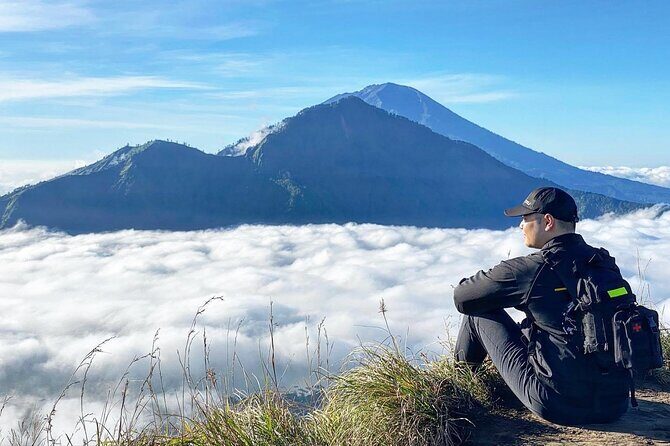
Waking up at pre-dawn is worth it here. This private Mount Batur sunrise hike is built around cooler temps and a top-of-volcano sunrise, then you roll straight into recovery with natural hot springs. Two things I especially like: hotel pickup so you don’t hunt for a meeting spot, and the fact you can climb at your own pace with a guide who stays with your rhythm. One caution: the climb can feel rocky and steeper than expected, so pack for a proper hike day.

You also get a full morning structure, not a rushed photo sprint. The early schedule gets you to the summit for sunrise and breakfast, then you’re back down and on to hot springs and a traditional coffee stop before midday. If you’re hoping for a lazy outing, this isn’t that kind of experience, but if you want a real Bali adventure without joining a big cattle-train group, it fits nicely.

Key highlights you’ll feel immediately

Batur Hike : Mount batur Sunrise Hike & Natural Hotspring - Key highlights you’ll feel immediately

  • Private trekking pacing: no need to match a large-group tempo.
  • Sunrise timing: you reach the summit in time to watch the light change.
  • Hotel pickup and drop-off: fewer hassles at 2 a.m. and after your climb.
  • Volcano summit breakfast: food at altitude makes the whole morning feel complete.
  • Natural hot springs stop: optional soak time after the descent.
  • Coffee plantation visit: a calm cultural pause before you head back.

Sunrise on Mount Batur: why this hike is such a morning magnet

Batur Hike : Mount batur Sunrise Hike & Natural Hotspring - Sunrise on Mount Batur: why this hike is such a morning magnet
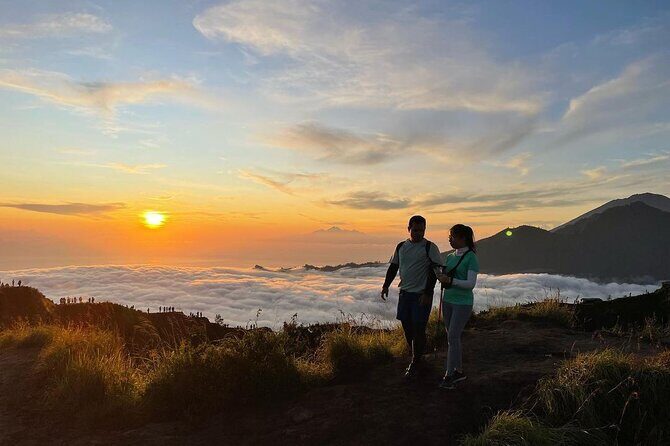
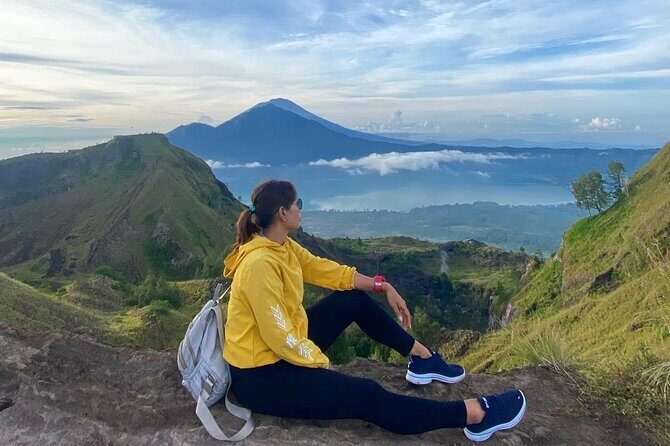
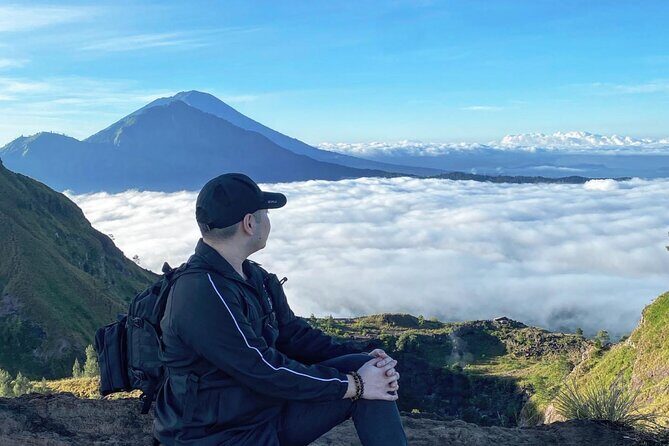
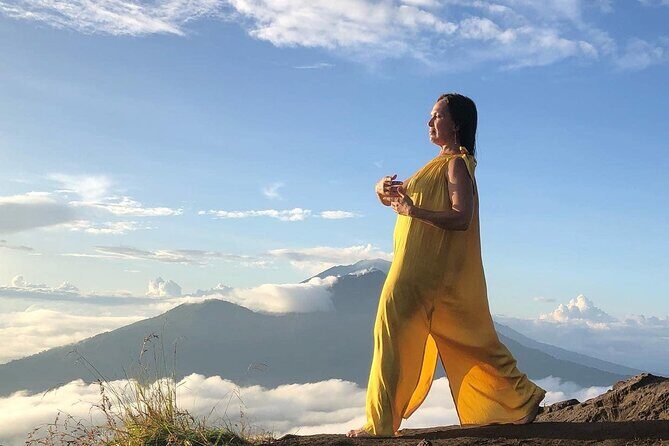
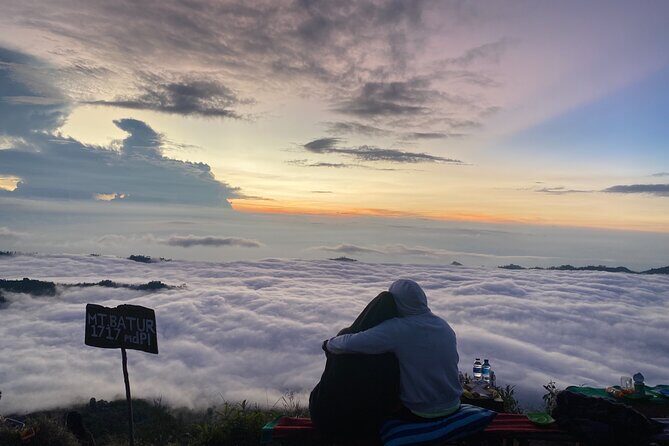
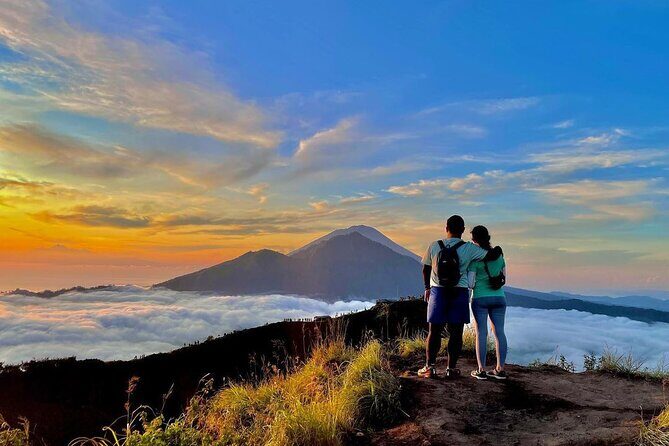
Mount Batur is one of those Bali hikes that people talk about for a reason: the combo of sunrise timing and volcano views hits fast. You start in the dark, climb while the air is cool, and then the summit turns into a front-row seat as morning arrives. Even if you’ve seen sunrise photos before, arriving in person feels different—less like a postcard, more like a moment you get to earn.

The “private” part matters too. Instead of being shoved forward or dragged along, you climb at your own speed. That’s huge when your legs are adjusting, your breathing needs a steady pace, or you simply want a break without being treated like dead weight.

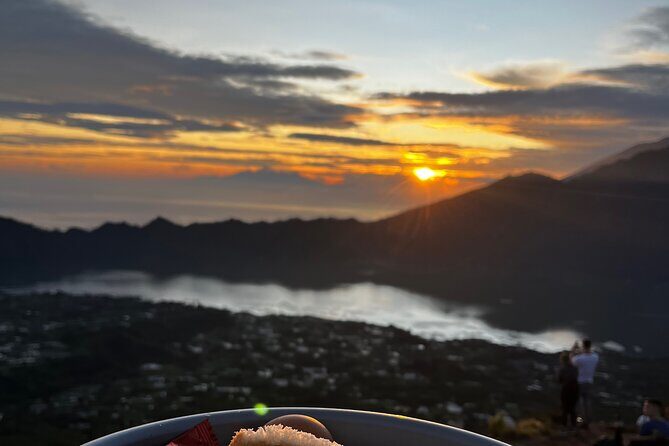
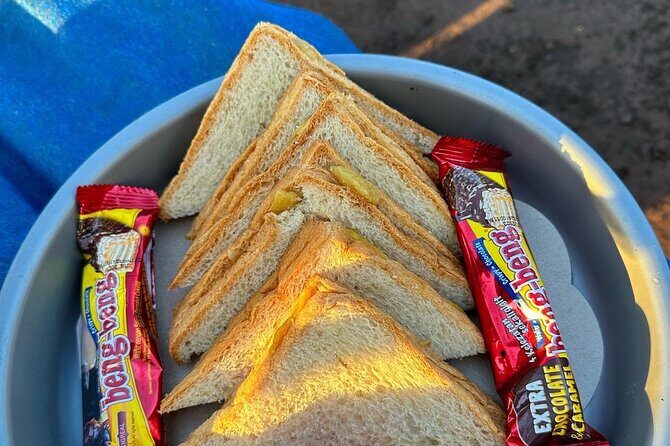
And yes, there’s breakfast at the top. You’re up early anyway; having a proper meal waiting after sunrise makes the effort feel like it had a payoff plan, not just a view-and-go routine.

Pre-dawn logistics: pickup, timing, and how not to feel frantic

Batur Hike : Mount batur Sunrise Hike & Natural Hotspring - Pre-dawn logistics: pickup, timing, and how not to feel frantic
This tour is structured tightly because the whole point is sunrise. Pickup usually starts between 01:20 and 02:30, and the exact time depends on where your hotel is. Then you reach the start area at about 03:30, depart for the ascent around 03:45, and shift into “climb mode” quickly.

That early window is why hotel pickup is worth paying for. You don’t have to figure out a meeting point while half-asleep. You also avoid the stress of scrambling for transport right when the morning is still black outside. For a hike that starts before most places are even thinking about breakfast, this is the most practical part of the whole plan.

One more thing: the tour ends back at the meeting point, and the overall duration is about 8 hours 30 minutes. That’s long enough to plan your day around, but not so long that you lose the rest of Bali.

The ascent: what the climb feels like at Mount Batur

Plan for a real hike, not a stroll. The trek is often described as rocky and steeper than people expect, even when they’re in decent shape. The good news is that the guides are focused on keeping you moving comfortably—people specifically note that the guide will pause when you need a breather.

You’ll be climbing from the early hours until the summit. Based on the schedule, you reach the top around 06:15 for sunrise, then you enjoy the view and breakfast before heading down. That timing also means you’ll likely be moving in low light for part of the climb, so bring whatever you need for early-morning footing—good traction shoes are a smart idea.

The “at your own pace” promise is also the difference between a fun hard hike and a suffering contest. If you like steady progress, you’ll enjoy this. If you hate slowing down, you might feel a little limited by how your body sets the tempo—but most people see that as a feature, not a flaw.

Summit sunrise: steam, views, and why breakfast matters

Batur Hike : Mount batur Sunrise Hike & Natural Hotspring - Summit sunrise: steam, views, and why breakfast matters
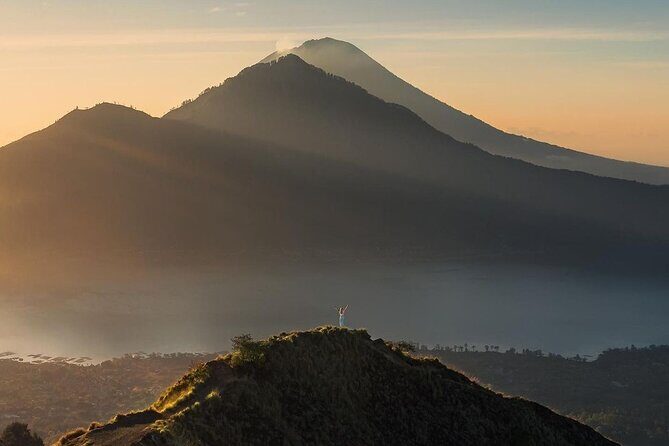
Reaching the top around 06:15 is the payoff moment. This is when the Kintamani Highlands views come into focus, and you get that volcano-in-the-morning feeling that’s hard to replicate on any scenic drive. People often mention the steam from the volcano as part of the experience—small detail, big mood.

Sunrise itself is a short window, but you’re not just running up for one dramatic shot and sprinting back. You’ll have time to take in the moment, and you’ll also have breakfast prepared for you at the summit. That breakfast isn’t just food; it’s morale. It turns the hike from an endurance event into a whole morning you can actually enjoy.

If you care about photos, pay attention to how your guide positions you. Guides named in good feedback—like Wi and Agus—are credited for helping with the right sunrise spots and for taking great pictures. Even if you don’t care about Instagram, good framing gives you memories that last longer than your phone’s battery.

Descent at 08:00: where legs will ask questions

Batur Hike : Mount batur Sunrise Hike & Natural Hotspring - Descent at 08:00: where legs will ask questions
Downhill is its own challenge. The schedule has you starting the descent around 08:00 back to the starting point. Your cardio might feel fine by then, but your knees and ankles will remember the rocky sections.

This is another reason the private pacing matters. A confident guide helps you descend without rushing. People highlight that the climb is manageable with the right support—patience, stops when needed, and helpful guidance make a noticeable difference.

If you’re sensitive to steep footing, take the descent seriously even if you feel strong. The summit moment is exciting, but the descent is where most discomfort shows up. Go slow, breathe, and let the morning stay fun.

Natural hot springs at 09:00: soothing, but set expectations

Batur Hike : Mount batur Sunrise Hike & Natural Hotspring - Natural hot springs at 09:00: soothing, but set expectations
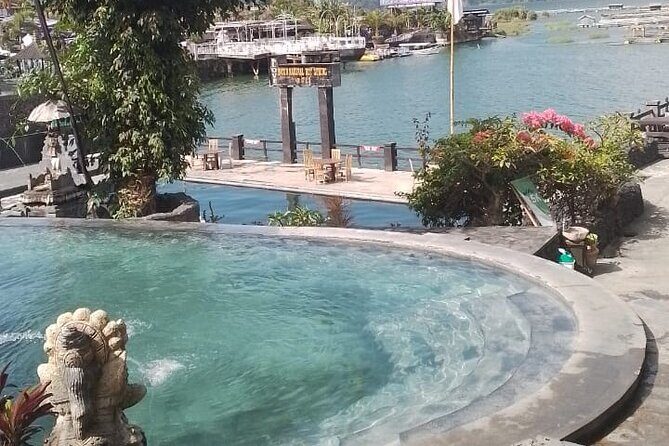
After you finish the hike and head back, the plan includes natural hot springs, starting around 09:00. This is the recovery portion, and it’s the easiest way to turn soreness into “okay, I’m glad I did that.”

Here’s the balanced view: hot springs on this kind of tour can be more basic than a resort spa. Some people describe the hot springs as feeling like a family pool rather than a polished wellness facility. If you’re expecting towels and spa-grade luxury, you may be underwhelmed.

Still, for sore muscles, warm water is warm water. Think of it as a practical reset after an early climb—not the main attraction. If you do it, do it for comfort and muscle recovery.

Coffee plantation stop around 11:30: a friendly cultural reset

Batur Hike : Mount batur Sunrise Hike & Natural Hotspring - Coffee plantation stop around 11:30: a friendly cultural reset
Between hot springs and lunch-time return, there’s a stop at a traditional Balinese coffee plantation at about 11:30. This part is valuable because it breaks up the day after physical effort. You get a slower rhythm, a local context, and a chance to learn about coffee in a place where it’s part of daily culture.

The timing also makes sense. You’re not thrown back into another intense activity right away. You soak, you rest your legs, and then you transition into something calmer before heading back to your hotel.

Price and value: what $18 buys you in the real world

Batur Hike : Mount batur Sunrise Hike & Natural Hotspring - Price and value: what $18 buys you in the real world
At $18 per person, the value is strong—especially with sunrise timing and pickup included. You’re paying for:

  • early logistics that would be annoying to organize on your own,
  • the summit-focused guide time,
  • and the structured morning plan that gets you to sunrise without guesswork.

If you’ve ever tried to DIY a sunrise volcano hike, you know the hidden costs: transport, coordination, and the stress of making wrong timing calls. This tour removes a lot of that. The only “cost” you control is your effort level—because yes, you’ll work for the view.

Private tours often cost a lot more than group options, so the ability to climb without pressure (and with the guide helping you stop when needed) is where the price feels fair rather than bargain-basement.

Who should book this (and who should skip it)

This is a great fit if you:

  • want a sunrise experience tied to real effort,
  • like the idea of climbing without matching a big group,
  • and you’re comfortable with moderate fitness needs on a rocky ascent.

It might not be your best choice if you:

  • want a gentle walk with minimal effort,
  • hate steep footing,
  • or you’re expecting the hot springs to feel like a spa resort.

If you’re traveling with friends, couples, or anyone who benefits from pacing (not speed), private support is a big win. Names that show up in helpful feedback—Putu, Gede Mertadana, Wi, Agus, and Harry—are described as patient, friendly, and tuned into what hikers need, including stopping for breaks and helping with photos.

Quick practical tips before you go

  • Wear proper hiking shoes. This hike is rocky and uneven.
  • Bring warm layers. Early morning at sunrise can feel colder than you expect.
  • Expect the schedule to be early and exact. The whole point is being at the summit on time.
  • For hot springs, set expectations around a casual soak, not a luxury spa.
  • If you get motion sick easily, consider how dark, bumpy mountain roads affect you during pickup.

Should you book the Mount Batur Sunrise Hike and Natural Hot Springs?

Yes, if your goal is a classic Bali sunrise with a real mountain climb and an organized recovery afterward. The combination of private pacing, hotel pickup, and summit-time sunrise plus breakfast is exactly what makes this itinerary feel “worth it” rather than just “something to do.”

Skip it only if you’re unwilling to handle rocky steps and a steep descent. Also, if hot springs are your primary reason for going, do a mindset check: this is natural and functional, not spa-glamour.

If you want an authentic morning adventure that doesn’t waste time with meeting-point chaos, this is a solid choice.

FAQ

FAQ

What time does pickup usually happen?

Pickup typically starts between 01:20 and 02:30, depending on where your hotel is located.

When do we arrive at the start of the hike?

You arrive at the starting point of the ascent around 03:30.

What time do we start climbing?

You generally depart for the climb around 03:45.

Will we reach the summit for sunrise?

Yes. You arrive at the top around 06:15 to enjoy sunrise and breakfast.

Is this a private tour?

Yes. It’s private, meaning only your group participates.

Does the tour include hot springs?

It includes a visit to natural hot springs after the descent, starting around 09:00. The stop is described as optional.

Is there food included?

Yes. Breakfast is included at the summit after you arrive for sunrise.

Is there any other stop besides the hike?

Yes. There’s a stop at a traditional Balinese coffee plantation around 11:30.

What is the starting meeting point?

The meeting point listed is Central Batur, Bangli Regency, Bali, Indonesia (6P3QQ92X+227Q92X+227). The activity ends back at the meeting point.

Bali (Padang Bai) to Gili Trawangan – Gili Air – Lombok (Bangsal)

Bali (Padang Bai) to Gili Trawangan - Gili Air - Lombok (Bangsal) - The onboard comfort details that matter (especially in the heat)

Speed over slog. That’s the whole point of this Bali to Gili crossing. It’s run by BlueWater Express, a long-time operator that’s focused on safety and a more controlled boarding experience, so you spend less energy worrying and more energy getting to island time.

Two things I really like: the ride is built for comfort with air-conditioned seating, a restroom on board, and free bottled water. The other big win is how the process is set up to be clear and efficient, with staff geared toward helping you check in and get moving.

One drawback to plan around: this is a speedboat service that can include precautionary stops mid-journey, and like all fast-boat routes, it’s weather-dependent.

Key points worth clocking before you go

Bali (Padang Bai) to Gili Trawangan - Gili Air - Lombok (Bangsal) - Key points worth clocking before you go

  • Purpose-built fast boat operation: The company pioneered the Bali–Gili fast-boat route back in 2006 and runs it with a safety-first mindset.
  • Comfort items are included: Air-con, bottled water (sealed), and onboard restroom access make the 3 to 3.5 hours feel shorter.
  • Smaller-group feel: This activity caps at a maximum of 70 travelers, which is a nice change from overstuffed big-ferry vibes.
  • You might see brief engine/prop checks: Any stop mid-sea is described as precautionary, to prevent prop issues from line or rope snagging.
  • Weather can change everything: If poor weather cancels the trip, you’ll get a different date or a full refund.
  • Premium price, but for reasons: At $91, it’s not the cheapest option, but you’re paying for a more organized departure and a less chaotic waiting experience.

Why this route is worth paying more for

This crossing is short on paper and long on meaning: you’re jumping off the Bali mainland and landing in the Gili rhythm fast. If you’re trying to maximize beach days (and minimize time lost to slow transport), a well-run speedboat makes a big difference.

I also like that the operator keeps the pitch consistent: safety, professionalism, and guest satisfaction. You feel that in the details you don’t always notice—like how check-in is handled and how the boat experience is set up to keep things moving.

Yes, it costs more than bargain ferry options. But the value is that you’re buying fewer headaches: clearer instructions, less “wait in the sun” chaos, and a smoother ride experience overall. For many people, that’s worth the premium.

Padangbai to the Gili islands: what your 3–3.5 hours actually feels like

Bali (Padang Bai) to Gili Trawangan - Gili Air - Lombok (Bangsal) - Padangbai to the Gili islands: what your 3–3.5 hours actually feels like
Here’s the practical flow. You start at the BlueWater Express dock in Padangbai, Bali (Jl. Silayukti, Padangbai, Kec. Manggis, Karangasem, Bali 80871). You’ll receive booking confirmation details that include your trip and pick-up time, and the meeting point is near public transportation.

Once you arrive at the port, expect a check-in process designed to be straightforward. Several people note that instructions are clear and staff are helpful, which matters because port logistics can get messy fast when you’re tired or traveling with gear.

Then comes the ride: the crossing time is listed as about 3 hours to 3 hours 30 minutes. Over that window, you’ll have access to onboard basics that make the trip easier—especially the restroom and the included sealed water.

As for arrival, this service is positioned around getting you to the Gili side and onward Lombok (Bangsal). The meeting point provided for the end is at the BlueWater Express area on the Gili side (including Gili Trawangan / Gili Indah area, Kec. Pemenang, Lombok Utara). In plain terms: you choose the right departure for where you want to disembark and then connect from there.

The onboard comfort details that matter (especially in the heat)

Bali (Padang Bai) to Gili Trawangan - Gili Air - Lombok (Bangsal) - The onboard comfort details that matter (especially in the heat)
This isn’t a barebones ferry experience. It’s a speedboat ride with comfort included, and that changes how you feel when you step off in the Gili islands.

You get air-conditioned cabin comfort, and that helps a lot when Bali heat clings to you the moment you step outside. You also get bottled water on board—plus sweet and water are listed as free flow sealed mineral water and sweet. Small thing, big relief when you’re already running on travel momentum.

And then there’s the restroom. For a trip in the 3–3.5 hour range, onboard restroom access is one of those features you don’t think about until you need it. It also reduces how often you’ll rush around ports.

One note: air-con performance can vary by boat and seating location. I’ve seen comments that air-con could be better, so if you’re heat-sensitive, show up early and pick your seats with a little care during boarding.

Safety focus, plus the reality of a mid-sea check

Bali (Padang Bai) to Gili Trawangan - Gili Air - Lombok (Bangsal) - Safety focus, plus the reality of a mid-sea check
The company emphasizes safety and professionalism, and that shows up in how they explain the occasional mid-journey pause. You might notice a brief stop while the crew checks the engine and prop area.

The stated reason is precautionary: rope or fishing line can snag the prop, and it’s better to check and clear anything before continuing. In other words, these stops aren’t treated like a breakdown; they’re treated like prevention.

A related point: the operator response also notes that their boat type is relatively larger (they reference a 26-meter boat size) and carries a smaller number of passengers than high-capacity operators. They also mention keeping guest counts far below the “hundreds at once” style. That’s exactly what you want on a speedboat: stability and breathing room.

Still, if you’re the type who hates any interruption, be mentally ready for the fact that the sea doesn’t always follow a perfect script.

Check-in and waiting: less chaos, more control

Bali (Padang Bai) to Gili Trawangan - Gili Air - Lombok (Bangsal) - Check-in and waiting: less chaos, more control
Port time is where trips either feel smooth or feel stressful. What I like here is that the service is set up so you aren’t stuck wandering around confused.

The meeting point is clearly identified at the BlueWater Express dock in Padangbai. And people have noted you can wait inside a nearby venue, specifically mentioning Sama-Sama Reggae Bar as a better option than roasting outside.

That’s a real travel advantage. When the departure window is tight and you’re sweaty, being able to sit down, cool off, and follow staff instructions keeps you from spiraling into “am I late?” panic.

Weather rules: how to stay flexible without losing your plans

This experience requires good weather. The cancellation policy is firm: it’s non-refundable and can’t be changed for any reason.

But there’s an important exception: if the boat is canceled due to poor weather, you’ll be offered a different date or a full refund. That’s the part you can plan around.

If you’re traveling around fixed events, I suggest you keep a little buffer time in your schedule and be ready to shift. Weather can be the one unpredictable variable, even when the operator does everything right.

Also, because customer experience depends on communication, I’d keep your booking details handy and watch for updates once your trip gets closer. If they change plans due to conditions, you’ll want to move fast.

Price and value: where the $91 really goes

Bali (Padang Bai) to Gili Trawangan - Gili Air - Lombok (Bangsal) - Price and value: where the $91 really goes
Let’s talk money in plain terms. This transfer costs $91. That’s not budget pricing.

So what are you buying?

  • A more organized departure flow, with clear instructions and staff support
  • Included comfort basics (air-con, water, restroom)
  • An operator with a long-running track record in this specific route
  • A more controlled passenger count (maximum 70 travelers for this activity)

If you’re choosing the cheapest option, you might save money but you risk trading that for comfort, order, or overall smoothness. And on island itineraries, “one annoying transfer moment” can snowball into missed connections or wasted energy later.

For many travelers, paying more here is basically buying time and calm—two things that are hard to measure but easy to feel when you arrive.

Who should book this speedboat (and who might not love it)

Bali (Padang Bai) to Gili Trawangan - Gili Air - Lombok (Bangsal) - Who should book this speedboat (and who might not love it)
This is a great fit if you:

  • Want a faster connection from Bali to the Gili islands without adding extra transfers
  • Care about comfort details like air-con and onboard restroom access
  • Prefer a service that aims for structured check-in and helpful staff

It may be less ideal if you:

  • Get strongly bothered by interruptions (there can be precautionary mid-journey checks)
  • Are extremely sensitive to seat comfort and cabin size—some comments point out that boats can feel cramped depending on what you compare against
  • Have to be ultra-picky about staff communication, since some crew language skills may not meet every expectation

And if you’re traveling with lots of luggage: use a smart packing approach and keep an eye on how bags are handled at loading. There’s at least one situation mentioned where luggage was damaged, and the operator indicates there is a policy to assist or replace damaged bags. The takeaway for you is simple: report issues immediately to the team on the spot.

Should you book BlueWater Express for Padangbai to the Gili and Bangsal?

I’d book it if you want a fast, comfort-forward transfer with a safety-first operator and a less chaotic departure style. The included air-con, restroom, and sealed water make the 3–3.5 hour ride feel practical rather than purely functional.

I wouldn’t book it if you’re trying to squeeze every dollar, or if you’re not okay with weather dependence and the possibility of a brief mid-journey check.

If your priority is getting to the Gili islands quickly and with fewer travel headaches, this is a solid, value-based choice at the price point listed.

FAQ

How long is the boat ride from Padang Bai to the Gili islands?

The crossing is listed as about 3 hours to 3 hours 30 minutes.

Where do I check in and board in Bali?

Your start point is BlueWater Express | Boat Padang Bai (Bali) to Gili Islands / Lombok at Jl. Silayukti, Padangbai, Kec. Manggis, Kabupaten Karangasem, Bali 80871.

Where does the trip end on the Gili/Lombok side?

The end point is BlueWater Express | Boat Gili Trawangan to Bali at Gili Trawangan, Gili Indah, Kec. Pemenang, Kabupaten Lombok Utara, Nusa Tenggara Bar. 83352.

What’s included in the ticket price?

Included items are insurance and medical coverage, an air-conditioned vehicle, free flow sealed mineral water and sweet, and a restroom on board.

Is private transportation included?

No. The listing specifies private transportation is not included.

How many people are on the boat for this activity?

The maximum group size is listed as 70 travelers.

Is the service suitable for most travelers?

It says most travelers can participate.

Do they provide water and refreshments on board?

Yes. You get free flow sealed mineral water and sweet.

What happens if the trip is canceled due to bad weather?

The experience requires good weather. If canceled due to poor weather, you’ll be offered a different date or a full refund.

When will I receive confirmation and pickup timing?

Confirmation is received at the time of booking, and you’ll receive booking confirmation details with trip and pick-up time.

Bali ATV Ride with Jungle Swing and Rice Terrace Tour

Bali ATV Ride with Jungle Swing and Rice Terrace Tour - Balaji Adventure Bali ATV ride: jungle tracks and rice-field views

ATVs in Ubud beat sitting in traffic. This day tour strings together big-scenery moments: door-to-door pickup, an ATV ride through jungle and plantations, a jungle swing at Uma Pakel Agro Tourism, and time at Tegalalang Rice Terrace.

I like that the itinerary is tightly timed, so you’re not wasting half the day just getting around. I also love that lunch is included right after the ATV, with towel, changing room, and shower facilities if you get splashed. One possible drawback: the ATV portion needs real care, so don’t assume it’s just a casual cruise.

Key highlights you’ll feel immediately

Bali ATV Ride with Jungle Swing and Rice Terrace Tour - Key highlights you’ll feel immediately

  • ATV ride through jungle, rivers, and plantations with admission handled
  • Jungle swing at Uma Pakel Agro Tourism (d’Alas Swing) for high-up photo angles
  • Tegalalang Rice Terrace time to sightsee and walk through rice paddies
  • Meet local farmers during the rice-terrace stroll (part of the experience pacing)
  • Hearty local lunch plus bottled water right after the ATV
  • Shower, towel, and changing room support so you don’t end the day soaked and sticky

Door-to-door private transfers: getting to Ubud’s countryside without stress

Bali ATV Ride with Jungle Swing and Rice Terrace Tour - Door-to-door private transfers: getting to Ubud’s countryside without stress
This tour runs out of Ubud with pickup offered, plus an air-conditioned private car for round-trip transfers. You start at 8:00 am, which matters in Bali because you avoid the worst traffic by doing the active stuff early.

What I like about the private setup is the pacing. You’re not juggling multiple stops with random drop-offs, and you’re not stuck waiting on strangers at every turn.

You’ll also get an English-speaking driver or guide, so directions and timing stay clear. If you’re the type who likes a plan you can trust, this format makes the day feel controlled.

Balaji Adventure Bali ATV ride: jungle tracks and rice-field views

Bali ATV Ride with Jungle Swing and Rice Terrace Tour - Balaji Adventure Bali ATV ride: jungle tracks and rice-field views
The ATV portion is the engine of the day. At Balaji Adventure Bali you’ll spend about 2 hours riding through jungle areas and past rice fields with big views, and the admission ticket is included in that time block.

Then you shift into a calmer rhythm: lunch comes after the ATV activities at the finish point. This order is smart because you’re not trying to eat while your gear is still wet or muddy.

Now the practical part: the ATV is also the piece that can catch people off guard. The info you were given includes a caution mindset—go in expecting a real ride, not a gentle stroll. If you’re nervous around bikes or uneven ground, ask your guide for guidance early and take it slow.

One extra detail that’s easy to overlook: you’re provided an ATV guide, plus towel, changing room, and shower facilities. That combination tells you the tour expects some mess from the ride, so plan to rinse up and change before the swing and rice terrace.

Uma Pakel Agro Tourism jungle swing (d’Alas Swing): fast photos, big height

Bali ATV Ride with Jungle Swing and Rice Terrace Tour - Uma Pakel Agro Tourism jungle swing (d’Alas Swing): fast photos, big height
After the ATV, the tour moves to d’Alas Swing. This is where you soar high above the rice paddies and jungle views, and you’ll have time to capture photos from up high.

The swing is about 1 hour in the schedule, which feels right. You get enough time for a few attempts and photos without dragging on all day.

A useful way to think about this stop: it’s a change of pace. You went from engine noise and control to suspended moments where you can just look out and frame shots. If you’re someone who loves perspective—wide views, height, and layered greenery—this is the part that delivers that “wow” factor quickly.

If height makes you uneasy, don’t pretend you’re fine. Take a second to decide at the start of the activity, because once you’re strapped in, you’ll want to be confident in your comfort level.

Tegalalang Rice Terrace: a guided stroll through paddies and farmer life

Bali ATV Ride with Jungle Swing and Rice Terrace Tour - Tegalalang Rice Terrace: a guided stroll through paddies and farmer life
The final sightseeing block is Tegalalang Rice Terrace, also about 1 hour. You’ll get scenic views in the Tegalalang area, plus the chance to walk through rice paddies and meet local farmers as part of the experience.

This stop is valuable for two reasons. First, it’s not just looking from a distance—the walking and farmer interaction turn it into something more personal than a photo-op. Second, it ties back to what you saw earlier from the ATV: you’re moving from “ride past the fields” to “walk inside the working landscape.”

A good expectation to set: the pace here is slower than the ATV. You’ll have time to slow your steps, look around, and absorb how the terraces shape farming life.

Lunch after the ATV: included fuel and real comfort

Bali ATV Ride with Jungle Swing and Rice Terrace Tour - Lunch after the ATV: included fuel and real comfort
Lunch is part of the day, and it’s described as a hearty local lunch served after your ATV ride. That timing matters, because it lines up with the moment your energy needs the most help.

You also get bottled water as part of the included package. In Bali, that small inclusion can save you from chasing drinks mid-activity.

The other comfort win is the set of facilities offered alongside the ATV gear: towel, changing room, and shower facilities. If you get wet, this is the difference between feeling refreshed for the next stop and spending the rest of the day thinking about how you feel sticky.

If you’re planning your clothing, follow the guidance and bring extra clothes. This tour practically asks for it.

Price and what you actually get for $89.52

Bali ATV Ride with Jungle Swing and Rice Terrace Tour - Price and what you actually get for $89.52
At $89.52 per person, the value here is mostly in what’s bundled. You’re not just paying for transportation and a quick ticket.

The included list covers all activity fees, lunch, bottled water, and entrance tickets. You also get an ATV guide, plus towel, changing room, and shower facilities. On top of that, the private AC car includes petrol and parking, and there’s an English-speaking driver or guide for the day.

Why that matters: Bali days can turn expensive when you add up separate line items like entrance fees, food, and transfers. This tour packages those costs into one price, which makes it easier to compare against other “pick a thing, pay extra later” options.

You might see group discounts mentioned too, which can help if you’re traveling with friends or a small group. The tour is also set up as a private activity, meaning only your group participates, so you’re not sharing the experience with random extras.

One thing to keep in mind: personal expenses are not included. That’s normal, but it’s smart to budget for snacks, souvenirs, or anything you grab on the side.

Time on the clock: a 7–8 hour day that stays structured

Bali ATV Ride with Jungle Swing and Rice Terrace Tour - Time on the clock: a 7–8 hour day that stays structured
The total duration is listed at 7 to 8 hours. With a 3-hour block at Balaji Adventure Bali, then 1 hour at the swing, then 1 hour at the rice terrace, the remaining time is how you’d expect it to be spent: transitions, pickup, and the rhythm of moving between sites.

This schedule is built for people who want a full day without a “lost in transit” headache. You get action, then a high-up photo stop, then a cultural walking experience.

Start time is 8:00 am, so you’ll want to be ready early. If your hotel pickup is delayed for any reason, the whole day can feel compressed, so keep your morning plan flexible.

Guide quality and keeping the ATV safe

Bali ATV Ride with Jungle Swing and Rice Terrace Tour - Guide quality and keeping the ATV safe
One theme that really matters on this kind of tour is the guide’s hands-on role. Your included package includes an ATV guide, which is exactly what you want when you’re trying to balance fun with safety.

If you get a driver like Darma, the day can feel extra smooth because he’s described as looking after people well. Even with a good guide, listen closely during the ATV orientation and don’t rush your first few minutes.

The caution note is simple: be careful with the ATVs. That’s not about ruining the fun—it’s about giving yourself margin so you can enjoy the views and the ride instead of being tense the whole time.

Who should book this Bali ATV Swing and Rice Terrace tour

This tour fits best if you want a mix of active and scenic in one day. You’ll get jungle and rice views from the ATV, the high-angle swing moment, and then a terraced rice walk with farmer interaction.

It’s also a good option if you value support and cleanup. With shower facilities, towel, changing room, and shower help included, you can move from muddy adventure to photo and walking without stress.

A few practical notes from the tour details:

  • Minimum age is 10 years.
  • Bring extra clothes.
  • Most people can participate, but the ATV still requires care and coordination.

If you’re only interested in slow sightseeing or you dislike riding on rough paths, you might find the ATV portion the hardest sell. In that case, you’d be better off choosing a tour that’s purely viewing and walking.

Should you book this tour?

Yes, you should book it if you want one day in Ubud that combines ATV fun, a real jungle swing height moment, and a meaningful rice-terrace walk. The price is easier to justify because lunch, entry tickets, and the comfort extras (towel, changing room, shower facilities) are included.

Skip it or rethink your fit if the ATV part sounds stressful to you. The swing and rice terrace are great, but the ATV is the start of the whole day, and it’s the part that needs the most attention.

If you do book, plan your morning around the 8:00 am start, bring extra clothes, and lean on your guide early for ATV confidence. That’s the formula for a fun day that doesn’t end with chaos.

FAQ

What time does the tour start in Ubud?

The start time is 8:00 am.

How long is the Bali ATV ride with swing and rice terrace tour?

It runs about 7 to 8 hours.

Is lunch included?

Yes. Lunch is included and is served after the ATV activities.

What’s included besides the ATV and entrance tickets?

The package includes an ATV guide, towel, changing room, shower facilities, bottled water, and an AC private car with petrol and parking fees. Entrance tickets are also included.

Are there age requirements?

The minimum age is 10 years.

Is pickup and private transportation included?

Pickup is offered, and you’ll have door-to-door round-trip private transfers in an AC private car.

Can I cancel for a full refund?

Yes. You can cancel up to 24 hours in advance for a full refund.

Tanah Lot and Uluwatu Temple Private Guided Tour

Tanah Lot and Uluwatu Temple Private Guided Tour - Tanah Lot Temple: ocean views over volcanic rock and temple gardens

Two temples, one long South Bali day. This private guided route pairs Tanah Lot and Uluwatu Temple with beach time and Balinese food moments, then finishes with the famous Kecak and fire dance. Door-to-door private transfers also matter a lot in Bali, because driving yourself can be stressful and slow.

I really like that you get time with a personal guide/driver, so you can move at a relaxed pace instead of being swept along. I also love the food angle: you’ll hit a coffee plantation stop plus a Balinese warung experience, and your driver/guide is there to explain what you’re seeing and tasting. One possible drawback: the day is packed with driving, and meals and some entrance costs may be extra, so budget for them and don’t expect a full meal plan included in the price.

Key things I’d watch for on this Tanah Lot and Uluwatu day

Tanah Lot and Uluwatu Temple Private Guided Tour - Key things I’d watch for on this Tanah Lot and Uluwatu day

  • Door-to-door private transfer: you avoid the worst of Bali driving stress.
  • Uluwatu’s sunset performance: the Kecak and fire dance happens at the Uluwatu Temple stage.
  • Tanah Lot’s volcanic rock setting: panoramic ocean views and a dramatic rock-hole backdrop.
  • Padang Padang Beach as a break: hidden-in-the-cliffs beach time for sand-and-sea scenery.
  • Food stops with local context: coffee plantation + Balinese warung included in the experience flow.
  • Long hours, real traffic: expect plenty of time in the car, even with a private vehicle.

Why Tanah Lot and Uluwatu make sense in one day

Tanah Lot and Uluwatu Temple Private Guided Tour - Why Tanah Lot and Uluwatu make sense in one day
This tour is built around a simple idea: see two of Bali’s most photogenic temple settings, then stack on a beach break and cultural food experiences. Tanah Lot gives you that iconic offshore rock drama. Uluwatu Temple delivers cliffside ocean views plus the monkey-filled temple area vibe.

Then it gets more interesting. The Kecak and fire dance isn’t just a show you passively watch—you’ll be there for the performance timing at Uluwatu, which is why the route is planned as a full-day loop rather than a quick half-day temple sprint.

Getting from Seminyak: private pickup, long drive hours, and heat strategy

The tour starts around 9:00 am with pickup and drop-off based on your hotel location. It’s a private tour for your group only, with an English-speaking driver/guide, plus mineral water and insurance.

Here’s the practical reality: Bali traffic and coastal roads can turn a “10-hour tour” into a slow-moving day. One of the most honest critiques in the feedback was how much time can be spent in the car. My take: embrace the fact that this is a day-trip tour, not a minimal-effort outing. If you get motion-sick easily, plan for it. If you’re hungry, plan for lunch separately, because meals are not included.

Heat timing also matters, and it can affect your wow-factor at Tanah Lot. One review flagged that arriving there in the early afternoon can make the experience feel less impressive than it would at sunset. The tour’s start time is set, but you can still manage expectations: if you’re a golden-hour person, keep your priorities flexible and don’t assume every stop lands in its best light.

Tanah Lot Temple: ocean views over volcanic rock and temple gardens

Tanah Lot and Uluwatu Temple Private Guided Tour - Tanah Lot Temple: ocean views over volcanic rock and temple gardens
You’ll spend about one hour at Tanah Lot. The setting is the headline: the temple sits on a volcanic rock area with wide Indian Ocean views, and the scene includes tropical garden landscaping. There’s also that dramatic natural rock-hole look (the kind of visual that makes you stop walking and just stare for a minute).

What I like about Tanah Lot on a guided day is that you’re not just taking photos—you’re also getting the story context from your driver/guide. That’s especially helpful if you’re new to Balinese temple culture, where the visuals are familiar but the meaning takes a little guidance.

The main consideration here is pacing versus weather. If you’re sensitive to heat, know that midday sun can take the edge off the experience. That doesn’t ruin it—it just changes how you feel walking around. If the route timing puts Tanah Lot earlier than ideal, shift your mindset from postcard-perfect to “this is the moment, right now.”

Padang Padang Beach: a short escape with calm-wave vibes

Tanah Lot and Uluwatu Temple Private Guided Tour - Padang Padang Beach: a short escape with calm-wave vibes
Next comes Padang Padang Beach for about one hour. This isn’t presented as a long lounge-and-do-nothing beach day. It’s a reset: a hidden-feeling beach tucked around rock formations, with white sand and calm waves on the beach side.

I’d treat this as your “stretch and breathe” stop. You get a change of scenery after temple time, and it helps break up the later rhythm of cliffside Uluwatu views and the evening performance.

A good tip: keep your beach time efficient. Wear comfortable footwear and plan for quick movement—because after Padang Padang, the schedule heads straight toward Uluwatu. In a tour like this, the beach is a chapter, not the whole story.

Uluwatu Temple: cliffside ocean views and monkey-zone awareness

Tanah Lot and Uluwatu Temple Private Guided Tour - Uluwatu Temple: cliffside ocean views and monkey-zone awareness
Uluwatu Temple gets about one hour. The description alone tells you what you’re walking into: a temple above a rock cliff at South West Bali, with clear ocean views, surrounded by tropical forest. And yes, there are monkeys in the temple forest area.

This is the stop where the “guided” part really matters. Temples like this can feel overwhelming if you don’t know where to look or what to notice. Having a driver/guide along for navigation and explanation turns the visit from random wandering into something more meaningful.

Also: with monkeys around, keep your hands and bags organized. Don’t carry loose snacks in open pockets. Keep sunglasses and small items secured. It’s not about being scared—it’s about being practical.

If you’re lucky, you’ll get a guide who gives your group room to breathe. One standout review specifically praised a guide named Bagus for letting the group spend as much time as wanted at Uluwatu, focusing on the views and the experience rather than rushing them out.

Kecak and Fire Dance: how to enjoy the show at Uluwatu

Tanah Lot and Uluwatu Temple Private Guided Tour - Kecak and Fire Dance: how to enjoy the show at Uluwatu
The Kecak and fire dance is listed as an additional highlight with about one hour at the Uluwatu Temple stage. The performance combines the Kecak chanting and the fire element, staged at sunset time at Uluwatu Temple.

The other reason this performance belongs on a guided day is that the history framing helps you understand what you’re watching. The tour description references the Ramayana story thread (including the character Dewi Sita). Even if you don’t know the tale, a little context makes the movement and chanting feel less random.

Practical advice: treat this part like a fixed appointment. Once you’re in the sunset zone, you’ll want to be present and settled rather than trying to squeeze in extra stops. If your earlier temple timing runs hot or rushed, the performance is where the day often rewards you for it.

Coffee plantation and a Balinese warung: the food stops that add real value

Tanah Lot and Uluwatu Temple Private Guided Tour - Coffee plantation and a Balinese warung: the food stops that add real value
Food is the secret sauce of this tour. The overview promises three food experiences, and the route includes both a coffee plantation stop and a Balinese warung experience.

The best part about having your driver/guide for these stops is the “what you’re eating and why it’s local” context. One review highlighted how having a local for a full day made the cultural side land better, especially when it came to the food moments. That doesn’t mean you need to be a coffee expert or a spice pro. It means you’ll get helpful explanations instead of just being handed tastings with no thread tying them together.

Vegetarian travelers should note that a vegetarian option is available—just tell the operator when you book, so you aren’t trying to solve food on the fly.

Also, manage expectations about meals. The tour information clearly signals that lunch and dinner are at your own expense, and multiple places list the cost as additional. In other words: this is a tour with food experiences, not a meal-all-inclusive package.

Price and logistics: what you’re paying for at $33.88 per person

Tanah Lot and Uluwatu Temple Private Guided Tour - Price and logistics: what you’re paying for at $33.88 per person
At $33.88 per person, this is priced like a budget-friendly private day. The value comes from combining:

  • private transfers from your hotel area,
  • an English-speaking driver/guide, and
  • a full-day South Bali route that hits Tanah Lot + Uluwatu + Padang Padang plus food stops and the sunset show.

But here’s the key budgeting reality: the tour notes meals and entrance fees as extra, while the included section also references an entrance ticket on a Premium All Inclusive Ticket. That means what you pay in the end can vary depending on the package you booked.

My advice: before you go, scan your voucher for whether entrance tickets are included under your selected package. If entrance fees are not covered, the tour notes an extra estimate of around $18 per person if you visit all attractions. For meals, lunch is estimated around $4 per person, with meals described as optional personal expenses.

So the smartest way to think about the price is this: you’re paying for the driving, scheduling, and guiding. You’re paying extra for food and (possibly) some entries.

Who this tour suits best

This tour fits best if you:

  • want a private day with hotel pickup and no self-driving stress,
  • care about the big-name temples and the Kecak and fire dance at Uluwatu,
  • like having a guide/driver explain what you’re seeing, and
  • are comfortable budgeting for meals and possible entrance costs.

It may be less ideal if you:

  • hate long car hours in Bali traffic,
  • need every stop to land at the best possible time of day (like sunset at Tanah Lot), or
  • expect all-inclusive meals with no decision-making on your part.

If you do book, go in with a “day-trip rhythm” mindset: temples, beach break, then performance. That’s how you’ll feel satisfied by the pacing instead of irritated by it.

Should you book this Tanah Lot and Uluwatu private guided tour?

Yes—with your eyes open.

Book it if you want a guided, private way to see Tanah Lot and Uluwatu without navigating Bali roads yourself, and if you’re excited about the Kecak and fire dance at sunset. The food stops (coffee plantation and warung) add more than a token tasting—they give the day a culture-and-flavor angle, especially with a driver/guide who talks through what you’re experiencing. And when you get a strong guide like Bagus (or an excellent driver like Niorman, who was praised for being great), the day feels relaxed instead of rushed.

Skip or consider alternatives if you strongly dislike:

  • paying extra for meals/entries,
  • spending a big chunk of time on the road, or
  • temple timing that might land Tanah Lot earlier than sunset.

If you’re flexible and practical, this is a solid South Bali day for the money.

FAQ

What time does the tour start?

The tour starts at 9:00 am.

How long is the private tour?

It runs for about 10 hours.

Do I get hotel pickup and drop-off?

Yes. Hotel pick up and drop off are included.

Is this tour private or shared?

It’s private, meaning only your group participates.

Is an English-speaking guide included?

Yes. You get an English-speaking guide as a driver.

Are entrance fees included?

The info indicates entrance can depend on the ticket type. It mentions an entrance ticket on a Premium All Inclusive Ticket, but it also notes that you may need to pay entrance tickets (around $18 per person estimate) if you visit all attractions. Check what your voucher includes.

Are meals included in the price?

Meals are not included. Lunch is described as an additional personal expense (with an estimate around $4 per person), and meals are at your own expense.

Does the tour include vegetarian options?

Yes. Vegetarian option is available—you should advise at booking.

Is airport pickup or drop-off included?

The listing states free airport pick up or drop off for min 3 days tour booking.

Can I cancel for free?

Yes. You can cancel up to 24 hours in advance for a full refund.

If you tell me your travel dates and where you’re staying in/near Seminyak, I can suggest how to think about timing for Tanah Lot and when to plan your food stops during the day.

Mount Batur Trekking & Hot Spring

Mount Batur Trekking & Hot Spring - Night Hiking With Flashlight and a Walking Stick

A volcano sunrise is a pretty big deal. This full-day Mt. Batur experience is built around a guided night hike that puts you on the summit for first light, with the payoff coming right after breakfast: a soak in natural hot springs.

I like that it’s organized start-to-finish, not a DIY scramble. You get the gear you actually need for dark steps (a flashlight and walking stick), plus hot coffee or tea to take the chill off before the climb. A small caution: you’ll be leaving extremely early, and the return trail can be slippery, so you’ll want moderate fitness and good footing.

Key Points at a Glance

Mount Batur Trekking & Hot Spring - Key Points at a Glance

  • Sunrise timing built in: you’re aiming to reach the summit around first light, then enjoy breakfast up there
  • Night-hike support: flashlight and walking stick help you move safely in the dark
  • Steam-kitchen breakfast moment: eggs and banana cooked at the active volcano area with a local guide
  • Natural hot springs stop: you cool down after the hike with a soak and warm drinks
  • Coffee plantation visit: you pair your volcano morning with a coffee break before heading back to Ubud area
  • Small group feel: max 30 travelers, so it’s not a cattle-car sunrise rush

Mt. Batur Sunrise Trek: Worth the 2 a.m. Alarm

Mount Batur Trekking & Hot Spring - Mt. Batur Sunrise Trek: Worth the 2 a.m. Alarm

This is one of Bali’s classic early-morning trips for a reason. Mt. Batur is famous for sunrise, and this tour is structured around that exact payoff: you’re climbing in the dark so you can be there when the sky starts to change.

What makes it special for me is the rhythm. You go from nighttime steps, to summit breakfast, to steaming volcanic spots, and then down into warmer water at the hot springs—like the day is paced for your body, not just the clock.

The value part is that the hard work is handled. Pickup is included (air-conditioned vehicle), entrance fees and round-trip transfers are handled, and the guide manages the key transitions—so you spend your energy on the hike, not on logistics.

Pickup Times and How the Day Actually Runs

The itinerary starts before most cities start dreaming. Pickup depends on where you’re staying, with options like:

  • Kintamani: around 03:00
  • Ubud: around 02:30
  • Sanur: around 02:15
  • Denpasar: around 01:30
  • Kuta / Seminyak / Canggu / Badung area: around 01:30

From there, the day keeps moving. You’re picked up roughly between 01:00 and 02:45 depending on hotel location, then you arrive at the starting point (Batur Bamboo Cabin) for coffee or tea and pre-hike prep.

One thing to plan for: you’re not doing a “quick stroll.” You’ll start hiking around 03:30 after you’ve had a drink and met your local guide. That means you’ll want an easy night sleep the day before, and you’ll want to keep expectations realistic for a sunrise climb.

Night Hiking With Flashlight and a Walking Stick

Mount Batur Trekking & Hot Spring - Night Hiking With Flashlight and a Walking Stick

The climb begins in the dark, which changes everything. Your guide leads the way while you follow along by flashlight, and the walking stick is there to help you find stable footing. That matters because the trail conditions can vary and the descent later can feel worse than the ascent if it’s slippery.

This is also where a good guide shows up. In the reviews, Wayan gets called out for being patient and helpful when it got difficult for one person on the way up and slippery on the way down. You’ll feel that kind of support most when your legs start arguing with you.

I like that the tour explicitly expects moderate physical fitness, not extreme athleticism. If you can handle a steep climb for a few hours and you’re comfortable taking your time, you’re in the right zone.

Batur Bamboo Cabin Start: Coffee While You Get Ready

Mount Batur Trekking & Hot Spring - Batur Bamboo Cabin Start: Coffee While You Get Ready

Before you hit the trail, you stop at Batur Bamboo Cabin. This is where the tour turns from sleep mode into climb mode.

You’ll get coffee or tea and get the basics sorted—mineral water for hydration, plus your flashlight and walking stick. You’re also meeting your local guide who will take you up alongside the route.

Even if you’re tempted to treat this like waiting around, it’s worth staying alert here. You’ll be glad you drank something warm and got your pacing straight before the hike starts.

Summit for Sunrise: Breakfast With Real Volcano Views

Mount Batur Trekking & Hot Spring - Summit for Sunrise: Breakfast With Real Volcano Views

The goal is to reach the summit around 05:50 and then spend time enjoying sunrise and breakfast from about 06:00 to 06:30. Sitting there with the sky changing is the moment most people are chasing, and this tour is designed so you’re not arriving too late.

At the summit, breakfast is included. The menu is simple and practical: banana sandwich, egg, a chocolate bar, and mineral water. There’s a reason these choices work at altitude and in cool morning air—easy to carry, quick to eat, and not heavy.

You’ll also likely appreciate the guide’s talk while you’re up there. One review notes the guide’s explanations were interesting and valuable, and you can see why: a sunrise on a volcano is more fun when you understand what you’re looking at.

Active Volcano Steam Stop: Where Breakfast Gets Cooked

Mount Batur Trekking & Hot Spring - Active Volcano Steam Stop: Where Breakfast Gets Cooked

After sunrise breakfast, the itinerary moves to an active volcano area around 07:00. You’ll see hot steam, and the guide cooks eggs and banana there for your breakfast before heading back down.

This part is memorable because it’s not just sightseeing. It’s tied to the mountain’s geothermal energy, and it turns the day’s food into an experience rather than a box lunch you’d forget five minutes later.

There’s also a practical takeaway. If you’ve never been this close to active steam, you’ll understand why the guide matters and why you don’t stray from the group. This is also a good moment to slow down, hydrate, and be ready for the descent.

Hot Springs Soak and the Coffee Plantation Reset

Mount Batur Trekking & Hot Spring - Hot Springs Soak and the Coffee Plantation Reset

By around 08:00 to 09:00, you return to parking and continue the rest of the day. Next up is the natural hot springs, followed by a stop at a coffee plantation.

The hot springs are the counterbalance to the sunrise hike. Your legs have been working hard in cool air; the soak helps you actually feel like you recovered instead of just thinking about recovery. You’ll also get a welcome drink at the hot spring, so you can warm up again without digging into your own budget.

Then comes the coffee plantation visit. It’s not described as a full training course, but it gives you a break from volcano focus and lets you end the morning with something distinctively Bali. Even if coffee isn’t your thing, it’s a nice change of pace after the physical part of the day.

Price and Value: What $53 Covers (and What Doesn’t)

Mount Batur Trekking & Hot Spring - Price and Value: What $53 Covers (and What Doesn’t)

At about $53 for the tour, this is positioned as an affordable guided sunrise experience for Ubud-based travelers. The value comes from what’s included:

  • Air-conditioned vehicle pickup and return transfers
  • Entrance fees and tickets
  • Breakfast and hot beverages (coffee or tea, plus mineral water)
  • Flashlight and walking stick
  • Guide support throughout the hike

You’re also getting the major “time-value” element: a coordinated early departure, so you don’t have to solve transport to the starting point or scramble for a guide at midnight. That’s worth real money in Bali, where the sunrise window doesn’t wait for anyone.

What’s not included is tipping for the guide and driver, plus personal shopping. Also, if you book as a solo traveler, there’s an additional operational fee of $35 cash on arrival, and the tour has a minimum of 2 persons for standard booking. So if you’re solo, do the math before you fall in love with the idea.

Who Should Book This Mt. Batur Day, and Who Might Not

This tour is a strong fit if you:

  • want sunrise from the summit, not sunrise from a viewpoint in town
  • like guided structure and having key gear provided
  • have moderate physical fitness and can walk steep, uneven ground in the dark
  • want a full day package that covers hike + steam area + hot springs + coffee stop

It might not be the best match if you:

  • hate very early starts and get grumpy before coffee
  • have trouble with steep, slippery sections on the way down
  • aren’t comfortable moving on uneven terrain, even with a walking stick

If you’re the type who worries about leg fatigue, set expectations now: you’re climbing and descending under your own steam. The guide can help you through tricky moments, but your body still does the work.

Practical Tips So Your Sunrise Feels Smooth

I can’t change the early alarm, but you can improve how the morning feels.

  • Wear shoes with good grip. The dark plus steep paths can make normal sandals a bad idea.
  • Dress for cold at altitude. Even if Bali is warm in the day, sunrise hikes often feel chilly early.
  • Keep your breakfast simple. The included banana sandwich, egg, and chocolate bar are easy fuel—don’t treat the day like a restaurant.
  • Bring cash for tips and any shopping. Tips aren’t included, and personal spending depends on you.
  • If you’re solo, expect the $35 operational fee cash on arrival, since the minimum booking is 2 people.

What Happens If Weather Turns?

This experience requires good weather. If it gets canceled due to poor conditions, you’ll be offered a different date or a full refund. That’s important for sunrise trips, because clouds and bad conditions can change the whole payoff.

Should You Book This Mt. Batur Trek With Hot Springs?

If you’re in Ubud and you want one “Bali classic” that delivers on a real payoff, I think it’s a good booking. The big reasons are practical: the sunrise summit is the point, the hike is guided with useful equipment, and the day doesn’t end at the view. You get steam activity, then hot springs, then coffee plantation time to balance out the physical effort.

Book it if your body can handle a steep early-morning climb and you’re okay with pickup times that feel slightly illegal. Skip it if you want a relaxed start or if slippery descent is a deal-breaker.

FAQ

FAQ

What time is pickup for this tour from Ubud?

Pickup for Ubud is typically around 02:30. The exact pickup time depends on where your hotel is located.

What’s included in the breakfast and drinks?

Breakfast includes banana sandwich, egg, a chocolate bar, mineral water, and coffee and/or tea. You also get welcome drinks at the starting point and at the hot spring.

Do I get any hiking gear for the sunrise trek?

Yes. You’ll be provided a flashlight and a walking stick for the hike.

Is the tour suitable for someone with only moderate fitness?

The tour is described as suitable for travelers with moderate physical fitness. It’s a hike to the summit and back, so you should be comfortable with steep walking.

Is solo travel allowed?

Booking requires a minimum of 2 persons. If you travel solo, there is an additional $35 operational fee paid in cash on arrival.

What if the weather is bad on the day of the tour?

The experience requires good weather. If it’s canceled due to poor weather, you’ll be offered a different date or a full refund.

Bali Swing Hot Spring And Waterfall Private Guided Tour

Bali Swing Hot Spring And Waterfall Private Guided Tour - Door-to-door pickup from Seminyak and beyond

One day in Bali, no stress. This private, door-to-door tour strings together some of the island’s most famous sights—plus one very practical bonus: a real itinerary run by an English-speaking driver-guide. I like the mix of UNESCO rice terraces and the photo-friendly jungle swing, and I especially like the stop for volcanic hot springs with Mt. Batur in view.

Just keep one thing in mind: the tour’s ticket coverage can be a little confusing on paper. Entrance tickets are described as included (with a possible upgrade), but there’s also a note about paying extra for tickets, and lunch is not included.

Key things I’d bet on

Bali Swing Hot Spring And Waterfall Private Guided Tour - Key things I’d bet on

  • Door-to-door pickup across Kuta, Seminyak, Nusa Dua, Canggu, Ubud, Gianyar, and nearby areas
  • A full day that works like a circuit: Ubud jungle → rice terraces → Tirta Empul → volcano hot springs → waterfall
  • Photo stops built in, including Happy Swing Bali on the Tegalalang terraces
  • Hot spring comfort details: towel and locker are listed as included
  • English-speaking guide plus private AC transport, so you’re not stuck “doing Bali” on your own

Why this tour works as a “Bali highlights” day

This is the kind of itinerary that saves you energy. Instead of renting a scooter or stitching together separate tickets, you get a private air-conditioned vehicle, an English-speaking guide, and pickup/drop-off from multiple bases (Seminyak included, plus parts of south, central, and east Bali). For a first trip, it’s an efficient way to hit the big names—Temples, terraces, volcano heat, and a waterfall—without turning your day into a logistics puzzle.

The other big win is pacing. You get several focused stops (most around 30–60 minutes) rather than one long, tiring wander with no plan. That matters in Bali, where traffic and local schedules can quietly eat time.

And yes, you’ll do a lot of photos—this route practically invites it. Tegalalang is famous for a reason, and Happy Swing Bali is built specifically for the “standing in the right place at the right moment” shot above the terrace.

Price and value: what you’re really paying for at $26.67

Bali Swing Hot Spring And Waterfall Private Guided Tour - Price and value: what you’re really paying for at $26.67
At around $26.67 per person for a roughly 10-hour private guided tour, this looks like strong value on the surface—especially because pickup and drop-off are included across several areas. Where the value math gets tricky is entrance tickets.

The tour description says entrance tickets are included on a premium all-inclusive basis, and it also mentions upgrades to include all attraction tickets. But there’s also a line that says you may pay special entrance tickets if you visit all attractions, listed as about $18 per person. That doesn’t mean the tour is bad; it means you should confirm what’s actually covered for your exact day and your exact list of stops.

My practical advice: before you lock anything in, ask what your ticket total will be if you do every stop listed (including the optional Elephant Cave Temple pass-by). Once you have that, the price becomes easy to judge: you’re paying for transportation, a private guide/driver, and guided entry/timing.

Also budget for lunch. Lunch is listed as an extra personal expense at about $4 per person, and it’s typically purchased during the Mount Batur viewpoint portion.

Door-to-door pickup from Seminyak and beyond

Bali Swing Hot Spring And Waterfall Private Guided Tour - Door-to-door pickup from Seminyak and beyond
If you’re staying around Seminyak (or Canggu, Kuta, Nusa Dua, Ubud, Gianyar), this is designed for you. Pickup and drop-off are included for those areas, and the tour specifically calls out hassle-free two-way transfers from south, central, and east Bali.

That sounds basic, but it changes your day. You don’t lose half the morning hunting for a meeting point, waiting for a driver, or figuring out the easiest way to get to Ubud. You also avoid the mental load of planning which entrance ticket you need before you arrive.

One more detail I appreciate: the tour is described as near public transportation, and it’s offered as a private activity for only your group. That usually means fewer surprises with timing and less waiting around for strangers.

Stop-by-stop: how the day flows (and where you’ll spend your attention)

Bali Swing Hot Spring And Waterfall Private Guided Tour - Stop-by-stop: how the day flows (and where you’ll spend your attention)
This itinerary is built like a Ubud-to-volcano loop with a finale waterfall stop. Expect a steady rhythm of short, guided experiences rather than a long hike with no stops.

Sacred Monkey Forest Sanctuary: your Ubud jungle start

You begin at the Sacred Monkey Forest Sanctuary in Ubud. The time is about 1 hour, and admission is listed as free (at least for this stop).

This is a good opening because it sets the tone: lush forest, temple-like atmosphere, and that unmistakable Ubud vibe. I also like that the guide walks you through what to look for, including photo spots (there’s mention of a dragon-themed photo area). Since your day is packed later, this early stop works as a warm-up—active enough to feel like you’re in Bali, but not so long that you’re exhausted before the rice terraces.

Tegalalang rice terraces: UNESCO scenery with a purpose

Next is Tegalalang rice terraces, about 45 minutes. The point here isn’t only photos; your guide explains working techniques and the irrigation system called Subak, the local association system for managing water.

That small shift—learning the why behind the view—makes the terraces feel more meaningful. It also helps when you’re standing among the viewpoints: you know what you’re looking at and why the farmers manage water in such a structured way.

Happy Swing Bali: swing time, terrace views, and photo planning

Then comes Happy Swing Bali, also around 45 minutes. This is the jungle swing above the terrace, and the whole stop is geared toward getting those iconic perspective shots.

A practical note: this kind of stop can be physically awkward if you’re worried about heights or grip strength. If you’re going to do it, come with the mindset of photos first. Your guide can help you time it, but it’s still a short “activity block,” not a long scenic rest.

Mount Batur viewpoint (Kintamani): volcano energy without the hike

After the terrace world, you shift to the Mount Batur area in Kintamani. The viewpoint portion is about 45 minutes, and the tour mentions dramatic views of the active volcano Batur and Lake Batur, weather permitting.

This is also where the day gets a little more “real Bali” in terms of local life: there’s an opportunity for lunch at a local restaurant with an Indonesian menu. Lunch itself is not included (about $4 per person), so treat it as your day’s fueling point rather than a hidden extra.

Batur Natural Hot Spring: the geothermal reset

Now for the heat: Batur Natural Hot Spring, about 1 hour. The view is described as overlooking Lake Batur and the volcano, which is the big payoff. The tour also lists towel and locker availability, which is a big comfort win compared to tours that show up and expect you to improvise.

If you plan to swim, bring swimwear and something you can change into afterward. Even if you don’t go fully in, this stop gives your body a reset before the temple and waterfall finale.

Tampaksiring: quick garden stop and an old-building photo break

Next is Tampaksiring with about 30 minutes. The tour describes a flower garden stop plus an antique ancient building area for photos, and your guide helps ensure your photos are saved on your device.

This is a good “breather” between longer cultural stops. It’s not the main event like the terraces or hot spring, but it gives you variety: colors, architecture, and a slower pace before Tirta Empul.

Tirta Empul Temple: holy water and ritual context

Tirta Empul Temple is about 45 minutes. This is the sacred holy spring temple, and the tour notes you’ll feel the difference after the blessing or touching holy water during the spring temple ritual process.

Here, the value of a private guide is obvious. Even if you know some Bali basics, the guide helps you understand what’s happening and what to expect, so you can participate respectfully rather than just watching. The vibe is spiritual and active, and it fits well after the garden break.

Elephant Cave Temple: pass-by with optional extension

There’s a pass-by of the Elephant Cave Temple. If you want an extra stop, the tour says you can inform your friendly guide and add it. That’s useful if you’re a temple-and-caves person, but don’t feel pressured—this day is already full.

Tegenungan Waterfall: the last burst of scenery

Finally, Tegenungan Waterfall, about 45 minutes. The tour describes a jungle and forest surrounding, plus guided exploration and photo viewing from the top spot.

This is your closing highlight, and it works best if you approach it with two plans: enjoy the falls and keep your energy for photos. After Tirta Empul and hot springs, you’ll appreciate a guided “get to the right viewpoint” moment rather than roaming.

The private guide: where the experience gets better than the checklist

Bali Swing Hot Spring And Waterfall Private Guided Tour - The private guide: where the experience gets better than the checklist
The difference with a private guided day is not that you see more places—it’s that you get context. An English-speaking guide and driver can make the “why” click fast, which is especially helpful for temples and irrigation systems.

Some guides have been specifically noted for local storytelling. For example, Dee and Sandy are highlighted for sharing history and adding thoughtful touches (like fruit detours such as mangosteen for someone in the group). Komang is described as friendly and extremely knowledgeable, with clear explanations about the itinerary and entrance fees at each stop, plus help getting through ticket buying.

And you might even get a guide like Gusti, who has been praised for being personable and sharing lots of anecdotes—sometimes with an assistant/son in the mix. That can be nice if you want more conversational guidance during the day.

If you’re someone who likes simple transparency, this matters. A solid guide doesn’t just point. They tell you what to expect, so you can relax.

Small snag to watch for: tickets, lunch, and the occasional human hiccup

Bali Swing Hot Spring And Waterfall Private Guided Tour - Small snag to watch for: tickets, lunch, and the occasional human hiccup
I’ll be blunt: this day depends on tickets and timing. The tour notes that entrance tickets may require additional payment (around $18 per person if visiting all attractions), even while describing entrance tickets as included through a premium all-inclusive package and upgrades. Before you go, confirm your all-in total for the exact stops you want.

Lunch is also not included—plan on an extra expense (about $4 per person) if you eat during the Mount Batur part.

One more practical note from the real world: although a water bottle is listed as included, I still recommend you bring a small snack or a bit of your own water if you have dietary needs or you’re sensitive to long sit-and-wait transitions. This tour is around 10 hours; even with a good schedule, your body cares about food and hydration.

Who this tour is best for (and who might want something else)

Bali Swing Hot Spring And Waterfall Private Guided Tour - Who this tour is best for (and who might want something else)
This tour fits best if you want a guided highlights day with minimal planning. It’s also a good choice if you’re staying in Seminyak or nearby and you don’t want to worry about getting up into Ubud, then across to the volcano region, and back down to waterfall country.

It also makes sense for families. A guide being flexible with pace (and a route full of shorter timed stops) helps when different people want different levels of activity.

Where it might not fit:

  • If you hate crowds or photo stops, the rice terrace and swing parts may feel like a production.
  • If you’re extremely budget-sensitive, the possible extra entrance ticket amount means you should check your total before booking.
  • If you’re expecting a totally relaxed day, it’s more “busy day, guided order” than slow travel.

Should you book it? My straightforward take

Bali Swing Hot Spring And Waterfall Private Guided Tour - Should you book it? My straightforward take
I’d book this tour if you want a structured, private day that hits Ubud, rice terraces, a swing, temples, Mt. Batur viewpoints, volcanic hot springs, and a major waterfall—all with pickup and AC transport.

The deal-breaker check is simple: confirm what entrance tickets are actually covered for the full set of stops, and budget for lunch. If you do that, the value looks strong for the amount of ground you cover and the fact that you’re not driving or navigating.

FAQ

How long is the Bali Swing Hot Spring And Waterfall private guided tour?

It’s about 10 hours.

Where does pickup and drop-off happen?

Pickup and drop-off are listed for areas including Kuta, Seminyak, Nusa Dua, Canggu, Ubud, Gianyar, and other nearby locations.

Is this tour private or shared?

It’s a private tour, so only your group participates.

Are attraction entrance tickets included in the price?

Entrance tickets are described as included on premium all-inclusive, and there’s also an option to upgrade for all attraction tickets. There’s an additional note that special private guided-only pay entrance tickets may apply (about $18 per person) if you visit all attraction stops.

Does lunch cost extra?

Yes. Lunch is listed as an additional personal expense (about $4 per person).

What’s included for comfort and basics during the day?

Included items list private air-conditioned transportation, an English speaking tour guide and driver, a water bottle, and insurance. The hot spring stop also lists a towel and locker.

Can I cancel for a full refund?

Yes, free cancellation is available. You can cancel up to 24 hours in advance for a full refund.

What if the weather is bad?

The experience requires good weather. If it’s canceled due to poor weather, you’ll be offered a different date or a full refund.

Is the tour appropriate for most people?

It’s described as most people can participate, and it’s labeled as an experience for everyone.

Ubud: Private Customized Highlights Tour

Ubud: Private Customized Highlights Tour - How the custom format works: 4 stops vs 5 stops

Ubud is best when you slow down. This private tour in central Bali lets you string together famous sights and calmer corners with your own licensed guide, instead of getting herded along with strangers. You’ll get hotel pickup and complimentary bottled water, plus a sarong for temple visits.

What I like most is the human part: your guide can explain what you’re looking at in real terms, and in the reviews that standout name is Koman. I also like the flexibility—this isn’t a fixed route; you choose up to a set number of stops, so you can match your day to your energy level.

One thing to keep in mind: some listed places charge extra, and the tour is built around time windows. If you pick a heavy mix of waterfalls and temples, you’ll want good shoes and a little patience for traffic.

Key things to know before you book

Ubud: Private Customized Highlights Tour - Key things to know before you book

  • Choose your own stops: up to 4 for half-day or up to 5 for full-day, picked from a menu of highlights
  • Private, not crowded: only your group, so you can ask questions and move at your pace
  • Koman-style guidance: the guides get called out for clear explanations and friendly, helpful energy
  • Water and sarong included: a practical touch that matters in Bali’s heat and at temples
  • Rainy-season ready: bring an umbrella and rain jacket so occasional showers don’t wreck your plans
  • Some admissions aren’t included: a few specific stops are marked admission not included

Hotel pickup, cold water, and the day that starts on time

The first advantage of a private Ubud highlights tour is also the most basic: you don’t waste your morning figuring out rides. Pickup and drop-off are included for designated Ubud areas, and you’ll start straight from your hotel lobby. In the Bali heat, that matters.

You also get bottled water for staying comfortable between stops. It’s simple, but it changes how you feel walking from one attraction to the next. You’re not constantly thinking about where to buy a drink.

There are a few “nice-to-have” rules that help the trip feel smoother. The car policy includes no smoking and no drinking in the car, and because it’s private, you don’t have to deal with someone else’s schedule or indecision.

The real value in the price: $58.98 and what you avoid paying for

Ubud: Private Customized Highlights Tour - The real value in the price: $58.98 and what you avoid paying for
At $58.98 per person, this is priced like a mid-range day tour that’s trying to balance two things: you’re paying for a private driver-guide, but you’re also getting help covering the on-site costs. The inclusion list says entrance fees and bottled water are part of the experience, and many stops show admission ticket included.

Still, it’s smart to read the stop-by-stop notes in your chosen itinerary. A couple of places are marked as admission ticket not included (like Tibumana Waterfall and Umah Bali Kuno coffee). That doesn’t make the tour “bad,” but it means you should keep a little cash or card ready so you’re not surprised at checkout windows.

Time value is another part of the deal. You’ll have a 6 to 9 hour window depending on whether you pick half-day or full-day. Those hours aren’t “free time.” They’re built around a short visit at each chosen stop, so you’ll want to choose items you truly care about instead of stacking everything.

The other value piece is the guide. In the reviews, Koman is repeatedly praised for being attentive, answering questions, and keeping things fun while explaining culture. A good guide helps you see more than the postcard version.

How the custom format works: 4 stops vs 5 stops

Ubud: Private Customized Highlights Tour - How the custom format works: 4 stops vs 5 stops
This tour is designed as a menu, not a mandatory checklist. For a full-day private tour (up to 9 hours), you choose up to 5 destinations from the list. For a half-day tour (up to 6 hours), you choose up to 4 destinations.

That design is practical. Ubud traffic and the distance between areas can turn a “quick stop” into a long commute. By limiting the number of stops, the tour gives you a fighting chance to enjoy each place rather than just collecting stamps.

A good strategy is to mix categories. For example:

  • One spiritual stop + one viewpoint/walk + one cultural site + one waterfall
  • Or one temple + one rice terrace + a market/craft stop + a temple or cave complex

And if you’re traveling as a couple or small family, the private format gives you control for pacing. You can linger when it’s quiet and speed up when it’s not.

Spiritual Ubud: purification, holy water temples, and cave complexes

Ubud: Private Customized Highlights Tour - Spiritual Ubud: purification, holy water temples, and cave complexes
Ubud has more sacred sites than most people expect. The benefit of having a guide here is that you’ll understand what the place is for, not just what it looks like.

Tirta Empul Temple (admission ticket included)

This is a sacred temple tied to purification rituals. You’ll see the natural purification pools where people traditionally cleanse themselves. Your guide can explain the meaning behind the ritual, which helps you approach the site respectfully instead of treating it like a photo backdrop.

Consideration: if you’re not sure about temple etiquette, a sarong is included, which helps you get sorted quickly.

Mount Kawi (admission ticket included)

Mount Kawi is an ancient temple complex carved into rock cliffs. The setting feels dramatic, and you’ll be surrounded by greenery and rice fields. It’s a great pick if you like a site with strong “place in the landscape” energy—without needing to do a long trek like some other Bali attractions.

Watch your footing. Stone steps and wet patches happen, especially in rainy season.

Gunung Kawi Sebatu Temple (admission ticket included)

This is one of the calmer holy water temples listed. The focus is spiritual significance and purification rituals, set among gardens and koi ponds. If you want a less frenetic feel than the big-name attractions, this can work well in the mix.

Mengening Temple (admission ticket included)

Mengening Temple is described as a peaceful site with holy springs and lush greenery. It’s another purification-related stop, and having a guide helps you connect what you see to why people come here.

Elephant Cave (admission ticket included)

Elephant Cave is a historic site featuring a carved cave and sacred pools used for meditation. It’s a nice change of pace from the standard “temple with steps” vibe because the cave element creates a different kind of atmosphere.

Practical tip: caves can be cool, but they also mean uneven floors. Wear shoes you trust.

Rice terraces and ridge walks: scenic views without the chaos

Ubud: Private Customized Highlights Tour - Rice terraces and ridge walks: scenic views without the chaos
Ubud’s most famous views are popular for a reason. The trick is choosing the right time and not rushing through the meaning.

Tegalalang Rice Terrace (admission ticket included)

Tegalalang is the stepped rice field that people travel for. You’ll get breathtaking views and a look at traditional farming methods. When you understand what rice farming means in Bali’s culture, the view feels less like scenery and more like a working system.

Drawback to plan around: it’s a high-traffic area in general, so don’t expect solitude. Your guide can still help you position your timing and move efficiently.

Campuhan Ridge Walk (admission ticket included)

This is a scenic walking trail along a ridge. It’s the kind of walk that can fit sunrise or sunset vibes, and it’s a good “stretch your legs” stop between heavier sights.

Bring water (you’ll have some) and a light layer. Even when it’s warm, ridge air can shift.

Monkey Forest and palace-era Ubud: culture you can touch

Ubud: Private Customized Highlights Tour - Monkey Forest and palace-era Ubud: culture you can touch
Ubud is not only nature and waterfalls. It also has old-world cultural centers, and these stops help you see how the island’s arts and beliefs connect.

Sacred Monkey Forest Sanctuary (admission ticket included)

This is a sacred forest home to hundreds of long-tailed monkeys, plus ancient temples and lush pathways. The key word here is sanctuary: it’s not just a zoo.

What to consider: monkeys are monkeys. Keep small items secured and follow your guide’s instructions on behavior. If you want the cultural side, plan to spend your time looking at the temple elements too, not only the animals.

Ubud Palace (admission ticket included)

Ubud Palace is the historical residence of the royal family, with intricate Balinese carvings and performances. It’s a good stop when you want more “Ubud identity” and less nature-only time.

Saraswati Temple (admission ticket included)

Saraswati Temple is in central Ubud and known for its lotus ponds and Balinese architecture. It’s a beautiful contrast to the rice-and-forest areas, and it pairs nicely with Ubud Palace since both are cultural anchors.

Waterfall circuit: choose based on mood and risk

Ubud: Private Customized Highlights Tour - Waterfall circuit: choose based on mood and risk
If you like waterfalls, this tour gives you options across different styles—from strong flow photo spots to quieter, more secluded-feeling falls.

Tegenungan Waterfall (admission ticket included)

Tegenungan is near Ubud and easy to access. It has a strong water flow and good opportunities for sightseeing and photography. If you want the classic “big waterfall” experience, this is usually the straightforward pick.

Kanto Lampo Waterfall (admission ticket included)

Kanto Lampo is multi-tiered with shallow pools, so it can be ideal for cooling off and photos. It’s a great option if you want a waterfall you can interact with more than just watch from a distance.

Shoes matter here—wet rocks and slippery edges are common.

Suwat Waterfall (admission ticket included)

Suwat is described as more secluded, with crystal-clear water and a tranquil atmosphere. If your day is already loud and packed, this can be a reset.

Taman Sari Waterfall (admission ticket included)

Taman Sari is surrounded by lush vegetation and is meant to be a peaceful escape from crowds. It’s a strong choice if you prefer quieter photo angles and a slower pace.

Goa Raja Waterfall (admission ticket included)

Goa Raja flows through a cave-like rock formation, which gives it a more mystical ambiance. It’s also the sort of place where you’ll appreciate explanations about how the site feels and why visitors treat it with respect.

Tibumana Waterfall (admission ticket not included)

Tibumana is described as a hidden gem with a single cascade into a natural pool and tropical greenery. This is one of the few waterfall picks that’s marked admission ticket not included, so plan for that extra cost.

Ulu Petanu Waterfall (admission ticket included)

Ulu Petanu is described as serene and lesser-known, surrounded by forest and rice fields. It’s another good pick when you want calmer vibes and space to breathe.

Smart approach: if the day includes multiple waterfalls, pick one “easy and popular” stop (like Tegenungan) and one “quieter feel” stop (like Suwat or Ulu Petanu). You’ll be less tired and more impressed.

Art, markets, and craft stops: where culture becomes souvenirs

Ubud: Private Customized Highlights Tour - Art, markets, and craft stops: where culture becomes souvenirs
Ubud is famous for crafts, and this tour includes several ways to see and shop. The advantage of a guide is not just language—it’s knowing what you’re looking at and when it’s worth buying.

Dewa Putu Toris (free admission)

This stop focuses on classic Balinese painting styles, including mythology and daily life. If you’re curious about how Balinese stories show up in art, this can be a thoughtful cultural stop rather than just a quick building visit.

Yana Art Gallery (free admission)

Yana Art Gallery is another art-focused choice, with skilled artisans carving detailed wood sculptures. If you want to understand craft processes, galleries like this can be more meaningful than souvenir browsing.

Ubud Art Market (free admission)

Ubud Art Market is where you’ll find handcrafted souvenirs, textiles, and Balinese art. It’s a good place to browse for gifts, but keep in mind it can be busy. A guide can help you navigate quickly if you’re trying to avoid getting stuck in the same stall loop.

UC Silver Gold (free admission)

This is a stop to discover silversmith craftsmanship and shop for jewelry. If you’re shopping anyway, it’s worth bundling this with other cultural stops so you don’t add extra transport later.

Umah Bali Kuno coffee (admission ticket not included)

This stop is a beautifully designed home showcasing authentic Balinese architecture and family compounds. It’s marked as admission ticket not included, so treat it as a culture-and-coffee add-on rather than a guaranteed “included entry.”

Planning your order: how to avoid wasted time

Because you’re choosing up to 4 or 5 destinations, your itinerary order matters a lot. A practical way to think about it:

  • Start with something relatively straightforward (like a temple or palace).
  • Move toward viewpoints or scenic walks next (rice terraces or ridge walk).
  • Finish with a waterfall if you want your photos at the end and don’t mind getting wet.

Also, Bali mornings can feel different from afternoons in comfort and crowding. A ridge walk (Campuhan) can work well when the air feels cooler. And for places like Monkey Forest, earlier can be more manageable.

Your guide’s job is to manage flow and timing. In the reviews, Koman is credited with attentive planning and handling driving even with traffic. That’s a big deal for a day like this.

Rainy season reality: what to bring so the day stays fun

The tour operates in rainy season, and that changes the “feel” even if the destinations are the same. You’ll still see Bali’s beauty, but you need to arrive ready for occasional showers.

Pack an umbrella and a rain jacket. Also, consider quick-dry clothing and footwear you can trust on wet stone and slick steps. Waterfalls can be amazing after a rain, but the ground can also get dangerous if you’re wearing sandals with no grip.

Who should book this Ubud private customized highlights tour?

This is a great fit if:

  • You want a private guide who can explain culture and answer questions
  • You like tailoring your day instead of following a fixed route
  • You’re balancing big-name stops (rice terraces, monkey forest) with options that can be calmer (certain temple and waterfall picks)
  • You care about practical inclusions like hotel pickup, water, and sarong

It might be less ideal if:

  • You’re trying to do “everything” in one day, because the stop limit is there for a reason
  • You dislike changing plans based on weather or crowds
  • You don’t want to pay additional entrance fees at a couple of specific stops (those marked admission ticket not included)

Should you book it? My straight answer

Yes, you should book this tour if you want an easier, more personal Ubud day with a guide-led experience. The pricing feels fair when you use the private format wisely, and the included water and sarong are the kind of details that make temples and heat less annoying.

If you book, spend a moment choosing your 4 or 5 stops thoughtfully. Pick a mix of culture, views, and one or two waterfalls—then let your guide help shape the order. That’s when this kind of tour becomes more than a checklist. It becomes your day in Ubud.

FAQ

How long is the Ubud private customized highlights tour?

It runs about 6 to 9 hours, depending on whether you choose the half-day or full-day option.

Is it a private tour or shared group?

It’s private. Only your group participates.

How many destinations can I choose?

For a half-day tour, you choose up to 4 destinations. For a full-day tour, you choose up to 5 destinations.

Are hotel pickup and drop-off included?

Yes, pickup and drop-off are included for certain areas in Ubud.

Are entrance fees included for the attractions?

Entrance fees are listed as included, but some specific stops are marked as admission ticket not included, such as Tibumana Waterfall and Umah Bali Kuno coffee.

Is bottled water included?

Yes. Bottled water is included to help you stay hydrated in Bali’s heat.

Do I need a sarong for temple visits?

Yes, a sarong is included for temple visits.

What should I bring for rainy season?

Bring an umbrella and a rain jacket for occasional showers.

Is there free cancellation?

Yes, free cancellation is available. You can cancel up to 24 hours in advance for a full refund.

Ubud: Waterfalls, Rice Terraces, and Monkey Forest Private Tour

You’ll get a lot done in Bali’s green heart. This private Ubud tour strings together temple time, rice-terrace views, a monkey-forest walk, and a real swim stop at Tegenungan Waterfall, all with an English-speaking driver who stays with you.

What I like most is how it keeps things simple for your day: clear stops, set time windows, and pickup/drop-off from multiple beach areas (Seminyak, Kuta, Jimbaran, Sanur, Canggu, Nusa Dua, and more). The second big win is the value math. You’re not just paying for driving—you’re also covered for key entries, a provided sarong for temple visits, and bottled water.

One possible drawback: the day starts early (pickup at 8:30 am), so if you hate mornings, plan to set an alarm and accept that Ubud is best experienced before the heat and crowds stack up.

Key things to know before you go

Ubud: Waterfalls, Rice Terraces, and Monkey Forest Private Tour - Key things to know before you go

  • Private means your pace: it’s set up as a private activity, so only your group rides.
  • Admissions and essentials are included: entry to Monkey Forest, Batuan Temple, Tegalalang Rice Terraces, and Tegenungan Waterfall plus bottled water and a sarong.
  • You get a real waterfall break: Tegenungan includes time to photos and a chance to cool off in the freshwater pool.
  • Time boxed, not frantic: the itinerary gives you set windows (temple, terrace, waterfall, monkey sanctuary) so the day moves without feeling chaotic.
  • Your guide matters: several guides mentioned by name in feedback—Wayan Marcos, Pandi, Romy, Santanu, and Dama—were praised for service, timing, and knowledge.

How this private Ubud tour actually plays out

Ubud: Waterfalls, Rice Terraces, and Monkey Forest Private Tour - How this private Ubud tour actually plays out
This is the kind of Bali day that works if you’re short on time but still want variety. You’re not spending the whole day just in one area. Instead, you’re hopping between four standout Ubud-style experiences: a Hindu temple in Batuan Village, Tegalalang’s iconic rice terraces, Ubud Monkey Forest Sanctuary, and Tegenungan Waterfall for a swim break.

The logistics are also built for convenience. Pickup and drop-off are included from a wide list of southern Bali neighborhoods, which matters because getting around on your own can turn into a time sink. You also get an air-conditioned car and an English-speaking driver who accompanies you through the day.

And yes, the price can look like a steal once you realize what’s folded in: most tours like this charge extra for temple sarongs, entry fees, or the “we’ll drive you around all day” time. Here, the included items add up—especially the free admission ticket items listed for each stop.

Pickup and the 8:30 am start: good for your day, tough for your bed

Ubud: Waterfalls, Rice Terraces, and Monkey Forest Private Tour - Pickup and the 8:30 am start: good for your day, tough for your bed
The tour starts with pickup at 8:30 am. That’s early, but it’s also the smartest use of a full day in Ubud. You’ll reach your first stop with time to see it without feeling like you’re rushing from one queue to the next.

In practice, guides may adjust timing to fit your situation. One example from feedback: Santanu helped a group shift the start time later (from 8:30 to 10:30) when needed. So while the plan is structured, you can expect some flexibility if your schedule requires it.

If you’re the type of traveler who likes slow mornings, you can still enjoy the day. Just treat breakfast as a priority the night before. I’d rather be tired from early pickup and happy with the day’s coverage than rested and stuck with fewer sights.

Stop 1: Puseh Batuan Temple (Batuan Village) in about 35 minutes

Ubud: Waterfalls, Rice Terraces, and Monkey Forest Private Tour - Stop 1: Puseh Batuan Temple (Batuan Village) in about 35 minutes
Your first real cultural stop is Puseh Batuan Temple, a local Hindu temple in Batuan Village. The scheduled time window is about 35 minutes, and temple entry is included.

This short format is ideal. You’re not signing up for a long guided lecture. Instead, you get a taste of local worship space and temple etiquette—plus the tour provides a Balinese sarong, so you’re not scrambling at the last minute.

Practical tip: treat this as a respectful quick visit. Modest clothing rules usually apply in temple settings, and the included sarong is there for a reason. Wear something comfortable enough for walking, and plan to move quietly and slowly while you’re inside.

Stop 2: Tegenungan Waterfall for a photos-and-swim reset (about 45 minutes)

Ubud: Waterfalls, Rice Terraces, and Monkey Forest Private Tour - Stop 2: Tegenungan Waterfall for a photos-and-swim reset (about 45 minutes)
Then it’s a change of pace: Tegenungan Waterfall. This is one of the few waterfalls on Bali that isn’t tucked into the highlands, and that matters because it often makes the stop feel easier to reach and more time efficient.

You’re given about 45 minutes here, with admission included. The plan includes time to pose for photos and also the option to take a dip in the clean freshwater pool.

A quick reality check: waterfalls in Bali can be slippery. The tour includes water bottled, but it doesn’t say anything about towels or safety gear. So I’d treat this as a spot where you can cool down, not a place where you should expect a fully controlled “swim beach” experience.

What makes this stop worth it is the contrast. After temples and terraces, you get something physical and refreshing. Even if you don’t swim, you’ll likely want a few minutes just to watch the water and reset before you head back into sightseeing mode.

Stop 3: Tegalalang Rice Terraces for the classic Ubud view (about 40 minutes)

Ubud: Waterfalls, Rice Terraces, and Monkey Forest Private Tour - Stop 3: Tegalalang Rice Terraces for the classic Ubud view (about 40 minutes)
Tegalalang Rice Terraces are one of Bali’s most recognizable scenes, and this stop is scheduled for about 40 minutes with admission included.

What you’re seeing here is a living farming landscape: steeply terraced rice fields that curve down into a valley. The terraces are designed to help rice grow efficiently—so it’s not just pretty scenery. It’s a working system shaped by water and slope.

Why I like this kind of time block: you get the viewpoint moments without turning the terraces into a full-day event. If you’ve ever wandered too long at a major attraction, you know how easily the magic turns into “okay, I’ve seen enough photos.” Here, you get enough time to take your photos, look around, and then move on while you still care.

If you want an easy win at this stop, plan your photos early. Light can change fast, and you’ll be happier if you don’t realize halfway through that the view has shifted.

Stop 4: Sacred Monkey Forest Sanctuary for walking paths and big personalities (about 1 hour)

Ubud: Waterfalls, Rice Terraces, and Monkey Forest Private Tour - Stop 4: Sacred Monkey Forest Sanctuary for walking paths and big personalities (about 1 hour)
The last stop is the Sacred Monkey Forest Sanctuary, with about 1 hour scheduled and admission included.

This is the one that most people either love immediately or find stressful—depending on how you feel about monkeys in close proximity. The sanctuary is set up for walking, and one guide feedback nailed a practical detail: the paths are paved and easy to use, which helps when you’re weaving through shaded walkways.

During the visit, you can expect playful monkeys in their natural habitat, with opportunities to see them moving through the canopy areas, along pathways, and—yes—people feeding bananas is part of what happens there. (The key is to follow any on-site guidance and keep your focus on the experience, not fighting your way past other visitors.)

I also like that this stop is time-limited. You get a full hour to enjoy the sanctuary without it dragging the whole day down. If you’re a little monkey-phobic, you can still enjoy the environment and take your distance while you watch from safer angles.

Value check: is $62.83 per person a fair deal?

Ubud: Waterfalls, Rice Terraces, and Monkey Forest Private Tour - Value check: is $62.83 per person a fair deal?
At $62.83 per person, this tour can be a strong value because it bundles the stuff that usually costs extra.

Here’s what’s included that often adds up in Bali:

  • Pickup and drop-off from multiple southern areas
  • Air-conditioned car and an English-speaking driver-guide
  • Temple and attraction admissions at all listed stops
  • A Balinese sarong for temple visits
  • Bottled water

What’s not included: food and drink. That’s normal on Bali tours, but you should budget time and cash to buy meals or snacks at your own pace.

Also, this tour is often booked about 21 days in advance on average. That doesn’t guarantee sellout, but it does suggest you should lock it in if your dates are firm—especially if you want the early pickup slot.

For me, the best part of the value isn’t just the price. It’s that you’re paying for “time saved.” You don’t have to plan the route, confirm entry timing, or manage navigation. With a private guide staying with you, the day feels built rather than improvised.

Guides and service: what the best feedback actually tells you

Ubud: Waterfalls, Rice Terraces, and Monkey Forest Private Tour - Guides and service: what the best feedback actually tells you
Multiple names came up in positive feedback, and they point to the same theme: service quality and smooth timing.

  • Wayan Marcos was praised for options, good price, and great service with a nice atmosphere.
  • Pandi got strong marks for being so nice and for making the day fun without it feeling rushed.
  • Romy was specifically noted for making the day pleasant and for loving the variety of stops.
  • Santanu was praised for welcoming help and for adjusting timing when the group started later.
  • Dama was highlighted as a wonderful, punctual, safe driver with solid knowledge of the attractions, plus easy-to-walk paths at the monkey sanctuary.

So what should you take from this as a decision-maker? Choose this tour if you want an organized day with a guide who understands pacing and safety. If you’re the kind of traveler who hates any structure at all, you might prefer hiring a driver for shorter chunks. But if you want your day to run smoothly, this setup clearly works.

Who this tour suits best (and who might pass)

This private Ubud day tour is a good fit if:

  • you want a mix of temples, terraces, monkeys, and a waterfall swim
  • you’re staying in southern Bali areas and want easy pickup
  • you don’t want to piece together multiple separate tickets or tours
  • you’d rather have a driver-guide handle navigation and timing

It may be less ideal if:

  • you dislike early starts (pickup at 8:30 am)
  • you’re extremely sensitive to monkeys in close quarters
  • you’re looking for unstructured wandering with no timetable at all

Also note the tour states a moderate physical fitness level is recommended, and it’s not recommended for drunk travelers or for travelers bringing alcohol drink. That’s partly about comfort and partly about keeping the day safe and respectful.

Small “planning moves” that make the day better

You’ll have more fun if you plan around the reality that this is an active, ride-and-walk day.

  • Start hydrated: bottled water is included, but it helps to begin the day already hydrated.
  • Keep your swim plans simple: you have time to cool off at Tegenungan, but treat it as a quick reset, not a long beach day.
  • Respect temple visits: the included sarong is there—use it and keep your behavior calm and respectful.
  • Bring patience for transitions: Ubud traffic and short travel distances can still add up. A private driver helps, but the day is still a “drive between stops” kind of day.

Should you book this Ubud private tour?

I’d book it if you want maximum variety with minimal planning. This tour is built for people who have one day to see Ubud’s greatest hits—Batuan Temple, Tegalalang Rice Terraces, Monkey Forest, and a real waterfall swim stop at Tegenungan—while getting the convenience of pickup from major southern areas.

If you’re already spending several days in Ubud and you love slow, deep exploration, you might prefer a more focused day. But for a single-day mission, this one hits the main notes without feeling like a nonstop sprint. The included entries and essentials also make the price feel more like a “real day of value” than just paid transportation.

If you decide to go, I’d recommend booking ahead since it’s commonly scheduled about three weeks in advance, and that’s often the sweet spot for getting the time you want.

FAQ

What time does the tour start?

The start time is 8:30 am.

Where do pickups and drop-offs happen?

Pickup and drop-off are included for Ubud, Seminyak, Legian, Kuta, Jimbaran, Sanur, Tanjung Benoa, Nusa Dua, and Canggu.

How long is the tour?

It runs about 8 to 10 hours.

Is this a private tour?

Yes. It’s listed as private, so only your group participates.

Are entry fees included?

Yes. Admission is included for Sacred Monkey Forest Sanctuary, Puseh Batuan Temple, Tegalalang Rice Terraces, and Tegenungan Waterfall.

Is food included?

No. Food and drink are not included, but you can purchase them.

Is transportation provided?

Yes. You get an air-conditioned car, and an English-speaking driver accompanies you during the day.

What’s included besides admission?

You’ll get bottled water and a Balinese sarong for temple visits.

What’s the cancellation window?

Free cancellation is offered up to 24 hours in advance for a full refund.

Shore Excursion Cruise Ship from Benoa and Celukan Bawang Port

Shore Excursion Cruise Ship from Benoa and Celukan Bawang Port - North Bali Stops: Floating Temple, Twin Lakes Views, and Waterfall Energy

Bali in one long, well-paced day. This shore excursion is built for cruise timing, with a private guide and air-conditioned transport that take you from Benoa or Celukan Bawang toward North Bali, Ubud, and then the South. I like that you get the big Bali sights without the usual scramble, and I also like the hands-on stops people remember most: the Ulun Danu Beratan floating temple, coffee tasting, and a waterfall that can be steep but scenic. One drawback to plan for: the day runs long (about 6 to 8 hours), and road time can eat daylight, so you’ll need to be flexible if traffic or weather slows things down.

You’re paying for convenience, not just sightseeing. The price ($38.51 per person) covers bottled water, a professional guide, private transportation, and travel insurance, while entrance fees and parking are on you. If your main goal is a slow, walk-everywhere day, this format might feel like a lot of moving, even when the stops are excellent.

Key Things to Know Before You Go

Shore Excursion Cruise Ship from Benoa and Celukan Bawang Port - Key Things to Know Before You Go

  • Private, cruise-friendly timing: You’re only with your group, and the focus is getting you back to the ship on schedule.
  • North Bali highlights are the star: Ulun Danu Beratan floating temple plus viewpoints like Twin Lakes show off a calmer side of the island.
  • Coffee tasting is part of the story: It’s not just a photo stop; it’s usually a full tasting experience.
  • Waterfalls can be worth the effort: Expect steep steps or a workout for your legs, depending on the spot.
  • English can vary by guide: Many guides are great, but language/comms quality isn’t uniform across all days.
  • Entrance fees are extra: Bring cash/card habits for temple tickets and similar costs.

Cruise-Port Pickup That Actually Respects Your Schedule

Shore Excursion Cruise Ship from Benoa and Celukan Bawang Port - Cruise-Port Pickup That Actually Respects Your Schedule
This is a shore excursion designed for people who have to be back on the ship, not just out enjoying Bali until they feel like it. Pickup is offered from the cruise ports of Benoa or Celukan Bawang, and you travel in an air-conditioned vehicle with a private driver and guide for your group.

That matters because Bali’s roads can be slow and unpredictable. Several guides in the past feedback were praised for being punctual and for handling traffic and winding roads smoothly, with examples like Made and Jun getting called out for safe, organized driving. If you want a day that feels low-stress, start here.

The private setup also changes the vibe. You’re not waiting around for a big group to argue about photos. You can ask for what you care about that day, and guides like Krisna and Badil were noted for tailoring the route and pace to the group’s preferences and even mobility limits.

North Bali Stops: Floating Temple, Twin Lakes Views, and Waterfall Energy

Shore Excursion Cruise Ship from Benoa and Celukan Bawang Port - North Bali Stops: Floating Temple, Twin Lakes Views, and Waterfall Energy
North Bali is where the itinerary tends to shine. The whole pitch is about a quieter, more authentic feel than South Bali, with natural scenery and cultural landmarks that feel like a real change of pace.

Ulun Danu Beratan floating temple

One stop gets repeated a lot for a reason: Ulun Danu Beratan, often described as a floating temple. Getting there takes time, and one guide experience noted the ride is about 1.5 hours from the port. That gives you a reality check: you’re trading some early time in the car for a landmark that’s very photo-worthy and culturally important.

Practical tip: wear shoes you trust on wet or uneven paths, and give yourself a little buffer for viewing. Even if the temple itself is the headline, the approach areas and viewpoints can be part of what makes the moment.

Twin Lakes viewpoint

North Bali also tends to include a viewpoint stop connected to Twin Lakes. In the feedback, this is paired with the temple day so you get more than one scenery “wow” moment. It’s the kind of place where you can pause, breathe, and look out rather than just sprint between entrances.

If you’re the type who likes geography—how water and valleys shape what you see—this stop helps connect the dots.

Coffee plantation tasting

Coffee is another North Bali centerpiece in the typical flow. You’ll often find a coffee plantation tasting that includes the chance to learn what’s grown and how it’s prepared. In one account, the coffee stop was described as fun, and it also helped make the day feel full without adding too much chaos.

Bring a water habit: tasting is better when you’re hydrated, and the tour includes bottled water, which is helpful for long, active days.

Waterfall stop (where your legs will file a complaint)

Then comes the waterfall. This is where the day can shift from sightseeing to actual effort.

Expect steep steps and a workout-like walk in many cases. In feedback, someone described it as hard work because it’s steep, but also said the view at the top makes the effort worth it. Another note mentioned swimming in a beautiful waterfall, so the option exists to get in—if conditions and safety allow.

Practical tip: keep your balance gear-ready. If you’re prone to slipping, plan lighter footwear and move slowly on the steep bits. Also, don’t plan to rush here. The best waterfall moments come when you slow down long enough to look around.

Ubud: Culture, Temples, Markets, and a Change of Rhythm

Your day also includes Ubud, Bali’s cultural and artistic heart. This is where the itinerary usually feels more grounded: traditional villages, sacred spaces, and local market energy.

Even if you don’t spend hours wandering, Ubud tends to add meaning to the rest of the trip. North Bali shows you scenery and heritage in a quieter setting, then Ubud brings the social and spiritual texture of Bali to the center of the day.

If you enjoy temples beyond the postcard view, Ubud is a good counterbalance. It’s also where you can slow down and look at daily life, not only tourist landmarks.

Practical approach: If you’re short on time, focus your Ubud stop on one or two priorities rather than trying to check everything off. A strong guide can help you pick the right order so you’re not running on empty.

South Bali Highlights: Big Sights Before You Head Back

Shore Excursion Cruise Ship from Benoa and Celukan Bawang Port - South Bali Highlights: Big Sights Before You Head Back
After North Bali and Ubud, South Bali enters the picture. This is the “most popular region” part of the itinerary: beaches, iconic temples, and areas known for shopping and nightlife energy.

For cruise passengers, this often works best as a sampler. You see key sights without pretending you can explore South Bali like a land-based traveler with days to spare. The value is in getting the contrast: quieter North, cultural Ubud rhythm, then South Bali’s recognizable landmarks.

A useful way to think about this section: treat South Bali as your finish-line chapter. If you want a sunset moment, or a last temple photo, prioritize it early in the South Bali segment so it doesn’t get squeezed by time.

The Guides Are the Difference Maker (From Made to Dedy)

Shore Excursion Cruise Ship from Benoa and Celukan Bawang Port - The Guides Are the Difference Maker (From Made to Dedy)
This kind of day lives or dies by the guide. And in the feedback you shared, some guides clearly did the extra work.

Made was praised for punctuality, safe driving, friendliness, and organizing the day so it felt smooth. Dedy received strong notes for friendliness and for sharing Bali culture along the way, which is huge on a day packed with stops. Gede (Bon Bon) was specifically credited with professionalism, friendly handling of the group, lots of photos, and getting everyone back to the ship on time.

You’ll also see patterns in the best feedback:

  • Guides who manage traffic and timing
  • Guides who explain what you’re seeing (not just drop you off)
  • Guides who help you choose what fits your group’s energy
  • Guides who keep the ship return plan front and center

One fair caution: there’s also at least one note where the guide had very limited English and didn’t provide much commentary. That doesn’t mean every day is like that, but it does mean you should be ready to communicate priorities clearly if you have strict expectations for explanations.

If you care about commentary, you can ask directly what language level and explanation style your guide is comfortable with when you meet them.

What’s Included, What Costs Extra, and How to Plan Smart

Shore Excursion Cruise Ship from Benoa and Celukan Bawang Port - What’s Included, What Costs Extra, and How to Plan Smart
Here’s the practical breakdown of what you’re paying for and what you’ll still need to budget.

Included:

  • Bottled water
  • Air-conditioned vehicle
  • Private transportation
  • Professional tour guide
  • Travel insurance

Not included:

  • Parking fees
  • Entrance fees (you pay those yourself)

That’s decent value for a cruise excursion because transport, guide time, and insurance are often the biggest “hidden costs” when you self-book. The extra entrance fees are normal for temple visits, waterfalls with ticketing, and similar stops, so plan on having some cash ready.

Timing note: some areas can mean bumpy roads and long drives between locations. One feedback comment specifically said roads are bumpy in some areas and drives can be long between stops, so leave your patience at home and bring your snacks for the car ride (even if water is included).

Timing, Comfort, and How to Avoid the Common Cruise-Excursion Pitfalls

Shore Excursion Cruise Ship from Benoa and Celukan Bawang Port - Timing, Comfort, and How to Avoid the Common Cruise-Excursion Pitfalls
A 6 to 8 hour day is workable, but it’s not a “wander and snack” schedule. You’ll want to be ready for:

  • Long car segments between North Bali sights and Ubud/South Bali stops
  • A waterfall walk that may be steep
  • Temples where time is spent standing, walking uneven paths, and waiting for a decent photo angle

Comfort moves that pay off:

  • Dress in layers. Bali weather can change, and temple areas may feel cooler.
  • Bring sun protection and consider a small towel or quick-dry cloth if you plan to swim.
  • Keep a simple plan for lunch timing. Some days include lunch at a local establishment, but the details weren’t consistent across everything you shared, so be flexible and hungry in advance.

If you have mobility limitations, you can still make this work. One account praised a guide (Badil) for tailoring the day to mobility needs and adjusting the timeline, so it’s not automatically “too much walking.” Just communicate early and be honest about what you can handle.

Who This Shore Excursion Fits Best

Shore Excursion Cruise Ship from Benoa and Celukan Bawang Port - Who This Shore Excursion Fits Best
This tour style is ideal if you:

  • Are on a cruise and need a plan that returns you to the ship on time
  • Want a balanced Bali sampler without negotiating rides all day
  • Enjoy a mix of temples, viewpoints, and one active stop like a waterfall
  • Like the idea of North Bali’s quieter pace, then a South Bali finish for the big names

It may not be perfect if you:

  • Want a slow, flexible day with long free time in one place
  • Prefer lots of guided explanations in your chosen language every minute (English support can vary)
  • Hate steep walks and sudden changes in walking surfaces

Should You Book This Bali North + South Cruise Day?

I’d book it if you want a single-day hit list that still feels personal. The private setup, A/C transport, and the fact that many guides focus on smooth timing make this a strong choice for shore days.

I’d skip it or adjust expectations if your heart is set on spending hours in just one area, or if you need lots of commentary in fluent English. In that case, send your priorities before pickup and confirm how the guide plans to handle explanations.

If your goal is to see Ulun Danu Beratan, add Ubud culture, and still squeeze in South Bali without stress, this is a smart use of your port day.

FAQ

How long is the shore excursion?

The tour runs about 6 to 8 hours.

What ports does this shore excursion run from?

It’s described as a shore excursion from Benoa and Celukan Bawang port.

Is pickup included?

Yes, pickup is offered.

Is this a private tour?

Yes. It’s private, and only your group participates.

What is included in the price?

The tour includes bottled water, an air-conditioned vehicle, private transportation, a professional tour guide, and travel insurance.

Are entrance fees included?

No. Entrance fees are not included, and you pay them yourself.

How much does it cost?

The price listed is $38.51 per person.

Does weather affect the tour?

Yes. The experience requires good weather, and if it’s canceled due to poor weather, you’ll be offered another date or a full refund.

If you want, tell me your cruise port (Benoa or Celukan Bawang) and your top 2 priorities (temples, coffee, waterfalls, Ubud shopping/markets), and I’ll suggest a simple strategy for how to spend your limited time inside a 6 to 8 hour day.

Bali: Fishing Charter Private Boat

Bali: Fishing Charter Private Boat - Optional snorkeling at Blue Lagoon: how it changes the day

That first bite of salt air sets the mood. This private fishing charter from Ubud keeps things simple: you get a calm, intimate boat setup, a guide who helps you fish, and big scenic rewards along Bali’s east coast with Mount Agung in view. I especially like the hassle-free hotel pickup plus the fact that fishing gear, bait, and assistance are handled for you.

If you care most about landing giant trevally and tuna, do go in with realistic expectations. Fishing can swing by season, and the day’s catch may vary.

You’ll still finish with a great payoff: after you fish, you barbecue your catch with Balinese spices, then head back to your hotel with no need to sort out logistics on your own.

Key points worth knowing

Bali: Fishing Charter Private Boat - Key points worth knowing

  • Private boat for your group only, so you’re not squeezed into a crowd
  • East Bali fishing around Gili Mimpang, Biaha, and Pekong with island-and-mountain views
  • Gear, reel, and bait included, plus an on-board fishing assistant
  • Optional Blue Lagoon snorkeling (about 2 hours) while keeping the full day near 5 hours
  • BBQ your catch with Balinese spices, plus lunch and drinks on board
  • Dietary needs can be accommodated if you tell them during booking

From Ubud to the coast: what makes this charter work

The best parts of this trip aren’t just what you do on the water. It’s how little you have to plan. The day starts with pickup from your hotel (if you choose that option) and an English-speaking driver who handles the drive from Ubud toward the coast. That matters because fishing days have enough moving parts already. You don’t want to spend your limited vacation time figuring out transport, finding meeting points, and guessing what to bring.

Once you’re at the harbor, you board a comfortable private boat and head out into the Indian Ocean. The rhythm is straightforward: cast, adjust, learn, and fish. There’s no awkward “good luck” handoff. You have staff support on the boat, and they help with the practical side of fishing—gear handling, baiting, and getting your line set right.

The scenery is part of the package. You’re not staring at water all day. You’re also looking at islands and Mount Agung from the sea, which gives the whole thing a calmer, more cinematic feel than many basic fishing trips.

The fishing part: spots, targets, and how guidance helps

Bali: Fishing Charter Private Boat - The fishing part: spots, targets, and how guidance helps
This is set up as an expert-guided experience, not a DIY fishing attempt. With the included fishing equipment (gear, reels, and bait), you’re free to focus on the fun part: feeling the line, watching for bites, and trying different techniques with help.

The charter is designed around fishing in East Bali waters, specifically around the islands of Gili Mimpang, Biaha, and Pekong. Those names might not mean much on land, but out on the water they matter. Islands often create structure—changes in depth and currents—that can affect what fish you’ll see and what’s willing to bite.

The common target species listed for this trip include giant trevally and dogtooth tuna. Those are exactly the kinds of fish people hope for in Bali because they’re exciting, sporty, and not guaranteed on every outing. The key thing: this charter gives you the best chance by matching you with local fishing knowledge and active assistance.

A realistic note on catch size

One downside you should plan for is variability. Even with good guidance, fishing results depend on conditions and season. On at least one past trip, the day focused on smaller fish and didn’t line up with the bigger-tuna-and-trevally expectation. The hooks and tackle matched that smaller bite size, and the catch wasn’t what was hoped for.

So if your top priority is a specific big-species goal, I’d treat that as a possibility, not a guarantee. The trip still shines as an experience—especially if you enjoy the process and don’t need a trophy photo to consider the day a win.

Optional snorkeling at Blue Lagoon: how it changes the day

Bali: Fishing Charter Private Boat - Optional snorkeling at Blue Lagoon: how it changes the day
You can add snorkeling if you want a split day: fish first (or mostly), then get some time in the water for swimming and views. The option is tied to Blue Lagoon, and the timing shifts so the whole experience stays around 5 hours total.

What you should expect when snorkeling is selected:

  • about 2 hours snorkeling
  • about 3 hours fishing (at least)

This is a smart way to balance interests if you’re traveling with mixed-fishing-and-swimming energy. It also works well if you want to stretch your time in East Bali without turning the day into an endurance test.

A practical tip: if you pick snorkeling, go in mentally prepared for a different pace. Fishing rewards patience and focus. Snorkeling is more about comfort, buoyancy control, and enjoying the water view. Either way, the boat day keeps structure, so you’re not improvising between activities.

BBQ and lunch: the payoff after the work

Bali: Fishing Charter Private Boat - BBQ and lunch: the payoff after the work
The moment most people remember is what happens after fishing. Once you’re done casting and hauling in what you catch, you return to shore and eat well. Your catch is prepared as a BBQ with Balinese spices, which turns the day into more than just the thrill of fishing. It’s also a nice cultural touch: local seasoning is the point, not generic barbecued food.

Lunch is included too, with an Indonesian menu served during the day, along with mineral water and soft drinks. If you’re hungry after a few hours at sea, this is exactly what you want—food that doesn’t require you to find a restaurant, wait for service, or worry about what’s open.

And it’s not only fish-eaters. If you have dietary restrictions—vegetarian, vegan, gluten-free, or similar—tell them at booking. The charter notes that they can accommodate dietary needs, which is a big deal on days when you’re also trying to keep logistics easy.

Views from the boat: Mount Agung and island scenery

Bali: Fishing Charter Private Boat - Views from the boat: Mount Agung and island scenery
This is one of the reasons I think people should choose a charter like this even if they’re not hardcore fishers. The area around the islands of Gili Mimpang, Biaha, and Pekong is scenic from the water. You’ll also see Mount Agung, which helps the whole day feel like more than a single activity.

Even on “so-so bite” days, scenery keeps the mood up. The sea views add a sense of place that you just don’t get on urban tours. In practical terms: it’s a good day if you like photos, love quiet ocean time, or just want something calmer than a packed shore program.

Price and value: what $90 covers (and why that can be fair)

Bali: Fishing Charter Private Boat - Price and value: what $90 covers (and why that can be fair)
At $90 per person, this private charter isn’t the cheapest activity in Bali. But it is thoughtfully priced if you value what’s included.

Here’s what you’re getting for that cost:

  • private setup for your group only
  • hotel pickup and drop-off if you select that option
  • an English-speaking driver
  • expert staff fishing assistance
  • fishing equipment and bait (so you don’t rent or buy anything)
  • drinks: mineral water and soft drinks
  • lunch with an Indonesian menu
  • BBQ of your fresh catch with Balinese spices
  • optional snorkeling at Blue Lagoon (if you choose that add-on)

When an activity includes transport, gear, food, and staff time, $90 can make sense—especially compared with the alternative of trying to arrange fishing gear plus a private boat plus meals separately.

Also, there can be group discounts, which helps if you’re traveling as a couple or small group and want to keep the cost per person down.

My advice: price it against a “do it yourself” approach. If you’d otherwise pay for a boat rental, hire someone to help you fish, and then still need lunch and transport, this starts looking more reasonable.

Who this is best for (and who should reconsider)

Bali: Fishing Charter Private Boat - Who this is best for (and who should reconsider)
This charter fits best if you want:

  • a private boat feel without dealing with messy logistics
  • a guided fishing day that works for first-timers and experienced fishers
  • a trip that includes food and drinks, so you can relax
  • the option to add snorkeling at Blue Lagoon if your group wants variety

It can be less ideal if:

  • your entire vacation depends on landing one specific monster fish
  • you hate uncertainty and need guarantees (even the best fishing days don’t promise the same results every time)

If you’re bringing kids, this also tends to work well. The experience is designed so people can enjoy the process, and the trip format supports families who want a memorable day without complicated planning.

Small practical tips before you go

Bali: Fishing Charter Private Boat - Small practical tips before you go
A few things can make the day smoother once you’re on board.

  • Ask about the day’s fishing conditions before you commit to big-species expectations. The charter itself flags that results can vary by season.
  • If you care about snorkeling, confirm the timing: around 2 hours snorkeling plus about 3 hours fishing to keep the total day near 5 hours.
  • If you have dietary restrictions, add them during booking so lunch and BBQ food match your needs.
  • Bring the right mindset: the best fishing days feel like a conversation with the water, not a vending machine. Guidance helps, but the ocean decides how it plays that day.

Should you book this private Bali fishing charter?

If you want an easy, guided fishing day from Ubud with real support on the boat, I think this is a solid choice. The standout value is how much is handled for you: pickup, gear and bait, staff assistance, lunch, drinks, and the BBQ finish. Add the optional Blue Lagoon snorkeling and you get a full, flexible day with good scenery and a clear payoff.

Book it if you’re excited to fish, enjoy ocean views, and like the idea of eating what you catch. Reconsider if your goal is a guaranteed giant-trophy catch. Even then, it can still be worth it for the experience—just go with the right expectations and focus on the process, not just the headline fish.

FAQ

Is hotel pickup and drop-off included?

It’s included if you select the option. The tour notes pickup and drop of if that option is chosen.

How long is the Bali fishing charter?

The duration is about 5 hours.

Does the trip include snorkeling?

Snorkeling is available at Blue Lagoon if you select the option. When selected, snorkeling is about 2 hours and fishing is about 3 hours at least.

What kind of fish are you trying to catch?

The experience describes fishing for species such as giant trevally and dogtooth tuna.

What’s included for food and drinks?

You get lunch with an Indonesian menu, plus mineral water and soft drinks. After fishing, your catch is prepared as a BBQ with Balinese spices.

What is the cancellation policy?

You can cancel for a full refund if you cancel at least 24 hours in advance. If you cancel less than 24 hours before the start time, the amount paid is not refunded.