Ubud feels bigger once you ride. This half-day electric fat bike tour lets you cover local lanes and rice country with less sweat, while a guide keeps you pointed the right way. I like the small group size (max 4)—it feels personal, not rushed—and I really appreciate that lunch and bottled water are part of the deal. You get to see the UNESCO-listed Tegalalang Rice Fields without needing strong uphill legs.
One heads-up: this is still a bike tour. The rules say you must have bicycle riding experience, and you’ll want covered shoes plus sunscreen because the day can be hot and humid. Also, it’s weather-dependent, since it requires good conditions to run.
Key Highlights You’ll Actually Care About

- Max 4 riders means more time asking questions and less waiting around
- E-fat bike assist makes hills and uneven paths feel manageable
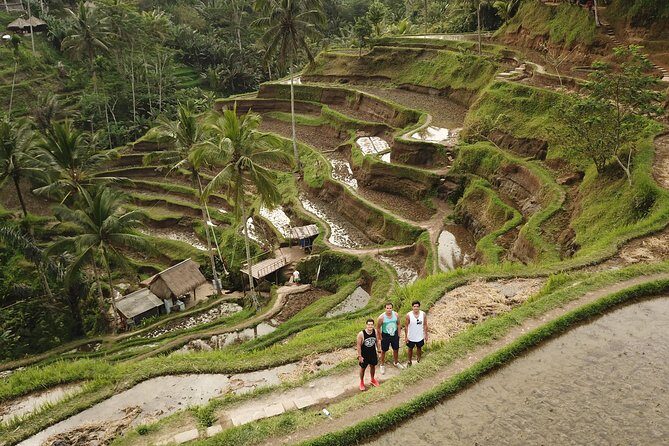
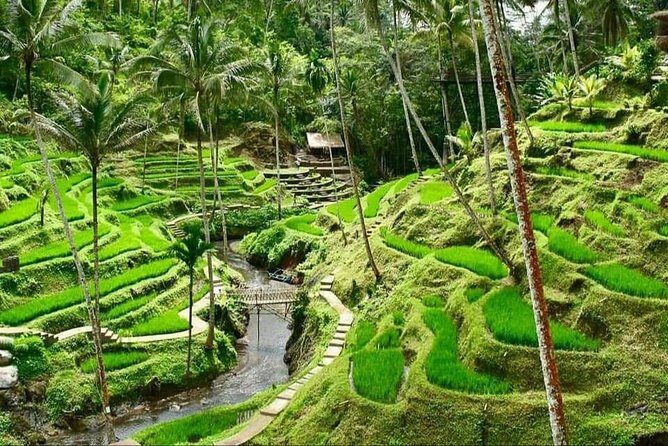
- Tegalalang Rice Fields plus photo stops give you classic Ubud views on a bike
- A traditional house visit adds context beyond just riding scenery
- Hotel pickup in Ubud keeps the morning simple
- Lunch on the terrace wraps the ride with an easy, local meal
Ubud on a Fat Tire, Not a Schedule
.jpg)
Ubud is full of roads that look friendly on a map and feel steeper once you’re on foot. This tour fixes that by swapping walking for an electric fat bike—wide tires that help on rougher ground, plus pedal assist when the route tips upward. You still ride, but the bike does a lot of the heavy lifting, which is exactly what you want in Bali heat.
The “half-day” format is also the smart part. You’re not losing your whole morning to getting from one viewpoint to the next. Instead, you get a smooth flow: meet up, get geared, ride with stops, then finish with lunch and head back.
And because the group is capped at four travelers, the guide can slow down where you want slower and speed up where you’re confident. You’re not getting steamrolled into the quickest version of Ubud.
Meeting at Jalan Bisma (Easy Start, Clear Plan)
.jpg)
Your day begins at Jalan Bisma, starting from the Egobike Bali office. It’s a short get-ready period—around ten minutes—so you won’t spend half your trip inside waiting for instructions. You do need to be ready to ride, though, because the tour expects you to handle a bike confidently.
If you’re coming from the Ubud area, the tour offers round-trip hotel transfers, which is a big quality-of-life win. You don’t have to figure out where to park, how to coordinate a driver, or whether you picked the right pickup spot. You’re also closer to the action once you start, since Jalan Bisma is in the core area.
The E-Bike Advantage: Why This Ride Feels Different
.jpg)
This tour is priced at $23, and the value is not just the bike. You’re getting the electric fat bike, bottled water, and lunch, plus the ride guide and transfers from Ubud. When you break it down, the cost is less about transportation and more about buying a guided morning that includes food and the time-saving comfort of pedal assist.
In the reviews, people consistently mention that the bikes feel new and easy to ride, which matters a lot. A fat-tire e-bike should feel stable, and the pedal assist should help without being jerky or complicated. If you’ve been nervous about cycling in a busy place, this tour is set up to reduce that stress.
Another small but important point: you’re asked to bring covered shoes and sunscreen. That’s not just a random rule. Wide-tire bikes can throw a bit of road dust on your feet, and Bali sun is fast. If you show up in flip-flops or bare ankles, you’ll feel it.
A Guided Morning Through Rice Country and Village Lanes
.jpg)
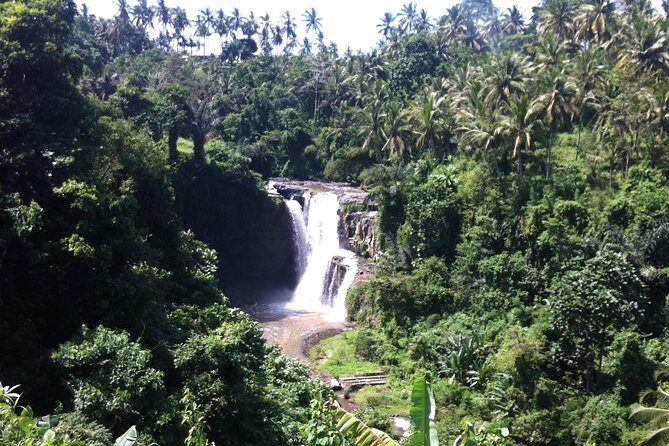
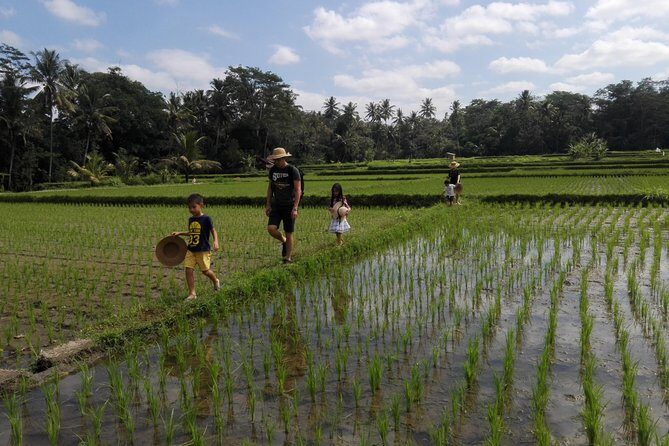
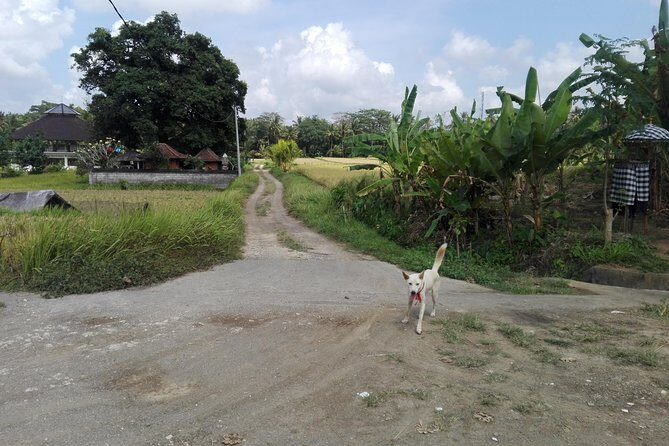
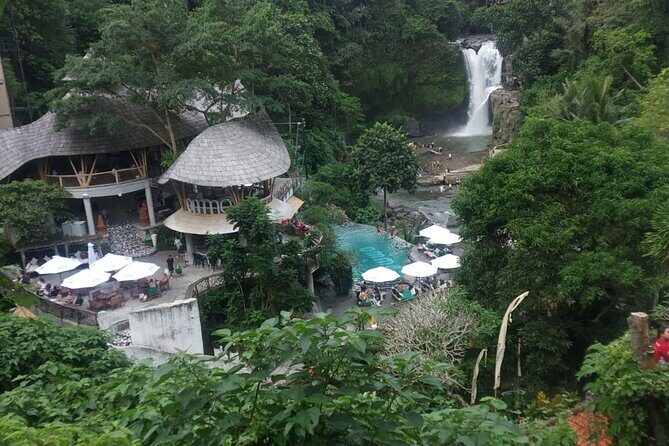
After the bike basics, you’ll ride toward the countryside. The route includes cycling along rice fields and cottages and a stop in Bentuyung village, where you’ll see daily life beyond Ubud’s main streets. This is where the e-bike helps most, because you’re not just rolling on flat roads. You’re moving through uneven terrain at a pace that still allows conversation and photo stops.
Your guide will talk as you ride—this is not silent sightseeing on two wheels. One review highlighted Kedek as very informative, and another mentioned Wayan as a great guide for explaining what you’re seeing. I like that this kind of tour doesn’t treat the landscape like a backdrop. You get a sense of how the area works, not just what it looks like in photos.
You’ll also have built-in time to stop for pictures. This sounds obvious, but the difference between a good and a meh cycling tour is whether stops are timed to let you enjoy the place. Here, the stops are part of the plan, not something you squeeze in between motion.
Tegalalang Rice Fields: The Classic View, Done at Bike Pace
.jpg)
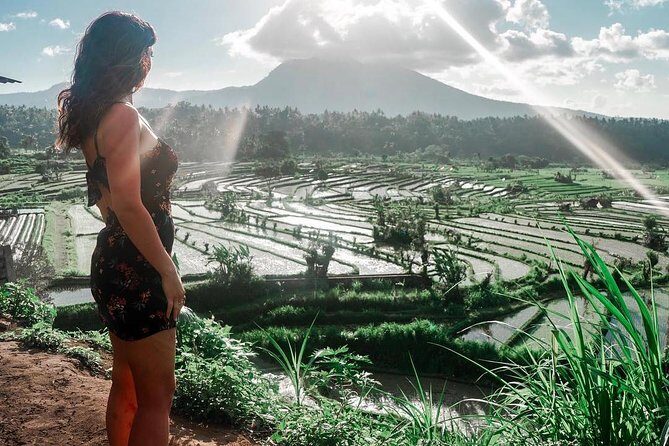
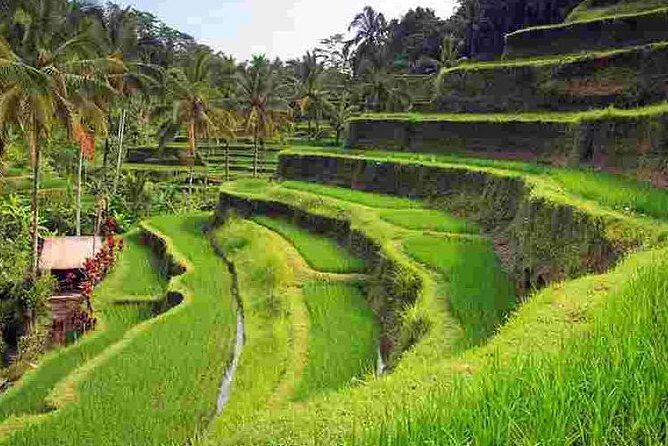
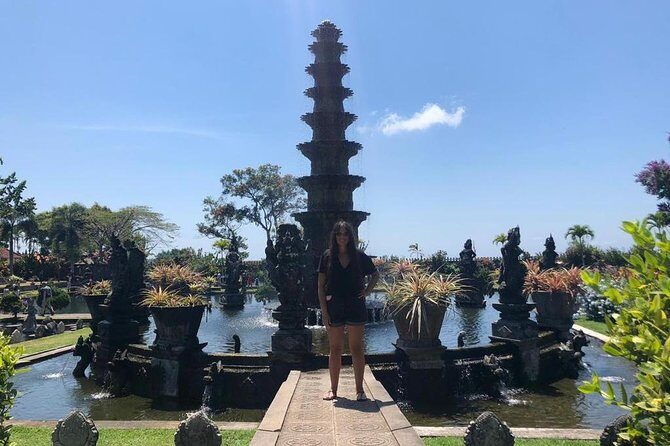
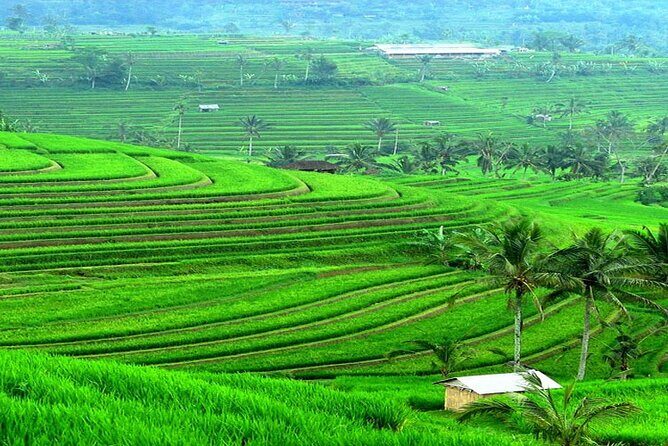
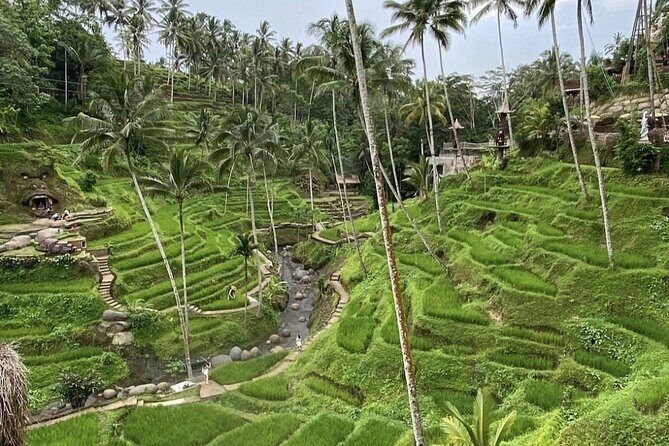
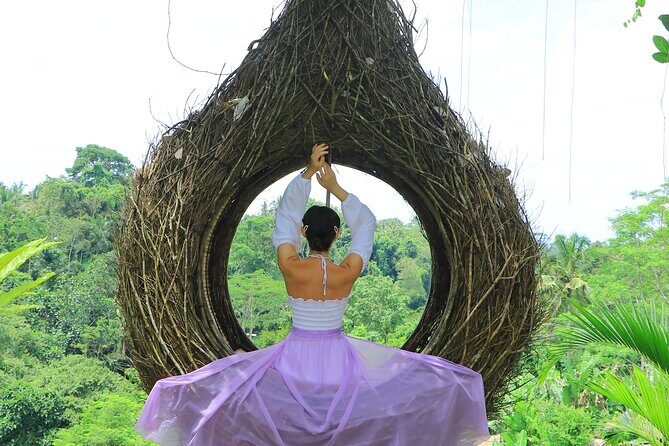
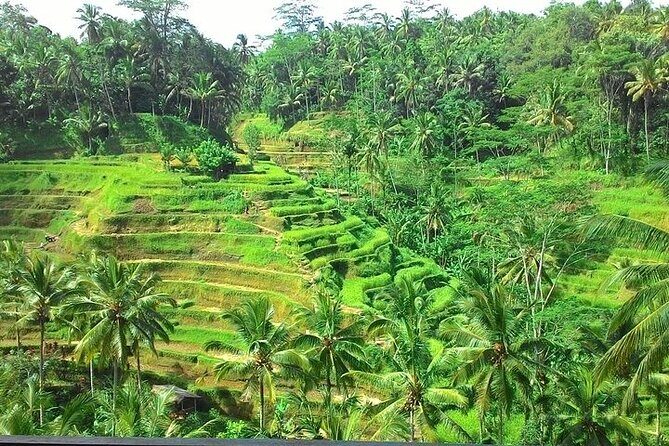
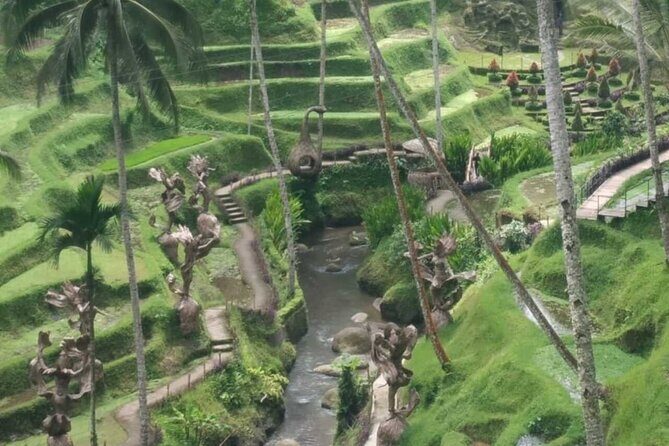
The star stop is Tegalalang Rice Terrace—the UNESCO-listed rice fields that sit above the valley and create those perfect layered angles. You’ll pause at the terraces so you can take it in without racing past it.
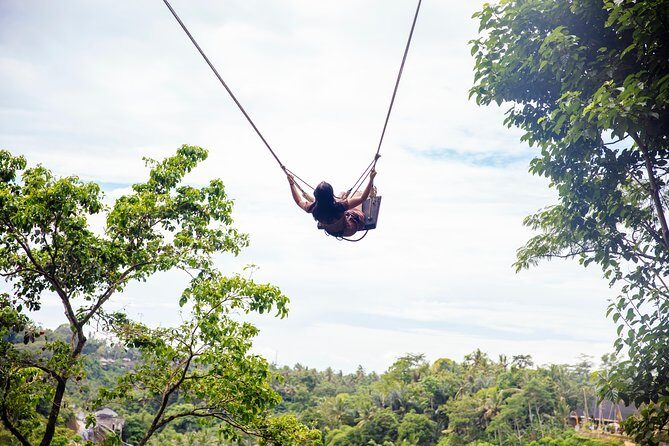
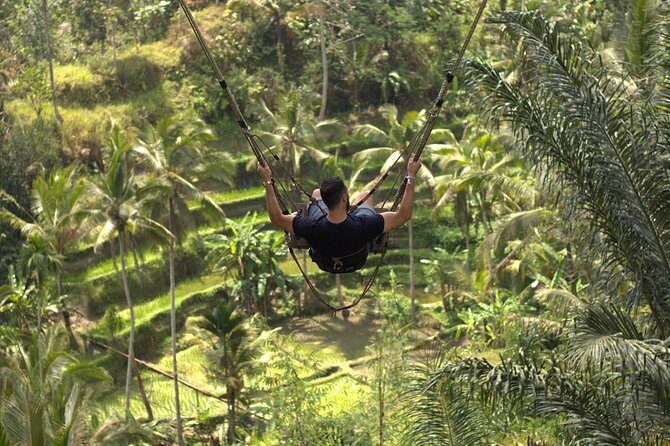
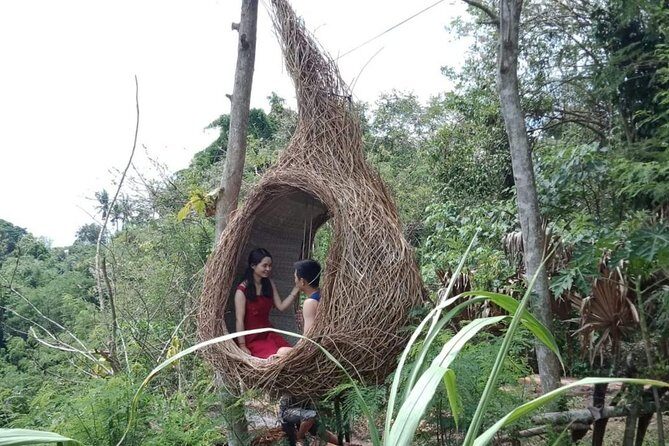
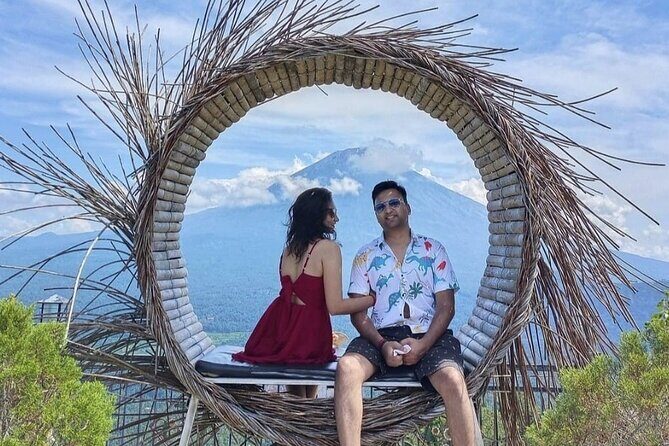
A couple of details make this stop more fun than a quick photo halt. First, you’re there with time to get pictures from more than one angle. Second, one review mentioned access to a free swing at the rice terrace area. That’s the kind of add-on you notice immediately because it turns a viewpoint into a moment.
Just keep expectations realistic: rice terraces are stunning, but they’re also a working landscape. You’ll likely see people farming and going about normal life. A guide helps you read what you’re looking at.
One practical tip: this is a popular area, so bring your best photo strategy. Wear sunscreen, keep your phone secure, and be ready for bright sun reflecting off water and leaves.
Temple and Culture Stops That Don’t Feel Like a Checklist
.jpg)
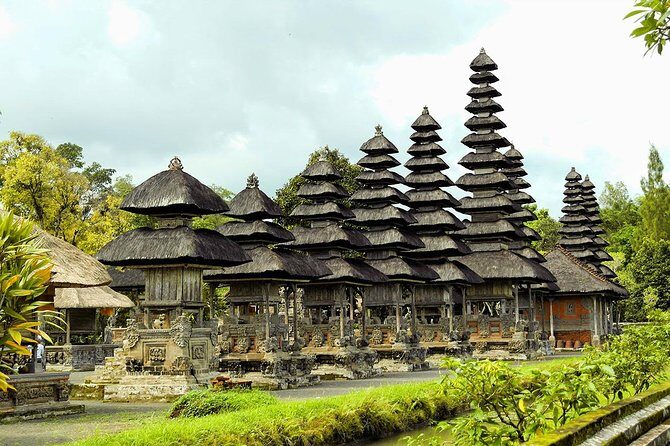
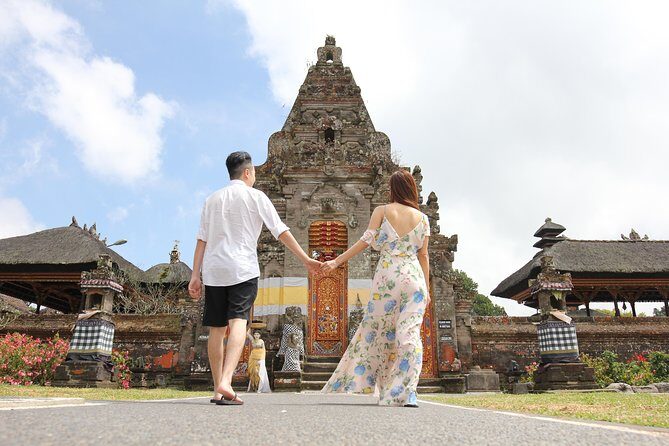
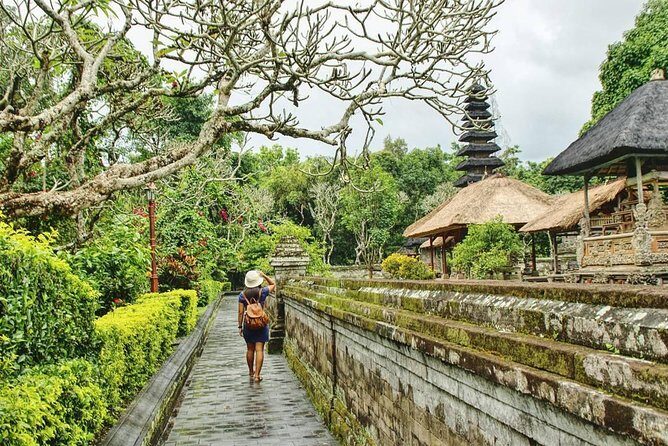
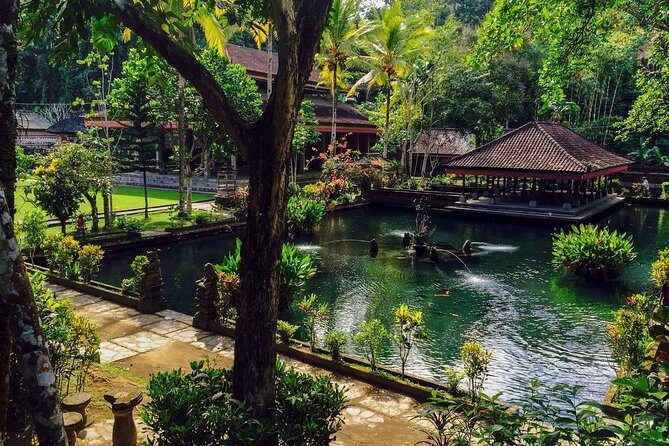
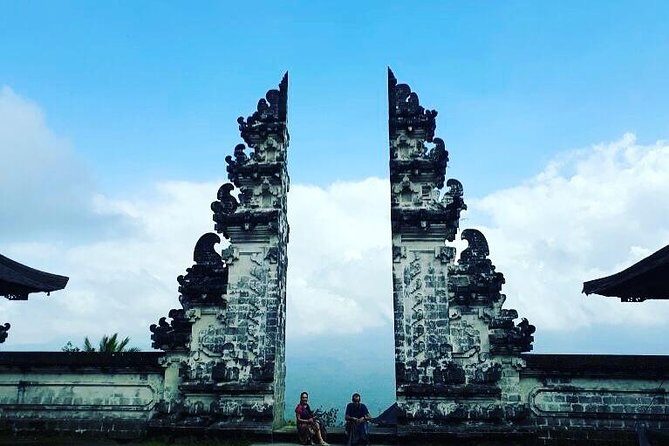
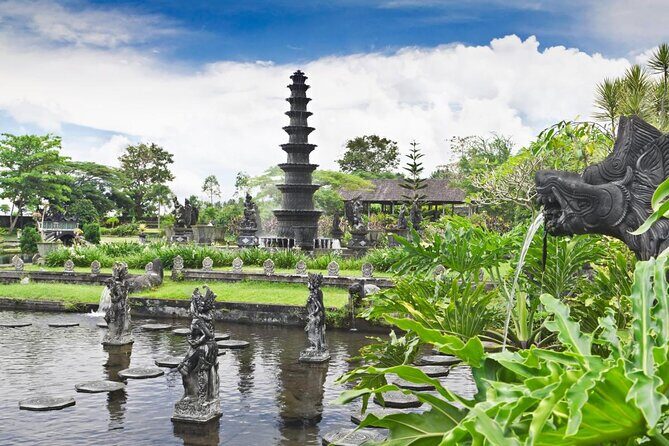
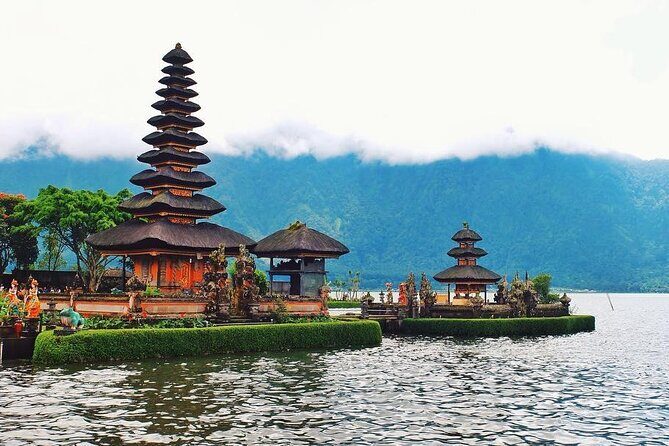
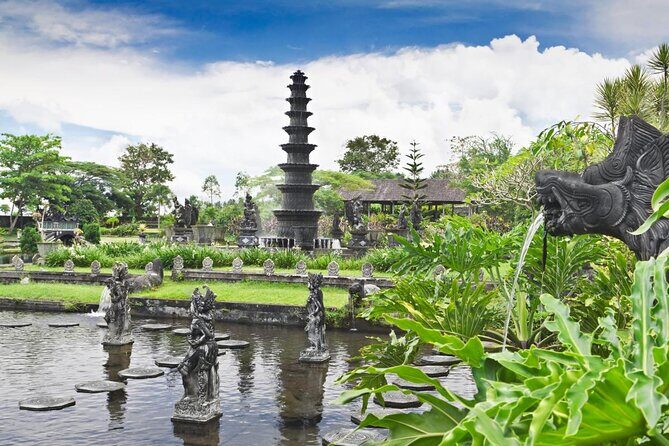
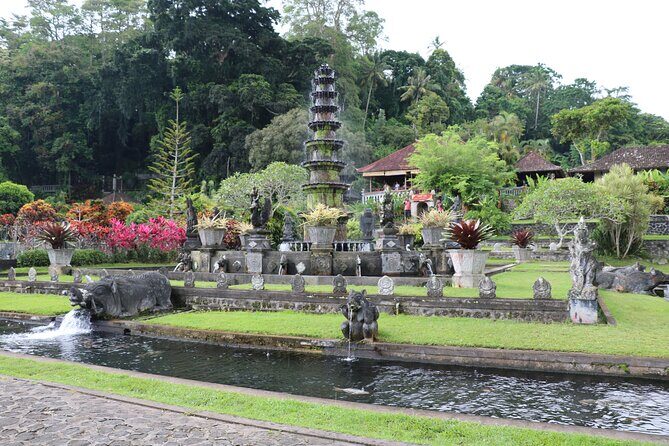
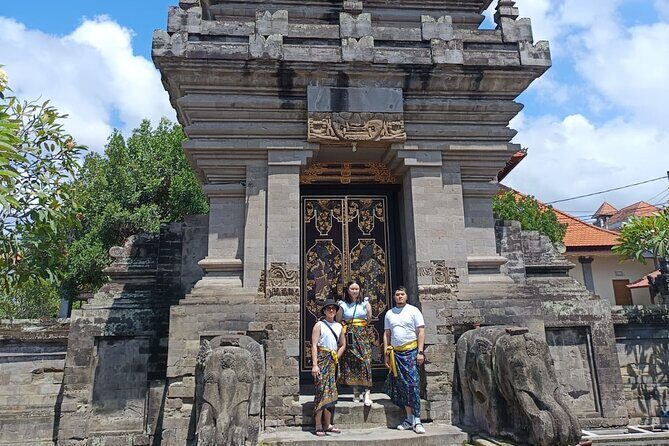
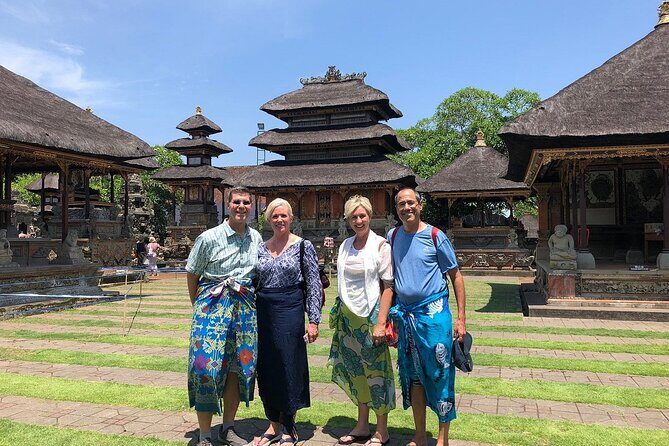
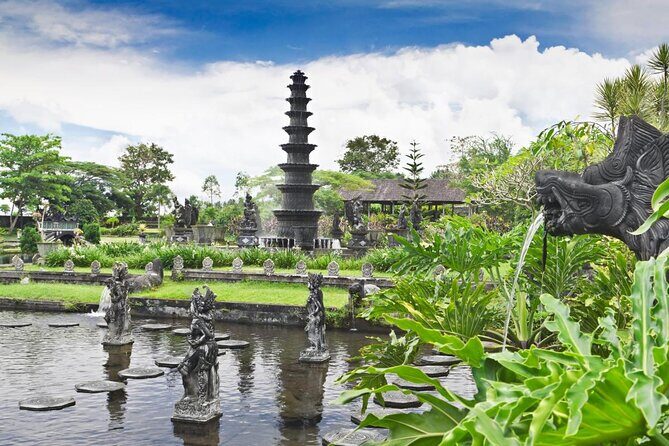
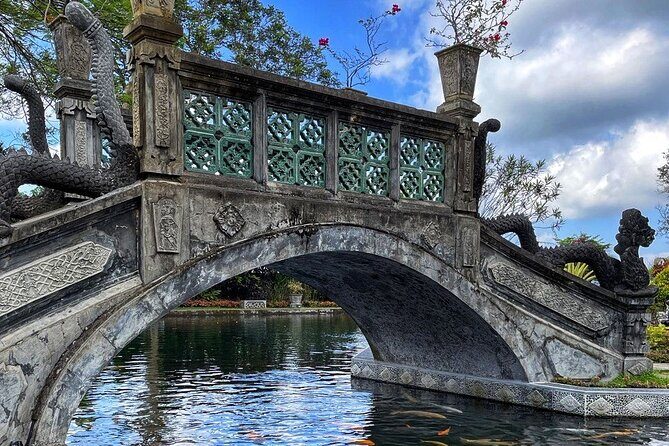
This tour isn’t just about scenery—it includes cultural stops along the way. The overview notes village temples and learning about local life, and the ride’s rhythm supports that kind of storytelling.
Where this shines is that the tour mixes the practical and the meaningful. You’re not hopping in and out of vehicles all morning. You’re moving through the same kind of paths locals might use, which gives context to your guide’s explanations.
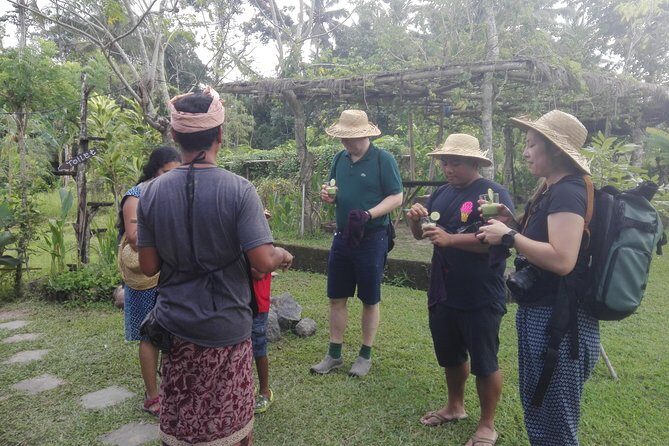
You’ll also make a stop at a traditional house. That’s valuable because it shifts the conversation away from tourism-only images. Even if you’re not deeply familiar with Balinese architecture or household layout, you’ll likely come away with a better sense of how life is organized.
And if you’re the type who likes small interactions, you may appreciate the guide encouraging moments to pause, look, and ask questions. Reviews mention guides being attentive and friendly, with people appreciating video and photo help too.
Lunch on the Terrace: When the Ride Ends, Food Starts
.jpg)
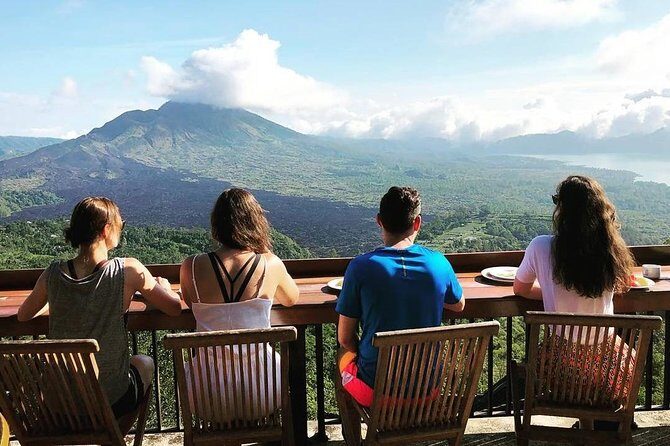
At the end of the ride, you’ll have a meal at the end of the tour on the terrace of the company’s shop. You also get bottled water during the experience, which you’ll be glad for once you’re warmed up by the ride.
In hot weather, the best part of a half-day tour is knowing you’re not just burning energy—you’re also getting a proper stop to recharge. Lunch here matters because it’s scheduled after the main sightseeing, so you’re not hungry and cranky while you’re trying to enjoy the view.
If you care about value, the lunch inclusion is one of the biggest wins. Many bike tours charge extra for food, and then you’re stuck hunting for something decent afterward. Here, the meal is built into the plan.
Pace, Fitness, and Who This Tour Suits Best
.jpg)
This is a great choice if you want active travel but don’t want a hardcore workout day. You’ll cycle for hours, but the electric assist makes the ride feel more approachable than a standard fat-bike loop.
That said, don’t treat the e-bike as a guarantee that everything will feel effortless. The tour still expects bicycle riding experience. If you can’t comfortably balance on a bike, you’ll have a harder time during starts, slow turns, and short uneven sections.
It also has a maximum rider weight of 120kg. If you’re near that limit, consider contacting the operator before booking so they can confirm the bike setup works for your size.
Who it’s best for:
- People who want to see countryside and rice terraces without a long car day
- Couples or solo travelers who like a smaller group and good guide conversation
- Anyone comfortable riding a bike but hoping to avoid heavy climbing in humidity
Price and Value: Why $23 Works Here
At $23 for about 4 hours, this tour offers a lot of bundled value. You’re not only paying for a bike rental. You’re paying for:
- Guiding and route direction (so you’re not navigating)
- Transport from Ubud to the start and back
- Bike use including pedal assist
- Bottled water
- Lunch
If you compare that to doing rice terraces by scooter or hiring a private driver just to cover the same mix of villages and countryside, this price looks much more reasonable. The real bargain is the structure: you get a morning plan that includes viewpoints, context, and food, without needing to organize multiple parts of the trip.
The only “cost” you’ll really pay is your effort level. It’s not a lazy ride, and you’ll still want to dress for sun and dust. But that’s a fair trade for the access you get.
Practical Tips So Your Ride Feels Smooth
Here’s how to make the day easier from the moment you meet:
- Wear covered shoes (closed-toe is best) so your feet are safe and comfortable.
- Bring or use sunscreen early, not after you start sweating.
- Expect humidity. Even on an e-bike, you’ll feel warm during stops and slow cycling.
- Go in with bike comfort—if you haven’t ridden in a while, practice a bit before your tour.
- Bring a phone you can handle outdoors. You’ll take photos at the rice terraces and along village routes.
Also, aim to show up ready to ride. The tour is structured in a tight half-day window, so being delayed at the start can compress your time for the key scenery.
Should You Book This Ubud Electric Fat Bike Tour?
Book it if you want a half-day that feels like real Ubud life—rice terraces, village paths, and cultural stops—without turning your day into a logistics puzzle. The small group of four and the chance to ride on an electric fat bike make it an especially good option if you want active travel but don’t want to suffer through the heat.
Skip it (or at least ask more questions) if you don’t have comfortable bike skills. This tour isn’t purely casual. You’ll be on a bike for a meaningful chunk of the morning, and the rules clearly state you need bicycle riding experience. Also, if weather looks questionable, keep in mind the tour requires good conditions.
If you fit the riding profile, this one is a strong value way to see the Ubud surrounds—fast enough to feel efficient, slow enough to actually enjoy the places.
FAQ
What is the duration of the Half-Day Electric Fat Bike Tour of Ubud?
The tour lasts about 4 hours.
Where does the tour start?
It starts at Jalan Bisma, at the Egobike Bali office.
What time does the tour begin?
The start time is 8:00 am.
Is pickup included?
Yes. Round-trip hotel transfers from Ubud are included.
What’s included in the price?
The tour includes the electric fat bike, lunch, and bottled water.
How big is the group?
The tour has a maximum group size of 4 travelers.
Do I need bicycle riding experience?
Yes. The activity requires bicycle riding experience.
Is there a rider weight limit?
Yes. The maximum rider weight is 120kg.
What places will I see during the tour?
You’ll ride in and around Ubud, including stops at Tegalalang Rice Terrace (UNESCO-listed), plus village areas and a traditional house stop.
What should I bring or wear?
Covered shoes and sunscreen are highly recommended.
What if weather is bad?
The experience requires good weather. If it’s canceled due to poor weather, you’ll be offered a different date or a full refund.