Mount Batur Sunrise Hike And Natural Hot Spring

Mount Batur Sunrise Hike And Natural Hot Spring - Pickup Zones and the Private-Guide Advantage from Ubud

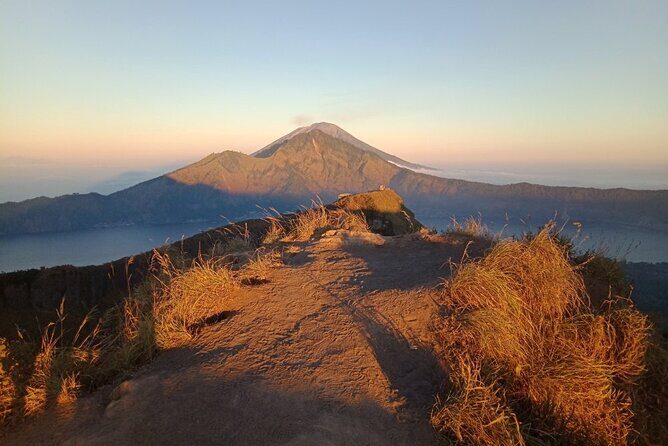
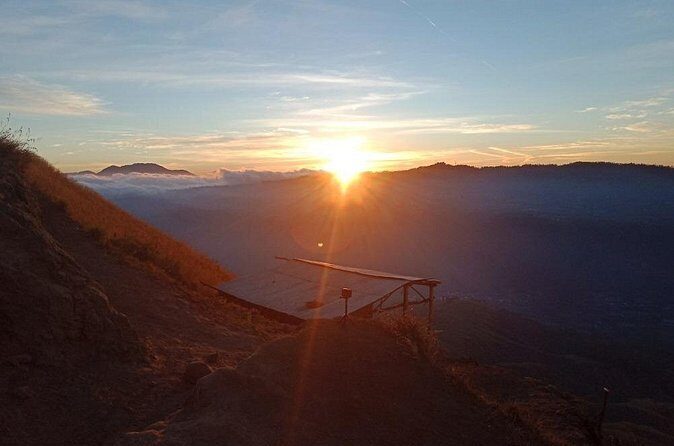
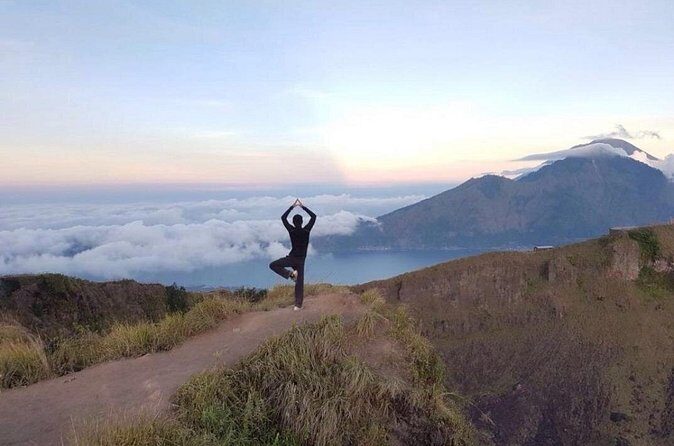
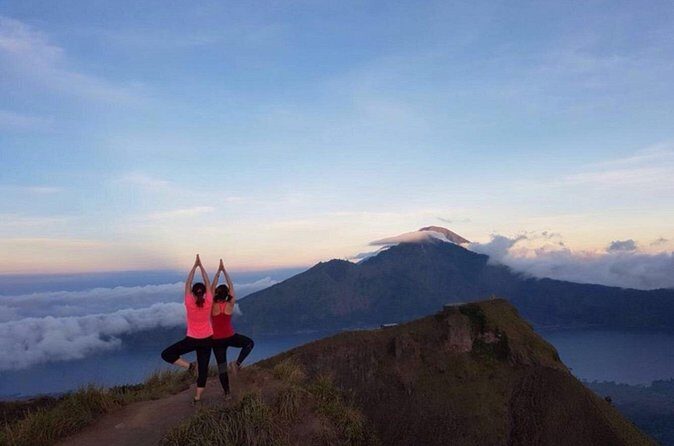
Early starts turn into big payoff. This is a sunrise-focused Mt. Batur hike where you move by flashlight up to an active volcano summit, then eat breakfast while the light breaks over the caldera. I love that trekking poles and a flashlight are included, because it makes the night climb feel safer and more manageable. I also like the private local guide approach, especially if you want routes that help with photos and less crowding. The main trade-off: you’re up extremely early, and the hike asks for solid footwear and a bit of stamina in the dark.

You’ll spend most of the day in motion—climbing, sunrise, exploring the crater area, and descending by a different path—then you’re back to your pickup area later morning. The schedule is built for the sunrise moment, so if you’re hoping for a long, slow sightseeing day, this won’t be that. Also, the experience name includes natural hot springs, but the provided plan is centered on the summit sunrise and post-hike stops—so if hot spring time is your top goal, confirm it when you book.

Key Things You’ll Notice on This Tour
Mount Batur Sunrise Hike And Natural Hot Spring - Key Things You’ll Notice on This Tour

  • Flashlight + trekking pole support for the dark section up to the rim
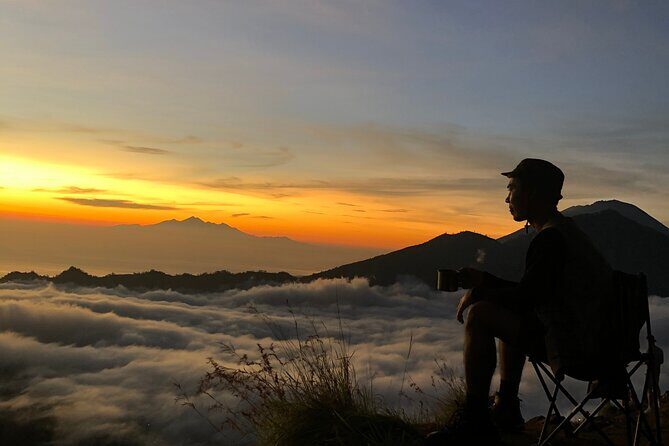
  • Summit breakfast with banana sandwich, boiled egg, fruit, and hot drinks
  • Private local guide with routing help for views and photography
  • Caldera exploring after sunrise, then descent by a different way down
  • Optional coffee plantation visit on the return, if you want a slower cultural stop

Mt. Batur Sunrise: Why the Climb Starts at 2:00 am
Mount Batur Sunrise Hike And Natural Hot Spring - Mt. Batur Sunrise: Why the Climb Starts at 2:00 am
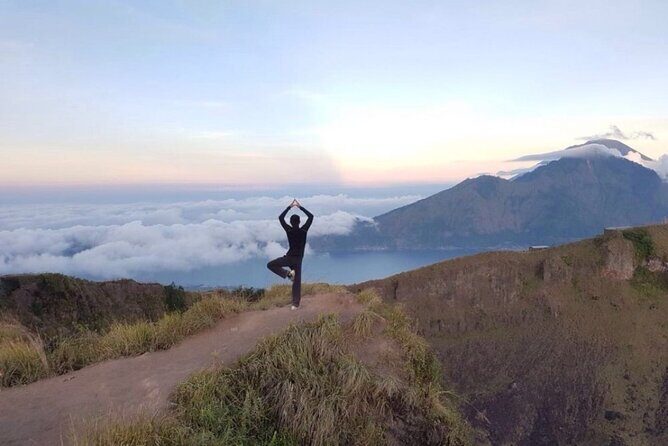
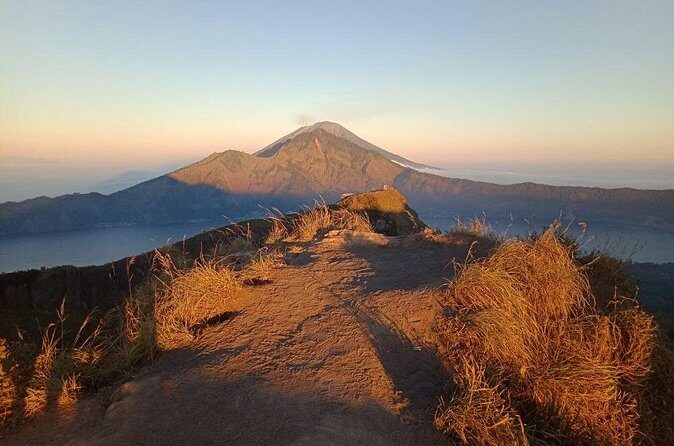
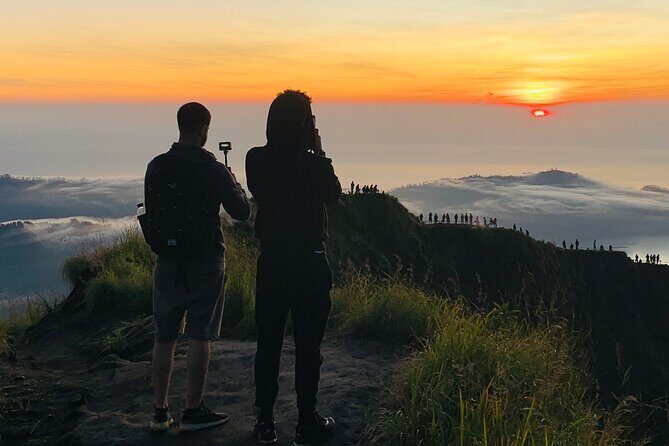
This tour is built around timing. You leave in the pre-dawn window so you can reach the summit before sunrise and watch the sky change over Mt. Batur’s caldera basin. Mt. Batur is an active volcano sitting within two concentric calderas, and there’s a caldera lake on the southeast side—so the terrain is dramatic even before the sunrise.

The early pickup is the trade. You’ll be collecting yourself in the dark, with visibility limited to headlamp-style lighting and your guide’s route. I like that the plan is realistic about it: you don’t just show up and hope. You get a flashlight and trekking poles, which help you keep your footing and rhythm rather than rushing.

Pickup Zones and the Private-Guide Advantage from Ubud
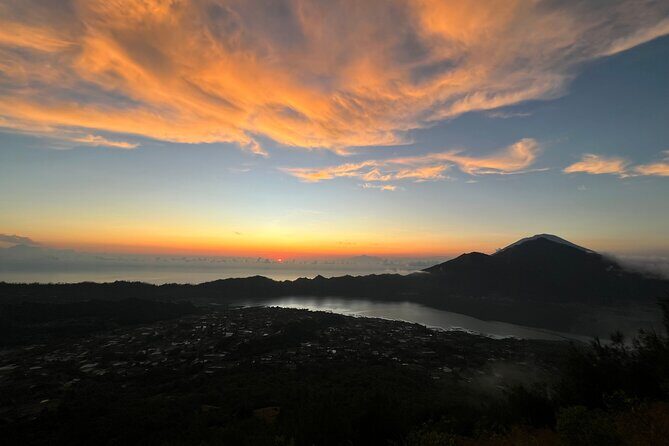
Mount Batur Sunrise Hike And Natural Hot Spring - Pickup Zones and the Private-Guide Advantage from Ubud
You can usually catch pickup from Ubud and a wide slice of southern Bali, including Seminyak, Kuta, Nusa Dua, Jimbaran, and Sanur. The experience is private, meaning it’s just your group with your guide and transport, not a big mixed group stream.

That matters more than you’d think at 3:00 to 5:00 in the morning. A good guide helps you keep moving at a pace that suits your group so you don’t blow out too early. It also helps with photo timing: I’ve seen how guides who know the area can position people for better angles away from the heaviest crowd flow. In one example, a guide named Bupu—described as having 24 years doing this—was praised for knowing exactly where to take guests for photos.

What You’re Really Paying for: Gear, Guide, Ticket, and Breakfast

At $63 per person, this isn’t the cheapest thing on Bali, but it includes several costs that add up fast if you plan it on your own. You get private transportation, a private local guide, admission ticket coverage, and the summit hike support items (flashlight and trekking poles). Then there’s the food, which is more substantial than a snack.

Breakfast at the summit includes banana sandwich, boiled egg, seasonal fruit, tea/coffee, and water. That’s the sort of meal that keeps you moving because you’re eating while your body is still waking up from the cold and exertion. And because the hike is structured for sunrise, you’re not paying for a long, aimless wait.

One more value note: there’s an optional coffee plantation stop afterward. That can turn a tiring morning into a more balanced day without needing extra transport planning.

Pre-Dawn Hike Setup: Flashlights, Poles, and Finding Your Pace
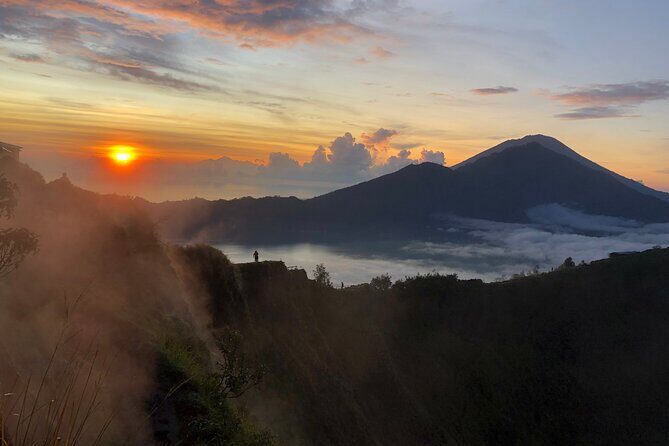
Mount Batur Sunrise Hike And Natural Hot Spring - Pre-Dawn Hike Setup: Flashlights, Poles, and Finding Your Pace
The walk starts after you arrive at the starting point, with a guided introduction and then the climb by flashlight. The climb up is about 1.5 hours to reach the top, and it’s timed so you arrive in the sunrise window.

Here’s what you should expect from a physical standpoint:

  • Dark footing means slower steps and more focus on balance
  • Poles help you control your stride on uneven ground
  • Your biggest challenge is usually rhythm, not just raw steepness

I recommend you come ready for cool air and wind at elevation. Even if daytime in Bali feels warm, the summit can feel sharp early. The tour doesn’t include shoes, a jacket, a hat, or other layers, so pack smart. I’d rather see you over-prepared than under-dressed, because the “comfort” gear is the difference between enjoying the sunrise and just enduring the morning.

Summit Sunrise and Breakfast: Banana Sandwiches with a View
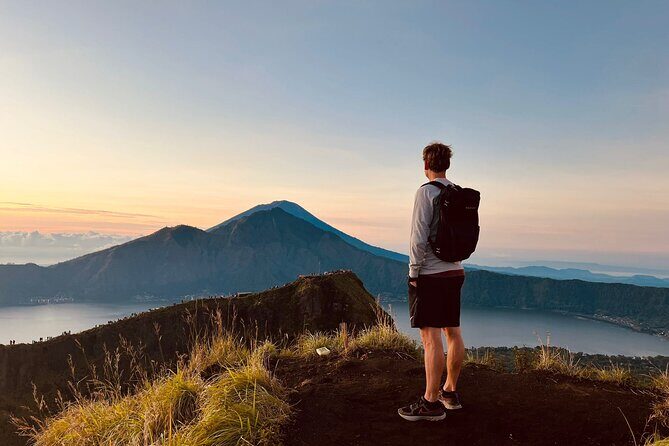
Mount Batur Sunrise Hike And Natural Hot Spring - Summit Sunrise and Breakfast: Banana Sandwiches with a View
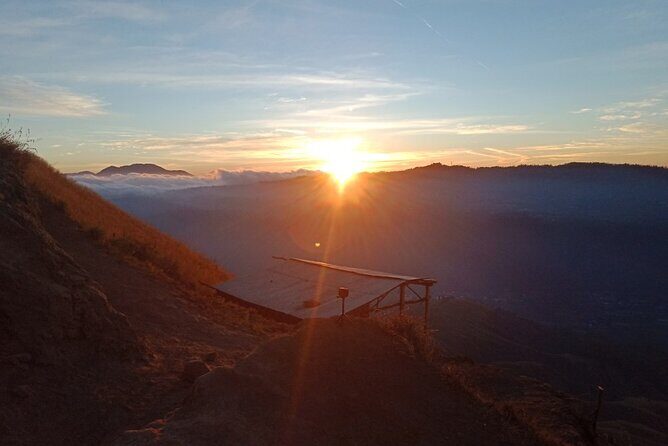
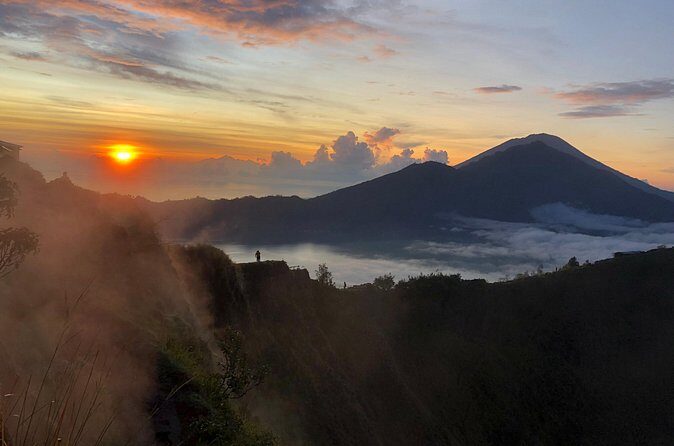
The best moment is the one you plan for: sunrise from the summit. You’ll reach the top around 5:50 am, then enjoy sunrise and breakfast. This is where the tour earns its keep, because you’re trading sleep for a view you can’t replicate later in the day.

Breakfast is served as you watch the sky. You’ll get:

  • banana sandwich
  • boiled egg
  • seasonal fruit
  • tea, coffee, and water

I like this setup because it’s not just about eating. You’re refueling at the exact point when your energy is lowest from the early climb. You also get a calm “pause” after the effort—time to look around, check your photos, and take in how the crater and caldera shape the view.

If you care about photos, bring a lens cloth or wipe for condensation and a plan for hand warmers (small ones can help). A skilled guide can also steer you for better angles; the praise for Bupu centered on photo positioning away from the most crowded spots, which is a real advantage on popular sunrise days.

Caldera Exploring and Descent by a Different Route
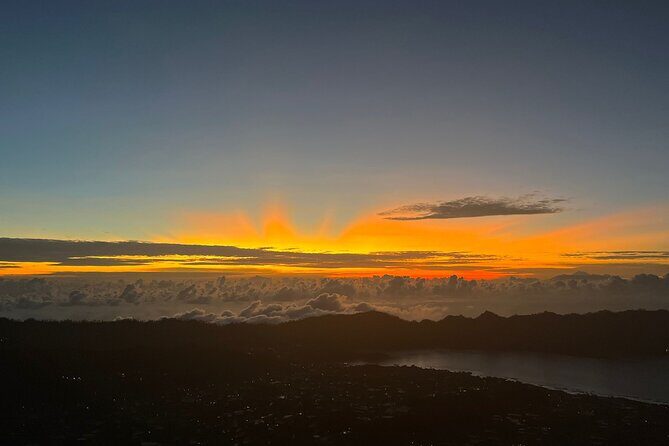
Mount Batur Sunrise Hike And Natural Hot Spring - Caldera Exploring and Descent by a Different Route
After sunrise, you’ll explore around the main crater area and then start the descent by a different way down. The plan has you exploring around 7:00 am and then returning toward the car park by roughly 9:00 am.

Why this part is worth your attention:

  • You see more than one angle of the volcanic terrain
  • The crater-area exploration helps you understand what you’re looking at, not just take pictures
  • A different descent route often means less backtracking and sometimes a smoother flow

The descent is also where trekking poles earn their keep again. Going down uses different muscles and can feel awkward if you’re only thinking about the climb up. Go steady. Don’t rush to “finish” because your legs might be doing the work of two separate hikes: uphill focus early, and downhill control later.

Farm Stop, Optional Plantation, and Making Time for Taste
Mount Batur Sunrise Hike And Natural Hot Spring - Farm Stop, Optional Plantation, and Making Time for Taste
After you reach the car park, you’ll have a farm visit, then you’ll have the option to stop at a coffee plantation around 10:00 am (depending on what you choose). If you’ve ever wished sunrise tours didn’t evaporate into airport-style rushing, this is the antidote. You get a bit of daytime pacing once the hardest part is done.

The coffee plantation stop is optional, which gives you flexibility if you’d rather rest, grab something light, or keep your schedule open. If you do go, it’s a chance to slow down and connect the tour to something local—coffee growing and processing in Bali is part of many visitors’ real understanding of island life, not just souvenirs.

Natural Hot Springs: What to Confirm Before You Assume

Mount Batur Sunrise Hike And Natural Hot Spring - Natural Hot Springs: What to Confirm Before You Assume
The experience name includes natural hot springs, but the schedule you’re operating from is clearly built around the sunrise summit hike, breakfast, caldera exploration, and post-hike visits (including a farm and an optional coffee plantation). Because the provided run-of-day doesn’t clearly spell out hot spring time, I suggest you confirm the hot spring portion directly with the operator when booking.

That’s not me trying to be difficult. It’s just good travel sense: hot springs are often the reason people book this specific tour flavor. If hot spring soaking is important to your trip plan, you’ll want it confirmed in writing and aligned with timing so you’re not disappointed once you’re back on the ground.

Who This Mt. Batur Sunrise Hike Suits Best (and Who Should Skip It)

This is best for you if:

  • you’re comfortable with an early departure and a dark-to-dawn climb
  • you have moderate fitness and can hike steadily for about 1.5 hours uphill
  • you like a guided experience with time focused on one “big moment” (the sunrise)
  • you want private transport and a private local guide rather than a crowded group herd

You might want to skip it if you:

  • hate very early mornings with limited flexibility
  • aren’t comfortable walking on uneven footing in the dark
  • expect lots of free time for wandering around afterward

This tour does not list special gear like warm jackets or hiking shoes, so you should plan to bring your own basics. If you show up with flimsy footwear, you’ll feel every rocky step.

Should You Book This Mt. Batur Sunrise Hike Tour?

Yes, if you want sunrise done right—with gear support, summit breakfast, and a guide who can help you get there and enjoy it. It’s also a good value for the way the price bundles key pieces: pickup, private guide time, trekking poles/flashlight, breakfast, and admission ticket coverage. For $63, you’re paying for execution, not just scenery.

If you’re booking specifically for natural hot springs, I’d treat that as a “confirm first” item rather than a guaranteed part of your timeline. Once you verify that, you’ll be making a smart call.

If you’re deciding between this sunrise hike and a later-day activity, choose this for the experience peak. The mountain is active, the caldera views are real, and the sunrise timing turns the whole effort into something you’ll remember when the rest of Bali fades back into normal daytime pace.

FAQ

What time does the Mt. Batur sunrise tour start?

The start time is 2:00 am.

How long is the experience?

The duration is about 8 to 10 hours.

Is pickup included, and where is it offered?

Yes, pickup is offered. Pickup areas include Seminyak, Kuta, Nusa Dua, Jimbaran, Sanur, and Ubud, plus villa/hotel pickup around Bali.

Is breakfast included, and what does it include?

Breakfast is included. You’ll get a banana sandwich, boiled egg, seasonal fruit, tea/coffee, and water.

Does the tour provide trekking poles and a flashlight?

Yes. Trekking poles and a flashlight are included.

Can I cancel for a full refund?

Yes. You can cancel up to 24 hours in advance for a full refund. If you cancel less than 24 hours before the experience start time, the amount you paid will not be refunded.
Ubud Experience | Full Day Private Tour in Ubud | FREE WIFI

Ubud Experience | Full Day Private Tour in Ubud | FREE WIFI - Tegalalang Rice Terrace: subak irrigation and the view everyone remembers

Ubud feels like Bali’s quieter side. This private full-day route mixes nature and culture without turning it into a rushed checklist. I like how the pacing gives you time at major stops, and I also like that you get an air-conditioned car with a driver who speaks English. You can also lean into what you enjoy most, because the day is designed to be flexible.

One thing to plan for: the biggest attractions have separate entrance/activity tickets, and lunch isn’t included. That means your final day cost will be higher than the base $40 if you do add-on paid experiences like the swing.

If you want an organized Ubud day with minimal hassle, this is a solid way to do it. You’ll start with the forest and temples, work through famous viewpoints and holy-water rituals, then cap it off with a waterfall moment and cultural stops like dance and markets.

Key highlights that make this Ubud day work

Ubud Experience | Full Day Private Tour in Ubud | FREE WIFI - Key highlights that make this Ubud day work

  • Private transportation with an English-speaking driver so you’re not stuck figuring buses or schedules
  • Classic Ubud anchors like Sacred Monkey Forest, Tegalalang Rice Terrace, and Tirta Empul
  • Adventure break at Real Bali Swing for jungle views and action-style photos (ticket sold separately)
  • Real variety in one day: temples, waterfall, dance, and art shopping
  • Extra stop options depending on your interests like Saraswati Temple, Batuan area, and Ubud art markets

Pickup and getting settled: the start that sets the mood

The day runs about 8 hours, and pickup is offered from several Bali bases, including Denpasar, Seminyak, Kuta, Canggu, Ubud, Nusa Dua, and Jimbaran. For most people, that’s the best part: you can skip the stress of arranging multiple rides to scattered Ubud-area spots.

You’ll be in an air-conditioned vehicle with a driver who speaks English. Included bottled water, plus coffee and/or tea, keeps you comfortable between humid rainforest stops and sun-heavy rice-terrace viewpoints. If you’ve ever spent a day in Ubud melting under the heat while searching for the next entrance line, you’ll appreciate how much calmer this format feels.

Also worth noting: the tour includes FREE WIFI (listed in the tour title). In practical terms, that’s helpful for quick maps, messaging your group, or killing time while you wait for your next pickup moment.

Sacred Monkey Forest Sanctuary: shade, temples, and 700-plus reasons to pay attention

Ubud Experience | Full Day Private Tour in Ubud | FREE WIFI - Sacred Monkey Forest Sanctuary: shade, temples, and 700-plus reasons to pay attention
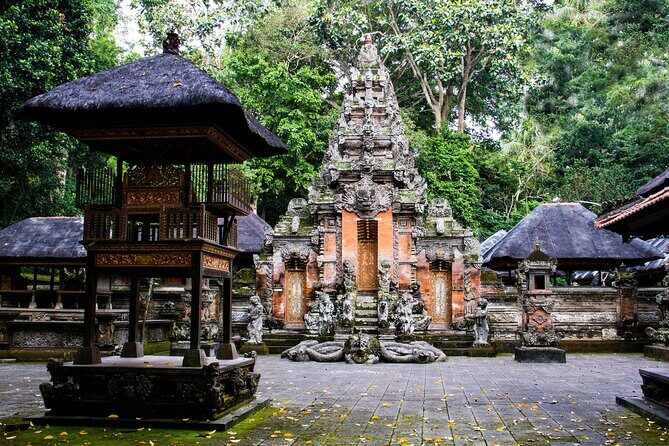
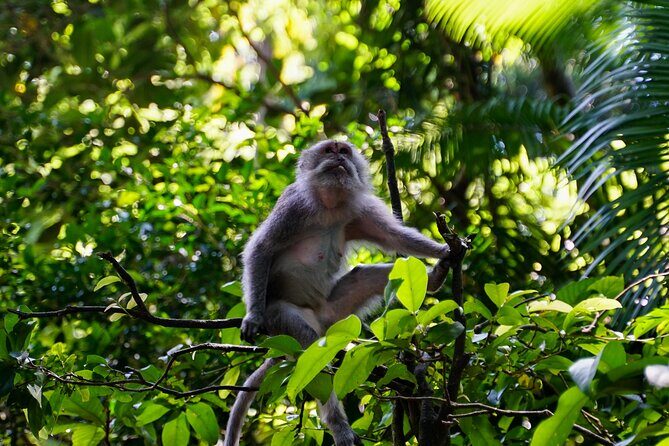
Your first big stop is Sacred Monkey Forest Sanctuary, a tropical rainforest area with tall, shady trees and a home for a group of monkeys. It includes three temples inside, and the sanctuary houses more than 700 monkeys.

This is the kind of place where you get two experiences at once: a lush walk in the canopy shade and a temple complex that adds a spiritual rhythm to the visit. The main “watch your step” factor is the monkeys themselves. Keep an easy grip on your things, don’t tease or chase them for photos, and follow any on-site guidance from staff. If you do that, you’ll spend your hour noticing behavior and environment instead of feeling tense.

The temples inside are a big part of why this stop works. Even if you’re not a temple-prayer person, the combination of worship spaces plus jungle paths gives you variety fast, without needing long travel between locations. Plan for about one hour, which is enough for a loop and a calm look without trying to do everything.

Tegalalang Rice Terrace: subak irrigation and the view everyone remembers

Ubud Experience | Full Day Private Tour in Ubud | FREE WIFI - Tegalalang Rice Terrace: subak irrigation and the view everyone remembers
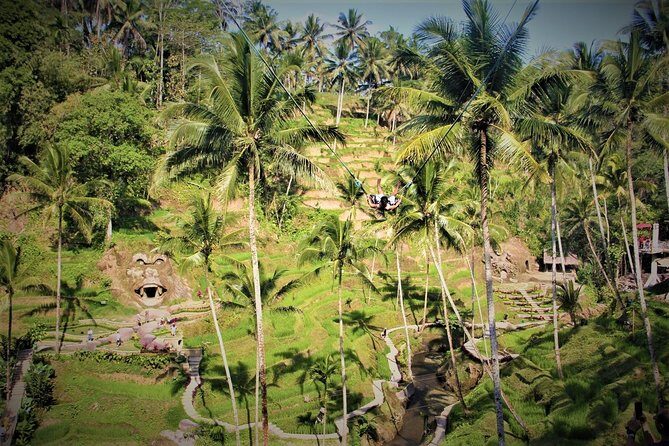
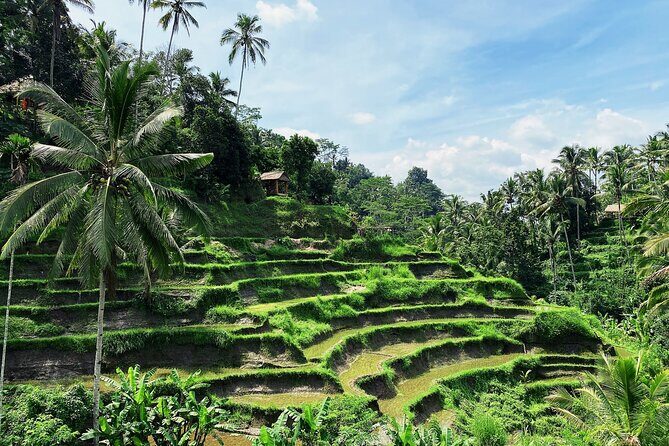
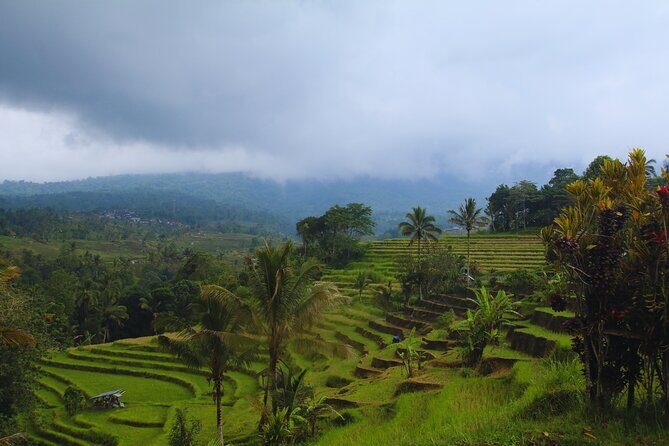
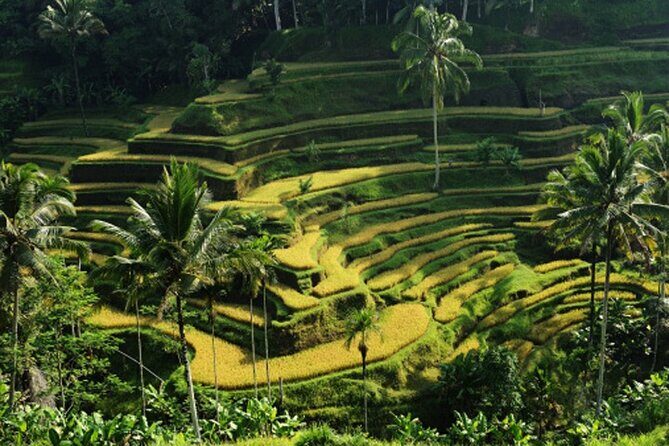
Next up is Tegalalang Rice Terrace, one of Ubud’s most photographed rice paddy scenes. What makes it more than a pretty viewpoint is the mention of subak, the traditional Balinese cooperative irrigation system, passed down through history.

I like this stop because it’s scenic but also educational in a natural way. You’re looking at rice paddies, yes, but you’re also seeing how water management shapes agriculture here. If you spot the channels and how terraces connect, it clicks why locals treat rice and irrigation like serious work, not just background scenery.

You’ll get about one hour at this stop. That time can go quickly if you’re trying to chase every photo angle, so decide early what matters most to you: wide viewpoints, closer details, or a slower walk along the terrace edges. Because this is a popular site, it’s also the kind of place where going a little slower can feel more rewarding than sprinting through.

Tirta Empul: holy spring bathing and the real meaning of ritual water

Ubud Experience | Full Day Private Tour in Ubud | FREE WIFI - Tirta Empul: holy spring bathing and the real meaning of ritual water
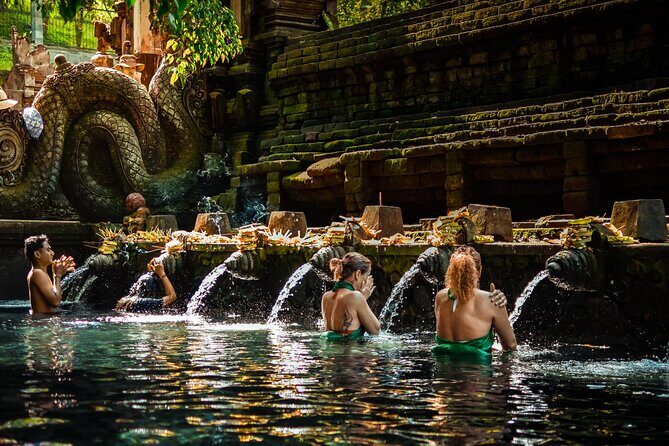
Then you head to Pura Tirta Empul. Tirta Empul means Holy Spring, and the temple compound includes a bathing structure (called a petirtaan). The holy spring water is famous because Balinese Hindus go there for ritual purification.

This stop is special because it’s not only visual. It’s sensory and symbolic. Even if you observe from the edge instead of participating, you’ll notice how the space is arranged for ritual bathing and how that shapes the mood. It helps explain why places like this are considered living religious sites, not just attractions.

You’ll have about one hour here as well, which is enough time to understand the flow of the compound and take in the spring-water feature without feeling like you’re rushing. The practical takeaway: treat it respectfully. You’re walking into an active religious environment, so keep your pace steady and follow any rules you see on-site.

Real Bali Swing: fun adventure with an important ticket note

Ubud Experience | Full Day Private Tour in Ubud | FREE WIFI - Real Bali Swing: fun adventure with an important ticket note
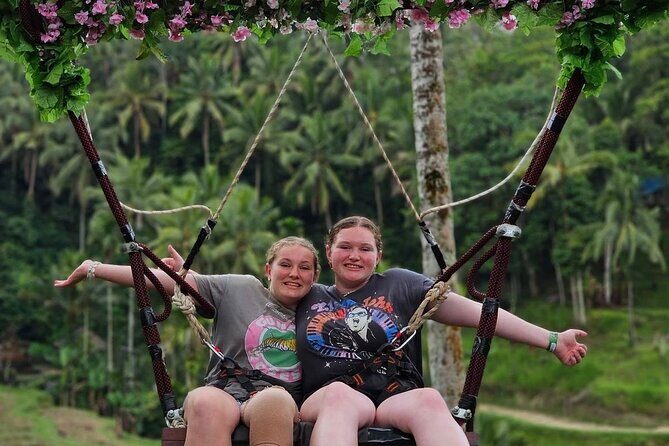
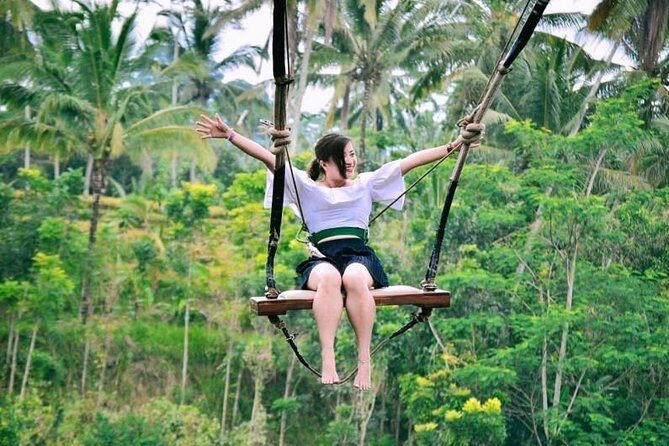
One of the more action-forward stops is Real Bali Swing, an adventure activity set in a forest setting with scenic views. The tour description clearly frames it as a different sensation—more than a normal temple-and-viewpoint day.

Here’s the key consideration: admission for activities isn’t included. The tour lists that Ticket Entrance/Activities are not included, so the swing experience will add a separate cost on your day. That doesn’t make it a bad value, but it does mean you should budget ahead if this is a priority.

Also, expect it to be the most time-sensitive part of the day. One hour sounds like plenty, but swings often involve setup and waiting for your turn. If you want the best photos, you’ll likely need a bit of coordination for timing and angles, so keep your expectations flexible. If you’re traveling with friends or family and you’re the group photographer, plan for short swaps so everyone gets their turn.

Saraswati Temple, Ubud art market, and Batuan: slower culture breaks

Ubud Experience | Full Day Private Tour in Ubud | FREE WIFI - Saraswati Temple, Ubud art market, and Batuan: slower culture breaks
After the major “headline” sights, the itinerary adds culture-weighted stops: Saraswati Temple, Ubud Traditional Art Market, and Batuan Temple.

  • Saraswati Temple is dedicated to the Hindu goddess Saraswati, associated with learning, literature, and art. The tour notes the temple is artistic and beautiful, and it’s a reason many visitors stop here beyond just snapping photos.
  • Ubud Traditional Art Market is described as a society economics center of Ubud. Think of it as the day-to-day shopping and craft hub for the area, not just a tourist souvenir lane.
  • Batuan Temple, locally referred to as Pura Puseh lan Pura Desa Adat Batuan, is well-known for traditional Balinese arts and paintings. It’s tied to the village of Batuan, and the art focus is the point.

I enjoy this cluster because it gives you a break from the big-name natural spots. Temples teach you how the community frames spirituality through daily life, while markets and art areas show you what’s being made and why it matters. This is also where you can shop without feeling like you’re doing it only as an afterthought.

If you care about art, go in with a shopping plan: decide what category you’re looking for (small crafts, textiles, paintings, gifts). If you don’t have a plan, you can still have fun browsing. Just know that markets are busy with options, and it’s easy to lose time if you stop to chat with every seller.

Ubud town itself: where the day’s energy comes from

Ubud Experience | Full Day Private Tour in Ubud | FREE WIFI - Ubud town itself: where the day’s energy comes from
One of the included stops is simply Ubud, described as a town in the Ubud District in central Bali, located among rice paddies and steep ravines in the Gianyar regency foothills. It’s also framed as one of Bali’s major arts and culture centers.

You don’t get a lecture here. You get context. When you’ve visited rice terraces, temples, and painting-focused villages, Ubud starts to make sense as a hub: it’s built around landscape, water, and craft communities. Even if you’re only here for a day, this stop helps connect the dots between the places you visited.

If the weather shifts or traffic changes, the Ubud stop can also help absorb the timing. It’s one of those moments where you can take a breath, reposition, and set up for the final stretch.

Tegenungan Waterfall: a cool nature break before evening culture

Ubud Experience | Full Day Private Tour in Ubud | FREE WIFI - Tegenungan Waterfall: a cool nature break before evening culture
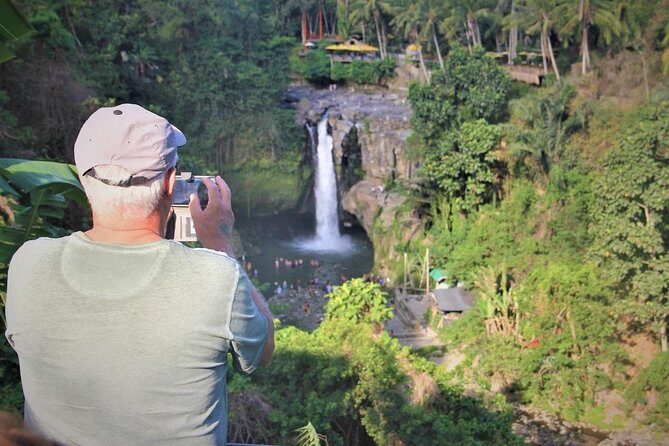
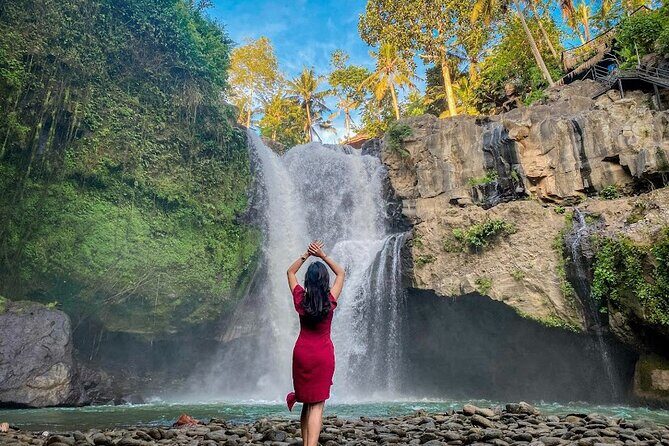
For nature lovers, the tour includes Tegenungan Waterfall. It’s described as a great stop if you’re staying in Ubud (or nearby Sukawati among your route plans), and it’s conveniently located between Ubud and another nearby area, which makes it easy to fit into a longer day.

This is the contrast stop. Up to now, you’ve had temples, rice, and forest paths. A waterfall gives you a different rhythm: movement, sound, and that brief feeling of stepping into a wetter microclimate.

You’ll have about one hour here. That’s enough to walk to the viewpoint areas, take photos, and enjoy the environment without turning your legs into noodles. Practical tip: treat footwear and footing like this is a rainforest environment, not a paved attraction. You’ll feel better if you move carefully.

Barong dance and Sukawati art market: culture and shopping with a payoff

The final stretch includes two additional culture-and-shopping ideas: a Barong Dance Bali performance and Sukawati art market.

  • Barong Dance Bali is described as a traditional Balinese dance performance. This is useful if you want a clear cultural experience that isn’t dependent on hiking or long distances.
  • Sukawati art market is described as a place to shop for typical Balinese souvenirs, gifts, or crafts. The description also notes you can haggle and learn from the process.

I like ending with these because they’re “human scale” activities. After a day of scenic stops, it’s nice to have something you can sit through (dance) and something you can browse through at your own pace (market). If your group has different interests, dance and shopping can split the difference: some people love the performance, others enjoy walking and bargaining.

Price and value: what $40 buys, and what it doesn’t

At $40 per person for an 8-hour private tour, the value is mostly in the logistics and comfort:

Included value points:

  • Private transportation in an air-conditioned vehicle
  • English-speaking driver
  • Parking fees and fuel surcharge
  • Bottled water plus coffee and/or tea
  • Pickup from multiple locations in Bali

What’s not included:

  • Lunch
  • Entrance tickets and activities (explicitly listed as not included)

So the smartest way to think about value is: this is a well-supported way to string together multiple paid sites and popular Ubud stops in one organized day. If you’re planning to see Monkey Forest, rice terraces, Tirta Empul, and the swing or waterfall activities anyway, the private ride can save you time and stress.

But if you’re trying to keep your day costs ultra-low, remember your cash budget should include entry fees and any ticketed activities. A private day like this can still be a good deal, but it’s not all-inclusive.

The pacing reality: expect a full day with a lot of moving parts

Even though each listed stop is often around one hour, your itinerary includes several major sights. That’s the trade-off with packing in Ubud’s highlights: you get variety, but you won’t feel like you’re lingering for half a day in one place.

The best way to make this work is to set expectations before you go:

  • Decide what matters most: monkeys, rice, holy spring, the swing, or the waterfall.
  • Keep your photos efficient. You can always do a second pass later if time allows.
  • If you’re with family, pick one “must-do” and treat the rest as bonus.

This is also where the private format helps. With a flexible approach, you’re more likely to land at the right time for lighting and group energy than if you’re squeezed into a shared bus schedule.

Who should book this private Ubud day

This tour is a good fit if you want:

  • A private Ubud itinerary with one driver handling routing
  • A mix of temples, rice terraces, and nature in a single day
  • A day plan that can include Barong dance and art markets
  • Comfort extras like air-conditioning, bottled water, and coffee/tea

You might skip it or compare alternatives if:

  • You’re not interested in ticketed sites and activities (because entrance fees aren’t included)
  • You prefer a slower pace with fewer stops and more time at each one
  • You’re traveling on a strict food budget since lunch isn’t included

Should you book the Great Ubud Experience private tour?

If you want a one-day, organized tour that hits Ubud’s most recognizable spiritual and scenic spots, I’d book it. The private car plus English-speaking driver reduces friction. The included water and coffee/tea keep you comfortable while you move between rainforest shade, rice-terrace viewing points, and temple compounds.

The main decision point is money and time: the base price is attractive, but entrance tickets and activities will add up, and lunch is on you. If you’re okay budgeting for those extras, you’ll get a fun, well-rounded day: monkeys and temples in the morning, rice terraces and holy spring in the middle, then swing, waterfall, dance, and markets to round out the vibe.

FAQ

Is this tour private or shared?

It’s a private tour/activity, meaning only your group participates.

How long is the tour?

The duration is listed as 8 hours (approx.).

What is the price per person?

The price is $40.00 per person.

What areas are pickup locations?

Pickup is offered from Denpasar, Seminyak, Kuta, Canggu, Ubud, Nusa Dua, and Jimbaran.

Are entrance tickets and activities included?

No. Ticket entrance/activities are not included.

Is lunch included?

No. Lunch is not included.

What’s included for comfort during the day?

The tour includes an air-conditioned vehicle, bottled water, coffee and/or tea, parking fees, and fuel surcharge, plus a driver who speaks English.

Is there WIFI?

Yes, FREE WIFI is listed as part of the tour.

What are some of the main stops you’ll visit?

The route includes places like Sacred Monkey Forest Sanctuary, Tegalalang Rice Terrace, Pura Tirta Empul, Real Bali Swing, and Tegenungan Waterfall, plus additional culture and market stops such as Saraswati Temple, Ubud Traditional Art Market, Batuan Temple, a Barong dance performance, and Sukawati art market.

What’s the cancellation window?

The policy states free cancellation up to 24 hours in advance for a full refund.

Bali Romantic Seafood Dinner under sunset jimbaran Beach

Bali Romantic Seafood Dinner under sunset jimbaran Beach - Entering the beach dining area: what “private tour” means in real life

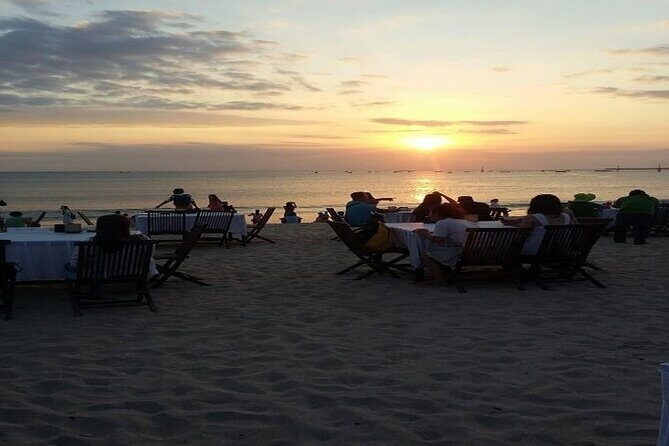
Sunset dinners can feel like a gimmick. Here, the setting does the heavy lifting: you eat seafood right on Jimbaran Beach as the sky turns from gold to dark.

Two things I really like about this experience are the beachfront table reservation (sand under your feet, ocean breeze on your face) and the fact that dinner is handled for you, with seafood plus rice, vegetables, and fresh fruit. It’s not just snacks and a photo op.

One thing to plan for: this is a very popular sunset slot. Even if your transport is set up for your group, the beach dining area can still feel busy, so think of it as romantic with company, not a private candlelit bubble.

Key things I’d pay attention to

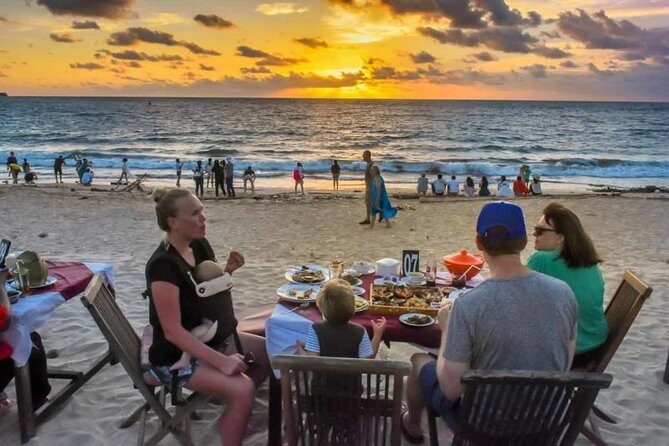
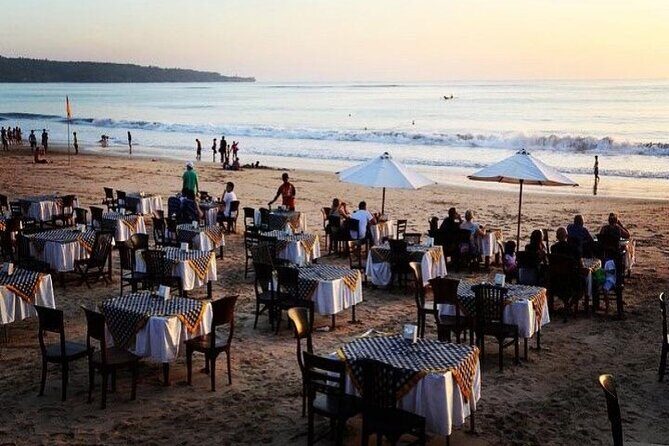
  • Tables on the sand at Jimbaran Bay for that true sunset-beach feel
  • A 5:00 pm start with pickup timing for sunset if you choose transport
  • Dinner included: seafood, rice, vegetables, and fresh fruit, plus bottled water
  • Spice can be strong since the BBQ-style flavor may come through across the seafood
  • It can be crowded at sunset, so romance depends on your expectations

Jimbaran at sunset: ocean views and beach tables

Jimbaran Beach is famous for sunsets, and this is one of the more direct ways to enjoy them: you’re not racing to find a nice viewpoint and then squeezing in dinner. Instead, dinner and sunset happen in the same place.

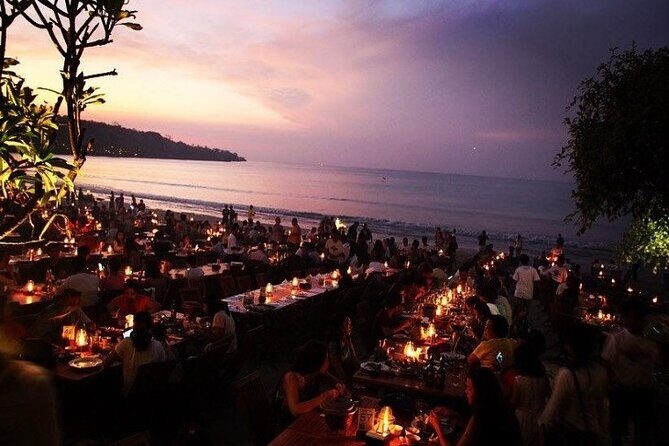
The core idea is simple. You get a table reservation at a Jimbaran restaurant that sets dining out on the sand, with the sea nearby and the sky overhead as it darkens. As evening rolls in, you usually get that mix of shoreline night air, warm restaurant lights, and the ocean reflecting the last color from the horizon. It’s the kind of scene that makes even a normal meal feel special.

One practical perk of doing it this way: you can keep your mind on enjoying the moment instead of plotting traffic, parking, and restaurant timing around sunset. A 5:00 pm start also helps, because sunset in southern Bali is relatively quick, and you want to be seated before the sky show really starts.

The seafood dinner: what’s included, and what to expect flavor-wise

Bali Romantic Seafood Dinner under sunset jimbaran Beach - The seafood dinner: what’s included, and what to expect flavor-wise
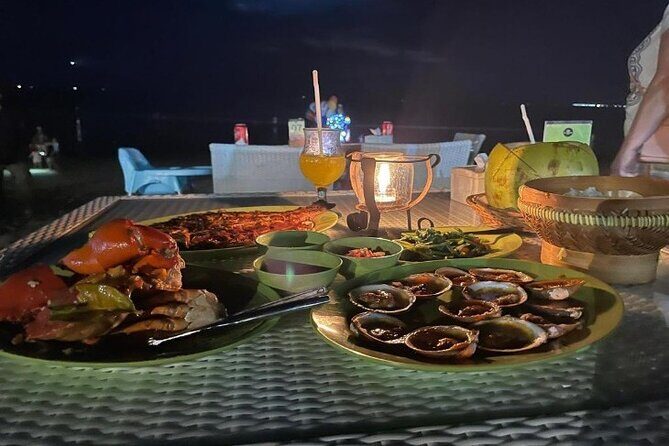
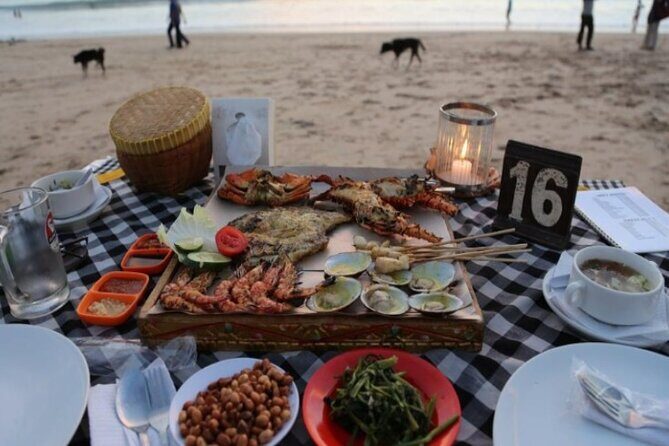
This meal is built around a seafood feast style that Jimbaran is known for. You’ll get a full dinner plate that includes seafood, rice, vegetables, and fresh fruit, plus bottled water. You’re not paying extra during the meal for the basics, and you’re not stuck eating only one or two items.

That’s good value for a beach dinner, because seafood dinners can get pricey fast once you add sides, service charges, and the usual tourist-upcharges. Here, the dinner itself is included, along with all fees and taxes.

Now for the important bit: spice. Some people love the fire; others don’t. At least one traveler noted that the BBQ grilled spicy flavor can come through across the mixed seafood on the plate. If you’re sensitive to chili or you usually request mild food back home, go into this prepared. In practice, I’d suggest you:

  • take a slow first bite before you load up on more seafood
  • keep water handy (you get bottled water)
  • if you speak up, do it early, before you’re already halfway through the platter

If spice is a deal-breaker, you might still enjoy the experience for the setting, but you may want to plan for a portion you can tolerate. This is Bali sunset seafood with personality, not a bland Western-style buffet.

2 hours that start at 5:00 pm: timing, pickup, and how to avoid the rush

Bali Romantic Seafood Dinner under sunset jimbaran Beach - 2 hours that start at 5:00 pm: timing, pickup, and how to avoid the rush
The experience is about 2 hours, starting at 5:00 pm. That timing matters because sunset dining is a moving target. Once the sky shifts, every minute counts: tables fill up, people start arriving, and restaurants get busy with service.

You have options with transportation. Pickup is offered, and you can also choose return transport to and from the restaurant for convenience. The included ride is by air-conditioned vehicle, and the service is described as private transportation.

Here’s why that matters for you:

  • If you’re coming from farther away, you avoid the stress of making it in time.
  • If you don’t want to manage a motorbike or rideshare during peak sunset hours, pickup is a big relief.
  • If you want photos, you can focus on the view instead of checking your phone every two minutes to see where your ride is.

Two small timing realities to keep in mind. First, even with pickup, your arrival window is part of the experience. If you’re late, you may miss the best light. Second, one comment mentioned a late driver that cut into sunset timing. That’s not the norm from what most feedback suggests, but it’s a reminder: keep your confirmation details handy and be ready a little early at the meeting point.

Entering the beach dining area: what “private tour” means in real life

Bali Romantic Seafood Dinner under sunset jimbaran Beach - Entering the beach dining area: what “private tour” means in real life
This activity is set up as a private tour/activity, meaning your group is the one doing the transport and booking. But the beach itself is still shared.

That can feel confusing if you picture your own private corner of sand. The more accurate expectation is this: you’ll have a reserved table at a beachfront restaurant, while the wider Jimbaran sunset scene may include many other diners and multiple restaurants working along the bay.

So, the romance is real, but it’s not silent. You’ll be surrounded by the sound of the sea, the bustle of a popular dinner hour, and the visual energy of evening dining along the bay. If your idea of romance is quiet and empty, you’ll need to adjust your expectations. If your idea is warm lights, ocean air, and a memorable meal with your people, then this is on target.

What makes this worth paying for at $35.99

Bali Romantic Seafood Dinner under sunset jimbaran Beach - What makes this worth paying for at $35.99
At $35.99 per person, the value depends on what you’d otherwise spend for the same combo: a beachfront dinner plus transport plus fees and taxes.

In this package, you’re getting:

  • dinner (seafood, rice, vegetables, fresh fruit)
  • bottled water
  • air-conditioned transport
  • all fees and taxes
  • optional return transportation

Once you price out a beach restaurant meal plus rideshare or driver time, the total often climbs quickly. By bundling the core costs, this option tends to make sense if you want sunset dinner without friction.

It’s also easier for budgeting. You know what’s included, and the main extra expense would be any additional meal or items you choose to buy beyond the dinner described. If you like planning and hate surprises, that’s a plus.

One more reason I think it’s good value: Jimbaran is a one-time timing situation. Sunset dining is not the same at 2:00 pm. If you’re paying for a sunset-centered experience, you want logistics to be set up so you’re seated when it counts.

How to make the night better: my practical checklist

Bali Romantic Seafood Dinner under sunset jimbaran Beach - How to make the night better: my practical checklist
If you book this, you’ll have the best time when you plan around the beach reality.

Arrive with your best sunset mindset. You start at 5:00 pm, and the whole experience is designed to line up with sunset. If you’re easily stressed by timing, choose pickup and return transport.

Dress for sand and sea breeze. You’ll be dining close to the water, so expect cooler air as the sun drops. Also expect sand. Shoes that you can tolerate on sand are handy.

Think about spice before you order. If you’re not into chili-heavy flavors, treat the first bites like a flavor test. Keep in mind that BBQ-style spicy notes may show up across the seafood.

Have a backup plan for photos. The sky changes fast. Once you’re seated, you’ll be focused on eating and chatting, so take a few moments for the view before the food arrives fully.

Double-check the restaurant location on your confirmation. One issue mentioned difficulty finding the exact restaurant based on the ticket. You don’t need to panic, but it’s smart to verify the name and area so you’re not searching at peak time.

Who should book this Jimbaran sunset seafood dinner

Bali Romantic Seafood Dinner under sunset jimbaran Beach - Who should book this Jimbaran sunset seafood dinner
This is a strong match for:

  • couples who want a classic Bali sunset vibe without doing logistics
  • families who want a simple dinner plan where food is included
  • anyone who prefers to be driven and handled rather than figuring out timing and parking

It may be less ideal if:

  • you want an ultra-quiet, empty beach experience
  • chili and spice are hard limits for you
  • you expect a fully private beachfront bubble (you’ll likely share the area with other sunset diners)

For many people, the trade-off works. The food and the setting are the point, and both are designed around sunset hours when Jimbaran is at its most photogenic.

Should you book? My take

Bali Romantic Seafood Dinner under sunset jimbaran Beach - Should you book? My take
Book it if you want a straightforward sunset plan with tables on the sand, a real seafood dinner (seafood plus rice, vegetables, and fresh fruit), and transport that helps you arrive on time. The price also looks reasonable for what you get, especially when transport and taxes are bundled.

Skip or adjust expectations if you’re very sensitive to crowds or spice. This is popular by nature. If you can handle that and you’re open to a chili-leaning BBQ flavor style, you’re likely to leave with a memorable evening view and a satisfying meal instead of just a quick photo.

FAQ

Where does the experience take place?

It takes place in Jimbaran, Indonesia, with the dinner served at a restaurant on the beach in Jimbaran Beach.

What time does the dinner start?

The start time is 5:00 pm.

How long does the dinner last?

The duration is approximately 2 hours.

Is pickup and drop-off included?

Pickup is offered, and optional return transport is available for convenience. The included transportation includes air-conditioned vehicle and private transportation.

What’s included in the dinner?

Dinner includes seafood plus rice, vegetables, and fresh fruit. Bottled water is also included.

How much does it cost?

The price is $35.99 per person.

What happens if weather is bad?

This experience requires good weather. If it’s canceled due to poor weather, you’ll be offered a different date or a full refund.

Amed Bali Snorkelling: Japanese Shipwreck & Vienna Beach Tour

Amed Bali Snorkelling: Japanese Shipwreck & Vienna Beach Tour - Vienna Beach for Calm-Water Snorkeling and Easy Viewing

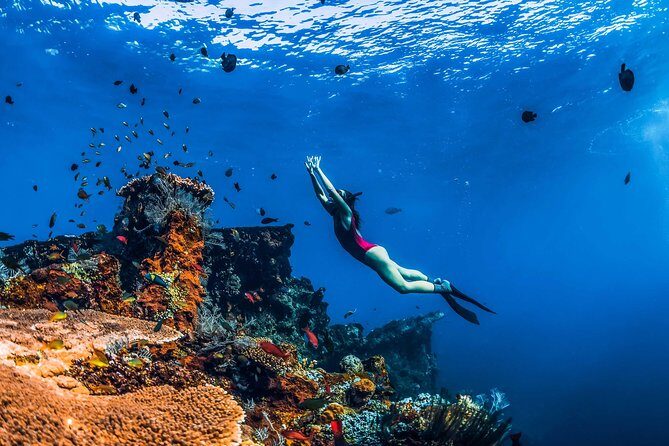
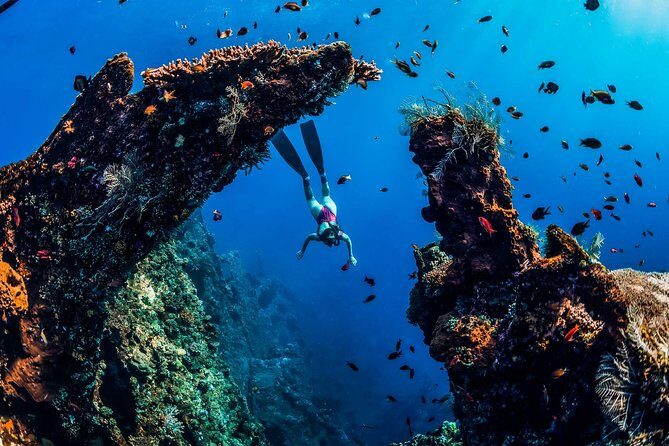
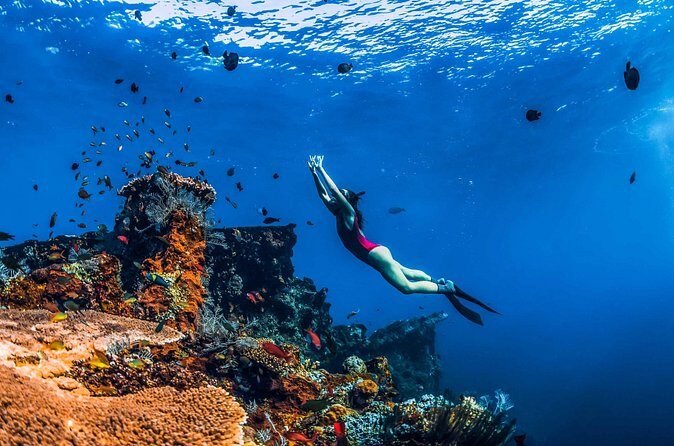
Bali’s water is the main event. This tour focuses on Amed’s Japanese Shipwreck area and nearby snorkel spots, with a calm, well-timed route off the east coast. I like that you get a friendly guide who talks you through where to swim, and I also like the small-group feel (max 5), which helps everyone actually enjoy the sights instead of standing around.

One thing to consider: the day’s length can change a lot based on where you’re staying. If you’re outside Amed, expect a longer outing, and there’s no lunch included.

Key things that make this tour worth your time

  • Japanese Shipwreck Point in Amed: a big-name snorkeling draw with real underwater structure
  • Multiple snorkel stops: Amed plus Lipah and Vienna Beach for different water moods
  • Small group size (max 5): easier movement, better attention, less chaos in the water
  • Guide-led swim tips: help with avoiding current and staying on track
  • Wildlife etiquette enforced: you’ll be guided on not touching marine life

Why the Japanese Shipwreck Area Near Amed Is Such a Big Draw

Amed Bali Snorkelling: Japanese Shipwreck & Vienna Beach Tour - Why the Japanese Shipwreck Area Near Amed Is Such a Big Draw
If you’re coming to Bali for snorkeling, Amed is a smart choice. It’s known for underwater viewing that feels more intimate than the most crowded spots, and this tour is built around one of the area’s star attractions: the Japanese Shipwreck. Even before you get in the water, you can feel the excitement in how the day is planned—this isn’t a quick stop-and-go selfie run.

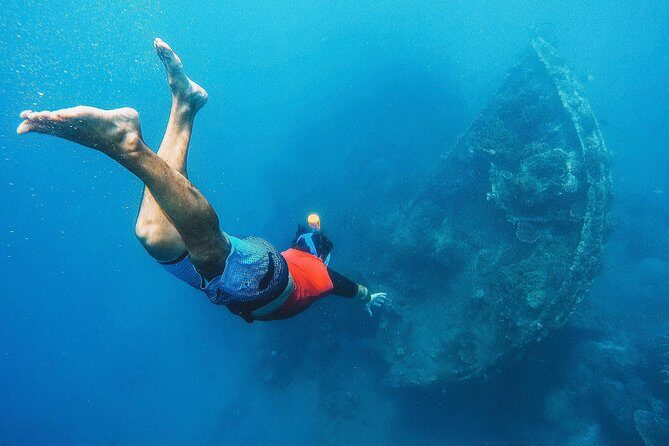
The best part is that the wreck area doesn’t just mean one thing. It’s a mix of underwater “reading the scene” time: you’ll typically see reef fish and coral, and the water can be calm enough that you’re not spending the whole visit fighting waves or stress. In the right conditions, it’s also a place where turtle sightings can happen. One guide-led tip that really matters here: you’ll get guidance on where to swim to reduce the hassle of currents.

Is it for everyone? Most people can join—just remember that snorkeling here is about being comfortable in the water. One review-style theme that kept coming up is that the tour provides gear, but it’s not a training course. So if you’re brand-new to snorkeling, you’ll want to bring confidence (and basic swimming comfort) with you.

Lipah Beach to Amed Wreck: How the Morning Sets Up Your Water Time

Amed Bali Snorkelling: Japanese Shipwreck & Vienna Beach Tour - Lipah Beach to Amed Wreck: How the Morning Sets Up Your Water Time
The day starts with pickup at Baliku Dive Resort (Banyuning, Jl. Raya Amed, Bunutan). The start time is 9:00 am, and the tour uses an air-conditioned vehicle to get you to the water. This part sounds simple, but it’s a big deal in Bali: getting out early and traveling in AC helps you stay fresh for the time you’ll spend looking underwater.

From Lipah Beach, you’ll board a traditional boat for the crossing to the snorkel zone near Amed Wreck. The boat ride is part of the fun—not just transport—because it gives you that moment where you realize you’re actually going to a serious snorkeling area. Once you reach the water, the schedule keeps moving, so you’re not waiting around too long.

What I like about this setup is the pacing. You get to ease into the day with one stop and then continue to the main Amed area without the whole trip turning into a blur of transfers. Another practical win: they provide snorkeling equipment and bottled water, which means you don’t have to pack the whole kit yourself.

Keep in mind that admission tickets are listed as not included. So while you’re covered for the main tour elements (transport, equipment use, insurance), you may still pay some local entry/boat-related fees once you’re there. Plan a little flexibility in your budget for that.

Pantai Amed and the Japanese Shipwreck: What You’re Actually Seeing

Pantai Amed is where the tour really earns its name. This is the area associated with the Japanese Shipwreck, and it’s the snorkel highlight you’ll want to remember when you compare Amed versus other Bali options.

What makes this stop special is the variety in the underwater experience. The wreck itself gives you an obvious focal point—something to swim toward and explore visually—but it also attracts marine life. You’re looking for fish and coral that make the scenery feel like a living reef panel rather than a boring stretch of sand.

In good conditions, turtle sightings can be a real possibility, and you’ll also often find reef fish and coral detail up close. The guides play a key role here: the better tours are the ones that keep you safe and keep you respectful. On this kind of tour, you should expect clear instructions about staying in your swim lane and not touching wildlife. That matters because it protects the reef and it protects you too.

Also, take the guide’s advice seriously about avoiding current. One of the most helpful moments is when the guide tells you where to swim—because current isn’t always obvious when you first enter the water. Follow that guidance and you’ll spend more time looking and less time recalibrating.

Vienna Beach for Calm-Water Snorkeling and Easy Viewing

Amed Bali Snorkelling: Japanese Shipwreck & Vienna Beach Tour - Vienna Beach for Calm-Water Snorkeling and Easy Viewing
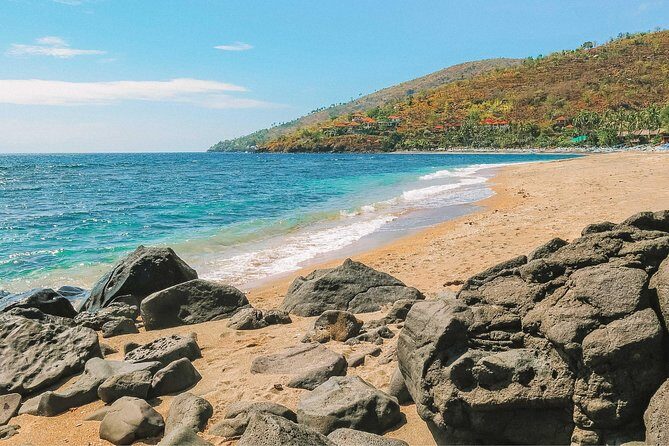
Later in the day, the tour shifts to Vienna Beach. This stop has a different feel from the wreck area. Instead of focusing on a single dramatic underwater landmark, you get a more relaxed snorkel vibe: calm waters and a chance to enjoy the reef and marine life without feeling like the water is constantly pushing back.

The beach itself is described with white sand and calmer conditions, which tends to be helpful for people who want comfortable snorkeling time near the end of the outing. It’s also a good place to slow down your breathing and focus on scanning the water for fish, coral, and any passing turtles.

This is also a good stop to use as a “reset.” If you went hard at the shipwreck site—swimming, hovering, comparing angles—Vienna Beach gives you a gentler payoff. You don’t need fancy technique to appreciate it; you just need patience and a habit of looking around rather than staring at one spot too long.

One practical note: since lunch isn’t included, plan how you’ll manage hunger across the day. If you start early and snorkel multiple segments, you’ll feel it later—Vienna Beach can be a long stretch away from food if you don’t plan.

Gear, Boat Handling, and the Wildlife Rules That Make It Better

Amed Bali Snorkelling: Japanese Shipwreck & Vienna Beach Tour - Gear, Boat Handling, and the Wildlife Rules That Make It Better
This tour includes the use of snorkeling equipment, plus insurance and bottled water. If you have your own mask and snorkel, you can bring it. Some people prefer their own fit, and it’s easy to mix and match—using provided fins while keeping your own mask can be a comfortable setup.

Boat and water handling is where guide quality shows up. The best snorkel guides aren’t just pointing at fish. They help you avoid stress: where to swim, how to position yourself, and how to spot the safest route in and out. In past experiences like this, the difference between enjoying the wreck and feeling annoyed usually comes down to current and positioning—and the tour’s guide instruction is built around that.

The other huge quality factor is wildlife etiquette. This tour has a strong emphasis on preventing people from touching marine life. That’s not just for the reef’s sake. Touching corals and animals can also lead to worse visibility, damaged ecosystems, and an awkward vibe in the water. When the guide actively keeps that boundary clear, the snorkel time feels smoother for everyone.

One more reality check: there’s no detailed training described. So if you need step-by-step instruction on mask clearing or snorkel breathing, you might want a more beginner-focused lesson tour instead. The good news is that equipment is provided and the guide helps you navigate the water.

Pickup Timing and the Reality of 3 to 8 Hours

Amed Bali Snorkelling: Japanese Shipwreck & Vienna Beach Tour - Pickup Timing and the Reality of 3 to 8 Hours
The tour runs about 5 hours in general, but the real number depends on where you’re staying. If you’re in Amed, it’s about 3 hours. If you’re in South Bali, it can be closer to 8 hours.

That matters because you should match your expectations to your location. In Amed, it’s a tight, efficient day. You get the snorkeling, you’re not spending half your vacation trapped in a vehicle, and you can still do dinner plans afterward. From farther away, it’s more of a half-day or full outing, and you’ll want to plan rest afterward.

Also note that the maximum group size is 5 travelers. Smaller groups are easier for a guide to manage—especially in the water. It helps with listening time, gear fitting, and keeping people moving with less waiting around.

If you want a trip that feels like it’s designed for your day—not just to shuffle you between stops—this small-group structure is a good sign. If your schedule is tight, choose Amed lodging when you can, and you’ll feel the difference immediately.

Price Value: Does $44 Really Make Sense for This Route?

Amed Bali Snorkelling: Japanese Shipwreck & Vienna Beach Tour - Price Value: Does $44 Really Make Sense for This Route?
At $44 per person, the headline price is friendly. The real value is what you’re getting for that money: pickup by air-conditioned transport, snorkeling equipment, bottled water, and insurance. For many snorkel experiences, the cost creeps up when you factor in gear and basic safety coverage. Here, those parts are already baked in.

Two things are not included: lunch and any admission ticket costs. Since those can vary, your total day cost could be a bit higher once you arrive. But even with that caveat, the included items keep the price from feeling stingy.

The other value driver is the snorkeling “range.” You’re not just doing one quick site. You’re hitting Amed plus additional snorkel spots like Lipah Beach and Vienna Beach, which helps you experience different underwater vibes in the same outing. That’s a win if you only have a short window in Bali and want more than one kind of water view.

If you’re the kind of traveler who likes structure—clear stops, a guide who keeps the group on track—this price is likely fair. If you’re ultra budget-focused and plan to snorkel elsewhere for free, you might skip it. But for most visitors, this hits a sensible balance of comfort and underwater time.

Who This Snorkel Tour Fits Best (and Who Should Skip It)

Amed Bali Snorkelling: Japanese Shipwreck & Vienna Beach Tour - Who This Snorkel Tour Fits Best (and Who Should Skip It)
This is a great fit for you if:

  • You want multiple snorkeling spots in one day without long, complicated logistics
  • You like the idea of a small group (max 5) for easier guide attention
  • You’re excited about the Japanese Shipwreck area and the marine life that comes with it
  • You appreciate guides who enforce a don’t touch wildlife approach

Consider skipping or choosing a different style of tour if:

  • You need snorkeling instruction from scratch. This tour is not described as a training session.
  • You’re extremely sensitive to long travel time. If you’re staying outside Amed, the day can stretch to around 8 hours.
  • You’re counting on lunch being provided. Bring a plan for food.

For couples and small groups, this tour’s size and pickup style often feel like the sweet spot. For solo travelers, it’s also comfortable because you’re not stuck with a huge crowd in and out of the water.

Should You Book the Amed Bali Snorkeling: Japanese Shipwreck and Vienna Beach Tour?

Amed Bali Snorkelling: Japanese Shipwreck & Vienna Beach Tour - Should You Book the Amed Bali Snorkeling: Japanese Shipwreck and Vienna Beach Tour?
I’d book this if your main goal is a practical, guided snorkeling day built around Amed Wreck plus calmer-water viewing at Vienna Beach. The combination of included gear, A/C transport, and a small group makes the day feel efficient. And if you care about staying on the safe side in the water, the guide-led swim tips and wildlife boundaries are exactly what you want.

If your schedule only allows one snorkeling outing in the region, this is a strong choice because it covers more than one kind of underwater scenery. Just come prepared: pack swim basics, plan for snacks or lunch on your own, and be comfortable with snorkeling without needing formal training.

If weather is rough, the experience may be rescheduled or refunded. That’s normal for sea days. The upside: when conditions are good, this route is designed to show you the best of what Amed’s waters can do.

FAQ

What time does the tour start, and where do we meet?

The tour starts at 9:00 am. The meeting point is Baliku Dive Resort, Banyuning, Jl. Raya Amed, Bunutan, Kec. Abang, Kabupaten Karangasem, Bali. The activity ends back at the meeting point.

How long is the tour?

It’s about 5 hours in general, but it depends on your hotel location. If you’re staying in Amed, it’s about 3 hours. If you’re in South Bali, it can be around 8 hours.

What snorkeling spots are included?

You’ll visit Lipah Beach, Pantai Amed (Japanese Shipwreck area), and Vienna Beach.

Is pickup included?

Yes. Pickup is offered, and the tour uses an air-conditioned vehicle for transport.

What’s included in the price, and what isn’t?

Included: bottled water, air-conditioned vehicle, private transportation, snorkeling equipment use, and insurance. Not included: lunch and admission tickets.

How many people are on the tour?

The maximum group size is 5 travelers. There are also notes about group discounts.

Bali airport transfer check in or check out Ubud area

Bali airport transfer check in or check out Ubud area - The meet-up system: name sign + clear waiting rules

Your Bali arrival can be simple.

This private Bali airport transfer is built for the most stressful part of the trip: getting from the airport to your Ubud-area stay (or back again) without hunting for a taxi or negotiating. What I like most is the driver holding a name sign at the airport arrival hall, plus the comfort of a private, air-conditioned vehicle for you and your group (up to 4). It’s also flexible in the sense that you can use it for both check-in pickup and check-out drop-off around Ubud center/palace.

One thing to keep in mind: the service is limited to accommodations not more than 4 km from Ubud center/palace, and the hotel pickup waiting time is only 15 minutes on the departure side. If your lodging is farther out, or you tend to run late at check-out, you’ll want to plan a little extra buffer.

Key highlights at a glance

Bali airport transfer check in or check out Ubud area - Key highlights at a glance

  • Name sign meet-and-greet: Driver waits at the Bali Airport arrival hall with a sign showing your name
  • Real waiting time: Up to 120 minutes waiting after your flight lands for airport pickup
  • Ubud-area focus: Drop-off and pickup are for Ubud center/palace area within 4 km
  • Private air-conditioned car: Just your group, no sharing with strangers
  • Mobile ticket: Easy-to-use digital ticket for the transfer day

A stress-free way to start (or end) your Ubud stay

Bali airport transfer check in or check out Ubud area - A stress-free way to start (or end) your Ubud stay
Bali traffic and airport logistics can turn a smooth vacation into a scramble fast. This transfer is designed to cut that stress down to size. You book in advance, get a mobile ticket, and you show up to the airport or hotel knowing you’ll be met by one driver with one job: get you from point A to point B.

I also like the clear “private vehicle” setup. For a group of up to four people, it’s usually a more predictable deal than dealing with separate rides. You’re not coordinating multiple cars, and you’re not trying to fold luggage into awkward shared setups.

The service is also timed for the real world. It runs daily from 7:00 AM to 11:55 PM, so most arrival and departure plans in that window fit. And for airport pickup, there’s a generous cushion built in after landing.

The meet-up system: name sign + clear waiting rules

Bali airport transfer check in or check out Ubud area - The meet-up system: name sign + clear waiting rules
This is the part that matters most when you’re tired, jet-lagged, or both.

For airport pickup, the driver waits for you at the Bali Airport arrival hall holding a sign with your name. That detail sounds small until you’re standing in a busy terminal trying to match faces to names in bad lighting. The sign makes the whole moment easier: you can spot the driver quickly and move on.

Then there’s the waiting time. You get 120 minutes of free waiting from when your flight lands. That’s a big deal if your flight is late, if baggage takes longer than expected, or if you’re dealing with the usual airport rhythm.

For drop-off (Ubud-area to the airport), the system flips to hotel mode. The driver waits at your hotel/lobby (or villa/guest house lobby). But here the free waiting time is shorter: 15 minutes from your requested pickup time. That’s normal for private transfers, but it means you’ll want to be ready when they arrive—especially if you’re having breakfast, finishing check-out paperwork, or packing slowly.

How long the ride usually takes around Ubud

The transfer duration is listed as 30 minutes to 1 hour 30 minutes. That range is honest and useful, because Bali travel times swing based on traffic and weather.

If you’re arriving for the first time, I recommend planning to treat the transfer as part of your “settling in” buffer. Even when the ride is closer to 30–45 minutes, it’s still a meaningful chunk of your day—time you might otherwise spend figuring out your route, ATM stops, or where to grab a SIM card.

If rain hits (and rain can be sudden), slow driving is typical, and that can stretch the trip. One strong review note praised cautious driving during rain, which lines up with what you’d want in a private car: steady, careful, and focused on getting you safely rather than speeding through conditions.

Where pickup and drop-off really work in Ubud

Bali airport transfer check in or check out Ubud area - Where pickup and drop-off really work in Ubud
This transfer targets Ubud center/palace area, with a rule that the accommodation should be within 4 km of Ubud center/palace. That matters because Ubud’s roads can mean longer travel times even when the distance seems short on a map.

So here’s the practical advice: before you book, double-check your exact lodging location. If you’re near the center, you’re in the sweet spot. If you’re farther out—on the edge of Ubud or in the hills—you might not meet the stated area limits.

The start point listed is Ubud, Gianyar Regency, Bali, which reinforces that this is a Ubud-focused transfer rather than a long cross-island shuttle.

Comfort and vehicle setup: private A/C for your group

Bali airport transfer check in or check out Ubud area - Comfort and vehicle setup: private A/C for your group
You’ll ride in an air-conditioned vehicle, and the transfer is private. That means you’re not squeezed into a shared van with strangers or stuck waiting for extra pickups.

It’s priced for up to 4 people per group at $25.00 per group. For small groups, that’s where value usually shows up: you’re not paying a “solo rate” for each person. You’re paying for one vehicle for your group.

There’s also a mention that the car had enough space in one easy pickup experience. That’s worth considering if you’ve got a few suitcases. Bali carry-on storage in vehicles can be either fine or annoying—private means you get to pack more naturally without waiting for a stranger’s luggage.

Also note the extra-charge items:

  • Excess luggage charges are listed as 10 USD per extra car
  • Child seats cost an additional 10 USD

So if you’re traveling with lots of bags or a child, plan those extras into the budget early.

Price value: $25 per group can beat the hassle tax

Bali airport transfer check in or check out Ubud area - Price value: $25 per group can beat the hassle tax
Let’s talk value in real terms, not just cost.

At $25 per group (up to 4) for a private A/C ride, the transfer is doing something practical: it removes the friction cost of airport arrival and departure. That friction includes time spent finding transport, dealing with price talk, and managing luggage while you’re locating pickup spots.

If you were to split costs across multiple taxi rides, you could end up paying similar or higher amounts—especially when you factor in uncertainty and time delays. With a private transfer, you’re buying certainty: a driver assigned to you, a name sign, and scheduled pickup timing.

One more value angle: this is booked in advance quite a bit (on average about 35 days ahead). That tells me it’s a common choice when people lock in flights and want the “first and last mile” covered.

What your arrival day looks like (pickup flow)

Bali airport transfer check in or check out Ubud area - What your arrival day looks like (pickup flow)
Here’s how the pickup usually works in practice, and what you can do to make it smooth.

1) You book your Bali Airport to Ubud-area transfer.

2) Your schedule matters. The service accepts bookings if your flight arrival time is within operating hours.

3) When you land, the driver can wait—up to 120 minutes after your flight lands.

4) You’ll meet the driver at the arrival hall, with your name sign.

5) You head to your accommodation in the Ubud center area (within the 4 km limit).

A helpful detail: Bali Airport provides free Wi‑Fi, so if your phone needs connectivity for messaging or directions, you can usually get online without extra steps.

If you’re the type who gets lost in the airport even when you’re prepared, the name sign + arrival hall meet point is a big win. It turns “Where are they?” into “Oh, there they are.”

What your departure day looks like (drop-off flow)

Bali airport transfer check in or check out Ubud area - What your departure day looks like (drop-off flow)
For check-out, the goal is simple: get to the airport with enough time, without last-minute stress.

1) You book Ubud-area to Bali Airport drop-off.

2) The service accepts bookings if your hotel departure time is within operating hours.

3) Your driver waits at your hotel/lobby at the pickup time.

4) There’s 15 minutes free waiting from your requested pickup time.

5) You ride to the airport in the private A/C car.

This is where planning pays off. If you know you might be delayed at breakfast, in a hot shower, or checking out slowly, adjust your requested pickup time earlier. The 15-minute waiting window is enough when you’re organized, but it doesn’t forgive sloppy timing.

Also remember: departure includes airport lines, security, and finding your check-in spot. The transfer itself may be “only” 30 minutes to 1.5 hours, but the whole airport experience takes longer. Build that in.

The human touch: communication and safety focus

Even with perfect logistics, the ride still depends on the driver. The strongest praise in the experiences centers on drivers being professional, on time, and safety-minded.

One note specifically called out a driver named Arjun for making pickup easy, respectful, and smooth. Another experience praised communication and feeling safe the whole way to the hotel.

That matters more than it sounds. On Bali roads, comfort isn’t just about A/C. It’s also about driving style, lane awareness, and confidence at turns and in traffic. When a driver communicates clearly and drives cautiously—especially in rain—you spend less mental energy and more vacation energy.

Who this transfer fits best

This airport transfer fits best if you want the practical middle path: private comfort without overthinking.

It’s especially good for:

  • Small groups (up to 4) who want one ride plan
  • First-time visitors to Bali who don’t want to guess at taxi logistics
  • Couples or families who prefer A/C and direct transport
  • People staying in the Ubud center/palace area within 4 km

It may be less ideal if:

  • Your lodging is beyond the stated 4 km Ubud-center limit
  • You want unlimited flexibility with pickup timing at the hotel, since waiting time is 15 minutes on the departure side
  • You have child-seat needs or lots of luggage and don’t want any extra charges to come up

Should you book this Bali airport transfer?

If your plan is “arrive, sleep, eat, explore Ubud,” this kind of private transfer is a smart foundation. The biggest strengths are the name sign meet-up, the generous 120-minute airport waiting time, and the comfort of a private air-conditioned vehicle for your group.

I’d book it when your hotel is close enough to meet the Ubud center/palace area rule. In that zone, it’s a clean, low-hassle way to handle both check-in and check-out without wasting your first or last day fighting transport.

If you’re staying farther away than the 4 km limit or you routinely miss pickup windows, then you’ll want to rethink the plan—or schedule earlier and double-check the fit for your exact address.

FAQ

How much does the Bali airport transfer cost?

It’s priced at $25.00 per group, up to 4 people.

Is this transfer private or shared?

It’s a private transfer/activity. Only your group will participate.

Where do pickup and drop-off happen in the Ubud area?

It covers check-in or check-out around Ubud center/palace, as long as your accommodation is within 4 km of Ubud center/palace.

What waiting time do I get at the airport for pickup?

For airport pickup, there is free waiting time of 120 minutes from when your flight landed.

How long do they wait at your hotel for airport drop-off?

For drop-off, free waiting time at your accommodation is 15 minutes from your requested pickup time.

What are the operating hours?

It runs daily from 7:00 AM to 11:55 PM.

What’s included in the price?

Included features are an air-conditioned vehicle, parking fees, and private transportation.

What’s not included?

Not included: excess luggage charges (10 USD per extra car) and child seats (additional cost 10 USD).

FAQ

Can I cancel for free?

Yes. You can cancel up to 24 hours in advance for a full refund.

Lempuyang Temple Gate Heaven Tirta Gangga Private Guided Tour

Lempuyang Temple Gate Heaven Tirta Gangga Private Guided Tour - Lempuyang Temple: the Gates of Heaven shot and the reality of waiting

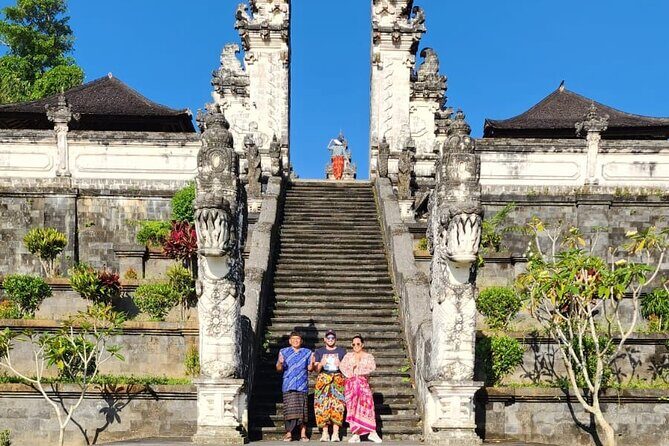
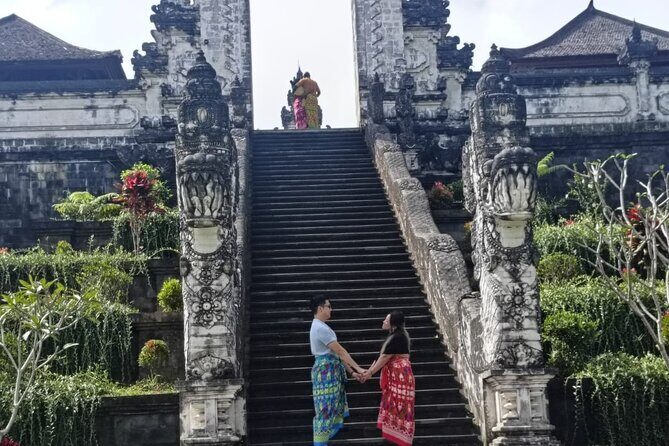
East Bali can feel like a road trip movie. This private tour bundles the best stops into one plan: Lempuyang Temple for the Gates of Heaven shots with Agung volcano in the background, plus the water gardens of Tirta Gangga and Ujung Water Palace in Karangasem. You also get real logistical relief—someone picks you up and brings you back, even from rental-style stays.

I especially like the English-speaking guide-driver style here. In the tour’s feedback, guides such as Bagua (and drivers like Gusti) are described as kind, patient, and willing to explain what you’re seeing and how Balinese daily life connects to the temples and water spaces. I also like that you’re not doing this as a DIY puzzle: the route covers east and central Bali as well as south Bali, with air-conditioned private transport and mineral water included.

One consideration: the Gates of Heaven photo stop can mean a long wait for photos—some folks reported around two hours, and shade helps. If you hate queues, plan your mood for the waiting part of the experience.

Key highlights you should care about

Lempuyang Temple Gate Heaven Tirta Gangga Private Guided Tour - Key highlights you should care about

  • Gates of Heaven photo time is the real test: plan for a long wait and use shaded areas when available
  • Tirta Gangga is a royal water palace garden: built in 1946 under Anak Agung Ketut Anglurah and tied to the Karangasem royal family
  • Ujung Water Palace is also a water-garden stop: known as Ujung Park or Sukasada Park, near Seraya Village and about 5 km from Karangasem city center
  • Pickup and drop are wide-ranging: driver meets you from South, Middle, West, East, and North Bali accommodations, including rentals
  • Guides bring context, not just driving: Bagua, Gusti, Karya and Wayan, and Kadek Mertha show up in the guide notes with strong culture talk

East Bali without the stress of long mountain drives

This is one of those Bali days that’s less about ticking boxes and more about getting your time back. East Bali’s highlights are spread out, and getting there from the main tourist areas can mean long driving and mountain roads. The value of a private driver is simple: you focus on the stops, not the navigation.

The route is built for wide coverage. You’re traveling across multiple Bali zones—east and central Bali as well as south Bali—so you can see the signature temple and the famous water palaces in one go. Expect an all-day format at around 10 hours, which is long enough to feel satisfying but still realistic for a private itinerary.

If you’re staying in Nusa Dua (or anywhere south), this also saves you from piecing together separate transport and timing. You’re picked up and dropped at many types of lodging, including apartment and rental-style places, which matters if your address is a little harder to find.

How the pickup, private transport, and guide support actually helps

Lempuyang Temple Gate Heaven Tirta Gangga Private Guided Tour - How the pickup, private transport, and guide support actually helps
The tour’s structure is straightforward: you get pickup and drop-off, then a private, air-conditioned car runs the day. You’re not sharing a bus with strangers, so you can keep your pacing—slow for photos, stop for quick needs, and generally avoid the constant “move along” feeling.

A big practical plus is the English-speaking tour guide driver. In the feedback, guides like Bagua are praised for being kind and patient, and for explaining culture and daily activity details rather than just pointing at places. Gusti also gets named for being punctual and polite while sharing information. That kind of commentary turns famous scenery into something you understand, even if you only have a single day.

The tour also includes small-but-useful extras: mineral drinking water and insurance. You still need to handle your own lunch, but having water covered is helpful on a long drive day.

One more thing: the experience uses a mobile ticket. That’s handy in Bali, where paper confirmations can get messy.

Lempuyang Temple: the Gates of Heaven shot and the reality of waiting

Lempuyang Temple Gate Heaven Tirta Gangga Private Guided Tour - Lempuyang Temple: the Gates of Heaven shot and the reality of waiting
Lempuyang Temple is the headliner. It sits on the Lempuyang mountain, and the drive from southern Bali such as Seminyak is about 2 hours 30 minutes in a comfortable car. The site is known for facing Agung, Bali’s biggest active volcano, which is exactly why the Gates of Heaven photos work so well—the framing is built for that dramatic backdrop.

Here’s what you should expect on the ground. The temple grounds and the photo setup require time, and the main photo moment can involve a queue. In the tour notes, people reported about two hours of waiting for photos, and shade made the waiting more tolerable. If you’re the type who gets cranky when your timeline slips, show up mentally prepared. The best attitude is to treat it like a slow temple visit with a photo bonus, not a quick Instagram stop.

There’s also an etiquette angle. The tour dress code is smart casual, which is a good clue to keep things respectful. If you’re used to Bali beaches all day, you’ll want to adjust your look and plan for temple basics (covering up as you enter sacred areas is part of how Bali works generally).

Why this stop is worth the time: the Gates of Heaven spot isn’t just about a view. It’s about understanding the temple setting and what it means in Balinese life. When your guide (Bagua was mentioned in feedback) explains what you’re seeing and how local daily activities connect to the temple, the wait starts to feel less like wasted time.

Tirta Gangga: royal water garden calm in about one hour

Lempuyang Temple Gate Heaven Tirta Gangga Private Guided Tour - Tirta Gangga: royal water garden calm in about one hour
After the temple hill, you’ll pivot to something much calmer: Tirta Gangga. This place is described as a former royal palace in eastern Bali, owned by the Karangasem royal family. It was built in 1946 by Anak Agung Ketut Anglurah with his soldiers, which gives the garden a historical anchor beyond just being pretty.

The experience here is largely about moving through water features and garden spaces. You get around 1 hour for this stop, so you won’t be wandering for the rest of your day, which is actually good. It keeps the itinerary balanced against the longer drive times and the possible photo-wait reality at Lempuyang.

What I like about Tirta Gangga for you: it’s a visual reset. After a temple that can involve crowds and time pressure, water gardens let you slow down. Even if you’re not a history buff, it’s easier to appreciate the design when you know it ties back to royal life and a major 20th-century construction moment.

Possible drawback: since you only have about an hour, you’ll want to show up ready to spend that time walking, taking photos, and soaking in the atmosphere. If you prefer to linger for long stretches, keep in mind the schedule is meant to fit multiple major stops into one day.

Ujung Water Palace: another water garden, a different vibe

Lempuyang Temple Gate Heaven Tirta Gangga Private Guided Tour - Ujung Water Palace: another water garden, a different vibe
The last major cultural-photo combo is Ujung Water Palace, also known as Ujung Park or Sukasada Park. It’s located in Karangasem regency near Seraya Village, and it sits about 5 km southeast of Karangasem city center.

Like Tirta Gangga, this stop runs about 1 hour. The goal is to experience the water-palace layout without rushing through it too badly. You’ll be there after the morning temple excitement and the Tirta Gangga water garden calm, so the rhythm matters.

What makes Ujung worth including: it broadens the story of water in royal and ceremonial spaces in Karangasem. Even if both Tirta Gangga and Ujung feel like “water garden time,” they’re not the same thing. Ujung gives you a second look at how water features shape the experience—paths, visual axes, and that quiet, reflective mood people come to Bali for.

If you’re choosing between “water gardens” and “temples,” this day keeps both. For a single private day trip, that balance is the whole point.

Your guide matters: the culture talk that turns photos into context

Lempuyang Temple Gate Heaven Tirta Gangga Private Guided Tour - Your guide matters: the culture talk that turns photos into context
This tour’s strongest praise is surprisingly human: the quality of guidance. Names show up repeatedly in the tour feedback, and they’re not just random labels.

  • Bagua is described as kind and patient, with a knack for explaining culture and daily activities.
  • Gusti gets highlighted for politeness and punctuality, plus practical information during the day.
  • Other guides/drivers, including Karya and Wayan and Kadek Mertha, also show up with positive notes tied to conversation and overall enjoyment.

You don’t need a “lecture.” You just need someone who can answer what you’re seeing and why it matters. That’s what these guides seem to do well. If you enjoy a bit of backstory while you walk (and you want your driver to be more than a chauffeur), this is a strong match.

Price and value: $30 per person is the entry price, tickets can vary

Lempuyang Temple Gate Heaven Tirta Gangga Private Guided Tour - Price and value: $30 per person is the entry price, tickets can vary
The listed price is $30 per person, and the tour is private. That price point is where value can be real, especially when you compare it to paying separately for transportation, driver time, and the hassle of arranging East Bali routing on your own.

The big thing to understand is the entrance ticket situation. The included section says entrance tickets can be part of a Premium All Inclusive option. The separate notes also say there may be an additional entrance cost of about $18 per person if you’re paying for attractions. So before you go, confirm what your booking includes for site admissions—this is the easiest way to avoid surprises.

Lunch is not included. You’re looking at about $4 per person as a personal expense at a local restaurant. That’s not much, but it does mean you should plan for it rather than assuming the tour meal is covered.

Group discounts are listed as a feature too. Since this is private, discounts may depend on how you book and who else is in your party, but it’s worth asking if you’re traveling with friends and can coordinate.

Timing tips that fit this exact route

Lempuyang Temple Gate Heaven Tirta Gangga Private Guided Tour - Timing tips that fit this exact route
This is an all-day East Bali plan, so timing isn’t just about clock-watching. It’s about how waiting and driving affect your energy.

  • Lempuyang is the long-photo-moment challenge. Plan to spend time waiting for photos, and treat shade as part of your strategy, since shade can help during long queue time.
  • Tirta Gangga and Ujung are both set to about 1 hour each, which means you’ll want to keep your focus and not burn that time on indecision.
  • The overall duration is around 10 hours, so think of it as a full-day commitment, not a half-day sightseeing sprint.

Also note the tour requires good weather. If conditions are poor, the experience may be rescheduled or you’ll receive a full refund. That’s not just fine print; it matters for volcano-facing outdoor photo spots and for the driving day.

Who should book this tour, and who might not

This private itinerary fits best if you want to do East Bali highlights without the friction. It’s a good choice if you:

  • want a private driver picking you up and dropping you off at your exact accommodation
  • prefer an English-speaking guide-driver who explains culture
  • like balancing a temple stop with royal water gardens in a single day
  • are traveling with family or mixed ages and want a clear plan that avoids transport stress

You might hesitate if you:

  • strongly dislike waiting for photos, since the Gates of Heaven portion can involve a long wait (around two hours has been reported)
  • want a super flexible day where you can skip stops without affecting timing

Should you book this Lempuyang–Tirta Gangga–Ujung Water Palace tour?

I’d book it if you value convenience, guided context, and a one-day East Bali hit list that includes both temples and water palaces. The $30 price is reasonable for a private day, especially with pickup/drop across many Bali zones and air-conditioned transport.

I’d also confirm two practical things before paying: whether entrance tickets are included with your chosen option, and how your day will handle the photo wait at Lempuyang. If you’re okay planning for that waiting time and you want your guide to explain more than the obvious, this is the kind of private tour that makes East Bali feel doable.

FAQ

How long is the Lempuyang Temple Gate Heaven Tirta Gangga Ujung Water Palace tour?

It runs about 10 hours.

Where does the tour operate from?

The tour is based in Nusa Dua, Indonesia, and the route includes East and Central Bali as well as South Bali.

Is pickup and drop-off included?

Yes. Pickup and drop-off are offered for accommodations in South, Middle, West, East, and North Bali.

Is this tour private or shared?

It’s private. Only your group participates.

Are entrance tickets included?

Entrance ticket coverage depends on your booking option. The tour mentions an upgrade for Premium All Inclusive entrance tickets, and it also notes that you may pay around $18 per person for entrance if visiting all attractions in a private guided-only setup.

What is included in the price?

Included items are private air-conditioned transportation, an English-speaking tour guide driver, mineral drinking water, insurance, and entrance tickets if you choose the Premium All Inclusive option.

What should I budget for lunch?

Lunch isn’t included. You’ll pay personal expenses at a local restaurant, listed at about $4 per person.

How long do stops last?

The plan lists about 1 hour for Tirta Gangga and about 1 hour for Ujung Water Palace, and the Lempuyang Temple stop is part of the long drive day.

What should I wear?

The dress code is smart casual.

FAQ

What’s the drive time to Lempuyang Temple from the south?

From southern Bali such as Seminyak, the drive is about 2 hours 30 minutes.

Does weather affect the tour?

Yes. It requires good weather, and if it’s canceled due to poor weather you’ll be offered a different date or a full refund.

Bali Rafting with Tegalalang Rice Terrace Jungle Swing Ubud

Bali turns into a choose-your-adventure day here. You get Ayung River rafting with a professional guide, then you shift to classic Ubud views at Tegalalang Rice Terrace, and finish with a jungle swing built for photos. It’s one long day, but the flow keeps it fun: water, rice terraces, then air.

Two big wins for me: the included lunch keeps your energy steady, and the swing package is packed with lots of photo setups, not just one quick shot. One thing to think about first: you’ll climb stairs to reach the river area, so comfortable mobility helps, and the whole day depends on good weather.

Key highlights you’ll care about most

Bali Rafting with Tegalalang Rice Terrace Jungle Swing Ubud - Key highlights you’ll care about most

  • Ayung River rafting with a pro guide on a route known for waterfalls, natural pools, and wild animal sightings
  • Tegalalang Rice Terrace breaks where the scenery feels like the main character
  • Jungle swing with about 10 photo set-ups, including birds’ nest-style scenes
  • Lunch included (Indonesian food) so you’re not scrambling between activities
  • Private full-day format with hotel pickup and 2-way transfers from Ubud and much of south Bali

A full-day private adventure in Ubud that actually stays organized

Bali Rafting with Tegalalang Rice Terrace Jungle Swing Ubud - A full-day private adventure in Ubud that actually stays organized
This is a private day built around three different “modes”: rafting, rice terrace sightseeing, and jungle swing time. Your pickup is offered, and the company provides private 2-way transfers from hotels in Ubud and much of south Bali—so you’re not stitching together taxis between stops.

The day is listed at about 10 hours, and in practice that makes sense for the pacing. Rafting takes time (getting geared up, getting to the river, and being on the water), and the rice terrace stop plus the swing add extra travel and photo time. The bonus is that the swing is designed to keep you moving. Instead of waiting around for a single photo, you get multiple staged setups.

One detail I really like: this day is run like a real operation, not a loose plan. You check in, you pick up your gear, and you get moved to the activity area. In one review, the “open air truck” transfer was part of the fun, and that’s exactly the kind of thing that makes a tour feel like an outing instead of a chore.

Ayung Dewata Rafting on the Ayung River: whitewater, waterfalls, and swim time

Bali Rafting with Tegalalang Rice Terrace Jungle Swing Ubud - Ayung Dewata Rafting on the Ayung River: whitewater, waterfalls, and swim time
The main event is rafting the Ayung River, and the specific focus here is the river experience—its different tracks, its scenery, and its water moments. The Ayung is known for whitewater sections plus calmer stretches where you can enjoy the green around you, and this tour leans into that mix.

What I’d expect from the run:

  • You pass waterfalls and natural pools
  • You get a brief stop in the middle to take in the view
  • You may spot wild animals along the way
  • You can swim in the freshwater pools during the stop

That mix matters because it keeps the day from feeling like nonstop adrenaline. You get action, then a pause. In the middle, you’re not just floating—you’re meant to stop, look around, and enjoy small waterfalls or a swim opportunity.

You’ll also have a professional guide with you. In my mind, that’s not just “nice to have” when you’re on a tropical river. A good guide helps you feel safe while still letting you enjoy the ride. One review highlighted how awesome the guide was, and that’s the kind of detail that usually correlates with smoother instructions and better timing.

Practical reality: there are stairs to get down to the river area. If stairs are an issue for you, plan around it. You can still do the day if you’re okay with stairs, but I would not assume this is stair-free.

Smart pacing: why going early (when you can) makes the rafting better

Bali Rafting with Tegalalang Rice Terrace Jungle Swing Ubud - Smart pacing: why going early (when you can) makes the rafting better
One review mentioned they were among the first in the river rafting on the day. I can’t promise your timing, but it’s a useful idea to keep in mind: when you start earlier, you often face less crowd pressure and you get more breathing room for the check-in and gearing stages.

Even if you don’t control the schedule, the way this tour handles flow helps. Gear pickup and organized transport reduce the “waiting around” feeling. That’s worth it on a full-day itinerary where you don’t want to burn energy before you even hit the water.

Tegalalang Rice Terrace: the classic Ubud view, with a nice break from the action

Bali Rafting with Tegalalang Rice Terrace Jungle Swing Ubud - Tegalalang Rice Terrace: the classic Ubud view, with a nice break from the action
After rafting, you switch from the river’s soundscape to the rice terrace scenery. Tegalalang Rice Terrace is one of the most recognized Ubud sights, and this stop is your chance to slow down.

Here’s why this pause works so well after rafting:

  • You change settings fast (water to terraces)
  • You get greenery and open views instead of water noise
  • You transition naturally into the swing portion, since the swing is tied to the terrace area

The rice terrace stop isn’t described as a long guided history lecture. Instead, it’s positioned as a scenic break that helps you reset before the most “photo-forward” part of the day.

If you’re the kind of traveler who likes to keep photos meaningful, this stop also gives you context. You’ll see why the swing location makes sense—because the terrace views are what make the whole experience feel like Ubud.

Jungle swing in Ubud with about 10 photo set-ups (and the birds’ nest style scenes)

Bali Rafting with Tegalalang Rice Terrace Jungle Swing Ubud - Jungle swing in Ubud with about 10 photo set-ups (and the birds’ nest style scenes)
This is the part that turns the day into a social media generator, but in a way that can still feel fun instead of rushed—because the swing package includes almost 10 different photo set-ups. That’s a big deal.

Instead of one jump, one angle, one pose, you’re guided through multiple setups. That increases your odds of getting at least a few shots that look like you planned them, not like you caught your phone at the wrong moment.

The experience also references multiple scenes beyond basic swinging. There are mentions of birds’ nests and other photo setups. Whether you love the concept or think it’s a little goofy, the practical point is that you’ll have more variety than a standard “one swing and done” format.

A good way to think about it: you’re buying time and direction. The staging is there to help you get consistent results. You don’t have to figure it out on the fly while balancing in the air.

Lunch in the middle: staying fueled for both rafting and swing time

Bali Rafting with Tegalalang Rice Terrace Jungle Swing Ubud - Lunch in the middle: staying fueled for both rafting and swing time
You get a delicious Indonesian lunch included, served along the way. That’s not a tiny detail. On a day with wet gear, stairs, and an outdoor activity schedule, skipping lunch or grabbing something quick can turn into a headache.

I like the fact that lunch is built into the day rather than left to you to hunt down between stops. You know you’ll be fed before the swing portion, so you can enjoy the photos instead of feeling shaky or tired.

If you have dietary restrictions, you should mention them at booking or when you check in, since the tour data doesn’t specify menu options. But as a general setup, having lunch handled is exactly what you want for a full-day activity like this.

Transfers, gear, and on-site comfort: the small things that make a big difference

Bali Rafting with Tegalalang Rice Terrace Jungle Swing Ubud - Transfers, gear, and on-site comfort: the small things that make a big difference
A full-day rafting-and-swing itinerary lives or dies on logistics. This one is designed to remove friction with private transfers and organized check-in.

From one review, I learned these comfort details matter:

  • Douches and showers are available
  • There are safety lockers
  • Gear is picked up after check-in

That combination is huge. Rafting means you’ll get wet, and getting cleaned up makes the rest of the day more enjoyable. Lockers also reduce stress while you’re off the water and want to keep your essentials secure.

One more practical tip from the same review: bring money if you want to buy a beer or juices during the descent. That doesn’t mean you have to drink anything—just plan like a grown-up and don’t count on it being free.

Price and value: is $45 reasonable for rafting plus terraces plus swing?

Bali Rafting with Tegalalang Rice Terrace Jungle Swing Ubud - Price and value: is $45 reasonable for rafting plus terraces plus swing?
At $45 per person, this isn’t priced like a single activity. You’re paying for a full-day package that combines:

  • Ayung River rafting with professional guidance
  • Terrace sightseeing time at Tegalalang
  • A swing experience with almost 10 photo setups
  • An Indonesian lunch
  • Private 2-way hotel transfers from Ubud and much of south Bali
  • Mobile ticket convenience

When you add those pieces up, the value comes from bundling. You’re not coordinating separate tickets, separate transfers, and separate photo services. And you’re getting the swing package where the photos are part of the offering, not just a free-for-all.

Could you do these activities separately for less? Maybe, depending on your bargaining skills and how you arrange transport. But this package reduces decision fatigue and makes the day smoother, which is a real value in Bali where traffic and timing can eat hours.

What to bring for Ayung rafting + jungle swing (based on how the day works)

You’ll want to pack like you’re doing water sports plus a photo activity afterward. The tour includes showers and safety lockers, which helps, but you should still plan your own comfort.

Bring:

  • Swimwear you’re okay getting wet
  • A change of clothes for after rafting
  • Something you can keep your belongings dry in
  • Cash for small purchases (like drinks), since it may be available during the experience

Also, be ready for stairs. If you’re bringing someone who’s unsure about stairs, it’s worth deciding beforehand whether they’re comfortable with descending to and ascending from the river area.

Who should book this Ubud mix of rafting, terraces, and swings

This is a great fit if you want a classic Ubud “highs” day:

  • You want adrenaline with Ayung River rafting
  • You want the signature Bali visual stops at Tegalalang Rice Terrace
  • You want the “airborne” fun of a jungle swing with lots of photo setups
  • You prefer private transfers so the day runs on rails

It also fits couples and friends who want one organized plan instead of three separate bookings. And because it’s private for your group, the pacing should feel more tailored than a chaotic multi-group day.

The only clear “think twice” case is limited mobility due to stairs. The tour says most travelers can participate, and that’s encouraging, but stairs are part of getting to the river area. If that’s a concern, plan carefully.

Should you book this Bali Rafting with Tegalalang Rice Terrace Jungle Swing day?

If you’re the type of traveler who likes a full day with variety—water action, iconic scenery, and photo-friendly fun—then yes, this is a strong choice. The biggest reason: it bundles transportation, lunch, and multiple photo setups, so you spend less time organizing and more time doing.

Book it if:

  • You want Ayung River rafting plus Ubud highlights in one shot
  • You value the swing package with lots of photo setups
  • You like organized logistics, gear pickup, and on-site comfort like lockers and showers

Skip it or ask extra questions if:

  • Stairs are a problem for you
  • Weather can be an issue for your travel dates, since the experience requires good weather

FAQ

Where does this tour take place?

It takes place in Ubud, Indonesia, with hotel pickup and private transfers from hotels in Ubud and much of south Bali.

How long is the experience?

The duration is approximately 10 hours.

How much does it cost?

The price is $45.00 per person.

What are the main stops during the day?

You’ll do Ayung Dewata Rafting on the Ayung River, visit Tegalalang Rice Terrace, and then go to a jungle swing.

Is hotel pickup included?

Pickup is offered, and the tour includes private 2-way transfers from your hotel in Ubud and much of south Bali.

Is this a private tour?

Yes. It’s private, and only your group participates.

What’s included besides rafting?

Lunch is included, and the jungle swing package includes almost 10 different photo set-ups. Mobile tickets are also provided.

What happens if the weather is bad?

This experience requires good weather. If it’s canceled due to poor weather, you’ll be offered a different date or a full refund.

What’s the cancellation window for a full refund?

You can cancel up to 24 hours in advance for a full refund.

Bali Waterfall Wonders | A Nature Escape | All Inclusive

Bali Waterfall Wonders | A Nature Escape | All Inclusive - Ubud pickup and how the day actually works

Lake air and jungle water: a solid day plan. This Bali Waterfall Wonders route is interesting because it strings together big-name sights (like Ulun Danu Beratan and Jatiluwih Rice Terraces) with a more nature-first stop at Banyumala Twin Waterfalls, where you can swim in a natural pool. I like that the day is built around views you can actually feel, not just look at from a bus window. I also like the practical setup: private transportation that gets you moving smoothly through Ubud and around the island, plus driver-guides known for punctual pickups and not rushing you—people have specifically praised drivers like Made and Yogi for arriving early and letting the pace stay relaxed.

One thing to consider: this is an 8-hour loop with multiple stops, so you’re trading deep time at one place for variety across the day. In other words, if you want a slow, hours-long hangout at just the waterfalls, you may feel the schedule is busy.

Quick takeaways before you go

Bali Waterfall Wonders | A Nature Escape | All Inclusive - Quick takeaways before you go

  • Private group day trip from Ubud with an air-conditioned vehicle and bottled water to keep the long driving parts comfortable
  • Banyumala Twin Waterfalls includes admission and gives you time in a natural pool with clean, pure water for swimming
  • Lake and viewpoint pair: Ulun Danu Beratan Temple plus Wanagiri Hidden Hills for twin-lake views
  • UNESCO stop at Jatiluwih Rice Terraces with admission included so you can focus on the scenery instead of ticket logistics
  • Coffee plantation visit (Jatiwangi) is free for the plantation part, after lunch at Nadi Farm Cafe
  • Weather matters: the experience requires good weather, and you’ll be offered another date or a full refund if it’s canceled for poor conditions

The real hook: a water-and-terraces day, not just another checklist

Bali Waterfall Wonders | A Nature Escape | All Inclusive - The real hook: a water-and-terraces day, not just another checklist
This trip is built on two kinds of Bali beauty that go together well in one day. First you get temple and viewpoint scenery with Lake Beratan and the twin-lake perspective at Wanagiri. Then you shift into “real water” mode with Banyumala’s waterfalls and a natural swimming pool. After that, the day caps with Jatiluwih’s rice terraces—UNESCO-listed and more than just a pretty backdrop.

What I like about this kind of route is the pacing. You don’t bounce from one indoor place to another. You spend time outdoors, moving through jungle valleys, lake air, and hill views. And because it’s private transport, you’re not stuck with the usual stop-and-go crowd circus.

Ubud pickup and how the day actually works

Bali Waterfall Wonders | A Nature Escape | All Inclusive - Ubud pickup and how the day actually works
You start from the meeting point in Ubud (Bali Cheap Car & Scooter rental on Jl. Goutama Street). Pickup is offered, and the tour is private, so it’s only your group in the vehicle. That matters in Bali, where “good enough” timing can make or break a day. Private transport helps you keep the flow smooth—especially on roads that can be slow depending on traffic and the day’s conditions.

The tour runs about 8 hours. That’s long enough to cover a lot, but not so long that you feel trapped. Plan to dress for heat early on, then expect cooler, misty moments in the higher areas near temples and viewpoints.

Also, there’s a “mobile ticket” element included. That’s a small thing, but it often makes check-in faster once you’re on the ground.

Ulun Danu Beratan Temple: the floating-lake postcard that feels real

Bali Waterfall Wonders | A Nature Escape | All Inclusive - Ulun Danu Beratan Temple: the floating-lake postcard that feels real
Your first big stop is Ulun Danu Beratan Temple, known as a floating temple on a lake. It’s one of Bali’s iconic landmarks, sitting on the shores of Lake Beratan. This is the kind of place where the setting does half the work. The temple doesn’t just sit there for photos—it’s part of a lake scene that changes as light shifts.

Timing-wise, this opening stop sets the tone. You’ll have about 50 minutes here, including an admission ticket. That’s usually enough to walk around, take in the temple-lake views from different angles, and still stay ahead of the worst of the afternoon crowding.

Practical note: bring a little patience for walking surfaces. Even if the schedule feels tight, you’re not on a sprint. One of the reasons people rate this tour so highly is the way drivers keep things calm rather than rushing you through.

Wanagiri Hidden Hills: twin-lake views with a short, sweet stop

Bali Waterfall Wonders | A Nature Escape | All Inclusive - Wanagiri Hidden Hills: twin-lake views with a short, sweet stop
After the lake temple, you head to Wanagiri Hidden Hills, a viewpoint known for spectacular views of Bali’s twin lakes. This stop is shorter—about 30 minutes, and admission is included.

Because it’s a viewpoint, the goal is simple: arrive, look around, grab photos, and soak in the big-distance scenery. If the air is clear, the twin-lake perspective can be dramatic. If visibility is mixed, you’ll still get the ridge-and-valley feel that makes these lookouts worth it.

What makes this stop worth including is the variety. You go from temple-on-lake to high viewpoint. It’s the kind of “visual reset” that keeps the day from feeling repetitive.

Nadi Farm Cafe and Jatiluwih: lunch with scenery (and one budget detail)

Bali Waterfall Wonders | A Nature Escape | All Inclusive - Nadi Farm Cafe and Jatiluwih: lunch with scenery (and one budget detail)
Next comes lunch time at Nadi Farm Cafe, followed by heading toward Jatiluwih. The schedule gives about 1 hour here, and the admission ticket for the stop is included. The important budget detail: the tour listing says lunch is not included, even though the stop is bundled into the tour day with admission.

So treat this as a meal opportunity where you pay for what you order, not a free buffet guarantee. The upside is that you’re eating while surrounded by green views, which is exactly what you want on a day like this. When your stomach’s happy, your photo taking improves. Science? No. Just experience.

Jati Wangi Luwak Coffee: see the process, keep expectations grounded

Bali Waterfall Wonders | A Nature Escape | All Inclusive - Jati Wangi Luwak Coffee: see the process, keep expectations grounded
After lunch, you visit Jatiwangi Coffee Plantation (often called Jatiwangi Coffee Plantation in the itinerary). This stop is about 1 hour, and the coffee plantation part is listed as free.

What you can expect here is the traditional coffee-making process and a chance to see how coffee production works in Bali. You’re not locked into a tasting if you don’t want one; the key value is watching the steps and learning how the island’s coffee culture is presented locally.

One thing I’d keep in mind: coffee plantations are often partly educational, partly retail. If you’re just there for the process, you can still enjoy it without overbuying. If you like coffee and want a souvenir, this is the time to decide.

Jatiluwih Rice Terraces UNESCO: where irrigation makes the views make sense

Bali Waterfall Wonders | A Nature Escape | All Inclusive - Jatiluwih Rice Terraces UNESCO: where irrigation makes the views make sense
Then you arrive at Jatiluwih Rice Terrace, a UNESCO-listed site known for breathtaking terraced rice fields. The day sets aside about 50 minutes, with admission included.

Here’s what makes Jatiluwih worth your time: the terraces aren’t random steps. They’re tied to a traditional irrigation system (the subak system). When you understand that the terraces are working farmland shaped by water management, the whole scene clicks. The views stop being just “pretty rows” and start looking like a living system.

Also, this stop can be surprisingly relaxing if you take a slow walk. The schedule doesn’t ask you to rush. You get time to look, breathe, and notice how the terraces change as you move.

Banyumala Twin Waterfalls: the swim stop people remember

Bali Waterfall Wonders | A Nature Escape | All Inclusive - Banyumala Twin Waterfalls: the swim stop people remember
After enjoying viewpoints, you descend to Banyumala Twin Waterfalls. This is the heart of the day for many people, and it’s described as a hidden paradise in the jungle.

What makes Banyumala special is the structure: three sides of waterfall. The largest and highest waterfall sits at the center, while smaller ones appear on the left and right sides. Beneath it, there’s a natural pool that adds a whole different dimension from most waterfall stops.

Admission is included, and the schedule gives about 1 hour for this area. The water is described as clean and pure, and the big advantage here is that you can swim around the natural pool. That’s not a gimmick—it’s the part that turns a sightseeing stop into an actual experience.

A practical reality: waterfalls depend on conditions. If the day’s weather is off, your experience could change, which is why the tour notes the experience requires good weather. If weather is good, expect a more comfortable swim window and better waterfall flow.

What I recommend: wear footwear you trust on slippery rock, and bring a change of clothes if you can. Even if you only dip your feet, you’ll probably come away feeling like you did something memorable, not just saw a few sights.

Price and what’s actually included for $75

At $75 per person, this tour is priced like a solid value for a private full-day run. The included items help a lot:

  • Private transportation (air-conditioned vehicle)
  • Bottled water
  • Parking fees
  • Admission tickets at several stops (Ulun Danu Beratan, Wanagiri Hidden Hills, Jatiluwih Rice Terraces, Banyumala Waterfalls)
  • Coffee plantation stop listed as free
  • Mobile ticket
  • Group discounts are offered (even though the tour is private)

What’s not included is just as important for planning:

  • Lunch (even though lunch time is built into the day)
  • Landing and facility fees (not defined beyond that wording)

So, the real budget strategy is simple: bring money for lunch and any extra local fees you encounter at facilities. Otherwise, you’re mostly paying for transport and included entries, which is exactly why this tends to feel like good value.

Driver quality: why punctuality and patience show up in reviews

The reviews for this company and similar day trips highlight a pattern: drivers who speak good English, answer questions, and keep the day smooth without rushing. Names that show up include Made (praised for an early pickup, arriving about 10 minutes early, and letting the group take their time), Wayans Yogi / Yogi (praised as brilliant and helpful), Ngurah (praised as kind and patient with good English), and Gioke (praised for cultural and historical information).

You can’t guarantee you’ll get the exact same driver, but you can assume the service style is what’s being marketed: patient, friendly, and practical. If you like learning while you ride, this is a great format. If you prefer quiet sightseeing, that also usually works on a private tour.

Who should book this tour (and who should skip it)

This is a strong fit if you want:

  • A one-day Bali nature-heavy route from Ubud
  • Mix of iconic and less-obvious outdoor spots (lake temple + viewpoints + rice terraces + Banyumala swim)
  • A private group so the pace stays comfortable
  • A tour that includes key admissions so you don’t lose time on ticket hunting

I’d skip or adjust expectations if you:

  • Want a super relaxed day with long stays at just one place
  • Are very strict about avoiding all extra costs (because lunch isn’t included, and some fees are listed as not included)

Should you book Bali Waterfall Wonders?

If you want variety without feeling chaotic, I’d book it. The combination makes sense: lake temple morning energy, viewpoint photos, lunch with views, coffee plantation process, UNESCO terraces, and then the payoff of Banyumala’s waterfalls and natural swimming pool. At $75 with private air-conditioned transport and most major admissions included, the value is fairly clear.

The only real decision point is your tolerance for a busy 8-hour schedule. If you’re okay moving through several highlights in one day—and you’re excited about the water-and-swim part—this tour is the kind of Bali day you remember later, when you’re back in a hotel room scrolling photos and wishing you’d taken the dip.

FAQ

How long is the Bali Waterfall Wonders tour?

It runs for about 8 hours (approximately).

Is pickup offered from Ubud?

Yes, pickup is offered, and the meeting point is in Ubud at Bali Cheap Car & Scooter rental on Jl. Goutama Street.

What are the main stops on the itinerary?

The tour includes Ulun Danu Beratan Temple, Wanagiri Hidden Hills, Nadi Farm Cafe (with Jatiluwih area), Jatiwangi Coffee Plantation, Jatiluwih Rice Terraces, and Banyumala Twin Waterfalls.

Is lunch included in the price?

No. Lunch is listed as not included.

What is included in the tour price?

Included are private transportation, bottled water, parking fees, and an air-conditioned vehicle. Admission tickets are included for several stops.

Are coffee plantation fees included?

The Jatiwangi Coffee Plantation stop is listed as free for that part of the visit.

What happens if the weather is bad?

The experience requires good weather. If it’s canceled due to poor weather, you’ll be offered a different date or a full refund.

Mount Batur Jeep Tour With Sunrise

Mount Batur Jeep Tour With Sunrise - Kayupadi sunrise point: the view moment you’re paying for

Waking up before sunrise can feel tough, but the Mount Batur payoff is real—jeep climbs, a caldera view, then a dip in a natural hot spring. This is a full morning-to-midday run focused on the volcanic highlights: sunrise at Kayupadi point, the black lava and volcanic sand that look like a desert, and a relaxing hot-spring stop to cool down.

What I like most is the practical flow. You get air-conditioned round transfers by jeep, plus bottled water and breakfast, which matters when you’re leaving before 5am. I also like that the operation leans on trained driving and guide know-how—your driver is described as a trained 4WD specialist, and at least one guide is listed as a certified member of the Mount Batur Guide Association. One possible drawback: this tour depends on good weather. If clouds roll in, sunrise visibility can be less dramatic.

Lastly, the human factor matters here. In the reviews tied to this tour, guides such as Mangku Cana and Lee (and also Mertha and Pade) are praised for helping people get the best sunrise spot and taking photos—so you’re not just sitting in a jeep hoping for the best.

Key points worth knowing before you go

Mount Batur Jeep Tour With Sunrise - Key points worth knowing before you go

  • 4WD jeep timing: early departure so you’re in position for sunrise viewing from Kayupadi point
  • Volcanic walking: black lava and black volcanic sand that really does feel desert-like
  • Comfort on the road: air-conditioned transfers, plus bottled water and breakfast
  • Hot spring stop: pools fed by a mineral source reported at 50°C, with pool temps between 37°C and 43°C
  • Guide help with photos: named guides are highlighted for spotting good angles and locations

Why Mount Batur sunrise jeep tours start in the dark

Mount Batur Jeep Tour With Sunrise - Why Mount Batur sunrise jeep tours start in the dark
This tour is built around one simple truth: sunrise on Mount Batur isn’t something you casually stumble into. You need to be on the right ground, in the right spot, with enough time to settle before light hits the caldera. That’s why the day kicks off extremely early—your pickup and meeting with the team happens around the 4:45am start window, before the big climb begins.

If you hate early alarms, be honest with yourself: this is not a lie-in kind of outing. But if you can handle the morning grind, sunrise is the moment that turns a volcano into a show. The caldera views look totally different in the early light, and the drive and short stops feel timed to that magic window.

Getting there in comfort: pickup, air-conditioning, and 4WD confidence

The transportation is one of the biggest parts of the value. You’ll have pickup offered from Kuta, and you’ll ride in jeeps designed for rougher terrain. The tour notes that you’ll enjoy comfortable, air-conditioned round transfers, which helps a lot when you’re tired, cold, or still half-asleep at the beginning of the day.

Here’s another practical point I appreciate: this is not just any vehicle going up a mountain road. The driver is described as a trained 4WD specialist, and the guide is listed as a certified member of the Mount Batur Guide Association. That doesn’t guarantee perfect conditions, but it does signal competence—especially when roads are uneven and timing matters.

Also, you get breakfast included, plus bottled water. That’s not a luxury add-on; it’s a survival feature for a long morning.

Kayupadi sunrise point: the view moment you’re paying for

Mount Batur Jeep Tour With Sunrise - Kayupadi sunrise point: the view moment you’re paying for
The core of the experience is reaching Kayupadi point for sunrise. The tour description calls out the spectacular morning scene here, and the whole schedule exists to get you there before the best light slips away.

When you’re up on the viewpoint, you’re looking at Mount Batur’s larger volcanic setting—often called a caldera—where the terrain stretches out in dramatic lines. This is the part you’ll remember even if you never become a volcano person. The view has contrast: darker ground, lighter sky, and the sense of scale that’s hard to grasp from pictures alone.

A bonus: in the reviews tied to this tour, guides like Mangku Cana and Lee are praised for going above and beyond to secure a strong viewing spot and even help with photographs. That means you’re less likely to end up squeezed somewhere inconvenient when the sun finally makes its entrance.

Mount Batur and the lava terrain: black sand you can actually step on

After the sunrise viewing, the tour shifts from just looking to walking and seeing close up. You’ll go on a lava tour and step onto black volcanic sand—the kind of ground that looks like it belongs in a desert, even though you’re in Bali.

Why this is worth your attention: black sand isn’t only scenic. It changes how your feet and your camera experience the terrain. It can be slightly warm in the day after a cold morning, and it’s visually striking in photos because it creates a high-contrast background for silhouettes and group shots.

What to watch for (and what to do):

  • Wear shoes you don’t mind getting dusty. Volcanic sand tends to cling.
  • Bring a light layer. Early mountain mornings can feel chilly before things warm up.
  • If you’re sensitive to uneven ground, take your time when stepping around lava textures. You’re on volcanic terrain, not a boardwalk.

The itinerary gives you time at Mount Batur—listed as about 2 hours 30 minutes, with admission ticket included. That’s a decent stretch to see the key points without feeling rushed, especially after the early wake-up.

Batur Natural Hot Spring: soak time with mineral-water details

The mid-portion of the tour is the reward stop. You’ll head to the Batur natural hot spring, with about 1 hour on-site.

What makes this hot spring stand out is the temperature and water source. The information provided says the mineral spring water runs from an underground aquifer around 637 meters below the surface. It’s reported at a source temperature near 50°C, and the pools range between 37°C and 43°C.

That temperature range is important for comfort. You want warm enough to feel therapeutic, but not so hot that you’re forced out quickly. The tour notes the mineral spring water is said to help with things like neuralgia, bruising, particular rheumatism, shoulder stiffness, recovery from fatigue, and even enhancing fertility. I’ll keep it honest: those are reported claims, not guarantees. Still, the soak can be a real reset after a cold sunrise climb and walking on volcanic ground.

Also, the hot spring ticket is not included. You’ll want to budget for that add-on so you’re not surprised later.

Mount Abang stop after the jeep ride: a bonus if your day allows

The tour overview mentions a possible stop at Mount Abang after the exciting jeep ride. That’s a “could be included” style add-on, depending on the route and timing of your specific outing.

If it happens for your group, it can be a nice way to extend the scenery beyond just the main Batur sunrise point and lava walking. If it doesn’t happen, you’re still getting the big three: sunrise viewing, volcanic sand time, and hot spring relaxation. Either way, the structure stays the same: viewpoint → volcanic terrain → soak.

Price and value: what $65 really buys you

At $65, this tour is positioned as a mid-range Bali excursion—meaning you’re paying for the early-morning 4WD access and the guided experience, not just a bus ride and a quick photo stop.

Here’s what’s included based on the details you have:

  • 4WD jeep vehicle
  • air-conditioned vehicle (for round transfers)
  • private transportation
  • parking fees
  • bottled water
  • breakfast
  • admission ticket for the Mount Batur stop

The hot spring ticket is the only clearly listed extra. That’s pretty normal for popular Bali attractions. Still, it matters for value: if you’re the type who hates surprise costs, you’ll want to plan for that add-on up front.

One more value angle: the tour notes “private tour/activity,” meaning only your group participates. At the same time, it also mentions group discounts. If you’re traveling with friends or family, pricing may be more favorable than if you were traveling solo.

Who this tour suits best (and who might not love it)

I think this tour is best for people who want a real experience, not a checklist. You like early starts if the reward is views. You enjoy nature even if you don’t obsess over volcano facts. And you’re happy trading convenience for atmosphere—this is a jeep-and-volcano day, not a soft indoor outing.

You’ll especially enjoy it if:

  • sunrise is your priority and you want to be there without figuring out transport yourself
  • you want a mix of viewing + walking + soaking
  • you appreciate guide support, especially for positioning and photos (the named guides are repeatedly praised for this)

You might not love it if:

  • you hate waking up before dawn
  • you’re uncomfortable on uneven, volcanic ground
  • you’re relying on perfect weather. The tour explicitly requires good weather, and if it’s canceled due to weather, you’ll be offered a different date or a full refund.

Photo and comfort tips for a smoother Mount Batur morning

This is the kind of day where small choices help a lot. Sunrise is time-sensitive, and volcanic terrain makes you switch between “holding still for photos” and “walking around and looking down.”

My practical suggestions:

  • Bring a light jacket or layer for the pre-sun hours. Mountain mornings often feel colder than you expect.
  • If you care about photos, ask the guide where to stand before the light hits. The tour’s guides (Mangku Cana and Lee, plus Mertha and Pade, based on the reviews) are specifically praised for getting people into better spots and taking photos.
  • Wear shoes that can handle volcanic sand. You’ll likely step onto black sand during the lava walk.
  • Pace yourself after the sunrise viewing. Once you start walking and soaking, you’ll want your legs to feel good.

If you want the best results, treat this like a schedule: arrive when it’s time to arrive, and don’t wander too far off while your group is still trying to position.

Should you book this Mount Batur Jeep Tour with Sunrise?

Book it if you want the classic Mount Batur experience in a way that’s actually practical: early 4WD access, real volcanic walking, and a hot-spring reset. The comfort details matter for the price—air-conditioned transfers, breakfast, and bottled water make the long day feel less painful.

Skip it (or at least reconsider the timing) if your top priority is sleeping in, or if you’re not comfortable with early mornings and weather-dependent sunrise conditions. Since the tour requires good weather, you should be okay with the possibility of rerouting or cancellation if skies aren’t cooperating.

If you’re on the fence, here’s the deciding question: do you want sunrise from Mount Batur with a guide who helps you get the shot? If yes, this one is a strong match for value and real-world experience.

FAQ

What time does the Mount Batur sunrise part begin?

You meet the team and start the program in the early morning, with the guide meeting described around 4:45am.

How long is the tour?

The duration is listed as about 8 to 10 hours total.

Is pickup included?

Yes, pickup is offered, and you also get round transfers.

Are the jeeps air-conditioned?

Yes, the tour includes air-conditioned round transfers by jeep.

What’s included in the price?

Included items are bottled water, 4WD jeep vehicle, air-conditioned vehicle, private transportation, parking fees, and breakfast. Admission for the Mount Batur stop is included.

Is the hot spring ticket included?

No. The natural hot spring admission ticket is not included.

How long do you spend at the hot spring?

The hot spring stop is about 1 hour.

What temperatures are the hot spring pools?

The source water is reported at 50°C, while pool temperatures range between 37°C and 43°C.

What happens if weather is bad?

The tour requires good weather. If it’s canceled due to poor weather, you’ll be offered a different date or a full refund.

Can I cancel for a full refund?

Yes, free cancellation is allowed up to 24 hours in advance for a full refund. If you cancel less than 24 hours before the start time, it won’t be refunded.
Airport Transfer in Bali-Private

Airport Transfer in Bali-Private - Inside the Car: What’s Included (and Why It Matters)

Getting off the plane is the hard part. This private Bali airport transfer is built for that moment: after you confirm, you can message by WhatsApp with flight details, and a driver meets you at I Gusti Ngurah Rai and helps you get into a clean, air-conditioned car fast.

I also really like the human side of this service. Drivers are described as professional, friendly, and patient in Bali’s traffic, and coordination is handled smoothly by the team behind the scenes (including names like Agunk and drivers such as Gusti and Putu Alis). One thing to keep in mind: pickup timing depends on real-world traffic, and there’s a strict luggage limit (typically 1 suitcase + 1 small carry-on), so plan accordingly.

Key Highlights You’ll Care About

Airport Transfer in Bali-Private - Key Highlights You’ll Care About

  • Name-paged pickup at Ngurah Rai so you’re not hunting in baggage hall chaos
  • WhatsApp communication after booking to share flight timing and details
  • Private, air-conditioned vehicle with bottled water for the ride
  • Clear drop-off to your hotel or accommodation without extra stops
  • Luggage limits to keep the trunk space workable
  • 30 minutes to 3 hours total travel time, depending on traffic

Kuta Airport Transfers: Why This Works Right After Landing

Airport Transfer in Bali-Private - Kuta Airport Transfers: Why This Works Right After Landing
The first hour in Bali can feel like a blur. You’re tired, the airport is busy, and traffic can turn a short drive into a long one. This transfer is designed to remove the biggest stressors: you don’t have to negotiate, search, or figure out where to stand.

Because it’s private (only your group rides), it’s also easier if you’re traveling with family, arriving in the middle of the day with kids, or simply don’t want to wait around. The price is set for the service, not for you to haggle on arrival—especially helpful in a place where taxis and rides can feel like a maze.

The other smart piece is how the service is set up around flight changes. You’re told you can contact the team via WhatsApp or through Viator once you confirm. If your plane shifts time (it happens), you’re not left guessing.

Meeting Your Driver at I Gusti Ngurah Rai (Ngurah Rai) Without Guesswork

Pickup starts at I Gusti Ngurah Rai International Airport (Bandara International I Gusti Ngurah Rai, Tuban, Kec. Kuta, Kabupaten Badung, Bali). The process is simple:

  • After booking, you’ll receive confirmation
  • At arrival, your driver welcomes you at the arrival paging your name
  • You’re assisted and escorted to the car

This paging detail matters more than it sounds. Bali airports can be hectic, and even a small delay in finding your ride can feel bigger when you’re jet-lagged. The escort to the vehicle also helps you avoid that moment where you’re juggling luggage, a phone with no local SIM, and trying to figure out where the driver is standing.

In past experiences with this provider’s team, names like Gusti and Putu Alis show up as drivers who communicate well and take care of passengers. Even if you don’t get the exact same person, the service style described is consistent: helpful, on-time energy, and safe handling through traffic.

Inside the Car: What’s Included (and Why It Matters)

Airport Transfer in Bali-Private - Inside the Car: What’s Included (and Why It Matters)
You’re not paying for a fancy add-on tour here. You’re paying for reliability and comfort when your body is ready to be done with travel.

Included in the transfer:

  • Air-conditioned vehicle
  • Bottled water
  • Private transportation
  • All fees and taxes

There’s also mention that the car is clean and sanitized, which is a small detail but a big comfort factor right after a flight. The goal is to help you start the trip feeling normal again, not sticky and exhausted.

You also get a mobile ticket. That matters because you can keep everything on your phone and avoid paper hassles. If your phone battery is low, still try to keep your confirmation accessible before you leave the secure area.

And yes—this is a one-way transfer service only. It’s built for that clear arrival-to-hotel step, not a multi-day plan.

The Actual Ride Time: Planning for Bali Traffic (Without Stressing Out)

Airport Transfer in Bali-Private - The Actual Ride Time: Planning for Bali Traffic (Without Stressing Out)
The duration is listed as 30 minutes to 3 hours (approx.). That range feels wide, but it’s honest. Bali driving conditions can be unpredictable, and the key is that your driver is prepared for it.

The driver approach described in experiences like this is patient and safety-first. One highlight noted for this kind of transfer is that the driver stayed calm in busy traffic, and that you don’t feel rushed while you’re trying to get your bearings.

So what should you do with this information?

  • Plan arrival timing with a buffer, especially if you have dinner reservations or a must-be-there appointment soon after landing.
  • If you’re sensitive to delays, message your flight details so the team can track your arrival timing as accurately as possible.

Drop-Off in Bali: Getting to Your Hotel or Accommodation Smoothly

Airport Transfer in Bali-Private - Drop-Off in Bali: Getting to Your Hotel or Accommodation Smoothly
Drop-off is straightforward: you’re taken to your destination, hotel, or accommodation. The service promises you’ll be dropped off safely and comfortably.

This is where a private transfer earns its keep. In places like Kuta and the surrounding areas, it’s easy to end up spending extra time figuring out the exact entrance to a hotel, especially if it’s tucked behind a lane. With this setup, you’re not stuck trying to explain your address in a mix of languages and hand gestures.

Also, because this is private and your group is only your group, it’s easier to coordinate if you’re arriving with multiple suitcases or you need a moment before you start unloading.

Price and Value: What $32 Buys You in Real Terms

Airport Transfer in Bali-Private - Price and Value: What $32 Buys You in Real Terms
At $32 for a private one-way transfer, the value depends on how you travel.

Here’s the practical way I look at it:

  • If you’re landing with luggage and want door-to-door comfort, this can be cheaper than the combined cost of time, stress, and multiple stops.
  • If you’re traveling solo, it may still be worth it because you remove the friction of finding transport right after landing.
  • If you’re traveling as a small group, private often feels like great value fast. (The service also lists group discounts, so it’s worth checking what applies at checkout.)

The big win is not the sticker price. It’s that you’re buying predictability. You know you’ll be met at the airport, escorted to an AC car, and driven to your accommodation.

Just remember the limits: excess baggage (or bags that won’t fit in the car) isn’t included. If you’re bringing bulky items, contact in advance so you don’t end up scrambling at the pickup point.

Luggage Rules: The Part That Can Make or Break the Smooth Start

Airport Transfer in Bali-Private - Luggage Rules: The Part That Can Make or Break the Smooth Start
The service expects each traveler to have:

  • 1 suitcase
  • 1 small carry-on bag

If you have oversized or excessive luggage—examples given include surfboards and golf clubs—then you’re asked to contact the team in advance.

This is one of those practical details that can save you from a frustrating end to a long day. Bali hotels are not always built for dragging oversized bags through narrow entrances, and compact trunks have real limits.

My advice: count your bags before you leave for the airport. If you’re right on the edge, message ahead. If you ignore the luggage guidance, you risk delays and discomfort—even with a friendly driver.

Who This Transfer Is Best For

Airport Transfer in Bali-Private - Who This Transfer Is Best For
This is a great fit if you:

  • Want an easy arrival plan from Kuta-focused lodging
  • Prefer clear communication before you land
  • Travel with a manageable amount of luggage
  • Are okay with a travel-time range because traffic is real in Bali

It’s also a solid choice if you value safe driving and a calmer first ride. In the experiences shared with this company, drivers are repeatedly described as professional and kind, with good English—useful when you’re trying to confirm drop-off points quickly.

If you’re traveling with multiple oversized items, though, you’ll need extra planning because the standard luggage arrangement is limited.

Tips to Make This Transfer Go Like Clockwork

Small moves help a lot here. Here’s what you can do to keep the ride smooth from the moment you arrive:

  • Share your flight details using WhatsApp or Viator messaging after you confirm
  • Have your mobile ticket ready on your phone
  • Keep to the luggage expectation: 1 suitcase + 1 small carry-on
  • Be ready for name-paged pickup at arrival
  • Build in time for traffic because the transfer range is 30 minutes to 3 hours

If you do those things, you’ll spend more energy on enjoying Bali and less energy on logistics.

Should You Book This Bali Private Airport Transfer?

If you want an uncomplicated Bali arrival with a driver waiting for you, I’d book it. The combination of name-paged pickup, WhatsApp coordination, and an air-conditioned car with bottled water is exactly what you want after a long flight.

Book it especially if:

  • you’re landing at I Gusti Ngurah Rai
  • your hotel is in the Kuta area or nearby
  • you’re traveling with standard luggage sizes

Skip or message first if:

  • you have oversized items or more luggage than the guideline allows
  • your schedule is ultra-tight right after landing and you can’t tolerate the realistic 30-minute to 3-hour variability

FAQ

Where does the pickup happen?

Pickup starts at I Gusti Ngurah Rai International Airport (Bandara International I Gusti Ngurah Rai, Tuban, Kec. Kuta, Kabupaten Badung, Bali 80362, Indonesia).

How long is the transfer?

The duration is approximately 30 minutes to 3 hours, depending on conditions like traffic.

Is this a private transfer?

Yes. It’s a private tour/activity, and only your group will participate.

How does the driver find you at the airport?

You’ll be welcomed at arrival and your driver will page your name. You’ll then be assisted and escorted to the car.

What communication is available after booking?

After you confirm your booking, you can contact the provider via WhatsApp or through Viator to share flight details and coordinate pickup.

What’s included in the price?

Included items are bottled water, an air-conditioned vehicle, private transportation, and all fees and taxes.

What about luggage and oversized bags?

The service expects 1 suitcase and 1 small carry-on per traveler. Contact in advance if you have oversized or excessive luggage that won’t fit in the car.

Is a mobile ticket provided?

Yes, the service includes a mobile ticket.

Are service animals allowed?

Service animals are allowed.

Can I cancel for a full refund?

Yes. Free cancellation is available if you cancel up to 24 hours in advance for a full refund.

Bali White Water Rafting Adventure at Ayung River Bali

Bali White Water Rafting Adventure at Ayung River Bali - Getting the most from the rapids without losing the fun

Ayung River rafting is pure work and play. This Ayung River run in Ubud is built to feel like a full adventure day: you tackle a 14 km stretch and paddle through 28 rapids, with scenery changing the whole time. I like that it’s designed with real facilities and a proper buffet finish, so you’re not just getting wet and sent on your way.

One thing to plan for: the end of the raft comes with a big stair climb. One 2025 review specifically warned about preparing for an extreme number of steps, so bring shoes you’re okay walking in and have a change of clothes ready.

If you want a white-water outing that still leaves time for a relaxed meal after, this is a solid pick. Expect about 2–2.5 hours on the water within a total 6 hours with pickup, air-conditioned transport, and bottled water included.

Key things I’d circle before you book

  • 14 km route on Ayung River: long enough to feel like a real rafting trip, not a quick splash
  • 28 rapids: steady action with frequent paddling moments
  • Ubud scenery on repeat: rice paddies, rainforest views, waterfalls, and cliff stone carvings
  • Stops along the river: breaks in the rhythm so the changing scenery stays the star
  • Lunch after rafting: buffet lunch included, plus bottled water and equipment
  • Stair-climb reality: you’ll want a plan for stairs and damp clothes at the end

Ayung River in Ubud: why this run feels like a full adventure

Bali White Water Rafting Adventure at Ayung River Bali - Ayung River in Ubud: why this run feels like a full adventure
This rafting adventure focuses on length and variety. You’re not doing a short, one-session paddle—you’re covering a 14 kilometer stretch of the famous Ayung River, which is why the day feels substantial even though the main action is about 2 to 2.5 hours.

What makes it especially interesting is the way the scenery keeps shifting while you’re in motion. You pass views of rice paddies (about 300 meters), parts of rainforest, and you’ll spot features like a waterfall and stone carvings on the cliff. Add in the built-in breaks at several points along the river, and the trip doesn’t turn into one long blur.

The other reason I’d call this a practical pick is that the experience is packaged with the basics done for you. You get rafting gear, bottled water, and transportation, plus lunch right after. That matters in Bali, where getting from place to place can be the hardest part of the day.

The day’s flow: pickup, gear, and what happens before you hit the water

The experience starts at Graha Adventure Rafting in Kedewatan, Ubud (Jl. Raya Kedewatan, Kedewatan, Kecamatan Ubud, Kabupaten Gianyar, Bali). The activity ends back at the meeting point, so you’re not stuck figuring out how to get home after you’re soaking wet.

Pickup is part of the experience offering, and you’ll use a vehicle with air-conditioning plus private transportation. That’s a small detail, but it’s a comfort boost in Bali’s heat—especially once you’re done changing and you’re waiting for the group to finish.

Before rafting, you’ll be fitted with rafting equipment and you’ll get the standard setup for safety and paddling technique (the package includes insurance, too). The exact briefing style isn’t described in the details you provided, but you can expect a short instructions window so everyone can paddle in sync. This is also the moment to double-check things like where your belongings go and how you’ll handle wet gear.

The 2–2.5 hours on the river: 14 km, 28 rapids, and constant scene changes

Bali White Water Rafting Adventure at Ayung River Bali - The 2–2.5 hours on the river: 14 km, 28 rapids, and constant scene changes
Here’s the core of the value: the run is long and it’s active. The route covers 14 km and includes paddling through 28 rapids, so you’re not sitting around much between moments of action. For many first-timers, that combo hits a sweet spot—enough challenge to feel thrilling, but structured enough to stay enjoyable.

Your view changes often during the ride. You’ll see rice paddies, rainforest sections, and you can also catch the kinds of dramatic moments that make the Ayung River famous—like waterfalls and cliffside stone carvings. The experience description also mentions several stops along the river, which helps break up the pace.

A stop is more than a pause. It’s time to reset your grip, adjust to the water flow, and breathe while you take in the scenery that’s close enough to feel real—not distant postcard scenery. If you’re the type who likes photos and you’re okay getting wet, these intervals can be your best chances to get a quick shot.

Getting the most from the rapids without losing the fun

Bali White Water Rafting Adventure at Ayung River Bali - Getting the most from the rapids without losing the fun
With 28 rapids in the mix, your main job is simple: paddle when you’re told, and don’t fight the current. Even if you’ve never rafted before, this setup usually works well because the action is shared—you’re part of a team boat, not tackling the river solo.

Still, there’s a balance to aim for. If you grip too hard the whole time, your arms tire faster. If you relax too much, you lose your timing. The best mindset is steady effort: paddle with purpose, stay ready for instruction, and let the river do what it does.

Also, remember that the route includes natural stops and changing scenery. That means the day isn’t only about the biggest moment of the trip. It’s about enjoying the rhythm: paddle, react, look up, take in a waterfall or cliff carving, and then paddle again.

One more practical note: you should plan to get wet. That sounds obvious, but it connects directly to comfort later. The 2025 review you provided mentioned the need to bring a change of clothes, and I’d treat that as smart planning, not a suggestion.

Stops along the river: why the breaks matter on a long route

On a 14 km run, you’re going to be moving through different moods of the river. The details you provided mention multiple stops along the way, and that’s a big part of why the trip is described as continuously fun rather than repetitive.

These stops help in a few ways:

  • They give your body a breather after active paddling.
  • They help you regroup mentally if you’re feeling a little overwhelmed by rapid motion.
  • They support the “changing scenery” promise, since you can look around without only focusing on water turbulence.

Even if you’re not stopping for long, those breaks keep the day from turning into constant strain. It’s also a good chance to check your gear and make sure you’re not carrying anything you don’t want to get soaked.

Lunch after rafting: value, timing, and how to recover

After your rafting section, the experience includes a buffet lunch at a local restaurant. The package also includes lunch as part of what you pay for, and bottled water is included too, so you’re covered for the basic post-ride needs.

This is where the experience earns its price value. A lot of rafting days either skip food quality or make you pay extra for something basic. Here, lunch is built in, and that means you can focus on recovery instead of hunting for a meal while you’re tired and damp.

You’ll also feel the difference of the included transport back to the meeting point. Instead of trying to figure out your next step when you’re hungry, you’re already moving through the day’s plan.

Price and value: why $27 can make sense here

At $27.00 per person, this rafting day is priced in the mid-budget range for Bali adventure activities. What makes it feel reasonable is not just the rafting itself—it’s the bundle.

You’re getting:

  • Rafting equipment
  • Insurance
  • Lunch
  • Bottled water
  • Air-conditioned vehicle and private transportation
  • All fees and taxes included

In other words, you’re not paying separately for the things that often add up on the back end. And the fact that the route is long (14 km) and packed with action (28 rapids) means you’re paying for time on the river, not only a short initiation ride.

One more pricing-related practical point: the experience is commonly booked about 5 days in advance on average. If your dates are tight or you’re traveling during a busy period, planning a little early can help you lock a time slot that fits your day.

Logistics that matter: meeting point, pickup feel, and group setup

Bali White Water Rafting Adventure at Ayung River Bali - Logistics that matter: meeting point, pickup feel, and group setup
You’ll start at Graha Adventure Rafting in Kedewatan, Ubud, and the experience ends back at that same meeting point. That structure is simple and it reduces the “where do I go after” stress.

Pickup is offered, and transportation is provided in an air-conditioned vehicle. That matters because rafting days often begin early and can include a lot of waiting. Having transport handled keeps your day from turning into extra time in the heat.

The experience is also described as a private tour/activity, meaning only your group participates. That’s a meaningful difference if you dislike mixing with strangers or if you prefer a more controlled group rhythm. Exact group size isn’t given, but the private structure usually makes coordination smoother.

You also get a mobile ticket, which is convenient for day-of entry. And the meeting point is near public transportation, which can be helpful if you’re arranging your own rides.

Stairs at the end: the one reality check you should respect

Bali White Water Rafting Adventure at Ayung River Bali - Stairs at the end: the one reality check you should respect
The most specific caution in your review details is physical: after you finish, you’ll walk up a lot of stairs. One review warned about preparing for what they counted as around 394 steps (with a note that the final number might differ).

That doesn’t mean the experience is unsafe or impossible, but it does mean you should plan like a grown-up. Wear footwear with grip. Don’t bring anything you can’t manage while damp. And yes: pack a change of clothes, because you’ll want to dry off quickly once you’re done.

If you have knee issues or you’re not comfortable with steep stair walking, this is the part you should weigh most carefully. The ride itself is described as something most people can participate in, but the end-of-raft climb is the one step that’s clearly hard-coded into the experience.

Who should book this Ayung River rafting day

I’d point this tour toward people who want a proper rafting experience with real river time and active rapids. If you’re looking for a short taste, this might feel like too much time on the river. If you want value and a long stretch of action plus an included meal, this matches well.

It also suits:

  • Couples or friends who want a private group feel
  • First-timers who want length and excitement without handling logistics
  • Anyone who likes nature scenery—rice paddies, rainforest views, waterfalls, and cliff stone carvings are part of the promise

I’d be more cautious if you:

  • Don’t want to deal with a large stair climb after rafting
  • Have trouble with getting wet and managing damp clothes

Should you book the Bali White Water Rafting on the Ayung River?

If your priority is a long, action-filled rafting run with lunch and transport handled, I think this is a good booking. The route length (14 km), the number of rapids (28), and the included extras like equipment, insurance, and buffet lunch make the $27 price feel grounded.

Book it if you can handle getting wet and you’re ready for the end-of-raft stairs. Skip or reconsider if stairs are a deal-breaker for you, even though most people can participate in the rafting section.

FAQ

Where does the rafting experience start?

The experience starts at Graha Adventure Rafting, located at G6JX+VJ6, Jl. Raya Kedewatan, Kedewatan, Kecamatan Ubud, Kabupaten Gianyar, Bali 80571, Indonesia.

How long is the total tour?

The duration is approximately 6 hours.

How long are you on the river?

The rafting activity is around 2–2.5 hours and covers a 14 km stretch of the Ayung River.

How many rapids are included?

The experience description says you will paddle over 28 rapids.

Is pickup included?

Pickup is offered, and the package includes air-conditioned vehicle and private transportation.

What’s included in the price?

Included are lunch, bottled water, rafting equipment, air-conditioned vehicle, private transportation, all fees and taxes, and insurance.

What happens after the rafting trip?

After rafting, you get a buffet lunch at a local restaurant, and the activity ends back at the meeting point.

Does this tour run as a private group?

Yes. It’s listed as a private tour/activity, and only your group will participate.

Do I get a mobile ticket?

Yes, a mobile ticket is included.

What should I bring or expect physically?

Plan to get wet and bring a change of clothes. One review also warned about a large number of stairs at the end (around 394 steps).

Can I cancel for a full refund?

Free cancellation is available. You can cancel up to 24 hours in advance of the experience for a full refund.

Mount Batur Sunset Trekking Tour

Mount Batur Sunset Trekking Tour - The hike up: what moderate fitness really means on Batur

Sunset on Mount Batur hits different.

This is a late-afternoon Mount Batur sunset trekking plan that gets you to the summit with enough light for the golden hour, without needing the ultra-early alarm clock of sunrise hikes. You’ll walk through volcanic terrain and see local flora along the way, then look out over Lake Batur and the sweeping area around Bali and Mount Agung when conditions cooperate.

I like this tour for two very practical reasons. First, the climb feels calmer because it’s set up for a small group (max 15), so the mountain doesn’t feel like a packed bus stop. Second, the highlight is the hands-on food moment: you can watch eggs get cooked using the volcano’s steam, plus your guide shows fun tricks and explanations that make the science feel real.

One consideration: you’re relying on weather. If clouds roll in, views can soften or disappear, and since it’s an active volcano, you’ll want moderate fitness and steady footing more than hero bravado.

Key highlights at a glance

Mount Batur Sunset Trekking Tour - Key highlights at a glance

  • Late-afternoon start means less crowd pressure than sunrise treks
  • Volcano-steamed eggs turn a view trip into a hands-on moment
  • Small group size (up to 15) keeps the pace friendly
  • Guides like Made, Yuda, Ketut, Agus, and Komang help with the walk and photos
  • Panoramic summit views can include Bali, Lake Batur, and Mount Agung

Why the Mount Batur sunset trek feels easier than sunrise

Mount Batur Sunset Trekking Tour - Why the Mount Batur sunset trek feels easier than sunrise
I get why people pick sunrise. Clear skies can make those topside views spectacular. But I also like the logic of this sunset version: start later, reach the top for sunset, and still get the volcano experience without waking up at crack-of-dawn hours.

Late afternoon also changes the vibe. The hike is still a hike, but the day doesn’t feel like you’re dragging yourself out of bed for hours before anything even starts. And because you’re not stacking with the biggest sunrise waves, you’re more likely to enjoy the mountain at a quieter rhythm.

There’s another subtle win. Sunset trekking gives you natural timing for breaks and photos, plus a built-in reason to stay present as light shifts across the volcanic terrain. Even when the sky starts gray, it’s common for conditions to improve as you gain altitude.

Getting picked up in Ubud and heading toward Kintamani

This tour is based in the Ubud area and offers pickup, which matters on Bali when roads can turn a simple plan into a travel puzzle. A driver arriving early and handling things smoothly shows up in multiple experiences, and that’s exactly what you want here: fewer logistics, more time to focus on the hike.

You’ll be transported from your accommodation area toward the Kintamani region, where Mount Batur sits. The ride is part of the day’s rhythm. Use it to settle in, confirm your plans with your guide, and get your layers ready before you start climbing.

Also note the practical tech piece: you’ll receive a mobile ticket, which helps you check in without fuss.

The hike up: what moderate fitness really means on Batur

Mount Batur Sunset Trekking Tour - The hike up: what moderate fitness really means on Batur
The tour asks for moderate physical fitness. That phrase can mean different things, so here’s how I’d translate it for Mount Batur: you’ll need comfort with sustained uphill walking and uneven volcanic ground, not just a casual stroll.

Your guide plays a huge role in keeping the trek enjoyable. Some guides focus on encouragement and pacing, and others are hands-on with help when someone falls behind. For example, guides like Komang have been known to support group members who struggled to keep up, and in at least one case a bike was arranged for part of the climb so the guest could still enjoy the experience.

Even if you’re reasonably fit, don’t treat the volcano like a flat viewpoint hike. Active volcano terrain can be slippery or tough underfoot, and you’ll want to move carefully. This is not about speed. It’s about steady steps and saving energy for the summit moment.

And yes, photos are part of the job. Guides including Agus and Yuda have helped people get great pictures and video angles. That matters because sunrise and sunset hikes are all about light, and good positioning can turn a nice view into a memorable one.

Reaching the summit: eggs, steam, and local nature on the climb

Mount Batur Sunset Trekking Tour - Reaching the summit: eggs, steam, and local nature on the climb
The walking part is only half the story. What makes this trek feel special is what happens around the volcano itself.

A standout is the egg-cooking experience using volcano steam. You’re not just told about geothermal energy. You get to see how it works. It’s a small moment, but it’s the kind of detail that makes the day feel more like an experience than a photo stop.

Guides often add extra context while you’re there. People describe guides showing fun tricks involving the volcano’s steam, and that’s a big part of why the experience sticks: it connects the view to something tangible.

You’ll also move through unique volcanic terrain and see local plant life along the way. Even when you’re focused on the path, it helps that the hike has visual variety. You’re not staring at dirt the whole time. There’s always something to notice—texture, ground color, and changes in the environment as you climb.

Some days also include extra downtime like a picnic before sunset, depending on how the day flows. If you’re the type who enjoys a calm break with a view, that’s the kind of detail that can make this feel extra satisfying.

Sunset payoff: panoramic views across Bali, Lake Batur, and Mount Agung

At the summit, the goal is simple: reach the top with enough time to watch sunset and enjoy the panorama.

When the sky cooperates, you’re looking out over broad areas of Bali, with Lake Batur and Mount Agung often included in the view. That combination is a big reason people return to Batur in different seasons and different light.

Weather can be a wildcard. One moment you’re hiking under a gray sky, and the next you’re rewarded when clouds clear at the summit. That’s exactly why the weather requirement matters, and why this kind of trek can feel either ordinary or extraordinary depending on conditions.

Also, don’t expect the mountain to perform on cue. An active volcano is still a real mountain. But when you get the clear break at the top, sunset trekking becomes the kind of day you remember for years, not just because of the sunset, but because you earned it with your own steps.

Small-group pacing: why max 15 travelers matters

Mount Batur Sunset Trekking Tour - Small-group pacing: why max 15 travelers matters
The group size is capped at 15 travelers, which changes your whole experience. With a smaller group, you’re less likely to feel rushed, and you’re more likely to get personal attention on the walk.

It also helps with the emotional side of hiking. Big crowds can turn a volcano into a waiting game. A small group turns it into a shared journey. People often highlight the calm, peaceful feel compared to sunrise treks, and that lines up with what you’d expect from a smaller headcount.

This also affects how guides manage the pace. When there aren’t 40 people stretching the line, your guide can adjust step tempo, stop for photos without a long traffic jam, and keep the group together naturally.

And since this is only about 8 hours total, the day moves with intention. You get the climb, the summit moment, and the ride back without feeling like you spent the whole day in transit.

Price and value: is $25 a smart deal for Batur?

Mount Batur Sunset Trekking Tour - Price and value: is $25 a smart deal for Batur?
At $25 per person, this trek sits in the budget-friendly range for Bali volcano experiences. The real question isn’t just cost. It’s what you get for that price.

You’re getting pickup, admission ticket inclusion, and a guided experience built around a specific summit goal: sunset. On top of that, there’s the volcano-steam egg component, plus guides who focus on making the hike enjoyable and helping you capture the moment.

Is it “cheap” in the sense that something is missing? Not based on how the day is described. It’s a focused trip centered on the mountain itself, not a long chain of extra stops. That can be a good thing if your priority is Batur, not a checklist of Bali highlights.

One more value point: you’re avoiding the need for a sunrise start. If you’ve ever done sunrise trekking and hated the early hours, this sunset plan is basically paying to protect your sleep and your mood.

Who this trek suits best (and who might want another option)

Mount Batur Sunset Trekking Tour - Who this trek suits best (and who might want another option)
I’d steer you toward this tour if you:

  • want a volcano summit experience without the earliest wake-up time
  • like guided walks and appreciate help with photos and pacing
  • enjoy hands-on details like volcano-steamed eggs
  • prefer a calmer day on the mountain (smaller group, fewer crowds)

You might consider something else if:

  • you’re not comfortable with moderate uphill walking
  • you know your schedule is strict enough that weather changes would be a headache

And if you’re traveling with someone who’s unsure about fitness, choose your guide carefully. Several guides in these experiences (like Made, Ketut, and Komang) are described as kind and patient, including helping people keep up. That kind of attitude matters more than fancy promises.

Booking smart: timing, weather, and what to watch for

This is commonly booked about 5 days in advance, on average. If you’re aiming for a specific date, I’d plan around that timeline so you’re not scrambling when Batur’s weather mood changes.

Also remember: this experience requires good weather, and if it’s canceled due to poor conditions, you should expect either a different date or a full refund. That’s the nature of volcano trekking. Your best move is to stay flexible and pack like the sky can change its mind.

Finally, confirmation is provided at booking time, and you’ll use your mobile ticket when you show up. That keeps things smooth.

If you’re the type who hates uncertainty, you’ll still have some waiting in the forecast game. But if you’re okay with that trade-off for a dramatic summit moment, this is a great way to experience Batur without the early morning grind.

Should you book the Mount Batur sunset trekking tour?

Yes—if your goal is a guided Batur experience that trades sunrise fatigue for a late-day climb and a sunset summit payoff. The value comes from the combo: pickup, a small group, guided pacing, volcano-steam eggs, and summit views that can include Lake Batur and Mount Agung when the clouds cooperate.

I’d say it’s especially worth booking if you want a quieter mountain day than the sunrise circuit, and if you enjoy details that go beyond a simple viewpoint.

Wait on booking only if you have limited flexibility for weather. This type of trek is weather-dependent, and you’re doing it for the sky and the light. If you can roll with that, you’ll likely come away thinking the day felt well worth it.

FAQ

How long is the Mount Batur sunset trekking tour?

It runs about 8 hours (approx.).

Where does the tour start?

The experience is located in the Ubud, Indonesia area, with pickup offered.

What’s the main stop on this tour?

The tour centers on Mount Batur.

Does the tour include admission?

Yes. Admission ticket is included.

Is pickup included?

Yes, pickup is offered.

How many travelers are on the tour?

The maximum group size is 15 travelers.

What fitness level is needed?

You should have a moderate physical fitness level.

What unique experience is included on the volcano?

You’ll have an experience cooking eggs using the volcano steam.

What happens if the weather is poor?

The experience requires good weather. If it’s canceled due to poor weather, you’ll be offered a different date or a full refund.

What is the cancellation policy?

You can cancel for free up to 24 hours in advance for a full refund. If you cancel less than 24 hours before the experience starts, the amount paid isn’t refunded.
Bali Spiritual: Blessing Ceremony, Pristine Nature and Transfer

Bali Spiritual: Blessing Ceremony, Pristine Nature and Transfer - Balikaru Garden Walk: Color, Herbs, and Quiet Focus

Spiritual Bali, away from the crowds. This 8-hour experience blends a real purification/blessing ceremony at a jungle temple with a full day around Balikaru’s mountain nature and community gardens.

I like how you don’t just watch. You help prepare offerings of flowers and incense with the Mangku priest, and you’ll also get hands-on with Rindik, the traditional bamboo instrument.

One practical consideration: the day starts early at 7:30 am, and the purification ceremony isn’t permitted during menstruation or for pregnant travelers.

Key highlights you’ll feel the whole day

Bali Spiritual: Blessing Ceremony, Pristine Nature and Transfer - Key highlights you’ll feel the whole day

  • Mangku-led purification at a jungle temple beside a tranquil river
  • You prepare offerings and wear Balinese temple clothing for the ritual
  • Rindik music practice with a simple, fun hands-on lesson
  • Balikaru farm and garden time, including stingless Trigona bees
  • Optional Belulang hot spring soak, plus a walk to a hidden waterfall
  • Small group size (max 6) for a calmer, more personal pace

Setting Off From 7:30 am Into Mount Batukaru Country

This tour is built around a simple idea: go up into the quieter part of Bali where nature and religion are part of everyday life. You’re picked up and head out in an air-conditioned vehicle, with the day starting at 7:30 am and running about 8 hours.

The schedule matters. An early start helps you avoid the heaviest traffic and gives you better light for the mountain scenery around Mount Batukaru. It also means the day feels steady, not rushed.

If you’re the type who hates feeling like a passenger, this format is friendlier than the usual hop-on/hop-off style. You’re guided from stop to stop, and the timing is arranged around slower moments like ceremony and lunch.

Flower Market, Jamu Welcome, and the Rindik Moment

Bali Spiritual: Blessing Ceremony, Pristine Nature and Transfer - Flower Market, Jamu Welcome, and the Rindik Moment
Before the spiritual highlight, you ease in with small cultural cues that set the tone. There’s a stop at a colorful flower market, plus a welcome jamu drink. It’s a quick way to taste something local without turning the day into a shopping mission.

Then comes the Balinese music part: you learn to play Rindik, a traditional bamboo instrument. Even if you’ve never played anything more complex than a phone, the lesson style here is made for real participation. You’ll likely remember it later because it’s one of those moments where you feel the rhythm in your hands.

If you’re traveling with friends, Rindik is a great equalizer. Nobody has to be an expert; you just follow along, try your part, and enjoy the sound.

Balikaru Garden Walk: Color, Herbs, and Quiet Focus

Bali Spiritual: Blessing Ceremony, Pristine Nature and Transfer - Balikaru Garden Walk: Color, Herbs, and Quiet Focus
Balikaru is where the day starts to feel personal. You stroll through a garden with colorful blossoms and tropical herbs and spices, in a setting that’s tied to village life. The vibe here isn’t showroom-pretty. It feels cared for, used, and understood.

This garden stop also helps you transition mentally. By the time you reach the ceremony, you’ve already slowed down. You’ve listened for the gentle sounds, noticed the plants, and had a chance to settle your energy.

A practical tip: wear shoes you trust. Garden paths can be uneven, and you’ll want stable footing without thinking about it.

The Purification Ceremony: Real Participation With the Mangku

This is the headline of the day, and it’s designed to be more than a photo stop. You’ll head to a hidden jungle temple beside a quiet river, where a local priest (the Mangku) leads the purification/blessing ceremony.

What makes it special is that you don’t stand outside the experience. You prepare offerings—flowers and incense—then follow the ritual steps as part of the blessing. You’ll also wear Balinese temple clothes (rental is included), which helps you show respect and helps the ceremony feel grounded and intentional.

A key rule to know ahead of time: the ceremony isn’t permitted during menstruation and for pregnant travelers. If either applies to you, you’ll want to skip this specific day and choose something else that fits your situation.

Also, bring a calm mindset. This isn’t a performance with constant action. It’s stillness plus meaning, and it works best when you’re willing to be present for the full ritual rhythm.

Homemade Lunch at a Village Warung

After the ceremony, you move into food and conversation, which is where this tour earns trust. Lunch is homemade Balinese food at an authentic village warung.

Food like this is one of the simplest cultural bridges. You’re not just eating; you’re eating in the village rhythm, with the day’s work and hospitality in sync. It’s also the kind of meal that makes you appreciate the earlier stops—garden herbs, village work, and shared community life all connect.

Practical note: drinks and personal expenses aren’t included, so if you like sodas, extra tea, or bottled water beyond what’s provided, budget a little. Dietary needs like vegetarian can be accommodated if you request it at booking.

Rice Planting and Farm Time at Balikaru

Then the day turns into hands-on nature work. You join a farmer in planting rice, and you also spend time around friendly animals. This is where Bali’s agriculture stops being scenery and becomes something you help with, even for a short moment.

The rice-planting part is often short, but it’s meaningful because it’s active. You’re not just observing how rice is grown; you’re doing a small piece of the process. That changes how you see the fields after the fact.

If you like animals, this stop adds a softer side to the schedule. You get time to look, learn, and enjoy without rushing to the next thing.

Stingless Trigona Bees: Learning Without the Lecture Tone

Bali Spiritual: Blessing Ceremony, Pristine Nature and Transfer - Stingless Trigona Bees: Learning Without the Lecture Tone
One of the most memorable knowledge moments is about bees—specifically stingless Trigona bees. You learn about them, then you can taste their honey.

This part works because it’s not just trivia. It’s tied to the farm ecosystem and the everyday work that keeps village agriculture going. Stingless bees also make the honey story feel less scary and more practical, since the focus is on their role and the honey’s flavor.

If you’re a food person, do pay attention here. Honey tasting can be easy to skip or forget on a full day, but this one is built into the farm flow.

Belulang Hot Spring: Optional, Simple, and Worth Packing For

Mid-to-late afternoon is where you get a body break. The Belulang hot spring stop includes an optional bath.

Whether you take it depends on what your legs and mood need. The hot spring is a nice reset after ceremony clothing, walking, and farm work. If you do soak, bring what you’ll need to stay comfortable afterward—especially a change of clothes and something to cover up in the transition period.

Even if you don’t soak, the stop still adds a different kind of Bali scenery: steam, still water, and that “slow down” feeling.

Air Terjun Pengempu: A Hidden Waterfall Walk

To end the day, you head to Air Terjun Pengempu, described as a hidden waterfall. You’ll also do a peaceful walk through the mountain village along the way.

This final stretch is where the day’s theme comes full circle. You started with ceremony and quiet respect, then moved through community garden life, farm work, and nature. Ending with waterfall views feels natural and helps you carry the day home in your body, not just your camera roll.

The walk won’t be for everyone if you have mobility limits, but the tour is designed around casual movement in village and nature settings. Wear shoes that can handle wet or slippery ground.

Transfers, Group Size, and What $115 Actually Buys You

At $115 per person, this trip is priced like a full cultural day, not a low-cost checklist. For that price, you get a lot: pickup and transport in an air-conditioned vehicle, an English-speaking guide, stops at a flower market, jamu welcome drink, Rindik instruction, ceremony support (including temple clothes and offerings), lunch at the village warung, Balikaru garden and farm time, Belulang hot spring (optional), the waterfall stop, a farewell gift, and a personal photo from the ceremony emailed to you.

Drinks and tips aren’t included, so plan for that. But the ceremony itself, plus the guided experience around it, is where the value is strongest. You’re paying for time with local practice, not just access to a landmark.

The small size helps too. Maximum 6 travelers means less waiting and less crowd energy. If you like thoughtful pacing and you don’t want your day chopped into loud group segments, this size is a plus.

Who This Bali Blessing Day Is For

This tour fits you if you’re looking for a Bali day that feels grounded in daily village life, not just sightseeing. It’s especially good for people who like spiritual context, hands-on nature learning, and small-group comfort.

You’ll probably enjoy it most if you’re:

  • Interested in a participatory purification ceremony
  • Happy to do gentle walking, then sit for lunch and a slower cultural rhythm
  • Curious about village food, farm work, and stingless bees
  • Comfortable with a structured day starting at 7:30 am

You might rethink it if you strongly prefer entertainment-style tours, or if the ceremony timing rules don’t work for you.

Should You Book This Bali Spiritual Day?

Yes, I’d book it if you want a calmer, more meaningful Bali day with real local involvement. The Mangku-led ceremony, the hands-on nature stops at Balikaru, and the small-group pace are the standout reasons.

I’d pause and check your personal situation if you’re pregnant or if the purification ceremony is happening during menstruation, since you can’t take part in the ritual. Also, if you hate early mornings, this one will still require your best “get up and go” mood.

If you’re the kind of person who wants Bali to feel like more than pictures, this experience is built for that.

FAQ

What time does the tour start?

The start time is 7:30 am.

How long is the experience?

It lasts about 8 hours.

Is pickup available?

Yes, pickup is offered.

How many people are in the group?

The tour has a maximum of 6 travelers.

What language is the guide?

An English-speaking guide is included. Other languages are available for a surcharge.

What’s included in the purification ceremony?

You participate in the purification/blessing ceremony with the Mangku priest, including offerings, and temple clothes (rental).

Are there restrictions for the ceremony?

Yes. The purification/blessing ceremony is not permitted during female menstruation and for pregnant travelers.

Is lunch included?

Yes. Lunch is included at an authentic village warung.

Is the hot spring bath included?

Belulang hot spring is included, but the bath is described as optional.

Are drinks included in the price?

No. Tips, drinks, and personal expenses are not included.

Can you request dietary needs?

Yes. Dietary needs such as vegetarian can be accommodated if you indicate them at booking.

What happens if the weather is bad?

This experience requires good weather. If it’s canceled due to poor weather, you’ll be offered a different date or a full refund.

Full Day – Ubud Art Village and Mount Batur Kintamani with Lunch

Full Day – Ubud Art Village and Mount Batur Kintamani with Lunch - Celuk gold and silversmithing: intricate metalwork with a human scale

One day, ten Bali moments. This tour strings together Ubud crafts and countryside sights with a payoff lunch facing Mount Batur. I especially like that you get real workshop-style stops, not just quick photo stops, with included entrances and a sarong for temples. The main downside is simple: it is a long 10 to 11 hour day, with a lot of moving between locations.

What makes it work for many people is the people factor. In the best runs, guides like Pakis, Manu, and drivers such as Mr. G are credited for clear English, good timing, and helping with photos at the right spots. You’ll still want to go in with patience, because a packed route means you have less time to wander on your own.

The value is strong for first-timers. Pickup and drop-off from Seminyak, a private air-conditioned car, all entrance tickets, lunch, sarong, and bottled water are included. There’s also a moderate physical fitness expectation, so bring comfortable shoes and expect some walking in temple areas and at viewpoints.

Key things that make this tour worth your time

Full Day – Ubud Art Village and Mount Batur Kintamani with Lunch - Key things that make this tour worth your time

  • Tohpati batik weaving: watch wax resist dots and lines become fabric artwork
  • Celuk gold and silver smithing: see intricate metalwork skills at work
  • Monkey Forest + temples: a preserved sanctuary with ancient temple structures and playful macaques
  • Tegalalang rice terraces + Subak irrigation: rice scenery explained through traditional cooperative farming
  • Mount Batur lunch in Kintamani: buffet lunch with volcano and lake views
  • Tegenungan Waterfall: a 15-meter waterfall set in tropical jungle greenery

From Seminyak to Ubud: how the 8:30 pickup sets the pace

Full Day – Ubud Art Village and Mount Batur Kintamani with Lunch - From Seminyak to Ubud: how the 8:30 pickup sets the pace
The day starts at 8:30 am with hotel pickup in Seminyak. That early start matters because the itinerary is built like a circuit: you drive west-to-central Bali, then swing toward Kintamani, then finish with waterfall time near the south/northeast side of the island depending on traffic.

You’ll be in a private air-conditioned car, which is a big deal on Bali roads. It keeps the day comfortable and lets your driver pace the route around your group’s energy, not the slowest person in a big bus line.

Plan your expectations for a full day. You’re doing ten activity stops, with most running around 30 to 60 minutes. If you hate tight schedules, treat this as a highlights sampler rather than a slow travel day.

Tohpati Village batik: wax dots, fabric art, and real craft watching

Your first stop is Tohpati Village, known for batik hand weaving. This is where you’ll see artisans use a wax resist method to paint fabric with patterns made from dots and lines. It’s impressive because the process is methodical, and you can watch how the design becomes clearer as the steps progress.

It also helps that admission is free here and the visit is about an hour. That timing feels right: long enough to understand what you’re looking at, short enough that it doesn’t drag.

Practical tip: go looking for technique, not product. The real value is observing how the craft works, then you can decide if you want to buy something afterward.

Celuk gold and silversmithing: intricate metalwork with a human scale

Full Day – Ubud Art Village and Mount Batur Kintamani with Lunch - Celuk gold and silversmithing: intricate metalwork with a human scale
Next up is Celuk Village, famous for gold and silver smiths. This stop is less about scenery and more about precision: you’ll see craftsmen develop intricate designs and varying patterns in the metal itself.

Again, it’s about an hour, and admission is free. That makes it a nice balance after batik, because both are hands-on art forms but they use totally different skills. If you like seeing how things are made, this is one of the most satisfying parts of the day.

If you’re wondering what to ask or watch for, look for the design work and the shaping. The point isn’t just that they can make items; it’s that they’re working in a tradition of detailed craftsmanship.

Batuan Puseh Temple and Batuan village art: stone carvings and painted storytelling

Full Day – Ubud Art Village and Mount Batur Kintamani with Lunch - Batuan Puseh Temple and Batuan village art: stone carvings and painted storytelling
You’ll visit Puseh Batuan Temple next, spending about 40 minutes. This is built in classical Balinese temple architecture, with intricate stone carvings and a high entrance gate called the Kori Agung. The yard and gate structure give you a clear sense of how Balinese temple design is meant to frame space for worship.

Admission is included, and you’ll also receive a sarong to enter temple areas. That’s one less thing to worry about when you’re trying to travel light.

After the temple, you head to Batuan Village, a center for artworks and handicrafts. Here you can watch painters creating scenes connected to culture, gods and goddesses, dancers, and demons that reflect religion and local history. The stop is short at about 30 minutes, so treat it like a quick art studio experience rather than a full gallery visit.

If you want the most out of Batuan, look for the themes first. When you understand what they’re depicting, the paintings start to feel less like decoration and more like a visual language.

Ubud’s Sacred Monkey Forest and Tegalalang terraces: nature with cultural structure

Full Day – Ubud Art Village and Mount Batur Kintamani with Lunch - Ubud’s Sacred Monkey Forest and Tegalalang terraces: nature with cultural structure
The route includes Sacred Monkey Forest Sanctuary for about an hour. The forest is kept well by the local community and includes tropical greenery, sacred ancient temples, and macaques. You’ll be close enough to see the monkeys play and run around, with your guide on hand to help you get unique pictures in a real jungle setting.

This stop includes admission, which is useful because it removes a common “wait, is this ticket needed?” hassle. The key thing is to approach this respectfully and follow your guide’s lead, since it’s a sanctuary where wildlife and people share the space.

Then comes Tegalalang Rice Terrace with about an hour on site. It’s famous for rice paddies and for the Subak irrigation system, the traditional cooperative approach farmers use. I like that this stop gives you more than a pretty view. Even a short explanation helps you understand why the terraces look the way they do.

Both stops are photo-heavy, but in different ways. Monkey Forest is about motion and candid jungle moments; Tegalalang is about composition and layers of terraces. If you’re the type who cares about getting the right shot, this is built for you.

Kintamani in the middle of the day: Mount Batur views plus a real lunch break

Full Day – Ubud Art Village and Mount Batur Kintamani with Lunch - Kintamani in the middle of the day: Mount Batur views plus a real lunch break
You’ll reach Kintamani, where lunch happens while you enjoy views of Mount Batur and Lake Batur. The visit is about an hour, and the tour includes a buffet lunch with a scenic setup.

This is the payoff moment in the schedule. Ubud craft stops and temples are meaningful, but they’re also dense. Kintamani gives your brain a reset: fresh air, a wide viewpoint, and a meal that isn’t just an afterthought.

If you care about value, this is where it matters most. You’re getting transport to a major viewpoint area plus lunch included, so you’re not scrambling for food mid-drive. It’s also a good time to slow down and take photos before the day picks up again.

Segara Windhu coffee plantation: luwak process and multiple tastings

Full Day – Ubud Art Village and Mount Batur Kintamani with Lunch - Segara Windhu coffee plantation: luwak process and multiple tastings
Next comes Segara Windhu Coffee Plantations for about 1.5 hours. This stop focuses on how coffee is made, including the traditional process of making luwak coffee. You’ll also see roasted beans made on a clay pan using heat from firewood, which is a very “hands and tools” kind of demonstration.

What I like is that you don’t just watch roasting. There are coffee tastings with options like lemon tea, ginger tea, chocolate coffee, ginger coffee, and regular Balinese coffee.

Because the tasting lineup is part of the experience, this stop is better for people who enjoy food and drinks, not just those who want a photo. If you skip tastings, it can still be interesting, but you’ll likely miss the best part.

Kemenuh wood carving and Tegenungan waterfall: finishing with craft then jungle scale

Full Day – Ubud Art Village and Mount Batur Kintamani with Lunch - Kemenuh wood carving and Tegenungan waterfall: finishing with craft then jungle scale
You’ll visit Kemenuh, known as a center of wood carving art, for about 30 minutes. This is another “watch artisans at work” stop, with artisans showing carving skills and some exclusive art pieces. The time is short, so you’ll want to focus on how the carving is done rather than trying to examine every item.

Then the day ends with Tegenungan Waterfall, around 1 hour. It’s a 15-meter-high waterfall in a tropical jungle setting with lush greenery and a picturesque view described as being in a more hidden-feeling space of Bali. This is a great contrast after hours of villages and workshops.

If you’re coming from temples and terraces, waterfall time can feel like a relief. It also helps that the visit includes admission, so you’re not paying extra for the main attraction.

Bring practical shoes. Waterfalls can mean uneven ground or wet steps, and you don’t want to be thinking about footing while you’re trying to enjoy the view.

Guide quality and photo help: why the day often feels effortless

A strong theme from the experience is how well the guide manages the flow of the day. People mention Pakis for being friendly, knowledgeable about Bali culture and history, and for finding cool picture spots while also taking great photos of couples and families. There are also mentions of Pakki providing water, answering questions in English, and being flexible enough to adjust the day’s plan. Another name that comes up is Manu, noted for taking photos throughout the tour and keeping the experience smooth.

You’ll also see praise for safety and professionalism. In several accounts, the car quality and smooth transfers get credit, along with the feeling of being looked after like family. That matters because when you’re doing a long itinerary, stress can easily ruin the experience.

What you should expect in a realistic way: a guide who helps with timing and interpretation, plus photo opportunities at the right stops. That’s not guaranteed in every situation, but it’s clearly part of how this tour is delivered.

Price and logistics: is $61 a good deal for this much ground?

At $61 per person, the math looks promising if you value convenience and included sights. You’re getting:

  • Pickup and drop-off from your Seminyak hotel
  • A private air-conditioned car
  • All entrance tickets for the listed stops
  • Lunch
  • A sarong for temple entry
  • Bottled water

For a full day, that combo can cost more when booked separately. Also, because the schedule mixes crafts, temples, viewpoints, coffee tasting, and a waterfall, you’re not paying to bounce between random half-days.

The only real “cost” isn’t money. It’s time and energy. You’ll spend hours in transit and you won’t linger long at each place. But if you want a strong Bali sampler that still includes meaningful cultural stops, this price makes sense.

Also, the tour notes group discounts, even though the format is private for your group. If you’re traveling with friends or family, that can make the per-person value even better.

Who this tour fits best (and who should skip it)

This tour fits best if you:

  • Want an efficient Ubud + Kintamani day without planning every stop
  • Like crafts and traditional processes, from batik to gold and silver smithing
  • Enjoy viewpoints and photo-friendly breaks, including Tegalalang and Mount Batur lunch
  • Prefer a private car over crowded buses

It might not fit as well if you:

  • Hate long days or tight stop times
  • Need lots of downtime between locations
  • Prefer to explore villages slowly at your own pace rather than following a set route

The tour lists moderate physical fitness as a requirement, so plan for walking in temple areas and viewing points.

Should you book this Ubud and Mount Batur Kintamani day?

I’d book it if you want a single day that covers a lot of Bali in a thoughtful way. The best parts are the craft-focused stops and the structure of the day: you get art, culture, viewpoints, coffee tasting, and a waterfall, with tickets and lunch handled.

I’d hesitate only if you’re the type who gets overwhelmed by busy schedules. The route is full, and the time at each stop is limited. But for many first-timers, that trade-off is exactly what makes the tour feel like a smart shortcut.

If you do book, go in with the right mindset: watch processes, ask your guide questions, and treat the lunch view as your mid-day reset. You’ll walk away with the kind of Bali memories that stick.

FAQ

What time does the tour start?

It starts at 8:30 am.

How long is the tour?

The duration is 10 to 11 hours (approx.).

Is hotel pickup and drop-off included?

Yes, hotel pickup and drop-off are included.

Is this tour private or shared?

It is described as a private tour/activity, meaning only your group participates.

Are entrance tickets included?

Yes, all entrance tickets are included.

Is lunch included?

Yes, lunch is included.

Do I need a sarong for temple entry?

Yes, a sarong is provided to enter the temple.

Is bottled water provided?

Yes, bottled water is included.

Is a moderate fitness level required?

Yes, travelers should have a moderate physical fitness level.

What is included in the price, and what is not?

Included: pickup/drop-off, private air-conditioned car, entrance tickets, lunch, sarong, bottled water. Not included: gratuities (optional) and other personal expenses.

Can I cancel for a refund?

Yes, free cancellation is offered if you cancel up to 24 hours in advance of the experience start time for a full refund.

Bali ATV Ride On the Beach, Rice Field and Village Tour 2 Hour

Bali ATV Ride On the Beach, Rice Field and Village Tour 2 Hour - Before You Go Fast: Training and an Instructor’s Role

This ride gives you a rare combo: sand-grit fun and real island scenery. You start in Tegal Mengkeb Village, pass through rice fields with sea views, and then get the adrenaline on a black-sand beach at Kelecung Beach. The big win here is that you do not need prior ATV skills because your instructor gives training before you set off.

I especially like how the tour is set up for an actual “morning memory” flow: village, paddies, then the beach. I also love that lunch is included, with nasi goreng / fried rice, plus mineral water and an air-conditioned vehicle.

One thing to consider: atv riding is weather-sensitive. If conditions are rough, the experience can be changed or refunded, and that can mess with your day if you are on a tight schedule.

Key Things I’d Put On Your Radar

  • 2 hours of ATV on the beach for real riding time, not just a quick spin
  • Black-sand scenery at Kelecung Beach, which looks dramatic in photos
  • Training included, so beginners can feel confident before the first turn
  • Nasi goreng lunch and water so you are not scrambling for food mid-tour
  • Shower and locker facilities that make it easier to continue your Bali day clean
  • Private tour for your group, which usually means less waiting around

Where This ATV Ride Really Happens: Seminyak Starts, Tabanan Delivers

Bali ATV Ride On the Beach, Rice Field and Village Tour 2 Hour - Where This ATV Ride Really Happens: Seminyak Starts, Tabanan Delivers
This tour is sold for the Seminyak area, but the action is in Tabanan, Bali. That matters because it explains why your experience feels like a quick escape from the coast’s traffic and into the quieter, more rural side of the island.

If your pickup lines up with the Canggu side, you’ll transfer first and then focus on the core circuit around Tabanan: traditional village, rice fields, and finally the beach. I like this structure because it avoids the all-coastal “just drive and stop” feeling. You actually move through different parts of Bali—small roads, farm paths, then sand.

Also note the meeting point: ozzy bali adventure in Branjingan, Tegal Mengkeb, Selemadeg Tim., Kabupaten Tabanan. You end back there. That makes planning simple: you’re not wondering where the drop-off is.

The Big Deal: Beach Time on a Black-Sand ATV Course

Bali ATV Ride On the Beach, Rice Field and Village Tour 2 Hour - The Big Deal: Beach Time on a Black-Sand ATV Course
Let’s talk about the part you came for: the ATV. This specific experience includes a 2-hour ride on the beach, and it is not a token detour. You should expect real time with throttle and turns, with the scenery changing as you ride along the shoreline area near Kelecung Beach.

The best part of riding on sand (when the conditions are right) is that the ATV feels alive. Your tires bite differently than on packed dirt, so you get that slightly chaotic, fun “I’m actually riding” sensation—especially compared to tame rides that barely leave walking speed.

Practical note: sand can be slippery and dusty. Wear something you don’t mind getting dusty. If you’re bringing a phone, keep it secured and dry. Sunscreen is not included, so pack it if you burn easily, even if you plan to ride with a helmet on most of the time.

Before You Go Fast: Training and an Instructor’s Role

Bali ATV Ride On the Beach, Rice Field and Village Tour 2 Hour - Before You Go Fast: Training and an Instructor’s Role
This is not an experience where you get handed keys and a shrug. A professional instructor provides training before you start. They show you what to do, how to handle basic controls, and how to manage speed and direction safely.

That’s a big value point for beginners. It reduces the learning curve, so your time doesn’t get wasted. It also makes the ride more comfortable for people who are nervous about ATVs. You still get the thrill, but with coaching early on.

Included items support that approach:

  • ATV equipment
  • Mineral water during the trip
  • Insurance
  • Shower and locker facility after the riding

That last one is underrated. After sand riding, you want to wash off, change, and keep moving with your day.

Stop 1 and Stop 2: How the Circuit Moves From Canggu Toward Tabanan

Bali ATV Ride On the Beach, Rice Field and Village Tour 2 Hour - Stop 1 and Stop 2: How the Circuit Moves From Canggu Toward Tabanan
The tour’s routing gives you a simple arc. You start from the area around Canggu (depending on pickup), then you transition to Tabanan for the actual village and rice field portions before the beach portion.

What you should watch for here is timing. The whole experience is around 3 hours total (approx.). With that tight time window, you’ll want to treat the village and rice field sections as “see it well, then go.” You’re not signing up for a long hike. You’re signing up for variety in a short chunk of time.

This is also where the private-group format helps. Since it is private—your group only—you’re less likely to feel stuck waiting on strangers or dragged into slow stops.

Tegal Mengkeb Village: A Traditional Start Without the Tourist Script

Bali ATV Ride On the Beach, Rice Field and Village Tour 2 Hour - Tegal Mengkeb Village: A Traditional Start Without the Tourist Script
Your experience starts at Tegal Mengkeb Village. This part works best if you like seeing everyday life instead of only temple postcards.

Even in a short tour, the village start helps you feel grounded. It’s the setting where you can wrap your head around what you’re seeing later. When you then roll through rice fields, it makes more sense why the area looks the way it does—this is not just scenery, it is a living working region.
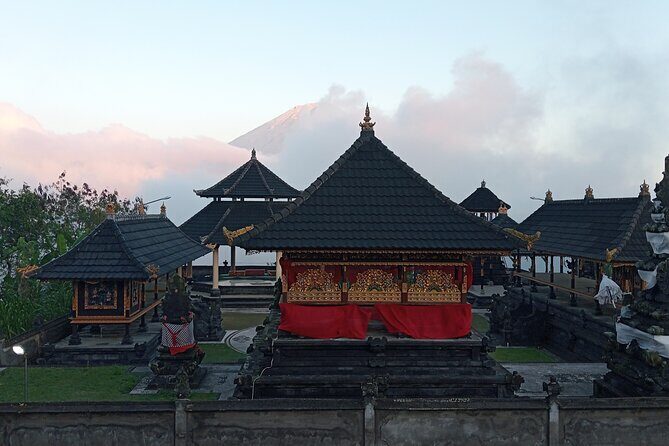
I also like that this portion happens before you get dusty. You start “clean,” then you earn the sand.

Rice Fields With Sea Views: The Photo Stop That Actually Makes Sense

Bali ATV Ride On the Beach, Rice Field and Village Tour 2 Hour - Rice Fields With Sea Views: The Photo Stop That Actually Makes Sense
Next comes the green rice fields with sea views. This is the kind of stop that becomes worth it when it is timed well—before the beach gets you windblown and grimy.

Rice fields in Bali often look best when the light is angled, and that’s usually true in the morning. Even if it is not a big “walk,” you get the chance to pause, look, and take photos from a viewpoint where the coastline peeks into the scene.

One consideration: if you’re expecting a long guided rice-field trek, this is not that. Think of it as a scenic segment that sets up the beach ride rather than an extended nature outing.

Kelecung Black-Sand Beach: The Part You’ll Keep Talking About

Bali ATV Ride On the Beach, Rice Field and Village Tour 2 Hour - Kelecung Black-Sand Beach: The Part You’ll Keep Talking About
Then you go down to Kelecung Beach, where you ride on the black sand. Black sand changes the look of everything—your ATV tracks, your shadows, even the way the sea and sky contrast in photos.

When the course is running well, this is where the tour turns from “pretty and fun” into “yes, this is Bali.” The ATV experience feels more intense on beach terrain, and the scenery gives you that extra wow factor without needing to go far or do a big multi-day plan.

Bring a realistic attitude about comfort. You will get dirt on you. That’s normal. The included shower and locker facility is there so you can reset.

Lunch: Nasi Goreng/Fried Rice Keeps the Momentum

Bali ATV Ride On the Beach, Rice Field and Village Tour 2 Hour - Lunch: Nasi Goreng/Fried Rice Keeps the Momentum
Lunch is included: fried rice / nasi goreng, plus water. In a short 3-hour schedule, this matters because you are not losing time hunting for food.

Also, fried rice is one of those “safe but satisfying” meals. It is familiar enough to most people, but you still get the Indonesian flavors in a straightforward plate. You’ll usually find it easier to eat quickly, since you might be transitioning between stops and preparing for the beach portion afterward.

If you are sensitive to spice, you might want to ask about flavor levels when it is served, but the tour data only confirms the meal type—not spice intensity.

What You Get for the Money: Is This Good Value at $44.50?

Bali ATV Ride On the Beach, Rice Field and Village Tour 2 Hour - What You Get for the Money: Is This Good Value at $44.50?
At $44.50 per person, this is positioned as a “pay once, do the highlights” ATV experience. The value comes from the combination, not from the ATV alone:

  • Training
  • ATV equipment
  • Insurance
  • Private transportation
  • Lunch (fried rice / nasi goreng)
  • Mineral water
  • Shower and locker facilities
  • A full 2 hours of beach ATV time

That package can be a solid deal compared to piecing together separate activities and transport. However, one key caution: some people judge ATV tours harshly because they feel the experience should be longer or more personalized for the price. So before you book, make sure your expectations match the format—short overall tour (about 3 hours), with the main action focused on the beach ride.

If you want a long, slow, full-day ATV adventure, you may feel rushed. If you want a concentrated hit of adrenaline plus scenic Bali views, this is a good fit.

Best Fit: Who Should Book This ATV + Rice Fields Tour

This tour is a great match if you:

  • Want beginner-friendly ATV training
  • Plan to be based around Seminyak/Canggu
  • Like mixing scenery and activity in a short time window
  • Appreciate included basics like lunch, water, lockers, and a shower
  • Want a private group format so your time stays on your schedule

It’s less ideal if you:

  • Hate getting sandy and dusty (even with shower facilities)
  • Need a lot of walking time or a full-day hike-style experience
  • Are traveling with very strict time limits and can’t afford weather disruption

Practical Tips Before You Ride

Here are a few things I’d do to make your day smoother, based on what the tour includes and what it does not:

  • Pack sunscreen. It is not included.
  • Wear clothes you can rinse off later. Sand finds everything.
  • Bring a towel if you have one you’re comfortable using, though the tour includes a shower facility and lockers.
  • Plan on using a phone camera, but keep it protected from sand and water.
  • If you’re booking for two (tandem), be clear about how you’ll share the ride setup when the operator explains equipment.

Should You Book This ATV Ride and Village/Rice Field Circuit?

I’d book it if you want an active Bali moment that feels more “out there” than the standard day-trip circuit. The combination is strong: village + rice fields with sea views + 2 hours of beach ATV + lunch + facilities to clean up.

Skip it only if you’re expecting a long, deep, slow-paced cultural tour or if your schedule can’t handle weather dependence. This experience requires good weather, and if conditions are off, you’ll likely need to adjust.

If you’re flexible and you want a concentrated dose of fun and scenery, this one earns a spot on the itinerary.

FAQ

How long is the ATV ride and the full tour?

The full experience is about 3 hours (approx.), and it includes a 2-hour ATV ride on the beach.

Where does this tour take place?

The tour is offered from the Seminyak area, but the ATV and sightseeing happen in Tabanan. The ride includes the traditional village area of Tegal Mengkeb and ends at Kelecung Beach.

Do I need previous ATV experience?

No. Your instructor provides training before you set off.

Is lunch included?

Yes. Lunch is included as fried rice / nasi goreng, plus mineral water during the trip.

Is pickup included?

Pickup is offered, and private transportation is included in the package.

Are showers and lockers provided?

Yes. There are shower and locker facilities included.
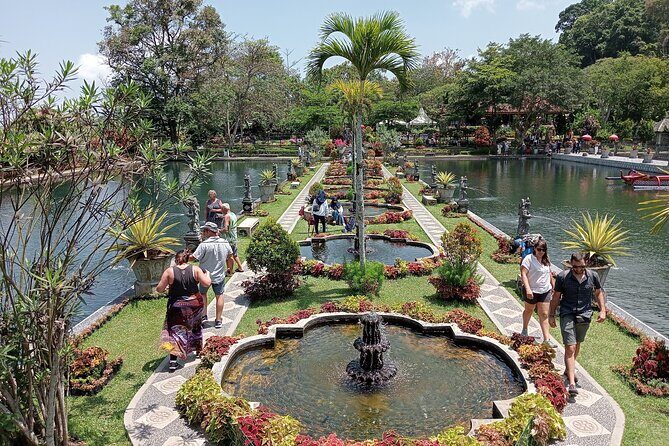
What should I bring since sunscreen is not included?

Bring sunscreen if you use it. The tour does not include sunscreen, and you’ll be outside during the stops and beach riding.

What if the weather is bad?

The experience requires good weather. If it is canceled due to poor weather, you’ll be offered a different date or a full refund.
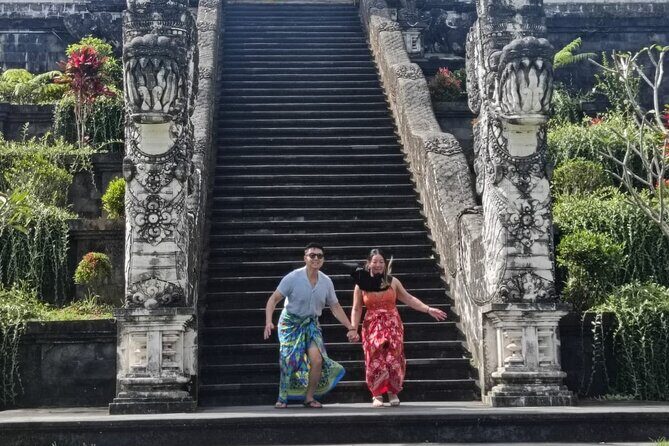
Can I cancel for a full refund?

Yes. You can cancel up to 24 hours in advance for a full refund, based on the experience’s local start time.