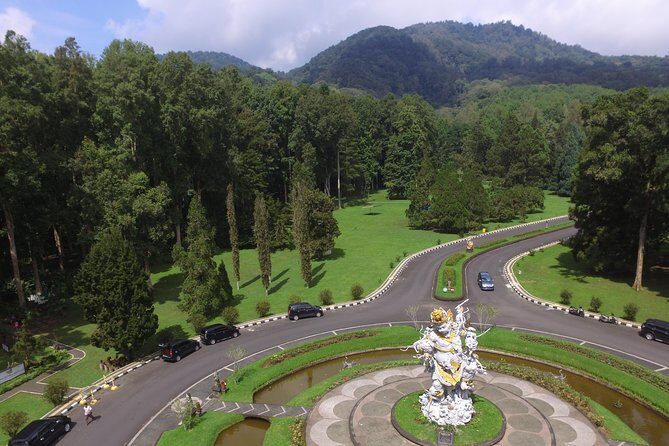
Bali : Private Car Charter with English Speaking Driver

Bali Private Car Charter with English Speaking Driver - Free Custom Itinerary: Build a Bali Day That Matches Your Mood

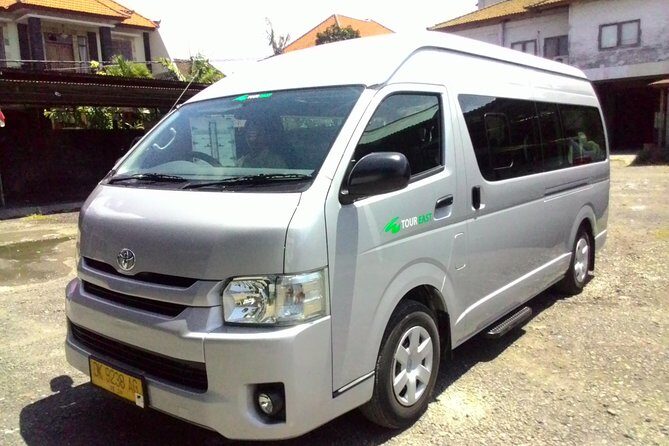
Bali in one day, minus the stress. This private car charter is built for seeing a lot without the hassle of figuring out transport, especially when Bali traffic and road conditions turn plans into a moving target. I like the English-speaking driver/guide who explains what you’re looking at, and I like the hotel pickup and drop-off that keeps the day simple. One thing to consider: with a full loop of temples and viewpoints, the hours can feel long, and you may lose some time to driving delays.

What makes this experience feel worth it is the way it’s structured but still flexible. You can choose a duration option, then pay as you go for lunch and most entrance fees, which means you’re not locked into a rigid script. You also get practical help: the guide points out cultural context and details you’d likely miss on your own, including when a place expects proper temple dress.

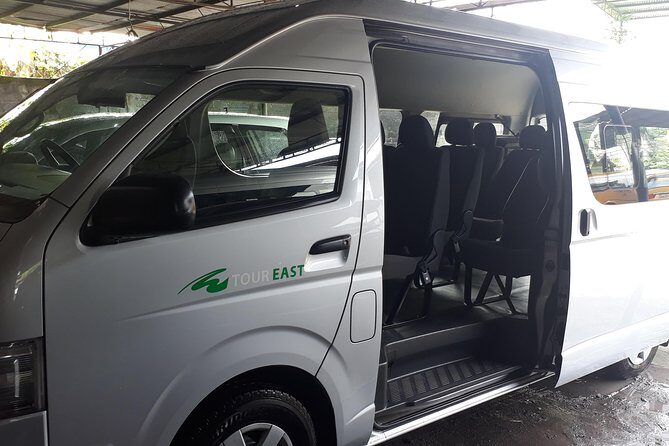
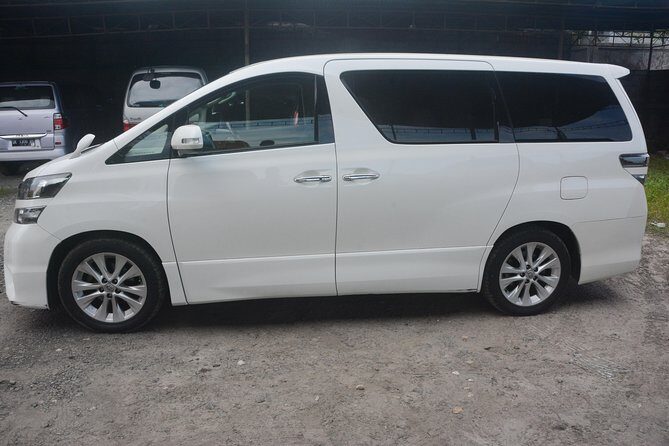
Finally, you’re doing it in comfort. The car is air-conditioned, parking is handled, and you get bottled water plus a Balinese sarong for temple stops. The trade-off is that you’re paying for convenience, not for thrift—though at this price point, it can still be a smart value if you’d otherwise spend time and stress trying to DIY it.

Key highlights worth planning around

  • English-first guiding that helps you connect the dots at each sacred site
  • Hotel pickup in Ubud and south Bali, so you start and end smoothly
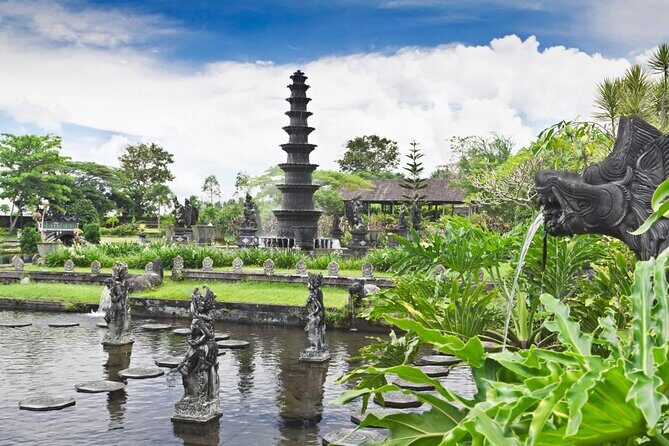
  • A mix of icons: monkey forest, water temples, rice terraces, cliff views, and sea temples
  • Entrance tickets mostly on your budget (some stops are free; one major ticket is included)
  • Driver patience in traffic, which matters more in Bali than it sounds

Why Bali Traffic Makes This Private Car Charter a Smart Move
Bali : Private Car Charter with English Speaking Driver - Why Bali Traffic Makes This Private Car Charter a Smart Move
Bali is gorgeous, but getting around can be the opposite of relaxing. Public transportation is still in its infancy, and road conditions can be challenging. Even when the map looks straightforward, travel time can stretch—especially when you’re bouncing between Ubud and the south-coast area.

That’s where this setup shines. Instead of bargaining with rides, swapping apps mid-day, or trying to navigate routes at the worst times, you get one consistent vehicle and one English-speaking driver/guide. You’re not just buying transport; you’re buying time and focus. It’s easier to enjoy the sights because you’re not constantly managing logistics.

Also, the day is designed for a practical reality: you’re paying for a driver, but you keep control over what you spend on entrances and activities. That’s a good way to handle Bali, where fees can add up when you’re hitting several temple complexes and photo stops back-to-back.

The Full Day at a Glance: 10 Hours of Sacred Sites and Scenic Breaks
Bali : Private Car Charter with English Speaking Driver - The Full Day at a Glance: 10 Hours of Sacred Sites and Scenic Breaks
This is an approximately 10-hour private day. The exact timing can shift, but the rhythm stays consistent: you start in the Ubud area, hit a sequence of major cultural and natural stops, and then work your way toward iconic south-coast viewpoints and sea temples.

Here’s the vibe you should expect:

  • Lots of “wow” points in a single day (waterfalls, temples, rice terraces, ocean cliffs)
  • Quick learning moments at temples, not just selfies
  • Time buffers you’ll feel in traffic rather than schedule charts

If you like variety, this loop has it. If you prefer a slower, one-spot-at-a-time day, choose a shorter duration option when you book.

Sacred Monkey Forest Sanctuary: What to Know Before You Walk In
Bali : Private Car Charter with English Speaking Driver - Sacred Monkey Forest Sanctuary: What to Know Before You Walk In
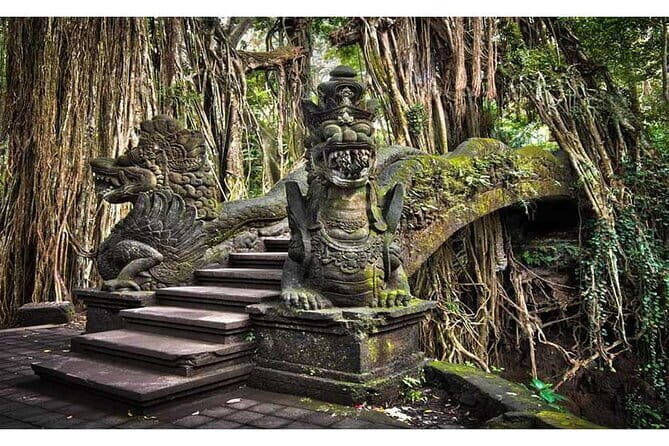
Your first stop is the Sacred Monkey Forest Sanctuary (Mandala Suci Wenara Wana). This is a sacred nature reserve and temple complex where you’ll see over 1,200 long-tailed macaques roaming freely within the grounds.

Practical reasons this is a good early stop:

  • It sets the tone with Bali’s blend of nature and worship from the start.
  • You get a chance to settle into your driver’s pace before the rest of the day’s driving ramps up.

Main considerations:

  • Plan to be alert around monkeys, especially with bags or loose items. Even if the guides don’t spell out rules, you’ll want to keep things controlled.
  • Wear something comfortable for walking and heat. There’s no “escape” from the jungle feel here.

Admission ticket isn’t included, so budget for it separately.

Tegenungan Waterfall: Photos, Swimming Options, and a Good Mid-Morning Reset
Bali : Private Car Charter with English Speaking Driver - Tegenungan Waterfall: Photos, Swimming Options, and a Good Mid-Morning Reset
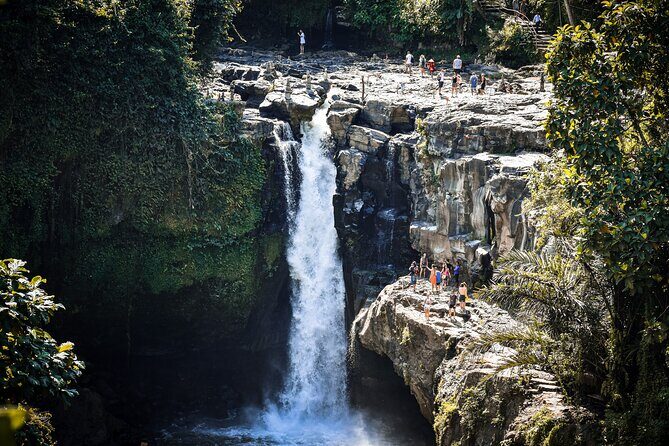
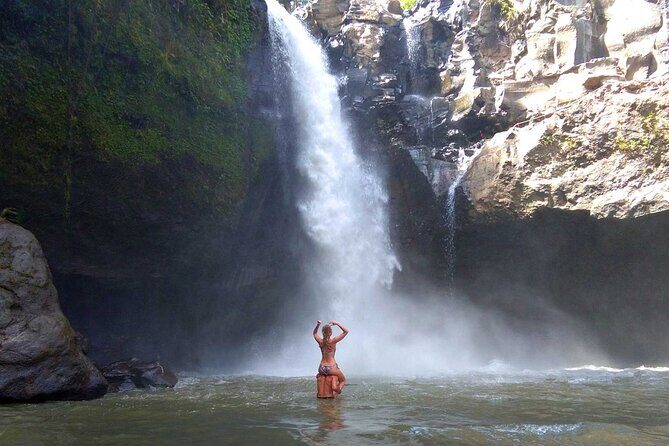
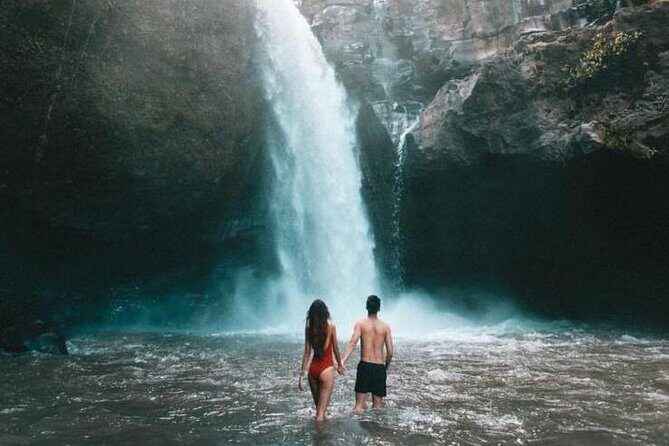
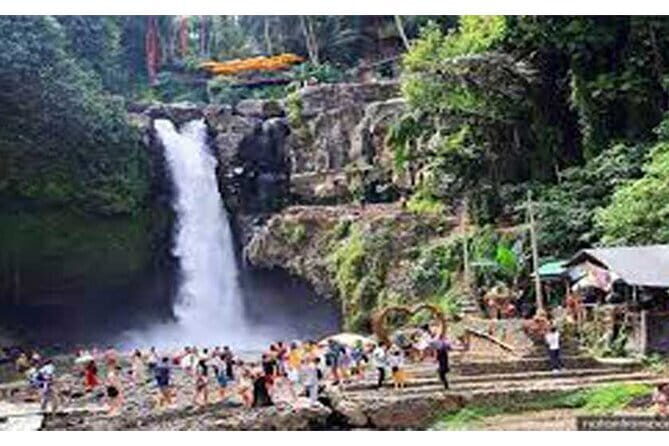
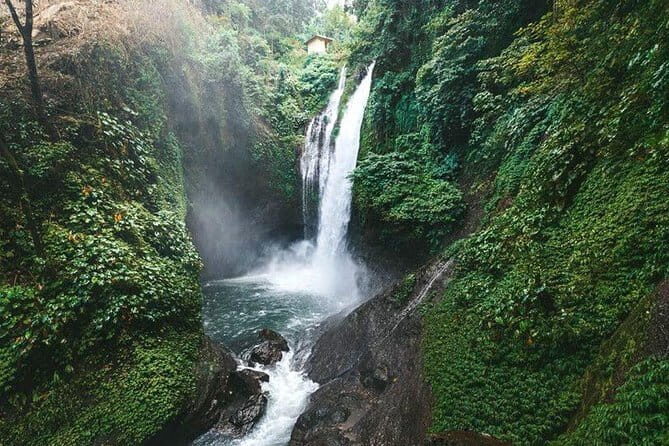
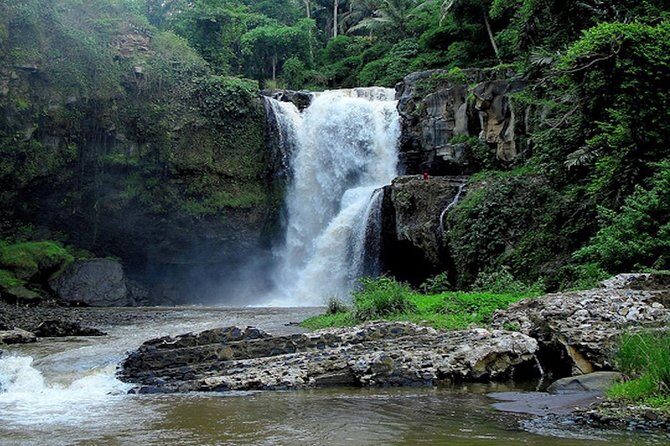
Next up is Tegenungan Waterfall. It’s a popular, accessible waterfall near Ubud with a lush jungle setting and about a 15-meter drop. There’s a natural pool area, and it’s known for being a great spot for photos and a refreshing break.

Why this stop works in the middle of the day:

  • It gives you a change of scenery from temple complexes.
  • Even with crowds, the setting naturally feels like a reset.

Quick planning tip: bring or be ready for the kind of footwear you don’t mind getting wet. (The tour doesn’t list gear, so you’ll want to think like a practical visitor: traction matters near water.)

Entrance ticket isn’t included here.

Tirta Empul Temple: Seeing a Water Temple With Actual Meaning
Bali : Private Car Charter with English Speaking Driver - Tirta Empul Temple: Seeing a Water Temple With Actual Meaning
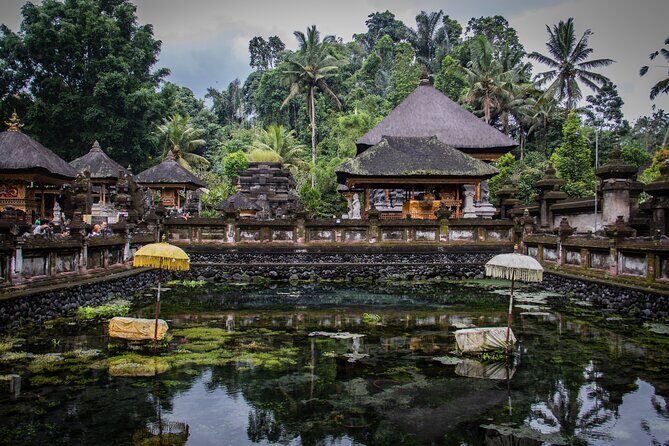
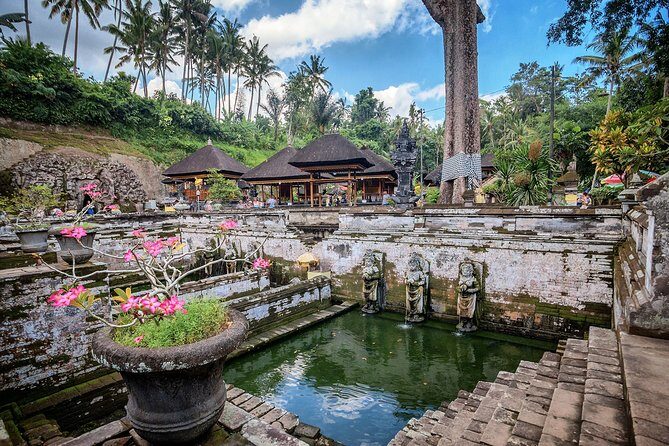
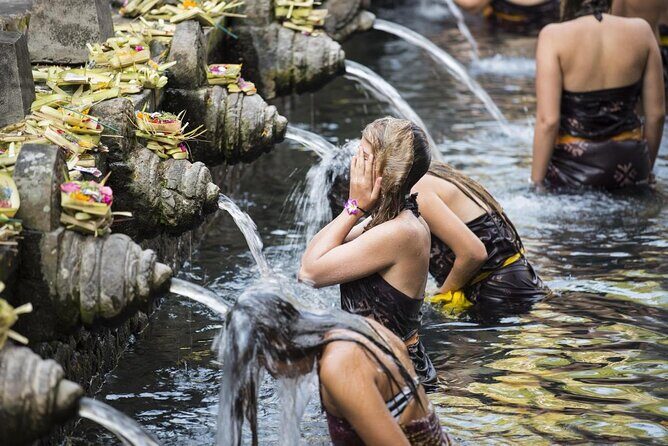
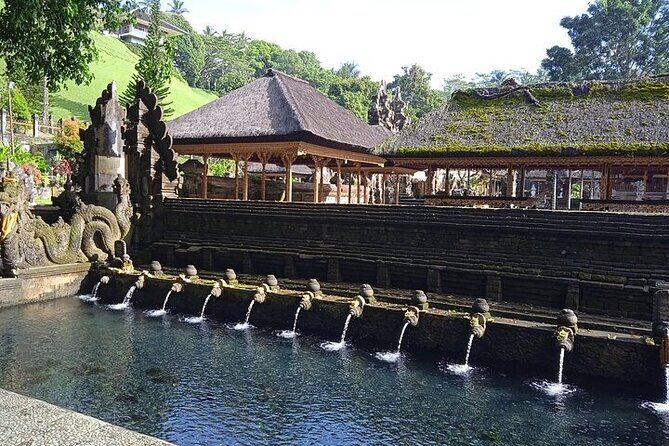
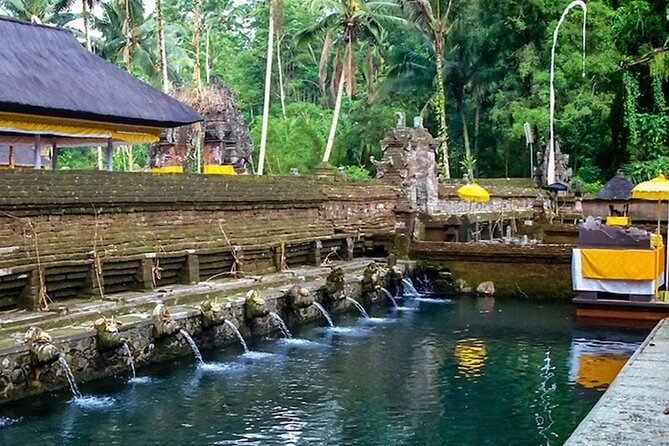
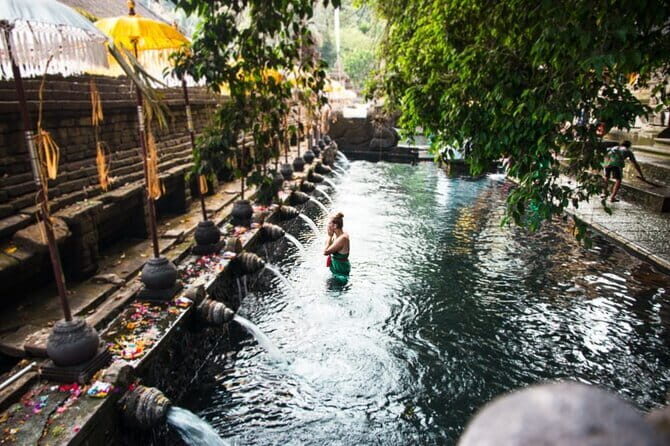
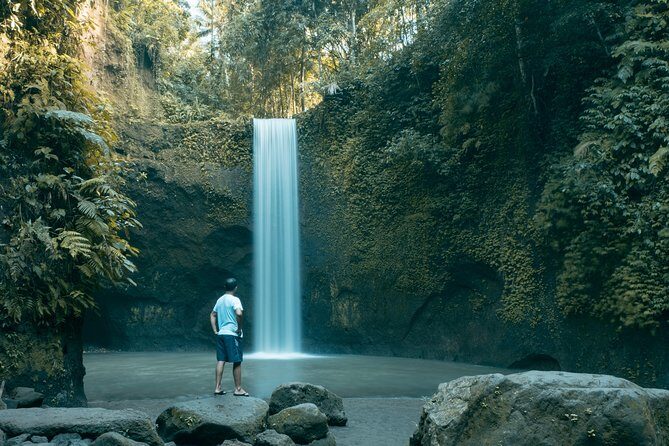
Then you’ll head to Tirta Empul Temple, famous for its sacred spring water used for spiritual cleansing rituals, called Melukat. It’s dedicated to the god Vishnu.

This is one of the most “context matters” stops on the day. If you’ve ever seen people at water shrines and wondered what’s going on, this is where the guide’s explanations really pay off. The value isn’t only in the buildings—it’s in understanding why the water matters and what the ritual is for.

A practical note: temple visits often come with dress expectations. You’ll have a Balinese sarong included, which helps you follow the rules without scrambling at the last minute.

Entrance ticket isn’t included.

Lempuyang Temple: Chasing the Gates of Heaven Views
Bali : Private Car Charter with English Speaking Driver - Lempuyang Temple: Chasing the Gates of Heaven Views
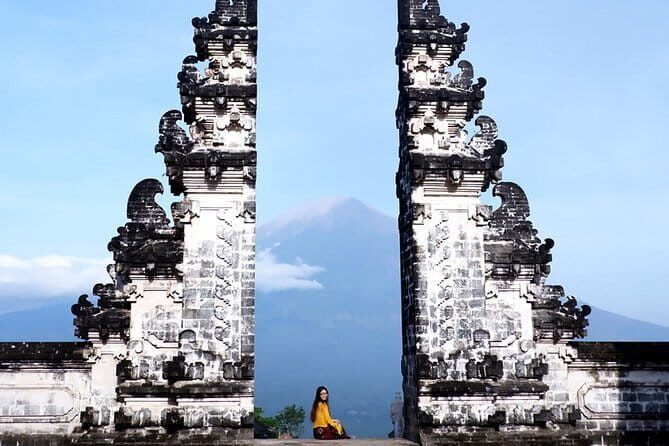
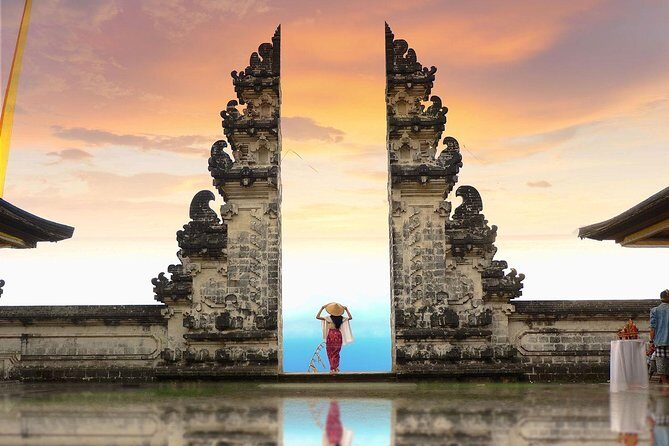
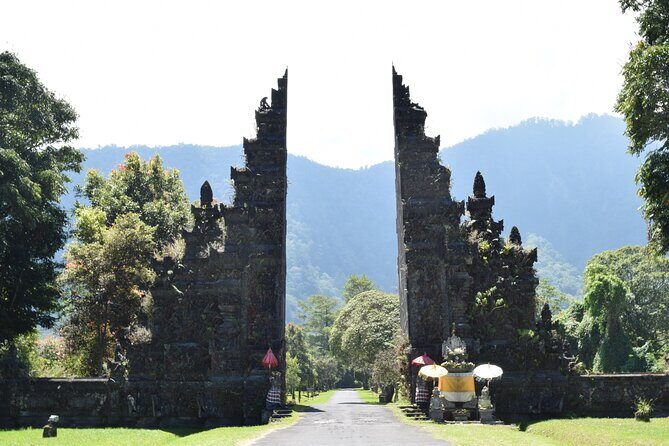
Your next big icon stop is Lempuyang Temple (Pura Lempuyang Luhur). This temple complex on Mount Lempuyang is known for the Gates of Heaven (Candi Bentar) and dramatic views over the surrounding area.

What makes this more than a photo stop is the setting. You’re not just looking at a structure—you’re experiencing why people connect this place with the idea of heaven and worship.

Considerations:

  • Weather can affect what you can see clearly from viewpoints. If the day is hazy, the “Gates” frame may still be impressive, but the distance views may soften.
  • This is also a place where you’ll want to keep energy in reserve, since temple areas can involve walking.

Entrance ticket isn’t included.

Tegalalang Rice Terrace: The Subak System Behind the Green Steps
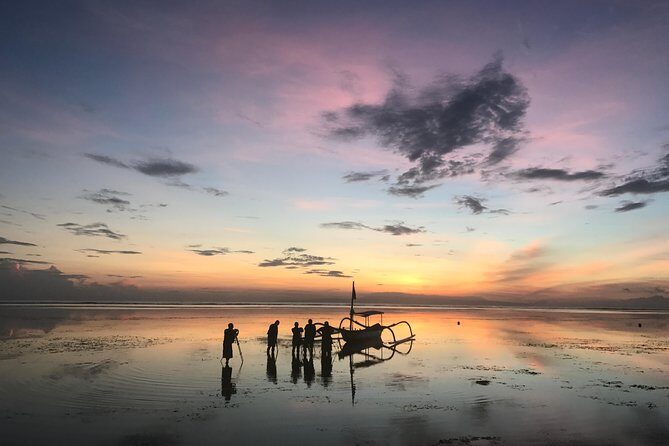
Bali : Private Car Charter with English Speaking Driver - Tegalalang Rice Terrace: The Subak System Behind the Green Steps
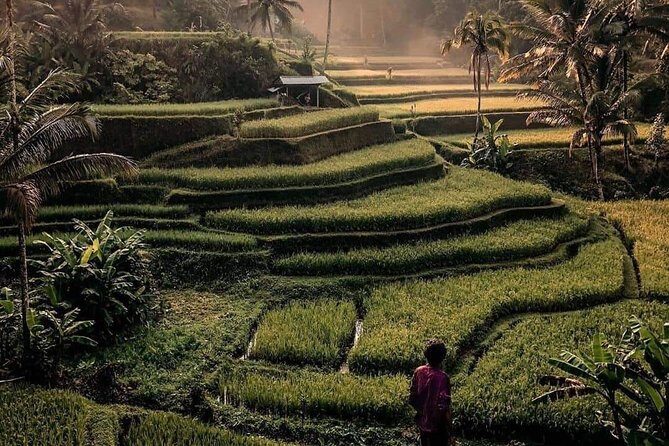
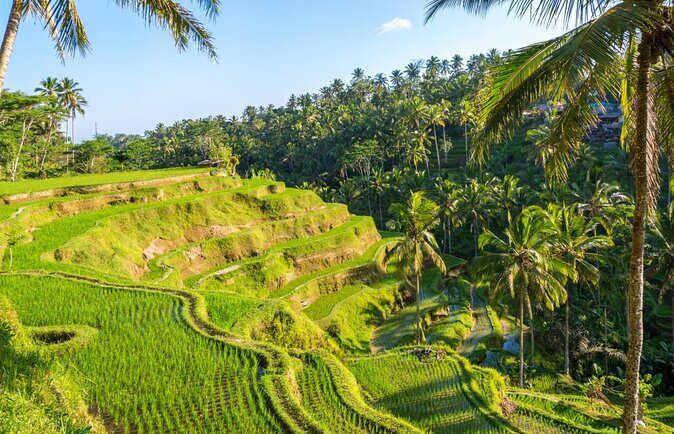
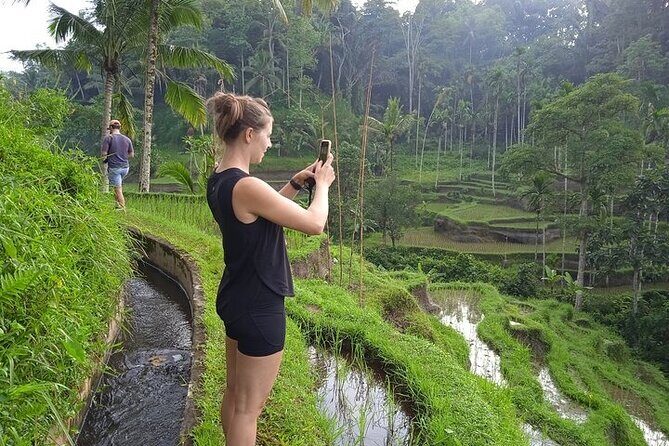
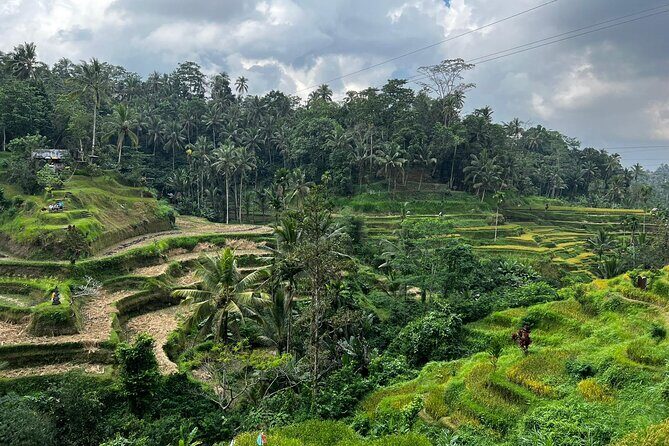
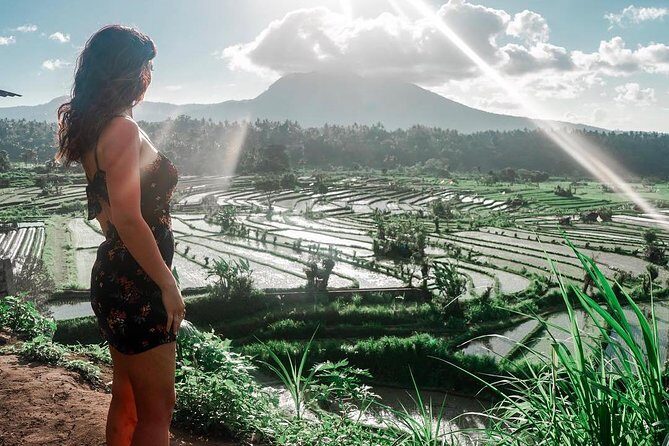
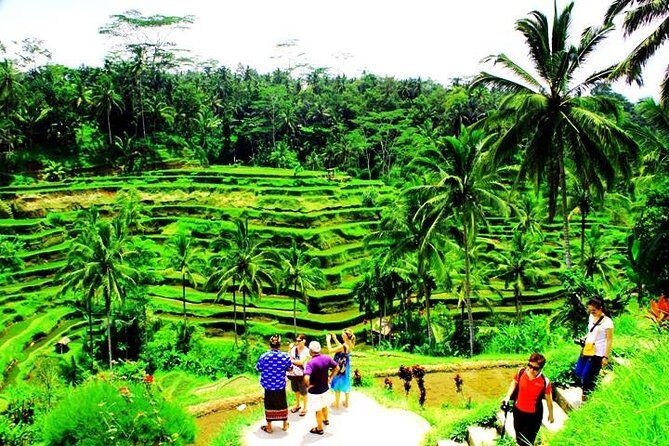
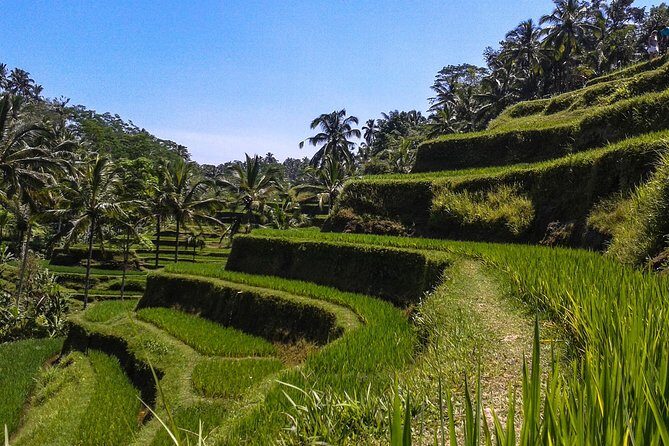
After the mountain temple views, you’ll shift into the rice terraces. Tegalalang Rice Terrace (including the Ceking Rice Field area) is the iconic emerald-green stepped paddies carved into a valley.

The smartest part of this stop is the irrigation context. Traditional Balinese rice farming is tied to a system called subak, and this is the kind of place where a guide’s explanation helps you see beyond the postcard view. You start noticing the patterning, water flow, and why the terraces look the way they do.

Practical tip: this is another heat-and-walk stop. Wear breathable clothes and have water ready. (You do get bottled water as part of the package.)

Entrance ticket isn’t included.

Ulun Danu Beratan: The Water Temple on Lake Beratan

Bali : Private Car Charter with English Speaking Driver - Ulun Danu Beratan: The Water Temple on Lake Beratan
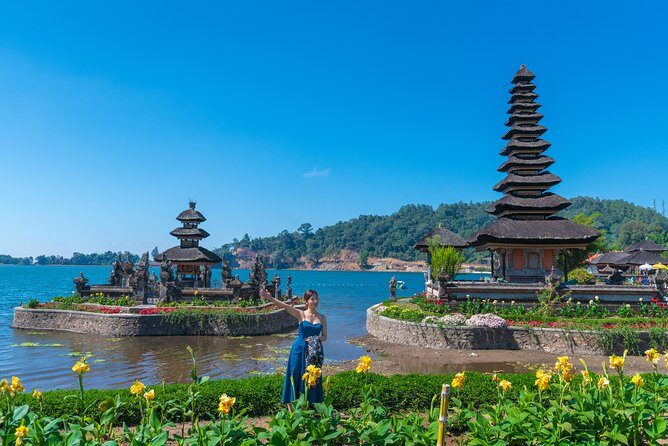
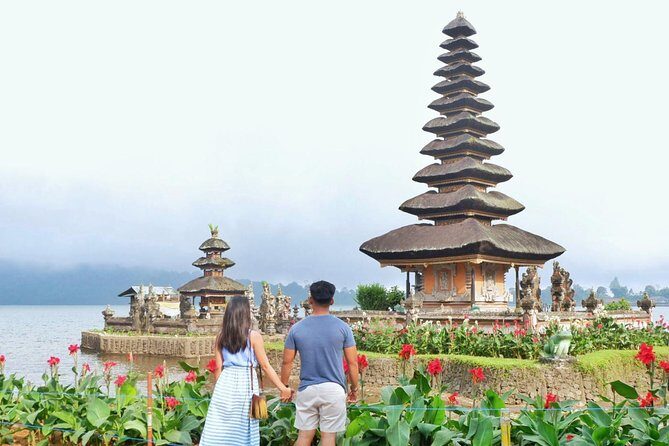
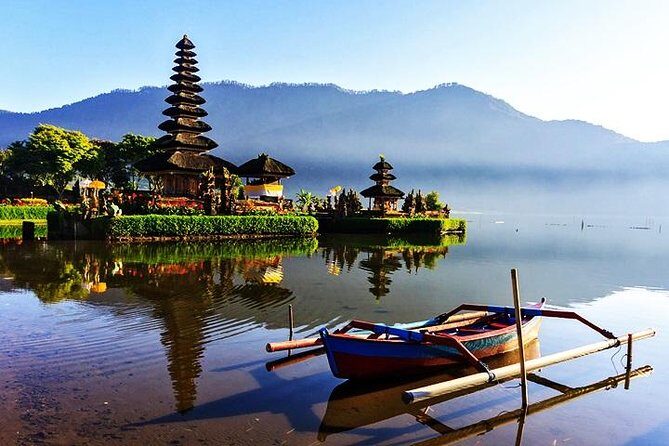
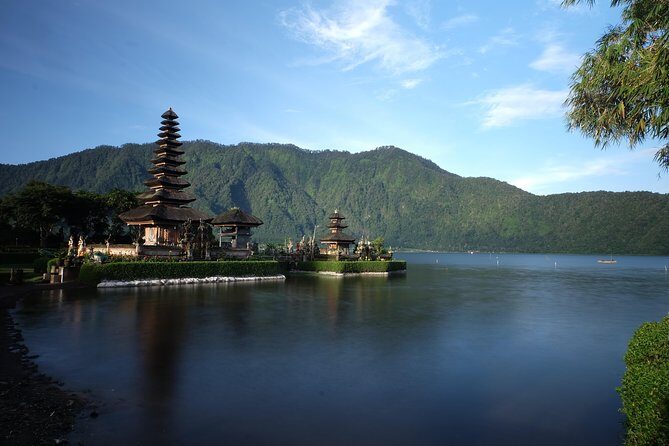
Next is Ulun Danu Beratan Temple, a 17th-century water temple on Lake Beratan. It’s known for a floating-like appearance and often gets a misty mountain backdrop, plus it’s dedicated to Dewi Danu, the water goddess.

This stop works because it changes the “texture” of your day:

  • Earlier, you were dealing with jungle, stone, steps, and fields.
  • Here you’re dealing with water, temple architecture, and sky.

Photo logic: the lighting and mist can change quickly, so it helps to arrive ready to wait a few minutes for the view to land.

Entrance ticket isn’t included.

Uluwatu: Clifftop Drama With Surf Breaks and a Temple Stop
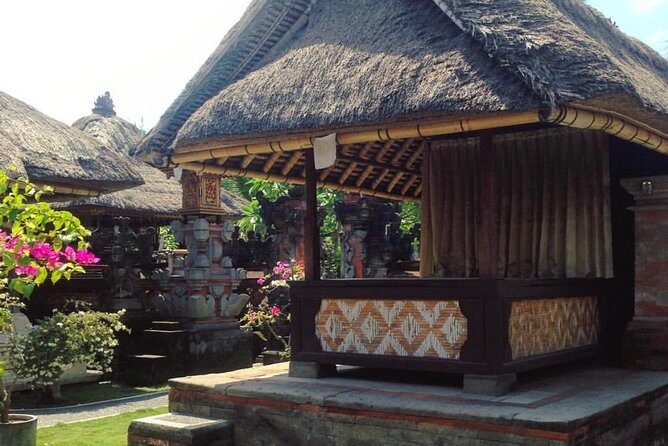
Bali : Private Car Charter with English Speaking Driver - Uluwatu: Clifftop Drama With Surf Breaks and a Temple Stop
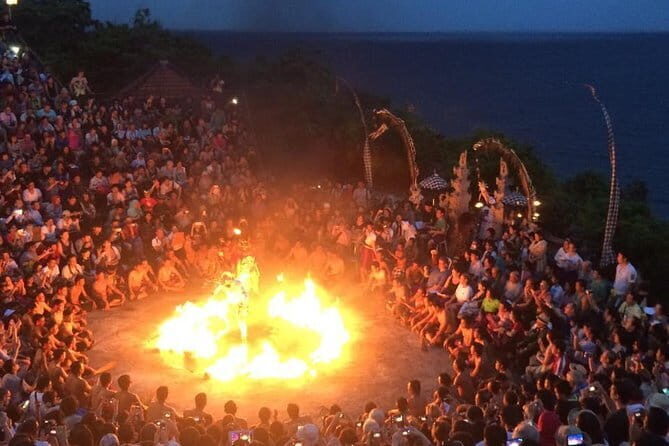
Then you head toward Uluwatu on Bali’s Bukit Peninsula. This area is famous for dramatic limestone cliffs, world-class surf breaks (including The Peak), and white-sand beaches like Padang Padang. You’ll also visit Pura Luhur Uluwatu Temple.

This is the moment when the day starts feeling like Bali’s south coast. It’s not just scenic; it’s iconic. The cliffs put you closer to the ocean, and you’ll understand why the temple sits where it does.

Good news for budgeting: the tour lists the Uluwatu stop as a free admission area.

Do note: cliff areas can be windy. Bring something light for gusts and keep your balance on uneven surfaces.

Tanah Lot: A Sea Temple Built for Sunset Views

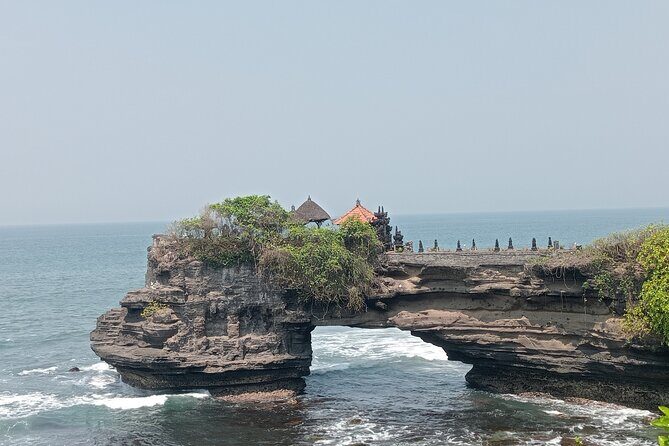
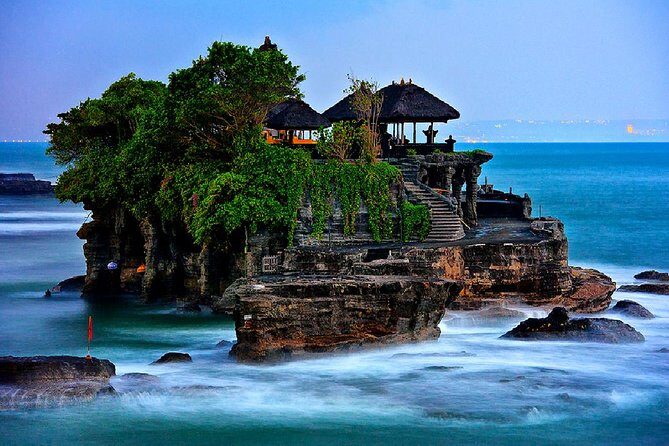
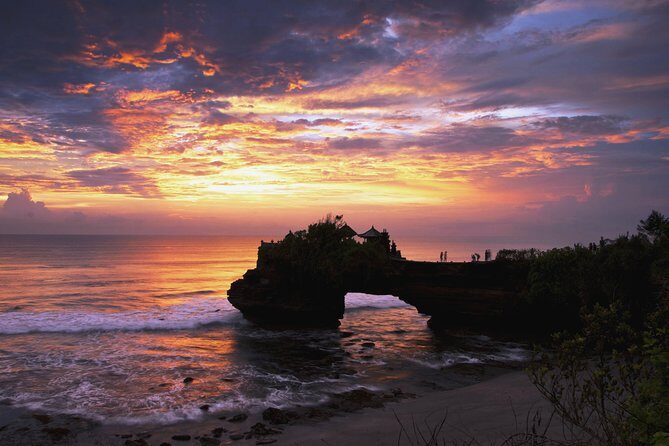
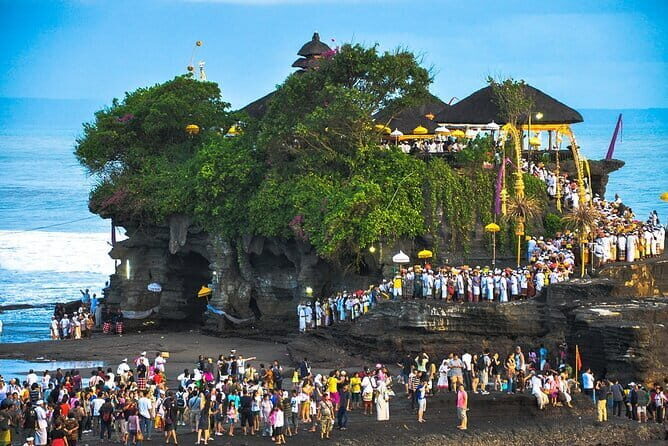
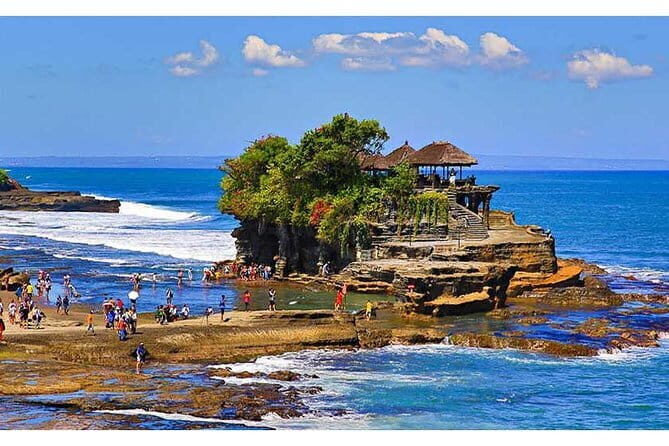
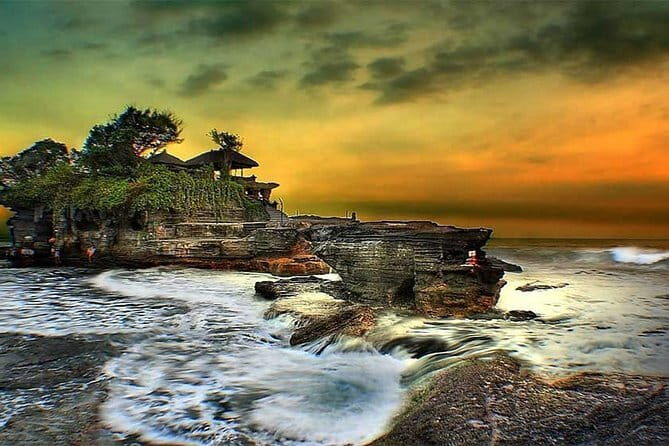
After Uluwatu, you’ll go to Tanah Lot, a famous Balinese Hindu sea temple perched on a rock formation just offshore. The meaning is Land in the Sea, and it’s especially known for sunset views.

Even if you don’t catch a perfect golden-hour sky, the structure and setting are the point. You’re seeing how Balinese architecture interacts with the sea and coastline.

Budget note: Tanah Lot is listed as free admission on this experience.

If you want to maximize your chances at good light, ask your driver/guide how long you should allot there and factor in time for walking paths and viewpoints.

Batuan Temple and the Bali Swing Option: Culture Details or Adrenaline

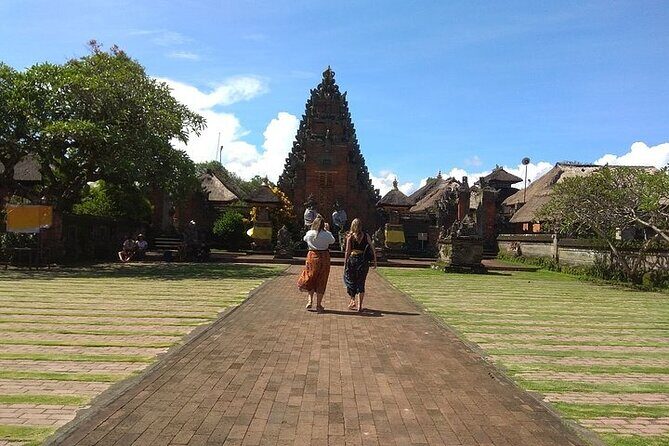
Your route includes Batuan Temple (Pura Puseh Desa Adat Batuan), an 11th-century temple in Batuan village known for intricate sandstone carvings and traditional architecture, including black palm fiber roofs.

This is a quieter kind of stop compared with the big “postcard” icons. If you like details—stonework patterns, texture, and old-school Balinese design—this temple is where you slow down mentally and look closer.

Entrance ticket isn’t included for Batuan on this experience.

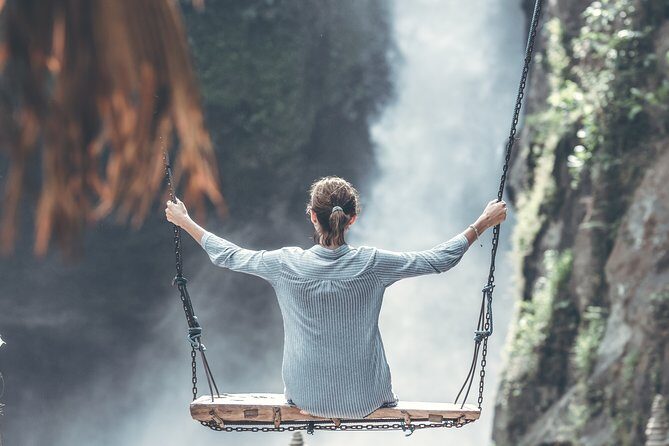
And then there’s Picheaven Bali Swing, the adventure park near Ubud. This is a totally different mood: multiple high swings and scenic “nests” with jungle, river, and valley backdrops. The ticket for this stop is included, which is a nice bonus because it removes one variable from your budget.

If your group wants more action and photos, this is a good add-on. If everyone prefers quiet culture, you might treat it as optional timing and just enjoy the temple stops.

Price and Value: What $22 Gets You in a Day That’s Hard to DIY

The price is listed at $22 per person, and the tour is typically booked about 56 days in advance. That early booking hint matters for two reasons: you can line up your schedule, and you’re more likely to get the time window you want for a private car.

What you’re paying for is not only a vehicle. The package includes:

  • English speaking driver
  • Air-conditioned car
  • Bottled water
  • Parking fees
  • Balinese sarong
  • A private group setup (only your group participates)

Most entrance tickets are not included, and lunch is not included either. So you’ll want to think of this as a transportation-and-guiding value, with cultural sites and activities as extra costs. The “free admission” stops help a little (Uluwatu and Tanah Lot), and the swing ticket being included helps a lot if your group plans to do it.

In Bali, where time can evaporate in traffic, a good driver is often worth more than saving a few dollars on transport. If you’re going to see several separated areas in one day, this format usually makes sense.

Your Driver Makes the Day: English Skills, Patience, and Easy Communication

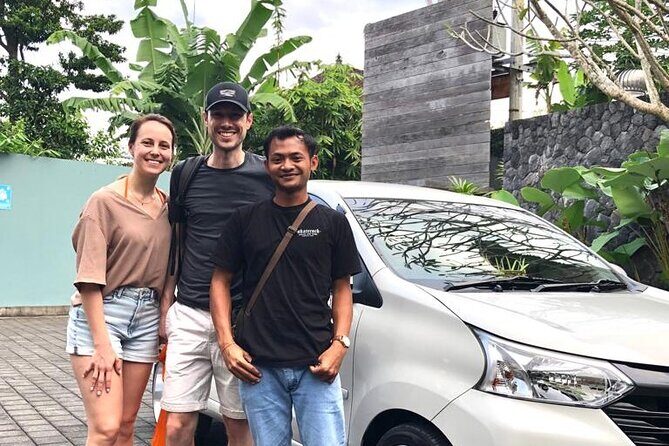
One of the most praised parts of this experience is the people behind the wheel. A standout example is a driver named Made, highlighted for strong English and solid knowledge. When your guide can explain cultural context in plain language, temples stop being just backdrops and start being stories you can actually follow.

The other practical advantage: traffic. Even when you plan, Bali traffic can be unpredictable. The difference between a frustrating day and a smooth one is whether your driver stays patient and works around delays.

Communication support also matters. You’ll have easy messaging via WhatsApp and an app, which helps if you need to coordinate timing in real life instead of just on paper.

Practical Tips for a Smooth, Temple-Friendly Day

A few things will make your day feel easier from start to finish:

  • Wear something temple-friendly. You’ll get a Balinese sarong, but you still need clothes that don’t fight you on hot days.
  • Plan for walking. Monkey Forest, terrace viewpoints, and temple areas all involve uneven walking and stairs in places.
  • Bring swim-ready basics if you want the waterfall pool. The waterfall area is described as offering swimming, and you’ll be glad you planned for it.
  • Keep valuables controlled at the monkey stop. Loose items and bags are where problems start.
  • Budget for lunch on your own. Lunch is not included, and you’ll choose where to eat based on timing and preference.

Also, since entrance tickets aren’t included for most stops, have a simple payment plan in mind—something you can handle without delaying the group.

Who Should Book This Private Car Charter

This tour is a great fit if you:

  • Want a private day that blends nature and culture without juggling multiple transport options
  • Prefer an English-speaking driver/guide who explains what you’re seeing
  • Like the idea of covering big-name Bali icons in one long day
  • Are traveling with family or friends and want everyone to move together

It’s also a good choice if you know you’ll lose energy if you spend hours figuring out logistics on the fly. The comfort factor—AC, bottled water, parking handled—helps.

If you’re the type who hates long travel days or you’d rather spend hours at one place, choose a shorter duration option if that’s available at booking.

Should You Book This Bali Private Car Charter?

Yes—if your goal is maximum “Bali sights” with minimum stress. The value is strongest when you’re doing multiple separated stops across Ubud and the south-coast direction, because private transport solves the hardest part of Bali: moving reliably through traffic.

I’d only hesitate if you’re sensitive to long driving days or you dislike paying entrance fees separately for many temple and attraction stops. In that case, you’d want a tighter plan with fewer paid stops, or a shorter duration.

FAQ

FAQ

What does the tour price include?

The experience includes an English speaking driver, an air-conditioned car, bottled water, parking fees, and a Balinese sarong. Admission tickets and lunch are not included, except where noted for specific stops.

Is pickup available in Ubud?

Yes. Pickup and drop-off are offered at hotels in Ubud and south Bali.

Is the entrance fee included for every stop?

No. Entrance tickets are listed as not included for most stops. Uluwatu and Tanah Lot are listed as free admission, and the Bali Swing ticket is included.

Does the tour include lunch?

No. Lunch is not included, so you’ll pay for meals on your own during the day.

How long is the experience?

The duration is approximately 10 hours.

Is this a private tour?

Yes. It’s a private tour/activity, and only your group participates.

What kinds of stops are on the route?

You’ll see a mix of sites such as Sacred Monkey Forest Sanctuary, Tegenungan Waterfall, Tirta Empul Temple, Lempuyang Temple, rice terraces in Tegalalang, Ulun Danu Beratan Temple, Uluwatu, Tanah Lot, Batuan Temple, and the Bali Swing area.

Is the driver/guide English speaking?

Yes. The driver/guide is English speaking.

How can I communicate with the provider during the trip?

Communication is supported through WhatsApp and an app.

Can I cancel for a full refund?

Yes. Free cancellation is available up to 24 hours in advance for a full refund. If you cancel less than 24 hours before the start time, the amount paid is not refunded.

When will I get confirmation?

Confirmation will be received at the time of booking, and the experience uses a mobile ticket.
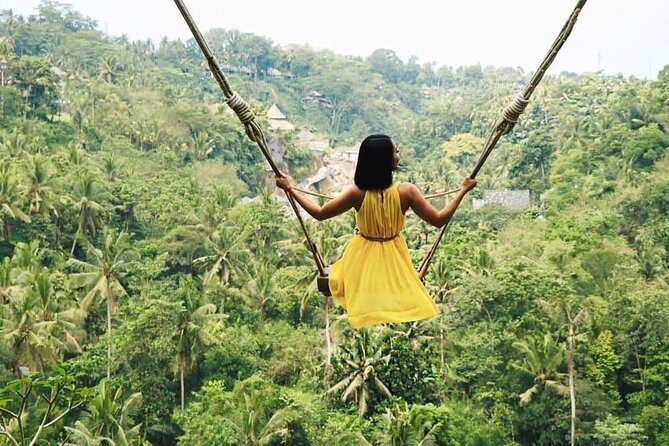
The Gates of Heavan – Ubud Jungle Swing & Waterfall Tour

The Gates of Heavan - Ubud Jungle Swing & Waterfall Tour - Tirta Gangga Water Palace: serene pools that break up the day

Bali in one packed photo day. This full-day route strings together some of the island’s most in-demand stops, with an early start at Lempuyang Temple’s Gates of Heaven so you can aim for those Mount Agung views before things get crowded. Along the way you’ll also hit Tirta Gangga Water Palace, Tegalalang rice terraces, and Tukad Cepung Waterfall, plus the Ubud jungle swing at Uma Pakel.

I also really like how the tour handles the moving parts. Pickup is offered from Nusa Dua, Jimbaran, Kuta, Seminyak, Sanur, and Ubud, and you get a private air-conditioned car with a driver/guide plus bottled water and even a sarong for temple entry. That kind of setup turns a long day into something you can actually manage.

One drawback to keep in mind: the Gates of Heaven photos can be hit-or-miss. Some people report the printed photos were very small or not great quality, so it pays to bring your own phone/camera and be ready to adjust your expectations.

Key highlights worth knowing

The Gates of Heavan - Ubud Jungle Swing & Waterfall Tour - Key highlights worth knowing

  • Early-morning Lempuyang Temple timing for a better shot at the Mount Agung view
  • Private pickup from multiple areas with an air-conditioned car and a driver/guide
  • Tukad Cepung Waterfall inside a cave (expect stairs and a damp, slippery setup)
  • Tegalalang rice terraces with Subak irrigation views and photo angles
  • Uma Pakel jungle swing as the adrenaline stop built for photos
  • Guides who work the camera like Abdi, SUTA, Komang, Jhune, and Gedee (frequently praised)

Gates of Heaven at Lempuyang Temple: Mount Agung views before the crowds

The Gates of Heavan - Ubud Jungle Swing & Waterfall Tour - Gates of Heaven at Lempuyang Temple: Mount Agung views before the crowds
Your day usually starts with Lempuyang Temple in East Bali. This is the part that most people plan their whole trip around: the view through the Gates of Heaven toward Mount Agung. The big win here is timing. You’re scheduled early, which helps you chase the iconic scene without being fully surrounded by tour groups.

You’ll also need a sarong for temple etiquette, and this tour includes one. That’s one less thing to figure out at the last minute, especially if you’re traveling light.

Here’s the catch. Even with good timing, the photography experience can be frustrating. The problem isn’t the view—it’s the photo results some people get from the on-site photo setup at the gates. There are reports that printed photos were extremely tiny (so you look like ants) and that some offered photos weren’t flattering. You can’t control the system, but you can control what you bring and how you shoot.

My practical advice: treat the gates like a DIY photo moment. Use your own phone or camera for close-ups and wider shots, and don’t rely only on the included/third-party photo prints. If you can, step back for a wider frame and then take another shot from a closer angle for your face and style.

Tirta Gangga Water Palace: serene pools that break up the day

The Gates of Heavan - Ubud Jungle Swing & Waterfall Tour - Tirta Gangga Water Palace: serene pools that break up the day
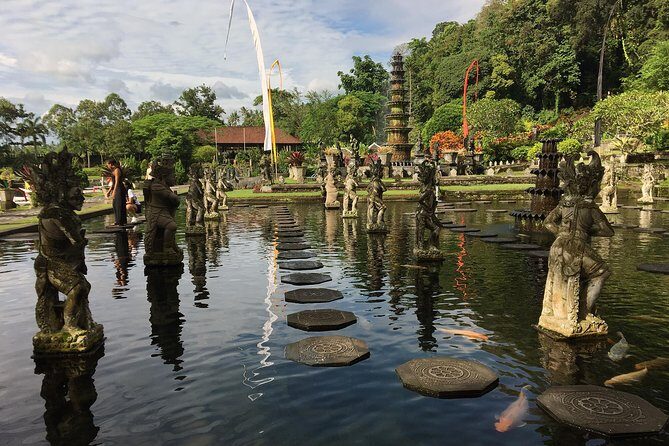
After the morning temple excitement, you shift gears to Tirta Gangga Water Palace. This stop is all about calm scenery: a mix of pools and fountains surrounded by gardens, with statues and stone carvings that feel designed for slow wandering.

You’ll have about an hour here, which is a sweet spot. It’s enough time to walk the paths at a relaxed pace, take photos, and catch your breath after the stair-and-wait rhythm of temples.

The main drawback is that Tirta Gangga is a photo stop, not a long museum-type visit. If you’re hoping for detailed guided explanations the whole time, you might find the schedule more “see it, shoot it, move on.” But for most people, that’s the point of this tour: it’s a highlights day, not a day that stays in one place.

Tukad Cepung Waterfall: cave waterfall with real wet-stairs energy

Tukad Cepung Waterfall is one of those Bali sites that looks different depending on where you stand. The waterfall is inside a cave, and you reach it by walking down stairs. That “inside the cave” detail matters for your body and your footwear.

Expect it to feel damp. Even if it doesn’t rain, you’re dealing with a waterfall environment, and the cave can make the whole area feel slippery. Some people in the experience notes specifically mention it was soggy when they went, so plan for the possibility. Bring a rain layer or poncho, and wear shoes you trust on stairs.

The upside? The payoff. Cave waterfalls give you a different kind of atmosphere than open-air falls. You’re not just looking at water—you’re walking into a small natural setting where the view angles can feel more dramatic.

This stop also lists entry to Tukad Cepung Waterfall as included. That helps keep the day smooth, because you’re not hunting tickets while your shoes are already wet.

Tegalalang rice terraces and Subak: what to look for in one hour

The Gates of Heavan - Ubud Jungle Swing & Waterfall Tour - Tegalalang rice terraces and Subak: what to look for in one hour
Then you head to Tegalalang Rice Terrace, one of the most recognizable Ubud-area scenery spots. This is where the view stretches out into terraced fields, with Bali’s traditional irrigation system called Subak in action.

In an hour, you can do two useful things:

1) Walk to your preferred viewpoints for photos.

2) Notice the irrigation patterns and how water travels through the terraces.

That’s the “why this matters” part. Even if you’ve seen rice terraces before, the Subak system is a reminder that this isn’t just scenery. It’s a working water management tradition, built into how people farm.

One thing to watch: because it’s popular, you may not get long silent moments. The tour format keeps it moving, so if you want a slower, more contemplative pace, you might wish you had extra time here. Still, for a single-day route that also includes a cave waterfall and a swing, the one-hour window is practical.

Entry for Tegalalang Rice Terrace is listed as included in the tour setup, and the itinerary schedule marks admission ticket free for this stop as well. Either way, the point is: you don’t need to budget time for ticket-buying.

Uma Pakel Agro Tourism jungle swing: adrenaline and lots of photos

The Gates of Heavan - Ubud Jungle Swing & Waterfall Tour - Uma Pakel Agro Tourism jungle swing: adrenaline and lots of photos
Next up is the Ubud jungle swing at Uma Pakel Agro Tourism. This is where the tone shifts from temples and waterfalls to pure fun with a little daredevil energy. The schedule frames it as a way to challenge your adrenaline, and it’s built for pictures—notes mention you get the chance to capture hundreds of shots for social media.

If you’re someone who wants action within the same day, this is a good fit. You’ll get a dedicated stop for it, usually around an hour, so you’re not just passing by. You also get a chance to reset mentally after wet caves and stair descents.

The practical downside is also simple: if you care about the swing experience itself (not just the photos), you’ll want to be ready for how fast the process can move at these setups. There isn’t enough detail here about equipment limits or exact timing, so I’d treat the swing as a photo-and-ride segment, not a long, flexible hangout.

Still, if your Bali trip needs a “we did that” moment, this is often the one people remember later.

Value check: $33, private transport, and a day that actually connects the dots

At about $33 per person, this tour’s value mostly comes from the structure. You’re paying for a full route across multiple Bali areas, with pickup and a private air-conditioned car. You also get a private driver and tour guide, plus bottled water and included entrance tickets where listed.

That matters because East Bali sites (like Lempuyang) aren’t close to Ubud, and trying to stitch this day together by yourself can turn into a logistics headache. A multi-stop day also helps you see different kinds of places—temple view, water palace serenity, cave waterfall, rice terraces, and swing adrenaline—without spending your whole trip commuting.

The tour runs about 10 hours, which is long. It’s doable, but it’s not a lazy day. One of the most praised aspects from guides in the experience notes is that people didn’t feel rushed at each stop. That makes the “packed day” feel more bearable, because your driver/guide is managing the timing.

There’s also an added comfort: it’s described as a private experience where only your group participates. That’s a big deal if you want control over your own pace, especially at photo-heavy stops.

Photography reality check: how to avoid the Gates of Heaven letdown

The Gates of Heavan - Ubud Jungle Swing & Waterfall Tour - Photography reality check: how to avoid the Gates of Heaven letdown
The most specific complaint tied to the experience is about the Gates of Heaven photos. Some people report the photos from the gate were extremely tiny and the photographer results weren’t flattering.

I can’t guarantee what you’ll get, but I can tell you how to reduce your risk:

  • Use your own camera for your main memories.
  • Take both a close-ish portrait frame and a wider shot showing the gate context.
  • Don’t plan to judge your day based on one printed photo.

Also, lean on the guide if they’re good with photo positioning. In the notes, people repeatedly highlight guides by name for helping take pictures, like Abdi, SUTA, Komang, Jhune, and Gedee. If your guide helps you frame shots, that alone can offset a mediocre photo print.

Timing, weather, and what to pack for a wet-and-stair day

This route is a full day with a temple morning and at least one waterfall cave stop. That combo means you should dress for wet.

Bring:

  • A light rain layer or poncho (because soggy conditions are possible)
  • Shoes you can trust on stairs (waterproof or at least grippy)
  • A small dry bag for your phone or camera
  • Sunscreen and a hat for exposed terrace viewpoints (you’ll likely get breaks between stops)

Lunch isn’t included unless specified, and alcoholic beverages aren’t included either. That’s important for a 10-hour day. If you can, plan snacks so you don’t end up hungry during the later Ubud-area portion. Even a quick snack between stops can save your mood.

Your best match: who should book this tour

This tour is a strong fit if you:

  • Want the major Bali highlights in one day and don’t want to rent a scooter
  • Like a mix of temple views, water scenes, waterfalls, and rice terraces
  • Prefer a guide who helps with photos and keeps the day moving smoothly

It’s not ideal if you:

  • Want a slow, unhurried day in one area
  • Are very sensitive to photo print quality at the Gates of Heaven and plan to rely on those photos only
  • Dislike wet conditions or walking stairs without a backup plan

The good news: the experience is praised for not feeling rushed, which is exactly what you need when you’re packing five big stops into one itinerary.

Should you book the Gates of Heaven Ubud Jungle Swing & Waterfall Tour?

If your goal is a single-day hits list—Lempuyang’s gates view, Tirta Gangga’s water palace calm, Tukad Cepung’s cave waterfall, Tegalalang rice terraces, and an Ubud jungle swing—this tour is a solid value. The price is low for the amount of ground it covers, and the private pickup setup removes a lot of planning stress.

I’d book it if you go in with two expectations: (1) it’s a full 10-hour schedule, and (2) you should make your own photos the main memory at the gates. If you do that, you’ll likely end the day feeling like you actually worked through Bali’s best variety, not just collected stops on a checklist.

FAQ

How long is the Gates of Heavan Ubud Jungle Swing & Waterfall Tour?

It lasts about 10 hours.

Where do they offer pickup?

Pickup is offered from Nusa Dua, Jimbaran, Kuta, Seminyak, Sanur, and Ubud.

What’s included in the tour price?

The tour includes a private air-conditioned car, bottled water, a private driver and tour guide, entrance tickets to Tukad Cepung Waterfall and Tegalalang Rice Terrace, and a sarong for the temple.

Is lunch included?

Lunch is not included unless specified.

What tickets do I need to buy on my own?

Entrance tickets to Tukad Cepung Waterfall and Tegalalang Rice Terrace are listed as included. Other stops on the schedule show admission as free, but the tour’s included ticket list specifically calls out those two.

Can I cancel for a full refund?

Yes. There is free cancellation, and you can cancel up to 24 hours in advance for a full refund.

Best of Bali : Bali Temples , Rice Terrace and Waterfall Tour

Best of Bali : Bali Temples , Rice Terrace and Waterfall Tour - Elephant Cave (Goa Gajah): cave temple views and green surroundings

Bali can fit into one long, good day. This private group tour threads waterfalls and temples together, then finishes with the famous Tegalalang Rice Terrace views. You also get the spiritual stop at Tirta Empul, where locals perform purification in holy water.

I especially like two things: all entrance fees are included, so you avoid gate-by-gate add-ons, and the guides (like Wayan with Wayan Jr, or Ketut Angus) focus on what you’re seeing, not just driving you between checkboxes. On top of the main route, the day can feel flexible, with extra stops showing daily Bali life such as coffee or market time, depending on your guide and timing.

One consideration: this is not an easy day on your legs. At places like the Elephant Cave area and the waterfall viewpoint, you’ll deal with stairs and uneven ground, which may not be ideal if you use a wheelchair or have walking aids.

Quick hits before you go

Best of Bali : Bali Temples , Rice Terrace and Waterfall Tour - Quick hits before you go

  • Private car, no strangers in your vehicle: it’s just your group.
  • Waterfall + rice + temples in 7 to 8 hours: a full-day sampler that stays well-paced.
  • Tirta Empul includes the main attraction: you can join the purification ritual, with simple rental costs for sarong and locker.
  • Entrance tickets and parking covered: reduces surprise spending during the day.
  • Bring swim gear if you want Tegenungan Waterfall: you may want swimsuit, extra clothes, and a towel.
  • Guides can bring the story to life: you’ll often hear practical context as you move from site to site.

A private Seminyak-to-Ubud-style temple and nature day

This tour is built around one simple idea: don’t stress. If you’ve ever tried to self-drive in Bali, you know it can turn your “fun day” into “why is everyone going that way?” With a private driver/guide handling navigation and timing, you can focus on what you came for—Tegenungan Waterfall, major temple sites, and rice terraces—without white-knuckling your way between them.

Pickup and drop-off are designed for convenience, with 2-way transfers from hotels in Ubud and much of south Bali (Seminyak is the starting point). Expect the total day to run about 7 to 8 hours, though local traffic can shift the schedule. You’ll also get the advantage of a private setup, which usually means you can ask questions and linger when the light is right.

Guides you may meet include Wayan and Wayan Jr, plus Ketut Angus on other departures. In the field, that matters. A good guide makes the sites easier to understand fast—especially Tirta Empul, which can look confusing if you don’t know what you’re watching.

Tegenungan Waterfall: the best photos start with the stairs

Best of Bali : Bali Temples , Rice Terrace and Waterfall Tour - Tegenungan Waterfall: the best photos start with the stairs
Tegenungan Waterfall is the first big nature hit, and it’s the kind of place where your camera wants to get to work immediately. The stop runs about 1 hour, and the admission is included. The main thing to know is that getting the good angles and access takes effort—there are stairs and the path can be steep.

If you’re hoping to swim, this is one of the better places to do it on this route. The tour notes that you should bring a swimsuit, plus extra clothes and a towel. Even if you don’t swim, plan for a bit of dampness; waterfall mist can make paths slick and photos harder if you’re not ready.

What I like about starting here is momentum. Waterfall time wakes you up, so the later temple visits don’t feel like a slow slog. What can catch you is energy planning. If your legs are already tired (or you’re not comfortable on steps), be strategic: go slower at the stairs, pause for views, and don’t force a full circuit if it’s not comfortable.

Elephant Cave (Goa Gajah): cave temple views and green surroundings

Best of Bali : Bali Temples , Rice Terrace and Waterfall Tour - Elephant Cave (Goa Gajah): cave temple views and green surroundings
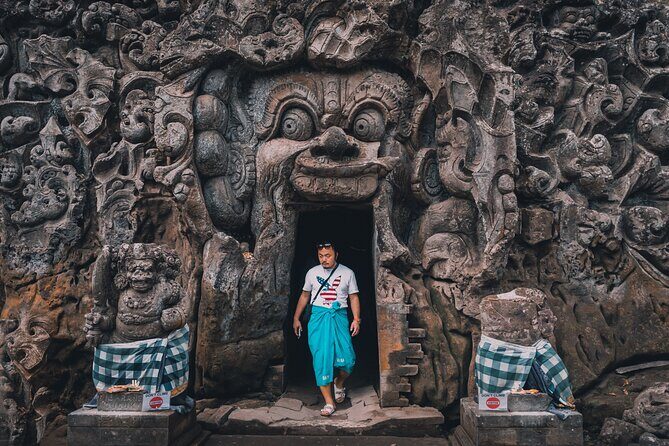
Next up is Elephant Cave, also called Goa Gajah. The stop is about 1 hour, with admission included. This is a historic cave temple site associated with ancient spiritual activities, and it sits in a greener, calmer pocket than you might expect.

Elephant Cave works best when you arrive with a little context. The cave isn’t just a hole in a rock; it’s part of a larger temple setting where stone and nature meet. Your guide can help point out what you’re looking for and explain the site’s role in Balinese spiritual traditions.

A practical note: like many temple areas in Bali, it’s not flat. You can expect steps and uneven ground. If you’re using walking aids or have mobility limits, go with a cautious pace and plan for shorter walking bursts instead of a long, continuous stroll.

Tirta Empul: joining the purification ritual (and the small costs)

Best of Bali : Bali Temples , Rice Terrace and Waterfall Tour - Tirta Empul: joining the purification ritual (and the small costs)
Tirta Empul Temple is where the day turns from sightseeing to something more personal. This stop runs about 2 hours, and the ticket is included. Tirta Empul is famous as a purification temple, and you can take part in the ritual bath in the sacred springs.

If you want to join, plan for the practical parts. The tour notes that ritual bathing is open to the public, and if you participate you should expect to pay about USD 3 per person for a sarong and locker rent. You’ll want to budget a little time for changing and keeping your belongings secure.

What makes Tirta Empul special isn’t just that it’s spiritual—it’s also that it’s living practice. You’ll see locals following tradition in a way that feels more “used today” than “museum-style.” Even if you don’t join the bathing, the atmosphere and the flow of activity can give you a clearer understanding of why temples matter in daily Balinese life.

One more tip: treat this stop with patience and quiet focus. The ritual space has its own rhythm, so don’t plan to rush photos the way you might at a waterfall viewpoint.

Tegalalang Rice Terrace: the iconic Ubud view in real time

Best of Bali : Bali Temples , Rice Terrace and Waterfall Tour - Tegalalang Rice Terrace: the iconic Ubud view in real time
Then you get the famous Tegalalang Rice Terrace. The stop is about 1 hour, with admission included. This is where you see the sweeping terraced fields across the hills, with coconut palms adding that unmistakable Ubud look.

The best part of rice terraces is that they reward good timing. If the light is strong, you’ll see crisp lines in the fields. If it’s overcast, you’ll get softer contrast that can still look great for photos. Either way, the terraces are photogenic from many angles, so you can spend your time choosing viewpoints instead of chasing them.

What I like about ending near the rice fields is how it balances the day. Waterfall and cave temples are physical and busy; the terraces can feel calmer. It’s a good moment to sit, breathe, and let the earlier stops click into place as one cultural story: land, water, and spiritual practice all showing up in the same day.

The extra cultural stops: Batuan, smiths, reliefs, and rock-cut shrines

Best of Bali : Bali Temples , Rice Terrace and Waterfall Tour - The extra cultural stops: Batuan, smiths, reliefs, and rock-cut shrines
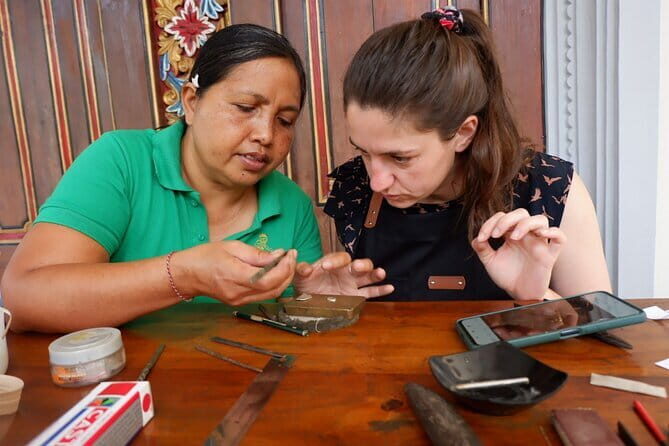
This tour also includes several shorter cultural stops during the day—quick but meaningful add-ons. You may see the Trinity temple of Batuan village, plus a traditional village home of gold and silver smiths. There’s also mention of a historical relief located in the middle of Ubud rice field, and impressive rock-cut shrines built by the first reign of Bali Kingdom.

These stops are the kind that can easily get skipped on faster itineraries. Here, they matter because they connect the big-name sights to everyday craft and older spiritual architecture. If you like learning how Bali works beyond the headline spots, this part is often the glue that makes the day feel complete.

The trade-off is time and attention. These are not long museum-style visits with a slow pace. You’ll want your camera ready, but also your curiosity on—listen when your guide explains what you’re seeing, because these quick stops can otherwise blur together.

Value and price: what you’re really paying for

Best of Bali : Bali Temples , Rice Terrace and Waterfall Tour - Value and price: what you’re really paying for
At $59.49 per person, this tour can feel like a steal—especially because you’re not just buying a driver. You’re getting private transportation, petrol surcharges, and all entrance and parking fees. That last part is key. Temples and special sites often add up quickly, and entrance-ticket confusion can waste time on the day.

Lunch is the one clear missing piece. Since it’s not included, you’ll want to plan where you’ll eat during breaks. This isn’t unusual for Bali day tours, but it does affect your budget and how hungry you get by the late afternoon.

Another value point is the private setup. With no other people in your car, the day tends to flow more smoothly—questions are easier, photo breaks can be shorter or longer, and the guide can tailor pacing to your comfort level.

If you’re traveling with a small group, the “per person” cost often feels even better because private driving normally costs more when you compare it to shared transport. Just remember: because it’s private, your comfort hinges on your guide’s driving pace and your own walking tolerance.

What to pack and how to pace yourself

Best of Bali : Bali Temples , Rice Terrace and Waterfall Tour - What to pack and how to pace yourself
This is a day outdoors with temples, stairs, and possible wet areas. That means your packing list is simple but important:

  • Swim gear if you want to take a dip at Tegenungan Waterfall
  • A towel and extra clothes
  • Comfortable shoes that work on uneven paths
  • Light layers for temple visits (you’ll likely want to be covered and ready to adapt)

Pacing matters because the itinerary is active. You get a 1 hour stop at Tegenungan, 1 hour at Elephant Cave, 2 hours at Tirta Empul, then 1 hour at Tegalalang. Add the shorter cultural visits in between, and you have a full movement day.

Accessibility is the main limitation. One review specifically flagged the stair-heavy nature and recommended thinking twice if you use a wheelchair or need extra walking support. Even if you are mobile, go slow on the steps, hold steady in wet areas, and don’t assume every path is the same surface.

Who this Bali tour is best for

This is a strong fit if you want a first-timer introduction to Bali’s key variety: temple spirituality, a famous waterfall, and one of the most photographed rice terrace scenes. It’s also a good choice if you prefer privacy. Being in a car with only your group turns the day into a conversation, not a bus schedule.

It’s especially suited for people who like their cultural time explained. If your guide is Wayan and Wayan Jr, or Ketut Angus, you’ll likely hear practical context as you move between sites. That can turn a “see it, snap it, leave” day into something that feels more meaningful without becoming slow or complicated.

If you hate stairs or you’re limited on mobility, this tour may still be doable with a careful plan, but you should be honest about your limits before you commit.

Should you book this tour?

If you want a single day that hits major Bali highlights without navigation stress, this is an easy yes. The big reasons are the private driving, the included entrance fees, and the balance of nature plus temples plus rice terraces.

Book it if:

  • you want Tegenungan Waterfall + Tirta Empul + Tegalalang in one day
  • you prefer a private car and a guide who can answer questions
  • you’re okay with stairs and active walking

Skip it or reconsider if:

  • you need a low-stairs day
  • you don’t want to join or support the effort involved in changing for the Tirta Empul ritual

FAQ

What stops are included on this Bali tour?

You’ll visit Tegenungan Waterfall, Elephant Cave (Goa Gajah), Tirta Empul Temple, and Tegalalang Rice Terrace. The day also includes additional cultural stops such as a Trinity temple in Batuan village, a gold and silver smith village, a historical relief in the rice field area, and rock-cut shrines.

How long is the tour?

The tour runs about 7 to 8 hours, depending on local traffic conditions.

Is the tour private?

Yes. It’s private, meaning only your group participates and there will be no other participants in your car.

Are entrance fees included?

Yes. Entrance fees and parking fees are included, and admission is noted as included for each main stop.

Is lunch included?

No. Lunch is not included.

Can I swim at Tegenungan Waterfall?

You can if conditions allow, but you should bring a swimsuit, extra clothes, and a towel.

How does the purification ritual at Tirta Empul work?

Ritual bathing is open for the public. If you want to join, you should expect to pay about USD 3 per person for sarong and locker rent.

What if the weather is poor?

This experience requires good weather. If it’s canceled due to poor weather, you’ll be offered a different date or a full refund.

Best of Ubud – Ubud Tour Popular – All Inclusive

Best of Ubud - Ubud Tour Popular - All Inclusive - Tegalalang Rice Terrace: the view is great, but so is the story

Ubud in one day can work, if the plan makes sense. This private, all-inclusive-style tour is built for first-timers who want the main sights without spending your day figuring out roads, parking, or meeting points. You get hotel pickup/drop-off and an air-conditioned ride, plus entrance fees covered for every scheduled stop.

What I especially like is that you’re not just “shopping the highlights.” The day is anchored by places with strong local meaning, like the subak irrigation system behind the Tegalalang Rice Terrace and the ritual water at Tirta Empul. I also like the human part: guides such as Wayan and Yandi are described as flexible and explain plenty of cultural context, so your stops feel connected instead of random.

One thing to consider: this is a long, packed route (about 10 hours). If you want slow, quiet time in a single place, you may feel a bit rushed—especially with Bali traffic and any road changes.

Key points that matter before you go

Best of Ubud - Ubud Tour Popular - All Inclusive - Key points that matter before you go

  • Private group only: you’re not stuck blending into a large tour crowd.
  • Pickup from several areas: Ubud, Sanur, Seminyak, Legian, Canggu, Jimbaran, and Nusa Dua are all listed.
  • Tickets and entry fees included: you won’t be hunting down cash for attractions.
  • A meaningful temple-and-water day: Tirta Empul is framed around its holy spring and legend.
  • Waterfall time at Tegenungan: you’ll have a clear window to see it and decide about the jump option.
  • Guides can adapt: road closures during Nyepi were handled with route changes.

Getting picked up and moving without wasting the day

Best of Ubud - Ubud Tour Popular - All Inclusive - Getting picked up and moving without wasting the day
The best part of this tour for your schedule is simple: you’re picked up and dropped off. That matters in Ubud because you don’t just lose time to traffic—you also lose time to logistics. Here, you avoid the classic first-day headache of finding the right driver, locating the meeting point, and realizing you arrived “almost” on time.

You’ll travel in an air-conditioned vehicle and have a driver/guide combination. In practice, that means you’re more likely to get both sides of the experience: safe, steady driving and real explanations once you step out. Reviews consistently mention guides like Wayan and Yandi being patient and easy to work with, including quick communication via WhatsApp, which can help if plans shift while you’re in transit.

At about 10 hours, it’s a full outing. I’d plan on wearing comfortable shoes, bringing sun protection, and staying hydrated—good thing mineral water is included.

Tegalalang Rice Terrace: the view is great, but so is the story

Best of Ubud - Ubud Tour Popular - All Inclusive - Tegalalang Rice Terrace: the view is great, but so is the story
Tegalalang Rice Terrace is the kind of place that makes you pause, even if you’ve already seen rice paddies in other countries. The key detail here is subak, the traditional Balinese cooperative irrigation system. Instead of treating the fields like scenery, the stop is framed as an organized local tradition passed down through a revered holy figure (Rsi Markandeya is mentioned in the tour description).

Why that matters for you: if you understand what subak is doing—how communities share water and manage rice growth—you’ll look at the terraces with a bit more respect. You’re not just taking photos; you’re seeing a working system.

Practical note: this is a 1-hour stop. You’ll likely have enough time for photos and a calm walk, but not enough time to turn it into a long hike. Go slow, watch your footing on paths near viewpoints, and aim for your photos early in the day if crowds are heavy later.

Tirta Empul Temple: holy spring water and a good-versus-evil legend

Next up is Tirta Empul Temple, a major temple complex tied to a holy mountain spring in central Bali. The tour description highlights it as a legendary setting for a tale about good versus evil. It’s also described as being in the village of Manukaya.

This stop is special because it’s not only architecture. It centers on water—and water with meaning. Even if you don’t know all the Hindu details, you’ll feel how this is a lived religious site rather than a theme-park temple.

Time-wise, you’re looking at about 1 hour here, with admission included. That’s enough time to understand what’s happening, observe respectfully, and take in the overall setting without rushing.

Tip for your visit: dress and behave conservatively at temple sites. Even if you think you’re only there for a quick look, treat it like a working place of worship.

Tegenungan Waterfall: a classic stop with one big decision

Best of Ubud - Ubud Tour Popular - All Inclusive - Tegenungan Waterfall: a classic stop with one big decision
Then comes Tegenungan Waterfall, one of the better-known waterfalls around Bali. The tour notes it’s about 15 meters (around 50 feet), and it’s described as one of the few not located up in the highlands or mountains. That accessibility is a big reason it’s on so many Ubud highlight routes.

Here’s the practical decision: you can jump into the waterfall if you wish, but only after paying (the tour notes payment is required). Even if you don’t jump, you’ll still get the main experience—seeing the waterfall close up and taking photos from the viewpoints.

You’re given about 1 hour 30 minutes for this stop, including ticket time. I’d use that time smartly: check where people are gathering, decide whether you want the jump early, and keep an eye on footing. Wet areas can be slippery, and the best photos often come from moving a little further from the densest crowd.

Puseh Batuan Temple: Balinese ornamentation and a more local feel

Best of Ubud - Ubud Tour Popular - All Inclusive - Puseh Batuan Temple: Balinese ornamentation and a more local feel
Puseh Batuan Temple is a quieter, more local-feeling contrast after the waterfall. The tour description points to Balinese ornamentation and a roof made from chromatic black palm fiber. That detail matters because it gives you something specific to look for, not just “another temple.”

You’ll spend about 1 hour here, with admission included. This is a good stop if you like texture and craft—things like the way temples are built and decorated by local communities. It’s also likely less of a spectacle than major headline sites, which can be a relief when the day is already full.

The main drawback: since it’s one hour, you’ll want to stay focused. If you drift into photo-only mode, you might miss the small design elements the stop is actually known for.

Ubud Traditional Art Market: souvenirs, textiles, and walking time

Best of Ubud - Ubud Tour Popular - All Inclusive - Ubud Traditional Art Market: souvenirs, textiles, and walking time
Your final scheduled cultural-and-shopping stop is Ubud Traditional Art Market (locally called Pasar Seni Ubud). It’s located opposite Puri Saren Royal Ubud Palace and is open daily. The tour description lists things you’ll likely see: silk scarves, lightweight shirts, and handmade woven items.

This is where you can tailor the day for yourself. If you like buying practical souvenirs—things you’ll actually use—you’ll probably enjoy this stop. If you hate crowds and bargaining, keep your expectations simple: treat it as a browsing break, not a buying mission.

You’ll have about 1 hour here, with admission included. One practical note: the market is open daily, so you’ll likely be able to browse even if you’ve arrived with little energy. But if you’re also thinking about temple attire and accessories for the rest of Bali, this is a convenient time to pick up what you need.

Who this tour suits best (and who should skip it)

Best of Ubud - Ubud Tour Popular - All Inclusive - Who this tour suits best (and who should skip it)
This tour is a strong fit if:

  • You’re on a first Bali trip and want a structured highlights day.
  • You want easy logistics: pickup, drop-off, air-conditioned transport, entrance fees, and mineral water handled.
  • You like context, not just photos, and you’re happy spending time learning from guides like Wayan and Yandi.

It might not be ideal if:

  • You hate time pressure. With a 10-hour schedule and multiple locations, you’ll be moving most of the day.
  • You want a deep dive into one site. This route spreads your time across several stops.

Also, it’s private in the sense that only your group participates. Reviews mention safe, confident drivers and guides who communicate well; that’s exactly the kind of comfort you want when you’re spending a day jumping between districts.

Price and value: $52 for a full, ticketed day

Best of Ubud - Ubud Tour Popular - All Inclusive - Price and value: $52 for a full, ticketed day
At $52 per person, this tour is priced like a practical day out rather than a luxury excursion. The value comes from what’s included: entrance fees to all sites, an air-conditioned vehicle, driver/guide services, parking fees, and mineral water.

The part that can really change the math for you is entrance tickets. When you see “admission ticket included” for every stop, you stop thinking about adding up costs at each gate. You also don’t have to plan your day around cash or last-minute ticket purchases.

What’s not included is food and drink. So you’ll want to budget for at least one meal during the day. Since the schedule is packed, plan to eat something convenient rather than assuming you’ll have a long lunch sit-down.

If you’re traveling in a small group, the private format can feel especially good value because you’re not paying for a “bigger bus experience” with limited personalization. Just note the minimum of 2 people per booking.

The guide experience: flexible, patient, and safety-minded

A tour is only as good as the people driving it. In the feedback, Wayan stands out for being flexible and patient, with stories about handling route changes when Nyepi caused road closures. That’s not a small detail in Bali. Roads can change, and plans can become messy fast—having a guide who stays calm and communicates clearly protects your day.

Safety shows up too. You’ll see notes about warm, honest drivers and safe driving practices, including one mention of Wayan and his son Ari as a strong driving team. Even if you don’t care about the names, it signals the right approach: careful driving, good timing, and fewer stressful moments.

Quick planning tips for your day in Ubud

You’ll enjoy this tour more if you prepare for a “move all day” itinerary:

  • Wear comfortable shoes for temple ground and terrace viewpoints.
  • Bring sunscreen and a hat for rice terraces and waterfall time.
  • Keep some cash for snacks since food and drink aren’t included.
  • Decide early whether you want the waterfall jump option; it can affect how you use your time.

If you have specific priorities—more time at markets, less time on a viewpoint—this kind of private format is often where you can ask for small adjustments. Guides in the feedback are described as accommodating, so it’s worth asking calmly once you’re on the road.

Should you book Best of Ubud?

I’d book this if you want a no-drama Ubud highlights day. It gives you the big hits—Tegalalang Rice Terrace, Tirta Empul, Tegenungan Waterfall, Puseh Batuan Temple, and Ubud Art Market—wrapped into one efficient schedule with tickets handled and hotel pickup covered.

Skip it if you’re the type who needs long, slow time in just one place. With about 10 hours and multiple stops, you’ll be busy. Also remember food isn’t included, so you’ll need to plan your meals.

If you’re a first-timer and you want the day to feel well organized with a guide who can explain what you’re seeing, this is a solid pick at this price.

FAQ

How long is the Best of Ubud tour?

The tour is listed as approximately 10 hours.

Is hotel pickup and drop-off included, and from where?

Pickup service is included for Ubud and also for Sanur, Seminyak, Legian, Canggu, Jimbaran, and Nusa Dua areas.

Are entrance fees included for the stops?

Yes. Entrance fees to all sites are included, and each stop lists an admission ticket included.

What’s included in the tour price?

Included items are mineral water, parking fees, driver/guide, professional guide, an air-conditioned vehicle, and entrance fees.

Is food and drink included?

No. Food and drink are not included.

Is this a private tour, and is there a minimum group size?

It’s a private tour, meaning only your group participates. A minimum of 2 people per booking is required.

Best Of Ubud And Tanah Lot Temple Private Guide Tour

Best Of Ubud And Tanah Lot Temple Private Guide Tour - Stop 1: Tanah Lot Temple for the best coastal photos

One long day, six Bali highlights. This private guide tour packs temples, rice terraces, and waterfalls into a smooth air-conditioned ride with door-to-door pickup from much of southern Bali. You also get an English-speaking guide to help with pacing and picture spots, so the day feels organized instead of chaotic.

I especially like the stop sequence for first-time visitors: coastal Tanah Lot, then classic temple and garden vibes, then Ubud-area sights, plus two big photo moments at the rice terraces and the swing. One thing to consider: it’s a full 10-hour push with several 1-hour stops, so you’ll want to be ready for a busy day and warm weather.

Key things that make this tour work

  • Door-to-door pickup and drop-off from areas like Seminyak, Legian, Canggu, Kuta, Denpasar, Sanur, Jimbaran, and even Ubud
  • Air-conditioned private transport (minivan or minibus depending on group size)
  • A guide focused on photos and explanations, with English support at each stop
  • Optional entrance-ticket coverage, but check whether your chosen option includes them
  • A strong photo lineup: Tanah Lot viewpoints, Tegalalang rice terraces, Happy Swing Bali, and Tegenungan Waterfall

A fast-hit Bali highlights day from Seminyak

Best Of Ubud And Tanah Lot Temple Private Guide Tour - A fast-hit Bali highlights day from Seminyak
If you’re short on time in Bali, this tour is built for that reality. In about 10 hours, you’ll bounce through some of the most famous religious and nature stops—without having to plan routes, hire separate drivers, or manage ticket lines for each place.

The “private guide” part matters. You get an English-speaking guide and driver, and the stops are paced so you can see the area, walk around, and still have time for photos. It’s a good fit if you want the big-name sights but don’t want your day to feel like a checklist you race through.

The itinerary also mixes temple culture with Ubud-area scenery and photo stops. You’ll go from Tanah Lot’s coastal temple views to rice terraces in the north of Ubud, then end with Tegenungan Waterfall near the south Ubud side. That variety is a big reason the day feels worth it.

Getting around: air-conditioned pickup and door-to-door convenience

Best Of Ubud And Tanah Lot Temple Private Guide Tour - Getting around: air-conditioned pickup and door-to-door convenience
One of the easiest parts is where the tour starts. Pickup and drop-off are offered across a wide list of places: Seminyak, Legian, Canggu, Kuta, Kerobokan, Denpasar, Sanur, Jimbaran, and Ubud. That means you’re less likely to lose time getting to a meeting point.

You’ll ride in an air-conditioned minivan or minibus, depending on your group size. That comfort is not a small thing in Bali—when your itinerary is packed, a cool ride helps you stay human for the next stop.

This is also positioned as private in the sense that it’s for your group. The provider lists group discounts too, so if you’re traveling with friends and want a shared booking, you might be able to find a better overall rate than going solo.

The value: guide, tickets, water, and what might cost extra

At $25 per person, this is priced like a budget-friendly “do the highlights in one day” option. For that money, you get an English-speaking tour guide and driver, mineral water, insurance, and private air-conditioned transportation.

Here’s the part you should double-check before you go: entrance tickets. The tour description mentions an upgrade to include tickets, and the included items say entrance tickets are part of the all-inclusive option. But there’s also a note that if you choose a “special private guided only” plan, you may need to pay entrance tickets—listed at about $18 per person for visiting all attractions.

So I’d treat tickets like this: if your confirmation says all entrance tickets are included, great. If it doesn’t, plan for that extra roughly $18 per person entrance-fee budget. It’s still usually workable, but it’s better to know up front.

Lunch is also on you. The tour doesn’t include it, and local restaurants are estimated around $4 per person. In practice, that’s the kind of quick meal budget that keeps a day like this affordable.

One more “value detail” to look for: free one-way airport pick up or drop off is mentioned for bookings made 3 days in advance. If your schedule lines up, that can quietly save you another hassle.

Stop 1: Tanah Lot Temple for the best coastal photos

Best Of Ubud And Tanah Lot Temple Private Guide Tour - Stop 1: Tanah Lot Temple for the best coastal photos
Tanah Lot is the opener for a reason. It’s the kind of place where you immediately see why Bali makes it onto so many first-time itineraries.

You’ll get about 1 hour here, with time to discover the temple area and capture photos from what the guide describes as the best viewpoints. The tour notes that you’ll walk around the area with a friendly professional English-speaking guide, who shares history as you go.

Practical note: Tanah Lot is photo-driven. Go in ready to slow down for viewpoints rather than just rush through. If you like getting that “we’re really here” shot, this first stop is built for it.

Stop 2: Taman Ayun Temple and its fish-pond setting

Best Of Ubud And Tanah Lot Temple Private Guide Tour - Stop 2: Taman Ayun Temple and its fish-pond setting
Next up is Taman Ayun Temple. What makes this stop special is the setting: you’ll see the temple surrounded by a fish pond and a green garden feel, plus a strong focus on the architecture.

You’ll also get about 1 hour and guidance for walking and understanding what you’re looking at. The tour highlights that you’ll be escorted by a professional guide and get full-history explanations.

Compared to Tanah Lot, this one is more about calm, detailed looking—less coastal “wow” and more peaceful temple composition. If you want a break from constant motion, Taman Ayun often does that job.

Stop 3: Sacred Monkey Forest Sanctuary plus a flower-garden break

Best Of Ubud And Tanah Lot Temple Private Guide Tour - Stop 3: Sacred Monkey Forest Sanctuary plus a flower-garden break
After temples, you’ll head to Sacred Monkey Forest Sanctuary. This stop comes with a built-in photo approach. The tour mentions a flower garden along the way and calls out colorful blooms, including a “mary gold” reference.

You’ll also spend about 1 hour here and visit the monkeys, with the guide helping you navigate the sanctuary area and take photos.

One thing to think about: monkey encounters can be unpredictable anywhere monkeys are part of the environment. The tour doesn’t spell out rules, so just be ready to follow your guide’s instructions closely and keep your attention on your personal space. This is a place where good guidance matters.

Stop 4: Tegalalang Rice Terrace and learning the plantation work

Best Of Ubud And Tanah Lot Temple Private Guide Tour - Stop 4: Tegalalang Rice Terrace and learning the plantation work
Then it’s north Ubud and Tegalalang Rice Terrace—one of Bali’s most photographed scenes. You’ll get roughly 1 hour to explore and shoot photos from the “great photo frame” viewpoint style that’s mentioned in the tour.

What I like about this stop is that it’s not only for pictures. The tour notes special education about tropical rice plantation work, with the guide explaining how the work supports the terrace environment. You won’t just see the view—you’ll understand the basic idea behind it.

If you’re traveling with someone who thinks rice terraces are just pretty green steps, this part can change that. Even a short explanation helps you look at the terracing as a working system, not only a postcard.

Stop 5: Happy Swing Bali for the dressed-for-photos moment

Best Of Ubud And Tanah Lot Temple Private Guide Tour - Stop 5: Happy Swing Bali for the dressed-for-photos moment
Photo stop time. Happy Swing Bali is listed as an additional personal choice, and the tour says there’s complimentary entrance access when you visit. You can also pick a dress for the swing and capture photos.

This is the part of the day that will either be your favorite or your least favorite, depending on your style. If you like fun, staged-photo experiences, it’s a great mid-journey reset. If you’d rather keep things “real” and move quietly, you can treat it as optional.

The key is to go in with realistic expectations: the value here is the guided photo session energy and included entrance access, not some long educational visit.

Stop 6: Tegenungan Waterfall for green scenery and viewpoint angles

To close, you’ll head to Tegenungan Waterfall, located south of Ubud. You’ll spend about 1 hour, get escorted by a professional guide, and take photos from the “best spot picture” viewpoint mentioned in the tour.

The tour description focuses on the green scenery surrounding the waterfall, which is exactly what you’ll notice when you arrive. This is a nature stop that gives your eyes a different kind of payoff than temples and terraces.

Practical reality: waterfalls can be wet and slippery. The tour doesn’t list specific safety gear, so just use common sense and wear footwear that won’t punish you on a damp surface.

Timing tips for a smooth 10-hour temple-and-waterfall day

This is an all-day itinerary, and the schedule reflects that: each main stop is around 1 hour, while travel time fills the gaps. To enjoy it, plan for two things: heat and tempo.

First, hydrate. Mineral water is included, but you’ll likely want to keep drinking during the ride and between stops. It’s easy to feel fine until the mid-day sun catches up.

Second, choose your photo priorities before you get out of the car. You’ll have great photo chances at Tanah Lot, Tegalalang’s viewpoints, and the Happy Swing Bali moment. If you try to photograph everything the same way, you’ll run out of time. Pick the shots that matter most to you.

Finally, wear something that works for temple visits and active walking. The tour includes multiple walking areas, plus you’ll go to a waterfall environment.

Who this tour fits best—and who should skip it

This tour is a strong match if you want a structured one-day “best of” plan. It’s especially good for:

  • First-time Bali visitors who want the famous sights without doing separate bookings
  • Travelers who like having a guide for history, explanations, and picture spots
  • People who prefer private door-to-door convenience over public transport juggling

It may not be ideal if you’re easily overwhelmed by busy days. With six stops and a 10-hour timeline, it’s not built for a slow travel rhythm. Also, if you’re allergic to any kind of photo experience, the swing stop may not feel worth it even though entrance is complimentary.

The guide experience and why it changes the day

One detail that stands out in how this tour is described is the emphasis on guide support during each stop—especially for photos. A guide named Putu Awan is specifically mentioned for being awesome and helping the group capture many pictures throughout the day.

That matters because on Bali sightseeing days, the difference between a good day and a great day often comes down to timing and positioning. A guide who knows where to stand and how to pace walking can turn “we passed it” into “we got the shot and learned what we were seeing.”

Should you book the Best Of Ubud And Tanah Lot Temple Private Guide Tour?

If you want to see a lot in one day and you prefer guidance over guesswork, I’d book it. The value is strongest when you get entrance tickets included, you use the door-to-door pickup, and you embrace the photo stops as part of the experience.

Before you say yes, do two quick checks:

  • Confirm whether your package includes all entrance tickets or if you should budget the about $18 per person entrance add-on for visiting all stops.
  • Plan for a long warm day: 10 hours, multiple 1-hour stops, and limited time for detours.

If that sounds like your kind of Bali day, this tour is an efficient, well-paced way to hit Tanah Lot, Ubud-area highlights, and a waterfall without turning your vacation into logistics work.

FAQ

How long is the tour?

It runs for about 10 hours (approx.), with around 1 hour at each main stop.

What temples and sights are included?

The tour includes Tanah Lot, Taman Ayun Temple, Sacred Monkey Forest Sanctuary, Tegalalang Rice Terrace, Happy Swing Bali, and Tegenungan Waterfall.

Is hotel pickup and drop-off included?

Yes. Pickup and drop-off are offered from many areas including Seminyak, Legian, Canggu, Kuta, Ubud, Kerobokan, Jimbaran, Denpasar, Sanur, and surrounding locations.

Are entrance tickets included in the price?

An option is available to include entrance tickets to all attractions. There’s also a note that in some cases you may pay entrance tickets separately (listed around $18 per person) depending on the plan you select.

What about lunch?

Lunch is not included. It’s estimated around $4 per person at local restaurants.

Is there an English-speaking guide?

Yes. The tour includes an English-speaking tour guide and driver.

Do I get a mobile ticket?

Yes. The tour lists a mobile ticket as part of the experience.

Is transportation air-conditioned?

Yes. You’ll travel in an air-conditioned minivan or minibus, depending on your group size.

What happens if weather is bad?

This experience requires good weather. If it’s canceled due to poor weather, you’ll be offered a different date or a full refund.

Denpasar Departure Transfer: Hotel to Airport

Denpasar Departure Transfer: Hotel to Airport - Pickup Zones in Kuta, Legian, Seminyak, Sanur, and Nusa Dua: Why Location Matters

Bali mornings get hectic fast. This shared hotel-to-airport transfer keeps your last day simple, with pickup options across the south and a plan that’s meant to get you to Denpasar (DPS) without drama.

What makes it interesting is the mix of budget pricing and real support along the way. You’re not just tossed into a taxi queue, you get hotel pickup, an English-speaking licensed guide service, and help with the airport steps after you arrive.

I really like two things here: the convenient pickup zones that match where most people stay, and the fact that you’re traveling in an air-conditioned vehicle with bottled water and staff on hand. One drawback to keep in mind is timing and communication—if you’re counting on a call or message, you should stay on top of your pickup details so nothing catches you off guard.

Key Points to Know Before You Go

Denpasar Departure Transfer: Hotel to Airport - Key Points to Know Before You Go

  • South Bali pickup coverage: Kuta/Legian/Seminyak, Sanur Beach, Nusa Dua, and Tanjung Benoa area options.
  • Shared ride, but not huge: Maximum group size is 21 travelers, so it’s usually not a full-on bus zoo.
  • Airport support included: You get an English-speaking licensed guide service, plus help like sign-in at arrivals and airport procedure tips.
  • One-bag porter help: Porterage is included for 1 standard-sized baggage piece, so pack with that in mind.
  • Works all day: Operating 24 hours a day, with special surcharges for midnight pickups.
  • Surfboards are okay: Surfboards are allowed at no additional charge.

Shared Hotel-to-Airport Transfer to Denpasar: The Real Value

Denpasar Departure Transfer: Hotel to Airport - Shared Hotel-to-Airport Transfer to Denpasar: The Real Value
This transfer is built for one job: getting you from your Bali hotel to I Gusti Ngurah Rai International Airport (Denpasar/DPS) without paying private taxi money. At $25.34 per person for a ride that takes about 1 hour (approx.), it’s the kind of option you book when you want a smooth exit more than a fancy ride.

The price also makes sense because it’s not just transportation. You’re paying for a package that includes hotel pickup, an AC vehicle, bottled water, insurance, fuel surcharge, and staff support. That matters on departure day when you’re juggling bags, time, and airport logistics.

Also, this is a one-way shared transfer. That means you’ll share the ride with other passengers and possibly stop briefly for others, depending on where they’re picked up. If you’re the type who hates any uncertainty, you might prefer a private transfer. If you’re okay with a little coordination in exchange for value, this fits the bill.

Pickup Zones in Kuta, Legian, Seminyak, Sanur, and Nusa Dua: Why Location Matters

Denpasar Departure Transfer: Hotel to Airport - Pickup Zones in Kuta, Legian, Seminyak, Sanur, and Nusa Dua: Why Location Matters
Bali is spread out, and the pickup zone you choose affects everything—from how fast you leave the area to how your driver plans the route.

You’ll choose your pickup option based on where you’re staying, with service available for hotels in:

  • Kuta, Legian, Seminyak
  • Sanur Beach
  • Nusa Dua and Tanjung Benoa

That’s helpful because these are the areas where most first-timers stay. In plain terms: fewer long backtracks, less risk of the driver threading through the island when you’re already stressed about check-in time.

A couple of practical notes that come straight from how people experienced this service:

  • Drivers have shown up early, which can be good if your goal is stress-free timing.
  • If you hit airport delays because of customs or other slowdowns, the staff has been flexible in waiting for you.

Still, shared transfers mean you should plan on some coordination time. The safest approach is to assume there could be a bit of waiting—especially if other pickups are involved—so you’re not racing the clock.

Inside the Ride: AC Comfort, Included Help, and Bag Rules

You’re riding in an air-conditioned vehicle, which you’ll appreciate fast in Bali heat, especially if you’re already sweaty from packing and last-minute errands.

Here’s what’s included that actually makes departure day easier:

  • One-way shared transfer
  • Porterage for 1 piece of standard-sized baggage
  • Bottled water
  • Insurance, plus fuel and GST included
  • English-speaking licensed guide service

That porter detail is important. If you travel with extra luggage, oversize items, or anything beyond a standard piece, excess luggage charges may apply (and those are not included).

Good to know on the gear front: surfboards are permitted at no additional charge. If you’re leaving Bali after a surf trip, this removes one common headache.

One more small but real comfort factor: people have described the cars as clean and comfortable, and the staff as friendly. That doesn’t sound dramatic, but on the last day of a trip it’s exactly what you want—no awkwardness, no confusion, just get moving.

Airport Arrival Support at DPS: Getting Oriented Without the Maze

Denpasar Departure Transfer: Hotel to Airport - Airport Arrival Support at DPS: Getting Oriented Without the Maze
The best moment in any airport transfer is when you land and someone helps you get your bearings fast. This transfer includes an English-speaking licensed guide service, and in practice that support shows up at the airport.

In some experiences, staff has:

  • met people at arrivals with a sign,
  • explained clearly where to go,
  • helped with getting a trolley,
  • and even walked through what to expect next, including guidance on costs like the departure tax you may need to handle at the airport.

That kind of guidance is worth something. Airports can be confusing even when you know the layout, and Bali’s airport day can come with short lines one moment and slowdowns the next. When staff helps you sort out where to go, you lose less time and spend less energy guessing.

The transfer also includes private transportation in the package description, even though the ride is shared. Translation: you’re not stuck with public transport; you’re going with a dedicated vehicle arranged through the provider’s network.

Timing, Flight Types, and the Midnight Pickup Surcharge

Denpasar Departure Transfer: Hotel to Airport - Timing, Flight Types, and the Midnight Pickup Surcharge
Most people don’t fly at midday on departure day. And this transfer is designed to work around your schedule because it runs 24 hours a day.

Still, you should pay attention to timing details:

  • The service is listed with a start time of 6:00 am, but the big point is it operates all day and night.
  • If you have a midnight flight pickup between 23:00 and 05:59, there’s a surcharge of USD 3 per person per way.
  • There’s also a note about a special surcharge tied to Padma Ubud under an Ubud area price, when the pickup is between 23:00 and 05:59 (listed as 20% to/from Padma Ubud). If your hotel is anywhere near that situation, it’s worth double-checking the exact price option you selected.

For me, the lesson is simple: don’t wait until you’re already packing to realize your departure time triggers a different rate. If you’re leaving late, make sure you understand the total you’ll pay.

When Things Change: Delays, Weather Disruptions, and Staff Flexibility

Bali isn’t always perfectly predictable—traffic can be thick, and weather disruptions can affect flight plans.

What I appreciate about this transfer is that it’s not written like a rigid script. In real situations, staff has:

  • waited even when the passenger’s flight and customs took longer,
  • and handled disrupted airport conditions by explaining options and being patient while the passenger thought things through.

That last part is key. If your airport day turns weird—delays, reroutes, cancellations—you want staff who can stay calm while you make decisions. People have credited the team for doing exactly that.

So here’s my practical advice: keep your flight details open on your phone and stay reachable. If you don’t have the ability to call or message easily, you should plan a workaround before the transfer day.

$25.34 Per Person: Does It Stack Up Against the Taxi Option?

Denpasar Departure Transfer: Hotel to Airport - $25.34 Per Person: Does It Stack Up Against the Taxi Option?
Let’s talk value in a non-buzzy way. A private taxi can be quick and easy, but it costs more. This transfer is positioned as a budget-friendly alternative to private taxi rides, and the price supports that.

At $25.34 per person, the value comes from:

  • you don’t pay for uncertainty (someone tracks pickup and assigns your ride),
  • you get airport guidance rather than just being dropped off,
  • and you have basic amenities included (AC, water, and porterage for one bag).

Where it can be less valuable is if you:

  • have a complicated pickup situation outside the listed zones,
  • need a large amount of luggage handled beyond one standard piece,
  • or you’re traveling as a group that values privacy enough to justify the extra cost.

If you’re a couple, a solo traveler, or a small group, this can be a great compromise. If you’re a family with multiple suitcases and strong preferences about direct service only, you might compare totals with a private option.

Who Should Book This Transfer (and Who Might Prefer Private)

Denpasar Departure Transfer: Hotel to Airport - Who Should Book This Transfer (and Who Might Prefer Private)
This transfer is a strong fit if you:

  • want hotel pickup in the main south Bali areas,
  • like the idea of paying less than a private taxi,
  • fly from DPS and want someone to help with the airport steps,
  • and you pack like a normal human (one standard baggage piece gets porter help).

It may not be the best match if you:

  • need zero sharing and zero route flexibility,
  • have oversized or extra luggage beyond what’s described,
  • or you’re very nervous about timing and are the type who needs a perfectly controlled schedule.

If you travel alone, you might also like that the experience is set up with a small maximum group size (up to 21 travelers) and an organized staff presence. That can reduce stress compared with trying to sort an airport taxi on your own.

Booking Smart: The Details That Can Save Your Departure Day

Here’s how I’d make this work smoothly.

First, treat pickup like part of your itinerary. You’ll want to know:

  • your pickup area option (Kuta/Legian/Seminyak vs Sanur vs Nusa Dua/Tanjung Benoa),
  • your approximate pickup window,
  • and whether your flight time creates a midnight surcharge situation.

Second, pack with the baggage rules in mind. Since porterage is included for 1 standard-sized baggage piece, try to keep your checked luggage within that frame.

Third, stay reachable. One experience highlighted that someone was advised to phone the company three days ahead, and when they couldn’t, they used email via internet access. So even if you don’t love calling, make sure you have some way to communicate if they request confirmation or reminders.

If anything feels unclear, don’t gamble. Message or double-check before you’re at the airport with your last nerve.

Should You Book This Denpasar Departure Transfer?

I’d book it if you want an easy, organized send-off from south Bali without burning cash on a private taxi. The combination of hotel pickup, AC ride, bottled water, one-bag porterage, and English-speaking guide support at the airport makes it more than a basic shuttle.

Skip it or upgrade to private if you need privacy, have extra-heavy luggage needs, or you’re very sensitive to shared timing. Also, if your flight is very late, factor in the midnight surcharge window so your budget doesn’t get surprised.

FAQ

What areas in Bali does this transfer pickup from?

Pickup is available for hotels in Kuta, Legian and Seminyak, Sanur Beach, and Nusa Dua and Tanjung Benoa. You choose the option that matches your hotel area.

How long does the transfer take?

The transfer duration is listed as about 1 hour (approx.).

Is this transfer one-way or round-trip?

This is a one-way shared transfer from your hotel to Denpasar Airport.

What’s included with the transfer?

Included features are hotel pickup, one-way shared transfer, porteurage for 1 piece of standard sized baggage, English speaking licensed guide service, bottled water, an air-conditioned vehicle, insurance, and taxes/fuel components.

Are surfboards allowed?

Yes. Surfboards are permitted at no additional charge.

Is there a surcharge for midnight pickups?

Yes. For transfers with pickup between 23:00 and 05:59, there is a USD 3 per person per way surcharge. There is also a note about a 20% surcharge for a specific Padma Ubud pricing situation for midnight transfers.

Bali White-Water Rafting Adventure

Bali White-Water Rafting Adventure - From Your Kuta Hotel to Carang Sari Village: The Easy Part

Rafting and coffee in one day works. This full-day Bali trip pairs Class II and III white-water on a Balinese river with a stop at a coffee plantation, where you can taste teas, coffees, and the famous Coffee Luwak. You also get framed by real Bali scenery—rice paddies, rainforests, and waterfalls—rather than just a drive-by.

I love that the day balances action and comfort. You start with a safety briefing, then you hit the rapids with a guide while you float past green scenery; later you warm up with a hot shower and included lunch. I also like that transport is handled from your Kuta-area hotel, so you’re not figuring out timing while you’re trying to stay ready to get wet.

One possible drawback: the whole outing is about 7 hours, but the actual time on the river can feel shorter than you might expect. If you’re the type who wants maximum time splashing, plan your expectations around a full-day flow, not nonstop rafting.

Key Highlights You’ll Care About

Bali White-Water Rafting Adventure - Key Highlights You’ll Care About

  • Class II–III rapids: fun, scenic, and not usually for hardcore technical rafting fans
  • Hot shower + changing setup: you’re not ending the day damp and grim
  • Coffee plantation tasting included: teas, coffees, and the chance to try Coffee Luwak
  • Small-group size (max 10): easier pacing and less crowd energy on the river and at the plantation
  • Insurance included for rafting: a useful safety net for a wet, active day

How This Kuta White-Water Day Actually Feels

Bali White-Water Rafting Adventure - How This Kuta White-Water Day Actually Feels
This is the kind of tour that makes sense if you want a real, outdoors day without turning it into a logistics project. You’re picked up in an air-conditioned vehicle, driven out to the start point, briefed, and then given a guided route on the river. After that, you cool down in the best way—hot shower, lunch, and a slower-paced coffee stop.

The pacing is the core idea. You don’t just get “rafting.” You get the contrast: fast water first, then a calmer break with food and a plantation experience. That’s a good fit if you’re traveling with different levels of thrill. It’s also a solid choice if you want Bali that feels more rural: rice fields and greenery, not just resort lanes.

And yes, the famous part is the coffee. Coffee Luwak is produced from beans eaten and digested by wild civets, and you’ll get the chance to taste it as part of the tasting. Whether you’re a coffee nerd or just curious, the explanation and sampling tend to make this stop feel more than a quick souvenir trap.

Class II–III Rapids: What You Need to Know Before You Get Wet

This rafting is rated Class II and III, which in plain terms usually means: expect some waves and thrills, but it’s not built for expert-only white-water. You’ll be guided through the route with instructions, and your guide is there for the tricky moments.

Here’s what matters for your body and your day:

  • You’ll still get wet, even if you’re not doing anything wild. Plan to be okay with that.
  • Wear shoes with grip. They specifically ask for sport shoes and comfortable clothes.
  • Bring a change of dry clothes for after rafting. You’ll get a shower and towels, but you still need something to put on afterward.

If you’re nervous, you’re not the only one. A short safety briefing happens before you start, and the whole experience uses proper safety equipment. That’s the difference between “fun” rafting and a bad first memory.

Also note the practical rhythm: the tour includes a full day, but the most intense portion is concentrated around the rafting stretch. So you’ll want to eat and drink sensibly before you go, then treat the rest of the day as recovery and culture.

From Your Kuta Hotel to Carang Sari Village: The Easy Part

Bali White-Water Rafting Adventure - From Your Kuta Hotel to Carang Sari Village: The Easy Part
Your day starts with hotel pickup in an air-conditioned vehicle, departing in the morning. The start time listed is 8:30 am, and the driving portion is part of the total time budget, since you’re traveling to the river area near Carang Sari Village.

This is one of those tours where “private for just your party” matters. Transport and the driver are private for your group, but the rafting itself is a group activity (maximum 10 travelers). That means you’ll have some flexibility and comfort during the drive, without turning the raft into a solo adventure.

You’ll also receive a mobile ticket, and you’ll get confirmation at booking. The tour includes a welcome drink (coffee or tea), which is a small detail but helpful if you’re trying to get your energy up before a wet morning.

If you’re thinking about timing: the tour ends with a drop-off back at your Bali hotel in the late afternoon. That’s a big deal in Kuta, where you might otherwise lose a whole day to transport and fatigue.

Rafting Route Views: Rice Paddies, Waterfalls, and Rainforest Passes

Bali White-Water Rafting Adventure - Rafting Route Views: Rice Paddies, Waterfalls, and Rainforest Passes
The ride length is about 7.4 miles (12 kilometers)—a decent stretch for a day tour. You’ll follow the river as it curves through a mix of Balinese scenery: rice paddies, stone carvings, waterfalls, and rainforests.

What makes this route more than a white-water checklist is the view pacing. Between harder sections, you often drift and regroup while the scenery catches your eye. You’re not only chasing adrenaline; you’re also seeing how the river corridor cuts through farming and forest.

A practical note: on a day like this, your best photos are usually the moments right before or right after rapids, when the crew is focused but you’ve got a breath. If you’re hoping for “perfect” camera angles, you’ll have less control than you would on land. So aim for shots when people are stable and the light is good, then accept a little chaos.

The Shower + Lunch Reset: Why This Tour Gets the Basics Right

Bali White-Water Rafting Adventure - The Shower + Lunch Reset: Why This Tour Gets the Basics Right
After the rafting, you’re not left to fend for yourself. The tour includes hot shower, changing rooms, and towels, plus lunch. There’s also insurance for rafting, and that combination makes the post-ride part feel like it’s actually designed.

Lunch is included as Indonesian or international cuisine. The important detail here is that it’s included, but it may not match your personal definition of a buffet feast. One past issue that came up was expectations around lunch style and how much time was spent rafting versus the total schedule. So if you’re the kind of eater who needs a very specific lunch format, I’d treat lunch as included recovery fuel, not a guaranteed “full buffet spread.”

Either way, the shower changes the whole mood of the day. You’ll be able to dry off properly, dress comfortably, and enjoy the plantation stop without feeling sticky and tired.

Coffee Plantation Tasting and the Luwak Reality Check

Bali White-Water Rafting Adventure - Coffee Plantation Tasting and the Luwak Reality Check
This is where the tour becomes its own category: rafting plus coffee culture. After lunch and shower time, you head to a coffee plantation to learn how coffee is made and to sample a range of teas and coffees.

Then comes the showpiece: tasting Coffee Luwak. This ultra-famous coffee is produced from beans eaten and digested by wild civets. You’ll hear the process and get to sample the result.

A balanced way to look at this:

  • If you love food stories, this is fun because there’s an actual process behind the product.
  • If you’re only interested in coffee flavor, you might still enjoy it, but it’s more about the curiosity factor than it is about finding your daily-drink bargain.
  • If you care a lot about animal welfare and production ethics, you might want to ask questions during the tasting. The tour offers the chance to try it, but your comfort level should decide whether you buy anything.

One practical tip: coffee tasting days can make you forget you’re still on an active tour. Sip slowly, and keep an eye on how caffeine affects your energy as the day goes on—especially if you’re sensitive to strong coffee.

What the Price Really Covers (and What You Might Pay Extra)

Bali White-Water Rafting Adventure - What the Price Really Covers (and What You Might Pay Extra)
The price is $43.48 per person. For Bali, that’s positioned as a value-packed day: rafting + guide + safety gear + insurance + hotel pickup/drop-off + shower/changing + lunch + coffee tasting.

Here’s what’s included that usually costs money separately on many tours:

  • Hotel pickup and drop-off
  • Rafting guide
  • All safety equipment
  • Insurance for rafting
  • Hot shower, changing rooms, towels
  • Lunch
  • Welcome drink (coffee or tea)
  • Coffee plantation tasting

What’s not included:

  • Souvenir photos (available to purchase)
  • DVD (available to purchase)
  • Alcoholic drinks (available to purchase)

So the best way to think about value is this: you’re paying for an organized, complete day. You’re not just buying a raft ticket. You’re buying the hand-holding from start to finish, plus the recovery setup after.

Also remember the tour is capped at a small size (max 10). Smaller groups often mean smoother timing, which is part of the “quality for the money” equation.

Packing and Dressing: Simple Choices That Prevent Pain Later

Bali White-Water Rafting Adventure - Packing and Dressing: Simple Choices That Prevent Pain Later
For this kind of active day, your comfort comes from planning clothing like it’s a workout.

Bring and wear:

  • Sport shoes (for grip on wet surfaces)
  • Comfortable clothes for the ride and walk around
  • A change of dry clothes for after rafting
  • Sunscreen (water days still burn)
  • Money for souvenirs (photos, DVDs, and plantation add-ons are common)

A smart packing mindset: treat this as a day where you’ll get soaked early and want to feel normal again later. The shower and towels help, but dry clothes are your comfort insurance.

Who This Tour Suits Best in Bali

I’d point you toward this tour if:

  • You want a full-day active experience without planning a complicated route.
  • You like nature scenery—rice paddies, waterfalls, and rainforest views—more than a purely urban sightseeing day.
  • You’re okay with guided group rafting rather than a private on-the-water adventure.
  • You want a meaningful add-on after rafting, not just a long return ride.

If you’re traveling with teens who want thrills and adults who want a cultural stop, the rafting + coffee pairing can work because the pace and interest shift through the day. It’s not a “museum only” vibe.

It’s also listed for ages 6 to 65. That doesn’t mean it’s right for every child, but it suggests the operator expects a broad range of participants. The phrase “most travelers can participate” is a hint that this is designed for general visitors, not only seasoned outdoor athletes.

Booking Guidance: Avoiding the One Expectation Trap

Before you book, I’d align your expectations on two things:

1) Total time vs. river time.

The tour is about 7 hours, but the rafting portion may feel shorter than the total day suggests. That’s normal for rafting tours because you’re also factoring in pickup, briefing, transport, showering, and the plantation stop.

2) Lunch style.

Lunch is included, but if you specifically picture a big buffet, clarify what it looks like when you book. One review issue pointed to a mismatch between the lunch expectations and what was actually delivered. You’ll be happier if you go in treating lunch as included fuel, not a guaranteed buffet spread.

If those two points sound okay to you, the value equation gets better.

Should You Book This Bali White-Water Rafting + Coffee Tour?

Book it if you want a day that combines real rafting, a proper reset with shower and lunch, and a coffee stop that goes beyond a quick stop-and-go photo. The $43.48 price can make sense because so much is packaged together: pickup, guide, safety gear, insurance, and the tasting.

Skip it if you’re mainly chasing maximum time on the river, or if you’re strict about the exact lunch format and want a buffet-style meal. In that case, you might prefer a tour that focuses only on rafting with more time on the water.

If your ideal Bali day sounds like: get picked up, enjoy a guided river stretch through green scenery, shower up like a civilized person, then learn and taste coffee (including Coffee Luwak), this tour is a strong match.

FAQ

What time does the tour start?

The start time is 8:30 am.

Where are you picked up and dropped off?

You’re picked up from your Bali hotel in the morning and dropped back at your hotel in the late afternoon.

How long is the whole experience?

The duration is about 7 hours.

What rapids will you ride on?

You’ll tackle Class II and III rapids.

Is lunch included?

Yes. Lunch is included after the rafting, and it’s Indonesian or international cuisine.

Do you get a shower after rafting?

Yes. The tour includes a hot shower, changing rooms, and towels.

Is Coffee Luwak included in the tasting?

Yes. You’ll have the chance to sample Coffee Luwak during the coffee plantation tasting.

How big is the group?

This is a group activity with a maximum of 10 travelers. Transportation and the driver are private for your party.

Bali ATV Quadbike Through Gorilla Face Cave

Bali ATV Quadbike Through Gorilla Face Cave - Gorilla Face Cave Exit: The Tunnel Moment That Makes It Memorable

Muddy glory meets a cave exit. This Ubud ATV quadbike tour mixes off-road fun with a standout finish at Gorilla Face Cave, reached through a tunnel. It’s set up for a small group and runs with morning departures, so you can fit it into a busy Bali itinerary without feeling rushed.

I like two things a lot: the safety briefing and attentive small-group guiding. You also get a full countryside route (rice fields, jungles, rivers, and climbs), not a boring spin-around-the-same-track setup.

One consideration: expect a muddy, wet ride at times. The tour includes showers and a towel, but it also doesn’t include souvenir photo/video add-ons, so plan for that if you want keepsakes.

Key things to know before you go

  • Small group max 10 for more hands-on guidance on the track
  • ATV ride is about 90 minutes of real off-road time
  • Automatic 250cc quad makes it easier for beginners than manual bikes
  • Cave exit through Gorilla Face adds a memorable twist after the river-and-ridge sections
  • Gear, shower, towel, locker, lunch are included, so you finish the day cleaner and fed

ATV Through Gorilla Face Cave: What You’re Really Doing in Ubud

Bali ATV Quadbike Through Gorilla Face Cave - ATV Through Gorilla Face Cave: What You’re Really Doing in Ubud
This is an off-road ATV experience built around variety. In central Ubud, you’ll spend time riding through changing terrain instead of doing one long straight stretch. That matters because the fun comes from the rhythm: accelerate, slow down for turns, then hit the next feature like a river crossing or a steeper climb.

The Gorilla Face Cave part is the headline because it’s not just a stop. You go through a tunnel and come out at the Gorilla Face, which gives the ride a story arc. You’ll start in open countryside, get worked through rougher sections, then end with a striking cave moment that feels more like an event than a quick photo stop.

You’re also getting a “complete” package on paper. Included gear (helmet, shoes), plus practical items like a towel, shower access, and a locker, means you’re not scrambling for basics while everything gets muddy.

From Pickup to Gear-Up: The Start-to-Mud Reality

Most people get the best experience when they treat the morning like an activity, not a sightseeing plan. With this tour, you typically start with pickup in an air-conditioned vehicle, then head to the departure area where you get matched with your ATV setup (single or tandem).

After that, you’ll go through the safety steps and gear fitting. The package includes a helmet, shoes, and use of a locker, plus a towel and shower facilities after. That combo is underrated value because it covers what usually ruins the mood on muddy adventures: lack of clean clothes and no easy way to wash up.

You’ll also want to plan your mindset for the ride. The terrain descriptions (rivers, mud, steep climbs) mean the track can feel more physical than a casual trail. It’s not just about going fast. The fun is control, balance, and working with your guide’s pace, especially in group settings where spacing matters.

The 250cc Automatic Quad Ride: Rice Fields, Jungle Turns, and River Crossings

Bali ATV Quadbike Through Gorilla Face Cave - The 250cc Automatic Quad Ride: Rice Fields, Jungle Turns, and River Crossings
The quad itself is described as a powerful automatic 250 cc machine. “Automatic” is a big deal for first-timers because you can focus on steering and body position instead of shifting. It lowers the stress level and helps you enjoy the ride, even if you don’t ride motorbikes regularly.

The route is built from layers:

  • Rice fields for open views and wide-feeling segments
  • Jungles for tighter turns and a more enclosed feel
  • Rivers and water crossings for that real off-road thrill
  • Steep climbs for the “hold on” moments that wake up your adrenaline

This mix is why the experience stays fun. If it were only farmland or only forest, it would get repetitive. Here, you get scene changes plus track changes, which keeps your attention on what’s next rather than counting minutes.

One practical point: muddy sections can make footing and braking feel different. The guides are key here, and the vibe you’ll want is steady coaching, not improvising. The best outcome is when you listen to instructions before things get technical, then follow the leader’s pace so the group stays together.

Gorilla Face Cave Exit: The Tunnel Moment That Makes It Memorable

Bali ATV Quadbike Through Gorilla Face Cave - Gorilla Face Cave Exit: The Tunnel Moment That Makes It Memorable
The Gorilla Face Cave isn’t presented as a detached “walk around” stop. It’s woven into the ride: the route includes a tunnel that exits through the Gorilla Face.

That change of environment is what makes this section special. You’re moving from outdoor countryside light into a more enclosed passage, then popping back out into a dramatic natural feature. Even if you’ve seen photos of Gorilla Face before, the tunnel-to-cave transition tends to feel more real because you’re experiencing it on the vehicle as part of the momentum.

What I like about experiences like this is the pacing. The ride keeps building, you hit rougher sections along the way, then you land on a visual payoff. It’s a clean way to combine adrenaline with something uniquely Balinese, without turning the whole day into a hiking slog.

Also, the cave moment helps justify the time commitment. You’re not just “riding for riding’s sake.” You’ve got a payoff that feels specific to this area near Ubud.

Lunch, Showers, and Changing Comfort: Finishing the Day Well

Bali ATV Quadbike Through Gorilla Face Cave - Lunch, Showers, and Changing Comfort: Finishing the Day Well
The ride doesn’t end when the quad turns off. You’ll get lunch after riding, and the package includes shower access, plus a towel and locker use.

That sounds basic until you’re covered in mud. A lot of ATV trips end with “good luck washing up.” Here, you’re set up to reset your day. The lockers and changing setup help you stash wet items without turning your transport into a damp disaster.

Lunch is part of the value equation too. If a tour is only about the active hours, you often feel hungry, rushed, or grumpy afterward. With lunch included, you can slow down right after the muddy climax and actually recover.

If you’re the type who hates leaving a tour feeling sticky and stressed, this is one of the strongest reasons to consider the package.

Price and Value: Is $90.81 Worth It?

Bali ATV Quadbike Through Gorilla Face Cave - Price and Value: Is $90.81 Worth It?
At about $90.81 per person, you’re paying for more than a quad rental. The value comes from the bundle: the quad activity (about 90 minutes), professional guidance, helmet and shoes, lockers and towels, showers, and lunch.

Where it gets smart is that the “extras” on many activities can add up fast. If you have to buy gear separately, arrange food, or figure out post-ride washing, the cost creeps upward and your day gets harder. Here, the package is built to close those gaps for you.

There’s also the small-group factor. With a max of 10 travelers, you’re more likely to get the attention you need when the route gets uneven or when you’re unsure about a tricky section. That’s not just a comfort thing. Better guidance usually means you ride with more confidence.

If you’re going with friends, look into group discounts since that’s listed as a feature. It’s one of the easiest ways to stretch value on days like this.

Scheduling in Ubud: Morning Departures and How to Fit It

Bali ATV Quadbike Through Gorilla Face Cave - Scheduling in Ubud: Morning Departures and How to Fit It
This tour runs with numerous morning times daily, which is a huge practical benefit. Bali schedules can get chaotic fast—traffic, heat, and back-to-back activities. Morning departures help you avoid the late-day fatigue that turns a technical track into a chore.

The total duration is listed at about 6 hours. That usually includes pickup, gear time, the riding window, and the wrap-up with showering and lunch. So you should plan for a real half-day block, not a quick morning “side trip.”

If you’re doing other Ubud activities, this is a strong candidate for an active morning slot. Then later, you can shift into calmer plans—markets, cafés, temples—without feeling like you’re dragging after an all-day outdoor session.

Who This ATV Tour Suits Best (and Who Should Rethink It)

Bali ATV Quadbike Through Gorilla Face Cave - Who This ATV Tour Suits Best (and Who Should Rethink It)
This one is a great fit if you want an authentic off-road break from the usual beach-and-shopping pattern. The whole point is countryside riding in central Bali with a named, memorable feature at the end.

It’s also better suited for people who are comfortable getting a bit dirty. The route includes mud, rivers, and steep climbs, which means you shouldn’t plan on staying pristine.

You might rethink it if you:

  • don’t like wet weather surprises or mud
  • want a mostly scenic, low-activity experience
  • need a super-calm, non-technical ride

On the plus side, the tour notes that most travelers can participate. Plus, the automatic quad setup makes it easier than manual riding, especially in a guided group.

If you’re riding solo, you’ll still get guidance. If you’re pairing up, tandem riding is available, which can be a nice way to share the experience with someone who’s more cautious.

Smart Booking Tips Before You Commit

Bali ATV Quadbike Through Gorilla Face Cave - Smart Booking Tips Before You Commit
First, pick your morning slot and treat it as a priority. With multiple morning times, you’re not locked into one departure that might clash with your other plans.

Second, plan what you’ll do with photos. The tour doesn’t include souvenir photo and DVD add-ons, so if you care about a professionally packaged souvenir, you’ll want to confirm availability or options at the activity.

Third, pack your mindset for changeable conditions. Even with showers and towels provided, you’ll want to handle the fact that the day can get messy. Bring a change of clothes if you have the space, and consider keeping your phone and valuables protected.

Finally, since pickup is offered and the vehicle is air-conditioned, it’s worth timing your arrival so you’re ready when they collect you. The smoothest days are the ones where you’re not late to the starting point.

If you like flexibility, note that free cancellation is available up to 24 hours in advance for a full refund. That’s helpful if you’re juggling a multi-day Bali schedule.

Should You Book the Bali ATV Quadbike Through Gorilla Face Cave?

Book it if you want the rare combo of off-road fun plus a distinctive ending in Gorilla Face Cave. The route quality matters here: you get countryside variety (rice fields, jungle, rivers), plus a tunnel exit that turns the whole day into a story, not just a ride.

Skip it if you hate getting muddy or you want a purely relaxed nature outing. This is an active, hands-on experience with river crossings and climbs, even with the automatic quad and professional guidance.

If your goal is a memorable Ubud half-day that breaks up the standard Bali routine, this is one of the easier choices to justify—because the package includes the stuff that usually causes headaches afterward: gear, lunch, lockers, towels, and showers.

FAQ

Where does this ATV tour happen?

The tour is based in Ubud, Indonesia.

How long is the full experience?

The duration is listed as about 6 hours.

How long do I ride the quad?

You get 90 minutes of quadbike activity.

Is pickup included?

Yes. Pickup is offered, and you’ll also use an air-conditioned vehicle.

What kind of ATV is used?

The quad bike is described as a powerful automatic 250 cc vehicle.

Are helmet, shoes, and other safety gear included?

Yes. The tour includes a helmet and shoes, plus use of a safety locker.

Are there shower and towel facilities after the ride?

Yes. The package includes towel and shower facilities, plus changing support.

Can I ride solo or tandem?

Yes. You can choose to ride on a single or tandem ATV.

What sights are included besides Gorilla Face Cave?

The ride route includes areas such as rice fields, jungles, rivers, and a tunnel that exits through the Gorilla Face Cave.

What’s not included in the price?

Souvenir photo and DVD are not included. Lunch and other on-tour items are included as listed.

Private Bali Tour: Best of Bedugul and Tanah Lot Temple

Private Bali Tour: Best of Bedugul and Tanah Lot Temple - Mengwi Royal Temple (Taman Ayun): The calming start

One Bali day, three kinds of wonder. This private Bedugul + Tanah Lot route is a simple way to see temples tied to water, ancient royal worship, and that dramatic ocean coastline.

I especially like the private guide, because the day moves at your pace and you can request small tweaks. I also like the value angle: entrance fees and hotel pickup/drop-off are part of the package, so there are fewer surprise add-ons as the day goes on.

One consideration: the timing is built around sunset and conditions. If weather is cloudy, the Tanah Lot moment can feel more like a cool temple stop than a romantic sunset show.

Key things that make this tour work

Private Bali Tour: Best of Bedugul and Tanah Lot Temple - Key things that make this tour work

  • A private day from Ubud (about 10 hours) that keeps you from bouncing around too much
  • All entrance fees included so your budget stays predictable
  • Bedugul’s temple-and-water rhythm, starting at royal-era Taman Ayun and moving to Ulun Danu Bratan
  • Jatiluwih UNESCO-listed rice terraces and the Subak irrigation system that supports local farming culture
  • Tanah Lot is timed for the coast view, with access that depends on low tide
  • Guide flexibility, with past experiences praising guides who adjust on the fly

Why This Bali Day Feels Efficient (and still spiritual)

Private Bali Tour: Best of Bedugul and Tanah Lot Temple - Why This Bali Day Feels Efficient (and still spiritual)
This tour is interesting because it doesn’t just throw temples at you back-to-back. It builds a story through three Bali themes: water worship, royal ancestry, and rice-farming heritage—then caps it with a temple on the edge of the sea.

You’ll start around 8:00 am and run close to 10 hours total, including the travel time between stops. That matters in Bali. Travel can eat your day fast, especially when roads get crowded. The upside here is that it stays focused on one region (Bedugul area) before finishing at Tanah Lot.

And since it’s private, you’re not stuck with a slow group or a driver who seems determined to rush. You can take a breather when you want one, and you can ask your guide to adjust small timing needs.

Price and Logistics: Where the $53.34 per person really lands

The price is listed as $53.34 per person, and it includes:

  • Hotel pickup and drop-off
  • Transport by air-conditioned minivan
  • Bottled water
  • All entrance fees
  • Taxes and handling charges

That package is the key to the value. Many Bali tours advertise “low price” but then hit you with paid-entry fees at each stop. Here, you can treat the day like one bill and just focus on the drive-and-look rhythm.

A practical tip: if you’re traveling with friends, ask about the group discount option noted with this tour. The experience is private, but discounts can still apply depending on how you book.

Also note the tour includes a mobile ticket. That usually means less fuss on the day itself—useful when you’re tired and trying to get to temples on time.
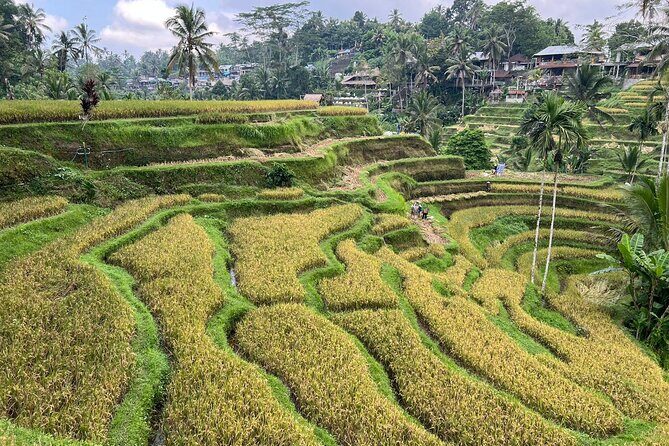
Mengwi Royal Temple (Taman Ayun): The calming start

Private Bali Tour: Best of Bedugul and Tanah Lot Temple - Mengwi Royal Temple (Taman Ayun): The calming start
Taman Ayun is the royal temple of the Mengwi Empire, built in 1634 as a family temple connected to a deified ancestor. That “royal ancestor” angle helps you understand why the place feels more like a carefully ordered spiritual compound than a chaotic roadside stop.

The tour sets aside about 45 minutes here, which is just enough time to:

  • walk the grounds at a relaxed pace
  • take in the fish-pond setting around parts of the site
  • learn the meaning behind the worship connection to ancestors and tradition

What you should know before you go: temples in Bali usually reward slow looking. If you rush, you’ll miss details like the layout and how water features are treated as part of sacred space.

Ulun Danu Bratan Temple: Water worship on a lake

Private Bali Tour: Best of Bedugul and Tanah Lot Temple - Ulun Danu Bratan Temple: Water worship on a lake
Next up is Ulun Danu Bratan Temple, built around the famous lake of Bratan. This is a water-centered temple, dedicated to Dewi Danu, the Balinese water, lake, and river goddess.

The schedule gives you about 1 hour. I like this timing because it gives you breathing room to stand where you can actually take in the lake setting—rather than just snapping a photo and sprinting back to the car.

A small expectation-setting note: water-temple scenery often depends on the day’s weather. Clouds can soften the view, but the temple setting usually still feels peaceful. And if you’re lucky with clearer skies, the lake-and-temple combination hits harder.

Jatiluwih Green Land: UNESCO rice terraces and Subak culture

Private Bali Tour: Best of Bedugul and Tanah Lot Temple - Jatiluwih Green Land: UNESCO rice terraces and Subak culture
Jatiluwih is where the tour shifts from temple architecture to working cultural land. It’s noted as being UNESCO-listed, tied to the local irrigation system called Subak, which has helped farmers keep rice-growing traditions alive.

You’ll get about 1 hour 30 minutes here, which is a good chunk. For rice terraces, time is your friend. Terraces aren’t a single postcard viewpoint; you’ll want a few angles, and you’ll likely want a slower walk along sections where you can see how the irrigation and farming patterns connect.

Two ways this stop can make the whole day better:

  • It gives your eyes a break after temples, so the spiritual theme doesn’t turn into a visual overload.
  • It explains Bali’s spiritual side isn’t only about buildings—it’s also about how people work, share water, and keep a long-term system running.

The optional lunch is also positioned around this general area with views over the terraces. If you choose it, you’re basically paying for convenience and the chance to eat with rice-terrace scenery.

Tanah Lot Temple: Sunset plans, tide timing, and the real-world risk

Private Bali Tour: Best of Bedugul and Tanah Lot Temple - Tanah Lot Temple: Sunset plans, tide timing, and the real-world risk
Tanah Lot is the big-name finish: one of Bali’s most important temples, dating to the 11th century, sitting by the ocean. The key detail is that you can access parts of the temple area only at low tide.

The tour allocates about 1 hour here. That hour is doing a lot of work. It’s not just for temple viewing; it’s also your window to catch the sunset.

Here’s the honest consideration: sunset is weather-dependent. If it’s cloudy, you may not get the dramatic sky you hoped for. This is the one part of the day where I think you should manage expectations. Go for the temple and ocean setting first, and treat the sunset as a bonus if conditions cooperate.

The guide factor: Gusde and Kanu set the tone

Private Bali Tour: Best of Bedugul and Tanah Lot Temple - The guide factor: Gusde and Kanu set the tone
A big reason private Bali tours feel worth it is the guide’s storytelling and flexibility. In past experiences connected to this tour, guides like Gusde and Kanu have been praised for being knowledgeable and sharing life-in-Bali stories. That’s not just entertainment—good guidance helps you notice what matters at each site.

You’ll also see the value of flexibility in how these guides handle small changes. One driver/guide adjustment was described as smooth and without problems, which matters because Bali schedules rarely survive contact with real traffic, real queues, and real weather.

If you care about learning rather than just collecting photos, this is a strong match.

Timing tips so you don’t feel rushed

Private Bali Tour: Best of Bedugul and Tanah Lot Temple - Timing tips so you don’t feel rushed
Even with a well-planned route, you’ll spend a good part of the day in the car. So plan your body like a local: water, sunscreen, and breathable clothes.

Since the day includes:

  • a morning start
  • mid-day stops at temples
  • a rice-terrace break
  • a coastal finale

…it helps to keep your photo strategy simple. Pick a few must-have angles at each stop, then spend the rest of your time just looking and reading the vibe. Temples and terraces reward that approach.

And because access at Tanah Lot depends on tide, don’t assume you can wander freely right up to everything. Your guide can help you time it, but you should still be ready for what the coastline allows that day.

What’s included vs. what’s optional (so you can plan your budget)

Included

  • pickup/drop-off
  • air-conditioned minivan transport
  • bottled water
  • all entrance fees
  • all taxes/fees/handling
  • private guide/driver
  • mobile ticket

Not included

  • lunch (unless you pick the lunch option)

If you want a simple day with fewer decisions, consider selecting the lunch option so you’re not hunting for a meal while everyone else is timing temple visits.

Should you book this private Bali day trip?

You’ll likely be happy with this tour if you want:

  • a single-day “best of” that stays focused on Bedugul first, then Tanah Lot
  • private pacing with a guide who can explain what you’re seeing
  • a day where entrance fees are already handled

You might pass (or at least rethink) if:

  • you’re chasing a guaranteed sunset photo. The sunset can be blocked by clouds, and Tanah Lot’s access depends on tide.
  • you hate long drive days. Even with about 10 hours total, you’ll still feel the movement from place to place.

If your priority is spiritual temples plus UNESCO rice terraces in one coherent route, this tour makes a lot of sense.

FAQ

FAQ

What’s the duration of the tour?

The tour runs for about 10 hours.

What time does the tour start?

The start time is 8:00 am.

Is pickup offered from hotels?

Yes. Hotel pickup and drop-off are included.

Is this tour private?

Yes. It’s a private tour, so only your group participates.

Which stops are included in the itinerary?

The tour includes Taman Ayun Temple, Ulun Danu Bratan Temple, Jatiluwih rice terraces, and Tanah Lot Temple.

Are entrance tickets included?

Yes. Admission tickets/entrance fees are included for the stops listed.

Is lunch included?

Lunch is not included unless you select the lunch option.

How does Tanah Lot access work?

Tanah Lot can be accessed only when it is in low tide.

Is there a cancellation option if plans change?

Yes. Free cancellation is available up to 24 hours in advance for a full refund.

How much does the tour cost?

The listed price is $53.34 per person.

2 Days Best of Bali Famous Tour Packages

2 Days Best of Bali Famous Tour Packages - Day 1: Barong and Kris dance, then Ubud crafts to Jimbaran seafood

Two days, and Bali feels familiar fast. This private-style tour packs the island’s most recognizable sights into a full AC pickup-and-drop plan, with an English-speaking driver/cum-guide to keep you moving and explain what you’re seeing. You also get a built-in flow from culture to scenery, so your day doesn’t turn into map-and-missed-turn stress.

I especially love the mix of handmade craft stops and big spiritual landmarks. You’ll watch batik get made by hand in Tohpati, then move through gold and silver at Celuk, wood carving at Mas, and painting in the Ubud Batuan area—then cap the day with views that feel like you traveled farther than you did.

The main drawback to plan for is the pace. This is a long, active two-day circuit with lots of driving, and while meals are included, one couple wasn’t happy with the food quality—so if food is a top priority, be ready to eat what’s offered and keep a simple backup dinner option nearby.

Key highlights that make this tour work

2 Days Best of Bali Famous Tour Packages - Key highlights that make this tour work

  • Private guide + private vehicle: you’re with just your companion, not a bus full of strangers.
  • Admissions and tickets handled: entrance fees and performance admission are included at the stops.
  • Craft villages as real culture: batik, gold/silver work, wood carving, and painting are part of the day.
  • Kintamani and Tanah Lot views: volcano-and-lake lunch on Day 1, then sunset temple timing on Day 2.
  • Two included meals per day: lunch and dinner are planned so you don’t have to hunt for food.

Private full AC touring with pickup from Seminyak

2 Days Best of Bali Famous Tour Packages - Private full AC touring with pickup from Seminyak
This is set up for convenience from the first morning. You start from Seminyak, and you’re picked up and brought back with a private full AC car. That matters in Bali, where traffic can turn short trips into long ones. Having the transport and most entrance fees handled means you spend your energy on the sites—not on figuring out ticket lines or which temple needs which entrance permission.

The other big plus is the guide setup. The tour includes an English-speaking driver who also acts as a guide, so you don’t just roll up, park, and wander. In the feedback I saw, names like Nova, Sudama, Pak Wira, Albi, and Wayan Parta came up, and the recurring theme was friendly interaction plus the ability to adjust when people wanted extra time somewhere.

That said, Bali isn’t built for tight schedules. Plan mentally for a full-on two days, not a relaxed stroll. If you’re sensitive to cramped seating (a point raised by one guest in the style of vehicle used on their departure), ask your operator what car/van you’ll get for your dates.

Day 1: Barong and Kris dance, then Ubud crafts to Jimbaran seafood

2 Days Best of Bali Famous Tour Packages - Day 1: Barong and Kris dance, then Ubud crafts to Jimbaran seafood
Day 1 is built like a cultural sampler: dance, then craft villages, then temples and viewpoints, then dinner by the sea.

It starts at Sukawati Batubulan Village with Barong & Kris Dance. This is a proper cultural performance stop (about one hour) with admission included. If you’re new to Bali, this is a good “first chapter” because you’ll recognize the religious and ceremonial energy behind later temple visits.

From there, you head into the maker villages—short stops, but focused ones:

  • Tohpati Village (20 minutes): batik created by hand.
  • Celuk Village (20 minutes): gold and silver smith work.
  • Mas Carving Center (20 minutes): wooden work at Mas Village area.
  • Ubud Painting + Bali House Compound at Batuan (about 50 minutes): painting village-style viewing.

These stops are often the difference between a sightseeing tour that feels like a photo checklist and one that feels like you got a small education. Even if you don’t buy anything, watching craft processes helps you understand why Bali art shows up everywhere—from temple details to souvenirs you’ll see later in markets.

After the craft circuit, you shift from art into spirituality with Puseh Batuan Temple (about 25 minutes). This is a temple entry stop, again with admission included. The practical tip here: wear modest cloth you can adjust quickly, and plan to move carefully in and out of worship areas.

Next comes a sensory break at Segara Windhu Coffee Plantation (about 20 minutes). It’s described as exploring a spice garden with coffee and ginger tea. This is also where you’ll learn how local ingredients connect to daily life beyond the tourist version of Bali. If you’re not a coffee person, still treat it like a short nature-and-flavor stop rather than a “must buy” obligation.

Lunch lands at Kintamani Highland, with about an hour and a restaurant view over Volcano Batur and Lake Batur. This is one of the stops that justifies the itinerary’s effort: you get a sit-down meal with an actual change of scenery. If you can, wear something light and bring sunscreen—highland sun can still feel sharp.

Then it’s back to photos at Tegalalang Rice Terrace (about 15 minutes). It’s quick, which keeps the tour moving, but it also means you’ll want to bring a camera ready and arrive with your “best angles” mental plan. This is a viewpoint-and-picture stop more than a long walk.

After that, you get a drive through Ubud with time that includes the Ubud forest area, plus passing Ubud King Palace and the Ubud market (about 45 minutes), with that stop noted as free. This works well if you want a sense of Ubud’s energy without trying to do Ubud on your own while traffic and parking try to win.

Day 1 closes with Jimbaran Bay for a seafood dinner set at a beach café restaurant (about one hour, admission included). This ending is a smart rhythm: after hills, crafts, and temples, you finish by the water. One caution based on feedback: meals are included, but food quality isn’t guaranteed to match every taste, so keep your expectations realistic.

Day 1 deeper meaning: crafts, temples, and why the order matters

2 Days Best of Bali Famous Tour Packages - Day 1 deeper meaning: crafts, temples, and why the order matters
What I like about Day 1 is the logic. It starts with a performance (Barong & Kris Dance), then moves to the everyday makers (batik, metalwork, carving, painting), and then shifts toward worship settings (Batuan Temple). That order helps the whole day click together.

Craft villages can feel “salesy” on some tours, but the way this plan is structured—short, guided, and tied to cultural understanding—keeps the focus on what the traditions actually are. You’re not just seeing outputs; you’re getting a quick education in process.

The temple stop also makes more sense after the dance performance. Even if you don’t understand every detail of Balinese religion, you’ll start noticing the same themes: ceremony, symbolism, and the role of spiritual spaces in daily life.

The main trade-off is time. Each craft and temple stop is limited (often 20–50 minutes). That means you’ll leave wanting longer at at least one place. If you’re the type who likes to linger in a single workshop or viewpoint, tell your guide early. In the feedback I read, flexibility came up as a key strength with guides like Nova and Wayan Parta.

Day 2: royal temple roots, fruit-market stops, and lake temples

2 Days Best of Bali Famous Tour Packages - Day 2: royal temple roots, fruit-market stops, and lake temples
Day 2 shifts the island’s “center of gravity” north and west of the Day 1 Ubud zone. It’s a temple-and-lakes day with one very practical market detour.

You start at Taman Ayun Temple (about 30 minutes). This is the royal family temple of Mengwi Kingdom. It’s a meaningful opening because it’s not just another pretty temple stop. It connects you to how old Bali had clear, formal ties between rulers and sacred spaces.

Then you head to Baturiti / Pacung Baturiti Village for rice terraces (about 15 minutes, marked as free). This is a short “view hit” with a cooler feel than lowland beach areas.

Next is Pasar Candi Kuning, the biggest fruit market stop in this sequence (about 20 minutes, admission included). This is one of those stops you either love or ignore—so decide ahead of time. If you like seeing what locals actually eat and sell, this is great. If you’re just there for temples, keep your expectations simple: it’s a market view, not a shopping spree requirement.

Lunch is at Bedugul with a buffet lunch plus a view over Beratan Lake (about one hour, marked free). This “sit and eat with a view” break matters. Day 2 has enough driving that you’ll appreciate a meal where you can relax for a while.

After lunch, you visit Ulun Danu Beratan Temple (about 25 minutes). This temple is dedicated to the goddess of the lake. If you’ve done Barong and Kris Dance on Day 1, then temples on Day 2 won’t feel disconnected—they’ll feel like a continuing thread.

Then come the lakes and the scenery:

  • Buyan Lake / Wanagiri Hills (about 20 minutes): twins lakes of Buyan and Tamblingan at Gobleg Village area.
  • Wanagiri Hidden Hills (about 10 minutes): a short pause around the twins lake area.

These are short stops, but they’re also the payoff. You’re getting the “Bali beyond beaches” feel—cooler air, big water, and the sense of stepping out of the tourist loop for a bit.

Tanah Lot sunset timing and the second dinner by the temple

2 Days Best of Bali Famous Tour Packages - Tanah Lot sunset timing and the second dinner by the temple
The grand finale is Tanah Lot Temple (about 40 minutes), noted as having an amazing sunset view. This is the “everyone’s heard of it” stop, but the value here is timing. Tanah Lot is best when the light softens, and your tour includes that sunset rhythm.

What I like is that the day is set up so you’re not rushing through it. You get a dedicated temple visit before dinner, rather than eating and then hoping you still catch golden hour.

After sunset, you have a dinner around Tanah Lot (about one hour). The meal is described as Indonesian standard food, and the stop is part of the included experience. This is a practical way to end: you finish with a dramatic setting and you don’t have to coordinate your own transport after dark.

One thing to keep in mind: temple evenings can be cooler than you expect, especially if your day started warm in the south. Bring something light even if you’re traveling with sun in mind.

Meals, entrances, and the real value of the $142 price

2 Days Best of Bali Famous Tour Packages - Meals, entrances, and the real value of the $142 price
At $142 per person for two days, the question is whether you’re getting more than “a driver and a list.” In this case, you are: the tour includes hotel pickup and drop-off, a private full AC vehicle, entrance fees and tickets at scheduled stops, mineral water, and lunch and dinner both days.

This matters because Bali site admissions and organized stops can add up fast when you try to DIY. When entrances and guided timing are bundled in, you lose fewer “invisible costs,” like the time spent negotiating what to do next, or paying extra for guides and tickets separately.

The only value warning I’d give is food quality. One guest said lunch and dinner weren’t up to expectations and even canceled the second dinner to eat elsewhere. That doesn’t mean the meals will be bad on your dates, but it does tell you food is a variable. If you’re picky, consider eating your best appetite early in the day and planning a simple backup plan for your preferences.

Pacing tips so the two days feel fun, not frantic

2 Days Best of Bali Famous Tour Packages - Pacing tips so the two days feel fun, not frantic
This tour is active. It’s not a “choose your own speed” wander. To enjoy it, you’ll want a little strategy:

  • Wear modest cloth that’s comfortable for temple stops.
  • Use sunscreen and a hat. Sun hits hardest during viewpoint breaks like Kintamani and Tegalalang.
  • If you have one must-see—like the coffee plantation flavor stop or Tanah Lot sunset—tell your driver/guide early so time can flex around your priority.
  • Keep your phone charged. You’ll take plenty of photos at rice terraces and lakes.

Also, because this is private, you can usually request small adjustments. In the feedback, guides were described as flexible when guests wanted more or less time in particular spots. Still, don’t expect miracle schedule changes in heavy traffic—what works is “small shifts,” not a full rewrite.

Should you book the 2 Days Best of Bali Famous Tour?

2 Days Best of Bali Famous Tour Packages - Should you book the 2 Days Best of Bali Famous Tour?
Book it if you want a smart first “Bali highlights” circuit with private pickup, entrance fees included, and a day plan that moves through temples, craft villages, and two major view payoffs (Kintamani and Tanah Lot). It’s also a good fit for couples or solo travelers who don’t want to coordinate tickets, rides, and timing on their own.

Skip it or rethink if:

  • You hate long travel days and prefer slower, neighborhood-based exploring.
  • You’re extremely picky about included meals.
  • You’re worried about seating comfort and want to verify the exact vehicle you’ll ride in.

If you’re trying to see a lot fast and you like having someone else handle the structure, this tour is one of the easiest ways to do it.

FAQ

How long is the tour?

It’s listed as 2 days (approximately), starting in the morning and running across two full days of sightseeing.

Is this tour private?

Yes. It’s described as private, meaning it’s just your group (you and your companion) with an English-speaking driver/guide and private vehicle.

What’s included in the price?

Inclusions listed include hotel pickup and drop-off, private air-conditioned vehicle, English speaking driver (cum guide), mineral water, all entrance fees and tickets at scheduled stops, lunch and dinner both days, and admission to the Balinese dance performance.

What time does the tour start and where does it take place?

The tour starts at 8:00 am and the location is Seminyak, Indonesia.

What should I bring for the tour?

The tour suggests bringing modest cloth, hat, camera, money, and sun scream (sunscreen).

Can I cancel for a full refund?

Yes. You can cancel up to 24 hours before the experience start time for a full refund.

Bali Reptile Park Entrance Ticket

Bali Reptile Park Entrance Ticket - Tickets, timing, and why the mobile pass matters

Snakes, lizards, and crocodiles in one hour. Bali Reptile Park mixes natural jungle visuals with man-made tropical gardens, so your walk feels like you’re in a living habitat rather than a generic zoo corridor. You also get flexibility to visit at the time that fits your day, which helps in Ubud when schedules get tight.

I really like two things about this ticket: the chance to see 150+ reptile species and the way the visit can turn into interactive encounters. Staff may invite you to hold animals like a snake or an iguana, and guides can explain what you’re seeing in plain, practical terms while you move at your own pace.

One possible consideration: animal care. Some past visitors have raised concerns about the size and setup of certain enclosures, including a saltwater crocodile area, so if you’re sensitive to that, keep it in mind before you go.

Key things I’d plan around

Bali Reptile Park Entrance Ticket - Key things I’d plan around

  • 150+ species in a single, manageable visit (about 1 hour 30 minutes)
  • Jungle-and-garden layout that feels more natural than a warehouse-style park
  • Guided, question-friendly experience with staff who can explain what you’re looking at
  • Hands-on moments that may include holding reptiles when staff invites you
  • Next to Bali Bird Park, so you can stack both in the same area
  • Mobile ticket for an easier arrival with no paper hunt

Where Bali Reptile Park Fits in Your Ubud Day

Bali Reptile Park Entrance Ticket - Where Bali Reptile Park Fits in Your Ubud Day
This is a smart add-on when you want something fun that’s not a whole half-day saga. In Ubud, plans can change fast—traffic, heat, sudden rain—so an attraction with a clear time window and a short loop works well.

The park is also close to public transport, which means you’re not forced into a long taxi negotiation every time you want to hop somewhere. And it sits right next to Bali Bird Park, so if you’re building an animal-themed morning (birds first, reptiles second), it’s an easy one-two pairing without doubling your travel time.

Tickets, timing, and why the mobile pass matters

Bali Reptile Park Entrance Ticket - Tickets, timing, and why the mobile pass matters
You’ll pay about $15.27 per person for entry, and the visit runs about 1 hour 30 minutes. That length is a big part of the value: long enough to feel like you did something, short enough that it won’t wreck your afternoon plans.

The ticket is delivered as a mobile ticket, which is helpful in Bali where phone storage and screen brightness matter more than paper tickets. You’ll also have the option to visit at a time that suits you, instead of being trapped into one rigid schedule.

One practical tip: if you want a calmer experience, arrive early. The park is popular with families, and getting there before the biggest waves can make the guided parts feel less rushed and the photo moments more comfortable.

The grounds: jungle exhibits plus a tropical garden feel

The park’s layout is built to look and feel like a mix of old-school exhibit design and lived-in jungle scenery. You move through areas that combine an “ancient-view” style display with natural jungle visuals and man-made tropical gardens.

Why that matters: reptiles can be hard to spot in a barren setting. Here, the greenery and the habitat-style planning help you actually notice the animals—plus it just feels better to walk through shade instead of blazing sun the whole time.

You’ll also find a reptile show and a couple of extras like a cafe and selfie spots. These are the kinds of things that keep the visit from feeling like only one intense moment after another. You can take breaks, warm up with a drink, and then head back out when you’re ready.

150+ reptile species in one visit: how to see the most

Bali Reptile Park Entrance Ticket - 150+ reptile species in one visit: how to see the most
The headline is 150+ different species. That’s a lot to cover in 90 minutes, so you’ll want a simple game plan: pick the reptile types that matter to you most and let the rest be a bonus.

Here’s how to make that work on the ground:

  • If you’re into big iconic animals, focus on the crocodile area and iguanas early, because those tend to draw attention and can be busy.
  • If you’re more of a lizard and gecko person, slow down near the handling/petting areas so you can actually read what’s on display.
  • If you just want variety, keep moving—but pause whenever a guide starts explaining something specific.

This park is described as covering native Indonesian reptiles alongside rare reptiles from around the world. That mix is one reason it’s appealing even if you’ve seen other animal parks before: you’re not only getting local species, and you’re not only getting common ones either.

Guided encounters that turn animals into facts

Bali Reptile Park Entrance Ticket - Guided encounters that turn animals into facts
One of the best parts here is that the visit doesn’t rely only on you reading signs. You’re accompanied by staff, and the guide format can make the experience feel more personal.

In past visits, guides like Widya and Rama stood out for clear explanations and easy Q&A. That matters because reptiles aren’t always obvious. If you know what you’re looking at—temperament, habitat needs, why a species behaves a certain way—you enjoy the animals more and you stop feeling like you missed the point.

The experience can also include a reptile encounter and show components, plus an opportunity for discussion with a zoo keeper or guide. I like this style because it lets you ask the small questions that don’t fit on a sign: what they eat, why they look a certain way, and what makes their behavior different from mammals.

Hands-on moments: holding reptiles and petting areas

Bali Reptile Park Entrance Ticket - Hands-on moments: holding reptiles and petting areas
If you like the idea of doing more than just watching, this park can deliver. Some visitors report being invited to hold a snake and an iguana. Others highlight an iguana petting zoo as a pleasant surprise, especially for kids.

A note for your expectations: hands-on interactions usually happen when staff invites you, so don’t assume you can jump in the moment you arrive. Be ready to follow instructions, listen to safety guidance, and treat the moment as a privilege, not a right.

If you’re visiting with children, this is where the visit often clicks. The attraction isn’t only about seeing reptiles—it’s about making a connection. When a kid can hold an animal (with guidance) and learn why it acts the way it does, the whole trip feels more memorable.

And yes, photo opportunities are part of the experience. The park has selfie spots, and holding moments naturally create good shots—but the best approach is still to prioritize safety and attention over constantly photographing.

The show and feeding moments: what to look for

Bali Reptile Park Entrance Ticket - The show and feeding moments: what to look for
In addition to roaming exhibits, the park includes a reptile show. You can expect scheduled moments where the animals take center stage and staff explain what’s happening.

Some visitors specifically call out highlights like crocodile feeding and green iguana moments. Even if you don’t catch every show segment, the key idea is that the park mixes “walk-and-look” time with “watch-and-learn” time, so the experience isn’t only dependent on you spotting everything on your own.

If you’re short on time, plan to be near the show/feeding areas earlier rather than later. Those moments tend to be the busiest, and you’ll enjoy them more when you’re not sprinting through heat and crowds.

Food breaks and downtime inside the park

Bali Reptile Park Entrance Ticket - Food breaks and downtime inside the park
You’re not stuck leaving the grounds just to cool off or grab a snack. A cafe is on site, which makes it easier to pace yourself.

That sounds minor, but in Bali it’s real. Between humidity and the mental effort of looking at dozens of enclosures, a short break helps you enjoy the second half of the park instead of feeling like you’re just trying to survive to the exit.

Price and value: is $15.27 worth it?

At $15.27, the value depends on what you want from the visit. If your goal is a quick reptile hit with a guide, interactive chances, and a concentrated variety of species, it’s priced like a good “experience ticket,” not a big luxury outing.

The park also leans into education and conservation messaging through keeper-style explanations, not just entertainment. That can make the time feel useful, especially if you’re traveling with kids or you like learning what you’re seeing.

Where price won’t feel like a win is if your priorities are strict animal-welfare standards only, or if you want a long, wildlife-style safari day. This is a controlled attraction. It can be fun and educational, but it isn’t a remote, wilderness conservation trek.

Who should go (and who should think twice)

This visit is a great fit if:

  • You’re in Ubud and want a short, family-friendly attraction.
  • You like learning from a guide, not just reading signs.
  • You want the possibility of hands-on interactions like holding reptiles when staff invite you.
  • You’re stacking the Bali Bird Park and want something animal-related nearby.

You might think twice if:

  • You’re very concerned about enclosure size and animal care setups.
  • You’re hoping for a long visit (this one is about 1 hour 30 minutes).
  • You dislike any environment where animals are displayed in man-managed areas.

FAQ

FAQ

How long does the Bali Reptile Park visit take?

The experience runs for about 1 hour 30 minutes.

What’s the price for the entrance ticket?

The price is $15.27 per person.

Is this ticket delivered to my phone?

Yes. The ticket is listed as a mobile ticket.
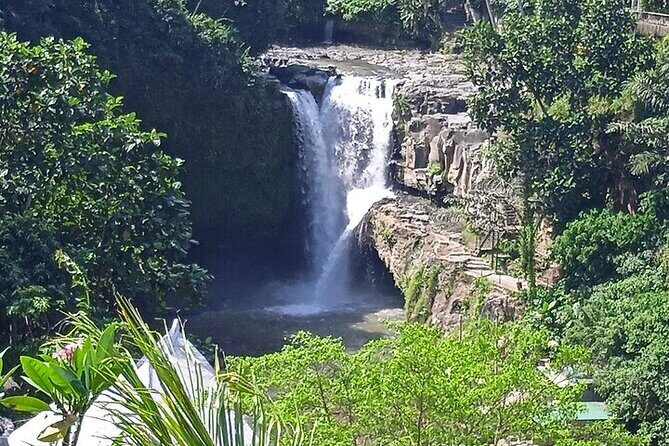
Can I choose the time I visit?

You can visit at a time that suits you.

How many reptiles will I see?

The park highlights more than 150 different reptile species.

Is the admission ticket included?

Yes. Admission ticket is included as part of the experience.

Is the park near public transportation?

Yes, it’s noted as being near public transportation.

What’s the cancellation policy?

You can cancel for free. You must cancel at least 24 hours in advance for a full refund.

Should you book Bali Reptile Park in Ubud?

I’d book it if you want an efficient, guided reptile experience with a lot of variety in a short time—and especially if you’re traveling with kids who get excited about holding a snake or an iguana when staff invites you. The guide-led Q&A (with names like Widya and Rama mentioned by visitors) is a big part of the payoff.

I’d pause before booking if animal welfare concerns are a dealbreaker for you. This park is still worth evaluating with care, since enclosure setup criticisms have appeared in feedback.

If you’re building a morning near Bali Bird Park, this ticket makes a lot of sense as your next stop—quick travel, clear timing, and plenty to see before the heat or evening plans take over.

2D1N Ijen Blue Fire and Mount Bromo Sunrise Tour from Bali

2D1N Ijen Blue Fire and Mount Bromo Sunrise Tour from Bali - Crossing to Bromo and Resting in the Right Place

Blue fire looks like fiction, then it’s real.

This 2-day East Java trip is built around two volcano moments that feel totally different: Ijen’s blue flame at the crater and Bromo’s sunrise over the caldera. I like that the tour handles the hard logistics for you, including pickup, an air-conditioned ride, and the Gilimanuk ferry crossing to Java. It’s also set up for people who want the experience to move smoothly, not get stuck with ticket questions. One thing to consider: you’ll be doing a trek in the dark and the plan assumes moderate physical fitness.

What I really love here is how much care goes into the crater safety and timing. You get a gas mask and headlamp, which matters at Ijen where you’re dealing with sulphur fumes and low visibility. And for Bromo sunrise, the timing is the whole point, with the team pushing you to catch the moment early rather than arriving after the rush.

The main drawback is the schedule and the add-ons. This is a tough two-day format with an early wake, and lunch and dinner are not included (you’ll be paying meals around IDR 100,000 each), plus horse riding at Bromo is an extra cost.

Key Highlights You’ll Feel From the Start

2D1N Ijen Blue Fire and Mount Bromo Sunrise Tour from Bali - Key Highlights You’ll Feel From the Start

  • Gas mask and headlamp included for the Ijen crater trek
  • Blue fire timing that helps you aim for an early viewing window
  • Ferry + private transport from Bali across to Java with less stress
  • One night hotel stay in the Bromo area so you’re not scrambling
  • Guides who go beyond facts, with some also acting as on-the-ground cameramen

How the Bali-to-Java Route Works (Ferry, Private Transport, Timing)

2D1N Ijen Blue Fire and Mount Bromo Sunrise Tour from Bali - How the Bali-to-Java Route Works (Ferry, Private Transport, Timing)
This tour starts from Jimbaran, Bali, and you’ll usually begin with pickup from the Bali area. You’re traveling by air-conditioned vehicle with private transportation, so it’s just your group doing the drive legs rather than sharing vans with random strangers.

A big practical win is the ferry crossing from Gilimanuk to Java. Instead of trying to brute-force the whole route by land, the trip uses the straightforward water connection, then continues inland once you arrive in Java. The day-one driving and crossing is long, but it’s planned around reaching the Ijen area at the right time.

You also get a mobile ticket, and the tour runs with group discounts. That doesn’t change the volcano experience, but it can make booking easier if you’re coordinating with friends or family.

Ijen Crater at Night: Blue Flames, Sulphur Lake, and Safety Gear

Day 1 centers on Blue Fire at the Ijen crater. The star attraction is the sulphuric crater lake and the magical-looking blue flame phenomenon that appears around the crater. This isn’t a quick “look from a viewpoint and leave” stop. The experience is built around getting down to the crater area at night, where visibility and fumes make safety and gear non-negotiable.

That’s where the included equipment earns its keep. You’ll get a gas mask and headlamps, which means you’re not trying to improvise with borrowed gear or buying last-minute supplies in a hurry. Your guide is also there to explain what you’re seeing and how to handle the conditions while you trek.

Another small-but-real quality point: the tour team emphasizes timing for Ijen. In the feedback I’ve seen for this company, guides specifically work to position you for a better chance to see the blue flames early, when you’re not fighting the heaviest crowd flow.

One more consideration: Ijen is listed for travelers with moderate physical fitness. That usually translates to steady walking on uneven ground in dark conditions. If you know you struggle with night treks or uphill steps, this is the part that can be a deal-breaker.

Crossing to Bromo and Resting in the Right Place

2D1N Ijen Blue Fire and Mount Bromo Sunrise Tour from Bali - Crossing to Bromo and Resting in the Right Place
After Ijen, you don’t just head straight into the next sunrise adventure without a break. You drive to the Mount Bromo area and get one night of hotel stay included.

That hotel night is a key value piece. If you tried to do Ijen and Bromo on your own without the in-between rest plan, you’d likely end up with messy timing, extra transport costs, or not sleeping enough to do Bromo sunrise right. Here, the itinerary protects that middle block so you can recharge before the early start.

Dinner isn’t included (so you’ll want a little cash flexibility), but breakfast is provided the next morning. Mineral water is also included, which is handy when you’re running on a tight schedule.

Mount Bromo Sunrise: Early Wake, Big Views, and Why Timing Matters

2D1N Ijen Blue Fire and Mount Bromo Sunrise Tour from Bali - Mount Bromo Sunrise: Early Wake, Big Views, and Why Timing Matters
Day 2 is the early wake-up and Mount Bromo sunrise. Bromo sunrise is one of those experiences where timing is everything, because you’re chasing the shift from dark to light and the changing view across the caldera area.

The tour keeps the day focused: you’ve already done the difficult night trek on Day 1, so Day 2 is more about arriving early, getting to the best viewing window, and then watching the eruption-shaped silhouette come alive in daylight.

This is also where the team’s guidance can make a difference. Several guides associated with the trip are praised for being calm, organized, and on top of the pacing so you don’t feel rushed. One guide even gets described as fun and energetic, which sounds minor until you realize sunrise trekking can feel mentally long if your energy drops.

There’s one more practical angle: because Bromo sunrise is so popular, arriving within the early viewing window matters. The tour approach is designed to help you avoid starting behind the pack.

Your Team Matters: Guides and Drivers Who Handle the Tough Bits

2D1N Ijen Blue Fire and Mount Bromo Sunrise Tour from Bali - Your Team Matters: Guides and Drivers Who Handle the Tough Bits
The service quality on this tour seems to depend heavily on the guide you get, and the reviews around this operator name several standout people.

You might be guided by Akbar, Hirman, Laz, Oni, or others with English-speaking skills. Drivers are also mentioned by name, like Ijat, and that matters because these routes are long and timing-sensitive. A good driver keeps the schedule while a good guide manages the crater conditions and the group pace.

One common theme in the feedback: the guides act like more than walking encyclopedias. People describe them as supportive, organized, and willing to help with photos and pacing. One guide is even singled out for working like a cameraman, which is useful at Ijen and Bromo where the best moments happen quickly.

So here’s my practical advice: when you book, pay attention to whether the operator can assign you the guide you want. If you see a chance to request a specific guide name from their team, it can be worth it.

What’s Included vs. What Costs Extra (So You Can Budget)

2D1N Ijen Blue Fire and Mount Bromo Sunrise Tour from Bali - What’s Included vs. What Costs Extra (So You Can Budget)
This is where the math helps you decide if it’s good value for you.

Included highlights:

  • Air-conditioned vehicle and private transportation
  • Round-trip ferry tickets (Gilimanuk crossing included)
  • English-speaking tour guide
  • Gas mask and headlamps
  • Parking fees and fuel surcharge
  • 1 night stay at a Bromo area hotel
  • Mineral water
  • Admissions ticket included for both days’ key stops
  • Breakfast (2)

Not included:

  • Lunch: IDR 100,000 per meal
  • Dinner: IDR 100,000 per meal
  • Bromo horse riding: IDR 300,000

That lunch/dinner gap is the part you should plan for. If you hate spending time searching for food in remote areas during an early-start schedule, budgeting for meals in advance will make the trip feel less stressful.

And about horse riding: it’s optional, but it’s expensive enough that you should decide before you’re tired and cold. If you’re sensitive about costs, skip it and put that money toward snacks, drinks, or a simpler meal.

Price and Value at $393: When This Tour Feels Like a Deal

2D1N Ijen Blue Fire and Mount Bromo Sunrise Tour from Bali - Price and Value at $393: When This Tour Feels Like a Deal
At $393 per person, this tour doesn’t look cheap at first glance. But you’re not just paying for a guide. You’re paying for a bundle of logistics that can add up fast if you build it yourself:

  • Ferry tickets across to Java
  • Private air-conditioned transport
  • Safety gear (gas mask and headlamp)
  • Admissions included
  • A full night of hotel in the Bromo area
  • Food coverage via two breakfasts (not lunch and dinner)

For Ijen + Bromo, the biggest hidden costs are usually transport fragmentation and timing risk. This package reduces that risk by handling the crossing and the overnight placement. If you’re short on planning time, or you don’t want to worry about moving parts at 2 a.m., the price can start to make sense quickly.

Also, this is a tour people book ahead. It’s commonly booked about 18 days in advance on average. That’s a sign you should not wait until the last minute if your dates are fixed.

Practical Tips That Make Ijen and Bromo Feel Easier

2D1N Ijen Blue Fire and Mount Bromo Sunrise Tour from Bali - Practical Tips That Make Ijen and Bromo Feel Easier
I’ll keep this strictly practical, because the physical effort is real.

  • Rest the night before Day 1. The schedule is intense, and you’ll do better if you’re not starting exhausted.
  • Wear good footwear. You’ll be moving on crater and sunrise terrain in the dark and early light, so grip matters.
  • Use your headlamp and keep it secured. It sounds obvious until you’re juggling steps, cameras, and dust or darkness.
  • Bring cash for meals and extras. Lunch and dinner aren’t included, and horse riding costs extra if you want it.
  • Go slow on the Ijen trek. If you try to speed up, you’ll lose energy faster and may feel worse in the fumes.
  • Listen to the guide’s pacing advice. The best guides keep the group together without pushing people past a safe comfort level.

Small thing: the tour provides water, but you should still plan to hydrate consistently because the pace is demanding across two days.

Who This Tour Fits Best (and Who Should Rethink It)

This tour suits you if:

  • You want both Ijen blue fire and Bromo sunrise in one trip
  • You’re okay with early mornings and night trekking
  • You value safety gear and smooth logistics more than DIY freedom
  • You like having an English-speaking guide telling you what you’re seeing as you go

You might rethink it if:

  • Your fitness is limited and the idea of a crater trek doesn’t feel realistic
  • You hate paying for meals separately and want everything fully included
  • You’re traveling with someone who struggles with dark outdoor walking

The good news is that because it’s a private tour/activity for your group, you’re not stuck with random pacing that doesn’t match your comfort level.

Should You Book This Ijen and Bromo 2D1N Tour?

If your goal is the classic combo—blue flames at Ijen plus Bromo sunrise—this tour is built for that exact mission. The value is strongest when you count the ferry, hotel night, admissions, and safety gear as part of one plan.

I’d book it if you want less stress and better timing: transport is handled, the overnight rest is included, and the team works the schedule so you’re there when it matters most.

I’d hold off if you’re worried about the physical side of Ijen or you want total meal inclusion without extra budgeting. In that case, you might prefer a different format, or a tour that better matches your comfort with early-night trekking.

FAQ

What does the tour include?

It includes an air-conditioned vehicle, private transportation, gas mask and headlamps, parking fees, fuel surcharge, 1 night stay in the Bromo area, round-trip ferry tickets, mineral water, and an English-speaking tour guide. Breakfast is included for 2 mornings, and admission tickets are included.

Is pickup available from Bali?

Yes. Pickup is offered from the Bali area, and you travel by private car.

How long is the tour?

It runs for 2 days (about 2 days total), with Day 1 taking around 7 hours and Day 2 around 8 hours.

Do I need moderate physical fitness?

Yes. The tour notes that travelers should have a moderate physical fitness level.

Is the ferry included?

Yes. Round-trip ferry tickets are included as part of the Bali to Java crossing.

Is free cancellation available?

Yes. You can cancel up to 24 hours in advance for a full refund. If you cancel within 24 hours of the experience start time, there is no refund.

Bali Seminyak Silver Class Activity and Take Your Own Creation

Bali Seminyak Silver Class Activity and Take Your Own Creation - Getting to Padi Jewelry Classes in Seminyak (and Finding the Place Fast)

Two hours, one handmade keepsake. This Seminyak class is a hands-on souvenir upgrade, built for personal attention with a local silversmith as you turn a raw plan into real silver jewelry. You also get free WiFi in the studio for design ideas, plus air-conditioned comfort while you create. One thing to note: the studio is not wheelchair accessible.

You’ll check in at the Padi Jewelry Classes studio in Seminyak, relax in the waiting area, and then jump into the workshop. In a group capped at 15, you’ll use jeweler’s tools to cut, shape, and finish your piece, with steps from concept to final polishing. You can choose a simple ring-style project or something more detailed, using the included silver allowance (1–6 grams, depending on what you make).

Key Highlights Worth Marking on Your Map

Bali Seminyak Silver Class Activity and Take Your Own Creation - Key Highlights Worth Marking on Your Map

  • Small group size (max 15) means the silversmith can slow down when you need it
  • 1–6 grams of pure silver included for one design so you’re not buying materials separately
  • AC studio plus bottled water keeps the experience comfortable, even when Seminyak is hot
  • Studio WiFi helps you search reference designs or just stay connected
  • Tools for shaping and finishing like grinding, sawing, filing, stamping, and hammering

Seminyak Silver Jewelry in 2 Hours: What You’re Actually Paying For

Bali Seminyak Silver Class Activity and Take Your Own Creation - Seminyak Silver Jewelry in 2 Hours: What You’re Actually Paying For

This class is built around one core idea: you don’t just watch jewelry get made. You make it. That’s the value. With a limited time slot of about 2 hours, you’ll focus on a single design path and learn the practical steps—cutting, shaping, texturing, and polishing—rather than spending hours on a long fabrication process.

Price-wise, you’re paying for more than the metal. The included 1–6 grams of pure silver covers the material, while the fee covers expert guidance, studio tools, and the space to work comfortably. In places like Seminyak, it’s easy to overpay for souvenirs that look nice but don’t feel personal. Here, the point is a keepsake with your fingerprints on it—and knowledge you can reuse if you ever want to try again.

If you’re the type who likes doing one meaningful activity instead of collecting more stuff, this workshop fits well. If you only want a quick shopping stop, it might feel like too much work for your taste.

Getting to Padi Jewelry Classes in Seminyak (and Finding the Place Fast)

Bali Seminyak Silver Class Activity and Take Your Own Creation - Getting to Padi Jewelry Classes in Seminyak (and Finding the Place Fast)

The meeting point is at KōsameJl. Mertanadi No.82, Kerobokan Kelod, Kec. Kuta Utara, Kabupaten Badung, Bali 80361, Indonesia. The activity ends back there, so you’re not stuck figuring out how to get home after you finish.

This is one of those activities where arrival smoothness matters. You’ll check in, get oriented, and then settle into the studio’s waiting room before you start. The good news: it’s listed as near public transportation, and it’s in a part of the Seminyak-area that’s generally easy to reach.

A practical tip from what people highlight: if you’re already riding in Bali on your own motorbike, the location is easy to find. If you’re relying on pickups or taxis, plan a little buffer time so you’re not rushed for your check-in.

The Studio Flow: Check-In, WiFi Break, Then Real Making

When you arrive at the studio, the pace is usually simple:

  1. Check in at Padi Jewelry Classes
  2. Wait in the studio area and get settled
  3. Use the free WiFi if you want to look up inspiration or message home
  4. Then start the workshop with the silversmith’s guidance

That WiFi detail is more useful than it sounds. If you come with a vague idea—like a ring style, a pendant shape, or a pattern you want—being able to quickly pull up references makes it easier to communicate what you’re aiming for.

You’ll also get bottled water and work in an air-conditioned studio. Those two bits matter because jewelry making is hands-on and detail-heavy. Cooling down while you work helps you stay focused, not sweaty and distracted.

From Design to Polished Silver: The Workshop Steps That Matter

Bali Seminyak Silver Class Activity and Take Your Own Creation - From Design to Polished Silver: The Workshop Steps That Matter

The main promise here is a full process, not a quick craft demo. The class walks you through the steps needed to go from raw material to a finished piece you can take home.

You’ll use 1–6 grams of pure silver for one jewelry design, meaning your project size and complexity should fit within that silver allowance. While you’re choosing what to make, the studio time is also for planning—so you’re not scrambling at the last second.

What the process includes (based on what you’ll learn and do):

  • Start with initial concept/design
  • Work through the shaping steps using professional tools
  • Learn technique basics like stamping and hammering
  • Finish with final polishing

This is the part I’d recommend you pay attention to even if you’re not trying to become a jeweler. Polishing is where a piece goes from “handmade” to “wearable.” It’s also where you’ll see the difference between rough effort and careful finishing.

Tools You’ll Use: Grinding, Sawing, Filing, Stamping, Hammering

Bali Seminyak Silver Class Activity and Take Your Own Creation - Tools You’ll Use: Grinding, Sawing, Filing, Stamping, Hammering

A lot of Bali craft experiences are more like painting or assembling. This one is more technical. You’ll use tools that real workshops use, including:

  • Grinding wheels
  • Jeweler’s saws
  • Files
  • Plus techniques like stamping and hammering

That tool list is important because it tells you the class isn’t just about being creative. It’s about learning control: cutting clean lines, smoothing edges, shaping the metal, and then finishing it so it doesn’t feel sharp or unfinished.

In the best versions of this kind of class, instructors don’t throw you in and hope for the best. Here, the workshop emphasizes guided steps and patience. People specifically call out instructors named Abi and Putu as being friendly and informative, with the kind of calm teaching that helps you correct mistakes instead of rushing past them.

If you’re nervous about tools, start with a simpler design idea in your head. The more complex your plan, the more you’ll need to keep an eye on time and silver allocation.

The Silver Portion: How 1–6 Grams Changes What You Should Make

Bali Seminyak Silver Class Activity and Take Your Own Creation - The Silver Portion: How 1–6 Grams Changes What You Should Make

The class includes up to 0.21 ounces (6 grams) of silver for most pieces, with the practical range listed as 1–6 grams for your one design.

In real terms, that means:

  • You’ll want to choose something that fits the silver you’re given
  • Large, thick pieces may not be the easiest fit for the time and weight allowance
  • Lighter, more streamlined ring or pendant styles often feel like a better match for a 2-hour workshop

If you’re planning what to make, aim for a design you can explain simply—shape, size, texture, and whether you want stamping details. If you show up with a complicated sketch full of tiny features, you might still be able to translate elements of it, but it may need simplification to stay within the silver and time limits.

This is exactly where the studio WiFi helps: you can quickly compare reference photos and pick something that looks great even if it’s scaled to a small project.

Comfort and Control: Small Group Attention in an AC Room

Bali Seminyak Silver Class Activity and Take Your Own Creation - Comfort and Control: Small Group Attention in an AC Room

A big part of the positive experience is that it’s not a giant crowd. With a maximum of 15 travelers, the instructor can actually give focused attention. That shows up in how you’re taught: you can ask questions, adjust your piece, and keep moving without feeling like you’re constantly waiting your turn.

The studio environment is also set up for comfort. You’re working indoors in an air-conditioned studio, with bottled water provided. Then there’s a waiting room where you can settle in before you start.

If you’re comparing this to a typical “tourist craft table,” the difference is the instruction style. You’re not just handed materials. You’re learning a sequence of steps that results in a take-home piece.

Price in Context: Is $46.43 Worth It?

Bali Seminyak Silver Class Activity and Take Your Own Creation - Price in Context: Is $46.43 Worth It?

At $46.43 per person for about 2 hours, this class is offering a package: silver metal allowance, studio tools, guidance, and a finished keepsake you take home.

Here’s how to judge the value fairly:

  • If you’d normally buy a souvenir jewelry piece in Seminyak, you’re used to paying for the look. This workshop lets you pay for the metal and the making process.
  • You get enough silver for most small-to-medium designs, so you’re not supplementing your budget just to start.
  • The included tools and AC workspace reduce the hidden costs you’d otherwise face if you tried to DIY or find a workshop on your own.

Also consider what you’ll actually remember. A handmade ring or pendant is the kind of item you keep wearing or gifting because it has a story. Even if your first attempt isn’t perfect, you’ll still own something made through skill-building.

If you’re traveling with friends and you each want a small piece, it can feel like a smart “shared experience” cost rather than a separate purchase cost for each person.

Upgrades That Might Be Worth Considering

The class includes the silver base, and there are optional add-ons:

  • Gold plating is available for an additional charge
  • There’s also mention of an option to join an evening class, if you want a later time slot

Gold plating can make the finished piece feel closer to the polished look many people want from jewelry-store items. If you’re making a gift, plating can also make the final effect more similar to what recipients are used to wearing.

Even without upgrades, silver jewelry can be versatile, and polishing can make it look clean and intentional.

Who Should Book This Silver Class in Seminyak?

Book it if you:

  • Like hands-on activities where you leave with something real
  • Want an authentic Bali souvenir that isn’t just store-bought
  • Enjoy learning a practical skill, even at a beginner level
  • Want a small-group experience with personal attention

It may not be the best match if you:

  • Want a low-effort activity with no tools involved
  • Need wheelchair access (the studio is not wheelchair accessible)
  • Prefer long, wandering experiences with no tight time window

Families can also find the format appealing because the studio emphasizes patience and guidance, but the class involves metal tools and techniques like hammering and stamping. If you’re traveling with kids or teens, you’ll want to consider their comfort level with the workshop setting.

A Few Smart Tips Before You Go

These are the practical things I’d do to make your session smoother:

  • Decide on a simple design goal before you arrive: ring shape, pendant shape, or a textured stamping pattern
  • Use WiFi to pull 2–3 reference photos so you can describe what you want clearly
  • Wear comfy clothes you don’t mind getting a bit dusty from metal work (even in an AC studio)
  • Ask questions early rather than waiting until you hit a problem
  • If you’re short on time, keep the design within the silver allowance and time frame

And if you’re someone who likes being extra prepared: confirm your class time and aim to arrive with a little buffer for check-in.

Should You Book? My Take for the Right Traveler

If you want a Bali souvenir with a story, this is an easy yes. The combination of small-group attention, real silversmith tools, and a take-home piece made during the class is hard to beat for the money. The studio setup—AC comfort, bottled water, and free WiFi—keeps it practical instead of stressful.

I’d skip it only if you need something wheelchair accessible or you’re not interested in hands-on work. But for most people who want a meaningful Seminyak activity, it’s a solid, satisfying choice that ends with something you can actually wear.

Exclusive Ubud Jewelry Making: Craft with a Pro Silversmith!

Exclusive Ubud Jewelry Making: Craft with a Pro Silversmith! - SUNSRI House of Jewelry: your making class plus a tour that adds meaning

Want a hands-on Bali souvenir? This small-group Ubud jewelry making class sends you to Celuk, the heart of Bali’s silversmithing village, where you learn real metalwork steps and leave with a piece you helped design. I like that the class is capped at four people, so you’re not stuck watching from the sidelines. One watch-out: your final look may depend on the options the workshop offers, and truly custom requests can cost extra.

What I especially like is how the instruction mixes practical tool skills with the techniques you actually need to finish silver work, including sawing, stamping, hammering, soldering, plus sanding and polishing. I also like that you get more than just making time: the program includes a museum and workshop tour, plus an e-certificate and photos sent by email. A possible drawback is that if you’re hoping for a totally free-form, one-off design, you may find the starting point is guided by a catalogue or preset choices.

Key points

Exclusive Ubud Jewelry Making: Craft with a Pro Silversmith! - Key points

  • Ultra-small class size keeps attention on you, not a crowd
  • Core silver techniques include sawing, stamping, hammering, and soldering
  • 5g of silver included in the 3-hour class, enough for a ring, pendant, or earrings
  • Museum and workshop visits add context for what you just learned
  • Welcome drink, bottled water, and e-certificate come with the experience
  • SUNSRI shopping voucher (IDR 50,000 per person) helps if you want to add to your haul

Celuk silverwork: how the class fits into real Bali craft life

Celuk is one of those places where “local craft” isn’t a slogan. You’re in the silversmithing area near Ubud, and the workshop experience is built around the idea that jewelry making is a process—tools, heat, patience, and finishing.

You start at SUNSRI House of Jewelry at Jl. Raya Celuk, Celuk (near Sukawati/Gianyar). From there, the day flows like a guided workshop session: learn, make, finish, and then see how other artisans approach their work. The format works well if you want something more meaningful than a generic shopping stop.

Also, the class being small matters. With only a few people per session, you’re more likely to get direct corrections when you’re shaping, soldering, or sanding. That reduces the “wait your turn and hope” feeling that can happen in bigger craft classes.

3 hours of silverwork: what you’ll actually learn and make

Exclusive Ubud Jewelry Making: Craft with a Pro Silversmith! - 3 hours of silverwork: what you’ll actually learn and make
This is the half-day option (about 3 hours). The experience is designed around getting you through the key steps of basic silver jewelry work without dragging it into an all-day commitment.

The skills you’ll practice

You’ll learn and use fundamental techniques such as tool usage plus:

  • Sawing
  • Stamping
  • Hammering
  • Soldering

You’ll also work through the finishing steps: sanding and polishing. That finishing phase is where a lot of “wow” comes from, because silver can look rough if polishing is skipped or rushed.

How the design decision works

At the end, you’ll have the choice of crafting a ring, earring, or pendant, and you’ll get to take your handmade piece home right after.

In practice, your design freedom may feel a bit structured. Some people will be shown options and guided toward what you can realistically complete in the time. If you’re aiming for a specific, detailed concept, you might need to align your idea with what the workshop can support during a 3-hour class.

Extra silver: why it can matter

You get a set amount of silver included, and that sets the limit on what you can make comfortably. The program lists pricing tiers by silver amount and class length. For the 3-hour class, the inclusion is 5 grams of silver.

If you want a bigger piece—or a second piece—you can add more silver for IDR 50,000 per gram. That’s a good deal to know early, especially if you’re making something for a gift, like a pair of earrings to match your ring.

SUNSRI House of Jewelry: your making class plus a tour that adds meaning

Exclusive Ubud Jewelry Making: Craft with a Pro Silversmith! - SUNSRI House of Jewelry: your making class plus a tour that adds meaning
This experience isn’t only about the workbench. After you complete the class, you’re invited to join a guided tour that explores local museums and workshops connected to jewelry making.

That post-class tour is one of the most practical parts. Once you’ve tried sawing and soldering, you can actually “read” what artisans are doing when you see them in action. You’re not just looking at finished items; you’re seeing the workshop reality behind the shine.

You also get built-in comforts for a longish workshop session: a welcome drink and mineral water. It sounds small, but it helps when you’re focused on careful steps.

And you’ll come away with proof of the experience, not just a souvenir: an e-certificate and documentation (photos) sent by email.

Teacher attention in a workshop: why it feels different with small groups

Exclusive Ubud Jewelry Making: Craft with a Pro Silversmith! - Teacher attention in a workshop: why it feels different with small groups
The most consistently praised feature here is the instruction quality. The class is limited to four people, which changes the vibe immediately: you get hands-on help while you work.

One review highlighted being welcomed by a host named Mirah, who didn’t just introduce the session. She stayed with the group and helped interpret what was happening during the work, which matters when you’re learning technical steps. Even if you have no metalworking background, having someone actively explain the why behind each step can save you from rushing and then wondering what went wrong.

You can also see the value in organization. Reviews describe the process as smooth and well run, with experienced craftsmen leading the session. When you’re working with tools like saws and a soldering setup, clear steps reduce mistakes and frustration.

Price and value: where the $40 fits (and where it can grow)

Exclusive Ubud Jewelry Making: Craft with a Pro Silversmith! - Price and value: where the $40 fits (and where it can grow)
At $40 per person, you’re paying for more than a ticket to a studio. In the 3-hour class you’re getting:

  • Instruction in core silver jewelry techniques
  • 5 grams of silver included
  • Welcome drink and mineral water
  • Museum and factory-style tours
  • e-certificate plus photo documentation
  • Shopping voucher worth IDR 50,000 per person for the SUNSRI gallery

So the money covers both the making and the context. If you’ve ever bought a tourist souvenir and later wished you understood how it was made, this structure helps avoid that regret.
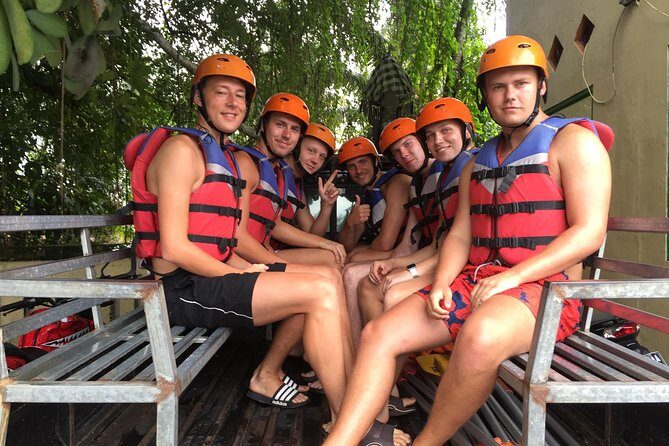
Where the cost can grow is optional add-ons:

  • If your design ambition goes beyond what 5 grams supports, extra silver is IDR 50,000 per gram.
  • The class format may guide you toward certain designs or options rather than total freedom, so very specific custom ideas may require adjustments.

Transportation isn’t included. That part is straightforward: you’ll want to factor in a driver or rideshare depending on where you’re staying around Ubud.

What to expect on the day: timing, pacing, and what to bring

Exclusive Ubud Jewelry Making: Craft with a Pro Silversmith! - What to expect on the day: timing, pacing, and what to bring
Plan on a workshop pace, not a quick sightseeing sprint. The session is about 3 hours, and you’ll spend time learning steps, creating your piece, then polishing enough to take it home.
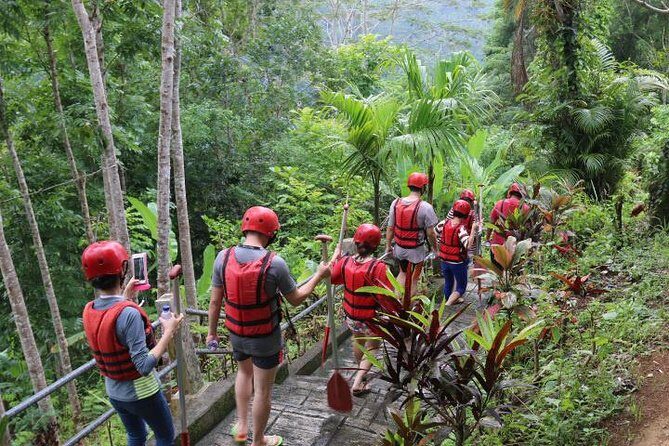
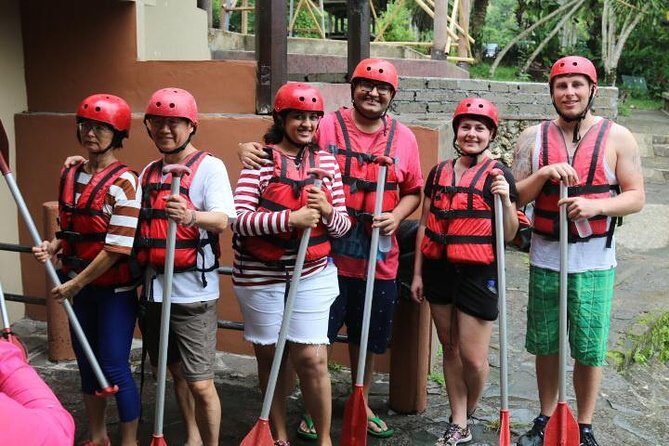
The activity uses a mobile ticket, and you meet at SUNSRI House of Jewelry. The session ends back at the meeting point.

What should you bring? The program doesn’t spell out a dress code, so I’d treat it like any hands-on metalwork class:

  • Wear clothes you don’t mind getting dusty.

  • Bring flip-flops or easy-to-remove footwear if you’re the kind of person who likes to change shoes.
  • If you’re wearing rings or a delicate watch, consider taking them off to avoid damage.

If you’re coming from central Ubud, add some buffer for traffic. Celuk isn’t far, but Balinese roads can be unpredictable.

Also note the age rule: children under 13 must be accompanied by an adult.

Who this class is best for in Bali

Exclusive Ubud Jewelry Making: Craft with a Pro Silversmith! - Who this class is best for in Bali
This is a strong fit if you want a hands-on activity that still feels “Bali-local,” not like a generic craft stop. You’ll enjoy it most if you’re:

  • A beginner who wants to learn by doing
  • A couple looking for a meaningful shared project (matching rings are a popular use case)
  • Someone who likes taking home an item with a story
  • A future maker who wants a taste of how tools and finishing steps fit together

It’s also a good choice if you’re curious about how jewelry is made beyond the finished product. The museum and workshop tour helps you connect your new skills to what artisans do every day.

If you’re looking for more advanced technique practice, the program suggests the full-day option. The half-day is positioned for people who want their own design within the time limit, while longer sessions are recommended for deeper and more advanced understanding.

Should you book this Ubud jewelry class?

Exclusive Ubud Jewelry Making: Craft with a Pro Silversmith! - Should you book this Ubud jewelry class?
Book it if you want a structured, small-group silver jewelry experience with real technique instruction and a chance to take home something you made. The value improves when you consider what’s included: silver, tools-guided learning, tours, photos, and an e-certificate.

Don’t book it if you need total freedom for a highly specific, complex design. A 3-hour session works best when you’re okay making something that matches the workshop’s realistic options. If you’ve got your heart set on something bigger or more detailed, consider budgeting for extra silver or choosing a longer class.

FAQ

FAQ

How long is the class for the 3-hour option?

The half-day class runs for approximately 3 hours.

What’s included in the 3-hour class?

You get 5 grams of silver, a welcome drink, mineral water, an e-certificate, documentation/photos sent by email, and museum & factory tours. You also receive a shopping voucher for the SUNSRI gallery.

Can I choose what jewelry item I make?

Yes. After the class, you’ll have the choice of making a ring, earring, or pendant.

Is the class group size limited?

Yes. The class is limited to a maximum of four people for personalized attention. The overall activity has a maximum of 17 people.

Do I pay extra if I want more silver?

If you want additional silver, there’s an extra charge of IDR 50,000 per gram.

Is transportation included?

No. Transportation is not included.

Full day Ubud and Tanah Lot tour

Full day Ubud and Tanah Lot tour - Entering Sacred Monkey Forest Sanctuary (and why Tri Hita Karana matters)

Monkeys, temples, and a sea rock—one efficient day. This full-day Ubud and Tanah Lot tour strings together standout sights with hotel pickup and an English-speaking driver-guide, so you’re not doing Bali route math all day.

I like that it’s built for smooth transitions: private air-conditioned transport, entry tickets handled for you, and enough time at each stop to actually enjoy what you came for. You’ll also get a practical cultural mix, from the Sacred Monkey Forest setting guided by Tri Hita Karana values to Tanah Lot’s iconic sea-temple rock.

One consideration: it’s a long day (about 8 to 10 hours) and lunch isn’t included, so you’ll want to plan around meals between stops. Also, even with a guided plan, popular photo stops can still mean a bit of shared space.

Key things I’d watch for in this Ubud + Tanah Lot day

Full day Ubud and Tanah Lot tour - Key things I’d watch for in this Ubud + Tanah Lot day

  • Pickup timing matters: In a recent experience with driver Puto, pickup was on time and the pace felt unhurried, with no rushing or queues.
  • Sacred Monkey Forest goes beyond photos: The sanctuary’s mission is tied to Tri Hita Karana, so the stop has meaning, not just movement.
  • Tegenungan Waterfall offers two viewing styles: You can go down to the water or stay up for hilltop views and photos.
  • Tanah Lot is all about the sea rock setting: The temple sits on an offshore rock shaped over time by ocean tide.
  • Celuk Village is a real craft moment: You’ll see Balinese silver jewelry being made, with 1 hour scheduled and free entry.
  • Good value if you want transport + admissions together: At $57, the day bundles hotel transfers, private car comfort, and attraction entry fees.

Why this Ubud to Tanah Lot tour feels easier than DIY

Full day Ubud and Tanah Lot tour - Why this Ubud to Tanah Lot tour feels easier than DIY
Ubud and Tanah Lot sit in the same part of Bali’s south, but the distances still add up. Doing it on your own can mean juggling directions, time estimates, parking, and separate tickets. This tour takes that stress off your plate with pickup, private transport, and a driver-guide who can handle the day’s flow.

The bigger value here is that you’re buying a plan, not just sightseeing. The schedule connects Monkey Forest, Tegenungan Waterfall, and Tanah Lot in a way that’s designed for a full-day visit rather than a frantic checklist. And because it’s private for your group, you’re not squeezed into someone else’s timing.

Do I love that it’s private? Yes. It tends to make the day feel more flexible when there’s traffic or you want an extra minute for photos. The trade-off is simply the length of the day—8 to 10 hours means you’ll want to be comfortable walking and standing.

Entering Sacred Monkey Forest Sanctuary (and why Tri Hita Karana matters)

Full day Ubud and Tanah Lot tour - Entering Sacred Monkey Forest Sanctuary (and why Tri Hita Karana matters)
Your first major stop is the Sacred Monkey Forest Sanctuary in Ubud, with about 2 hours on-site and admission included. The sanctuary’s mission is conserving the area based on Tri Hita Karana—an important concept tied to harmony among people, nature, and the spiritual world.

What I like about this is that it gives the place context. You’re not just looking at temples and monkeys because they’re famous—you’re stepping into a protected space with a stated conservation purpose. Even if you’re mainly there for the classic Ubud atmosphere, it helps to know why the sanctuary exists.

One small practical thing to keep in mind: since it’s a monkey forest, you can expect active wildlife energy around paths and temple areas. Keep your phone and belongings secure and follow your guide’s cues so the experience stays smooth.

Tegenungan Waterfall: jungle views, hill photos, or going down

Full day Ubud and Tanah Lot tour - Tegenungan Waterfall: jungle views, hill photos, or going down
Next up is Tegenungan Waterfall, scheduled for about 2 hours, with admission included. You’ll be surrounded by green tropical jungle scenery, and the setup is flexible: you can go down to the water or view from the hill for photos.

This stop is where the day shifts from temples to nature. It’s a great balance if you’re doing Bali as more than just indoor sightseeing. Plus, with a guide and transport lined up, you don’t have to worry about timing your return from a tricky-looking location in the afternoon.

The main drawback is physical effort. Even if you don’t go down all the way, you’ll likely spend time walking uneven terrain and standing in sun. Wear footwear you trust, and bring a plan for dry socks if you decide to get closer to the water.

Tanah Lot Temple: the sea-temple rock that keeps stealing the show

Full day Ubud and Tanah Lot tour - Tanah Lot Temple: the sea-temple rock that keeps stealing the show
Then you reach Tanah Lot Temple, one of Bali’s sea temples. The name Tanah Lot means land in the sea, and the temple sits on a large offshore rock shaped continuously by ocean tide. You’re set for about 2 hours here, with entry included.

This is the stop most people remember. The main reason is simple: the temple isn’t on flat land—it’s staged against the ocean, so the rock-and-waves view becomes the star. You’ll find plenty of photo angles, and the timing within your 2-hour window matters more than you might think because it gives you room to circle and reframe.

What to consider: because it’s a sea-temple setting, you’ll want to watch your footing around coastal pathways and stay aware of changing conditions near the water. Your guide will know what areas are easiest to approach during your visit, so follow their directions rather than improvising.

Celuk Village silver jewelry: a quieter 1-hour craft moment

Full day Ubud and Tanah Lot tour - Celuk Village silver jewelry: a quieter 1-hour craft moment
Between the big scenic hits, this tour includes Celuk Village for about 1 hour, with free entry. The focus here is how the Balinese community makes silver jewelry, which is a nice change from nature and temple settings.

I like this stop because it adds a hands-on type of curiosity, even if you’re not making anything yourself. It’s also a useful way to slow down for a short block of time before the final stretch of the day, especially if you’re feeling temple-walked out.

The trade-off is that it’s brief. One hour is enough to see how the craft process looks and feels, but it’s not a deep workshop. If you’re a serious collector or want a lot of shopping, you might wish you had more time—just don’t count on it being a long market session.

Price and value: what $57 includes (and what it doesn’t)

Full day Ubud and Tanah Lot tour - Price and value: what $57 includes (and what it doesn’t)
At $57, this tour is priced as a bundled day: hotel pickup and return, private air-conditioned car, an English-speaking driver-guide, attraction entry tickets, and bottled water. It also includes group discounts and a mobile ticket, which is a modern touch that makes check-in easier.

Here’s the real value question: would you pay separately for transport plus multiple admissions anyway? If you want Monkey Forest + Tegenungan + Tanah Lot in one day, $57 often works out well compared to piecing it together. You’re also buying convenience—someone else handles routing and timing so you don’t lose half the day negotiating.

What’s not included is equally important. Lunch isn’t included, and personal expenses are on you. That’s not a dealbreaker, but you should plan for it so the day doesn’t end with you scrambling for food at the wrong time.

Transportation comfort and how the day actually runs

Full day Ubud and Tanah Lot tour - Transportation comfort and how the day actually runs
This tour runs as a private car transfer, and that matters more than it sounds. A good AC and a driver-guide who speaks English help you relax, ask questions, and stay oriented across the long distances between stops.

In an example experience with driver Puto, pickup happened on time, the driver was pleasant and courteous, and the pacing felt like no rushing and no queues. That lines up with what you want on a full-day itinerary: steady progress without constant waiting.

Also, because it’s your group only, the day doesn’t feel like you’re waiting for strangers to finish photos or arguing about meeting points. You still share sights with other visitors at the most popular places, but your group’s timing stays under control.

What to bring for a day mixing temples and a waterfall

Full day Ubud and Tanah Lot tour - What to bring for a day mixing temples and a waterfall
Since you’ll be in both temple areas and a waterfall zone, pack smart for mixed conditions. You’ll likely want:

  • Comfortable shoes for walking and coastal/rougher paths
  • A light layer for air-conditioned transport
  • Water and sun protection (bottled water is provided, but you may still want extra)
  • Something quick to manage if you decide to go down near Tegenungan Waterfall

If you’re sensitive to heat, plan on taking your time in shade where possible. Two hours at each main stop sounds generous, but Bali sun can make time feel shorter once you’re moving.

Who should book this Ubud and Tanah Lot day

This tour fits best if you want a one-day hit list without DIY planning. It’s also a strong option if you prefer:

  • Guided context at major sights (especially Monkey Forest)
  • Comfortable private transport instead of taxi hopping
  • A balanced mix of temples, nature, and craft culture

If you only want beaches or only want a single attraction day, this might feel like too much. But if you’re excited by variety—monkeys and temples in Ubud, then waterfall scenery, then Tanah Lot’s sea-rock drama—this schedule makes a lot of sense.

Should you book this tour?

If you’re staying around Ubud and want to see Sacred Monkey Forest, Tegenungan Waterfall, and Tanah Lot in one calm, guided day, I’d book it. The $57 price is most compelling because it bundles pickup/transport, driver-guide, and entry tickets, and you won’t be worrying about logistics between stops.

I’d hold off if you hate long days or you strongly prefer lunch to be included, since lunch isn’t part of the package. Also, if you’re very picky about crowd levels at iconic photo spots, remember that you’ll still be visiting famous places.

Overall, this is the kind of tour that helps you get oriented fast—then enjoy the sights without turning the day into a transportation puzzle.

FAQ

What’s the duration of the Ubud and Tanah Lot tour?

The tour runs about 8 to 10 hours.

Where does the tour start and do you get hotel pickup?

Yes. You’re picked up from your hotel and returned to your hotel.

Is transportation private, and is there air-conditioning?

Yes. You’ll use a private car with good air-conditioning.

Does the tour include tickets for the attractions?

Yes. Entrance tickets for each attraction are included, and bottled water is provided.

Is lunch included?

No. Lunch isn’t included.

Do I have to pay for Celuk Village entry?

Celuk Village entry is free, and it’s included as a stop in the day.

Is it only for my group or shared with other travelers?

It’s a private tour/activity, so only your group participates.

Can I cancel for a refund, and up to when?

Free cancellation is available. You can cancel up to 24 hours in advance of the experience for a full refund.