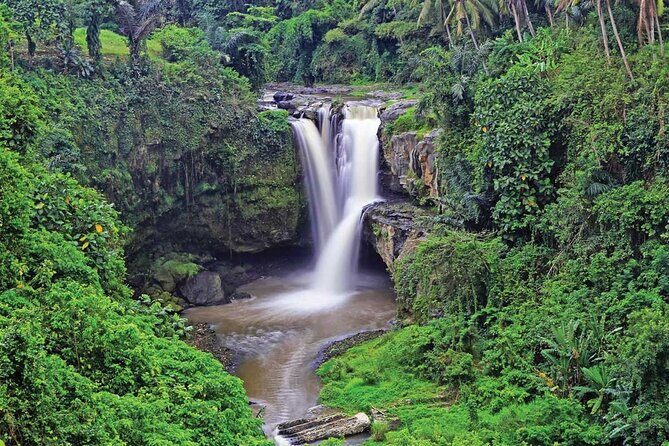
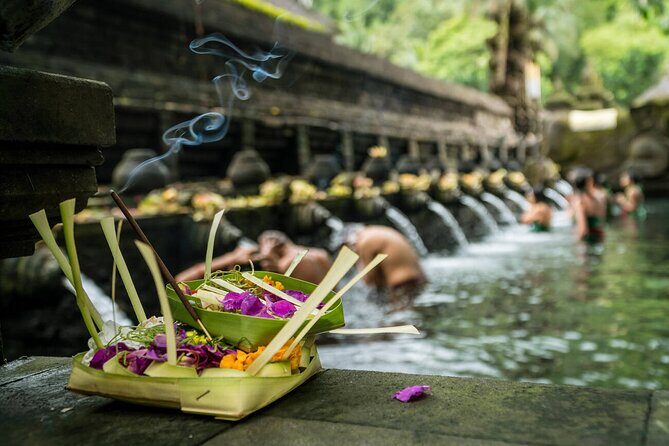
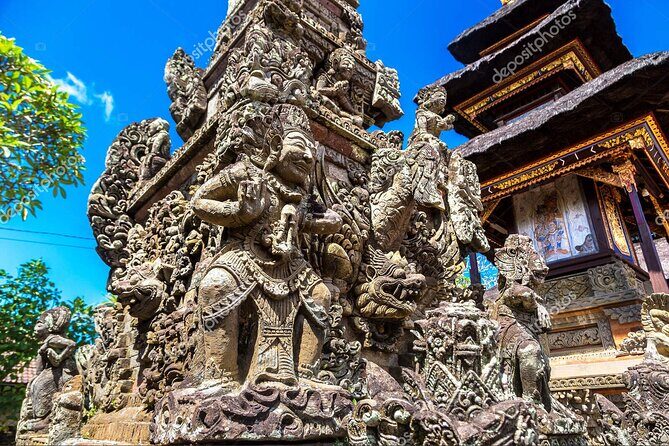
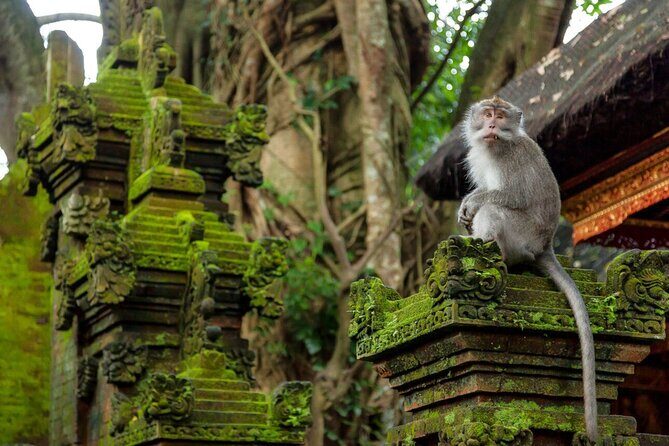
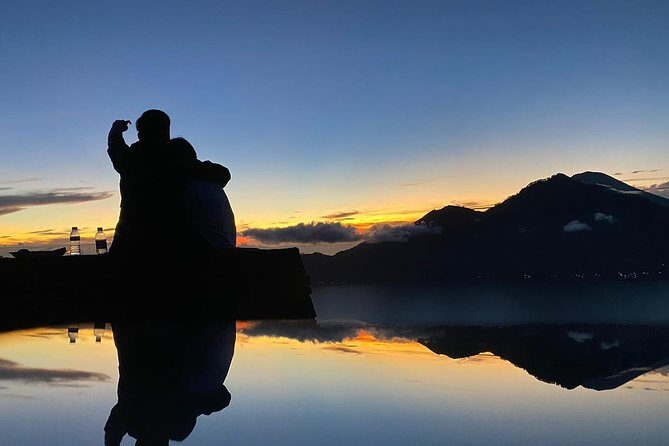
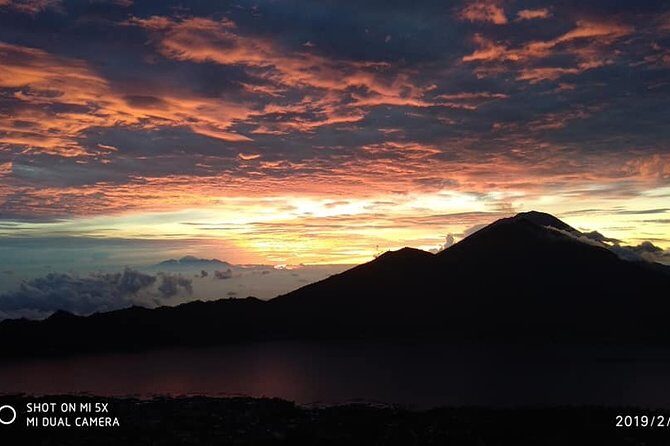
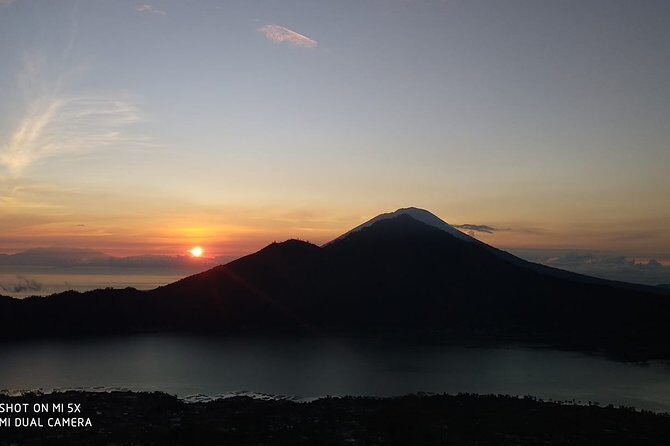
Gates of Heaven days feel longer.
In a single full day, this private charter strings together some of eastern Bali’s most in-demand sights: the Gates of Heaven at Lempuyang Temple, two former royal water-palace complexes, a quiet stretch of Virgin Beach, and the older traditional village of Tenganan. It’s a lot to fit in, but the payoff is clear: you get temples, water gardens, ocean views, and real village culture without renting a scooter or building an all-day route from scratch.
Two things I really like here. First, the format is practical: an air-conditioned car with a professional English-speaking driver-guide, plus hotel pickup and drop-off. Second, the driver is the secret sauce for keeping the day smooth—especially for getting good timing for photos at Lempuyang and adapting when weather turns moody (you’ll see examples of flexibility from guides like Gusti, Gusti Eka, Naya, and Agung). One possible drawback: it’s still a long day (about 9–10 hours), and admission tickets aren’t automatically included unless you select the ticket option—so check what’s covered before you go.
Key highlights you’ll actually feel
- Private car, only your group: less waiting around, more control over photo stops
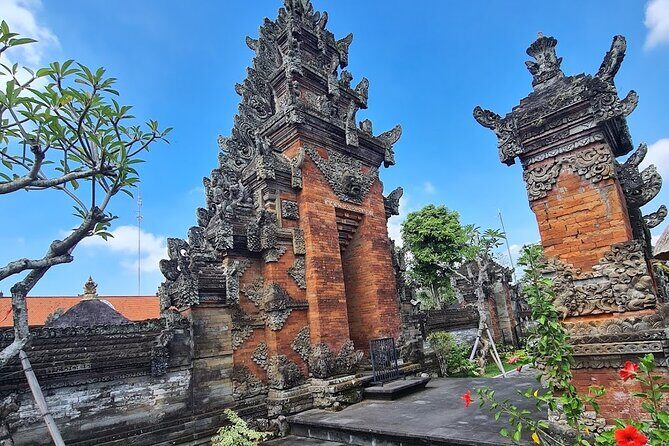
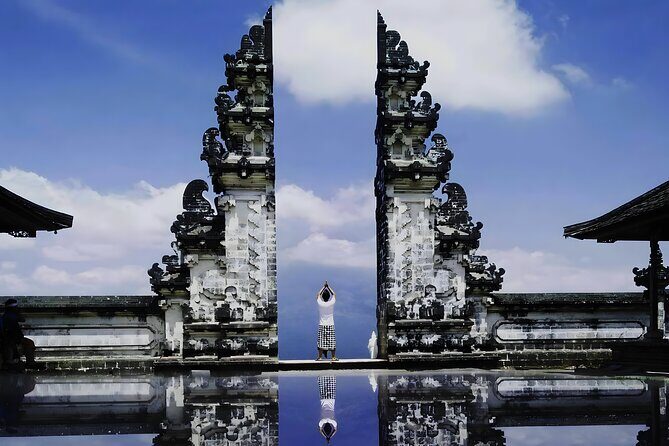
- Gates of Heaven at Lempuyang: temple views from high elevation and lots of staircase time
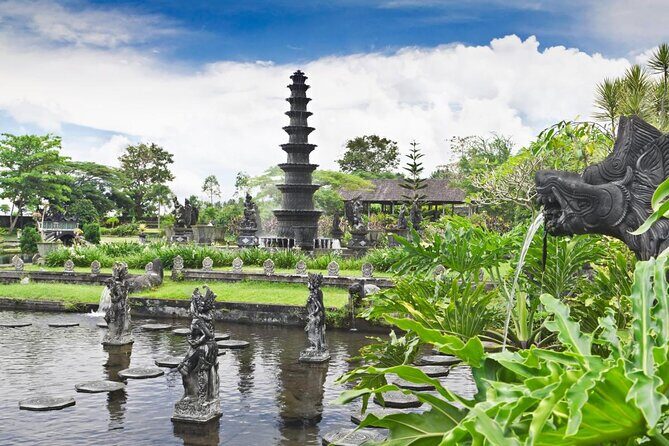
- Two royal water-palace stops: Tirta Gangga and Taman Ujung with distinct pond-and-bridge layouts
- Virgin Beach: white sand and calmer vibes for a reset between temples
- Tenganan Pegringsingan: visit a Bali Aga village known for traditional rituals and youth contests
A 9 to 10 hour eastern Bali run, starting in Seminyak
This tour is built for people who want the east-Bali hit list, but with less stress. You’re picked up from your hotel or villa in Seminyak (and also from nearby areas listed by the operator, including Canggu, Denpasar, Ubud, Kuta, Jimbaran, and Sanur). That matters in Bali, where travel time can steal your best daylight hours.
The total day runs about 9 to 10 hours, which is the right length for seeing five main stops and still getting time on site (roughly an hour each at the temples, palaces, beach, and village). You’ll also get fuel, parking, and taxes/services handled, so you’re not juggling small logistics fees during the day.
Price-wise, at $40 per person, this is positioned as good value for a private charter. The tradeoff is that you’re paying for convenience and an organized route, not for unlimited wandering. Your day is structured, and you’ll want to be ready for a schedule that doesn’t flex itself just because you want to linger.
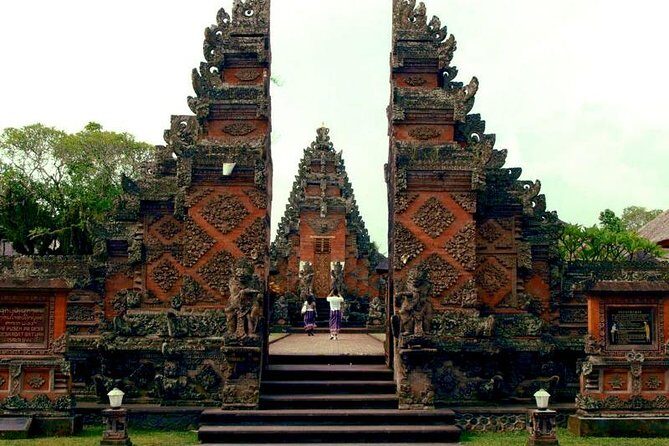
Entering the Gates of Heaven at Lempuyang Temple
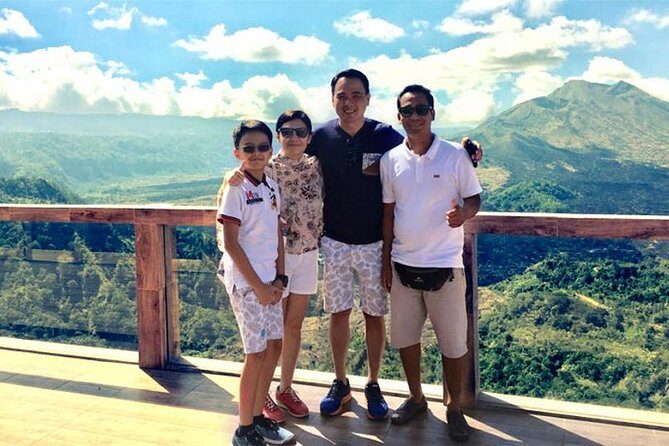
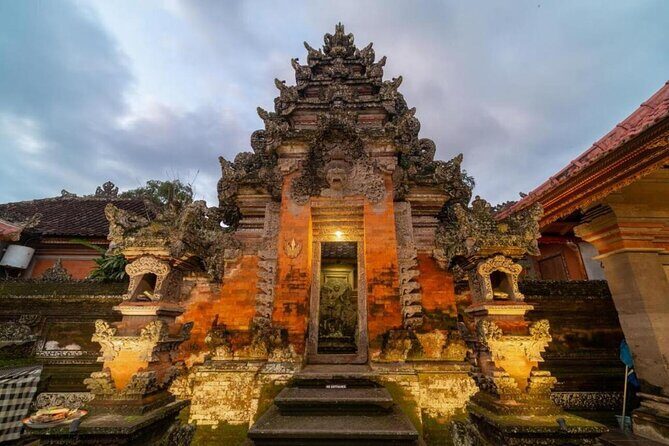
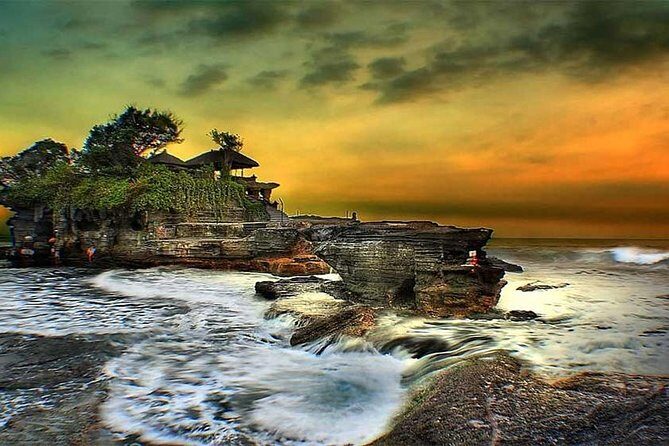
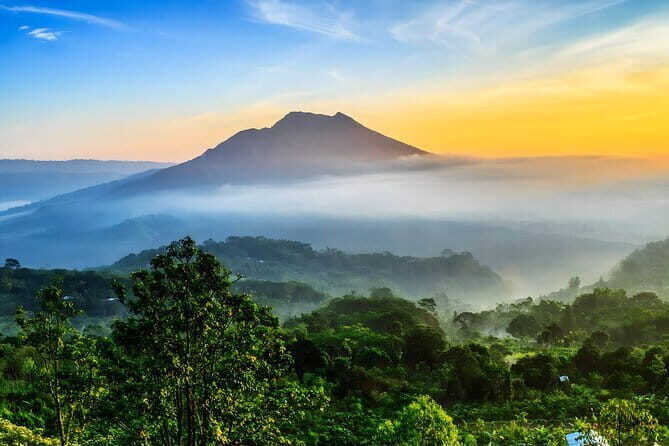
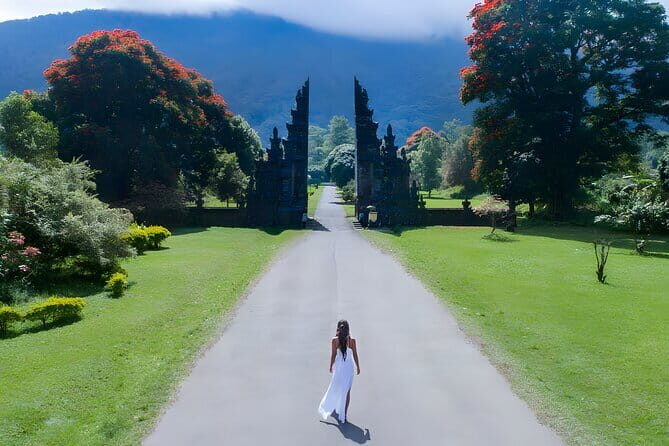
The star attraction is Lempuyang Temple, known for the iconic “Gates of Heaven” views. It sits on the slopes of Mount Lempuyang, and the main temple is high up at about 1,175 meters above sea level. Translation: you’ll be swapping beach-time humidity for mountain air, and you’ll feel the altitude change more than you expect.
This is also a stop for the fit and adventurous. Even if you’re not training for a hike, it’s the kind of place where you earn your views with stairs. If you want photos, you’ll be glad you have a driver who understands how to time things so you’re not racing the clock.
Plan for this: the entrance ticket isn’t included unless you selected the ticket option, and the tour notes dress code as smart casual. Bring a camera, but also bring patience—this is one of Bali’s most photographed temple backdrops, so you’ll want to move with purpose once you’re there.
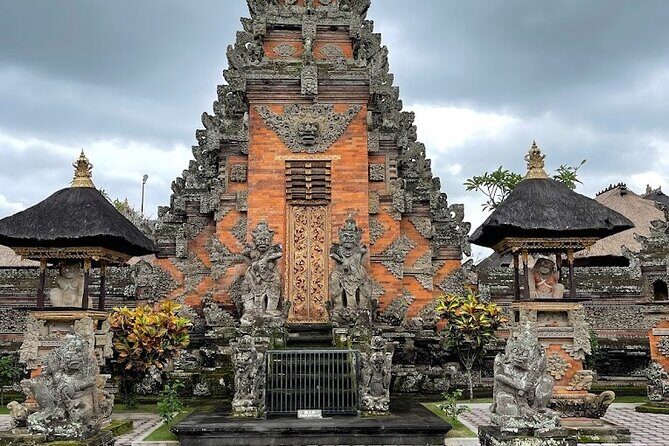
Tirta Gangga Water Palace: royal gardens with Balinese and Chinese design
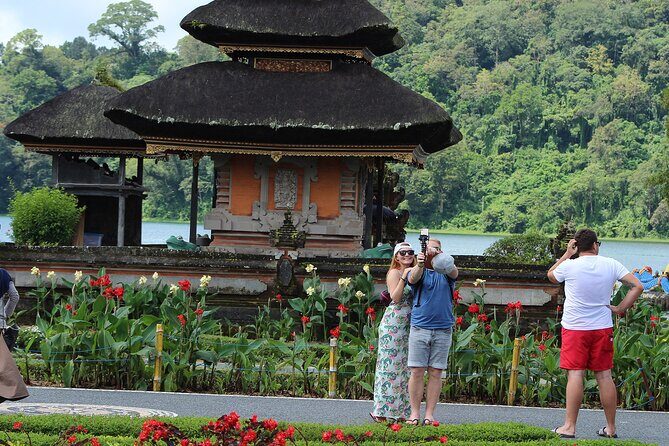
After Lempuyang, you head to Tirta Gangga, a water palace garden tied to the Karangasem Kingdom. What I like about this stop is the way it reads like architecture you can walk through. The grounds cover about 1.2 hectares, and the space is organized into three separate complexes with ponds and paths.
The tour also highlights a visual mix: Balinese and Chinese architectural influences. That makes Tirta Gangga more than just a pretty pond scene—you’ll notice details as you move between areas, and it feels like you’re touring a designed water garden system rather than a single viewpoint.
You’ll typically get about one hour here, and like the other key stops, entrance is not automatically included unless your booking option covers tickets. This is also a good time to slow down. After temple stairs, the garden layout is a nice reset before the next palace.
Taman Ujung Sukasada: the bridge-and-pond palace stop
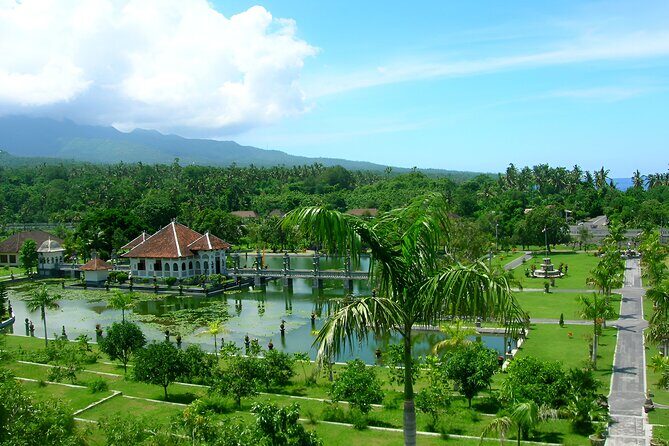
Next comes Taman Ujung Sukasada, another former royal palace complex. The big appeal is its layout: three large ponds connected by long bridges and pathways. You don’t just walk past “a view.” You move through the design.
The tour describes a combination of Balinese and European architecture, which shows up in the feel of the structures and the symmetry of the scene. If you like photography, this is a straightforward place to frame shots because the paths and bridges guide your angles.
Again, plan on about one hour at the stop. Admission tickets are listed as not included unless the ticket option is selected, so make sure you’ve accounted for that in your budget. If you’re traveling with a camera-happy crowd, this is one of the more “easy to capture” stops in the day.
Virgin Beach: powdery sand and a calmer pace
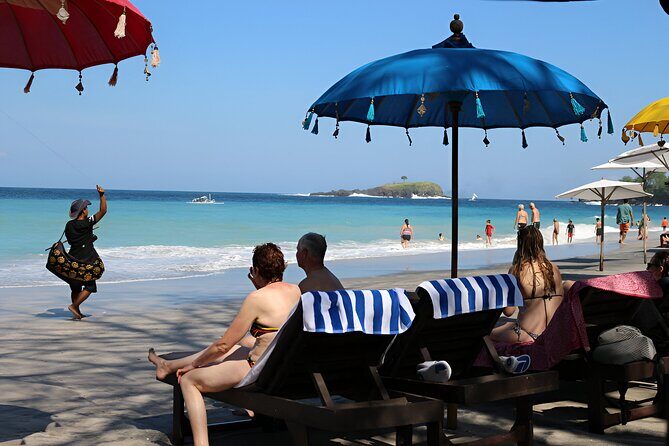
Then you get a breather: Virgin Beach. The tour pitches it as a less-crowded beach with powdery white sand and crystal-clear turquoise waters, plus a peaceful atmosphere.
This is your ocean-time moment between temple and village culture. You’ll likely spend about one hour here, which is enough to walk the shoreline, find a shaded spot if you need one, and enjoy the sand-and-sky change of pace.
The practical tip is simple: bring sunscreen. The tour specifically asks for it, and this is exactly the kind of stop where the sun gets you quickly because you’re not thinking about shade until you’re already roasting.
Tenganan Pegringsingan: seeing Bali Aga village life
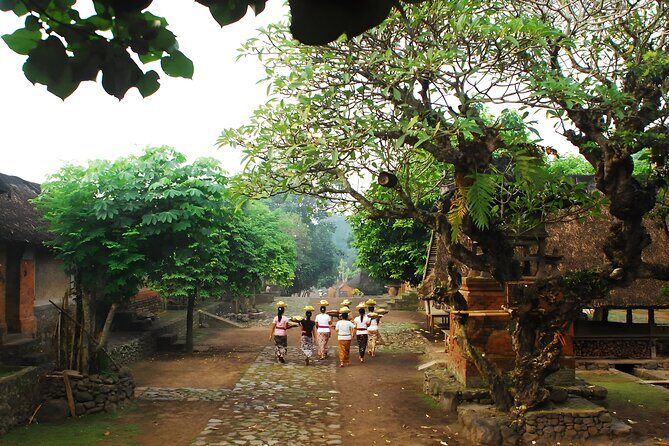
The final cultural stop is Tenganan Pegringsingan, one of Bali’s oldest traditional villages. The tour notes it’s home to the Bali Aga people, among Bali’s earliest inhabitants.
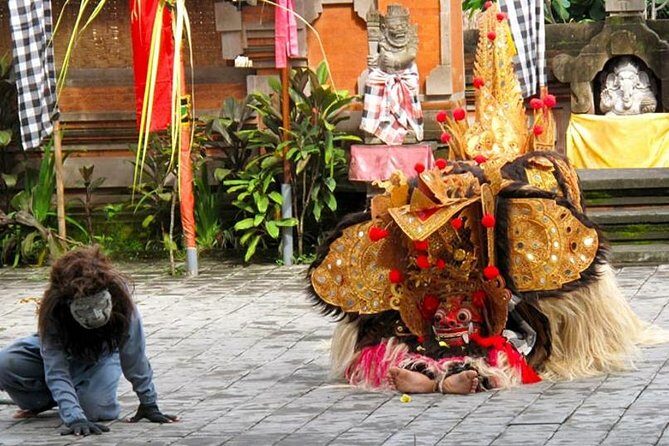
What makes this visit more than a quick look is the village’s tradition of rituals. The description includes traditional festival elements like ritual dances and youth contests, including a battle concept described as a gladiator-style event held by local youths. Even if you’re not catching a specific ceremony the day you visit, you’ll still get the sense that this is a living culture with rules, rhythm, and identity.
You’ll get about one hour in Tenganan, with time to observe and take in the village texture. Entrance tickets are again not included unless you chose the ticket option, so don’t assume it’s bundled.
Lunch and entrance tickets: what to budget for
This is a practical part of the day people often miss when they book online. The tour can include an Indonesian set menu lunch and entrance tickets, but only if you select those options.
So here’s what you should do before you go:
- Confirm whether entrance tickets are included for all stops or only certain ones
- Confirm whether lunch is included as an Indonesian set menu
- Budget for personal expenses that aren’t covered
If you like predictable spending, the ticket-and-lunch options are worth checking early. If you prefer choosing your own food, you can treat lunch as a flexible “break” instead, but you’ll need to plan for it during the day’s route timing.
Your driver-guide: flexible, photo-focused, English-speaking
A private car charter is only as good as the person in the driver’s seat—because they control timing, route decisions, and how smooth the day feels. This tour lists a professional English-speaking driver as a guide, and the examples from recent trips underline what that means in real life.
The names Gusti, Gusti Eka, Naya, and Agung show up for a reason: people describe them as informed, personable, and able to keep the day moving even when conditions weren’t ideal (including after rain). There’s also praise for guide creativity with photos and video, plus a sense that you’re not just transported—you’re explained to.
What I’d tell you to expect: you’ll get value from asking simple questions like What’s the best time for photos here? or What should I watch for at this temple? A good driver turns a checklist day into a story day.
Who this charter fits best
This tour works especially well if you:
- Want a private day without doing navigation or multiple ride bookings
- Are excited by temple + water-palace + beach + village in one loop
- Like photography and need help with timing for Lempuyang
- Prefer hotel pickup and air-conditioned comfort for long travel stretches
Because Lempuyang is high and stair-heavy, it’s also best for people who can handle a bit of walking. Families can do it if everyone’s comfortable with stairs, but it’s not the kind of day I’d recommend if you need mostly flat, low-effort sightseeing.
Should you book the Gates of Heaven Bali Tour?
Book it if you want a structured, high-value day that hits the main eastern highlights with a private driver, plus you’re okay with a long day and checking ticket options. If you care about getting the Gates of Heaven photos, this route setup is built around making that part of your day count.
I’d pause before booking if:
- You strongly dislike stairs or long sightseeing blocks
- You’re not willing to plan around ticket options for entrances
- Weather is uncertain for your travel dates, since the experience requires good weather and may be rescheduled or fully refunded if it gets canceled for weather reasons
If you’re traveling with a group that likes photos, this charter-style day often feels more efficient than piecing together separate tours. You come away with variety—temple grandeur, water-garden geometry, ocean calm, and village tradition—without turning your day into an exhausted DIY project.
FAQ
How long is the Gates of Heaven Bali tour?
It runs about 9 to 10 hours.
Where does the tour pick up and drop off?
Pickup and drop-off are offered from hotel or villa locations in areas including Tanjung Benoa, Nusa Dua, Legian, Jimbaran, Sanur, Canggu, Seminyak, Kuta, Ubud, and Denpasar.
Is this tour private?
Yes. It’s a private tour, meaning only your group participates in the vehicle.
What’s included in the price?
Included items are an air-conditioned vehicle, a professional English-speaking driver as a tour guide, hotel pickup and drop-off, petrol and parking fees, and tax and services. Entrance tickets and Indonesian set menu lunch are included only if you select those options.
Do I need to buy admission tickets?
Entrance tickets are listed as not included unless you chose the option that includes them.
What should I wear or bring?
Dress code is smart casual. Bring sunscreen and a camera.