Tanah Lot and Uluwatu Temple Tour Including Seafood Dinner at Jimbaran Beach

Tanah Lot and Uluwatu Temple Tour Including Seafood Dinner at Jimbaran Beach - Stop 1: Tanah Lot Temple on the 3-Acre Sea Rock

Two sea temples and one perfect sunset hour. This private Bali tour strings together Tanah Lot and Uluwatu, the 50-strong Kecak performance, and a Jimbaran Beach seafood dinner on the sand. I love the drama of temples built right on the coast—Tanah Lot sits on a wave-beaten rock—and I also love how the day is paced so you end with food while the light turns golden. One real consideration: Bali traffic can be brutal, and the Uluwatu timing can get tight if your drive runs behind.

What makes it feel like good value is the package style: private transfers, air-conditioned comfort, English-speaking driver, bottled water, plus admission tickets included for the temples and the dance. You start at 12:00, aim for Tanah Lot around 13:00, then press on toward Uluwatu by late afternoon—so it’s built for visitors who want the highlights without spending the whole day planning.

Key Things to Know Before You Go

  • Two iconic sea-temple stops: Tanah Lot first, then Uluwatu
  • Sunset-focused schedule built around the Kecak and Fire Dance
  • Jimbaran dinner on the sand, served candlelight-style
  • Admission tickets included for the temple stops and the show
  • Traffic can affect timing, especially on the south Bali route

Bali’s Sea Temples, Built for Sunset Timing
Tanah Lot and Uluwatu Temple Tour Including Seafood Dinner at Jimbaran Beach - Bali’s Sea Temples, Built for Sunset Timing
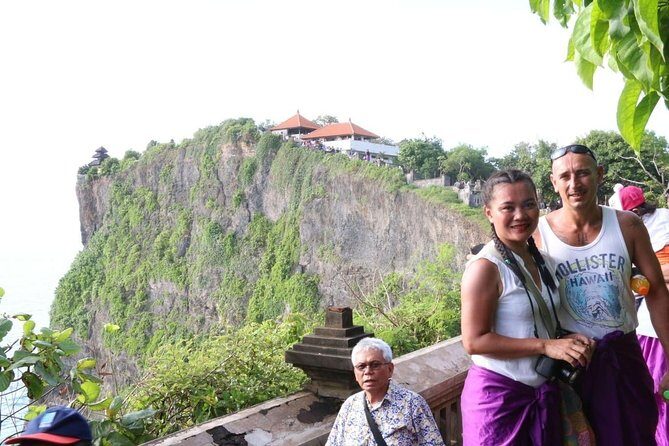
If you want a classic Bali evening, this is the formula: temple views, cliff air, a big sunset show, then seafood by the beach. The trip is arranged so your day naturally moves from midday scenery to late-afternoon drama, which matters because both Tanah Lot and Uluwatu are all about light and position. At Tanah Lot, the temple’s seaside setting is the main event. At Uluwatu, the cliffs and the crowd energy are the draw.

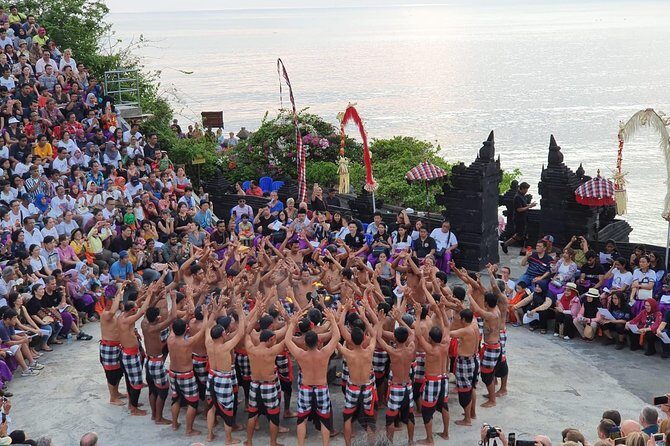
The Kecak and Fire Dance is the emotional middle of the evening. It’s not just something you watch—it’s something you time your arrival around. And the finale at Jimbaran Beach turns the last hour into a relaxed landing: fresh-grilled seafood at candlelit tables on the sand.

Price and Value: What Your $87.21 Actually Covers

At $87.21 per person, the big question is whether you’re paying for transportation only, or whether the package actually does the heavy lifting for you. In this case, it’s a highlights bundle with several costs rolled in:

  • Private transportation in an air-conditioned vehicle
  • Bottled water included
  • English-speaking private driver
  • Admission tickets included for Tanah Lot, Uluwatu, and the Kecak and Fire Dance
  • Seafood dinner on the beach included

That’s why this tour often makes sense for first-timers or anyone who hates stitching together multiple bookings across Bali. If you tried to assemble the same sequence yourself, you’d still need transport plus paid entry plus show tickets plus dinner. Here, it’s all grouped into one plan, which is a real time-saver.

The one area to mentally budget for: alcoholic beverages are not included. If you’re planning to drink, check how the restaurant handles pricing so there are no surprises.

Private Transfers from Ubud or South Bali Hotels (and Why It Matters)
Tanah Lot and Uluwatu Temple Tour Including Seafood Dinner at Jimbaran Beach - Private Transfers from Ubud or South Bali Hotels (and Why It Matters)
The whole point of this tour’s logistics is reducing the stress of getting around south Bali. The route to Uluwatu in particular can be slowed down by congestion, and the tour is framed around having a chauffeur handle the driving.

The experience is also private—you’re not sharing this vehicle and schedule with random strangers. That matters when you want flexibility in how long you linger at viewpoints, and it usually makes the day feel more controlled even if traffic intrudes.

You’ll have 2-way private transfers, and you’ll get an English-speaking driver, bottled water, and air-conditioning. It’s a small thing, but in Bali heat it changes how you feel about the day.

Stop 1: Tanah Lot Temple on the 3-Acre Sea Rock
Tanah Lot and Uluwatu Temple Tour Including Seafood Dinner at Jimbaran Beach - Stop 1: Tanah Lot Temple on the 3-Acre Sea Rock
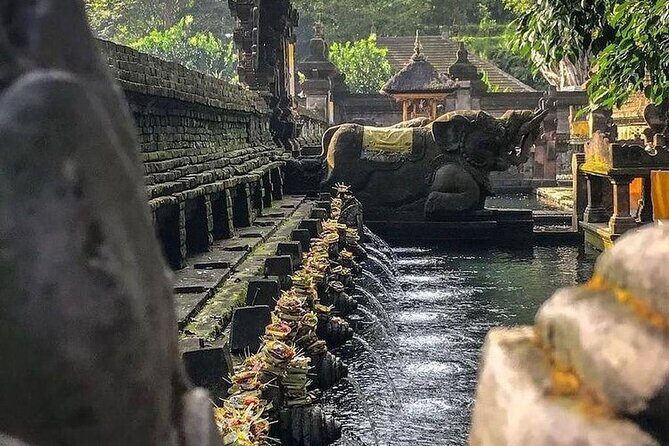
You start at 12:00 and you should reach Tanah Lot around 13:00. Tanah Lot Temple is a Balinese Hindu temple built on a rock in the sea, and the temple site is described as 3 acres. That “temple-on-the-coast” design is why this stop is so photogenic and so iconic.

What to expect here is mostly about atmosphere and views. Tanah Lot is a place where the setting does the work. You’re not just looking at architecture—you’re looking at the sea around the rock, and the temple’s position makes you feel like the ocean is part of the scene.

How long you’ll have: about 1 hour, with admission included. That’s enough time to see the key areas without rushing, but it’s not a long-stay stop. If you’re someone who always wants extra time for photos, build in a little buffer for walking.

A practical note: because you’re arriving in the early afternoon, the light won’t be the same as a true sunset arrival. You’re still getting the sea-temple drama, but if you’re chasing the most golden color, you may want to treat Tanah Lot as your “set the stage” moment rather than the peak-light moment.

Stop 2: Uluwatu Temple, Clifftop Views, and Macaques

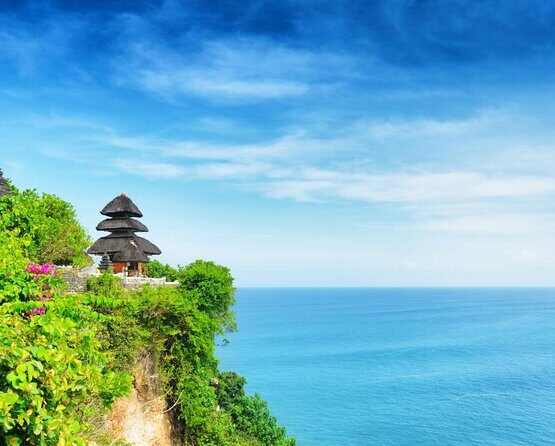
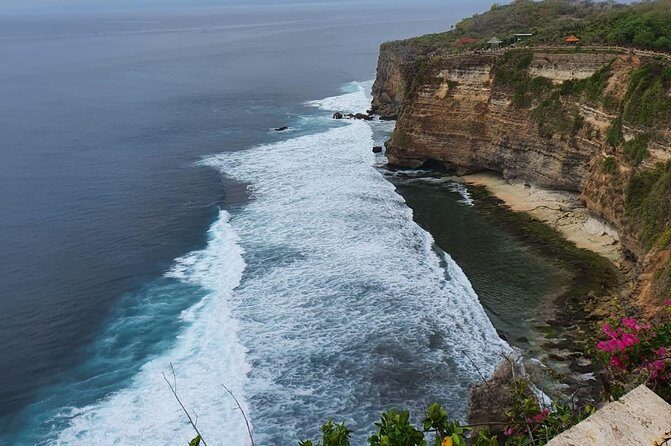
If traffic cooperates, you’ll arrive at Uluwatu around 16:00, and spend about 2 hours there. Uluwatu Temple is also called Luhur Temple and is one of the six Sad Kahyangan Temples, described as Bali’s main spiritual pillars. That gives the stop more weight than a typical viewpoint visit.

This is also the stop where the “cliff life” comes in. Uluwatu is known for roaming macaques, which is part of the scene. It’s also why you’ll want to keep an eye on your belongings and move with intention near busy areas. This isn’t a zoo; it’s a temple complex where wildlife is simply around.

The schedule is set so you finish temple time and then shift toward the show. If you’re interested in seeing the temple at a calmer pace, this 2-hour block helps—but again, traffic is the wildcard. There’s at least one real-world example of how delays can disrupt Uluwatu timing even if you still get Tanah Lot.

Kecak and Fire Dance: The 50-Person Chorus at Sunset

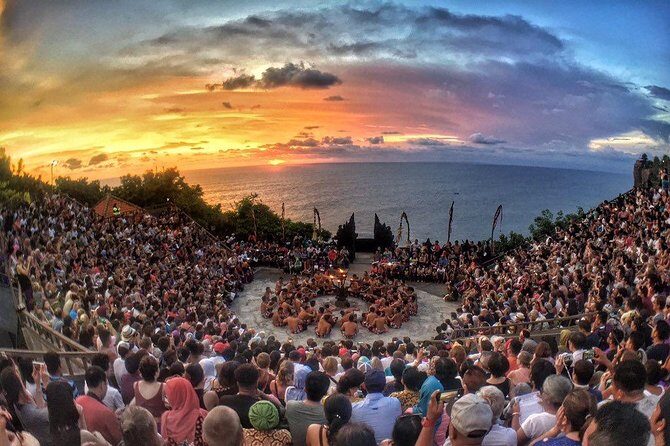
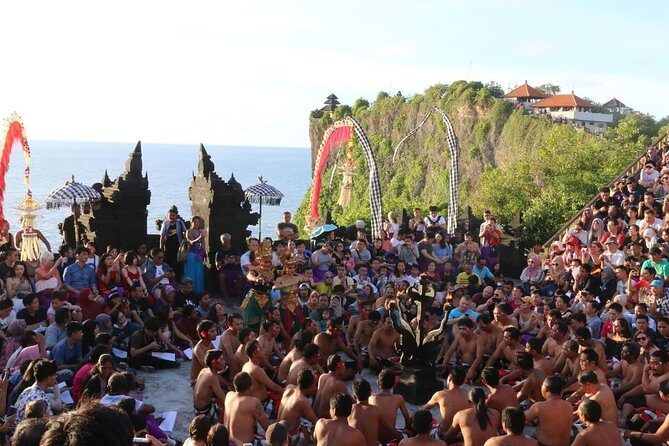
After your Uluwatu visit, the day moves to the Kecak and Fire Dance. You’ll finish seeing the temple around 18:00, then be escorted to the show stage, which is about 300 meters from the temple.

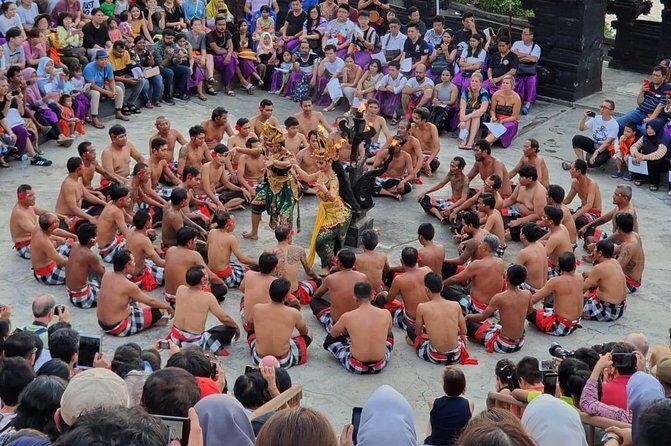
The show itself centers on a 50-strong chorus singing and chanting, with a performance timed for sunset energy. It’s traditionally the moment where Bali’s fire-and-night atmosphere feels real, because the cliffs frame the view as the light fades.

One helpful detail from experience: in the Kecak set, there are standout moments, and one guest specifically mentioned a highlight tied to the White Ape dancer. Even if you don’t know the story beforehand, you’ll likely recognize the bigger character segments once the drama kicks in.

Timing matters here. The show is a sunset anchor in the plan, so if your drive runs behind, this is the first part you’ll want to protect. It’s also the reason why starting at noon can be smart—you’re creating enough hours to reach the cliffs when the light is right.

Jimbaran Beach Seafood Dinner by Candlelight
Tanah Lot and Uluwatu Temple Tour Including Seafood Dinner at Jimbaran Beach - Jimbaran Beach Seafood Dinner by Candlelight
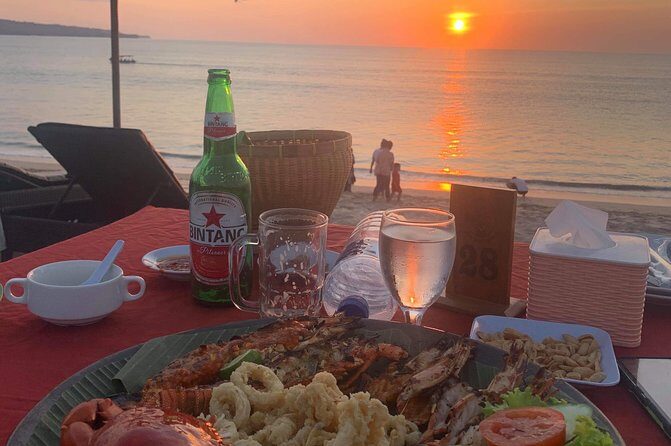
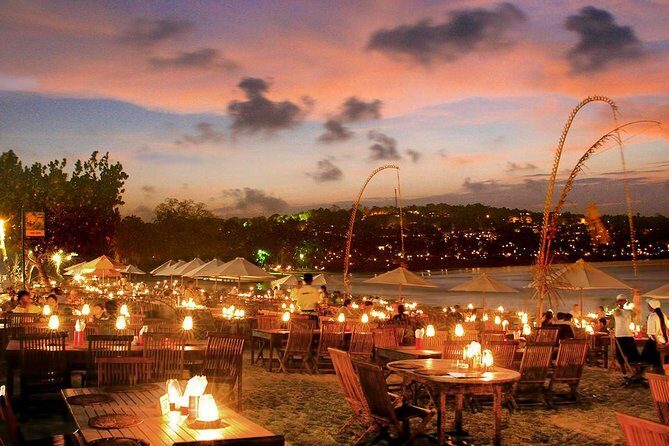
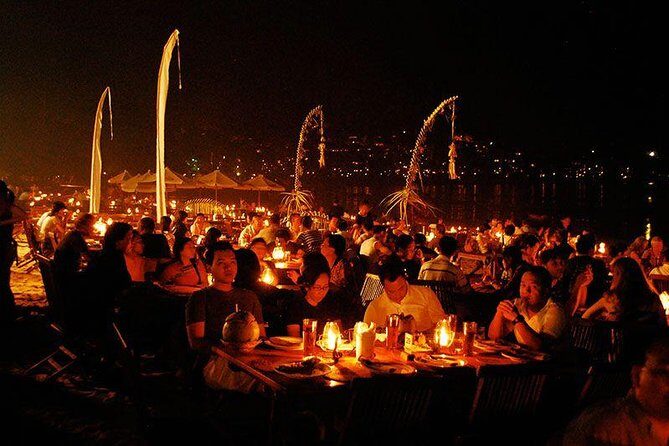
After the show, your driver takes you to a seafood restaurant at Jimbaran Beach. This last stop is about 1 hour. The dinner is served at candlelit tables on the sand, with fresh-grilled seafood as the main idea.

This is a classic Bali evening: the show ends, the air cools slightly, and you go from performance mode to dinner mode without the effort of finding your own place. You also get included bottled water earlier in the day, but keep in mind the listing doesn’t include alcohol—so if you want cocktails or beer, you’ll likely pay extra at the restaurant.

Now, the balanced take: while many people love this ending, not every dinner experience lands the same. One piece of feedback noted that the dinner at the end wasn’t as nice as expected. That doesn’t mean the seafood won’t be good—it just means you should treat the dinner as part of the experience package (beach setting and candlelight vibe), not as a fine-dining guarantee.

If you care most about food quality, arrive hungry, and don’t be shy about asking what the seafood options are before you commit—especially if you have dietary needs. The tour data only promises seafood dinner, not specific menu choices.

Traffic Reality Check: Why Uluwatu Timing Can Be Tricky

Bali traffic is no joke, and this tour is built around the expectation that delays can happen. The day starts with a 12:00 start, reaches Tanah Lot about 13:00, and then aims for Uluwatu about 16:00. If the road is slow, that timeline can slip.

One guest described being picked up two hours early due to traffic, yet still not making it to Uluwatu in time to see it. They still did get Tanah Lot, but it’s a reminder: the tour is private, but it can’t defeat road congestion.

So here’s the practical way to handle this risk:

  • Don’t schedule anything important right after this tour.
  • Plan for the possibility that you might need to adapt expectations if the drive runs late.
  • If timing matters most to you, prioritize the show and the dinner vibe—because even when plans shift, the overall arc of the evening tends to survive.

What to Bring (So the Day Feels Easy)

You’ll be in a car for hours, then walking in temple areas and finishing on beach sand. Based on that flow, I’d keep your kit simple:

  • Comfortable shoes for temple walking and beach sand
  • Light layers for the late afternoon to evening temperature shift
  • Sunscreen and water discipline (you get bottled water, but still plan for the day)
  • Cash or card for anything not included, especially alcoholic beverages

Also, think ahead about photography. Tanah Lot and Uluwatu both reward you for arriving with a calm pace. Rushed photos often lead to missed moments.

Who This Tour Suits Best

This tour is a strong fit if you want:

  • A single-day plan that hits Tanah Lot, Uluwatu, the Kecak show, and Jimbaran dinner
  • Private transport so you’re not doing tuk-tuk juggling or multiple transfers
  • A sunset-centered evening where the show is timed for late daylight

It’s also a good match for people staying around Seminyak, or for anyone organizing from Ubud and south Bali hotels, since the transfer concept is built around those areas. Because the tour is private and only your group participates, it’s often ideal for couples and small groups who want control over how the day feels.

If you’re the type who hates surprises and needs everything perfectly timed, traffic is still the main uncertainty. But if you’re flexible and mainly here for the highlights, it’s an efficient way to see a lot without managing the logistics yourself.

Should You Book This Tanah Lot and Uluwatu Tour?

I’d book it if you value a clean, organized route and you want the classic Bali evening sequence: sea temples + sunset show + Jimbaran seafood. The price feels more reasonable when you consider what’s included—private air-conditioned transport, English-speaking driver, admission tickets for the temple stops and Kecak show, plus dinner on the sand.

I’d hesitate only if your schedule is razor-thin or you absolutely must arrive at Uluwatu at a specific minute, since traffic can disrupt the late-afternoon timing. If you’re okay with that reality and you treat the show and dinner as the heart of the night, this tour is a practical, memorable way to spend an afternoon-to-evening in Bali.

FAQ

What time does the tour start?

The tour starts at 12:00 pm.

How long is the tour?

It lasts about 10 hours.

What are the main stops on this tour?

You’ll visit Tanah Lot Temple, Uluwatu Temple, watch the Kecak and Fire Dance, and then have dinner at Jimbaran Beach.

Are admission tickets included?

Yes. Admission tickets are included for Tanah Lot, Uluwatu, and the Kecak and Fire Dance.

What is included with the dinner?

The tour includes a seafood dinner on the beach, served at candlelit tables on the sand.

Is alcohol included?

No. Alcoholic beverages are not included.

Do I get picked up from my hotel?

Pickup is offered, and the tour includes 2-way private transfers from Ubud and south Bali hotels.

How close is the Kecak show stage to Uluwatu Temple?

The stage is about 300 meters from the temple.

Can I cancel for free?

Yes. You can cancel up to 24 hours in advance for a full refund.

Is this tour suitable for most people?

Most travelers can participate, and it’s described as a private tour/activity with only your group participating.

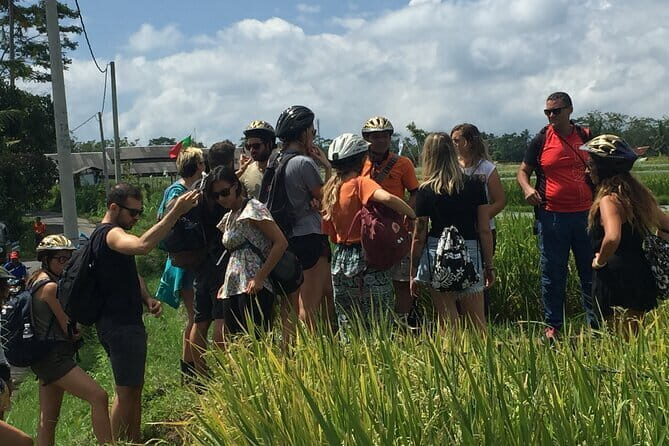
HALO BIKE Downhill Bali Countryside Cycling Tour

HALO BIKE Downhill Bali Countryside Cycling Tour - Stop 1: Tegalalang Rice Terrace (Admission Included, and You Get Time)

Downhill biking in Ubud, with real culture. This HALO BIKE countryside ride mixes rice-terrace scenery with slow, human-size village life, plus a full afternoon of stops that actually mean something. I especially like the way the day is run by a small local team, and I love the big, satisfying payoff of the Balinese meal at the end. One thing to consider: like most outdoor tours here, your timing depends on weather and road conditions, so bring a flexible attitude.

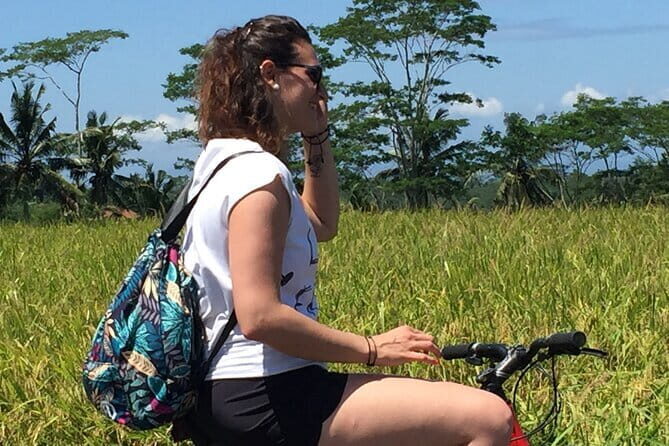
This is not a big, assembly-line excursion. You get pickup, proper mountain bikes and helmets, and the comfort touches that matter (cold water and a cold face towel). You’re in the hands of guides who can explain what you’re seeing in plain, direct terms, whether you’re stopping at terraces or stepping into a temple compound.

If you want an easygoing, downhill-style cycling day that still feels grounded in Bali, this one fits well. It also packs several “included” experiences into about 6 to 7 hours, so you’re not spending your day juggling tickets and directions.

  • Downhill-style riding that keeps effort light while you enjoy back-road Bali
  • Small-group feel (max 30 riders) with an English guide who talks you through what you’re seeing
  • Tegalalang Rice Terrace stop (admission included) with a full hour on-site
  • Bangli village back roads + a short rice-paddy walk for more than just views
  • Temple and compound visits focused on daily Balinese culture and lifestyle
  • A big, hands-on lunch experience at a traditional home, including cooking involvement and a multi-course spread

Downhill From Ubud: What the Day Feels Like

HALO BIKE Downhill Bali Countryside Cycling Tour - Downhill From Ubud: What the Day Feels Like
This is a classic Ubud “get outside” plan, but with a cycling twist. Instead of bouncing only between viewpoints, you pedal through rural areas around Ubud and the Bangli region—so the scenery changes slowly, in a way that feels lived-in. And because it’s described as a downhill ride, you can usually keep the workload modest while the route does the heavy lifting.

The best part is that the bike part doesn’t replace the culture part. Your guide doesn’t treat stops like photo checkpoints. You pause in places that shape daily life here—rice terraces, village paths, and temple compounds—then get explanations in English that connect the scenery to the rhythms of the island.

Price and Value: Why $56 Can Be a Smart Day in Bali

At $56 per person, this tour sits in a value zone that can make sense even if you’re already paying for other Ubud activities. The reason is simple: the day isn’t only “ride the bike.” It also includes key paid admissions (like the Tegalalang Rice Terrace), plus multiple cultural stops, plus lunch at an authentic Balinese home.

Also, the small-group maximum of 30 matters for value. It tends to reduce the awkward “wait for everyone” problem and makes it easier for the guide to answer questions while you’re moving between stops. That’s one reason people get genuinely excited about the day’s pacing rather than just the scenery.

Pickup, Bikes, and the Little Comforts That Matter

HALO BIKE Downhill Bali Countryside Cycling Tour - Pickup, Bikes, and the Little Comforts That Matter
The tour offers pickup, which is huge in Ubud. Starting with someone else handling logistics lets you focus on the day, not on navigating traffic or finding a meeting point.

You’ll ride mountain bikes with safety helmets, and rain gear is available if needed. During the ride you get cold water and a cold face towel—small things, but they help a lot when the morning starts warm and you’re working on a downhill route that still gets you moving.

If you’re traveling with kids, baby seats are available upon request. That’s not something every cycling operator offers, so it’s worth planning early if it applies to you. The tour also notes that most people can participate, so it’s aimed at riders who want an active day without needing technical biking skills.

Stop 1: Tegalalang Rice Terrace (Admission Included, and You Get Time)

HALO BIKE Downhill Bali Countryside Cycling Tour - Stop 1: Tegalalang Rice Terrace (Admission Included, and You Get Time)
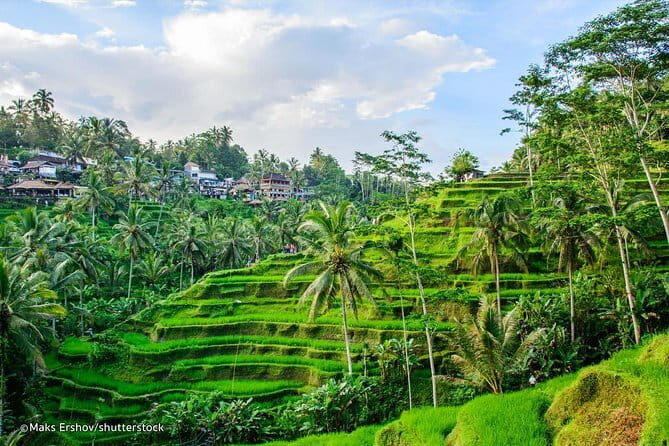
Tegalalang is the headline stop for a reason. The terraced fields around this area look great in photos, but the point here is that you’re not just snapping pictures and running. You have about an hour to take in the shape of the terraces, understand why this area is famous, and appreciate how the farming pattern drives the view.

Admission is included, which saves you the hassle and keeps the schedule smoother. The one practical consideration: Tegalalang can be busy. Even with a guided plan, you’ll still want to be patient, because you’re sharing the area with other visitors. Go with the attitude that your best photos come after you stop trying to force perfect angles and start watching how the guide sets context.

Bangli Back Roads: Villages, Rice Paddies, and a Quick Walk

HALO BIKE Downhill Bali Countryside Cycling Tour - Bangli Back Roads: Villages, Rice Paddies, and a Quick Walk
After the first terrace stop, the day leans into what makes the countryside feel real. You bike through smaller villages and rice paddies along back roads, away from the main bustle. This stretch is where you tend to feel the quiet side of Bali—people working, homes tucked back from the road, and a slower pace to everyday life.

There’s also a short walk into the rice paddies. That’s valuable because it slows you down long enough to notice details you’d miss at cycling speed. You’ll likely come away with a better sense of how farmers move through the fields and how the terrain shapes both work and the views.

One note on timing: this part is largely outdoors and depends on conditions. If it’s hot, slow-moving traffic and pauses will feel longer. If it’s cloudy, you’ll still be comfortable thanks to the day’s support (cold water and a face towel), but don’t expect every stop to run like clockwork.

Village Temple Stops: Culture Between Pedals

HALO BIKE Downhill Bali Countryside Cycling Tour - Village Temple Stops: Culture Between Pedals
One of the stronger parts of this tour is how it handles cultural stops. You visit a village temple compound and get detail information about Balinese culture and lifestyle. This isn’t delivered like a lecture where you have to stand still the whole time. It’s woven into the day’s flow—part walk-through, part explanation—so the stop doesn’t feel disconnected from the riding.

The tour includes more than one temple/compound-style visit. You’ll get another chance to see how these spaces function in daily Balinese life, not just as an attraction. If you’ve ever visited temples and wondered what you were supposed to notice, this is exactly the kind of guided format that helps you “get it” without making it heavy.

Practical consideration: temple areas often come with specific expectations for behavior and dress, and that’s true across Bali. This tour doesn’t list dress rules in the provided details, so you’ll want to come ready to follow whatever your guide asks of you on the day.

Coffee Plantation and Luwak Tasting: A Sweet, Practical Break

HALO BIKE Downhill Bali Countryside Cycling Tour - Coffee Plantation and Luwak Tasting: A Sweet, Practical Break
In addition to the cycling and temple stops, the day commonly includes a coffee plantation visit with Luwak coffee. You get a tour experience there and time for tasting multiple coffees and teas.

This is a good slot in the day’s rhythm. Cycling is active, and temples and walks involve standing and moving slowly. A tasting break gives you a chance to sit, refuel, and learn without rushing. It also adds variety—so the day doesn’t feel like only one theme repeated.

One reason I like this approach: it turns the “coffee stop” from a generic shop visit into something with a structured explanation, which makes it feel more worth your time.

The Best Part for Many: Lunch at a Traditional Balinese Home

HALO BIKE Downhill Bali Countryside Cycling Tour - The Best Part for Many: Lunch at a Traditional Balinese Home
If you ask what people rave about from this tour, lunch is a top answer. You eat at an authentic Balinese home, where the meal is served as a 6-course experience (at a place noted as Yoga’s Home) with a buffet style setup.

Even better, this isn’t just eat-and-go. You can get involved in a short cooking learning program that ties into the lunch. That means you’re not only eating well—you’re also leaving with a small “how it’s made” understanding that sticks.

Food value matters in Bali, because you can find great meals almost anywhere. So what makes this lunch feel special is the combination: traditional setting, guided explanation, and the fact that the meal is built as part of the tour, not as an afterthought. If you’re trying to plan one truly satisfying meal into your Ubud trip, this is a strong candidate.

Guides Who Explain, Not Just Lead

HALO BIKE Downhill Bali Countryside Cycling Tour - Guides Who Explain, Not Just Lead
The tour’s biggest strength is the people running it. This operator is small and family-based, and you deal directly with the folks who answer questions and then guide you in person. In past days, guides like Mardy and Made have been noted for being generous with information and genuinely warm with the group.

What I appreciate about guides like that is the “in-depth explanation” part. You’re not left wondering what you’re looking at. When you stop at rice terraces or compounds, the guide’s job is to connect the setting to everyday Balinese culture—why things look the way they do, what daily life involves, and what visitors typically miss when they only come for photos.

If you care about having more than just a nice bike ride, choose a tour where the guide is central. This one clearly treats the guiding as the product, not just a background service.

Timing, Weather, and How to Prepare for 6–7 Hours

The ride runs about 6 to 7 hours. That’s a realistic block for Ubud, but it’s still long enough that you should plan with your energy in mind. The downhill-style route helps, but you’ll still be outdoors most of the day, so wear breathable clothes and expect some sweaty moments even if you’re not doing heavy pedaling.

Good weather matters. The tour requires it, and if conditions aren’t suitable, the operator will offer an alternate date or a full refund. That policy matters because it respects safety and comfort. In other words: if it’s rainy enough to make roads slippery or visibility poor, the day shouldn’t be forced.

Also, since pickup is included and you’re out through terraces, paddies, temples, and lunch, you’ll want to treat this as your main activity block. If you try stacking another event right after, you’ll likely feel rushed.

Who This Tour Is For (and Who Might Skip It)

This tour is ideal if you want:

  • a downhill-style cycling day with light effort and lots of stops
  • Ubud countryside time that includes rice terraces, village roads, and temple compound visits
  • a structured guide plus a lunch that’s more than a quick bite

It may not be the best fit if you’re only looking for the shortest possible outing. At 6 to 7 hours, you’re committing to a full day, and conditions (heat, traffic, rain) can stretch the experience slightly.

Still, the combination of included activities, small-group size, and the standout lunch makes it a solid choice for many Ubud itineraries.

Should You Book HALO BIKE Downhill Bali Countryside Cycling Tour?

I’d book it if you want an easygoing Ubud cycling day that feels tied to real daily life. The price-to-value math works better than it seems at first glance because admission at Tegalalang is included, cultural stops are part of the program, and lunch is a meaningful event with a hands-on element.

Choose it especially if you care about guidance that explains what you’re seeing. With guides like Mardy and Made highlighted for their knowledge and warmth, this tour is built for people who want context, not just motion.

Skip it only if you’re hoping for a quick half-day or you’re not comfortable with outdoor walking and temple visits. Otherwise, this is a strong pick for anyone craving a countryside Ubud day that ends with food you’ll remember.

FAQ

Where is this tour located?

It runs out of Ubud, Indonesia, with stops around the Ubud area and into the Bangli region.

How long does the tour take?

The tour lasts about 6 to 7 hours.

What is the price per person?

The price is $56.00 per person.

Is pickup offered?

Yes, pickup is offered.

What kind of bikes do you ride?

You ride a mountain bike, and you’ll have safety helmets.

Do you provide rain gear?

Rain coats are available if needed.

Is lunch included, and what is it like?

Lunch is included at an authentic Balinese home, served as a multi-course meal (6-course experience) with a buffet setup. There’s also a short cooking learning program involved.

Are there admission tickets included?

Tegalalang Rice Terrace admission is included. Temple/compound stops are listed as free.

How big are the groups?

The tour has a maximum of 30 travelers.

What if the weather is bad?

The experience requires good weather. If it’s canceled due to poor weather, you’ll be offered a different date or a full refund.

Incredible Uluwatu Temple Sunset & Kecak Fire Dance

Incredible Uluwatu Temple Sunset & Kecak Fire Dance - Pickup and Timing: How This Day Stays Manageable

Sunsets in Bali hit different here. This private one-day run pairs Uluwatu Temple cliff views with the Kecak Fire Dance, then winds down near Jimbaran Bay. I really like how the schedule is tight (about a 7-hour day) without feeling rushed, and I also like that you get a private Balinese guide with pickup and a mobile ticket. One thing to consider: the experience is weather-dependent, and the solo option can cost more (an extra 250K).

Here’s what you’ll actually get: a cliffside temple visit timed for sunset, followed by the famous Ramayana-style chant-and-dance performance with fire. I also love that you get story context from your guide, not just a passive seat at the show. The only drawback I’d flag is that dinner is optional and paid on your own, so your real total cost depends on what you choose at Jimbaran Beach.

Key Highlights You’ll Feel Immediately

Incredible Uluwatu Temple Sunset & Kecak Fire Dance - Key Highlights You’ll Feel Immediately

  • Private guide and private vehicle: you move as your group, with help handling timing.
  • Uluwatu cliff views for sunset: Indian Ocean scenery from a high temple setting.
  • Kecak Fire Dance with trance chant: locals act out scenes from the Ramayana as the dancers perform a cak-cak call.
  • Coffee Luwak stop (time to try it): a short break before the temple that many people find memorable.
  • Jimbaran Beach dinner is optional: you can end the night with seafood by the sand if you want.

The Big Idea: One Private Day With Two Bali Icons

Incredible Uluwatu Temple Sunset & Kecak Fire Dance - The Big Idea: One Private Day With Two Bali Icons
This tour is built for people who want the classic Uluwatu moment and the Kecak performance in the same day, without doing extra planning. You’re starting from Jimbaran, then heading to Uluwatu at the right time so you’re not sprinting around in the dark. And because it’s private, your guide can help you pace the stops and keep you oriented.

The vibe is simple: temple views, then showtime, then a relaxed ending near the sea. If you’re short on time in Bali, this kind of focused day is often a better use of your energy than trying to scatter your sightseeing across half a dozen places.

Price and What’s Actually Included

The price is $25 per person for a private day (about 7 hours). Entrance and the fire dance are stated as included, and you’ll have a mobile ticket. Dinner is explicitly your own expense.

There’s a small caution worth taking seriously: the itinerary notes the Uluwatu Temple admission as not included, while the description says entrance is included (except dinner). That mismatch is exactly the kind of thing you should confirm at booking so there are no surprises. If you’re trying to budget tightly, ask the provider whether Uluwatu Temple entry is covered in your specific package.

For solo travelers, there’s also an additional cost of 250K listed in the description. So if you’re thinking about booking and you’re traveling alone, factor that in early.

Pickup and Timing: How This Day Stays Manageable

Incredible Uluwatu Temple Sunset & Kecak Fire Dance - Pickup and Timing: How This Day Stays Manageable
This is a private tour, so pickup is offered and the day runs on your schedule with your guide. You’ll get a confirmation at booking, and the provider uses a mobile ticket system.

One practical detail: your guide/driver may message you to coordinate timing, and I like that flexibility. A good pickup plan matters in Bali, where traffic and sunset timing can make a big difference. The tour’s structure also helps: Coffee Luwak first, then the temple, then the dance, then the optional beach dinner.

Total time is listed as approximately 7 hours. That’s long enough to do all the main pieces, but not so long that you’ll feel dead afterward, especially if you choose a simple dinner.

Stop 1: Coffee Luwak Break Before Uluwatu

Incredible Uluwatu Temple Sunset & Kecak Fire Dance - Stop 1: Coffee Luwak Break Before Uluwatu
You start with a break around 40 minutes to try Coffee Luwak, the famous civet coffee. It’s scheduled before heading to Uluwatu, so you’re not heading straight into the temple visit without a moment to reset.

A short coffee stop can be a smart move. It gives you time to stretch, buy any small necessities you might want, and get mentally ready for the sunset portion of the day. Even if you don’t end up ordering coffee, the pause helps you avoid the cranky, rushed feeling that hits when a tour goes straight from pickup to a big viewpoint.

The tour data doesn’t say coffee is included or extra, so treat it as a chance to try the drink and confirm costs if you’re keeping a tight budget.

Stop 2: Entering Uluwatu Temple at Sunset Time

Incredible Uluwatu Temple Sunset & Kecak Fire Dance - Stop 2: Entering Uluwatu Temple at Sunset Time
Uluwatu Temple is the main visual payoff. The experience here is less about speed and more about letting the views and stories land. Your guide will walk you through what you’re seeing and share cultural context, and you’ll be there for around 1 hour.

From the cliff, you get Indian Ocean views that feel dramatic even before sunset. This is also one reason people go: the setting makes the whole place feel like a stage built for the sky. If you’re the kind of traveler who likes photos, this is one of those stops where you’ll understand why everyone has a sunset shot. If you’re not, you can still enjoy it as a temple visit with strong atmosphere.

One drawback to consider: Uluwatu is popular, and at sunset the area can feel busy. A private guide helps you manage your time on-site, but you still want to be patient and plan to share space around viewpoints.

Also, double-check whether your Uluwatu Temple entry is covered. The description says entrance is included (except dinner), but the itinerary field for admission is listed as not included, so your best move is to confirm for your exact booking.

Stop 3: Kecak Fire Dance When Night Falls

Incredible Uluwatu Temple Sunset & Kecak Fire Dance - Stop 3: Kecak Fire Dance When Night Falls
Once it gets dark, the tour shifts to one of Bali’s most famous cultural performances: the Kecak Fire Dance. This is where the day turns into something you’ll remember with your whole body, not just your camera.

Here’s what to expect from the performance itself:

  • Dancers use a spoken call that sounds like cak-cak-cak
  • The chant helps build a trance-like feel
  • The show features scenes from the Ramayana, performed by locals

The fire element is the highlight, but the bigger point is that Kecak isn’t a dance recital with background music. It’s a whole ritual-style performance centered on rhythm and collective chant. If you’re watching closely, you’ll notice how the chant drives the energy and how the dancers use movement to shape the story.

This is also one of the most praised parts of the whole experience. The combination of dancing and fire, plus the recognizably dramatic Ramayana story format, is a strong reason this tour earns top marks.

Jimbaran Beach Dinner: Optional, but a Great Ending

Incredible Uluwatu Temple Sunset & Kecak Fire Dance - Jimbaran Beach Dinner: Optional, but a Great Ending
After the show, the tour gives you an optional dinner stop at Jimbaran Beach. It’s listed as up to 1 hour for dinner, and you pay on your own.

This is a flexible ending. Your guide will discuss where you want to eat and can recommend a seafood spot. The description paints the scene as grilled Balinese flavors served near the bay, with the chance to sink your feet in the sand while you dine.

I like optional dinners like this because it matches real travel behavior. Some people want food right away; others want a slower walk and a relaxed drink first. If you’re into seafood and you want that classic Jimbaran feel, this stop is a satisfying finish.

If you’d rather keep costs down, you can skip dinner entirely and just enjoy the beach atmosphere after the show.

What Makes This Tour Worth It (And What Doesn’t)

Incredible Uluwatu Temple Sunset & Kecak Fire Dance - What Makes This Tour Worth It (And What Doesn’t)
This tour works best for a specific type of traveler. Here’s the honest breakdown.

You’ll get strong value if:

  • You want Uluwatu sunset plus the Kecak Fire Dance in one day
  • You like having a guide explain what you’re seeing, especially at the temple and cultural show
  • You prefer private pacing instead of being stuck in a large group schedule
  • You’re staying near Jimbaran and want an easy, organized plan

You might want to think twice if:

  • You’re extremely budget-sensitive and dinner costs matter (it’s not included)
  • You need zero uncertainty on Uluwatu Temple entry, because the package wording conflicts on admission coverage
  • You travel only in perfect weather and can’t handle a plan shift, since the experience requires good weather

The private nature is the real value driver here. In Bali, where timing and driving can be unpredictable, a private guide and vehicle often saves energy more than it saves money.

Weather, Minimums, and How to Plan Around Real Life

This experience requires good weather. If it’s canceled due to poor weather, you’ll be offered a different date or a full refund. That’s important because sunset and outdoor performances depend on conditions.

It also requires a minimum number of travelers. If minimums aren’t met, you’ll be offered a different experience or a full refund. For most visitors, this won’t be an issue, but it’s smart to book with enough flexibility in your Bali dates.

Solo Travelers: The Extra 250K Consideration

If you’re traveling solo, the description notes an additional cost of 250K. That doesn’t make the tour bad for solo visitors, but it does change the math. If the goal is to see Uluwatu and Kecak in one day with private pacing, it can still be worth it. Just don’t compare the base price to what you’ll actually pay.

Who This Tour Fits Best

This is ideal if you’re:

  • Short on time and want two Bali icons in one focused day
  • Traveling as a couple, small group, or solo traveler who values private guidance
  • Interested in cultural storytelling as much as in scenery
  • Staying in or near Jimbaran and want convenient pickup

It’s less ideal if you want a slow, open-ended day with lots of free wandering. This itinerary is designed to hit the main moments on schedule, not to “see what happens.”

Should You Book This Private Uluwatu Sunset and Kecak Fire Dance?

I’d say book it if you want a straightforward, high-impact day: Uluwatu Temple at sunset, then the Kecak Fire Dance with its chant and fire, and an optional Jimbaran beach dinner if you feel like ending with seafood by the sand.

Before you confirm, do two quick checks:

  • Ask whether Uluwatu Temple entry is included in your package, since the description and itinerary notes don’t match.
  • Confirm what happens if you want the optional dinner (you’ll pay for it yourself), and budget for it.

If you’re good with those items, this tour is a strong way to use a single Bali day. It’s one of those plans where the timing does the heavy lifting, and the guide helps you get more meaning out of the scenery and performance.

FAQ

What does this tour include?

Entrance and the fire dance are stated as included. Dinner is not included and is paid separately.

Is pickup from my hotel included?

Pickup is offered, and the tour is private with your group only.

How long is the experience?

The duration is approximately 7 hours.

Do I get a mobile ticket?

Yes, the tour includes a mobile ticket.

Is the Kecak Fire Dance part included?

Yes, the fire dance is included.

Is dinner at Jimbaran Bay included?

No, dinner is optional and you cover the cost yourself.

Is there extra cost for solo travelers?

Yes. The description notes an additional cost of 250K for solo travelers.

What if the weather is bad?

The experience requires good weather. If it’s canceled due to poor weather, you’ll be offered a different date or a full refund.

How does cancellation work?

You can cancel for a full refund up to 24 hours in advance. If you cancel less than 24 hours before the start time, the amount paid is not refunded.

Ubud Monkey Forest, Scenic Rice Terrace with Swing and Waterfall

Ubud Monkey Forest, Scenic Rice Terrace with Swing and Waterfall - Sacred Monkey Forest Sanctuary: temples and long-tailed macaques

Monkeys, terraces, and waterfalls in one day.

This Ubud tour strings together big-name sights with the ease of a private local guide and air-conditioned pickup, so you spend less time figuring out logistics and more time enjoying the views. I like that you get guided time in the Sacred Monkey Forest Sanctuary and the Tegalalang Rice Terrace, both of which are visually striking and rooted in local place.

What I really appreciate is the value math: key entrance tickets are included and the vehicle is ready for a full circuit. One thing to consider: the rice terraces can feel very popular, so if you want quiet-and-spare, you may find that stop less satisfying than the waterfalls.

Key takeaways before you go

Ubud Monkey Forest, Scenic Rice Terrace with Swing and Waterfall - Key takeaways before you go

  • Private group comfort: pickup, air-conditioned vehicle, and bottled water keep the day smooth.
  • Monkey Forest with real conservation context: ancient temples + free-roaming long-tailed macaques in a sacred sanctuary.
  • Tegalalang’s classic views (and some crowd energy): traditional irrigation scenery you’ll want to see in good light.
  • Two waterfall stops that pace the day well: Tibumana for calm vibes, Kanto Lampo for easy access.
  • Guides who adjust on the fly: support that can include weather flexibility and photo help.
  • Bali Swing may cost extra: it’s listed as not included even though it’s part of the plan.

How this 10-hour Ubud circuit actually plays

Ubud Monkey Forest, Scenic Rice Terrace with Swing and Waterfall - How this 10-hour Ubud circuit actually plays
This is a full-day, private tour in Ubud that runs about 10 hours from start to finish. The schedule is built around five stops, with roughly two hours at each, so you’re not doing constant “grab-and-go.” You’ll also have an air-conditioned vehicle and bottled water, which matters in Bali when you’re hopping between jungle, temple, and waterfall air.

The tour is designed for a specific kind of traveler: you want multiple signature Ubud sights without juggling tickets, parking, and driving. Because it’s private, you’re not stuck waiting on other groups in the same way—your guide can keep the pace aligned with your energy level. Also, you get a mobile ticket, which is handy when you’re bouncing between different entrances.

The one tradeoff is that you’re still doing a lot in one day. If you’re the type who likes slow mornings and long lingering stops, you’ll want to show up with a flexible attitude. The upside is you end up with a full set of Ubud memories: monkeys, rice terraces, and waterfalls.

Sacred Monkey Forest Sanctuary: temples and long-tailed macaques

Ubud Monkey Forest, Scenic Rice Terrace with Swing and Waterfall - Sacred Monkey Forest Sanctuary: temples and long-tailed macaques
The day starts at Sacred Monkey Forest Sanctuary in Padangtegal Village, Ubud. This isn’t just a “monkey zoo” stop. It’s described as a sacred site and conservation sanctuary with lush jungle and ancient temples, and it’s home to a free-roaming population of Balinese long-tailed macaques.

You’ll be there about two hours, which is enough time to wander at a human pace and still feel like you covered the main areas. The conservation angle is part of what makes this stop more meaningful than a quick selfie spot. You’re walking through a place that locals treat with reverence, set inside actual forest.

A practical consideration: because this is a wild, free-roaming environment, you should expect close encounters. You don’t need to panic, but do plan to keep things controlled—bags, phones, and anything shiny should be handled like you’re sharing space with unpredictable creatures. Having a guide helps a lot here because you’ll be directed through the most straightforward paths.

Tegalalang Rice Terrace: a classic view with a crowd factor

Next up is Tegalalang Rice Terrace, one of Bali’s most photographed rice terrace areas, located just north of Ubud. The description emphasizes its traditional irrigation system, and what you’ll notice right away is how the terraces step down in layers, making a built-in viewfinder for photos.

The timing here is about two hours, which is a good length for soaking in the scenery and finding angles that work. If you love the visual rhythm of terraces and rice fields, this stop will probably deliver. If you’re more into waterfalls and jungle than farm views, you may find yourself thinking this is the “must-see” that’s okay but not your favorite.

One extra reality check: the terraces are famous for a reason, and popularity can show up as crowds. That doesn’t ruin the scenery, but it changes the vibe. Plan to enjoy what you came for—views and irrigation patterns—rather than expecting a quiet, private landscape.

Happy Swing Bali: the thrills, and the part that costs extra

Ubud Monkey Forest, Scenic Rice Terrace with Swing and Waterfall - Happy Swing Bali: the thrills, and the part that costs extra
After the rice terraces, the itinerary includes Happy Swing Bali (often referred to as Bali Swing). This stop is built around a set of big swings that offer views over lush jungle, plus glimpses of rivers and waterfalls.

You get two hours allocated here, so you’re not rushed through the swing experience. That said, here’s the important pricing detail: in the tour inclusions, Bali Swing is marked as not included, even while the swing stop is part of the schedule. In plain terms, you should assume you may pay extra for the swing itself.

If you’re deciding whether it’s worth it, ask yourself what you want most from the day:

  • If you want a high-energy photo moment and don’t mind paying extra, this is your payoff stop.
  • If you’d rather spend that time at a waterfall or shopping for snacks and water, you might treat this as optional.

Also, don’t overlook the value of having a guide while you’re doing it. When you’re in a busy tourist area, having someone help manage timing and picture-taking can save you frustration.

Tibumana Waterfall: calmer scenery and a slower feeling

Ubud Monkey Forest, Scenic Rice Terrace with Swing and Waterfall - Tibumana Waterfall: calmer scenery and a slower feeling
Tibumana Waterfall is next. This is described as a hidden gem in Bangli Regency, with a serene feel and a less-crowded vibe compared with more famous waterfalls. The pitch here is that it’s an escape from the busier parts of Bali.

You’ll spend about two hours at this stop, which gives you room for photos plus a slower walk-and-breathe pace. If your favorite part of Bali is the quieter soundscape—water, birds, and that cooler air from being near the falls—Tibumana tends to fit the bill.

A realistic expectation: any waterfall stop can get lively, especially if tour cars arrive near the same time window. But this one is specifically framed as less crowded, so it’s a strong counterbalance after the monkey forest and rice terraces.

Kanto Lampo Waterfall: easy access and photo-ready angles

Ubud Monkey Forest, Scenic Rice Terrace with Swing and Waterfall - Kanto Lampo Waterfall: easy access and photo-ready angles
The final waterfall stop is Kanto Lampo Waterfall in Gianyar Regency, not far from Ubud. Compared to some Bali waterfalls that require long hikes, this one is described as easily accessible, with a relatively easier approach.

That accessibility matters because it keeps the day from turning into one long workout. You still get the waterfall payoff—photos, mist, and that classic Bali green-and-water look—without needing to plan around exhausting trail conditions.

You also get two hours here, so you can pick your moment for pictures. If you’re the type who likes to photograph from multiple angles, the time buffer helps. And since it’s late in the day, you may appreciate that it’s more manageable than the more strenuous options you sometimes hear about in Bali.

Price and value: why $24.65 can make sense

Ubud Monkey Forest, Scenic Rice Terrace with Swing and Waterfall - Price and value: why $24.65 can make sense
At $24.65 per person, this tour is priced to be affordable for a full-day plan—especially because several key costs are bundled. Included items list:

  • Air-conditioned vehicle
  • Bottled water
  • Entrance tickets for Monkey Forest
  • Entrance tickets for Tegalalang Rice Terrace
  • Entrance tickets for Tibumana Waterfall
  • Entrance tickets for Kanto Lampo Waterfall

Not included:

  • Lunch
  • Bali Swing

So where is the value? You’re not paying separately for every entrance, and you’re getting private transport across multiple regions around Ubud. If you were to price each entrance and arrange a driver yourself, this package format tends to make more sense—especially for a day that packs five major stops.

The only caution is mental budgeting. If Bali Swing is on your “must do” list, remember it’s not included in the base cost. Also, since lunch isn’t included, you’ll want to plan for food on the go rather than expecting a meal solved for you.

What makes the day feel good: guides, safety, and flexibility

Ubud Monkey Forest, Scenic Rice Terrace with Swing and Waterfall - What makes the day feel good: guides, safety, and flexibility
The quality of this tour experience depends heavily on the people you ride with. Across examples of guides and drivers associated with this route, the common themes are careful driving, a sense of humor, and being helpful in real time.

For instance, a driver named Mangkok has been described as professional, careful, attentive, and funny throughout the trip. There’s also mention of help getting a spouse in and out of the vehicle when extra support was needed. That kind of practical care matters, because it turns a “tour day” into a smoother, calmer day.

Another guide example is Bagong, praised for being helpful and patient on a full day. Mawe is described as thoughtful and flexible, adjusting the plan when weather changed while still keeping the day full and rewarding. That weather adaptability is a big deal in Bali, where plans can shift faster than your hair can dry.

You may also see some communication support, including a mention of a mobile translator to help if language is a hurdle. If you’re traveling with mixed language comfort, it’s worth being ready with basic phrases—but knowing you can get help makes the day less stressful.

And because this is a private tour, you’re not stuck with a rigid “follow the script” vibe. Your guide can shape how long you linger at viewpoints, and they can help with photos so you don’t spend the day playing photographer for everyone.

Who should book this tour (and who might skip it)

This tour fits best if you want one Ubud day that checks lots of boxes:

  • You’re seeing Ubud for the first time and want monkey forest, rice terraces, and two waterfalls without planning each segment.
  • You prefer a private group and don’t want to deal with crowded group logistics.
  • You like guided pacing and someone handling the timing so you can focus on photos and walking.

It may be less ideal if:

  • You’re sensitive to crowds and want a quiet, low-tourist feeling at every stop. The rice terraces especially can feel popular.
  • You don’t care about the swing experience, and you don’t want to pay extra for it.
  • You hate full-day schedules. This runs about 10 hours, with multiple stops.

If your ideal Bali day is mostly about waterfalls and jungle calm, keep the swing optional in your head, and lean into the waterfall stops for your main payoff.

Should you book this Ubud Monkey Forest and Waterfalls tour?

If you want a solid, cost-effective way to hit Ubud’s headline nature sights in one day, I think this is a good booking. The strengths are clear: private comfort, entrance tickets for multiple stops, and a guide style that can handle real-world changes.

My advice: book it if you’re excited about the overall mix—monkeys, terraces, and waterfalls—and you’re okay with a packed schedule. If you’re mainly chasing the quietest nature moments, be thoughtful about how you feel about the rice terrace crowd, and keep an eye on the fact that Bali Swing isn’t included.

FAQ

What’s the duration of the tour?

The tour runs for about 10 hours.

Does the tour offer pickup in Ubud?

Yes, pickup is offered.

Is this a private tour?

Yes. It’s private, so only your group participates.

What entrance tickets are included?

Entrance tickets are included for Sacred Monkey Forest Sanctuary, Tegalalang Rice Terrace, Tibumana Waterfall, and Kanto Lampo Waterfall.

Is lunch included?

No, lunch is not included.

How does cancellation work?

You can cancel for a full refund if you cancel at least 24 hours before the experience’s start time. Free cancellation is available, but changes within 24 hours aren’t accepted.

One way fast Boat between Padangbai and Gili Islands or Lombok

One way fast Boat between Padangbai and Gili Islands or Lombok - Your e-ticket and check-in game plan (no stress, no guessing)

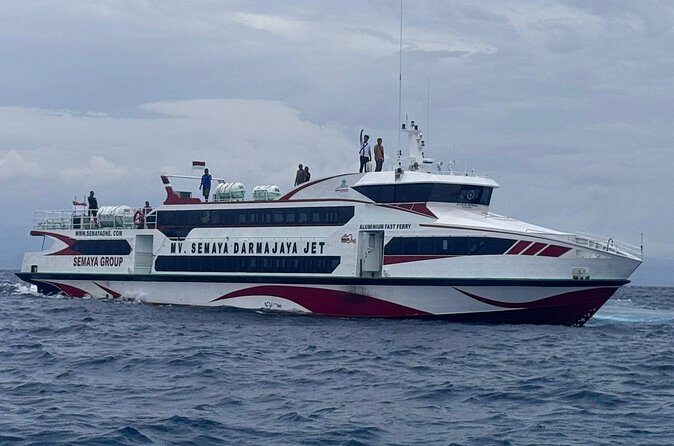
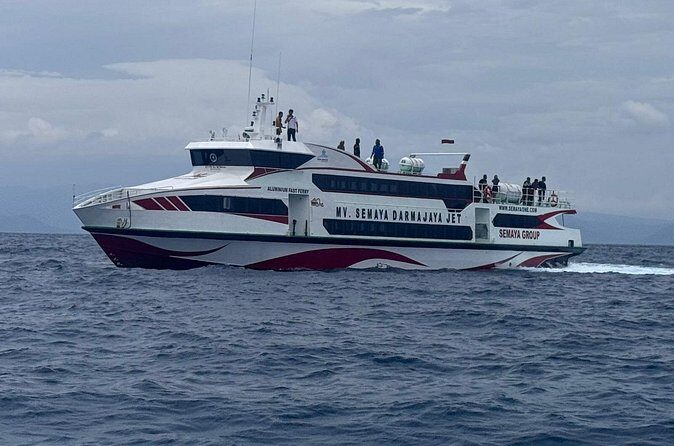
Speed across the strait matters. This one-way fast boat ride is built for travelers who want quick transit and simple planning between Padangbai and the Gili options. I like the mobile ticket process (no printing, just scan/show on arrival) and the clear harbor plan that starts with arriving about 60 minutes early. One thing to keep in mind: the trip time can stretch from about 90 to 150 minutes depending on sea conditions and any stops along the way.

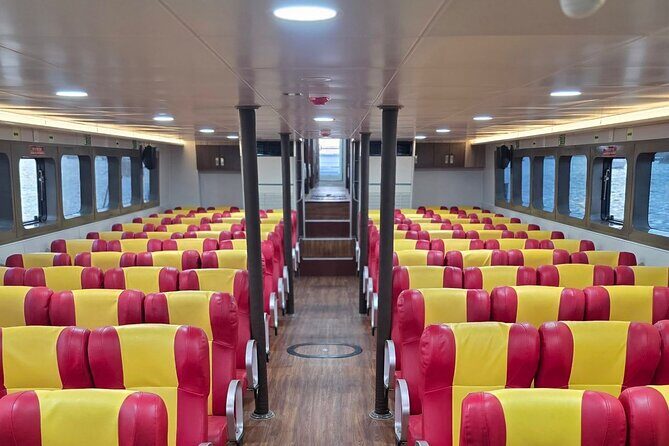
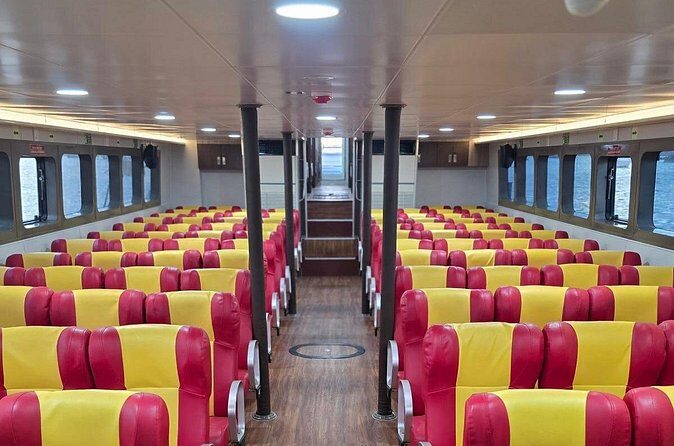
I also like that the focus is on comfort and safety. You’re traveling with life jackets and proper safety gear, plus clean seating and ventilation, and some boats may run with air conditioning. The main drawback is weather: this ride needs good conditions, so departures can be adjusted or canceled if seas turn rough.

Key things I’d actually plan around

One way fast Boat between Padangbai and Gili Islands or Lombok - Key things I’d actually plan around
Mobile e-ticket via email or WhatsApp so you can show up without printing.

Arrive 60 minutes early and expect check-in before boarding starts.

90 to 150 minutes on the water depending on sea conditions and stops.

Stops may include Gili Trawangan, Gili Air, or Bangsal on certain routes.

Safety gear plus experienced crews with life jackets onboard.

Price is one-way and excludes transfers, so you still need to handle harbor access.

Padangbai to Gili: what this one-way boat trip is really like

One way fast Boat between Padangbai and Gili Islands or Lombok - Padangbai to Gili: what this one-way boat trip is really like
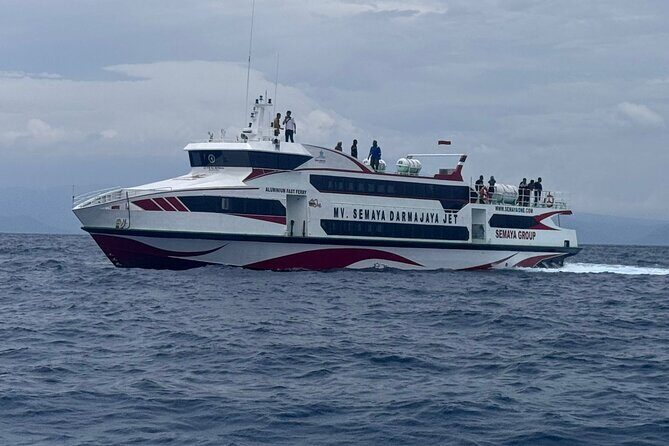
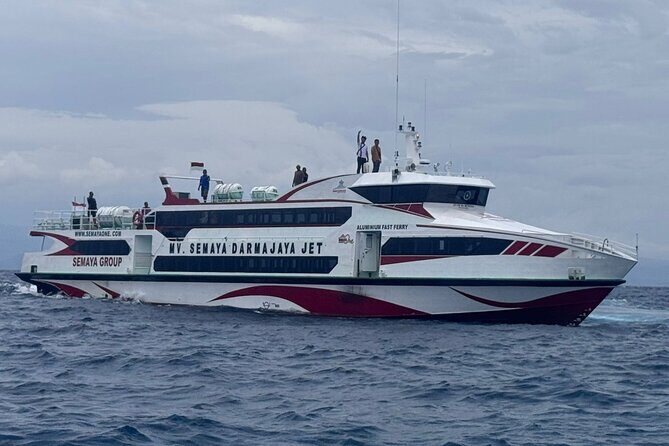
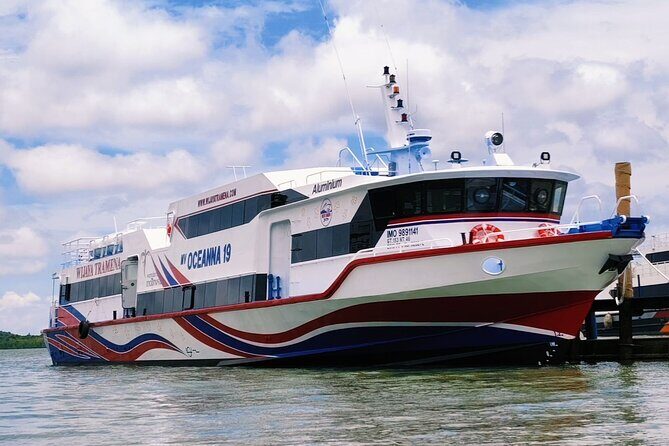
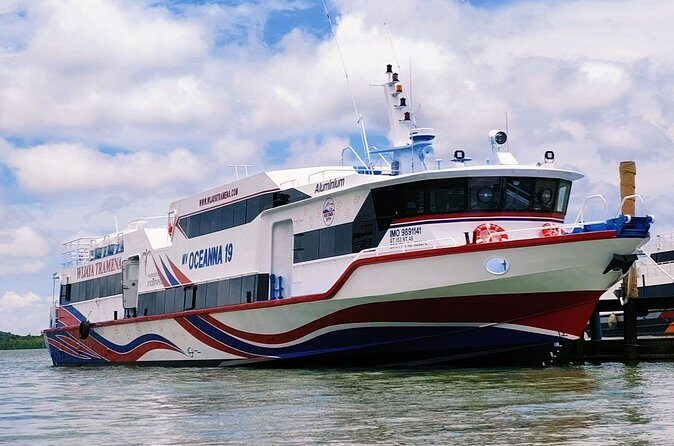
This is a straightforward one-way fast boat transfer covering Padangbai to the Gili side, with options for Gili Trawangan, Gili Air, and Bangsal. The selling point is value: at about $24.59 per person, you’re buying time. You skip the slow overland shuffle and go straight for island access.

The timing is practical, too. There are multiple departures daily, so you can match your day without building your whole schedule around a single departure. And it’s not one of those huge-boat situations either, with a maximum of 200 travelers.

The ride itself is built to be tolerable. Expect clean seating, ventilation, and life jackets on board. If you tend to get fussy on boats, this matters more than you think: comfort isn’t fluff when you’re spending up to a couple hours on open water.

Your e-ticket and check-in game plan (no stress, no guessing)

One way fast Boat between Padangbai and Gili Islands or Lombok - Your e-ticket and check-in game plan (no stress, no guessing)
Your confirmation comes when you book. Then you receive an e-ticket by email or WhatsApp, with your departure time and the port details tied to the route you selected. The simplest rule: follow the ticket for the exact timing and where you go.

On departure day, show up early. Arrive at the harbor at least 60 minutes before your scheduled departure time for check-in. Then look for the staff in official uniforms with the logo of the boat operator you chose. This is one of those situations where being calm and observant saves you from chaos, especially since you’re advised to be cautious of unknown people claiming they represent the fast boat company.

After check-in, you’ll get a boarding pass. Boarding usually starts 15 to 30 minutes before departure. So you’ll have a clear window to get seated and ready rather than sprinting around at the last second.

One more practical note: the meeting point address provided is for the Wijaya Buyuk Fast Boat Office at Gili Trawangan. But don’t treat that as universal. Use your e-ticket for the correct port and office for your direction and route. That one small habit keeps things smooth.

On the water: comfort, safety, and why “fast” can still vary

One way fast Boat between Padangbai and Gili Islands or Lombok - On the water: comfort, safety, and why “fast” can still vary
The scheduled duration is about 1 hour 30 minutes to 2 hours 30 minutes. In real life, your timeline depends on sea conditions and the number of stops. That’s why the upper end matters when you’re connecting to anything on land—bus, car, or another tour.

Safety is clearly part of the setup. Boats are operated by experienced crews and include life jackets and proper safety gear. Seating is described as clean and comfortable, with ventilation to help you breathe easier if the boat feels warm.

Some of the service feedback also points to air conditioning on the boat. Even if your specific departure has it, I’d still treat it as a bonus, not a guarantee. Bring the usual boat comfort basics: a light layer and something to keep you from feeling too tossed around by wind and spray.

If you’re prone to motion sickness, build in extra patience. Fast boats move quickly, and fast movement + choppy water is the combo your stomach remembers.

Stops at Gili Trawangan, Gili Air, or Bangsal: what to expect

Here’s the key logistics detail: depending on your destination and route, the boat may include stops at Gili Trawangan, Gili Air, or Bangsal. That affects timing, because each stop can add minutes and shuffle who boards and who disembarks.

The practical way to think about it is simple:

  • Your ride might not be direct.
  • Your end moment is the port where you’re meant to get off.
  • The boat’s total travel time is the flexible part.

So before you book onward plans, don’t schedule something tight right after arrival. Instead, build in buffer time for the disembark process. Also, remember the route is designed around island access, so stops can be about dropping people at different points on the islands and the Bangsal area.

The value question: is $24.59 actually a good deal?

One way fast Boat between Padangbai and Gili Islands or Lombok - The value question: is $24.59 actually a good deal?
For a one-way ticket, $24.59 is the kind of price that works especially well if you’re traveling light and already know how you’ll reach the harbor. This ticket includes the fast boat ride only.

It does not include hotel transfer, so you’ll need your own plan for getting to the departure harbor and onward transport after arrival. If you need door-to-door pickup, this may not be the cheapest option once you add transfers separately.

That said, the mobile ticket system can save you time and small headaches. No printing required. You show the digital ticket at the harbor, and the staff guide you to the correct boat. In practical travel terms, that reduces waiting and confusion, which is often where “cheap” trips become annoying.

The other value angle is how organized the communication is. People describe clear, responsive messaging and end-to-end coordination. They also highlight 24/7 customer support and helpful staff—exactly what you want when you’re dealing with a fixed departure time.

Service that feels built for real schedules

One way fast Boat between Padangbai and Gili Islands or Lombok - Service that feels built for real schedules
This isn’t just about the boat. The experience leans heavily on the support around it.

A lot of the positive feedback centers on:

  • Friendly, smooth coordination
  • Clear answers to questions
  • Easy contact, including WhatsApp-based steps
  • Harbor staff who help you not miss the boat

There’s also a strong signal that the team handles disruptions well. If something goes sideways, you want responsive support rather than silence. This provider is framed as attentive and organized, with customer support available around the clock.

One detail that really matters for families and heavier packers: you may get help with luggage, including carrying suitcases. One review explicitly notes 25 kg suitcases being carried. Even if your experience varies, the overall pattern is that staff aim to make boarding feel less like an obstacle course.

And yes, staff assistance at the harbor is mentioned as a big relief point. If you’ve traveled in places where everyone thinks they’re your guide, official uniforms and logo-based help cut through confusion fast.

Who this boat suits best (and who should think twice)

One way fast Boat between Padangbai and Gili Islands or Lombok - Who this boat suits best (and who should think twice)
This one-way fast boat works best for travelers who:

  • Want speed over long transit days
  • Can handle getting to the harbor without needing a full transfer package
  • Prefer a simple ticketing process with mobile confirmation
  • Have flexible timing for possible stops and sea-condition delays

It’s also a good fit for couples and families on a budget. The service style described is practical and supportive, which matters if you’re traveling with kids. One set of comments specifically called out that the family part went well, including a smooth day plan and professional driver help on connecting segments.

Who might think twice:

  • Anyone who absolutely needs a guaranteed exact arrival minute for a strict appointment should build buffer time.
  • If you’re very sensitive to sea movement, treat this as a faster route that still depends on weather.
  • If you need hotel-to-harbor transfers included, this product might require you to add extra arrangements.

A short checklist before you go

One way fast Boat between Padangbai and Gili Islands or Lombok - A short checklist before you go
If you want this to feel easy, do these three things:

  1. Confirm your route choice (Padangbai to which Gili port option).
  2. Plan to arrive at the harbor 60 minutes early.
  3. Keep your e-ticket handy on your phone and follow the staff instructions for the correct boat.

Also: verify the departure time in your e-ticket message before you head out. Fast boats run on schedules, and the easiest way to stay calm is to trust the ticket and show up early.

Should you book this fast boat one-way?

Book it if you want a budget-friendly, no-fuss way to cross between Padangbai and the Gili options. The price makes sense for a one-way transfer, the boarding process is organized, and the mobile ticket system lowers friction.

Skip or reconsider if you need guaranteed nonstop timing, door-to-door transfers, or you have a tight schedule with no buffer. This ride depends on sea conditions, and stops can happen. In other words: it’s fast, but it’s still the sea doing what the sea does.

If your main goal is getting from point A to island life without turning it into a whole production, this is the kind of transfer I’d feel comfortable choosing.

FAQ

How long does the fast boat take?

The trip typically runs about 1 hour 30 minutes to 2 hours 30 minutes, depending on sea conditions and whether the route includes stops.

Do I need to print my ticket?

No. You’ll receive a mobile e-ticket by email or WhatsApp, and you show your digital ticket at the harbor.

Where do I check in?

Check-in is at the departure harbor. Your e-ticket will include the port location and details for the option you selected. The listed office address includes Wijaya Buyuk Fast Boat Office in Gili Trawangan.

When should I arrive at the harbor?

Arrive at least 60 minutes before the scheduled departure time for check-in.

What is included in the price?

The price includes a one-way fast boat ticket only.

Are hotel transfers included?

No. Hotel transfers are not included.

What happens if weather is bad?

This experience requires good weather. If it’s canceled due to poor weather, you’ll be offered a different date or a full refund.

Mount Batur Sunrise Sharing Hike With Breakfast

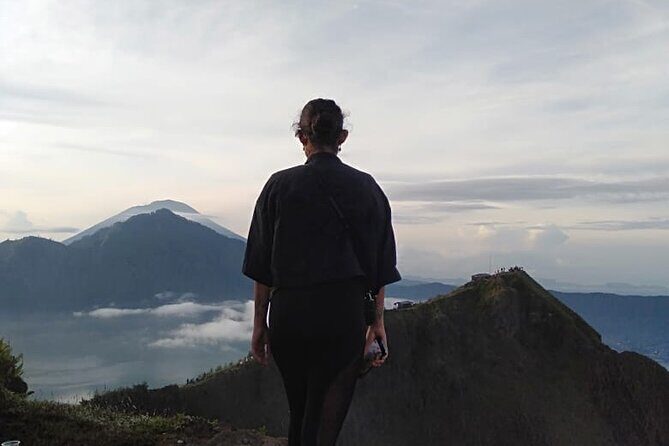
Mount Batur Sunrise Sharing Hike With Breakfast - The trek to the crater: what the guided climb actually feels like

Waking up before sunrise is the point here.

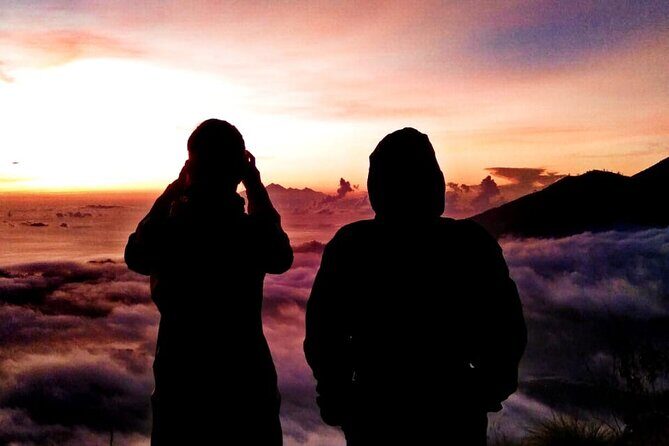
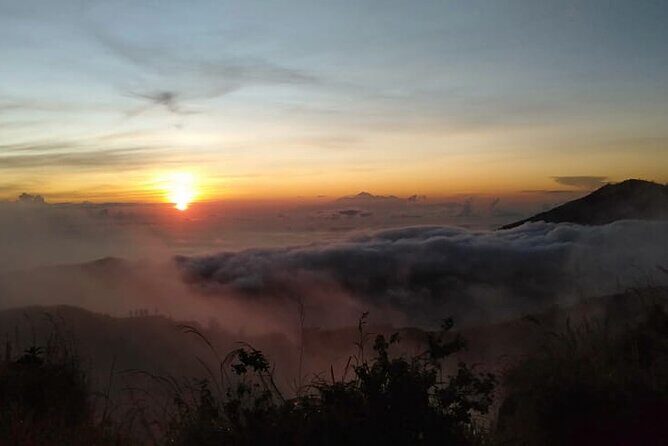
This Mount Batur sunrise hike with breakfast is built around a very early start, a guided climb to the summit crater, and that dramatic first light over Bali. I especially like the included egg breakfast cooked in volcanic steam, and the door-to-door comfort that keeps the day from turning into a taxi scavenger hunt. One drawback to keep in mind: you’re getting picked up in the dark, so if early mornings aren’t your thing, your motivation will need to be.

The guide team is the other big win. Guides from the Bali Kadek Private Tour Driver group, including people named Bagus, Wyan, and Cadek in past experiences, are praised for being friendly and for helping with practical tips along the way. The pace is active and you’ll be climbing in pre-dawn conditions, so bring a warm layer and plan for a workout, not a stroll.

Key things to know before you go

Mount Batur Sunrise Sharing Hike With Breakfast - Key things to know before you go

  • Door-to-door pickup from your hotel area, with a stated Ubud pickup around 02.45 (and earlier for other areas).
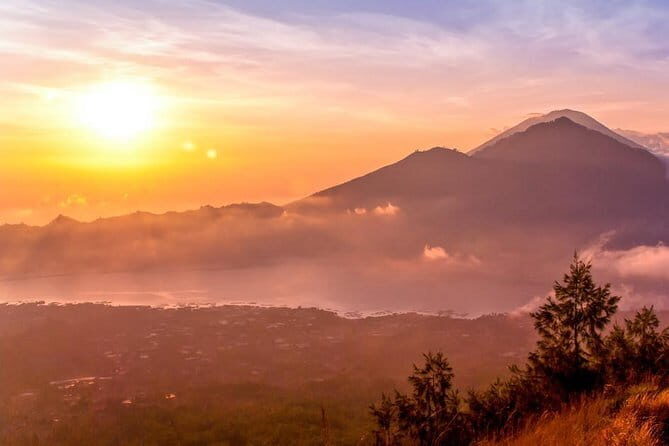
  • Summit timing: you reach the crater viewing area around 06.15 for the sunrise moment.
  • Breakfast included with refreshments described as eggs boiled in volcanic steam.
  • Coffee plantation stop after the hike before heading back to your hotel.
  • Vegetarian option available if you request it at booking.

Mount Batur sunrise timing: how the 2 a.m. pickup works

Mount Batur Sunrise Sharing Hike With Breakfast - Mount Batur sunrise timing: how the 2 a.m. pickup works
This tour is designed around one thing: sunrise at Mount Batur. Expect a very early pickup—about 01.30 from your hotel area is listed, with Ubud pickups specifically noted as 02.45. That means you’ll go from hotel sleep to mountain trek fast, with no time to “wake up gradually.”

This schedule is exactly why the experience feels special. The mountain is quiet before most of Bali wakes up, and you’re climbing while the air is cool and the views are still forming. If you’re prone to scrambling for logistics, this kind of structured timing is a real stress reducer.

One practical tip: wear layers. Even if Bali feels warm later in the day, pre-sunrise at elevation can feel chilly, and you’ll be out in the early morning air for hours.

The trek to the crater: what the guided climb actually feels like

Mount Batur Sunrise Sharing Hike With Breakfast - The trek to the crater: what the guided climb actually feels like
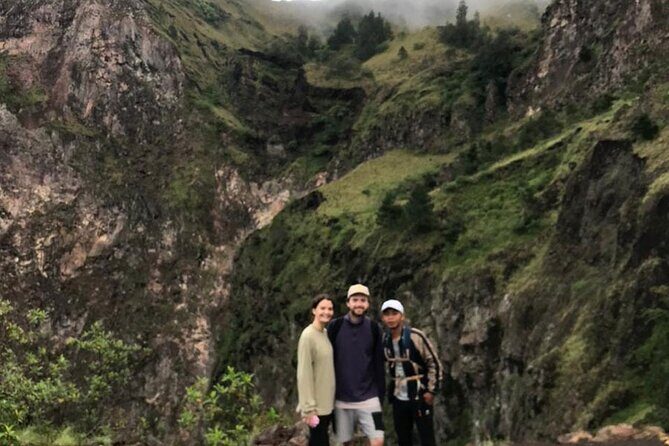
You arrive at the starting point roughly around 03.45, then get an introduction and a safety briefing from an experienced hiking guide. The program notes that the hiking guides are associated with Mount Batur trekking guides, which matters because this route is about timing and footing as much as it is about views.

At 04.00, you begin the climb. The big thing here is that you’re not hiking alone. You’re moving with a guide who can keep the group together and manage the stops, so you can focus on your pace instead of navigation.

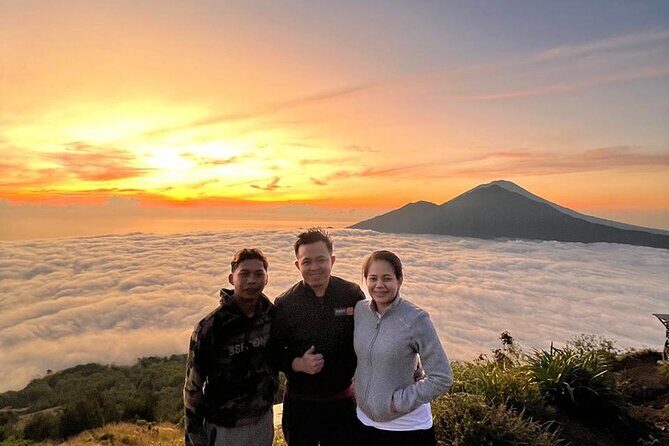
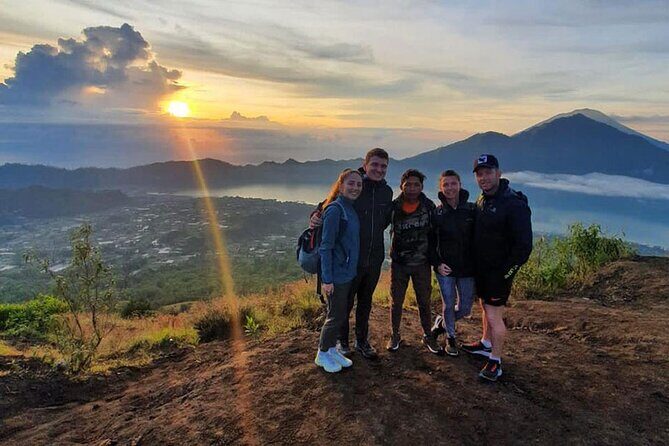
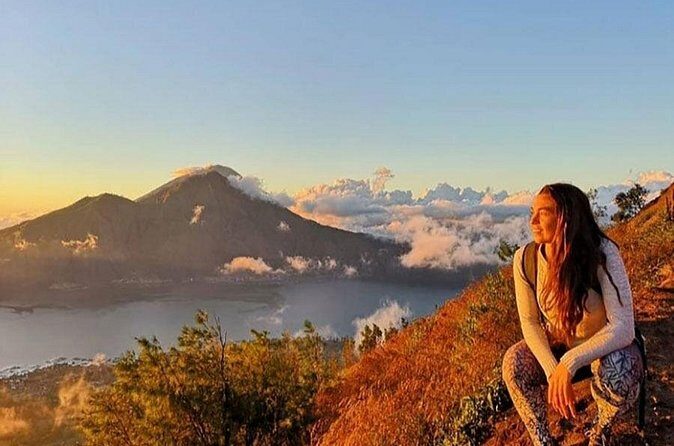
The first major payoff is the crater viewpoint at around 06.15. That’s when you’re set up to watch the sunrise and see the volcanic scenery in full light. If you’ve ever arrived somewhere after the best part is already gone, you’ll appreciate how tightly this timing is built.

Eggs in volcanic steam: the breakfast moment you’ll remember

Right when you reach the summit crater area, the program describes enjoying refreshments—eggs boiled in volcanic steam. That’s not a generic breakfast add-on. It’s a very Batur detail: you’re literally eating something prepared using the heat of the volcano.

If you’re curious about how that works, this is the moment where you can watch the steam action and then taste it. It’s simple food, but the setting makes it memorable.

This also helps you understand why the tour includes breakfast in the first place. You’re high up and active early, so having something included keeps the day from turning into “hunt for snacks during a hike.”

After the sunrise: the full crater walk and return timing

Mount Batur Sunrise Sharing Hike With Breakfast - After the sunrise: the full crater walk and return timing
Sunrise happens around 06.15, then the itinerary continues with time to trek onward around the crater. Around 07.00, you continue trekking around the entire crater and toward the finishing point.

Then you reach the finish point around 09.00 and board the car. That means your main climb is concentrated in the morning, with the rest of the day shifting into sightseeing and return travel.

This pacing can be a plus if you like a clear split between effort and downtime. You get the hard part done early, and you’re back on the road before midday chaos sets in.

Ubud culture and nature adds: terraces, waterfall, coffee, and kecak

Mount Batur Sunrise Sharing Hike With Breakfast - Ubud culture and nature adds: terraces, waterfall, coffee, and kecak
This experience is based in the Ubud area, and the wider program overview is all about mixing nature sights with Balinese culture. Along with the Mount Batur highlight, you’re set up to visit places like Tegalalang Rice Terrace and Tegenungan Waterfall, plus a coffee plantation stop.

The coffee part is clearly built into the Mount Batur day. The itinerary calls out a balinese coffee plantation stop around 10.00, which gives you a mid-morning break after the hike. You also get to see coffee being grown and sample the finished product, which is a nice change from just looking at scenery.

Then there’s the cultural layer: the overview includes watching a traditional kecak fire dance performance in Batubulan, noted as an own-expense add-on. If you choose to add it, plan for it as a separate cost and a separate time commitment after your morning return.

What I like about pairing these sights on one day is flow. The rice terraces and waterfall give you classic Ubud scenery after the volcanic drama. The coffee stop adds something interactive. And the kecak performance brings in an evening-style cultural feel, even if it’s tacked on at your own expense.

Guides, drivers, and door-to-door transfers that reduce friction

Mount Batur Sunrise Sharing Hike With Breakfast - Guides, drivers, and door-to-door transfers that reduce friction
The tour is described as private guiding and transfers with door-to-door round-trip pickup and drop-off. That matters in Bali more than people expect. When you’re doing a dawn trek, the wrong pickup time or a slow connection can ruin the sunrise window.

In past experiences with the Bali Kadek Private Tour Driver team, guides have been praised for friendliness and for being helpful beyond just driving. People name guides like Bagus and Wyan and mention practical touches like helping as a photographer and sharing interesting stories about local life.

Also note the program says the hike may be operated by a multi-lingual guide. If you’re traveling with someone who needs clearer communication, that’s a helpful checkbox.

One more logistics detail: you’ll have transport by private vehicle, plus parking fees and all fees and taxes are listed as included. That reduces the number of places you need to pull out your wallet during the day.

Price and value: is $30 a good deal here?

Mount Batur Sunrise Sharing Hike With Breakfast - Price and value: is $30 a good deal here?
At $30 for an about 10-hour day, this is priced to feel “reasonable” for what’s included: early pickup, a guided crater sunrise hike, and breakfast included. The value gets better when you compare it to doing sunrise logistics on your own.

The included items matter:

  • hotel pickup and drop-off
  • private vehicle transport
  • parking and fees covered
  • breakfast included

The one thing you should watch is how entrance fees and add-ons are handled for the non-hike portion. The overall concept includes places like rice terraces, waterfall, and possibly kecak. Your cost experience will depend on what’s included versus what you pay separately.

So here’s my practical advice: confirm what’s covered for your exact day and ask specifically about any paid stops outside the hike. That one step keeps you from feeling blindsided later.

What to pack and how to get ready for a pre-dawn hike

Mount Batur Sunrise Sharing Hike With Breakfast - What to pack and how to get ready for a pre-dawn hike
The tour is active, and the timing is early enough that your body will notice the morning cold before your brain fully wakes up. Bring a warm layer you can peel off if the climb warms you up.

Comfortable shoes matter. The trek involves moving on the mountain route, and the safety briefing is there for a reason—this isn’t the type of walk you want to do in slick sandals.

Also, consider your energy strategy. You’ll be fed with the included breakfast described as eggs cooked in volcanic steam, but you’ll still want to pace yourself from the start time at 04.00. Going out too fast early is a good way to arrive tired when you want to enjoy the crater views.

If you need a vegetarian option, it’s available if you request it during booking. Service animals are also noted as allowed, so if that applies, it’s worth mentioning when you confirm.

Who this sunrise hike is best for (and who should think twice)

This tour is a good fit if you want a single guided day that delivers both sunrise drama and Ubud sightseeing. It’s also ideal if you’d rather pay for smoother logistics than spend your morning managing transportation.

Most travelers can participate, and it’s set up for a typical visitor day. If you’re traveling with kids, keep in mind that children must be accompanied by an adult.

Think twice if:

  • you hate waking up very early
  • you’re expecting a slow, casual walk
  • you prefer doing cultural shows only if everything is fully included in the base price

If you’re okay with an early start and you like guided structure, you’ll probably find this is a smart way to experience Mount Batur without the logistical headache.

Should you book this Mount Batur sunrise hike?

I’d book it if you want sunrise at Mount Batur with breakfast included, clear timing, and door-to-door transfers from Ubud. The best parts are the early climb to the crater, the sunrise at the viewing point around 06.15, and that memorable egg-and-steam breakfast.

Skip the tour (or at least double-check expectations) if your ideal Bali day is late starts and zero effort. Also, confirm what’s included for the Ubud add-ons so the day stays fun instead of turning into a cost question mid-trip.

If you like planning around a clear goal—sunrise, views, and then sightseeing—this format works well.

FAQ

What time does pickup happen from Ubud?

Pickup timing is listed as 01.30 depending on where you stay, and if your hotel is in Ubud, pickup time is stated as 02.45.

What time do you reach the Mount Batur summit crater for sunrise?

The itinerary notes arrival at the summit crater around 06.15 for the sunrise view.

Is breakfast included?

Yes. Breakfast is included, and the program describes refreshments at the summit crater as eggs boiled in volcanic steam.

Is the tour private?

It’s described as a private tour/activity, with only your group participating. It also uses a sharing-hike program name, so expect a guided group rhythm on the mountain while still having your group’s arrangements.

Does the tour include coffee?

Yes. There’s a stop at a Balinese coffee plantation around 10.00, where you can see coffee being grown and sample the finished product.

Can I request a vegetarian breakfast?

A vegetarian option is available. You need to advise at the time of booking.

Are children allowed?

Yes, but children must be accompanied by an adult.

Lovina Sunrise Dolphin & Waterfall Tour

Lovina Sunrise Dolphin & Waterfall Tour - Pickup from Ubud, private-only touring, and what “8 hours” really means

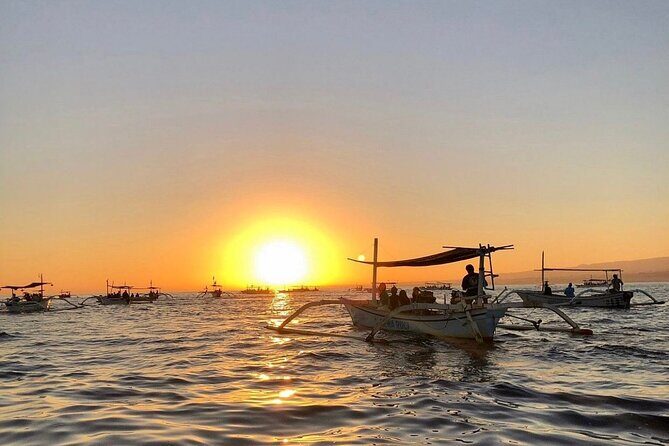
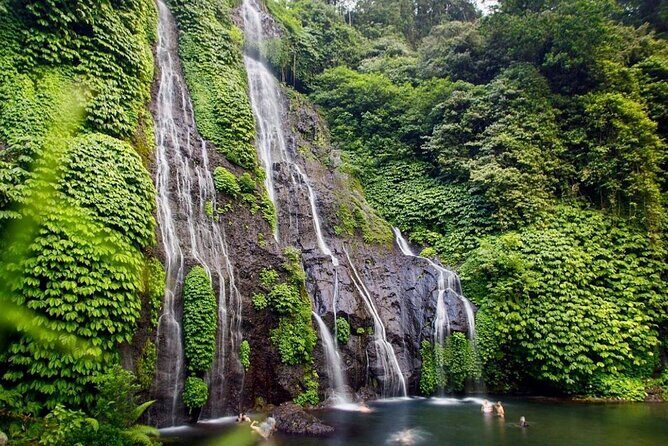
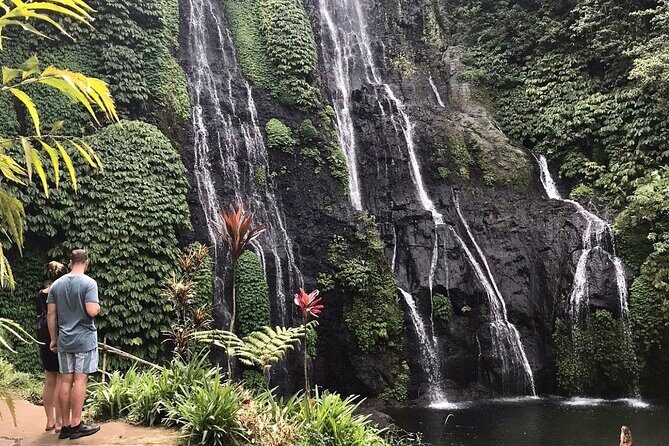
That 3am start changes everything. This private North Bali day tour lines up predawn dolphin watching from Lovina with big scenery breaks like Banyumala Twin Waterfalls and the lake-temple at Bratan. It’s a full circuit across the north—built for early action, not slow sightseeing.

I especially like the morning timing and the fact it’s private, so your group sets the pace. I also like how the day mixes nature with culture, so you’re not stuck doing only one theme. One thing to consider: the early start and the waterfall stop mean you’ll want a moderate fitness level and patience for a long day.

Key highlights at a glance

Lovina Sunrise Dolphin & Waterfall Tour - Key highlights at a glance

  • 3am wake-up for Lovina dolphins: You’re on the water during the time dolphins are most active.
  • Private full-day format: Only your group goes, with pickup and drop-off offered from Ubud and many Bali areas.
  • Banyumala Twin Waterfalls: A dramatic nature stop after the sunrise cruise.
  • Ulun Danu Bratan Temple on Lake Bratan: Major Hindu temple complex by the water.
  • Wanagiri Hidden Hills: North Bali viewpoints to round out the day.

Why 3am Lovina dolphins feel like a real win

Lovina Sunrise Dolphin & Waterfall Tour - Why 3am Lovina dolphins feel like a real win
North Bali dolphins are most active in the early morning hours, and that’s the whole point of this tour. You’re not trying to squeeze “maybe dolphins” into a normal day schedule. You’re building the day around the time the animals are likely to show up.

That early timing also gives you a calmer kind of sightseeing. Roads feel quieter, the light is softer, and the boat ride is focused. It’s one of those tours where the hardest part is the wake-up, and the payoff is the sunrise rhythm—watch, wait, and then suddenly the sea gives you action.

Pickup from Ubud, private-only touring, and what “8 hours” really means

Lovina Sunrise Dolphin & Waterfall Tour - Pickup from Ubud, private-only touring, and what “8 hours” really means
This is a private tour/activity. That matters in Bali, where full-day routes can get crowded fast. With a private setup, you avoid the “herding cats” feeling that can drain a sightseeing day.

You’ll also get pickup and drop-off from Ubud and many areas of Bali. That reduces decision fatigue on your side—no sorting out rides at the crack of dawn. The tour is listed at about 8 hours, but with a 3am start, you should think of it as an early-morning commitment through the late part of the morning/early afternoon rather than a relaxed half-day.

Mobile ticket is part of the setup too, which is usually helpful if you’re juggling multiple plans on a tight itinerary.

Lovina sunrise cruise: what you’re really aiming to see

The core experience starts at Lovina Beach. You’ll board a boat and cruise along the volcanic north-coast beaches to look for dolphins. The goal is simple: watch dolphins play and move in the predawn light, ideally while the sun comes up.

The sunrise angle isn’t just pretty. Early light helps visibility on the water, and it changes the mood from “wildlife search” into something more cinematic. You get that mix of waiting and then suddenly being able to track fins and movement across the surface.

If you care about photos, pick this tour for one reason: the human side of the experience. Guides on this tour are credited with being very hands-on—like Komang, who helped with camera gear and took photos of a couple while staying friendly and attentive. Other guides, such as Kadek and Kendal, are also noted for walking guests around and assisting with pictures. Even if you’re traveling light, it’s reassuring to know the day is guided, not just “here’s the route.”

A small practical note

A boat at sunrise can feel cool and windy depending on conditions. Since the tour is early and water-based, plan for that reality. You’ll also want your morning to be simple—grab what you need before you head out, then focus on watching.

Banyumala Twin Waterfalls: nature stop with some effort baked in

Lovina Sunrise Dolphin & Waterfall Tour - Banyumala Twin Waterfalls: nature stop with some effort baked in
After the dolphin cruise, the day shifts to Banyumala Twin Waterfalls. This is the kind of stop where the scenery starts before you even reach the main viewing areas—paths, greenery, and the sound of water building as you move along.

The key thing here is pacing and physical comfort. The tour calls for moderate physical fitness, and waterfall visits usually involve walking on uneven ground and stepping through areas that can be slick. You don’t need to be an athlete, but you do need to be steady on your feet and willing to slow down for the terrain.

Why I like this part of the itinerary: it breaks up the morning adrenaline with a completely different sensory experience. You go from sea surface watching to water sounds and mist, then you shift into a slower kind of sightseeing where you can take your time.

What can go wrong?

Waterfalls can be affected by weather and water flow. The tour doesn’t promise a specific volume, so if you’re going at a time when conditions are quieter, the “twin falls” experience may feel more subtle. Still, the setting is the main draw, and the stop is worth it as a nature break after the early boat ride.

Ulun Danu Bratan Temple: culture on the shores of Lake Bratan

Next comes Ulun Danu Bratan Temple, a major Hindu temple complex located on the shores of Lake Bratan. This is one of those stops that gives you context fast: religion, place, and landscape all connected through the lake setting.
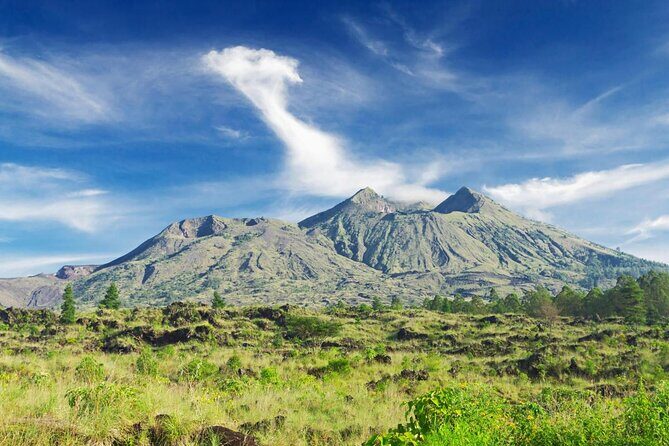
What makes it especially good on a tour like this is timing. You’re already awake early and moving through the north-coast circuit, so the temple stop feels like a meaningful transition. You’re not just “passing by something cultural.” You’re shifting gears from wildlife and waterfalls into how Bali treats sacred space.
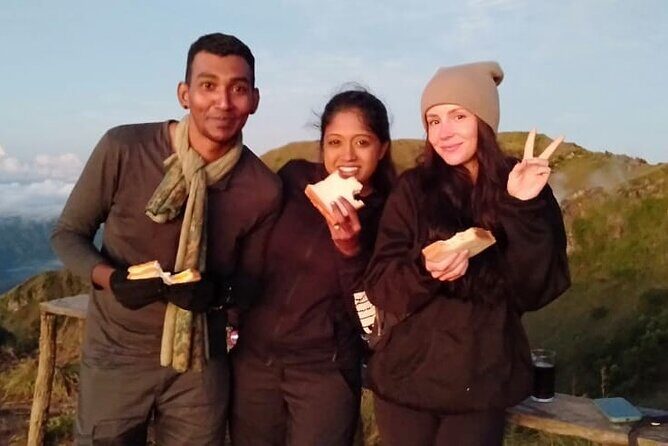
Guides here can make the difference between seeing buildings and understanding what you’re looking at. Kadek is specifically noted for giving history and walking guests around while explaining what they were seeing. That kind of guidance turns temple photos into better stories later.
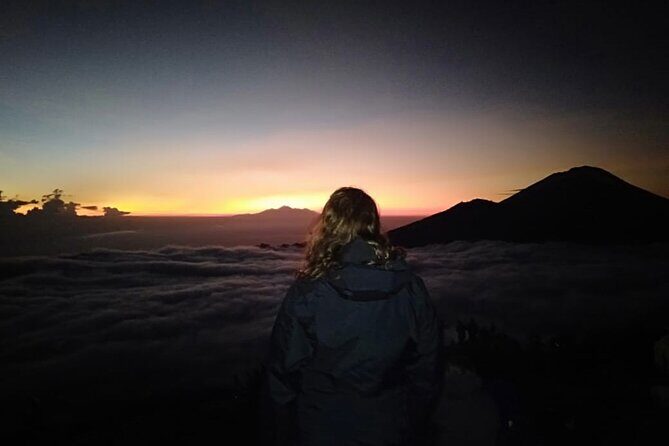
How to get the most out of it

Spend a little time slowing down at viewpoints and then return to the details—sculpture, colors, and the way the buildings sit near the water. If you enjoy learning while looking, you’ll likely appreciate the added explanation from your guide at this stop.

Wanagiri Hidden Hills: viewpoints that make the long day feel worth it

The final nature-and-views stop is Wanagiri Hidden Hills. This is where the tour spreads out into broad north-Bali perspective again, after the waterfall and the lake temple.

Why it works as a closer: Wanagiri is more “look far, soak in the panorama” than “walk into a site.” That gives you recovery time after earlier movement. It’s also a great way to end the day visually, because sunrise gives you morning drama and Wanagiri can give you late-morning/early-afternoon scale.

In general, viewpoint stops tend to be flexible for different travel styles. If your group wants photos, you’ll have space to work. If you’d rather just enjoy the view and talk, it’s also easy to do that without feeling rushed.

Price and value: is $79 per person fair?

At $79 per person, this tour sits in the “mid-range comfort” zone: you’re paying for a private full-day route, early morning boat time, and a multi-stop itinerary across north Bali.

Here’s where the value comes from:

  • You’re paying for the 3am timing. That’s not free. Early boat access and coordination cost real money.
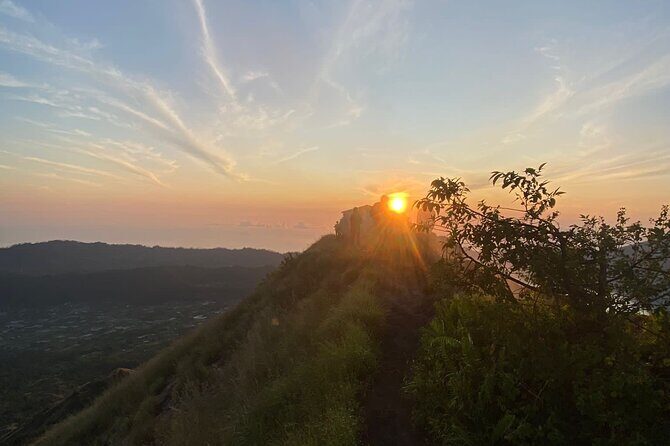
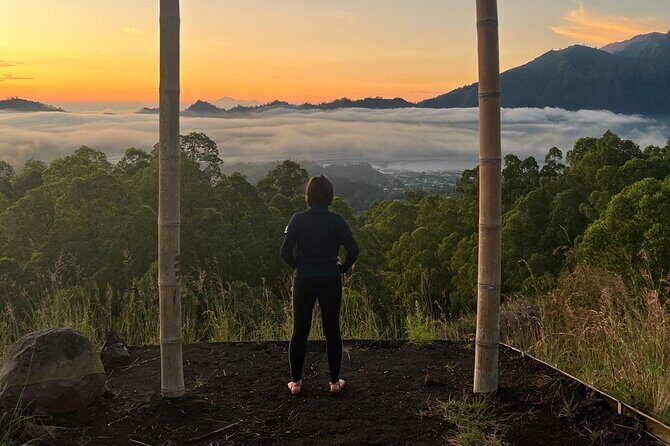
  • Pickup and drop-off are included. For many people staying in Ubud, avoiding taxis at odd hours is worth something.
  • You’re getting more than one highlight category. Dolphins plus waterfalls plus a major temple plus a viewpoint is a lot packed into a single day.

The one factor that can affect your value is your personal priorities. If dolphins are a “must,” then the price feels easier to justify because that’s the anchor. If you mostly want beaches or easy walking, you might prefer a different day format. But for the right traveler, the mix is the deal.

The best fit: who should choose this tour

Lovina Sunrise Dolphin & Waterfall Tour - The best fit: who should choose this tour
You’ll like this tour if you:

  • Want wildlife at the right time, not a late-morning “maybe dolphins” search
  • Enjoy a full circuit day across north Bali—sea, sacred space, waterfalls, then viewpoints
  • Prefer a private setup with a guide who helps with details and photos

You might skip it if:

  • You hate early mornings. This starts around a 3am wake-up window.
  • You want a totally low-activity day. The waterfall stop and general early itinerary mean you’ll be on your feet at least some of the time.
  • You prefer only one type of attraction. This day mixes sea + water + temple + hills, so it’s not a single-theme tour.

A few practical tips to set yourself up for an easy day

I’d plan this as a “go early, move smart” day.

  • Be ready for the dawn rhythm. A 3am wake-up changes how you pack, eat, and manage energy.
  • Wear footwear you trust. The waterfall stop calls for moderate fitness, which usually means uneven and possibly slick walking.
  • Bring your camera plan. Guides on this route are known for photo help (Komang with camera gear and taking photos; Kadek and Kendal with attentive guiding and picture-taking). Even if you’re not chasing action shots, you’ll likely want a simple setup you can use quickly.

Should you book the Lovina Sunrise Dolphin & Waterfall Tour?

If you want dolphins and you care about seeing them when they’re actually active, this is a strong choice. The private format and pickup from Ubud make the early schedule feel less painful, and the rest of the day keeps moving with Banyumala, Ulun Danu Bratan Temple, and Wanagiri Hidden Hills—so it doesn’t feel like you’re trading the morning for just one event.

I’d book it if you match the basics: you can handle an early wake-up and you’re okay with a moderate walking day once you reach the waterfalls.

FAQ

FAQ

What time does this tour start?

It starts with a 3am wake-up call so you can be on the water in time for early-morning dolphin watching.

How long is the tour?

The duration is about 8 hours.

Is this tour private?

Yes. It’s a private tour/activity, and only your group participates.

Where does pickup happen?

Pickup is offered from Ubud and many areas of Bali.

What locations are included in the tour?

The main stops are Lovina Beach, Banyumala Twin Waterfalls, and Wanagiri Hidden Hills. The itinerary also includes Ulundanu Bratan Temple on the shores of Lake Bratan.

What fitness level do I need?

The tour notes a moderate physical fitness level is recommended.

Is a mobile ticket used?

Yes. The tour includes a mobile ticket.

Is cancellation free?

Cancellation is free up to 24 hours in advance for a full refund.

How will I receive confirmation?

You receive confirmation at the time of booking.

Spiritual Cleansing Ritual and Shamanic Healing in Bali

Spiritual Cleansing Ritual and Shamanic Healing in Bali - Tampak Siring Melukat ceremony and holy springs

Bali’s spiritual rituals are vivid in real life. This day trip blends shamanic healing in Sukawati with the Melukat purification ceremony at Tampak Siring, then rounds it out with a calm lunch break and a walk through Tegallalang’s famous rice terraces.

I especially like the private air-conditioned car and the English-speaking driver who keeps the pacing realistic. I also like that you get a full cultural sequence: ritual time, then a scenic reset at the restaurant before finishing at Tegallalang.

One consideration: if you’re menstruating, you can’t book this experience, and if it starts after booking you’ll need to reschedule.

Key things to know before you go

Spiritual Cleansing Ritual and Shamanic Healing in Bali - Key things to know before you go

  • Shamanic healing context in Sukawati: the belief is that physical imbalance can reflect deeper spiritual disharmony.
  • Melukat purification at Tampak Siring: the ceremony is done as a sacred cleansing of body and soul near holy springs.
  • A real break for lunch: Tebasari Resto, Bar & Lounge is built for an easy pause with panoramic views.
  • Tegallalang rice terrace time: you’ll walk the terraced paddies after the heavier spiritual moments.
  • Private setup: it’s just your group, with an air-conditioned car and an English-speaking driver/guide.
  • Clear participation rule: menstruation is strictly not allowed for this ritual.

Why a Melukat purification day in Ubud feels different

Spiritual Cleansing Ritual and Shamanic Healing in Bali - Why a Melukat purification day in Ubud feels different
This is not a drive-by photo stop. You’re spending hours inside a ritual framework that Balinese spirituality treats as practical, not just symbolic. The whole schedule is built like a gentle arc: healing first, purification next, then food and scenery to let your body catch up.

I like that the day connects meaning to place. Sukawati is the starting point for shamanic healing beliefs about body/spirit imbalance. Tampak Siring is where the day’s main cleansing ritual happens, tied to the holy-spring setting people associate with purification.

It also helps that you’re not mixing this with a long checklist of random temples. The trip feels focused: healing, cleansing, lunch, and then Tegallalang. If that kind of clear structure matches your travel style, you’ll likely enjoy the pacing.

Meeting Sukawati for shamanic healing: what to expect

Sukawati is where the session begins, rooted in Balinese healer thinking: physical problems can be linked to deeper spiritual disharmony. Your shamanic healing package is designed around that idea, with the shaman acting as a conduit between the physical and spiritual realms.

Here’s the practical value for you. When you’re trying to understand a spiritual tradition you don’t grow up with, the biggest help is an explanation delivered with care. The driver/guide is English speaking, and the overall day is set up so the healing part is not just something you watch silently.

From a comfort standpoint, plan to arrive ready to slow down. Shamanic healing isn’t a quick photo moment, so treat this as time for listening and letting the experience unfold. Even if you’re not sure what you believe, you can still be respectful and curious.

If you’re sensitive to intense energy practices, I’d go in with a grounded mindset. This tour is built for cultural and spiritual engagement, so it’s best for travelers who can handle something beyond standard sightseeing.

Tampak Siring Melukat ceremony and holy springs

Spiritual Cleansing Ritual and Shamanic Healing in Bali - Tampak Siring Melukat ceremony and holy springs
After Sukawati, the day moves to Tampak Siring, connected to the Melukat purification ceremony. This part is specifically described as cleansing the body and soul, and it’s tied to the ancient ritual setting with holy springs and lush surroundings.

The ceremony is done at the Mengening Temple area in Tampak Siring, and you’ll have the water purification ceremony package included. That matters because it signals you’re not trying to piece together this experience on your own. You’re following a planned ritual flow with the help of your guide.

What you can realistically expect is a structured, guided event. You’ll likely be instructed on how to participate, and the English-speaking guide helps you understand the Hindu-inspired context behind what’s happening. The overall feedback on the day highlights that the healer and guides keep things organized and respectful, which makes a big difference when you’re in an unfamiliar spiritual setting.
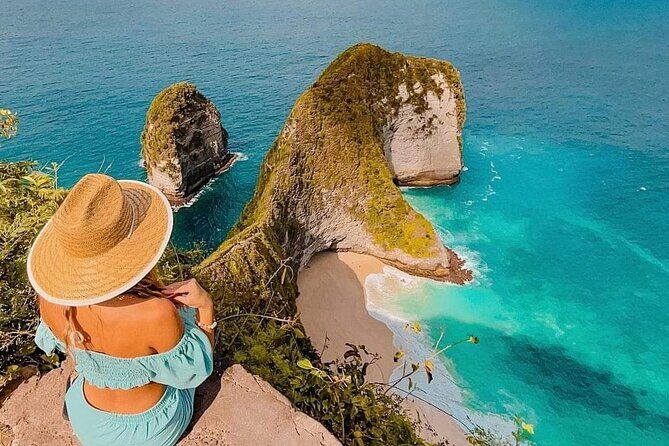
Timing-wise, this is one of the main blocks of the day (about two hours). That’s enough time to feel you got more than a quick glance. Also, because the ritual is tied to water and purification, you may want to think about practical comfort in advance (like being prepared for wet conditions) but follow your guide’s direction on what’s expected.

Lunch at Tebasari Resto: panoramic break with Indonesian flavors

Spiritual Cleansing Ritual and Shamanic Healing in Bali - Lunch at Tebasari Resto: panoramic break with Indonesian flavors
Once the ritual work is done, the schedule adds a normal human reset: lunch. The included plan puts you at Tebasari Resto, Bar & Lounge, a restaurant break described as offering panoramic views and a chance to savor Indonesian flavors.

Even though lunch itself is not included in the price, I like this stop because it gives you a buffer between spiritual intensity and your final scenic walk. It’s the part of the day where you can breathe, hydrate, and get your bearings again.

This is also where you can ask questions. A good guide will use this relaxed moment to explain what you just experienced, connect it to broader Balinese life, and point out what you’ll see next at Tegallalang. If you’re the kind of traveler who likes learning while you eat, this fits well.

Tegallalang Rice Terrace: photo-ready paddies with real walking time

Spiritual Cleansing Ritual and Shamanic Healing in Bali - Tegallalang Rice Terrace: photo-ready paddies with real walking time
The final major stop is Tegallalang Rice Terrace, one of Bali’s most iconic terraced areas. This is not just a viewpoint. The schedule gives you about two hours to wander the paddies and take in the layout carved into the hillsides.

What’s special here is the “systems thinking” of traditional agriculture. You’ll see how the terraces are shaped into an intricate network, and the greenery is part of why the place draws so many photographers. If you want photos, this is your moment. If you prefer calmer travel, go slower and look for details in the irrigation patterns and the way paths weave through the terraces.

One practical tip: rice-terrace walking can be uneven. Wear shoes you trust on dirt paths and steps. Bring water if you tend to run warm. Your driver will get you there, but your comfort is still on you.

Also, keep your energy in mind. If the cleansing ceremony felt emotionally intense, Tegallalang is a great soft landing. It’s visually strong, but it’s not a rules-heavy environment like a ritual space.
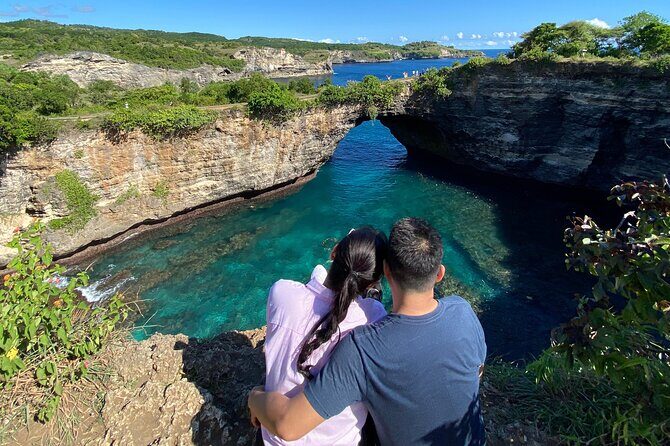
The real value of the $80 price: what you get (and what you pay)

Spiritual Cleansing Ritual and Shamanic Healing in Bali - The real value of the $80 price: what you get (and what you pay)
At $80 per person for about eight hours, this tour is built around included spiritual packages plus transportation. Here’s the value breakdown that matters for decision-making:

  • Private comfortable air-conditioned car: you’re not crammed into a public van.
  • Shamanic healing package: the spiritual session itself is included.
  • Water purification ceremony package: you’re covered for the Melukat ritual components.
  • English-speaking driver/guide: this is key. Without an explanation, spiritual experiences can feel like you’re watching from the outside.
  • A ticketed stop at Mengening Temple and admission included at Tegallalang: you don’t have to guess entry fees.

Lunch is the one clear extra you’ll likely pay on your own. That said, the schedule plans a specific restaurant stop rather than leaving you to hunt. That usually saves time and stress.

One more value angle: private tours cost more in general, but this one tries to keep the experience efficient. You’re getting a focused day instead of stretching your time across dozens of scattered locations.

Lastly, it’s a tour that gets booked fairly often—on average about 16 days in advance—so if the dates matter, don’t wait until the last week to lock it in.

Practical tips for a respectful, smooth day

Spiritual Cleansing Ritual and Shamanic Healing in Bali - Practical tips for a respectful, smooth day
This day works best when you treat it like a ritual experience with sightseeing attached, not the other way around. Here are the practical things I’d plan for.

First, the participation rule is non-negotiable: menstruation is strictly not allowed for this experience. If your body situation changes after booking, you’ll need to reschedule. Don’t gamble on “maybe it’s fine.” This is one of those tours where following the ritual rules is part of respecting the tradition.

Second, dress and behavior should follow what your guide and healer indicate on the day. The tour data doesn’t list a specific dress code, so the safest approach is to listen closely and act appropriately in each location. If you’re unsure, ask your driver before you start each segment.

Third, bring patience. Even when everything is organized, you’re doing multiple locations and ceremonies with time built in. Expect a full day rhythm, with two main spiritual blocks, then lunch, then walking at Tegallalang.
Fourth, protect your phone. You’ll want photos at Tegallalang, and you may want to save memories from the ritual setting too. Your guide can advise what’s appropriate, especially around sacred areas and ceremonies.

Finally, if you’re trying to keep costs controlled, remember the basics: lunch is not included and personal expenses are not included. The tour covers the major packages and tickets, so it’s easier to budget if you treat it like a set-price cultural day plus your meal.

Who this Bali spiritual cleansing tour suits best

Spiritual Cleansing Ritual and Shamanic Healing in Bali - Who this Bali spiritual cleansing tour suits best
This is a strong fit if you want something more personal than a temple circuit. If you’re curious about Balinese spirituality, like learning through local practices, and prefer a guided explanation, this tour matches that energy.

It’s also a good match for travelers who want structure. Private car, English speaking guide, and a schedule with clear segments means you won’t spend your time figuring out logistics while you’re trying to experience the ritual.

It’s not a great fit if you want a purely secular day focused on photos and facts only. This tour centers on a healing and purification ceremony, and you’ll get the most out of it if you can approach it with openness and respect.

And if you’re traveling with a group, it works well because it’s private for your group only. That means you can ask questions without feeling rushed or squeezed.

Should you book this tour or skip it?

Book it if:

  • You want Melukat purification and shamanic healing as the main event, not a side activity.
  • You like the idea of an English-speaking guide helping explain what you’re seeing and participating in.
  • You want an efficient eight-hour day that includes transportation, included ceremony packages, and ticketed sightseeing.

Skip it or consider another option if:

  • You can’t comply with the menstruation rule.
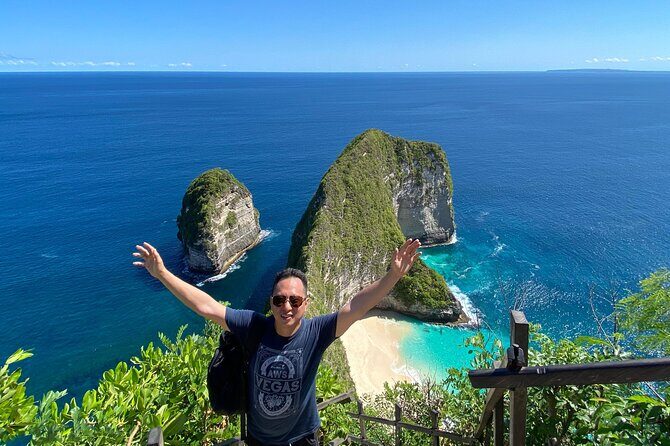
  • You want maximum control over every minute and don’t want to follow a planned ritual flow.
  • You dislike ceremonies that may feel emotionally or spiritually intense.

If you decide to go, I’d plan for a full day mindset. Bring comfy shoes, keep some flexibility, and think of Tegallalang as your calm reward at the end. That combination—healing, purification, then scenery—turns the day into something you remember for more than the photos.

FAQ

Where does the tour start?

The tour starts in Ubud, Gianyar Regency, Bali, Indonesia.

How long is the spiritual cleansing experience?

It lasts about 8 hours.

What’s included in the tour price?

You get a private comfortable air-conditioned car, a shamanic healing package, a water purification ceremony package, and an English-speaking driver/guide. Mengening Temple and Tegallalang Rice Terrace admissions are included as well.

Is pickup included, and is it private?

Pickup is offered. It’s also private, meaning only your group participates.

Is lunch included?

Lunch is not included, even though there is a scheduled lunch stop at Tebasari Resto, Bar & Lounge.

Are there any restrictions on who can participate?

Yes. Travelers who are menstruating are strictly not allowed to book this experience. If you menstruate after booking, the booking must be rescheduled. Most travelers can participate otherwise.

Departure Transfer from Seminyak, Kerobokan to Bali Airport (DPS)

Departure Transfer from Seminyak, Kerobokan to Bali Airport (DPS) - The ride itself: how long it takes and why it feels faster

A calm airport run beats a panicked one. This Seminyak-to-DPS departure transfer is set up for your last day to feel simple: you book a pickup time, get collected from your hotel area, and ride straight to Bali I Gusti Ngurah Rai International Airport with an English-speaking driver.

Two things I especially like: the service focuses on punctual pickup and the ride is easy and safe-feeling, including for solo travelers. Another win is that the driver often shares practical context about Balinese culture, so the trip doesn’t feel like dead time.

The main thing to watch is timing. The drive is about 30 minutes to 1 hour, but traffic can stretch it, so you really do need to plan for arriving at the airport early.

Key highlights at a glance

Departure Transfer from Seminyak, Kerobokan to Bali Airport (DPS) - Key highlights at a glance

  • Pickup from well-known Seminyak and Kerobokan streets: Kayu Aya, Seminyak Square, Double Six area, plus Kerobokan/Umalas/Batu Belig zones
  • Daily service from 06:00 to 22:00: you can match most flight schedules
  • Airport arrival guidance: aim to reach DPS about 3 hours before departure
  • English-speaking driver + A/C vehicle: comfortable, low-stress last-day travel
  • Extras matter for luggage: you should flag over-luggage, and surf boards/golf have extra charges
  • Private group feel: only your group travels together, with mobile ticket support

Seminyak to DPS: the last-day stress you can actually skip

If your flight leaves from Bali Airport (DPS), the hardest part is rarely the airport itself. It’s the pre-airport scramble: finding a ride, figuring out where to wait, and trying not to waste energy right before a long journey home.

This transfer is built to remove that scramble. You set your pickup time when you book, your driver comes to your hotel area in Seminyak or Kerobokan, and you’re taken to the airport in an air-conditioned vehicle with an English-speaking driver. There’s also airport entrance and parking included, so you avoid the awkward little add-ons you can get with some ad-hoc transfers.

The vibe is practical. You’re not stopping for sights. You’re moving with purpose.

And yes, people do appreciate the human touch. The consistent strength here is that the driver tends to be friendly and punctual, and the communication feels clear—especially if you’re traveling solo.

Where your pickup happens around Seminyak and Kerobokan

Departure Transfer from Seminyak, Kerobokan to Bali Airport (DPS) - Where your pickup happens around Seminyak and Kerobokan

One of the biggest sources of travel friction is the “where exactly do you pick me up?” question. This service makes it straightforward by covering a defined set of hotel areas.

In Seminyak, pickup is offered around areas including: Jl Kayu Aya, Seminyak Square, Double Six, Camplung Tanduk, Kunti, Jl Bidadari, and Jl raya Seminyak.

In Kerobokan, pickup includes: Mertanadi, Umalas, Batu Belig, Bumbak Sari, Jl Semer, and Jl raya Kerobokan.

What this means for you: if you’re staying in those common zones, you’re not going to have to walk a long distance in flip-flops with luggage, and you’re less likely to play phone-tag with a driver.

Also, the service asks you to provide the details they need when booking—your flight number and the hotel/villa address for pickup. That matters because it helps the driver come to the right place on your last morning.

The ride itself: how long it takes and why it feels faster

Departure Transfer from Seminyak, Kerobokan to Bali Airport (DPS) - The ride itself: how long it takes and why it feels faster

The transfer duration is listed at about 1 hour (approx.), but the realistic range you should plan around is 30 minutes to 1 hour depending on where your hotel is and what the roads are doing that day.

In Bali, “what the roads are doing” can change fast. So here’s how I’d use this information: if you’re staying deeper in one zone, give yourself more buffer. If you’re near the main Seminyak corridors, you can usually expect things to be smoother, but traffic is still traffic.

The best part is that you don’t need to think while you’re moving. You’re in an air-conditioned car, with a driver who can communicate in English. That keeps your brain free for the stuff that matters—like remembering your flight details and having your boarding items ready.

And if you’re the type who gets nervous about airport timing, take note of the service guidance: arrive at DPS about 3 hours before your scheduled departure. That recommendation isn’t overkill. It gives you time to park, check in, handle any last-minute airline steps, and still sit down without feeling rushed.

Arrival at Bali Airport (DPS): built for checking in calmly

Departure Transfer from Seminyak, Kerobokan to Bali Airport (DPS) - Arrival at Bali Airport (DPS): built for checking in calmly

Your destination is I Gusti Ngurah Rai International Airport (DPS), in the Tuban/Kuta area. The meeting point is the airport itself, but the practical point is that you’re dropped at the airport ready to handle check-in and departure procedures.

The goal is simple: get you there early enough that you can breathe.

In real-world terms, the biggest advantage of arriving with enough time is that you can do the small human things that reduce stress. You can take a minute in the terminal, sort out documents, and make sure your travel day stays smooth even if lines are slower than expected.

If you want the calmest experience, schedule pickup earlier rather than gaming the clock. The most common regret on departure days is not leaving “too early.” It’s arriving and realizing you’re now rushing.

English-speaking driver and cultural context (without adding delays)

Departure Transfer from Seminyak, Kerobokan to Bali Airport (DPS) - English-speaking driver and cultural context (without adding delays)

This is an airport transfer, so you’re not signing up for a tour with scheduled stops. Still, one of the more enjoyable aspects is that the driver can share information about Balinese culture while you ride.

That matters because it turns the drive into something slightly meaningful. You’re not staring at the same scenery for an hour, wondering if you’re missing out. Instead, you get quick, friendly context that helps your first-time impressions make sense.

Even better: when you’re traveling solo, having a friendly, communicative driver can make the whole experience feel safer. The service’s strength is not fancy extras—it’s the combination of punctual pickup and clear communication.

One more practical note: this is a one-way transfer. That sounds obvious, but people sometimes confuse these services when they’re booking multiple legs. Here, you’re just going from your hotel area to DPS.

Car size, luggage, and the extra charges you should plan for

Departure Transfer from Seminyak, Kerobokan to Bali Airport (DPS) - Car size, luggage, and the extra charges you should plan for

This is the part worth reading closely, because luggage is where airport transfers can get messy.

Here’s what the service clearly calls out:

  • Let them know in advance if you have over luggage.
  • Surf board and golf extras have an extra charge.
  • It is not recommended to have 5 people or more per car with luggage.

So, how do you use this info as a smart traveler?

If you’re a couple or a small group traveling light, you’ll likely be fine. If you’re bringing boards, lots of bags, or unusual sports gear, message or provide the details during booking so you don’t end up solving it at the pickup point.

And if you’re traveling with a group, don’t assume one car fits everyone comfortably once luggage is involved. For groups, it’s often better to plan for the reality of space rather than squeeze in and hope for the best.

Mobile ticket and private group feel

Departure Transfer from Seminyak, Kerobokan to Bali Airport (DPS) - Mobile ticket and private group feel

This service includes a mobile ticket, which is handy on departure day. You don’t have to hunt for printed paperwork while you’re juggling bags and timing.

It’s also described as a private tour/activity, meaning only your group participates. That usually translates to less waiting around and fewer “who’s in the car?” moments.

You’ll also see mention of group discounts. If you’re traveling with friends or family, ask yourself a practical question: are you booking this as separate individual rides, or as one coordinated group pickup? If you’re coordinating, you may get a better deal than everyone booking separately.

Price and value: why $15 per person can make sense

Departure Transfer from Seminyak, Kerobokan to Bali Airport (DPS) - Price and value: why $15 per person can make sense

The price is $15.00 per person for a one-way transfer, and on average it’s booked about 22 days in advance. The length is about 1 hour (approx.), with hotel pickup and airport entrance/parking included.

Is it “cheap”? That depends on what you compare it to. But value-wise, here’s why this price can work in your favor:

  • You get pickup from a defined set of hotel areas (so less time wasted figuring things out).
  • You’re traveling in an air-conditioned vehicle with an English-speaking driver.
  • Airport entrance and parking are included, which cuts down on surprise costs.
  • The service is designed around arriving early—so you’re buying stress reduction, not just a ride.

For many travelers, the decision isn’t purely budget. It’s: do you want peace of mind on departure day? If yes, this kind of fixed-price pickup can be a good fit.

When this departure transfer is the right choice

This works best if you:

  • Want simple logistics the day you leave Bali
  • Are staying in Seminyak or Kerobokan in the listed pickup areas
  • Prefer a driver to handle the route while you focus on checking in
  • Are traveling solo and want a pickup that feels straightforward and safe-feeling

It may be less ideal if:

  • You’re staying outside the covered pickup zones (you’d need to confirm your exact address fits)
  • You have complex luggage needs (over-luggage, surfboard, or golf gear) and haven’t planned to flag them in advance
  • Your group has 5+ people with luggage and you need a setup that fits comfortably

Practical tips to make your DPS transfer go smoothly

A few small actions make a big difference.

First, when booking, include your departure flight number and your hotel/villa pickup details. Don’t wait until the last moment—confirmation comes at booking time, and accuracy helps your driver show up where you expect.

Second, choose a pickup time that gives you buffer. The service strongly suggests arriving at the airport 3 hours before departure. If your flight is international or you’re unsure how long check-in might take, lean toward earlier rather than later.

Third, if you have sports gear or unusual amounts of luggage, communicate it ahead of time. The service explicitly notes that surf boards and golf have extras, and over-luggage should be flagged.

Finally, keep your essentials accessible. Even with a calm transfer, you’re moving toward check-in quickly once you arrive.

Should you book this Seminyak to DPS transfer?

I’d recommend booking this if you’re leaving from Seminyak or Kerobokan and you want a dependable, low-effort way to reach DPS. The combination of pickup in your hotel area, an English-speaking driver, and the built-in expectation of arriving early is exactly what you want on a departure day.

Choose it especially if you value punctuality and a friendly, communicative driver. The price also feels fair for what’s included—transport, A/C comfort, and airport entrance/parking—without you having to solve logistics on the fly.

If you’re bringing a surfboard or golf gear, or you’re traveling with a lot of luggage, still book it—just be upfront during booking so the car situation fits.

FAQ

What hours is the service available?

The service runs every day from 06:00 to 22:00.

Where can pickup happen in Seminyak and Kerobokan?

Pickup is offered in Seminyak around Jl Kayu Aya, Seminyak Square, Double Six, Camplung Tanduk, Kunti, Jl Bidadari, and Jl raya Seminyak, and in Kerobokan around Mertanadi, Umalas, Batu Belig, Bumbak Sari, Jl Semer, and Jl raya Kerobokan.

How long is the transfer from hotel to DPS?

The drive is about 30 minutes to 1 hour, depending on your exact hotel location and road conditions.

What is included in the price?

Included are airport entrance and parking, an English-speaking driver, an air-conditioned vehicle, hotel pickup in the Seminyak/Kerobokan areas, and a one-way transfer to Bali Airport (DPS).

What extra charges should I know about for luggage?

You should inform the provider in advance if you have over luggage. Surf board and golf have an extra charge.

Can I cancel for free?

Yes. Free cancellation is available if you cancel at least 24 hours before the experience start time for a full refund.

Bali ATV Ride with Waterfall Dragon Cave and Lunch by Penidago

Bali ATV Ride with Waterfall Dragon Cave and Lunch by Penidago - ATV Green Bali Adventure: Where You Check In and What to Expect

Mud, jungle, and a cave run. This Bali ATV ride takes you out of the usual day-trip loop and into a real mix of paths, including rice fields, a small river area, a waterfall, and the Dragon Cave trek around Silakarang Village. You also get a helmet-and-boots setup plus a guide who stays with you through the messier bits.

I like two things a lot here. First, the ATV guide support is built into the experience, so you are not left to figure it out alone if the trail gets tricky. Second, lunch is included, which matters because this is the kind of outing that can make you hungry fast after riding in wet terrain.

One consideration: the trek includes wet and muddy sections. If you are not comfortable getting your clothes splashed and potentially dirty, you’ll want to plan for it before you go.

Key highlights

Bali ATV Ride with Waterfall Dragon Cave and Lunch by Penidago - Key highlights

  • Silakarang Village route with jungle trail, rice fields, a small river area, waterfall, and Dragon Cave trek
  • Safety package included: helmet, boots, mineral water, towel, and an insurance cover
  • Professional ATV guide stays with you during the ride for on-trail help
  • Changing room and shower so you can refresh afterward
  • Lunch included so you are not hunting food right after the wet parts
  • Small commitment time: about 1.5 hours on the ATV, open daily 08:00–16:00

Why This Bali ATV Route Feels Like More Than a Ride

Bali ATV Ride with Waterfall Dragon Cave and Lunch by Penidago - Why This Bali ATV Route Feels Like More Than a Ride
This is not just a spin around a parking lot. The ATV Green Bali Adventure route is designed as a connected run through several kinds of ground, which is why it feels more like an outdoor adventure than a quick thrill stop. You start with the expectation you’ll ride an ATV quad bike, then you gradually move into sections that can get wet, muddy, and uneven.

If you want Bali that feels hands-on, this kind of route is a good match. You are moving through village roads and farmland edges, not watching everything from a viewpoint. And the highlight isn’t only the driving. The day also includes the waterfall area and a Dragon Cave trek segment, which adds a change of pace from steady ATV time.

The best part for me is that the experience is structured for real beginners and casual riders. The guide role is clear: you get help when something on the trail slows you down.

ATV Green Bali Adventure: Where You Check In and What to Expect

Bali ATV Ride with Waterfall Dragon Cave and Lunch by Penidago - ATV Green Bali Adventure: Where You Check In and What to Expect
Your meeting point is ATV Green Bali Adventure on Jl. Raya Ganyar Silakarang, Singapadu Kaler, Kec. Sukawati, Kabupaten Gianyar, Bali 80571. It’s also listed as near public transportation, which is useful if you are not renting a car for the day.

Plan to check in at least 40 minutes before your ride time. That window is where you typically handle the gear, get oriented, and settle into your ATV setup. Since the itinerary includes wet and muddy trekking terrain, arriving early gives you time to get comfortable before things get messy.

One more practical note: this activity is private for your group. That can make a difference in how relaxed the day feels, because you’re not constantly switching pace to match a large crowd rhythm.

Safety Gear and Guide Support That Actually Helps

Bali ATV Ride with Waterfall Dragon Cave and Lunch by Penidago - Safety Gear and Guide Support That Actually Helps
This tour includes the basics you want before you touch an ATV: helmet and boots, plus mineral water and a towel. There is also an insurance cover included, which is a quiet comfort in a situation where you’re moving over uneven ground.

But the real value is the guide. The route is described as including jungle, a wet and muddy trek, village roads, rice fields, a small river, a waterfall, and the Dragon Cave trek. That’s a lot of different terrain for one outing, so having a professional ATV guide beside you matters.

Here’s what that means for you in plain terms:

  • You get assistance if obstacles or rough patches show up.
  • You are less likely to freeze when the trail turns uneven.
  • You have someone helping keep the group together through transitions.

It’s not a stunt show. The setup is meant to keep the experience safe and approachable while still delivering the thrill you came for.

The 90-Minute ATV Loop: Jungle, Rice Fields, and Mud You’ll Feel

Bali ATV Ride with Waterfall Dragon Cave and Lunch by Penidago - The 90-Minute ATV Loop: Jungle, Rice Fields, and Mud You’ll Feel
The ATV ride portion runs about 1.5 hours, and the trek includes a mix of surfaces. The description calls out jungle trail, wet and muddy terrain, village roads, rice fields, and more.

So what should you expect while you’re riding?

You’ll likely spend time on a trail where the surface changes under your tires. When the route turns wet, you’ll feel it immediately in traction and control. The muddy section is not a background detail. It’s part of the plan, so your boots and driving posture become your real tools.

Rice-field areas and village-road segments also change the vibe. Instead of tight jungle paths, you may find wider stretches where you can settle into a rhythm. This can make the ride feel balanced: adrenaline in the rough bits, breathing room when the ground opens up.

The small river and waterfall areas add more reasons to slow down and pay attention. This is where the route naturally asks you to follow the guide’s lead.

Practical takeaway: go with the mindset that this is an outdoor ride. You’re going to feel the environment under you, not just pass through it.

Waterfall Stop and the Dragon Cave Trek Segment

Bali ATV Ride with Waterfall Dragon Cave and Lunch by Penidago - Waterfall Stop and the Dragon Cave Trek Segment
The itinerary isn’t purely ATV time. It includes a trek to a waterfall and the dragon cave trek segment.

Why that matters: it gives you a break from the constant act of riding. Even if you are not doing a long hike, a trek segment typically means more walking, slower pacing, and more chances to see what’s around you instead of focusing only on staying balanced on the ATV.

The description also suggests the route connects multiple terrain types before and after those stops. That makes the waterfall and cave part feel like earned moments, not random photo ops. You’ll likely arrive after riding through the wetter parts, which can make the waterfall area more dramatic in the moment.

A caution: since the ride includes wet and muddy trekking, the path conditions near the waterfall/cave segment are likely to match the rest of the day’s weather theme. Wear the boots you’re provided and keep your footing mindset switched on.

Lunch Included: The Quiet Value After Wet Terrain

Bali ATV Ride with Waterfall Dragon Cave and Lunch by Penidago - Lunch Included: The Quiet Value After Wet Terrain
Lunch is included, and that is a bigger deal than it sounds. Outdoor ATV routes can wear you out. When you’re dealing with muddy sections and a cave/waterfall trek component, you do not want to guess where to eat right after you finish.

Having lunch built into the experience does two things:

  1. It saves time later when your energy is lower.
  2. It keeps the day’s flow from breaking into logistics.

If you’re planning a full Bali day and you don’t want to scramble for food at the last minute, included lunch is often where the value shows up.

Also, since the package includes a towel, shower, and changing room, the day is set up so you can move from outdoor mess back to normal life without starting from scratch.

Price and Value: Is $42 a Good Deal?

Bali ATV Ride with Waterfall Dragon Cave and Lunch by Penidago - Price and Value: Is $42 a Good Deal?
At $42 per person, this kind of ATV+guide+equipment+insurance package can be a strong value, mainly because several useful items are already bundled.

Here’s what you’re getting for the price, based on the included features:

  • ATV quad bike ride time (about 1.5 hours)
  • Professional ATV guide support
  • Lunch
  • Insurance cover
  • Boots and helmet
  • Mineral water, towel
  • Changing room and shower

The big value driver is the combination. Many cheaper outings might separate core elements, like safety gear, guide attention, or food. Here, the package is set up so you are not paying extra piecemeal for the things that matter most when you’re riding through mixed terrain.

One cost to keep in mind: the listing notes that shuttle from your hotel is not included. It also says private taxi to the ATV office has an extra charge starting from IDR 250.000 per car for selected areas. If you are staying far from the meeting point, transportation can be the main variable affecting how much you feel like you saved.

Booking Practicalities: How to Make the Day Go Smooth

Bali ATV Ride with Waterfall Dragon Cave and Lunch by Penidago - Booking Practicalities: How to Make the Day Go Smooth
The tour is open daily from 08:00–16:00. You’ll also receive confirmation at booking time, and the ticket is described as mobile.

Because this is an outdoor activity, timing matters. The description notes that the route requires good weather. If conditions are not right, you should expect the plan to adjust with either a different date or a full refund, depending on how the operator handles weather disruptions.

If you want your day to feel easy:

  • Pick a time that fits when you have energy to handle wet terrain.
  • Arrive early enough to check in on time.
  • Assume you will get splashed at some point, since the route includes wet and muddy trekking.

Who This ATV Ride Is For (and Who Should Skip It)

Most people can participate, and the ride runs open daily. The package is described as suitable for people who are okay with an active outdoor day and basic riding skills supported by a guide.

It’s a great fit if:

  • You want a thrill that still feels guided and structured.
  • You want more than driving time, including waterfall and Dragon Cave trek.
  • You value having lunch, shower access, and safety gear handled for you.

It’s not recommended if you have certain health concerns. The description specifically says it’s not recommended for:

  • pregnant women
  • individuals with heart problems
  • people with epilepsy
  • anyone with any other serious health conditions

Children matter too. Ages 5–14 must ride tandem with their parents. Single ride means one ATV for one person. Tandem ride means one ATV for two people.

Practical Tips for a Cleaner, Happier Ride

Since the route includes wet and muddy trekking, treat the clothing part like an important part of the plan. Even with provided boots and a towel, you can expect some grime.

A simple strategy:

  • Wear clothes you don’t mind getting splashed.
  • After the ride, use the changing room and shower so you’re not stuck smelling like a riverbank for the rest of the day.
  • Keep your phone and electronics protected in a way that makes sense to you.

If you like photos, remember that you’re in motion and the ground can be slick. Focus on safe driving first, then catch the scenic moments at waterfall and cave areas when you’re off the ATV.

Finally, since the ride is privately run for your group, you can often set a pace that feels right. You still follow the guide, but the day usually feels less chaotic than a larger mixed group.

Should You Book This Bali ATV with Penidago?

I think you should book this if you want a true ATV adventure in Bali that includes real terrain variety, not just a short thrill loop. The combination of guide support, safety gear, insurance, and included lunch makes it feel like the package is built for the whole experience, from gear-up to rinse-off.

You might skip it if you dislike muddy, wet conditions or you have any of the listed health concerns. In that case, the waterfall and cave segments would likely be more stressful than fun.

One last decision helper: if you’re planning around transportation, do a quick check on how you’ll get from your hotel to ATV Green Bali Adventure. If you’ll need a taxi to reach the meeting point, build that into your budget so the $42 price stays a real value, not just a headline.

If you match the rider profile and you’re okay getting a little dirty for a good story, this is a solid Ubud-area style ATV outing with memorable add-ons like the waterfall and Dragon Cave trek.

FAQ

How long is the Bali ATV ride?

The ATV ride duration is listed as about 1.5 hours, and the overall adventure is described as lasting around 1.5 to 2 hours.

What does the package include?

It includes an ATV quad bike, an ATV professional guide, lunch, insurance cover, boots and helmet, mineral water, a towel, and access to a changing room and shower.

Do I need to bring my own safety gear?

No. Helmets and boots are included as part of the experience.

Where do we meet for the ATV ride?

You meet at ATV Green Bali Adventure, Jl. Raya Ganyar Silakarang, Singapadu Kaler, Kec. Sukawati, Kabupaten Gianyar, Bali 80571, Indonesia.

Is transport from my hotel included?

No shuttle from the hotel is included. A private taxi from your hotel to the ATV office may cost extra, starting from IDR 250.000 per car for selected areas.

Is this suitable for children and health conditions?

Children ages 5–14 must ride tandem with their parents. It is not recommended for pregnant women, people with heart problems, epilepsy, or any other serious health conditions.

Munduk Twin Lake Jungle Trek with Sacred Forest Temples&Canoeing

Munduk Twin Lake Jungle Trek with Sacred Forest Temples&Canoeing - Twin Lake Start: Buyan and Tamblingan Views Right Away

Munduk has a way of slowing you down fast. This 2.5-hour combo takes you from the Twin Lakes area into rainforest trails, with an Ulun Danu temple stop, then finishes on a traditional canoe across calm water. I especially like the way it mixes quiet nature sounds with a proper spiritual pause, not just a quick photo moment.

Two things I really value here: the included canoe time on Lake Tamblingan (serene and simple), and the human touch from the team—guides and drivers like Putra and Kadek were praised for caring attention and smart navigation. One consideration: this experience needs good weather, and the tour is non-refundable, so plan like it’s a real outdoors day.

Why Munduk’s Twin Lakes + Jungle Trail Feels Like a Reset

Munduk Twin Lake Jungle Trek with Sacred Forest Temples&Canoeing - Why Munduk’s Twin Lakes + Jungle Trail Feels Like a Reset
Munduk sits in Bali’s cooler highlands, and that shows in the air. You start with big-lake views, then walk into rainforest where the pace drops and the soundscape changes fast—birds overhead, leaves brushing past, and fewer distractions than you’ll get closer to the coast.

What makes this outing work is the flow. You’re not doing one “thing” for hours. You get short scenic walking, a longer stretch through the tropical forest, and then a finish that’s all calm water and breathing room. If you like experiences that feel like a sequence (walk → spiritual stop → forest → lake), this hits that rhythm well.

Also, the tour is private for your group. That matters more than people think. You’re not dodging other groups at the temple or feeling rushed at the water’s edge. It’s built for your pace.

Your Time Plan: From Twin Lakes to Canoe in About 2.5 Hours

Munduk Twin Lake Jungle Trek with Sacred Forest Temples&Canoeing - Your Time Plan: From Twin Lakes to Canoe in About 2.5 Hours
The schedule is straightforward and realistic: about 30 minutes of walking around the lakes area before you go into the rainforest section, then roughly 1.5 hours trekking, and finally the canoe crossing. Total time is listed at around 2 hours 30 minutes.

In plain terms, that means you’ll be moving for a good chunk, but it won’t turn into a full-day hike. You can treat it like a “stretch your legs and see something special” slot—especially useful if your Bali days feel overloaded.

A small but meaningful bonus: a walking stick is included. It won’t magically turn mud into marble, but in forest terrain it can help your balance and confidence.

Twin Lake Start: Buyan and Tamblingan Views Right Away

Munduk Twin Lake Jungle Trek with Sacred Forest Temples&Canoeing - Twin Lake Start: Buyan and Tamblingan Views Right Away
Your day begins near Lake Buyan and Lake Tamblingan in the Munduk highlands. Even before you hit deep jungle, you get a taste of why people keep coming back here: cool air, dramatic water views, and that sense of being above the busier parts of the island.

From the starting point, you’ll walk for about 30 minutes through lush surroundings. This isn’t a sprint. It’s more of a warm-up that also helps you settle into the rhythm of the place. If you’re prone to rushing on tours, this first stretch is helpful—it gives you time to adjust before the longer trek begins.

Ulun Danu Temple Stop: A Spiritual Moment in the Trees

Along the way, you visit an ancient Hindu temple called Ulun Danu. It’s described as being peaceful in nature, and that’s the key. This stop isn’t just “see a building.” It’s more about witnessing how faith fits into the daily landscape and forest setting.

Practically, expect the temple to be a slower, standing-and-looking moment. It’s a good time to pause, take a breath, and shift gears from hiking mode into observation mode.

One practical note: temple areas can be uneven. You’ll be in walking shoes most likely, and the terrain around forest temples can be slick if it’s humid or recently rained.

The Rainforest Trek: 1.5 Hours of Real Nature Sounds

Munduk Twin Lake Jungle Trek with Sacred Forest Temples&Canoeing - The Rainforest Trek: 1.5 Hours of Real Nature Sounds
The heart of the experience is the rainforest trekking section, about 1.5 hours. This is where the tour delivers the kind of Bali that feels quieter and more original than the typical day-trip circuit.

You’ll walk through tropical rainforest trails under towering trees, with exotic plants and ongoing bird calls. The point isn’t that the trail is difficult—it’s that it’s alive. You’re traveling through an ecosystem, not just following a route.

Why I think this part is worth your time: it’s long enough for your brain to relax. After the trek, you don’t feel like you’ve “checked a box.” You feel like you’ve had a real walk in real air.

Arriving at Lake Tamblingan: Where the Pace Finally Drops

Munduk Twin Lake Jungle Trek with Sacred Forest Temples&Canoeing - Arriving at Lake Tamblingan: Where the Pace Finally Drops
Once you leave the jungle area, you reach the edge of Lake Tamblingan. That transition matters. The forest can keep your senses busy—sweaty effort, foot placement, looking up. Coming out to a calm lake brings a different kind of focus: horizon lines, light on water, and the quiet sound of being off land.

At this point in the tour, you’re basically switching from active movement to slow appreciation. It’s a nice design.

Canoeing on a Traditional Wooden Canoe: Calm Water, Big Views

Munduk Twin Lake Jungle Trek with Sacred Forest Temples&Canoeing - Canoeing on a Traditional Wooden Canoe: Calm Water, Big Views
The final act is a canoe ride across the lake waters. You board a traditional wooden canoe and cross calmly, taking in panoramic views while the trip stays unhurried.

This is the part that feels easiest to love. No loud music. No constant steering. Just you, the water, and the scenery doing its job. It’s a good payoff after trekking, because you’re not “rewarded” with another stop that demands energy—you’re rewarded with stillness.

Included in the price: canoing, plus bottled water and coffee and/or tea. That combination is small, but it’s a real comfort after a walk in cool highland air.

Transport and Team Support: Private Pickup That Matters

Munduk Twin Lake Jungle Trek with Sacred Forest Temples&Canoeing - Transport and Team Support: Private Pickup That Matters
The experience includes private transportation and pickup is offered. That reduces friction a lot, especially if you’re basing yourself in Ubud or nearby areas and want less time figuring out logistics.

One detail worth noting from feedback: the route can include coffee plantations and rice fields on the way in. That kind of scenery change is a nice prelude, and it also makes the trip feel less like a transfer and more like part of the experience.

It’s private for your group, and you’ll travel with a local guide. In at least some cases, people have specifically praised the driver Putra and guide Kadek for navigation and knowledgeable, caring help. Even if your team ends up different, the overall idea is consistent: someone competent is handling the route and guiding you through the stops.

What You’re Paying for: Value at $23.40 (And What’s Extra)

Munduk Twin Lake Jungle Trek with Sacred Forest Temples&Canoeing - What You’re Paying for: Value at $23.40 (And What’s Extra)
At $23.40 per person, this can look like a small price tag. The value comes from what’s bundled.

Included:

  • Local guide
  • Entrance fees (including admission and government fees)
  • Private transportation and pickup
  • Walking stick
  • Bottled water
  • Coffee and/or tea
  • Canoeing

Not included: other personal expenses.

Here’s the practical way to think about it. Many Bali “adventure” days charge you for the guide, then charge again for entrances, then charge again for the canoe or transport. This one packs a lot into the stated price, so it’s easier to budget and not get surprised at the end.

Who This Trek + Canoe Combo Fits Best

This works well if you want a nature day that’s still structured. You’ll get a clear route, a guide, and set timing, plus a finale that doesn’t require extra effort.

It’s also a good match if:

  • You like rainforest walks but don’t want an all-day hike
  • You want a temple visit that’s tied to the environment
  • You’d enjoy a quiet canoe crossing as a decompression moment
  • You’re traveling with a group who prefers private pacing

Most travelers can participate, but it’s still a trek. If you have mobility limitations or you know you struggle with uneven ground, plan to take it slow and use the walking stick.

Weather and the Non-Refund Reality

Because it’s outdoors—trekking trails and a lake ride—good weather is required. The experience notes that if it’s canceled due to poor weather, you’ll be offered a different date or a full refund.

Also, the experience is non-refundable and cannot be changed for any reason. So treat this booking like a “ready when conditions are right” plan. If your schedule is flexible, you’ll feel more comfortable booking.

Should You Book Munduk Twin Lake Jungle Trek + Canoeing?

Yes, if you want a Bali day that mixes three things in one: rainforest walking, an Ulun Danu temple stop, and an actually calm canoe finish. For the money, the bundling is strong—guide, entrances, transport, walking support, and canoe time are all part of the deal.

I’d say skip or think twice if you’re booking a tight window with uncertain weather, or if you hate trekking on uneven trails. In that case, the canoe payoff might not be worth the risk of cancellation.

If you’re the type who enjoys quiet nature and doesn’t need a busy itinerary to feel entertained, this is a solid choice.

FAQ

How long is the Munduk Twin Lake Jungle Trek with canoeing?

The duration is approximately 2 hours 30 minutes.

Where does the tour take place?

It takes place in Munduk, near Ubud, Indonesia, around Lake Buyan and Lake Tamblingan.

Is pickup included?

Pickup is offered, and private transportation is included.

What’s included in the price?

The price includes bottled water, coffee and/or tea, entrance fees, government fees, private transportation, a local guide, a walking stick, and canoeing.

Is this a private tour or a shared group?

This is a private tour/activity. Only your group participates.

What is the meeting point?

The start point is listed at bali munduk jungle adventure, Jl. Munduk – Wanagiri, Banyuatis, Wanagiri, Kec. Banjar, Kabupaten Buleleng, Bali 81161, Indonesia. The activity ends back at the meeting point.

What should I know about weather?

This experience requires good weather. If it’s canceled due to poor weather, you’ll be offered a different date or a full refund.

Can I get a refund if I cancel?

No. This experience is non-refundable and cannot be changed for any reason.

If you want, tell me your hotel area (Ubud, Canggu, Kuta, etc.) and your group’s fitness level, and I’ll suggest the best time of day to book this so the weather risk and walking feel more comfortable.

Ubud Bali Private Airport Transfers – Seamless & Stress-Free

Ubud Bali Private Airport Transfers – Seamless & Stress-Free - Where You’ll Be Dropped: Ubud and the Bali Base-Map

Bali feels easier with someone waiting. This private airport transfer gives you a clear arrival plan: a driver meets you with a name sign and takes you in an air-conditioned car straight to your hotel or villa in Ubud. It’s also 24/7, so late flights don’t force you into the chaos of finding transport on the spot.

What I like most is how this deal handles the stuff that usually goes wrong on day one: pickup and drop-off that feel coordinated, plus a driver who’s described as friendly and professional. The one drawback to keep in mind is that delays can happen if the pickup details get messed up—there’s at least one account of a driver being given the wrong location and the passenger waiting about 20 minutes. So, you’ll want to double-check your exact pickup spot and flight details before you land.

Key points

  • Name-sign greeting at Ngurah Rai so you’re not scanning faces while jet-lagged
  • Air-conditioned private vehicle for the ride into Ubud and other Bali areas
  • Fixed, transparent pricing with fuel and parking included
  • Flexible pickup and drop-off timing to handle real arrival-world surprises
  • Real-world driver help (including polite, helpful service; one driver added a coffee plantation stop)

Why This Ubud Airport Transfer Feels Like a Fast First Win

Ubud Bali Private Airport Transfers – Seamless & Stress-Free - Why This Ubud Airport Transfer Feels Like a Fast First Win
If you’ve ever landed in Bali and spent your first hour negotiating, translating, or playing guess-the-driver, you already know the real value of an airport transfer: it protects your energy. This service is built around a simple idea—get you from Ngurah Rai International Airport (Denpasar) to Ubud (or nearby areas) with minimal friction.

The “private” part matters too. You’re not sharing a ride with strangers or waiting for stops that don’t help you. You get one vehicle for your group, which usually means you can keep luggage together, move at your pace, and avoid the stop-and-start rhythm that makes the ride feel longer than it is.

Another thing I appreciate: it’s not limited to one tiny zone. You can get hotel or villa drop-off across common Bali bases—Ubud, Sanur, Kuta, Legian, Seminyak, Canggu, Nusa Dua, and Jimbaran—so it works for a lot of travel styles, from calm Ubud mornings to beach-club evenings.

Getting Met at the Arrival Hall: The Name Sign Advantage

The biggest “day one” problem is confusion. Who’s the driver? Where do you stand? What do you do with a big case and one tired brain cell? This transfer solves that with a name sign greeting in the arrival hall.

In one experience, the driver (named Martin) sent a message confirming he’d be waiting and matched the plan to the passenger’s flight time and expected arrival. He also had a sign with the names—exactly what you want when the airport feels like a maze.

This is also where the transfer’s flexible waiting time concept becomes practical. Flight delays happen. Baggage takes longer than you think. Immigration lines can stretch. A service like this is meant to absorb that reality without forcing you into a new scramble every time the schedule shifts.

Still, there’s a fair caution: pickup errors can create delays. One account described being told the wrong pickup location even though airline and flight time were provided, leading to a 20-minute wait. That’s not something you can always control—but you can reduce your odds by confirming your pickup point clearly and keeping your messages handy.

The Ride Itself: Air-Conditioned Comfort From Day One

Ubud Bali Private Airport Transfers – Seamless & Stress-Free - The Ride Itself: Air-Conditioned Comfort From Day One
The transfer description calls out a private, air-conditioned vehicle, and that’s a big deal in Bali. From the moment you exit the airport, humidity and traffic can drain you. Air-conditioning isn’t luxury in this context—it’s a “help me arrive like a human” feature.

You’re also getting luggage assistance. Even if you travel light, airport transfers add up to more walking than you expect. Having someone handle bags while you focus on directions and timing helps your whole trip feel smoother right away.

Typical duration is listed as about 1 to 3 hours, depending on where you’re headed. That range is realistic in Bali. The time can swing based on traffic patterns and distance from Denpasar to Ubud or other neighborhoods.

Where You’ll Be Dropped: Ubud and the Bali Base-Map

Ubud Bali Private Airport Transfers – Seamless & Stress-Free - Where You’ll Be Dropped: Ubud and the Bali Base-Map
This transfer is designed around popular places where people actually stay. Free hotel or villa pickup/drop-off is included for these areas:

  • Ubud
  • Sanur
  • Kuta
  • Legian
  • Seminyak
  • Canggu
  • Nusa Dua
  • Jimbaran

If you’re staying somewhere else, you’re asked to let the provider know before the experience starts. That’s important because the ride is priced as a route-specific service with coverage limits.

One of the details I like is that the transfer also addresses “farther than typical” destinations. Travel to Gilimanuk, Lovina, or Amed (Karangasem regency) is possible with a USD 30 surcharge per area. That matters if you’re doing a longer arc around Bali instead of a single base.

Price That Makes Sense: What You’re Actually Paying For

Ubud Bali Private Airport Transfers – Seamless & Stress-Free - Price That Makes Sense: What You’re Actually Paying For
The price is shown as $13.00 per person. That sounds like a “cheap transfer,” but value in Bali isn’t just about the sticker number. It’s about what’s included and what you avoid.

Here’s what’s covered:

  • Fuel surcharge
  • Parking fees
  • Luggage assistance
  • Private transportation
  • Flexible pickup and drop-off

Those add up fast if you end up piecing together your own solution at the airport. You’d likely lose time, then spend more on the ride once you’re already stressed and late. With fixed pricing and the big extras handled, you’re paying for predictable logistics.

The listing also notes that this is commonly booked about 31 days in advance. That’s a good sign for planning-minded travelers, especially if you’re arriving during peak times. In practice, booking ahead helps you get the exact ride you want without last-minute searching.

Drivers: Professional, Friendly, and Sometimes More Than Just a Ride

Ubud Bali Private Airport Transfers – Seamless & Stress-Free - Drivers: Professional, Friendly, and Sometimes More Than Just a Ride
A private transfer lives or dies by the driver. This service highlights friendly & professional drivers, and that shows up in the examples you get.

In one story, Martin provided a smooth arrival with punctual messaging, a name sign, and a comfortable ride all the way to the hotel in Ubud. Another example describes a driver named Gusti being helpful and making the transfer calm and pleasant.

There’s also a specific “nice bonus” detail worth calling out: in one account, there was mention of an extra coffee plantation stop alongside the transfer. That doesn’t mean every ride includes it, but it tells you something important—some drivers are willing to add a short, reasonable break if timing and your plans allow.

What you should do: if you want a quick photo stop or a short local break, ask early. If your itinerary is strict, tell them upfront. With private transfers, communication is the difference between a helpful pause and an unexpected detour.

Timing Tips: How to Avoid the Most Common Airport Transfer Headaches

Ubud Bali Private Airport Transfers – Seamless & Stress-Free - Timing Tips: How to Avoid the Most Common Airport Transfer Headaches
Airport transfers fail for only a few reasons, and most of them are preventable. Based on the details shared with this service, here are the practical steps that keep the ride smooth.

First, be crystal-clear about your pickup spot at your hotel or villa. Bali hotels often have multiple entrances, reception locations, or curving driveways. If the pickup point is vague, it increases the odds of a mix-up.

Second, double-check flight time and arrival expectations. The service is built to use that information, and one account notes the driver matched his waiting message to the passenger’s flight timing.

Third, plan for a little flexibility. Even with a reliable driver, Bali airports and roads don’t move like clockwork. The “flexible pickup and drop-off” detail helps, but you’ll still feel better if you assume you’ll add a buffer of time for baggage and parking.

Is This the Right Fit for You? (And Who Should Skip It)

Ubud Bali Private Airport Transfers – Seamless & Stress-Free - Is This the Right Fit for You? (And Who Should Skip It)
This transfer fits best if you value:

  • Stress-free arrival in Ubud (or another included Bali area)
  • Private, air-conditioned comfort
  • A driver who can handle the practical side so you can focus on the fun side
  • Fixed pricing that reduces decision fatigue

It’s especially useful for couples and families. Kids with backpacks, older travelers carrying luggage, or anyone arriving after a long flight will appreciate the “no extra thinking” approach.

You might consider another option if:

  • You’re very flexible and don’t mind handling transport yourself after arrival.
  • You’re staying well outside the listed free areas and don’t want to deal with surcharges (though the service does offer a clear surcharge structure for certain farther destinations).
  • Your schedule is so tight that any mismatch could derail you. In that case, the main thing is not the transfer—it’s your confirmation of pickup details.

Quick Practicalities You’ll Want to Know Before You Book

Ubud Bali Private Airport Transfers – Seamless & Stress-Free - Quick Practicalities You’ll Want to Know Before You Book
This is a private tour/activity, meaning only your group will participate. That reinforces the “control your ride” feel.

Service is available 24/7, so you can match it to early or late arrivals. You’re also told confirmation is received at booking, and most travelers can participate, which suggests it’s not restricted by special conditions beyond normal travel readiness.

If you need more time than the standard transfer window, you can extend travel time within the listed service areas for USD 5 per extra hour. That’s handy if you land, want one short stop, and still want the ride handled cleanly.

Should You Book This Ubud Airport Transfer?

I’d book it if you want your first Bali hour to feel calm. The value is in the predictable logistics: name-sign greeting, a private air-conditioned car, and pricing that includes the usual extras like fuel and parking. That combination is exactly what turns an airport arrival from a stress test into a smooth handoff.

I would not “assume it’s impossible to go wrong,” though. One real account included a pickup-location mix-up and a wait. If you’re precise with your pickup details and flight information, you’ll stack the odds in your favor.

If your plan is Ubud (or another included base like Seminyak, Canggu, Sanur, or Jimbaran), this is a straightforward, sensible way to start your trip without drama.

FAQ

Where does the transfer pickup happen?

Pickup starts at I Gusti Ngurah Rai International Airport in Tuban, Kuta, Kabupaten Badung, Bali.

Is the airport transfer vehicle private and air-conditioned?

Yes. This is a private transfer, and the vehicle is described as air-conditioned.

Which Bali areas include free hotel or villa pickup and drop-off?

Free pickup and drop-off are included from Ubud, Sanur, Kuta, Legian, Seminyak, Canggu, Nusa Dua, and Jimbaran. If you’re staying outside those areas, you should tell the provider before the experience starts.

Can the transfer go to places like Lovina or Amed?

Yes, travel to Gilimanuk, Lovina, or Amed (Karangasem regency) is possible with a USD 30 surcharge per area.

Can I extend the travel time after pickup?

Yes. You can extend travel time within the listed service areas for USD 5 per extra hour.

Is there a free cancellation option?

Yes. You can cancel for a full refund up to 24 hours in advance. If you cancel less than 24 hours before the start time, the amount paid is not refunded.

Sacred Spring Experience – Ubud Tour

Sacred Spring Experience - Ubud Tour - Getting Started: Pickup, Group Comfort, and How the Day Flows

This is the Ubud day you can actually plan.

I like this tour because it strings together the big Ubud hits in a logical order, with an A/C pickup-and-drive setup that helps when Bali heat and traffic stack up. Two things I’m especially glad about: your guide (often Aji) handles navigation smoothly and seems to know exactly where to stand for great photos, and the stops are built around real experiences, like a guided walk through the Monkey Forest and the holy-spring ritual at Tirta Empul. The main drawback to consider is the pace: it’s an 8–10 hour day with multiple attractions, so if you want slow wandering and long sit-down breaks, you’ll need to manage your expectations.

The tour also helps first-timers get their bearings fast. You get one day, one guide, and a route that covers temples, rice terraces, and Bali’s coffee culture, plus guided time at key places. Admission is listed as included for most stops, so you’re not stuck doing constant on-the-spot ticket math.

Finally, it’s a private group experience (only your group), which can feel more relaxed than joining a larger tour bus. Still, the day includes walking and sightseeing at several different locations, so comfy shoes really matter—more than you might expect.

Key highlights worth your attention

Sacred Spring Experience - Ubud Tour - Key highlights worth your attention

  • A guide who’s also a photographer in practice: Aji is repeatedly praised for guiding angles and making photo moments easy.
  • A smart Ubud route: Monkey Forest to rice terrace to swing to Tirta Empul to coffee, with driving between each stop.
  • Guided time at the places that matter most: You get structured walking time rather than just being dropped off.
  • Holy spring culture at Tirta Empul: You’ll see locals purify with the water-element bathing ritual at the temple fountains.
  • Tegalalang’s irrigation lesson (Subak): The rice terrace stop isn’t only for photos—it’s tied to how Bali irrigates.
  • Coffee + Luwak tasting at Cantik Agriculture: A free-listed final stop focused on Bali’s coffee story.

What You’re Really Buying With This Sacred Spring Ubud Tour

Sacred Spring Experience - Ubud Tour - What You’re Really Buying With This Sacred Spring Ubud Tour
At $96.51 per person for an 8–10 hour day, you’re paying for three things that matter in Ubud: time, guidance, and convenience.

First, time. Ubud can be a traffic-and-heat puzzle. When you stack top attractions into one day with an air-conditioned car and pickup, you lose fewer hours to logistics and more hours to seeing. Second, guidance. A lot of Bali tours turn into a drive-by photo line. This one includes guided walking and structured time at major stops, which is where your day tends to feel richer. Third, convenience. Admissions are listed as included for several stops, and you’re not juggling multiple separate tickets all day.

Because this is private, it’s also easier to match the day to your group’s pace. You can ask questions, pause for photos, and take the route with less pressure than a big-group schedule.

The value question for you: if you want a high-hit day with local context (temples, rice irrigation, and sacred bathing), this format works. If you want a slow, artsy, stay-in-one-area vibe, you might feel rushed.

Getting Started: Pickup, Group Comfort, and How the Day Flows

Sacred Spring Experience - Ubud Tour - Getting Started: Pickup, Group Comfort, and How the Day Flows
The experience runs about 8–10 hours, and pickup is offered. That matters because Ubud mornings can start with a scramble—finding parking, arranging rides, and trying to beat the midday sun. A pickup-and-drive plan cuts that stress down to size.

You’ll also be in a private setup. Only your group participates, so you’re not squeezed into a shared rhythm with strangers. The price is per person, and group discounts are mentioned, which can make this a good deal if you’re traveling as a small group of friends or family.

A small practical tip: even if you’re taking most of the day seated in the car, plan for the non-car parts. Monkey Forest and temple areas involve walking on paths, plus time spent looking up and around for features and photo spots. Put your most comfortable shoes on, not your prettiest ones.

Stop 1: Sacred Monkey Forest Sanctuary and the Guided Walking Part

Your first major stop is the Sacred Monkey Forest Sanctuary, with a guided walking tour. This is where the day earns its attention. You’re not just seeing a “monkey place.” You’re stepping into the real habitat of long-tail macaques—nearly 900 of them are mentioned as part of the site experience—so the experience is about coexistence in a living forest environment.

The guided piece is the key. A guide can help you move through the grounds without turning the whole visit into a guess-and-search game. You’ll also get time to explore iconic features like the dragon bridge, the lush forest areas, a river canyon zone, and the monkeys temple area.

What to consider here:

  • Expect monkeys. That sounds obvious, but it changes how you behave. Keep your hands close to your body, secure bags, and stay alert when you stop for photos.
  • This is also a place where shade helps. It can still feel warm depending on the day, but you’re less likely to be baking if you’re moving through forest sections.
  • The guided walking tour is listed as about 2 hours with an admission ticket included, so you’ll have enough time to enjoy it without rushing.

If you’re sensitive to wildlife or prefer controlled environments, this first stop may not match your comfort level. If you enjoy observing nature with a bit of respectful chaos, it’s one of the most memorable starts you can pick in Ubud.

Stop 2: Tegalalang Rice Terrace and the Subak Irrigation System

Sacred Spring Experience - Ubud Tour - Stop 2: Tegalalang Rice Terrace and the Subak Irrigation System
Next up is Tegalalang Rice Terrace, a cliffside view area sitting about 600 meters above sea level (as listed). It’s classic Ubud, and it’s classic for a reason: the terrace patterns are striking, and the location gives you strong “wow” perspectives.

Here’s what I like about this stop: it’s not only a photo stop. The experience is framed around Bali’s ancient irrigation system called Subak. That turns your visit into something you can understand, not just something you can snap.

You’ll have about 1 hour here, with admission ticket included. That time usually works because you’ll want:

  • a couple of viewpoints for photos,
  • time to walk along the terrace edges,
  • and a moment to look at how irrigation connects across the levels.

Possible drawback: terrace viewpoints can be slippery or uneven. Keep your footing careful, especially if you’re wearing flip-flops or anything with weak grip. Also, this is one of the busier Ubud highlights, so you might need to be patient with crowds when you want the cleanest shot.

Stop 3: Uma Ceking Resto and Swing Photos With Rice Terrace Views

Sacred Spring Experience - Ubud Tour - Stop 3: Uma Ceking Resto and Swing Photos With Rice Terrace Views
Then you move into Uma Ceking Resto and Swing. This is the part of the day where the vibe shifts from “nature and temples” to “playful Ubud photos.”

The stop is listed as about 2 hours, with admission ticket included. The swing experience focuses on the rice terrace view, and there’s also time for photos in a beautiful bird nest setting.

Here’s the practical way to think about it: swing attractions are mostly about the moment and the photos. If you go in expecting it to feel like a theme park ride, you’ll be fine. If you go in expecting a long lesson or quiet cultural setting, the swing stop will feel short and photo-driven.

A few things you can do to make it easier:

  • Wear clothes that handle movement and shifting positions.
  • If you’re photo-focused, tell your guide what kind of angles you like. Guides who are used to helping people get shots (like Aji, based on feedback) can make a big difference in how quickly you get the photo you want.
  • Plan for photos taking time. The swing moment usually lasts briefly, but the setup and picture sequence can fill your 2-hour window.

Stop 4: Tirta Empul Temple Holy Springs for Body Purification

After the swing stop, the day gets more spiritual at Tirta Empul Temple. This is one of Bali’s best-known holy spring experiences, and it’s included as about 2 hours with an admission ticket.

You’ll observe how local Hindu Balinese people purify their bodies through a spiritual bathing ceremony at holy spring fountains. The experience is connected to volcanic spring water and is tied to UNESCO recognition as a source of Ubud’s holy waters (as listed).

This is not a “spectator-only” attraction in spirit. It’s a working religious site, so your best approach is respectful observation and following any guidance from the temple area staff and your guide.

What to consider:

  • You may get wet. Bring a small plan for what you’ll do with your belongings before you enter the bathing fountain areas.
  • Be prepared for rules. Many temples have clear expectations around dress and conduct. If you’re not sure what’s required, your guide can help you understand what to do before you start.
  • Photography can be sensitive. Pay attention to signage and people’s practices, and don’t treat the purification steps like a set for staged poses.

This stop is often where the tour becomes more meaningful, not just scenic. If you like cultural experiences that explain why the place matters, Tirta Empul does that.

Stop 5: Cantik Agriculture Coffee Plantation and Luwak Tasting

The final stop is Cantik Agriculture, focused on coffee culture. You’ll taste coffee connected to the famous bean called Luwak (also written Luwak in the listing). The stop is listed as about 1 hour, and the tasting/entry is shown as ticket-free.

The coffee story matters here because it’s part of why Bali has such a strong reputation for coffee tourism. You’ll learn the plantation context and then try the coffee, which is usually the point where the whole day’s flavors shift from “viewpoints and temples” to “something you can bring home in your taste memory.”

A practical note: coffee is not everyone’s thing. If you don’t drink coffee, it may still be interesting to watch and learn about how the bean is processed, but tasting may be less useful. The stop being shorter helps, and it’s a gentle wrap-up before returning.

Price and Value: Is $96.51 Worth It?

Let’s talk value plainly. At $96.51 per person, you’re paying for a private guide-and-driver format, plus admission inclusion at key stops.

Here’s why that can feel fair:

  • Multiple major attractions across Ubud in one day means you’re not paying again for another separate transport plan.
  • Admission tickets are listed as included for the Monkey Forest, Tegalalang Rice Terrace, Uma Ceking Swing, and Tirta Empul. That takes uncertainty out of your day.
  • Cantik Agriculture is listed as ticket-free, which adds extra value in the day’s last hour.

What might make it feel pricey:

  • If you only care about one or two of the highlights, bundling them all into one 8–10 hour schedule may not match your personal interests.
  • The day’s structure means you’ll be spending more time moving and waiting at each stop than if you stayed in one neighborhood and traveled slowly.

For most first-timers, though, this is a strong “see the key stuff with guidance” deal. And if you get a guide like Aji—recognized for easy connection, humor, smooth navigation, and even a last-minute pit stop—that’s the kind of service you can’t easily DIY on your own.

The Real MVP: Your Guide (Especially When It’s Aji)

A big chunk of the tour experience here is the human part. Aji comes up again and again in feedback: he’s described as kind, funny, and easy to connect with. More importantly, he’s praised for navigation and for making photo moments easier—guiding people into positions and angles that produce consistently good results.

One review highlights a last-minute pit stop. That’s small, but it matters. It shows the day isn’t only a rigid checklist. It adapts to comfort and timing when needed.

Also, one thing I appreciate is that good guidance changes how you spend time at each location. If you know where to stand, how to frame, and how to move through the space without bumping into crowds in the wrong places, you end up spending more time enjoying and less time shuffling.

Who Should Book This Ubud Sacred Spring Circuit?

This tour fits best if you:

  • are visiting Ubud for the first time and want a day that covers temple, rice terraces, and nature,
  • like guided time so you don’t feel lost,
  • want a private setup with an air-conditioned car,
  • care about getting good photos without turning the whole trip into a photography project by yourself.

It may feel less ideal if you:

  • want a slow, unstructured day with no hard schedule,
  • dislike wildlife interactions (Monkey Forest is full of macaques),
  • need a lot of long downtime between stops.

Quick Must-Know Tips Before You Go

A few simple things help you enjoy the full route:

  • Pack comfy shoes for walking at Monkey Forest and along Tegalalang viewpoints.
  • Bring a plan for sun and water. Even with AC in the car, you’ll be outdoors at multiple stops.
  • For Tirta Empul, go in respectful and follow local temple guidance.
  • If you want photos, tell your guide what you like—then let him guide you into positions. Feedback strongly suggests the photo help is part of the value.
  • If you’re traveling with friends or family, consider booking as a group—group discounts are mentioned and private days usually feel better with familiar faces.

Should You Book This Tour?

If your goal is a high-quality first-time Ubud day with Sacred Monkey Forest, Tegalalang Rice Terrace, Ubud swing, and Tirta Empul all in one smooth plan, I’d say yes. You’re not only collecting landmarks; you’re getting guided context—Subak irrigation at Tegalalang and the holy spring purification ritual at Tirta Empul. Add in a guide like Aji, and the day tends to feel easier and more satisfying than a self-guided scramble.

If you only want one or two of these places, or you hate busy, all-day schedules, you may do better choosing a shorter, more focused tour. But for most first-timers who want to cover the core of Ubud without stress, this circuit is a solid bet.

FAQ

FAQ

How long is the Sacred Spring Experience Ubud Tour?

It runs about 8 to 10 hours.

Is pickup included?

Pickup is offered.

Is this a private tour?

Yes. It’s private, and only your group participates.

Which stops are included in the tour?

The tour includes Sacred Monkey Forest Sanctuary, Tegalalang Rice Terrace, Uma Ceking Resto and Swing, Tirta Empul Temple, and Cantik Agriculture.

Are admission tickets included?

Admission tickets are listed as included for the Monkey Forest, Tegalalang Rice Terrace, Uma Ceking Resto and Swing, and Tirta Empul Temple. Cantik Agriculture is listed as ticket-free.

What is the Cantik Agriculture stop for?

It’s a coffee plantation tasting experience tied to the Luwak coffee.

What if I need to cancel?

You can cancel for a full refund if you cancel at least 24 hours in advance.

How many reviews and what rating does it have?

It has a rating of 5 with 7 reviews.

Is the tour suitable for most people?

Most travelers can participate.

Bali : Nusa Penida with Lunch ,car, driver

Bali : Nusa Penida with Lunch ,car, driver - Price and logistics: what $46 likely covers (and what to double-check)

Big views, and your driver captures them.

This Nusa Penida day trip from Ubud is built around photo and video stops, with your driver helping you frame shots at the key viewpoints. It’s also private for your group, so you’re not stuck waiting around for other people’s pace.

I especially like that the day is structured as short, timed breaks—so you get multiple lookouts without one location eating your whole schedule. I also like that admission tickets are listed as included for the main stops (Angel’s Billabong and Kelingking Beach), which helps keep the budgeting cleaner.

One thing to consider: the price you see is not fully “all-in.” The info says the listed cost covers the fast boat ticket, while transportation on Nusa Penida and in Bali is additional (and lunch is mentioned as part of the option, but timing/details aren’t spelled out). If you want true door-to-door simplicity, confirm what is included before you pay.

Key highlights worth knowing

Bali : Nusa Penida with Lunch ,car, driver - Key highlights worth knowing

  • Driver photo and video help at each stop, not just dropping you off
  • Short timed sightseeing blocks that keep the day from dragging
  • Admission tickets included for Angel’s Billabong and Kelingking Beach
  • Private group experience with only your group participating
  • Two photo-style beaches plus one bonus set at Broken Beach and Crystal Bay
  • Ubud pickup offered, useful when you don’t want to coordinate transfers

A Photo-Forward Day Trip from Ubud to Nusa Penida

Bali : Nusa Penida with Lunch ,car, driver - A Photo-Forward Day Trip from Ubud to Nusa Penida
This trip works best if you want the classic Nusa Penida scenery, but you don’t want to manage the chaos. The vibe is straightforward: you ride with a car and driver, you stop at the headline spots, and your driver helps you get photos and video from good angles.

That “driver does the shooting” detail matters more than it sounds. On Penida, your attention should be on the view and your footing—not on wrestling with a phone while the light changes. With a driver who takes video and photos during your time at each viewpoint, you can slow down and actually enjoy the moment.

Also, the day is scheduled for a long but realistic block—about 8 to 9 hours. That’s long enough to see multiple spots, but short enough that you’re not spending a whole vacation day stuck on transport.

Price and logistics: what $46 likely covers (and what to double-check)

Bali : Nusa Penida with Lunch ,car, driver - Price and logistics: what $46 likely covers (and what to double-check)
Here’s the part that can surprise you. The tour info says the price is only for the fast boat ticket, and that “all transportation Nusa Penida and Bali will be additional.” So, the headline number isn’t the whole day cost.

In practice, that means you should ask yourself two questions before booking:

  • Do you already have Penida and Bali transport figured out?
  • Do you want the driver/car included for the full island side and back?

If the answer is yes to the first and no to the second, you may find the final total higher than the listed price once you add the extra transport. If you’re traveling with a group, the group discount angle could help soften that, but the key is still clarity on what is included.

The upside is you can control your budget. If you’re comfortable with some local logistics, the fast-boat-focused pricing might be a smart way to pay for the essential part—getting to Penida—without overpaying for extras you don’t need.

The fast-boat reality of an 8–9 hour island day

Bali : Nusa Penida with Lunch ,car, driver - The fast-boat reality of an 8–9 hour island day
An 8–9 hour island day isn’t slow travel. You’re going to be on the move, and the schedule depends on the boat crossing and the timing of your stops.

That’s why the tour’s structure helps: each lookout stop is broken into roughly 35 to 45 minutes blocks for Angel’s Billabong and Kelingking Beach. Those are enough minutes to walk to a viewpoint area (at a casual pace), get your photos, and still avoid the stress of rushing.

Still, don’t plan your day back-to-back with other activities right after. You may come back tired, and you’ll want a buffer for traffic around Ubud and to decompress after the island leg.

Stop 1: Angel’s Billabong photo time (45 minutes)

Bali : Nusa Penida with Lunch ,car, driver - Stop 1: Angel’s Billabong photo time (45 minutes)
Angel’s Billabong is a big early stop, and the tour gives you about 45 minutes here. The listing also says admission ticket included, which is a real benefit on Penida days when you’re paying for several elements in one go.

Expect the driver to help you with photos and video from suitable spots. This is the moment to start collecting your best angles, because early light can be forgiving and you haven’t yet used up the full day’s energy.

The practical downside: 45 minutes feels like a lot until you factor in walking time, waiting for photos, and any time you spend adjusting your viewpoint. If you’re the type who likes to linger, keep your expectations aligned with a photo-focused schedule.

Stop 2: Kelingking Beach (40 minutes)

Bali : Nusa Penida with Lunch ,car, driver - Stop 2: Kelingking Beach (40 minutes)
Next comes Kelingking Beach, with about 40 minutes and admission ticket included. This is one of the stops that tends to be photo-heavy, so the driver’s role—helping you take pictures and video—can make your time feel more productive.

I like that this stop is short and intentional. You get a good slice of the famous scenery without losing the rest of your day to one viewpoint. And since the driver is handling the photo setup, you can spend your energy on picking your angles rather than figuring out camera positions while you’re on the move.

If you’re traveling with people who want different paces (one wants photos fast, one wants to soak it in), short stop times reduce conflict. You can still take your time, but the day stays on rails.

Stop 3: Angel’s Billabong again (35 minutes) and what that means for you

Bali : Nusa Penida with Lunch ,car, driver - Stop 3: Angel’s Billabong again (35 minutes) and what that means for you
The itinerary lists Angel’s Billabong again for an additional about 35 minutes. I can’t tell from the info why it’s repeated—sometimes it’s a scheduling choice for timing or a different photo moment—but I’d treat it as a second chance to get what you missed.

Here’s how to use the extra time well:

  • If your first round of photos didn’t work, this is your do-over window.
  • If you want different angles (or different pacing), this second block gives you that flexibility.

The tradeoff is obvious: it uses up time that could have been spent in a new spot. If you’re the kind of traveler who loves variety, you might feel like you’re getting “more of the same.” But if you’re photo-driven, a return visit can actually be a gift.

Broken Beach: quick video and picture moments

Bali : Nusa Penida with Lunch ,car, driver - Broken Beach: quick video and picture moments
After the main billabong and Kelingking blocks, you get a Broken Beach photo/video stop. The listing doesn’t give a timed duration for this stop, but it does clearly state you’ll take pictures and video here.

This is the type of stop I recommend treating like a “capture and move” moment. When you keep your expectations aligned—grab your shot, get your short clip, then go—you’ll feel less rushed and more in control.

If you’re traveling with friends or family, Broken Beach is also a good team-photo location. You can line people up, capture the group shot, and keep it light instead of turning it into a long negotiation about where to stand.

Crystal Bay: finish with more coastal photo variety

Bali : Nusa Penida with Lunch ,car, driver - Crystal Bay: finish with more coastal photo variety
Finally, you’ll have a Crystal Bay photo stop. Again, the listing focuses on taking photos and doesn’t specify a ticket inclusion for this exact point.

I like ending the day with a coastal photo stop because it gives your final images a different mood from the cliff-and-bay drama that many Penida viewpoints deliver. By the time you reach the end, your eyes are tired of quick decisions, so a calmer, photo-friendly finish helps.

Also, with so many famous lookouts in one day, the last stop is where you decide what you’re actually going to post later. This is where I’d make a point to grab your “final best” shot, even if you already got good photos earlier.

The driver’s style: why Juli Bali Tour tends to feel easy

The name on this experience is JULI BALI TOUR, and the driver is often identified as Juli (sometimes written as Pak Juli). The service pattern that comes through from past experiences is consistent: punctuality, courtesy, flexibility, and good communication.

That matters on a day like Nusa Penida. Tight schedules + big scenery can turn into stress fast if your driver is disorganized. The way Juli is described, he’s the opposite: helpful, attentive, and trustworthy—plus he’s been noted as discreet and easy-going.

There’s also a helpful detail about communication. One account highlights good English speaking, which makes a big difference when you need quick clarifications on timing, photo spots, or where to stand.

And if your group has different preferences, Juli’s flexibility is a practical advantage. Some experiences mention he customizes days based on what people want to skip or do. Even if your Penida plan is fixed, that flexible attitude can show up in how the schedule feels—less like a “checklist,” more like your day.

Private group experience: who this fits best

Because it’s private—only your group participates—this tour fits travelers who don’t want to share transport and viewpoints with strangers. If you’re a couple, a small family, or a group of friends who wants fewer interruptions, that privacy can make the day feel smoother.

It also works if you care about photography but you’re not trying to become a “camera person.” The driver-led photo and video moments are ideal if you want good results without needing a tripod, a drone, or a lesson in settings.

If you’re the type who likes to roam on your own and wander for long stretches, the short stop blocks may feel limiting. In that case, you might prefer a rental scooter or a more open-ended itinerary. But if you want “see the highlights with help,” this is the type of day trip that saves energy.

What to expect from the overall pacing

A day with multiple Penida stops is always time-tight. Your best bet is to treat each location like this:

  • Arrive, get oriented fast
  • Do the key photos and short video clip
  • Spend your last minutes soaking it in
  • Move on before you start to feel rushed

The tour’s structure—35 to 45 minute windows for major stops—encourages exactly that pace. It’s not designed for long, slow wandering, and that’s not a flaw. It’s the point. You’re buying access to several “must-see” angles, not a day-long hiking expedition.

Value check: when this tour makes sense

At $46, the headline price is attractive—especially since admission tickets are included for at least Angel’s Billabong and Kelingking Beach, and you get driver photo and video help plus fast-boat access.

But because additional transport in Bali and on Penida is described as extra, the true value depends on what you’ll pay later. If you were going to pay for those transport pieces anyway, bundling through a driver can make the day easier. If you already have transport organized, you might like paying only for the boat and admissions you need.

So I’d judge it like this: if you want convenience and you’ll likely need the driver/car anyway, it’s closer to a “smart package.” If you prefer to handle island transport on your own, you can still make it work, but don’t expect $46 to be your final number.

Small tips that help the day feel smoother

You’re going to be on the move a lot, so keep your plan simple.

  • Wear comfortable shoes. Penida viewpoints often mean uneven, rocky surfaces.
  • Bring a light layer and something for sun protection. Long outdoor time adds up quickly.
  • Charge your phone. You’ll be taking photos and video, and you’ll want battery for the ride and back.
  • Keep your group on the same page. With multiple stops, one person wandering off can eat minutes fast.

Most of all, go with a mindset of “photo windows,” not “hours of free time.” This tour is designed for focused stops, not drifting.

Should you book this Nusa Penida with car, driver, and photo/video stops?

Book it if you want a private, organized Penida day from Ubud with a driver who helps you get photos and video at the key lookouts. It’s a good fit for couples, friends, and small families who want highlights without the stress of coordinating everything themselves.

I’d hesitate if you’re expecting the $46 price to cover the full end-to-end day cost, because the info says transport on Bali and Penida is additional. Also, if you hate tight schedules, the short stop blocks might not feel relaxing.

If you’re okay with a fast, highlight-driven day—and you confirm what’s included versus added transport costs—this can be a very efficient way to experience the main Nusa Penida scenery from Ubud.

FAQ

How long is the Nusa Penida day trip?

It’s listed as about 8 to 9 hours.

Where does the tour start?

The experience is based in Ubud, Indonesia, and pickup is offered.

Is the tour private?

Yes. It’s private, and only your group participates.

What stops are included during the day?

The itinerary includes Angel’s Billabong, Kelingking Beach, Broken Beach (photo/video stop), and Crystal Bay (photo stop).

Are admission tickets included?

Admission tickets are listed as included for Angel’s Billabong and Kelingking Beach.

Does the driver help with photos and video?

Yes. The experience includes the driver taking photos and video during your time at the stops.

What does the $46 price include?

The info says the price is for the fast boat ticket, while transportation on Nusa Penida and Bali is additional.

Can I cancel for a refund?

Yes. Free cancellation is available if you cancel at least 24 hours before the experience’s start time.

Is this tour suitable for most people?

It says most travelers can participate.

Bali: Mount Batur Trekking for Best Sunrise Adventure

Bali: Mount Batur Trekking for Best Sunrise Adventure - Getting to the start: pickup, timing, and keeping the day smooth

Mount Batur sunrise has a way of resetting your brain. This trek is built around one big moment: climbing to the summit before the sky fully wakes up, then watching light spill across Lake Batur and the volcanic caldera. The vibe is practical and real—black lava under your boots, starlight above, and a guide keeping you moving.

I especially like the small-group feel (up to 10 people) and the fact you’re not guessing what to do. You get an English trekking guide to lead you through mixed terrain, from gentler sections to steeper slopes, so you can focus on the climb and not on navigation. One consideration: this is a night trek to a high spot, so if you’re not comfortable with early mornings and uphill walking, it’ll feel tough.

Key highlights at a glance

Bali: Mount Batur Trekking for Best Sunrise Adventure - Key highlights at a glance

  • Sunrise summit reward: reach the top in time to watch sunrise over Lake Batur and the caldera
  • Night hike support: flashlight included, guided climb through darker conditions
  • Varied terrain: from easier path segments to steeper slopes
  • Black lava scenery: you’ll actually walk across volcanic ground on the way up
  • Simple fuel included: bread and steamed boiled eggs, plus mineral water

Mount Batur Sunrise: the short climb with a huge visual payoff

Bali: Mount Batur Trekking for Best Sunrise Adventure - Mount Batur Sunrise: the short climb with a huge visual payoff
Mount Batur sits in Bali’s Kintamani area, and this trek is all about altitude and timing. You climb to about 1,717 meters above sea level in roughly 3 hours. That means you’re not doing a multi-day expedition. It’s a push, then a payoff.

What makes this sunrise trek worth it is how quickly the reward shows up. The hike is early, you’re walking under starlight before dawn, and then the sky changes while you’re standing on the summit. The view is framed by Lake Batur and the volcanic caldera, with wide panoramas looking out over the surrounding mountains.

Also, the scenery is not all “pretty postcard” the whole time. You’ll spend real time on the black lava-covered mountainside, which makes the summit moment feel earned rather than handed to you. It’s a reminder that Bali’s beauty includes the raw, volcanic side too.

Getting to the start: pickup, timing, and keeping the day smooth

Bali: Mount Batur Trekking for Best Sunrise Adventure - Getting to the start: pickup, timing, and keeping the day smooth
This experience runs about 8 hours total, and it starts early. The driver picks you up in the early morning and heads you straight toward the trail starting point. You’ll begin with guidance from your trekking guide before the walk really gets going.

That early start matters more than you might think. Sunrise tours live or die by timing. If you’re late, you miss the best light. If you’re early, you have time to settle in, get your footing, and be ready when the sky does its job.

I also like that the logistics keep things simple: the tour ends back at the meeting point, so you’re not left figuring out your next move while you’re tired and a little mesmerized by the view.

One more practical note: the meeting point is in the Mount Batur area, specifically listed near South Batur, Kintamani (Bangli Regency). That’s helpful because you can plan around a clear location rather than a vague pickup point.

The night trek under starlight: what you’ll feel on the climb

The hike begins in dark conditions. You’ll go along the trekking trail under starlight and a still-dark sky. This is where the included flashlight becomes more than a nice extra. On a volcanic mountain at night, visibility is everything for footing and confidence.

The route itself uses varied terrain. You’ll pass through gentle sections, then hit steeper slopes. That “mix” is common on Mount Batur treks, and it’s one reason the experience feels like a real ascent rather than a flat walk with dramatic scenery waiting at the end.

And yes, it can be tiring. But there’s a rhythm to it when you’re not alone. The guide helps set pace, and the group format (maximum 10 travelers) keeps you from feeling like you’re lost in a crowd. You’re close enough for help when needed, but not so packed that moving becomes chaotic.

A tip based on the way people describe the experience: the climb tends to feel most manageable when you treat it like a steady effort, not a sprint. Your reward is later, and sunrise doesn’t care how fast you started.

Summit views at 1,717 meters: Lake Batur, caldera drama, and photos

Once you reach the summit, the whole trip clicks into place. You’re greeted by sunrise—brightening the scene while you’re already above the volcanic bowl. From here you get views of Lake Batur, the caldera, and the surrounding panoramas.

This is also where the trek earns its reputation. Standing on volcanic ground while sunrise lights up the broader region feels different from just watching a viewpoint from a parking lot. You’re literally above the caldera’s interior, so your perspective is steep and expansive.

The guide also plays a role here. You’re accompanied by a trekking guide who’s ready to capture your moments at the top, so you’re not constantly juggling your phone and your balance on uneven ground. That’s a small thing, but it makes sunrise less stressful and more enjoyable.

One more consideration: sunrise views depend on weather. Clear skies make the difference between “nice” and “wow.” If conditions are poor, the operator says you’ll be offered a different date or a full refund. That’s important because you’re paying for an early-morning visibility event, not just exercise.

The breakfast stop: bread, steamed eggs, and a sensible reset

Bali: Mount Batur Trekking for Best Sunrise Adventure - The breakfast stop: bread, steamed eggs, and a sensible reset
The tour includes a light breakfast at the summit area during the sunrise experience. You’ll get bread plus steamed boiled eggs, along with a bottle of mineral water per person.

This is not a full brunch spread. But that’s kind of the point. A heavy meal right after a steep climb can feel wrong. A small, simple breakfast is easier to eat when you’re chilled, tired, and still watching the sky change.

It also helps the moment last longer. Sunrise treks can feel like: walk, arrive, look, leave. With breakfast included, you get a bit more time to slow down, eat something basic, and actually absorb what you’re seeing. And if you’re the type who wants a calm, not-rushed sunrise, this structure fits.

Gear and comfort: what’s included and what you may want to request

Bali: Mount Batur Trekking for Best Sunrise Adventure - Gear and comfort: what’s included and what you may want to request
Here’s what you’ll receive as part of the experience:

  • Flashlight
  • English trekking guide
  • Light breakfast: bread and steamed boiled eggs
  • Mineral water: 1 bottle per person

One item is optional: trekking sticks are not included, but they’re available on request. If you know you like extra support on steep or uneven ground, this is the time to ask. It’s also helpful if you expect knee strain on the descent.

You don’t need to overthink gear based on the provided info. The tour is designed around the basics it supplies (especially the flashlight). Still, you should be realistic about early-morning walking and bringing whatever you need to be comfortable enough to keep moving.

Group size and guiding style: small numbers, steadier pacing

Bali: Mount Batur Trekking for Best Sunrise Adventure - Group size and guiding style: small numbers, steadier pacing
This experience caps at 10 travelers. That number changes the whole feeling. With a smaller group, you get:

  • less waiting around
  • fewer bottlenecks on narrower or steeper sections
  • more attention from the guide if someone needs extra pace or encouragement

The guide is also there to set expectations. The climb starts with guidance before the trek proper, and the guide accompanies you throughout. People who’ve done this type of Mt Batur trek often highlight how helpful the guiding is when the route and timing matter. You’re not just paying for views—you’re paying for getting to the right place at the right moment.

One review specifically praised excellent drivers and described the overall trip as flawless and helpful. While that may extend beyond the trek itself, it aligns with what you want on a long day: someone handling the logistics so the sunrise part stays the focus.

Price check: is $35 good value for this kind of sunrise?

Bali: Mount Batur Trekking for Best Sunrise Adventure - Price check: is $35 good value for this kind of sunrise?
The price is $35 per person for an experience that runs about 8 hours and includes a guide, flashlight, breakfast, and water. For a sunrise climb at altitude, that’s fairly strong value—especially because so much of the “hard work” is already handled. You’re not paying extra for a guide to lead you to the summit, and you’re not paying for basics like the flashlight and a small meal.

Where value becomes real is what you don’t have to manage yourself:

  • You’re picked up early and directed to the start.
  • The guide handles pacing and route guidance through varied terrain.
  • You get a simple breakfast after the hard part.
  • Your time isn’t split across multiple activities just to make the day feel full.

The one caution on value is weather dependency. Because sunrise is the main event, cloudy or poor conditions can ruin the payoff. The good news is the operator states that if the experience is canceled due to poor weather, you’ll be offered a different date or a full refund.

Who this trek fits best (and who should think twice)

This trek is a great match if you want:

  • a short but serious workout
  • sunrise views over Lake Batur and the caldera
  • guided support through night conditions
  • an experience that stays efficiently planned (ending back at the meeting point)

You might think twice if:

  • you dislike very early mornings and dark, uphill walking
  • you need a fully low-stress experience with no steep parts
  • you’re sensitive to the idea of volcanic terrain and uneven footing

If you’re in Ubud and want one standout Bali experience that feels authentic and not just a quick sightseeing stop, Mount Batur sunrise does the job. It’s memorable because it’s physical, timed, and outdoors—without requiring an entire day of complicated planning.

Should you book this Mt Batur sunrise trek?

If you’re choosing between sleepy sunrise plans and an actual adventure, I’d book this one. The included English guide, flashlight, and small-group size make the climb feel supported rather than chaotic. The summit reward—Lake Batur and the caldera in sunrise light—fits the price, especially since breakfast and water are part of the deal.

Book it if clear skies are in your forecast and you’re willing to handle early hours. And if weather doesn’t cooperate, the plan includes either a new date or a refund, which keeps you from feeling stuck.

In short: if you want a real sunrise experience on Bali’s volcanic stage, this is a solid pick.

FAQ

How long is the Mount Batur sunrise trek experience?

The total experience time is about 8 hours. The climb to the summit takes about 3 hours.

What altitude will we reach?

You’ll climb to an altitude of about 1,717 meters above sea level.

What’s included in the tour price?

It includes an English trekking guide, flashlight, light breakfast (bread and steamed boiled eggs), and mineral water (1 bottle per person).

Do I need to bring trekking sticks?

Trekking sticks are not included, but they are available on request.

How many people are in the group?

The tour has a maximum of 10 travelers.

What happens if weather is bad?

This experience requires good weather. If it’s canceled due to poor weather, you’ll be offered a different date or a full refund.