One day in Ubud can feel like two worlds. This tour strings together the big “photo + culture” stops—Campuhan Ridge Walk views, temple ponds, a rice-terrace swing, and the splashy Tegenungan Waterfall—with a private car so you’re not wrestling traffic or parking. I especially like the way it’s built around recognizable highlights that still feel varied from stop to stop.
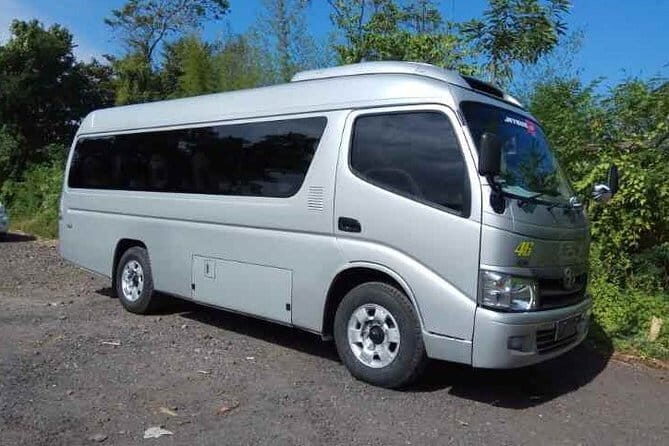
My other favorite part is the door-to-door comfort: a private air-conditioned vehicle, bottled water, and a driver-guide who keeps the day moving. The only real drawback is that lunch isn’t included, and some of the photo activity costs (like the swing) can be paid on-site, so you’ll want a little cash set aside.
Key Things That Make This Ubud Day Work

- A private driver in an AC car: fewer headaches between Ubud sights and the waterfall area.
- Campuhan Ridge Walk first: calmer light and a scenic warm-up before the busier temple and market stops.
- Saraswati Temple and Ubud Palace photo windows: lotus-pond scenery and the palace entrance for quick, memorable shots.
- Tegalalang Rice Terrace plus a swing stop: you get both the view and the signature action-photo moment.
- Coffee tasting with many options: you’ll be able to try multiple coffee and tea types during the agrotourism stop.
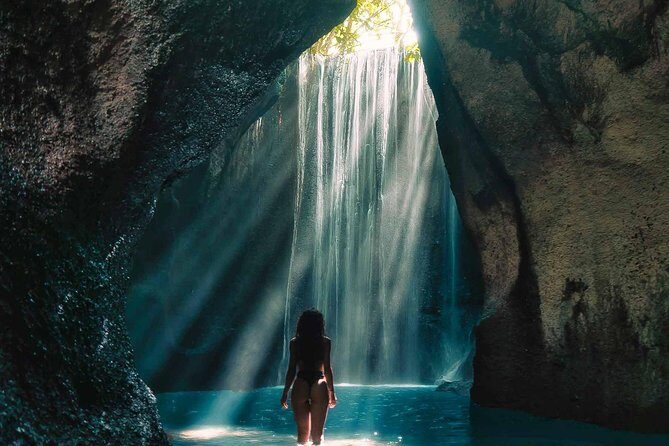
- Tegenungan Waterfall time for cooling off: about a 20-meter drop, with heavy water and the option to swim under it.
The Big Picture: One Efficient Ubud Day With Real Variety
.jpg)
This is a classic Ubud highlights day—waterfall, temples, rice terraces, and photo spots—without making you plan each segment yourself. The route is designed for momentum: you’ll start with a scenic walk, then pivot through temples and markets, then hit the rice terrace area, and finish with Tegenungan Waterfall where you can cool down.
At around 8 to 10 hours, it’s long enough to feel like you got your money’s worth, but not so long that you feel stuck in the car the whole time. And because it’s private, it’s less of a cattle-queue experience and more like you’re following your own itinerary, at your group’s pace—still timed, but with breathing room.
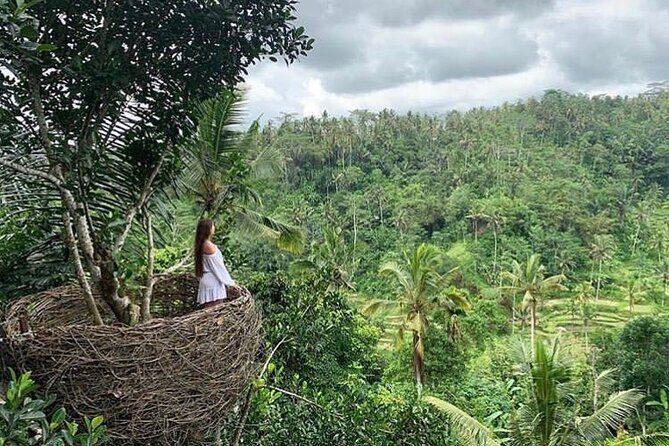
Also note the “photo activity” part of the day. You’re not just sightseeing; you’re meant to stop for the signature swing shots (and there’s mention of a bird’s-nest style photo spot too). That can be worth it if you like photos you can actually use, not just quick snapshots.
Door-to-Door Comfort and the $27 Value Equation
.jpg)
Let’s talk value honestly, because this tour is priced to be accessible. At $27 per person, you’re paying for transport, a driver-guide, and a structured day of stops. What you don’t pay for automatically is lunch, and certain optional admissions—especially the swing—may come with extra on-site costs.
Here’s the practical way to think about the price:
- You’re getting a private comfortable AC car, bottled water, and free Wi-Fi for the ride day.
- Several key sights are effectively low-friction because their admissions are listed as free (or not required if you’re just walking/photoing).
- The tour includes insurance and an English-speaking guide, which matters when you’re trying to do a lot in one day.
So the question isn’t just whether the base price is low. It’s whether you’ll use the included structure and time well. If you want a stress-free sampler of Ubud’s top hits—especially the ones that are hard to link together efficiently—this pricing makes sense.
Campuhan Ridge Walk: A Calm Start With Prewedding-Photo Energy
.jpg)
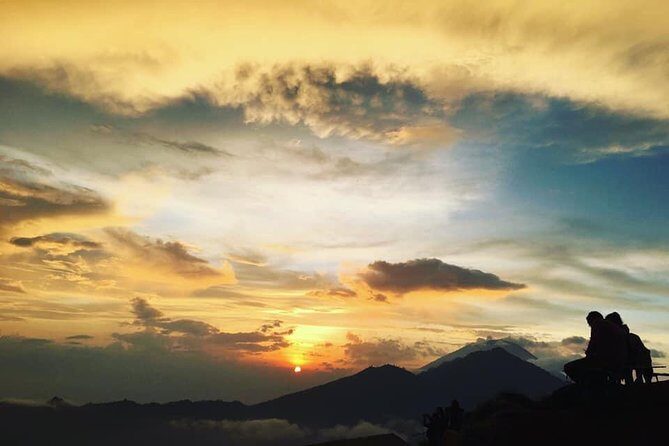
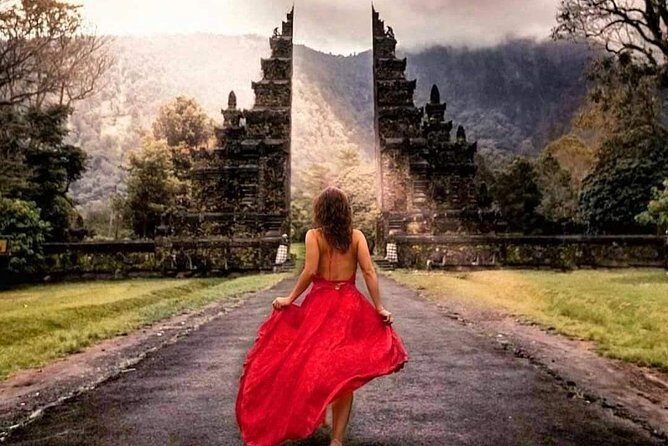
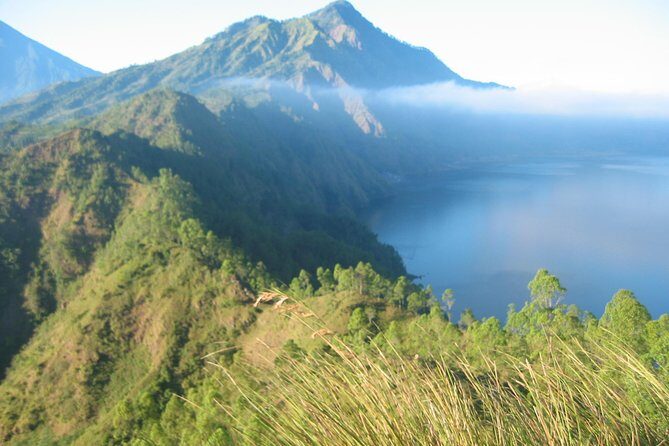
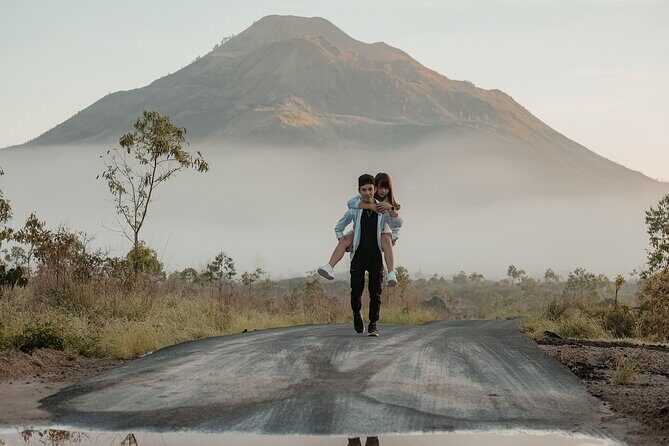
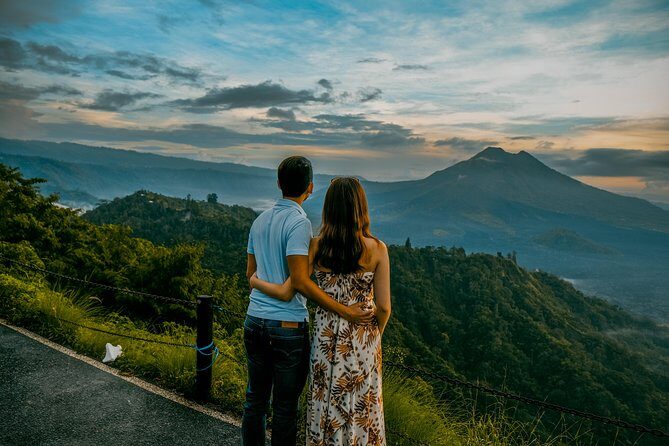
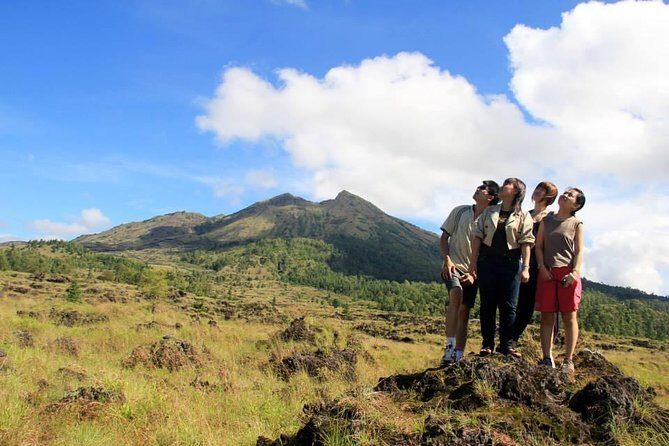
You begin at Campuhan Ridge Walk, about an hour of open-air strolling. This is the kind of place people come for photos—specifically the kind of views used for prewedding shoots—where the path is framed by thatch grass, steep cliffs, and the surrounding roadside terrain.
Why I like starting here: it’s a “reset” stop. Before you’re in temple and terrace photo-mode, you get a scenic walk that feels less like a checklist item. It also gives you something useful for your day: perspective. By the time you reach the center of Ubud, you’ll feel like you’ve arrived in a landscape and not just been dropped in a grid of attractions.
One consideration: it can be a windy or bright outdoor walk depending on the time of day. If you’re sensitive to sun, bring something for shade and take it slow on the uneven edges.
Saraswati Temple and Ubud Palace: Quick Stops With Strong Visual Payoff
.jpg)
From the ridge, you head into the city for two classic “blink and you’ll miss it” photo stops.
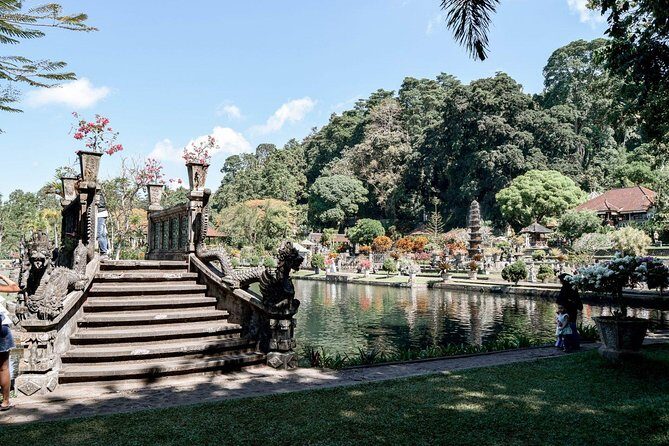
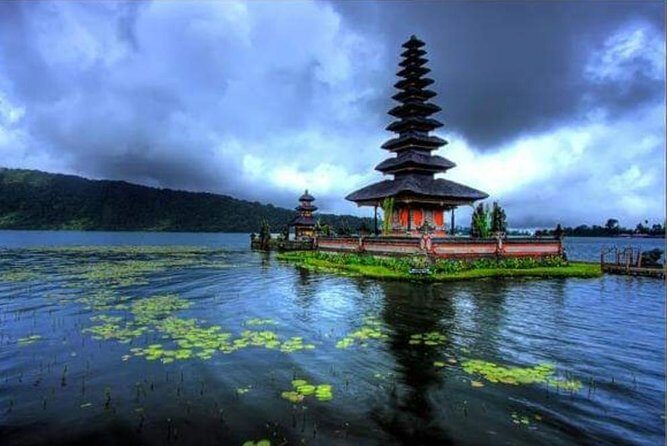
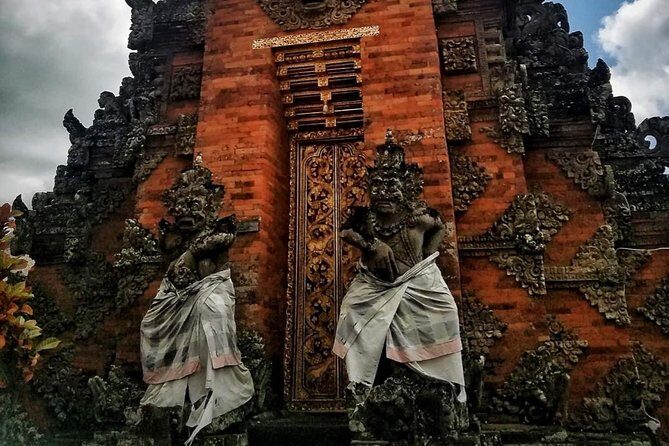
First up is Saraswati Temple. It’s set in the middle of Ubud and is especially known here for its beauty with a pond of lotus plants nearby. If you like religious sites that also double as peaceful photo backdrops, this fits the bill: short visit, big visual payoff.
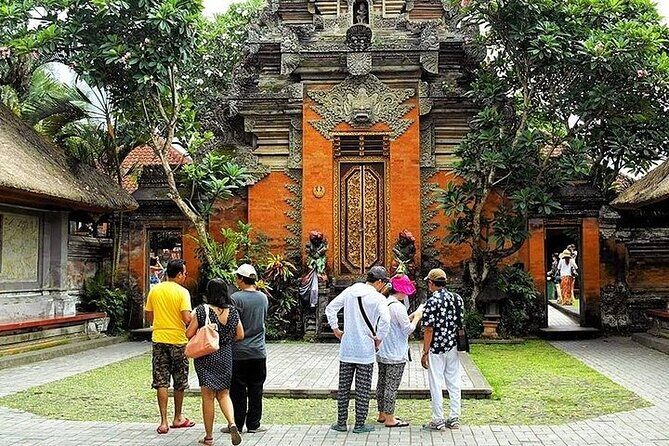
Then you move to Ubud Palace. Think “magnificent entrance” and the chance to see how the inside of the former royal home is arranged. This stop is only around half an hour, so you won’t linger long—but that can be a plus. It keeps the day from ballooning.
A practical tip: wear something comfortable for temples (and expect rules around movement and respectful behavior). Even when time is limited, you’ll get more out of the stop if you’re ready to spend a few minutes just looking.
Ubud Art Market and UC Silver Gold: Souvenirs With a Craft Story
.jpg)
After temples, the tour turns toward shopping—but not the random mall kind.
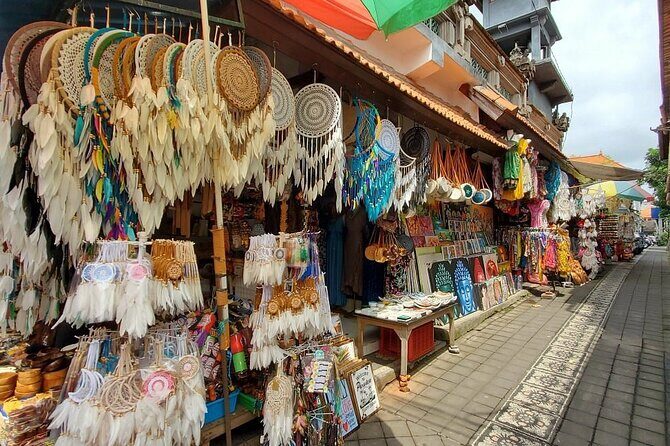
At the Ubud Traditional Art Market, you’ll have time for a quick browse for gifts and decorations. The vibe here is fast: about 30 minutes, enough to pick up a couple items, not enough to become a full-time shopper.
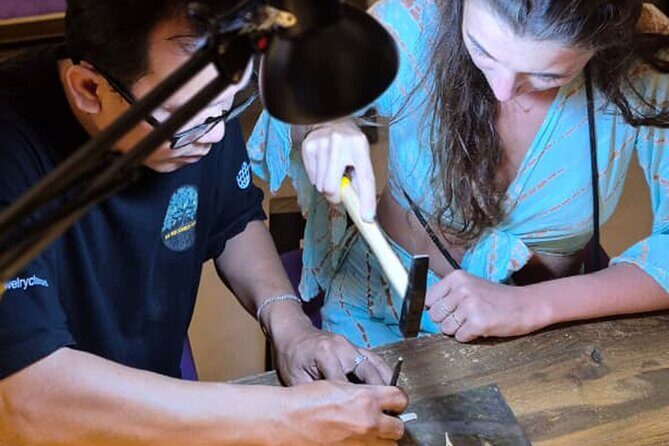
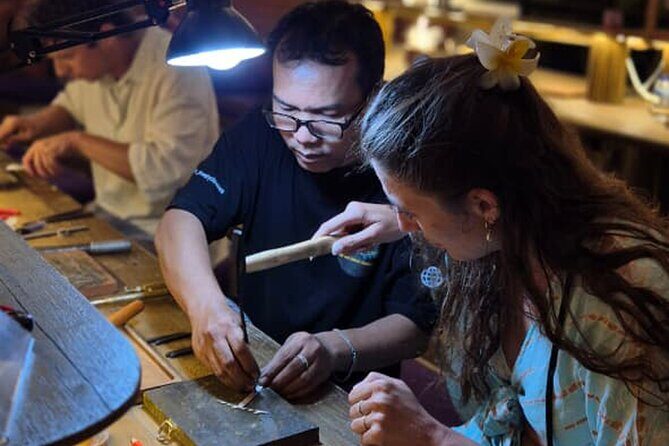
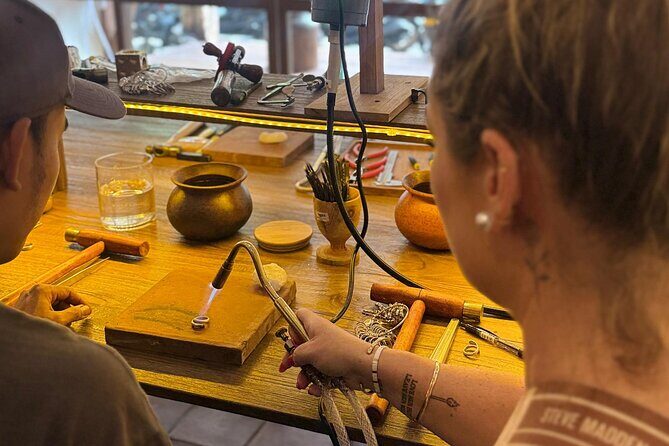
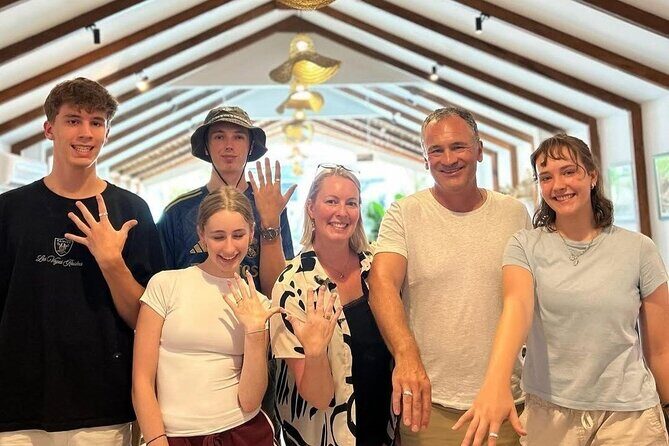
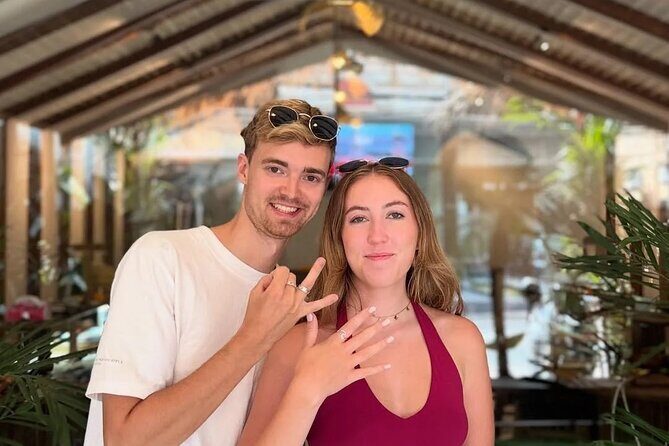
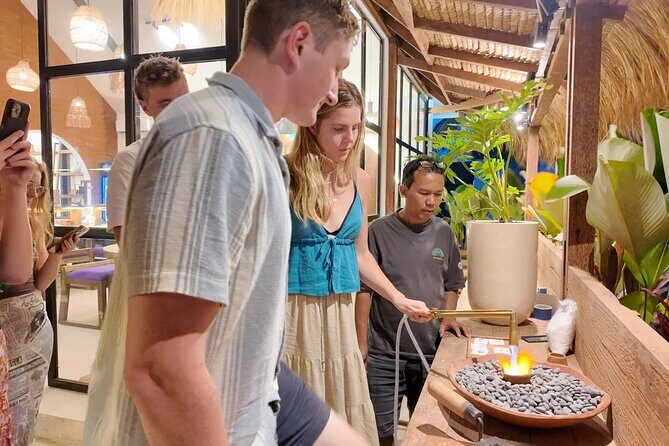
Then there’s UC Silver Gold, where you can see how people in Bali process silver handicrafts. You’ll also be able to take photos inside the carved building. This is a different flavor of shopping: you’re not only buying things, you’re seeing the handwork angle that makes Ubud crafts feel like more than souvenirs.
If you’re budgeting, do your souvenir decisions with a plan. This portion of the day can tempt you into impulse buys if you’re hungry, tired, or distracted. I’d rather spend your time here on one or two meaningful items than a bag of small stuff.
Tegalalang Rice Terrace: The Cool, Peaceful Core of the Day
.jpg)
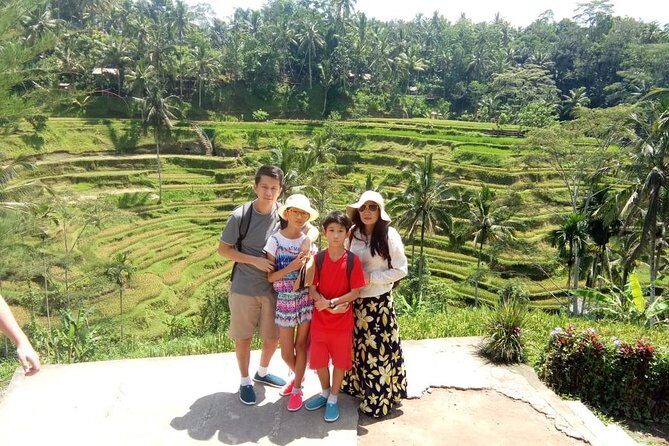
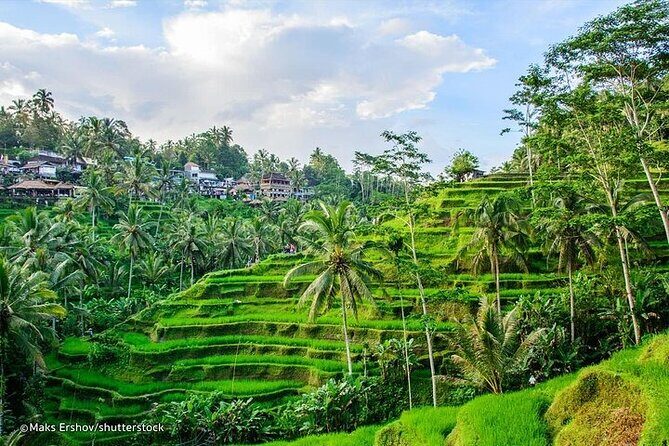
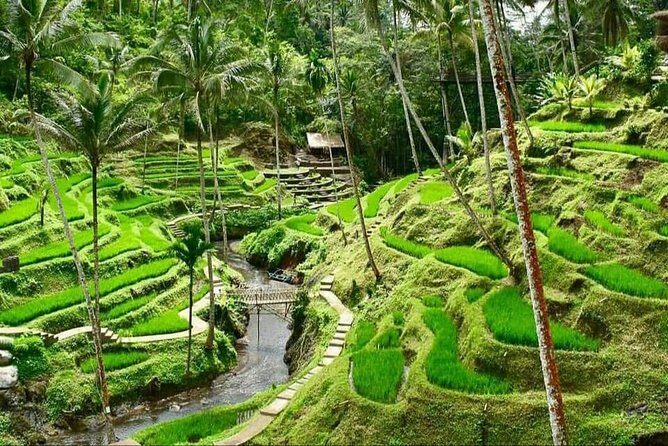
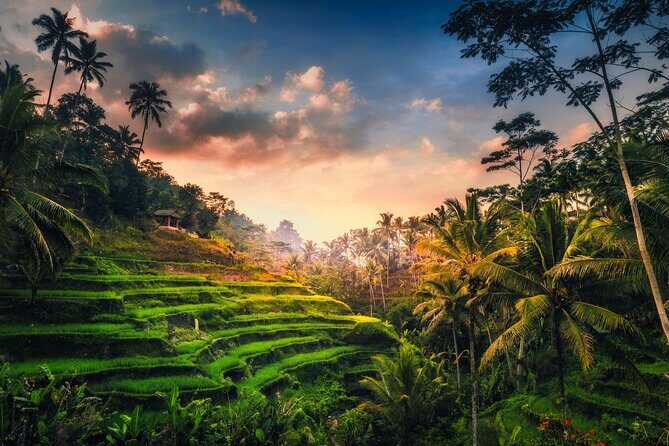
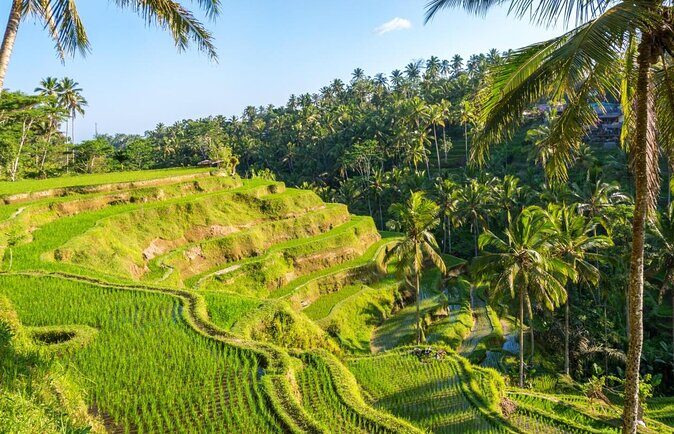
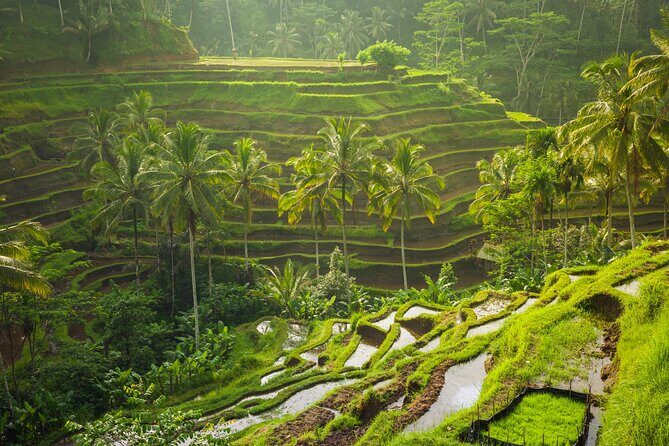
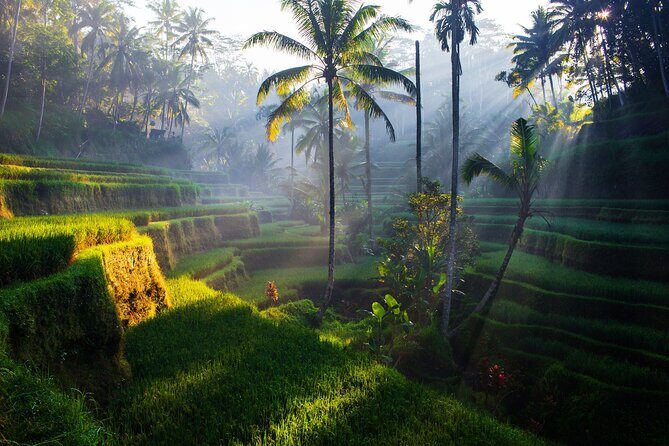
Next you reach Tegalalang Rice Terrace for about an hour. This is described as the main destination, and it’s easy to understand why: it’s one of Ubud’s most popular places, with a cool, peaceful atmosphere that makes photos look good even when you’re not trying hard.
This stop is valuable for two reasons:
- It’s a real sense-of-place moment. Rice terraces are Bali’s working landscape, and you can feel the agricultural rhythm in the area.
- It’s also the visual setup for the swing stop right after it. The photos you take at the terrace become the reference point for the action shot you’ll do later.
The only real “watch out” here is time and stamina. If the path is crowded, you may need patience for photo angles. Keep your camera settings and your expectations simple: you’re here for the views and the experience, not a perfect magazine shot.
Uma Ceking Resto and the Swing Photo Stop: Pay Attention to Cash Costs
.jpg)
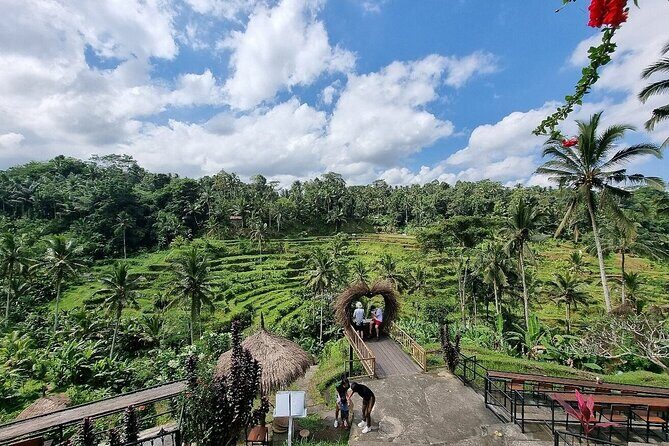
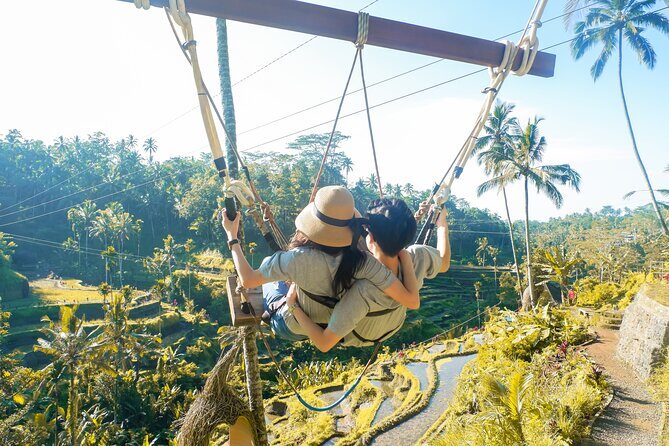
The tour’s signature action comes at Uma Ceking Resto and Swing, with about an hour allocated. This is where you take pictures while doing the swing-style experience, with views of the rice terrace as the background.
Here’s the practical part: the tour notes that the swing ticket is optional and that swing prices can vary, often paid in cash. That means you should come prepared to add a little on top of the base tour cost if you want the full experience.
Why this stop can be worth the extra money:
- It turns the rice-terrace scenery into something dynamic.
- It gives you an instantly shareable photo that doesn’t require perfect hiking conditions or long waits.
One consideration: you’ll want to judge whether you’re comfortable doing a staged activity in the heat, and whether you’re okay with being guided through a photo moment. If you’re just after scenery photos, you could enjoy the terrace without fully participating. But if you came for the swing, set aside the time and the cash.
Teba Sari Bali Agrotourism: Coffee and Tea Sampling That Actually Sounds Like Fun
.jpg)
Then comes Teba Sari Bali Agrotourism for a short stop—about 10 minutes. This isn’t a long educational lecture; it’s a quick look at how coffee beans are processed, followed by tasting.
The key detail here is that you can try 15 types of coffee and tea in Bali, sold cheaply (so the emphasis is on tasting variety without making you feel trapped in an expensive upsell). You’ll also be able to see the processing side before you taste.
If you love coffee breaks during travel, this is a smart insert into the day. It’s a break from moving and it adds a Bali-specific flavor you can remember later. If you’re not a coffee person, you can still enjoy it as a tasting menu—tea options are included in that list of varieties.
Tegenungan Waterfall: A 20-Meter Drop and the Best Cooling-Off Moment
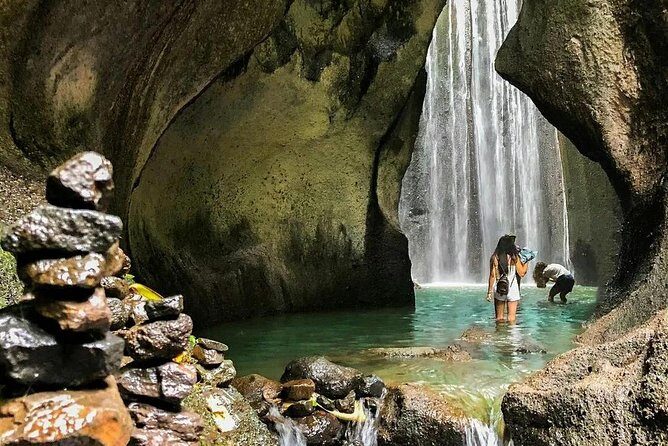
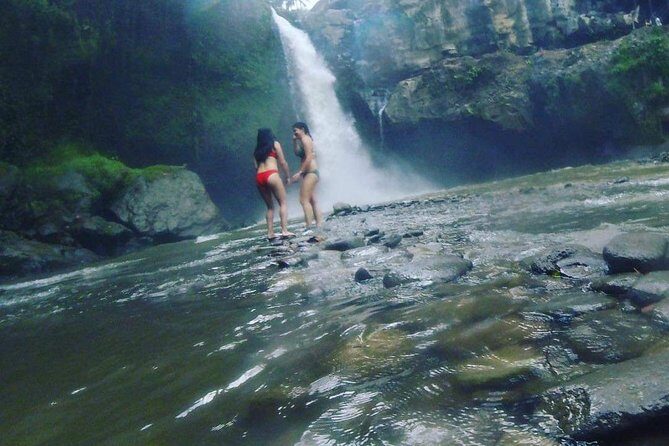
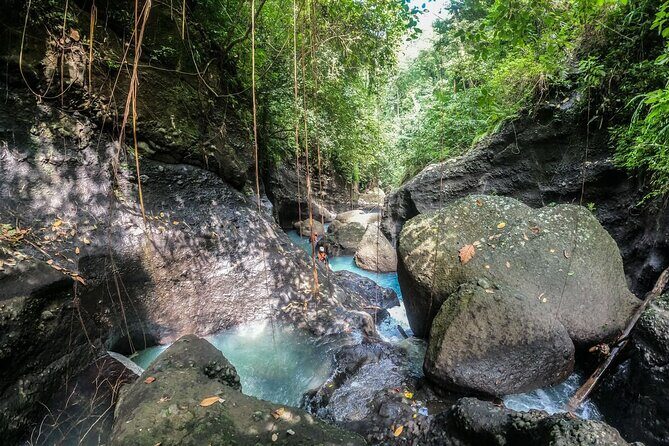
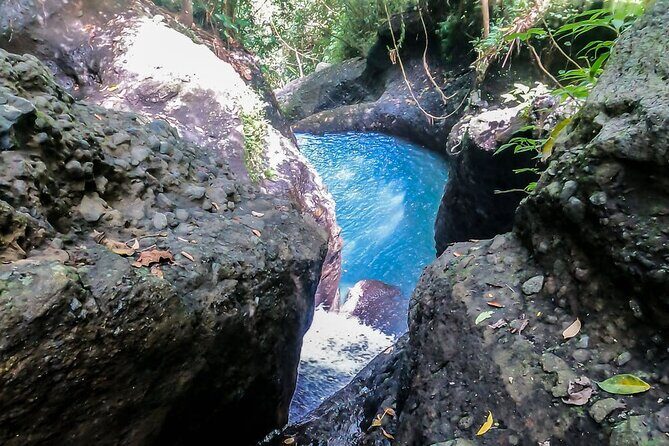
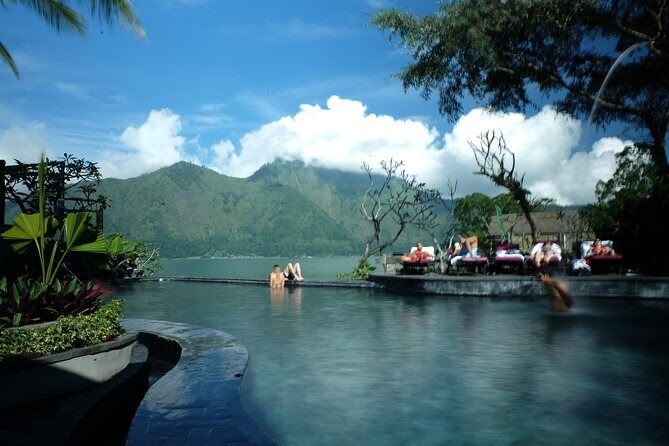
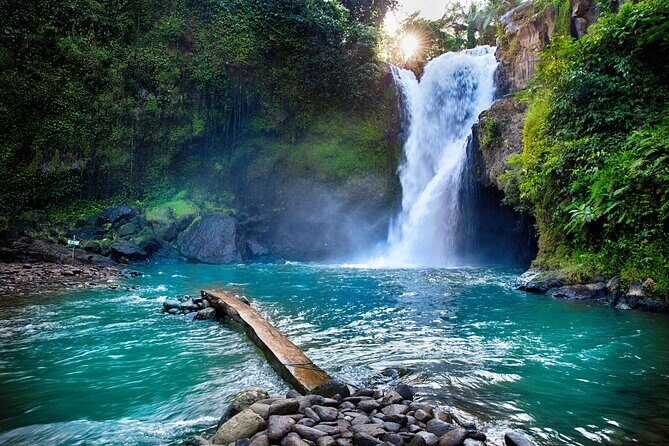
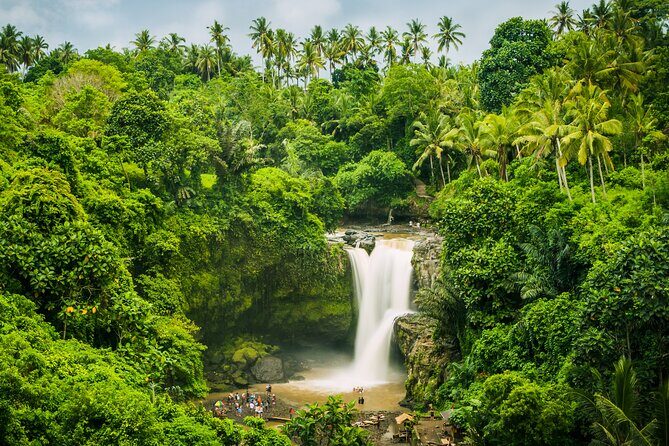
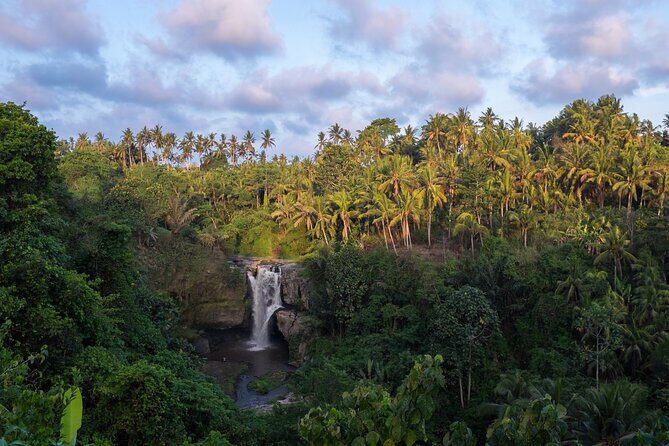
Finally, you wrap up at Tegenungan Waterfall, about an hour. This is described as one of the closest water destinations to the city, with heavy water and a height of approximately 20 meters.
What makes this stop stand out is the option to swim under the waterfall with clear, cold water. That’s a huge difference from many waterfall visits where you only look from a safe distance. If you like getting a little wet and cooling off after a long day of walking and photo stops, this is the moment.
Practical reality check: the ground near waterfalls can be slippery. Bring shoes you don’t mind getting wet, and keep an eye on where you step. Also, plan your swim moment smartly—don’t leave it so late that you feel rushed, especially if you want to take photos after you swim.
Who This Tour Fits Best (and Who Might Want Something Else)
This day fits best if you want a high-activity highlights route with minimal planning. It’s especially good for:
- First-timers in Bali who want Ubud’s main hits in one day.
- People who like doing iconic photo stops—swing shots included—without trying to coordinate transport between them.
- Anyone who values a driver-guide who keeps the schedule smooth, so you can focus on enjoying each stop.
It may be less ideal if you prefer slow travel or you hate structured timing. Since the itinerary moves quickly from temple to market to terrace to action photo spot, you won’t have hours to wander freely in one location.
Also, if you’re a strict foodie, you’ll want a separate plan for lunch, since lunch isn’t included. You’ll get water, but not a meal.
Guide Quality Matters: What to Expect From Rukmana Bali Tour Drivers
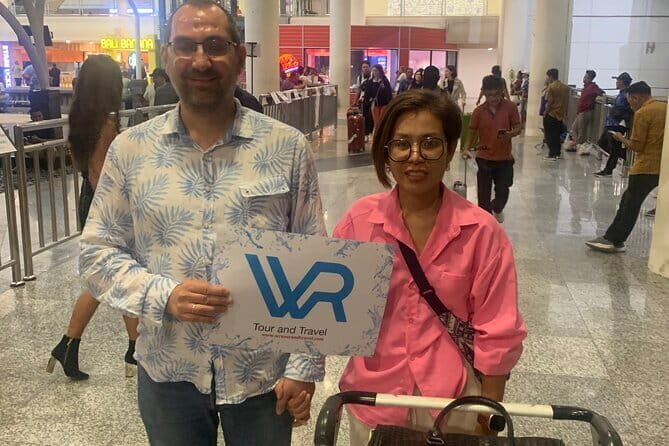
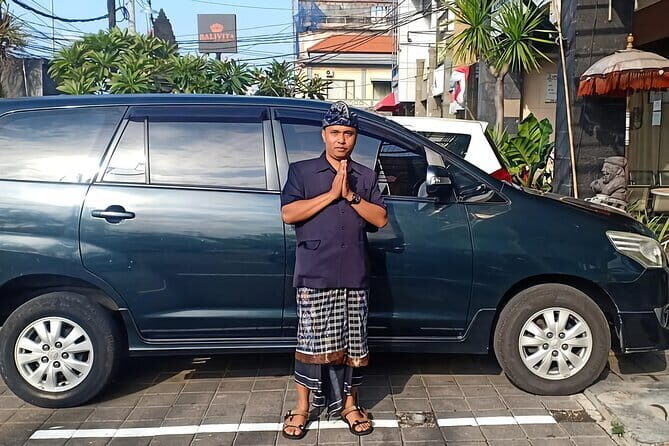
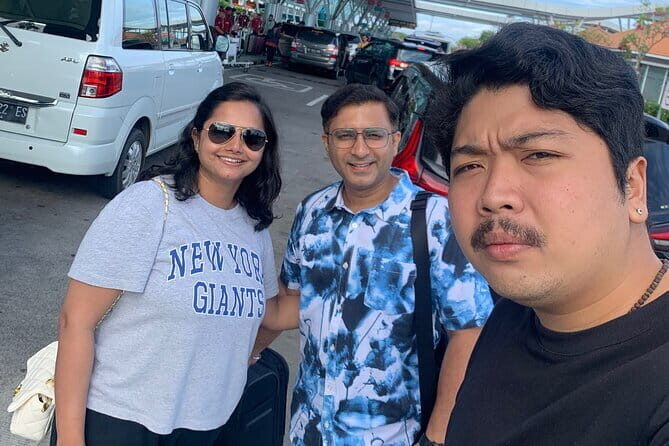
The tour provider is Rukmana Bali Tour, and the driver-guide experience seems to be a big reason people rate this highly. Names that come up include John, Riko, and Merry, each praised for being punctual and for keeping things smooth.
That matters because a day like this lives or dies by timing. Ubud traffic and the spacing between Ubud and the waterfall can turn a dream day into a stress day if your driver doesn’t manage stops well. A good guide also helps you move efficiently through photo spots and shopping areas so you don’t feel stuck in a long queue.
You’ll also get an English-speaking driver-guide, plus free Wi-Fi in the car—handy if you’re trying to map directions for later in the trip.
Should You Book This Ubud Swing and Waterfall Day?
I think this is a smart booking if you want one day that covers a lot of Ubud’s most recognizable experiences with low effort. The private AC car, the structured stops, the free-admission temple and terrace segments, and the chance for both coffee tasting and a big finishing swim at Tegenungan Waterfall make it feel like a full day worth paying for.
Skip it (or choose a different plan) if you want long, unhurried time in fewer places, or if you don’t care about the swing/photo activity. Since lunch isn’t included and the swing may cost extra on-site, you’ll want to go into the day knowing you’ll spend a little more than the base price.
If you like the idea of a fast, photo-forward, culture-plus-nature sampler, book it and plan to enjoy the ride between stops.
FAQ
How long is the tour?
It runs about 8 to 10 hours.
Does the tour include pickup?
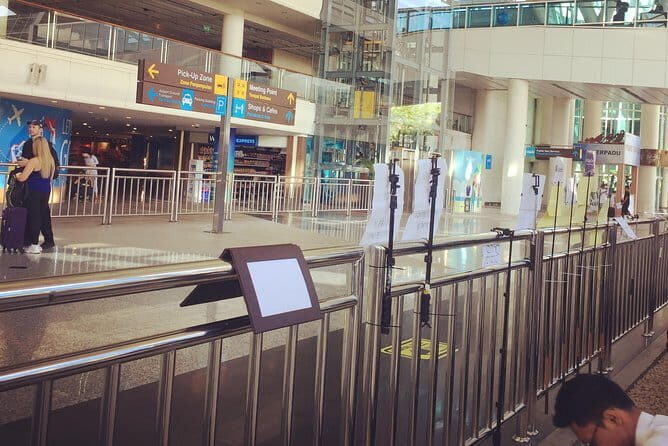
Yes. Pickup is offered from hotels in Ubud and much of south Bali (and the tour listing location is Seminyak).
Is lunch included?
No, lunch isn’t included.
Are entrance fees included?
Entrance tickets are listed as optional, and the swing ticket is also optional. Some swing pricing can vary and may be paid in cash.
Can I try coffee during the day?
Yes. At Teba Sari Bali Agrotourism, you can try 15 types of coffee and tea.
Is there free admission at the main stops?
Several stops list admission ticket free (like Campuhan Ridge Walk, Saraswati Temple, Ubud Palace, Ubud Art Market, Tegalalang Rice Terrace, and Tegenungan Waterfall). Some experiences are still marked optional.
Can I swim at Tegenungan Waterfall?
Yes. The waterfall stop notes you can swim under the waterfall with clear, cold water.
What happens if the weather is bad?
The experience requires good weather, and if it’s canceled due to poor weather you’ll be offered a different date or a full refund.








.jpg)
.jpg)
.jpg)
.jpg)
.jpg)
.jpg)
.jpg)
.jpg)