The first step is the hardest—then you melt. This Seminyak Balinese massage + facial setup strings together a deep-tissue, holistic body session and a scent-and-touch facial that is more about calm than about fixing every skin issue. The timing is also neat: 2 hours total, which fits well when you want a real reset without losing half your day.
I like that the massage uses classic Balinese ingredients: acupressure, reflexology, gentle stretching, and aromatherapy with essential oils. You also get the face-and-neck follow-up, where the therapist applies moisturizers, masks, and scrubs and then massages your face, neck, and shoulders. One thing to keep in mind: the spa experience quality can feel uneven for some people, especially around older-feeling back-of-house areas like shower/prep spots.
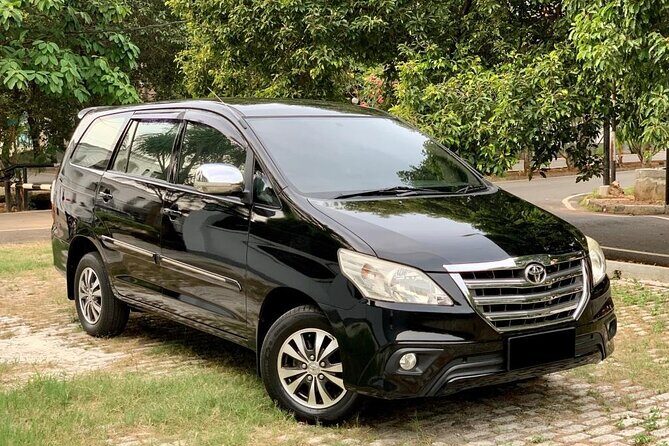
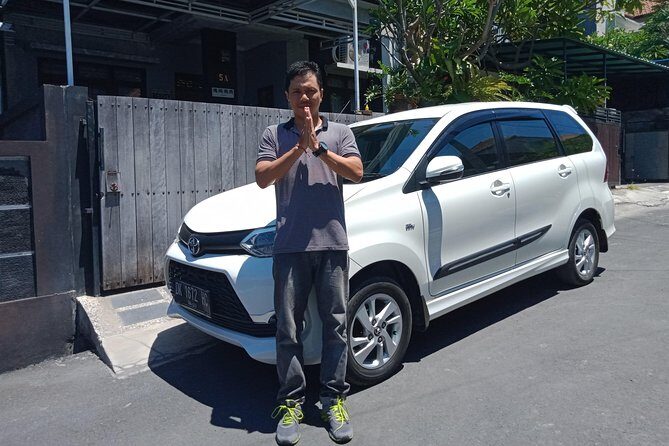
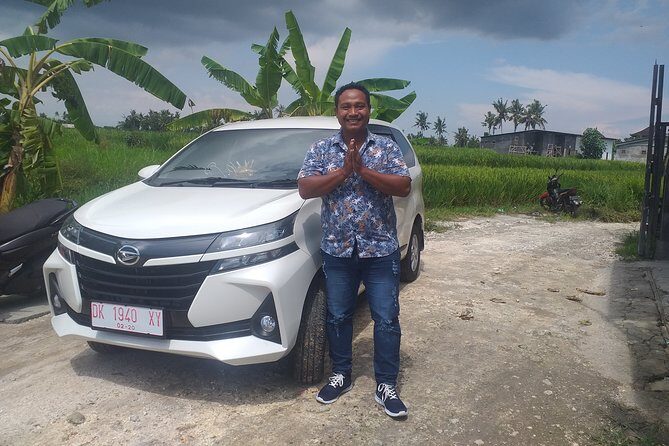
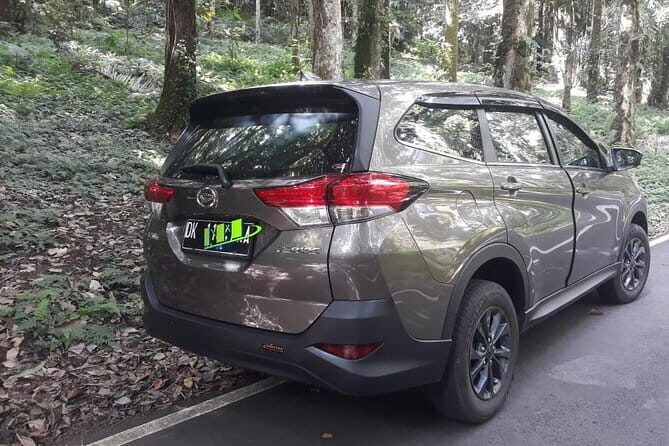
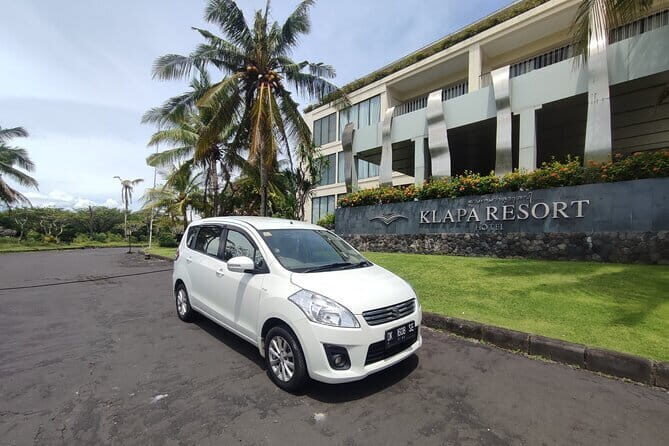
For the practical side, I appreciate the private transportation and A/C van, plus tea or coffee included. It’s also designed for a straightforward, no-fuss pamper day: pickup is offered, you’re treated for two hours, and you’re returned after the session.
Key things to know before you go
- A fast 2-hour “full reset”: thalaso foot wash, 1-hour massage, 1-hour facial in one block of time.
- Deep-tissue style, holistic methods: stretches, acupressure, reflexology, pressure-point work, and essential oils.
- Facial is relaxing, not a typical blackhead-remover: expect soothing nourishment, masks, scrubs, and face/neck/shoulder massage.
- Coffee or tea is included: a small comfort that makes the whole day feel more like a treat.
- Private, group-focused logistics: you’ll only be with your group, with mobile ticket use and pickup/drop-off by vehicle.
- Value depends on your priorities: if you want the cleanest, most polished spa facilities, do a quick sanity check when you arrive.
Bali Luxury Spa in Seminyak: a two-hour calm plan that fits real life
Seminyak can be busy, and spa days often turn into half-day adventures when you add waiting time and back-and-forth rides. This package is built to avoid that. You get a structured 2-hour treatment sequence that starts with a foot wash, moves into a full-body massage session, and then closes with a Balinese facial.
What makes it appealing is the balance between body work and face/neck work. Many massages end at your shoulders. Here, the facial includes neck and shoulder massage too, so you keep that “loosened” feeling rather than having to regain it later. If you carry tension in your shoulders from driving, walking, or sitting in restaurants, that matters.
The other practical win is transport. The package includes air-conditioned vehicle service and private transportation, so you’re not stuck navigating traffic or guessing timing in the heat. You also get coffee and/or tea, which sounds small, but it’s the kind of touch that helps you actually feel like you’re taking a break.
Thalaso foot wash: the quiet kickoff before the massage begins
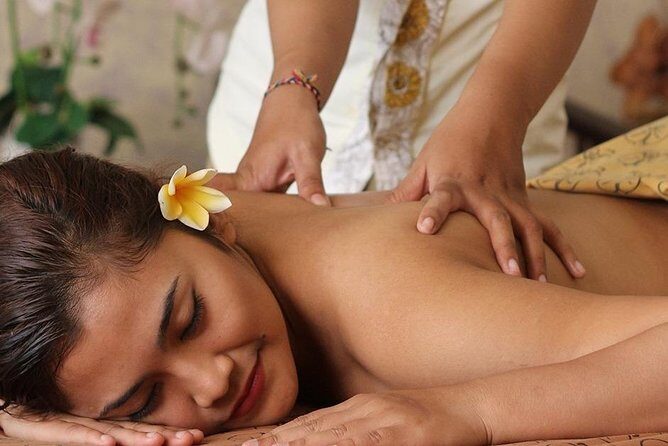
Your session starts with a Thalaso Foot wash. Even without extra frills explained ahead of time, this first step is doing an important job: it helps shift you from “travel mode” to “treatment mode” right away.
Think of it as a warm mental cue. Your feet tend to notice Bali before the rest of you does—sand, pavement heat, flip-flop wear, long walks—so a foot wash is a direct way to reset comfort. Then, the massage can land better because you’re already relaxed and physically ready for pressure, stretching, and acupressure.
If you’re someone who gets impatient before a massage starts, start by letting this part happen fully. It’s only the beginning of the plan, but it sets the tempo. The whole package flows from there: then you go straight into a full-body massage for one hour.
1-hour Balinese massage: acupressure, reflexology, and aromatherapy
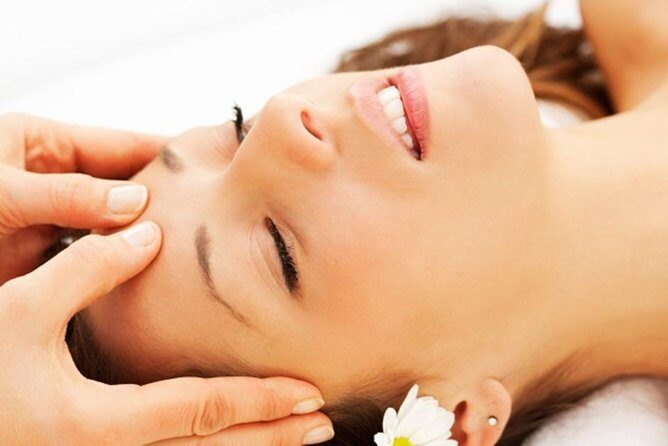
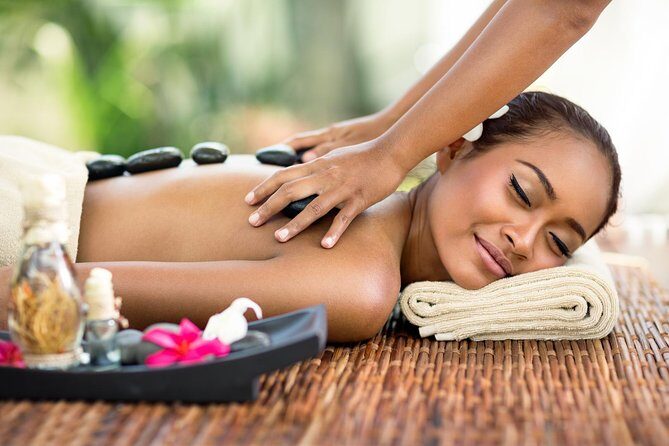
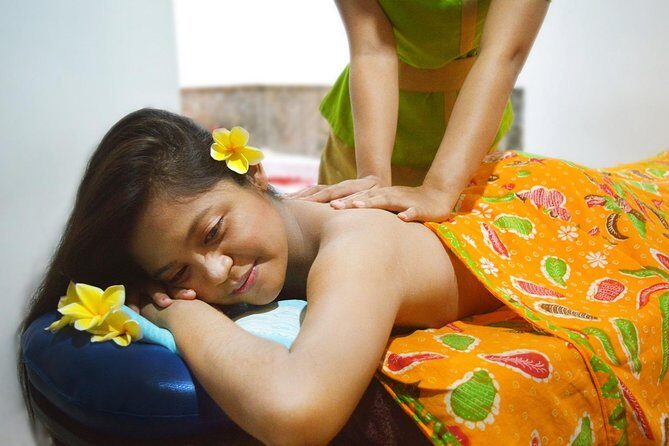
This is the core of the experience: a 1-hour Balinese massage described as deep-tissue and holistic. Balinese massage is known for being more than “just kneading.” In this treatment, you’ll experience a mix of:
- gentle stretches
- acupressure and pressure-point stimulation
- reflexology-style techniques
- skin rolling, kneading, and stroking
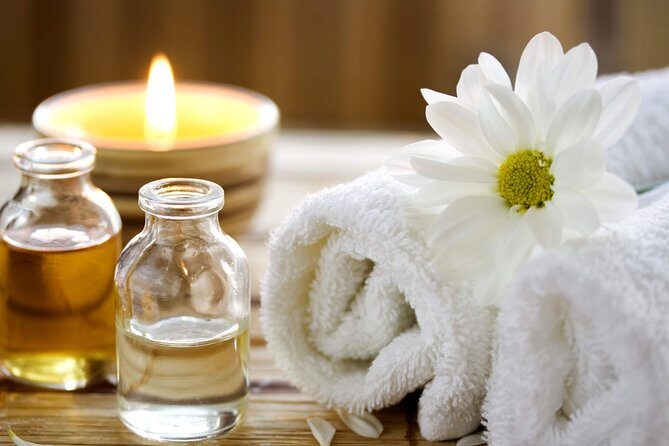
- aromatherapy using essential oils
Why does that matter for you? Because it changes what relief feels like. A lighter, purely relaxing massage can feel nice but fade quickly if you carry stiffness. The blend here is built to stimulate circulation and help your body settle, not just feel temporarily good.
Also, the mention of “qi” and energy flow is part of the Balinese approach. You don’t have to buy into every spiritual idea to still enjoy the practical effect: the therapist moves through your body with intention, using pressure and rhythm rather than random firmness. That’s usually what people mean when they say the massage felt professional.
One consideration: deep-tissue and pressure-point work can feel intense if you’re used to very light touch. If you prefer gentle sessions, you’ll want to communicate that from the start so the therapist can adjust. The good news is that this style is customizable in real time, even if the overall treatment plan is fixed.
The facial you won’t find at home: scents, masks, and face-neck-shoulders
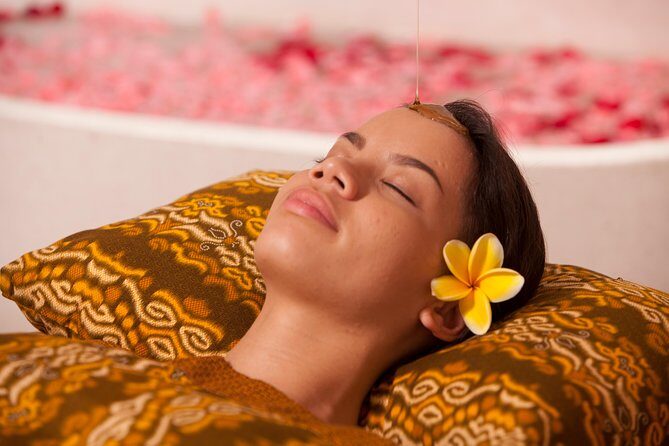
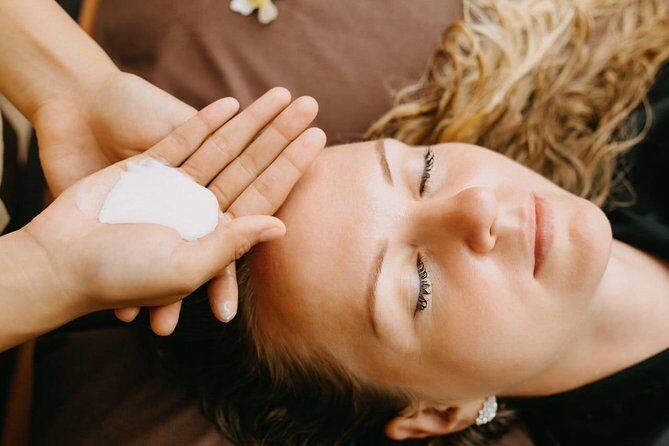
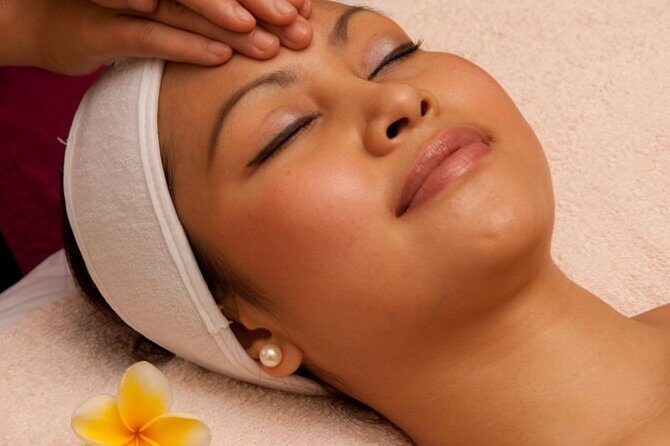
After the massage, you’re in the 1-hour Balinese facial portion. This facial is explicitly not a typical at-home-style facial with the same expectations as a Western spa service. It’s described as a journey of scents, and the therapist has you relax with your eyes closed.
The therapist applies products including moisturizers, masks, and scrubs. Then the facial continues as massage work on your face, neck, and shoulders. So yes, your face matters here. But your neck and shoulders get attention too, which helps match the massage effect you just received.
Here’s the honest expectation you should have: don’t book this expecting it to remove every blackhead like a medical or extraction-focused treatment might. Even though the facial uses scrubs, masks, and massage, it’s more about nourishing and relaxing the skin than targeting one stubborn issue.
If you’re traveling and your skin has been affected by sun, humidity, and different routines, that nourishing approach can feel excellent. You’re also less likely to leave stressed from the process. The facial is built to feel calming and restorative, which is exactly what you want after a deep-tissue massage.
Seminyak logistics: pickup, private vehicle, and a 2-hour timing that stays real
A lot of spa problems in Bali are simple: you overestimate travel time, you arrive late, and then your treatment feels rushed. This one tries to avoid that by bundling transport into the service.
Pickup is offered, and the package includes air-conditioned vehicle plus private transportation. A mobile ticket is used, which usually helps you avoid extra back-and-forth. The experience ends back at the meeting point, and the plan also notes that the professional driver will drop you back to your hotel. In practice, this means you should confirm where you’re being returned before the day starts, especially if your pickup and drop-off points are different.
The total time is about 2 hours. That includes the foot wash, the massage, and the facial. It does not sound like one of those “massage now, facial later” setups where you wait around. It’s a straight-line schedule, which is why it works so well as a scheduled break.
Also, the tour is private for your group. That’s a big deal if you’re traveling with friends or want a calmer experience without strangers hovering nearby.
Price and value: why $59.99 can work, and when it might not
At $59.99 per person for a two-hour treatment package, you’re paying for a full combo: foot wash + massage + facial, plus included coffee/tea and included private A/C transport. In Bali terms, that pricing often lines up with places that want to keep the schedule tight and the service streamlined.
So when is it good value?
- If you want a full-body massage and a facial without trying to stack two separate bookings.
- If you value the Balinese style—stretching, acupressure, reflexology, essential oils—over a generic “spa rubdown.”
- If transport matters to you, especially in Seminyak traffic.
When might it feel less worth it?
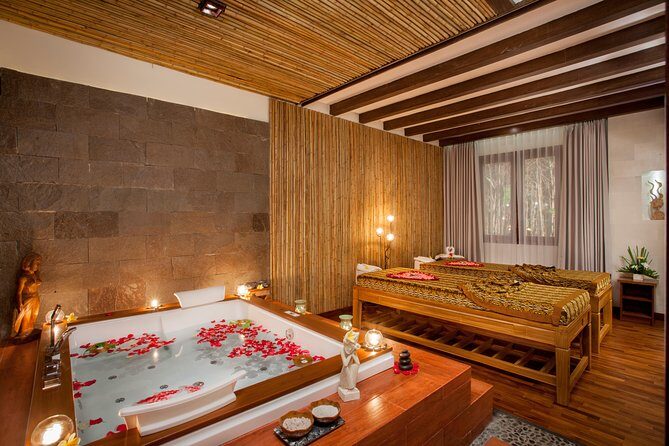
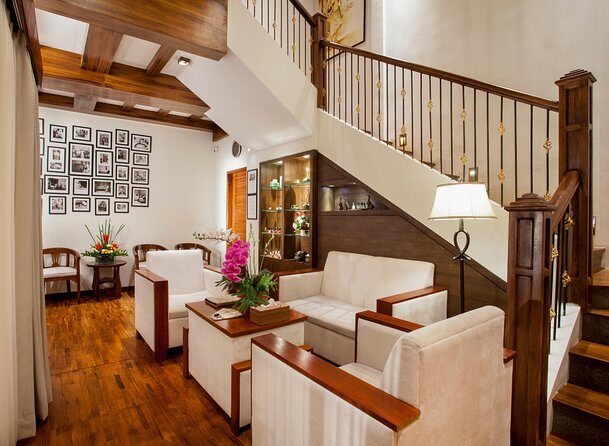
- If your top priority is spotless, modern facilities at every step, including shower/prep areas. One concern that comes up is that some back areas may not feel clean or well kept. That’s not a dealbreaker for everyone, but it matters if you’re picky.
- If you’re expecting a facial that works like a targeted extraction service. This facial is relaxing and nourishing, not a fix-it treatment for one specific skin concern.
If you match your expectations to the treatment style—holistic body work plus a soothing facial—you’ll likely feel you got your money’s worth.
Who should book this massage + facial combo (and who should think twice)
This package is a good fit if you:
- want a structured, time-efficient spa day in Seminyak
- like massage styles that use pressure points, reflexology methods, and stretching
- want your neck and shoulders treated twice—once in the body work, and again during the facial massage
- appreciate aromatherapy and a calmer pace rather than a rushed appointment
It might not be your best choice if:
- you’re extremely sensitive to firm pressure and deep-tissue work (you can still adjust, but you must speak up early)
- you place heavy weight on the cleanliness and freshness of every prep area, not just the treatment room
Also, most travelers can participate. That’s reassuring if you’re debating whether you’ll feel comfortable booking a hands-on body treatment while traveling.
Quick decision guide: should you book Bali Luxury Spa in Seminyak?
Yes, book it if you want a practical, high-effort pamper day that combines Balinese massage and a Balinese facial without wasting time. The strongest reasons to choose this one are the massage approach (acupressure/reflexology-style work plus essential oils) and the way the facial continues the relaxation into face, neck, and shoulders.
I’d think twice or do extra mental prep if cleanliness of older-feeling prep areas is a hard line for you, or if you’re expecting dramatic acne/blackhead results from the facial. Set the expectation for nourishment and relaxation, and you’ll get more out of it.
FAQ
How long is the Bali Luxury Spa facial and Balinese massage experience?
It lasts about 2 hours.
What treatments are included during the 2-hour session?
The plan includes a Thalaso Foot wash, 1 hour of Balinese massage, and 1 hour of a facial.
Is pickup available, and is transportation included?
Pickup is offered, and the package includes an air-conditioned vehicle and private transportation.
What’s included in the price besides the treatments?
Coffee and/or tea are included, along with all spa equipment.
What is not included in the package?
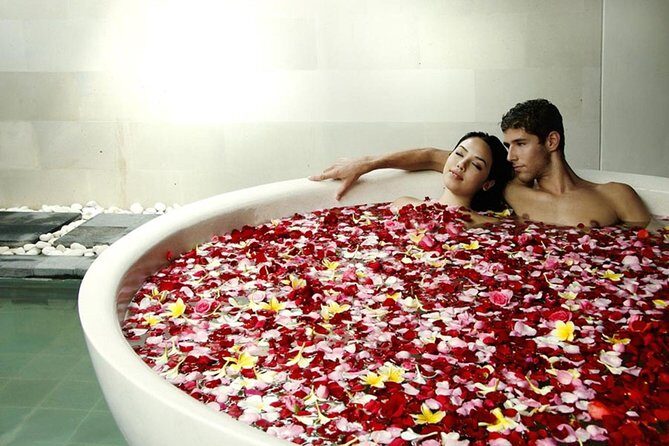
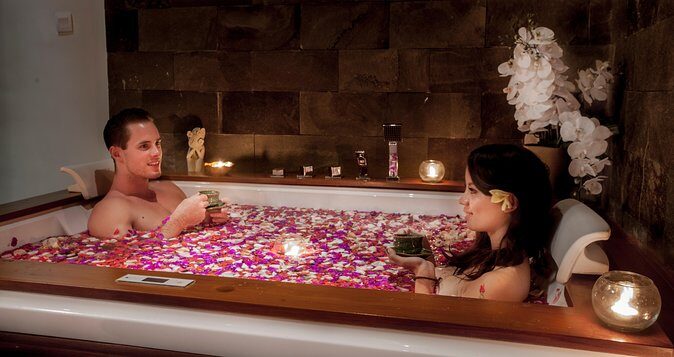
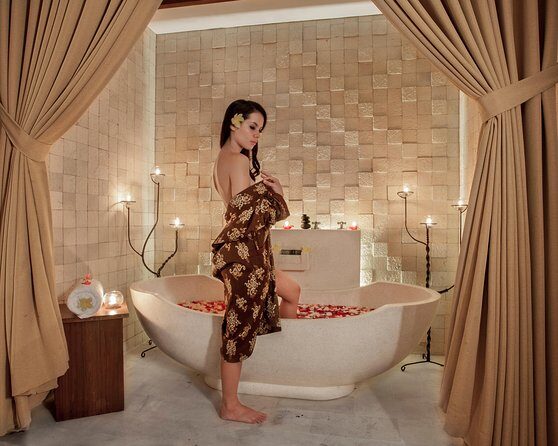
A flower bath is not included.
Is there free cancellation?
Yes, you can cancel for a full refund up to 24 hours in advance. If you cancel within 24 hours of the start time, you do not get a refund.