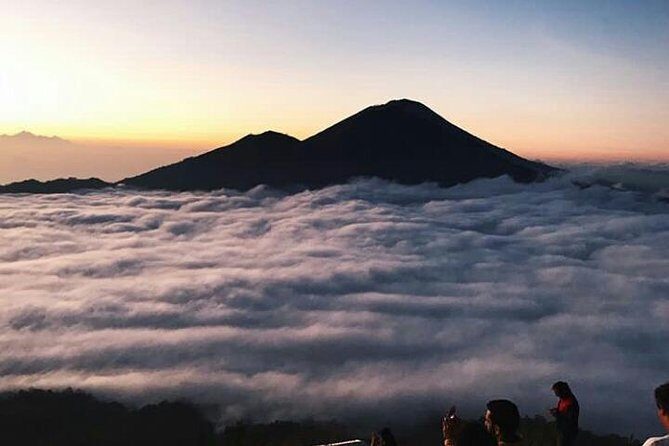
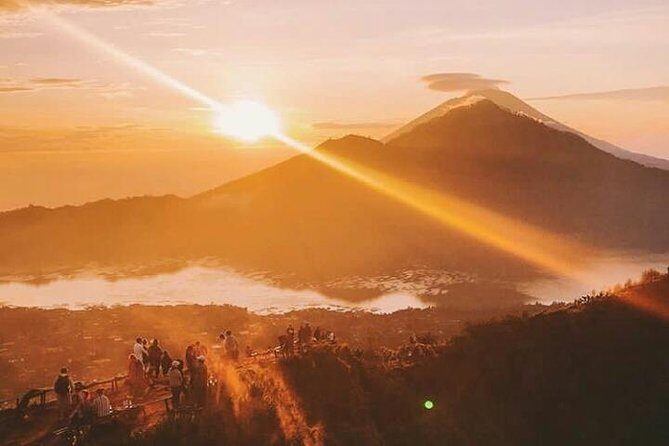
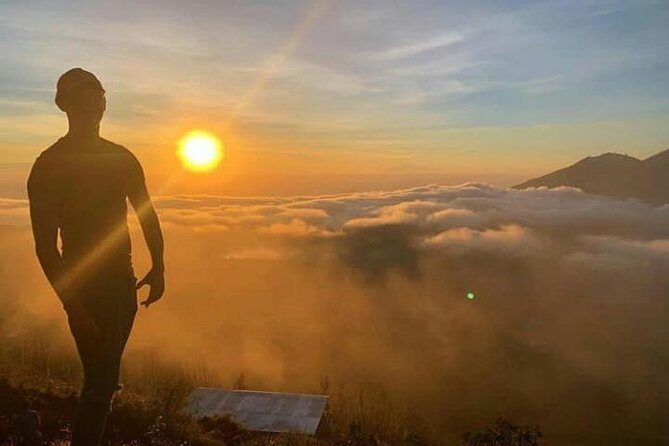
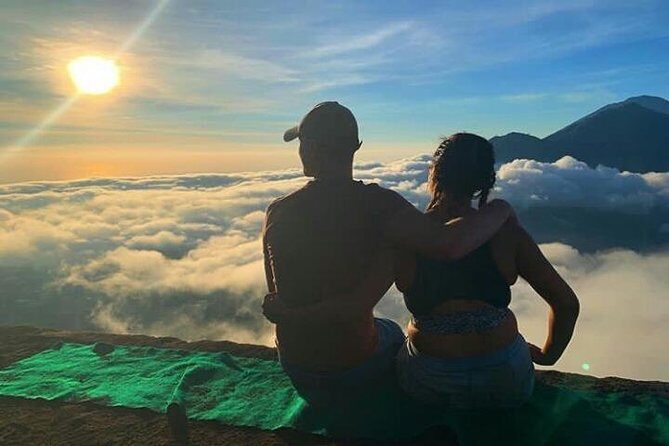
Mount Agung Sunrise Trekking Private Tours

Mount Agung Sunrise Trekking Private Tours - Guides, communication, and safety in fog and wind

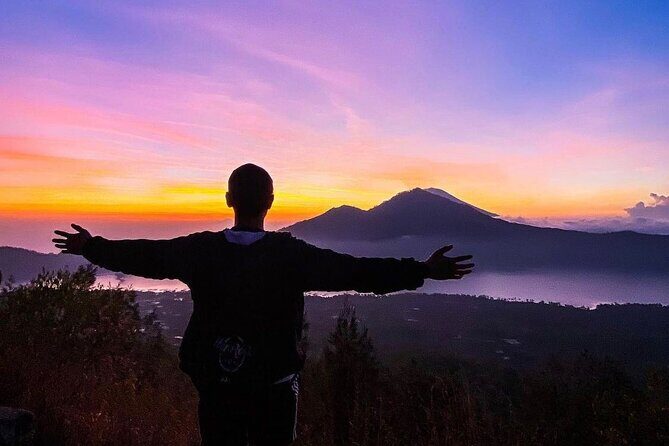
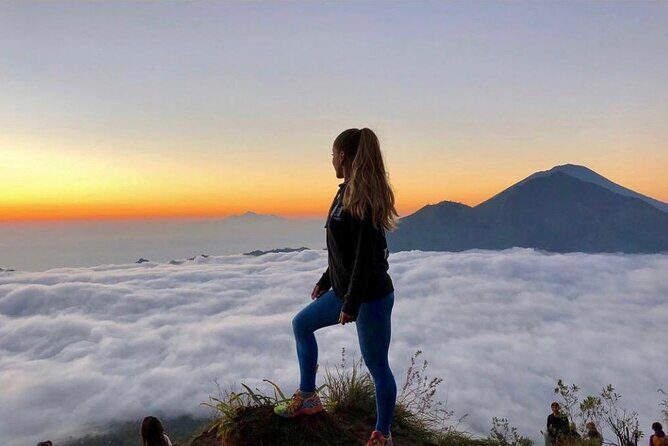
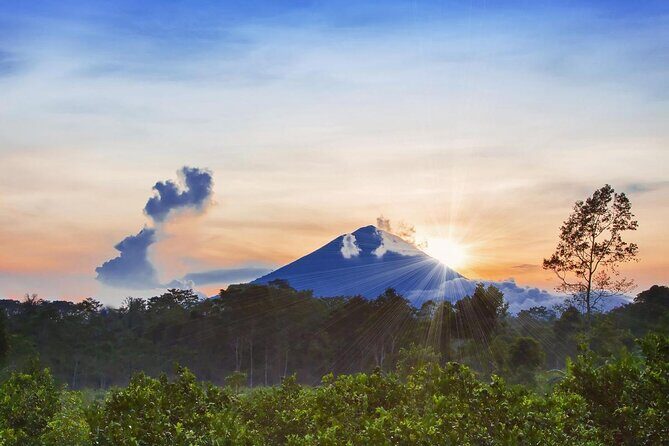
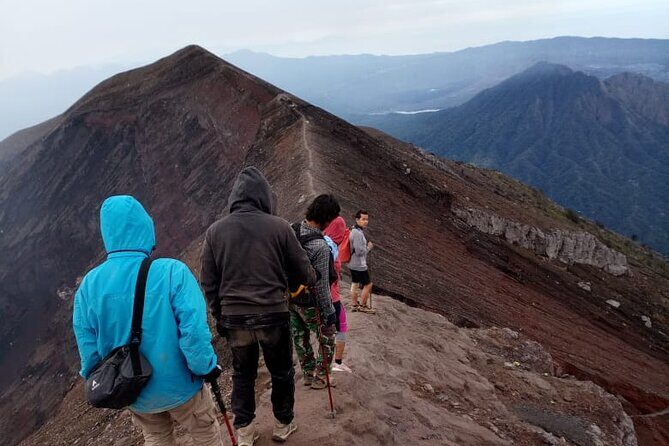
This trek targets Bali’s highest peak—the active volcano Mount Agung—and it does it the straightforward way: you hike with a private guide, you choose your route, and you’re rewarded with sunrise plus a simple breakfast at the top. The appeal is that this isn’t a one-size-fits-all sunrise stampede. You can set a pace that fits your group.

I especially like the two route options, because they match different comfort levels without turning the experience into a long gamble. Besakih means a longer, tougher summit ascent; Pasar Agung is shorter and less strenuous, yet still aims for excellent views before you head back down. One real consideration: this is physically demanding, and they specifically call for strong fitness, plus you’ll need to bring key basics like shoes and a jacket.

Key highlights at a glance

  • Two temple routes: Besakih for the harder summit push, Pasar Agung for a shorter, gentler option
  • Sunrise + breakfast on top with bread, snack, coffee or tea, and seasonal fruit
  • Private guidance that keeps the hike paced to your group (not the crowd)
  • Trekking poles + flashlight included, plus bottled water for the early morning push
  • Hotel pickup and return from Ubud, Sanur, Jimbaran, Nusa Dua, Seminyak, and Kuta

Why the Mount Agung Sunrise Trek feels like a real challenge

Mount Agung is the kind of hike that forces good decisions early. You start in the dark, you’re moving uphill for hours, and you’re doing it for a sunrise view that depends on conditions. That’s why the “private” part matters. With a personal guide, your group can move at a pace that feels steady instead of rushing to keep up with strangers.

I also like that the experience is built around practical comfort during the hardest hours. You’re not just dropped at a trailhead and left to figure it out. The tour includes trekking poles and a flashlight, plus bottled water, and it brings breakfast to the moment you actually need fuel. There’s a clear logic to it: you climb, you wait for sunrise, you eat, then you descend before the day gets too hot.

Finally, you’re climbing an active volcano. That means the goal is effort and safety, not bragging rights. In the reviews, guides stood out for careful caution in fog and wind—so you should expect the focus to be on staying safe rather than sprinting upward.

Picking your route: Besakih for the summit, Pasar Agung for big views
Mount Agung Sunrise Trekking Private Tours - Picking your route: Besakih for the summit, Pasar Agung for big views
You’ll choose between two starting points, and each one changes the whole feel of the hike.

Besakih Temple route (harder, longer)

This is the route that targets the summit from the Besakih side. The ascent is described as about 6 hours to reach the top area, with a sunrise moment around 05:50 and breakfast there. You then begin your descent around 07:00, returning to the parking area by 11:30, and back to your hotel around 13:00.

Pasar Agung Temple route (shorter, less strenuous)

This option is meant to be easier. The trek is about 4 hours to reach the sunrise/breakfast point around 05:50, and it’s described as stopping below the summit. You still get sunrise views, just without the full summit push.

Which should you pick?

If your group wants the full challenge and feels confident with a longer ascent, choose Besakih. If you want the sunrise experience but prefer to reduce strain and shorten the steep climb, choose Pasar Agung. Either way, you’re still hiking Bali’s highest peak zone at dawn, so plan for real effort—not a casual walk.

The night start and early-morning timing you’ll actually feel
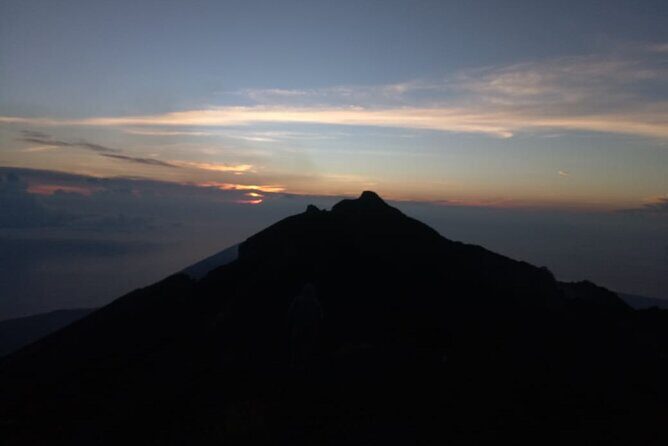
Mount Agung Sunrise Trekking Private Tours - The night start and early-morning timing you’ll actually feel
This isn’t a simple morning hike. It’s an overnight effort, and the timing is one of the big reasons this tour works well.

Besakih timing (example flow)

Pickup in your hotel/villa happens roughly 20:30–21:30. You reach the starting point around 21:45, and the trek starts around 22:00. Then it’s an early wait for sunrise, arriving at the top area around 05:50 for sunrise and breakfast, followed by descent and hotel return.

Pasar Agung timing (example flow)

Pickup is later, roughly 23:30–00:00, with a starting point reach around 01:45 and a trek start around 02:00. You still reach the top area around 05:50 for sunrise and breakfast, then descend with a faster overall day return.

Why this matters: starting at night means you avoid some heat and you’re moving while the ground is cooler. But it also means you should treat sleep like part of the itinerary. If you’re hoping for a relaxed evening, you’ll be disappointed—your best move is to plan a low-key dinner and don’t overpack the schedule beforehand.

Also, sunrise hikes live and die by conditions. Fog, wind, and shifting visibility can make the climb feel longer. The good news is that the guiding described in reviews signals a safety-first approach even when weather looks moody.

What’s included (and what you must bring) for a smoother sunrise

The included items are aimed at the climb’s practical needs. At $74 per person, it’s not only the guide and the hike—you’re also paying for the “stuff” that makes early trekking less miserable.

Included basics:

  • Private transportation
  • Breakfast (bread, snack, coffee or tea, seasonal fruit)
  • Bottled water
  • Trekking poles
  • Flashlight
  • This is a private tour/activity, so your group goes together

What’s not included:

  • Shoes
  • Jacket
  • Personal expenses

That shoes/jacket note is more important than it looks. Early sunrise conditions can mean low temperatures and wind, and the tour doesn’t provide the jacket. I’d bring footwear you trust on uneven, rocky ground and a jacket you’d be comfortable wearing while waiting for dawn.

One more small point: you should expect the hike to be demanding enough that poles help more than you’d think. If you’re not used to trekking poles, practice once before you go—planting them correctly helps a lot on long, steep sections.

Guides, communication, and safety in fog and wind
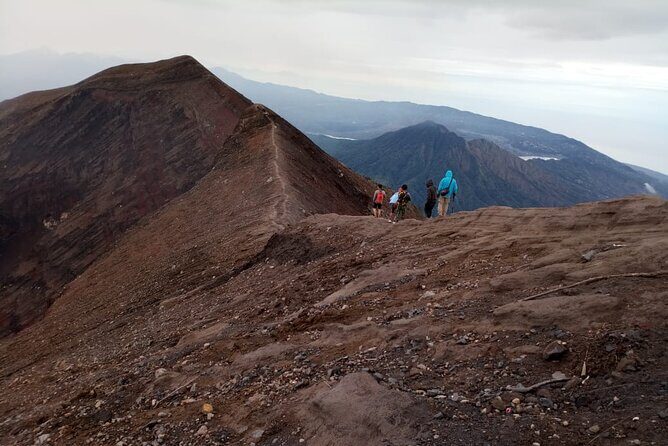
Mount Agung Sunrise Trekking Private Tours - Guides, communication, and safety in fog and wind
The guides are a big reason this trek earns a high rating. Names like Ketut and Gede show up in the reviews, and what stands out is how seriously they take safety during tricky visibility.

In at least one account, the weather was foggy and windy, but the guide stayed cautious, which helped people feel secure on the route. Another detail that matters: one guide highlighted the importance of radio contact during the morning, keeping communication with the team as conditions shifted. When radio contact decreases, that’s exactly when careful decision-making matters.

That’s the kind of leadership you want on an active volcano hike. You’re climbing in the dark, and the trail can be harder to read when visibility drops. A calm, communicative guide reduces stress and makes the whole experience feel more controlled.

Also, drivers like Putu and Kutut are described as punctual and friendly, taking care of guests before, during, and after the hike. That matters because your comfort starts long before the first step—you want reliable pickup and a smooth return so you can actually enjoy sunrise instead of managing chaos.

Price and value: is $74 realistic for what you get?
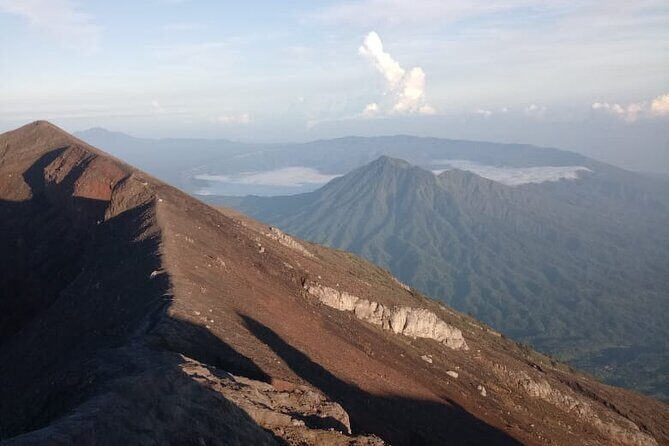
Mount Agung Sunrise Trekking Private Tours - Price and value: is $74 realistic for what you get?
Let’s talk value in plain terms. $74 per person is a workable price for a private, guided Mount Agung sunrise experience when you factor in three things:

  1. Private transportation with two-way transfers from multiple hubs (Ubud, Sanur, Jimbaran, Nusa Dua, Seminyak, and Kuta).
  2. Gear support that most solo hikers would otherwise need to rent or buy (trekking poles and a flashlight).
  3. Real-timing food and hydration—breakfast plus water—built around the sunrise window.

Add that up, and the price starts to make more sense. You’re paying for the full “early morning machine”: transport, guide, and the effort logistics that keep you moving at the right times.

One more practical note: it’s listed as commonly booked about 15 days in advance. I’d follow that lead. Sunrise treks don’t get easier the closer you get—especially if you want a specific route option and a time window that fits your hotel location.

Who this Mt. Agung private sunrise trek is best for
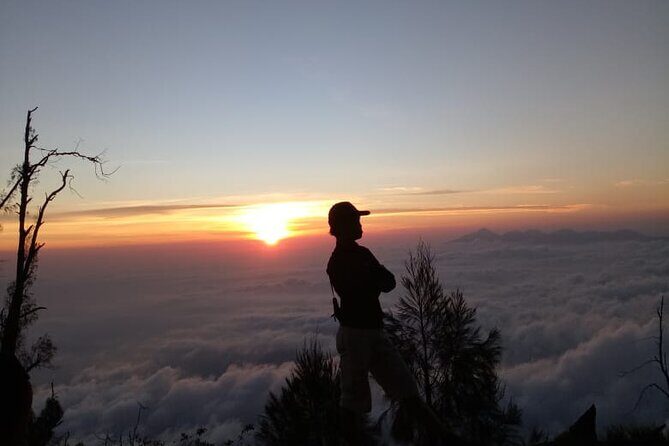
Mount Agung Sunrise Trekking Private Tours - Who this Mt. Agung private sunrise trek is best for
This tour fits best if you check three boxes.

  • You’re comfortable with early mornings and night trekking
  • You’re in strong physical shape (the tour calls this out)
  • You want a private guide and a group pace that feels manageable

It’s also a great fit if you like structure. The itinerary has clear start points, clear sunrise timing around 05:50, and predictable returns by late morning or early afternoon. That kind of planning is gold when you’re traveling with limited time in Bali.

If you’re trying to do Mount Agung but you’re nervous about the full summit push, Pasar Agung can be a smarter first step. If you’re confident and want the hardest route, Besakih gives you the longer ascent option.

When not to book: honest considerations before you pay
Mount Agung Sunrise Trekking Private Tours - When not to book: honest considerations before you pay
This isn’t ideal if you’re looking for a relaxed hike. You’ll be out at night, climbing for hours, and waiting for sunrise under conditions you can’t control.

Also, the tour depends on weather and minimum traveler requirements. If weather cancels the hike, you’re offered a different date or a full refund. That’s good to know, because volcano trekking can’t promise perfect skies.

Finally, bring your own jacket and shoes. If you show up without the right footwear or warmth, you’ll spend the morning suffering instead of enjoying sunrise.

Should you book this Mount Agung sunrise trek?

If you want Bali’s highest-peak sunrise experience with a private guide, hotel pickup, and real support gear, this is a strong choice. The highest praise from the experience points to careful guiding, especially when weather turns foggy or windy, and that’s exactly what you want on an active volcano.

Book it if:

  • Your group can handle a serious early hike
  • You value safety and communication
  • You like having a plan: start times, sunrise timing, and a return schedule

Skip it if:

  • You’re not ready for night trekking and a steep, long climb
  • You don’t plan to bring proper shoes and a jacket
  • Your schedule can’t handle a weather-related date change

FAQ

What is included in the Mt. Agung sunrise trekking private tour?

The tour includes private transportation, breakfast (bread, snack, coffee or tea, and seasonal fruits), bottled water, trekking poles, and a flashlight.

Where do the pickup and drop-off transfers happen?

Pickup and drop-off are offered for hotels/villas in Ubud, Sanur, Jimbaran, Nusa Dua, Seminyak, and Kuta.

How long is the trek on the Besakih Temple route?

On the Besakih Temple route, the summit ascent is listed as about 6 hours.

How long is the trek on the Pasar Agung Temple route?

On the Pasar Agung Temple route, the trek is listed as about 4 hours to the top/breakfast area, with the route stopping below the summit.

What time do you arrive at the top for sunrise?

Both route options list arriving around 05:50 to enjoy sunrise and have breakfast.

What should I bring since shoes and a jacket aren’t included?

You’ll need to bring your own shoes and jacket, plus any personal expenses. Trekking poles and a flashlight are provided.

Do I need strong fitness for this hike?

Yes. The tour notes that travelers should have a strong physical fitness level.

What happens if the weather is bad or the tour needs to be canceled?

The experience requires good weather. If it’s canceled due to poor weather, you’ll be offered a different date or a full refund. There is also a minimum number of travelers requirement; if not met, you’ll be offered a different option or a full refund.

FAQ

How early do pickups start?

For the Besakih route, pickup is roughly 20:30–21:30. For the Pasar Agung route, pickup is roughly 23:30–00:00.

Is the tour fully private?

Yes. It’s described as a private tour/activity, with only your group participating.
Sharing Mount Batur Sunrise Trekking And Natural Hot Spring

Sharing Mount Batur Sunrise Trekking And Natural Hot Spring - From Toyabungkah to the Summit: What the Hike Feels Like

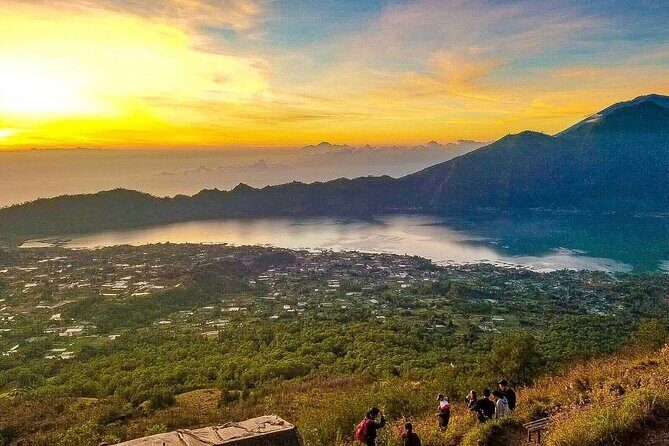
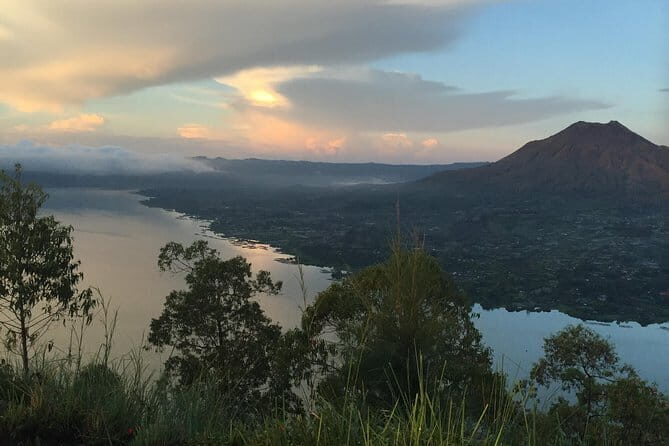
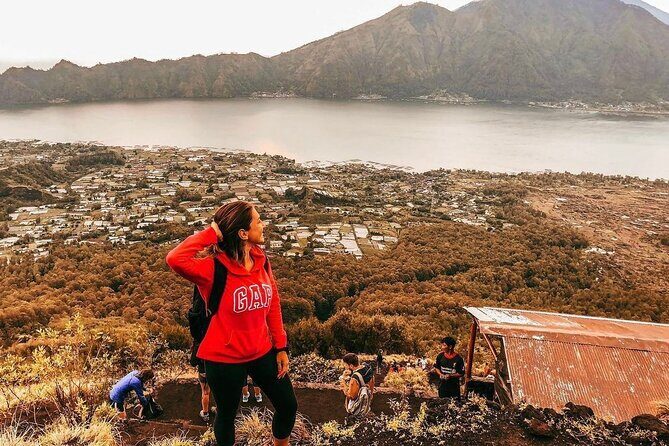
Batur sunrise hits before most of Bali wakes up. This Mount Batur trek pairs a pre-dawn climb with big caldera views over Lake Batur, then finishes with a warm reset in natural hot springs. It’s a simple day plan with a clear payoff if you can handle the early start.

What I love most is the breakfast moment: you reach the summit, then breakfast is served up top while the sky does its thing. The second big win is the hot springs stop right after the hike, so you don’t have to figure out your own ride or entry.

One consideration: sunrise is never guaranteed. If clouds roll in, you may not get that dramatic sunburst, but the hike and mountain scenery still make the early wake-up worth it.

Key Things You’ll Notice on This Mount Batur Sunrise and Hot Springs Tour

Sharing Mount Batur Sunrise Trekking And Natural Hot Spring - Key Things You’ll Notice on This Mount Batur Sunrise and Hot Springs Tour

  • Late-night pickup built for sunrise timing so you arrive at the start while it’s still dark
  • A guide-led climb from Toyabungkah to the summit rim with time for crater views
  • Breakfast included at the top right when the views matter most
  • Natural hot spring entry included with lockers, towels, and a welcome drink
  • A moderate hike with uneven footing where a walking stick can help
  • Optional free Luwak coffee plantation stop if you want a bonus cultural break

The Real Hook: A Sunrise Trek That Ends in Warm Water

Mount Batur sunrise trekking is one of those Bali experiences where the timing is the entire deal. Your day starts in the middle of the night, but that’s what gets you up to the summit before the best light fades.

I like that the experience is built around two clear activities in one circuit: the climb for mountain views, and the hot springs for recovery. You’re not bouncing around town to piece it together, and you’re not forced to guess how to schedule your day.

And yes, you’re heading for the big visual payoff—Lake Batur, the caldera, and the change from dark sky to early morning light. Even if you don’t see a perfect sunrise, the mountain still has that raw, volcanic feel.

Getting Picked Up in Bali: Timing and Where They Serve

Sharing Mount Batur Sunrise Trekking And Natural Hot Spring - Getting Picked Up in Bali: Timing and Where They Serve
This tour runs on a tight schedule because the hike has to start in darkness. Pickup time is roughly 01:00 to 02:30 am, depending on where you’re staying, and you’ll be driven to the starting area around the 03:45 to 04:00 am window.

Pickup areas include Kuta, Seminyak, Nusa Dua, Ubud, and Canggu. If you’re planning this from central Bali, that coverage matters, because it removes the biggest pain point of early mountain tours: finding a reliable ride at 1 am.

This is also described as a private experience for your group, so you’re less likely to feel like you’re packed into someone else’s schedule. The tour runs about 9 hours total, with the hot springs and a possible coffee stop filling in the later part of the morning.

Quick practical note: you’ll be traveling before sunrise, so plan for it to feel like an overnight alarm clock. Bring a little patience for that, and keep your phone charged since you’ll want photos once light arrives.

From Toyabungkah to the Summit: What the Hike Feels Like

Sharing Mount Batur Sunrise Trekking And Natural Hot Spring - From Toyabungkah to the Summit: What the Hike Feels Like
Your climb begins at Toyabungkah. After a brief introduction to your guide at the start point, you start hiking around 04:00 am.

The hike itself takes about 2 hours to reach the summit. That sounds straightforward on paper, but the early start and volcanic terrain make it feel more intense than a casual walk. A guide-led pace helps, and you’ll be given a walking stick to assist on the steeper or looser parts.

From experience-style reports shared about this specific tour, the route can include loose gravel in sections and the effort is often described as moderate. If you’re comfortable walking on uneven ground, you’ll probably manage fine; if not, wear shoes you trust on gritty surfaces.

At the top, the views open up fast. You’re climbing into a landscape where the morning air feels crisp and the horizon starts to change. It’s one of those hikes where you start thinking less about steps and more about the sky.

Summit Views and Breakfast: The Sunrise Moment That Matters

Sharing Mount Batur Sunrise Trekking And Natural Hot Spring - Summit Views and Breakfast: The Sunrise Moment That Matters
You’ll reach the summit around 05:45 am, and that’s when the tour shifts from climbing to waiting-with-purpose. This is your sunrise window: enough time to look out across the caldera and Lake Batur, then settle into the included breakfast.

Breakfast at the summit is more than a perk. It turns the experience from a “just reach the view” mission into an actual morning routine. You stop, you refuel, and you get to enjoy the moment without scrambling for food.

What you get specifically includes fried bananas with creamy brown sugar, served during the hot morning-break portion of the experience. It’s simple mountain food, but it fits the setting: warm carbs while you’re standing at altitude waiting for light.

Then you also get time for crater exploration. After breakfast, you’ll spend time around 07:00 am exploring the main crater area before descending.

A quick realism note: clouds can happen. If the sky doesn’t cooperate, you may miss the exact sunbreak, but that doesn’t erase the landscape. The light can still be dramatic, and you’ll still earn those wide caldera views.

The Descent: Why Timing Still Feels Tight

Sharing Mount Batur Sunrise Trekking And Natural Hot Spring - The Descent: Why Timing Still Feels Tight
After crater time, you head down using a different route. The tour schedule is built so you’re back at the finish point around 09:00 am, then you’ll depart and transition to the hot springs almost immediately.

Getting back by the morning is part of the value here. Many sunrise treks focus on the climb only, leaving you tired and hungry with nowhere obvious to go. This one keeps momentum, so you’re not dragging your day forward after the hardest part.

Also, descending is where your legs start telling the truth. The footing can be uneven, and the loose gravel sections some people notice on the way up can still show up on the way down. A walking stick helps you manage the downhill too, not just the climb.

Once you’re done with the volcano portion, the rest of the morning turns into a recovery mode.

Natural Hot Springs: What’s Included After the Hike

Sharing Mount Batur Sunrise Trekking And Natural Hot Spring - Natural Hot Springs: What’s Included After the Hike
The natural hot spring stop is close—just about a 2-minute drive from the car park. When you arrive, you’ll be greeted by friendly staff and offered a welcome drink.

Entry is included, and you’ll get practical extras like a locker and a towel. That matters because changing right after a trek can turn into a logistics problem if it isn’t handled for you.

Your schedule includes time to relax and swim in the hot springs starting around 09:05 am. The tour then continues later with the optional coffee plantation stop, if you choose to add it.

There’s a reason this matters: after a rocky sunrise hike, soaking is not just comfort. It’s recovery. Warm water helps you feel human again, especially if you’re traveling with friends or planning more of Bali after this.

And because the hot springs are included, you aren’t paying extra entry fees on top of your trek. For a short day plan that costs around $23, that bundled value is hard to beat.

The Optional Bonus: Free Luwak Coffee Plantation Visit

Sharing Mount Batur Sunrise Trekking And Natural Hot Spring - The Optional Bonus: Free Luwak Coffee Plantation Visit
Around 11:20 am, the tour offers a stop at a Luwak coffee plantation. It’s listed as optional and free.

If coffee culture is your thing, this is an easy add-on while you’re already in the same general area. If you’re more interested in resting after the hike, you can skip it and keep the rest of your afternoon open.

Either way, you’ll be back to your hotel around 13:30 pm. That return time is another reason the day feels manageable: you’re not stuck traveling into the evening after a midnight start.

Price and Value: Why This $23 Circuit Makes Sense

Sharing Mount Batur Sunrise Trekking And Natural Hot Spring - Price and Value: Why This $23 Circuit Makes Sense
At about $23, you’re paying for a very specific package: early transport, a guided climb, breakfast at the summit, and hot spring entry with basic amenities.

The part you’re really buying is coordination. This trek lives and dies by timing, and you’re not just paying to hike Mount Batur—you’re paying for getting you to Toyabungkah before sunrise and timing your descent so you can soak afterward.

Also, the included extras reduce surprise costs. Many tours try to separate out things like hot spring entry, towels, or a simple meal. Here, breakfast and entry are explicitly included, plus you get bottled water during the experience.

Is it ultra-luxury? No. This is a value-focused sunrise adventure. But if you want a well-paced day with the key sights handled for you, it’s strong value.

If you’re the type who hates paying for separate tickets and sorting out transport at odd hours, this bundled approach is the reason to choose it.

Who This Tour Fits Best (And Who Should Think Twice)

This tour fits best if you:

  • Want Mount Batur sunrise trekking without planning logistics at 1 am
  • Enjoy guided hikes and don’t mind uneven volcanic terrain
  • Like a structured day that ends with natural hot spring soaking
  • Are comfortable starting very early and going strong through late morning

It might be less ideal if you:

  • Need sunrise guaranteed for your photos (weather can block it)
  • Prefer a gentler, slower experience (the hike is described as moderate and can include loose gravel)
  • Expect a leisurely breakfast-and-browsing pace (the day is tight and time-boxed around daylight)

If you’re traveling from Seminyak or Kuta, this pickup service is especially convenient. If you’re in Ubud or Canggu, it still works because pickup zones are included.

Small Details That Make a Big Difference

Here are the practical bits I’d take seriously before booking, because they shape the whole day.

First, plan for cold-to-warm weather changes. You’ll start in the dark and reach the summit early, which usually means you’ll feel temperature shifts as the sun rises.

Second, wear shoes that grip. Loose gravel shows up in places, and proper footwear is your best friend.

Third, remember the walking stick. Even if you’re fit, using it on steeper bits can keep your knees happier.

Fourth, treat breakfast as part of the experience, not a snack break. You’ll be up there at a specific time, so it helps to go into it hungry and ready.

Finally, if clouds cover the sunrise, don’t panic. You’ll still have the mountain, the crater area, and the caldera views when light breaks through in any form.

Should You Book This Mount Batur Sunrise and Hot Springs Tour?

I’d book it if you want the classic Bali combo: sunrise on Mount Batur plus hot springs in one day, with pickup and key costs handled for you. The $23 price is only believable because so much is included—transport, guide, breakfast, and hot spring entry.

If you care most about the perfect sunburst photo, just know clouds can steal that moment. But the experience is still about climbing into a volcanic landscape, then soaking out the effort in warm water.

If your schedule allows and you’re comfortable with an early alarm, this is one of the more straightforward ways to do Batur without extra planning headaches.

FAQ

What time does pickup start for this Mount Batur sunrise trek?

Pickup is scheduled from your accommodation at about 01:00–02:30 am, depending on your location.

Where does the hike start?

The trek starts at Toyabungkah.

What time do you start hiking?

You typically start hiking around 04:00 am.

How long does the hike to the summit take?

The hike takes around 2 hours to reach the summit.

Is breakfast included?

Yes. Breakfast is provided when you reach the summit.

Are hot springs entry fees included?

Yes. Entry to the natural hot springs is included.

Where are the pickup/drop-off areas?

Pickup is offered from areas including Kuta, Seminyak, Nusa Dua, Ubud, and Canggu.

Is lunch included?

No. Lunch is not included.

Is the Luwak coffee plantation visit included?

It’s optional and listed as free, with a visit around 11:20 am.

What is the cancellation policy?

You can cancel for a full refund up to 24 hours in advance of the experience’s start time.

Mount Batur Sunrise By Private Jeep include Hot Spring

Mount Batur Sunrise By Private Jeep include Hot Spring - Sunrise on Mt. Batur: Where the Light Changes Everything

That first strip of sunrise light feels like cheating. This private Mount Batur tour is built for an easy win: you watch the volcano wake up, riding in an all-terrain 4WD jeep instead of doing the steep climb. Hotel pickup and drop-off also removes the annoying early-morning logistics.

I especially love the private guide attention—you’re not just herded around. Guides with names like Yaya, Bari, Pasesk, Kenzo, and Eka have been part of this experience, and that personal touch shows in the pacing and photo help.

One thing to keep in mind: it starts very early, and the tour runs long—about 8 to 10 hours—so if you hate pre-dawn wakeups, this one may not feel fun.

Key things that make this tour worth your time

  • Hotel pickup and drop-off: you skip hunting for a meeting point at night or in the dark.
  • All-terrain 4WD jeep: you get access where regular cars can’t go, without a tough hike.
  • Sunrise timing, not midday timing: cooler temperatures and softer light make photos easier.
  • Breakfast is included: banana sandwich plus a boiled egg before you head into the early morning.
  • Black-lava UNESCO stop: you’ll see the dark volcanic stone linked to the 1963 eruption.
  • Hot spring soak after sunrise: Toya Devasya is the recovery phase, not another rush.

Entering the Pre-Dawn Hours: Pickup, Timing, and What to Expect

Mount Batur Sunrise By Private Jeep include Hot Spring - Entering the Pre-Dawn Hours: Pickup, Timing, and What to Expect
This tour’s main trick is timing. You’ll be up while the rest of Ubud is still asleep. Based on past departures, pickup often lands around 2:30 to 3:20 a.m., and the plan is to reach Mount Batur in time for sunrise viewing.

You’ll start with private transport by car from your accommodation. That matters more than it sounds. In practice, pre-dawn group tours often mean confusion, late arrivals, and cold waiting. Here, you get taken straight into the day, then transferred to the jeep when it’s time.

The itinerary stretches to roughly 8 to 10 hours, so build the rest of your day around this tour. You’ll likely want a calm afternoon after your hot spring soak. It’s not the kind of day where you hop around Ubud afterward and still feel human.

Also, the experience requires good weather. If conditions aren’t right, you’ll be offered a different date or a full refund. That’s important because sunrise viewing is the whole point.

The 4WD Jeep Ride: Real Volcano Access, No Hard Hike

Mount Batur Sunrise By Private Jeep include Hot Spring - The 4WD Jeep Ride: Real Volcano Access, No Hard Hike
Mount Batur is famous for the classic early trek. This tour sidesteps the hard climb by using an all-terrain 4×4 jeep to get you much closer to the sunrise point.

Here’s what that changes for you:

  • You still get the big volcano morning experience.
  • You don’t waste energy on steep, tiring steps in the dark.
  • You can focus on comfort, photos, and the moment when the sky turns.

The tour also leans into safety and competence. The people running the jeep are described as careful and confidence-building. That matters because you’ll be riding in early darkness and on uneven paths.

You’re on a vehicle, not a guided lecture. The ride is part of the adventure—bumpy in the right way, with plenty of chances for stopping, looking, and getting the right angles for photos.

The tour notes that you should have moderate physical fitness. That doesn’t mean you need to be a hiker—it means you should be comfortable with early starts, walking around at viewpoints, and soaking up a full-day itinerary.

Sunrise on Mt. Batur: Where the Light Changes Everything

Mount Batur Sunrise By Private Jeep include Hot Spring - Sunrise on Mt. Batur: Where the Light Changes Everything
This is the heart of the day. You’ll head to the Mt. Batur sunrise point and spend time exploring the area and enjoying the views.

Sunrise on an active volcano does something that no postcard can match. The air is cooler, the air looks clearer, and the light is clean. The sky shifts from dark gray to bright tones in minutes, and suddenly the whole caldera feels like a stage set.

You’ll also get help capturing the moment. In past experiences tied to this tour, guides and jeep drivers have been praised for photography and video support—the kind of help that saves you from constantly asking strangers to take shots while you’re freezing.

Practical note: bring layers. Even if you’re comfortable at home, volcano mornings can feel chilly, especially right before sunrise.

Once the sun is up, you don’t rush away immediately. The tour is structured to let you enjoy the view for long enough to appreciate it, then move on to the next stops.

After Sunrise: Seeing Black Lava Linked to the 1963 Eruption

Mount Batur Sunrise By Private Jeep include Hot Spring - After Sunrise: Seeing Black Lava Linked to the 1963 Eruption
After sunrise, the tour shifts from viewing to learning and scenery. You’ll be taken to a UNESCO heritage site featuring black lava stone formed from Mount Batur’s eruption in 1963.

This is a great transition because it grounds the morning. You’re not just watching natural drama—you’re seeing the result of volcanic history up close. Dark volcanic rock has a particular look and texture, and it’s one of those things that feels more real than photos can manage.

It also breaks up the day. Instead of immediately stuffing you into another viewpoint, you get a change of pace: walking around, spotting textures, and taking in how the landscape carries the story of the eruption.

One word of caution: volcanic areas can be uneven. Watch your footing and don’t rush for the perfect photo at the edge.

Toya Devasya Hot Spring: Your Mineral Reset After the Cold Morning

Mount Batur Sunrise By Private Jeep include Hot Spring - Toya Devasya Hot Spring: Your Mineral Reset After the Cold Morning
Next comes recovery time: Toya Devasya Hot Spring. The tour describes it as natural hot spring pools heated from inside the earth, filled with minerals.

This stop is a perfect match for the schedule. You spend the early morning in cooler air, then you move into warm water. Your body understands the message fast: stop shivering, start relaxing.

About the ticket: the itinerary says admission is included for Toya Devasya, but the tour info also lists hot spring pool ticket as not included. That’s contradictory, so I recommend you confirm the exact inclusions during booking or right when you receive your confirmation.

Either way, the value logic still works. Hot springs here aren’t just for show. After a pre-dawn start, a soak is the difference between a tour that drains you and one that leaves you feeling better than you started.

What to bring: swimwear, a towel if you prefer your own, and flip-flops for walking around wet areas.

Pura Jati Batur and Lake Batur Photos Without the Crowd Feeling

Mount Batur Sunrise By Private Jeep include Hot Spring - Pura Jati Batur and Lake Batur Photos Without the Crowd Feeling
Then you move to a religious and scenic stop on Lake Batur. The tour includes Pura Segara Ulun Danu Batur, a floating temple near Pura Jati in northeast Bali. It’s described as a neat picture spot on the lake with no crowds.

Even if you’ve seen floating temples in other parts of Bali, this one feels tied to the volcano story around it. The temple sits where the lake meets the bigger geological picture. You get quiet visual time without the usual crush.

For many visitors, this is the stop that makes the day feel complete. Sunrise is the main event. The hot spring is the reset. The temple is the calm finale—an easy place to take photos and just watch the water.

The tour lists admission here as free, which is a nice bonus. It means your money goes to the parts you can’t DIY easily: the jeep access and guided timing.

What You Actually Get for the Money: Price, Inclusions, and Value

Mount Batur Sunrise By Private Jeep include Hot Spring - What You Actually Get for the Money: Price, Inclusions, and Value
The price shown is $30 per person with a private jeep experience vibe—hotel pickup included, English-speaking guide included, and a breakfast snack included.

Here’s the value in plain terms:

  • You’re paying for timing and access. Getting to Mount Batur at sunrise is the hard part, and the jeep access saves a lot of effort.
  • Breakfast is included (banana sandwich and a boiled egg). It’s not a full feast, but it’s exactly the kind of food you want before a cold start.
  • Mount Batur entrance fee is included. That’s one less thing to figure out when you’re already half-asleep.
  • Bottled water is included. Small detail, practical payoff.

Your “not included” list includes tips and personal expenses. Also, the info flags that hot spring pool ticket may be extra, so treat that as a check-before-you-go item.

Given the early start, the transportation involved, and the guided pacing, this can be strong value—especially if you’d otherwise try to DIY sunrise logistics and end up paying more for separate transport, entrances, and guide time.

Who This Tour Fits Best (and Who Might Skip It)

Mount Batur Sunrise By Private Jeep include Hot Spring - Who This Tour Fits Best (and Who Might Skip It)
I think this tour is a smart choice if you want sunrise without turning your trip into a fitness event. It’s ideal for:

  • First-time Bali visitors who want the iconic Mt. Batur morning without the steep climb
  • Couples or small groups who value private guide attention
  • People who care about photos and appreciate someone helping with timing and angles
  • Travelers who want hot springs as the payoff after sunrise

You might want to skip it if:

  • You hate very early mornings and long days
  • You’re looking for a relaxed, slow itinerary. This is paced. It’s not lazy.

It’s also listed as a private experience with only your group participating. That makes it easier for the guide to adjust pace, handle photos, and keep things moving without everyone waiting on everyone else.

The Simple Checklist I’d Use Before Booking

If you book, do these few things and the day goes smoother:

  • Pack warm layers for pre-sunrise weather.
  • Bring swimwear for Toya Devasya.
  • Double-check whether the hot spring pool ticket is included in your exact option, since the info is a bit conflicting.
  • Wear shoes with grip for volcanic paths and temple-area walking.
  • Plan for a late afternoon nap. Sunrise tours earn it.

This kind of tour rewards preparation. With a little planning, you get the best of Bali’s volcano morning without the exhaustion.

Should You Book Mount Batur Sunrise by Private Jeep with Hot Spring?

I’d book it if your priority is a Mount Batur sunrise experience that feels manageable. The big win is access without the hike, plus hotel pickup, plus the hot spring recovery phase.

If you’re on the fence, use this rule: if you’d normally skip sunrise because you don’t want the steep trek, this tour fixes that. You get the sunrise moment, then you move on to black-lava history and a mineral soak—so the day feels full, not rushed.

Just confirm the hot spring ticket details for your exact booking, and you’re set for a memorable pre-dawn adventure.

FAQ

How long is the Mount Batur sunrise jeep tour?

It runs about 8 to 10 hours.

Do I need to hike to reach the sunrise spot?

No. The tour is designed for sunrise without the challenging hike by using an all-terrain 4WD jeep.

What’s included for breakfast?

Breakfast is included as a banana sandwich and a boiled egg.

Are hotel pickup and drop-off included?

Yes. The tour includes pickup and return to your accommodation by private car.

Is the Mount Batur entrance fee included?

Yes. The Mount Batur entrance fee is included.

Is the hot spring admission included?

The itinerary lists admission as included for Toya Devasya, but the details also mention hot spring pool ticket as not included. Confirm the exact inclusion when you book or when you receive confirmation.

Is the floating temple stop ticket-free?

Yes. Admission for Pura Jati Batur / the Lake Batur floating temple stop is listed as free.

What happens if the weather is bad?

The experience requires good weather. If it’s canceled due to poor weather, you’ll be offered a different date or a full refund.

Sunrise mount batur trecking all inclusive

Sunrise mount batur trecking all inclusive - The 6-hour day: how the timing usually feels on a volcano

Waking up before sunrise can pay off fast. A Mt. Batur sunrise trek is one of Bali’s classic early-morning adventures, because you’re chasing light on an active volcano and the crater-rim views that can stretch toward Lombok on clear days. What makes this version stand out is that it’s built to be easy: hotel pickup, a guide who stays with your group, and food and water handled for you.

What I like most is the “you go, not you wait” feel. With private transfers from Ubud and many south Bali hotels, you’re not collecting extra people along the way, so the whole morning stays smoother and more predictable. Second, I like that breakfast and bottled water are included—small things that matter a lot when you’re climbing in the dark and then trying to enjoy sunrise at the top.

One thing to consider: sunrise tours live and die by early-morning logistics. In at least one reported case, the operator didn’t show on time due to a driver mistake, which can be brutal when you’ve already woken up around 1:30am and waited. Also, even with a private guide, sunrise spots can still feel busy because it’s a popular time and place.

Key things that make this Mt. Batur sunrise trek worthwhile

Sunrise mount batur trecking all inclusive - Key things that make this Mt. Batur sunrise trek worthwhile

  • Private guide for your group for the climb and sunrise viewing window
  • Hotel pickup and private transfers from Ubud and many south Bali areas
  • Breakfast plus bottled water so you’re not hungry while you’re climbing
  • Crater-rim sunrise photos with possible views toward Lombok on clear days
  • About 6 hours total for an early morning that still leaves you with part of the day

Mt. Batur sunrise: why this experience is so popular

Mt. Batur is active, and that’s part of the draw. You’re not doing a walk in a pretty park—you’re climbing a volcano that people come to respect, and then to watch the day turn on from above the crater. The timing is the point: you start in the dark, climb to a good sunrise viewpoint, then enjoy the changing colors as the sun lifts over Bali’s volcanic scenery.

This all-inclusive setup is designed for travelers who want the iconic sunrise without extra chores. The guide isn’t just there for safety and route help; they also help you get to the right spot on time so you can actually watch the sunrise instead of spending the morning playing catch-up.

And yes, sunrise here can deliver those Lombok-crossing views when the weather cooperates. On a clear morning, the horizon looks wide, and it’s the kind of moment where your photos don’t feel like a chore—you just take them because the light keeps changing.

Private transfers from Ubud and south Bali: the big quality-of-life win

Sunrise mount batur trecking all inclusive - Private transfers from Ubud and south Bali: the big quality-of-life win

If you’re staying in Ubud or in much of south Bali, the private transfer is a real advantage. Shared shuttles can mean more waiting, more stop-and-go, and more chances for confusion at 1:00am or whatever absurd hour your body thinks is still nighttime. With this package, the transfers are described as private 2-way, which usually means you go straight to the start point and then back again.

Practically, that matters because a sunrise trek is time-sensitive. If you drift, you lose the sunrise window. The tour structure here is meant to protect that window with a more direct ride, so you can focus on the climb and the photos instead of calculating traffic and pickup timing.

The trade-off is simple: private transfer usually costs more than basic shared transport, and the price you see for this tour ($35) feels very low for the whole bundle. That can be good value, but it also makes it extra important to double-check your pickup details the night before and keep your phone ready in the early hours.

The 6-hour day: how the timing usually feels on a volcano

Sunrise mount batur trecking all inclusive - The 6-hour day: how the timing usually feels on a volcano

This trek runs about 6 hours total. That length is typical for a sunrise volcano climb: early pickup, a climb that takes about an hour to reach the area you need, a sunrise waiting window, then breakfast, photos, and a return drive.

Here’s the part I’d plan for: your day starts before you’re mentally ready. One of the main complaints in the record for this experience is exactly that—people got up around 1:30am and waited. Even when everything works, you’re still losing sleep, so I recommend treating this as a full-morning commitment, not a casual “let’s see sunrise if we feel like it” outing.

Once you’re on the mountain, the schedule tightens. You’re walking in the dark for at least part of the climb. Then you’re stopping for sunrise views and photos at the crater rim. After that, you’ll get breakfast as part of the package, and the ride back.

If you like your travel days organized and you want to get the volcano moment checked off early, this timing works well. If you hate early wake-ups, you’ll feel it.

Your private guide and the climb to the crater rim

Sunrise mount batur trecking all inclusive - Your private guide and the climb to the crater rim

The tour includes a mountain guide, and the promise here is a private guide just for your group. For a volcano climb, a guide is more than a “nice to have.” The route up Mount Batur is not something I’d want to figure out alone, especially when it’s dark and sunrise conditions can change fast.

The climb itself is listed as about one hour to arrive on Mount Batur (the viewpoint/crater-rim area). That might sound short, but it’s a steep effort. One review also pointed out that the vertical work feels real, even though the time on the trail isn’t huge.

How the guide helps in practice:

  • They keep you moving at a pace that matches your group.
  • They get you to a good viewing position for sunrise photos.
  • They help with timing so you’re not standing around too early or missing the main light.

One caution that comes up in feedback: even if your guide is with you, you may still encounter crowds around popular sunrise points. Mt. Batur sunrise is a big Bali attraction, and the rim can feel busy. What you can control is your attitude—go for quick photos, take a few deep breaths, and enjoy the moment rather than trying to find solitude at the top.

Breakfast and bottled water: how included food changes the whole vibe

Sunrise mount batur trecking all inclusive - Breakfast and bottled water: how included food changes the whole vibe

This package includes a simple breakfast on the mountain and bottled water. That sounds basic, but it’s a big deal when you’re waking up early, climbing, and trying to enjoy sunrise without stomach stress.

One review specifically mentioned breakfast at the start point and again on top/more on the mountain. So you’re not just “tasting” a snack and hoping for the best. You should expect a small meal to keep your energy up while you’re walking and waiting for sunrise.

Why it matters:

  • You’re less likely to feel shaky or distracted during the climb.
  • You can actually enjoy the sunrise instead of thinking about food.
  • You don’t have to carry everything from the hotel (which is helpful when you’re traveling light).

Bottled water included is also practical. It helps you stay comfortable in the early effort and keeps you from needing to hunt for supplies at odd hours.

Sunrise photos toward Lombok: what to expect when the sky cooperates

Sunrise mount batur trecking all inclusive - Sunrise photos toward Lombok: what to expect when the sky cooperates

The main “wow” moment here is the sunrise on the crater rim. When the weather is clear, you can get wide views across toward Lombok—and that horizon stretch is what makes the photos feel extra dramatic.

Still, sunrise is never 100% guaranteed. The tour sets expectations for clear-day views, which is fair. If clouds roll in, you may still enjoy a beautiful sunrise, but the “across to Lombok” effect can be muted.

My advice is to treat the photos like a bonus, not the whole goal. The real payoff is the experience of being up there when the light finally breaks, plus the crater-rim perspective that makes Mt. Batur feel close and real.

Also, go into it ready for crowds. Even with a private guide, sunrise timing is synchronized across many companies, so you’ll likely share the sunrise area with other groups. The best move is to pick a comfortable spot early, take a few solid photos, and then spend a minute or two just watching the light change.

Price and value: how $35 holds up for an all-in package

Sunrise mount batur trecking all inclusive - Price and value: how $35 holds up for an all-in package

At $35, this is positioned as an affordable all-in option. For the package elements you get—mountain guide, breakfast, bottled water, and private 2-way transfers from Ubud and many south Bali hotels—the price looks like strong value on paper.

Here’s how I’d think about it as a buyer:

  • If you’re paying separately for a guide, transport, and breakfast, the total often climbs fast.
  • The included private transfer is the part that usually costs the most in a sunrise setup.
  • The early-morning nature of the tour makes reliability important, because missing the start time isn’t just inconvenient—it can ruin the whole point.

Because the price is low, I’d be a bit more vigilant than you might be with a luxury operator. Confirm your pickup details, make sure your phone works, and keep a calm plan if something seems off early in the morning. One documented incident involved a driver mistake leading to a no-show and a delayed resolution. That’s not the norm you should expect, but it is a reminder: early logistics matter.

Who this Mt. Batur sunrise trek suits best

Sunrise mount batur trecking all inclusive - Who this Mt. Batur sunrise trek suits best

This tour fits best if you want:

  • A sunrise volcano experience with minimal planning effort
  • A guide-led climb that’s simpler than going alone
  • Included food and water so you can focus on the moment
  • Private transfers from your hotel area so you’re not stuck waiting on others

It’s also a good pick if you’re traveling in a small group or as a couple, where paying for a private guide and private ride still feels worth it.

If you’re the type who hates waking up early, you might still enjoy the view—but you’ll likely feel annoyed at 4:00–6:00am. If you need a totally stress-free morning, double-check pickup communications carefully and build in a little mental patience.

Should you book this Mt. Batur sunrise trekking package?

I’d book it if you’re chasing the classic Mt. Batur sunrise and you like a package that handles the hard parts—guide, food, water, and private transfers—so you can show up, climb, and watch the light.

I’d hesitate if you’re highly sensitive to schedule disruptions. Sunrise tours have a narrow window, and one recorded issue involved an operator/driver mistake that led to a missed pickup. If you do book, plan like a pro: confirm pickup details, keep your phone accessible, and be ready for an early start.

Overall, for $35 and a full 6-hour morning built around sunrise timing, it’s a strong value option—especially if you’re staying in Ubud or south Bali and want a smoother ride without extra stops.

FAQ

How long is the Mt. Batur sunrise trek?

It’s about 6 hours total. The climb to reach Mt. Batur is listed as approximately one hour, with time added for sunrise viewing and getting breakfast.

Where does this tour operate?

The tour is described as being in Kuta, Indonesia. It also includes pickup options from Ubud and many south Bali hotels.

Is pickup included?

Pickup is offered. The package also includes private 2-way transfers from hotels in Ubud and much of south Bali.

Is a guide included?

Yes. You’ll have a mountain guide, and the tour is described as private for your group.

What’s included for food and drinks?

You’ll get a simple breakfast on the mountain and bottled water.

How long is the hike up?

The climb is approximately one hour to arrive on Mount Batur. You’ll then spend time at the sunrise area.

Can most people participate?

Most travelers can participate, as the climb is time-limited and guided.

Is this tour really private?

It’s listed as private, meaning only your group will participate. Still, sunrise at Mt. Batur can attract many people, so you may share the general viewing area.

What’s the cancellation policy?

Free cancellation is offered. You can cancel up to 24 hours in advance for a full refund.

Is there a mobile ticket?

Yes, a mobile ticket is included as part of the tour setup.

If you tell me where you’re staying (Ubud, Seminyak, Canggu, Nusa Dua, etc.) and how many people are in your group, I can help you sanity-check whether the private transfer part is likely to be a great fit for your morning.

Bali Best Watersport Sea walker,Parasailing adventure,Jet sky

Bali Best Watersport Sea walker,Parasailing adventure,Jet sky - Parasailing in Bali: flying without the pilot part

A big splash is the easiest plan in Bali. This combo packs three standout watersports into one smooth half-day, starting with power on the waves, then flying above them, and ending with a helmeted look at the underwater world.

I like that the schedule is built for time-pressed travelers: you get door-to-door pickup and all the gear, so you’re not hunting for vendors or wasting the day. I also really like the variety—most days feel like one sport, but this one gives you completely different thrills in sequence.

One thing to consider: each activity is relatively short, so if you’re after a long session, the combo format may feel tight. Bring swimwear, sunscreen, and a spare shirt because you’ll get wet, and food isn’t included.

Quick hits before you go

Bali Best Watersport Sea walker,Parasailing adventure,Jet sky - Quick hits before you go

  • Three watersports in one outing: Jet Ski, parasailing, and Seawalker helmet time in Tanjung Benoa
  • Hotel pickup and drop-off by air-conditioned minivan keeps logistics easy
  • Clear time blocks: 15 minutes Jet Ski, 1 parasailing round, and 25–30 minutes Seawalker
  • Small-ish group size with a maximum of 30 travelers
  • Smart casual dress code, plus swimmers and a change of clothes so you’re not stuck
  • Photo add-ons cost extra, so plan to bring your own camera if that matters to you

From Ubud to Tanjung Benoa: how the day really works

Bali Best Watersport Sea walker,Parasailing adventure,Jet sky - From Ubud to Tanjung Benoa: how the day really works
Even if you’re staying in Ubud, this watersports combo runs out of Tanjung Benoa, in the Nusa Dua area. That’s a practical choice: you’ll spend your limited day on the water instead of crossing Bali constantly.

Start time is 8:30 am, and the whole experience is about 5 hours including transportation. This timing matters. If you go later in the day, the weather and sea conditions can shift, and the whole schedule can start to feel rushed.

The day is run as a single flow. You’ll move from one activity station to the next, with a focus on getting you suited up and ready fast. That’s great for most people, especially first-timers who want to feel guided without overthinking it.

Jet Ski at Tanjung Benoa: 15 minutes of wave power

The first watersport stop is Tanjung Benoa Water Sports at the white-sand beach area. It’s the kind of setup where you can quickly get oriented, then get moving without a long wait.

Your Jet Ski time is listed as 15 minutes with the equipment included. In other words, think of this as a focused blast rather than a full training session. You’ll likely spend part of that time getting briefed and fitted, and then the fun happens right after.

What I’d plan mentally for Jet Ski:

  • Expect salt spray and ocean wind (sunscreen matters).
  • Keep your camera secure and understand you’ll get wet.
  • Go in ready to follow directions quickly so the ride stays smooth.

If you’re anxious about boats, you’ll be glad this combo keeps the momentum going. One short ride is easier on nerves than a long, drawn-out session, and it sets you up for the bigger adrenaline moment of parasailing next.

Parasailing in Bali: flying without the pilot part

Bali Best Watersport Sea walker,Parasailing adventure,Jet sky - Parasailing in Bali: flying without the pilot part
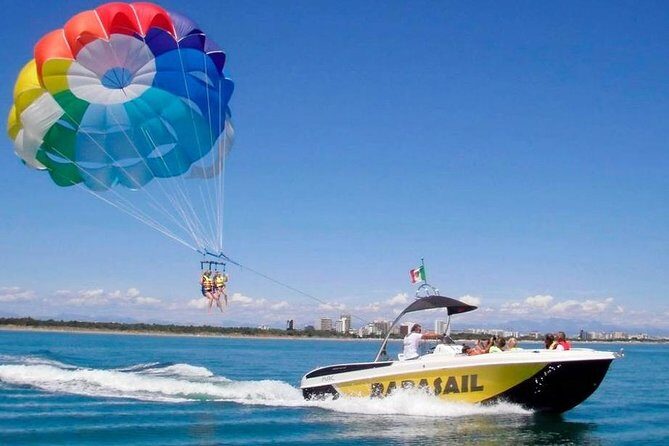
After Jet Ski, you’ll shift to the parasailing adventure. The included ride is described as 1 round. That’s helpful because you know the format is set, and you won’t be waiting all morning with uncertain timing.

Parasailing is the “wow” moment for a lot of people, and for good reason. You go from being surrounded by water to looking down on it, and suddenly the coast feels huge. Even if you’re not a thrill-seeker, it’s one of those activities where you get an instant change of perspective.

Practical tips for a better parasailing ride:

  • Wear something that won’t trap water. Swimsuit + smart casual layers you don’t mind soaking is the usual move.
  • If you get cold easily, consider a light layer for right after, since you may be wind-exposed.
  • If you’re camera-minded, have your phone ready, but expect that everyone’s filming at the same time.

A possible drawback: parasailing is weather-dependent. If winds or sea conditions are less ideal, you may feel the activity is more controlled than you’d expect. Still, the value here is that you’re getting a real “from-above” experience without needing any training.

Seawalker helmet: breathe easy, see the underwater world

Bali Best Watersport Sea walker,Parasailing adventure,Jet sky - Seawalker helmet: breathe easy, see the underwater world
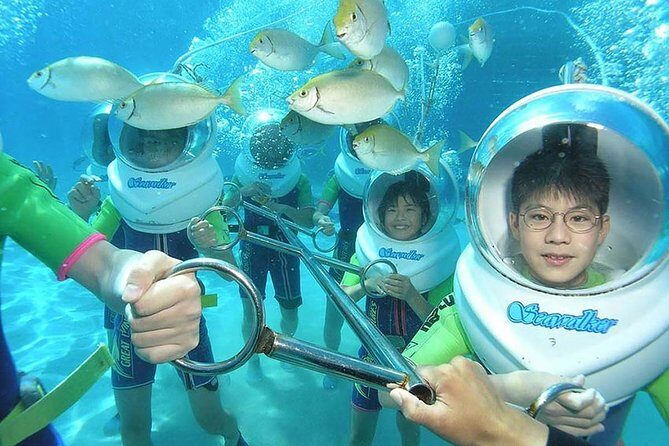
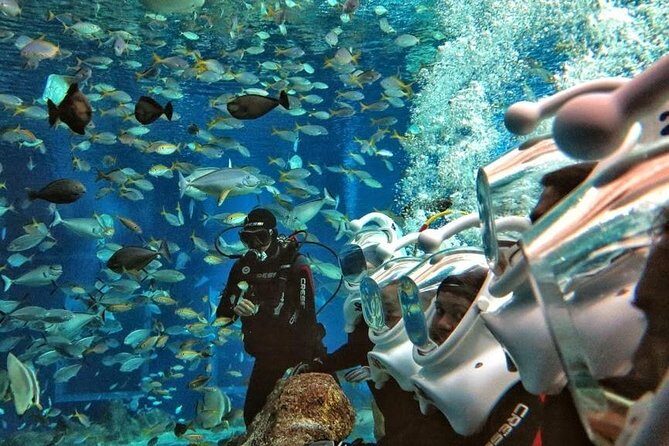
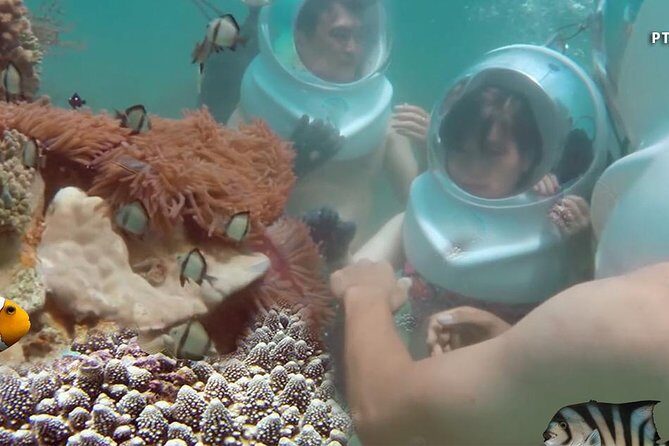
Then comes the most unusual part of the day: the Seawalker helmet. Your helmet time is listed as 25–30 minutes, and the promise is simple—breathe through the helmet while you explore what’s underwater.

This is the activity that often converts skeptics. People who aren’t into swimming or who feel unsure about open-water comfort tend to feel more confident with the helmet setup. You can focus on looking around rather than worrying about breathing.

What to expect from the Seawalker portion:

  • You’ll be kitted with the helmet and gear (equipment is included).
  • The experience is underwater viewing, not a fast, athletic workout.
  • It’s a great contrast after Jet Ski and parasailing because it slows the pace.

A small practical note: you’ll still be dealing with wet conditions and sun exposure before and after. Bring sunscreen and plan to rinse off later if you can. Also, the water might not look like a postcard for everyone—conditions vary—but you’re still getting a managed way to see marine scenery without the intimidation factor.

The 5-hour schedule: why starting at 8:30 is smart

Bali Best Watersport Sea walker,Parasailing adventure,Jet sky - The 5-hour schedule: why starting at 8:30 is smart
This combo is designed to stay efficient. You’ll begin at 8:30 am at the meeting point schedule your operator provides, and you’ll finish the full round trip back to your hotel.

The itinerary structure is straightforward:

  • One main watersports base (Tanjung Benoa)
  • Three activities at set time blocks
  • Equipment included, so you aren’t paying for basics you won’t use

What I like about this kind of half-day format is that it leaves you options afterward. If you start early and finish by early afternoon, you can still do a second activity on land—temple time, a beach walk, or a relaxed meal.

Potential drawback: because it’s concentrated, you need to be ready to move. If you’re prone to running late or you need extra time to get dressed, build in a little cushion so the day doesn’t feel frantic.

What’s included vs. what you’ll pay later

Bali Best Watersport Sea walker,Parasailing adventure,Jet sky - What’s included vs. what you’ll pay later
The included package is strong for the price because it covers your main “don’t-make-me-think” needs.

Included:

  • Air-conditioned minivan transport
  • Hotel pickup and drop-off
  • Jet Ski for 15 minutes
  • Parasailing for 1 round
  • Seawalker for 25–30 minutes
  • All equipment
  • Admission ticket is included for the main water sports stop

Not included:

  • Food and drinks
  • Souvenir photos (sold separately)

So plan on bringing money for lunch or grabbing snacks near the water sports area. If you’re the type who gets hangry after activity, a small water bottle and quick snack can be a lifesaver. Also, if you want photos, decide in advance whether you’re okay paying for the official shots, because you’ll likely be asked at some point.

Pickup, group size, and the vibe on the water

Bali Best Watersport Sea walker,Parasailing adventure,Jet sky - Pickup, group size, and the vibe on the water
Your pickup is door-to-door round-trip from your hotel, and the group size limit is up to 30 travelers. That’s big enough to be efficient but small enough that it should still feel organized rather than chaotic.

The dress code is smart casual, which you can treat as guidance for what to wear before you get wet. In real life, the critical part is bringing swimwear and a change of clothes, since you’ll be in and out of water across activities.

Bring:

  • Swimmers
  • A change of clothes
  • Camera
  • Sunscreen

You’ll also appreciate having an easy way to keep valuables secure. The tour includes mobile ticketing, which helps with less hassle at check-in, but it still doesn’t solve ocean spray. Keep your valuables dry when you can.

Who this combo is best for (and who should skip it)

Bali Best Watersport Sea walker,Parasailing adventure,Jet sky - Who this combo is best for (and who should skip it)
This Bali watersports combo is a good match if you want variety without committing to a full-day marine course. It’s especially smart for:

  • Families with teens who want an adrenaline mix
  • Couples who want one easy, memorable outing
  • First-timers who don’t want to choose between Jet Ski and parasailing

It may be less ideal if:

  • You want lots of time on one activity (for example, longer Jet Ski time)
  • You’re hoping for a calm, long underwater viewing session like a dedicated snorkeling trip
  • You hate being on the move for a few hours straight

On participation, it says most travelers can take part. That’s a good sign, but always consider your personal comfort with boats, harnesses, and getting wet.

Price and value: is $102.57 a fair deal?

At $102.57 per person, the value comes from the number of parts you’re bundling. You’re not just buying one thrill—you’re paying for three different experiences plus logistics.

Here’s the value logic I’d use:

  • You’re getting transport, which can be the hidden cost on Bali excursions.
  • You’re getting equipment included across multiple sports.
  • You’re getting time on three activities rather than one long booking that still leaves you bored afterward.

Could you find a cheaper option for just Jet Ski or just parasailing? Probably. But the combo saves you from planning three separate outings and figuring out timing between vendors. For a single half-day with predictable structure, this price is easier to justify.

Also, booking time matters. This tour is commonly booked about 34 days in advance on average. If you’re traveling during a busy season or want a specific time window, I’d book early so you’re not gambling.

Service matters: calm guidance makes it easier

A watersports day can go one of two ways: smooth and confidence-building, or stressful because people are unsure of gear and safety steps. The operator behind this experience, Rio Bali Tours, has a reputation for keeping things steady.

The standout theme is comfort and patience—especially if you’re worried about trying a harness-based activity or you don’t know what your body should do in the moments before takeoff or when the helmet goes on. If you’re the person who gets nervous right before a big step, it helps to know the tour is set up for beginners and mixed comfort levels.

If you want the day to go even better, do the simple prep:

  • Listen carefully during gear setup
  • Ask for a slower, clearer explanation before you head into the water
  • Tell your guide if something feels off so adjustments can be made quickly

Should you book the Bali Best Watersport combo?

I’d book it if you want a single, efficient Bali outing that gives you Jet Ski + parasailing + Seawalker in one go, with hotel pickup and all major equipment taken care of. This is the kind of day that’s easy to fit around other Ubud sightseeing plans.

I’d skip it if you know you’ll be disappointed by shorter activity times, or if you’re specifically chasing one sport and want longer sessions. Also, if you dislike any wet activities, remember you’ll be in swimsuit gear through multiple stages, and food isn’t included.

If you’re open to trying three different styles of adventure, this combo is one of the better “do it all” approaches.

FAQ

What activities are included in the Bali Best Watersport combo?

You’ll do Jet Ski (15 minutes), parasailing (1 round), and the Seawalker helmet experience (25–30 minutes).

Where does the tour take place?

The watersports run from Tanjung Benoa Water Sports in the Nusa Dua area.

How long is the tour?

The experience is about 5 hours total (approx.).

What time does the tour start?

The start time is 8:30 am.

Is hotel pickup and drop-off included?

Yes. The tour includes hotel pickup and drop-off by air-conditioned minivan.

Is equipment provided?

Yes. All equipment is included for the activities.

What should I bring?

Bring swimmers and a change of clothes, plus a camera and sunscreen.

Is food and drinks included?

No. Food and drinks are not included.

Are official souvenir photos included?

No. Souvenir photos are available to purchase separately.

How many people are in the group?

The tour has a maximum of 30 travelers.

What’s the cancellation policy?

You can cancel for a full refund up to 24 hours before the experience start time.

If you want, tell me your hotel area in Bali (Ubud area vs. south) and your comfort level with boats, and I’ll help you decide whether this combo fits your schedule and nerves.

Ijen Crater Tour From Bali 1 Day

Ijen Crater Tour From Bali 1 Day - Mt. Ijen Hike: What Your Footing and Pace Need to Handle

Mt. Ijen is the kind of wow that’s earned.

This one-day tour is built for travelers who want Ijen Crater without spending days in East Java, pairing early-morning crater hiking with the signature sights: sunrise, the acidic lake, and the blue fire phenomenon. You’ll also get close to sulfur mining work, which turns the crater from a photo stop into a real scene. The schedule is intense, but the payoff is concentrated.

I love that the package includes the essentials that usually turn a volcano day into a scramble: a gas mask/respirator, entrance tickets, ferry ticket, breakfast, and unlimited mineral water. I also like that you’re not wandering on your own—there’s a private Ijen guide to help you hike efficiently and stay safe around active areas.

The main drawback is physical and air-related: the crater hike calls for moderate fitness, and the tour notes it’s not recommended for asthma or lung problems.

Key Highlights You’ll Notice Fast

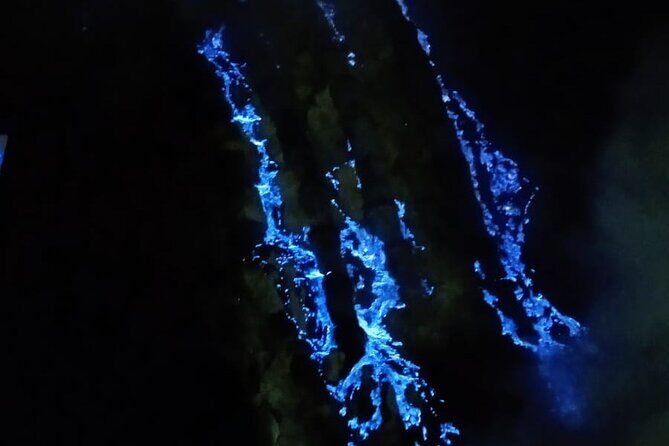
  • Blue fire timing: the plan aims to put you at the crater during the best window, before crowds build too much
  • Sunrise + acidic lake: you’re seeing multiple headline sights in one crater visit
  • Private Ijen guide: someone local guiding your route and pace through the difficult terrain
  • Gas mask/respirator included: practical safety gear, not an optional add-on
  • Sulfur miners up close: you’ll witness people doing their job in the crater area
  • Ferry ticket + transport from Bali: the trip is packaged so you’re not piecing together logistics

Ijen Crater’s Triple Show: Blue Fire, Sunrise, Acidic Lake

Ijen Crater Tour From Bali 1 Day - Ijen Crater’s Triple Show: Blue Fire, Sunrise, Acidic Lake
Ijen isn’t just pretty from a distance. The magic is that you see three headline things that normally show up on different days or different tours: sunrise, the acidic crater lake, and the blue fire.

Blue fire is the star, but it’s not a steady light show. It depends on conditions and timing, and that’s why the tour structure matters. The goal is to get you into position early enough that you’re watching when visibility is better and the viewing area isn’t jammed.

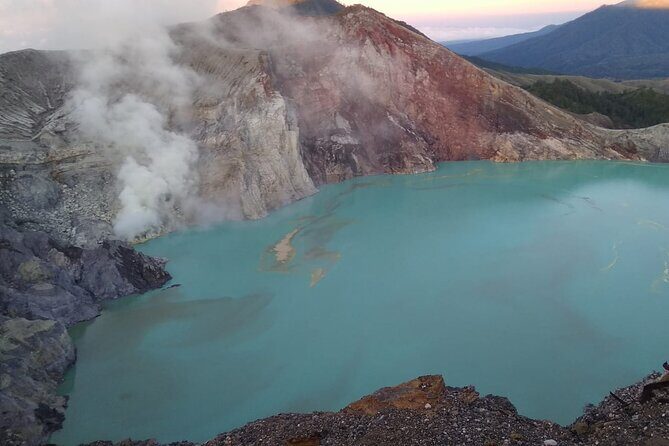
Then you’ve got the crater itself—especially the acidic lake color and the way the active sulfur environment changes what the scene looks like. It’s not “just a lake.” It’s a working volcano setting. And sunrise adds that extra layer: the light shift helps you see scale and texture in a way nighttime footage can’t.

The last key piece is human scale. You’re not only photographing a natural phenomenon; you’re also watching sulfur miners break and collect sulfur rocks on the crater floor. That part changes the tone. It turns the whole experience into something more grounded than a quick stop.

The Long-Day Reality: Getting From Bali to Ijen Without Stress

Ijen Crater Tour From Bali 1 Day - The Long-Day Reality: Getting From Bali to Ijen Without Stress
This is marketed as a short trip, but it’s still a serious logistics day. You leave Bali earlier, then the journey reaches Banyuwangi around midnight, and from there the ride and timing build toward your crater climb. Practically, that means you should plan to feel travel fatigue at some point—even if the operator tries to keep transport smooth.

Price-wise, you’re not just paying for a hike guide. You’re paying for the time cost and transit complexity of getting from Bali to East Java, including the ferry ticket and air-conditioned vehicle. That’s why people like this format: it minimizes your need to arrange transport around multiple legs.

One review highlighted smooth rides and efficient handling of the day, plus a plan to be early at the blue flames. That’s exactly what you want here. If your timing slips by even a bit, volcano days can turn from “worth it” to “good effort, not great conditions.”

Mt. Ijen Hike: What Your Footing and Pace Need to Handle

Ijen Crater Tour From Bali 1 Day - Mt. Ijen Hike: What Your Footing and Pace Need to Handle
The crater visit includes hiking up to the Ijen area with enough early-morning effort to earn the sunrise view. The tour notes moderate physical fitness, so don’t treat this like a casual walk.

What matters most isn’t only stamina—it’s footing and steadiness in a harsh environment. Even when the climb isn’t described as extreme, you’re dealing with darkness (depending on your schedule), uneven ground, and cold-to-mild night conditions that can make breathing feel harder.

The tour also provides a gas mask/respirator and tells you it’s not recommended for asthma or lung problems. That’s a big deal. Volcanic gases can be uncomfortable, and conditions at Ijen can make certain people struggle more than they expect. If you’re even borderline, take the safety note seriously.

My practical take: you don’t need to be a mountain athlete, but you do need to be comfortable with a sustained uphill hike and the reality that you may be breathing through gear in a high-activity zone.

Sunrise Watching: Why the Timing Feels Like the Whole Point

Ijen Crater Tour From Bali 1 Day - Sunrise Watching: Why the Timing Feels Like the Whole Point
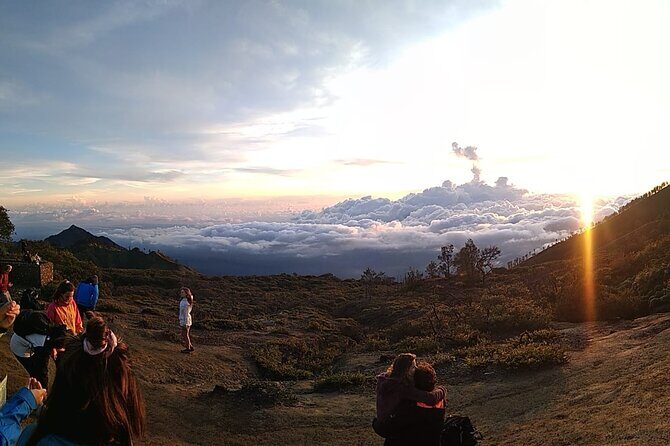
Sunrise at Ijen isn’t a bonus. It’s part of the main event. The itinerary is built around watching sunrise from the crater area, then continuing on to see the blue fire phenomenon on the crater floor.

This is one of those “you can’t rush it” moments. Sunrise needs position and patience. If you arrive late, you’ll still see plenty, but you lose some of the best light and you may miss the cleanest viewing window for blue fire.

A review mentioned getting in early enough to be among the first to see the flames, and even leaving before it got unbearably crowded. That’s a real quality factor here. When too many people pile into the same viewing space, your experience gets noisy and slow. Early timing tends to keep the moment sharper.

Blue Fire: The Phenomenon You Should Watch With the Right Mindset

Ijen Crater Tour From Bali 1 Day - Blue Fire: The Phenomenon You Should Watch With the Right Mindset
Blue fire at Ijen isn’t something you “hunt” like a wildlife sighting. It’s more like catching a condition. So go in ready for the fact that it’s visual magic driven by environment.

What I like about this tour style is the emphasis on being at the right place at the right time. The operator is essentially selling access to the correct window—arrive early, watch, then move on.

Also: don’t expect the blue fire to look like a neon sign. The look is more subtle and atmospheric than that. The best results come when you’re close enough and patient enough to watch the flame effect develop.

And you’ll likely be watching with a guide guiding your pace and where to stand, which matters because the area isn’t a normal viewing platform.

Acidic Lake Views: The Crater Looks Different Once You’re There

The acidic lake is the other “main character” of Ijen. Even if you’ve seen it in photos, the real thing hits differently because of scale, color intensity, and how the air and sulfur activity shape what you see.

On this tour, you’re hiking to the top area, then enjoying the sunrise and continuing to the crater viewpoint where blue fire is visible. That means the lake isn’t the only focus—you’re seeing it in the context of the whole active system.

Here’s the useful advice: spend a few extra minutes looking before you start snapping pictures nonstop. The crater has depth that photographs can flatten. If you pause, you’ll notice how the lake color changes with light.

Sulfur Miners at Work: What You’ll Learn Without Needing a Lecture

One of the most compelling parts of Ijen is the human work happening right in the crater environment. The tour includes time to meet sulfur miners and see them breaking and collecting sulfur rocks from the crater floor.

This is one of those experiences where the guide can help you understand what you’re seeing. You’re not just watching people in a dangerous place—you’re witnessing a job shaped by the volcano itself.

Even if you don’t speak the language, you’ll understand the basics quickly: tools, routines, and the way miners work around the environment. It’s a powerful contrast to the tourist goal of chasing photos and phenomena.

Gear and Comfort That Actually Matter: Mask, Water, and Simple Meals

For a volcano day, I like that the essentials are included.

You get:

  • Gas mask/respirator (this is the big one)
  • Breakfast plus coffee and/or tea
  • Unlimited mineral water
  • A private Ijen guide
  • Entrance tickets and a ferry ticket

That combination matters because it keeps you from burning time at a convenience store while you’re supposed to be preparing for a timed sunrise experience. Unlimited water is also a smart inclusion because even short hikes can dehydrate you, and you’ll likely be dressed for early hours.

Comfort note: the tour rides you from Bali in air-conditioned vehicle, which is helpful after late-night or early-morning pickup. But you should still expect to layer up. Volcano mornings can shift fast.

Price and Value: Is $130 Worth It for Ijen From Bali?

At $130 per person, this isn’t a budget impulse buy—but it can be good value if you compare it to DIY.

You’re paying for:

  • Transport from Bali (including a significant drive segment)
  • A ferry connection (ferry ticket included)
  • A private Ijen guide
  • Entrance tickets
  • Safety gear (gas mask/respirator)
  • Food basics (breakfast + coffee/tea)
  • Water throughout

The main “value” question is whether you’d spend similar money and similar time assembling the same parts on your own. Volcano logistics are where DIY often falls apart: you end up paying for taxis anyway, losing time on coordination, and then stressing about timing.

This tour also has the advantage of being a one-day solution for people who don’t want to sleep in East Java. If your Bali schedule is tight, that alone can justify the price.

My honest caution: the price doesn’t buy you control over nature or occasional operational hiccups. In rare cases, a tour can be disrupted by issues beyond your control. The best you can do is book with a mindset that you’re planning for an early start, and keep expectations flexible.

Who This Tour Fits Best (and Who Should Skip It)

This one-day Ijen experience fits travelers who want a concentrated volcano hit and don’t want to build an East Java itinerary from scratch.

It’s a good match if you:

  • can handle a moderate uphill hike in early hours
  • want to see blue fire + sunrise + acidic lake in one go
  • like having a local Ijen guide handling the technical parts
  • prefer organized transport from Bali rather than piecing it together

It’s not a great match if you:

  • have asthma or lung problems, since the tour explicitly says it’s not recommended
  • struggle with sustained uphill effort
  • need a super relaxed pace (this is time-sensitive and runs like a mission)

If you’re unsure, I’d treat that health note as your deciding factor, not an afterthought. Volcano gases aren’t a theory here.

What a Great Day Feels Like: The Flow You Should Expect

When everything runs smoothly, the day has a rhythm:

  1. Travel out from Bali with pickup included
  2. Arrive and stage for the crater hike
  3. Hike to position
  4. Watch sunrise
  5. See blue fire from the crater area
  6. Learn what sulfur mining looks like on the ground
  7. Wrap up with transport back after the experience window

The “quality” factor you should look for is how early you get into position and whether the operator helps you avoid peak crowd crush. One guide named Tony was called out specifically as delivering a smooth, well-managed experience. Even without locking yourself into one guide name, that’s the kind of competency that matters on volcano days: timing, pacing, and safety awareness.

Quick Practical Tips Before You Go

A few things will make the experience easier on your body and your photos.

  • Layer up for early hours. You’ll want warmth before sun is fully up, and comfort as you climb.
  • Wear shoes with good grip. You want stable footing on uneven ground.
  • Don’t underestimate breathing gear + fumes. Take the mask seriously, especially if you’re even slightly sensitive.
  • Keep your camera ready, but also pause to watch with your eyes. The effect changes as conditions shift.

Also, since breakfast and drinks are covered, you can travel lighter. Still, bring your own personal items you like—charging stuff, small snacks only if you prefer them, and any comfort items.

Should You Book This Ijen Crater Tour From Bali?

Book it if you want a tight schedule with the big sights stacked together: sunrise, the acidic lake, and blue fire, plus a real look at sulfur miners. The inclusion of a private guide, gas mask/respirator, entrance and ferry tickets, and basic food makes it one of the more sensible ways to do Ijen from Bali in a single day.

Skip (or choose another option) if you have asthma or lung issues. Also, if you’re expecting a leisurely stroll, this isn’t that. You’re doing real hiking in a timed environment.

If you’re healthy, comfortable with early starts, and you want an organized route that handles the hardest parts of transport and timing, this is a strong value choice for an Ijen day trip from Bali.

FAQ

How long is the Ijen Crater tour from Bali?

The tour duration is about 5 to 6 hours.

Is hotel pickup included?

Pickup is offered, and the tour is designed for a hotel-to-tour day trip.

What’s included with the tour price?

Inclusions include an air-conditioned vehicle, coffee and/or tea, breakfast, gas mask/respirator, a private Ijen guide, ferry ticket, entrance ticket, and unlimited mineral water.

Do I need to buy an admission ticket separately?

No—entrance tickets are included.

Is a gas mask provided?

Yes. A gas mask or respirator is included.

What should I expect to do at Ijen?

You’ll hike toward the top of Mt. Ijen, enjoy sunrise, witness blue fire, and see sulfur miners working in the crater area.

What fitness level is required?

The tour says you should have a moderate physical fitness level.

Is this tour safe for people with asthma or lung problems?

It’s not recommended for travelers with asthma and lung problems.

Do they include lunch and dinner?

No. Lunch and dinner are not included.

Bali Airport Transfer Service

Bali Airport Transfer Service - Timing in Bali: Why 45–60 Minutes Can Become 2 Hours

Your first Bali hour can be calm. This private airport pickup handles the big stress point: a driver waiting at arrival after luggage claim with a sign showing your name and the company name. I also like the all-in cost approach, since taxes, fuel surcharges, and service fees are included, plus bottled water in a clean ride. The only real consideration is timing; the drive is often around 45–60 minutes, but it can run longer depending on traffic and flight arrival.

This is built for real schedules, not just daylight. It runs year-round, 24 hours a day, and you get a mobile ticket. You’re picked up based on your flight’s arrival time, and it’s private for your group (up to 4), so you’re not waiting around for other people’s flights.

Quick hits

  • Name-sign pickup after luggage claim so you can spot your driver fast
  • All fees and taxes included with bottled water in the car
  • 24/7 service in Bali with pickup matched to your flight time
  • Clean, air-conditioned rides with drivers who help with luggage
  • Private transfer for up to 4 keeps it simple and comfortable

What This Seminyak Transfer Does Best

This Bali Airport Transfer Service is all about one job: getting you from I Gusti Ngurah Rai International Airport into Seminyak without the usual first-day scramble. It’s a private transfer, so you’re not bouncing between terminals or waiting on a shared shuttle schedule.

The value is in the details. You’re met at the arrival point where a lot of people are standing with signs, but your driver has one for your name and the company. That small setup matters in Bali after a flight—because the first thing you want is to stop scanning faces and start moving.

Pricing also feels fair. The cost is $16.20 per group (up to 4), which means it can be surprisingly cheap if you’re traveling with family or friends. And because the transfer includes all fees and taxes plus bottled water, you’re less likely to get hit with surprise add-ons mid-trip.

Meeting Your Driver: Signs, Names, and Luggage Help

The handoff is described clearly: after you arrive in Bali and pick up your luggage, your driver waits at the arrival point. You’ll see many people waiting, each holding signs. Your driver will be there with a sign showing your name and the company’s name.

That matters more than you’d think. At busy airports, the first 10 minutes decide whether your arrival feels smooth or chaotic. Having a driver actively matching you by name reduces the “Where do I go?” energy.

The service also comes across as organized and responsive. In the examples provided, drivers like Angga, Arno, Nanda, and Ketut are praised for being on time, friendly, and helpful with luggage. One of the recurring themes is that once you spot the sign, you can relax—no awkward back-and-forth, no guessing.

Practical tip: when you book, make sure your name matches the spelling you’ll show on arrival documents. That’s the simplest way to keep the sign-and-meet part painless.

Timing in Bali: Why 45–60 Minutes Can Become 2 Hours

Bali Airport Transfer Service - Timing in Bali: Why 45–60 Minutes Can Become 2 Hours
The transfer length is typically around 45–60 minutes, but the service window is listed as 30 minutes to 2 hours (approx.). That’s not marketing fluff—it’s how real traffic works around Denpasar and Seminyak.

If you land during heavier traffic periods, you may see the longer end. If your flight arrives right on time and conditions are smooth, you’ll likely be at your destination faster. The key is that the driver is assigned based on your arrival time, and the pickup service is available 24/7, so you’re not forced into a narrow arrival window.

Also note: the experience description states it’s available all day and all year, and it picks you up depending on your flight arrival time. That’s the practical part. You’re paying for a scheduled response, not just “find a taxi later.”

Inside the Car: Comfort, Cleanliness, and Bottled Water

This transfer includes private transportation and bottled water. That sounds small, but in tropical heat right after a flight, it’s exactly what you want—water that isn’t overpriced and isn’t a stop you have to plan.

A big plus in the feedback is comfort and cleanliness. Drivers are described as providing an air-conditioned transport that’s clean, which is a serious factor when you’re arriving with luggage and your first thoughts are shower, nap, and food.

Another thing I like here is the human touch. The description mentions you’ll get inside tips from a local driver during the ride. And in examples shared, drivers like Nanda are described as polite and consistently on time, with a calm, safe driving style. Ketut is even described as kind and willing to help make the ride comfortable.

One balance note: this is still a transfer. If you’re expecting a tour with major stops and sightseeing, this service isn’t that. Think of it as a smooth start, not an all-day activity.

Price and Value: $16.20 Per Group (Up to 4)

Let’s do the math in plain terms.

  • Price: $16.20 per group
  • Group size: up to 4 people
  • So per person: about $4.05 if four people share the ride, or $16.20 for a solo traveler

That’s the part that can surprise people. Airport transfers in many places cost far more, especially if you want privacy and a driver who’s waiting for you. Here, the private piece is included, and the car isn’t a shared shuttle.

What also boosts the value is the way costs are handled. The service includes all taxes, fuel surcharges, and service fees. You’re not left wondering what’s extra at the end.

For families, couples, and small groups, this is often a “make the arrival easier” purchase. You trade a little flexibility for less stress and better timing. And you get a driver who can handle your luggage handoff without drama.

Where It Starts and Ends (And What That Means for Your First Day)

The listed starting point is I Gusti Ngurah Rai International Airport (Jl. Airport Ngurah Rai, Tuban, Kec. Kuta, Kabupaten Badung, Bali 80361, Indonesia).

The activity’s end point is noted as back at the meeting point. That wording can be confusing if you’re thinking of a one-way ride to a hotel. In practice, the description clearly frames the transfer as airport to your hotel area, with the drive taking you from the airport toward Seminyak. So treat the end-location note as how the provider documents the service, not as an invitation to stay on the airport grounds.

Either way, you’ll want to plan your first day around the ride time range. Don’t schedule a demanding appointment immediately after arrival unless you’ve built in cushion for traffic and baggage pickup.

If you’re staying in or around Seminyak, this service is a solid fit because it focuses on that airport-to-hotel corridor.

Who This Transfer Fits Best

This transfer style works especially well if you:

  • Want a private pickup without sharing a car
  • Are traveling with 1–4 people and want predictable cost
  • Land at odd hours and still want an airport-ready option
  • Prefer a driver who can help with luggage and get you oriented quickly

From the examples given, some people specifically highlight that drivers assist with luggage and get in contact easily. Others emphasize safety and courteous driving—useful on a first arrival when road habits might feel unfamiliar.

Who might want something else? If you’re someone who enjoys sorting out arrival logistics yourself, or if you’re traveling with a large group that needs multiple vehicles, you might compare options. But for the majority of small parties, private pickup at a low per-person cost is exactly what you’re buying.

Should You Book This Bali Airport Transfer Service?

I’d book it if your priority is a stress-light start in Seminyak. The best reasons are practical: name-sign pickup after luggage claim, bottled water included, clean air-conditioned transport, and a private ride where costs are handled upfront with taxes and fees included.

Also, the feedback score is strong: a 4.9 rating with 11 reviews and 100% recommended in the summary provided. That doesn’t guarantee perfection, but it does suggest the service is consistently doing the basics well.

My final thought: if Bali is your first stop and you want your first hour off rails, this is a good buy. You don’t need to think about buses, bargaining, or hunting for transportation. You land, grab your bags, find your sign, and go.

FAQ

How much is the Bali airport transfer?

It costs $16.20 per group, up to 4 people.

How long does the transfer take?

The transfer duration is approximately 30 minutes to 2 hours. The drive is often around 45–60 minutes.

Is this transfer available at night?

Yes. It runs year-round, 24 hours a day.

Where does pickup happen?

Pickup starts at I Gusti Ngurah Rai International Airport, Jl. Airport Ngurah Rai, Tuban, Kec. Kuta, Kabupaten Badung, Bali 80361, Indonesia.

Is this a private transfer?

Yes. It’s private transportation, and only your group participates.

What’s included in the price?

Private transportation, bottled water, and all fees and taxes are included.

Do I need to book at a specific time?

You receive confirmation at the time of booking. The driver is picked based on your flight’s arrival time.

Can service animals travel?

Yes, service animals are allowed.

What is the cancellation policy?

You can cancel for a full refund up to 24 hours in advance of the experience start time. If you cancel less than 24 hours before, the amount paid is not refunded.

Bali Luxury Spa Package 2 hour Treatmen at Royal orchird spa

Bali Luxury Spa Package 2 hour Treatmen at Royal orchird spa - What This Package Really Delivers (and What It Doesn’t)

Your next reset starts with a foot wash. This 2-hour Bali luxury spa package in Nusa Dua is built around a classic Balinese idea: body, mind, and spirit work better together when you treat them as one system. You start with a calming thalaso foot wash, then move into a full flow of massage, scrub, and a flower bath that feels very ceremonial.

I especially like two things: the Royal Orchid Spa facility itself and the way the day runs without friction. The spa environment is repeatedly praised as beautiful and clean, and the staff approach comes across as friendly and professional.

One consideration: the treatment rooms can share space with louder hallway activity. If you’re sensitive to noise, it helps to request a quieter setup when you arrive, so the calm you’re paying for stays intact.

Key Highlights You Should Know Before Booking

  • Thalaso foot wash sets the tone right at the start, before the massage work begins
  • 60-minute Balinese massage is the main event in this tight 2-hour schedule
  • Body scrub + yogurt moisturizer focuses on skin feel, not just relaxation
  • Flower bath with petals gives you a true ending ritual, not a rushed finish
  • Pickup and drop-off helps you keep your spa day simple, especially in Nusa Dua traffic
  • Strong value for a luxury-style package at $35.95 per person

Royal Orchid Spa in Nusa Dua: A Calm Place to Reset

Bali Luxury Spa Package 2 hour Treatmen at Royal orchird spa - Royal Orchid Spa in Nusa Dua: A Calm Place to Reset
Royal Orchid Spa is located in Nusa Dua (Benoa/Kuta Selatan area) at Jl. Pratama Nusa dua, Benoa, Kec. Kuta Sel., Kabupaten Badung, Bali 80363. That matters because Nusa Dua is set up for visitors who want their days to feel orderly: you’re not stuck chasing landmarks or fighting across busy areas just to get to a treatment.

What makes this spa package appealing is the overall pacing. You’re not doing a quick “walk-in, walk-out” service. You get a sequence designed to take you from loosening tension to polishing the skin to ending with a soak. That flow is exactly the kind of structure that helps spa time feel worth it, even when you only have 2 hours.

The facility is also described as beautiful and expansive. People highlight that the spa grounds are clean and well equipped, and that the staff know what they’re doing. Even if you’ve had massages in other countries, Bali spa service often feels a step more ritual and a step less clinical—this package leans into that.

The one caveat I’d keep in mind is atmospherics. One comment points out that hallways outside the treatment rooms can get loud and can interrupt the stillness. If your ideal spa day is quiet and meditative, you can’t control everything, but you can control one thing: how quickly you communicate your preference once you’re there.

Your 2-Hour Treatment Flow, Step by Step

This package is built around five parts over about 2 hours (approx.). The order is deliberate, and it changes how the whole experience feels.

Thalaso Foot Wash (First, for a reason)

You’ll start with a thalaso foot wash. Even before the massage begins, this step signals a reset: feet get cleaned and refreshed, and your body registers that the spa portion has started. It’s also a smart warm-up, because when you’re comfortable and already “switched over,” the massage feels deeper.

Balinese Massage (60 minutes: the main work)

Next comes the Balinese massage for 60 minutes. This is the chunk where tension is most likely to loosen. In spa packages like this, the massage length is what separates “nice” from “actually helpful,” and 60 minutes is a strong middle ground for people who want results without booking half a day.

Body Scrub (30 minutes: smoothness focus)

Then you’ll do a body scrub for 30 minutes. Scrubs tend to be underestimated. They’re not only about feeling silky afterward; they also help slough away dry skin so lotions and moisturizers absorb better. If you’re visiting Bali and you’ve been in sun and salt air (or just stuck in heat), this is often the step that makes the spa feel like a transformation, not just relaxation.

Yogurt Moisturizer (15 minutes: the finishing touch for skin)

After the scrub, the plan includes a yogurt moisturizer step (15 minutes). It’s a shorter segment, but it matters because it locks in the scrub benefits. You’re not leaving with just scrubbed skin; you’re leaving with skin that feels cared for.

Flower Bath (15 minutes: the ritual ending)

Finally, you’ll have a flower bath for 15 minutes. This is where Bali spas can feel extra special. One review specifically describes a petal bath tub, and that matches the idea: you rinse/transition and then soak in a flower-and-petal presentation that turns the “done” moment into a real finale.

What This Package Really Delivers (and What It Doesn’t)

Bali Luxury Spa Package 2 hour Treatmen at Royal orchird spa - What This Package Really Delivers (and What It Doesn’t)
I like this package because it hits three targets that most people actually care about: comfort, relief, and skin. You’re not only lying down while someone oils you and calls it a day. You get the massage (comfort/relief), the scrub plus moisturizer (skin renewal), and the flower bath (a full ending ritual).

At the same time, it’s only a 2-hour treatment. One person noted it wasn’t exactly a full all-in-one package as advertised and mentioned that a facial would have been nice. The key point for you: this itinerary, as provided, lists foot wash, massage, scrub, yogurt moisturizer, and flower bath. A facial is not part of the stated treatment list here, so if you want facial services, you’ll need a different package or an add-on at the spa.

Another practical “what to expect” detail: this is a private tour/activity where only your group participates. That’s good if you want the experience to feel focused. It can also reduce the chance you’ll feel rushed by other parties flowing in and out.

Finally, the atmosphere can swing slightly depending on what’s happening in hallways. So if you’re booking because you want maximum calm, consider requesting a more isolated room when you arrive. That tiny step can protect the mood you came for.

Pickup and Timing: Making the Spa Day Effortless

One of the biggest practical wins here is the pickup and drop-off. Spa days go wrong when transportation becomes a separate task. With this package, pickup from your accommodation is included, and you’re dropped back afterward.

In the feedback, people mention pickup in an air-conditioned car, which matters in Bali heat. When you’re sweating from travel, it can take time to actually relax once you reach the spa. Air-conditioned transport helps your body arrive ready.

The meeting point is Royal Orchid Spa (Jl. Pratama Nusa dua, Benoa, Kec. Kuta Sel., Kabupaten Badung, Bali 80363). The activity ends back at the meeting point as well. Translation: it’s tidy. You won’t have to figure out complicated navigation in a new area mid-day.

Also note: the spa is listed as near public transportation. You probably won’t need that if pickup is working smoothly, but it’s a nice backup option if you’re already in Nusa Dua and prefer to keep your schedule flexible.

If you’re trying to plan around heat and crowds, the 2-hour duration is perfect. It’s long enough to feel like a real break and short enough to still enjoy the rest of your day—dinner, beach time, or a sunset stroll.

Price and Value: Is $35.95 Actually a Good Deal?

At $35.95 per person, this package is priced for value. It’s not “budget massage by any means,” because the experience includes multiple stages: foot wash, a full hour of Balinese massage, then scrub, yogurt moisturizer, and a flower bath.

Here’s why that matters for your money: many low-cost spa deals buy you one thing—usually a shorter massage—while the rest is minimal or skipped. This one pays for a sequence. You’re getting a full arc from arrival to ending ritual.

There are also two quiet value boosts:

  1. Hotel pickup and drop-off remove a cost and stress layer you’d otherwise manage yourself.
  2. Private group participation can make the experience feel more personal without paying for a longer private program.

Group discounts are listed too. If you’re traveling with friends or family, you may be able to reduce the per-person cost even further depending on how the operator groups bookings.

If you’re comparing options, do it like this: look at the total time (2 hours), then check whether the same plan includes both bodywork and a real finish like the flower bath. That’s the difference between a quick treat and a proper “spa day.”

One more timing note: bookings average about 39 days in advance, so if you have a specific date, I’d plan around that window rather than waiting until the last week.

Who Should Book This 2-Hour Royal Orchid Spa Package?

This is a great fit if you want Bali spa benefits without committing to a half-day or full-day treatment. In particular:

  • You’re short on time but still want massage + skin care + a ritual ending
  • You want a structured spa flow (not just oil and done)
  • You prefer convenience thanks to pickup and drop-off in Nusa Dua
  • You’re traveling in a small group and want only your group to participate

It may be less ideal if you’re extremely noise-sensitive. One comment points out hallway loudness that disturbed the atmosphere outside treatment rooms. You can still book, but you should go in with your expectations calibrated and ask for a quieter room.

Also consider your “wish list.” If your dream spa day includes a facial, this specific 2-hour menu might not satisfy that part. You’d either book a longer package or ask the spa about add-ons.

Tips to Get the Best Day (Without Making It Complicated)

You don’t need to overthink it, but a few practical steps can make a noticeable difference:

  • When you arrive, tell the staff you want a calm experience and ask if your room can be set away from hallway traffic.
  • Wear easy-to-remove clothing. You’ll likely change into spa robes and rinse/transition between steps.
  • If you’re doing this after beach time or a long day outdoors, let the scrub and moisturizer do their job. This is one of the best moments to fix that “sun-dry” skin feel.
  • Keep your next stop flexible. Even though it’s only 2 hours, you’ll probably want a cooldown moment afterward—especially if you’re heading out into heat again.

The staff professionalism comes up again and again, so you can also trust them to guide you through what happens next. Your job is mostly to show up ready to relax and let the schedule run.

Should You Book This Bali Luxury Spa Package at Royal Orchid Spa?

Yes, you should book it if you want a true 2-hour spa sequence in Nusa Dua that covers the core relaxing stuff plus skin care and a flower bath ending. The combination is what makes the price feel fair: $35.95 buys multiple stages, and pickup/drop-off reduces the hassle factor.

Skip or reconsider if you’re expecting a longer, more “complete” spa day that includes additional services like a facial. Also think twice if quiet is your top priority, because hallway noise outside treatment rooms can be a real mood-killer.

If you do book, go in with one simple goal: let the plan unfold. Foot wash, 60-minute Balinese massage, body scrub, yogurt moisturizer, and flower bath is a full mini-journey—and that’s exactly what makes it worth scheduling.

FAQ

How long is the Bali Luxury Spa Package at Royal Orchid Spa?

The treatment lasts about 2 hours.

What treatments are included in the 2-hour package?

It includes Thalaso foot wash, Balinese massage (60 minutes), body scrub (30 minutes), yogurt moisturizer (15 minutes), and flower bath (15 minutes).

Is pickup from my hotel included?

Yes, pickup from your accommodation is offered, and you’ll also be dropped back after the spa finishes.

Where does the experience start?

The start point is Royal Orchid Spa, located at Jl. Pratama Nusa dua, Benoa, Kec. Kuta Sel., Kabupaten Badung, Bali 80363, Indonesia.

Is this a private experience?

Yes. Only your group will participate.

Do I get a mobile ticket?

Yes, the experience includes a mobile ticket.

When will I receive confirmation after booking?

Confirmation is received at the time of booking.

Can I cancel for a full refund?

Free cancellation is available. To get a full refund, you must cancel up to 24 hours before the experience starts. If you cancel less than 24 hours before, the amount paid is not refunded.

Is it suitable for most people?

Most people can participate. The spa is also listed as near public transportation, which can make getting there easier.

Bali Airport Transfer Private

Bali Airport Transfer Private - The 1 to 2 Hour Ride: What Changes the Timing

Your Bali arrival can be stress-free.

This private transfer is built around the moments that matter most: meet & greet at Bali Ngurah Rai Airport and guaranteed pickup if your plane is delayed. You get a clean, tidy vehicle, and your driver can communicate easily and may even explain what’s going on around Bali as you ride.

One thing to think about: while the service has a solid overall rating, there’s at least one serious report of a no-show and very weak help when it went wrong. If you’re the type who likes a strict safety net, I’d plan to confirm your meeting details right after booking.

The good news is that for a one-way ride into Seminyak, this setup is simple and direct. You’re not dealing with shared shuttles, and it’s private for your group with up to 4 passengers and room for up to 4 luggage items. It typically takes about 1 to 2 hours, depending on traffic and where exactly you’re headed.

Key Highlights You’ll Actually Care About

  • Meet & greet with signboard help so you’re not wandering the airport looking for a driver.
  • Pickup even with flight delays, with the driver waiting through arrival changes.
  • Clean, neat, pleasant-smelling vehicles for that first “finally, we’re moving” moment.
  • Driver as informal guide, with explanations about culture and what you’ll notice in Bali.
  • Private, one-way service sized for up to 4 passengers and 4 luggage items.

What This Private Transfer Does for Your First Hour in Seminyak

Bali Airport Transfer Private - What This Private Transfer Does for Your First Hour in Seminyak

This is the kind of booking that’s easy to underestimate. An airport transfer is just a ride on paper, but in Bali it can make the difference between feeling grounded—or stuck dealing with heat, crowds, and confusion right after landing.

For this one-way trip, you’ll be picked up at Bali Ngurah Rai Airport and taken to your destination in Seminyak. Because it’s private, you won’t have to wait on strangers or detour around multiple drop-offs. That matters when you’re jet-lagged, carrying bags, or just trying to get to your hotel fast.

The driver experience is also part of the value. The service describes drivers as experienced and friendly, with easy communication and the ability to explain what’s happening around Bali as you travel. You’re not relying on luck to find transportation—you’re relying on a system designed for arrivals.

Pickup at Bali Ngurah Rai: Meet & Greet That Helps You Find the Driver

Bali Airport Transfer Private - Pickup at Bali Ngurah Rai: Meet & Greet That Helps You Find the Driver

The meeting process is one of the best parts of this transfer. After you order, you’ll be contacted with pickup directions for the airport. When you arrive, you’ll go to the specified meeting point, then show your booking voucher to the driver.

You don’t have to play guessing games. The driver uses a signboard to help you locate them, and the service emphasizes that pickup is guaranteed with attention to finding you quickly. That’s a big deal at a busy airport where signage can be confusing and everyone looks like they’re headed somewhere else.

If your flight changes, the plan is still the same. The service states that they will still pick you up if there’s a plane delay. Translation: if you land later than expected, you shouldn’t lose your ride.

Practical tip: save your confirmation and booking voucher on your phone and keep it offline too. Even when everything is digital, having a screenshot or saved file makes the meeting smooth.

The 1 to 2 Hour Ride: What Changes the Timing

Bali Airport Transfer Private - The 1 to 2 Hour Ride: What Changes the Timing

The duration is listed as approximately 1 to 2 hours. That’s a helpful range because Bali traffic can move from calm to chaos without warning. Your real timing depends on your hotel location in Seminyak and how heavy roads are when you arrive.

Still, this range is realistic for many airport-to-Seminyak routes. If you’re arriving in the afternoon, you should expect a bit more variability. Early arrivals can be faster, but you shouldn’t count on it.

Since this is a private transfer, you also avoid the stop-and-start pacing that can happen with shared transportation. You’re not waiting for the next party to be loaded. The ride is direct to your destination, with no stop somewhere else included.

Inside the Car: Clean Vehicles, Friendly Drivers, and a Bit of Context

Bali Airport Transfer Private - Inside the Car: Clean Vehicles, Friendly Drivers, and a Bit of Context

The service makes a point of vehicle quality. The vehicles are described as clean, fragrant, and neat. That might sound minor, but it affects your first impression. After a long flight, you notice the car experience more than you think.

What really sets this transfer up for a better start is the driver style. The information says drivers are experienced and friendly, easy to communicate with, and able to act as a light guide. In other words, you’re not just transported—you’re informed.

As you ride, the driver may explain things about Bali’s situation and culture. That can be useful if you’re new to the island. You’ll pick up quick context about what you’re seeing outside the window, which makes your first walk around Seminyak feel less like random sightseeing and more like you understand the place.

If you prefer a quiet ride, private transfers usually still allow that. You can let the driver talk as much—or as little—as you want, because it’s just your group in the vehicle.

Price and Value: Why This Is So Cheap and What You Should Watch

Bali Airport Transfer Private - Price and Value: Why This Is So Cheap and What You Should Watch

The price listed is $7 for a private, one-way airport transfer. That’s unusually low for private airport transport, so it’s worth looking at what’s included and what isn’t.

What you do get:

  • One-way private transfer up to 4 passengers and 4 luggage
  • Meet & greet service
  • Insurance

What you don’t get:

  • Stops somewhere else

So the value comes from keeping it simple and direct. No extra tour stops. No shared-vehicle detours. No complicated add-ons. You’re paying for a clean ride with a driver who finds you, waits for delays, and gets you from the airport to Seminyak.

Still, pricing can never erase the most important part: service reliability. The overall rating is decent, but there’s at least one extremely negative account involving a no-show. When the price is very low, I’d treat it as a smart budget option only if you’re careful with meeting-point details.

My practical take: if you’re traveling light, have your flight info ready, and you’re the kind of person who can act quickly if a driver is late, this looks like strong value. If you need zero-risk reliability, you may want a pricier option with more visible support.

Limits to Know: One-Way, Private Group Size, and No Extra Stops

Bali Airport Transfer Private - Limits to Know: One-Way, Private Group Size, and No Extra Stops

This is a one-way transfer only. You’re going from Bali Ngurah Rai Airport to your destination in Seminyak. There are no included detours and no included stop somewhere else.

The vehicle capacity is clearly stated: up to 4 passengers and up to 4 luggage items. That’s great for small families, friend groups, or two couples. If you’re traveling with more luggage than normal—large suitcases plus extra bags—you might want to plan carefully. The number of luggage items is part of the stated capacity.

It’s also explicitly private, meaning only your group participates. That matters because you’re not competing for space with other passengers, and you’re not waiting while a driver checks on additional bookings.

One more detail that can help: the service notes it’s near public transportation. That doesn’t mean you’ll use public transit for this ride, but it suggests the area around your pickup/destination is accessible, which can be comforting if something unexpected happens.

How to Reduce Risk on Arrival (Especially If Your Flight Changes)

Bali Airport Transfer Private - How to Reduce Risk on Arrival (Especially If Your Flight Changes)

Even the best transfer can break down if communication fails. Since there’s a report of a no-show, I’d treat this like any airport pickup: confirm the critical details and be ready to act fast.

Here’s what you can do without overthinking it:

  • Keep your arrival time and flight number handy, since delays happen.
  • Save your booking voucher so you can show it right away at the meeting point.
  • Go to the specified meeting point promptly after landing and scan for the signboard.
  • If your plane is delayed, don’t wait passively. The service states they will still pick you up, so you want to be reachable and present.

Also, use the confirmation timing to your advantage. The service says you’ll receive confirmation at booking time, which usually means you can plan and reduce last-minute stress.

If you’re traveling with kids, this matters even more. Private transfers are often chosen because families want predictability. I’d double-check the meeting plan so your first Bali moments stay smooth.

Who This Transfer Fits Best

Bali Airport Transfer Private - Who This Transfer Fits Best

This transfer is a strong match if you want:

  • A fast arrival without sharing a van
  • A simple, one-way ride directly to Seminyak
  • A meet-and-greet setup so you can find your driver
  • A friendly driver who can add a bit of cultural context

It also fits travelers who like practical communication. The driver is described as easy to communicate with and easy to find using a signboard.

Who might hesitate:

  • People who need a very high confidence level with zero risk tolerance, given the existence of at least one severe negative account.
  • Large groups or travelers with more than 4 luggage items, since capacity is capped as stated.

If you’re planning a first trip to Bali and you want your arrival day to feel manageable, this works. It’s not a tour with stops and attractions—it’s your transportation piece done right.

Should You Book This Bali Airport Transfer?

Book it if you:

  • Want a private, one-way ride into Seminyak
  • Appreciate meet-and-greet support at the airport
  • Value pickup flexibility with flight delays
  • Travel as a group of up to 4 passengers with up to 4 luggage items
  • Like the idea of a driver who can add quick context about Bali during the ride

Consider thinking twice if:

  • You’re the type who gets thrown off by any disruption, especially after a long flight
  • You’re arriving at a time when delays are common and you’d rather pay more for extra assurance

My bottom line: this looks like a smart budget way to get from Bali Ngurah Rai Airport to Seminyak with a setup built for arrivals—signboard meet-and-greet, tidy vehicles, and a driver who’s not a mystery. Just be diligent with your meeting-point details, because the service only works as well as the handoff.

FAQ

FAQ

Where is the pickup location?

Pickup starts at Bali Ngurah Rai Airport, Denpasar, Indonesia.

Is this transfer one-way or round-trip?

It’s a one-way private transfer.

Is there a meet and greet service?

Yes. It includes a meet & greet service.

How many passengers and luggage are included?

The private transfer is for up to 4 passengers and up to 4 luggage items.

Do I get help finding the driver?

Yes. The driver meets you using a signboard, and you’ll show your booking voucher at the specified meeting point.

Will they pick me up if my flight is delayed?

The service states they will still pick you up if there is a plane delay.

What’s the typical duration of the ride?

The duration is approximately 1 to 2 hours.

Is insurance included?

Yes, insurance is included.

Does the price include stops along the way?

No. Stop somewhere else is not included.

What are the cancellation terms?

You can cancel for a full refund up to 24 hours in advance of the experience’s start time. If canceled less than 24 hours before, the amount paid is not refunded. If canceled due to poor weather, you’ll be offered a different date or a full refund.

Private Tour: Bali Heritage Sites

Private Tour: Bali Heritage Sites - Taman Ayun Temple and the royal Mengwi connection

Temples, crafts, and sea views in one day. This private Bali heritage tour strings together big-name spiritual stops with hands-on artisan villages, so your day feels full without feeling like a blur. I like the way the private driver-guide keeps the pacing flexible, and you get a clear plan for highlights like Tanah Lot and the holy spring at Tirta Empul.

Two things I really like: first, the comfort of an air-conditioned minivan with round-trip pickup from Ubud or South Bali, so you’re not wrestling traffic on your own. Second, the art-village block near Ubud gives you time to browse and compare crafts like batik, gold and silver work, paintings, and woodcarvings. One possible drawback: it’s listed as about 8 hours, but the day can run longer if traffic or site timing stretches, so plan for a late return.

Key things to know before you go

Private Tour: Bali Heritage Sites - Key things to know before you go

  • Private pacing with an English-speaking driver-guide, including the chance to tailor your focus
  • Temple trio: Tanah Lot, Taman Ayun, and Tirta Empul, with explained meaning behind each stop
  • Mount Batur caldera viewing timed around lunch, so you’re not just rushing through Kintamani
  • Art villages near Ubud (Tohpati, Celuk, Batuan, and Mas) plus a coffee plantation stop
  • Air-conditioned transport and included admission tickets for the main ticketed temple/volcano stops listed

Private Bali heritage, without the herd

A private tour in Bali is a big deal when your day includes multiple areas. Instead of syncing with strangers and a strict group schedule, you can move at the pace of your interests, from coastal temples to the interior caldera and then back toward Ubud for crafts.

This one runs with an English-speaking driver-guide and private transport in an air-conditioned minivan. That matters because you’ll spend real time on the road, and comfort helps you enjoy the stops instead of just surviving the commute. It also helps that pickup and drop-off are built in, so you’re not coordinating rides between locations.

From the feedback I’ve gathered while researching this kind of private route, the guide quality tends to be the real differentiator. One name that came up was Yogi, praised for excellent site knowledge and for tailoring the day when guests had specific ideas. Even if your guide is different, the format is the same: you’re paying for a driver who also guides, not just a taxi.

Tanah Lot: a sea temple with Hindu mythology vibes

Private Tour: Bali Heritage Sites - Tanah Lot: a sea temple with Hindu mythology vibes
Tanah Lot is the kind of place that looks dramatic even before you step out of the car. It’s a 16th-century temple on Bali’s southwestern coast, perched on a chain of rock islands. You’ll be there early enough to enjoy the setting, and your guide should help you connect what you’re seeing with the stories Balinese people share around Hindu influences and local mythology.

What I love about this stop is that it’s visual storytelling. The temple’s position over the water gives you a built-in “wow” without needing fancy explanation. You can also expect the guide to point out how the sea-temple concept fits into broader beliefs—so it’s not just photos, it’s meaning.

Practical consideration: Tanah Lot is close enough to the southern side of the island that getting there is straightforward, but you should still expect some driving time as part of the full-day loop. And since your itinerary stacks multiple sites, wear shoes you can walk in comfortably.

Taman Ayun Temple and the royal Mengwi connection

Private Tour: Bali Heritage Sites - Taman Ayun Temple and the royal Mengwi connection
After the coast, the day shifts into a more reflective temple experience. Taman Ayun is tied to the Mengwi Kingdom, known as a royal family temple. This is the kind of stop where you’ll get more out of it if you let your guide explain what makes it a palace-era sacred space rather than just a pretty temple.

You’ll typically spend around 30 minutes here, and an admission ticket is included for this stop. That time window is enough for a calm look around, especially with a guide who can orient you on what to notice without turning it into a speed-run. Think of it as your “slow down” moment in the middle of a day full of driving.

The drawback to consider: because the tour is designed as a full-day circuit, Taman Ayun isn’t set up for long meditation or lingering for hours. If you’re the type who wants a temple stop to stretch into half a day, you’ll have to treat this one as the essential version and let your guide’s explanation do the heavy lifting.

Kintamani and Mount Batur caldera: your lunch-window view

Private Tour: Bali Heritage Sites - Kintamani and Mount Batur caldera: your lunch-window view
From here you head toward the Kintamani area and Mount Batur. The big payoff is the caldera viewpoint—one of Bali’s most iconic “look down into the volcanic bowl” scenes. The schedule gives you time during the stop for lunch, even though your food itself isn’t included.

You’re looking at about 45 minutes at this stop, with an admission ticket included. That time can feel short if you’re trying to fully reset, but it’s a reasonable chunk if your goal is to see the caldera, eat something, and keep moving. This is also a good moment to recharge because the next stop involves water traditions and you’ll likely be more engaged if you’re not hungry or rushed.

A practical note: since food and drinks are not included, decide in advance whether you want to buy where you stop or plan for snacks ahead of time. Either way, don’t count on the tour providing lunch; the schedule just reserves the time for it.

Tirta Empul: the holy spring and healing-water beliefs

Private Tour: Bali Heritage Sites - Tirta Empul: the holy spring and healing-water beliefs
Then you reach Tirta Empul, a traditional Balinese water temple centered on a holy spring. The name itself points you toward what’s important here: it’s named for the water source located within the temple grounds. Your guide should explain how Balinese belief ties sacred water to healing powers, which turns the stop into more than a scenery break.

You’ll usually spend around 45 minutes here, and again, the admission ticket is included for this stop. Tirta Empul is often the emotional center of a heritage day because it brings together spirituality and everyday ritual symbolism. Even if you’re not participating in any formal practices, watching how people approach the water and listening to the explanation helps you understand the temple’s role in the culture.

One consideration: because it’s a working spiritual site, it can feel busy or active depending on the timing of your visit. That’s normal. The value is that you’re seeing how the temple functions, not just an abandoned monument.

Ubud-area art villages: Tohpati, Celuk, Batuan, and Mas

Private Tour: Bali Heritage Sites - Ubud-area art villages: Tohpati, Celuk, Batuan, and Mas
After the temples and the volcano view, the tour shifts toward craft and creativity outside Ubud. This is where the day becomes more hands-on and more personal. You’ll visit multiple artisan villages, with time to browse for things like batik, gold and silver items, paintings, and woodcarvings.

The villages named on this route are Tohpati, Celuk, Batuan, and Mas. Even if you’re not buying, this is a strong way to understand how different parts of Bali specialize. You’ll see how skills cluster by area, so you start recognizing patterns—like which village focuses on jewelry work versus which ones lean toward art and painting.

You’ll also stop at a coffee plantation. That’s a nice bonus because it gives you a sensory break at the end of a temple-heavy day. And since souvenir photos are available to purchase, you might choose to grab a couple of keepsakes without having to chase your own shot.

Practical drawback: craft shopping can tempt you into spending more than you planned, especially if you see something you love in every village. I’d go in with a simple budget and a “one or two items max” rule unless you truly enjoy shopping.

Timing: about 8 hours, but build in a buffer

Private Tour: Bali Heritage Sites - Timing: about 8 hours, but build in a buffer
The tour is scheduled for about 8 hours and starts at 9:00 am. That’s enough time to hit the major sites and still do the art villages, but the day is still subject to real-world factors like traffic and site pacing.

In at least one case, the day ran to around 11 hours while still covering the itinerary. So while you should expect a full-day commitment, don’t schedule anything important right after the pickup time unless you’re comfortable with a late return.

What helps you handle the long day:

  • You’ll have hotel pickup and drop-off, so you’re not spending your energy figuring out logistics.
  • The vehicle is air-conditioned, which is a lifesaver when you’re moving between coastal and interior areas.
  • You get admission tickets included for the key ticketed stops, which saves hassle and time.

Price and value: $60 per person for a private, ticketed day

Private Tour: Bali Heritage Sites - Price and value: $60 per person for a private, ticketed day
At $60 per person, this is priced like a serious “private day” rather than a low-cost taxi shuffle. The value is strongest when you factor in what’s included:

  • Hotel pickup and drop-off
  • An English-speaking driver-guide
  • Private transport in an air-conditioned minivan
  • All fees and taxes
  • Admission tickets included for the major listed stops (Mount Batur, Taman Ayun, and Tirta Empul)

The big advantage for you is that you’re paying for the full package: transport plus guided context, plus tickets for the core experiences. If you tried to piece this together on your own, you’d probably spend more on rides and local entries—and you’d still be coordinating timing across multiple areas.

The one condition to watch: there’s a minimum of 2 people per booking. If you’re traveling solo, this could be less ideal or costlier than it looks, depending on how the provider structures pricing in practice.

Who should book this Bali heritage tour?

This is a good fit if you:

  • Want a private day that covers major temples plus artisan villages
  • Prefer having an English-speaking guide handle the “what am I looking at?” part
  • Are staying in Ubud or South Bali and want an all-in-one route without complicated transport planning
  • Like the mix of spiritual stops and craft browsing, so your day doesn’t become only temples or only shopping

It’s also a strong option for first-timers because you get several iconic sites in one go. And since the tour says most travelers can participate, it tends to work for a wide range of visitors who can handle a full-day program.

Should you book it? My take

If you want Bali in one day—coastal temple drama, royal temple calm, holy spring spirituality, a Mount Batur caldera view, and craft browsing around Ubud—this private tour makes a lot of sense. The biggest reasons I’d recommend it are the private format (so your day can be shaped to your interests) and the inclusion of tickets and transport, which reduces hassle.

I’d skip it or rethink if you’re the type who hates long days, or if you’re only interested in one narrow theme (like volcano views only, or shopping only). The schedule is designed as a balanced circuit, and it works best when you like variety.

FAQ

FAQ

What time does the Bali Heritage Sites private tour start?

It starts at 9:00 am.

How long is the tour?

The tour is listed at about 8 hours.

Where do you get picked up and dropped off?

Pickup and drop-off are offered from Ubud or South Bali.

Which sites are included in the tour?

You’ll visit Tanah Lot, Taman Ayun, and Tirta Empul, plus you’ll stop at Mount Batur (Kintamani Volcano) for a caldera look and lunch time. You’ll also visit artisan villages outside Ubud and a coffee plantation.

Are admission tickets included?

Admission tickets are included for the Mount Batur, Taman Ayun, and Tirta Empul stops.

Is food included in the price?

No. Food and drinks are not included.

Is this a private tour?

Yes. It’s a private tour/activity, so only your group participates.

Is there a minimum number of people required?

Yes. A minimum of 2 people per booking is required.

Can I cancel for a full refund?

Yes. You can cancel for a full refund up to 24 hours before the experience’s start time.

Bali Sunset: Uluwatu Temple – Kecak Dance- Jimbaran Bay

Bali Sunset: Uluwatu Temple - Kecak Dance- Jimbaran Bay - Pantai Melasti Ungasan: Watching Kecak Take Over Night

Cliffside sunset sets the pace. This Bali day is built around the big hit: views from Uluwatu Temple over the Indian Ocean, followed by a traditional kecak performance and a relaxed finish at Jimbaran Bay. I like that it runs like a smooth checklist—pickup, a guided day plan, and you get to focus on the sights. I also like the included hotel pick-up and air-conditioned car, which makes the long evening feel manageable.

My second favorite part is the way the timing lines up with nightfall, so you’re not just watching a show—you’re watching the light change before the dance even starts. The only real drawback to plan for is that entrance tickets are not included, and the day’s schedule expects you to handle some temple-area walking on a cliff setting.

Key Highlights I Think You’ll Care About

Bali Sunset: Uluwatu Temple - Kecak Dance- Jimbaran Bay - Key Highlights I Think You’ll Care About

  • Uluwatu Temple sundown views over the Indian Ocean
  • Kecak dance with Ramayana scenes in a dramatic night setting
  • Pantai Melasti Ungasan timing right after sunset colors fade
  • Jimbaran Bay beach dinner option with barbecue-style seafood
  • Included sarong + bottled water to keep you comfortable through the evening
  • English-speaking driver and hotel pickup to cut out hassle

How the 6-Hour Bali Sunset Plan Fits Together

This is an easy “one-day, three-moment” experience. You’ll be on the move for about 6 hours, with three main stops: Uluwatu Temple first, then a kecak performance at Pantai Melasti Ungasan, then time at Jimbaran Beach for an optional seafood dinner.

Because it’s designed as a private-style pickup and only your group participates, you’re not stuck waiting for a long string of stops. You’ll still benefit from the group setup elements like group discounts, plus a mobile ticket for less paper to manage.

Also note what you’re not paying for upfront. The tour includes the driver and transport, but entrance tickets and the meal/dinner are separate add-ons. That matters when you’re budgeting, and it also affects how you plan your arrival so you’re not rushed when you reach the temple.

Uluwatu Temple at Sunset: The Sea Gods and the Best Light

Bali Sunset: Uluwatu Temple - Kecak Dance- Jimbaran Bay - Uluwatu Temple at Sunset: The Sea Gods and the Best Light
Uluwatu Temple is the reason this day works. The temple sits on Bali’s southern tip with a commanding view of the Indian Ocean, and it’s all about that moment when the sky shifts from day to night. You’ll spend about 1 hour here, and the main payoff is the sundown setting—big horizon, sea wind, and the temple in a cliffside frame.

This is also where the tour gives you one of the nicest practical touches: a Balinese sarong is included. That’s helpful because temple areas often require proper attire, and you don’t want to scramble for a wrap right before sunset.

Admission is not included, so you’ll want to budget separately for the temple ticket. Once you’re there, think of the hour as part photo time, part atmosphere time. The views are the headline, but the real charm is how the temple setting makes the light feel cinematic.

One more thing: Uluwatu is known for monkeys around the temple area, and you’ll likely see a monkey sanctuary-type setting as part of the overall temple experience. Keep your phone and belongings secure, and avoid holding snacks where they can attract attention. Simple rules, big stress reduction.

Pantai Melasti Ungasan: Watching Kecak Take Over Night

Bali Sunset: Uluwatu Temple - Kecak Dance- Jimbaran Bay - Pantai Melasti Ungasan: Watching Kecak Take Over Night
After the sunset colors fade, the experience turns into pure performance mode. The next stop is Pantai Melasti Ungasan, and you’ll spend about 2 hours there for a kecak fire dance.

Here’s what makes kecak different from a standard stage show: it’s built around a chorus of performers using vocal patterns to create the rhythm. The story is based on Ramayana scenes, acted out by the cast as the night setting heightens the drama. Even if you don’t know the full story, you’ll still feel the structure—call-and-response energy, movement, and escalating intensity as the performance settles into its climax.

You’ll need to plan for admission tickets for this stop as well (not included in the tour price). I also recommend treating this portion as the heart of your evening. With 2 hours on the schedule, you’re not just popping in for 15 minutes—you get time to find a decent viewing spot and settle in as the performance ramps up.

If you’re hoping to understand Bali beyond the postcard view, this is the moment. It’s culture you can watch closely, and it’s also an example of how Bali links ritual, storytelling, and community performance.

Jimbaran Bay: Sand, Barbecue, and a Slower Finish

Bali Sunset: Uluwatu Temple - Kecak Dance- Jimbaran Bay - Jimbaran Bay: Sand, Barbecue, and a Slower Finish
Once the main sights are done, the tour shifts to a more relaxed rhythm at Jimbaran Beach. This stop is about 1 hour, and it’s designed for unwinding—feet in the sand, a sea-breeze break, and a meal option that fits the day’s finale.

Dinner here is optional. If you choose it, the tour offers a seafood dinner in Jimbaran Bay, described as barbecue-style. The cost is $15 per person, and since dinner is not included in the base price, you’ll pay that separately.

What I like about ending at Jimbaran is the texture of the experience. You go from cliffside temple viewing and a full cultural performance into something more casual, where the focus is simply enjoying the meal in a beach setting. It’s a nice emotional reset, and it helps even if you’re tired from the day’s schedule.

If you skip dinner, you still get the beach time. Just plan for how long the day has already been, because by the end, a little downtime feels deserved.

Pickup, Sarongs, and an English-Speaking Driver: The Real Convenience

Bali Sunset: Uluwatu Temple - Kecak Dance- Jimbaran Bay - Pickup, Sarongs, and an English-Speaking Driver: The Real Convenience
The included logistics are genuinely part of the value here. You get hotel pick-up and drop-off, which matters in Bali where timing and traffic can turn an “easy” outing into a stressful one. The ride is in an air-conditioned car, and you also get mineral water, which sounds small until you’re halfway through a warm day that stretches into evening.

You’ll also have an English-speaking driver, so you’re not left guessing. Drivers help keep the pacing right across stops, and they’re useful when you’re coordinating temple requirements like proper clothing. The included sarong is another comfort piece that makes you less dependent on finding the right thing on the spot.

One extra note from past guest experiences: some guests have described being taken to a coffee roaster during the day, where the process of preparing lawana coffee was shown and free samples of teas and coffee were offered. That’s not listed as a formal named stop in the basic summary you’ll see, but it does show that the day can include extra cultural tastings depending on the day’s flow. If that sort of detour interests you, it’s worth keeping open.

What You’ll Pay (and Why $35 Can Still Be a Good Deal)

Bali Sunset: Uluwatu Temple - Kecak Dance- Jimbaran Bay - What You’ll Pay (and Why $35 Can Still Be a Good Deal)
The base price is $35 per person, which is attractive if you mainly want two things: dependable transport and a well-paced evening plan. What’s not included is the part that can add to the total—entrance tickets and the optional dinner at $15 per person.

So the real question isn’t just Is it cheap. It’s whether you’d otherwise pay for separate transport and tickets and still have a smooth schedule. In this case, you’re paying for a bundled experience: driver, pickup/drop-off, vehicle, water, and sarong. That can be worth it if you’re comparing against piecing the day together yourself.

Also, this tour gets booked a lot in advance, and that’s usually a clue about demand for the sunset + performance combination. The fact that it’s typically reserved about 120 days ahead tells you the timing is part of the appeal, not just the places on the map.

My practical take: budget for the base plus entrance fees and decide ahead of time whether you want the Jimbaran seafood dinner. If you plan for those, the value math stays simple.

Who Should Book This Sunset Trio (and Who Might Not)

Bali Sunset: Uluwatu Temple - Kecak Dance- Jimbaran Bay - Who Should Book This Sunset Trio (and Who Might Not)
This tour is a strong fit if you want a classic Bali evening with minimal planning stress. It’s ideal for first-timers, couples, and small groups who want Uluwatu sunset, a Ramayana-based kecak fire dance, and a beach dinner moment in one outing.

It’s also a good option if you prefer a straightforward structure. With a roughly 6-hour runtime and clear stop order—temple to dance to beach—you get a satisfying arc without overthinking it.

Where it might not be perfect is if you strongly dislike extra costs for admissions, or if you need to avoid temple-area walking in a cliff setting. Since entrance tickets are separate and the day depends on evening timing, it’s better for travelers who are okay handling a few additional payments once you arrive.

Tips to Make the Evening Feel Easy

Bali Sunset: Uluwatu Temple - Kecak Dance- Jimbaran Bay - Tips to Make the Evening Feel Easy
A few small moves can make this day smoother:

  • Wear comfortable, grippy shoes. Uluwatu temple areas can mean uneven ground and steps.
  • Bring sun protection, then plan for a cooler breeze as night approaches. The ocean air can feel different once the sun drops.
  • Use the included sarong when needed so you’re not stuck searching for one at the last minute.
  • If monkeys are around (they often are at Uluwatu-type areas), don’t carry open snacks and keep your hands free.
  • If you want the optional dinner, decide ahead of time so you don’t waste energy weighing it at the beach.

If you care about the best viewing experience during the dance, try to keep your timing relaxed so you can settle in rather than rushing for a spot at the last second. The performance is the main event.

Should You Book Bali Sunset: Uluwatu Temple – Kecak Dance – Jimbaran Bay?

Yes, I’d book it if your dream evening includes cliffside sunset, a kecak fire dance story from the Ramayana, and a laid-back end at Jimbaran Bay. The included transport, English-speaking driver, bottled water, and sarong make it feel like the day’s heavy lifting is taken care of.

I’d think twice if you’re trying to travel as cheaply as possible, because entrance tickets and dinner are extra. I’d also skip it if you want a super-early outing, since the whole experience is built around nightfall and sunset timing.

If you go in with that mindset—base price plus ticket costs plus optional dinner—you’ll get a fun, well-structured Bali evening that’s easy to enjoy and hard to forget.

FAQ

Is hotel pick-up and drop-off included?

Yes. The experience includes hotel pick-up and drop-off, plus an air-conditioned car and an English-speaking driver.

What is included in the tour price?

The tour includes mineral water, gas/fuel, hotel pick-up and drop-off, Balinese sarong, and the English-speaking driver.

What costs extra?

Entrance tickets are not included, and the optional meal/dinner is $15 per person.

How long is the tour?

The duration is about 6 hours.

Where does the tour take you?

You’ll visit Uluwatu Temple, Pantai Melasti Ungasan for the kecak fire dance, and then Jimbaran Beach for the dinner option.

Is dinner at Jimbaran Bay included?

No. Dinner is optional, and if you choose it, it costs $15 per person.

What’s the cancellation policy?

You can cancel for a full refund up to 24 hours in advance of the experience start time. Within 24 hours, there’s no refund.

Canyoning Adventure in Sambangan Canyon

Canyoning Adventure in Sambangan Canyon - The ride up through Sambangan: why the scenery feels part of the tour

Water, cliffs, and a cool green canyon.

This Sambangan Canyon canyoning trip is a full-on active day built for bold beginners and experienced hikers who still want structure. I like that the journey mixes adventure with scenery—rice terraces and North Bali views start before you even gear up. The other big win is the canyon itself: a charming river route with waterfalls and that enclosed, green feeling people come for. One thing to consider: it’s an early start, and you should be ready to get wet and move your body for most of the day.

What makes it feel good is the way it’s organized. You get coffee/tea and breakfast, then meet your instructor and assistant for a short training session, plus full equipment (helmet, wetsuit, harness, sock/shoes, and towel). You also get media coverage (photo and video), which saves you time afterward. Still, there’s a trade-off: swimwear and any storage device for saving photos/video aren’t included, so plan those before you show up.

Key highlights you should care about

Canyoning Adventure in Sambangan Canyon - Key highlights you should care about

  • Short training before you enter the canyon so you’re not guessing on the fly
  • Real variety of canyoning moves: jumps, slides, abseils, swimming, and a 20 m zip-line
  • Scenic drive with rice terrace views and North Bali panoramas on the way up
  • Meals matter on this long day: breakfast, snacks, bottled water, and lunch are included
  • Small group size (max 10) for more hands-on attention in the water and on the ropes

Getting there: the 6:00 am start and how the day flows

Canyoning Adventure in Sambangan Canyon - Getting there: the 6:00 am start and how the day flows
This tour begins at 6:00 am with pickup from your accommodation (an air-conditioned vehicle is included). You’ll ride to the basecamp area, starting your day with coffee or tea and breakfast first—no rushing straight into gear and grime. Once you’re there, you’ll meet the instructor and assistant who will guide you through the canyoning portion and give you short training before you go in.

From there, the schedule turns scenic. You’ll drive up the hills while enjoying views over the rice terraces and out toward North Bali, then continue to the starting point of the canyon experience. The whole program runs about 9 hours, and it ends with lunch before you’re dropped back to your accommodation.

Two practical notes that make a difference:

  • The day is long enough that those included snacks and lunch are not an afterthought.
  • Because you’re starting early, it helps to pack your energy for a morning that begins before the sun fully warms everything up.

Training and gear: the stuff that reduces stress

Canyoning sounds chaotic until someone teaches you the moves in the right order. Here, you get that “learn first, then do” moment at the basecamp. The tour includes full canyoning equipment: a helmet, wetsuit, harness, sock/shoes, plus a towel. That’s a big value point because it removes the hassle of finding gear in Bali and reduces what you need to carry.

Your instructor and assistant guide you through the activity, including the technical parts like rope work. The tour also notes that you’ll be doing jumps, slides, zip-line, and abseils, so the training matters even if you’re experienced. You’ll also spend time exploring the canyon as part of the experience, not just rushing from obstacle to obstacle.

Swimming help is listed as useful, but not required. If you can swim a bit, you’ll likely feel more relaxed in the water sections. If you can’t, don’t panic—just pay attention during the training and follow instructions closely.

What you should plan for yourself:

  • Swimwear isn’t included, because you’ll wear it under the wetsuit.
  • You may want a plan for your media: photo and video are included, but a storage device isn’t.

The ride up through Sambangan: why the scenery feels part of the tour

Canyoning Adventure in Sambangan Canyon - The ride up through Sambangan: why the scenery feels part of the tour
A lot of canyoning days start with a transfer and then forget about the view. This one doesn’t. After pickup, you head up from the Ubud area toward Sambangan, then continue into the hills where you get wide, morning views across rice fields and toward the North Bali side.

This matters more than it sounds. When you’re about to spend hours in water, stone, and rope systems, you want a moment to reset your brain. The drive gives you that break. It also helps you understand the terrain you’ll be moving through later—steep, green, and wet in a way that feels natural rather than industrial or staged.

And Sambangan village atmosphere is part of the appeal. Even before you enter the canyon, the setting feels local and calm, not like a theme-park switch flips at the basecamp.

Inside the canyon: jumps, slides, abseils, zip-line, and swimming

Canyoning Adventure in Sambangan Canyon - Inside the canyon: jumps, slides, abseils, zip-line, and swimming
This is the main event, and the tour’s structure is built around multiple canyoning elements—so you’re not doing one stunt over and over. Here’s what the experience allows:

  • Jumps: 4 times, from 3–8 meters
  • Slides: 5 times, from 2–7 meters
  • Zip-line: 1 time, about 20 meters
  • Abseils (rappels): 6 times, from 7–15 meters
  • Swimming: 10–30 meters

You’ll practice these elements while moving through the canyon, including sliding sections, jump points, rope descents, and an overall route that still gives you time to explore. The included guidance from the instructor and assistant is key here: they’ll help you handle each technique safely and consistently so you can focus on the experience rather than second-guessing body position.

Here’s how to think about the difficulty:

  • If you’re a beginner, the range of jumps and slides still offers progression. You’ll get repeated chances to learn what feels okay.
  • If you’ve done canyoning before, the mix of abseils and the zip-line gives you that “more than a basic circuit” feeling, especially with multiple rope descents.

Height is part of it. The abseils can go up to 15 meters, and jumps reach 8 meters. That doesn’t automatically mean it’s scary, but it does mean you should be mentally ready for exposure. If you know you freeze around edges, talk with your instructor during training and go step-by-step.

And about swimming: you’ll encounter short swimming sections (10–30 meters). Being able to swim is helpful, but the tour’s note that it isn’t required is a clue that the route is managed accordingly.

Food, water, and small comforts that keep the adventure enjoyable

Canyoning Adventure in Sambangan Canyon - Food, water, and small comforts that keep the adventure enjoyable
The tour doesn’t leave you to fend for yourself between stunts. You start with coffee/tea and breakfast at the basecamp, then you’ll have snacks and bottled water during the day, followed by lunch at the end of the canyoning segment.

This is one of those “boring logistics” things that actually makes or breaks an outdoor day. When you’re changing into wetsuit gear and spending hours working your way through water and stone, you burn energy faster than you expect. Included meals and snacks mean you can focus on the activity instead of planning your hunger.

Lunch happens right after the canyoning day finishes, then you’re driven back to your accommodation. Reviews also highlight breakfast and lunch as a strong point, described as satisfying and part of the peaceful break after the action.

Price check: is $109 worth it in Bali?

Canyoning Adventure in Sambangan Canyon - Price check: is $109 worth it in Bali?
At $109 per person, this isn’t the cheapest activity around Ubud. But it also isn’t just a guide leading you to a waterfall and hoping for the best. The value comes from what’s included:

  • pickup by air-conditioned vehicle
  • coffee/tea, breakfast, snacks, bottled water, and lunch
  • full canyoning gear (helmet, wetsuit, harness, sock/shoes, towel)
  • accident insurance
  • photo and video coverage

When you compare it against the real cost of renting gear, paying for a guide, arranging transport, and then replacing the rest you forgot at home, the pricing starts to make sense.

The trade-offs to watch for are also clear in the fine print. You’ll still need:

  • swimwear for under the wetsuit
  • a storage device if you want to save the photo/video in a particular way

There’s also a practical demand signal: it’s commonly booked around 50 days in advance, and the group size is capped at 10 travelers, so you shouldn’t wait too long if your dates are fixed.

Who should book this canyoning adventure (and who should think twice)

Canyoning Adventure in Sambangan Canyon - Who should book this canyoning adventure (and who should think twice)
This trip is described as a good choice for active beginners as well as more experienced participants. That matches the way it’s built: short training first, then multiple elements that let you progress through the day.

You’ll probably enjoy it most if you:

  • want a structured canyoning day with rope work, not just a short splash-and-snap photo stop
  • like the idea of doing multiple activities (jumps, slides, abseils, zip-line) rather than repeating one move
  • care about scenery, since the drive includes rice terraces and North Bali views
  • prefer a smaller group for a more manageable pace (max 10)

You might think twice if:

  • you’re uncomfortable with heights (abseils up to 15 meters, jumps up to 8 meters)
  • you don’t want to get wet and spend hours outdoors in gear
  • you hate early mornings (start time is 6:00 am)

My booking verdict: should you book Sambangan Canyon?

Canyoning Adventure in Sambangan Canyon - My booking verdict: should you book Sambangan Canyon?
I’d book this if you want a full canyoning day where the logistics support the fun: gear is included, meals are included, training is part of the plan, and the activity list has enough variety to keep you engaged. The 20 m zip-line plus multiple abseils is a strong combo for anyone who wants a real adventure, not just a single highlight.

Skip it if you’re hoping for a calm, low-effort nature walk. This is water, stone, movement, and rope skills. You’ll feel the day in your muscles.

If you book, do two things to make it go smoother:

  • Bring swimwear for under the wetsuit.
  • Plan how you’ll keep the included photos/videos (since a storage device isn’t provided).

FAQ

How long is the Sambangan Canyon canyoning trip?

It runs about 9 hours.

Is pickup included, and what time does it start?

Yes, pickup from your accommodation is offered. The activity starts at 6:00 am and you’ll be transported to the basecamp before starting.

Where is the meeting point?

The listed start point is Rindu Adventures | Bali Canyoning Adventure, Jl. Raya Desa Sambangan, Sambangan, Kec. Sukasada, Kabupaten Buleleng, Bali 81161, Indonesia.

What’s included in the price?

Included are coffee and/or tea, breakfast, lunch, snacks, bottled water, full canyoning equipment (helmet, wetsuit, harness, sock, shoes, and towel), an air-conditioned vehicle, photo and video, all fees and taxes, and accident insurance.

Do I need to know how to swim?

Swimming ability is useful but not required, according to the tour info.

What canyoning elements are possible during the day?

The tour lists possible jumps (4 times, 3–8 m), slides (5 times, 2–7 m), a zip-line (1 time, about 20 m), abseils (6 times, 7–15 m), and swimming (10–30 m).

What’s not included that I should plan for?

Swimwear for under the wetsuit isn’t included, and a storage device for saving the photo/video isn’t included. You also have personal expenses.

If you can tell me your fitness level and whether you’re nervous about heights, I can help you decide if these jump/abseil ranges feel right for you.

Ubud Private Nature and Temple Tour

Ubud Private Nature and Temple Tour - Tegallalang rice terraces and the Subak system you can actually see

Ubud hits different when you have a driver. This private 8–10 hour route strings together nature stops and temples around Ubud, with time to move at a human pace instead of rushing between buses.

I like the mix of experiences: Sacred Monkey Forest for real, close-up wildlife behavior, then the Tegallalang rice terraces where you can see the traditional Subak irrigation system at work. My other favorite part is the temple timing and guidance—at Tirta Empul, your guide can help you understand the purification setup and whether the ritual activity is worth it for you.

One thing to plan for: admission fees are not included, and you’ll also want to budget time and patience for entrances, plus the tour depends on good weather.

Key highlights worth your attention

Ubud Private Nature and Temple Tour - Key highlights worth your attention

  • Private transportation and parking included so you can skip the headache of figuring out local transit
  • Sacred Monkey Forest with free-roaming long-tailed macaques, plus your guide will help you avoid common photo-mistakes
  • Tegallalang’s Subak irrigation system—you’ll see the hillside canals and dams that make the terraces work
  • Tirta Empul’s purification pools where a perennial spring feeds the ritual space (and the purification activity is optional)
  • Tegenungan Waterfall plunge pool where swimming may be possible depending on conditions
  • Guides like Wayan, Nyoman, and Ratni show up in recent experiences as professional, friendly, and focused on safe, efficient routing

Private nature and temple routing: why the driver matters

Ubud Private Nature and Temple Tour - Private nature and temple routing: why the driver matters
This is a private tour, so you’re not squeezing into someone else’s schedule. You’ll get private transportation, plus parking fees and bottled water are included. That matters in Ubud, where traffic and short-distance bottlenecks can turn “just a quick stop” into a half-day headache.

You’ll also start and end conveniently at Ubud Palace. That helps you plan your morning coffee, and it keeps the logistics simple if your hotel is somewhere around central Ubud.

From what’s shown in past experiences, the guides running this kind of day often focus on good flow: getting you to sights efficiently, explaining what you’re seeing in plain terms, and making small route adjustments when needed. People specifically praised guides like Wayan and Nyoman for professionalism and English, and Ratni for making the day feel smooth and cultural (including local restaurant recommendations).

Sacred Monkey Forest Sanctuary: how to enjoy the chaos safely

The Sacred Monkey Forest Sanctuary is the classic Ubud start: a forest full of free-roaming long-tailed Balinese macaques. You’re not just looking at animals behind a fence—you’ll watch them groom, climb, and move like they own the place (because in a way, they do).

What I love here is the energy. It feels alive, not staged. And if you come expecting “cute postcards,” you’ll have a better day if you also come expecting trouble for loose items. The forest is known for monkeys swiping at sunglasses and other small, dangling things.

Practical tips you’ll be glad you followed:

  • Keep sunglasses and phones secure (zippers or a crossbody bag help).
  • Avoid feeding or trying to pose too close, even if someone else is doing it.
  • If a macaque gets curious, pause. Sudden movements can escalate things.

Also, remember this stop is about 1 hour and the entrance fee is not included. So factor in buying your ticket at the site (or at least having cash/ID ready), and don’t plan to “just walk in” without a plan.

Tegallalang rice terraces and the Subak system you can actually see

Ubud Private Nature and Temple Tour - Tegallalang rice terraces and the Subak system you can actually see
Next comes Tegallalang, one of the most photographed parts of Ubud for a reason. But the best part isn’t the photos—it’s what you’ll notice once you look past them: the terraces follow the Subak irrigation system, the centuries-old network that uses canals and water management to support the farms.

I like this stop because it’s not just scenery. You can walk viewpoints and start to understand how water is routed across the hills. You’ll see the patterns that make terraces productive, not random-looking steps.

A couple of considerations:

  • This is still a popular area, so midday can get hot and crowded. If your guide is timing things well, you’ll feel the difference.
  • Your total time here is about 1 hour, and since the admission is listed as free, you can spend extra minutes moving carefully between viewpoints without feeling like you’re racing a ticket deadline.

If you’re the type who likes how things work, not just how they look, you’ll enjoy this one.

Tirta Empul purification: spiritual space, plus an optional ritual choice

Ubud Private Nature and Temple Tour - Tirta Empul purification: spiritual space, plus an optional ritual choice
Then you’ll head to Tirta Empul Temple, known for its sacred bathing complex fed by a perennial spring. The ritual is built around a layout of stone spouts, where devotees perform melukat purification under the water.

Here’s the best way to think about it: you don’t have to force yourself into the ritual activity. The tour includes an optional purification experience, so you can choose what feels comfortable. If you want the full cultural moment, it’s there. If you prefer to observe respectfully, that can be the right call too.

What to expect:

  • The visit lasts about 1 hour.
  • Entrance fees are not included, so you should plan to pay on arrival.
  • The site has a spiritual purpose, so keep your behavior calm and respectful. This is especially important if you’re tempted to take lots of close-up photos.

One helpful detail from the kind of guiding people have praised: a good guide can sometimes help you experience temples with fewer crowds by managing timing. You might end up with a more peaceful feel here, and that can make Tirta Empul much more enjoyable.

Pemulan Bali coffee plantation: spices, not just coffee

Ubud Private Nature and Temple Tour - Pemulan Bali coffee plantation: spices, not just coffee
Your day also includes Pemulan Bali Coffee Plantation (about 1 hour). This is a walk through coffee and spice gardens, with Arabica and Robusta coffee bushes grown alongside spices like vanilla, cacao, coconut, and ginger.

I find plantation stops are either boring or worthwhile depending on the guide and how you approach them. This one can work well because it’s not only coffee. You’re looking at how spices are intercropped in a volcanic highland context (the soil details are part of the tour description). That gives you something to notice beyond tasting.

Since the admission is listed as free in the tour info, the value here is mostly in the experience and explanation you get during your time on-site—so stay present and ask a few questions instead of just walking through.

If you’re a tea-and-coffee person, you may also enjoy using this stop as a reset before the waterfall—your energy needs a breather point later in the day.

Tegenungan Waterfall: timing, swim conditions, and better photos

Ubud Private Nature and Temple Tour - Tegenungan Waterfall: timing, swim conditions, and better photos
Finish strong with Tegenungan Waterfall. The waterfall drops roughly 15–30 meters into a plunge pool in a lush ravine. Your tour info says the pool is safe to swim in depending on current conditions, which is the key phrase here: conditions change, and it’s worth listening to your guide’s advice on what looks safe at that moment.

What I like about this stop is that it gives you that payoff nature moment right at the end. After temples and terraces, you get movement, sound, mist, and views that don’t feel like they’re repeating the same viewpoint for miles.

Practical notes:

  • Come ready to get slightly wet. Shoes with grip matter more than you think.
  • Don’t count on a perfect swim. If the water looks rough or conditions aren’t ideal, enjoy it from the safe areas.

Also, since this stop is about 1 hour and entrance fees aren’t included, keep your expectations realistic: you’ll see the waterfall, you’ll take photos, and you’ll enjoy the pool area if conditions allow.

Price and timing: is $30.55 actually good value?

Ubud Private Nature and Temple Tour - Price and timing: is $30.55 actually good value?
At $30.55 per person, this tour is priced like a “serious budget win” for a day that includes private transportation, parking, and bottled water. For many visitors, that’s where the savings show: getting a private driver and avoiding the stress of stitching together multiple stops yourself.

But you also need to budget the extras:

  • Admission fees are not included, and the tour info gives an entrance fee starting around IDR 50,000 per person.
  • Meals are not included (only bottled water is provided).

So the real value equation looks like this:

  • If you would have hired a driver anyway, the private transport is doing the heavy lifting.
  • If you’re happy to add a few paid entrances and you want a full Ubud day without chaos, it’s a solid deal.
  • If you hate paying multiple small admission fees, you may feel the total cost creep up.

One more timing factor: it’s 8–10 hours. That’s a long day if you’re also doing shopping and dinner plans later. I recommend pairing it with a lighter evening, because you’ll likely want downtime after Tegenungan.

Who this tour fits best (and who should tweak it)

Ubud Private Nature and Temple Tour - Who this tour fits best (and who should tweak it)
This day works especially well if you:

  • Are seeing Ubud for the first time and want a focused “best-of” mix of temples + nature.
  • Prefer a private approach with flexibility and less back-and-forth.
  • Want a guide to help you move between sights efficiently and explain what you’re actually looking at.

It may be less ideal if you:

  • Want a purely relaxed walking day with minimal driving. This route is full, and you’ll be active at multiple stops.
  • Are extremely sensitive to crowds. Monkey Forest and popular viewpoints can get busy, and you’ll feel that unless your timing and guide management helps.

Should you book this Ubud private nature and temple tour?

Yes, I’d book it if you want one efficient, private day that covers the core Ubud hits: monkeys, rice terraces, Tirta Empul, coffee gardens, and Tegenungan. The price is attractive because private transport and parking are handled, and the strong pattern in past experiences points to guides who are professional, friendly, and careful about making the day feel comfortable and safe.

I’d hesitate only if you:

  • Don’t want to pay separate entrance fees at multiple stops.
  • Need a shorter day than 8–10 hours.
  • Are traveling during a period where weather might be iffy, since the experience requires good weather.

If you do book, bring secure storage for small items in Monkey Forest, plan for temple entrance costs, and set aside a bit of calm time at Tirta Empul—this is one stop where your pace matters.

FAQ

How long is the Ubud private nature and temple tour?

The tour runs about 8 to 10 hours.

Where does the tour start and end?

It starts at Ubud Palace and ends back at the same meeting point.

Is pickup offered?

Yes, pickup is offered.

What’s included in the price?

Included are private transportation, parking fees, and bottled water.

Are meals included?

No. Meals are not included, and only bottled water is provided.

Do I need to pay admission fees?

Yes. Admission fees are not included. The tour information lists entrance fees starting around IDR 50,000 per person.

How much is an infant seat?

An infant seat is listed as IDR 150,000 per person.

Is the purification at Tirta Empul required?

No. The purification activity is optional.

What if the weather is bad?

The experience requires good weather. If it’s canceled due to poor weather, you’ll be offered a different date or a full refund.

Bali Kuta Luxury Spa Massage Scrub Flowerbath 2 Hour treatment

Bali Kuta Luxury Spa Massage Scrub Flowerbath 2 Hour treatment - From Kuta and Nusa Dua to Bali Orchid Spa: How the Timing Feels

A calm hour is easy to find in Bali. This one strings together a foot ritual, a Balinese massage, and then finishes with skin-soothing extras and a flower bath. It’s a smart way to turn a vacation day (or a travel-day mess) into something that actually feels “reset.”

What I like most is the clear pacing: you get a full 2 hours with Thalaso Foot Wash and a full 60-minute Balinese massage, not a rushed sampler. I also like the skin-care logic—body scrub + yogurt moisturizer + flower bath—so you’re not just relaxing, you’re leaving with softer skin. The main drawback to consider is that it depends on good weather, so plan for a possible reschedule if conditions aren’t right.

Key highlights you’ll feel (and why they matter)

Bali Kuta Luxury Spa Massage Scrub Flowerbath 2 Hour treatment - Key highlights you’ll feel (and why they matter)

  • Foot wash first (Thalaso): a calming start that helps you mentally and physically slow down.
  • Full 60-minute Balinese massage: enough time for acupressure-style work and stretching to actually take effect.
  • 30-minute scrub + mask-style care: exfoliation that’s made to pair with hydration right after.
  • Yogurt moisturizer (15 minutes): a post-scrub finish aimed at soothing and hydrating.
  • Flower bath finale (15 minutes): a warm soak that brings the whole routine home.
  • Pickup option in popular areas: if you choose transfers, it lowers the stress of getting there and back.

A 2-Hour Bali Reset in Seminyak-Style Luxury

Bali Kuta Luxury Spa Massage Scrub Flowerbath 2 Hour treatment - A 2-Hour Bali Reset in Seminyak-Style Luxury
If your Bali plans are packed—beach time, temples, shopping, scooter rides—your feet and shoulders usually pay the bill first. This package is built for that moment. It’s set in Seminyak, but the service itself is classic spa flow: start with your extremities, move into deep body work, then wrap everything up with exfoliation and hydration.

You’re looking at a 2-hour treatment that includes multiple steps, not just one massage and you’re done. That makes a big difference when you’re comparing value. At $26.94 per person, the math gets easier when you remember it’s not only massage time—it includes foot wash, scrub, moisturizer, and a flower bath, plus coffee or tea, equipment, and taxes.

And yes, they keep the experience simple in the best way: you don’t need to figure anything out. You show up (or you’re picked up, if you select that option), and the licensed guide and spa team handle the rest.

From Kuta and Nusa Dua to Bali Orchid Spa: How the Timing Feels

Bali Kuta Luxury Spa Massage Scrub Flowerbath 2 Hour treatment - From Kuta and Nusa Dua to Bali Orchid Spa: How the Timing Feels
This experience operates out of Bali Orchid Spa in Pemogan, Denpasar. The meeting point is listed at Jl. Bypass Ngurah Rai Suwung Kauh No.108, Pemogan, Denpasar Selatan, Kota Denpasar, Bali 40115, Indonesia. The activity ends back at the meeting point.

What that means for you: your total “feel” of the day will depend on whether you select hotel transfer. The package includes pickup if that option is selected, and the route mentions Kuta and Nusa Dua. If you’re staying around those areas, pickup can be a lifesaver—especially on days when your schedule is tight.

One small practical note: even though the treatment itself is 2 hours, transfers and the switch from hotel-to-spa can add time. So I’d plan this for a block where you don’t need to sprint off immediately afterward. A good rule: treat it like an appointment, not a quick stop.

The good news is that the group style is private, which helps you avoid that awkward “waiting around while others finish” feeling. You’ll also have a mobile ticket, which keeps check-in straightforward.

Thalaso Foot Wash: The Start That Tells Your Body to Relax

Most spa experiences start with massage. This one starts with your feet—Thalaso Foot Wash—and I love that logic. In Bali, you walk. You climb stairs. You slip into sandals that look cute but do not always support your life choices.

A warm foot bath is more than a nice gesture. It can help you unwind quickly because it lowers the stress level in a place that gets used constantly. The intention here is refreshment and comfort, setting you up for the next step instead of arriving already stiff.

Also, the order matters. If you start with foot care, your shoulders and back tend to “catch up” faster once the massage begins. You’re giving your body a signal: slow down is allowed.

And it’s not just about comfort. A foot wash is a good reset before exfoliation and oils come into play—so you don’t feel like the whole experience is one heavy step after another.

60 Minutes of Balinese Massage: Pressure, Oils, and Stretchy Relief

Bali Kuta Luxury Spa Massage Scrub Flowerbath 2 Hour treatment - 60 Minutes of Balinese Massage: Pressure, Oils, and Stretchy Relief
Next comes the main event: Balinese massage for 60 minutes. Balinese massage is known for combining acupressure, reflexology, and gentle stretching. That combo is what makes it feel different from the “one-speed” massages you sometimes get elsewhere.

In practice, this kind of massage usually works along two fronts:

  • It targets tension with steady pressure (acupressure-style work).
  • It helps your body lengthen and release with stretching and movement.

Aromatics are also part of the typical Bali spa approach, and this package is positioned that way—using aromatic oils to encourage relaxation and a sense of well-being. If you’re the type who carries stress in your neck, shoulders, or lower back, this is the step you’ll likely notice most.

Practical tip: if you have a sore spot, speak up during the massage. You don’t need drama—just a clear signal about what feels too intense and what feels helpful. The goal is relaxation, not pain.

Also, keep expectations realistic: “deep” doesn’t always mean “hurt.” A good Balinese massage should leave you feeling loose, not bruised. The included time—60 minutes—gives the therapist room to work instead of rushing.

Scrub, Yogurt Moisturizer, and the Flower Bath Finale

Bali Kuta Luxury Spa Massage Scrub Flowerbath 2 Hour treatment - Scrub, Yogurt Moisturizer, and the Flower Bath Finale
Here’s where the package becomes more than a massage—it turns into a full skin-care routine.

Body scrub (30 minutes)

The body scrub is designed to exfoliate and hydrate. Exfoliation matters because it helps remove dead skin and makes moisturizers work better. Even if you don’t think about it at home, Bali sun and humidity can leave skin feeling dull or rough.

Yogurt moisturizer (15 minutes)

Then comes yogurt moisturizer for 15 minutes, which is a surprisingly smart pairing after exfoliation. The idea is to nourish and hydrate the skin and support comfort after being scrubbed.

This step is short, but that’s the point. It’s enough time to apply and let it sink in, without dragging out the schedule.

Flower bath (15 minutes)

Finally, you end with a flower bath—a warm soak mixed with fresh flowers and/or essential oils. The bath is your visual and sensory payoff. Warm water helps you settle after massage pressure, while the flowers and scent add that “I’m done for the day” feeling.

One consideration: a flower bath depends on weather, since the experience notes good weather requirements. If conditions are poor, you may need to shift plans. If you’re booking this near the edge of a wet-weather period, I’d keep that flexibility in mind.

What You Actually Get for $26.94: Value Check

Bali Kuta Luxury Spa Massage Scrub Flowerbath 2 Hour treatment - What You Actually Get for $26.94: Value Check
Let’s talk value in a way that helps you decide, not just impresses you with a price.

At $26.94 per person for about 2 hours, you’re paying for a full chain of services:

  • Thalaso Foot Wash
  • Balinese Massage (60 minutes)
  • Body Scrub (30 minutes)
  • Yogurt Moisturizer (15 minutes)
  • Flower Bath (15 minutes)

And it’s not only the treatment time. The package also includes coffee and/or tea, all fees and taxes, spa equipment, and a licensed guide. If you choose it, hotel transfer is included too.

This is the kind of deal that only works when the service is organized and you’re not constantly waiting. The good sign here is how the experience is built like a single flow—foot wash to massage to scrub to hydration to soak. You’re not jumping between locations or services.

Also, the rating signal is strong for quality basics: clean environment, friendly staff, and professionalism. Those are the things you actually care about when you’re paying to relax.

Clean, Professional, and the Kind of Place You’d Return To

Bali Kuta Luxury Spa Massage Scrub Flowerbath 2 Hour treatment - Clean, Professional, and the Kind of Place You’d Return To
Spa experiences live or die on details. You don’t want a slick website and then show up to chaos. This package is positioned as both clean and professional, and that matters because foot wash and scrubs involve your skin directly.

Staff friendliness is also a recurring theme in how the experience gets described. You want calm confidence—someone who can keep the pace steady, explain what’s happening, and adjust pressure or comfort if needed.

If you select pickup and your driver happens to be someone like Wahyu, that’s a helpful detail too. A smooth transfer reduces pre-spa stress, and you’ll walk in feeling ready instead of frazzled.

If you’re planning a second spa stop in Bali, this one is the type of package you could repeat. It’s complete: you get massage and skin-care in one session rather than picking only one.

Who Should Book This Spa Package (and who might skip it)

Bali Kuta Luxury Spa Massage Scrub Flowerbath 2 Hour treatment - Who Should Book This Spa Package (and who might skip it)
This package makes the most sense if you want:

  • A true 2-hour treatment, not a rushed “hour and out.”
  • A blend of relaxation + skin softness.
  • A spa day that starts with foot comfort and ends with a flower bath.
  • The convenience of optional hotel transfer around Kuta/Nusa Dua areas.
  • A private experience where you’re not squeezed into a group schedule.

You might skip it if:

  • You only want a massage and nothing else. In that case, a shorter massage-only option might feel more efficient.
  • You can’t handle a weather-dependent experience on your travel dates. Since the experience notes good weather requirements, keep your calendar flexible.

Should You Book This 2-Hour Package at Bali Orchid Spa?

I’d book this if you’re aiming for a simple, well-rounded Bali spa day without overthinking it. The value is strong because you’re paying for a full sequence: massage time plus scrub plus hydration plus a flower bath—all wrapped into one smooth schedule.

It’s also a good pick if you’re the type who likes practical comfort: start with the feet, work through tension, and finish with warm water and soft skin. That kind of “whole-body reset” is exactly what you want when Bali gets busy.

Before you confirm, do one quick check:

  • Make sure you can tolerate the possibility of weather-related changes.
  • Choose hotel transfer if you don’t want logistics to steal your relaxation.

If those boxes fit your trip, this is a very solid use of a couple hours in Bali.

FAQ

How long is the Bali Orchid Spa 2-hour package?

The treatment is approximately 2 hours.

What’s included in the 2-hour treatment?

You get Thalaso Foot Wash, a Balinese massage (60 minutes), body scrub (30 minutes), yogurt moisturizer (15 minutes), and a flower bath (15 minutes).

Is pickup available?

Yes, pickup is offered if you select the hotel transfer option.

Where is the meeting point?

It’s at Bali Orchid Spa, Jl. Bypass Ngurah Rai Suwung Kauh No.108, Pemogan, Denpasar Selatan, Kota Denpasar, Bali 40115, Indonesia.

Is the experience private?

Yes. It’s described as private, with only your group participating.
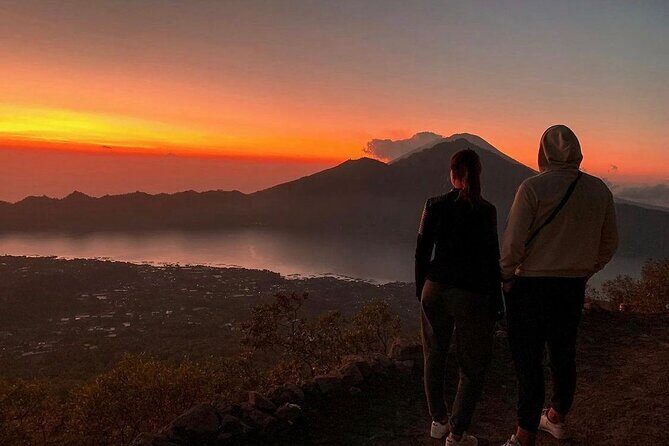
How much does it cost?

The price is listed at $26.94 per person.

What’s the cancellation policy?

Free cancellation is available. You can cancel up to 24 hours in advance for a full refund.

Does the experience depend on weather?

Yes. It requires good weather, and if it’s canceled due to poor weather you’ll be offered a different date or a full refund.

Is it accessible for most people?

The information says most travelers can participate.

Sunrise Yoga and Meditation Practice On Sanur Beach

Sunrise Yoga and Meditation Practice On Sanur Beach - Your hour on the sand: exact flow and what it means

Sanur sunrise yoga beats sleeping in. This one-hour practice pairs soft-sand movement with meditation and a promise ritual, all set on the stunning morning edge of Sanur Beach. You’ll even get a postcard & stamp, which turns the class into something you carry home, not just something you do and forget.

Two things I love about this experience are the all-level yoga flow and the intention work that comes right after. The instructor builds a 40-minute sequence you can adapt, then shifts into a 20-minute meditation plus a structured intention-setting task, including some Sanskrit and Balinese mantras. You leave with an actual practice thread, not just nice scenery.

One consideration: it starts early and you’ll need to bring your own basics. Plan for the 5:45 a.m. meeting time and bring a mat/towel/sarong, because yoga tools like blocks and blankets aren’t included.

Key things to know before you go

Sunrise Yoga and Meditation Practice On Sanur Beach - Key things to know before you go

  • Sanur Beach sunrise timing: meet at 5:45 a.m. for a 6:00 a.m. start
  • All-level yoga on sand: a 40-minute flow designed for different bodies
  • Mantras + intention setting: Sanskrit and Balinese phrases get woven into the session
  • The promise postcard ritual: compose a postcard to yourself as part of closing the practice
  • Small group feel: maximum of 15 participants, with a minimum of 4

Sanur Beach at sunrise: why this timing feels different

Sunrise Yoga and Meditation Practice On Sanur Beach - Sanur Beach at sunrise: why this timing feels different
Sanur is known for its calm mornings, and that matters here. When you practice at sunrise, the beach isn’t just scenery. It sets the pace for the whole session, from your breathing to the way you settle into stillness.

I also like that the class keeps it simple and human-sized. You’re not touring a big program with dozens of moving parts. You’re doing one focused hour that feels like a mini-retreat, which is a smart way to get something meaningful out of a short Bali stay.

And you get a built-in reminder after your trip. The postcard-and-stamp part means your intention has a deadline. That alone turns the practice into a follow-through tool, not a fleeting holiday moment.

Your hour on the sand: exact flow and what it means

Sunrise Yoga and Meditation Practice On Sanur Beach - Your hour on the sand: exact flow and what it means
This session runs about 1 hour, and the timing is part of the design. You meet at 5:45 a.m. and then walk about 3–5 minutes to the practice spot on the beach. It’s close enough that you won’t waste your morning, but far enough that you start arriving already in practice mode.

5:45 a.m. meeting and short walk

The start time is early, so I suggest treating it like a ritual too: arrive a few minutes early, use the restroom if you need it, then let your mind switch gears. The walk to the beach is brief, which helps if you’re still groggy and trying to avoid a clumsy start.

5:50–6:00 a.m. set up

You’ll have a short window to settle in and get set up on the sand. This is a good time to check your space, adjust your mat placement, and make sure you’ve got whatever you need for comfort. Because tools like blocks and blankets aren’t provided, you want your setup to feel stable.

6:00–6:40 a.m. yoga flow for all levels

This is the main body of movement: a 40-minute flow for all levels. “All levels” usually means you’ll be given options, and you should expect that kind of choice here. Practicing on sand also naturally changes how your body works, so even a familiar pose can feel new.

What I find valuable about a sunrise flow is how it trains you to move while you’re still fresh. Later in the day, heat and fatigue can turn yoga into a chore. At sunrise, it’s more like a reset.

6:40–7:00 a.m. meditation plus intention-setting task

Then the pace slows. For the last 20 minutes, you’ll do meditation and a unique intention-setting task, guided by the instructor. This is where the Sanskrit and Balinese mantras come in, and where the whole experience earns its emotional weight.

Closing ritual: the promise postcard

The practice ends with a promise ritual where you compose a postcard to yourself. The idea is simple: you make a written promise during a calm moment, then seal it as part of closing the session. It’s not just a keepsake. It’s a way to anchor your intention so it doesn’t float away as soon as you return to normal life.

The yoga style: how the sand and “all levels” setup help

Sunrise Yoga and Meditation Practice On Sanur Beach - The yoga style: how the sand and “all levels” setup help
Practicing on sand changes everything, even if you’re a regular yogi. Your base is less firm, so your body has to work harder for balance. That’s not a downside; it’s part of why the session feels so grounding.
For “all levels,” I’d plan to use the offered variations. If you have tight hips, knees that get cranky, or a balance challenge, sand will test you. The best strategy is to treat each posture as a dialogue with your body, not a performance.

Also, you’re responsible for your own mat, towel, or sarong. Since blocks and blankets aren’t included, bringing your own setup is key. If you like extra cushioning or you tend to feel sensitive on the floor, pack accordingly.
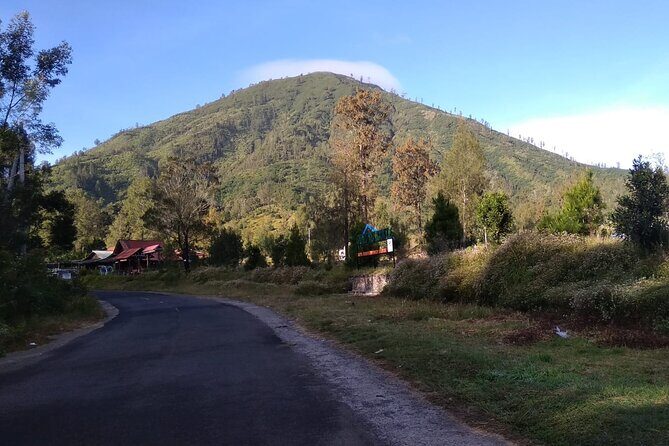
Mantras and intention setting: what you’re really doing

Sunrise Yoga and Meditation Practice On Sanur Beach - Mantras and intention setting: what you’re really doing
The yoga is only one half. The experience is designed around intention-setting and language. You’ll learn powerful Sanskrit and Balinese mantras, and you’ll use that energy in a structured promise ritual.

That matters because intention-setting works best when it’s tangible. Saying I want something in my life is easy. Writing a promise you can revisit later, and tying it to a calm mental state, is harder to ignore. The postcard is the tool that turns an idea into something you can return to.

One detail I really like from the instructor feedback: Quisha, the yoga teacher named in the reviews, is described as warm, inclusive, and thoughtful. That kind of teaching style matters when you’re learning mantras and doing a guided intention task. If the tone is supportive, you’re more likely to participate fully instead of going quiet inside your own head.

What you get for $19: value that feels honest

Sunrise Yoga and Meditation Practice On Sanur Beach - What you get for $19: value that feels honest
At around $19 for an hour that includes instruction plus a postcard and stamp, this is good value for Bali. You’re not paying for a fancy venue or a long day tour. You’re paying for a focused practice, held at a special time and finished with an item you can use after you’re home.

Here’s how the value stacks up in practical terms:

  • Instruction during a real sunrise slot (meeting at 5:45, class starts at 6:00)
  • A full 60-minute guided session with both movement and meditation
  • A promise postcard & stamp included
  • A small group size (up to 15)

The only real “cost” is logistical: you need to wake early and bring your own gear. But compared with many yoga retreats that are much longer and more expensive, this is a low-cost way to create a meaningful anchor during your trip.

Meeting point and timing: how to avoid a stressful morning

Sunrise Yoga and Meditation Practice On Sanur Beach - Meeting point and timing: how to avoid a stressful morning
The meeting point is Lemo Beach Cafe by Malaika, located at Jl. Duyung Beachfront Hyatt No.10, Sanur, Denpasar Selatan, Kota Denpasar, Bali 80228, Indonesia. Plan to get there early enough to check in calmly and not rush your body into the session.

Start time is listed as 6:00 a.m., but you meet at 5:45 a.m. The walk to the beach is only about 3–5 minutes, yet those minutes can feel long when you’re waking up.

My suggestion: set two alarms if you’re staying anywhere outside Sanur’s easy access zones. This class is short, so a late arrival just wastes your best minutes.

What to bring (and what not to expect)

Sunrise Yoga and Meditation Practice On Sanur Beach - What to bring (and what not to expect)
Because this is a beach session, you’ll want to pack like you’re going to practice outdoors.

Bring:

  • Your own mat
  • A towel or sarong (helpful for comfort on sand)
  • Hat, water, and sunscreen if you need them

Don’t count on:

  • Yoga tools like blocks or blankets (not included)

If you’re the kind of person who gets cold easily in the early morning, you might find that your body warms up during the yoga flow, but you’ll still want to manage that first part of the morning. Light layers can help if you tend to feel chilly before movement starts.

Also note: the activity has a moderate physical fitness level expectation. If you can move safely, follow cues, and stand on sand with care, you’ll likely be fine.

Group size and the feel you can expect

Sunrise Yoga and Meditation Practice On Sanur Beach - Group size and the feel you can expect
This isn’t a giant class. It has a maximum of 15 travelers, and there’s also a minimum group size of 4 participants. If you want more privacy, private sessions are available upon request.

Small-group setups can be a big quality difference. You’re less likely to feel rushed, and instruction can feel more personal when people are close enough to be supported with cues.

If you’re going with friends, it can still feel shared without being a party. The tone is more about presence than socializing.
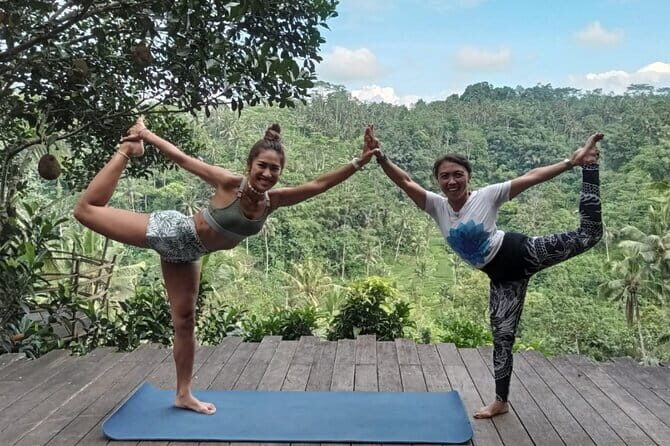
Weather and refunds: how rain usually changes plans

This experience depends on good weather. If it’s canceled due to rain or severe weather conditions, you receive a full refund. If cancellation happens because the minimum traveler count isn’t met, you’ll be offered a different date or a full refund.

This is one of those practical Bali realities. Sunrises often get rescheduled by the sky. I’d plan your schedule with a little flexibility on that morning so you can actually take advantage of the backup if the first try changes.

Should you book Sunrise Yoga and Meditation on Sanur Beach?

Book it if you want a meaningful Bali morning without a huge time commitment. You’re getting sunrise timing, a guided all-level yoga flow, meditation, and an intention-setting promise ritual that includes a postcard to yourself. The price is also hard to beat for a real instructor-led experience.

I’d skip it (or at least reconsider) if you hate early starts or you forgot to pack a mat and towel/sarong. The class is short, so if you show up unprepared, you’ll feel it immediately.

If you like the idea of ending your vacation with something you’ll actually remember later, this is the kind of simple ritual that does that.

FAQ

What time do I need to meet for Sunrise Yoga and Meditation on Sanur Beach?

You meet at 5:45 a.m. and then walk about 3–5 minutes to the beach practice location. The yoga starts at 6:00 a.m.

Where is the meeting point?

The start point is Lemo Beach Cafe by Malaika, Jl. Duyung Beachfront Hyatt No.10, Sanur, Denpasar Selatan, Kota Denpasar, Bali 80228, Indonesia.

Does the price include a yoga mat or towel?

No. You’ll need to bring your own mat, towel, or sarong. Yoga tools like blocks and blankets are also not included.

What’s included in the session besides the yoga and meditation?

You get a postcard & stamp, which is part of the promise ritual at the end.

How long is the practice?

It’s about 1 hour total: 40 minutes of yoga and 20 minutes of meditation and intention-setting task.

What happens if it rains?

If it’s canceled due to rain or severe weather, you’ll receive a full refund. If it’s canceled because the minimum number of travelers isn’t met, you’ll be offered a different date or a full refund.