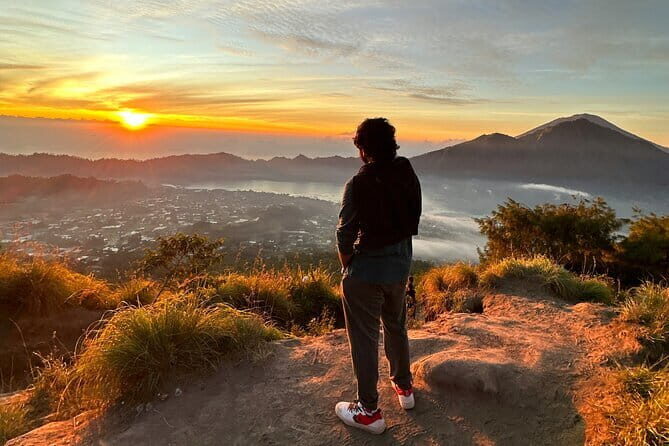
Mount Batur Sunrise Trekking and Natural Hot Spring Tour

Mount Batur Sunrise Trekking and Natural Hot Spring Tour - The Climb Details: Guided Pace, Head Lamps, and Steam Vents

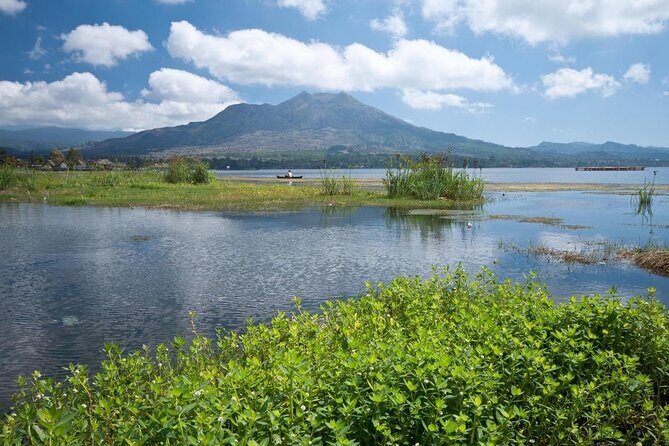
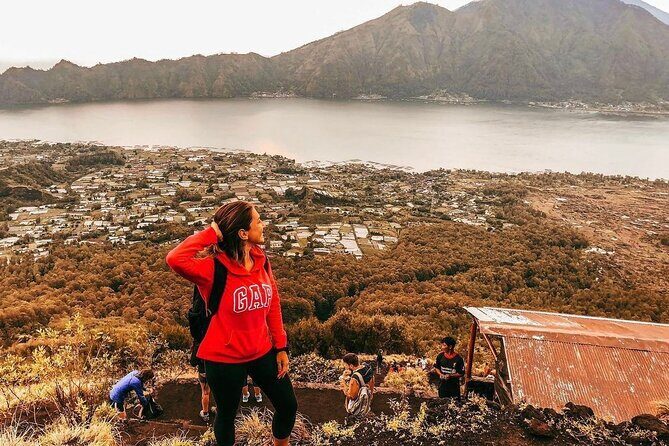
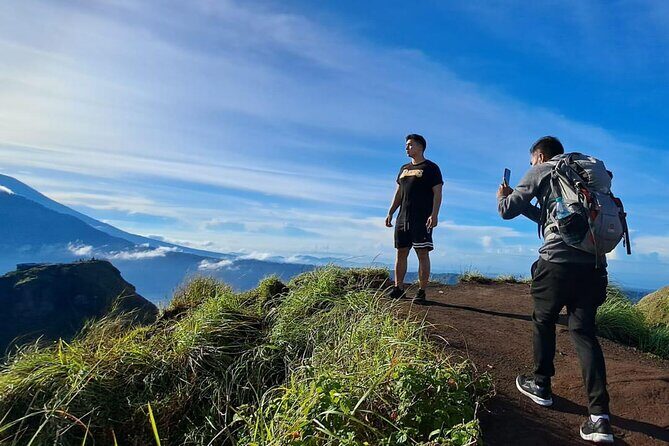
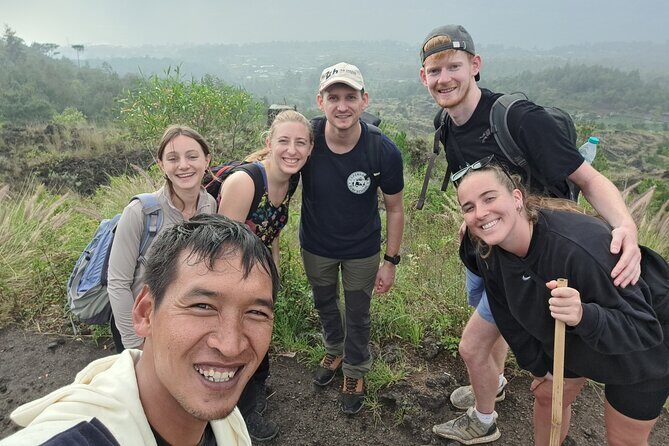
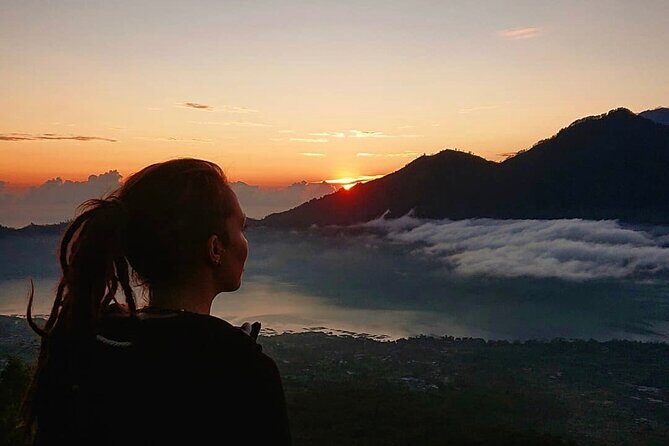
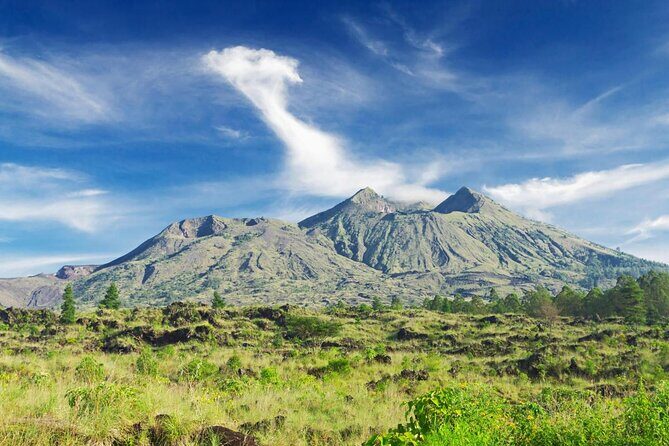
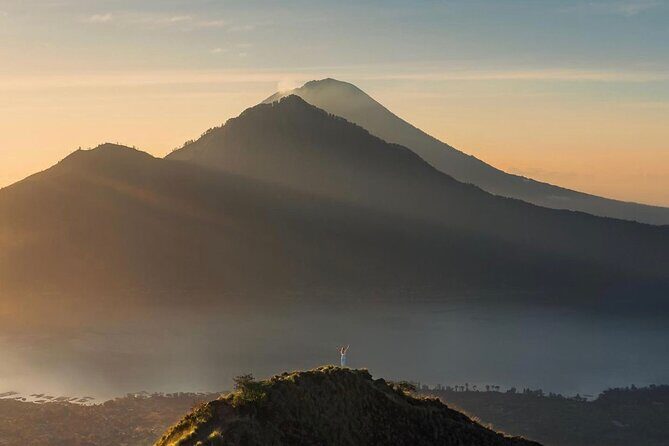
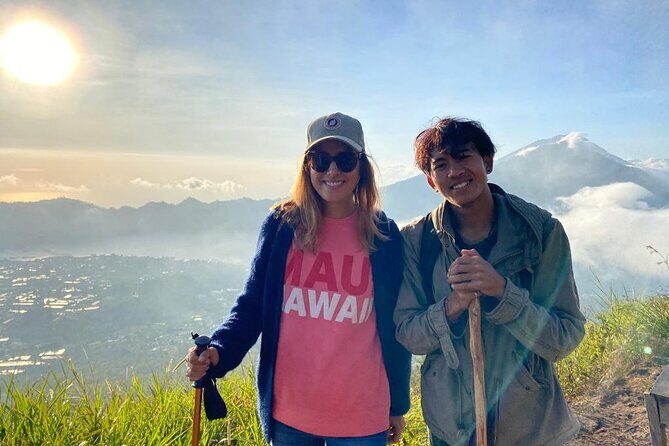
Sunrise hikes change the way you see Bali. This Mount Batur Sunrise Trekking + Natural Hot Spring day ties two geothermal experiences together: a guided pre-dawn climb to an active volcano peak for dramatic sunrise views, plus time to soak in Toya Bungkah (Batur) Hot Springs afterward.

I really like the hands-on details that make the day work smoothly: walking sticks and head lamps for the ascent, a provided simple breakfast before or after the early start, and entrance tickets for both the volcano and hot spring. I also love the human touch from guides who keep the pace manageable and look out for you on the trail (names you may hear include Komang, Wayan, Gede, Jenar, Ketut, and Made).

One thing to consider: this is an early-morning plan. Pickup can start as early as 2 AM in Ubud, and there’s no lunch included, so you’ll want to be ready for a longer day with just your breakfast until later.

Key Highlights You’ll Actually Feel
Mount Batur Sunrise Trekking and Natural Hot Spring Tour - Key Highlights You’ll Actually Feel

  • Two stops, one geothermal theme: volcano sunrise + relaxing hot spring soak
  • Guided climb with real support: walking stick, head lamp, and a guide who checks your comfort
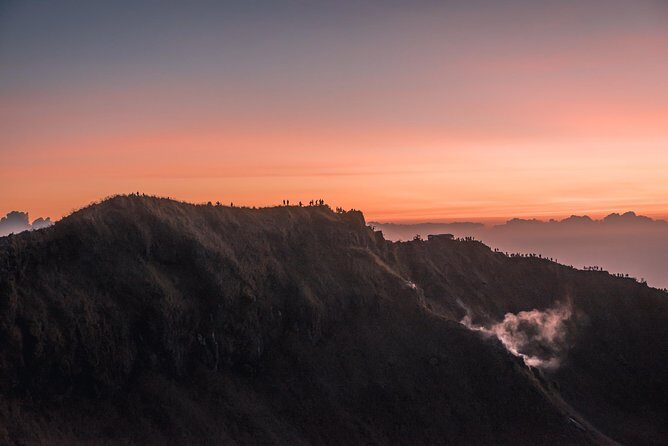
  • You get steam-vent drama: you may feel natural steam rising from holes along the way
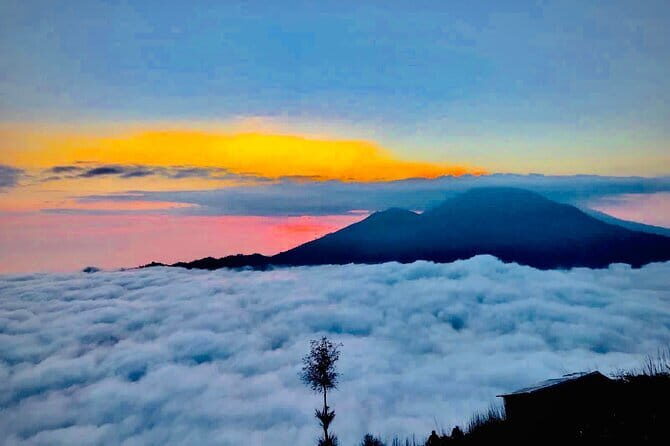
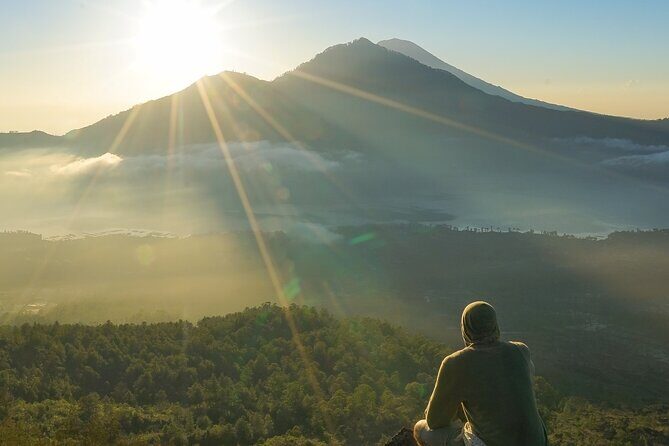
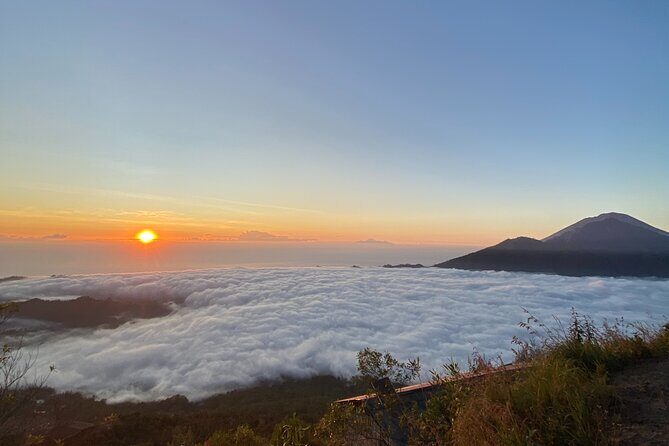
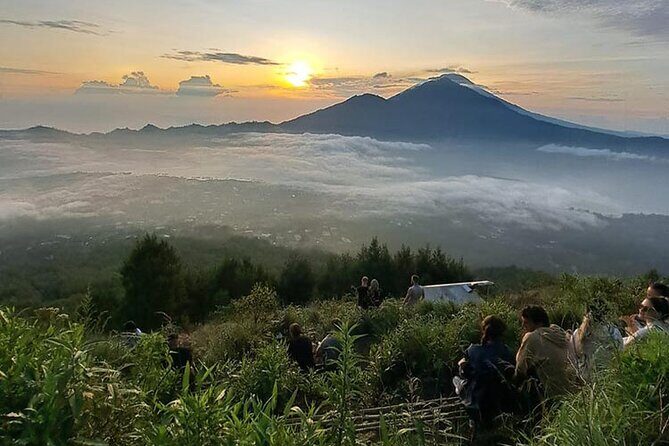
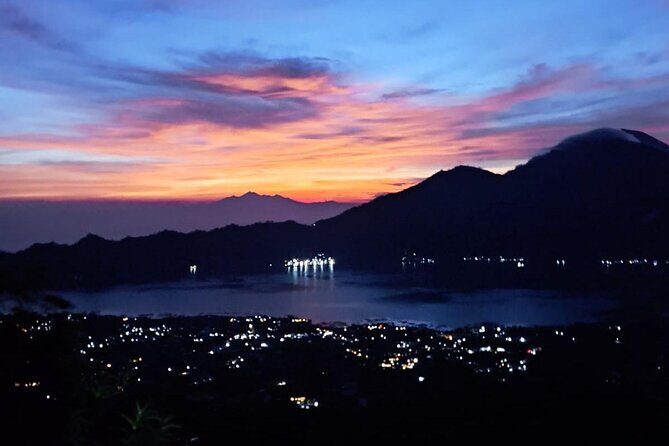
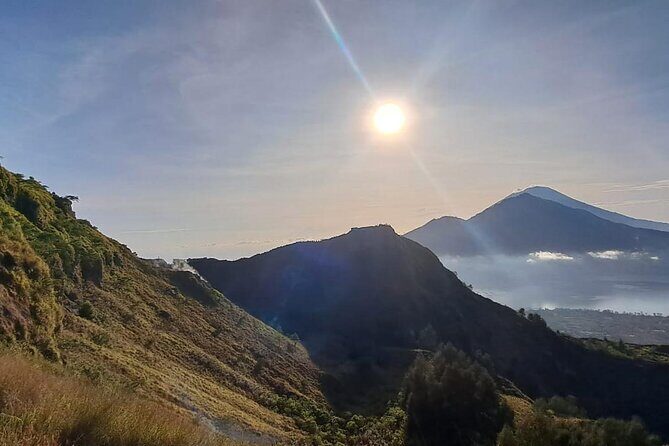
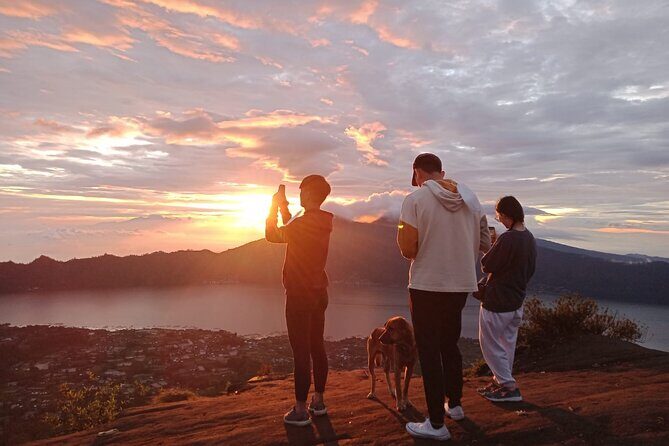
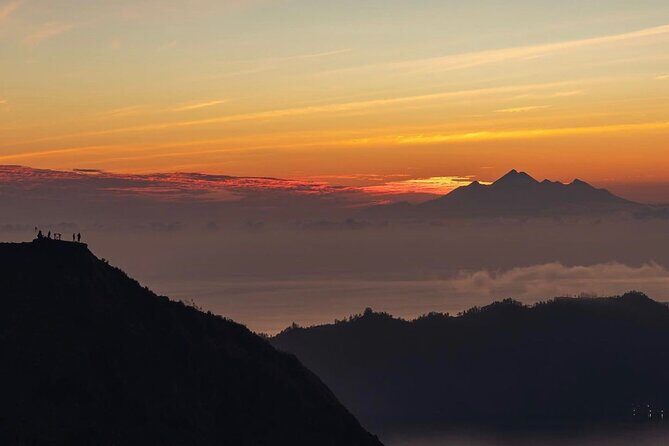
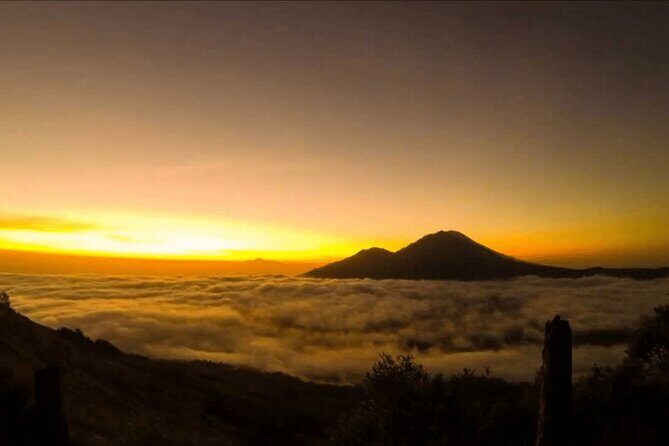
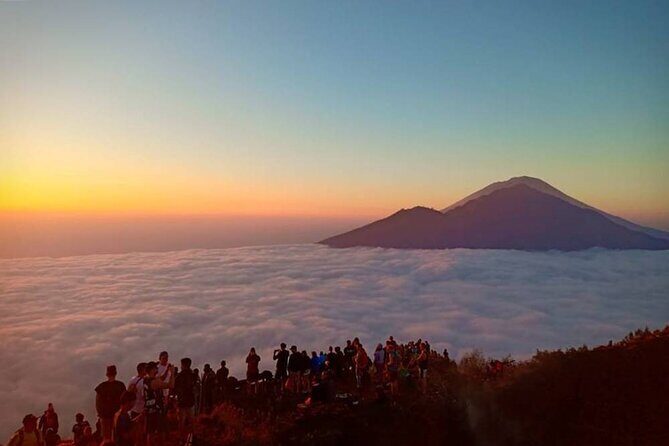
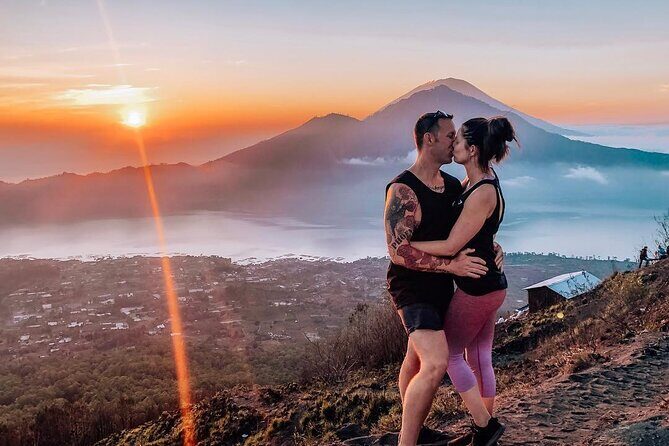
  • Summit views at dawn: sky colors over the Kintamani area make the effort worth it
  • Hot spring temps that hit the sweet spot: water can reach ~50°C, cooling to about 37–40°C in the pools
  • Small-group vibe: the tour caps at 15 people

Why Mount Batur Sunrise Still Beats Bali’s Later Hours
Mount Batur Sunrise Trekking and Natural Hot Spring Tour - Why Mount Batur Sunrise Still Beats Bali’s Later Hours
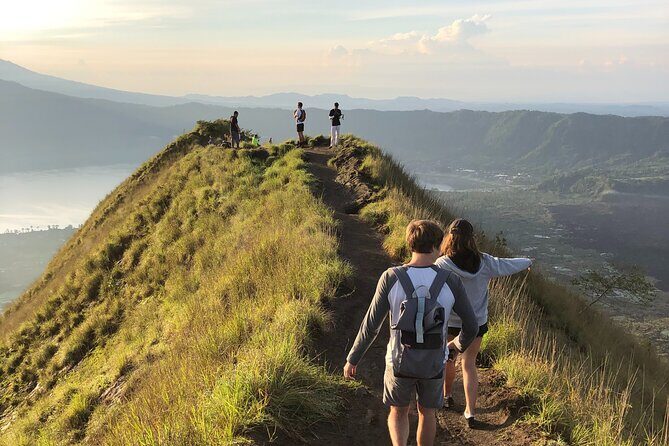
Mount Batur is one of Bali’s best-known volcano hikes for a reason. The climb is generally doable, and the sunrise from the summit hits differently than the sunset photos you see everywhere. The reason isn’t just that the views are pretty—it’s the timing. You’re going up in the dark or early pre-dawn hours, then watching light roll across the caldera region in stages.

That’s also what makes this combo tour appealing. You’re not just hiking for a view and calling it done. After the exertion, you head to a natural hot spring at the foot of Mount Batur area (Toya Bungkah), where the day shifts from “working for the view” to “heating out the soreness.”

The Climb Details: Guided Pace, Head Lamps, and Steam Vents
Mount Batur Sunrise Trekking and Natural Hot Spring Tour - The Climb Details: Guided Pace, Head Lamps, and Steam Vents
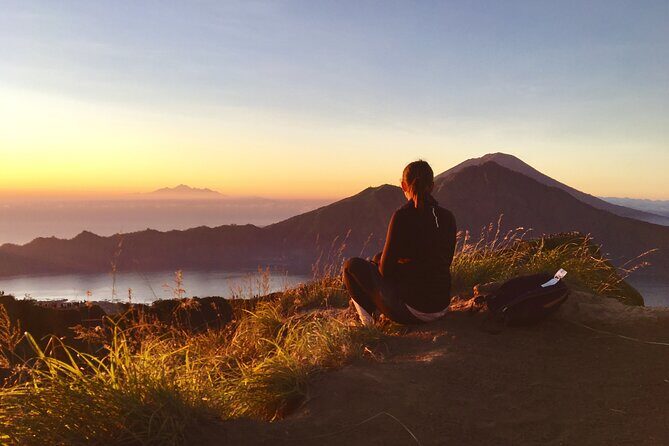
This tour focuses on a guided hike of about 2 hours to reach the peak. The goal is sunrise, so the schedule is built around slow-and-steady motion rather than a sprint. You’ll be guided, and the experience is set up to help you keep moving comfortably—especially because you’re hiking in low light.

A few practical items make the hike easier:

  • Walking stick provided: helpful on uneven volcanic ground.
  • Head lamp provided: reduces the chaos of trying to see where you’re stepping.
  • Small group size (max 15): it’s easier for your guide to manage the pace and for you to take short breaks.

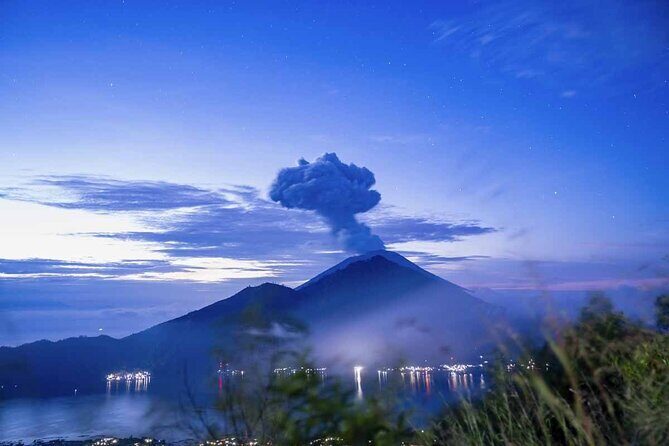
One of the tour’s standout moments is the chance to experience natural steam from holes. It’s not just a scenic “look over there” stop—it’s sensory. You get a reminder that you’re on active geothermal ground.

The guide quality is a big part of why people rate this so highly. Past groups have mentioned guides who keep breaks regular when someone needs them and who stay friendly throughout the climb. Names that show up in the guide stories include Komang, Wayan, and Gede, with emphasis on being careful about comfort and safety. If you’re traveling alone, that kind of attention can matter more than you expect.

At the Summit: What Sunrise Feels Like Over the Kintamani Caldera

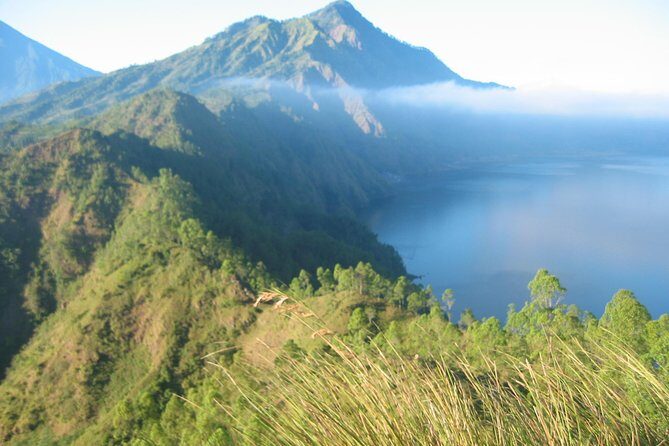
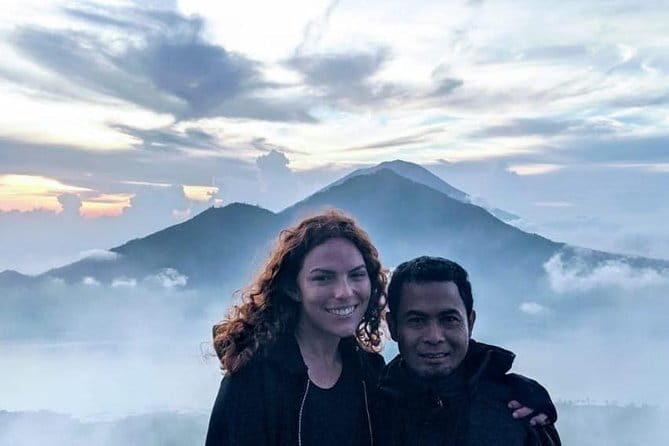
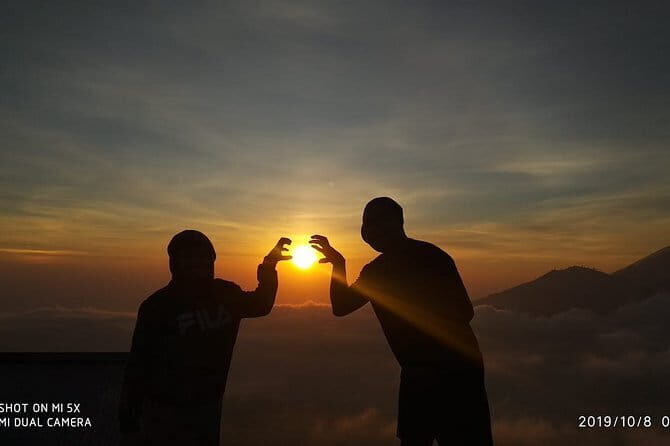
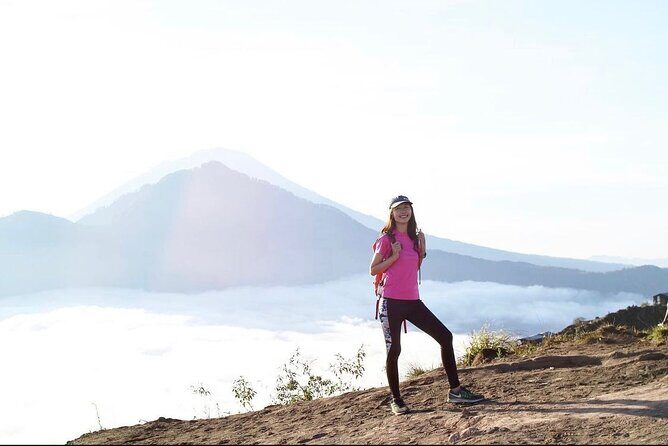
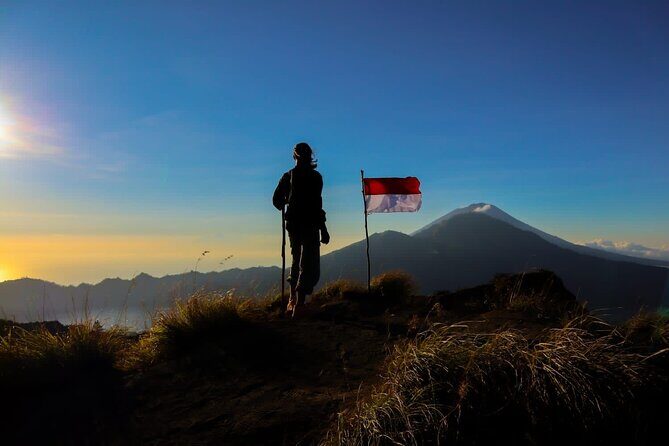
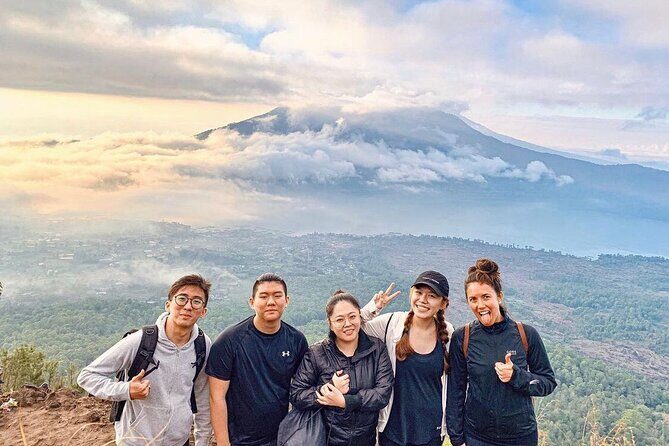
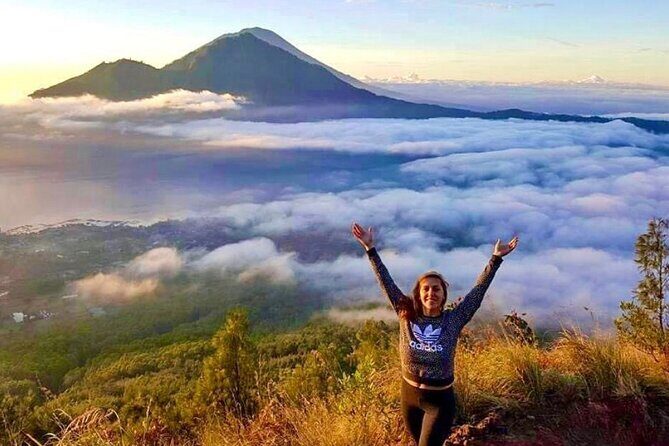
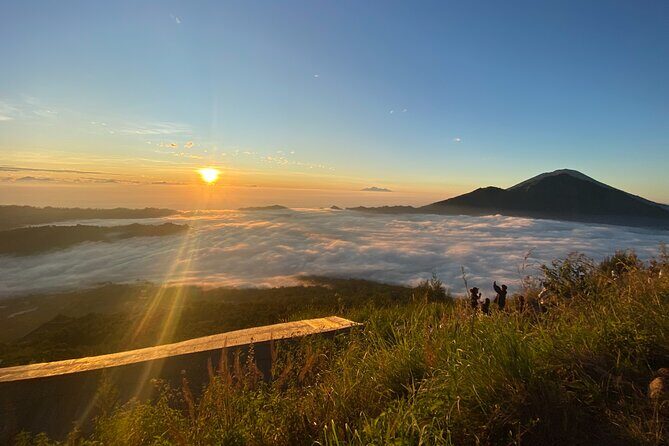
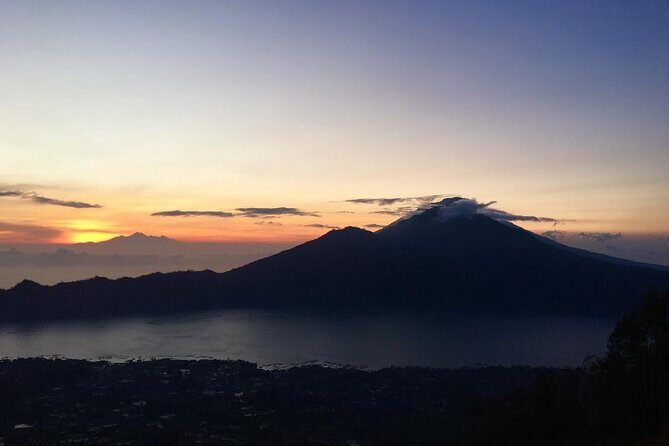
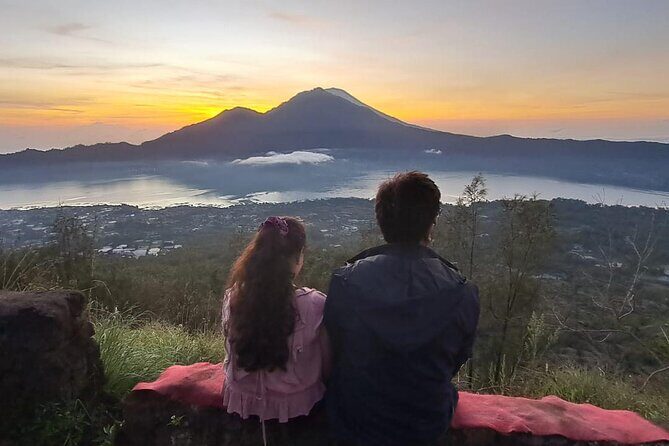
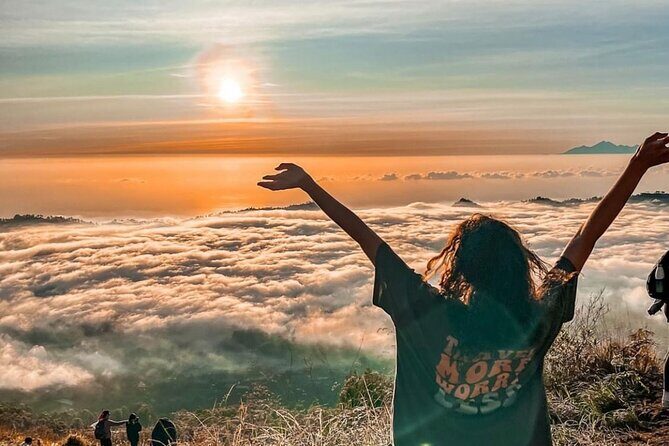
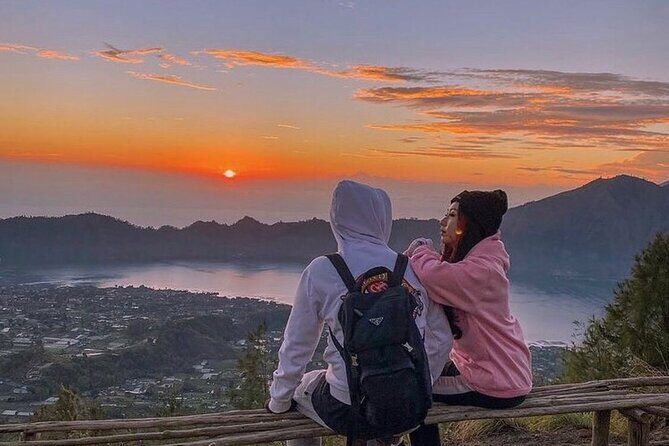
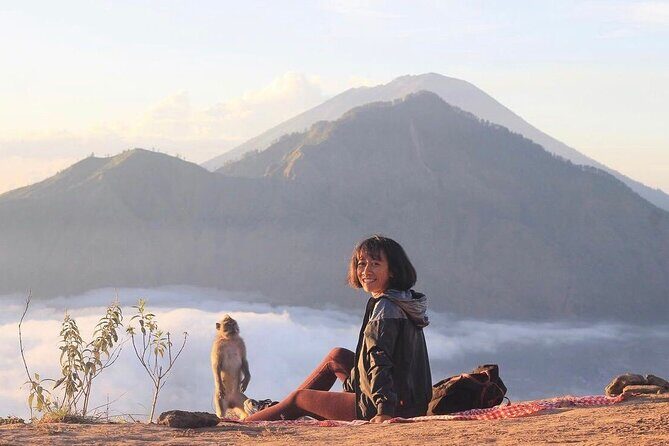
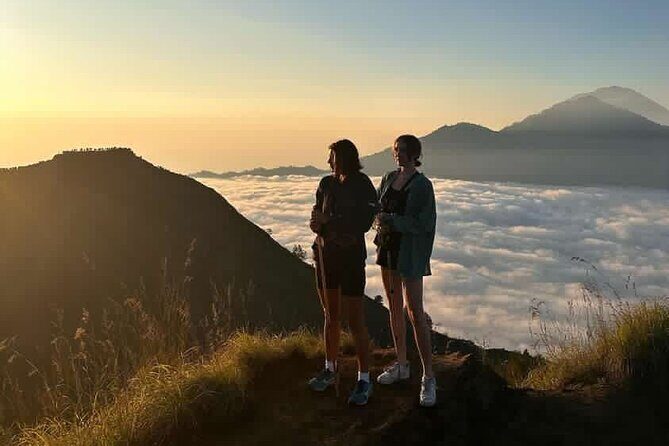
Once you reach the peak, the reward arrives fast. Expect sky color changes as the horizon brightens, and a sunrise that feels more “real world” than a postcard. From the summit, you’re positioned to see the Kintamani area in a wide, high view—exactly the kind of scenery you don’t get from Bali’s usual daytime viewpoints.

The good news: you don’t have to be a mountain athlete. This is marketed as a trek that works for most people, and the pace is guided. Still, you should treat it like a real hike. You’re moving uphill in early hours, and volcanic terrain can be loose or uneven underfoot.

Tip for the summit: use the time at the top to manage your energy. Don’t burn all your energy scrambling for the perfect spot. Let the sunrise happen while you’re still steady and comfortable, so you can actually enjoy it instead of just surviving it.

After the Hike: Soaking at Batur Natural Hot Spring (Toya Bungkah)
Mount Batur Sunrise Trekking and Natural Hot Spring Tour - After the Hike: Soaking at Batur Natural Hot Spring (Toya Bungkah)
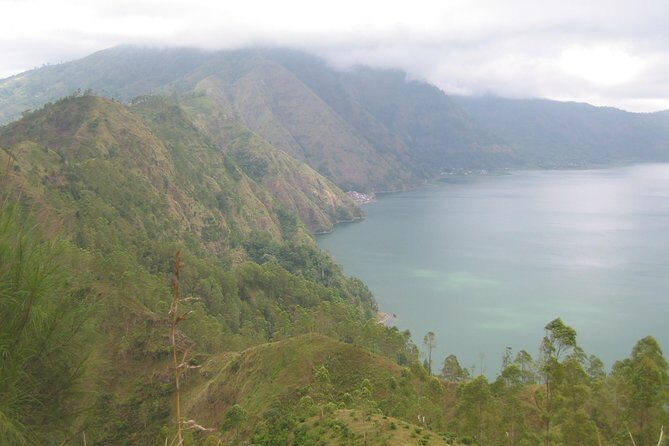
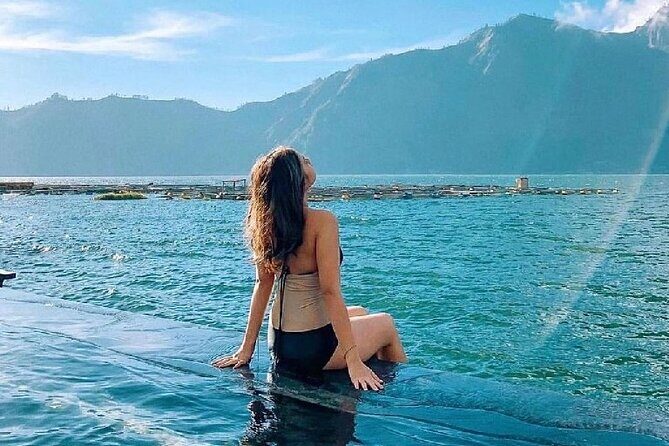
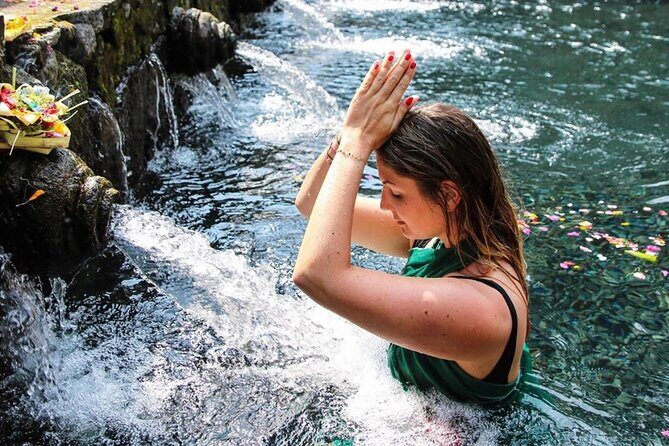
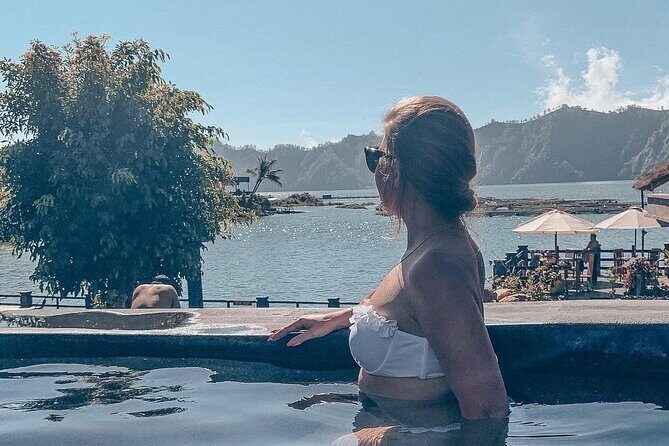
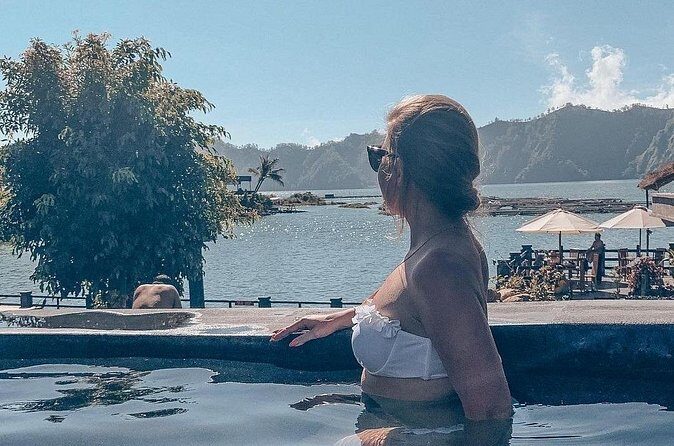
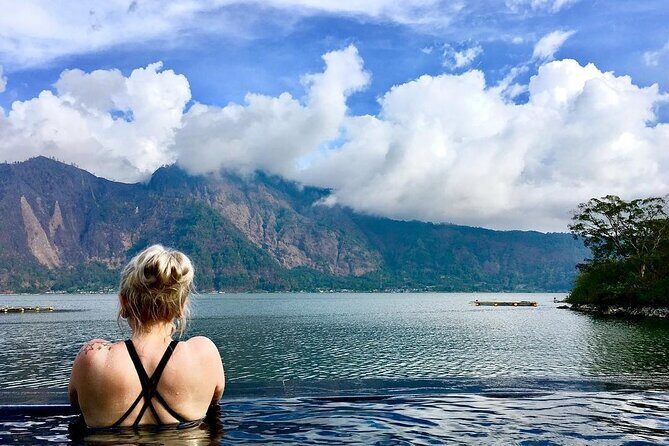
The second half of the day is pure recovery. After the climb, you go to Batur Natural Hot Spring, also known as Toya Bungkah Hot Spring. This geothermal spa sits in the Kintamani area and overlooks the calmer scenery below, including Lake Batur from the hot spring viewpoint area.

Here’s what makes this soak satisfying: the water temperature changes once it enters the pools. Volcanic sources can reach around 50°C, but the pool water cools down to about 37–40°C—warm enough to feel like a full-body reset, but not so hot that you immediately want out.

It’s also an easy “mind shift.” On the mountain you’re focused on steps, breathing, and light. In the hot spring, your body can slow down. That’s why this combo is such good value for a full-day plan: you get both effort and payoff, and then you actually recover.

Breakfast, Tickets, and What the Price Really Buys
Mount Batur Sunrise Trekking and Natural Hot Spring Tour - Breakfast, Tickets, and What the Price Really Buys
At $23.20 per person for about a 10-hour outing, this is one of those deals where you’re not paying only for the hike—you’re paying for the logistics that make the hike doable.

Here’s what’s included:

  • Pickup by air-conditioned vehicle (pickup offered)
  • Bottled water
  • Simple breakfast (banana or eggs sandwiches, hard-boiled eggs, and a hot beverage)
  • Walking stick and head lamp
  • Entrance tickets for Mount Batur
  • Entrance tickets for Batur Natural Hot Spring
  • Mobile ticket

That matters because sunrise hikes can turn expensive fast once you add transport and tickets. Here, you get the core “getting you there and back” pieces, plus the gear that helps you safely manage early darkness.

What’s not included: lunch. That’s the main budget gap. You’ll want to plan for hunger later, especially since you’ll likely burn energy on the hike and then spend time soaking. If you’re someone who gets snacky when you’re tired, bring a light snack to bridge the gap after your breakfast.

Getting From Ubud: The Early Start Reality Check
Mount Batur Sunrise Trekking and Natural Hot Spring Tour - Getting From Ubud: The Early Start Reality Check
This tour runs for roughly 10 hours, and it’s structured around sunrise timing. That means you should expect an early pickup from Ubud—one guide story even says pick-up happened around 2 AM.

That early start is normal for Mount Batur. But it’s also the biggest practical hurdle. The hike and sunrise part are front-loaded, so your day won’t feel like a relaxed “morning activity.” It’s more like: wake up, hike, watch the sunrise, soak, then head back.

The good part is that transport is handled in an air-conditioned vehicle, and the day is arranged so you’re not stuck coordinating pieces on your own. If you’re short on time in Bali, that’s a real advantage.

Also, the max group size of 15 keeps things from turning into a chaotic shuffle. You can move at your own pace while still staying on the schedule.

Guide Quality: Why Names Like Komang and Wayan Matter
Mount Batur Sunrise Trekking and Natural Hot Spring Tour - Guide Quality: Why Names Like Komang and Wayan Matter
This is one of those tours where the guide can make or break your experience. On an early volcano hike, you want someone who:

  • keeps the pace realistic for mixed fitness levels
  • helps you manage breaks
  • makes sure you feel safe during the dark/early steps
  • explains what you’re seeing as the light changes

The good guide stories you’ll hear around Mount Batur include people like Komang and Wayan, with mention of a steady ascent and regular pauses when needed. There are also stories of guides like Gede providing a fast but comfortable climb and friendly conversation, plus photo help (videos and pictures) during the climb and/or at key moments.

Even with the best guide, this isn’t a “sit back and be carried” outing. It’s still a trek. But the guide influence shows up most in comfort and pacing—which is exactly what you’ll care about at sunrise when your legs are already working.

Who This Tour Fits Best (and Who Might Reconsider)
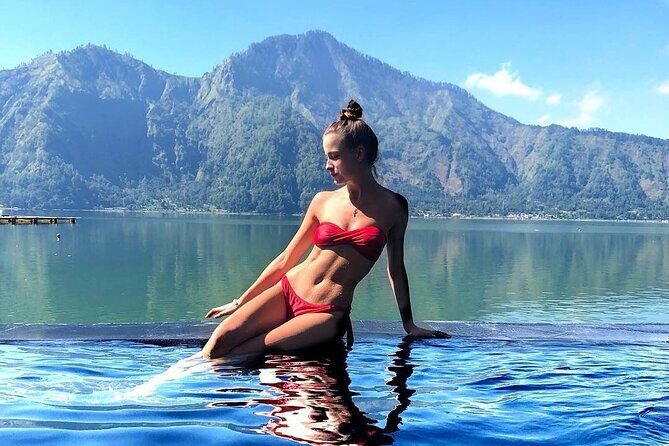
Mount Batur Sunrise Trekking and Natural Hot Spring Tour - Who This Tour Fits Best (and Who Might Reconsider)
This tour makes the most sense if you:

  • want sunrise views from Mount Batur and you’re okay with a very early start
  • like experiences that combine action and recovery (hike, then soak)
  • want the convenience of tickets, gear, and transport handled for you
  • enjoy geothermal “hands-on” moments like steam vents

You might reconsider if:

  • you hate early mornings and want a later start time
  • you expect lunch to be included (it isn’t)
  • you’re looking for a purely easy, casual stroll with no real uphill effort

The good news: the tour states that most people can participate, and the trek is guided with breaks. So it’s not built only for hardcore hikers—it’s built for sunrise success.

Should You Book This Mount Batur Sunrise + Hot Spring Tour?

If you’re in Ubud and want one high-impact day that captures Bali’s volcano energy, I think this is a strong choice. The value isn’t just the sunrise—it’s the way the day is packaged. You get guided climbing with supportive gear, entrance tickets for both major stops, a simple breakfast, and then a planned hot spring reset at 37–40°C pool temperatures.

Book it if you can handle waking up very early and you’re okay managing hunger until later since lunch isn’t included. If that early schedule sounds like misery, you may prefer a later hike or a different geothermal stop.

In short: this is a day for sunrise lovers who also appreciate a good soak afterward.

FAQ

How long is the Mount Batur sunrise trek and hot spring tour?

The total duration is about 10 hours.

What parts of the day include timed activities?

You’ll hike to the Mount Batur peak with guidance for around 2 hours, and you’ll spend about 2 hours at the natural hot spring.

Is pickup included, and from where?

Pickup is offered, including from Ubud, using an air-conditioned vehicle.

What’s included in the price?

The price includes bottled water, a simple breakfast, walking stick, head lamp, entrance tickets for Mount Batur, and entrance tickets for Batur Natural Hot Spring.

Is lunch included?

No, lunch is not included.

Do I need an entrance ticket for the volcano and hot spring?

No. Entrance tickets for both Mount Batur and the hot spring are included.

How many people are in the group?

The tour has a maximum of 15 travelers.

Is there a mobile ticket?

Yes, the tour uses a mobile ticket.

What is the cancellation policy?

You can cancel for free up to 24 hours in advance for a full refund.

If you’d like, tell me your travel dates and fitness level (and whether you’re a light hiker or you usually do stairs without complaining). I can suggest the smartest way to plan your breakfast timing and what to eat so the sunrise climb feels easier.
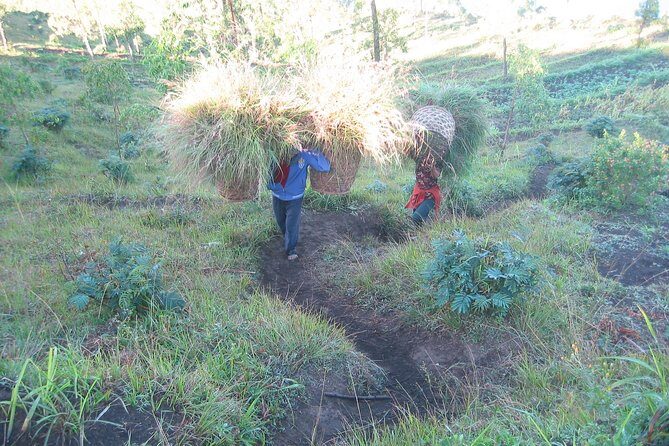
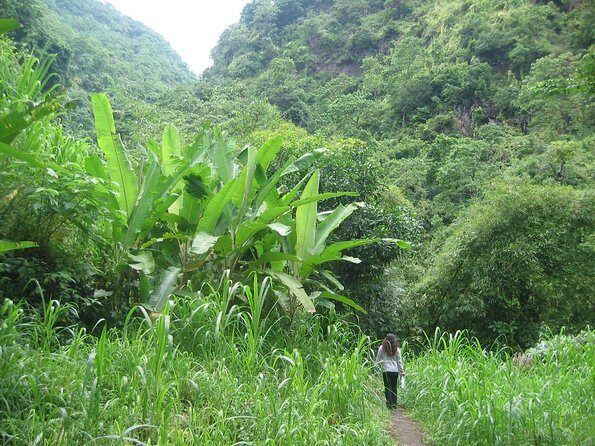
Batur Caldera Sunrise Trekking

Batur Caldera Sunrise Trekking - The early-morning rhythm: briefing, tea, and a start before 5am

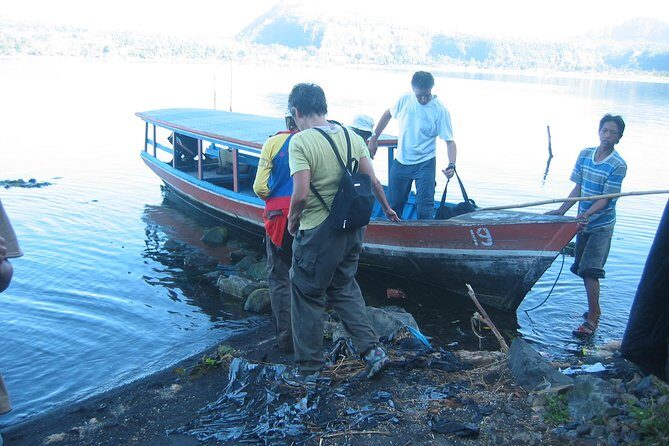
Pre-dawn on Mt. Batur feels special. This Batur Caldera sunrise trekking experience is built around a calmer rhythm than the usual crowded viewpoint run, with hotel pickup from Ubud or Kintamani, a short boat portion over Lake Batur, and a guide-led climb to watch the sky change over the caldera.

What I like most is the combination of effort + comfort: you get hot tea/coffee early, then tea, coffee, and breakfast once you reach the top area. A second win is the small-group approach (up to 15 people), which makes it easier to keep your pace and get help on steeper bits (you may hear guide names like Wayan, Nano, Adi, and Gede come up a lot in the way people describe the hike). The main drawback to plan for is the very early start and the fact you need moderate fitness for a steep ascent in the dark.

Key highlights that shape the experience

Batur Caldera Sunrise Trekking - Key highlights that shape the experience

  • Small group size (max 15) means less shuffling at the top and more personal attention during the climb
  • Hotel pickup from Ubud or Kintamani saves you from figuring out the timing on your own
  • Lake Batur boat ride connects Pulak village to the start point and breaks up the morning
  • Hot tea/coffee before sunrise keeps everyone going before the first big views
  • Trek up the caldera wall gets you to the rim in time for sunrise without the standard viewpoint crush
  • Breakfast at the top turns the effort into something properly rewarding, not just a quick photo stop

Why this Mt. Batur sunrise trek feels calmer than the usual plan

Batur Caldera Sunrise Trekking - Why this Mt. Batur sunrise trek feels calmer than the usual plan
Mt. Batur sunrise is famous for a reason: the timing is dramatic, and the caldera rim is exactly where the light starts to matter. The twist here is that the day is paced to reduce the chaos. Instead of everyone spilling into the same packed viewpoint scramble, you’re guided along a route that’s intentionally less crowded, with a small group size capped at 15.

That change matters more than you’d think. In the early morning dark, the line between enjoyable and stressful is often “too many people, too fast.” With fewer folks around you, you’re more likely to find a rhythm that matches your legs, your footing, and your comfort level. And when you finally reach the top, you’re not stuck playing human bumper cars while you wait for the horizon to brighten.

You also get a more “Bali morning” feel than a pure hike-only outing. The boat crossing over Lake Batur and the stop that ties into Pulak village gives you a little local context, and it helps break up the day so it feels like a full morning experience rather than just a sweat session.

The early-morning rhythm: briefing, tea, and a start before 5am

Batur Caldera Sunrise Trekking - The early-morning rhythm: briefing, tea, and a start before 5am
The day kicks off in the pre-dawn window. Your guide meets you early—about 04.00 to 04.30—with hot tea or coffee and a quick briefing that includes safety procedures. This is the kind of step that prevents tiny issues from turning into big ones. When you’re walking in the dark on uneven ground, knowing what to do early helps you stay relaxed.

Then there’s a short walk down toward Lake Batur’s shores to meet your boat. The goal is to line up the next leg of the morning so you begin the climb at the right time window. In the itinerary timing, trekking up the caldera wall begins around 05.30 to 05.45.

If you’ve read about Mt. Batur tours before, you’ll notice that many departures can run even earlier than the official start time. Some people report pick-up around 2:45am or starting the journey around 3:30am, which fits the reality of sunrise planning in Bali: guides want you in position long before the sky does the big reveal. So mentally plan for a very early morning, even if your exact pick-up time depends on your pickup location and the day’s schedule.

Lake Batur by boat: why the crossing is more than a transfer

Batur Caldera Sunrise Trekking - Lake Batur by boat: why the crossing is more than a transfer
After the early briefing and tea/coffee, the morning includes a boat ride across Lake Batur. The tour route takes you from the lake area to the starting point connected to Pulak, a tiny traditional Balinese village.

This matters for two reasons:

1) It’s a scenic break right when you’d otherwise be “just walking, walking, walking” before the climb.

2) It makes the timing work. The boat helps you arrive at the next phase with less friction than doing everything on foot.

You’ll also circle back later. After the sunrise-and-breakfast portion, the descent leads you back toward Pulak, and then you leave the village by traditional canoe/boat to cross Lake Batur again toward Toya Bungkah. It’s a built-in loop that makes the experience feel like a round-trip morning, not a one-way grind.

The trek up the caldera wall: moderate fitness, real steps, steady pacing

Batur Caldera Sunrise Trekking - The trek up the caldera wall: moderate fitness, real steps, steady pacing
Once the climb starts (around 05.30 to 05.45), you’re heading up the caldera wall toward the rim where sunrise happens. This is the part that turns the day from “easy morning outing” into an actual trek.

The operator lists it as suitable for people with moderate physical fitness, which is the right level of honest. You’re dealing with steep terrain and darkness early in the morning. Your comfort will depend on your ankles and knees as much as your cardio.

One useful detail from people’s firsthand impressions: guides put attention into pacing and footing. Several accounts highlight help on getting up and down and avoiding missteps on the descent. That’s exactly what you want to hear when you’re signing up for a slope-heavy morning.

Also, don’t assume you’re walking totally unprepared. Some people report that they received a flashlight and a hiking stick before the climb—small items, big comfort in the dark and on uneven steps. Even if you personally bring your own, it’s good to know the tour is set up for visibility and stability.

What you can expect from the guide on the climb

Great Batur guides don’t just lead; they manage the group. People describe guides like Wayan and Nano as friendly, encouraging in the dark, and attentive with timing. Adi shows up in accounts as a top guide for hiking a volcano, while Gede gets praised for friendliness and for adjusting pace to ability.

The best part of that for you: when the hike is steep, you don’t need a drill-sergeant. You need someone who helps you keep a steady effort and gets you to the top without turning the last minutes into a scramble.

Sunrise at the top: tea, coffee, and breakfast with the sky doing its thing

Batur Caldera Sunrise Trekking - Sunrise at the top: tea, coffee, and breakfast with the sky doing its thing
Arrival at the top is timed for the sunrise window—around 05.45 to 06.00 in the itinerary. This is where the experience justifies the alarm clock.

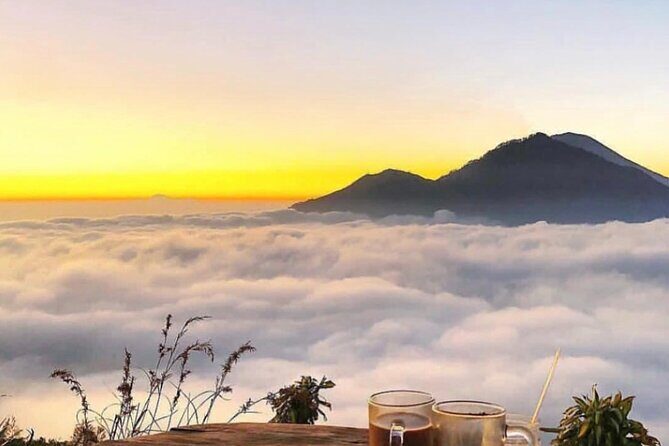
You arrive, and then you’re not immediately thrown into “quick photo and go.” There’s a calm moment with hot tea and coffee while you watch the light rise across the caldera rim. That break is smart. It helps you catch your breath, warm up a bit (as much as early morning in the caldera allows), and focus on what you came for.

Then breakfast shows up. The tour experience includes breakfast from the top area, and people mention details like toast and the comfort of having food when the hike has already worked up an appetite. It’s not just a snack; it’s a proper “we did it” moment before you head back down.

There’s also a strong emotional payoff here. Some accounts describe the sky transitioning from night to day and a full-moon moment involving Batur. Even if you don’t get the exact same sky drama, the timing is built for that shift. Sunrise over Mt. Batur isn’t subtle. You’ll feel it in the way the group quiets down when the horizon starts to change.

Descending back to Pulak, then crossing Lake Batur to Toya Bungkah

Batur Caldera Sunrise Trekking - Descending back to Pulak, then crossing Lake Batur to Toya Bungkah
After the sunrise viewing and breakfast, the plan moves into recovery mode. The itinerary notes a continuation of trekking and then a return descent back to Pulak.

Descent is where you’ll want that good pacing you got on the way up. Some people specifically mention needing extra help on the descent to prevent falls. So take your time here. Short steps, careful foot placement, and following the guide’s timing makes a huge difference.

Once back at Pulak, you leave on the traditional canoe/boat and cross Lake Batur again, aiming for Toya Bungkah. Arrival is scheduled around 09.30 to 10.00, and the activity ends back at the meeting point at Bali Sunrise Villas.

This timing is one of the practical advantages of the experience. It gets you back early enough to continue exploring Ubud or the Kintamani area later in the day, without losing the whole day to a marathon hike.

Price and value: does $120 make sense for this morning loop?

Batur Caldera Sunrise Trekking - Price and value: does $120 make sense for this morning loop?
At $120 for about 6 hours (approx.), you’re paying for more than the hiking itself. The value sits in the combined package:

  • Pickup from Ubud or Kintamani
  • Small-group format (max 15)
  • Boat ride across Lake Batur (both directions)
  • Early hot drinks and a breakfast at the top

If you tried to DIY this route, you’d still need transport at weird hours, boat or driver logistics across the lake, and a guide to handle timing for sunrise. The bundled approach can cost less time and less stress, especially if you don’t want to negotiate local transport at 4am.

The real “value test” for me is simple: does it leave room for comfort once the work starts? Here, it does. Tea/coffee early and again at the rim, plus actual breakfast, turn a climb into a structured morning. That’s why people rate the experience highly—4.9 with 20 feedback entries—and why the guide quality keeps popping up.

Who this sunrise trek is best for (and who should skip it)

Batur Caldera Sunrise Trekking - Who this sunrise trek is best for (and who should skip it)
This Batur Caldera sunrise trekking option is a great match if:

  • You want a sunrise experience on Mt. Batur without the strongest crowd-pressure
  • You’d rather climb with a small group and have help adjusting pace
  • You like your mornings guided and structured, not improvised at 4am
  • You’re okay with moderate fitness and steep, uneven steps in the dark

You might want to choose a different plan if:

  • You know you struggle with steep descents or uneven terrain
  • You hate very early starts and don’t enjoy pre-dawn hiking
  • You want a totally relaxed, flat walk (this is not that)

The guide names people mention for a reason

In a sunrise trek, the guide is the product. When accounts highlight the same names, it’s usually because those guides deliver the basics: timing, pacing, safety, and a calm presence.

Wayan is repeatedly described as exceptional and as someone who takes care of people, including taking photos without prompting. Nano shows up as friendly and as timed perfectly for the walk up. Adi gets praised for being the kind of guide you want for volcano hiking, with strong English and a helpful kit feel. Gede gets mentioned for friendliness and for adjusting the pace so the hike matches your ability.

Even if your guide isn’t one of those exact names, the pattern you can expect is consistent: you should feel secure, get thoughtful encouragement during the dark portion, and receive help when the trail turns steep.

Weather reality check: plan for good conditions

This experience requires good weather. If the conditions aren’t right, the tour may be canceled and you’ll be offered a different date or a full refund.

So keep an open mind in your schedule. Sunrise day is weather-dependent. If your Bali itinerary has flexibility, this becomes easier to work with.

Should you book this Batur Caldera Sunrise Trek?

Book it if you want Mt. Batur sunrise with a calmer group, pickup convenience, and a day that feels like more than just a quick photo stop. The combination of Lake Batur boat time, early hot drinks, and breakfast at the top turns effort into a full morning payoff.

Skip it if you’re not comfortable with a steep caldera wall climb in the dark or if “wake up early” is a hard no for you. In that case, sunrise might still be worth seeing, but you may prefer a less physical or later start option.

If you’re ready for a real sunrise hike and you want it run with structure, this is a strong value at $120 for a guided, small-group experience.

FAQ

How long is the Batur Caldera sunrise trekking experience?

It’s listed as about 6 hours (approximately).

Where does the tour start and end?

It starts at Bali Sunrise Villas (Jalan Songan No.001 Songan, Songan A, Kec. Kintamani, Kabupaten Bangli, Bali 80652) and ends back at the meeting point.

What time does the tour start?

The start time is listed as 4:00 am.

Is pickup offered?

Yes. Pickup is offered from any hotel in Ubud or Kintamani.

Does the tour include a boat ride?

Yes. You cross Lake Batur by traditional canoe/boat, and you also cross again on the way back.

How big is the group?

The maximum group size is 15 travelers.

What fitness level do I need?

The tour is described as suitable for people with moderate physical fitness.

Are the guides English speaking?

Yes. The guides are described as English speaking.

What is included for food and drinks?

You’re served hot tea or coffee early in the morning, and there’s also hot tea and coffee plus breakfast at the top.

What if the weather is poor?

The tour requires good weather. If it’s canceled due to poor weather, you’ll be offered a different date or a full refund.

Lemukih Hidden Trekking Waterslide Sekumpul and Fiji Waterfall

Lemukih Hidden Trekking Waterslide Sekumpul and Fiji Waterfall - Sekumpul Waterfall: where the day starts feeling special

Waterfalls are better when you earn them.

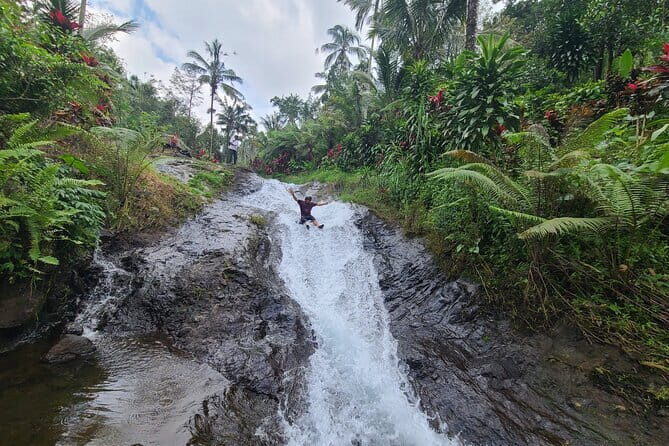
This Lemukih Hidden Trekking day is a North Bali break from the usual Ubud route, mixing village life, river crossings, and two major waterfalls: Sekumpul Waterfall and Fiji Waterfall. The highlight is that you don’t just look. You also slide and jump in the water as part of the hike, with a local guide keeping the pace moving.

I especially like two things. First, you get helmet + water shoes, which makes the wet parts feel way less scary. Second, you stay fueled with young coconut, bottled water, and an Indonesian lunch right in the middle of the adventure.

One thing to consider: this is for moderate fitness. There are rocky, slippery sections and river-time, so if you hate getting wet or scrambling, you may find it more challenging than you expected.

Key takeaways before you go

Lemukih Hidden Trekking Waterslide Sekumpul and Fiji Waterfall - Key takeaways before you go

  • Natural waterslide + water jump as part of a real trek, not a quick photo stop
  • Safety gear included (helmet and water shoes) plus a specialist guide
  • Sekumpul and Fiji waterfalls paired in one outing with changing scenery
  • Food and drinks are included: water, young coconut, and an Indonesian lunch
  • Group size stays manageable with a max of 30 people
  • Return ride by motorcycle from the finish helps you avoid an extra long walk

Why Lemukih Hidden Trekking in North Bali feels like a real escape

Lemukih Hidden Trekking Waterslide Sekumpul and Fiji Waterfall - Why Lemukih Hidden Trekking in North Bali feels like a real escape
Ubud is a great base, but it can pull you into repeat patterns: temples, cafés, quick stops, then back to traffic. This trek takes you farther north into a quieter Bali feel—Lemukih Village and the water-rich paths around Sawan and Buleleng Regency. You trade crowds for rice terraces, jungle shade, and that clean sound of running water.

What I like about this kind of day is that it’s active. You’re not standing around waiting for the next view. You’re walking, stopping, swimming, and moving again. That makes the waterfalls hit harder, because you arrive after effort, not just bus time.

And yes, it’s still fun. The day builds to moments where you’re intentionally in the water. You’ll leave with the kind of photos where it looks like you had the place to yourself—because you’re spending time on paths locals actually use.

The actual route: starting in Lemukih Village and moving through rice terraces

The day begins at Lemukih Trekking Tours (R54M+XRX, Lemukih, Sawan, Buleleng Regency, Bali 81171). From there, you work your way into the countryside on what’s described as a 5-hour trek within an 8-hour total day.

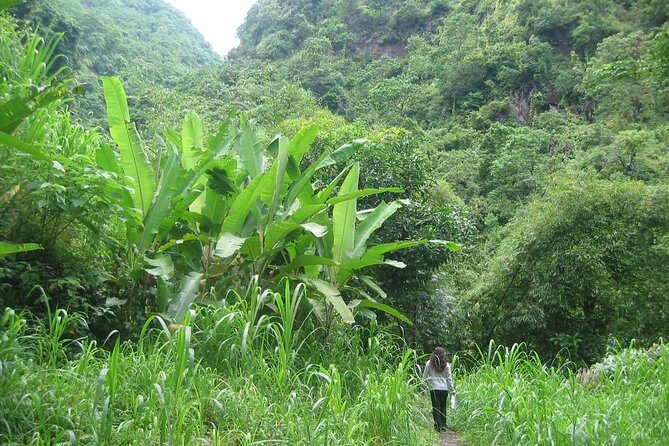
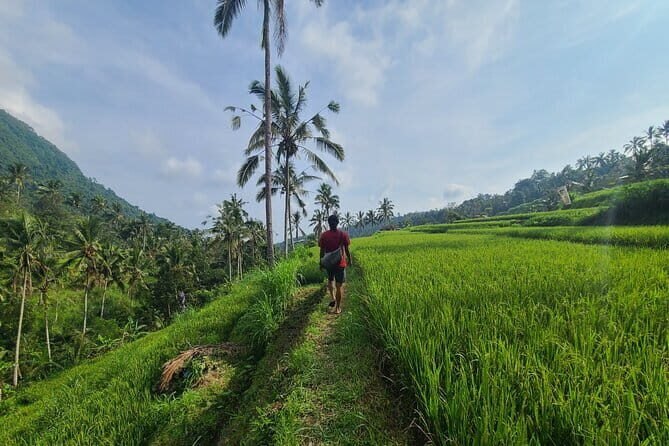
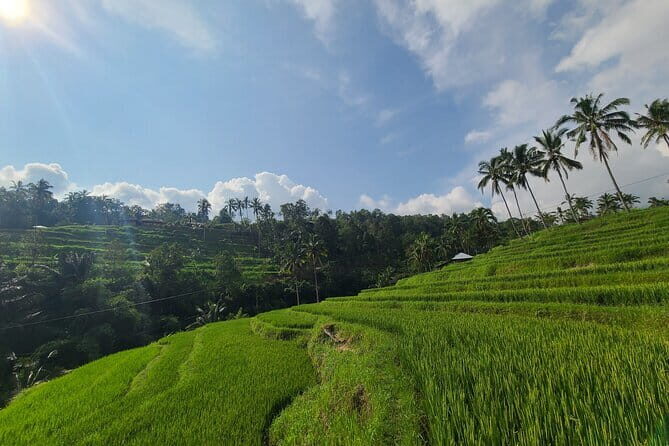
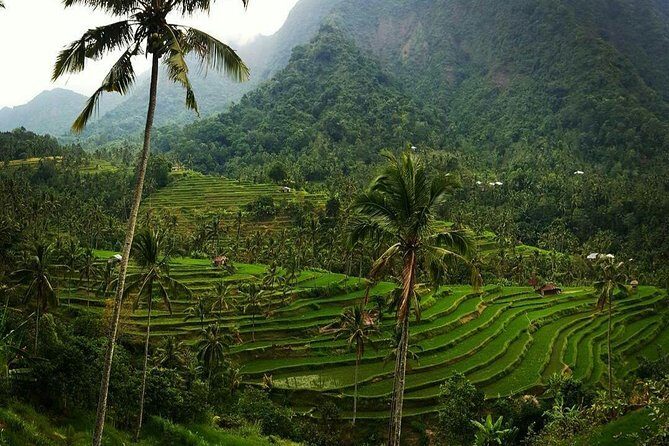
The walk itself is the point. You pass through emerald rice terraces, lush tropical forests, and crystal-clear streams. Expect frequent moments where you slow down—not for one landmark, but because the route keeps presenting small surprises: a new bend in the water, a green corridor through the trees, or a view that opens just long enough for a good shot.

You should go in with the mindset of moderate scrambling. Even when you’re not hiking uphill, the ground near rivers can be uneven. Bring the attitude of a good guest: watch your footing, follow your guide, and let them point out the safe lines.

Sekumpul Waterfall: where the day starts feeling special

Lemukih Hidden Trekking Waterslide Sekumpul and Fiji Waterfall - Sekumpul Waterfall: where the day starts feeling special
Sekumpul Waterfall is the first big waterfall payoff, and it’s built into the flow rather than treated like a single stop. You’ll have a chance to swim and move around in the water area, and the whole experience has that bright, refreshing energy people chase in Bali.

What makes Sekumpul a highlight is the combination of scale and setting. You’re not just watching water drop from a distance—you’re in its mood. One of the standout memories from real trip descriptions is that it feels thrilling and refreshing at the same time, not staged or rushed.

Practical note: waterfall zones can be slippery, and footing matters more than you think. This is where the included helmet and water shoes make a big difference. The day is designed so you can actually participate safely, not just stand near the edge and hope.

Fiji Waterfall: more than a second waterfall stop

Lemukih Hidden Trekking Waterslide Sekumpul and Fiji Waterfall - Fiji Waterfall: more than a second waterfall stop
After Sekumpul, the trek continues to Fiji Waterfall. The value here is you’re seeing more than one major cascade without needing extra transfers or separate bookings.

Fiji Waterfall works as a change of pace. Even if you’re already wet and tired, the scenery keeps shifting as you move through jungle and along streams. The day’s pattern matters: walk, cool off, walk again. That rhythm helps prevent the “too much of the same view” problem that can happen when tours cram in stops with no connection.

If you’re the type who enjoys nature photography, this part of the day is where you get more variety. You’re collecting angles and light changes, not just one waterfall photo from the same viewpoint.

Lemukih waterslide and water jump: the moment you plan your whole day around

Lemukih Hidden Trekking Waterslide Sekumpul and Fiji Waterfall - Lemukih waterslide and water jump: the moment you plan your whole day around
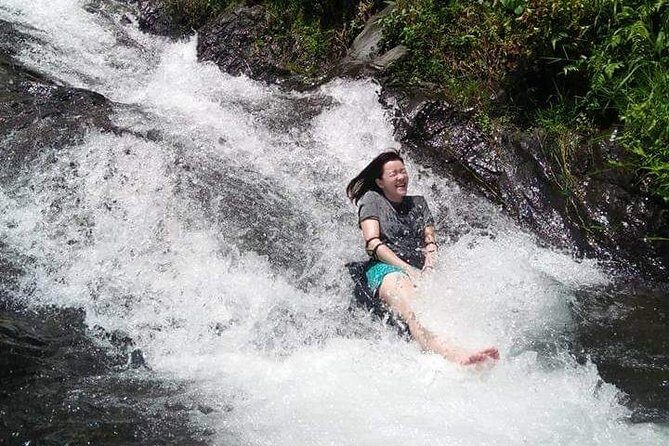
The headline is the Lemukih natural waterslide, plus a water jump. This isn’t a kiddie pool situation. It’s tied to the river route, so the experience feels like part of the landscape you’re walking through—just with a helmet and a “go for it” safety setup.

One detail that stood out in real-world trip accounts: the waterslide can involve riding down the river on something like a tyre. That’s exactly the kind of Bali fun you hope to find on an adventure day, not a generic tour activity.

This is also where you’ll feel the weather. If it’s been raining, the water and ground can be more intense. Some people specifically noted going during the rainy season and still feeling it was worth it. Just remember: wet-season days can be harder on your shoes and balance, even when the water feels great.

Bottom line: if you want an active, playful day that mixes adrenaline with nature, this is the piece that delivers.

The guides: what you gain beyond the view

Lemukih Hidden Trekking Waterslide Sekumpul and Fiji Waterfall - The guides: what you gain beyond the view
A good day in the countryside lives or dies by the guide. Here, you’re getting a specialist guide, and safety gear is part of the package for a reason. Your guide helps you understand the route, spot the safer areas, and keep things moving in a way that makes sense on the ground.

Two guide names come up in trip descriptions: Sugi and Yoga. People highlight them for being friendly and for sharing interesting points about Balinese culture and village life, not just reciting waterfall facts. That matters because the trek isn’t only scenery. It’s also a local way of moving through land shaped by farming and water.

Also, it helps that your guide supports you through the wet sections. When you’re dealing with rivers, that practical guidance is more valuable than any “look at that waterfall” line.

Safety gear that actually changes the experience

Lemukih Hidden Trekking Waterslide Sekumpul and Fiji Waterfall - Safety gear that actually changes the experience
The included equipment is not window dressing. You get a helmet and water shoes. That’s huge for a waterslide day because it reduces the fear factor, especially around slippery rock and rushing water.

The best part is how it lets you focus on the fun parts instead of worrying the whole time about your footing. You still need to be careful, of course. But the tour is built around participation, so the gear is meant for the kind of river play that would be stressful without it.

One more practical point: you’re also given a local lunch and drinks while you’re out hiking. That helps you stay steady through the day, instead of running on caffeine and guessing you’ll eat later.

Food and hydration: you won’t be stuck planning mid-trek

Lemukih Hidden Trekking Waterslide Sekumpul and Fiji Waterfall - Food and hydration: you won’t be stuck planning mid-trek
This tour helps you stay comfortable by including the basics. You get bottled water, young coconut, and an Indonesian lunch. That’s smart value in a countryside setting where you can’t count on quick snack stops.

Young coconut is more than a cute Bali detail. It’s a simple way to cool down while you’re walking in humid conditions. Water and food also matter for energy, especially once you factor in wet sections and extra time spent climbing over rocks.

And if you’re sensitive to hunger or low energy on hikes, this inclusion makes the day more predictable.

What the price covers, and why it’s decent value

The price is $25.60 per person, and it’s commonly booked about 12 days in advance on average. For a full day that includes safety gear, guide support, two waterfalls, waterslide time, lunch, and drinks, that cost can feel fair—especially compared with the price of doing separate activities around Bali with extra transportation.

Also worth noting: there’s an option to add round-trip transfers to the remote location. If you’re based in Ubud and you don’t want to handle the logistics, paying a bit more for transfers can be the difference between an easy day and a day that starts with stress.

One more value point: the tour includes a motor cycle back from the finish to the starting point. That means you’re not forced to walk the whole return like a self-organized hike.

Who this tour suits best (and who should think twice)

This is a strong match for you if you want:

  • An active North Bali day from Ubud with moderate fitness
  • Water moments that go past photos, like swimming near waterfalls
  • A guide who helps you find safe spots and adds context about village life
  • A day that includes food and hydration, not just admission to scenery

You might think twice if you:

  • Hate getting wet and muddy
  • Have very limited mobility or struggle with rocky steps
  • Want a low-effort, sit-and-stare itinerary

But if you’re the type who packs good shoes and enjoys walking through rice fields and forest shade, this day fits.

Weather and timing: rainy season can still work

Bali’s wet season can change the feel of every hike. One tour description specifically mentioned going in the rainy season and still finding it worth it, even when it made conditions more intense.

So plan like this: expect moisture. Bring a mindset that you’ll be in and around water zones for part of the day. Your water shoes help, but you’ll still want to be mentally ready for slick rocks and damp air.

If you’re checking conditions before you go, aim for a day when you’re comfortable with wet trekking. The waterfalls are often at their best when the water is flowing strong.

Getting to Lemukih: where you meet and how the day ends

You’ll start at Lemukih Trekking Tours in Lemukih (the plus code location provided). The activity ends back at the meeting point, and you’ll also get motor cycle back from the finish to the starting point as part of the plan.

This matters because it changes how you pace yourself. You can focus on the trek and the water fun without guessing how far you’ll have to walk afterward.

If you choose hotel pickup and drop-off, the day becomes more plug-and-play. If you don’t, make sure you’re comfortable handling the transfer to the meeting point on your own.

Small groups and the mobile ticket touch

The tour caps at 30 travelers. That’s a good size for a rural trek where your pace and timing matter. Smaller groups usually make it easier to move as a unit and keep things safer near water.

You also get a mobile ticket, which is handy if you don’t want to deal with printing. Group discounts are included as well, which can help if you’re going with friends.

Should you book Lemukih Hidden Trekking, Sekumpul, and Fiji Waterfalls?

Book this tour if you want a North Bali day that feels hands-on: rice terraces, forest paths, Sekumpul and Fiji waterfalls, and a real natural waterslide with safety gear. The included helmet, water shoes, lunch, and young coconut make it feel like you’re getting the whole experience, not just “a hike with a few stops.”

Skip it if your ideal day is dry, quiet, and low effort. This is active and wet by design.

If you can handle moderate trekking and you’re excited about waterfall swimming and waterslide fun, this is the kind of day you’ll remember long after the photos stop scrolling.

FAQ

How long is the Lemukih Hidden Trekking waterslide tour?

The total day is listed as about 8 hours, with a 5-hour trek included within that time.

What does the tour include for safety and gear?

The package includes a helmet and water shoes plus a specialist local guide for the trekking and water activities.

What food and drinks are provided?

You get bottled water, young coconut, and an Indonesian lunch during the tour.

Is hotel pickup available?

Hotel pickup and drop-off are available if you select the pickup option.

What’s the physical fitness level needed?

It’s described as suitable for travelers with moderate physical fitness and moderate trekkers.

What’s the group size like?

The tour has a maximum group size of 30 travelers.

Sidemen Trekking with Cultural Encounters and Nature Views

Sidemen Trekking with Cultural Encounters and Nature Views - Pick Your Style: Jungle and Rice, Village Life, or Classic Vistas

Rice fields, temple stops, and no rush. This Sidemen walk is built for unhurried steps and Mt. Agung photo moments, plus local culture that feels practical, not staged. You’ll follow trails through rice country that can be hard to map on your own, so the views stay the main event.

What I like most is how the pace stays easy. You get time for photos and you’re not herded forward like a metronome. Second, the stops add real context, from a temple tied to community identity to viewpoints that connect the farming rhythm with the mountains.

One thing to consider: this is a self-arranged start at the Yellow Bridge, and there’s no hotel pickup. You also need to show up ready to walk, with shoes and long pants.

Key things to know before you go

Sidemen Trekking with Cultural Encounters and Nature Views - Key things to know before you go

  • Meet at Jembatan Kuning Tukad Yeh Unda: the trek starts right at the Yellow Bridge area.
  • A private group experience: only your group participates, so you can move at your level.
  • Rice-field views with Mt. Agung behind them: the scenery is the focus, and you’ll get multiple viewpoints.
  • Temple + farming culture: you’ll visit Pura Dalem Desa Adat Dukuh Sakti before heading into the fields.
  • Bring proper walking wear: shoes and long pants are required, plus sun protection.
  • Bottled water is included: you’ll have the basics for a 2-hour outing.

Sidemen on Foot: Why This Walk Feels Different

Sidemen Trekking with Cultural Encounters and Nature Views - Sidemen on Foot: Why This Walk Feels Different
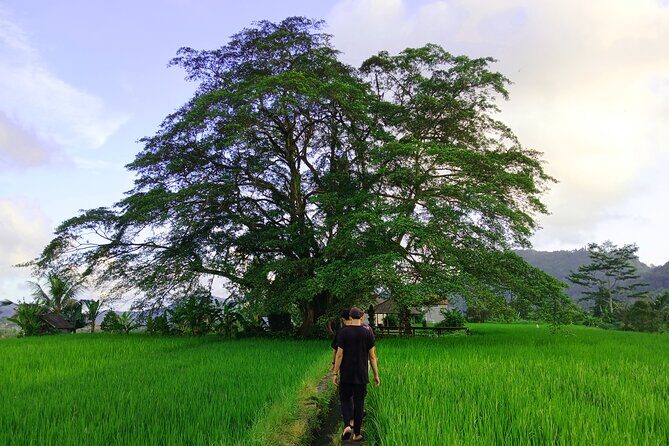
Sidemen is one of those Bali places where the scenery rewards patience. The rice terraces here are not just a backdrop. They guide the route, the pace, and even how you frame your photos.

The smart move with this experience is that it’s not designed like a bus tour with stops bolted on. You’ll walk through rice country at a tempo that lets you actually look. That matters because Sidemen’s best photo moments often come after a few turns, when the terraces line up and Mt. Agung shows itself more clearly in the distance.

And you’ll also get culture that makes sense in context. The route includes a temple stop tied to village identity, then continues north through fields and viewpoints. It’s not about ticking boxes. It’s about watching daily life and land use as part of the same story.

Pick Your Style: Jungle and Rice, Village Life, or Classic Vistas

Sidemen Trekking with Cultural Encounters and Nature Views - Pick Your Style: Jungle and Rice, Village Life, or Classic Vistas
One of the most useful parts of booking this is that you can choose the theme of your trek. The tour offers three itinerary styles, focusing on jungle and rice terraces, village lifestyles, or classic rice-field vistas.

Here’s how I’d choose your style:

  • If you want the easiest win for photos, choose classic rice-field vistas. You’ll spend more time on viewpoints and open sightlines.
  • If you want more day-to-day texture, go for village lifestyles. That angle fits better if you like seeing how people live alongside the terraces.
  • If you prefer shade and variety in the walk, jungle and rice terraces can break up the open-field stretches.

Even with different themes, the core experience stays the same: short, scenic stops paired with walking time that keeps you close to the farming landscape.

Yellow Bridge of Yeh Unda: Your Start Point and First Photo Match

Sidemen Trekking with Cultural Encounters and Nature Views - Yellow Bridge of Yeh Unda: Your Start Point and First Photo Match
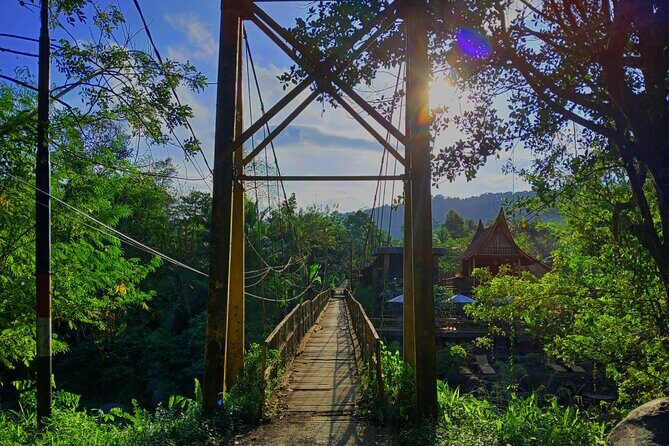
Your day begins at Jembatan Kuning Tukad Yeh Unda, the bright Yellow Bridge spanning the Yeh Unda River. This matters more than it sounds.

For one, it gives you an instant landmark. When you arrive in Sidemen, having a clear meeting point reduces stress. No guessing where the guide is standing while you’re trying to locate a trailhead.

Second, it sets the tone. The bridge area is calmer and more photogenic than you might expect from a rural start. You can take a few minutes to get your camera settings right and to check the light, especially because Mt. Agung views tend to change as you move.

Practical note: wear shoes from the start. This isn’t a flip-flop walk.

Pura Dalem Desa Adat Dukuh Sakti: Temple Architecture and Community Meaning

Sidemen Trekking with Cultural Encounters and Nature Views - Pura Dalem Desa Adat Dukuh Sakti: Temple Architecture and Community Meaning
Next up is Pura Dalem Desa Adat Dukuh Sakti, a sacred temple tied to spiritual heritage and cultural identity in the traditional village.

Even if you’re not a temple expert, you’ll benefit from having a guide at this stop because it keeps your attention on what the site represents. You’re not just looking at stone and carvings. You’re seeing how a village frames spirituality as part of everyday life.

Time on this segment is short (about 10 minutes), and that’s a good thing if you’re balancing a trek with viewpoints. You’ll get enough to understand the why, then you’ll move on before your legs get stiff.

Watch your footing and dress appropriately. Long pants are required, and temple etiquette usually means staying respectful with your posture and movement. If you’re unsure, follow your guide’s lead.

Selisian Views: Mt. Agung in the Background and Farmers in the Foreground

Sidemen Trekking with Cultural Encounters and Nature Views - Selisian Views: Mt. Agung in the Background and Farmers in the Foreground
After the temple stop, you head toward the viewpoint known as Selisian Views. This is where the walk starts to feel like the centerpiece: long views, rice fields below you, and Mt. Agung rising in the distance.

The big advantage here is the balance between “big picture” and “real life.” You’re not staring at an empty postcard. You’ll see the active rhythm of local farmers, which brings the farming terraces to life instead of treating them like a static display.

This stop lasts about 45 minutes, which is plenty of time to:

  • take a few different angles (some better from slightly different positions)
  • pause when clouds shift and Mt. Agung visibility improves
  • let your eyes adjust from bright sky to green terraces

One drawback: viewpoints can be sun-heavy. Bring your sun hat and sunglasses, and plan to take shade when your guide suggests it.

Cepug Rice View: A Short, Sweet Stretch for Fresh Air and Green Tones

Sidemen Trekking with Cultural Encounters and Nature Views - Cepug Rice View: A Short, Sweet Stretch for Fresh Air and Green Tones
Then you move to Cepug Rice View. This one is shorter (about 20 minutes), but it’s a useful palette cleanser between longer segments.

The description fits what you’ll likely feel in your body: a peaceful atmosphere, a gentle breeze, and wide rice-field views that refresh your senses after walking. It also gives you another chance to photograph terraces from a different angle, which is helpful if you’re trying to get both near and far depth in your pictures.

If you’re trying to keep your photos consistent, use this stop to standardize your style: same camera height, similar framing, then compare results when you’re back home.

Lepusa Sidemen Trekking: Where the Route Becomes the Reward

Sidemen Trekking with Cultural Encounters and Nature Views - Lepusa Sidemen Trekking: Where the Route Becomes the Reward
The walking portion is listed as Lepusa Sidemen trecking (about 30 minutes). This is the part you actually sign up for.

Sidemen trekking only works when the guide helps you find a coherent path. Rice fields are beautiful, but plotting a logical route through them is not always easy on your own. This is why a local guide matters: they know which paths are passable, where the view opens, and when to slow down for the best angle.

Also, the guide’s attitude can change the whole feel of the walk. On one trip, the guide named Gede welcomed guests into his home. That kind of warmth doesn’t just add a story. It makes the route feel like you’re being treated as a person, not a walking ticket.

Language can help too. On another outing, the guide spoke perfect French, which made the cultural context easier to follow without any awkward guessing. If language matters to you, this is a good sign that your experience may come with clear explanations, not just directions.

What to expect during the walk:

  • frequent pauses for photos and viewpoint checks
  • uneven ground typical of farm paths (even when the route is manageable)
  • lots of green, plus distant mountain cues

Pace, Footwear, and What to Bring for a Comfortable 2 Hours

Sidemen Trekking with Cultural Encounters and Nature Views - Pace, Footwear, and What to Bring for a Comfortable 2 Hours
This trek is about 2 hours total (approx.), but don’t treat it like a casual stroll in the park. The route moves between viewpoints and involves real walking through rice areas.

Here’s what you should follow from the practical requirements:

  • Shoes are required (bring hiking shoes/boots if you have them)
  • Long pants are required
  • Wear a sun hat
  • Bring sunscreen and sunglasses
  • Bottled water is included

If you skip any of that, you’ll feel it faster than you expect. Sun hits hard in open terraces. Mud and wet patches can happen around fields. And rice paths can be slick when the ground is damp.

If you’re deciding what footwear to bring, choose something with grip. You want stable footing more than fashion.

Price and Value: Getting More Than Scenery for $12.84

At $12.84 per person for a roughly two-hour, private guided experience, the value is strong—especially if you compare what you’d spend on transport and a guide separately.

Why the price feels fair:

  • You’re paying for guiding through hard-to-navigate trails, plus stops that include viewpoints and a temple visit.
  • Bottled water is included.
  • It’s private, so you’re not fighting for space in a big group.

What isn’t included matters too. There’s no hotel pickup/drop-off, and you’ll want to budget for tips if you feel the guide earned it. Still, if you can get to the meeting point on your own, the core experience looks like a smart bargain.

This is the kind of trip that works well if you’re spending your Bali budget on a few high-satisfaction, experience-focused outings instead of stacking lots of paid attractions.

Private and Personal: Why Your Guide’s Style Matters Here

A private setup is more than a comfort perk. On a rice-field trek, it changes how the route unfolds.

With a private group, your guide can:

  • adjust pace if you want more time for photos
  • spend extra minutes on the viewpoint that’s giving Mt. Agung the best line of sight
  • keep explanations relevant to what you care about (temple meaning, farming life, or just how the terraces are used)

The stories from Gede especially highlight the human side of this route. When a guide is comfortable enough to share hospitality, the trek often feels less like a checklist and more like a conversation.

Who Should Book This Sidemen Trek (and Who Might Skip It)

This tour makes the most sense for you if:

  • you want rice-terrace views without rushing
  • you care about local culture, including a temple stop connected to village identity
  • you prefer a smaller, private-feeling experience
  • you like photography with real context, not only landscapes

You might reconsider if:

  • you rely on hotel pickup and don’t want to handle your own arrival at the meeting point
  • you hate walking on uneven rural paths
  • you’re not willing to follow the dress requirements (shoes and long pants)

Should You Book Sidemen Trekking With Cultural Encounters?

If you want a Bali experience that mixes nature and culture without the chaos, I’d book it. The big win is the combination: rice-field viewpoints framed by Mt. Agung, a temple stop that gives meaning, and walking time that feels paced for looking.

Just go prepared. Wear the right footwear, bring sun protection, and plan to meet at the Yellow Bridge yourself. If you do those things, you’ll get a calm, authentic Sidemen outing that feels worth the modest price.

If you’re choosing between itinerary styles, pick based on your mood: classic vistas for photo focus, village lifestyle for daily-life context, and jungle-and-rice for route variety.

FAQ

How long is the Sidemen trekking experience?

It runs for about 2 hours (approx.).

How much does it cost?

The price is $12.84 per person.

Where do I meet the guide?

You meet at Jembatan Kuning Tukad Yeh Unda (Yellow Bridge of Yeh Unda) in Sidemen.

Is hotel pick up or drop off included?

No. Hotel pick up and drop off are not included.

What’s included in the tour price?

Bottled water is included.

Do I need to pay for admission at the stops?

The listed stops include free admission tickets (including the temple and the viewpoints).

What should I wear for the trek?

You are required to wear shoes and long pants.

Do I need to bring sun protection?

Yes. The tour info recommends bringing a sun hat, sunscreen, and sunglasses.

Is this tour private or shared?

It’s a private activity, and only your group participates.

Can I cancel for free?

Yes. Free cancellation is available up to 24 hours in advance for a full refund.

Sharing Batur Volcano Sunrise Trekking and Breakfast

Sharing Batur Volcano Sunrise Trekking and Breakfast - Getting there is part of the value: pickup, a private driver, and less stress

Seeing sunrise from an active volcano changes how you picture Bali. This trek times the climb so you can watch the sky brighten while Mount Batur is still very much alive below you. Then you get a provided breakfast up top and the chance to cool off afterward with free hot springs admission.

I especially like how the package handles the hard parts for you: hotel pickup and drop-off plus all-inclusive transport means you’re not juggling schedules in the dark. I also like the summit plan, because you’re not just hiking and leaving—there’s breakfast and snacks where you can slow down and actually take it in.

One thing to consider: this is an 8-hour sunrise hike, so you’ll need to be comfortable with early mornings and an uphill climb to the top of Mt. Batur. The good news is you’ll have a professional guide and a flashlight for the darker portion.

Key points that make this trek click

Sharing Batur Volcano Sunrise Trekking and Breakfast - Key points that make this trek click

  • Sunrise timing on an active volcano gives you that classic Mt. Batur view when the sky is still quiet
  • Breakfast at the summit means you eat with the best timing, not after the best moment is gone
  • Hot springs with free admission turns the hike payoff into real recovery time
  • Pickup + private driver keeps logistics simple, so you can focus on the climb
  • Flashlight included helps you walk safely during early hours when visibility is low
  • Small, private group format means only your group joins the experience

Why a Mt. Batur sunrise hike feels like Bali at its most real

Sharing Batur Volcano Sunrise Trekking and Breakfast - Why a Mt. Batur sunrise hike feels like Bali at its most real
Mt. Batur sits in a part of Bali that feels rugged and awake. Sunrise here isn’t a neat photo background from a roadside viewpoint. You’re earning it with your steps—then you get to watch the island wake up from the top of an active volcano.

The tour is built around that payoff. You’ll hike up to catch the Balinese sunrise, then you’ll photograph the sun as it appears. It’s a rare combo in Bali: physical effort up front, then a calm, warm moment at the summit with breakfast.

And because this is an organized experience, you’re not doing guesswork. You get a professional guide, flashlight, bottled water, and a clear plan that includes both the climb and the unwind afterward. That mix is exactly why this one is rated so well.

Getting there is part of the value: pickup, a private driver, and less stress

Sharing Batur Volcano Sunrise Trekking and Breakfast - Getting there is part of the value: pickup, a private driver, and less stress
Starting early sounds fun in theory. In real life, it can be chaos—especially if you’re trying to coordinate transport before dawn. This tour solves that with hotel pickup and drop-off and a private driver.

You’re picked up in Ubud, you travel comfortably during the early morning drive, and you don’t have to figure out where to meet people or how to return after soaking in the hot springs. That matters more than it sounds. When you’re climbing a volcano in the dark, time and logistics feel bigger than normal.

This is also a private tour/activity, meaning only your group participates. If you’re someone who likes predictable timing and not sharing the day with a rotating crowd, that’s a big plus. The tour is also set up with a mobile ticket, so you’re not stuck with paper on your phone battery dying.

The hike to the summit: what the guide support really changes

You’re not just buying the view. You’re buying the help that gets you to the view. This experience includes a professional guide and a flashlight, and that’s the practical heart of the trek.

The guides mentioned in prior experiences come across as both encouraging and very focused on footing. One example you’ll hear about is Katut/Ketut-type guidance: people credit them with keeping everyone steady during the ascent and attentive once you reach the top. Whether your guide’s name is different or not, the job is the same—pace the group, help with safe footing, and make sure you’re in position when the sunrise starts.

The other thing I love is how the trek is framed by the destination. You climb to see Mount Batur sunrise from the top. That gives the hike a purpose beyond the effort. Instead of walking for walking’s sake, you’re walking toward a moment.

If you’re considering it as a first “big” hike in Bali, this one can be a good choice because it’s structured. You’re not navigating yourself. You’re also not getting dropped into a half-plan and told good luck.

Summit breakfast and snacks: energy for the climb and time for photos

Sharing Batur Volcano Sunrise Trekking and Breakfast - Summit breakfast and snacks: energy for the climb and time for photos
Breakfast is included, along with snacks, and it’s served at the summit. That detail changes the whole rhythm of the morning.

Instead of grabbing something quickly on the way and then racing to the top, you’re meant to linger. You’ll eat up there, then photograph the sun as it wakes up the island. That order is smart. By the time you’re at the peak, you’re ready for a pause—so you can enjoy the view instead of thinking only about energy.

This also helps if you’re the type who gets distracted by hunger during early morning activities. You’ll have breakfast and bottled water included, so you can keep your body fueled without stopping or hunting for food later.

One more practical note: because sunrise photography is part of the plan, you’ll likely be in position and moving at short intervals. Breakfast at the right time keeps you from feeling drained right when the best light arrives.

After the descent: the free hot springs payoff

Sharing Batur Volcano Sunrise Trekking and Breakfast - After the descent: the free hot springs payoff
After the sunrise and the hike, you’ll descend and then get free admission to the natural hot springs. I like this part because it’s not just a random add-on. It turns the morning into a full experience: effort up, calm down.

A hot springs stop is also ideal for a sunrise trek because the schedule can be intense. You’ve been moving for hours. Then you get a place to relax, soak, and reset. Your pickup drop-off is included too, so you’re not trying to coordinate transport after you’re feeling pleasantly tired.

The tour doesn’t market this as a spa day with a dozen extras—it’s a straightforward hot springs visit with admission covered. For value-minded travelers, that’s a win. You get the key comfort piece without paying extra for a lot of fluff.

Price and value: why $39 can work when most of the logistics are included

Sharing Batur Volcano Sunrise Trekking and Breakfast - Price and value: why $39 can work when most of the logistics are included
At $39 for about 8 hours, the best way to judge value is to break down what’s included. This is not just a guide and a hike. You also get:

  • Hotel pickup and drop-off
  • Private driver and transportation
  • Professional guide
  • Breakfast and snacks
  • Flashlight
  • Bottled water
  • Free admission to the natural hot springs
  • Fuel surcharge

That’s a lot of “real costs” bundled into one price. Early morning transport is often where budgets get hit. Hot springs admission can also add up once you start paying for each activity separately. Here, those components are already folded into the cost.

The main things that aren’t included are also clear: alcoholic drinks are available to purchase, and lunch is not included. If you need lunch to be part of your day plan, you’ll want to budget for it or eat on your own after the tour.

One more small but meaningful point: this experience is rated 4.8 with 95% recommendation, based on 20 reviews. That doesn’t mean every morning is perfect, but it does suggest the operation runs smoothly enough that people feel it was worth their time and money.

Who should book this Mt. Batur sunrise trek, and who should think twice

Sharing Batur Volcano Sunrise Trekking and Breakfast - Who should book this Mt. Batur sunrise trek, and who should think twice
This tour says most people can participate, and that’s helpful if you’re wondering whether it’s out of reach. The fact that the climb is guided is also a plus. You’re not out there alone trying to figure it out.

It’s a great fit if you:

  • Want a Bali experience tied to a specific sunrise moment, not just a general sightseeing day
  • Appreciate when pickup and transport are handled for you
  • Like the idea of a structured hike followed by a proper unwind (hot springs)
  • Are traveling with a small group and prefer a private tour setup

It may be a harder fit if you:

  • Don’t like early starts or uphill effort
  • Have mobility limits that make stair-like or uneven paths difficult (you’ll want to think carefully before committing)

If you’re traveling with kids, keep in mind the rule: children must be accompanied by an adult. Service animals are allowed as well, which can matter for some travelers.

Your practical game plan for a smoother sunrise morning

Sharing Batur Volcano Sunrise Trekking and Breakfast - Your practical game plan for a smoother sunrise morning
Even with pickup and guidance, you’ll enjoy the day more if you show up ready. Here’s how I’d set yourself up, using what this tour provides and what sunrise treks usually demand.

  • Use the flashlight when you’re told to. Don’t try to freestyle it. Early paths are part dark, and the included flashlight is there for a reason.
  • Plan for a long day. The total time is about 8 hours. You’ll finish with hot springs, then return. Save your heavy commitments for later.
  • Expect summit time and camera time. The plan includes photographing sunrise, so moving at the right pace matters.
  • Bring a water-ready mindset. Bottled water is included, but you still want to sip during the hike when you can.
  • Eat before or after lunch planning. Breakfast is covered up top, but lunch isn’t included. If you’re hungry after soaking, having an idea for what you’ll do next keeps things easy.

Also, note the tour uses a confirmation at booking. If you like knowing the basics ahead of time, that’s reassuring.

Should you book this Mount Batur sunrise trekking and breakfast?

I think you should book it if you want a sunrise experience that feels complete: hike up, breakfast at the summit, then hot springs afterward—all with the logistics handled. The price makes sense when you compare what’s included, especially the pickup, guide, breakfast, flashlight, and hot springs admission.

I’d pass or at least think twice if you’re sensitive to early mornings or you know you won’t enjoy sustained uphill walking. This is timed for sunrise, not late start comfort.

If you’re ready for an active-volcano morning with a real payoff, this one hits the right notes. The ratings suggest the experience is consistently delivered, and the day has enough structure that you can relax into it instead of constantly figuring out what’s next.

FAQ

How long is the Mt. Batur sunrise trekking tour?

The tour runs for about 8 hours.

Do you get hotel pickup and drop-off?

Yes. Hotel pickup and drop-off are included.

Is breakfast included, and when do you eat?

Breakfast is included, and it’s provided during the experience at the summit, along with snacks.

Is admission to the natural hot springs included?

Yes. You get free admission to the natural hot springs.

What’s included besides the hike and guide?

The tour includes fuel surcharge, hotel pickup/drop-off, breakfast, private driver, professional guide, flashlight, and bottled water.

What is not included in the price?

Alcoholic drinks are not included (they’re available to purchase), and lunch is not included.

Is this tour private?

Yes. It’s a private tour/activity, so only your group participates.

Mount Batur Sunrise Hike With Breakfast

Mount Batur Sunrise Hike with Breakfast - The hike from Toya Bungkah up toward the sunrise summit

Batur sunrise is a seriously early wake-up call.

This experience is built around reaching Mount Batur just in time for sunrise, with a guided hike and an on-mountain breakfast that turns the climb into something more than just exercise.

I love two things most: hotel pickup that saves you from figuring out an early start, and flashlight plus trekking poles included so you’re not hunting for gear in the dark.

One consideration: you’ll be hiking in the pre-sunrise hours, so bring a level of comfort with early-morning walking and steady steps on uneven volcanic ground.

Key things to know before you go

Mount Batur Sunrise Hike With Breakfast - Key things to know before you go

  • Hotel pickup and drop-off from your Bali stay, so the day starts smooth
  • Flashlight and trekking poles included for the early, low-light hike
  • Breakfast on the summit: banana sandwich, boiled egg, snacks, and fruit
  • Coffee/tea and bottled water served along with the meal
  • Max group size of 100, meaning it’s shared, not private

Sunrise on Mount Batur: why this hike is worth the early alarm

Mount Batur is one of Bali’s classic sunrise hikes, and the reason is simple: timing. You’re moving before the sun is up, then you arrive as the sky starts to change. That shift makes the whole outing feel like one long reveal, not a random trek.

What I like about this tour format is that it keeps you active but also gives you a payoff. You’re not just climbing to say you reached a viewpoint. You get time at the summit for sunrise, then a meal, then more exploration after breakfast.

Also, the route is supported by a local trekking guide, which matters on a volcanic mountain. You’re dealing with tricky surfaces and low light early on, so having someone lead your pace and footing is part of the value.

Pickup from Ubud and the rhythm of an 8-hour day

This runs about 8 hours total, which is long enough to feel like a real day out, but not so long that you lose your entire afternoon afterward. The schedule is built around an early departure, so your pickup matters.

With hotel pickup and drop-off included, you don’t need to coordinate your own transport in the dark. That’s not glamorous, but it’s practical. It also helps you stay calm and focused, because the early start can be the hardest part of sunrise treks.

You’ll also get a mobile ticket, and confirmation comes at booking time. That reduces one more stress point: you’re not scrambling to find paperwork close to departure.

The guided ascent: what you should expect on the climb

Your experience starts at the base of Mount Batur, then you begin the ascent with a trekking guide. Expect a steady walking pace and a hike that uses careful foot placement. Since it’s sunrise trekking, much of your climb happens before full light.

This is where the included gear helps you feel prepared. You get a flashlight and trekking poles, which are especially useful for hand-off footing on uneven ground. Poles also take pressure off knees on both the climb and the descent.

A key detail: your guide isn’t just there to keep the group moving. The plan includes time to explain what you’re seeing—so you’re not hiking in silence. That makes the effort feel more purposeful, especially if you’re curious about why the volcano looks the way it does.

Summit breakfast: banana sandwich and coffee/tea with the sunrise

The best part is the pause. You reach the summit, and as the sun begins to rise, breakfast is served right there. This is a big difference from hikes where you snack on the move and the “reward” is mostly a photo.

Here’s what’s included for the meal:

  • Banana sandwich
  • Boiled egg
  • Snack and fruit
  • Beverages: bottled water plus coffee and/or tea

That menu is simple and hiking-friendly. It’s enough to refuel without making you feel heavy before more walking. It also means you don’t have to carry a full meal or buy food at the last minute.

One practical note: sunrise air can feel different than daytime, so you might want to dress in layers. Even if you don’t know the exact temperature, having a way to adjust makes the breakfast stop more comfortable.

Exploring the crater and learning the volcano story

After breakfast, the plan shifts from “reach the view” to “understand what you’re standing on.” You’ll explore the volcanic crater and the surrounding area with your guide.

The guide shares insights into the geological history and the cultural significance of Mount Batur. The value here is that you’re looking at a living landscape shaped by real forces, and someone helps connect the visual with the story behind it.

This is also a moment where your pace slows a bit. You’ll have time to look around and take in the bigger picture beyond the sunrise itself. If you’re the type who likes to know what you’re seeing—not just see it—this part turns a viewpoint stop into something more memorable.

The descent: use poles, take your time, and keep it steady

Once the summit portion wraps, you’ll descend. The descent can feel easier mentally than the climb, but it’s often tougher on legs and balance. That’s why the included trekking poles are such a smart add.

As you go down, focus on foot placement rather than speed. On volcanic terrain, one rushed step can be an annoying wobble. The guide and the group structure help keep the descent organized, so you’re not trying to figure out where to step alone.

You’ll still have the full tour duration in mind—this hike is planned for about 8 hours—so don’t burn yourself out early. A steady rhythm will make the whole day feel more enjoyable.

Price and value: is $45 a good deal in real terms?

At $45 per person, this tour is priced like a budget-friendly sunrise hike—but the value comes from what’s included, not just the number.

Included that matters:

  • Hotel pickup & drop-off
  • Breakfast on the summit (banana sandwich, boiled egg, snacks, fruit)
  • Bottled water plus coffee and/or tea
  • All entrance fees
  • Local trekking guide
  • Trekking equipment (flashlight and trekking poles)

Not included:

  • Tip
  • Personal expenses

When you tally it up, the inclusion of pickup, entrance fees, and gear makes the price feel more fair. The big cost you’d otherwise face is transport plus buying or renting basic hiking items. Here, those pieces are handled, so you show up ready.

Also, the overall scoring is very strong: a 5/5 rating with 100% recommendation across 21 ratings. Strong scores don’t guarantee your exact experience, but they do suggest the format works well for most people.

Group size: maximum 100 doesn’t mean chaos, but it does shape your expectations

The tour caps at 100 travelers. That tells you it’s not a tiny private climb. You should expect a shared group experience.

In practice, the hike usually spreads people out at different speeds as you move uphill. Still, at sunrise moments—like reaching the summit area—you may see more company than on an exclusive tour. If you love quiet, you’ll want to be okay with a shared sunrise.

The good news: the guide-led structure keeps the day moving in an organized way, and the summit breakfast break gives you a clear schedule rather than a free-for-all.

Who should book this Mount Batur sunrise hike?

This is a great fit if you want:

  • an easy-to-plan day with pickup and drop-off
  • a guided sunrise trek with gear provided
  • a summit breakfast that feels like a real part of the adventure

It’s also ideal if you’re traveling in Bali and want something that’s early, scenic, and structured without paying for a high-end private tour.

This may not be the best fit if you’re not comfortable hiking in low light before sunrise, or if your ideal day is late starts and lots of lounging. The tour is designed around being on the mountain early, so you’ll feel that commitment.

One name worth noting: one standout account praised a guide named Augus for going above and beyond. That kind of care from the guide can make a difference on a demanding sunrise trek.

Should you book it? My practical call

Book this if you want sunrise on Mount Batur with the hard parts handled: transport, entrance fees, a guide, and even the flashlight and trekking poles. The summit breakfast is also a real advantage—fuel is served at the moment you’re most tired and most motivated to enjoy the view.

Hold off if early pre-sunrise walking sounds like a pain you’d rather avoid. This tour’s whole point is timing, so your comfort with that early start is the deciding factor.

FAQ

What time does the tour run?

The duration is about 8 hours.

Is hotel pickup and drop-off included?

Yes. The tour includes hotel pickup and drop-off.

What breakfast is served at the summit?

Breakfast includes a banana sandwich, boiled egg, snack, and fruit, served at the top.

What drinks are included?

You get a bottle of water and coffee and/or tea.

What trekking equipment is provided?

You receive trekking equipment including a flashlight and trekking pole.

Is free cancellation available?

Yes. You can cancel up to 24 hours in advance for a full refund.

Private Mount batur Hiking and Natural Hot Springs

Private Mount batur Hiking and Natural Hot Springs - The hike in the dark: poles, flashlights, and pacing that matter

Pre-dawn Bali feels like a secret mission. This Mt. Batur sunrise hike + natural hot springs combo is built for early starts, big views, and a real payoff—then you cool down in the water without hunting for another activity. It’s also capped at max 5 travelers, so it feels more personal than the big-bus version.

I love two things most: breakfast served on top while you wait for sunrise, and the way the team helps you climb safely with hiking poles and flashlights. In guides like Agit/Charlie, Ari, and Kadek, you’ll notice the same pattern—patient pacing at night, plus the small jokes and motivation that make the dark climb feel manageable.

One caution: this is an early, physical hike. You’ll want a jacket and long pants, good shoes, and a realistic sense of effort, especially if you’re not used to climbing in the dark.

Key things I’d plan around

Private Mount batur Hiking and Natural Hot Springs - Key things I’d plan around

  • Midnight-to-sunrise timing: start is listed at 12:00 am, with hot drinks and gear before you begin.
  • Breakfast on top: you’re eating where the sunrise is the point, not back at base.
  • Small group size (up to 5): easier attention from your guide and less crowd stress.
  • Climb support: poles and flashlights are provided to help with footing and nighttime visibility.
  • Hot springs after the hike: the soak is part of the “finish strong” feeling of the day.
  • Guides who manage the hard parts: people rave about guides like Agit, Kadek, Ari, and Bli Ngurah for keeping it smooth.

Mount Batur sunrise plus hot springs: why this combo works

Mount Batur is one of those Bali experiences that’s easy to understand and hard to beat: you hike up for sunrise, then you reward yourself in natural hot springs. The tour package is smart because it bundles both halves of the day into one plan, instead of splitting your time across different operators.

What makes it especially appealing is the pace and staging. You’re not just dropped at a trailhead and left to figure it out. You’ll get collected from your accommodation, driven to the base camp, and set up with the basics before you start climbing. That structure matters when you’re going in the dark and you’re trying to sync the hike with sunrise.

Also, the vibe from the guide side is consistent. People repeatedly mention guides who keep the walk organized, comfortable, and even funny. Names that come up include Agit/Charlie, Agung, Kadek, Ari, and Bli Ngurah. That’s not trivia—it’s a real clue about what you can expect from your guide: pacing, encouragement, and help finding your rhythm.

The hot springs afterward are what turn it from a “strong effort” hike into a full experience day. Your body is tired from the climb. Soaking afterward feels like part of the original design, not a separate, last-minute add-on.

Getting picked up and the midnight start you’ll need

Private Mount batur Hiking and Natural Hot Springs - Getting picked up and the midnight start you’ll need
The experience starts at 12:00 am, and that’s the heart of the schedule. Yes, it’s very early. No, you shouldn’t treat it casually. The benefit is that sunrise is not something you’re hoping for. The whole timing is built so you can reach the top during the sunrise window.

You’ll typically get picked up from your accommodation and transported in an air-conditioned vehicle. Once you arrive at the base camp, there’s time to settle in. Before the climb begins, you’ll be offered a hot drink while you wait for the guide.

That waiting-and-hot-drink moment sounds minor, but it’s actually useful. Dawn in Bali can still feel cool when you’re dressed for the climb and moving in the dark. Having something warm before you start can make the first part easier.
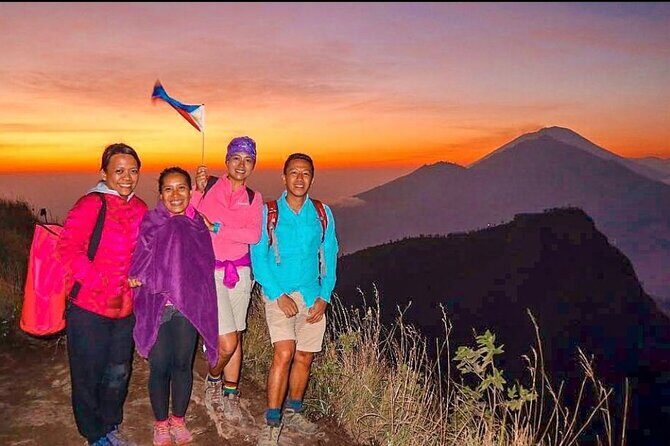
Because the group is limited to up to 5 travelers, this isn’t the chaos of a packed tour bus. You’ll likely have an easier time keeping track of gear, staying close to your guide, and getting a real check-in before you begin.

The hike in the dark: poles, flashlights, and pacing that matter

Private Mount batur Hiking and Natural Hot Springs - The hike in the dark: poles, flashlights, and pacing that matter
Night hiking sounds intimidating until you realize what this tour provides: hiking poles and a flashlight (listed as flashing). Those two items are more than comfort. They help you manage uneven steps, and they give you better confidence when visibility is limited.

You’ll also want to be ready for the physical side. The tour calls for moderate physical fitness. That usually means you don’t need to be an athlete, but you do need to be able to climb steadily for a stretch, keep moving, and handle uneven ground.

Here’s what makes this hike feel doable with the right guide:

  • You get help with the route and timing during the climb.
  • You’re encouraged and kept on pace rather than rushing.
  • Guides use lights and small instructions so you aren’t guessing where to put your feet.

In reviews, guides like Agit/Charlie and Ari are specifically credited with making the climb feel lighter—Agit/Charlie is described as taking care of people and making the way up easy with jokes, while Ari is praised for being fun and energetic and knowing the hike perfectly.

So what should you do as the hiker? Wear what you can move in, keep your steps steady, and don’t sprint. The sunrise is the point, and the climb is about arriving before the light, not proving speed.

Breakfast on top: how the morning is built for sunrise

One of the best parts of this tour is that breakfast is served on top while you wait for sunrise. That turns the summit waiting period into something active and rewarding, not just standing around in cold air.

You’ll start the day early, travel to base camp, climb, and then reach the viewpoint hungry. Having breakfast there changes the whole mood. It’s not only about eating—it’s about being part of the sunrise moment with your hands full (warm food, warm drinks, and conversation) instead of stressed and cold.

In practical terms, breakfast-on-top helps you do two things:

  1. You fuel up for the climb and the waiting.
  2. You avoid the post-hike scramble to find food later.

If you’re the kind of person who hates doing tours where you only eat at the end, this detail matters. You get a proper morning meal tied to the sunrise payoff.

The hot springs: your recovery phase after Mount Batur

Private Mount batur Hiking and Natural Hot Springs - The hot springs: your recovery phase after Mount Batur
After the climb, you shift gears into relaxation at the natural hot springs. The tour includes this as part of the package, which is great because soaking is the logical follow-up to a strenuous hike.

The springs don’t need extra explanation for you to appreciate the value. Your legs work hard on a volcano climb. Even if you feel okay during the hike, your body will ask for recovery afterward. Soaking is the easiest way to give your muscles a break without turning the rest of the day into another plan.

A key advantage of this combo tour is that you’re not hunting down transportation and tickets while you’re tired. Everything is handled so you can simply enjoy the soak and let the day wind down.

What to bring for the hot springs isn’t explicitly listed beyond the basics, but you can plan smartly: wear comfortable layers for the trek, and bring whatever you need to transition from cold, night-hike mode into warm soak mode. The tour already tells you to bring shoes, a jacket, and long pants—those are your minimums for the climb.

Guides make or break sunrise hikes (and this one leans on them)

This tour is small-group, but the real differentiator is the guide experience. The names that show up again and again give you a clue about what the team values: pacing, patience, and keeping people feeling safe and motivated.

Here are a few guide highlights that stood out:

  • Agit/Charlie: praised for guiding the way up with jokes and good care, helping the climb feel lighter in the dark.
  • Kadek (spelled that way in one review): credited for service and help, especially in high-effort versions of the Batur experience.
  • Ari: described as fun and energetic, and someone who knows the hike well.
  • Agung and Agit: mentioned together as a sweet duo, with support that helped a birthday hiker celebrate.
  • Bli Ngurah: praised for early readiness, excellent guiding from start to finish, and clear explanations along the way.

Why am I emphasizing names? Because guides aren’t just performers here. They manage night conditions, help you keep a steady pace, and control the timing so you’re in the right place for sunrise.

So when you book, trust that your guide isn’t an afterthought. It’s a major part of the product.

Price and value: is $77 for Mount Batur + hot springs worth it?

At $77 per person, this feels priced for people who want the essentials without overpaying. What makes it good value isn’t only the price—it’s what’s included.

Included items that protect your budget:

  • Breakfast served on top while waiting for sunrise
  • Air-conditioned vehicle
  • Hiking pole and flashlight
  • Pickup offered (from your accommodation)

Not included items are also reasonable and clearly tied to what you control:

  • Bring shoes
  • Bring a jacket
  • Bring long pants

So you’re paying for the guide-led sunrise plan and the transport, plus the key gear for night hiking. And you’re also paying for the hot springs part of the day, which is the recovery half.

If you’re comparing options, use this filter: does the price you’re offered include breakfast, poles/flashlight, and pickup? If not, $77 can suddenly look like a bargain.

With a 4.9 rating and a strong recommendation percentage from the available feedback, this one also suggests consistent quality, not just a one-time lucky day.

Who this tour fits best (and who might feel stressed)

Private Mount batur Hiking and Natural Hot Springs - Who this tour fits best (and who might feel stressed)
This is an 8-hour experience and it’s built around a sunrise window. That means you’ll be out early and on your feet.

You’ll likely love this if:

  • You want a sunrise experience that actually has structure.
  • You appreciate a small group (max 5 travelers).
  • You want the full combo: climb, summit meal, then natural hot springs.
  • You benefit from guided pacing and encouragement at night.

You might want to think twice if:

  • You hate waking up extremely early (start time is listed as 12:00 am).
  • You’re not comfortable with moderate physical fitness requirements.
  • You don’t plan to bring proper basics like a jacket, long pants, and good shoes.

If you want a relaxed day with no physical effort, this isn’t that. But if you want something truly classic for Bali and you’re willing to trade sleep for sunrise, it’s a strong match.

Things to do before you go (small prep, big payoff)

The tour gives you key climbing tools, but you’re still responsible for being comfortable and ready. Here’s what you should take seriously based on the listed requirements:

  • Shoes: bring the best grip you have for uneven night steps.
  • Jacket: dawn can feel cooler, and you’ll be outside before sunrise.
  • Long pants: good for comfort and protection during the climb.

Also, mentally plan for the day to feel like a “whole morning and recovery afternoon/evening.” You’ll spend a chunk of time moving up, then you’ll shift to soaking. If you schedule another demanding activity right after, you may feel it in your legs.

Finally, lean into the guide’s style. People mention jokes and motivation. That kind of energy is usually a real help during night climbs—especially for first-timers.

Should you book this Mount Batur hike with natural hot springs?

If you want a Bali day that feels organized, rewarding, and not overly complicated, I’d book it. The value is strong for what you get: pickup, breakfast on top, hiking poles and flashlights, and the natural hot springs finish.

The biggest reason to choose it is also the simplest: it’s designed so sunrise isn’t a gamble. The 12:00 am start is intense, but it’s the price you pay for showing up ready for the view and getting your hot-soak reward afterward.

Just be honest with yourself about the early wake-up and the moderate physical effort. Bring the basics—shoes, jacket, long pants—and you’ll have a much easier time enjoying the ride.

If you’re aiming for a classic Mount Batur sunrise experience with a well-run guide-led climb and a real recovery stop, this is a smart pick.

Mount Batur Trekking and Natural Hot Spring – All Inclusive Tour

Mount Batur Trekking and Natural Hot Spring - All Inclusive Tour - Climbing Mount Batur in the dark: what the hike feels like

Mount Batur runs on early mornings. This tour pairs a sunrise trek with a soak in Batur’s natural hot springs, so you get both the big view payoff and the muscle-relaxing finish.

I like that the day is built around real pacing: a guided climb over rocky volcanic ground, a simple breakfast served after you reach the top, then a crater-rim walk before you head down. You also get practical support like flashlights/head lamps, walking sticks, and bottled water, which matters when you’re climbing in the dark and the ground is still damp.

The main drawback is that the hike can feel tough, especially if weather turns (drizzle and slippery mud have been an issue). Go in with proper shoes, and plan for cool, early temperatures—bring a jacket even if you think you’re tough.

What makes this tour worth it (the parts I’d bet on)

Two things I’d highlight right away: the hotel pickup/drop-off in an air-conditioned vehicle, and the small group size (maximum 15), which keeps the climb from feeling like a conveyor belt. When you’re starting around 03:30am, fewer people and smoother logistics make the whole morning less stressful.

One more consideration: lunch isn’t included. You’re covered for breakfast and the hot spring entry, but if you get hungry later, you’ll want to plan for food after.

Key highlights at a glance

Mount Batur Trekking and Natural Hot Spring - All Inclusive Tour - Key highlights at a glance

  • 03:30am trek start so you can catch the light as the sun rises over the caldera
  • Volcanic-heat breakfast at the summit with banana sandwiches, hard-boiled eggs, chocolate, and hot drinks
  • Natural hot springs admission plus towels and lockers to make the soak easy
  • Guide support that adapts to you, including patient help on tricky footing (even in drizzle)
  • Included climbing basics like head lamps, walking sticks, and bottled mineral water

Sunrise trek logistics from Ubud: why the timing matters

Mount Batur Trekking and Natural Hot Spring - All Inclusive Tour - Sunrise trek logistics from Ubud: why the timing matters
This tour is built for the famous Mount Batur sunrise. That means an early start—generally around 03:30am, depending on the conditions—so you’re climbing while the sky is still dark and the air is cold.

Hotel pickup and drop-off are part of the deal, using a comfortable air-conditioned vehicle. For a long day (about 10 hours total), that convenience is a real value add, especially if you don’t want to figure out drivers before dawn.

You’ll also have a clear meeting point at Jalan Pendakian Gunung Batur, Batur Tengah, Kintamani, Bangli, Bali. It’s helpful to arrive early enough to settle in and feel ready before the call of the head lamp.

Climbing Mount Batur in the dark: what the hike feels like

Mount Batur Trekking and Natural Hot Spring - All Inclusive Tour - Climbing Mount Batur in the dark: what the hike feels like
The climb is guided, with groups moving along rocky paths through volcanic terrain. You start in low light, and as you ascend, the sky gradually brightens—one of those rare moments when the day seems to load in layers.

The pace is designed to work for most people, and the group size stays small (up to 15). In practice, that usually means less rushing and more time for the slow-but-steady hikers to keep up. You’ll likely be glad for this once the footing gets uneven.

Rain can change the experience. One common theme in the feedback is that drizzle can make parts of the path slippery. If that happens, you’ll want grippy shoes and a calm mindset. The good news: guides are used to this and will help you negotiate tricky sections.

The summit moment: crater rim views and the sunrise payoff

When you reach the top, the view hits quickly: a panoramic look over the caldera, with Mount Agung visible in the distance. Then the sun rises, casting warm color across the landscape below you.

This is the moment most people come for, but it’s also the moment you should pace yourself. Take photos, but don’t sprint. The air can be cool up there, and staying loose and steady makes a bigger difference than you might expect.

Before heading down, you’ll walk along the rim of the crater with your guide. It’s not just sightseeing—it’s also a chance to understand what you’re looking at: how the volcanic bowl shapes the terrain and the views.

Breakfast in volcanic steam: a simple meal with a cool story

Mount Batur Trekking and Natural Hot Spring - All Inclusive Tour - Breakfast in volcanic steam: a simple meal with a cool story
At the summit, you’ll get a breakfast prepared in volcanic steam vents. It’s not fancy, but that’s the point. It’s a simple meal that’s warm when you need it, and it makes the whole sunrise day feel extra connected to the mountain itself.

Your included breakfast consists of banana sandwiches, hard-boiled eggs, and a chocolate bar with hot drinks. This works well for hikers because it’s filling without being heavy.

You’ll also have bottled mineral water included. That might sound small, but on a cold morning climb, warm tea and water you don’t have to hunt for are the kind of practical wins that keep you from feeling run down.

Guides that actually manage the day (and the crowd factor)

A good guide turns a tough hike into a manageable one. You’ll likely get a local leader who keeps the group together and adjusts the pace. Names you may hear include Wayan, Ketut, and Komang, and they’re described as patient and attentive—especially when footing is slick or people need a slower rhythm.

One useful detail: some guides take smaller routes to reduce crowds on both the way up and the way back. That matters at popular sunrise spots, because you want quiet time on the rim rather than constant stop-and-go.

Also, head lamps and walking sticks are included. They’re basic tools, but when you’re climbing in the dark, they help you move with confidence instead of guessing where your next step lands.

Batur Natural Hot Spring: soaking with a view of the lake

After the descent, you get to reset at Batur Natural Hot Spring, located at the foot of Mount Batur. The setting is scenic—there’s a view toward Lake Batur and the surrounding mountains while you soak.

The waters are mineral-rich and are commonly used to relax and ease muscle tension after a hike. Realistically, the best part is how quickly your body responds once you’re warm again. If your legs are feeling the climb, this is where things start to feel normal.

Practical perks make the changeover smoother. You get towels and lockers, and admission is included. That means you can focus on relaxing rather than figuring out what’s available once you arrive.

What’s included (and what you’ll still want to plan)

This tour is genuinely close to all-inclusive for a full volcano day, at least in terms of the big items.

Included highlights:

  • Air-conditioned vehicle pickup and drop-off
  • Flashlight/head lamp and walking stick
  • Bottled mineral water
  • Mount Batur entry tickets and hot spring entry tickets
  • Towels and lockers
  • Breakfast with banana sandwiches, hard-boiled eggs, chocolate bar, and hot drinks

Not included:

  • Lunch

That gap matters because you’ll be working up an appetite after the hike and soak. If you’re staying in Ubud, plan for a real meal later the same day, so you don’t end up eating whatever is nearby just because you’re hungry.

Value check: is $59 worth it for a full sunrise + soak day?

At $59 per person, this feels like strong value because it bundles the stuff that usually costs extra: the two admissions (volcano + hot spring), a guided sunrise trek, breakfast, and the vehicle.

A DIY version of this day would require drivers, tickets, and a guide—then you’d still be paying for hot spring access and dealing with early-morning timing. Here, the structure is already set up, so you can just show up, use the gear, and follow the plan.

Two things that influence value in real life:

  1. Small group size (max 15) tends to reduce chaos and makes the climb more comfortable.
  2. Included basics like head lamps, sticks, and water remove friction when you’re tired and cold.

If you’re the type who likes organized days but still wants authentic views, this price-to-effort ratio makes sense.

Who this tour suits best (and who might want to rethink it)

This is a great fit if you want a classic Bali volcano morning without over-planning. It’s also a good match if you’re a beginner or you don’t hike regularly, since the pace is described as suitable for those who want support along the way.

You might want to rethink it if:

  • You hate early mornings and don’t handle cold well.
  • You have limited mobility for steep, rocky footing.
  • You’re not prepared for weather changes. Even a light drizzle can make parts of the route slippery, and the climb still happens.

Bring a jacket, focus on sturdy shoes, and use the provided walking stick if you want extra balance. When you do that, the day feels less like a challenge you suffer through and more like one you can manage.

Should you book Mount Batur Trekking and Natural Hot Spring?

Book it if you want the two-part payoff: sunrise from the summit plus a real recovery soak at the hot springs afterward. The included breakfast, head lamp, walking sticks, and small-group format make it feel organized without turning it into a rushed factory tour.

Skip or choose another option if you’re highly sensitive to cold, you hate wet/slippery conditions, or you want a longer food stop (since lunch isn’t included). Also, if you’re the type who expects perfect weather, keep expectations flexible—sunrise is amazing, but the sky can be unpredictable.

If that sounds like you can roll with it, this is a solid value day trip from Ubud and one of those Bali experiences that hits both the mind (views) and the body (warm soak).

FAQ

What time does the Mount Batur trek start?

The trek begins early, typically around 03:30am, depending on conditions.

How long is the whole tour?

The total duration is about 10 hours.

What’s included in the breakfast?

Breakfast includes banana sandwiches, hard-boiled eggs, a chocolate bar, and hot drinks.

Is lunch included?

No. Lunch is not included.

Are tickets and entry fees included?

Yes. Mount Batur entry tickets and Batur Natural hot spring entry tickets are included.

What’s the meeting point and how do you get there?

The tour starts at Jalan Pendakian Gunung Batur, Batur Tengah, Kec. Kintamani, Kabupaten Bangli, Bali, Indonesia, and you get hotel pickup and drop-off by air-conditioned vehicle.

Private Guided Hike in Mount Batur Sunrise

Private Guided Hike in Mount Batur Sunrise - The hike reality check: medium to difficult, but not a pro-only grind

Pre-dawn volcano views are the whole point. This private Mount Batur sunrise hike works because it combines an active-volcano setting with a guided route that stays manageable for most people. I especially like the attentive, safety-first guidance I’ve heard praised from guides such as Okta and Waka, and the way the tour builds in breakfast from the volcano’s steam after the hard part.

The other highlight is how the experience feels tailored even though it’s a sunrise climb. The guides focus on the easiest and safest path for your pace, and you can also expect real help with photo moments and getting to interesting spots like steam vents. That matters because sunrise hours are short, and you want your time to count.

One consideration: it’s listed as medium to difficult even if many people find it easier. The climb suits beginners, but you still need moderate physical fitness, and clouds at the summit can soften the sunrise view.
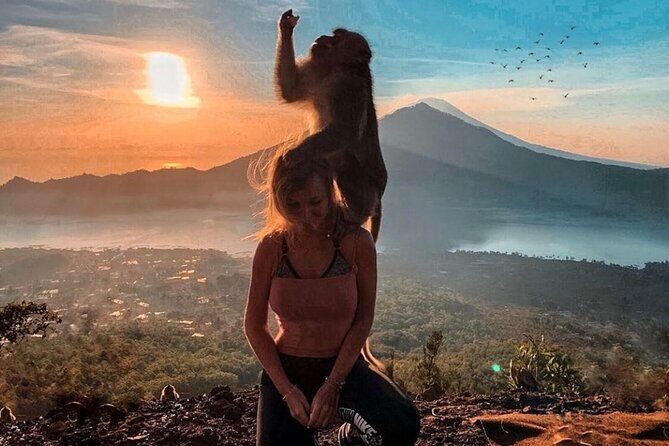
Key takeaways before you go

Private Guided Hike in Mount Batur Sunrise - Key takeaways before you go

  • Private group experience so you won’t be hiking with random strangers
  • Early 4:00am start with an included flashlight and bottled water for the pre-dawn climb
  • Beginner-friendly route options with guides who choose the safest, easiest line
  • Hot-steam stops plus photo help so you’re not just walking uphill
  • Volcano-steam breakfast included after you take in the sunrise
  • Value with entry fee included, plus possible added pickup fees depending on where you stay

Sunrise on an Active Volcano: what you’re really signing up for

Private Guided Hike in Mount Batur Sunrise - Sunrise on an Active Volcano: what you’re really signing up for
Mount Batur is an active volcano and is also considered sacred in Hindu tradition. That combination is why the early hike feels more meaningful than a typical sunrise walk. You’re heading up at the hour when the sky is still changing, toward a summit around 1717 yards above sea level, to catch the view over Bali before daytime crowds fully arrive.

What makes this tour work well is the flow. You’re not just climbing and hoping for the best. The plan includes time at the top area for sunrise viewing, then a guide-led experience down the mountain that adds interest with things like volcano hot steam checks. After that, you get breakfast cooked using the volcano’s steam, which turns the end of the hike into something you’ll remember, not just the next stop on your schedule.

The hike reality check: medium to difficult, but not a pro-only grind

Private Guided Hike in Mount Batur Sunrise - The hike reality check: medium to difficult, but not a pro-only grind
Here’s the honest part: the hiking level is described as medium to difficult. In plain terms, you should expect steep sections and uneven footing. But it’s also designed so the trek can be finished in roughly two hours, which is exactly why people can do it as a family outing.

I like that the route isn’t aimed only at professional hikers. You’ll see comments pointing out the climb lasts about an hour for the ascent itself, while the overall activity stretches longer because of pickup, breaks, and time for sunrise and breakfast. Translation for you: if you can handle a steady steep walk for a short time, you can probably handle this.

This is also one reason it’s popular with families. The tour is described as suitable for children around elementary age, provided everyone is comfortable with early mornings and a moderate climb. If you’re bringing kids, the best approach is to go slow early, because energy costs spike when you start hurrying in the dark.

Pickup and the 4:00am start: why timing matters on Batur

Private Guided Hike in Mount Batur Sunrise - Pickup and the 4:00am start: why timing matters on Batur
The start time listed is 4:00am. Since sunrise tours live and die by timing, you should expect an early hotel pickup and a drive before you begin the hike. There’s mention of pickup in the 2:00 to 2:30am range, so you’re truly getting going in the dark.

This tour’s practicality is a big part of its appeal:

  • Air-conditioned vehicle for the ride
  • Flashlight included, which is useful because you’re walking before dawn
  • Bottled water included, so you’re not rationing thirst during the ascent

That early drive can sound like a pain on paper. But once you’re on the path with a guide, it clicks: you don’t just want sunrise. You want the quieter moments, the steam area checks, and breakfast without rushing every step.

Stop on Mount Batur: sunrise viewing, steam moments, and photo help

Private Guided Hike in Mount Batur Sunrise - Stop on Mount Batur: sunrise viewing, steam moments, and photo help
The core activity is Mount Batur itself. The climb takes you up steep slopes toward the summit area, and the payoff is the sunrise over the island. Guides are a big reason this works.

What I’ve learned to value here is how the guides manage the climb:

  • They suggest the easiest and safest path
  • They keep an eye on you throughout the hike
  • They help with photos so you get real shots, not just shaky “I’m standing somewhere” pictures

Some guide-led moments sound small until you’re there. For example, you may be taken to places where you can see steam caused by lava. That’s memorable because it connects what you’re doing physically (climbing) to what’s happening underneath (active volcanic activity). It also helps the morning feel like more than a view from one point.

Also, cloud cover can happen. Even when the summit view is less dramatic due to clouds, the overall experience can still feel superb because you’re still hiking with a knowledgeable guide, getting steam moments, and finishing with breakfast.

Breakfast on volcano steam: included, different, and actually worth waiting for

One of the standout inclusions is breakfast. After you reach the right point to take in the sunrise and surroundings, your guide prepares a tasty breakfast cooked by the steam of the volcano.

This matters for two reasons:

  1. It gives you a clear reason to stay on the mountain longer instead of treating sunrise as a quick photo moment and leaving.
  2. It turns the volcano into something you can taste, not just something you look at.

Food on sunrise tours often disappoints when it’s added as an afterthought. Here, it’s part of the main concept: the volcano is the heat source, so breakfast feels tied to the place in a way most day tours can’t replicate.

Price and value: where the $57.70 really goes

The price is $57.70 per person, and the booking rhythm suggests it’s a fairly popular slot. It’s also booked on average about 9 days in advance, so if you have fixed dates, it’s smart to lock it in sooner rather than later.

For value, the included items do real work:

  • Breakfast
  • Bottled water
  • Flashlight
  • Air-conditioned vehicle
  • Kintamani entrance fee

Compared to tours that only include a guide and a meeting point, this package reduces the little costs and guesswork. You still need to budget for what’s not included. Lunch is not included, and there’s also a USD 15 extra charge for pickup/areas including Kuta, Nusa Dua, Canggu, and Ubud.

That last detail is the one you should watch. If you’re staying outside the base pickup area, your total can change. When I’m deciding, I treat this as part of the real cost, not a footnote.

Bottom line: if you want a sunrise hike that’s guided, paced, and ends with breakfast cooked on-site, the price starts to feel reasonable. If you only want sunrise pictures and could handle a self-guided climb, you might feel you’re paying for guidance. But if you want safety, pacing, and added steam moments, you’re paying for the experience.

Weather, clouds, and volcano reality: plan for a flexible morning

This tour requires good weather. The operator notes that if it’s canceled due to poor weather, you’ll be offered another date or a full refund. That’s a big deal, because sunrise tours can’t be forced through fog and unsafe conditions.

Also, keep expectations flexible. Clouds at the summit can happen even when you do everything right. The good news is that the overall experience can still be superb when visibility is limited, because the guide-led steam moments and the volcano-cooked breakfast remain the centerpiece.

So rather than thinking of sunrise as guaranteed fireworks, think of it as the best window you’re trying to catch. The rest of the morning is built to still be satisfying.

Private tour feel: fewer crowds, more control over your pace

Private Guided Hike in Mount Batur Sunrise - Private tour feel: fewer crowds, more control over your pace
This is a private tour/activity, meaning only your group participates. That’s not a minor perk on a volcano sunrise. It changes the vibe:

  • You can move at a pace that works for your fitness level
  • The guide can focus attention without juggling multiple groups
  • You’re less likely to feel swept along when the path gets steep

You’ll also see group discounts mentioned. That’s helpful if you’re booking with friends or family who want the same sunrise window. And there’s a mobile ticket, which usually makes check-in smoother.

One more thing: sunrise hikes can feel like a race. With a private group and a guide, you can avoid the “just survive the climb” mood and turn it into an actual experience.

Who should book this Mount Batur sunrise hike

This tour makes the most sense if you want:

  • A sunrise hike that’s guided and paced
  • A climb that’s listed as suitable for beginner to experienced hikers
  • A morning activity that includes more than just a summit photo
  • The volcano steam breakfast, which is the kind of thing you don’t forget

It’s also a good fit for families with children around elementary age, assuming everyone can handle early hours and steep sections. If you’re a complete beginner who worries about mountain trails, the fact that the route is described as suitable for beginners should put you at ease, but still be honest about your comfort with moderate physical effort.

If you’re very fit and want a hardcore workout, you might find the climb short. But you’ll likely appreciate the added guide-led stops and the sunrise timing.

Small planning tips that make the morning easier

A few practical notes based on how the tour is set up and what matters most during pre-dawn hiking:

  • The tour runs early, with a 4:00am start, so treat sleep like a serious part of your preparation. If you’re under-rested, the climb feels tougher than it is.
  • Flashlight is included, so you don’t need to chase gear last minute.
  • Bring the expectation that you’ll climb, stop, and climb again at a steady pace. The trek is described as able to be completed in about two hours, but you’ll spend more time overall because of pickup and breakfast.
  • If you’re in one of the listed areas with an extra fee (like Ubud), factor that into your budget early.

The biggest tip: choose this tour if you want a guided, structured sunrise. If you want total independence and full control, you may be happier planning a different approach.

Should you book it? My decision guide

Book this Mount Batur sunrise hike if you care about three things: safety-focused guidance, an organized early start, and a breakfast that actually matches the volcano theme. The guide experience is repeatedly emphasized, and names like Okta and Waka come up as examples of fluent English and attentive support.

Skip it or reconsider if you’re extremely sensitive to steep walking or if you hate early mornings. Also, if you’re staying in a nearby area and an extra USD 15 pickup fee might make the total feel high, do the math before you commit.

For most people doing Bali for the first time, this is a strong value sunrise choice. It’s not a marathon. It’s a short, guided mountain morning that earns its payoff with sunrise views, hot-steam moments, and volcano-steam breakfast.

FAQ

What time does the Mount Batur sunrise hike start?

The start time is 4:00am.

Is pickup included, and what vehicle do you use?

Pickup is offered, and the tour includes an air-conditioned vehicle.

What’s included in the price?

Breakfast, bottled water, a flashlight, the air-conditioned vehicle ride, and the Kintamani entrance fee are included.

How difficult is the hike?

It’s described as medium to difficult. The trek is relatively short (about two hours for the hiking portion), and it’s suitable for beginners as well as more experienced hikers, though beginners may still find it challenging.

Is this a private experience?

Yes. It’s a private tour/activity, so only your group will participate.

What happens if weather is bad?

The experience requires good weather. If it’s canceled due to poor weather, you’ll be offered a different date or a full refund. Cancellation is free up to 24 hours in advance for a full refund.

All inclusive Bali Sekumpul Waterfalls Trekking Tour

All inclusive Bali Sekumpul Waterfalls Trekking Tour - Getting there: 7:00 AM pickup and the Lemukih drive

Waterfalls and wet boots, all day.

This Bali tour is interesting because it tackles the usual hidden-cost chaos upfront, with entrance fees and lunch included. I also like the early hotel pickup at 7:00 AM, so you’re not hunting for meeting points while you’re hungry. The main consideration is simple: you’ll need a strong physical fitness level for the trekking and the wet, slippery rocks.

The payoff is the kind of day Bali does well: you start with a long drive inland, then switch to motorbike for a real change of scenery. At the falls, you get time for photos, plus access to a jumping point and water slide river with a helmet and supervisor. If optional temples or viewpoints are on your wishlist, you’ll want to plan those ahead since extra entrance fees aren’t included.

Key highlights worth planning around

All inclusive Bali Sekumpul Waterfalls Trekking Tour - Key highlights worth planning around

  • Hotel pickup at 07:00 saves you time and stress before the trek
  • Motorbike transfer to the trail start turns “getting there” into part of the fun
  • Sekumpul + Fili (Fiji) waterfalls keeps the day from feeling repetitive
  • Entrance fees, lunch, and bottled water mean fewer surprise add-ons
  • Water slide river access with safety gear adds controlled fun for the right conditions
  • Optional add-ons (Ulun Danu Beratan, Wanagiri, Handara gate) let you tailor your route

Why Sekumpul and Fiji waterfalls beat another beach day

All inclusive Bali Sekumpul Waterfalls Trekking Tour - Why Sekumpul and Fiji waterfalls beat another beach day
If you’re doing Bali and you only do beaches, you miss what makes the island feel different. Sekumpul and the nearby Fili (often described as Fiji) waterfall area give you that green, rural feeling—small paths, river sound, and waterfalls you can actually get close to.

What I like most here is the pacing choice. You’re not just driven to one viewpoint and sent on your way. You ride in, then you walk. That walking part is what turns it from a quick stop into a proper experience.

Also, the included structure helps. You get English-speaking trekking guidance, plus bottled water and lunch so you don’t burn energy figuring out logistics.

Getting there: 7:00 AM pickup and the Lemukih drive

All inclusive Bali Sekumpul Waterfalls Trekking Tour - Getting there: 7:00 AM pickup and the Lemukih drive
Your day starts early—pickup from your hotel around 7:00 AM. You’ll travel about 2 to 3 hours to reach Lemukih village from the Denpasar area, depending on road conditions and traffic.

That drive matters more than you might think. Waterfall trekking areas are often far from where most tourists stay, so leaving early gives you daylight time at the falls and avoids the end-of-day scramble. It also means you spend more of the day in nature and less of it stuck in a plan-changing limbo.

Value note: hotel pickup and drop-off are included. That sounds small, but it removes one of the biggest time-wasters on Bali day trips—finding the right place, coordinating with drivers, and hoping everyone arrives on time.

The motorbike transfer: fast, fun, and worth bringing a towel for

Once you reach Lemukih, the adventure shifts. You’ll ride motorbikes from the arrival area to the trek start point, then begin walking from there.

This part is a big reason the tour feels like more than a bus ride. It changes your perspective quickly—your brain stops treating it like “transportation” and starts treating it like “part of the trip.”

Practical tip: bring the basics for changing conditions. Even before you hit the waterfalls, you’ll want shoes you trust and a towel. You’re going to get wet, and drying off is easier when you planned for it.

The tour is private for your group, so you’re not stuck waiting on other people’s slow gear prep or indecisive bathroom breaks.

Sekumpul waterfall stop: close-up views and a real time window

All inclusive Bali Sekumpul Waterfalls Trekking Tour - Sekumpul waterfall stop: close-up views and a real time window
The Sekumpul stop is built as a focused segment—about 30 minutes with admission included. That time is long enough to reach the viewpoint areas, take photos, and enjoy the energy of the falls without rushing like a theme-park conveyor belt.

Sekumpul is also the moment to be honest with yourself about conditions. The rocks can be slick. The best photos often come from moving carefully along the safe edges, not from trying to sprint for the perfect angle.

Also, remember this is a trekking tour, not a lounge event. Your swim gear is recommended, and the tour experience includes water activities at the river access points (more on that shortly). Even if you don’t plan to swim, the day is still about being comfortable around wet conditions.

Possible drawback to keep in mind: with a shorter dedicated time at this first waterfall stop, you’ll get the most out of it if you’re already warmed up and ready to move after the drive and motorbike ride.

Fili (Fiji) waterfalls: four waterfalls, side-by-side moments, and spring water

All inclusive Bali Sekumpul Waterfalls Trekking Tour - Fili (Fiji) waterfalls: four waterfalls, side-by-side moments, and spring water
After Sekumpul, the tour continues to Fili Waterfall, often referenced as Fiji waterfalls, with about four waterfalls in the area. Expect roughly two hours at this section of the day.

One detail I really like in the tour description: on the way to the main area, you’ll pass two side-by-side waterfalls, including one described as 100% spring water. That’s the kind of small, specific feature that makes a waterfall walk feel varied instead of repetitive.

This zone is in a deep valley, which can shape how you experience it. It tends to feel more enclosed and dramatic as you move along the paths. It also affects timing—mist and cool air can come and go, depending on where you stand and where the water hits.

If you’re the type who loves photos, this is where you can work angles without feeling like you’re repeatedly walking the same exact spot. If you’re the type who just wants to relax, you still get enough movement to justify the trek, but you’re not stuck for hours staring at one waterfall.

Lunch and refreshments: what “all inclusive” actually buys you

All inclusive Bali Sekumpul Waterfalls Trekking Tour - Lunch and refreshments: what “all inclusive” actually buys you
The big win of this tour is what it includes in the base price. You get lunch, bottled water, and admission tickets for the included waterfall segments. Alcoholic drinks aren’t included, and you can purchase them separately.

That matters because waterfall tours often sneak in extra charges: entrance fees, food costs, and “refreshment” upcharges that don’t sound big until you add them up. Here, the main essentials are already handled, so your $90 price feels more predictable.

Also, having lunch included helps your energy. After the drive and the trek, your body wants fuel, not another decision. You’ll leave lunch with enough stamina to enjoy the water areas at the right intensity.

Practical note: bring a small cash amount for local shopping or tipping. That’s not about pressure—it’s about being able to participate if you want to.

Water slide river access with helmet and supervisor: the safe-fun part

All inclusive Bali Sekumpul Waterfalls Trekking Tour - Water slide river access with helmet and supervisor: the safe-fun part
This is one of the more distinctive features. You get access to a jumping point and water slide river, plus a safety helmet and supervisor.

Even if you’re not the extreme type, this creates options. You can enjoy the water from a more cautious place, or you can take part if you feel comfortable with the conditions. The helmet and supervisor also signal that the fun comes with some structure, not just random people doing risky stuff.

What you should do: if you’re unsure, watch first. Check footing. Then decide. Wet rock + rushing decisions is a common travel mistake.

Also, wear shoes you can walk in safely. For water areas, you want grip that doesn’t disappear the moment you step onto damp surfaces.

Optional add-ons: Ulun Danu Beratan, Wanagiri, and Handara gate

All inclusive Bali Sekumpul Waterfalls Trekking Tour - Optional add-ons: Ulun Danu Beratan, Wanagiri, and Handara gate
The tour can include optional stops like Ulun Danu Beratan Temple, Wanagiri hidden hills, and the Handara iconic gate. Entrance fees for these optional stops are not included.

These add-ons are best if you like mixing nature with iconic Bali sights. The trick is timing. Your waterfall schedule already has a lot going on, so optional stops can be a “yes” if you’re flexible and a “maybe” if you want a slower day.

Also, ask yourself what you want your photos to tell. If you want mostly waterfall action, skip the optional viewpoints. If you want a day that includes one major temple or viewpoint moment, pick just one.

A small practical advantage: a past driver named Bobby has been noted for punctual pickup and flexibility with stops. If he’s your driver, that kind of cooperative attitude can make a difference in keeping the day smooth when you add or adjust plans.

What to pack for a wet, active day in north Bali

Bring gear that makes the day easier. The essentials listed for this tour are spot on, and you should treat them like part of the itinerary:
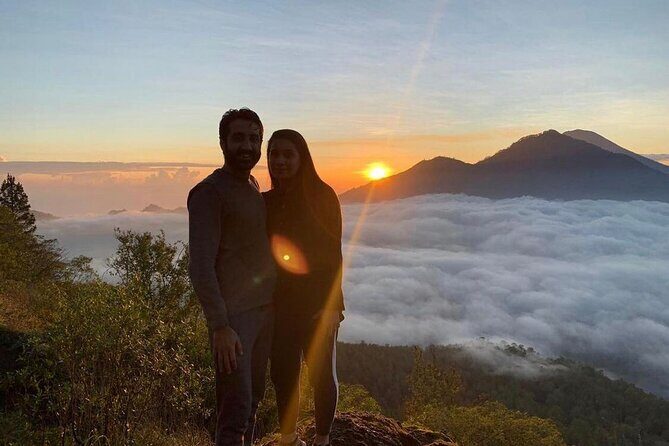
  • Shoes you can handle on wet ground
  • Towel
  • Hat and sunscreen
  • Sun block
  • A change of clothes for after
  • Cash for locals shopping/tips

One more practical point: think about your phone and camera. You’ll be near water. Even if you don’t go into the water deeply, mist and splash happen. Keep your valuables protected and accessible so you’re not scrambling mid-trek.
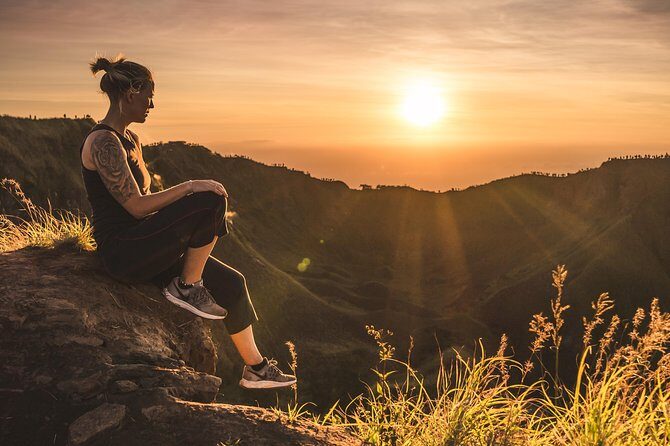
Also consider your swimwear choice. If it’s not comfortable for walking, you’ll regret it. You’re going to move from trail to waterfall, not just from chair to pool.

Who should book this Sekumpul trek (and who should reconsider)

This is a good fit if you want a full day outdoors with real movement and you’re comfortable with wet conditions. You’ll likely enjoy it most if you like:

  • nature photography and waterfall variety
  • hands-on guides who can share practical top tips
  • being active instead of just touring from a vehicle

The tour sets a minimum age of 10 years and asks for strong physical fitness. If your knees aren’t friendly on uneven, slippery paths, you may want to choose a different style of experience.

You’re also doing a private tour, meaning you only travel with your group. That’s great for couples, friends, and families (within the age limits), because you can move together without external pacing pressures.

Value check: is $90 a smart price for this day?

At $90 per person, you’re paying for more than transportation. You’re also getting:

  • hotel pickup and drop-off
  • English-speaking trekking guide
  • motorbike transfers to and from the start point
  • bottled water
  • lunch
  • access to the jumping point and water slide river with safety equipment
  • admission tickets included for the included waterfall stops

When you price this out yourself, the biggest “hidden cost” items are usually food and entrance fees. Here, those are bundled. The day feels more like an organized activity than an expensive DIY.

If you’re comparing alternatives, ask: would you still want a guide, motorbike transfer support, and included lunch if you were planning it solo? If the answer is yes, this price starts to look fair pretty quickly.

Should you book this tour?

Book it if you want a structured, all-included waterfall day that doesn’t punish you with extra charges at every turn. The mix of Sekumpul plus the Fili/Fiji four-waterfall area, combined with motorbike access and a guide, is the kind of combo that makes a long day feel worth it.

Hold off if you want a slow, minimal-walking day. This is active. You’ll be moving on wet ground, and your comfort level matters.

If you do book, plan like a pro: bring the towel and change of clothes, wear grippy shoes, and set your expectations for a full 8 to 10 hour day that starts early. You’ll get the most out of it when you treat the trekking and water sections as the main event, not side scenes.

FAQ

What time does hotel pickup start?

Pickup starts at 7:00 AM.

How long is the tour?

The tour runs about 8 to 10 hours.

Is lunch included?

Yes. Lunch is included in the price.

What’s included for the waterfall stops?

You get private transportation, an English speaking trekking guide, motorbike transfers to and from the trekking start point, bottled water, access to the jumping point and water slide river with safety helmet and supervisor, and admission tickets for the included waterfall segments.

Are optional stops included?

Optional stops like Ulun Danu Beratan Temple, Wanagiri hidden hills, and Bali Handara iconic gate may be added, but entrance fees for optional stops are not included.

What should I bring with me?

Bring shoes, towel, hat, sun block, a change of clothes, and cash for locals shopping or tips.

Is this tour suitable for kids?

The minimum age is 10 years, and the tour requests a strong physical fitness level.

Mount Batur Sunrise Hiking With Local Guide Experience

Watching sunrise over an active volcano feels serious. This Mt. Batur package is built around a very early start, round-trip hotel transfers, and a compulsory trekking guide so you’re moving before the sky turns dramatic. You also get essentials like a flashlight, bottled water, and breakfast on the mountain, plus a finish at a coffee plantation.

I especially like how this tour handles the hard parts for you: transport timing and a guide who keeps the climb manageable. Another win is the payoff after the hike, when you step into a plantation setting and taste coffee or tea while you can see beans growing.

One thing to consider: you must be ready for the pickup window (often around 1:00 a.m. to 2:00 a.m.), and if the schedule slips, reaching the highest summit point can become tight.

Key Points to Know Before You Go

Mount Batur Sunrise Hiking With Local Guide Experience - Key Points to Know Before You Go

  • Hotel transfers early enough for sunrise (air-con vehicle, pickup around 1:00–2:00 a.m.)
  • Local guide pacing on an active volcano climb with different routes based on fitness
  • Breakfast on the mountain to keep energy steady before the sunrise moment
  • Coffee plantation stop after the hike with a bean-spotting view and tasting
  • Bring the right gear: hiking shoes, jacket, long pants, and a camera

Why Mt. Batur Sunrise Still Pulls You In

Mount Batur Sunrise Hiking With Local Guide Experience - Why Mt. Batur Sunrise Still Pulls You In
Bali’s sunrise scene is popular for a reason, and Mt. Batur is the one people talk about. The hike is the real event: steep sections, chilly early air, and the sense you’re climbing something active. Then you reach that open overlook where the light starts doing its best work—slow, wide, and unforgettable.

What makes this tour feel worth your time is that it’s designed for the sunrise, not just a casual morning walk. You’re picked up in the dark, guided upward with a flashlight, and fed before the best views arrive. That flow matters because a sunrise hike punishes slow starts. If you’re late or under-prepared, you don’t just miss a photo—you risk missing the full experience.

You’ll also notice a practical Bali touch at the end: instead of ending the tour immediately after the climb, you finish at a coffee plantation where you can see how beans grow and then taste a few styles of coffee (or switch to tea if that’s your thing).

The 1:00–2:00 a.m. Pickup: Your Biggest Success Factor

Mount Batur Sunrise Hiking With Local Guide Experience - The 1:00–2:00 a.m. Pickup: Your Biggest Success Factor
This starts with the early wake-up call. You’re in an air-conditioned vehicle and picked up between 01.00 and 02.00 a.m. so you can catch sunrise. This timing is non-negotiable in spirit, even if the exact minute can vary by hotel location.

Here’s how to set yourself up:

  • Be at the pickup point early, not on the dot. Give a buffer.
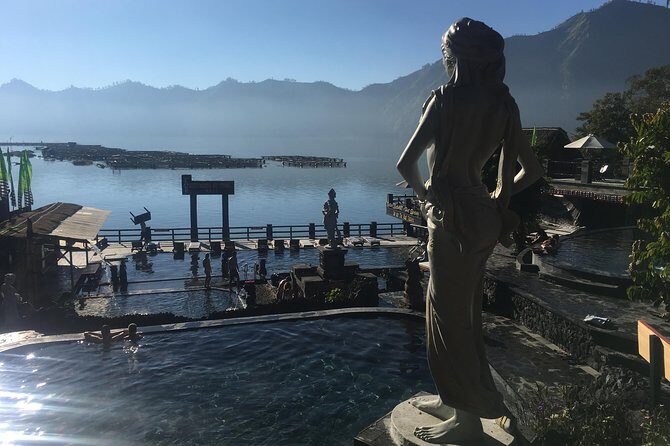
  • Dress for cool air before you leave—long pants and a jacket are your friend.
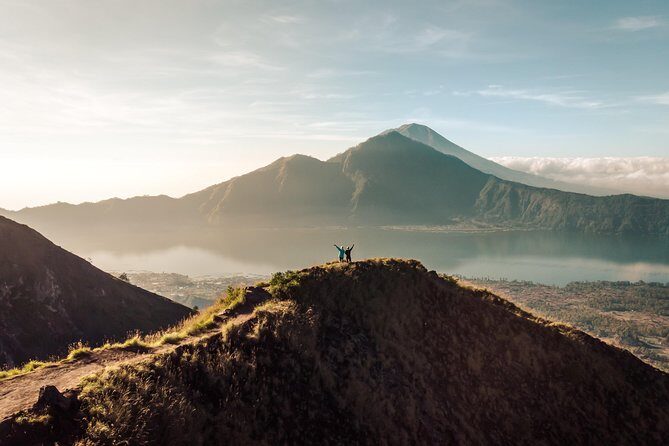
  • Bring your camera and keep it accessible, not buried under a pile of stuff.

One caution from real-world experiences: when pickup runs late, you can end up short on time and may not reach the furthest summit point. The climb is guided and route choices can help, but sunrise scheduling still rules the day. If you want the full push toward the top, treat pickup like an appointment you don’t want to miss.

The Guided Ascent: Flashlights, Route Choices, and Real Effort

Mount Batur Sunrise Hiking With Local Guide Experience - The Guided Ascent: Flashlights, Route Choices, and Real Effort
The heart of the tour is the climb up Mt. Batur with a guide. You’re not just walking into the dark and hoping for the best—there’s a compulsory trekking guide and the tour includes a flashlight. That matters for early visibility and for staying safe on a rocky, uneven route.

The climb itself can feel demanding, and that’s not marketing talk. You’ll likely feel it in your breathing as you gain altitude quickly. In the better-guided experiences, guides pause when needed and keep you moving at a pace you can handle.

One guide name that came up in feedback is Mangu, and the vibe was consistent: patient coaching, frequent encouragement, and stops timed to help people catch their breath. If you’re hoping for a supportive guide style, that’s the kind of approach to look for.

You should also know that route options exist. Depending on fitness and how you’re feeling, your guide may choose a route that fits you better. That makes this tour more flexible than the idea of one fixed climb.

The one trail hazard worth planning around: motorbikes

A real consideration: there can be motorbikes on the trail, and that can feel awkward—or even risky—for hikers on narrow sections. You can’t control it, but you can react smartly:

  • Stay aware of the path edges and avoid sudden stopping in the middle of the route.
  • Keep your footing and don’t rush photos while someone is coming through.
  • Follow your guide’s instructions first.

What the Mountain Breakfast Actually Does for You

Mount Batur Sunrise Hiking With Local Guide Experience - What the Mountain Breakfast Actually Does for You
A sunrise hike is a weird time to eat, which is why the breakfast inclusion is more valuable than it sounds. You’re given a light meal on the mountain to keep energy steady before the main view.

In feedback, breakfast was described as banana pancakes with coffee or hot chocolate. That’s a solid choice for a cold, early climb: easy calories, warm drinks, and not too heavy before physical effort ramps up.

Why I like this setup for you: it prevents the common mistake of arriving hungry and running on adrenaline. When you’re already working hard, low fuel turns manageable into miserable fast. A quick breakfast also helps you enjoy the final stretch instead of focusing on hunger.

Also, the tour includes bottled water, which helps you avoid the hassle of finding supplies mid-hike.

Coffee Plantation Finish: More Than a Random Stop

Mount Batur Sunrise Hiking With Local Guide Experience - Coffee Plantation Finish: More Than a Random Stop
After the climb, you don’t just get dumped back into traffic. The tour ends at a coffee plantation where you can see beans growing and then do a tasting of coffee (or tea).

This part is worth paying attention to because it gives the hike a context beyond photos. Mt. Batur is the physical story; the plantation adds a local-food story. You’ll get a chance to see plants in a real agricultural setting, then try different drinks so you can connect what you saw to what you taste.

If you’re a coffee person, this is a satisfying closer. If you’re not, don’t worry—tea tasting is included as an option, so you can still enjoy the experience without forcing yourself into a strong coffee lineup.

Value and Price: Why $55 Can Make Sense (If It Fits Your Timing)

Mount Batur Sunrise Hiking With Local Guide Experience - Value and Price: Why $55 Can Make Sense (If It Fits Your Timing)
At $55 per person for an experience that runs about 10 hours, you’re paying for more than walking. You’re paying for:

  • early round-trip hotel transfers (a big deal when departures are in the dark)
  • a compulsory trekking guide
  • basic hike support like flashlight, water, and mountain breakfast
  • a guided finishing activity at a plantation with tastings

That combination is what makes the price feel reasonable. If you tried to assemble it yourself—private transport at 1:00–2:00 a.m., a guide, breakfast, and a plantation stop—costs and hassle add up fast.

One extra signal: this kind of tour gets booked ahead. The average booking window is about 49 days in advance, which tells you it’s a popular sunrise slot. If you’re traveling during peak seasons, booking early helps you lock in the timing you want.

Who this tour is best for

This is a good match if you:

  • want a structured sunrise experience with a guide
  • like early starts and don’t mind cool morning air
  • can handle a physically active climb
  • enjoy food or drink stops tied to the local setting

It’s less ideal if you:

  • hate very early pickups and strict timing
  • have limited mobility or expect a flat, easy walk
  • are extremely sensitive to cold mornings

What to Bring (So You Don’t End Up Miserable)

Mount Batur Sunrise Hiking With Local Guide Experience - What to Bring (So You Don’t End Up Miserable)
The tour gives you key basics, but you should show up ready with the right personal gear. Bring:

  • Hiking shoes (not slick sneakers)
  • Jacket for early cold
  • Long pants
  • Camera (sunrise views are the whole point)

If it rains, you can bring a raincoat or buy one near the area of a local shop. That’s a helpful option when you travel light. Still, don’t assume rain means you’ll be warm—layering helps more than people expect at sunrise.

Fitness Level and Route Realities

Mount Batur Sunrise Hiking With Local Guide Experience - Fitness Level and Route Realities
This is a sunrise hike on an active volcano. The tour specifically mentions a need for strong physical fitness level, and that lines up with what you’ll feel on the climb: steady effort, steep bits, and breath work.

The good news is route choice exists. If your guide adjusts the route based on your condition, you still get a meaningful sunrise experience without forcing a one-size-fits-all push. That’s also where having a patient guide matters, since pacing can make the same hike feel either doable or crushing.

A Small Schedule Reality Check

This is where the experience either clicks or annoys people. The schedule is about sunrise. That means:

  • you need to be on time for pickup
  • you need to follow the guide’s timing
  • the tour can be tight if you move slowly or if pickup slips

One less-than-perfect experience described disappointment about not reaching the top summit point because of time constraints linked to pickup timing. So if reaching the highest point is your personal priority, treat pickup timing like it’s part of the hike itself.

Should You Book It?

Book this Mt. Batur sunrise hike if you want a guided, logistics-covered volcano sunrise with breakfast and a coffee plantation finish. The biggest value is the whole package: transport before dawn, guide support, and the built-in food/drink stops that turn the day into more than just a climb.

Hold off if your schedule can’t handle a very early start, or if you don’t have strong stamina for a steep hike. Also, if you’re very risk-averse about trail conditions, be aware there can be motorbikes on the route, so you’ll want to follow your guide and stay focused.

If you’re on the fence, I’d make this simple: if you’re fit enough for a steep early climb and you can be at pickup promptly, this is a great way to do a Bali signature sunrise without turning the morning into a planning headache.

FAQ

What time does the tour pickup start?

Pickup is typically arranged in the 01.00 a.m. to 02.00 a.m. window so you can reach the hike area in time for sunrise.

How long is the Mt. Batur sunrise tour?

The duration is about 10 hours.

Does the tour include hotel transfers?

Yes. The experience includes round-trip hotel transfers.

Do I need to hike with a guide?

Yes. The tour includes a compulsory trekking guide.

What should I bring for the hike?

Bring hiking shoes, a jacket, long pants, and a camera. Travelers are advised to have the right footwear and clothing for early morning conditions.

Is breakfast included, and what is it?

Breakfast is included on the mountain. One described option was banana pancakes with coffee or hot chocolate before the trek begins.

Is there coffee tasting at the end?

Yes. After the hike, the tour finishes at a coffee plantation where you can see beans growing and do a coffee (or tea) tasting.

Is this a private tour?

Yes. It’s a private tour/activity, meaning only your group participates.

What if it rains or the weather is bad?

If it’s rainy, you can bring a raincoat or buy one near a local shop. The experience also requires good weather, and if it’s canceled due to poor weather, you’ll be offered a different date or a full refund.

What is the cancellation policy?

You can cancel for a full refund up to 24 hours before the experience’s start time. If you cancel less than 24 hours before, the amount paid isn’t refunded.

Mt. Batur : All-Inclusive Sunrise Trekking & Swing Ticket

Mt. Batur : All-Inclusive Sunrise Trekking & Swing Ticket - The pre-dawn trek up Mt. Batur’s eastern slope

Two Bali moments, one early start. This all-in-one day strings together a Mt. Batur sunrise trek and a jungle swing near Ubud, plus stops built for photos. You also get help with the dark part of the day, since it includes headlamp time and 2-way transfers from many south Bali hotels.

What I like most is how the schedule is designed for sunrise pictures: you hike up a less-crowded eastern route for better space to film and shoot. And the summit breakfast is a real Bali thing, cooked using volcanic steam, not some generic buffet setup.

One thing to consider: one report showed trouble contacting the operator, leading to a refund issue. That’s rare, but it’s a good reminder to confirm details soon after booking and keep your confirmation handy.

Key highlights worth your camera roll

Mt. Batur : All-Inclusive Sunrise Trekking & Swing Ticket - Key highlights worth your camera roll

  • Less-crowded eastern route for photos and video with less crowd noise
  • Volcanic steam breakfast at the top, plus hot coffee or tea
  • Headlamp included so you can focus on the hike, not your gear
  • Hot spring ticket included to loosen up after the early effort
  • Jungle swing near Ubud for that tall, valley-view selfie moment
  • Small group cap of up to 15 people for a calmer vibe

Mt. Batur sunrise + swing: why this combo is smart

Mt. Batur : All-Inclusive Sunrise Trekking & Swing Ticket - Mt. Batur sunrise + swing: why this combo is smart
Mt. Batur sunrise is the headline for a reason. The climb puts you on the volcano slopes at the moment when the sky starts shifting colors, and the tour is built to get you there without you needing to sort out logistics in the dark.

Then the day pivots to a different kind of fun. The jungle swing near Ubud is the classic “I can’t believe I’m here” Bali photo scene, with big views over the greenery below. Pairing those two experiences in one day is what makes this tour feel like a real deal, not two separate tickets you have to coordinate.

I also like that it doesn’t waste your time. It’s a tight, approximately 8-hour plan that moves from volcano to rice terrace to swing, with transport taken care of for most south Bali stays.

Getting from south Bali to the volcano without stress

This tour is designed for convenience. You’re picked up and brought back by air-conditioned vehicle, and the transfers are described as 2-way from many south Bali hotels.

That matters more than it sounds. Sunrise trekking is when plans break down first. If you’ve ever tried to figure out scooters at night or buses that don’t line up, you’ll appreciate having this part handled, so you can just show up and go.

You’ll also get a mobile ticket, which is handy if you’re bouncing between stops and don’t want to manage printed vouchers.

The pre-dawn trek up Mt. Batur’s eastern slope

Mt. Batur : All-Inclusive Sunrise Trekking & Swing Ticket - The pre-dawn trek up Mt. Batur’s eastern slope
This is the core of the day: a hike on Mt. Batur’s slopes along an eastern route, covering over 3 kilometers. You’re moving in the dark at the start, and that’s exactly why the tour includes a headlamp.

The key advantage here is crowd level. The route is described as less crowded than the main alternatives, and that translates into real photo benefits. You get more room to stage shots, fewer people blocking your view for the time-limited sunrise moment, and less stress when you’re trying to film continuously.

You’ll want a moderate physical fitness level. That doesn’t mean it’s a weekend stroll. It does mean the route is built for typical tourists who can manage a steady uphill trek, especially with a guide setting pace.

Summit breakfast: volcanic steam beats tour-bus snacks

Mt. Batur : All-Inclusive Sunrise Trekking & Swing Ticket - Summit breakfast: volcanic steam beats tour-bus snacks
This is one of the most memorable parts on the schedule. At the summit, breakfast is cooked using volcanic steam. You also get hot drinks like coffee or tea, which is perfect timing for an early-morning trek when your hands are usually cold and you just want something warm.

Why I think this is good value: you’re paying for an experience, not just transportation. The cooking method is a highlight in itself, and it also gives you a planned pause right when you’re at the best vantage point for the sunrise.

The sunrise view is part of the pitch for a reason. The tour talks about a technicolored sunrise from the slopes, and the way the day is paced gives you time to enjoy it, not just rush through it and hope for luck.

Hot spring ticket: the recovery stop you’ll quietly love

Mt. Batur : All-Inclusive Sunrise Trekking & Swing Ticket - Hot spring ticket: the recovery stop you’ll quietly love
After you climb and eat, the tour also includes a hot spring ticket. Even if you’re not thinking about recovery yet, you will once the hike is done.

What I like about including this is that it turns the day from purely activity-based into a “finish strong” experience. Instead of wandering around looking for something to do, you already have a designated way to relax and warm up after the effort.

The exact timing isn’t spelled out in the info I have, so treat it as a planned soak time if the schedule allows. Either way, having it included is a nice budget win since hot springs are usually another add-on once you’re on the ground.

Tegalalang rice terrace: a photogenic cultural pause

Between the volcano and the swing stop, there’s a stop at Tegalalang Rice Terrace. This is a common Bali photo subject, but the useful part here is how it functions in the day: it breaks up the early-morning intensity with something slower and scenic.

You’ll get time to look out over the stepped paddies and take photos without the same physical strain as the hike. It’s also an easy moment to stretch your legs and reset your brain, especially if you’re going straight from sunrise mode into selfie mode.

One practical note: rice terrace stops are outdoor and can be bright. Plan your camera habits accordingly so you’re not fighting glare when you want your shot.

Jungle swing near Ubud: getting the best selfie without rushing

Mt. Batur : All-Inclusive Sunrise Trekking & Swing Ticket - Jungle swing near Ubud: getting the best selfie without rushing
Then the tour delivers the big photo moment: a jungle swing near Ubud with jungle valley views. The pitch is that you can soar high above the greenery, which is exactly what people want from this kind of activity.

To make it worth your time, treat it like a mini session rather than a quick “push and go.” Take a moment to position yourself, check your framing, and do a couple of attempts so you’re not stuck with one slightly awkward photo.

Since the tour is all-in-one, this swing feels like a reward at the end of the day. You’ve already earned it with the early hike, and the views give you that classic Bali contrast: dramatic volcano sunrise, then relaxed jungle scenery.

Price and value: why $23 can work, and how to be smart

At about $23 for a full-day package, the headline value is the inclusion list. You’re not just paying for a guide and a viewpoint. You’re also getting:

  • pickup and drop-off via air-conditioned vehicle (from many south Bali hotels)
  • coffee and/or tea
  • headlamp
  • hot spring ticket
  • all fees and taxes
  • a plan that includes Mt. Batur sunrise + the Tegalalang terrace stop + the swing

That’s what makes the price feel plausible. The cost is likely kept low by bundling the day into one route and group format (with a maximum of 15 travelers).

Still, one caution matters for cheap deals: verify everything after booking. One report in the provided information mentioned that the operator couldn’t be contacted, which caused the person to miss the activity they paid for and wait for a refund. That’s not something you can ignore. If you go forward, save your confirmation, double-check contact details, and don’t wait until the last minute to confirm.

Who this tour fits best (and who might want another plan)

This fits best if you want a single day that covers two of Bali’s most photo-driven experiences, without doing logistics yourself.

I think it’s a strong match for:

  • people staying in south Bali who want pickup to reduce early-day stress
  • anyone who cares about sunrise photos and prefers a less-crowded hiking route
  • couples or small groups who like a guided plan but still want time to shoot pictures
  • people with moderate fitness who can handle an uphill trek of a few kilometers

I’d be cautious if:

  • you’re very sensitive to early mornings and long outdoor time
  • you want something purely relaxed with no hiking component
  • you don’t like shared group schedules (even though the group cap is only 15)

Practical tips to get the most from your day

A sunrise trek runs on momentum. The smoother your prep, the more you enjoy the moment.

Here’s what helps in this specific tour style:

  • Use the included headlamp so you can focus on footing and rhythm.
  • Plan to take photos during the sunrise window after you’ve found your spot. You’ll get better results with patience than with constant moving.
  • Hydrate and eat slowly. The volcanic steam breakfast is part of the plan, but don’t rush it like a stop on a checklist.
  • Treat the swing as a photo session, not a single pose. Do a few attempts so you capture the best angle.
  • Keep an eye on weather. The tour requires good weather, and conditions can affect what’s possible.

Should you book this Mt. Batur sunrise + swing package

I’d book it if you want a tightly organized day that hits the classic Bali “wow” moments, with pickup included and a schedule designed around sunrise viewing. The volcanic steam breakfast and hot spring ticket add real substance, and the less-crowded eastern route is the kind of detail that directly improves your photos.

I’d also book it with one extra step: confirm contact details promptly and keep your booking confirmation accessible. The one negative report about operator contact issues is enough to justify that small piece of diligence.

If you’re ready for an early-morning hike and you’ll actually use the included gear and stops, this is a strong value way to see more of Bali in one go.

FAQ

How long is the Mt. Batur sunrise trekking and swing tour?

It’s listed at about 8 hours.

What’s included in the price?

The tour includes air-conditioned vehicle, coffee and/or tea, all fees and taxes, a headlamp, and a hot spring ticket. Breakfast cooked using volcanic steam is also part of the experience.

Do you get hotel pickup and drop-off?

Pickup and return transfers are included from many south Bali hotels, using a private transfer setup.

Is a headlamp provided for the hike?

Yes, a headlamp is included.

What fitness level do I need?

The tour asks for a moderate physical fitness level.

What happens if the weather is bad?

The experience requires good weather. If it’s canceled due to poor weather, you’ll be offered a different date or a full refund.

Mount Batur Sunrise Trekking Private Guide

Mount Batur Sunrise Trekking Private Guide - The 4-hour trek: how hard it really is (and how to handle it)

Sunrise on an active volcano is a fast fix. A private guide takes you up to the Mt. Batur crater rim for that first light over the volcano and lake, plus a volcanic steam breakfast that feels oddly clever for a morning that starts too early. If your driver is Hendra, you’re also likely to get an early pickup and helpful timing tips that make the whole outing run smoother.

The climb is very doable, but it’s not a walk in the park. I like that you can hike at your own pace with a local guide, and you also get practical extras like a flashlight and bottled water. One drawback to plan for: sunrise depends on the sky, and a cloudy morning can dull the view even when the hike is still worth it.

Key things to know before you go

Mount Batur Sunrise Trekking Private Guide - Key things to know before you go

  • Crater-rim sunrise on an active volcano, with views over the crater and nearby Lake Batur
  • Breakfast cooked in volcanic steam, simple but filling after the climb
  • Private guide + flashlight + water, so you’re not scrambling for basics in the dark
  • Hike timing that leaves room to add extras later (hot springs, temples, rice terraces, waterfall)
  • A real workout with a steady pace, often around 1.5 hours up and 1 hour down for many hikers

Mt. Batur sunrise: Bali’s signature that starts with a climb

Mount Batur Sunrise Trekking Private Guide - Mt. Batur sunrise: Bali’s signature that starts with a climb
Mt. Batur sunrise trekking is one of those Bali experiences people talk about for a reason: you get an active-volcano viewpoint without needing technical gear. You’re going up while most of Bali is still half asleep, then you’re rewarded with that quiet moment when the sky lightens and the crater area comes into focus.

What makes this version stand out is the pace and structure. You’re not trying to coordinate a group tour crush or guess where to go in the dark. You’ve got a local private guide, and the plan includes a light breakfast at the top, so your morning isn’t just exercise for exercise’s sake.

One more thing I appreciate: the experience is built as a modular morning. The trekking part runs about 4 hours, and once you’re back down early, you can tack on other stops like hot springs, rice terraces, and temples. That’s a big deal in Bali, where transportation time can eat your day if you’re not careful.

The 4-hour trek: how hard it really is (and how to handle it)

Mount Batur Sunrise Trekking Private Guide - The 4-hour trek: how hard it really is (and how to handle it)
You’ll start from a designated trekking agency meeting point at Mt. Batur, and then you’ll hike to the crater rim for sunrise. The hike is generally considered strenuous enough to take seriously, but not so extreme that it’s only for elite athletes. The experience calls for moderate physical fitness, which matches what the climb feels like in practice.

A good real-world reference point: many hikers take about 1.5 hours up and around 1 hour back down. That doesn’t mean you’ll move exactly that fast, but it does tell you something important: you’ll want a steady pace, not a sprint. Going slower at the start pays off at the end, especially if the sky is cloudy and you’re waiting for the light to break.

Bring the mindset of a mountain walk, not a gym workout. Your guide can set expectations for stops and breathing rhythm, and you’ll have a flashlight for visibility. It’s also smart to plan for cooler temperatures early in the morning—sunrise starts in the dark, and the climb begins before you’re warmed up.

Quick practical tips

  • Wear shoes with decent grip for dirt and uneven sections.
  • Pace yourself so your legs aren’t wrecked before breakfast.
  • If the sky looks questionable, keep going anyway. The effort still feels worth it, even when the sunrise isn’t perfect.

Volcanic steam breakfast and the included “you’ll be glad for this” gear

The breakfast is not a fancy brunch spread. It’s a light breakfast cooked in volcanic steam, and it works because it’s timed to your effort. After hiking up, you’re hungry, and after eating, you’re ready for the next part of the day.

Included items also matter more than people think on a pre-dawn trek:

  • Flash light: you’re not relying on your phone battery or guessing where the path is.
  • Bottled water: dehydration sneaks up on you at altitude and in cool morning air.
  • Air-conditioned vehicle: that matters on Bali mornings when you’ll be sweating again later.

The breakfast plus gear combo is part of the value of booking a guided sunrise trek instead of trying to DIY it. DIY can be cheaper, but you pay in stress: timing, finding the right route, and dealing with visibility. Here, the plan is built for the morning you want.

Kintamani and the Lake Batur viewpoints: where the day widens

Mount Batur Sunrise Trekking Private Guide - Kintamani and the Lake Batur viewpoints: where the day widens
Once you’ve finished the crater rim sunrise portion, the rest of the route leans into “Batur country” scenery and nearby highlights. Kintamani is often the base region people connect with when they think of Mt. Batur, and it’s where you’ll get that broader sense of the area.

You also get a stop focused on Lake Batur (Danau Batur). That’s important because the crater rim gives you the volcano story. Lake Batur gives you the wider context: volcanic terrain, water in the bowl, and the sense of scale that makes the whole morning feel real.

Even if sunrise is partly cloudy, this is where you can still come away with something satisfying. Clouds don’t erase the terrain; they change how it looks. With the right light, the lake and surrounding area can still look dramatic and calm at the same time.

The cultural stop swing: Istana Tampak Siring and Tirta Empul

Mount Batur Sunrise Trekking Private Guide - The cultural stop swing: Istana Tampak Siring and Tirta Empul
This tour can include heritage stops after the hike. Two named highlights in the plan are Istana Tampak Siring and Tirta Empul Temple.

Here’s how I’d frame them for your expectations:

  • Istana Tampak Siring is a heritage-style stop where you can get a break from volcanic views and shift gears to local history and architecture.
  • Tirta Empul is a temple stop that adds a distinctly Balinese element after your morning adventure.

The practical takeaway: these stops work well for people who don’t want a one-note day. You get action first, then culture. It’s also the kind of pairing that makes sense if you’re staying around Ubud and want to see more than just one region.

The only caution is time and energy. Your legs will be working for the volcano part. If you choose additional stops, go in with the attitude that you’ll enjoy them, but you might want slower walking and short breaks rather than rushing through everything.

Hot springs at Batur Natural Hotspring: the recovery bonus

Mount Batur Sunrise Trekking Private Guide - Hot springs at Batur Natural Hotspring: the recovery bonus
After a hike, the idea of a natural hotspring is hard to resist. If you choose the hot springs option, the goal is straightforward: loosen up, sit down, and let your body cool down from exertion.

This stop can feel especially valuable if you’re the type who plans active days back-to-back. Even if your hiking day wasn’t brutal, your calves and thighs will appreciate a warm break. And because the trek ends early, you can actually enjoy the hot springs without feeling like you’re only stopping for a quick dip and then immediately sprinting to the next thing.

Potential drawback to consider: hot springs can be slippery and you’ll likely be walking on natural surfaces. Bring practical footwear and keep your balance steady. If you prefer very controlled environments, you might find this less “spa-like” and more “natural place in use,” but that’s part of the appeal.

Tegalalang Rice Terrace: slow down and switch your eyes

Mount Batur Sunrise Trekking Private Guide - Tegalalang Rice Terrace: slow down and switch your eyes
Next up in the plan is Tegalalang Rice Terrace. Rice terraces are a Bali classic, but the way they work here is different: you’re not seeing them from the back of a bus. You’ve already climbed a volcano that morning, so your eyes get a chance to rest and re-focus on something gentler.

Rice terraces are also a good “reset” between active and cultural stops. After steep steps and uneven paths, flat-ish walking and wide views can feel like a relief.

The main consideration is crowds and timing. Sunrise mornings can mean you end up moving through the day at a set rhythm. If you arrive while the area is busy, you’ll want patience and a willingness to take photos fast and then enjoy the view without staring at the same spot for too long.

Kanto Lampo Waterfall: when the day turns from sunrise to splashes

Mount Batur Sunrise Trekking Private Guide - Kanto Lampo Waterfall: when the day turns from sunrise to splashes
The final named highlight is Kanto Lampo Waterfall. This is where the day turns playful again. After temples, views, and terraces, the waterfall adds motion and sound, plus the chance to cool off if conditions allow.

Waterfall stops can come with a few practical realities:

  • You may get wet from mist or spray.
  • Paths can be uneven.
  • Photos often require careful footing, not just good angles.

If you’re booking the trekking plus add-ons, this waterfall stop is a nice payoff. Your legs are already tired, but the reward is visual and sensory. It’s one of those endings that feels like you really did more than just chase sunrise and go home.

Transfers and private comfort: getting from Ubud (and beyond) without stress

This is a private tour/activity, and you’re hiking as your group only. That matters because it changes the whole feel of the day. Instead of waiting on strangers or rushing to keep a big group together, your guide can work around your pace.

Pickup is offered, and the plan includes an air-conditioned vehicle. There’s also an upgrade for transfers from several popular bases, including Ubud, Seminyak, Nusa Dua, Sanur, or Canggu. This is worth considering if you don’t want to spend your morning juggling your own rides while trying to make a sunrise deadline.

One extra point: the tour’s meeting point is at the Mt. Batur trekking agency area (Q9FV+MWX, Jl. Bukit Catu, Songan A, Kec. Kintamani). If you’re staying far from Kintamani, paying for transfers (or at least planning your departure route carefully) can save you from a stressful scramble.

Price and value: is $17.11 actually fair for a sunrise trek?

The price listed is $17.11 per person, and it’s a private-guided sunrise trekking experience with included basics like:

  • local guide
  • light breakfast at the top
  • flashlight
  • bottled water
  • air-conditioned vehicle

That’s an unusually low number for anything involving Mt. Batur sunrise, which can make you wonder what you’re getting for the money. Here’s the balanced way to look at it:

You’re paying mainly for logistics and guidance: getting you up on time, feeding you after, and making sure you’re not guessing with a headlamp at 5 a.m. You also get the chance to add other named stops as options, which can turn one morning trek into a fuller day.

What you’re not getting is premium “resort-level” comfort or a long, multi-hour curated museum tour. This is a working adventure: hike first, eat, then possibly move on to temples, rice terraces, hot springs, and a waterfall.

If you’re budget-conscious, this price can feel like a win. If you’re hoping for a gentle, fully cushioned experience where nothing is physically demanding, you might want to mentally adjust your expectations about the hike.

Who should book this Mt. Batur sunrise trek?

This experience fits best if you:

  • want the Mt. Batur sunrise with minimal confusion
  • are okay with a workout that can take around 2.5 hours total for many hikers (up plus down)
  • like the idea of a short morning activity that leaves time for additional Bali highlights

It’s also a strong choice for first-time hikers to Bali’s volcano experience, as long as you’re honest with yourself about fitness. The requirement is moderate, and the flashlight + guide reduces stress. Still, your legs will know you hiked.

If you’re traveling with someone who hates early starts, be kind to yourself here. Sunrise treks start with an alarm. The payoff is worth it for most people who enjoy views and quiet nature moments.

Should you book it?

Book it if you want a straightforward, guide-led way to experience Mt. Batur sunrise and you like the idea of bundling hot springs, temples, rice terraces, and a waterfall after you’re done. The included breakfast cooked in volcanic steam, plus practical items like a flashlight and water, make it feel built for the real conditions of a pre-dawn climb.

Skip it or reconsider if you’re mainly looking for a very easy walk, or if you know you’ll be upset by cloudy skies. Sunrise is weather-dependent, and the climb still takes effort even when the sky doesn’t fully cooperate.

If you’re the kind of traveler who likes a plan with time-efficient options, this is a solid way to turn one early morning into a full, varied Bali story.

FAQ

How long is the Mt. Batur sunrise trekking experience?

The trek is listed at about 4 hours.

Is breakfast included?

Yes. You’ll have a light breakfast cooked on the top of the volcano.

Does the tour include a guide?

Yes. A local guide is included.

Is pickup offered?

Pickup is offered, and the experience includes an air-conditioned vehicle.

Is it a private tour?

Yes. It’s a private tour/activity, and only your group participates.

What gear is provided for the hike?

A flash light and bottled water are included.

What fitness level do I need?

The experience asks for a moderate physical fitness level.

Where does the tour start and end?

It starts at the Mt. Batur Trekking Agency Start Point (Q9FV+MWX, Jl. Bukit Catu, Songan A, Kec. Kintamani, Kabupaten Bangli, Bali 80652, Indonesia) and ends back at the meeting point.

Do I need good weather for this to run?

Yes. The experience requires good weather. If it’s canceled due to poor weather, you’ll be offered a different date or a full refund.

Can I get a refund if I cancel?

There’s free cancellation. You can cancel up to 24 hours in advance for a full refund. If you cancel less than 24 hours before the start time, the amount paid is not refunded.

Mount Batur Sunrise Trekking Sharing Group

Mount Batur Sunrise Trekking Sharing Group - Volcanic-Steam Breakfast: Bread, Bananas, and Eggs Done the Most Bali Way

Sunrise at an active volcano is a rare plan. This Mount Batur experience is built around one big payoff: seeing the sun rise over Bali’s volcanic views from high on the mountain, then fueling up with a breakfast cooked using volcanic steam. Add door-to-door pickup and a guided trek, and it becomes a simple way to do something dramatic without doing a lot of logistics.

I especially love how practical this feels for a long morning. You get hotel pickup and drop-off, bottled water, and coffee or tea, so you’re not scrambling right when you’re sleepy and cold. And the fact that you’re hiking with a dedicated local trekking guide means you can focus on footing and timing, not guesswork.

One thing to consider: the experience runs early and relies on smooth pickup timing. A cancellation or missed contact can be frustrating in the dark, so you’ll want to double-check your confirmation details and keep your phone handy.

Key points

  • Sunrise from Mount Batur: a classic Bali viewpoint with an early-morning start.
  • Volcanic-steam breakfast: bread, bananas, and eggs cooked right in the volcano’s heat.
  • Dedicated local guide for safety: you follow a route meant for trekkers, not lone-wolf wandering.
  • Door-to-door transportation from Ubud: fewer steps between you and the trail.
  • Coffee plantation stop afterward: a relaxed cultural add-on before you head back.
  • Strong value at $21: breakfast, water, and guiding are part of the deal.

Mount Batur Sunrise: What Makes This Trip Feel Worth $21

For $21, this is one of those trips that feels more like a package deal than a tour with add-ons. You’re paying for a sunrise hike experience, but you also get the “supporting cast”: pickup, bottled water, and breakfast, plus a coffee/tea stop later.

The real reason this works is timing and simplicity. You don’t have to coordinate rides to a specific trailhead, figure out what time to meet, or arrange a guide. The day is structured so you’re hiking when it’s dark enough for sunrise, then eating and relaxing on the way back.

Also, I like that it’s described as a private tour/activity. That matters if you dislike big groups and prefer a smaller, more controllable pace. You’ll still be with people on the hike, but it’s not set up like a mass event.

Getting From Ubud to the Volcano Without Turning Your Morning Into Chaos

Mount Batur Sunrise Trekking Sharing Group - Getting From Ubud to the Volcano Without Turning Your Morning Into Chaos
This tour includes hotel pickup and drop-off in the Ubud area, and that’s not a small detail. In Bali mornings, traffic and timing can change fast, and sunrise hikes punish delays. With pickup built in, you can plan your sleep and breakfast-at-home schedule without guessing.

You’ll also get bottled water and coffee and/or tea as part of the included items, which helps after the climb. In practical terms: you can keep moving, then warm up and rehydrate without hunting for a shop at the worst possible moment.

There’s also a mobile ticket involved. That usually means you can keep everything on your phone, and you’re not digging through paper in the dark. Still, keep a screenshot or offline access just in case your signal acts up.

The Sunrise Hike: How the Guide Changes the Whole Experience

Mount Batur Sunrise Trekking Sharing Group - The Sunrise Hike: How the Guide Changes the Whole Experience
The hike is the core of the day, and the tour’s biggest advantage is the dedicated local trekking guide. Even if you’re an experienced walker, a guide matters on a volcano trek. You’re managing steep sections, changing ground, and a schedule where you can’t really afford to get lost.

Most travelers can participate, so this isn’t marketed as an extreme technical climb. That said, “can participate” doesn’t mean “easy.” Expect uneven steps and an early start that feels sharper than you think until you’re moving.

Here’s what you should expect from a guided sunrise trek like this:

  • A steady pace aimed at getting you into position for sunrise.
  • Guidance on where to step, plus timing cues so you’re not rushing or lingering.
  • A focus on safety over “speed contests.”

One review stands out for the human factor: a driver named Agoesp was described as super helpful, and he stayed attentive all the way back to make sure everyone got safely to the hotel. That’s the kind of service that makes the whole day feel calmer—especially when you’re tired and it’s still early.

Waiting for Sunrise: Why This Part Feels So Special

Sunrise is the obvious draw, but the real experience is the transition into it. You’re climbing in darkness, then slowly moving into light, and suddenly the views make sense. The contrast is what people remember: the mountain path, then the wide-open sky breaking over Bali.

This tour is centered on watching the sun rise over Bali from the heights of an active volcano. That means you’re not just seeing a sunrise from a roadside viewpoint. You’re up high enough that the morning feels like it belongs to the mountain, not the town below.

You’ll also be in the volcanic area where terrain shapes what you see. Instead of thinking of it as scenery you pass through, treat it like a living environment: heat, rock, and the sense you’re standing on something active.

Volcanic-Steam Breakfast: Bread, Bananas, and Eggs Done the Most Bali Way

Mount Batur Sunrise Trekking Sharing Group - Volcanic-Steam Breakfast: Bread, Bananas, and Eggs Done the Most Bali Way
After the hike, breakfast is not an afterthought here. It’s the showpiece of comfort. The plan includes a simple meal—bread, bananas, and eggs—cooked in volcanic steam.

That detail is why this tour feels more authentic than a standard breakfast stop. You’re eating something warm and fresh because of the mountain’s heat, not because someone microwaved it in a kitchen.

A few practical notes to set expectations:

  • The meal is likely quick and straightforward, not fancy.
  • It’s probably warm and satisfying right after you’re cold from the climb.
  • You’ll want to eat before you fully freeze again on the return.

This is also a great moment to reset your energy. You’ve done the hardest part—getting up to sunrise—then you reward yourself with something that feels like a story, not just calories.

Kintamani and the Coffee Plantation Stop: Culture While You’re Still Awake

Mount Batur Sunrise Trekking Sharing Group - Kintamani and the Coffee Plantation Stop: Culture While You’re Still Awake
After sunrise and breakfast, you move toward Kintamani, a nearby small town area around the volcano. Even if you don’t spend long wandering, it’s part of the day’s rhythm: hike, eat, then switch from physical effort to local atmosphere.

Then there’s the traditional coffee plantation visit, which includes coffee and/or tea as part of what’s included. This is a nice counterbalance. Sunrise treks can make the day feel like one long sprint, but a plantation stop lets you slow down and focus on taste and stories.

One review praised the driver for sharing information about Bali’s culture during the trip, especially while heading to the coffee plantation. That kind of commentary can turn a short stop into something meaningful, even if you’re not buying anything.

Keep your expectations realistic: this is an add-on, not a full-day deep dive into coffee history. Still, it’s a solid way to round out the day with something distinctly Bali.

Door-to-Door Return: The Best Time to Stop Trying to Plan

Mount Batur Sunrise Trekking Sharing Group - Door-to-Door Return: The Best Time to Stop Trying to Plan
The total duration is about 10 hours (approx.), and it’s structured as a round trip. That’s a long morning, but sunrise tours are like that. You’re trading a chunk of the day for a peak moment you can’t easily replicate on your own.

Because pickup and drop-off are included, you can stop worrying about what you’ll do afterward. When you get back, your priorities become simple: shower, eat something normal, and rest.

This kind of day also rewards people who keep their plan light for the rest of the day. If you’ve booked another appointment or dinner that needs punctuality, build in breathing room.

Price and Logistics: What’s Included, What Isn’t, and the Real Value

Mount Batur Sunrise Trekking Sharing Group - Price and Logistics: What’s Included, What Isn’t, and the Real Value
At $21, the value is tied to what’s bundled. You’re getting:

  • Breakfast (bread, bananas, eggs cooked in volcanic steam)
  • Bottled water
  • Driver/guide
  • Hotel pickup and drop-off
  • Coffee and/or tea
  • Fuel surcharge

Not included: alcoholic drinks, which are available to purchase. That’s pretty common, and it’s worth noting because it keeps the package price lower. If you want alcohol later, you can add it with less guilt because it’s not baked into the hike cost.

The “real value” question is whether you want to pay someone to handle the early coordination and safety support. If you’d rather spend that time enjoying the moment instead of planning transport and guide arrangements, this price makes sense.

Group Setup and Safety: Private Tour, Shared Steps

Mount Batur Sunrise Trekking Sharing Group - Group Setup and Safety: Private Tour, Shared Steps
This is listed as a private tour/activity, meaning only your group participates. That’s good for comfort and control, especially if you want a less chaotic feel.

Still, you’re hiking in a popular destination zone, so you should expect to share some space with others near the sunrise area. The tour’s safety focus comes from the guide and the guided route, not from you having the entire mountain to yourself.

Also, children must be accompanied by an adult. And while “most travelers can participate,” you should still think about the physical demands of an early, steep hike. Bring good shoes and take it slow when your breathing spikes.

One Reality Check: Pickup Timing and Communication Can Matter

A strong review praised smooth service and attentive help from the driver, including the safe return to the hotel. That aligns with what you want from sunrise tours.

But there’s also a cautionary case in the feedback: one unhappy experience described a situation where the guide did not show up, and the customer waited about three hours after booking. The response referenced trouble contacting on a phone.

So here’s the practical takeaway: don’t treat sunrise pickup like a casual taxi. Before the morning, make sure your contact details are correct, and confirm you can be reached. Keep your phone charged and nearby. If you’re traveling with a SIM you’re not sure about, top up in advance or ensure you can access messages.

This doesn’t mean the tour is consistently unreliable. It just means you’ll protect yourself by being ready.

Who This Mount Batur Sunrise Trek Suits Best

This is a great fit if you want:

  • A bucket-list sunrise without heavy planning
  • A guide-led volcano hike for safety and timing
  • A morning that includes breakfast made from volcanic steam
  • A day that ends with a coffee plantation stop and a relaxed return

It’s especially good for couples and small groups who value door-to-door convenience. It’s also a solid option if you’re staying in Ubud and don’t want to spend your precious early hours hunting for transport.

If you’re the type who hates early starts or is picky about tour reliability, you’ll need to weigh that. Sunrise means early, and early means timing is everything.

Should You Book This Mount Batur Sunrise Trek?

If you’re chasing one of Bali’s most memorable mornings, I’d say yes—especially for the value. The combination is hard to beat: sunrise from Mount Batur, a volcanic-steam breakfast, and a guided hike with pickup included.

Book it if you want guided safety, you like structured days, and you’re okay committing most of your day to a 10-hour loop. Book it even more if you want someone else to handle pickup and the coffee stop so you can just enjoy the mountain morning.

Hold off if you’re highly sensitive to timing problems or you can’t reliably handle early communication. In that case, you’ll want extra confirmation and clear contact before you go.

FAQ

How long is the Mount Batur sunrise trekking experience?

It’s approximately 10 hours.

Do you get hotel pickup and drop-off?

Yes. The tour includes hotel pickup and hotel drop-off, plus a driver/guide.

What is included in breakfast?

Breakfast is included and is cooked in volcanic steam. It includes bread, bananas, and eggs.

Is coffee or tea included, and is there a coffee plantation stop?

Yes. The tour includes coffee and/or tea and includes a traditional coffee plantation stop.

Are alcoholic drinks included?

No. Alcoholic drinks are not included, though they may be available to purchase.

Is this tour private, and can children join?

It’s described as a private tour/activity, meaning only your group participates. Children must be accompanied by an adult.

Munduk Twin Lake Jungle Hike, Ulun Danu Temple, & Waterfall

Munduk Twin Lake Jungle Hike, Ulun Danu Temple, & Waterfall - Getting There: Twin Lake View Meeting Point and a Maximum of 8

Bali gets quiet in Munduk. This small-group route takes you into the northern mountains for a rainforest trek, a traditional canoe crossing on Tamblingan Lake toward the Ulun Danu Temple area, and a swim-stop at Banyumala Twin Waterfalls. I love the laid-back pace with a maximum of 8 people, and I like that you get photo time at the Twin Lake View point without feeling boxed in by tour crowds.

One thing to plan for: this is a moderate hike. You’ll be walking forest paths and reaching the waterfall viewpoints (and a swim is part of the point), so bring a steady, sensible attitude rather than expecting a flat stroll.

Key things I’d circle on your map

Munduk Twin Lake Jungle Hike, Ulun Danu Temple, & Waterfall - Key things I’d circle on your map

  • Twin Lake View at Wanagiri: a top photo spot in North Bali, with time to slow down
  • Traditional canoe across Tamblingan Lake (~30 minutes): calm water time, not a rushed transfer
  • Rainforest trekking with guide talk: tree and bird spotting as you walk
  • Banyumala Twin Waterfalls swim: two waterfall views, plus actual time in the water
  • Small group (max 8): more attention from guides like Puta, Kari, and Oka

Munduk’s Twin Lakes and Banyumala Waterfalls: Why This Day Feels Different

Munduk Twin Lake Jungle Hike, Ulun Danu Temple, & Waterfall - Munduk’s Twin Lakes and Banyumala Waterfalls: Why This Day Feels Different
If you want Bali that doesn’t revolve around the same few blocks of traffic and souvenir shops, Munduk delivers. This day is built around nature in the northern highlands: cool air, forest noise, lake stillness, then the sudden sparkle of waterfalls.

What I like most is how the tour uses variety to keep your energy steady. You don’t just hike for hours and call it a day. You walk through rainforest, you cross the lake by traditional canoe for about 30 minutes, and you end with a swim at Banyumala Twin Waterfalls. That rhythm matters. It breaks up the physical effort and also breaks up your photos, because each stop has a different feel.

It also helps that the guides take the job personally. In the stories shared by the people who went, the team names come up again and again. Deta is described as patient and flexible with stops during the drive, and he even played Taylor Swift to set a friendly tone. On the guiding side, Puta, Kari, and Oka are singled out for knowing the local land and focusing on forest details and culture talk. That makes the day feel guided, not just transported.

Getting There: Twin Lake View Meeting Point and a Maximum of 8

Munduk Twin Lake Jungle Hike, Ulun Danu Temple, & Waterfall - Getting There: Twin Lake View Meeting Point and a Maximum of 8
This tour starts and ends back at the same meeting point: Titik Pandang Danau Kembar Wanagiri, Sukasada/Pancasari area (near Gobleg, Banjar, Buleleng). The spot is one of the most famous places for photos in North Bali, so expect a scenic arrival rather than a bland parking-lot start.

You’ll also be in a small group, with a maximum of 8 travelers. For me, that’s the sweet spot. It’s big enough that the day feels social, but small enough that the guide can actually manage the pacing on uneven ground and talk about what you’re seeing without shouting over dozens of people.

Pickup is available, but it’s tied to an upgrade. If you’re staying farther from the meeting point, that upgrade can be worth it because it removes a big chunk of stress. There’s also a mobile ticket, which makes the whole thing simpler once you’re on your trip schedule.

Rainforest Jungle Hike to the Lake: Walking Poles, Birds, and Real Plant Spotting

Munduk Twin Lake Jungle Hike, Ulun Danu Temple, & Waterfall - Rainforest Jungle Hike to the Lake: Walking Poles, Birds, and Real Plant Spotting
The day begins with a trek through the rainforest around the Munduk area, specifically in the mountain region north of Bali. It’s not described as a hardcore grind, but it is a real hike. You’ll be moving through natural paths where you can feel the humidity and hear the birds doing what birds do.

One detail I really appreciate here: the tour provides walking sticks. That sounds small until you’re on a sloped trail and you want your knees to feel like they did not sign up for a punishment routine. It also helps when the ground changes underfoot after rain.

The guide focus is part of the value. Instead of treating the hike like scenery-only, the guides point out different types of trees along the route and talk about bird calls you might notice but wouldn’t identify on your own. In the shared experiences, Oka is mentioned for explaining forest plants and even what not to touch. That’s practical. It keeps your attention on your surroundings, and it helps you avoid the common mistake of grabbing at leaves or stepping into areas that are better left alone.

During the trek, you’ll also get a feel for why this area is often calmer than the more famous Bali circuits. You’re not just watching nature; you’re inside it.

Canoe Across Tamblingan Lake to the Temple: The 30-Minute Reset

Munduk Twin Lake Jungle Hike, Ulun Danu Temple, & Waterfall - Canoe Across Tamblingan Lake to the Temple: The 30-Minute Reset
Then comes one of the most relaxing parts of the day: a traditional canoe crossing across Tamblingan Lake for about 30 minutes. This is the mid-day mental reset. The hike asks for focus. The canoe gives you breathing room.

Tamblingan Lake itself sits in a volcanic setting formed by caldera eruptions centuries ago. What that means for your experience is sensory: cooler air, forest around the water, and a rural-feeling shoreline that doesn’t scream tourist infrastructure. The tour’s description also frames Tamblingan as part of the twin-lake system beyond Buyan and Tamblingan, which helps you understand why this place feels naturally connected and not staged.

The canoe time is also where the day shifts from walking-based to water-based. You’re crossing the lake, and along the way you head toward the temple area tied to Ulun Danu. This portion is valuable because it shows you a different side of Bali spirituality: not just temples as photo backdrops, but temples as part of the landscape and daily rhythm around water.

And yes, there’s a comfort factor built in. Coffee and/or tea and snacks are included, and some guides share coffee and small bites during the canoe portion. That turns the crossing from a straight transit into a real break.

Banyumala Twin Waterfalls: Swim Time, Two Views, and Step-By-Step Reality

Munduk Twin Lake Jungle Hike, Ulun Danu Temple, & Waterfall - Banyumala Twin Waterfalls: Swim Time, Two Views, and Step-By-Step Reality
After the lake, the focus becomes the waterfalls: Banyumala Twin Waterfalls. The route is described as reaching “hidden” waterfalls with real nature and bird noise in the background. That matters, because the soundscape is part of why waterfalls can feel more powerful here than at the easiest-to-reach tourist sites.

There are two different waterfall views, and you can swim in the waterfalls while enjoying both. If you’re the kind of traveler who likes to actually do something rather than just point your camera and move on, this ending is the payoff.

Still, a practical heads-up: your comfort will depend on conditions and your own comfort in water. The tour is weather-dependent, and if rain has changed the flow, your footing and swim conditions can shift. Keep your expectations flexible. I’d also plan to bring or at least have a plan for how you’ll handle wet clothes afterward, since the day ends back at the meeting point rather than with a full rinse-and-change facility.

The waterfall portion is also where the walking payoff shows up. You’re not just dropping into a viewing platform. You reach the falls through paths and then enjoy the experience at close range.

Coffee, Snacks, and Optional Lunch: How They Fit the Pace

Munduk Twin Lake Jungle Hike, Ulun Danu Temple, & Waterfall - Coffee, Snacks, and Optional Lunch: How They Fit the Pace
This tour is not built like a marathon with constant downtime. It’s built like a long, guided walk that stays enjoyable.

Included along the way are snacks (sticky rice) and bottled water, plus coffee and/or tea. These small items matter because they keep you from turning snack breaks into hunger emergencies later. Sticky rice is a steady choice on an active day, and water is non-negotiable once you’ve been walking in humid conditions.

There’s also mention of lunch break at a local restaurant, labeled optional. That’s helpful because it lets you decide what kind of day you want. If you want to keep the whole thing simple, you can treat the included snacks as your fuel and then choose whether a sit-down meal feels worth it for you.

The overall effect: you stay in the rhythm of walking, canoeing, and swimming rather than constantly recalculating energy.

Price and Value for a 5-Hour Small-Group North Bali Day

Munduk Twin Lake Jungle Hike, Ulun Danu Temple, & Waterfall - Price and Value for a 5-Hour Small-Group North Bali Day
The price is $42.77 per person for an experience that runs about 5 hours. That’s not a budget token, but it also isn’t a luxury-day price. So where does the value come from?

First, you’re paying for logistics and guidance across multiple environments: rainforest trek, canoe crossing, waterfall time, and a temple area stop. Second, you’re paying for the included extras that many DIY trips end up spending extra money on anyway, like walking sticks, bottled water, snacks (sticky rice), and coffee or tea.

Third, you’re paying for a guide who’s actually explaining what you’re seeing. Names like Puta, Kari, and Oka show up in the experiences shared, and the common thread is knowledge tied to what’s right around you: trees, birds, and local culture talk. That’s the difference between taking photos and learning how to read the place.

Last, the small group size (max 8) gives you a sense of attention. That usually makes the day feel smoother, especially on slopes and when people want to stop for photos.

If you’re already planning to travel around Ubud, this can work well as a one-day nature escape. If you hate hikes, it’s not the best match. If you like being active but still want a guided, social day, it’s strong value.

Who This Tour Suits Best (and Who Might Want a Different Plan)

Munduk Twin Lake Jungle Hike, Ulun Danu Temple, & Waterfall - Who This Tour Suits Best (and Who Might Want a Different Plan)
This works best if you want North Bali nature without the big-tour shuffle. If you enjoy jungle walks, don’t mind getting a bit sweaty, and want a real canoe experience rather than a quick boat ride, you’ll likely love the format.

It’s also a good fit if you want cultural context without sitting through a lecture. The day includes a temple area tied to Ulun Danu as part of the lake journey, and guides like Oka are described as sharing Balinese culture alongside the environment.

I’d take a second look if any of these are you:

  • You need a completely flat, low-steps walk. This is moderate and includes reaching waterfall areas.
  • You’re not interested in swimming. The waterfall experience includes swim time as an option, and the day ends with water-based fun.
  • You’re traveling when rain is likely. The experience requires good weather, and poor weather can change plans.

Should You Book This Munduk Jungle Hike, Canoe, Temple, and Waterfall Day?

I’d book it if you want a day that feels like you left the crowded parts of Bali behind and replaced them with rainforest sound, lake quiet, and waterfall water. The small group size, the traditional canoe crossing, and the fact that you end with a real chance to swim are the three reasons this works.

I’d hesitate if you want an ultra-easy walk or if you’re extremely weather-sensitive. The good news is that the tour is designed as a focused route in one region, so you’re not bouncing across the island all day.

If you do book: bring shoes you trust on wet ground, plan a swim mindset if you want to go in, and wear clothes you don’t mind getting damp. And if you’re lucky enough to get a guide like Kari, Puta, or Oka, lean into the plant and bird talk. That’s where the day turns from pretty to memorable.

FAQ

What is the duration of the Munduk Twin Lake Jungle Hike and waterfalls tour?

The tour runs about 5 hours.

How many people are in a group?

This activity has a maximum of 8 travelers.

Where does the tour start?

The meeting point is Titik Pandang Danau Kembar Wanagiri, Sukasada/Pancasari area (Buleleng, Bali). The tour also ends back at the meeting point.

Is pickup available?

Pickup is offered, and an upgrade can add pickup and drop-off from addresses around Bali.

What activities are included in the route?

You’ll do a rainforest jungle trek, cross Tamblingan Lake by traditional canoe for about 30 minutes, and visit a temple area associated with the Ulun Danu stop. The day also includes Banyumala Twin Waterfalls.

Do you swim at the waterfalls?

Yes, you can swim in Banyumala Twin Waterfalls during the visit.

What’s included with the tour?

Included items are walking sticks, coffee and/or tea, snacks (sticky rice), and bottled water, plus all fees and taxes.

Is lunch included?

A lunch break at a local restaurant is listed as optional.

What physical fitness level do you need?

The tour is suitable for travelers with moderate physical fitness level.

What happens if the weather is bad?

The experience requires good weather. If it’s canceled due to poor weather, you’ll be offered a different date or a full refund.