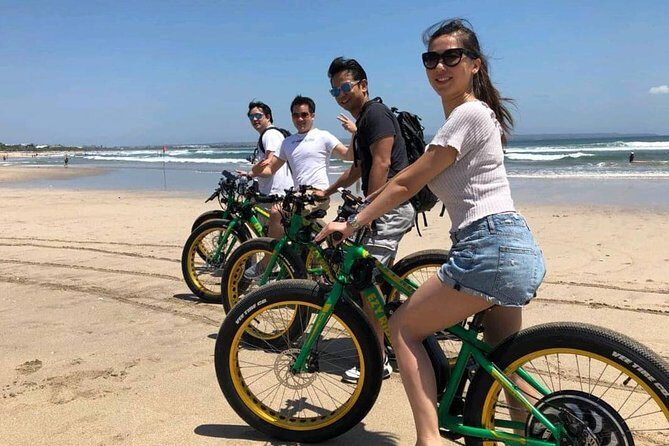
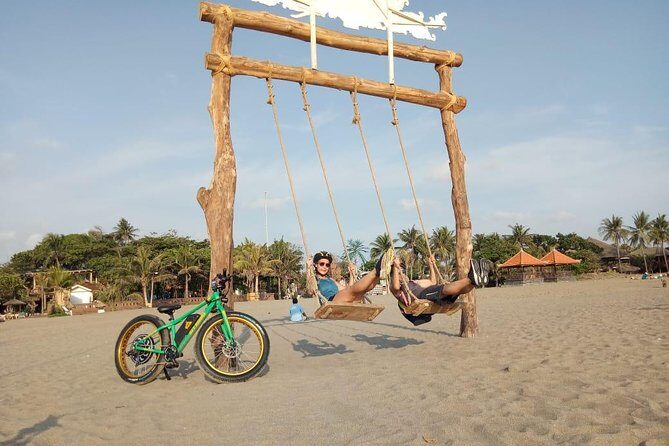
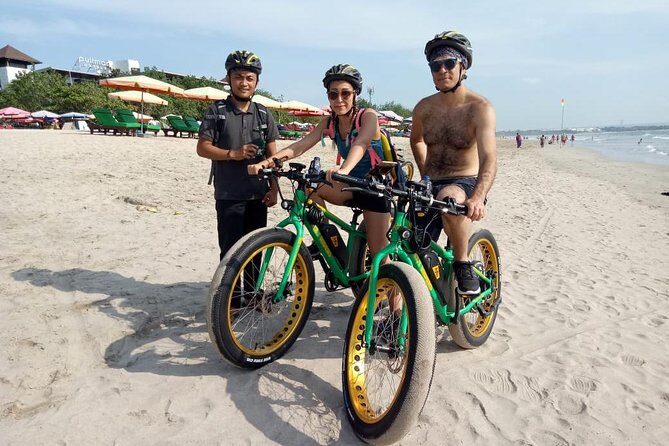
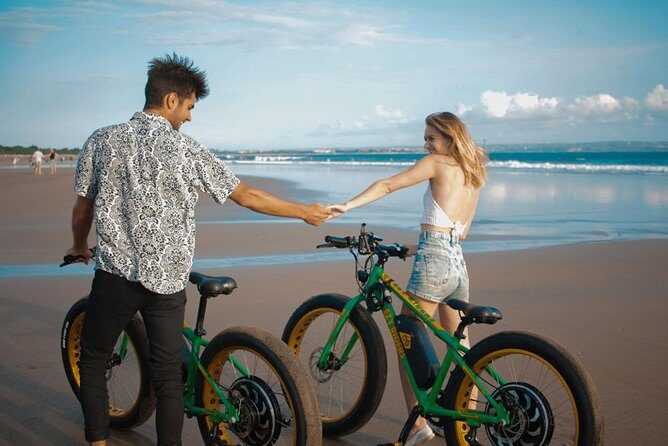
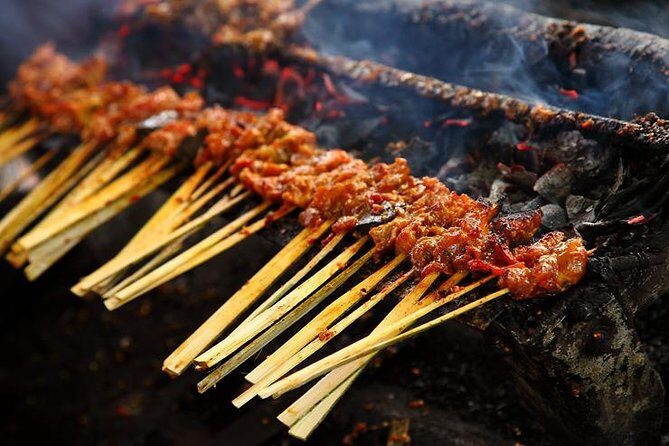
Sanur can surprise you on two wheels. This eco-friendly e-bike tour is built to take you beyond the main strip and into the mangroves, rice fields, and local daily life that most visitors miss. You’ll cruise at an easy pace with a small group, then finish on the beach with a real Indonesian meal.
I love how the route mixes nature and culture in one loop. You’ll get a walk through the mangroves and see serene rice fields before heading into a traditional Balinese market. And I really like that you end with lunch on the beach, which makes the whole ride feel like a proper outing, not just transportation.
One drawback to plan for: cycling skill is required, and you’ll ride through some busier road moments. The guide controls the flow and keeps you safe, but it’s not a slow, fully traffic-free stroll—so bring a calm attitude and ride with focus.
Key highlights you’ll actually feel on this tour
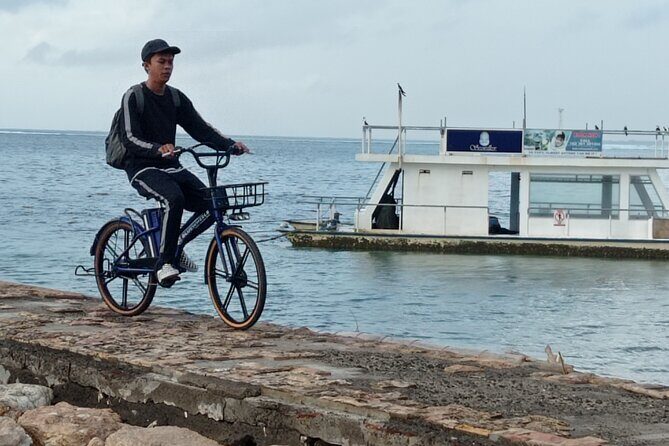
- Mangroves + rice fields: a calmer Sanur route that trades crowds for quiet paths
- Traditional Balinese market time: fresh produce and local craft shopping, not a staged stop
- Turtle conservation at the beach: a meaningful detour that fits naturally into the ride
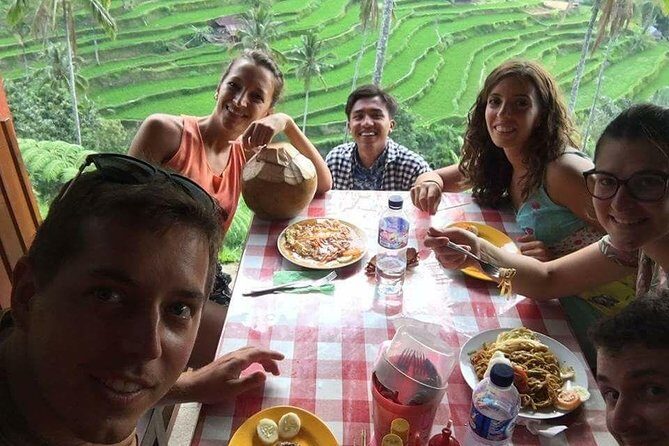
- Beach lunch included: Indonesian food served at the end, right where the ride lands
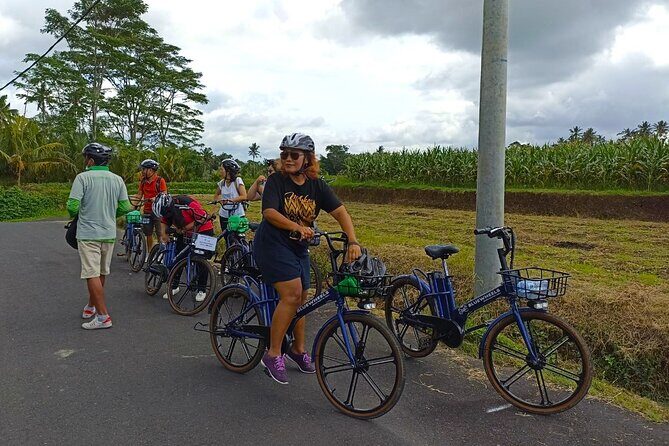
- Small groups up to 7: more space to ask questions and get hands-on guidance
- E-bike support for comfort: you can lean on the motor if you want, even though the area is not hilly
Sanur Village by e-bike: why this route feels different
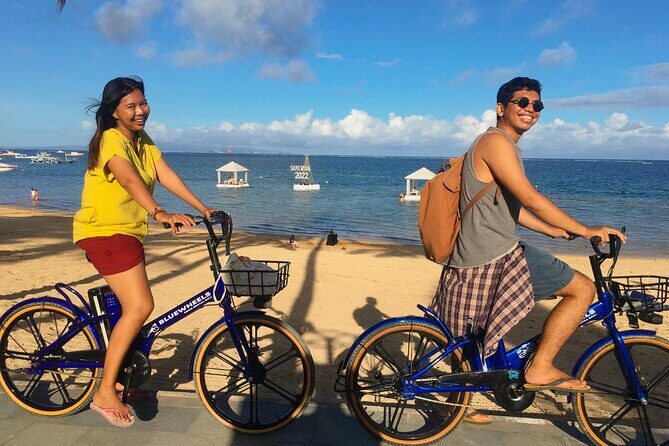
Sanur is one of those places where people often arrive for the beach and move on. This tour nudges you into the neighborhoods and working landscapes that sit just a short ride away. You’re not just looking at Bali—you’re seeing how people live around mangroves, rice fields, and morning market rhythms.
What makes the experience click is the mix of slow walking and active cycling. You get the best of both worlds: short, scenic sections on foot and then an easy e-bike glide between areas. The whole thing is designed to feel practical—you’re moving around efficiently without needing a full day of sightseeing logistics.
I also like that the tour stays centered on Sanur itself. Starting and ending in the center means less stress than tours that shuffle you far out and back. It’s a good option if you’re based in Sanur and want something active that still feels local.
The real value of the $46.48 price (and what you should check)
At about $46.48 per person for roughly 2 hours 30 minutes, this sits in the midrange for Bali activity tours. The value comes from three things that often cost extra when separated: a guided route, an e-bike ride, and a sit-down style meal at the end.
Here’s what you can usually expect to be included based on the provided details:
- E-bike tour time (with a guide and planned stops)
- Indonesian lunch served on the beach
- Admission marked as free in the activity details (so you shouldn’t need separate entry money for the included sights)
One more value point: the group size is capped at 7 travelers. For a cycling tour, smaller groups matter. You don’t get strung out, you can ask questions on the spot, and the guide can actually manage the route instead of just herding everyone.
You should also note the pacing. It’s listed as a 2-hour activity with a total duration of about 2 hours 30 minutes, so you’re getting time for riding plus stopovers. This is not a long endurance challenge. It’s a “see a lot without cooking yourself in the heat” kind of tour.
Mangroves, rice fields, and a Balinese market stop you can browse
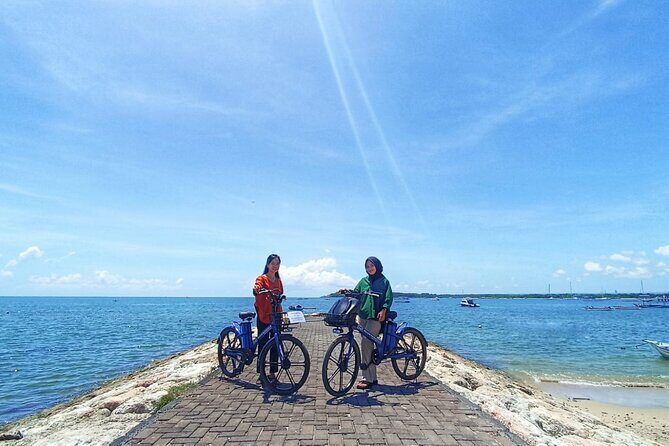
The heart of the tour is the Sanur village section. You start from the meeting area in central Sanur and head out through the quieter side of the area, where the scenery shifts from beach energy to something more grounded.
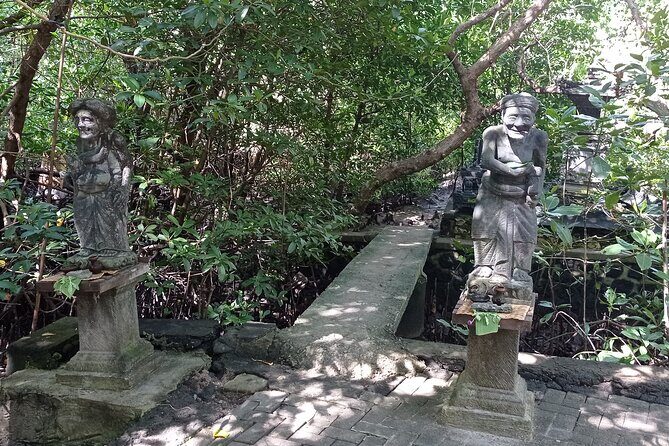
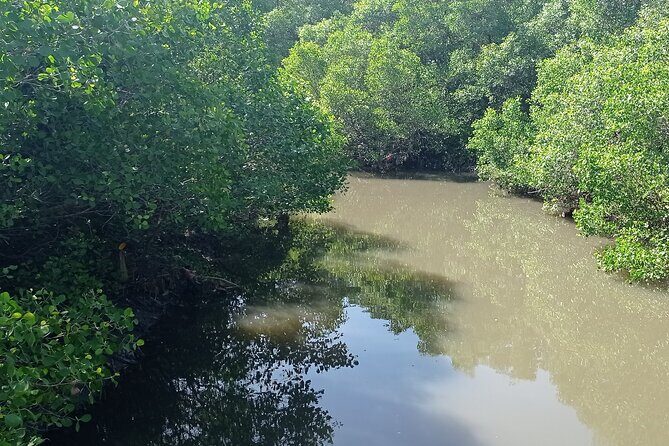
First, you get a walk through the mangroves. Even if you’re not a hardcore nature person, mangroves are visually different—lower, textured, and busy with life if you slow down and look. It’s a good change of pace after the usual beach or sidewalk circuit.
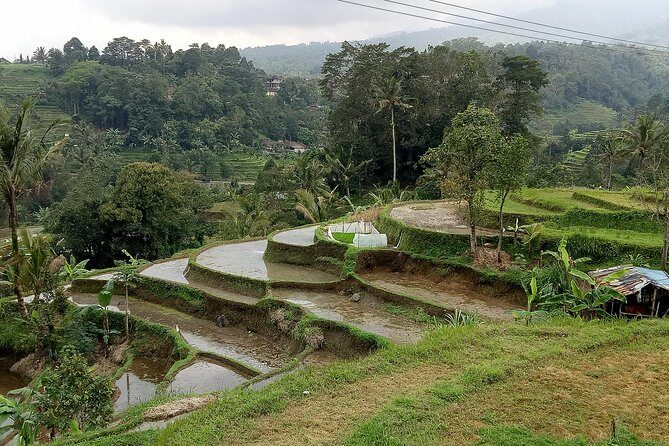
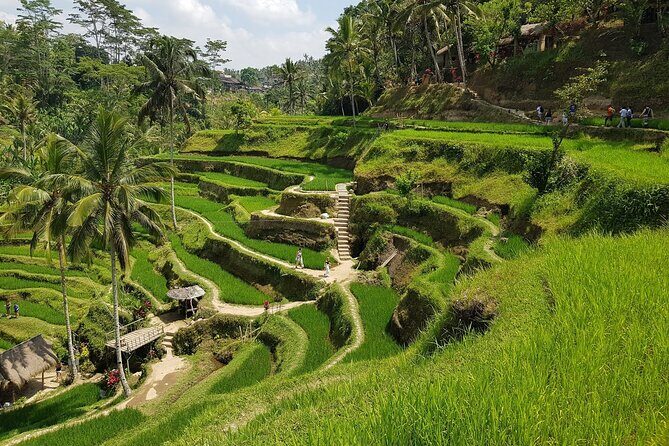
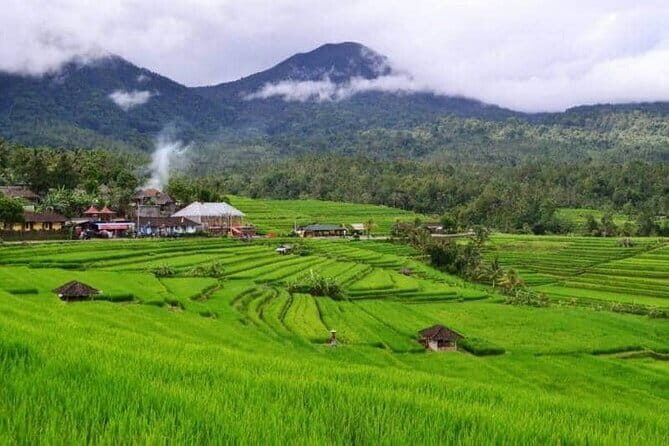
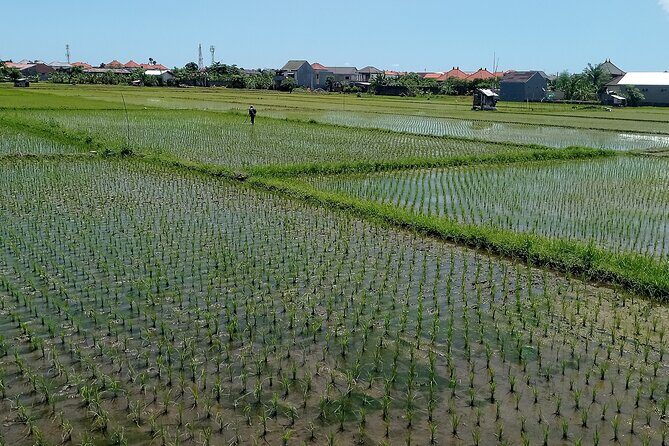
Then comes the rice field side of the tour. These calmer fields give you a sense of how farming shapes the landscape around Sanur. The ride and walk together work well: the bike gets you there fast, and the walking gives you time to take in the views and ask questions without feeling rushed.
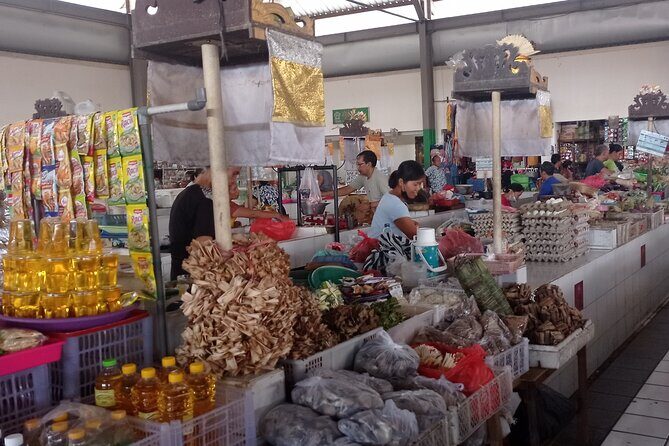
Next is a traditional Balinese market stop. This is where the cultural value shows. You’ll see everyday life in action—fresh produce, local goods, and the kind of browsing you’d normally only do if you were actually nearby for the morning. If you like small souvenirs that feel real (not just packaged for tourists), this is the section to pay attention to.
A realistic consideration: markets can be active and sometimes crowded, and your guide will likely help you move through comfortably. Bring patience and keep your phone away for a minute if you see vendors mid-conversation or mid-work.
Cycling to the beach and turtle conservation: a meaningful detour
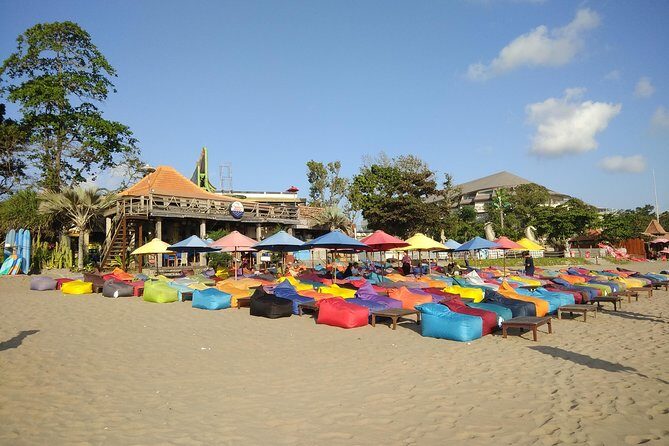
After the village and market segments, you cycle toward the beach area where there’s turtle conservation in Bali. The tour includes a stop connected to caring for sick and wounded turtles, which gives the ride a purpose beyond scenery.
This part works well because it’s timed as the natural payoff of the cycling effort. You’ve been moving through land and village spaces, then you arrive at the coast for something that feels more focused and grounded. It’s also a reminder that Bali’s beaches are tied to wildlife and local conservation work, not just sunbathing.
What to expect in practice: you’ll have time to see the conservation effort and learn enough to understand why the care matters. The information level isn’t specified in detail, so come ready to ask your guide questions if you want more context. In general, conservation stops reward curious visitors because you’ll notice details when you slow down.
One small drawback to keep in mind: since this is on the way back from cycling, the beach section may feel warm or breezy depending on the day. If you burn easily, plan for sun protection. If the ocean breeze cools things down, you’ll still be fine—just don’t forget sunscreen.
Safe riding through Sanur roads: traffic, lights, and a calm guide
A cycling tour in Bali is always a mix of relaxed riding and moments where you share roads with real traffic. The good news here is that the tour is guided, and the ride is handled with safety in mind.
From the information you have, cycling skill is required. That doesn’t mean you need to be a racer. It does mean you should feel comfortable balancing, steering, and starting and stopping smoothly. E-bikes help with the effort, but they don’t remove the need to ride confidently.
You can also expect the guide to manage the tricky parts—things like crossing intersections and moving through busier traffic zones. One review highlighted that there were some interesting traffic situations, but crossings were handled carefully, including at lights. That’s exactly what you want to hear: guidance that keeps everyone together and reduces sudden moves.
My practical tip: treat every road moment like it’s new, even if you ride confidently back home. Sanur street rhythms can feel different. Keep your eyes up, don’t follow too close, and listen for the guide’s cues.
E-bike comfort: when to pedal and when to let the motor help
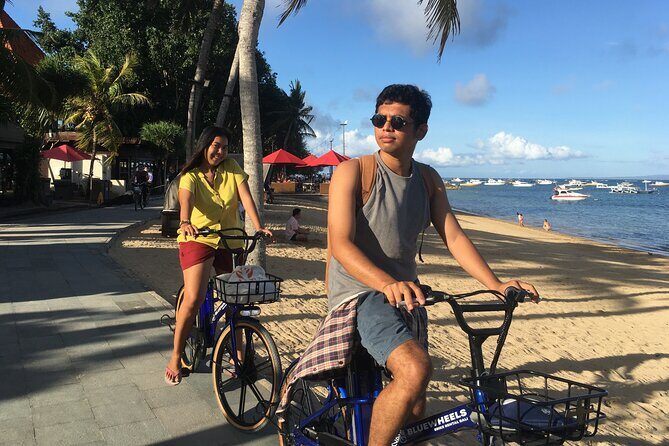
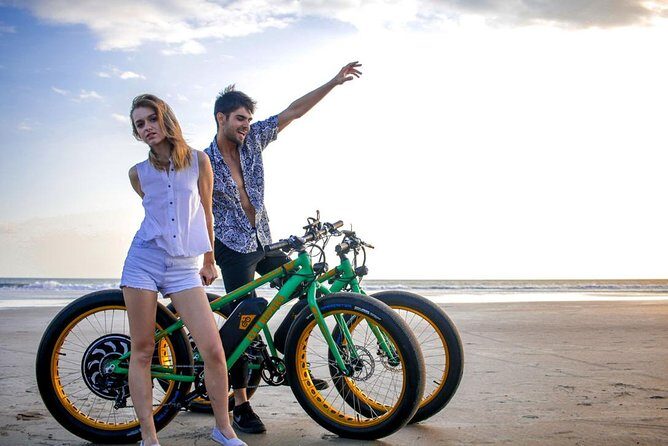
The route is described as not hilly, and the e-bike support is there mainly for comfort and ease. You can pedal if you want the exercise, or you can rely on the motor when you feel like conserving energy.
This matters for families and mixed groups. If someone in your crew is a stronger rider and another person prefers less effort, the e-bike levels the playing field. It helps the whole group stay together instead of splitting into faster and slower riders.
There’s also a weight limit: max 110 kg. So if you’re planning for a larger family member or friend, double-check that you fit the stated requirement. The tour also lists a minimum height of 150 cm, which is another important detail for parents deciding if their child can ride comfortably and safely.
If you’re booking for a multi-generational group, this is one of the best ways to make it work. Everyone can participate, but you need to stay within the stated height and weight limits.
Family-friendly, but with real-world rules
Calling a tour family-friendly is easy. Making it family-friendly in practice takes rules, and this one does have them.
The tour notes that most travelers can participate, but it also lists cycling skill required plus the height and weight limits. So the right family fit looks like:
- Kids who meet the 150 cm minimum
- Anyone who can comfortably control a bike at moderate speeds
- Families who prefer guided structure and don’t want to navigate on their own
Group size helps here too. With a maximum of 7 travelers, the guide can monitor the ride more closely than on larger tours. That makes it easier for families to keep together, ask questions, and not feel like they’re blocking a parade.
One more practical point: the meeting area is in central Sanur and is near public transportation. That can make it easier for families juggling multiple plans during the day. You’re not locked into a remote pickup system far from where you already are.
Timing, meeting point, and what to bring
The tour starts at 9:00 am and runs for about 2 hours 30 minutes. Starting in the morning matters in Bali because heat and humidity stack quickly. You’ll feel better on a bike when the day is still fresh.
The meeting point is listed at 77W5+7G5, Jl. Bet Ngandang II, Sanur. Your tour ends back at the same meeting point, so you don’t have to figure out a separate return plan. Also, the tour uses a mobile ticket, which is convenient if you’re trying to keep your day low-friction.
What to bring:
- Water (even if the day is short)
- Sun protection (you’ll be outside)
- Comfortable shoes that grip
- Light rain gear, just in case
And yes, weather matters. The activity details say it requires good weather. If the conditions are poor, the tour can be canceled, so keep an eye on the forecast and don’t plan something critical right after your tour time.
Is this worth booking? My quick decision guide
I think you should book this tour if you want:
- An active way to see Sanur village life without complicated navigation
- A guided ride with stops that go beyond the beach strip
- A day that includes mangroves, rice fields, a market, and turtle conservation, all in one tidy loop
- A smaller group experience that feels manageable for families
You might skip it if:
- You’re not comfortable riding a bike and don’t feel confident crossing busy intersections
- You’re traveling with someone who can’t meet the 150 cm height or 110 kg weight limits
- You’re set on a fully weather-proof plan (because this one depends on good conditions)
If you’re on the fence, my advice is simple: this is a strong value activity for a short Sanur stay. You get a lot of variety—nature, culture, and conservation—with a guide who keeps the ride safe and the day flowing.
FAQ
How long is the Sanur Village e-bike tour?
The duration is approximately 2 hours 30 minutes.
What time does the tour start?
The start time is 9:00 am.
Where is the meeting point?
The meeting point is listed at 77W5+7G5, Jl. Bet Ngandang II, Sanur, Denpasar Selatan, Bali, Indonesia. The tour ends back at the meeting point.
Is lunch included?
Yes. An Indonesian lunch is served on the beach at the end of the tour.
What’s the group size?
The maximum group size is 7 travelers.
Do I need to be able to cycle?
Yes. The tour notes that cycling skill is required, even though you’ll be on an e-bike.
Is the tour dependent on weather?
Yes. The experience requires good weather. If it’s canceled due to poor weather, you’ll be offered a different date or a full refund.













.jpg)
.jpg)
.jpg)
.jpg)
.jpg)
.jpg)
.jpg)
.jpg)