Bali Must-Try Food Tour (Denpasar)

Bali Must-Try Food Tour (Denpasar) - Stop 1 at Badung Market: the fruit test (and a big appetite trigger)

Denpasar’s food scene has a quieter rhythm than the usual Bali hot spots. This tour is built for that exact vibe: you start at a major local market, then walk through nearby neighborhoods where the best bites are the ones you’d never think to hunt down.

What I like most is the small-group size (8 max) and the 11+ tastings that range from sweet and salty to drinks and mains. You also get guides such as June and Yusuf, who focus on local flavor stories rather than just handing you plates.

One thing to consider: there’s no hotel pickup, and it’s a walk-and-eat style tour that starts at 4:00 pm, so you’ll want to plan your transport and shoes.

Key things to know before you go

Bali Must-Try Food Tour (Denpasar) - Key things to know before you go

  • 11+ tastings across sweets, mains, drinks, and local snacks
  • Badung Market fruit picking as your warm-up before the neighborhood stops
  • Small group of 8 max, so you can ask questions and keep the pace comfortable
  • Professional, upbeat guides (including June and Yusuf, based on past tour feedback)
  • Good-weather dependent, since the experience runs outdoors while you walk

Denpasar food you can actually understand (not just eat)

Bali Must-Try Food Tour (Denpasar) - Denpasar food you can actually understand (not just eat)
If Bali food tours sometimes feel like a highlight reel, this one leans the other way. It’s designed around the food people in Denpasar actually buy, snack on, and serve. You’re not only tasting items; you’re also getting the why behind them—through the lens of markets, neighborhoods, and the local food culture.

Price is $49 per person for about 3 to 4 hours. For Bali, that’s in the “fair value” range, mainly because you’re not just sampling a couple bites at one stop. You’re working your way through multiple moments—market produce first, then a chain of neighborhood tastings—so your money goes toward both variety and time with a guide.

And yes: bring a big appetite. This is a “keep eating” plan, not a polite nibble.

Who this tour suits best

I’d point you here if you want:

  • A guided walk that keeps you from ordering blindly
  • Lots of small tastings (instead of one long meal)
  • An easy way to sample Balinese flavor without trying to decode menus

You might choose something else if you want lots of sit-down dining, a car-based route, or a tour that starts earlier in the day.

Meeting up and getting your bearings fast

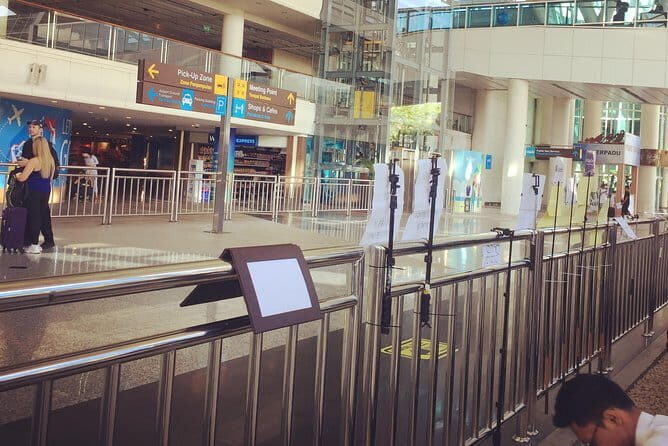
You’ll start at a meeting point in Denpasar (Jl. Mayor Wisnu No.10 area, Dangin Puri). The tour starts at 4:00 pm. Your end point is close enough to walk from the beginning, and the guide will help you make sure you arrive safely.

There’s no hotel pickup/drop-off, so your main planning task is getting yourself to the start area. The good news: the tour is listed as being near public transportation, so it’s usually doable to reach without a private driver—especially if you’re already moving around the island in the afternoon.

Also note the format: it’s a group walk with multiple food stops. That means you’ll want comfortable shoes and a light layer. Late afternoon weather can turn quickly in Bali.

Stop 1 at Badung Market: the fruit test (and a big appetite trigger)
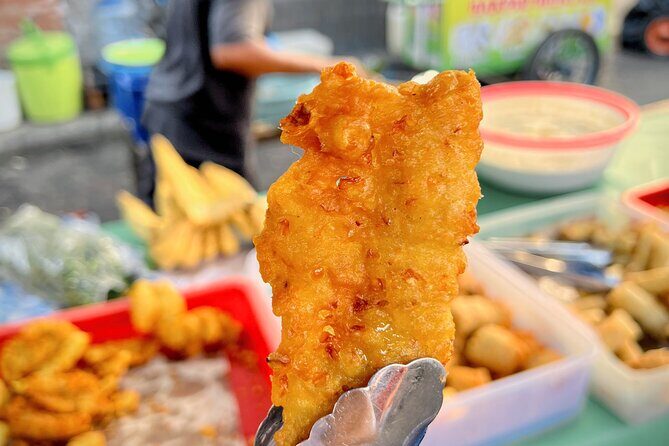
Bali Must-Try Food Tour (Denpasar) - Stop 1 at Badung Market: the fruit test (and a big appetite trigger)
Your tour begins in front of Badung Market in Denpasar—a major local market where you can see the food system up close. The first “tasting” isn’t exactly a dish. It’s the moment where you handpick local fruits.

That matters more than it sounds. Market fruit is where you start noticing how local taste works: sweetness that isn’t candy-sweet, textures that are new to your palate, and fruit varieties you might never have seen before. Even if you think you know fruit, the fun here is that you’re meeting local produce on its own terms.

You also get an early orientation to the area. Before you hit the neighborhood streets, you’re already warmed up with a clear sense of what you’re looking at—so the tastings later land better.

Walking the neighborhood: the sweet/salty start you’ll remember
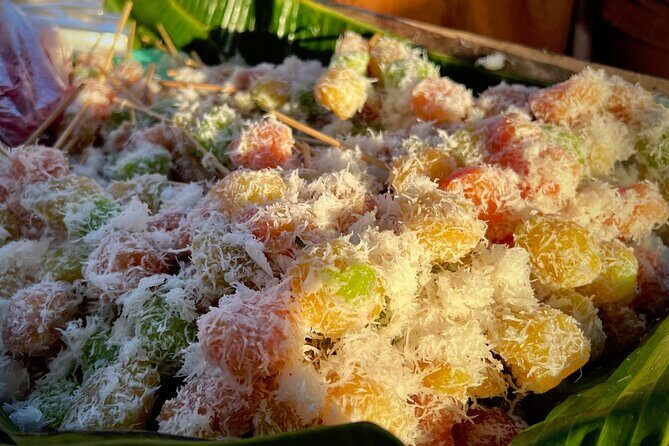
Bali Must-Try Food Tour (Denpasar) - Walking the neighborhood: the sweet/salty start you’ll remember
After the market, you move into the surrounding neighborhood on foot. This is where the tour turns from “see food” into “taste food,” and the pacing stays relaxed enough for questions.

A key moment here is the early tasting of a unique sweet/salty dish that’s meant to be memorable. I like how this sets your taste brain up for the rest of the tour: you’re not only chasing flavor; you’re also training your palate to expect contrast—sweet against savory, soft against chewy, or something fragrant paired with a salty edge.

From there, your guide keeps the flow going with additional small stops. Each one is themed by flavor and story, which helps you connect the dots between what you’re eating and what Balinese people value in that food.

The middle stops: more than snacks, less than a full meal
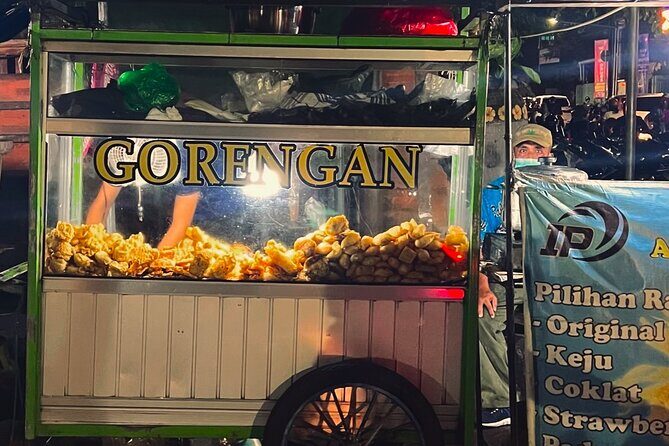
Bali Must-Try Food Tour (Denpasar) - The middle stops: more than snacks, less than a full meal
The tour is built around 3 to 4 hours and includes 11+ tastings, so the middle chunk is where you feel the real “wow” factor: variety. You’re not stuck with the same style of food all night. Instead, you’ll bounce between different flavors and preparations.

The itinerary indicates multiple stops in the neighborhood after the first sweet/salty bite, with each stop bringing its own “flavor, story, and theme.” In practice, that means:

  • You’ll likely get a mix of sweets and savory plates
  • You’ll spend time learning how local ingredients and cooking styles show up across dishes
  • You’ll taste drinks as well, so the tour isn’t just about solids

This is also where a small group is a big deal. With no more than 8 people, you can actually hear explanations and keep up without feeling rushed. It’s the difference between tasting as a chore and tasting as a guided food conversation.

Finishing strong: last stop energy and a short walk back
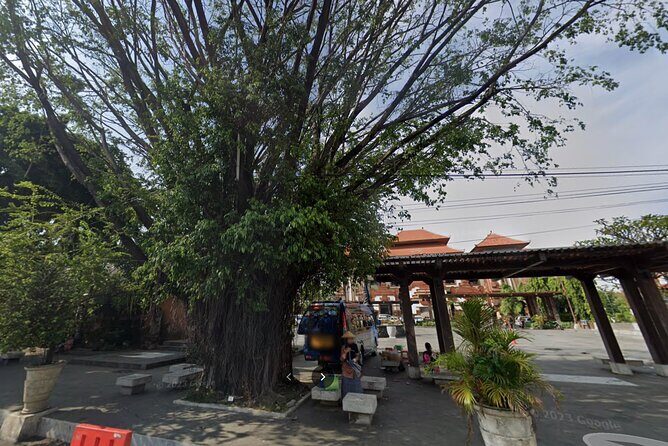
Bali Must-Try Food Tour (Denpasar) - Finishing strong: last stop energy and a short walk back
The tour ends with one last stop before you head back toward the endpoint. Since your endpoint is listed as walking distance from the start, you’re not ending your evening in a complicated transportation puzzle.

For timing, since the tour starts at 4:00 pm, you’ll likely be eating your way through the late afternoon. That’s great if you want dinner plans that aren’t stressful. You’ll probably leave satisfied, not starving—just keep in mind you’ll have already eaten a lot, so don’t plan an immediate heavy sit-down meal afterward unless you really want to.

What makes the guide part matter (and why it’s usually the dealbreaker)
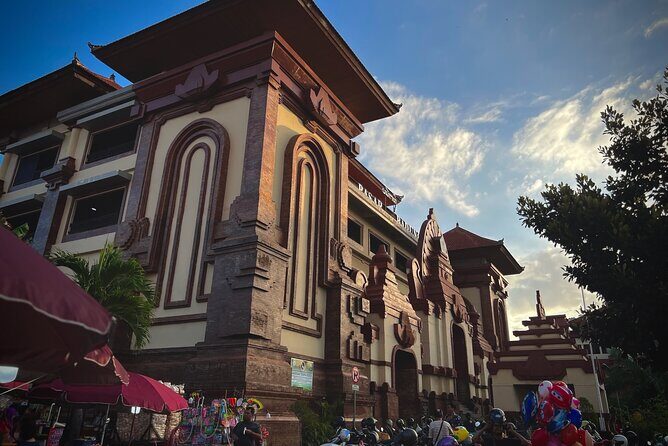
Bali Must-Try Food Tour (Denpasar) - What makes the guide part matter (and why it’s usually the dealbreaker)
Food tours rise or fall on the guide. This one is positioned with local guides who are professional and full of positive energy, and past feedback highlights two names in particular: June and Yusuf.

What you should look for in a great guide on a food tour like this is simple:

  • They can explain what you’re eating in plain terms
  • They connect flavors to culture without getting preachy
  • They help you order or taste like a local, not like a tourist

The best part of a tour like this is that you get the stories behind what you eat while you’re still in the middle of tasting it. That timing helps everything stick: you don’t just swallow bites and hope they make sense later.

How good value looks for a $49 Denpasar food tour

Bali Must-Try Food Tour (Denpasar) - How good value looks for a $49 Denpasar food tour
Let’s talk value, not just cost.

For $49, you get:

  • 11+ tastings (so you’re not paying for a single meal)
  • local drinks and refreshment
  • a guide and walking exploration across multiple stops
  • about 3 to 4 hours of activity

The hidden value is the “avoid the guessing game” part. If you’re on your own, it can be hard to know what’s worth trying, what’s safe to eat, and what’s actually local rather than generic. A guided plan saves you time and decision stress—and it increases the odds you try flavors you’d otherwise miss.

So if you like your Bali travel to feel practical and grounded in everyday food life, this price fits the experience.

Practical tips so you enjoy every stop

Here are the few things I’d do if you’re planning to maximize the fun:

  • Eat light earlier that day. This tour is a multi-stop tasting plan.
  • Bring a small appetite buffer: even if you think you’re full, the next stop might be the one you remember most.
  • Wear comfy shoes for walking between neighborhood stops.
  • Consider your water plan. You’ll have drinks during the tour, but it’s still wise to stay hydrated.
  • Go with an open mind on fruit and unfamiliar flavors. Badung Market fruit can be a surprise in the best way.

Weather and timing: small details that affect the whole night

This experience is marked as requiring good weather. That’s not just a technical note; it’s because the tour is built around walking between stops and eating outdoors at multiple points.

You start at 4:00 pm, so if you’re coming from another area, plan to arrive on time without sprinting. The tour end is walking distance from the start, so once you’re done eating, you can finish your evening without a major transport scramble.

If the tour is canceled due to poor weather, you should expect it to be rescheduled or refunded (as listed by the provider).

Should you book the Bali Must-Try Food Tour in Denpasar?

Book it if you want:

  • A small-group food walk with lots of tastings
  • Badung Market as your kickoff, including local fruit picking
  • A guided route that helps you taste Balinese food without guesswork
  • A tour format that feels like learning through eating

Skip it if you:

  • Want hotel pickup as a must-have
  • Prefer a fully seated dining experience
  • Don’t like walking after workday-style hours

For most people who enjoy street food and want a real taste of Denpasar rather than only Bali’s most famous highlights, this is a strong pick. It’s the kind of tour where you leave feeling like you understand what you ate—and why.

FAQ

How long is the Bali Must-Try Food Tour in Denpasar?

It runs about 3 to 4 hours.

Where does the tour start and when?

The tour starts at 4:00 pm at Jl. Mayor Wisnu No.10, Dangin Puri, Kec. Denpasar Tim., Kota Denpasar, Bali 80232.

How many people are in the group?

The maximum group size is 8 travelers.

What food and drinks are included?

You’ll enjoy 11+ Balinese tastings, plus various refreshment and local drinks.

What is the first stop on the tour?

You’ll begin at Badung Market in Denpasar, where you handpick local fruits.

Is hotel pickup or drop-off included?

No. Hotel pickup or drop-off is not included.

Do I need to bring a ticket?

You’ll receive a mobile ticket.

What happens if the weather is bad?

The experience requires good weather. If it’s canceled due to poor weather, you’ll be offered a different date or a full refund.

Is the tour near public transportation?

Yes, it’s listed as being near public transportation.

Is cancellation free?

Yes, free cancellation is offered up to 24 hours in advance for a full refund.
Snorkeling At Blue lagoon And Hidden waterfall

Snorkeling At Blue lagoon And Hidden waterfall - Blue Lagoon Snorkeling: Clear Water, Coral, and Turtle Sightings

Turtles and waterfall photos in one day.

This full-day Bali outing mixes snorkeling in warm, clear coastal water with a forest walk to Kanto Lampo, then adds a coffee stop and a bit of local sightseeing. The best part is that you’re not rushing between random “photo stops”—you get real time in the water and enough time at the waterfall for picture angles.

I love how much is included for the money. You get pickup in an air-conditioned vehicle, bottled water, snorkeling gear, a guide for the water, and lunch—so you’re mostly paying for the experience, not logistics.

One thing to consider: the day depends on weather, and you’ll do some walking at the waterfall, so comfortable shoes and a moderate fitness level help.

Key Highlights You’ll Care About

Snorkeling At Blue lagoon And Hidden waterfall - Key Highlights You’ll Care About

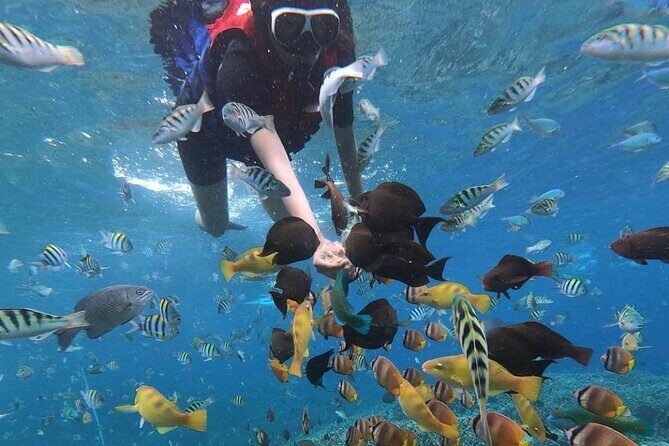
  • Blue Lagoon snorkeling time with calm water chances, plus turtles and colorful coral/fish
  • A guide who checks in while you’re in the water, adding real peace of mind
  • Kanto Lampo waterfall photo spots after a short forest walk, with a chance to climb rocks for a better angle
  • Coffee plantation break with free coffee and tea samples and scenic downtime
  • Private, air-conditioned transport with hotel pickup and drop-off

How This Bali Day Trip Flows From Pickup to Waterfall Photos

Snorkeling At Blue lagoon And Hidden waterfall - How This Bali Day Trip Flows From Pickup to Waterfall Photos
Your day starts at 8:00 am, and it’s built around an easy rhythm: ride, snorkel, waterfall walk, coffee break, then a relaxed return to your hotel. Even though it’s described as a full day, the snorkeling and waterfall portions are the “main acts,” so you won’t feel like you’re trapped in a long bus tour the whole time.

What makes this itinerary practical is that it’s door-to-door. You don’t need to coordinate scooters or transfers. You’re picked up from your accommodation and brought back in an air-conditioned vehicle, which matters on Bali days when the sun can get intense.

You also get a lot covered in the price: snorkeling equipment, bottled water, and lunch. That’s a big value win because those costs add up fast if you try to piece the day together yourself.

Blue Lagoon Snorkeling: Clear Water, Coral, and Turtle Sightings

Snorkeling At Blue lagoon And Hidden waterfall - Blue Lagoon Snorkeling: Clear Water, Coral, and Turtle Sightings
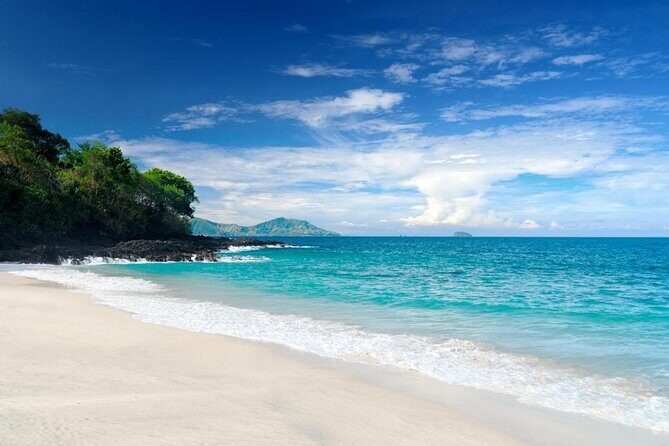
Blue Lagoon is the snorkeling cornerstone of this tour, and it’s known for being beginner-friendly. The water is described as warm and clear, with colorful fish and coral. If you’re not an expert snorkeler, that clarity helps you feel oriented fast—especially when the guide points out where to look.

This is also the stop where the wildlife odds feel real. You may see big turtles, and there’s even a chance of a medium octopus. Some departures have included sightings like sting rays too, so it’s worth staying alert even after you spot the first fish shoals.

What I’d watch for while snorkeling

  • Safety and comfort: the tour includes a guide in charge of the snorkeling experience, and past groups noted safety measures and the guide checking everyone while they were in the water.
  • Time in the water: this isn’t just a quick “dip and go.” You’re there long enough to get into the rhythm of breathing, floating, and scanning the reef.
  • Camera planning: if you want underwater shots, the tour notes that a camera under water (like a GoPro) can be hired, but that’s an extra cost.

Small drawback to accept

Snorkeling is always weather-dependent. If the sea conditions aren’t good, your view can change. You might still enjoy the experience, but don’t expect perfect water every day.

An Extra Snorkeling Stop Option: Where Tanjung Jepun Fits

Snorkeling At Blue lagoon And Hidden waterfall - An Extra Snorkeling Stop Option: Where Tanjung Jepun Fits
The tour description also references another snorkeling spot in the same area called Tanjung Jepun, described as a top snorkeling location. Since the schedule centers on Blue Lagoon but also mentions Tanjung Jepun, you should expect the day to include additional reef time depending on conditions and routing.

Here’s how to think about it as a traveler: more than one snorkeling stop usually means more variety—different coral patches, different fish behavior, and different chances for turtle sightings. If you’re the type who likes “try a little, then compare,” this structure gives you that.

If you’re choosing between priority snorkeling and waterfall photos, you’re already getting both. Still, this part of the day is about enjoying the water calmly, not racing to every corner.

Kanto Lampo Waterfall Walk: Forest Steps and Real Photo Angles

Snorkeling At Blue lagoon And Hidden waterfall - Kanto Lampo Waterfall Walk: Forest Steps and Real Photo Angles
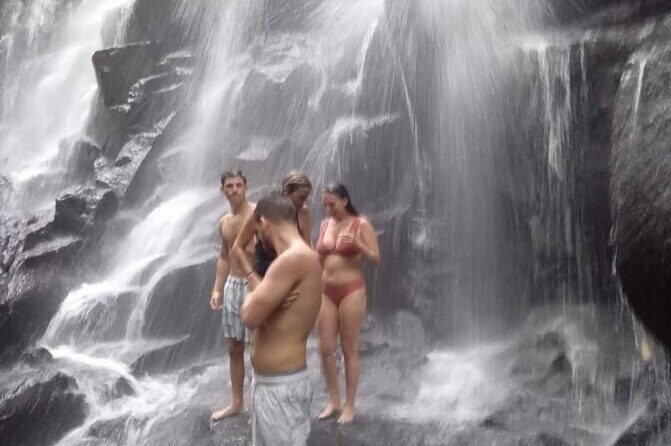
Next comes Kanto Lampo Waterfall, sometimes described as a hidden-style stop. The walk is described as going through forest with a short descent—about 10 minutes down—so it’s not a long hike, but it is enough that you’ll want shoes with grip.

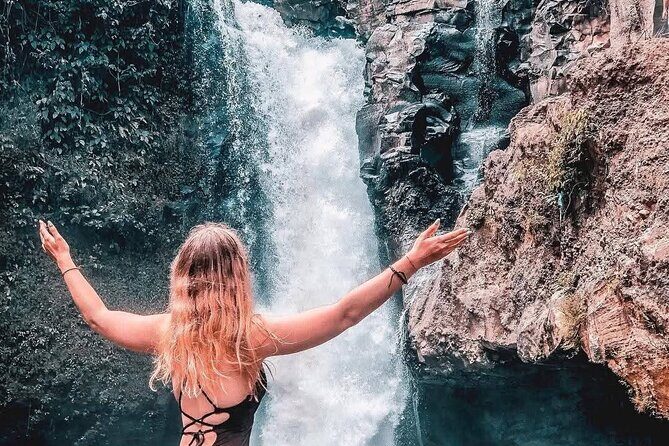
This waterfall is popular for photography because you can often find strong framing right where you stand, and the tour description even notes that for the best photo spot, you can climb the rocks. Use common sense here. Rocks can be slick, and your goal is a great angle without risking a spill.

Why this stop feels worth it

Waterfalls are easy to “overdo” on Bali. Here’s what makes it feel different: the forest walk breaks the day up after snorkeling, and the waterfall itself gives you a new kind of scenery that doesn’t look like beach reef photos.

Also, the waterfall timing works well because you’re not rushing through. You get enough time to walk down, take photos, and still feel like you had a real break rather than a quick stop.

A practical consideration

Because you’ll be moving on uneven surfaces, keep your pace calm. If you’re traveling with anyone who doesn’t like stairs or slippery steps, that’s the one part of the itinerary I’d plan around.

Satria Coffee Plantation: Free Samples and a Scenic Reset

Snorkeling At Blue lagoon And Hidden waterfall - Satria Coffee Plantation: Free Samples and a Scenic Reset
Between water and waterfall energy, the tour includes a coffee plantation stop. This is a short break—about 30 minutes—and the best part is that the tasting is free.

The point of this stop isn’t to become a coffee expert. It’s more like a reset button: sit for a moment, sample coffee and tea, and let the day’s sun and salt air settle before you head back.

Even if you don’t buy anything, you’ll usually find the views and setting make the pause feel pleasant. If you do want souvenirs, plantations like this often sell coffee and local products, but the key detail here is the tasting is included at no extra cost.

Silver Jewelry and Wood Statues: Worth Browsing, Easy to Skip

Snorkeling At Blue lagoon And Hidden waterfall - Silver Jewelry and Wood Statues: Worth Browsing, Easy to Skip
The day also includes an extra stop for silver smith jewelry and an area focused on wood statue art. These types of stops can go either way depending on your style.

If you like crafts, it can be a satisfying final cultural touch—especially since it’s not forced as a long workshop. If you don’t care about shopping, treat this as optional window-shopping. You can browse briefly, then save your energy for the return ride.

My advice: if you do buy, check pricing carefully. Small items can look similar, but quality and finish can vary a lot.

Price and Value: What You’re Paying For (and What You’re Not)

Snorkeling At Blue lagoon And Hidden waterfall - Price and Value: What You’re Paying For (and What You’re Not)
At $54 per person, this tour sits in a reasonable mid-range for a full-day experience that covers transport, snorkeling gear, and lunch. The value is in the bundled items:

  • Snorkeling equipment provided
  • Private transportation with air-conditioning
  • Guide for snorkeling at Blue Lagoon
  • Lunch included (local Balinese meal)
  • Bottled water and all fees and taxes included

What’s not included is also clear: if you want an underwater camera setup like a GoPro, you’d need to pay extra.

Here’s how I’d judge the value for you: if you’ve ever tried to coordinate snorkel gear rentals plus transport plus a guide plus lunch separately, you’ll see why bundled tours often win. This one tries to solve the whole day, not just one activity.

A final bonus: it’s described as a mobile ticket experience and listed as booked on average about 18 days in advance, which is a hint that popular dates can fill up.

Transportation and Timing: Why It Matters on a Hot Bali Day

Snorkeling At Blue lagoon And Hidden waterfall - Transportation and Timing: Why It Matters on a Hot Bali Day
Pickup and drop-off matter more than people think. A private air-conditioned ride is the difference between arriving at snorkeling fresh versus arriving sweaty and frazzled.

Since the day starts at 8:00 am, you’re also using cooler morning light. That’s helpful for both snorkeling comfort and waterfall photos. Later in the day, sun and heat become harder to manage, especially if you’re wearing wet gear and then doing a walk.

The tour description says the duration is roughly 1 to 8 hours, which likely reflects differences in routing, snorkeling timing, and how long you spend at each stop. Plan your day around it like a full itinerary, not a quick half-day.

Comfort, Safety, and Photo Tips That Actually Help

This is a hands-on day, so small preparation choices make it smoother:

  • Bring reef-safe sunscreen and reapply after snorkeling. You’ll still get sun while snorkeling, and then again on land at the waterfall.
  • Wear shoes that can handle a wet walkway. The waterfall walk is short but includes steps and rocks.
  • Bring a dry bag if you have one, especially for a phone or small electronics.
  • If you want underwater photos, plan for the fact that an underwater camera isn’t included; you’d need to hire one separately.

Safety-wise, this tour includes a guide for snorkeling and notes safety measures. Still, treat snorkeling like a water activity: breathe steadily, don’t force depth, and keep close to the group when the guide signals.

For photos, the waterfall is where you’ll get the biggest payoff. The tour notes that climbing rocks can help you reach the best spot—so aim for a calm, careful climb rather than a rushed one.

Who This Tour Fits Best

This is a strong pick if you want a balanced Bali day: sea life plus a waterfall walk, without needing to drive or plan transfers.

It’s also a good fit for:

  • Beginner snorkelers who want clear water and a guide
  • People who like photo-friendly stops (especially Kanto Lampo)
  • Travelers who want everything handled: gear, lunch, transport

If you’re someone who only wants a pure snorkeling day, you might find the waterfall and coffee stops a little “extra.” But if you like variety, this itinerary hits a sweet spot.

One more note: it asks for moderate physical fitness. That doesn’t mean it’s hard. It just means you’ll walk and handle some uneven ground at the waterfall.

Should You Book This Blue Lagoon and Kanto Lampo Day?

Yes, I’d book it if you want a value-packed, low-stress day that combines real snorkeling time with a waterfall that’s worth your camera.

I’d skip or swap to a different option if:

  • you’re very sensitive to heat and dislike walking on uneven surfaces
  • you only care about snorkeling and don’t want a waterfall and shopping stops
  • you’re traveling on a day when weather looks rough (this experience depends on good conditions)

If your goal is a day that feels like Bali—blue water, forest waterfall, coffee break, and a comfortable ride back—this one is a solid choice.

FAQ

What time does the tour start?

The tour starts at 8:00 am.

How long does the snorkeling and waterfall experience take?

The experience duration is listed as 1 to 8 hours (approx.).

Is hotel pickup and drop-off included?

Yes. Pickup is offered, and the tour includes private transportation with air-conditioning for pickup and drop-off.

What snorkeling gear do I get?

The tour includes use of snorkeling equipment, so you don’t need to bring your own.

Is there a guide for the snorkeling part?

Yes. The tour includes a guide for snorkeling at Blue Lagoon.

Is lunch included during the day?

Yes. Lunch is included as a local Balinese lunch.

Do I need to bring an underwater camera?

No. An underwater camera (like a GoPro) is not included, but you can hire one at your own expense.

What happens if weather is bad?

This experience requires good weather. If it’s canceled due to poor weather, you’ll be offered a different date or a full refund.

Telaga Waja Rafting and Bali ATV Ride Packages

Telaga Waja Rafting and Bali ATV Ride Packages - Rafting Telaga Waja: Class 3–4 Rapids, Real Water Time, Real Stairs

This is one of those Bali combos that turns a long travel day into pure action. You raft the Telaga Waja River (class 3 to 4 rapids) and then swap wet helmets for an ATV ride through rice fields, jungle edges, rivers, and villages around Ubud. I like that the day is built around safety-first guidance with specialist guides and proper equipment.

Two more things I really like: the private air-conditioned car transfer (so you’re not stuck waiting on other groups), and the included buffet lunch right after rafting, when you actually need fuel.

One thing to consider is the total timing. This is listed as an approx. 10-hour day, and some of that time can turn into car time depending on where you start from and what the day’s logistics look like.

What Makes This Combo Worth Your Time

Telaga Waja Rafting and Bali ATV Ride Packages - What Makes This Combo Worth Your Time

  • Telaga Waja rapids (class 3–4): more white water than the Ayung option, with a high-energy feel
  • ATV after rafting: 2 hours on a challenging track that keeps the adrenaline going
  • Stairs to the water: plan for a serious stair climb (you’ll feel it later)
  • Private transfer in an A/C vehicle: comfort matters when you’re doing two activities back to back
  • Included gear and facilities: lockers, towels, showers, and changing rooms are part of the deal
  • Photo support from a photographer: you can buy photos/videos if you want the moment captured

Your Day Timing: What 8:00 AM to About 10 Hours Really Means

Your day starts at 8:00 AM, with pickup that’s designed to be private—meaning your group is in the vehicle together. The tour is built around two main activity blocks: rafting for about 3 hours on the Telaga Waja River, then an ATV ride for about 2 hours in the Ubud area, with lunch between them.

Here’s the practical truth: the “10 hours” is not just on-river plus on-ATV time. It’s on-river time, plus changing, briefing, meal service, and the drive. If you’re staying in places like Seminyak, that drive time can be a big chunk of the day. If your schedule is tight or you hate being in traffic, it’s worth weighing whether you’d rather split this into two separate days.

The good news is that being private helps. You’re less likely to be delayed by other groups, and an A/C vehicle is a lifesaver when the heat is up. Just be mentally ready for a long day—this is an active outing, not a half-day stroll.

Stop 1: Bali Pertiwi Adventure and the “Get Ready” Phase

Telaga Waja Rafting and Bali ATV Ride Packages - Stop 1: Bali Pertiwi Adventure and the “Get Ready” Phase
The action starts at Bali Pertiwi Adventure, your first stop on the schedule. Even though the main event is rafting, the earlier part of the day matters more than people think: you’ll go through check-in, get fitted with safety gear, and hear the basics from the guides.

This is one of those tours where the details are practical. You get safety-approved equipment, plus lockers, towels, shower, and a changing room. That’s huge because you’ll be wet, salty, and probably a bit sweaty from the stairs and pre-rafting walk. Having a place to reset makes the ATV part feel more doable.

Dress is listed as smart casual. That usually means bring what you’d normally wear in Bali, but plan to change into swim-friendly clothes for rafting. The best “smart casual” strategy is simple: wear something you can get wet and that won’t wreck your day if it’s muddy.

Rafting Telaga Waja: Class 3–4 Rapids, Real Water Time, Real Stairs

Telaga Waja Rafting and Bali ATV Ride Packages - Rafting Telaga Waja: Class 3–4 Rapids, Real Water Time, Real Stairs
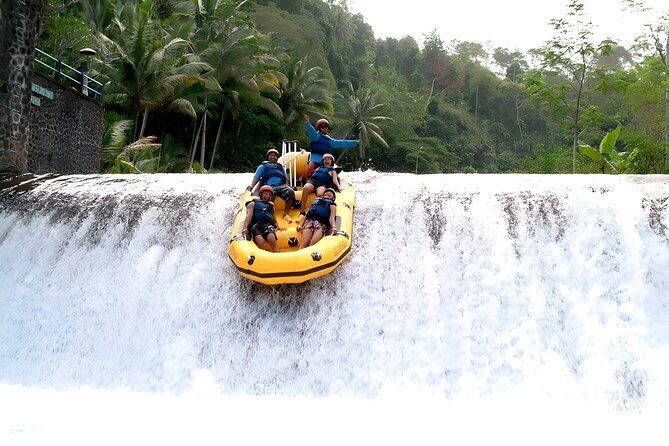
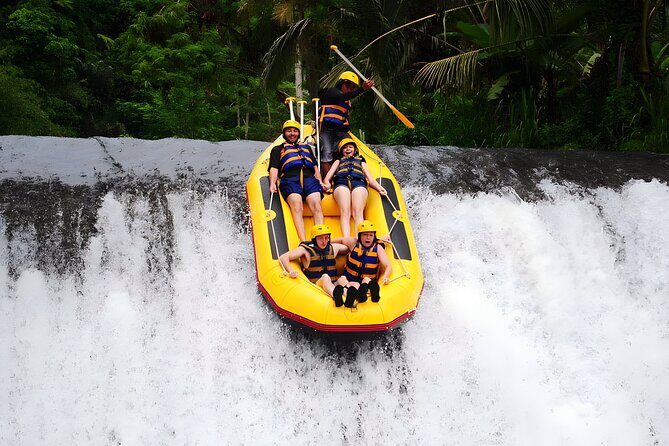
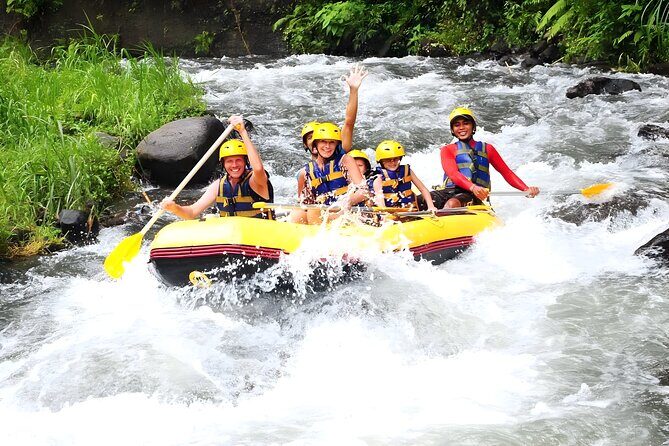
Telaga Waja is known as the more lively of Ubud’s two rafting rivers, and this tour leans into that. You’re rafting rapids graded class 3 to 4, which is the sweet spot for many people who want excitement without it turning into pure survival mode.

The run also includes breaks for the route’s features. The schedule mentions stops around a waterfall and dam area to take a breather and reset. One note to keep in mind: the exact pace of those stops can affect how much you feel like you’re “on the move.” If the day runs behind or breaks are extended, it can feel less like a nonstop 3-hour push and more like a stop-start flow.

The stair reality (you can’t out-train this)

One of the most specific pieces of real-world advice that sticks out is about the stairs. There are about 300 large steps down to the river and about 150 on the way back up. That’s not optional. Even fit travelers will feel it after.

If your legs are not great, or you know stairs wipe you out, this is the one part you should think through carefully. You don’t need to be a mountain climber, but you do need to be able to handle a serious climb after being splashed and changing clothes.

Optional dam descent

The river route is described as having a dramatic optional dam descent. Since it’s called optional, it may depend on conditions and what your guide decides is safe for the group that day. If it’s available, it’s the kind of moment that makes the whole run feel bigger than a standard rafting trip.

Lunch at the Rafting Restaurant: Where You Actually Re-Fuel

Telaga Waja Rafting and Bali ATV Ride Packages - Lunch at the Rafting Restaurant: Where You Actually Re-Fuel
After rafting, you head to the rafting restaurant for buffet lunch. This timing is smart. You’ve just burned energy and gotten cooled down in the water—both make you hungry fast.

The lunch isn’t described in detail, so I won’t pretend you can expect one famous dish. But it’s included, and that matters. You’re not juggling food plans mid-adventure, and you’re getting to refill before you start driving an ATV.

Practical tip: eat like you’re about to ride. That means don’t go super light, and don’t go too heavy on anything that sits badly after a wet morning. Also, keep some water in mind if the restaurant’s refill situation isn’t clear.

ATV in Ubud: Two Hours Through Rice Fields, Jungle Edges, Rivers, and Villages

Telaga Waja Rafting and Bali ATV Ride Packages - ATV in Ubud: Two Hours Through Rice Fields, Jungle Edges, Rivers, and Villages
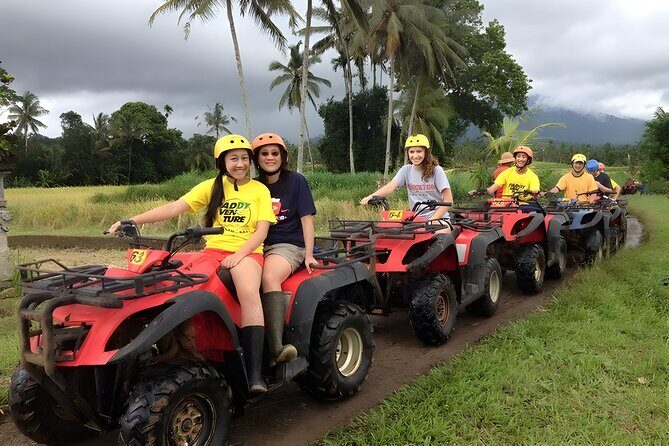
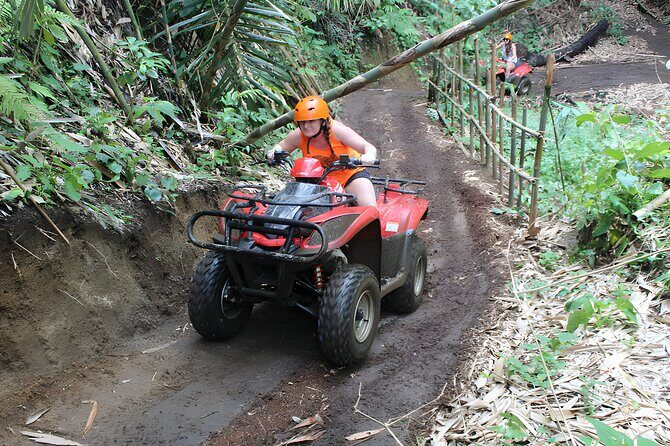
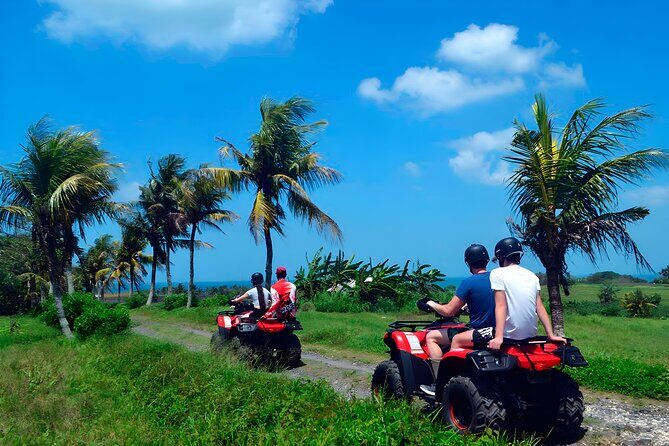
Once lunch is done, you switch gears to an ATV ride for about 2 hours. The route is described as weaving through rice fields, jungle areas, rivers, and traditional Balinese villages.

What you’ll enjoy most is the variety. This isn’t just a single track loop. You get changing scenery—open views one moment, then tighter paths that feel more enclosed. You also get to experience how many parts of Bali are connected by farmland and local roads rather than just big roads and resorts.

Difficulty and the “ride style” factor

The track is described as challenging, and you should treat it like that. ATV driving is not just about speed. It’s about balance, attention, and smooth handling on uneven ground.

Also note the age rules:

  • Minimum age for the overall adventure is 6 years
  • For an ATV single ride, the minimum age is 12 years
  • Children 5–11 must ride tandem with an adult
  • Tandem ride booking must be in multiples of 2 (like 2, 4, 6, etc.)

If you’re traveling with kids or you’re the adult driver planning a tandem setup, check your group math early so you don’t get surprised at check-in.

Private Transfers from Ubud and South Bali: Comfort Is Real, But Plan for Time

Telaga Waja Rafting and Bali ATV Ride Packages - Private Transfers from Ubud and South Bali: Comfort Is Real, But Plan for Time
The tour emphasizes private transfers from hotels and villas in Ubud and south Bali. That can be a big advantage if you’re tired of shared shuttles and people-waiting delays.

Still, here’s what you should expect realistically: even with a private car, you’re doing two activities that are not located right next door to each other. So you should assume some time will be spent driving and transitioning.

In particular, if you’re starting in Seminyak, you may feel like a chunk of your day disappears in the car. That’s not necessarily a deal-breaker, but it is the main reason some people walk away thinking the day ran long. If your priority is maximizing action time, consider whether being closer to Ubud would help. If your priority is convenience and one-day value, the private transfer makes this easier to pull off.

Safety and Guides: What Included Gear Usually Means

Telaga Waja Rafting and Bali ATV Ride Packages - Safety and Guides: What Included Gear Usually Means
This company builds the experience around safety. You get specialist guides for rafting and an ATV ride instructor for the ATV section. You also get protective equipment plus lockers, showers, and changing rooms.

That combination is important: it’s not just safety speeches. It’s gear, fitting, and trained instruction.

Even so, you’ll still want to follow rules during the day. Listen when they brief you about rafting commands and ATV handling. These activities are physical and wet, so small lapses add up fast.

Photographer and the Photos/Video Add-On

Telaga Waja Rafting and Bali ATV Ride Packages - Photographer and the Photos/Video Add-On
A photographer is provided during the tour, and photos and videos are available to purchase. This is a common setup on Bali adventure days. The upside is you get action moments that are hard to capture yourself while you’re trying not to drop your camera.

The downside is obvious: it’s an upsell. If you hate surprise costs, just plan to treat it as optional. If you like having your rafting and ATV moments saved, it’s worth paying for a few highlights.

Price and Value: Is $100 a Fair Deal?

At $100 per person, this package is priced like a proper “two-activity day,” not a single-activity tour. What justifies the cost is the full stack:

  • private A/C transportation for your group
  • rafting plus ATV time (3 hours rafting + 2 hours ATV listed)
  • buffet lunch
  • safety-approved equipment, lockers, towels, and shower/changing room
  • insurance coverage, tax, and services included

The value gets better when you compare it to doing rafting and ATV separately and factoring in transport on a long day. The main reason it can feel less like a good deal is if you end up spending extra time driving or if breaks stretch out. That’s not a “scam” thing—it’s timing reality.

My advice: if $100 is meaningful in your budget, book with realistic expectations about the day being long and slightly logistically complex. If your goal is a fun, active, well-supported day with minimal hassle, it can feel like a solid deal.

What to Bring (So Your Day Doesn’t Turn Into a Mess)

You’ll be asked to bring sunscreen and a camera, plus a change of clothes. The tour also lists a smart casual dress code, so don’t plan on arriving in full swim gear unless that’s what you prefer.

My practical packing list:

  • water shoes or sandals you can get wet
  • a dry bag or zip pouch for your phone/camera
  • a quick towel or extra wipes (optional, but handy)
  • sunscreen you’ll actually reapply
  • a spare shirt for after rafting and during ATV transitions

Also, if you have a preferred hair solution (like a specific tie or small towel), bring it. After rafting and stairs, you’ll appreciate anything that keeps you comfortable for the ATV.

Who Should Book This Telaga Waja + ATV Combo?

This is a great fit if you:

  • want one big action day instead of two separate outings
  • like rafting in the class 3–4 range and want more energy than a mild river run
  • want countryside variety after rafting, not just another water moment
  • value included basics like showers, lockers, and towels

It might be a weaker fit if you:

  • hate stairs and know the climb down and up will be painful
  • want lots of uninterrupted time on the water or ATV and are easily frustrated by a long schedule
  • are on a super tight itinerary where a long drive would stress you out

Should You Book It? My Honest Take

If you want a classic Bali adventure day—rafters first, then ATV through Ubud-area scenery—this combo is a strong choice, especially because the safety setup and included facilities make it feel manageable. The big win is combining two high-energy activities with private A/C transport and lunch included.

But go in with your eyes open about two realities: it’s a long day (car time included), and the stairs to the river are not small. If you can handle that, you’ll likely come away feeling like you got your money’s worth in action and scenery.

FAQ

FAQ

What time does the Telaga Waja rafting and Bali ATV ride start?

The start time is 8:00 AM.

How long is the rafting on the Telaga Waja River?

The tour includes 3 hours of rafting in Telaga Waja.

How long is the ATV ride?

You’ll have 2 hours of ATV riding in Ubud.

Is lunch included?

Yes. The tour includes a buffet lunch after rafting.

Do I get safety gear and places to change?

Yes. You’ll have safety-approved equipment, plus lockers, towels, shower, and changing room.

Is private transport included?

Yes. It’s a private tour, and the vehicle is air-conditioned with a professional English-speaking driver for the tour.

What are the age requirements?

The minimum age for the adventure is 6 years, and the maximum age is 65 years. The minimum age for an ATV single ride is 12 years.

Is there a vegetarian option?

Yes. A vegetarian option is available if you advise at the time of booking.

Can I cancel and get a refund?

You can cancel for a full refund up to 24 hours before the experience’s start time. If you cancel within 24 hours, you won’t get a refund.

Sunset Sailboat Dinner Cruise & Private Ubud highlights Tour.

Sunset Sailboat Dinner Cruise & Private Ubud highlights Tour. - Tegallalang Rice Terraces: the green “Bali postcard” hour

Sunset on a Phinisi boat feels special. This private day pairs Ubud greenery at your own pace with a traditional wooden sailboat dinner cruise, then tops it off with a buffet as the sky turns gold. I also love the private Ubud pacing—you’re not stuck on a mass-market timeline, and you get a local guide to shape the rhythm of the day.

One thing to plan for: entrance fees at the waterfalls and rice terraces are not included, so your final total will be a bit higher than the base price.

Quick highlights you’ll actually plan around

Sunset Sailboat Dinner Cruise & Private Ubud highlights Tour. - Quick highlights you’ll actually plan around

  • Phinisi-style sunset dinner cruise: Traditional sailing vibe with a buffet onboard
  • Three waterfall stops with time to breathe: About an hour each at Tegenungan, Kanto Lampo, and Ulu Petanu
  • Tegallalang Rice Terraces: The iconic green fields portion of the day
  • Uma Pakel agro stop includes tasting: About 30 minutes, with admission included
  • Vegetarian/vegan options are available: But you need to request them in advance

From Seminyak to Ubud: how this private day really works

Sunset Sailboat Dinner Cruise & Private Ubud highlights Tour. - From Seminyak to Ubud: how this private day really works
This is a full-day private experience built for two different moods. You’ll spend daylight hours working through Bali’s famous nature stops around Ubud—waterfalls and rice terraces—then shift gears into an evening cruise along Bali’s southern coast for sunset and dinner.

What makes it feel “worth it” is the combination of private transportation and a dinner setting that’s hard to replicate on your own. You’re not just sightseeing; you’re moving through the day like a plan, with air-conditioned comfort between stops and one big payoff moment in the evening.

Your Ubud route: waterfall time blocks that keep the day moving

The day is organized around three waterfall visits. Each stop is allocated about an hour, which is a good match for photo time, short walks, and cooling off without turning the entire day into a sprint.

Tegenungan Waterfall: the easiest big wow

Tegenungan Waterfall is one of Bali’s more accessible cascades. The draw here is pure drama: a powerful drop surrounded by lush jungle, close enough that you spend more of your time looking up at the falls than planning logistics.

Practical note: since entrance tickets are not included, you’ll want to treat this as a cash-and-card add-on. Also, plan your timing so you arrive with enough daylight left; waterfalls can eat up energy faster than you expect when the ground is slick and the viewing area is busy.

Kanto Lampo Waterfall: the photogenic layered flow

Kanto Lampo is described as a photogenic cascade flowing gently over layered rock walls in a peaceful jungle setting. This stop works well if you like variety—Tegenungan is more about sheer power, while Kanto Lampo leans more into the look of the rock and the slow water rhythm.

Again, you’ll pay entrance separately. If you’re picky about photos, you may want to use your hour deliberately: a quick overview first, then a second pass when you know the best angle and lighting.

Ulu Petanu Waterfall: calmer jungle energy

Ulu Petanu is framed as a serene jungle escape—dense greenery and a more tucked-away feeling. If you’re spending the day bouncing between waterfalls, this one gives you contrast and a chance to slow down.

This stop is also part of the “budget math” because tickets are not included. It’s worth planning for at least one small break moment during the hour—so you don’t spend the entire time rushing for photos.

Tegallalang Rice Terraces: the green “Bali postcard” hour

Sunset Sailboat Dinner Cruise & Private Ubud highlights Tour. - Tegallalang Rice Terraces: the green “Bali postcard” hour
Next up is Tegalalang Rice Terraces, one of Bali’s most photographed scenes. The terraces are described as cascading emerald fields, which matters because it’s a visual destination, not just a stop you pass through.

This is where a private guide adds real value. When you can move through at your own pace, you’re better positioned to take in the terraces when you find a good spot—without feeling like you’re competing with a bus schedule.

As with the waterfalls, entrance tickets are not included. Build that into your plan, and wear shoes you’re comfortable walking in for uneven ground. If you’re visiting when it’s hot, bring water and keep your breaks short but frequent.

Uma Pakel Agro Tourism: your included tasting reset

Sunset Sailboat Dinner Cruise & Private Ubud highlights Tour. - Uma Pakel Agro Tourism: your included tasting reset
After the waterfalls and rice views, the schedule adds a calmer 30-minute break at Uma Pakel Agro Tourism. This stop is surrounded by tropical greenery and includes admission, plus a free tasting of locally crafted products.

Why I like this part of the day: it’s not another “pay to enter, rush through, take a picture.” It’s positioned as a soft landing between outdoor scenery and the evening cruise.

Since this portion is included (admission ticket is listed as included), it’s a small but important value win. If you have dietary preferences, it can also be a simple moment to ask what’s in the tasting and how it’s prepared—no pressure, no long meal commitment.

The dinner cruise payoff: sunset on a traditional Phinisi boat

Sunset Sailboat Dinner Cruise & Private Ubud highlights Tour. - The dinner cruise payoff: sunset on a traditional Phinisi boat
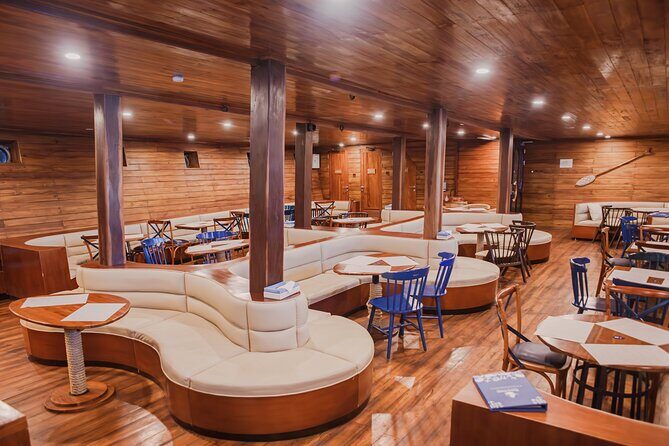
The evening highlight is a sunset dinner cruise on a traditional wooden sailboat, specifically an Indonesian Phinisi-style boat. This is the part of the day that feels different from typical tours because the setting does the work for you: warm tropical breezes, the calm southern coast vibe, and a sunset that changes in real time.

Here’s what that means for your experience. Instead of rushing from viewpoint to viewpoint, you get one long “stay and watch” block. Even if you’re not a big boat person, the cruise format is relaxing because your attention can stay on the sky and the water.

And yes, it includes dinner. You’ll have a buffet onboard, which matters because you’re not waiting around for courses to arrive in a group. You can pick what you want, eat when you’re hungry, and keep watching the horizon.

Buffet dinner logistics: vegetarian and vegan requests

Sunset Sailboat Dinner Cruise & Private Ubud highlights Tour. - Buffet dinner logistics: vegetarian and vegan requests
The cruise buffet includes vegetarian and vegan options, but there’s one important condition: you need to request it in advance. This is the kind of detail that can make or break the meal experience, especially if you’re traveling with strict dietary needs.

My practical advice: message your requirements as soon as you book, and keep the wording simple. Even if you’re not fully vegan, request what you do want rather than what you don’t want—so the kitchen has fewer interpretation gaps.

If you’re traveling with mixed diets, you’ll still be fine because the buffet format allows choice. The key is getting the request in early so the boat crew can prepare the right options for you.

Private transportation and the value of not sharing your day

Sunset Sailboat Dinner Cruise & Private Ubud highlights Tour. - Private transportation and the value of not sharing your day
You’re paying for private transportation and a private experience, which changes the feel of the day. Instead of coordinating multiple pick-up points, you get direct movement between stops, plus air-conditioned comfort while you’re transferring.

This matters in Bali because timing between waterfalls, terraces, and the cruise can make or break your energy. A private vehicle helps you avoid the “sit and wait” part of group tours—especially on a day that’s already packed with multiple outdoor hours.

Included items you’ll appreciate: bottled water and air-conditioned comfort. Those are small, but they keep the day from feeling like a constant scramble.

How long it takes: planning for an 8 to 10 hour day

Sunset Sailboat Dinner Cruise & Private Ubud highlights Tour. - How long it takes: planning for an 8 to 10 hour day
The tour runs about 8 to 10 hours. That’s long enough that you should treat it like a real day out, not a quick add-on.

Meeting is set for roughly 8:30 AM to 9:00 AM. From there, you’ll stack about an hour at each of the three waterfalls, about an hour for Tegallalang Rice Terraces, and about 30 minutes for Uma Pakel Agro Tourism—then you’ll transition into the dinner cruise in the evening.

My tip: plan your rest and your snacks mindset for the whole day. You’ll likely want a steady rhythm—short breaks, water, and an early mental shift from daytime nature stops to sunset sailing.

Price and value: how $80 makes sense (and when it doesn’t)

At $80 per person, this isn’t “budget cheap,” but it also isn’t overpriced for what you’re getting—especially because two of the biggest experiences are the cruise dinner and private transport.

Here’s the value math in plain terms:

  • You’re getting private transportation, bottled water, and air-conditioning (not just a ticket)
  • You’re getting the dinner cruise with a buffet onboard
  • You’re paying only entrance tickets separately for several stops (waterfalls and terraces), while Uma Pakel’s admission is included

So the real question is: do you want both a full-day Ubud nature route and a sunset dinner cruise in one package? If yes, the pricing starts to look fair because you’re bundling two expensive-in-time experiences with convenience.

If you’re traveling solo, keep in mind the extra fee is IDR 500,000 and is paid directly to the driver. That can change the math fast, so I’d only book this as a solo traveler if the cruise is a must-do for you.

Who should book this private Ubud + sunset cruise

This tour is best for couples and small groups who want a romantic evening with a full day of nature sights before it. It’s also a good fit if you dislike rigid group pacing and want a local expert to help shape the day.

You’ll probably enjoy it most if:

  • You want multiple waterfall stops without hopping between buses
  • You like iconic scenery like Tegalalang Rice Terraces
  • You care about having vegetarian/vegan options available on the cruise buffet (with advance notice)

It may feel like too much if you prefer slow travel with fewer stops. You’re stacking several outdoor locations in one day, so bring energy and don’t plan anything intense right after.

Should you book it? My take

I’d book this if you’re looking for a one-day Bali “double feature”: waterfall and rice terrace sightseeing by day, then a sunset dinner cruise on a traditional Phinisi boat. The private transportation, the onboard buffet, and the clear support for vegetarian and vegan requests make it a solid choice for comfort and romance.

Skip or reconsider if you’re trying to keep costs very tight once entrance tickets stack up, or if you’re solo and the IDR 500,000 solo fee would feel like a deal-breaker.

FAQ

What’s included in the price?

The tour includes bottled water, air-conditioned vehicle, private transportation, and the dinner cruise.

Are entrance tickets included for the waterfalls and rice terraces?

No. Entrance tickets for the waterfalls and Tegalalang Rice Terraces are not included.

Can I join if I’m traveling alone?

The minimum booking is 2 participants. If you book as a solo participant, there’s an extra charge of IDR 500,000, paid direct to the driver.

Is vegetarian or vegan food available on the dinner cruise?

Vegetarian and vegan options are available on the onboard buffet, but you need to request them in advance.

How long is the experience?

It runs about 8 to 10 hours.

What if the weather is bad?

The experience requires good weather. If it’s canceled due to poor weather, you’ll be offered a different date or a full refund.

Mount Batur Sunrise Trekking, Hot Springs & Lunch at Restaurant

Mount Batur Sunrise Trekking, Hot Springs & Lunch at Restaurant - The Mount Batur Sunrise Trek: Steady Steps, Dark-to-Light Payoff

Early mornings in Bali are worth it.

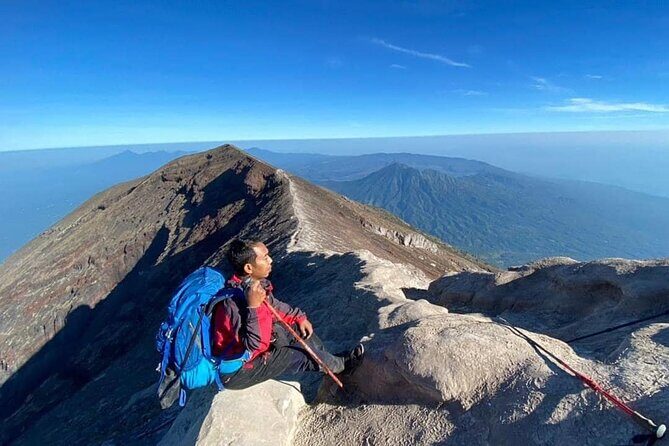
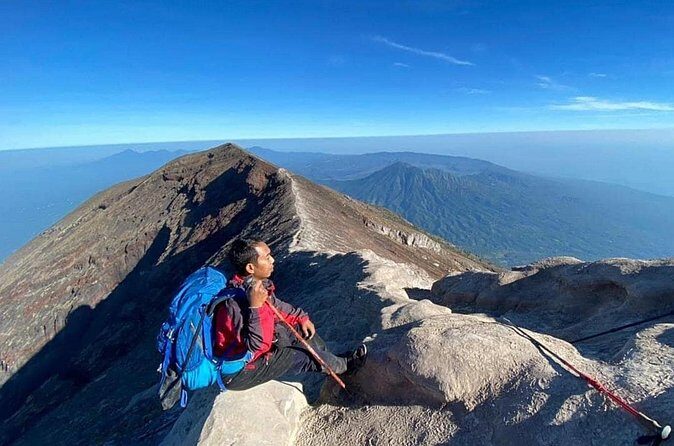
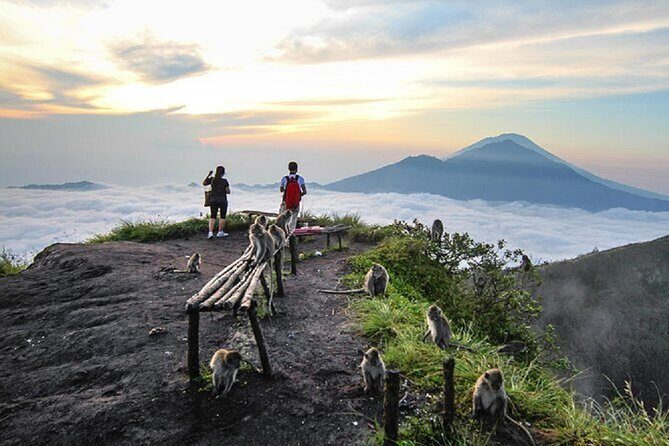
This Mount Batur sunrise trekking day mixes a guided climb with a proper payoff: sunrise above the clouds and the feeling of standing on an active volcano at first light. I also love that the tour builds in recovery time, with Batur Natural Hot Spring so you can loosen up right after the trek instead of rushing to your next stop.

The main thing I’d flag is the timing. You start around 2:00 am, and the experience depends on good weather, so if clouds or rain mess things up, the schedule can change.

Key Highlights You’ll Feel Immediately

Mount Batur Sunrise Trekking, Hot Springs & Lunch at Restaurant - Key Highlights You’ll Feel Immediately

  • Sunrise timing: early start for those cloud-top views on Mount Batur
  • Licensed English-speaking guide: trekking support plus night-start logistics
  • Head flashlight and trekking poles included: makes the climb feel steadier
  • Hot spring entry with towel, locker, and changing room: true post-trek comfort
  • Buffet lunch with Mount Batur and Lake Batur views: refuel with scenery
  • Private tour format: only your group, with pickup and drop-off included

Why a 2:00 am Mount Batur Start Still Makes Sense

If you’re imagining a lazy Bali morning, this isn’t that. This is a “show up before dawn” kind of trip. And that’s exactly why it works.

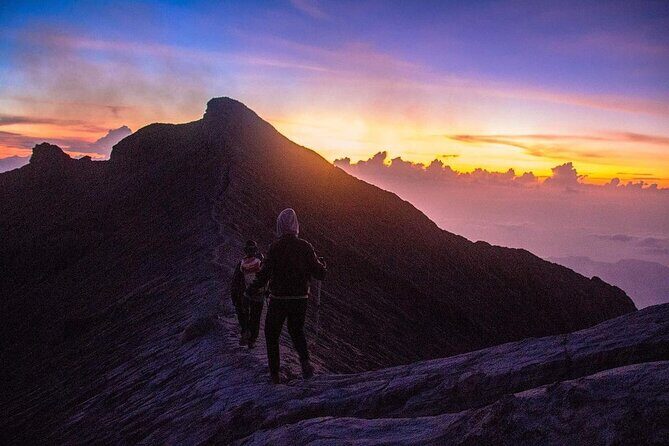
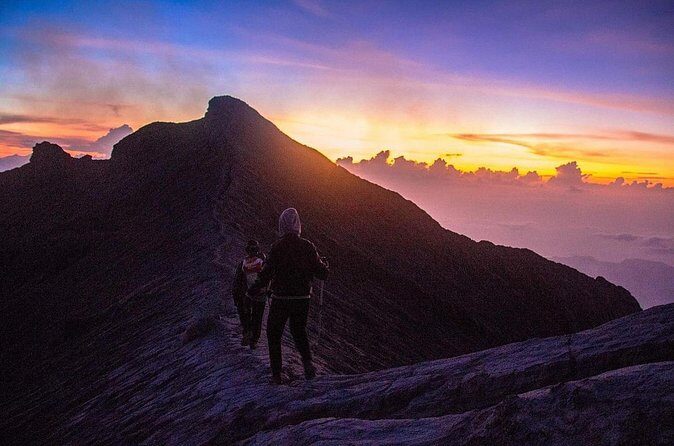
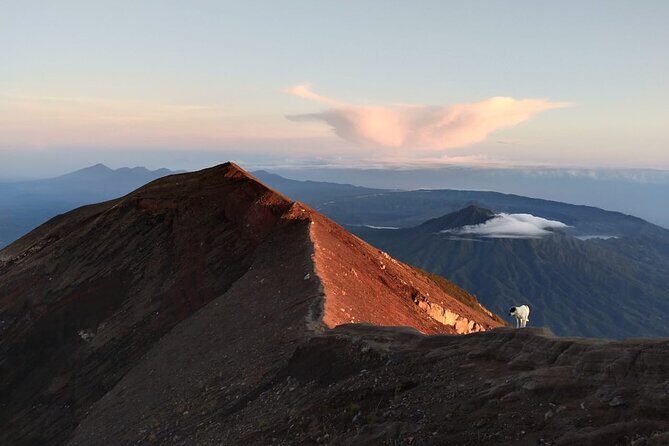
The whole day is built around one idea: catching sunrise from Mount Batur at the right time. Starting near 2:00 am means you’re trekking while it’s still dark, then moving into that gradual moment when the sky starts lighting up. When it clicks into sunrise time, the views over the clouds are the big reward.

I also like the pacing after the climb. A lot of Bali tours squeeze everything into sightseeing mode. This one gives you a calmer phase right after the hard part, with hot springs by the lake. That’s smart value. Your legs get to cool down and relax instead of turning the day into a nonstop checklist.

One more practical note: since the tour requires good weather, you’re not in full control of the sky. But the upside is that you’re not just guessing with a random self-booked plan. The operator manages weather-driven changes and offers a different date or a full refund if it has to cancel.

Pickup, Private Group Flow, and What Your Day Includes

Mount Batur Sunrise Trekking, Hot Springs & Lunch at Restaurant - Pickup, Private Group Flow, and What Your Day Includes
This tour is set up to be easy to join from Seminyak, with private pickup and drop-off. You don’t have to figure out transport at 2:00 am, and you don’t have to squeeze into a shared van with strangers if you prefer your own pace.

You’ll also get a mobile ticket, which helps on the morning itself when everything feels rushed and dark. Once you’re picked up, the day runs like a smooth chain:

  • drive to the trek start,
  • climb,
  • hot spring stop,
  • lunch,
  • back to your hotel.

The included kit matters more than most people think. You get:

  • head flashlight
  • trekking poles
  • a water bottle
  • breakfast and tea/coffee

That means you don’t have to decide on the spot whether you need gear or snacks. For a sunrise climb, those small decisions can waste energy. The tour removes friction.

And because it’s a private tour/activity, only your group participates. For couples, friends, and families who want a quieter rhythm, that privacy is a real quality upgrade.

The Mount Batur Sunrise Trek: Steady Steps, Dark-to-Light Payoff

Mount Batur Sunrise Trekking, Hot Springs & Lunch at Restaurant - The Mount Batur Sunrise Trek: Steady Steps, Dark-to-Light Payoff
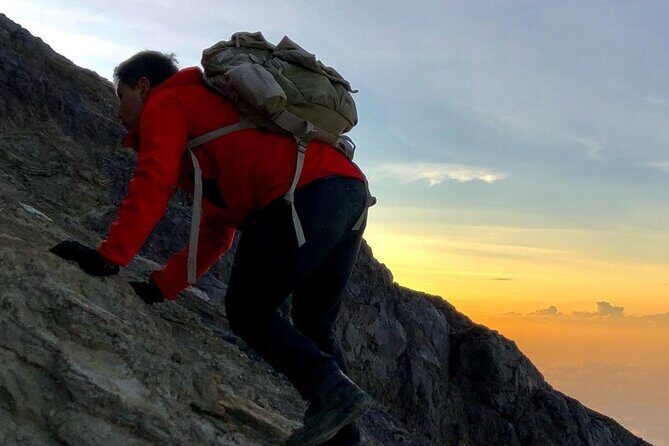
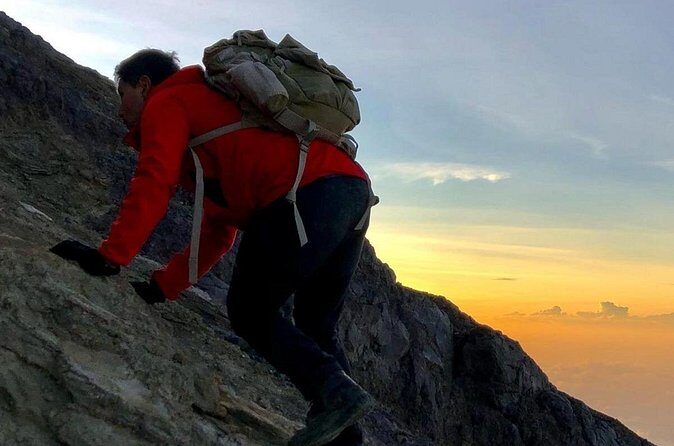
The trek portion is set at about 4 hours, and the goal is clear: reach the summit in time to see sunrise above the clouds. You’ll be hiking with your guide from the early dark hours, so expect the hike to feel like it has two phases: night effort, then morning rewards.

Here’s what makes this trek feel manageable for most people on paper:

  • trekking poles are provided, which helps with uneven ground and changes in elevation
  • a head flashlight is included, so you can follow the path without holding a torch
  • you’re with an English-speaking licensed trekking guide, which is key when you’re moving in low light

What you can do to make the experience better is simple. Keep your pace even. Early on, go by effort, not speed. The sunrise payoff is based on timing, but your body stays happier if you don’t sprint the first stretch.

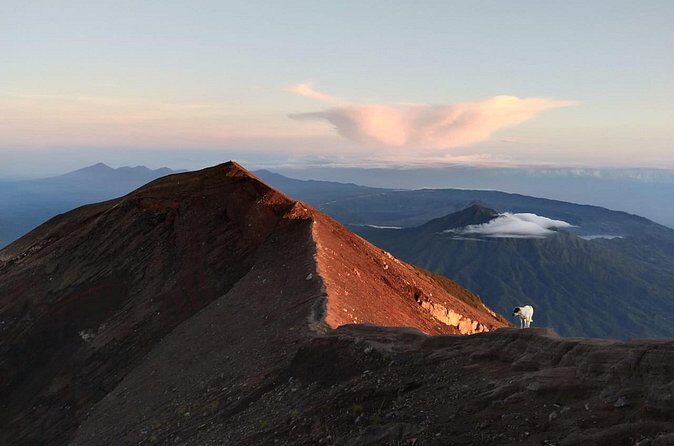
At the summit, the experience turns from physical to emotional. The “above the clouds” part isn’t just a line on a brochure. It’s the moment when the entire horizon looks softened, like you’re standing on the edge of something huge. Even people who aren’t big hikers tend to react to this view because it feels bigger than the effort you put in.

Possible drawback: the sunrise part means the day starts very early and you’ll be outdoors in the dark. If you’re not a morning person, you’ll feel that. But if you can handle the timing, the payoff is exactly why this tour exists.

Batur Natural Hot Spring: The Best Kind of Post-Trek Reset

Mount Batur Sunrise Trekking, Hot Springs & Lunch at Restaurant - Batur Natural Hot Spring: The Best Kind of Post-Trek Reset
After the climb, the tour moves to Batur Natural Hot Spring for about 1 hour 30 minutes. This stop is one of the smartest parts of the itinerary because it’s not just “relax time.” It’s active recovery.

The hot springs are by the lake, and you get volcano views while you soak. That matters because it keeps the experience from feeling like a generic spa break. It’s still a nature moment, just slower and warmer.

The included amenities are also practical:

  • hot spring admission
  • a towel
  • access to the change room
  • a locker

That’s more comfortable than having to figure out where to change and store items when your clothes are still damp or you’re tired after the hike. You can focus on soaking, not logistics.

How to get the most out of it: treat it like a reset. If you soak too quickly and then rush through the rest of the schedule, you might miss that muscle-relaxing feeling. Use the full time. Let your body cool down and warm up naturally.

Buffet Lunch at the Volcano and Lake View Spot

Mount Batur Sunrise Trekking, Hot Springs & Lunch at Restaurant - Buffet Lunch at the Volcano and Lake View Spot
Lunch is about 1 hour 30 minutes, served as a buffet at the tour’s restaurant stop (listed as AKASA / Amora in the day’s details). The key point is the same: you’re eating with Mount Batur and Lake Batur views.

I like this part because it’s positioned as fuel, not as a random restaurant stop. After a sunrise hike and a hot spring soak, your appetite shows up fast. A buffet also gives flexibility if your energy level is higher or lower than expected that morning.

The practical value here is that the meal is included. You’re not trying to find food after the hike when you’re hungry and the streets may feel chaotic. Your day already has a built-in “refuel window.”

If you’re someone who doesn’t love heavy meals in the morning, note that “buffet” usually means you can choose lighter options. Go for what feels right for your body after hiking.

Price and Value: What You’re Actually Paying For

Mount Batur Sunrise Trekking, Hot Springs & Lunch at Restaurant - Price and Value: What You’re Actually Paying For
At $61.16 per person, the price can look like “just one more Bali tour” until you break down what’s included.

This deal bundles:

  • private hotel pickup and drop-off
  • entrance ticket for Mount Batur
  • an English-speaking licensed trekking guide
  • essential trek equipment (head flashlight, poles)
  • water bottle plus breakfast and tea/coffee
  • hot spring admission plus towel, locker, and changing room access
  • buffet lunch at the included restaurant stop

That’s a lot of cost categories. If you tried to assemble the same day by yourself, you’d almost certainly spend time and money coordinating transport, paying entry fees separately, and sourcing gear. Here, those pieces are handled for you.

The private format also matters. Many “sunrise” experiences are shared-group affairs. Paying a bit more for a private ride and only your group can genuinely improve the experience, especially when you’re leaving at 2:00 am.

The only cost-related “consideration” is that you’re committing a big chunk of your day. The duration is 9 to 11 hours, so plan your schedule carefully for the rest of your trip day. This is not a quick morning.

Who This Mount Batur Sunrise Combo Fits Best

Mount Batur Sunrise Trekking, Hot Springs & Lunch at Restaurant - Who This Mount Batur Sunrise Combo Fits Best
This tour is a good match if you want three things in one day:

1) a guided hike with sunrise payoff,

2) a relaxing hot spring soak immediately after,

3) a sit-down lunch with views.

It’s also a strong choice for people staying in Seminyak who don’t want to manage early logistics. Pickup and drop-off take away a lot of stress.

I think it works especially well for:

  • couples who want a memorable morning without crowds in a private group,
  • people who like their day structured (instead of hopping between stops on your own),
  • hikers who want a sunrise experience but prefer not to source equipment and entry tickets.

If you have very limited mobility or you’re not comfortable hiking in the early dark hours, this might feel like too much. The tour states most travelers can participate, but “can” doesn’t always mean “comfortable.”

Quick Booking Checklist Before You Commit

Mount Batur Sunrise Trekking, Hot Springs & Lunch at Restaurant - Quick Booking Checklist Before You Commit
You don’t need to overthink it, but I’d double-check these points:

  • Your hotel is in an area where pickup and drop-off are offered (this is from Seminyak).
  • You’re okay with the 2:00 am start time.
  • You’re flexible if weather forces a change, since the experience depends on good conditions.
  • You’re comfortable with a day that runs 9 to 11 hours from start to finish.

If that all sounds fine, this is the kind of Bali day you’ll remember for the light, the heat, and the way the day flows from challenge to comfort.

Should You Book This Tour?

I’d book it if your idea of a great Bali day is: early effort, real scenery, then a payoff that actually helps you recover. The mix of sunrise trekking, hot springs, and buffet lunch with volcano-and-lake views makes the whole day feel complete, not stitched together.

I’d skip it if you hate very early mornings, or if you’re traveling with someone who can’t handle an outdoor climb in the pre-dawn hours. Also, if you know you’ll be upset by weather-based schedule changes, plan your expectations around that.

In terms of value, this is one of the more “all-in” sunrise options: gear, guide, entry, hot spring access, and lunch are covered. For a single price, that’s exactly what you want when you’re trying to maximize your one or two mornings in Bali.

FAQ

What time does the Mount Batur sunrise trek start?

The start time is 2:00 am.

How long is the tour?

The total duration is about 9 to 11 hours.

Is this tour private?

Yes. It’s listed as a private tour/activity, so only your group participates.

What’s included for the trek?

You get an English-speaking licensed trekking guide, entrance ticket to Mount Batur, and trekking equipment including a head flashlight and trekking poles, plus water bottle, breakfast, and tea/coffee.

Is entry to the hot springs included?

Yes. Admission to Batur Natural Hot Spring is included, along with free use of towel, change room, and locker.

What kind of lunch do you get?

You get a buffet lunch served at the tour’s included restaurant stop.

How do I get the ticket?

You’ll receive a mobile ticket.

What’s the cancellation policy if the weather is bad?

You can cancel for a full refund up to 24 hours before the experience starts. The tour requires good weather, and if it’s canceled due to poor weather, you’ll be offered a different date or a full refund.

Ubud Private Tour : Ubud Temple and Authentic of Ubud

Ubud Private Tour : Ubud Temple and Authentic of Ubud - Sacred Monkey Forest Sanctuary: macaques and the Tri Hita Karana idea

A private day in Ubud feels like having the island’s best hits on hand. This experience strings together temples, water, rice terraces, and live dance, so you get more than one side of Bali in the same outing.

What I like most is how it’s set up for a stress-free day: you’re in an air-conditioned vehicle, with bottled water included, and you don’t have to coordinate rides between stops. I also like that the day is built around photo-ready scenery at Tegenungan Waterfall and Tegalalang Rice Terraces, with guides who help keep things moving (Putu gets mentioned as especially helpful and organized).

One heads-up: entrance tickets and lunch are not included, so you’ll need to budget extra on top of the tour price. Also, it’s an 8 to 10 hour day, so it’s not the pick if you want a slow, laid-back pace.

Key points at a glance

Ubud Private Tour : Ubud Temple and Authentic of Ubud - Key points at a glance

  • Private group-only transport with an English-speaking driver and parking fees handled
  • Sacred Monkey Forest Sanctuary with macaques and a conservation mission tied to Tri Hita Karana
  • Puseh Batuan Temple for classic Balinese arts and paintings in a meaningful setting
  • Tegenungan Waterfall + Tegalalang Rice Terraces for big views and traditional irrigation context (subak)
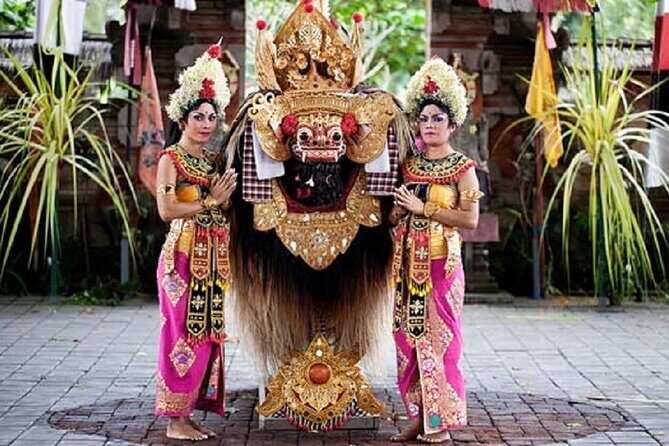
  • Sahadewa Barong Dance & fire dance for masked myth and a traditional performance slot
  • Bottled water and fuel included, but entrance fees and lunch stay extra

Why this Ubud plan works so well

Ubud Private Tour : Ubud Temple and Authentic of Ubud - Why this Ubud plan works so well
Ubud is one of those places where it’s easy to waste a whole day on logistics. This tour tackles that problem with a private driver and a route that hits several of the most recognizable “Ubud moments” in one go.

You’ll get a mix that makes sense: nature (waterfall), agriculture (rice terraces), culture (temple stop), and performance (barong and fire dance). That blend helps if you’re visiting for the first time and want to sample more than one Ubud vibe without hopping around by yourself.

Private pickup and an English-speaking driver, without the hassle

The big value here is practical. You get pickup offered from most addresses in Ubud, south Bali, and central Bali, then you travel between stops in a private, air-conditioned vehicle.

The price also covers real-world costs that usually add up: fuel surcharge, parking fees, and bottled water. Your driver speaks English, which matters when you want clear timing and smooth transitions instead of pointing and guessing.

If you’re traveling with a group, there can be group discounts, and the tour is private—only your group participates. That’s a win for families and friend groups who want a shared day but don’t want to merge with strangers.

Sacred Monkey Forest Sanctuary: macaques and the Tri Hita Karana idea

Ubud Private Tour : Ubud Temple and Authentic of Ubud - Sacred Monkey Forest Sanctuary: macaques and the Tri Hita Karana idea
Your first stop is the Sacred Monkey Forest Sanctuary, commonly called Monkey Forest Ubud. The mission here is conservation based on Tri Hita Karana, a Balinese concept that connects harmony between people, nature, and the spiritual world.

You’ll have about 30 minutes at this stop. Admission is not included, so you’ll pay entry separately. Still, 30 minutes is usually enough to see the main sights, take photos, and get that classic “monkey forest” experience without turning it into a half-day detour.

This is the kind of stop that can be unpredictable in mood because the animals are… animals. The upside is that when you catch a good moment, it’s memorable fast. The other upside: having a guide who keeps things organized (Putu is mentioned as funny, friendly, and positive in the way he supports guests) helps you enjoy the chaos rather than chase it.

Batuan’s Puseh Temple: arts and carvings with a calmer feel

Ubud Private Tour : Ubud Temple and Authentic of Ubud - Batuan’s Puseh Temple: arts and carvings with a calmer feel
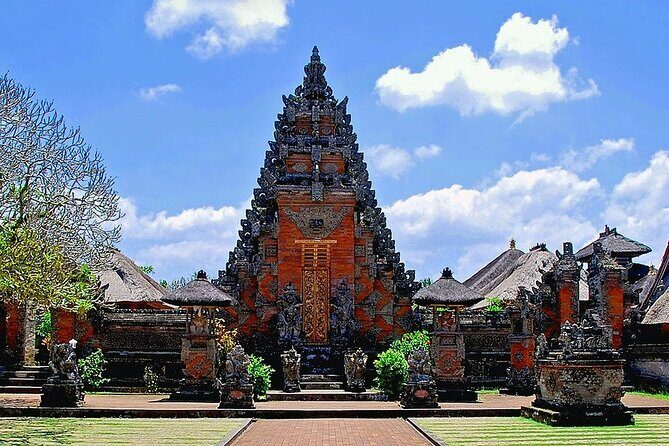
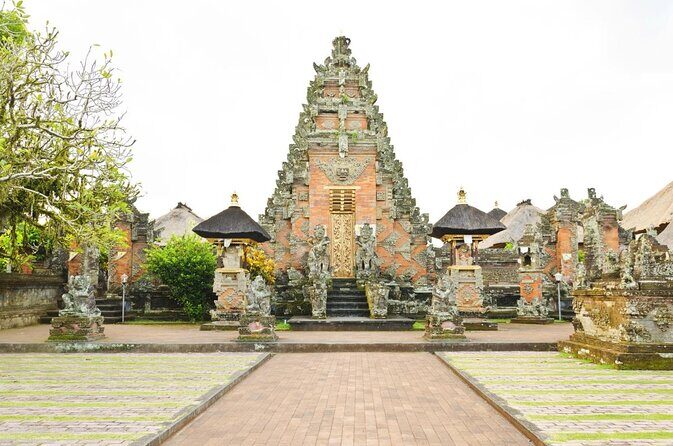
Next comes Puseh Batuan Temple, referred to locally as Pura Puseh lan Pura Desa Adat Batuan. This is known for traditional Balinese arts and paintings, and it’s linked to Batuan village.

You’ll spend about 30 minutes here, and again, entrance fees are not included. The upside of this timing is that it works as a cultural reset after the monkey forest. You also get a sense of how Ubud’s artistic reputation extends beyond the center—Batuan is about a 10 km transfer south from the Ubud center area, which helps keep travel time reasonable.

What makes this stop worthwhile is that it’s not just a “pretty temple.” It’s tied to place-based art—something you’ll feel more than you can read. If you’re into Balinese culture and want more than one kind of stop, this fits perfectly.

Tegenungan Waterfall: a quick, satisfying nature break

Ubud Private Tour : Ubud Temple and Authentic of Ubud - Tegenungan Waterfall: a quick, satisfying nature break
Then you head to Tegenungan Waterfall. It’s described as a favorite for nature lovers, and it’s conveniently located halfway between Ubud and Denpasar.

You’ll get about 30 minutes at the waterfall area. Admission tickets are extra, so plan on paying entry separately. The time is enough for photos, a relaxed look, and the kind of “wow” moment that makes Ubud feel special beyond the art markets.

One real-world consideration: the day already moves from temple to waterfall to terraces, so this is best if you’re comfortable with an active schedule. If you want long scenic pauses, you may find 30 minutes a bit short—but for most people, it hits the right balance between seeing it and not losing the rest of the day.

Tegalalang Rice Terraces: see subak in action (not just in photos)

Ubud Private Tour : Ubud Temple and Authentic of Ubud - Tegalalang Rice Terraces: see subak in action (not just in photos)
Tegalalang Rice Terrace is the Ubud stop most people have seen online, and that’s for a reason. This area is famous for rice paddies tied to subak, the traditional Balinese cooperative irrigation system.

There’s a historical note included in the tour description: knowledge was passed down by Rsi Mar. You’ll spend around 30 minutes here, with admission not included.

What I like about this stop is that it gives context. You’re not just staring at green steps; you’re seeing a living system of water sharing and agriculture. It also helps that Tegalalang is a strong photo destination, so the time slot works well if you want a couple of angles and a few calm minutes to absorb the view.

If you’re the type who likes learning while you travel, this is a good match. And if you’re purely photo-focused, it still delivers—just keep in mind it’s a popular Ubud area, so you’ll want to keep your expectations flexible with timing.

Sahadewa Barong Dance and fire dance: masked performance, real cultural energy

Ubud Private Tour : Ubud Temple and Authentic of Ubud - Sahadewa Barong Dance and fire dance: masked performance, real cultural energy
The final cultural anchor is Sahadewa Barong Dance & Fire Dance. This is where the tour shifts from daytime scenery to live performance.

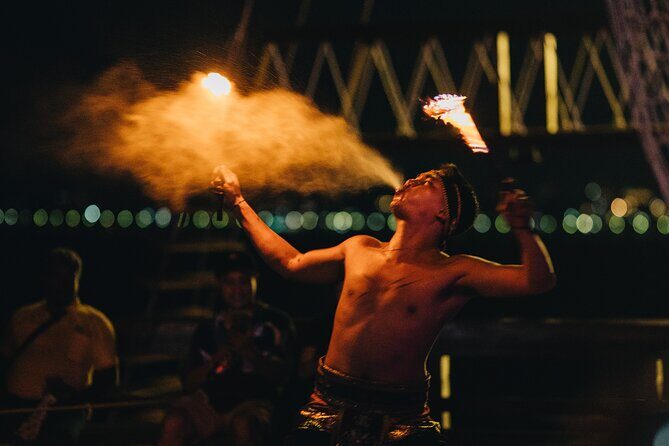
You’ll spend about 30 minutes here. Entrance is extra, but the performance is the point. The description highlights a masked barong dance plus a traditional fire dance performance, which is a classic Balinese combination: myth meets dramatic stage movement.

This is the stop that can make the whole day feel “complete.” You’ve seen nature, temples, and farming systems, and then you end with something human—storytelling done through dance. If your group enjoys performances, this is often the moment people remember most later.

If your group is tired, you might still appreciate it because the performance slot is short. It’s not a full evening commitment, so you don’t feel like you gave away your night for a show.

The silver jewelry home production stop: browse with intention

Ubud Private Tour : Ubud Temple and Authentic of Ubud - The silver jewelry home production stop: browse with intention
There’s also a stop described as one of local silver jewelry home production. That means you’ll likely have time to browse and see how local jewelry is made or presented.

This can be fun if you like craftsmanship and small souvenirs. It can also be a time sink if you’re not interested in shopping, since it adds a retail-style component to a day that already has several stops.

If you want to keep the day focused on sights, treat this as optional in your head. If you see something you truly like, great. If not, keep your eyes on the next photo stop and enjoy a quick cultural shopping glance without overthinking it.

Price and value: is $95 a good deal for this route?

At $95 for a private day that runs roughly 8 to 10 hours, you’re paying for three big things: private transportation, an English-speaking driver, and a route that strings together multiple paid attractions and a performance.

A lot of costs that normally hit you separately are included: bottled water, air-conditioned vehicle use, fuel surcharge, and parking fees. That matters because Bali driving time and parking fees can quietly add up.

What’s not included is also clear: lunch and entrance tickets for activities. So your real cost depends on how many sites you enter and what you choose to eat. If your group likes to see everything on the schedule, you should budget extra for tickets and meals.

If you compare to doing this by yourself, the math often works when you value time. You’re not spending your energy figuring out routes and transfers, and you’re not paying for multiple drivers or squeezing in extra half-days.

Getting the timing right: what the 30-minute stops feel like

Each main stop is listed at about 30 minutes, which creates a tight but doable rhythm. In an 8 to 10 hour day, that usually means you’ll have enough time to see the highlights without feeling trapped at one place all day.

This kind of schedule is ideal for travelers who:

  • want a “greatest hits” introduction to Ubud
  • care more about seeing several different areas than lingering for hours
  • prefer a driver who can manage transitions smoothly

It’s less ideal if you like slow travel, deep reading, or you want to stay in one spot until light changes. The plan is designed to keep moving.

Who this Ubud private tour suits best

This tour is a strong fit if you want Ubud highlights without the stress of self-driving. It’s also a good pick for families and mixed-age groups because it’s private, with a driver and air-conditioned comfort between stops.

It’s especially good for first-timers who want a balanced day:

  • temple + culture
  • waterfall + nature break
  • rice terraces + traditional irrigation story
  • barong and fire dance performance

If your group is all about one narrow theme (only temples, only hiking, only beaches), you might find the mix feels a bit broad. But for most “I want to see Ubud properly” trips, it hits the right notes.

Should you book this Ubud private tour?

Yes, if you want an efficient, memorable Ubud day built around major sights and performance, and you’d rather pay for convenience than gamble on timing.

Book it especially if:

  • you value a private driver and door-to-door pickup from the Ubud area
  • you want Monkey Forest, Batuan Temple, Tegenungan Waterfall, Tegalalang terraces, and a dance show in one day
  • your group enjoys both scenery and culture

Skip it if you’re sensitive to a long day, or if you prefer to manage your own pacing and tickets without an all-in schedule.

If you do book, plan on paying entrance tickets on your own and budget for lunch. Then you can enjoy the best part: a well-paced Ubud day where you don’t have to think about logistics much at all.

FAQ

How long is the Ubud Private Tour?

It runs about 8 to 10 hours.

What’s the price for this private tour?

The price is $95.

Do I get pickup for this tour?

Pickup is offered from most addresses in Ubud, south Bali, and central Bali.

Is this tour private just for my group?

Yes. It’s described as a private tour/activity, and only your group participates.

What’s included in the tour price?

Included items are bottled water, an air-conditioned vehicle, private transportation, fuel surcharge, parking fees, and a driver speaking English.

Are entrance fees included?

No. Ticket entrance and activities are listed as not included, so you pay entrance separately.

Is lunch included?

No. Lunch is not included.

Do I need to use a ticket on my phone?

A mobile ticket is part of the experience.

What’s the cancellation policy for a full refund?

There is free cancellation, and you can cancel up to 24 hours in advance for a full refund. If you cancel less than 24 hours before the start time, the amount paid is not refunded.

Amazing Blue Lagoon Snorkeling with Private Hotel Transfer

Amazing Blue Lagoon Snorkeling with Private Hotel Transfer - Padangbai check-in and boat ride: gear, facilities, and pace

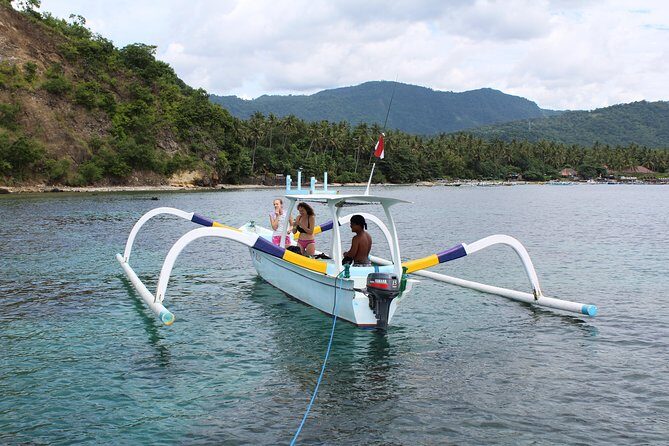
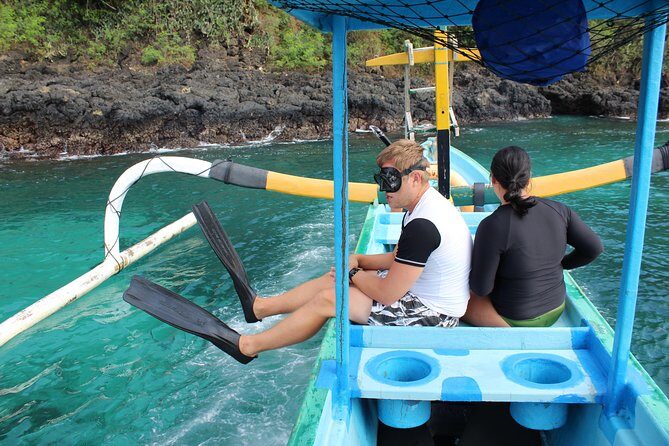
Few trips in Bali feel this efficient. This Blue Lagoon snorkeling day pairs private hotel transfers with two reef stops, so you spend your time swimming instead of figuring out transport. The itinerary keeps a steady rhythm: gear up, hop over by traditional boat, snorkel the famous water at Blue Lagoon, then keep going to Tanjung Jepun.

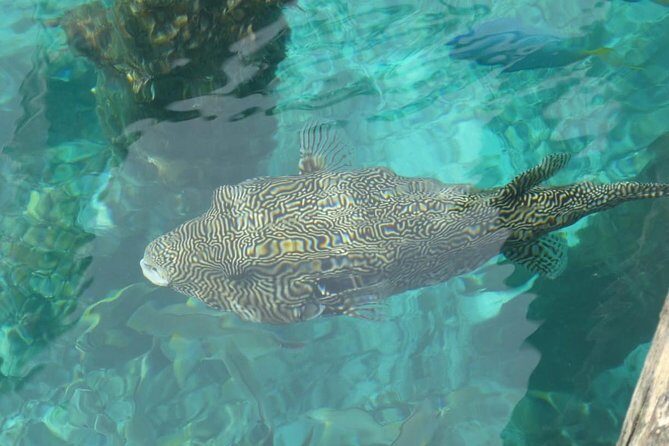
I especially like two things. First, the round-trip pickup from Ubud and much of south Bali means I’m not wasting a big chunk of the day on back-and-forth rides. Second, the snorkeling plan makes it easy to see wildlife without stress—clownfish near anemones, moray eels in crevices, and even camouflaged scorpionfish are all on the expected sight list.

One thing to watch: you can’t wear glasses during the activity. You’ll need your own prescription snorkeling mask or contact lenses, and it’s smart to plan that before you arrive.

Key highlights you’ll feel right away

Amazing Blue Lagoon Snorkeling with Private Hotel Transfer - Key highlights you’ll feel right away

  • Private 2-way transfers: built for people who hate waiting around
  • Free snorkeling gear + showers: get kitted quickly, then rinse and change
  • Two reef stops (Blue Lagoon + Tanjung Jepun): more variety in one outing
  • Small max group size (up to 20): easier boat and timing flow
  • Optional upgrades: choose Gates of Heaven or Kanto Lampo waterfall for photos

From Seminyak to Padangbai: fast pickup, simple start

Amazing Blue Lagoon Snorkeling with Private Hotel Transfer - From Seminyak to Padangbai: fast pickup, simple start
This tour is based around Padangbai, a beach area on Bali’s east side. The big win here is the morning pickup. You’re collected from your hotel or address in Ubud and much of south Bali, then driven to the Fisherman Village of Padangbai. That matters because snorkeling days can get messy when the group splits taxis or you’re left coordinating with a driver you barely know.

Once you arrive, you register and pick your snorkeling gear. The setup is straightforward, and you don’t have to detour to a dive shop first. That alone makes the day feel less like a chore and more like a plan.

Time-wise, the “whole day” runs about 6 hours from pickup to drop-off when you stick to the standard snorkeling + lunch version. Traffic and where your hotel sits can nudge that up or down. If you’re adding the waterfall or the Gates of Heaven option, expect about 10–12 hours total.

Practical tip: If you have a morning flight or a tight evening plan, choose the standard version. It’s the safer bet.

Padangbai check-in and boat ride: gear, facilities, and pace

Amazing Blue Lagoon Snorkeling with Private Hotel Transfer - Padangbai check-in and boat ride: gear, facilities, and pace
Before you hit the water, you’ll take care of the basics at basecamp. You get snorkeling equipment included, and the tour also provides access to shower and changing rooms after you’re done. That’s more important than it sounds—saltwater and sunscreen can turn an ordinary afternoon into an itchy, sticky mess. Having a proper rinse and a place to change keeps the day feeling finished.

Then it’s time for the traditional boat ride between snorkeling points. The water can be calm, but boat time does vary based on conditions. If you’re prone to seasickness, the tour guidance is clear: bring medication. Even if you’re usually fine, it’s worth being prepared. I’d rather take a small precaution than spend the best part of the day feeling off.

Also keep an eye on this detail: the activity has an age range of 10–60. If you’re traveling with someone outside that band, you’ll need a different plan.

Blue Lagoon snorkeling: what you’re likely to see

Now for the star stop: Blue Lagoon, known for clear, turquoise water and healthy-looking reef life. When you reach the snorkeling site, you’ll see the kind of conditions that make snorkeling feel effortless—water clarity is the big factor that helps you actually spot fish and coral.

This is where the tour’s wildlife expectations are most relevant. You’re set up to look for:

  • Clownfish moving around anemones
  • Moray eels slipping through reef crevices
  • Scorpionfish that camouflage into the rocks

You’re not just floating randomly, either. The plan is built around a time window for snorkeling that’s long enough to get comfortable, not so long that you rush. The snorkeling itself is about 2 hours, and that timing works for most people as long as you’re ready to take it slow.

If you’re not a confident swimmer, the tour provides life vests and you have to wear them the whole time. The guidance also strongly suggests choosing the local guide option if you want extra support in the water. That’s a smart choice if you want more than basic snorkeling—like better buoyancy control and less mental effort.

Small but real comfort note: Bring a swimsuit under your clothes if you can. You’ll be changing and rinsing, but arriving ready makes everything smoother.

Tanjung Jepun: a second reef stop that adds variety

Amazing Blue Lagoon Snorkeling with Private Hotel Transfer - Tanjung Jepun: a second reef stop that adds variety
After Blue Lagoon, the day doesn’t stop there. You continue to Tanjung Jepun, another snorkeling spot with coral gardens and lots of fish life.

In practical terms, the second stop does two things for you:

  1. It reduces the odds that you’ll have a single “just okay” session.
  2. It gives you different scenery—so the day feels like you got more than one postcard moment.

The tour flow keeps you moving: boat over, snorkeling time, then back toward base for lunch. It’s not a long, drawn-out experience. That’s why it works for people who like a structured day but still want real water time.

If you’re the type who forgets to eat: this is a reminder to keep your energy up. You’ll be out in the sun and saltwater, and lunch comes after the snorkeling, not before.

Lunch at the end of the swim: why it’s timed well

Amazing Blue Lagoon Snorkeling with Private Hotel Transfer - Lunch at the end of the swim: why it’s timed well
Between snorkeling and transfers back to your hotel, you’ll get a light Indonesian lunch. The timing is useful. If lunch was earlier, you’d feel heavier in the water. If it was later, you’d likely feel wiped out during the ride back.

This tour also includes the admission fee to the Padangbai fishing village, so you’re not chasing extra payments during the day. It’s a small detail, but it helps the experience feel tidy and predictable.

Think of lunch as your reset button: it’s when you cool down, hydrate, and shake off that sun-salt feeling before heading back to your hotel.

Optional upgrades: Gates of Heaven or Kanto Lampo waterfall

Amazing Blue Lagoon Snorkeling with Private Hotel Transfer - Optional upgrades: Gates of Heaven or Kanto Lampo waterfall
Here’s how you can make the day longer and more photo-friendly. You can upgrade to include either:

  • Gates of Heaven, or
  • Kanto Lampo waterfall (included via the option that lists the entrance fee)

Gates of Heaven upgrade

This is where timing matters. If you choose Gates of Heaven, you’ll need to wait at least 2 hours for taking pictures there. That’s not optional once you’re scheduled—so if you’re the type who hates waiting, consider whether you’d rather keep the day strictly about snorkeling.

The payoff is the classic viewpoint and photo moment at the end of your reef time. But you’re trading speed for scenery.

Kanto Lampo waterfall upgrade

If you prefer movement over waiting, the waterfall option can feel more active. The tour lists the Kanto Lampo entrance fees as included when you choose that option. The length of the overall day will increase to 10–12 hours, depending on your hotel location and traffic.

How to choose:

If you want a single big photo stop, pick Gates of Heaven. If you’d rather spend time walking around a natural spot, choose Kanto Lampo.

Who this tour is best for (and when to skip it)

Amazing Blue Lagoon Snorkeling with Private Hotel Transfer - Who this tour is best for (and when to skip it)
This works especially well if you:

  • want private round-trip transfer without the stress of coordinating rides
  • like the idea of snorkeling with a plan and two reef stops
  • appreciate included gear, lunch, and rinse facilities
  • want a small max group size (up to 20)

It’s also a solid pick if you’re staying around Seminyak or anywhere in south Bali and don’t want to wrestle with east-side logistics.

That said, it may not fit if:

  • you rely on glasses during snorkeling (you’ll need a prescription mask or contacts)
  • you don’t want an all-day commitment (standard is ~6 hours; upgrades turn it into a long day)
  • you’re strongly seasick and haven’t prepared medication

Value check: is $47.44 worth it?

Amazing Blue Lagoon Snorkeling with Private Hotel Transfer - Value check: is $47.44 worth it?
The price is listed as $47.44 per person, booked on average about 32 days in advance. That’s not a luxury price, but this isn’t a bare-bones snorkeling ticket either.

You’re getting several bundled items:

  • snorkeling equipment included
  • traditional boat for the snorkeling points
  • light Indonesian lunch
  • private transportation with round-trip pickup and drop-off
  • admission fee to Padangbai fishing village

On top of that, there’s an option to add Gates of Heaven or Kanto Lampo, and the relevant entrance fees are included for those add-ons.

In other words, you’re paying for convenience and structure. For people coming from south Bali, where east-side travel can eat your day, that private transfer value is real.

Also worth noting: there’s free cancellation if you cancel at least 24 hours before the start time. Weather matters for water activities, so having that flexibility is helpful.

Real-world service notes: drivers and guides matter

The experience clearly puts a lot of weight on the people driving the day. In the reviews, I saw praise for friendly, capable staff—especially the driver and guide.

One review highlighted Mr. Yogi as awesome and knowledgeable about the area, pointing out interesting things along the way and spotting lots of fish. Another praised Mr. Ketut for making the sea life and scenery happen, with a friendly attitude that helps when you’re trying to relax and focus on what you’re seeing.

You’ll feel the difference when transport is calm, timing is organized, and someone helps you handle the small stress points—like getting gear fitted quickly or figuring out what to watch for under the surface.

Packing list that actually helps

The tour guidance includes a good list, and I’d treat it as a checklist:

  • light, comfortable clothes (dry-fit is ideal)
  • swimsuit, plus a change of clothes
  • sunscreen, sunglasses, and a cap/hat
  • water bottle
  • camera
  • a little petty cash for anything personal you might want

If you’re snorkeling and not using prescription equipment, remember the glasses rule. Bring your prescription snorkeling mask or rely on contact lenses.

Should you book this Blue Lagoon snorkeling with private transfer?

I’d book it if you want a straightforward Bali snorkeling day with private transfers, included gear, and a lunch stop that feels practical. The two reef locations help you get variety, and the small group cap makes the day feel easier to manage.

I’d think twice if you’re short on time, hate waiting around photo stops, or you’ll struggle with the glasses/contact snorkeling rule. Also, if you’re very seasick, don’t gamble—bring medication as advised.

If your biggest Bali goal is crystal-clear water snorkeling without the planning headaches, this one is a very reasonable choice.

FAQ

How long is the snorkeling trip?

Snorkeling takes about 2 hours. The full day from pickup to drop-off is about 6 hours for the standard version, depending on hotel location and traffic. If you upgrade with a waterfall or Gates of Heaven, expect around 10–12 hours.

Do I need to bring snorkeling equipment?

No. Snorkeling equipment is included. You’ll also have access to shower and changing room facilities after the activity.

What snorkeling spots are included?

The standard plan includes snorkeling at Blue Lagoon and Tanjung Jepun, with traditional boat transport between points.

Is lunch included?

Yes. You’ll get a light Indonesian lunch during the tour to help you recharge after snorkeling.

What if I get seasick?

If you’re prone to seasickness, the tour advises bringing medication. Boat rides and sea conditions can affect comfort.

Can I wear glasses while snorkeling?

No. You’re not permitted to wear glasses during the activity. Bring a prescription snorkeling mask or use contact lenses instead.

Traditional Tempeh Making & Cooking Balinese Cuisine

Traditional Tempeh Making & Cooking Balinese Cuisine - Making Tempeh: From Protein Staple to Skills You Can Reuse

Tempeh class is surprisingly fun. This small-group Balinese cooking experience focuses on one ingredient—tempeh—and then turns it into a full lunch you sit down to in a home-style garden setting. I like how the host work-through is hands-on, and I also like that you learn the story of tempeh (not just the recipe) while you’re cooking. One thing to think about: if you’re very strict vegan, you’ll want to confirm which dishes you’re skipping, since some options can include chicken and tuna.

A big part of the value here is the pace. With a max group size of 10, you get more attention as you work with spices, prep, and the tempeh-making steps, led by Ayu, with Ngurah helping make the day feel smooth and welcoming. You’ll also get guidance you can use at home, not just a ticket and a plate.

If you’re hoping for lots of sightseeing or a bus tour day, this isn’t that. It’s a focused cooking class with a schedule that starts at 9:30 AM and ends by about 12:30, built around cooking and eating.

Key Things I’d Bet You’ll Enjoy

Traditional Tempeh Making & Cooking Balinese Cuisine - Key Things I’d Bet You’ll Enjoy

  • Tempeh from scratch with a step-by-step process you can repeat later
  • History of tempeh explained as part of the cooking flow, not as a lecture
  • Balinese spice work so you understand what’s going into your food
  • Sayur Urab featuring greens and beans with grilled grated coconut
  • Seven-dish garden lunch served family-style after you cook

Tempeh in Seminyak: The Ingredient That Runs the Show

Seminyak is busy, but this class pulls you away from the noise fast. The setting is a local home with an open-air kitchen setup, so you’re cooking where the rhythm of daily life still shows. You start in the morning, and by lunchtime you’re eating the results of what you made—simple, satisfying, and much more memorable than a food stop where you just order.

The heart of the experience is that you’re not treated like a passive “see and taste” participant. You make tempeh from scratch, then cook Balinese Indonesian dishes built around that ingredient. If you care about food beyond flavor—like where it comes from and how it’s made—that part feels especially worth it.

And because the group stays small (up to 10), you’re more likely to get your questions answered right when you hit a problem—timing, texture, spice balance, or how to handle ingredients without wasting them.

Meeting Ayu and Ngurah: What the Morning Feels Like

Traditional Tempeh Making & Cooking Balinese Cuisine - Meeting Ayu and Ngurah: What the Morning Feels Like
You’ll meet at Canang Sari Homestay in Denpasar Utara. Start time is 9:30 AM, and it’s set up like a hosted class rather than a timed production line. Ayu is the main host, and her teaching style is practical: she walks you through the tempeh-making process as you go, and she also shares the background of tempeh so you know what you’re working with.

Ngurah’s role shows up in the care and flow—keeping things friendly, making sure the class runs smoothly, and supporting the group dynamic. The tone you’re aiming for is: work together, don’t feel rushed, and leave with food skills you can actually use again.

You’ll be offered tea, coffee, and water during the class, plus a light snack. That matters in Bali, because mornings can start humid and fast, and you don’t want to be fading while you’re learning a multi-step cooking process.

Making Tempeh: From Protein Staple to Skills You Can Reuse

Traditional Tempeh Making & Cooking Balinese Cuisine - Making Tempeh: From Protein Staple to Skills You Can Reuse
Tempeh is an Indonesian original from Java, known since the 1600s, and it’s famous for being high in protein and packed with nutrients. Here’s the useful part for you: you learn how tempeh is made, not just how it tastes.

During the class, you’ll follow the steps of the tempeh-making highlight while Ayu explains what’s happening along the way. The goal isn’t only to finish a batch in the session—it’s to understand the logic of the process so you’re not just copying motions. That’s why the class includes take-home guidance. The point is to help you make tempeh yourself at home later.

Why this matters for value: a lot of cooking classes stop at “chop, stir, plate.” This one adds a foundation ingredient. Once you understand tempeh basics, you’ll recognize it when you see it in Indonesian kitchens, and you’ll be able to cook with it with more confidence.

The Spice Lesson: What Balinese Cooking Is Actually Doing

Traditional Tempeh Making & Cooking Balinese Cuisine - The Spice Lesson: What Balinese Cooking Is Actually Doing
After you’ve started on the tempeh track, you move into the broader cooking education: Indonesian spices, how they function, and how they show up across Balinese dishes. Ayu emphasizes the range of spices used in Indonesian cooking, so you can start to think in terms of flavor building blocks, not a long list you can’t remember.

This is where the small group helps. If you’re unsure about how something smells when it’s the right stage, or how wet/dry should feel, you’re not standing alone with your questions. You get support in the moment—exactly when it affects what you put into the dish.

You’ll also work with plant-based ingredients from scratch for the dishes. The day is designed so you can taste the difference between spice mixes that are just thrown together and ones that are built with intention.

Sayur Urab and the Lunch Lineup: Cooking Food You’ll Eat Soon

Traditional Tempeh Making & Cooking Balinese Cuisine - Sayur Urab and the Lunch Lineup: Cooking Food You’ll Eat Soon
The lunch part is built around what you cook in real time. You’ll head to an open-air kitchen studio area and start preparing your Balinese meal. The class includes vegan-friendly dishes, and at least one highlight is Sayur Urab.

Sayur Urab is a vegetable dish made with greens and beans mixed with grilled grated coconut. That grilled coconut detail is key. It adds aroma and texture, so the dish doesn’t taste flat even though it’s plant-based. If you like vegetables but worry they’ll be “healthy but boring,” this is the recipe that changes that opinion fast.

The rest of the lunch centers on local recipes using tempeh. The class is vegan friendly, but you may also see options that add chicken and tuna. If you’re vegan, you should plan to skip meat/fish components where offered. The class is designed so you can keep the meal aligned with your preferences.

Then comes the best payoff: you sit down and share your creation in the garden. The lunch includes seven dishes. That’s a lot of variety for a short morning class, and it’s one reason this feels like a true meal experience rather than just cooking practice.

Vegan-Friendly Without Feeling Like a Compromise

Traditional Tempeh Making & Cooking Balinese Cuisine - Vegan-Friendly Without Feeling Like a Compromise
This is one of the clearest strengths of the class: it’s explicitly vegan friendly, and you’ll be cooking plant-based versions from scratch. The presence of optional chicken and tuna gives flexibility, but the teaching approach still works for vegans—you should just be clear about what to skip.

What I like about this structure for you is that it helps you learn technique. If the class is built around tempeh and spice method, you’re not stuck with bland substitutions. You still get the full Balinese flavors—especially with coconut and spice blends—while staying plant-based.

Also, since you’re learning how to make tempeh itself, you’re not limited to restaurants doing the work for you. You can recreate the ingredient at home and then build dishes around it.

Time, Price, and Why It’s Worth More Than a Quick Tasting

Traditional Tempeh Making & Cooking Balinese Cuisine - Time, Price, and Why It’s Worth More Than a Quick Tasting
Price is $39 per person for about 3 hours, starting at 9:30 AM and ending by about 12:30 with lunch included. For Bali, that’s a fair trade because you’re paying for three things at once: instruction, ingredients/prep time, and an actual multi-dish meal you eat at the end.

Here’s how I think about value on a class like this:

  • You’re not just tasting; you’re making the ingredient (tempeh) and learning steps.
  • You’re getting multiple dishes (seven) served family-style after you cook.
  • You’re in a small group (maximum 10), so the teaching attention is real, not theoretical.

There’s also an advantage if you plan ahead. The class is booked on average 24 days in advance, so if you’re traveling during peak periods, you’ll want to lock it in early. A mobile ticket is issued, and you’ll receive confirmation at the time of booking, which makes the planning part pretty easy.

How It Fits Your Bali Trip (and Who Should Book)

Traditional Tempeh Making & Cooking Balinese Cuisine - How It Fits Your Bali Trip (and Who Should Book)
I think this class is ideal if:

  • you want a hands-on Bali food experience rather than a meal you just eat
  • you want to learn one ingredient deeply (tempeh) and bring that skill home
  • you’re vegan or you cook vegetarian sometimes and want Balinese technique, not generic recipes
  • you enjoy learning the story behind food while you work

If you hate early mornings or you’re planning to fill your schedule right at 12:30, plan carefully. This class is built to finish near lunchtime, and then you’ll be done with cooking. It’s not designed to stretch into the afternoon.

And if you’re traveling as a couple or friends, the small group approach keeps things personal. If you want a calmer, more private pace, there’s also an upgrade option to a private class.

Should You Book This Tempeh Class?

Yes, if you want a real cooking skill—not just a fun activity—and you like the idea of eating what you make in a garden setting. The combination of tempeh-making, spice education, and a seven-dish lunch is exactly the kind of value that makes a morning class feel like a highlight, not a checkbox.

Book it especially if you’ll appreciate the attention you get in a group capped at 10, and if you want a repeatable home skill guided by Ayu and Ngurah. If you’re picky about dietary needs, just be clear about skipping chicken and tuna so your lunch matches your plan.

FAQ

What time does the class start and finish?

The class starts at 9:30 AM and finishes by about 12:30, with the lunch included.

How long is the cooking class?

It runs for approximately 3 hours.

Where is the meeting point?

You meet at Canang Sari Homestay, Gg. Kaswari No.6, Dangin Puri Kaja, Kec. Denpasar Utara, Kota Denpasar, Bali 80234, Indonesia.

Is this class vegan friendly?

Yes. The class is vegan friendly, and it includes plant-based dishes. Some dishes can include chicken and tuna, but they can be skipped if you are vegan.

How many people are in the group?

The class has a maximum group size of 10 travelers.

What will we cook and eat?

You’ll learn to make tempeh from scratch and prepare Balinese Indonesian dishes using tempeh. The lunch includes seven dishes, including Sayur Urab (greens and beans with grilled grated coconut) plus other local recipes.

Are drinks or snacks included?

Yes. Tea, coffee, water, and a light snack are provided during the class.

Can I book a private version instead of the small group?

Private group options are available upon request, and you can upgrade to a private class for more personalized attention.

What if weather is bad or the class is canceled?

This experience requires good weather. If it’s canceled due to poor weather, you’ll be offered a different date or a full refund. Cancellation is free up to 24 hours in advance for a full refund.
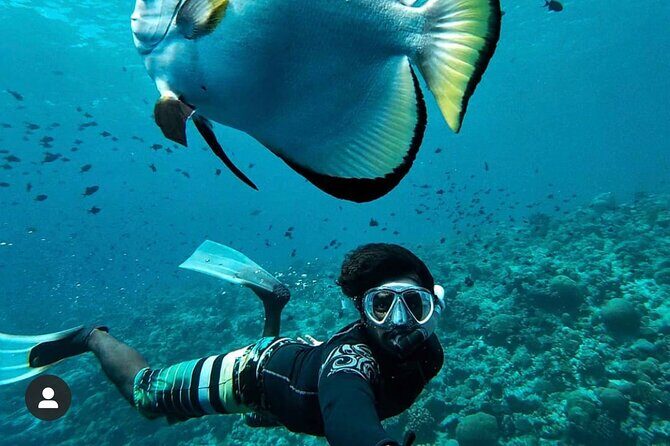
Surfing Trip or Lesson with Coaching in Bali

Surfing Trip or Lesson with Coaching in Bali - The Half-Day Structure: What Happens From Coffee to Debrief

Four hours, one coach, lots of waves.

In Seminyak, this half-day surf session is built to be practical and personal, with private coaching and a plan that adapts to your ability. I also like that you get the right surfboard for you, so you’re not spending the first hour figuring out gear or balance.

The one thing to keep in mind: this experience depends on surf and weather conditions, so if conditions aren’t right you’ll need flexibility with timing.

Key Highlights I’d Plan Around

Surfing Trip or Lesson with Coaching in Bali - Key Highlights I’d Plan Around

  • Right board included so you can focus on technique, not equipment choice
  • Tailored coaching that adjusts from paddling basics to standing and wave reading
  • Multiple Bali surf options with your coach choosing the best spot for the day
  • Round-trip pickup and drop-off so your day stays low-stress
  • Time in the water up to 2 hours depending on what you want
  • Great for mixed ability groups, including beginners and more advanced riders in the same family

Why Seminyak Private Surf Coaching Feels Like Real Progress

Surfing Trip or Lesson with Coaching in Bali - Why Seminyak Private Surf Coaching Feels Like Real Progress
Surf lessons can be either a fun chat with a board… or actual training that helps you improve. This one aims for the second option by keeping the coaching one-on-one for your group and tying every step to what you’re capable of right now.

You’ll get a short start on land first—coffee and a chat about surfing—before anyone sends you into choppy water. That matters more than it sounds. If you understand what to do (paddling, pop-up timing, where to look), you waste less energy in the lineup and you learn faster.

The value is also strong for the price point. At about $29.36 per person for around 4 hours, you’re basically paying for time with a coach plus transport and equipment. Even if you’re an active traveler, that’s a fair deal when you add in pickup, return rides, and a board that fits you.

The Half-Day Structure: What Happens From Coffee to Debrief

Surfing Trip or Lesson with Coaching in Bali - The Half-Day Structure: What Happens From Coffee to Debrief
This is a half-day surf trip designed like a lesson you can actually finish. The flow is simple: prep on the beach, then coaching in the water, then a wrap-up.

First you meet for coffee and a chat. Think of it as your quick game plan. Your coach sets expectations for how the water time will work and what you’ll practice first. Then you get matched with the right board, which is huge for first-timers (wrong size boards can make everything feel harder) and helpful for improvers who need something that supports their technique.

If you’re a beginner, expect beach practice. The focus is on popping up—getting steady on your feet—before you rely on wave timing. After that, you move into the surf with support focused on two key things: reading the conditions and catching waves in a way that helps you succeed sooner rather than fighting every set.

When you’re done (up to about 2 hours in the water, depending on how long you want to stay), you head back and get a debrief. That last part is underrated. You leave with a clearer picture of what to repeat next time, instead of walking away thinking you just had some fun and got lucky.

In the Water: Coaching That Starts With Paddling and Builds Up

Surfing Trip or Lesson with Coaching in Bali - In the Water: Coaching That Starts With Paddling and Builds Up
Here’s the smart part: the lesson is not one fixed script. It’s adjusted to your level and to what the ocean is doing that day.

You’re taught from the ground up, starting with paddling. That’s not glamorous, but it’s where most new surfers lose momentum. If you can paddle with better control and positioning, you’re more likely to reach the waves you want.

Next comes the transition to standing—your coach helps you connect the moment you pop up with the wave you’re actually on. For learners, the goal is less about doing a perfect turn and more about repeating the same success pattern: paddle → catch → pop up → ride a little longer.

For more experienced riders, coaching typically shifts toward wave reading and line choice—how you catch the wave, where you position, and how you respond as the face changes. In a family mix of abilities, this kind of split approach is exactly what you want, because one person doesn’t have to slow down the whole group.

The best outcome is that you’re not just watching other people surf while you wait your turn. You get feedback so your next attempt improves, instead of starting over with the same mistake.

Beach Stops and Surf Spot Variety: How You Benefit Without Overthinking It

Surfing Trip or Lesson with Coaching in Bali - Beach Stops and Surf Spot Variety: How You Benefit Without Overthinking It
You’ll head to several well-known beaches in the Seminyak–Kuta area and nearby: Batu Bolong Beach, Kuta Beach (Bali), Serangan Beach, Padang Padang Beach, Kedungu Beach, and Nusa Dua.

You might wonder why a half-day needs that many stops. The practical answer is conditions. Surf isn’t one-size-fits-all, even on the same day. Your coach works to choose the best option based on weather and what fits your level—so you’re spending time where your chances are higher rather than forcing it at the first break you reach.

Batu Bolong Beach

Batu Bolong is one of those places surfers talk about because it can offer a range of surf setups. For you, that usually means your coach can pick a spot in the same general area that matches your ability—less frustration and more wave time.

Kuta Beach (Bali)

Kuta is familiar to many visitors, which is a good thing when you want your surf day to feel manageable. The value here is logistics: it’s easier to reach, and the surrounding surf options give your coach room to adapt if the conditions shift.

Serangan Beach

Serangan is another likely stop when the day’s conditions suggest a different type of break. The takeaway for you: don’t treat the beach list like guaranteed conditions. The coach’s job is choosing what works that day for your specific group.

Padang Padang Beach

Padang Padang shows up on a lot of surf itineraries. In practice, it’s another chance for your coach to find a surf spot that offers the right learning environment—especially if your level needs a break that encourages progression.

Kedungu Beach

Kedungu can be a good choice when you want a change of scenery and possibly different surf characteristics. For mixed groups, having options matters. It means beginners don’t have to battle the same setup as advanced riders.

Nusa Dua

Nusa Dua rounds out the menu for the day. It’s often chosen because it helps your coach work around conditions and match the break to the group. For you, that translates to less wandering and more time actually surfing.

Transportation and Time Management: The Part That Keeps Your Day Fun

Surfing Trip or Lesson with Coaching in Bali - Transportation and Time Management: The Part That Keeps Your Day Fun
Pickup and drop-off are included, and that’s a big deal for a short experience. Surf days can turn exhausting quickly if you’re navigating traffic, finding parking, and dragging gear around.

With round-trip transportation, you can treat the 4 hours as a real block. You arrive, get set up, surf, then go back without turning the day into a logistics project. Even if you’re staying in Seminyak, you’ll feel the difference once you don’t have to manage getting to the surf spots.

Also, the schedule is built around a realistic water window. You’ll likely be in the water for up to 2 hours, and you can decide how long you want to stay. That flexibility is smart. If you’re new, you probably want a comfortable amount of time. If you’re improving and pumped, you may want more attempts and practice.

Boards, Level Matching, and Mixed-Ability Families

Surfing Trip or Lesson with Coaching in Bali - Boards, Level Matching, and Mixed-Ability Families
One of the clearest strengths of this experience is that it’s made for mixed ability groups. The coaching is private, but your group still matters—families, pairs, friends, and groups with different experience levels.

You’ll get instruction that fits what you need:

  • Beginners get beach practice for pop-up and support reading and catching waves.
  • More experienced surfers get guidance that helps with wave catching and progression.

If you’re traveling with teens or a parent who’s new, this format can save the day. Instead of the experienced surfer waiting around or the beginners feeling overwhelmed, the coach can steer each person toward the surf setup that makes sense for them.

The other huge factor is the board. The package includes the right board for you, so you don’t start with a gear mismatch. That’s one of those details that quietly determines whether the day feels like learning or like struggling.

Who Should Book This Surf Session (and Who Might Want Another Option)

Surfing Trip or Lesson with Coaching in Bali - Who Should Book This Surf Session (and Who Might Want Another Option)
This experience fits best if you want coaching, not just a tour. It’s ideal for:

  • First-timers who want a clear progression from paddling to standing
  • Intermediate surfers who want feedback and tailored adjustments
  • Families or groups with mixed abilities who don’t want to split up
  • Travelers staying in or near Seminyak who want convenient transport

It also helps if you have at least moderate physical fitness. Surf takes effort even when the waves look small. Paddling, getting up, and repeating attempts in the sun is work.

If you’re someone who wants total freedom to explore beyond surfing, this may feel structured. It’s a surf lesson first, and the stops are there to support surf learning based on conditions.

Practical Tips to Get More Out of Your 4 Hours

Surfing Trip or Lesson with Coaching in Bali - Practical Tips to Get More Out of Your 4 Hours
You’ll get the best results if you show up ready to practice.

Bring what you need for a beach day and keep your expectations simple:

  • Treat the first attempt as setup, not perfection.
  • Listen carefully to the beach instruction about pop-up and paddling; it pays off fast.
  • If you feel tired, don’t push through blindly. Tell your coach and consider shortening time in the water so you maintain good practice form.

And remember: your coach will choose the best surf spot for the day based on weather and your level. That’s how you avoid the classic mistake—going to the wrong break for your ability and spending the whole session stuck.

Should You Book Wave Dancers in Seminyak?

I’d book this if you want a private, coach-led surf day that’s set up to help you improve rather than just sightseeing. The combination of the right board, round-trip pickup, tailored instruction, and the chance to try different surf options makes it good value—especially for first-timers and mixed groups.

If your schedule is fixed and you hate any chance of weather-related changes, you should think twice, since the experience depends on good conditions. But if you can be flexible for half a day, this is exactly the kind of structured surf coaching that turns a trip into a real skill upgrade.

FAQ

Where is this surf experience located?

It runs out of Seminyak, Indonesia, with pickup and drop-off offered.

Does the package include transportation and a surfboard?

Yes. You get round-trip transportation and a surfboard that’s chosen for you.

How long will I spend in the water?

You can expect up to 2 hours in the water, depending on how long you want to stay.

Is this a private experience?

Yes. It’s private and only your group participates.

Is it suitable for beginners?

Yes. The lesson includes beach practice for beginners (like pop-up work) and then moves into the water with coaching support.

What happens if the weather is bad or you need to cancel?

If the experience is canceled due to poor weather, you’ll be offered a different date or a full refund. You can cancel for a full refund up to 24 hours before the start time.

Highlights & Hidden Gems of Bali: Private City Tour

Highlights & Hidden Gems of Bali: Private City Tour - Stop 1: Jagatnatha Temple with a multicultural angle

Denpasar clicks faster with a local in the lead. This private city tour is built for your pace, mixing big sights with the kinds of corners you’d miss if you only followed bus stops. I especially liked how you skip the group shuffle and get tailored context along the way, plus a local guide who can adjust the flow if your day changes.

Two things I really liked: the private, just-you experience and the mix of temple, museum, market, and memorial spaces so you see Denpasar’s layers in only three hours. One caution: you should double-check the meeting point details ahead of time, because the few real issues people report are mostly about meeting address and contact.

Key highlights to know before you go

  • Just you and your guide, so you can ask questions and move at your speed
  • Jagatnatha Temple + a multicultural story early on to set the tone for Denpasar
  • Bali Provincial State Museum gardens give you a calm break from the streets
  • Pasar Badung covers a lot of ground with food, fruit, clothes, and 24-hour energy
  • Puputan Square and Puputan Garden add meaning beyond the photo stops
  • Catur Muka Statue and the mayor’s office area bring it full-circle at a busy intersection

Private Denpasar pace that feels like a guided walk, not a checklist

Denpasar can feel confusing when you land in Bali and your first instinct is to chase the postcard spots. This tour is the opposite plan: you focus on the capital city itself, with a guide who helps you make sense of what you’re seeing while keeping things light and doable.

The private format matters more than it sounds. When you’re not sharing your guide with a busload of people, you can slow down at a temple detail, ask why a place looks the way it does, or skip something that doesn’t interest you. In my experience, that’s exactly where the value shows up: you don’t just go places, you understand them well enough to enjoy the next stop.

Also, the tour runs about 3 hours, which is a good length for Denpasar. Long enough to see multiple neighborhoods and moods, short enough that you’re not fried by the end.

Price and what $58.86 buys you in real life

Highlights & Hidden Gems of Bali: Private City Tour - Price and what $58.86 buys you in real life
The price is $58.86 per person, and the tour is often booked far in advance. Since it’s private (just your group and your local guide), the cost tends to make sense best when you’re traveling as a small party—two people usually feels much easier to justify than solo.

Here’s what you’re paying for, beyond “a guide”:

  • Admissions included for key stops like Jagatnatha Temple and the palace-related site
  • A local drink/tasting
  • A planned route that links religious sites, civic spaces, and daily life in one run

If your goal is to get a fast, grounded introduction to Denpasar without wasting time, this is priced like a practical “morning/day reset” for your Bali trip. If you prefer to wander on your own and you’re comfortable figuring things out without help, you might decide it’s optional. But if you want context and smooth pacing, it’s a fair deal for what’s included.

Meeting point matters: where the tour starts and how to plan for time

Highlights & Hidden Gems of Bali: Private City Tour - Meeting point matters: where the tour starts and how to plan for time
Your tour starts at Dauh Puri Kangin, Denpasar Barat, Denpasar City, Bali and ends back there. That makes the tour easier if you’re already based in Denpasar or you’re set up to get there without drama.

Practical tip: build a little buffer into your schedule. Denpasar traffic can mess with timing, and at least one guide experience described patience after a delay. If you know you’ll be late, communicate quickly. For this kind of city tour, arriving on time helps your guide keep the route efficient and still stop for the details.

Also, keep in mind you’ll be walking and moving between sites. Even though it’s only three hours, you’ll want comfortable shoes.

Stop 1: Jagatnatha Temple with a multicultural angle

Highlights & Hidden Gems of Bali: Private City Tour - Stop 1: Jagatnatha Temple with a multicultural angle
You kick things off at Pura Jagatnatha. What makes this start different is the storytelling focus. The tour frames what you’re seeing through Denpasar’s mix of traditions, including a Catholic church with temple-like architecture nearby, plus the story of how that mix came to be.

Why I like starting here: it helps you set expectations for the rest of the day. Denpasar isn’t one thing. A temple visit followed by a discussion of another faith’s architectural style helps you read the city with less guesswork. You’re not just snapping photos; you’re learning how communities overlap and how that shapes public space.

If you’re sensitive to heat, this first stop can be great early in the day because it’s easier to settle in before the market and walking areas.

Stop 2: Bali Provincial State Museum (Negeri Propinsi Bali) for calm, not chaos

Highlights & Hidden Gems of Bali: Private City Tour - Stop 2: Bali Provincial State Museum (Negeri Propinsi Bali) for calm, not chaos
Next is the Bali Provincial State Museum. The big payoff here is not only the displays. It’s the peaceful gardens and quiet vibe that makes the museum feel less like a rushed indoor stop and more like a breather between street-life moments.

This is the moment where you can slow down. If you want a reset from noise and crowds, you get it. If you want to focus on learning, you also get space to take your time with exhibits without feeling squeezed.

Admission is included, and the time you have is about 45 minutes, which is long enough to look around and still stay refreshed for what comes next.

Stop 3: Pasar Badung, four floors, 24 hours of real city life

Highlights & Hidden Gems of Bali: Private City Tour - Stop 3: Pasar Badung, four floors, 24 hours of real city life
Then the tour turns to Pasar Badung, and it’s exactly what you’d hope for in a city tour: daily life, multiple levels, and lots going on.

The market is described as spanning four floors with stalls selling everything from exotic fruit to clothes, and it runs 24 hours. That last detail matters. It explains the energy you’ll see—this isn’t just a morning market that winds down after a few hours.

Your time at the market is about 30 minutes, so think of it as a guided sampler. You’ll likely get orientation—where to look, what’s worth noticing, and how to stay comfortable—so you don’t end up doing the classic tourist move of walking through without understanding what you’re seeing.

If you don’t like crowded places, keep your expectations realistic: this is a working market. But having a guide reduces the stress, especially if you want to browse without getting lost.

Puputan Square and Puputan Garden: the meaning behind the monuments

Highlights & Hidden Gems of Bali: Private City Tour - Puputan Square and Puputan Garden: the meaning behind the monuments
After the market, you shift to memorial spaces: Puputan Square and then Puputan Garden.

Puputan Square is described as a famous park with history behind it, and you spend about 30 minutes there. This stop is valuable because it balances the day. A lot of Bali sightseeing emphasizes temples and beaches. Here you get Denpasar’s civic memory—places that help you understand how the city talks about its past.

Then Puputan Garden finishes the experience. You get around 15 minutes at the garden, and this is also where the tour adds a drink moment—something to help you relax and land the experience rather than rushing out the door again.

If you like your travel to have context and not just scenery, these two stops are the emotional spine of the route.

Pemecutan and the royal palace stop: a controlled peek at power

The next stop is Pemecutan, described as entering a royal palace. The tour gives you time to look around—about 30 minutes—and it even mentions that you might see the king if you’re lucky.

Even if you don’t catch anything like that, palace visits tend to do something markets and streets can’t. They show the structure of authority, design, and tradition in a way that feels physically different. You’ll feel the shift from everyday city life into a more formal space with clear rules and visual symbolism.

Also, tickets for the palace-related site are included, so you’re not juggling paperwork in the middle of your day.

Catur Muka Statue: the Brahma figure at a busy four-street intersection

You end with Patung Catur Muka, the statue at a major intersection near the mayor’s office and close to Puputan Square. This one is practical because it acts like a visual bookmark for your route.

The description is specific: it’s a four-sided figure of Brahma, a supreme Hindu god, and it sits right where four busy streets meet. So it’s easy to notice, easy to remember, and it gives you a clean final image for the day.

You’ll spend about 15 minutes here. Use it to take in the setting and connect it back to what you learned earlier—religion, civic history, and the city’s layout all snap together.

The local drink tasting: a small stop that helps the day feel complete

One nice touch is the 1 local drink/tasting included as part of the tour. It’s not a full food crawl, and it doesn’t pretend to replace a proper lunch. But it’s timed right: after the heavier sightseeing and before you get back to your day, you get a chance to relax.

If you’re the type who always forgets to eat or just grabs something random, this included drink can help you avoid that “hangry tourist” moment. It’s also a low-stakes way to try something local without turning your tour into a long detour.

Who this tour suits best (and when it’s not the right fit)

I’d put this tour in the sweet spot for:

  • First-timers in Bali who want to understand Denpasar, not only the coastal areas
  • People who hate group tours and want a private guide
  • Families who need a friendly guide with a route that doesn’t feel too stiff
  • Travelers who enjoy markets, temples, and civic history as one combined picture

It may be less ideal if:

  • You only want beach time or you don’t care about Denpasar city culture
  • You hate any crowds at all (Pasar Badung is a working market)
  • You expect the day to be mostly lounging or minimal walking (this is sightseeing on the move)

The real value: your guide can shape the day

The quality of the day comes down to your guide. In the experiences I’ve heard about around this tour style, the best guides are patient, friendly, and willing to talk through what you see. I also like that some guides adjust the route based on needs, like slowing down for kids or changing the balance of walking and explanation.

One consideration: if you want more talking and less walking, ask for it early. The difference between a good visit and a great one is often how much you engage with your guide and how clearly you ask for the kind of context you want.

Should you book this Denpasar private tour?

Book it if you want a focused, three-hour introduction to Denpasar with tickets included, a local guide, and a route that connects religion, markets, and civic history. It’s a smart choice when you’d rather spend your limited time with a local than sorting out places on your own.

Skip it if you’re only in Bali briefly and your priorities are elsewhere, or if you’re the type who doesn’t enjoy markets at all. You’ll probably be happier doing something calmer than Pasar Badung.

FAQ

Do I go with other people, or is it private?

This is a private tour, meaning it’s just you and your local guide.

How long is the tour?

The tour is about 3 hours.

What’s included in the price?

The tour includes a local guide, private tour, 1 local drink/tasting, and admission tickets for Jagatnatha Temple and the palace-related site.

Where does the tour start and end?

It starts at Dauh Puri Kangin, Denpasar Barat, Denpasar City, Bali and ends back at the same meeting point.

Is a mobile ticket used?

Yes, you get a mobile ticket.

Can I get a full refund if I change plans?

Yes. You can cancel up to 24 hours in advance for a full refund.

Ijen Blue Flame from Bali

Ijen Blue Flame from Bali - Seminyak to Kawah Ijen: how the ride shapes your day

That blue flame is real.

A hike to Kawah Ijen is one of the few things in Indonesia that can look almost unreal: sulfuric gas escapes from cracks in the volcano and can ignite into a glowing blue flame. This one-day setup is built for low stress, with hotel pickup from Seminyak and the key admin handled for you—so you can focus on the crater and your climb.

I like two things a lot here. First, you get an experienced trekking guide. In the feedback for this kind of trip, names like Ardy, Ikrom, Jamal, and Nemani come up for being friendly and helpful, which matters when you’re moving in low light and working through fatigue. Second, you get practical logistics: hotel pickup is offered, and you use a mobile ticket, which cuts down on last-minute confusion.

One thing to consider: the hike asks for moderate physical fitness and it’s tied to weather conditions. If conditions aren’t good, the experience can be moved to another date or refunded, so don’t book this as your only must-do day.

Key takeaways before you book Ijen Blue Flame from Bali

Ijen Blue Flame from Bali - Key takeaways before you book Ijen Blue Flame from Bali

  • Blue flame at Kawah Ijen: you’re going specifically for the sulfur-gas glow.
  • Guide-led hike: the experience leans on an experienced trekking guide to keep you on track.
  • Pickup + permits handled: the tour description calls out that fees and permits are taken care of.
  • Private group: only your group participates, even though group discounts may be available.
  • Moderate fitness required: it’s not a walk in the park, even if it’s well managed.

Why Ijen Blue Flames are worth the detour

Ijen Blue Flame from Bali - Why Ijen Blue Flames are worth the detour
Ijen is all about timing and atmosphere. The blue glow happens because sulfuric gas comes up from the volcano’s cracks and can ignite—so what you’re chasing isn’t just a view, it’s a chemical-light moment that’s hard to replicate anywhere else.

What makes this “worth it” for your time in Bali is that it’s not treated like a vague sightseeing stop. The whole point of the tour is the crater area at Kawah Ijen Volcano, with the guide and included handling designed to reduce the common problems: finding the right route, figuring out what paperwork you need, and trying to coordinate transport late in the day after you’ve already flown across the island chain.

And there’s a mental payoff to doing it with the right support. When the climb takes more out of you than expected, a good guide can change the feel of the night or early hours—less stress, more focus on what matters: reaching the crater viewpoint and staying steady through the final stretch.

If you’re the type who’s happiest when the day has an actual mission (not just pool time and beaches), this fits. If you want something gentle and predictable, Ijen may feel like a lot.

Seminyak to Kawah Ijen: how the ride shapes your day

Ijen Blue Flame from Bali - Seminyak to Kawah Ijen: how the ride shapes your day
This experience is listed with Seminyak, Indonesia as the location and pickup is offered. That means your day starts with a door-to-door style transfer rather than you trying to coordinate transport on your own.

Because the duration is listed as about 1 day, you should plan to treat this as a full day commitment, not a “quick trip.” The drive time to the volcano area (since Ijen is on Java) usually adds up, and you’ll want to keep your schedule clean. You’re not just hiking; you’re also losing hours to travel, then resetting yourself for the crater time.

The tour is also offered during a specific window: opening hours are listed as Monday–Friday, 7:00 AM – 9:00 PM within the operating date range shown. Practically, that means you’re booking an operation that can arrange pickups and timing inside those hours, not a free-for-all anytime you want.

One more detail I appreciate in this kind of booking: you don’t have to wrestle with paperwork. The description says the tour takes care of the fees and permits, which is a big deal on multi-hour outings. It reduces the chance you’ll arrive with the wrong stuff and spend precious crater time sorting admin.

The guide and logistics: what “well organized” really means

This is where the value shows. A volcano hike can go sideways fast if your group doesn’t move as one unit. You need someone to manage pacing, timing, and on-the-ground decisions, especially in early or low-light conditions.

From the feedback, the guide experience seems to be a strong point. People name guides like Ardy, Ikrom, Jamal, and Nemani, and they’re praised for being accommodating, friendly, and professional. That matters because the Ijen climb isn’t just physical—it’s also mentally demanding. A guide who can keep the group relaxed helps you conserve energy for the crater views.

The transport side also gets credit. There are comments about drivers being on time and communication working well, including that English is spoken well (not always guaranteed in smaller local operations). If you’ve ever tried to piece together “local transport + crater timing” by yourself, you know why that’s reassuring.

Then there’s the admin. The tour description explicitly says you’ll have the necessary fees and permits handled, plus pickup is offered. On top of that, you get a mobile ticket, so there’s less to print, search for, or show on the wrong screen at the wrong time.

Finally, it’s a private tour/activity—only your group participates. That’s important if you want quieter pacing and fewer stop-start interruptions. It also usually means you’re less likely to feel rushed by a larger crowd.

The Kawah Ijen crater visit: what you should actually expect

Ijen Blue Flame from Bali - The Kawah Ijen crater visit: what you should actually expect
In practical terms, the itinerary centers on one main destination: Kawah Ijen Volcano. Everything else is the supporting cast—getting you there, getting you back, and making the crater time smoother.

Here’s what you can expect as the experience’s core moment:

  • You’ll be with a trekking guide who brings you to the crater area.
  • You’re there for the blue flames created by ignited sulfuric gas.
  • You’ll spend time looking into the crater area where the color show happens.

This isn’t just about taking photos from one spot and calling it done. The climb and crater time are a system: you move up, you reach the right area, then you take in the flame and crater views while the air and visibility cooperate.

The best-case scenario is clear conditions, because the blue flame effect is easier to see when the weather is right. The experience description says good weather is required, which aligns with the reality of volcano viewing—fog or rain can cut visibility quickly.

And you should mentally prepare for fatigue. Even with a strong guide, a crater hike takes it out of you. The reviews tied to Ijen consistently mention that reaching the top is when exhaustion fades, replaced by a feeling of satisfaction because the view is genuinely memorable.

There’s also the subject of sulfur gas. Since the whole phenomenon is sulfuric gas igniting, you’ll be around an environment where you want to stay mindful of your breathing and reactions. The tour description doesn’t list protective gear, so treat “bring your personal gears” as your cue to show up prepared with what you normally use for harsh environments.

Weather, fitness, and what you need to bring

This tour lists a key requirement: moderate physical fitness. That’s your sign it’s not a casual stroll. You’ll likely feel the exertion, especially with the altitude and the walking involved in reaching the crater area.

Weather is the other major factor. The experience says it requires good weather, and the cancellation terms explain what happens if it’s canceled due to poor conditions: you’ll be offered a different date or a full refund. That’s the right approach for Ijen, where visibility can make or break the whole reason for the trip.

What should you bring? The description gives you two clear items:

  • Personal gears (whatever you normally need for a volcano hike)
  • Meals (plan to eat as part of your day, since this is a full-day commitment)

The “bring meals” detail is important. It shifts the trip from “just join and ride” into “you need to fuel yourself.” If you’re used to buying food whenever you feel hungry, I’d still pack something reliable, because once the day starts moving, you’ll want fewer decisions.

If you’re sensitive to effort or breathing discomfort, consider pacing. Even if you’re fit, you’ll feel it in your legs and lungs around volcanic terrain, and the best experience is the one where you don’t force speed to match someone else’s stride.

Price and value: is $161 fair for one day to Ijen?

The price listed is $161 for an approximately 1-day outing. On its face, that’s not a cheap add-on from Bali. But for Ijen, you’re paying for the things that are genuinely hard to DIY smoothly:

  • Pickup is offered from Seminyak, so you’re not wrestling with transport logistics.
  • An experienced trekking guide is included.
  • The tour says fees and permits are taken care of.
  • You get a private setup where only your group participates.
  • You receive a mobile ticket, reducing admin hassle.

If you try to build this yourself, the costs usually spread out across transport, guide, and permits—plus the hidden cost of time and stress while you coordinate. This price wraps those pieces into one plan, which is what makes it feel “worth it” for many people who want the crater experience without extra friction.

Also keep in mind the listing includes group discounts. That doesn’t change the “only your group participates” setup, but it can make the per-person cost better if you’re traveling with friends and your booking is set to qualify.

At the same time, one drawback is the same reason the price is what it is: this is weather-dependent and physically demanding. If you’re booking too tightly around other plans, you might feel the frustration of schedule reshuffling.

In short: it’s a fair price when you want reliability and guidance, and it’s an expensive choice if you’re hoping for a flexible, casual outing.

Who should book this Ijen Blue Flame tour (and who should skip it)

This tour is a great match if:

  • You want a real mission day instead of another beach day.
  • You’re comfortable with a hike that needs moderate physical fitness.
  • You’d rather pay for permits and guide support than coordinate everything yourself.
  • You like having a calm, private pace with only your group.

You might skip or reconsider if:

  • You’re highly sensitive to exertion or you’re unsure about moderate fitness.
  • Your schedule can’t handle weather-related changes, since good conditions are required.

If you do go, take the right mindset: Ijen is not about rushing. It’s about getting to the right crater moment so the blue flame can do its thing.

FAQ

Ijen Blue Flame from Bali - FAQ

What city in Bali is this tour starting from?

It lists Seminyak, Indonesia as the location, and hotel pickup is offered.

How long is the Ijen Blue Flame experience?

The duration is listed as about 1 day.

Is the tour private?

Yes. It’s described as a private tour/activity, and only your group will participate.

What is included according to the description?

The description says you’ll be picked up from your hotel, accompanied by an experienced trekking guide, and that necessary fees and permits are handled. You also bring your own gears and meals.

Do I get a mobile ticket?

Yes, the tour includes a mobile ticket.

What fitness level do I need?

The tour asks for moderate physical fitness.

What are the opening hours?

Opening hours are listed as Monday–Friday: 7:00 AM – 9:00 PM during the operating window shown.

When will I receive confirmation after booking?

Confirmation will be received at time of booking.

What if the weather is poor?

The experience requires good weather. If it’s canceled due to poor weather, you’ll be offered a different date or a full refund.

Can I cancel and get a full refund?

Yes. You can cancel up to 24 hours in advance for a full refund, and cancellations made less than 24 hours before the start time are not refunded.

Final call: should you book Ijen Blue Flame from Bali?

If your idea of a great Bali trip includes one wild, meaningful day—crater air, real effort, and the blue flame moment—then yes, I’d book it. The strongest reasons are simple: pickup, permit and fee handling, and a real guide-led hike aimed at Kawah Ijen.

But if your schedule is too tight, or moderate fitness feels borderline, I’d be cautious. Ijen is worth the trip only when you can handle the hike and still be flexible if weather forces a change.

Your Bali Private Driver with Car – Full Day Flexible Tour

Your Bali Private Driver with Car – Full Day Flexible Tour - How the 10–11 hour day works (and why timing matters)

Bali is easier when you skip the scooter drama. This full-day private driver service gives you a comfortable car, English-speaking guidance, and the freedom to go as far as you want without fixed stops. You pick the pace, your driver helps you shape the day, and you avoid a lot of the everyday stress that comes with navigating Bali traffic and tight streets.

I like the unlimited mileage part most. It makes planning feel realistic: you can mix beach time, viewpoints, temples, and a couple of inland stops without doing mental math on distance. I also really appreciate the hotel pickup and drop in most Ubud and south Bali areas, because it turns the day into a clean, door-to-door experience.

One thing to consider: lunch and entrance fees aren’t included. That means your final cost depends on what you choose to see, and a big day can also mean long time in the car if you spread stops far apart.

Key things to know before you go

Your Bali Private Driver with Car – Full Day Flexible Tour - Key things to know before you go

  • Private car, not a shared shuttle: it’s just your group in the vehicle.
  • Unlimited mileage: you can go farther without worrying about extra kilometers.
  • Hotel-area pickup and drop: convenient start and finish points in many Ubud and south Bali locations.
  • Flexible departure timing: you can book a pickup time online within a tight window.
  • English-speaking driver who may act as guide/photographer: helpful for history explanations and better photos.
  • Budget for entrances and lunch: bottled water and parking are included, but attractions cost extra.

Why a private driver makes Bali feel workable

Your Bali Private Driver with Car – Full Day Flexible Tour - Why a private driver makes Bali feel workable
Bali has a way of turning “easy travel” into a full-contact sport. Between packed roads, motorbike swarms, and the occasional road surprise, getting around can take more energy than you expect. With a private driver, you trade all that for one job: choosing what you want to do.

This kind of full-day service is also ideal because Bali is spread out. If you want Ubud-area views, coastal stops, and one or two famous sights in the same day, you need someone who can read traffic and timing, not just drive from point A to B.

The best value here is that the day isn’t “sold” to you with a rigid script. Instead, you can build a route that matches your style—slow and scenic, or packed and productive—with unlimited mileage keeping you from feeling trapped by distance.

The car, driver, and what’s actually included for your $32

At around $32 for a 10–11 hour day, the headline value is simple: you’re paying for a private car + English-speaking driver for most of the day. Fuel isn’t listed separately, and the offer includes parking fees plus bottled water, which matters in Bali when you’re out and about for hours.

A few details make this more practical than “just transportation”:

  • You get hotel pickup and drop in many Ubud and south Bali areas, which saves time and hassle.
  • You’re not limited by a mileage cap (unlimited mileage).
  • Your driver can also function as a photographer and guide, which is a real quality-of-life perk if you’re traveling as a couple or family and want photos that don’t look like they were taken from across the parking lot.

What’s not included is just as important:

  • Lunch
  • Entrance fees for temples and attractions
  • Personal expenses

That means you should treat this as a great “getting around and planning” package, then budget separately for the things you want to enter and eat.

How the 10–11 hour day works (and why timing matters)

Your Bali Private Driver with Car – Full Day Flexible Tour - How the 10–11 hour day works (and why timing matters)
Your driver handles the rhythm of the day. You can bring a list of places, or you can go with suggestions if you want the day to feel effortless. Either way, the driver plans an optimal route and timings to help you avoid the worst traffic periods.

You also get a useful scheduling feature: wide departure times that you can book online up to within half an hour. That matters because Bali is not a “set it and forget it” destination. If you’re trying to catch a popular temple or viewpoint at a specific time, you’ll be glad you can pick a pickup window that fits your energy.

One practical tip: with a full day, your best results usually come from choosing stops that are in reasonable clusters. Even with unlimited mileage, time is still time. If you stack two or three far-flung areas, you’ll spend a bigger share of your day in transit.

What you can do with full flexibility: a few strong route ideas

Your Bali Private Driver with Car – Full Day Flexible Tour - What you can do with full flexibility: a few strong route ideas
This service is flexible enough to match different travel styles. Your driver can build a day around cultural sights, family-friendly photo stops, or a mix of coast and countryside.

Here are a few route styles that fit the way this service is used:

1) Uluwatu + cultural park + a guided lunch plan

A classic “south Bali highlight day” often pairs Uluwatu Temple with a cultural venue such as GWK Cultural Park. The real benefit isn’t just the sights—it’s having a driver who can sequence them so you’re not bouncing around randomly.

If you care about food, this is also where the driver-as-guide angle shines. Some drivers help you pick a lunch spot that fits the day’s timing, rather than sending you to the first place they can find.

Drawback to watch: Uluwatu-type areas can be busy and photos can take time. If you’re trying to do too much after, make sure your schedule includes a buffer.

2) East Bali with village stops and waterfalls

For a more local-feeling day, a driver may string together art and craft areas, plus scenic breaks. One example route style includes stops like silver village, batik factories, and wood carving village, then moving on toward things like a royal palace and a nature pause such as waterfalls.

This route style tends to work well if you want texture in your day—not just famous landmarks. It’s also a good fit for families who like seeing how products are made and want photos that feel more “Bali” than “tour brochure.”

Consideration: these village and workshop areas can be slower. If you love a quick itinerary, you might want to keep it to fewer stops and spend more time at the views.

3) Ubud-focused day with a mix of temples and photo-friendly stops

If your base is near Seminyak and you want Ubud energy without the scooter headache, this service can run a Ubud-centered day. Some drivers build routes that include famous Ubud zones as well as less crowded photo opportunities.

One approach is pairing Ubud sights like Monkey Forest with nearby nature stops (some drivers even focus on a less touristy style of visit). The point is not the exact order—it’s that your driver can help you navigate what’s worth your time and what feels repetitive.

Consideration: Ubud areas can involve walking and heat. Build in shade and water breaks and don’t underestimate midday sun.

4) West-to-inland day like Canggu + Waterbom + Ubud

If your day needs variety—beach-town vibes, an attraction break, then culture—your driver can shape a route that might include Waterbom and then end up in the Ubud direction.

This works especially well for families or groups where everyone has different “must-do” ideas. The driver can keep you moving while still giving you time to enjoy each stop.

Drawback: Waterbom-type timing can eat into the middle of the day. Plan your other stops around that so you don’t feel rushed when you’re tired.

The driver-as-photographer and real guide help

Your Bali Private Driver with Car – Full Day Flexible Tour - The driver-as-photographer and real guide help
A private driver is already useful just for getting around. But the extra value here is the driver stepping into a guide and photographer role when it makes sense.

In practice, that can mean:

  • helping you with timing and where to stand for photos
  • walking you through what you’re seeing (at least the basics)
  • staying flexible when you want to change plans mid-day
  • assisting with practical steps like helping you buy tickets for some attractions

People also rave about drivers who take care of family photos and video moments. For instance, there are standout experiences tied to drivers like Rio, Mr. Edi, Giok, and Sandi—with praise for being professional, punctual, friendly, and genuinely helpful as both driver and guide.

A smart way to use this: tell your driver what kind of photos you want before you start. If you want family photos, ask for short photo windows at each stop. If you want more candid images, ask where the best photo spots are likely to be.

Money math: how to budget lunch and entrance fees

Your Bali Private Driver with Car – Full Day Flexible Tour - Money math: how to budget lunch and entrance fees
The $32 price is mainly for transportation plus the driver day. Since entrance fees and lunch aren’t included, your real budget depends on your choices.

A simple way to plan:

  • Pick 2–4 “paid” attractions you truly want.
  • Add one lunch stop (or budget snacks if you prefer).
  • Keep the rest as free viewing areas, beaches, and neighborhood wandering.

This also helps you avoid the common mistake of turning a full-day trip into a cash-heavy day. When entrances stack up, the day can get expensive fast—especially if you keep adding “just one more place.”

The good news: you control it. Your driver can recommend routes that hit the sights you care about while keeping the schedule realistic.

Who this tour is best for (and who should skip it)

Your Bali Private Driver with Car – Full Day Flexible Tour - Who this tour is best for (and who should skip it)
This is a strong choice if you want:

  • a stress-free way to explore without riding a scooter
  • a flexible day that can respond to your interests
  • English-speaking support so you’re not stuck figuring everything out alone
  • comfort and convenience with pickup and drop near your hotel

It may be less ideal if:

  • you’re on a super tight budget that can’t handle paid attractions or lunch
  • you want a very fixed, “pre-built” itinerary with no decision-making
  • you prefer to move at a chaotic pace with lots of far-apart stops (distance still costs time, even with unlimited mileage)

Also, double-check your own expectations about distance and pacing. There’s a reason routes work best when your stops are in a similar geographic direction.

A quick reality check on service quality

Your Bali Private Driver with Car – Full Day Flexible Tour - A quick reality check on service quality
Most days will feel smooth because the driver is planning the route and you’re not negotiating language or transportation logistics. Still, service quality can vary with driver style and your day’s difficulty.

To set yourself up well, do two things early:

  • Share a clear list of places you want (even if it’s just “temple + viewpoint + one cultural stop”).
  • Tell your driver your time constraints and your preferred pace.

That’s the fastest route to a day that feels tailored instead of rushed.

Should you book this Bali private driver day?

I’d book this if you want a practical way to see Bali without the stress of driving yourself. For the price, getting a full-day private car with unlimited mileage plus an English-speaking driver is excellent value—especially if you’re building a route that includes a few paid attractions and you want comfort in between.

Skip it or adjust expectations if your plan depends on doing long-distance sightseeing with barely any margin for traffic, heat, or timed entries. In that case, you’ll have a better day choosing fewer, smarter clusters of stops.

If you’re flexible and you communicate what you want from the day, this setup can turn a complicated island into a straightforward, enjoyable ride.

FAQ

How long is the Bali private driver full-day tour?

It’s approximately 10 to 11 hours per day.

What areas do they pick up from?

Pickup is offered for most Ubud and south Bali hotels, with direct pickup and drop-off.

Is mileage unlimited?

Yes. The service includes unlimited mileage, so you can go as far afield as you like.

Does the price include an English-speaking driver?

Yes. The driver is English speaking, and they can also act as a guide and/or photographer.

What’s included in the tour price?

Included are private transportation, bottled water, parking fees, and the English-speaking driver.

Are lunch and entrance fees included?

No. Lunch and entrance fees are not included, along with personal expenses.

Can I customize the stops during the day?

Yes. You can bring your own list of places, or ask your driver for recommendations. Your driver will plan an optimal route.

Is this tour private for my group?

Yes. It’s a private tour/activity with only your group participating.

What’s the cancellation rule?

You can cancel for free up to 24 hours in advance for a full refund. Changes within 24 hours aren’t accepted.
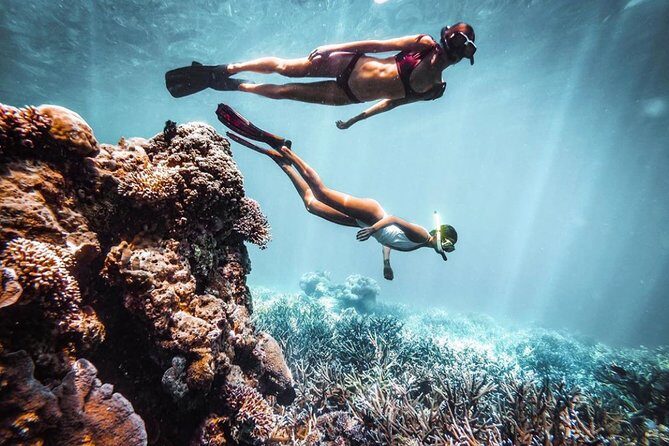
TULA Wellness Half Day Experience with Yoga Class

TULA Wellness Half Day Experience with Yoga Class - Private yoga that focuses on breath, alignment, and Vipassana-style meditation

Need a calm reset in Seminyak? This half-day wellness plan is built around private yoga plus a lymphatic drainage massage, then finishes with clean vegetarian food and time in the pool. I love that it’s structured like a mini retreat, not a rushed “checklist,” and I also like the menu choices that feel intentionally light but satisfying. One consideration: it’s only about four hours, so if you want a long, slow spa day, you may feel like you’re leaving just as you’re settling in.

You’ll meet at The Amala Boutique Retreat in Seminyak (and your session ends back there). You might be paired with teachers and therapists named across recent bookings, like Ninie or Pak Dewa for yoga, and Ari, Devi, or Desy for massage care. The experience is private, meaning only your group participates, and children under 12 aren’t allowed.

Food and water are part of the “reset,” not just extras. You’ll choose a two-course vegetarian meal (with options like moringa detox soup or beetroot salad, plus an eggplant main or Tula Bento, and goji berry pudding for dessert), then you’ll have free access to the main pool and the public changing room.

Key highlights worth planning around

TULA Wellness Half Day Experience with Yoga Class - Key highlights worth planning around

  • Private yoga instruction with breathing, alignment, and meditation elements geared toward nerve balance
  • 60-minute lymphatic drainage massage using gentle, rhythmic pressure to support circulation
  • Two-course vegetarian menu choices including moringa detox soup or beetroot salad, plus eggplant or Tula Bento
  • Re-balancing drink designed to support electrolyte balance
  • Free main pool access plus a real “post-session exhale” moment in the bamboo zen garden area

The Amala base in Seminyak: where your half day actually starts

TULA Wellness Half Day Experience with Yoga Class - The Amala base in Seminyak: where your half day actually starts
This experience starts at The Amala Boutique Retreat in Seminyak, at Jl. Kunti I No.108. The activity runs daily during set hours (10:30 AM to 4:00 PM), and it ends back at the same meeting point, which is handy if you’re juggling a full Bali itinerary.

What I like about this base is that it feels like a wellness campus, not a storefront attached to a busy street. And because it’s near public transportation, you’re not forced into a complicated logistics puzzle if you’re coming from elsewhere in Seminyak or nearby areas.

One more practical note: this is set up as a private tour/activity. That matters in wellness, because the person leading your practice can adjust attention to your needs without sharing the room with a mixed group.

Private yoga that focuses on breath, alignment, and Vipassana-style meditation

TULA Wellness Half Day Experience with Yoga Class - Private yoga that focuses on breath, alignment, and Vipassana-style meditation
Your first block is one hour Asana Yoga, and it’s intentionally not just about stretching. The class centers on three steps: breathing, body alignment, and meditation, with an aim to balance the sympathetic and parasympathetic nervous systems.

In plain language, this is yoga as nervous-system training. You’re guided to use breathing as the main dial, then you refine body position so the breath can land and stay steady. The teaching also points you toward the realm of Vipassana meditation through breathing and correct stretching, so you’re not only moving—you’re practicing how to return to awareness.

You can think of it like this:

  • Breathing gives you a pattern to follow when your mind wanders.
  • Alignment keeps the movement comfortable enough to repeat.
  • Meditation helps you stay with the sensation long enough to feel a difference.

Recent sessions also highlight how teachers work with individuals. For example, one booking mentioned yoga instruction that addressed personal stomach discomfort through class cues and focus. You’ll get the best results if you go in willing to communicate. Even a simple heads-up—tight hamstrings, lower-back crankiness, stress in the ribs—can help the instructor choose a more suitable focus.

If you’re used to fast, sweat-first studios, this may feel calmer than expected. If you’re chasing relaxation and clarity (and not just fitness), it’s a strong fit.

60-minute lymphatic drainage massage: gentle work with real payoff

Next comes one hour lymphatic drainage massage. This is where the half-day shifts from mental release to physical cleanup support.

The massage uses gentle, rhythmic techniques designed to stimulate the lymphatic system, encourage elimination of toxins, and increase circulation. Whether you think of it as “detox” or just improved flow, the treatment style is consistent: lighter pressure, slower rhythm, and a focus on comfort.

Why it’s valuable after yoga: yoga can loosen patterns, but it doesn’t always help fluid movement the way hands-on work can. Lymphatic drainage is often used when you feel heavy legs, post-travel sluggishness, or general puffiness. Even if your goal is purely relaxation, the pacing tends to make you feel like your body is finally switching gears.

Therapist names that show up in recent bookings include Ari for massage, and also Ms. Devi and Ms. Desy. You should plan for a professional, attentive session where the therapist’s job is to keep things gentle and guided. If anything feels too much, say so early. With this style of massage, small adjustments can change the entire experience.

Choosing your vegetarian re-balancing meal (and making it feel like part of the ritual)

TULA Wellness Half Day Experience with Yoga Class - Choosing your vegetarian re-balancing meal (and making it feel like part of the ritual)
After the massage, you get a two-course Healthy re-balancing meal plus a re-balancing drink. The idea is simple: you nourish without undoing the calm you just practiced. And because the menu is vegetarian, it’s easier to keep the meal light and steady rather than heavy.

Here’s what you can choose:

Starters

  • Moringa detox soup
  • Beetroot salad

Main courses

  • Eggplant & veggie roll
  • Tula Bento

Dessert

  • Goji berry pudding

You also get a re-balancing drink meant to support electrolyte balance. That detail matters more than it sounds. After yoga and a massage, many people feel slightly “reset” but also a little empty or out of rhythm. A structured meal with the right balance helps you come down gently and leaves you feeling taken care of, not just fed.

One practical strategy: don’t rush this meal. Eat at your normal pace and let your body catch up. The best part of a wellness lunch is when it reinforces the earlier work, not when it becomes a timed stop.

Bamboo zen garden pool time: the easiest way to extend the calm

TULA Wellness Half Day Experience with Yoga Class - Bamboo zen garden pool time: the easiest way to extend the calm
After your meal, the program includes a refreshing dip in the pool in the bamboo zen garden area, plus free access to the main pool & public changing room. This is a smart addition because you get to “finish” the experience with your body, not just your mind.

This pool time is also useful if you’re coming from a sightseeing day. Even a short swim or soak can help your nervous system keep the quiet tone you practiced during yoga. It’s also a good buffer before you go back to Seminyak traffic, scooter noise, and restaurant hunting.

If you want to make the pool segment count:

  • Keep your session short enough that you feel better afterward, not wiped out.
  • Wear something easy for changing and re-entering your day.
  • Treat it as part of the ritual, not an afterthought.

Price and value: what $136.75 buys in a four-hour wellness block

TULA Wellness Half Day Experience with Yoga Class - Price and value: what $136.75 buys in a four-hour wellness block
The price is $136.75 per person, and the package runs about four hours. That’s the thing to focus on for value: you’re not paying for one service. You’re paying for a sequence—private yoga, a full hour of hands-on massage, a two-course vegetarian meal, and pool access—all tied to one coordinated schedule.

Is it cheap? No, Bali wellness rarely is when it’s private and structured. But it is good value compared to piecing together:

  • private yoga you’d need to book,
  • a separate massage appointment with the right timing,
  • and then a meal that fits the wellness vibe.

It’s also booked in advance at a pretty steady pace, which often means the slot availability can tighten when people want the same day and time window.

The real question isn’t whether it’s the cheapest option. It’s whether you want your time to feel protected. If your schedule needs a guaranteed “reset window,” this package does that.

Who this half-day suits best (and who should think twice)

TULA Wellness Half Day Experience with Yoga Class - Who this half-day suits best (and who should think twice)
This experience fits people who want physical and mental release without a full-day commitment. It’s especially good if you:

  • want a private yoga class that targets breath and alignment,
  • like massage styles focused on circulation and gentle rhythm,
  • prefer a structured vegetarian meal rather than guessing what to eat,
  • want a calmer pace that ends with pool time.

It may be less ideal if you’re chasing intense training, all-day spa downtime, or big sightseeing energy. This is four hours. You’ll likely leave feeling refreshed, not fully “completed” in the slowest, spa-lounge sense.

Also, it’s not for kids under 12, so plan accordingly if you’re traveling with younger family members.

Quick practical tips before you go

TULA Wellness Half Day Experience with Yoga Class - Quick practical tips before you go
A few things can make the day feel smoother:

  • Arrive a bit early so you can settle before yoga starts.
  • Wear something you can move in for yoga, and something easy to change out of for massage comfort.
  • During the yoga, share any body limits or focus areas so the instructor can guide you better.
  • During massage, communicate early if pressure feels off—this style should stay gentle.

And if you’re the type who likes a wellness experience to feel personal, lean into it. Ask questions if you want more detail about breath work or nervous-system balance. A little involvement tends to pay off.

Should you book Tula Wellness Half Day with Yoga?

If you want a reliable half-day wellness reset in Seminyak, I think this is an easy yes. The package combines the three pillars most people actually feel: movement with breath, hands-on bodywork, and food that supports the reset. The menu options are clear, the timing is tight but workable, and the private format helps you feel less like you’re waiting your turn.

I’d skip it only if you know you need a longer spa stretch, or if you’re looking for a high-energy class format. In that case, you’ll probably enjoy a longer itinerary more.

FAQ

What’s included in the TULA Wellness half-day experience?

It includes a 60-minute private yoga class, a 60-minute lymphatic drainage massage, and a 2-course vegetarian healthy re-balancing meal with a re-balancing drink. You also get free access to the main pool and the public changing room.

How long does the experience take?

It runs for about 4 hours.

Is this a private activity?

Yes. It’s private, and only your group participates.

Where do I meet for the experience?

You meet at The Amala Boutique Retreat, Jl. Kunti I No.108, Seminyak, Kec. Kuta, Kabupaten Badung, Bali 80361, Indonesia.

Are children allowed?

Children below 12 years old are not allowed.

What is the cancellation policy?

You can cancel for a full refund if you cancel at least 24 hours before the experience start time. If you cancel less than 24 hours before, the amount paid is not refunded.

Ubud Tour : Jungle Swing – Campuhan Ridge Walk – Tegenungan Waterfall

One day in Ubud can feel like two worlds. This tour strings together the big “photo + culture” stops—Campuhan Ridge Walk views, temple ponds, a rice-terrace swing, and the splashy Tegenungan Waterfall—with a private car so you’re not wrestling traffic or parking. I especially like the way it’s built around recognizable highlights that still feel varied from stop to stop.

My other favorite part is the door-to-door comfort: a private air-conditioned vehicle, bottled water, and a driver-guide who keeps the day moving. The only real drawback is that lunch isn’t included, and some of the photo activity costs (like the swing) can be paid on-site, so you’ll want a little cash set aside.

Key Things That Make This Ubud Day Work

Ubud Tour : Jungle Swing - Campuhan Ridge Walk - Tegenungan Waterfall - Key Things That Make This Ubud Day Work

  • A private driver in an AC car: fewer headaches between Ubud sights and the waterfall area.
  • Campuhan Ridge Walk first: calmer light and a scenic warm-up before the busier temple and market stops.
  • Saraswati Temple and Ubud Palace photo windows: lotus-pond scenery and the palace entrance for quick, memorable shots.
  • Tegalalang Rice Terrace plus a swing stop: you get both the view and the signature action-photo moment.
  • Coffee tasting with many options: you’ll be able to try multiple coffee and tea types during the agrotourism stop.
  • Tegenungan Waterfall time for cooling off: about a 20-meter drop, with heavy water and the option to swim under it.

The Big Picture: One Efficient Ubud Day With Real Variety

Ubud Tour : Jungle Swing - Campuhan Ridge Walk - Tegenungan Waterfall - The Big Picture: One Efficient Ubud Day With Real Variety
This is a classic Ubud highlights day—waterfall, temples, rice terraces, and photo spots—without making you plan each segment yourself. The route is designed for momentum: you’ll start with a scenic walk, then pivot through temples and markets, then hit the rice terrace area, and finish with Tegenungan Waterfall where you can cool down.

At around 8 to 10 hours, it’s long enough to feel like you got your money’s worth, but not so long that you feel stuck in the car the whole time. And because it’s private, it’s less of a cattle-queue experience and more like you’re following your own itinerary, at your group’s pace—still timed, but with breathing room.

Also note the “photo activity” part of the day. You’re not just sightseeing; you’re meant to stop for the signature swing shots (and there’s mention of a bird’s-nest style photo spot too). That can be worth it if you like photos you can actually use, not just quick snapshots.

Door-to-Door Comfort and the $27 Value Equation

Ubud Tour : Jungle Swing - Campuhan Ridge Walk - Tegenungan Waterfall - Door-to-Door Comfort and the $27 Value Equation
Let’s talk value honestly, because this tour is priced to be accessible. At $27 per person, you’re paying for transport, a driver-guide, and a structured day of stops. What you don’t pay for automatically is lunch, and certain optional admissions—especially the swing—may come with extra on-site costs.

Here’s the practical way to think about the price:

  • You’re getting a private comfortable AC car, bottled water, and free Wi-Fi for the ride day.
  • Several key sights are effectively low-friction because their admissions are listed as free (or not required if you’re just walking/photoing).
  • The tour includes insurance and an English-speaking guide, which matters when you’re trying to do a lot in one day.

So the question isn’t just whether the base price is low. It’s whether you’ll use the included structure and time well. If you want a stress-free sampler of Ubud’s top hits—especially the ones that are hard to link together efficiently—this pricing makes sense.

Campuhan Ridge Walk: A Calm Start With Prewedding-Photo Energy

Ubud Tour : Jungle Swing - Campuhan Ridge Walk - Tegenungan Waterfall - Campuhan Ridge Walk: A Calm Start With Prewedding-Photo Energy
You begin at Campuhan Ridge Walk, about an hour of open-air strolling. This is the kind of place people come for photos—specifically the kind of views used for prewedding shoots—where the path is framed by thatch grass, steep cliffs, and the surrounding roadside terrain.

Why I like starting here: it’s a “reset” stop. Before you’re in temple and terrace photo-mode, you get a scenic walk that feels less like a checklist item. It also gives you something useful for your day: perspective. By the time you reach the center of Ubud, you’ll feel like you’ve arrived in a landscape and not just been dropped in a grid of attractions.

One consideration: it can be a windy or bright outdoor walk depending on the time of day. If you’re sensitive to sun, bring something for shade and take it slow on the uneven edges.

Saraswati Temple and Ubud Palace: Quick Stops With Strong Visual Payoff

Ubud Tour : Jungle Swing - Campuhan Ridge Walk - Tegenungan Waterfall - Saraswati Temple and Ubud Palace: Quick Stops With Strong Visual Payoff
From the ridge, you head into the city for two classic “blink and you’ll miss it” photo stops.

First up is Saraswati Temple. It’s set in the middle of Ubud and is especially known here for its beauty with a pond of lotus plants nearby. If you like religious sites that also double as peaceful photo backdrops, this fits the bill: short visit, big visual payoff.

Then you move to Ubud Palace. Think “magnificent entrance” and the chance to see how the inside of the former royal home is arranged. This stop is only around half an hour, so you won’t linger long—but that can be a plus. It keeps the day from ballooning.

A practical tip: wear something comfortable for temples (and expect rules around movement and respectful behavior). Even when time is limited, you’ll get more out of the stop if you’re ready to spend a few minutes just looking.

Ubud Art Market and UC Silver Gold: Souvenirs With a Craft Story

Ubud Tour : Jungle Swing - Campuhan Ridge Walk - Tegenungan Waterfall - Ubud Art Market and UC Silver Gold: Souvenirs With a Craft Story
After temples, the tour turns toward shopping—but not the random mall kind.

At the Ubud Traditional Art Market, you’ll have time for a quick browse for gifts and decorations. The vibe here is fast: about 30 minutes, enough to pick up a couple items, not enough to become a full-time shopper.

Then there’s UC Silver Gold, where you can see how people in Bali process silver handicrafts. You’ll also be able to take photos inside the carved building. This is a different flavor of shopping: you’re not only buying things, you’re seeing the handwork angle that makes Ubud crafts feel like more than souvenirs.

If you’re budgeting, do your souvenir decisions with a plan. This portion of the day can tempt you into impulse buys if you’re hungry, tired, or distracted. I’d rather spend your time here on one or two meaningful items than a bag of small stuff.

Tegalalang Rice Terrace: The Cool, Peaceful Core of the Day

Ubud Tour : Jungle Swing - Campuhan Ridge Walk - Tegenungan Waterfall - Tegalalang Rice Terrace: The Cool, Peaceful Core of the Day
Next you reach Tegalalang Rice Terrace for about an hour. This is described as the main destination, and it’s easy to understand why: it’s one of Ubud’s most popular places, with a cool, peaceful atmosphere that makes photos look good even when you’re not trying hard.

This stop is valuable for two reasons:

  1. It’s a real sense-of-place moment. Rice terraces are Bali’s working landscape, and you can feel the agricultural rhythm in the area.
  2. It’s also the visual setup for the swing stop right after it. The photos you take at the terrace become the reference point for the action shot you’ll do later.

The only real “watch out” here is time and stamina. If the path is crowded, you may need patience for photo angles. Keep your camera settings and your expectations simple: you’re here for the views and the experience, not a perfect magazine shot.

Uma Ceking Resto and the Swing Photo Stop: Pay Attention to Cash Costs

Ubud Tour : Jungle Swing - Campuhan Ridge Walk - Tegenungan Waterfall - Uma Ceking Resto and the Swing Photo Stop: Pay Attention to Cash Costs
The tour’s signature action comes at Uma Ceking Resto and Swing, with about an hour allocated. This is where you take pictures while doing the swing-style experience, with views of the rice terrace as the background.

Here’s the practical part: the tour notes that the swing ticket is optional and that swing prices can vary, often paid in cash. That means you should come prepared to add a little on top of the base tour cost if you want the full experience.

Why this stop can be worth the extra money:

  • It turns the rice-terrace scenery into something dynamic.
  • It gives you an instantly shareable photo that doesn’t require perfect hiking conditions or long waits.

One consideration: you’ll want to judge whether you’re comfortable doing a staged activity in the heat, and whether you’re okay with being guided through a photo moment. If you’re just after scenery photos, you could enjoy the terrace without fully participating. But if you came for the swing, set aside the time and the cash.

Teba Sari Bali Agrotourism: Coffee and Tea Sampling That Actually Sounds Like Fun

Ubud Tour : Jungle Swing - Campuhan Ridge Walk - Tegenungan Waterfall - Teba Sari Bali Agrotourism: Coffee and Tea Sampling That Actually Sounds Like Fun
Then comes Teba Sari Bali Agrotourism for a short stop—about 10 minutes. This isn’t a long educational lecture; it’s a quick look at how coffee beans are processed, followed by tasting.

The key detail here is that you can try 15 types of coffee and tea in Bali, sold cheaply (so the emphasis is on tasting variety without making you feel trapped in an expensive upsell). You’ll also be able to see the processing side before you taste.

If you love coffee breaks during travel, this is a smart insert into the day. It’s a break from moving and it adds a Bali-specific flavor you can remember later. If you’re not a coffee person, you can still enjoy it as a tasting menu—tea options are included in that list of varieties.

Tegenungan Waterfall: A 20-Meter Drop and the Best Cooling-Off Moment

Finally, you wrap up at Tegenungan Waterfall, about an hour. This is described as one of the closest water destinations to the city, with heavy water and a height of approximately 20 meters.

What makes this stop stand out is the option to swim under the waterfall with clear, cold water. That’s a huge difference from many waterfall visits where you only look from a safe distance. If you like getting a little wet and cooling off after a long day of walking and photo stops, this is the moment.

Practical reality check: the ground near waterfalls can be slippery. Bring shoes you don’t mind getting wet, and keep an eye on where you step. Also, plan your swim moment smartly—don’t leave it so late that you feel rushed, especially if you want to take photos after you swim.

Who This Tour Fits Best (and Who Might Want Something Else)

This day fits best if you want a high-activity highlights route with minimal planning. It’s especially good for:

  • First-timers in Bali who want Ubud’s main hits in one day.
  • People who like doing iconic photo stops—swing shots included—without trying to coordinate transport between them.
  • Anyone who values a driver-guide who keeps the schedule smooth, so you can focus on enjoying each stop.

It may be less ideal if you prefer slow travel or you hate structured timing. Since the itinerary moves quickly from temple to market to terrace to action photo spot, you won’t have hours to wander freely in one location.

Also, if you’re a strict foodie, you’ll want a separate plan for lunch, since lunch isn’t included. You’ll get water, but not a meal.

Guide Quality Matters: What to Expect From Rukmana Bali Tour Drivers

The tour provider is Rukmana Bali Tour, and the driver-guide experience seems to be a big reason people rate this highly. Names that come up include John, Riko, and Merry, each praised for being punctual and for keeping things smooth.

That matters because a day like this lives or dies by timing. Ubud traffic and the spacing between Ubud and the waterfall can turn a dream day into a stress day if your driver doesn’t manage stops well. A good guide also helps you move efficiently through photo spots and shopping areas so you don’t feel stuck in a long queue.

You’ll also get an English-speaking driver-guide, plus free Wi-Fi in the car—handy if you’re trying to map directions for later in the trip.

Should You Book This Ubud Swing and Waterfall Day?

I think this is a smart booking if you want one day that covers a lot of Ubud’s most recognizable experiences with low effort. The private AC car, the structured stops, the free-admission temple and terrace segments, and the chance for both coffee tasting and a big finishing swim at Tegenungan Waterfall make it feel like a full day worth paying for.

Skip it (or choose a different plan) if you want long, unhurried time in fewer places, or if you don’t care about the swing/photo activity. Since lunch isn’t included and the swing may cost extra on-site, you’ll want to go into the day knowing you’ll spend a little more than the base price.

If you like the idea of a fast, photo-forward, culture-plus-nature sampler, book it and plan to enjoy the ride between stops.

FAQ

How long is the tour?

It runs about 8 to 10 hours.

Does the tour include pickup?

Yes. Pickup is offered from hotels in Ubud and much of south Bali (and the tour listing location is Seminyak).

Is lunch included?

No, lunch isn’t included.

Are entrance fees included?

Entrance tickets are listed as optional, and the swing ticket is also optional. Some swing pricing can vary and may be paid in cash.

Can I try coffee during the day?

Yes. At Teba Sari Bali Agrotourism, you can try 15 types of coffee and tea.

Is there free admission at the main stops?

Several stops list admission ticket free (like Campuhan Ridge Walk, Saraswati Temple, Ubud Palace, Ubud Art Market, Tegalalang Rice Terrace, and Tegenungan Waterfall). Some experiences are still marked optional.

Can I swim at Tegenungan Waterfall?

Yes. The waterfall stop notes you can swim under the waterfall with clear, cold water.

What happens if the weather is bad?

The experience requires good weather, and if it’s canceled due to poor weather you’ll be offered a different date or a full refund.

Bali Airport Transfer : Private Transfer

Bali Airport Transfer : Private Transfer - The ride details: luggage capacity and comfort that actually matter

Your Bali trip starts with an easy ride.

This private transfer keeps things simple: you get a meet-and-sign pickup at Ngurah Rai Airport, then you’re dropped at the address you specify in Seminyak. For the return, you meet the driver at your hotel lobby or parked hotel area with the driver and car details ready.

What I like most is how it stays private and how practical the details are. You’re traveling in an air-conditioned vehicle for up to 4 people plus 4 luggage items, and the driver is English speaking. I also like the feel of reliability from the way the service is set up: clear meeting, sign name at arrivals, and smooth handoff.

One consideration: it’s priced per group, so if you’re not splitting the ride with 3 other people, the per-person value drops. Also, the ride time is listed as 30 minutes to 1 hour, so you’ll still want a little patience if Bali traffic stretches things.

Key highlights at a glance

Bali Airport Transfer : Private Transfer - Key highlights at a glance

  • Meet-and-sign arrivals pickup at Ngurah Rai so you can find your driver fast.
  • Private door-to-door drop-off to your specified address in Seminyak.
  • Up to 4 people and 4 luggage in one air-conditioned car.
  • English speaking driver and included parking + petrol.
  • Return pickup arranged with driver and car details from your hotel area.
  • Mobile ticket and confirmation at booking.

Private Seminyak airport transfers: what makes this one worth it

Bali can be fun from the first minute. The trick is getting past the first headache. This airport transfer is designed for that. Instead of wrestling public transport, joining taxi lines, or trying to decode rideshare logistics after a long flight, you get a private car and a straightforward pickup.

The big win is that the service matches how most people actually travel on Bali: one group, a fixed number of bags, a clear meeting point, then straight to your hotel or address. You’re not negotiating, not guessing, and not doing the usual “Where are they?” dance with your phone at 11 p.m.

I also appreciate the basic comfort choices. The vehicle is air-conditioned, and you’re covered for parking fees and petrol. That means fewer surprise costs right when you’re least excited to think about money.

Arrival pickup at Ngurah Rai: how the meet-and-sign works

Bali Airport Transfer : Private Transfer - Arrival pickup at Ngurah Rai: how the meet-and-sign works
Arrival in Bali often means crowds, signage overload, and the classic jet-lag checklist. This transfer aims to cut through that.

Here’s what you can expect for the arrival leg:

  • Your driver picks you up at Ngurah Rai Airport arrivals.
  • You’ll be met with a sign name, which helps you spot the right car quickly.
  • You’ll be dropped at the address you specify in Seminyak.

That sign part matters more than it sounds. In airports like this, you don’t want to spend your first hour scanning faces and comparing car colors. The service is set up so you can get your bearings fast and move.

Also, the driver is English speaking. That’s not about fancy conversation. It’s about clarity: where you’re going, how long it might take, and getting you on the road without misunderstandings.

The ride details: luggage capacity and comfort that actually matter

Bali Airport Transfer : Private Transfer - The ride details: luggage capacity and comfort that actually matter
This transfer is sized for real travel, not “light pack only” fantasies. It’s a private transfer for up to 4 people with capacity for 4 luggage items (as stated by the operator).

Why that matters: Bali hotel rooms can be tight, and you’ll often feel the pain of awkward bags the moment you step out of the car. If you’re traveling as a couple with extra luggage—or a small group with surf gear, day bags, and at least one big suitcase—you’re in the right lane with this service size.

You’ll ride in an air-conditioned vehicle. That’s a small line item in the description, but for many people it’s the difference between feeling human on arrival versus feeling like you’ve been steamed.
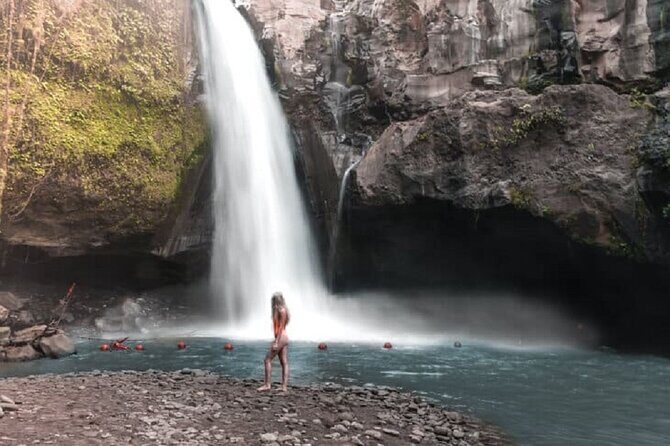
And because parking fees and petrol are included, you should be able to keep your focus where it belongs: getting to Seminyak and starting your holiday.
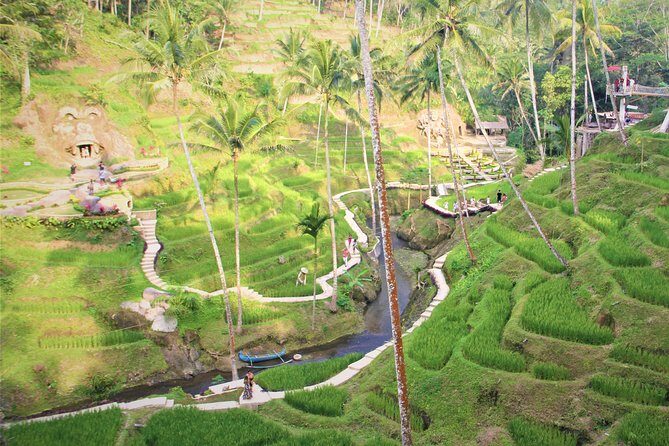
One more practical note: the overall duration is listed as 30 minutes to 1 hour (approx.). That’s your planning range. It’s still smart to build a buffer, especially if you have a tight schedule after landing.

Departure transfer to the airport: hotel lobby pickup done the simple way

Bali Airport Transfer : Private Transfer - Departure transfer to the airport: hotel lobby pickup done the simple way
The return leg is usually where stress shows up. Getting to the airport feels easy—until you’re trying to coordinate timing, luggage, and a ride at the last minute.

This service uses a simple setup for departure:

  • The driver meets you in the hotel lobby/park area (as described).
  • You’ll get driver details, including the driver’s name and car details.
  • Then you’re transferred to the airport for your flight.

That “car details” piece is a quiet lifesaver. It reduces the chance of confusion at the hotel entrance, and it’s helpful when you’re juggling checkout, bags, and time pressure.

If you’re staying in Seminyak, this kind of pickup is also convenient because you’re not trying to solve transport logistics while you’re already mentally in departure mode. You just handle your bags, meet the driver, and go.

Price and value: why $22.14 per group can be a smart move

Bali Airport Transfer : Private Transfer - Price and value: why $22.14 per group can be a smart move
The price is listed as $22.14 per group (up to 4). That means the value changes depending on how many people you’re splitting with.

A quick way to think about it:

  • If you fill the car with 4 people, the per-person cost is low.
  • If you’re traveling as 1 or 2 people, you may feel like you’re paying more for privacy.

But here’s the real value angle: time and stress cost something too. When you’re arriving after a flight, the price difference between “cheaper transport” and “a driver meeting you with a sign” can be worth it in comfort alone. Add in that the ride is private and air-conditioned, and you’re not losing energy negotiating or searching.

Also, the transfer includes parking fees and petrol. That reduces the chance of extra charges popping up during the ride.

One thing to consider: snacks or food aren’t included. If you’re landing hungry or heading out on a long day, plan a small bite before the pickup, or keep something with you.

Who this transfer fits best (and who might not need it)

Bali Airport Transfer : Private Transfer - Who this transfer fits best (and who might not need it)
This is a strong fit if you:

  • Want a no-fuss start in Seminyak without taxi-line chaos.
  • Are traveling as a small group and can take advantage of the up-to-4 structure.
  • Value private transport over figuring out public options after landing.
  • Prefer an English speaking driver for easy communication.

It may not be the best match if:

  • You’re traveling solo and price is the only factor.
  • You’re the type who enjoys improvising and sorting transport on arrival. (This service is built for people who want the opposite.)

If your goal is to spend your energy on Bali—rather than the airport—you’ll probably appreciate the setup.

Service reliability cues: what the best experiences have in common

Bali Airport Transfer : Private Transfer - Service reliability cues: what the best experiences have in common
Even without getting fancy, the most praised parts of this kind of airport transfer usually come down to three things: timing, clarity, and the car not looking like it came from a different decade.

In the feedback for this service, the strongest themes are:

  • Punctual and reliable driver arrivals.
  • Clear communication and easy meeting at arrivals.
  • Polite service and a smooth drive.
  • A car that’s clean and ready for passengers.

That combination is exactly what you want for an airport transfer. You don’t need a dramatic show. You need a calm handoff from airport to hotel, and again from hotel to airport.

You’ll also notice the emphasis on being flexible with timing in the broader service style from this provider. For you, that likely means you’ll have a smoother ride day if your plans shift a bit.

Practical tips to make your pickup smooth

Bali Airport Transfer : Private Transfer - Practical tips to make your pickup smooth
A private transfer is only as smooth as the small details you provide. Here are the practical things to do before you go:

  • Double-check your destination address for arrival. The drop-off is to the address you specify.
  • For departure, be ready to meet the driver at the hotel lobby/park area. Make sure you know exactly where that is in your property layout.
  • Travel with your bags organized. The stated capacity is up to 4 luggage items, so stack sensibly to avoid last-minute rearranging.
  • Keep expectations realistic about timing. The ride is listed as 30 minutes to 1 hour, so plan your schedule accordingly.
  • Bring your own snacks if you need them. Food and drink are not included.

One small but useful mindset: treat the transfer like a timed appointment. You don’t want to be looking for the driver while you’re still searching for one last item in your room.

Cancellation and changes: keep it simple

Free cancellation is offered. You can cancel up to 24 hours in advance for a full refund, and changes within 24 hours of the start aren’t accepted.

If your flight plan is still shifting, just know you have that 24-hour safety window.

FAQ

What is included in this private Bali airport transfer?

It includes private transportation, parking fees, petrol, an air-conditioned vehicle, and an English speaking driver.

How many people and luggage does the transfer accommodate?

The transfer is for up to 4 persons and up to 4 luggage items.

Where are you picked up for the arrival transfer?

You’re picked up at Ngurah Rai Airport arrivals.

How do you find the driver at the airport?

The driver meets you with a sign name at the arrivals gate area.

Where do you get dropped off in Seminyak?

You’re dropped off in the address you specify.

Where do you meet the driver for the departure transfer?

You meet in the hotel lobby or the park area of the hotel, and you receive driver details including the driver’s name and car details.

What is the duration of the transfer?

The duration is approximately 30 minutes to 1 hour.

Is this a private service for just your group?

Yes. It’s a private tour/activity, and only your group participates.

Are snacks or drinks included?

No. Snacks and food/drink are not included.

Are service animals allowed?

Yes, service animals are allowed.

Should you book this private Bali airport transfer?

Book it if you want a calm, simple start and finish to your Bali trip, especially if you’re traveling with up to 3 others and you’d rather spend your energy enjoying Seminyak than solving transport at the airport. The combination of private pickup, a clear meet plan at Ngurah Rai, an air-conditioned car, and English speaking support makes it a practical value purchase.

Skip it only if you’re traveling solo with very tight budgets and you’re happy managing transport on your own. For most groups, though, this is the kind of service that turns the first day from stressful to smooth.