Mount Batur Sunrise Trekking with Breakfast

Mount Batur Sunrise Trekking with Breakfast - Your pre-dawn schedule from Ubud (and why it works)

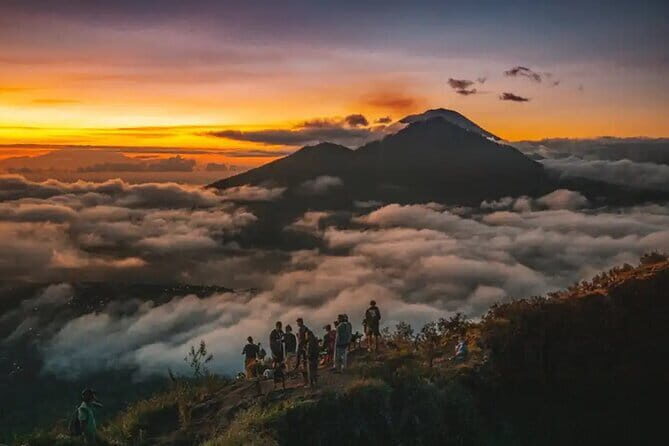
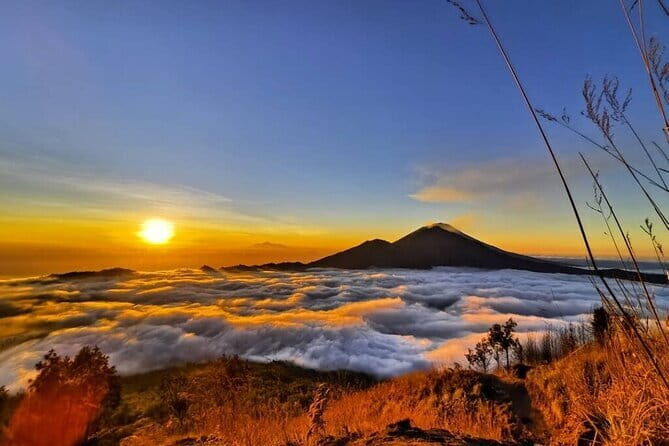
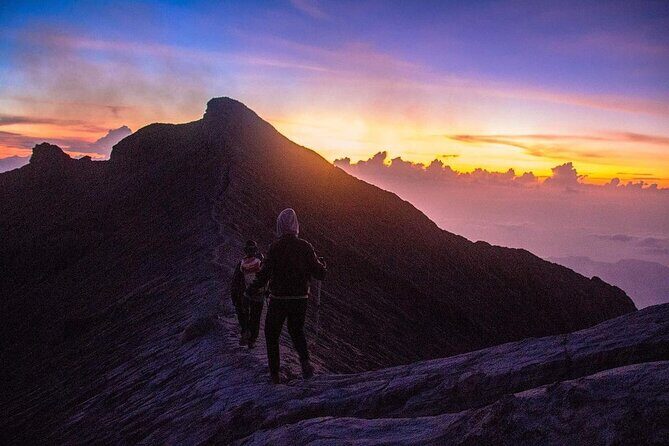
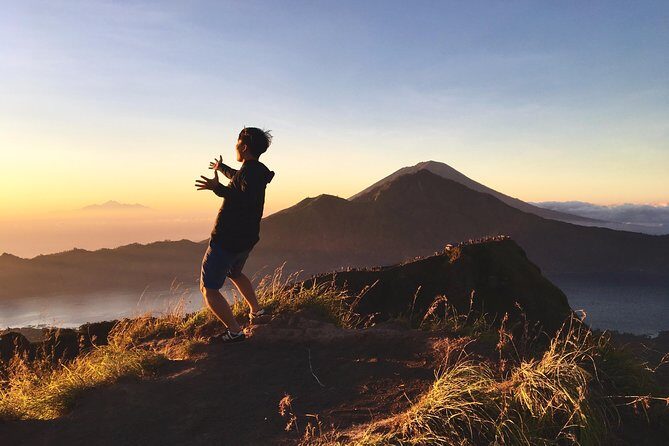
Waking up before dawn can feel like a challenge. A Mount Batur sunrise trek turns that early alarm into real payoff: you hike in the dark through jungle toward the summit, then watch sunrise unfold over the volcanoes. The breakfast—eggs cooked in volcanic steam—adds a satisfying, very Bali touch.

I love the way the guides set you up for success: trekking poles, bright torches, and a steady hand when the ground gets steep. Names I noticed in the experience include Wayan, Ketut, Agus, Yuda, and Komang, and the common thread is clear—people felt cared for, not just herded along.

One possible drawback is the reality check on effort. The climb can feel harder than you expect if you’re not used to hiking, and the breakfast at the top can be simple (some wished for more time with tea/coffee).

Key things I’d focus on before you go
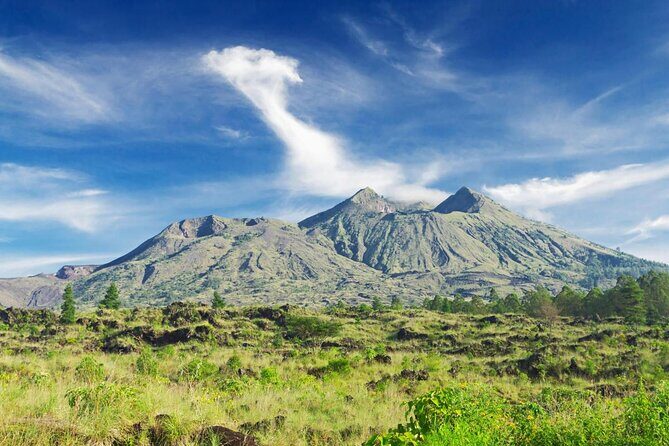
Mount Batur Sunrise Trekking with Breakfast - Key things I’d focus on before you go

  • Pickup + small group means less stress before you even start climbing (max 15 people).
  • Hiking in darkness with torches and poles helps you move safely and efficiently.
  • Breakfast at the summit is cooked in volcanic steam, not a far-off restaurant detour.
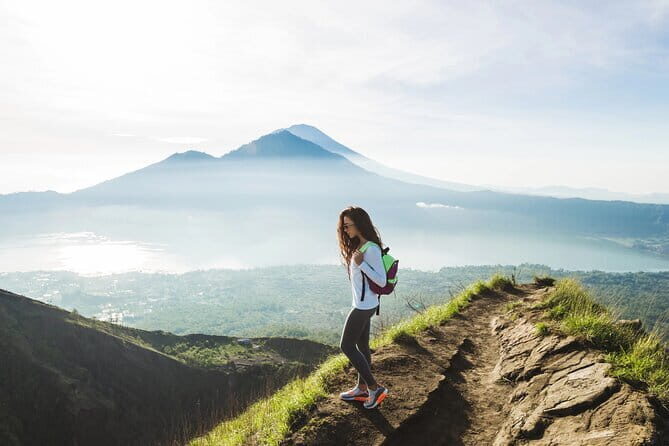
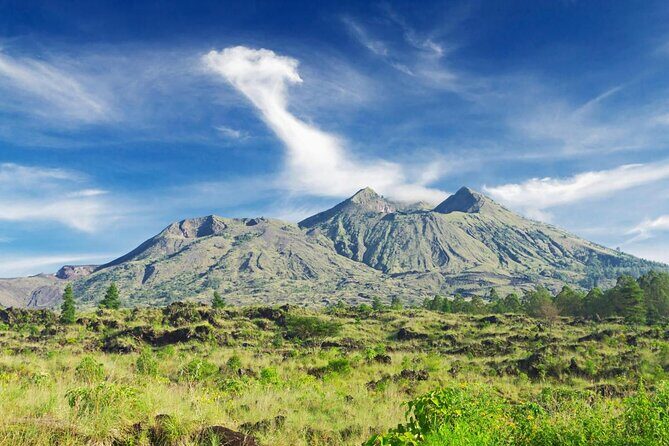
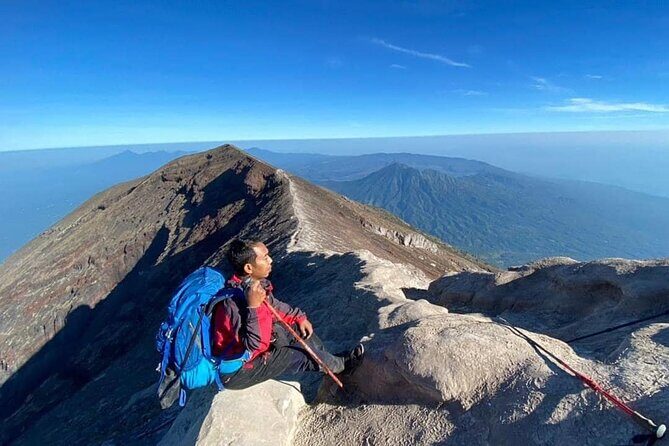
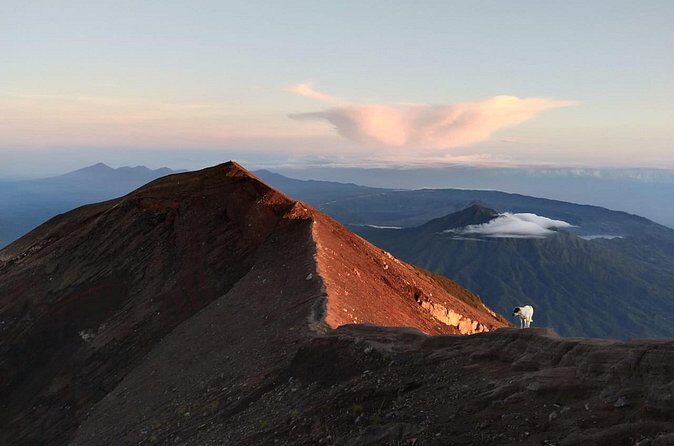
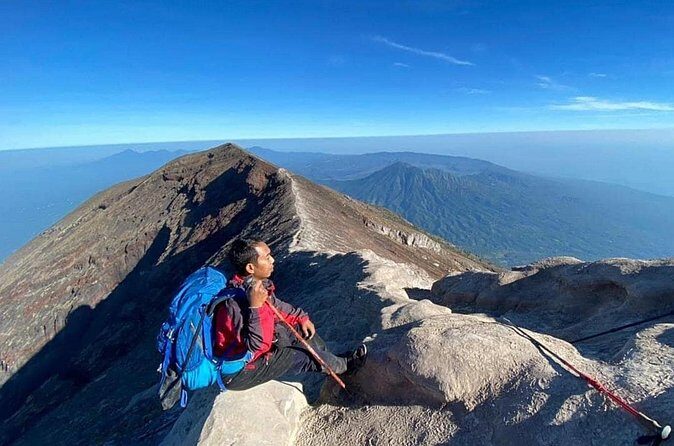
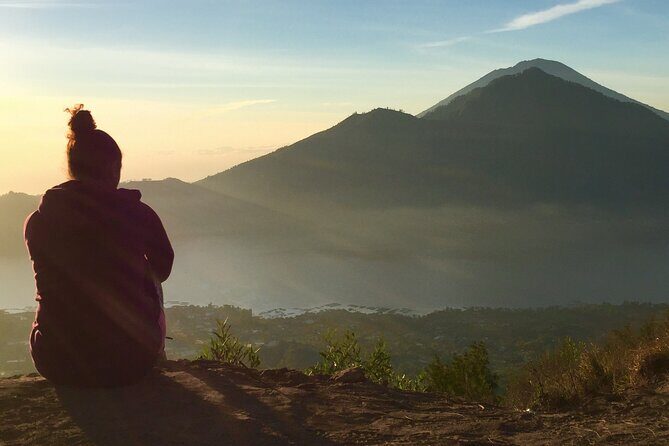
  • Big view window at sunrise, with peaks like Mount Abang and Mount Agung plus Lake Batur in the mix.
  • Mind crater + monkeys gives you a memorable add-on moment at the end of the trek.

Why Mount Batur sunrise trekking feels like a real “Bali morning”
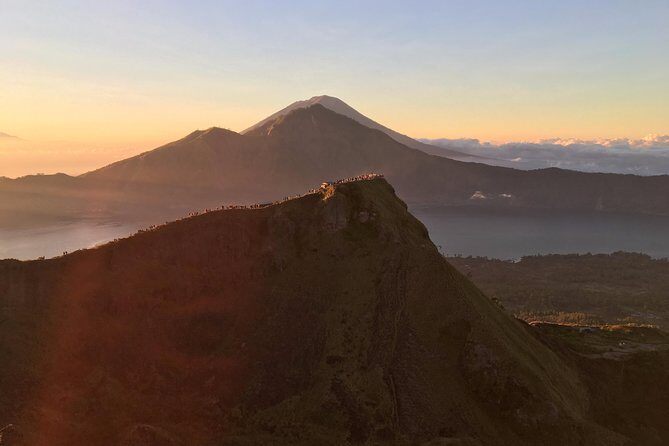
Mount Batur Sunrise Trekking with Breakfast - Why Mount Batur sunrise trekking feels like a real “Bali morning”
Mount Batur isn’t just another hike with a pretty view. It’s built around a timing trick: you start climbing around 3–4 am, you reach the peak in time to watch the light turn the sky, and you get breakfast right where the world looks different. That schedule makes the whole day feel concentrated—like you’re trading sleep for a short window of something special.

There’s also something practical about doing it this way. The summit is busiest during the main hours, so arriving early helps you experience the place with fewer crowds around your group. You’re also not wandering on your own in pitch-black darkness, which matters a lot on a volcano route.

Finally, the breakfast isn’t an afterthought. You’re fed during the best part of the morning, and you’re doing it with volcanic-steam cooking. Eggs and hot drinks taste even better when you’ve earned them with a serious climb.

Your pre-dawn schedule from Ubud (and why it works)
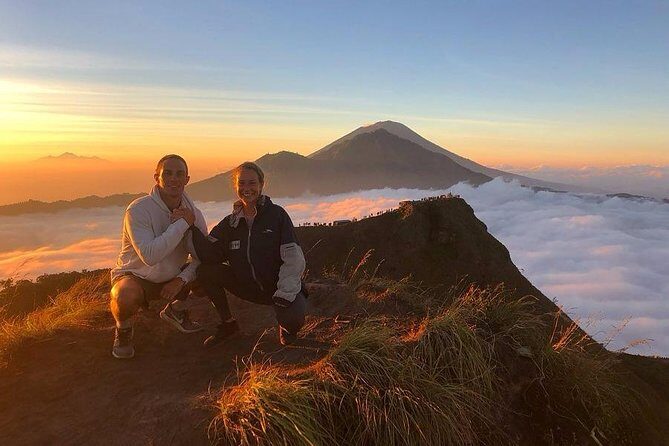
Mount Batur Sunrise Trekking with Breakfast - Your pre-dawn schedule from Ubud (and why it works)
This is an early-day plan, with a smooth flow from pickup to return. If you’re staying around Ubud, the tour starts with hotel or villa pickup. You’ll leave for the trekking starting point between 1:00 and 2:00 am in an air-conditioned vehicle.

After the drive, you arrive at the starting area around 3:00 am and meet your guide. This is when you’ll get the equipment that makes the trek feel manageable:

  • trekking poles
  • bottled mineral water
  • bright torches

Then you start the ascent around 4:00 am. The itinerary has you reaching the peak roughly after about two hours of hiking (around 6:00 am). From there, the morning continues with a summit viewpoint, a simple breakfast, and time at the mind crater area before returning you to your hotel by around 8:50 am.

That timing adds up to a practical benefit: you’re back early enough to still use the rest of your day in Ubud—no late-night logistics, no dragging yourself through a full afternoon after sunrise.

The climb: from jungle paths to peak viewpoints

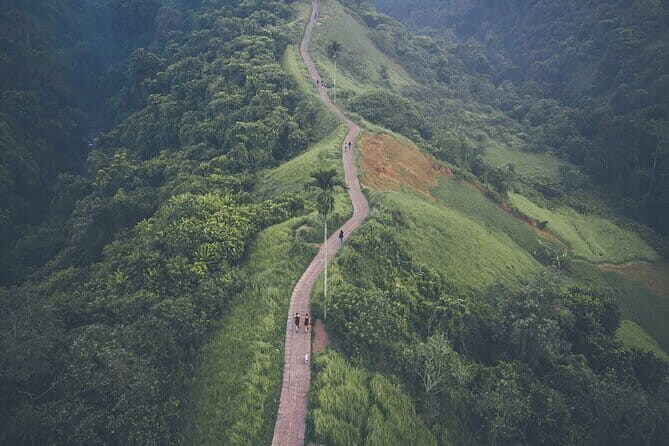
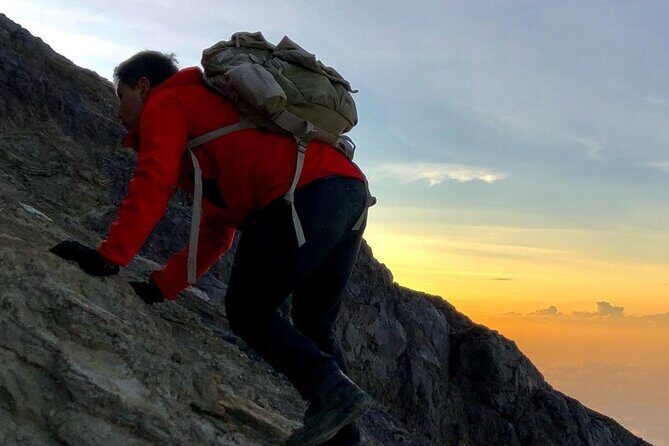
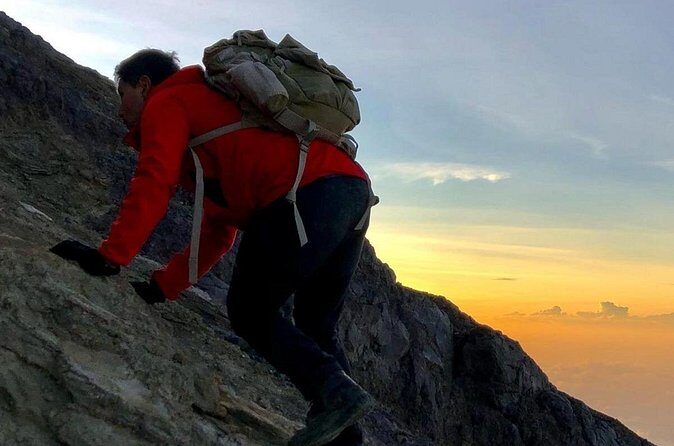
The trek starts before sunrise, so your first job is simple: move carefully and keep going. Expect a darker start than you’d get on a daytime hike. That’s exactly why guides provide torches and why trekking poles matter—your footing is everything when the trail is steep and uneven.

Once you begin climbing, you’re moving from jungle-like lower paths up toward the summit zone. The itinerary describes the route as going from jungle to the summit, which matches the overall feel: you’re not just hiking a flat path; you’re working upward.

How hard is it, really? The experience is designed so most travelers can participate, but the reviews and overall setup hint at a clear truth: it’s still a demanding early-morning climb. If you’re not a regular hiker, it can feel tougher than you imagined. The good news is that guides pace the group and help with motivation, and several guides were specifically praised for watching out for everyone’s comfort and safety.

How to get more out of the hike

You’ll enjoy this more if you treat it like a steady climb, not a sprint. I’d also assume you’ll be breathing hard. That’s normal. The goal isn’t to race to the top—it’s to arrive rested enough to enjoy the sunrise moment and the breakfast right after.

The sunrise window: what you’ll actually see up top

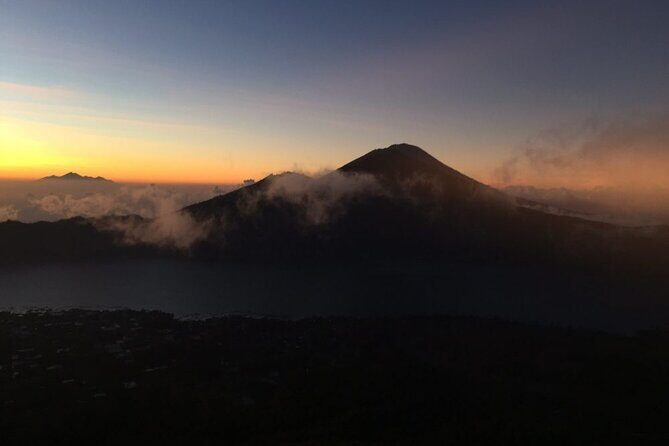
The goal of the trek is simple: be on the summit in time for sunrise. When you reach the peak area around 6:00 am, you’re in the right spot to look out at a dramatic mix of volcano scenery and water.

The experience is described as giving views of:

  • Mount Abang
  • Mount Agung
  • Lake Batur

That’s not just trivia. This is where the early wake-up pays you back. Those peaks in the distance help you understand why this volcano region feels so powerful even when you’re still standing still.

One detail I like from the schedule: after you reach the peak, your guide takes you to a less crowded viewing place. That means you can enjoy the sunrise without fighting for the best angle the whole time. It also makes photo-taking less stressful for you and your group.

Weather is the wild card. Sunrise around a volcano is always at the mercy of clouds. The good news is you’re not showing up and hoping blindly—you’re there early, with time built into the plan, so you’re not rushing through the experience in a panic.

Volcanic-steam breakfast: eggs, tea/coffee, and a simple summit meal
Mount Batur Sunrise Trekking with Breakfast - Volcanic-steam breakfast: eggs, tea/coffee, and a simple summit meal
Breakfast at Mount Batur is one of the defining parts of this tour. Instead of a buffet somewhere else, you eat in the summit area while you’re still soaking up the view.

The breakfast is described as being cooked in volcanic steam, with options and components like:

  • banana or egg sandwiches (cooked in volcanic steam)
  • hard-boiled eggs
  • fruit selections
  • a chocolate bar
  • coffee and/or tea

That’s a solid “fuel and comfort” mix for a cold, early morning hike. Eggs and hot drinks help your body recover. Fruit is a nice break from just bread and egg.

Now for the honest balancing point: some people found the breakfast on the top side pretty basic, including a simple combination like toast, egg, and a banana. Others also wished they had more time at the top for tea/coffee.

So here’s how I’d think about it: treat the breakfast as part of the experience, not a full brunch substitute. The real value is that it’s warm, it’s tied to volcanic steam, and it keeps you in the sunrise moment rather than dragging you off to eat elsewhere.

Mind crater and the monkey moment (how it fits the day)
Mount Batur Sunrise Trekking with Breakfast - Mind crater and the monkey moment (how it fits the day)
After sunrise and breakfast time, the itinerary shifts to a different kind of attraction: mind crater and wildlife.

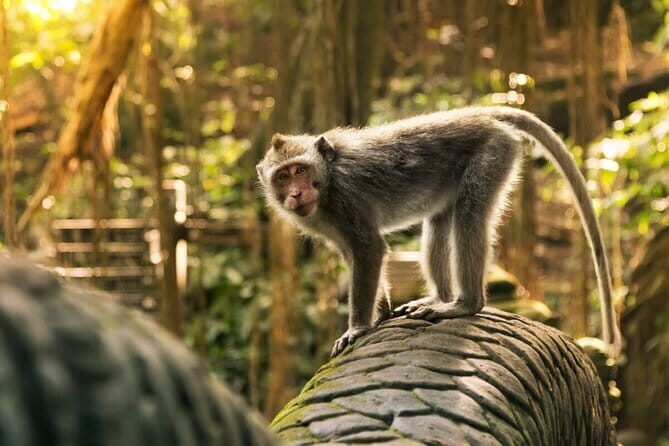
Around 7:00 am, you arrive at the mind crater area, where you have time to see wild monkeys. Some people even get the chance to feed them, depending on what’s happening in the moment.

This part of the day adds a fun change of pace. The first half is about climbing and viewing. The second half becomes about a quick “nature surprise” right at the end of the trek, before you head back toward Ubud.

Practical advice: keep your expectations flexible. Wildlife interactions can vary day to day. Also, if you’re thinking about feeding animals, follow your guide’s lead—he or she will know what’s appropriate in that specific area and moment.

Guide and equipment: why the included extras matter

At $20 per person, this tour would have to be pretty bare-bones to feel cheap. Instead, it includes more support than many hikes in the same price range.

You get:

  • air-conditioned transportation
  • guided trekking
  • trekking poles and torches
  • bottled water
  • first-aid kits
  • tickets to Mount Batur and to the Kintamani area
  • breakfast plus coffee/tea

Those details matter because they remove friction. A volcano sunrise trek without torches and poles becomes harder and more stressful than it should. With them, you can focus on pace, footing, and breathing.

The guide quality is also a big factor. Multiple named guides were praised for kindness, friendliness, good chats, and even taking photos for people. If you care about getting pictures that don’t feel awkward, a guide who knows when and where to stand makes the whole morning smoother.

Price and value: what $20 buys you in the real world
Mount Batur Sunrise Trekking with Breakfast - Price and value: what $20 buys you in the real world
Let’s talk value honestly. The price is around $20 per person, and you’re getting:

  • early pickup and round-trip transport
  • a guided climb
  • summit breakfast in volcanic steam
  • hot drinks
  • trekking equipment and safety basics
  • entrance/tour tickets

That combination is why this feels like good value, not just “cheap.” You’re paying for an experience that handles the hard parts: scheduling, route knowledge, gear, and feeding you at the summit so you don’t waste the best part of the morning searching for food.

Of course, value depends on your priorities. If your main goal is a gourmet meal or a long lounge time at the summit, you may find the breakfast a bit simple. If your goal is sunrise views, a guided climb, and volcanic-steam breakfast, then the price feels like it matches what you’re actually doing.

Who should book this trek (and who should think twice)

This tour fits best if you:

  • want a sunrise experience tied to a big volcano viewpoint
  • like guided hikes and don’t want to figure out a dark start on your own
  • enjoy simple meals that are part of the experience (warm, filling, and practical)
  • are comfortable with an early start and physical effort

It may be less ideal if:

  • you expect a relaxed, slow walk (this is an ascent and can be tough)
  • you’re sensitive to cold mornings (you’ll be up before sunrise, and the climb is early)
  • you want a long sit-down breakfast experience with plenty of hot drink time

The good news is that guides are part of the design, and many people appreciated that they were supported throughout the climb.

Practical tips so your morning goes smoother

Even though the tour provides a lot, you’ll still want to prep like you’re hiking early on a volcano. Here are smart, non-fancy moves:

  • Wear hiking shoes with decent grip. The climb happens early and can be slippery.
  • Bring a warm layer. You’ll be outside well before sunrise, and you’ll feel the morning chill.
  • Use the trekking poles. They genuinely help on the steep parts.
  • For photos, keep an eye on timing—sunrise light changes fast, so follow your guide’s prompts.

Also, don’t forget the obvious: start the day ready to move. If you stay out late in Ubud the night before, this will feel like a bigger grind.

Should you book Mount Batur Sunrise Trekking with Breakfast?

If you want one memorable morning in Bali that combines effort, sunrise drama, and a real local-style volcanic breakfast, I think this is a strong pick. The early pickup and guided climb lower the risk of a chaotic start, and the breakfast cooked in volcanic steam is part of what makes it feel authentic rather than generic.

Book it if:

  • sunrise is a top goal
  • you like getting out early and making the most of your time in Ubud
  • you’re happy with a simple breakfast in exchange for summit views

Skip it or choose a different option if:

  • you’re not prepared for a tough early hike
  • you expect a long, fancy meal at the top
  • you dislike early wake-ups so much that 1–2 am pickup sounds like misery

FAQ

What time is the pickup from Ubud?

Pickup starts between 1:00 and 2:00 am from your hotel or villa, with a comfortable drive to the Mount Batur trekking starting point.

What’s included in the breakfast?

Breakfast includes banana or egg sandwiches cooked in volcanic steam, hard-boiled eggs, fruit selections, a chocolate bar, plus coffee and/or tea.

Do I get trekking poles and a torch?

Yes. When you meet your guide at the starting point (around 3:00 am), you’ll receive trekking poles, bottled mineral water, and bright torches.

Is the hike suitable for most people?

The tour says most travelers can participate. That said, it can still be demanding if you’re not used to hiking, especially with the early, steep ascent.

How long is the whole experience?

The tour runs about 8 hours, starting with pre-dawn pickup and finishing with the drive back to your hotel around 8:50 am.

How many people are in the group?

The maximum group size is 15 travelers.

Can I cancel for a full refund?

Yes—free cancellation is available up to 24 hours in advance for a full refund. If you cancel less than 24 hours before the start time, the payment isn’t refunded.

Snorkeling At Blue lagoon And Hidden waterfall

Snorkeling At Blue lagoon And Hidden waterfall - Blue Lagoon Snorkeling: Clear Water, Coral, and Turtle Sightings

Turtles and waterfall photos in one day.

This full-day Bali outing mixes snorkeling in warm, clear coastal water with a forest walk to Kanto Lampo, then adds a coffee stop and a bit of local sightseeing. The best part is that you’re not rushing between random “photo stops”—you get real time in the water and enough time at the waterfall for picture angles.

I love how much is included for the money. You get pickup in an air-conditioned vehicle, bottled water, snorkeling gear, a guide for the water, and lunch—so you’re mostly paying for the experience, not logistics.

One thing to consider: the day depends on weather, and you’ll do some walking at the waterfall, so comfortable shoes and a moderate fitness level help.

Key Highlights You’ll Care About

Snorkeling At Blue lagoon And Hidden waterfall - Key Highlights You’ll Care About

  • Blue Lagoon snorkeling time with calm water chances, plus turtles and colorful coral/fish
  • A guide who checks in while you’re in the water, adding real peace of mind
  • Kanto Lampo waterfall photo spots after a short forest walk, with a chance to climb rocks for a better angle
  • Coffee plantation break with free coffee and tea samples and scenic downtime
  • Private, air-conditioned transport with hotel pickup and drop-off

How This Bali Day Trip Flows From Pickup to Waterfall Photos

Snorkeling At Blue lagoon And Hidden waterfall - How This Bali Day Trip Flows From Pickup to Waterfall Photos
Your day starts at 8:00 am, and it’s built around an easy rhythm: ride, snorkel, waterfall walk, coffee break, then a relaxed return to your hotel. Even though it’s described as a full day, the snorkeling and waterfall portions are the “main acts,” so you won’t feel like you’re trapped in a long bus tour the whole time.

What makes this itinerary practical is that it’s door-to-door. You don’t need to coordinate scooters or transfers. You’re picked up from your accommodation and brought back in an air-conditioned vehicle, which matters on Bali days when the sun can get intense.

You also get a lot covered in the price: snorkeling equipment, bottled water, and lunch. That’s a big value win because those costs add up fast if you try to piece the day together yourself.

Blue Lagoon Snorkeling: Clear Water, Coral, and Turtle Sightings

Snorkeling At Blue lagoon And Hidden waterfall - Blue Lagoon Snorkeling: Clear Water, Coral, and Turtle Sightings
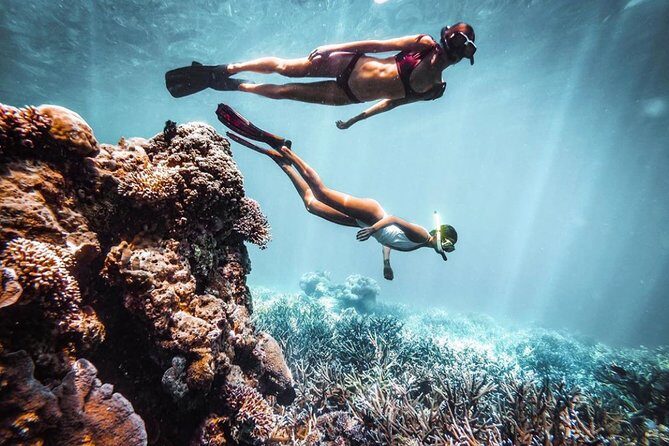
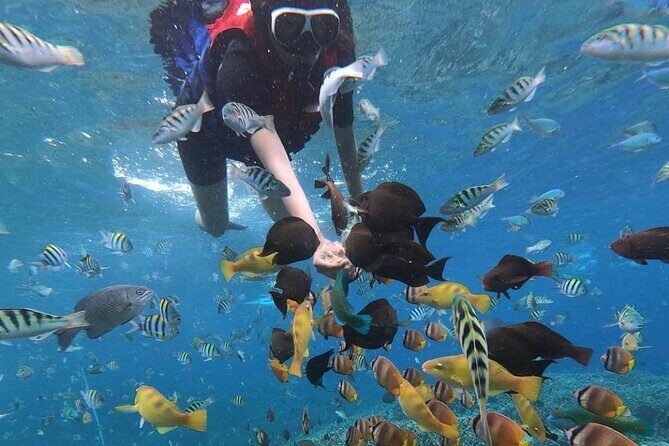
Blue Lagoon is the snorkeling cornerstone of this tour, and it’s known for being beginner-friendly. The water is described as warm and clear, with colorful fish and coral. If you’re not an expert snorkeler, that clarity helps you feel oriented fast—especially when the guide points out where to look.

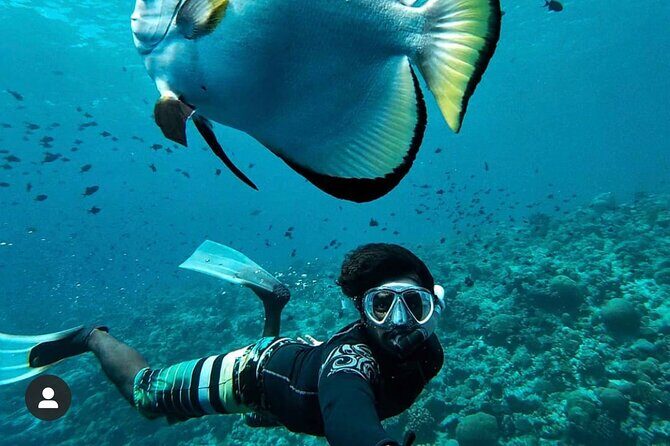
This is also the stop where the wildlife odds feel real. You may see big turtles, and there’s even a chance of a medium octopus. Some departures have included sightings like sting rays too, so it’s worth staying alert even after you spot the first fish shoals.

What I’d watch for while snorkeling

  • Safety and comfort: the tour includes a guide in charge of the snorkeling experience, and past groups noted safety measures and the guide checking everyone while they were in the water.
  • Time in the water: this isn’t just a quick “dip and go.” You’re there long enough to get into the rhythm of breathing, floating, and scanning the reef.
  • Camera planning: if you want underwater shots, the tour notes that a camera under water (like a GoPro) can be hired, but that’s an extra cost.

Small drawback to accept

Snorkeling is always weather-dependent. If the sea conditions aren’t good, your view can change. You might still enjoy the experience, but don’t expect perfect water every day.

An Extra Snorkeling Stop Option: Where Tanjung Jepun Fits

Snorkeling At Blue lagoon And Hidden waterfall - An Extra Snorkeling Stop Option: Where Tanjung Jepun Fits
The tour description also references another snorkeling spot in the same area called Tanjung Jepun, described as a top snorkeling location. Since the schedule centers on Blue Lagoon but also mentions Tanjung Jepun, you should expect the day to include additional reef time depending on conditions and routing.

Here’s how to think about it as a traveler: more than one snorkeling stop usually means more variety—different coral patches, different fish behavior, and different chances for turtle sightings. If you’re the type who likes “try a little, then compare,” this structure gives you that.

If you’re choosing between priority snorkeling and waterfall photos, you’re already getting both. Still, this part of the day is about enjoying the water calmly, not racing to every corner.

Kanto Lampo Waterfall Walk: Forest Steps and Real Photo Angles

Snorkeling At Blue lagoon And Hidden waterfall - Kanto Lampo Waterfall Walk: Forest Steps and Real Photo Angles
Next comes Kanto Lampo Waterfall, sometimes described as a hidden-style stop. The walk is described as going through forest with a short descent—about 10 minutes down—so it’s not a long hike, but it is enough that you’ll want shoes with grip.

This waterfall is popular for photography because you can often find strong framing right where you stand, and the tour description even notes that for the best photo spot, you can climb the rocks. Use common sense here. Rocks can be slick, and your goal is a great angle without risking a spill.

Why this stop feels worth it

Waterfalls are easy to “overdo” on Bali. Here’s what makes it feel different: the forest walk breaks the day up after snorkeling, and the waterfall itself gives you a new kind of scenery that doesn’t look like beach reef photos.

Also, the waterfall timing works well because you’re not rushing through. You get enough time to walk down, take photos, and still feel like you had a real break rather than a quick stop.

A practical consideration

Because you’ll be moving on uneven surfaces, keep your pace calm. If you’re traveling with anyone who doesn’t like stairs or slippery steps, that’s the one part of the itinerary I’d plan around.

Satria Coffee Plantation: Free Samples and a Scenic Reset

Snorkeling At Blue lagoon And Hidden waterfall - Satria Coffee Plantation: Free Samples and a Scenic Reset
Between water and waterfall energy, the tour includes a coffee plantation stop. This is a short break—about 30 minutes—and the best part is that the tasting is free.

The point of this stop isn’t to become a coffee expert. It’s more like a reset button: sit for a moment, sample coffee and tea, and let the day’s sun and salt air settle before you head back.

Even if you don’t buy anything, you’ll usually find the views and setting make the pause feel pleasant. If you do want souvenirs, plantations like this often sell coffee and local products, but the key detail here is the tasting is included at no extra cost.

Silver Jewelry and Wood Statues: Worth Browsing, Easy to Skip

Snorkeling At Blue lagoon And Hidden waterfall - Silver Jewelry and Wood Statues: Worth Browsing, Easy to Skip
The day also includes an extra stop for silver smith jewelry and an area focused on wood statue art. These types of stops can go either way depending on your style.

If you like crafts, it can be a satisfying final cultural touch—especially since it’s not forced as a long workshop. If you don’t care about shopping, treat this as optional window-shopping. You can browse briefly, then save your energy for the return ride.

My advice: if you do buy, check pricing carefully. Small items can look similar, but quality and finish can vary a lot.

Price and Value: What You’re Paying For (and What You’re Not)

Snorkeling At Blue lagoon And Hidden waterfall - Price and Value: What You’re Paying For (and What You’re Not)
At $54 per person, this tour sits in a reasonable mid-range for a full-day experience that covers transport, snorkeling gear, and lunch. The value is in the bundled items:

  • Snorkeling equipment provided
  • Private transportation with air-conditioning
  • Guide for snorkeling at Blue Lagoon
  • Lunch included (local Balinese meal)
  • Bottled water and all fees and taxes included

What’s not included is also clear: if you want an underwater camera setup like a GoPro, you’d need to pay extra.

Here’s how I’d judge the value for you: if you’ve ever tried to coordinate snorkel gear rentals plus transport plus a guide plus lunch separately, you’ll see why bundled tours often win. This one tries to solve the whole day, not just one activity.

A final bonus: it’s described as a mobile ticket experience and listed as booked on average about 18 days in advance, which is a hint that popular dates can fill up.

Transportation and Timing: Why It Matters on a Hot Bali Day

Snorkeling At Blue lagoon And Hidden waterfall - Transportation and Timing: Why It Matters on a Hot Bali Day
Pickup and drop-off matter more than people think. A private air-conditioned ride is the difference between arriving at snorkeling fresh versus arriving sweaty and frazzled.

Since the day starts at 8:00 am, you’re also using cooler morning light. That’s helpful for both snorkeling comfort and waterfall photos. Later in the day, sun and heat become harder to manage, especially if you’re wearing wet gear and then doing a walk.

The tour description says the duration is roughly 1 to 8 hours, which likely reflects differences in routing, snorkeling timing, and how long you spend at each stop. Plan your day around it like a full itinerary, not a quick half-day.

Comfort, Safety, and Photo Tips That Actually Help

This is a hands-on day, so small preparation choices make it smoother:

  • Bring reef-safe sunscreen and reapply after snorkeling. You’ll still get sun while snorkeling, and then again on land at the waterfall.
  • Wear shoes that can handle a wet walkway. The waterfall walk is short but includes steps and rocks.
  • Bring a dry bag if you have one, especially for a phone or small electronics.
  • If you want underwater photos, plan for the fact that an underwater camera isn’t included; you’d need to hire one separately.

Safety-wise, this tour includes a guide for snorkeling and notes safety measures. Still, treat snorkeling like a water activity: breathe steadily, don’t force depth, and keep close to the group when the guide signals.

For photos, the waterfall is where you’ll get the biggest payoff. The tour notes that climbing rocks can help you reach the best spot—so aim for a calm, careful climb rather than a rushed one.

Who This Tour Fits Best

This is a strong pick if you want a balanced Bali day: sea life plus a waterfall walk, without needing to drive or plan transfers.

It’s also a good fit for:

  • Beginner snorkelers who want clear water and a guide
  • People who like photo-friendly stops (especially Kanto Lampo)
  • Travelers who want everything handled: gear, lunch, transport

If you’re someone who only wants a pure snorkeling day, you might find the waterfall and coffee stops a little “extra.” But if you like variety, this itinerary hits a sweet spot.

One more note: it asks for moderate physical fitness. That doesn’t mean it’s hard. It just means you’ll walk and handle some uneven ground at the waterfall.

Should You Book This Blue Lagoon and Kanto Lampo Day?

Yes, I’d book it if you want a value-packed, low-stress day that combines real snorkeling time with a waterfall that’s worth your camera.

I’d skip or swap to a different option if:

  • you’re very sensitive to heat and dislike walking on uneven surfaces
  • you only care about snorkeling and don’t want a waterfall and shopping stops
  • you’re traveling on a day when weather looks rough (this experience depends on good conditions)

If your goal is a day that feels like Bali—blue water, forest waterfall, coffee break, and a comfortable ride back—this one is a solid choice.

FAQ

What time does the tour start?

The tour starts at 8:00 am.

How long does the snorkeling and waterfall experience take?

The experience duration is listed as 1 to 8 hours (approx.).

Is hotel pickup and drop-off included?

Yes. Pickup is offered, and the tour includes private transportation with air-conditioning for pickup and drop-off.

What snorkeling gear do I get?

The tour includes use of snorkeling equipment, so you don’t need to bring your own.

Is there a guide for the snorkeling part?

Yes. The tour includes a guide for snorkeling at Blue Lagoon.

Is lunch included during the day?

Yes. Lunch is included as a local Balinese lunch.

Do I need to bring an underwater camera?

No. An underwater camera (like a GoPro) is not included, but you can hire one at your own expense.

What happens if weather is bad?

This experience requires good weather. If it’s canceled due to poor weather, you’ll be offered a different date or a full refund.

Scuba Diving In Nusa Penida

Scuba Diving In Nusa Penida - Key highlights you’ll care about

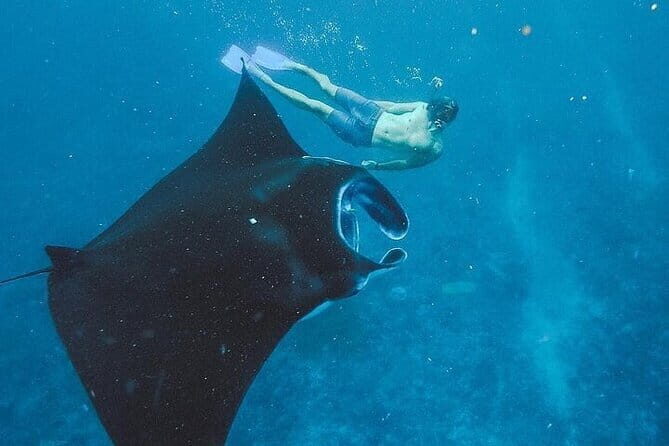
Manta rays are the headline. This full-day Nusa Penida trip is built around a simple idea: you get pickup from popular Bali areas and everything else runs like clockwork, so you can focus on the water. The day aims at standout marine life like manta rays and mola mola.

My favorite part is the convenience. You’re not solving boat-and-transfer logistics on your own. Add in the fact that scuba and snorkeling equipment plus lunch and soft drinks are included, and it becomes an easy-to-justify $175 day rather than a patchwork of separate bookings.

One thing to think about: this experience depends on good weather. If conditions are rough, plans can change or you may be offered another date or a refund.

Key highlights you’ll care about

Scuba Diving In Nusa Penida - Key highlights you’ll care about

  • Private by design: only your group goes, so you’re not squeezed into a big crowd.
  • Pickup from multiple Bali areas: Sanur, Seminyak, Nusa Dua, Kuta, Jimbaran, and Canggu are covered.
  • Gear + meals included: scuba/snorkeling equipment, lunch, and soft drinks are part of the deal.
  • Big wildlife targets: manta rays and mola mola are part of the game plan.
  • Operator known for calm, pro guidance: instructors like Dhika (and dive-masters such as Gede) show up in standout experiences with this school.
  • It’s a full-day outing: about 7 hours, which usually means a real morning start and a full afternoon back.

Pickup, timing, and where the day actually starts

This is a full-day 7-hour outing from Bali to Nusa Penida, centered on getting you to the water without the usual scramble. The operator offers pickup from several of the most common bases—Sanur, Seminyak, Nusa Dua, Kuta, Jimbaran, and Canggu—so you can choose the area that makes your start time easiest.

You’ll be picked up, and the simple instruction is basically: bring yourself. In practice, that means you’re spending less time coordinating transport and more time waiting (and then suiting up) for your water time. For me, that’s the whole value of a packaged day like this: when the itinerary includes boat travel and site movement, logistics can eat your energy fast.

The day runs within the provider’s stated hours of operation (from 7:30 AM to 9:00 PM, Monday through Sunday). Your exact timing will depend on your pickup location and your confirmation details, but the structure is consistent: you go out to Nusa Penida for the main underwater/snorkeling session(s), you eat lunch on the trip, and you’re back after a full day.

Also note: this is a mobile ticket experience, and you’ll receive confirmation at booking. That’s not flashy, but it helps on travel days when you’re juggling multiple reservations.

Nusa Penida island: what the day is built to do

The itinerary is straightforward: Stop 1: Nusa Penida. There’s no “warehouse tour” feel. It’s all about getting out to the island and using the time there for underwater viewing.

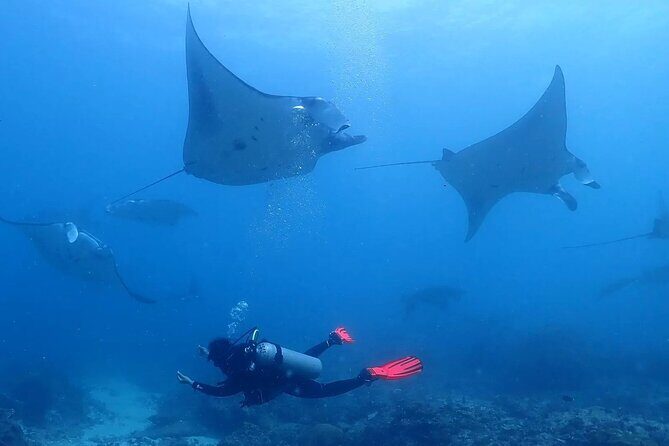
What you’re aiming for is the stuff that makes Nusa Penida famous: manta rays and mola mola (sunfish), plus other marine wildlife you might encounter while you’re in the water. The listing doesn’t promise specific animals on a schedule, so think of it like this: the team is targeting these species, but the ocean decides what shows up.

That’s why I like this kind of tour format. Instead of you chasing rumors and changing your plan every hour, you’re paying for an on-the-ground plan that focuses time where it’s most likely to pay off—then the rest of your day is handled.

And because it’s a private tour, your group’s experience isn’t driven by other people’s preferences. You’re less likely to feel rushed into a one-size-fits-all pace.

Scuba or snorkeling: how the included setup helps

You can choose scuba or snorkeling on this full-day outing. Equipment is included for both, which matters more than it sounds.

Here’s why: on islands like Nusa Penida, equipment costs add up fast if you’re booking separately. Also, having the kit organized by the operator means you’re not spending your first hour arguing about sizes, timing, or where to pick things up. Instead, you’re in the flow: gear is provided, lunch is scheduled, and your water time is managed.

Now, a practical note if you’re deciding between scuba and snorkeling:

  • If you want maximum time in the water and plan to wear full gear, scuba is usually the better match.
  • If you’re newer to this kind of activity or want a lighter commitment, snorkeling is the easier entry point—especially for people who don’t want the full equipment routine.

The data says most travelers can participate, but it doesn’t list certification rules or age minimums. If you’re considering scuba and you’re unsure what qualifies, check your booking details before you go. If you’re set on snorkeling, you’ll usually still be part of the plan since the tour offers both options.

Who you’re with: the operator’s coaching style (Dhika, Gede, Kadek)

One of the strongest themes in the operator’s ecosystem is that people feel well cared for. The name that comes up repeatedly is Dhika, described as professional, calm, and focused on making the experience go smoothly. In one set of experiences, Dhika was credited with helping a trip “turn around,” and in another, he was praised for prioritizing manta encounters and taking real care of divers and equipment.

Other names also appear in people’s day-to-day experience—Gede as a diving master who looked after people closely, and Kadek as someone who helped with getting everyone around. The important takeaway for you isn’t the celebrity factor. It’s the service style: attentive, safety-minded, and interested in what you want to see.

For a wildlife-focused day, that matters. The ocean can be unpredictable, but a good guide can still improve your odds by choosing where to spend time, controlling your comfort, and watching the group so everyone stays confident underwater or on the surface.

Wildlife targets: manta rays, mola mola, and what to expect realistically

Nusa Penida’s big draw is the chance to see animals that don’t show up in every snorkeling spot. This day tour explicitly targets:

  • Manta rays
  • Mola mola (sunfish)
  • Other marine wildlife, depending on conditions

In real life, sightings are never guaranteed. But the operator’s reputation gives you a reason to believe the day isn’t just a ticket to show up and hope.

Some experiences tied to this school include manta sightings as a priority—sometimes even when it means planning around what someone hopes to see. Others mention seeing sharks and dolphins during the wider Bali diving-school experience range.

So here’s my balanced advice: book this if you want a serious shot at big wildlife, not if you’re expecting a guaranteed checklist. If you’re coming for photography, bring patience. If you’re coming for wonder, you’re in the right place.

What the 7 hours feel like on the ground

Seven hours on a water day doesn’t sound long—until you factor in travel, gear time, briefing, and the reality that the sea controls the pace.

A practical way to think about it:

  • Morning: pickup, transit to Nusa Penida, then a setup period with equipment.
  • Middle of day: the main underwater/snorkeling activity.
  • Lunch: included with soft drinks, so you’re not burning your day hunting food.
  • Afternoon: return travel once you’ve finished the planned water time.

One of the nice parts of a packaged day is that you don’t have to keep checking schedules or asking where the next step is. You do still need to show up ready—bring what you need for comfort and sun protection (more on that below).

Also, remember the day depends on conditions. If the sea is not friendly, your actual water time could be adjusted, or the experience may be moved or refunded under poor-weather rules.

Price and value: why $175 can be a good deal

At $175, this is not the cheapest way to experience Nusa Penida water time. But the price includes the big cost drivers that often surprise people when they book separately:

  • Transfers/pickup from multiple Bali areas
  • Scuba and snorkeling equipment
  • Lunch and soft drinks

When those items are bundled, you’re paying for time savings and coordination, not just for access to the water. In other words, the “value” isn’t that it’s bargain-basement. It’s that your day becomes simpler.

If you were to book scuba gear rentals, meals, and transport separately, you’d usually end up spending more than you think once you add multiple vendors and schedule gaps. Here, you pay once, and you show up.

The other value factor is the private nature of the tour. That can matter if you’re traveling as a couple, with friends, or with a small group that wants a calmer pace and less waiting.

Packing list: keep it simple, keep it comfortable

The tour says to bring yourself, and that’s the core truth. But you’ll enjoy the day more if you come prepared.

I’d pack:

  • A swimsuit you’re happy to re-wear (you’ll likely change into it on-site)
  • A light rash guard or similar sun protection (Nusa Penida sun can be intense)
  • Reef-safe sunscreen (if you use it)
  • A towel or quick-dry towel
  • Water shoes or sandals you can walk in comfortably
  • A dry bag for your phone and valuables
  • A change of clothes for the ride back

Also, if you’re doing scuba, you’ll be dealing with a full setup. Being comfortable on the boat and in the waiting period makes a big difference.

Weather, safety, and the one rule that matters most

This experience requires good weather. If it’s canceled due to poor weather, you’ll be offered a different date or a full refund.

That’s not a small detail. On an island-focused water plan, weather isn’t just “maybe it’s windy.” It can affect comfort, visibility, and whether conditions are safe enough for your scheduled activity.

So plan your trip with some flexibility. If you’re on a super tight schedule, know that a weather-dependent day can cause ripple effects. If your calendar has wiggle room, this kind of tour becomes much easier to enjoy.

Who this tour is best for

This private Nusa Penida scuba or snorkeling day trip is a good fit if:

  • You want hassle-free transfers from Bali without stitching together multiple bookings
  • You care about wildlife targets like manta rays and mola mola
  • You prefer a more controlled, calmer experience with just your group
  • You like the idea of having gear, lunch, and soft drinks handled

It may be less ideal if you’re trying to squeeze the experience into a tight schedule without any flexibility for weather changes. Also, if you’re expecting a guaranteed animal sighting, you’ll want to adjust expectations.

Should you book this Nusa Penida scuba/snorkeling day?

I’d book it if you want a structured, comfortable way to get to Nusa Penida and spend real time in the water with a team known for professional care. The best part is the mix of private format, included equipment, and pickup coverage—it reduces the stress that often ruins island day trips.

I’d think twice if your schedule is rigid or if you’re the type who hates waiting for weather decisions. In that case, build in buffer time so the ocean can do its thing without messing up your plans.

If you book, come ready, pick snorkeling if you want something lighter, and treat manta and mola sightings as the exciting bonus they are—not the only reason to go.

FAQ

How much does the Nusa Penida scuba or snorkeling tour cost?

It’s listed at $175.

How long is the experience?

The duration is about 7 hours.

Where is pickup available from?

Pickup is offered from Sanur, Seminyak, Nusa Dua, Kuta, Jimbaran, and Canggu.

What’s included in the price?

The tour includes scuba and snorkeling equipment, lunch, and soft drinks.

Can I do snorkeling instead of scuba?

Yes. The experience offers both scuba and snorkeling options.

Is this a private tour?

Yes. It’s private, and only your group participates.

What marine wildlife is the tour focused on?

The plan includes searching for manta rays and mola mola, plus other marine wildlife you may encounter.

What happens if the weather is poor?

If it’s canceled due to poor weather, you’ll be offered a different date or a full refund.

What is the cancellation policy?

You can cancel for a full refund up to 24 hours in advance. If you cancel less than 24 hours before the start time, you won’t receive a refund.

Bali day trip : Batur Sunrise Hike and Hot Spring All inclusive

Bali day trip : Batur Sunrise Hike and Hot Spring All inclusive - Coming down: the quick reset before the hot spring

Mount Batur sunrise is the reason this day feels bigger. Starting at 1:30am, you hike up in the dark, then watch the sky change while breakfast is prepared using volcanic steam. I like how the schedule mixes effort with payoff, instead of making you rush from place to place.

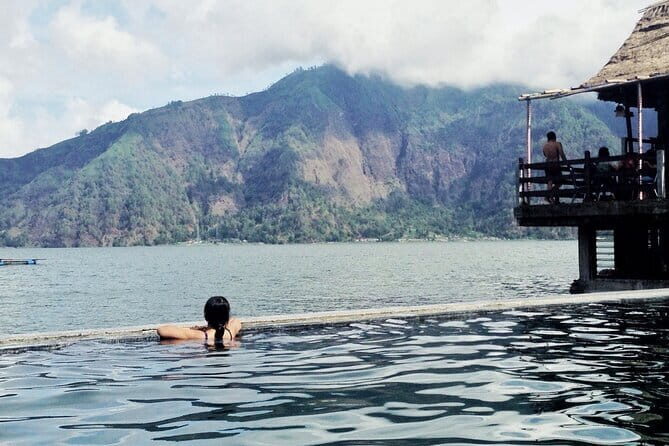
My other favorite part is the balance: you earn the view, then you cool off in a natural hot spring over Lake Batur. The main drawback to plan for is the early start and the hike itself, which is best with a moderate fitness level.

Key highlights (quick take)

  • Volcanic steam breakfast at the summit while you wait for sunrise
  • Guided hike to Mount Batur with flashlight provided
  • Hot spring time with Lake Batur views to reset after trekking
  • Oka Agro Wisata coffee plantation stop with traditional coffee-making process
  • Hotel pickup in the Kuta area plus a smooth all-inclusive structure

Mount Batur at 1:30am: why this hike works

Bali day trip : Batur Sunrise Hike and Hot Spring All inclusive - Mount Batur at 1:30am: why this hike works
This tour is built around one simple idea: you don’t want a sunrise you missed. The pickup is early, with a start time of 1:30am, so you’re on your way while most of Bali is still asleep. That timing matters. It’s what gives you a real chance at clear views and a calmer climb before the day gets crowded.

Once you’re dropped near the mountain, the hike begins with a guide who leads the rhythm from the start. You also get a flashlight, which helps you move safely in the early hours. A lot of these sunrises feel like luck. Here, the whole day plan is designed to make it more reliable.

The summit experience: sunrise + volcanic steam breakfast

Bali day trip : Batur Sunrise Hike and Hot Spring All inclusive - The summit experience: sunrise + volcanic steam breakfast
The most memorable moment is the change from dark to light. When you reach the summit area, you’re not just standing around. You’re getting breakfast as part of the sunrise waiting period. The breakfast is cooked using volcanic steam, which is the kind of detail that turns a normal meal into a story.

Expect the practical side too. The sunrise hike is described as rewarding but it’s not a stroll. You’ll want a moderate fitness level to handle the ascent and the descent afterward. The good news is that the day doesn’t leave you hanging after the climb—your time at the top is tied directly to a payoff.

From a value standpoint, this is where the tour earns its keep: you’re paying for more than transportation. You’re paying for timing, a guide, and a breakfast setup that’s part of the volcano experience rather than a random add-on.

Coming down: the quick reset before the hot spring

Bali day trip : Batur Sunrise Hike and Hot Spring All inclusive - Coming down: the quick reset before the hot spring
After sunrise, you trek back down. This stretch is important even if you’re experienced, because you’ll be tired, and the sun is now rising. Having a guide here helps you keep the pace steady and avoid unnecessary stops.

Then the plan shifts to pure recovery. You head to the natural hot spring for about an hour. One big reason I like this pairing is that the hot spring isn’t tacked on as a rushed stop. It’s timed to land when your body actually wants it.

Batur natural hot spring: why the view matters

Bali day trip : Batur Sunrise Hike and Hot Spring All inclusive - Batur natural hot spring: why the view matters
Hot springs can be just another dip. This one is different because it overlooks Lake Batur. That gives you a reason to linger instead of just washing off and moving on.

You get access to the hot spring for roughly an hour, which is usually enough time to relax, enjoy the warmth, and let your legs cool down. If you’re the type who likes your tours to end with a feeling of recovery, this stop hits that mark.

Coffee stop at Oka Agro Wisata: a calmer cultural pause

Bali day trip : Batur Sunrise Hike and Hot Spring All inclusive - Coffee stop at Oka Agro Wisata: a calmer cultural pause
Between trekking and soaking, the tour adds a structured break at Oka Agro Wisata, focused on traditional coffee culture. You spend about an hour here and you’ll see various coffee types, plus the process of traditional coffee-making.

This is a good contrast to the mountain. On the mountain, you’re all motion and timing. Here, you can slow down, ask questions, and watch how coffee gets turned from plant to product. It’s also a nice place to regroup if you feel hungry after the hike and the morning push.

The Ubud pass-through: what you can (and can’t) control

Bali day trip : Batur Sunrise Hike and Hot Spring All inclusive - The Ubud pass-through: what you can (and can’t) control
The route includes passing through Ubud’s art market area and also by scenic rice terraces. There’s a useful note in the plan: if you want to stop at the art market, tell your guide, and it may add an extra cost.

So think of this as a preview, not a guaranteed extended stop. The rice terraces are part of the scenery you’ll see from the route, rather than a dedicated walk time listed in the schedule.

What’s included: where your money goes

Bali day trip : Batur Sunrise Hike and Hot Spring All inclusive - What’s included: where your money goes
This trip is priced at $97.86 per person, and the best way to judge value is to look at what you’re not handling yourself. The tour includes:

  • Hotel transfers (pickup is offered)
  • Professional hiking guide
  • Entrance fees for Batur/Kintamani and the hot spring
  • Breakfast at the summit (light breakfast with volcanic steam cooking)
  • Lunch
  • Air-conditioned vehicle and bottled water
  • Flashlight
  • Mobile ticket

For a Bali day trip that starts at 1:30am, transportation and guide time are not cheap. Here, they’re bundled in. You’re also not stuck figuring out separate bookings for sunrise transport, mountain access, guide services, and hot spring entry.

Tips aren’t included, so budget a little extra for that at the end if you feel your guide and driver earned it.

Group size, privacy, and the guide effect

Bali day trip : Batur Sunrise Hike and Hot Spring All inclusive - Group size, privacy, and the guide effect
The experience is listed as private, meaning only your group participates. That can make a big difference for a sunrise hike, where small issues—pace, questions, comfort—matter more than on a relaxed sightseeing day.

The guide part matters too. In the feedback I reviewed, guides like Esa, Ravi, Bobbi, Komang, and Rafi were repeatedly praised for friendly, attentive service and for making the day feel smooth from pickup to return. You’re less likely to end up with that awkward situation where you’re stuck waiting without clear help.

Also, the driver coordination is a quiet win. Early morning logistics can be chaotic in Bali unless someone is on it. Past experiences highlight that pickup and return timing felt handled, including waiting for the group on the return.

Timing and how to plan your day around it

Bali day trip : Batur Sunrise Hike and Hot Spring All inclusive - Timing and how to plan your day around it
This is a 10 to 12 hour day trip, and it starts well before sunrise. That means you should treat the evening after your hike as your recovery time, not as time for another big plan.

A few practical realities:

  • You’ll be up early, so plan a low-key schedule the night before.
  • The hike + descent is the main physical demand, and then hot spring relaxation follows.
  • The coffee plantation and Ubud sightseeing are shorter rhythm changes, not long activities.

If you like your Bali days packed but not chaotic, this pacing tends to work. If you hate early starts, this tour will feel like punishment rather than an adventure.

Who this tour is perfect for (and who should skip it)

You’ll likely love this if you want:

  • A real sunrise experience tied to Mount Batur, not just a morning viewpoint
  • Both adventure and unwind time in one day
  • An organized plan with pickup, tickets, lunch, and entrance fees handled
  • A guide-led hike with safety support (flashlight included)

You might want to think twice if:

  • Your fitness level isn’t comfortable with a hike to a summit (the tour notes moderate fitness)
  • You don’t like very early wake-ups (1:30am start)
  • You want a long, flexible Ubud day (the art market is pass-by unless you request a stop, and it may cost extra)

Should you book this Bali sunrise hike and hot spring day trip?

Yes, if your top Bali goal is a Mount Batur sunrise you can actually reach—and you’re happy to earn it with an early, guided hike. The package value is strong because it covers transfers, entrance fees, a guide, summit breakfast tied to volcanic steam, lunch, and hot spring access.

Before you book, be honest about two things: your willingness to start at 1:30am, and your comfort with a hike that’s described as challenging but rewarding. If those match your travel style, this is the kind of day that turns into a lasting memory for the right reasons.

FAQ

What time does the tour start?

The tour start time is listed as 1:30am.

How long is the day trip?

It runs for about 10 to 12 hours.

Does the tour include hotel pickup?

Yes. Pickup is offered and the tour includes hotel transfers.

Is this a private tour?

Yes. It’s listed as a private tour/activity, and only your group will participate.

What’s included in the summit breakfast?

You get light breakfast at the summit, and it’s cooked using volcanic steam.

Do I get a guide for the hike?

Yes. The tour includes a hiking guide.

How long do I spend at the hot spring?

You have about 1 hour of hot spring access.

Is the coffee plantation stop included?

Yes. The tour includes a visit to Oka Agro Wisata for about 1 hour.

Does the tour stop in Ubud?

The route passes by Ubud art market and rice terraces. If you want to stop at the art market, you can tell your guide and there may be an additional cost.

What isn’t included?

Gratuities (tips for guide and driver) are not included.

Transforming Plastic Waste A Hands On Recycling Experience

Transforming Plastic Waste A Hands On Recycling Experience - What You Learn About Plastic Types and Bali’s Waste Problem

That plastic on your street can change fast.

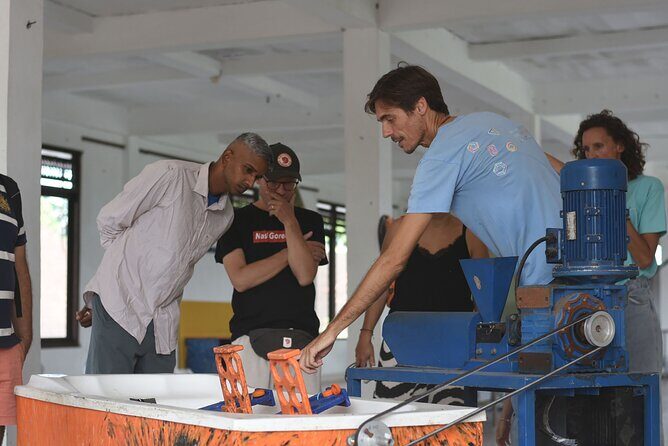
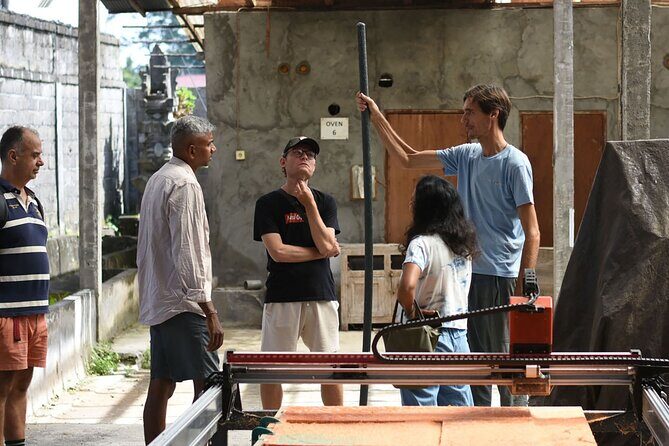
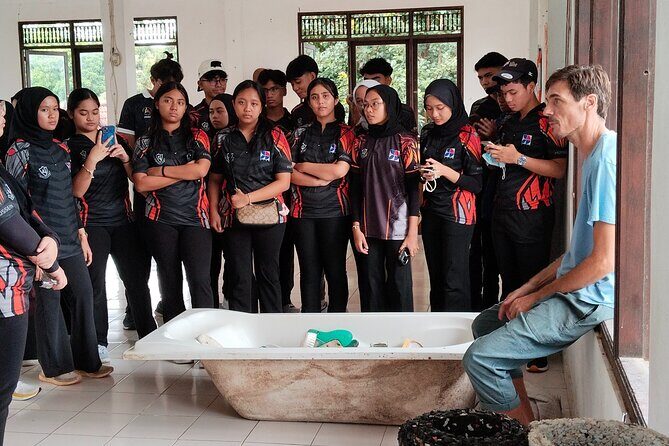
This hands-on Ubud experience takes you into a real recycling studio instead of a viewing deck. You’ll sort plastic bottle caps, get creative with recycled materials, and watch machines in action, including a CNC setup that cuts plastic into useful items.

I especially like two parts. First, you actually sort bottle caps by color and type, so the science isn’t abstract. Second, the CNC machine demo shows plastic waste becoming products like surfboard racks and furniture, not just “art projects.”

One consideration: there’s no lunch and no food is provided. You can top up your own bottle with water, but plan your day so you’re not hungry right after.

Key highlights you’ll feel (and remember)

Transforming Plastic Waste A Hands On Recycling Experience - Key highlights you’ll feel (and remember)

  • A working recycling studio in Kemenuh, not a demo stage
  • Bottle-cap sorting by color and type to understand plastic categories
  • Hands-on recycled artwork you make during the workshop
  • Machine demos you can watch up close, including CNC cutting
  • Take-home souvenir: a handmade keychain made from Bali’s recycled plastic
  • Small group size with a maximum of 20 people

Entering a Working Plastic Recycling Studio in Kemenuh (near Ubud)

Transforming Plastic Waste A Hands On Recycling Experience - Entering a Working Plastic Recycling Studio in Kemenuh (near Ubud)
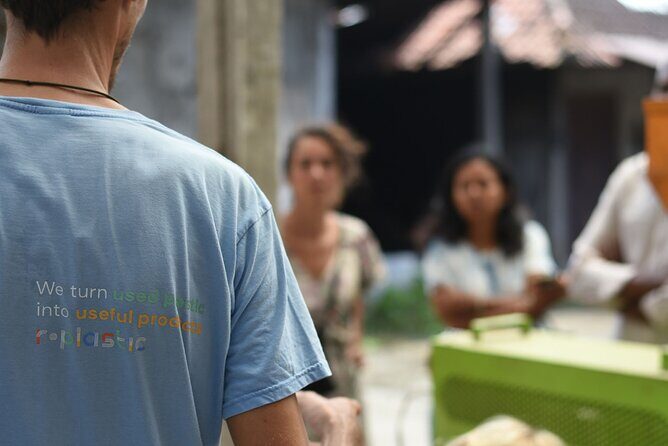
This is one of those Bali activities that doesn’t try to be more than it is. You’re not going to a temple, a swing, or a “nice view” and calling it culture. Instead, you’re stepping into a working plastic recycling studio where the point is the process—what plastic is, why it’s a problem, and what it takes to turn it into something again.

The workshop runs about 1 hour 30 minutes, and it’s set up like a guided flow: you start with a short introduction, you learn the basics of plastics and waste challenges, and then you move into studio activities. The group stays small (up to 20), which matters because you’ll want time to ask questions and actually do the hands-on parts.

I also like that it’s practical. You leave with a souvenir, yes—but more importantly you leave with a clearer mental map of the recycling chain. That’s the kind of “I understand it now” value that sticks longer than a photo.

Where you go and how you’ll find it

The meeting point is F73J+CFR, Jl. Ir. Sutami, Kemenuh, Kec. Sukawati, Kabupaten Gianyar, Bali 80582, Indonesia. The activity ends back at the same place, so you’re not dealing with a long pickup-and-drop puzzle.

If you’re basing yourself around Ubud, this is a solid option when you want something meaningful that’s not dependent on chasing sunset plans.

What You Learn About Plastic Types and Bali’s Waste Problem

Transforming Plastic Waste A Hands On Recycling Experience - What You Learn About Plastic Types and Bali’s Waste Problem
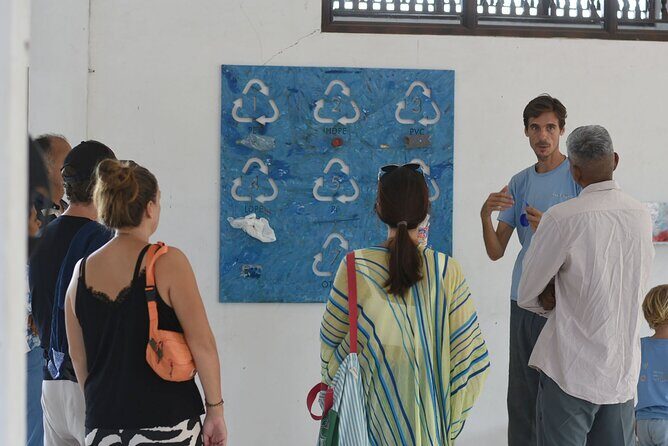
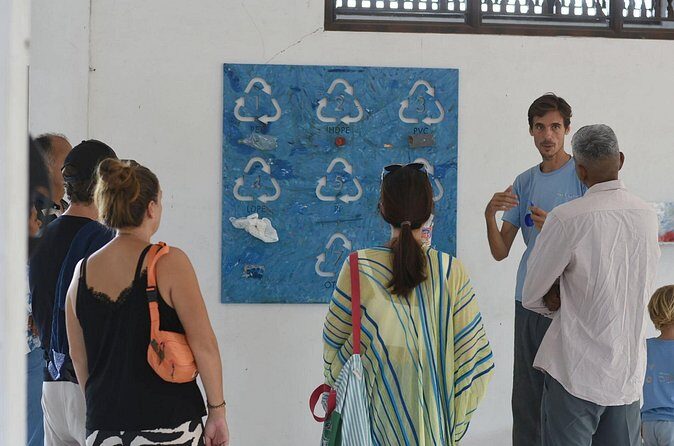
A big reason this workshop scores so high is that it treats plastics like a real material problem, not a vague moral lesson. You’ll get an explanation of plastic types and how Bali’s waste challenges connect to recycling efforts.

In school-style versions of these workshops, kids learn about seven different types of plastic to make sorting make sense. In your experience, you’ll still be given the practical logic behind separating plastic—because recycling isn’t just “collect it and it becomes new.” It depends on type, quality, and how it’s processed after sorting.

That’s also why the bottle-cap sorting matters. Caps look small, but they’re a perfect entry point: they’re easy to handle, they vary by type and color, and they force you to pay attention. When you can sort a handful of caps correctly, you start understanding why sloppy mixing can ruin recycling value.

Why the explanation feels useful

You’ll get the story behind decentralized recycling—small-scale, local systems that keep waste from being only someone else’s problem. The vibe here is: you don’t need a lab to start being smarter. You need sorting discipline, the right machines, and a design mindset that treats recycled plastic as a real input.

And the guide leading the session—Martijn and his team—talk with clear enthusiasm. In reviews, people repeatedly mention how passionate and hands-on the teaching feels, especially for kids and families. That energy isn’t just “sales talk.” It helps you stay focused during the machine demos.

Bottle-Cap Sorting by Color and Type (your first hands-on win)

Transforming Plastic Waste A Hands On Recycling Experience - Bottle-Cap Sorting by Color and Type (your first hands-on win)
Your workshop starts with a studio warm-up and then moves straight into hands-on sorting. You’ll sort plastic bottle caps by color and type, which sounds simple—until you realize you’re practicing the same kind of decision-making recyclers deal with every day.

This is the moment where you stop thinking about plastic as one ugly blob. You begin seeing it as categories that behave differently once they’re processed. Sorting like this is also a kind of training: it teaches you to look closely and accept that small differences matter.

What to watch for during sorting

Focus on the details you’re using to classify the caps. If you’re prone to “close enough,” this part will slow you down—in a good way. The payoff is that later, when you see machines cutting and shaping plastic, the steps feel more connected instead of random.

If you’re coming with kids, this sorting part often lands well. Reviews of school groups describe kids being very engaged during sorting and learning. Even for adults, it’s a fun reset from typical sightseeing, because you’re doing something physical with a purpose.

Making Recycled Artwork: creativity with an environmental purpose

Transforming Plastic Waste A Hands On Recycling Experience - Making Recycled Artwork: creativity with an environmental purpose
After sorting comes the studio creativity phase: you’ll create your own artwork from recycled plastic. The materials are already there, and your job is to transform them into something you can hold and show later.

This part matters because it explains recycling as design, not just waste management. A recycled object isn’t valuable just because it’s recycled. It’s valuable because it’s useful or meaningful as something new.

How to think about the artwork

Try to treat it as a prototype mindset. You’re not aiming for perfection. You’re learning how shape, texture, and material constraints affect what can be made. That’s the same idea behind turning waste into products later with machines.

You’ll likely see finished pieces around the studio, too—people comment on how there are creative works everywhere, and that you get a sense of what recycled plastic can become when someone knows how to work with it.

Watching Plastic Become Products on the CNC Machine

Transforming Plastic Waste A Hands On Recycling Experience - Watching Plastic Become Products on the CNC Machine
One of the most exciting parts of the workshop is the CNC machine demo. You’ll watch plastic being cut into products. The workshop description specifically mentions outputs like surfboard racks and furniture.

This is where the experience shifts from “educational” to “wow, the process is real.” When you see a CNC cutting plastic into structured product components, it becomes obvious that recycling can be part of manufacturing—not just a cleaning-and-sorting job.

Why the CNC demo is valuable

A lot of recycling talks end at collection or sorting. This one keeps going. By seeing how plastic can be shaped into functional items, you get a clearer sense of what “recycling” actually means in the end-to-end chain.

Also, because the studio uses self-built machines, the whole place feels like a practical lab. In reviews, people highlight the “watch the whole process” feeling and the fact that you’re not just observing—you’re learning the logic behind each step.

If you’re the kind of person who likes systems (or you just want to understand why waste isn’t a one-step fix), this is a highlight.

The Take-Home Keychain Made from Bali’s Recycled Plastic

Transforming Plastic Waste A Hands On Recycling Experience - The Take-Home Keychain Made from Bali’s Recycled Plastic
You finish by getting a souvenir: a handmade keychain crafted from Bali’s recycled plastic. It’s small, but it’s an important detail. Souvenirs can be cheap-and-forgettable, but here it ties back to the workshop’s core theme: waste gets a second life.

This take-home item also helps you “lock in” what you learned. When you clip that keychain somewhere you’ll see it every day, the bottle caps, the artwork, and the CNC demo keep replaying in your mind as reminders that recycling is real work.

If you’re buying something as a gift, it’s also a conversation starter that doesn’t rely on vague claims. You can tell people you saw the process, you sorted materials, and you made part of the experience yourself.

Who This Workshop Fits Best (and who might want another plan)

Transforming Plastic Waste A Hands On Recycling Experience - Who This Workshop Fits Best (and who might want another plan)
This is a great fit if you want Bali that’s hands-on and grounded in real local challenges. It’s ideal for:

  • families with kids who enjoy doing activities, not just watching
  • travelers who like practical learning and want to understand the recycling chain
  • people interested in sustainability, material design, and how small systems can create real output

From the reviews, schools and families have really leaned into this workshop format. Kids learn about plastic types, sort caps, and stay engaged—which usually means the workshop is paced in a way that doesn’t overwhelm young learners.

Who might feel disappointed

If you’re only looking for traditional sightseeing—views, history stops, or a lot of downtime—this might not match your mood. It’s active, process-focused, and not a “tour bus with landmarks” day.

Also, since there’s no lunch, you’ll want to plan around meals so the hands-on part doesn’t clash with hunger.

Timing, weather, and what to bring so it feels easy

Transforming Plastic Waste A Hands On Recycling Experience - Timing, weather, and what to bring so it feels easy
The workshop is about 1 hour 30 minutes, and it’s capped at a small group size. That makes it easier to schedule as a half-day add-on. You’re also told the activity requires good weather, so if conditions are poor, it can be rescheduled or refunded.

What I’d bring

Because they explicitly say you can top up your own water bottle and that they don’t provide bottled water, bring a reusable bottle. That keeps you comfortable without creating extra single-use plastic.

For timing, I’d also plan to have eaten before you arrive. Since there’s no food available, you’ll feel better if you’re not trying to solve lunch on the fly right after the workshop.

Price and value: is $15.06 really fair for this?

At $15.06 per person, this pricing feels unusually reasonable for what you get—especially compared with typical “ticketed experiences” that are mostly observation.

Here’s the value equation you’re paying for:

  • a structured, guided session explaining plastic types and Bali waste challenges
  • hands-on sorting and recycled artwork creation
  • studio machine demos, including a CNC cutting demonstration
  • a take-home handmade keychain
  • water top-ups (with no single-use bottled water provided)

You’re not just paying for entertainment. You’re paying for skill-building and a real look at a working system.

Is it the cheapest activity in Bali? Probably not the absolute cheapest. But it’s one of the better “you’ll remember this” experiences for the money because it gives you both understanding and a tangible result.

Should You Book r•Plastic in Ubud?

If you want a Bali day that feels different in a good way—hands-on, real-world, and not built around chasing the next photo—then yes, I’d book it.

Book it especially if you care about plastic waste as a practical problem and you like seeing how design and recycling meet at the studio level. The sorting practice, the CNC demo, and the handmade keychain combine into a package that feels earned, not packaged.

Hold off only if you’re looking for a classic sightseeing day or you hate workshops with no food afterward. If you can plan around a meal and you’re curious about how recycling actually works, this is a strong choice.

FAQ

How long is the r•Plastic recycling experience?

It runs for about 1 hour 30 minutes.

What’s included in the price?

The experience includes bottled water via top-ups (bring your own bottle), parking space, the hands-on activities, the studio and machine demos, and the handmade keychain souvenir.

Is lunch provided?

No. There’s no lunch or food/drinks provided during the experience, though you can top up your own water bottle.

Do they provide bottled water?

They do not provide bottled water. You can top up your own bottle for free.

Where does the tour start?

The start (and end) point is F73J+CFR, Jl. Ir. Sutami, Kemenuh, Kec. Sukawati, Kabupaten Gianyar, Bali 80582, Indonesia.

What group size should I expect?

The experience has a maximum of 20 travelers.

What happens if weather is bad or I need to cancel?

If the experience is canceled due to poor weather, you’ll be offered a different date or a full refund. You can also cancel for a full refund if you cancel at least 24 hours before the start time.

Telaga Waja Rafting and Bali ATV Ride Packages

Telaga Waja Rafting and Bali ATV Ride Packages - Rafting Telaga Waja: Class 3–4 Rapids, Real Water Time, Real Stairs

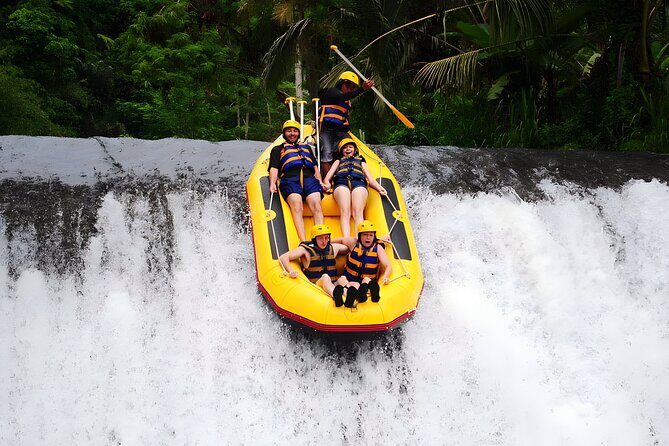
This is one of those Bali combos that turns a long travel day into pure action. You raft the Telaga Waja River (class 3 to 4 rapids) and then swap wet helmets for an ATV ride through rice fields, jungle edges, rivers, and villages around Ubud. I like that the day is built around safety-first guidance with specialist guides and proper equipment.

Two more things I really like: the private air-conditioned car transfer (so you’re not stuck waiting on other groups), and the included buffet lunch right after rafting, when you actually need fuel.

One thing to consider is the total timing. This is listed as an approx. 10-hour day, and some of that time can turn into car time depending on where you start from and what the day’s logistics look like.

What Makes This Combo Worth Your Time

Telaga Waja Rafting and Bali ATV Ride Packages - What Makes This Combo Worth Your Time

  • Telaga Waja rapids (class 3–4): more white water than the Ayung option, with a high-energy feel
  • ATV after rafting: 2 hours on a challenging track that keeps the adrenaline going
  • Stairs to the water: plan for a serious stair climb (you’ll feel it later)
  • Private transfer in an A/C vehicle: comfort matters when you’re doing two activities back to back
  • Included gear and facilities: lockers, towels, showers, and changing rooms are part of the deal
  • Photo support from a photographer: you can buy photos/videos if you want the moment captured

Your Day Timing: What 8:00 AM to About 10 Hours Really Means

Your day starts at 8:00 AM, with pickup that’s designed to be private—meaning your group is in the vehicle together. The tour is built around two main activity blocks: rafting for about 3 hours on the Telaga Waja River, then an ATV ride for about 2 hours in the Ubud area, with lunch between them.

Here’s the practical truth: the “10 hours” is not just on-river plus on-ATV time. It’s on-river time, plus changing, briefing, meal service, and the drive. If you’re staying in places like Seminyak, that drive time can be a big chunk of the day. If your schedule is tight or you hate being in traffic, it’s worth weighing whether you’d rather split this into two separate days.

The good news is that being private helps. You’re less likely to be delayed by other groups, and an A/C vehicle is a lifesaver when the heat is up. Just be mentally ready for a long day—this is an active outing, not a half-day stroll.

Stop 1: Bali Pertiwi Adventure and the “Get Ready” Phase

Telaga Waja Rafting and Bali ATV Ride Packages - Stop 1: Bali Pertiwi Adventure and the “Get Ready” Phase
The action starts at Bali Pertiwi Adventure, your first stop on the schedule. Even though the main event is rafting, the earlier part of the day matters more than people think: you’ll go through check-in, get fitted with safety gear, and hear the basics from the guides.

This is one of those tours where the details are practical. You get safety-approved equipment, plus lockers, towels, shower, and a changing room. That’s huge because you’ll be wet, salty, and probably a bit sweaty from the stairs and pre-rafting walk. Having a place to reset makes the ATV part feel more doable.

Dress is listed as smart casual. That usually means bring what you’d normally wear in Bali, but plan to change into swim-friendly clothes for rafting. The best “smart casual” strategy is simple: wear something you can get wet and that won’t wreck your day if it’s muddy.

Rafting Telaga Waja: Class 3–4 Rapids, Real Water Time, Real Stairs

Telaga Waja Rafting and Bali ATV Ride Packages - Rafting Telaga Waja: Class 3–4 Rapids, Real Water Time, Real Stairs
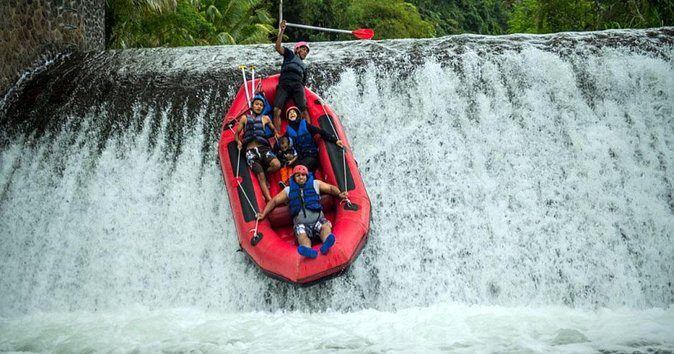
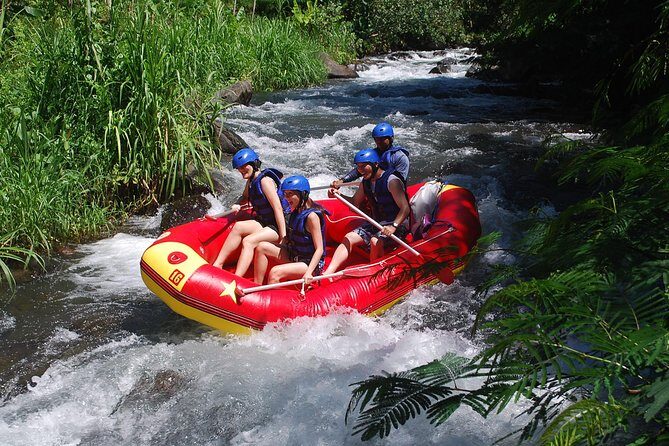
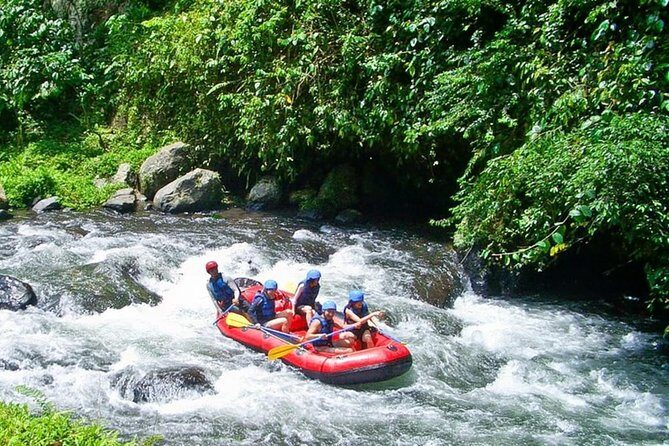
Telaga Waja is known as the more lively of Ubud’s two rafting rivers, and this tour leans into that. You’re rafting rapids graded class 3 to 4, which is the sweet spot for many people who want excitement without it turning into pure survival mode.

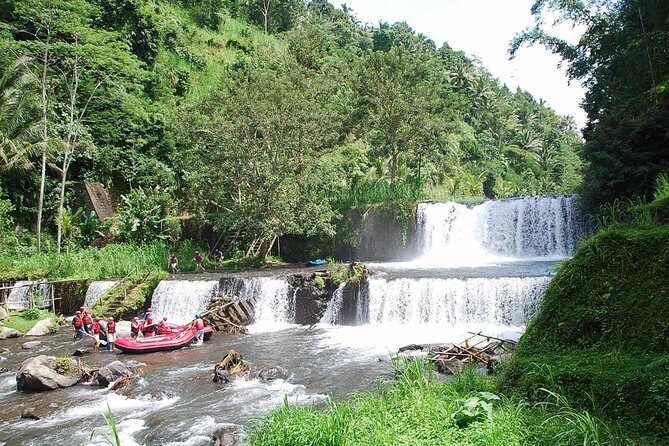
The run also includes breaks for the route’s features. The schedule mentions stops around a waterfall and dam area to take a breather and reset. One note to keep in mind: the exact pace of those stops can affect how much you feel like you’re “on the move.” If the day runs behind or breaks are extended, it can feel less like a nonstop 3-hour push and more like a stop-start flow.

The stair reality (you can’t out-train this)

One of the most specific pieces of real-world advice that sticks out is about the stairs. There are about 300 large steps down to the river and about 150 on the way back up. That’s not optional. Even fit travelers will feel it after.

If your legs are not great, or you know stairs wipe you out, this is the one part you should think through carefully. You don’t need to be a mountain climber, but you do need to be able to handle a serious climb after being splashed and changing clothes.

Optional dam descent

The river route is described as having a dramatic optional dam descent. Since it’s called optional, it may depend on conditions and what your guide decides is safe for the group that day. If it’s available, it’s the kind of moment that makes the whole run feel bigger than a standard rafting trip.

Lunch at the Rafting Restaurant: Where You Actually Re-Fuel

Telaga Waja Rafting and Bali ATV Ride Packages - Lunch at the Rafting Restaurant: Where You Actually Re-Fuel
After rafting, you head to the rafting restaurant for buffet lunch. This timing is smart. You’ve just burned energy and gotten cooled down in the water—both make you hungry fast.

The lunch isn’t described in detail, so I won’t pretend you can expect one famous dish. But it’s included, and that matters. You’re not juggling food plans mid-adventure, and you’re getting to refill before you start driving an ATV.

Practical tip: eat like you’re about to ride. That means don’t go super light, and don’t go too heavy on anything that sits badly after a wet morning. Also, keep some water in mind if the restaurant’s refill situation isn’t clear.

ATV in Ubud: Two Hours Through Rice Fields, Jungle Edges, Rivers, and Villages

Telaga Waja Rafting and Bali ATV Ride Packages - ATV in Ubud: Two Hours Through Rice Fields, Jungle Edges, Rivers, and Villages
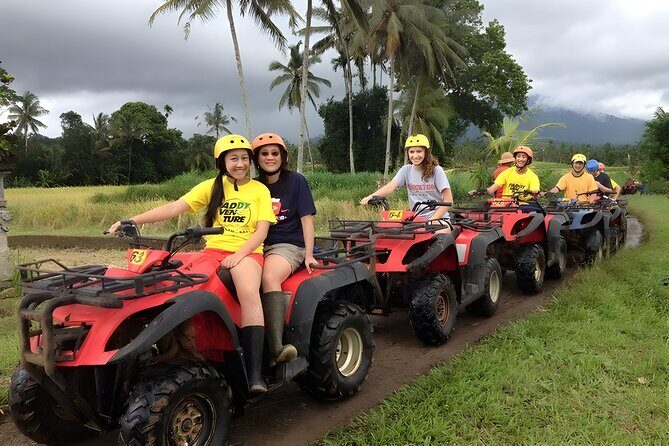
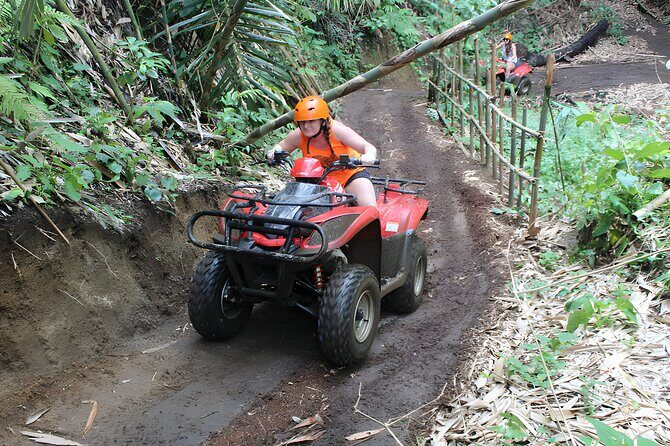
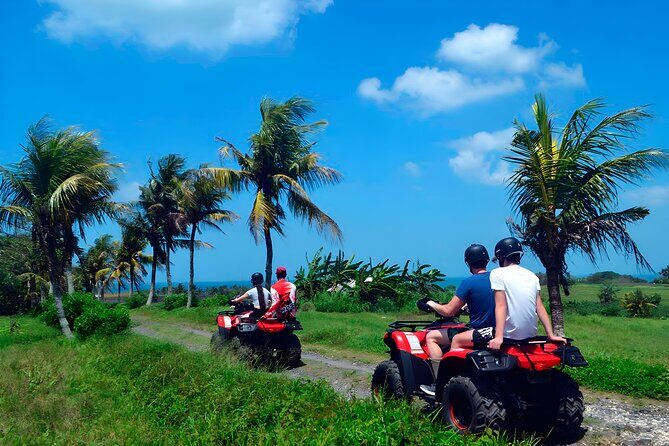
Once lunch is done, you switch gears to an ATV ride for about 2 hours. The route is described as weaving through rice fields, jungle areas, rivers, and traditional Balinese villages.

What you’ll enjoy most is the variety. This isn’t just a single track loop. You get changing scenery—open views one moment, then tighter paths that feel more enclosed. You also get to experience how many parts of Bali are connected by farmland and local roads rather than just big roads and resorts.

Difficulty and the “ride style” factor

The track is described as challenging, and you should treat it like that. ATV driving is not just about speed. It’s about balance, attention, and smooth handling on uneven ground.

Also note the age rules:

  • Minimum age for the overall adventure is 6 years
  • For an ATV single ride, the minimum age is 12 years
  • Children 5–11 must ride tandem with an adult
  • Tandem ride booking must be in multiples of 2 (like 2, 4, 6, etc.)

If you’re traveling with kids or you’re the adult driver planning a tandem setup, check your group math early so you don’t get surprised at check-in.

Private Transfers from Ubud and South Bali: Comfort Is Real, But Plan for Time

Telaga Waja Rafting and Bali ATV Ride Packages - Private Transfers from Ubud and South Bali: Comfort Is Real, But Plan for Time
The tour emphasizes private transfers from hotels and villas in Ubud and south Bali. That can be a big advantage if you’re tired of shared shuttles and people-waiting delays.

Still, here’s what you should expect realistically: even with a private car, you’re doing two activities that are not located right next door to each other. So you should assume some time will be spent driving and transitioning.

In particular, if you’re starting in Seminyak, you may feel like a chunk of your day disappears in the car. That’s not necessarily a deal-breaker, but it is the main reason some people walk away thinking the day ran long. If your priority is maximizing action time, consider whether being closer to Ubud would help. If your priority is convenience and one-day value, the private transfer makes this easier to pull off.

Safety and Guides: What Included Gear Usually Means

Telaga Waja Rafting and Bali ATV Ride Packages - Safety and Guides: What Included Gear Usually Means
This company builds the experience around safety. You get specialist guides for rafting and an ATV ride instructor for the ATV section. You also get protective equipment plus lockers, showers, and changing rooms.

That combination is important: it’s not just safety speeches. It’s gear, fitting, and trained instruction.

Even so, you’ll still want to follow rules during the day. Listen when they brief you about rafting commands and ATV handling. These activities are physical and wet, so small lapses add up fast.

Photographer and the Photos/Video Add-On

Telaga Waja Rafting and Bali ATV Ride Packages - Photographer and the Photos/Video Add-On
A photographer is provided during the tour, and photos and videos are available to purchase. This is a common setup on Bali adventure days. The upside is you get action moments that are hard to capture yourself while you’re trying not to drop your camera.

The downside is obvious: it’s an upsell. If you hate surprise costs, just plan to treat it as optional. If you like having your rafting and ATV moments saved, it’s worth paying for a few highlights.

Price and Value: Is $100 a Fair Deal?

At $100 per person, this package is priced like a proper “two-activity day,” not a single-activity tour. What justifies the cost is the full stack:

  • private A/C transportation for your group
  • rafting plus ATV time (3 hours rafting + 2 hours ATV listed)
  • buffet lunch
  • safety-approved equipment, lockers, towels, and shower/changing room
  • insurance coverage, tax, and services included

The value gets better when you compare it to doing rafting and ATV separately and factoring in transport on a long day. The main reason it can feel less like a good deal is if you end up spending extra time driving or if breaks stretch out. That’s not a “scam” thing—it’s timing reality.

My advice: if $100 is meaningful in your budget, book with realistic expectations about the day being long and slightly logistically complex. If your goal is a fun, active, well-supported day with minimal hassle, it can feel like a solid deal.

What to Bring (So Your Day Doesn’t Turn Into a Mess)

You’ll be asked to bring sunscreen and a camera, plus a change of clothes. The tour also lists a smart casual dress code, so don’t plan on arriving in full swim gear unless that’s what you prefer.

My practical packing list:

  • water shoes or sandals you can get wet
  • a dry bag or zip pouch for your phone/camera
  • a quick towel or extra wipes (optional, but handy)
  • sunscreen you’ll actually reapply
  • a spare shirt for after rafting and during ATV transitions

Also, if you have a preferred hair solution (like a specific tie or small towel), bring it. After rafting and stairs, you’ll appreciate anything that keeps you comfortable for the ATV.

Who Should Book This Telaga Waja + ATV Combo?

This is a great fit if you:

  • want one big action day instead of two separate outings
  • like rafting in the class 3–4 range and want more energy than a mild river run
  • want countryside variety after rafting, not just another water moment
  • value included basics like showers, lockers, and towels

It might be a weaker fit if you:

  • hate stairs and know the climb down and up will be painful
  • want lots of uninterrupted time on the water or ATV and are easily frustrated by a long schedule
  • are on a super tight itinerary where a long drive would stress you out

Should You Book It? My Honest Take

If you want a classic Bali adventure day—rafters first, then ATV through Ubud-area scenery—this combo is a strong choice, especially because the safety setup and included facilities make it feel manageable. The big win is combining two high-energy activities with private A/C transport and lunch included.

But go in with your eyes open about two realities: it’s a long day (car time included), and the stairs to the river are not small. If you can handle that, you’ll likely come away feeling like you got your money’s worth in action and scenery.

FAQ

FAQ

What time does the Telaga Waja rafting and Bali ATV ride start?

The start time is 8:00 AM.

How long is the rafting on the Telaga Waja River?

The tour includes 3 hours of rafting in Telaga Waja.

How long is the ATV ride?

You’ll have 2 hours of ATV riding in Ubud.

Is lunch included?

Yes. The tour includes a buffet lunch after rafting.

Do I get safety gear and places to change?

Yes. You’ll have safety-approved equipment, plus lockers, towels, shower, and changing room.

Is private transport included?

Yes. It’s a private tour, and the vehicle is air-conditioned with a professional English-speaking driver for the tour.

What are the age requirements?

The minimum age for the adventure is 6 years, and the maximum age is 65 years. The minimum age for an ATV single ride is 12 years.

Is there a vegetarian option?

Yes. A vegetarian option is available if you advise at the time of booking.

Can I cancel and get a refund?

You can cancel for a full refund up to 24 hours before the experience’s start time. If you cancel within 24 hours, you won’t get a refund.

Mountain Cycling Tour

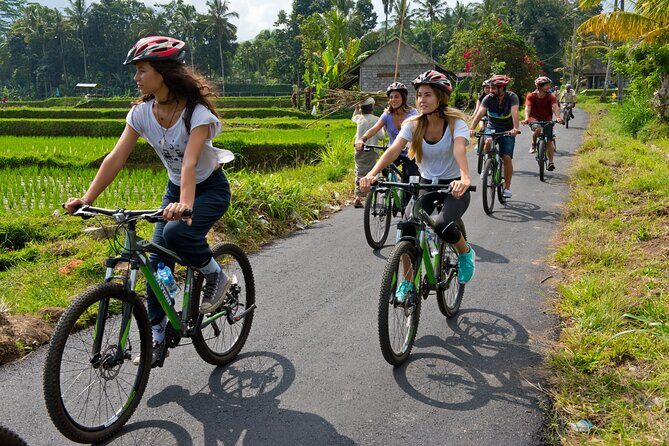
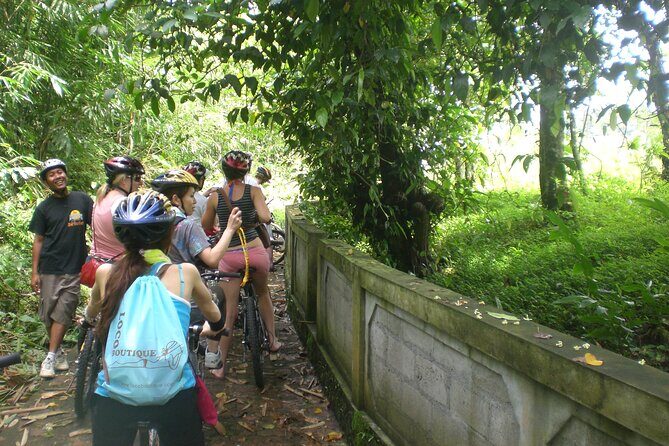
Mountain Cycling Tour - Mason Adventures: the briefing that saves your legs later

Bali by bike feels like a shortcut to real life.

This mountain cycling tour from Nusa Dua takes you past villages, temples, and green rice fields, then threads through Taro’s towering bamboo forest. You get a safety briefing, an English-speaking guide, hotel pickup and drop-off, and a real sit-down lunch to end the ride.

I especially like two things: the careful guidance and the overall organization. Before you pedal, you’ll get helmet and bike instructions, including how to manage gears and braking—exactly the kind of basics first-timers need.

My only caution is simple: it’s early, and it’s not built for adrenaline chases. Pickup is early morning, the route is aimed at active riders (not hard off-road), and kids need to be at least 10—so plan around that pace and fitness level.

Key things I’d pack mentally before you book

Mountain Cycling Tour - Key things I’d pack mentally before you book

  • Hotel pickup across southern Bali makes it easy if you’re staying in Nusa Dua, Ubud, Seminyak, Canggu, and more
  • Safety briefing plus bike instruction before the ride (gears and front/rear brakes)
  • Mostly family-friendly riding style with pauses, not a stunt-bike day
  • Stops for local fruit and spice tasting, plus village interaction
  • Lunch is included, and there’s a vegetarian option if you ask when booking
  • Small group size (max 25) keeps the ride feeling managed, not chaotic

Why this Bali cycling tour starts in Nusa Dua (and not in the middle of traffic)

Mountain Cycling Tour - Why this Bali cycling tour starts in Nusa Dua (and not in the middle of traffic)
This isn’t the kind of tour where you just roll out from the beach and hope for the best. You’re picked up from hotels across southern Bali, with Nusa Dua and other popular areas on the list, and driven to the cycling start point early in the morning.

That drive matters. It buys you the cooler, quieter mountain-side riding and puts you closer to the villages, rice paddies, and bamboo forest that most people only see from a distance. One practical plus: since it’s a guided day with transfers built in, you don’t have to piece together transport and timing on your own.

If you’re the type who wants Bali at human speed—kids waving, roadside fruit stalls, and temple scenery—this format fits. If you want fast, technical trail riding, you may find it too gentle for that mood.

Mason Adventures: the briefing that saves your legs later

Mountain Cycling Tour - Mason Adventures: the briefing that saves your legs later
The day kicks off at Mason Adventures, where you’ll get helmet use and a proper safety briefing before you roll. This is where first-timers get the confidence boost: the guide walks you through how to handle the bike, how to change gears, and how to control the front and rear brakes.

There’s also a bottle of mineral water provided as part of the ride. I like that it’s handled up front instead of turning into a scramble later.

Your group size stays capped at 25, which helps the logistics feel smoother. In past days, people have commented on how professional and systematic the whole check-in felt, including having a clean toilet at the ticketing stage. That doesn’t make or break the ride, but it does matter when you’re starting early.

English-speaking guides are part of the package. And if you end up with someone like Sim or Wayan (both named in standout feedback), you’re likely to get patient, clear explanations—not just a slideshow of facts.

The ride itself: villages, temples, rice fields, then Taro’s bamboo

Mountain Cycling Tour - The ride itself: villages, temples, rice fields, then Taro’s bamboo
The cycling portion is about two hours, and it’s built around steady sightseeing rather than speed. You’ll pass lush valleys and villages, and you’ll ride past ancient temples and through green rice-field scenery with chances to interact with local Balinese life along the way.

A big quality-of-life detail: the tour isn’t presented as rough, technical off-road biking. The pacing is designed so you can actually pay attention—so you can talk with your guide, look around, and enjoy the views without feeling like you’re white-knuckling every turn.

Along the way, you’ll also stop to taste local fruit and spices. These little food breaks are more than a snack—they give you a human-scale understanding of what people grow and use day to day.

Then comes Taro’s bamboo forest. This is where the atmosphere changes from open farmland views to a tighter, cooler corridor of towering bamboo. It’s a visual shift that makes the ride feel like more than just transportation between photo stops.

And because your guide is actively managing the ride, there are pauses along the way. That makes a difference with mixed groups—adults, kids (from age 10), and everyone in between.

What lunch looks like after a morning you can actually talk through

The tour ends with gourmet lunch at the restaurant linked to the cycling stop. If you’re used to tours that end with something quick and questionable, this is the kind of included meal that makes the whole day feel complete.

Vegetarian is available, but you need to request it when booking. That’s worth doing early, especially if you don’t want to hope the kitchen can adjust last minute.

Also keep in mind: drinks aren’t included. Water is provided during the cycling portion, but for sodas, juices, or other drinks at lunch, you’ll likely pay extra. If you’re the kind of person who likes an included drink with your meal, it’s smart to budget a little.

Fitness, age limits, and why this works for families and seniors

Mountain Cycling Tour - Fitness, age limits, and why this works for families and seniors
This tour is aimed at active first-time visitors to Bali. There’s a recommended minimum age of 10 years old for children, and the fit range extends up to about 65 years old.

That doesn’t mean everyone must be an athlete. The requirement is moderate physical fitness, and the ride style is planned for that. One practical note from real-world days: if someone can’t complete the full ride, staff can still include them in the day—typically by having them ride along in a van while the rest of the group continues. That kind of flexibility makes the day feel less all-or-nothing.

So who should book?

  • Families who want a structured, guided outdoor activity
  • Active couples who want Bali rural life without complicated planning
  • Travelers who want a “real Bali” day with culture stops, not just temple photos

Who might skip?

  • People looking for steep, technical downhill mountain biking
  • Riders who only feel satisfied with constant pedaling and no pauses

Timing: how a 5-hour tour still feels like more once you’re on the bike

The total duration is about 5 hours. The cycling itself is around 2 hours, which means you’ll spend the rest of the time on pickup/transfer and the cultural-food stops that make it feel like a full morning.

Pickup is early, and the ride starts once you reach Mason Adventures. If you’re staying farther from the pick-up hub, you may spend time on the road before you touch the handlebars.

The good part is that the transfers are part of the value. You’re not paying a driver extra, and you don’t have to navigate your own schedule through traffic.

If you’re the type who gets cranky when mornings run long, eat something light before pickup and keep the day simple afterward. With water provided during the ride, you can focus on the experience instead of hunting for supplies.

English guide, small group, and the kind of information that actually helps

Mountain Cycling Tour - English guide, small group, and the kind of information that actually helps
A good guide can make a bicycle tour feel like a story. Here, the focus is on culture, history, and the people you pass along the route.

That’s not vague. Guides are specifically described as informative, with strong English, and patient with different skill levels. Named examples in strong feedback include Sim and Wayan, and the tone is consistently described as calm, helpful, and full of practical context.

There’s also a genuine social side. In past days, people have highlighted the chance to visit a village and see how a guide’s family lives. That’s exactly the kind of detail that turns a scenic ride into a memory you can explain later.

Price and value: what $57 buys you when lunch and transfers are included

At $57, the value here is in the bundle. You’re not just paying for a bike and a route—you’re paying for:

  • Hotel pickup and drop-off from a long list of southern Bali areas
  • Helmet and bike briefing
  • A bottle of mineral water during the cycling
  • Gourmet lunch
  • Insurance included
  • An English-speaking guide
  • Small group management (max 25)
  • Admission ticket marked as free

The only clear “not included” item is drinks. So your main extra cost is whatever you choose to drink beyond the water bottle already provided.

When you compare that to piecing together transport plus an attraction plus a meal, the price starts to look fair. And because you’re getting the transfers and lunch folded into the cost, it’s easier to budget your Bali day without surprise add-ons.

Weather matters in Bali, and this tour has a built-in response

This activity requires good weather. If it gets canceled due to poor weather, you’ll be offered a different date or a full refund.

That’s important because biking and rain don’t mix well with comfort, safety, and roads. If you’re booking during a more unpredictable window, it’s smart to keep your schedule flexible for a possible reschedule.

Should you book this Nusa Dua mountain cycling tour?

Book it if you want an organized, beginner-friendly way to see rural Bali without doing logistics math. You’ll get a guided two-hour ride through rice fields, villages, temples, and a bamboo forest, plus local fruit and spice tasting and a proper included lunch.

I’d skip it if you’re hunting for hardcore mountain biking or nonstop speed. This is built around comfort, instruction, and cultural stops—not technical trail challenges.

If you want the best odds of a smooth day, go in with the right expectations:

  • You’re doing a guided ride with pauses and instruction
  • You’ll enjoy the sights more if you’re there to ride, look, and talk
  • Ask for the vegetarian lunch option when booking if needed

FAQ

How long is the mountain cycling tour?

It runs about 5 hours total, with the cycling portion taking around 2 hours.

Is hotel pickup and drop-off included?

Yes. Pickup and drop-off are included from hotels in Southern Bali, including Nusa Dua, Uluwatu, Jimbaran, Kuta, Legian, Seminyak, Canggu, Tanah Lot, Denpasar, Sanur, and Ubud.

What age is the minimum for children?

Children should be at least 10 years old to participate.

Do I need to be an experienced cyclist?

No specific experience level is listed, but you should have moderate physical fitness. You’ll receive a safety briefing and bike instructions first.

What’s included in the price?

Transfers, a safety helmet, mineral water during cycling, gourmet lunch, and insurance are included.

Is lunch included, and can I get a vegetarian option?

Yes, lunch is included, and a vegetarian option is available if you request it at booking.

Are drinks included during the tour?

Drinks are not included.

What happens if the weather is bad?

The tour requires good weather. If it’s canceled due to poor weather, you’ll be offered a different date or a full refund.

Ubud: Monkey Forest, Rice Terraces and Jungle Swing Tour

Ubud: Monkey Forest, Rice Terraces and Jungle Swing Tour - Pickup and transport that make a long day feel doable

First time in Ubud and you want the highlights in one day? This route hits sacred culture plus big-photo nature spots. I like the mix of animals, temples, and viewpoints, and I also like that you get an English-speaking driver with private air-conditioned transport instead of piecing everything together. One thing to consider: several major stops (like the forest, temples, swing, and waterfall areas) list admission separately, so the final total depends on which option you choose for entrance fees.

If you’re short on time, this kind of day plan can be a smart way to get your bearings fast. It’s also built so you’re not just staring out the car window, with hands-on moments like a walk through the monkey sanctuary area and a short stroll among the rice fields. Just keep expectations realistic: with 5 main stops plus time for a swing ride and optional art/gallery stops, it’s a full day, not a slow drift.

Key highlights you’ll care about

Ubud: Monkey Forest, Rice Terraces and Jungle Swing Tour - Key highlights you’ll care about

  • Private pickup + AC transport keeps the day comfortable even with a long schedule (8–10 hours).
  • Monkey Forest Sanctuary gives you a real encounter with Balinese long-tailed macaques in a big 12.5-hectare forest area.
  • Tegalalang Rice Terraces includes a short walk for those classic green-field views and farmer activity context.
  • Tirta Empul focuses on the holy-water purification idea, with different meanings tied to each fountain.
  • Jungle Swing at Happy Swing Bali is time-boxed and staff are there to help you get photos while you ride.
  • Art stops may add shopping time for silver, wood carving, Balinese painting, and batik.

A one-day sampler of Ubud: nature, temples, and a jungle swing

Ubud: Monkey Forest, Rice Terraces and Jungle Swing Tour - A one-day sampler of Ubud: nature, temples, and a jungle swing
This tour is designed like a greatest-hits playlist for Ubud. You’re covering the animals-first vibe at Monkey Forest, the signature north Ubud scenery at Tegalalang, a temple ritual at Tirta Empul, waterfall views at Tegenungan, and then the famous swing ride at Happy Swing Bali.

What makes it interesting is the pacing. You get a walk in the forest, a walk in the rice terraces, a cultural stop with a specific purpose (purification), and then a clearly photo-driven activity with guided support. For first-timers, that combination helps you understand why Ubud became the Bali base for art and nature.

The tradeoff is that you’re moving. You’re not going to do deep, slow research at one place. If you want hours alone at one site, you may find the schedule a bit tight.

Pickup and transport that make a long day feel doable

Ubud: Monkey Forest, Rice Terraces and Jungle Swing Tour - Pickup and transport that make a long day feel doable
Good tours don’t just list stops. They also protect your time, especially in Bali where traffic can change by the hour.

This one includes private transportation in an air-conditioned vehicle plus bottled water. Pickup is offered from Ubud and also from Kuta, Sanur, Canggu, Legian, Seminyak, Nusa Dua, and Jimbaran, which is helpful if you’re not staying right in the center of Ubud.

Parking fees are included, so you’re not dealing with little surprises at each stop. And you get an English-speaking driver, which matters because the value isn’t only seeing a place—it’s knowing what you’re looking at while you’re there.

Since it’s private, the flow is smoother than a shared bus setup. Your driver can help keep the day on track, and some guides in this operator’s circle have been praised for arriving early enough to dodge traffic (one guide was noted for getting people to Monkey Forest early).

Monkey Forest Sanctuary: macaques, quick rules, and an early-start win

Monkey Forest Sanctuary is one of those places where the setting does half the work. You’re walking through about 12.5 hectares of forest where you’ll see around 700 Balinese long-tailed macaques.

Plan for close encounters. The monkeys are wild, so you’ll want to be careful with bags, food, and anything dangling. Keep your phone and camera secure, and avoid sudden movements. If you come in with a calm, respectful mindset, the whole thing feels more like a nature walk and less like an obstacle course.

The time is listed at about 1 hour 30 minutes, but your experience will depend on how long you stop for photos. Admission isn’t included unless you chose the option that covers entrance fees, so budget for that if the base price doesn’t include entry.

One practical bonus from the guide feedback: getting there earlier can set your day up well. Early timing can mean calmer viewing and fewer delays, which makes the monkeys feel more like a highlight and less like a line.

Tegalalang rice terraces: farmer views and a short walk you’ll actually remember

Ubud: Monkey Forest, Rice Terraces and Jungle Swing Tour - Tegalalang rice terraces: farmer views and a short walk you’ll actually remember
Tegalalang Rice Terrace is the kind of scene people recognize instantly. You head north from Ubud, then you get a short walk among lush green rice fields designed for real views, not just a quick photo from a roadside spot.

The tour description also points to seeing traditional farmer activities as part of the experience. That’s key: the rice terraces aren’t only a backdrop. They’re part of living work, and a short stroll helps you understand the terrain and how the fields are laid out.

Your visit is about 1 hour 30 minutes. That’s a sweet spot for most people—long enough to move around a bit and short enough that you’re not exhausted before the temple.

Consider your comfort on uneven ground. Terraced areas can be slippery after rain and uneven underfoot. Wear shoes you trust, and don’t assume you can do this in sandals with no slip risk.

Also, as with other stops, admission tickets aren’t included unless the entrance-fee option is selected.

Tirta Empul temple: holy-water purification and what each fountain means

Ubud: Monkey Forest, Rice Terraces and Jungle Swing Tour - Tirta Empul temple: holy-water purification and what each fountain means
Tirta Empul is where the day shifts from scenery to meaning. This stop is described as a holy water temple with a traditional blessing ritual focused on purification of bad spirits.

At Tirta Empul, each fountain has a different meaning and a strong character tied to cleaning bad spirit energy on every single spring. Even if you don’t plan to participate in any ritual yourself, it helps to know that the fountains aren’t random decor. They’re part of a structured concept of cleansing.

You have about 1 hour 30 minutes here, which is usually enough time to look around, understand the layout, and take in the atmosphere without rushing.

Since temple rules can vary by site and by current conditions, you’ll want to follow local guidance on dress and behavior. If you’re unsure what’s expected, ask your driver before you enter—having an English-speaking guide makes that kind of question easy.

Again, entrance is not included unless your booking includes admission fees. If you’re calculating a true daily total, this is one of the places to check.

Tegenungan Waterfall: viewpoint photos and the option to go down

Ubud: Monkey Forest, Rice Terraces and Jungle Swing Tour - Tegenungan Waterfall: viewpoint photos and the option to go down
Tegenungan Waterfall is described as surrounded by green tropical jungles, with time to see the views from the hill and also the option to go down to the water. That split matters because not everyone wants to do the extra effort.

You get about 1 hour 30 minutes at this stop. In that time, you can do the main viewing areas and still leave space for photos without feeling like you’re sprinting.

The practical consideration is footing and timing. If conditions are wet, paths can feel slippery and slick. If you’re sensitive to steps or uneven terrain, choose the hilltop views and skip the descent.

Admission isn’t listed as included unless selected, so it’s another line-item to confirm when you book.

Happy Swing Bali: getting the shot with staff help, not stress

Ubud: Monkey Forest, Rice Terraces and Jungle Swing Tour - Happy Swing Bali: getting the shot with staff help, not stress
The Jungle Swing experience at Happy Swing Bali is the day’s big visual moment. You’ll have about 1 hour here, and the tour notes that staff will help you take pictures while you ride.

That matters more than it sounds. Swing rides often become stressful if you’re trying to coordinate your own camera, your position, and your timing all at once. Here, the staff support can reduce that chaos and help you focus on enjoying the ride.

Admission isn’t included unless you selected entry coverage. So treat the swing as a separate cost when comparing deals.

If you’re afraid of heights, read the energy of the swing part carefully before committing. The tour gives you ride time, but it doesn’t spell out ride intensity. When in doubt, ask the driver what the setup looks like on arrival and decide based on your comfort.

Art stops and galleries: when shopping becomes part of the day

Ubud: Monkey Forest, Rice Terraces and Jungle Swing Tour - Art stops and galleries: when shopping becomes part of the day
The tour description includes a chance to see famous Ubud handicrafts. That may include stops connected to silver, wood carving, Balinese painting, and a batik gallery.

This is useful if you want context for what you’re seeing around Ubud. Ubud is known for art culture, and a short shop-and-watch stop can help you understand the materials and the craft process.

But it also can add time and pressure, depending on how you like to shop. If your goal is pure sightseeing, you’ll want to keep your purchases calm and optional. If your goal is souvenirs with meaning, these art stops can make the day feel more grounded in culture.

Price and value: what $25.65 really means for your budget

At $25.65 per person, this tour sits in the budget-to-mid range for a full Ubud circuit. The value comes from the things that add up if you book separately: private transport, air-conditioning, parking fees, a bottled water, and an English-speaking driver.

But the biggest “value math” issue is entrance fees. The tour notes that admission/entrance fees are included only if the option you select includes them. Many of the key stops list admission ticket not included in the details, which usually means you’ll pay on top for at least some sites (and you’ll also pay for swing if it isn’t part of your entrance-fee selection).

Also not included: lunch and personal expenses. That’s normal for tours like this, but it affects how you compare costs. If you skip lunch planning, you may end up spending more later on quick meals.

My practical approach: treat the listed price as a baseline for transport + driver + time management. Then add a realistic estimate for site admissions and a meal so you don’t get surprised mid-day.

Who this tour is best for (and who may want a different plan)

This tour is a great fit if you want a one-day Ubud highlight reel. It works especially well for:

  • First-timers who want Monkey Forest + rice terraces + a temple + a waterfall + the swing in one shot
  • Photo-focused travelers who want staff help for the swing and lots of viewpoints
  • People who don’t want to coordinate multiple taxis and tickets across town

It may be less ideal if:

  • You want a slow, deep day with lots of free time at one site
  • You prefer to avoid animal-heavy experiences (Monkey Forest can be intense even when it’s fascinating)
  • You’re sensitive to walking on uneven ground (rice terraces and waterfall areas can be tricky depending on weather)

One more soft factor: the day is long. Even with AC comfort and bottled water, you’ll be out for about 8 to 10 hours. Plan your energy like a hike day, not like a museum morning.

The driver experience: why names like Alit, Agung, and Kadek matter

A big part of day tours is the human factor—how the driver explains things and how the day flows. In the operator’s circle, certain guide names show up repeatedly, including Alit, Kadek, Agung, Daniel, and Jupri.

The common thread in what people praised: patience, friendliness, and adjusting the pace so you don’t feel rushed. Several notes also highlight early arrival tactics, like getting to Monkey Forest before peak congestion. That’s not just a comfort win; it makes the whole itinerary feel less stressful.

Since you’ll have an English-speaking driver, you can use that advantage. Ask simple questions as you go: What should I pay attention to at each fountain? Where is the best view angle? What’s the safest route on wet paths? You’ll get more out of the day when you treat your driver like a local translator, not just a driver.

Should you book this Ubud Monkey Forest and Jungle Swing day tour?

Book it if you want a full, efficient Ubud day packed with the big-ticket sights—especially if you value private AC transport and an English-speaking driver to keep it smooth.

Skip or adjust your expectations if entrance-fee totals and your comfort level with walking and monkeys aren’t a match for you. Also, if your heart is set on one place (like only the rice terraces or only a temple), you might be happier with a more focused half-day.

If you do book, I’d recommend going in with a flexible mindset: the best moments here are often the ones you can’t “plan” like perfect lighting at a viewpoint or a calm start at Monkey Forest. This itinerary is built to give you those chances—fast.

FAQ

How long is the Ubud Monkey Forest, Rice Terraces and Jungle Swing tour?

The tour is listed as 8 to 10 hours approximately.

Where does pickup happen?

Pickup is offered in Ubud and also from Kuta, Sanur, Canggu, Legian, Seminyak, Nusa Dua, and Jimbaran.

Is the tour private or shared?

It’s described as a private tour/activity, so only your group participates.

Are entrance fees included in the price?

Admission/entrance fees are included only if you select the option where entrance fees are covered. The details for multiple stops indicate admission ticket not included, so confirm what’s included in your booking.

Does the tour include lunch?

No. Lunch is listed as not included, along with personal expenses.

Will I be able to ride the jungle swing?

Yes. The itinerary includes a swing stop at Happy Swing Bali, with staff support to help you take pictures during the ride.

Does the tour offer mobile tickets?

Yes, the tour includes a mobile ticket.

What is the cancellation policy?

Free cancellation is offered. You can cancel up to 24 hours in advance for a full refund, and within 24 hours there is no refund.

Ultimate North Bali Tour – Tanah Lot, Ulun Danu & Rice Terraces

Ultimate North Bali Tour – Tanah Lot, Ulun Danu & Rice Terraces - Ulun Danu Bratan: the lake goddess temple on crater edges

North Bali moves fast. In one long day, you get temples, rice terraces, and a sea-spray sunset without the stress of planning. The route is built for seeing Bali’s north highlights in a clean loop: early pickup, scenic stops, and time to look around each place.

I especially like the efficient hotel pickup and the private, air-conditioned ride. And I love the pay-off of Tanah Lot at the end of the day, when the outcrop shrine feels even more dramatic against the waves.

One thing to consider: it’s an 8 to 10 hour day with admission fees not included, so your all-in cost will be higher than the $30 base price.

Key points before you go

Ultimate North Bali Tour – Tanah Lot, Ulun Danu & Rice Terraces - Key points before you go

  • Early 07.00–08.00 pickup across many Bali areas, so you start with daylight in the north.
  • Private transportation and English-speaking driver with bottled water, which keeps the day smooth.
  • Temple and viewpoint variety: royal-style Taman Ayun, crater-edge Ulun Danu, and photo-driven Wanagiri.
  • Long-day rhythm with multiple stops, including the big iconic finale at Tanah Lot.
  • Extra tickets add up: you’ll pay per-site admissions for each stop where listed.
  • Guide quality can make it: praised drivers like Widi, Agung, and Wayan are noted for friendly, adaptable guiding.

Morning pickup and the route you’ll actually feel

Ultimate North Bali Tour – Tanah Lot, Ulun Danu & Rice Terraces - Morning pickup and the route you’ll actually feel
This tour starts early, with pickup between 07.00 and 08.00 from your hotel. The coverage is wide: Ubud, Kuta, Seminyak, Jimbaran, Nusa Dua, Canggu, Sanur, plus the Uluwatu area at no additional cost. That matters because North Bali daylight is when most of the views look their best.

You’re also not stuck sharing a bus with strangers. This is a private tour, so it’s just your group in a vehicle with air-conditioning. That’s a big deal when you have a full day, since heat and traffic can wear you down fast.

The schedule runs about 8 to 10 hours. It’s enough time to stop, walk, look, and take photos, but it’s not a slow, lingering “eat lunch and wander” day. Plan for a packed day and pace yourself at each stop.

One more small note: the tour uses a mobile ticket, which is handy. You won’t need to print anything to show up.

Taman Ayun Temple: royal temple design, calm and pretty

Your first major stop is Taman Ayun Temple. It’s one of the most attractive and most visited temples in Bali, and it dates to the 17th century. The key detail that makes it interesting is the origin: it was built as a family temple of the Mengwi Empire, and it was only accessible for royals.

What that means in practice is that the setting feels planned and deliberate. You’re going to see the architecture and grounds in a “designed for important people” way, not just a quick roadside shrine.

This stop is about 1 hour. Admission is not included, with a fee listed as $3 per person. If you want the best experience, use that hour for two things: a slower look around the temple area, and time to step back for photos with the surrounding grounds. You’ll usually get more from a calm walk than from racing to the first viewpoint.

Ulun Danu Bratan: the lake goddess temple on crater edges

Ultimate North Bali Tour – Tanah Lot, Ulun Danu & Rice Terraces - Ulun Danu Bratan: the lake goddess temple on crater edges
Next is Ulun Danu Bratan Temple, a temple dedicated to the goddess of the lake, Ida Batari Dewi Ulun Danu. The location is dramatic: it sits on the edge of a huge crater, overlooking water.

The dominant shrines include Meru’s (pagodas) dedicated to the lake goddess. If you like temple details, this is a stop where the shapes and layered towers give you something to focus on while you’re waiting for clear views across the water.

This is another 1 hour stop, with admission not included at $5 per person. Bratan-area weather can change quickly in north Bali, so I’d treat this stop as a good chance to enjoy the atmosphere as much as the views. Even if the sky isn’t perfect, the temple’s setting still feels like you’re arriving at something special.

Wanagiri Hidden Hills: a viewpoint stop built for photos

Ultimate North Bali Tour – Tanah Lot, Ulun Danu & Rice Terraces - Wanagiri Hidden Hills: a viewpoint stop built for photos
Wanagiri Hidden Hills is mostly about viewpoint time. You’ll get Buyan Lake views, and the location is described as a great place for photos.

This is a 1 hour stop, with admission not included at $10 per person. That price is the highest listed in the itinerary besides the Wanagiri fee, so it helps to go in knowing it’s a paid photo-and-view stop, not a long cultural temple visit.

If you care about pictures, this is where you can slow down. Stand where your angle captures the lake, then walk a little and compare shots. The time limit is short, so avoid getting stuck only at one spot.

Jatiluwih rice terraces: mountain-to-coast scenery in one look

Ultimate North Bali Tour – Tanah Lot, Ulun Danu & Rice Terraces - Jatiluwih rice terraces: mountain-to-coast scenery in one look
After the viewpoint stops, you hit Bali Jatiluwih Rice Terrace, described as a favorite destination famous for rice terraces that unfold from the foot of the mountain until the coastal side.

That phrasing matters. Jatiluwih isn’t just one flat “look from above” moment. The terraces are presented as a long stretch of cultivation you can visually follow, from higher ground down toward the coast.

In the itinerary provided, the stop time is listed but the text is cut off. Still, since this is one of the main featured areas, you should expect a meaningful viewing walk rather than a quick photo-only pull-off.

What to watch for here is light and angles. Morning and late afternoon can change the way terraces look, especially if clouds drift through. If the day is hot, take short breaks and keep your pace steady.

Tanah Lot at sunset: the iconic outcrop and crashing waves

Ultimate North Bali Tour – Tanah Lot, Ulun Danu & Rice Terraces - Tanah Lot at sunset: the iconic outcrop and crashing waves
Tanah Lot Temple is the final big anchor of the day, and it’s famous for good reasons. It’s one of Bali’s most important landmarks, known for its unique offshore setting and sunset backdrops. The temple is described as an ancient Hindu shrine perched on an outcrop amid constantly crashing waves.

This stop is about 1 hour 30 minutes, with admission not included at $6 per person. Timing is everything here. If you arrive too late, you may get the views but miss the strongest “sunset drama.” If you arrive early, you can watch the outcrop area, then enjoy the shift as the light changes.

For photos, I’d plan two phases: first, shots that include the wave setting and the outcrop. Second, shots that focus more on the temple silhouette when the sky starts to warm up. You’ll get better results by treating it as a sequence, not one quick moment.

Handara Iconic Gate: photo stop with a resort-world vibe

Ultimate North Bali Tour – Tanah Lot, Ulun Danu & Rice Terraces - Handara Iconic Gate: photo stop with a resort-world vibe
Before you head back, you’ll stop at Handara Iconic Gate, the main entrance of Handara Golf & Resort Bali. The gate is famous for its setting, and in the provided details it’s tied to a world-class golf course plus on-site hotel and cottage accommodation and dining experience.

This is listed as a 1 hour stop, with admission not included at $6 per person.

Is this as culturally deep as the temples? Not really. But it’s a useful palate cleanser after the sacred sites. It’s also a practical photo stop where you can get a clean, recognizable Bali-style gate shot without needing to rush or climb far.

Price and value: $30 plus admissions you should budget for

Ultimate North Bali Tour – Tanah Lot, Ulun Danu & Rice Terraces - Price and value: $30 plus admissions you should budget for
The tour price is $30.00 per person, and it’s booked about 18 days in advance on average. That base price mainly covers the parts that cost time and logistics: hotel pickup/return, private air-conditioned transport, an English-speaking driver, and bottled water.

But admissions are not included. From the listed fees, you’ll pay:

  • Taman Ayun Temple: $3
  • Ulun Danu Temple: $5
  • Wanagiri Hidden Hills: $10
  • Handara gate: $6
  • Tanah Lot Temple: $6

That’s $30 in admissions per person listed in the data. Add that to the $30 tour price and you’re looking at about $60 total per person, not counting anything else you choose to buy on the day.

So is it good value? I think it is if you want one day that links several “north Bali must-sees” into a single organized loop. You’re paying to avoid multiple separate hires and to keep the schedule coherent, especially with early pickup and a private vehicle.

If you’re already comfortable driving around north Bali yourself and you’re only chasing one or two highlights, then this might feel pricier. But if you want a full highlights day without the planning headache, the numbers make sense.

Guide quality: what people like Widi, Agung, and Wayan bring

The experience depends a lot on the human touch, and the feedback names specific guides. Widi is praised for being kind and knowledgeable, and for introducing each place while sharing important aspects of Bali. Agung gets credit for excellent driving plus a friendly, generous attitude, with knowledge about the places visited on his routes. Wayan is noted for being adaptable and funny, taking good care of the group.

Even if your own guide differs, those themes are what you should look for in a driver: clear explanations, good timing, and calm flexibility when the day runs long or traffic slows.

Also, since the tour includes an English-speaking driver, you’re not relying on basic guessing at each stop. That’s especially helpful at temples where the cultural context can otherwise be easy to miss.

Practical tips for a smoother 8 to 10 hour day

This route is a classic “see a lot, move a lot” day. Here’s how to keep it comfortable without turning the day into a chore.

  • Wear real walking shoes. You’ll move through temple grounds, viewpoints, and terrace areas.
  • Plan for photo time at Wanagiri and Tanah Lot. These stops are built around views, and you’ll enjoy them more if you don’t rush.
  • Carry light sun protection. North Bali can still feel strong even in the morning, and you’ll be outdoors at multiple stops.
  • Stay hydrated. Bottled water is included, but still sip through the day rather than waiting until you’re thirsty.
  • Ask your guide about timing for photos. With a sunset stop, a small timing tweak can improve your photos a lot.

If you’re sensitive to long drives, set expectations early. The day is full, and you’ll benefit from taking short breaks at each stop rather than waiting for the car to feel “like rest.”

Should you book the Ultimate North Bali Tour?

Book this tour if you want a single organized day that stacks Bali’s north highlights in a logical order: Taman Ayun’s royal feel, Ulun Danu’s lake-god atmosphere, Wanagiri’s photo views, Jatiluwih’s long terrace scenery, and Tanah Lot’s iconic sea setting.

Skip it, or at least reconsider the fit, if you hate long schedules, you’re only interested in one or two sites, or you don’t want to budget for the separate admissions that bring the all-in cost to around $60 per person based on the listed fees.

If your goal is value-through-structure, this is a solid pick. Early pickup plus private transport plus a sunset finale is exactly the kind of day that’s easiest to enjoy when someone else handles the routing.

FAQ

What time is pickup?

Pickup is offered between 07.00 and 08.00 am from your hotel.

Where does pickup work?

Pickup is included for hotels in the Ubud area, Kuta, Seminyak, Jimbaran, Nusa Dua, Canggu, Sanur, and also in the Uluwatu area at no additional cost.

How long is the tour?

The duration is listed as 8 to 10 hours (approx.).

Are entrance tickets included in the price?

No. Admission fees are listed separately for each stop: Taman Ayun Temple ($3), Ulun Danu Temple ($5), Wanagiri Hidden Hills ($10), Handara gate ($6), and Tanah Lot Temple ($6).

Do I get a mobile ticket?

Yes, the tour includes a mobile ticket.

Is this tour private?

Yes. It’s a private tour, and only your group participates.

What happens if I need to cancel, or the weather is bad?

Cancellation is free up to 24 hours in advance for a full refund. If it’s canceled due to poor weather, you’ll be offered a different date or a full refund.

Best of Nusa Penida All-Inclusive Day Trip

Best of Nusa Penida All-Inclusive Day Trip - Kelingking Beach: the cliff-famous start

One day, eight big-picture moments. This Nusa Penida tour is built for action: you start early from Ubud, take a fast boat from Sanur, and spend the day bouncing between the island’s famous viewpoints and beaches. I like the simple structure—hotel pickup, a full day on Nusa Penida, then a return before evening—and I also like that you get practical inclusions like lunch, all entrance fees, and a driver who speaks English.

The main drawback is the schedule. It’s a packed loop with short beach blocks, so if you want long, slow hanging-out time, you may feel rushed—especially because the experience is very much set up around hitting photo-ready stops and moving on.

Key Points at a Glance

Best of Nusa Penida All-Inclusive Day Trip - Key Points at a Glance

  • Two sides of Nusa Penida in one day: west coast icons plus east coast views
  • All entrance fees and lunch included: fewer logistics headaches
  • Hotel pickup from Ubud and return drop-off: you don’t have to coordinate Sanur on your own
  • Fast boat timing: about 45 minutes each way so you actually get island hours
  • A real mix of scenery: cliffs, coves, viewpoints, and a “Teletubbies-style” hill stop

Getting From Ubud to Nusa Penida: the 6 a.m. reality

Best of Nusa Penida All-Inclusive Day Trip - Getting From Ubud to Nusa Penida: the 6 a.m. reality
This tour starts early. You’re picked up around 6:00 am from your hotel lobby area in the Ubud zone. The drive goes to Sanur, where you board the fast boat to Nusa Penida.

Why this matters: Nusa Penida is all about timing. The early start helps you reach key viewpoints and beaches while the day is still fresh. It also keeps your day from collapsing into late-afternoon scramble mode.

Once you arrive at Sanur, you get a safety briefing for the boat. Then the crossing is about 45 minutes. After that, a local guide/driver meets you on Nusa Penida and keeps the route moving across multiple stops.

One nice detail: the tour includes an air-conditioned car for the island transfers, plus mineral water. That’s not just comfort. It’s also what keeps a long day from turning into a dehydration problem—because Penida can feel hot fast.

Fast Boat + Big Loop Itinerary: how the day is paced

The full day runs about 12 hours total, with a target return to Sanur in the late afternoon. You’re asked to be at the boat by 4:00 pm, then you’re driven back and dropped off at your hotel.

The itinerary is basically a circuit. You’ll hit:

  • Kelingking Beach
  • Angel’s Billabong
  • Crystal Bay
  • Pasih Uug / Broken Beach
  • Atuh Beach
  • Diamond Beach
  • Raja Lima View
  • Teletubbies Hill

Each stop is given roughly an hour here and there, with one shorter viewpoint window at Diamond Beach (listed at 30 minutes). That structure is the trade-off: you get variety, but you don’t get hours at a single place.

So for your expectations: think of this as a greatest-hits tour. If you want deep, one-beach-at-a-time exploration, you might be happier with a slower private day plan. If you want maximum views in a single day, this is exactly the kind of route that works.

Kelingking Beach: the cliff-famous start

Best of Nusa Penida All-Inclusive Day Trip - Kelingking Beach: the cliff-famous start
Kelingking Beach is the classic opener. It’s known for dramatic cliffs and pristine coastline views. The tour gives you about 1 hour here, which is enough time to get oriented, find your best viewpoint area, and take photos without feeling like you’re being rushed every five minutes.

What to consider: cliff viewpoints can be windy and bright. You’ll want sun protection because the stops are exposed. You might also find uneven footing depending on where you stand, so wear stable footwear.

If you’re photographing, this is the moment to take your time. The rest of the day is more moving and less “pause and breathe,” so get your best shot early before you’re tired.

Angel’s Billabong: rock lagoon views with a practical time limit

Best of Nusa Penida All-Inclusive Day Trip - Angel’s Billabong: rock lagoon views with a practical time limit
Next up is Angel’s Billabong, a rock formation on the southwestern cliff edges. It’s described as a naturally formed rock lagoon with a scenic seascape. The tour includes about 1 hour, and the attraction is often the contrast between the rock structure and the clear water.

The potential payoff here is that it can feel like a “wow” stop even if you don’t swim or explore much. But you do need to respect the area. You might find spots where access changes with conditions, and some areas may involve descending toward rock pools.

How to make the most of your hour:

  • Aim to look first for the best vantage point, then decide if you want to spend extra time down near the pools.
  • Keep an eye on time. This kind of stop can tempt you to stay longer than the schedule allows.

Crystal Bay: a secluded cove break

Best of Nusa Penida All-Inclusive Day Trip - Crystal Bay: a secluded cove break
After the cliff energy, you get a softer stop at Crystal Bay. It’s a secluded cove on the west coast with a 200-meter stretch of sand and palm-fringed scenery.

This is your “exhale” segment. The tour allows about 1 hour. That’s enough time to enjoy the shoreline views and do the classic Penida move: walk a bit, find a good angle for pictures, and just enjoy the scale of the coastline.

Small reality check: on an all-in-one-day loop, you won’t have your own beach bubble. You’ll likely share the view with other groups at peak moments. Still, having a cove stop in the middle of a cliff-and-view circuit makes the whole itinerary feel balanced.

Pasih Uug / Broken Beach: the archway highlight

Best of Nusa Penida All-Inclusive Day Trip - Pasih Uug / Broken Beach: the archway highlight
Then comes Pasih Uug Beach, which is often called Broken Beach. The key feature is the archway that wraps around the bay, allowing water to flow through.

You’re given about 1 hour for this stop. This kind of attraction tends to reward timing and position—standing in the right spot makes the arch look more dramatic. But it’s also the sort of place where crowds can gather, so you’ll want to use your time efficiently.

If you’re the type who likes to look at patterns—rock, arch, water movement—this is a good match. If you only care about the top photo angle, you’ll still get what you need within the time window.

Atuh Beach: another hour to reset your legs

Best of Nusa Penida All-Inclusive Day Trip - Atuh Beach: another hour to reset your legs
Next is Atuh Beach, with 1 hour allocated.

Atuh is a straightforward beach stop compared with the cliff structures earlier. It’s also a helpful pacing tool. By this point, you’ve been up at viewpoints and moving around transfers. An hour at a beach helps you recover your legs and re-center your attention on what Penida looks like when you’re not staring at cliffs.

Practical tip: plan for sun and wind. Even if the beach looks calm, coastal weather shifts quickly.

Diamond Beach (30 minutes): quick payoff, no time wasted

Best of Nusa Penida All-Inclusive Day Trip - Diamond Beach (30 minutes): quick payoff, no time wasted
Diamond Beach comes next, and it’s listed at 30 minutes. That’s short, but it’s not an accident. Diamond is one of those places where the view is the experience, and the tour prioritizes getting you there and keeping the day on track.

You’ll want to be ready to move on arrival. The “best moment” can happen quickly, and waiting for the perfect light can eat your whole schedule.

How to handle a short stop:

  • Choose your spot fast.
  • Take photos, then spend a few minutes just watching the coastline.
  • Don’t over-plan. You’re on a timed loop.

Raja Lima View: 1 hour of viewpoint breathing room

Then you get Raja Lima View with 1 hour. This is where the tour gives you time to slow slightly compared to the short Diamond stop.

Viewpoint time is valuable in Penida because the island feels best when you can compare angles. Raja Lima is part of that larger “see the shape of the island” experience—cliffs, bays, and how everything lines up from above.

If you’re traveling with people who aren’t as keen on beach time, a longer view stop like this often balances the day. And if you’re the photographer in the group, this is your chance to get a few shots without feeling like you’re rushing every 30 seconds.

Teletubbies Hill: a playful stop with real scheduling muscle

Finally, Teletubbies Hill. You get 1 hour here. The name tells you the vibe: it’s a hill stop that’s popular because of its distinctive look.

This is one of those segments that can feel more fun than dramatic. But in a day full of cliffs and coves, a slightly playful viewpoint helps keep the tour from feeling like one long “look, picture, move” session.

Just remember: you’re at the end of a long day. Save energy so you enjoy the hour instead of trying to power through exhaustion.

Lunch + Entrance Fees + Mineral Water: why this feels all-inclusive

Let’s talk about the value piece, because $125 can sound simple and then you realize what’s included.

Included items:

  • Fast boat ticket
  • Hotel pickup and return drop-off (Ubud to Sanur and back)
  • English speaking driver
  • Air-conditioned car
  • Lunch
  • All entrance fees
  • Mineral water
  • Mobile ticket

What that means for you in real life: you’re not hunting down separate entry tickets at each stop, and you’re not coordinating boat timing from scratch. When a day includes multiple paid sites, that adds up fast—so having all entrance fees included is more valuable than it sounds.

Also, lunch being included matters. With an early start and a packed itinerary, you don’t want to waste time choosing food or paying for it last-minute near busy viewpoints.

Price and Booking Timing: is $125 a fair deal?

This tour costs $125.00 per person. It’s typically booked about 58 days in advance on average.

Value comes down to what you’d pay and how much time you’d spend organizing. Here, the big cost drivers are transportation (pickup + AC car + fast boat) and the structure of a one-day loop that covers both west-leaning and east-leaning highlights.

If you’re traveling solo and would otherwise have to piece together:

  • a boat ticket,
  • a Sanur transfer plan,
  • separate entrance tickets,
  • and a driver/guide for multiple stops,

then this price starts to look more reasonable.

If you’re the type who wants long stays at one place, you might find a different day format could be a better match. But for a “see the icons in one day” goal, $125 is a solid deal for the package.

Guide Style, Photo Pace, and How to Get the Day You Want

One of the biggest variables in any Penida tour is how the guide manages the flow. The route is structured around named stops and timed visits, so your best strategy is to guide the day early.

Here’s what you can do before you settle in:

  • Ask how much time you’ll have for photos versus walking around.
  • Tell them if you want quiet photo stops or more time at viewpoints.
  • If you want a specific angle, say it early. Don’t wait until the end when everything is compressed.

This tour is generally friendly and focused on getting you to the places on schedule. In one example, a driver named Maha was described as punctual and helpful, getting people to the speed boat on time and handling the return pickup smoothly. That kind of smooth timing is exactly what you want on a day that starts at 6 am.

If you’re worried about the experience feeling too photo-driven, you can still make it personal. Spend your time thinking first: where do you want to stand, what do you want to capture, and where do you want to simply look without shooting?

Who This Nusa Penida Day Trip Fits Best

This is a good fit if:

  • You want a one-day highlights tour with west and east stops.
  • You value included logistics (boat, lunch, entrances, pickup).
  • You’re okay with short time windows at each stop—especially Diamond Beach.

It might be a weaker fit if:

  • You want long beach time or a slow nature day.
  • You dislike tight schedules and frequent moving.
  • Your group has very different pacing needs and wants very different things from each stop.

Should You Book This Tour?

Book it if your priority is getting as much Nusa Penida as possible in a single 12-hour day with hotel pickup, fast boat, and a route that hits Kelingking, Broken Beach, Diamond, and Teletubbies Hill. The all-inclusive parts—lunch and entrance fees—make it easier to enjoy the island instead of managing paperwork and tickets.

Skip it (or choose a different format) if you’re the kind of traveler who needs long hangs at one beach or wants a flexible, unhurried day. This tour gives you variety first. You’ll enjoy it most if you’re ready for a moving day with short, purposeful stops.

FAQ

What time does the tour start from Ubud?

Pickup starts at 6:00 am.

How long is the Nusa Penida day trip?

The duration is about 12 hours.

How do we get to Nusa Penida from Ubud?

You’re driven to Sanur, then you take a fast boat to Nusa Penida. The crossing is about 45 minutes.

Does the tour include hotel pickup and drop-off?

Yes. The tour offers pickup from your hotel area and drop-off back to your hotel after returning to Sanur.

What stops are included in the itinerary?

The day includes Kelingking Beach, Angel’s Billabong, Crystal Bay, Pasih Uug (Broken Beach), Atuh Beach, Diamond Beach, Raja Lima View, and Teletubbies Hill.

What’s included in the price?

Included items are an English speaking driver, mineral water, AC car, lunch, all entrance fees, and the fast boat ticket.

Is a mobile ticket provided?

Yes, the tour includes a mobile ticket.

Can I cancel for a full refund?

Yes. You can cancel up to 24 hours in advance for a full refund.

If you tell me your group size and where you’re staying in Ubud, I can help you sanity-check whether this schedule feels right for your pace.

Mount Batur Jeep Sunrise by 4WD with Breakfast

Mount Batur Jeep Sunrise by 4WD with Breakfast - Timing and getting to Toya Bungkah for the early departure

Sunrise at Mount Batur, minus the hike.

This private 4WD tour is built for people who want the big view and the famous morning calm, without the strain of climbing. You’ll ride to a spot regular cars can’t reach, get breakfast with hot drinks on site, and have a driver who can capture photos so your whole group stays in frame. The trade-off: it’s a long day with a very early start, and the route depends on good weather.

I especially like the photo support and the way the day flows after sunrise. With photo documentation included and a driver who shoots for you, you don’t spend the whole morning taking turns, squinting, and missing the light. I also like that the plan mixes big-moment scenery with gentler stops—coffee plantation time, a natural hot spring break, and a waterfall—so the day feels full without feeling like nonstop stress.

One thing to consider: you’re committing to an early departure and off-road riding. If your schedule is tight, or you’re sensitive to waking up at 3 a.m.-ish, this may feel more demanding than a standard sightseeing day.

Key things to know before you go

Mount Batur Jeep Sunrise by 4WD with Breakfast - Key things to know before you go

  • Private 4WD for your group: fewer crowds, more flexibility with photo stops
  • Breakfast at sunrise base: hot drinks and food while you wait for the sky change
  • Driver photo documentation: you’re not stuck playing photographer all morning
  • Black lava drive: a scenic circuit around Mt Batur’s south side
  • Stop variety after sunrise: coffee plantations, hot spring, swing, and Tegenungan waterfall
  • Optional hotel transfers: upgrade available from Ubud, Kuta, Seminyak, or Canggu

Why a Mount Batur sunrise by 4WD is so worth it

Mount Batur Jeep Sunrise by 4WD with Breakfast - Why a Mount Batur sunrise by 4WD is so worth it
Mount Batur sunrise is one of those Bali experiences people rave about for a reason: the sky goes from dark to dramatic fast, and you get sweeping views over the area around Lake Batur. The big win here is that you get those moments without committing to a volcano trek. A 4WD vehicle gets you to a mountainside viewing area that’s not reachable by standard vehicles, so the time you spend is focused on sunrise and photos instead of climbing.

I also like the pace of this style of tour. Sunrise viewing is only part of it; after breakfast, the day continues with stops that break up the morning-to-evening timeline. That means you’re not just “up early, see sunrise, go home.” You have time to see how locals work and live around the mountain, and you also get the classic Bali variety—hot spring time, waterfall time, and a look at Ubud-area craft.

The private setup matters more than it sounds. When you’re traveling with friends or family, you don’t want to be stuck behind strangers when photos are happening or when you’re ready to move on. With a private jeep and driver, you can keep the day feeling personal.

Timing and getting to Toya Bungkah for the early departure

Mount Batur Jeep Sunrise by 4WD with Breakfast - Timing and getting to Toya Bungkah for the early departure
This tour runs about 10 hours, and it starts early enough that you’ll feel it the moment your alarm goes off. One detail I really pay attention to is pickup timing: if you’re staying around Ubud, your driver may pick you up around 3:30 a.m. and then transport you north before you meet your jeep driver. That early window is what makes sunrise possible.

Your start point is at Mount Batur Trek and Natural Hot Spring in Toya Bungkah (the area is in Kintamani). The meeting area is also described as being near public transportation, which can help if you’re arranging your own ride to the pickup point.

If you want hotel pickup, there’s an option to upgrade to 2-way transfers from Ubud, Kuta, Seminyak, or Canggu hotels. Without that upgrade, the tour ends back at the start area, so you’ll want to plan your return transportation accordingly. Either way, expect a full day where the early start is non-negotiable and the later stops are your reward.

Practical note: the day depends on good weather. If clouds or poor conditions make sunrise unsafe or pointless, you’ll be offered a different date or a full refund.

The sunrise stop: breakfast, hot drinks, and photo help

Mount Batur Jeep Sunrise by 4WD with Breakfast - The sunrise stop: breakfast, hot drinks, and photo help
Once you arrive, you’ll move into the 4WD and head to the best sunrise spot on Mt Batur. The key word here is access. The best viewing area is described as being inaccessible by standard vehicles, which is exactly why this format works so well for people who still want the big sunrise moment but don’t want a hike.

When you reach the top area, you’ll have time to relax and take photos while you wait for sunrise. This is where the tour earns serious points for people traveling in groups. Photo documentation is included, and the driver shoots photos so everyone’s in the picture. That means fewer phone-and-camera juggling acts and more time watching the sky change color.

Breakfast is served at the top too, along with hot drinks and coffee or tea. That matters because sunrise tours can turn into an empty-stomach sprint—yours doesn’t. Instead of braving the morning cold on an empty stomach, you get fuel right where it counts: warm drinks, food, and a calm window to enjoy the view.

The one drawback of sunrise viewing is the early wake-up. Also, expect chilly conditions before the sun warms things up. Dress in layers so you can peel off as the day heats up.

From black lava views to Segara Windhu coffee plantations

After sunrise, the tour moves into the fun driving section. You’ll head along the south side of the volcano to see the Batur Black Lava, which is a local name for the lava flow area. If you’ve only ever seen volcanoes from viewpoints, this stop helps you connect the dots between the landscape and what shaped it.

On the way, you’ll also pass through rural farmland where local farmers work small fields and vegetable gardens. This is the kind of detail that makes the day feel real instead of staged. You’re not just collecting landmarks; you’re watching everyday life near the mountain.

Next comes a stop at Segara Windhu Coffee Plantations. The tour doesn’t promise a specific tasting format in the details you have here, but a plantation stop generally gives you a chance to see how coffee is tied to local agriculture and daily routines. Think of this as a scenic break and a chance to reset your legs after the morning.

One small consideration: plantation and countryside stops add time to the schedule. They’re worth it for the variety, but if you’re the type who wants constant sightseeing, you might wish the day were more focused on photos and viewpoints only.

Hot spring, Picheaven swing, and Tegenungan waterfall breaks

The itinerary keeps the energy up after coffee with a stop at Batur Natural Hotspring. A hot spring pause is smart after an early morning sunrise session. Even if you don’t spend long in the water, it gives you a reason to slow down, warm up, and recover before the next busy stretch.

From there, you’ll go to Picheaven Bali Swing. This is usually chosen for its photo moments and the fact that it adds a playful change of pace. The trade-off is that these kinds of attractions can take time—time you’ll feel later if you’re trying to catch a tight evening plan. If your group likes activity-based photos, this stop will feel like a nice win.

Then the tour ends with Tegenungan Waterfall. Waterfalls are where the day turns into an easy “wow” moment—sound, mist, and a view that always looks better in person. The only thing to plan for is comfort and footing. Waterfall paths can be slippery and uneven, so you’ll want shoes that work on wet ground.

The best part of stacking these stops—hot spring, swing, and waterfall—is that you’re not repeating the same kind of scenery. You’ve got geothermal relaxation, a fun photo moment, then a classic Bali water scene. It’s a full-body day, not a one-track sunrise-and-done.

Ubud time: Monkey Forest area and Balinese art carving

Mount Batur Jeep Sunrise by 4WD with Breakfast - Ubud time: Monkey Forest area and Balinese art carving
After the mountain and waterfall energy, the tour includes time connected with Monkey Forest and Ubud, plus a stop for Balinese art carving. This is a good balance for visitors who want more than nature photos. You get a taste of the Ubud-area atmosphere and a chance to see craft work tied to local life.

This portion of the day can feel different from the earlier stops because it’s less about moving through scenery quickly and more about interacting with places where culture is part of the background. If your group likes walking through arts and markets, this will land well.

There’s also a practical reason this part matters: it gives your body a break from early mornings and long drives. Even though you still have sightseeing time, the tone shifts from “let’s chase sunrise light” to “let’s take in Ubud at a calmer pace.”

One thing to remember: Monkey Forest and Ubud areas can be busy in general, so if your goal is quiet photos, go with patience. The tour format won’t be designed around private, empty-space photo conditions.

Price and what’s actually included (plus lunch you’ll need)

At $52.12 per person, this is priced like a value-heavy day tour, especially because sunrise tours tend to get expensive quickly once you add 4WD access and guide service. The big value piece is that the essentials are included: private jeep and driver, private transportation, breakfast, bottled water, coffee or tea, all fees and taxes, and photo documentation.

That’s the baseline that matters. You’re not paying extra just to be transported to the viewing area or to eat something warm on-site. And photo help is a real cost saver in a group—less time coordinating, fewer missed shots, and less fiddling with self-timers.

What’s not included is lunch, plus other personal expenses. Plan on buying lunch somewhere during the day, especially because the tour runs around 10 hours. If you’re prone to hunger, bring a small snack you can keep in your bag, even if you don’t expect to need it.

Also check transfer expectations. If you upgrade to 2-way transfers from Ubud, Kuta, Seminyak, or Canggu, that’s the kind of add-on that can make the whole day feel easier. Without it, you’ll still end back at the start area, so your evening plan needs a return plan.

Should you book a Jeep Sunrise with Breakfast?

Mount Batur Jeep Sunrise by 4WD with Breakfast - Should you book a Jeep Sunrise with Breakfast?
Book this if you want Mount Batur sunrise with less effort and more convenience. The 4WD access is the core advantage. You’re getting sunrise, breakfast, and strong photo support without a trek. I’d also say it’s a good fit if your group includes mixed fitness levels or people who don’t want to commit to steep climbing.

Think twice if your biggest Bali priority is a relaxed schedule with no early wake-up. This is a day built around morning light, and the rest of the stops follow the clock. It’s also weather-dependent, so keep your expectations flexible.

One more “know before you go” note: there’s a Hindu regulation mentioned that women during menstruation are prohibited to trekking base. This tour is framed as a no-hike sunrise by jeep, but if any part of the experience involves trekking steps at the base, you should ask the operator how they handle that rule for your exact plan.

If you like variety—sunrise, geology, hot spring time, a waterfall, and Ubud-area stops—this tour has a strong rhythm for the price. And if you care about getting actual photos where everyone’s in the frame, the included photo documentation is more than a perk. It’s the difference between remembering the day and just having a few half-cut shots.

FAQ

Do I need to hike to see Mount Batur sunrise on this tour?

No. The tour is designed to let you watch Mount Batur sunrise without the strain of a hike, using a 4WD jeep to reach a sunrise area.

What’s included with breakfast and morning drinks?

You’ll get breakfast plus coffee and/or tea, along with bottled water.

Is hotel pickup available?

Pickup is offered. You can also upgrade to 2-way transfers from Ubud, Kuta, Seminyak, or Canggu hotels.

What stops are included besides Mount Batur?

The day includes stops at Segara Windhu Coffee Plantations, Batur Natural Hotspring, Picheaven Bali Swing, and Tegenungan Waterfall. It also includes a Bali Kids Tour to Monkey Forest, Ubud, and Balinese art carving.

How long does the full experience take?

It’s listed at about 10 hours.

Is lunch included?

No. Lunch is not included.

What happens if weather conditions are poor?

If the experience is canceled due to poor weather, you’ll be offered a different date or a full refund.

Is there any rule about participation during menstruation?

The additional info states that women during the menstrual period are prohibited to trek based on Hindu regulation.

Kecak Fire Dance and Uluwatu Temple with Private Car Service

Kecak Fire Dance and Uluwatu Temple with Private Car Service - Kecak fire dance: the ke-cak-ke-cak circle and Rama–Sita storytelling

Sunset at Uluwatu is a clockwork show. This private car plan keeps you from losing time to traffic and waiting around, while still getting you to the Uluwatu cliffs for that slow sunset drop. After that, you’ll head right into the night’s main event: Kecak with the fire dance.

I especially like two things about this experience. First, the temple-to-show flow is simple and efficient, so you spend less time figuring things out and more time watching. Second, the tour includes the small practical stuff that matters—like a sarong and round-trip hotel transport—so you can focus on the experience instead of logistics.

One thing to consider: the details on what’s paid at the sites can be a little confusing. The schedule lists admission ticket not included, while the package description says entrance fees are included. Also, the show depends on good weather, so have a little flexibility for timing.

Key highlights worth caring about

Kecak Fire Dance and Uluwatu Temple with Private Car Service - Key highlights worth caring about

  • Private car service so you’re not stuck waiting on other people
  • Sunset over 70-meter cliffs with the ocean view as the backdrop
  • Kecak fire dance story setup with the circular chanting and Rama–Sita theme
  • Uluwatu Temple context tied to Mpu Kuturan, a Majapahit monk linked to several Balinese temples
  • Sarong included to make temple etiquette easier
  • Strong driver-guiding focus that helps you arrive at the right time for the best view

Why a 3:00 pm private run works for Uluwatu sunset shows

Kecak Fire Dance and Uluwatu Temple with Private Car Service - Why a 3:00 pm private run works for Uluwatu sunset shows
This tour starts at 3:00 pm, and that timing is the secret sauce. Uluwatu is one of those places where the light matters. If you go too early, you’ll sit around waiting for the sun to do its thing. If you go late, you risk missing the best ocean-to-cliff moment that sets the mood for the fire dance.

With private transport, I like that you don’t have to build your whole evening around other groups. You can keep the plan tight and still have breathing room. That matters in Bali, where getting in and out of popular areas can be slower than you’d expect.

Also, your hotel pick-up and return are part of the value. You’re not trying to catch rides after dark or negotiate your way through roads while you’re tired and hungry. You just finish, get back in the car, and keep your night moving.

Uluwatu Temple: the cliff views, Mpu Kuturan, and sarong etiquette

Uluwatu Temple sits at the edge of tall cliffs, and the setting is half the reason people come. Even before you focus on the buildings, you get that dramatic sense of place—ocean below, weather shifting, and a lot of people gathering as sunset approaches.

You’ll spend about an hour here. That’s long enough to see what you came for, without turning the temple visit into a half-day project. The temple’s story is also a good one to know as you walk. Inscriptions mention it was instigated by Mpu Kuturan, a Majapahit monk connected to the establishment of several key temples in Bali. That connection helps the site feel more grounded than just a photo stop.

The practical side matters too. You’ll get a sarong, which makes it easier to follow the dress expectations at the temple. It’s one of those small things that can otherwise become a hassle if you’re short on time or stuck trying to find one last-minute.

What to watch for: the schedule gives you one hour at the temple, and temple areas often include stairs and uneven ground. If you’re planning to move slowly, it’s smart to go with the mindset of steady pacing rather than rushing every viewpoint.

Kecak fire dance: the ke-cak-ke-cak circle and Rama–Sita storytelling

Kecak Fire Dance and Uluwatu Temple with Private Car Service - Kecak fire dance: the ke-cak-ke-cak circle and Rama–Sita storytelling
The Kecak portion is where the atmosphere locks in. You’ll hear the famous chant: hundreds of men seated in a lotus position, lifting their hands and repeating ke-cak-ke-cak in a monotone rhythm. That repeated sound isn’t random—it’s part of the performance’s engine, building intensity as the story unfolds.

The show uses lighting from lamps or torches, and you’ll see the dancers and performers staged around the platform. In the performance, men sit in a circle while the story focuses on Rama and Sita. If you’re not sure what you’re looking at, don’t stress. The staging is designed to be readable even if you only catch the highlights as things change.

Then there’s the signature visual: a monkey warrior figure involved in the fire sequence. The fire dance element is memorable because it’s visual and dramatic, not just chanting and movement. It gives the performance a night-sky intensity that fits perfectly with Uluwatu’s cliffside setting.

You’ll have about an hour for this segment. That’s enough time to watch without feeling like you’re trapped for hours. The biggest thing you can control is your viewing position. A good driver helps you arrive at the right time so you don’t end up standing in the wrong spot.

Sunset timing: getting a good view without burning your whole afternoon

Kecak Fire Dance and Uluwatu Temple with Private Car Service - Sunset timing: getting a good view without burning your whole afternoon
At Uluwatu, “sunset” isn’t a single moment—it’s a long, changing process. You’ll want enough time to watch the ocean shift colors and see the cliffs against the sky. The tour description calls out the view from 230-foot (70-meter) cliffs, and that height is exactly why the timing feels so important.

What I like about this private setup is how it protects your time. Instead of wandering around searching for the best viewpoint while other people filter in, you can plan for the show and the views with fewer moving parts.

Some bookings can also include extra stops that make the afternoon feel more like a day out than just a ride-through. For example, one version of the day included a visit to Padang Padang Beach and then a drop-off for dinner in Jimbaran Bay. If that matters to you, ask when you confirm your schedule so you know whether it’s part of your plan or an optional add-on.

The driver experience: why names like Doni, Dedi, Roni, and Lądek matter

Kecak Fire Dance and Uluwatu Temple with Private Car Service - The driver experience: why names like Doni, Dedi, Roni, and Lądek matter
With private tours, your driver is the difference between a smooth evening and a stressed one. The “Doni Bali Driver” network shows up with guides who handle both road comfort and on-the-ground timing.

In particular, I saw multiple references to punctual, helpful service—drivers like Doni, Dedi, Roni, and Lądek. The common thread: they’re paying attention to details that make you feel taken care of. That means getting you to the right place, making sure you don’t arrive too early or too late, and helping you find the best viewing angle for the show.

You don’t need a driver to teach you Bali history from a textbook. You just need someone who can manage the practical flow: when to move, where to park, how to keep the night on schedule, and how to get you to the next step without wasting time.

Price and logistics: is $45 per person worth it?

Kecak Fire Dance and Uluwatu Temple with Private Car Service - Price and logistics: is $45 per person worth it?
$45 per person for a private, half-day style outing in Bali is not bad—especially because this isn’t only a ticket to a show. You’re also paying for the setup that saves your time and energy: hotel pick-up and round-trip transport, plus the tour includes a sarong and covers entrance fees according to the package description.

There is one caution: the schedule notes admission ticket not included for both stops. That doesn’t mean you’ll definitely pay extra—it means you should check your confirmation details. Sometimes these packages treat entrance fees as part of what’s covered, while the itinerary language stays generic. Before you go, look at what your confirmation says for the temple and the show.

Still, the overall value is clear if you count the alternatives. Without a private car, you’ll either spend time coordinating transport late in the day, or you’ll waste energy figuring out how to time everything around traffic. With private service, your evening is simpler and more predictable.

Also, the tour is popular enough that it’s commonly booked about 18 days in advance. If your dates are fixed, booking earlier helps you lock in your preferred time window.

Who should book this private Uluwatu + Kecak plan

Kecak Fire Dance and Uluwatu Temple with Private Car Service - Who should book this private Uluwatu + Kecak plan
This is a great fit if you want:

  • A stress-light way to do temple + major cultural show in one evening
  • Comfortable transportation from hotels around Seminyak, Uluwatu, Jimbaran, and Nusa Dua
  • A private-group pace where you’re not waiting around for strangers
  • A sunset experience tied to a dramatic cliff setting

It’s also a strong choice for families. The vibe here can be playful and fun while still being cultural and scenic—especially with costumes and the energy of the fire dance.

If you’re the type who loves planning every last stop on your own, you might not need a private car. But if you’d rather trade DIY effort for an easy evening, this format is exactly built for that.

A quick reality check before you go

Kecak Fire Dance and Uluwatu Temple with Private Car Service - A quick reality check before you go
This experience is weather-dependent. If conditions aren’t good, you may be offered a different date or a refund. Fire dances and outdoor cliffside timing don’t work well when weather turns rough.

The other practical check: you’ll be out during late afternoon into night. That’s not a problem, but it means you should dress for temple movement (comfort matters) and plan to eat after the show if you’re doing dinner in the area.

Also, the tour says most people can participate. If you have mobility limitations, the temple and viewing areas may be challenging due to uneven ground and stairs. Going with the mindset of careful movement helps.

Should you book this Kecak and Uluwatu private car tour?

I’d book it if you want the Uluwatu sunset + Kecak fire dance combo with minimal stress. The private car component is the real win: less waiting, less road friction, and a smoother end to your night. You also get helpful details that matter—sarong, hotel round-trip transport, and support getting to the right viewing situation.

I’d hold off or ask extra questions first if you’re very sensitive to costs tied to admission at the sites, since the itinerary wording about tickets and the package wording about entrance fees don’t match perfectly. A quick confirmation will clear it up.

If your goal is an easy, well-timed cultural evening at Uluwatu, this one is a solid choice.

FAQ

What time does the tour start?

The tour starts at 3:00 pm.

How long does the experience take?

It lasts about 4 hours, and that includes travel time.

Where are the pickup areas?

Pickup and drop-off are available from Seminyak, Uluwatu, Jimbaran, and Nusa Dua.

Is this tour private?

Yes. It is a private tour/activity, and only your group participates.

What’s included in the tour besides the show?

The tour description says it includes entrance fees and a sarong, along with round-trip hotel transportation. You’ll also receive a mobile ticket. The itinerary language also notes admission ticket not included, so it’s worth checking your confirmation details.

Do I need good weather for this experience?

Yes. The experience requires good weather. If it’s canceled due to poor weather, you’ll be offered a different date or a full refund.

Can I cancel and get a full refund?

Yes. You can cancel for a full refund if you cancel at least 24 hours before the experience’s start time. If you cancel less than 24 hours before, the amount you paid won’t be refunded.
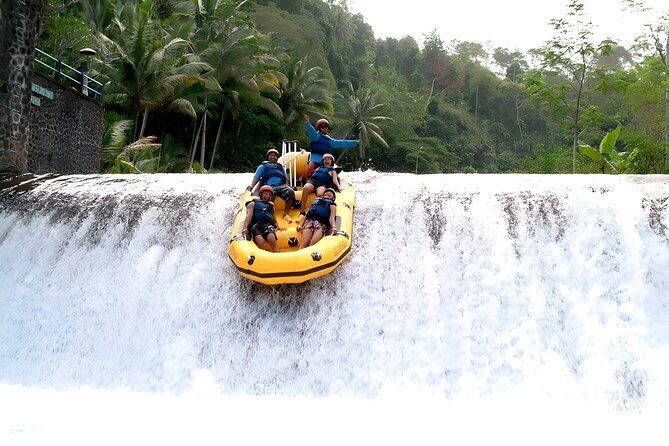
Sunset Sailboat Dinner Cruise & Private Ubud highlights Tour.

Sunset Sailboat Dinner Cruise & Private Ubud highlights Tour. - Tegallalang Rice Terraces: the green “Bali postcard” hour

Sunset on a Phinisi boat feels special. This private day pairs Ubud greenery at your own pace with a traditional wooden sailboat dinner cruise, then tops it off with a buffet as the sky turns gold. I also love the private Ubud pacing—you’re not stuck on a mass-market timeline, and you get a local guide to shape the rhythm of the day.

One thing to plan for: entrance fees at the waterfalls and rice terraces are not included, so your final total will be a bit higher than the base price.

Quick highlights you’ll actually plan around

Sunset Sailboat Dinner Cruise & Private Ubud highlights Tour. - Quick highlights you’ll actually plan around

  • Phinisi-style sunset dinner cruise: Traditional sailing vibe with a buffet onboard
  • Three waterfall stops with time to breathe: About an hour each at Tegenungan, Kanto Lampo, and Ulu Petanu
  • Tegallalang Rice Terraces: The iconic green fields portion of the day
  • Uma Pakel agro stop includes tasting: About 30 minutes, with admission included
  • Vegetarian/vegan options are available: But you need to request them in advance

From Seminyak to Ubud: how this private day really works

Sunset Sailboat Dinner Cruise & Private Ubud highlights Tour. - From Seminyak to Ubud: how this private day really works
This is a full-day private experience built for two different moods. You’ll spend daylight hours working through Bali’s famous nature stops around Ubud—waterfalls and rice terraces—then shift gears into an evening cruise along Bali’s southern coast for sunset and dinner.

What makes it feel “worth it” is the combination of private transportation and a dinner setting that’s hard to replicate on your own. You’re not just sightseeing; you’re moving through the day like a plan, with air-conditioned comfort between stops and one big payoff moment in the evening.

Your Ubud route: waterfall time blocks that keep the day moving

The day is organized around three waterfall visits. Each stop is allocated about an hour, which is a good match for photo time, short walks, and cooling off without turning the entire day into a sprint.

Tegenungan Waterfall: the easiest big wow

Tegenungan Waterfall is one of Bali’s more accessible cascades. The draw here is pure drama: a powerful drop surrounded by lush jungle, close enough that you spend more of your time looking up at the falls than planning logistics.

Practical note: since entrance tickets are not included, you’ll want to treat this as a cash-and-card add-on. Also, plan your timing so you arrive with enough daylight left; waterfalls can eat up energy faster than you expect when the ground is slick and the viewing area is busy.

Kanto Lampo Waterfall: the photogenic layered flow

Kanto Lampo is described as a photogenic cascade flowing gently over layered rock walls in a peaceful jungle setting. This stop works well if you like variety—Tegenungan is more about sheer power, while Kanto Lampo leans more into the look of the rock and the slow water rhythm.

Again, you’ll pay entrance separately. If you’re picky about photos, you may want to use your hour deliberately: a quick overview first, then a second pass when you know the best angle and lighting.

Ulu Petanu Waterfall: calmer jungle energy

Ulu Petanu is framed as a serene jungle escape—dense greenery and a more tucked-away feeling. If you’re spending the day bouncing between waterfalls, this one gives you contrast and a chance to slow down.

This stop is also part of the “budget math” because tickets are not included. It’s worth planning for at least one small break moment during the hour—so you don’t spend the entire time rushing for photos.
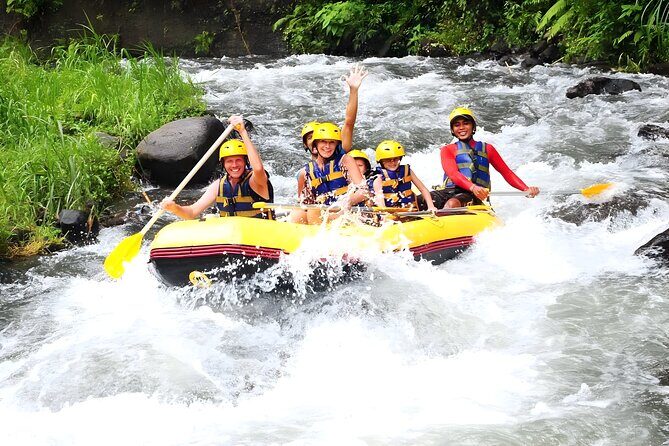
Tegallalang Rice Terraces: the green “Bali postcard” hour

Sunset Sailboat Dinner Cruise & Private Ubud highlights Tour. - Tegallalang Rice Terraces: the green “Bali postcard” hour
Next up is Tegalalang Rice Terraces, one of Bali’s most photographed scenes. The terraces are described as cascading emerald fields, which matters because it’s a visual destination, not just a stop you pass through.

This is where a private guide adds real value. When you can move through at your own pace, you’re better positioned to take in the terraces when you find a good spot—without feeling like you’re competing with a bus schedule.

As with the waterfalls, entrance tickets are not included. Build that into your plan, and wear shoes you’re comfortable walking in for uneven ground. If you’re visiting when it’s hot, bring water and keep your breaks short but frequent.
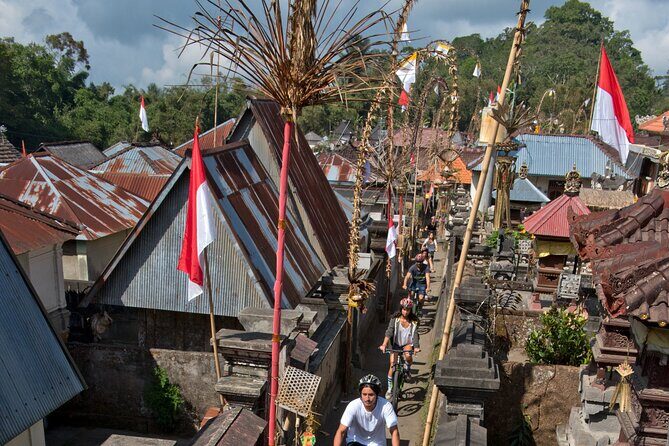
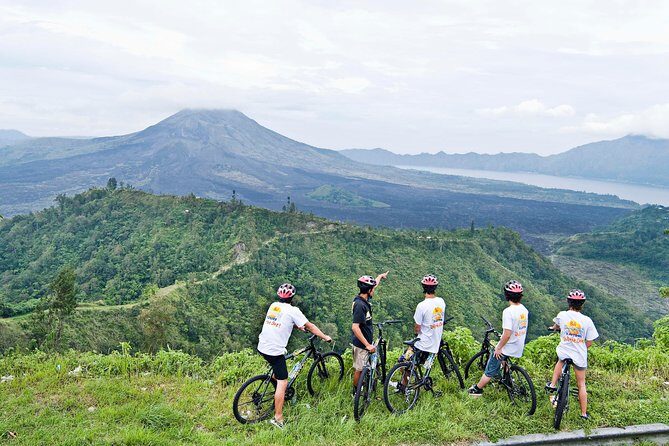

Uma Pakel Agro Tourism: your included tasting reset

Sunset Sailboat Dinner Cruise & Private Ubud highlights Tour. - Uma Pakel Agro Tourism: your included tasting reset
After the waterfalls and rice views, the schedule adds a calmer 30-minute break at Uma Pakel Agro Tourism. This stop is surrounded by tropical greenery and includes admission, plus a free tasting of locally crafted products.

Why I like this part of the day: it’s not another “pay to enter, rush through, take a picture.” It’s positioned as a soft landing between outdoor scenery and the evening cruise.

Since this portion is included (admission ticket is listed as included), it’s a small but important value win. If you have dietary preferences, it can also be a simple moment to ask what’s in the tasting and how it’s prepared—no pressure, no long meal commitment.

The dinner cruise payoff: sunset on a traditional Phinisi boat

Sunset Sailboat Dinner Cruise & Private Ubud highlights Tour. - The dinner cruise payoff: sunset on a traditional Phinisi boat
The evening highlight is a sunset dinner cruise on a traditional wooden sailboat, specifically an Indonesian Phinisi-style boat. This is the part of the day that feels different from typical tours because the setting does the work for you: warm tropical breezes, the calm southern coast vibe, and a sunset that changes in real time.

Here’s what that means for your experience. Instead of rushing from viewpoint to viewpoint, you get one long “stay and watch” block. Even if you’re not a big boat person, the cruise format is relaxing because your attention can stay on the sky and the water.

And yes, it includes dinner. You’ll have a buffet onboard, which matters because you’re not waiting around for courses to arrive in a group. You can pick what you want, eat when you’re hungry, and keep watching the horizon.

Buffet dinner logistics: vegetarian and vegan requests

Sunset Sailboat Dinner Cruise & Private Ubud highlights Tour. - Buffet dinner logistics: vegetarian and vegan requests
The cruise buffet includes vegetarian and vegan options, but there’s one important condition: you need to request it in advance. This is the kind of detail that can make or break the meal experience, especially if you’re traveling with strict dietary needs.

My practical advice: message your requirements as soon as you book, and keep the wording simple. Even if you’re not fully vegan, request what you do want rather than what you don’t want—so the kitchen has fewer interpretation gaps.

If you’re traveling with mixed diets, you’ll still be fine because the buffet format allows choice. The key is getting the request in early so the boat crew can prepare the right options for you.

Private transportation and the value of not sharing your day

Sunset Sailboat Dinner Cruise & Private Ubud highlights Tour. - Private transportation and the value of not sharing your day
You’re paying for private transportation and a private experience, which changes the feel of the day. Instead of coordinating multiple pick-up points, you get direct movement between stops, plus air-conditioned comfort while you’re transferring.

This matters in Bali because timing between waterfalls, terraces, and the cruise can make or break your energy. A private vehicle helps you avoid the “sit and wait” part of group tours—especially on a day that’s already packed with multiple outdoor hours.

Included items you’ll appreciate: bottled water and air-conditioned comfort. Those are small, but they keep the day from feeling like a constant scramble.

How long it takes: planning for an 8 to 10 hour day

Sunset Sailboat Dinner Cruise & Private Ubud highlights Tour. - How long it takes: planning for an 8 to 10 hour day
The tour runs about 8 to 10 hours. That’s long enough that you should treat it like a real day out, not a quick add-on.

Meeting is set for roughly 8:30 AM to 9:00 AM. From there, you’ll stack about an hour at each of the three waterfalls, about an hour for Tegallalang Rice Terraces, and about 30 minutes for Uma Pakel Agro Tourism—then you’ll transition into the dinner cruise in the evening.

My tip: plan your rest and your snacks mindset for the whole day. You’ll likely want a steady rhythm—short breaks, water, and an early mental shift from daytime nature stops to sunset sailing.

Price and value: how $80 makes sense (and when it doesn’t)

At $80 per person, this isn’t “budget cheap,” but it also isn’t overpriced for what you’re getting—especially because two of the biggest experiences are the cruise dinner and private transport.

Here’s the value math in plain terms:

  • You’re getting private transportation, bottled water, and air-conditioning (not just a ticket)
  • You’re getting the dinner cruise with a buffet onboard
  • You’re paying only entrance tickets separately for several stops (waterfalls and terraces), while Uma Pakel’s admission is included

So the real question is: do you want both a full-day Ubud nature route and a sunset dinner cruise in one package? If yes, the pricing starts to look fair because you’re bundling two expensive-in-time experiences with convenience.

If you’re traveling solo, keep in mind the extra fee is IDR 500,000 and is paid directly to the driver. That can change the math fast, so I’d only book this as a solo traveler if the cruise is a must-do for you.

Who should book this private Ubud + sunset cruise

This tour is best for couples and small groups who want a romantic evening with a full day of nature sights before it. It’s also a good fit if you dislike rigid group pacing and want a local expert to help shape the day.

You’ll probably enjoy it most if:

  • You want multiple waterfall stops without hopping between buses
  • You like iconic scenery like Tegalalang Rice Terraces
  • You care about having vegetarian/vegan options available on the cruise buffet (with advance notice)

It may feel like too much if you prefer slow travel with fewer stops. You’re stacking several outdoor locations in one day, so bring energy and don’t plan anything intense right after.

Should you book it? My take

I’d book this if you’re looking for a one-day Bali “double feature”: waterfall and rice terrace sightseeing by day, then a sunset dinner cruise on a traditional Phinisi boat. The private transportation, the onboard buffet, and the clear support for vegetarian and vegan requests make it a solid choice for comfort and romance.

Skip or reconsider if you’re trying to keep costs very tight once entrance tickets stack up, or if you’re solo and the IDR 500,000 solo fee would feel like a deal-breaker.

FAQ

What’s included in the price?

The tour includes bottled water, air-conditioned vehicle, private transportation, and the dinner cruise.

Are entrance tickets included for the waterfalls and rice terraces?

No. Entrance tickets for the waterfalls and Tegalalang Rice Terraces are not included.
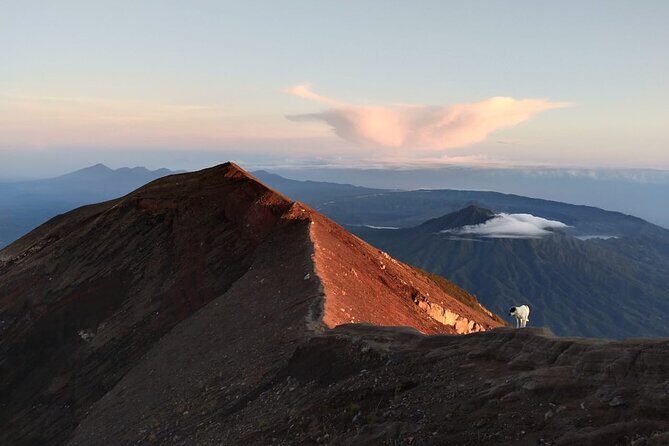
Can I join if I’m traveling alone?

The minimum booking is 2 participants. If you book as a solo participant, there’s an extra charge of IDR 500,000, paid direct to the driver.

Is vegetarian or vegan food available on the dinner cruise?

Vegetarian and vegan options are available on the onboard buffet, but you need to request them in advance.

How long is the experience?

It runs about 8 to 10 hours.

What if the weather is bad?

The experience requires good weather. If it’s canceled due to poor weather, you’ll be offered a different date or a full refund.

Mount Batur Sunrise Trekking, Hot Springs & Lunch at Restaurant

Mount Batur Sunrise Trekking, Hot Springs & Lunch at Restaurant - The Mount Batur Sunrise Trek: Steady Steps, Dark-to-Light Payoff

Early mornings in Bali are worth it.

This Mount Batur sunrise trekking day mixes a guided climb with a proper payoff: sunrise above the clouds and the feeling of standing on an active volcano at first light. I also love that the tour builds in recovery time, with Batur Natural Hot Spring so you can loosen up right after the trek instead of rushing to your next stop.

The main thing I’d flag is the timing. You start around 2:00 am, and the experience depends on good weather, so if clouds or rain mess things up, the schedule can change.

Key Highlights You’ll Feel Immediately

Mount Batur Sunrise Trekking, Hot Springs & Lunch at Restaurant - Key Highlights You’ll Feel Immediately

  • Sunrise timing: early start for those cloud-top views on Mount Batur
  • Licensed English-speaking guide: trekking support plus night-start logistics
  • Head flashlight and trekking poles included: makes the climb feel steadier
  • Hot spring entry with towel, locker, and changing room: true post-trek comfort
  • Buffet lunch with Mount Batur and Lake Batur views: refuel with scenery
  • Private tour format: only your group, with pickup and drop-off included

Why a 2:00 am Mount Batur Start Still Makes Sense

If you’re imagining a lazy Bali morning, this isn’t that. This is a “show up before dawn” kind of trip. And that’s exactly why it works.

The whole day is built around one idea: catching sunrise from Mount Batur at the right time. Starting near 2:00 am means you’re trekking while it’s still dark, then moving into that gradual moment when the sky starts lighting up. When it clicks into sunrise time, the views over the clouds are the big reward.

I also like the pacing after the climb. A lot of Bali tours squeeze everything into sightseeing mode. This one gives you a calmer phase right after the hard part, with hot springs by the lake. That’s smart value. Your legs get to cool down and relax instead of turning the day into a nonstop checklist.

One more practical note: since the tour requires good weather, you’re not in full control of the sky. But the upside is that you’re not just guessing with a random self-booked plan. The operator manages weather-driven changes and offers a different date or a full refund if it has to cancel.

Pickup, Private Group Flow, and What Your Day Includes

Mount Batur Sunrise Trekking, Hot Springs & Lunch at Restaurant - Pickup, Private Group Flow, and What Your Day Includes
This tour is set up to be easy to join from Seminyak, with private pickup and drop-off. You don’t have to figure out transport at 2:00 am, and you don’t have to squeeze into a shared van with strangers if you prefer your own pace.

You’ll also get a mobile ticket, which helps on the morning itself when everything feels rushed and dark. Once you’re picked up, the day runs like a smooth chain:

  • drive to the trek start,
  • climb,
  • hot spring stop,
  • lunch,
  • back to your hotel.

The included kit matters more than most people think. You get:

  • head flashlight
  • trekking poles
  • a water bottle
  • breakfast and tea/coffee

That means you don’t have to decide on the spot whether you need gear or snacks. For a sunrise climb, those small decisions can waste energy. The tour removes friction.

And because it’s a private tour/activity, only your group participates. For couples, friends, and families who want a quieter rhythm, that privacy is a real quality upgrade.

The Mount Batur Sunrise Trek: Steady Steps, Dark-to-Light Payoff

Mount Batur Sunrise Trekking, Hot Springs & Lunch at Restaurant - The Mount Batur Sunrise Trek: Steady Steps, Dark-to-Light Payoff
The trek portion is set at about 4 hours, and the goal is clear: reach the summit in time to see sunrise above the clouds. You’ll be hiking with your guide from the early dark hours, so expect the hike to feel like it has two phases: night effort, then morning rewards.

Here’s what makes this trek feel manageable for most people on paper:

  • trekking poles are provided, which helps with uneven ground and changes in elevation
  • a head flashlight is included, so you can follow the path without holding a torch
  • you’re with an English-speaking licensed trekking guide, which is key when you’re moving in low light

What you can do to make the experience better is simple. Keep your pace even. Early on, go by effort, not speed. The sunrise payoff is based on timing, but your body stays happier if you don’t sprint the first stretch.
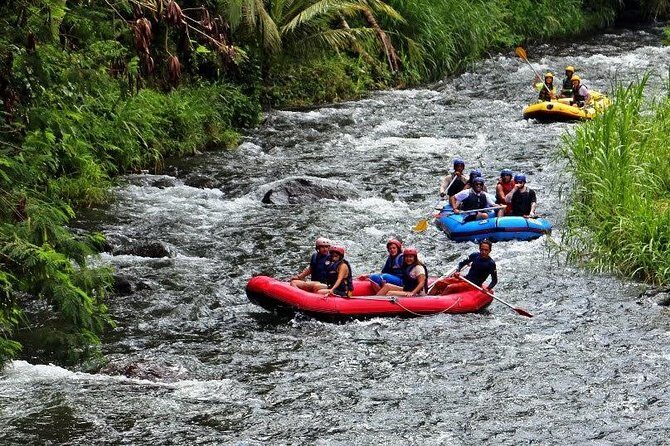
At the summit, the experience turns from physical to emotional. The “above the clouds” part isn’t just a line on a brochure. It’s the moment when the entire horizon looks softened, like you’re standing on the edge of something huge. Even people who aren’t big hikers tend to react to this view because it feels bigger than the effort you put in.

Possible drawback: the sunrise part means the day starts very early and you’ll be outdoors in the dark. If you’re not a morning person, you’ll feel that. But if you can handle the timing, the payoff is exactly why this tour exists.

Batur Natural Hot Spring: The Best Kind of Post-Trek Reset

Mount Batur Sunrise Trekking, Hot Springs & Lunch at Restaurant - Batur Natural Hot Spring: The Best Kind of Post-Trek Reset
After the climb, the tour moves to Batur Natural Hot Spring for about 1 hour 30 minutes. This stop is one of the smartest parts of the itinerary because it’s not just “relax time.” It’s active recovery.

The hot springs are by the lake, and you get volcano views while you soak. That matters because it keeps the experience from feeling like a generic spa break. It’s still a nature moment, just slower and warmer.

The included amenities are also practical:

  • hot spring admission
  • a towel
  • access to the change room
  • a locker

That’s more comfortable than having to figure out where to change and store items when your clothes are still damp or you’re tired after the hike. You can focus on soaking, not logistics.

How to get the most out of it: treat it like a reset. If you soak too quickly and then rush through the rest of the schedule, you might miss that muscle-relaxing feeling. Use the full time. Let your body cool down and warm up naturally.

Buffet Lunch at the Volcano and Lake View Spot

Mount Batur Sunrise Trekking, Hot Springs & Lunch at Restaurant - Buffet Lunch at the Volcano and Lake View Spot
Lunch is about 1 hour 30 minutes, served as a buffet at the tour’s restaurant stop (listed as AKASA / Amora in the day’s details). The key point is the same: you’re eating with Mount Batur and Lake Batur views.

I like this part because it’s positioned as fuel, not as a random restaurant stop. After a sunrise hike and a hot spring soak, your appetite shows up fast. A buffet also gives flexibility if your energy level is higher or lower than expected that morning.

The practical value here is that the meal is included. You’re not trying to find food after the hike when you’re hungry and the streets may feel chaotic. Your day already has a built-in “refuel window.”
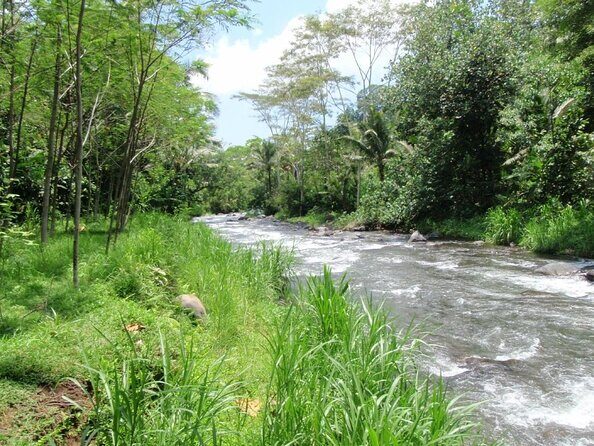
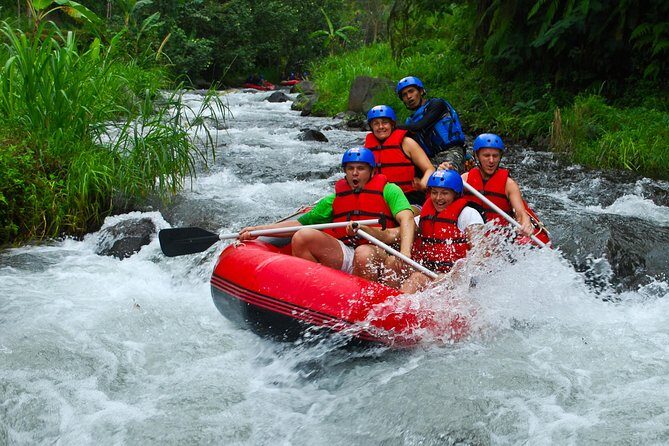
If you’re someone who doesn’t love heavy meals in the morning, note that “buffet” usually means you can choose lighter options. Go for what feels right for your body after hiking.

Price and Value: What You’re Actually Paying For

Mount Batur Sunrise Trekking, Hot Springs & Lunch at Restaurant - Price and Value: What You’re Actually Paying For
At $61.16 per person, the price can look like “just one more Bali tour” until you break down what’s included.

This deal bundles:

  • private hotel pickup and drop-off
  • entrance ticket for Mount Batur
  • an English-speaking licensed trekking guide
  • essential trek equipment (head flashlight, poles)
  • water bottle plus breakfast and tea/coffee
  • hot spring admission plus towel, locker, and changing room access
  • buffet lunch at the included restaurant stop

That’s a lot of cost categories. If you tried to assemble the same day by yourself, you’d almost certainly spend time and money coordinating transport, paying entry fees separately, and sourcing gear. Here, those pieces are handled for you.

The private format also matters. Many “sunrise” experiences are shared-group affairs. Paying a bit more for a private ride and only your group can genuinely improve the experience, especially when you’re leaving at 2:00 am.

The only cost-related “consideration” is that you’re committing a big chunk of your day. The duration is 9 to 11 hours, so plan your schedule carefully for the rest of your trip day. This is not a quick morning.

Who This Mount Batur Sunrise Combo Fits Best

Mount Batur Sunrise Trekking, Hot Springs & Lunch at Restaurant - Who This Mount Batur Sunrise Combo Fits Best
This tour is a good match if you want three things in one day:

1) a guided hike with sunrise payoff,

2) a relaxing hot spring soak immediately after,

3) a sit-down lunch with views.

It’s also a strong choice for people staying in Seminyak who don’t want to manage early logistics. Pickup and drop-off take away a lot of stress.

I think it works especially well for:

  • couples who want a memorable morning without crowds in a private group,
  • people who like their day structured (instead of hopping between stops on your own),
  • hikers who want a sunrise experience but prefer not to source equipment and entry tickets.

If you have very limited mobility or you’re not comfortable hiking in the early dark hours, this might feel like too much. The tour states most travelers can participate, but “can” doesn’t always mean “comfortable.”

Quick Booking Checklist Before You Commit

Mount Batur Sunrise Trekking, Hot Springs & Lunch at Restaurant - Quick Booking Checklist Before You Commit
You don’t need to overthink it, but I’d double-check these points:

  • Your hotel is in an area where pickup and drop-off are offered (this is from Seminyak).
  • You’re okay with the 2:00 am start time.
  • You’re flexible if weather forces a change, since the experience depends on good conditions.
  • You’re comfortable with a day that runs 9 to 11 hours from start to finish.

If that all sounds fine, this is the kind of Bali day you’ll remember for the light, the heat, and the way the day flows from challenge to comfort.

Should You Book This Tour?

I’d book it if your idea of a great Bali day is: early effort, real scenery, then a payoff that actually helps you recover. The mix of sunrise trekking, hot springs, and buffet lunch with volcano-and-lake views makes the whole day feel complete, not stitched together.

I’d skip it if you hate very early mornings, or if you’re traveling with someone who can’t handle an outdoor climb in the pre-dawn hours. Also, if you know you’ll be upset by weather-based schedule changes, plan your expectations around that.

In terms of value, this is one of the more “all-in” sunrise options: gear, guide, entry, hot spring access, and lunch are covered. For a single price, that’s exactly what you want when you’re trying to maximize your one or two mornings in Bali.

FAQ

What time does the Mount Batur sunrise trek start?

The start time is 2:00 am.

How long is the tour?

The total duration is about 9 to 11 hours.

Is this tour private?

Yes. It’s listed as a private tour/activity, so only your group participates.

What’s included for the trek?

You get an English-speaking licensed trekking guide, entrance ticket to Mount Batur, and trekking equipment including a head flashlight and trekking poles, plus water bottle, breakfast, and tea/coffee.

Is entry to the hot springs included?

Yes. Admission to Batur Natural Hot Spring is included, along with free use of towel, change room, and locker.

What kind of lunch do you get?

You get a buffet lunch served at the tour’s included restaurant stop.

How do I get the ticket?

You’ll receive a mobile ticket.

What’s the cancellation policy if the weather is bad?

You can cancel for a full refund up to 24 hours before the experience starts. The tour requires good weather, and if it’s canceled due to poor weather, you’ll be offered a different date or a full refund.

Bali White Water Rafting at Telaga Waja River

Bali White Water Rafting at Telaga Waja River - From Ubud and Kuta: The Pickup Ride and When You’ll See Mount Agung

If you want Bali adventure that feels real and not staged, Telaga Waja rafting is a strong pick. You’ll tackle Class III and IV rapids, then cool off at the end with a big drop (about 4 feet), all while paddling past tropical jungle, waterfalls, and rice paddies. I like that the day is built around an actual river experience, not just a sightseeing loop, and I also like that you get the “after” stuff handled for you, like lunch and on-site shower facilities. One consideration: this is a wet, active day that can run close to 8 hours once pickup and return are included, so wear the right gear and don’t plan on anything serious afterward.

The logistics are straightforward: you start from your hotel area, drive to the start point in Karangasem, get a safety briefing, then spend about two hours on the water. You’ll also likely catch views of Mount Agung during the ride, which adds a nice Bali-scale backdrop to the day. The group stays small (up to 15), so you’re not packed into a huge scene—still, expect a multi-stop bus ride if you’re picked up from a popular zone like Kuta or Seminyak.

Key highlights worth marking

Bali White Water Rafting at Telaga Waja River - Key highlights worth marking

  • Class III–IV rapids on the Telaga Waja River, plus a notable waterfall finish
  • Jungle, waterfalls, and rice paddies during the main paddling stretch
  • Hotel pickup and drop-off (selected areas), which makes the schedule much easier
  • Lunch with a river-and-rice view after you get off the raft
  • Small group size (max 15) and full safety gear setup
  • Guide support you’ll feel during the rapids, including friendly energy from guides like Wayan

Telaga Waja Rapids: What Class III–IV Really Feels Like

Bali White Water Rafting at Telaga Waja River - Telaga Waja Rapids: What Class III–IV Really Feels Like
“Class III–IV” can sound technical until you’re in a raft and the river is doing its own thing. This is not beginner-tame water, but it’s also not the kind of extreme run where everyone is just trying to survive. Expect stronger currents, sharper turns, and moments that ask you to paddle with the crew instead of freelancing. The good part: the structure is built around having an instructor guide you, so you’re learning as you go.

There’s also a very clear visual payoff. Your run ends with a waterfall drop around 4 feet, which is the kind of moment that turns a rafting day into a memory you can’t scroll past later. Even if you’ve rafted before, the waterfall finish tends to feel like the highlight, because it’s loud, physical, and very unmistakably the Telaga Waja character.

From Ubud and Kuta: The Pickup Ride and When You’ll See Mount Agung

Bali White Water Rafting at Telaga Waja River - From Ubud and Kuta: The Pickup Ride and When You’ll See Mount Agung
This tour is designed around hotel pickup, and that matters more than people think. Many Bali adventures look close on a map but eat your day in traffic. Here, you get coordinated pickup from zones like Seminyak, Legian, Kuta, Jimbaran, Sanur, Denpasar, Tanjung Benoa, and Nusa Dua (plus Nusa Dua hotel-area coverage), depending on the transfer package you choose. You’ll be taken to the rafting start point in Karangasem Regency.

The drive also sets the tone. You’ll have a chance to catch a view of Mount Agung, Bali’s biggest volcano. It’s not the main event, but it’s a nice extra when you’re stuck in a vehicle anyway—especially if you’re coming from flatter, more developed areas and want one moment of big-island scale.

Timing note: your total day is listed around 8 hours from pickup to drop-off, while the rafting itself is about two hours on the water. Plan for a full-day block, not a half-day.

Safety Briefing First: What Happens Before You Hit the Water

Before you paddle, you’ll do the unglamorous but important part: a safety briefing from your instructor. Then it’s life jacket on, paddle in hand, and out you go. The tour includes river rafting guide plus safety equipment, and it also provides lockers, towels, shower, and changing rooms after rafting. That last piece is one of those quietly valuable details. After you get soaked, you don’t want to be hunting for a place to rinse off or change clothes while your hair and sunscreen decisions start to melt together.

A small practical tip: treat the “briefing” time seriously. Even if you feel confident, you’ll get the crew signals and paddling rhythm that make the rapids smoother and more fun.

Two Hours on the Telaga Waja River: Jungle Views and Real Rapids

Bali White Water Rafting at Telaga Waja River - Two Hours on the Telaga Waja River: Jungle Views and Real Rapids
The main experience is the raft ride, which runs for around two hours down the Telaga Waja River. You’ll pass tropical forests, plus stretches of rice paddies. This is one reason I’d pick Telaga Waja over a purely adrenaline-only river: you get movement and scenery at the same time, so the day doesn’t feel like labor with a reward at the end.

Along the way, there are powerful-water moments and the tour description highlights waterfalls you’ll encounter during the run. The ending is the showstopper: you’ll go over that 4-foot waterfall drop. It’s brief, but it’s the kind of finish that makes you cheer, laugh, swear a little, and then immediately want to tell someone you just did it.

This is also where small-group size helps. With a maximum of 15 on the overall tour, your day is less likely to feel chaotic. You’ll still be mixed into a shared schedule—this is Bali, after all—but it’s easier for the guide to manage a manageable crew and keep everyone moving.

The Not-So-Background Part: Lunch With Views, Towels, and Showers

Bali White Water Rafting at Telaga Waja River - The Not-So-Background Part: Lunch With Views, Towels, and Showers
When you finish rafting, you’ll get off the raft, shower, and head for lunch. What I like here is that it’s not just food thrown at you. The included buffet lunch is in a restaurant with views of the Telaga Waja River and the surrounding rice fields. That means you can actually slow your brain down for a bit, look at something green and moving, and let the adrenaline drain out.

The included basics—lockers, towels, and changing rooms—are the difference between an enjoyable active day and a day where you feel sticky and distracted. You don’t have to bring your own setup. You also don’t need to scramble for somewhere to dry off before your ride back.

Also, there’s a small comfort detail from real-world accounts: cold drinks such as Coke or beer were mentioned as available around the break. That’s not guaranteed for every meal in every season, but it matches the vibe of a proper riverside stop, not just a quick pit stop.

Guide Energy and Group Size: Why It Matters on Rapids

Bali White Water Rafting at Telaga Waja River - Guide Energy and Group Size: Why It Matters on Rapids
Rapids are physical, but they’re also social. You’re in a shared raft, and the vibe can make a big difference when water is splashing hard and you’re concentrating. One name that came up in the guide experience is Wayan, who helped keep the day fun and upbeat. The overall point for you: you’re not just getting a tour; you’re getting instruction plus group momentum.

The tour includes an instructor/guide and lists a maximum of 15 travelers, which is a sweet spot for Bali activity tours. It’s not private in the luxury sense, but it’s also not the “everyone stand in a long line” problem that can turn a good plan into a waiting game.

Price and Value for $39.39: What You’re Really Paying For

Bali White Water Rafting at Telaga Waja River - Price and Value for $39.39: What You’re Really Paying For
At $39.39 per person, this is priced like an adrenaline activity that’s trying to be accessible, not like a premium outfitter. Here’s what makes it feel like good value: you’re not paying extra for the core essentials.

You get:

  • 2 hours of rafting on the river
  • Safety equipment and a river rafting guide
  • Hotel pickup and drop-off if you book the package with transfers
  • Lunch
  • Insurance
  • Lockers, towels, shower, and changing rooms
  • A welcome drink

If you were trying to piece this together yourself—transport, guide, gear, and lunch—the cost would likely climb fast. The main thing to watch is whether you choose the right package for your hotel. The tour states that pickup and drop-off is only included with the Package With Transfers, and without transfers you have to reach the starting point on your own.

Also remember: the river time is about two hours, but the day is about eight. That’s normal for Bali, and it’s part of the price you pay for access to this specific river system in Karangasem.

Who Should Book Telaga Waja (and Who Might Think Twice)

Bali White Water Rafting at Telaga Waja River - Who Should Book Telaga Waja (and Who Might Think Twice)
This rafting run is described as moderately difficult and recommended for people with an adventurous spirit or prior rafting experience. That doesn’t mean it’s only for experts. It means the rapids are strong enough that you’ll want a willingness to follow instructions and stay engaged.

You’ll likely enjoy it if you:

  • Want a real rafting day, not a short taste
  • Like combining adventure with scenery like jungle, waterfalls, and rice paddies
  • Prefer an organized day with lunch and shower facilities handled

You might want to think twice if you:

  • Hate wet days and don’t want to commit to changing clothes and rinsing off afterward
  • Want a relaxing, minimal-effort outing (this is active)
  • Have a tight schedule right after pickup/drop-off (it runs close to 8 hours)

Minimum age is listed as 6 years, so families may be able to go depending on the child’s comfort level with water and group logistics.

Tips to Make It More Fun (Not Just More Barely Survived)

Here are practical moves that fit this specific tour style:

  • Bring a change of dry clothes in addition to expecting towels and changing rooms. It’s included, but dry basics help.
  • Plan your footwear. You’ll likely get wet and you’ll need something that won’t become a slipping hazard.
  • Don’t overpack. You don’t need a full backpack for a day that’s heavy on water time.
  • If you care about photos, know that souvenir photos are available to purchase, so if you want them, budget a little extra.

And mentally: focus on paddling cues. Rapids days feel better when you ride the rhythm instead of fighting the river like it’s a video game.

Should You Book Bali White Water Rafting on the Telaga Waja River?

If you want a straightforward Bali adventure with strong value, this is an easy yes. You’re getting Class III–IV rapids, a dramatic waterfall finish, plus jungle and rice scenery—all with the comfort supports built in: lunch, shower access, and hotel transfers in key areas. The small group size also helps keep the day fun rather than stressful.

My call: book it if you’re okay with getting wet and committing to a full-day block. It’s the kind of trip that makes sense when you want something active that still feels scenic and not generic.

If you tell me where you’re staying (Kuta, Ubud, Seminyak, etc.) and whether you want transfers, I can help you decide the best way to fit this into your Bali schedule.

FAQ

How long is Bali White Water Rafting on the Telaga Waja River?

The duration is listed as approximately 7 to 8 hours in total, including pickup and drop-off. The rafting time on the river is about 2 hours.

What level of rapids will I experience?

You’ll paddle Class III and IV rapids on the Telaga Waja River. The run includes a finish with a waterfall drop of about 4 feet.

What’s included in the price?

Included items are river rafting guide, safety equipment, 2 hours of river rafting, lockers, towels, shower, and changing rooms, lunch, welcome drink, and insurance. Hotel pickup and drop-off are included only with the package that includes transfers.

Does the tour pick you up from major Bali areas?

Yes, pickup and drop-off are included for the Package With Transfers in areas such as Seminyak, Legian, Kuta, Tuban, Jimbaran, Denpasar, Sanur, Tanjung Benoa, and Nusa Dua. Pickup and drop-off happen at the same hotel/location.

What is the minimum age for this rafting experience?

The minimum age is 6 years.

What is the cancellation policy?

You can cancel for a full refund if you cancel at least 24 hours in advance of the experience start time. If you cancel less than 24 hours before, the amount paid is not refunded.