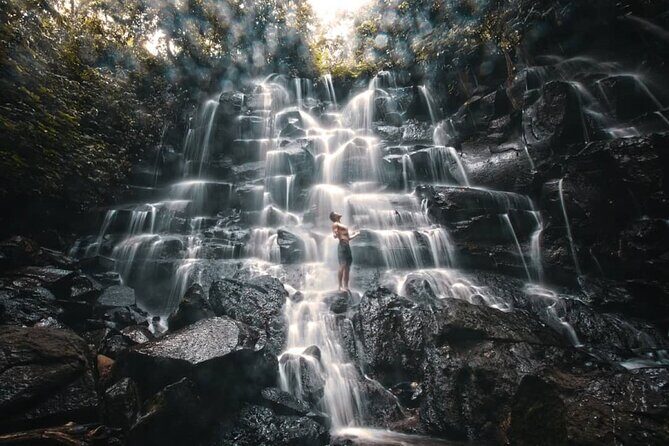
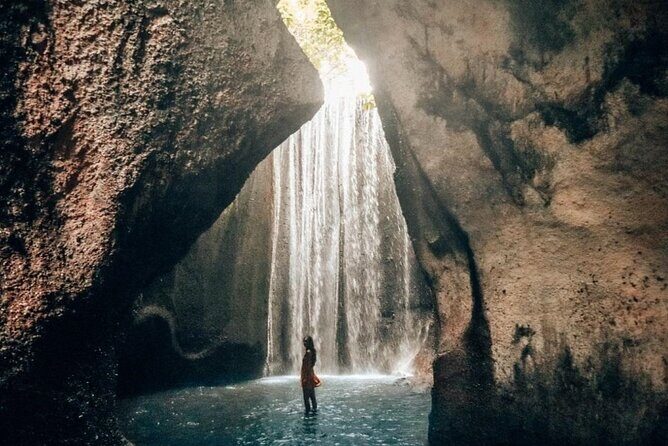
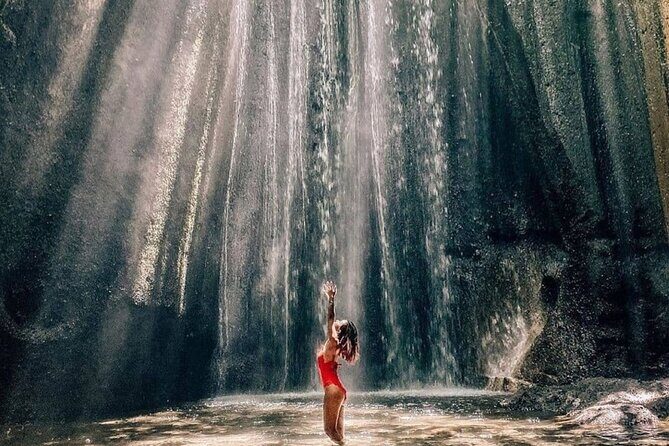
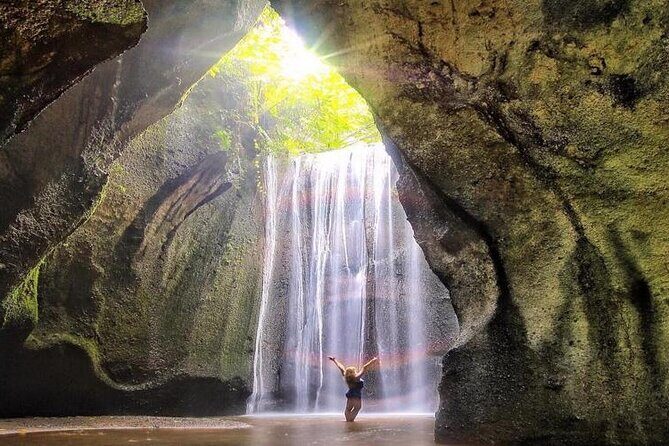
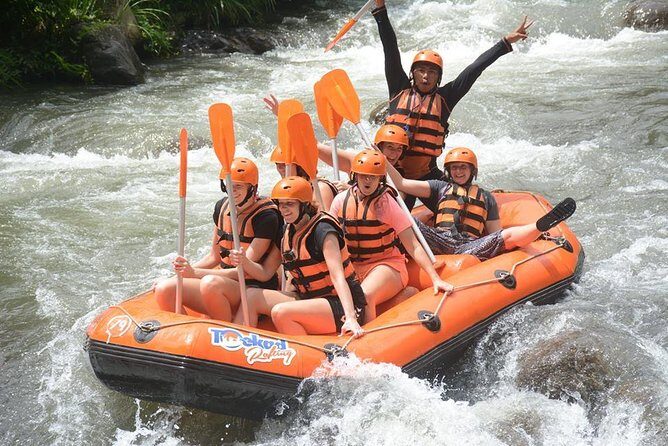
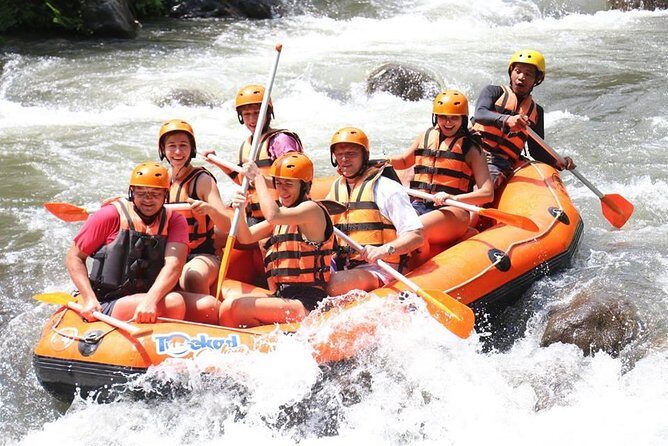
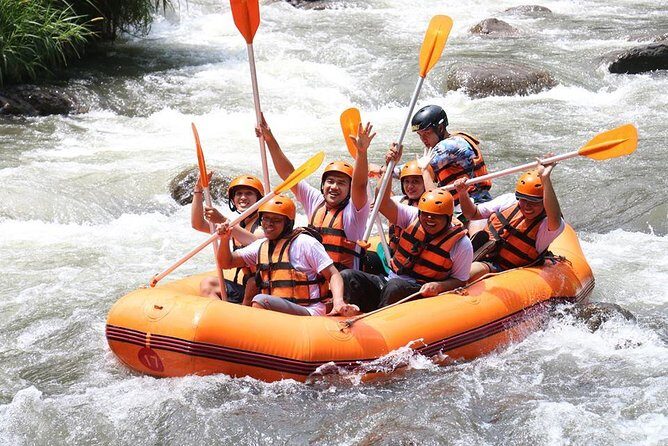
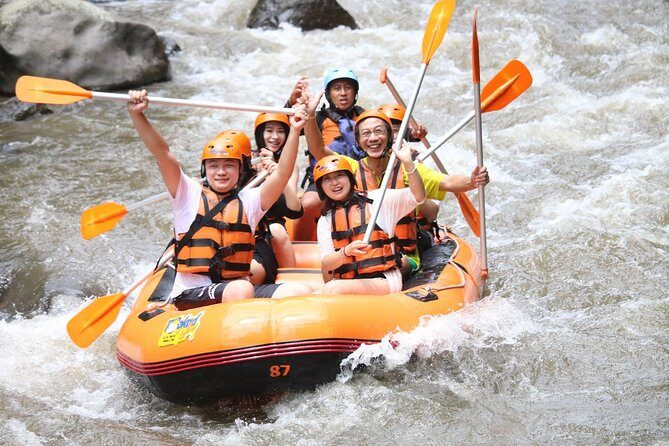
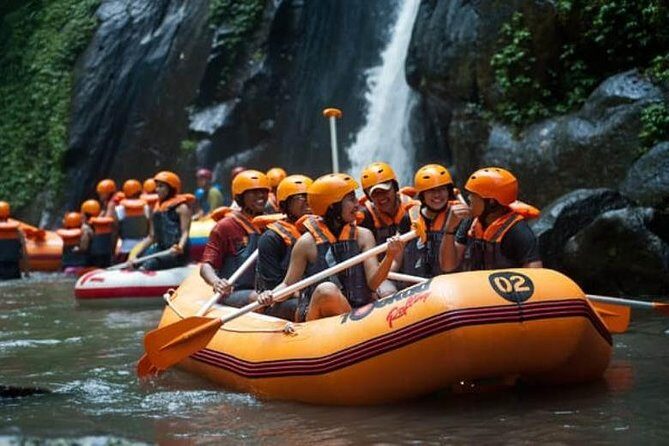
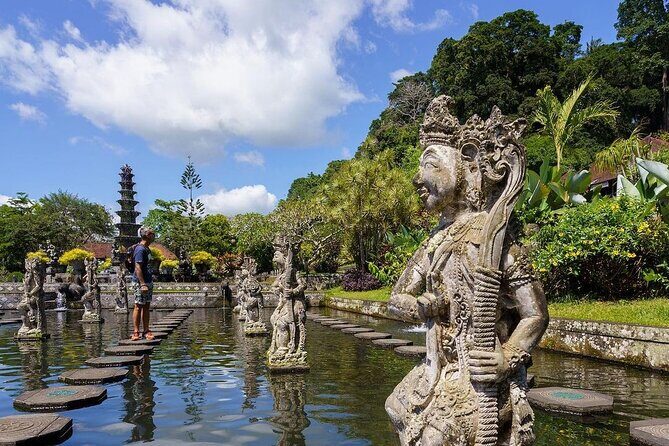
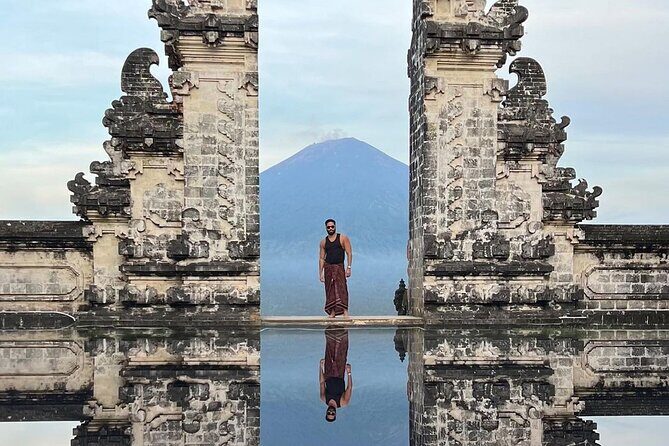
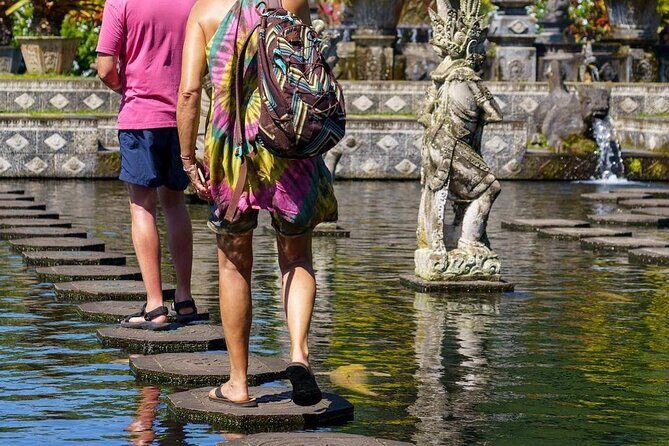
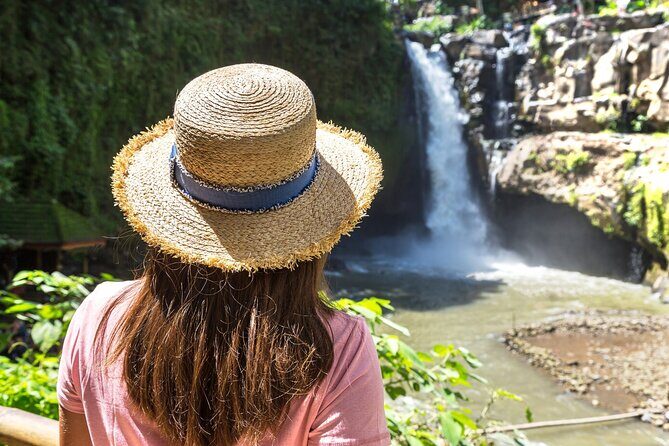
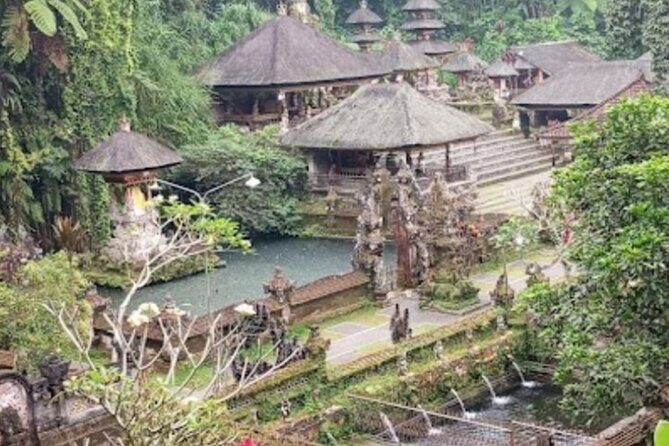
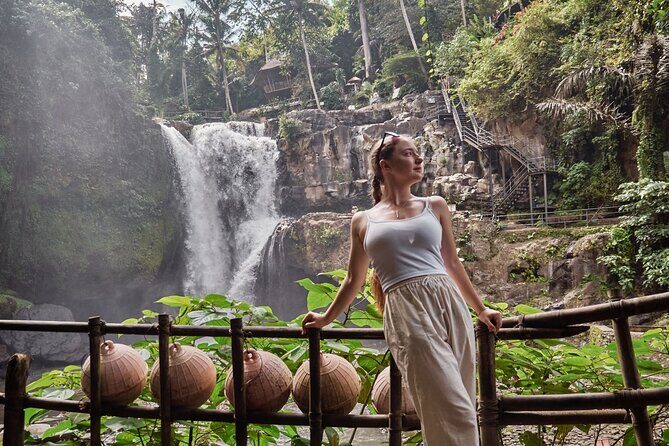
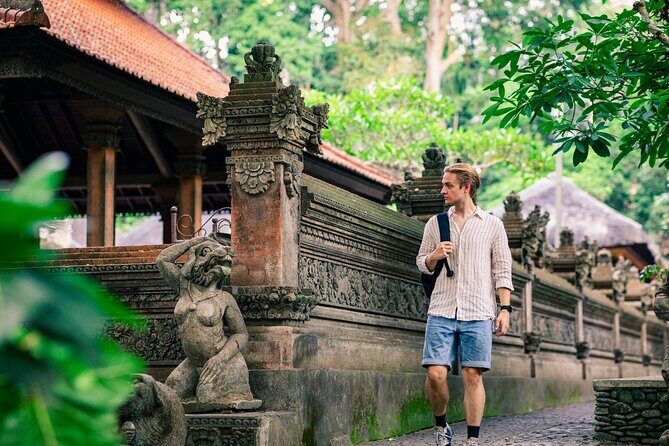
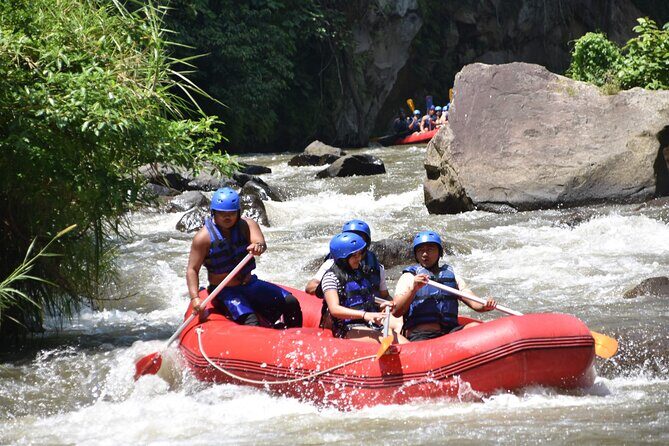
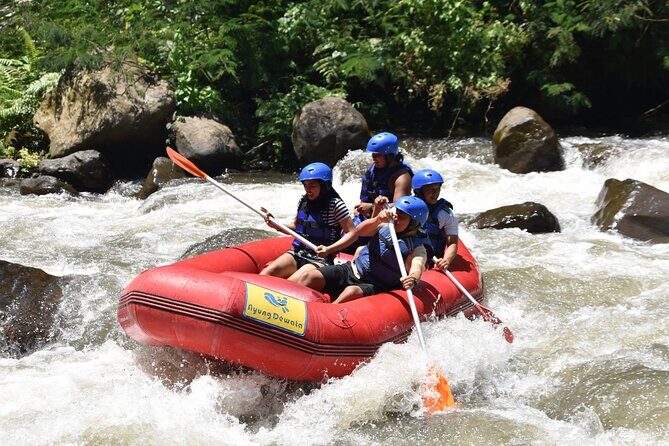
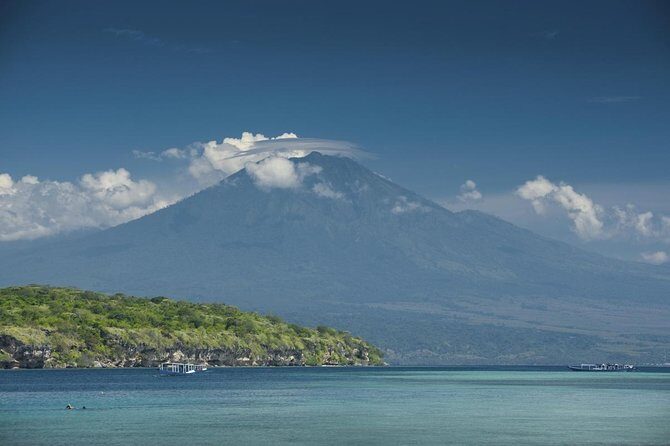
Ubud ATV ride Adventure and water rafting

Ubud ATV ride Adventure and water rafting - The ATV Ride Adventure in Ubud: What 3 Hours Really Means

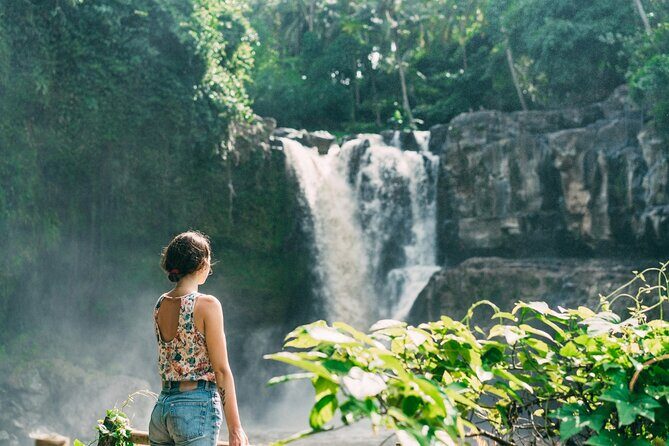
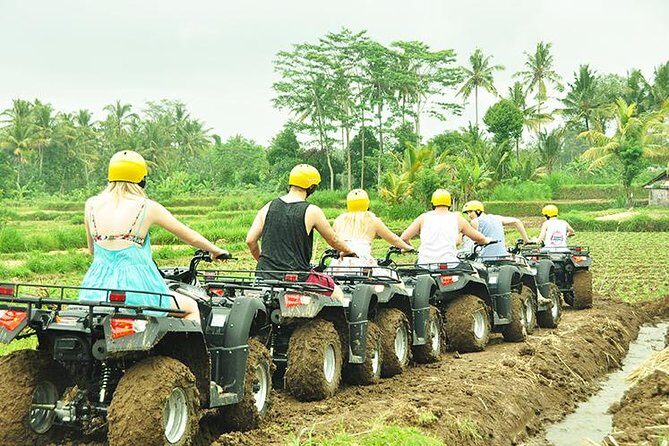
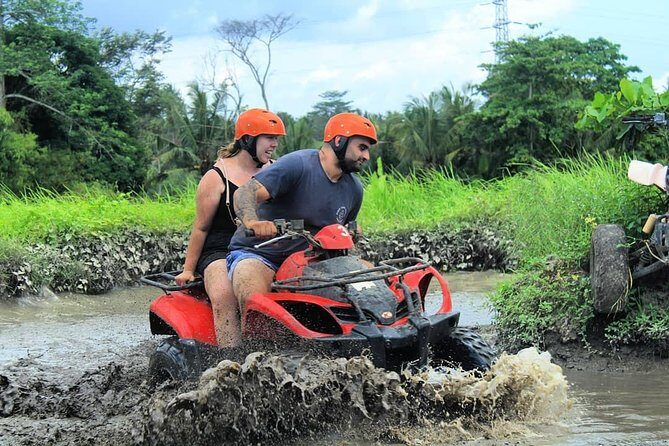
Four wheels and fresh air in Ubud. This combo is made for travelers who want a big taste of Bali without losing the whole day to traffic and map anxiety. You’ll base out of Ubud, hit an ATV Ride Adventure, and also get a crack at the day’s water fun, with the route designed to include the Ubud–Kintamani area in limited time.

What I like most is how it’s set up to feel low-stress: hotel pickup and drop-off, plus lunch are included. The second big win is the time-efficient structure—your ATV block alone runs about 3 hours in Ubud, and the whole experience is listed at roughly 4 to 8 hours, so you’re not stuck committing to an all-day marathon.

One thing to keep in mind: timing can make or break the day. One experience feedback flagged a late pickup and plan changes, so if you’re on a strict schedule, keep a little buffer and double-check the start time details when you book.

Key points before you go

  • Hotel pickup and drop-off help you avoid Bali navigation stress
  • Lunch included, which makes the short-day plan actually doable
  • 3-hour ATV session in Ubud gives you real riding time
  • Private group setup means it’s only your group participating
  • Mobile ticket and clear meeting location at Bali Skutis Adventure

How This Ubud ATV + Rafting Day Fits First-Timer Schedules
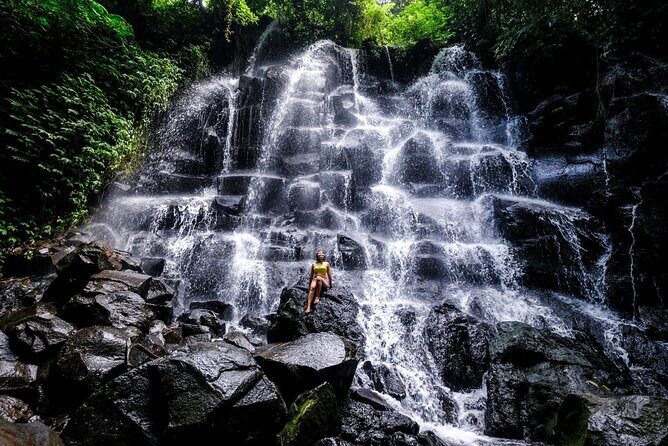
Ubud ATV ride Adventure and water rafting - How This Ubud ATV + Rafting Day Fits First-Timer Schedules
This is the kind of day trip I recommend when you’re only in Bali for a short stay and you still want variety. Instead of choosing between “scenery day” or “adrenaline day,” this blends them: an ATV adventure in/around Ubud, plus the water rafting component, all wrapped into a plan that also targets the Kintamani area. That mix is smart if you want your photos to show more than rice terraces and temple gates.

It also helps that the tour is built around movement. You’re traveling between dispersed spots, but someone else handles the driving. That matters in Bali because one wrong turn can quietly eat your day. Here, the design goal is simple: cover more ground without getting lost.

The price is also worth a look. At $32 per person, you’re not paying for luxury. You’re paying for the essentials that usually cost you extra: pickup/drop-off and lunch. If you’re comparing against piecemeal booking (transport + food + activities), a bundled plan like this can feel like good value.

Starting Smart at Bali Skutis Adventure (Ubud Pickup Point)
Ubud ATV ride Adventure and water rafting - Starting Smart at Bali Skutis Adventure (Ubud Pickup Point)
Your day kicks off at Bali Skutis Adventure, located at Jalan Raya Silakarang, Singapadu Kaler, Kec. Sukawati, Kabupaten Gianyar, Bali 80571, Indonesia. The activity start point matters because it tells you how the operator organizes the flow—this isn’t one of those tours where you meet somewhere random and hope everyone finds it.

Two practical notes from the experience details:

  • It’s listed as near public transportation, so even if you arrive early, you’re not totally stranded.
  • It’s a private tour/activity, so it’s “only your group” participating. That often makes check-in smoother and keeps the vibe more relaxed than big mixed groups.

If you’re traveling with family or a small group, the minimum requirement matters too: there’s a minimum of 2 people per booking. Make sure your dates line up so you don’t get stuck with forced date changes.

The ATV Ride Adventure in Ubud: What 3 Hours Really Means

Ubud ATV ride Adventure and water rafting - The ATV Ride Adventure in Ubud: What 3 Hours Really Means
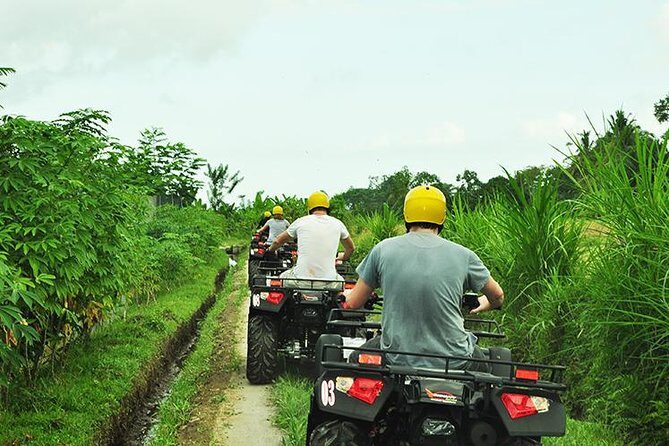
The heart of the day is the Ubud ATV Ride Adventure, scheduled for about 3 hours. That duration is important. Many ATV outings feel like a quick parking-lot spin with a photo stop. Three hours gives you enough time for the ride to feel like an activity, not a stunt.

Also, your ATV admission is noted as ticket free for this stop. In practice, that usually means you’re not scrambling at the site to pay extra just to get started—which is exactly what you want on a day trip.

What to expect on the ground

I’d plan your body for a mix of:

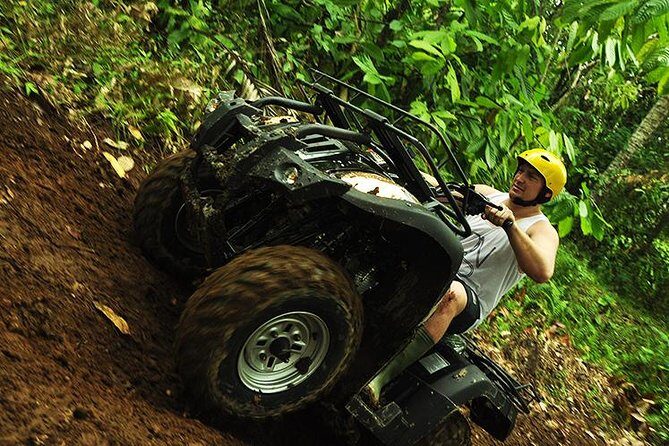
  • Bumpy terrain (ATVs are meant for uneven ground, not smooth roads)
  • Getting dusty or a bit dirty (bring that mindset)
  • Constant motion, with the ride doing most of the work for your “what did we do?” question

How to prep so the ride is comfortable

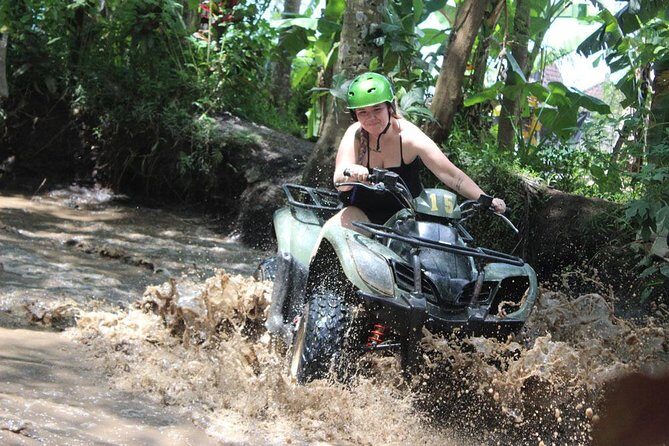
Even without a detailed gear list, you’ll be safest assuming you’ll get some water/dust involved during the overall day. Wear clothes you don’t mind getting scuffed, and bring a small change of dry clothes if you can. The better you handle this part, the more fun the rest of the day becomes.

One caution: the activity details say most travelers can participate, which is helpful. Still, if you’re dealing with mobility limits, neck/back issues, or you’re not comfortable on rugged surfaces, you’ll want to assess whether an ATV day is a good fit for you.

Kintamani Volcano Area: The Scenic Reset Between Thrills

Ubud ATV ride Adventure and water rafting - Kintamani Volcano Area: The Scenic Reset Between Thrills
Even though your main ticketed time focuses on the ATV, the overall tour description is clearly aimed at Ubud plus the Kintamani Volcano area. Think of this portion as your scenic reset. After the adrenaline, Kintamani-style viewpoints give you that “okay, that’s why we came” feeling—usually the payoff moment where the photos look like postcards.

A real advantage of including Kintamani in the plan is pacing. You don’t just bounce from one activity to the next with no breathing room. You also avoid the common first-timer trap: trying to squeeze volcano views and an activity day into separate self-planned trips. Here, it’s built into one flow.

Because the itinerary details you provided don’t include a precise time block for Kintamani, I’d keep expectations flexible. You’re not signing up for a timed, minute-by-minute sightseeing checklist. You’re signing up for an efficient route designed to hit those highlights.

Lunch Included: Why That’s Bigger Than It Sounds

Lunch is included, which might sound like a throwaway perk, but on a short Bali day it’s actually a big deal. When you’re doing an ATV ride (often dusty and tiring) and then heading toward water fun, the “where will we eat?” question can derail the whole plan.

With lunch handled for you, you can:

  • Eat without hunting for a place that’s open, affordable, and not a 20-minute detour
  • Keep your energy up so the later part of the day feels enjoyable, not exhausting

In a well-run day trip, food is logistics. This one gives you less to manage.

Water Rafting Slot: Plan for Wet, Active, and Unpredictable

The experience title includes water rafting, so you should expect a rafting component as part of the overall day. The provided details don’t list rafting duration, river grade, or exact meeting time for the water portion, so I won’t invent specifics.

But I can tell you what you should plan for:

  • You’ll get wet, likely in a way that affects your clothes and comfort
  • You should expect a transition period between dry activities (like ATV) and a water-based one
  • Your best move is to bring practical clothing and a way to protect small valuables

If you’re someone who hates changing outfits, aim to pack simply. If you’re the type who loves practical packing hacks, use a small bag for keeping dry items separate. Even the best tour can’t control how splashy rafting gets.

Pickup Timing and the One Thing You Should Watch
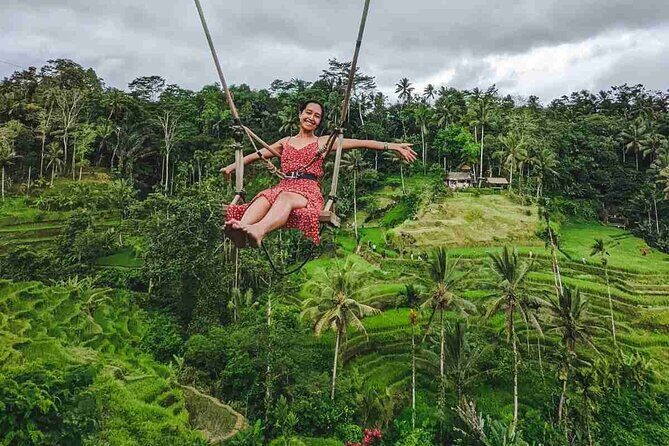
Ubud ATV ride Adventure and water rafting - Pickup Timing and the One Thing You Should Watch
Most of the day’s value is tied to smooth timing—hotel pickup, the order of activities, and getting to each stop without stress. The experience details say pickup is offered, and a mobile ticket is included, which usually helps.

Still, one piece of feedback in the provided information flagged a guide who was more than an hour late due to not being informed about the tour. There was also mention of a plan change when a dance was closed. I’m not going to assume your day will go that way, but it does point to a real consideration: if you have a hard appointment after this tour, build in buffer time.

How to reduce risk:

  • Confirm the pickup details close to the start time
  • Keep your evening plans flexible
  • Bring patience and a mindset that Bali schedules can shift

Who This Tour Is Best For

This is a strong fit if you:

  • Are visiting Bali for a short time and want Ubud + Kintamani in one outing
  • Want an activity-heavy day without worrying about driving and navigation
  • Prefer a private group experience rather than a big mixed tour
  • Like the idea of doing both land and water adventure in the same general circuit

It may be less ideal if you:

  • Need a very exact timeline (because outdoor activities can be sensitive to conditions and staffing)
  • Strongly dislike wet activities or aren’t comfortable with an ATV ride
  • Are traveling solo, since the booking has a minimum of 2 people per booking

Price Value: Is $32 Worth It?
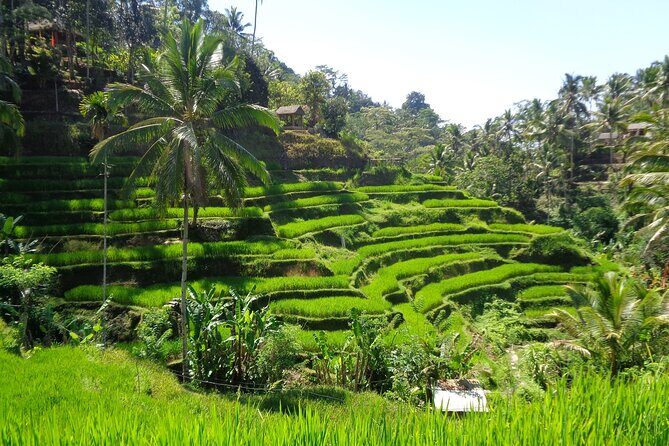
Ubud ATV ride Adventure and water rafting - Price Value: Is $32 Worth It?
At $32 per person, you’re getting a bundle that typically costs more when booked separately. Here’s what’s included (based on the details you provided):

  • Hotel pickup and drop-off
  • Lunch
  • ATV adventure time in Ubud (about 3 hours)
  • The tour is structured to include Ubud and the Kintamani Volcano area
  • Mobile ticket for the experience
  • Group discounts are mentioned

Value comes from reducing the “hidden” costs: transport, food timing, and the mental load of planning your own route. If you’ve been pricing ATV plus a separate transport plan plus a meal, this kind of package can look like a bargain.

The only “value risk” is the reliability of execution. One late-guide story is enough to remind you that even good deals depend on logistics. If you book, treat it as an activity you want to enjoy, not a strict schedule you want to control.

Should You Book This Ubud ATV + Water Rafting Day?

My take: book it if you want a busy, efficient adventure day with pickup, lunch, and a real chance to cover Ubud and the Kintamani area without DIY stress. The ATV time (about 3 hours) is substantial, and the included essentials make it feel like a practical first-timer option.

Skip it—or at least rethink the timing—if you’re extremely schedule-bound or you can’t handle occasional itinerary changes. Also, if wet rafting sounds like a hard no, then you’ll be paying for a day that includes water fun by design.

FAQ

FAQ

How much does the Ubud ATV ride and water rafting experience cost?

It’s listed at $32.00 per person.

How long is the experience?

The duration is listed as 4 to 8 hours (approximately).

Where does the tour start?

The start location is Bali Skutis Adventure, Jalan Raya Silakarang, Singapadu Kaler, Kec. Sukawati, Kabupaten Gianyar, Bali 80571, Indonesia.

Does the tour include hotel pickup and drop-off?

Yes. Hotel pickup and drop-off are included.

What activities are included?

The experience includes an ATV adventure in Ubud and water rafting, and it’s described as covering Ubud and the Kintamani Volcano area.

Is lunch included?

Yes. Lunch is included.

How long is the ATV segment?

The ATV adventure in Ubud is listed as 3 hours.

Is this a private tour?

Yes. It’s listed as a private tour/activity, meaning only your group participates.

Is a minimum number of people required?

Yes. There is a minimum of 2 people per booking.

Can I cancel for free?

Yes. Free cancellation is available up to 24 hours in advance for a full refund. If you cancel within 24 hours of the start time, you won’t get a refund.

Is the tour suitable for most travelers?

The details say most travelers can participate, and it’s listed as near public transportation.

Bali ATV Quad Bike Adventure with Monkey Forest Experience

This is Bali at fast speed.

I like how this day mixes ATV quad biking with a real nature stop at Sangeh Monkey Forest. You get up to 2 hours of riding (often closer to 1.5 if you ride fast), plus a route that takes you past rice terrace life, village activities, and a few proper adrenaline moments like a waterfall plunge pool and an underground tunnel. The biggest downside to plan for is timing: the full experience runs about 6 hours, even though your actual driving time is capped, so you’ll spend part of the day traveling and getting geared up.

The value is in the setup. You don’t just get a ride and a return ticket. You get private transportation, insurance covered, lunch, bottled water, and the basics that make off-road riding less stressful: boots, helmet, safety equipment, and even locker/changing room/shower facilities.

Quick hits before you go

  • Two big highlights in one outing: Sangeh Monkey Forest plus ATV driving through rice and villages
  • Ride time is capped for safety: maximum is 2 hours of riding (around 1.5 if you ride quickly)
  • You’re kitted out: boots, helmet, safety gear, plus locker, towel, changing room, and shower
  • A route built for variety: rice paddies, village lanes, a waterfall plunge pool, and an underground tunnel
  • Local guide support: safety briefing and an experienced guide on the ground

Why this Ubud ATV day feels like a real experience

This is the kind of tour that makes sense if you want both sides of Bali: the everyday rhythms and the “hold on” moments.

On the ATV side, you drive through rice terraces and you pass areas where farmers are doing their work. That matters, because it turns the ride from just scenery into something more human. You’re not only looking at Bali. You’re moving through it while people keep going about their day.

Then comes the forest stop at Sangeh Monkey Forest. It’s a break from the engine noise, and it’s also a chance to slow down and look around. You’ll also get that nature-and-wildlife vibe that people come to Bali for, without having to string together two separate tours.

The 6-hour schedule: where your time actually goes

The total experience runs about 6 hours. Your ATV driving time is the key detail: it’s maximum 2 hours, and can be around 1.5 hours depending on how quickly you ride.

That means the day is split. There’s time for pickup and transfer, time for safety equipment and briefing, time on the trail, and time for the Monkey Forest stop. If you’re the type who dislikes long waits, keep this in mind: you’re buying a full half-day package, not just a quick ATV block.

The good news is the tour is set up to keep you comfortable between active segments. You’ll have locker space, towel, changing room, and shower facilities after you get muddy and wet. That can be the difference between a fun day and a day where you keep thinking about laundry.

Rice terraces and village life at ATV speed

Your route starts from the ATV start point and heads through rice terrace areas. Along the way, you’ll see farming activity in the rice fields. The tour also includes time passing local society village areas, where you get a window into daily routines.

This is why the ATV choice works in Ubud. The island’s “pretty” parts are easy to photograph, but the lived-in parts take more effort to reach. With this route, you’re moving through areas that feel more authentic and less staged.

One thing to watch for is the kind of riding you’re doing. The program description points to winding, sloping down and upward routes. That means even if you’re a first-timer, you’ll feel some traction changes, and the bike will react as you go up and down. You don’t need to be a motocross legend, but you do need to pay attention to the guide’s instructions.

The adrenaline stops: waterfall plunge pool and an underground tunnel

This itinerary is built around variety, not just speed. You’ll get moments that are clearly designed for photos and adrenaline.

Two standouts are mentioned as part of the route:

  • a waterfall plunge pool where you splash and go in
  • a tunnel section where you squeeze through underground

These aren’t “nice views.” They’re active obstacles. And that’s great if you want a ride that feels like an experience, not a paved-lane cruise.

The trade-off is obvious: you should expect to get wet, and you should expect a bit of dirt. The tour includes boots and safety gear, which helps a lot. But you’ll still want to plan your clothing so you don’t show up in something you hate getting ruined.

Sangeh Monkey Forest: a nature break after the ride

Sangeh Monkey Forest is your designated stop in the middle of the day. It pairs nicely with the ATV because it’s a mood shift: from engine and trail navigation to greenery, shade, and a calmer pace.

Practically, treat this like any forest wildlife area: keep a respectful distance from monkeys, control your belongings, and don’t assume they’ll ignore you. You’ll be in the middle of their space, and quick interactions can go sideways fast if you act careless.

Also, remember that your legs and hands might be tired after riding. Plan for a slower walk through the forest rather than expecting a long hike. The tour is about one major forest stop, not a marathon day of sightseeing.

Safety gear, briefing, and why included equipment matters

This is one of the strongest parts of the value. You get:

  • boots
  • helmet
  • safety equipment
  • a safety briefing
  • an experienced guide

You also get insurance covered, which is not something you should ignore when you’re doing an activity with jumps, splashes, and sloped ground.

The locker/changing room/shower facilities are also a big deal. Off-road touring can mean damp clothing and lingering smells. Having the chance to rinse and reset keeps the day enjoyable for the drive back and for whatever you do afterward.

What you should bring is simple: wear comfortable clothes you can get wet, and bring something dry for after. The tour supplies towel and provides shower facilities, but you’ll still want your own clean layer ready.

Pickup, private tour feel, and drivers you can count on

Pickup is offered, and the tour includes private transportation. The experience is private in the sense that only your group participates. That usually means less chaos than the big shared-tour churn.

The human side matters here. In the stories people tell about this kind of day, the driver-guide relationship is often the difference between stressful and smooth.

You may be paired with drivers like Wayan, Nata, Adhi, or Ngurah, and the consistent theme is that they’re friendly, accommodating, and focused on punctual timing and patient guidance. Some guides also help with small on-the-fly adjustments, which can be handy if the day runs a little differently than expected.

If you’re nervous about riding, that guide support is your comfort blanket. If you’re an experienced rider, it helps too, because it keeps the group moving safely through the tighter sections like slopes and the underground tunnel.

Price and value: what $69 gets you in real terms

At $69 per person, this is priced like a full activity package, not just a bike rental.

Here’s what’s bundled:

  • private transportation
  • insurance covered
  • lunch
  • bottled water
  • boots, helmet, safety equipment
  • locker, towel, changing room, shower facilities
  • the Sangeh Monkey Forest stop

The ATV piece alone can easily feel like “you pay for the bike and that’s it.” This tour lowers the friction because it throws in the comfort parts that matter afterward.

Balance check: you’re paying for a 6-hour half-day schedule, so you’re not buying a short, cheap adrenaline hit. If you measure value only by the time you spend on the ATV, remember the driving time is max 2 hours and sometimes closer to 1.5. But if you add up the guide help, safety setup, forest visit, and included lunch and shower reset, the price lands as reasonable for Ubud.

Who should book this ATV + Monkey Forest combo

This fits best if you want:

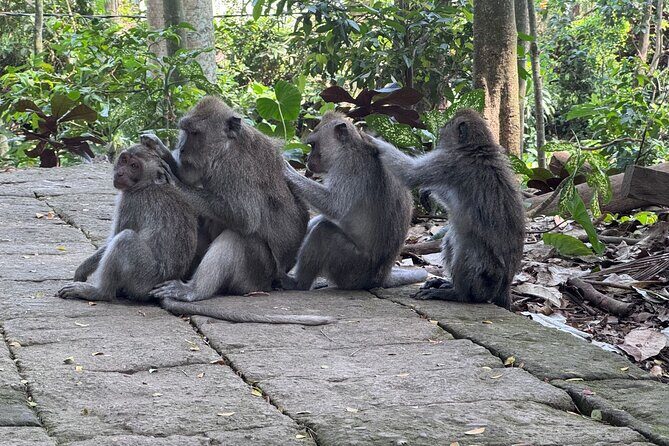
  • an ATV day that includes more than just riding, like rice fields and village atmosphere
  • a structured stop at Sangeh Monkey Forest
  • a package that includes safety gear, lunch, and post-ride shower facilities
  • both thrill moments and calmer nature time in one day

It’s also explicitly described as suitable for beginners and experienced riders alike. That’s a good sign for first-timers, especially since the tour includes a safety briefing and experienced guidance.

You might think twice if you:

  • hate getting wet or dirty
  • dislike uneven terrain or sloped riding
  • want a tour focused mostly on walking rather than riding

Should you book Bali Funtastic Journeys?

I think it’s a strong choice if you’re staying in or near Ubud and you want a single half-day that combines ATV adventure with a genuine nature stop.

Book it if your priorities are: safety gear and briefing, a guided route that includes rice terrace and village areas, and included comfort items like towel and shower. Pass if you’re only after a quick ATV experience and don’t want the full 6-hour tour rhythm.

If your schedule is tight, aim to confirm sooner rather than later. On average, this type of tour is booked around 7 days in advance, and with pickup and a private group setup, you’ll want your time locked in.

FAQ

Where is this tour located?

It’s based in Ubud, Indonesia.

How long is the full tour?

The experience runs for about 6 hours (approximately).

How long do I ride the ATV?

ATV driving time is up to 2 hours, and it’s noted that riding fast can make it around 1.5 hours.

Is pickup included?

Yes. Private transportation is included, and pickup is offered.

What is included in the price?

Included items are insurance covered, lunch, bottled water, boots, helmet, safety equipment, and locker/towel/changing room/shower facilities.

Do I get safety equipment?

Yes. You’ll receive boots, a helmet, and safety equipment, plus a safety briefing.

Does the tour include Sangeh Monkey Forest?

Yes. Stop 1 is Sangeh Monkey Forest.

Is the tour private?

Yes. It’s described as a private activity, meaning only your group participates.

Is there a mobile ticket?

Yes. The tour includes mobile ticket.

Can I cancel for a full refund?

Yes, you can cancel for a full refund if you cancel up to 24 hours in advance of the experience’s start time. If you cancel less than 24 hours before, the amount paid is not refunded.

Bali White Water Rafting at Ayung River

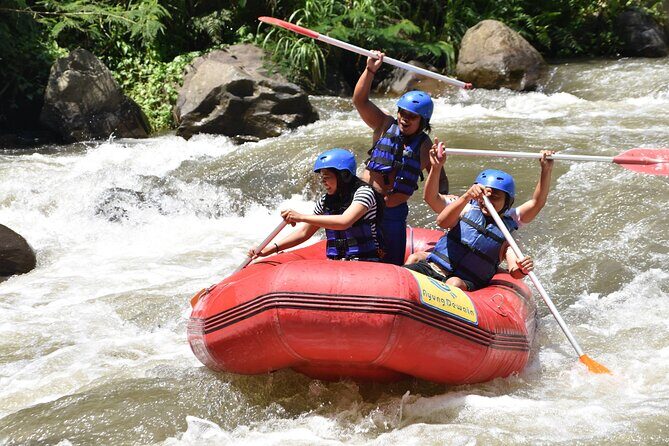
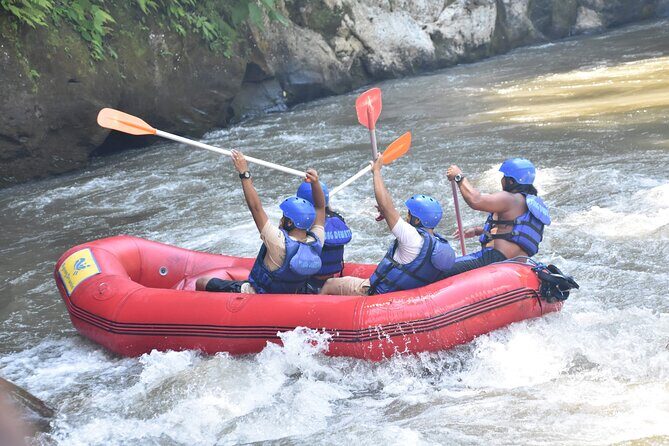
Rafting in Bali is louder than you expect. This full-day trip on the Ayung River mixes Class II–III rapids with rainforest paths, bamboo bridges, and bright Hindu shrines you’ll pass along the way. I especially like that you get proper gear and an organized setup, plus a real Indonesian buffet lunch after the fun. One thing to plan for: there are long, steep steps down to the river and a long climb back up at the end, so knee or leg issues matter.

Hotel pickup happens in the morning from select areas, and you start the action quickly with a safety briefing and a full kit (helmet, paddle, life jacket, and a waterproof bag). The trip is timed so you’re on the water for about 2.5 hours, then you shower and change before lunch and photos.

Overall, this is a straightforward, moderate rafting day with transport and equipment handled for you. If you want a low-stress way to do the Ayung River without fussing over logistics, this format makes sense. Just don’t show up in flip-flops and hope for the best.

Key highlights to know before you go

Bali White Water Rafting at Ayung River - Key highlights to know before you go

  • Class II–III rapids for a moderate thrill level with real coaching time
  • 2.5 hours on the river during a 10-mile (16-km) trip through rainforest scenery
  • Hindu shrines, waterfalls, and bamboo bridges along the way
  • Buffet lunch plus changing facilities and showers right after rafting
  • Small group size (max 5) for more attention from guides
  • Round-trip transport from Ubud (plus extra fees if you’re outside the included zones)

Ayung River Rafting near Ubud: what you’re really signing up for

Bali White Water Rafting at Ayung River - Ayung River Rafting near Ubud: what you’re really signing up for
This rafting day is built around one main idea: spend the morning and early afternoon moving through the Ayung River scenery, then recover fast with food and a shower. You’re not doing a “tour bus, sit, and watch” kind of day. You’re paddling, getting wet, and doing short walks as part of the ride.

The Ayung route is known for being scenic without being extreme. You’ll handle Class II and III rapids, which usually means waves, pushes, and a bit of maneuvering, but not technical rock-hopping or hardcore white-water. In plain terms, it’s the sweet spot for first-timers who still want a real thrill.

I also like that the route length is meaningful: it’s a 10-mile (16-kilometer) journey. That’s long enough that you don’t feel like you’re “done” after a quick splash. You’ll see multiple river moments, including stretches where the river relaxes just enough for you to take in the surroundings.

And Bali adds visual variety. Expect tropical rainforest, cascading waterfalls, colorful Hindu shrines, and bamboo bridges. Even if you’ve seen jungle before, this feels different because you’re moving through it from the water, not on a land trail.

The 8:30 start and the drive from your area

Bali White Water Rafting at Ayung River - The 8:30 start and the drive from your area
Most days start at 8:30 am, with a meeting point at Graha Adventure Rafting in Kedewatan (the address is Jl. Raya Kedewatan, Kedewatan, Kecamatan Ubud, Kabupaten Gianyar). Your activity ends back at the meeting point.

Pickup depends on where you’re staying. The tour includes hotel pickup from select Bali locations such as Kuta, Seminyak, Legian, Nusa Dua, Sanur, and Denpasar. If you’re staying outside those areas, you can still arrange pickup and drop-off with the operator, but it’s an added car fee (priced per car up to four people, with a higher rate for Amed/Tulamben/Munduk).

Why this matters: rafting works best when you don’t waste time. The morning schedule and included transfers help you get to the river without DIY driving stress. Also, rafting days run on timing—late arrivals can scramble the group’s safety briefing and launch.

One small practical note: you’ll likely be in a vehicle longer than you think, because the day is structured around the water time plus showers and lunch. Plan for a full chunk of the day, even if the rafting itself feels like the “main event.”

Safety briefing and gear you’ll actually use

Bali White Water Rafting at Ayung River - Safety briefing and gear you’ll actually use
Before you step into the raft, you’ll do a safety briefing with your instructor/guide. You’ll be given the essentials: helmet, paddle, life jacket, and a waterproof bag. This kit matters more than people expect. The waterproof bag is for your phone or small items so you can capture the moment without playing roulette with the water.

Most important: the guides are trained, and the tone is practical. From the way people describe their experiences, the guides focus on helping you paddle correctly and feel secure in the raft. Some groups even mention English-speaking guides by name (like Dede or Ketut), along with drivers who keep the day calm (like Asta being friendly and courteous).

What you should do before you arrive: treat this like you’re preparing for active water. Wear something you can run in and that won’t melt the minute it gets wet.

Paddling the Ayung River: rainforest, shrines, and waterfalls

Bali White Water Rafting at Ayung River - Paddling the Ayung River: rainforest, shrines, and waterfalls
This trip doesn’t just throw you into rapids and call it a day. You paddle past moving scenery: dense tropical rainforest, bright Hindu shrines (often decorated for prayer days), cascading waterfalls, and bamboo bridges.

The effect is that the river is both the workout and the entertainment. When you’re in the middle of a faster stretch, you’re focused on your paddle timing. Then the river slows slightly and you can look up—there’s enough variety that you’re not staring at the same bend for two hours.

And yes, you’ll get some wildlife spotting if you’re paying attention. You might see things while the raft travels through the forest stretches, and your guide may point out wildlife as you go. Don’t expect a safari checklist, but it’s the kind of environment where a quick glance can pay off.

You’ll also pass Hindu shrines and bamboo bridges, which gives the ride a sense of place. Bali isn’t just scenery here—it’s culture and river life moving together.

The 10-mile ride: what Class II–III feels like

Bali White Water Rafting at Ayung River - The 10-mile ride: what Class II–III feels like
On paper, Class II–III sounds neat and tidy. On the water, it’s usually more like this: you’ll feel jolts, pushes, and rolling wave action. You’ll paddle together, and sometimes the raft will angle into the current so everyone braces and catches the rhythm.

Because this is a moderate route, it’s a good match for people who want real rafting without going full adrenaline extreme. You’ll likely get instruction on when to paddle hard, when to relax, and how to respond when the raft hits a rapid. The guide’s job is to keep the group coordinated so you feel like you’re doing the work rather than just getting bounced around.

Two time cues help you set expectations:

  • You’re on the water for about 2.5 hours.
  • The full trip includes transport, briefing, the river run, then a hike for shower and changing before lunch.

If you’re prone to overthinking, here’s the simpler mental model: rafting is a sequence of “work bouts” separated by moments to reset and look around.

Also, bring a calm attitude about getting wet. You will get wet. Your waterproof bag helps with valuables, but your clothes and skin are part of the deal.

Lunch after rafting: Indonesian buffet and time to cool down

Bali White Water Rafting at Ayung River - Lunch after rafting: Indonesian buffet and time to cool down
After your river run, you’ll disembark and do a short hike to reach shower and changing facilities. Then lunch comes fast: a buffet of traditional Indonesian classics.

This part is more valuable than it sounds, because rafting days tire you out. After paddling and walking, a hot meal and a place to freshen up can feel like the best perk in the world. The lunch format is also practical: you can eat what you want, at your pace.

There’s also a “recovery moment” built into lunch time. People often buy the souvenir photos or DVD afterward, so it’s a natural window to look through what happened on the water and laugh at the inevitable goofy rafting face.

One thing I like: the tour includes insurance, so it’s not purely a thrill transaction. It’s a day with safety as a baseline.

And note what isn’t included. Drinks aren’t listed as part of the package, so bring water habits into your planning. If you’re sensitive to dehydration, treat this as a day where you should sip and eat steadily.

Changing facilities, showers, and the stair reality check

Bali White Water Rafting at Ayung River - Changing facilities, showers, and the stair reality check
Right after rafting, you’ll be able to shower and change. That’s included, along with the shifting from wet clothes to dry. It’s a big deal in Bali humidity, and it keeps the day comfortable rather than turning into a soggy end-of-tour slog.

But here’s the real-world consideration: there are steps. Multiple descriptions point out that getting down to the river is manageable for many people, but the walk and climb back up at the end can be tough. If you have knee problems or an injury, take it seriously. Even if you’re still excited to raft, you don’t want a medical issue to spoil the rest of your vacation.

What you can do to make it easier:

  • Wear footwear that grips on uneven ground (river sandals are specifically recommended).
  • Take the steps slowly. Nobody is racing the hill.
  • Bring a change of clothes so you don’t sit around uncomfortable after the shower.

Minimum age is 8 years, and most people can participate. Still, “most” doesn’t mean “everyone.” If stairs are a concern, this is the one piece of the day worth thinking through early.

Price and value: what $45 buys you in Bali

Bali White Water Rafting at Ayung River - Price and value: what $45 buys you in Bali
The price is $45 per person, which is often less than what you’d pay if you tried to combine transport, rafting gear, guide time, and lunch on your own. You’re getting several core items bundled together: professional rafting guide, helmet and life jacket, lunch buffet, insurance, changing facilities and showers, and round-trip transport from included areas.

Value gets better when you look at the small-group setup. The tour caps at maximum 5 travelers. That usually means you get more attention and less waiting around. In rafting, small group time often translates to better instruction and fewer moments where you’re unsure about what comes next.

Also, the mobile ticket helps reduce hassle. You won’t be scrambling for paper or printing.

What isn’t included—photos, DVD, and drinks—are normal add-ons for rafting. The key is that the expensive stuff is already covered. You can opt in or skip souvenirs without feeling like you missed a core component.

If you’re budgeting your day, treat it as a full-day activity even if the rafting segment is a couple hours. Your time and comfort are part of the value, not just the thrill factor.

Who should book Ayung River rafting (and who should reconsider)

This rafting trip is a strong choice if you want:

  • A moderate thrill with Class II–III rapids
  • A day that mixes paddling with scenery (rainforest, waterfalls, shrines)
  • A smooth setup with gear, guide, insurance, and lunch handled
  • A small group, so you’re not lost in chaos

It’s also a good pick for families as long as stairs are manageable. Minimum age is 8 years, and the experience is framed as suitable for all ages within that range.

You might reconsider if:

  • Your knees or legs are fragile due to the steep steps up and down
  • You prefer zero walking during active tours
  • You dislike the idea of getting wet and changing afterward

If you’re traveling with an older relative or someone with limited mobility, it’s smart to be honest about the step situation. This tour isn’t marketed as step-free.

And if you like guided experiences, this fits well. The guides are trained, and people specifically mention feeling safe with named guides like Ketut or Dede. That confidence is a big part of the comfort on a rafting day.

Should you book this Ayung River rafting tour?

Book it if you want a day that feels like real activity but still runs on a simple plan: pickup, briefing, rafting, shower, lunch, go. The combination of scenic rainforest scenery and workable rapids makes the Ayung River a good “yes” for most first-time rafters.

Skip or choose carefully if stairs are a concern for you or your group. That hike to shower and the climb back up is part of the package, and it’s the only major snag I’d flag.

My final take: for $45, you’re paying for a guided, moderate rafting day with gear and lunch included. If that’s your style, this is a solid way to spend a Bali day—no extra planning needed, and plenty of moments to look up while you’re paddling.

FAQ

What’s the duration of the Bali White Water Rafting on the Ayung River?

The experience runs about 4 to 6 hours, with you on the water for approximately 2.5 hours, then time for showering/changing and lunch before returning.

Is hotel pickup and drop-off included?

Hotel pickup and drop-off is included from select Bali locations such as Kuta, Seminyak, Legian, Nusa Dua, Sanur, and Denpasar. If you’re in areas like Amed/Tulamben/Munduk, pickup and drop-off can be arranged for an additional car fee.

What rapids will you face on the Ayung River?

You’ll tackle Class II to Class III rapids during a 10-mile (16-kilometer) trip.

What should you wear and bring for rafting?

Wear a T-shirt, shorts, pants or swimsuit, and river sandals. Bring a change of clothes for after the activity.

What’s included in the tour price?

Included items are a professional rafting guide, lunch buffet, insurance, changing facilities and showers, rafting equipment (helmet, paddle, life jacket), and a waterproof bag. Souvenir photos and a DVD are available for purchase, but not included. Drinks aren’t included.

Can you cancel for a full refund?

Yes. You can cancel up to 24 hours in advance for a full refund. Canceling less than 24 hours before the start time isn’t refundable.

Exclusive Ubud Experience: Nature, Culture & Adventure in One Day

Exclusive Ubud Experience: Nature, Culture & Adventure in One Day - Morning start: getting from your hotel to Tirta Empul smoothly

One day in Ubud, done right. This private tour strings together temples, rice terraces, and jungle thrills into a single 8 to 10 hour circuit. You get to see the sacred and the scenic without having to organize your own transport or play map roulette.

I especially like hotel pickup and the way the day balances slow, respectful moments with active photo stops. The sacred water experience at Tirta Empul is moving, and the Tegallalang rice terraces are pure Ubud magic in real life, not just on a screen.

The only real catch is the packed pace. You’ll be in a car a lot, and you’ll walk at several stops in warm, sometimes humid conditions—great for doing a lot, less great if you want a long, laid-back day.

Key highlights worth your time

Exclusive Ubud Experience: Nature, Culture & Adventure in One Day - Key highlights worth your time

  • Tirta Empul purification with a temple visit first: you get time to understand what’s going on before you’re standing right in the ritual area
  • Tegallalang rice terraces plus a jungle swing photo spot: classic Ubud views with that must-do swing moment
  • Hidden-style waterfall break: a cooler pause between cultural stops and monkey time
  • Sacred Monkey Forest Sanctuary contact, with guidance: close encounters are easier when your guide helps you stay calm and respectful
  • Celuk silver workshop and craft shopping time: you see how pieces are made, then you can shop with context
  • Private car comfort all day: fewer waits, fewer transfers, more time on the ground

Price and what you actually get for $70

Exclusive Ubud Experience: Nature, Culture & Adventure in One Day - Price and what you actually get for $70
At $70 per person for a private day tour, this is a solid value if you want variety without stacking multiple tickets and transfers. You’re not just buying entry into one sight; you’re buying a whole route: a temple, rice terraces, a jungle swing photo stop, a waterfall, Monkey Forest, a craft workshop, plus lunch.

Also, the “private” part matters here. Ubud roads can slow down. Having a professional driver and a guide who can adjust your stops helps you avoid long idle gaps. You’ll still travel, but it tends to feel more efficient than hopping between random group tours.

One thing to keep in mind: most major admissions are included, but one portion at Tirta Empul is specifically marked as not included. In practice, your guide will tell you what to pay on the spot if anything remains.

Who this suits best? If you have a short stay in Ubud and you want a “greatest hits” day that still feels personal, this fits. If you’re the type who wants zero running around and only one big attraction, you might feel rushed.

Morning start: getting from your hotel to Tirta Empul smoothly

Exclusive Ubud Experience: Nature, Culture & Adventure in One Day - Morning start: getting from your hotel to Tirta Empul smoothly
You start with pickup around 8:30 AM from your hotel in the Ubud area, in an air-conditioned vehicle with a professional driver/guide. That’s a big win in Bali. Morning heat ramps up fast, and being able to start early reduces both crowd pressure and sweat pressure.

You’ll head straight to Tirta Empul, one of the most meaningful temple experiences in the region. This is where Balinese purification isn’t just a cultural detail—it’s the point of the place. Your guide sets the tone, so you’re not standing there wondering what you’re supposed to do.

Expect around an hour for your initial sacred temple visit, and then more time tied to the purification experience. The flow is designed so you understand the setting before you get involved.

Tirta Empul: sacred water, respectful participation, and what to watch for

Tirta Empul is famous for holy water purification rituals. The core experience here is that you’re not just viewing a temple—you’re seeing a living practice. That changes how the visit feels. It’s not a staged show. It’s people preparing themselves, together, guided by tradition and belief.

Here’s what I recommend you focus on during the visit:

  • Watch first, then follow. In sacred spaces, it’s usually best to let your guide explain the basic steps and etiquette before you move into the ritual area.
  • Look at the structure and flow, not just the water. The arrangements, offerings, and where people stand all tell you how the process works.
  • Keep your behavior low-key. Phones and selfie sticks can make things feel disrespectful quickly. If you want photos, ask your guide what’s appropriate.

This is also where you’ll appreciate having a guide like Made Dirga or Wayan (names that have come up in guide feedback). In that feedback, guides were praised for being patient and for helping guests understand what’s happening on the ground. You may also get practical help such as guidance on what to do and where to stand during ceremony moments.

One consideration: part of the Tirta Empul time is noted as an admission ticket not included. So don’t be surprised if there’s a small extra payment during that second phase. It’s still a worthwhile stop, just budget a little mental flexibility.

Tegallalang rice terraces and the jungle swing: why Ubud looks like this

Exclusive Ubud Experience: Nature, Culture & Adventure in One Day - Tegallalang rice terraces and the jungle swing: why Ubud looks like this
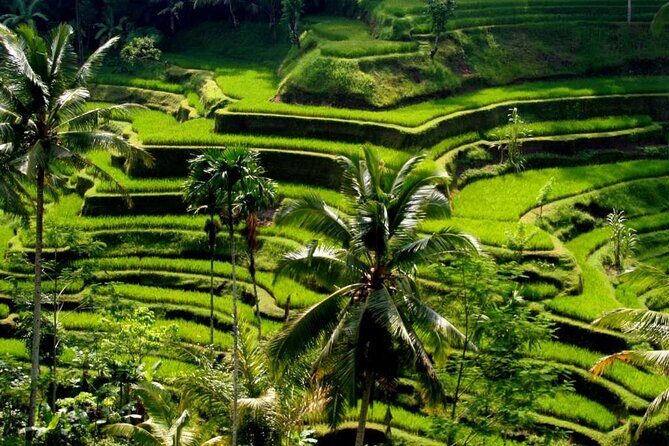
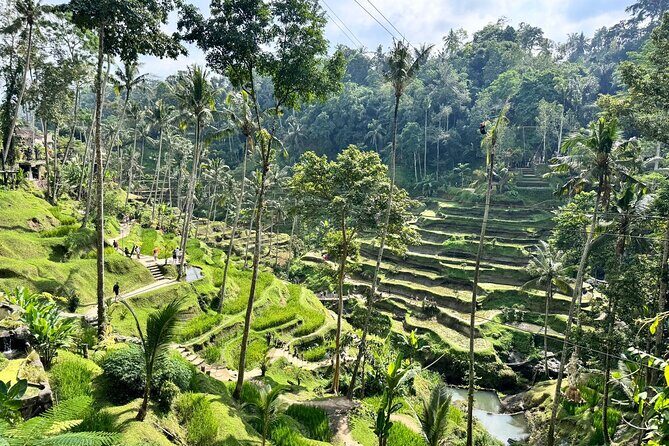
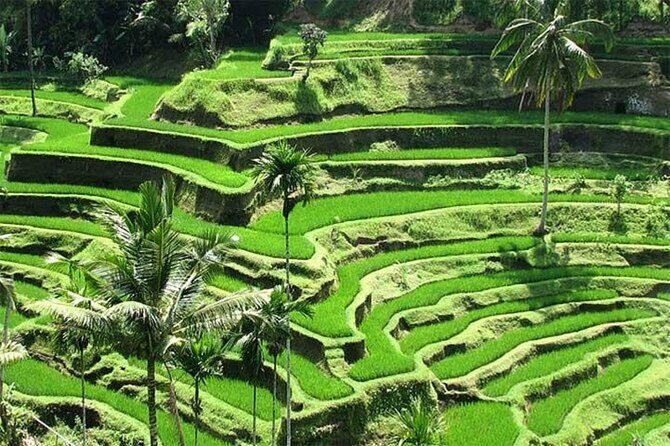
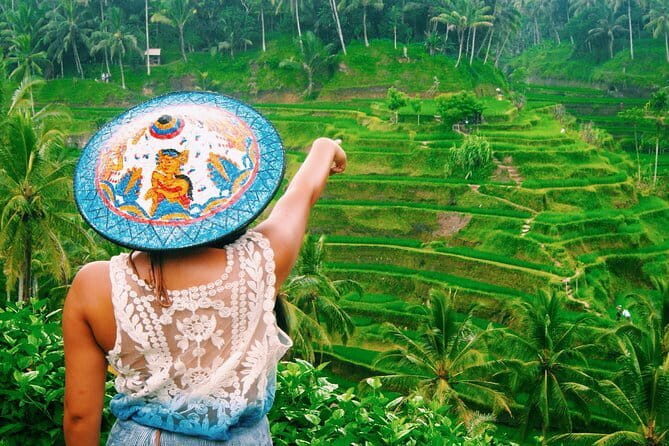
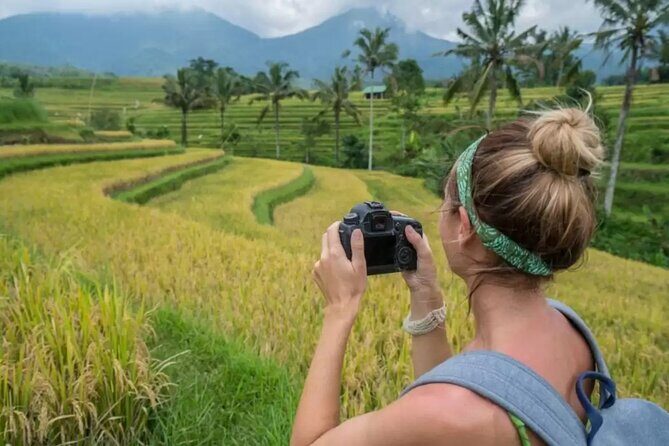
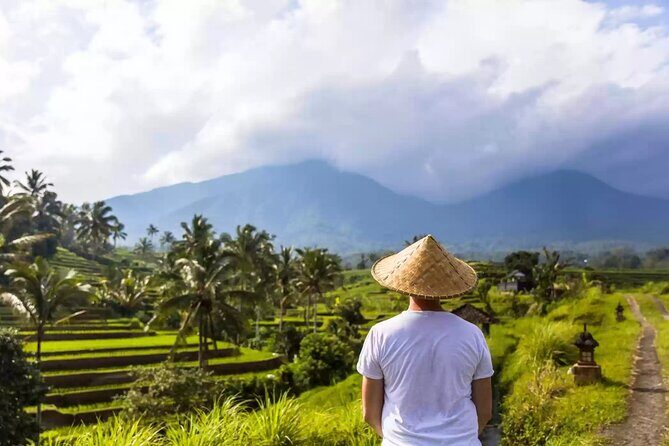
After the temple, you head to the Tegallalang Rice Terraces, one of the most iconic views in Ubud. Even if you’ve seen photos, the real thing hits different. The terraces feel like a layered system carved by people who have been working these slopes for generations.

You’ll have time to walk around and take in the viewpoint areas. And yes—the tour includes the famous jungle swing photo stop. This is one of those Ubud moments where the “wow” is immediate: height, jungle greenery, and a skyline that feels like it was designed for pictures.

A few practical tips that make the swing stop go smoother:

  • Wear shoes you don’t mind getting a bit dusty. Terrace paths can be uneven.
  • Bring a strap or secure way to carry your phone if your guide recommends it.
  • If you’re worried about the height, say so early. Your guide can help you decide what feels comfortable.

The swing is also a reason this tour works well. It adds a physical, energetic stop that breaks up the heavier sacred moments from the morning. You end up with a day that feels balanced: reverence, scenery, and a little thrill.

Tegenungan/Tukad Cepung waterfall reset: nature breaks up the schedule

Exclusive Ubud Experience: Nature, Culture & Adventure in One Day - Tegenungan/Tukad Cepung waterfall reset: nature breaks up the schedule
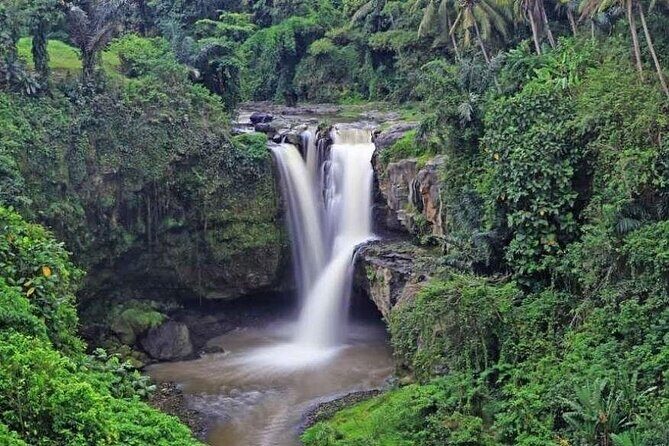
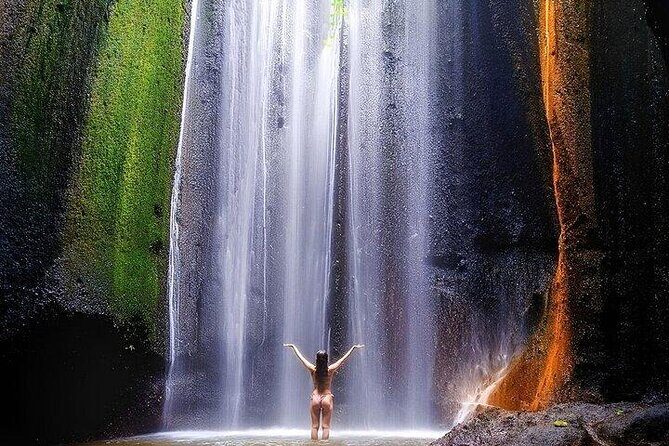
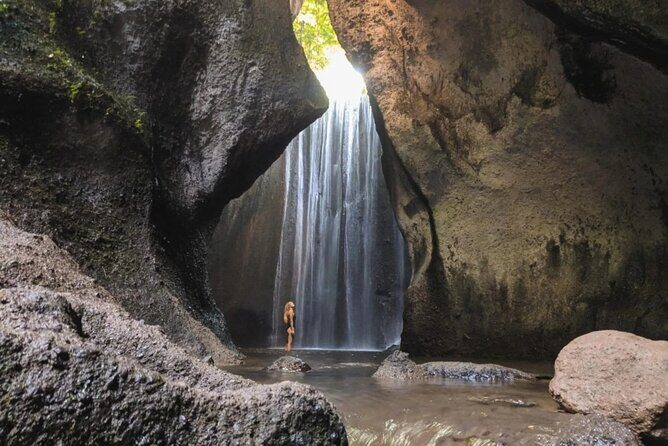
Next comes a hidden jungle waterfall experience at Tegenungan / Tukad Cepung. The timing here is smart. You’ve already done a big cultural site and then you’ve climbed around rice terraces. A waterfall stop is the body’s way of saying, “Okay, I needed a break.”

What you’ll like about this stop is the contrast:

  • Temples and terraces are structured and intentional.
  • Waterfalls are about movement, cool air, and sound.

You’ll get about 45 minutes here. That’s not a long hike day, but it’s enough to enjoy the atmosphere and take a few photos without feeling like you’re being rushed through.

One consideration: waterfalls and jungle areas can be slippery and wet. The tour includes access, but your safety still depends on your footwear and attention. Take it slow on any uneven ground, and listen to your guide about where to stand.

Warung Dewa Malen lunch: fuel that keeps you human

Exclusive Ubud Experience: Nature, Culture & Adventure in One Day - Warung Dewa Malen lunch: fuel that keeps you human
You’ll stop for lunch at Warung Dewa Malen, with about an hour on the meal. This kind of scheduled meal break matters more than people think. If you try to squeeze lunch in yourself, you often lose time hunting for a place, and you end up eating whatever is closest to your last stop.

With this tour, lunch is built in, and it’s positioned after some of the more active portions of the morning. That helps you keep energy for Monkey Forest and the craft stops later.

Keep your expectations realistic: it’s a local restaurant meal, not a luxury tasting menu day. The value is that it’s convenient and you can eat without stress.

Sacred Monkey Forest Sanctuary: seeing monkeys up close without the chaos

Exclusive Ubud Experience: Nature, Culture & Adventure in One Day - Sacred Monkey Forest Sanctuary: seeing monkeys up close without the chaos
Then you head to Sacred Monkey Forest Sanctuary for about an hour. This is one of the most memorable Ubud experiences for a lot of people, because the monkeys aren’t just behind glass. They’re right there in your space.

The big advantage of having a guide is simple: you’re less likely to get caught off guard. In guide feedback, drivers and guides (including Wayan and Rai) were praised for being helpful, friendly, and for assisting guests near entries and in the moments that can feel chaotic.

What I suggest you do:

  • Keep your hands and pockets secured. Curiosity is the whole monkey thing.
  • Don’t tease or try to lure. Let the monkeys come to you.
  • If monkeys act bold near you, your guide will usually know how to keep things calm.

If you’re going with kids, this can still work, but you’ll want to watch them carefully. An “hour” goes fast in Monkey Forest because you’ll be reacting to what’s happening around you.

Celuk Village and craft shopping: understanding silver before you buy

Exclusive Ubud Experience: Nature, Culture & Adventure in One Day - Celuk Village and craft shopping: understanding silver before you buy
Finally, the day includes Celuk Village, with a stop at a traditional silver workshop where you can see how handcrafted jewelry is made using time-honored methods. Even if you don’t plan to buy, watching the process makes shopping feel less random.

Celuk is a different type of attraction than a temple or a terrace. It’s hands-on in the best way: you see labor, tools, and steps. Then when you browse later for crafts in the Ubud area, you’re not just reacting to visuals—you’re thinking about materials and workmanship.

In practical terms, this also gives you time to slow down. After fast-moving nature stops, it’s nice to have a place where you can ask questions, watch carefully, and decide at your pace.

Also, some guides in the tour style have been noted for being very helpful, including providing small extras like fruits during the day and helping with photos. That kind of care can make a craft stop feel more relaxed.

Logistics that actually affect your day

This tour runs about 8 to 10 hours, starting around 8:30 AM and ending back near your start area. It’s private for your group, so there’s no awkward merging with strangers, and fewer stops where you feel trapped waiting for the slowest person.

You also get:

  • a private air-conditioned car
  • hotel pickup and drop-off
  • mineral water during the day
  • a personalized itinerary with flexibility
  • admission tickets included for many of the major sites

Mobile tickets are used, and you receive confirmation after booking.

If you’re thinking about booking, plan your day around the length. This is not a “drop in for an hour” kind of tour. You’ll likely want a quieter evening after, because you’ll have a lot of sights and photos in your head.

Guides matter: the difference between a drive and a true host

One of the best parts of this tour style is the human factor: experienced local driver-guides. Names that have come up with high praise include Made Dirga, Wayan, and Rai.

From those accounts, you should expect a guide who:

  • answers questions instead of rushing you
  • helps you with practical moments near entrances
  • can take good photos on request
  • can be patient while you figure out what you want to do next

There’s also a nice extra element that you may get depending on your guide and the day’s flow: one guide was praised for providing traditional clothes for ceremony moments and for bringing fruits along the way. It’s not something I’d plan your day around, but it’s the kind of local care that makes the tour feel smoother.

Should you book this one-day Ubud combo?

I’d book it if you:

  • want a full Ubud sampler in one day (temple, terraces, waterfall, monkeys, crafts)
  • prefer private comfort over crowds and slow group logistics
  • like a mix of sacred sites and active photo moments

I’d think twice if you:

  • want a super relaxed day with minimal driving
  • dislike structured schedules and multiple stops
  • are sensitive to humidity and walking on uneven ground

If your goal is to see the highlights without the stress of planning every hop, this tour delivers the right mix. It’s the kind of day where you’ll feel like Ubud gave you a complete story—spiritual, scenic, and a little adventurous—without you needing to do the organizing.

FAQ

How long is the tour?

It runs about 8 to 10 hours.

What time does pickup start?

Hotel pickup is scheduled for 8:30 AM.

Is the tour private?

Yes. It’s private for your group, with your own guide and car.

What’s included in the price?

You get a private air-conditioned car with a professional driver/guide, hotel pickup and drop-off, admission tickets for many listed sites, fuel and parking fees, mineral water, and lunch at a local restaurant.

Are all entrance fees included?

Most major entrance fees are included, but one part at Tirta Empul specifically notes that the admission ticket is not included for a 45-minute portion.

Where does the tour start?

The tour is associated with the Sacred Monkey Forest Sanctuary area on Jl. Monkey Forest in Ubud, and pickup is offered from your hotel.

What is the cancellation policy?

Free cancellation is available up to 24 hours in advance for a full refund.

Is lunch included?

Yes, lunch at Warung Dewa Malen is included.

Discover the best waterfalls in Ubud and rice terraces tour

Discover the best waterfalls in Ubud and rice terraces tour - Pickup and timing: what 8 to 10 hours actually means for you

Ubud is prettier than your camera expects. This day trip strings together four big-name nature stops with a private driver, so you get waterfalls, rice terraces, and macaques without wrestling Ubud’s traffic. I like the photo-ready contrast between Tukad Cepung’s hidden-valley light and Kanto Lampo’s dramatic flow. I also like the convenience of door-to-door pickup from Ubud and parts of south Bali. One drawback: the waterfall sections involve walking on stairs and jungle paths, so you’ll want decent shoes and a bit of patience.

This is an all-in-one outing (about 8 to 10 hours) built for seeing a lot in a single day. You’ll visit Tukad Cepung first, then Kanto Lampo, continue to Tegalalang Rice Terrace in the north of Ubud, and finish at Sacred Monkey Forest Sanctuary. Admission tickets and mineral water are included, but lunch is not, so plan for a snack break.

Key highlights you’ll care about

Discover the best waterfalls in Ubud and rice terraces tour - Key highlights you’ll care about

  • Private driver and door-to-door transfers from Ubud and major south Bali areas like Seminyak and Canggu
  • Tukad Cepung Waterfall in a thick jungle valley, reached via stairs and a short jungle walk
  • Kanto Lampo Waterfall with bold, tumbling cascades and a river running beneath the falls
  • Tegalalang Rice Terrace focused on traditional daily farmer activity in the Ceking area
  • Sacred Monkey Forest Sanctuary with about 700 Balinese long-tailed macaques

Why this Ubud waterfalls-and-rice trip feels worth it

Discover the best waterfalls in Ubud and rice terraces tour - Why this Ubud waterfalls-and-rice trip feels worth it
Ubud sits in that part of Bali where the scenery is great but the roads can be slow and narrow. This tour solves the problem the simple way: you get a private, English-speaking driver/guide to do the driving and route planning.

What you’re really buying isn’t just four stops. It’s time saved. With a driver, you can keep your focus on the views and walking. You don’t have to think about parking, navigation, or figuring out which turnoffs are worth your effort. For a one-day plan, that matters.

The other thing I like is the balance of themes:

  • Waterfalls for drama and photos
  • Rice terraces for culture and everyday farming life
  • Monkey Forest for a completely different vibe

It’s a tidy “Ubud sampler” that still feels natural, not rushed-for-the-sake-of-it.

Pickup and timing: what 8 to 10 hours actually means for you

Discover the best waterfalls in Ubud and rice terraces tour - Pickup and timing: what 8 to 10 hours actually means for you
This is scheduled for about 8 to 10 hours, and the day is built around travel time plus time at each stop. You’ll have pickup and drop-off from your address—listed pickup areas include Kuta, Seminyak, Sanur, Nusa Dua, Jimbaran, Ubud, and Canggu (so it’s not only for people already in Ubud).

A few practical notes that help you enjoy the day more:

  • Wear shoes you’re happy to get a little dirty. The Tukad Cepung route includes stairs and jungle pathways.
  • Expect shifting light. Waterfalls and jungle valleys can look very different depending on cloud cover and sun breaks.
  • Bring patience for travel. Ubud traffic isn’t always dramatic, but the area’s road network can slow things down.

This is also a private tour/activity—only your group participates. That’s a big deal if you want less crowd pressure, and if you’d rather ask questions without a big group funneling everyone.

Stop 1: Tukad Cepung Waterfall and its jungle-valley light

Discover the best waterfalls in Ubud and rice terraces tour - Stop 1: Tukad Cepung Waterfall and its jungle-valley light
Tukad Cepung Waterfall is the opening act for a reason. This is a waterfall tucked into a thick jungle and reached by walking down—yes, stairs, then a jungle pathway. If you like waterfalls that feel like a secret room, this one delivers.

Here’s what makes it special:

  • It’s described as hidden valley territory, not a quick roadside splash.
  • It’s known for shafts of sunlight filtering through the setting, which can make the water look extra dramatic when conditions line up.

Plan how you move. You’ll be going down and then back up, and you’ll want steady footing because surfaces can feel slick. If your travel style is more “easy stroll” than “mini workout,” pack that expectation.

Photo tip, plain and simple: shoot early, then adapt. In valley spots, the light changes fast. When the sunlight hits, you’ll want angles that include both the water and the opening above.

Stop 2: Kanto Lampo Waterfall with the river-under-the-falls look

Discover the best waterfalls in Ubud and rice terraces tour - Stop 2: Kanto Lampo Waterfall with the river-under-the-falls look
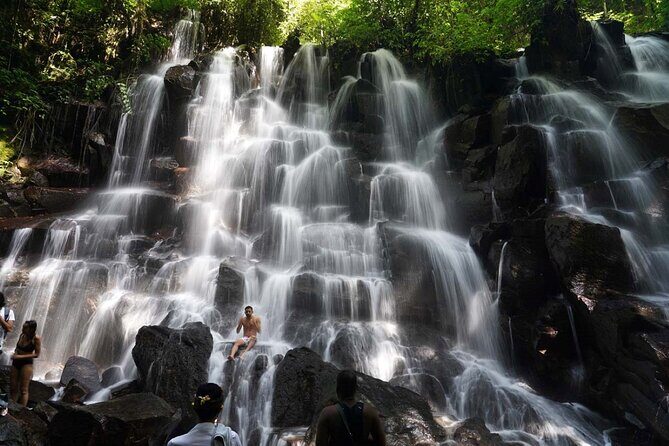
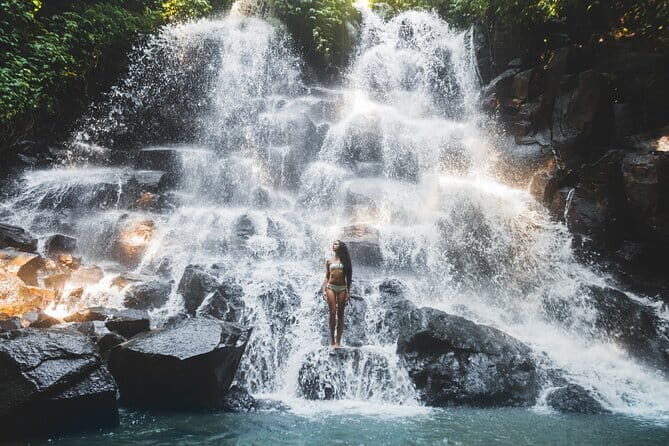
Next up is Kanto Lampo Waterfall, one of Ubud’s most frequently loved waterfall stops for a reason. It’s known for tumbling cascades and a distinctive look: there’s a river beneath the waterfall, which gives you layered visuals instead of just one flat sheet of water.

You get about 1 hour at this stop (admission included). That’s usually enough time to:

  • find a photo spot
  • walk around for better angles
  • take a breather before the next drive

What I like about Kanto Lampo is that it feels more structured for photography than many “just stand here” falls. The shape and the river underneath give you options for framing—especially if you enjoy foreground-and-background shots.

The main thing to watch is footing and crowd flow. The waterfall area can be popular, and pathways can get busy around peak daylight. Move calmly, keep an eye on where you step, and let the moment pass before you change positions again.

Stop 3: Tegalalang Rice Terrace and real farmer daily life

Discover the best waterfalls in Ubud and rice terraces tour - Stop 3: Tegalalang Rice Terrace and real farmer daily life
Then you shift from water to working landscapes—rice terraces, but with an emphasis on how people actually farm. Tegalalang Rice Terrace is in the north of Ubud (listed as Jalan Raya Ceking, Tegalalang 80517), and the focus here is on traditional daily activities.

This stop is great if you want Ubud beyond Instagram views. Rice terraces are often photographed from viewpoints, but this one is framed around the idea that the terraces are still part of daily work, not just scenery.

A practical way to enjoy it:

  • Bring a light layer if it’s breezy or rainy.
  • Take time to look at the small details, like how paths and water relate to the fields.

If you’re visiting in bright midday sun, expect harsh light. Mornings and late afternoons usually soften shadows, but this tour’s schedule may not guarantee ideal golden-hour timing. Still, Tegalalang has enough structure and angles that you can usually find good views even when the sun is high.

Stop 4: Sacred Monkey Forest Sanctuary and macaque encounters

Discover the best waterfalls in Ubud and rice terraces tour - Stop 4: Sacred Monkey Forest Sanctuary and macaque encounters
Sacred Monkey Forest Sanctuary is the wildcard stop in the best way. You’re walking around an area where Balinese long-tailed macaques live in large numbers—about 700 are mentioned—plus you get the feeling of mossy, jungle-like paths.

What you should expect:

  • close, real animal encounters (not a themed animal attraction)
  • a lot of movement and noise as monkeys hop between areas
  • photo moments if you keep your focus and stay aware of the surroundings

This tour includes admission, and the overall flow is designed to finish the day strong after waterfalls and terraces. You’ll want to be mindful and follow your guide’s directions, especially when animals get close.

If you’re nervous around wildlife, go slow. Watch how the animals behave around you before you step into a busy spot for photos.

The guides: why the driver/guide matters here

Discover the best waterfalls in Ubud and rice terraces tour - The guides: why the driver/guide matters here
This tour includes an English-speaking driver/guide, and that’s not just a comfort perk. In Ubud, good local guidance helps you:

  • arrive at the right areas on time
  • understand what to look for at each stop
  • move efficiently between scattered locations

From the praise pattern, certain names come up repeatedly: Gung Wan, Natha, Dika, Dewa, Adhi, and Ketut. Multiple comments highlight that guides were informative and accommodating, and at least one mentions helping with great photos during the day.

If you’re booking with the goal of getting the best photos, this matters. A good driver/guide doesn’t take over your day, but they can point you toward smarter angles and help you avoid wasting time at the wrong viewpoint.

Price and value: what $47.50 buys you in real terms

Discover the best waterfalls in Ubud and rice terraces tour - Price and value: what $47.50 buys you in real terms
The price listed is $47.50 per person, for a day that typically runs 8 to 10 hours. For this specific itinerary, the value case is strong because several big costs are bundled:

  • Hotel pickup and drop-off
  • Private transportation
  • Entrance tickets for the stops
  • Mineral water
  • An English-speaking driver/guide

Lunch is not included, so you should budget for that. But think about the trade: instead of managing multiple separate tickets and directions, you’re paying for a smooth day with transportation and entry fees handled.

One more booking detail that hints at demand: it’s often booked about 21 days in advance on average. That suggests people like this plan as a one-day Ubud hit, and it’s worth booking ahead if your travel dates are tight.

What to pack and how to time your photos

Because this tour touches waterfalls, jungle paths, terraces, and a monkey sanctuary, your packing should match the variety.

Bring:

  • Shoes with grip for stairs and wet areas near waterfalls
  • A small towel or quick-dry cloth if you get damp
  • Sunscreen and a hat for Tegalalang (it can be bright)
  • A snack or drink plan for lunch downtime

Timing matters because the waterfall light and the energy levels change. Even within the same hour, sunlight can shift in valley areas like Tukad Cepung. Your best move is to take your first shots, then reassess angles once the scene settles.

And one practical note: this experience requires good weather. If it’s not good, you’ll be offered a different date or a full refund.

Who should book this tour, and who might skip it

This tour is a strong match if you:

  • want classic Ubud nature in one day
  • don’t want to self-drive on narrow, traffic-heavy roads
  • like a clear route with tickets handled
  • care about photos but also want cultural stops (Tegalalang)
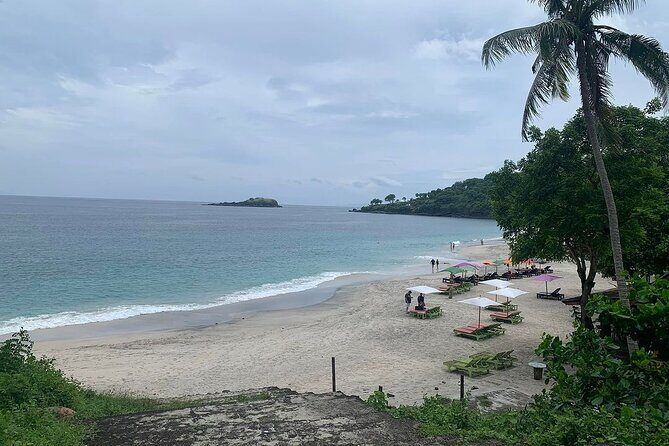
You might consider a different plan if you:

  • dislike stairs and uneven walking (Tukad Cepung involves stairs and jungle paths)
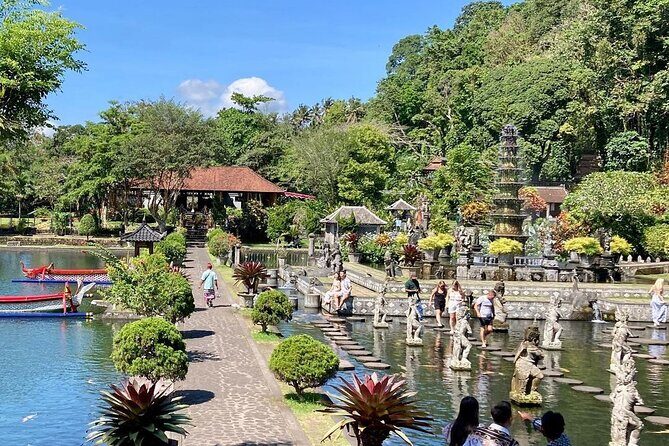
  • want long, slow time at just one place instead of four stops
  • don’t want to be around wildlife in large numbers (Monkey Forest has about 700 macaques)

It’s also a good option for couples and small groups because it’s private and designed around your group’s pace.

Should you book this Ubud waterfalls and rice terraces tour?

If your goal is a smooth, photo-friendly Ubud day that covers waterfalls, terraces, and monkeys without logistics stress, I’d book it. The value math works best because pickup, private transport, and entrance tickets are bundled, and the stops are thoughtfully varied rather than all “same type of view.”

Before you book, set realistic expectations:

  • Wear proper shoes for the waterfall walk.
  • Expect shifting light and changing conditions, especially in jungle valleys.
  • Plan for lunch on your own.

If that sounds like your kind of day—active but not extreme, structured but still outdoors—this is a solid way to experience Ubud’s highlights.

FAQ

How long does the tour take?

It runs about 8 to 10 hours.

What waterfalls and attractions are included?

You’ll visit Tukad Cepung Waterfall, Kanto Lampo Waterfall, Tegalalang Rice Terrace, and Sacred Monkey Forest Sanctuary.

Do I get hotel pickup and drop-off?

Yes. Pickup and drop-off are included from addresses in Ubud and parts of south Bali, including Kuta, Seminyak, Sanur, Nusa Dua, Jimbaran, and Canggu.

Is the tour private?

Yes. It’s a private tour/activity, and only your group participates.

What is included in the price?

Hotel pickup and drop-off, private transportation, an English-speaking driver/guide, mineral water, and entrance tickets are included.

Is lunch included?

No. Lunch is not included.

What ticket format do I get?

The tour uses a mobile ticket.

Is good weather required?

Yes. It requires good weather. If it’s canceled due to poor weather, you’ll be offered a different date or a full refund.

What’s the cancellation policy?

You can cancel for a full refund up to 24 hours in advance. If you cancel less than 24 hours before the start time, you won’t receive a refund.

Are the waterfalls walkable for most people?

Most travelers can participate, but Tukad Cepung involves walking down stairs and along a jungle pathway, so bring appropriate footwear.

Full Day Bedugul and Tanah Lot Tour – Most Scenic Site

Full Day Bedugul and Tanah Lot Tour - Most Scenic Site - Wanagiri Hidden Hills: twin lakes and the photo-spot layout

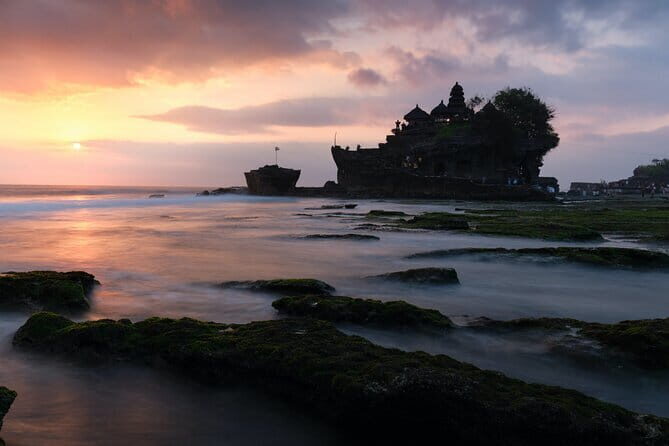
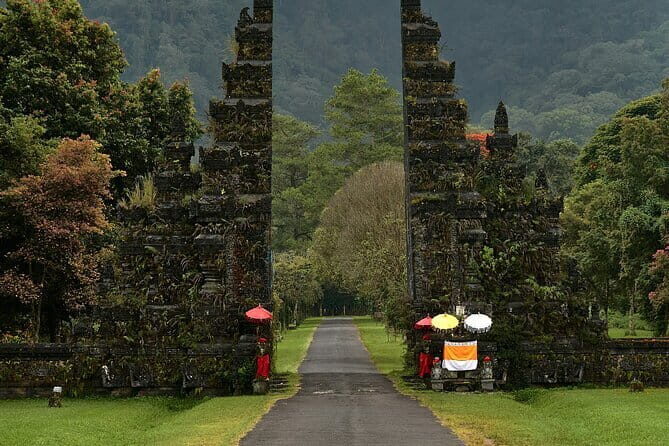
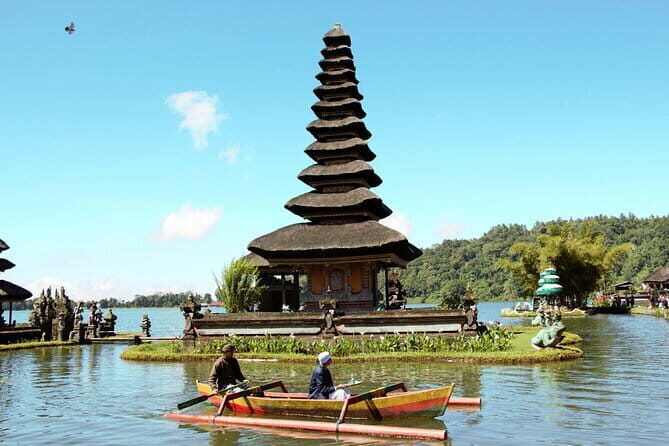
Bali’s best photo route in one day. This tour strings together big, camera-friendly stops: Wanagiri Hidden Hills with twin lake views, Handara Iconic Gate with classic Balinese architecture, the lake-temple feel of Ulun Danu Beratan, then the sea-rock drama of Tanah Lot.

I particularly love how the day is built around visual payoff, not just checkboxes. You’ll get a proper run of sightseeing time at Wanagiri (about 3 hours), a shorter but focused window at Handara (about 1 hour), and then the slower, more meaningful temple pacing at Ulun Danu Bratan (about 2 hours) before moving to Tanah Lot (about 2 hours). The second thing I like is that you’re not stuck wrestling directions on your own—guides such as Mr Wawan, Naya, Pak Anya, Adi, Dirga, and Koming are repeatedly praised for helping with photos and making the trip feel smooth and safe. One drawback to keep in mind: it’s an 8-hour day with several popular photo stops, so you’ll move at a steady pace and won’t linger forever at each viewpoint.

Key highlights to watch for

Full Day Bedugul and Tanah Lot Tour - Most Scenic Site - Key highlights to watch for

  • Wanagiri Hidden Hills twin lake views as your warm-up
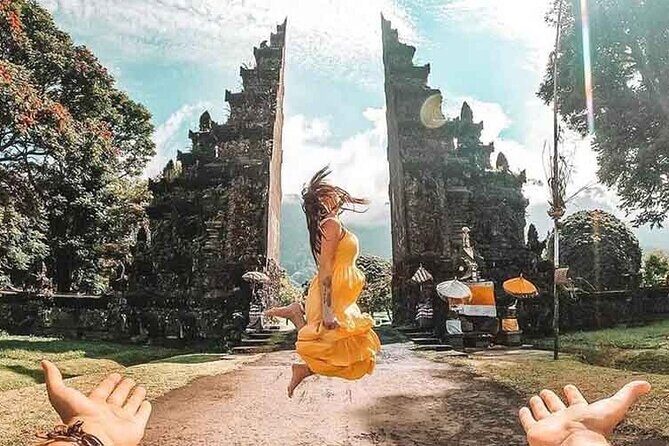
  • Handara Gate framed for classic Bali photo compositions
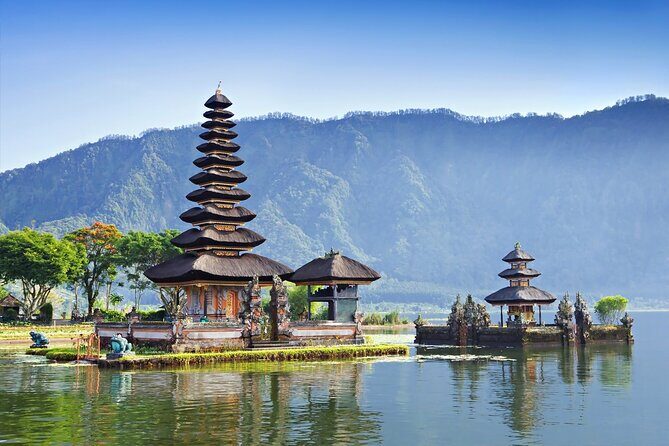
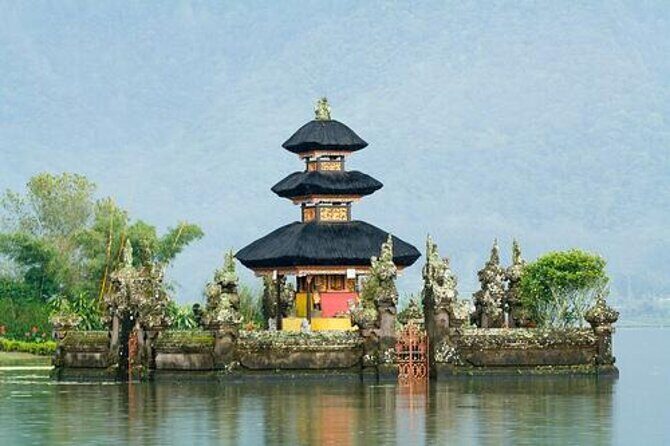
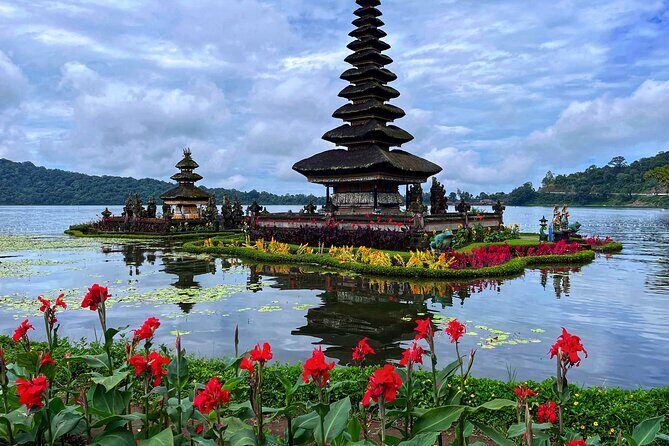
  • Ulun Danu Beratan Temple on Lake Beratan for the floating-on-water vibe
  • Tanah Lot on the sea edge, timed in a way that fits sunset plans
  • Private group setup with pickup from your area around Ubud
  • Guides who help you get the shot while keeping the drive comfortable

The Ubud-to-Bedugul-to-Coast rhythm (and why it works)

Full Day Bedugul and Tanah Lot Tour - Most Scenic Site - The Ubud-to-Bedugul-to-Coast rhythm (and why it works)
This is the kind of Bali day trip that makes sense if you want variety without the stress of planning. You start in the Ubud area and work your way toward the cooler, greener Bedugul region, then finish at the coast with that iconic sea-temple setting.

The schedule is designed for visual progression. You begin with highland views (Wanagiri), then shift to architecture (Handara Gate), then to religious lake scenery (Ulun Danu Beratan), and finally land on the ocean-edge drama (Tanah Lot). That matters because it keeps the day from feeling repetitive. Even if you’re not a “temples all day” person, the scenery changes each stop, and your photos will look like a real storyline instead of four nearly identical backgrounds.

Also, the tour is listed as a private tour/activity, meaning only your group participates. For families, couples, and friends traveling together, that often makes the experience feel less rushed. You’re still sightseeing at a set pace, but it’s your pace, not a coach bus schedule.

Wanagiri Hidden Hills: twin lakes and the photo-spot layout

Full Day Bedugul and Tanah Lot Tour - Most Scenic Site - Wanagiri Hidden Hills: twin lakes and the photo-spot layout
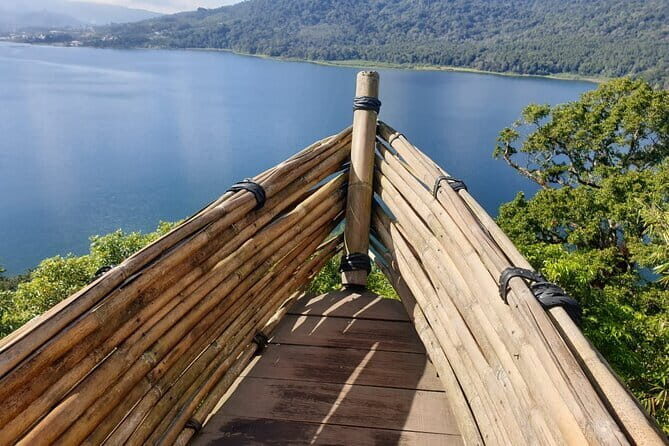
Wanagiri Hidden Hills (often referred to as Hidden Hill Wanagiri) is the first big moment of the day. It’s known for views of twin lakes, and the layout gives you places to pause for photos.

This stop runs about 3 hours, which is a generous window for the first stop. That time buffer is useful because the best shots here take a little trial and error—getting the horizon right, finding the angle that includes both water shapes, and waiting for the light to cooperate. If you’re traveling with a camera (or your phone’s wide lens), you’ll likely appreciate that extra time before the day tightens.

What’s also nice: this is one of the fewer “just walk to the next point” stops. Hidden Hill Wanagiri is built around photo spots, so you can focus on composing rather than trying to figure out where everyone else is going.

Practical tip: start this stop ready to move. Wear grippy shoes. If the ground is uneven or damp, you’ll be happier not rushing.

Handara Iconic Gate: classic Balinese framing in 1 hour

Full Day Bedugul and Tanah Lot Tour - Most Scenic Site - Handara Iconic Gate: classic Balinese framing in 1 hour
Handara Iconic Gate is short, but it’s intentionally short. You get about 1 hour here, which is enough to do the photo loop without turning the gate into a two-hour wait.

This gate is famous for that recognizable look: Balinese architectural style with a strong, photogenic backdrop. In other words, it’s a “set piece.” You’re not just seeing it; you’re using it as a frame for your photos, and that’s why the stop is timed.

The biggest thing to know is that the photo locations usually work best if you don’t overthink it. Pick one or two angles, grab your key photos, then take a step back and enjoy what’s around you. If you spend your whole hour trying to perfect one single shot, you’ll feel rushed for the rest of the day.

Practical tip: go for variety in your shots—one wide shot, one tighter composition, then a couple of people-in-frame photos. You’ll come home with more than one look from this stop.

Ulun Danu Beratan Temple on Lake Beratan

Full Day Bedugul and Tanah Lot Tour - Most Scenic Site - Ulun Danu Beratan Temple on Lake Beratan
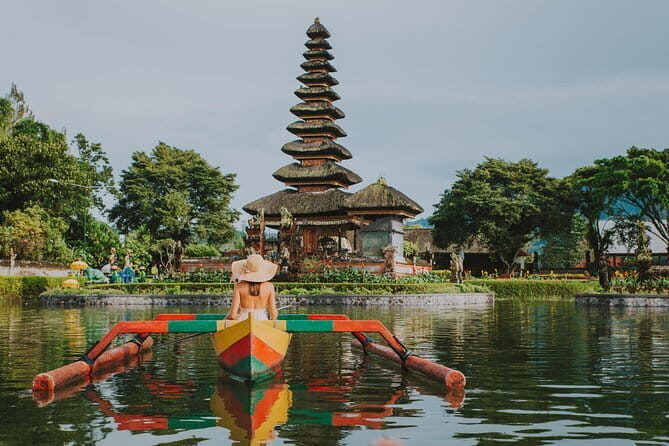
Ulun Danu Beratan Temple is the cultural heart of the day. You’re visiting a temple dedicated to the lake goddess, and its setting is part of the point: the temple sits on the edge of a huge crater area and gives the impression of being on Lake Beratan, so it can look like it’s floating on the water.

This is also one of the stops that takes time to appreciate. You’re given about 2 hours, and that usually means you can slow down. Instead of sprinting from viewpoint to viewpoint, you can take in the water setting, look at the temple structures, and photograph the scene from different distances.

A helpful detail: the temple is described in terms of how it looks because it’s tied to the lake. That means your photos improve when you pay attention to water levels and reflections. If the water surface is calm, your angles will look more “mirror-like.” If there’s movement, you’ll get a more textured look. Either way, the lake setting is what gives this place its signature feel.

Practical tip: bring a light layer if you feel chilly around the lake. Higher elevations can cool things down fast.

Bedugul lunch break: recharge, then hit the coast

Full Day Bedugul and Tanah Lot Tour - Most Scenic Site - Bedugul lunch break: recharge, then hit the coast
After Ulun Danu Bratan, the day shifts to lunch in the Bedugul area. Lunch is listed as Indonesian food, so you’ll get something more local than a generic snack stop.

Even if lunch isn’t the highlight on your planning list, I think it’s one of those “hidden value” parts of a full day tour. It keeps you from spending the afternoon hungry, cranky, and rushed. It also breaks up the drive, so you arrive at Tanah Lot in better shape to handle crowds or sunset timing.

Use this time in a practical way:

  • Grab water before you leave the lunch area.
  • If you’re switching from temple photos to sea photos, wipe your lens or phone camera once. Salt air and dusty roads can mess with clarity.

Also, Bedugul is the bridge between climates. Your body will feel the change when you go from lake-temple vibes to ocean views. A real lunch break helps you adjust instead of fighting the fatigue.

Tanah Lot: the sea-rock temple and sunset potential

Full Day Bedugul and Tanah Lot Tour - Most Scenic Site - Tanah Lot: the sea-rock temple and sunset potential
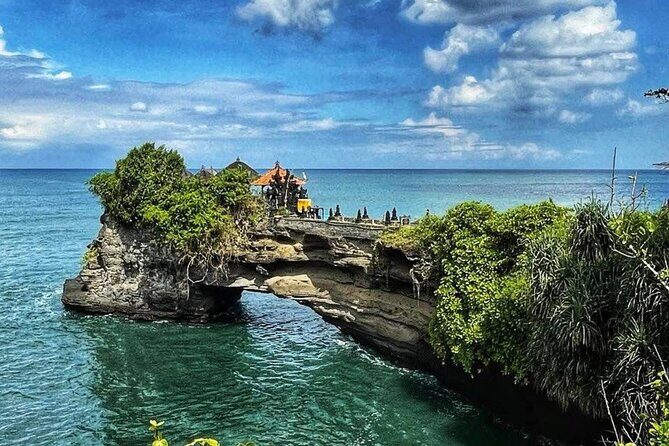
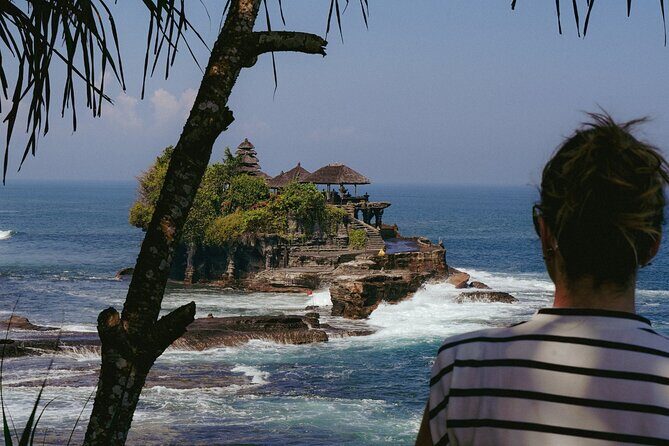
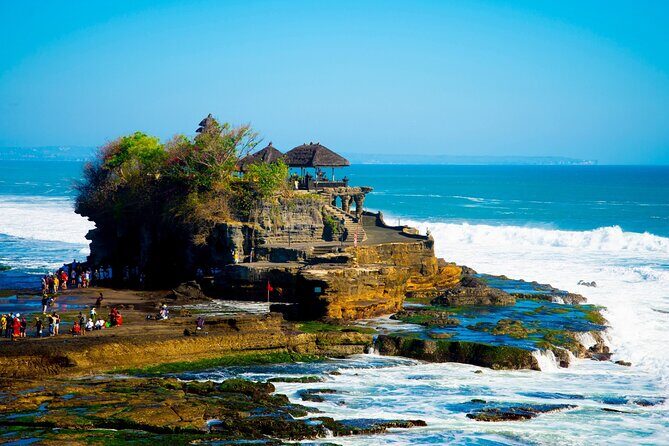
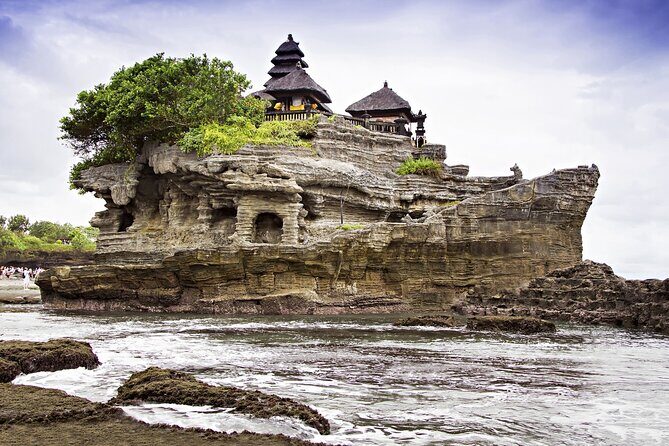
Tanah Lot is your final, iconic stop. The temple is described as a Balinese Hindu temple on a rock in the middle of the sea. The story people tell with this place is simple: if the sea water is high, the temple looks like it’s floating in the ocean.

You get about 2 hours here, and that’s not accidental. Tanah Lot is the kind of place where the best photos are tied to the light. The tour description specifically calls out suitability for sunset, which is why it finishes where it does.

One thing I like about this finish: it gives your photos a strong emotional arc. Your day starts with calm lake views, then goes to a gate backdrop, then becomes lake-and-temple scenery, then ends at ocean rock drama. It’s easy to see why this place is often the last stop on a day like this.

Practical tip: keep an eye on waves and footing. If the rock area feels slippery, step back. You’ll get better photos from safer positions anyway.

Price and value at $70 per person

Full Day Bedugul and Tanah Lot Tour - Most Scenic Site - Price and value at $70 per person
At $70 per person, this tour sits in the “worth it if you value time” category. Here’s what you’re buying besides transportation: a packed day of multiple scenic and cultural stops without you coordinating the route, timing, and entry flow yourself.

Value usually comes from four areas:

  1. Time saved: you’re combining Wanagiri, Handara, Ulun Danu Beratan, and Tanah Lot into a single day.
  2. Stop-focused pacing: you get enough time at each major viewpoint to actually take photos.
  3. Included admissions on key stops: admission is listed as included for Wanagiri Hidden Hills, Handara Gate, and Ulun Danu Beratan Temple.
  4. A driver/guide who manages the human side: based on guide feedback, they help with photos and communication with locals.

Tanah Lot is listed as admission free in the info, which is a nice bonus. Your day still feels complete because the scenery is the “ticket,” but it helps keep costs tidy.

If you’re traveling as a private group, this price can feel even more fair because the tour is set up for only your group. You’re not splitting attention with strangers, and that usually improves how the day feels.

Quick note on change flexibility: the experience is listed with free cancellation up to 24 hours before start time. That’s the kind of flexibility that’s worth something when plans are still moving around.

Pickup, private group setup, and how it affects your day

Full Day Bedugul and Tanah Lot Tour - Most Scenic Site - Pickup, private group setup, and how it affects your day
The tour includes pickup offered, and the start time is 8:00 am. That matters. A morning start is often the difference between comfortable photos and chaotic ones at popular sites.

Because it’s set as a private tour/activity (only your group participates), you can expect the day to run with less waiting. It’s also listed with mobile ticket use, which typically makes check-in feel faster and less paperwork-heavy.

One more detail that I think affects the experience: it’s described as suitable for most travelers. That doesn’t mean it’s effortless, but it suggests there’s no extreme prerequisite required for participation in the basic way most people visit these sites.

Practical tip: plan for a full day on the move. Even with “only your group,” you’ll still do plenty of walking and standing for photos.

Your guide makes the difference: Mr Wawan, Naya, Pak Anya, Adi

This tour’s success often comes down to the guide behind the wheel. In the feedback shared for this tour and the operator, the same themes show up again and again: help with directions, safety, English ability for communication, and support for getting good photos.

You’ll see names like:

  • Mr Wawan, praised for being helpful and patient, including taking photos along the way
  • Naya, described as very knowledgeable and sociable, also noted for safe driving and picture help
  • Pak Anya, recognized for being informative and helpful with photos and shopping
  • Adi and Dirga, mentioned for English skills, driving comfort, and making the day feel perfect
  • Koming, noted as informative and helpful too

Even if the exact guide changes, that pattern is a good sign. It means the tour isn’t just a car rental with stops. It’s designed to connect you with the places and keep you comfortable in traffic-heavy conditions.

Also, the operator Bali Golden Tour shows up with a reputation for quick email responses and overall organization across multiple tours for at least one group. That matters because a well-run itinerary reduces stress when the day is packed.

What to pack for a photos-first day in Bali

This is a full day from Ubud through different scenic areas, ending at the coast. So pack for variety, not just one location.

I’d bring:

  • A light layer (lake/temple areas can feel cooler)
  • Comfortable shoes with grip (photo spots can be uneven)
  • Water bottle (you’ll want it by the time you’re at Tanah Lot)
  • A phone or camera cleaning cloth (salt and dust happen fast)
  • Sun protection (the gate and sea-rock areas can be bright)

If you want a simple photo strategy, use the first stop (Wanagiri) to test your settings, then repeat your best approach at Handara. By the time you reach Ulun Danu Beratan and Tanah Lot, you’ll already have a workflow.

And remember: on these days, the best photos often come from calmer moments. Even if your schedule is tight, step away from the crowd for a minute and let the scene settle in.

Who should book this tour (and who should skip it)

You’ll likely enjoy this tour if:

  • You want scenic, photogenic highlights in one day
  • You prefer a driver/guide rather than self-driving across multiple areas
  • You like a mix of temples, architecture, and lake-and-sea views

You might want to skip (or choose something more relaxed) if:

  • You hate full-day schedules and prefer slower travel
  • You’re sensitive to long car time
  • You want to spend lots of time in only one location instead of several highlights

This is built for people who like variety and photos, not people who want a single deep, slow day in one place.

Should you book the Full Day Bedugul and Tanah Lot Tour?

Yes, if your goal is a high-impact Bali day with photos, big scenery, and a strong finish at Tanah Lot. The route makes sense: you start with lake views, go to a famous gate, shift to a lake-temple atmosphere, then end at the sea-rock setting with sunset timing in mind.

But if you’re the type who needs long free time at each stop, expect the day to feel paced. You’re getting a lot packed into about 8 hours, so you’ll want to keep your expectations aligned: this is a highlight run, not an all-day wandering free-for-all.

If you book, I’d focus on one thing before you go: pick the photos you truly care about. Then let the rest of the day become the bonus.

FAQ

What time does the tour start?

It starts at 8:00 am.

How long is the tour?

The duration is about 8 hours.

Is pickup included?

Yes, pickup is offered.

Is this a private tour?

Yes. It’s listed as a private tour/activity, meaning only your group participates.

What are the main stops on the route?

The tour includes Wanagiri Hidden Hills, Handara Iconic Gate, Ulun Danu Beratan Temple, and Tanah Lot Temple.

Are entrance tickets included?

Admission is listed as included for Wanagiri Hidden Hills, Handara Iconic Gate, and Ulun Danu Beratan Temple. Tanah Lot is listed as free.

What is the price per person?

The price is $70.00 per person.

How does ticketing work?

It uses a mobile ticket.

What’s the cancellation policy?

Cancellation is listed as free up to 24 hours in advance for a full refund.

Is there a group discount?

Yes, the tour includes group discounts.

All Inclusive – Toekad Ubud Ayung River Rafting

All Inclusive - Toekad Ubud Ayung River Rafting - Starting at the Wantilan Lobby: Safety Briefing Without the Nerves

Rafting days in Ubud are hard to top. This one hits the Ayung River for about two hours of paddling and rapids, then slows down with a buffet lunch and proper cleanup.

I like that it’s set up like an actual experience, not just a ticket and a shove. You start at a Balinese wantilan-style lobby with safety procedures on display, plus English/Korean/Mandarin/Indonesian briefing. I also like the all-in approach: changing rooms, towels, and showers, then a no-extra-cost buffet lunch with Ayung Valley views.

One thing to keep in mind: pre-trip communication via WhatsApp can be spotty. If you have a few questions, don’t wait until the last minute to chase answers.

Key Points You’ll Care About

All Inclusive - Toekad Ubud Ayung River Rafting - Key Points You’ll Care About

  • Maximum group size of 2 people for a more personal feel
  • Class II rapids with a chance to reach class IV during rainy months
  • Wantilan-style start with safety photos/equipment and multilingual briefing
  • Changing rooms, towels, and showers included so you can reset after the water
  • Buffet lunch at no extra cost, plus WiFi at the restaurant
  • Pickup from select hotels in Ubud and Seminyak (when available)

Ayung River Rafting From Ubud: Why This One Is Worth the Time

Ubud is famous for arts, temples, and “wellness” plans that somehow still cost money. This tour gives you something different: wet, fast, and scenic, all in a tight window.

The Ayung River is the biggest and longest river in Bali, which matters because you spend your limited time on the water in a real river setting, not some short stretch that feels like a sample. The route runs through parts of Bali that don’t get reached by car easily, so your ride feels like a moving tour of plants, wildlife, and river scenery.

Another practical win: this experience is short. Plan for about two hours on the river, plus the start-and-reset time around it. If you’ve got a packed Ubud itinerary, that matters. You’re not committing to half the day disappearing.

What All-In Really Means Here: Pickup, Cleanup, and Lunch

All Inclusive - Toekad Ubud Ayung River Rafting - What All-In Really Means Here: Pickup, Cleanup, and Lunch
Let’s talk value in plain terms. At $29 per person, this tour is priced like a basic activity—until you notice what’s included. You’re not only paying for the raft ride.

You get:

  • Pickup from select hotels in Ubud and Seminyak (if your hotel is in the pickup zone)
  • Changing rooms, towels, and showers
  • Buffet lunch after rafting, included at no extra cost
  • A mobile ticket for smoother check-in
  • WiFi at the lunch restaurant

These inclusions change the experience. The showers and towels mean you’re not stuck with soggy clothes and a “hope I can dry off” plan. The lunch inclusion means you don’t have to hunt for food right after you get cold and hungry.

A quick reality check: pickup is only from select hotels, so if your place isn’t on that list, you’ll want to plan how you’ll get to the start point.

Starting at the Wantilan Lobby: Safety Briefing Without the Nerves

All Inclusive - Toekad Ubud Ayung River Rafting - Starting at the Wantilan Lobby: Safety Briefing Without the Nerves
The pre-rafting part sets the tone. You start at Toekad Rafting at Jl. Raya Kedewatan No.44, Kedewatan, Ubud (Gianyar), Bali. This is not a generic parking-lot meeting point. It begins at a traditional Balinese wantilan-style lobby, and it’s set in the middle of green rice fields with views of Abang mountain.

Before you hit the rapids, you’ll get a guide briefing with safety procedures. The lobby is set up like a mini staging area: equipment is on hand, there’s a desk, and safety procedures are shown via a photo display. There’s also a TV, and separate male and female toilets, which is a small detail that makes a big difference when everyone’s trying to get ready fast.

What I like here is the focus on clarity. The briefing is offered in English/Korean/Mandarin and also Indonesian. So even if your Bali Bahasa is limited, you’re more likely to understand what to do when the raft hits the water.

The River Time: Class II Rapids and the Rainy-Season Twist

All Inclusive - Toekad Ubud Ayung River Rafting - The River Time: Class II Rapids and the Rainy-Season Twist
This is the main event: about two hours on the Ayung River. The rapids are described as class II, and that’s the sweet spot for a lot of people—exciting without feeling like you’re on your way to chaos.

There’s also an important seasonal note. During the rainy months, the river can run higher, and rapids may reach class IV. That doesn’t mean it’s going to be extreme every day, but it does mean you should treat the rainy season as a “buckle up” warning.

Here’s how to think about it for your planning:

  • If you want a thrill but not a white-knuckle day, class II is usually a great fit.
  • If rain is in the forecast and you’re aiming for an easy ride, expect the river conditions to be less predictable.

The good part: you’re not just getting slammed by waves. The river trip is also about scenery, plants, and wildlife along the route. About those plants—your time on the water gives you a view of Bali’s greenery that’s hard to replicate from the road.

Getting Down the River Safely: The Role of the Guide

All Inclusive - Toekad Ubud Ayung River Rafting - Getting Down the River Safely: The Role of the Guide
On rafting trips, the difference between stressful and fun is often the guide. The tour runs with a guide who briefs you on safety and runs the experience in the language you’re given.

In real-world operation, the guiding approach seems to emphasize confidence and humor. One example from the experience data mentions a competent guide named Wayan who made things enjoyable with lots of laughs. Another mentions Angus as a driver who was communicative, friendly, and on time, which matters because arriving stressed can ruin your mood before you even get to the water.

I wouldn’t assume you’ll get the same people. Still, it’s a good sign that the operation gets high marks for competence and a relaxed vibe. And when a guide is good at pacing—especially when there are more people around—you tend to feel like the day is moving with purpose, not like a crowded factory line.

Buffet Lunch With Ayung Valley Views: The Perfect Reset

After the ride, you’re back for food and recovery. The buffet lunch is served in a restaurant with Ayung Valley views, which is a smart pairing. You spend hours in motion and then you get a calm, scenic place to sit down.

The lunch is buffet style, and it’s included. There are also amenities like WiFi, which is great if you want to check messages while you digest the day and dry off.

This meal is more than just calories. It turns the outing into a real half-day plan instead of a quick adrenaline hit. You get to feel human again—dry clothes, warm food, and a moment to look back at what you just did from a stable viewpoint.

Transfers, Timing, and How to Fit This Into Your Ubud Plan

This tour is designed as an easy add-on for Ubud. Start is at Toekad Rafting in Kedewatan, and the activity ends back at the meeting point. That means you don’t need a complicated end-of-day logistics scramble.

Transfers are offered from select hotels in Ubud and Seminyak, so if your accommodation is included in that zone, you can cut out a chunk of planning. Also, the meeting point is near public transportation, so you have options if you don’t have pickup.

Duration is listed as about two hours. That makes it a good pick for:

  • people who want a thrill without losing a whole day
  • families who want a structured activity
  • anyone who likes nature but also wants action

One more planning note: this activity is typically booked about 23 days in advance on average. If you want specific timing, it’s smart to lock it in early rather than hope there’s space.

Who Should Book Toekad Ayung River Rafting?

You’ll probably love this if you want:

  • a fun, guided rafting outing in Ubud
  • an experience that includes cleanup and lunch
  • a river ride that ranges from exciting class II rapids to possible class IV when conditions change
  • a short time commitment with a clear start and finish

It’s also a reasonable match for most people because the tour is described as having most travelers able to participate. Still, if you’re sensitive to cold water or you hate unpredictable intensity, the rainy-season class IV possibility is your main “think twice” point.

Because the maximum group size is 2 travelers, it can feel like you’re getting more individual attention than you’d expect from a rafting stop.

Should You Book This Rafting Tour?

I’d book it if you want good value without DIY stress. The combination of raft time, showers and towels, and a buffet lunch is exactly how you keep a day like this from turning into an expensive hassle. The start setup (equipment, safety photos, multilingual briefing) also suggests you’ll get oriented quickly.

If you’re booking during rainy months, go in with the right mindset: the river may run higher. And if you rely on WhatsApp for last-minute questions, give yourself extra buffer time in case replies are slow.

Overall, Toekad Ubud Ayung River Rafting is a strong “do it once” adventure. It’s action where it counts, plus comfort afterward.

FAQ

How long does the rafting experience last?

The rafting duration is listed as about 2 hours.

Where does the tour start?

The tour starts at Toekad Rafting, Jl. Raya Kedewatan No.44, Kedewatan, Kecamatan Ubud, Kabupaten Gianyar, Bali 80571, Indonesia.

Is pickup available?

Pickup is offered from select hotels in Ubud and Seminyak.

What is included with the tour besides rafting?

Changing rooms, towels, and showers are included, along with an included buffet lunch.

Is lunch included in the price?

Yes. A buffet lunch is served after rafting, at no extra cost.

What rapids are on the Ayung River?

The Ayung River is listed as class II, and during rainy months it may rise to class IV.

What languages are used for the safety briefing?

The briefing is available in English, Korean, Mandarin, or Indonesian.

What is the cancellation policy?

Free cancellation is available if you cancel up to 24 hours in advance for a full refund.

Bali Gate of Heaven Temple, Waterfall, Water Palace & Swing

Bali Gate of Heaven Temple, Waterfall, Water Palace & Swing - Early-Morning Game Plan for Lempuyang’s Gates of Heaven

If you love photos with meaning, this route makes sense fast. This day blends Bali’s most famous views with a few lesser-known moments: the Gate of Heaven at Lempuyang Temple, the dreamy light beams at Tukad Cepung Waterfall, and the water gardens of Tirta Gangga. A key plus is the built-in photo support, so you’re not just hunting for angles all day.

I really like the small-group feel, with a maximum of 6 people and private hotel transfer by car. I also like that the schedule packs several “big Bali” stops into about 10 hours, so you don’t lose half your trip to logistics.

One thing to plan for: the main attraction tickets and shuttle fees are not included, and the swing ride costs extra if you want to actually go up on it.

Key Highlights to Know Before You Go

Bali Gate of Heaven Temple, Waterfall, Water Palace & Swing - Key Highlights to Know Before You Go

  • Small group (up to 6) keeps the day moving without feeling chaotic
  • Early-morning timing helps you beat long lines for popular temple photo spots
  • Tukad Cepung waterfall light effects give you that classic sunbeam look
  • Real Bali Swing is a photo stop, with optional paid ride levels
  • Tirta Gangga adds a calm, royal-water-palace vibe to the action
  • A pro photographer handles shots so you spend less time posing and more time seeing

Why This Day Hits East Bali’s Top Photo Spots

Bali Gate of Heaven Temple, Waterfall, Water Palace & Swing - Why This Day Hits East Bali’s Top Photo Spots
This tour is built for people who want one efficient day in Bali that still feels scenic and varied. You’re not bouncing between random stops. Instead, you get a clear sequence of visual “chapters”: sacred gates, waterfall light, royal water gardens, rice terrace views, and then a high-energy swing moment.

The experience also feels intentionally photo-friendly. You’re given a photographer focus, and multiple stops are the kind where being in the right place at the right time matters. At a place like Lempuyang, the biggest difference between a good photo and an amazing one is usually timing and positioning, not your camera alone.

And even if you don’t care about Instagram, the day still works because it’s a real mix of Bali experiences: religious architecture, natural settings, and classic countryside views.

Early-Morning Game Plan for Lempuyang’s Gates of Heaven

Bali Gate of Heaven Temple, Waterfall, Water Palace & Swing - Early-Morning Game Plan for Lempuyang’s Gates of Heaven
The headline stop is the Gates of Heaven view at Lempuyang Temple. This is the place most people come for: the iconic split gate framing and the dramatic backdrop of Mount Agung on a clear day.

The practical lesson here is simple: arrive early. In past days, pickup has been as early as 4:00 am from Seminyak, because you really do want to reduce waiting and crowd pressure. That early start can feel intense, but it’s usually the difference-maker for getting better photo time.

Plan for extra costs at the gate area too. The Gates of Heaven entrance and shuttle fee is listed at IDR 115,000 per person and you’ll pay that on the spot. The tour includes a driver and private transfer, but the ticket itself is separate.

You’ll be walking around temple grounds and likely climbing stairs depending on the photo spot. If you’re going with someone who has mobility limits, it’s smart to think ahead about what they can handle in the morning light and stone steps.

Tukad Cepung Waterfall: The Light-Beam Stop

Bali Gate of Heaven Temple, Waterfall, Water Palace & Swing - Tukad Cepung Waterfall: The Light-Beam Stop
Next up is Tukad Cepung Waterfall, a spot known for its dramatic interior setting and the way sunlight filters in. The tour description calls out the magic of the sun hitting the falls, and that’s exactly why this place gets people excited: it doesn’t look like every waterfall in every valley.

Because this stop is in an enclosed or canyon-like area, lighting can change quickly. Your photographer help matters here. When you’re not rushing to figure out angles, you can actually enjoy what’s happening in front of you.

There’s also a separate ticket cost: Tukad Cepung entrance fee is IDR 30,000 per person. Admission isn’t included in the base price.

Practical tip for your day: bring a quick-dry layer or something you don’t mind getting damp. Waterfall mist can be small or bigger depending on conditions, and you’ll want to feel comfortable when you move on to the next stop.

Bali Swing at Real Bali Swing: Photos Plus Extra Ride Fees

Bali Gate of Heaven Temple, Waterfall, Water Palace & Swing - Bali Swing at Real Bali Swing: Photos Plus Extra Ride Fees
Then comes the fun, slightly chaotic part: Real Bali Swing. This is listed as a sightseeing and taking photo stop, which is important because the swing itself costs extra.

Here’s the cost breakdown from the tour info:

  • Optional single swing: IDR 200,000 per person
  • Optional couple swing: IDR 400,000 per person

So if you only want the scenery photos around the swing area, you might not need to pay for the ride. But if you want the classic “up in the air” shots, budget for it.

The best value play is to decide early, before you’re already geared up and committed. Once you’re there, it’s easy to say yes in the moment, and the cost is per person (and higher for couple swing).

Also remember it’s a high-momentum stop in a long day. You’ll want good footwear with grip, since you’re transitioning from temple and waterfall areas to an outdoor activity area.

Tirta Gangga Water Palace: Royal Bathing Pool Calm

Bali Gate of Heaven Temple, Waterfall, Water Palace & Swing - Tirta Gangga Water Palace: Royal Bathing Pool Calm
After the action, you get a slower, more elegant stop at Tirta Gangga, also described as the royal bathing pool of the Karangasem King. The site was built in 1948 by the last King of Karangasem, and the name is explained in the tour text: Tirta means holy water, and Gangga is the name of a holiest river.

This matters because it helps you see the place as more than scenery. You’re walking through a designed water garden—steps, pools, and the feel of a royal leisure space. It contrasts nicely with Lempuyang’s sacred stone feel and Tukad Cepung’s natural, contained power.

Tirta Gangga has its own entrance ticket: IDR 70,000 per person, listed as not included. That’s a fairly straightforward add-on, and it’s worth it if you like “Bali that looks engineered but peaceful.”

If you want photos here, the best approach is patience. Wait for calmer moments around the water and use the time to enjoy the quiet. This is a good spot to reset your energy before the more demanding temple and terrace views.

Tegalalang Rice Terrace and the Final Stretch

Bali Gate of Heaven Temple, Waterfall, Water Palace & Swing - Tegalalang Rice Terrace and the Final Stretch
The tour’s plan includes a stop at Tegalalang Rice Terrace. This is where your day shifts from temples and water attractions into the classic Bali countryside look—terraced fields, angles that reward stepping to the side, and a view you can watch change with the light.

Even without a swing, this is a strong ending. You finish with a scenic perspective on how people farm and live in the landscape around Ubud and East Bali routes.

Because your day is about 10 hours, you’ll want to pace yourself on this finale stop. Wear breathable clothing and keep water handy. The ride back can feel long if you’re tired, so treat Tegalalang like a chance to slow down, not just rush for one more photo.

Guides and Photo Support: What Makes the Day Feel Smooth

Bali Gate of Heaven Temple, Waterfall, Water Palace & Swing - Guides and Photo Support: What Makes the Day Feel Smooth
A huge part of why this tour gets strong ratings is the human help. Guides named in past days include Putu, Polos, Ketut, Kadek, Made, and Nanda. Each of them shows up with a similar goal: keep you moving, explain what you’re seeing, and help you get good pictures without you stressing.

From the experience details you get, the best guides don’t just steer the van. They also know the right spots for photos and can suggest camera tweaks. One guide even taught simple camera tricks, which is a big deal if you’re not used to shooting in changing temple and outdoor light.

Communication also seems to matter. The tour descriptions emphasize professionalism, and the guides in past experiences were described as helpful, patient, and organized, with schedules adjusted to get the best time at each location. And because some roads can be challenging, a confident driver plus a calm guide makes the day feel less like endurance.

If photography matters to you, this is where the value shows. Multiple stops are photo-driven, and a professional photographer plus digital photos means you can focus on being present instead of only thinking about settings.

Price and Value: What $30.42 Really Buys

Bali Gate of Heaven Temple, Waterfall, Water Palace & Swing - Price and Value: What $30.42 Really Buys
The listed price is $30.42 per person for a tour around 10 hours, usually booked about 60 days in advance. That base price is the deal-maker because it includes a lot of the big-ticket logistics:

  • driver
  • private hotel transfer by car
  • petrol
  • professional photographer support and digital photos (per the tour description)
  • refreshments (also stated in the tour description)
  • mobile ticket

But here’s the honest budgeting part: you still pay several on-site fees listed as not included:

  • Gates of Heaven entrance & shuttle: IDR 115,000 per person
  • Tirta Gangga entrance: IDR 70,000 per person
  • Tukad Cepung Waterfall entrance: IDR 30,000 per person
  • Swing ride (optional): IDR 200,000 single or IDR 400,000 couple

So your real “all-in” cost depends on whether you ride the swing and how you handle entrance payments. If you’re the type who wants the classic swing photo, add that in early so there are no surprises.

Still, even with entrance fees, this can be good value if you consider what you’re buying: a full-day route with a photographer focus and private transport that keeps you from hopping between vehicles or guessing schedules.

Who This Tour Fits Best (and Who Should Rethink It)

This fits best if you:

  • want a photo-focused East Bali day with multiple major viewpoints
  • like having a guide handle timing and on-the-ground decisions
  • prefer small-group pacing over big bus tours
  • don’t want to plan temple and waterfall route logic yourself

You might rethink it if you:

  • strongly dislike early mornings. Some days start very early to reduce lines, and you’ll feel it.
  • have trouble with stairs and walking, since temple areas and popular photo spots usually involve uneven stone paths.
  • hate added costs during the day. The swing is optional, but the temple/waterfall entrances are listed separately.

For couples, this is a strong pick because the itinerary includes visual variety and there are optional couple swing pricing options. For solo travelers, the photographer angle is also a practical bonus because you don’t need to chase strangers for photos.

Should You Book This Bali Gate-and-Waterfalls Tour?

If your goal is one high-impact day in Bali—sacred views, waterfall light, royal water gardens, and terrace scenery—this is a smart booking. The pricing can feel low for what you get, and the small group size plus photographer support makes it easier to enjoy the day instead of managing it.

My advice: budget for the listed entrance fees and decide if you want the swing ride before you get there. If you do those two things, you’ll spend the day seeing more and worrying less.

FAQ

FAQ

How long is this tour?

It runs for about 10 hours.

Is hotel pickup included?

Yes. Pickup is offered, and hotel transfer is included by private car.

How many people are in the group?

The group size is capped at a maximum of 6 travelers.

What does the price include?

The tour description includes a driver, hotel transfer by private car, petrol, a professional photographer with digital photos, and private transport plus refreshments. However, several specific entrance fees listed below are not included.

What entrance fees should I plan to pay?

You’ll need to pay on-site for: Gates of Heaven entrance & shuttle fee (IDR 115,000 per person), Tirta Gangga entrance (IDR 70,000 per person), and Tukad Cepung Waterfall entrance (IDR 30,000 per person).

Is the Bali Swing included?

The swing ride is optional. There’s an optional single swing fee of IDR 200,000 per person or an optional couple swing fee of IDR 400,000 per person.

Do I get photos from the tour?

Yes. The tour includes a professional photographer and digital photos.

What’s the cancellation policy?

You can cancel for a full refund up to 24 hours before the experience starts.

Ubud Tour Waterfall Rice Terrace Temple and Art Village

Ubud Tour Waterfall Rice Terrace Temple and Art Village - Stop 1: Tegenungan Waterfall and the Swim-Ready Natural Pool

One day in Ubud packs a lot. This tour strings together waterfall fun, temple calm, and rice-terrace views in a single organized day, so you don’t waste time guessing routes. I like the private, air-conditioned pickup and the English-speaking driver/guide format that keeps things smooth. I also really enjoy the human touch from guides like Putu Sudiatra and Arta, who show up with humor, good explanations, and help with the little practical bits that make the day easier.

The one thing to plan for is cost on top of the booking: entrance fees are not included, and the total on-site figure given for the must-visit stops is IDR 450,000 per person (Monkey Forest can cost more on weekends).

Key Highlights You’ll Actually Feel

Ubud Tour Waterfall Rice Terrace Temple and Art Village - Key Highlights You’ll Actually Feel

  • Private air-conditioned transport with hotel pickup from designated areas, so you’re not herding with strangers
  • English-speaking guide time that turns photo stops into real context and stories
  • Tegenungan Waterfall with time to photograph and even swim in the natural pool area
  • Tegalalang Rice Terrace views plus a look at the traditional Subak irrigation system
  • Ubud Jungle Swing for the signature panoramic photo moment (ticket not included)
  • Gunung Kawi Sebatu Holy Water Temple as a quieter, spiritual finish

Ubud in One Day: Waterfall, Rice Terrace, Temple, Swing

Ubud Tour Waterfall Rice Terrace Temple and Art Village - Ubud in One Day: Waterfall, Rice Terrace, Temple, Swing
If Ubud is on your itinerary, you’ll likely want the big visual hits without turning the day into a logistics puzzle. This charter tour is built for that: you move through lush nature, cultural stops, and one more playful, adrenaline-style activity in the middle. It’s the kind of day where your camera gets used a lot, but you also get enough guidance that the places don’t feel random.

The best part is the mix. You start with Tegenungan Waterfall, then head into animal-and-temple atmosphere at the Monkey Forest Sanctuary. After that, the vibe turns to rice terrace scenery at Tegalalang. Then you go for the Ubud Jungle Swing photo moment, and you end at Gunung Kawi Sebatu, where the pace slows again around sacred spring water.

This is also a private tour, meaning your group keeps its own rhythm. If you’re the type who likes to ask questions, take extra photos, or adjust timing without a whole bus waiting, that matters.

Private Pickup and an English-Speaking Guide (It’s More Than Comfort)

You’re paying for more than transportation here. Yes, you get a private air-conditioned vehicle and hotel pickup and drop-off from designated areas, plus mineral water during the tour. But the real value is having an English-speaking driver/guide who handles the drive between stops and explains what you’re seeing.

In Ubud, the road can be slow. Traffic and short local roads are normal. A private vehicle helps you stay on schedule, and it also cuts down on the stress of figuring out where to go next. One of the most praised parts of this experience is how guides treat your day like a personal project: helping with photos, planning timing, and even pointing you toward practical choices like restaurants or money exchange options when it comes up.

Guides named in recent experiences include Putu Sudiatra and Arta, and Komang also showed up as a standout. What they seem to have in common: they’re engaging, they’re attentive to what your group needs, and they bring humor without turning the day into a comedy show.

The format includes a mobile ticket, which is one less thing to manage with paper on your phone.

Stop 1: Tegenungan Waterfall and the Swim-Ready Natural Pool

Ubud Tour Waterfall Rice Terrace Temple and Art Village - Stop 1: Tegenungan Waterfall and the Swim-Ready Natural Pool
Tegenungan Waterfall is one of Bali’s best-known waterfall stops, and that popularity is for a reason. The scenery is lush and dramatic, and the area is set up for photos quickly. You’ll have about one hour here, which is usually enough time to see the falls, get your shots, and decide if you want to get in.

The tour description specifically points out the chance to swim in the natural pool area. That’s not a guarantee everywhere in nature, but in this stop’s case, it’s part of the appeal. Bring a mindset of water-friendly fun, not competitive swimming. If you do plan to swim, wear gear that dries fast and be ready for slippery rocks.

Admission is not included for this stop, so expect an on-site fee. Also, since it’s a top highlight, it can feel busy at peak times. Going with a guide helps because they can steer you toward a workable view angle and keep the day moving.

Stop 2: Monkey Forest Sanctuary for Temples and Playful Macaques

Ubud Tour Waterfall Rice Terrace Temple and Art Village - Stop 2: Monkey Forest Sanctuary for Temples and Playful Macaques
Next comes the Sacred Monkey Forest Sanctuary, one hour of jungle atmosphere with temples and long-tailed macaques. The mix is the whole point: you’re not just looking at animals in a park. You’re walking through a sacred green space where temples sit inside the habitat.

This stop is where your attitude matters. If you like wildlife and don’t mind monkeys doing monkey things—stealing snacks, checking pockets, and generally acting like they own the place—you’ll have a great time. If you don’t like animals around you, you might find it stressful. A guide helps you navigate the rules of staying safe and not encouraging behavior that can get messy.

Admission isn’t included here either, and the cost can be higher on weekends. That’s a real consideration if your dates fall on a busy day. Planning for a bit of extra spend avoids surprises later.

The sanctuary is also a good break from the waterfall’s water intensity. It’s more about shade, walkable paths, and getting that jungle-and-temple feel.

Stop 3: Tegalalang Rice Terrace and the Subak Irrigation System

Ubud Tour Waterfall Rice Terrace Temple and Art Village - Stop 3: Tegalalang Rice Terrace and the Subak Irrigation System
Then the scenery shifts into one of Ubud’s most photographed scenes: the Tegalalang Rice Terrace. You get about one hour here, and that’s basically timed for sightseeing and photography—plus learning what makes these terraces work.

One useful detail is the mention of the traditional Subak irrigation system. That’s the kind of thing that makes a view more than just a postcard. Subak is tied to how farmers organize water and manage rice cultivation through shared rules. Even if you don’t go deep, a guide can connect the terraces to something practical and human, not just pretty scenery.

Admission isn’t included for this stop, and it’s one of those “pay once, remember forever” places. The terraces are especially photogenic from good angles, and getting there with a guide saves you from wandering with no plan.

Also, plan your time with the weather in mind. Rice terraces in Bali can be hot and bright. Keep water in your bag (you’ll have mineral water from the tour), and wear something you can walk in comfortably.

Stop 4: Ubud Jungle Swing for the Big Panoramic Photo Moment

Ubud Tour Waterfall Rice Terrace Temple and Art Village - Stop 4: Ubud Jungle Swing for the Big Panoramic Photo Moment
Now for the thrill stop: the Ubud Jungle Swing. You’ll get about 45 minutes here. That’s typically enough time to get the photo you came for and handle any waiting without dragging the whole day.

This is a ticketed activity, and admission isn’t included. So treat it as a planned add-on. The swing’s main payoff is the panoramic view over the jungle and the dramatic photo angle. If you’re comfortable with heights and like that kind of staged, action-photo energy, you’ll probably enjoy it a lot.

If you’re not into swings, it can still be worth it just for the views—but you might spend less time actually riding and more time taking in the scenery and working your angle.

My practical advice: don’t let this stop become rushed. Even with a 45-minute slot, you want a calm minute for positioning, photos, and any quick adjustments.

Stop 5: Gunung Kawi Sebatu Holy Water Temple to Close the Day Quietly

Ubud Tour Waterfall Rice Terrace Temple and Art Village - Stop 5: Gunung Kawi Sebatu Holy Water Temple to Close the Day Quietly
To finish, you go to Gunung Kawi Sebatu, a holy water temple connected to sacred spring water. You’ll have about one hour here, and the shift from jungle swing excitement to temple calm feels intentional.

This is one of those stops where the value isn’t in doing something fast. It’s about slowing down and taking in the gardens, the spiritual atmosphere, and the meaning behind the site. The tour description emphasizes the holy spring water, so you’ll notice the focus on water as something sacred rather than just scenery.

Admission isn’t included here either. But compared with the more adrenaline-based stops, this one often feels like a satisfying payoff: less chaos, more reflection, and a visual calm that balances the day.

If your legs are a bit tired by this point, this stop is a good way to end without needing another long stretch of active sightseeing.

The Art Village Stop: Culture Credit Without Extra Planning

Ubud Tour Waterfall Rice Terrace Temple and Art Village - The Art Village Stop: Culture Credit Without Extra Planning
Your tour name includes an art village, and the on-site fee list also points to an art village admission. That means this experience isn’t only nature and temples. You’ll also get a chance to see local craft culture during the day.

Because the provided details don’t specify exact timing for the art village in the stop list, you should treat it like part of the full schedule rather than a standalone “must-study.” The value is in context: it breaks up the day between big scenic moments with something more hands-on and cultural.

The on-site fees (again, not included) cover this as one of the must-visit items, so you’ll know it’s not an optional side quest.

Price and What It Really Covers (Including Entrance Fees)

The listed price is $53.24 per person for an approximately 8-hour day. That includes private transportation in an air-conditioned vehicle, an English-speaking driver/guide, mineral water, hotel pickup and drop-off from designated areas, and photography opportunities at the destinations. You also get a private group setup, so it’s not mixed with random strangers.

Two hours of your day is travel, with about six hours spent at destination stops. That ratio is good for a one-day hit list.

What’s not included is the money most people forget to budget: entrance fees. The tour notes that you’ll need to pay IDR 450,000 per person for the major stops listed (Tegenungan Waterfall, Monkey Forest, Ubud Swing, Holy Water Sebatu Temple, Tegalalang Rice Terrace, and also the art village). It also flags that Monkey Forest can be higher on weekends.

Lunch is also not included, as are personal expenses. So if you’re planning to eat during gaps, have a rough budget ready.

Here’s the value logic: you’re paying for a guide, private transport, and efficient route coverage across multiple Ubud icons. If you tried to do this on your own, you’d likely lose time and spend more on transportation missteps. For a first-timer in Ubud, this kind of setup often ends up feeling like a bargain, especially when the guide is genuinely helpful and the itinerary stays on track.

Timing, Pacing, and How to Avoid a Frustrating Day

An 8-hour private tour is long enough to see a lot, but not so long that you’re trapped in a minivan all day. Your schedule is split into around 6 hours on-site and 2 hours driving between each location.

To make it feel good, you’ll want to keep a light mindset. You’re doing multiple “big” sights back-to-back. That means you can’t treat each one like you’re spending a full morning or day studying it. What works best is to choose what matters most to you: photos at the waterfall and terraces, calm at the holy water temple, and adrenaline at the swing. Then let your guide handle the rest.

Also, since admissions aren’t included, you’ll want to be ready with cash or the way the group expects to handle those fees on the ground. The tour description and past guide help mentioned practical tips like exchanging money and pointing you to restaurants, which can be a lifesaver if you get caught without the right denominations.

Who Should Book This Ubud Tour (And Who Might Skip It)

This tour fits best if you want a one-day overview of Ubud without the headache of arranging rides and mapping out stops yourself. It’s also great if you want a guide who talks, jokes, and helps you get solid photos without turning it into a stiff lecture.

You’ll likely enjoy it if you:

  • like nature sights plus cultural stops in the same day
  • enjoy photography and panoramic viewpoints
  • want a private pace and a friendly guide presence

You might reconsider if you:

  • don’t like being around macaques (Monkey Forest is active and unpredictable)
  • hate heights or would rather skip the swing
  • have a tight budget for entrance fees and lunch on top of the booking

Should You Book This Ubud Charter Tour?

If you want one focused day that hits the classics—waterfall, rice terrace, temple, jungle swing—this is a strong choice. I’d especially recommend it for first-time Ubud visitors who want to maximize time and keep stress low, and for people who care about having a guide who’s present and helpful rather than just passing through.

The only real downside is the add-on entrance cost. If you budget for the IDR 450,000 per person and plan for lunch, the rest becomes straightforward: you get a full day of iconic Ubud sights with private transport and an English-speaking guide.

If your goal is to feel like Ubud is yours for the day, this format delivers.

FAQ

What’s the duration of this Ubud tour?

The total duration is about 8 hours, with around 6 hours spent at destinations and about 2 hours on travel between locations.

Is pickup included?

Yes. The tour includes hotel pickup and drop-off from designated areas.

Is this a private tour?

Yes, it’s private. Only your group participates.

What’s the price per person?

The price is listed as $53.24 per person.

What’s included in the tour price?

Included items are private transportation (air-conditioned vehicle), an English-speaking driver/guide, mineral water during the tour, hotel pickup and drop-off, and photography opportunities at each destination.

Are entrance fees included?

No. Entrance fees are not included. The tour indicates an additional cost of IDR 450,000 per person for key stops, with Monkey Forest noted as higher on weekends.

Is lunch included?

No. Lunch is not included.

Can I cancel for a full refund?

Yes. You can cancel up to 24 hours in advance for a full refund.

Bali ATV Ride – Quad Biking Adventure

Bali ATV Ride - Quad Biking Adventure - Price and time: why $30 can feel fair

If you like your Bali with a side of off-road dirt, this hits the spot. This ATV ride puts you on a powerful semi-automatic 250cc quad through the countryside around Ubud, with rice paddies, village tracks, and jungle sections that feel like a world away from the center of town.

Two things I really like about the setup are how smooth the experience is from start to finish, and how much variety you get for the time. You’re picked up from your accommodation, you get fit with the ride equipment, you follow an instructor briefing, and then you’re off on tracks that mix flat stretches with bumpy sections.

One consideration: you do need moderate physical fitness and a willingness to get dirty. The tour runs whether it’s dry or rainy season, and you should expect slippery mud and puddles. Also, there’s no self-ride under 12 years old.

Key highlights you’ll actually care about

Bali ATV Ride - Quad Biking Adventure - Key highlights you’ll actually care about

  • Semi-automatic 250cc power: built for an easier ride than manual-style ATVs, with an instructor briefing before you start.
  • Bongkasa Village route (west of Ubud): ride the countryside directly from this area for a more rural feel.
  • About 2 hours on the tracks: the fun part is concentrated, with the rest of the day for pickup, registration, and post-ride meals.
  • Mud cleanup plus lunch: you can wash or shower after the ride, then eat at the on-site restaurant.
  • Small group cap of 10: less crowd energy, which usually means more attention when you’re getting started.
  • Helpful, praised drivers: names like Budi and Darma show up in the feedback for professional, attentive support.

Where this Bali ATV ride fits in Ubud

Bali ATV Ride - Quad Biking Adventure - Where this Bali ATV ride fits in Ubud
Ubud is busy, photo-ready, and full of scooters. This tour uses a different angle: the western side of Ubud, based in Bongkasa Village, so you spend your ride time on country roads and trails rather than city traffic.

That location matters because you’re not just trying to find somewhere to ride. The route is set up to give you a mix of scenery: you pass through rice paddy areas, then move toward village and jungle tracks. The effect is that your 2 hours on the ATV feels like a mini “what Bali looks like outside town” trip.

If you’re the type who gets restless watching temples while everyone else says wow, this style of activity tends to land better. It’s hands-on. The scenery is moving past you, and the route structure is designed around variety, not just a loop.

Price and time: why $30 can feel fair

Bali ATV Ride - Quad Biking Adventure - Price and time: why $30 can feel fair
At $30 per person, this is one of the more affordable ATV options, especially because it typically includes a lot of the day’s friction points.

Here’s what you’re paying for, in practical terms:

  • Hotel/accommodation pickup and return transfer
  • Registration and fitting before you ride
  • An instructor briefing
  • Around 2 hours of ATV riding
  • Shower/wash time after the muddy bits
  • Lunch at the restaurant on-site

The tour is about 6 hours total. That sounds long until you realize the actual riding window is only about 2 hours, with the rest used for getting you equipped, transferring, and resetting afterward. For many people, that’s the right trade: you get one solid off-road session without it turning into an all-day technical course.

Also, this activity commonly has group discounts, and you get mobile tickets. Those two details can make a difference if you’re traveling with friends and want fewer headaches at check-in.

The first hour: pickup, registration, and getting suited up

Bali ATV Ride - Quad Biking Adventure - The first hour: pickup, registration, and getting suited up
Most ATV days fail at the beginning: long waits, confusing meeting points, or unclear instructions. This one is built around a smoother flow.

You can expect morning or afternoon pickup from your accommodation, then a transfer to the starting area. Once you arrive, the process usually looks like this:

  • Registration
  • Fitting equipment
  • Briefing from the instructor

That briefing is more than a checkbox. It’s where you learn how the semi-automatic 250cc ATV behaves on uneven ground, and what the staff expects from you in bumpy, muddy sections. In feedback, the most satisfying experiences are tied to feeling safe and supported, not just having access to a vehicle.

I also like that the ride is capped at 10 travelers. Smaller groups generally mean the staff can keep an eye on everyone during the start-up and briefing phase.

Riding the ATV: what the 250cc semi-automatic experience really feels like

Bali ATV Ride - Quad Biking Adventure - Riding the ATV: what the 250cc semi-automatic experience really feels like
This is a ride designed for fun, not technical racing. You’ll be on a powerful 250cc ATV, and it’s semi-automatic, which typically means less fiddling than a fully manual setup.

What you can expect on the trail:

  • You’ll spend time on flat tracks that let you get comfortable with throttle and balance.
  • Then you hit bumpy sections where the quad becomes a “keep your legs loose” kind of ride.
  • The route mixes countryside textures: dirt, mud, and sections that feel more like active farm and jungle access than a theme park course.

One theme that pops up in the feedback is how excited people get about the messy parts. Some riders describe moments where mud water can rise quite high in darker, rougher sections, so it’s not a light sprinkle of dirt. It’s the real deal. That’s why getting equipped properly and going in with the right mood is important.

If you’ve never ridden an ATV, you’re not necessarily at a disadvantage. One piece of feedback specifically calls out that first-timers found it easy. The big key is listening during the briefing and staying calm when the ground gets uneven.

Rice paddies, villages, jungle, and road crossings: why the route is the point

Bali ATV Ride - Quad Biking Adventure - Rice paddies, villages, jungle, and road crossings: why the route is the point
The scenery here is not one-note. The route is structured to move through different “Bali textures” during your two hours of riding.

  • Rice paddy areas give you wide open views and a sense of space. You’ll see the terrain change as the track runs alongside fields rather than directly through polished pathways.
  • Village segments break up the jungle feel. You get a more human-scale picture of the area, with small local access roads and paths that feel connected to daily life.
  • Jungle-style tracks add that off-road punch: narrower paths, uneven ground, and a more enclosed feel as vegetation closes in.

Some routes also include sections that go onto or near road crossings. That can add contrast, but you’ll still be on a trail-focused ride overall, not stuck in traffic.

If you care about authenticity, this is the reason to choose the ATV over simply renting a scooter. Your movement is guided by the ride path and the terrain. You’re not stopping every 5 minutes to figure out where to go. You’re actively traveling through the countryside.

The post-ride reset: shower, lunch, and not smelling like the jungle

Bali ATV Ride - Quad Biking Adventure - The post-ride reset: shower, lunch, and not smelling like the jungle
Here’s where a good ATV tour earns its keep. After you ride through mud, you don’t want the day to end with sweat, grit, and no plan.

This experience includes:

  • The option to wash or take a shower after the ride
  • Lunch at the restaurant
  • Then a transfer back to your accommodation

That structure matters more than it sounds. You’ll likely spend the ride with your hands and clothes taking a beating from mud splashes. Even if you keep your face covered and your feet protected, you’ll still get the “I did the thing” residue.

So the shower is not a luxury. It’s how you turn a messy outdoor activity into a day you can actually enjoy afterward.

Lunch also gives you time to cool down and compare notes with the group. It’s usually the moment when the adrenaline drops and you realize how long you’ve been outside moving.

Who should book this ATV ride (and who should think twice)

Bali ATV Ride - Quad Biking Adventure - Who should book this ATV ride (and who should think twice)
This tour is a great match for you if:

  • You want a hands-on Bali experience, not just a sightseeing drive
  • You like off-road riding and want a guided route rather than self-navigating
  • You’re traveling with friends or family and appreciate a small group size

It’s also a good fit if you’re flexible about timing. You can do it in the morning or afternoon, and the tour operates in both dry and rainy season conditions.

Think twice if:

  • You’re not comfortable with bumpy, muddy terrain
  • You don’t have moderate physical fitness
  • You’re traveling with kids who want to self-ride

The age note is important: no self ride under 12. That means younger kids may not be able to operate their own ATV. If you’re bringing family, plan around this rule early.

How to prepare so the ride stays fun, not frustrating

Bali ATV Ride - Quad Biking Adventure - How to prepare so the ride stays fun, not frustrating
You’ll get more out of this tour if you go prepared for a muddy, physical outdoor session.

My practical checklist:

  • Wear closed-toe shoes with grip. Mud on footpaths is no joke.
  • Choose clothing you don’t mind getting dirty. Even with care, ATV splashes happen.
  • Bring a change of clothes in a bag that can handle dust and water.
  • If you use contacts, consider what happens if you get grit in your eyes during bumpy sections.
  • Expect your gear to get damp if it’s rainy season. A small towel or wipes can help after the ride.

And mentally: go in expecting vibration and bumps. This isn’t a smooth, seated thrill like a car ride. It’s more like controlled chaos, with guidance at the start and then you adapting on the move.

Driver and staff focus: when it makes the difference

Some of the best moments in the feedback weren’t about the ATV itself. They were about the human support.

Names like Budi and Darma show up for being professional, attentive, and friendly. That matters because a rural ATV day relies on calm coordination: pickup timing, clear instruction, and safe handling during the ride.

If you’re the type who worries about safety, this is where you’ll probably feel reassured. The ride includes an instructor briefing and equipment fitting, and the staff support seems to be a consistent theme in positive comments.

Small group size also helps here. With a maximum of 10 travelers, it’s easier for the team to keep track of people who are still finding their balance.

Should you book the Bali ATV Ride in Ubud?

Book it if you want a guided off-road ATV experience that mixes real countryside scenery: rice paddies, villages, and jungle-style tracks. The overall value is strong because you get pickup, equipment fitting, a real riding block (about 2 hours), plus wash/shower and lunch.

Skip it if you hate getting muddy, if your mobility is limited, or if the idea of bumpy tracks sounds exhausting rather than fun. This ride is best for people who can handle dirt and a bit of physical effort without turning it into a complaint tour.

If you’re debating between an ATV day and a more relaxed activity, choose the ATV when you want movement and variety packed into one day. It’s one of the more memorable ways to see the area around Ubud beyond the usual routes.

FAQ

Where does the Bali ATV ride operate around Ubud?

The tour takes place in Bongkasa Village, on the western side of Ubud, and the ride starts from that area.

How long is the quad biking part of the tour?

The ATV ride itself lasts around 2 hours, while the total experience is about 6 hours including pickup, registration, and lunch.

Is pickup from my accommodation included?

Yes. The experience includes morning/afternoon pickup from your hotel or accommodation, with a transfer back after the tour.

Is lunch included?

Yes. After the ride and washing, you can enjoy lunch at the on-site restaurant.

Can kids ride their own ATV?

No self ride is allowed for children under 12 years old.

Do I need prior ATV experience?

A review note in the provided info says it was easy for first-timers and that prior experience was not necessary, but the tour still includes an instructor briefing before you start.

What is the cancellation window?

You can cancel for a full refund up to 24 hours before the experience starts. If you cancel less than 24 hours before the start time, you won’t receive a refund.

Is the group size small?

Yes. This activity has a maximum of 10 travelers.

Full-Day Tour to Water Temples and UNESCO Rice Terraces in Bali

Full-Day Tour to Water Temples and UNESCO Rice Terraces in Bali - Price and Value: Why $39 Can Still Make Sense

Eight hours in Bali’s scenery, nicely packed.

This full-day tour strings together some of Ubud’s most in-demand sights without you having to plan transport or puzzle together timing. I like that it mixes big, iconic temples with quieter, slower moments like a swim in a natural pool and relaxing under a waterfall, plus a stop at the Sacred Monkey Forest Sanctuary.

I also like the value math: hotel pickup and private air-conditioned vehicle are included, and admission is covered for key stops like Ulun Danu Bratan Temple and Taman Ayun Temple (while Jatiluwih and Tanah Lot are listed as ticket-free). One thing to consider: lunch isn’t included, so you’ll want a plan for midday food to avoid getting stuck hungry between stops.

Key highlights you’ll feel the most

  • Hotel pickup + private transportation: fewer hassles, less waiting around.
  • Water temple pairings: Ulun Danu Bratan plus Taman Ayun for different temple vibes.
  • UNESCO rice terraces time: Jatiluwih’s wide views get you out of the city heat and into classic Bali scenery.
  • Tanah Lot at the right time: plan around low tide for ocean access and sunset potential.
  • Added experience time: the day’s built to include the Sacred Monkey Forest Sanctuary plus a natural pool and waterfall break.

The real charm of this Ubud route: temples, terraces, and a water break

Full-Day Tour to Water Temples and UNESCO Rice Terraces in Bali - The real charm of this Ubud route: temples, terraces, and a water break
What makes this day work is that it doesn’t just rotate landmarks. It gives you variety: ceremonial water temples, UNESCO rice terraces, and then a physical reset with a natural pool and waterfall time. If you’re visiting Ubud for the first time, this kind of day helps you understand what Bali does best—religion shaped by landscape, agriculture shaped by community, and nature you can actually enjoy on foot.

The pacing also matters. This is listed as about 8 hours, with each main temple/terrace stop running roughly an hour. That’s long enough to slow down and take photos, but not so long that you’re fighting fatigue the whole day.

Still, it’s a full day. You’ll be in the car a lot, and you’ll want to treat it like a planned outing rather than a “maybe we’ll see things” kind of day. If you hate schedules, you might find the day a bit tight.

Getting there from Ubud: private ride comfort vs. a long day in the van

You’ll start with pickup offered from your hotel area, and you’ll move around in an air-conditioned vehicle. That sounds basic, but in Bali heat and traffic, comfort is not small stuff—it can turn a tiring day into an enjoyable one.

This is also described as private transportation, and the activity is for your group only. That typically means fewer forced waits for strangers and more flexibility to keep your day on track.

One practical point: the itinerary includes multiple temple and terrace locations spread out around the island’s interior/coastal rhythm. Even if individual stops are around an hour, the travel time between them adds up. I recommend treating the day as an 8-hour commitment and setting aside energy for the car ride too—water, snacks (if needed), and a relaxed attitude help.

Ulun Danu Bratan Temple: a classic water temple experience

Full-Day Tour to Water Temples and UNESCO Rice Terraces in Bali - Ulun Danu Bratan Temple: a classic water temple experience
Your first major stop is Ulun Danu Bratan Temple, also known as Ulun Danu Beratan or Bratan Pura. This is described as a large water temple complex in Bali, and it’s one of the main “water temple” identities on the island (with the other being Pura Ulun Danu Batur).

What I love about this stop is the theme. This isn’t just a temple you pass by—it’s a place where water is part of the spiritual meaning. In plain terms: you get a strong sense of why Bali’s religious sites often feel tied to daily life and water management.

The listing says admission ticket is included, which is a nice start for value and keeps you from hunting for small details mid-day. Plan on about an hour here. That’s enough to walk the grounds, take in the structures, and not rush the moment.

A consideration: it’s a temple, so you’ll want to move respectfully and keep your outfit comfortable for walking.

Jatiluwih UNESCO rice terraces: wide views and a slower rhythm

Full-Day Tour to Water Temples and UNESCO Rice Terraces in Bali - Jatiluwih UNESCO rice terraces: wide views and a slower rhythm
After Bratan, the route heads to Jatiluwih, described as the widest rice terraces in Bali, and recognized by UNESCO as part of the world’s cultural heritage in maintaining local culture. Admission is listed as free here, and the stop is about an hour.

This is the point in the day where the scenery does the heavy lifting. Jatiluwih is all about scale—big slopes, long lines of terrace fields, and the kind of view where your brain finally stops listing tasks and starts noticing details like how water moves through the terraces.

Because the stop is about an hour, you can do the basics without getting stuck. Walk around, find a couple of viewpoints, and just soak up the fact that this is a living agricultural system, not a theme park.

Possible drawback: if you’re expecting a fully guided “hands-on” farming experience, this stop is more about observation. The pay-off is the views and the context of UNESCO recognition, not interactive lessons.

Taman Ayun Temple: Mengwi royal ancestry in temple form

Next up is Taman Ayun Temple, a Paibon/Pedarman Temple for the King of Mengwi, built to worship the ancestral spirits of the kings. The listing highlights the Paibon building and the meru-meru buildings, which gives you a clue that you’re going to see temple architecture focused on lineage and ceremony.

Admission ticket is included, and the stop is about an hour. I like this stop because it shifts the mood. After water temple awe and rice terrace views, Taman Ayun brings you back to details—buildings, layout, and the feeling of a curated sacred space.

What to watch for: take your time with the architecture. Even without a complicated script, temple design often tells you how people understand the relationship between royalty, spirits, and community.

A small consideration: temples can feel similar if you rush. If you want this stop to land, don’t treat it as a photo-only stop. A slower walk is the whole point.

Tanah Lot at sunset, plus the low-tide reality check

Full-Day Tour to Water Temples and UNESCO Rice Terraces in Bali - Tanah Lot at sunset, plus the low-tide reality check
The last destination is Tanah Lot, timed for the best sunset in Bali, with the ocean scene as part of the appeal. The big practical detail is that access to the temple area is possible only when it’s in low tide.

Admission is listed as free here, and the stop is about an hour. That means you’ll likely spend most of the time watching light change and figuring out where you can safely walk or view from during the tide window.

Here’s the real-world advice: don’t assume you’ll see everything at once. Low tide rules the access. If you’re thinking of an epic sunset photo, arrive mentally ready to work with the timing you get.

Also, ocean areas can get breezy and uneven, so comfortable shoes help.

The bonus stops that make this day feel different: Monkey Forest and a waterfall swim

This tour’s overview and highlights point to more than just temples and terraces. You also get time at the Sacred Monkey Forest Sanctuary, including temple sights inside the sanctuary area. The tour description also includes a swim in a natural pool and relaxing under a beautiful waterfall, described as semi-secret.

Even if you’re not a “nature person,” this is the part that breaks up the day. It turns a sightseeing loop into something more physical and memorable—especially the contrast between structured temple spaces and the messy, refreshing feel of water in a natural setting.

A consideration: bring swim-ready essentials if you plan to use this time. Since the schedule includes a natural pool and waterfall, you’ll be happier if you show up prepared rather than hoping to borrow something last minute.

Price and value: why $60.85 can make sense for a full-day day

Full-Day Tour to Water Temples and UNESCO Rice Terraces in Bali - Price and value: why $60.85 can make sense for a full-day day
At $60.85 per person, the value here comes from three things:

  1. Transport is handled: hotel pickup, air-conditioned vehicle, and private transportation mean you’re not paying extra for rides or spending time coordinating.
  2. Fees are covered: the listing states all fees and taxes are included.
  3. Admissions aren’t all on you: Ulun Danu Bratan Temple and Taman Ayun Temple list admission ticket included, while Jatiluwih and Tanah Lot are listed as ticket-free.

Lunch not being included is the one missing piece. For me, that’s not a dealbreaker, but it does change how you budget and plan. If you can’t easily find food near the stops, pack a simple plan before the day starts.

Another value detail: there’s mention of group discounts and a mobile ticket, plus the tour is private in the sense that only your group participates. If you’re traveling as a couple, family, or small group, that can make the day feel more relaxed than the typical big-bus experience.

Who should book this tour, and who might want to skip it

Full-Day Tour to Water Temples and UNESCO Rice Terraces in Bali - Who should book this tour, and who might want to skip it
This is a strong fit if you want a one-day hit list that still feels varied: water temples, UNESCO terraces, royal-history temple architecture, and a sunset coast stop. It also suits travelers who don’t want to drive or coordinate between far-flung sights.

You might want to rethink if:

  • You hate a full-day schedule and prefer slow exploration without set stops.
  • You’re very sensitive to timing because Tanah Lot’s access depends on low tide.
  • You want lunch included, especially if you have specific dietary needs and don’t want to hunt for meals mid-route.

Also note the listing says the tour is for people 17+ years. If you’re traveling with younger kids, you’ll need to consider other options.

Should you book this Ubud water-temple and rice-terrace tour?

If you’re in Ubud and want a day that balances spirituality, scenery, and a real water break, I’d book it. The combo is smart: major temple stops with included admissions, UNESCO terraces for scale, and a final coastal moment built around sunset—with the low-tide detail kept in mind.

I’d especially recommend it if you value convenience: pickup, air-conditioned transport, and a plan already stitched together. Just go in with two expectations: bring swim-ready items if you want that natural pool time, and plan for lunch since it’s not provided.

If that fits your style, this is the kind of day that gives you strong Bali memories without turning your trip into logistics.

FAQ

How long is the Full-Day Tour to Water Temples and UNESCO Rice Terraces?

It’s listed as about 8 hours.

Is hotel pickup included?

Yes, pickup is offered.

Is this tour private?

Yes. The description says it’s private, with only your group participating.

What’s included in the tour price?

The listing includes an air-conditioned vehicle, private transportation, and all fees and taxes. It also lists admission ticket included for Ulun Danu Bratan Temple and Taman Ayun Temple.

Is lunch included?

No, lunch is not included.

Are there age restrictions?

Yes. The tour is for people 17+ years.

What is the cancellation window for a full refund?

You can cancel up to 24 hours in advance for a full refund. If you cancel less than 24 hours before the start time, the amount paid is not refunded.

Best White Water Rafting & Lunch, Ubud

Best White Water Rafting & Lunch, Ubud - On the Ayung River: 11 km and 28 class II & III rapids

Bali has lots of tours, but Ayung River white-water rafting actually changes your mood fast. You’ll run an 11-kilometer stretch with 28 rapids rated class II and III, guided by instructors who focus on control and safety. Plus, you end with a buffet lunch, so you’re not scrambling for food right after you get soaked.

The main thing to consider is logistics: hotel pickup isn’t guaranteed unless you arrange transfers, and communication about pickup can be inconsistent. If you’re staying in Ubud and want convenience, plan to confirm your exact pickup details ahead of time.

Safety-minded guides and a short, snackable adventure

I like that this trip stays tight—about 2 to 3 hours—so it fits cleanly into a busy Bali schedule. It’s also built for first-timers and active people alike, with safety equipment and wet bags provided, and guides trained to standards tied to American Whitewater Affiliation plus CPR and first aid. The group is capped at 20 travelers, so you’re not swallowed by a huge crowd.

Key things to know before you book

Best White Water Rafting & Lunch, Ubud - Key things to know before you book

  • 11 km stretch with 28 class II–III rapids: expect real action, not a calm float
  • Safety gear + wet bags provided: you can keep essentials together while you get splashed
  • Buffet lunch included at the end: no need to hunt for a meal after the ride
  • Small group size (max 20): better odds of clear instructions and smoother pacing
  • Transfers cost extra: you’ll likely start and finish at the meeting point unless you add pickup

Getting started at Ayung Dewata Rafting in Ubud

Best White Water Rafting & Lunch, Ubud - Getting started at Ayung Dewata Rafting in Ubud
Your day begins at Ayung Dewata Rafting, at Jl. Raya Kedewatan, tanggayuda, Kecamatan Ubud, Kabupaten Gianyar, Bali 80571. This matters more than it sounds, because the trip ends back at the same meeting point, not at your hotel.

If you’re used to “door-to-door” tours, treat this as a meeting-point experience. You can arrange hotel transfers for an additional fee, but you’ll want to plan around the possibility that the easiest option is meeting on-site. The good news is the activity itself is short, so you’re not losing half a day to transport.

You’ll also get a mobile ticket, which is handy in Bali where you don’t want to print everything. Come with your phone charged, just like you would for any other ticketed activity.

On the Ayung River: 11 km and 28 class II & III rapids

Best White Water Rafting & Lunch, Ubud - On the Ayung River: 11 km and 28 class II & III rapids
Once you’re suited up and briefed, you’ll spend the main chunk of your time on the water. The ride covers 11 kilometers and includes 28 rapids, rated class II and III. That’s a sweet spot for a lot of people: you get real turbulence and guidance, but it’s not “extreme expedition” territory.

Class II usually means straightforward rapids with clear features and some maneuvering. Class III is where you start feeling the push and the need to follow your guide’s signals closely. The key is that you’re not choosing the line alone—your guide helps you hit the right approach and time your paddling.

This stretch is set against a rainforest backdrop along Bali’s most famous river for white-water fun. You’re not just “in nature,” either—you’re moving through it fast enough to make the scenery feel like part of the action. After you finish, the contrast is noticeable: the river gets your adrenaline up, then the schedule brings you right back to lunch and a normal pace.

If you’re afraid of water, don’t pretend you won’t get wet. Rafting on the Ayung means splashes are part of the deal. The trade-off is that the wet, loud moments are usually the ones you remember.

Safety kit and guide training that actually shows up on the river

The trip provides safety equipment and wet bags. That might sound like standard rafting text, but it’s practical: wet bags help you keep non-waterproof items together while you’re on the raft. It also reduces the stress of figuring out what to carry in your hands.

More important is the training behind the guides. The guides are trained to standards associated with American Whitewater Affiliation, and they’ve completed swift water rescue technician training, with CPR and first aid proficiency as well. In plain terms, that means they’re not only there to steer a boat—they’re also prepared for medical or rescue situations.

One detail I like from the experience reports is the human side: an instructor named Tono came up in feedback as experienced and friendly, and that’s exactly what you want when the river gets loud. When your guide’s calm and clear, you paddle better and feel safer.

Here’s a realistic consideration: with class II–III rapids, you’ll want to listen hard during safety maneuvers. If you tend to zone out on instructions, work on staying focused early, because that’s when your confidence is built.

The end of the ride and why the buffet lunch matters

You’ll have a buffet lunch at the end of the experience. This is more valuable than it sounds. After paddling hard for a couple of hours, you want food that’s immediate and not a chore, and you don’t want to sit around for long afterward trying to locate a restaurant.

Because the lunch is included, you also don’t have to do the math mid-day. You can plan your remaining time in Ubud knowing the meal piece is handled. Some people like rafting, then feel “done” and just want to relax after—this setup supports that.

There’s also on-site comfort mentioned in feedback, including showers. That’s not something every rafting operation emphasizes, but it’s the kind of detail that changes your whole afternoon once you’re back on land. One report noted the showers were fairly clean, which is a big quality-of-life factor if you’re heading right into more sightseeing afterward.

Also note: souvenir photos are available to purchase, but they’re not included. If you care about the action shots, ask about the photo package when you’re there so you can decide on the spot.

How transfers change your schedule in Ubud

Transfers can be arranged for an additional fee, but the core activity still runs from the meeting point and returns you there. That’s the big rhythm of this tour.

If you’re staying close to Jl. Raya Kedewatan / Kedewatan area, meeting on-site may feel easiest. If you’re farther out, transfers are worth considering—just don’t wait until the last minute to confirm pickup details. In one negative experience, the issue wasn’t the rafting itself; it was poor communication about pickup timing and whether the operator would collect from the hotel even after a reservation.

So here’s my practical approach: treat pickup as a service you request, not a default. Confirm your pickup window and where you’re being collected, and keep your plans flexible in case pickup changes.

Who this Ayung River rafting trip fits best

Best White Water Rafting & Lunch, Ubud - Who this Ayung River rafting trip fits best
This ride is described as suitable for ages between 6 and 64, while the minimum age is listed as 07 years. So it’s more “family-adventure with an age floor” than “extreme only.”

You’ll likely love this if:

  • you want white-water action in a manageable time window (about 2 to 3 hours)
  • you’re okay following safety instructions closely
  • you want lunch included so your day doesn’t sprawl

You might want to skip it if:

  • you need a fully self-contained door-to-door experience with guaranteed hotel pickup
  • you’re uncomfortable with water splashes and the mess level that comes with rafting

In terms of group size, max 20 travelers can be a comfort factor. It’s big enough to feel like an organized tour, but small enough that you’re not lost in the shuffle.

Price vs value: is $27 a fair deal for Ayung rafting?

At $27 per person, this is priced like good-value adventure in Bali—especially because lunch is included. Many tours that focus only on the ride either hit you with extra costs afterward or leave you to sort your own meal plan. Here, the meal is part of the package, and that reduces the total cost of your day.

You’re also getting a meaningful river section: an 11-kilometer route plus 28 rapids. That’s not a quick dip or a gentle float. The mix of class II and III gives you a push without turning the day into a full-on extreme event.

The biggest “value variable” is transportation. If you can get yourself to the meeting point easily, you keep the cost aligned with the advertised price. If you add transfers, your total day cost rises, so make sure it’s truly saving you time and effort.

Photos are extra if you want them, so that’s another optional add-on.

Should you book Sari Profit Rafting Ubud on the Ayung?

I’d book this if you want real Ayung River rafting with a trained guide, safe equipment, and lunch included—without spending a whole day in transit. The class II–III rapids are specific, the trip length is reasonable, and the group size stays small.

I wouldn’t book it blindly if your biggest priority is guaranteed hotel pickup. Add transfers only if you can confirm the details clearly, and plan to meet at Ayung Dewata Rafting as a backup. Once you sort that out, you’re set for a day that’s part action, part rainforest ride, and part good food afterward.

FAQ

How long is the rafting experience?

The tour runs about 2 to 3 hours.

Where do I meet for the trip?

You meet at Ayung Dewata Rafting on Jl. Raya Kedewatan, tanggayuda, Kecamatan Ubud, Kabupaten Gianyar, Bali.

Is lunch included?

Yes. A buffet lunch is provided at the end of the experience.

What river do you raft on, and how far?

You raft on the Ayung River along an 11-kilometer stretch.

What level are the rapids?

The route includes 28 rapids rated class II and III.

Is safety equipment included?

Yes. Safety equipment and wet bags are provided, and you’ll raft with an experienced guide.

What are the age limits?

The minimum age is 07 years. The tour is described as suitable for guests between ages 6 and 64.

Can I arrange hotel transfers?

Yes, hotel transfers can be arranged for an additional fee.

What if I need to cancel?

You can cancel up to 24 hours in advance for a full refund.

Tanah Lot, Jatiluwih Rice Terrace and Waterfall Day Tour

Tanah Lot, Jatiluwih Rice Terrace and Waterfall Day Tour - Tanah Lot Temple: sea temple views and sunset timing

Four icons, one well-paced day.

This Tanah Lot, Jatiluwih Rice Terrace and Waterfall Day Tour strings together Bali’s most in-demand sights without turning the trip into a marathon. You’ll start at Tanah Lot Temple perched above the sea, then move on to UNESCO-listed Jatiluwih’s terraced rice views, continue to Banyumala’s waterfall area for downtime, and finish at Ulun Danu Lake Beratan Temple by the water with mountain scenery in the background.

I love how much you actually get to do at the stops. The Jatiluwih stop isn’t just a quick look-it’s time to walk the terraces and take photos, which really helps it feel like a place, not a checklist. And in the best versions of this tour, guides like Putu and Arta lean into photography and local context, so you come away with better pictures and a clearer sense of what you’re seeing.

One consideration: entrance fees and food can add up. Entrance fees for Tanah Lot, Jatiluwih Rice Terrace, Banyumala Waterfall, and Ulun Danu Temple are listed as IDR 275,000 per person, and lunch isn’t included. Also, it’s about 8 hours total, with roughly half that time spent driving—so don’t expect super long visits.

Key highlights to look forward to

Tanah Lot, Jatiluwih Rice Terrace and Waterfall Day Tour - Key highlights to look forward to

  • Tanah Lot sea-temple views that are especially beautiful near sunset
  • UNESCO Jatiluwih rice terraces with time to walk through and photograph the fields
  • Banyumala waterfall break to relax, take in the cascade, and swim if you want
  • Ulun Danu Beratan Temple by Lake Beratan, dedicated to Dewi Danu with mountain views
  • Private transportation with hotel pickup and drop-off in an air-conditioned vehicle
  • Built-in photo-friendly stops, plus mobile ticket convenience

The big idea: a private Ubud circuit with real time at the sights

Tanah Lot, Jatiluwih Rice Terrace and Waterfall Day Tour - The big idea: a private Ubud circuit with real time at the sights
This is a private day tour from Ubud built around four destinations that each have a different mood: ocean drama, rice-terrace calm, waterfall freshness, and lakeside temple views.

What makes it work is the pacing. The total duration is about 8 hours, and roughly 4 hours is spent at the destinations. That means you’re not constantly jumping in and out with barely enough time to turn around. You still get a busy day, but the schedule is designed so each place gets a sensible slice of attention.

You’ll travel in an air-conditioned vehicle with hotel pickup and drop-off (from designated areas). The tour is priced per group (up to 5 people), so it can be good value if you’re splitting the cost instead of booking separate rides or joining a larger group.

And yes, there are photography opportunities at each stop. The best part here is not just that there are viewpoints—it’s that the day is structured so you can actually pause, take photos, and enjoy the scenes instead of rushing like you’re on a transit transfer.

Tanah Lot Temple: sea temple views and sunset timing

Tanah Lot, Jatiluwih Rice Terrace and Waterfall Day Tour - Tanah Lot Temple: sea temple views and sunset timing
Your first stop is Tanah Lot Temple, one of Bali’s best-known sea temples, sitting on a rocky outcrop above the ocean. The listing highlights the dramatic setting, and it notes that Tanah Lot is especially beautiful at sunset. In plain terms: this is the stop where the light can make a huge difference, and the ocean backdrop helps the photos look more cinematic than they would inland.

You’ll have about 1 hour here. That’s enough time to get your bearings, enjoy the view from the temple area, and take photos without feeling like the clock is hunting you. Since you’re starting your day with one of the most famous sights, it also helps set the tone—this is Bali at its most iconic before you get into the calmer nature stops.

Practical note: entrance fees are not included for Tanah Lot. So budget for that IDR 275,000 per person total entrance fee mentioned for the whole set of sites.

Jatiluwih Rice Terrace (UNESCO): how to make the hour count

Tanah Lot, Jatiluwih Rice Terrace and Waterfall Day Tour - Jatiluwih Rice Terrace (UNESCO): how to make the hour count
Next up is Jatiluwih Rice Terrace, a UNESCO World Heritage site. The core reason this stop matters is scale. The terraced fields stretch out across the landscape, and the experience is more about walking through the rice views than simply looking from one angle.

You’ll also have about 1 hour here, and the listing frames it as a place travelers can walk through and enjoy the panoramic, lush green scenes. That hour is the difference between a drive-by and a real feel for the terraces. When you’re walking and photographing, you naturally slow down, and the views keep opening as you move.

This is also where having a guide can pay off. In the feedback for this type of tour, the recurring theme is that guides like Putu help people get good pictures and share local context as you move between viewpoints. If you care about photos, this is one of the stops where you’ll feel the biggest benefit from that.

Entrance fees are also part of the total IDR 275,000 per person listed for all four sites, so don’t assume this portion is free even though you might be thinking of it as nature.

Banyumala Twin Waterfalls: time to relax, and swim if you want

Tanah Lot, Jatiluwih Rice Terrace and Waterfall Day Tour - Banyumala Twin Waterfalls: time to relax, and swim if you want
Then you head to Banyumala Waterfall, described as a multi-tier waterfall surrounded by tropical foliage. The setting is meant to feel quieter than the headline destinations, and the listing mentions you can relax and take in the cascading water—and that swimming is possible.

You’ll get about 1 hour at Banyumala. That’s a good amount of time for a break from temple sightseeing. Even if you don’t swim, waterfalls tend to reset your energy. If you do plan to swim, factor in that water activities usually change your pace a bit. So think of this hour as flexible: enjoy the waterfall views first, then decide on water time based on comfort and conditions.

Again, entrance fees apply here as part of that IDR 275,000 per person total.

Ulun Danu Lake Beratan Temple: Dewi Danu and mountain-backed lake views

Tanah Lot, Jatiluwih Rice Terrace and Waterfall Day Tour - Ulun Danu Lake Beratan Temple: Dewi Danu and mountain-backed lake views
Your final stop is Ulun Danu Lake Beratan Temple on the shores of Lake Beratan. This temple is dedicated to the water goddess Dewi Danu, and the listing emphasizes the picturesque setting and mountain views around the lake.

You’ll also have about 1 hour here, which keeps things consistent across the day. That consistency matters: you’re not scrambling to catch up at the end. You can arrive, look around the lakeside temple setting, and get photos that include water and mountains in the frame.

For many people, this is the emotional finish. Tanah Lot starts with ocean drama, and Jatiluwih is all about rice-terrace calm. Banyumala gives you water energy, and Ulun Danu closes the loop with water as a spiritual theme. If you like thematic travel—where each stop feels related—that’s the pattern you’ll see today.

Entrance fees also apply at this site as part of the total mentioned above.

Driving time and pacing: what 8 hours feels like

Tanah Lot, Jatiluwih Rice Terrace and Waterfall Day Tour - Driving time and pacing: what 8 hours feels like
This tour is about 8 hours total, and the schedule notes that 4 hours are spent traveling between each location. That’s a lot of time in a car, but it’s also the trade-off for packing four major sights into one day.

The upside of private transport: you’re not waiting for other pickup times, and you’re not stuck doing the slowest version of a group tour. The air-conditioned vehicle also makes a difference in Bali’s heat, especially when you’re hopping between different natural areas.

The downside is simple: you need to plan for a full day. One hour at a stop can feel long if the place is quiet and the views keep expanding, and it can feel short if you arrive at peak crowds or your timing is off. Your best bet is to treat each stop like a photo-and-stroll window rather than a deep study session.

What’s included (and what you’ll pay yourself)

Tanah Lot, Jatiluwih Rice Terrace and Waterfall Day Tour - What’s included (and what you’ll pay yourself)
Here’s what you’re getting with the tour price:

  • Air-conditioned vehicle
  • Private transportation
  • Hotel pickup and drop-off (from designated areas)
  • Photography opportunities at each destination
  • Private tour: only your group participates
  • Mobile ticket convenience

And here’s what’s not included:

  • Lunch
  • Personal expenses
  • Entrance fees for Tanah Lot, Jatiluwih Rice Terrace, Banyumala Waterfall, and Ulun Danu Temple: IDR 275,000 per person

That entrance fee detail is important because it turns this from a single-cost day into a two-part budget: the tour price per group, plus the per-person entrance fees.

Price and value: when $90.54 per group makes sense

Tanah Lot, Jatiluwih Rice Terrace and Waterfall Day Tour - Price and value: when $90.54 per group makes sense
The price is listed as $90.54 per group (up to 5 people). That means the math depends on how many seats you fill.

If you book with 4–5 people, the cost per person can feel light for a private, air-conditioned ride that covers two temples, UNESCO rice terraces, and a waterfall area in one day. The value improves even more if you care about photos and want a guide who will help you make stops count instead of just getting you from A to D.

If you’re traveling solo or as a couple, it may still be reasonable compared with doing everything on separate transport, but you’ll want to compare that entrance-fee total and the fact that lunch isn’t included. In other words: this is best when shared.

Also, since it’s a private tour, you’re not negotiating with other people’s pace. That matters on days like this where timing and photo light can shape your happiness.

Your guide experience: why Putu and Arta keep coming up

The best version of this tour is the one where your guide behaves like a partner, not just a driver. In the feedback tied to guides on similar days, Putu and Arta are repeatedly described as making people feel comfortable from pickup and helping with photography.

That’s not a small detail. When the day includes Tanah Lot, the rice terraces, and two water settings, you’re going to take a lot of photos. A guide who knows where to stand, when to shoot, and how to frame the shots helps you get better results without turning every stop into an argument about angles.

It also helps that the guides are presented as sharing local knowledge and context around history and culture as you move between sites. You don’t need a lecture at every stop—but a few clear stories can make temples and religious settings feel less like scenery and more like something living.

Provider note: this experience is operated by Beauty Of Bali Tours.

Who this tour is for (and who might want a different plan)

This day tour is a strong match for you if:

  • You want four major Bali sights without planning a self-drive route
  • You prefer private transportation with hotel pickup and drop-off
  • You care about photo opportunities and having a guide who helps
  • You want a balanced day mixing temples + rice terraces + waterfalls + lake views

It’s less ideal if:

  • You hate car time and want a slower schedule
  • You want long, unhurried visits at each site (because your time per stop is about 1 hour)
  • You’re on a strict budget that can’t absorb the entrance fees plus lunch

Should you book this Tanah Lot, Jatiluwih, Banyumala and Beratan day tour?

I’d book it if you’re looking for a one-day highlights route from Ubud and you want the comfort of private, air-conditioned pickup plus guide support for photos. The value gets much better when you have 3–5 people in your group, and the itinerary is built around sights that each deliver a different type of view—ocean, rice terraces, waterfall, and lakeside temple.

If you’d rather travel slowly, or you want to spend half a day at just one place, then you might be happier with a less packed plan. But if your goal is to see Bali’s famous nature-and-culture icons in one day without DIY headaches, this tour is a practical way to do it.

FAQ

FAQ

What’s included in the tour price?

The tour includes an air-conditioned vehicle, private transportation, hotel pickup and drop-off from designated areas, and photography opportunities at each destination. You also get a mobile ticket and only your group participates.

What’s not included?

Lunch and personal expenses are not included. Entrance fees are also not included for Tanah Lot, Jatiluwih Rice Terrace, Banyumala Waterfall, and Ulun Danu Temple.

How much are the entrance fees?

Entrance fee is listed as IDR 275,000 per person for Tanah Lot, Jatiluwih Rice Terrace, Banyumala Waterfall, and Ulun Danu Temple.

How long is the tour, and how much time do I spend at each stop?

The tour is about 8 hours total. The schedule notes that about 4 hours are spent at the destinations, and about 4 hours are travel time between locations.

Is this a private tour?

Yes. It’s private, so only your group will participate.

Do you offer pickup in Ubud?

Pickup is offered from designated areas, with hotel pickup and drop-off included.

What if I need to cancel?

You can cancel for free up to 24 hours in advance for a full refund. If you cancel less than 24 hours before the experience start time, the amount you paid will not be refunded.

From Ubud: Authentic Cooking Class Visit Traditional Market

From Ubud: Authentic Cooking Class Visit Traditional Market - Celuk Village Artisan Visit: Batik, Carving, and Metalwork

Spices start at the market. This Ubud traditional market cooking class keeps you close to real Balinese flavors: you pick ingredients, make sauces and pastes, then eat the results. I especially like the hands-on market ingredient shopping and the payoff of cooking 5 dishes and 1 dessert. One thing to consider: if you have allergies or strict diets, you’ll want to flag them early, since you choose ingredients at the market and the class may need time to adjust.

One of the strongest signals from past groups is how smoothly it runs. Pickup is described as on time, and the chef experience can be big—Chef Ron has been called both informative and funny, which matters when you’re learning by doing. If you’re hoping for a totally hands-off meal, this format is more active than a restaurant dinner, but it’s a fun trade.

Key Highlights at a Glance

From Ubud: Authentic Cooking Class Visit Traditional Market - Key Highlights at a Glance

  • Pick your ingredients at a traditional morning market before you cook
  • Cook a full set of dishes: 5 savory items plus 1 dessert
  • Learn core Balinese basics, from sauces and pastes to main courses and sides
  • See Celuk Village artisan craft work, including batik, wood carving, and gold and silver smith skills
  • Get a recipe booklet and PDF, so you can recreate the flavors later
  • On-the-ground comfort, thanks to air-conditioned private transport and water plus snacks

Market-to-Kitchen Cooking in Ubud: What the Day Feels Like

This experience is built like a tight story: start with ingredients, move into technique, then end with a craft stop. The market part isn’t just sightseeing. It’s where you learn what you’re actually going to cook, so the kitchen lesson makes sense fast.

The class runs about 3 hours, and it’s listed as a cooking session of around 3.5 hours. In practice, that means you’ll be busy but not trapped all day. You’ll be transported, guided through ingredient selection, then you’ll work with your chef to make multiple dishes that you can sit down and enjoy.

The most useful mindset to have: treat this like a skills workshop, not a show. You’ll learn how sauces and pastes come together, and those building blocks are what make Balinese food taste like Balinese food. And because you’re cooking several dishes (not just one), you get repetition, which is how you remember what to do later.

Traditional Market Stop in Ubud: Choosing Ingredients You Can Cook Later

From Ubud: Authentic Cooking Class Visit Traditional Market - Traditional Market Stop in Ubud: Choosing Ingredients You Can Cook Later

The traditional market visit is the heart of the learning. Before any pots hit the stove, you’ll walk the market and select items that can include meats, fish, exotic spices, poultry, and tropical fruits. That’s a wide range, and it matters because Balinese cooking uses lots of aromatics and flavors in layers.

You’ll also learn to recognize ingredients in a way that’s practical for cooking at home. Instead of reading a recipe and guessing, you come in with ingredients you’ve already picked up and talked about. Even if you don’t buy everything afterward, the names and roles of common items tend to stick once you’ve seen them in the market context.

For vegans and for people managing dietary restrictions, this is where planning matters most. The tour says dietary needs can be accommodated for dieters, vegans, and allergies if you request after booking or before. I’d treat that as a must-do, not a maybe. If your diet requires swaps, the class will need the right heads-up so the kitchen can match your ingredients and still cover the full set of dishes.

One more practical note: markets can be active and sensory-heavy. Expect strong aromas and lots of colors. That’s part of the value here. You’re not learning flavors from a brochure—you’re learning from the real ingredient sources.

Celuk Village Artisan Visit: Batik, Carving, and Metalwork

From Ubud: Authentic Cooking Class Visit Traditional Market - Celuk Village Artisan Visit: Batik, Carving, and Metalwork

After the cooking, you’ll head to an art village area—Celuk Village is listed as the stop. This portion is lighter on food and heavier on craft. You’ll see local artisans working and get a look at traditional handicrafts like batik, wooden carving, and gold and silver smith skills.

Why it works after cooking: it gives you a fuller feel for the island beyond the stove. Food is cultural, but so are the visual arts, the tools, and the trades. A craft stop also breaks up the day so you’re not only in kitchen mode.

What to watch for here is how traditional methods are explained in person. You might find that the craft explanations connect to the same idea as cooking: quality comes from technique you repeat over time. And since this is included, you don’t have to add a separate entry ticket or arrange transport for it.

One consideration: this is still a guided stop, so you’ll likely have limited time to browse deeply like you would on your own. If you love crafts and could spend hours shopping, keep your energy for the market-to-art rhythm and decide what you want to buy while you’re there.

In the Kitchen: Sauces, Pastes, Sides, Mains, and a Real Meal

From Ubud: Authentic Cooking Class Visit Traditional Market - In the Kitchen: Sauces, Pastes, Sides, Mains, and a Real Meal

This class doesn’t revolve around one simple dish. You’ll learn “the art of making sauces and pastes,” plus side dishes and main courses. That’s the right structure if your goal is to improve your cooking, because it teaches you the flavor systems, not just the final plate.

You’ll cook 5 dishes and 1 dessert. That matters for value and for learning. One dish can be a fluke; a full set of dishes lets you practice ingredient combinations across different course types.

And then you eat what you cook. That’s not a minor detail. Eating your own food is part of the lesson loop: you taste what you made, you can compare it to what you expected, and you learn faster for next time.

If you’re someone who likes clear outcomes, this format gives you that. You finish with a meal, not just a recipe list. The class also includes welcome drink and snacks, plus mineral water, so you’re not just running on empty while you learn.

The chef’s teaching style can make or break a class. In one standout review, Chef Ron was described as informative and funny, which is a good sign. You want a chef who can explain and also keep the vibe comfortable while you chop, stir, and taste.

Ingredients and Farm Tour: Understanding Where Food Starts

From Ubud: Authentic Cooking Class Visit Traditional Market - Ingredients and Farm Tour: Understanding Where Food Starts

A farm tour is included in the experience. The details of what you’ll see aren’t spelled out in the provided information, so I’d expect a short, guided look rather than a full farm-day production.

Still, it’s a useful addition. Market-to-kitchen is great, but seeing the farm context can help you understand why certain ingredients taste the way they do. Even basic exposure can help you shop smarter later.

If you care about sourcing and you like connecting ingredients to the island’s growing reality, this extra stop is a plus. If you’re short on time and want only the cooking, it may feel like a small extra segment. But since it’s included and folded into the overall 3–3.5 hour flow, it doesn’t balloon into a long day.

Dietary Options: How to Handle Vegan and Allergies

From Ubud: Authentic Cooking Class Visit Traditional Market - Dietary Options: How to Handle Vegan and Allergies

The tour explicitly says it can cater to dieters, vegans, and allergies. You’re asked to request those needs either after booking or before.

Here’s the practical takeaway: do it early enough that the kitchen can adjust both the ingredient choices and the dish list you’ll cook. Because the market stop is part of the experience, you may not be able to wing it at the last minute and expect a perfect match. Planning ahead is what makes the dietary accommodation feel smooth.

If you’re vegan or you have allergies, think about what success looks like for you:

  • You want the same number of dishes cooked and eaten as much as possible
  • You want the key flavors (like the sauces and pastes) adapted in a way you can enjoy
  • You want the experience to stay social, not segregated or rushed

This class is designed for groups that include different food needs, so it’s a good option when you want a shared experience without turning it into a separate plan for every person.

Pickup, Transport, and Where It Starts

From Ubud: Authentic Cooking Class Visit Traditional Market - Pickup, Transport, and Where It Starts

This is set up for comfort and ease. You get private transport with air conditioning and an English-speaking driver. Pickup is offered from multiple Bali areas including Ubud, Kuta, Seminyak, Canggu, Legian, Jimbaran, Nusa Dua, and Sanur.

Pickup matters more than people think with cooking classes. Traffic can eat your time, and a delayed arrival can throw off the market and kitchen schedule. The stronger review signals point to punctual pickup and friendly handling from the driver, which makes the whole day feel organized from the start.

The experience also offers group discounts and a mobile ticket. That’s the kind of practical setup that saves hassle once you’re already on vacation.

One consideration: it’s a private tour/activity where only your group participates. Private is great for comfort and pace, but it also means you’re relying on the tour’s schedule without swapping to a shared-class route if something changes. Still, the overall timing is short enough that it stays manageable.

What You Actually Get Included (So You Can Price It Fairly)

From Ubud: Authentic Cooking Class Visit Traditional Market - What You Actually Get Included (So You Can Price It Fairly)

At $45 per person, the value depends on what you compare it to. If you’re used to paying for a restaurant meal, $45 is more than a dinner. If you compare it to paying for:

  • a guided market ingredient selection
  • a chef-led cooking lesson with multiple dishes
  • transport from your area
  • and a recipe booklet plus PDF

…then the pricing starts to look more fair. You’re buying instruction, ingredients, and the full experience, not just food.

Included items you should factor into the math:

  • English-speaking driver
  • mineral water
  • private A/C transport
  • cooking class (about 3–3.5 hours)
  • traditional market visit
  • welcome drink and snacks
  • farm tour
  • all ingredients and the food you cook
  • a free recipe booklet and PDF recipe
  • pickup service across many Bali areas
  • cooking output: 5 dishes and 1 dessert

Not included is listed as other expenses, which likely means personal shopping or extras. If you want souvenirs from the artisan visit, budget for that separately.

Who This Cooking Class Is Best For

This one fits best when you want a hands-on cultural activity that still ends with a satisfying meal.

You’ll probably love it if:

  • you like learning cooking by doing, not just watching
  • you enjoy food markets and want to understand ingredients before cooking
  • you want a fun activity for families, couples, or groups
  • you want a recipe you can actually use later thanks to the booklet and PDF

It’s also a strong choice when not everyone eats the same way, because vegan and allergy requests are supported with advance notice.

If you’re traveling only for a quick taste and you don’t want to shop, chop, and cook at all, this format might feel like work. But if you can handle a hands-on lesson with spice and tasting, it’s a smart way to spend a half-morning/afternoon in Bali beyond temples and taxis.

Practical Tips for Getting the Most From the Class

You’ll learn faster if you show up ready to taste and ask. Don’t worry about being an expert. Cooking classes like this are built for beginners too.

A few practical moves:

  • Use your market time to ask what each ingredient does in the dish
  • If you have allergies or a vegan diet, confirm your needs before the day arrives
  • Plan to eat what you cook. It’s part of the lesson, not a bonus
  • If you’re shopping later, keep an eye on what ingredients you recognize from the market so you can recreate the flavors

Also, since you’ll visit an artisan village afterward, wear shoes that can handle walking. This isn’t a hike, but you’ll be on your feet across market, kitchen, and craft areas.

Should You Book This Ubud Cooking Class?

I’d book it if your goal is a real Balinese cooking lesson with a market start and a complete meal at the end. The combination of ingredient picking, sauce-and-paste technique, and 5 dishes plus dessert makes it feel like you go home with something more useful than photos.

Book it sooner rather than later if you can. It’s listed as commonly booked about 20 days in advance, which suggests demand. If you’re traveling in a busy season or with a tight schedule, locking in your time reduces stress.

Skip it only if you’re looking for a low-effort, purely observational activity. This is hands-on. The best experience comes when you’re ready to cook, taste, and learn as you go.

If that sounds like your kind of Bali day, this Ubud market-to-kitchen experience is a strong value at $45 per person, especially with pickup included and recipe materials you can keep.

FAQ

How long is the cooking class in Ubud?

The experience is listed at about 3 hours, and the cooking class portion is also listed as around 3.5 hours.

What is the price per person?

The price is $45.00 per person.

Do I get pickup from my hotel?

Yes. Pickup is offered from Ubud, Kuta, Seminyak, Canggu, Legian, Jimbaran, Nusa Dua, and Sanur.

Is it a private tour or a group tour?

It’s private in the sense that only your group participates.

Will I have an English-speaking guide?

You’ll have an English-speaking driver.

Do they accommodate vegans and allergies?

Yes. The tour says it can cater to dieters, vegans, and allergies if you request after booking or before.

What happens first: the market or cooking?

You start with a visit to the traditional market to pick ingredients, then you go to the kitchen to cook.

How many dishes will I cook and eat?

You’ll cook 5 dishes and 1 dessert, and you’ll eat what you cook.

Is farm tour and an art village visit included?

Yes. A farm tour is included, and you’ll also visit an art village area, specifically Celuk Village, to see traditional handicrafts.

Do I get recipes to take home?

Yes. You get a free recipe booklet and a PDF recipe.

What is the cancellation policy?

Free cancellation is available up to 24 hours in advance for a full refund. If you cancel less than 24 hours before the experience starts, there is no refund.

Bali Menjangan Island Snorkeling Day Tour

Bali Menjangan Island Snorkeling Day Tour - Kuta Beach as the morning stepping stone

Early starts lead to amazing water.

This Bali day tour is built around Menjangan Island’s reef inside Menjangan National Park, with snorkeling gear and park admission handled for you. I like that it’s a small group (max 15), so you’re not getting swept up in chaos before you even hit the water.

Two things I really like: the door-to-door round-trip transfers (especially helpful with an early 5:30 am start), and the fact that you’re given a simple boxed lunch so you’re not hunting for food mid-day. One consideration: it’s a long travel day from the Ubud/Kuta area, and the schedule can feel like a marathon if you don’t plan snacks and downtime.

Key points I’d bet on

  • Small group size (max 15) keeps the pace easier and the briefing more useful.
  • Snorkeling gear + national park fees are included, so there are fewer extras to figure out.
  • Door-to-door pickup reduces stress on a very early morning.
  • Menjangan National Park access is the real reason the reef experience feels special.
  • Simple boxed lunch helps you stay comfortable without a full meal hunt.
  • Early start at 5:30 am means you’ll want to be ready the night before.

A 5:30 am departure that sets up a calm reef day

Bali Menjangan Island Snorkeling Day Tour - A 5:30 am departure that sets up a calm reef day
Starting at 5:30 am is not subtle. You’re leaving early so you can reach the northwest Bali marine world while conditions are still favorable and the day isn’t already packed. The upside is that the tour’s tone is more relaxed than “last-minute scramble,” which matters when you’re dealing with getting dressed, fitting snorkeling gear, and finding your first calm spot to float.

If you’re the type who likes being early and organized, this timing works in your favor. If you’re not a morning person, do yourself a favor and treat it like a planned expedition: charge your phone the night before, bring a dry bag if you have one, and keep your essentials easy to grab.

Door-to-door pickup from Ubud and Kuta (and the long drive reality)

Bali Menjangan Island Snorkeling Day Tour - Door-to-door pickup from Ubud and Kuta (and the long drive reality)
The tour offers round-trip pickup from Central Ubud and Kuta and uses a friendly local English-speaking driver. That’s a big deal because getting to Menjangan Island isn’t a quick hop. You’re signing up for a travel day, not just a quick snorkel.

From what I’d consider the most important practical tip: plan for the ride. A long drive is part of the deal, and it can get boring fast. I like that the tour doesn’t waste time explaining logistics over and over, but you still need to manage comfort. Bring a snack you can tolerate on a car ride, and a small bottle of water you don’t have to hunt for later.

Also note the geographic boundary: pickup is included for Central Ubud & Kuta. If you’re outside that area, there’s an additional charge. So when you book, check your exact pickup location rather than assuming it’s “Ubud area equals free pickup.”

Menjangan Island reef snorkeling: what you’re paying for

Menjangan Island is known for its marine life and reef structure, and this tour is designed to put you in the water where it matters. The day is structured around Menjangan National Park and the island’s best snorkeling stops, including the world-class snorkeling points mentioned as part of the experience.

Here’s the value angle: the tour doesn’t just say snorkel. It includes the essentials—Menjangan snorkeling equipment and national park admission fees—so you’re not spending your day solving small problems. When those basics are handled, your attention goes to the water: breathing, staying comfortable, and actually enjoying what’s around you.

You’ll also appreciate that it’s a group no larger than 15 travelers. That size is the sweet spot for snorkeling tours: big enough to feel social, small enough that the guides can keep an eye on everyone and adjust the pace if conditions change.

What to expect once you hit the water

You can think of the day as “get there, gear up, float and look.” You’ll head to Menjangan Island and then go into the snorkeling time focused on the reef. Because you’re snorkeling in a national park setting, it’s not the kind of place you casually ignore rules or rush through. The best day happens when you take it steady: watch your breathing, move slowly, and let your eyes do the exploring.

Kuta Beach as the morning stepping stone

Bali Menjangan Island Snorkeling Day Tour - Kuta Beach as the morning stepping stone
You’ll make a stop at Kuta Beach early in the day. Even if you’re not spending time there like you would on a normal beach day, it still matters. Stops like this are usually there to keep the schedule coordinated and help larger routes run smoothly without leaving people behind.

Practical takeaway: treat Kuta Beach as part of your early rhythm. Bring a hat, protect your skin, and keep your water easily accessible. If you’re prone to getting cold in early mornings, a light layer can help before the day warms up.

Gear, lunch, and comfort: the unglamorous parts that make the day work

Bali Menjangan Island Snorkeling Day Tour - Gear, lunch, and comfort: the unglamorous parts that make the day work
This tour includes snorkeling equipment and a simple lunch. That combination may sound ordinary, but on a long day it’s what separates a smooth experience from a stressful one.

You won’t want to arrive thinking towels are automatic. The tour data lists personal toiletries like towels as not included, which is common but easy to forget. Pack your own towel or plan to dry off however you prefer after the water time.

Same idea with snacks. The schedule includes lunch, but you might want a little extra for the ride. Reviews around this tour highlight the long drive factor and the value of bringing something to munch for the return.

Small-group pacing: why max 15 makes the snorkeling better

Bali Menjangan Island Snorkeling Day Tour - Small-group pacing: why max 15 makes the snorkeling better
A maximum of 15 travelers changes how the day feels. With smaller groups, you’re more likely to get clear guidance, easier regrouping, and less “wait around forever” energy. It also helps during snorkeling, because spacing is easier and you’re not fighting for a clean spot to adjust gear.

The tour’s overall style is “take it easy,” and the size supports that. If you’re coming from Ubud or Kuta, you’re already spending time in transit. A small group helps you keep that time from turning into irritation.

Price and value: is $132 fair for what’s included?

Bali Menjangan Island Snorkeling Day Tour - Price and value: is $132 fair for what’s included?
At $132 per person, this isn’t a budget snorkel. But it’s also not just “transport + vibes.” The key value items included are:

  • Snorkeling equipment
  • Menjangan National Park admission fee
  • Central Ubud & Kuta round-trip pickup
  • A simple lunch
  • A local English-speaking driver

The smart way to judge the price is to compare it against the things that usually cost extra or require your own planning: park fees and proper gear. When those are bundled, you reduce the number of unknowns and the risk of arriving unprepared.

One more timing clue: it’s commonly booked about 10 days in advance on average. That suggests people plan ahead for the early departure and limited group size. If you know your dates, I’d treat early booking as a way to lock in a smoother schedule.

Who this tour suits best (and who should think twice)

Bali Menjangan Island Snorkeling Day Tour - Who this tour suits best (and who should think twice)
This is a strong fit if you want:

  • A focused snorkeling day with gear and fees handled
  • A small group that feels more manageable
  • Door-to-door transport from Central Ubud or Kuta
  • A day plan that mixes calm logistics with time in Menjangan National Park

It may be less ideal if:

  • You hate early mornings and long car rides
  • You’re arriving outside Central Ubud/Kuta and don’t want additional pickup charges
  • You need included towels or full personal-care supplies (those are not included)
  • You don’t meet the “moderate physical fitness level” guideline (the tour notes that travelers should have moderate fitness)

The big practical checklist before you go

Bali Menjangan Island Snorkeling Day Tour - The big practical checklist before you go
Based on the way this kind of day runs, pack for comfort more than for “photo mode.”

  • A towel (since personal toiletries are not included)
  • Sunscreen and a hat (early start still means sun later)
  • A snack for the ride if you’re the type who gets hungry before lunch
  • Your own water bottle or a way to stay hydrated during the long transit window
  • Basic motion comfort items if you’re sensitive on curvy drives

Also plan your clothing like you’ll be on the move: something easy to rinse/dry afterward helps.

Book it? My take on deciding

If you’re choosing between a casual snorkel and a park-focused day, this one leans clearly toward the park experience. The combination of Menjangan National Park admission, included gear, and small-group size makes it a sensible way to maximize your time in the water without turning your day into logistics work.

I’d book this tour if you:

  • Are staying in Central Ubud or Kuta
  • Want a well-run day with pickup and lunch included
  • Can handle a 5:30 am start and a 12-hour travel-heavy rhythm

Skip it or at least rethink it if:

  • You’re not comfortable with early starts or long drives
  • You’re outside the pickup zones and the added transport cost won’t fit your budget
  • You’re looking for a flexible day you can easily change plans for later (this experience is listed as non-refundable)

FAQ

FAQ

What time does the Bali Menjangan Island snorkeling tour start?

The start time is 5:30 am.

How long is the tour?

The duration is listed as about 12 hours.

What’s included in the tour price?

Inclusions include a friendly local English-speaking driver, round-trip pick-up from Central Ubud & Kuta, Menjangan snorkeling equipment, Menjangan National Park admission fee, and a simple lunch.

Are snorkeling gear and park fees included?

Yes. Menjangan snorkeling equipment and the Menjangan National Park admission fee are included.

Do I need to bring a towel?

Towels and personal toiletries are not included, so you should plan to bring your own.

Is the booking refundable if plans change?

No. This experience is listed as non-refundable and cannot be changed for any reason.