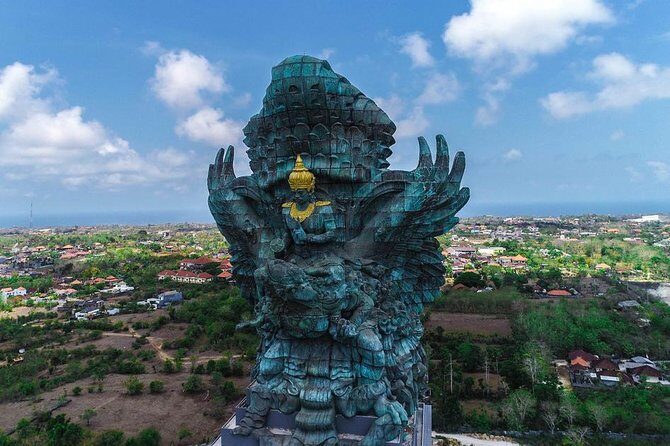
Bali Scenic Mount Batur Hike

Bali Scenic Mount Batur Hike - Pickup and Timing: Why 6–8 Hours Feels Shorter Than It Looks

Two in the morning, one giant view.

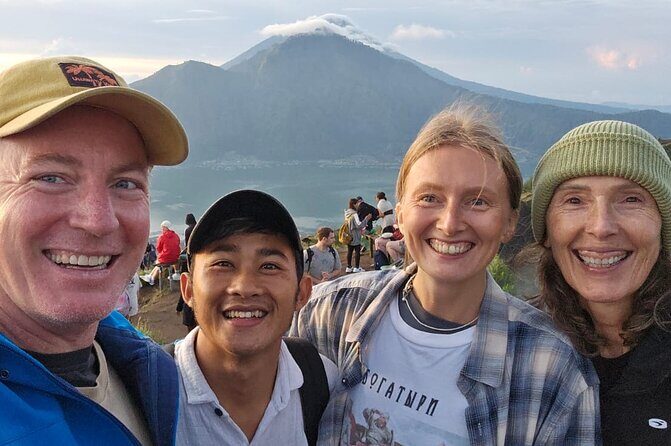
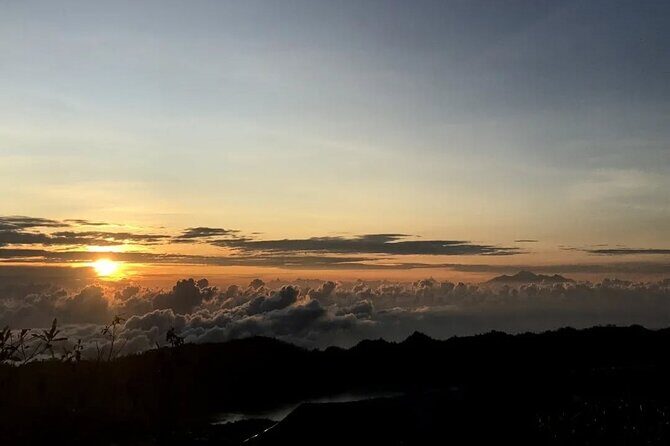
This Mount Batur sunrise hike from the Kintamani area is one of Bali’s most classic early-morning experiences, and it’s built for people who want a smooth, guided trek without guessing logistics. I like that Depa Bali and the team handle the early start and navigation, so you can focus on the cold air, the climb, and the payoff at the top with Mount Batur sunrise.

Two standout reasons I’d choose this one: you get a guide who stays with you on the trek, and the morning is set up to include a simple breakfast (banana sandwich, boiled egg, orange fruit, plus beng-beng) with coffee or tea before you head back. Also, you’re not scrambling for gear because you get flash lights and trekking sticks included.

One thing to consider: this is a serious early alarm moment. With a 2:00 am start and a moderate fitness requirement, you’ll want to be ready for chilly temps and a steady uphill pace.

Key things to know before you go
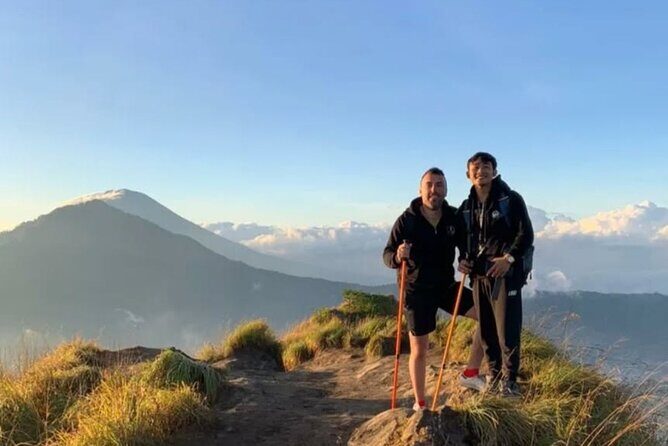
Bali Scenic Mount Batur Hike - Key things to know before you go

  • 2:00 am departure means you’ll be climbing in near-darkness for the sunrise timing
  • Private transport with an English-speaking driver keeps the morning organized and calm
  • Mount Batur hike includes entrance fees so you’re not paying surprise costs at the trailhead
  • Flash lights and trekking sticks are provided, which helps you move faster and safer on uneven ground
  • Breakfast plus coffee/tea are included, and the morning is designed around the volcano setting
  • This is private for your group, so you won’t be stuck with a random pace

A 2 am Sunrise Plan in the Kintamani–Ubud Route
Bali Scenic Mount Batur Hike - A 2 am Sunrise Plan in the Kintamani–Ubud Route
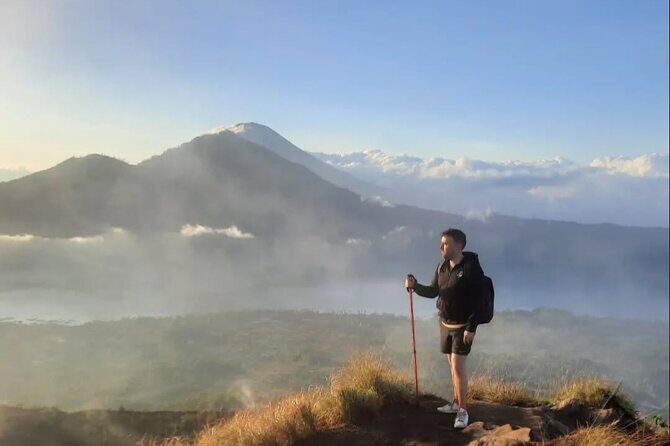
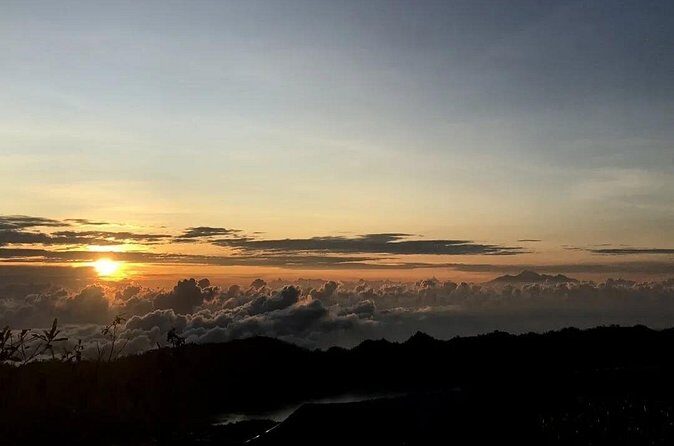
Waking up before the sun sounds dramatic, but the Mount Batur hike earns it. You’re heading into the volcano region specifically to catch the iconic sunrise, and the timing is the whole point: you climb early enough to reach the viewpoint as the sky starts to change.

What I like for practical reasons is how the morning is structured. Instead of piecing together a ride, paying entrances, and trying to find the right guide on your own, you get a team approach: pickup/transport, fees handled, and a trekking guide guiding your route up the mountain. That matters because the Batur hike is not the place to “figure it out later.”

You’ll also be in the countryside air very early, when it feels cooler and sharper. Even if you’re used to Bali weather, the pre-dawn atmosphere around Batur can feel surprisingly chilly, so pack layers like you mean it.

Pickup and Timing: Why 6–8 Hours Feels Shorter Than It Looks
Bali Scenic Mount Batur Hike - Pickup and Timing: Why 6–8 Hours Feels Shorter Than It Looks
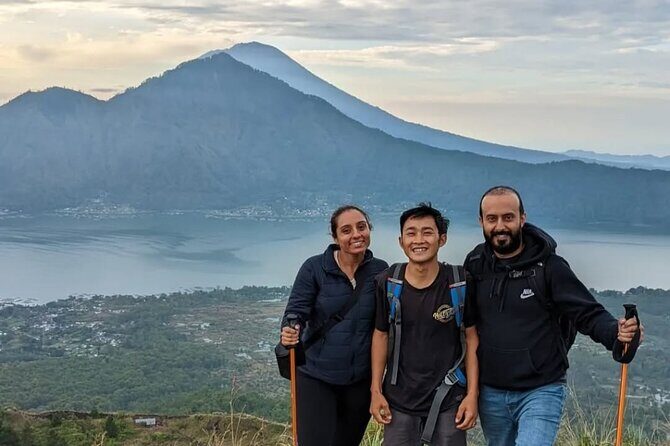
This experience runs about 6 to 8 hours, and it starts at 2:00 am. That’s a long day, but it doesn’t feel like one because you’re moving through clear phases: early transport, the hike block, then the drive portion back.

The itinerary is built around two main parts. First you focus on the volcano itself for the sunrise (roughly 5 hours for the Mount Batur segment, including the hike and the sunrise viewing window). Then you transition back with a drive segment (about 3 hours). Some days, the total time can land closer to the longer end depending on timing and road conditions, but the flow is the same.

Value-wise, the private car is part of what you’re paying for. In the dark, in the early morning, you do not want to be negotiating transport or waiting around. This tour’s structure is designed to keep you moving as a unit.

Mount Batur Hike: The Steam, the Sunrise Timing, and the Guide’s Role
Bali Scenic Mount Batur Hike - Mount Batur Hike: The Steam, the Sunrise Timing, and the Guide’s Role
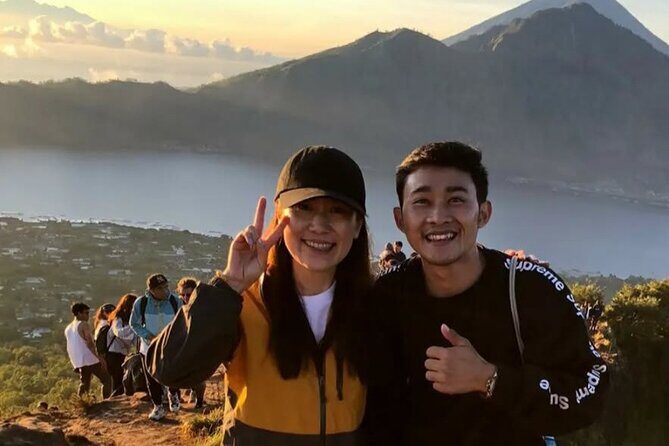
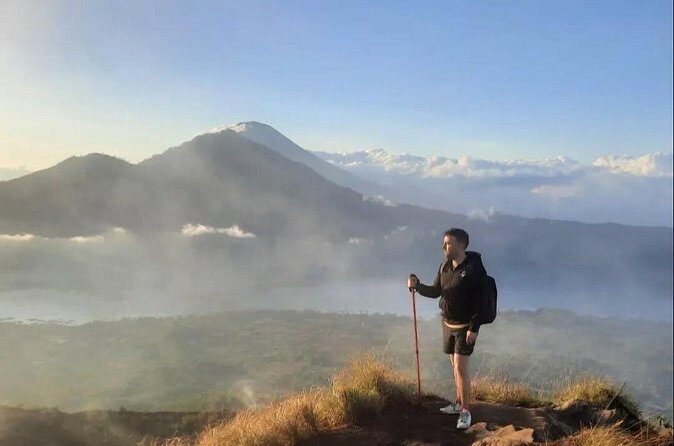
The heart of this day is the early-morning trek up Mount Batur. You start the hike with the goal of reaching the top in time for the iconic sunrise over Bali. When you’re climbing before daylight, the guide becomes more than a “nice-to-have.” They’re what keeps the pace manageable and the route clear when footing isn’t obvious.

I love the way the volcano setting becomes part of the experience. The morning isn’t just about a view—it’s about being near the geothermal activity. You’ll see warm steam rising from the volcano, and the experience is designed so you can enjoy your breakfast in that context. It’s a simple meal (not a full-on brunch buffet), but the setting makes it memorable in a very practical way: you’re fueling right where the story is happening.

Equipment helps a lot on Batur’s uneven terrain. You get trekking sticks and flash lights, which means you’re less likely to rely on borrowed gear or hunt for it last minute. That’s especially useful for first-timers who may not be sure what kind of footwear support they need.

A quick reality check: sunrise treks usually mean you’ll be tired before you get to the “wow” moment. Don’t worry—this hike is paced for the sunrise schedule, not for a speed record. Still, be ready for a steady uphill effort. The fitness level listed is moderate, so if you can handle hilly walking and some stairs, you’ll likely be fine.

What the Breakfast and Drinks Are Really For
Bali Scenic Mount Batur Hike - What the Breakfast and Drinks Are Really For
Included breakfast on this hike is not just a checkbox. When you’re starting around 2:00 am, your body needs fuel before the climb, and you need something warm-ish in your system when the air feels cold.

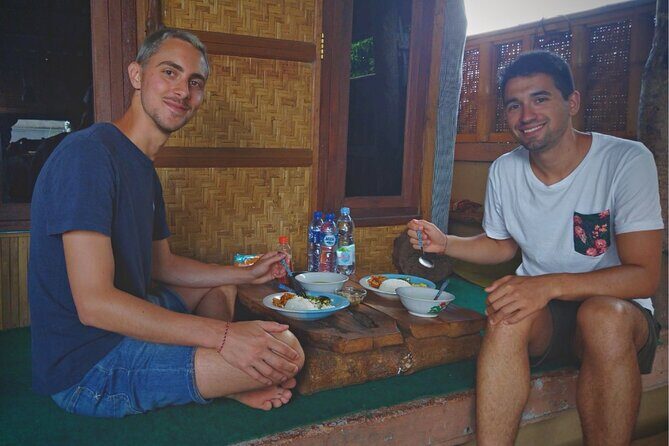
Here’s what’s included for the meal: simple banana sandwich, boiled egg, orange fruit, and chocolate beng-beng. You’ll also have coffee and/or tea, plus bottled mineral water.

The smart part is that this is a straightforward, “you can eat it fast” kind of breakfast. You’re not sitting for a long meal while everyone waits. It’s timed for the trek, and it keeps the energy stable for the climb and the sunrise viewing.

Also, the tour description mentions cooking breakfast on the volcano. Even if your setup is more “prepared in the volcano setting” than “a full cooking station experience,” the takeaway is the same: the meal is connected to the geothermal area around Batur. That turns breakfast into a moment, not just calories.

Stop Two: Ubud–Kintamani Driving and Getting Back Without Stress
Bali Scenic Mount Batur Hike - Stop Two: Ubud–Kintamani Driving and Getting Back Without Stress
After the sunrise and the hike portion, you shift back into transport mode. The drive segment is listed as about 3 hours, and the whole point is simple: you spend the time efficiently, not wandering.

Because the tour offers private transportation and uses an air-conditioned vehicle, the long ride isn’t something you have to dread. Early mornings can make you feel worn out. A comfortable car helps you recover once the hike is done.

The tour also ends back where it started, so you aren’t left with an open-ended “figure out the rest” scramble. That’s a big part of the value here: you get the full day rhythm without it turning into separate bookings.

One small consideration: because the tour is early and time-sensitive, you should plan to be ready on schedule. If you arrive late or miss the timing, sunrise hikes don’t slow down for you.

Who This Tour Fits Best (and Who Should Think Twice)
Bali Scenic Mount Batur Hike - Who This Tour Fits Best (and Who Should Think Twice)
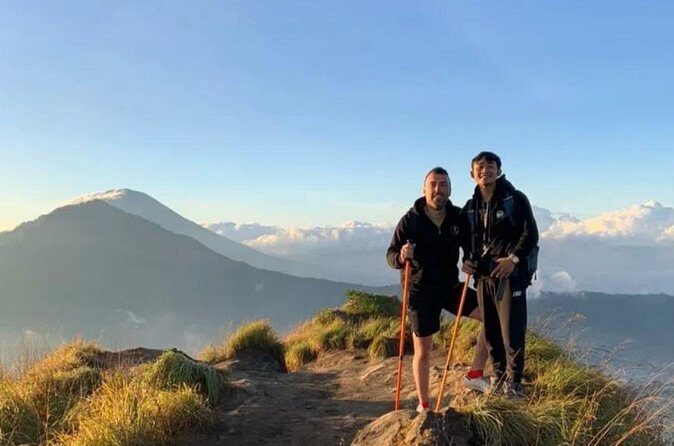
This works best for people who want a classic Bali morning, but hate uncertainty. If you’d rather trust an English-speaking driver and a private trekking guide to manage the route, this tour’s style is a good match.

It’s also a strong option for families or small groups because it’s private for your group only. That matters if you don’t want to get stuck with a pace that’s too slow or too fast for your comfort.

You should think twice if you’re not comfortable with early hours or you dislike cold weather. The tour asks for moderate physical fitness, and the start time at 2:00 am is the kind of thing that can drain you if you’re not prepared. You’ll likely be okay if you can handle a steady climb with breaks, but it’s not a stroll.

On the plus side for many households, there’s baby car seat request able and service animals allowed, and the meeting area is listed as near public transportation if you need that kind of backup.

Price and Value: What $55 Actually Buys You
Bali Scenic Mount Batur Hike - Price and Value: What $55 Actually Buys You
At $55 per person, you’re paying for more than a “ticket to climb.” You’re covering a whole package: private transport, entrance fees/retribution (Kintamani retribution and trekking retribution), a private trekking guide, and included gear like flash lights and trekking sticks. You’re also getting a full basic breakfast, plus coffee/tea and water.

Where the value really lands is in the combination. Sunrise hikes can get expensive once you add guide fees, vehicle transport, and entrance costs. Here, those elements are bundled, which reduces the chance of surprise extras.

Is it budget travel? Not exactly. But it’s good value for a private, organized volcano morning with the practical extras already handled.

Your likely extra spending is minimal and depends on personal choices like snacks beyond the included breakfast and any other on-the-go items you want during the day. The tour lists other expenses as not included, so keep a small buffer.

The Names Matter: Guide Depa and a Smooth Morning
Bali Scenic Mount Batur Hike - The Names Matter: Guide Depa and a Smooth Morning
One thing I found encouraging is how consistently the experience is associated with Depa Bali and strong communication. In prior feedback, Depa is credited for going above and beyond—planning help over longer stays, coordinating transportation, and explaining the volcano in detail.

That last part matters for a sunrise hike. When you know what you’re seeing—steam behavior, why the timing is set for sunrise, and what to expect on the route—the whole trek feels less like a workout checklist and more like a story you understand. Even without technical details, the difference is clarity: you know where you’re going and what the morning is about.

The guide quality also shows up in how the morning feels “smooth.” Sunrise hikes have a way of becoming chaotic if logistics are sloppy. This one is set up to be organized, which helps you enjoy the climb rather than spend the day managing stress.

What to Bring for a Cold Sunrise Climb

You’ll get flash lights and trekking sticks, so you don’t need to buy gear for this. But you still need to show up prepared for early and cool conditions.

I’d plan for:

  • Warm layers for the pre-dawn climb (the air can feel cold at altitude)
  • Solid shoes with grip for uneven ground
  • A small daypack for water, layers, and personal items
  • Any personal snacks you prefer beyond the included breakfast

If you’re sensitive to cold, bring a hat and gloves. You’ll thank yourself once you’re waiting for the sky to turn.

Should You Book This Bali Scenic Mount Batur Hike?

Book it if you want a classic Bali sunrise with private help, clear timing, and most major costs already handled. The price is reasonable for what’s included—transport, entrances, a trekking guide, breakfast, and even the gear for the hike.

Skip it if you’re not ready for a 2:00 am start or you’re expecting a low-effort walk. This is a real climb with a moderate fitness requirement and a cold morning vibe.

If your goal is simply to wake up early, climb with a guide, watch the volcano steam and the sunrise, then get back in a comfortable car without fuss, this is exactly the kind of day trip that makes Bali feel special.

FAQ

What time does the Mount Batur hike start?

The start time is 2:00 am.

How long is the whole experience?

It runs about 6 to 8 hours (approx.).

Is pickup offered, or do I go straight to the meeting point?

Pickup is offered, and the tour also lists a meeting point at Volcano Side Bali in Songan A, Kintamani.

Are entrance fees included?

Yes. Entrance and retribution fees for Kintamani and trekking are included.

What food and drinks are included?

Coffee and/or tea are included, along with breakfast (banana sandwich, boiled egg, orange fruit, and chocolate beng-beng) and bottled mineral water.

Do I need to bring trekking poles or a flashlight?

No. Flash lights and trekking sticks are included.

What fitness level do I need?

The tour is listed for travelers with a moderate physical fitness level.

Is it a shared tour with other groups?

It’s a private tour/activity. Only your group participates.
Full Day All Inclusive Uluwatu South Bali Private Tour

Full Day All Inclusive Uluwatu South Bali Private Tour - Stop 2: Garuda Wisnu Kencana Cultural Park and the 240-hectare wow factor

Sunsets start early in South Bali.

This all-inclusive private day is a smooth way to hit the big sights without stitching together buses and ticket lines. You’ll go from the dramatic ocean wall at Water Blow to the cultural scale of Garuda Wisnu Kencana, then finish with cliff-top views at Uluwatu Temple and the Kecak performance nearby. It’s a classic south Bali mix: water drama, statues, beaches, temple views, and a live dance show.

What I like most is the pace and the people. I love that the tour is private, so you’re not stuck watching the day unfold at someone else’s speed, and you can ask questions as you go. I also love the way the day builds in visual variety: ocean splashes, a huge cultural park, then white-sand scenery before the monkeys and temple views. One thing to consider: you’ll be walking and standing outdoors a fair amount, and Uluwatu’s monkey area calls for extra care with bags, phones, and loose items.

Key highlights you’ll actually remember

Full Day All Inclusive Uluwatu South Bali Private Tour - Key highlights you’ll actually remember

  • A true south Bali day arc: Water Blow to beaches to cliff temple to dance show
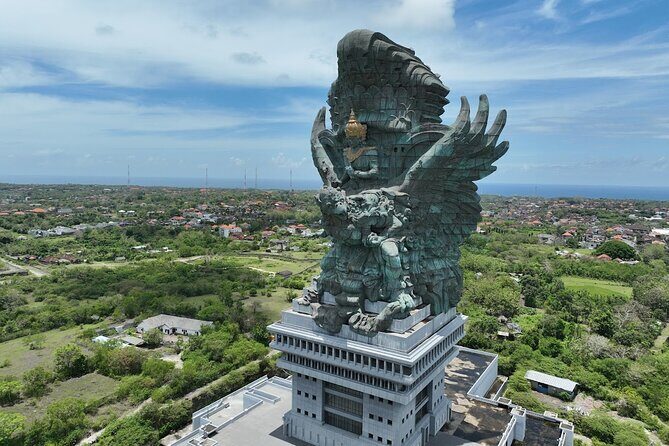
  • Garuda Wisnu Kencana’s massive scale: walk through a park built on 240 hectares
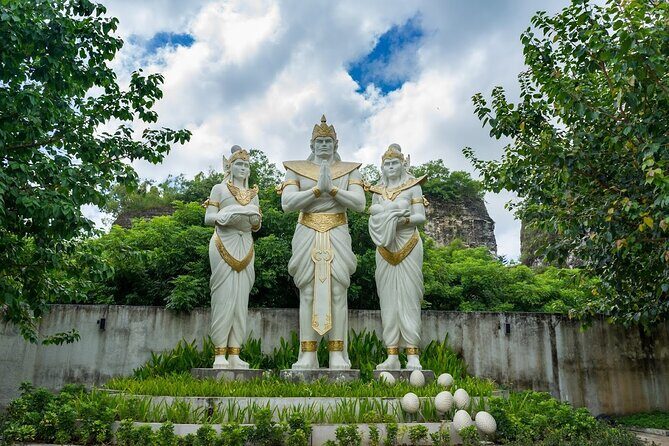
  • Pandawa Beach photo stops: white sand plus statue ornaments tied to the Panca Pandawa story
  • Uluwatu on a 70-meter cliff: ocean views that feel big even when you’re just standing there
  • Kecak and Fire Dance next to the temple: the show timing fits the light people want for sunset

How the full-day plan works (and why it feels easy)

Full Day All Inclusive Uluwatu South Bali Private Tour - How the full-day plan works (and why it feels easy)
This is set up as a full day running about 9 to 10 hours, starting at 10:00 am. Pickup is part of the package, which matters because south Bali sites are spread out. Instead of planning between stops, you spend your energy on the sights: the waves at Water Blow, the statue park, a beach break, then Uluwatu and the Kecak performance.

Because it’s private, the “all-inclusive” part is more than a marketing phrase. In practice, it usually means fewer interruptions. You show up, move through the stops, and the day is managed as one flow. In the best case, your driver-guide keeps the timing sensible so you’re not arriving late for the show or stuck in awkward gaps.

Price-wise, $100 per person is not a bargain if you’re traveling solo, but it can feel fair when you compare it to the cost of multiple tickets plus the hassle of coordinating transport. It also helps that admission is included at several stops (details below), so you’re not constantly paying at the door.

Stop 1: Water Blow in Nusa Dua for ocean drama on rock

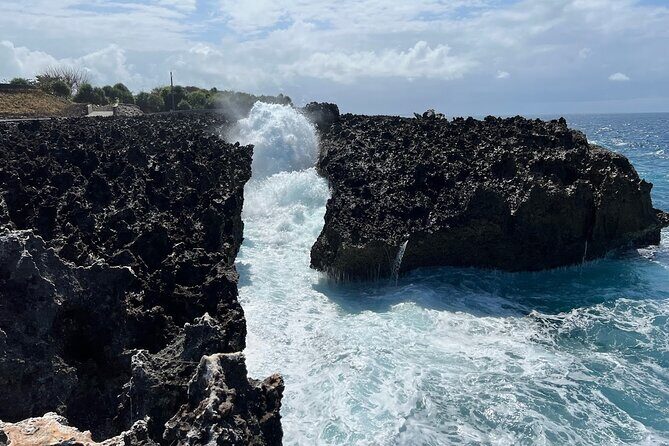
Your first big stop is Water Blow in Nusa Dua, where the attraction is simple and effective: waves crash against rocks, causing splashes and a loud booming sound. It’s the kind of sight that’s instantly understandable, even if you’ve never been to Bali before. The value here is atmosphere. You’re standing where the ocean does the work.

This stop is scheduled for about 2 hours, with an admission ticket included. That timing gives you room to take photos, watch the waves change, and not feel rushed. The only real “watch out” is what you’d expect at a coastal viewpoint: keep an eye on footing near splash zones and don’t treat wet rocks like they’re dry.

Stop 2: Garuda Wisnu Kencana Cultural Park and the 240-hectare wow factor

Full Day All Inclusive Uluwatu South Bali Private Tour - Stop 2: Garuda Wisnu Kencana Cultural Park and the 240-hectare wow factor
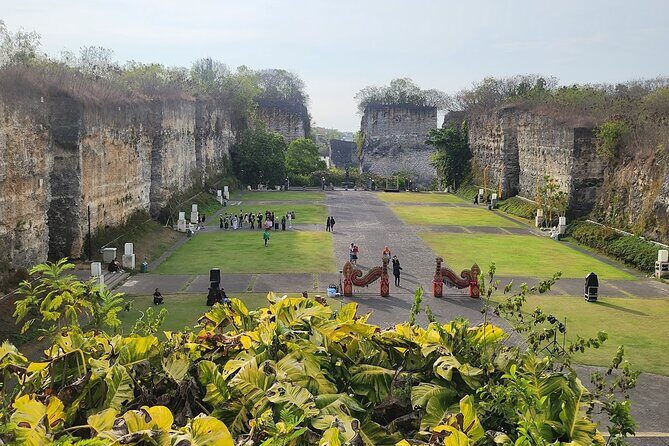
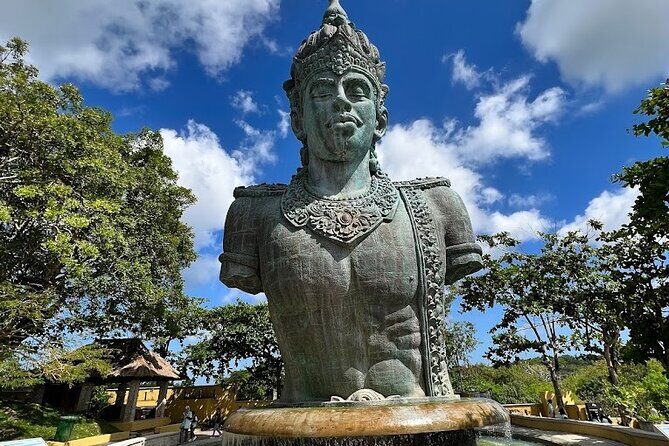
Next comes Garuda Wisnu Kencana Cultural Park, and this is where the day changes gears from natural drama to large-scale design. The park covers 240 hectares, and it’s built around Garuda Wisnu Kencana, including the famous large statue that gives the whole place its identity.

You’ll spend about 2 hours here, and admission is included. I like this stop because it’s walkable at your own pace, with multiple spots to stop and look around. You’re not just rushing to one viewpoint. You can slow down and take in the park layout.

One practical tip: wear shoes you don’t mind getting warm in. Even if you think you’ll only be “walking a little,” parks like this can add up over a couple hours. Also, plan for the fact that it’s outdoors—bring sunscreen and something light for sun protection.

Stop 3: Pandawa Beach for white sand and Panca Pandawa statues

Full Day All Inclusive Uluwatu South Bali Private Tour - Stop 3: Pandawa Beach for white sand and Panca Pandawa statues
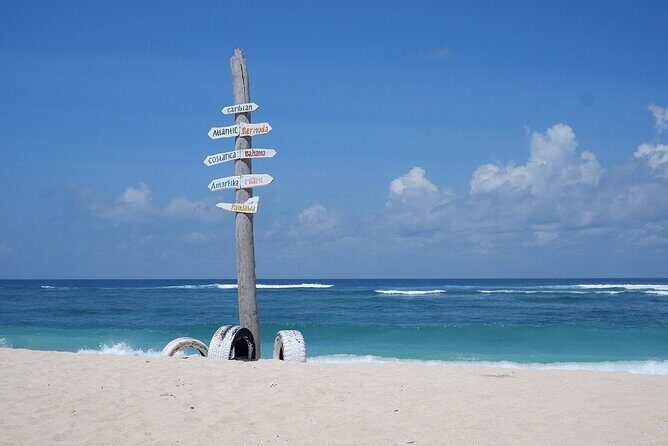
Then you head to Pandawa Beach, about 2 hours, with admission included. This stop is all about scenery. The beach is known for its white sand and for statue ornaments connected to the Panca Pandawa characters. If you like beaches but don’t want a generic beach-only day, this gives you story-based visuals to look for while you relax.

The “secret beach” angle shows up in how people talk about it, but the useful part for you is what you’ll experience on-site: it’s a place to sit, look at the shoreline, and reset before the more intense final leg—Uluwatu and the dance show.

A small reality check: beach time can vary depending on weather and crowd levels, and the tour gives you a set window of about 2 hours. So come with the right mindset: don’t plan a beach marathon. Plan for a beach break that makes the later temple visit feel worth it.

Stop 4: Uluwatu Temple on a 70-meter cliff (and the monkey rules)

Full Day All Inclusive Uluwatu South Bali Private Tour - Stop 4: Uluwatu Temple on a 70-meter cliff (and the monkey rules)
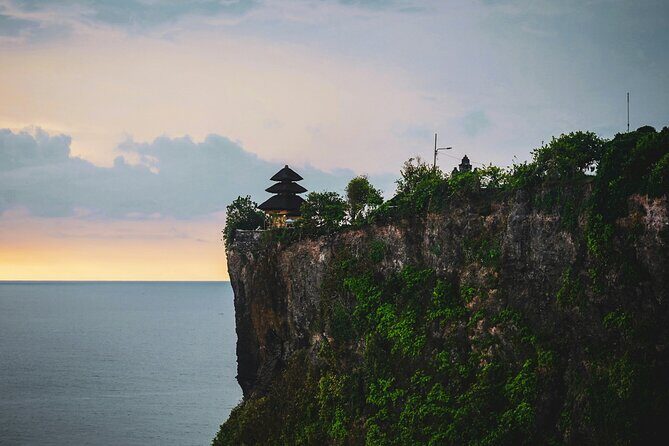
Uluwatu Temple is the main event area, and the setting explains why it’s famous. The temple sits on a cliff about 70 meters above the ocean, so the views are dramatic even before you get deep into the site. This stop is about 2 hours, and admission is free.

You also get the classic Uluwatu character: monkeys roaming along the paths outside the temple. Here’s the straightforward advice I’d follow: keep your belongings secure, don’t dangle bags or wear items a monkey could grab, and be extra careful with phones and cameras when you’re moving through narrow areas. If a monkey gets curious, the safest move is calm control—don’t try to chase or react aggressively.

Why this stop is worth it even if you’re not a temple person: the temple itself is impressive, but the real payoff is the way the cliffs frame the sea. You’re constantly shifting where you look, and that makes the time feel fuller.

Stop 5: Kecak and Fire Dance near Uluwatu

Full Day All Inclusive Uluwatu South Bali Private Tour - Stop 5: Kecak and Fire Dance near Uluwatu
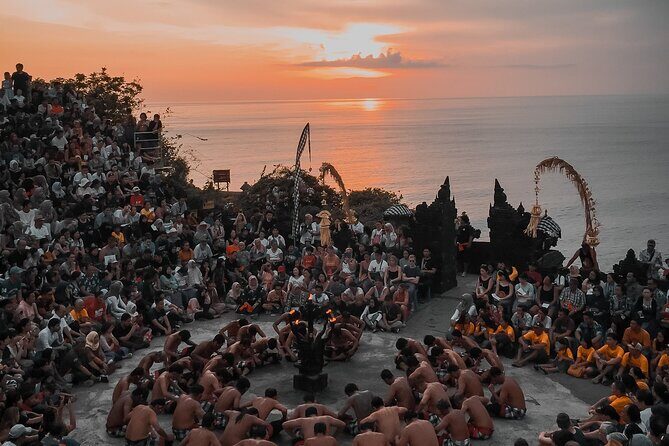
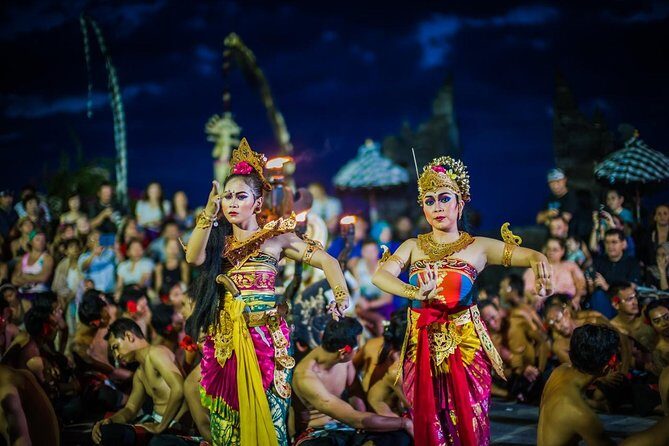
To close the day, you’ll watch the Kecak and Fire Dance, staged near Uluwatu Temple. This is about 1 hour, and admission is included. The story is drawn from the Ramayana epic, told through the performance style Kecak is known for, plus the fire element.

The best part is the combination of setting and show. You’re not just watching a performance in a theater box. You’re watching it near the cliff-temple area, and that makes timing matter. In the feedback I saw from others, the Kecak and fire show plus sunset was a highlight. Even if the schedule shifts a few minutes, aim to take your seat and settle in without rushing right up to the start time.

One practical tip: bring a layer if you get chilly in the evening. Fire dances can be warm near the flames, but once you move away from the hottest spots, coastal air can cool you down.

Your driver-guide matters more than you think

Full Day All Inclusive Uluwatu South Bali Private Tour - Your driver-guide matters more than you think
Even with an itinerary this clear, the day can feel either smooth or chaotic depending on the person behind the wheel. In particular, one guide name came up strongly: Adhi. People praised him for being knowledgeable and keeping the tour going at a good pace. That matters because a full day can easily turn into a slow shuffle if timing isn’t managed.

Here’s what you should look for when you’re on the road: a driver who can explain what you’re looking at as you arrive, and who keeps you moving so you don’t lose time to slow transitions. With this route, that pacing makes a big difference—especially around Uluwatu and the dance show, where you don’t want to arrive frazzled.

Price and value: where your $100 goes

Full Day All Inclusive Uluwatu South Bali Private Tour - Price and value: where your $100 goes
At $100 per person for a private full-day tour, the real value question is whether it replaces multiple costs and headaches. This package includes admission tickets at several stops: Water Blow, Garuda Wisnu Kencana, Pandawa Beach, and the Kecak and Fire Dance. Uluwatu Temple admission is free.

So you’re paying for transport, organization, and the bundled entrances on most of the day. If you tried to do this yourself, you’d likely spend time coordinating drivers and paying for tickets one by one while juggling timing. The “all-inclusive” feeling here is that the day is planned as a sequence.

It can be a great deal if you’re a small group splitting cost (even if it’s priced per person), or if you simply want a low-stress day and don’t want to spend half your energy on logistics. If you’re traveling super light and already confident driving and organizing in south Bali, you might choose to DIY. But if you want convenience and a managed route, this price often feels more reasonable than it first appears.

Who this private Uluwatu South Bali tour fits best

I think this tour fits you best if:

  • you want a one-day snapshot of south Bali with major stops rather than a slow, multi-day grind
  • you like a mix of nature, beaches, big cultural sites, and a live show
  • you prefer a private setup where pacing can work for your group
  • you want the Kecak and Fire Dance without trying to figure out the right timing on your own

It may be less ideal if you’re hoping for a relaxed, no-walking itinerary. You’ll be outside for long stretches and moving between viewpoints. And if monkeys make you nervous, you’ll need to follow the simple safety rules and treat your belongings like they’re not safe on a table or loose in your hands.

Quick practical tips so the day feels smooth

  • Wear shoes you can stand in for long periods, especially around temple paths.
  • Keep your phone and camera secured around Uluwatu’s monkey area.
  • Expect sunlight. Bring sunscreen and something lightweight for sun protection.
  • For the Kecak and fire show, arrive with a plan to settle in early so you’re not rushing at the last second.
  • If your group has different energy levels, a private tour is where you can ask for pacing that matches everyone.

Should you book it?

Yes, if you want one well-managed south Bali day that hits Water Blow, Garuda Wisnu Kencana, Pandawa Beach, Uluwatu Temple, and the Kecak and Fire Dance without turning your trip into a scheduling project. The value is strongest when you care about convenience and want several admission-inclusive stops handled in one go.

If you’re the type who hates group logistics even in a private setting, or you want a slower beach-first vacation with fewer stops, you might prefer a less packed option. But for a first trip to south Bali—or for anyone who wants the Uluwatu experience plus a complete set of highlights—this is a very solid pick.

FAQ

What time does the tour start?

The start time is 10:00 am.

How long is the full-day tour?

It runs about 9 to 10 hours.

Is pickup included?

Yes, pickup is offered.

Is this a private tour?

Yes. Only your group participates.

Are admission tickets included?

Admission tickets are included for Water Blow, Garuda Wisnu Kencana Cultural Park, Pandawa Beach, and the Kecak and Fire Dance. Uluwatu Temple admission is listed as free.

What are the main stops on the route?

You’ll visit Water Blow, Garuda Wisnu Kencana Cultural Park, Pandawa Beach, Uluwatu Temple, and then the Kecak and Fire Dance near Uluwatu.

What’s the best advice for Uluwatu because of monkeys?

Be very careful with monkeys. Keep a close hold on your items like bags and phones while moving around.

What’s the cancellation policy?

You can cancel for a full refund up to 24 hours before the experience’s start time. If you cancel within 24 hours, the amount paid isn’t refunded.

Bali Fruit Carving Class

Bali Fruit Carving Class - What you’ll actually carve: flowers, animals, and personal names

Fruit turns into art in just two hours. This Bali fruit carving class in Lodtunduh, Ubud is a hands-on skill lesson, not a performance. You’ll learn how to carve designs on real fruit like watermelon and papaya, guided step by step so you can actually finish something worth showing.

I love that it’s small-group (max 10), which makes it easier to get help when your cuts aren’t cooperating. I also love the practical side: the technique you learn can be applied to other foods later. One thing to consider: fruit carving takes patience and precision, so if you want zero effort and instant results, this may feel a bit like a workout.

You’ll meet at the WS Art Studio in Lodtunduh, get a welcome drink and traditional snack, and leave with a certificate—plus your own carved fruit art.

Key things you’ll notice

Bali Fruit Carving Class - Key things you’ll notice

  • Max 10 people means calmer, more personal instruction
  • 2 hours on the clock keeps you moving from practice to a finished design
  • Carve real fruit like watermelon and papaya (not foam or props)
  • Materials and equipment included so you’re not hunting down supplies
  • A certificate makes it feel like a real class, not a quick demo

Fruits, Tools, and the Lodtunduh Studio Feel

Bali Fruit Carving Class - Fruits, Tools, and the Lodtunduh Studio Feel
This class is built around one simple idea: you can make something pretty out of everyday food. Fruit carving isn’t only about decoration. It trains your hands to be careful—short, controlled cuts—and it rewards focus. If you’ve ever watched someone carve a flower out of fruit and thought, I could never do that, this is the kind of lesson that turns that doubt into something more doable.

The vibe is also a big part of why it works. The class runs in Lodtunduh (near Ubud), and the setting has that laid-back Bali studio feel where you can hear the tools, see the fruit in progress, and take your time. One review mentioned a calming view while working, which makes sense: you’re not trapped indoors looking at a wall. Even if you don’t care about the view, the slower pace helps you concentrate on technique.

One more plus for value: the experience includes the stuff you’d otherwise need to buy or borrow—equipment and materials. So you’re paying for instruction plus the “workbench” to practice, not just a teacher talking while you stand there.

Where the class starts: the WS Art Studio meeting point

You’ll start at WS Art Studio Balinese Handicrafts in Lodtunduh (address listed on your confirmation). The exact pin is provided in the meeting info, and it’s described as easy to locate. That matters in Bali, where a “nearby” meeting point can sometimes mean a short scavenger hunt.

The class starts at 10:00 am and runs about 2 hours. It uses a mobile ticket, and the activity ends back at the meeting point, so you won’t need to track a second location during the session. The listing also notes the area is near public transportation, which can be useful if you’re not riding with a private driver.

Planning tip: if you’re already in Ubud earlier that morning, this is a good slot because it doesn’t eat your entire day. You can treat it like a focused morning activity and still have time for lunch or another Ubud stop afterward.

What you’ll actually carve: flowers, animals, and personal names

Bali Fruit Carving Class - What you’ll actually carve: flowers, animals, and personal names
Fruit carving here is about variety. The class teaches you to carve designs like:

  • Flowers
  • Animals
  • Your name (for example on fruit like watermelon)

You’ll work with fruit such as watermelon and papaya, plus other options mentioned in the class description. That range is smart for first-timers. Flowers are a good way to learn shaping and petal-like cuts. Animals help you practice curved details. And carving a name is where you’ll discover how much precision matters—your letters have to sit cleanly on the fruit without collapsing.

This is also where the small group size helps. If you choose something simple, great—you’ll likely finish comfortably. If you’re a little more ambitious (especially for a name), you’ll want the instructor’s eyes on your cuts before things go off track. With up to 10 people, it’s more realistic that the teacher can check in as you go.

One of the best parts is that this turns fruit into a “designed” object, not just snack decoration. You’re learning technique you can use at home—cut patterns, shaping steps, and the basic logic of how to carve without tearing the fruit.

Inside the 2-hour flow: learn, practice, finish

The class is designed to fit in about two hours, which is a sweet spot for a skill lesson. Long workshops can be great, but they’re harder to manage on a Bali vacation schedule. Two hours keeps it energetic. It also reduces the chances you’ll lose motivation halfway through.

Here’s what you can expect from the way the class is described:

  • Your instructor shows the technique first.
  • Then you practice the steps yourself.
  • You create a carved design of your choice, using provided materials and equipment.
  • You finish with something you can take home, and you receive a certificate.

Because the class emphasizes patience and precision, don’t assume it’s a “speed carving” contest. Plan to slow down. Even if you’re good with scissors at home, fruit is different—its structure is soft, and your cuts need to be controlled so you get clean edges.

Also, this is family-friendly in a real way. The class states it’s for ages 4 to 65. That wide range tells me the instruction likely scales: kids can focus on simpler shapes, while adults can attempt more detail. If you’re traveling with mixed ages, that’s a big advantage. You won’t feel like the class is only for “tiny artists” or only for experienced crafters.

The perks that make the price feel fair

At $39 per person for about 2 hours, the value isn’t just the lesson—it’s the complete package. You get:

  • Welcome drink
  • Traditional snack
  • Equipment and materials
  • Certificate

Those inclusions matter in Bali because tours can sometimes hide extra costs behind add-ons. Here, the class description is clear that you’re fed and set up with what you need to carve. You’re also not responsible for bringing tools or hunting for fruit carving kits.

The certificate is a small detail, but it changes the feeling of the experience. It becomes something you participated in, not just something you watched. And since the class includes both instruction and a finished output, you leave with a story and an object you made.

One review also mentioned morning tea being delicious, which lines up with the class offering a welcome drink and snack. I’d treat the food break as part of the pacing—an easy way to reset your hands before the final carving.

Price and logistics: what to know before you book

Let’s talk money honestly. $39 isn’t a bargain price in the sense of “half an hour and done.” But for a small-group session with instruction, tools, materials, plus drink/snack, it’s fairly priced. The “cost driver” isn’t only the teacher. It’s the materials (fruit and carving supplies) and the time spent helping you practice until you get it.

Logistics are also fairly easy:

  • Location: Lodtunduh, Ubud area
  • Meeting point: WS Art Studio Balinese Handicrafts (listed address)
  • Start time: 10:00 am
  • Duration: ~2 hours
  • Group size: max 10
  • Transport: transport service not included

So you’ll want to handle your own ride to the studio. If you’re using a driver, budget for that. If you’re using public transport, the listing says it’s near public transportation, which can help.

One more practical note: confirmation is received within 48 hours of booking, subject to availability. So don’t wait until the last minute if your schedule is tight.

Who this class suits best (and who might skip it)

This fruit carving class is a strong fit if you want:

  • a hands-on Bali activity with a clear skill payoff
  • something calm and focused rather than loud sightseeing
  • a souvenir you can eat and enjoy (or at least show off before you do)
  • a class you can do with a wide age range

It’s also a great rainy-day backup idea. When you’re in Bali and the weather doesn’t cooperate, a studio-based class with included materials is often easier than trying to race between open-air sites.

You might consider skipping it if you:

  • hate slow, careful tasks
  • want a purely passive experience
  • expect no concentration at all (carving is precision work)

Also, if you’re the type who gets frustrated when you can’t get it right immediately, go in with a plan: start simple, take the instructor’s guidance, and treat it like learning, not like performance.

Should you book this Bali fruit carving class?

Bali Fruit Carving Class - Should you book this Bali fruit carving class?
If you’re in Ubud and you like the idea of learning a real technique you can reuse, book it. The combination of small group size, included supplies, and a structured lesson makes it feel like you’re paying for something tangible—not just a one-off photo op.

I’d especially recommend it if you want a break from temples and traffic and you’d like a calmer morning activity. You’ll leave with carved fruit art, a certificate, and a new set of hands-on skills. Just bring patience—and don’t rush. In fruit carving, speed is the enemy, and slow hands win.

FAQ

How long is the Bali fruit carving class?

The class runs for about 2 hours.

Where does the class take place?

It’s in Lodtunduh, Ubud, Bali. The meeting point is WS Art Studio Balinese Handicrafts (address is provided).

What time does the class start?

The start time is 10:00 am.

What is the group size?

The class has a maximum of 10 travelers.

What age range is allowed?

The class is for ages 4 to 65.

What can I carve during the class?

You can carve designs like flowers and animals, and you can also carve your name on fruit such as watermelon and papaya.

What’s included in the price?

Included are a certificate, welcome drink, traditional snack, equipment, and materials.

Is transport included?

No, transport service is not included.

Do I need to bring any materials or equipment?

No. Equipment and materials are provided.

What is the cancellation policy?

This experience is non-refundable and cannot be changed for any reason. If you cancel or ask for an amendment, the amount you paid will not be refunded. Confirmation is received within 48 hours of booking, subject to availability.

Full-Day Tour in Nusa Penida Island + Snorkeling Experience

Full-Day Tour in Nusa Penida Island + Snorkeling Experience - Broken Beach (Pasih Uug): your first real Penida coastline shock

Manta rays, cliffs, and a very full schedule. Nusa Penida pulls off a lot in one day: you leave Ubud early at 6:30am, ride in a private car to the port, then spend your snorkeling time on a shared boat with equipment, guiding, and even in-vehicle Wi-Fi. My favorite part is how smoothly it’s run thanks to an English-speaking driver who handles the flow from pickup to drop-off.

I also like that the day is built around real water time, with snorkeling typically focused on manta territory such as Manta Bay (plus other top sites like Gamat Bay). Between swims, you’ll hop around to Penida’s signature viewpoints like Broken Beach (Pasih Uug), Kelingking, Diamond Beach, and Pantai Atuh. One consideration: it’s a long day, and the most famous photo stops can be packed when timing lines up with tour waves.

Key highlights at a glance

Full-Day Tour in Nusa Penida Island + Snorkeling Experience - Key highlights at a glance

  • Manta-ray focused snorkeling on a shared boat, with gear and guiding handled for you
  • Private car on Nusa Penida with an English-speaking driver and in-vehicle Wi-Fi to keep things easy
  • Land tour photo stops that include Broken Beach (Pasih Uug), Kelingking, Diamond Beach, and Pantai Atuh
  • Crystal Bay and Gamat Bay as major snorkeling anchors, with Gamat’s black sand scenery and beach-club conveniences
  • Entrance fees included, so you’re not paying surprise costs at each site
  • Lunch is not included, so budget for it (the driver will take you to lunch)

From Ubud to Nusa Penida: the early start that makes sense

Full-Day Tour in Nusa Penida Island + Snorkeling Experience - From Ubud to Nusa Penida: the early start that makes sense

This tour is built like a day-long relay. You start at 6:30am with private hotel pickup in Ubud, then head to the port in a private car. Once you’re at Nusa Penida, you keep moving around the island by car with an English-speaking driver/guide.

Why I like this structure for you: Penida is not something you casually “fit in later.” The earlier start helps you get to snorkeling while conditions are still workable. You also avoid spending your day stuck on transport. Even small things matter on a long itinerary—having in-vehicle Wi-Fi means you can handle emails, grab directions, or just recharge your phone before the water portion.

The tour is also described as a private activity for your group, which usually means you’re not mixing with random strangers inside your land-portion vehicle. At the same time, the snorkeling boat is shared, so expect company out on the water.

Snorkeling for manta rays: what three sites means in practice

The big draw here is reef manta rays, up to around a 5.5 meter wingspan. Nusa Penida is often the best Bali-area bet for these animals, and this day is designed to put you in the water at the right kind of places.

Snorkeling typically targets three sites. The trip overview mentions stops such as Manta Bay, Gamat Bay, and GT Point. Even if you don’t catch mantas every single time, you’re still spending multiple snorkel sessions at noted reef areas rather than doing just a single quick outing.

What’s included (and what that changes for you):

  • All snorkeling equipment is included, so you’re not scrambling for masks or fins last minute.
  • A shared snorkeling boat means logistics are handled, and you’re not trying to get everyone to separate entry points.
  • Guiding is part of the plan, which helps you spend less time guessing and more time enjoying the water.

Important reality check: this experience requires good weather. If conditions are poor, the tour can be rescheduled or you get a full refund. With manta-riding areas, weather can affect visibility and comfort, so flexibility is part of the deal.

Broken Beach (Pasih Uug): your first real Penida coastline shock

Full-Day Tour in Nusa Penida Island + Snorkeling Experience - Broken Beach (Pasih Uug): your first real Penida coastline shock

After the morning moves, the land tour kicks off with Broken Beach, also known as Pasih Uug. This is a striking coastal scene where the shoreline forms a dramatic, natural feature—one of those places that makes you stop talking and just look.

Here’s what makes this stop worthwhile:

  • It’s visually memorable even if you’re not trying to hunt the perfect angle for social media.
  • It gives you variety early, so the day doesn’t feel like nonstop snorkeling-and-more-snorkeling.

A practical note: it’s a top photo stop on Penida, so you can expect crowds if you arrive around peak waves. If you’re okay taking a few minutes to stand aside for photos, it’s still a great place to reset your eyes after time on the water.

Kelingking Beach: plant-covered limestone and that famous headland shape

Full-Day Tour in Nusa Penida Island + Snorkeling Experience - Kelingking Beach: plant-covered limestone and that famous headland shape

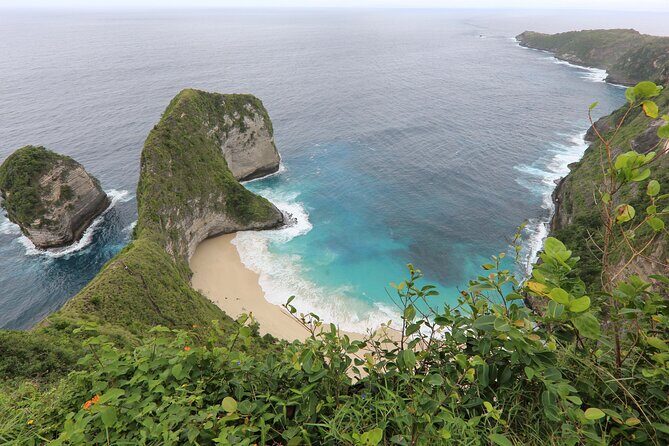
Next up is Kelingking Beach, in the village area of Bunga Mekar on Penida’s southwestern coast. The landmark you’ll see is a plant-covered limestone headland, famous for its cliff silhouette.

This stop works well on a day like this because:

  • It’s iconic. Even if you’ve seen photos before, the scale reads differently in person.
  • It adds a major “Penida identity” moment between snorkeling stops and the later beaches.

Trade-off: it’s popular. If the group schedule stacks you right into high-traffic hours, you may spend some time working around other people for viewpoints. I’d still call it worth it, just go in expecting the crowd reality.

Crystal Bay: where the reefs become part of your snorkel plan

Full-Day Tour in Nusa Penida Island + Snorkeling Experience - Crystal Bay: where the reefs become part of your snorkel plan

Crystal Bay is described as one of Nusa Penida’s best snorkeling spots, and it’s also a place where you can find snorkeling gear on the beach. In this tour, you already get equipment included, which is handy because it reduces last-minute friction once you arrive.

Why Crystal Bay matters for your day:

  • It’s a reef-oriented snorkel stop, so you’re not just looking for open-water wildlife.
  • The setting is set up for snorkeling, meaning the whole area is geared toward that activity.

What you can expect to look for is the coral reefs and marine life mentioned for this stop. In other words, even if your manta moment is earlier or later, you’re still in a place where the underwater scene should deliver.

Gamat Bay: black sand, sturdier scenery, and a quick reset

Full-Day Tour in Nusa Penida Island + Snorkeling Experience - Gamat Bay: black sand, sturdier scenery, and a quick reset

Then you get to Gamat Bay, described as wilder and more rugged than nearby Crystal Bay, plus known for its black sand beach. It’s the kind of place that feels more elemental than polished, which is part of why people remember it.

This stop is also built into both the snorkeling and the land side of the day:

  • As a snorkeling area (it’s listed as one of the key sites)
  • As a beach break on the land route

There’s also a practical bonus here: at the beach club, you can take a quick shower. After snorkel time, that little reset matters more than it sounds. It helps you avoid that salty, sandy feeling carrying into the next viewpoint stop.

If you’re trying to get more than just “pretty water,” Gamat Bay tends to deliver the rugged Penida mood. Just note it’s also popular, so expect other boats and people depending on conditions and tour timing.

Diamond Beach: the diamond rock and two different looks

Full-Day Tour in Nusa Penida Island + Snorkeling Experience - Diamond Beach: the diamond rock and two different looks

Diamond Beach is named for a nearby rock shape and is described as one of Bali’s most beautiful beaches. It also has two parts, which is useful to know because you’ll get a better feel for the place if you check both sides rather than focusing on a single view.

In a structured day, Diamond Beach plays a specific role:

  • It’s the classic “wow beach” stop that balances out the earlier cliff viewpoints.
  • It gives you a calmer beat after multiple snorkeling moments.

Like the other famous spots, it can be busy. If the area feels packed, I’d still take a few minutes to walk the edges and look at the diamond-shaped rock from different angles rather than rushing through.

Pantai Atuh Beach: remote south-eastern cliffs for a quieter finish

Full-Day Tour in Nusa Penida Island + Snorkeling Experience - Pantai Atuh Beach: remote south-eastern cliffs for a quieter finish

To round out the land portion, you’ll visit Pantai Atuh Beach on Penida’s south-eastern coast. It’s described as remote, flanked by green cliffs with surrounding limestone rock.

This is a nice way to end the day because it often feels less like a single photo platform and more like a real coastline. If you’re photographing, the cliffs give you a different texture than the limestone headland look at Kelingking.

The practical upside: it’s a strong final “send-off” view before you head back toward the port and your return to Ubud. Penida days can start to feel long by late afternoon—ending on a scenic, cliff-framed beach helps you land the day on a visual high.

Price and logistics: why $45 can be a good value

At $45.00 per person, this tour is priced for what you actually get: transport from Ubud, port connections, guided snorkeling logistics, gear, and entrance fees.

Here’s the value math in plain terms:

  • Included: private hotel pickup & drop-off, private car on Nusa Penida with an English-speaking driver, shared snorkeling boat, snorkeling equipment, all entrance fees, bottled water.
  • Not included: lunch.

That means you’re paying for the parts that usually cost time and coordination on your own. The boat + equipment + fees are the big ticket items, and they’re already wrapped into the package. The only real gap is lunch, which you’ll need to budget for separately.

One more logistics detail that matters: the day is about 8 hours. That’s a lot of moving, but it also means your money buys a full itinerary rather than one slow segment.

A couple-specific plus: one account mentioned a girlfriend trip and noted that the driver/guide meeting on Nusa Penida and hotel drop-off made things simple. That’s what you want at this price—less arguing with schedules and more time at the places.

A real highlight: how the guide role shows up in your day

One of the strongest signals from the experience is that the guide/driver handling can make the day feel effortless. One described moment: Yogi picked them up at the pier and took care of everything—arranging snorkeling, driving safely around the sites, and connecting them to lunch.

That’s not a small thing. When you’re bouncing between snorkeling and cliff stops, a good driver keeps your timing from slipping. It also helps if you want minor custom changes.

And yes, customization can happen. Another person noted the tour allowed them to customize the route because they weren’t interested in some beach stops. If you’re not the type who wants every single famous viewpoint, that flexibility is a real value-add.

Who should book this Nusa Penida day trip?

This tour fits best if you:

  • Want a first-timer-friendly Penida day with built-in snorkeling logistics
  • Care about seeing reef manta rays and you’re willing to spend time snorkeling across multiple sites
  • Prefer guided transport over self-planning across a remote island
  • Like a mix of underwater time and Penida’s cliff-and-coast photo stops

You might skip it (or consider adjusting expectations) if:

  • You hate long days. This is an early start and packed schedule.
  • You’re strongly averse to crowds at iconic viewpoints. Penida’s top spots can line up with other tour groups.

If you’re the type who wants control, bring your priorities clearly—manta-ray snorkeling, then the specific beaches/cliffs you want most. The route may be adjustable based on what you don’t want to do.

Should you book this full-day Nusa Penida + snorkeling tour?

I’d book this if your goal is simple: maximize your odds of manta-ray snorkeling while still covering Penida’s signature scenery in one day, without wrestling transport and timing. The price works because the tour includes the equipment, the boat, and entrance fees, and it keeps your land movement organized with a private car and English-speaking driver.

I’d think twice if you’re the kind of traveler who wants a slow, uncrowded island day. The itinerary hits several big-name stops, which means you can’t fully escape the tour-trail feeling. Also, lunch isn’t included, so you’ll need to plan for that extra cost.

If you’re ready for an early start and a full schedule, this is a solid way to experience Nusa Penida in a single shot—snorkel for the big ocean moment, then collect cliff and beach views before you head back to Ubud.

FAQ

How long is the Nusa Penida full-day tour?

It runs for about 8 hours.

Where does the tour start?

The start time is 6:30am.

Is pickup and drop-off included?

Yes. Private hotel pick-up and drop-off are included.

How much does it cost?

The price is $45.00 per person.

Is snorkeling equipment provided?

Yes. All snorkeling equipment is included.

Is lunch included?

No. Lunch is not included.

What snorkeling transport is used?

You’ll use a shared snorkeling boat.

Does the tour include entrance fees?

Yes. All entrance fees are included.

What about weather?

This experience requires good weather. If it’s canceled due to poor weather, you’ll be offered a different date or a full refund.

Is cancellation free?

Free cancellation is available. You can cancel up to 24 hours in advance for a full refund, based on the local start time.

Is this a private tour?

It’s described as a private tour/activity, meaning only your group participates.

Bali Rafting – Ubud River Rafting With Lunch

Bali Rafting - Ubud River Rafting With Lunch - What Happens Before You Hit the Water: Gear, Briefings, Practice Time

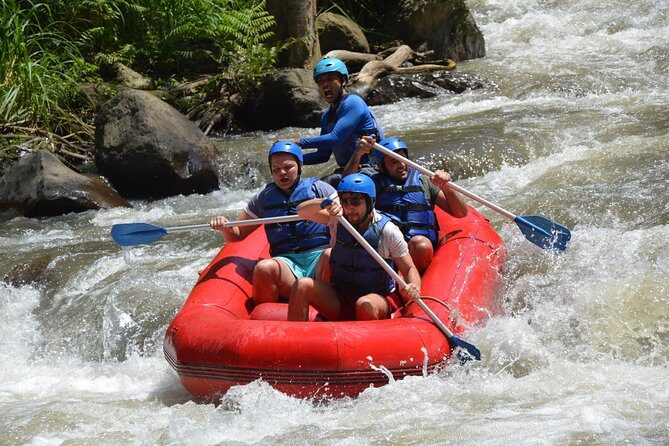
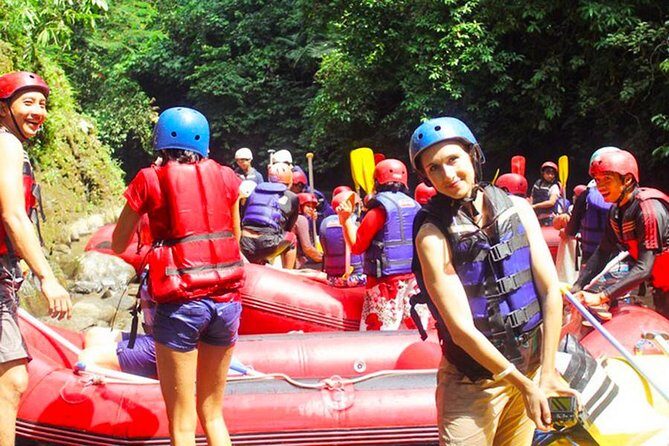
Half-day rafting, full-on Ayung energy. This trip is a smart way to do white water in Ubud without turning your day into a scavenger hunt, because you get setup, instruction, and then a fun run on the Ayung River. I love that the operator builds in safety gear, briefings, and practice time so new rafters aren’t guessing, and I love that the meal is not an afterthought. One possible drawback: the rapids are listed as grade II and III, so if you’re chasing extreme thrills only, this may feel more fun than ferocious.

You’ll also appreciate the simple flow: pickup is offered, you use a mobile ticket, and the group is kept small (max 12). Then it’s back to the start point, leaving you with a clear plan for the rest of your Bali day.

Key things I’d watch for

Bali Rafting - Ubud River Rafting With Lunch - Key things I’d watch for

  • Grade II–III rapids on the Ayung River make this a solid choice for beginners who still want real action
  • Safety briefings plus practice time help you learn paddling and safety basics before you start
  • Balinese buffet lunch included so you’re not hunting for food right after
  • All rafting and park fees covered meaning less money math and fewer surprise extras
  • Hotel transfers offered so you can focus on the experience, not the route

Ayung River Rapids: Grade II–III That Still Feels Like Adventure

Bali Rafting - Ubud River Rafting With Lunch - Ayung River Rapids: Grade II–III That Still Feels Like Adventure

This rafting is built around the Ayung River near Ubud, and the whole vibe is practical: you’re there to have a good time in real water, not to treat it like a museum lesson. The rapids are listed as grade II and III. In normal-person terms, that usually means you’ll get enough choppy water, bumps, and turns to feel the thrill, while still being within a range where a first-timer can do it with coaching.

If you’re already a confident paddler, grade II–III can still be entertaining because it rewards teamwork. You’re not just holding on; you’re helping steer with every paddle stroke. That matters because on rivers like the Ayung, a few seconds of good timing can make the difference between a smooth ride and a more chaotic one.

Also, the tour emphasizes safety education for newcomers. That’s not just paperwork—it changes how the whole session feels. When you know what your guide wants and how to respond, you spend less time worrying and more time enjoying the run.

Hotel Pickup and Mobile Ticket: Fewer Moving Parts

One of the biggest wins here is that the day is organized for you. Pickup is offered, and the activity ends back at the meeting point, so you’re not stuck wondering how to get home after you’ve drenched your shirt. Using a mobile ticket is another small thing that can save time—no rummaging through email printouts.

The meeting location is at Ayung Dewata Rafting, on Jl. Raya Kedewatan, Tanggayuda, Kecamatan Ubud, Kabupaten Gianyar, Bali 80571. It’s also described as near public transportation, which is useful if you decide to handle getting there on your own.

Because the group is capped at 12 travelers, you’re less likely to feel like you’re getting lost in a huge crowd. Smaller groups often mean faster attention during the briefing and easier coordination when it’s time to line up for gear.

What Happens Before You Hit the Water: Gear, Briefings, Practice Time

Bali Rafting - Ubud River Rafting With Lunch - What Happens Before You Hit the Water: Gear, Briefings, Practice Time

This tour takes the safety basics seriously, and you’ll feel it right away. You get safety gear, plus a briefing and practice time before the rafting begins. If you’re new, this is the part that makes the whole thing work. Learning how to stay safe onboard an Ayung River raft from your guide beats any generic guesswork.

The best part is that the coaching isn’t only for emergency situations. It’s about normal rafting moves—how to hold on, when to paddle, and how to respond when the river changes. That’s why grade II–III stays approachable: you’re not thrown in and told good luck.

The guides also get called out for friendliness and humor. One guide named Putu is mentioned specifically for being nice, attentive, and making people feel cared for. You can’t bank on a particular name, but you can bank on the fact that the tour’s style is people-first: friendly, accommodating, and focused on making sure you’re ready.

If you’re the kind of person who hates feeling rushed, this pre-water stage is your friend. It gives you a short runway to get comfortable, then you go.

The Run Itself on the Ayung River: Rapids, Water Splashes, and Team Pacing

Bali Rafting - Ubud River Rafting With Lunch - The Run Itself on the Ayung River: Rapids, Water Splashes, and Team Pacing

Once you’re on the river, you’ll be doing grade II and III rapids on the Ayung. That’s where the day turns from instructional to action-packed. You should expect quick changes—eddies, turns, and moments where the raft needs everyone to paddle in sync.

Time-wise, the tour duration is listed as about 3 to 4 hours, and the session at Ayung Dewata Rafting is described as around 3 hours. In one account, the journey time was said to be about 2 hours. So plan for a half-day commitment and expect some variation depending on the river conditions and how the group moves through prep.

You’ll also see scenic spots along the river. People highlight awesome views and memorable scenery lining the Ayung. It’s not just a workout; it’s a moving viewpoint. The river gives you a different perspective on Ubud’s surroundings than you’d get from a temple visit or a café stop.

One more practical thought: this is teamwork. If you go in thinking of it as a solo thrill ride, you’ll enjoy it less. If you go in as a group activity and listen to your guide’s calls, the run feels smoother and more fun.

Lunch After Rafting: A Balinese Buffet to Recharge

Bali Rafting - Ubud River Rafting With Lunch - Lunch After Rafting: A Balinese Buffet to Recharge

After your first run, you recover with a Balinese buffet lunch. This is one of the strongest value points because rafting makes you hungry in a hurry—salt water, exertion, and all that adrenaline can leave you feeling wiped.

The lunch is described as a Balinese buffet, which usually means you can pick what suits your appetite and avoid the awkward moment of ordering a meal after you’re already exhausted. It’s also included, so you aren’t adding food costs on top of your rafting budget.

If you’re planning the rest of your day, this matters. You can eat, get warm, and then decide what you want to do next—whether that’s a spa, a Ubud market wander, or just a long shower and an early night.

Price Check: Is $29 Good Value for Ubud Rafting?

Bali Rafting - Ubud River Rafting With Lunch - Price Check: Is $29 Good Value for Ubud Rafting?

At about $29, this has the feel of a budget-friendly way to do quality rafting. The key is what’s included. The tour notes that all rafting fees and park fees are covered. That’s important because rafting deals can look cheap until you add “small” extras at checkout. Here, the price is meant to be straightforward.

You’re also getting a package approach: safety gear, briefings, practice time, the Ayung River experience, and a buffet lunch. When a tour includes the meal and key logistics, you stop spending time and money on separate plans.

Yes, it’s still a rafting day with some risk and wet chaos. But for the level of coaching and the bundled inclusions, this is strong value for many visitors—especially if you’re trying to fit rafting into a short Bali itinerary.

Who This Tour Suits Best (and Who Might Want Something Different)

Bali Rafting - Ubud River Rafting With Lunch - Who This Tour Suits Best (and Who Might Want Something Different)

This is a great fit if you:

  • Want a beginner-friendly introduction to white water with real instruction
  • Like an organized half-day with pickup and a clear return plan
  • Want lunch included so your day doesn’t stall after the activity
  • Prefer a smaller group experience rather than a giant assembly line

It may be less ideal if you:

  • Are an experienced thrill seeker chasing only the most intense rapids
  • Want an all-day adventure with lots of long stops and extended downtime

Also, most travelers can participate, and the tour is near public transportation. Child pricing applies only when sharing with 2 paying adults, so families should check that setup before booking.

Tips to Make Your Day Go Smoother in Ubud

Bali Rafting - Ubud River Rafting With Lunch - Tips to Make Your Day Go Smoother in Ubud

A few practical notes can help you have a calmer rafting day:

  • Dress like you expect to get wet. Wear swimwear or quick-dry clothes under whatever you plan to change into later.
  • Bring a small dry bag if you have one. The tour includes safety steps and gear, but you’ll still want to protect phone and valuables as best you can.
  • Wear footwear you can go in and out of easily. Many people prefer water-friendly shoes that don’t fight the return walk.
  • If you’re worried about safety nerves, lean into the practice time. That’s the moment to ask questions and get your paddling cues straight.
  • Plan your rest of the day around the half-day schedule. You’ll be done back at the meeting point, so it’s easy to continue exploring Ubud—but don’t stack anything too tight right after.

One more reality check: the experience requires good weather. If conditions are poor, it can be canceled, and you’ll be offered a different date or a full refund. So if your Bali trip is packed, keep a little flexibility on at least one day.

Should You Book Bali Rafting With Lunch in Ubud?

I’d book it if you want a well-run, beginner-friendly rafting session on a real river, with safety coaching and food handled for you. The combination of included gear setup, briefing and practice time, grade II–III rapids, and a Balinese buffet lunch makes this feel like a complete outing rather than a ticket with extras.

Skip it (or compare) if you’re an expert rafter or you only want very intense rapids. In that case, grade II–III might not scratch the itch.

If your goal is to get out on the Ayung River, learn quickly, and leave with a good story and a full stomach, this is a strong choice.

FAQ

How long is Bali Rafting in Ubud?

The rafting experience is listed as about 3 to 4 hours, with the rafting stop described as around 3 hours.

Is hotel pickup included?

Pickup is offered, and you’ll be brought to the rafting area. The activity ends back at the meeting point.

What river will we raft?

You’ll raft on the Ayung River near Ubud.

Is lunch included?

Yes. You’ll get a Balinese buffet lunch after your first trip.

Where do we meet for the tour?

The meeting point is Ayung Dewata Rafting, Jl. Raya Kedewatan, Tanggayuda, Kecamatan Ubud, Kabupaten Gianyar, Bali 80571, Indonesia.

How big is the group?

The tour/activity has a maximum of 12 travelers.

Besakih Temple Entrance Ticket All Inclusive With Lunch

Besakih Temple Entrance Ticket All Inclusive With Lunch - Getting to Besakih From Ubud and Beyond Without the Headache

Besakih Temple has a way of slowing you down. This tour is built for a smooth visit to Bali’s Mother Temple, with pickup, a professional guide, and a buffet lunch while you stare at rice terraces and Mount Agung. I like that the experience is structured so you’re not negotiating your way through religious rules, parking, or ticketing.

What I like even more is the simple, practical pairing: Besakih’s complex temple setting plus a proper meal afterward at Lereng Agung with volcano views. One thing to think about first: the temple has restrictions, including that women on menstruation aren’t allowed to enter, and you’ll want moderate walking stamina for the temple area.

Key Highlights You’ll Actually Feel On the Day

Besakih Temple Entrance Ticket All Inclusive With Lunch - Key Highlights You’ll Actually Feel On the Day

  • Private guide at Besakih so you understand what you’re seeing and avoid awkward hassles
  • Sarong provided for temple entry
  • Lunch at Ristorante Lereng Agung with rice-terrace and Mount Agung views
  • Pickup/transfer from south Bali, east Bali, and Ubud for a low-stress day
  • Small group size (max 14) for a more manageable pace

Why Besakih Temple Feels Different From Other Bali Stops

Besakih Temple Entrance Ticket All Inclusive With Lunch - Why Besakih Temple Feels Different From Other Bali Stops
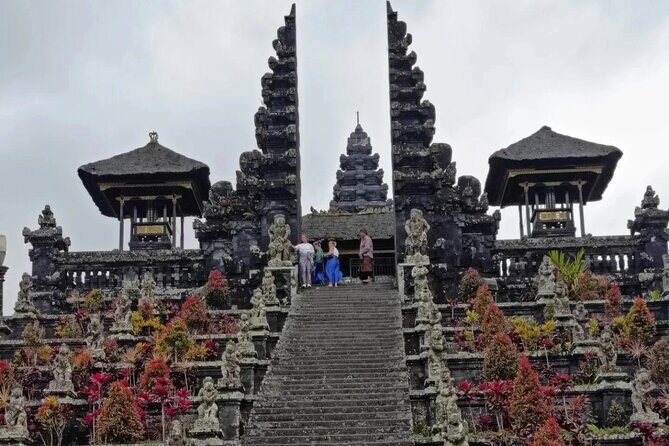
Besakih isn’t just another photo stop. It’s Bali’s most sacred temple complex, known as the Mother Temple, and that title matters once you’re there. You move through a place where the whole layout is tied to worship patterns and the island’s spiritual landscape around Mount Agung, which is why context really helps.

The big value of this tour is that it turns the day into a guided story instead of a “go there, walk around, hope for the best” mission. With a guide guiding you through the temple’s layout and worship concepts, the experience becomes easier to follow, even if temple architecture isn’t usually your thing. And because this is set up as an all-in-one outing—transport, entry process, and lunch—you spend less time figuring logistics and more time paying attention.

Another plus: your lunch spot isn’t tucked away in some random strip-mall restaurant. Lereng Agung is positioned so you can eat with a view that matches the day’s theme—terraces, slopes, and Mount Agung in the background.

Getting to Besakih From Ubud and Beyond Without the Headache

Besakih Temple Entrance Ticket All Inclusive With Lunch - Getting to Besakih From Ubud and Beyond Without the Headache
Most Bali travel days can turn into a game of timing: “Will the driver find my place?” “Where do I meet?” “Did we miss the turn?” This tour is designed to avoid that chaos. Pickup is offered from Ubud, plus parts of south and east Bali, and the day runs roughly 5 to 6 hours total.

That matters because Besakih is farther out than many popular Ubud day trips, and the temple visit itself has a slower rhythm than beach hopping. When transportation is handled, you can plan your morning around it instead of around uncertainties.

Also, there’s something underrated here: group limits. This runs with a maximum of 14 travelers, which usually means you’ll feel less herded than on bigger buses. You still get the convenience of group logistics, but the day tends to move with a little more breathing room.

Besakih Entrance: Rules, Sarong, and What Your Guide Makes Clear

Besakih’s temple areas include rules that aren’t always obvious until you’re standing there. This is exactly where having a guide reduces stress. You’re provided a sarong for temple entry, so you’re not trying to find one at the last second or negotiate rentals.

The other rule is more serious: women on menstruation are not allowed to visit the temple. If that applies to you, you’ll want to plan for an alternative that still lets you enjoy the area without risking a denial at the gate.

What a good guide does in a place like Besakih is help you understand the logic behind the setting. The temple complex is connected to worship concepts tied to Bali’s history and the idea of reverence centered on Mount Agung. Without that framework, the grounds can feel like a lot of gates and shrines. With your guide’s explanations, the spaces start to make sense: where you’re moving, why people worship in particular ways, and how the temple structure relates to the island’s spiritual map.

In short: you’ll still do the walking and you’ll still experience the sacred atmosphere, but you’ll do it with clarity instead of guesswork.

Temple Time on the Ground: Pace, Walking, and Practical Comfort

This is a moderate fitness kind of day. That doesn’t mean it’s a hardcore trek, but you should expect walking on uneven ground and moving through temple areas that require you to be on your feet. Plan for comfortable shoes, because this is not the day for slippery sandals.

The tour also signals a thoughtful pace: it isn’t rushing you through. The intent is to let you absorb the story of Besakih as Bali’s most important temple enclave. When you’re not constantly checking your watch, the spiritual weight of the place lands more naturally.

One more practical note: temple visits can be affected by weather. This tour specifically requires good weather, which makes sense for visibility and comfort. If weather is poor, the experience may shift to a different date or be refunded, so don’t plan your schedule so tightly that a reschedule would ruin your entire trip.

Lunch at Ristorante Lereng Agung: A Meal With Mount Agung Views

Besakih Temple Entrance Ticket All Inclusive With Lunch - Lunch at Ristorante Lereng Agung: A Meal With Mount Agung Views
After the temple, you get a proper food break—buffet style at Ristorante Lereng Agung. The buffet setup matters because it keeps the meal moving without making you feel rushed or stuck waiting for one dish. You can sample what you want and settle into the view without turning lunch into a complicated production.

What makes this stop feel worth it is the setting. The restaurant is built on a slope with an impressive rice-terrace view and Mount Agung visible in the wider scene. It’s a satisfying “we made it to the Mother Temple” payoff, because the landscape around the island’s volcanic heart is part of the whole experience.

The time block for lunch is about one hour. That’s enough to eat comfortably, but not so long that you lose the momentum of the day. If you’re the kind of traveler who prefers a clear plan (rather than wandering until dinner), this fits your style.

Private Guide vs. Go-Your-Own: Where This Package Wins

You could, in theory, DIY Besakih with a car and your own research. But for many visitors, the day becomes harder than it sounds. Temple complexes aren’t just sights—they come with rules, dress requirements, and cultural expectations.

This package is built around removing friction:

  • Sarong is provided, so you don’t scramble at the last moment
  • You get guided context for the temple structure and worship concepts
  • The driver and transport plan reduce uncertainty on the day

And you get a real bonus: a smoother day with fewer stops in the wrong place and less time lost to back-and-forth.

One small caution I’d give you: quality can depend on the exact provider and the fit of the group. There was at least one complaint about an overly distracting driver phone use during transit. If that would bother you, say so early and ask for a distraction-free driving experience. Most days go fine, but it’s smart to set expectations.

Price and Value: Is $65.52 a Good Deal?

At $65.52 per person, this tour is positioned as an affordable way to get the main pieces: transport, guide service, and lunch. The trick is to compare this against the cost of doing it separately.

Here’s the value angle that matters:

  • You’re not paying extra for the temple entry ticket as listed in the package notes
  • Lunch is included at Lereng Agung, which is often the sort of restaurant cost people end up paying for anyway
  • You’re buying time saved through pickup and transfers from Ubud and nearby areas

Where the price might feel less justified is if you don’t need transfer and could get to the area on your own. In that case, you’d be paying partly for convenience you might skip. But if you want the day to be effortless—especially if you’re staying outside the temple area—then the price is easier to defend.

Also remember the group size: up to 14 travelers. Small-group outings can cost more than DIY, but they often deliver better flow and less hassle, which can be worth it if you’re traveling with family or want a clean itinerary.

Who This Tour Fits Best (And Who Might Want Something Else)

This Besakih experience is a strong fit if you want:

  • A guided temple visit with explanations that make the place easier to understand
  • A stress-light day with pickup from Ubud, south Bali, or east Bali
  • A satisfying add-on of buffet lunch with volcano-and-terrace views

It’s especially practical for families or anyone traveling with limited tolerance for logistics. In the past, the service quality has been praised for helping with infants during the outing, which tells you the operation can handle real-life needs, not just a smooth brochure day.

If you’re a solo traveler who likes independence and you already know how to manage temple rules comfortably, you might prefer a cheaper DIY option. And if you have limited mobility or you know stairs and uneven surfaces will be difficult, consider that the tour calls for moderate fitness.

Weather, Timing, and Small Details That Make the Day Work

This day is about timing in two ways: the travel window and the temple mindset. With a total duration of around 5 to 6 hours, you don’t want delays eating up the whole plan.

Weather is the other big factor. The tour notes good weather is required, which means the operator may reschedule if conditions are poor. If you’re planning your Bali days around a tight schedule, build in a little flexibility so you don’t stress if Mother Temple plans get weather-adjusted.

For what to bring, keep it simple:

  • Comfortable shoes for walking around temple grounds
  • A light layer for the air changes you can feel in the highland areas
  • Basic respect for temple dress rules, even though sarongs are provided

Should You Book This Besakih Temple Entrance Package?

I’d book it if you want a clean, guided day where the sacred parts are explained and the logistics are handled. The combination of Besakih with a professional guide plus lunch at Lereng Agung with Agung volcano views is a practical use of time, especially if you’re starting in Ubud or staying in south/east Bali.

Skip it or reconsider if:

  • You’re looking for the cheapest possible option and you don’t need pickup
  • Temple entry restrictions would affect your ability to participate (menstruation restriction is stated)
  • You’re likely to be annoyed by driver distraction and want complete control over the experience

FAQ

FAQ

How long is the Besakih Temple tour?

It runs about 5 to 6 hours total.

Do I get pickup from my area in Bali?

Pickup is offered from south Bali, east Bali, and the Ubud area.

What’s included besides the Besakih Temple visit?

You also get a buffet lunch at Ristorante Lereng Agung with rice terrace and Mount Agung views.

Is the sarong provided for entering the temple?

Yes, sarongs are provided for temple entry.

Are women on menstruation allowed to enter Besakih Temple?

Women on menstruation are not allowed to visit the temple.

What does lunch look like?

Lunch is a fresh-cooked buffet at Lereng Agung Restaurant, served with volcano and rice-terrace views.

How many people are in the group?

The group size is capped at a maximum of 14 travelers.

What fitness level do I need?

You should have a moderate physical fitness level.

What happens if weather is bad?

The experience requires good weather. If it’s canceled due to poor weather, you’ll be offered a different date or a full refund.

Electric bicycle tour in quaint South Ubud

Electric bicycle tour in quaint South Ubud - The ride starts in Mambal: rice, farmer roads, and river views

South Ubud on an ebike feels like a cheat code. In about two hours, you glide through quieter villages, lush rice country, and farm roads that most people never see, with electric help for the hills and dirt sections. It is a simple half-day outing with real scenery and a very food-forward finish.

I especially like how the ride is built for easy countryside cruising: steep hills and dirt trails are made manageable by the electric assist. The other big win is the traditional Balinese lunch served in a local compound, which turns the tour from just sightseeing into a full experience. You can also choose a morning or afternoon departure, so it fits your day.

One thing to keep in mind: one review noted the guide could be clearer during stops and turns. That is an easy fix on your side—pay attention to the hand signals, and ask for a quick recap before you start rolling.

Key things to know before you go

Electric bicycle tour in quaint South Ubud - Key things to know before you go

  • Electric assist helps with steep hills and dirt trails without turning it into a workout contest
  • Small-group pace (max 12, with the activity capped at 6 travelers) keeps the ride calmer
  • Mambal area ride south of central Ubud through rice, flower fields, chili plants, and papaya trees
  • Ayung River scenery and a pass by Green School on the way to lunch
  • Rice terraces + Subak irrigation learning during the countryside loop
  • Traditional Balinese lunch in a local compound is the part most people remember

Why South Ubud on an ebike is such good value

Electric bicycle tour in quaint South Ubud - Why South Ubud on an ebike is such good value
This tour costs $49 for about 2 hours, but you are not paying just for a rental bike. You also get a local guide, helmet, insurance, bottled water, and a traditional Balinese lunch that includes water plus coffee or tea. There is even an air-conditioned vehicle involved, which matters in Bali when the sun decides to show up early and stay late.

The electric assist is the real “value multiplier.” South of Ubud, the scenery comes with hills and uneven terrain. With an ebike, you still get the sights and the fresh air, but you spend less time fighting the bike and more time enjoying the ride.

If you are curious but not confident on a manual bike, this style of outing is a smart compromise. You get to explore rural roads without requiring training, and you can keep your energy for the rest of your Bali day.

The ride starts in Mambal: rice, farmer roads, and river views

Electric bicycle tour in quaint South Ubud - The ride starts in Mambal: rice, farmer roads, and river views
Your route begins in Mambal, just south of the busy Ubud center. Right away, the vibe shifts from crowds to fields. You pedal through rice and flower fields on small roads used by farmers, which is exactly the kind of access you want if your goal is real daily life, not just photo stops.

As you ride, you pass practical farm details—chili plants and papaya trees—the stuff that makes rural Bali feel lived-in. Even if you are not a farming expert, these sights help you understand the landscape as a working place, not a set.

Then the scenery lines up with the sacred Ayung River. You ride alongside it, so you get that sense of a moving corridor—water to one side, fields and homes to the other. It is a calm stretch that helps the tour feel like more than a loop around a single viewpoint.

There is also a memorable transit moment: you pass by the Green School on the way to lunch. It is not the focus of the day, but it adds a recognizable marker that breaks up the farm-and-river rhythm.

UNESCO rice terraces and Subak: what you should watch for

Electric bicycle tour in quaint South Ubud - UNESCO rice terraces and Subak: what you should watch for
The tour is designed around Bali’s UNESCO-listed rice terraces and time to understand the Subak irrigation system. Subak is not just a technical detail—it is how communities organize water for farming, so the terraces are tied to both culture and everyday cooperation.

When your guide talks about Subak, I would treat it like a wayfinding lesson, not a lecture. Look for how the water is channeled and how the terraces connect. Even on an ebike, you are moving at a pace where you can actually notice patterns, instead of just snapping photos and running.

Practical tip: if you want this part to really land, ask your guide one simple question before you reach the terraces. Something like: what should I look for that shows the system at work? If they explain with examples you can see, the learning sticks.

One more reason this matters: when you understand how irrigation supports rice cultivation, the views become more meaningful. You stop seeing terraces as pretty geometry and start seeing them as infrastructure.

Waterfalls and country roads: plan for a scenic payoff

Your countryside loop also includes time for waterfall viewing. The exact spot and how long you stay is not spelled out in the basics you get ahead of time, so keep your expectations flexible—think in terms of a scenic stop, not a long hiking trek.

Still, adding waterfalls to an ebike day is a smart mix. You get variety without stacking your schedule with heavy logistics. One moment you are watching terrace patterns and river water. Next, you get that sensory shift—sound, mist, and the cooler air around falls.

Also, because the tour is built around riding easy to manage dirt trails and minimal street riding, you are less likely to feel stuck in traffic. The day stays focused on scenery and gentle movement.

Lunch in a Balinese compound: why it’s the real highlight

If you only cared about the ride, this tour would still be good. But the lunch is a standout, and it is not a small detail—it is the finish line you ride toward.

The lunch happens at a traditional Balinese compound along the route. It is Balinese-style, and the package includes water plus coffee or tea. That is a complete reset after you have been out in the sun and moving through fields.

One review mentioned the lunch was the high point, and I think that makes sense. A countryside ebike tour can sometimes feel like you are constantly in transit. Here, you get a proper pause in a local setting, where the experience feels more rooted than a quick roadside meal.

What to do: come hungry. You do not need to speed through the ride or save space for snacks later. Trust the lunch to do its job.

Group size, timing, and how hard the ride really is

This is a small-group tour with a maximum of 12 people, and the activity also notes a smaller cap of 6 travelers. Either way, smaller groups tend to mean shorter waits and a smoother flow through narrow paths.

You also get to pick between morning or afternoon departure. Choose based on your energy and your Bali schedule. Mornings often feel easier for photos and for getting a cooler start. Afternoons can be great for softer light, but you will want sunscreen and a water mindset.

About physical effort: the tour is specifically pitched for “easy work” on steep hills and dirt trails thanks to the ebike. The minimum height is 140/150 cm, and most travelers can participate. That tells me the operator expects a wide range of visitors—from beginners to people who just want an easy, scenic half-day.

You should wear comfortable clothes and comfortable shoes. That sounds obvious, but on bike tours it is the difference between enjoying the day and feeling annoyed by discomfort. Since you might stop and walk a bit for viewpoints, shoes matter more than you think.

One more practical note: sunscreen is advised. In Bali, the sun does not care that you are on an ebike.

Price vs what you actually get at $49

Electric bicycle tour in quaint South Ubud - Price vs what you actually get at $49
Let’s talk value without the math fog. At $49, you get:

  • Use of an ebike
  • Helmet
  • Local guide
  • Bottled water
  • Traditional Balinese lunch (including water + coffee/tea)
  • Insurance
  • Air-conditioned vehicle
  • All taxes, fees, and handling charges
  • Pickup offered and a mobile ticket

For many tours, paying extra for lunch or bike rental is where budgets quietly disappear. Here, those pieces are part of the base price. You are essentially paying once and then spending your time enjoying the day.

Could it be cheaper? Sure, if you rented a bike and figured everything out yourself. But you would lose the guidance around the terraces, Subak irrigation, and the flow between rural stops. And you might spend more effort on navigation and timing than you save in money.

This is the kind of tour that works best when you want “guided rural Bali” without turning the day into a whole project.

How to get the best ride experience (and avoid the one complaint)

One review pointed out that the guide was attentive but did not give very clear instructions during stopping or turning. That is a safety-and-comfort issue, not a dealbreaker.

Here is what you can do to protect your experience:

  • Listen for the pre-ride rules: how they signal stops, slowdowns, and turns
  • Ask for a quick repeat if you are unsure before the first turn
  • Maintain spacing so you have time to react when someone ahead brakes
  • When you reach a stop, wait for direction instead of guessing from body language

Ebike tours often feel easy because the bike handles the effort, not because the route becomes predictable. Small reminders keep the ride smooth.

Also, since you are on smaller roads used by farmers, be ready for unpredictability in the way rural paths can change. That is normal. Clear instructions help, and you can get more out of the guide by asking one straightforward question early.

Who this electric bike tour suits best

I think this tour is a strong match for:

  • First-timers in Ubud who want the countryside without a hard physical challenge
  • People who like animal-and-plant details, rice terraces, and farm life
  • Anyone who loves food experiences where the lunch is part of the story
  • Small-group travelers who prefer quiet roads over big coach tours

It might not be ideal if you want a long, multi-stop cycling marathon. The time is about 2 hours, so the focus is on quality scenery and a good meal, not covering every possible corner of Bali.

If you are traveling with kids, keep the minimum height requirement (140/150 cm) in mind.

Should you book this ebike tour south of Ubud?

Yes, I would book it if you want a guided taste of rural Bali that feels easy and practical. The combination of electric biking, quiet countryside roads, rice terrace context, and a traditional Balinese lunch makes this more than a rental-bike outing.

If your priority is maximum adrenaline or long-distance cycling, you may find the ride a bit too relaxed. But if your goal is scenery you can actually enjoy, with help from the ebike and a structured guide, this is a smart way to spend part of your Ubud day.

FAQ

How long is the electric bicycle tour in south Ubud?

The tour is listed as about 2 hours.

What’s included in the $49 price?

Included are the ebike use, helmet, bottled water, a traditional Balinese lunch (with water and coffee or tea), a local guide, insurance, and an air-conditioned vehicle. All taxes and fees are included as well.

Do you offer pickup and tickets on your phone?

Pickup is offered, and you receive a mobile ticket.

Can I choose a morning or afternoon departure?

Yes, you can choose either a morning or afternoon departure.

What is the minimum height to join?

The minimum height is listed as 140/150 cm.

Is free cancellation available?

Yes. You can cancel up to 24 hours in advance for a full refund.

Utterly Ubud

Utterly Ubud - Tegalalang rice terraces: start strong with the views

One Ubud day, all the icons.

This tour strings together the places most people come to Ubud for: Tegalalang rice terraces, a Barong and Kris dance performance, Sacred Monkey Forest, plus a coffee plantation and a waterfall you can cool off at. It’s built for short stays or for anyone who wants to check off a lot without thinking too hard about routes, tickets, and timing.

I like how it’s paced like a sampler, not a marathon where you’re stuck in the car all day. Two standouts for me are the included traditional Balinese lunch and the fact that you get guided time at each major stop, so you’re not just wandering and hoping you found the right angle. I also appreciate the small stuff, like bottled water during the day.

One possible drawback: it’s a long, busy 10-hour day, and at least one stop is a hike to a waterfall (with optional water time). If you’re expecting a slow, quiet nature walk, you might find the schedule a bit tight; bring the basics and plan for a full day on your feet.

Key points you’ll actually care about

Utterly Ubud - Key points you’ll actually care about

  • A tight “Ubud greatest-hits” loop that hits rice terraces, dance, monkeys, coffee, and a waterfall in one go
  • Traditional lunch included, so you’re not hunting for food between attractions
  • Waterfall stop with optional swim time, meaning you should pack a bathing suit and towel
  • Sacred Monkey Forest time built in, not just a quick pass-by photo stop
  • Private tour setup: it’s only your group, not a big mixed crowd tour
  • 2% of each tour supports environmental action, so your day out has a sustainability angle

Why Utterly Ubud feels efficient (and still fun)

Utterly Ubud - Why Utterly Ubud feels efficient (and still fun)
Ubud is famous for being an easy place to over-plan. There are temples, craft spots, viewpoints, waterfalls, and animal encounters, and if you try to do it all on your own, you end up stressed about roads, tickets, and timing.

This tour solves that problem with one simple idea: it builds a full day around the most memorable, iconic stops in Ubud. You start with Tegalalang’s famous rice terraces, then shift to the coffee plantation experience, then head to Tegenungan Waterfall for a short hike and a chance to get cool if you want. After that, you get culture with a Barong and Kris dance-drama, and finish with Sacred Monkey Forest Sanctuary, where the monkeys are the main event.

The big value here is not just that the attractions are famous. It’s that you’re not doing the heavy lifting. Admission tickets are included, lunch is included, and you’re moving through the day with a guide—so you can spend your energy on the views, the show, and the experience.

And yes, you’ll still have your own moments—time to take photos, time to wander inside the sites, and time to enjoy the vibe without having to micromanage everything.

Tegalalang rice terraces: start strong with the views

Utterly Ubud - Tegalalang rice terraces: start strong with the views
Tegalalang Rice Terrace is one of those places where you immediately get why people talk about Bali’s “green” image. The fields roll and curve, and the terraces create layers you can actually see from different angles.

You’ll spend about two hours here, which is long enough to do more than snap a couple photos and leave. You can take your time moving around, get your bearings, and enjoy the changing perspective as you walk along paths near the terraces. This is also where a lot of people end up wanting one more photo at a dramatic viewpoint. If you’re hoping for that kind of extra moment, ask your guide what’s possible in the time you have—your day is planned, but guides often know the best timing for certain photo spots.

Practical note: bring water, take your time on uneven ground, and wear footwear that won’t make you regret it after a few minutes.

If you want one reason this first stop works so well, it’s momentum. Starting here sets the tone for the entire day—green views, scenic photo opportunities, and that “I’m in Bali now” feeling before the schedule gets busier.

Luwak coffee plantation: tasting the story behind the drink

Utterly Ubud - Luwak coffee plantation: tasting the story behind the drink
After the terraces, you head to the Luwak Coffee Bali Plantation for a guided coffee plantation visit. This portion is about one hour, so it’s not a long, slow educational seminar. Instead, it’s a focused look at how coffee is produced and what visitors typically expect at a plantation stop.

You’ll get a guided tour and a complimentary assortment of coffees and teas. The tasting is part of the fun, because you’re not just buying a cup and walking away. You’ll sample what’s offered and then you can purchase anything you want to take home or enjoy later.

Here’s how I’d think about this stop: it’s a culture-and-commerce hybrid. Coffee is a Bali tradition you can learn about quickly, but it’s also a place where you’ll likely be offered products. If you enjoy tasting new things, this part of the tour is a win. If you’re not into coffee or tea, you’ll still get the benefit of a guided walkthrough and the change of scenery before the waterfall.

One helpful mindset: plan to taste a little, not to force a whole flight of stuff. You can be curious without going all-in.

Tegenungan Waterfall: the short hike that actually refreshes

Utterly Ubud - Tegenungan Waterfall: the short hike that actually refreshes
Then comes Tegenungan Waterfall. This is a short but fun hike to a beautiful spot where you can cool off if you want. You’ll have about one hour for this.

The practical detail that matters most: come prepared. The tour info explicitly nudges you to bring your bathing suit and towel, because water time is genuinely an option. If you skip that, you can still enjoy the waterfall and the walk, but you’ll miss the best payoff for hot weather.

What to expect: a bit of effort getting there, some movement on the way, and a chance to relax near the falls once you arrive. If you’re the type who likes nature breaks between “attraction mode” stops, this one works.

Potential drawback to consider: waterfalls can mean slippery paths and wet surfaces. Your best plan is simple—walk carefully, and don’t pretend you’re on a movie set. If you’re going to get in the water, take your time getting ready and keep an eye on footing.

This stop is one of the most “real” feeling segments of the day because it’s not an indoor show or a curated walkway. It’s just you, the water, and the brief escape from the busier parts of Ubud.

Barong & Kris dance: culture delivered at human speed

Next is one of Bali’s iconic performance moments: Barong and Kris dance. You’ll spend about one hour on this stop.

This is the kind of cultural experience that’s worth fitting into a packed day because it compresses meaning into one scheduled block. It’s not something you have to chase down. It’s also not an awkward “sit quietly and hope you understand” situation if you’re with a guide who can orient you to what you’re watching.

If you want the honest appeal: it’s dramatic, visual, and memorable. You get performance energy without needing to rearrange your entire trip around a full evening event.

One small reality check: dance performances can be intense and loud, depending on the venue setup. If you’re sensitive to noise, arrive with that in mind and sit where you feel comfortable.

Sacred Monkey Forest Sanctuary: fun, but follow the rules

Finally, you reach Sacred Monkey Forest Sanctuary, one of Ubud’s most talked-about experiences. This stop is about two hours, and you can see why—there’s plenty going on once you’re inside the sanctuary.

In the best moments, it feels playful and spontaneous. There’s also a reason people love it: the monkeys aren’t just background. They’re active, curious, and often unbothered by the attention. Some guides even help you capture a few photos with the monkeys (selfie moments have happened), which is exactly the kind of memory people come home talking about.

But here’s the key advice I’d give you: treat the forest like a shared home, not a theme park. Don’t try to outsmart the monkeys, don’t grab at them, and keep your valuables secure. A guide can help set expectations, but you’ll still want to handle interactions carefully for everyone’s safety.

What I like about giving this stop two hours is you’re not forced to rush. Two hours lets you walk at an easy pace, enjoy the sanctuary setting, and watch the monkeys do their thing—without feeling like you’re constantly moving to keep up.

If you’re going with family or someone who’s nervous around animals, you can still enjoy the forest. Just keep a little extra distance and stick close to your guide.

How guides, pickup, lunch, and tickets make the day click

Utterly Ubud - How guides, pickup, lunch, and tickets make the day click
A tour like this lives or dies on logistics, and this one is built to reduce friction.

You get pickup offered, plus you’re not stuck figuring out entrance tickets and scheduling between stops. Admission tickets are included for each site mentioned, which helps you avoid the small stress of counting what you still need to pay once you arrive.

Then there’s lunch. You’ll have traditional Balinese food included, and that matters more than it sounds. When you’re bouncing between multiple attractions, finding a good meal that isn’t rushed becomes its own problem. Having lunch included keeps your day rolling and reduces decision fatigue.

Bottled water is also provided. In Bali’s heat, that’s not glamorous, but it’s practical. You’ll feel the difference later if you’re not constantly rationing water while you’re moving.

One more detail I appreciate: you get a mobile ticket, which reduces the chance of losing paper tickets and makes check-in smoother.

Lastly, it’s structured as a private tour activity. That means it’s only your group. You’re not sharing the day with a random mix of strangers. For many people, that’s what turns a “things to do” day into a more personal, comfortable experience.

Price and value: is $148.99 a good deal?

At $148.99 per person, this isn’t the cheapest way to see Ubud. But it isn’t trying to be. It’s priced like a guided, ticket-included day that handles transport coordination and multiple major stops.

Here’s how I judge value for a day tour like this:

  • You’re paying for a full day (about 10 hours) of guided structure, not just transportation.
  • Admissions are included for key sites (rice terraces, coffee plantation, waterfall, dance, monkey forest).
  • Lunch is included, plus bottled water.
  • You get pickup offered and a planned flow that reduces time wasted figuring out the next move.

If you were doing this yourself, you’d likely spend money on transport, tickets, and meals anyway—plus you’d add the time cost of planning and the stress cost of wrong turns or missed entry times. If your goal is a fast, high-impact Ubud day without the mental overhead, this pricing makes more sense.

If your goal is total freedom to linger wherever you want (and skip the performance or the coffee tasting), a do-it-yourself plan might feel better. But for a first-time or short-stay Ubud visit, this tour’s value is in convenience and coverage.

The “small but meaningful” sustainability angle

One detail I always like to see: 2% of each tour goes toward an environmental action initiative. That doesn’t replace good traveler behavior—bring your trash back, use water thoughtfully, and respect rules in nature spaces—but it does mean the company is pushing funds toward sustainability rather than treating environmental impact as an afterthought.

If you care about where your tourism dollars go, this is a nice bonus.

Who should book Utterly Ubud (and who might skip it)

This tour is a good fit if:

  • You have limited time in Ubud and want the main sights in one day.
  • You like being guided so you’re not stuck checking maps between attractions.
  • You’re okay with a full, active day—walking, a short hike, and a performance night-in-the-day vibe.

It might be less ideal if:

  • You want a slow trip with long downtime at one place.
  • You prefer only one or two nature stops and nothing else.
  • You don’t want to handle animal-care rules in a monkey sanctuary setting.

It’s also a strong pick for solo travelers who want company that doesn’t feel forced. One solo guest highlighted getting helpful tips around food after the tour and even support when shopping for wood carvings. That’s the kind of extra guidance you only get when someone is actually with you, not just driving you between points.

Should you book it?

If you want an efficient, guided Ubud day that hits the classics—rice terraces, coffee tasting, waterfall time, a Barong & Kris performance, and Sacred Monkey Forest—I’d book Utterly Ubud. The best part is that it’s not just a list of attractions. It’s a workable schedule with lunch, tickets, and a guide handling the transitions.

I’d only pause if you hate long days, dislike animal encounters, or can’t be bothered with a short hike and the basic prep for waterfall water time. If that sounds like you, do a lighter plan instead.

FAQ

What’s included in the tour price?

The experience includes bottled water and traditional Balinese food (lunch), plus admission tickets for the included stops.

How long is the Utterly Ubud tour?

It runs for about 10 hours.

Is pickup available?

Pickup is offered as part of the tour.

Is this tour private?

Yes. It’s described as a private tour/activity, so only your group participates.

What should I bring for the waterfall stop?

You may want a bathing suit and towel, since there’s a short hike to a waterfall where you can cool off if you like.

What’s the cancellation policy?

You can cancel up to 24 hours in advance for a full refund.

Get wet on Bali’s most stunning waterfalls

Get wet on Bali's most stunning waterfalls - Stop 1: Tukad Cepung Waterfall and the Jungle Walk-Down

Waterfalls with an air-conditioned ride.

That’s the deal with this private Ubud waterfall day: you hop between three very different falls with a guide who can shape the timing around your group. I like that it’s built for comfort, with round-trip transport in an air-conditioned vehicle, plus WiFi and bottled water along the way. It’s also set up so you can linger—if you want photos, a swim, or just quiet time in the shade.

What really sells me here is how the day mixes big sights with small pauses. You start at Tukad Cepung, tucked into thick tropical jungle where you walk down to the waterfall, then you move on to Tibumana and Tegenungan. Between the action, lunch is included at no extra cost, and you also get a traditional Bali coffee tasting stop that breaks up the day nicely.

One thing to consider: this is a waterfall circuit with time on your feet, so plan for moderate physical fitness and some uneven, wet footing. It also needs decent conditions since the experience depends on good weather.

Key things I’d plan around

Get wet on Bali's most stunning waterfalls - Key things I’d plan around

  • Private guide, flexible timing so you can shorten or extend each waterfall stop.
  • Air-conditioned transport with WiFi and bottled water to keep the day comfortable.
  • Three waterfalls with different vibes: jungle walk-down, swim-friendly falls, and the biggest stop.
  • Lunch included so you’re not hunting for food between locations.
  • Coffee tasting at Kebune Bali Agrotourism for a culture-plus-break moment.
  • Admission tickets included at the waterfalls, so fewer on-the-spot payments.

A Waterfall Day From Ubud With a Private Guide Driving the Pace

Get wet on Bali's most stunning waterfalls - A Waterfall Day From Ubud With a Private Guide Driving the Pace
Bali waterfall tours often feel like a sprint: get in, get out, repeat. This one is different because it’s private and you’re not stuck in a rigid conveyor belt. Your guide can manage the timing so you’re not constantly rushing—useful when you want a calm moment at the edge of the pool or when you just need a breather after walking down paths.

I also appreciate how the itinerary is structured around three waterfalls that look and feel different from one another. Tukad Cepung is the jungle-walk type of start, Tibumana is known for a beautiful waterfall you can actually swim at, and Tegenungan is the bigger, more central-feeling finale. That mix helps the day feel like a journey instead of three similar backdrops.

And then there’s the practical comfort layer: air-conditioned transport matters in Bali heat. You’ll also have WiFi on board and bottled water, which turns the car ride from a chore into a break—especially if you’re going to be getting wet more than once.

Transportation and Timing: What a ~10-Hour Day Really Feels Like

The tour runs about 10 hours. Each waterfall stop is about 1 hour 30 minutes, and the coffee tasting stop adds another 30 minutes. Because it’s private, you can usually adjust how you spend that time. That’s the key—time on paper looks tight until you realize you’re not fighting a schedule meant for a bigger group.

In real terms, this is a full-day outing. Even with the included transport, you’ll want to treat it like a “go early, enjoy slowly” kind of day. The car ride can be a lifesaver if the weather shifts or if you’re tired after swimming.

A small plus that matters: admission tickets are included at the waterfalls. That keeps things moving. You’re not adding extra stops, lines, or surprise costs at the ticket desk when you’d rather be checking out the views.

Stop 1: Tukad Cepung Waterfall and the Jungle Walk-Down

Get wet on Bali's most stunning waterfalls - Stop 1: Tukad Cepung Waterfall and the Jungle Walk-Down
Tukad Cepung is your entry into the day’s first big wow. You arrive in the Bangli regency area, in thick tropical jungle, and you’ll walk down a path beside an irrigation channel to reach the waterfall. That walk is part of the experience, not just a transit step. It sets the tone: you’re not just standing at a roadside fall—you’re moving through the greenery toward water that’s carved into the setting.

One consideration here is comfort on wet ground. When a place is reached via a walk-down path, things can be slick and uneven. I’d treat footwear like a priority. If you’re planning to climb around for photos, you’ll be happier with shoes that handle moisture.

The payoff is that Tukad Cepung tends to feel more intimate than the larger, more open falls. If you like the sense of discovery—turning a corner in the trees and suddenly seeing the waterfall—this first stop scratches that itch fast.

Admission ticket is included, so you can focus on the approach and the view rather than worrying about paperwork.

Stop 2: Tibumana Waterfall, Built for Swimming and Slow Photos

Get wet on Bali's most stunning waterfalls - Stop 2: Tibumana Waterfall, Built for Swimming and Slow Photos
Tibumana is where the tour shifts from jungle-walk energy to swim-and-splash energy. This waterfall is described as one of the most beautiful to see in Bali, and the big practical point is that you can swim here. It’s located in the north of Ubud area inside hidden forest surroundings, so it feels more like a tucked-away natural scene than a quick stop.

You’ll get about 1 hour 30 minutes here. That timing is good: long enough for a swim and photos, but not so long that you lose the day to just one location. Since it’s private and customizable, you can also choose to spend less time in the water if you prefer to stay dry and just soak up the view.

What I like about Tibumana in this kind of lineup is the contrast. After Tukad Cepung’s jungle approach, Tibumana gives you a different feel—more open for the water experience and more “stay awhile” for resting in the setting.

If you do plan to swim, treat it like you’re doing a chill nature dip, not an Olympic event. Go when you feel comfortable, keep an eye on footing, and don’t let the excitement rush you into the wet spots too fast.

Admission ticket included again means you’re not scrambling for extra funds at this stop either.

Stop 3: Tegenungan Waterfall, the Biggest Splash Stop Near Ubud

Get wet on Bali's most stunning waterfalls - Stop 3: Tegenungan Waterfall, the Biggest Splash Stop Near Ubud
Tegenungan is the heavyweight of the trio. It’s described as the biggest waterfall among the three and it’s close to the center area of the Ubud region. Expect a more dramatic, wide-scale waterfall moment compared with the earlier jungle-hidden vibe.

This stop also has plenty of photo angles. The tour info notes it’s good for swimming too, and that makes sense given the way the area is set up for visitors. If you want the classic “I got wet in Bali” memory, Tegenungan is your best bet.

You’ll have about 1 hour 30 minutes here. I like that it comes last because it feels like a finale: by then you’ll know how your day pace feels, how you like to move around, and whether you want extra time at the water’s edge.

One thing to plan for: places that are “good for swimming” often still involve walking on wet surfaces. Keep your balance, move slowly on any slippery areas, and don’t be afraid to step back when the water’s louder or the rocks look sketchy.

The big win: this is where the day can feel like it really peaked.

Kebune Bali Agrotourism Coffee Tasting: A Break That’s Actually Useful

Get wet on Bali's most stunning waterfalls - Kebune Bali Agrotourism Coffee Tasting: A Break That’s Actually Useful
After multiple waterfall stops, the coffee tasting stop is a smart reset. You’ll spend about 30 minutes at Kebune Bali Agrotourism, where the tour is focused on traditional Bali coffee tastings.

This part matters more than it sounds because it gives you a break from wet clothes and constant photo angles. You’ll get out of the heat for a bit, grab a drink, and regroup before the final push.

Also, it adds cultural texture without turning the day into a classroom. It’s simply an activity that connects you with local food-and-drink culture in between nature highlights.

Included Comforts That Make the Day Easier

Get wet on Bali's most stunning waterfalls - Included Comforts That Make the Day Easier
This tour isn’t just about waterfall names. It’s built to keep the logistics from stealing your energy.

Here’s what you can count on:

  • Air-conditioned vehicle with WiFi on board
  • Bottled water
  • Lunch served with no extra cost
  • Private transportation (so you’re not waiting on other groups)
  • Admission tickets included for the waterfall stops
  • Mobile ticket for easier day-of access
  • Pickup offered (so you can start the day without extra planning)

The lunch part is especially valuable on a full-day outing. In this kind of itinerary, eating is often the weak link. Here, you’re not losing time chasing meals. The lunch is served at no extra cost, and in practice that means you’re more likely to stay fueled for the walk-downs and any swimming.

If you’re planning your day around photos, this kind of included structure helps. You can spend more time watching, less time figuring out where you’ll eat later.

Price and Value: Why $67.45 Can Make Sense for Three Waterfalls

Get wet on Bali's most stunning waterfalls - Price and Value: Why $67.45 Can Make Sense for Three Waterfalls
At $67.45 per person, you’re paying for a bundle: transport, a private guide, admissions, lunch, and coffee tasting. In Bali, that can be a solid value when you compare it to the cost of piecing everything together yourself.

The big reason it can feel worth it is that you’re not only buying access to waterfalls—you’re buying time and effort saved. Private guide time and air-conditioned transport reduce stress on a day where you’ll already be dealing with heat, humidity, and wet terrain.

Also, the admissions being included matters. It removes uncertainty. You won’t walk into the day expecting one price and then deal with more fees when you arrive.

One more value point: the private, customizable format. That flexibility is often where “cheap” tours disappoint, because you’re stuck at each stop whether you like it or not. Here, you’re meant to spend as much or as little time as you want at each waterfall.

Who This Tour Suits (and Who Might Skip It)

I’d recommend this tour if you want:

  • A private day instead of a crowded group pace
  • A mix of three different waterfall experiences
  • Time for swimming at Tibumana and Tegenungan
  • A day plan that includes food and coffee tasting, not just nature stops

It may be less ideal if you hate any walking on uneven, wet paths. Tukad Cepung includes a walk-down to reach the waterfall, and all waterfall stops can involve slippery areas. You don’t need to be an athlete, but you do need a comfort level for moderate movement in humid conditions.

If you’re traveling with kids or someone who doesn’t do well with wet terrain, you might need to think carefully about safety and how the group will handle the walk-down parts.

The Guide Factor: Hendra’s Francophone Touch

This tour is provided with Hendra, a francophone guide in Bali. In the feedback you’ll hear a theme: the experience feels smooth and informative because he answers questions and shares context as you move through the day.

The practical value of a good guide is simple. He can help you time your visits, explain what to watch for, and keep the day from feeling random. When you’re in nature settings like jungle and waterfalls, that guidance turns “pretty pictures” into a more meaningful outing.

If you speak French or English, it’s reassuring to know the guide operates in both. That can make a difference when you want to understand what you’re seeing rather than just standing there.

Should You Book This Waterfall Tour?

If your ideal Bali day includes getting wet, seeing multiple waterfalls in one shot, and not wrestling with transport, then I think this is a strong booking. The value holds up because so much is bundled: air-conditioned transport, lunch, admission tickets, and a private guide who can adjust timing. You also get the coffee tasting stop, which keeps the day balanced instead of pure nature-only fatigue.

I’d book it if you’re comfortable with moderate walking and you want a day that feels organized but not rushed. I’d pause if you’re worried about wet footing or you dislike swimming environments.

If the weather is good, this tour matches the way many people imagine Bali waterfall days: jungle atmosphere, multiple waterfalls, and a meal break that keeps you happy through the last stop.

FAQ

Do you get pickup in Ubud?

Pickup is offered, so you can start the day without arranging your own transport from your hotel area.

How long is the tour?

The experience runs about 10 hours.

Which waterfalls are included?

You’ll visit Tukad Cepung Waterfall, Tibumana Waterfall, and Tegenungan Waterfall.

Is lunch included, and is coffee tasting part of the day?

Lunch is included with no extra cost. You’ll also stop at Kebune Bali Agrotourism for traditional Bali coffee tastings.

Are admission tickets included?

Yes, admission tickets are included for the waterfall stops.

Is swimming possible during the tour?

The tour information specifically highlights swimming at Tibumana Waterfall, and Tegenungan Waterfall is described as good for swimming too.

What happens if the weather is bad?

This experience requires good weather. If it’s canceled due to poor weather, you’ll be offered a different date or a full refund. You can cancel up to 24 hours in advance for a full refund.

Bali Ubud Ayung River Rafting with Lunch

Bali Ubud Ayung River Rafting with Lunch - Time on the clock: a smooth 3.5-hour day

Ayung River rafting hits a sweet spot. It’s white-water fun in Ubud with serious scenery—green hills and river jungle vibes—without needing to be an expert athlete. You’ll go with a small group capped at 15, plus you get a full instructor briefing before you hit the water.

I also like that the trip is built for “do the fun part, then relax.” After your paddle time, you get a shower and lunch included, so you’re not scrambling to find food or wash up afterward. Add in the locker and towel setup, and the whole thing feels more organized than a grab-and-go rafting day.

One thing to consider: the end of the experience involves steps to climb up, and this isn’t the best match if you’re older or have mobility limits. The tour also notes it’s not recommended for people over 65.

Key things that make this Ayung rafting tour worth your time

Bali Ubud Ayung River Rafting with Lunch - Key things that make this Ayung rafting tour worth your time

  • Small-group cap (15 people) keeps the vibe calmer and easier to manage.
  • Lunch + shower included means you can finish the day feeling human again.
  • Instruction before the ride helps even first-timers enjoy the rapids safely.
  • Ayung River stretch is about 10 km with roughly 2 hours on the water.
  • Rafting equipment, locker, towel, and welcome drink remove a lot of friction.
  • Hotel pickup/drop-off for groups of two or more helps you arrive without hassle.

The Ayung River in Ubud: adrenaline with training wheels

Bali Ubud Ayung River Rafting with Lunch - The Ayung River in Ubud: adrenaline with training wheels
If you’re thinking, I want rafting in Bali, but I don’t want the chaos—Ayung River is a strong choice. This run is designed around one main loop of action: a pre-ride briefing, about 2 hours of paddling, then food and cleanup. The overall ride is described as roughly 10 kilometers, so it’s not just a quick photo run.

What makes this feel right is the balance of effort and guidance. You’ll be coached from the start, then you’ll spend most of your time actually doing the thing—paddling, staying together in the raft, and reacting to the river. And because the group is limited to 15 people, you should spend less time waiting around than on big-capacity tours.

You’ll also get the kind of water-and-people energy that makes rafting feel social. The Ayung system is active with other rafts too, and you may get some playful water-fight moments just from all the boats being out there at the same time. The key is simple: follow your instructor’s cues, then let the fun happen.

Time on the clock: a smooth 3.5-hour day

Bali Ubud Ayung River Rafting with Lunch - Time on the clock: a smooth 3.5-hour day
The total experience clocks in at about 3 hours 30 minutes. The pacing is straightforward: start early enough to feel like you got your day started, then finish with lunch and a shower before you’re too tired or hungry.

The start time is 9:00 am, and the tour ends back at the starting point. That matters because you avoid the “where do I go now?” stress that can ruin a good activity. This is also the type of tour that works well if you’ve got other Ubud plans later—show, spa, dinner, or just a slow wander.

Getting picked up (or not) without losing the morning

Bali Ubud Ayung River Rafting with Lunch - Getting picked up (or not) without losing the morning
Pickup is offered, and it works best if you’re traveling as a pair or a small group. The setup is shared transport with other customers for the pickup leg, and pickup is described as from your hotel lobby.

Two practical notes to keep in mind:

  • Shared pickup means you might not depart exactly on your minute. You’re collecting other people within the service coverage area.
  • The tour data says shared transport in areas like Kuta, Seminyak, and Legian is only provided for packages that include transport. So if you’re outside Ubud, double-check what your package includes.

If you prefer a more direct route, you can also use the listed starting location: Graha Adventure Rafting, G6JX+VJ6, Jl. Raya Kedewatan, Kedewatan, Kecamatan Ubud, Kabupaten Gianyar, Bali 80571. Either way, aim to be ready a bit early at your pickup point.

Stop 1: Graha Adventure White Water Rafting Ubud Bali (briefing + prep)

Bali Ubud Ayung River Rafting with Lunch - Stop 1: Graha Adventure White Water Rafting Ubud Bali (briefing + prep)
Your first active moment is at Graha Adventure White Water Rafting Ubud Bali. You’ll have about 30 minutes here for preparation and briefing, and your admission ticket is included in the tour.

This briefing part is where rafting goes from scary to doable. You’ll get the rules of how to paddle, how to sit, what to do when you feel the raft tilt, and how to respond if your raft hits a faster section. Even if you’re comfortable in water, this step matters. Rapids don’t care how tough you feel—they care about teamwork and timing.

Also, this is typically where gear gets handed out and where your “today will be wet” reality sets in. The tour includes rafting equipment, and you’ll also have access to basics like a locker and welcome drink later in the flow (more on that soon). The goal is simple: you should walk out of this briefing feeling like you know what your job is.

Stop 2: Ayung River rafting along the 10 km run

Bali Ubud Ayung River Rafting with Lunch - Stop 2: Ayung River rafting along the 10 km run
Then comes the main event: rafting on the Ayung River for about 2 hours. The tour describes a journey of around 10 kilometers, and that distance is what gives you that real rafting feeling rather than a short thrill and done.

What you’ll actually do on the water:

  • Paddle as a team with your raft group
  • Work with your instructor’s rhythm and signals
  • Ride through sections that range from lively to punchy (depending on the day and water conditions)

Ayung rafting is often a mix of action and scenery. You’re moving through river sections with dense greenery and river bends, so you’re not staring at the same water for the entire ride. And because there are usually lots of rafts out there, the atmosphere can get playful—people tend to splash and react to nearby rafts. It can feel like a moving water park, just with a safety-focused instructor at the front.

One small drawback to expect: the river is active, so you’ll have to stay alert the whole time. That’s not bad—it’s what makes it fun—but it means you can’t zone out. Treat it like an outdoor group workout with a guide calling the shots.

Stop 3: Bali Rafting Ayung Ubud lunch break + shower time

Bali Ubud Ayung River Rafting with Lunch - Stop 3: Bali Rafting Ayung Ubud lunch break + shower time
After the paddle, you get the part that makes this tour easy: lunch break and shower time for about 1 hour. This is where you reset—wash off the day, eat something solid, and let your muscles chill.

You’ll have time for a shower, and the tour includes a locker and towel, plus a welcome drink. That set of inclusions matters more than people expect. Without it, you’d be hunting for a place to change, then scrambling for food while your clothes dry badly or you feel sticky for the rest of the day.

Lunch is included, and the food is described as mainly Indonesian. That’s a plus for value and variety, and it usually means something filling rather than a light snack. If you’re rafting with family or friends, lunch is also the social glue—everyone gets their second wind, swaps stories, and laughs about the splashes.

And yes, remember that at the end there are steps to climb up. The steps aren’t described as extreme, but they’re real. If you’re bringing kids or anyone with knee/back issues, plan for a slower pace after the ride.

What’s included (and what you should budget for)

Bali Ubud Ayung River Rafting with Lunch - What’s included (and what you should budget for)
This tour keeps the important stuff covered. In the included list you get:

  • Lunch
  • Instructor
  • Insurance
  • Rafting equipment
  • Locker, towel, and welcome drink

That coverage is exactly what you want from a rafting day. Equipment and insurance remove big uncertainties. Instructor support turns a “maybe” activity into something you can actually enjoy.

What’s not included:

  • Instructor tip
  • Any additional transport service outside of areas
  • Everything else not listed as included

The tip part is easy to handle. I’d treat it like a small, last-mile decision: if your guide keeps everyone safe, organized, and smiling, plan to tip. If the service feels average, tip less. Just don’t skip it entirely.

Price and value: $32.75 for a full rafting day

Bali Ubud Ayung River Rafting with Lunch - Price and value: $32.75 for a full rafting day
At $32.75 per person, this is priced like a value-friendly Ubud activity—especially because lunch and core rafting logistics are bundled. What pushes it from bargain to good value is that the tour isn’t just selling the raft. You’re getting:

  • Briefing + instructor
  • Insurance
  • Equipment
  • Shower and towel
  • Lunch

That’s the key comparison. Many cheaper rafting options make you pay extra for the “after” parts. Here, you’re not stuck eating a random snack and then feeling gross for the rest of your day.

Another detail that signals organization: the tour is described as booked about 40 days in advance on average. That’s not proof of quality by itself, but it usually means the operation is popular—and popular often means you benefit from smoother routines and established schedules.

If you’re a couple, this can be a great buy because pickup/drop-off is available for groups of two or more. If you’re a solo traveler, you might still go, but pickup logic may differ depending on your package and whether transport is included.

Who this Ayung rafting experience suits best

This is a family-friendly rafting setup. It’s made for people who want real river time but also want the day to be organized and not exhausting in the wrong ways.

You’ll likely enjoy it if you:

  • Want a fun group activity with small-group limits (max 15)
  • Like the idea of an instruction first start
  • Need an all-in-one day with lunch + shower handled
  • Are traveling with family, friends, or even coworkers

It’s not a fit if:

  • You have trouble with steps after the rafting
  • You’re over 65 (the tour explicitly says not recommended)

For everyone else, the “most people can participate” note suggests it’s reasonably welcoming—still, keep your own comfort level in mind. If you’re nervous around moving water, lean on the briefing and don’t rush your instructor’s instructions. Your confidence will build fast.

Small-group vibes and the Ayung “splash culture”

One thing I’d plan for: the Ayung River tends to have multiple rafts around at the same time. That creates a bit of a carnival feel—especially with splashing and playful water-fights between groups.

This isn’t a party where you can ignore safety. But it is a reminder that rafting on Ayung isn’t just about calm scenic floating. It’s a shared river day. The best way to enjoy it is to stay focused, listen closely to your instructor, and treat the splashes as part of the fun rather than a reason to fight your raft rhythm.

Also, because the tour includes an instructor and safety coverage through insurance, you’re not doing this blind. If you get nervous, ask your guide to clarify. Then follow their calls. That’s how you keep the ride fun and smooth.

The bottom line: should you book this Ubud Ayung rafting with lunch?

I think this one is a strong pick if you want real rafting time plus the stuff that usually gets forgotten: lunch, a shower, and organized equipment. The price makes sense for what you’re getting, and the small-group cap helps keep the day from turning into a cattle-line operation.

Book it if you’re traveling with family or friends and you’d rather spend your money on a well-run day than on extra add-ons later. Skip it—or at least think hard—if steps and mobility are issues for anyone in your group, or if you’re in the age range the tour doesn’t recommend.

If your goal is a fun, guided Ayung River experience that ends with a clean reset and a decent meal, this is the kind of rafting day that makes Ubud feel like a real vacation.

FAQ

How long is the Ayung River rafting with lunch tour?

It’s about 3 hours 30 minutes total.

Is hotel pickup included?

Pickup is offered. Groups of two people or more can enjoy hotel pick up and drop off, and the pickup is by sharing transport with other customers.

Where does the tour start?

The meeting point is at Graha Adventure Rafting, located on Jl. Raya Kedewatan in Kedewatan, Ubud.

What time does the tour start?

The start time is 9:00 am.

How much time do you spend rafting on the Ayung River?

You’ll raft for about 2 hours.

Is lunch included?

Yes. Lunch is included in the tour, along with a shower time after rafting.

What’s included in the price?

Included items are lunch, instructor, insurance, rafting equipment, locker, towel, and a welcome drink.

Is the tour refundable?

No. This experience is non-refundable and cannot be changed for any reason.

Gates to Heaven – Lempuyang Tour

Gates to Heaven - Lempuyang Tour - Lempuyang Temple’s Gates to Heaven: the view, the queue, the rules

First, don’t plan this day like a normal beach trip—it moves fast and waits on you. This Gates to Heaven circuit strings together three of Bali’s most talked-about temple scenes, with big views from Lempuyang Temple, a calm pause at Tirta Gangga, and a cave temple moment at Goa Lawah where bats are the main event. It’s a long-ish day from Ubud, but the variety is real: holy gates, royal water features, and a dark cave with hundreds of bats.

I really like two things about this tour. First, the pacing is built around the highlights, so you’re not bouncing around East Bali all day trying to figure out routes. Second, the basics are handled for you—air-conditioned transport, plus bottled water and wet towels—so you can focus on the experience instead of logistics.

One thing to keep in mind: Gates to Heaven is famously photo-focused, and you may spend time in long queues. Also, access to certain temple areas isn’t open to general visitors, so what you get is the view and the gates moment, not a free-for-all walk around the whole temple complex.

Quick hits before you go

Gates to Heaven - Lempuyang Tour - Quick hits before you go

  • A 10-hour East Bali loop that hits Lempuyang Temple, Tirta Gangga, and Goa Lawah in one day
  • Tickets are included for all three stops, plus bottled water, wet towels, and A/C transport
  • Queue time is real at Lempuyang—plan to wait for photos and follow signage and staff rules
  • The Gates to Heaven photo effect is not water; it’s a reflection technique used for the famous shots
  • Tirta Gangga rewards slow looking with tiered fountains, gardens, fish pools, and stone sculptures
  • Goa Lawah is cave-in-the-temple with hundreds of bats and a 11th-century origin story

A famous trio of temples, stacked for one long day

Gates to Heaven - Lempuyang Tour - A famous trio of temples, stacked for one long day

This is the kind of day trip that feels like a greatest-hits playlist—except you’ll also get the off-the-beaten-path feeling of East Bali’s countryside as you drive between stops. The experience is designed to start at Lempuyang Temple (high up on Mount Lempuyang), then shift to Tirta Gangga’s royal water palace, and finish at Goa Lawah Temple on the coast-side of Bali’s east.

You’ll be in a small, private group with pickup offered, and that matters more than you might think. When you’re dealing with temple crowds and photo lines, having your schedule and movements under control helps you avoid wasting energy. The tour also uses a mobile ticket, so you’re not fumbling with paper.

One small tradeoff: it’s about 10 hours total, and most of that “whole day” feel comes from transit time plus the waiting that can happen at Lempuyang. If you’re the kind of traveler who needs everything to run like clockwork, bring patience.

Lempuyang Temple’s Gates to Heaven: the view, the queue, the rules

Gates to Heaven - Lempuyang Tour - Lempuyang Temple’s Gates to Heaven: the view, the queue, the rules

Lempuyang Temple sits at about 1,175 meters above sea level, with sweeping views toward Mount Agung through the famous gate framing. That’s why the place gets called Gates to Heaven—the shot is literally built around the mountain view lined up by the gate.

Here’s the reality check that saves disappointment: this is one of Bali’s most famous photo moments, so the line can get long. You’ll likely spend time waiting to get your turn at the gate angle. And while the gate scene is accessible for visitors looking to photograph, temple access isn’t open to the general public in the way you might imagine from Instagram-style wide angles.

One more useful detail: online, people often assume the scene includes water. When you’re there, you’ll see that the “water” look is actually a reflection effect tied to how the photo is taken. So instead of hunting for a pool or dramatic water feature, focus on positioning and timing—especially if you want a clean shot without people crowding your frame.

What I like about Lempuyang on this tour: you’re not just dropped in and left to scramble. You’re scheduled into the day so you can actually experience the mountain-gate view, not just fight for it.

Possible drawback: altitude plus queues can test your patience. If you have moderate physical fitness, you’ll want to move comfortably and keep an eye on how long you’re standing in one spot.

Tirta Gangga: royal water palace calm in between temple crowds

Gates to Heaven - Lempuyang Tour - Tirta Gangga: royal water palace calm in between temple crowds

After Lempuyang’s gate frenzy, Tirta Gangga is a welcome change of pace. This site is known as the former royal water palace in eastern Bali, and the vibe is more “wander and notice” than “line up for one photo.”

You’ll see tiered fountains, landscaped gardens, and stone sculptures of mythical creatures that pour water into bathing pools. There are also fish pools and additional fountains sprinkled through the area. Even if you’re not obsessed with details, this is the kind of place where you can slow down and let your eyes adjust—watching water move over stone and staying out of the worst of the traffic frenzy.

Time here is about 1 hour 30 minutes. That’s usually enough to walk the main areas, get a few photos that don’t feel rushed, and still keep the day from dragging.

A practical pro-tip: if you want photos without too many people, don’t treat it like a single-stop sprint. Spend the first chunk of time simply looking, then come back to any scenes you really like for a second round when the crowd flow shifts.

Why this stop adds value: it breaks up the “high intensity temple photo” energy. Tirta Gangga gives you a softer counterpoint that makes the whole itinerary feel balanced instead of repetitive.

Goa Lawah (Bali Bat Temple): the cave temple with real wildlife energy

Finish at Pura Goa Lawah, also called the Bali Bat Temple. This temple complex is built around a cave opening that is home to hundreds of bats. The presence of bats changes the atmosphere—this isn’t a quiet museum temple. It’s living, active, and a little unexpected, even if you’ve seen photos before.

The temple is also tied to early Hinduism in Bali, with roots going back to the 11th century through one of the early priests who helped establish Hinduism there. You get a sense that this isn’t just a scenic stop; it’s a meaningful site that has lasted.

Plan for about 2 hours here. That’s enough time to understand the layout of the complex, take in the cave setting, and soak up the atmosphere without rushing through.

What to watch for: the bats can be a huge part of the visual experience, and that means this is the kind of place where timing and ventilation can affect what you see and hear. Keep a comfortable stance, be mindful of where you’re standing, and let staff guide movement.

If you like temples with a strong sense of place—built into a natural feature and shaped by worship over centuries—this is the emotional payoff of the day.

Price and what you actually get for $66

At $66 per person, this tour is priced like a true day package, not just a “driver and good luck” service. You get admission tickets included for each stop, plus bottled water, wet towels, and an air-conditioned vehicle. The tour also covers all fees and taxes.

The biggest item not included is lunch. That’s a normal omission for half-to-full day tours in Bali, but it matters because you’ll be out for close to 10 hours. If you snack lightly before you go and carry something small to eat (if allowed where you’re headed), you’ll likely feel a lot better.

Who the price makes sense for:

  • First-timers who want a structured “East Bali highlights” day without hunting down tickets and transport
  • People who value having A/C and small comforts during a long day
  • Couples or friends traveling together who want a private group experience

Who might pause before booking: if you hate lines and want zero crowd time at the most famous gate photo spot, you might prefer a different style of itinerary with less queue pressure.

Timing, transport, and the 10-hour reality check

Even with a private setup, this is still a day trip with built-in friction. Lempuyang Temple is the highest-stakes queue stop in the itinerary, and that’s where you’ll feel delays most. Tirta Gangga and Goa Lawah are more about walking and absorbing than one strict photo angle, so they tend to feel easier to manage.

The good news is that the tour includes pickup offered and uses an air-conditioned vehicle, which makes the driving portion less tiring. You’ll also have wet towels and bottled water, which is especially helpful in Bali’s heat.

One more practical factor: the experience requires good weather. If skies don’t cooperate, you can be offered a different date or a full refund. That matters because Lempuyang’s gate view toward Mount Agung looks best when the air is clear enough to actually see it.

My advice: treat the day like an experience built around conditions, not a guaranteed photo factory. You’ll still get plenty, but you’ll enjoy it more if you expect some waiting and some variability.

The guide factor: why having a good human matters on this route

A day built on temple rules and photo lines is where your guide can genuinely change your experience. In this tour, that role matters because you’re moving between different styles of sacred spaces: gate photography constraints at Lempuyang, more open wandering at Tirta Gangga, and cave-focused temple atmosphere at Goa Lawah.

One guide name you might encounter is Wayan, who has a reputation for being helpful and kind while taking people around multiple Bali adventure stops in a day. The kind of guidance you want here is practical: where to stand, when to move, and how to keep your group organized when lines form.

You’ll still need patience at Lempuyang—nobody can delete crowds—but a good guide helps you spend your limited time better instead of guessing.

Who this tour is best for

Gates to Heaven - Lempuyang Tour - Who this tour is best for

This itinerary is a great fit if you want a single day that mixes iconic views with temple variety. It’s especially good for:

  • Photo-minded travelers who understand that Lempuyang is about the gates shot and that queues are part of the deal
  • People who want a mix of sacred sites and unusual natural settings (cave + bats)
  • Travelers with moderate physical fitness who can comfortably handle walking and standing for periods
  • Small groups who like a structured day with entry tickets taken care of

It may be less ideal if you strongly dislike waiting or if you’re expecting that Gates to Heaven means full access to the whole temple area. Based on the rules at the site, what you’ll experience is the gate-view moment rather than a general roaming pass.

Should you book the Gates to Heaven – Lempuyang Tour?

Book it if you want one organized East Bali day that hits three major temple experiences without you doing ticket math or routing headaches. The included tickets and comfort items (A/C, water, wet towels) make the $66 feel more reasonable than piecing it together yourself, especially when you’re spending nearly the whole day on the move.

Skip or reconsider if you’re the type who hates lines and absolutely needs guaranteed low-crowd access to every temple area. Gates to Heaven is famous for a reason, but that fame comes with queue time and restricted temple access.

If you go in with the right mindset—expect queues, plan around conditions, and focus on the real atmosphere rather than only the perfect photo—you’ll likely come away feeling you spent your day well.

FAQ

How long is the Gates to Heaven – Lempuyang tour?

It runs for about 10 hours.

Where does the tour start and where does it end?

It starts at Lempuyang Temple and finishes at Goa Lawah Temple.

What are the main stops on the tour?

You’ll visit Lempuyang Temple, Tirta Gangga, and Pura Goa Lawah (Bali Bat Temple).

Is pickup offered?

Yes, pickup is offered.

Are admission tickets included?

Yes. Admission tickets are included for each stop.

Does the tour include lunch?

No. Lunch is not included.

What’s included in the tour besides tickets?

Bottled water, air-conditioned vehicle, wet towels, and all fees and taxes are included.

Is the Gates to Heaven area accessible to everyone?

Temple access is not allowed to the general public, so plan for the rules and designated visitor areas.

Is this a private tour?

Yes. Only your group participates.

What if weather is bad?

The experience requires good weather. If it’s canceled due to poor weather, you’ll be offered a different date or a full refund.

Best of Bali Ubud Tour and Surrounding

Best of Bali Ubud Tour and Surrounding - Meeting Your Driver: Safety and Explanations That Pay Off

This tour works because it gives you options, not a single fixed script. You can choose one route or mix the styles you want, with stops ranging from Ubud rice terraces to holy-water temples, waterfalls, craft villages, and even a Jimbaran seafood-style finish.

Two things I’d highlight right away: I like the English-speaking driver service (reviews specifically call out Wayan for safety and clear local education), and I like that you’re in private transportation so the day feels calm instead of chaotic. The one caution: the listed price doesn’t include lunch, admission fees, or donations, so your final day budget depends on which stops you pick.

You’ll also want to think about how much you cram into an 8-hour day. If you choose multiple styles, you might spend more time moving than lingering, which is great if you like seeing a lot, and not so great if you want slow, long breaks.

Key things to know before you go

Best of Bali Ubud Tour and Surrounding - Key things to know before you go

  • Private group experience: only your group rides together.
  • A/C vehicle + bottled water for a more comfortable day.
  • Multiple route options: pick the temples, art, nature, or “soul” vibe you want.
  • English-speaking Balinese driver with friendly, practical explanations.
  • Good value at $45 per person, but budget for meals and entry/donations.
  • Wayan gets repeat praise for safety and guiding you through what you’re seeing.

What This Ubud-and-Surrounding Tour Lets You Choose

Best of Bali Ubud Tour and Surrounding - What This Ubud-and-Surrounding Tour Lets You Choose
This isn’t just one itinerary with no choices. It’s a day-trip framework built around Bali’s variety, letting you shape the experience around what you want most—culture, waterfalls, craft, or temple spirituality.

You’ll start from Ubud and ride around in an air-conditioned vehicle with bottled water. You also get private transportation, which matters on Bali roads. It’s easier to keep the day on track when you’re not waiting for strangers to find each other, and it’s simpler to ask the driver quick questions on the spot.

The big win is flexibility. The tour offers several named “moods,” like a Heaven Gate day, a Ubud-focused day, an art-and-crafts day, and nature-heavy route options. If you’re traveling with family or a mixed-age group, this kind of flexibility helps you avoid forcing everyone into the same level of walking or temple time.

Meeting Your Driver: Safety and Explanations That Pay Off

Best of Bali Ubud Tour and Surrounding - Meeting Your Driver: Safety and Explanations That Pay Off
The operator emphasizes Balinese English-speaking drivers, and the difference shows in how the day feels. In the feedback you provided, Wayan is repeatedly singled out for being a driver you feel safe with and for teaching you about what’s around you as you travel.

That matters more than it sounds. A temple stop becomes more than a photo stop when someone explains what you’re looking at and how locals think about it. Same with rice terraces, water palaces, and villages—those places come alive when you understand the role they play in everyday Bali life.

Also, the driver style is described as friendly and service-minded. One review notes being pampered every day during a honeymoon week. Another highlights how the family learned a lot. That’s the type of value you want from a driver: practical guidance, not just navigation.

Price and Value: Why $45 Can Work (If You Plan the Extras)

At $45 per person for about 8 hours, this is priced like a serious-value way to cover multiple Bali highlights in one day. You’re getting air-conditioned transport, private transportation for your group, and bottled water.

What’s not included is the rest of the real-world costs: lunch, admission fees and donations, and tips. That means your total spend depends on which stops you choose. Temples and special sites often involve some kind of donation or entry cost, even if the setting is public or open-air.

Here’s the smart way to budget: decide your must-do stops first, then plan extra money for entry/donations at those sites and one meal you’ll pay for. If you treat the tour as transport + guiding + time-saving routing, the price makes sense. If you’re expecting the day to be fully “all inclusive,” it likely won’t.

The Ubud Route: Tegallalang Rice Terraces, Tirta Empul, Ulu Petanu Waterfall

If you want a classic Ubud “greatest hits” day, this route gives you a strong mix of scenery and spirituality without feeling like a nonstop festival.

Tegallalang Rice Terraces

This is the Ubud rice-terrace experience most people hope for: tiered fields with a sense of depth and a slow rhythm to the area. It’s visually rewarding and also a good place to learn how rice growing shapes the landscape and daily life.

One practical note: rice terraces usually mean you’ll be walking on uneven paths. If your group includes kids, older travelers, or anyone with mobility issues, plan for shorter stops and slower pace.

Tirta Empul

This stop is all about water and ritual. Tirta Empul is a holy-water temple where people use the water for spiritual practice. It’s the kind of place that feels meaningful even if you’re not there for a formal ceremony.

If you prefer calm and respectful viewing, go with the flow and keep your time focused. These sacred spaces often have rules on behavior, so follow what the site environment asks of you.

Ulu Petanu Waterfall

Ending with a waterfall gives your day a change of pace. Compared to temples and terraces, waterfalls are more about atmosphere—cooler air, sound, and the feeling of nature taking over.

Waterfall areas can get slippery. Wear shoes you trust, and don’t treat it like a flat walkway.

The Bali Heaven Gate Day: Lempuyang Temple, Tirta Gangga Water Palace, Virgin Beach

This is the route if you want big temple energy plus a splash of palace beauty and beach time.

Lempuyang Temple

Lempuyang is the kind of Bali landmark that stays in your memory. It’s a temple visit with strong spiritual significance and a dramatic feel.

The main consideration here is time. Temple stops can take longer than expected because of crowd flow, waiting, and how long people want to take photos or observe the surroundings. If you hate waiting, go in with patience.

Tirta Gangga Water Palace

After a temple, Tirta Gangga brings a quieter, more scenic mood. The water palace setting is built for visual calm—channels, garden atmosphere, and a sense of artfully arranged space.

This is a great “reset” moment. It breaks up the day so you don’t feel like you’re only walking temple-to-temple.

Virgin Beach

Closing with Virgin Beach adds an easy, relaxed vibe. It’s a good contrast stop if the earlier parts of the day lean spiritual and structured.

Bring sun protection and plan for wind or heat. Beach time is simple, but it can drain energy if you forget water and shade.

Historical Bali: Kehen Temple, Goa Raja Waterfall, Penglipuran Village

If you like culture that feels grounded—old temples, village traditions, and nature with meaning—this day fits well.

Kehen Temple

Kehen Temple gives you an older-feeling temple experience, and it’s the kind of stop that rewards attention. The layout and atmosphere make it interesting even if you’re not trying to “check a list.”

The practical part: temples can involve stairs and uneven ground. Keep a steady pace and don’t rush through the viewing areas.

Goa Raja Waterfall

Goa Raja is a nature stop that adds movement and sound to the day. A waterfall break is often where you get photos that look less staged and more like real Bali days.

Expect some walking from parking points and be ready for damp surfaces near the water.

Penglipuran Village

Penglipuran is a village visit focused on traditional life and local layout. It’s a good choice if you want to see how community culture looks in everyday space, not just as an attraction.

Villages are living places. Keep your behavior respectful, and you’ll get the best experience from it.

Uluwatu and Jimbaran: When You Want Temples and Dinner

Best of Bali Ubud Tour and Surrounding - Uluwatu and Jimbaran: When You Want Temples and Dinner
This is a popular style day if you’re chasing sunset energy and a food finish.

Uluwatu Temple

Uluwatu is a classic Bali temple choice with a strong sense of place. It’s a spiritual stop that also feels like a viewpoint day.

Plan to be flexible with timing. Temple visits can stretch because people linger. If your group is time-sensitive, tell the driver your preferred pacing early.

Jimbaran Seafood Dinner

The highlight mentions Jimbaran seafood dinner, which suggests you can end the day with a classic Bali dining style. Just remember: meals like lunch are not included, and you should assume dinner is also an extra cost unless you arrange otherwise.

If seafood isn’t your thing, you can still enjoy the area’s dining atmosphere, but confirm options ahead of time.

Artisanal Bali: Barong Dance, Batik Villages, Batuan Temple, Celuk Village

Best of Bali Ubud Tour and Surrounding - Artisanal Bali: Barong Dance, Batik Villages, Batuan Temple, Celuk Village
This is the route for creative travelers who want Bali beyond scenery.

Barong Dance

Barong is a performance that adds drama and color to your day. If you want to understand Bali through storytelling, this is a strong match.

Performances can have fixed timing, so you’ll want to keep a little flexibility with your schedule.

Batik Villages

The batik stops are about process and craft. You’ll see how patterned textiles become more than souvenirs—they’re skills passed through practice.

A helpful way to enjoy this: ask questions. When you have a driver who knows the area, you can usually steer the experience toward what you actually want to learn.

Batuan Temple

Batuan adds a temple layer to the art day. It’s a nice way to connect craft culture with spiritual culture in the same day.

Expect walking around temple grounds, and keep your attention on the details rather than treating it like a quick photo stop.

Celuk Village

Celuk is associated with craftsmanship, and it’s a strong companion to batik. If you’re hoping to bring home art that looks authentic, this kind of stop is the right direction.

Tip for value: if you plan to buy, don’t feel pressured. Take your time, compare, and only buy what you truly like.

Beratan, Banyumala, and Choco Pod Factory: Views Plus a Fun Stop

This route mixes temple scenery, waterfall time, and a factory visit.

Beratan Temple

Beratan Temple is the spiritual anchor of the day. It’s the kind of stop that gives you a sense of Bali’s sacred geography.

Banyumala Waterfall

Banyumala adds a more active, nature-focused moment. Waterfall time makes the day feel less “museum-like” and more like you’re in motion.

Choco Pod Factory

A chocolate stop can be fun if you want something lighter after the spiritual and outdoor parts. It’s also a nice break for groups with mixed interests.

Just remember: any tasting, purchases, or extra fees are not included, since admission fees and donations are separate.

Natural Tour Mix: Jatiluwih Rice Terraces, Taman Ayun, Tanah Lot Temple

This day is for people who want nature that looks bigger than just one photo location, plus two temple stops.

Jatiluwih Rice Terraces

Jatiluwih rice terraces are a standout choice if you want wide-open terrace views. It’s the right route when you want a “long look” rather than a quick stop.

You’ll likely do some walking, so wear shoes you can move in comfortably.

Taman Ayun

Taman Ayun brings a garden-temple atmosphere. It’s usually easier to enjoy when you slow down, since the setting can feel like a visual pause in the day.

Tanah Lot Temple

Tanah Lot is a classic temple stop, often associated with iconic Bali imagery. It’s the kind of visit that gives you a recognizable name and a memorable setting.

If your group dislikes waiting for views or prefers fewer people around, keep your expectations flexible.

Soulful Bali: Taman Beji Samuan, Sangeh Monkey Forest, Bali Swing

This is for people who want a more playful day, plus a spiritual nature feel.

Taman Beji Samuan

This stop adds a calm, water-temple vibe. It fits well if you want something between a ritual site and a peaceful stroll.

Sangeh Monkey Forest

Monkey forests bring excitement, but you should plan for real wildlife behavior. Keep small items secured and watch your surroundings. If you have someone in your group who dislikes monkeys, it might be a tough stop.

Bali Swing

The Bali Swing highlight turns the day into something more photo-and-experience focused. If your group loves fun activities, this is a great add-on.

If you’re traveling with a safety-first mindset, choose the timing and operator carefully on the day, and don’t rush into a ride you’re not comfortable with.

Sanctuary Tour: Goa Gajah, Ubud Monkey Forest, Manuaba Waterfall

This route feels like a quieter alternative with caves, monkeys, and waterfall time.

Goa Gajah

Goa Gajah is a cave-temple stop, and it’s interesting because it feels like you’re stepping into a different atmosphere. It’s a good choice if you like temples that feel more tucked-in than open and exposed.

Ubud Monkey Forest

Like other monkey stops, it’s part nature, part zoo-like environment. Keep your belongings controlled and keep a respectful distance.

Manuaba Waterfall

A waterfall finish helps the day feel grounded in nature. It’s a good way to end a cultural-heavy route with something simple and refreshing.

Shoes and caution matter here. Waterfall paths can be uneven and damp.

How to Pick the Best Route for Your Group

Here’s a practical way to choose without overthinking it.

  • If you want Ubud classics, pick the Ubud route with Tegallalang, Tirta Empul, and Ulu Petanu.
  • If your top goal is dramatic temple views, go with the Heaven Gate style day.
  • If you love village culture and older temple vibes, choose the historical route with Kehen and Penglipuran.
  • If your group wants performance + craft, choose the Artisanal Bali route.
  • If you’re chasing a nature-heavy day, go with Natural Tour and its terrace-and-temple mix.
  • If your group likes playful experiences, add Bali Swing via the Soulful route.

And one more tip: decide how your group feels about walking. Rice terraces and waterfalls can involve uneven ground. Temples can involve steps. Your driver can help you pace it, but it’s still smart to choose a route that matches your group’s energy.

Should You Book This Ubud-and-Surrounding Day Tour?

I’d book this if you want an easy way to cover major Bali highlights from Ubud without doing it all yourself. The value is strong for the price, and the driver experience—especially the kind of service associated with Wayan—can make the day feel thoughtful, not just packed.

Skip it (or adjust expectations) if you want everything included in one fixed package price. You’ll still need to budget for admission fees/donations, plus lunch and tips. Also, if you dislike the idea of trading time for variety, consider choosing one main route instead of stacking multiple styles.

FAQ

How long is the Best of Bali Ubud Tour and Surrounding?

It lasts about 8 hours.

Where does the tour take place?

The tour is based in Ubud, Indonesia, with surrounding areas visited.

Is pickup offered?

Yes, pickup is offered.

What is included in the price?

The price includes an air-conditioned vehicle, private transportation, and bottled water.

What is not included?

Lunch, admission fees and donations, and tips are not included.

Is this a private tour?

Yes. It’s private, and only your group will participate.

How far in advance is it usually booked?

On average, it’s booked 10 days in advance.

Can I choose among different tour options?

Yes. You can choose one or more of the available tour options listed in the experience details.

What is the cancellation policy?

You can cancel for a full refund up to 24 hours in advance of the experience start time.

Ultimate Ubud

Ultimate Ubud - Cost and Value: Why $112.50 Can Be a Smart Deal (or Not)

Ubud in one day can feel rushed. This tour is built for short-time wins, covering the big hits without wasting half your day in traffic. I especially like the coffee plantation tasting stop and how you get time at Tegalalang Rice Terraces for photos and a jungle swing. One drawback to consider: since the day depends on a tight schedule and good weather, you’ll want to be flexible and ready to move.

I also like that you’re not just dropped at random places. You get guided time at each main stop, plus lunch and water included. The one caution I’d flag is guide reliability: there has been at least one reported case where a guide didn’t show up and communication failed, so it’s smart to confirm your pickup details the day before.

If you want a practical Ubud “greatest hits” day—coffee, rice terraces, and monkeys—this can be a good-value choice. Just go in with realistic expectations: this is a 10-hour sampler, not a slow, in-depth cultural stay.

Key highlights in plain English

Ultimate Ubud - Key highlights in plain English

  • Coffee tasting included at a Luwak coffee plantation, with a guided tour and a complimentary assortment of coffees and teas
  • Tegalalang time for photos plus the chance to ride a jungle swing above the terraces
  • Subak irrigation explained at Tegalalang, tied to the UNESCO-recognized Bali cultural system
  • Sacred Monkey Forest walking route for close-up wildlife viewing (with common-sense etiquette)
  • Lunch and bottled water included, so you’re not scrambling for food between stops
  • Environmental support built in, with 2% of the tour price directed to an environmental action initiative

A Fast-Track Ubud Day: What Ultimate Ubud Gets You in 10 Hours

Ultimate Ubud - A Fast-Track Ubud Day: What Ultimate Ubud Gets You in 10 Hours
Ultimate Ubud is the kind of tour that makes sense when you’re time-poor but still want the iconic places. In about 10 hours, you’ll cover three major Ubud anchors: a coffee plantation, Tegalalang Rice Terraces, and Sacred Monkey Forest—then head back to your hotel.

The pacing is the whole point. You won’t have hours and hours at each site, but you will get enough time to actually do the experience instead of just passing by. That balance matters in Ubud, where “worth seeing” spots are spread out and roads can be slow.

Another reason this works for many people: it’s structured around guided experiences. A guided coffee plantation visit gives you context for what you’re drinking. Time at Tegalalang includes explanation of the irrigation system (subak), which makes the scenery feel more purposeful than just pretty greens. And the Monkey Forest stop is a guided-style walk through a cultural sanctuary where people and monkeys share space.

Cost and Value: Why $112.50 Can Be a Smart Deal (or Not)

Ultimate Ubud - Cost and Value: Why $112.50 Can Be a Smart Deal (or Not)
At $112.50 per person, you’re paying for a packed day with transportation, admissions, and meals bundled in. That’s important because in Bali, the “little extras” add up fast—entry fees, bottled water, lunch, and the cost of getting between far-apart sights.

Here’s what your money covers:

  • Guided coffee plantation visit with complimentary coffee and teas
  • Admission tickets included for each stop
  • Lunch (traditional Balinese food) and bottled water
  • Enough time at each location to do more than just look

Where the value shifts depends on what you’re trying to get out of the day. If you’re the type who wants a slow, unhurried stroll and lots of detours, you may feel slightly squeezed. But if you want an efficient sampler with real time at the top attractions, the bundle pricing can feel fair.

Also, this is listed as a private tour/activity, meaning only your group participates. That can be a big deal in a place like Ubud where “group tours” can sometimes feel crowded or rushed. It’s not a guarantee that everything will be perfect, but it often makes the day feel smoother.

Pickup and Timing: The Real Secret to a Smooth Ubud Schedule

Ultimate Ubud - Pickup and Timing: The Real Secret to a Smooth Ubud Schedule
This tour offers pickup, which is the unsung hero in Ubud. Without pickup, you’d be arranging transport on your own for a coffee plantation, rice terraces, and Monkey Forest—plus you’d need to coordinate your timing between them. The pickup reduces that mental load.

Timing also matters because each stop has its own “right time” feel:

  • Coffee plantation visits work well earlier in the day when you’re still fresh.
  • Tegalalang is a photo-and-view stop, and you’ll want decent visibility.
  • Monkey Forest is a walk-through experience where you move at a steady pace.

Your day runs about 10 hours total, so you’ll likely be busy most of the time. Bring patience, not paranoia. If you’re the type who hates being on a schedule, you’ll probably feel it by mid-afternoon.

One more factor: the experience requires good weather. If it’s canceled due to poor weather, you should be offered a different date or a full refund. Translation: have a backup day in your trip if you can.

Stop 1: Luwak Coffee Bali Plantation and the Coffee-Tea Tasting

The coffee plantation stop is a full-on experience, not just a quick photo stop. You’ll get a guided tour of the plantation and then a chance to sample a complimentary assortment of coffees and teas made from fresh ingredients grown on site.

What I like about this stop for your first hours in Ubud is that it gives you something to focus on immediately. You’re not just walking around scenery—you’re learning what you’re tasting and where it comes from. That guidance can turn a “small side trip” into a genuinely memorable stop.

You’ll also have the option to buy coffee or tea if you want. That’s common, but it’s still worth setting your expectations: tasting is included, but purchases are optional.

A practical tip: if you’re sensitive to caffeine, go easy during the tasting. Coffee sampling is fun, but the rest of the day is full of walking and time in sun and humidity.

Stop 2: Tegalalang Rice Terraces, Subak Irrigation, and the Jungle Swing

Tegalalang Rice Terraces are the reason many people picture Ubud at all. This stop is given about 3 hours, which is a lot of time for this specific area. You’ll have time to explore, take photos, and enjoy the famous setting above the rice terraces.

What makes this stop more than just a viewpoint is the subak irrigation system explanation. Subak is the traditional water management system associated with Bali’s cultural heritage, recognized by UNESCO. When you understand that irrigation isn’t random—it’s organized, shared, and tied to community life—you start seeing the terraces differently. The channels and fields feel like a living system, not just scenery.

And then there’s the jungle swing. This is the kind of activity that can be a highlight for visitors who want a thrill moment in the middle of a sightseeing day. If you’re even mildly curious, it’s worth doing here because the swing location is designed to give you big views over the terraces.

A realistic consideration: a swing is an activity. It depends on safety procedures and comfort with heights. If you don’t like heights, you can still enjoy the terraces and photos, but you may skip the swing.

Also, wear practical footwear. You’ll be on uneven paths near the rice area, and you don’t want to fight your shoes while trying to get a great shot.

Stop 3: Sacred Monkey Forest Sanctuary and Wildlife Etiquette

Sacred Monkey Forest Sanctuary is about 2 hours of walking through a cultural sanctuary where humans and animals share the space. This is one of those stops where you should treat it like a respectful wildlife encounter, not a petting zoo.

You’ll see monkeys up close as you walk through the area. The key is to keep your expectations grounded:

  • You’re visiting their environment.
  • They may get curious.
  • You stay calm and follow your guide’s lead.

That’s why the guided nature of the stop matters. Even a basic walk can feel chaotic if you’re trying to “figure out monkey rules” on the spot.

Quick etiquette that keeps you safer and less stressed:

  • Avoid sudden movements and loud behavior.
  • Keep personal items secure and controlled.
  • Don’t try to interact for photos in a way that risks attention.

If you’re going with kids, it’s extra important to keep them close. Monkey Forest is fun, but you want it to stay fun.

Lunch in Ubud: Traditional Balinese Food and Keeping Your Energy Up

Ultimate Ubud - Lunch in Ubud: Traditional Balinese Food and Keeping Your Energy Up
Lunch is included, and it’s listed as traditional Balinese food, plus bottled water. That matters because Ubud can turn into a “food hunt” city once you hit the middle of the day. With lunch included, you avoid the common problem: arriving hungry at the next stop and then spending time searching instead of enjoying.

I recommend treating lunch like refueling, not an extra attraction. Eat, hydrate, and prepare for the next walking section. If you’re prone to getting tired in the afternoon, plan to keep the rest of the day relaxed in your mindset even if the schedule feels tight.

If you have dietary restrictions, you’ll want to check details directly with the provider before you go—because the tour data tells you lunch is included, but it doesn’t spell out options.

Guide Quality in the Real World: Jangga and Kadek’s Impact

Ultimate Ubud - Guide Quality in the Real World: Jangga and Kadek’s Impact
The best versions of this day are often about the guide. In the feedback, two names came up for standout service: Jangga and Kadek.

With Jangga, the emphasis was on lots of interesting local information that made the day feel connected, not just busy. With Kadek, the theme was going above and beyond—being informative and making the whole experience feel personal and well-run.

That matters because these stops can overlap visually in your mind later on. Rice terraces, jungle swings, and a monkey sanctuary can blur together if you only treat them like picture backgrounds. A strong guide helps you connect what you’re seeing with why it matters.

That said, there’s also been a negative experience where a guide reportedly didn’t show up and communication became a problem. I can’t predict your specific day, but I can suggest a smart habit: keep your confirmation details handy, and double-check pickup timing the day before. It’s a small step that can save you from a big headache.

How the UNESCO Subak Story Changes Your Rice Terrace Photos

Here’s what I’d watch for: when the guide explains subak irrigation, your photos will improve because you’ll know what to look for. Instead of shooting only the terraces and greenery, you’ll find yourself framing water channels and patterns—because they tell the story.

Even if you don’t remember every term, you’ll notice that the terraces are arranged with purpose. That shifts the emotional feel from: pretty place to: working system.

And that’s the value of guided stops in general. You leave with memories plus a bit of context. You also avoid the awkward situation where you stare at a view and realize you don’t know what makes it special.

Environmental Angle: The 2% Initiative and What to Expect

The tour states that 2% of each tour goes toward an environmental action initiative aimed at positive change and a more sustainable Earth. That’s a feel-good detail, but how do you treat it practically?

I’d see it as a bonus value layer rather than something you can fully verify mid-day. You won’t likely see the impact during the tour itself—because environmental change takes time and planning. But it’s still meaningful if sustainability is part of how you like to travel.

If you care about ethical travel choices, this is one of those small “checkmarks” that aligns with your values without requiring extra effort from you.

Who Ultimate Ubud Is Best For (and Who Should Skip It)

This is a good fit if:

  • You’re visiting Ubud with limited time and want the main highlights in one day
  • You like having a schedule and pickup so your day runs smoothly
  • You want included admissions plus lunch rather than piecing together logistics

It may not be ideal if:

  • You hate being on a clock
  • You want deep cultural immersion and lots of time to linger (this is timed, not slow)
  • You’re uncomfortable with heights and would rather skip the jungle swing

Also, it’s listed as suitable for most travelers can participate. If you have specific mobility needs or very sensitive conditions, it’s smart to confirm before booking—because the rice terraces and Monkey Forest are walking-heavy.

Should You Book Ultimate Ubud for Your Ubud Day?

I’d book this if you’re after a solid, efficient Ubud overview with guided stops, included tickets, and food. The price makes sense when you add up admissions, lunch, and the value of having pickup plus planning handled. The Tegalalang and jungle swing combo is the kind of “one day, wow factor” moment that you can’t easily replicate without coordination.

I’d be cautious if your trip is very weather-dependent or if you can’t tolerate schedule disruptions. Since the experience needs good weather and runs as a tight loop, it’s best when you have some flexibility in your itinerary.

And one final personal rule of thumb: confirm pickup details, bring comfy shoes, and go in expecting photos plus a little context—not a slow museum-style day. Do that, and Ultimate Ubud can be a satisfying way to spend your time in Ubud.

FAQ

How long is the Ultimate Ubud tour?

It runs for approximately 10 hours.

Does the tour include pickup from my hotel?

Yes, pickup is offered.

What stops are included in the day?

You’ll visit a Luwak coffee plantation, the Tegalalang Rice Terraces, and Sacred Monkey Forest Sanctuary.

Is lunch included?

Yes. Lunch with traditional Balinese food is included, along with bottled water.

Are admission tickets included?

Yes. Admission tickets are included for the coffee plantation, the rice terraces, and Sacred Monkey Forest.

Is the jungle swing included?

The Tegalalang stop includes time for a jungle swing above the rice terraces.

Is this a private tour?

It’s listed as a private tour/activity, meaning only your group participates.
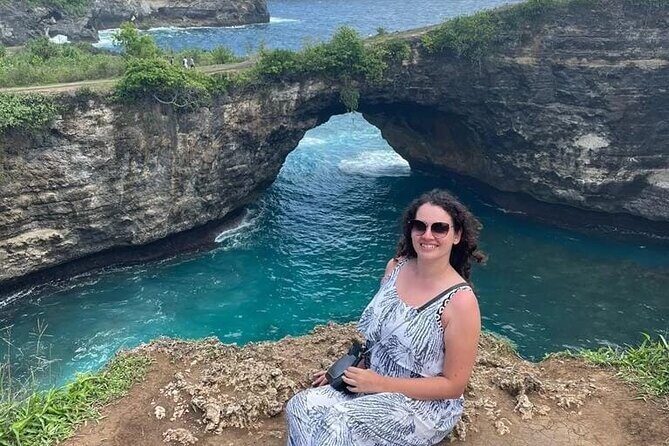
What happens if the weather is bad?

The tour requires good weather. If it’s canceled due to poor weather, you’ll be offered a different date or a full refund.

East Bali and Lempuyang Temple Tour

East Bali and Lempuyang Temple Tour - Lempuyang Temple (around 1,775m): the Gates of Heaven photo mission

Lempuyang makes the whole day feel worth it. This East Bali route strings together three very different stops: Lempuyang Temple up in the hills (about 1,775m above sea level), Tirta Gangga’s former royal-water setting, and Tenganan Traditional Village for a look at older Balinese community life. What I like most is the built-in photo mission at Lempuyang plus the fact that you get a full village visit without it turning into a rushed shopping stop. One thing to consider: the day is packed into about 8 hours, so you’ll want to move efficiently at each site—especially the short Lempuyang photo window.

I also like that this is set up as a private experience, so your group stays together and you’re not stuck in mixed crowds with strangers. Pickup is offered, and you’ll use a mobile ticket, which keeps the morning from getting messy. Still, you should be ready for the reality that good weather matters a lot for this kind of scenic, high-altitude temple stop.

Quick takeaways before you go

  • 1,775m views at Lempuyang: the classic Gates of Heaven setting with a quick, focused photo stop
  • Tirta Gangga’s stepping stones: a former royal palace with water features and a central centerpiece
  • 2 hours in Tenganan: time to see day-to-day village rhythm, not just a drive-by
  • Private group experience: only your group participates, which helps the day stay calm
  • Value math: Lempuyang admission is included, while Tirta Gangga and Tenganan admissions are free
  • Guide and driver quality shows up: past guides like Nyoman Warnita have timed the day well and explained the places clearly

Why this East Bali route works in a single day

East Bali and Lempuyang Temple Tour - Why this East Bali route works in a single day
This tour is built for people who want East Bali without losing an entire day to logistics. From Ubud, you start early and hit three distinct sights that each tell a different part of the region’s story—temple worship and mountain atmosphere, royal water design, then daily life in one of the oldest Balinese villages.

The other thing I like is the pacing logic. Lempuyang is short by design, so you get the must-do viewpoint without letting it eat your whole day. Then the schedule opens up: Tirta Gangga gets about an hour, and Tenganan gets two hours, which is long enough to slow down and actually look around.

Pickup at 8:00 from Ubud: timing that sets the tone

The start time is 8:00am, which matters here because you’re heading to a high-elevation temple and moving between multiple areas in one day. Starting early helps you avoid turning the day into a scramble where every stop feels like it’s competing for time.

You’ll also want to treat pickup as a real part of your plan, not just a convenience. When pickup is offered, you can show up ready—water, camera, hat—without having to coordinate rides on your own. The tour notes that the meeting point is near public transportation, which can be handy if you need an alternate way to get there.

Lempuyang Temple (around 1,775m): the Gates of Heaven photo mission

East Bali and Lempuyang Temple Tour - Lempuyang Temple (around 1,775m): the Gates of Heaven photo mission
Lempuyang Temple is famous as the Gates of Heaven, and it sits roughly 1,775m above sea level. That height is exactly why the viewpoint is such a big deal: you’re not just visiting a temple, you’re getting a dramatic mountain setting, which makes the iconic photo feel believable.

Here’s the practical part: the Lempuyang stop is listed at 3 minutes with admission included. Three minutes can sound tiny, but the goal is clear—this is a quick hit for the signature view. I’d treat it like a timed photo sprint: decide what you want to capture, then focus on getting the shot(s) without wandering too far.

Also pay attention to the atmosphere at a working religious site. Offerings are part of the experience, and that adds color and context even if you’re moving fast. You don’t need to stage a whole ritual, but do keep your respect level high and your movement simple so you don’t block others trying to view the same area.

A note on weather for this temple viewpoint

This experience requires good weather. Since Lempuyang is high up and the scenic payoff depends on visibility, cloudy or rainy conditions can change the feel of the day. If the tour is canceled due to poor weather, you should expect a different date offer or a full refund.

Tirta Gangga Water Palace: where the water design does the talking

Next up is Tirta Gangga, a former royal palace in eastern Bali. This stop is about 1 hour, and admission is free, which is a nice balance after the ticket-included temple stop.

What makes Tirta Gangga special is the way the water and layout work together. You’ll see unique stepping stones on the water that lead around the center piece. That detail matters because it turns the site into more than a background for photos—you’re likely to notice how people move through the space and where the central focal point pulls your attention.

With about an hour, you can do three things well:

  • take a few photos without burning time
  • slow down enough to understand the layout
  • look for the center feature and the path around it

The possible drawback is that one hour goes quickly if you try to do everything at once. If you’re very photo-driven, prioritize your angles early, then spend the rest of the time just soaking in the setting.

Tenganan Traditional Village: older village life, two hours to breathe

The last stop is Tenganan Traditional Village, one of Bali’s oldest ancient villages in the east part of the island. The schedule gives you about 2 hours, and admission is free, so this is your longest window for watching how a place works day-to-day.

This isn’t a “one building, one photo, done” stop. The focus is on culture and a unique local community life pattern. I like this kind of ending because it changes the tone of the day. After temples and water features, you shift into people and routines, and you get a more grounded sense of how communities live.

Two hours is also enough time for the kind of respectful curiosity that doesn’t feel rushed. You can pause to look, move slowly, and ask questions through your guide rather than treating the village like a checklist.

What to keep in mind in a traditional village

Even when the schedule is generous, you’ll want to keep your behavior simple and considerate. Move with the flow of locals, avoid blocking pathways, and be mindful that this is a community—not a theme park stop.

Price and value: is $73 really a good deal?

At $73.00 per person for a day that runs about 8 hours, the value depends on two things: what’s included and how efficiently the route is paced.

You get pickup offered, a mobile ticket, and a group-based experience setup. Most importantly, the ticket logic is smart:

  • Lempuyang Temple: admission ticket included
  • Tirta Gangga: admission ticket free
  • Tenganan: admission ticket free

That means a big chunk of the cost is tied to transportation, driver time, and the Lempuyang entry. If you’re planning to do all three anyway, the pricing feels like you’re paying mostly for getting there smoothly and getting the key access at Lempuyang.

Another value signal: the tour is often booked about 48 days in advance. That usually points to steady demand, which can mean these dates fill up earlier than you’d expect.

The possible drawback is that $73 is only “cheap” if the day’s pace fits your style. If you want long, slow stays at each site, this itinerary is built more for highlights than lingering.

The guide and driver effect: Nyoman’s timing and explanations

One thing that really shows up in the experience quality is the human element. Past runs highlight Nyoman Warnita as a strong driver, with calm, careful handling and good English. There’s also a recurring theme of good timing—knowing the best schedule so you don’t waste the day waiting around.

Nyoman is also described as funny and kind, and able to explain what you’re seeing at each stop. That matters because Lempuyang and Tirta Gangga can look similar in photos—until you understand what you’re looking at. When the guide can connect the dots, the day feels less like hopping between famous names and more like a coherent East Bali story.

Even if you don’t get Nyoman specifically, this is the kind of tour where the guide’s ability to manage time and answer questions can make a big difference, especially with a short Lempuyang window.

Group discounts, private touring, and what that changes for you

This is listed as a private tour/activity, meaning only your group participates. That’s not just a comfort perk. It changes how the morning feels when stops are timed and the route is efficient.

When you’re with only your group, you can:

  • keep to your own photo pace (within the overall schedule)
  • ask questions without feeling pushed aside
  • avoid the friction of mixing different energy levels

There are also group discounts, which can lower the per-person cost if you’re traveling with friends or family. If you’re a solo traveler, the private format can still be worth it, but it’s especially attractive when there are multiple people sharing the day.

Weather, pace, and who this tour suits best

This experience requires good weather, and that’s a real factor with both the elevation at Lempuyang and the general scenic value of the stops. If conditions are poor, the tour may be canceled with a refund or offered on a different date.

In terms of pace, this is a “see the highlights” day. Lempuyang is quick, Tirta Gangga is moderate, and Tenganan is the most time-friendly. That makes it a strong fit for:

  • couples and small groups who want an East Bali taste from Ubud
  • photo-first travelers who still want culture at the end
  • people who enjoy a guide-led day but don’t want a full-day march

It might be less ideal if you want lots of free time to wander independently, or if you’re the type who needs 2–3 hours at every single stop.

FAQ

What time does the tour start?

The tour starts at 8:00am.

How long is the East Bali and Lempuyang Temple tour?

It runs for about 8 hours.

Where are you picked up from?

The tour is based in Ubud, and pickup is offered.

Is Lempuyang Temple admission included?

Yes. Lempuyang Temple admission ticket is included.

Are admission tickets included for Tirta Gangga and Tenganan?

Tirta Gangga and Tenganan are listed as admission free.

Is this a private tour?

Yes. Only your group will participate.

Do I need to worry about weather?

Yes. The experience requires good weather. If it’s canceled due to poor weather, you’ll be offered a different date or a full refund.

How does cancellation work?

You can cancel for a full refund up to 24 hours in advance of the experience’s start time.

Should you book this tour?

Book it if you want a smart East Bali day that hits the big three: Lempuyang Temple for the Gates of Heaven view, Tirta Gangga for the water-palace stepping stones, and Tenganan for real village time. It’s especially good value because Lempuyang admission is included while the other two stops are free.

Skip it if you prefer long, unhurried visits at one place over quick highlights. Also keep an eye on the weather—this route depends on visibility and the scenic payoff. If your dates are flexible and you like a well-timed, guide-led day, this is a solid plan.

South Bali Full Day Tour

South Bali Full Day Tour - Pantai Melasti Ungasan: a short beach stop with cultural meaning

South Bali in one day feels like a cheat code. This full-day tour strings together water sports at Tanjung Benoa with major cultural stops like Uluwatu Temple, plus the big-stature GWK park. It’s a smart way to see a lot without you doing the driving math.

Two things I especially like: you get an air-conditioned pickup from Ubud at 9:00am, and the day is built with flexibility in mind (the route can be customized). If you want sea time, this tour also helps you shop for the best price on watersport activities instead of just pointing you toward booths.

One consideration: entrance fees aren’t included, so your final total will depend on which add-ons you choose. Also, the day runs about 8 to 9 hours, so it’s not a slow “see one temple and linger” kind of outing.

Key highlights worth planning for

South Bali Full Day Tour - Key highlights worth planning for

  • 9:00am Ubud pickup keeps your start time predictable and your day efficient
  • Tanjung Benoa watersports options from jet ski to snorkeling-style activities
  • Pantai Melasti Ungasan offers a short beach break with a local cultural concept behind it
  • GWK Cultural Park pairs major sightseeing with an iconic statue setting
  • Uluwatu Temple delivers cliff views that are famous for a reason
  • Guide support matters, including safety help at Uluwatu (Ketut noted in reviews)

The real game plan: Ubud to South Bali, without the headache

South Bali Full Day Tour - The real game plan: Ubud to South Bali, without the headache
This tour is aimed at making a South Bali day feel manageable. You’re picked up from anywhere in Ubud at 9:00am in an air-conditioned vehicle, and the schedule is structured so you hit the big-name places in a sensible order.

What makes it practical is that you’re not stuck figuring out transit between scattered sites. Parking fees and fuel surcharge are handled, so you can focus on the actual sightseeing. And the tour is described as private for your group, meaning you’re not sharing the day with random strangers.
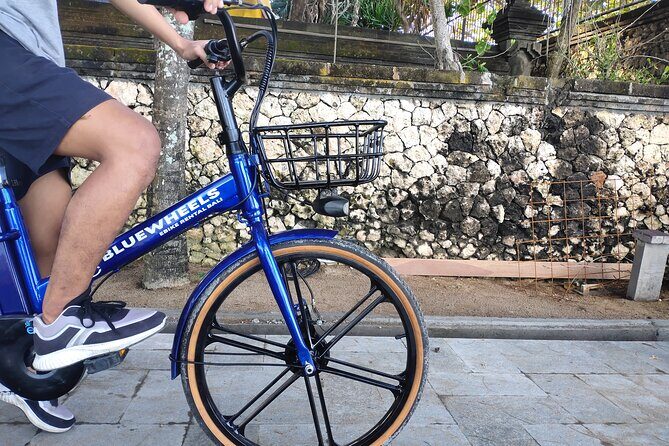
The other thing I like: the day isn’t “set in stone.” The overall plan is built around top attractions, but they say they can customize the itinerary. That’s useful if you want more time at the coast, or if you’d rather spend longer at the statue park than squeeze in extra stops.

Tanjung Benoa watersports: pick your level of action

Your first major stop is Tanjung Benoa, known for water-based activities. The range is wide, from jet ski and para sailing to snorkeling, scuba diving, seawalker, and fly board—so you can choose something chill or go full adrenaline.
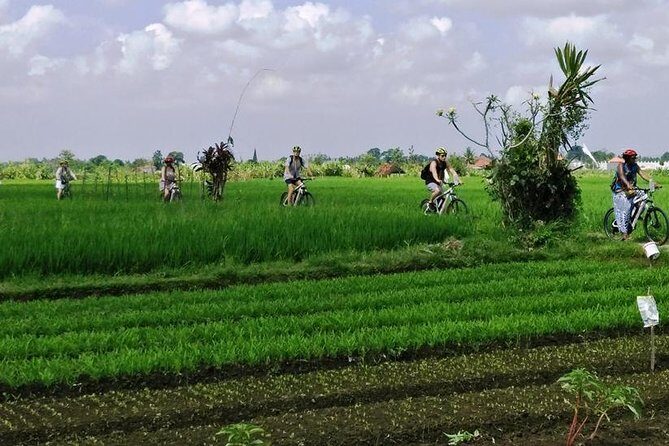
The stop time is about 1 hour 30 minutes, and the listed note says the admission ticket is free. That’s great because it keeps the fixed cost lower, but remember that the actual watersport you pick may have its own pricing. The good news is the tour operator says they’ll help you get the best price, which is exactly what you want in a place where there are many vendors.

Here’s how to think about your choice. If you’re prone to seasickness or you’re short on time, go with something that doesn’t require a lot of waiting around. If you’re comfortable in the water and you want a memorable core activity, you can justify the spend on the more involved options like scuba-style experiences. Either way, this is the part of the day that makes the tour feel like more than just temples and photos.

Quick practical note: bring swim-ready gear and plan for sun. Even when it’s cloudy, Bali sun can be sneaky strong, especially by the water.

Pantai Melasti Ungasan: a short beach stop with cultural meaning

South Bali Full Day Tour - Pantai Melasti Ungasan: a short beach stop with cultural meaning
After the water zone, you switch gears to Pantai Melasti Ungasan, with a scheduled stay of 30 minutes. The beach is described as having a local cultural concept tied to Tri Hita Karana (a harmony idea connecting people, nature, and the spiritual realm).

This stop is brief on purpose. It works as a reset button after watersports, letting you stretch your legs, walk around the shore, and get a quick nature break. If you’re expecting a long, laid-back beach day, you might feel the time is tight—but for a full-day itinerary, 30 minutes is a reasonable slot.

Entrance isn’t included here, so you’ll want to be ready to pay that on your own. Also, because it’s a beach break, think about practical comfort: sun protection, water, and a plan for where you’ll stash towels or personal items.

If you like your South Bali days balanced—some action, then a little calm—this beach stop fits that rhythm.

Garuda Wisnu Kencana (GWK) Cultural Park: the statue park that’s easy to plan

South Bali Full Day Tour - Garuda Wisnu Kencana (GWK) Cultural Park: the statue park that’s easy to plan
Next up is Garuda Wisnu Kencana Cultural Park (GWK), with about 1 hour 30 minutes on the schedule. The headline is the massive Garuda and Lord Vishnu statue complex, and it’s specifically described as the third tallest statue in the world. It’s located on a white stone hill in Jimbaran, which helps explain why the whole place feels like it’s designed for wide-angle views.

This is one of those stops where you can make your own version of it. If you want photos, you’ll have time. If you want a slower look, you can take the time to walk around and understand the layout from different angles. The key is that you get a full block of time, not a rushed “see it and go” pass.

Entrance fees aren’t included, so budget a little for tickets. But even with that cost, this stop tends to be value-friendly because you’re paying for time at a major landmark, not just a single viewpoint.

If you’re the type of traveler who likes iconic sights that are instantly recognizable in photos, GWK is a strong use of time in the day.

Uluwatu Temple from a cliff edge: views, timing, and safety

The tour ends with Uluwatu Temple (Pura Luhur Uluwatu), scheduled for about 1 hour. It’s famous for its dramatic setting: the temple sits on a steep cliff roughly 70 metres above sea level.

One reason this stop works so well on a South Bali day is that it’s not just a temple visit—it’s a viewpoint experience. Uluwatu is part of why people come to this part of Bali in the first place. If you’re hoping for those classic cliff views, this is your moment.

Also, a review highlighted that the guide (Ketut) accompanied the group during the temple visit and focused on keeping people safe. That matters here because cliffside areas can be slippery or crowded depending on conditions. Even if you’re an experienced walker, it helps when someone knows how to keep the group moving carefully.

Tickets aren’t included for Uluwatu, so again, expect to pay entrance separately. For your comfort, wear shoes that give grip and avoid anything that makes walking tough.

Where Water Blow in Nusa Dua can fit

The tour description also mentions Water Blow in Nusa Dua as a featured sight. That suggests it may be worked into the day depending on routing and timing, especially between the coastal watersports area and the later temple stops.

Water Blow is the kind of stop that’s easy to appreciate quickly, because it’s built around a visible natural effect. If you like short, distinct landmarks with a strong “only here” feel, it’s a good add.

Since it isn’t listed as a standalone scheduled stop in the core four items, treat it as a flexible option—something you can talk through when customizing your day.

Price and value: why $34.50 can make sense

At $34.50 per person, this tour is priced as an affordable “see the highlights” day rather than a luxury private driver with unlimited stops. For the structure you get—pickup from Ubud, air-conditioned transport, and a plan that reaches multiple South Bali landmarks—the cost can feel fair.

Here’s what you should weigh for value:

  • Included: air-conditioned vehicle, private transportation, fuel surcharge, and parking fees
  • Not included: all entrance fees for attractions
  • Tanjung Benoa admission: listed as free for the stop itself, though watersport activity costs can vary

So the math depends on your choices. If you pick one watersport activity at Tanjung Benoa and keep entrance fees to the included stops, the total often stays reasonable. If you add multiple paid attractions and go big on water experiences, your spend can rise quickly—but that’s true for nearly any Bali day tour.

The other value factor is time. An $34.50 day that removes the “how do we get there” problem is often worth it even if you pay some entrances separately. You’re basically buying convenience plus a guided plan.

What the itinerary really feels like day-to-day

Put together, the day has a clear rhythm: action first at the coast, a quick beach reset, a major landmark park, then a cliff temple finale.

  • Tanjung Benoa gives you a fast start and the most optional spending. It’s the part of the day where you can decide how adventurous to be.
  • Pantai Melasti Ungasan gives you a breather. It’s short, so it works best if you want a taste rather than a full beach session.
  • GWK is the “big wow” stop with strong photo potential and enough time to wander.
  • Uluwatu Temple is the dramatic ending, with safety support mentioned in reviews (Ketut) and a strong view payoff.

Because the tour runs 8 to 9 hours, you’ll want to treat it like a full working day: keep water handy, don’t plan to do extra shopping on top of it, and pace yourself through the later sightseeing.

Who this tour suits best (and who might tweak it)

This is a great match if you:

  • want one organized South Bali day from Ubud
  • like hitting major landmarks without planning bus routes or motorbike logistics
  • want optional water fun rather than only temples

It’s also good for first-timers who want variety: sea time plus culture plus a famous cliff temple.

You might want to adjust the plan if you:

  • prefer slower travel with fewer stops
  • want a full-day beach hangout
  • plan to spend heavily on multiple paid attractions and activities (because entrance fees and activity costs will stack)

Because they say they can customize the itinerary, you can often tune the day toward what you care about most—just make the choices early so timing still works.

Should you book this South Bali Full Day Tour?

I’d book it if your goal is a structured, efficient day with real variety—Tanjung Benoa + GWK + Uluwatu—and you’re okay paying entrance fees on top. The pickup from Ubud at 9:00am, plus private transport and guide support (including safety help at Uluwatu noted with Ketut), makes it feel low-stress.

Skip it (or request a tweak) if you’d rather spend half the day at one place and take your time, or if you’re trying to keep every cost fixed with no surprises. The main variable in your total will be what you do at the water stop and which entrances you choose.

If you want a solid “highlights of South Bali” day you can trust to run on schedule, this one is a sensible option.

FAQ

What time does pickup happen?

Pickup starts at 9:00am from any places you stay in Ubud.

How long is the tour?

The duration is about 8 to 9 hours.

Is this a private tour?

Yes. It’s listed as private, meaning only your group will participate.

Are entrance fees included?

No. All entrance fees for attractions are not included.

Is Tanjung Benoa admission free?

The Tanjung Benoa stop lists admission ticket free for that part of the stop.

What watersports can I do at Tanjung Benoa?

Options listed include jet ski, para sailing, snorkeling, scuba diving, seawalker, and fly board, plus your choice of water-based activities.

Does the tour include transportation?

Yes. It includes an air-conditioned vehicle and private transportation, plus fuel surcharge and parking fees.

Can the itinerary be changed?

Yes. The day is described as customizable later.

How does pricing work?

The tour is $34.50 per person, and entrance fees are separate. Tanjung Benoa watersport activity pricing can vary, but the tour says they help you get the best price.

What’s the cancellation policy?

You can cancel for a full refund up to 24 hours before the experience’s start time (local time).