Ubud Day Tour : Waterfall, Temple and Local Night Market Tour

Ubud Day Tour : Waterfall, Temple and Local Night Market Tour - Tegalalang Rice Terrace: why terraces impress, even when you’ve seen photos

Four stops, one Ubud day.

This tour strings together nature and temple life in a tight loop, starting with the Sacred Monkey Forest Sanctuary, then moving through rice terraces and a waterfall before finishing at a local night market for real Balinese street food. The day runs like a checklist, but your guide keeps it human—explaining what you’re seeing and why it matters in daily Balinese life.

Two things I like a lot: first, you get a guide who’s patient and curious, with the kind of culture Q&A style I associate with guides like Gede. Second, the value is strong because the big sights come with entrance tickets and the tour also includes lunch plus bottled water.

One drawback to plan for: the schedule is a full 10 hours, so there’s walking and standing on different kinds of paths, including at the waterfall and temple area. Also, the Monkey Forest is active and close-up—if you don’t like animals near you, it’s something to consider up front.

Key moments worth your time

  • Sacred Monkey Forest Sanctuary: a real sanctuary feel with long-tailed macaques moving around you, not just posing for photos.
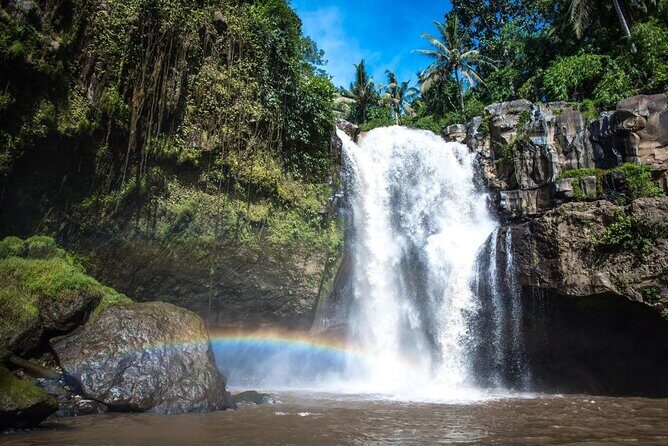
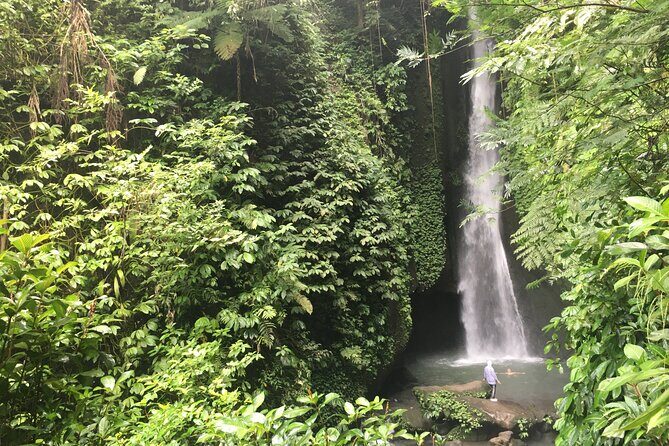
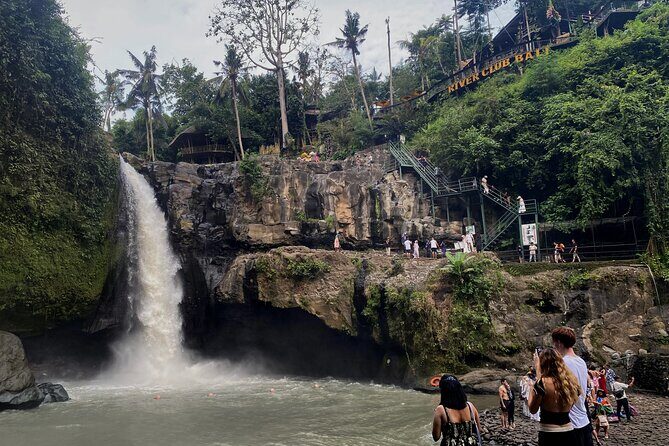
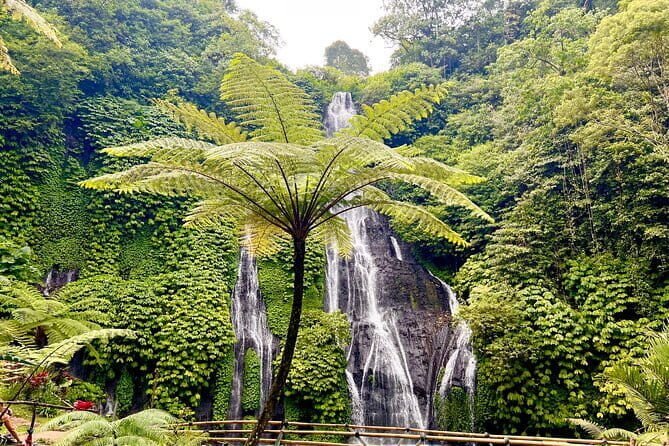
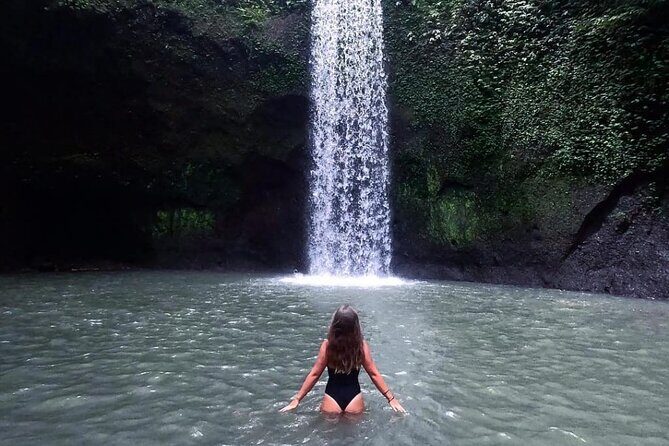
  • Tibumana Waterfall (admission included): a cooling break with great scenery, best enjoyed with the right footwear.
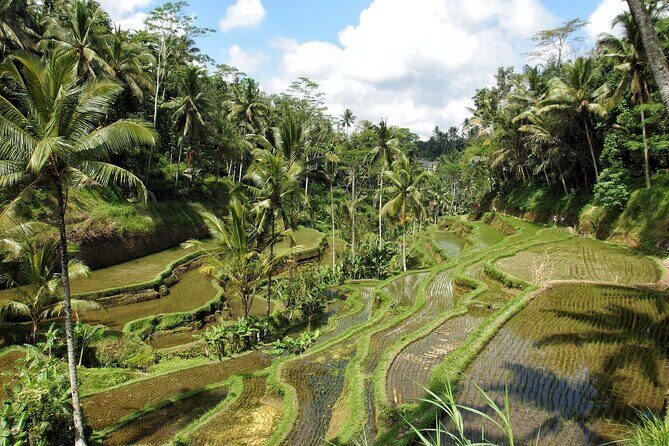
  • Tegalalang Rice Terrace time: terrace views plus a short explanation of how local farming works.
  • Gianyar Street Night Market: eat-and-wander food that feels like everyday Bali rather than a show.
  • Small group cap (up to 15): easier to hear your guide and adjust pacing when roads get busy.

Why this Ubud loop works: monkeys, terraces, waterfalls, and street food
Ubud Day Tour : Waterfall, Temple and Local Night Market Tour - Why this Ubud loop works: monkeys, terraces, waterfalls, and street food
Ubud can be overwhelming. You see one famous thing, then another, and suddenly your day is just traffic and standing in lines. This tour is built to prevent that by stacking four major experiences that each deliver a different side of the island: wildlife and rituals, farming views, nature cooling down, then food at night.

It also helps that the transport is private and air-conditioned. You’re not bouncing between multiple strangers or waiting around for everyone to “just finish one more stop.” For many people, that alone turns a long day into a smooth one.

And yes, it’s a tour with a plan. But the best part is that the guide can answer questions and keep things flexible inside that plan, so you’re not just being rushed from one postcard to the next.

Starting at Sacred Monkey Forest Sanctuary: what to expect and how to act

Ubud Day Tour : Waterfall, Temple and Local Night Market Tour - Starting at Sacred Monkey Forest Sanctuary: what to expect and how to act
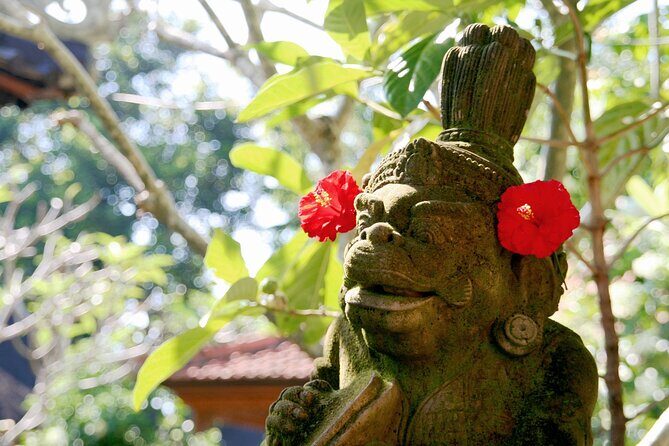
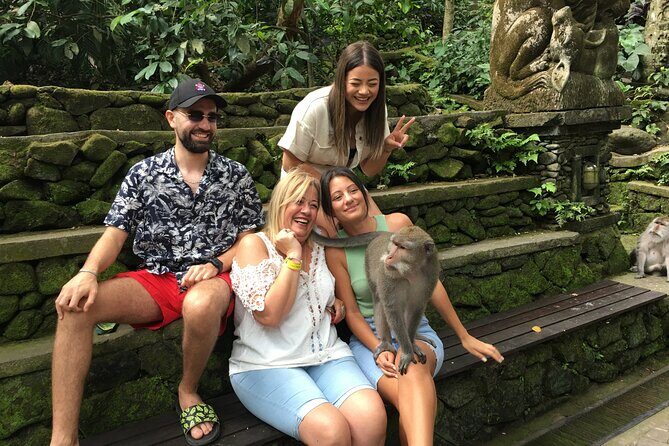
The Sacred Monkey Forest Sanctuary is one of those places where you immediately understand why it’s famous. You’re stepping into a rainforest sanctuary with mature trees and a lot of movement overhead. The big detail here is that it’s not just a few tame monkeys—this is a living habitat where the animals do what animals do.

Plan for close encounters. The monkeys are active, and you’ll likely see them swinging and moving through the greenery while you walk. That makes the place more memorable, but it also means you should keep your behavior calm and simple. Secure bags, avoid aggressive reaching, and don’t try to provoke anything for a photo.

The practical upside: the stop usually sets the tone for the whole day. It’s a fun start, and it gives your guide a chance to explain the cultural side of how Balinese life overlaps with nature and sacred spaces.

Tibumana Waterfall: the cooling stop (and the footwear tip that matters)

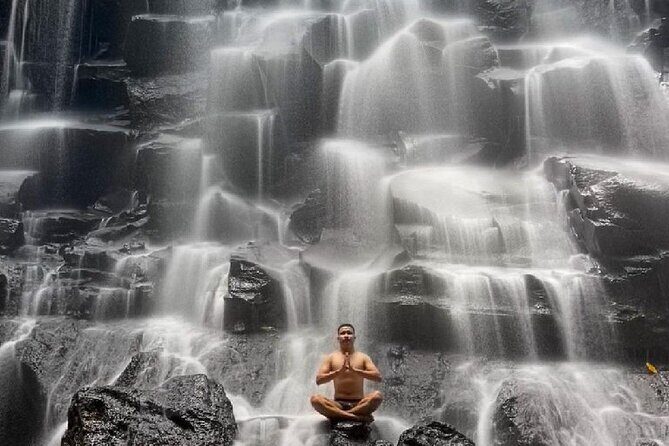
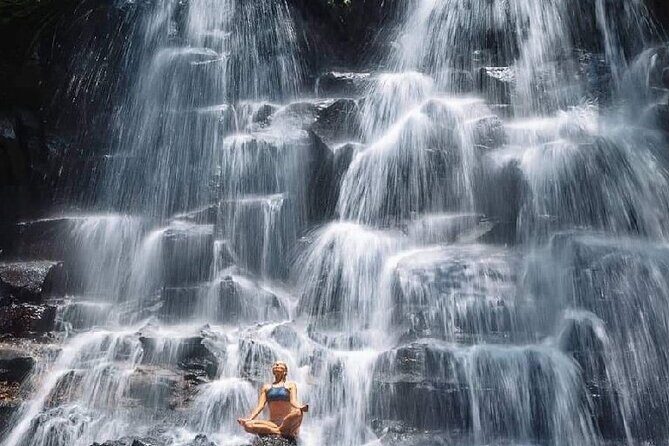
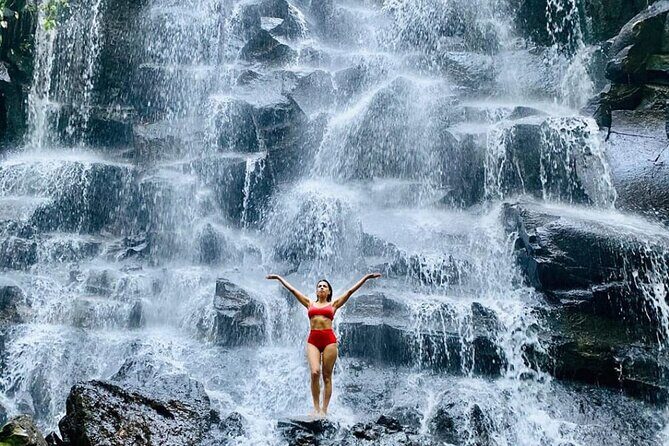
Tibumana Waterfall is the kind of break you feel in your shoulders. After driving and walking, the waterfall area gives you that “cool air” reset and a chance to slow down. The admission ticket is included, which matters because it removes one more decision when you’re already thinking about timing.

Bring the right footwear. One clear tip from the experience is to wear flip flops instead of sandals for the waterfall visit. The area can involve slick or uneven ground, and the goal is to move confidently rather than do careful hopping like you’re auditioning for a stunt show.

Also, pace yourself. Waterfalls often look effortless from viewpoints, but getting to the best angles can take a bit of walking. If you’re choosing between rushing every minute and actually enjoying the sound and mist, I’d pick enjoyment.

Tegalalang Rice Terrace: why terraces impress, even when you’ve seen photos
Ubud Day Tour : Waterfall, Temple and Local Night Market Tour - Tegalalang Rice Terrace: why terraces impress, even when you’ve seen photos
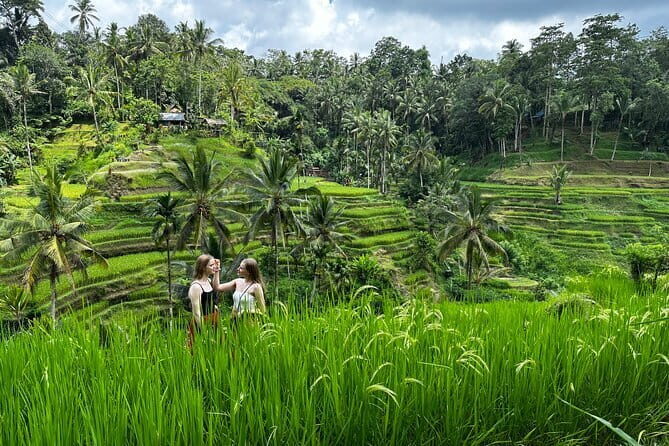
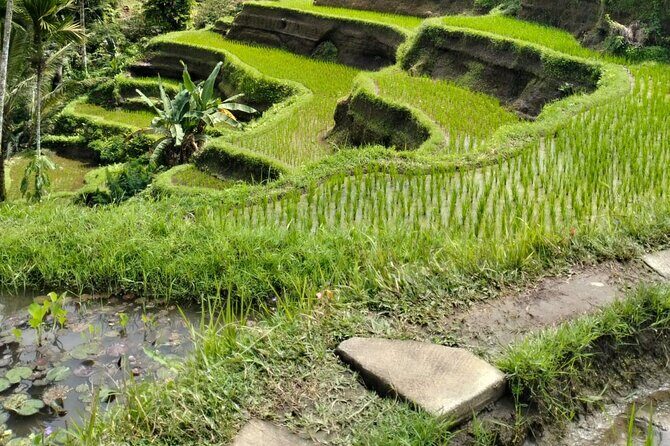
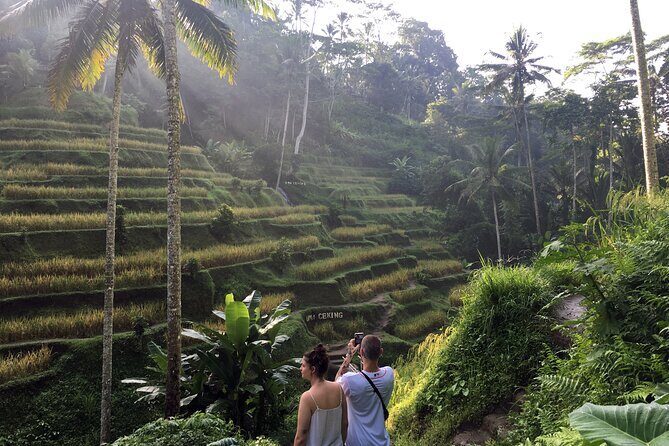
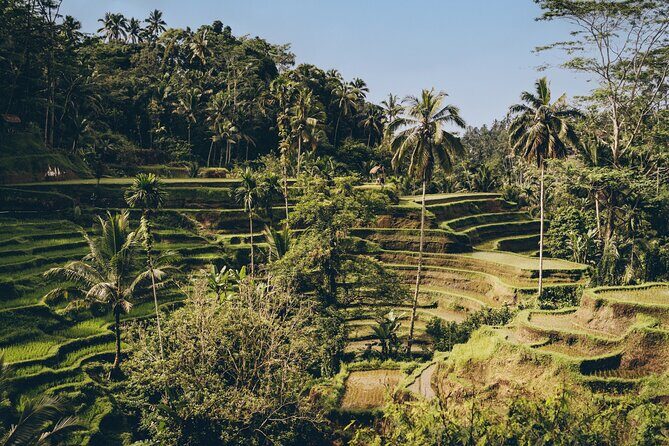
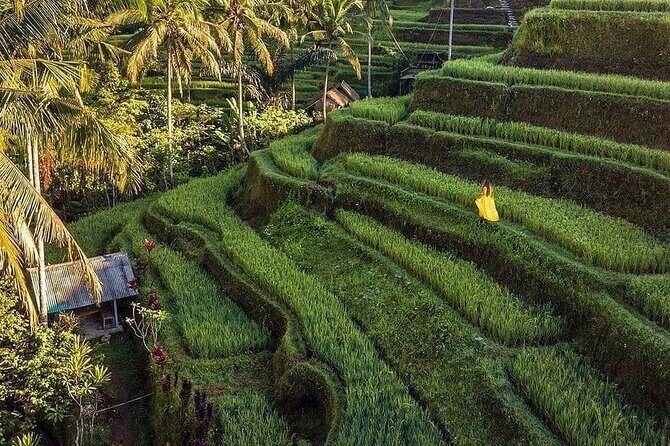
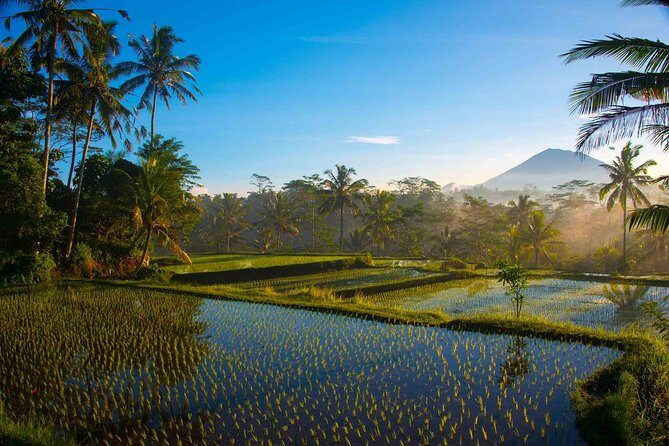
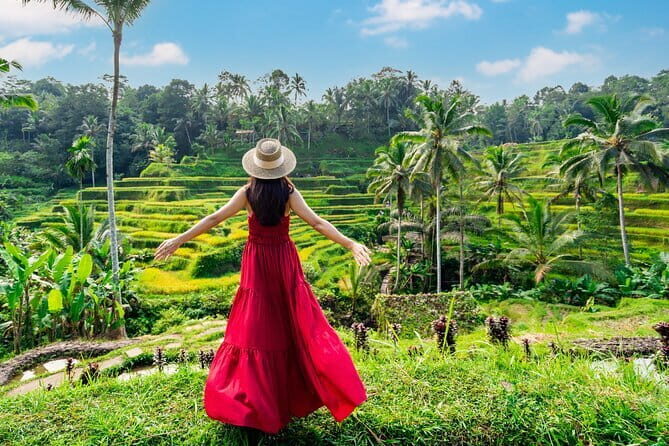
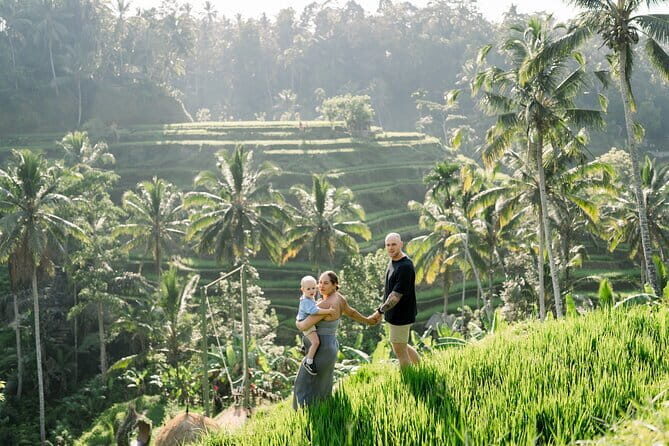
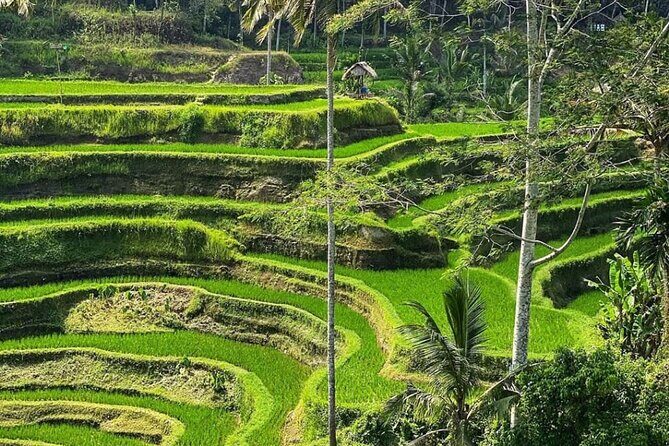
Tegalalang Rice Terrace is the Ubud classic for a reason. The terrace design creates repeating layers of green that look almost architectural, especially as sunlight hits the paddies. But what makes this stop more than a photo background is the short explanation you get while you’re there.

You’ll learn the basics of how the local farming system works. You’ll see how terraces help manage water on the slopes, and it makes the whole view feel practical instead of just pretty. When you understand the “how,” the place sticks in your memory longer.

Timing also helps. With a structured day, you’re less likely to show up at the worst time of day for crowds or heat. Still, expect standing and walking along paths with uneven footing in places.

Ubud Jungle Swing: a fun photo stop, not a must-do
Ubud Day Tour : Waterfall, Temple and Local Night Market Tour - Ubud Jungle Swing: a fun photo stop, not a must-do
The tour description includes time connected to Ubud Jungle Swing. In practice, that often means you’ll be in the area where you can see the famous swing setup and decide what you want to do next.

If you’re into it, great. If you’re not, you can still appreciate the viewpoint energy without feeling pressured to buy an extra activity. I’d think of it as an optional add-on moment built around your terrace-and-nature day, not a requirement.

Because the included tickets list in this tour focuses on waterfall, terraces, night market, and monkey forest, you should treat the swing experience as something you may need to pay for separately if you want the ride.

How the private transport and lunch change the day
Ubud Day Tour : Waterfall, Temple and Local Night Market Tour - How the private transport and lunch change the day
This tour uses private transportation, and the vehicle is air-conditioned. That matters in Bali. Heat and humidity can drain you faster than you expect, and a cool ride between stops lets you enjoy each place instead of just surviving the route.

You also get lunch and bottled water. That sounds basic, but it’s a big quality-of-day detail. Food planning on the road can turn into decision fatigue—should you eat now, where’s the best place, what if it’s too spicy, what if it’s too expensive. Having lunch handled means you can focus on the sights.

Group size is capped at 15 travelers. Small enough for a more personal feel, big enough to keep the day from feeling like a solo drive through remote roads. In a place like Ubud, that sweet spot helps.

Gede-style guidance: flexible pacing and serious culture talk

Ubud Day Tour : Waterfall, Temple and Local Night Market Tour - Gede-style guidance: flexible pacing and serious culture talk
One of the most praised parts of this experience is the guide quality. People highlight a calm, polite approach with patience for questions about Bali’s culture and religion. That’s not a “nice to have.” When you’re walking through sacred and scenic places, context changes everything.

Gede is the name that shows up in the experiences shared here, and the pattern is consistent: he answers questions, adapts to the group’s pace, and keeps the day moving without feeling like you’re being shoved along a conveyor belt. The flexibility also matters for time at each stop—some people want more photo time, others want to linger quietly.

I like that this tour doesn’t treat you like a checklist number. It still follows the major anchors, but you’re not locked into a rigid script.

Gianyar Street Night Market: eating like a local at night
Ubud Day Tour : Waterfall, Temple and Local Night Market Tour - Gianyar Street Night Market: eating like a local at night
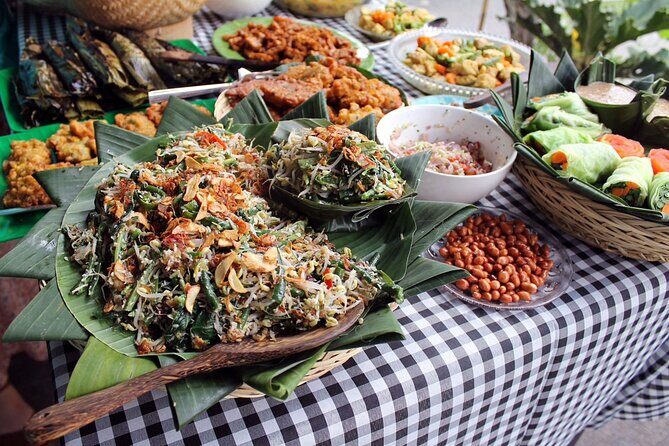
The last stop is the Gianyar Street Night Market, and it’s where the day becomes memorable in a different way. Daytime attractions can blur together, but night markets are sensory. You smell grilled food, hear sizzling stalls, and you start recognizing what’s sold again and again because locals come for it.

This stop is designed for tasting Balinese street food—items like satay and gorengan type snacks are mentioned as favorites in the mix. The key is that you’re given time to wander and make choices, not just stand in one spot for a single photo.

If you want a practical approach: go hungry, buy small portions at different stalls, and pace yourself so you still enjoy the experience rather than only chase the next best smell.

Also, bring a little patience. Night markets are naturally busy and lively. That energy is part of why it feels local.

Price and value check: why $21 can actually make sense here

At $21 per person, this tour is priced in the “good deal” range—but only because so many essentials are included. You’re getting private transport, lunch, bottled water, and entrance tickets for the core stops: Tibumana Waterfall, Tegalalang Rice Terrace, Monkey Forest, and the night market.

That’s the big math. If you tried to buy tickets and hire a driver for four major sights in one day, you’d usually spend more once you factor in time, coordination, and transport. Here, the tour does the bundling.

The included structure also helps you avoid decision fatigue. Instead of asking which entrance costs what, how to get there, and how to sequence everything, you’re already on a working route.

The trade-off is that you’re following a set path. If you want total independence to roam Ubud all day at your own speed, you might prefer a private half-day or full-day custom plan. But if you want a smooth, high-value overview day, this is built for that.

Who should book this tour, and who should think twice

This tour is a great fit if you want an efficient Ubud day that covers multiple top experiences without needing to manage tickets, transport, and logistics. It’s also a good match for travelers who like explanations—people who enjoy learning how farming works and understanding sacred context rather than just taking photos.

You should think twice if you’re not comfortable with active wildlife in close proximity. The monkey forest is lively, and the environment is part of the point. You’ll also want to be okay with a full day schedule if you prefer slower touring.

It’s also ideal for couples and small groups who want the comfort of private transport but still like a lively day. The max group size of 15 supports that.

Should you book this Ubud Day Tour?

If you want a strong “best of Ubud” day that hits waterfall + rice terraces + sacred forest + local night market, this tour is a solid choice. The price feels fair because the main entrances and lunch are included, and the private air-conditioned transport saves you from the worst parts of a long day in Bali.

Book it if you enjoy guided context, want a simple plan, and don’t mind walking between stops. Pass on it if you want full freedom to design your day from scratch or if monkeys near you would stress you out.

If you do book, pack smart: flip flops can help for the waterfall, and long sleeves can be a good idea for temple-related areas. That small prep can make your day feel smoother and more comfortable.

FAQ

How long is the Ubud day tour?

The tour runs about 10 hours.

What’s included in the price?

The tour price includes private transportation, lunch, bottled water, and entrance tickets for Tibumana Waterfall, Tegalalang Rice Terrace, the Gianyar Street Night Market, and the Monkey Forest.

Is pickup offered?

Yes, pickup is offered, and the tour uses private transportation.

What’s the group size limit?

This tour has a maximum of 15 travelers.

What should I wear for the waterfall and temple areas?

For the waterfall, the advice given is to wear flip flops rather than sandals. For temple areas, long sleeves are suggested.

Can I cancel for a full refund?

Yes. You can cancel up to 24 hours in advance for a full refund. If you cancel less than 24 hours before the start time, the amount paid is not refunded.


Private Sunrise Jeep Adventure to Mount Batur with Breakfast

Private Sunrise Jeep Adventure to Mount Batur with Breakfast - Breakfast at sunrise: more than fuel

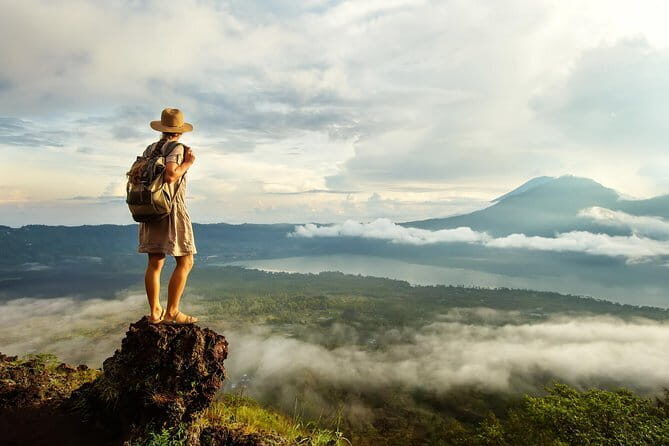
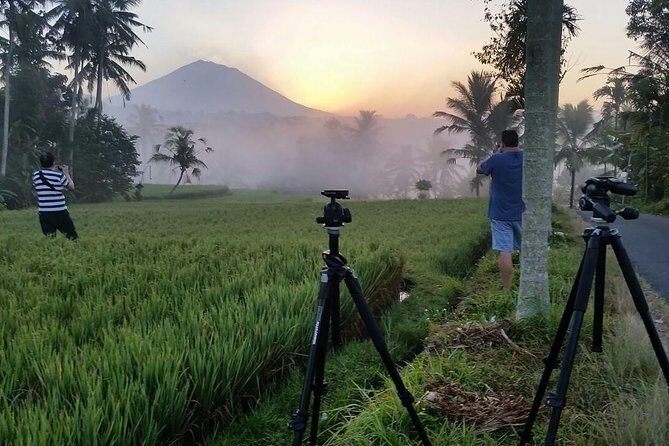
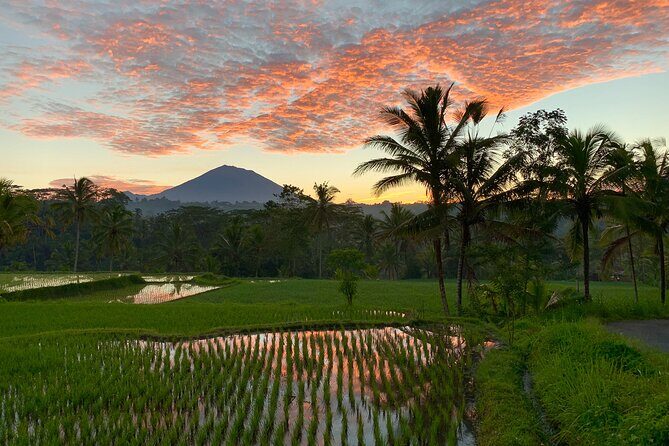
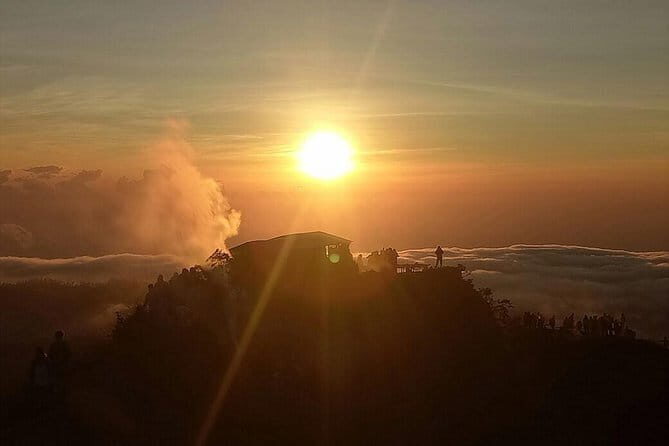
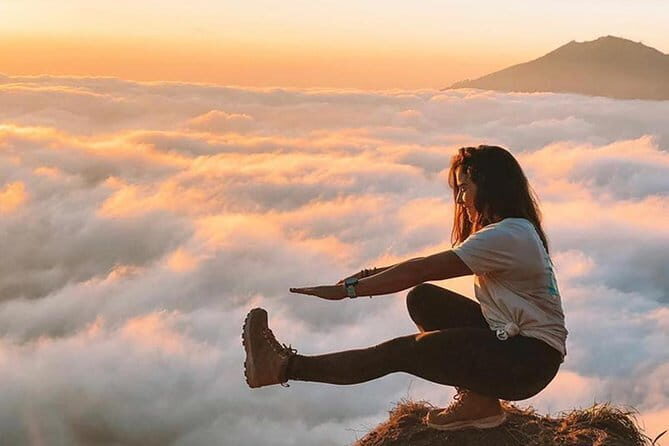
Sunrise over Mount Batur feels like a cheat code for Bali. This private jeep adventure gets you to the viewpoint early, then treats you to panoramic views over Lake Batur and the volcanic scenery—without asking you to earn it on foot. I like how the tour builds the day around timing and breakfast, not a long, exhausting hike.

I especially like the combination of a licensed English-speaking local guide and a photographer. That means you can focus on the sunrise and not wrestle with camera angles while you’re also trying to stay warm and steady on the mountain roads.

The main drawback to consider is the early start. You’ll be up before many people even think about breakfast, and you’ll want to come prepared for cool morning air on the ride up.

Key Highlights You’ll Actually Notice

  • Private 4WD classic jeep ride to the sunrise viewpoint, so you’re not hiking in the dark
  • Photographer included, helpful for getting clean sunrise photos without guessing angles
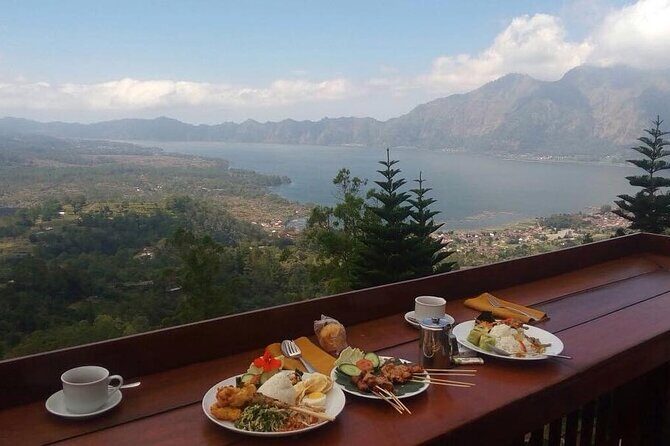
  • Traditional Balinese breakfast at sunrise viewpoint (banana pancake, boiled egg, coffee/tea)
  • Explore black lava fields after sunrise, a rare-feeling contrast to the morning mist
  • English-speaking local guide to help with what you’re seeing, including the volcanic terrain

Mount Batur Sunrise by Jeep from Ubud: Why this plan works

Private Sunrise Jeep Adventure to Mount Batur with Breakfast - Mount Batur Sunrise by Jeep from Ubud: Why this plan works
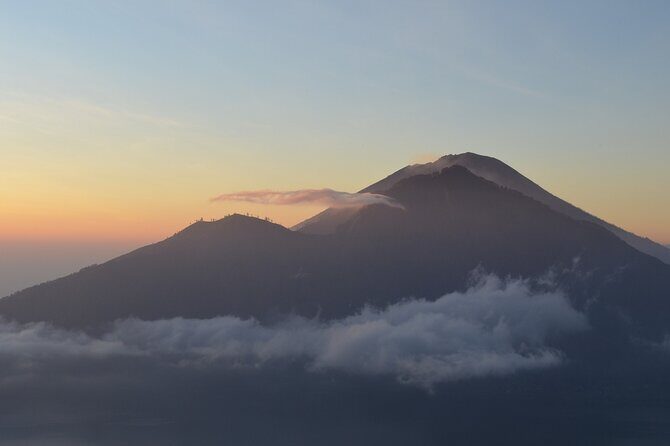
Mount Batur sunrise is one of those Bali experiences people talk about for a reason: the light turns the whole volcanic bowl into something dramatic. What I like about this tour format is that it’s built for people who want the payoff without the big endurance test.

You ride a private 4WD classic jeep to a panoramic sunrise viewpoint. Then you get a hot breakfast with a view—banana pancake, boiled egg, and fresh coffee or tea. After the sun clears the horizon, you transition from “watch and photograph” to “walk around and see the ground-level results,” including the famous black lava fields.

This is also a nice value setup because a lot is included for one price: the car, all fees and taxes, mineral water, licensed local guide, photographer, and the breakfast. You’re paying for a structured morning, not piecing it together yourself.

The Early Jeep Ride: what to expect from the timing

This kind of Mount Batur sunrise tour lives and dies by timing. Your day starts very early, and that’s not a small detail—it’s the whole point. The goal is to be at the viewpoint with enough time to settle, find your spot, and watch the first light move across the misty volcanic area.

One real-world example from the experience: guide Rio reportedly picked guests up punctually at 04:30am and handled the drive carefully up the mountain (about a 30-minute ride, based on that account). That matters because jeep roads can feel bumpy if the driver rushes or drives aggressively. A gentle, confident approach helps you arrive in better shape for watching and photographing.

In practical terms:

  • You’ll need to treat this like a real early-morning outing, not a casual start.
  • If you’re sensitive to cold, bring layers (more on that below).
  • Expect the overall plan to run about 9 hours total (pickup to return), even though the core mountain portion is often closer to 6 hours.

Also, it’s private. Only your group participates, which usually makes timing smoother. You’re not waiting for extra people to finish getting ready.

Breakfast at sunrise: more than fuel

Private Sunrise Jeep Adventure to Mount Batur with Breakfast - Breakfast at sunrise: more than fuel
Breakfast at Mount Batur sunrise isn’t just a perk. It’s part of why this tour feels easier than a DIY plan.

After you reach the viewpoint and the sunrise is beginning to unfold, you’ll have a traditional Balinese breakfast, including banana pancake, boiled egg, and hot coffee or tea. Eating with a view changes the whole experience. You’re not scrambling for food later, and you’re not leaving right as the light peaks.

A smart way to think about this: the breakfast is timed to keep your morning pleasant. You get a warm drink when air can feel chilly, then you fuel up before you move on to the lava fields. It’s also the moment when most people stop rushing and start actually enjoying the view instead of just capturing it.

One more detail I appreciate: mineral water is included. That’s a small thing, but on a morning with cold air and early hours, it helps you avoid the “where do we buy water now?” problem.

Mount Batur viewpoints: panoramic views without a hike

The core promise here is simple: see Bali’s iconic sunrise at Mount Batur without needing to hike. You ride up in a 4-wheel drive jeep, arriving at a panoramic sunrise viewpoint where you can look out over Mount Batur, Lake Batur, and the surrounding volcanic area.

Why this matters for your day:

  • You conserve energy for watching the sunrise and moving afterward.
  • You can keep your focus on the view and the photos, not the steep climb.
  • It’s typically a better match if you’re traveling with family, a partner, or anyone who doesn’t want a physically demanding morning.

The viewpoint aspect also pairs well with the photographer. When you know someone is helping you compose shots, you’re less likely to spend the best 10 minutes of sunrise trying to figure out your camera settings.

After sunrise: exploring the black lava fields

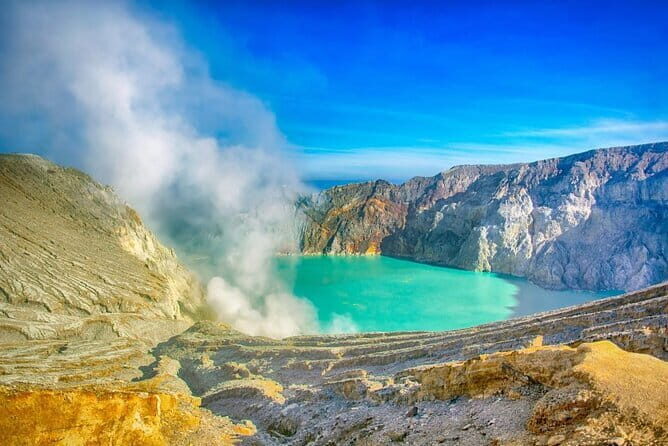
Once the sun is up, the tour shifts from sky drama to ground-level details. You’ll have time to explore the famous black lava fields created by Mount Batur’s ancient eruptions.

This is a great contrast to the sunrise viewpoint. Sunrise makes everything look soft and atmospheric. The lava fields do the opposite: they’re textured, dark, and real-feeling underfoot. If you love seeing how nature formed the place you’re standing, this part is where the tour turns from pretty photos into actual understanding.

A practical consideration: you may want shoes with decent grip. The tour data doesn’t get specific about walking surfaces, but lava terrain can be uneven. If you’re comfortable walking on rough ground, you’ll enjoy this segment more.

The guide and photographer combo: how it reduces stress

This experience includes a photographer, plus a licensed English-speaking local guide. The best part of that pairing is that it saves you time and effort.

You get:

  • Someone guiding you to the right viewpoint spots and helping interpret what you’re seeing.
  • Someone helping with photo composition, which is huge at sunrise when light changes fast.

From the feedback, value and professionalism are strong themes. The Rio example also suggests the driving and arrival are handled carefully, not chaotically. That’s a big deal on a mountain tour where everything depends on staying on schedule.

If you’re traveling with someone who hates fiddling with cameras, this is also a relief. You can still enjoy the moment while someone else helps make sure you’ll have photos that actually look like what you experienced.

Price and value: is $25.27 per person fair?

The price listed is $25.27 per person, which is remarkably low for a private Mount Batur sunrise outing that includes car transport, guide, photographer, and breakfast.

What I think you’re really paying for here is structure:

  • Early transport by private 4WD jeep
  • A licensed local guide
  • Breakfast with specific items included
  • Photographer support
  • Included fees and taxes, plus mineral water

If you tried to DIY this, you’d still need transportation, and you’d likely end up paying for a guide or driver, plus breakfast, plus someone to help with photos if you want more than blurry “we were there” shots. Even if you don’t pay extra for a photographer on your own, you often lose quality time to coordinating and taking turns.

So yes, it looks like good value. The only caution is that the “private” feel depends on pickup clarity and timing. Make sure you confirm pickup details before the morning so you’re not scrambling when it’s still dark.

Pickup, meeting point, and how not to get lost in the morning

Your tour starts at the meeting point in Songan A (Kintamani area), with the address listed as: Batour Jl. Bukit Selat, Songan A, Kec. Kintamani, Kabupaten Bangli, Bali 80652, Indonesia. The activity ends back at the meeting point.

Pickup is offered, and you should ask about hotel pick-up. That matters because “pickup offered” can range from simple, to very convenient, to limited depending on where you’re staying in Ubud and how they route drivers.

A practical approach:

  • If you can get hotel pickup, it reduces hassle the morning of.
  • If pickup isn’t available where you are, plan your arrival at the meeting point early enough to avoid last-minute stress.
  • The tour is near public transportation, which is helpful if you’re planning your own route to the start.

Also, the tour uses a mobile ticket, which makes check-in easier if you’re traveling light.

What this tour includes (and what it leaves out)

Included:

  • Car and private 4WD classic jeep
  • All fees and taxes
  • Mineral water
  • Photographer
  • Traditional Balinese breakfast (banana pancake, boiled egg, coffee/tea)
  • Licensed English-speaking local guide

Not included:

  • Personal expenses

That line between included and not included is refreshingly clear. In a sunrise tour, the hidden costs often come from snacks, water, or extra stops. Here, you’ve got the basics covered for the main event.

Who should book this Mount Batur sunrise jeep adventure

This fits best if you want:

  • Sunrise at Mount Batur without hiking in the dark
  • A tour with photographer support
  • A breakfast-included morning plan that keeps things efficient
  • A private setup for couples, families, or small groups

It may be less ideal if:

  • You hate early mornings and cold air.
  • You want to spend a long time exploring on your own, away from the planned schedule.
  • You’re expecting a long, leisurely hike or a full-day nature trek. This is about the sunrise and the key volcanic sights, not marathon exploring.

If you’re in Ubud and want a standout natural experience that still feels manageable, this is a strong match.

Practical tips for a smoother Mount Batur morning

Here’s how to make the morning feel good instead of stressful:

  • Dress in layers. Sunrise means cool air, and you’ll be on the jeep and at the viewpoint.
  • Bring something for wind. Mountain air can shift fast, especially near open viewpoints.
  • Wear grippy shoes for the lava fields. You don’t need hiking boots, but stable soles help.
  • Charge your phone/camera the night before. You’ll want photos, and early mornings are when batteries drop fastest.
  • Arrive with a clear idea of your camera style. With a photographer onboard, you can ask for a few specific shot types (group, couple, wide viewpoint) and then stop thinking about it.

One more tip: since the drive and arrival are time-sensitive, confirm pickup details ahead of time. A punctual start is a major part of how well sunrise tours go.

Should you book this one?

I think you should book if your priority is a stress-light sunrise on Mount Batur with breakfast, photos, and a careful local guide. The price is hard to beat for what’s included, especially the photographer and the viewpoint-focused timing.

Skip it only if early mornings are a deal-breaker for you, or if you’d rather control everything independently. But if you want the classic Bali sunrise experience with less friction, this jeep adventure is an efficient, high-reward way to spend your day near Ubud.

FAQ

Is hotel pickup available for the Mount Batur sunrise jeep tour?

Pickup is offered, and you can ask about hotel pick-up. The tour start point is listed in Songan A, Kec. Kintamani, Bali, and the activity ends back at the meeting point.

Do I need to hike to see the sunrise at Mount Batur?

No. The tour is designed so you can witness the sunrise without needing to hike, by riding to the summit viewpoint in a 4-wheel drive jeep.

What time does the tour start?

The exact start time isn’t listed in the main details, but sunrise jeep tours begin very early. One review mentions a 04:30am pickup.

Is breakfast included?

Yes. Breakfast is included and is described as traditional Balinese breakfast, including banana pancake, boiled egg, and fresh coffee or tea.

Is a photographer included?

Yes. A photographer is included as part of the experience.

What vehicle will I ride in?

You’ll ride in a private 4WD classic jeep.

Is this tour private?

Yes. It’s private, meaning only your group will participate.

The best Lempuyang gate of heaven tour

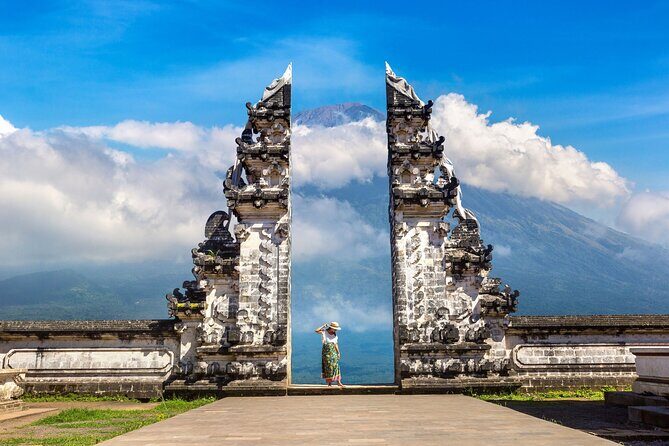
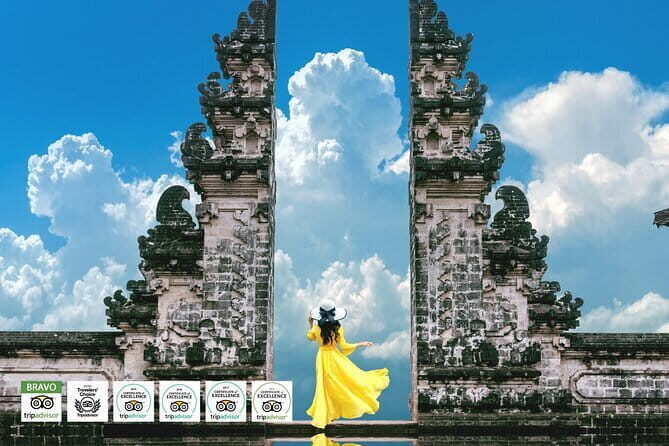
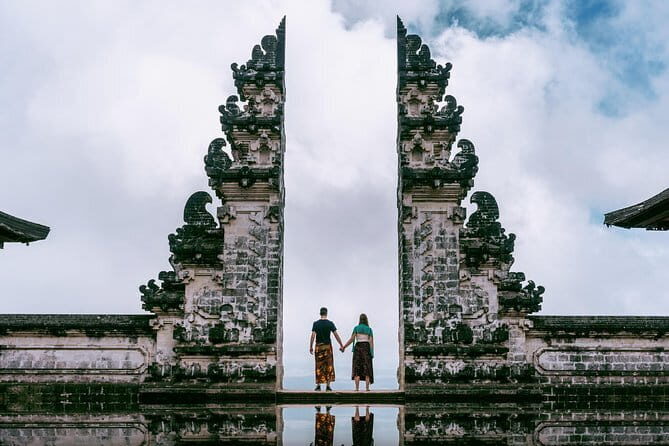
Heaven Gate views make the day. This private loop takes you from Ubud into east Bali to Lempuyang Temple on the slope of Mount Lempuyang (about 600 metres up), then ties it together with water gardens, a cave waterfall, and a jungle swing finish. I like that you get an air-conditioned vehicle plus an English-speaking guide, so you’re not just hopping between photo stops.

Two highlights I’d plan around are Tirta Gangga (a royal water garden built in 1946) and Tukad Cepung Waterfall, where the cave opening frames those magical light shafts. The main thing to think about is timing: entrance fees are not included, and at the waterfall you may run into a photo queue.

Key Things to Know Before You Go

The best Lempuyang gate of heaven tour - Key Things to Know Before You Go

  • Lempuyang Temple’s Heaven Gate sits high on Mount Lempuyang’s slope (around 600m above sea level).
  • You get royal-water-palace scenery at Tirta Gangga, built in 1946 in Karangasem.
  • Tukad Cepung is a cave waterfall where shafts of light spill in from the opening.
  • The tour is private, so only your group rides in the vehicle.
  • Guides come up by name in feedback: Mawa, Kadek, and Dewa.
  • You’ll end with a jungle swing as the fun finale (entrance fees still aren’t included).

The 9-Hour Route from Ubud: what the day feels like

The best Lempuyang gate of heaven tour - The 9-Hour Route from Ubud: what the day feels like
This is a full-day, about 9 hours in total, built around east Bali’s highlights. You’re picked up in Ubud and transported in an A/C car, which matters because you’ll spend a good chunk of the day on the road between different types of sights: temples, gardens, a waterfall in a cave, and then a swing.

What makes this route smart is the mix. You start with something spiritual and dramatic (Heaven Gate), then shift into calmer water-garden details at Tirta Gangga. After that, you go from open-air temple views to a cave setting at Tukad Cepung, and you end with an activity that’s more playful than reverent.

The biggest practical consideration is pacing. With multiple stops and a full day out, you’ll want to travel light: bring a small day bag, water, and a way to keep your phone dry for the waterfall segment.

Heaven Gate at Lempuyang Temple: the “why this tour exists” stop

The best Lempuyang gate of heaven tour - Heaven Gate at Lempuyang Temple: the “why this tour exists” stop
The star of the show is the Heaven Gate area inside Lempuyang Temple, one of the six most important temples in Bali. Locals consider it sacred, and the temple sits on the slope of Mount Lempuyang, around 600 metres above sea level. That elevation is part of the appeal: the gate frames wide views and a sense of altitude that you don’t get in flatter parts of the island.

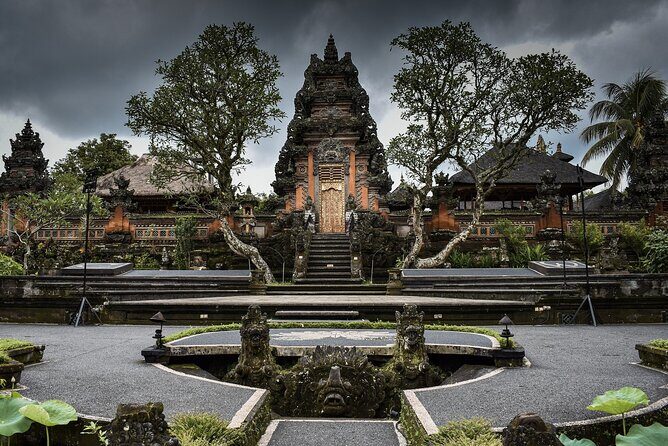
This stop also has a different feel than the rest of the day. Tirta Gangga is built for beauty and leisure. Tukad Cepung is built for nature drama. Heaven Gate is built for atmosphere—religious space first, photos second.

Practical tip: plan to be patient. Even without focusing on specifics like crowd size, temple entrances and photo angles usually take time. This tour’s value is that your English-speaking guide helps you understand what you’re looking at so you’re not just waiting around with no context.

Tirta Gangga Water Palace: royal water garden calm after the temple

The best Lempuyang gate of heaven tour - Tirta Gangga Water Palace: royal water garden calm after the temple
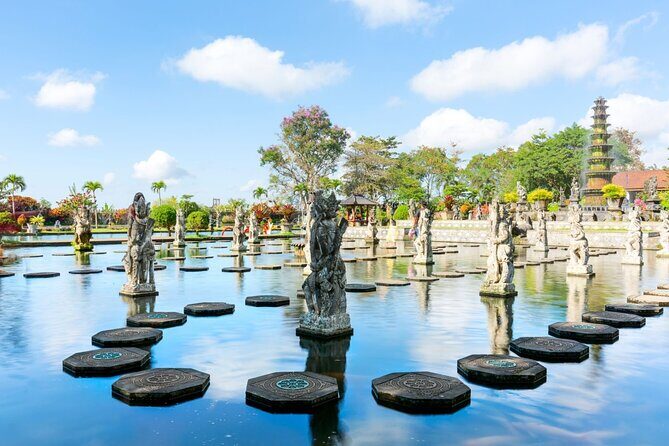
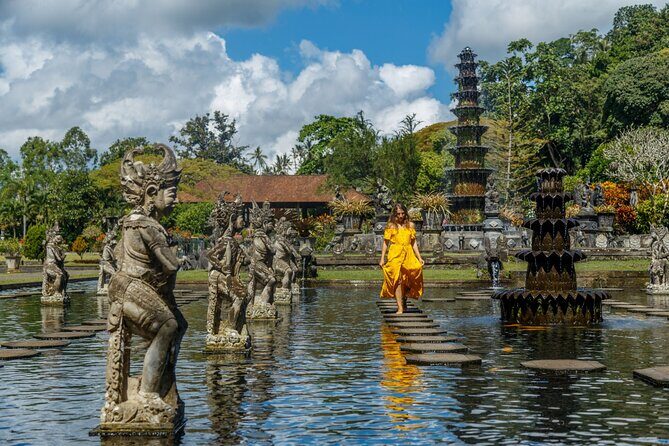
After the temple, you head to Tirta Gangga, a royal water garden in Karangasem (east Bali). It was built in 1946 during the reign of the late raja of Karangasem, Anak Agung Anglurah Ketut Karangasem. That date isn’t trivia fluff—it helps explain why the place still feels intentional, like a designed landscape meant for pauses, not just passing through.

This is your breathing-space stop. It’s not as intense as a cave waterfall, and it’s less physically demanding than the temple moment. Expect a scenic garden setting centered on water features, with lots of angles for photos that don’t require waiting for the perfect lightning.

Admission isn’t included here, so budget for entrance tickets separately. I also recommend you bring something simple for comfort: the garden is best enjoyed slowly, not in a rush.

Tukad Cepung Waterfall in a cave: the light shafts effect

The best Lempuyang gate of heaven tour - Tukad Cepung Waterfall in a cave: the light shafts effect
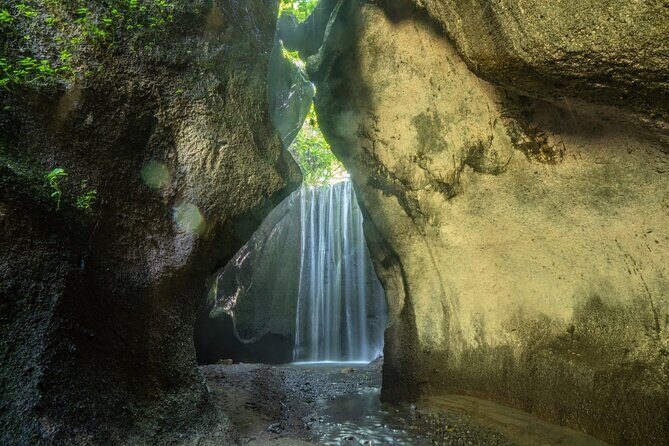
Next comes Tukad Cepung Waterfall, one of Bali’s more unusual waterfalls because it sits in a small cave system. The big reason people talk about this place is what happens when the sun hits through the cave opening: you get light shafts that make the waterfall feel almost stage-lit.

The setting is tight and atmospheric. You’re not looking at a wide valley waterfall where everything happens at a glance. Here, you watch the scene form—water falling in the middle, and beams of light helping you see depth.

One useful reality check: there can be a queue for pictures at the waterfall. That doesn’t ruin the experience, but it does change how you should plan. If you’re serious about photos, expect a bit of waiting and be ready for turns at the best angles.

Entrance tickets also aren’t included, so keep some cash or a card ready for on-site fees. And since it’s a cave environment with water involved, wear footwear you don’t mind getting slightly wet.

Jungle swing finale: fun, but treat it like an extra

The best Lempuyang gate of heaven tour - Jungle swing finale: fun, but treat it like an extra
The day ends with a visit to one of the best jungle swing experiences. This is the “release valve” after temples and waterfall nature—less about quiet reverence, more about an activity.

The key point for value: the tour price includes transport and guide time, but entrance fees aren’t included. That means the swing cost may come on top of your entrance tickets for other stops.

If you’re deciding whether to take the swing, think about your energy level at the end of the day. You’ll have been in the car for hours, plus you’ll have walked through temple and waterfall areas. If you’re tired, you can still enjoy the views and the jungle setting without necessarily doing the activity at full intensity.

Price and value: is $40 per person a fair deal?

The best Lempuyang gate of heaven tour - Price and value: is $40 per person a fair deal?
At $40 per person, this tour is priced like a practical, mid-range day trip—especially because it’s private and includes more than just a driver.

Here’s where the value comes from:

  • Private transportation in an A/C vehicle
  • Parking fees and fuel surcharge handled
  • An English-speaking guide who helps you make sense of each stop

The parts that aren’t included are mainly what you’d expect: personal expenses and entrance fees. So the “real” cost depends on what you choose to pay for each attraction.

Still, $40 becomes a good deal if you care about reducing stress: you won’t be juggling routes, timing, and language barriers on your own. It also tends to feel fair when you travel with a group, because the private vehicle setup scales nicely.

If you’re booking around 11 days in advance on average, it suggests this route is popular enough that you shouldn’t wait until the last minute—especially if you want a specific day.

Guide and pacing: why Mawa, Kadek, and Dewa matter

The best Lempuyang gate of heaven tour - Guide and pacing: why Mawa, Kadek, and Dewa matter
The difference between a basic taxi day and a well-run day is the guide. Names like Mawa, Kadek, and Dewa come up strongly in feedback, and the consistent themes are helpfulness, friendliness, and explanations that make each stop click.

  • Mawa is described as helpful and accommodating, and the trip is noted as real value because the day felt brought to life.
  • Kadek stands out for being friendly and kind, with guide talk that added depth about local villages.
  • Dewa is mentioned for a fun, easy flow, plus a lot of practical context during the drive and at stops.

I’d treat this as your cue: if your priority is more than photos—if you want to understand why the temple is meaningful, why Tirta Gangga was built the way it was, and what you’re seeing at Tukad Cepung—this tour style is a good match.

Also, punctuality gets a nod. Pickup being on time, plus a driver described as careful, goes a long way toward making the day feel smooth.

What to pack and how to get better photos without losing time

The best Lempuyang gate of heaven tour - What to pack and how to get better photos without losing time
You’ll hit three different photo styles: temple framing at Heaven Gate, garden angles at Tirta Gangga, and a cave-and-water scene at Tukad Cepung. That means you should pack for both comfort and quick changes.

Bring:

  • A small bag that stays with you at each stop
  • Water and basic snacks for energy (personal expenses aren’t included)
  • Something to protect your phone from mist and spray at the waterfall
  • Comfortable shoes that work on wet, uneven areas

For photos:

  • At Tukad Cepung, plan around a queue. Don’t fight it. Use the waiting time to watch how the light shifts and frame your shots from a few different spots rather than waiting for one perfect pose.

And for the temple moment:

  • Keep your expectations realistic: Heaven Gate is a viewpoint and a sacred place. The best photos come when you’re patient and respectful, not when you rush your way into the shot.

Who this tour is best for (and who should think twice)

This works especially well if:

  • You want a private day trip without the stress of driving and planning
  • You like a structured route that hits multiple major east Bali highlights
  • You care about having an English-speaking guide who explains what you’re seeing
  • You want a mix of spiritual sights plus nature and an activity at the end

You might think twice if:

  • You’re mainly looking for a single stop and don’t want a full day schedule (this is a lot packed into 9 hours)
  • You strongly dislike added on-site costs, since entrance fees aren’t included for the attractions

Should you book this Lempuyang Heaven Gate tour?

If your goal is the classic Bali combo—Heaven Gate at Lempuyang Temple plus Tirta Gangga and Tukad Cepung—you’ll likely feel the value fast. The price makes sense for a private A/C vehicle and an English-speaking guide, and the day’s pacing is built around turning scenery into a story, not just a checklist.

I’d say book it if you’re okay paying entrance fees on top and you don’t mind a possible photo line at the waterfall. If that trade-off sounds fine, this is a strong way to spend a day in east Bali without turning it into a logistical headache.

FAQ

How long is the tour?

It’s approximately 9 hours.

Is pickup included?

Yes, pickup is offered in Ubud.

What’s included in the price?

Private transportation, an air-conditioned vehicle, parking fees, fuel surcharge, and an English-speaking guide.

Are entrance fees included?

No. Entrance fees are not included.

Is this a private tour?

Yes. It’s private, and only your group participates.

What is the cancellation policy?

You can cancel for a full refund up to 24 hours before the experience starts.

Bali Sunrise Without Hiking: Temples, Rice Terraces & Waterfall

Bali Sunrise Without Hiking: Temples, Rice Terraces & Waterfall - Gunung Kawi Steps to Rock-Cut Shrines: Worth the Effort

Want Bali’s sunrise, minus the early hike?

This private day hits a great sweet spot: you get volcano sunrise views from the Kintamani area, then move into temples, rice terraces, and a calmer waterfall break. I like that the plan is built for photos (rice fields, waterfall mist, volcano mornings) without forcing you into a long trek for the sunrise.

Two things I especially like: you can choose to participate in the Tirta Empul purification ceremony, and you swap the most crowded waterfall circuit for a more relaxed stop at Manuaba Waterfall. The one thing to consider is physical effort: you’ll do a temple stair climb (about 300 steps) and a short walk to the waterfall, and meals/entrance fees are at your own expense.

Key highlights at a glance

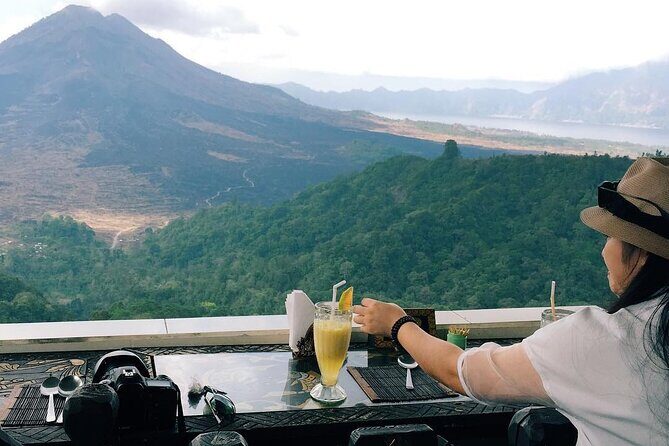
  • Paperhills Cafe sunrise in Kintamani: sit, eat, and shoot the morning view without a steep climb
  • Tirta Empul purification ritual option: a hands-on, meaningful temple experience
  • Gunung Kawi rock-cut shrine complex: expect stairs and a more dramatic setting
  • Manuaba Waterfall (less-visited): a quieter waterfall stop with a short hike
  • Tegalalang rice terraces: classic Bali scenery with time for lunch or coffee

Paperhills Cafe Sunrise in Kintamani, Without the Hike

Bali Sunrise Without Hiking: Temples, Rice Terraces & Waterfall - Paperhills Cafe Sunrise in Kintamani, Without the Hike
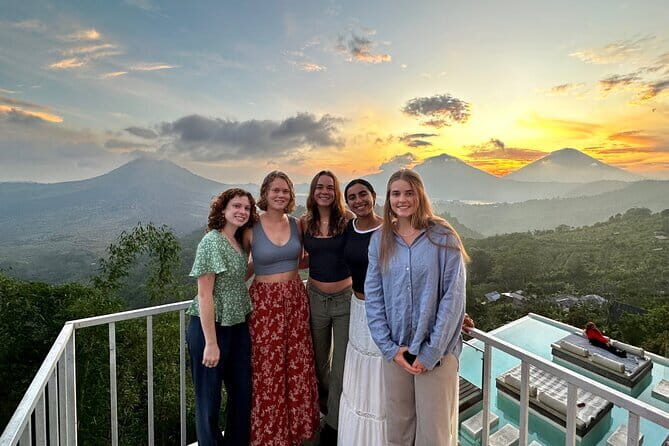
If your goal is Bali’s morning magic, this is the easier route. Instead of waking up and grinding up a trail for sunrise, you start the day at Paperhills Cafe in the Kintamani area. You get time for sunrise and breakfast there, with a clear payoff: wide, dramatic views toward Mount Batur. It’s a smart setup because you’re not tired before the real touring begins.

This also makes the day feel less like a checklist. You’re starting from comfort—then you gradually switch gears into cultural stops and nature. For photography, Kintamani mornings are about light angles: you want those softer tones on the slopes and temple settings before the day heats up.

Practical note: breakfast is part of the morning experience, but the tour info says meals aren’t included. So budget for your own breakfast at the cafe. If you’re the type who loves sunrise but hates the “why did I do that to myself” feeling, this pacing is the point.

Tirta Empul Purification Ceremony at a Temple Still in Use

Bali Sunrise Without Hiking: Temples, Rice Terraces & Waterfall - Tirta Empul Purification Ceremony at a Temple Still in Use
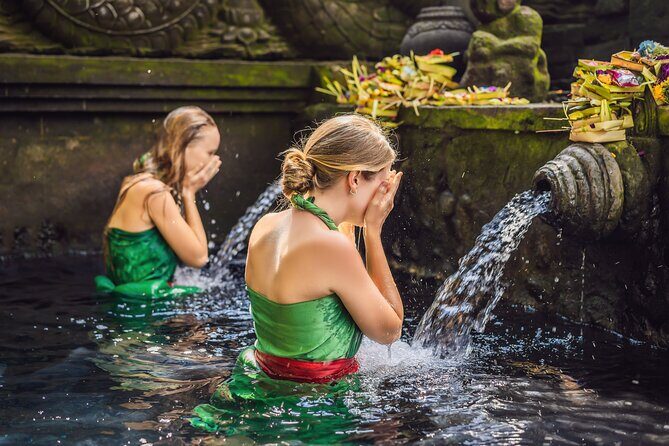
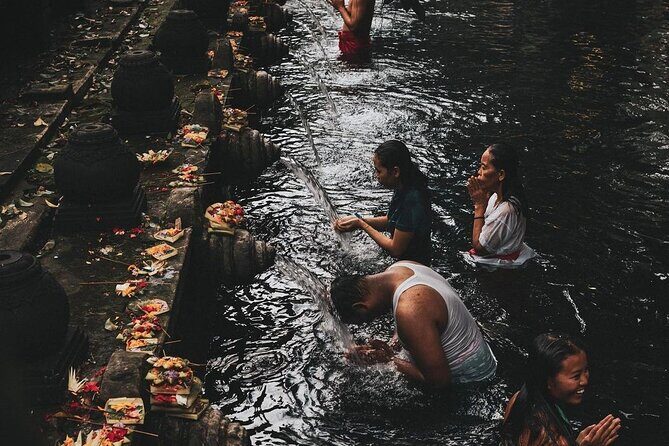
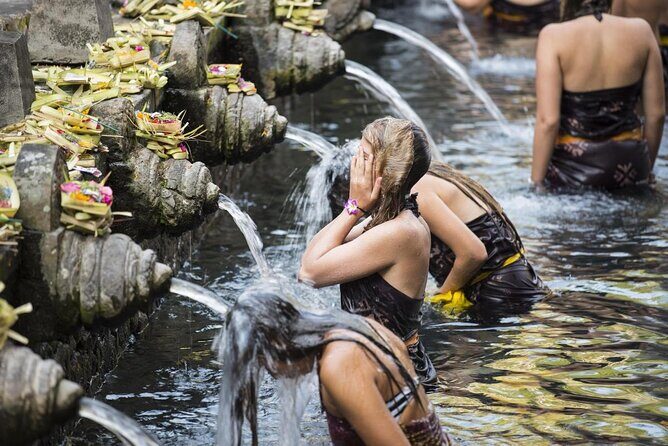
Tirta Empul Temple is one of Bali’s most famous water temples for a reason. The experience here centers on a traditional purification ceremony you can opt into. This matters because you’re not just looking at something historical from the outside—you’re seeing how living traditions still operate in a temple setting.

What I like about this stop is the structure. You’re given time (about an hour and a half total at the site), and you’re traveling there right after sunrise. That keeps the morning energy high and the crowds more manageable than later in the day.

You should also know it’s an active religious place. The tour includes a traditional outfit for temple visits, which helps you dress appropriately without running around trying to find a sarong last-minute. The ceremony may involve water steps and rituals, so plan to go with a “respectful participant” mindset, not a “grab photos fast” approach.

Entrance fees aren’t included, so bring cash or plan to pay onsite. And if you prefer just observing, you can still enjoy the setting—the water basins and stonework create strong visuals even without joining the ritual.

Gunung Kawi Steps to Rock-Cut Shrines: Worth the Effort

Bali Sunrise Without Hiking: Temples, Rice Terraces & Waterfall - Gunung Kawi Steps to Rock-Cut Shrines: Worth the Effort
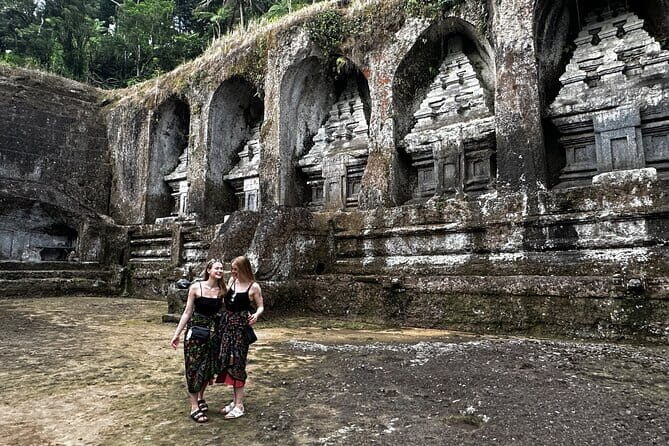
After Tirta Empul, the tour moves to Mount Kawi (Gunung Kawi Tampaksiring), a sacred complex known for its rock-cut shrines. This stop gives you something different from typical temple hopping: the scenery feels carved into the landscape, and the walk down adds drama.

The big detail here is the climb. You’ll hike about 300 steps at Gunung Kawi Temple. That doesn’t mean it’s a brutal workout, but it does mean you should be comfortable with uneven stone steps and some leg effort. Wear good grip shoes. Flip-flops are a bad idea here.

Why it’s worth it: once you’re down among the rock-cut structures and shrine points, it feels more intimate than many temple viewpoints. You’re not standing far away behind railings—you’re moving through the setting at human pace.

Entrance tickets aren’t included, so budget for the site fee. Also, if you’re traveling during hot hours, the return climb can feel steeper than expected. I’d treat this as the day’s main physical moment.

Manuaba Waterfall Walk: A Calmer Alternative to the Usual Crowds

Then comes the water break. Manuaba Waterfall is chosen specifically for a quieter feel compared with the more famous circuits. The day still gives you that classic Bali payoff—cool air, moving water sounds, and a place to reset between temples and terraces.

You’ll hike about 500 meters to reach the waterfall. It’s not an all-day trek, but it is a walk, and the terrain can be slick depending on recent rain. Bring shoes you trust and keep an eye on footing.

I like that the tour doesn’t overpromise. It’s timed as a one-hour stop, which keeps it from swallowing your whole day. That matters because the next big visual stop is the rice terraces, and you’ll want energy for both the scenery and the time to eat.

Entrance and activity fees aren’t included here, so plan on a small additional payment at the site. If you want that “less frantic” waterfall vibe, this is the stop you booked for.

Tegalalang Rice Terraces and the Swing Option for Photos

Bali Sunrise Without Hiking: Temples, Rice Terraces & Waterfall - Tegalalang Rice Terraces and the Swing Option for Photos
For the classic Bali finale, the tour heads to Tegalalang Rice Terrace. This is the place most people picture when they think of terraced fields—layer after layer, with angles that make good photos no matter your skill level.

You get about an hour here, and the tour notes you’ll have a choice to enjoy lunch or a coffee break. That’s a nice pacing choice. You can make it a full sit-down moment, or keep it light and just enjoy the views.

The tour also mentions an optional swing experience. That’s one of those add-ons that can be great for fun photos, but it also can turn into a time sink. If you’re short on energy or you’re worried about queues, I’d treat it as optional rather than mandatory.

Entrance tickets aren’t included for the terrace stop. So budget that site fee too. Also, the terraces can get busy during peak hours, and the heat can sneak up on you even if the morning was cool. Go prepared with water (bottled water is included), sunscreen, and a quick plan for photos so you don’t spend the entire hour waiting for perfect angles.

Price and Value: What $60 Covers (and What It Doesn’t)

Bali Sunrise Without Hiking: Temples, Rice Terraces & Waterfall - Price and Value: What $60 Covers (and What It Doesn’t)
At $60 for about six hours, this day trip is built around convenience and private pacing. You’re paying for:

  • private transportation with an air-conditioned vehicle
  • pickup and transfer from areas like central Ubud, Canggu, Seminyak, and Sanur
  • a private driver/guide and English guide support
  • bottled water, parking fees, and a traditional outfit for temple visits

What’s not included is equally important: entrance tickets and meals (breakfast/lunch) are at your own expense. That means your true “all-in” cost will depend on how many sites you enter and how much you eat.

Here’s the value angle I’d use: if you hate spending mornings coordinating transport, and you want someone to handle routing between Kintamani, temple sites, a waterfall walk, and rice terraces, this price can feel reasonable. A private car alone can be expensive in Bali. This tour packages a lot of movement into one day with one team handling the transitions.

If you’re traveling with a group who can share costs, even better. But even solo, the included pickup/vehicle/guide time is the main value lever.

Transfers, Timing, and How to Prepare Smart

Bali Sunrise Without Hiking: Temples, Rice Terraces & Waterfall - Transfers, Timing, and How to Prepare Smart
This is a private experience, meaning it’s just your group. That matters because it usually makes the day less rushed and more flexible with small adjustments.

It’s also built for a weather-dependent sunrise. The tour info says it requires good weather, so if visibility is limited, you may have alternate options or refunds depending on timing rules. Sunrise trips work best when clouds cooperate.

Packing checklist from the reality of the itinerary:

  • grip shoes (for temple steps and waterfall paths)
  • a light rain layer or poncho (even if it looks dry)
  • modest clothing you’re comfortable with, plus use the provided outfit for temples
  • sunscreen and a hat (rice terraces + sun)

Physical fit matters. The plan lists moderate fitness. Translation: you should be okay with stairs and short walks. If your knees hate hills, you’ll still be able to do it, but you may want to slow down and take breaks.

Finally, bring a little cash or card-ready payment for entrance fees and meals. Since meals aren’t included, you’ll need to budget for breakfast and any lunch/coffee you choose at Tegalalang.

The Guide Factor: Why This Tour’s Reviews Keep Mentioning Budi

Bali Sunrise Without Hiking: Temples, Rice Terraces & Waterfall - The Guide Factor: Why This Tour’s Reviews Keep Mentioning Budi
The provider is Budilicious Tour Guide, and the name that comes up often is Budi. The common thread in the best feedback is simple: safe driving, friendly pacing, and being proactive—meaning you don’t just get driven from stop to stop.

That matters on a day like this because there are several “moving parts”: sunrise timing, religious site etiquette, stair-heavy temple terrain, and then a waterfall walk. A guide who thinks ahead can save you from awkward surprises like arriving at the wrong time, missing appropriate dressing moments, or feeling rushed where you really want to slow down for photos.

You’ll also benefit from a guide who’s good at adjusting the day. The feedback around Budi and other guides linked to the same service style points to flexibility, patience, and making sure the day fits the people in the car—not just the schedule on paper.

Even if you don’t care about the behind-the-scenes guidance, you’ll feel it: smoother transitions, clearer explanations, and less time spent figuring things out.

Who Should Book This Sunrise-Temples-Waterfalls Day

Bali Sunrise Without Hiking: Temples, Rice Terraces & Waterfall - Who Should Book This Sunrise-Temples-Waterfalls Day
Book this if you want:

  • Bali’s morning volcano views without a big sunrise hike
  • temple experiences that feel active (Tirta Empul purification is optional, not just scenery)
  • a waterfall stop that avoids the busiest crowds
  • a classic rice terrace finish with time to eat

You might reconsider if:

  • you can’t handle 300 steps and a short walk (about 500 meters)
  • you want a day with meals and entrance tickets fully included in the base price
  • you’re chasing a purely relaxing day with no stairs

This is ideal for couples, small groups, and anyone who likes a balanced itinerary—culture in the morning, nature in the middle, Bali scenery at the end.

If you’re on your first trip and only have a limited number of days, this one-day circuit covers a lot of “Bali flavors” without feeling like a sprint.

Should You Book This Sunrise Temples Waterfall Tour?

I’d book it if your priorities are sunrise views, temple access, and a quieter waterfall—done in a way that doesn’t require a steep hike. The value is in the private transport, guide support, and how the day is sequenced: sunrise first, then culture, then nature, then rice terraces.

One last decision tool: if you’re comfortable with stairs and short walks, you’ll enjoy this more. If not, look for an itinerary with fewer steps and fewer outdoor transitions.

If you’re okay paying entrance fees and choosing your own breakfast/lunch, this is a strong, practical way to experience a lot of Bali in one day—without suffering through an overlong sunrise climb.

FAQ

How long is the tour?

It runs for about 6 hours (approx.).

Is this tour private?

Yes. It’s a private tour/activity with only your group participating.

Where do you pick up from?

Pickup is offered from central Ubud, Canggu, Seminyak, and Sanur.

What’s included in the price?

Included are private transportation, bottled water, an air-conditioned vehicle, a private driver/guide and English guide support, hotel pickup and transfer, parking fees, and a traditional outfit for temple visits.

Are entrance tickets included?

No. Entrance and activity fees are not included.

Is breakfast included at the sunrise stop?

Breakfast is part of the Kintamani sunrise stop experience, but meals are at your own expense, so you should expect to pay for breakfast yourself.

How much walking and climbing is involved?

You’ll do lots of hiking. At Gunung Kawi Temple you have to hike about 300 steps, and at Manuaba Waterfall there’s about a 500-meter hike.

Can I participate in the Tirta Empul purification ceremony?

Yes, it’s an option during the stop at Tirta Empul Temple.

Is there an option for a swing?

The tour overview mentions an optional swing experience.

What if the weather is bad for sunrise?

The experience requires good weather. If it’s canceled due to poor weather, you’ll be offered a different date or a full refund.

Ubud Explorer Private Day Tour

Ubud Explorer Private Day Tour - Tegenungan Waterfall: the hike and photo timing

This is Ubud in one long, well-paced day. You’ll get a rare mix of Bali craft, nature, and sacred sites, guided by locals who know what each place means and how it fits into daily island life. I love the private local perspective that turns photos into context, not just sightseeing.

Two big wins: the day is built around hands-on culture, and the included admissions keep things simple. Stops like the wood carving and batik class with Yana and Semar Kuning feel like you’re learning why Balinese art matters, not just watching it. And for the drive, I like how guides such as Yansu, Sija, and Wayan Sarianto have real English skills and attention to details like pacing and comfort.

One consideration: you’ll do a fair amount of walking, and Monkey Forest in particular can mean many steps. If you’re sensitive to hills and stairs, plan for slower moments and wear shoes you trust.

Quick highlights worth planning for

Ubud Explorer Private Day Tour - Quick highlights worth planning for

  • Carving and batik with Yana and Semar Kuning for real cultural meaning, not a rushed stop
  • Tegenungan Waterfall with time to hike in for a great photo spot
  • Sacred Monkey Forest Sanctuary with both ecology lessons and feeding time
  • Tegalalang Rice Terraces viewpoints that make agriculture feel personal
  • Tirta Empul Temple and the centuries-old idea of cleansing through sacred water
  • Private vehicle plus bottled water, so you’re not stuck in a crowded bus day

A local-led day around Ubud’s crafts, temples, and water

Ubud Explorer Private Day Tour - A local-led day around Ubud’s crafts, temples, and water
This tour works because it’s not only about landmarks. It’s about the links between them: art connects to religion and everyday life, nature connects to spirituality, and even farming shapes how people see the land.

You’ll ride in an air-conditioned vehicle with private transportation, then spend concentrated time at five meaningful stops. With a private setup, your guide can slow down when you want photos, speed up when you want to move, and generally keep the day from feeling like a checklist.

For me, the best kind of Ubud day is one where you leave understanding what you saw. That’s what this style of route aims for, with a clear flow from craft to water to forest to rice terraces and finally to a sacred temple.

Wood carving and batik with Yana and Semar Kuning

Your day starts with Balinese folk art: traditional wood carving and painting, paired with batik instruction. Yana and Semar Kuning are the kind of people who teach with stories and significance, not just techniques. The point is that these arts aren’t random decorations. They carry meaning and help keep cultural knowledge alive.

Expect about an hour here, which is a good time slot. Long enough to learn something real, short enough that you don’t feel trapped in a studio while the rest of Bali waits outside.

What I think you’ll like most is the way the session connects art to identity. When you understand the significance behind patterns and the craft process, the rest of the day feels more coherent. Later, when you look at sacred spaces and farming landscapes, you start spotting the same cultural logic everywhere.

Practical tip: bring a small amount of cash or card only if you want to buy art. The tour includes admission and fees, but any purchases are on you. Wear something comfortable too; you may find yourself standing, watching closely, and turning for photos.

Tegenungan Waterfall: the hike and photo timing

Ubud Explorer Private Day Tour - Tegenungan Waterfall: the hike and photo timing
Then you head to Tegenungan Waterfall. This is one of those places that earns the hype for a reason: the falls are layered and dramatic, and the experience includes a walk in to a photo spot.

It’s scheduled for about 1 hour 30 minutes, including time on-site. That’s enough to get a few angles without feeling like you’re being rushed out the door. Your guide can also help you find a viewpoint that works with your comfort level.

The main thing to plan for is footing. Waterfalls mean slippery rocks and uneven ground. Even if the walk is short, it matters. Sturdy shoes beat flip-flops here. Also, if you’re bringing a camera, protect it from splash and wind-blown mist.

In the driving portion, guides like Yansu have shown a knack for photographing efficiently. If you’re traveling with a DSLR or you care about getting clean shots, it helps to tell your driver early. You’ll often get better results when someone understands your style and where you like to stand.

Sacred Monkey Forest Sanctuary: what the ecology lesson really adds

Ubud Explorer Private Day Tour - Sacred Monkey Forest Sanctuary: what the ecology lesson really adds
Next comes the Sacred Monkey Forest Sanctuary in Ubud. This place is famous for a reason: ancient forest feel, lots of monkeys, and a chance to learn what’s going on in an ecosystem rather than treating it like a pure photo set.

You’ll stroll through the sanctuary for about 1 hour 30 minutes. The experience includes the chance to feed the monkeys and learn from the environment around you. That ecology angle is the difference between a quick walk-through and a more meaningful visit.

Do expect behavior tips. Monkeys are curious, and they respond to what people bring. Keep items secure and stay aware of your surroundings. If you’re wearing bright or dangling accessories, you might want to reduce temptation. And if you see something getting too close, step back calmly.

The big drawback to plan for is movement. Between uneven paths and steps, this stop can be tiring. One review specifically called out that there are a lot of steps even though the tour markets broad participation. If you’re going with older knees, build in a slower pace and take breaks without guilt. A private guide makes that easier.

Tegalalang Rice Terraces: why the views feel personal

Ubud Explorer Private Day Tour - Tegalalang Rice Terraces: why the views feel personal
After the forest energy, you’ll look over the Tegalalang Rice Terrace area. These terraces are famed, but what makes this stop worthwhile is the context you get from a guide who can explain what you’re seeing and why it looks like this.

Your time here is about 1 hour. That’s the sweet spot for views without turning into a long slog. You can pause for photos, take in the irrigation patterns and terracing, and still have enough energy to head to the next sacred site.

The terraces also give you a different kind of Bali understanding. In many places, farming is invisible or treated like scenery. Here, the farming shape becomes part of the way people live. Seeing it up close helps you recognize that agriculture isn’t separate from culture—it’s part of it.

Photo tip: if you care about shots, come prepared to climb a little and to choose a viewpoint deliberately. The best angles usually aren’t from the first flat spot.

Tirta Empul Temple: sacred water and cleansing rituals

Ubud Explorer Private Day Tour - Tirta Empul Temple: sacred water and cleansing rituals
The last stop is Tirta Empul Temple, near Ubud in the Gianyar Regency. This is a sacred water temple with a history that goes back around 962 A.D., and it’s known for worship and cleansing practices that have continued for over a thousand years.

You’ll spend about 2 hours here, which is important. Sacred sites need time. You’ll want it for observation, for understanding what’s happening around you, and for getting your bearings without feeling rushed.

This stop is special because the concept isn’t only about visiting a temple. It’s about the idea of cleansing and reverence through water. Even if you’re not participating in rituals, watching and understanding the setting helps you connect the day’s themes: craft, nature, and faith.

Respectful mindset helps: temple visits reward slower behavior. Speak quietly, keep your personal space, and follow your guide’s lead on where to stand and what to do. If you want to take photos, ask first or follow signage so you don’t disrupt worship.

How the private format changes the whole day

Ubud Explorer Private Day Tour - How the private format changes the whole day
This is a private tour, meaning it’s only your group in the vehicle. That matters in Bali because travel time and crowds can make group tours feel like a sprint.

With a private driver, you can manage:

  • Pacing: linger at Tegalalang if the light is right
  • Comfort: adjust breaks when your legs get tired
  • Photo focus: guides such as Sija and Yansu have shown a strong ability to help with pictures, including use of DSLR gear

I also like that guides in this style tend to be attentive and flexible with time at each stop. Wayan Sarianto, for example, is described as punctual and attentive, with good English and a way of checking what you want and how much time you have at each place.

If you’re the type who hates feeling herded, private is your friend.

Price, what’s included, and what to budget for lunch

Ubud Explorer Private Day Tour - Price, what’s included, and what to budget for lunch
The price is $52.00 per person for the tour. For a private full-day itinerary, that’s often a fair value, mainly because the tour includes a lot of the hidden costs that blow up the final number: air-conditioned vehicle, bottled water, private transportation, and all fees and taxes plus admission tickets at each stop.

Where value gets even better is when you compare it to piecing the day together yourself. Five separate admissions plus hiring transportation and a local guide can quickly exceed the quoted rate, especially if you’re trying to get a coherent route without wasting time.

Two things to budget for:

  • Lunch is not included. Plan to eat on your own between stops or before you start.
  • If you’re a solo traveler, there’s an additional charge of 300k IDR to cover operational costs.

If you’re traveling with a friend or family member, that solo fee is not part of the equation. Either way, I’d think of this as a day where you’re paying for someone to handle the route and give you context for what you see.

Who this Ubud private day tour suits best

This tour fits you if you want to understand Ubud beyond selfie spots. You’ll probably enjoy it most if you like learning small things that add up, like craft meaning, how sacred cleansing works in context, and what rice terraces represent to local farming life.

It’s also a strong choice for:

  • Couples and families who want control of pace
  • Photographers who care about angles and time at scenic stops
  • Solo travelers who are comfortable paying the solo operational fee for private guidance
  • Anyone who wants a single-day overview without hopping across the island

If you hate steps, skip this only if you have serious mobility limits. Expect stairs and uneven terrain, especially at Monkey Forest. You can still do it with planning, but you should go in ready for physical movement.

Should you book this Ubud Explorer Private Day Tour?

I’d book it if you want a practical, culture-forward day that doesn’t leave you juggling tickets, transport, and guesswork. The included admissions and fees help control costs, and the stops are connected in a way that makes the day feel like more than a list.

I’d think twice if:

  • You need a very low-step itinerary
  • You’re hoping for lunch included in the price
  • You’re traveling solo and you don’t want to pay the additional 300k IDR fee

If your goal is to see Ubud through local lenses, and you’re okay with a full day of walking, this tour has a good balance of nature, sacred sites, and hands-on culture.

FAQ

How long is the Ubud Explorer Private Day Tour?

It runs about 10 hours 15 minutes.

What’s included in the tour price?

It includes air-conditioned vehicle, private transportation, bottled water, and all fees and taxes. Admission tickets for the listed stops are included too.

Is lunch included?

No, lunch is not included.

Is pickup offered?

Yes, pickup is offered.

Is this tour private?

Yes. It’s a private tour/activity, and only your group participates.

Is there an extra charge for solo travelers?

Yes. Solo travelers are subject to an additional charge of 300k IDR for operational costs.

Will I be walking a lot?

You should expect walking and stairs. One key stop, Sacred Monkey Forest Sanctuary, can involve many steps.

Can I get a refund if I cancel?

Yes. Free cancellation is available up to 24 hours in advance for a full refund.

Explore East Bali: Full-Day The Most Charming Spots – All Inclusive Tickets

Explore East Bali: Full-Day The Most Charming Spots - All Inclusive Tickets - Tirta Gangga Water Garden: a royal water palace break from the photo grind

East Bali changes your rhythm. This full-day private route from Ubud strings together Lempuyang Temple, Tirta Gangga, and Tukad Cepung in one long, well-paced day, using an air-conditioned vehicle and an English-speaking guide who can also drive. I like that you’re not stressing over routes, parking, or timing. I also like how the private setup gives you real flexibility to tweak the day as you go.

One big consideration: Lempuyang Temple can mean a long wait for the iconic photo setup, even with an early arrival. Plan your mood for that line, and the rest of the day feels much easier.

Key takeaways

  • 4:00am start helps you work around crowds and heat
  • Admissions included for Lempuyang Temple, Tirta Gangga, and Tukad Cepung
  • Private air-conditioned transport makes the drive time feel manageable
  • Your guide does the thinking: history, practical guidance, and timing support
  • Water-runs after temple: from royal water garden to a cave waterfall with sunlight rays

Why this East Bali route feels easier than DIY

Explore East Bali: Full-Day The Most Charming Spots - All Inclusive Tickets - Why this East Bali route feels easier than DIY
This tour is built for a simple goal: see East Bali’s top sights with less friction. Instead of hopping between far-flung spots on your own, you get picked up in comfort, driven between stops, and given set time blocks at each major attraction. The result is a day that’s long but not frantic.

The timing also matters. Starting at 4:00am is not subtle. You’ll feel it when your alarm goes off, but that early start helps you reach the day’s first major landmark with better odds of cooler conditions and thinner crowds. Then you keep moving through the day while other people are still getting going.

The private format is the other key. You’re not stuck with a group schedule that ignores your interests or your children’s energy level. You can ask questions, slow down where you want, and speed up when you need to. Several guides are known for being attentive and for handling real-life situations smoothly, including families. That kind of practical care makes the whole day feel less like a checklist.

The 4:00am pickup: how the timing actually affects your comfort

Explore East Bali: Full-Day The Most Charming Spots - All Inclusive Tickets - The 4:00am pickup: how the timing actually affects your comfort
This experience runs about 9 hours and starts at 4:00am, so you’re committing to an early day. If you’re the type who hates wasting daylight, you’ll appreciate what that schedule buys you: cooler mornings, less harsh sun during the first temple stop, and more time to enjoy East Bali without feeling rushed at every turn.

Your pickup and drop-off cover a wide set of areas, including Sanur, Ubud, Kuta/Legian, Seminyak, Canggu, Jimbaran, Nusa Dua, Benoa, and Denpasar. That’s convenient if you’re not staying in the center of Ubud and want someone to handle the logistics.

Two practical tips here:

  • Be ready in your hotel lobby at your scheduled pickup time. The tour asks you to wait, so don’t count on them finding you after you’ve left.
  • Since it’s a private tour, your experience depends heavily on your guide and driver. The best days are the ones where the guide keeps you informed and adjusts pacing when needed.

Lempuyang Temple: Gates of Heaven, plus the reality of the wait

Lempuyang Temple, often called the Gates of Heaven, is the emotional opener of the day. It sits on the slope of Mount Lempuyang, and the views are the reason people come. When you’re up there, you understand why it’s so famous: the setting feels iconic in every direction, and the whole place is steeped in temple culture.

But there’s a twist. The photo moment at Lempuyang is famous too, and that can mean a serious wait. One caution worth taking seriously: even arriving early, it’s possible to face a wait of more than 3 hours before your picture setup. That means your best strategy is mental, not physical. Go in expecting you’ll stand around for a while, then you’ll enjoy the temple grounds more once you’re in the right flow.

How your guide helps here:

  • A good guide helps you manage the timing so you don’t waste the whole morning feeling powerless.
  • They can also help with expectations and timing once you’re on-site, especially if the line is moving slowly.
  • Guides such as Raka are known for taking people early and helping them enjoy the calm parts of the visit before the busiest waves arrive.

What I’d pack for this stop (practical, not fancy):

  • Comfortable shoes for temple grounds
  • Water, because you’re there early and waiting
  • Patience. Lots of it.

Even with the wait, this is still a top stop because the view from the gates is genuinely special, and the setting gives you a different Bali than the beaches and rice terraces you might expect.

Tirta Gangga Water Garden: a royal water palace break from the photo grind

Explore East Bali: Full-Day The Most Charming Spots - All Inclusive Tickets - Tirta Gangga Water Garden: a royal water palace break from the photo grind
After temple time, you switch gears at Tirta Gangga—a water garden tied to the Karangasem kingdom. This is a strong contrast to Lempuyang. Instead of climbing toward views, you stroll through a calmer, watery setting with statues and pools that feel intentionally designed for beauty.

This stop is listed for about 1 hour, which is a good length: long enough to wander, but not so long that you get tired of looking at water (yes, that can happen). The setting is easy to enjoy at a walking pace, and the mix of water features and sculptural details gives you plenty to see without feeling like you need to rush.

This is also a helpful mental break. By the time you arrive at Tirta Gangga, you’ve likely already handled the early start and the potential wait for Lempuyang’s photo moment. So this stop is your chance to reset your energy and just enjoy the environment.

One more reason I like this stop on a single-day East Bali route: it’s a Bali you might miss if you only chase the biggest Instagram hits. It’s still famous, but it feels more grounded—less performative, more peaceful.

Tukad Cepung Waterfall: sunlight rays through a cave

Then comes the highlight many people remember for the photos that feel almost unreal: Tukad Cepung Waterfall. This waterfall is known for the way light appears to stream through openings near the top, shining directly through the falls before it drops into a cave-like setting.

You’re given about 1 hour here, which usually works well because you’re managing both viewing and moving around on-site. This is not a place where you want to rush. It’s a place where you wait for the right light angles and take your time.

What to expect in practical terms:

  • The setting is more enclosed than many outdoor waterfalls.
  • The views are the point, so your best effort is steady pacing and careful positioning.
  • Your guide’s job is to help you arrive when conditions are best for seeing those famous light rays.

In the experience data I received, guides such as Dastra and Raka were praised for timing and for helping people get to the waterfall early, when it’s quieter. That matters here. If you get there with a calmer rhythm, you can actually take in what makes Tukad Cepung special instead of just grabbing a quick shot and leaving.

The private guide effect: why this day works when someone’s paying attention

Explore East Bali: Full-Day The Most Charming Spots - All Inclusive Tickets - The private guide effect: why this day works when someone’s paying attention
This is sold as a private tour, and that isn’t just a label. Here’s what that privacy typically changes in real life:

  1. You get real attention. Your guide can explain what you’re looking at, help you navigate the tricky bits, and adjust pacing when needed.
  2. You can tailor the itinerary. The tour description specifically says you’ll have a chance to customize your route. In practice, that means if your priorities shift—more time for photos, less time wandering—you can ask.
  3. You avoid stress stacking up. East Bali roads take time, and temple traffic can be chaotic. A private driver handles the driving and logistics so you can focus on being there.

Also, it’s worth noting that your guide is listed as an English-speaking tour guide who also serves as the driver. That can be a big plus because you don’t need to coordinate two separate people. Still, it’s also a reminder that tour quality can vary with guide style. One low-rated experience mentioned a guide arriving late and not matching expectations. The safest approach is to choose a tour with good responsiveness and then show up ready for the early start. You can’t control every personality trait, but you can control your part.

What you’re paying for: value at $59.63 per person

At $59.63 per person, the big value is what’s included versus what you’d otherwise pay separately. This price covers:

  • A private air-conditioned vehicle
  • Pickup & drop-off in the listed areas
  • English-speaking guide
  • Entry/admission fees
  • Parking fees and gas/petrol

Not included is simpler:

  • Food and drink (you buy as you go)
  • Gratuities (optional)

So the value equation depends on you. If you’d normally pay for separate taxis plus entrance tickets plus a guide, this package can be a bargain. If you’re comfortable driving yourself and you’d skip one or two paid entrances, then the value might feel less dramatic.

What I like about this specific itinerary from a value standpoint is that the stops aren’t random. Each one is a major East Bali draw with an admission ticket, so you’re not just paying for driving time.

My budgeting advice is straightforward:

  • Plan for meals and water purchases.
  • Bring a little extra for snacks during the long day, especially if you’re waiting around for photo moments.

Transport time: air-conditioned comfort vs. long stretches

The tour spends a lot of the day on the road, which you already know if you’ve looked at a map of East Bali. That’s why the air-conditioned vehicle is a real benefit, not a throwaway feature. When you’re leaving at 4:00am and then driving between temple and water spots, staying cool and comfortable matters.

Also, your guide helps you “save time without feeling like you’re racing.” Instead of planning, you’re simply going. That’s what makes the day feel cohesive.

One small route-related note: the tour description includes areas it may pass through without stopping for hotels. Practically, that means you should expect your pickup to follow the tour’s schedule and your hotel lobby instructions. If you’re in a place that’s a little awkward to reach, stay flexible about where you meet.

Who should book Explore East Bali from Ubud?

This is a great fit if:

  • You want East Bali’s biggest sights in one day without DIY driving stress
  • You like early starts and enjoy beating crowds
  • You want someone to handle admissions and timing
  • You’re traveling with kids or anyone who benefits from a calm, guided pace

It’s less ideal if:

  • You hate waiting around for photo setups and want a fully friction-free schedule
  • You prefer spontaneous detours all day long without a structured itinerary
  • You want food included, because it isn’t

If you’re a first-time visitor who feels overwhelmed by Bali logistics, this is a strong “get oriented” day—just with the understanding that the first stop can come with a long line.

Practical tips to make the day feel smooth

A day like this is easy to enjoy when you plan for the parts you can’t speed up.

  • Plan for Lempuyang downtime. If you expect waiting, you won’t get cranky when it takes time.
  • Hydrate early. Morning sun can sneak up on you even if it feels cool at 4:00am.
  • Wear shoes you can stand in. Temples and waterfall viewing often mean time on uneven ground.
  • Bring a light layer. Early mornings can feel cooler, and waiting outdoors is easier with a bit of comfort.
  • Ask your guide to adjust pacing. The tour allows tailoring, so use it when it helps—especially if someone in your group needs shorter walking moments.

If your guide is the kind who talks through the sights clearly and handles timing with care, the day feels like Bali, not just transportation between pins on a map. That’s the difference between a good day and a memorable one.

Should you book this East Bali tour?

I’d book it if you want a guided, ticket-included East Bali day that starts early, hits the key sights, and saves you from the stress of arranging everything yourself. The price is competitive because admissions and private air-conditioned transport are included, and the itinerary covers three of East Bali’s most recognizable experiences.

I’d think twice only if the idea of waiting around for the Lempuyang photo setup sounds like your worst nightmare. If that’s you, you might still enjoy the views and temple, but the day’s pacing won’t match a fast, no-wait mindset.

If you do book, go in calm and prepared for the first-stop timing. Then you’ll get to enjoy Tirta Gangga’s quiet water garden and the dramatic, light-filled cave waterfall without turning your day into a logistics project.

FAQ

What time does the tour start?

The start time is 4:00am.

How long is the tour?

It’s listed as approximately 9 hours.

Is this a private tour?

Yes. It’s a private tour/activity, and only your group participates.

What’s included in the price?

The tour includes a private air-conditioned vehicle, pickup and drop-off in the listed areas, an English-speaking tour guide (also serving as a driver), entry/admission fees, parking fees, and gas/petrol.

Are meals included?

No. Food and drink are available for purchase, but they are not included.

Are entrance tickets included?

Yes. Admission tickets are included for Lempuyang Temple, Tirta Gangga, and Tukad Cepung Waterfall.

Does the tour offer pickup from my area?

Pickup and drop-off are offered for Sanur, Ubud, Kuta/Legian, Seminyak, Canggu, Jimbaran, Nusa Dua, Benoa, and Denpasar.

Is there an air-conditioned vehicle?

Yes. You’ll travel in a private air-conditioned vehicle.

Can I get a mobile ticket?

Yes. The tour includes a mobile ticket.

What’s the cancellation window for a full refund?

Free cancellation is available up to 24 hours in advance of the experience’s start time.

Traditional Balinese Home Dining Experience in Ubud with Putu

Traditional Balinese Home Dining Experience in Ubud with Putu - Why This Is Worth $76: What You Actually Get

A meal at a real Balinese home changes your whole Bali day. This experience pairs a private two-course home-cooked meal with round-trip Ubud hotel transfers, hosted by Putu and her family in their compound. What I love is the full attention you get in a small, personal setting and the way the menu leans local, from grilled fish with Balinese sambal to gado gado and black rice dessert.

One thing to keep in mind: it is still a home setting, so you’re not going to get restaurant-style pacing or a fancy room. You’ll get a warm, casual family meal—exactly the point, but plan for that vibe.

Key things I’d circle before booking

Traditional Balinese Home Dining Experience in Ubud with Putu - Key things I’d circle before booking

  • Hosted in Putu’s family compound for a truly local meal setting
  • Round-trip Ubud hotel pickup and drop-off to keep the day stress-free
  • A dish mix that actually reflects Bali: sambal, curry, pepes, gado gado, and more
  • Dessert is part of the deal, with options like black rice pudding or banana cake
  • Vegetarian and vegan options available if you tell them ahead of time
  • Non-alcoholic drinks plus 1–2 glasses of local alcohol included with your meal

A Private Balinese Home Meal in Ubud, Hosted by Putu

Traditional Balinese Home Dining Experience in Ubud with Putu - A Private Balinese Home Meal in Ubud, Hosted by Putu
If your Bali plan includes good food, this is the kind of experience that makes the trip feel less like a checklist. You’ll sit down in a local family setting in Ubud, where Putu cooks with the rhythms of everyday Balinese life. Instead of a menu built to impress tourists, you get food built to feed family—then adapted for your table.

I like how personal this feels on purpose. It’s a private experience, so you’re not sharing the quiet parts of the conversation with a whole busload of people. You’ll also have your host’s attention, which matters here because Balinese dishes have names, spice logic, and regional touches. Even when you don’t ask a lot of questions, the way the meal unfolds tends to teach you without forcing it.

The other thing I like: you’re not just eating one famous dish. You’re getting a spread of flavors that point to how Balinese cooking balances heat, sweetness, herbs, and comforting staples like peanut sauce and steamed parcels.

Why This Is Worth $76: What You Actually Get

Traditional Balinese Home Dining Experience in Ubud with Putu - Why This Is Worth $76: What You Actually Get
At $76 per person for about 2 hours, the price can look “mid-range” until you break down what’s included. You’re paying for a private home-cooked meal hosted by Putu, plus round-trip transport within Ubud, plus taxes and fees. That transport piece is a big value booster in Ubud, where travel time can creep up fast if you’re relying on ride-hailing or negotiating on the fly.

Food-wise, the experience includes non-alcoholic beverages and also 1–2 glasses of local alcohol. Even if you skip the alcohol, it still changes the feel: you’re not stuck buying drinks after you’ve already paid for dinner.

You’re also getting a two-course structure with dessert built in. The meal is planned as a complete experience, not a quick tasting. Depending on the menu and season, you could see grilled fish with Balinese sambal, gado gado, curry, pepes (spiced food wrapped in banana leaves and steamed), and sides like grilled eggplant with tomato.

And here’s the practical part: this is one of those meals where you’re likely to leave satisfied without needing a second stop. That alone can make it feel more like good value than a splurge.

Getting There Smoothly: Traveling Spoon Pickup to Putu’s Home

The day starts with a pickup handled by Traveling Spoon. In other words, you meet up and get transported from your Ubud hotel to the family compound. The experience is designed around round-trip Ubud hotel transfers, so you’re not spending your dinner time playing logistics games.

Timing matters for a home meal. If you show up late or spend the first hour figuring out the meeting point, the whole rhythm shifts. With pickup included, you’re more likely to arrive when Putu and her family are ready to cook and host.

One practical note: the experience is said to be near public transportation, but the included pickup is still the easiest way to do it. If you’re staying outside Ubud, you’ll need an extra transportation charge, so double-check where your hotel sits before you compare this to other food options.

What You’ll Eat: From Grilled Fish Sambal to Black Rice Dessert

Traditional Balinese Home Dining Experience in Ubud with Putu - What You’ll Eat: From Grilled Fish Sambal to Black Rice Dessert
Balinese home dining here is built around a mix of savory plates and familiar comfort foods—plus dishes that feel very specific to Bali. Your exact menu can vary with season, but you can expect a real rotation of flavors rather than one safe option.

From the savory side, you might get:

  • Grilled fish with Balinese sambal (chili sauce with a distinctly Balinese bite)
  • Grilled eggplant with tomato
  • A curry dish that may be chicken, fish, or vegetarian
  • Pepes: foods seasoned with local spices, wrapped in banana leaves, then steamed
  • This can include pepes with fish, chicken, tofu, and even banana savory using the root of the banana plant
  • Gado gado, which is vegetables in peanut sauce
  • Rendang, an Indonesian curry
  • Sayur urab, vegetables with fresh shredded coconut
  • Bregedel, corn fritters

And then there’s dessert. This is where many people underestimate the meal. Here, dessert is part of the flow, so you’ll likely finish with something sweet such as:

  • Black rice pudding with fresh coconut cream and palm sugar
  • Banana cake with lemon-butter cream
  • Sweet coconut-forward options tied to fresh ingredients

The food logic is worth noticing. You’re not just chasing spice. You’ll see salty, sweet, smoky (from grilled items), and steamed textures all in one sitting. That’s what makes it feel like a meal cooked for a family table, not a staged tasting.

How the Two-Course Meal Feels at the Table

Traditional Balinese Home Dining Experience in Ubud with Putu - How the Two-Course Meal Feels at the Table
This isn’t described as a long cooking class where you spend the whole time stirring while everyone watches. It’s a private home dining experience with a two-course structure. Translation: you’ll focus on eating, talking, and learning as the meal comes out.

In practice, that means you can expect a first set of dishes to get you started, then a second course with additional mains and sides. Dessert comes at the end, which makes the experience feel complete—especially if you’ve been eating quick meals all day.

The drinks are included too: non-alcoholic beverages, and local alcohol (1–2 glasses). If you don’t drink, you still get beverage options, and you’re not tied to buying extra.

Also, the tone is family hospitality. In one strong piece of feedback, Putu and her husband came across as warm, polite, and informative. That matters because it turns the meal from just eating into understanding what you’re tasting. And yes, leftovers have been offered in at least one case, which is a rare bonus in Ubud dining.

Vegetarian and Vegan Options, Plus Seasonal Ingredient Reality

Traditional Balinese Home Dining Experience in Ubud with Putu - Vegetarian and Vegan Options, Plus Seasonal Ingredient Reality
If you follow a vegetarian or vegan diet, this is one of the better options to consider because vegetarian and vegan options are available. You do need to flag your needs at booking. That’s not a small detail here—when cooking for allergies or strict diets, home kitchens need time to plan.

Menu variation is also part of the deal. The meal may shift with season, and when produce is in season, you may enjoy organic produce straight from local trees. That’s a meaningful difference. Seasonal ingredients tend to taste more alive, and it also helps explain why one meal might feature one vegetable or side over another.

If you’re picky about spice levels, tell the host in advance. The data doesn’t promise mild food, and Balinese sambal and spice blends are a central feature. Most people love that heat, but if you prefer gentle flavors, a heads-up helps.

The Cultural Payoff: Food as a Window into Daily Bali

Traditional Balinese Home Dining Experience in Ubud with Putu - The Cultural Payoff: Food as a Window into Daily Bali
The real value here is not only what you eat—it’s where you eat it. Putu’s meal happens in a family compound, so you’re watching the kind of hospitality that isn’t designed for cameras. You’ll likely experience how Balinese cooking is tied to household life: herbs, spices, steaming parcels in banana leaves, and the way dishes are shared and served.

This kind of setting changes how you think about Bali’s food. In restaurants, you often see the final result. At a home, you get the context behind it: why a dish might use peanut sauce, why coconut shows up in sweet and savory, and how black rice becomes dessert comfort instead of just a health trend.

And because it’s private, you can ask follow-up questions without feeling like you’re slowing down a group schedule. If your travel style is about learning through real conversation, this fits.

Just remember: a home meal is not polished show business. It’s warm and human, and sometimes that includes the small quirks of normal daily life.

Practical Tips so Your Home Dinner Goes Smoothly

Traditional Balinese Home Dining Experience in Ubud with Putu - Practical Tips so Your Home Dinner Goes Smoothly
A few straight-up tips will help you get the best out of this.

  • Send dietary needs and allergies at booking. The experience asks you to advise restrictions and preferences ahead of time.
  • Include your hotel name for pickup. Pricing includes round-trip transport from Ubud only, and your host needs your hotel details to arrange pickup.
  • Plan for a casual home setting. This isn’t a formal restaurant environment, so dress comfortably and aim for practical, respectful travel behavior.
  • Bring curiosity. The menu includes a wide range of Balinese favorites—sambal, pepes, gado gado, rendang, urab, corn fritters—so you’ll taste a lot in about two hours.
  • If you love leftovers, ask. One clear highlight from feedback: Putu may offer leftovers to take back to your hotel.

Also, if you’re traveling with a service animal, you’re covered: service animals are more than welcome.

Who Should Book This (and Who Might Skip It)

This experience is best for people who want a real meal with a real host instead of a tour-food production. If you care about Balinese cooking and you like meeting locals in a setting that feels normal, Putu’s home dining is a smart match.

You’ll likely enjoy it if:

  • you’re a foodie who wants variety in one sitting
  • you like small, private experiences
  • you want included transport so your evening doesn’t get hijacked by logistics
  • you want vegetarian or vegan options and can communicate needs ahead of time

You might consider skipping if:

  • you want a perfectly timed, restaurant-style experience
  • you’re expecting a cooking class where you handle the ingredients start-to-finish (this is dining-focused)
  • you’re not in Ubud and don’t want to pay extra for transportation

Should You Book Traditional Balinese Home Dining with Putu?

My take: book it if your goal is memorable Bali food with local hospitality. At $76 per person, the value comes from three places: the private home setting, the included meal with dessert and drinks, and the round-trip pickup within Ubud. It’s the kind of experience that tends to feel like a highlight day rather than a tick-box dinner.

If you’re the type who loves spice and the flavors of sambal, peanut sauce, coconut, banana leaves, and grilled comfort, you’ll have a lot to enjoy. Just be upfront about dietary needs and remember this is a home meal, so you’re opting into warmth and practicality over polish.

If that sounds like your style, Putu’s table is a strong choice.

FAQ

How long is the Balinese home dining experience in Ubud?

It’s about 2 hours.

Is round-trip pickup from Ubud hotels included?

Yes. Round-trip transport from Ubud hotels is included. If you’re staying outside of Ubud, there’s an additional transportation charge.

What types of dishes are included?

You can expect a traditional Balinese meal with a variety of dishes such as grilled fish with Balinese sambal, gado gado, curry (chicken, fish, or vegetarian), pepes (banana leaf steamed dishes), and sides like grilled eggplant with tomato. Dessert may include black rice pudding with coconut cream and palm sugar, or banana cake with lemon-butter cream.

Are vegetarian or vegan options available?

Yes. Vegetarian and vegan options are available, but you should advise the host at booking.

Are drinks included?

Non-alcoholic beverages are included, and local alcohol (1–2 glasses) is also included.

Is this a private experience?

Yes. It’s private, personalized, and only your group participates.

Can I cancel and get a full refund?

Yes. You can cancel up to 24 hours in advance for a full refund. If you cancel less than 24 hours before the start time, the amount paid is not refunded.

Private Bali Custom Tour – Full Day with English-Speaking Driver

Private Bali Custom Tour – Full Day with English-Speaking Driver - Driver help you’ll actually use: English support and temple limits

Bali, but with breathing room. This private full-day custom tour lets you shape the day around your pace, from iconic Ubud sights like rice terraces to holy water temples and waterfall stops, all with hotel pickup and drop-off. I really like the comfort of a private air-conditioned car and the way your English-speaking driver helps with practical stuff like tickets and parking. One thing to plan for: entrance fees are not included, and the driver can’t guide you inside temples.

What makes this work well is the menu of options. You can mix farming views, spiritual sites, and quick nature breaks—often landing on 2–4 stops in a typical 8–10 hour day without feeling dragged from place to place. You’ll also want to come prepared for water and worship rules: bring a change of clothes for waterfall and temple areas, and carry enough cash since many places take cash only.

In one set of feedback, the driver Wayan was singled out for being very helpful and making sure the day runs smoothly. That’s the kind of advantage you want in Bali: less stress, more time to actually enjoy what you picked.

Key highlights worth knowing

Private Bali Custom Tour – Full Day with English-Speaking Driver - Key highlights worth knowing

  • English-speaking private driver: You’re not relying on a group and you can ask questions on the way
  • 8–10 hours with pickup and drop-off: Works well for first-time planning around Ubud
  • 2–4 stops is the sweet spot: Enough time at each place, rather than a rushed checklist
  • Bottled water included: Small detail, big comfort in Bali heat
  • Entrance fees not included: You’ll pay on site, usually with cash
  • No inside temple guiding: You’ll get help outside, but licensed guides handle temple interiors

Why a private Ubud day beats a rigid Bali schedule

Private Bali Custom Tour – Full Day with English-Speaking Driver - Why a private Ubud day beats a rigid Bali schedule
A full-day private tour in Ubud is basically your day, not a fixed bus route. The big practical win is control. Traffic can swing wildly in Bali. With a private car and driver, you can shift order, add a stop you’re excited about, or skip one that’s not your style.

You’re also not “stuck” with a script. The day is designed so you can string together a few highlights—often 2–4 destinations—and spend real time at each. Many of the listed stops are set for around 25 minutes, which signals the format: quick arrival, short visit, and time to move before you lose the whole day to waiting.

The other quiet benefit: safety and ease. Bali is friendly, but directions and local logistics can be confusing if you’re not used to it. Having a driver who knows where parking usually works and how to handle on-the-ground timing helps you avoid wasting hours.

Price in plain terms: what $27.52 covers (and what it doesn’t)

This tour is priced at $27.52 per person and includes private transportation, an air-conditioned vehicle, and bottled water. That’s the core value: comfort and a driver for a long day, without the stress of coordinating taxis or figuring out complicated routes.

What isn’t included is the stuff that can add up fast: entrance tickets for the places you visit. The tour also lists lunch as optional, plus personal expenses and gratuities. Since most stops on your route involve admission, the best way to think about the price is this:

  • Your paid cost covers the driver + car + time.
  • Your on-site cost covers the “permission slip” for each attraction.

If you want easy budgeting, pick your top 2–4 stops first, then estimate admissions separately. The tour will feel like a strong deal if your must-see list includes a couple of ticketed sites, and a great deal if you mix ticketed and free-entry viewpoints (depending on what you choose).

Driver help you’ll actually use: English support and temple limits

Private Bali Custom Tour – Full Day with English-Speaking Driver - Driver help you’ll actually use: English support and temple limits
This isn’t just a driver who drops you at a gate. The description emphasizes that the driver can help with tickets or parking and provide local tips. That matters in real life. In many Bali sites, the difference between a smooth visit and a frustrating one is knowing where to stand, where to pay, and when to reassemble.

There’s also a key limitation you should take seriously: the driver cannot guide inside temples. Temple interiors require licensed guides, so you should expect the driver to help with logistics and orientation, but not to act as the official temple guide.

That said, you can still have a meaningful temple experience. Plan to do temple visits as cultural/spiritual observation, and if you want deeper explanations inside, you’d need a licensed guide on-site (not provided by this driver).

How to choose your 2–4 stops for an 8–10 hour day

Private Bali Custom Tour – Full Day with English-Speaking Driver - How to choose your 2–4 stops for an 8–10 hour day
With Bali, the day can run away from you fast. The tour format helps because it’s not built around cramming 10 places into 6 hours. You’ll typically have about 25 minutes per stop, plus travel time and waiting.

Here’s how I’d choose based on your mood:

  • If you love waterfalls and swimming: pick 2 waterfall areas plus one nature viewpoint. Carry a change of clothes and don’t plan any “quiet village” stop right after wet time unless you’re okay getting a little chilly on the return ride.
  • If you want spiritual Bali: build a day around Tirta Empul and one major temple area (like Uluwatu, Besakih, Lempuyang, or Ulun Danu Beratan) and skip extra waterfalls.
  • If you want rice terraces and culture: mix Tegallalang Rice Terrace with a second farming/walking stop like Penglipuran Village and/or a quieter terrace area.
  • If your priority is photo icons: choose one major viewpoint photo spot (like Handara Gate or Lempuyang Heaven Gate) plus a beach.

A simple rule: if two stops are in the same general direction, stack them. If they’re opposite ends of the island, you’ll spend too much time in the car and not enough time enjoying your choices.

A practical route through Bali sights: what each stop is like

Private Bali Custom Tour – Full Day with English-Speaking Driver - A practical route through Bali sights: what each stop is like
Below is the full menu of stops offered for customization. Many are listed as optional, so your driver can help tailor the order to match your energy and the distance between locations. Think of these as a set of building blocks.

Rice terraces and peaceful farming views

Tegalalang Rice Terrace

This is the classic stepped rice-fields view near Ubud. Go if you want recognizable Bali farming scenes and good photo angles. Admission is not included, and the terrain can be slippery if it rained—wear shoes you trust.

Mancingan Rice Terrace Bali

A quieter pick in the rice-terrace category. If you want traditional farming life without feeling like you’re doing a theme-park circuit, this can fit well as a second stop.

Tegallalang note (timing)
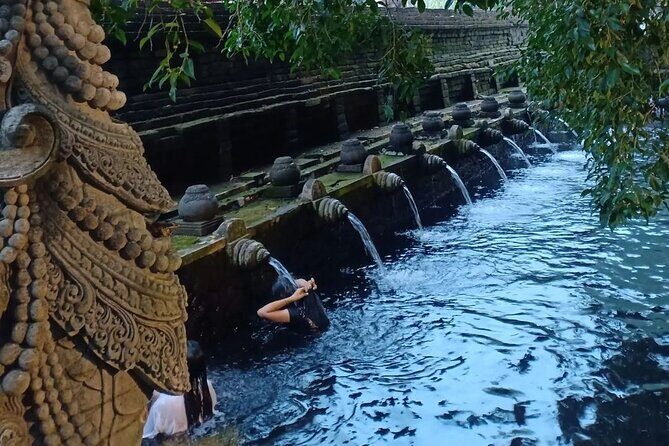
Because these terrace visits can involve walking paths, keep in mind your 25-minute window may feel shorter if you’re stopping for photos every few steps.

Temples with water, caves, and sacred ponds

Gunung Kawi Sebatu Temple

A water-focused temple surrounded by gardens and sacred ponds. This one is for calm, spiritual atmosphere rather than big crowds. Plan for respectful attire and expect a bit of waiting as you enter and move around.

Tirta Empul Temple

One of the most sacred water temples near Ubud, built around a holy spring used in purification rituals. This is a powerful stop, but it’s also a “follow the local rules” kind of place—bring appropriate clothing and be ready for instructions on how to behave in water-related areas.

Elephant Cave (Goa Gajah)
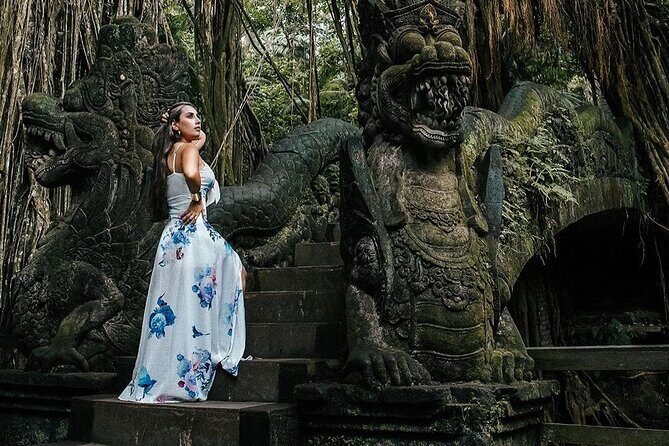
An ancient archaeological site near Ubud with a carved cave entrance and bathing features. Even if you’re not there for a long history lesson, it’s a fascinating change of pace from terraces and waterfalls.

Waterfalls for photos and quick swims

Ulu Petanu Waterfall

Described as a hidden waterfall with lush jungle surroundings and a peaceful vibe. The upside is the nature setting. The caution is that “hidden” spots can mean changing footing—take your time on paths.

Tibumana Waterfall

A twin waterfall in a lush jungle setting. This is a good fit if you want a classic waterfall-and-refresh moment, especially if you’re okay with getting wet and then drying off for the next stop.

Kanto Lampo Waterfall

Layered rock edges make this a popular photo stop. It’s often good for quick swimming if you feel comfortable with the entry, but it also means you’ll want to watch where you walk.

Tegenungan Waterfall

A well-known waterfall area near Ubud, with greenery, photos, and swimming. Since it’s popular, expect more people than at less-famous spots, but the trade-off is that it’s easy to appreciate and access.

Leke Leke Waterfall

A more “quiet nature escape” type of waterfall. If you like the idea of a calmer feel, this can balance the day nicely against the louder photo spots.

Banyumala Twin Waterfalls

A double waterfall set in lush jungle. It’s a solid choice when you want something scenic plus the chance for swimming and photos. As always with waterfalls, plan for moisture and bring a practical outfit plan.

Tukad Cepung Waterfall

Inside a cave, where sunlight streams through an opening. This can feel magical, but it also means you’ll be in a more enclosed setting. Wear footwear with grip and be patient while you wait for the right light conditions.

Scenic temples around Bali’s big-name viewpoints

Ulun Danu Beratan Temple

A water temple on Lake Beratan. You’re there for the scenic setting and traditional Balinese architecture. Because it’s a temple on a lake, weather can change how it looks—bring layers even in warm months.

Handara Iconic Gate

That famous Balinese gate photo spot with mountain backdrop. It’s not a long stay kind of stop. Use your time for the photo angles you want and then move on.

Uluwatu Temple

A cliffside temple with ocean views. This stop works best when you respect timing and don’t plan to rush. Ocean breeze + temple visit = a memorable combo, and you’ll probably want more time than 25 minutes if you’re lingering for views.

Padang-Padang Beach

A white-sand beach with clear water and scenic cliffs. Ideal for a swim and a breather if you want a break from temples and waterfalls. It’s also a good “cool down” stop after wet waterfall time.

Nyang-nyang Beach

Another secluded white-sand option with clear water for relaxing and swimming. This is a good match when you want fewer distractions and more downtime.

Big “Mother Temple” and iconic gates for serious temple lovers

Besakih Temple

Known as the Mother Temple of Bali and described as the island’s largest and most important Hindu temple complex. This is a must if you want a weighty temple experience. Expect it to feel bigger and more meaningful than smaller stops—also budget more mental energy for the visit.

Lempuyang Temple

Famous for the Heaven Gate photo spot with mountain views, and you can expect queues at times. The view is the point here. If you hate waiting, decide whether the photo payoff is worth it for you before you commit.

More water gardens and palace-style calm

Tirta Gangga

A water palace with pools, fountains, and lush gardens. This is a calmer, pretty stop that often works well between busier sites. Bring your “slow camera” mindset.

Villages and simple walks for cultural flavor

Penglipuran Village and Bamboo Forest

A chance to see traditional Balinese life and enjoy a serene walk among tall bamboo. If you like culture you can see with your own eyes, this is a strong counterweight to temples and ticketed attractions.

Wildlife and family-friendly add-ons

Bali Bird Park

Home to over 1,000 birds from 250 species. If you’re with kids, birds are your thing, or you want a break from water and temple visits, this can anchor a full day nicely. Since it’s a dedicated attraction, give it the full attention it deserves during your allotted time.

Sangeh Monkey Forest

A sacred nutmeg forest where macaques live. If you enjoy wildlife and don’t mind monkeys stealing your attention (and sometimes your snacks if you’re careless), this can be fun. Keep an eye on your belongings.

Beaches and ocean breaks

Virgin Beach Karangsem

A secluded white-sand beach with crystal-clear waters. If you want time to swim and do nothing, this works. Just be realistic about sand time and sun time inside an 8–10 hour schedule.

Extra temple/cave and cultural flexibility options

Gunung Kawi Sebatu Temple and Elephant Cave together can make a strong “sacred sites” block: one more water-garden feel, one archaeological/cave feel.

What to bring so the day feels easy, not chaotic

Private Bali Custom Tour – Full Day with English-Speaking Driver - What to bring so the day feels easy, not chaotic
Two items are basically non-negotiable based on the tour notes:

  • A change of clothes if you plan any waterfall or water-temple time
  • Enough cash, since many places only take cash for payments

Also bring simple things: sunscreen, a small towel, and footwear you can walk on when it’s damp. Your driver can help with parking and tickets, but you’ll still be the one making sure you have what you need when you arrive at the next gate.

How the tour delivers value for different types of travelers

Private Bali Custom Tour – Full Day with English-Speaking Driver - How the tour delivers value for different types of travelers
This tour style is best when you fit one of these profiles:

  • You want freedom in Bali without renting a scooter and dealing with directions.
  • You’re okay paying entrance fees separately in exchange for flexibility and a strong local-driver setup.
  • You want comfort first: private air-conditioned transport beats heat fatigue.
  • You like mixing categories: one cultural stop, one nature stop, one big photo icon, then a beach or temple.

It may not be the best match if you want everything included in one clean price. Entrance fees are not part of the tour price. And if you’re hoping for deep interpretive temple guiding from your driver inside temple interiors, remember the driver can’t guide inside temples—licensed guides handle that.

Should you book this private Bali custom tour?

Private Bali Custom Tour – Full Day with English-Speaking Driver - Should you book this private Bali custom tour?
I think this booking is a smart move if you want a comfortable, flexible Ubud base for a full day and you’re willing to manage admissions on your own. The low per-person price makes sense because the tour focuses on what matters most for a long day: the driver, the car, and the ability to shape the route.

Book it if:

  • You’re planning a “greatest hits” day but want control over which hits you actually care about.
  • You value short, efficient visits to multiple areas instead of one long stop.
  • You’ll do waterfalls and you’re prepared with a change of clothes.

Skip it (or choose a different option) if:

  • You need entrance fees fully included.
  • You want a driver to provide inside-temple commentary and narration as part of the service.

FAQ

How long is the private Bali custom tour?

It runs about 8 to 10 hours, depending on traffic and how many stops you choose.

Is hotel pickup and drop-off included?

Yes. Pickup is offered, and the tour ends with drop-off.

Is the driver English-speaking?

Yes. You’ll have a private car with an English-speaking driver.

Are entrance fees included in the tour price?

No. Entrance tickets are not included in this price.

Can the driver guide inside temples?

No. The driver can’t guide inside temples because only licensed guides are permitted.

What is the cancellation policy?

You can cancel for a full refund if you do it up to 24 hours in advance of the experience start time.

Monkey Forest, Holy Water Temple & Hot Springs Tours

Monkey Forest, Holy Water Temple & Hot Springs Tours - Sacred Monkey Forest Sanctuary: wildlife, photos, and a 1-hour hit

Ubud in one fast, meaningful day. This Monkey Forest, Holy Water Temple, and Hot Springs tour is built for first-time visitors who want major sights without the stress of driving, timing, or navigation. You get an English-speaking guide, hotel pickup and drop-off, and a route that strings together wildlife, rice farming, temple water rituals, and a volcano viewpoint.

Two things I really like about it: the hotel pickup/drop-off makes the whole day feel effortless, and the guide adds context you might miss if you go solo. Even the optional photo stop has a “no pressure” feel: you can skip it if you’d rather keep the pace comfortable.

One thing to consider: it’s a packed day. With Ubud traffic and the day running close to a schedule, you may need to be flexible if the route gets tightened.

Key things to know before you go

  • Hotel pickup and drop-off so you start and end with less hassle
  • Monkey Forest + Tirta Empul in one itinerary, mixing nature and culture
  • Tegalalang Rice Terrace includes learning about the irrigation system
  • Mount Batur viewpoint lunch (buffet) built in as a proper break
  • Batur Natural Hot Springs gives you real downtime after temples and terraces

How this Ubud highlights tour saves your time

Monkey Forest, Holy Water Temple & Hot Springs Tours - How this Ubud highlights tour saves your time
If your Bali time is limited, this kind of Ubud route makes a lot of sense. You’re not hopping between attractions on your own. You’re moved between stops with a guide and driver, so you can spend your energy on the places themselves.

The itinerary is also designed to hit variety fast. You start with the Sacred Monkey Forest Sanctuary, shift into Bali’s rice landscape at Tegalalang, then move to the Tirta Empul holy water temple for a cleansing ritual. After that, you get a Mount Batur break with volcano-view lunch, and finish with hot springs.

This is the kind of day that works best when you’re curious and okay with being on the move. If you prefer slow travel, you might feel rushed.

Pickup, transport, and your English-speaking guide

Monkey Forest, Holy Water Temple & Hot Springs Tours - Pickup, transport, and your English-speaking guide
The big practical win here is hassle-free hotel pickup and drop-off. That matters in Ubud, where getting yourself across town can eat up your day. With pickup arranged, you also avoid the awkward first-hour problem: figuring out where to meet, how to get there, and what time to leave.

You’ll have an English speaking guide. That’s useful for the parts of the day that aren’t obvious just by looking—especially Tirta Empul, where cultural meaning matters more than the architecture alone. One guide name you may hear is Yanse, noted for being caring and for getting good photos.

One more detail that helps: this is a private tour/activity, meaning only your group participates. That often makes it easier to ask questions, adjust pace, and keep your day feeling personal rather than rushed through a checklist.

Sacred Monkey Forest Sanctuary: wildlife, photos, and a 1-hour hit

Monkey Forest, Holy Water Temple & Hot Springs Tours - Sacred Monkey Forest Sanctuary: wildlife, photos, and a 1-hour hit
Your first stop is the Sacred Monkey Forest Sanctuary for about an hour, with admission included. This is where Ubud’s playful side shows up. You’re close to monkeys in a sanctuary setting, and it’s built for watching their behavior, snapping photos, and just enjoying the energy of the place.

What to expect in practice:

  • A concentrated visit window (about an hour), so come ready to look, not wander forever
  • A place where you’ll likely want to keep your belongings secure and act calmly around animals
  • Guide help that can make the experience feel less random

The main upside of starting here is momentum. After pickup, you don’t lose time. You’re already outside, moving, and getting your first “wow” moment early.

The main trade-off is time. If you’re the type who wants long, slow animal watching, that first stop may feel short. Still, for a full-day circuit, it’s a smart use of the schedule.

Tegalalang Rice Terrace: learning the irrigation story

Monkey Forest, Holy Water Temple & Hot Springs Tours - Tegalalang Rice Terrace: learning the irrigation story
Next up is Tegalalang Rice Terrace for about an hour, with admission included. This is one of those Ubud scenes that makes you understand why people come back again and again. It’s also more than a postcard view, because you learn about the irrigation system.

Why that matters: Bali’s rice terraces are not just hillsides with greenery. The way water moves through the landscape is a big part of how the whole farming system works. With a guide, you’re more likely to notice details you would otherwise miss—like how the terrain and water management connect.

A practical tip for getting more out of the hour: go in with an open eye for structure. Look for how levels change, how water channels shape the scene, and where paths guide you through viewpoints. The guide’s explanation helps you see the terrace as a working system rather than a static view.

Tirta Empul (Holy Water Temple): cultural meaning and soul cleansing

Monkey Forest, Holy Water Temple & Hot Springs Tours - Tirta Empul (Holy Water Temple): cultural meaning and soul cleansing
Tirta Empul is the spiritual center of the route, taking about an hour with admission included. This is the holy water temple stop, where you learn Balinese culture and take part in soul cleansing.

The phrase soul cleansing can sound dramatic, but the real value is cultural understanding. You’re not just standing in a pretty temple area. You’re experiencing a ritual tied to beliefs around purification and community life, guided by what you’re taught along the way.

What you’ll want to think about:

  • Be ready for water-based ritual steps as part of the cleansing experience
  • Keep an attentive, respectful mindset—this isn’t a sit-and-watch attraction
  • Ask questions if something feels unclear, since the guide is there for you

The drawback here is not the temple itself—it’s timing. After temples and terraces, people sometimes feel a little “mentally full.” If you pace yourself and stay present, Tirta Empul is often the moment you remember most from the day.

Mount Batur: volcano-view lunch and a breather

Monkey Forest, Holy Water Temple & Hot Springs Tours - Mount Batur: volcano-view lunch and a breather
Mount Batur is next for about two hours, including buffet lunch with a volcano view (when that lunch option is included). This is your reset point. After the temple and rice terrace, you get a longer chunk of time to eat, relax, and enjoy the view.

The value of the Mount Batur segment is that it turns the day into a complete experience rather than nonstop attractions. A buffet lunch is included, which helps you avoid the “find food fast” scramble.

A couple of ways to make this break better:

  • Treat lunch as a pause, not just a meal. Sit a bit longer, cool down, and regroup
  • Use the extra time to take photos from the viewpoint and just watch the light

If you’ve been in Ubud before and found the day trip routine feels too tight, this two-hour window is one of the reasons the route works.

Batur Natural Hot Springs: your unwind window

Monkey Forest, Holy Water Temple & Hot Springs Tours - Batur Natural Hot Springs: your unwind window
After Mount Batur, you head to Batur Natural Hot Springs for about two hours, with admission included. This is where the day changes tone. You move from cultural and scenic stops into real relaxation.

The description here leans romantic, and even if you’re traveling solo, hot springs naturally feel like a decompression session. Two hours is a good amount of time too—long enough to settle in and stop thinking about the next stop.

Practical reality: hot springs days reward comfort and simplicity. Plan to take it easy, keep your schedule light in your head, and give your body time to cool off and recover.

If you’re doing the optional swing later in the day (or even just thinking about it), remember that hot springs are usually more restful when you don’t stack too many adrenaline moments back-to-back.

Aloha Ubud Swing: optional, extra, and time-aware

Monkey Forest, Holy Water Temple & Hot Springs Tours - Aloha Ubud Swing: optional, extra, and time-aware
The Aloha Ubud Swing is optional for about an hour. Admission isn’t included, and it’s not part of the main package cost.

Here’s how I’d treat it:

  • If you love photos and motion, it can be a fun add-on
  • If you prefer calm, skip it and protect your energy for the hot springs
  • Because it adds time, it can also increase the chance your day feels tighter if traffic runs late

It’s specifically set up as optional, which is a good sign. Use it only if it genuinely fits your vibe for the day.

Price and value: what $35 covers in real terms

Monkey Forest, Holy Water Temple & Hot Springs Tours - Price and value: what $35 covers in real terms
At $35 per person, this tour is priced like an all-in day: transport, guide, entrance fees, and the key experiences that make up Ubud’s most requested stops. You’re also getting mobile tickets and hotel pickup/drop-off, which normally cost time and effort if you try to arrange everything yourself.

The biggest value driver is that multiple entrance tickets and guided segments are built into the day rather than added one by one. When you compare that to arranging separate taxis, separate ticket lines, and separate guide time, the package starts to look more reasonable.

Two extras to note:

  • Lunch buffet at Mount Batur is included if you select that lunch option
  • You’ll have a vegetarian option if you advise when booking

Overall, this is a good deal if you want structure and less planning.

Who should book this Ubud Monkey Forest to hot springs day

This tour fits best if you:

  • Are in Ubud for a short time and want a lot covered in one go
  • Want a mix of wildlife, rice terraces, and temple culture
  • Like having an English-speaking guide explain what you’re seeing
  • Prefer hotel pickup/drop-off over self-navigating

It may be less ideal if you:

  • Hate tightly scheduled days
  • Need lots of quiet time with no movement
  • Plan to spend a long time wandering without a guide

Family note: children must be accompanied by an adult. Most travelers can participate, and service animals are allowed.

And since it’s private for your group, it’s a solid choice for couples, solo travelers who want guided structure, and small groups who don’t want to feel like they’re in a mass program.

When things go off schedule: how to handle it

One practical reality showed up in a less-than-perfect day: traffic can affect the timing, which can lead to parts of the program being shortened. That doesn’t mean the day is ruined, but it does mean you should be mentally ready to adapt.

My advice: treat this as a priority route, not a rigid script. If you’re going to be flexible, you’ll usually end up with the core highlights you came for, even if the order or exact timing shifts.

It also helps to keep the optional swing in mind. If traffic is heavy, you’ll probably be happier if you accept skipping extra add-ons rather than stressing over them.

Should you book this tour?

Yes, I’d book it if you want a structured Ubud day that covers Monkey Forest, Tirta Empul holy water temple, Tegalalang rice terraces, Mount Batur lunch, and Batur hot springs without you micromanaging transportation. The hotel pickup/drop-off plus guide guidance makes it feel efficient, and the route has enough variety to keep it from getting monotonous.

Skip it or reconsider if you want a slow, flexible schedule where you linger for hours at one spot. Also think twice if you’re the type who gets stressed by timing. This is built to pack a lot in.

If you’re coming for first impressions and you’d rather be guided than figuring it out, this is a strong value choice.

FAQ

How long is the Monkey Forest, Holy Water Temple & Hot Springs tour?

It runs for about 10 hours.

What is the price per person?

The price is $35.00 per person.

Is hotel pickup and drop-off included?

Yes, hotel pickup and drop-off are included.

What’s included in the tour tickets and activities?

Entrance ticket fees are included if the relevant option is selected, and all activities are included as part of the tour.

Is the buffet lunch included?

A buffet lunch with volcano view is included if you choose the lunch option.

Is the Aloha Ubud Swing included?

No, the swing is optional and is not included.

Is there a vegetarian option?

Yes, a vegetarian option is available if you advise at the time of booking.

What’s the cancellation policy?

You can cancel for a full refund up to 24 hours in advance of the experience start time, and cancellations within 24 hours are not refunded.

Bali ATV Ride Adventure & White Water Rafting with All-Inclusive

Bali ATV Ride Adventure & White Water Rafting with All-Inclusive - ATV Quad Bike Through Rice Terraces and Village Life

Bali makes it easy to do two thrill stops in one day. This combo is built around ATV riding through rice terraces and villages, then flowing into beginner-friendly white-water rafting on the Ayung River. I like that it’s private by design (your group only), and I also like the practical touches: lunch included after the ATV, plus towels, shower, and locker facilities for when you get properly muddy and wet.

One thing to think about: the rafting area involves a real workout. You may face a lot of stairs on the way down to the river and back up again, so if you have knee or mobility issues, plan accordingly.

Key Highlights You’ll Care About

Bali ATV Ride Adventure & White Water Rafting with All-Inclusive - Key Highlights You’ll Care About

  • ATV driving instruction before you head out, so you’re not guessing
  • Rice terraces + local village roads where you can see daily life at a slower pace
  • Mud factor on the quad bike, with the payoff of big views
  • Ayung River rafting with a safety briefing and safety-approved equipment
  • Indonesian lunch buffet that resets you before the next adventure
  • Included towels, shower, and locker space to make the day feel more comfortable

A 1-Day Combo That Actually Feels Like Two Real Adventures

This is the kind of day trip that makes sense in Bali. Instead of choosing only one activity, you get a full ATV experience followed by a proper white-water paddle on the Ayung River. The ATV part is about motion and scenery: you ride out from the starting area through rice fields where farmers are working, then you pass nearby village neighborhoods and see day-to-day life along the way.

Then rafting flips the mood. You go from “look at the view” to “hold on and go.” The rapids are described as a challenge but also safe for beginners, which is exactly what you want on day one. If you’ve never rafted before, the fact that there’s a safety briefing and safety-approved gear is a big confidence boost.

Pickup, Timing, and How the Day Flows

Bali ATV Ride Adventure & White Water Rafting with All-Inclusive - Pickup, Timing, and How the Day Flows
The full tour runs about 8 hours. That includes getting to the start points, doing the ATV and rafting, and the break for lunch. You should expect the two main activities to each take around 2 hours—so you’re not stuck doing hours of waiting.

You’ll also have private transportation with pickup offered, and drop-off returns you to the original pickup point. Because it’s private for your group only, the schedule tends to feel tighter and less chaotic than on big shared tours. The tour is also listed with a mobile ticket, which is handy on busy Bali days.

ATV Quad Bike Through Rice Terraces and Village Life

Bali ATV Ride Adventure & White Water Rafting with All-Inclusive - ATV Quad Bike Through Rice Terraces and Village Life
This is the part many people remember. The ATV route takes you from the starting point through rice terraces, where you can see what farming looks like in real time. You’ll also pass through nearby local society areas, so it’s not just “scenery from the road.” It’s more like you’re moving through the edges of real communities.

There’s also a practical piece built in: you receive driving instruction lesson before you ride. That matters because quad biking can feel intimidating if you jump on without guidance. The structure here helps you get your bearings fast and focus on enjoying the ride.

A few details to know from the experience description and real-world notes:

  • You should expect to get muddy. One review called it out directly, so plan for it instead of hoping you’ll stay clean.
  • If you’re thinking about riding configuration, the rules are clear:
  • Single ride means you’re the rider on your quad, with a minimum age of 12.
  • Tandem means one driver and one passenger on the same quad. Tandem must be booked in multiples of 2 (like 2, 4, 6, 8 travelers).
  • Kids 5–11 need an adult present and ride as the passenger in tandem.

If you’re traveling as a family, this combo can work well, but you’ll want to decide early whether you want younger kids as passengers or if you’re keeping everyone on separate quads.

The Lunch Reset: Indonesian Buffet That Keeps the Day Moving

Bali ATV Ride Adventure & White Water Rafting with All-Inclusive - The Lunch Reset: Indonesian Buffet That Keeps the Day Moving
After the ATV, you get a delicious lunch buffet with Indonesian food. This isn’t just a pause for hunger. It also helps with timing. Rafting comes after lunch, and if you’re tired or underfed, the day stops being fun.

What you can rely on:

  • Lunch is included, so you’re not hunting for food between activities.
  • It’s a buffet style meal, which is practical when you’re sharing a schedule with a group and guides.

You can also use lunch as a moment to change your mindset. ATV days are messy, rafting days are wet, and you’ll feel better if you treat lunch as your “reset point” before the water part.

Ayung River Rafting: Beginner-Friendly Rapids With Real Effort

Bali ATV Ride Adventure & White Water Rafting with All-Inclusive - Ayung River Rafting: Beginner-Friendly Rapids With Real Effort
The Ayung River rafting portion is structured around safety and guidance. Before you start, there’s a safety briefing, and you use safety-approved rafting equipment. That’s a meaningful combo: briefing plus correct equipment tends to be where beginner experiences succeed.

The rafting itself is about 2 hours on the river. The rapids are described as a challenge, but the emphasis is that it’s safe for beginners, including people who have never rafted before. If you’re nervous about the “will I be able to do this” part, start here. You get coaching through the process rather than being thrown into something technical with zero support.

Now, the one physical detail worth flagging: the trip to the river can involve a lot of stairs. One review mentioned 450 steps down and 200 steps up. That can be a deal-breaker for some people, even if the rafting part itself is beginner-friendly. If you’re okay with walking and stairs, you’ll likely be fine. If not, consider whether you can handle a big climb after being in the water.

There’s also mention of getting a chance to buy drinks and snacks along the way, so if you forget essentials like water, you’re not completely stuck. Still, it’s smarter to plan for hydration ahead of time.

What’s Included (and Why It Matters on a Wet, Muddy Day)

Bali ATV Ride Adventure & White Water Rafting with All-Inclusive - What’s Included (and Why It Matters on a Wet, Muddy Day)
This combo has several “you’ll thank yourself later” inclusions. Here’s what’s covered:

  • Private transportation
  • Lunch
  • Experienced guides
  • Driving instruction lesson for the ATV
  • Safety-approved rafting equipment
  • Use of towels, shower and locker facilities
  • Insurance coverage

Those last three items can change the feel of the day. Many tours give you a fun activity and then you’re left figuring out how to clean up and get comfortable again. Having towels, shower, and locker facilities means you can actually reset after ATV mud and rafting water. It helps you go from “sweaty chaos” to “okay, I can keep exploring Bali afterward.”

The tour also lists insurance coverage. That doesn’t mean “nothing can happen,” but it does mean the provider is treating safety as more than just a slogan.

Price and Value: Why $93.55 Can Be a Smart Buy

Bali ATV Ride Adventure & White Water Rafting with All-Inclusive - Price and Value: Why $93.55 Can Be a Smart Buy
At $93.55 per person, this is priced like a true combo rather than two random add-ons. You’re not only paying for two activities. You’re also paying for the stuff that usually costs extra or creates hassle: private transportation, guides, equipment, lunch, and clean-up facilities.

What’s not included is also clearly stated:

  • Soft drinks (available to purchase)
  • Souvenir shopping (also available)

So the “surprise costs” seem limited. Most of your major basics are covered, and the trade-off is that you should budget a little extra for drinks on the day if you want them.

The best value here comes if you care about doing both in one tight schedule. If you were to book ATV and rafting separately, you might spend more time coordinating pickup points, timing, and transfers. A combo like this tends to be better when you want a full day of action with less mental load.

Who Should Book This ATV + Rafting Day

Bali ATV Ride Adventure & White Water Rafting with All-Inclusive - Who Should Book This ATV + Rafting Day
This combo fits best if you:

  • Want two different activity styles in one day: land adventure first, water adventure second
  • Like the idea of seeing rice terraces and village life from an ATV route, not just from a viewpoint
  • Want a beginner-friendly rafting setup with a safety briefing and proper equipment
  • Appreciate the practical support: towels, shower, lockers, plus lunch

It may be less ideal if:

  • You struggle with stairs and steep climbs, because the rafting access can involve a lot of step walking
  • Your group needs a very quiet, low-exertion day

If you’re traveling with kids, pay attention to the minimum ages and tandem rules. A 5–11-year-old can participate as long as an adult is present as required, but they’ll be a passenger on tandem. If your goal is for everyone to ride their own quad, the minimum age of 12 for single ride matters.

Tips to Make the Day Smoother (Without Overthinking It)

Based on what you’ll actually experience, here are smart moves:

  • Plan for mess on the ATV. Mud is part of the fun, but it’s also why clean-up facilities are included.
  • Bring or buy hydration. One review specifically mentioned not bringing water and relying on stops to buy drinks and snacks, so build that into your plan.
  • Wear footwear that can get wet and dirty. Rafting plus muddy ATV conditions are not the day for delicate shoes.
  • If stairs are a concern, decide early. That “450 down, 200 up” detail can be the deciding factor more than the rafting intensity.

You don’t need to overpack. Just respect the reality of a wet-and-muddy day.

Should You Book This Combo?

If you want a full Ubud day with real variety—ATV through rice country and village areas, then Ayung River rafting designed for first-timers—this combo is an easy “yes.” The strongest reasons to book are the practical inclusions (lunch, towels/shower/lockers, insurance, equipment) and the way the day is paced with safety briefing and instruction.

I’d hesitate only if your mobility is limited due to stairs, since rafting access can involve a lot of step walking. If that’s not a problem for you, this is a solid value way to get two Bali adventure moments without juggling multiple vendors and pickup schedules.

FAQ

How long is the ATV and white-water rafting combo?

The tour is about 8 hours in total, with the ATV ride and river rafting each taking around 2 hours.

Where is this experience based?

It’s in Ubud, Indonesia.

Is pickup included?

Pickup is offered, and drop-off returns you to the original pickup point.

What activities are included in the day?

You do an ATV (quad bike) ride first, then you go white-water rafting on the Ayung River.

Is lunch included?

Yes. Lunch is included and is described as an Indonesian buffet.

Is rafting safe for beginners?

Yes. The rafting portion includes a safety briefing and uses safety-approved rafting equipment, and it’s described as safe for beginners.

What is the minimum age to join?

The minimum age allowed is 5 years.

Can kids ride on the ATV?

Single ride requires a minimum age of 12. Children ages 5–11 can participate if an adult is present and they ride as the passenger on a tandem quad.

Are towels, showers, and lockers included?

Yes. Towels, shower, and locker facilities are included.

What is not included in the price?

Soft drinks are not included (available to purchase), and souvenirs are not included (available to purchase).

Dirt Bike Tours with fully trained Guides – full day tours with relax time frame

Dirt Bike Tours with fully trained Guides - full day tours with relax time frame - What the Southern Bali Riding Plan Is Really Like

Your Bali day gets real fast.

This full-day dirt bike experience is built for people who want to get off the main roads and out of the tourist crush, riding dirt tracks in southern Bali toward secluded beaches and rice paddies you usually won’t find on the usual itinerary. You also get hassle-free hotel pickup and drop-off, so you spend less time wrangling transport and more time focusing on the ride.

I really like the way they set you up for safety and confidence. The basecamp handling is organized (changing rooms, equipment ready), and they provide the full protection kit so you’re not showing up underprepared. The other thing I love is the team: fully trained local guides who keep the day moving with proper direction and support.

One consideration: this is for intermediate to advanced riders, and you should be ready for physically active time on rougher terrain. Plus, participation is at your own risk, so it’s smart to make sure your medical travel insurance is in good shape before you go.

Key things to know before you ride

Dirt Bike Tours with fully trained Guides - full day tours with relax time frame - Key things to know before you ride

  • All safety gear included, from helmet to boots and knee/elbow protection
  • Hotel pickup and drop-off included, which saves you a lot of day-of hassle
  • Lunch at a traditional Balinese restaurant to break up the riding time
  • Private group only, so it’s calmer than shared-ride chaos
  • Insurance and bike parts included, so you’re not stuck guessing about costs
  • Guides ride with you to help manage the terrain and pace

Why This Dirt Bike Day From Ubud Feels Different

Dirt Bike Tours with fully trained Guides - full day tours with relax time frame - Why This Dirt Bike Day From Ubud Feels Different
Most Bali activities focus on looking at things. This one focuses on doing things. You’ll trade crowds for dirt roads, and you’ll spend the day moving through countryside that feels more local than packaged.

You’ll also notice the “escape the standard Bali route” goal right away. The ride is designed to steer you away from the busiest areas like Kuta and Seminyak, then aim you toward quieter spots around the southern part of the island—places known for jungle trails, rice paddies, and beach areas you’d be unlikely to find by accident.

The best part is how practical it is. You’re not expected to plan logistics, source gear, or figure out routes alone. You just show up, get geared up, and follow a plan with experienced people who know the roads.

Meeting at Karbit Ride and Getting Your Gear Ready

Your day starts with hotel pickup, then a direct drive to the basecamp at Karbit Ride Dirt Bike & Enduro. There are changing rooms at the basecamp, and the equipment is set up before you arrive—this matters because dirt bike tours can go sideways when gear is delayed or poorly organized.

Once you’re there, the tour starts from the basecamp itself. You’ll be kitted out with a full safety package: helmet, body protector, elbow protectors, knee protectors, trousers, a jersey, boots, and gloves (plus gear coverage that helps you handle both dirt and scrubby trail conditions). Then you’ve got water included, which is simple but essential for a long day.

If you like order and clear instruction, this setup should feel comforting. You’re not guessing what to wear or where to put your stuff. You can focus on the ride.

What the Southern Bali Riding Plan Is Really Like

Dirt Bike Tours with fully trained Guides - full day tours with relax time frame - What the Southern Bali Riding Plan Is Really Like
This is a full-day route—about 7 to 8 hours—built around exploring southern Bali using dirt roads. The big idea is getting you away from heavily trafficked zones and into quieter terrain where locals tend to go and where the scenery feels less controlled.

During the ride, expect a mix that keeps things interesting: dirt roads that wind through greenery, stretches that lead toward beach riding, and scenic countryside pockets that often include rice paddies. One recent highlight people call out is biking around the Canggu area, especially when conditions are calmer and the day feels more personal.

A full-day dirt bike plan always has some “slow down” moments, even with good guides. You’ll want to pay attention to pace and line choice, because rougher sections can turn quick if you rush. The guides’ value is that they help you read the terrain and keep you moving without wrecking your energy budget.

Bike Power, Control, and Skill-Level Expectations

Dirt Bike Tours with fully trained Guides - full day tours with relax time frame - Bike Power, Control, and Skill-Level Expectations
This tour is described as suitable for intermediate and advanced riders. That’s not marketing fluff—dirt biking rewards technique, and the wrong level of confidence can make the day frustrating or risky. If you’re still working on basic control skills, you might feel constantly behind.

In at least one recent ride, the bike used was a KLX 230 four-stroke, which people noted for having enough torque to handle the terrain. That matters because torque helps on uneven ground and helps you avoid stalled, awkward moments—especially when traction changes from one patch to the next.

You’ll get all the gear, but the bike handling is on you. If you’re comfortable with throttle control, braking on mixed surfaces, and maintaining balance over bumpy areas, you’ll enjoy the day much more. If you’re not, you’ll likely spend more time recovering than riding.

Jungles, Beaches, and Rice Paddies: The Day’s Best Moments

Dirt Bike Tours with fully trained Guides - full day tours with relax time frame - Jungles, Beaches, and Rice Paddies: The Day’s Best Moments
The tour’s promise is simple: escape crowds, then chase quiet scenery. And the best moments are exactly what you’d want for a dirt bike day—riding through jungle trails and then transitioning toward beach riding, where the ground and the feel of speed can change quickly.

Rice paddies are part of the scenery too, and that’s a big reason the day feels different from a straight “off-road loop.” You’re not only riding in the same texture the whole time—you’re moving between countryside textures, which makes the day feel like more than just exercise.

What I’d tell you to look for while you ride: pay attention to how your route changes your view. Dirt roads often reveal long sightlines and sudden turns, so even when you’re focused on control, you still get those classic Bali “how did we get here” moments. One of the biggest praises from riders is that the day goes quickly—around 7 hours feels like it moves faster than you expect when you’re having fun.

Also, if you’re going outside peak times, you may get a calmer experience. One account described the tour almost as a solo ride, which is a sign the operator may have fewer people on the trail during quieter seasons. That’s great for learning and for enjoying the ride without the constant pressure of a crowd.

Lunch Break at a Traditional Balinese Restaurant

Dirt Bike Tours with fully trained Guides - full day tours with relax time frame - Lunch Break at a Traditional Balinese Restaurant
A long dirt bike day needs food that isn’t just a snack. You get lunch at a traditional Balinese restaurant, which is a strong value point because it removes the hassle of hunting for a meal mid-activity.

The ride experience isn’t only about what you see—it’s also about keeping your energy steady. With water included and a real lunch, you’re less likely to crash halfway through. It’s also a nice contrast: one moment you’re in motion on dirt tracks, the next you’re off the bike, sitting down, and resetting.

Practical tip: if you tend to get hungry before you feel it, eat at the pace you need when lunch arrives. Don’t “save it” for later, because you’ll be back in riding mode after.

Price Check: What $52 Really Covers

Dirt Bike Tours with fully trained Guides - full day tours with relax time frame - Price Check: What $52 Really Covers
At $52, the big question is what you’re actually getting besides the bike. Here, you get a lot that usually costs extra on other action tours.

Your price includes:

  • motorbike insurance
  • safety ride equipment (helmet, body, elbow, knee, trousers, jersey, boots, gloves, and similar gear)
  • a bottle of water
  • experienced local guides
  • lunch at a traditional Balinese restaurant
  • motorbike “all parts & gears inclusive” language, plus bike-related coverage structure

When you add those up, the value becomes clearer. You’re not just paying for a rental. You’re paying for a guided day, protection, and basic needs handled for you. That’s why the price feels reasonable for a full day.

There’s also an “avoid hidden costs” factor. If you’ve ever booked an activity where you had to buy your own protection or scramble for transport, you know how fast the total climbs. This setup is designed to keep the day predictable.

Who Should Book This Full-Day Tour (and Who Should Skip It)

Dirt Bike Tours with fully trained Guides - full day tours with relax time frame - Who Should Book This Full-Day Tour (and Who Should Skip It)
This tour makes sense if you:

  • are an intermediate to advanced rider
  • want a real off-road experience rather than a photo-stops day
  • like guided structure with less guesswork
  • enjoy mixing jungle and beach riding rather than only one setting

It might not fit as well if you:

  • only want easy, beginner-friendly riding
  • prefer purely scenic sightseeing with minimal physical demand
  • aren’t comfortable handling rougher terrain

You should also have moderate physical fitness. You don’t need to be an athlete, but dirt biking is active—climbing on/off, balancing, and staying focused through longer ride time takes energy.

If you’re worried about risk, don’t ignore it. Participation is at your own risk, so take it seriously and make sure your medical travel insurance is ready for adventure-style activities.

Should You Book This Ubud Dirt Bike Experience?

Yes, if your goal is riding. This is a full-day dirt bike plan with trained guides, proper gear, and a schedule built to get you out of the crowded zones and into quieter Bali areas. The strongest selling points are the organization at the basecamp and the fact that you’re not left to sort out safety equipment yourself.

Skip it if you want a gentle beginner experience or a mostly relaxed sightseeing day. This tour is for people who can ride confidently on dirt roads and keep their focus when the terrain changes.

If you decide to go, bring your best riding attitude and treat the gear like it’s part of the ride, not an afterthought. With that mindset, you’ll likely feel like the day is fast, fun, and worth the price.

FAQ

How long is the dirt bike tour?

The tour runs about 7 to 8 hours.

Is hotel pickup and drop-off included?

Yes. Hassle-free hotel pickup and drop-off are included.

What rider level is this tour for?

It’s suitable for intermediate and advanced riders.

What safety equipment is provided?

Helmets and full protective gear are included, including body protection, elbow and knee protectors, trousers, jersey, boots, and gloves.

Is lunch included?

Yes. Lunch is included at a traditional Balinese restaurant.

Is this tour private?

Yes. It’s a private tour/activity, and only your group participates.

Ubud ATV Quad Bike Adventure with Lunch and Cretya Pool Access

Ubud ATV Quad Bike Adventure with Lunch and Cretya Pool Access - Arriving at Alasan Adventure: meeting point, pickup, and timing

Muddy fun, then a pool cooldown. This Ubud ATV day mixes a guided ride through rice fields, jungle, caves, river bends, and waterfalls with a proper reset at Sunset Cretya pool. The best part is the pacing: you get the adrenaline first, then you get to rinse off and enjoy the scenery without rushing.

Two things I really like: first, the certified instructor briefing that teaches you how to handle the ATV (so the day feels safer and less chaotic), and second, the included Sunset Cretya pool access with shower and towel facilities. One thing to consider is that this is an ATV ride—expect to get wet and muddy, and plan your day accordingly.

Key highlights worth your attention

Ubud ATV Quad Bike Adventure with Lunch and Cretya Pool Access - Key highlights worth your attention

  • Guided ATV instruction before you ride, with safety gear and insurance included
  • ATV route variety: rice fields, tropical forest, river, waterfall stops, and Gorilla cave area
  • Lunch + pool stop so you’re not just riding and then figuring out food
  • Cretya pool time with unlimited access after the ride (plus towel and showers)
  • Small group size (max 15), which keeps the flow smoother than big crowds
  • Driver quality examples from the field, including punctual service like Rano

Muddy fun, then pool time: the value of this Ubud ATV + Cretya combo

Ubud ATV Quad Bike Adventure with Lunch and Cretya Pool Access - Muddy fun, then pool time: the value of this Ubud ATV + Cretya combo
This tour works because it solves two problems at once. First, ATV rides in Ubud can be intense and messy, and you don’t want to spend the rest of the day stuck in damp clothes. Second, you often have to hunt for lunch or pay extra for a good break. Here, the day is built around a clean transition from ride to recovery.

You get a guided ride that’s designed for thrill without being a random free-for-all. You’ll pass through rice-field views, tropical greenery, and wet-surface sections that match the “mud track” promise. Then you land at Cretya Sunset with time to swim, shower, and settle back into vacation mode.

At $50.46 per person for about 5 hours, the pricing feels logical for what’s included. You’re not just paying for an ATV start and stop—you’re also getting lunch, pool access, pickup/private transport, gear, and insurance. The biggest “gotcha” is simple: it’s not a dry, clean activity.

Arriving at Alasan Adventure: meeting point, pickup, and timing

Ubud ATV Quad Bike Adventure with Lunch and Cretya Pool Access - Arriving at Alasan Adventure: meeting point, pickup, and timing
You’ll start at Alasan Adventures (ATVTaro) in Tegallalang, Gianyar Regency. The tour is set up to end back at the meeting point, so you’re not wondering how you’ll get home at the end of a wet day.

Pickup is offered, and the experience includes private transportation. That matters in Ubud because roads and parking can eat up time fast, especially if you’re trying to coordinate with a larger group or public transit. Having someone handle the ride between stops also makes it easier for families and first-timers.

Duration is about 5 hours, with the experience split into two major chunks: a ride session around 3 hours, then a pool session around 2 hours. With a max group size of 15, you’re more likely to get attention and keep your momentum than you would on a bigger, slower-moving outing.

One small detail that makes the day smoother: you’ll get a mobile ticket, and confirmation comes at booking time. It’s a small thing, but it helps reduce uncertainty the day of.

The guided ATV ride: rice fields, jungle, Gorilla cave, river, waterfall, and mud tracks

The core of the adventure is a guided ATV route through a mix of Ubud terrain: rice fields, tropical jungle/forest, river scenery, a Gorilla cave area, and waterfall stops. The ride also includes wide muddy track sections, which is where the fun turns into actual mud-on-your-shoes territory.

Before anyone starts rolling, you’ll do a thorough briefing with a certified instructor. This part is more important than it sounds. ATV days can go sideways if people don’t understand basic control—where to place your weight, how to brake, and how to manage speed on uneven ground. The briefing is designed to teach you that right upfront.

You’ll be fitted with safety equipment including a helmet and boots, plus you’ll have access to a private locker. Insurance is included too, which adds peace of mind for a sport that’s basically dirt, bumps, and thumbs doing their own thing.

This ride also includes photo-worthy stops. The route is built around “best selfie shot” points, and you’ll have moments where the scenery and the action line up well. If you’re the type who likes to capture the ride without turning the day into a photo campaign, this balance usually works.

A quick reality check on difficulty

Most people can participate, but the experience does require you to handle a moving vehicle and follow instructor direction. If you hate getting wet or you’re expecting a gentle scenic drive, the mud track sections may feel like too much. If you’re good with getting wet and muddy—that’s literally part of the attraction—you’ll likely have a great time.

Lunch in the Ubud rice setting: vegetarian option and when it lands

Ubud ATV Quad Bike Adventure with Lunch and Cretya Pool Access - Lunch in the Ubud rice setting: vegetarian option and when it lands
Lunch is included, and there’s a vegetarian meals option. That’s a practical win because not every ATV operator handles meal needs well, and the day is already packed with activity.

In practice, your lunch lines up with the transition from ride to pool. The tour includes lunch at the Cretya Sunset stop, and the overall experience is described as happening with beautiful Ubud rice-field surroundings. So instead of eating in a random parking-lot setup, you’re breaking in a setting that matches the outdoorsy feel of the route.

Timing also matters. You’re not left starving after the ride, and you’re not forced to rush the food while you’re still cooling down from muddy tracks. By the time you eat, you’ve already done the hard part—then lunch helps reset your energy before swimming.

Sunset Cretya pool access: unlimited time, shower facilities, and a real cooldown

Ubud ATV Quad Bike Adventure with Lunch and Cretya Pool Access - Sunset Cretya pool access: unlimited time, shower facilities, and a real cooldown
After the ATV ride, you get access to Sunset Cretya pool. You have unlimited time to use the facilities during the pool portion of the day (around 2 hours).

This is where the tour becomes more than an adrenaline activity. The inclusion of towel and shower facilities means you’re not stuck thinking about how to wash off before meeting friends or heading to dinner. That simple “rinse and reset” step can save the whole rest of your trip from feeling uncomfortable.

The pool stop also gives you a chance to slow down. Your body will thank you. Your clothes will not, but at least you’ll have a plan: shower first, then swim or lounge.

One extra detail from guide behavior in the field: drivers have been described as helping with language at the pool area. That’s not something you should assume every time, but it does suggest that the human side of the day matters—someone is there to help you make the pool stop smooth, not awkward.

Driver and instructor quality: why names matter on a tour like this

Ubud ATV Quad Bike Adventure with Lunch and Cretya Pool Access - Driver and instructor quality: why names matter on a tour like this
With ATV days, the vehicle tech matters, but the people matter more. You need an instructor who can explain control clearly, and you need a driver who can keep the schedule tight so you don’t lose daylight after getting muddy.

The reviews you can rely on here show a pattern: drivers are often praised for friendliness and punctual timing. Examples include Rano being on time for pickup and drop-off, and Sastra being very friendly. Sudi is described as flexible with driving around, which is useful if conditions or timing call for small adjustments.

There are also examples of drivers going out of their way with language help. Mahdi was specifically called out for being friendly and helpful with language during the pool stop area. That kind of support is underrated when your day spans multiple locations and you’re trying to relax, not translate.

And in one case, Andy was helpful with a last-minute plan change after late cancellation issues for another activity. That’s a sign that the team may be willing to solve problems instead of just reciting rules and moving on.

If you care about a smooth day start and a calm end, these are the names you’ll hope get assigned to you.

Price and value at $50.46: what you’re really paying for

Ubud ATV Quad Bike Adventure with Lunch and Cretya Pool Access - Price and value at $50.46: what you’re really paying for
Let’s talk value in plain terms. At $50.46 per person, you’re paying for an ATV experience that includes far more than the ride itself.

What’s included:

  • Lunch (vegetarian option available)
  • Pickup/private transportation
  • Helmet, boots, and a private locker
  • Insurance
  • Certified instructor
  • Towel and shower facilities
  • Sunset Cretya pool access

What’s not included:

  • Professional photography service

When you add it up, the included items remove common “extra cost” pressure. Many ATV operators will include the ATV and safety gear, but still charge extra for lunch, transfers, or entry to a pool/natural stop. Here, the pool access is part of the package, and showers/towel are included too—so you’re not paying again to feel human at the end.

The only real money-side caution is photography. If you want edited, polished action photos, you’ll need to arrange that separately.

Practical considerations before you book: age rules, group size, and weather

Ubud ATV Quad Bike Adventure with Lunch and Cretya Pool Access - Practical considerations before you book: age rules, group size, and weather
This isn’t a vague “maybe we can do it” activity. It has clear limits.

  • Minimum age is 6 years old.
  • For a single ATV ride, the minimum age is 16.
  • The maximum group size is 15.

So if you’re traveling with mixed ages, check whether you’ll be sharing an ATV or planning single riding. If your group includes younger kids, you’ll need to plan around the minimum age requirement.

Weather matters too. The experience requires good weather. If it’s canceled due to poor weather, you’ll be offered a different date or a full refund. That’s important because ATV days don’t behave well when the ground is unsafe or visibility is poor.

Finally, the tour ends back at the meeting point. That keeps the day simple, but it also means you should plan any dinner plans around getting back clean and on time.

Who this ATV + Cretya pool day suits (and who should skip it)

This is a strong pick for:

  • People who want real adrenaline on an ATV but still want a proper place to cool down
  • Anyone who likes guided structure—learning control and then riding the route
  • Groups who want lunch and pool time handled in one package
  • People who value having showers and towel facilities after a messy activity

You might want to skip or rethink it if:

  • You strongly dislike getting wet or dirty (mud track sections are part of the fun)
  • You want a fully relaxed, no-instruction day
  • Your plan is purely about sightseeing from a vehicle without any active riding

For couples and friends, the pairing of ride + pool is also a nice rhythm: you get the highlight activity early, then you end with a softer vibe that’s easy to enjoy.

Should you book this Ubud ATV ride with Cretya pool access?

Book it if you want an ATV day that doesn’t leave you hanging after the ride. The combination of an instructor-led ATV route, included lunch, and Sunset Cretya pool access with showers is exactly what makes this feel like a complete experience instead of a half-day scramble.

I’d pass if your idea of a perfect Ubud day is staying clean, quiet, and dry. This tour leans into mess, movement, and mud track thrills. If you’re good with that trade, it’s hard to beat the value for a single ticket that handles most of the “hard logistics” for you.

If you’re deciding between a basic ATV outing and something that includes a real cooldown, this combo is the one that makes your time feel efficient and your body feel happier afterward.

FAQ

How long is the Ubud ATV and pool experience?

It runs for about 5 hours in total.

Is hotel pickup included?

Pickup is offered, and the experience includes private transportation.

Does the price include lunch?

Yes. Lunch is included, and there is a vegetarian meals option available.

Do I get access to Sunset Cretya pool after the ATV?

Yes. You’ll have Sunset Cretya pool access after the ATV tour, with unlimited time during the pool portion.

What safety gear and comfort items are included?

You’ll get a helmet and boots, plus a private locker. The tour also includes towel and shower facilities, and insurance is included.

What are the age requirements?

The minimum age is 6 years old. For a single ATV ride, the minimum age is 16.

Is professional photography included?

No. Professional photography service is not included.

Is the tour affected by weather?

Yes. The experience requires good weather. If it’s canceled due to poor weather, you’ll be offered a different date or a full refund.

Bali Full Day Photography Tour

Bali Full Day Photography Tour - The Lunch Moment: Village-Style Food Beats Tourist Stops

Getting up early in Bali is worth it. This full-day photography tour from Ubud is designed around best angles and timing, so you spend more time shooting and less time guessing. The focus stays practical too: you’ll get real photo tips whether you use an iPhone, SLR, or drone.

I like that it’s small (max 4 travelers), so you’re not lost in a crowd. I also like the human side: your visit supports village education and dance teaching programs, with 10% of what you pay going to those efforts.

The main catch is the start time and the weather. You’re up for sunrise (start is 5:30 am), and the tour requires good weather—if conditions fail, you’ll be offered another date or a full refund.

Key Highlights at a Glance

Bali Full Day Photography Tour - Key Highlights at a Glance

  • Sunrise at Mount Agung with rice-field views and rural morning life
  • Tirta Empul Temple and the chance to photograph daily purification rituals
  • Hands-on photo guidance for iPhone, SLR, and drone users
  • Small group size (max 4) for easier attention and better photo coaching
  • Home-cooked Balinese lunch in a village family setting
  • Community support built in via education and dance teaching programs

Mount Agung Sunrise: Why the Morning Matters

Your day starts early for a reason: Bali’s light changes fast, especially around sunrise. The tour heads to Mount Agung at dawn, aiming you at views where shadows and mist make the photos feel more dimensional than a midday shot ever could.

At this stop, you’re not only chasing a famous mountain view. You’re also working around rice fields and rural life activity, which means you can photograph a mix of big scenery and small details in the same morning. That’s a great setup for anyone who feels stuck with either all landscapes or all close-ups.

What you’ll be doing at this stop

You’ll be in position for sunrise, then you’ll have time to shoot while the scene wakes up. The structure of the timing helps you avoid the common mistake of arriving too late and missing the best light.

Photo tip style you’ll likely get here

The tour’s whole promise is helping you improve your technique. In practice, that usually means guidance on where to stand, how to frame, and how to adjust as the light shifts. If you’re using an iPhone, you can expect help with framing and setting yourself up for cleaner compositions. If you’re using a camera, you can likely get direction that helps you translate what you see into what the lens records. Drone users also get support, though your exact flight rules depend on local conditions at the time.

Possible drawback

Early mornings can be rough. If you’re not a sunrise person, you’ll still want to bring patience and snacks for the pre-dawn stretch.

Tirta Empul: Photographing Purification Without Getting in the Way

Bali Full Day Photography Tour - Tirta Empul: Photographing Purification Without Getting in the Way
Next up is Tirta Empul Temple, a place where people gather for purification. The tour includes about an hour here, with a focus on the temple structure and the people doing the purification practice.

This is the kind of stop where good photos come from respectful attention. It’s not just about getting a dramatic shot. You’ll want to watch how the flow of visitors and ritual movements unfold, then wait for moments when the scene looks natural, not posed.

What makes this stop different from a viewpoint

A viewpoint gives you a static composition. Tirta Empul is more like a live photo set: people move, water flows, and expressions change. That means you’ll need to think in sequences—take a few frames, then pause and reassess.

Photo coaching you can use right away

The tour highlights that it works for different devices, including SLR cameras and drones, but the bigger benefit is likely the coaching on timing and angles. For a place like this, that’s often about standing where you can see without blocking, and finding an angle that includes enough context to tell the story.

If you’re using a phone, this can be surprisingly doable. With a little guidance, you can avoid blown highlights from water and keep faces and temple details readable.

Consideration

Temple sites can come with rules about where you can stand and how you should dress. The good news is the tour is built to be practical, so you should have a clearer sense of what’s appropriate as you arrive.

The Lunch Moment: Village-Style Food Beats Tourist Stops

Bali Full Day Photography Tour - The Lunch Moment: Village-Style Food Beats Tourist Stops
Between the photo-heavy parts of the day, you get lunch, and the tour’s positioning matters. This isn’t framed as a generic restaurant meal. You’ll eat a delicious Balinese home-cooked meal in the homes of Balinese families, which adds texture to the day beyond photography.

This is one of those travel moments that makes your photos feel more grounded. You spend the morning capturing landscape and ritual, then you break for food that reflects daily life rather than a performance for visitors.

Why this lunch is good value

At $246.16 per person, you’re paying for far more than transportation and a couple of viewpoints. A home-cooked meal inside a family setting helps justify the price because it includes a cultural experience that would cost you extra on your own. It also fits the tour’s stated goal of working with local communities.

What to expect in tone

This part of the tour should feel calmer than sunrise and temple shooting. Think of it as a reset, plus a chance to ask questions and learn how local life works when you’re not just passing through.

How the Photo Guidance Helps You Get Better Fast

Bali Full Day Photography Tour - How the Photo Guidance Helps You Get Better Fast
This tour isn’t trying to turn you into a technical expert. It’s more like photo coaching that helps you make better pictures today, not someday.

The tour specifically says you’ll get tips that work for iPhones, SLR digital cameras, and drones. That matters because most photography tours assume one style of gear. Here, the instruction is framed around helping you capture great photos no matter what’s in your bag.

Small group = easier feedback

With a maximum of 4 travelers, you’re more likely to get direct attention. That can be a big deal if you’re new to photography or if you’re frustrated by a phone that won’t behave in bright sunrise light.

The kind of help that actually improves your results

Even without a long technical lecture, good coaching can change your photos quickly. Look for guidance on:

  • where to stand for better light
  • how to frame the scene so it reads well
  • when to shoot so people and movement look natural
  • how to adjust as the light changes through the morning

If you’ve ever wondered why your photos don’t look like the ones you see online, it’s usually timing plus angle, not just camera settings. This tour is built around that reality.

You Can Come Even If You’re Not a Photographer

One underrated advantage: the tour welcomes partners who aren’t photographers. That means you’re not stuck in a day of silent picture-chasing.

In practice, you’ll still get scenery, temple culture, and village-life experiences, with photography acting like a helpful filter rather than a requirement. For non-photographers, this can be a really nice way to see Bali with a clear structure and a local guide who knows where the best viewpoints and timing are.

Community Support: What Your Ticket Funds

The tour makes its impact part of the plan. It states that 10% of what you pay goes to education and dance teaching programs in the villages.

This is worth weighing when you decide value. Some tours say they support local communities, then it feels vague. Here, you have a specific, measurable share of your payment tied to education and dance programs. If that matters to you, it adds emotional and ethical value on top of the photos and food.

Price and Value: Is $246.16 Worth It?

Let’s talk straight. $246.16 per person is not a budget excursion. You’re paying for an early-morning itinerary built around two major stops, plus included experiences that aren’t always cheap.

Here’s what you actually get included:

  • Admission tickets for Mount Agung sunrise and Tirta Empul Temple
  • Lunch (home-cooked in village family settings)
  • Pickup offered and mobile ticket support
  • Photo coaching for different device types
  • A small group limited to 4 travelers

So where does the value land? It’s strongest if you care about getting better photos and want local access without the stress of planning sunrise timing, temple flow, and route logistics. If you simply want to see two places and take casual snapshots, you might find cheaper options on your own. But if photography and respectful local experience are both goals, this price starts to look more reasonable.

Weather, Time, and Gear: What You Should Plan For

This tour requires good weather. That’s a key factor for sunrise plans. If conditions don’t cooperate, you’ll be offered a different date or a full refund, so you’re not taking all the risk yourself.

Gear-wise, the tour does not include camera equipment. That’s normal, but it matters because the value is in coaching and timing—not in renting gear. Bring what you’re comfortable with:

  • Phone or camera
  • Any mounts/tripods you use for your device (only if you know local rules allow it)
  • If you’re bringing a drone, you’ll get tips, but you still need to follow local regulations on the day

Also, remember the start time: 5:30 am means you’ll want to organize your morning so you’re ready to shoot, not scrambling for batteries and settings.

What the Experience Can Feel Like on the Ground

A small tour can feel personal in a good way. The provider is David Metcalf Photography, and the day is positioned around local angles, local timing, and working with communities.

One review mentioned a local food market and named the guide Nyoman, with praise for meeting locals and having a wonderful experience. Even if the day’s main listed stops are temple and sunrise, this hints at a broader “village life” approach—time with people, not just scenery.

Should You Book This Bali Full Day Photography Tour?

Book it if you want a structured day that’s actually built for photos: sunrise timing, a major cultural temple stop, and coaching that works across iPhone, SLR, and drone. The small group of 4 and included home-cooked lunch make it feel more like an experience than a transfer with a camera stop.

Skip it (or at least think twice) if you hate early mornings, hate dealing with possible weather changes, or you’re expecting the tour to provide camera gear. Also, if your only goal is casual sightseeing and you’re not interested in photo guidance, the cost may feel steep.

FAQ

How long is the Bali Full Day Photography Tour?

It runs for about 8 hours.

What time does the tour start?

The start time is 5:30 am.

What’s included in the price?

Lunch is included, and admission tickets for Mount Agung sunrise and Tirta Empul Temple are included. Pickup is offered, and you’ll use a mobile ticket.

What is not included?

Camera equipment is not included.

How big is the group?

The tour has a maximum of 4 travelers.

Does the tour support local programs?

Yes. The tour states that 10% of what you pay goes to education and dance teaching programs in the villages.

The Majestic Mount Ijen Sunrise Trekking From Bali

The Majestic Mount Ijen Sunrise Trekking From Bali - Gear and Safety: Why Gas Mask + Flashlight Changes the Experience

Mount Ijen hits you fast.

This overnight plan is all about the dramatic stuff: a dark climb under the stars, blue flames from sulfur gases, and a sunrise over the crater lake. You’re also watching real work in action as you pass traditional sulfur miners on the route. It’s a single-day adventure in practice, but it feels like a whole story because you’re up in the middle of the night.

I like two things a lot. First, you get door-to-door private transportation plus an English-speaking guide who stays with you the whole time. Second, the trip includes the key gear—a gas mask and flashlight—so you aren’t hunting for essentials at the last minute.

One drawback to consider: the hike is still a hike. It’s meant for people with moderate physical fitness, and if you have high blood pressure or worry about altitude sickness, this is not the time to tough it out.

Key things that make this Mount Ijen trek worth your time

The Majestic Mount Ijen Sunrise Trekking From Bali - Key things that make this Mount Ijen trek worth your time

  • Private, guided route with an English-speaking guide all the way—plus personal attention from the start.
  • Blue fire viewing at the right moment, when you’ll hike up just after midnight and return for sunrise.
  • Safety basics included (gas mask and flashlight), which matters a lot at Ijen.
  • Door-to-door Bali pickup with included ferry ticket, parking, and highway access fees.
  • You see sulfur miners up close during their daily routine, not just the postcard crater.
  • Optional trolley taxi exists at Ijen for an extra fee if you want help with parts of the route.

Blue Fire in the Dark: What Your Midnight Start Sets Up

The Mount Ijen experience starts when most people are still asleep: the hike begins just after midnight. That timing isn’t random. It’s built for visibility and for catching the famous blue fire phenomenon when conditions line up.

The climb itself is described as a 1.5–2 hour trek. Expect uneven ground and a slow, steady rhythm. This isn’t a sit-back-and-take-photos walk. You’ll be moving in the dark, which is exactly why the tour includes flashlights and why a guide’s presence makes such a difference.

What I find especially smart about this approach is that it’s not just about the top. Along the way, you pass the daily rhythm of traditional sulfur miners—people doing real, hard work while you’re bundled up with your headlamp and staying quiet enough to watch. That human scale is what turns “a volcano trip” into a more meaningful night.

Door-to-Door From Bali: Getting There Without the Logistical Headache

The Majestic Mount Ijen Sunrise Trekking From Bali - Door-to-Door From Bali: Getting There Without the Logistical Headache
This is listed as a private overnight tour from Bali, and that “private” piece is the main value. You’re not assembling a plan with multiple tickets and confusing transfers. You get hotel pick up & drop-off and private transportation with an air-conditioned vehicle.

The important bit for cost and convenience: some big travel items are already handled. You get a ferry ticket, plus free parking fees and free highway entrance fee. You’re also traveling under the watch of your guide, which is great when you’re tired, it’s late, and signage is not exactly your friend.

Depending on where you start in Bali, you might feel the travel time, especially if you’re coming from farther out areas. One review noted the drive from Uluwatu to Ijen and back the next morning was hard, but still “super organized” and worth it. That matches the reality: you’re trading comfort and planning time for the chance to see Ijen at the right hour.

The guide names you might run into

Several guides get praised by name. You could be guided by Nunu, Mufi, Mufidah, or assisted by a driver like Putu—and in the stories, the common thread is that they guide you through the hardest parts and help with photos.

Gear and Safety: Why Gas Mask + Flashlight Changes the Experience

The Majestic Mount Ijen Sunrise Trekking From Bali - Gear and Safety: Why Gas Mask + Flashlight Changes the Experience
At Ijen, you’re close to sulfur gases. The tour includes the essentials: a gas mask and a flashlight. That matters more than it sounds. You don’t want to arrive and discover that the equipment you expected to have is missing—or that you’re borrowing something unsafe or wrong.

Your guide provides the safety equipment and accompanies you through the night climb. That’s practical peace of mind. You also get light structure: what to do, when to move, and when to stop for views.

A quick reality check: even with equipment, this is still physically demanding and environment-heavy. If you have concerns about altitude sickness or high blood pressure, treat that seriously and follow your doctor’s guidance. The tour specifically notes these conditions as not recommended.

Reaching the Crater: The Trek’s Pace, the Dark, and What You’ll See

The Majestic Mount Ijen Sunrise Trekking From Bali - Reaching the Crater: The Trek’s Pace, the Dark, and What You’ll See
You start walking under the stars and keep going until you reach the crater area. The tour flow is simple: climb, pause for the moment, then take in the sunrise and crater views before heading back down.

Because the trek lasts around 1.5–2 hours, the pace is key. You’ll want to keep moving steadily and not burn your energy early. In the dark, footing is everything—this is where a guide helps you avoid thinking you can power through.

Along the route, the experience is not only scenic. You’re also learning by observation. The miners you see aren’t performers. They’re working in a place that demands gear, endurance, and routine. You’ll likely spend at least a little time just looking at how everything operates at human scale compared with the huge volcanic setting.

When you reach the crater, the prize is the rare blue fire. You’re watching sulfuric gases burst from the earth and ignite into that otherworldly blue glow. The tour also sets expectations for a sunrise over the turquoise acidic crater lake—one of the reasons the timing matters so much.

Blue Fire and Sunrise Photos: How to Get the Shot Without Losing Your Breath

The Majestic Mount Ijen Sunrise Trekking From Bali - Blue Fire and Sunrise Photos: How to Get the Shot Without Losing Your Breath
If you care about photos, this is one of the most photo-worthy sunrise treks in Indonesia. The tour is built around the combination: blue fire in the darker hours, then sunrise as the crater lake takes on its color.

The hard part isn’t the photography concept. It’s the human physics: you’re hiking while cold, tired, and focused. So you’ll want a strategy:

  • Keep your camera accessible without stopping your breathing.
  • Use short bursts for photos, then return to moving or waiting.
  • Don’t panic if the light changes fast. Sunrise at a volcano is not a slow sunrise.

One consideration from a real-world story: a guide and driver got big praise, but the person noted they couldn’t see the blue flames because of crowding. That’s the sort of thing you should mentally plan around. You may not be alone out there. Go early, follow your guide’s position cues, and be ready to accept that the view can be affected by the number of people.

Still, the overall impression is that the timing works. The trek is synchronized so you arrive for the key moment, not after it.

Down the Volcano: Descent, Miner Life, and the Light Refreshment

The Majestic Mount Ijen Sunrise Trekking From Bali - Down the Volcano: Descent, Miner Life, and the Light Refreshment
After the blue fire moment and the sunrise views, you’re on the way back. The tour design includes descending back toward the base and then enjoying a light refreshment.

That “light refreshment” detail is small but meaningful. You’re coming off a cold, physical stretch. Even if it’s not a full meal (more on food below), a little recovery matters when your body is ready to be done.

And you’ll likely process what you saw during the descent. It’s easier to understand the work you witnessed when you’re not straining to reach the top anymore. You get a better sense of the crater space, the route flow, and how miners and visitors share the same geography.

Food and Comfort: What’s Included vs What You’ll Need to Plan

The Majestic Mount Ijen Sunrise Trekking From Bali - Food and Comfort: What’s Included vs What You’ll Need to Plan
Here’s the simple math on meals:

  • Not included: lunch and dinner
  • Included: a light refreshment on return

That means you should plan around getting fed outside the trekking window. Since the day is structured around an overnight schedule and sunrise, your main meals may not align neatly with a normal travel day. If you’re the type who gets grumpy when you’re hungry, bring snacks you can rely on.

On the comfort side, you do have air-conditioned vehicle transport, which helps a lot after you’re back and chilled out from the hike. Don’t expect the night to be a hotel sleep situation—this is an adventure pacing you, not the other way around.

Price and Value: Is $134 a Good Deal for Ijen From Bali?

The Majestic Mount Ijen Sunrise Trekking From Bali - Price and Value: Is $134 a Good Deal for Ijen From Bali?
At $134 per person, this isn’t the cheapest way to do Ijen, but it also isn’t priced like a luxury “skip the effort” tour. It’s priced as a practical shortcut that bundles the hard parts.

What you’re paying for includes:

  • Private door-to-door transportation
  • English-speaking guide who stays with you
  • Gas mask and flashlight
  • Ferry ticket
  • Free parking and highway entrance fees

If you try to DIY this, you’d likely spend time and money figuring out transport, timing, and gear. Even if you lower your cash cost, the uncertainty can be brutal when you’re leaving at night and trying to catch a specific sunrise window.

Also, the tour is supported by strong performance signals: 4.9 rating with 17 reviews, and 100% recommended. That doesn’t mean every trip is perfect, but it does suggest the operations—timing, guide quality, and coordination—are doing their job.

Who Should Book (and Who Should Skip This One)

This tour calls for moderate physical fitness. If you’re comfortable hiking for around two hours in the dark and you can handle cold night air, you’ll likely be fine.

It’s also a good fit if you want:

  • Private, guided attention
  • A structured way to reach Ijen without juggling transport yourself
  • The blue fire and sunrise combination, plus real miner life along the route

Skip or reconsider if you:

  • Have high blood pressure (the tour lists this as a concern)
  • Are dealing with altitude sickness risk
  • Have a baby under 3 years (not suitable)

If you’re unsure, make your decision based on your health and your willingness to hike early in the morning. Volcano treks don’t negotiate.

Book It or Pass: My Decision Guide

You should book if your priority is the full package: blue fire + sunrise + guided safety gear + door-to-door logistics. This tour is built for people who want the moment to happen on schedule and don’t want to fight the travel puzzle after midnight.

You might pass if you’re very sensitive to physical strain or you know you’ll struggle with the conditions that come with an early hike. Also, if you absolutely need a guaranteed uncrowded blue fire view, realize that crowding can affect what you see.

If you’re choosing between comfort and “just do it fast,” this one leans toward the efficient, organized version of Ijen—especially because the ride, ferry, and key equipment are already handled.

One last practical tip: pack smart for the night. You’ll be in cold conditions and you’ll want your hands and energy ready for the climb and for quick photo stops.

FAQ

How much does the Mount Ijen sunrise trekking from Bali cost?

It costs $134.00 per person.

How long is the tour?

The duration is 1 day (approx.), with an overnight-style schedule that includes a midnight start.

What time does the trekking start?

The hike begins just after midnight.

What’s included for safety and hiking?

You’ll get equipment required for the activity, including a gas mask and flashlight. You’ll also have an English-speaking guide and hotel pickup and drop-off.

Are meals included?

Lunch and dinner are not included. The experience does include a light refreshment when you return.

Is there any optional extra cost during the trip?

Yes. The trolley taxi service at Ijen requires an additional fee of USD 50 to USD 80.

Banyumala Waterfalls with Tanah Lot Sunset Tour

Banyumala Waterfalls with Tanah Lot Sunset Tour - Taman Ayun Temple: the royal garden with a moat

Sunset tours are always a gamble. This one is built smart. You’ll cover Balinese temples plus Banyumala Twin Waterfalls, then end at Tanah Lot for one of the island’s most famous sunset views.

What I like most is the private rhythm: your guide sets the pace and keeps you moving between stops without losing the meaning of each place. Taman Ayun brings calm right after pickup, with its moat and 1600s-era garden layout that feels more like a royal retreat than a quick photo stop.

One thing to consider: you’ll be outdoors and walking at multiple sites, so plan for uneven paths and bring weather-ready basics—especially for the waterfall portion where steps lead you down into the forest.

Key things to know before you go

Banyumala Waterfalls with Tanah Lot Sunset Tour - Key things to know before you go

  • Private, all-in transport by private vehicle with hotel/port pickup and drop-off, plus tickets covered
  • Four stops that follow a logical arc: royal temple garden → forest waterfalls → mountain-lake temple → sea-temple sunset
  • Tanah Lot’s rocky-coast setting gives you serious sunset impact, not just a landmark
  • Banyumala’s descent path runs through tropical plants and banana trees, so it feels like a mini nature hike
  • Guides matter here; in past tours, people highlighted punctual service and helpful flexibility from drivers like Ngurah and guides such as Asta and Putu Edy

A Bali sunset day that actually makes sense

Banyumala Waterfalls with Tanah Lot Sunset Tour - A Bali sunset day that actually makes sense
I love a tour that doesn’t treat sunset like a last-minute scramble. This one starts you early (the start time is 9:00 am) and builds toward the evening finish at Tanah Lot Temple. That timing matters in Bali because traffic can be real, and a smart plan gives you breathing room.

The value is also in what’s included. At $55 per person, you’re not just paying for a viewpoint. You’re getting private transportation, hotel pickup and drop-off, and entrance tickets for each stop. That’s what turns a long day from “expensive logistics” into a smoother experience.

You’ll spend around 6 to 8 hours, so it’s not a quick hit. But it’s also not a whole-day endurance event. It feels like a full sampler platter—temples, water, and then coast-sunset—done with a guide who can adjust when needed.

Taman Ayun Temple: the royal garden with a moat

Banyumala Waterfalls with Tanah Lot Sunset Tour - Taman Ayun Temple: the royal garden with a moat
Your day starts at Taman Ayun Temple, connected to the Mengwi Kingdom and known for its “beautiful garden” feel. This temple dates to the 1600s, and the design includes a moat, which changes how the place feels. Instead of rushing through, you naturally notice the water and the layered layout.

Why it’s worth your time: the site gives you context. You see how Balinese temple design can be part temple, part landscape planning, and part spiritual statement. It’s a good first stop because it’s calmer than the later hustle of coastal crowds.

What to watch for:

  • You’ll be walking on temple grounds, so comfortable shoes help.
  • If you like photos, you’ll still get them—but the real payoff is the atmosphere and the architecture style that differs from the sea-temple look later at Tanah Lot.

Banyumala Twin Waterfalls: forest steps and banana shade

Banyumala Waterfalls with Tanah Lot Sunset Tour - Banyumala Twin Waterfalls: forest steps and banana shade
Next comes Banyumala Twin Waterfalls, and this is where the tour shifts from temple stillness to nature movement. Expect a descent path that’s described as very pretty, with tropical flowers, plants, and banana trees as you move into the forest.

This is the kind of stop that feels fun even if you’re not a “waterfall person,” because it’s more than staring at water from one spot. You’re walking a trail, breathing the cooler forest air, and getting small reward views as you go. In fact, people who loved this tour called the waterfall hike a great adventure, and the pacing kept things comfortable even with Bali traffic earlier in the day.

Possible drawback: it’s a waterfall visit, so the ground may not be flat or predictable. I’d treat this as the portion where you should slow down, watch your footing, and wear shoes that can handle slippery moments.

Good to know: the visit time is around 45 minutes, so you won’t be stuck there all day. It’s a solid chunk to experience the water and the approach, then move on.

Ulun Danu Bratan by Lake Bratan: a mountain temple pause

Banyumala Waterfalls with Tanah Lot Sunset Tour - Ulun Danu Bratan by Lake Bratan: a mountain temple pause
After the waterfalls, the tour adds a “breather stop” at Pura Ulun Danu Bratan, a temple complex on the shores of Lake Bratan in the mountains near Bedugul. This is one of those places where the setting changes the way the temple feels—more distant, more scenic, and more quiet than coastal spots.

In practical terms, Ulun Danu Bratan works because it gives you a second style of temple experience: not just a coastal sea-temple view, and not just a royal garden layout. It’s temple + lake + mountain air.

You’ll spend about 30 minutes here, so think of it like a guided reset. You get a meaningful stop without losing the energy you’ll want later for the Tanah Lot sunset.

Tanah Lot Temple at sunset: the coast’s big finale

Banyumala Waterfalls with Tanah Lot Sunset Tour - Tanah Lot Temple at sunset: the coast’s big finale
Then comes the moment you planned for: Tanah Lot Temple. This is famous for good reason. The temple sits on a rocky outcrop on the coast, which creates photo opportunities and that “we’re really on the sea” feeling.

Sunset is the main event. As the sun drops, you’ll be able to watch the light change around the rock and the temple setting—this is one of Bali’s best-known evening views. And if you care about meaning beyond photos, your guide will explain why Tanah Lot is considered one of the seven sea temples tied to Bali’s mythology.

Practical notes that help:

  • Expect this stop to be the longest in terms of attention: you’ll have around 2 hours at Tanah Lot.
  • Take a moment to step back from your camera position. It’s easy to end up staring only through your lens. The view hits harder when you actually watch the sky shift.

Why the private setup helps: with a private guide, you’re not stuck in a rigid group timeline. If you want time to settle into the view (or you want to avoid rushing), your guide can help you pace it.

Price, value, and what $55 really covers

Banyumala Waterfalls with Tanah Lot Sunset Tour - Price, value, and what $55 really covers
At $55 per person, this tour is trying to solve a common Bali problem: people spend time and money hopping between stops with separate tickets, separate drivers, and unpredictable timing.

Here, you’re paying for a package approach:

  • Private tour (only your group participates)
  • Private vehicle transport
  • Hotel/port pickup and drop-off
  • All fees and taxes included
  • Tickets included

That last point matters. You’re not trying to estimate entrance costs at each site while you’re already behind schedule. The tour structure removes that mental load.

You should still plan for what’s not included: food and drinks are on you, and you can purchase souvenir photos if you want them. For a day like this, I suggest bringing water or planning your lunch around your guide’s suggestions so you don’t waste time hunting for it.

Also, the fact that it’s commonly booked around 70 days in advance signals demand for the sunset timing. If you’re traveling during busier months, booking earlier can help lock in a spot for your preferred schedule.

Timing and Bali traffic: why a guide’s role is bigger than directions

Banyumala Waterfalls with Tanah Lot Sunset Tour - Timing and Bali traffic: why a guide’s role is bigger than directions
Bali traffic is the uninvited character in every itinerary. The good news: this tour is built around that reality using private transportation and a fixed plan.

In past experiences, people praised guides and drivers for being punctual and for keeping things smooth even when traffic could have derailed the day. Names that came up include Ngurah for punctual, accommodating service and Putu Edy for friendliness and flexibility—plus helpful lunch recommendations.

Here’s how that turns into real value for you:

  • You’re less likely to waste time figuring out routes.
  • A flexible guide can help you manage how long you linger at each stop.
  • If you’re sensitive to crowds or timing, a private guide usually makes it easier to choose when to move.

One thing to keep in mind: the tour’s length is 6 to 8 hours, so you’ll want to start the day with enough energy. Bring snacks if you need them, especially because you’re responsible for food and drinks.

What it’s like overall: temples + nature + a true sunset finish

Banyumala Waterfalls with Tanah Lot Sunset Tour - What it’s like overall: temples + nature + a true sunset finish
If you want a tour that checks multiple boxes in one day, this is a strong format. You get:

  • A temple garden with moat energy at Taman Ayun
  • A forest descent and nature walk at Banyumala Twin Waterfalls
  • A lake-temple setting at Ulun Danu Bratan
  • A coastal sea-temple sunset finale at Tanah Lot

This variety is not random. It keeps your brain engaged. If you only did temples, you’d feel like you were repeating the same visual. If you only did waterfalls and coast, you’d miss the cultural structure that makes Balinese scenery feel more intentional.

Also, it’s not just about seeing places. People highlighted how the guides used their time well—sharing advice, staying attentive, and being flexible when needs came up. That makes the difference between “I saw it” and “I understood it.”

Who should book this Tanah Lot sunset tour

This tour is a great fit if:

  • You’re a first-time Bali visitor and want a balanced intro across culture, nature, and coastline.
  • You want a private setup rather than riding with strangers through a schedule that doesn’t adapt.
  • You care about sunset views but don’t want to sacrifice the rest of the day.

It’s also a smart choice for families who want structure and someone else handling transport. Past feedback included positive experiences for families, especially when guides were friendly and helpful with lunch recommendations.

If you’re the type who hates walking at all, keep in mind you’ll likely move around at multiple sites. The waterfall stop involves a descent path, and temple grounds are still grounds—plan to wear decent shoes.

Should you book it?

Yes, if you want a private Bali day that ends with a real sunset payoff and still includes meaningful cultural stops. For the $55 per person price, the biggest win is that it bundles transport, tickets, and a guide-led flow—so you don’t spend your day managing logistics.

I’d skip it (or adjust your expectations) if you’re only chasing one thing—like Tanah Lot alone—and would rather keep the day super light. This is a full day with four stops and outdoor movement.

If you want a day that feels planned but not stiff, with a sunset you’ll remember for the setting, book it.

FAQ

What is the duration of the Banyumala Waterfalls with Tanah Lot Sunset Tour?

The tour lasts about 6 to 8 hours.

Where does the tour take place?

It’s based in Ubud, Indonesia, and includes stops around Bali for temples, waterfalls, and the Tanah Lot sunset.

Is hotel pickup and drop-off included?

Yes. Hotel/port pickup and drop-off are included.

What’s included in the price?

The price includes a private tour, transport by private vehicle, all fees and taxes, and tickets. Food and drinks are not included.

Which stops are part of the tour?

You’ll visit Taman Ayun Temple, Banyumala Twin Waterfalls, Ulun Danu Bratan Temple, and Tanah Lot Temple.

Is this a group tour?

It’s a private tour/activity, so only your group will participate. A minimum of 2 people per booking is required.

What time does the tour start?

The start time is listed as 9:00 am.

Can I cancel for a full refund?

Yes. Free cancellation is available up to 24 hours in advance for a full refund.

Is a mobile ticket used?

Yes, the tour includes a mobile ticket.

If you tell me your travel dates and how many people are in your group, I can suggest how to plan around sunset timing (and what time to aim for lunch).