Best of Ubud Private Tour with Jungle Swing Experience

Best of Ubud Private Tour with Jungle Swing Experience - The route: how a 7–8 hour day stays manageable

Ubud can feel like a lot. This day tour turns it into a clear, photo-friendly route with a jungle swing and classic Bali stops packed into one smooth plan. You’ll hit temples, waterfalls, rice terraces, and Ubud’s top cultural sights without having to coordinate rides or tickets yourself.

What I like most is the sense of control: you get a personal guide in an AC private vehicle, plus entrance tickets and the swing fee are included. On top of that, the route is designed for variety—sacred gates and village vibes, then big-green scenery at Tegenungan, then rice-terrace viewpoints, and finally the Monkey Forest and art market.

One thing to think about: this is a full 7 to 8 hour outing, and you’ll be on your own for lunch. Also, since vehicle comfort can vary, I’d treat AC as something to confirm before you settle in for the long ride.

Key things to know before you book

Best of Ubud Private Tour with Jungle Swing Experience - Key things to know before you book

  • Private guide all day: you won’t be bouncing between mixed groups.
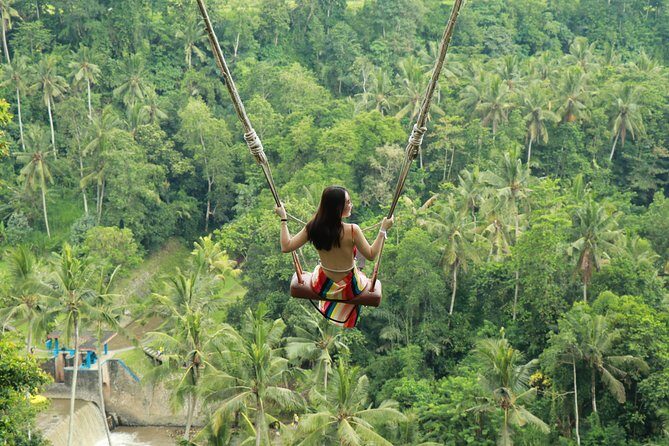
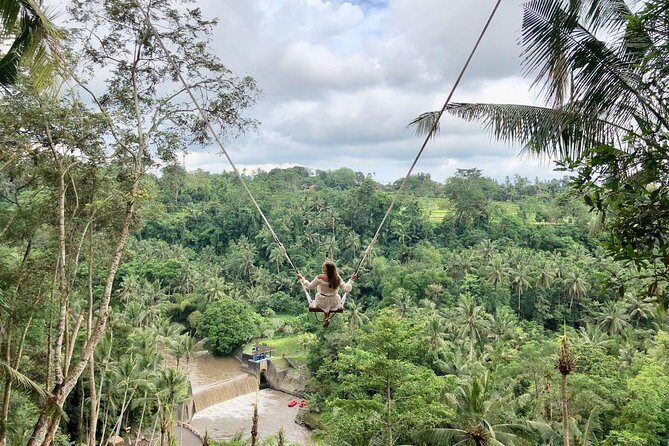
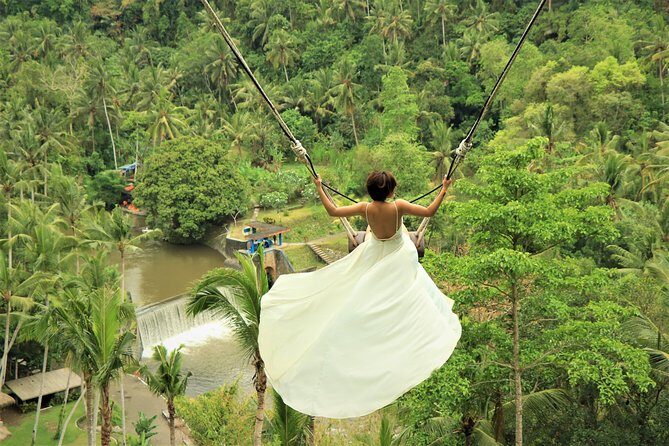
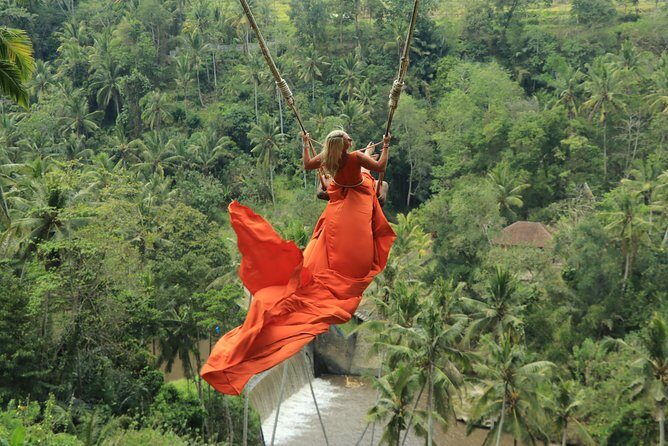
  • Jungle swing over the rice terraces at d’Alas Swing, with the swing fee included.
  • Entrance tickets included for all the major stops listed on the route.
  • No lunch provided: plan a meal strategy so the day doesn’t drag.
  • Minimum age for the swing is 7.

Price and what you’re really paying for ($33)
Best of Ubud Private Tour with Jungle Swing Experience - Price and what you’re really paying for ($33)
At $33 per person, this tour can feel like a bargain—mainly because it’s not just transport. Your price covers hotel pickup and drop-off in a private AC car, bottled water, parking, and the swing fee, plus entrance tickets for the listed sights. That matters in Ubud, where you’ll otherwise keep paying small extras that add up fast.

The trade-off is that you’re paying for a structured day. You’re not choosing stops on the fly, and you won’t have time to “wander until you find something.” If you like a plan (and you want the big highlights), this is strong value. If you hate rushing and prefer slow independent exploration, you might feel the schedule.

For most people, the sweet spot is clear: you’re buying convenience and access, then using your time to get great photos and cover a lot of ground efficiently.

The route: how a 7–8 hour day stays manageable

Best of Ubud Private Tour with Jungle Swing Experience - The route: how a 7–8 hour day stays manageable
This is a private, point-to-point day, so you’re not dealing with long waits or complicated transfers. The schedule is built around short visits that keep momentum: many stops are around 45 to 60 minutes, with the swing taking about 45 minutes.

That timing is practical for two reasons. First, the waterfall and rice terrace areas can get busy, so you don’t want to spend half the day trapped waiting. Second, Ubud’s top cultural spots pair well when you keep moving—temples, then nature views, then animals and markets.

A small reality check: you’ll still want comfortable shoes and a flexible mindset. The day includes walking paths (especially at Monkey Forest) and uneven ground around scenic viewpoints.

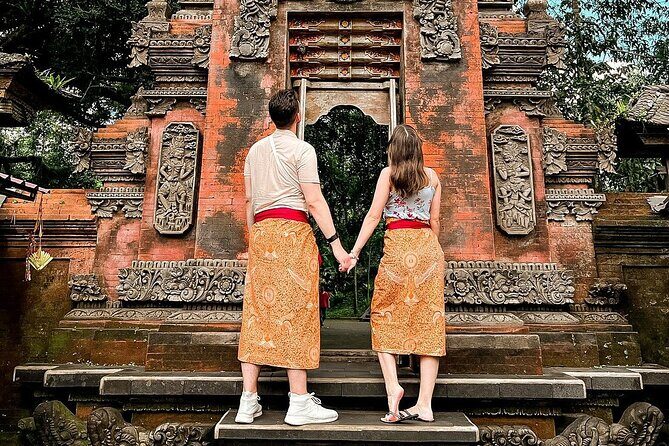
Stop 1: Puseh Batuan Temple for that iconic Bali gate moment
Best of Ubud Private Tour with Jungle Swing Experience - Stop 1: Puseh Batuan Temple for that iconic Bali gate moment
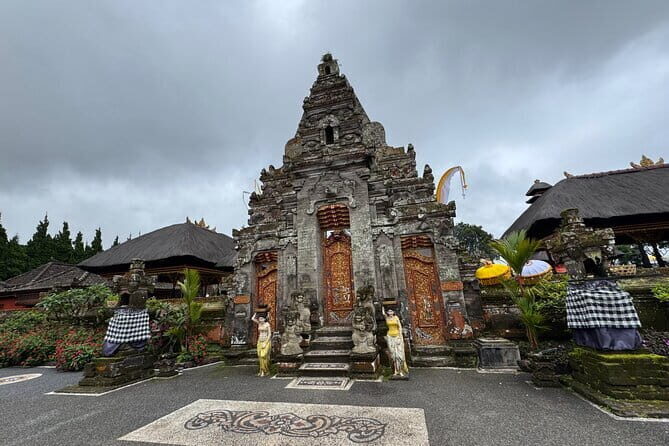
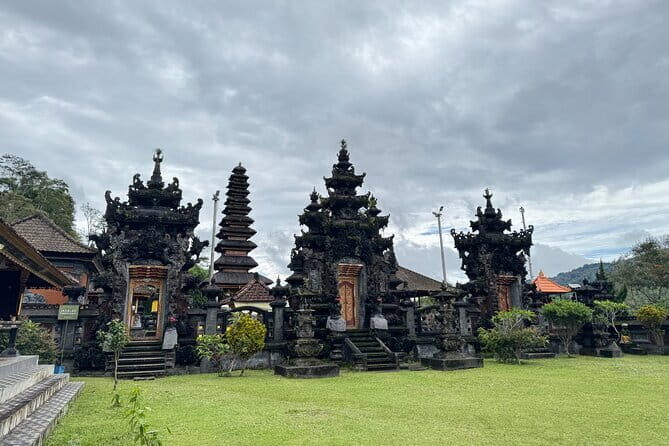
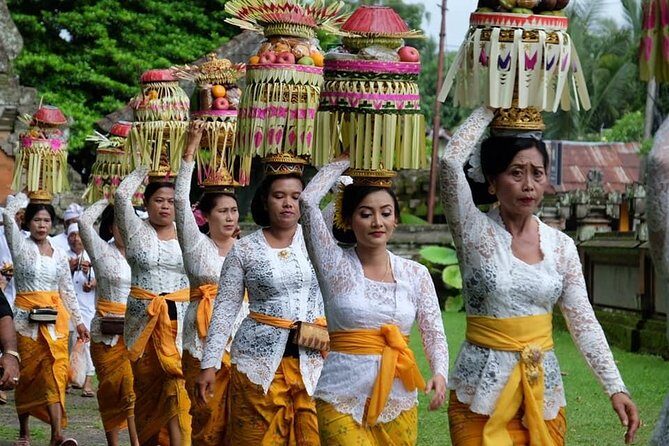
You start at Puseh Batuan Temple, located in the BatuAn area of Sukawati village. This is the kind of stop that’s worth it even if you’re not a hardcore temple person, because you’re getting a close-up look at a Balinese temple gate and the surrounding village setting.

Why I like this stop for a first “culture anchor” is simple: it sets the tone early. You’re learning the feel of the place before you jump into waterfalls and rice terraces. It’s also a good photo stop because the scenery is direct and visually strong.

Practical note: the visit is listed as about an hour, and admission is included. That usually means you can walk around at an easy pace, get your photos, and still stay on schedule.

Stop 2: Tegenungan Waterfall for green scenery and a quick reset
Best of Ubud Private Tour with Jungle Swing Experience - Stop 2: Tegenungan Waterfall for green scenery and a quick reset
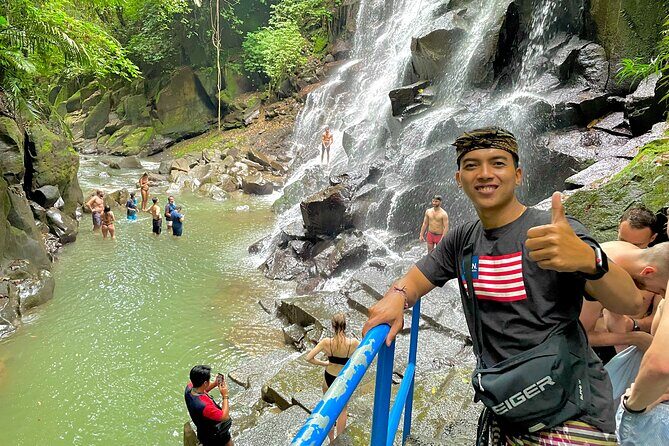
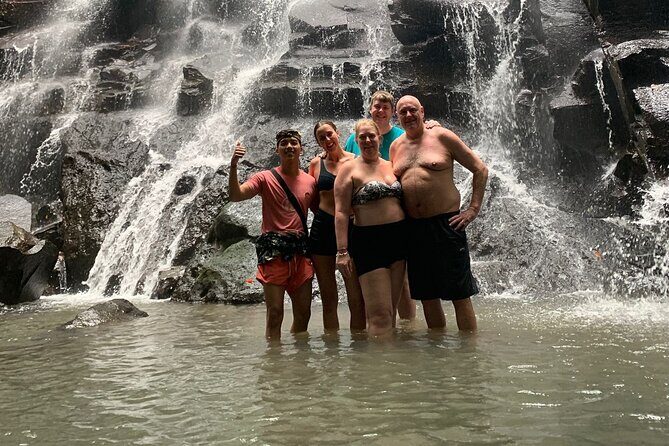
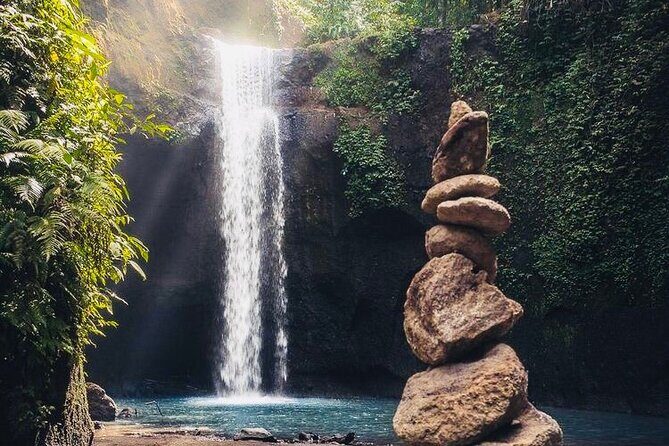
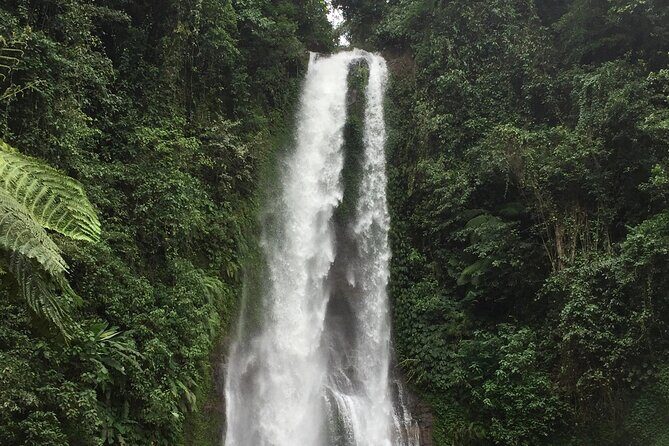
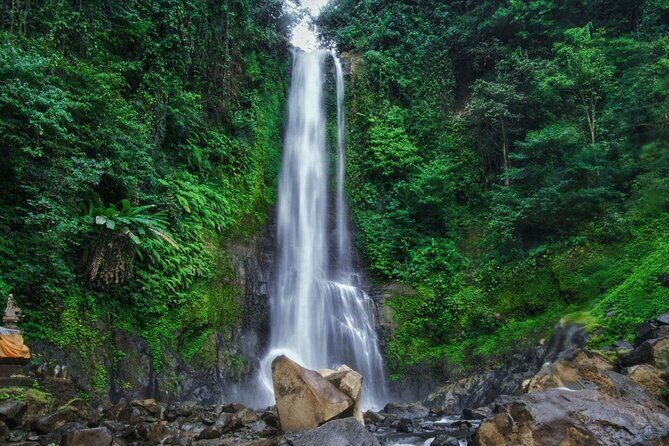
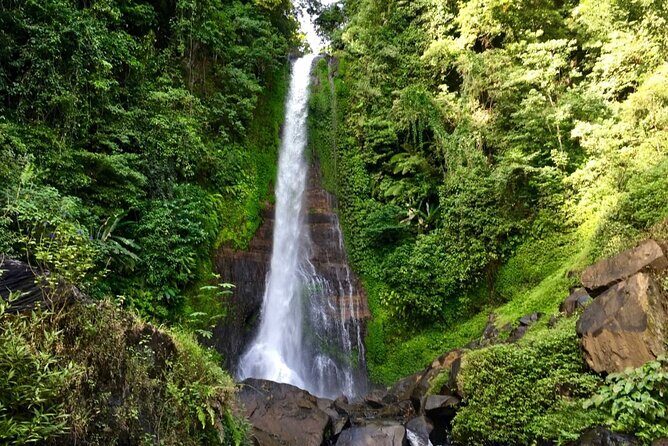
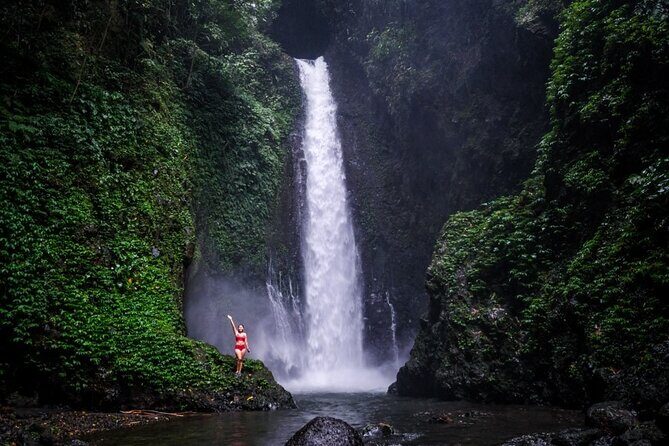
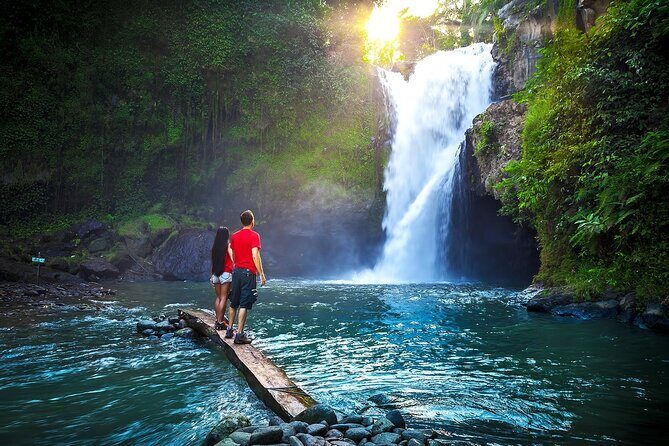
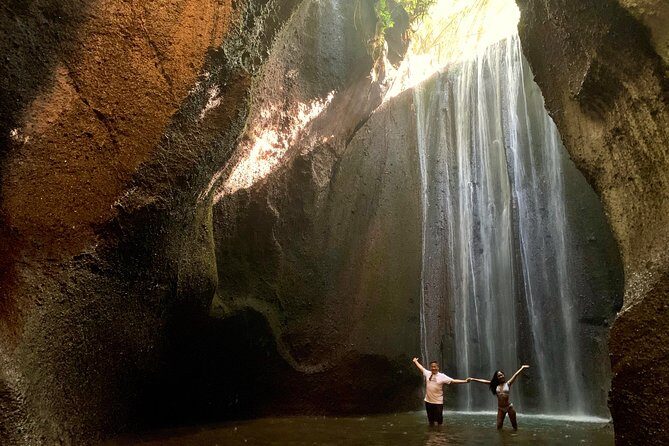
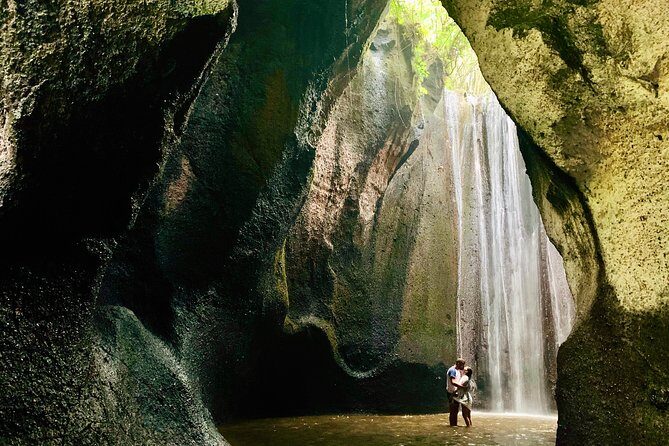
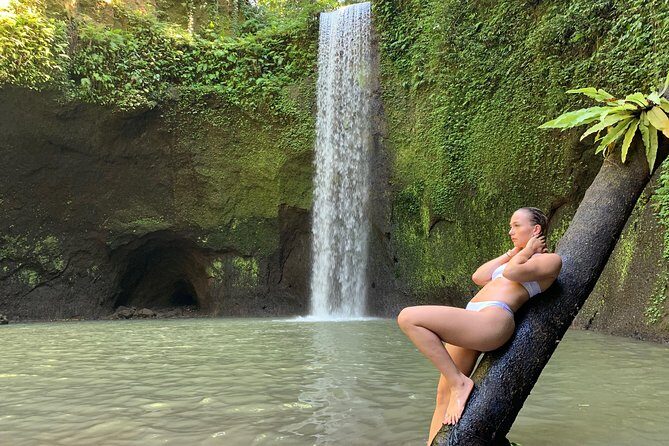
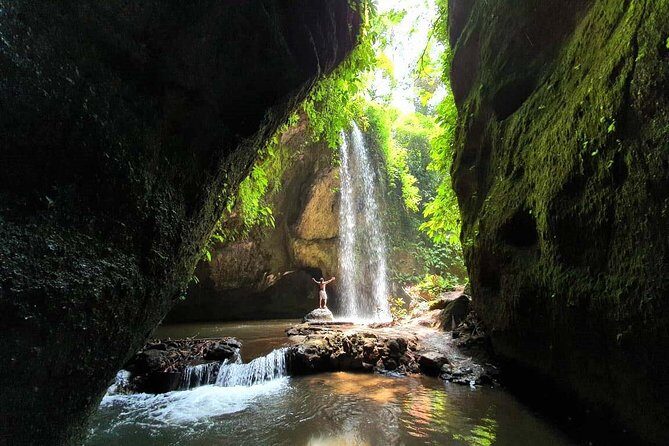
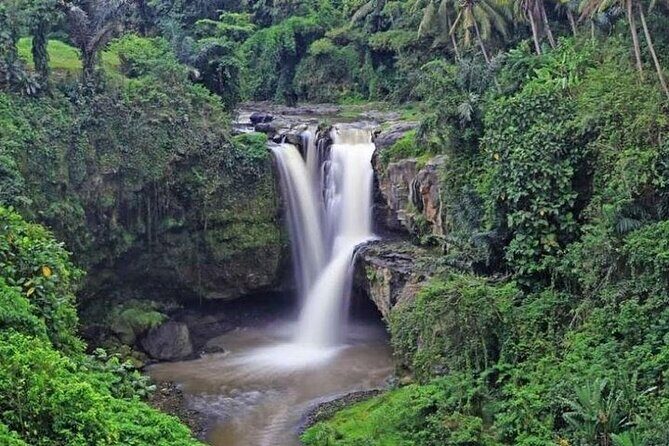
Next is Tegenungan Waterfall in Tegenungan village. This is a “go for the view” stop, with an option to swim if that’s your thing. Even if you’re not interested in getting wet, the river-and-falls scene is a big visual payoff.

A waterfall stop also works as a mental break. After temple gate photos, you shift into nature sound and cooler air, even if you only spend an hour. It’s a classic Bali contrast: man-made spirituality, then raw landscape energy.

Watch-outs you can plan for:

  • Bring something sensible for water splashes and slippery areas.
  • If you’re sensitive to crowds, keep your expectations realistic—waterfalls are popular.

The good part: entrance tickets are included, and the time window is tight enough that you won’t feel trapped.

Stop 3: Tegalalang Rice Terrace for living-work views
Best of Ubud Private Tour with Jungle Swing Experience - Stop 3: Tegalalang Rice Terrace for living-work views
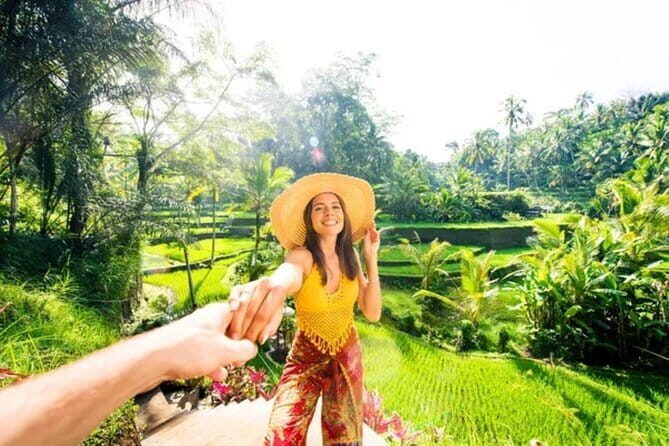
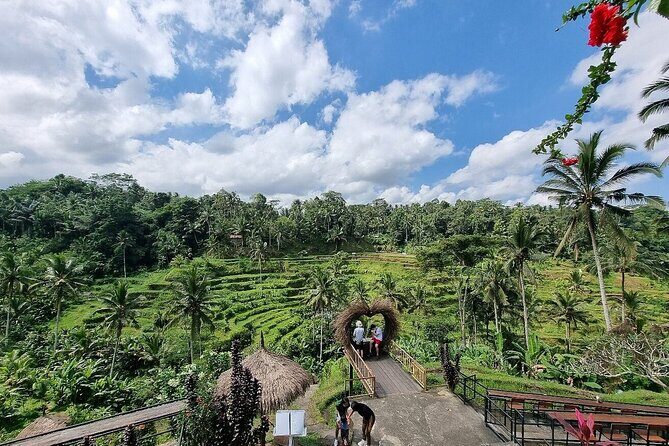
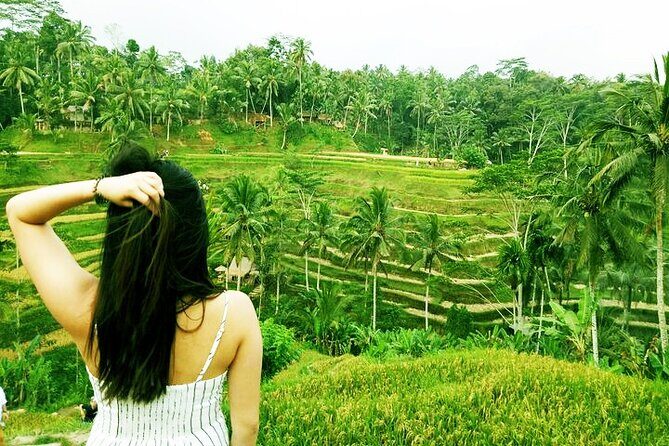
Then you’re at the Tegalalang Rice Terrace. You’re not just looking at scenery—you’re watching local farmers at work, which is what makes the rice terraces feel real rather than staged.

This stop is listed at about an hour. That’s a nice balance because it gives you time to:

  • Look at how the terraces are laid out
  • Take photos from multiple angles
  • Enjoy the view without feeling like you’re rushing

If you want the best photos, think about when the light hits the terraces and how high the viewpoints are near you. Your guide can help you find a good angle within the time you have, which is one of the hidden benefits of a private setup.

Stop 4: d’Alas Swing over the jungle and rice terraces
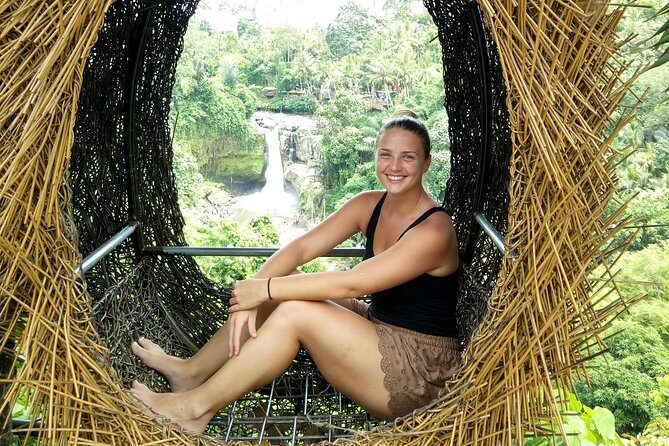
Best of Ubud Private Tour with Jungle Swing Experience - Stop 4: d’Alas Swing over the jungle and rice terraces
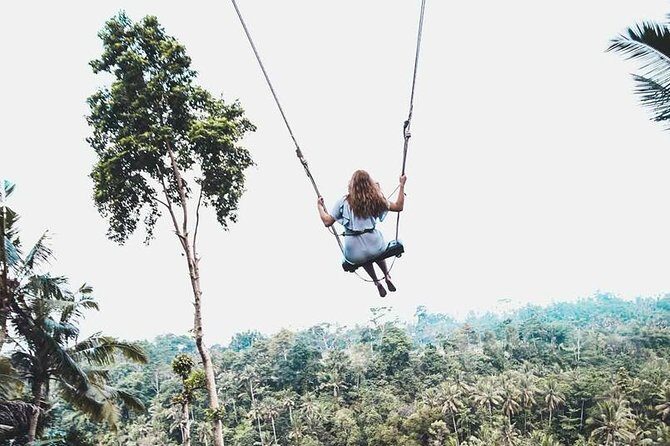
Now for the main event: d’Alas Swing. This is a jungle swing where you soar above the jungle and rice terrace views, with about 45 minutes allocated for the experience. The swing fee is included, so you’re not negotiating add-ons on the spot.

What makes this worthwhile is the combination of height and scenery. You’re not just swinging in the air—you’re swinging with a view. That’s why this stop pairs so well with Tegalalang: rice terraces are the visual theme of the day.

Before you go, two practical reminders:

  • The minimum age for the swing is 7 years old.
  • Plan for time to get oriented, take photos, and reset after the swing.

Also, if you’re nervous about heights, you don’t have to act tough. Ask your guide what to expect in terms of timing and safety setup. A good guide will help you feel prepared.

Stop 5: Ubud Palace for a short dose of royal pride
Best of Ubud Private Tour with Jungle Swing Experience - Stop 5: Ubud Palace for a short dose of royal pride
Ubud Palace is next, with a 45-minute visit. This is a shorter stop, so treat it like a quick cultural checkpoint rather than a deep historical immersion.

The listing frames it as a point of pride for Ubud—so you’re getting a sense of the town’s identity through its royal legacy. It’s also a good “cool-down” break between busier nature stops and the more animal-focused Monkey Forest.

If you’re the type who likes to linger, keep an eye on the clock. This is one of the moments where the schedule intentionally moves you along.

Stop 6: Sacred Monkey Forest Sanctuary and the art of sharing space
Best of Ubud Private Tour with Jungle Swing Experience - Stop 6: Sacred Monkey Forest Sanctuary and the art of sharing space
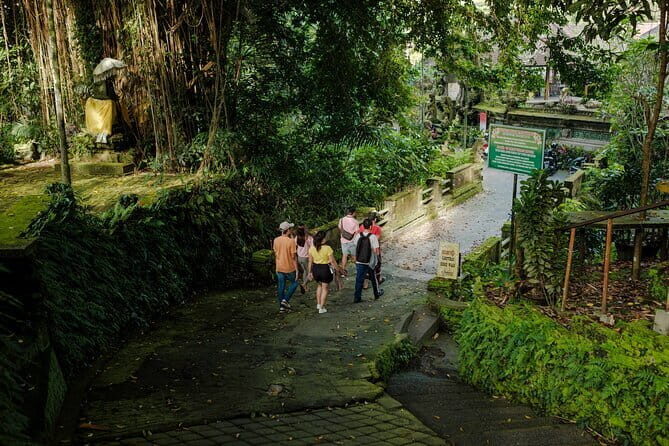
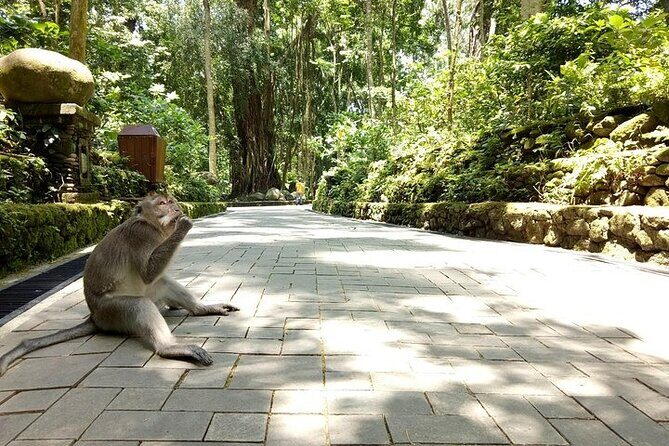
Then you’ll visit Sacred Monkey Forest Sanctuary. This stop is described as a shaded path through a living sanctuary where you can see monkeys along with other wildlife like birds, lizards, and butterflies.

This is one of the most enjoyable stops for people who like nature on foot, but it does come with common-sense expectations:

  • You’ll be walking in a tree-filled area where animals roam freely.
  • You’ll want to keep your phone and small items secure.
  • Stay alert and follow your guide’s cues.

The listing notes about an hour here, and entrance tickets are included. That’s enough time to stroll slowly under the canopy, pause for photos, and still stay within the day plan.

If you’re hoping for animal sightings at a specific moment, go in with flexibility. In a sanctuary like this, animals set the tempo.

Stop 7: Ubud Traditional Art Market for easy, useful souvenirs

To wrap up, the tour includes Ubud Traditional Art Market. This is your chance to walk through and check out local art products in a more casual shopping setting.

The value here isn’t about scoring the cheapest items. It’s about seeing what local makers are offering and picking up souvenirs you’ll actually want to use back home. With about an hour allocated, you can browse without feeling like you’re being rushed or trapped.

If you’re shopping, go in with a simple system: decide what you want before you start bargaining, then focus on quality and materials rather than chasing every stall.

Guide quality and the difference between a tour and a plan

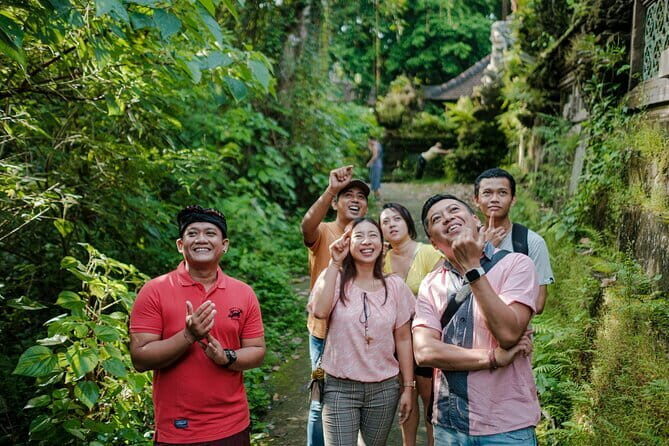
A big reason this tour gets such a high satisfaction rate is the guide experience. One guide named Toni is specifically mentioned as polite, friendly, early, and ready to go, with good updates on how the day would run.

That kind of guide helps in real ways:

  • You’re not standing around guessing where to go next.
  • You can get quick context at each stop, which improves your photos and your understanding.
  • Timing stays tight, which matters most at swing, waterfalls, and scenic terraces.

English-speaking guidance is included, so you’re not stuck piecing together meanings from signage. Even if you only catch part of the story, you’ll feel the difference compared to self-guided wandering.

Getting the most out of your day: what to bring and how to pace

Since there’s no lunch included, I’d plan your meal timing before you’re hungry. You can either grab something quick near one of the stops (if it’s convenient) or plan ahead so you’re not searching while everyone else is trying to “make it work.” A full day can feel long when food timing goes sideways.

Also pack for a mix of conditions:

  • Comfortable walking shoes for paths and temple areas
  • Light layers for shaded areas and more open viewpoints
  • A small bag you can keep close at Monkey Forest

For the swing and waterfall segments, consider what you can comfortably wear and manage if you get splashed. You don’t want to spend time worrying about outfits mid-day.

One more tip: keep your phone and camera charged early. You have multiple photo targets—temple gates, waterfall views, rice terrace angles, and the swing.

Should you book the Best of Ubud Private Tour with Jungle Swing?

Book it if you want a high-hit-rate Ubud day: temples, rice terraces, a famous waterfall viewpoint, Monkey Forest, and a jungle swing, all handled by a private guide with entrance tickets and swing fee covered. The $33 price can be especially good if you hate item-by-item ticket hunting.

Consider another option if you prefer open-ended pacing, hate scheduled stops, or you’re very sensitive to long car time. And if vehicle comfort is a dealbreaker, do a quick check when you connect with your driver—most of the experience depends on how smoothly that part goes.

For the right traveler, this is a practical way to get the big visuals of Ubud without turning your day into logistics homework. It’s the kind of tour that helps you see a lot, then still feel like you had time to enjoy it.

FAQ

What places are included in this Ubud private tour?

The tour includes Puseh Batuan Temple, Tegenungan Waterfall, Tegalalang Rice Terrace, d’Alas Swing, Ubud Palace, Sacred Monkey Forest Sanctuary, and Ubud Traditional Art Market.

Is hotel pickup and drop-off included?

Yes. Hotel pickup and drop-off are included, using a private vehicle with AC.

Is lunch included in the tour price?

No. Lunch is not included, so you’ll need to plan your own meal.

Are entrance tickets included?

Yes. Entrance tickets are included for the stops listed as having admission tickets, and the swing fee is also included.

How long is the tour?

The duration is listed as approximately 7 to 8 hours.

What is the minimum age for the jungle swing?

The minimum age for the swing is 7 years old.

Is this tour private or group-based?

It is a private tour/activity. Only your group participates.

What does the tour include besides tickets?

It includes bottled water, petrol, parking fees, an English-speaking driver/guide, AC private car, and the swing fee.

Is there free cancellation?

Yes. You can cancel for a full refund if you cancel up to 24 hours in advance of the experience start time. If you cancel within 24 hours, it is not refunded.
Blue Lagoon Snorkeling and Lunch – Kanto Lampo – Suwat Waterfall – All inclusive

Blue Lagoon Snorkeling and Lunch - Kanto Lampo - Suwat Waterfall - All inclusive - Starting from Ubud: how the transfers shape the day

Snorkel reefs and waterfalls in one tight day. What makes this tour fun is the two-part water time: snorkeling at two Padangbai spots plus waterfall stops right after lunch. I like that it’s run as a smooth, guided day—boat transfer, gear, a specialist snorkeling guide, and even shower/changing facilities after the water. I also love the waterfall pairing, with both Kanto Lampo and the less-visited Suwat Waterfall in the same route. The one thing to consider is that the snorkeling conditions can include jellyfish, so plan for that with longer swimwear if you’re a bit cautious.

This is built for people who don’t want to wrestle with directions or parking. Pickup and drop-off from your hotel in Ubud keeps the day simple, and the pace stays focused: about 9 hours total, with roughly 1 hour snorkel time at each of the two locations. The local team name-checks often include guides like Alit (also seen as Gus Alit) and drivers such as Komang and Kadek, so you know the human factor is part of the appeal—friendly, attentive, and helpful with getting you moving comfortably.

Key highlights that make this day worth it

Blue Lagoon Snorkeling and Lunch - Kanto Lampo - Suwat Waterfall - All inclusive - Key highlights that make this day worth it

  • Two snorkeling spots in Padangbai: Blue Lagoon plus Tanjung Jepun for different views of fish and reef life
  • All the practical snorkeling extras: boat transfer, gear, specialist guide, plus shower and changing room afterward
  • Lunch included (Topi Inn, Padangbai): an Indonesian meal you don’t have to hunt for mid-day
  • Two waterfall photo stops: Kanto Lampo and Suwat (the quieter-feeling option)
  • Hotel transfers from Ubud: no self-driving stress, just a day plan that runs

Price and logistics: why $48 can make sense

Blue Lagoon Snorkeling and Lunch - Kanto Lampo - Suwat Waterfall - All inclusive - Price and logistics: why $48 can make sense
At $48 per person, this tour is one of those Bali values that works best when you add up what you’d otherwise pay separately. You’re not just buying “a snorkeling stop.” You’re getting boat transfer to two sites, snorkeling equipment, an English-speaking driver, entrance fees, and hotel pickup/drop-off from Ubud. Lunch is included too, at Topi Inn in Padangbai.

When a day is packaged like this, you gain two real things: less decision fatigue and less wasted time. Instead of arranging transport to Padangbai, figuring out where to park, and booking a separate lunch stop, you get a timed sequence. That matters on a day that also includes two waterfalls, where you’ll want energy for photos and walking.

This one is also run as a private tour (just your group), which tends to keep the schedule from turning into herding. Total duration is about 9 hours, so it’s long enough to feel like you did something, but not so long that you’re fried by dinner.

Starting from Ubud: how the transfers shape the day

Blue Lagoon Snorkeling and Lunch - Kanto Lampo - Suwat Waterfall - All inclusive - Starting from Ubud: how the transfers shape the day
The day begins with hotel pickup and drop-off in Ubud. That’s a big deal here. Blue Lagoon snorkeling happens in Padangbai, which is not right next door to Ubud. If you try to DIY it, you’ll spend your effort on transport timing, traffic, and directions—effort that could go into enjoying the water.

With the driver handling logistics, you can focus on the schedule. One advantage of having an English-speaking driver is that you’ll get real-time guidance when you arrive at snorkeling and when you move between waterfall stops.

Also, this is sold as private transportation, so you’re not squeezed into a bus schedule. You’re more likely to keep a comfortable pace—especially useful when the day includes both sandals-and-reef time and uneven, photo-hunt time at waterfalls.

Padangbai snorkeling: two sites, one reefy mission

Blue Lagoon Snorkeling and Lunch - Kanto Lampo - Suwat Waterfall - All inclusive - Padangbai snorkeling: two sites, one reefy mission
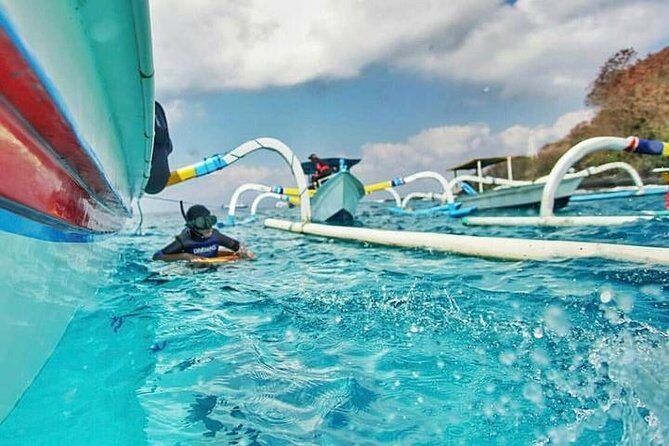
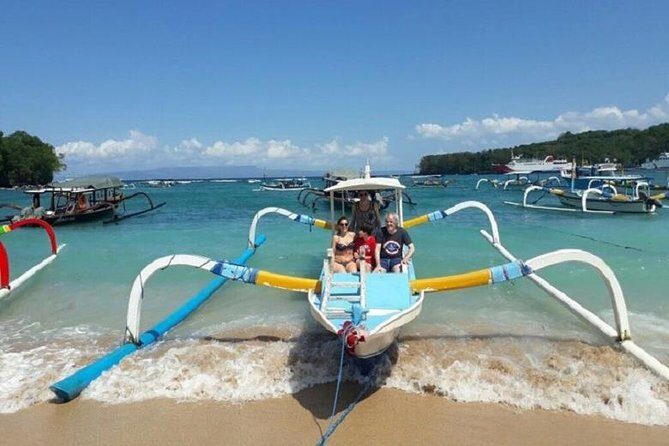
The snorkeling portion is the heart of the day, and it’s set up smartly: you get to see two different spots from a traditional boat, not just one “park here and float” location.

Stop 1: Blue Lagoon Beach (Padangbai)

Your first snorkeling area is Blue Lagoon Beach. The water area has a sandy bottom, and it’s known for a coral reef zone and tropical fish viewing. That combination is what you want for first-time or casual snorkelers: sandy shallows make it easier to orient, while the reef attracts the fish life.

You’ll get a local explanation on how to snorkel before you go out—plus time to get comfortable. Then you hop on the boat for the snorkeling spots.

Stop 2: Tanjung Jepun

The second snorkeling site is Tanjung Jepun. The point of doing two sites is variety. You see different angles, different reef sections, and often a slightly different mix of marine life. The tour format keeps it simple: boat transfer, then about 1 hour per spot.

Time in the water: how long you’ll actually snorkel

You get about 2 hours of snorkeling total across the two locations (with roughly 1 hour at each spot). That’s a good length for most people because it gives you time to settle in, look around, and take photos—without dragging on so long that your attention slips.

Gear and comfort: what’s included (and what to watch)

Snorkeling is more than the fish—you need gear that fits and a plan that keeps you from feeling frantic. Here you’re covered with:

  • Snorkeling equipment
  • A specialist local guide
  • Shower facilities and a changing room after you’re done

I’d still bring one extra mindset: treat the equipment as “works, but check fit.” If you’re picky about how your mask seals or how the snorkel sits, bring your own mask if you have one. One note from the experience community: on some days, the snorkeling kit may feel basic, and you’ll want to adjust quickly so your focus stays on the reef, not the gear.

Jellyfish reality check (and a simple fix)

One practical warning from past experiences: jellyfish can be present on the day you go. If that worries you, wear longer swimwear (rash-guard style tops or longer bottoms). It doesn’t ruin the snorkeling—just helps you feel more relaxed when you’re floating and scanning the water.

Lunch at Topi Inn: fueling up before the waterfalls

Blue Lagoon Snorkeling and Lunch - Kanto Lampo - Suwat Waterfall - All inclusive - Lunch at Topi Inn: fueling up before the waterfalls
After snorkeling, you’ll rinse off and change—because wet hair plus waterfall humidity can make you feel like a damp mop. Then you get Indonesian lunch at Topi Inn in Padangbai.

This lunch stop is valuable because it keeps your day structured. You’re not trying to find something fast with snorkel-sand on your feet. It also prevents the classic Bali problem: you end up skipping food, then you’re cranky during the waterfall walks and photo stops.

Expect a straightforward meal at a local restaurant—enough to recharge for the next leg: Kanto Lampo and Suwat Waterfall.

Kanto Lampo Waterfall: the classic photo stop

Blue Lagoon Snorkeling and Lunch - Kanto Lampo - Suwat Waterfall - All inclusive - Kanto Lampo Waterfall: the classic photo stop
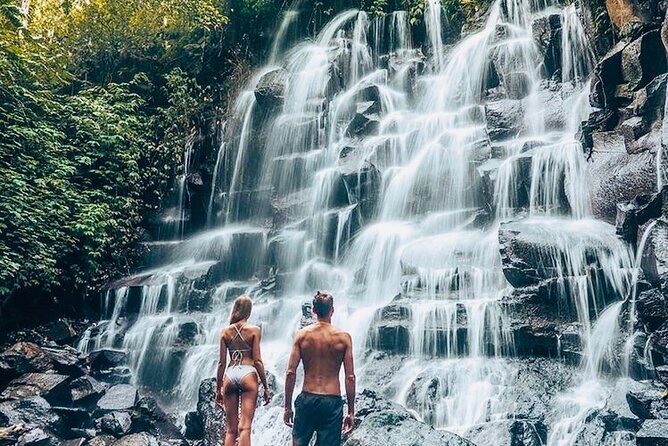
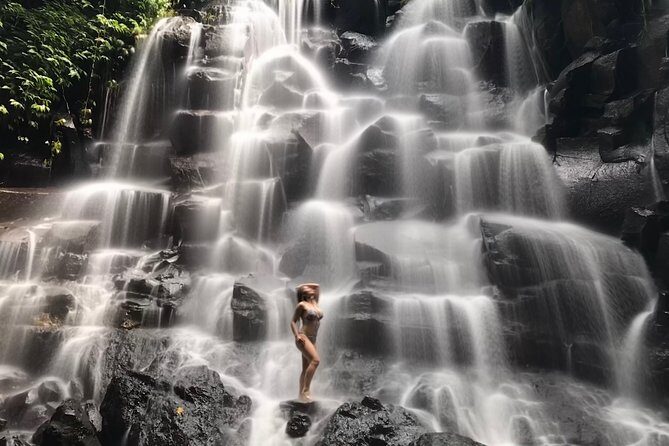
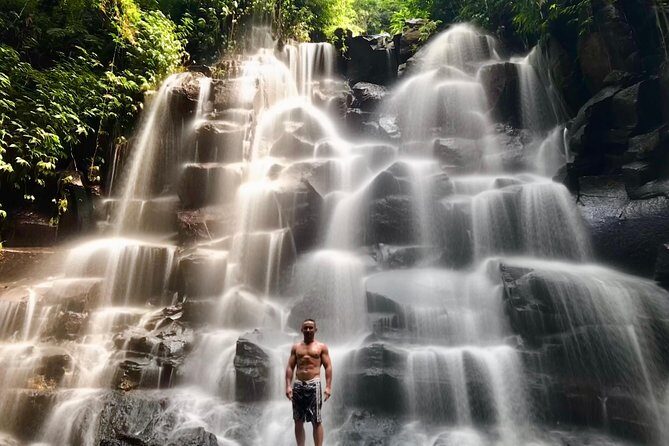
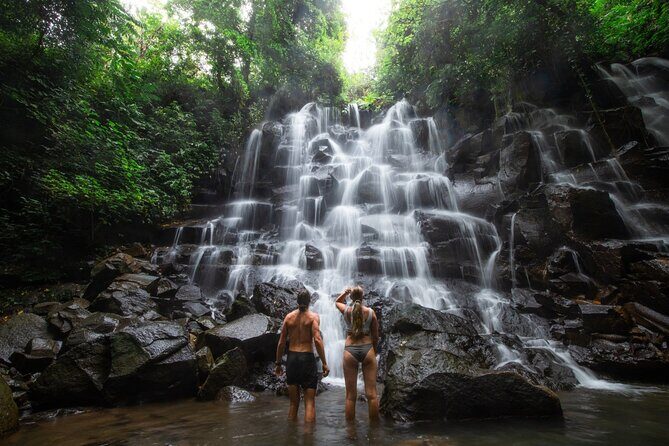
Kanto Lampo is the waterfall you’ll usually picture when someone says Bali waterfall photos. It’s known for its striking look and the strong “wow” effect when you arrive.

In a day like this, Kanto Lampo often plays the role of your main visual hit. The driver also helps with positioning for photos, which matters because waterfalls mean uneven ground, slippery areas, and lots of angles.

Practical tip: wear footwear you trust. You’ll likely be moving around to get the best views, and waterfall paths aren’t designed for flip-flops.

Suwat Waterfall: the calmer, less-visited alternative

Blue Lagoon Snorkeling and Lunch - Kanto Lampo - Suwat Waterfall - All inclusive - Suwat Waterfall: the calmer, less-visited alternative
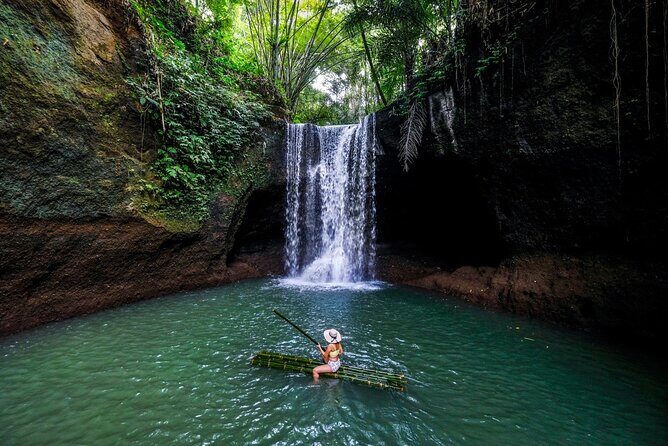
Then you go to Suwat Waterfall. The standout here is that it’s described as less-visited, which can make the experience feel more relaxed. If you’re the type who likes photos without the constant crowd pressure, this second stop can feel like breathing room.

Suwat also gives you variety. With two different waterfalls back-to-back, you’re not stuck seeing just one type of cascade. It also makes the day feel like more than a snorkel trip with a quick bonus—because you get two distinct “water sights” instead of repeating the same look twice.

The guide factor: why names like Alit, Komang, and Kadek show up

Blue Lagoon Snorkeling and Lunch - Kanto Lampo - Suwat Waterfall - All inclusive - The guide factor: why names like Alit, Komang, and Kadek show up
A day like this works or fails based on the people running it. The local team names you’ll commonly see tied to great experiences include Alit (often written as Gus Alit), plus drivers like Komang and Kadek.

What I’d take from that (without overthinking it): you want someone who handles:

  • timing (so you’re not waiting around too long),
  • safety (especially at water entry and exit),
  • and photo help (because waterfalls are hard to frame while walking carefully).

This kind of attention is exactly why people rate the experience highly—snorkeling runs smoothly, and the waterfalls get the time they deserve instead of feeling rushed.

What to bring for a better day

Blue Lagoon Snorkeling and Lunch - Kanto Lampo - Suwat Waterfall - All inclusive - What to bring for a better day
You’ll be dealing with both ocean water and waterfall humidity. Pack like this:

  • Longer swimwear if you want to be jellyfish-ready
  • A towel or quick-dry layer (even though you’ll have shower facilities)
  • Water-friendly footwear you can walk in
  • Reef-safe sunscreen (if you use it)
  • Dry bag or zip pouch for phone/money

If you have a favorite mask, bringing it is worth considering. Even when gear is included, a familiar mask can help you focus on fish instead of fiddling with fit.

Who this tour is best for (and who should skip)

This trip is ideal if you want:

  • a one-day snorkeling + waterfall combo,
  • guided help in the water,
  • and no self-driving in Bali.

It also fits people who want an easy structure: pickup, two snorkeling blocks, lunch, then two waterfalls, then back to your hotel.

It might be less ideal if:

  • you only care about hardcore snorkeling for long hours (this is about two hours total in the water),
  • you’re extremely gear-sensitive (bring your own mask if that’s you),
  • or you hate any chance of jellyfish (you can reduce discomfort with longer swimwear, but conditions aren’t guaranteed).

Should you book Blue Lagoon + Kanto Lampo + Suwat?

If you’re planning a Bali trip and you want a day that hits the big icons—snorkeling in Padangbai + two waterfalls—this is a strong choice. The value comes from the package: boat + gear + guide + shower, plus lunch and entrance fees, all tied together with hotel transfers.

I’d book it if you like guided structure and you want to spend your time in the water and at the waterfalls instead of running errands. I’d think twice and come prepared if jellyfish bother you or if you’re very picky about snorkeling gear.

FAQ

What’s the starting point for this tour?

It operates as a day trip from Ubud, with hotel pickup and drop-off included.

How long does the tour take?

The duration is about 9 hours.

Where do you go snorkeling?

Snorkeling is in Padangbai, at two different spots: Blue Lagoon Beach and Tanjung Jepun.

How long do you snorkel at each location?

You have about 1 hour at each spot (roughly 2 hours total snorkeling).

What snorkeling equipment is provided?

You get all snorkeling equipment, along with a specialist local snorkeling guide and boat transfers to the sites.

Do you get a shower and changing room?

Yes. There are shower facilities and a changing room after snorkeling.

Is lunch included, and where is it served?

Yes. Lunch is included as an Indonesian meal at Topi Inn restaurant in Padangbai.

Which waterfalls are visited?

You visit Kanto Lampo Waterfall and Suwat Waterfall.

Is the entrance fee included?

Yes. Entrance fees are included.

Is this a private tour?

Yes. It’s listed as a private tour/activity, meaning only your group participates.

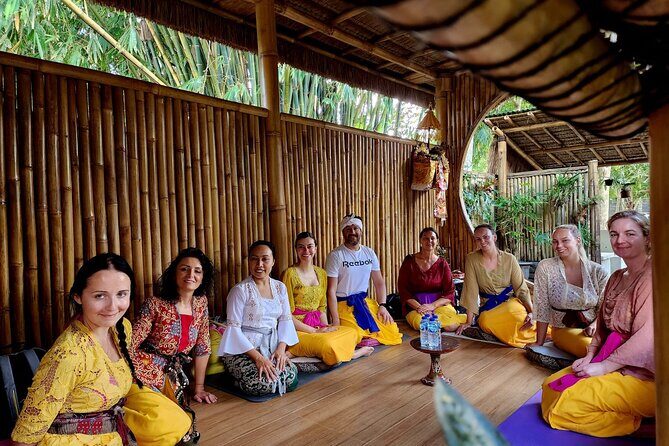
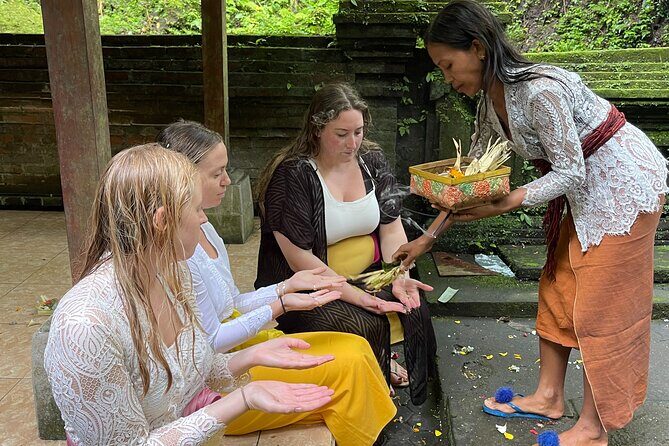
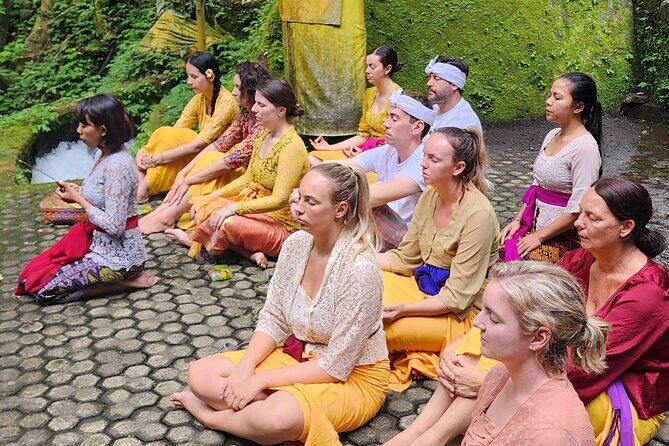
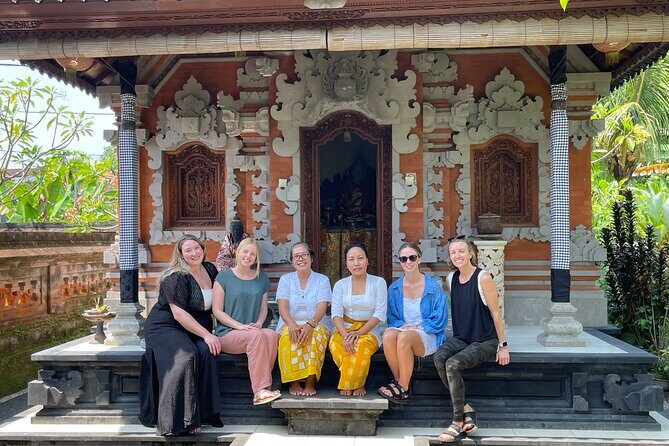
Meditate with a Shaman

Meditate with a Shaman - Mengening Temple Purification: What to Expect and How to Prepare

Morning stillness sets the tone. This day starts with a water purification ritual at the off-the-path Mengening Temple, then you meet a Balinese healer who usually works with locals. I love the small-group cap of eight, and I love that the shaman reading is translated for you; the main catch is the early 6–7am start and the rule that women in their period can’t join the water temple.

Guides like Ena and Putu (and sometimes Anna) keep the morning grounded in Balinese ritual details, not a show. You also get a proper breakfast stop before the reading, so you’re not trying to do deep spirituality while hungry.

Key highlights before you go

Meditate with a Shaman - Key highlights before you go

  • Mengening Temple water cleansing early: You’ll arrive when things feel calm and locals are the focus
  • Max eight people: More time with your guide, and less waiting around
  • Shaman visit is usually local-only: The healer doesn’t speak English, but your team translates
  • Palm reading plus birth date: The guidance is based on what the shaman uses during the session
  • Photos and voice recording may be possible: Many people note they can capture the reading for later

Morning Pickup In Ubud and the Drive to Mengening Temple

Meditate with a Shaman - Morning Pickup In Ubud and the Drive to Mengening Temple
This tour begins early, with meeting typically around 6–7am and a stated start time of 7:00am. The day runs about 8 hours, and pickup is offered around Ubud with two-way transfers from your hotel area.

That morning timing matters. You’re going to an off-the-beaten-path temple, and the early start helps you avoid the busier feel that can take over sacred places later in the day. It’s also just easier to keep your head clear for what’s coming next: a water purification ritual and then an intimate healer conversation.

Mengening Temple Purification: What to Expect and How to Prepare

Meditate with a Shaman - Mengening Temple Purification: What to Expect and How to Prepare
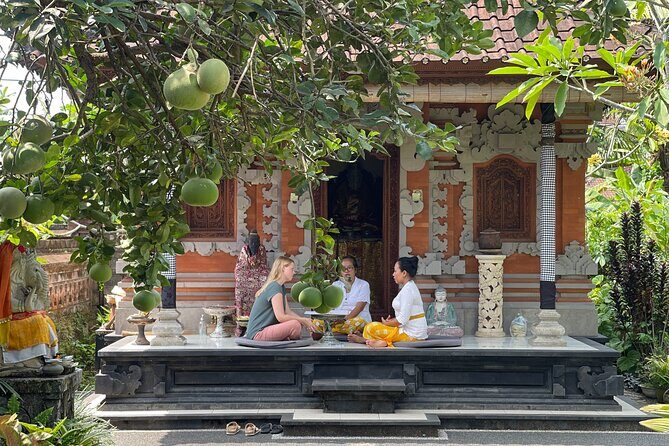
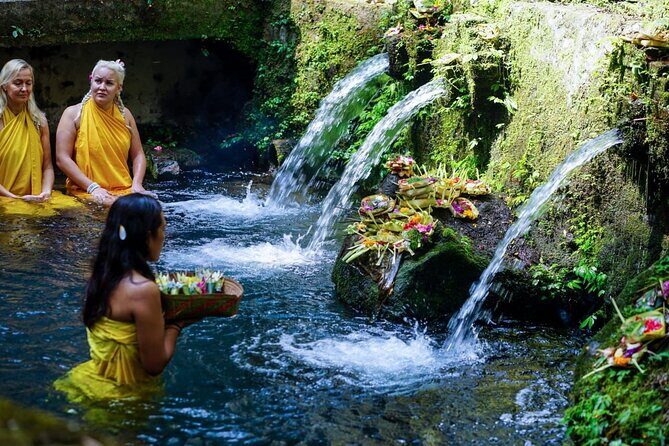
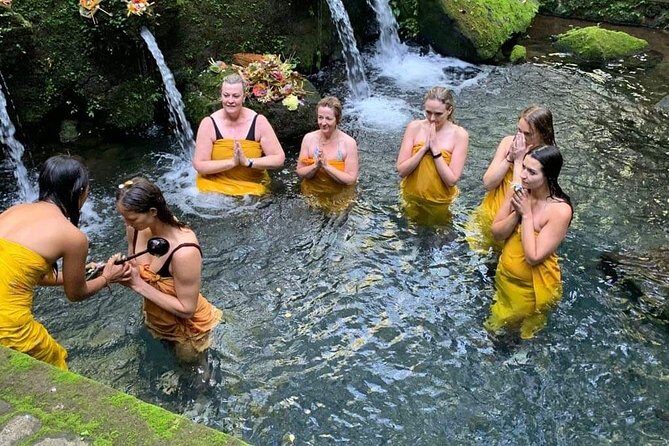
Your first stop is Mengening Temple, a water temple with a name that means stillness. The ritual is described as a cleansing where you let go of what no longer serves you, then take in what moves you forward.

You should go in with two mindsets. First, treat it as a spiritual practice, not a quick photo stop. Second, be ready for basic physical involvement: you’ll need to bring your own towel and swim wear, since it’s a water temple and the cleansing part involves getting into the water.

One important rule: women who are menstruating can’t attend the water temple. If this applies to you, plan around it early so you don’t end up stressed on the morning.

Practical tip: pack in a way that makes you fast at changing. Bring a towel you’re comfortable using immediately, and wear something you can rinse off and put back on without a fashion crisis.

Breakfast Reset: A Real Meal Before the Shaman Reading

After the temple, you drive back toward Ubud for breakfast at a restaurant. The vibe here is simple and helpful: you get food and a pause before the more intense part of the day.

Some people also mention the restaurant had options like vegan and gluten free, which is nice if you eat with restrictions. Even if you don’t, this break helps you stay present during the reading. A lot of spiritual experiences feel more manageable when your body isn’t running on low energy.

There’s also a cultural angle to this stage. In at least one case, people mention learning how to make a flower basket for offerings. If you’re taught something like that, it’s a good reminder that Balinese spirituality is often practical: hands do the work while your mind catches up.

Meeting a Balinese Shaman: Palm Reading, Birth Date, and Guidance

Meditate with a Shaman - Meeting a Balinese Shaman: Palm Reading, Birth Date, and Guidance
Around 11am, you head to the shaman’s house. The transfer time can vary by about plus or minus 30 minutes, and the visit itself is the centerpiece of the day.

Here’s the structure you can expect:

  • The shaman reads your palm
  • She looks at your birth date
  • She then gives guidance and advice on how to move forward

This healer typically serves only Balinese people, and she doesn’t speak English. That’s where your guide comes in as translator, so you’re not left guessing through the whole session.

What people value most in this part is the feeling that it’s not generic. Several descriptions emphasize accuracy and specific insight, including a sense of being guided toward personal priorities. Whether you read it as spiritual truth, personal reflection, or a cultural ritual, the format is designed to leave you thinking.

A heads-up on mindset: go with open questions, not a strict demand for prediction. The reading is positioned as advice for your path, so you’ll get more from it if you listen for themes rather than expecting a single event to appear.

Translation, Photos, and Recording the Reading

Because the shaman doesn’t speak English, the translator role is key. Guides such as Ena, Anna, and Putu are mentioned as patient, kind, and skilled at explaining the ritual and helping interpret what’s being said.

If recording matters to you, pay attention to what’s allowed on the day. People note they could voice record the shaman’s reading, which is a huge help because spiritual guidance can be hard to hold onto after the day ends. Some also mention there were opportunities to take photos.

If you want to record, bring a fully charged phone and consider storage. The spiritual content is the point, but the practical side is what keeps your memories from turning into a half-finished tech mess.

Group Size, Timing, and That Off-the-Path Temple Feeling

Meditate with a Shaman - Group Size, Timing, and That Off-the-Path Temple Feeling
The max eight people limit is one of the biggest reasons this day feels personal. Small-group tours are often smaller in a brochure way. Here, you actually notice it in the flow: less waiting, more time for your guide to answer questions, and a calmer pace for the temple portion.

This also supports the main experience goal: you’re taken to a temple that’s less visited. People describe arriving when there weren’t many other sightseers around, and sometimes only a few locals were bathing. That difference is huge. It turns the space into a living place, not a staged experience.

Timing adds to that calm. You start very early, then you keep moving toward the next step without long gaps. The tour usually finishes back in Ubud around 2pm, depending on group timing.

Price and Logistics: Is $99.27 Good Value?

Meditate with a Shaman - Price and Logistics: Is $99.27 Good Value?
At $99.27 per person, you’re paying for more than a ticket to a ceremony. You’re getting:

  • Round-trip pickup and transfers from your Ubud area hotel
  • A morning temple visit including the water purification ritual
  • Breakfast at a restaurant
  • A shaman reading that includes translation support

The value is best if you genuinely want a structured spiritual day with cultural context. If you’re the type who wants only beaches and restaurants, this might feel too focused on ritual. If you’re curious, open-minded, and interested in how Balinese spiritual life is practiced in the early morning, the cost starts to feel fair.

The logistics piece is also part of the deal. Early starts can be a challenge, and one review mentions that traffic sometimes affects the direct hotel drop-off, so you may need to handle a short extra ride if you aren’t right by the point the driver can access.

Should You Book This Morning Purification and Shaman Reading?

Meditate with a Shaman - Should You Book This Morning Purification and Shaman Reading?
Book it if you want an early, calm, small-group spiritual experience in Ubud, with a real meeting rather than a scripted performance. I’d especially recommend it if you like culturally guided days where the guide explains what you’re doing and why.

Skip it or plan carefully if:

  • you need flexible timing due to a tight schedule, since the day starts around 6–7am
  • you’re a woman and it would fall during your period (water temple rule)
  • you’re uncomfortable with getting into a water ritual setting (bring the towel and swim wear)

If you go with a mindset of listening and reflection, this day has a way of turning into something you carry longer than your typical Bali outing.

FAQ

What time does the tour start?

The meeting time is typically around 6–7am, and the listed start time is 7:00am.

How long is the experience?

It runs about 8 hours (approx.), with the day usually wrapping up back in Ubud around 2pm depending on group timing.

Is pickup included in Ubud?

Yes. Free pickup is offered around Ubud, with two-way transfers directly from your Ubud hotel area.

How many people are in the group?

The group is capped at a maximum of eight people, for a more intimate experience.

Where does the purification ritual take place?

The first part happens at Mengening Temple, a water temple outside the main tourist circuit.

What should I bring for the water temple?

Bring your own towel and swim wear, since the ritual is at a water temple.

Can women attend if they are on their period?

No. Women who are in their period cannot come to the water temple.

Do I need to speak English for the shaman reading?

The shaman usually doesn’t speak English, but your team provides translation.

What does the shaman do during the reading?

She reads your palm, looks at your birth date, and offers guidance and advice based on what she senses about your life direction.

Can I record the reading or take photos?

People mention there are opportunities to take photos, and that voice recording the reading may be possible.

FAQ

What if the weather is poor on the day?

The experience requires good weather. If it’s canceled due to poor weather, you’ll be offered another date or a full refund.

What if the minimum number of travelers isn’t met?

If the minimum isn’t met, the experience may be canceled, and you’ll be offered a different date/experience or a full refund.

Can I cancel and get a full refund?

Yes, cancellation is free. You can cancel up to 24 hours before the experience start time for a full refund.

Bali: Ubud Highlights Tour with Private Guide and Transfers

Bali: Ubud Highlights Tour with Private Guide and Transfers - What’s actually included: tickets, car, and the parts you still pay for

Ubud can feel like a blur. This tour helps you slow it down. You get a private guide, planned stops, and round-trip hotel transfers so you’re not spending your day figuring out routes. The route mixes culture and nature: Sacred Monkey Forest, Tirta Empul water temple, two waterfalls (Tibumana and Kanto Lampo), and the Tegalalang Rice Terrace.

Two things I really like: the admission tickets are included for most stops, and the day is built around a local’s pacing. In guide-led tours here, names like Dewa Putu, Esa, Made, Dena, Mawa, and Maha show up a lot—and the common thread is storytelling plus flexibility when road conditions change.

One consideration: the swing stop (Terrace River Pool Swing) is on your route, but its admission is not included, so you’ll want a little cash buffer if you’re planning to do it.

Key takeaways before you go

Bali: Ubud Highlights Tour with Private Guide and Transfers - Key takeaways before you go

  • Private, flexible guide: you can adjust the day when traffic or timing gets weird
  • Hotel transfers in multiple areas: pickup and dropoff are offered across popular Bali bases
  • Most entry tickets included: you’re paying for a sight-focused day, not a drive-and-hope day
  • Two different waterfall vibes: Tibumana is calmer; Kanto Lampo is more photo-adventure
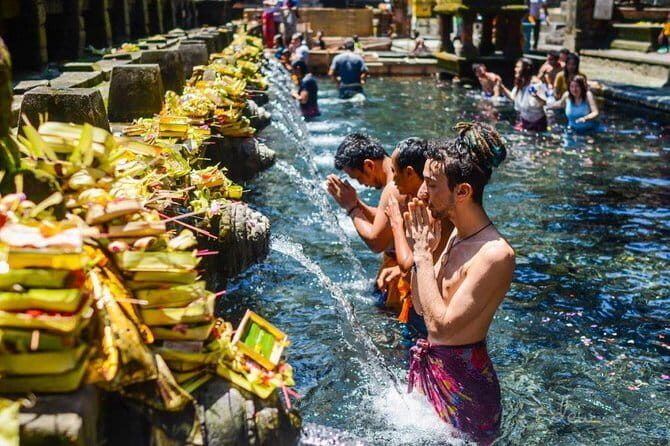
  • Temple + water ritual setting: Tirta Empul is a major cultural stop on this circuit
  • One paid add-on: Terrace River Pool Swing isn’t covered

How this Ubud highlights route fits real schedules

If you’ve got a limited time in Ubud, the trick is choosing stops that “stack” well. This tour does that. You move between jungle, sacred spaces, and rice terraces without having to negotiate every ticket line or transport problem yourself.

You’ll also notice the pacing works for photos but doesn’t turn into a photo factory. Several stops are set at around 1–2 hours each, which is long enough to walk at a comfortable speed, ask questions, and still get to the next location without feeling rushed.

And because it’s private, you’re not stuck with the slowest person in the group (or the person who needs to sprint from view to view). Your guide can keep the day moving based on your energy level.

Private guide + air-conditioned transfers: the comfort part people forget

Bali: Ubud Highlights Tour with Private Guide and Transfers - Private guide + air-conditioned transfers: the comfort part people forget
This is one of those tours where the “extras” are actually the point. You get an English-speaking driver and an air-conditioned vehicle, plus mineral water during the ride. You’re also covered for parking and fuel, which quietly saves you from the small annoyances that add up.

Where you’ll feel it most is the mental load. You don’t have to map out:

  • which entrance to use
  • how to get between scattered sights
  • how long you’ll lose to traffic at the wrong time of day

Transfers are offered for a range of Bali areas. Pickup and dropoff availability is specifically mentioned for places like Kuta, Sanur, Seminyak, Nusa Dua, and Ubud-area pickup points (including Ubud Art Market). There are also options for specific zones like Kemenuh, Saraswati Temple area, and several well-known Ubud/near-Ubud points. If you’re staying somewhere less central, you’ll want to double-check your exact hotel area when you book.

What’s actually included: tickets, car, and the parts you still pay for

Bali: Ubud Highlights Tour with Private Guide and Transfers - What’s actually included: tickets, car, and the parts you still pay for
This tour includes:

  • English speaking driver
  • Mineral water
  • Gas/fuel, parking fee
  • Air-conditioned car
  • Entrance tickets (for included stops)

It does not include:

  • Lunch
  • Personal expenses

One stop also stands out: Terrace River Pool Swing is listed with admission not included. In other words, your main day is ticket-covered, but the swing activity is an add-on you should plan for.

Why that matters for value: you’re not paying twice for the big named sights. Most day tours sell the same idea—private car and “a few entrances.” Here, the structure is clearer: you’re buying a real route with most entries covered.

Sacred Monkey Forest Sanctuary: fun, fast, and a little chaotic

Bali: Ubud Highlights Tour with Private Guide and Transfers - Sacred Monkey Forest Sanctuary: fun, fast, and a little chaotic
Your first major stop is the Sacred Monkey Forest Sanctuary. It’s allocated about 1 hour, and you’ll spend that time walking among temple areas and watching monkeys do monkey things.

Here’s what to know so it stays fun:

  • Keep bags closed and avoid showing snacks or food openly. Monkeys here are bold and quick.
  • Keep an eye on your phone or camera strap when you stop for pictures.
  • Wear shoes you can walk in—paths can get slick.

A short timing window can be a plus. One hour means you get the experience without overdoing the chaos. And with a guide, you’ll typically spend more time understanding the place and less time just trying to figure out where to go next.

Tibumana Waterfall: the calmer side of waterfall chasing

Bali: Ubud Highlights Tour with Private Guide and Transfers - Tibumana Waterfall: the calmer side of waterfall chasing
Tibumana Waterfall gets about 2 hours, and it comes with a local belief tied to the entrance being a secret gateway connected to Raja Besakih’s temple. Even if you’re not a myth-trivia person, those stories change how you look at a place. It stops being just a waterfall stop and becomes a stop with meaning.

The area is described as having a clear shallow pool, which usually means you’ll see people lingering closer to the water (when conditions allow). A two-hour block is good here because it gives you time to:

  • find a comfortable viewpoint
  • take a few photos without feeling rushed
  • settle into the sound of water instead of sprinting on

Potential drawback: waterfalls can be more slippery or crowded depending on the day. Plan for careful footing and some waiting if you run into peak-time groups.

Kanto Lampo Waterfall: photo-adventure with a “secret” feel

Bali: Ubud Highlights Tour with Private Guide and Transfers - Kanto Lampo Waterfall: photo-adventure with a “secret” feel
Next is Kanto Lampo Waterfall, also about 2 hours. This one is positioned as an adventure-meets-Instagram-photo stop, and it’s described as a secret waterfall with a combo of thrill and picture payoff.

What that usually means on the ground is:

  • you’ll likely do more active walking
  • you may deal with uneven steps or tighter viewpoints
  • you’ll spend more time “moving” to get the right angles

If you’re the kind of person who likes waterfall photos with a little drama in them, this stop will probably be the one you remember most. If you’re more about serene and low effort, it might feel more intense than Tibumana.

Either way, your guide helps you pick the best moments to pause for photos rather than just getting herded by the flow.

Tegalalang Rice Terrace: walking the terraces at your own pace

Bali: Ubud Highlights Tour with Private Guide and Transfers - Tegalalang Rice Terrace: walking the terraces at your own pace
Then you head to the Tegalalang Rice Terrace, around 10 km north of Ubud. It’s set for about 2 hours, and terraced rice fields are the kind of sight that hits differently when you’re there in person: changing light across steps, small irrigation channels, and views that make you slow down.

In a private setup, the benefit is simple: you don’t have to race. You can:

  • look for the angle that matches your photos
  • take time to understand how the terraces are arranged
  • avoid getting stuck on the most crowded viewpoints

There’s also a practical side. Rice terraces often sit outdoors, exposed to sun and humidity. Plan for water breaks, and keep your energy level in mind so the next stops still feel enjoyable.

Terrace River Pool Swing: fun, but budget it as an add-on

Bali: Ubud Highlights Tour with Private Guide and Transfers - Terrace River Pool Swing: fun, but budget it as an add-on
This stop is built around a jungle swing that’s described as a major Instagram photo spot, and it’s given 1 hour. But it’s also the one activity where admission is not included.

So here’s how to think about it:

  • If you’re here for the photo moment, budget for the swing and treat it like a paid activity
  • If you’re not into the swing, you can still enjoy the views, but you might feel like time is tight if you’re not planning to participate

I’d call this a “choose-your-own-adventure” part of the day. If you’re already spending your energy on waterfalls and temples, you’ll feel good about the swing being short at least. If you love thrill photos, it’s worth prioritizing.

Tirta Empul Temple: a major cultural stop tied to water

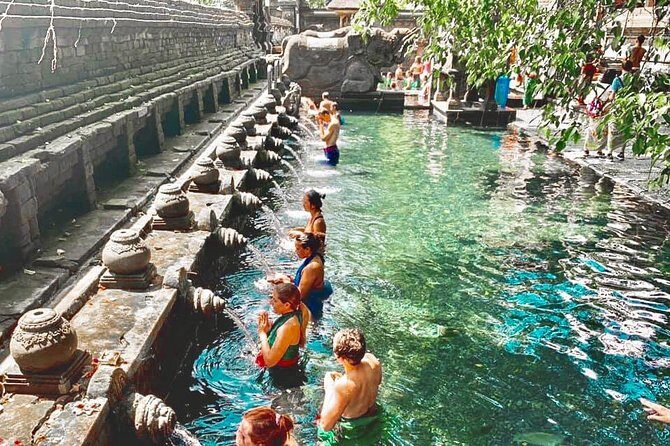
The final major temple stop is Tirta Empul Temple, a Hindu Balinese water temple near Tampaksiring. It’s described as one of the most popular day trips for people who like nature and local cultural experiences, and it gets about 2 hours.

Even though it’s a temple, it’s also a water-centered place. That changes the feel of your visit compared to a purely architectural stop. You’re moving through a setting where water is part of the experience, not just background scenery.

Practical etiquette tip: temples often come with dress and behavior expectations, and your guide is the right person to ask what to do on arrival. In many places, modest dress and respectful movement matter. Don’t guess—ask your guide and follow local direction.

Why it’s a good capstone: by the time you reach Tirta Empul, you’ve already done monkey forest and two waterfalls. Ending on a cultural water temple gives the day a satisfying balance.

Timing, crowds, and how your guide keeps the day sane

This tour is listed at about 10 hours total, which is a full day but not an all-day slog. The stops are spaced so you get enough time to enjoy each place without turning the schedule into a sprint.

That’s where the flexibility of a private guide matters. Reviews and tour descriptions emphasize that guides handle adjustments when conditions change. In real Bali traffic, that’s the difference between a “great on paper” day and a day where you actually enjoy the sights.

What I like for you here is that the day is structured around “stay time,” not just drive time:

  • 1 hour for the Monkey Forest
  • 2 hours for Tibumana
  • 2 hours for Kanto Lampo
  • 2 hours for Tegalalang
  • 1 hour for the swing
  • 2 hours for Tirta Empul

If you have mobility limits, you’ll want to mention it. The itinerary includes active walking at at least the waterfalls and rice terraces. If you’re comfortable on uneven ground, you’ll be fine. If not, a guide can often suggest where to pause and how to keep it easier.

Price and value: why $35.15 can work (if you want this exact day)

The price is $35.15 per person, and the tour duration is about 10 hours with private transfers. That price might look low if you compare it to ticket-and-car costs in many other destinations.

Here’s why it can be good value:

  • You get round-trip transfers
  • You get an English-speaking driver
  • Most entrance tickets are included
  • You get mineral water, plus parking/fuel handled

What you don’t get is lunch, and you may add the swing activity. Still, for a day that hits multiple major sights in Ubud, you’re paying for a packaged experience rather than building it stop-by-stop.

If you were planning to do this on your own, the math can get messy fast. Even if you arrange transport, entrance fees and the time cost of figuring out routes add up. This tour pays those “unknowns” for you.

One more angle: you can book as a private tour, which matters if you’re traveling with family, friends, or a partner and you want your pace.

Who this tour suits best (and who should reconsider)

This tour is a great fit if:

  • you’re short on time and want a strong Ubud sampler
  • you want a private guide who can answer questions
  • you like mixing nature stops with cultural sights
  • you prefer having transfers and ticket planning taken off your plate

It might not be ideal if:

  • you hate structured itineraries and want total freedom to roam
  • you’re only interested in one type of place (all temples or all waterfalls)
  • you’re on a super-tight budget that can’t stretch to the swing add-on or snacks

A few practical tips that will make the day smoother

You’ll be outdoors for a lot of the route, so plan for basic comfort:

  • Bring sunscreen and a hat for the rice terrace and waterfall viewing
  • Wear shoes with grip for waterfall areas and uneven paths
  • Have a small towel or quick-dry change if you don’t mind getting a little wet

For photos, the best move is to let your guide help with timing. A private guide can often spot the right moment to pause without everyone clumping into the same frame.

Also, if you care about photos, check with your guide before you head out how they prefer to handle picture stops. Some guides have a reputation for taking and helping with photos, but don’t assume it’s automatic—ask.

Should you book this Bali Ubud Highlights Tour?

Yes—if you want a one-day plan that realistically hits the core Ubud highlights without turning your vacation into logistics homework. The blend of Monkey Forest, Tirta Empul, rice terraces, and two waterfalls is exactly the kind of “see a lot, still enjoy it” itinerary that works for first-timers and time-limited trips.

Book it especially if:

  • you value included entrances and transfers
  • you want a private guide who can adjust to the day
  • you’re excited by both cultural sites and outdoor scenery

If you’re the type who wants total freedom, you might feel boxed in. But for most people, this tour hits the sweet spot: planned stops, reasonable time in each place, and a guide who helps the day make sense.

FAQ

How long is the Ubud highlights tour?

It’s listed at about 10 hours.

Is hotel pickup and drop-off included?

Yes. Pickup and drop-off are offered for multiple Bali areas, including Kuta, Sanur, Seminyak, Nusa Dua, and several Ubud-area pickup points.

Are entrance tickets included?

Yes, entrance tickets are included for the stops that list admission included. Terrace River Pool Swing is not included.

What isn’t included in the tour price?

Lunch and personal expenses aren’t included.

Is this tour private?

Yes. It’s a private tour/activity, and only your group participates.

Can I get a full refund if I cancel?

Yes. Free cancellation is available up to 24 hours in advance for a full refund.

Bali Cooking Class with Culture Experience

Bali Cooking Class with Culture Experience - Key highlights at a glance

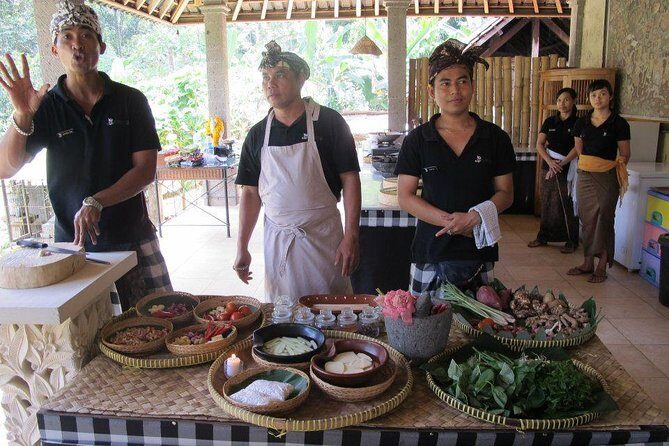
Morning in Ubud comes with a tasty plan. This Bali cooking class with culture experience turns a normal vacation morning into a real Balinese food lesson, starting with ingredients and ending with a full meal you make yourself. I like that the focus is hands-on cooking with clear guidance, not just watching someone else work.

Two things I especially like: you shop for the flavors first with a Family Host at a morning market, and you cook alongside a professional chef at the home cooking pavilion. A possible drawback: the start time is early (7:30am), so if you hate mornings, plan to keep the rest of your day simple.

You’ll also get a written takeaway that helps you repeat what you learned later, which is where most cooking classes fall short. If you’re curious about Balinese life beyond food, the family-style setting and the culture chat add real context.

Key highlights at a glance

Bali Cooking Class with Culture Experience - Key highlights at a glance

  • Morning market ingredient hunt for herbs, spices, fruits, and vegetables
  • Warm family welcome with hot drink and Pisang Goreng banana fritters
  • Small group size (max 12) for a more personal cooking flow
  • Chef-led full menu cooking including appetizers, multiple entrees, sides, and dessert
  • Illustrated recipe booklet with directions, photos, tips, and note space
  • Gratitude ritual after a traditional meal, shared in the home setting

Why a 7:30am start in Ubud makes a big difference

This experience begins at 7:30am, and that timing matters more than it sounds. A morning market is where the day’s best produce and aromatics are easiest to find and talk about. You’re not just buying ingredients because you need them for cooking; you’re learning what they are and why they’re used.

It also shapes the whole feel of the day. You’ll start with coffee or tea and banana fritters, then settle into the cooking pavilion with your ingredients already fresh in mind. If you’re used to late starts in Bali, treat this like a “morning person” day: quick breakfast on arrival, then a full work session in the kitchen.

The price is $62 for about six hours, which is reasonable for a chef-led class that includes shopping time, food, and transfers from central Ubud. In many places, you’d pay similarly for a tour and then still have to pay for lunch separately.

Lobong family welcome: coffee, tea, and Pisang Goreng

Before the cooking gets serious, you get the warm-up. At the home, Dewa greets you with a pipping hot cup of coffee or tea (or mineral water), plus his famous Pisang Goreng—crispy banana fritters made fresh.

This part isn’t just about snacking. It’s a quick cultural tone-setter. While you eat, you hear about Balinese lifestyle and how families structure their home life, including home shrines. The staff also double-checks that the cooking pavilion is ready, so you don’t feel like you’re wandering around waiting.

One practical tip: if you’re the kind of person who needs food to concentrate, this welcome helps. You’re not walking into a kitchen cold. Also, since this is morning-first, that banana fritter crunch is a very real energy boost before you start chopping and cooking.

Shopping with the Family Host: herbs and spices you can actually identify

The day’s first “lesson” is the market. You’ll tour a typical morning market and then shop for ingredients with your Family Host, who buys and explains what you’ll use: fresh herbs, spices, fruits, and vegetables.

I like this setup because it gives you something most cooking classes miss. You’re not just learning recipes; you’re learning the ingredient logic. You’ll understand what to look for and how ingredients smell and taste when they’re fresh, not when they’re packaged or dried and forgotten in a spice drawer.

Market time also gives you a gentle introduction to how Balinese cooking is built. Many classes jump straight to the kitchen and treat spices as a list. Here, you connect the spices to actual produce you can point to. That makes it easier to shop later when you’re recreating dishes at home.

A consideration: markets can move fast, and some ingredients may be unfamiliar. If you’re someone who wants lots of photo time or slow pacing, you may need to be proactive about asking questions while you’re there.

The cooking pavilion: chef-led, full menu, and truly hands-on

Once you’re back home, the cooking starts in the cooking pavilion. You’ll work with a professional chef on a complete menu: an appetizer, multiple entrees, accompanying side dishes, and dessert.

I appreciate that this isn’t a “one dish and done” class. You get repetition across cooking steps—prepping, mixing, cooking, and plating—so your skills build across the menu. It also helps you understand how different parts of a Balinese meal fit together on the plate, instead of treating each dish as a separate project.

The class flow is designed to keep you fed while you learn. You’ll hear about Balinese life while the setup happens, then you cook, and later you eat what you made. That’s not just convenient; it keeps motivation high when a recipe involves multiple steps.

There’s also a nice reality check here. Since you’re cooking in a home setting with a professional guiding you, you get a sense of what’s practical to recreate. Some techniques are very transferable; others may require ingredient substitutions depending on what you can find at home. The takeaway booklet helps bridge that gap.

Lunch you cooked, dessert you finished, plus a gratitude ritual

After the cooking work, you get to do the best part: eat what you made. Your lunch is described as delicious, and it’s coming directly from your own hands in that kitchen.

One of the most memorable cultural touches is that the meal is followed by a ritual of gratitude. That doesn’t turn the day into something overly formal, but it does add meaning. Food in Bali isn’t only about taste; it’s also about respect—for ingredients, family routines, and the rhythm of daily life.

Then dessert comes right after lunch. The experience finishes with freshly made dessert, so you end on a sweet note rather than a hurried food rush. It’s a good way to keep people excited through the whole six hours.

If you have dietary restrictions, this is where you should plan ahead. The menu is described generally (appetizer, entrees, sides, dessert), but specific ingredients aren’t listed here. If you need something tailored, you’ll want to ask before you book.

What you take home: the illustrated booklet that helps you repeat the meal

The best souvenir from a cooking class is the one that keeps working after your vacation ends. Here, you leave with an illustrated instructional gift booklet.

It includes:

  • the menu and recipes
  • directions and photos
  • tips to help you succeed at home
  • plenty of space for notes

That last part matters. When you try to recreate a dish later, you usually forget what you adjusted on the day. Note space helps you remember, like how long something took, what the sauce looked like, or which herb smell signaled the right stage.

Because the booklet is illustrated, it’s easier to follow even if you’re not a confident cook. You’re not trying to decode a complicated recipe from memory; you’re using a step-by-step guide written for a learner.

My practical advice: before you cook again at home, skim the booklet once end-to-end. Then shop for ingredients in one pass. When you return to the booklet while cooking, you’ll spend less time guessing and more time matching what you see to what the recipe shows.

Price and value: is $62 fair for this kind of day?

At $62 for about six hours, the value is strongest when you look at the full package:

  • round-trip transfers from central Ubud hotels (so you’re not figuring out transport)
  • small group size (max 12 travelers), which helps you get attention while cooking
  • a market ingredient tour plus a chef-led class
  • breakfast snack and lunch you prepare
  • a take-home illustrated booklet with recipes and photos

Many food tours cover one piece—either the market or the cooking. This one links them, so the learning builds. You don’t just hear about herbs and spices; you buy them, smell them, and use them in the dishes you eat.

If your goal is to leave with skills you can repeat, this class is set up for that. If your goal is pure sightseeing, you might want to pair it with a separate day trip. But for a food-focused Bali experience, it’s well-priced for what’s included.

Who this Bali cooking class suits best

This experience is a great match if you want:

  • a hands-on cooking lesson with a real chef
  • a morning market experience in Ubud tied directly to what you’ll cook
  • a home setting where you can ask questions without feeling rushed
  • a practical recipe takeaway for cooking again later

It also suits couples, small groups, and solo travelers who like structured days. The small group size (up to 12) makes it easier to connect with the chef and Family Host.

You may want to think twice if you strongly dislike early starts. The 7:30am start and morning market portion are core to how the day works.

Should you book this Lobong Culinary Experience in Ubud?

If you’re choosing between a quick cooking demo and a real meal-making skill builder, I’d pick this. You get the market ingredient story, a family welcome from Dewa with Pisang Goreng, chef-led cooking of a full menu, and an illustrated booklet that helps you reproduce the dishes later.

Book it if you care about food quality, want cultural context without it feeling like a lecture, and like learning by doing. Pass if you hate early mornings or you want a class that’s centered on famous landmarks instead of food and home life.

If you do book, come hungry (in a good way), ask your Family Host questions during the ingredient shopping, and use the notes space in the booklet right away. That way, this isn’t just a great day in Ubud—it becomes a recipe plan you can use long after you fly home.

FAQ

What time does the cooking class start?

The experience starts at 7:30am.

How long is the Bali cooking class experience?

It’s approximately 6 hours.

Where does the tour take place?

It runs in Ubud, Indonesia.

Is hotel pickup included?

Yes, pickup is offered, with round-trip transfers from central Ubud hotels.

How many people are in the group?

The class has a maximum of 12 travelers.

What’s included besides cooking?

You’ll tour a morning market for ingredients, have a breakfast snack and a hot drink with banana fritters, and enjoy lunch and dessert you prepare. You also leave with an illustrated instructional booklet.

Do I get recipes to take home?

Yes. You receive an illustrated gift booklet with the menu, recipes, directions, photos, tips, and space for your own notes.

Is confirmation provided after booking?

Confirmation is received within 48 hours of booking, subject to availability.

What’s the cancellation option?

You can cancel for a full refund up to 24 hours in advance of the experience’s start time.

Ubud Tour With Monkey Forest, Rice Terrace, Waterfall, Temple

Monkeys first, then rice terraces, then temples. That’s the rhythm of this Ubud loop. You get a private plan that stacks big sights into one day, with the comfort of an air-conditioned car and the convenience of round-trip hotel pickup. Two things I really like: the way the stops fit together (nature, art, worship, then a waterfall), and the fact your English-speaking driver can explain what you’re actually looking at, not just drive you from sign to sign.

One thing to consider: it’s a long day (about 8 to 10 hours), so the waterfall time is short, and you’ll want to be realistic about how much temple-and-monkey time you can handle with heat, traffic, and travel time.

Key points to know before you go

Ubud Tour With Monkey Forest, Rice Terrace, Waterfall, Temple - Key points to know before you go

  • Private, hotel-based convenience: pickup and drop-off mean less hassle and more sightseeing time
  • Big-name Ubud highlights in one loop: Monkey Forest, Tegalalang, Tirta Empul, and Ulu Petanu
  • Short stops with strong scenery: you’ll get views and photos, but not a slow wander day
  • Admissions are mostly on you: several major sites list tickets as not included (Mas Carving Center is free)
  • Waterfall prep matters: you’ll want to manage the wet/dry-clothes situation yourself
  • English-speaking driver with context: guides like Made, Radek, Raza, Tony, and Ib Kumara Bawa are named in people’s experiences for being communicative and flexible

How this Ubud day tour really feels

Ubud Tour With Monkey Forest, Rice Terrace, Waterfall, Temple - How this Ubud day tour really feels
This is a classic “Ubud highlights” day, but with one practical advantage: you don’t have to stitch together multiple taxis and figure out routes on your own. The tour is built as a smooth hopscotch—forest → craft village → rice terraces → holy spring temple → a waterfall—so your day keeps moving instead of stalling in transit.

The private setup also changes your pace. You’re not balancing a group that wants to linger while someone else is already asking about the next stop. Your driver can also help you make small adjustments when the day needs it, like when timing and traffic don’t match a perfect calendar.

And yes, Ubud is photogenic. But the better part is what you learn while you’re there. You’ll get context for things like Balinese offerings, purification rituals at Tirta Empul, and why Monkey Forest feels more like a lived-in religious landscape than a simple zoo.

Entering Sacred Monkey Forest Sanctuary (700 long-tailed macaques)

Ubud Tour With Monkey Forest, Rice Terrace, Waterfall, Temple - Entering Sacred Monkey Forest Sanctuary (700 long-tailed macaques)
Your first major stop is Sacred Monkey Forest Sanctuary. This isn’t a quick “see a monkey, move on” stop—at least in theory. You get about an hour to walk the well-maintained pathways.

The standout detail here is the scale and variety of what surrounds the monkeys. The forest is home to over 700 long-tailed macaque monkeys, and the pathways don’t just lead you past animals. You’ll also find ancient temples, old banyan trees, and serene streams.

What to expect, practically:

  • Expect close-up monkey behavior. They’re curious and fast, and they’ll treat your pockets like a snack bar.
  • The hour goes quickly if you stop often for photos and also try to read the vibe of the temples and trees.
  • If you’re nervous around monkeys, you’ll still likely enjoy the forest atmosphere, but you’ll want to keep a firm handle on anything you’re carrying.

One more thing: some people love this stop because it feels spontaneous and lively. Others just want the view and the temples. Either way, it’s a great opener because it grabs your attention before you move into the more structured sites later.

Mas Carving Center: wood, jewelry, and art village energy

Ubud Tour With Monkey Forest, Rice Terrace, Waterfall, Temple - Mas Carving Center: wood, jewelry, and art village energy
Next up is Mas Carving Center—an art village stop that acts like a palate cleanser after Monkey Forest.

This portion is about crafts, not temples. The emphasis is on seeing wood carving in good quality, plus gold & silver jewellery and painting. The admission here is listed as free, which is nice because it keeps your costs under control when other major attractions require tickets.

What I like about this stop is that it’s not only about buying stuff. Even if you don’t plan to shop, it helps you understand why Ubud has such a strong arts identity. You also get a chance to use this time to regroup before you hit Tegalalang’s big photo views and Tirta Empul’s ritual focus.

A practical note: like many craft centers, this can come with sales pressure. If you’re not in a shopping mood, just treat it like a gallery stop. Look, ask a couple questions, and move on when you’re done.

Tegalalang Rice Terrace: views that earn your camera time

Ubud Tour With Monkey Forest, Rice Terrace, Waterfall, Temple - Tegalalang Rice Terrace: views that earn your camera time
Then comes Tegalalang Rice Terrace, one of the most recognizable rice terrace areas near Ubud.

You get about an hour here, and the whole point is the panoramic look. The terraces create layers of green (and in many seasons, the color looks extra strong under the Bali light), and the views are wide enough that you’ll want to spend time just watching where the paths and ridges lead.

This is also the stop where you’ll likely do the most photos. The itinerary note calls out great photograph opportunities, and that’s exactly what you’ll find—especially if you’re standing at viewpoints that overlook the terraces rather than looking only at one patch of them.

Admission is not included for this stop, so factor that into your total day cost. The value check for me: if rice terraces are your thing, this is worth paying to enter because you’re paying for access to those viewpoints and walking areas rather than just seeing them from a roadside look.

Tirta Empul Temple: holy spring purification at the center of the ritual

Ubud Tour With Monkey Forest, Rice Terrace, Waterfall, Temple - Tirta Empul Temple: holy spring purification at the center of the ritual
From scenic terraces, you shift into something more spiritual at Tirta Empul Temple.

This place is famous for its holy spring water, and the reason the site matters is clear: Balinese Hindus go there for ritual purification. You’ll spend about an hour exploring the temple and taking in what’s happening around the spring area.

What makes Tirta Empul stand out is that it’s not just a pretty temple building. The spring water is the whole story. If you’ve never seen a Hindu purification ritual, this is one of the more meaningful ways to understand how religion plays out in daily practice.

Practical considerations:

  • Expect a respectful atmosphere. Keep your voice down and be mindful of where people are performing the ritual.
  • Admission is not included, so again, add tickets to your mental budget.
  • This stop can feel slower than Monkey Forest because you’re observing a ritual and reading the space, not chasing motion.

If you like cultural context, this is one of the best stops to have your driver/guide explain what you’re seeing—especially the idea of purification and why water matters in the ritual.

Ulu Petanu Waterfall: the water gets the spotlight

Ubud Tour With Monkey Forest, Rice Terrace, Waterfall, Temple - Ulu Petanu Waterfall: the water gets the spotlight
Finally, you head to Ulu Petanu Waterfall, a waterfall near Ubud that the itinerary frames as “hidden,” with crystal-clear water.

You get about 45 minutes, which is short but typical for a waterfall stop when the day is packed. The note also says you can get into the water, so this isn’t just a photo platform. You’re supposed to experience it.

What to know before you go in:

  • Bring a plan for wet clothes. The tour does not include a towel or a dry change of clothes.
  • Since you’re only there for 45 minutes, don’t overthink. If you want to swim, do it early enough that you’re not rushing at the end.
  • Admission is listed as not included, so treat that as a cost line you’ll cover.

Why this stop is still worth it even with limited time: a good waterfall break helps your day feel less like a checklist. It’s the moment where you can feel the place instead of just seeing it.

Timing and logistics: why 8–10 hours can feel both perfect and long

Ubud Tour With Monkey Forest, Rice Terrace, Waterfall, Temple - Timing and logistics: why 8–10 hours can feel both perfect and long
The tour runs 8 to 10 hours, with the remaining time allotted for transportation. That’s the honest reality of Ubud sightseeing: even when stops are close-ish, traffic and winding roads make the schedule flex.

In your day, expect:

  • The first half to be energetic: Monkey Forest plus craft shopping.
  • The mid part to be scenic and photo-heavy: rice terraces.
  • The later part to become more reflective and spiritual: Tirta Empul.
  • The last moment to be physical and wet: the waterfall.

One thing I appreciate is the air-conditioned car. It matters more than you’d think when you’re dealing with sun, humidity, and the stop-and-go tempo of Bali roads.

Also, the tour includes parking fees and uses an air-conditioned vehicle, which is a small detail, but it reduces the random “surprise extras” that can pop up on less organized days.

Cost and value: what $30.89 buys you (and what it doesn’t)

Ubud Tour With Monkey Forest, Rice Terrace, Waterfall, Temple - Cost and value: what $30.89 buys you (and what it doesn’t)
At $30.89 per person, this tour is priced like a smart budget day—especially because it includes:

  • private tour with an English-speaking driver
  • air-conditioned vehicle
  • parking fees
  • pickup and drop-off from your hotel

The part to watch is what’s not included: multiple stops list admission tickets not included. Mas Carving Center is free, which helps, but Monkey Forest, Tegalalang Rice Terrace, Tirta Empul Temple, and Ulu Petanu Waterfall all have ticket costs you’ll handle separately.

So the value story depends on how you travel. If you’d rather pay for a driver and let someone manage the route, this can be a good deal even after adding tickets. If you’re comfortable hiring your own car for the day and dealing with navigation and parking yourself, you might find cheaper options. But for many people, the convenience is the entire point—less hassle, fewer coordination headaches, and a full day organized around local stops.

My take: this is a great value if you want variety in one shot, and you’re okay with a schedule that’s efficient rather than slow.

Guides and the difference between a drive and a day

This is where the personal touch shows up. People’s experiences include guides like Made, who’s mentioned for adding lots of interesting additional information and teaching about Balinese traditions. Other names come up too: Radek for being first rate, Raza for excellent English and friendly, chatty guidance, and Tony for being very nice.

Even when someone feels the price was too high, the driver itself often still gets positive comments. That tells you something important: the quality of the day isn’t only the itinerary. It’s how well your driver communicates and whether they can adjust the day to how you’re feeling.

If you like learning while you travel, this tour fits that style. You’re not only looking; you’re getting explanations as you go.

What to bring so the day stays comfortable

This tour isn’t difficult, but you’ll want to pack smart because a couple items are not provided.

Bring:

  • swim-ready clothes for the waterfall, if you plan to get in
  • a dry change of clothes and/or a small towel solution (the tour doesn’t include towel or change dry clothes)
  • cash or a card for admission tickets at Monkey Forest, Tegalalang, Tirta Empul, and Ulu Petanu
  • water and snacks only if you personally prefer it, since food is available to purchase but not included

If you’re the type who runs hot, the air-conditioned car helps, but you’ll still spend time outdoors. Sun protection is your friend here.

Who this tour suits best (and who might want a different plan)

This tour is best for you if:

  • you want a one-day sampler of major Ubud hits
  • you prefer private transport so you can move efficiently
  • you like having a driver who explains culture and history, not just the road
  • you’re okay with a full schedule rather than a slow wandering day

It may not be the best fit if:

  • you’re chasing an unhurried day with long stays at each site
  • you want only one or two major sights and hate ticket line items
  • you’re traveling with very small kids and your patience for a long day is limited (even though the trip is private and flexible, travel time still adds up)

Should you book this Ubud tour?

I’d book it if you want a clean, organized way to see Monkey Forest, rice terraces, Tirta Empul, and a waterfall in one day without juggling transport. The combination makes sense: nature first, crafts next, big scenery in the middle, a meaningful temple ritual, then a wet finish.

I’d think twice if you’re price-sensitive about admissions and prefer to keep ticket costs minimal, or if you’d rather spend more time at just one or two places. Also, if you don’t plan to get into the waterfall, you may feel the last stop is too short.

If your goal is variety plus convenience, this tour is a strong bet. Just pack for the wet-and-dry reality, and budget for site tickets.

FAQ

What’s included in the tour price?

You get a private tour with an English-speaking driver, an air-conditioned vehicle, and parking fees. Hotel pickup and drop-off are included.

Are admission tickets included for the main attractions?

Admission tickets are not included for several stops: Sacred Monkey Forest Sanctuary, Tegalalang Rice Terrace, Tirta Empul Temple, and Ulu Petanu Waterfall. Mas Carving Center is free.

How long is the tour, and how is the time used?

The tour is about 8 to 10 hours. The remaining time is allotted for transportation between stops, while each listed stop has its own time window (roughly 45 minutes to 1 hour).

Is this a shared group tour?

No. It’s private, meaning only your group participates.

Is food included?

No. Food is available to purchase, but it’s not included in the tour.

Do I need to bring a towel or dry clothes?

Yes, plan to bring your own. Towel and change dry clothes are not included, and you may want them for the waterfall stop where you can get into the water.

Celukan Bawang Day Tour (all-inclusive with optional option)

Celukan Bawang Day Tour (all-inclusive with optional option) - Your Day Schedule: Pacing Through Buleleng, Munduk, Lovina, and Bedugul

North Bali can feel worlds away. This private day trip from Celukan Bawang lets you slow down through scenery and culture that most big-group tours skip. I like that the route is built for cruise-day timing, with pickup and flexible departure times so you’re not stuck wasting hours waiting.

Two things I really love: first, the private setup (just your group) with an English-speaking driver who can answer Bali questions as you go. Second, the price structure: air-conditioned transport, bottled water, travel insurance, parking, and entrance fees are included in most of the set packages. One drawback to weigh: some of the waterfall stops involve steep, slippery walking, and if you customize, entrance fees may not be included—so you’ll want to confirm what’s covered before you commit.

Key Points Worth Your Attention

Celukan Bawang Day Tour (all-inclusive with optional option) - Key Points Worth Your Attention

  • Cruise-port friendly timing to minimize lost hours on the dock and maximize time on the road.
  • Private vehicle and driver so you can set the pace, not just follow a clock.
  • Entrance fees included for set packages, but not always for the customize option.
  • Waterfall access is real work—stairs and uneven jungle paths come with the territory.
  • North Bali variety: lakes, temples (Hindu, Buddhist, Chinese), hot springs, black-sand beach.
  • Optional extras like Menjangan Island snorkeling (not included) and an ATV option with coffee plantation time.

North Bali by Cruise Port: Why Celukan Bawang Works

Celukan Bawang Day Tour (all-inclusive with optional option) - North Bali by Cruise Port: Why Celukan Bawang Works
Celukan Bawang puts you on Bali’s north side, where the vibe tends to feel more local and less crowded than the south. If you’re on a cruise day, this matters. It’s one thing to visit Bali’s highlights from a bus window. It’s another to actually drive inland and see lakes, rice-country views, and temple settings that feel tied to daily life.

The tour is designed around pickup, and you can choose from a wide range of departure times. That flexibility is a big deal when your ship schedule is fixed and you don’t want to gamble on long transfers. I also like that the experience is private, meaning you’re not sharing a van with strangers who all need different restroom breaks.

You should still expect a lot of driving. North Bali roads can be curvy and the distances between stops add up. If you get motion sick easily, plan for that early and don’t treat the day like a quick drive-by.

Price and What’s Actually Included (and What Can Change)

The advertised price is $26.59 per person, and for a private day with transport, it’s unusually strong value for Bali. What makes it feel fair is the list of included basics: an air-conditioned vehicle, bottled water, parking fees, travel insurance, and a driver who speaks English. For most travelers on a tight schedule, those items alone reduce stress and last-minute costs.

Then there’s the important part: entrance fees. For package options A to E, entrance fees are included. For the customize itinerary option, entrance fees are not included. That means your final total can shift depending on which stops you add or swap.

One practical tip from the real-world ups and downs: if you’re picking a customized route, treat the entrance-fee question like a must-answer. Ask early which sights are covered and which tickets you’ll pay on the spot, so you don’t end up paying twice—or missing a stop you expected to be included.

Your Day Schedule: Pacing Through Buleleng, Munduk, Lovina, and Bedugul

Celukan Bawang Day Tour (all-inclusive with optional option) - Your Day Schedule: Pacing Through Buleleng, Munduk, Lovina, and Bedugul
The tour duration runs about 5 to 12 hours, depending on the option and what you include. Think of it as a pick-your-own adventure with a north Bali backbone. You can also build around your ship’s timing because departure times are flexible.

A common pattern is starting in the Buleleng District area, then moving into the highlands for waterfalls and lake views, and later finishing closer to the coast around Lovina and surrounding sites. That route makes sense geographically: waterfalls and temples tend to cluster with the cooler interior zones, while Lovina and hot springs sit nearer the coast.

Because it’s private, you can also ask your driver questions as you travel. This is more than small talk. North Bali culture isn’t just something you see at temples—it’s a story you can hear in the car: how local communities live, why places are sacred, and what daily life looks like outside the usual tourist magnets. I’d prioritize questions like: which temple is most tied to lake life, what locals do at the markets, and how people think about hot springs.

Waterfalls and Twin Lake Views: Where the Stairs Matter

Celukan Bawang Day Tour (all-inclusive with optional option) - Waterfalls and Twin Lake Views: Where the Stairs Matter
This is the part most people come for: multiple water stops and big highland views. The tour includes (depending on your option) Banyumala Twin Waterfalls and Banyu Wana Amertha Waterfall, plus scenic lake viewpoints such as the Twin Lake View at Wanagiri.

Banyumala Twin Waterfalls

Banyumala is known for being stunning without the biggest-tourist-crowd feeling, and it’s listed as about an hour with admission included. What you should plan for is the physical side of waterfall visits. You’ll likely deal with stairs and walking that can be tiring, especially if it’s hot or if paths are slick.

Banyu Wana Amertha Waterfall

This one is framed as a hidden gem in the Munduk area, with multiple cascades and moss-covered rocks. It’s also listed as about an hour with admission included. The catch: waterfall terrain in Bali often means steep jungle paths and steps. If you’re not comfortable with slippery footing, decide ahead of time whether you want to push all the way to the best viewing spots.

Twin Lake View (Wanagiri)

Between waterfalls, the day often shifts to calmer viewing. The Twin Lake View gives panoramic scenes over Lake Buyan and Lake Tamblingan. This is where you get to catch your breath, switch from sweat to photos, and enjoy the highland atmosphere without committing to another long walk.

My advice here is simple: treat waterfall time as the main activity and schedule lighter stops around it. If you go hard on both waterfalls in the same stretch, you’ll feel it in your legs by the end of the day.

Ulun Danu Bratan Temple and Other Sacred Stops

Celukan Bawang Day Tour (all-inclusive with optional option) - Ulun Danu Bratan Temple and Other Sacred Stops
North Bali doesn’t just do nature. It also does sacred places in a big way, and the tour can include multiple religious sites in different styles.

Ulun Danu Bratan Temple (Lake Beratan)

Ulun Danu Bratan Temple is a major water temple on the shores of Lake Beratan, dedicated to Dewi Danu, the goddess of lakes and rivers. It’s listed as about 40 minutes with admission included. Visiting a temple here feels like you’re watching how locals connect spirituality to the environment, not just seeing architecture.

What’s practical: plan for respectful behavior, and remember you’re in working culture, not a theme park. A good driver-guide helps you understand what you’re looking at and why the setting matters.

Banjar Holy Hot Spring (Air Panas Banjar)

Next up can be Banjar Holy Hot Spring, listed at about an hour with admission included. Sulfur-rich water flows from stone-carved dragon fountains into three public pools. This is a very different kind of north Bali experience—less about scenic views, more about feeling the natural spring setting.

Lovina Black Sand Beach

Lovina is known for black sand and calm waters, and it’s listed for about an hour with free admission. It’s a nice contrast after the highlands: you get sea air, a slower pace, and a more relaxed coastal scene than Bali’s more famous south beaches.

Brahma Vihara Arama Buddhist Monastery

This monastery is listed at about 30 minutes with admission included. It’s described as the largest Buddhist monastery in Bali, built in the 1970s, mixing Balinese and traditional Buddhist architecture. If you enjoy comparisons between different belief systems, this stop adds real variety to the day.

Ling Gwang Kiong Chinese Temple

The tour can also include Ling Gwang Kiong, listed for about 30 minutes with admission included. It’s a historic Chinese temple serving local Chinese Buddhist and Taoist communities. This is another good reminder that north Bali culture isn’t single-style. It’s layered.

Munduk Waterfall (Alternative or Additional)

Munduk Waterfall is listed as about an hour with admission included. It’s described as surrounded by lush tropical forest and coffee plantations, and it’s more about a quiet nature vibe than a party scene.

Markets, Coffee Time, and the ATV Option for More Than Just Photos

Celukan Bawang Day Tour (all-inclusive with optional option) - Markets, Coffee Time, and the ATV Option for More Than Just Photos
To keep the day from feeling like a sequence of ticket lines, the route often includes market and coffee experiences.

Pancasari Traditional Market

The stop named Pasar Wisata Jabe Puri Gede Pancasari (Pancasari Traditional Market) is listed for about 30 minutes with admission included. This is in the Bedugul highland area, known for fertile soil and a cooler climate. Expect fresh produce like fruit, vegetables, and spices.

Even if you don’t plan to buy much, a market stop does something valuable: it turns your day from scenery-only into daily-life context. You see what people actually eat and buy in the highlands.

Coffee Plantation Stops

Coffee shows up in the tour spirit in two ways. Some package itineraries include coffee time, and the optional ATV experience is also tied to a coffee plantation and a hydrangea flower garden. That matters because it lets you spend time in north Bali’s agriculture zone, not just the viewpoint circuit.

ATV Ride Add-On (Optional)

The itinerary includes an ATV option in north Bali. It’s described as an adrenaline ride plus coffee plantation time and a hydrangea flower garden ride area. If you want a more active component, this is the easiest way to add it without replacing all the cultural stops.

Menjangan Island Snorkeling: The Cost You May Need to Budget

Celukan Bawang Day Tour (all-inclusive with optional option) - Menjangan Island Snorkeling: The Cost You May Need to Budget
Menjangan Island snorkeling is listed as 1 hour, but admission is not included. It’s also framed as one of the best underwater experiences in Indonesia, with crystal-clear water and coral reefs.

So here’s how to think about it: if snorkeling is a top priority for you, you’ll want to budget extra for the activity itself. If snorkeling isn’t your thing, you can still enjoy the rest of the north Bali highlights without adding that cost.

This is also a good place to consider time and weather. If your day is already tight, swap snorkeling for more time at temples, hot springs, or lake viewpoints.

What the Best Day Feels Like With the Right Driver

Celukan Bawang Day Tour (all-inclusive with optional option) - What the Best Day Feels Like With the Right Driver
A private tour lives or dies by the driver. And with this experience, the tone is usually set by whether your driver is engaged and proactive.

In the stories tied to this tour style, drivers like Kadek Sate, Joni, Adi, and Dita are described as punctual, friendly, and willing to share context—history, culture, and what to focus on at each stop. There are also examples of drivers helping with logistics like pickup timing from the port and even choosing temples based on your preferences.

I found the most useful pattern: the best drivers help you feel safe on roads and prepared for what you’ll face on foot, especially around waterfalls. If you book, don’t just ask where you’re going. Ask: What’s the walk like here? Are the paths slippery? How much climbing is involved?

That one question can turn a stressful stop into a manageable one.

Safety, Comfort, and the One Big Reality Check

The tour’s biggest reality check is waterfall terrain. Multiple waterfalls are listed, and the access can include steep steps and slick paths. If you’re dealing with mobility limits, knee issues, or you get overwhelmed by physical trails, you should plan your pace and ask your driver to tailor how far you go.

Comfort can also vary. One negative note involves air-conditioning problems in the vehicle, which matters because the day can be long and warm. Bring a small layer if you’re sensitive to AC, and if you’re traveling during hot hours, keep water and rest breaks in mind.

Finally, keep entrance-fee expectations clear. Set packages typically include entrance fees, while the customize option does not. If you want full predictability, stick to the set packages. If you want to mix and match, confirm ticket coverage before you set off.

Who Should Book This Private Celukan Bawang Day Tour?

This tour makes sense for you if:

  • You’re on a cruise day and want a true private north Bali experience without paying for big-brand excursions.
  • You like variety: temples, hot springs, lakes, markets, and at least one waterfall cluster.
  • You want a driver who can talk through Bali instead of just dropping you at gates.
  • You’re okay with some walking and stairs at waterfall stops.

It might be less ideal if:

  • You’re not comfortable with steep steps and slippery terrain.
  • You want a fully guaranteed guided explanation inside every attraction (the driver’s role can be more transport-and-time management depending on the stop).
  • You’re booking a customized route and you’re counting on entrance fees being included.

Should You Book Celukan Bawang Day Tour?

Yes, if you want a north Bali day that feels practical and private, and you pick the option that matches how you want to pay for entrances. The combination of cruise-port convenience, air-conditioned transport, bottled water, travel insurance, and entrance-fee inclusion (in set packages) is strong value for the price.

I’d book with confidence if your must-sees are temples, lake views, hot springs, and at least one waterfall—just don’t treat waterfalls like a quick photo stop. Ask your driver about the walking difficulty and shoes/stairs comfort before you commit to the longer descent and return.

If you’re customizing, go in with clear expectations on ticket coverage, and you’ll likely have a day that feels genuinely worthwhile instead of complicated.

FAQ

How long is the Celukan Bawang day tour?

The experience runs about 5 to 12 hours, depending on the option you choose and how your day is arranged.

Is pickup available from the Celukan Bawang cruise port?

Yes. Pickup is offered, and the tour is built around cruise-port timing.

Are entrance fees included in the price?

For package options A to E, entrance fees are included. If you choose the customize itinerary option, entrance fees are not included.

What’s included in the tour price besides transportation?

The tour includes an air-conditioned vehicle, bottled water, parking fees, travel insurance, and a driver who speaks English, along with entrance fees for the applicable set packages.

Is Menjangan Island snorkeling included?

Menjangan Island snorkeling is part of the itinerary with admission listed as not included, so you may need to budget for it separately.

Can I cancel for a full refund?

You can cancel up to 24 hours in advance for a full refund. Canceling less than 24 hours before start time isn’t refundable.

Ubud Guided Walking Tour

Ubud Guided Walking Tour - Stop 1: Gunung Lebah Temple and the arrival of Hinduism

Ubud tells its story on foot. This guided walk strings together some of the area’s most meaningful stops, from Ubud’s oldest temple to a major art museum and royal compounds, with a guide who keeps the facts flowing in an easy, human way. I like the small group size (up to 8), because it feels personal instead of rushed. I also like that the route mixes culture, art, and power in a way that helps you understand how Ubud became what it is today.

One thing to plan for: the tour involves uneven temple stairs, steep gradients, and patchy sidewalks. If you’re not comfortable climbing steps or walking around an urban area for up to 3 hours, this is probably not the best fit. Also, it runs rain or shine, and if weather gets severe, the team will contact you before the start time.

Key highlights at a glance

Ubud Guided Walking Tour - Key highlights at a glance

  • Gunung Lebah Temple: learn how Hinduism arrived in Bali and why temples matter to community life
  • Campuhan Ridge Walk: a Dutch-colonial-era bridge and stories tied to the Dutch East India Company
  • Museum Puri Lukisan: the meeting point of 20th-century Balinese and Western artists and how that shaped Ubud’s reputation
  • Ubud Palace courtyards: architecture plus traditional cremation rituals
  • Puri Kantor access: special access to the palace of Tjokorde Gede Raka Sukawati and links to the Pitamaha Foundation

Where the tour starts (and how you’ll finish)

Ubud Guided Walking Tour - Where the tour starts (and how you’ll finish)
You meet at Cantina Rooftop Restaurant | UbudSayan, Ubud. That’s convenient if you’re already staying in central Ubud, and it means you’re starting your walk right where most people want to be: close to the historic core.

The tour ends at Puri Kantor, Jl. Suweta No.1, Ubud (80571). This matters because you’re not going back to the exact same starting point. Plan for an easy ride, a short walk, or a final meal near the end area. Also, there’s no pickup or drop-off included, so you’ll want to get yourself to the meeting spot on your own.

Good to know: you’ll get a mobile ticket, and service animals are allowed. There’s also mention that it’s near public transportation, so you can usually stitch the rest of your day together without too much fuss.

The 3-hour walking format: what it feels like in real time

This tour runs about 3 hours and keeps the pace moving with short stops (roughly 15–45 minutes each). That timing style is smart in Ubud because you get context without burning half a day, and you can still fit in other activities afterward.

It’s limited to a maximum of 8 travelers. I like that structure for two reasons. First, small groups make it easier to hear your guide and ask questions. Second, it helps the tour stay flexible when people slow down for views, photos, or just to catch the story again.

You’ll be walking around historic landmarks. The “around” part is important: you’re not just stepping through one neat, museum-like corridor. You’re moving through an actual neighborhood with uneven stairs, steep bits, and patchy sidewalks. If you pack yourself like it’s a city stroll in sneakers-only territory, you’ll have a better time.

Stop 1: Gunung Lebah Temple and the arrival of Hinduism

Ubud Guided Walking Tour - Stop 1: Gunung Lebah Temple and the arrival of Hinduism
The walk starts at Gunung Lebah Temple, spending about 20 minutes here with the admission ticket included.

What makes this stop feel useful is that it’s not only a photo-op. You’re standing outside Ubud’s oldest temple and getting a guided explanation of how Hinduism arrived in Bali, plus what you’re seeing in Balinese temple architecture and why these sites remain central to community life.

This is the kind of stop that changes how you read the rest of the day. Once you understand the religious and social role of temples, Ubud’s royal spaces and art world stories start to click into place. You’ll also be walking into later stops with more “why this matters” in your head, not just “what this looks like.”

Practical tip: wear shoes with grip. Temple areas often involve uneven footing, and your guide will be keeping the group moving.

Stop 2: Campuhan Ridge Walk and the Dutch-colonial bridge story

Ubud Guided Walking Tour - Stop 2: Campuhan Ridge Walk and the Dutch-colonial bridge story
Next is Campuhan Ridge Walk (about 20 minutes), again with the admission ticket included.

The star here is a modest bridge associated with the Dutch colonial era. Your guide connects that bridge to the broader influence of the Dutch East India Company and explains how Dutch power shaped the story of the region. The point isn’t just dates. It’s how outside rule affected local development and how those layers still show up in places you can walk to today.

This stop is a helpful change of pace after the temple. It’s where the tour shifts from “belief and community” to “history and power,” and you get to see how Ubud fits into a much wider Indonesian story.

Because it’s outdoors, you should treat it like a weather-sensitive segment. If it’s wet, expect the ground to be slick in spots and take your time.

Stop 3: Museum Puri Lukisan and the Balinese–Western art exchange

Ubud Guided Walking Tour - Stop 3: Museum Puri Lukisan and the Balinese–Western art exchange
You’ll spend about 45 minutes at Museum Puri Lukisan, with the admission ticket included. This is described as Ubud’s oldest art museum, and the focus is the collaboration between 20th-century Balinese and Western artists.

For me, the value here is the way it explains how artistic exchange helped shape Ubud’s international reputation. Instead of just telling you Ubud has art, your guide connects the dots: who worked together, what that collaboration looked like, and why it mattered for the town’s cultural identity.

This is also one of the stops where a good guide can turn a museum from “look at objects” into “understand a turning point.” If you care about why Ubud became an art hub, this is the portion that gives you that cause-and-effect feeling.

Tip for your day planning: this is the longest indoor stop, so if you’re tired from walking already, it’s a good place to slow your pace, sit for a moment, and recharge.

Stop 4: Ubud Palace courtyards, royal roles, and cremation rituals

Ubud Guided Walking Tour - Stop 4: Ubud Palace courtyards, royal roles, and cremation rituals
At Ubud Palace, you’ll spend about 15 minutes, visiting the outer courtyards. The tour connects the architecture to both historical and modern roles of Balinese royalty, and you’ll also hear about traditional cremation rituals.

This stop can be powerful because it’s not only about old kings and old buildings. You’re getting the living context—how royal traditions relate to today’s cultural structure. It’s also a quick way to understand the “gravity” of the palace area: it’s respected, it’s active in cultural terms, and it’s more than a set of pretty gates.

Time-wise, it’s short, which is good if you want to stay mobile and hit everything in about 3 hours. It also means you’ll want to listen carefully early, because the palace story gets better the more you track it.

Respect note: you’ll be in a royal setting. Follow any guidance from your guide and be mindful of others in the area.

Stop 5: Puri Kantor and exclusive access to the Prince’s compound

Ubud Guided Walking Tour - Stop 5: Puri Kantor and exclusive access to the Prince’s compound
The final stop is Puri Kantor, about 20 minutes, with special access to a Balinese compound and the admission ticket included.

This is the part of the tour that feels most like you’re stepping behind a curtain. The access is described as exclusive to the palace of Tjokorde Gede Raka Sukawati, the Prince of Ubud, and you’ll also learn about his role in shaping Ubud and his connection as a co-founder of the Pitamaha Foundation.

What you should take from this stop is the way authority and culture are tied together in real spaces. Earlier you walked through temple meaning and museum context; now you’re seeing how leadership and tradition are rooted in specific places you can actually stand inside.

Also, since this is the endpoint of the tour, it’s a good place to have your questions ready. Once you finish, you’ll head out on your own.

Guides: the story matters more than the checklist

Ubud Guided Walking Tour - Guides: the story matters more than the checklist
The tour’s big strength is the people leading it. The guide experience comes through as friendly, interactive, and built around storytelling, not just reciting facts.

I’ve seen strong praise for guides such as Windari and Ira, described as funny, captivating, and attentive to questions. There are also references to guides like Ilia and a guide named Win, with the common thread being clear explanations and a style that helps you understand the “how and why” behind each site.

What that means for you: your time feels like a conversation, especially if you like to ask questions. It also helps if your interest is broad—history, religion, art, and local identity—because a good guide can connect all those threads without you needing prior knowledge.

Language note: the tour includes a local English-speaking guide, and there’s also an Indonesian guide available. That’s useful if you’d like options depending on your comfort level.

Rain or shine, plus the real-world comfort checklist

This tour operates rain or shine. If conditions are severe, like an intense downpour, the team will call you before the start. That’s a good system because it prevents showing up and hoping.

But there’s no sugarcoating on the physical side. The tour takes place around landmarks with uneven temple stairs, steep gradients, and patchy sidewalks, and you need to be prepared for up to 3 hours of walking in an urban environment. If you’re generally comfortable on stairs and can handle short uphill stretches, you should be fine. If not, plan for it.

Before you go, think practical:

  • Bring comfortable, grippy shoes
  • Bring a reusable water bottle for refills (the tour has an environmental commitment to reduce plastic waste in Bali’s rivers)
  • Keep some patience for weather changes, since it’s outdoor walking

Small note: since the tour doesn’t include pickup/drop-off, you’ll want to be on time and ready to start from the meeting point.

Value for $28.36: where your money goes

At $28.36 per person, this tour isn’t just “a walk with a guide.” It bundles real access and key entries across several stops, including museum entry (Museum Puri Lukisan entrance ticket is listed as Rp 95,000) and admission tickets for the temple and palace sites.

It also includes:

  • a local English-speaking guide
  • special access to a Balinese compound at the final stop
  • local discounts

For many first-time visitors, the value is the combined package: you get a narrative thread across multiple locations in a short time, and you’re not trying to piece together tickets, explanations, and directions on your own. For people who prefer to learn without constantly stopping to read or ask, this is where the pricing starts to make sense fast.

Who this walking tour suits best

This is a great fit if you:

  • want an easy way to get your bearings fast in Ubud
  • like stories that connect religion, art, and cultural power
  • prefer small groups and question-friendly guiding
  • are happy walking around real streets and temple areas for a few hours

It’s less ideal if you:

  • have trouble with stairs or steep gradients
  • need a fully flat, low-movement outing
  • want transportation included from your accommodation (this tour does not offer pickup/drop-off)

Should you book Ubud’s guided walking tour?

Book it if you want a structured, guided overview that doesn’t feel like a rushed bus tour. The mix of Gunung Lebah Temple, Museum Puri Lukisan, and royal spaces (Ubud Palace and Puri Kantor) gives you a well-rounded sense of why Ubud looks and feels the way it does.

Skip it (or choose another style) if walking on uneven ground for up to 3 hours is a stretch for you. And do yourself a favor: wear shoes you trust, bring your reusable bottle, and show up ready to listen. This tour rewards attention.

FAQ

How long is the Ubud Guided Walking Tour?

It lasts about 3 hours (approx.), with multiple stops that run from around 15 to 45 minutes.

How much does the tour cost?

The price is $28.36 per person.

Where does the tour start and end?

It starts at Cantina Rooftop Restaurant | UbudSayan, Ubud and ends at Puri Kantor, Jl. Suweta No.1, Ubud.

Is pickup or drop-off included from my hotel?

No. The tour does not provide pickup or drop offs from your accommodation.

What’s included in the ticket price?

You get a local English-speaking guide and the guided walking tour, plus entrance tickets for the included sites, with Museum Puri Lukisan entrance listed as Rp 95,000. It also includes special access to a Balinese compound and local discounts.

Do I need a printed ticket?

No. The tour uses a mobile ticket.

Will the tour run in rain?

Yes, it runs rain or shine. If weather is severe (like an intense downpour), the provider will call you before the start.

What group size should I expect?

The tour has a maximum of 8 travelers.

Is there a language option besides English?

A local English-speaking guide is included, and there’s also an Indonesian guide available.

Is the tour accessible for people with mobility issues?

The tour includes uneven temple stairs, steep gradients, and patchy sidewalks, and it’s designed for guests who are physically able to climb steps and walk around for up to 3 hours.

What is the cancellation policy?

Cancellation is free if you cancel at least 24 hours in advance for a full refund. If you cancel less than 24 hours before, the amount paid is not refunded.
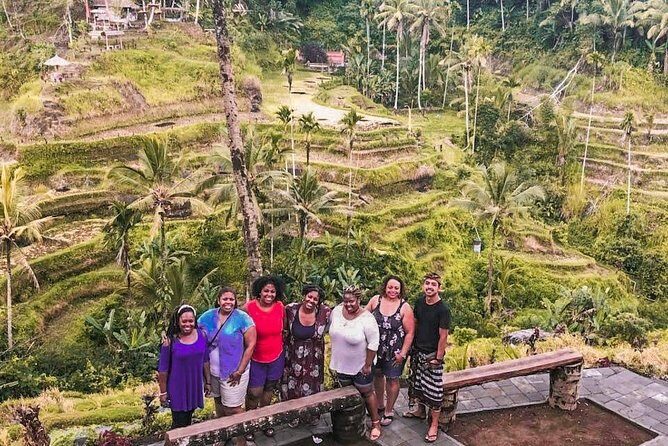
Telaga Waja White Water Rafting – With No Step or Stair : Bali Best Adventures

Telaga Waja White Water Rafting - With No Step or Stair : Bali Best Adventures - The 7-Hour Day: Pickup, Coffee, Gear-Up, Then Your 3-Hour River Window

If you want thrills without the stair workout, this fits. Telaga Waja White Water Rafting runs about 18 km down Bali’s Telaga Waja River near Ubud, with roughly 3 hours on the water and a day that still feels organized (not chaos in flip-flops). Guides handle the safety talk, gear up, and in-raft instruction so you know what to do before the river starts doing its thing.

I love the value mix here: buffet lunch plus shower and towel facilities make it a full day, not just a ticket to get wet. I also like that the operator keeps groups small (max 15), so you’re not stuck waiting forever to check in or get your turn. One thing to consider: even with the marketing promise of no steps, some routes involve at least a short walk at the start/end, and a few people report there can still be stairs depending on how you approach the water.

Key Highlights You’ll Feel the Moment You Arrive

Telaga Waja White Water Rafting - With No Step or Stair : Bali Best Adventures - Key Highlights You’ll Feel the Moment You Arrive

  • 18 km / 11-mile descent on Telaga Waja with a mix of easier and bouncier sections
  • 3 hours on the river (most of the rafting time happens on-water, not off to the side)
  • Buffet lunch, snacks, coffee/tea on arrival, plus shower + changing room
  • Water-resistant bag and safety-approved rafting gear included
  • Guides like Katut, Uday, and Wayan show up in real-world accounts for fun, clear instruction
  • You can do this with a focus on fewer stairs compared to other Bali rafting routes, but plan for some walking and rocks

Why Telaga Waja Works: Real Rapids, Good Scenery, and a Sensible Pace

Telaga Waja White Water Rafting - With No Step or Stair : Bali Best Adventures - Why Telaga Waja Works: Real Rapids, Good Scenery, and a Sensible Pace
Telaga Waja is the kind of Bali adventure that balances adrenaline with scenery you can actually see while you’re floating through it. You’ll cover a long stretch of river—11 miles (18 km)—so it doesn’t feel like a short stunt ride. The run is paced so you spend a good chunk of the day on the water, which matters because rafting days can otherwise turn into a long shuttle and a short splashing session.

I also like how the trip is built around simple human needs: food, changing space, and a way to wash off. After a white-water adventure, you want to rinse, dry, and get back to feeling like a person. Here, you get towels, shower access, and a changing room, plus a buffet lunch and snacks.

Finally, the “no steps” emphasis is smart for a reason. Bali’s rafting varies a lot in how many stairs you have to manage, and stairs can be a deal-breaker for some people. This operator specifically markets fewer stairs/no step or stair, but you’ll still want to keep expectations realistic: you may walk a bit over uneven ground at the start/end.

The 7-Hour Day: Pickup, Coffee, Gear-Up, Then Your 3-Hour River Window

Telaga Waja White Water Rafting - With No Step or Stair : Bali Best Adventures - The 7-Hour Day: Pickup, Coffee, Gear-Up, Then Your 3-Hour River Window
The total experience is listed at about 7 hours. That time usually covers more than just rafting: pickup, travel to the Bukit Cilli Rafting area, check-in, safety briefing, the rafting window, lunch, and return transfer.

In many Bali hotels, you’ll get picked up from areas like Ubud or south Bali options such as Kuta, Seminyak, Canggu, Sanur, Nusa Dua, Jimbaran, and more. If you choose a package that includes transfer, hotel pickup and drop-off is part of it. If you’re staying farther out, it’s worth double-checking your exact pickup point so you don’t lose time searching for the driver.

Once you arrive, expect a smooth rhythm:

  • a quick welcome drink (coffee or tea)
  • time to change, get gear, and organize your camera/clothes
  • a safety briefing and instructions before you hit the water

The actual rafting portion is about 3 hours. That’s the core event, so the goal is to get you ready without turning the day into a long waiting game.

Bukit Cilli Rafting (BCR) Start Point: Where the Day Gets Real

Telaga Waja White Water Rafting - With No Step or Stair : Bali Best Adventures - Bukit Cilli Rafting (BCR) Start Point: Where the Day Gets Real
Your rafting day starts at Bukit Cilli Rafting (BCR) Start Point (near Rendang, Karangasem). The finish is also at the Bukit Cilli Rafting area (finish is listed at Tangkup, Sidemen).

When you get there, the value is in what’s included:

  • Professional river guide for the safety briefing and in-raft instruction
  • safety-approved equipment so you’re not improvising with random gear
  • changing room, shower, and towels
  • a water-resistant bag to keep your non-essentials safer

You should dress for being active and wet. The tour lists a smart casual dress code, which you can treat as: come dressed decently, but plan to get changed once you arrive. Bring a change of clothes and sunscreen. If you’ve ever regretted leaving your hair products at home, this is the kind of day that makes you appreciate doing laundry tomorrow.

On the Water: 18 km Down Telaga Waja with Calm Float + Bouncy Rapids

Telaga Waja White Water Rafting - With No Step or Stair : Bali Best Adventures - On the Water: 18 km Down Telaga Waja with Calm Float + Bouncy Rapids
The Telaga Waja run is built to feel varied. You’ll raft a total of 18 km (11 miles) downriver and spend about 3 hours actively on the water, with a mix of calmer sections and more exciting, bumpier parts.

What you should expect from the ride itself:

  • dips and drops that get your heart rate up
  • sections that feel easier so you can catch your breath
  • other sections that push you to react quickly and work as a team

One reason people keep choosing this river is how it stays fun without being a constant white-knuckle grind. You’ll be close to the action, including passes near dramatic features like waterfalls and stone cliffs. At least in the accounts you’re working from, the guide energy matters too. Guides such as Katut and Uday are repeatedly described as making the run feel exciting and well managed—more like guided adventure than just a safety lecture.

Also, keep your head up (not literally) for the fact that helmets and water contact mean you’ll likely get soaked. That’s the point. Bring a camera, but use the included water-resistant bag for anything you can’t bear to lose.

The “No Steps” Claim: What You’ll Still Want to Plan For

Telaga Waja White Water Rafting - With No Step or Stair : Bali Best Adventures - The “No Steps” Claim: What You’ll Still Want to Plan For
This is the part to take seriously when you’re deciding if it fits your body and comfort level.

The tour is marketed as no step or stair, and multiple accounts praise it as a bonus versus other Bali rafting options that require more stair climbing. But a couple of things show up in real-world descriptions:

  • there can be some stairs, just not the heavy-stair situation people fear
  • if you choose different optional paths (like avoiding other activities), you might experience only a few steps

So here’s the practical way to think about it: plan for some walking at the start and finish. Even when steps are limited, you may be dealing with sharp rocks and uneven ground. If you want the easiest experience possible, wear footwear with grip.

If you have mobility limitations, I’d recommend contacting the operator before you book and asking what the walk from vehicle to raft and back looks like on your specific date. That’s the only way to know if it’s truly step-light for your exact route.

Lunch, Snacks, and Showers: The Stuff That Makes Rafting Bearable

Telaga Waja White Water Rafting - With No Step or Stair : Bali Best Adventures - Lunch, Snacks, and Showers: The Stuff That Makes Rafting Bearable
A white-water trip can feel like two days smashed into one: wet adventure first, then you wonder how you’ll dry off and eat. This one solves the basics for you.

Included on your day:

  • buffet lunch
  • snacks
  • coffee or tea on arrival
  • towels, shower access, and changing room

Most importantly, lunch is timed for after you’re done on the river so you can stop shivering and start rebuilding energy. The accounts you’re working from generally describe the lunch as plentiful and good, though one person called it not great. That tells me not to overthink it: treat lunch as solid recovery fuel, not a destination restaurant.

The shower and towel setup is genuinely useful. You’ll likely leave with hair that’s been through a small ocean. Being able to rinse and change turns the day from a wet memory into a practical, doable activity you can fit into your itinerary.

Guides and Safety: The Real Difference Maker on Any Bali Rafting Trip

Telaga Waja White Water Rafting - With No Step or Stair : Bali Best Adventures - Guides and Safety: The Real Difference Maker on Any Bali Rafting Trip
In rafting, the guide is the whole experience. The river can be thrilling either way, but good instruction is what keeps it safe, fun, and not stressful.

This tour includes:

  • a professional river rafting guide
  • a safety briefing
  • in-raft instruction (so you’re not just guessing when the water turns)
  • safety-approved equipment
  • insurance coverage
  • a group size limited to 15 travelers max

In the real-world notes tied to this experience, guides named Wayan, Katut, Uday, and staff such as Jack appear in accounts as friendly and helpful. Even when people were excited about the rapids, they consistently describe the guides as keeping the trip controlled and upbeat.

If you’re a first-timer, that matters. If you’re a repeat rafting person, you still benefit because a good guide can spot what you’ll enjoy and keep you from panicking when you hit the fast sections.

What to Wear and Bring (So You Don’t Regret It Later)

Telaga Waja White Water Rafting - With No Step or Stair : Bali Best Adventures - What to Wear and Bring (So You Don’t Regret It Later)
Your comfort on rafting day is mostly clothing and footwear choices. The tour lists what to bring:

  • sunscreen
  • camera
  • change of clothes

For footwear, don’t assume sandals will work. Even if the “no steps” pitch is true for your exact route, you’ll likely do some walking over uneven surfaces. One strong piece of advice from the notes you provided is to wear shoes because the walking parts can involve sharp rocks.

A smart packing approach:

  • wear something you don’t mind getting soaked
  • bring a change for later (you’ll be grateful after the shower)
  • protect your phone/camera with the water-resistant bag
  • sunscreen beforehand, not after you’re already red and crispy

Who This Tour Suits Best: Families, Active Beginners, and People Wanting Less Stair Stress

Telaga Waja rafting here is described as suitable for a range of ages and abilities. The minimum age is 6, maximum is 65, and the tour notes that most travelers can participate. That points to a family-friendly adventure level: thrilling, but not an extreme technical climbing operation.

This is a great fit if:

  • you want white water without making your whole day a stair climb
  • you’re traveling with kids (one account praised it for kids aged 7 and 10)
  • you’re an active beginner who wants clear instruction and safety gear
  • you want a full day with food and showers built in

It may be less ideal if:

  • you have very limited mobility and can’t handle any walking over rough ground
  • you hate surprises from water contact (rafting is supposed to soak you)
  • you expect a high-end gourmet lunch instead of recovery food

Is $30 Good Value for Telaga Waja Rafting?

At $30 per person, the headline price looks affordable, but value is really about what you get for that money.

Included value items from this tour:

  • 3 hours of rafting
  • safety gear and guide instruction
  • buffer lunch + snacks
  • shower, towels, and changing room
  • a water-resistant bag
  • insurance coverage
  • tax and services

Not included:

  • photo/video souvenirs (you can purchase them)

There’s also mention of upgrades for transfers from Ubud or south Bali, plus hotel pickup/drop-off options. If you’re far from Ubud, the transfer choice can change how “cheap” the day feels, because you’ll pay for convenience either way.

Still, if you price this against the cost of renting gear, paying for a guide separately, and figuring out shower access and lunch on your own, it stacks up as a solid deal. The best value is for people who want rafting to be a complete half-day to full-day experience, not a grab-and-go stunt.

Should You Book Telaga Waja White Water Rafting?

Book it if you want:

  • a longer river run (18 km) rather than a short rafting session
  • 3 hours on the water
  • a guide-led experience with safety gear, briefing, and in-raft instruction
  • included lunch, snacks, and shower access
  • the chance to avoid the worst stair-heavy rafting setup found on some other Bali rivers

Skip it or ask extra questions first if:

  • walking on uneven ground is a problem for you
  • you’re hoping for truly zero stairs at every point (the no-steps pitch is strong, but some accounts mention at least a little stair/walk element)
  • you need a very fancy lunch (this is practical recovery food, and quality can vary)

If you’re deciding between rafting days in Bali, this is one I’d put near the top for people who want real rapids, real views, and real convenience—without turning the day into a logistics headache.

FAQ

How long is the rafting on Telaga Waja?

You get about 3 hours of rafting on the Telaga Waja River, with the full experience lasting around 7 hours including pickup and other activities.

Where does the tour start and end?

The meeting start point is Bukit Cilli Rafting (BCR) Start Point, and the end point is Bukit Cilli Rafting (BCR) Finish Point.

Is lunch included?

Yes. The tour includes a buffet lunch, along with snacks.

Do I get hotel pickup and drop-off?

Pickup and drop-off are offered for packages that include transfer. The tour lists pickup/drop-off options for many areas, including Ubud and several parts of south Bali.

What safety and rafting gear is provided?

The tour includes safety-approved equipment, plus towels and access to showers and changing rooms.

What are the age limits?

The minimum age is 6 years, and the maximum age allowed is 65 years.

Is there a vegetarian option for lunch?

Yes. A vegetarian option is available if you request it at booking.

Is there free cancellation, and what weather conditions apply?

Cancellation is free up to 24 hours in advance for a full refund. The experience requires good weather, and if it’s canceled due to poor weather you’ll be offered a different date or a full refund.

Introduction into diving (half day, 2 dives, no cert)

Scuba basics, without the course. This half-day try-it is a smart way to see if you like the feeling of breathing underwater, learning control skills first, then heading out over a coral garden. I like the small group size (up to 4 people) and that you get gear plus refreshments handled for you. One drawback to plan for: you have to be able to swim and pass a medical questionnaire, since ear/sinus issues, asthma, recent inner-ear surgery, and some medications can make you ineligible.

What makes this work for real life is the pacing. You start at 8:30am, fit into a guided skills flow in protected, pool-like conditions, and then do guided open-water time. If you’re nervous, you can also begin with a practice lesson in a resort pool before you go out. The whole format is built for comfort and safety, and that shows in the way instructors are described—patient, calm, and focused on fundamentals like buoyancy and how to handle your equipment.

Key Highlights Worth Knowing Up Front

Introduction into diving (half day, 2 dives, no cert) - Key Highlights Worth Knowing Up Front

  • PADI-led Discover Scuba: learn core skills and try two guided underwater sessions without committing to a full certification course
  • Max 4 people: a small, instructor-friendly group size that keeps attention on you
  • Protected water skills first: practice in pool-like conditions before you go to open water
  • Gear and snacks included: scuba gear (except swimwear) plus coffee/tea, fizzy drinks, and bottled water
  • Pickup from Amed or Tulamben hotels: no need to figure out transport on your own
  • Instructors with real patience: names like Roda, Coco, Sasa, and Pierre come up for calm coaching and clear explanations

Amed’s Shallow Reefs Make a First-Time-Friendly Setting

Introduction into diving (half day, 2 dives, no cert) - Amed’s Shallow Reefs Make a First-Time-Friendly Setting
Amed is one of those places where the underwater experience is easier to say yes to. The plan here is built around shallow reefs and a coral garden vibe, not something wild or technical. That matters because your first goal is comfort: getting used to breathing through the regulator, feeling how your body moves with the water, and learning to stay relaxed instead of fighting your gear.

This setup also fits the way the training is described. You practice in protected bay conditions first, then you move to a guided open-water experience on shallow reefs. For a lot of people, that order is the difference between feeling overwhelmed and feeling in control. You’re not thrown out cold.

If you’re traveling to Ubud, keep in mind this experience is tied to Amed/Tulamben pickup. If you’re staying in Ubud proper, you might need extra planning for getting to the Amed/Tulamben side before the day starts.

Meeting at 8:30am: Transfers, Mobile Ticket, and Group Size

Introduction into diving (half day, 2 dives, no cert) - Meeting at 8:30am: Transfers, Mobile Ticket, and Group Size
The day starts at 8:30am, and it’s designed to be straightforward. If your hotel is in the Amed or Tulamben area, you get two-way transfers, so you’re not coordinating a car or guessing local timing. You’ll also receive a mobile ticket, which makes check-in easier the morning of.

Group size is capped at 4 travelers, with a maximum of 4 total in the activity. That’s not a random marketing number. In this kind of setup—where you’re learning breathing, buoyancy, and how to work with your equipment—fewer people means more eyes on you. It also tends to keep the briefing from turning into a lecture marathon.

What you should watch for: the experience is listed as not recommended for certain health situations. That’s not a scare tactic. It’s because the medical limits are real, and you’re expected to complete a medical questionnaire to confirm you’re medically fit.

The Half-Day Flow: Skills First, Then Two Guided Underwater Sessions

Introduction into diving (half day, 2 dives, no cert) - The Half-Day Flow: Skills First, Then Two Guided Underwater Sessions
Think of the schedule as a three-step arc: learn, practice, and then go out twice.

First, you’ll get fitted with scuba gear. The gear is included, but swimwear is not. Plan to wear or bring that with you, because without it the whole day gets annoying fast.

Next comes the skills work. You practice basic scuba techniques in protected bay conditions with pool-like water conditions. This is where you learn how to breathe underwater, how to manage your regulator, and how to handle simple movements without panicking. For many first-timers, the biggest win is that you’re working through fear before you deal with waves, wind, and real open-water scale.

Then you do the guided open-water experience on shallow reefs. After that first open-water session, the format is set up so you can continue with a second underwater session if you enjoyed the first one. The experience is clear that this is the recommended path: if you like it, do both.

If You’re Nervous, Use the Pool Option

If you get anxious when imagining open water, there’s an option that can make a big difference: you can start with a practice lesson in a resort pool to feel more comfortable before you go into the ocean. That’s a common need, and it’s good that this operator explicitly builds in that flexibility rather than insisting you go straight into open water.

Instructors You Can Trust: What I’d Look For in Roda, Coco, Sasa, and Pierre

Introduction into diving (half day, 2 dives, no cert) - Instructors You Can Trust: What I’d Look For in Roda, Coco, Sasa, and Pierre
The most convincing part of this experience is the way the instructors are described—patient, organized, and clear. Names that show up again and again include Roda, Coco, Sasa, and Pierre. Different people highlight different strengths, but the pattern is consistent: they explain what you’re doing, they keep the pace calm, and they focus on skills that let you relax.

For example, one instructor—Roda—gets credit for professional, kind support across a first-timer format. Coco is praised for being patient and careful while explaining the basics and then guiding the first time out. Sasa is noted for making new divers feel safe and guided through the experience step-by-step.

Pierre stands out for a skills-first mindset. In at least one full beginner story, he’s described as doing a comprehensive briefing and aiming to help people handle buoyancy quickly so they can enjoy the underwater time. That matters, because buoyancy control is usually where people stop feeling “watched” by the instructor and start feeling independent underwater.

One practical tip you can take from how these instructors work: during your briefing, don’t mentally multitask. You’ll learn faster if you treat the briefing like part of the training, not background noise.

What the $121 Price Buys: Value That’s More Than Just the Sessions

Introduction into diving (half day, 2 dives, no cert) - What the $121 Price Buys: Value That’s More Than Just the Sessions
At $121 for an about-half-day experience (roughly 5 hours), you’re paying for a structured first-timer path, not just a ticket to equipment and water.

Here’s what’s included in a way that can actually save you money and effort:

  • 2-way transfers from hotels in the Amed/Tulamben area
  • PADI instructor guidance
  • All scuba equipment you need (except swimwear)
  • Snacks and refreshments, including fizzy drinks, coffee, tea, and bottled water

For many people, the biggest value is the coaching. A first-time underwater session is where errors are easiest—wrong breathing habits, struggling with buoyancy, forgetting equipment steps. Paying for a focused instructor and a small group size is the difference between a “fun moment” and a “I understand what’s happening” moment.

Also, this is built for testing the waters. If you later decide you want full certification, you’re starting from a place of actual experience rather than guesses. That can make the next step less intimidating and more efficient.

Where It Can Go Wrong: Medical Limits and Weather Reality

Introduction into diving (half day, 2 dives, no cert) - Where It Can Go Wrong: Medical Limits and Weather Reality
This experience comes with clear prerequisites:

  • Minimum age is 10 years
  • You must be able to swim
  • You must be medically fit for diving, and you’ll fill out a medical questionnaire

It’s not recommended if you take prescribed medications, and it lists conditions and concerns like diabetes, ear or sinus problems, lung injuries, inner surgeries in the last 12 months, asthma, and allergies (and several other conditions). If any of that applies, it’s worth checking carefully before you book. The point is to avoid putting you in a situation that the team can’t support safely.

Weather also matters. The experience requires good weather, and if it’s canceled due to poor conditions, you’ll be offered another date or a full refund. That’s common for open-water work, and it’s best to keep your schedule flexible on the day you plan to go.

After You Try It: How to Plan Your Next Step in Amed

Introduction into diving (half day, 2 dives, no cert) - After You Try It: How to Plan Your Next Step in Amed
If your goal is to test whether scuba fits your life, this experience is designed for that decision. But if you end up loving it, the operator behind the experience also runs follow-on options for continuing underwater time and training.

A key detail: small groups and site choice matter. In other packages with this same team, the operation keeps groups to 2 people (max 3) and allows more choice after a check dive—options like reef, deep reef, macro, wreck, wall, drift, and cavern have been mentioned in their guidance style. That means if you want variety—big structures one day, small critters another—there’s room to build a repeatable routine.

For brand-new divers, some stories also mention going on to Open Water certification through the same community of instructors. One reason that helps: the instructors already know how you handled the first day, so the progression is less awkward.

Should You Book This Intro Scuba Experience in Amed?

Introduction into diving (half day, 2 dives, no cert) - Should You Book This Intro Scuba Experience in Amed?
Book it if you:

  • Want to learn basic skills with a PADI instructor without paying for a full certification course
  • Like the idea of up to 4 people so you get real attention
  • Are comfortable being in the water and can pass the medical questionnaire
  • Are staying in the Amed/Tulamben area so pickup and transfers are included

Skip it or reconsider if you:

  • Have any of the listed medical risk factors (ear/sinus issues, asthma, recent inner surgery, etc.) or take prescribed medications that could affect eligibility
  • Are not able to swim
  • Need something that happens fully in controlled conditions only (pool options exist, but open-water time is still part of the main format)

If you’re on the fence about scuba, this is one of the cleanest ways to try it: short, guided, equipment provided, and paced for first-timers.

FAQ

Is this a full scuba certification course?

No. This is a Discover Scuba Diving experience designed to teach basic skills and let you try scuba with a PADI instructor without completing a full course.

How many times will I go underwater?

You’ll learn basic skills and enjoy two guided open-water sessions. A second session can be done after the first one if you liked it.

What time does the experience start?

The start time is 8:30am.

How long does it take?

It’s listed as about 5 hours (about a half day).

Where do pickup and drop-off happen?

Pickup and drop-off are available from hotels in the Amed or Tulamben area.

What’s the minimum age and swim requirement?

The minimum age is 10 years, and participants must be able to swim.

Is swimwear included?

No. Scuba gear is included, but swimwear is not.

Do I need to be medically fit to participate?

Yes. You’re required to fill out a medical questionnaire, and the activity is not recommended for people with certain conditions (like ear or sinus problems, asthma, recent inner surgeries, lung injuries) or for those taking prescribed medications.

What if I’m scared of open water?

If you’re a bit scared, the team can start with a practice lesson in a resort pool to help you feel more comfortable before going into the ocean.

What if the weather is bad?

This experience requires good weather. If it’s canceled due to poor weather, you’ll be offered a different date or a full refund.

When will I receive confirmation after booking?

Confirmation is received within 48 hours of booking, subject to availability.

Dolphin Tour and Sunrise Watching in Lovina Beach – All Inclusive

Dolphin Tour and Sunrise Watching in Lovina Beach - All Inclusive - Door-to-door pickup at 3 a.m.: the logistics that make or break it

Waking up in the dark for wild spinner dolphins sounds intense, but the payoff is real when the sea and sky start turning on in Lovina. I like that this tour builds the day around two memorable photo-and-nature moments: close-up dolphin action off the north coast and the Wanagiri Hidden Hills swing high above Lake Buyan. One thing to consider: the early wake-up is real, and in peak times you may share the water with other boats chasing dolphins.

The logistics are also set up for an easier morning. You get door-to-door pickup and drop-off from your Bali accommodation (private driver), plus a glass-bottom boat ride so you can spot dolphins without leaning over railings like a sea gymnast. It is all-inclusive with bottled water, breakfast, coffee or tea, a life jacket, and parking fees, which helps you avoid surprise add-ons during the day.

Here’s the other balance check: it is a private tour/activity for your group, but if you are traveling solo, the boat ride can involve sharing with other guests from other companies. Also, some pickups in farther south areas can cost extra by cash (IDR 500,000 per car) depending on where you start—so it helps to confirm your exact pickup point early.

Key Things to Know Before You Go

Dolphin Tour and Sunrise Watching in Lovina Beach - All Inclusive - Key Things to Know Before You Go

  • Wild spinner dolphins off Lovina at sunrise: early timing gives you the best shot at sightings.
  • Glass-bottom boat viewing: more time watching, less time guessing where to look.
  • Wanagiri Hidden Hills swing photos: Lake Buyan views with an iconic photo moment.
  • Included breakfast and drinks: bottled water plus coffee/tea keeps the early start manageable.
  • Private driver, door-to-door: you sleep in as long as the pickup schedule allows.
  • Optional upgrades: a waterfall and a temple can be added for extra stops.

Lovina at dawn: spinner dolphins and the morning rhythm

Dolphin Tour and Sunrise Watching in Lovina Beach - All Inclusive - Lovina at dawn: spinner dolphins and the morning rhythm
This is a classic Lovina-style experience: head out around sunrise and look for dolphins in their natural habitat offshore. The dolphins you are hunting for are spinner dolphins, the ones known for energetic movement and quick bursts near the surface. The tour runs early enough that you are not just visiting Lovina in the morning—you’re catching the “they’re active now” window.

You ride on a glass-bottom boat, which changes the vibe. Instead of a lot of time scanning from a regular deck, you get a more deliberate way to search the water below. It’s also easier to take photos because you’re not constantly shifting position to see what’s under you.

The best part is the sunrise pairing. Watching dolphins with the horizon waking up gives the moment a sense of timing, like everything is happening in sync: sea activity, light, and the north Bali coastal morning. If you care about pictures, this is one of those days where you will want your phone/camera ready right away.

A realistic consideration: crowds on the dolphin water

Lovina is the main place in Bali for dolphin watching, so when lots of boats are out, it can feel hectic on the water. The goal is always to watch dolphins respectfully, but the truth is you may see many boats converge fast once dolphins appear. If you are sensitive to crowds, plan your expectations: the dolphins are the star, but the staging around them can be busy during busy season.

Door-to-door pickup at 3 a.m.: the logistics that make or break it

Dolphin Tour and Sunrise Watching in Lovina Beach - All Inclusive - Door-to-door pickup at 3 a.m.: the logistics that make or break it
The pickup schedule depends on where you’re staying:

  • If you are in Ubud, pickup is at 3:30 a.m.
  • If you are in areas like Kuta, Seminyak, Canggu, Uluwatu, Nusa Dua, and beyond, pickup is 3:00 a.m.

That means the day starts with a car ride and ends with a return ride—so you’re essentially paying with time for morning access. The practical win is that you do not need to figure out local transport in the dark. A private driver handles the driving and door-to-door drop-off, so you can keep your brain in “sleep mode” as long as you can.

One small cost nuance: there can be an extra cash IDR 500,000 per car for pickup in Nusa Dua, Kuta, Jimbaran, and Uluwatu areas. If you’re staying in those zones, I’d budget for it and confirm the exact arrangement before departure so you are not doing math at 3 a.m.

Also, if you booked as a solo traveler, just know the boat part can involve sharing with other guests from other companies. That does not change the early start or the dolphin focus, but it can slightly change the “private” feel once you’re on the water.

Breakfast at Coffee Nosky: fueling the early sunrise day

After the morning dolphin run, you transition to a restaurant breakfast at COFFEENOSKY Coffee & Eatery for about one hour. This matters more than it sounds. A 3:00 or 3:30 a.m. pickup isn’t just early—it’s early on empty stomach time. The included meal plus coffee or tea helps you reset your energy before the next stop.

You also get bottled water included, along with hot drinks. That’s a simple comfort detail that makes the day feel cared for. If you prefer vegetarian food, there is a vegetarian option—just inform the operator at booking.

Dress-wise, the tour uses a smart casual approach. That’s broad enough to handle early-morning air and later sightseeing. I’d still plan to wear something you don’t mind getting a little dusty from a vehicle ride and handling near the water.

Wanagiri Hidden Hills swing above Lake Buyan

Dolphin Tour and Sunrise Watching in Lovina Beach - All Inclusive - Wanagiri Hidden Hills swing above Lake Buyan
The second big star of this day is Wanagiri Hidden Hills, where you get a chance to take selfies on a tall swing with dramatic Lake Buyan views below. This is the kind of stop that’s almost designed for photos: elevation, open angles, and a clear line of sight to the lake. Even if you’re not a dedicated picture person, the viewpoint is worth slowing down for.

And the timing works. You are already awake and looking at nature in the morning; later you get a change of perspective—less sea, more hills, more altitude. It gives the day a nice arc: ocean excitement first, scenic “up high” moments after.

Optional upgrades: waterfall and a temple stop

There’s an upgrade option if you want more than dolphins and the swing. You can add stops at a waterfall and a temple. Some versions of the day with added sightseeing have included well-known waterfall scenery and extra photo-friendly moments, so if you want a longer, varied route (instead of a simple two-stop day), this is the lever to pull.

How private is this tour, really?

Dolphin Tour and Sunrise Watching in Lovina Beach - All Inclusive - How private is this tour, really?
The core promise here is simple: it is private for your group, meaning your driver is yours and your itinerary is centered on your booking. You get pickup and drop-off from your Bali accommodation, so you avoid the awkward “find this meeting point at night” problem.

But there are two practical exceptions to understand:

  • For solo travelers, the boat ride may be shared with other guests from other companies.
  • Depending on demand, you may not control the overall dolphin-water crowd, since multiple boats operate in Lovina during peak dolphin sightings.

So think of it as private in how you move on land and how your day is structured, with a shared reality once you reach the open water.

People matter: friendly guides can upgrade your day

A detail that comes through in the tour experience is how much your driver/guide can shape your day. Names like Nyoman and Wayan show up in the kind of service people describe—friendly, polite, and willing to help with photos. That makes a difference on a long day with an early start: when someone is confident and communicative, you waste less time and enjoy more of the moment.

Value and price: does $63.99 make sense in north Bali?

Dolphin Tour and Sunrise Watching in Lovina Beach - All Inclusive - Value and price: does $63.99 make sense in north Bali?
At $63.99 per person, this isn’t a budget-to-the-bone deal, but it also isn’t a luxury-only price. What you’re paying for is mainly:

  • the early private door-to-door car transfer,
  • the included dolphin boat experience (with a glass-bottom component),
  • and the included breakfast plus drinks.

Then you add the sightseeing stop at Wanagiri Hidden Hills, with the option to lengthen the day using the upgrade. In Bali terms, that combination can be good value because you’re not piecing together separate transport, separately paying for each entrance/meal moment, and gambling on finding a reliable sunrise pickup.

The other “value” is time efficiency. That long early morning ride is expensive in terms of energy; having everything bundled into one planned day helps.

If you’re comparing alternatives, price out the cost of:

1) a private transfer to Lovina before sunrise,

2) a dolphin boat activity, and

3) breakfast and the Wanagiri stop.

When you add those separately, this kind of package often starts looking more reasonable, especially if you want a smooth, stress-light morning.

Timing and what you should expect from an 8–10 hour day

Dolphin Tour and Sunrise Watching in Lovina Beach - All Inclusive - Timing and what you should expect from an 8–10 hour day
This is listed as 8 to 10 hours. That’s about right for a sunrise-focused plan: the dolphin time is a short window, but the car ride stretches the day.

The flow is:

  • early pickup
  • Lovina dolphin viewing for roughly two hours
  • breakfast around one hour near Lovina
  • Wanagiri Hidden Hills for the swing and views
  • optional waterfall/temple if upgraded

One practical tip: because the dolphin viewing window is tight, you’ll want to be ready and punctual with any phone charging, water sips, and photo prep before you step onto the boat.

Is this tour for you?

Dolphin Tour and Sunrise Watching in Lovina Beach - All Inclusive - Is this tour for you?
You’ll probably enjoy it if:

  • you want the classic Lovina sunrise dolphin experience without dealing with local transport puzzles,
  • you care about photos (dolphins plus the Wanagiri swing is a strong combo),
  • you appreciate included meals and drinks rather than paying for everything on the fly,
  • you are okay with a 3 a.m. wake-up for a better shot at seeing dolphins.

You might think twice if:

  • you hate early mornings in general,
  • you get stressed by crowds on the water during peak season,
  • you want a super slow, relaxing day with minimal driving.

Should you book this Lovina and Wanagiri sunrise tour?

If your priority is wild dolphin watching at sunrise with a smooth plan and included breakfast, I’d say yes. The private door-to-door setup is the big win, and the day’s two standout moments—dolphins off Lovina and the swing above Lake Buyan—hit the kind of “Bali memory” most people come for.

Just go in with two clear expectations: the pickup is very early, and dolphin viewing can get busy when lots of boats hunt at the same time. If you can handle that, this is a strong all-in-one way to see north Bali’s best-known morning moment and a high-view photo stop in the same day.

FAQ

What time is pickup for this tour in Ubud vs other areas?

Pickup is at about 3:30 a.m. from Ubud. For areas like Uluwatu, Kuta, Legian, Seminyak, Canggu, and Nusa Dua, pickup is about 3:00 a.m.

How long does the tour take?

The tour runs approximately 8 to 10 hours.

Is the dolphin viewing done on a glass-bottom boat?

Yes. The dolphins are viewed from a glass-bottom boat.

What is included in the price?

Included items are bottled water, breakfast, coffee and/or tea, a life jacket, parking fees, and all taxes, fees, and handling charges.

Can I request a vegetarian breakfast?

Yes. There is a vegetarian food option. You’ll need to inform the operator at booking.

Is it a private tour?

It is described as a private tour/activity for your group. If you are a solo traveler, boat sharing can apply with other guests from other companies.

What happens if weather is bad?

The experience requires good weather. If it is canceled due to poor weather, you’ll be offered a different date or a full refund.

Ubud Private Tours with Jungle Swing Experience – all inclusive

Ubud Private Tours with Jungle Swing Experience - all inclusive - Sangeh Monkey Forest: wildlife viewing without rushing

Swing photos need good timing.

This all-inclusive Ubud jungle swing day is built around photo-friendly stops and classic Bali art villages, with tickets, lunch, and private transfers handled for you. You start with swing time at Swing Heaven, then work your way through Sangeh Monkey Forest and the craft centers of Mas, Celuk, and Batubulan, before ending at Tegenungan Waterfall.

I love the all-in setup: pickup, entrance fees, fuel and parking, and an included lunch. I also like that it stays focused—less “drive and wait,” more actual sights with enough time to enjoy and shoot.

One thing to consider: this is priced per person, but there’s a minimum of 2 people per booking. If you’re booking solo, you risk cancellation and waiting for a refund process.

Key highlights you’ll care about

Ubud Private Tours with Jungle Swing Experience - all inclusive - Key highlights you’ll care about

  • Jungle swing time planned for getting real photos, not a rushed stop
  • Sangeh Monkey Forest plus time to slow down in the greenery
  • Arts villages you can watch up close: batik, silver, and wood carving
  • Tegenungan Waterfall with options to walk closer or view from above
  • Private round-trip transfers across Ubud and south Bali areas

Jungle Swing to Waterfall: how this Ubud tour really plays out

This tour is designed for one main goal: you leave with a set of Bali images that actually looks like Bali. The schedule combines three things that work well together in Ubud: an iconic photo stop (jungle swing), a wildlife/ecosystem stop (Sangeh Monkey Forest), and a big natural payoff (Tegenungan Waterfall)—all supported by art villages in between.

Because it’s private, the pacing is easier than a typical “group bus” day. You’re not negotiating where to stand for photos or where everyone else wants to go first. An English-speaking driver does the heavy lifting: driving, timing, and getting you back to your hotel or villa.

Duration is listed as about 8 to 10 hours, which is right for this kind of combo day. You’ll spend the early part of the day in the swing area, then you’ll move from one craft village to the next, and finish with the waterfall when daylight still looks good for pictures.

Swing Heaven and the jungle swing photo mission

Ubud Private Tours with Jungle Swing Experience - all inclusive - Swing Heaven and the jungle swing photo mission
Swing Heaven is the start of the whole plan, and it’s scheduled for about 2 hours, with admission included. That matters. A jungle swing stop can be either a quick photo-and-go or a proper session where you can get angles, adjust your pose, and try again if the moment doesn’t cooperate.

This stop also gets the most attention for a reason: it’s where the “Bali swing” shots happen. The wording around the experience suggests it’s built for people who want Instagram-style photo spots and lots of interesting viewing angles, not just one swing and done.

Practical tips for this stop:

  • Wear something you’re comfortable moving in. You’ll be shifting your weight and posing.
  • Expect the humidity. Bring a small towel or tissues if you’re the sweaty type.
  • Skip only if you truly don’t want it. Most people will find it fun, and the included time is long enough to make it worthwhile.

One extra note: souvenir swing photos are available to purchase. If you’re happy relying on your own camera, you can ignore that add-on.

Sangeh Monkey Forest: wildlife viewing without rushing

Ubud Private Tours with Jungle Swing Experience - all inclusive - Sangeh Monkey Forest: wildlife viewing without rushing
After the swing, you head to Sangeh Monkey Forest, scheduled for about 1 hour, with admission included. Sangeh is known for being a monkey sanctuary set in a tropical forest setting, and the experience is described as featuring friendly monkeys.

Here’s how to enjoy this stop:

  • Treat it like a walking visit. Don’t expect a zoo-style experience with fixed schedules.
  • Keep your phone/camera secure and avoid sudden moves. Monkeys are curious, and you’ll feel better if you’re not chasing after them or grabbing back.
  • Stay alert but calm. The best photos come when you’re steady.

The time block is short enough that you won’t feel trapped in the humidity all day. But it’s long enough that you can actually look around—trees, pathways, and those “monkeys in the canopy” moments.

Batubulan, Celuk, Mas: art villages you can actually see

Ubud Private Tours with Jungle Swing Experience - all inclusive - Batubulan, Celuk, Mas: art villages you can actually see
From here, the tour shifts into Bali’s art-village rhythm. These craft stops are shorter—about 30 minutes each—but that’s a good match for what you’re trying to get: a quick, real look at what each village is known for, plus the chance to shop or watch how the work is made.

Batubulan: traditional batik hand weaving (and quick viewing)

Batubulan is focused on traditional batik hand weaving. Admission is free for this stop. In a half-hour, you’re not going to become an expert, but you can still:

  • watch how patterns are created,
  • understand the overall process,
  • and decide what style you like before you hit later shopping.

If you’re sensitive to shopping pressure, this is the part of the day where you can set boundaries. You can look first, ask a question or two, then move on.

Celuk: silver crafting in Bali

Next is Celuk Village, described as a major center for silver crafting. Admission is also listed as free. Celuk is a nice contrast to batik because you’re shifting from fabric patterns to metalwork details.

What you’ll likely notice:

  • the fine finishing that makes jewelry look crisp,
  • the variety of styles you can find in a short time,
  • and the way craftsmanship changes from one shop to the next.

This stop can be fun if you like details. If you only want photos, you’ll still get interesting textures and displays.

Mas: wood carving village

Finally, Mas Village is known for wood carving and is framed as an artistic countryside. Admission is free here as well. This stop rounds out the “materials” trio: fabric, metal, and wood.

Wood carving is one of those crafts where even a brief visit can feel satisfying because you can see the work change in front of you. Look for:

  • tools and carving techniques,
  • finished pieces that match the local style,
  • and practical items you might actually use back home.

Puseh Batuan Temple: a calm cultural stop in the middle

Ubud Private Tours with Jungle Swing Experience - all inclusive - Puseh Batuan Temple: a calm cultural stop in the middle
Puseh Batuan Temple is one of the featured temple stops, with admission included and about 30 minutes on the schedule. A temple visit is a great midpoint because it breaks up the shopping-and-photo pace with something quieter.

You’ll want to dress for a smart-casual requirement. The tour lists dress code as smart casual, so skip beachwear and keep it respectful.

Even if you’re not a big temple person, this stop helps the day feel balanced. Without it, the route could start to feel like a string of photo points. With it, you get a more complete snapshot of Bali beyond swings and water.

Tegenungan Waterfall: big green views and practical walking options

Ubud Private Tours with Jungle Swing Experience - all inclusive - Tegenungan Waterfall: big green views and practical walking options
The final major highlight is Tegenungan Waterfall, scheduled for about 1 hour, with admission included. The setting is described as having a beautiful green surrounding, and the visit includes choices:

  • take a short walk closer, or
  • view from the top hill.

That flexibility is smart. If you’re traveling with knees that protest, you can still get a view without committing to a longer hike. If you want the classic closer-to-water feeling for photos, you’ll have time to make that happen too.

One thing to know: this experience is described as requiring good weather. If the weather is poor, the tour may be canceled and you’ll be offered another date or a full refund. Waterfalls are gorgeous in good conditions, and they’re less fun when rain turns everything slick or chaotic.

Lunch on the road: included fuel for a long day

Ubud Private Tours with Jungle Swing Experience - all inclusive - Lunch on the road: included fuel for a long day
Lunch is included. That’s a big value piece on an 8 to 10 hour day, especially in a route with multiple stops. You won’t have to figure out where to eat while also trying to stay on schedule.

Vegetarian options are available—just tell the provider at booking. This is one of those details that can make or break a day, so if you eat vegetarian, make sure you send that note up front.

The most practical advice here: hydrate. Between monkeys, sun, and walking, you can feel tired fast. If you’re prone to headaches, bring a small bottle of water if the lunch area doesn’t give you enough.

Private transfers across Ubud and south Bali: why it’s worth it

Ubud Private Tours with Jungle Swing Experience - all inclusive - Private transfers across Ubud and south Bali: why it’s worth it
This tour includes private round-trip transfers from villas and hotels in Ubud, Sanur, Denpasar, Kuta, Jimbaran, and Nusa Dua. That range matters because it determines how much time you lose commuting.

Instead of coordinating multiple taxis or waiting at pickup points, your driver handles the route and drop-off. It’s a simpler way to do Ubud when you’re also trying to fit in the arts villages and Tegenungan, which can take time to reach depending on traffic.

Also included:

  • fuel surcharge and parking fee
  • private transportation
  • an English-speaking driver
  • all fees and entrance tickets

When you add all of that up, the pricing starts to make more sense. You’re not just paying for attractions—you’re paying for the full “day machine” that moves you around without friction.

Price and logistics: what $60 buys you (and what can cost extra)

The price is $60 per person, with tickets and transfers included, plus lunch. On paper, that can sound like a budget tour, but the inclusion list is what makes it feel realistic.

What’s included that usually costs more when you plan it yourself:

  • admission for the swing and monkey forest
  • admission for the temple and waterfall
  • lunch
  • private transport
  • fuel and parking

What’s not included:

  • souvenir photos (you can purchase these)

One more logistics note: this is private, meaning only your group participates. You still get group-discount pricing information listed, but the core value is that you won’t be merged into a big crowd.

And remember the minimum: the experience requires at least 2 people per booking. There’s also a free cancellation window of up to 24 hours in advance for a full refund. But if the provider cancels because the minimum isn’t met, you may deal with refund timing. If you’re thinking of booking as a solo, plan around that rule.

Who this tour suits best

This works especially well for:

  • couples or small groups who want strong photo moments without planning routes,
  • people who like Bali’s crafts and want quick, focused stops at Batubulan (batik), Celuk (silver), and Mas (wood carving),
  • anyone who prefers private driving and a set day plan.

It may not be ideal if you:

  • want a slow, deep cultural day with long stays at fewer places,
  • hate swings or don’t want to spend time on photo stops,
  • are traveling solo and can’t meet the 2-person minimum.

Should you book Ubud Private Tours with Jungle Swing Experience?

I’d book it if you want a photo-and-culture day that already bundles the tickets, transport, and lunch. The biggest strength is that it doesn’t ask you to solve logistics while you’re trying to enjoy Bali. With the very high rating and strong recommendation score, it’s clearly hitting what people expect from this kind of Ubud “greatest hits” route.

I’d hesitate only if you’re a solo traveler and the minimum rule could cause cancellation. If you can travel with at least one other person, or if you’re flexible about dates, this is a solid, value-focused way to do jungle swing, Sangeh Monkey Forest, and Tegenungan Waterfall in one day without chaos.

FAQ

How long is the tour?

It runs about 8 to 10 hours.

What’s included in the price?

Lunch, fuel surcharge and parking fee, all fees and entrance tickets, private transportation, and hotel pickup and drop-off.

Do I get hotel pickup and drop-off?

Yes. Pickup and drop-off are offered for hotel areas in Ubud, Sanur, Denpasar, Kuta, Jimbaran, and Nusa Dua.

How many hours do I spend at the jungle swing?

The jungle swing stop at Swing Heaven is scheduled for about 2 hours, and admission is included.

Is lunch included, and can I get a vegetarian meal?

Lunch is included. A vegetarian option is available if you advise at the time of booking.

Which stops are part of the arts villages?

You visit Batubulan (batik hand weaving), Celuk (silver crafting), and Mas (wood carving).

Are admission tickets included for all attractions?

Admission tickets are included for Swing Heaven, Sangeh Monkey Forest, Puseh Batuan Temple, and Tegenungan Waterfall. Batubulan, Celuk, and Mas are listed as admission-free.

Is this tour really private?

Yes. It’s a private tour/activity, and only your group will participate.

Mount Batur 4WD Jeep, Breakfast and Hot Spring All Inclusive

Mount Batur 4WD Jeep, Breakfast and Hot Spring All Inclusive - Breakfast on the Mountain: Fuel for the Cold-to-Warm Switch

This morning gets loud—in a good way.

I like this trip because it mixes Jeep driving with a real sunrise breakfast stop, then tops it off with a hot spring soak. You’re up early, the schedule is tight, and the walking is part of the plan—so if you’re picturing a fully guided hiking experience the whole way, double-check what’s included for you. The payoff is huge: dark black lava fields, big views, and that slow light crawling over the horizon while you’re still thinking about breakfast.

What makes it feel worth the money is how all entrance fees are covered and how the day runs like a smooth relay from pick-up to volcano to soak. The guide quality really matters here, and I’ve heard great things tied to specific names, including Arta and driver Ball, both praised for being careful, friendly, and helping with photos.

Key things I’d focus on before you go

  • 4WD to the sunrise point: You’re not relying on a long, flat walk for the best views.
  • Breakfast served on the mountain: It turns the waiting time into an actual meal plan, not just standing around cold.
  • Black lava field exploration: Expect dramatic terrain when you’re off the main paths.
  • Hot spring soak with a locker option: It’s a built-in reset button after the early start.
  • Careful, friendly guiding: The experience quality seems to hinge on the guide and driver working well together.
  • Group size capped at 100: Not a tiny private tour, but this helps avoid feeling totally lost in a crowd.

First Stop: Why the Mount Batur Sunrise Feels Like the Real Deal

Mount Batur 4WD Jeep, Breakfast and Hot Spring All Inclusive - First Stop: Why the Mount Batur Sunrise Feels Like the Real Deal

Mount Batur tours live or die by timing. The big reason to do the sunrise version is that the volcano is at its most dramatic when the light is low and colors are still forming. The whole vibe shifts from overnight cool to bright morning energy while you’re up there, watching the horizon wake up.

You’ll be picked up early from your hotel area (only if your booking option includes pick-up/drop-off). Then it’s off in a Jeep style ride toward the mountain in time to reach the sunrise point, where you’ll wait for the light to change and get breakfast on location. That’s key: you’re not just being delivered to a viewpoint and dismissed. You have food, coffee/tea, and a plan.

Also, sunrise tours on Bali can be hit-or-miss if the operation feels rushed. Here, you’re explicitly spending time at the sunrise point, then you move on to further exploration afterward, instead of racing through and returning immediately. It’s a full arc to the morning, and it makes the early start feel logical rather than punishing.

Riding Up: 4WD Jeep Driving on Volcanic Terrain

Mount Batur 4WD Jeep, Breakfast and Hot Spring All Inclusive - Riding Up: 4WD Jeep Driving on Volcanic Terrain

This is a 4WD Jeep experience, and that matters more than it sounds. On Mount Batur, the roads (and the route you take off-road) are part of what you’re paying for. The Jeep ride gives you access to areas that would be slow, awkward, or just unrealistic to reach by foot alone.

I like the way this trip builds in movement in two modes:

  • Jeep time for getting you to the right zones
  • Walking/hiking time to reach the sunrise point

That combo keeps the day from feeling like a single long trek. It also means you can pace yourself. If you’re someone who gets tired quickly, focus on staying steady during the walking portion and let the Jeep do the heavy lifting the rest of the way.

One more practical note: off-road rides can be bumpy. Bring something that can handle dust and early-morning chill. A light layer helps because you’ll be up before the day warms. If you tend to get motion-sick, consider how your body reacts on winding roads before booking.

Breakfast on the Mountain: Fuel for the Cold-to-Warm Switch

Mount Batur 4WD Jeep, Breakfast and Hot Spring All Inclusive - Breakfast on the Mountain: Fuel for the Cold-to-Warm Switch

Breakfast is not an afterthought here. It’s scheduled while you’re waiting for the sunrise, served at the top area so you can eat without losing your spot for views.

The included meal list is clear:

  • banana sandwich
  • boiled egg
  • snack and fruit
  • plus water and coffee and/or tea

That’s a legit amount of food for a morning that starts early. It’s also the right kind of fuel: simple carbs and something more substantial than just fruit. You’ll likely be cold at first, then warmed by the sunrise and activity. Eating before you’re fully awake helps a lot.

If you’re the type who needs coffee to function, good news: coffee or tea is included. If you prefer stronger coffee, you might still want to bring your own preferences in mind, but the basic coffee/tea is part of the plan.

At the Sunrise Point: What You’re Really Waiting For

Watching the horizon from a volcano is one of those moments that looks better in real life than in photos. The view is the point, and your guide will take you to the sunrise location so you’re not guessing.

Here’s what to expect while you wait:

  • You’ll spend time at the sunrise point before the sun crests.
  • You’ll have breakfast during the wait, so you can stay comfortable.
  • Your camera time comes naturally once the light changes.

The guide also matters because it changes how the time feels. I’ve heard specific praise tied to Arta, including help with photos and overall friendliness. That kind of guidance can mean the difference between feeling like you’re struggling for a good angle and getting a few solid shots without turning the sunrise into a stress test.

Exploring After Sunrise: Off-Road Jeep + Lava Fields

After sunrise and breakfast, the tour continues with more exploring on the Jeep. This is where Mount Batur earns its dramatic reputation.

You’ll see black lava fields, which are basically the star of the show between the sunrise viewpoints and the hot spring stop. It’s not just a backdrop. The terrain looks otherworldly, and moving through it by Jeep gives you a sense of scale. You’re close enough to feel the geology, not just watching from far away.

This portion is also why the tour is more than a simple sunrise trip. Sunrise is the hook, but the day keeps giving you visuals afterward with additional movement and scenery.

A note on hiking expectations

The trip description says it’s a mix of hiking and Jeep rides. One thing to keep straight: if you want every part of the walking fully guided, confirm details before you go. Some tours label the day as mixed, but in practice the walking may be limited or structured differently depending on where you start and where you stop.

So the best approach is simple: ask what you’ll actually be doing on foot, and where the guide’s role starts and ends for walking segments. It avoids surprises and helps you pack and pace correctly.

The Hot Springs Stop: The Recovery Phase You’ll Be Glad For

After the volcano time, you get to relax at a natural hot spring. This is where the day slows down and your body gets a break.

The hot spring part includes:

  • a relaxing soak
  • locker use at the hot springs if your options selection includes it

That locker detail is worth paying attention to. It means you’re not stuck trying to manage wet stuff, towels, or a bag in a chaotic setup. Even small comfort upgrades make a difference when you’ve been up early and moving around.

If your legs feel it from the morning’s walking, the hot springs are the payoff. You’ll likely come out feeling less stiff and more human. It’s also a social reset: people who were quiet during the early wait often talk more during the soak.

Also, try to take a moment before you soak to check the water conditions and follow whatever basic guidance is posted onsite. Hot springs are meant to be comfortable, but you’ll still want to be sensible with temperature and time.

Price and Value: Is $26 a Real Deal Here?

At around $26 per person, this is one of those Bali tours that can either feel like a bargain or a compromise. The value question comes down to what’s included and what’s optional.

Here’s what you get as part of the package:

  • hotel pick-up and drop-off (if that option is selected)
  • an English-speaking local guide
  • all entrance fees
  • breakfast (banana sandwich, boiled egg, snack, fruit)
  • water plus coffee and/or tea
  • hot springs access, with locker use if included in your options

That’s a lot of basics bundled into one price: guide time, entry costs, a meal, drinks, and transport. When you compare that to paying each piece separately—especially entrance fees and a transport-driven sunrise itinerary—the $26 price starts looking more realistic.

Where value can change is in your expectations about hiking. The core experience includes some walking, but if you plan around a fully guided hiking route all the way, you could feel shorted if something else is treated as extra. The tour is still strong, but the value depends on how you interpret the walking portion.

If you’re comfortable with a mixed day—some effort early, then big views, then relaxing soak—this pricing can feel very fair.

Who This Tour Best Suits (And Who Might Want Another Option)

This is a great fit if you want:

  • a sunrise Mount Batur experience from Ubud
  • a 4WD Jeep style route with volcanic views
  • breakfast included while you wait for the light
  • hot springs as a built-in cooldown

It’s especially good for people who don’t want to organize transport, entry logistics, and meal planning on their own at 4 a.m.

It might be less ideal if:

  • you have low tolerance for early starts
  • you expect a long, fully guided hike the entire time
  • you need a very slow, flexible schedule (this day is planned as a timed sequence)

Most travelers can participate, but that doesn’t mean every body type loves early-morning stairs and uneven footing. If you’re concerned, it’s worth clarifying the walking portion before you book.

Practical Packing Tips for a Volcano Morning

This tour is simple, but it’s still outdoors on a volcano with early timing. Pack for comfort, not perfection:

  • a light jacket or layer for the pre-sunrise chill
  • closed-toe shoes good for uneven ground
  • a small towel or plan for getting dry after the hot springs
  • water is included, but having your own small bottle can help if you run thirsty
  • camera and a charged phone, since the sunrise timing is the main photo window

If you’re bringing electronics, consider that the morning includes Jeep rides and hot spring areas. Keep items secure and dry when you transition into soaking time.

Should You Book Mount Batur 4WD Jeep, Breakfast and Hot Spring All Inclusive?

If you want a one-stop, time-efficient volcano morning with the key ingredients already covered, I’d book this. The combination of Jeep access, sunrise breakfast, and hot spring relaxation is exactly what makes it work as a complete day, not just a viewpoint stop.

I’d especially recommend it if $26 sounds like a good deal to you and you’re okay with the early start. The fact that all entrance fees are included helps the math, and the included breakfast and drinks remove a lot of awkward planning.

I’d hesitate only if you’re coming in with a very specific idea of hiking that you expect to be fully guided from start to finish. The day includes some walking, but details can vary in how segments are handled. A quick clarification before you go can protect your expectations.

For the right kind of traveler, this tour hits the sweet spot: real off-road volcano time, a sunrise you’ll remember for its light, and then a hot spring soak that lets you actually enjoy the rest of your Bali day.

FAQ

How long is the Mount Batur 4WD Jeep tour?

It runs for about 8 hours.

Is hotel pickup and drop-off included?

Pickup and drop-off are included if that option is selected in your booking.

What breakfast is included?

Breakfast includes a banana sandwich, boiled egg, snack, and fruit served at the top, plus coffee and/or tea and bottled water.

Are entrance fees included?

Yes. All entrance fees are included.

Do I get to visit hot springs?

Yes. The tour includes a stop at a natural hot spring for a relaxing soak, with locker use included if that option is selected.

Is there hiking as part of the tour?

The day is described as a mix of hiking and Jeep rides, with guidance to the sunrise point. Expect some walking, but confirm what parts are included for you.

Can I cancel for free?

Yes. You can cancel up to 24 hours in advance for a full refund.

Bali Waterfalls in One Day: Tukad Cepung, 2 Hidden Waterfall, Kanto Lampo

Bali Waterfalls in One Day: Tukad Cepung, 2 Hidden Waterfall, Kanto Lampo - Tukad Cepung Waterfall: Why 7:00 am is the real attraction

Waking up early pays off here. This one-day Bali waterfalls run is built around timing, from Tukad Cepung in the canyon (morning light) to Kanto Lampo’s rock-step cascades. The day moves fast, but it stays human-sized, with a small group and a guide who chats while you go.

I love the way the tour helps you avoid the usual photo-line pressure. The morning start gives you a better chance at softer light at Tukad Cepung, and the quieter stops (especially Jehem) make the day feel like a real nature break, not a photo sprint. One catch: entrance fees and meals are on you, so your $44 base price is only part of the final cost.

Key highlights to know before you go

Bali Waterfalls in One Day: Tukad Cepung, 2 Hidden Waterfall, Kanto Lampo - Key highlights to know before you go

  • Morning timing at Tukad Cepung for those light-and-water effects without as many people
  • Two ticketed photo stops (Tukad Cepung and Kanto Lampo) plus two no-ticket village-style falls
  • Small group max of 10 for a more personal day and easier conversation
  • Hotel pickup and drop-off in Ubud with an air-conditioned vehicle
  • Jehem lets you swim in a natural pool area (bring your plan for wet time)

Ubud Waterfalls in One Day: How the pace really works

Bali Waterfalls in One Day: Tukad Cepung, 2 Hidden Waterfall, Kanto Lampo - Ubud Waterfalls in One Day: How the pace really works
This is a short, action-packed day in the best sense. You start at 7:00 am, which sounds early until you realize Bali waterfalls often get slammed once the sun climbs and the tour buses line up. The upside is simple: you see more, you wait less, and the photos have better light.

You’re in an air-conditioned vehicle with a driver who also acts as your guide. That matters. Instead of just being shipped from one waterfall to another, you get context—Balinese culture, daily life, and practical tips that help you understand what you’re looking at. In different runs of this tour, guides like Alex, Joe, Putu Anom, Wayan Subur, and Ray have been singled out for being friendly, accommodating, and easy to talk with.

The group is capped at 10 people, which keeps things from feeling like a parade. Expect a mix of photo time, walking time, and a bit of village atmosphere between the big sights. You’ll be outdoors a lot, so plan for sun, mist, and slippery ground. The tour runs about 6 to 7 hours, so you’re unlikely to want a long morning lie-in even if you’re on vacation mode.

Tukad Cepung Waterfall: Why 7:00 am is the real attraction

Bali Waterfalls in One Day: Tukad Cepung, 2 Hidden Waterfall, Kanto Lampo - Tukad Cepung Waterfall: Why 7:00 am is the real attraction
Tukad Cepung is the reason this tour starts early. This waterfall sits inside a canyon-like setting, and the main magic is the way light filters in during the morning. When timing works, you get that dramatic light effect on the falls, without spending your day stuck behind a crowd.

You’ll spend about one hour here. The walk inside feels like you’re entering a natural room made of stone, with water doing the talking. It’s not just the waterfall—it’s the canyon walls and the way everything frames the scene. If you care about photography, this stop is built for you. If you just want something beautiful and atmospheric, it’s still a win.

Entrance fees apply at Tukad Cepung, so treat that as part of your budget plan. Also, this is a waterfall setting where footing matters. Even if your shoes are fine for a city day, you may want footwear with grip and socks you don’t mind getting damp.

This is one of those stops where having a guide who cares about timing pays off. The tour’s promise here is basically: show up early, enjoy the canyon atmosphere before the busiest surge, and don’t waste your time waiting.

Tembuku’s waterfall stop: A quieter break with village energy

Bali Waterfalls in One Day: Tukad Cepung, 2 Hidden Waterfall, Kanto Lampo - Tembuku’s waterfall stop: A quieter break with village energy
After the canyon, the day shifts into something more relaxed: Tembuku. This stop is about 1 hour 30 minutes, and it’s listed as free for admission. That’s a nice perk because it means your budget goes a little farther—especially when the ticket stops are still ahead of you.

Tembuku is described as a hidden, village-based waterfall discovered through the tour team. The feel is different from the headline spots. Instead of only chasing big photo angles, you get more time to slow down, notice the surroundings, and enjoy a calmer waterfall moment.

One practical thing you’ll likely appreciate: there’s less of that urgent, everyone-at-once energy you can get at the most famous sites. In similar days run by guides like Joe, Ray, and others, the route often includes small village moments where you can chat with people and pick up simple snacks or fruit along the way. Even if it’s just walking past a local stall, those touches make the day feel local rather than staged.

Wear something comfortable for uneven ground. Bring a small towel if you think you’ll feel like a drenched raccoon by the end. And if you’re the type who likes to ask questions, this is where your guide’s culture talk can really connect with what you’re seeing.

Kanto Lampo Waterfall: The rock-step photo spot (with a crowd reality check)

Bali Waterfalls in One Day: Tukad Cepung, 2 Hidden Waterfall, Kanto Lampo - Kanto Lampo Waterfall: The rock-step photo spot (with a crowd reality check)
Next up is Kanto Lampo. If Tukad Cepung is the canyon drama, Kanto Lampo is the rock-step show. This waterfall is known for its side-view cascades—big rocks, water spilling in stages, and that layered look that photographs well.

You’ll spend about one hour here. Entrance fees also apply, so again, plan on paying for this stop. It’s one of the more anticipated waterfall areas in Bali right now, which means crowds are part of the deal—even on a well-timed tour.

Here’s the balanced take: you can reduce the worst of the crowd pressure with timing, but Kanto Lampo is still popular. That said, people keep coming back because the waterfall’s shape is genuinely photogenic. When you find the right angle along the rocks, the cascades pop.

This is also a good stop to turn on your “walk and look” mode. Instead of standing in one spot, do a slow sweep—watch how the water lines up with different rock faces. A guide who’s used to the area can help you choose spots for photos that look good without you constantly climbing where you shouldn’t.

Jehem Waterfall: Peaceful water, natural pool time, and a swim option

Bali Waterfalls in One Day: Tukad Cepung, 2 Hidden Waterfall, Kanto Lampo - Jehem Waterfall: Peaceful water, natural pool time, and a swim option
Jehem is where this day can feel like it turns from sightseeing into a reset. It’s peaceful, it has a natural source water flow, and it forms a natural pool area. The tour time here is about 1 hour 30 minutes, and admission is listed as free.

Most importantly, Jehem includes a chance to swim. If the weather is kind and you’re comfortable getting wet, it’s one of the few moments in a waterfall day where you can actually relax in the water instead of only watching it rush by.

In the best versions of this tour, the final stop can feel quieter than the earlier photo-heavy sites. Guides often aim timing to avoid the most crowded moments, and that can make Jehem feel like your reward. Even if you’re not swimming, it’s a great place to sit, let your shoulders drop, and enjoy the sound of water without chasing an ideal photo angle.

Bring what you need for wet time, because you’ll likely end up damp. If you’re planning to do more after the tour, consider carrying a change of clothes and a way to keep your phone protected.

Price and value: What $44 covers (and what you should budget for)

Bali Waterfalls in One Day: Tukad Cepung, 2 Hidden Waterfall, Kanto Lampo - Price and value: What $44 covers (and what you should budget for)
The base price is $44 per person and the value is strongest because key logistics are included. You get air-conditioned transport, mineral water, and a driver as guide, plus two-way transfers from your Ubud hotel. You also get a mobile ticket.

In practice, that means you’re paying for convenience and time. You’re not spending your morning figuring out scooter routes, parking, or how to string together four waterfalls efficiently. With Bali traffic and waterfall locations spread out, that convenience adds up fast.

What’s not included: entrance fees and meals. Admission is not included for all stops—some stops are free, and others require tickets. Entrance fees are listed as on personal account, and the two ticketed photo stops (Tukad Cepung and Kanto Lampo) are the ones that usually take the biggest bite out of your budget. You’ll also need to handle lunch on your own.

This is the part you should plan for before you go. Bring some cash or have a clear payment plan for entrance fees. If you’re picky about meals, decide in advance if you want a proper sit-down lunch or a flexible stop that fits the day’s pace. In some runs with certain guides, you might get help finding good local eats, and one person even mentioned a duck lunch stop. That kind of guidance isn’t guaranteed for every schedule, but it’s a good sign that your guide will usually help you eat well.

So is it worth it? For me, the “yes” comes from reduced stress. You’re buying a guided day that prioritizes timing and keeps the group small.

Small details that make the day better: photos, talks, and timing

Bali Waterfalls in One Day: Tukad Cepung, 2 Hidden Waterfall, Kanto Lampo - Small details that make the day better: photos, talks, and timing
A big reason this tour performs so well is guide style. People frequently point to guides being kind and accommodating, with real conversation about Balinese life. Some guides are also known for helping with photos at each waterfall. That matters more than you’d think, because the angles at waterfalls can be tricky, and it’s easy to miss the best perspective when you’re just trying to stay dry.

Examples from different runs include Alex, Joe, and Ray being praised for friendliness, cultural sharing, and useful photo help. Putu Anom and Wayan Subur have been noted for answering questions and making the day feel comfortable. When the guide is engaged, you spend less time “doing tourism” and more time actually enjoying the place.

Also, the day’s success depends on timing. The tour’s approach is basically: arrive at key moments early enough that you get the view before the biggest rush. That’s why Tukad Cepung is so important, and it’s why the quieter waterfall stops can feel much more enjoyable than the busy headline locations.

If you want your photo results to look better, do two simple things before you leave:

  • Charge your phone/camera the night before.
  • Bring a dry bag or waterproof phone sleeve so water mist doesn’t ruin your batteries.

Who should book this Bali waterfall loop—and who should skip it

Bali Waterfalls in One Day: Tukad Cepung, 2 Hidden Waterfall, Kanto Lampo - Who should book this Bali waterfall loop—and who should skip it
This tour is a great fit if you want a structured day without renting your own transport. It also works well if you like photos but don’t want to be surrounded by constant lines and bus crowds.

It’s especially worth it if you:

  • Like early mornings when the payoff is real (morning light at Tukad Cepung)
  • Want both famous and quieter waterfall experiences
  • Prefer small-group days, max 10, instead of large bus chaos
  • Are comfortable with some walking on uneven, wet ground

It might not be ideal if you:

  • Hate early starts and prefer slow mornings
  • Want a long, unhurried hangout at just one waterfall
  • Don’t want any extra spending on entrance fees and meals during the day

If you’re coming from Ubud and you only have one day to chase waterfalls, this route is a smart way to cover a lot without feeling like you’re sprinting alone.

Should you book? My take on the call

If you’re choosing between doing Bali waterfalls independently or with a group, I’d lean toward booking this one-day tour. The combination of hotel transfers, a small group size, and a day built around timing is the real advantage. You get the dramatic canyon feel at Tukad Cepung, the iconic rock-step look at Kanto Lampo, and the calmer, more local-feeling moments at Tembuku and Jehem.

Just go in with a clear budget mindset: entrance fees and meals are on you, so set aside a little extra cash. Pack for wet ground, and plan for an outdoors day that’s active enough to feel rewarding.

If that sounds like your style of Bali day, this is a strong pick.

FAQ

What time does the tour start?

The tour start time is 7:00 am.

How long is the Bali Waterfalls in One Day experience?

It runs about 6 to 7 hours.

How many people are in the group?

This experience has a maximum of 10 travelers.

What’s included in the price?

You get an air-conditioned vehicle, a driver as guide, mineral water, and Ubud hotel transfers (two-way). You also receive a mobile ticket.

Are entrance fees and meals included?

Entrance fees are not included and are on your personal account. Meals on tour are also not included.

Can I swim at Jehem?

Yes. Jehem is described as having natural source water flowing into a natural pool, and you can swim there.

Private tour : East of Nusa Penida Day Tour All-inclusive

Penida is worth the effort, and this day plan helps. East Nusa Penida can be spread out, and the roads are rough enough that DIY takes patience. This private, all-in-one format is built for people who want major viewpoints and beach time without juggling boats, cars, and schedules on your own.

I like that your day includes the hard parts up front: hotel pickup, fast boat transfers, a private driver/guide, and lunch. I also like that the stops cluster on the east side, so you’re not burning hours crisscrossing the island.

One thing to think about: you’re signing up for a long day (about 12 hours) and weather matters. If conditions are rough, the itinerary can shift or you may need to reschedule.

Key things to know before you go

Private tour : East of Nusa Penida Day Tour All-inclusive - Key things to know before you go

  • East-side focus keeps driving time more reasonable and turns a full day into a real circuit.
  • Atuh King Five + Atuh Beach give you both cliff views and shoreline views in one stretch.
  • Diamond Beach is timed for sun and a swim window, not just a quick photo stop.
  • Rumah Pohon Tree House adds a classic wooden lookout moment in Molenteng.
  • All-inclusive logistics bundle pickup, fast boat transfers, lunch, guide, and transport.
  • Private group means you’re not stuck with a large tour crowd moving at one pace.

Why this East Nusa Penida circuit feels practical

Private tour : East of Nusa Penida Day Tour All-inclusive - Why this East Nusa Penida circuit feels practical
Nusa Penida is the kind of place where the views are huge and the travel gets bumpy. Even though it’s popular, the attractions don’t sit next to each other like a city sightseeing loop. On top of that, the roads can be tough. So the “secret” to enjoying Penida in one day is not trying to do everything at top speed. It’s doing the right places in a smart order, with someone else handling the driving.

This tour makes that easy by focusing on the east side. You’ll spend your day moving between coastal photo stops and beach time, instead of spending your energy on logistics. And because it’s private, your driver can pace the day around your group, not around strangers’ bathroom breaks or slow decision-making.

The other thing I appreciate is the mix of viewpoints and water time. You get cliff-top views from places like Atuh King Five, then you drop down to Atuh Beach and Diamond Beach for shoreline scenery. Finally, you cap the day with Rumah Pohon, a wooden tree house structure that’s become a recognizable Penida photo stop.

Morning logistics: 7:00 AM start and fast-boat momentum

Private tour : East of Nusa Penida Day Tour All-inclusive - Morning logistics: 7:00 AM start and fast-boat momentum
The day starts at 7:00 am. That early start isn’t for style. It’s for timing. You’ll be transferring by fast boat, and there’s an on-island rhythm to follow afterward. Your schedule includes a stop that’s basically waiting for the fast boat to reach Nusa Penida. Think of that as the “transition gap” where you’re not sightseeing yet, but you’re getting positioned for the rest of the day.

What that means for you: don’t plan a late-night night before. You’ll want to be showered, packed, and ready to go so your group can leave calmly. On a long Penida day, small delays snowball.

You should also expect transport between stops on Nusa Penida itself. The tour includes a private driver and transport, which matters here. Even when the views are worth it, the driving can wear you out. Having a driver who’s managing route choices and timing is part of the value, not an optional bonus.

Atuh King Five: cliff views that set the tone early

Private tour : East of Nusa Penida Day Tour All-inclusive - Atuh King Five: cliff views that set the tone early
Atuh King Five is a strong early stop because it’s all about perspective. The vibe you get is like a “viewpoint cluster” rather than one single beach. It’s close to Pejukutan Village, and the setting is near Pulau Seribu. That matters because it’s an eastern Penida area that naturally pairs with Atuh Beach and Diamond Beach later, instead of feeling like a detour.

The highlight here is the views from elevated ground. The description points to two vacation spots in the area, which is likely why photographers like it: you can shift position and get different angles without constantly changing locations.

How to enjoy it: give yourself time to slow down for photos and then actually look. On Penida, the scale can be hard to grasp when you’re rushing from one spot to another. Even a 1-hour stop can feel short if you burn it all taking pictures and don’t pause to take in the cliffs and coastline.

Practical consideration: if you’re sensitive to sun or wind, bring a hat and sunscreen. Cliff views can be exposed, and your east-side day is likely to be bright.

Atuh Beach: rocks, tides, and the kind of shoreline you remember

Private tour : East of Nusa Penida Day Tour All-inclusive - Atuh Beach: rocks, tides, and the kind of shoreline you remember
After the elevated views, you drop into Atuh Beach. This is where the day becomes more “real beach day” and less “scenic parking lot.” Atuh Beach is known for its dramatic rock formations, and the big twist is the low and high tide effect. That tide rhythm shapes how the rocks look and what parts of the shoreline are most visible.

So here’s the useful way to plan your expectations: even if you arrive at the same beach as another group, it can look different depending on the tide timing. That’s not a problem; it’s part of why this stretch of coast is so photo-friendly.

Your tour includes about 1 hour here, which is enough to:

  • take in the rock shapes,
  • get some beach time,
  • and decide if you want to stay longer on your own after your group moves on (if the schedule allows).

What to pack for Atuh: comfortable footwear with grip. The rocks and uneven ground are part of the charm, but they’re also part of the reason you should wear shoes that don’t slip easily.

Diamond Beach: sun and swim time on the east coast

Private tour : East of Nusa Penida Day Tour All-inclusive - Diamond Beach: sun and swim time on the east coast
Next comes Pantai Diamond (Diamond Beach). This is close to Atuh Beach, so you’re staying on the east side of the island for this section of the route. The tour is built to give you time to enjoy the sun and, importantly, swim.

Now, a balanced note: swimming time depends on conditions. The tour description promises a swim window, but ocean conditions can always vary. You’ll be happier if you treat Diamond Beach as a “time to enjoy the water” stop, not as a guarantee that every minute is ideal swimming weather.

What you’ll enjoy most: Diamond Beach works best when you let the water be part of the scene. The name comes up because the beach is visually striking, and the east coast tends to deliver strong light when the weather cooperates.

If you want the best experience from the 1-hour window, set your priorities quickly:

  • photos first,
  • then water time,
  • then a final look before the group moves on.

Rumah Pohon Tree House in Molenteng: the photo stop with personality

Private tour : East of Nusa Penida Day Tour All-inclusive - Rumah Pohon Tree House in Molenteng: the photo stop with personality
No east Penida day is complete without at least one “character” stop, and Rumah Pohon (Tree House) in Molenteng is exactly that. The tour notes that Bali has many Rumah Pohon, but this one has its own appeal specifically because it’s on Nusa Penida.

This stop is about the structure and the vibe: a wooden construction set in the island setting, which makes it feel different from generic viewpoint platforms. It’s also a nice reset after beach time. The air, the angles, and the simple act of standing back to look at the surroundings can feel refreshing.

You get around 1 hour, which is enough for photos and a slow walk around the area without rushing. If you’re the type who hates being herded, a one-hour “hang and shoot” stop is a good rhythm.

What all-inclusive really means for your day (and your budget)

Private tour : East of Nusa Penida Day Tour All-inclusive - What all-inclusive really means for your day (and your budget)
At $75 per person for about 12 hours, the big value isn’t just that you’re paying a single price. It’s that the tour bundles the items that normally cost you time and brainpower:

  • hotel pickup
  • fast boat transfers
  • lunch
  • transport with a private driver
  • guide support

This matters because Penida is where planning can turn into a full project. You’re dealing with boat schedules, ground transport, and the fact that attractions are spread out. When those pieces are bundled, you get to focus on the experience instead of the checklist.

It’s also private, so the day doesn’t feel like a factory line. You can move with your group. That’s a real quality-of-life win on a long day.

A quick caution on value: the tour price is strong when you’re actually using everything included. If you’re the kind of traveler who wants to skip lunch, rush photos, or constantly go off-script to chase extra stops, the “all-inclusive” benefit shrinks. The best results come when you treat the itinerary as the plan and let the timing work.

The service quality question: private tours can vary, so set your expectations

Private tour : East of Nusa Penida Day Tour All-inclusive - The service quality question: private tours can vary, so set your expectations
This kind of experience lives or dies by the driver/guide and their ability to manage the day. In real-world feedback patterns, people often highlight kind, helpful staff and the value of getting island context, not just directions. That makes sense: on Penida, a guide can help you understand what you’re seeing and why it matters.

At the same time, there’s always a risk with any tour when things go wrong: poor driving can turn bumpy roads into an exhausting experience, and a day can feel “off” if the coverage doesn’t match what you expected. One way to protect yourself is to go in with a practical mindset. Penida timing depends on weather and travel conditions. Also, accept that the day includes travel and waiting, not just sightseeing.

If you want the smoothest experience, do two things:

  • Ask your guide what order they’re following and what the schedule is designed to cover.
  • Be flexible about the exact feel of beach time if conditions change.

That simple approach usually turns a stressful day into a smooth one.

Timing and weather: the hidden variable on Penida

This tour requires good weather. That’s not a small detail. Fast-boat travel and ocean conditions affect everything. If the experience is canceled due to poor weather, you’ll be offered a different date or a full refund.

So when you’re booking, don’t treat this day like a guaranteed box-check. Penida is the kind of place where you plan around nature, not against it. If you’re traveling during a period with unstable weather, you’ll appreciate having the option to move dates rather than losing money.

For your prep, bring the basics that matter for sun + water:

  • sunscreen and a hat,
  • a small towel or quick-dry wrap,
  • swimwear if you plan to use the Diamond Beach swim window,
  • and footwear with grip for rockier sections.

Who this tour fits best (and who might want a different plan)

This is a good match if you:

  • want a private day without dealing with boat schedules and driving stress,
  • are staying around Ubud and want an organized way to reach Penida,
  • care about hitting multiple east-side highlights in one go,
  • like the mix of viewpoints and beach time.

It’s also ideal for couples or small groups who want flexibility but still want a guided structure.

You might consider a different approach if you:

  • hate long days or early starts,
  • are very sensitive to motion on rough roads,
  • or you expect a full day of pure beach lounging with no driving at all.

Penida is scenic, but it’s also a travel day. This tour makes that manageable, not effortless.

Should you book East of Nusa Penida all-inclusive?

If your priority is to see the key east-side spots—Atuh King Five, Atuh Beach, Diamond Beach, and Rumah Pohon Tree House—in one organized private day, I think this is a solid booking. The strongest reason is the all-inclusive bundling of pickup, fast boat transfers, lunch, transport, and guide. That’s exactly what saves you from a day turning into planning mode.

Book it if you want structure, a clear route on the east side, and you’re okay with a long day built around travel and weather. Don’t book it if you’re chasing a relaxed, low-effort beach holiday where everything is right next to everything else. Penida just doesn’t work that way.

FAQ

What time does the tour start?

The start time is 7:00 am.

How long is the tour?

It’s approximately 12 hours.

Is hotel pickup included?

Yes. Hotel pickup is included.

Do I get fast boat transfers to Nusa Penida?

Yes. The tour includes fast boat transfers.

What sights are included in the day?

You’ll visit Atuh King Five, Atuh Beach, Pantai Diamond (Diamond Beach), and Rumah Pohon Tree House.

Is lunch included?

Yes. Lunch is included.

Is this a private tour?

Yes. It’s private, and only your group participates.

What’s the weather plan if conditions are bad?

This experience requires good weather. If it’s canceled due to poor weather, you’ll be offered a different date or a full refund.