Private Full-Day Lempuyang Gate of Heaven Tour

Private Full-Day Lempuyang Gate of Heaven Tour - Lempuyang Temple and the Gate of Heaven photo strategy

Waking up early pays off here. This private day is built around the big photo at Lempuyang Temple’s Gate of Heaven, then adds classic Bali stops in Ubud’s orbit—Tirta Gangga, Tegalalang rice terraces, and the jungle swing option. It’s a long day, but the route makes sense if you want more than one postcard in a single morning-to-evening push. Two things I really like: the private guide format (you get a plan, not a crowd shuffle) and the mix of temples plus nature views. A possible drawback: entrance fees and the swing are not included, and the schedule is timed tight enough that lunch is on you.

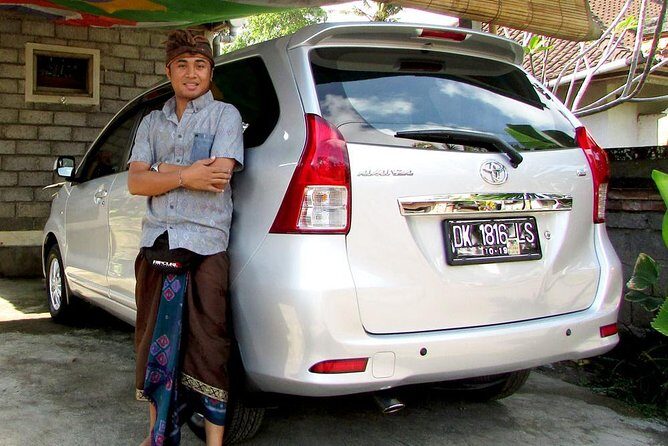
What makes it work is the combination of early start and private pacing. The tour starts at 5:00 am, and the guide is the difference-maker for timing and flow. In the reviews, the guide is often described as going the extra mile—one name that comes up is Kadek—especially for reducing the chance of long waits. Still, because you’re moving between multiple sights, you’ll want to be okay with early mornings and sitting in a car for stretches.

One more thing to consider: this is a photo-focused route. If you’re the type who wants hours of free time to wander slowly, you might wish for more downtime. But if you want a smooth, structured day with a private driver and a guide who explains what you’re seeing, this tour has strong value.

Key highlights at a glance

Private Full-Day Lempuyang Gate of Heaven Tour - Key highlights at a glance

  • 5:00 am start to maximize your time at Lempuyang Temple and the Gate of Heaven photo spot
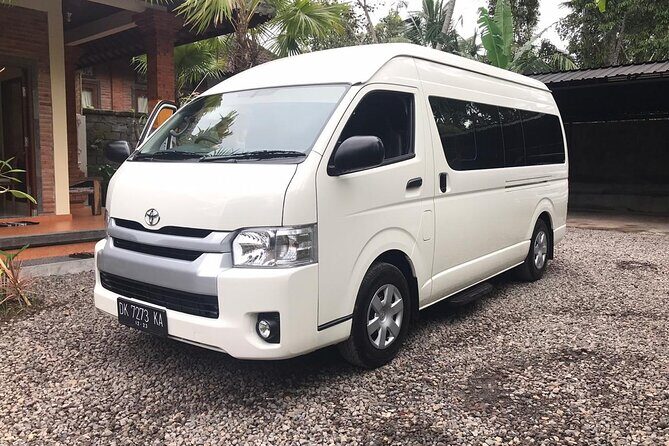
  • Private guide and transportation, so the day runs on your group’s pace
  • Tegalalang rice terraces + subak irrigation views, a classic Ubud must-see
  • My Swing Bali option near the terraces for an adrenaline and photo upgrade
  • Bottled water and a temple sarong included, so you travel lighter
  • Pickup available from select Bali hotel areas including Ubud, Canggu, Sanur, Nusa Dua, Kuta, Legian, Seminyak, and Jimbaran

A Very Early Start for Lempuyang Gate of Heaven
Private Full-Day Lempuyang Gate of Heaven Tour - A Very Early Start for Lempuyang Gate of Heaven
This whole day is anchored by the famous Gate of Heaven at Lempuyang Temple. To make that work, the tour kicks off at 5:00 am. That early timing matters more than you’d think. The gate is one of Bali’s most photographed spots, and the line reality can be rough later in the day. Starting early doesn’t magically remove crowds, but it helps you avoid the worst of the rush.

There’s also the drive time. The info you get before you go notes it takes about 2 hours to reach Lempuyang Temple. So yes, you’ll be up early, but you’re also buying time: more daylight hours for photos, fewer compromises at the key stop, and a better chance to fit the remaining sights without feeling like the day is collapsing.

Because it’s private, you’re not trapped behind slow-moving groups. Your guide can help you plan your timing at viewpoints and temple areas. In the reviews, the guide is specifically praised for planning the day so you don’t wait in long lines.

Price and value: $49 with big payoff, plus a few extras

At $49 per person, this is positioned as an affordable private day tour. The value comes from what’s included: private transportation, bottled water, and a temple sarong. You’re not paying extra just to get from place to place, and you don’t have to scramble for temple clothing.

What’s not included is the part that can surprise people budgeting from the base price:

  • Entrance tickets (for Lempuyang Temple, Tirta Gangga, and the other paid sites)
  • Jungle swing admission for My Swing Bali
  • Lunch

The tour also offers an upgrade option to include entrance tickets in your package. If you hate thinking about costs at each stop, that upgrade can be worth it. If you’re price-sensitive, plan on paying entrance fees separately and keep the day’s total in mind.

My practical take: this tour earns its money because it’s private and because you hit multiple high-demand sights in one long day. If you were trying to do the route solo, you’d pay for transport anyway—and you’d still be dealing with timing, lines, and the temple basics without a local guide’s context.

Lempuyang Temple and the Gate of Heaven photo strategy
Private Full-Day Lempuyang Gate of Heaven Tour - Lempuyang Temple and the Gate of Heaven photo strategy
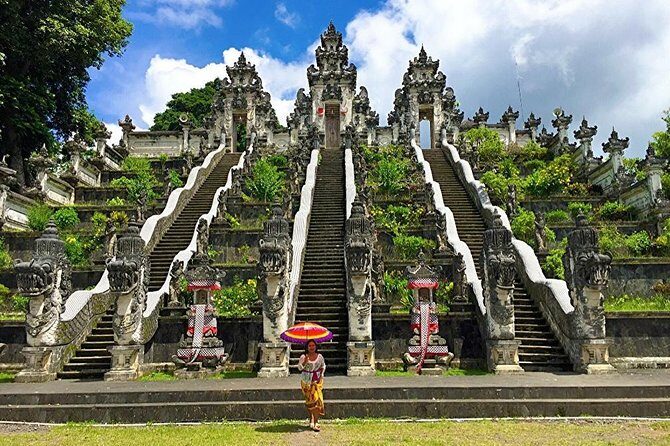
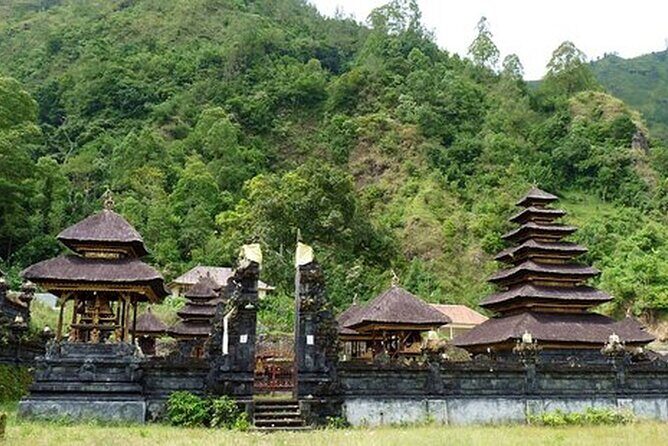
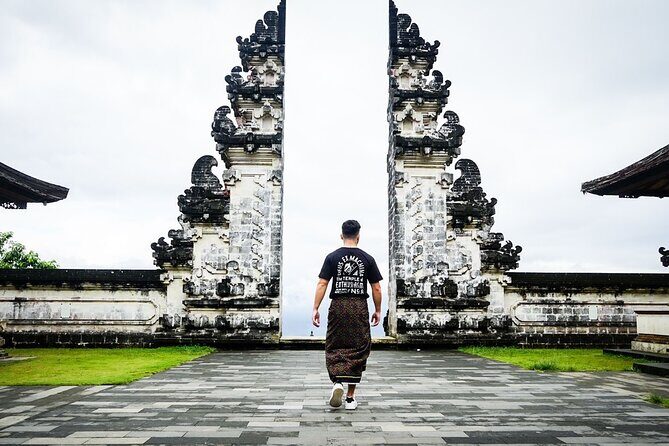
Lempuyang Temple is one of Bali’s older and highly regarded temple complexes, and the Gate of Heaven is the reason everyone comes. You’ll spend about 40 minutes at the temple area early in the day, and the day includes a dedicated Gate of Heaven visit afterward for about 1 hour. That split matters because it gives you time for both first impressions and the main photo window.

Even if you’re only chasing one picture, this stop is more than a backdrop. The guide can explain the temple setting and the cultural context. The reviews mention history and culture being shared clearly, not in a lecture-y way—just enough to make the place feel real instead of just photogenic.

Here’s the practical advice I’d give you for a smoother Gate of Heaven experience:

  • Start early. You’re already doing that, and it helps.
  • Expect rules and slower movement inside temple areas. That’s normal and part of the experience.
  • Use the sarong. It’s included, and wearing it correctly helps you stay respectful and stress-free.

Also, the tour notes bottled water and a sarong, but not lunch. If your body needs food to function at 5:00 am, plan accordingly before pickup.

Tirta Gangga Water Palace: a calm break from the crowds
Private Full-Day Lempuyang Gate of Heaven Tour - Tirta Gangga Water Palace: a calm break from the crowds
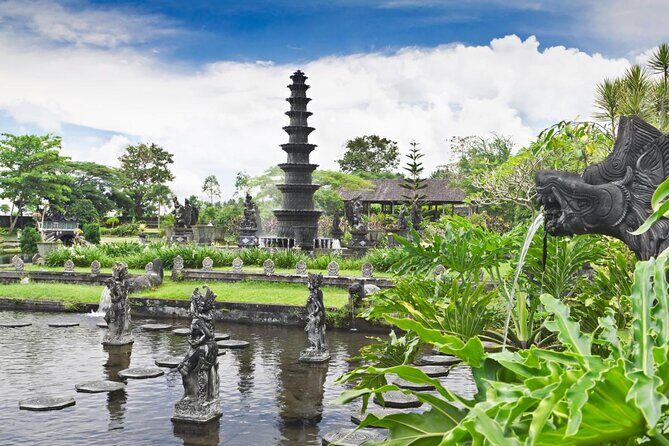
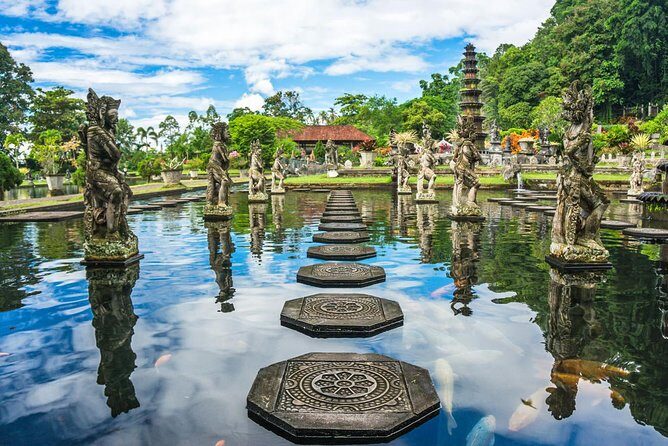
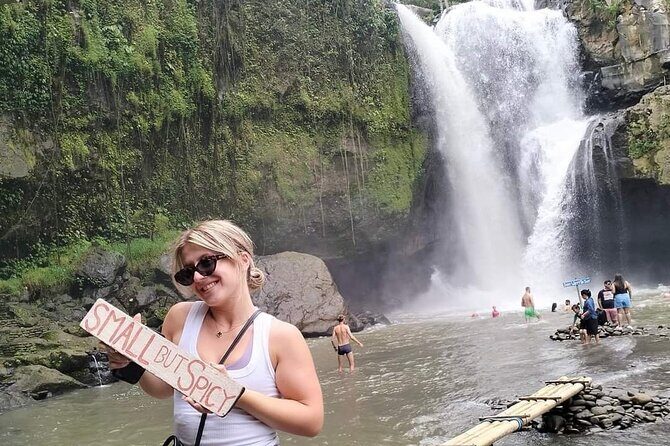
After Lempuyang, the day heads to Tirta Gangga, known for its water palace—connected to the Karangasem Royal palace. You’ll have about 1 hour here, which is a sweet spot: long enough to walk the grounds at a relaxed pace, but short enough that the day keeps its momentum.

This stop is a nice change of pace from the temple gate. Instead of one big viewpoint, you get water features and garden-style layouts. It’s a good place for photos that feel less like a single famous frame and more like you’re exploring.

The main consideration: like many Bali attractions, it has an entrance ticket that’s not included in the base price. If you’re doing the math, treat this as part of your day’s total entrance budget.

Tegalalang rice terraces: subak views that feel lived-in

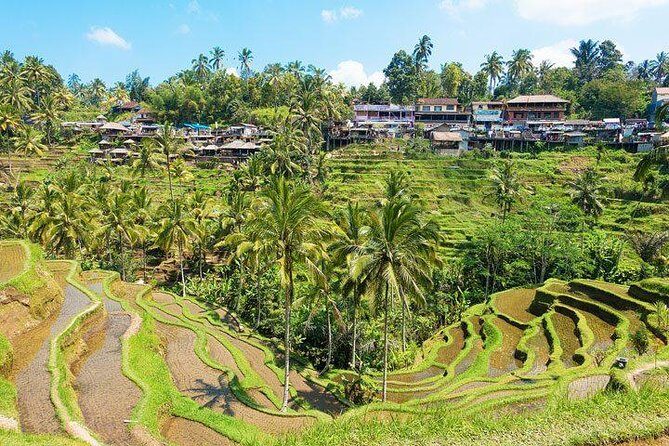
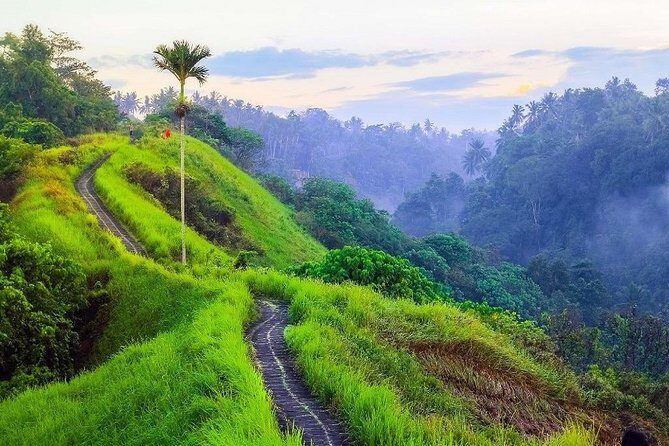
Next up is Tegalalang Rice Terrace, a classic Bali scene built around the traditional irrigation system called subak. The setting is in a valley, so you get those sweeping, layered rice-field views over the green terrain.

You’ll spend about 1 hour at the terraces. That’s not a lot of time, but it’s enough if your goal is to see the big viewpoints and get a sense of the place. The subak system is what makes it more than a postcard. It’s a real agricultural system, maintained by people, with water management tied to local tradition.

Two practical tips that make this stop better:

  • Move with intention. Pick one main viewpoint, get your photos, then wander to a second angle.
  • Wear shoes you can trust. Terrace paths can be uneven, and you don’t want to spend the day thinking about footing.

Also, admission tickets aren’t included here either. Budget for it, or consider the entrance-ticket upgrade if you want the whole day handled in one go.

My Swing Bali at Tegalalang: adrenaline with a separate ticket

Private Full-Day Lempuyang Gate of Heaven Tour - My Swing Bali at Tegalalang: adrenaline with a separate ticket
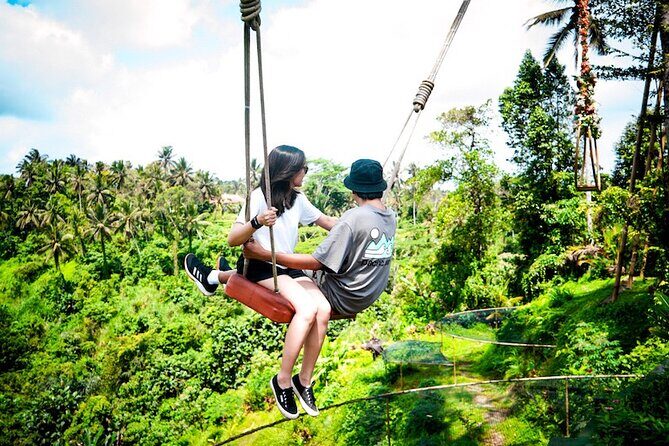
If you want the iconic jungle swing photos, this tour includes time for My Swing Bali near the Tegalalang area. You’re given about 1 hour for the swing stop.

The big detail: jungle swing admission is not included. That means you’ll want to decide ahead of time whether the swing is a must-have or a maybe. If it’s a must, add that cost into your real total for the day. If you’re just there for rice terraces and temple views, you can treat it like an optional add-on rather than the center of the whole trip.

Is it worth it? That depends on your personality. If you like heights, motion, and photos that look like you’re flying over the jungle and rice terraces, it can be a fun highlight. If you’d rather spend your time slowly exploring and taking fewer, calmer photos, you might skip it and stay with the terraces longer.

Transfers and comfort: private pickup that saves your day
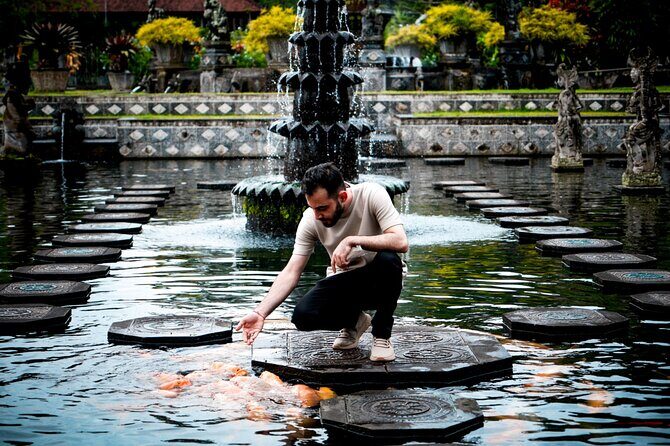
Private Full-Day Lempuyang Gate of Heaven Tour - Transfers and comfort: private pickup that saves your day
This is a private tour, meaning only your group participates. That’s a big deal on a day like this. Instead of waiting for other people or getting rushed between stops, you get a more controlled flow.

You also get round-trip transfers from select area hotels. The listed pickup zones include:

Ubud, Canggu, Sanur, Nusa Dua, Jimbaran, Kuta, Legian, and Seminyak.

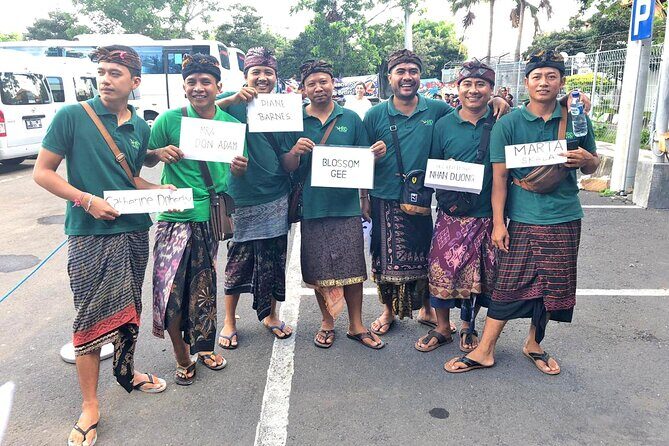
If you’re staying in one of those areas, pickup helps you avoid another layer of logistics. No hunting for transport at 4:45 am. No negotiating. Just show up, meet your guide, and go.

The tour also includes mobile ticket support and confirmation at booking time, which helps you avoid day-of confusion.

One more comfort note: it’s 8 to 10 hours total. That’s long, but it’s structured. You’ll want to dress for early morning cool-to-warm shifts and keep water handy. Bottled water is included.

What to wear, how to act, and how to avoid wasted time

Because this day includes temples, you’ll do better with a small amount of forethought. The tour provides a sarong, but you should still plan practical clothes:

  • Light layers for the early start
  • Comfortable shoes for terrace walks
  • Sun protection because you’ll be outside at multiple stops

On temple grounds, follow the guide’s lead. Use the sarong and move respectfully. The best part of having a private guide is that you don’t have to guess what’s expected. Reviews specifically mention a guide who shares history and culture, and that extra context helps you understand what you’re seeing instead of just walking through.

For photos, timing is everything. The Gate of Heaven spot is the headline, but the terraces and water palace are where you’ll get less repeatable shots. Don’t spend the entire day staring at your phone. Look up, then shoot. It keeps the experience from turning into a checklist.

Who should book this Lempuyang + Ubud-style day?

I’d recommend this tour if:

  • You have limited time in Bali and want several top sights in one day
  • You care about the Gate of Heaven photo but don’t want to handle the logistics
  • You like the idea of a guide who explains cultural context (history and traditions came up in the reviews, including praise for Kadek)
  • You want a private format even if it’s a full day

I’d think twice if:

  • You hate early wake-ups and long car time
  • You don’t want to manage extra costs for entrance tickets and swing admission
  • You prefer unstructured wandering over a planned route

This is a good “one-and-done” day trip for first-time visitors who want iconic Bali without the stress.

Should you book this private Lempuyang Gate of Heaven tour?

If your priority is the Gate of Heaven at Lempuyang Temple plus the classic Ubud-area scenery, this is a strong booking. The private setup, early start, and the route’s mix make the $49 price feel reasonable. The key catch is the extras: entrance tickets, My Swing Bali admission, and lunch are not included in the base rate.

My call: book it if you want structure, a guided explanation, and a realistic chance of avoiding major line headaches. Consider the entrance-ticket upgrade if you want fewer payments mid-day. Skip the swing if you’d rather keep energy for terraces and water-palace wandering.

FAQ

What time does the tour start?

The start time is 5:00 am.

How long is the private full-day tour?

It runs about 8 to 10 hours.

Is this tour private or shared?

It’s private. Only your group participates.

Do I get hotel pickup?

Pickup is offered from select hotel areas, including Ubud, Canggu, Sanur, Nusa Dua, Jimbaran, Kuta, Legian, and Seminyak.

What’s included in the tour price?

Included are private transportation, bottled water, and a temple sarong.

What is not included?

Jungle Swing admission, entrance tickets, and lunch are not included.

Are mobile tickets used?

Yes, the tour includes a mobile ticket.

Which places are visited during the day?

The tour includes Lempuyang Temple and the Gate of Heaven, Tirta Gangga, Tegalalang Rice Terrace, and My Swing Bali.

Can I cancel and get a refund?

Yes. You can cancel for a full refund up to 24 hours before the experience starts.

Is this tour suitable for most people?

The info says most travelers can participate.
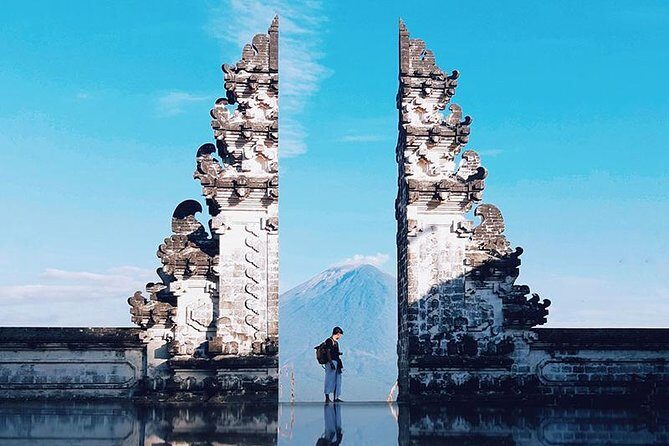
East Bali Tour: Lempuyang Temple – Gate of Heaven, Tirta Gangga, Virgin Beach

East Bali Tour: Lempuyang Temple - Gate of Heaven, Tirta Gangga, Virgin Beach - Ujung Water Palace: floating palace views in Karangasem

East Bali has a way of making the day feel bigger. This private, door-to-door tour strings together three standout water and temple stops plus a white-sand beach finish, with an experienced driver doing the heavy lifting.

I especially like the pacing: you get real time at Lempuyang Temple for those iconic framed views, then you move into Tirta Gangga and Ujung Water Palace where the pools and architecture make photo time feel natural. One thing to consider is the drive length if you start from far south Bali, since the east side can mean a long day in the car.

Key things to know before you go

East Bali Tour: Lempuyang Temple - Gate of Heaven, Tirta Gangga, Virgin Beach - Key things to know before you go

  • Private door-to-door service from hotels in Ubud and much of south Bali, so you’re not wrestling routes or timing
  • Lempuyang Temple time with admission included (when you choose the ticket option)
  • Tirta Gangga reflecting pools in the rice-field setting near Amlapura
  • Ujung Water Palace layout with a floating palace and lots of space to wander
  • Virgin Beach as the payoff: white sands, calm water, and a breather at the end of the day

Lempuyang Temple and the Gate of Heaven photo moment

Lempuyang Temple is one of Bali’s oldest and most respected temples, and it’s often considered in the same top tier as Besakih, the so-called mother temple. If you’re curious about how deep the island’s Hindu temple tradition runs, this stop gives you a clear sense of it—temple history here is described as dating earlier than many others on the island.

The star is the Gate of Heaven, the Instagram-famous framing view people travel for. Even if you’re not hunting for a photo, the temple’s setting matters. You’ll spend about 2 hours here, which is a lot more comfortable than the quick in-and-out you see on some tours. That extra time helps you slow down, look at the temple grounds, and not feel rushed when the viewpoints are popular.

Practical note: wear shoes you can trust on uneven stone and stairways. Also, if you want the best angle for your photos, plan to move carefully and give yourself a few minutes to settle—this is a place people aim to photograph, so being calm beats being fast.

Tirta Gangga Water Palace: reflective pools and photo-friendly pacing

East Bali Tour: Lempuyang Temple - Gate of Heaven, Tirta Gangga, Virgin Beach - Tirta Gangga Water Palace: reflective pools and photo-friendly pacing
Next up is Tirta Gangga Water Palace, set among rice fields and fed by natural springs in the Rejasa area. It’s about 7 km (5 miles) north of Amlapura, so you’re in the real east Bali rhythm—less “day trip souvenir strip,” more water and gardens doing their thing.

Tirta Gangga is known for its reflecting pools and orderly water features. That’s great for photography because you can find angles from multiple sides without needing complicated movement. You’ll have about 1 hour here, which is long enough to wander slowly, spot the best pool views, and still keep the day on schedule.

What I like about this stop on a tour like this: it breaks the temple intensity. Lempuyang is spiritual and scenic, then Tirta Gangga shifts you into something gentler and more relaxed—like a garden you can actually take your time with. If you’re traveling with people who get tired of temples, this is the point where many of them start to enjoy the whole trip again.

Possible drawback: if you’re only interested in one major photo moment per stop, you might find the full value is in slower roaming. Tirta Gangga rewards a little patience.

Ujung Water Palace: floating palace views in Karangasem

East Bali Tour: Lempuyang Temple - Gate of Heaven, Tirta Gangga, Virgin Beach - Ujung Water Palace: floating palace views in Karangasem
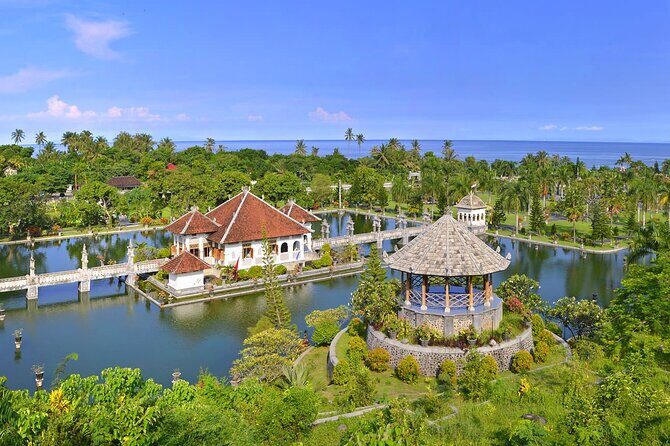
After the reflecting pools, you’ll head to Ujung Water Palace—also known as Taman Ujung Karangasem or Taman Soekasada Ujung (Edge Soekasada Park). This is a water palace spread over more than 10 hectares in Tumbu Village, Karangasem, and it’s famous for its floating palace.

That floating-palace design is what makes the architecture feel different from typical garden sights. Water is part of the structure, not just around it. It gives you those built-for-viewing angles where you can look across the water, step to a new perspective, and get a fresh view without needing to “chase” the best spot.

You’ll spend about 1 hour here. For me, that’s a good balance. Long enough to see the main areas and enjoy the setting, but not so long that the day drags. East Bali can feel far from many popular bases, so keeping stops efficient helps the beach ending still feel like a reward rather than an obligation.

If you’re going on a hot day, plan your pace. Water palaces can be comfortable because you’re surrounded by open areas, but sun exposure is real. Bring water and stay practical.

Virgin Beach payoff: white sand and calmer-water swimming

East Bali Tour: Lempuyang Temple - Gate of Heaven, Tirta Gangga, Virgin Beach - Virgin Beach payoff: white sand and calmer-water swimming
By the time you reach Virgin Beach, you’ve already done temples and water gardens. That’s exactly why this final stop works so well: it’s your decompression zone.

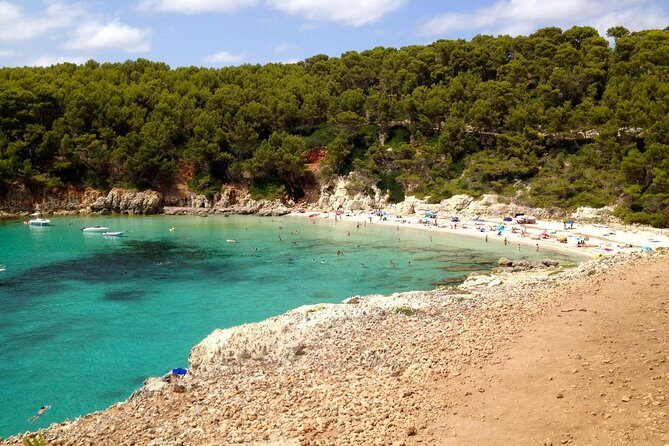
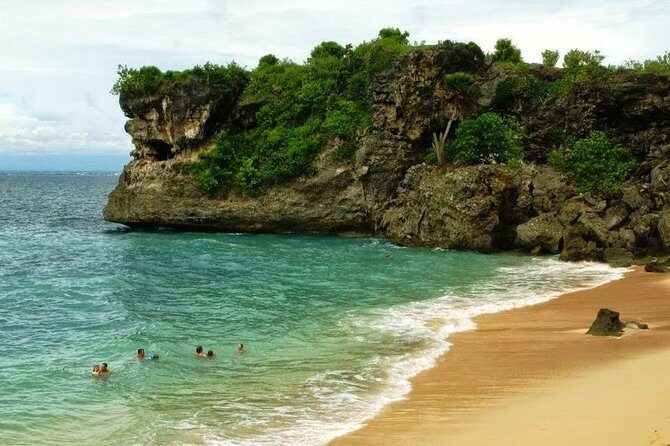
Virgin Beach Bali is known for panoramic ocean views and pure natural surroundings. The beach also has wide space for swimming, and the seawater is described as calm, with sea breezes that keep the atmosphere feeling fresh. And yes, the big draw is the white sands—an easy way to end a full day without needing another formal attraction.

You’ll get about 1 hour here. That’s enough to stretch out on the sand, take in the ocean, and do a quick swim if you want. It’s not a long beach hangout, but it’s a smart timing choice. If you stayed longer, you might lose the sense of the tour as a full, efficient east Bali sampler.

Based on the common feedback tied to this route, Virgin Beach tends to feel more relaxed than people worry about. Still, don’t plan on total emptiness. Bring a towel and think of this as a clean, simple end to your day—good photos, good air, and less mental effort than another stop.

Door-to-door transport from Ubud and south Bali: the real value

East Bali Tour: Lempuyang Temple - Gate of Heaven, Tirta Gangga, Virgin Beach - Door-to-door transport from Ubud and south Bali: the real value
East Bali is the kind of region that can feel stressful to reach. Between traffic patterns, road time, and figuring out where to park or how to time multiple sights, it can turn a “simple day” into a headache—especially if you’re coming from Ubud or farther south.

This tour is set up to avoid that. You get pickup and drop-off, and the driver handles the route with an English-speaking service. That’s a big deal when your schedule is tight and you want the day to feel smooth.

The start time is 7:30 am, and the total day runs about 10 hours. Leaving early helps you get into the sites before the hottest stretch and before crowds become extra pushy at popular photo locations. It also means your beach stop comes in while you still have daylight and energy.

One consideration: if your hotel is in Kuta or other far-south areas, the drive can be long. The route makes sense for efficiency, but the reality is you’re traveling across a chunk of the island.

My advice: if you can choose where to stay, being closer to the east Bali starting points (or at least not too deep in Kuta traffic) will make this day feel less like a commute and more like a proper outing.

Price and what $43 per person really covers

East Bali Tour: Lempuyang Temple - Gate of Heaven, Tirta Gangga, Virgin Beach - Price and what $43 per person really covers
At $43 per person, this is priced like a value-oriented day tour—especially because it includes the core stuff most travelers don’t want to manage themselves: transportation, an English-speaking driver, and scheduled time at each site.

Entrance tickets are listed as included if you choose the ticket option. That matters for value. If you’re comparing tours, always check whether admission is actually covered for Lempuyang Temple, Tirta Gangga Water Palace, Ujung Water Palace, and Virgin Beach. Here, that’s built into the experience when selected.

Also included are service and government tax, plus the private tour service with your group only. Meals are not included, so plan for water and a simple snack strategy. If you’re trying to stretch your budget, pack something small you’ll actually eat, rather than relying on late-day hunger.

Overall, I think the best value comes from the combination: driver + timed stops + admissions (when selected) + beach finish. If you were doing this alone, you’d spend time coordinating rides and paying for multiple entry fees anyway. The difference is you’d likely spend more energy, not less.

Time plan: how the day flows without feeling rushed

East Bali Tour: Lempuyang Temple - Gate of Heaven, Tirta Gangga, Virgin Beach - Time plan: how the day flows without feeling rushed
Here’s the rhythm you can expect:

  • You’ll start early (7:30 am).
  • Lempuyang Temple is the long anchor at about 2 hours.
  • Tirta Gangga and Ujung Water Palace are shorter, each around 1 hour.
  • Virgin Beach is about 1 hour to close out the day.

That structure keeps the itinerary from feeling like a checklist where you stand at each place for 10 minutes and move on. The longer temple stop makes sense because Gate of Heaven is a main draw. The shorter water palace stops keep the route efficient. And the beach gives you a clear finish that doesn’t require any more planning.

If your group includes people who get tired of temple photography, the switch to water gardens and then beach usually works well. If your group loves architecture and calm photo settings, the water palace stops are your sweet spot.

The key is to treat each stop as a “mini experience” rather than a fast photo hunt. When you do that, the day feels full but not chaotic.

Who should book this East Bali day tour (and who shouldn’t)

East Bali Tour: Lempuyang Temple - Gate of Heaven, Tirta Gangga, Virgin Beach - Who should book this East Bali day tour (and who shouldn’t)
This is a great match if you want an east Bali highlights day without turning it into a driving project. You’ll like it if:

  • you prefer private door-to-door transport over figuring out routes
  • you want temple and water sights on the same day
  • you care about a beach break at the end, not just more sightseeing
  • you’d rather pay for convenience than spend time coordinating

You might skip it if:

  • you’re staying far from the pickup area and don’t want a long drive day
  • your group only wants one “big ticket” photo spot and nothing else
  • you need meals included (since meals are not part of the package)

Should you book this East Bali tour?

If you’re aiming for a smooth, efficient east Bali day with a strong ending, I’d book it—especially for the pairing of Lempuyang Temple and the Tirta Gangga/Ujung water sights, then closing with white sand at Virgin Beach. For the price, the big win is that you’re paying for time saved on transport and for structured stops that make the long drive feel worthwhile.

Just be honest about the travel time. If you’re far south, the commute is the trade-off. If you can live with that, this route is a solid way to see a lot of east Bali in one go without turning your day into a logistics puzzle.

FAQ

What is the duration of the East Bali tour?

The tour runs about 10 hours (approximately).

What time does the tour start?

The start time is 7:30 am.

Where does the tour operate?

It’s based in Ubud, Indonesia, and offers transfers from hotels in Ubud and much of south Bali.

How much does it cost?

The price is $43.00 per person.

Is pickup and drop-off included?

Yes. Hotel pick-up and drop-off are included.

Is this tour private?

Yes. It’s a private tour/activity, and only your group participates.

Are entrance tickets included?

Entrance tickets are included if you select the option that includes them.

What stops are included in the day?

You’ll visit Lempuyang Temple (Gate of Heaven), Tirta Gangga, Ujung Water Palace, and Virgin Beach.

Are meals included?

No. Meals are not included.

Do I get an admission ticket or mobile ticket?

The experience includes a mobile ticket.

Can I cancel for a full refund?

Free cancellation is available up to 24 hours in advance of the experience start time for a full refund.

Bali Quad Bike Adventure – Monkey Forest- and Waterfall

ATV chaos in a good way is hard to beat. This Bali quad bike adventure mixes adrenaline riding with easy culture stops: the Sacred Monkey Forest Sanctuary, a classic waterfall, and a coffee-and-tea farm visit. I especially love how the ride is guided for real beginners (you get a safety practice first) and how the whole day runs with pickup and drop-off, so you’re not juggling taxis. One thing to consider: the track can get very muddy and wet, so you should plan to leave the day in clothes you don’t mind washing.

You’ll spend about two hours on the ATV, then reset with a shower and towels before a buffet lunch. After that, you’ll move through the coffee farm experience, monkey forest, and finally Tegenungan waterfall for those big postcard photos.

Key Things You Should Know Before You Go

  • Guided practice first: you learn the basics on-site before you ride.
  • Muddy, wet tracks are part of the fun: dress for splashes and grime.
  • Shower + towels after riding: you can feel human again before lunch.
  • Lunch with rice-field views: it’s included and feels like a reward, not a stopover.
  • Monkey Forest and Tegenungan on the same day: less planning, more seeing.
  • Friendly drivers and photo help: guides like Maha, Adi, Sudana, and Made show up in real experiences.

Pickup to ATV: how the Ubud logistics really feel

Bali Quad Bike Adventure - Monkey Forest- and Waterfall - Pickup to ATV: how the Ubud logistics really feel
Most days in Ubud can start with a small headache: where to meet, who knows the address, and how you time everything. This one is built to remove those worries. You get a driver who meets you at your hotel lobby and brings you in an air-conditioned car to the ATV site, with private round-trip transfer included from Ubud and most south Bali areas.

Your day is long enough (around 8 hours) that comfort matters. The car rides help you arrive with less stress, and you’re not spending your precious vacation time negotiating transport between stops. It also means your ATV ride, lunch, and sightseeing stay in a workable rhythm.

The ATV ride: rice fields, jungle edges, rivers, and villages

Bali Quad Bike Adventure - Monkey Forest- and Waterfall - The ATV ride: rice fields, jungle edges, rivers, and villages
The heart of the day is the all-terrain ATV ride, and it’s not just a short “one loop and done.” You’ll ride for about two hours on a track that runs through rice fields, jungle areas, river crossings, and local villages. The route is designed so you don’t feel stuck going in circles; you keep moving and the scenery changes often.

This is the part where you’ll feel the “Bali adventure” vibe: the bumpy track, the tight turns, and the way water and mud make everything slick. In a lot of places, that’s a problem. Here, it’s part of what makes the ride memorable, as long as you accept you’ll get dirty.

You also get brief stops along the way for photos. That matters, because good photos on a moving ATV route usually require either luck or a guide who knows when to slow down. If you’re hoping for group shots, this structure helps.

Safety on a quad bike: what you should expect before you start

Bali Quad Bike Adventure - Monkey Forest- and Waterfall - Safety on a quad bike: what you should expect before you start
ATV driving scares people for one reason: you don’t want to be thrown onto a bike before you understand it. This tour handles that with a safety briefing and training practice at the start. You’re given proper safety equipment, and the guide shows you how to handle the ATV before leading you onto the main track.

It’s also described as suitable for both beginners and more experienced riders. That doesn’t mean everyone will feel equally confident right away, but it does mean you’re not starting from zero. One small but important practical point: the gear and ride conditions work best when you dress correctly, because the track can get very wet and muddy.

If you’re lucky, you might get a guide who talks you through things calmly. Names that have come up in real experiences include Maha, Adi, Sudana, and Made. (Even if your guide isn’t one of those, the approach is the same: get you ready, then guide you.)

Mud, water, and what to wear so you’re comfortable

Bali Quad Bike Adventure - Monkey Forest- and Waterfall - Mud, water, and what to wear so you’re comfortable
Let’s be real: you’re riding through real terrain. If you show up in clothes you can’t wash, you’re going to have a bad time after. Several experiences point out how wet the ride can be, and one very practical takeaway is to wear something you can tolerate getting stained and soaked.

Here’s how I’d prepare:

  • Wear clothes you’re okay tossing in the wash right away.
  • Bring closed-toe shoes with grip. Sandals won’t love the terrain.
  • If you have a waterproof phone pouch, use it during the ride stops.
  • Bring a change of clothes for after the ATV portion.

The good news is you’re not stuck in soaked clothes all afternoon. There are shower facilities included after the ride, and towels are part of what you get. That setup can make a huge difference in how you enjoy the rest of the day.

Shower, buffet lunch, and a break that doesn’t feel rushed

Bali Quad Bike Adventure - Monkey Forest- and Waterfall - Shower, buffet lunch, and a break that doesn’t feel rushed
After the ATV riding, you’ll have access to shower facilities. This is one of the best “quality of life” features on a wet adventure day, especially if you plan to keep exploring after lunch. Having towels provided means you can focus on your next stop, not hunting for basic amenities.

Then comes an Indonesian buffet lunch. It’s included, and you eat at a restaurant with rice-field views. That sounds simple, but it’s a big part of the overall feel: you’re not just refueling, you’re sitting down in the Bali countryside vibe before the next cultural and sightseeing stops.

If you’re the type who gets hangry during tours, this lunch timing helps. It also gives you a chance to dry off your gear a bit and reset your energy before the monkey forest and waterfall.

Coffee and tea farm: what this stop adds to the day

Bali Quad Bike Adventure - Monkey Forest- and Waterfall - Coffee and tea farm: what this stop adds to the day
After lunch, you’ll visit a traditional coffee plantation to learn how coffee and tea are made in Bali. This isn’t a hard-sell stop; it’s built as a cultural add-on that slows the day down just enough after the ATV excitement.

Why it’s worth it: the ATV ride is all action, and you might otherwise spend the rest of the day only chasing sights. The coffee farm stop adds context—how the plants are processed, how coffee and tea production works, and how it connects to daily life.

This is also a stop that can work even if you’re not a coffee superfan. You’re learning a craft process and getting a feel for the local agriculture theme that shows up across Ubud.

Sacred Monkey Forest Sanctuary: temples, paths, and that monkey chaos

Bali Quad Bike Adventure - Monkey Forest- and Waterfall - Sacred Monkey Forest Sanctuary: temples, paths, and that monkey chaos
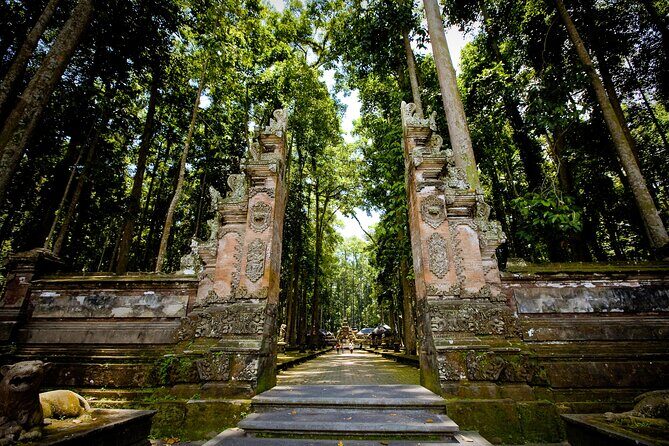
Next up is the Sacred Monkey Forest Sanctuary, described as both a nature reserve and a temple complex. This is a major Ubud hit for good reason: it’s a mix of shaded paths, temple structures, and constant monkey activity.

To enjoy it, you’ll want to keep your expectations realistic. This is a living place with animals doing their thing, and you’ll see them up close. In some experiences, guides have helped with fun photo moments—one guide even got a monkey selfie included in someone’s highlight.

Practical tip: keep your phone secure and avoid trying to feed or coax monkeys. You’ll get better photos when you’re patient and let them come to you instead of trying to chase the action.

Tegenungan waterfall: the final payoff for photos and tired legs

Bali Quad Bike Adventure - Monkey Forest- and Waterfall - Tegenungan waterfall: the final payoff for photos and tired legs
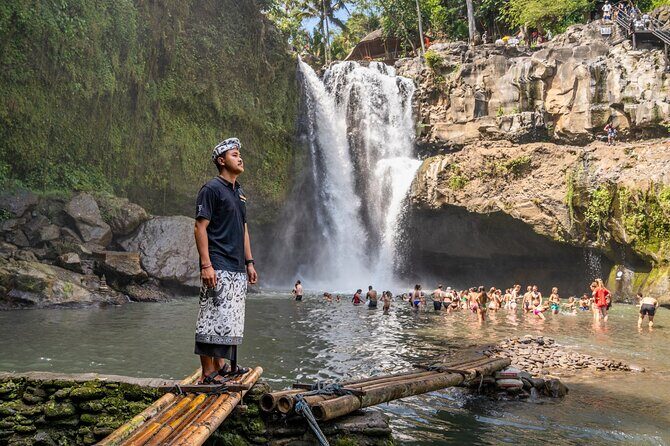
To close the loop, you head to Tegenungan waterfall. This stop is known for lush greenery and a classic view of the falls, which makes it a strong photo destination. After a full day—ATV, lunch, coffee farm, monkey forest—this is the “wind down” stop where your energy finally turns back into camera time.

It also helps that it’s last. You’re less likely to feel rushed because you’re not trying to cram another major attraction after this. Plan to take your time at the viewpoint areas and let your eyes adjust from the green, shaded paths of the monkey forest to the bright open waterfall view.

Price and value: is $54 a fair deal for this mix?

Bali Quad Bike Adventure - Monkey Forest- and Waterfall - Price and value: is $54 a fair deal for this mix?
At about $54 per person, the value comes from how many pieces are bundled together:

  • Two-way private transfers from Ubud and most south Bali areas
  • ATV guide support plus safety equipment and training
  • Lunch (buffet) and welcome drink
  • Shower facilities with towels
  • Entry visits to Monkey Forest and the waterfall
  • Coffee plantation visit and insurance

That’s a lot packed into one day. In Bali, the cost of transport and separate tickets can add up fast. Here, the math works best if you want the whole itinerary and don’t want to coordinate everything yourself.

Is it a “cheap thrill” option? Not exactly, but it’s a fair price for a full-day experience with real riding time (two hours) plus multiple major stops. If you only care about the ATV and none of the sightseeing, you might compare alternatives. But if you want a complete Ubud day, this is built for that.

Who should book this ATV + Monkey Forest + waterfall day

This tour makes the most sense if you:

  • Want an action-filled day without complicated logistics
  • Like guided experiences that still leave room for photos
  • Don’t mind getting wet and muddy during the ATV portion
  • Want to see more than one major attraction in Ubud (monkeys + waterfall + coffee farm)

It’s also a solid choice for first-time ATV riders because the start includes practice and safety guidance. On the other hand, if you’re extremely sensitive to getting dirty, you’ll need a serious clothing plan. Also, if you hate crowded animal areas, Monkey Forest might feel like a lot.

Should you book Bali Quad Bike Adventure – Monkey Forest and Waterfall?

I’d book it if you’re planning a first (or second) Bali trip to Ubud and you want a day that feels like Bali in three different moods: adventure, nature/temple, and a big waterfall finish. The combination of ATV time, shower reset, lunch, and included visits makes it easy to justify the price.

Skip it (or choose a different format) if you:

  • Can’t handle wet, muddy terrain even with a shower afterward
  • Want a more relaxed, slower pace with fewer stops
  • Only want one attraction and don’t care about the coffee farm or Monkey Forest

For the right traveler, this is the kind of day you remember for the right reasons: you ride hard, you eat well, you see iconic places, and you don’t waste the hours in traffic.

FAQ

How long is the ATV quad bike and sightseeing experience?

It runs for about 8 hours (approx.).

What’s included in the price?

You get private English-speaking driver transfers, insurance, an Indonesian buffet lunch, an ATV quad bike guide, shower facilities, and visits to the Monkey Forest and the waterfall.

Do they pick me up from my hotel in Ubud?

Yes. Pickup is offered, and the tour includes two-way private transfers from Ubud and most south Bali areas.

Is this experience private or group-based?

It’s listed as a private tour/activity, meaning only your group participates.

Is the ATV ride suitable for beginners?

Yes. There’s a safety briefing and practice before the trip starts, and it’s described as safe and suitable for both beginners and professionals.

How long do I ride the ATV?

You’ll ride for about 2 hours on all-terrain vehicles.

Are towels provided for the shower?

Yes. Shower facilities are included, and towels are included as part of the post-ride reset.

What happens after the ATV ride?

You shower, then enjoy an Indonesian buffet lunch. After that, you visit a coffee plantation, then the Monkey Forest, and finish at Tegenungan waterfall.

Are photos and souvenirs included?

No. Photos and souvenirs are not included.

What is the cancellation policy?

Free cancellation is available up to 24 hours in advance for a full refund. If you cancel less than 24 hours before the start time, you won’t receive a refund.

Ubud: Monkey Forest, Rice Terraces & Sacred Temples

Ubud: Monkey Forest, Rice Terraces & Sacred Temples - Ubud Palace: A Photo Stop With Real Cultural Shape

Ubud hits different when you mix monkeys, temples, and rice terraces in one tight day. This tour works because it layers the famous sights (like Monkey Forest and Tegalalang) with a calmer, more hands-on experience at a purification temple.

I love that you get hotel pickup/drop-off and a guide who explains what you’re looking at, not just where to stand for photos. I also love the canang sari offering workshop, because it turns Balinese religion from a view into a real moment you can try. One possible drawback: it’s about a 12-hour day with lots of stops, so you’ll want comfortable shoes and a bit of patience when crowds show up around the big landmarks.

Key things I’d bet on

  • Small group (max 20): easier pacing and less chaos than big buses.
  • Entrance fees and guide included: you’re not doing the math every time you reach a gate.
  • Hands-on canang sari workshop: you make an offering and learn what it means in daily life.
  • A quieter temple stop: Mengening Temple adds a slower, more reflective break from the busiest areas.
  • Air-conditioned vehicle + bottled water: practical comfort for a full day on the road.
  • Mobile ticket: less hassle on arrival.

A 12-Hour Ubud Day That Stays Practical

Ubud: Monkey Forest, Rice Terraces & Sacred Temples - A 12-Hour Ubud Day That Stays Practical
This is one of those days where Ubud’s variety is the whole point. You start in the morning with pickup and an air-conditioned ride, then move through a sequence of temples and landscapes that cover different sides of island life: archaeology and worship at Goa Gajah, everyday sacred space at Monkey Forest, royal aesthetics at Ubud Palace, farming beauty at Tegalalang, and then a more personal, purification-focused stop at Mengening.

The value here isn’t just the places—it’s that the tour handles the friction points. Entrance fees are included, bottled water is provided, and you get an English-speaking guide plus an offering workshop. That means you can focus on the experience instead of hunting down tickets, translating signs, and figuring out timing between sites.

One more thing I like: the tour is designed for a maximum of 20 people, so you’re less likely to feel swallowed by the crowd. It still won’t be empty—Ubud’s famous sites draw attention—but group size helps you keep your bearings.

Goa Gajah (Elephant Cave): Ancient Carvings and Sacred Water Pools

Ubud: Monkey Forest, Rice Terraces & Sacred Temples - Goa Gajah (Elephant Cave): Ancient Carvings and Sacred Water Pools
Your day kicks off with Goa Gajah, also known as Elephant Cave. The star here is the carved entrance and the sense of stepping into an older layer of Bali. Even if you’re not a history nerd, you can read the place with your eyes: the stonework draws you in, and the setting feels purposeful.

This stop is also a reminder that Bali’s sacred sites aren’t just pretty—they often have practical spiritual functions. Goa Gajah includes ancient bathing pools and surrounding temple areas, so you’re seeing how worship and ritual space can be built around water and stone.

What to watch for:

  • Time matters. This stop goes by pretty fast (about an hour and a half), so decide early what you want most: photos of the carvings, quiet moments near the pools, or just absorbing the atmosphere.
  • Keep your pace steady. If you linger too long in one corner, you may feel rushed later at Monkey Forest or Tegalalang.

Sacred Monkey Forest Sanctuary: Mossy Temples and Close-Up Macaques

Then comes the stop most people plan their Ubud trip around: Sacred Monkey Forest Sanctuary. This is a jungle sanctuary with moss-covered temples, ancient stone carvings, and hundreds of free-roaming macaques. If you’re hoping for atmosphere, it delivers. You walk leafy paths where the temple structures look weathered in the best way—like they’ve been there for centuries because, well, they have.

I also like that the tour doesn’t treat this as a simple zoo visit. The wording emphasizes the sanctuary setting and the sacred temple elements, which helps you connect what you’re seeing: animals are part of the environment, not separate from it.

Practical advice (because monkeys are part of the deal):

  • Keep belongings controlled. The experience is described as meeting macaques up close. That means you should assume they’ll investigate what looks interesting.
  • Don’t let your guard down near snacks or bags. Even if you’re not trying to feed anything, curious animals have a way of finding your pockets.

Ubud Palace: A Photo Stop With Real Cultural Shape

Ubud: Monkey Forest, Rice Terraces & Sacred Temples - Ubud Palace: A Photo Stop With Real Cultural Shape
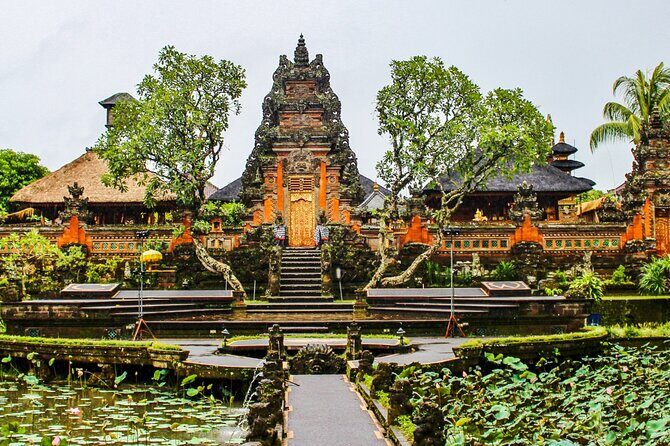
After Monkey Forest, the tour heads to the Ubud Royal Palace. This is one of Ubud’s most recognizable landmarks, and the focus is traditional Balinese design—courtyards and intricate gateways.

This stop works well as a breather. Monkey Forest is active and chaotic in a good way; Ubud Palace is more about architecture and composition. It’s easier to slow down, take a few photos, and reset your energy before you head toward the rice terraces.

If you’re sensitive to crowds, note that palace areas can get busy with tour groups. The good news is that the stop is included and stays long enough (again, about an hour and a half) to enjoy the details without turning into a marathon.

Tegalalang Rice Terraces: Reading the Greens Like a Field Guide

Ubud: Monkey Forest, Rice Terraces & Sacred Temples - Tegalalang Rice Terraces: Reading the Greens Like a Field Guide
In the early afternoon, you shift to the Tegalalang Rice Terraces. This is one of those places where you can’t help staring. The terraces create sweeping layers of bright-green paddies carved into the hillside. From the viewpoints, the pattern is what hits you first—the repeating geometry that makes the whole area feel ordered, even though it’s clearly shaped by nature and farming.

The value of coming with a guide is not that you suddenly learn secret farming facts. It’s that you get help finding the right angles and pacing your time so you don’t rush through the best views while everyone else is sprinting.

Here’s how I’d approach it:

  • Pick a viewpoint and stay there for a few minutes. Watch the light change. Rice terraces can look different depending on cloud cover and sun.
  • Don’t only take wide shots. The terraces are layered; try a few medium shots where you can see the texture and the depth.

A possible drawback: later in the day, heat and crowds can stack up. Bring water habits with you. Bottled water is included, but you’ll still feel better if you drink earlier rather than waiting until you’re thirsty.

Mengening Temple: Purification Atmosphere and the Canang Sari Workshop

Ubud: Monkey Forest, Rice Terraces & Sacred Temples - Mengening Temple: Purification Atmosphere and the Canang Sari Workshop
This is the stop that feels like the tour’s secret weapon. Mengening Temple is described as a serene, lesser-known purification temple hidden within a lush jungle setting. It’s positioned as quieter than the more famous sites, and that matters because purification rituals are meant for focus, not for constant interruptions.

The real highlight, though, is the offering workshop tied to canang sari. You’ll try making a canang sari offering and learn its meaning in daily Balinese life. This is the part that turns sightseeing into participation.

Why that hands-on element is worth your time:

  • You’re not only looking at culture; you’re practicing a small piece of it. Even if you make it slowly or mess up the first try, you’re still learning what the offering represents.
  • It gives you context. When you later see small offerings at other sites, you’re more likely to understand that they’re not random decorations. They’re part of a living routine.

Also, this stop is longer than most segments (around two hours). That added time helps you actually settle in rather than treating the temple like a quick checklist item.

Price and Value: Why $69 Can Make Sense Here

Ubud: Monkey Forest, Rice Terraces & Sacred Temples - Price and Value: Why $69 Can Make Sense Here
At $69 per person for a full-day tour, the value comes from what’s bundled. Entrance fees are included. Hotel pickup and drop-off are included. You also get an English-speaking guide, air-conditioned transportation, bottled water, and the offering workshop.

If you tried to do this alone, you’d quickly run into costs that are hard to predict: entrance tickets, driver or ride-share juggling between widely separated sites, and the time cost of figuring out which temple to see when. This tour isn’t trying to be cheap on paper—it’s trying to reduce the hassle load. For many people, that’s exactly what they want on a limited Bali trip.

Two other value notes:

  • Small group cap (20): you’re more likely to get practical attention rather than feeling like a number.
  • Mobile ticket: it helps you avoid last-minute scrambling for printed documents.

What the Day Feels Like: Pacing, Timing, and Where You’ll Want to Slow Down

Ubud: Monkey Forest, Rice Terraces & Sacred Temples - What the Day Feels Like: Pacing, Timing, and Where You’ll Want to Slow Down
Start time is 9:30 am, and you’re out for about 12 hours. That’s a long day, and the schedule makes sense: morning sacred and iconic sites, early afternoon rice terraces, then a slower, more meaningful temple stop later.

The pacing is also balanced in a smart way:

  • High-energy and animal-forward at Monkey Forest
  • Visual and architectural at Ubud Palace
  • Panoramic at Tegalalang
  • Reflective and participatory at Mengening

If you’re the type who gets mentally exhausted by constant movement, keep your expectations realistic. This is a see-it-all day. You’ll enjoy it most if you stay flexible and let the guide’s timing do some of the work for you.

Guide and Driver Care: What the Best-Day Reviews Tend to Mention

Ubud: Monkey Forest, Rice Terraces & Sacred Temples - Guide and Driver Care: What the Best-Day Reviews Tend to Mention
A pattern I like seeing in the feedback is how much guests mention the guide’s attitude and explanations. Names show up for guides and drivers across multiple runs, including Dan and Mariyasa, Ariana with driver Juliantara, Laras with Nengah, Gunawan, and Haris with Gus Alit.

You don’t need to memorize names to benefit. The point is that the tour experience often hinges on whether the guide helps you connect the dots—why a carving matters, what a purification temple is about, and how the offering fits into everyday Balinese life. When those explanations are clear and patient, the day feels smoother and more meaningful.

Who This Tour Fits Best

This tour is a strong match if you want:

  • A full-day structure without ticket chaos
  • A mix of iconic Ubud stops and a quieter temple moment
  • A cultural activity you can actually do (the canang sari workshop)
  • Small-group pacing (max 20)

It’s also a good fit for first-timers who don’t want to plan the order of sites and logistics across Ubud.

Where it may not be perfect:

  • If you hate long days, this one is still about 12 hours.
  • If you dislike crowds, Monkey Forest and Tegalalang can be busy since they’re major attractions.

Should You Book This Ubud Tour?

I think you should book it if you want one day that checks multiple boxes—temples, rice terraces, and a hands-on tradition—without turning your trip into a transportation puzzle. The inclusion list matters here: entrance fees, pickup/drop-off, bottled water, and the offering workshop all reduce surprise costs and wasted time.

I’d skip it only if you’re chasing pure quiet or you want a lighter schedule with fewer stops. Otherwise, this is a practical way to experience Ubud’s sacred side and its working landscape in the same day.

FAQ

What time does the tour start?

The tour start time is 9:30 am.

How long is the tour?

It runs for approximately 12 hours.

Does the price include hotel pickup and drop-off?

Yes. Hotel pickup and drop-off are included.

Are entrance fees included?

Yes. Entrance fees are included.

Is a guide provided, and do they speak English?

Yes. You’ll have an English-speaking tour guide.

Is there a limit on the group size?

Yes. The tour has a maximum of 20 travelers.

What’s included besides the visits?

Included items are the air-conditioned vehicle, hotel pickup/drop-off, entrance fees, bottled water, and an offering workshop. Personal expenses and gratuities are not included.

Ubud Cooking Class with Optional Market Visit Pickup Included

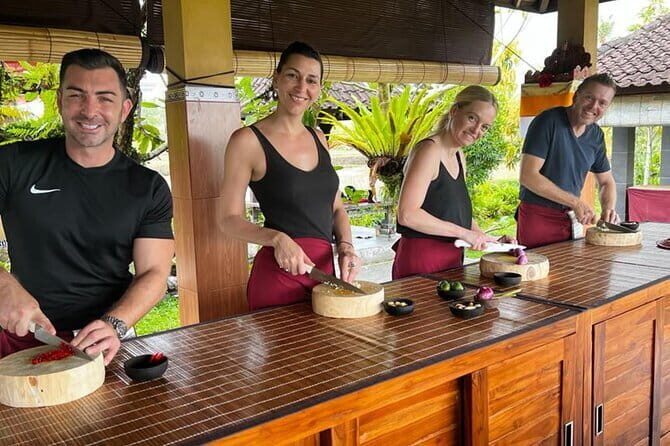
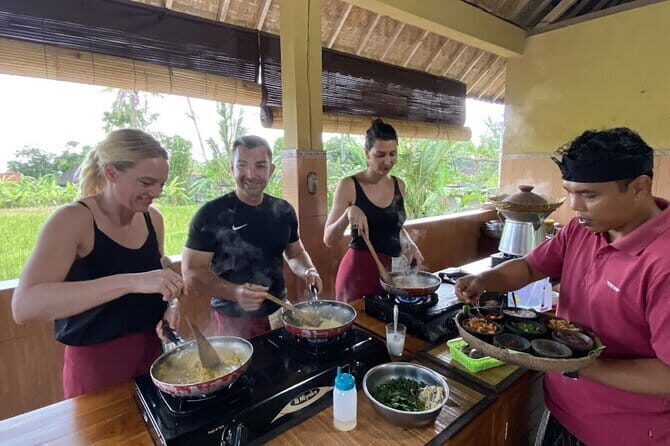
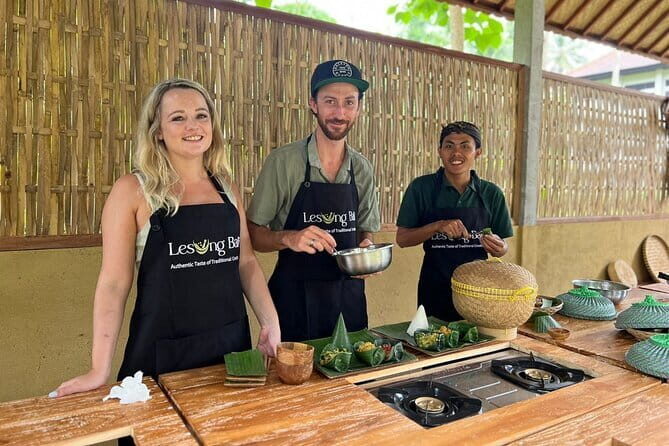
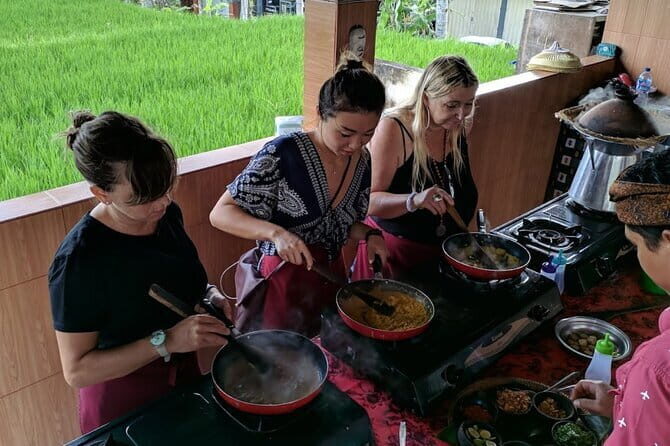
Ubud Cooking Class with Optional Market Visit Pickup Included - Back in the kitchen: hands-on Balinese recipes, step by step

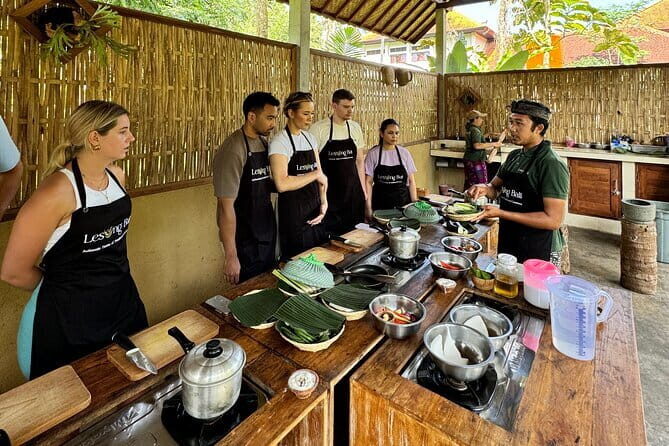
Follow your nose to Ubud. This group class gets you choosing ingredients at a local market, then cooking Balinese favorites with a real focus on technique. I love that you start with what locals buy, and I also love that the chef helps you learn the how, not just the what.

You’ll end up eating what you make, in good company. The setting is relaxed, and the group size stays small, so it’s easy to chat while you work. Hotel pickup (via an air-conditioned vehicle) is a big plus for convenience, but one thing to watch is that for the evening class on 17–20 July, you may need to arrive on your own instead of relying on pickup.

Key takeaways before you book

Ubud Cooking Class with Optional Market Visit Pickup Included - Key takeaways before you book

  • Market ingredients first: you select fresh items with the guide before you cook
  • Technique-focused teaching: you’ll be guided step by step, not just handed a recipe
  • Chef guided in English: the class is taught with English support
  • Small groups: capped at a maximum of 20 travelers
  • Pickup available: handy for getting there without hassle (with one July evening exception)
  • Meals included: all dishes are part of the experience, including savory dishes and usually a sweet course

From market snacks to a full Balinese meal in 3 hours

This is the kind of Ubud activity that feels like it teaches you something you can use later. You’re not just cooking for the photo. You’re learning the rhythm of Balinese cooking: pick ingredients, prep carefully, then cook with intention. The whole experience runs about 3 hours, which is long enough to be satisfying, but short enough that you won’t wreck your day plan.

The flow is simple. First, you meet and head out for the market ingredient selection (when your schedule includes that). Then you move to a traditional Balinese kitchen to start cooking. By the end, you sit down and eat together.

That last part matters. Cooking classes that skip the shared meal often feel like a workshop. This one is structured so you get to enjoy the results—food, conversation, and all.

The market stop: where you learn what Balinese cooks actually use

Ubud Cooking Class with Optional Market Visit Pickup Included - The market stop: where you learn what Balinese cooks actually use
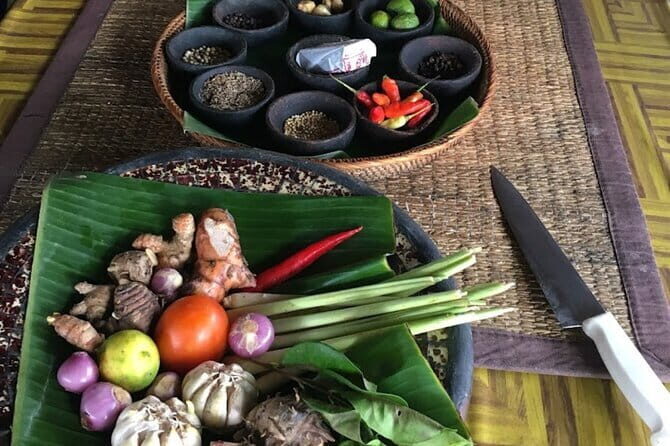
The class starts with a market visit where you pick your own ingredients with help from the chef or guide. That does two useful things for you:

First, you get a practical introduction to common kitchen ingredients in Bali—spices, herbs, and produce you’ll see again in local cooking. Second, you’ll understand why certain flavors show up in Balinese dishes, because you’re part of the selection process.

Even if you don’t consider yourself a food expert, you’ll still benefit. This market step gives you context. When later dishes call for a certain spice or herb, you’ll remember how it looked and how it was described at the stall.

One small consideration: markets can be lively and walking-based. If you’re sensitive to crowds or stairs, plan your pace. Bring comfortable shoes and expect to move a bit.

Back in the kitchen: hands-on Balinese recipes, step by step

Ubud Cooking Class with Optional Market Visit Pickup Included - Back in the kitchen: hands-on Balinese recipes, step by step
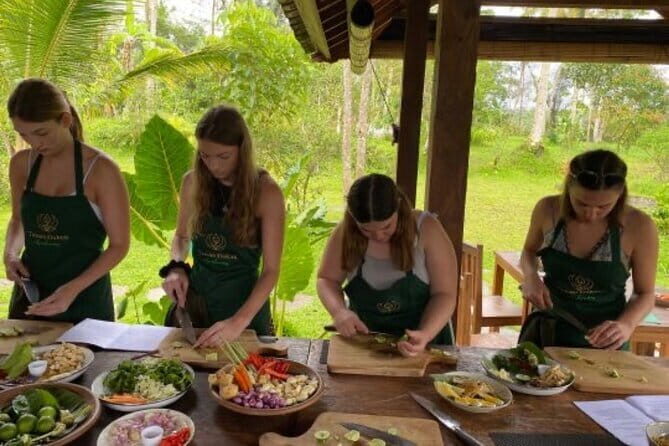
Once you’re back in the traditional kitchen, you’ll cook with hands-on guidance. This is where the class becomes more than a meal prep lesson. You’re taught how to build dishes using traditional techniques—mixing, chopping, simmering, and pacing yourself through a multi-part meal.

What I like most about this structure is that the chef can correct your technique in real time. In some classes, teachers have been praised for being attentive and patient with beginners. You might even run into a teacher like Eri, who’s been described as a strong instructor. (You’re not guaranteed any specific person, but the class style is consistent: teaching and coaching during the cooking.)

You should also expect explanations about Bali’s culture and religion to pop up naturally during the cooking. Some participants have said they received a detailed overview before cooking started, and that background made the recipes feel more meaningful.

Practical note: you’ll likely cook several dishes, and many classes include a dessert as part of the meal. One person mentioned a multi-course setup with dessert, and another described cooking many dishes plus a sweet course. So plan to leave full.

What dishes you’ll make (and what “all dishes included” really means)

Ubud Cooking Class with Optional Market Visit Pickup Included - What dishes you’ll make (and what “all dishes included” really means)
The booking info says all dishes are included, and the reviews back up that you should expect a proper meal—not just a single dish and a snack.

Because the exact menu isn’t spelled out in the provided details, I can’t promise a specific list of recipes. But based on the class structure, you can reasonably expect:

  • Multiple savory dishes (often including curries)
  • A shared meal at the end of the cooking session
  • A dessert or sweet course in many classes

This matters for your planning. A $18.95 price tag for a guided market+meal experience can feel hard to beat—especially in a place like Ubud where food tours can run pricey. Here, the “included” part is doing real work: you’re paying for the ingredients portion of your meal and the teaching time, not just watching.

Pickup and comfort: an easy start in Ubud

Ubud Cooking Class with Optional Market Visit Pickup Included - Pickup and comfort: an easy start in Ubud
Convenience is one of the biggest reasons to book this. You can get hotel pickup via an air-conditioned vehicle, which helps when you’re balancing temple visits, waterfalls, rice terraces, and dinner plans.

The class is capped at 20 travelers, so it’s not a giant cattle-car group. That size supports a more hands-on vibe where the chef can actually help people without shouting over the crowd.

Also, the class uses a mobile ticket. Confirmation is received at the time of booking, so you should have what you need before you go.

One more practical reality: a couple of people have described pickup communication problems when booking through an intermediary. I can’t verify how often that happens, but it’s a smart move to confirm your pickup details early and keep the local operator contact handy. If you’re traveling on a tight schedule, don’t wait until the last minute.

Price and value: is $18.95 a smart deal?

Ubud Cooking Class with Optional Market Visit Pickup Included - Price and value: is $18.95 a smart deal?
At $18.95 per person, this class is positioned as an affordable way to get guided Balinese cooking and a real meal out of it. The value comes from the mix of things you get for that price:

  • Market selection help, which most cheaper classes skip
  • Chef guided cooking
  • A full session of food you eat at the end
  • Air-conditioned transport if pickup is included for your pickup area and time

If you were to compare costs the DIY way—market walking plus buying ingredients plus taking cooking instruction time—you’d pay more in both money and effort. Here, you’re paying mainly for guidance and structure, which is exactly what you want when you’re on a short Bali trip.

That said, the value depends on how smoothly pickup and timing work for your day. If your pickup is uncertain, the class still offers a good experience, but it’s less convenient. If you hate last-minute coordination, plan to confirm early.

Evening class note (17–20 July): plan your arrival

Ubud Cooking Class with Optional Market Visit Pickup Included - Evening class note (17–20 July): plan your arrival
There’s an important schedule note for the evening class from 17–20 July: the bookers need to come by themselves. That’s not the usual pickup flow.

So if you’re considering the evening option during those dates, treat it like a self-arrival activity. I’d double-check the specific time and meeting point information you receive when you book, and don’t assume pickup will cover it.

If you’re the type who likes everything handled for you, this is the one scenario where you’ll need to be more proactive.

Language, group vibe, and who this class suits best

Ubud Cooking Class with Optional Market Visit Pickup Included - Language, group vibe, and who this class suits best
The chef guided experience includes English support. That’s helpful if you want to understand what you’re doing and why, not just follow motions.

The vibe tends to be friendly and social, partly because you’re working in a group and partly because you share the finished meal. Some people have even mentioned bonding with the group as the class progresses. If you’re traveling solo, that social angle can be a win without needing a nightlife plan.

This class is especially a good fit if you:

  • Like hands-on activities more than museum-style sightseeing
  • Want a food experience that includes a market component
  • Appreciate teaching—seeing techniques, not just collecting a recipe
  • Want to meet fellow travelers during a daytime or early evening block

It might be less ideal if you:

  • Can’t walk comfortably through a market
  • Strongly prefer private lessons (this is a group class)
  • Need a perfectly hands-free pickup experience and don’t want to confirm details

Should you book this Ubud Cooking Class?

Yes, if you want a short, structured Balinese cooking experience that starts with ingredient selection and ends with a real meal. For the price, the mix of market time + chef coaching + included dishes is a strong deal, especially in Ubud.

I’d book it if you’re open to learning technique and you’re happy working alongside other people. I’d also plan a little extra attention to timing and pickup details—just to avoid the rare communication hiccups that have shown up for some participants.

If you can handle a market stop and you want a practical Bali food skill you can talk about (and maybe recreate later), this is a smart choice.

FAQ

Is hotel pickup included?

Yes. Handy hotel pickup is included, using an air-conditioned vehicle. For the evening class on 17–20 July, the bookers need to come by themselves.

How long is the Ubud cooking class?

It runs about 3 hours (approx.).

How many people are in the group?

The class has a maximum of 20 travelers.

What’s included in the price?

You get a chef guided cooking class (English offered), an air-conditioned vehicle (with pickup), and all dishes. Confirmation is received at the time of booking.

What’s not included?

Personal expenses are not included.

Can I get a refund if my plans change?

You can cancel for a full refund if you cancel up to 24 hours in advance. If you cancel within 24 hours, the amount paid is not refunded.

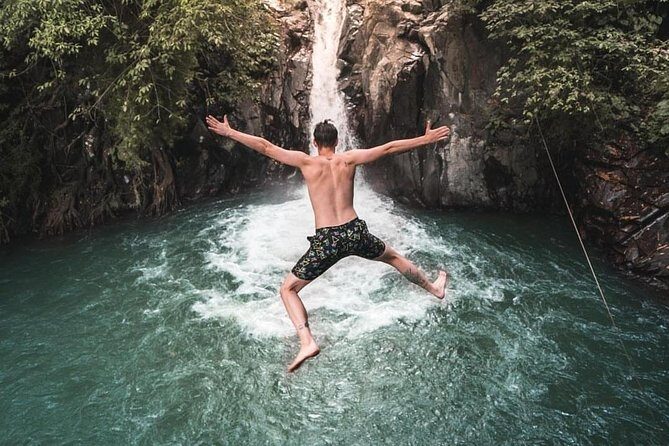
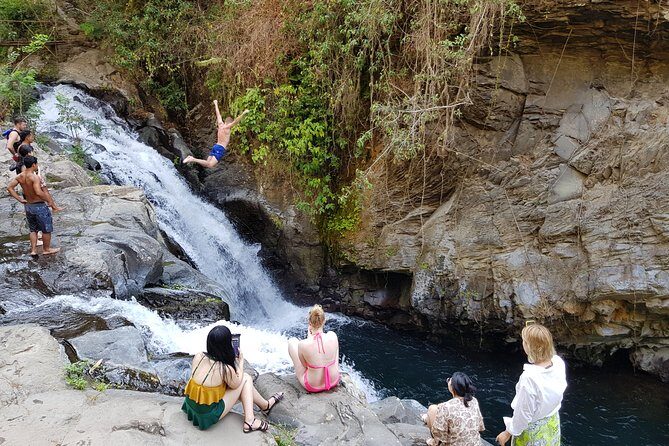
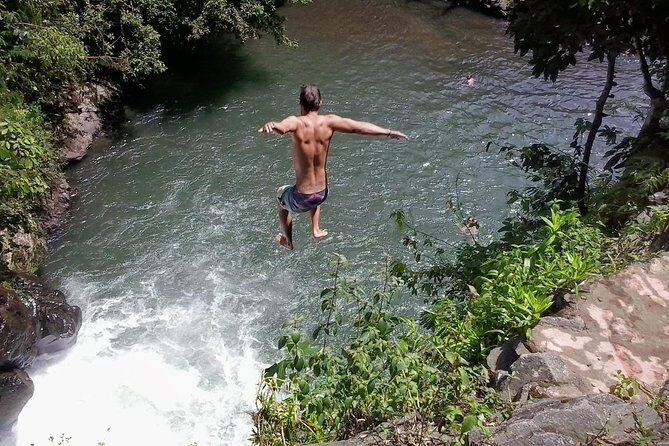
Cliff Jumping and Sliding at Aling Aling Waterfall

Cliff Jumping and Sliding at Aling Aling Waterfall - Price and Value: What $64 Really Buys You in Ubud

Cold water, big views, clear rules.

This is one of those north Bali days where the morning walk actually matters. You go from rice-terrace scenery and a taste of local fruit at a Balinese home to a blue-water swim at Sambangan Secret Garden, and then finish with guided sliding and cliff jumping at Aling-Aling Waterfall. I especially like that you’re not just thrown into the falls—you’re given a life jacket and a guide who keeps the experience fun and controlled.

The main thing to consider is that this isn’t a lazy sightseeing cruise. You’ll handle slippery stairs and you should feel comfortable swimming in moving water, even though the tour is designed to be safer than free-jumping on your own.

The Quick Hits: What Makes This Aling-Aling Water Day Worth It

Cliff Jumping and Sliding at Aling Aling Waterfall - The Quick Hits: What Makes This Aling-Aling Water Day Worth It

  • Guided safety gear includes a life jacket, which changes the whole vibe vs. jumping solo.
  • Two water moments: a swim at Sambangan Secret Garden and then sliding/jumping at Aling-Aling and nearby drops.
  • A cultural stop, not just selfies: you’ll visit a local family’s home for fruit and a bit of everyday context.
  • Snack-and-drink fuel along the way (snacks, bottled water, hot drinks, coffee/tea, and young coconut water).
  • Your guide matters: one guide (Gade) even helped recover a lost phone from the water after it went in.

North Bali Morning Flow: How the 3 Hours Usually Land

Cliff Jumping and Sliding at Aling Aling Waterfall - North Bali Morning Flow: How the 3 Hours Usually Land
The timing is built for an active morning, not a long, drawn-out tour. Plan on about 3 hours of total time, and expect the day to feel like a steady rhythm: trek, cultural fruit stop, swim, then the main event at the waterfall area.

You’ll meet at Aling Aling’s office in Sambangan around 9:00 am, with the trek starting shortly after. By about 10:00 am, you’re at the swimming area, and the sliding/jumping part typically happens later in the late-morning window, before you wrap back up at the meeting point.

That structure is a real plus for value. You’re not paying for “waiting around in paradise.” You’re paying for a guided route that keeps you moving, fed, and properly set up for the water segments.

Price and Value: What $64 Really Buys You in Ubud

Cliff Jumping and Sliding at Aling Aling Waterfall - Price and Value: What $64 Really Buys You in Ubud
At $64, this doesn’t feel like a bargain gimmick—it feels like a bundled day of logistics, safety, and small comforts. The big reason: several items that often cost extra elsewhere are included.

Included on this tour:

  • snacks and bottled water
  • hot drinks, coffee/tea, and young coconut water
  • a life jacket for the water activity
  • all fees and taxes

Not included:

  • lunch
  • private transportation (you’ll need to handle getting to the start point)

So if you’re comparing this to paying separately for guide support, safety gear, and guided trekking time, $64 starts to make sense. You’re essentially buying a morning plan that strings together cultural context + two water experiences with the gear you need to do it safely.

The one value catch: you’ll still need to plan your meals around it since lunch isn’t included. If you’re hungry after the tour, grab something nearby in Ubud or along the way.

Start at Aling-Aling Office: What to Expect Before You Move

The tour begins at the Aling-Aling Waterfall meeting spot in Sambangan. Even before you reach the water, you’ll feel the difference between this and a DIY adventure: you’re starting with a team that knows the route and the timing.

Because the experience involves stairs and water movement, I like that the structure gives you a clear “do this next” progression. Your body isn’t guessing. You’ll be trekking, then taking the swim break, then transitioning to the waterfall watersport section.

That matters for comfort. When you’re heading into cliff jumping and sliding, nerves spike fast. Having a guide and a schedule keeps that adrenaline in a good place.

Cengana Rice Fields and a Balinese Home Fruit Stop

One of the best surprises about this type of tour is how quickly the morning shifts from scenery to people. Before you reach the swimming spot, you’ll trek through rice field territory and stop for a visit to a Balinese compound.

You’ll get to try local fruit during the visit. This is the kind of stop that adds meaning without hijacking your day. You’re not trapped there for an hour of scripted performance. It’s more like a real, grounded moment of daily life—enough to make the rest of the day feel less like an action-only package.

Practical tip: wear something you can move in. Even though it’s described as moderate fitness, you still want clothing that dries fast and doesn’t fight you on stairs.

Sambangan Secret Garden: Blue Lagoon Swim in Real Conditions

The swim stop at Sambangan Secret Garden is usually the mid-morning highlight. You’ll be in the blue water for swimming, and you’ll likely be moving through a setup that expects swimmers to manage current and entry/exit with care.

This is where your comfort level matters. The tour is designed to feel safer than free-for-all cliff jumping, but you still need to be able to swim while water is moving. A key detail: you’re provided with a life jacket, which takes some stress out of the equation and helps you focus on enjoying the water.

One small story underlines why this guide support is so valuable: a reviewer shared that their phone was lost in the water, and guide Gade helped locate it quickly, spending time underwater to recover it. That’s not just impressive—it signals how seriously guides handle the practical realities of the water environment.

What I’d watch for: if the day feels windy or the water seems rougher than expected, take it slow. The goal is to enjoy the swim, not prove anything.

Aling-Aling Waterfall: Sliding, Cliff Jumping, and the Nearby Drops

Cliff Jumping and Sliding at Aling Aling Waterfall - Aling-Aling Waterfall: Sliding, Cliff Jumping, and the Nearby Drops
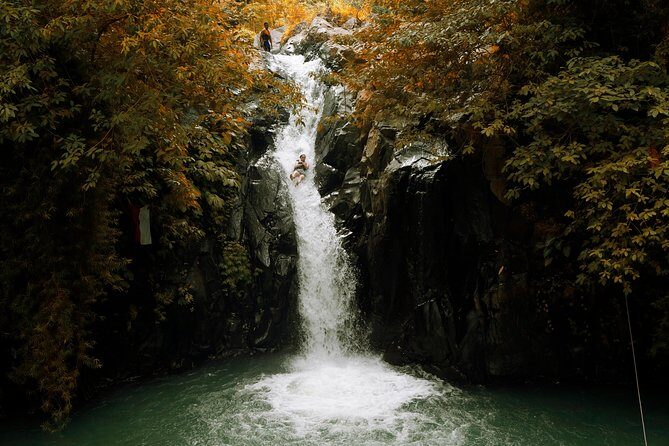
This is the main event: sliding and cliff jumping at Aling-Aling Waterfall. The big safety note here isn’t fearmongering—it’s common sense. Water flow changes by season, and there can be hidden rocks. That’s why the tour emphasizes a guide and life jacket support rather than letting you jump freestyle.

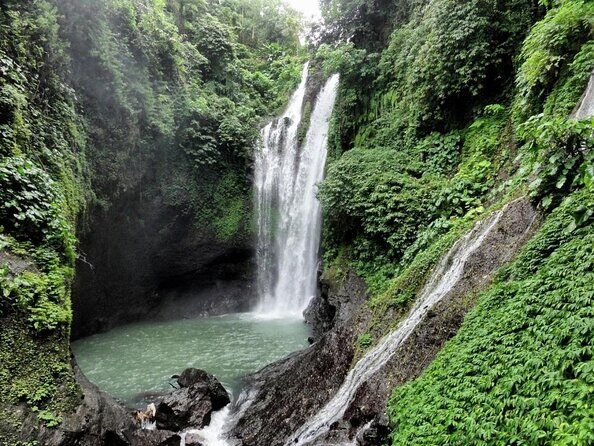
The experience is also described as having multiple nearby waterfalls in the area, including Kroya Waterfall, Kembar Waterfall, and Pucuk Waterfall. Even if you don’t spend the whole time at each one, it gives the area more variety than a single-drop stunt.

What the day feels like here:

  • you’ll transition from swimming to the waterfall watersport zone
  • you’ll follow a guided progression (not random jumping)
  • you’ll be moving through sections that involve climbing and descending—some of it can be slippery

If you’re the type who likes clear coaching, this part will click. You’ll know what’s happening and when to move.

If you’re the type who hates heights, you’ll still be okay as long as you listen to the guide. The sliding part can be a more approachable step than the jump, but I can’t promise which option you’ll attempt—just that the guide will manage the activity safely.

Safety That Actually Helps: Why Guides Beat DIY Here

Cliff Jumping and Sliding at Aling Aling Waterfall - Safety That Actually Helps: Why Guides Beat DIY Here
Let’s talk safety in the practical way it deserves. With cliff jumping, the danger isn’t theoretical. Variations in water flow and submerged hazards are real risks, especially when you try it without local guidance.

This tour’s safety approach is built on two things the day does for you:

  • a guide who knows the conditions and where you should go
  • a life jacket to support buoyancy and comfort in moving water

Those elements let you have fun without turning the day into a gamble.

And yes—guides also handle the unglamorous moments: keeping you oriented, managing where people stand, and helping with real-world problems. The phone recovery story with Gade is the clearest example from what I’ve been able to learn about how guides show up under pressure.

If you’re thinking about doing a similar activity on your own: don’t. Pay for the guidance. In places like this, safety is part of the experience value, not an added extra.

What to Bring (and What to Wear) for Stairs and Water Play

Cliff Jumping and Sliding at Aling Aling Waterfall - What to Bring (and What to Wear) for Stairs and Water Play
You don’t need a lot of gear, but you do need the right mindset and clothing.

Wear:

  • quick-dry clothes or swimwear under comfortable outer layers
  • footwear you can trust on stairs (something with grip helps a lot)

Bring if you have it:

  • a waterproof bag or dry pouch for your phone and keys
  • a towel or something quick-drying for afterward
  • sunscreen (water days still burn, and you may be outside during the trek)

A note on expectations: you’ll likely climb lots of stairs, and some sections can be slippery. If you’re already comfortable in that kind of terrain, you’ll enjoy the tour more because you won’t be fighting your footing every minute.

And don’t overlook the mental checklist: you should feel okay swimming in water with a current. The life jacket helps, but it won’t magically erase the sensation of moving water.

Who This Tour Suits Best (and Who Should Skip It)

This is best for you if:

  • you want an active north Bali morning, not a slow drive-and-look day
  • you’re interested in cliff jumping and sliding with safety support
  • you’re comfortable swimming in moving water
  • you don’t mind climbing stairs on a warm day

It might not be the best fit if:

  • you have a strong fear of heights or getting into deep water
  • you aren’t comfortable swimming with a current, even with a life jacket
  • your body doesn’t like stairs and uneven, wet surfaces

Fitness level is described as moderate. That’s the sweet spot: you don’t need to be an athlete, but you do need basic stamina and balance.

Booking Smart: Getting the Most From This $64 Morning

Because it’s a private tour/activity for your group, you can get a more personal pace. That matters on active days. If you’re feeling cautious, your guide can help you choose how to approach the water sections.

Also, you should plan around weather. The tour is described as requiring good weather. If conditions aren’t right, you should expect the experience to be offered on a different date or refunded if it can’t run.

My practical advice:

  • If you’re going for the waterfall watersports, try to keep this morning flexible in your schedule.
  • Eat something before you start if you tend to get hungry early. Lunch isn’t included, and you’ll be burning energy during the trek and swim.

Should You Book This Aling-Aling Sliding and Jumping Tour?

I’d book it if you want a real north Bali action day that still includes culture and snacks—not just a stunt. The combination is what sells it: rice-terrace trek + fruit at a Balinese home + Sambangan Secret Garden swim + guided sliding and cliff jumping at Aling-Aling, all with life jacket support.

Skip it if you’re uneasy with stairs or moving-water swimming. Even with safety measures, this is still a physical, water-focused experience.

If you do book, go with a calm attitude: listen to your guide, take the stairs seriously, and treat the water like part of a guided plan—not a dare. That’s the recipe for a great day and the kind of safety story you’ll be glad you had.

FAQ

How long is the Cliff Jumping and Sliding at Aling Aling Waterfall experience?

It’s about 3 hours.

Where do I meet for the tour?

You meet at the Aling Aling office area in Sambangan, Kec. Sukasada, Kabupaten Buleleng, Bali 81161, Indonesia.

What time does the tour start?

You meet around 9:00 am, and the day’s activities move along shortly after. Swimming is scheduled around 10:00 am.

How much does the tour cost?

The price is $64.

What’s included in the ticket?

Included items are snacks, bottled water, life jacket, all fees and taxes, and drinks such as coffee/tea and young coconut water.

Is lunch included?

No, lunch is not included.

Is transportation included?

No. Private transportation is not included.

What should my fitness level be?

You should have a moderate physical fitness level, since there are hikes and climbing stairs.

What happens if the weather is bad?

The experience requires good weather. If it’s canceled due to poor weather, you’ll be offered a different date or a full refund.

Ubud White Water Rafting with Private Transfer & Lunch

Rafting on Bali can be surprisingly organized. You’ll start with a short briefing at the Ayung River, then spend late morning tackling level 2–3 rapids with a professional guide calling the shots. There’s also a handy photo break mid-trip, so you’re not just fighting the river the whole time.

I like two things a lot: hotel pickup/drop-off (especially if you choose the private transfer option), and having lunch plus towels and shower facilities waiting afterward. That combo saves you time and energy, and it makes the trip feel like a proper day plan instead of a scramble.

The main thing to consider is that this outing is weather-dependent and the booking is non-refundable, so you’ll want flexible expectations—especially during rainy stretches.

Key points you’ll care about

Ubud White Water Rafting with Private Transfer & Lunch - Key points you’ll care about

  • Ayung River level 2–3: a more challenging rafting run than the super-easy options
  • Hotel pickup timing: usually 07.30–08.30 depending on where you’re staying
  • Safety and comfort included: helmet, life jacket, insurance, towels, and shower access
  • Photo stop mid-route: you get a break to capture the fun (but photos cost extra)
  • Lunch included: you eat before heading back to Ubud
  • Group size capped: up to 50 people for the whole activity

How the Day Works: Pickup, Briefing, Rapids, Lunch, Back Again

Ubud White Water Rafting with Private Transfer & Lunch - How the Day Works: Pickup, Briefing, Rapids, Lunch, Back Again
This is one of those Bali tours that feels like it’s been built for real schedules, not just rafting fantasies. You’ll typically be collected from your hotel between 07.30 and 08.30, depending on your location. Even if your hotel isn’t close to the rafting area, the tour is set up so you don’t have to figure out transport on your own.

Around 09.30, you’ll arrive at the starting point of the Ayung River and get a short briefing. This matters more than it sounds. Good rafting days are mostly about knowing what to do before you hit the moving water, and this brief start helps you get your bearings fast (and keeps everyone safer and calmer).

Your main rafting run kicks off at 10.00. You’ll spend the late morning in the water, using your guide’s instructions and your own judgment for timing, paddling, and where to position yourself in the raft. There’s a stop on the middle route between 11.30 and 12.00 for a break and photos. That’s a useful rhythm change: you get a breather, you can grab pictures, and then you’re back at it.

Then comes lunch around 13.30 to 12.00, followed by the ride back. You’ll reach your return point around 15.00. Total time on the clock is longer than the rafting portion, but that’s normal here—because you’re also paying for transport, gear setup, and a meal, not just the time splashing.

Ayung River Rapids: Level 2–3 Means More Fun, More Control Needed

Ubud White Water Rafting with Private Transfer & Lunch - Ayung River Rapids: Level 2–3 Means More Fun, More Control Needed
The Ayung River route is described as level 2–3, which tells me you’re looking at a step up in excitement. It’s not described as extreme or technical, but it’s also not the “sit and float” style you’d do for a super gentle intro.

So what does that mean for you? Plan on being actively involved. You’ll likely be paddling on and off through different stretches, and you’ll need to follow the guide’s instructions quickly. If you enjoy motion and you don’t mind getting wet, this level is a sweet spot.

At the same time, it’s not a reason to stress out. The tour includes a professional river guide, plus the core gear you need for a safe, guided ride. You’re not on your own negotiating the river. You’re with a crew that runs the same route enough times to keep things moving efficiently.

If you’re prone to seasickness, panic, or strong fear of getting wet, this might not be your easiest outing. Not because you’ll be unsafe—because the whole point here is that you’re doing real rapids. I’d treat it like an active day: bring a mindset of participation, not passive watching.

Finally, remember that rafting is still tied to conditions. Even the best route and the best guide can be affected by river conditions and weather requirements. If conditions aren’t right, the operator may offer a different date or a full refund instead of running the trip.

Gear, Guide, and the Mid-Route Photo Break

Ubud White Water Rafting with Private Transfer & Lunch - Gear, Guide, and the Mid-Route Photo Break
What you’re given tells you how much the tour is designed around a smooth experience. You’ll receive helmet and life jacket, plus a guide who’s there for the run. They also provide changing rooms and toilets, which makes a big difference if you don’t love the idea of changing in a hurry.

One detail I appreciate is that the experience includes a planned stop in the middle route for photos between 11.30 and 12.00. This isn’t just an awkward “wave at the camera” moment. It’s built into the timing so you can cool down for a bit, let the raft regroup, and capture the action while you still have decent momentum in the day.

There’s also a practical note: photos are not included. You can purchase the pictures afterward, but that’s an extra cost. If you’re traveling with people who want maximum photos, it’s smart to budget for it in advance rather than assuming everything is rolled into the price.

The included safety setup also helps you relax. A life jacket isn’t glamorous, but it’s peace of mind. And a helmet turns the “ouch” fear into just another piece of equipment. Pair that with a guide who stays focused on the river, and you’re more likely to enjoy the ride instead of thinking too much.

Lunch, Towels, and Shower Facilities: The Comfort Part You’ll Appreciate

Ubud White Water Rafting with Private Transfer & Lunch - Lunch, Towels, and Shower Facilities: The Comfort Part You’ll Appreciate
One of the easiest ways to judge value on a rafting day is to look at what happens after you get muddy. Here, you’re not left stranded with wet clothes and no plan.

You’ll get lunch at around 13.30, plus towels and shower facilities after the rafting portion. Changing rooms and toilet facilities are also included. For me, this is the difference between rafting as a fun half-day and rafting as a full outing you feel good about afterward.

You’ll likely want to wash off the river fast. Even if you don’t love how clothing feels after, the shower access means you can actually move on with your day instead of smelling like a wet wetsuit for hours.

Food timing also matters. Lunch comes mid-afternoon, not late evening, so you’re not making dinner plans in a hurry or paying extra for a quick snack on an exhausted stomach. If you’re touring around Ubud, that smooth transition is exactly what you want.

Two small things to keep in mind: drinks are not included, and you might be tempted to buy bottled water at the end. I’d bring money for what you need, especially if you prefer a specific drink. Also, consider that the photo purchases are extra, so if you care about having a physical set of raft shots, add a little room in your budget.

Price and Value: What You’re Really Getting for $33.34

Ubud White Water Rafting with Private Transfer & Lunch - Price and Value: What You’re Really Getting for $33.34
At about $33.34 per person, the value here comes from the package. You’re not just paying for the raft. You’re paying for safety gear, a professional guide, insurance, a meal, and the post-rafting comfort items.

Included items that drive the value:

  • Insurance
  • Lunch
  • Helmet and life jacket
  • Towels and shower facilities, plus changing room and toilets
  • Air-conditioned vehicle for transport
  • Private hotel transfer if you select that option

That matters because transport and showers can quietly add up when you book things separately. Instead of piecing together rides, finding a place to change, and then trying to squeeze in lunch, everything is folded into one smooth day.

Now, the extras you should expect:

  • Photos are not included
  • Drink isn’t included
  • If you want a private boat, there’s an extra cost of IDR 300,000 per boat
  • Pickup from other areas may not be covered unless you’re using the standard hotel pickup option

Also check the insurance note carefully. The tour data says the minimum age is 6 years old, but the insurance coverage has a specific age limitation noted as 9–65 years old. That wording is important. Before you book for kids or for anyone in that age band, I’d confirm insurance details directly with the operator so there are no surprises on the day.

Logistics That Actually Affect Your Experience

Ubud White Water Rafting with Private Transfer & Lunch - Logistics That Actually Affect Your Experience
This tour runs with a clear start and end pattern. The meeting point is Bali Bintang Rafting, Jl. Raya Bunutan, Kedewatan, Kecamatan Ubud, Kabupaten Gianyar, Bali 80581, Indonesia. The activity ends back at the meeting point, and pickup is offered if you’re selecting the transfer option.

You’ll also deal with a group environment. The tour lists a maximum of 50 travelers, which is plenty of people, but it’s not a massive crowd either. In practice, I like that it’s capped—because big oversize groups can make briefing feel rushed and can stretch the day out.

Timing is also something to respect. Pickup can vary by where you’re staying, and you should plan for a longer day than just the “3 hours” rafting label. If you’re tight on evening plans in Ubud, keep them flexible. You return around 15.00, so afternoon plans are fine, but don’t schedule something that depends on you being right back at the hotel by late afternoon with no buffer.

One more small plus: the tour uses a mobile ticket. That helps you avoid paper hassle, especially in Indonesia where your phone is already your main travel tool.

Who Should Book This Ubud Rafting (and Who Might Not)

Ubud White Water Rafting with Private Transfer & Lunch - Who Should Book This Ubud Rafting (and Who Might Not)
This outing is a good fit if you want a guided rafting day with minimal planning headaches. The combination of gear, guide, insurance, lunch, and shower facilities means you get to focus on the fun parts.

It’s also a good match for people who want something more active than the gentlest rafting. The level 2–3 description suggests you’ll feel the river more, and you’ll likely participate rather than just drift.

I’d think twice if you:

  • Know you dislike getting wet and don’t like the idea of an outdoor activity with wet gear
  • Have strong anxiety around fast-moving water (even with a guide)
  • Have trouble with the idea of weather cancellations, since the experience requires good weather
  • Need changes or refunds, since the booking is described as non-refundable and cannot be changed for any reason

If you’re traveling with kids, the minimum age is 6 years old, but the insurance limitation needs attention. Confirm it before you commit. For adults, the insurance limitation again should be checked so you’re not assuming coverage works the way you expect.

Should You Book This Ubud White Water Rafting with Private Transfer & Lunch?

Ubud White Water Rafting with Private Transfer & Lunch - Should You Book This Ubud White Water Rafting with Private Transfer & Lunch?
If you want a well-run rafting day that includes the stuff that usually ruins the day when you forget it—food, showers, safety gear, and transport—this is a strong option. The hotel pickup/drop-off and lunch make it feel complete, and the Ayung River level 2–3 rapids give you real action instead of a tame paddle.

The decision comes down to two practical checks: your comfort with mid-level rapids and your ability to handle weather risk. If you can be flexible on dates, and you’re excited for a guided, active run on the Ayung River, then this is a solid buy for your Ubud time.

If you’re booking for someone who falls into the insurance-age note or you need a tour that you can reschedule easily, pause and confirm coverage and your options first. Once you do that, you’ll likely enjoy a smooth day where rafting is the main event and the logistics don’t eat your vacation hours.

FAQ

Where does this rafting start?

The meeting point is Bali Bintang Rafting, Jl. Raya Bunutan, Kedewatan, Kecamatan Ubud, Kabupaten Gianyar, Bali 80581, Indonesia. The activity ends back at the meeting point.

Do I get hotel pickup?

Pickup is offered, and the timing is usually 07.30–08.30 depending on where your hotel is located. Private transfer is included only if you select that option.

What time does the rafting run?

You’ll arrive at the starting point around 09.30, get a short briefing, and then start rafting at 10.00.

How long is the tour?

The experience duration is listed as about 3 hours, and the full schedule runs from pickup in the morning to return around 15.00.

Is lunch included?

Yes. Lunch is included and it happens around 13.30.

What safety gear is provided?

You’ll receive a helmet and a life jacket, plus a professional river guide and included insurance.

Are towels and shower facilities included?

Yes. Towels and shower facilities are included, along with changing room and toilet facilities.

Are drinks included?

No. Drinks are not included.

Can I buy photos during or after the trip?

There is a photo stop mid-route, and you can purchase the photos separately. Photo purchases are not included.

What is the minimum age, and how does insurance work?

The minimum age is 6 years old. The tour info also notes that insurance is not covered for ages 9–65, so you should confirm details for the ages in your group.

What happens if the weather is bad?

The tour requires good weather. If it’s canceled due to poor weather, you’ll be offered a different date or a full refund.

Ubud Countryside Tour: Campuhan Ridge Walk and Rice Terrace

Ubud Countryside Tour: Campuhan Ridge Walk and Rice Terrace - Pickup, timing, and what 7 hours really means

Ubud countryside on a well-paced route. This private day tour strings together the big Ubud-area hits: Campuhan Ridge Walk, Tegalalang Rice Terraces, and sacred Tirta Empul, with waterfall time at the end. You’ll also get hotel pickup and drop-off from select areas, so you spend less time figuring out roads and more time looking around.

What I like most is the way it’s set up for easy flow. You’re not bouncing between stops on your own, and you’re traveling with an English-speaking driver/guide who can explain what you’re seeing. I also like the option to go all-in with entrance fees—handy when you’d rather not calculate costs mid-day. One thing to consider: the schedule is packed with several outdoor and temple stops, so plan for sun, humidity, and some walking at the ridge and terraces.

If you want a single, credible “best of Ubud jungle” day, this is a strong fit. It’s roughly 7 hours, starts at 9:00am, and it’s designed for a personalized experience with only your group.

Key highlights worth planning around

Ubud Countryside Tour: Campuhan Ridge Walk and Rice Terrace - Key highlights worth planning around

  • Campuhan Ridge Walk: a free, easy nature trek that still feels like a break from the busier south coast.
  • Tegalalang rice terraces views: the slopes and valley drop-offs make photos look good fast.
  • Tirta Empul’s water temple: holy springs and a religious site that’s very much in use.
  • Tegenungan Waterfall timing: a later-day nature payoff after temples and rice paddies.
  • Coffee plantation sample: a stop focused on local production, not just another selfie moment.
  • Guide quality (like Mour’s style): clear explanations and keeping the day running without constant add-ons.

A smart Ubud day outside the beach scene

Ubud Countryside Tour: Campuhan Ridge Walk and Rice Terrace - A smart Ubud day outside the beach scene
This tour works because it aims for variety in one arc. You start with culture, shift into easy jungle walking, then move into landscape-style sightseeing (rice terraces), and finish with water—holy water at Tirta Empul and actual waterfall water at Tegenungan.

I like that it doesn’t treat Ubud like one long line of temples. Instead, you get different “moods” in sequence:

  • morning outdoors for views and air,
  • midday spirituality at a working water temple,
  • then cooling down with the waterfall near the end.

It also helps that you’re not relying on random timing. The whole point of paying for a guided circuit is to keep you moving at a sensible pace, with transport organized between sights. That’s especially valuable around Ubud, where popular places can bunch up.

If you’re coming from the beach and want something calmer, this route makes that shift quickly. Campuhan Ridge Walk gives you that early “fresh air, fewer crowds” feeling, and the rice terraces show why the Ubud region is famous—terraces that look engineered, because they were.

Pickup, timing, and what 7 hours really means

Ubud Countryside Tour: Campuhan Ridge Walk and Rice Terrace - Pickup, timing, and what 7 hours really means
The day starts at 9:00am and runs about 7 hours. That’s enough time to see a full set of highlights without turning the trip into an all-day grind. The trade-off is that you won’t have hours to linger at every single viewpoint.

You’ll also get hotel pick-up and drop-off from select areas, which is a big deal in practice. Even if you know Bali roads, doing this yourself typically means extra taxis, waiting time, and figuring out entrance tickets on the fly.

This is a private tour, so it’s only your group. For you, that usually means:

  • fewer delays from other groups,
  • easier questions for your driver/guide,
  • more flexibility if you want to take a slower look at one stop.

One small planning note: bring something for sun and comfort. Even the “easy” parts (like the ridge walk) are still outdoors and weather-dependent. I’d pack water, sunscreen, and shoes you’re comfortable wearing on uneven surfaces.

Traditional Balinese house compound in Batuan: culture before the views

Ubud Countryside Tour: Campuhan Ridge Walk and Rice Terrace - Traditional Balinese house compound in Batuan: culture before the views
The day begins at a Traditional Balinese House Compound in Batuan (Gianyar Regency). It’s about 45 minutes from Denpasar Airport, so you’re not just popping around Ubud city streets—this is a regional stop.

Why this start matters: it gives you context before the scenery. Bali’s religious and daily life is built around family compounds, offerings, and the way houses relate to the spiritual side of the world. When you see a compound early, later temple visits feel more connected instead of being just another building you pass.

This stop is short—around 30 minutes—so think of it as a guided orientation. You’re getting a quick look at how these spaces are designed and what they represent. Don’t expect a long, museum-style pace. The goal is to set your mental framework and move on.

If you like cultural stops but hate “filler,” this is a smart way to begin. It keeps the day balanced before you hit the more outdoorsy highlights.

Campuhan Ridge Walk to Tegalalang terraces: your morning loop

Ubud Countryside Tour: Campuhan Ridge Walk and Rice Terrace - Campuhan Ridge Walk to Tegalalang terraces: your morning loop
Morning on this tour is built around two viewpoint-heavy stops that complement each other.

Campuhan Ridge Walk: easy, scenic, and actually restful

Campuhan Ridge Walk is described as a free and easy nature trek. That’s exactly the right combination for a guided day. You’re not committing to a hike that eats your whole morning, but you still get the sense of leaving town behind.

You’ll feel it in the setting. The ridge walk is popular among people who return to Ubud again and again, and not just for the photos. It’s the kind of walk that helps you reset—less about effort, more about getting your bearings and enjoying the air.

You also get a nice practical advantage: it’s outdoors, but the time is controlled (about 30 minutes). So you can enjoy it without wondering if you’ll be late for the next stops.

Tegalalang Rice Terraces: big valley views and quick photo wins

Next up is Tegalalang Rice Terrace, one of the most famous rice landscapes around Ubud. This place works because it’s visually dramatic even for short visits. You look across slopes and valleys and see terraces spreading down before you, not flat “panorama from one spot” scenery.

The vibe here is breezy and cooler than you might expect at a high roadside location. That’s good news mid-morning when the sun can be strong elsewhere in Bali.

A practical heads-up: there’s a donation for tracking at the rice terrace that’s not included. That likely means you may be asked to contribute if you go onto certain walking areas or trails. I’d bring small cash just in case, and I’d keep expectations realistic—some of the best angles can involve walking a bit further than the main lookout.

This is also a stop where your guide’s timing matters. If you arrive when crowds are heavy, the terraces can feel busy fast. A good guide helps you choose the moment to take photos and still see the view clearly.

Tirta Empul Temple: holy springs and working ritual space

Ubud Countryside Tour: Campuhan Ridge Walk and Rice Terrace - Tirta Empul Temple: holy springs and working ritual space
After the outdoors, the tour shifts to something deeper: Tirta Empul Temple. It’s considered one of the busiest water temples in Indonesia and is sacred to Balinese Hindu community life.

This matters because you’re not just sightseeing. Tirta Empul is a place where ritual water use is part of the temple’s purpose. The water comes from multiple holy springs, which are said to have been created by a god—so the springs aren’t treated as “pretty plumbing.” They’re part of a spiritual practice.

You’ll spend about 1 hour here. That’s enough time to:

  • watch how people move through the space,
  • take in the layout,
  • and understand what the holy springs mean.

If you’re sensitive to crowds, this is the one stop that may feel more busy than the ridge or terraces. It’s popular, and it’s active. The best approach is to slow down and let the guide explain the rules and meaning rather than trying to “power through” for photos.

Dress matters at temples, too. Even though the tour includes tickets (when you choose the entrance-fee option), it doesn’t replace basic respect. Wear something that you can adjust and feel comfortable covering where needed.

Tegenungan Waterfall plus coffee plantation: the cooling finish

Ubud Countryside Tour: Campuhan Ridge Walk and Rice Terrace - Tegenungan Waterfall plus coffee plantation: the cooling finish
The day ends with nature—Tegenungan Waterfall—plus a local coffee plantation stop where you can sample organic Balinese coffee.

Coffee plantation: the kind of stop that’s worth paying attention to

Not every coffee stop is the same. This one is positioned as part of the tour experience, with a sample of organic Balinese coffee. For you, that means you’re not just “seeing” coffee plants—you’re getting a taste of the product and learning how it fits into local life.

I like this kind of stop because it breaks up the day emotionally. Rice terraces and temples are visually strong, but coffee adds something hands-on and sensory. You can use that sample to judge what you actually want to buy later, instead of buying based on a pitch.

Tegenungan Waterfall: nature payoff after the busy parts

Then comes Tegenungan Waterfall. It’s a strong fit for the end of a full day because it’s simple: you’re there to see water and feel the change in temperature and sound.

It’s about 1 hour in total time at the waterfall area, which is enough to get your photos and still have a moment to just stand and listen. Waterfalls can also be slippery, so keep your footing careful and avoid rushing.

This final stop is also where the private guide helps. A good driver/guide times the day so you’re not always arriving at the most crowded moment possible.

Price and value: is $40 a fair deal for this circuit?

Ubud Countryside Tour: Campuhan Ridge Walk and Rice Terrace - Price and value: is $40 a fair deal for this circuit?
The price is $40.00 per person, for an approximately 7-hour private tour. On paper, that sounds simple. In practice, the value comes from what’s included and how much hassle it removes.

Included items that matter most:

  • Hotel pick-up and drop-off (from select areas)
  • English-speaking driver
  • Private tour service
  • Service & government tax
  • Entrance tickets if you select the all-inclusive option

That last point is important. If you choose the upgrade that includes entrances, you’re paying once and moving through sites without the mid-day ticket stress. It’s the kind of choice that’s worth it when you’d rather not keep track of costs and lines.

Not included:

  • Meals
  • A donation for tracking at the rice terrace

So you should budget for snacks or lunch out on your own. Honestly, this is normal for a day tour in Bali. But it affects the value calculation. A “cheap” tour becomes less cheap if you have to keep spending on food and unexpected extras.

Why I still think this is good value: the sights are concentrated, the transport is handled, and the day is structured as a full Ubud countryside highlights loop. You’re paying to avoid the friction of doing it separately.

Who this tour suits best

Ubud Countryside Tour: Campuhan Ridge Walk and Rice Terrace - Who this tour suits best
This is a great match if you:

  • want a single-day highlights plan in Ubud without doing logistics yourself,
  • enjoy a mix of nature and culture (ridge walk, terraces, temple, waterfall),
  • prefer a private experience rather than squeezing into shared van schedules,
  • like the idea of learning as you go, with an English-speaking driver/guide.

It’s also a solid pick for families who want structure. One reason this stands out is that the day stays smooth with clear explanations—like the guide Mour, known for not charging extra just because schedules or group size changed.

Should you book it?

Yes, if you want an organized Ubud countryside day that hits the big three—Campuhan Ridge Walk, Tegalalang Rice Terraces, and Tirta Empul—plus a waterfall and coffee. The private format and hotel pickup reduce friction, and the optional entrance-fee all-in choice makes the day feel more predictable.

I’d skip or rethink it if you hate walking in humid outdoor conditions, or if you prefer long, unstructured time at one place rather than a tight circuit. Also, if you’re very budget-focused, remember meals and the rice-terrace donation aren’t included, so plan for that small extra cash.

If that all fits your style, this is an efficient and satisfying way to see Ubud’s countryside without turning your day into a DIY scavenger hunt.

FAQ

How long is the Ubud countryside tour?

It runs about 7 hours.

What time does the tour start?

The start time is 9:00am.

Is hotel pickup and drop-off included?

Yes. Pickup and drop-off are included from select area hotels.

Is this tour private or shared?

It’s private. Only your group participates.

Are entrance tickets included in the price?

Entrance tickets are included if you select the option that includes entrance fees.

Are meals included?

No, meals are not included.

Can I cancel for a full refund?

Yes. You can cancel up to 24 hours in advance for a full refund.

Private Arrival Transfer: Bali Airport to Ubud Area

Private Arrival Transfer: Bali Airport to Ubud Area - The private minivan ride to Ubud takes the edge off

Landing in Bali should feel easy. This one-way private arrival transfer is built for your first hour on the island: a driver greets you at Denpasar International Airport with a name sign, then takes you straight to Ubud without stopovers for other people. I especially like the smooth meet-and-greet setup (easy to spot, quick walk-through) and the practical comfort of a clean, air-conditioned minivan that handles luggage well.

One possible drawback: the ride can be affected by Bali traffic and driving style. A few folks noted that the drive can feel intense if you’re not used to local road conditions, so keep that in mind on your first day.

Key things I’d pay attention to

Private Arrival Transfer: Bali Airport to Ubud Area - Key things I’d pay attention to

  • Name sign at the arrival gate: less wandering, less “is this my driver?” stress.
  • Private, door-to-door transport: you go straight from airport to Ubud (or your next stop).
  • Clean A/C minivan for up to 5 with luggage: comfortable, no squeezing.
  • Driver communication and patience during delays: helpful when flights, immigration, or luggage run late.
  • Bottled water included: a small thing that matters when you land tired.
  • $22 per person value: best when you’re traveling in a small group (2–5 in the vehicle).

Name-sign pickup at Denpasar: less stress, fewer headaches

Private Arrival Transfer: Bali Airport to Ubud Area - Name-sign pickup at Denpasar: less stress, fewer headaches
The hardest part of Bali arrivals is rarely customs. It’s the moment right after you land, when everyone’s hustling and you’re trying to confirm details with a fresh jet lag brain.

This transfer tackles that head-on. Your driver meets you at Denpasar International Airport arrival with a signboard that has your name on it. That detail sounds small, but it saves real time because you’re not trying to decode a crowd, a phone number, or a random driver with a similar-looking shirt.

The driver also helps you move from the arrival area out to the waiting vehicle. In plain terms: you get your first win of Bali right away, before you even see the green hills around Ubud.

One reason I like this setup is that several drivers in this service have been specifically praised for being friendly and easy to find, even when arrivals get messy. People have shared stories of being greeted late at night, or waiting through delays, with WhatsApp-style communication that keeps things from turning into a guess-and-hope situation.

The private minivan ride to Ubud takes the edge off

Private Arrival Transfer: Bali Airport to Ubud Area - The private minivan ride to Ubud takes the edge off
From the airport to Ubud is about an hour. That’s the kind of trip length where a private transfer really pays off. A taxi can be fine, but it often turns into bargaining, figuring out which line to stand in, and then negotiating with a meter or a flat rate. A prearranged private pickup removes that whole circus.

You’ll ride in a private air-conditioned minivan that can handle up to 5 people with luggage. That matters because luggage in Bali can be larger than you think—especially if you’re packing for temples, beach downtime, and a couple of day trips.

Door-to-door is the other key phrase. You’re not dropped at some central spot and told to find your way. You’re taken to your accommodation or private residence in the Ubud area. For your first day, that means less hauling bags across sidewalks and less time trying to understand how far everything is from everything else.

Also, you get bottled water in the car. Not a big “wow” moment, but it’s one less thing you have to hunt for right after you land.

What the praised drivers get right (and why it matters)

This transfer isn’t just a car. The driver experience shows up in the details people mention: communication, punctuality, and whether the ride feels safe and calm.

In the feedback you can see a pattern with certain drivers. Names that come up include Dexde, Oka, Wayang, and Made. The recurring themes are: clear communication ahead of pickup, friendly conversation, and patience when schedules slip.

That last part is underrated. Flights can be late. Luggage can arrive separately. Immigration lines can stretch. When that happens, a driver who waits without acting annoyed changes the tone of your entire arrival day.

And if you want the ride to be more than just a ride, some drivers also share tips about Bali as you go—so you arrive with a few practical pointers instead of a blank-map feeling.

Small perks that make Bali arrivals feel smoother

Private Arrival Transfer: Bali Airport to Ubud Area - Small perks that make Bali arrivals feel smoother
Let’s call these “quiet wins.” They don’t look flashy in a brochure, but they show up when you’re tired and moving fast.

Here are the included items that actually help:

  • Meet & greet service so you’re not guessing in the crowd
  • Bottled water for the first stretch of your day
  • Private one-way transport in an air-conditioned vehicle
  • Taxes, fuel surcharge, and service fees included in the stated price

And one practical note: food and drinks aren’t included. That’s normal for a transfer, but it helps you plan. If you land around a meal time, you’ll probably want to grab something near your hotel after dropoff rather than expecting the ride to include lunch or snacks.

Bali driving reality check: timing, traffic, and comfort

Private Arrival Transfer: Bali Airport to Ubud Area - Bali driving reality check: timing, traffic, and comfort
Even the best transfer can’t fully control Bali roads. One person described the drive as crazy, and that’s your cue to set expectations: traffic and road behavior can vary, and the ride style may feel different than what you’re used to.

Here’s how to handle it:

  • Keep some patience in your back pocket. The ride time is “about an hour,” not “guaranteed 60 minutes.”
  • If you’re prone to motion sickness, bring what you normally use.
  • If you’re anxious, ask your driver to drive at a comfortable pace. It’s a private setting; you can be direct.

The good news: lots of the praised experiences mention drivers being safe and calm, even when waiting longer due to delays. So while the drive can feel intense, the service tone tends toward reliable and professional rather than chaotic.

How this transfer fits your first-day Ubud plan

Private Arrival Transfer: Bali Airport to Ubud Area - How this transfer fits your first-day Ubud plan
Think about what you actually want on day one in Ubud. You want your bags down, your phone charged, and your mind clear enough to enjoy the town instead of just surviving the ride.

With this transfer, you can build a simple first-day rhythm:

  • You arrive, get settled, and start exploring later rather than racing against exhaustion.
  • You don’t waste energy on figuring out transport right when you land.
  • You have time to adjust before you commit to dinner, a walk around central Ubud, or an early temple visit.

And if you’re planning a tight schedule—like a morning class, a sunset stop, or a day trip—this transfer helps you keep the timeline cleaner because pickup is prearranged and focused on getting you there directly.

Price and value: $22 per person is about group math

Private Arrival Transfer: Bali Airport to Ubud Area - Price and value: $22 per person is about group math
At $22 per person, this transfer is easy to compare. But the real value depends on how you’re splitting the vehicle.

The pricing is per person based on 2 to 5 people per vehicle. So if you’re traveling as a couple, you’ll still pay less than a private car would cost you alone. The more people you add (up to five), the more the per-person value typically improves.

Where this price feels fair:

  • When you want a private, A/C vehicle with luggage space
  • When you value the name-sign meet-and-greet to reduce arrival stress
  • When you’re landing at a time when you really don’t want to negotiate transport

Where it might feel less necessary:

  • If you’re traveling solo with super flexible timing and you love spontaneous decisions
  • If you plan to do a lot of shopping and errands before check-in and don’t mind figuring out transport on the spot

One-way flexibility: airport, Ubud, and south Bali beach towns

Private Arrival Transfer: Bali Airport to Ubud Area - One-way flexibility: airport, Ubud, and south Bali beach towns
Even though your focus is airport to Ubud, the service is designed as a one-way transfer you can use in different directions.

The broader description includes transport between Ubud and the airport, and also south Bali destinations such as Kuta/Seminyak and Sanur. So if you’re building an itinerary that starts with Ubud and ends near the beaches—or the reverse—this can be part of your plan.

One real-world example from the experiences: one driver (Made) let the group stop at a supermarket to pick up supplies on the way. I wouldn’t treat that as guaranteed for every booking, but it’s a useful sign that some drivers are willing to accommodate reasonable, quick needs when it fits the route.

Who should book this transfer, and who might not

This transfer is a great fit if you want:

  • A stress-light arrival into Ubud
  • Private transport with A/C and luggage space
  • A driver who’s more focused on getting you settled than on taking detours
  • A setup that works well when flights are delayed

You might skip it if:

  • You’re comfortable handling airport transport chaos on arrival
  • You’re traveling with very specific timing and don’t want to prebook anything
  • You’d rather negotiate on the spot and see what the day offers

In short: if your priority is landing and getting to your place without drama, this is the kind of service that earns its keep.

Should you book this Bali airport-to-Ubud transfer?

I’d book it if you care about a clean arrival process and want to protect your first hours in Bali. The name-sign meet-and-greet, private door-to-door ride, and vehicle comfort add up to a simple benefit: you start your trip already in “vacation mode,” not “transport mode.”

Also, it’s priced in a way that makes sense for small groups. If you’re going with a friend or two, it often becomes one of those few Bali costs that feels genuinely useful, not just expensive.

If you’re sensitive to driving style or prone to motion sickness, just plan for that reality and treat traffic as the wildcard. Bring what you need, stay calm, and you’ll still get a smoother experience than the usual airport scramble.

FAQ

How much does the private airport to Ubud transfer cost?

It’s listed at $22.00 per person.

How long is the drive from Denpasar International Airport to Ubud?

The journey to Ubud is approximately 1 hour.

How many people can the minivan accommodate?

The private air-conditioned minivan accommodates up to 5 people with luggage, and the service has a maximum of 5 travelers.

Where will the driver meet me at the airport?

Your driver meets you at Denpasar International Airport at the arrival gate with a signboard showing your name.

Is the transfer door-to-door?

Yes. The service includes door-to-door transport to your hotel or private residence in the Ubud area.

What is included in the price?

Included are meet & greet service, bottled water, one-way transport by private air-conditioned minivan, and taxes, fuel surcharge, and service fees.

Is food or drinks included?

No. Food and drinks are not included.

Can this service be used to go to south Bali beach areas?

Yes. The service can transport you to or from the airport and to south Bali beach destinations such as Kuta/Seminyak and Sanur.

Is there free cancellation?

Yes. You can cancel for a full refund if you cancel at least 24 hours in advance. Within 24 hours, no refund is available.

Do I receive a ticket or confirmation on booking?

You receive confirmation at the time of booking, and the service offers a mobile ticket.

Private Tour to Trunyan Village “Skull Island of Bali”

Private Tour to Trunyan Village "Skull Island of Bali" - Getting from Ubud to the Trunyan area without losing your mind

Bali handles death differently. And on this long, thoughtful day trip from Ubud, you’ll get guided access to Trunyan Cemetery, where burial happens in an unusual open-air way. A good guide helps you see the rituals, ask questions, and not accidentally show disrespect in a sacred place.

What I love most is the private setup—you’re not squeezed into a crowded bus—and the guidance that keeps the visit human, not just shock-value. I also like that lunch and a coffee stop are built into the day, so the schedule feels full without you having to hunt for food (some guides you may meet include Widana, Wayan, Putu, or Ketut Ajuz).

The main consideration is simple: it’s a long day. Expect traffic and rougher road stretches on the way out, so plan around that if you get carsick or hate sitting in slow traffic.

Key things to know before you go

Private Tour to Trunyan Village "Skull Island of Bali" - Key things to know before you go

  • Private transfer from Ubud with an air-conditioned minivan, so you start and end with less hassle
  • Trunyan Cemetery with a guide to help you understand what you’re seeing and how to behave respectfully
  • Scenic stop in Kintamani highlands paired with lunch at Grand Puncak Sari Restaurant
  • Coffee stop at Kumulilir with time for tea or coffee and a chance to taste Coffee Luwak
  • A full day rhythm (about 8 to 10 hours) with multiple stops, not a quick in-and-out photo stop

Why Trunyan’s open cemetery is so moving

Private Tour to Trunyan Village "Skull Island of Bali" - Why Trunyan’s open cemetery is so moving
Trunyan Cemetery is famous for one thing: bodies are not buried in the ground the way you’d expect. Instead, the dead are treated according to local tradition, in an open-air setting that’s part of Bali’s older village culture. It can feel unsettling before you understand it. With a guide, it shifts from shock into a real lesson about how other people make meaning out of life and death.

What makes this tour especially compelling is the context. You’re not just shown skeletons and skulls as a spectacle. You’re taught how locals treat corpses, and why the site is handled with care. Several guides on this route—like Wayan, Putu, and Widana—are specifically praised for being friendly and for encouraging questions, which matters a lot when you’re visiting a place that requires tact.

And yes, the name Skull Island gets attention. But the day isn’t only about anatomy. It’s also about the quiet gravity of the rituals and the sense that you’re stepping into a part of Bali that still feels local.

Getting from Ubud to the Trunyan area without losing your mind

Private Tour to Trunyan Village "Skull Island of Bali" - Getting from Ubud to the Trunyan area without losing your mind
Plan on a full day. Even if the tour is organized, the drive time can stretch because you’re working with real island roads, real traffic, and a rural route. One traveler noted the roads can be bad and traffic can be heavy. Another warned the trip involves bumpy, narrow stretches—exactly the kind of drive that can hit motion-sickness-prone folks.

Here’s the practical upside: you’re in a private vehicle with a driver who knows the route, so you’re not stuck trying to navigate unfamiliar roads on your own. Plus, round-trip private transfer is included, so you’re not scrambling to arrange rides at the end of a long day when you’re tired and hungry.

On the way, you may catch big regional views. Some guides build in time for the kind of sightline that makes the long ride worth it, including views connected to Mount Batur as the day unfolds. If the weather is clear, those moments add a lot to the emotional tone—less like a chore, more like a journey.

Trunyan Cemetery visit: what you’ll actually do there

Private Tour to Trunyan Village "Skull Island of Bali" - Trunyan Cemetery visit: what you’ll actually do there
This is the heart of the trip, with about 1 hour 30 minutes set aside for Trunyan Cemetery. Admission is included for this stop, and you’ll have a guide with you so you don’t get lost or accidentally wander into areas you shouldn’t.

The visit centers on learning how the Trunyan burial custom works. You’ll see remains, including bones and skulls, and you’ll learn the basic idea: decomposition takes place on land in a designated cemetery, not under earth. The guide’s job here is not just pointing. It’s helping you understand what you’re looking at and how people show respect.

A helpful note: people who were worried about smell have said it wasn’t overpowering. Still, you should be mentally prepared. This is a cemetery where decomposition is part of the process. If you’re sensitive to strong visuals or you faint easily, don’t force it just for photos. Talk to your guide early about how you’re feeling, and they can help you pace yourself.

Also, etiquette matters. You’re in a sacred working site, not a theme park. Your guide (for example, names like Wayan, Dwiana, and Ketut Ajuz show up in feedback) can help you ask questions at the right moments and behave appropriately. That difference is the reason a guided visit is worth the money.

The Kintamani Highland lunch stop that breaks up the day

Private Tour to Trunyan Village "Skull Island of Bali" - The Kintamani Highland lunch stop that breaks up the day
After the Trunyan portion, the tour shifts gears to Kintamani Highland. You get a stop of about 1 hour 30 minutes, including lunch at Grand Puncak Sari Restaurant.

This part is valuable for two reasons. First, you get a proper meal without having to figure out where to eat once you’re already far from Ubud. Second, you get a change of scenery and a chance to reset your head after a heavy first stop.

Grand Puncak Sari Restaurant is the named lunch stop, and the tour includes admission for this segment. That sounds small, but it usually means you’re not paying extra at each place to keep moving. Several people also describe the lunch as good and well-presented, with one mentioning it as a multi-course meal and another saying it was a buffet-style lunch with a great view. Even if your meal style differs, you should expect a sit-down restaurant stop rather than a quick snack.

Practical tip: eat a bit slower than you normally would. After Trunyan, your body may feel tense without you realizing it. A calmer meal helps you enjoy the rest of the day.

Kumulilir coffee stop and the chance to taste Coffee Luwak

Private Tour to Trunyan Village "Skull Island of Bali" - Kumulilir coffee stop and the chance to taste Coffee Luwak
Next comes the Kumulilir stop, also about 1 hour 30 minutes. The tour includes coffee or tea, plus time to enjoy the setting. This is where you may get a chance to taste Coffee Luwak, the famous processed coffee associated with civets.

This stop is less intense than Trunyan, but it’s still part of learning. It’s a culture-and-agriculture kind of detour, and it gives your day a different texture—smell, taste, and conversation instead of ritual and remains.

A quick reality check: the wording is chance to taste Coffee Luwak, so think of it as an opportunity rather than a guaranteed tasting for every person in every moment. If you strongly want it, ask your driver/guide how the tasting works when you arrive.

Either way, you’ll likely leave with a couple of things you can talk about: how the coffee experience is explained locally, and whether you actually like the taste. This is also a good time to hydrate, since the day can be long and warm.

Time, pace, and what to pack for a long Bali day

Private Tour to Trunyan Village "Skull Island of Bali" - Time, pace, and what to pack for a long Bali day
The tour runs about 8 to 10 hours. That means it’s not just one activity—it’s a day schedule built around distance, meals, and multiple stops. If you’re the type who gets restless after two hours in a car, plan accordingly.

What to bring:

  • Water bottle refills can help; bottled water is provided
  • Sun protection (the highlands and road stops can feel bright and hot)
  • Something for motion sickness if you’ve needed it on winding drives before
  • A small layer for air-conditioned rides and cooler highland moments

Pace-wise, one theme shows up again and again in feedback: guides often allow flexibility. People appreciated that they could spend time where it mattered. That’s how you avoid turning the day into a rushed checklist.

Also, photography expectations: you’ll have plenty of chances for scenic shots and for the cemetery setting. But don’t run around. In a place like Trunyan, your job is to respect the site first.

Upgrades that can turn one day into a Bali mini-itinerary

Private Tour to Trunyan Village "Skull Island of Bali" - Upgrades that can turn one day into a Bali mini-itinerary
This tour isn’t only a single-stop experience. It can be upgraded with extras depending on what you want to see next. Options listed include:

  • Mt. Batur sunrise jeep tour
  • A waterfall stop
  • A hot spring visit
  • Tirta Empul Temple
  • Besakih Temple
  • Penglipuran Village

This is a good feature if you’re trying to balance your time in Bali. A sunrise jeep plus Trunyan can make the day feel epic rather than just long. But be smart about add-ons: if you choose hot springs or other attractions, entry/tickets may not be included in the base-day costs, and you’ll want to confirm what’s covered for the specific upgrade you pick.

One traveler described a situation where hot springs were passed but tickets weren’t included. That doesn’t mean upgrades are bad—it means you should budget for potential entrance fees if you’re adding extra sites.

Price and value: when $109 makes sense

Private Tour to Trunyan Village "Skull Island of Bali" - Price and value: when $109 makes sense
At $109 per person, this tour is priced for a private day that bundles a lot together: round-trip private transfer from Ubud, a driver/guide, air-conditioned minivan transport, bottled water, lunch, coffee/tea, and admissions for the main stops.

Here’s why I think the value works. Without a private guide, you’d still pay for transport, probably end up splitting meals into separate searches, and you’d likely miss out on context—especially at Trunyan Cemetery, where etiquette and understanding matter.

Could it be overpriced for you? Maybe, if you only want a quick look and don’t care about explanation. Or if you plan to spend extra time (and money) on upgrades like hot springs, you should compare the final total against alternatives.

Also, remember the duration. It’s not a 3-hour tour. This is a day you commit to, and that commitment affects value. If you hate long drives, you’ll feel every hour.

Who should book this Skull Island tour

This is for you if:

  • You want Bali beyond the usual temples and rice-terrace route
  • You like cultural context, not just photos
  • You’re comfortable with the idea of seeing a real cemetery and remains
  • You prefer a private guide who can answer questions and help you behave respectfully

This might not be for you if:

  • You get carsick easily
  • You dislike long days with lots of driving
  • You’re easily overwhelmed by death-related subject matter
  • You’re only looking for light entertainment

If you’re visiting Bali with a mix of interests—some culture, some scenery, some food—this tour can be a strong anchor. And if you’re the kind of person who wants to understand why people do what they do, you’ll likely feel it more than someone chasing a checklist.

Should you book this Trunyan Cemetery private tour?

If you’re curious about Trunyan Village and you want to go with a guide who helps you stay respectful, I’d lean toward booking. The private format, the included meals and coffee stop, and the time dedicated to Trunyan Cemetery make this a complete day rather than a half-formed excursion.

Just go in with the right expectations: it’s long, roads can be bumpy, and the cemetery is genuinely about death rituals. If you can handle that with an open mind, you’ll come away with a story that feels real—something you can’t get from a quick stop on a crowded route.

FAQ

FAQ

How long is the private tour from Ubud?

It runs about 8 to 10 hours.

Is pickup and drop-off included?

Yes, round-trip private transfer is included, with pickup offered.

What’s the price per person?

The price is $109.00 per person.

Is this tour private or shared?

It’s private, so only your group participates.

What’s included in the tour package?

Included items are round-trip private transfer, a driver/guide, private tour transport in an air-conditioned minivan, bottled water, lunch, and coffee and/or tea. Admission tickets are included for the stops listed.

Do I get lunch during the tour?

Yes. Lunch is included at Grand Puncak Sari Restaurant during the Kintamani Highland stop.

Will I have a chance to try Coffee Luwak?

At the Kumulilir stop, you’ll have a chance to taste Coffee Luwak.

Does the tour require good weather?

Yes. The experience requires good weather. If it’s canceled due to poor weather, you’ll be offered a different date or a full refund.

What is the cancellation policy?

Free cancellation is available. You can cancel up to 24 hours in advance for a full refund.

Dolphin Watching Tour, Swimming with Dolphins and Snorkeling

Dolphin Watching Tour, Swimming with Dolphins and Snorkeling - Getting from Ubud to Lovina: early pickup that actually matters

Sunrise + dolphins. It’s a special kind of early. This tour takes you from Ubud down to the north coast for a morning boat ride off Lovina Beach, where you’ll try to spot dolphins in their natural habitat as the light comes up. Then you get time in the water for snorkeling, with chances to see fish close to the reef and even underwater statues.

What I like most is the included hotel pickup (so you don’t have to figure out north Bali at 4am) and the fact that snorkeling gear is part of the package, not an extra add-on. The day is built around one clear goal: dolphins first, snorkeling second.

One consideration: the schedule is early, and the boat time can be long while you search. If you’re prone to motion sickness, plan for a seasickness risk during the dolphin-hunting stretch.

Key things that make this tour worth your morning

Dolphin Watching Tour, Swimming with Dolphins and Snorkeling - Key things that make this tour worth your morning

  • Lovina sunrise timing: you’re on the water early enough to catch that soft morning light.
  • Boat-to-water dolphin swim: after the sightings from the boat, you can swim alongside and look for dolphins from under the surface.
  • Snorkeling time in Lovina waters: coral, fish, and even underwater statues are part of the experience.
  • Staff who keep it moving: drivers like Juna, Ferry, and Adi (named in reviews) are repeatedly praised for being on time and friendly.
  • Real-world marine risks: jellyfish can be present, so bring the right protection and take stings seriously.
  • Big dolphin-boat turnout: you may see many boats at once chasing the action, which can make navigation feel crowded.

Lovina Sunrise Dolphin Hunting: why this feels more local

Dolphin Watching Tour, Swimming with Dolphins and Snorkeling - Lovina Sunrise Dolphin Hunting: why this feels more local
The magic here is the setting. Lovina is on Bali’s north coast, where sunrise views are the point—and the dolphins tend to show up in the morning as they feed. Instead of chasing wildlife from a roadside viewpoint, you’re going out by boat and looking where the animals actually spend time.

You’ll also get the feel of a working coastal area. Many boats go out during the same window, so you’re not watching from some private cove. Expect to see other tour boats in the water while everyone follows the same dolphin schools. It’s not a dealbreaker, but it’s part of how dolphin tours work in Lovina.

When it goes right, it’s genuinely memorable: there are accounts of dolphins popping up and swimming close, and others of dolphins spotted from the water below—one couple even described seeing around 40 dolphins far under the surface during their time in the water. Even if dolphins don’t show up constantly, the whole morning has a real “keep scanning the horizon” rhythm to it.

Getting from Ubud to Lovina: early pickup that actually matters

Dolphin Watching Tour, Swimming with Dolphins and Snorkeling - Getting from Ubud to Lovina: early pickup that actually matters
This tour offers pickup, and it’s one of the big reasons people enjoy it. Ubud is not next door to Lovina, so the morning begins with an air-conditioned ride by vehicle.

Plan for an early start. Reviews mention pickups as early as 3:00am in Ubud (and also a later meeting/start around the 5:00am range for other groups). The goal is simple: get you to Lovina in time for the sunrise dolphin window, not just for a vague morning departure.

The meeting point is listed at Saka Bali Dolphin Tour and Transport in Anturan (Buleleng area). Your end point brings you back to that same meeting point area. In practice, many people report being taken back to their hotel too, so if you want the cleanest handoff, ask your operator what drop-off looks like for your specific pickup.

What to do the night before

  • Charge your phone. Sunrise = low battery time if you’re taking photos.
  • Pack sunscreen and a light layer for the boat ride. Morning air can feel cooler than you expect.
  • If you get motion sick, treat it like a boat day, not a short trip.

On the water: how the dolphin search really plays out

Dolphin Watching Tour, Swimming with Dolphins and Snorkeling - On the water: how the dolphin search really plays out
Most of your time is spent searching. You’re taking a boat from Lovina, and the captain runs the route based on where dolphins are showing up. The experience is described as safe and comfortable, with proper sailing safety equipment on board.

But here’s the part you should plan for: dolphins don’t follow a schedule on demand. One review noted the dolphins were a bit elusive, and they still managed to see dolphins swimming below them later. Another described dolphins showing up multiple times during the hunt.

The boat can stay out for around three hours while you look. That means you need to be ready for a long, patient stretch on open water. If your body doesn’t love boats, this is where you’ll feel it first.

Language can be another small variable. One review mentioned the captain didn’t speak English clearly, so if you rely on a lot of spoken instruction, stick to the assumption that you’ll follow hand signals and the guide’s directions. Safety explanations usually still make sense; you just might get fewer detailed explanations.

Swimming with dolphins from the boat: what to expect (and how to do it safely)

After the dolphin spotting from the boat, you’ll get your water time. This is the “here’s what you came for” section, and it has a clear structure:

  1. You swim with the dolphins while keeping close to the boat.
  2. You may also be able to look for dolphins under the water while you hold onto a wood piece tied to the boat (used as a steady point).
  3. You’ll have a guide on hand to help keep things safe and organized.

This isn’t a scripted aquarium moment. Dolphins are wild animals. Sometimes they swim close; sometimes they stay a bit farther out. You might hear people describe dolphins jumping or swimming close to the boat, but it’s always a “when they’re in the mood” situation.

Things that make this section work

  • You stay calm and follow instructions. Sudden movements can make you panic in the water.
  • You keep your breathing steady. If you’re nervous, your body fights you.
  • You protect your skin. Even in “open water snorkeling,” there can be stinging hazards.

Don’t ignore the jellyfish note

One review was blunt about jellyfish: the water around the dolphins had many jellyfish, and they received dozens of stings with painful, itchy symptoms days later. They specifically mentioned venom and real damage risk.

That doesn’t mean every trip has the same jellyfish density, but it does mean you should plan like it could be present:

  • Wear a rash guard or a long-sleeve swim layer if you have one.
  • Avoid kicking blindly or stirring the water near where you can’t see.
  • If you get stung, don’t rub the area. Rinse and seek help for more serious symptoms.

Snorkeling in Lovina: coral, fish, and underwater statues

Once dolphin time finishes, you shift into snorkeling. This is where Lovina’s reef environment gives you something even if dolphins aren’t in view for the entire snorkel session.

The tour description calls out coral and various fish, and it also mentions underwater statues that you may see while snorkeling. One review also described baby jellyfish during snorkeling, which lines up with the idea that marine conditions can vary—so don’t treat snorkeling like it’s always “clean and calm.”

Time in the water here can be shorter than you expect. One review described snorkeling for about half an hour, paired with dolphin time that took much longer. That makes sense: dolphin boat searches take up most of the morning, and snorkeling is often the follow-up.

What to bring for the snorkeling portion

  • Reef-safe sunscreen if you have it (or plan to apply before you get in).
  • A small towel and a dry shirt in your bag for the ride back.
  • If you’re a cautious swimmer, go slow. Snorkeling conditions can feel more exposed than you expect.

Drivers and captains: punctuality and care show up in the details

Dolphin Watching Tour, Swimming with Dolphins and Snorkeling - Drivers and captains: punctuality and care show up in the details
The experience isn’t just dolphins and coral. The morning runs on people who manage time, keep safety tight, and make sure you don’t feel lost when you’re half-asleep.

A few names came up repeatedly in positive feedback:

  • Drivers such as Adi, Juna, and Ferry were praised for being on time and friendly.
  • Captains like Komang Suwika, Donald, Ponal, Oka, and Putu were mentioned for being patient, respectful, and helpful in getting the group set for success.

The practical value of good staff is huge here. If everyone is rushing, dolphin searching becomes stressful fast. If your team communicates clearly—what to do in the water, where to hold on, how to snorkel safely—you can actually enjoy it.

There’s also an emotional side. One review described being seasick, and the driver was willing to wait before leaving Lovina so the person could rest. Even if you don’t get sick, that signals the operator is thinking about real bodies, not just schedules.

Price and value: around $21 is the deal, if you’re prepared

At $21.39 per person, this is priced like a value tour, and the “what’s included” list is strong:

Included:

  • All fees and taxes
  • Air-conditioned vehicle
  • Snorkeling equipment
  • Boat tour
  • Mineral water

Not included:

  • Breakfast
  • Personal expenses

Is it worth it? For many people, yes—because the tour stacks three things into one morning: pickup + boat time + snorkeling gear. If you had to price those separately in north Bali, the cost would jump quickly.

But the value only holds if you show up ready. This is an early morning outing without breakfast included, so if you skip food beforehand, you’ll feel it. Grab something light before pickup if you can.

Also, remember the dolphin part is not guaranteed. The operator can’t control animals or weather. You’re buying a guided attempt with safety gear, timing, and a chance to swim—so treat it as a “best effort” experience, not a promise.

Weather and water conditions: what to expect if the day changes

This tour requires good weather. If conditions are bad enough, you should expect a reschedule or a full refund. That’s important because dolphin activity and safe boat operations depend on the sea.

When weather isn’t ideal, timing can shift. One review noted a reschedule due to conditions (and still ended up with an amazing time). Another described arriving early, struggling to find their group at a busy meeting area, and then starting a bit later.

So if you’re the kind of person who likes certainty, arrive with buffer time at the meeting point. It’s normal for there to be a crowd.

Who this tour suits best (and who should reconsider)

This is a great fit if you:

  • Want sunrise views and you’re willing to wake up early
  • Enjoy getting in the water, not just watching from the boat
  • Care about value and want snorkeling gear included
  • Can stay flexible if dolphins are elusive that morning

It’s less ideal if you:

  • Get motion sick and don’t take precautions
  • Have a strong allergy or sensitivity to jellyfish stings
  • Need lots of spoken English explanations during the hunt (some captains may not communicate clearly)

If you’re with kids, ask about what “most travelers can participate” means for your group and whether everyone in your party can handle the boat time.

Should you book the dolphin and snorkeling tour from Lovina?

I’d book it if you want a classic Bali north-coast morning: dolphins first, then snorkeling, with pickup handled for you. The strongest reasons are practical: pickup, included snorkeling equipment, and an operation that many people describe as punctual and friendly (with specific drivers and captains named like Juna, Ferry, Adi, and Ponal).

I’d think twice or prepare extra carefully if you’re jellyfish-sensitive or motion-sickness-prone. The risk is real enough to plan around, not ignore.

If you book, pack smart: sunscreen, a light swim layer or rash guard, and whatever helps you handle boat rides. Then you’ll be set for the part that makes this tour special—watching dolphins in morning light and getting real water time close to marine life.

FAQ

Where is the meeting point?

The tour starts at Saka Bali Dolphin Tour and Transport in Anturan (Jl. Laviana, Kec. Buleleng, Kabupaten Buleleng, Bali 81119). It ends back at that meeting point area.

How long does the tour take?

The duration is approximately 4 hours.

Is hotel pickup included?

Pickup is offered, and it’s commonly used by people staying in Ubud. The tour also notes an air-conditioned vehicle.

What snorkeling items are included?

Snorkeling equipment is included, along with use of the snorkeling gear during your water time.

Does the tour include breakfast?

No. Breakfast is not included.

What wildlife will you see?

The main focus is dolphin spotting in Lovina waters at sunrise, and you’ll also have snorkeling time that may include coral, fish, and underwater statues.

How many people are on the tour?

The maximum group size is listed as 50 travelers.

What if the weather is bad?

This experience requires good weather. If it’s canceled due to poor weather, you’ll be offered a different date or a full refund.

Is free cancellation available?

Yes, free cancellation is available up to 24 hours in advance for a full refund.

Ulun Danu Beratan Temple – Tanah Lot Temple Tour by UNESCO World Heritage

A great temple day needs smart routing. This one strings together three of Bali’s most famous temple moments, then adds a rice-terrace stop so the day feels more rounded than just stop-and-snap. You’ll learn the basics of Balinese religion and temple tradition while moving with hassle-free hotel transfers in an organized private setup.

What I like most is the pace and the guidance. The tour leans on a private guide experience, so you can ask questions and get explanations as you go, and you’re not stuck listening through a busload of noise. The second big win is the mix: Ulun Danu Beratan’s lakeside setting, Taman Ayun’s UNESCO World Heritage temple grounds, and Tanah Lot’s dramatic rock-coast silhouette, followed by Jatiluwih’s rice-terrace views.

One thing to consider: it’s a long travel day, roughly 8 to 10 hours, so plan for a lot of time in the car and expect early starts depending on where your hotel is in Ubud or south Bali. If you’re the type who hates schedule pressure, bring patience and a good snack plan.

Key Points Before You Go

Ulun Danu Beratan Temple - Tanah Lot Temple Tour by UNESCO World Heritage - Key Points Before You Go

  • Private group experience means only your party rides along, with time to ask questions
  • Pickup is built in from hotels in Ubud and much of south Bali, which saves real hassle
  • Three major temples in one day: Ulun Danu Beratan, Taman Ayun, and Tanah Lot
  • UNESCO World Heritage temple stop at Taman Ayun (listed in 2002)
  • Jatiluwih rice-terrace viewpoint adds a non-temple highlight and photo-friendly scenery
  • Transport-only or ticket upgrade options give you control over how you pay

A Temple Circuit That Makes Bali’s Beliefs Easy to See

Ulun Danu Beratan Temple - Tanah Lot Temple Tour by UNESCO World Heritage - A Temple Circuit That Makes Bali’s Beliefs Easy to See
This is the kind of Bali day trip that works because the temples are spaced like a story. You start at Ulun Danu Beratan, then go to Taman Ayun (the UNESCO stop), and finish with Tanah Lot where the sea-rock setting turns every photo into a postcard. Between each place, you get time to regroup rather than racing through one site after another.

What makes it interesting is how the day is framed around Balinese life and worship, not just architecture. The tour is designed to help you understand spiritual beliefs and traditions while you’re standing in front of the shrines, altars, and temple compounds. That context matters. Without it, temple stops can feel like a checklist. With it, you tend to notice the patterns in how people behave and what they’re paying attention to.

I also like that the experience is structured as a true day, with stop times listed for each location. That means you can plan your energy: around an hour for Ulun Danu Beratan, about two hours for Taman Ayun, roughly two hours at Tanah Lot, and about an hour for Jatiluwih. You still see a lot, but you’re not constantly wondering if you’re about to be rushed.

What You Really Get for $22: Pickup, Transport, and Ticket Options

Ulun Danu Beratan Temple - Tanah Lot Temple Tour by UNESCO World Heritage - What You Really Get for $22: Pickup, Transport, and Ticket Options
At $22 per person, the value is mainly about logistics. Bali traffic and driving times can eat your day fast, especially when you want to hit multiple sites outside your immediate area. This tour bundles direct transport from your hotel into the schedule and keeps the day moving.

You’ve also got a payment choice that can help you stay in control:

  • You can opt for transport-only, or
  • Upgrade to include tickets, depending on what you prefer.

The itinerary lists admission as ticket-free at each stop, but the key practical point is this: you should still confirm exactly what’s covered under your chosen option at booking. That way you avoid that annoying moment of figuring out what you’re expected to pay onsite.

One more value signal: the tour offers mobile tickets and has a strong track record of people booking recently. For you, that usually translates into fewer day-of surprises and a smoother start.

The Day at Ulun Danu Beratan Temple: A Lakeside Stop in Bedugul

Ulun Danu Beratan Temple - Tanah Lot Temple Tour by UNESCO World Heritage - The Day at Ulun Danu Beratan Temple: A Lakeside Stop in Bedugul
Your first temple stop is Ulun Danu Beratan, a well-known lakeside temple in Bali’s north highlands. It sits on the lake of Beratan, and the location in the Bedugul regency matters because it changes the whole mood of the visit. Even before you arrive, you’ll feel that shift from hot-city Bali to a cooler, more scenic highland setting.

Expect about 1 hour here. That’s a good window for two reasons:

  1. It gives you time to slow down and look around rather than just walking the main area once.
  2. It keeps your day from collapsing into an endless sequence of temples with zero recovery time.

Practical note: because this stop is set on a lake area and in higher terrain, it can feel different from the coastal feel of Tanah Lot later. Plan for temperature swings and bring a light layer if you get cold easily.

This is also a smart first stop psychologically. If you start at a visually iconic, scenic temple, the rest of the day feels easier. Even people who are temple-fatigued later often say the lakeside atmosphere is a standout.

Taman Ayun Royal Temple and UNESCO Status: Walking the Grounds

Ulun Danu Beratan Temple - Tanah Lot Temple Tour by UNESCO World Heritage - Taman Ayun Royal Temple and UNESCO Status: Walking the Grounds
Next up is Taman Ayun Temple, a royal temple connected to the Mengwi regency. The tour notes it was built by the former King of Mengwi regency in 1634 AD, and it is part of the UNESCO World Heritage list (2002). That UNESCO label isn’t just trivia. It usually means the site is especially valued and maintained, and it’s worth paying attention to how the space is used.

You’ll spend around 2 hours at Taman Ayun, which is a comfortable amount of time for a place with compound-style layouts. Two hours lets you do more than the quickest loop, and it gives you time to stop, look, and take photos without turning it into a chore.

This stop also tends to benefit from a good guide. In the Bali temple world, understanding the basic religious logic behind what you’re seeing can turn an information-heavy afternoon into something memorable. Guides with names like Bawa and Nyoman Bawa have been praised for explaining what you’re looking at and keeping the flow respectful and calm.

One drawback to note: the day is temple-focused, so if you’re hoping for a lot of free time to wander independently, you might find yourself following the schedule fairly closely. That’s not a bad thing here, but it’s good to know what you’re signing up for.

Tanah Lot at Rock-Edge Views: Timing Your Visit for Photos

Ulun Danu Beratan Temple - Tanah Lot Temple Tour by UNESCO World Heritage - Tanah Lot at Rock-Edge Views: Timing Your Visit for Photos
Finally, you reach Tanah Lot Temple, one of Bali’s most photographed temple locations. It’s described as an iconic temple for Balinese Hindus, placed on a large rock off the coast. That setting does most of the work for your photos: the temple and the sea-rock silhouette create a natural frame.

Plan for about 2 hours at Tanah Lot. That’s enough to:

  • walk around the main viewing areas,
  • get your photos without feeling rushed, and
  • still enjoy the atmosphere without treating it like a timed checkpoint.

One practical consideration: Tanah Lot is a coastal stop, which can mean wind and changing light. If your photos matter to you, wear shoes you can trust on uneven ground and be ready to adjust your angle. A patient guide helps here, and several guides on this route are praised for being careful, polite, and willing to work around your photo needs, including drivers named Ricky and Agus.

If you’re the type who likes a big finale, this is the right end-of-day choice. The temple’s rock-coast drama gives you a stronger closing memory than a more inland site.

Jatiluwih Rice Terraces: Green Views and the Rice-Making Process

Ulun Danu Beratan Temple - Tanah Lot Temple Tour by UNESCO World Heritage - Jatiluwih Rice Terraces: Green Views and the Rice-Making Process
After the temples, the itinerary shifts to Jatiluwih Green Land, where the focus is the rice terraces. This stop is shorter, about 1 hour, but it’s not a throwaway. Rice-terrace views help break up the day so you don’t end up with four temples blurring together.

What I like about this add-on is that it links scenery to daily life. The tour description specifically points to seeing the rice terrace and learning about the process of making rice on Bali. Even if you only catch a quick explanation, it changes how you look at the fields. You stop thinking only in terms of photos and start thinking in terms of work, timing, and tradition.

If you’re a photographer, Jatiluwih is a strong late-day option because terraces give layered depth. If you’re traveling with people who don’t love temples as much, this is often the stop that wins them over.

Guides and Private-Group Comfort: When Names Like Bawa and Ricky Matter

Ulun Danu Beratan Temple - Tanah Lot Temple Tour by UNESCO World Heritage - Guides and Private-Group Comfort: When Names Like Bawa and Ricky Matter
This tour is private, meaning only your group participates. That sounds like marketing until you think about how it affects your day. With a private setup, your guide can adjust the pace and focus on what matters to you, whether that’s asking questions or finding a safer, better viewing spot for photos.

The strongest praise in the provided feedback points to guide quality. People talk about guides being professional and patient, answering questions well, and taking time to help with photos. Specific guide names show up repeatedly, including Wira, Bawa, Yuda, Madu, Ricky, and Agus, plus Nyoman Bawa. When you see that pattern, it suggests the tour’s real strength is not just the itinerary, but the human side of it.

Also, one practical perk mentioned is flexibility. One experience notes that a guide was understanding and flexible when you’ve already seen some of the sites, which is the kind of thing that can save your day if you’re on a tight schedule in Bali.

Just remember: private guide time is still time inside a fixed route. You can often adjust a bit, but you shouldn’t expect the day to turn into a full custom plan unless you confirm that upfront.

Practical Tips for a Smooth 8 to 10 Hour Temple Day

Ulun Danu Beratan Temple - Tanah Lot Temple Tour by UNESCO World Heritage - Practical Tips for a Smooth 8 to 10 Hour Temple Day
Here’s how I’d make this day trip feel easier before you even leave your hotel.

Start with the right mindset. You’re doing a full temple circuit across different parts of Bali, with a total duration listed as 8 to 10 hours. That includes driving, time on site, and breaks that keep you from feeling fried by mid-afternoon.

Plan for site etiquette. The tour is centered on Balinese religious spaces, so dress and behavior matter. If you’re unsure, ask your guide. A good guide will guide you toward what fits the moment while keeping things respectful.

Bring the basics for comfort. Since you’ll be out for most of the day, pack sun protection, water, and comfortable shoes. Coastal and highland locations mean conditions can change, so don’t rely on only one outfit layer.

Use the guide’s photo help. Several named guides are praised for taking beautiful photos with guests. If that matters to you, tell your guide early. They can often point you toward angles and timing that make the shots look natural, not forced.

Think about your energy order. The day starts with Ulun Danu Beratan, moves to Taman Ayun, then ends with Tanah Lot. If you’re sensitive to motion sickness or fatigue, mention it in advance so the driver can manage the pace in a way that feels comfortable.

Should You Book This UNESCO World Heritage Temple Tour?

I think this is a solid booking if you want a single day that covers the big Bali temple hits with a guided explanation, plus a rice-terrace stop that adds variety.

Book it if:

  • You want pickup and transport handled for you from Ubud or south Bali
  • You like structured routes with enough time at each stop
  • You’d rather have a private guide than deal with a crowded group
  • You care about learning the meaning behind what you see at Balinese Hindu temples

Skip or reconsider if:

  • You hate long driving days and would rather pick fewer sites
  • You prefer very open-ended wandering with no schedule at all
  • You’re extremely weather-sensitive and can’t handle highland-to-coast changes

If you’re on the fence, I’d choose based on your travel style: this tour fits well when you want value through smart routing and you appreciate explanations that connect temples to daily Balinese belief and tradition.

FAQ

Is pickup included for this Bali temple tour?

Yes. The tour includes pickup from hotels in Ubud and much of south Bali, aiming to make transfers hassle-free.

How long is the tour from start to finish?

The duration is listed as 8 to 10 hours (approximately).

What temples and sights are included in the route?

You’ll visit Ulun Danu Beratan Temple, Taman Ayun Temple, and Tanah Lot Temple, plus a stop at Jatiluwih Green Land for rice-terrace views.

Is this a private tour or a shared group?

It’s private, meaning only your group participates.

Does the tour include admission tickets?

You can choose a transport-only package or upgrade to include tickets. The itinerary also lists admission as ticket-free for the stops.

Is there a mobile ticket?

Yes, the tour features mobile ticket access.

How much does it cost?

The price is $22.00 per person.

Can most travelers join this experience?

The tour notes that most travelers can participate.
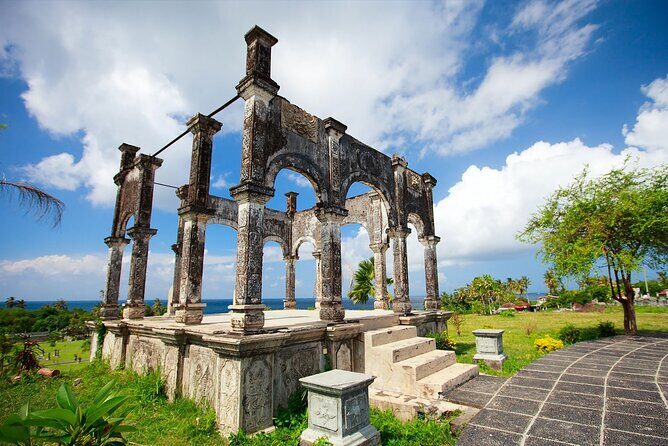
Is free cancellation available?

Yes. You can cancel up to 24 hours in advance for a full refund.

Private Traditional Bali Silver Jewelry Making Class

Private Traditional Bali Silver Jewelry Making Class - Tools, Safety, and the Real Work: What You’ll Learn

Celuk makes silver magic. In about 3 hours, you can go from blank ideas to a piece you made with your own hands.

This private traditional Bali silver jewelry class happens in the silversmith village of Celuk (outside Ubud), where craftsmanship is the main event, not a demo. I like that you’re not stuck watching someone else work. You’re in the studio using real tools and techniques—sawing, stamping, hammering, soldering, sanding, and polishing—with a tutor right there to correct your moves as you go.

One thing to plan for: you work with a limited amount of silver. The class includes silver (5 grams is stated), and if you want more, there’s an extra charge per gram. Also, Celuk is a short distance from central Ubud, so decide early whether you’ll go on your own or use the paid return transfer.

Key Highlights You’ll Feel the Moment You Arrive

Private Traditional Bali Silver Jewelry Making Class - Key Highlights You’ll Feel the Moment You Arrive

  • Celuk’s silversmith focus: you’re learning in the craft village where most of Bali’s silver work comes from
  • Private, hands-on instruction: your tutor guides your design and your technique, step by step
  • You leave with wearable silver: not a souvenir photo, but an item made by your hands
  • You use the tools, not just see them: sawing, stamping, soldering, polishing, plus safety basics
  • Light refreshments included: bottled water or soft drink and snacks during the session

Celuk Near Ubud: Why This Craft Village Matters

Private Traditional Bali Silver Jewelry Making Class - Celuk Near Ubud: Why This Craft Village Matters
Celuk (spelled Celuk in the class info, and often called the silver center for this part of Bali) is where silversmiths keep the craft going day after day. That’s a big deal because jewelry making isn’t treated like a quick tourist stop here—it’s treated like work, and you’re stepping into the workflow.

I like that the class is set in a real workshop setting in Celuk, Sukawati, Gianyar Regency. You get a clearer feel for how silver is handled, how tools are used, and why finishing matters as much as shaping. It also helps you understand why people come back to Bali for crafts like this, not just temples and beaches.

You’ll meet at Rajata Silver Class, Celuk, Sukawati, Gianyar Regency. From there, you’ll move into the making side of the experience quickly—no long runaround.

The 3-Hour Flow: From Design Ideas to Polished Results

The class runs about 3 hours. In that time, the pacing is usually tight: you’ll spend time choosing or developing your design, then you’ll work through the metal steps in order so the piece can actually be finished.

Here’s what to expect in practical terms once you arrive:

  • You start with a friendly welcome and drinks/snacks, then jump into design planning and tool orientation.
  • You’ll go from choosing a simple approach to actually shaping the silver using the taught techniques.
  • By the end, you’ll have an item that’s exclusively made by you, finished and polished enough to take home.

One nice detail from the experience notes: you’re able to create your own design or use a sample/template from around the workshop. That means you don’t need to be an artist. If you’re the type who brings nothing but curiosity, the samples still give you a starting point. If you already sketched something at home, you’ll be able to work from that too.

Also, bring realistic expectations. This is not a 6-hour jewelry school. The best strategy is to choose a design that fits the time and silver amount you’re given.

Tools, Safety, and the Real Work: What You’ll Learn

Private Traditional Bali Silver Jewelry Making Class - Tools, Safety, and the Real Work: What You’ll Learn
This class is built around core techniques that silversmiths actually use, not just the flashy parts. You’ll learn and practice tools and how to use them, plus a safety guide for working with silver and studio equipment.

The main techniques included are:

  • Sawing: shaping a piece into the form you want
  • Stamping: adding textures, patterns, or marks (depending on the design)
  • Hammering: forming and adjusting the metal
  • Soldering: joining parts so your design holds together
  • Sanding and polishing: smoothing edges and bringing the shine up

What makes this valuable is the tutor’s hands-on feedback. In the workshop setting, you’re not left to figure things out alone—your guide helps you make choices that are realistic for your design. In particular, the guidance around what’s too complicated for the time is a practical gift. It keeps you from burning through time on something that won’t finish nicely.

The class is private, so you can ask direct questions as you work. If you’ve watched jewelry videos online and thought, I get the idea but not the technique, this is where you learn what the videos skip.

And yes, you’re working with real tools. Your hands will get involved. That’s the whole point.

Silver Amounts and Extras: The Budget Reality Check

Private Traditional Bali Silver Jewelry Making Class - Silver Amounts and Extras: The Budget Reality Check
The experience includes silver—5 grams is listed—plus tools and equipment. At the same time, the overview text mentions 10 grams (0.35 ounce), which is a small mismatch. Don’t panic, but do confirm the exact silver allowance at booking so you know what you’re starting with.

Here’s what’s clearly stated: if you use more than 5 grams of silver, there’s an extra charge of IDR 50,000 per gram. That means your design should match your metal budget.

My advice:

  • If you want something bold or multi-part, keep it simple. Fewer components usually mean a better chance of finishing cleanly.
  • If you’re aiming for a ring, focus on a design that can be executed with the steps and time you have.
  • If you’re not sure, choose the template or a sample design first. Then adjust only the details that fit your comfort level.

This is one of those experiences where paying attention to the constraints actually improves the result. You’ll end up with a piece you’re proud of, not a half-finished project you didn’t have time to refine.

Private Class Means Real Attention (and a Better Outcome)

Private Traditional Bali Silver Jewelry Making Class - Private Class Means Real Attention (and a Better Outcome)
This is a private tour/activity, so it’s just your group. That matters because silversmithing is slow, finicky work. Small mistakes show up later, especially during soldering and finishing.

In the class, the guide’s role is active: helping you decide what will work, guiding your steps, and supporting your design through the process. One of the most praised parts of the experience is the patience and step-by-step direction—exactly what you want when you’re learning tools you’ve never held before.

The guide name that shows up in the experience stories is Arik, and the overall vibe is very family-workshop friendly. People describe being welcomed at the door with cold drinks, then getting straight into the process with design support. If you’re lucky, you might even see the family side of the operation as part of the warmth of the day.

So if you’re traveling with a friend or a parent/child, this private format can be especially good. You’re not competing for attention, and your guide can adapt pacing to your questions and comfort level.

Getting There From Ubud: Meeting Point and Transfer Options

Private Traditional Bali Silver Jewelry Making Class - Getting There From Ubud: Meeting Point and Transfer Options
Your start point is Rajata Silver Class in Celuk, Sukawati. The activity ends back at the meeting point.

Return hotel transfer is available for a charge, and the price depends on where your hotel is:

  • Sanur and Ubud center hotel area: 450,000 IDR per car
  • Seminyak and Kuta and Legian: 500,000 IDR per car
  • Canggu: 550,000 IDR per car
  • Nusa Dua and Jimbaran: 550,000 IDR per car
  • Uluwatu: 600,000 IDR per car

If you’re staying around Ubud, the 450,000 IDR option can be a decent convenience value, especially if you don’t want to worry about navigation, traffic timing, or parking. If you’re comfortable with local rides, going on your own may be simpler—and sometimes cheaper.

One more practical note: the class requires good weather. That doesn’t mean you need beach-day sunshine, but it does mean you shouldn’t assume this is flexible on a rainy day.

Price and Value: Is $48 Worth It?

Private Traditional Bali Silver Jewelry Making Class - Price and Value: Is $48 Worth It?
At $48 per person, this class is priced like a serious activity—not a cheap craft workshop that results in a flimsy souvenir. What makes it feel worth it is the combination of:

  • Private instruction
  • Hands-on work with multiple techniques
  • Silver included (plus tools, snacks, and drinks)
  • A finished piece you take home

You’re also paying for time spent making decisions and building skill. A lot of Bali activities are either cultural shows or guided sightseeing. This one trades that for a new practical skill and a tangible keepsake.

The one value-risk is design scope. If you show up with something very complex and you hit the silver limit, you may end up paying extras (IDR 50,000 per gram beyond 5 grams). If you keep your design realistic, the $48 lines up better with what you’ll actually spend.

Also, the class is often booked ahead (the average booking lead time listed is 24 days). If you’re visiting during a busy season or with a tight schedule, book early so you don’t end up with only awkward time slots.

Who Should Book This Class (and Who Might Skip It)

Private Traditional Bali Silver Jewelry Making Class - Who Should Book This Class (and Who Might Skip It)
This class is a great fit if you:

  • Want a Bali souvenir you can wear, not just something decorative
  • Like making things with your hands and learning by doing
  • Prefer private, patient guidance while you try new tools
  • Are traveling with a partner, friend, or kid who enjoys hands-on activities

It’s less ideal if you:

  • Want a huge, highly detailed piece and don’t want any extra costs
  • Hate studio workshops or tool-heavy activities
  • Are hoping for a sightseeing-focused afternoon rather than a craft day

If you’re the type who loves temples and art but also wants one day where you do something practical, this is a strong combo. You’ll walk away with craft knowledge you can talk about for years.

Should You Book the Private Traditional Bali Silver Jewelry Making Class?

I’d book it if you want an authentic Ubud-area craft experience with private attention and a real piece of silver you designed and made. The best reason is simple: it’s one of the rare Bali activities where your effort directly turns into a physical keepsake.

My decision checklist for you:

  • Pick a design you can finish within the session and silver allowance.
  • Plan your transport so you arrive calm, not rushed.
  • Confirm the exact silver grams included at booking, especially given the different numbers mentioned in the description.

If those boxes work for you, this class is one of the most satisfying ways to spend a few hours in Bali.

FAQ

How long is the private silver jewelry making class?

The class lasts about 3 hours (approximately).

Where does the class take place?

It takes place in Celuk, Sukawati, Gianyar Regency, Bali. The meeting point is Rajata Silver Class Celuk, Sukawati, Gianyar Regency, Bali, Indonesia.

Is this class private?

Yes. It’s a private tour/activity, and only your group will participate.

What is included in the price?

Included items are silver (5 grams), all tools/equipment, a soft drink or bottled water, snacks, and a private silver class guide.

How much silver do I get, and is there an extra charge?

The included silver is stated as 5 grams. If you use more than 5 grams, there is an extra charge of IDR 50k per gram.

What techniques will I learn?

You’ll learn and practice tools and their usage, sawing, stamping and hammering, soldering, sanding, polishing, and a safety guide for working with silver.

Can I create my own design?

Yes. You can create your own design or take inspiration from samples around the workshop.

Is hotel pickup included?

Return hotel transfer is available for a charge, depending on your area. Pickup is not listed as included.

How much does return hotel transfer cost?

Rates listed are: 450k IDR per car for Sanur and Ubud center hotel area, 550k for Canggu and Nusa Dua/Jimbaran, 500k for Seminyak/Kuta/Legian, and 600k for Uluwatu.

What if the weather is bad?

The experience requires good weather. If it’s canceled due to poor weather, you’ll be offered a different date or a full refund.

Mount Batur Sunrise Jeep Private Tour

Mount Batur Sunrise Jeep Private Tour - Stop 2: Black lava field and what you can learn there

Sunrise on Mount Batur starts early. The reward is a big volcano moment: a private Jeep ride to a sunrise point, breakfast with hot tea or coffee, photo time, then a visit to the black lava area with an explanation of how the eruption happened long ago.

I especially like the private Jeep setup with hotel pickup and drop-off. It cuts down the stress, so you can focus on timing, photos, and the cold start. I also like that the package includes breakfast and hot drinks, so you’re not hunting for food before the climb or the wait for light.

One thing to plan for: this experience needs good weather. If conditions are poor, the tour can be changed or refunded, and the start is still very early, so you’ll want to be ready for night air and wind.

Key things that make this Mount Batur sunrise Jeep tour work

Mount Batur Sunrise Jeep Private Tour - Key things that make this Mount Batur sunrise Jeep tour work

  • Private Jeep with an experienced driver plus hotel pickup and drop-off by private vehicle
  • Mount Batur sunrise time (3 hours) with admission included
  • Breakfast and hot tea/coffee so you start the morning fueled
  • Black lava field visit (1 hour) where you learn how eruptions created what you see
  • Photo-focused guidance and a team that helps you get the sunrise shots right
  • Weather-dependent scheduling, with a switch date or refund if needed

How the private Jeep sunrise tour runs from Ubud

Mount Batur Sunrise Jeep Private Tour - How the private Jeep sunrise tour runs from Ubud

This tour is built for a smooth morning. You’re picked up from your hotel area in the Ubud zone and taken to the starting area at Toya Bungkah (Toya Bungkah, Jl. Pendakian Gn. Batur, Batur Tengah, Kec. Kintamani, Kabupaten Bangli, Bali, Indonesia). The tour ends back at the same meeting point.

Total time is about 9 to 10 hours. That sounds long, but sunrise tours are a different clock. You’re not just “going somewhere”—you’re moving to match the light, then spending time at the viewpoint and the lava area afterward. When it runs smoothly, the day feels complete: you get the dramatic start, then you get a second stop that tells the volcano story in real terrain.

The vibe here is also important. This is described as a private tour where only your group participates. That matters on Mount Batur mornings, because the schedule is tight and the viewing spots can get busy. With your own group, you can keep things calmer—less waiting around, fewer rushed check-ins, and more control over your own pace.

Also note the logistics included: you get a mobile ticket, and all fees and taxes are covered in the tour price. That helps you avoid the annoying moments of “what else do I have to pay?”

Stop 1: Mount Batur sunrise time with guided photo moments

The first stop is the heart of the experience: Mount Batur at sunrise. You’ll have about 3 hours here, and the admission ticket is included.

What you’re really buying isn’t just access. You’re buying timing. Sunrise viewpoints depend on when you arrive and where you stand. A skilled guide and driver help you get positioned so you can watch the sky change without feeling like you’re sprinting.

I also like the way the tour is framed around photos. One strong review praised how the team worked hard from pickup through the sunrise moment, and specifically mentioned that the driver helped take good pictures of the sunrise. That aligns with what you should expect from a well-run sunrise operation: the staff isn’t just transporting you. They’re helping you capture the moment.

If you want a practical tip for the experience itself: plan your photo plan before the light arrives. Set up your angles while the sky is still dim, then adjust once the horizon starts glowing. Sunrise comes fast once it starts.

One more detail that adds credibility: a review mentions a guide named Juna, noting a successful early-morning ascent in tough conditions like wind and sandy ground, while still delivering an unforgettable experience. Even if your portion of the walk or climb feels shorter than someone else’s, it’s a reminder that the sunrise approach can be physically demanding in the dark. Wear footwear that works on uneven terrain, and don’t treat this as an easy stroll.

Stop 2: Black lava field and what you can learn there

Mount Batur Sunrise Jeep Private Tour - Stop 2: Black lava field and what you can learn there

After the sunrise viewpoint, you head to the black lava field on Mount Batur. This stop is about 1 hour, with the admission ticket included.

This part is valuable for one simple reason: it turns the volcano from a view into a lesson. You’ll learn how the eruption happened long ago and what that process left behind. You’re not just staring at rocks. You’re connecting the visual texture—dark, volcanic ground—with the story of the eruption.

If you’ve ever seen a volcano from a distance and wondered what “volcanic landscape” actually means on the ground, this stop helps. It’s one hour, so it’s not an exhausting add-on. But it does give your morning more meaning than “watch the sunrise, then leave.”

There’s also a nice contrast: sunrise time is all about light and sky. The black lava stop is about earth and atmosphere. It helps the day feel less like a single photo stop and more like a connected route.

Practical note: bring a camera or phone you’re willing to protect. Volcanic areas can involve grit and dust, and your hands might be busy adjusting gear while you listen. If you’ve got a phone, use a strap or wrist lanyard so you’re not balancing it precariously on a windy viewpoint.

Breakfast and hot tea/coffee: why it matters on cold early mornings

Mount Batur Sunrise Jeep Private Tour - Breakfast and hot tea/coffee: why it matters on cold early mornings

Breakfast plus hot tea or coffee is included. That’s not a small add-on. On volcano sunrise trips, the biggest problem isn’t hunger—it’s cold, waiting, and low energy before the main moment.

Having food before you start the sunrise experience helps you focus. You can also keep moving without feeling weak or distracted. It also means you’re less dependent on convenience stores or local kiosks that may not be open early.

The tour also includes that hot drink as part of the package. In practice, that turns waiting time from miserable to manageable. Even if you don’t feel cold at pickup, you’ll likely feel it once you’re in the open air and moving toward sunrise.

You’ll still want to dress for chilly conditions, but the breakfast/hot drink setup reduces the risk that the day becomes uncomfortable before the best part.

The timing: what a 9–10 hour day actually feels like

Mount Batur Sunrise Jeep Private Tour - The timing: what a 9–10 hour day actually feels like

This isn’t a quick morning jaunt. It’s built as a full experience day: early start, sunrise viewpoint time, then a volcanic stop afterward, with return back to the meeting point.

Why that matters: you’re trading a longer day for fewer gaps. If you tried to plan this on your own, you’d likely spend time figuring out transport, coordinating guides, and getting the timing right. Here, the schedule is packaged for you, including admission tickets at both stops and transportation via private vehicle plus private Jeep.

The tour is also described as “requires good weather.” That’s a major scheduling reality for Mount Batur. If weather turns, the operator may offer a different date or a full refund. That’s good news for your planning, but it also means you shouldn’t count on this happening on a specific day no matter what.

If you’re traveling in Bali during peak seasons, keep in mind that this is commonly booked about 9 days in advance on average. That suggests limited slots during the highest-demand sunrise windows. If you have your heart set on a specific date, plan ahead.

Jeep comfort versus the physical reality of a night ascent

Mount Batur Sunrise Jeep Private Tour - Jeep comfort versus the physical reality of a night ascent

A private Jeep can be a smart way to handle distance and logistics. You’re not in a long public bus line, and you’re not trying to coordinate the hard-to-time connection between the pickup and the sunrise point.

Still, this is a mountain sunrise. Even with vehicle support, there can be time spent moving in cool air and on uneven ground before the viewpoint. One review in German described a night ascent that became more difficult with wind and sandy ground, and credited guide Juna for leading successfully and early in the group. The point isn’t to scare you. It’s to set expectations: the day may ask a bit of stamina.

So if you’re the type who worries about uneven steps, windy conditions, or getting cold during waiting, prepare for that. If you’re generally healthy and you can handle chilly early mornings, you’ll likely find this manageable—especially since the tour is structured and guided.

Also, keep the private-group format in mind. If you’re traveling with friends or family, the pace can be more flexible than in a busy shared tour situation.

Price and value: what $47 per person covers

Mount Batur Sunrise Jeep Private Tour - Price and value: what $47 per person covers

At $47 per person, this tour lands in the “reasonable sunrise experience” category, especially since the inclusions are practical rather than fluffy.

Here’s what’s covered based on the tour package:

  • Hotel pickup and drop-off by private vehicle
  • All fees and taxes
  • Private Jeep with an experienced driver
  • Breakfast and hot tea/coffee
  • Mount Batur sunrise Jeep experience, with admission included
  • Black lava field visit, with admission included

What that means for you: you’re paying for convenience and a complete routing—transport, food, and access—without needing to piece together separate tickets and local arrangements. Sunrise trips are often expensive because of scheduling and guide expertise. This one spreads that cost across a full morning and two stops, which is exactly where value matters.

It’s also rated extremely high (4.9) with a 96% recommendation rate. Those scores can reflect lots of things, but the standout praise is about hard work around timing and photos, plus smooth pickup through the sunrise moment. That’s the stuff that makes the difference between a “went there” morning and a “this was worth it” morning.

One caution on value: because this depends on weather, you might not get the exact date you want. The plan is either a different date or a full refund if canceled due to poor weather, which protects you. Just remember that “weather protection” doesn’t always mean you’ll instantly have a free day. It means you need flexibility in your schedule.

Who this Mount Batur sunrise Jeep tour suits best

Mount Batur Sunrise Jeep Private Tour - Who this Mount Batur sunrise Jeep tour suits best

This tour is a good fit if you want the Mount Batur sunrise experience without turning the day into a complicated DIY mission.

It suits you if:

  • You prefer a private group experience over big shared logistics
  • You want pickup and a Jeep approach that reduces hassle
  • You care about sunrise timing and want help with photos
  • You want a second stop that explains the volcano’s physical story

It may not be the best match if:

  • You hate early starts and cold waiting
  • You have limited tolerance for windy, sandy, or uneven ground during sunrise approach

Good news: it’s listed as something most travelers can participate in. That doesn’t mean it’s effortless, but it suggests the operator expects a wide range of visitors to be able to handle the basics with guidance.

Should you book this Mount Batur Sunrise Jeep tour?

I think this is an easy yes if you want a well-run sunrise morning that covers transport, food, admission, and two meaningful stops. The best reasons to book are the practical inclusions—pickup, breakfast, hot drinks, and included entry—and the clear focus on getting you good sunrise results, including photo help.

I’d book sooner if your dates are fixed, since it’s commonly reserved around 9 days ahead. And I’d choose this with flexibility in mind because weather is the deciding factor on Mount Batur mornings.

If you’re deciding between a generic sunrise viewing and a guided package, this one leans toward the guided side: sunrise time with admission, plus the black lava stop where you learn what you’re seeing.

FAQ

How long is the Mount Batur sunrise Jeep private tour?

The tour lasts about 9 to 10 hours.

What is included in the price?

Hotel pickup and drop-off by private vehicle, all fees and taxes, a private Jeep with an experienced driver, breakfast with hot tea or coffee, the Mount Batur sunrise experience, and a black lava field visit (with admission tickets included). Personal expenses are not included.

Does the tour include admission tickets?

Yes. Admission tickets are included for Mount Batur sunrise (Stop 1) and for the black lava field stop (Stop 2).

Is this a private tour?

Yes. It’s listed as a private tour/activity, meaning only your group participates.

Is breakfast included?

Yes. Breakfast and hot tea or coffee are included.

Where is the meeting point?

You start at Toya Bungkah, Jl. Pendakian Gn. Batur, Batur Tengah, Kec. Kintamani, Kabupaten Bangli, Bali, Indonesia.

Where does the tour end?

The tour ends back at the meeting point (the Toya Bungkah meeting area).

Do I get confirmation after booking?

Confirmation is received at the time of booking.

What is the cancellation policy?

You can cancel for a full refund up to 24 hours in advance of the experience’s start time. If it’s canceled due to poor weather, you’ll be offered a different date or a full refund.

Bali Ubud Private Costomized Tour – Explore Bali your way

Bali Ubud Private Costomized Tour - Explore Bali your way - Start Time 8:00am: Rice Terraces First, Then Temple Stops

Ubud feels big. This tour keeps it simple. I like the private charter style, where you can set your own pace and pick the sights you want in Ubud. It also includes real value with an included coffee tasting and local lunch, so you’re not just driving around looking at stuff. The main drawback: entrance tickets aren’t included, so plan extra cash for temples, the monkey sanctuary, and similar stops.

I also appreciate the human side of the service. Guides and drivers named Yan Mudita, Komang, and Wayan show up as punctual, friendly, and careful drivers, with details like cold bottled water and help with photos. That matters in Ubud, where one missed pickup can wreck your whole day.

One more practical note before you book: they flag that the experience needs good weather, and if you go solo there’s an extra IDR 350,000 fee. If you’re flexible and okay adding a bit for tickets, this day trip can be an easy win.

Key things to know before you go

Bali Ubud Private Costomized Tour - Explore Bali your way - Key things to know before you go

  • Private transportation with AC and WiFi so travel time feels less painful
  • A flexible Ubud route with options like Bali Swing, ATV, and rafting to swap in
  • Included coffee tasting plus a local lunch at Cantik Agriculture
  • Classic Ubud hits on one loop: rice terraces, temples, waterfall, monkey forest
  • Entrance tickets not included at most stops, so budget for that up front

A Private Day in Ubud That Fits Your Pace

Bali Ubud Private Costomized Tour - Explore Bali your way - A Private Day in Ubud That Fits Your Pace
This is the kind of tour that works when you want Ubud highlights without the stress of figuring out every turn. You start at 8:00am and you’re in a comfortable air-conditioned vehicle, which is a big deal in Bali heat—especially if your day includes walking bits like rice-terrace trekking.

The private format is the real value. Instead of joining a group schedule, you’re choosing what to emphasize. Want more spirituality and quiet temple time? Want more photos at viewpoints? You can steer the day. The tour also offers options beyond the core route—think Bali Swing, ATV jungle ride, or white water rafting—so you can match the day to your energy level.

Price and Value: What You’re Paying For

At $30 per person, this sits in the “good value” category for a private day. Here’s why: your price covers the private transportation, bottled water, and WiFi on board, plus the included stop for coffee tasting and lunch.

What’s not included is the stuff you’d normally pay at each attraction: entrance tickets. Most stops listed are “admission ticket not included,” while the coffee and lunch stop is “admission ticket included.” That means your final day cost is usually your base price plus whatever ticket(s) you decide to pay at temples and attractions.

If you’re traveling solo, there’s an extra IDR 350,000. If you’re two people, the tour includes a minimum booking of 2 people, which usually makes the price feel more “made for couples and small groups.”

Start Time 8:00am: Rice Terraces First, Then Temple Stops

Bali Ubud Private Costomized Tour - Explore Bali your way - Start Time 8:00am: Rice Terraces First, Then Temple Stops
Your day begins early, which is smart for Ubud. The first major stop is Tegalalang Rice Terrace, with about one hour there. You’re not just looking from the road—you get rice terrace trekking, which is where the magic comes in. You’ll see the layered green fields from close up, and you’ll feel the rhythm of terraced farming up close.

Practical tip: bring footwear you trust on uneven ground. Even if the walk sounds short, it’s easy to lose traction on wet or packed dirt around terraces.

Next you head to Batuan Temple for around 40 minutes. This is a historical Hindu temple visit, focused on the spiritual side and the ornate architecture. It’s a good “pause” stop after the outdoor trekking, and it helps you understand what you’re seeing around Ubud. Temples like this aren’t just photo spots—they’re active places of worship—so plan for respectful behavior and modest clothing.

Tegenungan Waterfall: The Refreshing Midday Reset

Bali Ubud Private Costomized Tour - Explore Bali your way - Tegenungan Waterfall: The Refreshing Midday Reset
After temples, the route shifts to Tegenungan Waterfall for about one hour. This is the stop that breaks up the day with movement and sound. You’ll get cascading views, a relaxed jungle-feeling atmosphere, and the opportunity to swim (or at least get close enough to cool off).

The practical reality: waterfall areas can be slick. If you’re not confident in wet footing, enjoy from the safer edges and save swimming for when you feel steady. Also, because admission tickets aren’t included here, have some cash handy for any on-site entry fee.

This stop is often why people book Ubud private tours at all. You go from “temple and terraces” to “water and breath,” and your whole day feels less like a checklist.

Mas Carving Center: Shopping Without the Hard Sell

Bali Ubud Private Costomized Tour - Explore Bali your way - Mas Carving Center: Shopping Without the Hard Sell
Then you’ll likely stop at Mas Carving Center for about 40 minutes. This is the craft-and-shopping layer of Ubud. You can browse art and carvings, see workshops and local items, and pick up souvenirs that feel more connected to the island’s work than generic tourist stores.

What I like about adding a craft center is simple: it gives you a break from landmarks. It also helps you slow down if you don’t want to rush from one viewpoint to the next.

The tradeoff is time. If you hate shopping stops, you’ll want to use this window to buy only what genuinely interests you, or ask your guide to focus more on browsing than shopping. Because it’s private, you can often make the stop work for your style.

Cantik Agriculture: Coffee Tasting and a Lunch You’ll Actually Enjoy

Bali Ubud Private Costomized Tour - Explore Bali your way - Cantik Agriculture: Coffee Tasting and a Lunch You’ll Actually Enjoy
One of the strongest value points is Cantik Agriculture, where you get about one hour. This is where you’ll do a free Bali coffee tasting and then enjoy an authentic Balinese lunch—and this is the one place marked with an admission ticket included.

This stop is more useful than it looks. Coffee tasting gives you a simple way to understand what people mean when they talk about Bali coffee varieties, without it turning into a long production. And the lunch is a real recharge before the more active parts of the afternoon.

Practical move: treat this like your “food anchor” stop. Once you’ve eaten, you can handle the rest of the day more comfortably, especially if you’re walking at the monkey sanctuary and temple steps later.

Sacred Monkey Forest Sanctuary: Fun, But Keep It Smart

Bali Ubud Private Costomized Tour - Explore Bali your way - Sacred Monkey Forest Sanctuary: Fun, But Keep It Smart
After lunch, it’s Sacred Monkey Forest Sanctuary for about 40 minutes. The standout detail here is the scale: it’s home to over 1,260 Balinese long-tailed monkeys, with jungle trails and temple areas to explore.

This stop is great for people who like nature walks and don’t mind a bit of chaos. It’s also where you’ll feel the difference between a guided stop and doing it on your own. A good local guide can help you navigate the areas while you keep things calm and safe around wildlife.

What to watch for: monkeys are curious. I suggest you keep your bag closed, hold your phone securely, and avoid bringing food out where you don’t need it. You’re there to observe, not negotiate.

Since admission tickets aren’t included, budget extra here too.

Gunung Kawi Sebatu Temple: The Peaceful Water Temple Finish

Bali Ubud Private Costomized Tour - Explore Bali your way - Gunung Kawi Sebatu Temple: The Peaceful Water Temple Finish
For the final major stop, you’ll head to Gunung Kawi Sebatu Temple for about one hour. This is described as a peaceful, greenery-filled sacred water temple—often chosen because it feels quieter and more reflective than the big headline sites.

This is where the tour leans into ritual. It’s centered around spiritual cleansing and holy water purification, so the feel shifts from “tourist sightseeing” to “slow down and respect the moment.” If you like temples that don’t feel rushed, this can be a strong ending.

Like the other temple stop, admission tickets aren’t included, so plan for entry costs. Also, because you’re in a sacred setting, bring a mindset that matches the place—quiet steps, modest clothing, and no loud behavior near rituals.

Guide Quality: Why Punctual, Friendly Driving Matters Here

This tour’s biggest consistent strength shows up in the people who run it. Names like Yan Mudita, Komang, and Wayan come up with a pattern: they’re punctual, friendly, and help the day run smoothly.

That “smooth” feeling isn’t just about arriving on time. It’s about knowing how to move between stops efficiently, when to adjust, and how to handle small moments like taking photos. One review-style detail that really sticks is that some guides actively help with photography and video, not just driving you from point A to point B.

If you’re the type who likes good communication—clear timing, practical advice, and a driver who takes care of the little things—this kind of private setup is a strong match.

What to Pack and How to Plan Your Day

Because your day includes terraces, temples, a waterfall, and a monkey sanctuary, the packing list is pretty straightforward:

  • Comfortable shoes (you’ll walk on uneven ground and wet surfaces)
  • Swimwear if you plan to use the waterfall water
  • Light, respectful clothing for temples
  • Cash for admission tickets since they’re not included at most stops
  • Sunscreen and water (you get bottled water, but you’ll still want protection)

Also, plan for weather. They state the experience requires good weather, so if rain rolls in, your route may change or the tour may be offered a different date.

If you’re the kind of traveler who likes a firm plan, you can still do that—just remember the whole point of “customized” is that the day should fit your comfort level.

Who This Tour Is Best For

This works best if you fit one (or more) of these profiles:

  • Couples and small groups who want a flexible day without negotiating transportation
  • Families who don’t want to manage driving, navigation, and timing for multiple stops
  • Solo travelers who still want private comfort (just note the solo extra fee)
  • People who want a well-balanced Ubud mix: rice terraces + temples + waterfall + monkeys + coffee and lunch

If you’re traveling on a shoestring and don’t want to pay for separate attraction tickets, you might feel the total cost creeping up. And if you hate shopping/craft stops, you’ll want to treat Mas Carving Center as optional or go in with a clear plan.

Should You Book This Ubud Private Customized Tour?

I’d book it if you want a private day that covers the Ubud classics with comfort and flexibility. The biggest reasons are practical: transportation is handled, you get included coffee tasting and lunch, and you’re not stuck in a rigid group schedule. The guide quality signals—punctuality, friendliness, safe driving, and photo help—also make the day feel easier, not just prettier.

I would think twice if you’re not interested in paying separate entrance fees, or if you’re only here for a super short window and want to focus on one single attraction for hours. This tour is built for variety. If you like that, it’s a smart use of a full day.

If you’re ready to spend a day moving at your pace through Ubud’s spiritual and scenic side, this is a solid pick.

FAQ

What is the duration of the Ubud Private Costomized Tour?

It runs for about 8 to 10 hours.

Is pickup offered?

Yes, pickup is offered (the start time is listed as 8:00am).

What’s included in the tour price?

You get bottled water, air-conditioned vehicle, private transportation, and WiFi on board. Mobile ticket is also included.

Are entrance tickets included for each stop?

No. Entrance tickets are not included for the listed stops, including the terrace, temples, and sanctuary.

Is this a private tour?

Yes. It’s a private tour/activity, and only your group participates.

Is there an extra cost for solo travelers?

Yes. There is an extra IDR 350,000 for a solo participant.

Is the tour available for just one person?

The tour has a minimum booking of 2 people, so a solo booking comes with that extra fee.

What happens if the weather is bad?

The tour requires good weather. If it’s canceled due to poor weather, you’ll be offered a different date or a full refund.