Best Day Trip in Bali

Best Day Trip in Bali - Sacred Monkey Forest Sanctuary: gray macaques and Hindu temples

This private Ubud tour is built for variety: temples, lush scenery, and a few hands-on culture stops, all in one long day. You’ll start with the Sacred Monkey Forest Sanctuary, then move through the classic Ubud picture stops like Tegalalang Rice Terraces and Tegenungan Waterfall, and round it out with Tirta Empul’s holy springs. I especially like how it pairs famous sights with practical time planning, and I also love the craft contrast of Celuk Village’s silver work. One thing to consider: entrance fees and parking are not included, so your total day cost will depend on what you choose to pay on the ground.

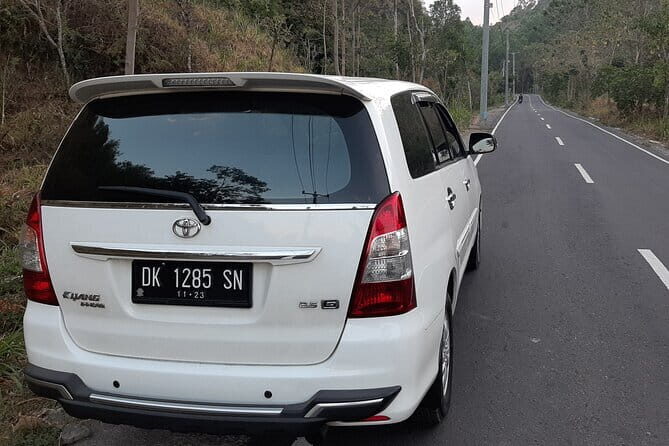
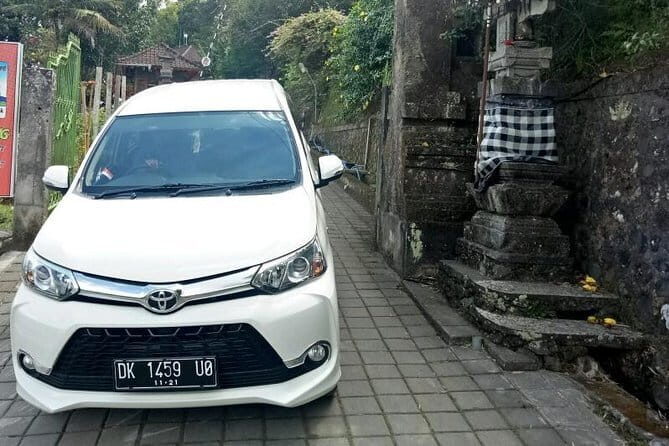
What makes this feel genuinely useful is the private transportation and hotel pickup across much of south Bali. If you’re staying in places like Seminyak, Canggu, Kuta, Sanur, or farther south, you’re not stuck with a long bus transfer. I also appreciate that the driver is English-speaking and your group stays together, so you can move at a pace that works for you. The possible drawback is simple: with 9–10 hours and multiple stops, you’ll want to be realistic about how many you can enjoy without rushing.

Key points before you go

Best Day Trip in Bali - Key points before you go

  • Private tour setup: only your group, plus an English-speaking driver
  • Big-name Ubud highlights: Monkey Forest, Tegalalang, Tegenungan Waterfall, and Tirta Empul
  • Culture and craft stops: Batuan Temple for architecture and Celuk Village for silver jewelry
  • Action photo option: the Terrace River Pool Swing gives you a 30-meter string-swing thrill
  • Hotel convenience: pickup/drop-off included for many areas around Ubud and south Bali
  • Budget for entrances: entrance fees are at your own expense

Ubud in one day: temples, terraces, and craft with hotel pickup

Ubud works like a magnet. You come for the temples and rice scenery, but you end up staying for the details: carvings, offerings, and the way craft and daily life connect. This private day trip is a strong way to see a lot without turning your day into a logistics puzzle. You get private transportation, and pickup is offered from many popular bases across south Bali, not just Ubud itself.

The pacing is what matters. At roughly 9 to 10 hours, this tour hits seven main stops plus a couple of pass-through moments while you travel. That can sound busy, but it’s the kind of busy that makes sense for first-time visitors: each stop is short enough to keep energy up, and varied enough to keep the day from blending together.

Also, the price is reasonable for what you’re getting. At about $29.29 per person, the main value is not just the route—it’s the convenience of hotel pickup, a dedicated driver, and the private, group-only format. Do remember: entrance fees are not included. So if you’re the type who hates surprise costs, budget a little extra for tickets and any parking that applies.

Getting picked up: where this tour fits best

Best Day Trip in Bali - Getting picked up: where this tour fits best
This is where the tour quietly wins. Pickup and drop-off are included for a wide list of areas: Nusa Dua, Jimbaran, Kuta, Legian, Seminyak, Canggu, Denpasar, Sanur, Sukawati, and Ubud. If you’re anywhere in that zone, you’ll likely spend less time on the road and more time where you want to be—walking, looking, and taking photos.

You’ll also start with private transportation and an English-speaking driver. That matters more than it sounds, because Ubud traffic and stop locations can be tricky. Having a driver who can keep the day moving (and help with timing) turns a stressful day into a smooth one.

Tip: bring sunglasses, a hat, and water. This isn’t a hiking tour, but you’re outside for much of the day—near forests, temples, waterfalls, and viewpoints.

Sacred Monkey Forest Sanctuary: gray macaques and Hindu temples

Best Day Trip in Bali - Sacred Monkey Forest Sanctuary: gray macaques and Hindu temples
Stop one is the Sacred Monkey Forest Sanctuary, and you’ll have about 1 hour there. This is one of Bali’s most famous monkey areas, with gray macaques roaming among Hindu temple spaces, jungle paths, and rocky areas.

What I like about starting here is the energy shift. If you begin with temples and then hit nature, it can feel like sensory overload. Starting with the forest lets you ease into the day and gives you time to watch how the monkeys behave in a real, lived-in setting—not just a zoo-like feel.

Practical notes:

  • Admission isn’t included, so plan for a ticket.
  • You’ll want to keep your belongings secure. Monkeys are wild animals, and they’re curious.
  • Dress appropriately for temple areas if you pass through any shrine-like spaces.

A useful detail from real-world experience: different guides can adjust how you experience this stop. One guide approach was to aim for a smaller monkey forest area that’s easier for kids to handle, which can make the whole first stop feel less intense.

Tegalalang Rice Terraces: the classic viewpoint stop

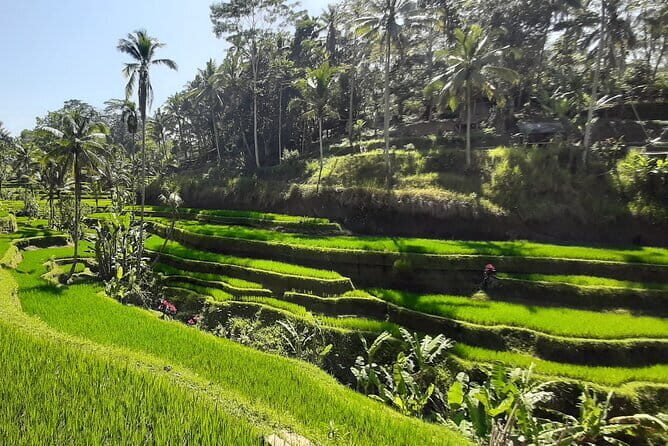
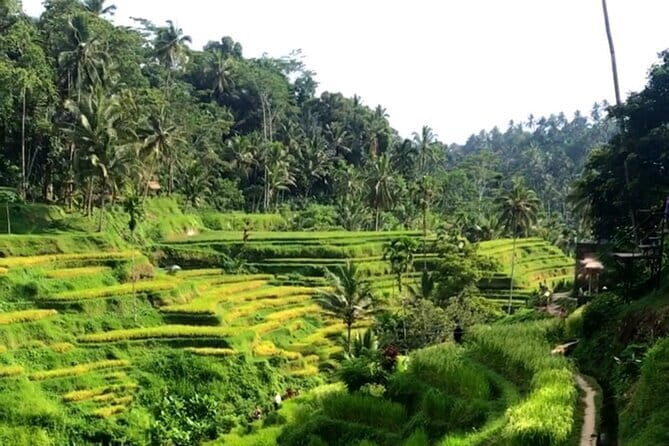
Next comes Tegalalang Rice Terrace, with around 30 minutes. This is the stop most people imagine when they picture Bali: sweeping terrace views, layered greens, and that “one more photo” feeling because every angle looks slightly better.

Why this stop works in a day-trip format: you’re not stuck here for hours. Thirty minutes is enough to walk a bit, look, and get photos while the light is still friendly. Then you move on before the crowds or heat fully drain your energy.

What to watch for:

  • Admission isn’t included, so check what ticketing applies.
  • It can be slippery or uneven in places where people walk for photos, so wear shoes you trust.

If you love photography, this is one of the best ROI stops on the whole itinerary. Quick, high payoff.

Tegenungan Waterfall: cool off with time to swim

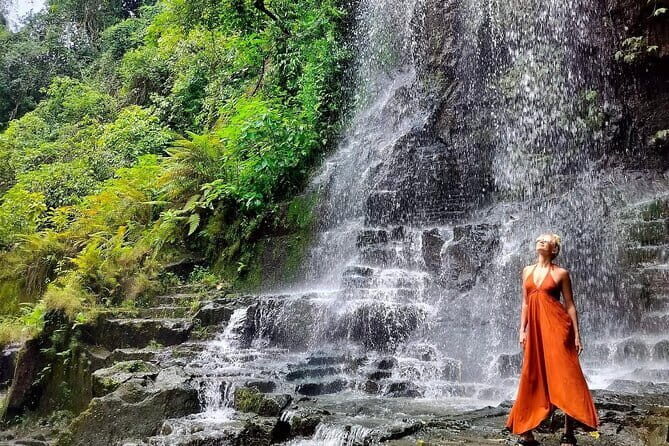
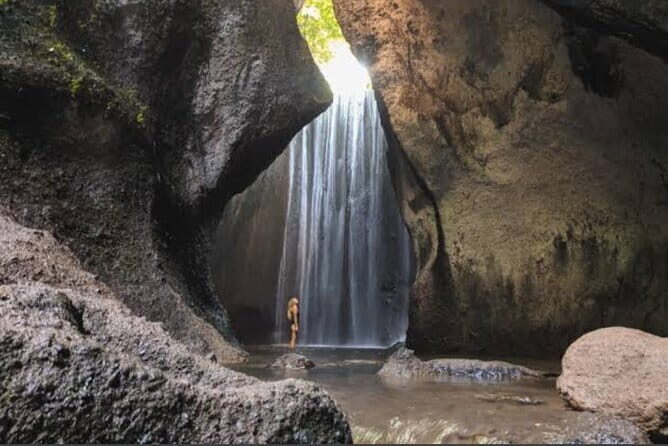
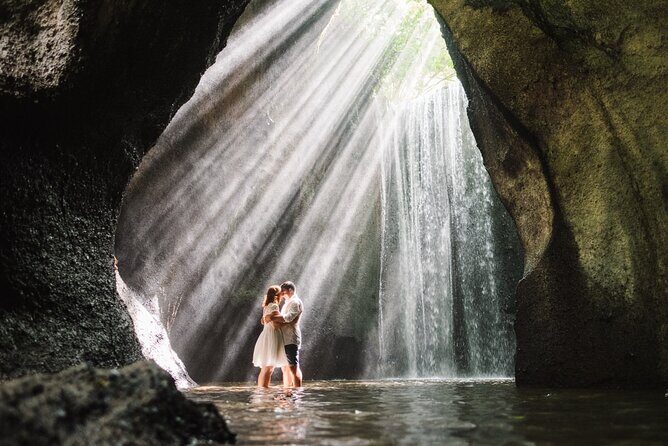
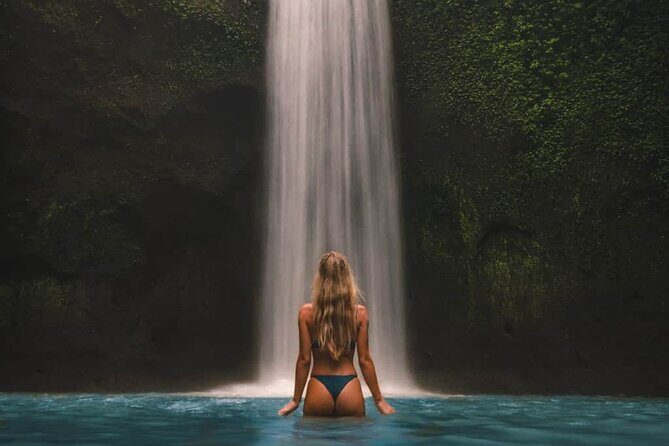
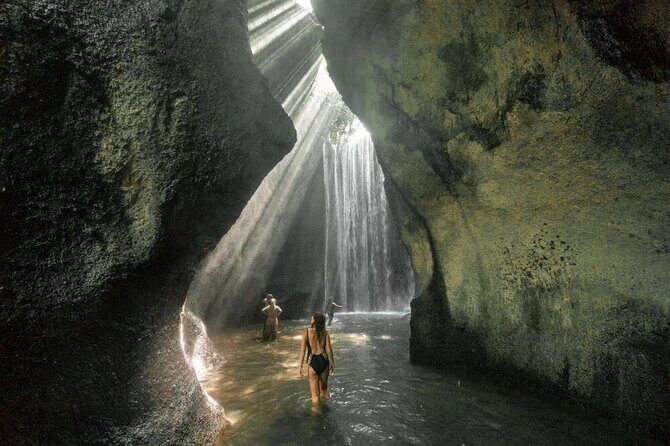
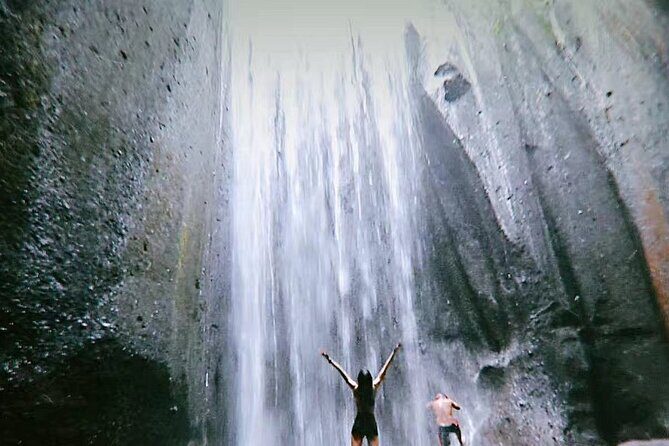
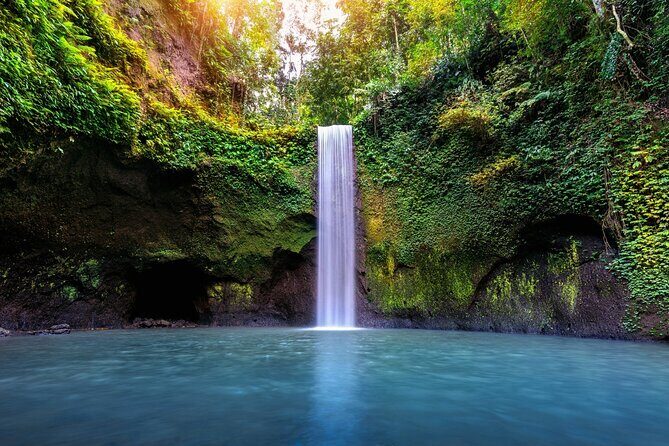
Then it’s Tegenungan Waterfall, about 30 minutes. This is now one of the more visited waterfalls around Ubud, and you’ll have time to cool off. The tour description notes you can swim beneath the falls.

This stop is a nice reset from temples and craft. The sound of water and the change in air temperature make the day feel lighter. Still, keep your expectations realistic: with a short time window, you’ll be there to enjoy the moment, not to treat it like a full-day nature trek.

Practical considerations:

  • Admission isn’t included.
  • Water conditions can vary. If it’s crowded or the flow is strong, focus on enjoying the falls from safe spots and follow posted guidance.

Puseh Batuan Temple: black palm roof and temple architecture

Best Day Trip in Bali - Puseh Batuan Temple: black palm roof and temple architecture
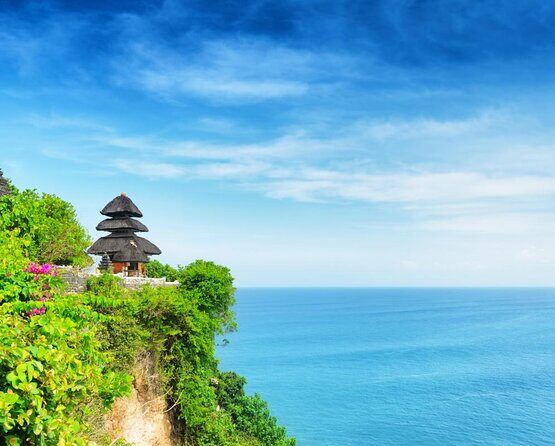
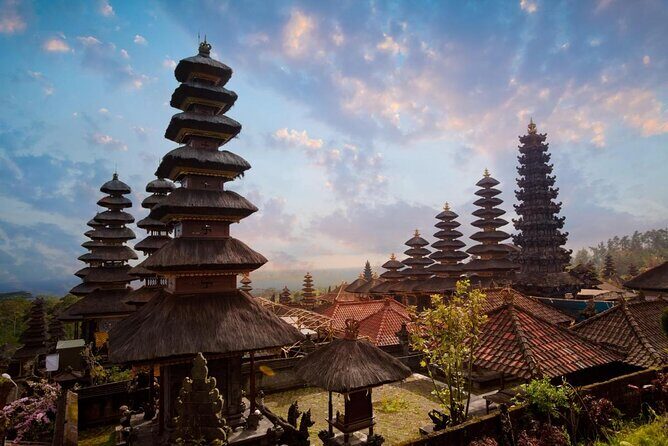
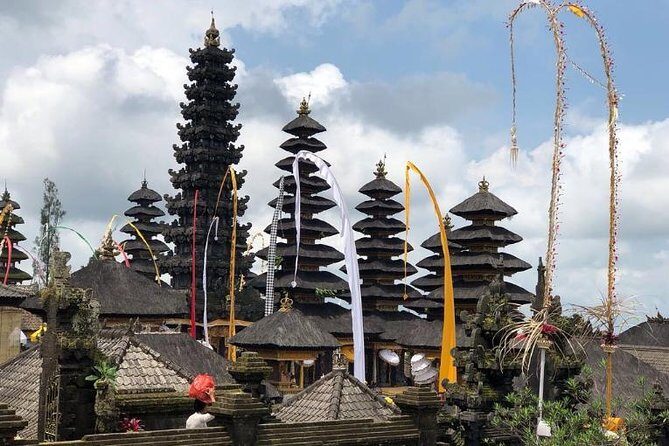
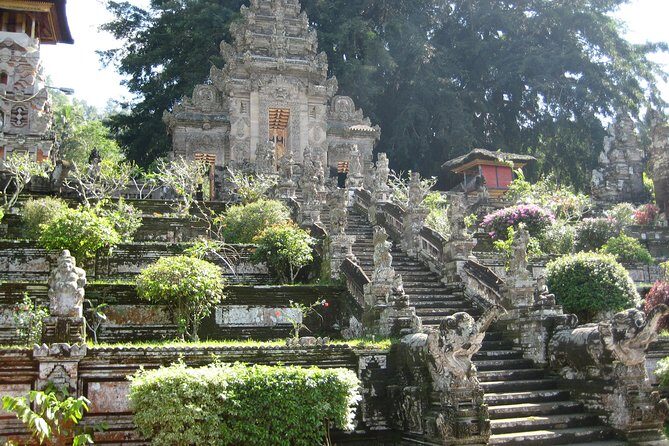
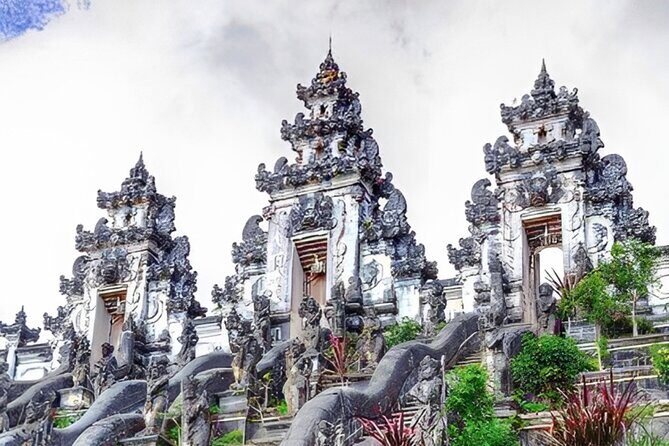
Stop four is Puseh Batuan Temple, with around 30 minutes. This is a smaller, more specific kind of stop: you’re there to see how Balinese Hindu architecture expresses itself in real details, including the temple’s unique black palm roof.

I like this mid-day temple placement because it breaks up the more scenic stops. You get a cultural anchor before you shift into craft. And unlike purely scenic photo stops, this one is about paying attention: the layout, the offerings, and the way the architecture guides your eye.

Because entrance fees aren’t included, your final cost depends on what ticketing is required for each site. If you prefer to avoid surprises, it helps to keep small cash aside just in case smaller fees come up on arrival.

Celuk Village: silver jewelry making up close

Best Day Trip in Bali - Celuk Village: silver jewelry making up close
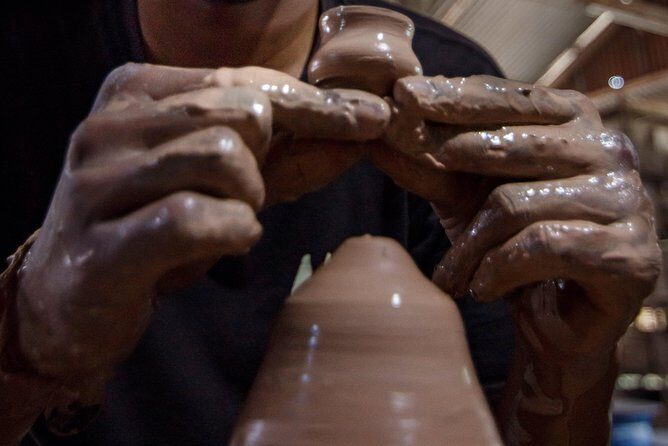
Then you’ll head to Celuk Village, the center of silver art jewelry making. Plan for about 30 minutes here, which is just long enough to see how jewelry is produced and to watch the craft process without losing the rest of your day to shopping.

Why this stop adds value: Bali isn’t just scenery. Craft is a living economy. Silverwork in Celuk gives you something tangible to take home—either an object or at least a better understanding of how the process works.

A quick reality check: since this is short, don’t expect to become a master of jewelry-making by the end. Instead, use it as a chance to look closely, ask questions if your guide encourages it, and decide if anything fits your style.

Terrace River Pool Swing: the 30-meter string swing

Best Day Trip in Bali - Terrace River Pool Swing: the 30-meter string swing
Next comes the wild card: Terrace River Pool Swing, with about 30 minutes. The pitch is simple—you challenge yourself on a swing that uses a around 30 meters string swing to the valley or jungle, and you’ll get lots of pictures.

This is the stop that turns your day from sightseeing into a memory. Even if you don’t swing yourself, standing nearby to watch can be entertaining, and the photo moments are usually the main reason people choose this add-on.

A couple of practical points:

  • This is likely the most physically intense activity on the itinerary.
  • Bring grippy shoes if the ground is uneven.
  • If you’re traveling with kids or someone who’s anxious about heights, you may want to decide early whether you’ll do it or just watch.

One of the nice things about a private tour format is that your group can make these calls without feeling like you’re holding up a bus schedule.

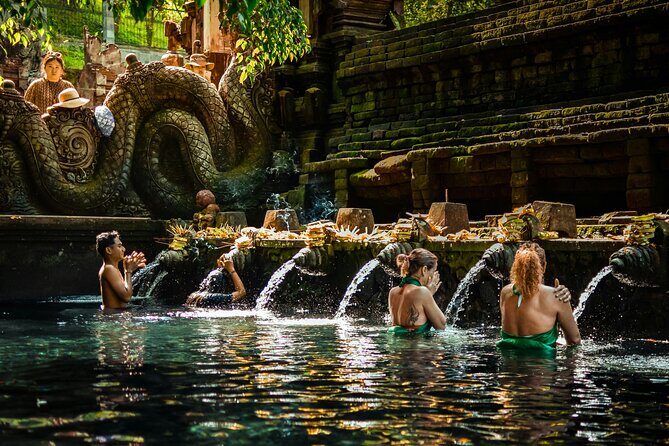
Tirta Empul Temple: sacred springs and holy blessing

The final main temple stop is Tirta Empul Temple, also around 30 minutes. Here you’ll see how Balinese people perform holy blessings before prayer at the main temple. The setting centers on the sacred springs—an important element in how the site functions spiritually.

This is a meaningful ending because it’s less about views and more about how the place is used. You’re not just looking; you’re observing a tradition in action, and that shift helps the whole day feel complete.

What to know:

  • Admission isn’t included.
  • Temple areas can be strict about behavior and clothing, so bring clothing that you can wear comfortably and respectfully.

If you care about cultural context, this is the stop that usually stays in your mind longer than the waterfalls.

Duration and pacing: how to avoid the rushed feeling

The day runs about 9 to 10 hours, which is long enough to see a lot and still short enough to keep moving without collapsing. The key is to treat the stops as sprints, not marathons. Thirty minutes is enough time for one main activity and some photos. A single hour for the monkey forest gives you flexibility to observe and walk at a calmer tempo.

Here’s what I’d do to get the best experience from the schedule:

  • Prioritize photos at the rice terraces and waterfall, because those are time-sensitive and weather-dependent.
  • Slow down for one or two “heart” stops—temples like Batuan and Tirta Empul—so you don’t just do them as checkboxes.
  • If you’re traveling with kids, a slower pace can be a smart move. There’s real evidence that drivers can adapt when a group can’t do every stop as planned.

A guide named Balón was praised for adapting to a slower pace with children, including adjustments that made the monkey area feel less scary. Another guide, Rah, was noted for friendliness and keeping people comfortable. And Luhur earned standout marks for keeping the day on track while still feeling informative—especially for solo travelers who want reassurance and structure.

You’ll probably meet different guide styles depending on your date, but the important part is that a private setup makes adaptation easier than on big group tours.

Price and value: what you’re really paying for

Let’s talk value in plain terms. At about $29.29 per person, you’re not only paying for a list of attractions. You’re paying for:

  • Private transportation (so you avoid other-route crowds and constant transfers)
  • An English-speaking driver
  • A route that combines major Ubud sights with a craft stop (Celuk) and two specific temple experiences (Batuan and Tirta Empul)

The biggest thing that can change your true cost is the fact that entrance fees are not included. That’s common for tours, but it’s still important. Add in parking fees if they apply. If you want a smoother budget, think of the tour price as the transportation and guiding structure, then plan for site tickets separately.

Group discounts are included too, which is helpful if you’re traveling with friends or family. If you can share costs, this can become an even better deal per person.

Finally, mobile ticket and confirmation details are handled at booking time, which usually means less stress when you show up.

Who should book this private Ubud day trip?

This tour is a strong fit if you:

  • Want the “Ubud highlights” route without doing it yourself by scooter or juggling multiple rides
  • Like a mix of nature, temples, and craft
  • Prefer a private format so you can adjust pace—especially useful with kids
  • Value hotel pickup from many south Bali locations

It’s also a good option for solo travelers who don’t want to manage transportation between scattered sights. Having a friendly driver who can keep you on track helps a lot.

Where it may feel less ideal: if you want long, slow temple immersion at each site, the time windows (roughly 30 minutes for most stops) may feel short. This is a “see a lot, see it well” day.

Quick planning tips for a smoother day

A few small moves will help everything run smoother:

  • Bring a change of mindset for the monkey forest: observe first, then move slowly.
  • Expect photo breaks at Tegalalang and Tegenungan—plan to take more than one shot.
  • Wear shoes you trust for temple paths and any wet surfaces near waterfalls.
  • If you’re interested in the swing, decide early so your group isn’t debating at the last second.

Also, because the day is long, snack timing matters. You’ll be outside and moving, so plan to eat before you feel hungry.

Should you book it?

I’d book this private Ubud day trip if you want a clean, efficient way to see Monkey Forest, Tegalalang, Tegenungan Waterfall, Batuan Temple, Celuk’s silver craft, the Terrace River Pool Swing, and Tirta Empul in one organized day with hotel pickup. The value is strongest for visitors who don’t want to wrestle with timing and transport on their own.

Skip or reconsider if you’re looking for ultra-deep temple study, long free time, or a totally off-the-beaten-path route. This one is about hitting the best-known areas around Ubud with a smart sequence.

If you’re flexible and enjoy a full day, it’s a great way to get oriented fast in Bali’s cultural center.

FAQ

Is this tour private?

Yes. This is a private tour/activity, and only your group participates.

How long is the Ubud day trip?

It runs about 9 to 10 hours.

Are entrance fees included?

No. Entrance fees to places of visit are not included.

Do you get hotel pickup and drop-off?

Yes. Pickup and drop-off are included for many areas including Nusa Dua, Jimbaran, Kuta, Legian, Seminyak, Canggu, Denpasar, Sanur, Sukawati, and Ubud.

What’s included in the tour price?

Included items are private transportation, an English-speaking driver, and local tax.

Do you use a mobile ticket?

Yes. A mobile ticket is included.

What’s the cancellation policy?

Free cancellation is offered. You can cancel up to 24 hours in advance for a full refund. If you cancel less than 24 hours before the start time, the amount paid is not refunded.

Half-Day Ubud Electric Cycling Tour to Tirta Empul Water Temple

Half-Day Ubud Electric Cycling Tour to Tirta Empul Water Temple - The ride itself: rice paddies, villages, and planned stops

Two wheels, quiet roads, sacred water.

This Ubud electric cycling tour takes you out of traffic and into real village life, then lands you at Tirta Empul Water Temple to watch pilgrims purify themselves at the holy springs.

I love how the e-bike assist makes the morning hilly work feel doable, even in humid conditions. I also like the practical flow: hotel pickup, a guided ride through rice terraces and small temples, then a sit-down Balinese meal afterward.

One thing to consider: you do need basic bicycle riding experience, and you’ll still be pedaling enough to stay balanced on local paths.

Key moments you’ll remember

Half-Day Ubud Electric Cycling Tour to Tirta Empul Water Temple - Key moments you’ll remember

  • Traffic-free feeling as you slip away from central Ubud and ride rural lanes instead
  • Tirta Empul at a relaxed pace, with admission included for the 45-minute temple visit
  • E-bike help for steep bits, so the tour stays fun instead of exhausting
  • Guides who manage safety in a small-group setting (max 20)
  • Lunch with a view at Pangkon Bali Resto & Agrotourism after the temple stop

Ubud by e-bike: the smart way to beat hills and heat

Half-Day Ubud Electric Cycling Tour to Tirta Empul Water Temple - Ubud by e-bike: the smart way to beat hills and heat
Ubud is gorgeous, but the roads can be a grind. This tour helps you get the good countryside stuff without spending your morning gripping your brakes on busier streets.

The biggest win is the electric assist. You still ride, but it takes the edge off steep climbs that would otherwise turn a “half-day” into a sweat marathon. That matters in Bali’s steamy air, especially if you’re on vacation and want energy left for the rest of the day.

You also get a guided route that aims for local rhythm: emerald rice fields, village lanes, and small temples you’d miss if you only hopped between major points. It’s not just transportation. It’s a guided way to see how people live when the tourist buses aren’t in the picture.

The ride itself: rice paddies, villages, and planned stops

Half-Day Ubud Electric Cycling Tour to Tirta Empul Water Temple - The ride itself: rice paddies, villages, and planned stops
Your day starts around 8:00 am, with pickup available if you’re staying in the Ubud area. After meeting at Warung Lumbung Padi in Petulu, you’ll head out on your e-bike with a helmet and bottled water.

A key detail here: the tour is built for comfort and control. There’s a local guide riding with you, and the experience stays small, with a maximum of 20 riders. That usually makes it easier to keep the group together on narrow paths.

On the route, you can expect the classic Ubud look: rice terraces, quiet village corners, and roadside shrines. You’ll also have moments where you stop and get explanations along the way, which makes the scenery feel less random and more meaningful.

One extra detail I’d plan for: you may get a refreshment stop, like coconut water, and a short look at everyday life around a local home. Even if every route isn’t identical, the vibe stays the same: a real taste of rural Bali, not a drive-by.

Tirta Empul Water Temple: purification springs up close

The tour’s centerpiece is the Tirta Empul Water Temple visit. You’ll have about 45 minutes at the site, and the admission ticket is included.

This is one of Bali’s holiest places, and the focus is the sacred springs. The best part of the visit is seeing pilgrims purify themselves at the water sources, following the ritual’s quiet rhythm.

You don’t need to be an expert to appreciate what’s happening. Just watch the flow: people arrive, move through the ritual space, and return in a calm, focused way. It’s spiritual, but it also feels human—like a tradition that keeps renewing itself every day.

A practical note: temple areas can have specific expectations for visitors. You’ll want to show respect with covered shoes (recommended) and sunscreen protection. If you’re unsure about what’s appropriate for your body and comfort level, ask your guide on-site so you don’t feel awkward at the wrong moment.

The lunch break: Balinese food after the sacred stop

Half-Day Ubud Electric Cycling Tour to Tirta Empul Water Temple - The lunch break: Balinese food after the sacred stop
After Tirta Empul, you’ll eat a Balinese lunch. The ride ends at Pangkon Bali Resto & Agrotourism, and that’s where the meal wraps the experience.

This is more than fuel. The setting pairs well with the morning you just had. You’ve spent the early hours riding past rice paddies and village stops, then you sit down at a place that matches the scenery theme.

In reviews, people often mention the meal as a highlight because it feels like a real warung stop rather than a rushed tourist lunch. Expect a hearty, satisfying balance: something filling after cycling, with the calm feeling of finishing your morning outside the busiest areas of town.

If you’re the type who hates being rushed at restaurants, this is a plus. The tour structure gives you time to land, eat, and reset before moving on later in Ubud.

Guides and safety: how the tour keeps things easy

Half-Day Ubud Electric Cycling Tour to Tirta Empul Water Temple - Guides and safety: how the tour keeps things easy
The tour runs with a local guide, and you’ll feel that guidance most when the road gets narrow or a bit steep. The e-bikes help, but you still need good balance and attention.

The group size is capped at 20, which helps the guides stay organized and keep you from turning into a moving traffic jam. In practice, it means you’re more likely to get clear instructions and quicker help if you hit a tricky stretch.

One safety detail worth noting: when the route gets steep for someone, there’s support available (including a buggy escort mentioned in experience notes). That kind of backup helps prevent the day from turning into a struggle for riders who can ride, but aren’t expecting a “climb.”

You’ll also appreciate the guide’s explanation style. People consistently highlight friendly, helpful instruction and English-speaking clarity. It’s the difference between seeing rice fields and understanding what you’re actually looking at.

Price and value: what $49 gets you in Bali

Half-Day Ubud Electric Cycling Tour to Tirta Empul Water Temple - Price and value: what $49 gets you in Bali
At $49 per person, this is priced like a “real activity,” not a cheap add-on. You’re paying for the whole package: e-bike and helmet use, a local guide, bottled water, hotel pickup and drop-off within Ubud area, air-conditioned minivan transport, and admission to Tirta Empul.

Then there’s the big value multiplier: the tour saves you time and effort. Getting from hotel to a temple like Tirta Empul by your own route takes planning, transport juggling, and the stress of traffic. Here, the tour handles the transitions.

Also, you get a half-day format that’s long enough to feel like an outing, not a quick photo stop. About three hours is a sweet spot for people who want a morning activity and still want a relaxed afternoon in Ubud.

If you’re already planning to see Tirta Empul and you also want a real countryside ride, this price can feel reasonable fast. You’re essentially bundling e-bike time, a guided temple visit, and lunch with practical logistics.

Who this tour fits best (and who should think twice)

Half-Day Ubud Electric Cycling Tour to Tirta Empul Water Temple - Who this tour fits best (and who should think twice)
This is a good match if you:

  • Want to get out of central Ubud traffic and see rice terraces and villages
  • Like guided explanations but don’t want a heavy lecture schedule
  • Have basic bike confidence and want e-bike assistance for hills
  • Want a temple visit without trying to solo-figure out everything

It may be less ideal if you:

  • Don’t feel comfortable pedaling for stretches on uneven paths (remember, bike experience is required)
  • Prefer to avoid any temple setting or ritual viewing
  • Are very sensitive to heat and humidity, even with electric assist (you’ll still be outdoors)

The minimum height is 150 cm, and children must ride with an adult. Weight limit is 120 kg (260 lb). If you’re near either limit, it’s worth checking with the operator before you book so there are no surprises.

What to bring and what to expect on the ground

Half-Day Ubud Electric Cycling Tour to Tirta Empul Water Temple - What to bring and what to expect on the ground
Plan for sun and foot comfort. Covered shoes are recommended, and sunscreen is highly recommended. That’s not just for comfort—it’s practical for temple paths and riding.

You’ll have a helmet and bike provided. Still, you’ll want to wear clothing that dries fast and lets you move easily. A light layer can be helpful if mornings feel breezy, but don’t count on it getting cold—Bali tends to stay warm.

Because the tour depends on weather, you should keep your schedule flexible. The experience requires good weather, and if it can’t operate, you’ll be offered a different date or a full refund.

Finally, be ready for a guided morning with a clear rhythm. You’ll ride, stop for cultural context, reach Tirta Empul for a set visit window, then finish at the lunch spot.

Should you book this Ubud electric cycling tour?

I’d book it if your idea of a great morning includes countryside riding plus a meaningful temple visit, all without the hassle of figuring out transport and timing. The e-bike assist makes it accessible for more fitness levels than a regular bicycle tour, and the route focus keeps you out of the worst of central Ubud traffic.

I’d skip it if you’re looking for a purely laid-back, zero-pedaling experience. Even with electric help, you’re riding and you need basic bike comfort to enjoy the day.

If you’re visiting Ubud and you already have Tirta Empul on your list, this is one of the smarter ways to combine it with an actual ride through rice fields and village life.

FAQ

FAQ

How long is the Half-Day Ubud Electric Cycling Tour to Tirta Empul?

The tour runs for about 3 hours.

Is hotel pickup included?

Yes, hotel pickup and drop-off are included for the Ubud area only.

What’s included with the Tirta Empul visit?

Admission to Tirta Empul Water Temple is included, and the temple stop lasts about 45 minutes.

Do I need bicycle riding experience?

Yes. The tour requires bicycle riding experience.

What’s the maximum group size?

The tour has a maximum of 20 travelers.

What is the cancellation policy if weather is bad?

You can cancel for a full refund up to 24 hours before the experience starts. The experience requires good weather, and if it’s canceled due to poor weather, you’ll be offered a different date or a full refund.

Mount Batur Sunrise Hike, Breakfast & Hot Spring

Mount Batur Sunrise Hike, Breakfast & Hot Spring - Sunrise and breakfast: why the food timing is the point

Pre-dawn trails, big sunrise payoff. I like the guided summit hike with flashlight support, and I like the breakfast timed for sunrise colors that turn the climb into a payoff moment. The only real catch is the early pickup feels brutal, and the trail has steep bits, so you’ll want moderate fitness and a patient pace.

A good guide matters on a volcano trail. You might hike with people like Redita or Agus, who are known for encouragement and keeping the group moving at a pace that actually works. After the descent, you’ll get a natural hot springs soak with towel, locker, and change-room access so your legs can unclench.

This is a private tour, so you’re not shuffled with strangers. Only your group goes, and round-trip transfers help you stay focused on the climb instead of logistics.

Key Things to Know Before You Go

Mount Batur Sunrise Hike, Breakfast & Hot Spring - Key Things to Know Before You Go

  • Flashlight + trekking poles included, so you don’t scramble for gear before pickup
  • Sunrise breakfast on the mountain with water plus coffee and/or tea
  • Natural hot springs included, with towel, locker, and a place to change
  • Hotel pickup and round-trip transfers are part of the ease factor
  • Moderate fitness is the right target, especially for steep, early-morning sections
  • This tour runs on weather, and sunrise days can shift if conditions aren’t right

Mount Batur Sunrise: the whole day starts in the dark

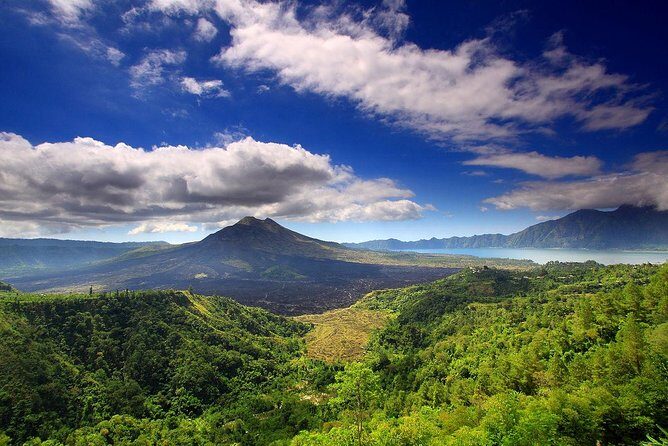
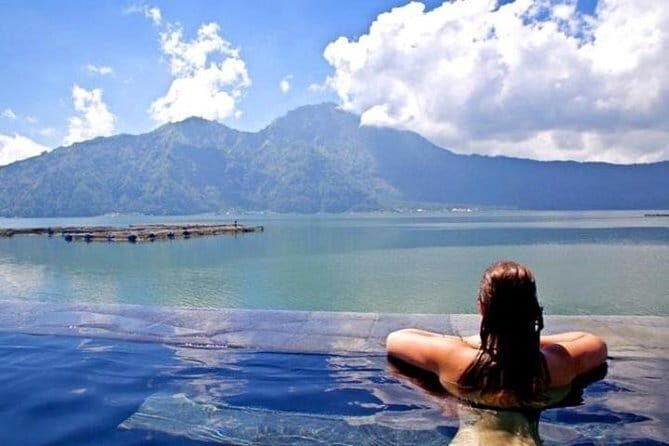
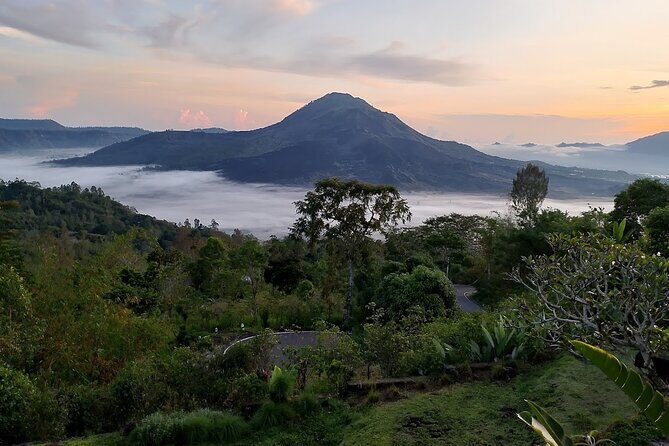
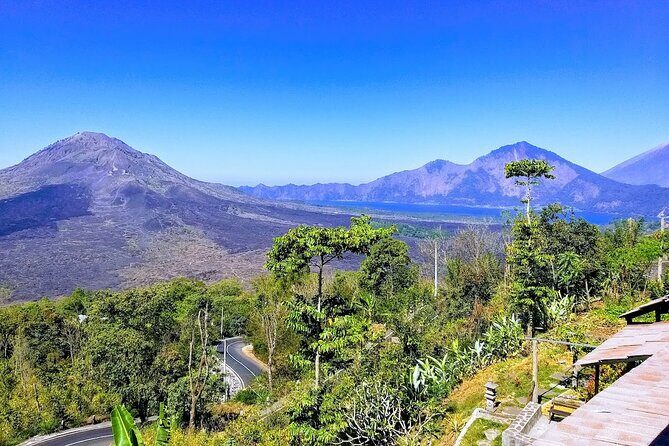
The experience is built around one simple idea: start before sunrise, work your way up while the sky is still black, and earn that first light at the summit of Mount Batur. Your day typically runs about 10 hours, and it all begins with an early pickup from your hotel in the Ubud area.

You’ll transfer to the trail area, then head up by flashlight with a local trekking guide. That matters more than it sounds. Darkness turns even familiar steps into a real workout, and a guide-led rhythm keeps you from rushing, slipping, or burning out too early.

If you’re the type who hates morning alarms, you’ll still understand why people sign up. The hike is early, but the goal is clear: get to the top for sunrise, then come down while your body is still fresh enough to enjoy the hot springs after.

The hike up Mt. Batur: gear, pacing, and what steep means

Mount Batur Sunrise Hike, Breakfast & Hot Spring - The hike up Mt. Batur: gear, pacing, and what steep means
This hike is listed for travelers with moderate physical fitness. In practice, that means you should expect some steep sections and enough uphill that you’ll want to take breaks without feeling guilty about it.

The tour includes trekking poles and a flashlight, which is great value. It also means you’ll hike with proper support instead of trying to improvise with a random stick or shaky grip strength. Your guide sets the pacing, and you can take your time on the climb—this is one of the best ways to keep the hike from feeling harder than it has to be.

Guide style makes a difference on a volcano. In the experience’s world, you may meet guides like Ramon or Putu Nawang, who focus on keeping you steady and safe, and who help with photos during the sunrise moment. Some guides, like Agus, have a reputation for being friendly and caring on the hardest sections. When you’re tired at hour one, that kind of steady encouragement helps.

One more practical detail: sunrise summit photos can be chaotic if everyone tries to pose at once. Having a guide who can help with timing means you spend less time fiddling and more time getting your camera pointed where it belongs.

Sunrise and breakfast: why the food timing is the point

Mount Batur Sunrise Hike, Breakfast & Hot Spring - Sunrise and breakfast: why the food timing is the point
The breakfast is part of the sunrise payoff. You don’t just hike until you’re starving and then hope something appears. Instead, breakfast is served while you’re up high, with sunrise as the backdrop.

What you get is specific:

  • Banana sandwich
  • Boiled egg
  • Snack and fruit
  • Coffee and/or tea, plus a bottle of water

There’s a simple value here: breakfast at the right moment keeps energy up for the descent. It also makes the sunrise experience feel structured, not like a chaotic scramble for the first ray of light.

Also, food is one less thing you need to think about. A $24 price tag is only fair if the essentials are handled, and breakfast plus drinks are handled. You can focus on the views and the climb instead of digging through your daypack.

After the sunrise: hot springs soak with lockers and towels

Once the summit moment is done, you hike back down to the base area. Then it’s straight to the recovery part: natural hot springs.

The hot springs stop is included, including the natural hot spring ticket and access to facilities like:

  • Towel
  • Change room
  • Locker

That may sound like small stuff, but it’s a big deal when your clothes are sweaty and your legs are shaky. A locker and change room mean you can rinse off, stash your stuff safely, and actually enjoy the soak instead of dealing with logistics.

Hot springs are never totally empty—early-morning nature tourism is popular in Bali. Still, the facilities (towel, locker, and a place to change) are what help this stop feel like a real reset, not just a quick dip on the way out.

Transfers and mobile ticket ease: Ubud logistics without the stress

This is a private tour, which usually means fewer surprises. You’re not joining a random group lineup where the slowest person becomes the pace-setter. Only your group participates.

Transportation is also handled. Round-trip transfers are provided for convenience, and hotel pickup is offered depending on the package you select (the tour notes hotel transfer service if that package option is chosen). You’ll also have a mobile ticket, which typically reduces back-and-forth and lets you focus on being ready when the pickup comes.

One helpful detail from real-world experience: drivers have been known to help with quick needs like an ATM stop after the tour. That’s not something to assume as a guarantee, but it’s a sign the transfer crew often stays practical and responsive.

If you’re trying to fit Mt. Batur into a tight Ubud schedule, this ease is part of the value. You’re spending your attention on the mountain, not on finding the next transport step.

Price and value: what $24 includes (and what it doesn’t)

At $24 per person, this tour is competitively priced for the scope: sunrise summit guide, equipment, breakfast, hot springs, and transfers.

Here’s what’s included:

  • Local trekking guide
  • Flashlight + trekking pole
  • Beverages: water, coffee and/or tea
  • Breakfast: banana sandwich, boiled egg, snack, fruit
  • All entrance fees
  • Natural hot spring ticket
  • Hot spring facilities: towel, change room, locker (if selected)
  • Round-trip transfers (with hotel pickup service if your package includes it)

And what’s not included:

  • Personal expenses
  • Tip

So the math is clearer than it looks. A sunrise hike can quickly get expensive once you start paying separately for guide, gear, entry fees, and hot springs access. Here, a lot of those costs are bundled into one straightforward price.

My practical take: if you were going to hire a guide anyway, plus pay for hot springs separately, you’re already close to the same overall spend. This is the kind of tour that’s worth considering when you want one guided morning that ends with a recovery soak.

Weather rule: sunrise tours don’t run on wishful thinking

Sunrise hikes are weather-dependent. The tour notes it requires good weather, and if it’s canceled due to poor conditions, you’ll be offered a different date or receive a full refund.

This matters because Mount Batur sunrise is the whole point. Cloud cover or rough conditions can change safety and viewing quality. If you’re booking, don’t treat it like a guaranteed sunrise show. Treat it like a plan with weather guardrails.

Who this tour fits best (and who should think twice)

Mount Batur Sunrise Hike, Breakfast & Hot Spring - Who this tour fits best (and who should think twice)
This is a strong match if you want:

  • A guided sunrise experience rather than self-navigation
  • Included gear (flashlight and trekking poles)
  • A complete day flow: hike up, breakfast on top, then hot springs recovery
  • A private setup so your group can move at its pace

It might be less ideal if:

  • You’re not comfortable with early mornings. The pickup is early enough that people flat-out call it brutal.
  • You dislike steep sections or need a very low-intensity activity. The hike is labeled as moderate fitness, but it still includes steeper moments.

The flip side is also true: if you can handle moderate effort and you’re okay taking breaks, this is the kind of active day that feels meaningful. You come back down with tired legs and a soak that actually helps.

Should you book this Mount Batur sunrise hike with breakfast and hot springs?

If you want the most “one-and-done” morning in Ubud, I’d say this is worth booking. The value is strong because it bundles the core pieces—guide, summit timing, breakfast, hot springs, and transfers—into one package around $24. That reduces decision fatigue, and it keeps your focus where it belongs: the climb and sunrise.

Book it if you’re ready to wake up early and you can handle moderate fitness effort. Skip it or consider an alternative if you know early mornings crush you, or if steep hiking is not your thing.

FAQ

How long is the Mount Batur sunrise hike and hot springs experience?

It runs about 10 hours (approx.).

Is hotel pickup and drop-off included?

Hotel transfer service is offered if you select the package that includes it, and round-trip transfers are provided for ease.

What is included in breakfast?

Breakfast includes a banana sandwich, boiled egg, snack, and fruit served on the top. Drinks include a bottle of water plus coffee and/or tea.

What hot spring facilities are provided?

You receive entry to the natural hot springs plus facility access such as a towel, change room, and locker.

What fitness level do I need?

The tour is recommended for travelers with moderate physical fitness level.

What happens if the tour is canceled due to weather?

The experience requires good weather. If it’s canceled because of poor weather, you’ll be offered a different date or a full refund.

Bali White Water Rafting with No Steep Access

Bali White Water Rafting with No Steep Access - Getting to the rafts: the stair situation (and why you should plan for it)

Stairs first, then Ayung River fun. This Bali rafting day is all about Ayung River scenery, expert guidance, and a jungle-view buffet lunch that makes the whole effort feel worth it. I especially like how the trip is built around a real outdoor experience, not just a quick photo stop. I also like the organized feel—pickup options, safety gear, and an end-of-activity rinse area so you’re not scrambling to figure things out.

One consideration: even with the no-steep-access style promise, plan for serious stairs down to the water and back up. Several people flag it as a workout for knees and calves, so choose based on your comfort level, not just the river part.

Key things to know before you go

Bali White Water Rafting with No Steep Access - Key things to know before you go

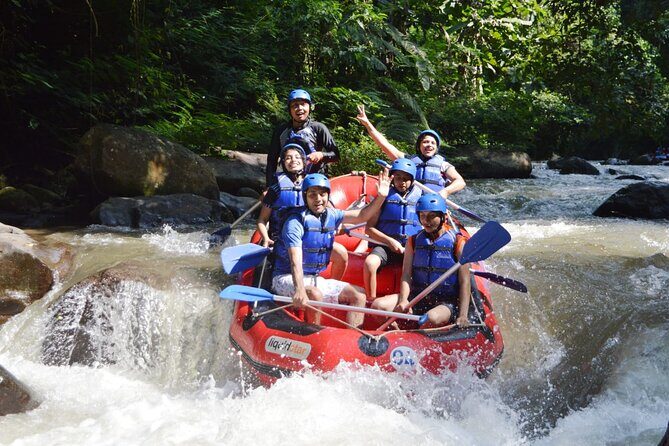
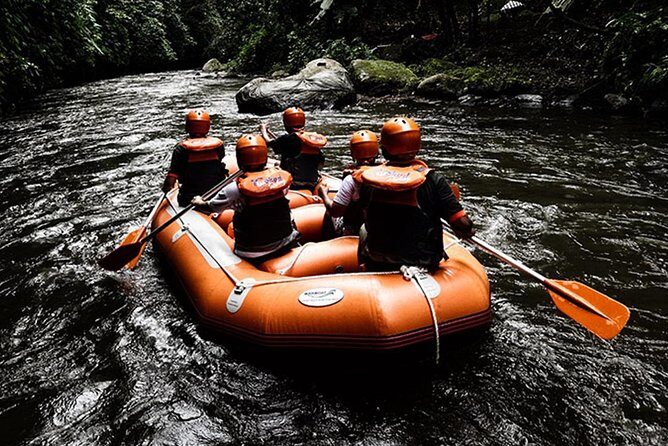
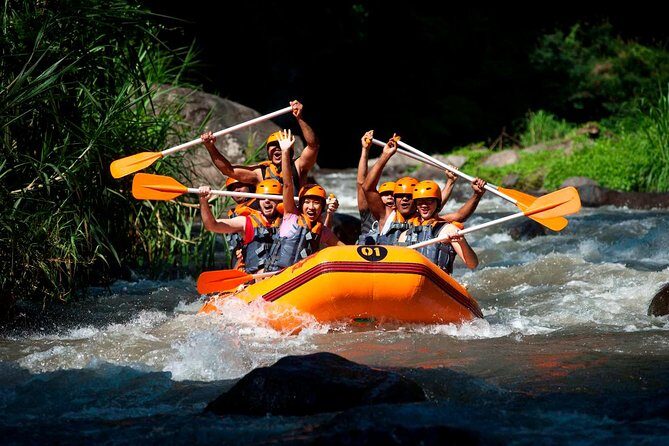
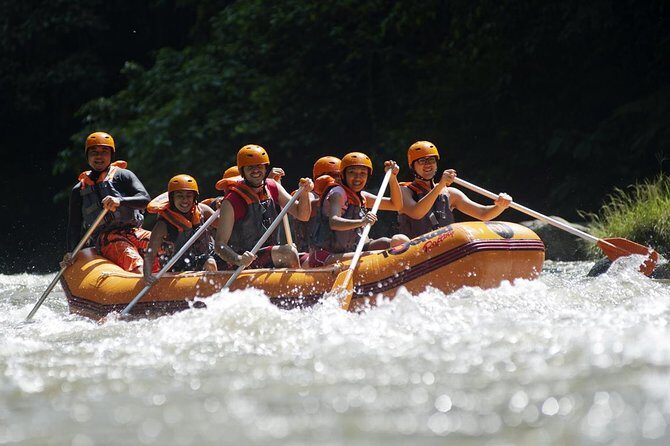
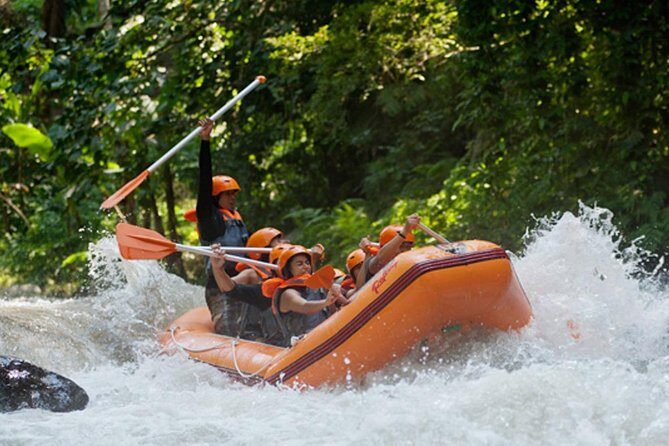
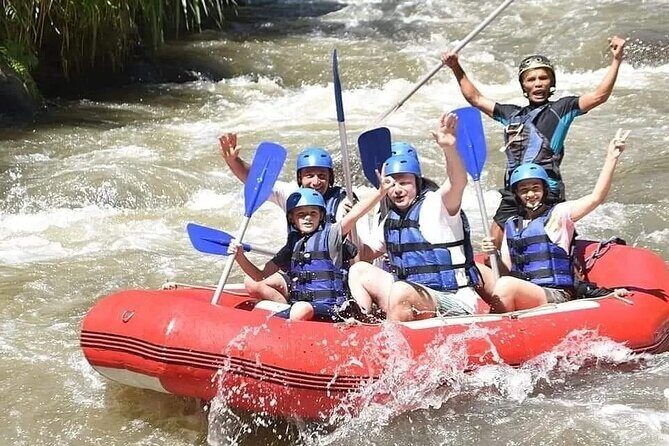
  • Ayung River rafting (about 2 hours on the water) with guide commands so first-timers can paddle confidently
  • Jungle-view buffet lunch + bottled water that turns the day into more than just rafting
  • Stair access is the main test (reports range from hundreds of steps down and up)
  • Safety gear and insurance included, plus a guide who keeps you on track
  • Optional add-ons like ATV, swings, waterfalls, and an Ubud highlights stop
  • Private transfers are available across many popular Bali areas, or you can meet at the venue

Ayung River Rafting in Ubud: what the day is really like

Bali White Water Rafting with No Steep Access - Ayung River Rafting in Ubud: what the day is really like
This is a classic Ubud white-water setup: a guided raft ride along the Ayung River, a planned break for food, and plenty of time to reset afterward. The total day runs roughly 3 to 10 hours depending on whether you pick the pickup option, add upgrades, and how long your group spends at lunch and the end-of-activity facilities.

What makes it interesting is the rhythm. You start with a walk-in, then you get the briefing and gear, then you’re on the river with moments that feel like bouncing and gliding—good for people who want excitement without being thrown around constantly. And the lunch matters. A lot of rafting tours stop being fun once you’re soaked and tired. Here, the buffet lunch with jungle views is part of the payoff.

I also like that the guides are interactive. In the best moments on the river, you’re paddling with instructions, so you feel like you’re doing something, not just being carried. People have even mentioned guides by name—like Marcus, Stinky, Yasa, and Made—so there’s a real human presence behind the operation, not a factory-line feeling.

Getting to the rafts: the stair situation (and why you should plan for it)

Bali White Water Rafting with No Steep Access - Getting to the rafts: the stair situation (and why you should plan for it)
The river part is only half the story here. Access to the water involves a descent to the rafting area and a climb back up. This is where the trip can surprise you.

Even though this experience is titled as having no steep access, multiple participants describe a steep stair workout. Estimates in the feedback include around 300 steps down and 200 steps up, and other reports mention totals closer to 350 steps down and 500 steps up (or even higher). In plain terms: you’re going to be going downstairs and then reversing the motion.

If you’re fit, you’ll likely treat it like a stair-master break in the day and enjoy the sense of earning the river. If you have knee issues, asthma triggered by exertion, or balance concerns, I’d take this seriously. Bring water, move slowly, and don’t be shy about asking staff for a moment before you start climbing.

Also, think footwear. Reviews strongly suggest water shoes and not just flip-flops. You want grip for the stairs and protection once you’re close to the raft.

On the water: rapids you can handle, jungle scenery you’ll remember

The rafting portion is about 2 hours, and it’s guided end-to-end. You’ll get safety gear (including a life vest and helmet) and you’ll paddle as a group. The guide’s job is to tell you when to row and when to rest, which makes a big difference in how confident you feel.

A useful detail: this run is often described as not overly wild. That doesn’t mean it’s calm—there are rapids, and the river can feel thrilling when you’re bouncing through faster sections. But it’s usually framed as a solid first-rafting option: exciting enough to brag about, controlled enough that you’re not constantly panicking.

Scenery is a major reason to do Ayung River. People talk about the jungle setting, waterfall sightings along the route, and green river banks that make you forget you’re doing a wet workout. One participant even described the ride as roughly 10 km with a couple of more noticeable rapids (not every minute). Another noted that the trip includes “amazing waterfalls along the river.”

If you care about photos, plan for water and spray. I’d treat cameras like a delicate passenger: use a waterproof neck pouch or anything that keeps your phone protected. One person mentioned being advised not to carry cameras in pockets, so assume the water isn’t polite.
Lunch with jungle views: the part that changes the whole value

Bali White Water Rafting with No Steep Access - Lunch with jungle views: the part that changes the whole value
After you’re back on land, you’ll get a sit-down buffet lunch with jungle views, plus bottled water. This is one of the most underrated parts of rafting days. You’ll be tired, wet, and hungry—so a buffet that actually tastes good makes the day feel complete instead of like a half-finished activity.

Food seems to be handled with care for different diets. One person reported a vegetarian option that included eggs. Portions were described as more than adequate, so you’re not left searching for a snack later.

There’s also an end-of-activity reset feeling. Reviews mention showers at the end, which can be a big deal if you’re continuing your Bali day afterward. Even if you skip the shower, having lockers and a place to store gear helps you transition from river mode to street mode.

Guides, safety equipment, and the small details that prevent stress

Bali White Water Rafting with No Steep Access - Guides, safety equipment, and the small details that prevent stress
Safety is built into the experience. You’ll get safety equipment, and insurance is included. The guide stays with you and provides instructions so you know what to do in different moments on the water.

People have shared very positive impressions of guides and their style:

  • Marcus: organized, great with paddling cues
  • Stinky: friendly and fun while still staying serious about safety
  • Yasa: professional and helpful, including photo assistance during later stops on some packages
  • Made: praised for keeping the ride enjoyable and safe

A small practical perk: lockers. Several people mention lockers for deposits that get refunded afterward. It’s a simple thing, but it prevents the classic rafting problem—what do I do with my phone and bag while I’m soaked and busy?

Also, bottled water is included. That matters because rafting days can drain energy faster than you expect.

Transfers around Ubud: pickup that helps, and the meet-at-venue option

Bali White Water Rafting with No Steep Access - Transfers around Ubud: pickup that helps, and the meet-at-venue option
You have two ways this can work depending on your booking choice.

Most packages include hotels pickup and drop-off in the area. If you choose the private transfer option, pickup and drop-off are at your hotel location in places like Ubud, Canggu, Seminyak, Legian, Kuta, Tuban, Jimbaran, Denpasar, Sanur, Tanjung Benoa, and Nusa Dua. The idea is simple: you avoid the stress of finding the start point yourself.

If you pick the meet at venue option, you need to get to the rafting starting point on your own. The listed meeting point is Bali Tarantula Adventure – ATV, Rafting and Swing (Bongkasa Pertiwi, Abiansemal, Badung Regency).

Timing can feel straightforward when transfers are included. People describe prompt pickup and smooth coordination. One review even said the vehicle to the starting point was an open flat-bed truck with benches (common in that area), so just know you’re likely not in a luxury coach. You’re in Bali, not an airplane—bring your patience and you’ll be fine.

Upgrades that turn rafting into a full Bali day

Bali White Water Rafting with No Steep Access - Upgrades that turn rafting into a full Bali day
This tour can be “just rafting” or expanded into a bigger checklist of Bali highlights. Upgrades are flexible, and private transfers can be bundled with the extra activities.

Common add-ons include:

  • ATV or quad bike ride
  • Jungle swing and waterfall visit
  • Ubud sights (in some packages, this pairs rafting with art and cultural stops)

If you’re the type who gets bored after a single activity, this is the best way to turn a wet morning (or midday) into a full day with photos, viewpoints, and a bit of variety. It’s also handy if your schedule is tight and you want to minimize the time spent coordinating rides between separate attractions.

On the other hand, if you’re already tired or you know you’ll be challenged by stairs, adding multiple extra activities can turn the day into a leg workout. I’d upgrade only if you still have energy after lunch and the river.

Price and value: why this feels like a good deal at $31.45

Bali White Water Rafting with No Steep Access - Price and value: why this feels like a good deal at $31.45
At $31.45 per person, the value is strong because the core package includes the expensive stuff people forget to price separately: a guided raft ride, lunch, safety equipment, bottled water, and insurance. Many “cheap” rafting options don’t include lunch or treat safety gear like an extra cost. Here it’s part of the bundle.

Also, you can effectively lower your total cost by choosing the right transfer option. If pickup is included for your area, you’re paying less for taxis or last-minute transfers. If you choose meet at venue, you’re saving money but adding work.

Finally, group discounts are listed, which can help if you’re traveling with friends or family. When your group is already paying for shared gear and a single guide system, the savings can show up fast.

Who should book (and who should think twice)

This works best for:

  • First-time rafters who want something thrilling but not out-of-control
  • People who enjoy scenic nature more than constant adrenaline
  • Travelers who want a full day structure: gear, guided paddling, lunch, and optional extras
  • Families with kids—there are positive mentions of doing it with children, as long as everyone can manage the stair access

Think twice if:

  • Your knees or calves don’t handle stairs well. Multiple people describe the stair descent and climb as the toughest part.
  • You’re looking for extreme whitewater chaos. This ride is often described as manageable, with exciting sections rather than relentless punishment.
  • You don’t want to get wet. This is rafting; you should plan on it.

Should you book Bali White Water Rafting on the Ayung River?

If you can handle a stair workout and you want a guided rafting day with jungle scenery plus a real lunch, I’d book it. The mix of safety, included gear, and the fact that the day doesn’t end at the dock makes it good value.

Choose a different style only if stairs are a deal-breaker for you or if you’re chasing maximum, nonstop adrenaline. For most people doing Bali for the first time, this is the kind of outing that delivers a lot of “I can’t believe I did that” moments without turning the day into pure stress.

FAQ

FAQ

How long is the rafting portion on the Ayung River?

The rafting time is about 2 hours.

Is lunch included, and what is it like?

Lunch is included and is described as a buffet with jungle views.

Do I get picked up from my hotel?

Hotels pickup and drop-off are included for packages that include transfers. If you choose the meet at venue option, you’ll need to go to the rafting starting point by yourself.

Where is the meeting point if I choose meet at venue?

The meeting point listed is Bali Tarantula Adventure – ATV, Rafting and Swing at Bongkasa Pertiwi, Abiansemal, Badung Regency, Bali.

What activities can I add to the rafting day?

You can upgrade to add activities like ATV, jungle swings, waterfall visits, and an Ubud sights tour.

What safety equipment is provided?

Safety equipment is included, and the experience includes items like life vests and helmets.

Will I have any insurance coverage during the activity?

Insurance is included.

Should I expect to get wet?

Yes. It’s rafting, and you should plan for soaking and spray.

Can I cancel for a refund?

Yes. You can cancel up to 24 hours in advance for a full refund. If you cancel less than 24 hours before the start time, it isn’t refunded. If it’s canceled due to poor weather, you’ll be offered a different date or a full refund.

Bali Car Hire with Driver

Bali Car Hire with Driver - How the 10-hour window really works (and how to avoid schedule pain)

Bali feels a lot lighter with a driver. This private car hire from Ubud is for days when you want to see real sights without playing taxi roulette or dealing with scooter stress. You get an air-conditioned ride, pickup from your address in Ubud (or much of south Bali), and a driver who helps shape a time-smart plan so you can focus on the day. The big win here is Bali car hire with driver energy: you’re chauffeured, not troubleshooting.

Two things I really like: first, the English-speaking driver part is not just a checkbox. In real examples, drivers like Budi, Gede, Eka, and Santika made communication easy and helped with practical stuff like photo stops and site explanations. Second, the day is genuinely flexible: you can rent the car for up to 10 hours and go wherever you want inside the covered areas, then adjust on the fly.

One drawback to consider is timing in Bali traffic. If you have a strict deadline (think sunset photo timing), plan a buffer and be clear about start and end times, because a late pickup can turn your schedule into a stressful scramble. Also, the info says gas is covered, but tolls/parking may be your responsibility, so it’s smart to confirm what you might need to pay on the day.

Key highlights worth planning around

Bali Car Hire with Driver - Key highlights worth planning around

  • English-speaking drivers who help with navigation and site context
  • Private pickup in Ubud and south Bali, with car size matched to your booking
  • Up to 10 hours of control, with an option to extend for an hourly surcharge
  • Your itinerary drives the day, since you share targets in the remarks field
  • Expanded reach for a surcharge, including east Bali (Karangasem, Klungkung) and north Bali (Buleleng)

Why this Ubud private car hire beats taxis and scooters

If you’re basing yourself in Ubud, you already know the vibe: slow mornings, scenic roads, and then sudden decisions about where to go next. This service is built for that. Instead of hailing taxis or committing to scooter riding, you get a driver waiting for you and an air-conditioned car that moves you from A to B.

It’s also a simple way to handle Bali’s traffic reality. On your own, the hard part isn’t getting to a place once. It’s stitching multiple stops together without losing hours to timing and route confusion. With a private driver, the schedule can be built around the most time-effective path for your day.

And because it’s private, it’s just your group. That matters when you have different pacing. One person wants photos every 10 minutes, another wants quick stops. You can balance it without negotiating with strangers or waiting for a shared tour rhythm.

The driver experience: English, photo help, and real local guidance

Bali Car Hire with Driver - The driver experience: English, photo help, and real local guidance
This is a driver-centered day, and the best part is how much the driver can do without turning it into a lecture. Most of the high marks are about communication and friendliness, with English named again and again as a key reason the day felt easy.

Some examples that show the style you’re likely to get:

  • Budi comes up with strong notes for English, friendliness, and helping with photos.
  • Gede is praised for safe driving, local knowledge, and conversational English that made even long rides feel worth it.
  • Eka is credited with going beyond basic driving, including helpful planning and practical support.
  • Santika is mentioned for honoring requests and adding stops like a turtle sanctuary and coffee/tea tastings.
  • Putu, Polih, Gede, Dhuni, OKA, Adi, Eks all appear in reviews as drivers who were flexible and communicative.

You can also expect the driver to suggest stops. The service explicitly includes tour suggestions, and the day is designed for you to discuss the destination when you meet the driver or via WhatsApp. That’s useful if your plan is “Ubud area, then beach,” because you’ll still get guidance on how to fit it together.

Small but helpful detail: drivers often help with photo timing and angles. A few reviews highlight that drivers didn’t just pull up—they helped take pictures and recommended good spots. If you care about photos, that can be the difference between decent and great.

How the 10-hour window really works (and how to avoid schedule pain)

Bali Car Hire with Driver - How the 10-hour window really works (and how to avoid schedule pain)
The experience is listed as 8 to 10 hours (approx.), with the tour lasting up to 10 hours. There’s also an extension option for a small hourly surcharge if you want to keep going.

Here’s the practical way to think about this: in Bali, the day is not just “visit, visit, visit.” It’s driving + waiting + walking + unpredictable moments. So your real time budget should include:

  • travel between sites (often longer than you expect)
  • time at viewpoints or temples (especially if you want photos)
  • short stops for things like snacks, restrooms, or cash

If you’re planning something time-sensitive like a sunset photo session, don’t treat the pickup time as the only risk. Treat it as the first domino. If a driver texts that they’ll be late close to departure time, you can lose the whole window. This is why I’d build in a cushion if your day has a must-hit moment.

Also, set expectations clearly at the start. The service is private, but your day is still only as good as the plan you communicate. The operator asks you to briefly explain where you plan to visit in the remarks field, so your driver can plan your itinerary and adjust if logistics don’t quite work. Use that space. Even a short list helps.

What your day could look like: Ubud culture plus coastal scenery

Bali Car Hire with Driver - What your day could look like: Ubud culture plus coastal scenery
The service covers Ubud and south/central Bali and also mentions a wider set of areas you can combine, including Canggu, Tanah Lot, Nusa Dua, Sanur, Jimbaran, Seminyak, Kuta. Since it’s private, you’re not locked into one route. You’re choosing a storyline for the day.

Here’s how I’d structure a realistic Ubud-based day using the areas included:

Ubud start: temples, art stops, and that “first Bali” feeling

Starting in Ubud is a smart move because it gives you access to the cultural side first, before you hit traffic toward the coast. If your plan includes cultural sites, expect to pair them with quick photo breaks and short walks rather than long, exhausting hikes (unless you ask for something specific).

One review mentions a driver who accompanied stops and encouraged the experience, taking pictures along the way. That kind of support helps if you’re visiting a temple and want to follow the flow without guessing what’s expected.

A practical tip: if you want a smoother day, group similar stops together. Cultural sites close in theme often cluster in the same general driving direction, so your time gets spent on the visit instead of the steering wheel.

Canggu or Seminyak: beach energy and café-zone pacing

If you add Canggu or Seminyak, you’re switching from “cultural and craft” to “coastal vibe.” These are often good places for a slower mid-day pause: stretch your legs, grab something to drink, and reset before the next driving stretch.

One useful note from the reviews: drivers worked to avoid big crowds when possible. That can be a big deal in these areas because popular spots get packed quickly. If crowds matter to you, tell your driver early in the day. You’ll usually get better routing than if you ask after you’re already stuck in the middle of it.

Tanah Lot: a classic viewpoint day

Tanah Lot is one of those Bali landmarks that makes sense as a “sunset or near-sunset” stop, even if your day isn’t built entirely around golden hour. The drawback is obvious: everyone else thinks the same thing.

So if you want the landmark without the chaos, treat it as an early-evening stop rather than a last-minute scramble. That gives you time to park, walk, and find a viewing spot without burning your whole schedule.

Sanur and Jimbaran: calmer coast time (and easy evening plans)

Sanur and Jimbaran can work well late in the day because they’re often easier to manage for pacing. If you’re trying to hit multiple places, these are good candidates for your “wrap up the day” segment.

In a day like this, your driver’s job is basically to protect your time. They’ll help you avoid unnecessary zig-zag routes and keep the drive-to-walk ratio reasonable.

Beach-to-temple day planning: avoiding wasted hours

Bali Car Hire with Driver - Beach-to-temple day planning: avoiding wasted hours
Bali’s biggest time thief is not distance. It’s stop-start conditions. This is why the driver customization matters so much. The service description emphasizes a time-effective route, and that’s exactly what you should aim for when building your own itinerary.

If you’re mixing Ubud with multiple coastal stops, you’re going to spend a chunk of the day driving. So plan fewer “big moments” and more supportive breaks. For example:

  • pick one anchor viewpoint (a famous landmark or key cultural site)
  • add one flexible zone (a beach area or shopping/art stop)
  • finish with one calmer coastal period

This is also where having an English-speaking driver helps. You can ask quick questions while you’re on the move and adjust the plan before you’re committed. That beats waiting until you reach a crowded entrance and then realizing you could have timed it better.

One more practical point: your driver covers gas, which helps keep the day predictable. But tolls and parking charges may still apply, depending on the situation. I’d keep a little cash or a backup card handy just in case parking fees come up during the day.

Going beyond the core area: East Bali and North Bali surcharges

Bali Car Hire with Driver - Going beyond the core area: East Bali and North Bali surcharges
If you want to push past the core coverage, the service mentions surcharges for:

  • Karangasem and Klungkung in east Bali
  • Buleleng in north Bali

This matters because the travel time increases fast when you go farther out. If you’re thinking about these regions, I’d treat your day as a single-direction mission. Pick a main area to explore and avoid squeezing in extra stops far away from your driving line.

You’ll also likely want to communicate your goal clearly in the remarks field. When the route is longer, your driver can better plan the logistics if they know what “success” looks like for you. It can be a specific temple vibe, a waterfall target, or a scenic viewpoint day.

Price and value: what $31.12 really buys you

Bali Car Hire with Driver - Price and value: what $31.12 really buys you
The price is listed at $31.12 per person, with an average booking window of about 27 days in advance. That’s not just a cost number. It tells you this is designed for planning rather than last-minute improvising.

Here’s what you’re paying for:

  • a private, air-conditioned vehicle
  • an English-speaking driver
  • pickup and drop-off logistics
  • tour suggestions and route planning support

Lunch and entrance tickets are not included. That’s normal for private transport days. Still, it affects value. If you’re doing temple entry fees and paying for activities, your total day cost will rise, so budget accordingly.

The value comparison is simple: if you’d otherwise pay for taxis, waste time coordinating rides, and then lose hours figuring out where to go next, a private driver can be cheaper than it sounds when you factor time. It can also be less stressful than a self-drive setup, especially if you’re not used to driving in busy areas.

If you’re traveling with a group, group discounts are mentioned. That’s where the value tends to jump because you’re spreading the car cost across more people while keeping the benefits of a private driver.

Real-world proof: what the best drivers do on a long day

Bali Car Hire with Driver - Real-world proof: what the best drivers do on a long day
The reviews lean hard toward one idea: the day feels good because the driver treats your schedule like it matters.

Some standout patterns:

  • Punctual pickup shows up a lot. Drivers like Budi, Putu, and others are praised for being early and on time.
  • Flexibility is another theme. Reviews mention accommodating last-minute requests and adjusting the plan without fuss.
  • Safety gets repeated. People explicitly mention safe driving, which matters in Bali traffic.
  • Photo and stop assistance isn’t an afterthought. Several drivers helped with photos and recommended good stops based on your requests.
  • Cultural context helps. Drivers like Gede and Santika are described as informative, sharing background that makes the places feel less random.

There’s also a cautionary note worth respecting. One review complains about time mismatch after a 10-hour booking, and another talks about unreliable timing for a specific sunset plan. That doesn’t mean the service is always unreliable, but it does mean you should treat your booking like a schedule, not a vibe. If time is critical, ask the driver to confirm your plan and include cushion.

If you need accessibility help, one review mentioned a visually impaired wife and that the driver provided support. That’s not something every driver may be able to do in every way, but it’s encouraging that some drivers pay attention to practical needs.

Who should book this Bali car hire with driver

This is a great fit if you:

  • want door-to-door convenience from Ubud or south Bali without dealing with taxis
  • prefer one coordinated plan over assembling transportation puzzle pieces
  • care about good communication and clear directions in English
  • are traveling as a private group and want the day to feel tailored

It’s especially useful for first-time Bali visits. When you’re new, the biggest challenge is not knowing what’s cool. It’s knowing how to fit it into a day without losing hours.

If you’re traveling with kids, elderly family members, or anyone who doesn’t want to scooter, this is also an easier way to keep everyone comfortable. The car is air-conditioned, and you’re not constantly stopping to reorganize rides.

Should you book this Ubud private driver car hire

Book it if you want a day that feels controlled: pickup handled, English guidance available, and a driver who can help shape your route around time. With a service this focused on private transport, the value is strongest when you’re doing more than one stop and you want less stress than self-drive.

Skip or rethink if your itinerary is tightly timed and you can’t tolerate delays. Sunset photo missions and hard appointments need cushion in Bali, and the reviews include at least one unhappy timing story. Also, plan for additional costs like lunch and entrance fees, and be ready to confirm any toll or parking expectations on your exact route.

If your goal is a smooth, flexible Bali day with an English-speaking driver waiting for you, this is a solid way to spend your time. It’s not just transportation. It’s a schedule that runs.

FAQ

How long is the Bali car hire with driver?

The experience is listed as about 8 to 10 hours, with a 10-hour tour noted. You can extend the ride for an hourly surcharge.

Where do you get picked up?

Pickup is offered from your address in Ubud or much of south Bali, depending on the area you’re staying in and the car size you select.

What areas are covered in the main price?

The coverage includes Ubud and south/central Bali, and it also mentions areas such as Canggu, Tanah Lot, Nusa Dua, Sanur, Jimbaran, Seminyak, and Kuta.

Are lunch and entrance fees included?

No. Lunch and entrance fees or attraction tickets are not included.

Does the driver cover costs like gas, tolls, and parking?

Gas is covered by the driver. The information also notes that tolls and parking fees are at your own expense.

Can I cancel for a full refund?

Yes. You can cancel up to 24 hours in advance for a full refund. If you cancel less than 24 hours before the start time, the amount paid is not refunded. The experience also requires a minimum number of travelers, and if it’s canceled for that reason, you’ll be offered another date or a full refund.

Best of Authentic Balinese Tour

Best of Authentic Balinese Tour - Tegenungan Waterfall: When You Can Swim and When You Should Just Gawk

One day, Bali’s big hits, no stress. This private full-day route in and around Ubud blends iconic stops (rice terraces, waterfall, temple) with real craft culture in the art villages. I like the door-to-door pickup and drop-off that lets you skip the hassle of figuring out transport. I also like that the day is built around seeing how Balinese life works, not just collecting photos. One drawback to keep in mind: the art stops can tilt toward specific shop visits, and the waterfall swimming depends on conditions.

You’ll be picked up from your Ubud-area or south Bali accommodation, usually for about 9–10 hours, and the order can shift based on where you start and which upgrade you choose. Lunch is included, and the experience ends with you dropped back where you started—simple, efficient, and easy on your legs.

The Best Parts You’ll Care About

Best of Authentic Balinese Tour - The Best Parts You’ll Care About

  • UNESCO-listed Tegalalang Rice Terrace views plus an explanation of how the subak irrigation system supports rice farming
  • Tegenungan Waterfall with time to cool off if the flow allows, or just admire it safely
  • Batuan Temple’s black palm roof and the spiritual role of this temple complex
  • Art villages focused on wood carving and silver craft (plus other traditional art-style stops)
  • Two optional upgrades: Ubud Monkey Forest or Kintamani and Mt. Batur views
  • Private, English-speaking driver with flexible pacing so you’re not stuck on a rigid group schedule

A Private Day That Hits Ubud, Waterfall, and Temples

Best of Authentic Balinese Tour - A Private Day That Hits Ubud, Waterfall, and Temples
This is the kind of tour you book when you want the classic Bali highlights without turning the day into a logistics project. It’s private, so it’s just you and your group in the car—no herding, no awkward waiting for strangers. Pickup is offered from your Ubud area or south Bali hotel, and you’ll get a local driver who speaks English and can help smooth out timing.

What makes this route work is the mix: you see the engineered beauty of rice farming, the force of the waterfall, and the quiet intensity of temple architecture, then you switch gears to crafts. That back-and-forth is fun, and it also helps the day feel like more than a checklist.

Tegalalang Rice Terrace: UNESCO Views and the Subak Story

Tegalalang is one of Bali’s most photographed stops for a reason. The terraces sit dramatically on a cliffside about 600 meters above sea level, so when you arrive, you immediately understand why people come back again and again. Yes, it can be busy. Still, it’s worth it—especially when someone explains what you’re actually looking at.

The key idea here is subak, the cooperative irrigation system that supports rice cultivation. You’ll get the basic concept while you admire the paddies, and that adds meaning to the view. Instead of just thinking, Wow, pretty green steps, you start to see rice farming as a community system tied to water, timing, and tradition.

Practical tip: bring sunscreen and a little patience for photos. The viewing points are set up for angles and overlooks, so you’ll want to pause, look around, and then take your time—don’t sprint through.

Tegenungan Waterfall: When You Can Swim and When You Should Just Gawk

Best of Authentic Balinese Tour - Tegenungan Waterfall: When You Can Swim and When You Should Just Gawk
Tegenungan Waterfall is one of the most visited waterfalls in Bali, and that fame shows up in the crowds and the energy. The schedule gives you about 30 minutes here, which is just enough for photos and a quick break.

One line matters: cooling off in the pools below the falls is possible when the flow permits. Translation: don’t assume swimming or jumping will be available every day. In practice, water conditions and rules on-site can change with weather and season. Even if you can’t get in, the falls are still impressive—the power is the show.

Safety note that you should take seriously: treat slippery areas like slippery areas. If swimming feels sketchy, step back and enjoy the view from a safe distance.

Batuan Temple and the Black Palm Roof Details

Best of Authentic Balinese Tour - Batuan Temple and the Black Palm Roof Details
Next up is Pura Puseh Desa Batuan, a Hindu temple where you’ll learn about spiritual significance and look closely at the architecture. The most memorable visual detail is the black palm roof, which gives the temple a distinct look compared to some other Balinese temples.

This stop is where the day slows down a bit. It’s not just a photo stop; you’re meant to understand what the temple represents and why this place matters to the community. Even if you’re not a deep religion buff, the architecture and setting help you feel the temple’s atmosphere.

Time here is about 30 minutes, so you’ll want to use it for one thing: look up, then look around. Temples in Bali reward attention to small details, not speed-walking.

Art Villages Around Ubud: Wood, Silver, and the Real-World Craft Demo

Best of Authentic Balinese Tour - Art Villages Around Ubud: Wood, Silver, and the Real-World Craft Demo
After temples and waterfalls, the tour shifts into the art villages around Ubud. Expect traditional craft experiences and introductions to how local artisans work. The route commonly includes stops tied to:

  • Mas for wood carving
  • Celuk for silver arts
  • plus other craft-style visits that can include batik-style painting and related making traditions

This section can be a highlight for the right mood. I like that it connects you to skills and materials, not just souvenirs. You can also pick up ideas for what to look for when you’re shopping later.

One consideration: some stops can feel shop-centered, with limited freedom to choose between many different sellers. If you want to browse widely, go in knowing the day may be guided toward specific demonstrations and sales floors. If you’re not buying, that’s fine—just keep your expectations realistic and use the time to watch the craftsmanship.

Optional Kintamani and Mt. Batur Views

Best of Authentic Balinese Tour - Optional Kintamani and Mt. Batur Views
If you upgrade to the Kintamani package, your day expands beyond Ubud into the highlands for a view of Mt. Batur and Lake Batur. This is the scenic bonus for people who want the volcano viewpoint without booking a separate tour.

You’ll get about an hour here. Entrance to this part can vary depending on the package you select, so keep an eye on what’s included in your booking and plan for any extras.

Weather matters a lot. Clouds and rain can mute the view. Even so, the highland setting still gives you a different Bali perspective from the rice terraces and temples.

Optional Sacred Monkey Forest Sanctuary

Best of Authentic Balinese Tour - Optional Sacred Monkey Forest Sanctuary
Choosing the Ubud Monkey Forest option adds a stop at an atmospheric woodland temple area where macaques roam around Hindu temples. The tour description is clear: expect gray macaques in a forest sanctuary setting.

This is a great add-on if you want a break from temples and viewpoints and you enjoy watching animals in a human-sized, temple-adjacent space. It’s also a nice temperature shift, since tree cover can make the area feel cooler than open-air rice terraces.

One practical note: be smart around monkeys. Don’t tease, don’t reach, and keep your personal belongings secure. The forest has a lively vibe, but you still want to stay in control.

Timing, Door-to-Door Transfers, and How Long the Day Really Takes

Best of Authentic Balinese Tour - Timing, Door-to-Door Transfers, and How Long the Day Really Takes
This tour is designed as a private full day, and the estimate is around 9–10 hours. That said, driving time in Bali isn’t perfectly predictable. Road conditions and traffic can shift how long each stop feels, and some people find their day runs shorter than expected.

The biggest help is that pickup and drop-off are handled for you. You don’t need to figure out transport between widely spaced sights. It’s also a reason the tour works well for first-time visitors: you get your bearings fast.

Good day design also shows up in the pacing. Many guides are careful about how long you spend at each site, and you can often adjust timing a little—especially on private tours where you’re not stuck with a big group schedule.

Price and Value: What You Get for $49.49

At $49.49 per person, this tour can be strong value if you actually use what’s included. Here’s what you’re getting on paper:

  • Private transportation
  • English-speaking driver
  • lunch
  • insurance and local tax
  • entrance fees for visited sites, which can depend on the specific package you book

That matters because Bali days can get expensive once you start stacking tickets, transfers, and separate tours. By combining Tegalalang, Tegenungan, and Batuan Temple with art villages (and optional upgrades), you’re paying for one organized route rather than multiple independent bookings.

Two things to watch for your budget:

  1. Optional upgrades (Kintamani or Monkey Forest) can change what you pay overall.
  2. Some entrance fees aren’t included unless your package covers them, so it’s smart to confirm what’s included before you go.

If you’re traveling solo or as a couple, the “private” part can be the value-maker. You’re not splitting your time with strangers or stuck with a crowded van shuffle.

Who This Tour Fits Best (and Who Should Skip It)

This tour fits best if you:

  • want a one-day Ubud hit list with minimal planning
  • like the combination of temples, nature, and artisan craft stops
  • prefer door-to-door pickup over public transport or scooter juggling
  • want the option to add Monkey Forest or Kintamani for extra variety

It might not be ideal if you:

  • hate shopping-focused craft stops and want totally free browsing time
  • strongly expect waterfall swimming every single day
  • are the type who needs long temple time or long art browsing time (the schedule keeps things moving)

If you’re short on days in Bali, this is exactly the kind of tour that can help you make the most of your time.

Should You Book Best of Authentic Balinese Tour?

I’d book this if you want a structured, private day that covers the big Ubud highlights and still leaves room to breathe. The strongest reasons are the mix of sights (rice terrace, waterfall, Batuan Temple) and the craft stops that explain what you’re seeing rather than just dropping you at a viewpoint.

Book with a little realism: the art village portion may feel shop-forward, and the waterfall experience depends on current conditions. If that doesn’t bother you, this is a practical way to see a lot without turning your holiday into a transport puzzle.

FAQ

How long is the Best of Authentic Balinese Tour?

The tour runs about 9 to 10 hours, though the order of stops can vary based on where you start and what option you choose.

Do I get hotel pickup and drop-off?

Yes. Pickup and drop-off are offered from your Ubud-area or south Bali accommodation, with private 2-way hotel transfers included.

What are the main stops included in the standard route?

You’ll visit Tegalalang Rice Terrace, Tegenungan Waterfall, and Batuan Temple. The tour also includes art village stops around Ubud.

Can I swim at Tegenungan Waterfall?

Cooling off in pools below the falls is possible when the flow permits. If conditions aren’t right, you might not be able to swim and should focus on viewing from a safe distance.

Are entrance fees included?

Entrance fees are included for places of visit, but this depends on the package you book. Tegalalang Rice Terrace, Tegenungan Waterfall, and Batuan Temple list entrance tickets as included, while Kintamani and Monkey Forest can depend on the package.

What craft areas does the tour include?

The tour includes traditional craft-focused visits such as wood carving in Mas and silver arts in Celuk. It may also include batik painting and other traditional art-style stops.

What’s included if I choose the Kintamani upgrade?

The Kintamani option adds a stop in the highlands with views of Mt. Batur and Lake Batur. The duration listed for this stop is about 1 hour.

What’s included if I choose the Ubud Monkey Forest option?

The Monkey Forest option adds a stop at the Sacred Monkey Forest Sanctuary, where gray macaques roam among Hindu temples. The listed time is about 1 hour.

Is the tour really private?

Yes. It’s a private tour/activity, so only your group participates.

FAQ

Can I cancel for free?

Yes, free cancellation is available. You can cancel up to 24 hours in advance for a full refund.

Is this tour suitable for children?

Children 2 years and under are free when accompanied by an adult.

Is the tour in English?

Yes. An English-speaking driver is included.

What if I want to buy extra things during the art stops?

Optional expenses are not included, so any extra shopping or add-ons are at your own cost. The tour includes craft visits, but purchases are optional.

Do I need to bring a printed ticket?

The tour offers mobile ticketing, so you won’t need a printed ticket.

Bali Private Car Charter With English Speaking Driver

Bali Private Car Charter with English Speaking Driver - Free Custom Itinerary: Build a Bali Day That Matches Your Mood

Bali traffic can drain your whole day. This private car charter gives you freedom without the stress of steering, parking, and figuring out where you’re going. You build the day around your tastes, with pickup in and around Ubud and most of south Bali.

What I like most is the straightforward setup: one English-speaking driver who handles navigation and waiting while you do your thing. The other big win is the flexibility to hop between beach time, spa breaks, shopping, and cultural stops without burning your energy on transport logistics.

One thing to consider: if your plan stretches far into east/north/west Bali, or you push beyond the 10-hour limit, there are extra charges (and fuel supplements can apply for longer routes).

Key highlights worth noting

Bali Private Car Charter With English Speaking Driver - Key highlights worth noting

  • Door-to-door pickup from Ubud and a long list of south Bali areas, typically at 8:30 am
  • You choose the itinerary, from beaches and spas to rice terraces and Mount Batur areas (if you book that route)
  • English-speaking drivers who can recommend options and handle the tricky driving mix
  • 10 hours max, with extra hours available at a set rate
  • Extra fees for far-flung regions, including Taman Ujung, Amed, Lempuyang, Lovina, Sekumpul waterfall, and Pemuteran
  • Simple inclusions like bottled water and a private setup for your group

Why a private Bali driver beats scooters and bus chaos

Bali Private Car Charter With English Speaking Driver - Why a private Bali driver beats scooters and bus chaos
Bali is beautiful, but getting around can feel like a full-time job. Between tight lanes, scooters weaving everywhere, and huge vehicles that don’t exactly slow down for your comfort, driving yourself or relying on public transport can turn into stress fast. This charter is built for the opposite: you get a car and driver so your day stays about doing, not figuring out.

The most practical part is that the driver owns the hard stuff: directions, traffic timing, and parking. You get to spend your mental energy on choices that actually matter—like which beach you want next, where you’d like a quiet coffee, or what you want to see in Ubud’s art area before it gets too hot.

There’s also a real value in having someone who can communicate clearly in English. In a place like Bali, that means fewer misunderstandings when you’re trying to explain what you want (or how long you want to linger). You can even ask for suggestions on what fits your style and schedule—shopping stops, cultural points, or beach time.

The vibe is simple: you plan the itinerary, and the driver handles the mechanics. It’s a good match if you want independence without the self-drive risks.

8:30 hotel pickup in Ubud and most of south Bali

Most days start with pickup at 8:30 am. That’s not just a convenient time—it’s a strategy. Morning trips help you beat heat, reduce how long you sit in traffic, and let you fit in more stops before your 10-hour cap.

Pickup coverage is broad for a day charter. At 8:30, pickup is offered from places including Kuta, Sanur, Ubud, Seminyak, Nusa Dua, Jimbaran, Legian, Tanjung Benoa, and Tanah Lot. If you’re staying in Ubud (the base), you’re likely close to the easiest pickup route.

You can also request a different pickup time by mentioning it in special requirements. If your plan depends on a specific schedule—sunrise views, a timed spa slot, or an early temple plan—this flexibility matters.

The booking also caps the group size: up to 5 people per booking. That’s a sweet spot for families and friend groups. It’s private, so you’re not sharing the day with strangers who might want to stop for completely different things.

Once you’re on the road, the driver is there for waiting time at each stop. That matters because it keeps your day from turning into a “meet back here in 20 minutes” scramble.

Building your dream Bali itinerary around your priorities

Bali Private Car Charter With English Speaking Driver - Building your dream Bali itinerary around your priorities
This is not a rigid checklist tour. The core concept is: you tell the driver where you want to go, and you can shape the day around beach, spa, restaurants, or culture. Bali is big, and public transport is limited, so this is the fastest way to string together distant areas in one day without wasting hours.

If you’re into Ubud’s side of Bali, you can build around the art scene, rice farming/rice terrace areas, and viewpoints. If you prefer beach time, you can set aside a chunk for Nusa Dua Beach as a starting point.

If you want more variety, you can plan a day that mixes:

  • Beach breaks and coastal time
  • Shopping and artisan studios in and around Ubud (and nearby areas)
  • Stops that connect to Bali’s daily life, like farming and local culture
  • Optional big-name scenery stops, such as the areas around Mount Batur and rice terraces (when your route allows)

One practical tip: when you’re planning your day, think in “zones.” Your 10 hours go much further when you don’t bounce across the island every single stop. The charter is flexible, but geography still matters.

Also, if you know you want a far-reaching route, plan it early. The service is set up for south and central Bali without fuss; once you jump into certain north/east/west zones, you’ll pay extra.

Nusa Dua Beach as your anchor stop: start relaxing, not rushing

Bali Private Car Charter With English Speaking Driver - Nusa Dua Beach as your anchor stop: start relaxing, not rushing
The itinerary lists Nusa Dua Beach as the first stop. That’s a strong choice for a morning anchor because it gives you an early payoff: you’re out of traffic, you’re at the coast, and you can decide how long you want to stay.

What you can expect here is simple: time at a beach area while the driver waits. The exact feel of your beach time depends on what you choose to do—walk, cool off, take photos, or just sit and reset. Since entrance tickets are not included, your plan should focus on free-to-access portions and what you can do without paid entry.

A tip for using this stop well: don’t lock yourself into a long beach block if you still want a busy afternoon. In a 10-hour day, it’s smarter to treat the beach as a reset, then move on to culture or shopping while the day still has energy.

If you’re the type who wants a day to feel like a real holiday (not a schedule), starting at Nusa Dua can help. Then you can continue with the kind of Bali you actually want—Ubud art stops, spa time, or scenic viewpoints—without the day feeling like one long commute.

South and central Bali coverage, with clear limits for far north/east/west

Bali Private Car Charter With English Speaking Driver - South and central Bali coverage, with clear limits for far north/east/west
This charter is built for exploring south and central Bali efficiently. That’s the region where you can string stops together without constant long-haul driving.

There are also two clear “watch-outs” for anyone planning a long route:

1) Fuel charges may apply for longer journeys.

This isn’t unusual on Bali, and it’s good to budget a bit if your itinerary is ambitious.

2) If you take your tour as far as certain regions, there’s a set extra car fee: $25 USD per car.

That extra applies if your plan includes areas such as Taman Ujung, Amed, Lempuyang, Lovina, Sekumpul waterfall, and Pemuteran (west Bali).

That doesn’t mean you can’t go. It means you should plan those stops carefully so the day still feels balanced. Far north or far east can eat time with driving, especially in peak traffic. If you want those sights, I’d treat them like the main attraction of the day, not a quick side stop.

A smart strategy: keep your “core stops” within south/central Bali, and treat the far regions as optional extensions only if you genuinely want them.

What you get included—and what you’ll pay yourself

Bali Private Car Charter With English Speaking Driver - What you get included—and what you’ll pay yourself
The included items are refreshingly straightforward:

  • A private tour
  • An English-speaking driver
  • Pickup and drop hotel (and drop at another hotel if needed)
  • Bottled water
  • A mobile ticket
  • A driver who waits while you explore each stop

What you should plan to pay separately:

  • Food and drinks
  • Lunch
  • Entrance tickets (depending on where you go)

One note that can confuse people: the itinerary also says Admission Ticket Free. Since the service lists entrance tickets as not included, treat it like this—some places may not charge, but don’t assume every stop is free. Before you commit to a paid entrance, ask the driver what’s required for that specific stop.

This “included vs not included” setup is actually good for travelers. It lets you choose a beach snack, a local warung lunch, or a sit-down meal that matches your budget instead of being forced into a fixed menu.

Drivers you can actually rely on: English fluency and calm control

Bali Private Car Charter With English Speaking Driver - Drivers you can actually rely on: English fluency and calm control
On Bali roads, the best driver is the one who keeps your day moving smoothly. This charter emphasizes English-speaking service, and the results show up in real-world comfort: clear communication, better recommendations, and fewer moments of stress when you’re trying to explain what you want.

Some drivers associated with this service stand out for the way they handle both logistics and conversation. For example:

  • Agung is praised for navigating Bali’s busy streets and making solid recommendations.
  • Gede is noted for fluent English and patience, especially when people want time for shopping and artisan studios.
  • Tedy and Atta are described as friendly, careful, and flexible with itineraries, with good local guidance.

Even if you don’t get the same driver as another group, the pattern matters: you’re not just hiring transportation. You’re hiring a driver who can communicate and who generally drives with care.

A practical takeaway for you: when your driver suggests an option, don’t treat it as a sales pitch. Ask a quick question: how long does it take, what kind of experience is it, and is it a fit for your day? A good driver will be able to answer fast.

Price value: $33 per person for a 10-hour private day

Bali Private Car Charter With English Speaking Driver - Price value: $33 per person for a 10-hour private day
At $33 per person for an approximately 10-hour day, this charter can be a strong value—especially when you’re splitting costs and you actually want multiple stops.

Here’s how the math often works out in Bali:

  • If you try to do a similar route using separate taxis or ad-hoc rides, the time lost and the hassle can add up.
  • If you self-drive, you save money on paper, but you trade it for stress, parking headaches, and the risk factor of navigating unfamiliar roads while avoiding scooter chaos.
  • This charter buys you time and mental energy: you keep your schedule flexible and your navigation problem goes away.

Two pricing details you should factor in:

  • The day is capped at 10 hours. If you go over, extra hours are $5 USD per hour.
  • For certain far regions, you’ll pay $25 USD per car on top of your standard plan.

Booking timing can also matter. On average, this kind of charter is booked about 30 days in advance, so if you have a tight travel window, don’t wait until the last minute.

Group size is capped at 5 people per booking, and group discounts are offered. That usually makes it even better for couples, families, and small groups who want independence without running a car.

Who this charter is best for (and when to choose something else)

This is a great fit if you:

  • Want a full day of flexibility in south and central Bali
  • Plan to mix beach time with Ubud culture, shopping, or spa stops
  • Prefer not to drive in heavy traffic
  • Like the idea of a private setup where you can linger, change your mind, and still make it back on time

It may not be the best fit if:

  • You only want one or two close-by stops (then a simpler option could be cheaper)
  • Your itinerary is extremely long-distance across the island—those far-region fees and driving time can change the feel of the day

The “max 10 hours” structure is key. It encourages you to plan a smart route rather than an unrealistic one.

Should you book this Ubud private car charter?

If your goal is to spend your Bali day doing things—not solving transportation—this is an easy yes. The value is strongest when you plan more than one stop and you want the freedom to change direction without losing half the day to logistics.

Book it if you’re staying in Ubud or nearby and you want a driver who can handle navigation and waits while you shop, relax, or explore. I’d also book it sooner rather than later since it’s often reserved about a month ahead.

The only real caution is itinerary range. If you’re dreaming of Amed, Lovina, Pemuteran, or Sekumpul waterfall in a single day, price in the extra car fee and expect the route to be more driving-heavy. Keep the day anchored in south/central Bali, and your charter turns into the low-stress way to see a lot.

FAQ

What time is pickup?

Normal pickup time is 8:30 am. You can request a different pickup time as a special requirement.

How long is the private car charter?

The day is set for 10 hours (approx.). The maximum is 10 hours, and extra hours cost $5 USD per hour.

Are tickets and entrance fees included?

Entrance tickets are not included. Some stops may have free access, but you should expect to pay for entrance where required.

What areas can the driver pick up from?

Pickup is available around Ubud and most of south Bali, including Kuta, Sanur, Seminyak, Nusa Dua, Jimbaran, Legian, Tanjung Benoa, and Tanah Lot.

Is the driver English-speaking?

Yes. You get a driver with English speaking.

Is this tour private?

Yes. It’s a private tour/activity, so only your group participates. Maximum people per booking is 5.

Can I cancel for a full refund?

Yes. You can cancel up to 24 hours in advance for a full refund. Canceling less than 24 hours before the start time means no refund.

Mount Batur Sunset Trekking

Mount Batur Sunset Trekking - The Hike: Setting Your Own Rhythm Up an Active Volcano

Sunset climbs on Bali feel personal. This Mount Batur sunset trekking outing trades the 2 a.m. scramble for a calmer late-afternoon start, with a private guide and real breathing room on the route. I love the private hotel transfers that keep things simple, and I love the volcano-steamed meal cooked by natural heat at the top.

One key consideration: the hike can be steep and slippery in spots, and sunset depends on the weather. If clouds roll in, you may still get great summit views and the lake below, but the exact moment of the sun may change.

Key things I’d mark on your checklist

Mount Batur Sunset Trekking - Key things I’d mark on your checklist

  • Private guide + your group only: no big crowd push, and your pace stays yours
  • Hotel pickup and drop-off in the price: fewer logistics headaches from Ubud
  • Volcano-steamed meal at the summit: warm food cooked by natural heat, not just a snack
  • Head flashlight and trekking poles included: helpful for the dark descent
  • Certified English-speaking trek guide: clear safety notes and local context
  • Sunset view is weather-dependent: plan for clouds, not just a perfect orange sky

Why a late-afternoon Mount Batur trek feels calmer

Mount Batur Sunset Trekking - Why a late-afternoon Mount Batur trek feels calmer
Mount Batur is one of those Bali sights that looks easy on photos and feels very real once you’re climbing. The late-day version is appealing because you don’t start when most people are still asleep. You’re hiking at a human hour, and the summit time tends to feel less frantic than the pre-dawn rush.

A big part of the calm comes from the format: private tour and only your group participates. Multiple guides in this experience’s reviews also mention that the summit can feel uncrowded, so you’re more likely to actually enjoy the moment instead of shoulder-to-shoulder picture taking. One review even notes they had practically the mountain to themselves, which is exactly what you want on a volcano climb.

Price and what you actually get for $45

Mount Batur Sunset Trekking - Price and what you actually get for $45
At $45 per person, this tour is priced like a budget adventure, but the inclusions are what make it feel like value. You’re not just buying a guide and a view. You’re getting private pickup and drop-off, a certified English-speaking trekking guide, trekking equipment (including a head flashlight and trekking pole), and a volcano-steamed meal cooked by natural heat.

Think about what that usually costs when you book pieces separately in Bali: transport, guide time, and any paid entrance fees. Here, those essentials are bundled. Even the smaller extras matter: photos for your memory and a water bottle help you show up less “tourist-gear loaded” and more “ready to climb.”

Pickup, transfers, and how the timing usually works

This tour runs about 7 to 8 hours total. The main climb is a 5 to 6 hour walking window for moderately fit hikers, and your summit time is built around sunset. The drive to the trail area is part of the day, too, so you’re not just stepping onto a mountain trail for a quick hour.

You’ll have private hotel pickup and drop-off, and the tour’s meeting point is listed near Volcano Side Bali (Banjar Songan A, Kintamani area). Your exact pickup depends on your hotel location, and the tour confirms after booking. You’ll also get access via mobile ticket.

One nice detail: some reviews describe quick stops on the way, like a coffee or tea plantation visit. Since it’s mentioned in multiple accounts, you should expect the drive to feel like a short sightseeing break, not just a straight transfer.

The hike up: steep steps, slippery rock, and smart breaks

Mount Batur Sunset Trekking - The hike up: steep steps, slippery rock, and smart breaks
This is not a flat walk. Reviews are honest that it’s hard at points—steep uphill, loose shale, and sections that can feel close to climbing. One person described the first stretch as almost rock climbing, and another flagged the steepness and slipperiness clearly. If you hike regularly, great. If you do mostly casual walks, treat that as a clue to train a bit before your trip.

Still, the hike isn’t long in total distance terms. The issue is effort. You climb for hours, and the surface can challenge your footing. This is where the included equipment matters. Trekking poles help you keep balance, especially on uneven ground. And even though the head flashlight is mainly for later, you’ll quickly learn that being steady beats being fast.

The best move? Pace like an adult. Take the breaks your guide suggests, and don’t be afraid to slow down. Several reviews praise guides for keeping morale up and maintaining group unity even when people move at different speeds.

Summit time on Mount Batur: steam, views, and dinner from natural heat

Mount Batur Sunset Trekking - Summit time on Mount Batur: steam, views, and dinner from natural heat
Once you reach the top area, the experience shifts from effort to reward. The summit isn’t only about sunset. You’re also rewarded with warm, volcanic activity right where you’re standing. Multiple reviews mention steam rising through rocks, and the vibe gets described like a natural hot sauna in certain sections.

Food is a highlight here. You get a volcano-steamed meal cooked by natural heat. That’s not just a clever marketing line. The whole idea is that your dinner experience happens because of the volcano itself, so it feels like part of the mountain rather than an optional add-on.

Meals vary by timing and setup, but one review mentions items like a fried banana sandwich along with fruit and hot drink at the top. So, expect warm, filling food rather than a tiny snack. Either way, it gives you a practical benefit: you’re not hungry while you wait for the light to shift at sunset.

Descent with head flashlights: staying safe after dark

Mount Batur Sunset Trekking - Descent with head flashlights: staying safe after dark
The top of Mount Batur is only half the story. You’ll descend later, and the tour provides head flash-light and trekking poles for that reason. Descending in pitch dark changes everything—your sense of distance shrinks, and footing matters more than in daylight.

The descent is often described as easier than the climb, but that doesn’t mean it’s effortless. A guide’s job becomes safety management: helping you move carefully over tricky sections, alerting you before slippery areas, and keeping your group together. One review specifically credits a guide with alerting them about slippery spots before they happened, which is exactly the sort of thing you want.

If you’re the type who hates rushing, you’ll probably appreciate this part. With headlamps on and your poles planted, you can move steadily. The goal is control, not speed.

Guides you can trust: the names behind the best moments

Mount Batur Sunset Trekking - Guides you can trust: the names behind the best moments
On a volcano trek, the guide is your safety plan and your mood manager. This experience repeatedly gets top marks for guides who look after hikers well—supportive when things get hard, informative about Bali, and calm when conditions shift.

A few standout names mentioned in reviews include Jerome, Yus, Sari, Nic, Raka, and Donta. Jerome is praised for looking after the group and taking good care. Yus gets repeated praise for making the experience comfortable and for excellent photos. Sari is described as perfect for morale and supportive during tougher parts, including helping someone on the way down. Nic and Raka are credited with friendly help and great photo support.

There’s also a theme of guides explaining what you’re looking at. Even when the main draw is sunset, it’s valuable to understand the island around the climb—how Bali life works, what you’re seeing in the landscape, and why the volcano is such a big part of local culture.

Food, photos, and the little extras that actually matter

Mount Batur Sunset Trekking - Food, photos, and the little extras that actually matter
This isn’t just about reaching the top. The tour includes photos, which saves you from scrambling to take pictures while you’re adjusting poles, wiping sweat, and trying not to slip. It’s one of those small inclusions that feels expensive when you don’t have it.

You also get a water bottle. That helps you avoid the awkward moment of realizing you didn’t pack enough or didn’t plan for hours of effort. And the volcano-steamed meal handles the food question in a big way.

Some reviews mention music during the trek and describe the experience as fun, not just intense. That matters too, because motivation is a safety tool. If your guide keeps the mood steady and your group moving, the climb feels less like endurance torture and more like a shared adventure.

Weather reality check: when clouds steal the sunset

This tour requires good weather. That’s stated clearly, and you should treat it seriously. Even when you plan the timing well, clouds can block the exact sunset moment.

The silver lining is that weather isn’t all-or-nothing. One review notes that sunset didn’t happen due to cloud cover, yet the trip still felt worthwhile because of the views from the top and the overall experience. Another mentions a view of the lake from above as the payoff even when conditions weren’t perfect.

So when you book, don’t think of this as guaranteed fireworks. Think of it as a volcano climb with sunset as the goal. If the sky cooperates, great. If not, you can still enjoy the mountain and the whole climb-and-dinner story.

Who this Mount Batur sunset trek suits best

This is best for moderately fit travelers who can walk for 5–6 hours and handle steep terrain. If you’re used to hiking, you’ll likely find the challenge manageable with breaks and poles. If you’re more casual, be honest with yourself about stamina and balance.

It’s also great for late-risers and anyone who wants an alternative to the early morning climbs. The whole point is experiencing Mount Batur’s summit light without starting your day at pre-dawn hours.

If you hate crowds, this format helps. Private tour setup plus late timing can mean fewer people on the mountain than the sunrise wave. And because your group is smaller and more controlled, guides can spend time with you rather than herding a huge line.

Families can sometimes manage, too. One review talks about a guide being especially kind to a daughter on her first volcano climb. That doesn’t change the difficulty, but it shows that good guidance and patience can help first-timers attempt the experience.

Who should skip it

Skip this if you have mobility limitations that make steep, uneven descents difficult. Even with trekking poles, the trek involves slippery sections and darkness on the way down. Also skip if you’re the type who panics when the pace slows and the path gets technical.

Finally, if you’re only interested in the sunset itself, understand that weather can interfere. The tour is built around the summit experience, but clouds are beyond everyone’s control.

Should you book Mount Batur Sunset Trekking?

If you want a private, practical Mount Batur experience with hotel pickup, a real volcano-powered meal, and equipment for safety, I think this is a strong choice. The value comes from bundling the guide, transfers, and the summit meal into one clear price. You’re paying for more than a view.

Book it if:

  • you can handle a steep climb and a dark descent
  • you prefer a later start over sunrise crowds
  • you like the idea of dinner cooked by natural heat at the summit
  • you want photos without juggling a camera on uneven ground

Don’t book it if:

  • steep and slippery hiking sounds stressful
  • you’re counting on a guaranteed sunset with perfect skies

FAQ

How long does the Mount Batur sunset trek take?

The total experience is about 7 to 8 hours.

Is this tour private?

Yes. It’s a private tour/activity, so only your group will participate.

Do I get hotel pickup and drop-off?

Yes. Private hotel pickup and drop-off are included, based on your hotel location.

Is a guide provided?

Yes. You’ll have a personal English-speaking certified trekking guide.

Is the volcano-steamed meal included?

Yes. A volcano-steamed meal cooked by natural heat is included.

What trekking equipment is provided?

You get trekking equipment, including a head flashlight and trekking poles.

Is bottled water included?

Yes. A water bottle is included.

Will I be able to see the sunset?

It depends on weather. The experience requires good weather, and if it’s canceled due to poor weather, you’ll be offered a different date or a full refund.

Where does the tour start?

The listed start point is Volcano Side Bali (Banjar, Jl. Serongga / Jl. Bukit Catu No.Ds, Songan A, Kec. Kintamani, Kabupaten Bangli, Bali 80614, Indonesia). The tour ends back at the meeting point.

What’s the cancellation policy?

Free cancellation is available up to 24 hours in advance for a full refund. If you cancel less than 24 hours before the start time, the amount paid won’t be refunded.

Bali Quad Bike and White Water Rafting Inclusive Private Transfer

Two messy adventures in one day.

This Bali combo tour is built around ATV quad biking and Ayung River rafting with professional guides, so you’re not stuck self-driving muddy roads or figuring out river instructions on your own. I also like that the day runs as a single flow with private hotel pickup and drop, plus a filling Indonesian buffet lunch between the thrills. Some guides are especially mentioned by name for hype and good vibes, like Mo on the river and Wayan on the ATV.

I love the variety here: rice-field and jungle trail time on the quad, then classic white-water action with a guided river route that’s described as beginner-friendly while still feeling exciting. Your main consideration is the physical reality of it: the rafting access involves a lot of stairs, and you should expect to get wet and dirty even if you try to stay more cautious.

Key things to know before you go

  • Private transfers from your hotel keep you out of the self-drive hassle and reduce timing stress
  • Two guided adventures in one day: quad biking first, rafting afterward
  • Rafting boats are small (around 5–6 people per boat), which usually makes the guide feel more hands-on
  • Plan for major stairs on the way down to (and back up from) the river
  • You’ll get messy on the ATV course, especially on muddy trails and riverbed sections
  • Tandem ATV option exists, but there’s a stated maximum weight for tandem riding

Why This ATV-Then-Raft Day Works So Well in Ubud

Bali Quad Bike and White Water Rafting Inclusive Private Transfer - Why This ATV-Then-Raft Day Works So Well in Ubud
This is the kind of Bali day I like: one morning that’s active, one afternoon that’s wet and wild, and a meal that’s actually meant to refuel you. The tour pairs two different styles of excitement. Quad biking is all about control, traction, and navigating muddy jungle and rice-terrace trails. Rafting is about teamwork with your guide and riding the Ayung River in a safe, structured way.

It also helps that it’s a combo with private hotel transfer. In Ubud, the roads can be slow, and you don’t want your fun to turn into a car day. Here, the schedule is designed to bundle both activities into one long outing (about 10 hours), so you’re not juggling multiple pickups and waiting around between providers.

Price and What Makes It Feel Like Value

Bali Quad Bike and White Water Rafting Inclusive Private Transfer - Price and What Makes It Feel Like Value
At $70 per person for a roughly 10-hour outing, the value comes from what’s bundled—not just the activities. You get two admissions included, safety equipment, insurance, a buffet lunch, and professional guides for both components. That matters because in Bali it’s easy to price-compare yourself into disappointment. A cheap listing can look good until you add transfers, lunch, equipment, and the “small” ticket fees.

This tour’s value is also in its private structure. You’re not joining a huge mixed group where you’re the last one to be dropped off. You’re moving as one unit between stops, with a driver handling the transfers.

One thing to watch: photos and video are not included. If you want a memory package, you’ll need to plan for that separately.

The Roughly 10-Hour Flow (and Why Timing Feels Like the Real Trip)

Bali Quad Bike and White Water Rafting Inclusive Private Transfer - The Roughly 10-Hour Flow (and Why Timing Feels Like the Real Trip)
The day is long on purpose. Quad biking and rafting each run for about two hours, but the clock stretches because you’re traveling between the sites, getting suited up, and moving through the activity areas.

You’ll also want to accept that the day can feel more intense than the word “adventure” usually sounds. Some riders describe waiting time or delays depending on how equipment and staffing line up at the ATV location. The good news is that when issues pop up, guides and staff are generally reported as capable—one guest specifically noted that ATV problems were handled quickly so the group could keep going.

If you hate schedule surprises, I’d go in with a flexible mindset. This is Bali. Traffic and timing can happen, even when the tour is run well.

Stop 1: Ayung Dewata Rafting on the Ayung River

Bali Quad Bike and White Water Rafting Inclusive Private Transfer - Stop 1: Ayung Dewata Rafting on the Ayung River
Your rafting starts at Ayung Dewata Rafting, with a guided trip down the Ayung River. The route is described as roughly two hours of river time, and the vibe is adventure-with-a-view: lush jungle, waterfall moments, and stone carvings along the river channel.

This is also where the guide quality shows up. Several people mention captains who keep the mood light and guide you through the technical bits with humor and good energy. Names that came up include Mo for river guidance, and Hari and Tono as excellent guides in other trips. The practical takeaway: you’re not just holding on and hoping for the best. You’ll get real instruction so you understand what to do when the raft hits the more active sections.

What to expect physically

Rafting here is not a gentle walk in the park. You should plan on a lot of stairs to reach the river and a lot of stairs to get back up afterward. Guests mention hundreds of steps, and one person counted close to 500 one way. If you have knee or back issues, treat that as a key decision point, not a side note.

You’ll also likely get wet. You might be able to stay a bit drier if you take it easy, but this is white-water, and people who went in for the full fun got splashed and muddy.

Gear and recovery

Safety equipment is included, and you’ll also have a refreshing shower setup and towel use after rafting as part of the experience flow. One simple tip that keeps showing up: bring water shoes rather than flip-flops. Flip-flops plus stairs plus wet river ground is how you end up having a bad time.

Stop 2: Alas Harum Quad Bike Trails and the Gorilla Cave Track

Bali Quad Bike and White Water Rafting Inclusive Private Transfer - Stop 2: Alas Harum Quad Bike Trails and the Gorilla Cave Track
After lunch, you switch gears from river action to muddy trail riding at Alas Harum, under the Alasan Adventure experience. The quad biking portion is guided and described as about two hours of riding, including instruction on how to handle the ATV/quad bike.

This is where the scenery and the thrills combine. You’ll drive through jungle trails, muddy tracks, rice terraces, and bamboo-forest areas. The highlight is the Gorilla Cave track: a giant stone tunnel shaped like a gorilla, built for dramatic photos and pure thrill in the middle of the route.

The ride style: fun, but expect obstacles

You’re not on a neat, flat track. This is a course with friction and mud. People describe it as intense, like an obstacle course. That’s why it’s such a good day option if you’re bored of Bali’s more passive sightseeing.

It’s also why cleanliness is optional. One of the most repeated themes is you should expect to get filthy in a good way. If you’re the type who wants to stay camera-ready, you’ll need to adjust your expectations and wear something you don’t mind sacrificing.

Tandem ATV option (for couples who want to ride together)

If you choose the tandem ATV option, you ride as a pair. There’s a stated maximum weight of 150 kilograms for tandem riding, so it’s important to plan accordingly. For couples, tandem can be a big deal: you experience the same pace and it keeps the fun shared rather than split.

One more practical note: the ATV part is described as suitable for beginners and experienced riders, but that doesn’t mean it’s effortless. The controls can feel different at first, and you’ll want to listen carefully during the safety brief.

The Lunch Reset: Indonesian Buffet Food That Actually Holds You Up

Bali Quad Bike and White Water Rafting Inclusive Private Transfer - The Lunch Reset: Indonesian Buffet Food That Actually Holds You Up
Between rafting and the ATV (or near the end of the morning in the schedule flow), you’ll get a buffet lunch with Indonesian food. The lunch gets repeatedly praised as tasty, hearty, and helpful for getting your energy back before the ATV course.

This part matters more than it sounds. If you skip meals or eat something light, the combination of wet stairs and muddy quad biking can wear you down fast. A filling buffet lunch keeps you from turning “adventure day” into “hangry endurance test.”

Transfers, Group Size, and Why Private Feels Better Here

Bali Quad Bike and White Water Rafting Inclusive Private Transfer - Transfers, Group Size, and Why Private Feels Better Here
A big quality-of-life win is the private air-conditioned hotel transfer. In Bali, that’s not just comfort. It’s time. The tour is already about 10 hours, so you want the travel to be organized and not full of last-minute pickup gaps.

Rafting is also capped by boat size: one boat maximum is listed at 5–6 people. Smaller boat groups often mean your guide can manage the energy and instruction without stretching it thin across too many paddlers.

Even though the tour is a combo of two separate activity sites, the way it’s structured is private: only your group participates. That’s useful for couples who want the day to feel personal rather than like a conveyor belt.

Safety, Equipment, and Guide Energy (What You Should Look For)

Bali Quad Bike and White Water Rafting Inclusive Private Transfer - Safety, Equipment, and Guide Energy (What You Should Look For)
This tour includes safety equipment and insurance, and professional guides lead both activities. That setup is the foundation. The day still feels risky—because it’s supposed to—but you’re not doing it blind.

Where the experience gets its great reputation is guide personality and competence. Names that came up repeatedly across trips include Mo (rafting), Wayan (ATV), Soma and John (drivers), plus guides like Hari and Tono. Dicky was mentioned as a special guide for a family trip too. The common thread in those mentions is that guides explain things clearly, keep the mood fun, and help you stay confident.

From a practical standpoint, your best move is to listen closely during the initial safety brief at both sites. Quad biking courses can be slippery and dynamic, and rafting has commands you need to follow at the right moments.

The Real-World Drawbacks You Should Plan For

Bali Quad Bike and White Water Rafting Inclusive Private Transfer - The Real-World Drawbacks You Should Plan For
Let’s talk about what can make or break this trip for you.

First: stairs. Multiple guests mention a lot of stairs—hundreds. If you’re not comfortable with that level of walking and climbing, the rafting part can outweigh the joy of the river.

Second: mud and wet gear. This is not a “light adventure” tour. You’ll likely need to change your mindset about clean clothes and shoes.

Third: timing surprises can happen. A few people reported longer waits and car comfort issues on the transfer side. Most of the time people say the day is well organized, but it’s still wise to build the day around the expectation that Bali timing isn’t always stopwatch-perfect.

Who This Tour Is Best For

You’ll probably love this if you want a full-on day that mixes adrenaline with scenery and you don’t mind getting a little (or a lot) wet. It’s a strong choice for:

  • Adventure lovers who want two activities back-to-back
  • Couples who want the tandem ATV option
  • People who like guided experiences with safety briefings and strong instruction
  • Families who can handle stairs and still enjoy active outdoor time

You might want to skip it (or choose a gentler alternative) if stairs are a dealbreaker for your body, or if you strongly prefer to stay dry and clean.

Should You Book This Bali Quad Bike and White Water Rafting Tour?

If you’re the kind of traveler who likes a plan that’s active, structured, and fun, I’d book it. The biggest reasons are the combo value—two guided adventures, lunch, equipment, insurance, and private transfers—and the repeated emphasis on good guide energy, especially on the rafting side.

Just go in with the right expectations: expect stairs, expect mud, and wear proper water-capable footwear. If that sounds like your kind of Bali day, this is a near-perfect one-day “do it all” option.

If you tell me your travel dates, your hotel area (Ubud center or farther out), and whether you want tandem ATV, I can help you decide the best fit and what to wear so the day stays fun instead of frustrating.

FAQ

How long is the ATV and rafting experience?

The total duration is about 10 hours, including time for transfers and both activities.

Is pickup and drop-off included?

Yes. The tour includes two-way private hotel transfers (air-conditioned vehicle).

What is included in the quad bike portion?

You get about 2 hours of guided quad bike riding, safety equipment, a professional guide, and admission ticket inclusion. Insurance is also included.

What is included in the rafting portion?

You’ll do about 2 hours of guided rafting on the Ayung River (Ayung Dewata Rafting), with admission ticket inclusion, safety equipment, insurance, and a professional guide.

How big are the rafting groups?

One boat max is listed at 5–6 people.

Is lunch included?

Yes. You’ll have an Indonesian buffet lunch included.

Is the tour suitable for beginners?

The rafting is described as suitable for beginners, and the ATV portion is also described as suitable for both beginners and experienced riders with professional instruction.

Is there a tandem ATV option for couples?

Yes. A tandem ATV option is available, with a stated maximum weight of 150 kilograms for tandem riding.

What should I wear or bring?

Plan for getting wet and muddy. The experience requires stairs to reach the river, so water shoes are a safer idea than flip-flops.

Is the tour weather-dependent?

Yes. The experience requires good weather. If it’s canceled due to poor weather, you’ll be offered a different date or a full refund.

What’s not included?

Photo/video is not included.

Private Tour: Ubud Highlights

Private Tour: Ubud Highlights - Tegalalang rice terraces: the short trek that makes the view better

Ubud can feel like a lot. This private full-day loop keeps it focused and flexible. You’ll ride with a local guide through the big sights and the craft stops, then slow down when something catches your eye. It’s a private day with hotel pickup built in.

I love the mix of wildlife and rice-farming scenery on the same route. You start in the Sacred Monkey Forest, then later you’re hiking down into the green rice terraces at Tegalalang. I also love that lunch is included, plus bottled water, so you’re not budgeting every hour.

One thing to consider: it’s a long day with a lot of stops. Some portions are active (there’s a short trek at the rice terraces), and the waterfall can be busy depending on timing, so plan for a bit of heat and crowds.

Key highlights at a glance

Private Tour: Ubud Highlights - Key highlights at a glance

  • Sacred Monkey Forest Sanctuary: Home to more than 700 long-tailed macaques, set in a lush green forest.
  • Tegalalang rice terraces: A short walk down among the paddies with big postcard views.
  • Tirta Empul temple: A meaningful temple visit focused on local blessing rituals at crystal-clear fountains.
  • Tegenungan Waterfall: Swim if you want, or just hang out and cool off with the view.
  • Art and craft stops: Batik, silversmithing, and woodcarving in the Mas area are part of the day’s flow.
  • Flex time with your guide: Recent feedback highlights guides adjusting timing so you can move at your pace.

A private Ubud day with pickup and room to breathe

This is the kind of tour that helps you hit Ubud’s best without playing logistics roulette. With pickup and drop-off, you can roll out of your hotel already in motion, rather than wasting the morning figuring out transport.

It runs about 10 hours, with a maximum group size capped at 15 travelers. It’s described and experienced as a private day with your guide, and that matters because you can ask for timing tweaks. One review specifically calls out a guide working around what they felt like doing, especially at the waterfall, which is exactly where Ubud’s crowds can make or break your mood.

Your guide experience is also a real value point here. Names like Ma-de, Gede, and Risma show up in feedback, and the recurring theme is simple: safe, smooth driving and strong photo help. If you care about getting good angles without sprinting between stops, that kind of guidance is worth its weight in temple photographs.

Sacred Monkey Forest, Traditional Art Market, and Ubud Palace in one clean run

Private Tour: Ubud Highlights - Sacred Monkey Forest, Traditional Art Market, and Ubud Palace in one clean run
Your day kicks off at Sacred Ubud Monkey Forest Sanctuary, where you’re walking through a tropical forest with more than 700 long-tailed macaques. This is one of those places where the “watching” is the attraction. You’ll see macaques moving through the canopy and ground-level pathways, and it’s usually lively in the best way.

Practical tip: plan to keep your phone secure and your hands close. Monkeys are used to visitors, and this is a zoo-like environment. You’ll enjoy it more if you don’t act like you’re feeding or negotiating with them.

Next comes the Ubud Traditional Art Market. This stop is shorter, about 35 minutes, and it’s a good moment to slow down and browse. The market is built around stalls where you can pick up art and souvenirs, and it’s a nice contrast after the monkey forest’s greenery. Admission here is free, which makes it an easy win.

Then you step into Ubud Palace for about 20 minutes. Admission is free, and it’s the kind of place where even a quick walk helps you understand local architecture and how ceremonies might play out if you’re lucky enough to catch one. If you’re the sort of person who likes one quick cultural anchor before you head to nature, this is your stop.

What could feel like a downside? If you’re not into temples, markets, or palace-type sightseeing, you might wish for more time in the paddies or waterfalls. On the flip side, this early sequence helps you get the “Ubud feel” in place before the day turns more outdoorsy.

Tegalalang rice terraces: the short trek that makes the view better

Private Tour: Ubud Highlights - Tegalalang rice terraces: the short trek that makes the view better
Tegalalang Rice Terrace is where the day shifts from town energy to countryside calm. Expect about 40 minutes, including time for photos and a short trek down among the rice paddies. That trek is small, but it changes everything. Looking from above is nice. Walking a bit lower puts you into the rhythm of the terraces.

Admission is included here. You’ll also get a chance to learn about Balinese agricultural techniques as part of the visit, which is a key reason this stop works better than a quick viewpoint-only photo.

If you’re traveling with someone who hates walking, keep expectations realistic: it’s not a long hike, but it’s not “no effort.” Comfortable shoes help more than you’d think, especially on uneven paths.

Handicraft stops that connect batik, silver, and woodcarving

Private Tour: Ubud Highlights - Handicraft stops that connect batik, silver, and woodcarving
Ubud’s craft culture isn’t just shopping. This day includes multiple artisan themes, and it’s one of the main reasons it feels more meaningful than a standard checklist tour.

You’ll spend time learning how artisans produce batik, and you’ll also meet skilled silversmiths at a handicraft center. Then the route includes Mas village, known for woodcarvers who create elaborate sculptures.

The big advantage for you: these moments turn “I saw a thing for sale” into “I understand how it’s made.” Even if you don’t buy, watching the process makes the sights stick in your head.

A quick reality check: you’re on a full-day schedule, so craft time may still feel time-limited. The upside is that your guide can help you decide where to linger based on your interests.

Tirta Empul temple fountains: a cultural pause that’s worth slowing down for

Private Tour: Ubud Highlights - Tirta Empul temple fountains: a cultural pause that’s worth slowing down for
Next is Tirta Empul Temple, one of Bali’s important spiritual sites. You’ll spend about 1 hour, and admission is included.

This stop centers on blessing rituals. You’ll be able to observe people using the crystal-clear fountains connected to the main temple, and it’s believed to bring positive energy for life. Even if you’re not into rituals, the setting has a “you can’t rush this” feel. It’s visually striking, and it’s calmer than the monkey forest pace.

One note for your expectations: this isn’t just a photo stop. If you treat it like a quick scenic viewpoint, you may miss why the place matters to locals. Give yourself a few minutes to watch quietly, then take photos when you’re ready.

Lunch at D Alas Warung: a jungle-valley break in the middle of the day

Private Tour: Ubud Highlights - Lunch at D Alas Warung: a jungle-valley break in the middle of the day
Some tours cram food into five minutes. This one builds in a proper meal stop at D Alas Warung Restaurant for about 1 hour. Admission is listed as free, and it’s described as a jungle restaurant with valley views.

This is where you’ll appreciate the pacing. After temples and crafts, you get a chance to sit, refuel, and enjoy the scenery from a more relaxed angle. The tour includes lunch, so you don’t have to keep hunting for a place that works with your schedule.

If you want a vegetarian meal, you can request a vegetarian option when you book. That’s a key detail because it removes uncertainty about what will be available when you arrive hungry.

Tegenungan Waterfall: cool-down time plus the crowd factor

Private Tour: Ubud Highlights - Tegenungan Waterfall: cool-down time plus the crowd factor
Your final big nature stop is Tegenungan Waterfall, also about 1 hour, with admission included.

The setting gives you a choice: you can swim if you want, or you can simply enjoy the view. Either way, it’s a fun “Ubud day closes with a reward” moment. One review calls the waterfall amazing and mentions the monkey forest as especially funny, which matches the vibe here: the day has contrast, then ends with a real physical break from all the walking.

Now the consideration: this waterfall is popular and can get busy. It’s close to where people come from, so expect more activity at peak times. If you’re heat-sensitive or you hate crowds, try to go with your guide’s timing adjustments. One piece of feedback mentions a guide being willing to adapt the day, which can help you avoid the worst queues and choose a calmer moment to enjoy the water.

Bring sensible footwear if you plan to stay near wet areas. If swimming is on your list, pack something you’re comfortable getting damp in.

Price and value: what $56.42 really covers

Private Tour: Ubud Highlights - Price and value: what $56.42 really covers
At $56.42 per person, this tour has a lot going for it when you compare it to how quickly costs add up in Bali.

Here’s what’s included:

  • Private tour
  • Hotel pickup and drop-off
  • Lunch
  • Bottled water
  • All taxes, fees, and handling charges
  • Admission tickets for several major stops (including monkey forest, rice terraces, Tirta Empul, and the waterfall)

You’ll also enjoy the fact that some key cultural stops are free on this route, like the art market and Ubud Palace. That means your “money spent” goes where it’s most impactful: entrance fees tied to the headline experiences.

What’s not included:

  • Alcoholic drinks
  • Personal expenses

That’s normal, but the useful part for you is planning. If you’re the kind of person who buys drinks on the go, bring cash or keep your expectations. Water is covered, though, which helps you stay comfortable all day.

Finally, note the booking behavior: this tour is commonly booked about 29 days in advance. That suggests it’s a dependable option, especially for the private-day format and popular Ubud schedule.

Who this Ubud highlights tour fits best

This is a strong fit if you want a “greatest hits” day without constantly researching or bargaining for transport. It’s also a good match if you care about both nature and culture.

You’ll likely be happy if:

  • You want Ubud’s main sights in one organized day (monkeys, palace, rice terraces, temple, waterfall).
  • You like craft culture enough to watch demonstrations or learn how things are made (batik, silversmithing, woodcarving).
  • You value a guide who helps with photos and keeps the day moving safely. Feedback names Gede, Ma-de, and Risma, with praise for photo help and careful driving.

You might want to rethink it if:

  • You hate walking at all, since the rice terraces include a short trek.
  • You’re deeply photo-competitive and need long, uninterrupted time at every attraction. This route is balanced, but it’s still a full-day schedule.

Should you book this Ubud Highlights private tour?

Book it if you want an efficient, high-coverage Ubud day that still leaves room to adjust. The best part isn’t just seeing places. It’s how the day connects them: monkeys to rice farming, temples to artisan work, then down to a waterfall where you can cool off.

Skip it if your idea of a perfect day is slow and solitary, with fewer stops. This plan is active and packed by design.

If you do book, I’d suggest two smart moves: request a vegetarian option early if you need it, and come prepared for a long day of walking and sun at the outdoor stops. With the right expectations, this tour is exactly the kind of day that helps Ubud feel personal instead of random.

FAQ

How long is the Ubud Highlights private tour?

It runs for about 10 hours.

Do I get hotel pickup and drop-off?

Yes, hotel pickup and drop-off are included.

Is lunch included?

Yes, lunch is included, and a vegetarian option is available if you request it when booking.

Is the tour private?

Yes, it’s listed as a private tour.

What admission tickets are included?

Admission tickets are included for Sacred Monkey Forest Sanctuary, Tegalalang Rice Terrace, Tirta Empul Temple, and Tegenungan Waterfall. The Traditional Art Market and Ubud Palace stops are free.

How many people are on the tour?

The maximum is 15 travelers.

Is bottled water provided?

Yes, bottled water is included.

What is the cancellation policy?

You can cancel for a full refund up to 24 hours in advance. If you cancel less than 24 hours before the start time, the amount paid is not refunded.

Private Tour: Uluwatu Temple & Southern Bali Highlights

Private Tour: Uluwatu Temple & Southern Bali Highlights - The Uluwatu cliff temple stop: jaw-drop views with real monkey energy

Sunset at Uluwatu comes with drama.

This private southern Bali day strings together beach time and a cliff-temple sunset performance: Pandawa Beach, Labuan Sait Beach, Uluwatu Temple, and the Kecak fire dance, then dinner at Jimbaran Bay facing the ocean. You also visit locations used for filming scenes from the movie Eat, Pray, Love, which adds a fun pop of pop-culture to the day.

I especially like two things: you get your own guide and car for undivided attention, and the day is paced around the best light—swim and photos in daylight, then the show when the sky turns. If you want help avoiding the usual scramble, I’m a big fan of tours like this that let a driver focus on routes and timing.

One consideration: Uluwatu at sunset is popular, so you should expect crowds and heat. And yes, the monkeys are real—so keep your stuff zipped up and your head held high.

Key highlights to look forward to

Private Tour: Uluwatu Temple & Southern Bali Highlights - Key highlights to look forward to

  • Private guide and air-conditioned minivan: smooth door-to-door timing from South Denpasar.
  • Pandawa and Labuan Sait Beach swim time: soft sand, clear water, plus classic Bali cliff views.
  • Uluwatu cliff temple at golden hour: ocean views from the temple edge.
  • Kecak fire dance with a dramatic setting: rhythmic chanting and fire against the temple backdrop.
  • Jimbaran Bay dinner on the sand: ocean-facing Indonesian meal after sunset.
  • Mobile ticket and included entry: helps you get through the day faster.

Southern Bali, done right: one private day plan that makes sense

If you’re short on time in Bali, this is the kind of itinerary that actually holds together. You’re not bouncing randomly across the island. Instead, you’re going south in a single loop: beaches first, then Uluwatu Temple for the sunset and the Kecak fire dance, and finally Jimbaran Bay for dinner.

The tour runs about 8 to 10 hours and typically starts in the afternoon (start time listed as 1:00 pm). That timing matters. It lets you enjoy the beaches in daylight and then be in position for sunset without feeling like you’re waking up at 4:30 a.m. to chase a clock.

A big part of the value is the private setup. You’re not negotiating with a group when you want a few extra minutes to swim, find the right photo angle, or catch your breath in the heat. The experience is designed to give you room to move at your pace while your guide handles the logistics.

Pandawa Beach and Labuan Sait: the swim-and-scenery block

Private Tour: Uluwatu Temple & Southern Bali Highlights - Pandawa Beach and Labuan Sait: the swim-and-scenery block
Your beach window is one of the best reasons to book this tour. Pandawa Beach is known for soft sand and that bright southern Bali water, where you can see the ocean from the cliff. The cliff itself has big statues carved into the wall area, so even if you only spend time walking before you swim, it still feels worth it.

Labuan Sait Beach is part of the same “southern coast” mood—clear water and a great chance to cool off. The tour format gives you enough time to actually relax here, not just stand and move on. You’ll also find that beach infrastructure can be simple, so plan to rent basics on-site if you want shade.

Two practical pointers for the beach segment:

  • Bring swim essentials you can handle easily. You don’t want to be fishing for a towel while the waves roll in.
  • If you’re serious about photos, aim to get a few shots early. Mid-day light is harsh. Then later, when you move toward Uluwatu, everything gets more cinematic fast.

If you’re not a surfer, don’t worry. You still get the classic Bali payoff: ocean views, a swim break, and the feeling of being off the grid compared to the busier areas.

The Uluwatu cliff temple stop: jaw-drop views with real monkey energy

Private Tour: Uluwatu Temple & Southern Bali Highlights - The Uluwatu cliff temple stop: jaw-drop views with real monkey energy
Uluwatu Temple is the showpiece. The temple sits on dramatic cliffs above the Indian Ocean, so the view is part of the worship space and part of the travel experience. You’ll feel it the moment you arrive: open-air stone terraces, ocean horizon, and that cliff-edge sense of scale.

Plan on about two hours here. That’s enough time to take in the main temple views, wander at a relaxed pace, and get yourself sorted for the dance later. But you also need to be realistic about crowds and weather. This is one of Bali’s top sunset targets, so it can be busy, especially around performance time.

And then there are the monkeys. Expect them. Keep sunglasses, hats, phones, and bags secured. One traveler described a monkey grabbing a man’s hat and the situation escalating quickly. Even if you don’t get that kind of action, it’s still smart to treat the area like your belongings are tempting snacks.

If you want a smooth experience, I’d treat monkey safety like a checklist:

  • keep items off your lap and close to your body
  • use a bag or pocket that zips or closes
  • don’t dangle food or accessories

The good news: your guide will generally help you move through the area in a way that keeps you safer and calmer. In real-life examples from this tour, guides have also been good at steering guests toward better viewing spots for the Kecak dance.

Kecak fire dance at Uluwatu: how to enjoy it without losing your mind

Private Tour: Uluwatu Temple & Southern Bali Highlights - Kecak fire dance at Uluwatu: how to enjoy it without losing your mind
Kecak at Uluwatu is the kind of cultural performance you remember long after you leave Bali. It combines rhythmic chanting, traditional dance elements, and dramatic storytelling. The setting does half the work too—firelight, stone, and the temple backdrop with the sky shifting toward sunset.

The tour includes a ticket to the Kecak fire dance (timed for the evening segment). Expect around one hour for this part of the day. The experience is designed so you’re not just dropped at the temple with no plan.

Here’s the main tradeoff: this is popular. The amphitheater area can feel cramped at peak times, and it can get noisy around the edges. One traveler specifically noted how people sat in walkways and that crowd movement sometimes made it harder to enjoy the dance. That’s not something you can fully control, but you can control your choices.

My best advice for the Kecak dance:

  • Arrive with your patience already turned on. You’re dealing with a performance crowd, not a museum line.
  • Choose your viewing spot carefully. If your guide helps you find a good angle, take it.
  • Keep your phone use quick and respectful. The performance is the point, not constant filming.

If you like traditional Bali theater, this portion alone can justify the whole day. It’s also a great family-friendly moment, as long as kids are comfortable with crowds and heat.

Jimbaran Bay dinner on the sand: the classic finish

Private Tour: Uluwatu Temple & Southern Bali Highlights - Jimbaran Bay dinner on the sand: the classic finish
After the temple and dance, the day shifts to dinner at Jimbaran Bay. This is one of Bali’s most iconic coastal dining scenes, with tables set near the sand and the ocean view in front of you. If you select the dinner option, the tour includes a romantic dinner at Jimbaran Bay (with bottled water already covered).

The dinner stop is about one hour in the plan. Seafood is commonly the highlight here, and one review noted that the setting felt beautiful, even with the dim beach lighting you get as the night comes on.

Two practical things I’d plan for:

  • The timing can feel a bit late after the dance, so you might be hungry and tired by the time you arrive.
  • Beach dining can be darker than a restaurant. If you rely on your phone for menus or photos, keep it charged.

Even with crowds earlier in the day, Jimbaran often brings a calmer mood. Think ocean horizon, slow eating, and that last Bali sunset glow fading into night.

Transportation and timing: why the private car matters in southern Bali

Private Tour: Uluwatu Temple & Southern Bali Highlights - Transportation and timing: why the private car matters in southern Bali
In Bali, the roads are half the experience and half the headache. Traffic can be unpredictable, especially after big events like the Kecak dance. That’s why I like seeing this tour list private transport by an air-conditioned minivan and include round-trip transport from South Denpasar.

Private transport changes your day in real ways:

  • Your guide can adjust timing if you need extra minutes at a beach or you want to avoid the worst congestion.
  • You can keep moving between stops without managing transit legs yourself.
  • You can avoid the awkward moments of waiting around while your feet cook in the sun.

Multiple guides have been singled out for how well they drive and communicate. In different personal reports tied to this tour, people praised drivers for being prompt, smooth on the roads, and helpful with navigation. Some guides also used back roads to reduce traffic stress, which can make the difference between a relaxing ride home and a long, frustrating one.

Price and value: what you’re really paying for at $45 per person

Private Tour: Uluwatu Temple & Southern Bali Highlights - Price and value: what you’re really paying for at $45 per person
At $45 per person, this tour sits in the “good value” range for a private full-day experience in Bali—especially because several costs are bundled.

What you’re getting for your money:

  • private transport by air-conditioned minivan
  • bottled water
  • entrance tickets for key parts, including the Kecak dance
  • your guide’s time throughout the day
  • a structured plan with beach time, Uluwatu Temple, and Jimbaran Bay

Lunch is not included, which is normal for tours at this price point. Dinner at Jimbaran Bay is included only if you choose that option. That matters: if you hate decision-making, pick the dinner option. If you want a lighter meal, plan to eat lunch on your own before the tour gets rolling.

So is it worth it? For me, yes—if you want the combination of beach + sunset temple + Kecak + ocean dinner in one day. If you only care about Uluwatu and nothing else, you might find cheaper ways to slice the day. But if you’re building a first Bali experience that feels complete, this price often makes sense.

Who this tour fits best (and who should consider something else)

Private Tour: Uluwatu Temple & Southern Bali Highlights - Who this tour fits best (and who should consider something else)
This is a great fit if you:

  • want a single, organized afternoon-to-night plan that hits the highlights
  • like having a guide to handle timing and temple area navigation
  • want beach time without planning routes and entry on your own
  • enjoy cultural performances and want Kecak as a sunset anchor

It may be less ideal if:

  • you get overwhelmed by crowds (Uluwatu sunset is busy)
  • you hate uncertainty around weather and heat (you’re outside for parts of the day)
  • you want a super slow, wide-open itinerary with lots of downtime between stops

Also, the tour notes “moderate physical fitness” is recommended. That usually means you’ll be walking around temple areas and moving through uneven ground near cliffs and beaches. If you’re comfortable with some walking, you’ll be fine.

Smart tips to make your day run smoothly

A few small moves can save you stress:

  • Pack monkey-proof mindset: keep your belongings zipped and close.
  • Wear comfortable shoes. Temple paths and stairs can be slick and uneven.
  • Bring sun protection for the beach-to-temple stretch. You’re outside for multiple hours.
  • If you’re picky about seating for Kecak, communicate your preferences early. Good guides often help you find spots that work with the schedule.

One more practical note: this tour can include stops tied to filming scenes from Eat, Pray, Love. If you’re into that movie, you’ll likely enjoy spotting recognizable locations. If you’re not, don’t worry—the day still functions as a classic southern Bali highlight route.

Finally, if you need flexibility, it’s worth asking. Some people have reported asking for timing and pickup/drop-off changes and being accommodated. Confirm what’s possible for your exact dates and your starting hotel area.

Should you book this Uluwatu Temple and Southern Bali highlights tour?

Book it if you want a straightforward, private southern Bali day that balances beaches, a dramatic cliff temple, and the Kecak fire dance, then wraps with dinner at Jimbaran Bay. The private setup, included transport, and included Kecak entry usually make it feel like a fair deal.

Skip or compare if you’re highly crowd-averse, hate monkey situations, or only want one attraction. Uluwatu sunset is the main reason to come, so if you’d rather avoid peak-time atmosphere, you may want a different time slot or a different itinerary.

If you’re traveling with kids, this can still work well because the day includes relaxed beach time and a show that’s easy to understand. Just manage heat, sun, and crowd flow.

If you want a clean first crack at southern Bali, this is one of the safer bets for getting the highlights in the right order—without turning your day into a DIY transport puzzle.

FAQ

What is the duration of the private tour?

The tour runs about 8 to 10 hours, depending on traffic and timing.

Where does the tour start and what time does it begin?

Pickup is offered from South Denpasar, and the start time is listed as 1:00 pm.

Is this tour private?

Yes. It’s a private tour, meaning only your group participates.

What stops are included in the plan?

You’ll visit Pandawa Beach, Uluwatu Temple, the Kecak fire dance, and Jimbaran Bay. Labuan Sait Beach is part of the southern beach highlights.

What’s included in the price?

Included items include a private tour with an air-conditioned minivan, bottled water, all fees and taxes, and admission/tickets for the Kecak fire dance (and other listed entries). A mobile ticket is also mentioned.

Is lunch included?

Lunch is not included.

Is dinner at Jimbaran Bay included?

Dinner at Jimbaran Bay is included only if you select the romantic dinner option.

Are alcoholic drinks included?

Alcoholic drinks are not included.

Can I cancel for a refund?

Yes, free cancellation is available. You must cancel at least 24 hours before the experience start time for a full refund.

Balinese Farm Cooking Class by Pemulan Bali

Balinese Farm Cooking Class by Pemulan Bali - Organic farm visit: produce, spices, and real context

Five hours of farm-to-pan cooking.

In Ubud, this class links a market visit with an organic farm and then an open-air kitchen, so you learn where ingredients come from before you start cooking. It’s a practical way to taste Balinese flavors without feeling stuck in a restaurant routine.

Two things I especially like: you pick your own produce at the farm, and you leave with recipes plus coffee and tea to keep the food part going after the class. The main catch is time—expect to spend a solid chunk of the day on the whole experience, and some sessions can be more food-heavy than others.

Key highlights at a glance

Balinese Farm Cooking Class by Pemulan Bali - Key highlights at a glance

  • Market morning in Ubud with fresh fruit and local treats
  • Pick-your-own ingredients from the farm garden
  • Open-air cooking in a calm countryside setting
  • Six Balinese dishes (with some sessions running more food-focused)
  • Coffee, tea, and recipes to take home
  • Small group size (up to 20) for a more hands-on feel

Balinese farm-to-table cooking in Ubud

Balinese Farm Cooking Class by Pemulan Bali - Balinese farm-to-table cooking in Ubud
This is a hands-on cooking class built around the real flow of food in Bali: ingredients first, then preparation, then the meal. You start in central Ubud with pickup, then move through two different “ingredient zones”—a local market and a farm—before you cook in an open-air kitchen.

What makes it work for most people is that it doesn’t treat cooking like a performance. You’re guided step by step, and you get context for why the ingredients matter. In a place like Bali, where flavors rely on fresh aromatics and spice blends, that order is a big deal.

Also, the farm setting helps. Even if you usually avoid “nature walks,” this one has a clear job: it teaches you what grows there and how people use plants and spices in daily cooking.

Ubud market stop: picking ingredients like a local

If you choose the morning class, the day begins with a trip to a traditional market in Ubud. You’re not just browsing—you’re shopping for ingredients you’ll actually cook with later. Along the way, you’ll get to sample fresh fruits and treats, which is a quick way to reset your taste buds before you start prep.

Here’s what you’ll likely find useful as a cook (even a nervous one). Markets are where you can see the ingredients in their natural forms: whole spices, fresh produce, and everyday items people rely on. That makes it easier to understand what you’re doing later in the kitchen, especially when a dish depends on aromatics like herbs, roots, or spice pastes.

If you’re short on time or prefer to be in the kitchen sooner, note that the morning market is specifically called out as part of morning classes. Evening and afternoon options may focus more on the cooking and farm portion, depending on the schedule you select.

Organic farm visit: produce, spices, and real context

Balinese Farm Cooking Class by Pemulan Bali - Organic farm visit: produce, spices, and real context
After the market, you go to the farm. The setting is described as an organic farm with a garden you can explore, plus the chance to hand-pick fresh ingredients.

This part matters more than it sounds. A market teaches you what to buy; the farm teaches you what to look for. And when you pick the produce yourself, it’s easier to remember things like:

  • which herbs smell the strongest when crushed
  • which plants are used for fresh flavor versus cooking deeper
  • how ingredient availability affects what dishes get made

You also learn about Balinese spice plants and other greenery used in daily life. The kitchen work later becomes less mysterious because you’ve already seen the raw material.

The farm is also open and scenic in a calm, countryside way. If you’re tired of Ubud crowds, this is a nice change of pace with a purpose.

Open-air kitchen time: cooking six Balinese dishes

Balinese Farm Cooking Class by Pemulan Bali - Open-air kitchen time: cooking six Balinese dishes
Next comes the open-air cooking session. You’ll work with chefs in a kitchen surrounded by countryside calm, and the goal is to prepare and enjoy six authentic Balinese dishes.

In practice, this usually means a mix of appetizers and mains, plus something sweet. One of the most satisfying details from the class experience is that you don’t just watch—you cook. That includes prep work, handling ingredients, and learning the reasoning behind technique choices.

Based on the pattern of what’s been cooked in the past, you can expect a variety—some savory plates, some heavier mains, and a dessert or sweet component. One participant described making 2 appetizers, 3 main dishes, and a community dessert, which matches the idea of a full meal rather than a single demo.

A small warning from the timing perspective: there can be different class levels. The experience you choose may affect how much food you’re making and how long you’ll be in the kitchen. Plan your day like this is the main event, not a quick add-on.

Coffee, tea, and take-home recipes (the part you’ll re-use)

Balinese Farm Cooking Class by Pemulan Bali - Coffee, tea, and take-home recipes (the part you’ll re-use)
When cooking is done, you eat what you made. Tea and coffee are included, and there are recipes to take home. That last part is huge for value, because it’s what turns “a fun meal” into “I can recreate this later.”

It’s also practical. Balinese dishes often rely on fresh ingredients and spice mixes. If you want to cook at home, having the recipe steps helps you figure out substitutions and get the flavor direction right.

One more plus: the shared meal format feels social without turning the day into a party. You’ll likely be in a group setting with up to 20 people, which gives the chefs enough room to guide you while still making it easy to talk with other participants.

And yes, the class has a friendly, human feel. People have specifically highlighted warm staff energy and even a chef with a great sense of humor—exactly what you want when you’re chopping, grinding, and learning by doing.

Is $39.71 worth it? Value, group size, and what’s included

Balinese Farm Cooking Class by Pemulan Bali - Is $39.71 worth it? Value, group size, and what’s included
At $39.71 per person, this is positioned as an all-in cooking experience rather than a cooking “taster.”

For your money, you get:

  • pickup from central Ubud
  • a market visit (on morning classes)
  • a farm visit with pick-your-own produce
  • a guided cooking session for six dishes
  • coffee and tea
  • recipes to take home
  • a group size limited to 20 travelers

That bundle is the key to the price. Many cooking classes charge similarly but skip either the market ingredient lesson or the hands-on farm step. Here, you get both. You also leave with recipes, which effectively extends the value beyond the day of cooking.

If you’re the type who likes to understand why food tastes the way it does—rather than only what it tastes like—this kind of ingredient-focused structure is a better deal than most.

Picking your time slot: 07:30, 12:30, or 16:00

Balinese Farm Cooking Class by Pemulan Bali - Picking your time slot: 07:30, 12:30, or 16:00
The schedule offers three options:

  • Morning class: 07:30 AM
  • Afternoon class: 12:30 PM
  • Evening class: 16:00 PM

Your best choice depends on what you want most.

  • Choose the 07:30 AM slot if you want the Ubud market stop with fruit and local treats before the farm and cooking.
  • Choose 12:30 PM if you want to get it done before evening plans, while still having decent daylight for the farm and open-air kitchen.
  • Choose 16:00 PM if mornings feel rushed and you prefer a later start—just remember the day is still a full activity, and cooking time is real.

One practical tip: treat it as a “centerpiece experience.” It’s not a quick two-hour workshop. Even if a guide says approximate duration, you’ll want to keep your schedule roomy so you don’t feel rushed when the day runs long.

Logistics that matter: pickup, meeting point, and how long it takes

Balinese Farm Cooking Class by Pemulan Bali - Logistics that matter: pickup, meeting point, and how long it takes
Pickup is included from central Ubud, and the activity starts at a specific meeting point: Pura Dalem Puri Peliatan (with the provided map pin in the listing) in the Tebesaya/Petulu area.

The class ends back at the meeting point, so you’re not scrambling for transport at the end.

On time: the duration is listed as about 5 hours, but plan for a longer block on the ground. One common expectation is that the whole experience can stretch to a 3–4+ hour commitment depending on how the class is paced and what session level you end up in. The safe move is to clear part of your day and go with the flow.

Weather also matters. The experience requires good weather, and if it gets canceled due to poor weather, you’ll be offered a different date or a full refund.

Who this class fits best (and when to skip)

This is a great fit if you want more than a recipe card. You’ll probably enjoy it most if you like:

  • fresh ingredients and spice variety
  • cooking with guidance
  • a farm-to-plate day that feels grounded in local life
  • eating what you make in a relaxed setting

It’s also a strong choice for people who don’t want to hunt down ingredients themselves. The market and farm stops do that work for you, and the chefs handle the technique.

When might you skip it? If you’re the type who hates any schedule uncertainty, note that different class levels can shift how much food you cook and how long it feels. Also, since it relies on good weather, don’t book it if you’ve got a tight plan that can’t flex.

Finally, it’s group-based and small (max 20). If you want total privacy or a one-on-one class, you might find this less suited to you—but for most people, that group size keeps things friendly and manageable.

Should you book Pemulan Bali Farm Cooking Class?

If you want an authentic Balinese cooking day that includes real ingredient learning, I think you should seriously consider booking. The value is strong for the money because you get market + farm + cooking + recipes, not just a basic cooking session.

Book it when:

  • you’re in Ubud and you want a structured, local-food experience
  • you like hands-on learning
  • you want to leave with recipes you can actually use

Pass or reconsider if:

  • you have a very strict timetable
  • bad weather would ruin your plans and you can’t reschedule
  • you’re expecting a quick snack-sized workshop rather than a meal-focused cooking day

If your goal is to go home knowing what makes Balinese flavor tick, this class does that—one ingredient and one dish at a time.

FAQ

What location is this cooking class in?

It’s in Ubud, Indonesia.

How much does the Balinese Farm Cooking Class cost?

The price is $39.71 per person.

How long is the experience?

The duration is listed as about 5 hours (approx.).

Does the class include a market visit?

Yes, the morning class includes a market visit in Ubud.

How many dishes will I cook?

You’ll prepare and enjoy six different authentic Balinese dishes.

Are pickup and recipes included?

Yes. It includes pickup from central Ubud and includes coffee and tea plus recipes.

What time options are available?

The schedule lists: 07:30 AM (morning), 12:30 PM (afternoon), and 16:00 PM (evening).

How big are the groups?

This activity has a maximum of 20 travelers.

Is there free cancellation?

Yes, free cancellation is available. You can cancel up to 24 hours in advance for a full refund.

Blue Lagoon Bali Snorkeling Experience

Blue Lagoon Bali Snorkeling Experience - Blue Lagoon Beach: instructions, gear, and reading the water

That blue water mood can happen fast. This Ubud-based snorkeling day is built around two different snorkel spots plus a proper beach lunch, so you’re not just hopping in and out.

I love the door-to-door private transportation feel and the way the day is paced. You get a guide, all snorkeling equipment, and boat transfers, then you can add on a cultural stop (Ubud), a temple day (Gate of Heaven), or a waterfall route.

One thing to keep in mind: conditions matter. Visibility can change with weather, and Blue Lagoon can have stronger current on some days, so it helps to be comfortable in the water and follow your guide’s instructions.

Key things I’d circle before you book

Blue Lagoon Bali Snorkeling Experience - Key things I’d circle before you book

  • Two snorkel locations so you’re not relying on one spot for fish and turtle sightings
  • 2 hours of snorkeling time paired with a beach Indonesian lunch
  • Boat transfers + included gear mean less hassle and more time in the water
  • Private tour setup: only your group, not a mixed crowd
  • Your upgrade choice changes the whole day (Gate of Heaven, Ubud, or waterfalls)
  • Weather and water visibility are real factors for snorkeling comfort

Two Bali snorkel spots: Blue Lagoon and Tanjung Jepun

This experience is designed for people who want more than a single postcard stop. You snorkel at Blue Lagoon and Tanjung Jepun, typically with boat transfers between areas. The goal is simple: more chances at fish, turtles, and the small stuff you’d never see from the beach.

Blue Lagoon is usually the moment people remember: you arrive, get safety and snorkeling instructions, gear up, and then head out with your guide. Tanjung Jepun is the second stop, and it helps that the day is structured so you’re not stuck if one area is less clear than expected.

If you’re thinking in terms of value, this is what I like: you pay for a full day with real water time, not just a quick swim. And because it’s private, your guide can keep an eye on your comfort level rather than rushing everyone along.

Price and what you actually get for $45.45 per person

Blue Lagoon Bali Snorkeling Experience - Price and what you actually get for $45.45 per person
At $45.45 per person, the pricing makes sense because several “extras” are rolled in. Included are private transportation, snorkeling equipment, a guide, boat transfers, lunch, and shower/changing room access after. In Bali, those pieces can add up quickly if you piece them together yourself.

You’re also not paying for entrance tickets across the board. Some temples and attractions are package-dependent, and the day is clearly built as a choose-your-own-route: base snorkeling plus optional add-ons.

My practical take: if you want a guided snorkeling day with transport and food handled, this is the kind of deal that often feels fair. If you only want one short swim and plan to skip lunch and equipment, then you might find a cheaper option elsewhere—but you’ll likely give up the “everything set for you” convenience.

Blue Lagoon Beach: instructions, gear, and reading the water

Blue Lagoon Bali Snorkeling Experience - Blue Lagoon Beach: instructions, gear, and reading the water
At the first beach stop, expect the standard flow: you’ll receive snorkeling instructions from a local professional guide, then you’ll put on the provided safety gear and equipment. After that, you head into the water for your snorkeling session.

This setup matters more than it sounds. Good gear fit and clear guidance is what keeps the day enjoyable—especially for beginners. Some people do well with open-water snorkeling right away when the guide explains how to float, breathe, and move slowly.

Now, the big reality check: Blue Lagoon can be affected by current and water clarity. On some days, current can feel strong, and visibility may be less than perfect. That’s not the tour’s fault; it’s Bali ocean physics. The smartest move is to take your guide’s route and breathing cues seriously, and to speak up if the water feels off.

A nice detail: you’ll have a changing area and shower access afterward. That small comfort makes a long day much easier, especially if you’re adding temple or waterfall stops later.

The second snorkel stop: Tanjung Jepun and your best odds

Blue Lagoon Bali Snorkeling Experience - The second snorkel stop: Tanjung Jepun and your best odds
Snorkeling works best when you approach it with flexible expectations. Even with great guides, you’re dealing with moving water. That’s why having two snorkel sites is a real advantage: if one area is a bit murky, the other can still deliver.

From what’s been shared by people who went, you can sometimes see a lot of fish close by, and turtles do happen. Eels and angelfish also come up, which suggests you’re not just looking at bare sand. You’ll also likely get that sense of “oh wow” once your mask is on and you stop thinking about the shore behind you.

To get the most out of the second stop:

  • Stay close to your guide’s path rather than drifting randomly
  • Move your hands slowly; quick movements scare fish
  • If visibility is limited, focus on small shapes and movement near the bottom, not only the surface

And yes, marine life can include surprises. If you’re sensitive to stings, be careful and follow instructions immediately if the guide signals you to adjust or exit the water.

Lunch on the beach: simple, practical, and timed right

Blue Lagoon Bali Snorkeling Experience - Lunch on the beach: simple, practical, and timed right
This tour includes an Indonesian lunch on the beach. It’s not just a filler between activities. Food is part of keeping energy up for snorkeling and sightseeing, especially when the day runs 7 to 12 hours depending on your pickup point and chosen package.

What I look for on a tour like this is not gourmet perfection—it’s timing and comfort. A lunch break right after your snorkeling makes it easier to cool down, dry off, and get back into sightseeing mode without feeling wrecked.

If you’re the type who cares a lot about portion size or flavor, it helps to know that lunch ratings can vary. Some people call it solid; others say it was bland or not quite enough. Your best bet is to go with “this is fuel, not a restaurant meal,” and you’ll leave happier.

Add-on day choices: Gate of Heaven, Ubud culture, or waterfalls

Blue Lagoon Bali Snorkeling Experience - Add-on day choices: Gate of Heaven, Ubud culture, or waterfalls
This is where the tour becomes really flexible. The base experience is snorkeling at two sites with lunch and included gear/transport. Then you choose the add-on that matches your mood.

Gate of Heaven: Lempuyang Temple and Tirta Gangga

If you pick the Snorkeling w/ Gate of Heaven option, your day expands into classic Bali photo territory. You snorkel, then you explore Lempuyang Temple, including the famous Gate of Heaven photo spot with Mount Agung in the background.

After that, you head to Tirta Gangga Park, the former royal palace area known for tiered fountains, gardens, and stone structures. It’s a nice contrast after time underwater: water that you can see and walk through, not just float next to.

Two practical notes:

  • Admission tickets for these temple/palace stops are listed as not included in the itinerary details
  • Your time at each site is shorter (based on the stop durations), so come with a photo plan and move with purpose

Ubud culture add-on: Tegalalang Rice Terrace and Monkey Forest

Choose the Snorkeling w/ Ubud tour package if you want a cultural and landscape-style day without fully giving up convenience. You’ll visit Tegalalang Rice Terrace, described as set on a cliff about 600 meters above sea levels. That height matters: you’ll get viewpoints and that terraced-water feeling people travel for.

Then you can add Sacred Monkey Forest Sanctuary, with the chance to see around 900 long-tail macaques in their natural habitat. The area also includes the well-known dragon bridge area.

If you go: keep your valuables secured and don’t treat the monkeys like cute mascots. They’re wild animals. Also, the schedule is tight, so be ready for short time windows and quick transitions.

Admission tickets for these stops are listed as not included in the itinerary details, so budget a little extra if you want to enter everything.

Waterfalls upgrade: Tibumana and Tegenungan

If you want water that’s more dramatic than snorkel water, the Snorkeling w/ Waterfalls Tour option fits well. You’ll add Tibumana Waterfall and Tegenungan Waterfall.

Both have their own style. Tibumana is described as serene and lesser-known compared to Bali’s biggest names. Tegenungan is described as one of the most popular and easy-access waterfalls near Kemenuh, and it’s a favorite for good reason.

In the itinerary, admission tickets for Tibumana and Tegenungan are listed as included, which is a nice bonus compared with some other add-ons.

Plan for wet surfaces. Even if you’re not hiking far, you’ll likely deal with slippery ground and humidity. Bring footwear you trust.

Transport, timing, and what makes this day manageable

Blue Lagoon Bali Snorkeling Experience - Transport, timing, and what makes this day manageable
The tour runs about 7 to 12 hours, with timing depending on your pickup point and which package you choose. That’s a wide range, but it’s common when you mix snorkeling with sightseeing.

You also get pickup and drop-off, which is the difference between “I guess I’ll figure it out” and a day that stays smooth. Because this is a private tour, it’s only your group, and you won’t be stuck waiting for unrelated strangers to finish photos.

For a day that includes both water and temple/terraces, packing smart helps:

  • Towels
  • Camera
  • Change of clothes

A shower and changing room are included, but you still want dry clothes ready for later stops.

One more tip: snorkeling visibility depends on weather conditions. Clear visibility isn’t guaranteed. If the day gets affected by conditions, the experience can be adjusted or offered with a different date or a refund (weather requirement is explicitly stated).

Marine life expectations: fish, turtles, and the days that aren’t perfect

Blue Lagoon Bali Snorkeling Experience - Marine life expectations: fish, turtles, and the days that aren’t perfect
The best days here feel like reward for patience. A lot of the satisfaction comes from seeing lots of fish and sometimes a turtle. In some moments, the water life feels close enough that you start enjoying the act of moving slowly, not just watching.

But let’s be honest: not every day is the same. When conditions shift, you might get:

  • murkier water
  • less fish activity
  • strong currents at Blue Lagoon
  • or less-than-stellar reef health

Some reports also describe boats getting close together in the same area. Even with careful guides, you’re in a shared natural environment. If crowded water ever bothers you, remember that part of the value here is guided instruction and pacing, not total control over ocean crowding.

If you want high odds of a good day:

  • Go when the weather cooperates
  • Follow your guide’s call on when to enter and exit
  • Don’t measure success by one thing only. If the turtle doesn’t show, fish and reef textures can still make it worthwhile

Who this private snorkeling day is best for

This tour is a good fit if you want:

  • guided snorkeling with gear handled
  • the convenience of private transport from Ubud
  • a full-day plan that can include either temples, Ubud culture, or waterfalls

It’s also suitable for people who are still getting comfortable with snorkeling. The experience notes that most travelers can participate, and there’s a minimum age of 6 years, so families can often plan around that.

Who might want to think twice? If you’re extremely sensitive to currents, sting risk, or crowded boat conditions, you’ll want to ask yourself how you handle changing sea conditions. This is nature, not a controlled swimming pool.

Should you book this Blue Lagoon snorkeling experience with Bali SUN Tours?

I’d book it if you want a one-stop, guided day where the hard parts are managed: transport, gear, boat transfers, lunch, and a second snorkeling site for backup. The mix of marine time plus an optional add-on (Gate of Heaven, Ubud, or waterfalls) makes it easy to match your day to your travel style.

I’d pause if you know you’re picky about water clarity or you’re worried about strong currents at Blue Lagoon on certain days. In that case, you might still book, but go in with a flexible mindset and trust your guide’s safety calls.

FAQ

FAQ

How long is the Blue Lagoon Bali snorkeling experience?

The duration is listed as about 7 to 12 hours, depending on your pickup point and the package you choose.

What snorkeling time is included?

The tour includes about 2 hours of snorkeling, with boat transfers and all snorkeling equipment provided.

Are hotel-style pickup and drop-off included?

Yes. Pickup and drop-off in the included areas are part of the experience.

Does the tour include lunch and shower facilities?

Lunch is included, and there is a shower and changing room available.

Are entrance tickets included?

It depends on the package. Some stops show admission tickets as included (for example Tibumana and Tegenungan), while others show admission tickets not included (for example Lempuyang Temple and Tirta Gangga Park).

What should I bring for the day?

Bring towels, a camera, and a change of clothes.

Ubud All-Inclusive Private Guide Tour

Swing, temples, and monkeys in one day. This all-inclusive Ubud private day packs the big sights into a smooth, driver-led route, with hotel pickup and drop-off plus enough time at each stop to actually enjoy it. I like that the itinerary isn’t just photo stops; Tirta Empul gives you a real look at a working purification ritual, not a museum-style performance. One caution: it’s a long day (about 8 to 10 hours), and you’ll be outside for most of it.

The best part is the balance: Monkey Forest, Tegalalang Rice Terrace, a sacred spring temple, and a waterfall all in one run. Add in lunch, bottled water, air-conditioned private transport, entrance fees, and Bali swing photo time, and it feels like you’re paying for convenience and access, not just scenery. The possible drawback is the nature of the swings and waterfall—rain or muddy conditions can change the experience, so wear shoes you can trust.

And because it’s private, you can move at your group’s pace. The guides named in the experience descriptions and standout feedback—like Agung, Legi, Dika, Adhi, Ari, Wayan, Juli, DK, and Dewa—are repeatedly praised for English, patience, and keeping the day relaxed rather than rushed. For families with young kids, that calm pace is a big deal.

Key things that make this Ubud private tour worth it

Ubud All-Inclusive Private Guide Tour - Key things that make this Ubud private tour worth it

  • A private driver and car for your group means less waiting around and more time at each stop
  • Entrance fees, lunch, and bottled water are included, so you’re not doing constant small payments
  • Tirta Empul’s purification ritual is more than a quick temple walk, especially with an English-speaking guide
  • Bali swing photo time is built in, and you get dress-up help for better shots
  • Monkey Forest is active and unpredictable, so having a guide who manages the experience helps
  • Tegenungan Waterfall fits different comfort levels, with options to view from above or go closer to the water

How this 8 to 10 hour private day actually flows

Ubud All-Inclusive Private Guide Tour - How this 8 to 10 hour private day actually flows
This is a full-day highlights tour centered on Ubud and the north/east side of the island. Your day typically starts with hotel pickup (from Ubud and much of south Bali), then a sequence of stops with a private, air-conditioned vehicle. You’ll get an English-speaking driver/guide, plus bottled water and a lunch break.

The schedule is built around roughly one hour per major site, with a longer feel because you’re not sprinting. In feedback, people kept pointing out that they weren’t rushed and that the guide gave context while still keeping the pace comfortable. That matters in Bali, where traffic and timing can wobble.

Also note: the experience requires good weather. If rain is heavy or the day is unsafe, you may be offered a different date or a refund. Practically, that means you should plan this on a day you can be flexible.

Monkey Forest Sanctuary: How to enjoy the long-tailed macaques safely

Ubud All-Inclusive Private Guide Tour - Monkey Forest Sanctuary: How to enjoy the long-tailed macaques safely
Monkey Forest Sanctuary is one of Ubud’s most famous stops for a reason. You’ll walk through about 12.5 hectares with roughly 700 Balinese long-tailed macaques roaming freely. Plan on a focused, guided walk rather than a slow wander—there are animals, rules, and photo opportunities all happening at once.

Here’s what I’d treat as your real checklist for this stop:

  • Keep small items secure (bags, glasses, phones).
  • Don’t reach out to monkeys, even if they look friendly.
  • Let your guide handle how close you get.

Some of the strongest feedback highlights that the monkeys can be bold—one person described the surprise of a monkey jumping up and putting itself right on them—while others say they stayed at a safe distance with help from the guide. Either way, you’ll want to keep a calm, watch-your-step mindset. The best photos come from stillness and smart positioning, not from chasing an animal.

If you have kids, go with a guide who is good at crowd control and timing. The private format helps here because you’re not forced into a big scrum.

Tegalalang Rice Terraces: A short walk that turns into real farming context

Ubud All-Inclusive Private Guide Tour - Tegalalang Rice Terraces: A short walk that turns into real farming context
Tegalalang Rice Terrace is the stop that makes Ubud feel like Ubud. You’ll drive north from town and then do a short walk among the rice fields, with time to take photos and watch everyday farming life from the pathways.

This is one of the places where your guide’s explanations change the experience. People liked hearing the background of what they were seeing instead of just being dropped at viewpoints. If you’re visiting as a first-time Bali traveler, this is also a good moment to get your bearings—what’s behind the greenery, why irrigation matters, and what people mean when they talk about balance.

Practical tip: wear shoes with grip. One piece of feedback specifically advised bringing good shoes for climbs and descents. Even with an easy walking route, the terrain can be slick after rain.

Tirta Empul Temple: Why the sacred springs feel different with an interpreter

Ubud All-Inclusive Private Guide Tour - Tirta Empul Temple: Why the sacred springs feel different with an interpreter
Tirta Empul is the temple stop I’d prioritize if you want something beyond the standard sightseeing loop. It’s a holy water temple tied to purification rituals, where the sacred springs are used for a spiritual cleansing linked with removing negative energies.

Most people don’t realize how hard it can be to understand a working temple if there isn’t much English signage. What makes this stop so effective in practice is having an English-speaking guide who can explain the ritual areas and what’s happening as locals participate. Multiple guides get praised for patience while people take part in the purification, and that’s the difference between viewing a ceremony and actually understanding it.

If you’re curious about participating in the purification ritual, ask your guide what’s appropriate for your situation and timing. One traveler said they chose to do the purification and found it genuinely meaningful. Even if you’re only watching, plan on a respectful visit: dress neatly, follow staff directions, and move quietly when people are at prayer or ritual steps.

Tegenungan Waterfall: Photos from above or closer to the water

Ubud All-Inclusive Private Guide Tour - Tegenungan Waterfall: Photos from above or closer to the water
Tegenungan Waterfall is your dramatic payoff after temples and terraces. The waterfall sits amid green jungle, and the key detail is that you can choose your comfort level: you can go down to the water or stay higher for views and photos.

That choice matters because conditions change fast. If it has rained, the paths can get muddy, and you might not want to rush down. One person called out that even when the waterfall area got muddy due to rain, it still added to the adventure—as long as you accept slower footing.

If swimming is part of your plan, bring it to this decision point, not as an afterthought. Feedback includes an example where the guide helped with bags while someone went in. So if you’re going to the water, make sure you’ve got a clear plan for what you’re wearing and where you’ll keep valuables.

Bali swing experiences: How to get the photos without making it miserable

Ubud All-Inclusive Private Guide Tour - Bali swing experiences: How to get the photos without making it miserable
This tour includes jungle swing experience time, plus a dedicated swing stop called Terrace River Pool Swing. If you like photos, this is the moment you’ll be glad you scheduled instead of trying to squeeze it into a half-day.

Two details make a big difference for first-timers:

  1. The swing setups are meant for dramatic framing, so you’ll spend real time getting posed and repositioned.
  2. You can get help with the look. Feedback mentions that females are given a dress for the swing photos, and that staff take many pictures for social media.

Not everyone loves swinging, and that’s fine. Even if you’re not an adrenaline person, it’s usually still worth the time because your guide can work the timing so you’re not stuck waiting forever.

What I’d do: treat the swing as a photo session with movement, not a short stop. Build in patience, hydrate, and wear something you can move in. In the feedback, people praised guides who took the time to get great results without rushing.

Lunch at D Alas Warung: A needed reset, but expect simple comfort food

Ubud All-Inclusive Private Guide Tour - Lunch at D Alas Warung: A needed reset, but expect simple comfort food
Lunch is included and served at D Alas Warung Restaurant for about 30 minutes. This break is important because it gives you food, water, and a chance to reset before the next round of sights.

Most people describe the lunch setting positively, including a scenic, quiet feel. Still, be realistic about style: at least one person said the flavors were mild and more European-style. That’s not a deal-breaker if you’re mainly hungry and want something easy, but if you’re picky about seasoning, you may want to treat this as functional fuel rather than a highlight meal.

If you’re sensitive to spice, this is generally good news. If you want big Balinese flavor hits, it’s smart to plan a more memorable local meal later in your trip.

Transport comfort and guides: Why the driver is the real itinerary

Ubud All-Inclusive Private Guide Tour - Transport comfort and guides: Why the driver is the real itinerary
This is a private experience, and it shows in how the day feels. You’re in an air-conditioned car, and you’re not fighting the daily chaos of finding parking, figuring out routes, or negotiating timing at each stop. One theme in the feedback is safe, smooth driving in clean SUVs, plus guides who keep checking in to see how the group is doing.

Guide quality is a standout factor. Names repeatedly praised include Agung (excellent English and helpfulness), Legi (accommodating with young children and a good photographer), Dika (professional, attentive, and knowledgeable), Adik/Adhi (patient explanations, especially at Tirta Empul), and Dewa/DK (strong driving and reliable handling of the full day). If you can request a guide, those are names worth asking for.

Also, the guide role isn’t just logistics. People liked that guides answered questions about Bali lifestyle and culture, not just what time to get on/off the car. When you get that context, temples and terraces stop feeling like a checklist and start feeling like a story you can follow.

Price and value: Why $28.50 can work out surprisingly well

At $28.50 per person, the value comes from what’s bundled. You’re not only paying for driving. You’re also getting:

  • Entrance fees included
  • Lunch included
  • Bottled water included
  • Private air-conditioned transportation
  • Jungle swing experience included
  • Hotel pickup and drop-off included

In practice, that matters because Ubud costs add up quickly when you’re paying entry tickets and arranging separate activities. Bundling makes the day more predictable, and it reduces the temptation to drop a stop because one line item feels too expensive.

The other value point is the private format. If you’re traveling as a family or a small group, splitting the cost often makes a big day feel less stressful. Even solo travelers can find it worth it if you want your schedule and don’t want to wait for other people.

Who should book this Ubud private highlights tour

This tour fits best if you want a high-coverage day without the planning stress. It’s a great match for:

  • Families who want a calmer pace and help with timing (feedback highlights taking care of small children)
  • First-time Bali visitors who want a focused sampler: monkeys, terraces, temples, waterfall, swing
  • Photo lovers who care about the swing setups and getting well-timed shots
  • Anyone who prefers a guided explanation at Tirta Empul rather than guessing at rituals

If you’re the type who hates long days and prefers quiet, unstructured wandering, you might prefer fewer stops and more free time. This one is built for momentum.

Should you book it? My practical take

Book it if you want a smooth, all-in-one Ubud day where costs, tickets, and transport are handled for you. The combination of Monkey Forest, Tirta Empul, Tegalalang, and Tegenungan covers a lot of what people come to Ubud for, and the swing adds a fun, photo-forward payoff.

Skip it or modify your expectations if you’re sensitive to weather changes or you strongly dislike crowded animal situations. Also, treat lunch as a reset, not a destination meal.

If you do book, do one smart thing: request a guide by name if that option is available, because guide quality is the difference between a good day and a great one.

FAQ

How long is the Ubud All-Inclusive Private Guide Tour?

The tour runs about 8 to 10 hours.

Does the tour include hotel pickup and drop-off?

Yes. Pickup and drop-off are included, with service from Ubud and much of south Bali.

What’s included in the price?

Entrance fees, lunch, bottled water, an English-speaking driver/guide, air-conditioned private transport, and the jungle swing experience are included.

Is this a private tour?

Yes. It’s private, so only your group participates.

What places will I visit during the day?

You’ll visit Sacred Monkey Forest Sanctuary, Tegalalang Rice Terrace, Tirta Empul Temple, Tegenungan Waterfall, and then a swing stop (Terrace River Pool Swing), with lunch at D Alas Warung.

Does weather affect the tour?

Yes. The experience requires good weather, and if it’s canceled due to poor weather you’ll be offered a different date or a full refund.

White Water Rafting Ubud Bali With Hotel Transfer

Ubud’s Ayung River rafting hits two moods fast. You get that short, punchy run through the rapids, then you float and breathe in the rainforest, rice paddies, and waterfalls before the day moves on. It’s a half-day plan built around easy logistics (pickup, gear, lunch) and a proper river guide who sets you up for safety and fun.

What I like most is that the experience is geared for newcomers but still feels like real rafting, not a theme-park splash. I also like that you’re not just dropped at the water: you get hotel pickup/drop-off, locker and changing-room basics, and an Indonesian buffet lunch after you get dry-ish again.

One thing to think about: this is often more “workout + wet stairs” than extreme adrenaline. If you’re chasing the steepest, wildest rapids, you may feel the ride is more fun than ferocious, and some parts can feel crowded later in the day.

Key highlights worth knowing

White Water Rafting Ubud Bali With Hotel Transfer - Key highlights worth knowing

  • Beginner-friendly rafting on the Ayung River, with gentle-to-moderate rapids and a professional guide
  • Private hotel transfer in an air-conditioned vehicle, door-to-door when possible
  • Locker, changing room, and toilet facilities, plus safety-approved rafting gear
  • Indonesian buffet lunch included after the rafting session
  • Boat size max 5–6 people, which keeps things organized and personal
  • Optional Kintamani upgrade for Mt. Batur and Lake Batur views, if clouds cooperate

Ayung River Rapids: What This Ubud Rafting Feels Like

White Water Rafting Ubud Bali With Hotel Transfer - Ayung River Rapids: What This Ubud Rafting Feels Like
This is Ayung River rafting in the Ubud area, and the vibe is a smart mix: you’ll paddle through gentle to moderate rapids, then you’ll spend time floating so you can look around. The river corridor is the point. Expect a lot of tropical scenery as you move past rainforest, rice fields, and waterfalls.

Most people come to Ubud expecting nature and a little thrill. This tour delivers both without requiring training for weeks. You’ll get clear guidance on how to hold your paddle, when to brace, and how to do the safe stunts your guide wants you to do (and those stunts are usually what get the biggest laughs).

If you want a rafting day that feels like a full experience rather than just a short ride to tick a box, this one works because it wraps the water part with everything around it: gear, changing, and food.

Hotel Transfer and the 6-Hour Rhythm of the Day

White Water Rafting Ubud Bali With Hotel Transfer - Hotel Transfer and the 6-Hour Rhythm of the Day
The tour runs about 6 hours total and is built around pickup and drop-off from your hotel in Bali. That matters more than you might think. In Ubud, traffic and meeting points can be a hassle. Here, the plan is to have a private transfer handled for you, so you’re not wrestling with scooters, confusing drop-off locations, or timing your day around a group bus.

A small reality check: one review noted a late pickup once, and the fix was to message via WhatsApp. I’d treat that as a gentle reminder to plan buffer time and stay reachable on your phone the morning of the trip.

Your day typically follows this rhythm:

  • Get collected and head to the rafting base
  • Walk down to the river area, suit up, and do the safety briefing
  • Spend around two hours on the water
  • Shower/change, then eat lunch
  • Return to your hotel

If you add the Kintamani upgrade, expect extra driving and shorter viewing time at the main stops.

Ayung Dewata Rafting: Rapids, Rainforest Stops, and a Real Guide

White Water Rafting Ubud Bali With Hotel Transfer - Ayung Dewata Rafting: Rapids, Rainforest Stops, and a Real Guide
The core of the day is rafting with a professional instructor/guide. Your “job” is to paddle with confidence and keep your balance while your boat maneuvers through the rapids. Your guide runs the show. That’s why this works for first-timers: you’re not guessing.

One interesting detail: the ride includes moments that feel like a contrast act. You’ll have paddling intensity when the water turns, and then calmer sections where you can actually enjoy the scenery. The tour also highlights carvings and Balinese cultural storytelling along the river route, which helps the outing feel tied to place, not just water chaos.

Boat size is capped at 5–6 people, so you don’t feel like you’re in a stadium crowd. That also makes it easier for guides to manage safety and get everyone paddling at the right time.

A note on adrenaline levels

Some riders love this because the rapids are thrilling but manageable. Others (especially more experienced rafters) may feel it’s not the most intense rafting around. If your goal is “big drops and big fear,” you might want to check whether your group wants more advanced rapids elsewhere.

The Stairs Factor: Wet Footing and How to Prepare

White Water Rafting Ubud Bali With Hotel Transfer - The Stairs Factor: Wet Footing and How to Prepare
Here’s the part people don’t always warn you about: reaching the water usually involves lots of stairs going down and back up. You’ll be walking on wet ground and dealing with slick surfaces. Even if you’re not nervous on water, stairs can get your attention.

So I strongly recommend you dress for grip and quick changes:

  • Bring shoes that handle wet conditions and won’t instantly become useless (water shoes or sandals with decent traction work well for many people)
  • Expect your lower half to get wet from early on
  • Pack a dry layer for the drive back and after the shower

Good news: the tour includes locker space, changing-room facilities, and toilets. In other words, you’re not left scrambling to find a place to dry off.

Also, insect repellent is not optional if you’re sensitive. One rider got bites after skipping it, so if you’re even slightly prone to reactions, cover up early and reapply.

Lunch After Rafting: What the Buffet Is Like (and What to Expect)

White Water Rafting Ubud Bali With Hotel Transfer - Lunch After Rafting: What the Buffet Is Like (and What to Expect)
Rafting is hungry work. After your ride, you get Indonesian buffet lunch included. In most accounts, the food is described as tasty and satisfying—simple, filling, and good enough to feel like a reward rather than a rushed meal.

That said, there are a couple of cautions worth putting on your radar:

  • The buffet can be basic in variety depending on the day and what’s available
  • One person mentioned the meat options were limited, and another called lunch inedible

So my advice is to set expectations like you’re eating hearty home-style Indonesian food, not gourmet dining. If you’re picky, consider looking up common Indonesian buffet staples beforehand so nothing surprises you.

If you add Kintamani, your food situation shifts slightly depending on timing. You’ll still have lunch included in the rafting package, but your “views stop” time may compete with other meals.

Upgrade to Kintamani and Mt. Batur Views: Worth It When Weather Cooperates

White Water Rafting Ubud Bali With Hotel Transfer - Upgrade to Kintamani and Mt. Batur Views: Worth It When Weather Cooperates
You can upgrade to visit the Kintamani highlands for views of Mt. Batur and Lake Batur. This is one of those add-ons that can turn a good half-day into a full memory-maker—especially if the sky is clear.

The catch is weather. One rider noted that Mt. Batur views and Lake Batur got clouded over by the afternoon, so the volcanic payoff wasn’t as visible as hoped. Another described a unique coffee experience in the clouds, which is basically Kintamani’s version of a surprise cultural bonus when the weather isn’t perfect for the classic panorama.

So decide based on your tolerance for uncertainty:

  • If you love volcanic scenery and you’re OK with “brief views” plus driving time, the upgrade is usually a win.
  • If you’re extremely detail-oriented about photos and need clear skies, you might prefer to skip the upgrade and enjoy the rafting day as the main event.

Safety, Gear, and How Guides Keep It Fun

White Water Rafting Ubud Bali With Hotel Transfer - Safety, Gear, and How Guides Keep It Fun
This tour includes safety-approved rafting equipment, an insurance coverage component, and a professional river guide. You also get a briefing before you start. That’s why the experience is marketed as no prior experience required, and why many families feel comfortable booking.

The best part is how guides balance safety with energy. In real life, you might be led by a guide known for humor and calm instructions. Names that came up include Gary, Son, Lele, and captain Iyan (and you’ll also see mentions of strong leadership from people like Usman). You can’t pick your guide in advance from the info here, but you can watch for a guide who gives repeatable instruction and doesn’t rush the group into the hard parts.

During breaks

There are stops along the route where you’ll get refreshments. One comment mentioned music being played loudly during a break, which might be annoying if you’re trying to hear waterfalls and nature. If that’s your style, use the moment to stretch, then refocus on the scenery when the water sections resume.

Price and Value: Why Around $30 Can Still Be a Good Deal

White Water Rafting Ubud Bali With Hotel Transfer - Price and Value: Why Around $30 Can Still Be a Good Deal
At about $30 per person, this can be strong value because so much is bundled:

  • Private hotel transfer (a big cost in Bali)
  • Safety-approved rafting gear
  • A professional guide
  • Locker, changing room, and toilet facilities
  • Indonesian buffet lunch
  • Insurance coverage

You’ll still pay extra for souvenir photos (if you choose them) and soft drinks. But the main headline is: you’re not paying separate rates for transport + activity + food.

Where value can feel different is in your expectations of the rapids. If you’re happy with “thrilling but manageable,” it’s a great spend. If you want the most extreme rafting available, you might feel like $30 buys you a calmer day than you expected.

Who This Rafting Tour Suits Best

This is a good fit if you want:

  • A first rafting experience with clear guidance
  • A day that’s active but not overly technical
  • Couples and small groups who like organized, private-feeling logistics
  • Families with kids (minimum age is 7 years)

It can be less ideal if:

  • You’re chasing maximum adrenaline and the steepest rapids
  • You strongly dislike stairs and wet footing (because the stairs are real)
  • You hate being outdoors in the rain of any kind (the river trip depends on good weather)

If you’re staying in Ubud or nearby and you want one standout nature-based activity without complex planning, this is an easy “yes.”

Should You Book White Water Rafting in Ubud With Hotel Transfer?

If you want a straightforward Bali adventure day, I’d book it. The biggest reasons are practical: door-to-door hotel transfer, included gear and safety setup, and lunch that keeps your day from turning into a snack hunt. Plus, the Ayung River is a great place to get that nature-meets-action feeling.

Book with extra awareness if your dream is extreme rapids, or if you’re worried about stairs. Bring the right footwear mindset, use repellent, and plan for a wet, active morning.

If you’re also considering the Kintamani upgrade, my rule is simple: go for it when you’re flexible about weather and you like the idea of volcanic scenery being the second act.

FAQ

How long is the rafting tour?

The experience runs for about 6 hours (approximately).

Is pickup and drop-off from my hotel included?

Yes. Private air-conditioned hotel transfer is included.

Do I need prior rafting experience?

No prior experience is necessary. The ride is guided by professional river instructors.

What age is the minimum for this tour?

The minimum age is 7 years.

What’s included in the price?

Included are safety-approved rafting equipment, a professional river guide, locker/changing room/toilet facilities, Indonesian buffet lunch, private hotel transfer, and insurance coverage.

How long is the time on the river?

The rafting part is about 2 hours, with the overall session structured around a longer half-day schedule.

How many people are in each boat?

Each boat has a maximum of 5–6 people.

Are there lockers and changing rooms?

Yes. There are locker, changing room, and toilet facilities.

Can I upgrade to see Mt. Batur?

Yes. You can upgrade to include the Kintamani highlands for views of Mt. Batur and Lake Batur.

What if weather is bad?

This experience requires good weather. If it’s canceled due to poor weather, you’ll be offered a different date or a full refund.