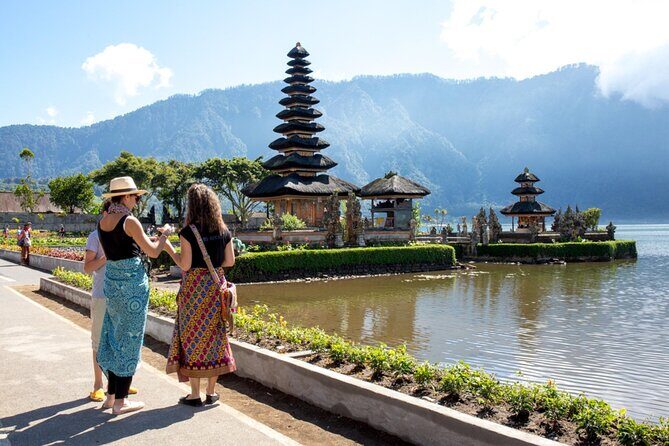
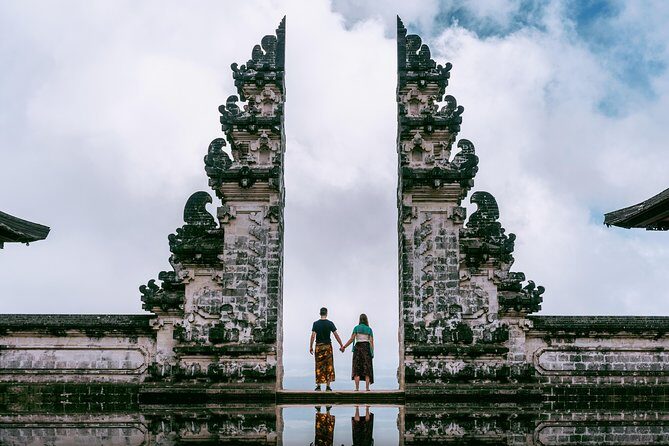
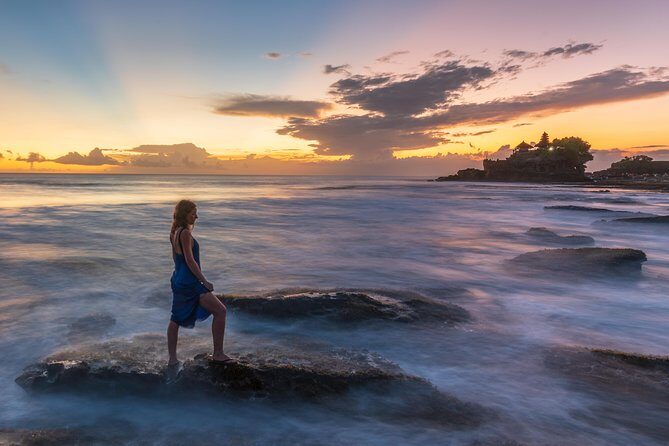
UBUD Instagram Spot Tour with Photographer

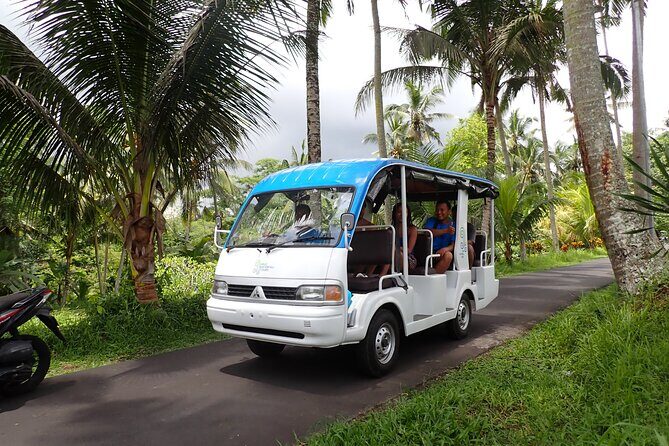
UBUD Instagram Spot Tour with Photographer - Meeting point and getting around: Pepito Andong pickup setup

That first click matters more than you think.

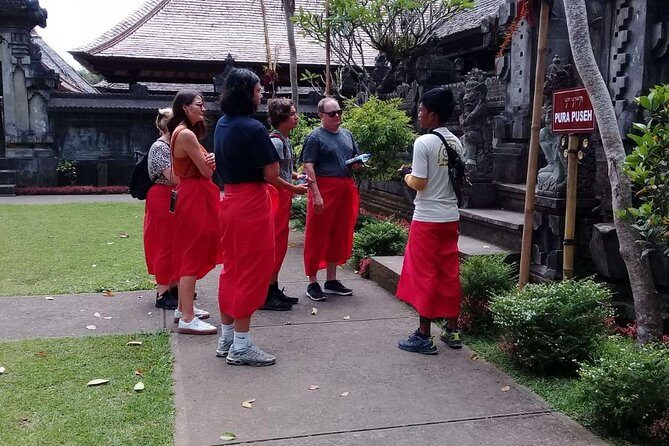
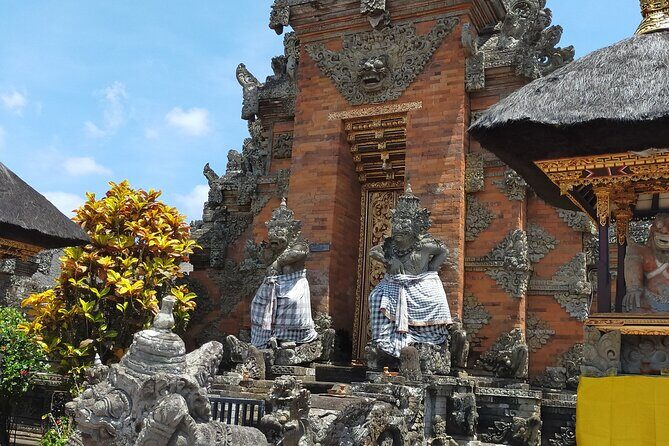
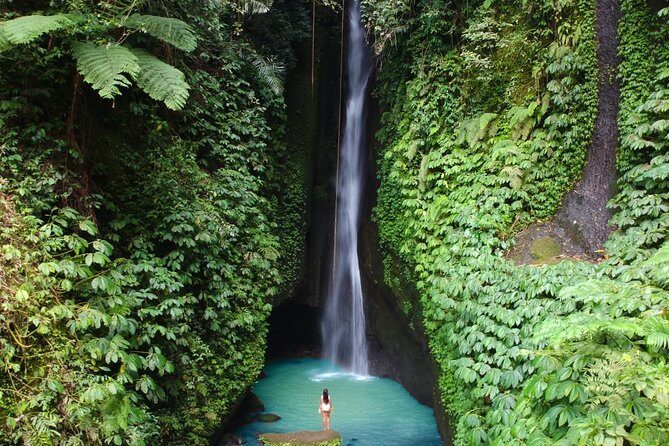
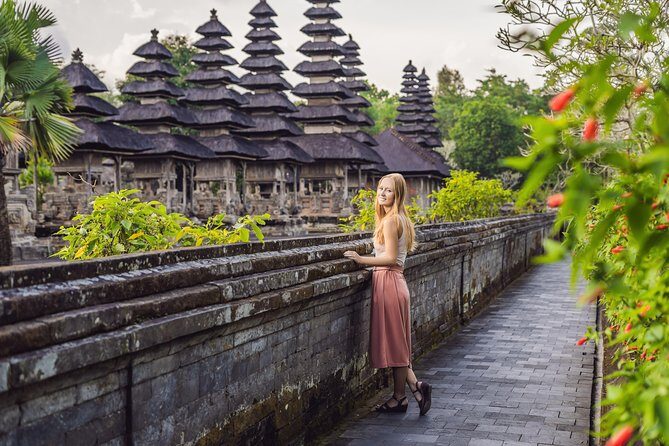
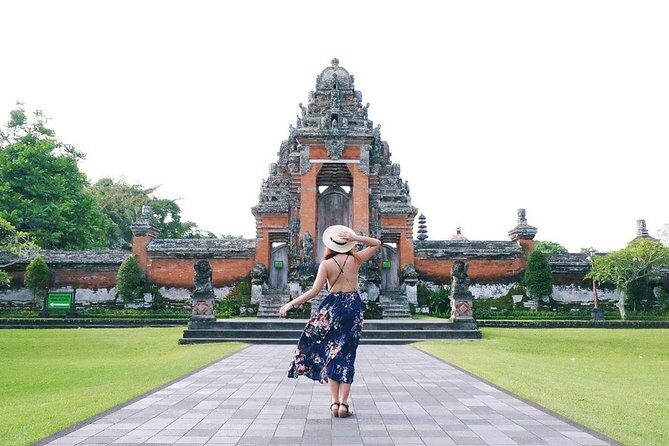
This private Ubud photo tour is built around getting you in front of the right backdrops, with a photographer guiding the poses so you don’t spend half your time guessing angles. I especially like the mix of Instagram-ready stops (Happy Swing jungle views and the Tegalalang rice terraces) plus the coffee-and-tea break at the Alas Harum/Kumulilir-style tasting stop. The tour is also designed so couples and families don’t have to share attention with strangers, which makes the whole thing feel calmer and more personal. One heads-up: most of the famous spots charge extra on-site, so your final spend may be higher than the $42 ticket.

Two things I really like: first, the deal includes minimum 75 edited soft photos sent on a Google Drive link, so you’re not left with random, blurry “hope for the best” shots. Second, transport and bottled water are included, and the private setup means you can actually slow down for lighting, not just rush through photo stops. The one drawback to plan around is that swing, rice terrace, and sometimes waterfall fees are not included, and rain can affect how the day flows.

Key points worth knowing before you go
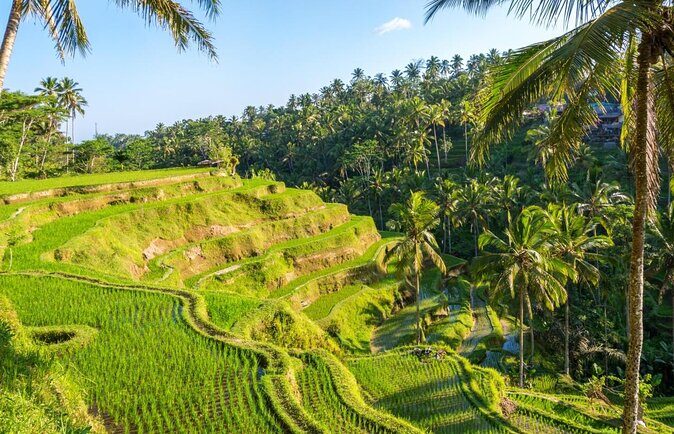
UBUD Instagram Spot Tour with Photographer - Key points worth knowing before you go

  • You get pose direction, not just a camera click—this is what turns a good background into good photos
  • Minimum 75 edited photos delivered via Google Drive means less editing work for you
  • Coffee/tea tasting is included, with multiple variants and a view of how coffee is made
  • Extra site fees apply (swing, rice terrace, and sometimes waterfall)
  • Private group only: better for couples, families, and anyone who hates crowds
  • Pickup setup is simple but not universal: central Ubud transport is different from the rest of the area

Why this Ubud photo tour feels different than a selfie plan

If you’ve ever tried to take your own photos in Ubud, you already know the problem: the place is beautiful, but you keep losing time to camera setup, awkward waving, and bad lighting. This tour fixes the rhythm. A photographer is with you through the whole run—guiding your stance, helping you find angles, and keeping things moving at a pace that doesn’t feel frantic.

I also like the practical “album-first” promise. You’re not just chasing a few quick images—you’re paying for a set of edited photos you can actually use for family emails or your next Instagram post without turning into your own editor. In the feedback around this experience, names like Dono, Nyoman, and Kadek come up often for the same reason: they’re comfortable coaching poses and making the process feel natural instead of stiff.

And because it’s private, the spotlight stays on your group. That matters at the swing and the terraces, where crowds can make you feel like you’re waiting your turn rather than enjoying the place.

Price and value: $42 covers the photographer and transport, not the swing tickets

UBUD Instagram Spot Tour with Photographer - Price and value: $42 covers the photographer and transport, not the swing tickets
At $42 per person for an about 3-hour experience, this tour can be great value if you care about getting photos you’ll actually keep. Here’s what that base price effectively buys you:

Included

  • Private transportation
  • Bottled water
  • Coffee and/or tea with free tasting
  • Minimum 75 soft photos with editing, sent via Google Drive

Not included

  • Swing fee (listed range: IDR 350k–400k per person)
  • Rice terrace fee (listed range: IDR 25k–50k per person)
  • Waterfall fee (listed: IDR 30k per person)

So your “real” budget depends on what you choose to do at the swing/terrace. If you’re the type who will pay for the swing no matter what, the math is more straightforward. If you’re only in it for the coffee stop and rice views, you’ll still likely end up paying terrace entry, since that’s part of the photo stops.

My advice: treat the $42 as the cost of the photographer + editing + smooth logistics, then add a separate line item for the location admissions.

Meeting point and getting around: Pepito Andong pickup setup

UBUD Instagram Spot Tour with Photographer - Meeting point and getting around: Pepito Andong pickup setup
You start and end at Pepito Market Andong (Jl. Raya Andong, Peliatan, Ubud). That’s also important because the transport policy is split:

  • Free transport is for Ubud central area only
  • If you’re outside that area, you’ll meet at Pepito Andong supermarket

In practice, that means you should confirm where your pickup will happen relative to the “central Ubud” boundary. Don’t leave it to vibes. A quick message before your tour date can save you time.

Also note: the tour runs about 3 hours, so the schedule depends on driving time, site entry lines (if any), and weather.

Happy Swing Bali: the jungle swings and what to budget for

UBUD Instagram Spot Tour with Photographer - Happy Swing Bali: the jungle swings and what to budget for
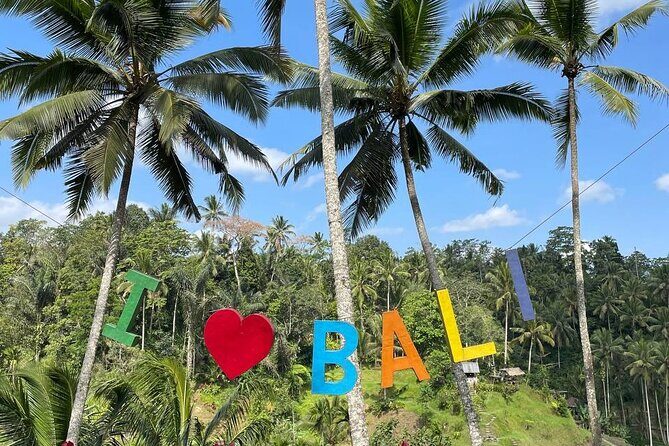
Happy Swing Bali is the first photo stop. Think plant- and flower-decked swings with jungle backdrops—very much the “you came to Ubud for a specific vibe” kind of place.

What I’d plan for:

  • Admission is not included (IDR 350k–400k per person listed)
  • You’ll want to wear something you can move in and get comfortable with sitting/standing poses
  • You should expect time spent on getting shots—not just one pose and done

One thing that comes through in the experience is how much the photographer’s direction affects results. Guests talk about photographers guiding posing with an emphasis on safety and natural movement. So if you’re worried about looking awkward on a swing, that concern is exactly what the photographer coaching is for.

If weather is bad, your photos may still happen—but you might lose some ideal light. Build flexibility into your expectations.

Coffee & tea tasting at Kumulilir/Alas Harum: a break that actually matters

UBUD Instagram Spot Tour with Photographer - Coffee & tea tasting at Kumulilir/Alas Harum: a break that actually matters
After the swings, you head to a coffee/tea stop labeled Kumulilir, with tasting included. This is where the tour shifts from “wild jungle photo ops” to “stop, slow down, and taste.”

Here’s what’s explicitly part of this experience:

  • You get coffee and/or tea tasting
  • You receive free tester options with many variants
  • You can also see the traditional process for making coffee

I like this stop because it gives your day a different texture. Photos of drinks and coffee cups can look great, but the real win is that you’re learning something while you pause. It’s not just another roadside shop.

One practical note: if the coffee stop is crowded, it can be harder to get calm shots and a relaxed experience. Still, even with crowds, you’re there for tasting and documentation, and the photographer can work around the bottlenecks.

Tegalalang rice terraces: mud, timing, and getting shots without rushing
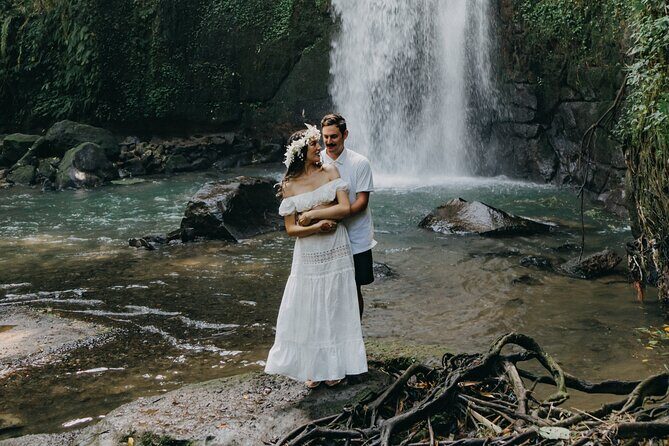
UBUD Instagram Spot Tour with Photographer - Tegalalang rice terraces: mud, timing, and getting shots without rushing
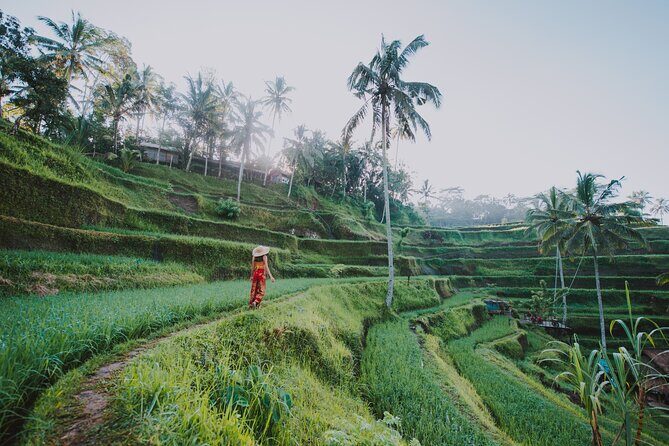
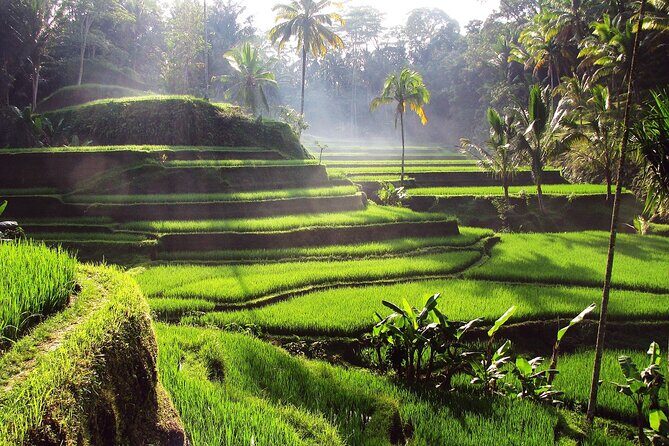
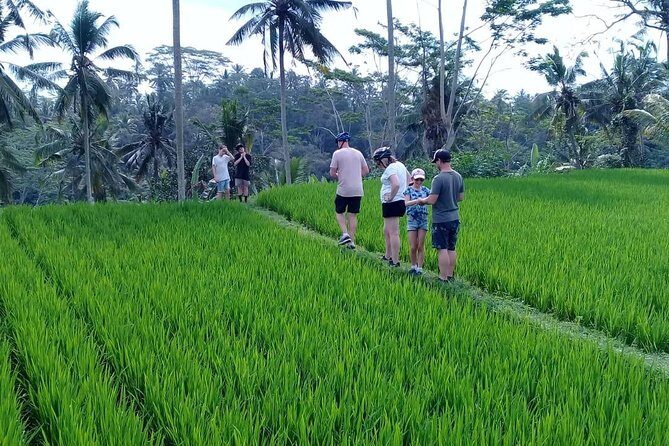
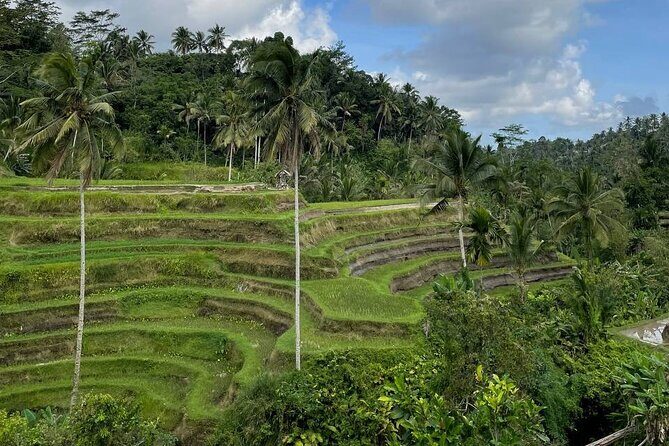
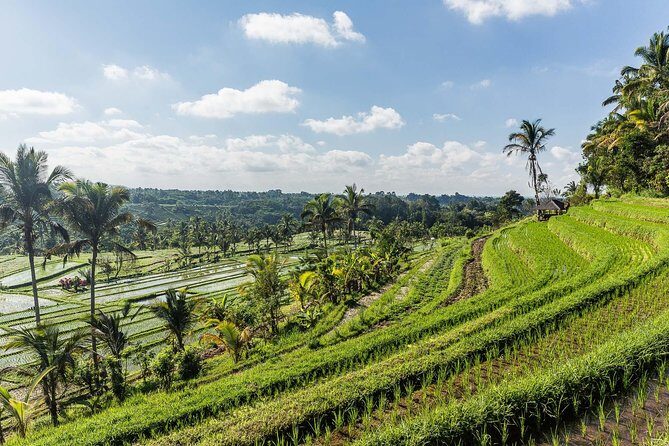
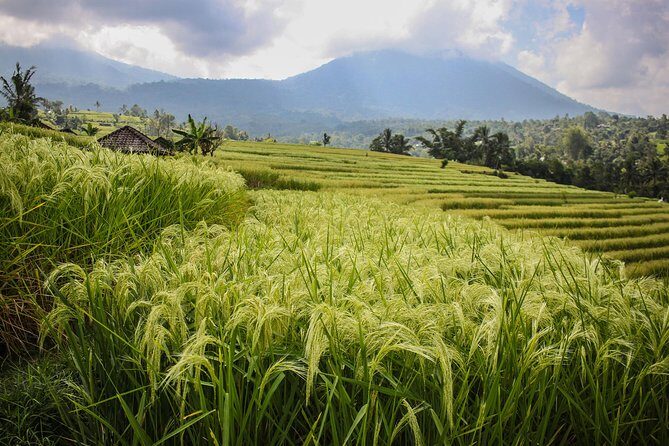
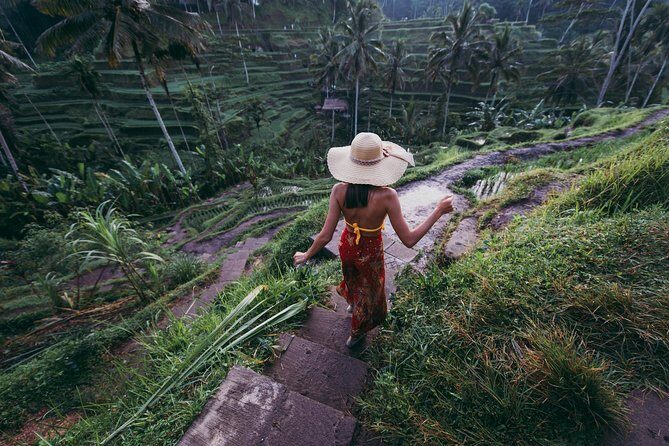
The tour’s final photo highlight is Tegalalang Rice Terrace. This is the Ubud classic: tiered rice fields and that “mini landscape in every direction” feeling—only you’re doing it with a photographer directing where to stand and how to frame yourself.

Key details to plan for:

  • It’s about 1 hour at the terraces
  • Admission is not included (IDR 25k–50k per person listed)
  • Expect uneven ground and muddy steps, especially after rain

If you want the terraces to feel calmer, going earlier tends to help. One of the strongest pieces of advice from the experience vibe is to aim for a morning start if you can, since the light and crowd levels are often better.

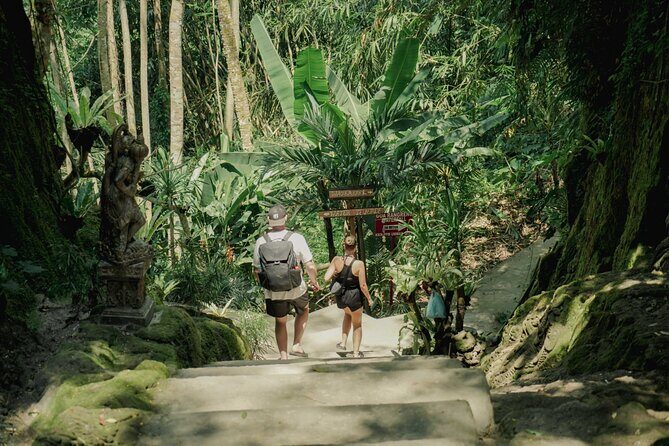
Also: don’t treat the terraces like a polished walkway. Take your time on the path down, watch your footing, and follow the photographer’s guidance on where it’s safe to pose.

The photo delivery: minimum 75 edited shots via Google Drive

UBUD Instagram Spot Tour with Photographer - The photo delivery: minimum 75 edited shots via Google Drive
The photo payoff is a big reason this tour sells. You get a minimum of 75 edited soft photos, delivered via a Google Drive link.

Why I think this matters:

  • You’re not responsible for editing—someone else handles the cleanup
  • “Soft photos” suggests you’ll get a more flattering style than raw phone images
  • You can share with family quickly after you get home

Delivery timing isn’t described with a strict “same day” guarantee in the core info, but the editing is clearly promised as part of the tour output. If you want photos for a specific event, just build in a buffer.

Also, because this is a private tour, the editing often reflects your actual angles and poses—not generic highlights. That’s the difference between a photo session and a tourist snapshot.

Weather and schedule reality: flexibility is part of the deal

UBUD Instagram Spot Tour with Photographer - Weather and schedule reality: flexibility is part of the deal
Ubud weather can change fast—clouds, rain, and humidity can affect light, comfort, and how long you’ll want to walk around.

A few patterns to expect:

  • If rain hits hard, you may adjust where you focus first
  • Rain can also change how comfortable you feel at swing and terraces
  • A good photographer tends to stay patient and keep you shooting when conditions improve

Your best move is to pack for the day you get, not the postcard day you hoped for. Comfortable shoes help at the terraces, and bringing a light layer can make the session easier.

Who should book this Ubud Instagram Spot Tour

This is a strong pick if you match one of these profiles:

  • Couples who want a coordinated shoot without awkwardness
  • Families who don’t want to wrangle kids and timer photos at every stop
  • Solo travelers who want direction and a reason to be off your phone
  • Anyone who wants edited photos delivered after the tour, not weeks of editing grind

You may want a different plan if:

  • You only want coffee tasting and don’t care about the swing/terrace photo fees
  • You’re traveling very last-minute and you can’t tolerate adding site admissions
  • You’re expecting everything to be included without any extra ticket costs

Should you book this tour? My straight answer

I’d book it if you care about photos and want a smoother, more guided day in Ubud. The biggest value isn’t the swing or the rice terraces alone—it’s the private photographer + minimum 75 edited photos plus transport that saves you from figuring out logistics across multiple sites.

I wouldn’t book it blindly if you’re on a tight budget that can’t handle swing and terrace admissions. The base price is attractive, but the real cost depends on what you do at each stop.

If you book, do this: confirm whether you’ll be picked up from your exact hotel area (central Ubud vs. meeting at Pepito Andong), and budget for the listed site fees.

FAQ

How long is the Ubud Instagram Spot Tour with Photographer?

It lasts about 3 hours.

What’s included in the tour price?

Included items are bottled water, private transportation, coffee and/or tea tasting, and a minimum of 75 edited soft photos delivered via Google Drive.

Are entry fees for the swing and rice terraces included?

No. Swing fee (IDR 350k–400k per person), rice terrace fee (IDR 25k–50k per person), and a waterfall fee (IDR 30k) are listed as not included.

Where does the tour start and end?

It starts and ends at Pepito Market Andong on Jl. Raya Andong, Peliatan, Ubud.

Do I get hotel pickup?

Pickup is offered, but free transport is for Ubud central area only. If you’re outside that area, you meet at Pepito Andong supermarket.

How are the photos delivered?

They’re sent after the tour via a Google Drive link, with a minimum of 75 edited soft photos.

Is the tour private?

Yes. It’s a private tour/activity, and only your group participates.

Do I need to book ahead?

The average booking time is about 21 days in advance, so it’s smart to reserve early if your dates are firm.
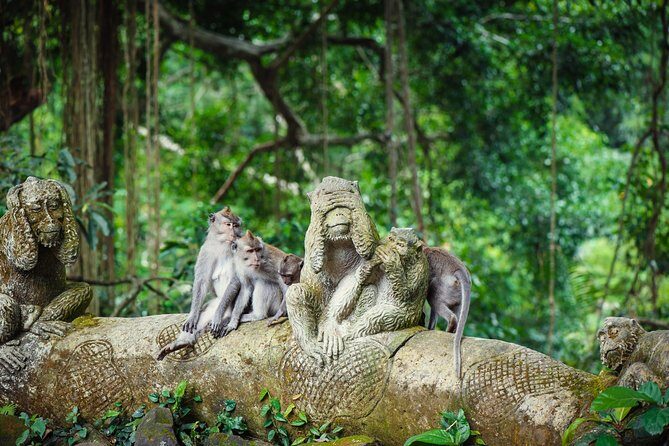

Ubud: Waterfall, Rice Terraces, and Monkey Forest Private Tour

Ubud: Waterfall, Rice Terraces, and Monkey Forest Private Tour - Campuhan Ridge Walk: Valley Views and the Hill of Love

A full Ubud day in eight hours. This private tour strings together classic highlights with a guide who keeps the route flowing, from Campuhan Ridge Walk to Tegenalang Rice Terraces. You get a mix of jungle scenery, living culture, and a proper waterfall stop, all with hotel pickup and drop-off.

I especially like how the walk and the rice terraces come with context, not just a photo stop. You’ll learn about Bali’s traditional irrigation system called subak while you’re standing right in front of the terrace fields, and the tour also includes lunch plus bottled water to keep you moving.

One possible drawback: the day is packed with multiple environments in one go, so it can feel like a lot in warm weather. And the waterfall is described as nicest when there’s no rain, so your swim-plan might depend on the day.

Key things I’d bet you’ll notice

Ubud: Waterfall, Rice Terraces, and Monkey Forest Private Tour - Key things I’d bet you’ll notice

  • Private, air-conditioned vehicle pickup: you’re not stuck waiting on a bus full of strangers.
  • Campuhan Ridge Walk time is short but scenic: about 40 minutes on the trail with big valley views.
  • Monkey Forest is a real wildlife encounter: long-tailed macaques are active and close-up.
  • Tegalalang is more than a viewpoint: you learn the subak irrigation system while touring the terraces.
  • Luwak coffee is built into the day: you can taste Indonesia’s most expensive coffee.
  • Tegenungan Waterfall includes time to linger: around an hour, with a natural pool that’s better on dry days.

How the Private Day Runs (and What’s Included)

Ubud: Waterfall, Rice Terraces, and Monkey Forest Private Tour - How the Private Day Runs (and What’s Included)
This is a private full-day tour from Ubud, built around pickup from your hotel and drop-off at the end. The transport is in a private air-conditioned vehicle, and the tour is designed so you move between stops without the hassle of arranging rides on your own.

Duration is listed as about 8 hours, with a schedule that balances short guided segments (like ridge and terraces) plus longer experience time where you’ll actually want to slow down (like the monkey forest and the waterfall). Lunch is included, along with bottled water, and all fees and taxes are covered. Alcohol is not included, so if that’s part of your plan, you’ll need to budget separately.

Price is $65 per person. For a private day with transport, a guide, lunch, and included site fees, the value comes from what you avoid: ticket lines, transit scrambling, and time loss. The route also stays concentrated around Ubud’s best-known stops rather than spreading you across the island.

If you’re trying to fit a lot into Bali without turning it into a stressful checklist, this format is the sweet spot: guided, efficient, and still flexible enough for photos and pauses.

Campuhan Ridge Walk: Valley Views and the Hill of Love

Ubud: Waterfall, Rice Terraces, and Monkey Forest Private Tour - Campuhan Ridge Walk: Valley Views and the Hill of Love
The day starts with Campuhan Ridge Walk, described as a picturesque trail near Ubud with jungle and valley scenery. You’ll walk the hilltop ridge and get those sweeping views that make this area so popular—green slopes, distant mountains, and the feeling that the world gets quieter once you’re on the trail.

The guide explains how the site earned the nickname Hill of Love. That sort of story matters here, because it turns a scenic walk into something you can actually remember. You’re not just passing through greenery; you’re learning the meaning people attach to the place.

Your time on the ridge is about 40 minutes, and admission is noted as free. That’s a practical setup: long enough for photos and a calm stroll, short enough that you don’t burn half your day before lunch.

Practical tip: wear shoes you’re comfortable walking in. Even when a trail feels casual, the ground can be uneven, and you’ll want stable footing for that “look back for one more photo” moment.

Sacred Monkey Forest Sanctuary: Close-Up Long-Tailed Macaques

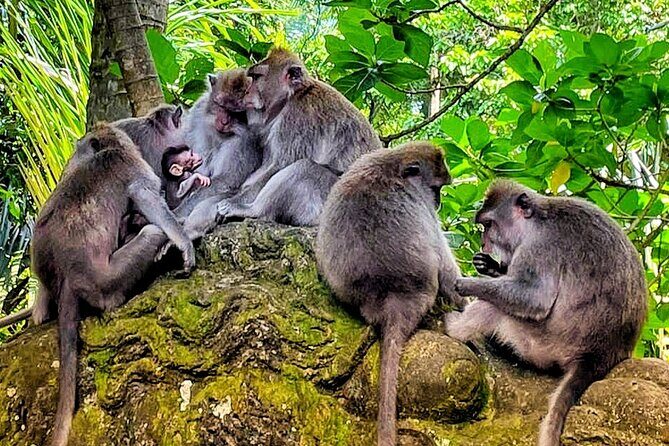
Next up is the Sacred Monkey Forest Sanctuary, where you’ll spend about 1 hour with long-tailed macaques in their natural environment. This stop is exciting in a very direct way: the macaques are described as jumping everywhere, playing, and eating, with you able to walk close enough to really watch their behavior.

This is the kind of wildlife encounter that can either be a highlight or a hassle depending on your preferences. If you’re curious about animal behavior, you’ll likely enjoy it. If you’d rather enjoy a landscape without interruptions, you might find it distracting—monkeys are, well, monkeys.

Because it’s a sanctuary setting, don’t treat it like a controlled zoo visit. You’re in their space. Keep an eye on your belongings and be ready for sudden curiosity—small items attract attention quickly in places where animals are used to humans.

Admission is included, so you’re not thinking about tickets while your attention is on the animals. That makes the hour feel smoother and more focused.

Also, plan your photos with your guide’s timing. The monkey activity can change fast, and the best shots usually come when you’re not rushing to move positions.

Ubud Traditional Art Market: A Short Cultural Detour

Ubud: Waterfall, Rice Terraces, and Monkey Forest Private Tour - Ubud Traditional Art Market: A Short Cultural Detour
Between nature stops, the tour includes a Ubud Traditional Art Market stop. The time is about 30 minutes, and admission is free.

This is a helpful breather. After walking and animal-watching, you get a chance to reset your brain, browse local crafts, and pick up small souvenirs if that’s your style. The key word here is short: 30 minutes is enough to browse without feeling trapped.

If you like buying from makers rather than big generic souvenir stands, this is the part of the day that best matches that goal. If you’d rather skip shopping entirely, treat it as a quick cultural pause rather than a must-do.

Tegalalang Rice Terraces and Subak: UNESCO Views With Real Meaning

Ubud: Waterfall, Rice Terraces, and Monkey Forest Private Tour - Tegalalang Rice Terraces and Subak: UNESCO Views With Real Meaning
Then comes the highlight for many people: Tegalalang Rice Terrace. The time here is about 40 minutes, and admission is included.

Yes, the scenery is gorgeous. But what makes this stop more valuable is the teaching component. You’ll learn about Bali’s traditional irrigation system called subak, which keeps the terraces thriving. And because subak is described as UNESCO World Heritage-listed, the guide’s explanation gives you a bigger frame than just farm-to-camera.

This matters because rice terraces are easy to treat like a backdrop. With the subak context, you start noticing details: how water management ties into community life, how the terraces stay productive, and why these landscapes aren’t only “pretty” but functional.

Practical tip: come with a camera readiness plan. Tegalalang is built for viewpoints, so you’ll want to scout your angle early and then pause for a slower, more thoughtful photo. If you only do quick snapshots, you’ll miss the way terraces layer into each other.

Luwak Coffee Plantation: Taste Indonesia’s Most Expensive Coffee

Ubud: Waterfall, Rice Terraces, and Monkey Forest Private Tour - Luwak Coffee Plantation: Taste Indonesia’s Most Expensive Coffee
After the terraces, the tour includes a local coffee plantation stop focused on luwak coffee. You’ll taste it as part of the experience.

The key detail here is that luwak coffee is described as the most expensive coffee in the world. That alone makes this a memorable stop, even if you don’t become a coffee expert by the end of it.

A tasting can also be a good reset after outdoor walking. It’s indoor-ish, it’s slower, and it gives your legs a break.

Two practical considerations:

  • If coffee isn’t your thing, at least try it in small sips and use the rest of the time to observe how the plantation presentation is explained.
  • If you’re sensitive to caffeine, you might want to pace the tasting. The data doesn’t mention quantities, so it’s smart to go cautious.

Tegenungan Waterfall: When the Water Looks Best

Ubud: Waterfall, Rice Terraces, and Monkey Forest Private Tour - Tegenungan Waterfall: When the Water Looks Best
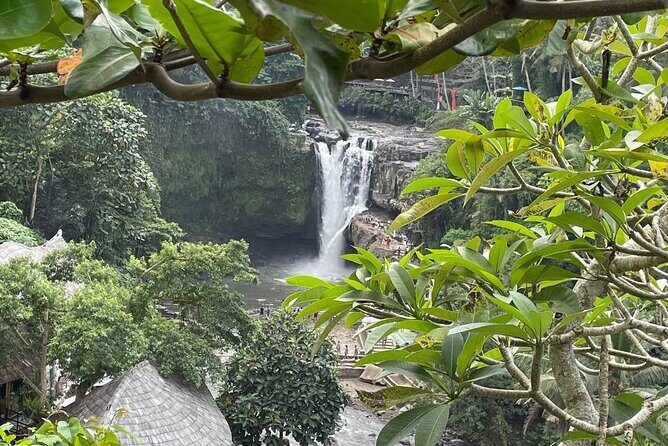
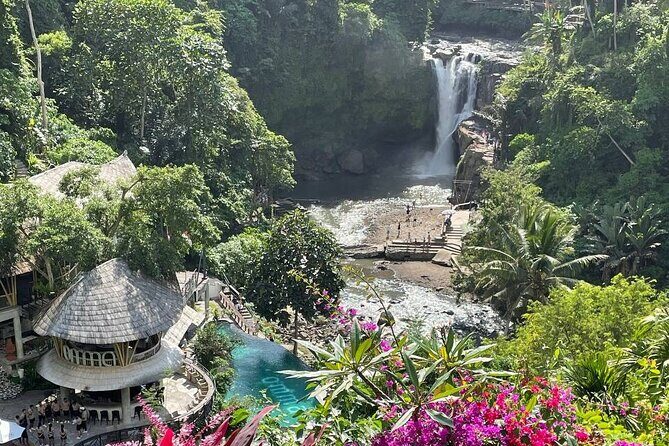
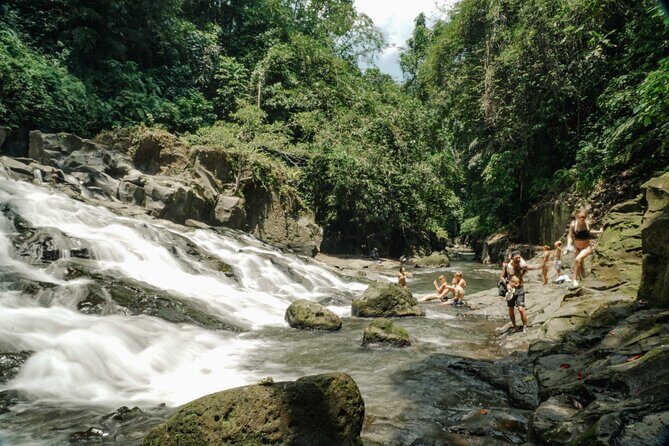
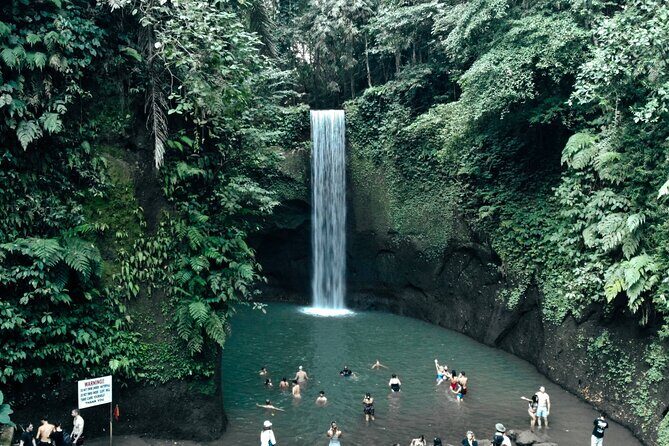
The final big nature stop is Tegenungan Waterfall, with about 1 hour on site. The waterfall cascades over a rocky shelf into a large natural pool.

You’ll have time to take photos and linger. And there’s an added practical note: when there’s no rain, the water is described as nice for swimming. That tells you the tour’s swimming vibe is weather-dependent. If your heart is set on a swim, keep an eye on conditions that day and plan to enjoy the waterfall even if the water isn’t ideal.

This is also a place where footwear matters. The terrain around a natural waterfall can be slick or uneven. Wear something with grip and comfort—your route has a lot of walking, and you’ll want to feel steady.

What I like about ending here is the contrast. You finish with a cool, sensory experience after earlier stops that are more about views (ridge), animals (monkeys), and structure (terraces). The waterfall gives the day a clear emotional payoff.

What You’re Really Paying For at $65

Ubud: Waterfall, Rice Terraces, and Monkey Forest Private Tour - What You’re Really Paying For at $65
This tour is $65 per person for a private day covering transport, guide time, lunch, bottled water, and included site fees. That’s the value story: you’re buying convenience plus access to several iconic Ubud stops without transit headaches.

Here’s how the pricing makes sense:

  • Private hotel pickup and drop-off saves you time and reduces decision fatigue.
  • The itinerary includes admissions for key stops (monkey forest, rice terraces, waterfall), plus lunch.
  • You’re not just hopping between landmarks—you get the guide’s commentary at the ridge walk and around the subak irrigation system.

There’s also a timing advantage. The tour is commonly booked about 25 days in advance, so it’s a good sign that people find this route and schedule workable. It also suggests guides and transport are often in demand.

A balanced note: because it’s private and covers many stops, it’s best for travelers who want structure. If you prefer to wander independently and spend long stretches in only one place, a private “fixed” route might feel too scheduled.

Who This Tour Suits Best (and Who Might Rethink It)

This tour fits best if you want a one-day hit list that still has meaning behind it.

You’ll likely enjoy it if you:

  • Want Ubud classics in one day—ridge walk, monkey forest, rice terraces, coffee, waterfall.
  • Like having a guide explain the story behind sites, especially at the ridge and subak.
  • Prefer a private vehicle so your day starts on time and ends with less stress.

You might hesitate if you:

  • Don’t like animal encounters, or you prefer quieter, less chaotic experiences than an active monkey sanctuary.
  • Are hoping for a slow-paced day with long stays in just one location. The schedule is efficient, with multiple stops and set time blocks.

Also, keep in mind the weather element around swimming at Tegenungan Waterfall. Even if you don’t swim, you’ll still get the waterfall experience.

Should You Book This Ubud Waterfall, Rice Terraces, and Monkey Forest Tour?

My take: book it if you want a well-paced private day that hits the big Ubud sights with real guidance. The included lunch, bottled water, and transport make it easy, and the guide-led context—especially around Campuhan Ridge Walk and subak—is what turns the day from sightseeing into understanding.

I’d skip it or rethink it if you want total freedom to roam at your own pace, or if monkeys and tight schedules don’t sound fun to you. In that case, you may be happier building a DIY plan around just one or two stops.

One more confidence boost: a guide named Dexde is highlighted for tailoring the tour to what people wanted to see and do, and for helping with the photo moments. If you care about getting the shots and staying on track, that’s exactly the kind of guide behavior you want.

FAQ

How long is the Ubud tour?

It runs for about 8 hours.

Is hotel pickup and drop-off included?

Yes. The tour includes hotel pickup and drop-off in Ubud.

What’s included in the price?

The price includes a private vehicle, bottled water, lunch, and all fees and taxes.

Is alcohol included?

No. Alcoholic drinks are not included.

Do I need to pay for admissions at each stop?

Some admissions are free and some are included. Campuhan Ridge Walk and the Ubud Traditional Art Market are free, while the Monkey Forest Sanctuary, Tegalalang Rice Terrace, and Tegenungan Waterfall have admission included.

Is this a private tour?

Yes. It’s a private tour/activity, so only your group participates.

Bali Countryside Cycling Adventure

Bali Countryside Cycling Adventure - Getting there: meeting point and the real timing of a full day

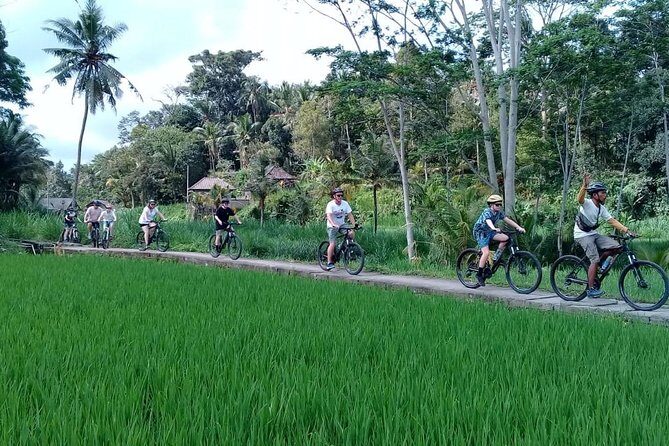
A bike ride with real Balinese stops. This full-day Ubud adventure mixes mostly downhill countryside cycling with village visits, bamboo forest riding, and rice-terrace views—so you get movement plus culture without the stress of planning. It’s also set up for comfort, including free hotel pickup and a support van that stays close by.

What I like most is the practical “you’re fed and cared for” setup—breakfast and lunch, mineral water, and even a fresh coconut drink or juice—plus the guides who handle the hard part: safe crossings on busy roads. One note before you go: while it’s designed to be easy, some stretches can feel narrow or uneven, so if you’re nervous on tight paths, tell the guide early and keep your expectations realistic.

Key highlights to look for

Bali Countryside Cycling Adventure - Key highlights to look for

  • Mostly downhill riding for beginner to intermediate comfort levels
  • Bamboo Forest + Penglipuran: a big cultural stop with walking time
  • Coffee plantation tasting before you hit the bike route
  • Breakfast, lunch, and drinks included, not just snacks
  • Safety support throughout: guides, traffic help at crossings, and a following A/C van
  • Entrance fees handled so you’re not pulling out your wallet all day

Why Ubud’s countryside bike day works so well

Bali Countryside Cycling Adventure - Why Ubud’s countryside bike day works so well
This isn’t a sit-on-a-truck “see Bali from the window” tour. It’s built around the idea that cycling gives you a slower rhythm—close enough to notice farms, bamboo craft, and small village life, while still moving at a fun pace.

The route style is the secret sauce. You’re mostly riding downhill, so the trip feels active without turning into a workout test. That matters in Bali, where heat and humidity can make even short climbs feel longer than they are.

It also helps that the day has enough structure to stay relaxed. You start with famous scenery, take your time at cultural stops, and then come back into the cycling rhythm. By the time you reach lunch, you’ll feel like you earned it—but you won’t be wrecked.

And yes, the human factor shows up. Guides named in people’s experience—Ketut, Sandy, Komang—are remembered for being friendly, funny, and genuinely good at explaining what you’re seeing.

Price and what you’re really paying for

The price is $58 per person, which is usually the point where you ask: what’s included, and what gets added later?

Here, the big value drivers are:

  • Pickup and drop-off by A/C van from Ubud/Sanur/Kuta/Seminyak/Nusa Dua (and other locations if advised)
  • Bike, helmet, and (in rainy season) raincoat
  • Breakfast and lunch, plus mineral water and a coconut drink or juice
  • A cold face towel to reset after riding
  • Entrance fees included, so the day doesn’t turn into constant little payments

When you price it out, you’re basically buying a full-day logistics package: transport, equipment, meals, and guided access. For a cycling day in Ubud, that’s often the difference between a fun plan and a day where you’re busy managing details instead of enjoying the route.

One small budgeting caution: lunch is included, but a stop connected to Waterboom Bukit Jati lists admission as not included. If you want any water-park time beyond what the group does as a stop, assume you’d pay separately.

Getting there: meeting point and the real timing of a full day

Bali Countryside Cycling Adventure - Getting there: meeting point and the real timing of a full day
The tour starts at 8:00 am from Sayana Bali Resto & Bar in Samplangan, Gianyar. It ends back at the meeting point.

Even though cycling is the headline, the day runs about 8 to 10 hours. That’s normal here, because you’re doing a lot of “drive, stop, walk, ride, photograph, eat” pacing. Several guides also tailor the sequence for the group, which is great when you want photos and explanations without feeling rushed.

If you’ve got tight plans later the same day, keep some breathing room. This tour fills a full day for a reason: it’s not only about the time on the bike, it’s about chaining together viewpoints, villages, and temple stops into one coherent story.

The ride profile: mostly downhill, with some “real road” feel

Bali Countryside Cycling Adventure - The ride profile: mostly downhill, with some “real road” feel
Most of the riding is described as easy and mostly downhill, and that’s backed up by how the tour is positioned for all ability levels and ages. Bikes include family options like kids’ bikes and child/baby seats, which tells you the operator expects people with different riding comfort.

In practice, you can think of this as “gentle cycling with countryside variety.” You’ll move through rice areas, village lanes, bamboo stretches, and farmland-adjacent paths. The day is also guided with traffic assistance, so you aren’t playing frogger with motorbikes.

That said, don’t assume it’s a perfectly smooth bike path the whole time. One of the caution signals from the overall experience is that some routes can be narrow and uneven in spots, with a bit of drop-off feel on the side. If you’re the type who gets anxious on tight trails or heights, tell your guide at the start. A good team can adjust your pace, your stops, and how you handle the trickier sections.

A practical tip: if it rains (and Bali can), dark clothing helps. Mud flick can happen when bikes roll through damp patches.

Stop-by-stop: what each part adds to your day

Bali Countryside Cycling Adventure - Stop-by-stop: what each part adds to your day

Tegalalang Rice Terrace and the photo moment

You kick off with a drive to the Tegalalang Rice Terrace area. This is where the day starts looking like the Bali you hoped for—layered rice fields and that emerald-green effect that photographers chase.

You get a focused time window (about 35 minutes), which is enough to walk to viewpoints, take photos, and still keep the morning moving. The entrance fee is included, so you’re not hunting ticket counters.

What I like here is pacing: starting with a dramatic, famous view early means you’re not arriving to crowds later in the day with your energy drained.

Coffee plantation tasting: the quick flavor break

Before or around the early cycling stage, you visit a coffee plantation stop and can sample local blends. This isn’t a long seminar; it’s more like a tasting add-on that breaks up the morning.

Why it works: it gives you something sensory before you get dusty from bike riding. Also, it’s a low-effort cultural stop—good for mixed groups with different interests.

Starting point and the shift into cycling mode

After breakfast, the group transfers by van to the countryside starting area where bikes are waiting. The idea is to begin in a quiet, green zone so you get your first minutes of cycling without traffic stress.

This is also where the guides explain safety and riding expectations. Since the route is designed mostly downhill, it helps to understand where the easy parts are and where the roads tighten up.

Penglipuran Bamboo Forest: the long ride-through moment

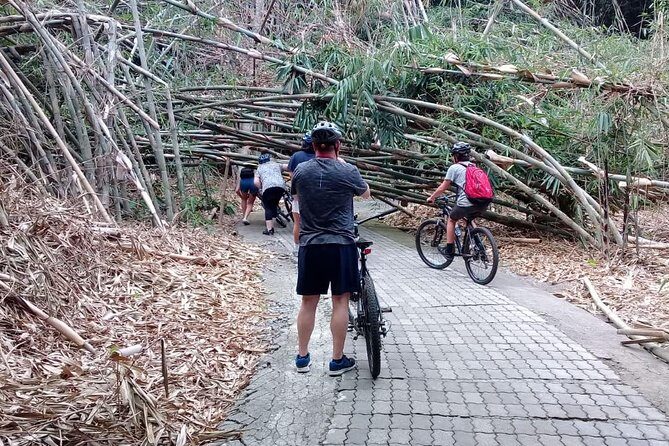
Then comes the highlight for many people: riding through Penglipuran Bamboo Forest, described as about 7.5 hectares of bamboo. You’re not just passing by; you get time in the forest atmosphere, plus a chance to see bamboo craftsmen at work inside the area.

This stop is a real change of scenery. Open rice views are one thing. A bamboo corridor gives you that cool, shaded feeling that makes the ride feel longer (in a good way).

Penglipuran Village: traditional life with walking time

After bamboo, you visit Penglipuran Village, one of Bali’s better-known traditional communities. Here, you spend around 40 minutes.

What makes this worthwhile is that it isn’t just a quick photo stop. You get a walk and time to observe the daily rhythm and cultural layout. It’s the type of place where your guide’s explanations matter, because the value is in understanding how people live—not just seeing buildings.

If you enjoy village culture more than temples, this is your main cultural anchor of the day.

Bangli town pass: a quick reality check

You also pass through Bangli city and the traditional market area. This is not the long sightseeing version of town. It’s more like a slice of everyday life between countryside sections.

Even short “pass-through” stops add texture. They keep the day from feeling like only curated sights.

Taman Bali and the water temple scenery

Next is a stop at Pura Taman Narmada Bali Raja, a subak water temple surrounded by rice paddies and a small lake. Expect a shorter time window (about 15 minutes) with a scenic pause that fits the rhythm of the ride.

This kind of stop works because it ties into the agricultural theme of Bali. Rice terraces aren’t just scenery—they’re connected to water management, farming traditions, and temple systems.

Waterboom Bukit Jati: end-of-ride energy and lunch time

After a few kilometers of riding, the day wraps the cycling session and moves into lunch, followed by the drive back to the hotel area. The timeline suggests about 40 minutes at this stage.

Since the Waterboom entrance is marked as not included, you should treat this as an end-of-ride area rather than a guaranteed water-park day. If you want water-park time, you’d likely need to pay separately.

Safety and support: the part that makes it feel stress-free

Bali Countryside Cycling Adventure - Safety and support: the part that makes it feel stress-free
This is the area where the best experiences shine. The tour is built with safety in mind, and you’re never cycling totally on your own.

Here’s what’s included in the support system:

  • At least two guides accompany the trip
  • You’ll be followed by a supporting A/C van
  • There are extra staff at major cross roads to help hold traffic while you cross
  • Crossing busy road moments is handled by the team rather than leaving you to guess gaps

That support is a huge relief if you don’t love scooter traffic. People also mention guides being helpful and funny—Ketut and Sandy come up as names attached to friendly, watchful guidance.

One practical way to use this safety setup: don’t hide your comfort level. If you’re okay with speed and road feel, say so. If you’re not, say that too early. Guides can plan your group position and make sure you’re not getting swept into a pace you didn’t sign up for.

What food and drinks feel like on a cycling day

Bali Countryside Cycling Adventure - What food and drinks feel like on a cycling day
Breakfast and lunch are included, along with mineral water and either a fresh young coconut drink or fresh juice. You also get a cold face towel, which sounds small until you’ve cycled in Bali humidity.

Food timing can feel a bit like brunch plus early dinner, based on how people describe the day’s schedule. That usually works well because you’re burning energy but not turning the morning into a food-free grind.

Lunch is described as tasty, with generous portions. If you’re the kind of person who thinks a cycling tour should still feel like a real meal day, this is where you’ll feel satisfied.

Who this cycling adventure suits best (and who should think twice)

Bali Countryside Cycling Adventure - Who this cycling adventure suits best (and who should think twice)
This fits best if you want:

  • A full-day countryside experience without planning
  • Cycling that’s mostly downhill and approachable
  • Village and bamboo-forest culture stops mixed into scenery
  • A strong safety setup that handles road crossings for you

It’s also family friendly. Kids’ bikes and baby/child seats are mentioned, and the route is designed for broad age and skill ranges.

Who should think twice: if you’re extremely risk-averse about uneven or narrow sections, or if you don’t like riding on paths where the side feels exposed, this could be uncomfortable even if the route is mostly downhill. Tell the guide your comfort level early. A good operator will steer you to a pace and handling style that matches you.

Should you book this Bali countryside cycling adventure?

If you want a Ubud day that’s active, scenic, and guided—with meals and safety support baked in—this is a strong bet. The best version of the experience is when you treat it like a countryside day with cycling as the thread, not a pure sport workout.

I’d book it if you care about bamboo forest riding, Penglipuran village culture, rice-terrace views, and not having to juggle tickets, transport, and bike equipment. I’d pause only if narrow/uneven trail riding makes you anxious, or if you’re the kind of rider who needs a perfectly smooth, wide path the whole time.

FAQ

How much does the Bali Countryside Cycling Adventure cost?

It costs $58.00 per person.

How long is the tour?

The tour runs about 8 to 10 hours.

Where do pickup and drop-off happen?

Pickup and drop-off are included by A/C van for hotels in Ubud/Sanur/Kuta/Seminyak/Nusa Dua. Other locations can be advised.

What time does the tour start?

It starts at 8:00 am.

Is the cycling difficult?

The route is mostly downhill and designed to suit all ability levels and ages. The tour is built with safety in mind.

What meals and drinks are included?

Breakfast and lunch are included, along with mineral water and either a fresh young coconut drink or fresh nutritious fruit juices. A cold face towel is also provided.

Are entrance fees included?

Yes. Entrance fees are included, and the tour lists entrance tickets for key stops as included or free where applicable.

What safety support is provided?

You’ll have guides (at least two), a support A/C van following along, and extra staff at major cross roads to help hold traffic. You can also get into the van if you tire or can’t continue.

Is there free cancellation?

Yes. You can cancel up to 24 hours in advance for a full refund. If you cancel less than 24 hours before the start time, the amount paid isn’t refunded.

Mount Batur Sunrise Jeep Tour with Natural Hot Spring

Mount Batur Sunrise Jeep Tour with Natural Hot Spring - The early schedule (and where to meet)

That sunrise hits fast. A Mount Batur morning is the big draw here, delivered by 4×4 jeep so you get the view without the hike. I also love how the guides help you time photos and keep things moving smoothly so you’re not just standing around waiting for the light.

The other win is the combo of comfort and payoff: air-conditioned transport, a simple breakfast timed with the sunrise, and then a soak in the natural hot spring afterward. One drawback to think about: it’s an early start, and the mountain air can feel chilly before the sun warms things up.

Key highlights you’ll feel right away

Mount Batur Sunrise Jeep Tour with Natural Hot Spring - Key highlights you’ll feel right away

  • No hiking needed for sunrise: jeep access replaces a trek, so the climb effort is basically zero.
  • Pickup + air-conditioned ride: especially helpful when you’re up before the sun.
  • Breakfast at sunrise: simple meal with coffee/tea when the view is still just forming.
  • Post-sunrise lava scenery: black lava areas from the 1963 eruption, plus a route through pine forest.
  • Natural hot spring stop: a welcome reset after a cold morning.
  • Photo-friendly drivers: guides like Nnyoman Kabiahhh, Moler, Dika, and Risia are praised for timing and snapping shots.

Mount Batur Sunrise by 4×4: what this tour really sells

Mount Batur Sunrise Jeep Tour with Natural Hot Spring - Mount Batur Sunrise by 4x4: what this tour really sells
This is a sunrise tour that focuses on one thing: getting you up Mount Batur for the view, then moving on to the volcanic sights afterward. The jeep part matters. On Bali, sunrise trips can turn into a scramble of trekking gear and sore legs. Here, you trade effort for comfort, using a classic 4WD jeep and a local experienced driver.

The second thing you’re paying for is guidance. You’re not just dropped at a viewpoint and left to fend for yourself. People highlight how drivers help with photos and timing, so you know when to reposition and when to stay put for the changing light. Names that come up a lot include Nnyoman Kabiahhh, plus Moler and Dika, and another guide mentioned is Risia.

The result is a morning that feels structured: arrive, watch, eat, photograph, then transition into the volcano route.

The early schedule (and where to meet)

Mount Batur Sunrise Jeep Tour with Natural Hot Spring - The early schedule (and where to meet)
The tour runs about 8 hours. You’re typically picked up from the Ubud area, and the experience starts at Pulestis Glamping in Songan A, Kintamani (Jl. Bukit Mekar Sari, Songan A, Kec. Kintamani, Kabupaten Bangli, Bali 80652). It ends back at that meeting point.

The practical takeaway: expect a very early departure. Sunrise tours on active volcanoes don’t happen at a relaxed hour. If you’re the type who hates being jolted out of bed, you’ll want to plan for jet lag, sleep, and a smooth breakfast afterward.

You’ll ride in an air-conditioned vehicle, which is a real advantage when you’re going up while it’s still cool outside. Even when the sunrise is the star, the transport quality affects the whole day.

Your summit time: sunrise views without trekking

Mount Batur Sunrise Jeep Tour with Natural Hot Spring - Your summit time: sunrise views without trekking
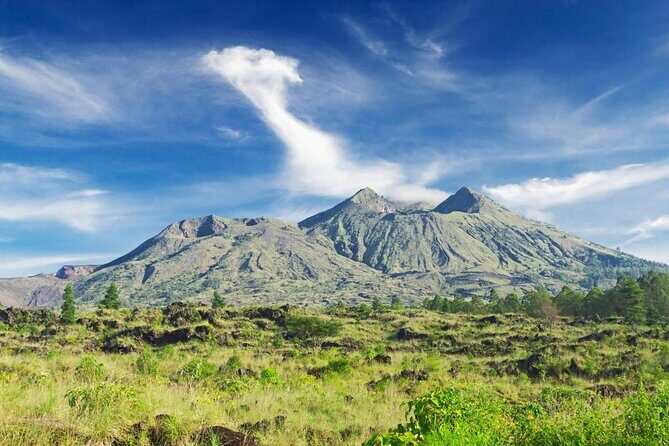
The first stop is Mount Batur itself. This is designed for people who want the sunrise and the big open views without hiking. That means you’re using the jeep to handle the climb, then you spend your time where it counts: at the viewpoint area for sunrise and photos.

A key detail here is the simple breakfast. The tour includes breakfast ala volcano plus coffee and tea, served alongside the sunrise experience. This is more than a snack. It’s the kind of small planning win that keeps the morning from turning into an empty-stomach wait.

What to expect when you arrive:

  • Cold-ish air near dawn, even if Bali feels warm later
  • A lot of photo moments as the sky shifts from dark to bright
  • A sense of movement as the group changes positions for better angles

What I like about this setup is that you’re not doing a workout while also trying to catch the exact moment the sun crests. You can focus on watching and photographing.

After sunrise: black lava from 1963 and pine-forest passing

Mount Batur Sunrise Jeep Tour with Natural Hot Spring - After sunrise: black lava from 1963 and pine-forest passing
Once the sunrise window is done, the tour continues into volcanic terrain. The route heads toward the black lava areas around Mount Batur tied to the 1963 eruption. You also pass through pine forest after the sunrise.

This part is where the tour stops being only about the photo. You start seeing the volcanic landscape up close—dark rock fields, stark contrasts, and the way the region’s terrain tells its own story. You’ll get a lesson during the ride as you move through the area, with the driver explaining what you’re seeing related to the eruption and Mount Batur volcano.

One small caution: lava terrain can feel uneven, and it’s an outdoor environment. The tour includes tickets and entrance fees, plus parking fees, which removes some hassle, but your comfort still depends on how steady you want your footing to be.

Natural hot spring: why that stop hits after cold dawn

Mount Batur Sunrise Jeep Tour with Natural Hot Spring - Natural hot spring: why that stop hits after cold dawn
In the title you’ll see natural hot spring, and the experience lives up to it in a very practical way. One of the most praised elements is how relaxing the hot springs feel after a chilly morning. That makes sense: sunrise starts cool, your body stays alert and tense, and then you get a chance to switch modes.

What you should know from the info given is simple: you’ll reach hot spring time after the sunrise sequence and lava sightseeing. The tour doesn’t position it as a fancy wellness spa day with a long menu of extras. It’s a straightforward soak that helps you recover and enjoy the rest of the day with less stiffness.

If you’re doing multiple activities in Bali, this stop is a smart balance. The morning is intense and early. The hot spring brings the temperature and energy down to something comfortable.

Optional coffee farm tasting and the small Bali flavor

Mount Batur Sunrise Jeep Tour with Natural Hot Spring - Optional coffee farm tasting and the small Bali flavor
After the big sights, the tour includes a stop by a coffee farm, with coffee, tea, and chocolate tasting listed as optional.

This is the part where you can decide how you want to spend your time. If you like sampling local products and you’re curious about Bali’s coffee culture, it can be a pleasant stretch before you head back. If you’d rather keep it simple and get back to rest, treat it like an optional bonus rather than a core event.

Either way, it fits the pacing: you’ve already had a dramatic mountain morning and volcanic walking routes, so a low-key tasting stop feels like an easy transition.

Drivers make or break this kind of tour (and these names matter)

Mount Batur Sunrise Jeep Tour with Natural Hot Spring - Drivers make or break this kind of tour (and these names matter)
With sunrise tours, the viewpoint is only half the equation. The other half is the driver’s ability to handle timing, navigation, and photo opportunities.

You’ll see a lot of praise for drivers being early, polite, and attentive. One standout that people specifically mention is Nnyoman Kabiahhh, credited with making the sunrise feel perfect and taking many pictures for the group. Another name is Moler, described as attentive and comfortable to ride with, including smart suggestions on stops and amenities along the way. Dika is also highlighted as not just a driver but a natural photographer, which tells you the team is tuned to how sunrise travelers actually want their photos.

Risia is another guide name that comes up, praised for kindness, friendly conversation, and safe, on-time returns.

Why this matters for you: if your driver is good, you get fewer awkward delays and more moments where you can actually watch the sunrise unfold instead of worrying about logistics.

Price and value: is $48.90 a fair deal?

Mount Batur Sunrise Jeep Tour with Natural Hot Spring - Price and value: is $48.90 a fair deal?
The price listed is $48.90 per person. On paper, that’s not cheap for a single-day activity. But the value comes from what’s included and what you avoid.

Here’s what you’re covered for:

  • Hotel pickup and drop-off
  • Air-conditioned vehicle
  • Private driver/tour guide
  • Private 4×4 jeep (for your group)
  • Parking fees
  • All ticket and entrance fees
  • Breakfast plus coffee and tea
  • Admission ticket is listed as free within the included items
  • The key stops (sunrise area, black lava area, pine forest passing, and hot spring)

If you tried to DIY this, you’d likely pay for separate transport, potentially separate guide help, and entrance/tickets on top. You’d also have more uncertainty about timing for sunrise and photo angles.

So is it a bargain? Not the kind of price that feels like a steal. But it does feel like a solid deal for a guided, timed, early-morning volcano experience where comfort and coordination matter.

If you’re traveling in a group, the private nature and comfort can make it feel more worth it fast, since you’re not sharing the jeep style or the driver’s attention the same way you might in a much larger group tour.

Who this Mount Batur jeep sunrise tour fits best

This is a strong fit if:

  • You want the Mount Batur sunrise experience but don’t want hiking.
  • You care about getting good photos and having someone manage timing.
  • You like a full morning-and-afternoon arc: sunrise → lava sights → hot spring → optional tasting → back.

It may be less ideal if:

  • You hate very early mornings and chilly conditions.
  • You expect a long, slow, philosophical volcano journey with lots of downtime. This is more structured and time-efficient by design.

It’s also a good match if you’re the type who wants a single-day plan that still feels varied, because you’re not stuck with only the summit viewpoint.

Practical tips before you go

These aren’t fancy hacks. They’re the common-sense things that make sunrise tours feel easier.

  • Dress for cold at dawn. You’ll be up while it’s still chilly, even if the rest of Bali feels warm later.
  • Bring a layer you can manage. Something light but warm helps you move comfortably through outdoor areas.
  • Plan on photos. If you want great sunrise images, listen to your driver about when to move and when to wait.
  • Eat the breakfast. It’s timed for the sunrise experience and will keep you steady during the early hours.
  • Treat the coffee tasting as optional. Decide on the spot based on your energy level.

Should you book it?

If you want Mount Batur sunrise without trekking, and you’re happy with a well-timed day that combines volcano sights and a hot spring soak, I think this is a smart booking. The price makes sense when you factor in pickup, a private 4×4 jeep, included breakfast with coffee/tea, and the fact that guides like Nnyoman Kabiahhh, Moler, Dika, and Risia are specifically praised for making the sunrise and photos go smoothly.

Only skip it if the early wake-up and cool morning conditions sound like your least favorite part of travel. Otherwise, this is the kind of experience that turns a single early morning into a full, memorable stretch of Bali.

FAQ

How long is the Mount Batur sunrise jeep tour?

The tour is listed as about 8 hours.

Is hotel pickup and drop-off included?

Yes. Pickup and drop-off are included, and the start point is Pulestis Glamping in Songan A, Kintamani.

What food and drinks are included?

A simple breakfast is included, along with coffee and tea.

Do I need to hike to see the sunrise?

No. The tour is designed for sunrise viewing by 4×4 jeep, with no hiking required.

Is the coffee farm tasting included?

Coffee, tea, and chocolate tasting at the coffee farm is listed as optional.

What happens if weather is bad?

The experience requires good weather. If it’s canceled due to poor weather, you’ll be offered a different date or a full refund.

Lovina Dolphin Watching, Swimming, and Snorkeling Experience

Lovina Dolphin Watching, Swimming, and Snorkeling Experience - The Morning Drive: Worth It, But Start Smart

Waking up for dolphins in Bali’s north feels oddly worth it. This trip sends you from central spots like Ubud or Seminyak (depending on where you start) to Lovina Beach early in the morning for that famous sunrise energy, then out on a traditional jukung boat with a captain. I like the mix of time on the water and the chance to actually be in it, not just watch from above. I also like the way the morning package covers the basics that usually cost extra later, like snorkeling gear and a simple welcome breakfast. One possible drawback: sunrise dolphin areas can get busy with other boats, and the mood can feel more like a scramble than serene wildlife viewing during peak season.

You’ll also spend time in the water after you spot dolphins, with the option to swim alongside them while holding onto a wooden support attached to the boat. The snorkeling afterward gives you a second payoff: coral and fish close to shore, without needing to book a separate reef tour. I will say this trip runs early and the drive can be long from many hotels, so if you hate mornings and long road time, you’ll feel it in your bones. That said, the value is strong for what’s included.

Key Things I’d Book This For

Lovina Dolphin Watching, Swimming, and Snorkeling Experience - Key Things I’d Book This For

  • A small private-boat setup when your booking is alone (max 5–6 on the boat in that case)
  • Real sunrise timing from Lovina, when dolphins are most likely to be moving close to shore
  • Included snorkeling equipment so you don’t start your day hunting for gear
  • Easy morning food basics: tea or coffee plus banana fruit at Lovina
  • Helpful, friendly captains and guides called out by name, including Dewa and Ketut

Why Lovina Dolphins Feel Different at Sunrise

Lovina Dolphin Watching, Swimming, and Snorkeling Experience - Why Lovina Dolphins Feel Different at Sunrise
Lovina’s dolphin scene has a reputation for good reason: the dolphins come into the bay in the morning. Going early matters because you’re watching behavior when the water is calm, light is soft, and the animals are actively feeding and moving around. If you’ve ever tried to do wildlife watching later in the day, you know it can turn into a “maybe they’ll show up” situation. Here, the whole schedule is built around the odds.

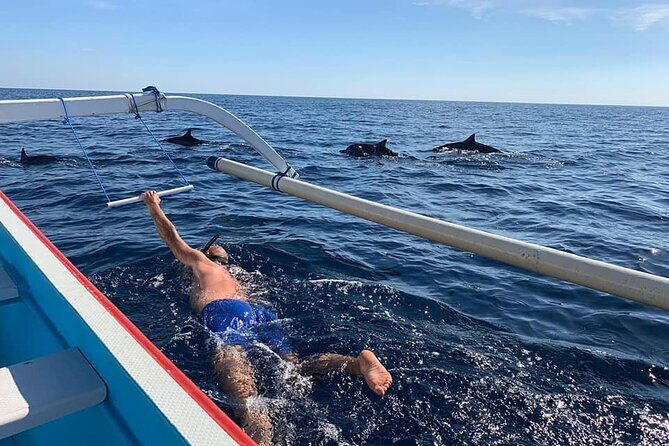
I also like that this experience isn’t just boat spotting. After the search, you get time to cool off in the water. The fact that you can swim alongside dolphins, with something to hold onto attached to the boat, changes the whole feel from passive to hands-on (within safe, guided limits). That’s the kind of memory you don’t get from a standard sightseeing cruise.

The other thing that makes Lovina special is the north-coast vibe. You’re not in the thick crowds of Bali’s south. You’re at the edge of the island’s calmer shoreline, where the morning feels more like an activity day than a photo shoot. Still, you should have realistic expectations: dolphins are wild, and sunrise can be busy with lots of boats.

The Morning Drive: Worth It, But Start Smart

Lovina Dolphin Watching, Swimming, and Snorkeling Experience - The Morning Drive: Worth It, But Start Smart
This tour is set up as a north Bali run, and the logistics follow that reality. From many areas (Ubud, Seminyak, Sanur, Canggu, and others), you’re going by air-conditioned car with an English-speaking driver if you choose pickup/drop-off. The travel time to Lovina can be around 2.5 hours, and that’s a big chunk of your day.

What I recommend: pick the earliest feasible pickup and try to treat the drive like part of the experience, not a delay. If you’re coming from farther areas, plan hydration and something light to snack on, because the dolphin window depends on timing and the morning is the whole point. If you’re prone to motion sickness, mention it to yourself mentally now—boats can pitch a bit when you’re out searching.

The full trip is listed at about 8 hours (approx.), but the dolphin part is about 3 hours and can run shorter or longer based on how long dolphins stay active and how much time you spend watching. In other words, there’s some flexibility baked into the experience. You don’t just get a fixed 60-minute boat ride and rush off.

Getting On Board: Jukung Boat, Captain, and a Small Group Feel

Lovina Dolphin Watching, Swimming, and Snorkeling Experience - Getting On Board: Jukung Boat, Captain, and a Small Group Feel
You’ll head out from Lovina Beach in a Balinese traditional jukung boat with a captain. The boat is described as safe and comfortable, and it’s equipped for sailing needs, which matters when you’re mixing people, early hours, and open water.

A standout detail here is the small-boat promise. The experience is described as a private boat for your guests, with a maximum of 1 boat and 5–6 people on that boat. If, on that day, only your booking is available, you can get that private setup. Even if there are other groups, the overall tour caps at 20 travelers, which keeps the day from feeling like a mass-market cattle run.

Still, manage expectations about the larger area. Even with your own boat arrangement, Lovina’s dolphin zone can attract many boats at sunrise. One of the more common criticisms centers on crowding and that “boats chasing dolphins” feeling. The operator’s approach is described as aiming to make your dolphin adventure different from surrounding animals, but the wider bay can still feel busy during high season. If you’re sensitive to that vibe, go into it with a calmer mindset: wildlife viewing often means you share space with other wildlife watchers.

What Happens After You Spot Dolphins

Lovina Dolphin Watching, Swimming, and Snorkeling Experience - What Happens After You Spot Dolphins
Once dolphins are spotted, the morning shifts into that thrilling, slightly chaotic wildlife moment. You’ll watch them jump and swim while the sun comes up, and you’ll get close enough that the experience feels immediate rather than distant.

Then comes the part that many people remember most: you can swim. The setup includes the option to hold onto a piece of wood attached to the boat, so you can stay steady as you enter the water and move alongside the dolphins. This isn’t a “let’s jump in anywhere” situation. You’re doing it with the boat and captain support, which is exactly what you want for comfort and safety.

Two practical notes I’d keep in mind:

  • Your comfort will depend on water conditions that morning. The tour requires good weather to run, so if conditions are poor, plans can change.
  • The dolphins don’t follow a schedule, so time can stretch or compress depending on how long they stay active near your area.

If you’re there mainly for underwater viewing, your best bet is to treat dolphin time as the priority and be patient. Once the dolphins move on, they’re gone.

Snorkeling in Lovina: Coral and Fish Without a Big Production

Lovina Dolphin Watching, Swimming, and Snorkeling Experience - Snorkeling in Lovina: Coral and Fish Without a Big Production
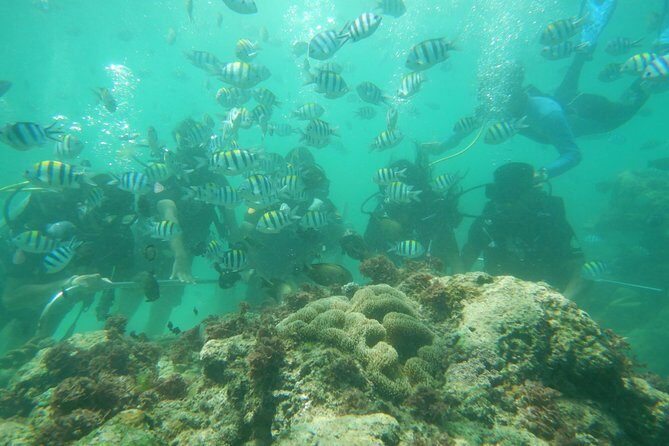
After the dolphin segment, you get time for snorkeling in Lovina waters. This is where the day becomes a two-for-one: dolphins on top, then reef life below.

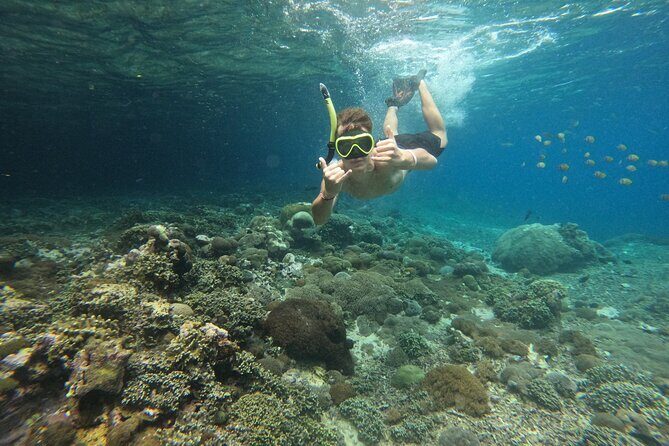
The water is described as clear, with coral reefs and different kinds of fish. The experience includes snorkeling equipment, so you shouldn’t need to rent gear separately. That’s a value point that actually matters: Bali tours often nickel-and-dime you for masks and fins, and here it’s covered.

What I like about this structure is it reduces the risk of a “single-purpose” tour. If dolphins are brief that morning, snorkeling still gives you a visual payoff. If dolphins are amazing (which they often are), snorkeling becomes the bonus you didn’t know you needed.

One thing to watch: water time feels longer when you’re excited. Don’t let yourself skip the cooldown after snorkeling—eat, drink, and warm up a bit if needed before you start heading back.

The Danau Beratan (Lake Bratan) Option: A Culture Pause

Lovina Dolphin Watching, Swimming, and Snorkeling Experience - The Danau Beratan (Lake Bratan) Option: A Culture Pause
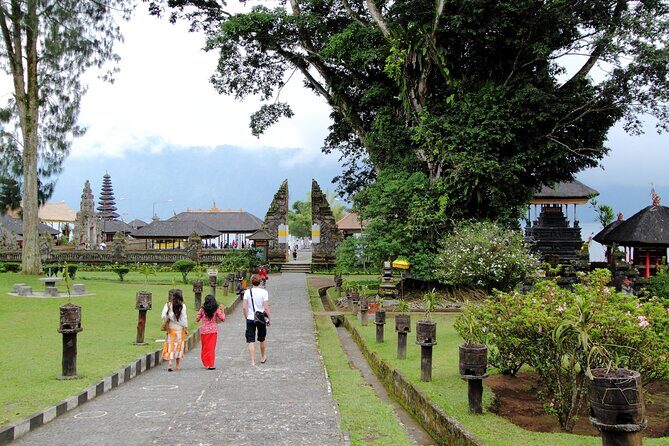
Your day includes a potential stop at Danau Beratan (Lake Bratan). The tour wording also mentions the chance to stop at Lake Bratan temple on the way back, but with a key cost detail: the temple entrance ticket is not included, listed at IDR 75k per person for the entrance.

This means the stop is more about scenery and culture than about getting a full structured temple day. If you’re already spending time on north Bali roads, it can be a nice way to add variety beyond just sea time.

If you’re booking this trip mainly for dolphins and water, you can treat Lake Bratan as an optional interest rather than a core requirement. The schedule also allows you to skip it and head back to your stay, so you have some control over how full your day feels.

Price and Inclusions: Where the Value Really Comes From

At $34.93 per person, this isn’t just a boat ticket. A lot of the day’s practical items are wrapped in.

Included:

  • Hotel pickup and drop-off with an English-speaking driver (if you select that option)
  • Air-conditioned transportation
  • Bottled mineral water
  • Breakfast at Lovina: a Balinese welcome drink (tea or coffee) and banana fruit
  • Snorkeling equipment
  • Jukung boat plus captain
  • A mobile ticket and group discount setup (details vary by booking)

Not included:

  • Lunch
  • Personal expenses
  • Lake Bratan temple entrance fee (IDR 75k per person)

So where does the value land? You’re getting: transport, food basics, boat time with a captain, and snorkeling gear. If you were to price those separately, it’s usually not close. The extra you might pay is basically lunch and optional temple entry.

The one thing to keep in mind: your real cost isn’t just money—it’s time. The longer your drive from your hotel area, the more you’re paying with morning hours. If you’re staying far from Lovina, this is a great tour only if you’re excited by the sunrise and the chance to swim.

Guides and Captains Matter More Than You Think

In this kind of tour, the guide and captain decide whether your day feels smooth or stressful. On the positive side, the trip includes praise for guides who talk and guide with confidence. Dewa is specifically mentioned for being friendly and for sharing Balinese culture and customs, which helps you feel like you’re not just being transported from A to B. Ketut is also named for being welcoming (drink and fruit) and for being helpful with getting in and out of the water.

On the balance side, there’s also at least one serious complaint tied to service during the drive, where a driver seemed exhausted and the group had to get the situation addressed. That’s not something you should ignore. It’s rare in the overall picture, but it’s a reminder that you should speak up if something feels unsafe or off early. If you’re offered pickup, pay attention during the first minutes. You don’t have to be confrontational—just make your needs clear.

Who This Lovina Dolphin Trip Fits Best

This is a strong match if you:

  • Want a morning wildlife experience that feels like more than a quick photo stop
  • Like tours that combine activities: boat spotting + swimming + snorkeling
  • Appreciate small-group structure (max 20 travelers overall, and 5–6 on the private boat setup)

It might not be your best fit if you:

  • Hate early mornings and long road time from your hotel area
  • Are very sensitive to the idea of lots of boats in one area at sunrise
  • Prefer a fully controlled experience with zero “wild nature” unpredictability

Should You Book This Lovina Dolphin Trip?

I’d book it if you’re chasing the sunrise dolphin moment and you’re happy to add snorkeling as a bonus. The included snorkeling equipment, the simple breakfast, and the captain-and-boat setup make the price feel fair. If your hotel is far from Lovina, plan for the drive as part of the deal.

Two decision tips before you go:

  • If you care deeply about wildlife ethics and crowd vibes, you should know sunrise can get busy. The tour aims to keep your experience as its own boat setup, but the bay area can still be active.
  • If you’re booking pickup, be alert during the drive. A good tour depends on an attentive driver as much as it depends on dolphins.

If you want a memorable north Bali morning with real water time, this is one of the more practical options.

FAQ

How long is the Lovina dolphin and snorkeling experience?

The overall trip is listed at about 8 hours (approx.). The dolphin adventure itself is about 3 hours, but it can be shorter or longer depending on dolphin activity and how long you spend watching.

Where does the tour start and end?

The activity starts at Dolphin Tour Lovina Dream on Jl. Starlight, Anturan, Kec. Buleleng, and it ends back at the meeting point.

Is hotel pickup included?

Hotel pickup and drop-off is included if you select that option. It includes an English-speaking driver.

What’s included in the price besides the boat?

The price includes mineral bottled water, breakfast (tea or coffee and banana fruit), snorkeling equipment, air-conditioned transportation, and the jukung boat with a captain.

Can I swim with dolphins?

Yes. After spotting dolphins, you can swim and you can hold onto a piece of wood attached to the boat to swim alongside the dolphins.

Is snorkeling included, and what will I see?

Snorkeling is included using snorkeling equipment. The tour describes Lovina water as good for coral reefs and fish.

Is lunch included?

No. Lunch is not included, though there may be an opportunity to stop for lunch with personal expenses.

Is the Lake Bratan temple entrance ticket included?

No. If you visit Lake Bratan temple, the entrance ticket is not included and is listed at IDR 75k per person.

What is the group size on the boat?

The private boat setup is described as max 5–6 people on the boat, and the entire activity has a maximum of 20 travelers.

What happens if weather is bad?

The experience requires good weather. If it’s canceled due to poor weather, you’ll be offered a different date or a full refund.

Bali Blue Lagoon Snorkeling Experience

Bali Blue Lagoon Snorkeling Experience - The traditional jukung boat ride: time-saving local transport

Coral and fish, with real-world ease. This Ubud-area trip takes you from hotel pickup to Padangbai for two snorkeling stops by traditional jukung boat, usually in calmer bay water. I like that the private round-trip transfers help you avoid the usual Bali timing chaos.

I also like the all-in-one feel at a fair price. You get snorkeling equipment, bottled water, and a simple included lunch (often nasi goreng or mie goreng), so you are not spending the day figuring out what’s missing.

One possible drawback: the on-site setup can be basic. In past trips, communication on arrival has felt confusing, and it sounds like you should not assume a real changing room is available—plan around it.

Key things that make this Bali Blue Lagoon snorkeling tour tick

Bali Blue Lagoon Snorkeling Experience - Key things that make this Bali Blue Lagoon snorkeling tour tick

  • Two sites in one outing: Blue Lagoon plus Tanjung Jepun, both in the same Padangbai area
  • Traditional jukung boat ride: local-style boat transport to snorkeling spots that are hard to reach on your own
  • Private hotel transfers: no shared pickup detours; just you and your group
  • Snorkel-ready inclusions: gear, lunch, bottled water, and all fees/taxes
  • High satisfaction rate: 4.9 rating from 117 reviews and 97% recommended
  • Wildlife variety you might see: from napoleon wrasse to reef shark and moray eels (not guaranteed, but possible)

Padangbai’s Blue Lagoon: calm water you can actually enjoy

Padangbai is one of east Bali’s better places for snorkeling because you are close to the action, and you can get to it by boat without a huge production. Blue Lagoon itself is described as a more secluded spot near the main harbor and beach, framed by green hills and rocky edges with palm trees in the background. That matters because you want time in the water, not just “instruction plus waiting.”

The bay is mostly calm throughout the year, so this is a trip where you can focus on the reef instead of battling waves. And when the water is gentle, snorkeling feels more like watching than working—especially if you are not trying to win a speed contest in full gear.

Two stops, two different vibes: Blue Lagoon and Tanjung Jepun

Bali Blue Lagoon Snorkeling Experience - Two stops, two different vibes: Blue Lagoon and Tanjung Jepun
This tour’s big idea is two separate snorkeling sites during about six hours. You’ll do Blue Lagoon first, then move to Tanjung Jepun. Even though they’re in the same general Padangbai area, they are not just two copies of the same beach.

Blue Lagoon is the easy win: a white sand beach setting where you can relax between water sessions, then slide back into clear, calmer bay water to see coral and fish. The second site, Tanjung Jepun, has its own “signature,” and that’s where you get more chances to spot different animals in different reef conditions.

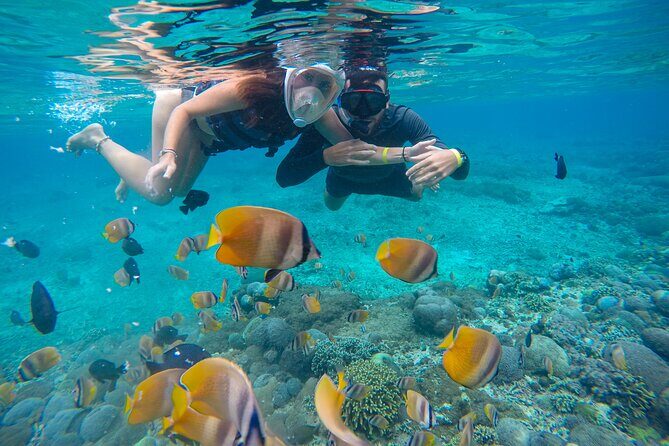
Your best wildlife odds include fish and reef critters like napoleon wrasse, reef shark, moray and blue ribbon eels, stonefish, rays, squids, octopuses, nudibranchs, and cuttlefish. You should treat this as a list of possibilities, not a promise. Still, having two chances usually beats one chance.

The traditional jukung boat ride: time-saving local transport

Bali Blue Lagoon Snorkeling Experience - The traditional jukung boat ride: time-saving local transport
Getting to good snorkeling usually means boat time in Bali. The nice part here is that you are not trying to coordinate vessels yourself. This tour uses a traditional jukung boat, driven by local people, and takes you to the “best place to snorkel” from the Padangbai area.

That boat transfer is a key value point for you. If you tried to do this independently, it would likely involve extra steps: figuring out timing, finding a boat, and coordinating two sites. With the package, you keep the day moving and spend less time asking around.

Also, jukung-style transport often feels more like you are doing what locals do to reach their water rather than treating everything like a scripted attraction. You are still on a schedule, but the vibe is practical and local.

What the day looks like, hour by hour (minus the guesswork)

Bali Blue Lagoon Snorkeling Experience - What the day looks like, hour by hour (minus the guesswork)
Because this is set up as a private tour with hotel pickup, your day starts with air-conditioned vehicle transport and a direct run to Padangbai. You should expect it to be organized, with a clear handoff when you arrive.

A realistic flow looks like this:

  • Pickup and drive to Padangbai: You are collected from your hotel/villa/apartment and taken to the harbor area.
  • Boat transfer to Blue Lagoon: You go out on the jukung to reach the snorkeling area.
  • First snorkeling session in Blue Lagoon: Time in calm bay water to check the coral and fish.
  • Move toward the second site (Tanjung Jepun): A short re-positioning by boat within the same general area.
  • Second snorkeling session at Tanjung Jepun: Another set of reef conditions and wildlife chances.
  • Lunch break: A simple local meal is included, typically nasi goreng or mie goreng, with bottled water available.
  • Return transfer: Private drop-off back to your lodging.

There’s one thing I want you to plan mentally: six hours is not “hang on a beach all day.” It’s long enough to do two snorkels and lunch without rushing every second, but it is still an active outing. You’ll want to treat it like a planned water day.

Fish-spotting game plan: what you might see and how to maximize it

Bali Blue Lagoon Snorkeling Experience - Fish-spotting game plan: what you might see and how to maximize it
This is not “one clear shot at one fish.” It’s a reef check in two places. The list of possible sightings is broad—moray eels, rays, octopuses and squids, clownfish, cuttlefish, giant frogfish, and more. Some of those are easier to spot if you slow down and watch the reef structure rather than chasing movement.

If you want better results, do what divers do in calm conditions: stay steady at the waterline, let your eyes adjust, and pay attention to crevices and sandy patches. Many of the critters on that list are the kind you find by scanning patiently rather than sprinting after them.

And yes, you might even see something unusual—there’s even a mention of a passing submarine in the tour overview. That kind of thing is never guaranteed, but it fits the feeling of being out at sea rather than just floating near a dock.

Price check: is $49.09 really value here?

Bali Blue Lagoon Snorkeling Experience - Price check: is $49.09 really value here?
At $49.09 per person, the headline cost sounds modest. The real question is what you are getting for it. This trip includes: free hotel pickup and drop-off, an air-conditioned vehicle, private transfers, a traditional boat, snorkeling gear, lunch, bottled water, and all fees/taxes.

So you’re not paying separately for:

  • transport to Padangbai and back
  • snorkeling equipment
  • access by boat to two sites
  • a meal during the day

When you add those pieces up, this price stops looking like a “cheap snorkeling add-on” and starts looking like a bundled logistics solution. You’re buying convenience and a timed plan—especially helpful in Padangbai, where reaching sites by boat makes DIY harder.

There’s also a practical comfort angle. Being private means your day is shaped around your group timing rather than being interrupted by other hotel pickups.

Comfort details that matter: lunch, water, gear, and what’s not included

Bali Blue Lagoon Snorkeling Experience - Comfort details that matter: lunch, water, gear, and what’s not included
The included lunch is described as a simple local option—often nasi goreng or mie goreng. It’s not a high-end buffet, but it’s solid for keeping your energy up between snorkeling sessions. Bottled water is available, and the vehicle is air-conditioned, which you’ll appreciate after time outdoors.

Snorkeling gear is included, so you avoid the common Bali hassle of tracking down fins/masks last-minute. This also reduces the risk of arriving without the right setup.

Two “not included” items you should know about:

  • Gratuity is not included.
  • Souvenir photos are not included.

And one small comfort note from a less-perfect review: expect basic facilities. A prior experience mentioned no real change-room setup, only a toilet. I’d treat that as your default assumption unless your guide confirms otherwise on the day.

Your guide can make or break the experience

Bali Blue Lagoon Snorkeling Experience - Your guide can make or break the experience
This is one of those tours where the “people part” shows up in the details. When things go well, the drivers and guides are friendly, timely, and good at keeping you moving.

Examples from the guide names you’ll likely encounter: Ardi is mentioned as picking someone up right outside their villa, friendly and punctual. Another highlight is Agung Rai, who helped create a warm, organized arrival with names on a board. Agus is also praised for going above and beyond to take care of the group.

That doesn’t mean every day is perfect, but it does tell you the operator is usually working hard on service. Still, if arrival communication feels unclear, don’t freeze. Ask directly what happens next and where you change.

Weather and timing: the one thing you can’t control

This experience requires good weather. If conditions are poor, the tour may be canceled with a different date offered or a full refund. That’s a fair policy because snorkeling depends on sea conditions, and you don’t want to force it.

Because you’re also doing two sites by boat, timing matters. The package approach helps, but your day is still tied to water conditions. If you’re choosing between dates, pick a day where you have flexibility.

Who should book this Bali Blue Lagoon snorkeling trip?

Book it if:

  • you want two snorkeling sites without doing the logistics math
  • you’re staying around Ubud and prefer a hotel-to-boat-to-hotel flow
  • you value included gear, lunch, and bottled water
  • you would rather have private transport than share pickups with strangers
  • you enjoy reef snorkeling and want a decent chance at a variety of marine life

Consider skipping or rethinking if:

  • you are very sensitive about basic facilities on arrival (you may not have a true change room)
  • you need highly detailed instructions at every step; one review flagged confusing communication
  • you are looking for a long beach lounge day instead of planned snorkeling sessions

This tour fits a moderate physical fitness level. You don’t need to be an athlete, but you should be comfortable with water time and the movement that comes with boat-based snorkeling.

Should you book Bali Blue Lagoon snorkeling from Ubud?

If your goal is Padangbai snorkeling with less hassle, this is an easy yes. The price makes sense when you count private transfers, boat access, gear, and lunch as part of the package. And the two-site structure gives you more chances to see coral and fish than a single location would.

My main caution is practical: don’t assume changing-room comforts. If you show up ready to handle basic facilities and you keep your expectations aligned with calm-water snorkeling, you’ll likely enjoy a smooth, well-supported day.

FAQ

FAQ

How long is the Bali Blue Lagoon snorkeling experience?

It runs for about 6 hours (approx.).

Where does this tour take place?

The tour is based in the Ubud area, and the snorkeling happens in the Padangbai area.

Which snorkeling sites do you visit?

You snorkel two sites: Blue Lagoon and Tanjung Jepun.

What time of day is pickup?

The exact pickup time isn’t stated in the details provided, but free hotel pickup is included.

Is hotel pickup and drop-off included?

Yes. Free hotel pick-up and drop-off are included.

Do you provide snorkeling gear?

Yes. Snorkeling equipment is included.

What food and drinks are included?

Lunch is included, and bottled water is available. Lunch is described as simple local options like nasi goreng or mie goreng.

Is this tour private?

Yes. It’s private, and only your group participates.

What if the weather is bad?

The experience requires good weather. If it’s canceled due to poor weather, you’ll be offered a different date or a full refund.

What is not included in the price?

Gratuity is not included, and souvenir photos are also not included.

Bali Ubud Paon Cooking Class

Bali Ubud Paon Cooking Class - Stop 1 in Ubud: The Traditional Art Market (Morning Session)

Balinese cooking is hands-on therapy in Ubud. This class at Paon Bali pairs a market morning (for the morning session) with real instruction in a beautiful home kitchen setting. I like that it is small-group and focused, not a rush-through demo. I also like that the food is specific to Bali, with dishes like banana-leaf fish and minced chicken satay that you can actually try again at home.

The main trade-off: you have two session types. If you book the afternoon class, you’ll miss the market stop, so you’ll shop ingredients less like a local and more like a typical cooking class. That’s not bad, just know what you’re choosing.

Here’s the good part: this is the kind of activity that makes you feel like you understand Balinese flavors, not just memorize recipes.

Key Highlights You’ll Appreciate

Bali Ubud Paon Cooking Class - Key Highlights You’ll Appreciate

  • Market first, especially on the morning tour: You’ll shop fresh ingredients at Ubud’s traditional art market before cooking.
  • Hands-on cooking with a clear pace: You’ll participate in prep steps, not just watch and hope you remember.
  • A home setting with views: The kitchen space includes forest views, so it feels special beyond a classroom.
  • Trained instruction from the host team: The cook and support staff explain steps and ingredient purposes in a way that makes it feel easy.
  • Lunch included, plus a certificate: You eat what you make, then leave with proof you took the class.

Ubud Balinese Cooking at Paon Bali: What Makes It Work

Bali Ubud Paon Cooking Class - Ubud Balinese Cooking at Paon Bali: What Makes It Work

If you want Balinese food you can recreate later, you need two things: fresh ingredients and a cook who can explain technique. Paon Bali is built around both. You start with either a morning market visit (morning session) or a direct hotel pickup and transfer to the cooking venue (afternoon session). Then you cook together, eat together, and leave with a certificate.

Price-wise, $44 per person makes sense for Ubud because it includes more than the class. You’re getting lunch, market time (morning only), and hotel transfers within Ubud. In other words, it isn’t just a workshop you attend and forget. It’s an experience that accounts for your time and makes the logistics painless.

This is also a max-15 format. That matters. With a small group, you’re more likely to get help with chopping, mixing, and adjusting seasoning as you go, instead of waiting your turn.

Morning vs Afternoon: Choose the Version That Matches Your Style

This is the big decision point.

Morning session: Traditional art market + cooking

The morning format includes a visit to Ubud’s traditional art market, where you can see ingredients, spices, and produce used in local cooking. It sets the stage for everything you cook afterward, because you’ve already learned what you’re looking at and why it matters.

If you love food shopping, spices, and the backstory behind ingredients, the morning session is the one to pick. It also gives you time to ask questions before you start cooking.

Afternoon session: Cooking only, with pickup

If you book the afternoon, you skip the market stop. You’ll still get hotel transfer within Ubud and then go straight to the cooking venue. This is a good option if you prefer a slower morning, want to avoid early starts, or you already know you’re here mostly for the cooking and eating part.

Both versions include the cooking class itself and lunch, so your core experience stays intact. The difference is whether you learn ingredients through a market walk first.

Stop 1 in Ubud: The Traditional Art Market (Morning Session)

Bali Ubud Paon Cooking Class - Stop 1 in Ubud: The Traditional Art Market (Morning Session)

Walking through Ubud’s traditional market early gives you an instant education. You’re not just buying food items. You’re seeing how spices and produce fit into everyday cooking.

Here’s what this part helps you do back home: it trains your eye. Once you’ve handled ingredients in person, you’re more likely to recognize them later if you’re shopping at a specialty store or using substitutions. Several people noted that they picked up spices that are hard to find in the USA, which is exactly the kind of souvenir that actually helps you cook later.

Also, the market portion is more than shopping time. You’ll meet your guide and get context on ingredients and their uses. That kind of explanation is what turns a recipe into something you understand.

Practical note: since this is specifically the morning tour, wear shoes you’re comfortable walking in. You’ll likely move around more than you expect for a food stop.

Stop 2: Paon Bali Cooking Class at Wayan’s Home

Bali Ubud Paon Cooking Class - Stop 2: Paon Bali Cooking Class at Wayan’s Home

After the market (morning) or the transfer (afternoon), you head to the cooking class location. Many people describe it as a stunning home space with forest views, and that matters more than you’d think. When the setting is pleasant, you stay relaxed, pay better attention, and actually enjoy the cooking process.

At the venue, you cook with the host team. Wayan’s home came up by name in feedback, and that personal hosting vibe is consistent in how people describe the experience: warm, organized, and easy to follow.

What you’ll make is Balinese-inspired and grounded in technique. The dishes highlighted include banana-leaf fish and minced chicken satay. You’ll also learn about spices and how they work together, not just what goes into a dish.

Why the hands-on structure is a win: people consistently mention that the class is efficient and interactive. You get a rhythm where the steps make sense, support staff are around, and the pace keeps moving without feeling chaotic. That balance is hard to find in cooking classes, and it’s a big reason this one scores high.

What You Actually Learn (So You Can Cook Again)

Bali Ubud Paon Cooking Class - What You Actually Learn (So You Can Cook Again)

A good cooking class teaches two layers: the recipe and the logic behind it.

From what you’re set up to do here, you’re learning:

  • how local ingredients connect to flavor
  • how spices are used, not just added
  • practical cooking steps you can repeat

The class also gives you a certificate, which is a nice touch. But the real value is that participants leave feeling confident about recreating Balinese dishes. Many people called out the instructions as clear and easy to follow, with explanations tied to why each ingredient matters.

One extra that people liked: you may be able to request recipes sent to you via WhatsApp. It’s not the same as having a full cookbook in your hand, but it helps if you want a reminder of what you made and how it was done.

Lunch and the Best Part: Eating What You Make

Bali Ubud Paon Cooking Class - Lunch and the Best Part: Eating What You Make

Lunch is included, and you eat the dishes you helped prepare. This turns the day from practice-only into a complete experience. You get to test your food while it’s fresh, warm, and at its best, which makes the lesson stick.

Also, because the menu includes recognizable Balinese favorites, you’re not just eating something you can’t identify. Banana-leaf fish and satay-style chicken are exactly the kind of flavors that make people say, okay, I get it now.

Group Size, Timing, and Transfers: The Practical Bits

Bali Ubud Paon Cooking Class - Group Size, Timing, and Transfers: The Practical Bits

Duration

Expect about 5 hours total. That’s a sweet spot: long enough for a market walk (morning) plus a full cooking session and lunch, but not so long that the day disappears.

Group size

Maximum of 15 travelers. In a class, that usually means more attention and better hands-on time.

Hotel transfer within Ubud

Pickup is offered within the Ubud area only. If you’re staying inside Ubud, this removes a lot of stress. If you’re outside Ubud, you’ll need an additional charge for pickup and drop-off.

The tour also notes near public transportation, which is helpful if you end up adjusting plans and need a backup way to get around.

Mobile ticket

You’ll have a mobile ticket, and confirmation is typically received within 48 hours of booking based on availability.

Who This Cooking Class Fits Best

Bali Ubud Paon Cooking Class - Who This Cooking Class Fits Best

I’d put Paon Bali at the top of the list if you:

  • want a true small-group cooking experience in Ubud
  • care about learning ingredients, not just cooking one dish
  • like the idea of a market visit and then cooking with what you bought (morning session)
  • want Balinese food you can recreate later at home

It also works well for couples and small groups. Feedback mentioned a mixed group of guests and even multi-generational families, so it seems flexible as long as everyone is ready to cook and eat together.

If you dislike markets, or you prefer to spend your morning elsewhere, choose the afternoon session and focus your energy on the cooking and lunch.

Price Value Check: Is $44 Worth It?

For $44 per person, you’re paying for a bundle: instruction, lunch, a certificate, and transfers within Ubud (and the market visit if you book the morning). In Ubud, that turns it into a reasonable deal, because transportation and feeding you are built in rather than added later.

Also, the class is max 15 and hands-on. That’s where value shows up. A cheap cooking demo where you barely touch food is common. This one aims for active participation and organized support.

Tips are not included, so keep a little room in your budget if you plan to tip.

FAQ

FAQ

How long is the Bali Ubud Paon cooking class?

It runs about 5 hours.

Does the tour include hotel pickup in Ubud?

Yes. Hotel transfer services are included within the Ubud area only. You should pick your nearest hotel if you are in a rental.

Is the market visit included in every session?

No. The traditional market visit is included only in the morning session.

What’s included with the price?

You get the cooking class, lunch, a cooking class certificate, and hotel transfers within Ubud. The traditional market visit is included only on the morning tour.

Are tips included?

No. Tips are not included.

How big is the group?

The class has a maximum of 15 travelers.

What happens if I cancel?

This experience is non-refundable and can’t be changed for any reason, so canceling means you won’t get your money back.

Should You Book Paon Bali in Ubud?

Book it if you want Balinese cooking with real participation, a small group, and food you can recreate later. Choose the morning session if you care about ingredients and spices and you’ll enjoy walking a traditional art market first. Choose the afternoon session if you want to skip market time and focus on cooking and lunch.

Skip it only if your schedule is too tight to handle about 5 hours, or if you strongly dislike the idea of cooking in a group setting. Otherwise, Paon Bali is one of those Ubud activities that delivers both culture and practical skills, not just a one-time meal.

Bali Beaches Hopping – Uluwatu Temple

Bali Beaches Hopping - Uluwatu Temple - Stop 1: Nusa Dua Beach for white sand and optional watersports

One day, four coastal moods. This is a beach-and-temple run that strings together three classic sandy stops (Nusa Dua, Geger, Padang Padang) with a cliff-top Uluwatu Temple sunset and performance. I love the flow of it: swim, snack, repeat, then end with Kecak and a fire dance. I also like that the schedule is built around beach time (not constant rushing). One thing to watch: entrance fees and beach activities aren’t included, so your final total will be more than the ticket price.

Because it’s a private setup, you’re not stuck with the slowest swimmer or the loudest couch-tourist. The best days hinge on the driver (names you’ll see praised include Komang, Debobo, Wayan, and Agung), and many people found them flexible with timing and helpful with local know-how. Still, if you want a true guide who narrates every step, you should confirm what you’re getting, since some options feel more like a car service than a full guided tour.

Key points before you go

Bali Beaches Hopping - Uluwatu Temple - Key points before you go

  • Three beaches in one day: Nusa Dua (big-time resort sand), Geger (longer swim-friendly stretch), and Padang Padang (cliff views and surfing vibe)
  • Uluwatu Temple at sunset: the Kecak show plus the fire dance is the day’s cultural payoff
  • Hotel pickup makes it workable: coverage is within Ubud and south Bali, with drop-off after the show
  • Budget for extras: temple/onsite entry and any watersports cost extra
  • Bring the right small stuff: towel, sunscreen, sunglasses, cash, and a change of clothes help a lot

Why this Bali beach hop makes sense (even with a long drive)

Bali Beaches Hopping - Uluwatu Temple - Why this Bali beach hop makes sense (even with a long drive)
Bali is spread out. If you’re basing yourself in Ubud, you’re often trading some comfort for convenience: you’ll spend meaningful time in the car to reach the southern coast. The good news is that this tour uses that travel time efficiently by packing three distinct beach experiences plus a single “big event” at the end.

The Nusa Dua → Geger → Padang Padang order also helps you avoid the feeling of repeat beach #1. Nusa Dua is your wide, white-sand reset. Geger gives you a more relaxed, swim-friendly stretch. Padang Padang is smaller and more dramatic, with the kind of cliffs and rock formations that make you stop walking and just stare for a minute.

Then comes the payoff: Uluwatu Temple is famous for a reason. When the light drops and you’re on those cliffs watching the ocean, it’s not just another temple stop. It’s a built-in mood change, and the performance timing is part of why the day is structured this way.

Morning pickup and pacing: how to keep the day from feeling rushed

The tour starts at 9:00 am and runs about 8 hours total. With that kind of timing, you need to treat this like a “choose your comfort” day rather than a checklist sprint.

Here’s how I’d plan your mindset:

  • Be ready to swim early. Once you’re out there, you’ll want to use your beach time.
  • Decide ahead of time if you want watersports. At Nusa Dua, the schedule can include water activities, but you can also skip them and focus on swimming and lounging.
  • Keep a little flexibility for traffic. If you’re starting from Ubud, plan for a longer drive each way, so your beach hours matter more than your arrival time.

Because you’re on a private tour, the driver can often adjust how long you linger at each beach. That flexibility shows up in the best experiences people described: stopping when someone wants to cool off, or staying a bit longer when the water’s inviting.

Stop 1: Nusa Dua Beach for white sand and optional watersports

Bali Beaches Hopping - Uluwatu Temple - Stop 1: Nusa Dua Beach for white sand and optional watersports
Nusa Dua is the kind of beach that looks good on day one in Bali. You get white sand and clear water, plus a wide, easy area to relax without feeling boxed in. The time here is the longest—about 3 hours—so it’s a natural spot to do the things you came for.

What to expect:

  • A beach day vibe with room to spread out
  • The option of watersports activities (these are not included in the price)
  • A good swimming start if you want to get in the water early

If you’re not into paying for extras on the beach, you’ll still have a solid day. But if you are into snorkeling, parasailing, or boat trips, know that the pricing is separate. In other words, the “adventure” part of the morning can get expensive fast if you say yes to everything.

My practical tip: bring a towel and plan your water time first. Then, if you see a watersport you want, you’ll be deciding with full awareness instead of making a rushed yes right away.

Stop 2: Geger Beach for a slower swim and a longer stretch

Bali Beaches Hopping - Uluwatu Temple - Stop 2: Geger Beach for a slower swim and a longer stretch
After Nusa Dua, you head to Geger Beach, also near the Nusa Dua area. This stop is shorter—about 2 hours—but it tends to feel more like a true beach session rather than a resort parade.

What Geger does well:

  • White sand and a laid-back atmosphere
  • Great for swimming
  • A shoreline that gives you spots to lay down and just chill

This is the beach I’d use as your “reset” stop. If Nusa Dua felt a little busy or too structured for your taste, Geger can feel calmer while still delivering nice water and easy access for lounging.

If you’re planning your photos: Geger is a good place to shoot while the light is still bright, before you switch gears to the cliff drama of Padang Padang later in the day.

Stop 3: Padang Padang Beach for cliffs, surfing, and a tighter feel

Bali Beaches Hopping - Uluwatu Temple - Stop 3: Padang Padang Beach for cliffs, surfing, and a tighter feel
Padang Padang gets a reputation because it has real visuals. Think: a small beach framed by rock formations and cliffs, with a surfy atmosphere that doesn’t need much explaining.

In the schedule, you get about 1 hour here. That sounds short, but it’s usually enough time to:

  • Grab a swim
  • Walk the edges and take in the rock-and-sand contrast
  • Catch the vibe without losing the rest of the day

A few practical notes:

  • This beach can be crowded, mostly because it’s smaller and photogenic.
  • It’s still worth going, especially if you like that tucked-in, dramatic feel more than a big wide beach.
  • If you want surfing, this is the kind of place where you’ll see that energy.

If you dislike crowds, you’ll want to move quickly on this stop. Don’t over-plan; just be ready to make the most of the hour you have.

Uluwatu Temple at golden hour: Kecak, fire dance, and monkey strategy

Bali Beaches Hopping - Uluwatu Temple - Uluwatu Temple at golden hour: Kecak, fire dance, and monkey strategy
Uluwatu Temple is the cultural anchor of the day. You’ll spend about 2 hours here, timed for sunset. This is when the cliffs do their magic: the ocean looks deeper, the horizon stretches, and everything feels more dramatic than it does in daylight.

Two things to plan for:

  • Temple monkeys: they’re not subtle. Keep your valuables secure and watch your stuff.
  • The show heat: Kecak and the fire dance run in conditions that can feel intense in the sun. Bring sunscreen. A hat helps. Some people also recommend packing a hand fan and even an umbrella for shade while you wait.

What you’re likely to see:

  • A visit around the cliff-top temple area first (time to wander and take photos)
  • Then the performance at sunset: Kecak, followed by a fire dance moment

The order matters. Go in expecting to do a short wander, then shift your focus to the performance area. If you spend too long chasing photos, you’ll feel rushed when the show time comes.

And yes, Uluwatu can be busy. Even so, the sunset-and-performance combo is why this stop is worth being late-afternoon tired for.

What’s included vs. what costs extra on the coast

Bali Beaches Hopping - Uluwatu Temple - What’s included vs. what costs extra on the coast
Here’s the clean breakdown based on what’s stated:

Included

  • Hotel pickup and drop-off
  • Private tour
  • Fuel surcharge

Not included

  • Food and drinks
  • Watersport activities
  • Entry tickets on the beach and at the temple

This is important for budgeting. You might pay $32 per person for the tour itself, but you should plan on spending more once you add:

  • Temple entry (Uluwatu)
  • Any beach-based activities you decide to do
  • Snacks or lunch, since food is not included

If you like to travel with a set budget, decide early how “active” you want your day to be. If you want swimming and sun only, your extra spend can stay manageable. If you say yes to multiple watersports, it can jump quickly.

Price and value: is $32 a good deal for this route?

Bali Beaches Hopping - Uluwatu Temple - Price and value: is $32 a good deal for this route?
At $32 per person, the tour price is positioned as a low-stress way to access southern Bali without you figuring out transport and timing on your own. For many people, the biggest value is not the beach itself—it’s the friction removed:

  • You get pickup and drop-off
  • You avoid piecing together multiple rides across long distances
  • You get a schedule that lands you at Uluwatu at the right time for sunset

The trade-off is that this isn’t an all-in package. Entrance fees, food, and watersports are on you. So the real value question is: will you spend money anyway on beach entry and activities? If yes, this tour can still work out well because it organizes everything. If you’re trying to keep spending tight and want only basic beach access, you may end up paying mostly for transport and the performance timing.

Also consider time. From Ubud, you may spend a good chunk of the day in the car. If you’re short on energy, you might prefer fewer stops with longer beach time. But if you want a full day that ends with a major sunset show, this hits that target.

How to get the best day out of a private beach hop

Since it’s private, you can shape the day. The trick is to communicate early and set expectations.

Here are ways to make it work:

  • Ask for the driver to share local tips as you go. Many praised drivers were flexible and helpful in real time.
  • If you care about English commentary, confirm that up front. Some experiences felt like a car service with driving, while others felt more like a guided day through local knowledge.
  • Use the private nature to control your pace. If you want Padang Padang for photos plus a quick swim, say that. If you want to linger at Geger, ask.

Names that popped up in the good experiences include Komang, Debobo, Wayan, Agung, Putu Andi, Adi, Kadak, and Dai BuBu. Your result will still depend on the day and the person, but it’s a helpful clue that strong, friendly drivers can make the long route feel easier.

And pack smart. Bring:

  • Cash money for entry fees and on-the-spot costs
  • A change of clothes so you’re not stuck in damp swim gear
  • Sunscreen and sunglasses
  • A towel and camera

Weather and beach conditions: what could change during your week

Bali’s rainy season can affect beach cleanliness and how things look. If you see extra litter along parts of the coast, it’s not a reason to bail on the whole trip—it’s a reminder to stay realistic and do your part (small trash bag helps).

Also, sea conditions vary. Even with similar beaches, the water experience can change day to day. That’s another reason the schedule matters: you get multiple chances for swimming, so if one spot isn’t perfect, you still have good odds at the next.

Who should book this Uluwatu Temple + beaches day

This tour fits best if you:

  • Want one-day access to several famous southern beaches
  • Like a mix of sun, swim, and one big cultural show
  • Prefer hotel pickup over figuring out routes yourself
  • Are okay budgeting for entry tickets and any optional beach extras

It’s less ideal if you:

  • Want a deep guided lecture at every stop (some setups are more driver-led than guide-led)
  • Hate long car time (especially from Ubud)
  • Have very limited patience for crowds at Padang Padang or at Uluwatu during show time

Should you book this Bali Beaches Hopping – Uluwatu Temple tour?

I’d book it if you want a well-timed day that ends with a serious sunset moment. The combination of cliff-top Uluwatu Temple plus Kecak and the fire dance is the main reason to do it, and the three beaches give you a solid mix of swimming and scenery without planning multiple separate trips.

Skip it or rethink if you’re trying to keep costs ultra-low, since entrance fees and watersports can add up. Also, if you’re hoping for a highly narrated tour, confirm the level of guidance you’ll receive.

If you book, go in with a simple game plan: swim early, move efficiently at Padang Padang, protect yourself from sun during the show, and keep a close eye on your belongings around the monkeys at Uluwatu.

FAQ

What time does the tour start?

The tour starts at 9:00 am.

How long is the tour?

The duration is listed as about 8 hours.

Which beaches and attractions are included?

You visit Nusa Dua Beach, Geger Beach, Padang Padang Beach, and Uluwatu Temple (with the Kecak and fire dance).

Is hotel pickup and drop-off included?

Yes. Pickup and drop-off are included, within Ubud and south Bali.

Are entrance tickets included for the beach stops and Uluwatu Temple?

No. Entry tickets on the beach and the temple are not included, and you’ll need to pay them separately.

Are meals included?

No. Food and drinks are not included.

Is it a private tour?

Yes. It’s private, meaning only your group participates.

Can I cancel and get a full refund?

Yes, you can cancel up to 24 hours in advance for a full refund. If you cancel less than 24 hours before the start time, the amount paid is not refunded.

Ubud Tour – Highlight of Ubud – Traditional Tour

Ubud Tour - Highlight of Ubud - Traditional Tour - Stop 1: Puseh Batuan Temple and How to Get More Out of It

Ubud is best when someone else handles the driving. I really like the door-to-door pickup and the private driver/guide who can answer your questions at your pace. The main trade-off is that admission fees and lunch are on you, so your final day budget won’t be only the tour price.

This is a 10-hour-style day designed to show you Bali’s natural and cultural side around Ubud: temples, a waterfall, the Monkey Forest sanctuary, rice terraces, and Tirta Empul. You also get bottled water and an air-conditioned vehicle, which matters on a hot day when you’re moving between multiple stops.

Key Highlights Worth Your Attention

  • Private, door-to-door guide so you can ask questions without the usual crowd rhythm
  • Ubud plus iconic nearby stops packed into one roughly 10-hour outing
  • Comfort included with bottled water and an air-conditioned vehicle
  • Your own pacing at the stops since it’s just your group
  • Flexible day planning with free cancellation and a weather contingency if the tour must be canceled

Private Door-to-Door Pickup Across Bali: The Real Value

Ubud Tour - Highlight of Ubud - Traditional Tour - Private Door-to-Door Pickup Across Bali: The Real Value
The best part of this tour is the low-stress start. Instead of figuring out local transport or renting a scooter, a driver/guide picks you up from your hotel and drops you back after the circuit. This matters a lot in Bali, where traffic can turn a simple plan into a half-day project.

You’re also not stuck with a shared van schedule. This is a private tour/activity, so you only travel with your group. That means fewer awkward moments like trying to coordinate where to go next, and more time spent actually looking and listening.

One more practical detail: you get a mobile ticket and confirmation at booking, so you’re not scrambling the morning of. For many people, that alone makes the day feel smoother before you even leave your hotel.

Price and Group Math: What $85 Really Means

Ubud Tour - Highlight of Ubud - Traditional Tour - Price and Group Math: What $85 Really Means
The tour is listed at $85.00 per group (up to 2), but the setup also notes that one flat per-vehicle fee can cover up to four travelers. That means the value depends on how many people you’re splitting with.

If you’re traveling as a couple, you may end up paying the per-group amount and still effectively get most of the vehicle benefit. If you have a small group (family or friends), you may get a better cost-per-person outcome because the vehicle can handle up to four.

Also remember what the price includes. You’re paying for transport and guiding only. Admission fees and lunch are separate, so don’t treat $85 as your total spend for the day—plan for on-site costs so you’re not surprised later.

Stop 1: Puseh Batuan Temple and How to Get More Out of It

Ubud Tour - Highlight of Ubud - Traditional Tour - Stop 1: Puseh Batuan Temple and How to Get More Out of It
Your day starts with a temple visit at Puseh Batuan Temple. This is a great first stop because it sets the tone early: you’re not only seeing “scenery,” you’re seeing part of the everyday religious life that shapes Bali.

Since the guide is with your group only, you can ask questions right away—about how the temple functions, what visitors should notice, and what’s happening in the surrounding area. That Q-and-A time is one of the reasons this kind of private tour feels better than rushing through photo stops.

A drawback to consider: temples can feel like a quick hit if you’re determined to “collect checkmarks.” If you want this tour to feel meaningful, use the advantage you have—slow down, ask, and take in what the guide explains rather than treating it like a timed visit.

Stop 2: Tegenungan Waterfall Without the Self-Drive Headache

Ubud Tour - Highlight of Ubud - Traditional Tour - Stop 2: Tegenungan Waterfall Without the Self-Drive Headache
Next up is Tegenungan Waterfall, one of the kind of places people picture when they think of Bali. What’s different here is how you get there: you’re not self-driving, parking, navigating, and then trying to coordinate your way back to the next stop.

This structure is helpful because the day includes multiple different environments—temple, waterfall, sanctuary, terrace areas. With a private driver, you spend more of your energy on the places themselves and less on transit stress.

Still, go in with expectations. A waterfall stop is usually more about the view and atmosphere than a long, flexible activity plan. If you’re planning to spend extra time shooting photos or walking around, build that into your internal timing because the tour’s overall arc is built for several stops.

Stop 3: Sacred Monkey Forest Sanctuary and the Fun-Fact Advantage

Ubud Tour - Highlight of Ubud - Traditional Tour - Stop 3: Sacred Monkey Forest Sanctuary and the Fun-Fact Advantage
Then you’ll visit Sacred Monkey Forest Sanctuary. This is a classic stop in the Ubud area, and in a group tour it can turn into a “quick photo, next stop” situation. Here, your private guide format gives you more breathing room to slow down and observe what you’re actually seeing.

Use this stop for learning, not just looking. Since you can ask questions freely, you can turn the sanctuary into an education moment—how locals and visitors approach the site, what the sanctuary is known for, and how it fits into the wider cultural landscape around Ubud.

One consideration: places like this can be unpredictable in how busy they feel at the time you arrive. If the timing crowds up, you might want to balance photo time with a calmer pace. The benefit of a private format is that your guide can help you adjust what you focus on without needing to satisfy a rigid group schedule.

Stop 4: Tegalalang Rice Terrace Views and the Best Photo Strategy

Ubud Tour - Highlight of Ubud - Traditional Tour - Stop 4: Tegalalang Rice Terrace Views and the Best Photo Strategy
After the sanctuary, you’ll head to Tegalalang Rice Terrace. This is the kind of location that can either be “pretty but forgettable” or genuinely memorable—depending on how you approach it.

The value of this tour is that you’re not just taking pictures and moving on. Your driver/guide can help you connect what you’re seeing to Balinese traditional life, including rice farming in the terraces. Even if you’re only here briefly, that context makes the terrace area feel more like a living system than a postcard backdrop.

For your own photo strategy, I’d plan for a mix of wide views and closer details. Wide shots help you capture the scale of the terrace pattern. Closer framing can make the scene feel more personal, especially if you notice how people work and move through the landscape.

The only drawback I’d watch for is time pressure. Because the day is structured with several stops, you’ll want to avoid getting stuck in one spot for too long. Decide what your “must get” shots are, then leave room to enjoy the view without checking the clock every minute.

Stop 5: Tirta Empul Temple and Why the Last Stop Matters

Ubud Tour - Highlight of Ubud - Traditional Tour - Stop 5: Tirta Empul Temple and Why the Last Stop Matters
You finish with Tirta Empul Temple. Ending on a temple gives you a strong emotional landing: you started with a temple, and you end with another, with more nature stops in between. That creates a clear story arc through Bali—religion and daily life, woven through landscape.

This final stop is also where your private tour format pays off again. By now, you’ve seen waterfall, terraces, and sanctuary. Ask follow-up questions while you’re there—how the temple connects to the broader cultural rhythms around Ubud, and what visitors usually miss when they rush.

As with any temple area, keep your focus respectful. Even when you’re taking photos, treat the visit like you’re learning about living tradition, not just checking off sights. Your guide is the easiest way to get that balance right without guessing.

What’s Included vs. What You’ll Pay Separately

Ubud Tour - Highlight of Ubud - Traditional Tour - What’s Included vs. What You’ll Pay Separately
The tour includes:

  • Bottled water
  • An air-conditioned vehicle

Everything else falls on your own budget:

  • Admission fees (not included)
  • Lunch (not included)

This is an important value point. The tour price covers a lot of hard work—transport and guiding—but it doesn’t cover entry tickets or meals. If you plan ahead, you’ll have a smooth day. If you don’t, you might feel squeezed when you’re asked to pay on-site.

Also note: your guide can help you pace the day, but you’re still the one making choices about meals and snacks. If you’re the type who likes a sit-down lunch, pick a plan early (or ask your guide what timing looks like). If you’re flexible, you’ll likely find options that fit the day without derailing the itinerary.

Comfort, Timing, and the Day-Fit Reality

This experience runs about 10 hours. That’s a full day, but it’s also a reasonable length for hitting five major Ubud-area highlights with minimal transit stress.

The vehicle matters too. Air-conditioning is included, and that small detail makes a big difference when you’re moving between outdoor locations that can feel hot and humid. Bottled water helps you stay comfortable, especially if you’re the sort who tends to forget water until you’re already tired.

Now the real-world caution from the provided feedback: one booking issue popped up about a no-show pickup at an appointed time, with no response after calls and WhatsApp messages. It’s not the norm based on the overall ratings, but it’s enough that I’d suggest you do two simple things: confirm pickup details the day before, and have your driver contact info ready so you can get help quickly if anything feels off.

Who This Tour Fits Best

This works especially well if:

  • You want Ubud sights without the self-drive headache
  • You like asking lots of questions and getting direct answers
  • You prefer a private pace rather than rushing with a bigger group
  • You’re staying somewhere across Bali and want a real door-to-door plan

It may be less ideal if:

  • You’re trying to keep total spending to the tour price only (because admission and lunch are separate)
  • You hate long days or multiple stops in one outing
  • You want totally free roaming time; this route is structured around specific highlights

If you’re the kind of traveler who enjoys culture and wants more than just pictures, this is a solid fit.

Should You Book the Ubud Traditional Tour?

I’d book it if you want a guided, private, low-stress way to see key Ubud-area landmarks in one day. The door-to-door pickup and the ability to ask questions in your own group are the main strengths, and they tend to make the experience feel worth it even after you budget separately for tickets and lunch.

I’d hesitate only if you’re very strict about timing and you rely on a flawless pickup with no wiggle room. The overall feedback looks strong, but the one pickup failure story is a reminder to confirm your pickup details and be ready to follow up.

FAQ

FAQ

How long is the Ubud Tour – Highlight of Ubud – Traditional Tour?

It runs for about 10 hours.

Where does the tour take place?

The tour takes place in Ubud, Indonesia, with pickup and drop-off offered from hotels across Bali.

Is this a private tour?

Yes. It’s a private tour/activity, and only your group participates.

What is the price and group size?

The price is $85.00 per group (up to 2). The tour also notes that one flat per-vehicle fee covers up to four travelers. Check the exact terms for your booking.

What stops are included in the itinerary?

The tour includes: Puseh Batuan Temple, Tegenungan Waterfall, Sacred Monkey Forest Sanctuary, Tegalalang Rice Terrace, and Tirta Empul Temple.

Are admission fees included?

No. Admission fees are not included.

Is lunch included?

No. Lunch is not included.

What happens if weather is bad or if I need to cancel?

The tour requires good weather. If it’s canceled due to poor weather, you’ll be offered a different date or a full refund. You can cancel for free up to 24 hours in advance for a full refund.

West Bali Tour: Taman Ayun, Ulun Danu Beratan, Jatiluwih Rice Terrace, Tanah Lot

West Bali Tour: Taman Ayun, Ulun Danu Beratan, Jatiluwih Rice Terrace, Tanah Lot - Stop 1: Taman Ayun Temple and the peaceful temple-garden feel

One day can feel like five here. This West Bali private tour strings together temples, water scenery, and rice-terrace views with door-to-door pickup from Ubud and much of south Bali. I like that entrance fees are handled for you (when the option is selected), and I also like the way guides keep things smooth, ticketed, and on time. The main drawback is simple: the day runs long, so plan for 8 to 9 hours of real sightseeing time and a bit of late-day fatigue.

The route hits three Bali temple styles back-to-back, then swaps to nature and food markets before ending at Tanah Lot for sunset. If you want one focused day instead of building your own itinerary, this is the kind of plan that makes sense. Still, if weather turns rainy (especially around the waterfall area), you may have to roll with schedule changes.

Quick hits before you book

West Bali Tour: Taman Ayun, Ulun Danu Beratan, Jatiluwih Rice Terrace, Tanah Lot - Quick hits before you book

  • Private door-to-door transfers from Ubud and most of south Bali, with hotel pickup and drop-off
  • Entrance fees included when the ticket option is selected, so you avoid surprise costs
  • Tanah Lot at sunset, a sea temple moment that people actually remember
  • Jatiluwih rice terraces stop for peaceful walking and big views over multiple layers of paddies
  • Leke Leke Waterfall in a jungle setting, plus a nature stop that can be weather-dependent
  • Guides can be flexible with the pace, including helping with photos and handling tickets smoothly (Gede, Arianna, Putu, Nyoman, Irwan, Darma)

Why West Bali in one day works (even if it’s tiring)

West Bali Tour: Taman Ayun, Ulun Danu Beratan, Jatiluwih Rice Terrace, Tanah Lot - Why West Bali in one day works (even if it’s tiring)
West Bali is a smart choice for a day tour because the sights are close enough to connect, but different enough to keep you awake. You get a classic mix: a temple complex, a waterfall detour, a lakeside water temple, a mountain fruit market, expansive rice terraces, and then a coastal sea temple at sunset.

The trade-off is time. Even though the tour is listed at 10 hours, expect a full day of driving plus walking plus waiting around for sunset timing. One practical takeaway: if you’re the type who enjoys lingering, you’ll feel the “compressed” feel by the last stops. I’d treat this as a day of seeing, not a day of resting.

Pickup and transfers: the real value is less stress

Starting at 8:00 am, the tour is built around convenience. You get hotel pickup and drop-off, and the transfer is included. For many people, that is the biggest win: you skip the scramble of finding transport, negotiating rides, and building timing around traffic.

You also get an English-speaking driver. From the feedback, guides like Gede, Arianna, Putu, Nyoman, Irwan, and Darma stood out for being calm, safe, and organized with tickets and timing. That matters because Bali can be a stop-and-go kind of place, and a driver who knows how to manage the day keeps your day from turning into constant re-planning.

One more detail that helps: it’s a private tour, so it’s only your group. That usually means fewer awkward “wait for everyone” moments and more control over pacing, especially at longer photo stops.

Stop 1: Taman Ayun Temple and the peaceful temple-garden feel

West Bali Tour: Taman Ayun, Ulun Danu Beratan, Jatiluwih Rice Terrace, Tanah Lot - Stop 1: Taman Ayun Temple and the peaceful temple-garden feel
Taman Ayun Temple is one of Bali’s signature temple experiences. The biggest thing you’ll notice is the overall calm of the setting. It’s a temple you approach like a stroll through grounds, not like a quick photo-and-go checkpoint.

Why I like this first stop: it sets a good tone early. Before the day gets busy and before you’re bracing for sunset crowds, you get a slower, more grounded introduction to Balinese temple life.

What to watch for:

  • You’ll want to dress and behave respectfully. Temple stops are not a casual “wander in shorts” situation.
  • Give yourself a few minutes just to orient yourself before you start taking photos. The best shots are often from the approach angles rather than from the center of everything.

Stop 2: Leke Leke Waterfall, jungle vibes with a reality check

Leke Leke Waterfall is described as hidden in a rock crevice, and photos can make it look less dramatic than it is. In person, the setting does a lot of the work. You’re not just seeing water; you’re seeing the jungle context around it, tucked into a natural nook.

The catch: nature stops are always weather-dependent. One of the helpful things I’d plan for is that the waterfall area can be impacted by rain or access conditions. Even if the view is amazing, the route to the waterfall can be slippery, uneven, or simply slower during wet conditions.

My practical advice:

  • Wear footwear you trust on uneven ground.
  • Bring a light rain layer or umbrella for sudden showers.
  • Keep expectations flexible: if conditions aren’t ideal, a good guide can adjust the program without turning your day into a bust.

Stop 3: Ulun Danu Beratan Temple on Lake Bratan

West Bali Tour: Taman Ayun, Ulun Danu Beratan, Jatiluwih Rice Terrace, Tanah Lot - Stop 3: Ulun Danu Beratan Temple on Lake Bratan
Ulun Danu Beratan Temple is one of those places where the setting is part of the “wow.” It’s set at the lakeside with beautiful lake views and hills in the background, and you’ll often feel the cooler plateau air compared with lowland Bali.

Why it’s a good mid-day stop:

  • It breaks up the driving and gives you a different kind of scenery compared with the waterfall.
  • The temple itself is visually framed by water and hills, which helps your photos look more layered without needing fancy gear.

What you’ll likely feel here is contrast: after the waterfall’s jungle feel, you shift to an airy lakeside look. It’s also a good moment to slow down and do some mindful observing—how people move through the temple area and how the water setting shapes everything.

Stop 4: Pasar Candi Kuning fruit and vegetable market in Bedugul

West Bali Tour: Taman Ayun, Ulun Danu Beratan, Jatiluwih Rice Terrace, Tanah Lot - Stop 4: Pasar Candi Kuning fruit and vegetable market in Bedugul
Pasar Candi Kuning (Candikuning Fruit Market) is a classic mountain market stop. It’s known for traditional fruit and vegetables displayed in a mountain area, and the produce is presented fresh because it’s supplied from local agriculture.

This isn’t just a photo stop. It’s a chance to see how food systems work beyond Bali’s beach stalls. I like this break because it changes the pace from “temple rules” and “nature trails” into something more everyday and human-scale.

How to make it worthwhile:

  • If you like snacks, grab something small if it’s available and looks fresh. (Meals are not included on this tour.)
  • Ask your driver or guide what’s in season if they can share. Even a few words can turn a quick market pass into a memory.

Stop 5: Jatiluwih Rice Terraces for calm walking and layered views

West Bali Tour: Taman Ayun, Ulun Danu Beratan, Jatiluwih Rice Terrace, Tanah Lot - Stop 5: Jatiluwih Rice Terraces for calm walking and layered views
Jatiluwih Rice Terrace is a top Bali nature stop because it’s big in scope. The name is often explained through the meaning of its parts: Jati (really) and Luwih (especial/good/beautiful). What matters on the ground is the experience: you’re not just looking at one view; you’re seeing terraces unfold across slopes.

Why this stop lands well in a day tour:

  • It’s a peaceful reset after temples and a waterfall.
  • The walking pace feels natural, and you can step aside for photos without a strict schedule turning it into a sprint.

One caution: you’ll be outside for part of this. The rice terraces can be damp and cool, especially in the same highland zone. If you get rain, consider how you want to handle wet ground underfoot.

Stop 6: Tanah Lot at sunset, the coastal sea-temple payoff

West Bali Tour: Taman Ayun, Ulun Danu Beratan, Jatiluwih Rice Terrace, Tanah Lot - Stop 6: Tanah Lot at sunset, the coastal sea-temple payoff
Tanah Lot is the headline for many West Bali days, and the sunset angle is the reason. The temple sits on a rocky island just off the southwest coast, and it’s dedicated to guardian spirits of the sea. You’ll also see it described as sacred, and it’s easy to feel that importance in the way people approach the space.

Sunset here is about timing. A good driver and guide help you arrive with enough cushion to find a comfortable spot and to move around when foot traffic shifts.

What I think makes the sunset moment worth planning for:

  • The sea setting changes the mood every few minutes as the light softens.
  • The rocky temple silhouette gives you iconic photos without needing long hikes.

A smart tip from how the tour can be flexible: some guides may reorder the day to reduce crowd stress. One guide, Gede, is highlighted for arranging the route in a way that helped avoid crowds by starting Tanah Lot earlier. If you care about that, ask your guide whether you can adjust timing based on your preferences and the day’s traffic.

Guides make or break a West Bali day

With this kind of route, the guide is more than a background info source. They manage time, handle tickets, and keep your day smooth between scattered stops.

From the feedback you can see a pattern:

  • Arianna is praised for polite driving and for safely getting people through entries smoothly, with extra help capturing photos.
  • Putu stands out for flexibility, adjusting the plan to match your needs.
  • Nyoman is noted for a good balance of guided route and free time, plus delivering stunning stops.
  • Irwan is praised for arriving early, driving safely, and giving details about the west side of Bali.
  • Darma is remembered as lovely, and the pacing can feel manageable even when the day runs long.

If you want a day that feels guided without feeling rushed, look for the kind of guide who can read the group. That’s exactly what you’re paying for in a private tour.

Price and value: what $45 really covers

At $45 per person for an approx. 10-hour private day, the value is tied to the “all-in” structure. You get hotel pickup and drop-off, a driver, and entrance tickets are included when the option is selected, plus service and government tax.

Two things to keep in mind:

  • Meals are not included, so you should budget for lunch/snacks or plan a meal break on your own.
  • If the entrance-ticket option isn’t selected, you might need to cover some entry costs yourself. Double-check what’s included in your booking so you’re not guessing later.

Even with meals added, the “included transfers + included entries” combo often beats piecing together multiple transport bookings yourself, especially if you want Tanah Lot at sunset without wrestling with timing.

What to budget and pack for comfort

You’re mixing temples, markets, waterfall ground, rice terraces, and a coastal sunset. That means your comfort plan matters.

Bring:

  • Comfortable shoes for wet or uneven ground (especially for waterfall areas and terrace paths)
  • A light layer or shawl for cooler plateau air near lakes and hills
  • Something to protect from sun and sudden rain (weather can change fast)

Dress note for temples: plan for respectful clothing that covers appropriately. You don’t need to overthink it, but you do need to be temple-ready.

Food note: since meals aren’t included, carry water and plan a lunch option. A market stop can help if you’re comfortable grabbing a snack, but it won’t automatically replace a full meal for everyone.

Should you book this West Bali tour?

Book it if:

  • You want a single full-day highlights route from Ubud that includes Tanah Lot sunset
  • You’d rather have someone else handle driving and ticket timing
  • You like variety: temples, water scenery, rice terraces, and a mountain fruit market

Skip or consider a different plan if:

  • You need lots of downtime built in. This day can run long and can feel tiring by the last stops.
  • You’re traveling during a rainy stretch and can’t be flexible if the waterfall stop gets adjusted.
  • You prefer a slow, two-day approach to rice terraces and temples instead of compressing everything.

If you book, I’d do one thing: tell your guide your must-haves (especially sunset timing and how you want the pace). With guides like Putu and Nyoman getting praised for flexibility, you stand a good chance of shaping the day into something you’ll actually enjoy.

FAQ

How long is the West Bali tour?

It runs about 10 hours.

What time does the tour start?

The start time is 8:00 am.

Is hotel pickup and drop-off included?

Yes. Hotel pickup and drop-off are included.

Where does the pickup work?

Pickup is offered from addresses in Ubud and most of south Bali.

Does the tour include entrance fees?

Entrance tickets are included if the option is selected. The tour includes all entrance tickets if that option is chosen.

Are meals included?

No. Meals are not included.

Is this a private tour?

Yes. It’s a private tour, and only your group participates.

Can I get a refund if I need to cancel?

Yes. You can cancel for free up to 24 hours in advance for a full refund.

From Ubud: Authentic Bali Farm Cooking School & Organic Farm

From Ubud: Authentic Bali Farm Cooking School & Organic Farm - Cooking Class Setup: Six Dishes, Clear Steps, and Shared Workstations

This class turns Ubud into a real farm-to-kitchen day. You’ll head north to Taro Village on an 8000 square meter organic farm, pick ingredients, and cook a full set of Indonesian dishes, including dessert.

What I like most is the hands-on harvest—you actually gather the produce you’ll cook. I also love that the day is built around a small-group setup with step-by-step instruction and a take-home recipe book in print and PDF.

One thing to consider: the market tour only runs for morning sessions, so if you book later, the first part of the day may feel different than what you expected.

Key highlights you’ll care about

  • 8000 sq meter organic farm in Taro Village north of Ubud
  • Market tour in the morning only, focused on produce, spices, and local delicacies
  • Pick your own vegetables from the garden before you cook
  • Six Indonesian dishes plus dessert, with clear English guidance
  • Small group, up to 20 travelers, with a comfortable shady dining setup
  • Recipe book (print + PDF) with substitutions and technique-video links

From Ubud Central Parking to Taro Village Farm Life

From Ubud: Authentic Bali Farm Cooking School & Organic Farm - From Ubud Central Parking to Taro Village Farm Life
Most Ubud cooking classes stay stuck in a kitchen. This one adds the “where your food comes from” part, starting with a shuttle from Ubud Central Parking (Jl. Suweta No.18). The activity returns you to the same meeting point at the end.

Plan for about 5 hours 30 minutes total, which is just enough time to do a market/harvest, cook, and eat without feeling rushed. You’ll ride in an air-conditioned vehicle, plus you get bottled water along the way.

Group size stays small—up to 20 travelers—and that matters. You’ll have more time to ask questions, and the instructors can keep an eye on what’s happening at each station.

The Organic Farm Visit: What “Pick Your Own Food” Really Means

The farm is the centerpiece of the day. You’ll spend time on the property learning about sustainable farming practices, then harvest fresh ingredients from the garden you’ll use in your meal.

The best part here is that it changes how you cook. When you choose the produce yourself, you pay attention to ripeness, texture, and flavor—things you don’t usually notice at a supermarket.

Facilities and the setting earn a lot of praise for being clean and well kept. If you’re the type who likes a calm, natural pace (not a factory-tour vibe), this farm portion is usually a highlight.

Market Tour in the Morning: Fruit, Spices, and What to Look For

From Ubud: Authentic Bali Farm Cooking School & Organic Farm - Market Tour in the Morning: Fruit, Spices, and What to Look For
If you book a morning session, the day typically begins with a local market tour. This is not just a photo stop. You’ll learn how different produce, spices, and local items fit into Balinese cooking.

The market portion is often described as educational and memorable, including the chance to sample fruit and ingredients people had never seen before. It’s also where you start picking up the idea behind the flavors—how ingredients work together, not just what they are.

Important consideration: one review note points to a market-access mix-up. That’s a rare case, but it highlights the main rule—confirm whether your session includes the market so you don’t show up expecting it and then miss it.

Cooking Class Setup: Six Dishes, Clear Steps, and Shared Workstations

From Ubud: Authentic Bali Farm Cooking School & Organic Farm - Cooking Class Setup: Six Dishes, Clear Steps, and Shared Workstations
Back at the farm, you’ll cook your way through six different Indonesian dishes, including dessert. The instruction is designed to be practical: step-by-step guidance in clear English, with an atmosphere that feels welcoming rather than intimidating.

Many classes teach you recipes. This one teaches you process. You’ll learn enough technique to make the dishes again at home, not just copy a meal.

The group format also matters for participation. The class is set up so everyone can join in, and it’s designed to accommodate various diets. One strong review mentions the staff worked with a nut allergy, which suggests they take dietary concerns seriously.

One possible drawback that shows up in feedback: chopping time. Some people felt mains could be prepped a bit more, especially onions and chiles, so students can spend more energy on learning flavor combinations and working with new ingredients. If you hate knife work, mentally budget for some prep time.

What You’ll Actually Eat: Lunch Included, and Yes, It’s a Lot

From Ubud: Authentic Bali Farm Cooking School & Organic Farm - What You’ll Actually Eat: Lunch Included, and Yes, It’s a Lot
Your lunch is included, and it’s not separate from the class. You’ll eat all the food you cook, usually as a multi-course meal that includes appetizers, main dishes, and dessert.

This is a big deal for value. In many cooking classes, the meal is smaller than what you make, or it feels like a token tasting. Here, your work becomes the meal on your plate, so going in hungry pays off.

Expect a comfortable place to dine, often described as shaded and relaxed. You’ll have a break after the cooking stage, so your brain has time to register what you just learned before you head home with recipes.

The Recipe Book: Your Best Souvenir for Recreating Bali at Home

From Ubud: Authentic Bali Farm Cooking School & Organic Farm - The Recipe Book: Your Best Souvenir for Recreating Bali at Home
You don’t just leave with memories. You get a take-home recipe book (print & PDF), which is a huge plus for long-term value.

The book includes:

  • ingredient substitutes
  • cooking tips
  • links to technique videos

That last part is what makes it more useful than a simple cookbook. If a step is unclear later, you can revisit the technique instead of guessing.

This is also where you’ll appreciate the market + farm combination. When a recipe book points out ingredient options, you’ll understand why those choices matter. You’ll know what to look for, not just what to buy.

Price and Value: Why $38 Can Feel Like a Meal with Lessons

From Ubud: Authentic Bali Farm Cooking School & Organic Farm - Price and Value: Why $38 Can Feel Like a Meal with Lessons
At $38 per person, you’re paying for more than a single cooking station. You get transportation from central Ubud, cooking instruction, ingredients turned into lunch, and a recipe resource you can use afterward.

Add up what’s included:

  • lunch (all the food you cook)
  • coffee and/or tea
  • air-conditioned vehicle
  • cooking utensils, apron, bottled water

In plain terms, you’re paying for a structured half-day that includes a meal and real skill-building. If you like food but don’t want to spend your vacation time shopping, this is a strong value play.

Main cost tip: bring or wear comfortable clothes. You’ll be in a working farm setting and doing food prep, and the class provides an apron, but your clothes still take the heat and motion of cooking.

Logistics That Matter: Timing, Tickets, and Getting There

From Ubud: Authentic Bali Farm Cooking School & Organic Farm - Logistics That Matter: Timing, Tickets, and Getting There
You’ll receive confirmation at booking, and you’ll use a mobile ticket. The class is designed to finish back at the meeting point, which keeps the day simple.

For timing, the only big fork in the road is the session type:

  • Morning: typically includes the market tour
  • Afternoon: market may not be part of the schedule

That difference can change how “cultural” your first hours feel, so pick based on what you’re most excited about.

Who This Class Is Perfect For (and Who Might Skip)

From Ubud: Authentic Bali Farm Cooking School & Organic Farm - Who This Class Is Perfect For (and Who Might Skip)
This is ideal if you want:

  • a hands-on cooking experience, not just watching
  • real ingredients picked from a community-run organic farm
  • a small-group vibe with friendly instructors who keep things moving
  • a recipe book you’ll actually use after the trip

It’s also a good fit for travelers who enjoy meeting people and sharing food. Several reviews highlight the friendly social energy—people leaving with new friends and the feeling that the day was well run.

Who might skip it? If you only want a quick meal and you hate prep time, you may find the chopping aspect less fun than the final food. If you’re also set on the market tour, make sure your booked session is the one that includes it.

Should You Book This Ubud Farm Cooking School?

I’d book it if you want a Ubud activity that’s more than a show. The combination of farm harvest + cooking + eating what you made, plus the recipe book in print and PDF, gives you the best shot at learning something you can repeat later.

I’d think twice if:

  • you’re booking an afternoon slot and really want the market start, or
  • you’re very sensitive to knife-work and long prep stages.

If you want to turn this into an even fuller day in the countryside, consider pairing it with an evening village-style experience offered by the same group. One review even named Depi and her uncle as part of a firefly watching highlight—nice proof that the team’s hospitality extends beyond the kitchen.

FAQ

How long is the cooking class?

The experience runs about 5 hours 30 minutes.

Where does the tour start and end?

It starts at Ubud Central Parking on Jl. Suweta No.18 and ends back at the meeting point.

Is the market tour included?

The market tour is available for morning sessions only.

What’s included in the price?

Coffee and/or tea, lunch (all the food you cook), an air-conditioned vehicle, cooking utensils, bottled water, and an apron.

Can the class accommodate dietary needs?

Yes. The instruction is designed to cater to various diets, and everyone is guided so they can participate.

What if weather is bad?

This experience requires good weather. If it’s canceled due to poor weather, you’ll be offered a different date or a full refund.

Half Day Ubud Waterfall Tour

Half Day Ubud Waterfall Tour - The stair-step reality: fitness, shoes, and what to bring

Three waterfalls in about four hours?

This half-day Ubud tour is a tight, well-run circuit that swaps planning stress for hands-on help. I like the English-speaking guides who keep things moving without rushing, and I like the built-in photo plan where someone snaps shots along the way and sends them to you afterward. The one thing to think about up front is physical effort: you’ll go down and back up a lot of stairs at each waterfall.

I also like the small group size (max 8), because it feels more personal when you’re swapping footing tips and taking photos from the right spots. If your guide is Arta, you’ll get a patient, photo-focused style that helps when the stairs feel like a workout. The tour ends with lunch at Layana Warung, plus bottled water, cold towels, and entry tickets included—so you’re paying for an actual outing, not just a drive-by.

Quick hits before you go

Half Day Ubud Waterfall Tour - Quick hits before you go

  • Small group of up to 8 means less waiting and easier guidance around slippery areas
  • Three waterfall stops give variety: cave waterfall, a natural pool, and another classic Ubud favorite
  • Photos taken for you with follow-up delivery, so you don’t have to play photographer all day
  • Lunch at Layana Warung breaks up the climb with a real sit-down meal and a view
  • Stair counts matter: expect roughly 425 steps total across the three waterfalls

Half-day waterfall tour in Ubud: why this route works

Ubud is packed with waterfall options, but most people don’t want to spend their day coordinating scooters, entrance fees, and timing. This tour keeps it simple. You start at 10:00 am, hit three waterfall areas with your guides, and finish after lunch—so you still have the afternoon to enjoy Ubud.

What makes this circuit feel good is pacing. You get about 40 minutes at each main waterfall moment, with time for walking, photos, and (if you’re up for it) getting under the falls. It’s not a marathon. You’ll be active, but it’s structured.

Meet your guides: English support and a real safety-first approach

Half Day Ubud Waterfall Tour - Meet your guides: English support and a real safety-first approach
The guides here are English speaking, and that matters more than you’d think. When you can actually understand directions—where to step, when surfaces get slick, and how the stairs work—you spend less energy worrying and more energy enjoying.

Safety comes up in the way the tour is run. You’re moving between sites, descending and ascending stair routes, and spending time near moving water. The guidance is clearly meant to keep things orderly and manageable, especially on hot days when feet can slip.

If you’re lucky enough to have Arta, you’ll likely notice two things fast: he’s patient when someone struggles on the stairs, and he takes photos like he’s thinking through angles, not just snapping from one spot.

The stair-step reality: fitness, shoes, and what to bring

Half Day Ubud Waterfall Tour - The stair-step reality: fitness, shoes, and what to bring
Let’s talk bluntly about the biggest “gotcha.” These waterfalls require going down stairs and then climbing back up. The tour data lists 150 steps for Rang Reng Cave, 120 steps for the Taman Sari area, and 155 steps for Tibumana—about 425 steps total across the day. That’s enough that you should treat this as an active half-day, not a casual stroll.

Practical advice that will make your day better:

  • Wear shoes with a strong grip. Wet stone plus steep stairs is not the time for slippery soles.
  • Bring a bathing suit if you want to go under the falls. You’re not just looking from above—at least some of the experience involves getting wet.
  • Eat breakfast before you go. The stairs can feel easier with energy in your body.
  • Plan to use the provided help: you’ll get a towel for drying and cold towels on hot days.

Also, you’ll be walking around sites with water nearby, so water-resistant behavior helps. Even if you’re not swimming, expect spray and damp steps.

Stop 1: Rang Reng Cave (Goa Rang Reng) and the buggy ride intro

Your day starts with a longer transfer: a 35-minute buggy car ride to Rang Reng Cave, also known as Goa Rang Reng. That buggy segment helps break up the day and adds a fun “off-road” feel before you reach the stairs.

Once you arrive, you get about 40 minutes on site. This is the cave waterfall stop, which tends to feel more dramatic because the setting changes as you move inside the area. You’ll do a walk to reach the waterfall view, then settle in for photos.

What to expect here:

  • Stair descent first, then time at the waterfall area
  • Good opportunity for photos once you find stable footing
  • A short but real physical test before the next stop

The main consideration is the stairs. If you go slowly, keep your footing, and pace yourself, you’ll enjoy it more. If you rush, you’ll feel it quickly.

Stop 2: Taman Sari Waterfall and Natural Pool (Gianyar)

Next up is Taman Sari Waterfall and the natural pool in Gianyar. The drive is short—around 10 minutes—so you’re not stuck in transit for long between sights.

On arrival, you get about 40 minutes to enjoy the waterfall and the natural pool area. This is the stop that feels most “hang out” friendly because it’s built around water interaction, not only viewing.

A smart way to use your time:

  • Spend a few minutes first scanning where the safest footing is near the pool and waterfall edges
  • Take photos early, then switch your focus to relaxing and cooling off
  • If you plan to get wet, keep your shoes options in mind so you can move comfortably afterward

This stop also tends to reward patience. The waterfall view changes as you step around, so you’ll get better results if you don’t just snap one picture and leave.

Stop 3: Tibumana Waterfall with another short buggy transfer

Tibumana Waterfall is next, and you’ll head there with another quick 10-minute buggy ride. The ride keeps the momentum going while still giving you enough time to recover before the next stair descent.

You get around 40 minutes at Tibumana. This stop has that “classic Bali waterfall” feel many people come for—good views, lots of photo angles, and a chance to feel the spray up close if you choose to.

Here’s what I’d watch for:

  • The stairs can feel different each stop, even if the number is similar. Pace matters.
  • Slip risk is real. Wet stone can look solid until your foot finds the wrong spot.
  • If the weather is damp, extra care on the climb back up is worth it.

Even if rain shows up, the tour is designed for real access to the waterfall areas. That also means you should treat your footwear and balance like your top priority.

Lunch at Layana Warung: the break your legs will thank you for

Half Day Ubud Waterfall Tour - Lunch at Layana Warung: the break your legs will thank you for
By the time you finish the third waterfall, you’ll have earned a break. Lunch is at Layana Warung, reached after about a 25-minute drive.

You’ll have about 30 minutes to eat, and this part of the tour is more than just “food between climbs.” The stop is described as having good views from the lunch spot, and you get a calmer moment to reset before the ride back.

Why lunch here is good value:

  • Lunch is included in the tour price
  • Bottled water and cold towels are part of the setup
  • You’re not scrambling to find a restaurant that fits your timing

It’s also a chance to breathe. Your legs have worked. This is when you stop thinking about stairs and start thinking about actual recovery.

Price and value: what $32 buys you in real terms

At $32 per person, this tour can feel like a steal once you count what’s included. You’re getting entry tickets to all the waterfall sites, lunch, bottled water, a towel setup (including for drying), and cold towels for hot conditions.

You also get something that’s hard to price: the time-saving logistics. Pickup within the Ubud center area is included, and you don’t have to plan the transport between three different waterfall areas. The buggy rides and transfers are part of the package too.

Then there’s the photo service. Photos are taken along the way and sent to you after the tour. If you’ve ever tried to photograph waterfalls with your phone while standing on uneven steps, you’ll understand why this is worth real money.

Logistics that matter: timing, group size, and where you end

This tour starts at 10:00 am and runs about 4 hours. That’s long enough to see three waterfalls properly, but short enough that you won’t lose your whole day.

Group size is limited to max 8 travelers, which keeps the tour feeling organized and reduces the “waiting around” factor common on larger groups.

Pickup and drop-off are free within the Ubud center area. If you’re staying outside that range, you’ll want to confirm what’s available so you’re not surprised at the end.

The tour concludes at Layana Warung on Jalan Raya Goa Gajah, about 4.4 km from central Ubud.

Who should book this tour, and who should skip

This tour fits best if you:

  • Want a structured way to see multiple Ubud waterfalls without planning
  • Like photos and want someone else to handle angles and timing
  • Can handle stair work and slippery surfaces with sensible shoes
  • Prefer an intimate group size (up to 8)

You might want to choose something else if you:

  • Have difficulty climbing stairs for any length of time
  • Know you struggle with wet, slippery footing
  • Want mostly flat, easy walking with no descent/ascent

It’s also a good match if you’re traveling solo. Small group plus patient guides is an easy way to feel supported while still doing your own thing.

Should you book this Half Day Ubud Waterfall Tour?

If you want three waterfalls in one morning block, this is the kind of tour that delivers. The included lunch, entry tickets, and photo support make it good value, and the small group size keeps it relaxed enough to enjoy the sites.

The decision comes down to one question: can you handle about 425 steps total and wet stairs safely? If yes, book it. If no, you’ll likely spend the day thinking about your legs instead of enjoying the waterfalls.

One more pro move: go prepared with a good grip shoe choice and a bathing suit if you want to get under the falls. With that, you’ll have a fun, active half-day that feels like you actually saw Bali’s waterfall variety—not just checked boxes.

FAQ

What are the three waterfalls included in this tour?

The tour includes Rang Reng Cave (Goa Rang Reng), Taman Sari Waterfall and Natural Pool, and Tibumana Waterfall.

How long is the Half Day Ubud Waterfall Tour?

It’s about 4 hours, with a start time of 10:00 am.

Is hotel pickup included?

Yes, free hotel pickup and drop-off is offered within the Ubud center area. You can also ask about hotel pick-up.

Is lunch included?

Yes. Lunch is served at Layana Warung, with about 30 minutes for your meal.

Are entry tickets included for the waterfalls?

Yes. Entry tickets for the waterfalls are included.

Do the guides speak English?

Yes. The tour includes English-speaking guides.

Are towels and water provided?

Yes. You get bottled water, a towel for drying, and cold towels for hot days.

Will there be photos taken during the tour?

Yes. Photos are taken along the way and sent to you after the tour.

Is this tour physically demanding?

It’s listed as requiring moderate physical fitness. You’ll go down and back up stairs at each waterfall, with step counts of about 150, 120, and 155.

What group size should I expect?

The tour has a maximum of 8 travelers.

PRIVATE Ubud Market Tour & Balinese Cooking Class with Putu

PRIVATE Ubud Market Tour & Balinese Cooking Class with Putu - Back at the family compound: lunch with three generations

Spice shopping starts your Ubud morning. This private tour pairs a Pejeng Market ingredient hunt with a hands-on cooking lesson in host Putu’s family home—so you see how Balinese food starts in the daily market and ends on your plate.

I especially like the three-generation family lunch in a compound home, where you can chat while you eat, and the practical way the lesson is built: you shop, learn, then cook. One thing to consider: you’re up early (7am pickup) and the day is food-focused, so it’s less for classic sightseeing wandering.

Key highlights

PRIVATE Ubud Market Tour & Balinese Cooking Class with Putu - Key highlights

  • Pejeng Market shopping with Putu, focused on seasonal fruit, vegetables, and spices
  • Homecooked lunch shared in a family compound with three generations
  • Hands-on cooking for 2–3 Balinese dishes (menu varies by season)
  • Simple, real kitchen learning, including chopping, grinding, and grilling on a two-burner setup
  • Door-to-door private transfers from your Ubud hotel for a low-stress start and finish

Pejeng Market with Putu: where the flavors start

PRIVATE Ubud Market Tour & Balinese Cooking Class with Putu - Pejeng Market with Putu: where the flavors start
The best part of a Balinese cooking class is the source. This one starts at Pejeng Market, where Putu shops like she’s doing it for her own family day after day. You’ll spend about 30 minutes in the market, enough time to get oriented, learn what matters, and pick up ingredients that will show up again in your cooking.

This is also the part you should lean into. Markets move fast and everything is sensory—colors, smells, and the sheer variety of seasonal produce. Putu introduces the goodies on offer, so instead of just walking past stalls, you learn what you’re looking at. It’s not just a photo stop; it’s the groundwork for what you cook later.

Photo lovers will have a field day here. The market setting offers great chances to capture daily life and colorful ingredients. Just keep in mind that you’ll be shopping and talking more than browsing, so plan to move at a lively pace.

A 7am hotel pickup and a smooth ride in Bali time

You start with a private, door-to-door round-trip transfer from Ubud. Pickup is at 7:00am, and the tour is designed so you aren’t trying to find your own way across town while also doing market shopping and cooking.

That early start is the tradeoff. If you’re the kind of traveler who hates mornings and long drives, this might feel like a stretch. But if you like beating the day’s heat and crowd pressure, 7am can be perfect. It also means you’re cooking and eating earlier rather than waiting until late afternoon.

One more practical note: the price includes transport from Ubud only. If you’re staying outside Ubud, there’s an extra transportation charge.

Back at the family compound: lunch with three generations

PRIVATE Ubud Market Tour & Balinese Cooking Class with Putu - Back at the family compound: lunch with three generations
After the market, you head to Putu’s home for the heart of the experience: lunch in a local family compound home. This is where the tour becomes more than a class. You’re not just watching food being made—you’re part of the meal moment, with time to chat and connect.

What I think makes this special is the three-generation setup. You’re in a space where daily life happens, and that changes the vibe. Instead of a staged demonstration, it feels like stepping into a real home routine. Conversation is part of the package, and you’ll likely pick up details about ingredients and cooking culture in an everyday way.

You’ll also find that the lunch is tied to what you shopped. The ingredients you choose at the market become part of the story, and the meal reflects that. And yes, there’s mention of a little local alcohol with lunch—keep that in mind if you prefer to keep it alcohol-free, and let Putu know.

Hands-on Balinese cooking: chopping, grinding, and cooking 2–3 dishes

PRIVATE Ubud Market Tour & Balinese Cooking Class with Putu - Hands-on Balinese cooking: chopping, grinding, and cooking 2–3 dishes
The cooking lesson runs about 1–2 hours, and it’s hands-on. You’ll work together with Putu to prepare 2–3 authentic Balinese dishes. The exact menu can change with the season, but banana leaf parcels and Balinese curry are specifically called out as examples of what you might make.

The way the lesson is taught matters. Putu shows you the spices she uses in her family recipes, including why certain ingredients are valued. The info goes beyond flavor—there’s also a focus on the medicinal qualities of Balinese ingredients. That’s a big reason people enjoy this kind of class. You’re not just learning how to cook; you’re learning how the culture thinks about food.

The kitchen setup is simple. You’ll be cooking on a basic setup with a two-burner cooktop, which is exactly why this lesson feels practical. It isn’t about fancy equipment. It’s about technique and timing—how to chop efficiently, grind spices, and cook in a way that gets results with what’s available.

If you learn best by doing, this is your format. Expect chopping, grinding, and grilling-type steps as part of the process, not just watching and taking notes.

What the pacing really feels like (and how to prepare)

PRIVATE Ubud Market Tour & Balinese Cooking Class with Putu - What the pacing really feels like (and how to prepare)
This is a 5-hour experience from start to finish, and it moves with intention: early pickup, a focused market stop, then cooking and lunch. There’s no wasted time, which is great—until you realize you’ll be fully “on” for a chunk of the morning.

Here’s how to prepare so you get the most value out of those hours:

  • Bring a camera, and be ready for market photo moments.
  • Wear comfortable clothes you don’t mind getting a little dusty (markets can be like that).
  • Plan to eat well. Lunch is homecooked and part of the experience, and it’s not a light snack.
  • If you have dietary needs, speak up at booking. Vegetarian and vegan options are available, and you should share any allergies or restrictions in advance so Putu can plan accordingly.

Also, expect a conversational teaching style. Putu’s role isn’t only instructor; it’s host. You’ll likely spend more time talking than you would in a high-volume cooking school.

Price and value: is $95 worth it?

PRIVATE Ubud Market Tour & Balinese Cooking Class with Putu - Price and value: is $95 worth it?
At $95 per person for a private experience, the value comes from three places: the market time, the family-home meal, and the private teaching.

Many cooking experiences in Bali are either group-focused or very “restaurant-demo” style. Here, you get private round-trip transport from Ubud, a personalized market tour with Putu, and cooking instruction tied directly to ingredients you pick up. That reduces the usual “tourist gap” where people cook with ingredients they never chose.

Then there’s the lunch context. A homecooked lunch with a local family in a compound setting isn’t the same as eating at a cooking school venue. Even if you’re just there for the food, the setting shapes the whole experience.

One more value point: the price includes taxes, fees, handling charges, and gratuities. That’s one less surprise later.

If you’re traveling solo, $95 can still feel like a fair “skill + meal + private host” bundle. If you’re a couple, it can be a strong choice because private time with Putu makes the class feel personal—exactly the kind of experience people tend to remember long after the meal is gone.

This also makes sense for travelers who want a cultural food experience more than a checklist of sights.

Should you book the Putu Ubud market tour and cooking class?

PRIVATE Ubud Market Tour & Balinese Cooking Class with Putu - Should you book the Putu Ubud market tour and cooking class?
Book it if you want a food day that starts in the real market and ends in a real home, with hands-on Balinese cooking and a lunch shared with Putu and her family. It’s especially good for couples, food lovers, and anyone who likes their travel to feel personal and practical—not just performative.

Skip it if you mainly want sightseeing and low-structure time. The day is built around food and cooking, and it starts early. Also, if you’re strongly uncomfortable with early mornings, markets, or hands-on kitchen work, you might prefer a later-start activity.

If your ideal Bali moment is learning spices, tasting lunch in a family setting, and coming away with cooking confidence for real dishes, this is an excellent fit.

Ubud ATV Ride through River Jungle Rice Fields Puddles

Ubud ATV Ride through River Jungle Rice Fields Puddles - Getting your chance to be brave: mud puddles, river crossings, and puddle physics

Mud, jungle, and a cave tunnel. This Ubud adventure strings together ATV riding and an Ayung River raft trip, so you spend the day in motion instead of watching time pass. You’ll drive through jungle trails and open rice fields, splash through puddles and shallow streams, and then hit the famous Gorilla Cave tunnel that’s carved deep in the forest.

I love the all-terrain variety because it keeps you alert without being scary on the first try. I also love the included post-ride setup: boots, helmet, locker, towels, and shower facilities, plus a lunch buffet with veg or no-veg and a gluten-free option.

One thing to plan for: you’ll get wet and muddy. If you hate grime, bring a change of clothes for later and keep your expectations set that the fun comes with splashes.

Key things that make this ride worth your time

Ubud ATV Ride through River Jungle Rice Fields Puddles - Key things that make this ride worth your time

  • ATV access to Gorilla Cave: a forest-carved tunnel you drive through as part of the route.
  • Real off-road mix: jungle tracks, rice fields, river crossings, muddy puddles, and shallow stream sections.
  • Ayung rafting is built in: about a 2-hour paddle with fun rapids and mini waterfalls.
  • Full-use facilities: locker space plus towels and showers so you can reset after getting dirty.
  • Lunch is included: Indonesian buffet with veg, no-veg, and gluten-free options.
  • Small group size: capped at 30 people, so you’re not lost in a giant crowd.

Starting at Dadi Bali Adventures: pickup, welcome drink, then straight to gear

The experience starts at Dadi Bali Adventures in Payangan (Jl. Begawan Giri, Melinggih Kelod, Kec. Payangan, Kabupaten Gianyar, Bali). If you book hotel transfers from select areas, you get private pickup and then return to the same place after the activity.

On arrival, you’re typically welcomed with a drink and guided into the pre-ride setup. This is where the “make it easy” part matters. They provide a professional quad bike instructor, plus the core safety and comfort items: boots, a helmet, and locker use. Even if you’ve never ridden before, the structure here helps you get your bearings quickly—because you’re not just handed a machine and told to go.

One practical detail: the tour is listed as having confirmation at booking time and a mobile ticket, so you’re not scrambling for paper tickets on a busy day.

The first big thrill: ATV time through jungle trails and rice fields

Ubud ATV Ride through River Jungle Rice Fields Puddles - The first big thrill: ATV time through jungle trails and rice fields
Your ATV route is basically an obstacle course made by nature. You’ll move from jungle trails to stretches of bright green rice fields, then back into dirtier sections as the route works its way around the river area.

What I like about this kind of route is that it feels like Bali, not just a track loop. Rice fields give you openness and views, while the jungle sections feel more enclosed and fast-moving. Then the terrain starts talking back: you’ll hit muddy puddles, shallow streams, and river-crossing-style sections where you’ll feel the tires grip and splash.

This is also the part of the day where the guide and instructor style really matters. People mention drivers and ATV staff by name, including Putu, Wayan, Santika, Adi, and Dwi, with comments that they’re friendly, patient, and attentive. In plain terms: when you’re focused on not biffing the bike, it helps a lot to have someone close by who’s calm and watching your line.

Getting your chance to be brave: mud puddles, river crossings, and puddle physics

Ubud ATV Ride through River Jungle Rice Fields Puddles - Getting your chance to be brave: mud puddles, river crossings, and puddle physics
Yes, you should expect mud. The route is specifically described as including muddy tracks and puddles, plus shallow streams and river crossings. That means your shoes and pants will take a hit. The good news is that the tour includes boots and showers afterward, so you’re not stuck living with muddy clothes for the rest of the day.

If you want to keep the day comfortable:

  • Wear something you can get dirty without drama.
  • Bring something to cover your phone or camera. (Even with helmets on, you’re still going to be splattered.)
  • Plan to use the showers and towels right after. It’s part of the value here, not an extra.

The balance: it’s fun mess. If you’re expecting a polished, clean adventure, you’ll feel disappointed. If you want a real off-road experience, you’ll probably feel right at home.

Gorilla Cave tunnel: the signature forest pass you don’t get anywhere else

Ubud ATV Ride through River Jungle Rice Fields Puddles - Gorilla Cave tunnel: the signature forest pass you don’t get anywhere else
The route includes a stop at Gorilla Cave, described as an exclusive tunnel carved deep in the forest and accessible by ATV. That makes this more than a scenic detour. It’s a genuine “only on this kind of ride” moment, because the route is designed around what ATVs can reach and how they can pass through.

What you should watch for is your comfort level in enclosed or shaded sections. With a helmet on, you’re focused on staying steady, following the guide, and letting the machine do its work. You’ll want to keep both hands controlled and your eyes forward, because in places like this, the terrain and visibility can change quickly.

Also, this is one of the places where a guide who helps with photo moments can be a big deal. Some guides are noted for capturing adventurous highlights on the ride, and that matters because ATV days fly by and you don’t want to miss the key shots.

The reset break: lunch buffet plus showers, towels, changing rooms, lockers

Ubud ATV Ride through River Jungle Rice Fields Puddles - The reset break: lunch buffet plus showers, towels, changing rooms, lockers
After the ATV portion, you’re set up with facilities that make the whole experience feel smoother. The tour includes access to shower facilities, changing rooms, and locker use, plus towels and boots and helmets from earlier.

Then comes the lunch buffet with an Indonesian menu. You can select veg or no-veg, and there’s a gluten-free option listed. Lunch isn’t just fuel here. It’s your chance to dry off, loosen up, and stop feeling like you’re constantly wet.

If you’re doing this as a couple or family day, lunch time is also where the pacing evens out. One person can be ready to eat while another is still catching their breath from the ride, and nobody has to pretend they’re not tired.

Ayung River rafting: 2 hours of rapids, mini waterfalls, and rainforest paddling

Ubud ATV Ride through River Jungle Rice Fields Puddles - Ayung River rafting: 2 hours of rapids, mini waterfalls, and rainforest paddling
The adventure continues with rafting on the Ayung River. The trip is described as about 2 hours, guided by certified guides, using rafting equipment and safety gear that’s included in the tour.

This part of the day shifts gears. You move from engine noise and bike handling to teamwork on a raft. The attraction here is the mix of action and scenery: you’ll paddle through fun rapids, pass mini waterfalls, and ride through surrounding rainforest.

What to expect practically:

  • You will get wet. Rafting always brings splashback.
  • Your comfort depends on how you handle water on your body and gear. They provide the safety gear, which is the most important part.
  • The rainforesty sections help break up the adrenaline with calmer stretches, so you don’t feel like you’re fighting the whole way.

If you’re nervous about rafting, aim to treat the guides as your map and your rhythm. Your job is to paddle when they ask and stay balanced.

Price and value: how $28.73 makes sense when you count the included extras

Ubud ATV Ride through River Jungle Rice Fields Puddles - Price and value: how $28.73 makes sense when you count the included extras
The listed price is $28.73 per person. That number is low enough that you should look closely at what’s included, because the deal only works if the essentials are covered.

Here’s what the booking description includes:

  • ATV instructor and quad bike instruction
  • Boots, helmet, and locker
  • Towels plus access to shower and changing rooms
  • Lunch buffet with dietary options
  • Insurance coverage
  • Rafting equipment and certified guides (for the combined ATV + rafting offering)
  • Welcome drink on arrival
  • Optional private hotel transfers from select areas

When you add it up, the value is in the “stuff you don’t want to shop for.” You’re not paying separately for basic riding gear, showers, and a meal. Insurance coverage also removes a big source of stress for an active day.

One caution: the time estimates can vary depending on whether you’re considering the ATV portion alone or the combined outing. The summary lists about 2 hours, while the detailed description mentions 1.5 hours of ATV riding plus 2 hours of rafting. So if you’re timing your day, don’t schedule tight connections afterward.

Who this adventure fits best in Ubud

Ubud ATV Ride through River Jungle Rice Fields Puddles - Who this adventure fits best in Ubud
This experience is listed as suitable for ages 7 to 65, and it’s described as fitting both beginners and more experienced riders. That wide range makes sense because the ride is designed with instruction, safety gear, and guide support.

It’s a great fit if you:

  • Want a hands-on day with mud, paddles, and real movement
  • Like the idea of doing both ATV and rafting without piecing together two separate activities
  • Travel with teens or family members who want action, not just sightseeing

It may be less ideal if you:

  • Hate getting dirty or don’t have a place to change and shower afterward
  • Want a calm, minimal-splash day

The nice part is that the facilities are included—so you’re not stuck with a full-day mess.

Should you book this Ubud ATV and Ayung rafting combo?

I’d book it if your idea of a good Bali day includes active nature time: driving through jungle and rice fields, passing through the Gorilla Cave tunnel by ATV, then cooling off (a little) on the Ayung River with rapids and mini waterfalls.

I’d skip it if you want a clean, low-mess tour or if you’re allergic to the idea of getting splashed, because the route is built around puddles and shallow water. The value only really lands when you’re okay with that tradeoff.

If you’re on the fence, choose it when you can pair it with a relaxed evening afterward. You’ll want time to shower, eat, and actually recover from a day that’s more physical than a typical temple tour.

FAQ

How long is the ATV ride?

The ATV portion is described as about 1.5 hours in the route description, and the overall activity duration is listed as approximately 2 hours.

Do you offer hotel pickup in Ubud?

Yes. The tour includes private hotel transfers if you book with hotel transfers, from select areas.

What safety and equipment is included for ATV riding and rafting?

You get boots, a helmet, and locker use for the ATV part. The rafting part includes rafting equipment and certified guides, plus safety gear.

Is lunch included, and are there dietary options?

Yes. Lunch is included as an Indonesian buffet, with veg or no-veg options and a gluten-free option listed.

Are towels and showers available after the ride?

Yes. The tour includes towels and access to shower facilities, changing rooms, and lockers.

What does the route include before Gorilla Cave?

The ATV route includes jungle trails, rice fields, river crossings, muddy tracks, and puddles, before reaching Gorilla Cave.

Can I cancel and get a full refund?

Free cancellation is available up to 24 hours in advance for a full refund. If you cancel less than 24 hours before the start time, you do not get a refund.

Private Tour: Ubud and Tanah Lot Day Tour

Private Tour: Ubud and Tanah Lot Day Tour - Pickup, transport, and the traffic reality check

Bali’s top sights, done without the scramble. This private day ties together Ubud culture and nature plus a Tanah Lot sunset plan that hinges on low tide, so your timing actually matters. I like that you’re not stuck with a fixed group pace, but you should expect some time in the car since Bali traffic can slow everything down.

My favorite part is the mix: wildlife at Sacred Monkey Forest and classic countryside views at Tegalalang Rice Terrace, then temples to balance it all. I also like that the tour includes hotel pickup and drop-off plus air-conditioned transport, so you start and end the day in comfort. One possible drawback: if the tide is off on the day you go, Tanah Lot access can change, and you may end up seeing less than you hoped.

You’ll also get optional upgrades if you want a fuller day—like restaurant lunch and a jungle swing for photos—while the base tour keeps lunch as an extra. That means you can control your budget, but you should plan on paying for lunch if you want it.

Key things to know before you go

Private Tour: Ubud and Tanah Lot Day Tour - Key things to know before you go

  • Private door-to-door transfers: pickup and drop-off from Ubud and south Bali hot spots means less logistics.
  • Admission tickets included for the main sights: Monkey Forest, Tegalalang, Taman Ayun, and Tanah Lot.
  • Tanah Lot depends on low tide: access and the best sunset viewing window are tied to sea conditions.
  • Flexible pacing with your guide: many drivers like Panca, Komang, Wayan, Gede, and Nyoman adjust the day to match your interests.
  • Optional lunch and swing: upgrade choices can turn a good day into a more photo-ready one.

Ubud + Tanah Lot in one day: why this route works

Private Tour: Ubud and Tanah Lot Day Tour - Ubud + Tanah Lot in one day: why this route works
This is a classic Bali pairing for a reason. Ubud gives you the “island brain” of Bali—temples, rice terraces, and jungle life—while Tanah Lot delivers that iconic coastal moment most people picture when they plan a trip.

The time order is smart. You tackle Ubud’s sights earlier in the day (Monkey Forest and Tegalalang), then shift toward calmer temple time before you reach Tanah Lot as the day cools off. If you’re trying to see multiple regions without adding a second long day, this layout is the practical move.

The tour runs about 10 hours, so it’s not a quick hit. It’s a full day that works best if you’re comfortable doing a few short walks, standing for photos, and moving through multiple sites without long breaks.

Pickup, transport, and the traffic reality check

Private Tour: Ubud and Tanah Lot Day Tour - Pickup, transport, and the traffic reality check
You get private transfers in an air-conditioned minivan, plus hotel pickup and drop-off. That matters because Bali driving time can stretch fast once you’re on busy roads, and public transport doesn’t really fit this kind of tight sight sequence.

This is also where having a good guide shows up. A strong driver-guide helps with timing, chooses good photo angles, and keeps you from feeling rushed between stops. In reviews, names like Wayan, Komang, Gede, and Desna stand out for being punctual and upbeat, with a lot of patience.

One practical tip: plan for minor schedule drift. Even with careful planning, traffic can run slower than expected, so keep your expectations flexible—especially for sunset timing.

Sacred Monkey Forest Sanctuary: go in ready for real wildlife

Private Tour: Ubud and Tanah Lot Day Tour - Sacred Monkey Forest Sanctuary: go in ready for real wildlife
Sacred Monkey Forest Sanctuary is the kind of stop that can be either a highlight or a stress test, depending on your comfort level with wild monkeys. You walk through dense greenery where you’ll see long-tailed macaques alongside temple-like jungle paths.

The upside is the atmosphere. It’s not just a zoo-style viewing area—you’re moving along shaded paths with birds, lizards, butterflies, and monkeys in the same scene. It’s memorable because it feels like you’re inside their world rather than watching from a distance.

The downside is the attitude of the monkeys. They can be bold, and you’ll want to keep small items secure (phones, sunglasses, bags). Also, plan for crowds if you’re going during peak times, since this is one of Ubud’s most famous sights.

Give yourself the full hour here rather than rushing. That’s the best way to balance photos, walking, and just taking in how lively the place feels.

Tegalalang Rice Terrace: how to enjoy the walk without feeling herded

Private Tour: Ubud and Tanah Lot Day Tour - Tegalalang Rice Terrace: how to enjoy the walk without feeling herded
Tegalalang Rice Terrace is one of Bali’s most recognizable rice landscapes. It’s also one of the most photogenic, with farmers’ working fields and classic green steps that look great in almost every lighting condition.

You get about 45 minutes with time for a short walk among the fields. That time window is enough to grab a few viewpoints without turning the stop into a long hike. Still, wear comfy shoes because the ground can be uneven and slick depending on weather.

What makes this stop valuable is contrast. After Monkey Forest’s jungle energy, Tegalalang shifts you into “human landscape”—even if you just walk a small section, you see how active farming fits into daily life.

If you’re picky about photo spots, tell your guide what you like—high viewpoints, wide scenic shots, or quieter edges away from the busiest sections. Many guides are happy to help you shape the visit.

D Alas Warung stop: a break in the middle of the day

Private Tour: Ubud and Tanah Lot Day Tour - D Alas Warung stop: a break in the middle of the day
Your itinerary includes a stop at D Alas Warung Restaurant for about 1 hour. The tour data lists admission as free at this stage, but it also states that lunch isn’t included.

So think of this as a chance to take a breather mid-day rather than an automatic meal. If you like the setting and prices, you can order food there. If not, you’ll still have that scheduled pause to rest, use the restroom, and reset your energy.

This stop also helps with flow. Once you’re done with rice terraces, you still have temples and then Tanah Lot, so having a built-in reset is smart.

Taman Ayun Temple: royal-era calm between busy sights

Private Tour: Ubud and Tanah Lot Day Tour - Taman Ayun Temple: royal-era calm between busy sights
Taman Ayun Temple is one of those places that feels different from the other stops. It’s described as a family temple tied to the Mengwi Empire, built in the 1600s, with a layout that includes a large fish pond setting.

You get about 45 minutes here, which is a good amount of time. Long enough to walk around, notice details, and get photos without feeling like you’re being whisked along.

The main benefit is pacing. After Monkey Forest and rice terraces, Taman Ayun gives you a quieter, more reflective temple rhythm. It also breaks up the day so you’re not just bouncing from one “hot spot” to another.

If you care about photography, this is often a better time to slow down. The area feels calmer than the Ubud crowd zones, so you can work at your own pace.

Tanah Lot at sunset: the low-tide make-or-break moment

Private Tour: Ubud and Tanah Lot Day Tour - Tanah Lot at sunset: the low-tide make-or-break moment
Tanah Lot is the reason many people book. This temple sits on the ocean edge, and access to the temple area can only happen during low tide.

You get about 1 hour at Tanah Lot, with the goal of a sunset experience. In plain terms: the day’s sea conditions can make a big difference in what you’re able to reach and how dramatic the shoreline looks.

That’s also why a flexible, experienced guide matters. In reviews, some guides were praised for timing you for the right moment, while one experience noted they arrived at high tide and couldn’t access the temple the way they expected. Translation: ask your guide about tide timing on arrival and be ready to adjust your expectations.

For sunset, bring patience. Even if you’re not waiting in line for anything, you’ll likely be waiting for light, and it can get hot before sunset if you arrive too early.

Value check: what $57 buys you (and what costs extra)

Private Tour: Ubud and Tanah Lot Day Tour - Value check: what $57 buys you (and what costs extra)
At $57 per person, the value here comes from bundling the hard parts. You get private transport by air-conditioned minivan, hotel pickup and drop-off, bottled water, and admission tickets for the key sights (Monkey Forest, Tegalalang, Taman Ayun, Tanah Lot).

That’s a strong package because each temple or attraction can cost time and tickets on its own. You also avoid the “who books what” headache if you’re trying to line up multiple stops day-of.

What’s not included is lunch. The itinerary includes a mid-day restaurant stop, and the tour also offers an upgrade for a restaurant lunch. If you hate decision-making while traveling, the upgrade option can simplify your day.

There’s also an upgrade for a jungle swing photo stop and additional photo time. If you’re traveling with someone who loves fun, this can be worth it. If you’re not into swings and paid add-ons, you can stick with the base plan.

Finally, keep in mind that private tours can feel pricey if you compare only the attractions. The real comparison is the full-day logistics: transport, timing, driver time, and bundled admissions.

Guides: why their style can change the whole day

This tour lives and dies by your guide’s approach. When the driver knows the rhythm of the day, you get a smooth flow and a sense of local context. When English is limited or the guide is more of a driver than a guide, you may feel like you’re touring with less explanation.

In the best experiences, guides like Panca, Wayan, Komang, Gede, Nyoman, Desna, and Trisna were described as punctual, friendly, and flexible. They also helped with practical stuff: suggesting photo angles, taking photos, and even offering help with bargaining at stalls near Tanah Lot in at least one experience.

One thing I strongly recommend: tell your guide what you want to avoid. For example, if you don’t want monkeys in your face, you can adjust the day. More than one guide was noted for tailoring the schedule so the day matches your comfort level.

If English matters a lot to you, it’s worth asking before you go how they communicate best. Based on the range of experiences shared, English skills can vary by guide.

Who should book this private Ubud and Tanah Lot tour

This tour is a great fit if you want a lot of variety in one day: jungle wildlife, rice terraces, and multiple temples plus the sunset payoff at Tanah Lot.

It also suits travelers who hate waiting around. Because it’s private, you can move at your pace and spend more time where you’re actually interested. That flexibility shows up in reviews that mention adjusting the day and not feeling rushed.

You should think twice if you’re heat-sensitive or want a slower itinerary. It’s long, and you’ll be outdoors. Also, if Tanah Lot access is your absolute top goal, remember it depends on low tide, and the sea doesn’t care about your travel schedule.

Should you book it?

I’d book this tour if you’re trying to make Ubud and Tanah Lot happen in one efficient day with private transport and included admissions. The price is reasonable for what you’re getting, and the best versions of this day come down to guide quality and tide timing.

If you’re picky about timing and you care deeply about reaching Tanah Lot at the perfect moment, treat sunset as a plan with one big variable: low tide. Also, consider the lunch upgrade if you want fewer mid-day decisions, and the jungle swing upgrade if photos are your thing.

In short: if you want a well-paced highlight loop with someone behind the wheel who can adjust to you, this is a solid way to spend your day in Bali.

FAQ

Is this tour private?

Yes. It’s a private tour, so only your group participates.

How long is the tour?

The duration is listed as about 10 hours.

What’s the price per person?

The price is listed as $57.00 per person.

Does the tour include hotel pickup and drop-off?

Yes. Hotel pickup and drop-off are included, with pickup from Ubud and south Bali hot spots.

Are tickets to the attractions included?

Yes. Admission tickets are included for Sacred Monkey Forest Sanctuary, Tegalalang Rice Terrace, Taman Ayun Temple, and Tanah Lot Temple.

Is lunch included?

Lunch is not included in the base tour. There is an option to upgrade for a restaurant lunch.

Do I need to bring bottled water?

Bottled water is included.

How does Tanah Lot work for sunset?

Tanah Lot Temple is accessible only when it’s low tide, and the tour is planned to include a sunset visit.

What is the cancellation policy?

You can cancel for a full refund if you cancel up to 24 hours in advance of the experience start time. If you cancel less than 24 hours before, the amount paid is not refunded.