Bali River Rafting and Ubud Full Day Tour Packages

Bali River Rafting and Ubud Full Day Tour Packages - The Big Start: Ayung River Rafting Setup and What to Expect

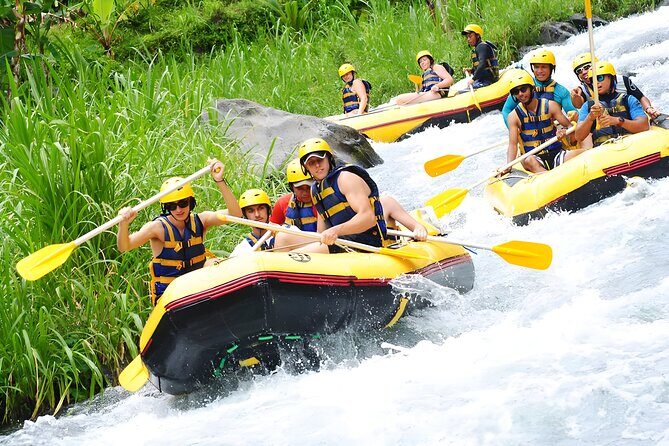
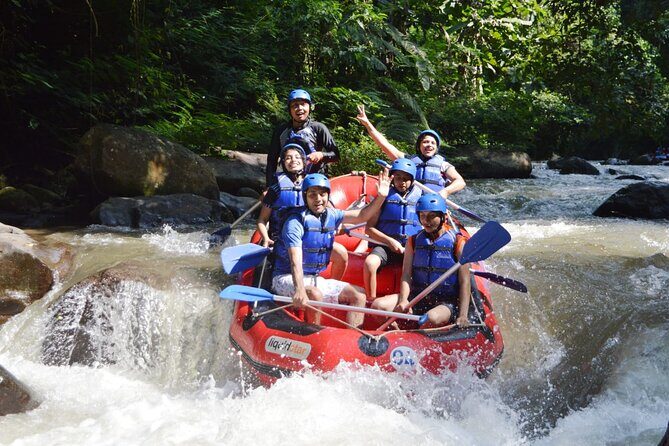
Rafting and temples in one day. That mix is exactly why this tour works: you get 2 hours on the Ayung River, then a full run through Ubud’s jungle-and-culture highlights, ending at a waterfall with great photo chances.

I like how this day is built around real activities, not just scenic stops. Ayung River rafting comes with the safety gear, lockers, towels, and even shower/changing time, so you’re not stuck dealing with wet clothes the rest of the afternoon.

One consideration: it’s a full 10-hour outdoor day. If you’re sensitive to crowds around wildlife sites or want a super relaxed pace, plan for walking, heat, and water prep.

Key Highlights at a Glance
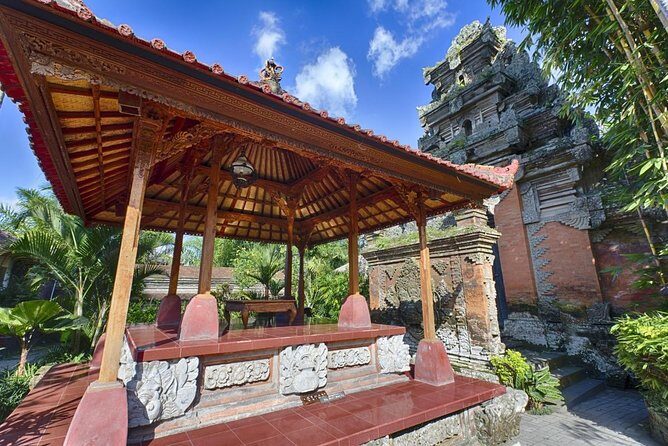
Bali River Rafting and Ubud Full Day Tour Packages - Key Highlights at a Glance

  • Private car with a professional English-speaking driver for a smoother, no-hassle route across Ubud
  • Ayung River rafting for about two hours, guided with safety-approved equipment and insurance
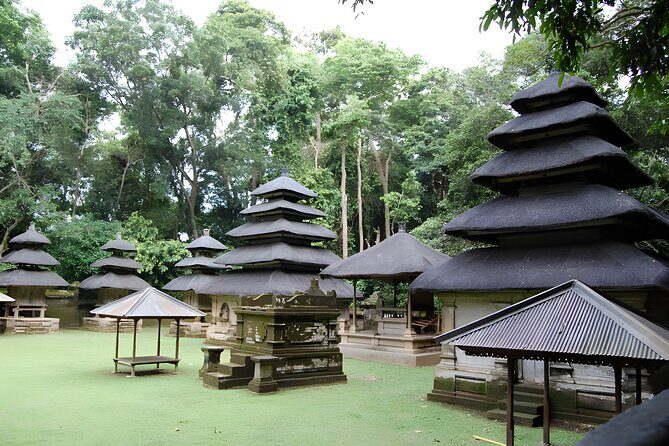
  • Monkey Forest Sanctuary with gray long-tailed macaques in and around Hindu temple grounds
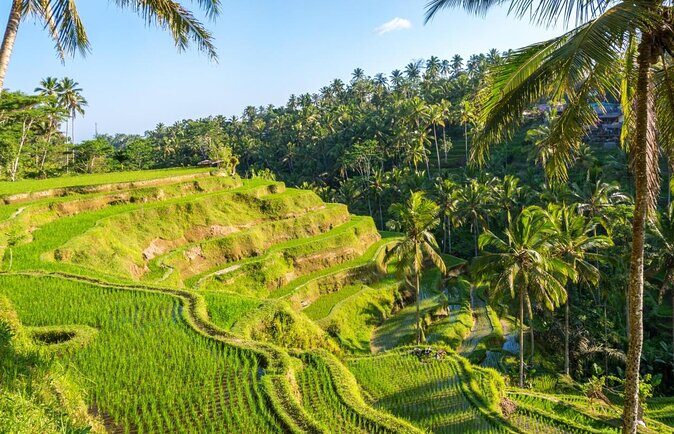
  • Ubud Palace + Tegalalang Rice Terrace for culture and that classic Bali view
  • Tegenungan Waterfall as the day’s final scenic stop for photos and cool-water vibes

Why This Bali Day Tour Feels Like a Full Win
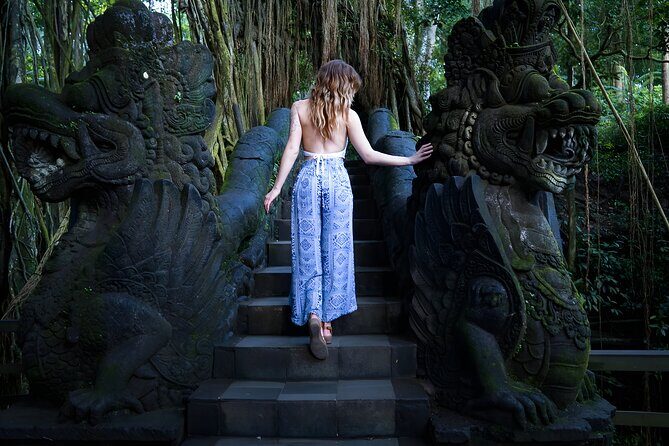
Bali River Rafting and Ubud Full Day Tour Packages - Why This Bali Day Tour Feels Like a Full Win
This isn’t “just another day trip.” It’s a tight schedule with enough variety to keep you interested from morning to late afternoon. You start early (8:00 am), then jump straight into the action with white-water rafting on the Ayung River. After that, the day pivots into nature + culture: macaques in a sanctuary, the Ubud Palace area, then rice terraces and a waterfall.

I also like that the tour handles the logistics for you. Hotel pickup is offered, you ride in an air-conditioned vehicle, and you have a driver guiding the day in English. That matters in Bali, where it’s easy to burn time figuring out where to go next.

The price is $80 per person, and the value is that a lot is included. You’re not only paying for the rafting. You’re also getting the lunch, entrance tickets, rafting insurance, and the transport that strings together multiple stops into one day.

The Big Start: Ayung River Rafting Setup and What to Expect
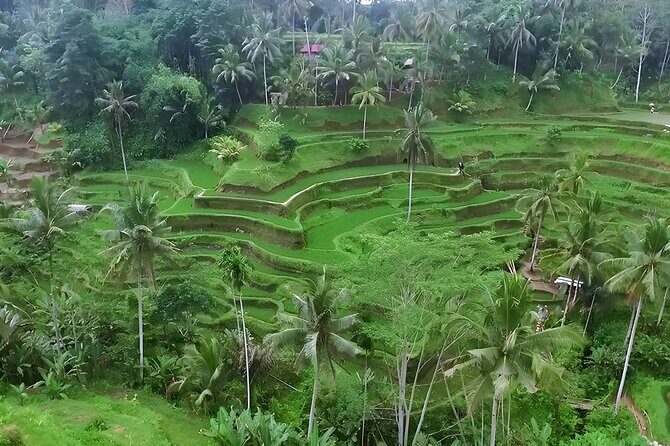
Bali River Rafting and Ubud Full Day Tour Packages - The Big Start: Ayung River Rafting Setup and What to Expect
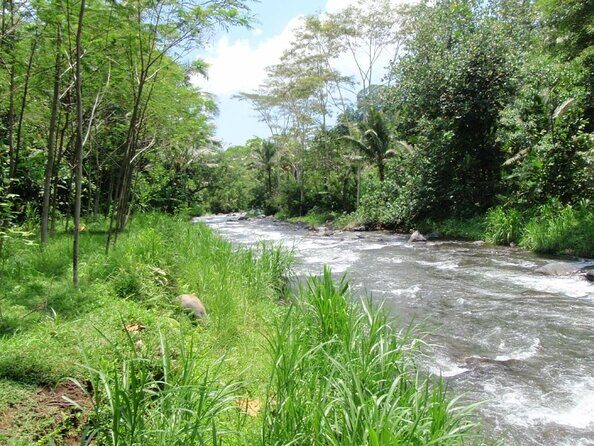
Your morning revolves around 2 hours of rafting on the Ayung River. This is the part that most strongly sets the tone: it’s active, it’s scenic, and it’s guided. You’ll be with a professional river rafting guide, plus safety-approved equipment, and you’ll have access to lockers, towels, and a shower/changing room afterward.

That cleanup detail is more important than it sounds. A rafting morning can leave you uncomfortable if you have to scramble for a place to freshen up. Here, the tour is set up so you can transition from wet-and-wild to photo-ready for the rest of the itinerary.

Also, the Ayung River portion is described as scenic and wildlife-filled, with hidden waterfalls in the mix. Even if you’re not chasing “extreme rafting,” you’ll still get the sense that this is real river scenery, not just a ride in a scenic park.

Quick practical note: come with sunscreen and a plan to change out of wet clothes. The tour specifically asks you to bring a change of clothes and a camera, so use that to your advantage and pack smart.

Sacred Monkey Forest Sanctuary: Close Encounters with Bali’s Jungle Side

After lunch, you head to the Sacred Monkey Forest Sanctuary. This is not a zoo-style experience. The gray long-tailed macaques roam freely in a sanctuary environment that’s tied to Hindu temple grounds and lush jungle surroundings.

This is one of those stops that can be either a highlight or a challenge, depending on how you feel about wildlife proximity. If you enjoy nature where animals have space to move and you’re okay with the fact that it’s a living sanctuary, you’ll likely have fun here. If you’re expecting a quiet, low-stimulation walk, adjust your expectations. It’s active. The monkeys are active too.

The upside is that the setting feels layered: temple structures, jungle greenery, and monkeys in the same frame. It’s also a good contrast to the rafting, because by the time you arrive here, you’re back on land with time to slow your pace and watch.

I’d also plan for a camera moment. You’ll want photos, but don’t turn this into a marathon. Take a few, then enjoy the walk and the scenery.

Ubud Palace: Culture Stop That Adds Meaning to the Day
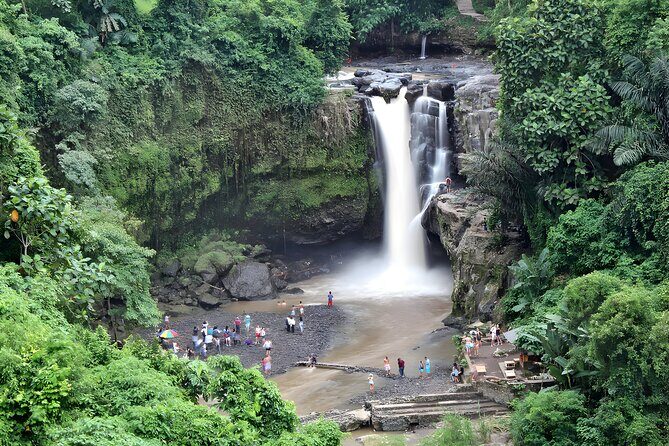
Bali River Rafting and Ubud Full Day Tour Packages - Ubud Palace: Culture Stop That Adds Meaning to the Day
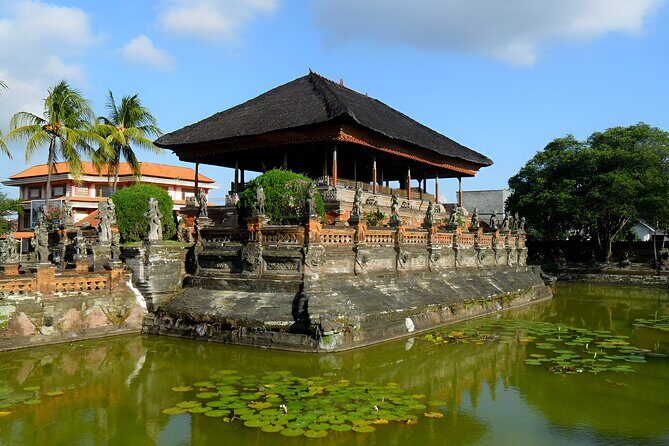
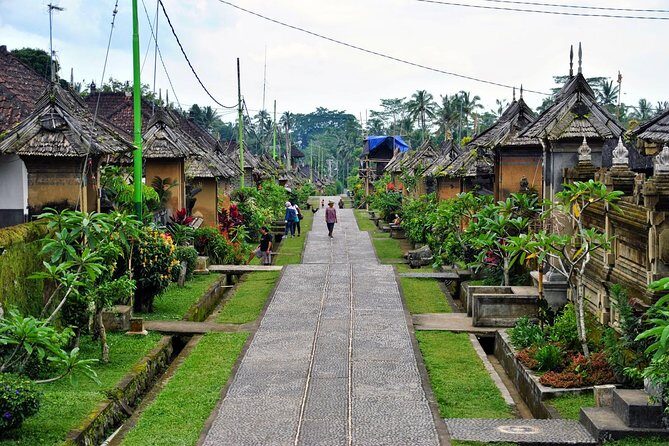
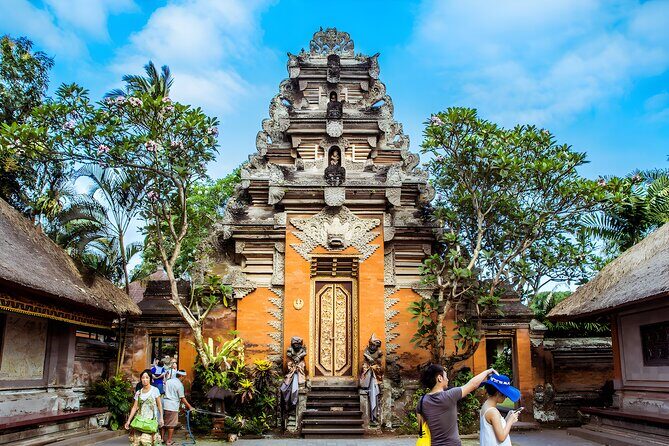
Next up is the Ubud Palace. This isn’t just a pretty building on a map. It’s still connected to Bali’s living culture, described as a historic palace that’s still home to the royal family and a hub for artistic and cultural life.

This is the part of the day that helps the rest make sense. After you’ve spent the morning dealing with water energy and the afternoon walking through jungle and temple grounds, Ubud Palace gives you a sense of why people come to Ubud beyond scenery.

If you’re the type who likes to understand what you’re looking at (even briefly), this stop works well. If you only want photo ops, you’ll still get something out of it, but you might want to keep your time efficient.

Tegalalang Rice Terrace: That Classic Bali View, Plus Time to Breathe

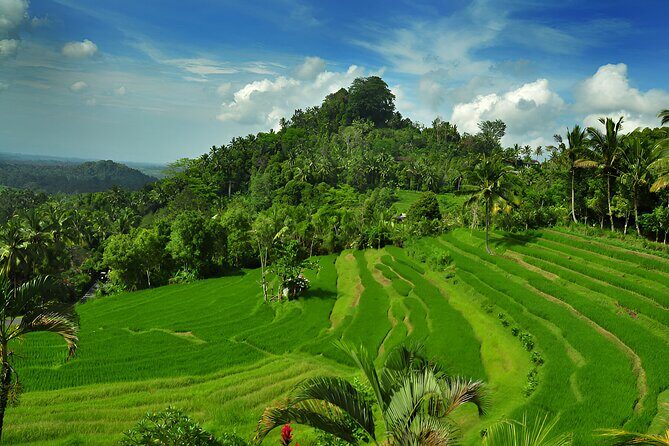
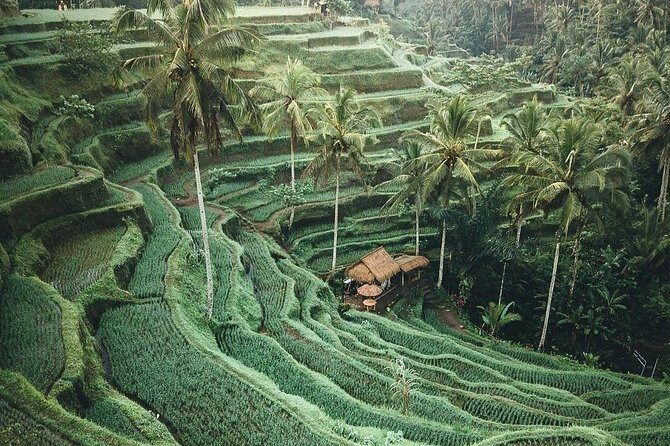
Then you move to Tegalalang Rice Terrace for the big “wow” views. Rice terraces are one of those Bali signatures that still hold up, because the scenery isn’t just about a single viewpoint—it’s the pattern of fields and the way the slopes create layers.

Here’s why this stop matters in the schedule: you’ve already done active rafting and wildlife walking. Tegalalang gives you a more open stretch of time to pause, look, and decide where you want to stand for photos.

A small practical thought: this is outdoors. Heat and sun can add up fast, especially after lunch. Pace yourself and keep your water and sunscreen habits going.

Tegenungan Waterfall: The Photo-Friendly Finale

You wrap up at Tegenungan Waterfall, described as a perfect spot for capturing stunning photos. This is a strong ending because it’s visually clear and instantly rewarding. After a day full of different textures—river, jungle, temples, terraces—waterfall time is the closing “reveal.”

This stop also gives your body a chance to reset a bit. Even if you don’t go near the water much, the sound and scenery change the energy of the day.

If you’re a photographer, save your best moments for the waterfall. It’s easy to spend all your energy on earlier photos, then feel rushed at the end. Here, you’re closing strong on scenery.

Private Transport + English Driver: Why the Day Feels Easier
Bali River Rafting and Ubud Full Day Tour Packages - Private Transport + English Driver: Why the Day Feels Easier
The tour is set up as a private experience. That means you have no other participants in the vehicle—just your group. You ride in an air-conditioned car with a professional English-speaking driver who also acts as a tour guide.

In practical terms, this helps you in three ways:

  • You’re not stuck waiting around for other groups to finish.
  • Your driver can shape the day’s flow so you spend less time on confusion and more time at stops.
  • You get smoother transitions between rafting, lunch, and multiple sights.

One detail I really pay attention to on Bali tours is the quality of the guide/driver. In past experiences with this company, the name Aditya came up with praise for being friendly, knowledgeable, and having excellent English skills. That’s the kind of combo that makes a schedule like this feel relaxed, even when the day is packed.

Lunch Included: Simple Fuel Without Extra Searching

Lunch is included as a buffet at the rafting restaurant. That’s a big deal in a day like this because it removes a common headache: finding food at the right time, in the right location, without breaking your schedule.

Since the day is already outdoors and active, you’ll want steady energy. Buffet lunch is usually the most practical format for mixed preferences, and there’s also a vegetarian option available if you tell them when booking.

Who This Tour Fits Best (And Who Might Think Twice)

This is a great match if you want:

  • A full day that mixes adventure + culture + scenery
  • A rafting experience with insurance and safety equipment handled for you
  • A private setup so your group can move as a unit
  • An itinerary that ends with a major scenic payoff (Tegenungan Waterfall)

You’ll probably enjoy it even more if you like photo stops and you’re comfortable walking around sites like the Monkey Forest and rice terraces.

There are limits, though. The minimum age allowed is 5, and the maximum age allowed is 60, so plan around that. Also, the day runs long—about 10 hours—so if you prefer shorter outings, you might find it tiring.

Price: Is $80 Per Person Good Value Here?

At $80 per person, the key question is what you’re actually buying beyond the rafting ticket. In this package, you’re getting:

  • Hotel pickup (offered) and private air-conditioned transport
  • A private car setup where you’re not sharing the vehicle with strangers
  • 2 hours of Ayung River rafting with a professional rafting guide
  • Safety-approved equipment, lockers, towels, and shower/changing room
  • Buffet lunch
  • Entrance tickets for the listed stops
  • Rafting insurance, plus tax and service

When you add those pieces together, the price stops looking like “just a rafting activity.” It becomes a full day plan where the transport and admissions are folded in, and you don’t have to coordinate the timing yourself.

Is it the cheapest option on the island? Probably not. But for a day that bundles rafting, Ubud sights, and the ending waterfall—plus private transport—it can feel like good value, especially if you’d otherwise pay separately or lose time planning.

Tips to Make the Day Go Smoother

Here’s how I’d prep using what the tour info asks you to bring and do:

  • Bring sunscreen (you’ll be outdoors for multiple stops).
  • Pack your camera early so you don’t end up hunting for it at the waterfall.
  • Bring a change of clothes for after rafting.
  • Dress in smart casual.

Also, the tour notes that you’ll receive confirmation at booking. That matters because this is weather-dependent in the sense that rafting and the day’s conditions can shift. If conditions aren’t right, a new date or full refund is offered, which takes some stress out of the decision.

Should You Book This Bali River Rafting and Ubud Full Day Tour?

If you want one organized day that hits Ayung River rafting, Monkey Forest, Ubud Palace, Tegalalang rice terraces, and Tegenungan Waterfall, this is a strong pick. The private vehicle setup and English-speaking driver make the schedule feel manageable, and the rafting portion includes the key comfort items like lockers, towels, and shower/changing time.

I’d book it if you’re traveling with a group that wants variety and you’re okay with an active day outdoors. I’d think twice if you want a low-key pace or you’re not comfortable with close wildlife environments at the Monkey Forest.

If you do book, put extra care into your packing. Sunscreen, a camera, and a change of clothes are your three simple helpers for making the whole day feel easier.

FAQ

What time does the tour start?

The start time is 8:00 am.

How long is the tour?

The duration is about 10 hours.

Is pickup included?

Pickup is offered.

Is this a private tour?

Yes. It’s private, and only your group participates in the vehicle.

How long is the rafting on the Ayung River?

You get about 2 hours of rafting on the Ayung River.

What’s included for lunch?

A buffet lunch is included.

Are entrance tickets included?

Yes. All entrance tickets are included.

What should I bring?

Bring sunscreen, a camera, and a change of clothes.

Is a vegetarian meal available?

Yes. A vegetarian option is available if you advise at the time of booking.

What are the age limits?

Minimum age allowed is 5 years, and maximum age allowed is 60 years.

What’s the cancellation policy?

You can cancel for a full refund if you cancel up to 24 hours in advance. The experience requires good weather, and if it’s canceled due to poor weather you’ll be offered a different date or a full refund.

Bali Wanaku Heritage IndoAsian Cuisine

Bali Wanaku Heritage IndoAsian Cuisine - Your 3-hour IndoAsian set menu: what happens when you arrive

Gazebos make dinner feel like an event.

Wanaku Bali Heritage IndoAsian Cuisine turns a simple meal into a heritage-style night in Tuban, Kuta, with indoor and outdoor gazebo seating and contemporary live performances. I like that you get a set menu for lunch or dinner with GST already included, and I like that the package comes with steamed rice plus watermelon juice so you’re not doing extra mental math. The main catch is that it’s a fixed set menu, so your ability to swap items is limited.

This is also one of the easier “value” meals in Kuta because it runs about 3 hours and starts and ends at the same spot. You’ll sit, eat at a comfortable pace, and enjoy the tropical setting while the room stays lively with performances.

One practical note: if something isn’t working for you with the food, you should tell the restaurant staff during your visit for quick help. Also, extra drinks and anything outside the set menu can add up.

Key highlights worth your attention

Bali Wanaku Heritage IndoAsian Cuisine - Key highlights worth your attention

  • Heritage dining in Tuban, Kuta with an IndoAsian menu that leans Indonesian (including Balinese touches)
  • Set-menu pricing with GST included, plus steamed rice and watermelon juice
  • Indoor/outdoor dining with gazebo tables, which makes the atmosphere feel more personal
  • Live performances during your meal so the night feels special without needing a separate show ticket
  • Family-style / sharing setup for the table when you book as a group (private activity for your group)

Why Wanaku Bali feels different from typical Kuta dining

Bali Wanaku Heritage IndoAsian Cuisine - Why Wanaku Bali feels different from typical Kuta dining
Kuta has plenty of food options, but a lot of them feel like the same formula: order, wait, eat, leave. Wanaku Bali works differently. The restaurant uses a more heritage look and a calmer tropical setting, and it builds in live performances as part of the experience rather than making you go somewhere else for entertainment.

I also like that the meal is organized around a set menu. That matters because it removes the guesswork when you’re hungry and deciding in a busy area. You choose lunch or dinner, then you settle into the experience knowing what’s included—GST is taken care of, and you get steamed rice plus watermelon juice as part of the package.

If you care about atmosphere, you’ll probably notice the attention to seating. One of the standout details from people who go is the gazebo-style tables—each table feeling tucked away enough that your group can talk without shouting over the whole room.

The only real drawback is the “set menu” nature. If you’re a strict picky eater, you should keep expectations realistic: you can’t assume there will be a full buffet of choices, and changes may be limited. If something in the set isn’t available, the restaurant says they replace items with other options at the same price—so you’ll still get a complete meal, just not the exact same ingredients.

Your 3-hour IndoAsian set menu: what happens when you arrive

Bali Wanaku Heritage IndoAsian Cuisine - Your 3-hour IndoAsian set menu: what happens when you arrive
Think of this as a meal experience with an event rhythm, not a quick stop. The whole program runs about 3 hours, and it includes your selected set menu for lunch or dinner.

Once you arrive, you meet at Wanaku Seafood & Chinese Restaurant in Tuban (Jl. Kediri No.45A, Tuban, Kec. Kuta, Badung, Bali 80361). The setup is straightforward: you’re there, you get seated, and your meal service follows the restaurant’s plan for the set menu.

Here’s what’s included with your ticket:

  • the selected set menu (lunch or dinner)
  • GST (Goods and Services Tax) included
  • steamed rice and watermelon juice

And here’s what’s not included:

  • any extra food or drink beyond the set
  • tips
  • transport service
  • insurance

Why I like this structure for visitors: it’s easier to budget. With many dining deals, you pay low upfront, then get hit with add-ons you didn’t plan. Here, the basics that tend to add up—tax and your drinks—are already handled. You just need to decide how much you want to spend on extras.

Another useful detail: the activity is private for your group, but there’s still an expectation of table sharing when you book as a group (minimum 2 guests gets a family-style/sharing setup). That’s good if you’re traveling with friends or family and you want to sample several dishes together.

The seating setup in Tuban: indoor, outdoor, and gazebo vibes

Bali Wanaku Heritage IndoAsian Cuisine - The seating setup in Tuban: indoor, outdoor, and gazebo vibes
One of the most praised parts of Wanaku is the setting. People talk about the way the tables are arranged under separate gazebos, which adds privacy and keeps the experience from feeling like a loud open dining hall.

What you should know from a planning standpoint:

  • You can choose indoor or outdoor seating
  • Gazebo-style table arrangements create a more relaxed feel
  • The tropical surroundings are part of the “slow down and enjoy” factor

Why that matters: if you’re spending the day in the heat or walking around town, you probably want somewhere that helps your body cool off mentally too. Gazebos and outdoor options can give you that sense of “we’re not just eating, we’re at an actual venue.”

Possible drawback: if you’re extremely sensitive to noise, keep in mind there are live performances. The gazebo spacing may help, but the environment is meant to feel lively.

Food flavors to expect from an Indonesian-leaning IndoAsian menu

Bali Wanaku Heritage IndoAsian Cuisine - Food flavors to expect from an Indonesian-leaning IndoAsian menu
Wanaku Bali is described as heritage-style dining with an IndoAsian focus. In practice, that means Indonesian food is central, especially Balinese, while Asian cuisine ideas show up alongside it.

You’re not just getting random “restaurant classics” either. The value here is that the menu is built as a themed set experience, so you get a mix that fits the house style.

A couple examples mentioned in real dining experiences:

  • Thai pattaya fish was singled out as amazing
  • Indonesian fried rice served with pieces of mutton was also a hit, and portion size felt satisfying

Even if those exact items aren’t on your specific set, they give you a sense of what kind of flavors you may run into: Thai-leaning seafood dishes and Indonesian rice dishes with hearty elements.

One more important planning point: set menus generally can’t be swapped once everything is in stock. The restaurant says that if items (like certain vegetables, seafood, or meat) aren’t available due to unpredictable issues like weather or delivery problems, they will replace them with other items at the same price. But if all items are in stock, the package menu can’t be changed or exchanged.

So before you book, think about your dietary needs and flexibility. If you have strong allergies or strict dietary restrictions, the safest move is to confirm with the restaurant staff directly at your visit, since the package structure limits substitutions.

Live performances during dinner: a bonus that shapes the whole mood

Bali Wanaku Heritage IndoAsian Cuisine - Live performances during dinner: a bonus that shapes the whole mood
This is not a background-music kind of meal. The experience includes contemporary live performances while you dine.

That changes the feel in two ways:

  1. The restaurant has a “night out” energy, even though you’re just eating.
  2. The timing of the meal tends to feel event-like rather than rushed.

In terms of what to watch for: if you’re trying to enjoy a quiet conversation without any distraction, you might find performances a little more noticeable than you’d expect. But if you like your food experiences to have personality—music, energy, and atmosphere—this is part of what makes Wanaku different from a typical Kuta restaurant.

Also, there’s a big upside that visitors mention: the vibe. People call out how beautiful the ambiance feels, and they mention the atmosphere as part of why they would return. When performances and seating work together, you get a full “evening story,” not just dinner.

Price and value: does $26 make sense in Kuta?

Bali Wanaku Heritage IndoAsian Cuisine - Price and value: does $26 make sense in Kuta?
At $26 per person, this package is priced like a straightforward meal deal, but with a few cost-stabilizing perks.

Your ticket includes:

  • set menu for lunch or dinner
  • GST
  • steamed rice
  • watermelon juice

That combination is key. Tax alone can be annoying on small-ticket meals. Adding GST and including your rice and a drink in the package means you can estimate your total cost more accurately than with many standard restaurant orders.

What drives the “value” up even more is the setting. You’re not paying extra just to sit indoors. You’re paying for a whole venue experience: tropical surroundings, gazebo-style tables, and live performances.

Where the value can slip a bit:

  • If you plan to order a lot of extra food or drinks, your final bill will rise above what the ticket price suggests.
  • Transport isn’t included, so factor in how you’ll get there and back.

Still, for many visitors, $26 for a set IndoAsian meal with tax handled and a venue show vibe is a solid deal—especially if you want something more atmospheric than another quick plate in Kuta.

Getting there in Tuban and planning your timing

Bali Wanaku Heritage IndoAsian Cuisine - Getting there in Tuban and planning your timing
This runs from one main meeting point to the same end point. You meet at Wanaku Seafood & Chinese Restaurant on Jl. Kediri No.45A in Tuban, Kuta, and the experience ends back there.

Two practical tips help you enjoy it more:

  • Arrive with a little breathing room. The meal experience is about three hours, so try not to schedule something tight right after.
  • Since it’s near public transportation, you can plan around local routes if you’re not using private transport.

You also have a mobile ticket. That makes check-in easier, and it reduces the chance of scrambling for paper confirmations.

Also note: confirmation comes within 48 hours of booking, subject to availability. If you’re trying to line up lunch or dinner at a specific time window, it’s smart to lock it in early.

Who this Bali Wanaku experience is best for

Bali Wanaku Heritage IndoAsian Cuisine - Who this Bali Wanaku experience is best for
Wanaku Bali works especially well if you want:

  • a comfortable, organized meal plan (set menu, clear inclusions)
  • Indonesian-focused flavors with Asian variety
  • a restaurant setting that feels like an experience, not just a dining room
  • live performances included in the meal time

It’s a good fit for:

  • couples who want an atmospheric dinner without planning a separate show
  • families, since the restaurant handles sharing-style setups for group bookings
  • groups of friends who want a “try a bunch of dishes” vibe at the same table

If you’re solo, this is still described as a private activity for your group, and it says most travelers can participate. Just keep in mind the setup includes sharing/family-style when the group meets the minimum arrangement.

If you’re extremely picky or have strict dietary limits, you’ll need to manage expectations carefully because set menus and swaps can be limited.

Should you book Bali Wanaku Heritage IndoAsian Cuisine?

I’d book it if you want an easy win: a heritage-feel restaurant in Tuban with gazebo seating, live performances, and a set menu that already includes GST plus rice and watermelon juice. It’s also good value in a place where many meals can quickly become pricey once you start adding drinks and extras.

Skip it if you need full menu freedom or expect to customize heavily. This is built around a set menu structure. And if you’re chasing a super-quiet dining experience, the live performances may not be your thing.

If your goal is a memorable Kuta-area dinner that feels more like a night out than a quick bite, Wanaku Bali is a smart choice.

FAQ

What’s included in the Bali Wanaku set menu package?

Your ticket includes a selected set menu (lunch or dinner), GST, steamed rice, and watermelon juice.

Can I choose lunch or dinner?

Yes. You can choose between a lunch experience or a dinner experience.

Where does the experience start and end?

It starts at Wanaku Seafood & Chinese Restaurant in Tuban, Kuta, and ends back at the same meeting point.

How long does the meal experience take?

It’s approximately 3 hours.

Is GST included in the price?

Yes. GST is included in the set menu price.

Does the restaurant offer indoor and outdoor seating?

Yes. You can choose between indoor and outdoor seating.

Is live entertainment included?

Yes. The dining experience includes contemporary live performances during your meal.

What if an item in the set menu isn’t available?

If items from the package aren’t available due to unpredictable issues (like weather or delivery problems), the restaurant replaces them with other items at the same price. If everything is in stock, the set menu can’t be changed or exchanged.

Your Fragrance Selection: Bali Perfume Workshop and Creations

Your Fragrance Selection: Bali Perfume Workshop and Creations - Ingredients from Indonesian nature: flowers, citrus, woods, and spices

Perfume making gets personal fast. In this Bali workshop in Kuta, you design a signature fragrance based on your own taste—guided by a master perfumer using materials drawn from Indonesian nature. It’s practical, creative, and hands-on, not just a presentation.

I really like the focus on DIY mixing (you’re learning how to match materials to you, not copying a fixed recipe). I also like that it’s welcoming to everyone—men are explicitly welcome too—and the group stays small, with a maximum of 5 travelers.

One thing to consider: your final results depend on the choices you make while mixing. If you’re expecting a guaranteed crowd-pleasing scent without any participation, this workshop might feel less automatic than you’d like.

Key things to know before you go

Your Fragrance Selection: Bali Perfume Workshop and Creations - Key things to know before you go

  • Small group size (up to 5): more time for questions and less waiting around
  • A master perfumer leads the session: you’re not just doing craft, you’re learning how perfume works
  • Natural ingredient categories: flowers, citruses, woods, and spices are part of the formula-building process
  • You leave with your own bottle: a 30 ml fragrance is included
  • Certificate option with the 3-hour workshop: handy if you want a formal takeaway
  • Mobile ticket: makes check-in simpler once you’re on the ground

Price and value: is $105 a fair deal?

At $105 per person for about 3 hours, you’re paying for more than a souvenir craft. This includes a perfumery introduction, the instructor’s time, and the materials needed to create a fragrance—plus the actual product you take home in the included 30 ml bottle. If you’ve ever bought perfumes and wondered what all the note terms actually mean, this is the kind of workshop that can turn “marketing words” into something you can use.

The value also improves because the experience is capped at 5 travelers. In a larger class, you might spend a lot of time waiting. Here, the format is set up so you can get guidance while you’re building your formula.

Also note the workshop comes in two options: 90 minutes or 3 hours. The longer version adds a certificate, which is the main stated difference. If you like learning slowly and want that extra structure, the 3-hour session is the one to choose.

The 3-hour flow in plain terms (and what to expect)

Your Fragrance Selection: Bali Perfume Workshop and Creations - The 3-hour flow in plain terms (and what to expect)
Even without a printed minute-by-minute schedule in front of you, the workshop has a clear rhythm based on how it’s described.

First, you start with a perfumery introduction led by the master perfumer. Expect to learn the basics behind perfume-making and how different materials behave together. You’ll also hear about the specific essences and components used for the workshop, including materials tied to Indonesian nature.

Then you move into the fun part: making your signature fragrance. You’ll mix ingredients so they fit your personality and taste. The workshop description calls out that you can build your formula from different organic materials such as flowers, citruses, woods, and spices. This is where your choices matter most—because the end result reflects what you selected and how you combined them.

Finally, you get to bottle your creation. The experience includes a 30 ml bottle of your own creation, so you’re leaving with something usable right away, not just a sample vial.

Ingredients from Indonesian nature: flowers, citrus, woods, and spices

Your Fragrance Selection: Bali Perfume Workshop and Creations - Ingredients from Indonesian nature: flowers, citrus, woods, and spices
This is the core of the experience, and it’s why I think it’s more interesting than a generic craft class.

The workshop is built around ingredient families—flowers, citruses, woods, and spices—so you can think in “note groups” rather than random powders and liquids. That matters because perfume is about balance. If you lean too far into one type, the scent can feel heavy or one-note. If you balance note groups, you usually get something more personal and wearable.

Here’s how to approach those categories as you mix:

  • If you like something bright and fresh, you’ll probably gravitate toward the citruses side.
  • If you want a softer, romantic feel, flowers tend to steer you there.
  • If you’re after warmth, grounded depth, or something that reads more “grown-up,” woods and spices are often the direction.

You don’t need to know perfume jargon. The instructor’s role is to help you mix materials so the result matches you.

You’ll get real guidance, not just a handout

The experience is led by a master perfumer, and the workshop instructor is part of what’s included. That’s important because perfume-making has lots of tiny decisions: how much to use, how components interact, and how to build a scent that doesn’t overpower itself.

From the review feedback, the staff feel friendly and easy to get along with, and the overall vibe comes across as classy rather than chaotic. I’d take that as a good sign for a first-time workshop. A perfume lesson works best when you feel comfortable asking questions and adjusting your formula without feeling rushed.

One more practical detail: the tour is described as near public transportation, and the meeting point is the start and end point. Translation: you can likely plan your day without needing a complex transfer plan built around a pickup.

Group size: why max 5 travelers actually matters

A small group changes how the whole session feels.

With a maximum of 5 travelers, you’re more likely to get hands-on attention. It also tends to cut down on the time you spend waiting for your turn while others get help. For perfume-making, that’s huge, because your choices are happening in real time.

It also means you can learn from the room. Even if you’re not copying anyone else’s fragrance, watching how other people approach flowers vs. citrus vs. woods vs. spices can help you refine your own decisions.

What you take home (bottle size and certificate)

You’re included a 30 ml bottle of your own creation. That’s a meaningful size: enough to wear, share, or even test in different settings. If you travel with it, you’ll want to keep it secure in your bag since you’re carrying an actual fragrance, not a paper certificate.

For the 3-hour workshop, you also get a certificate. The 90-minute option doesn’t include this stated certificate. If you like having a tangible learning result—something that feels official enough to keep—pick the 3-hour format.

Either way, you’re walking away with a scent you helped build. That’s the difference between a workshop that’s just entertainment and one that gives you a practical takeaway.

Men are welcome: why that matters in real life

Your Fragrance Selection: Bali Perfume Workshop and Creations - Men are welcome: why that matters in real life
It’s easy for perfume workshops to feel like they’re aimed only at women, even when they’re advertised broadly. Here, the experience clearly states that men are welcome, and that small detail changes the comfort level for many people.

If you like the idea of making a signature scent but didn’t want to do it in a “only for a certain crowd” atmosphere, this is a good fit. You’ll be making your own fragrance based on your personality, not someone else’s idea of what you should like.

Who this Bali perfume workshop suits best

This workshop is a great match if:

  • You enjoy hands-on learning and want to understand how perfume is built
  • You like scent categories like flowers, citrus, woods, and spices
  • You want a personal souvenir that’s actually wearable
  • You prefer small-group instruction rather than a big class

It’s also a good choice for a couple or friends who want a shared activity that ends with a product. Just keep in mind that the workshop is focused on creating a fragrance—if you’re hoping for sightseeing between stops, this is more “make something” than “go see something.”

How to get ready (so you leave happy with your scent)

You’ll get the best result if you show up with at least a rough idea of what you like, even if you can’t describe it in perfume terms.

A few tips:

  • Think of moods, not notes. Do you want something bright, warm, smooth, or spicy?
  • Be open to adjusting while you’re mixing. Perfume is interactive; the first draft doesn’t have to be the final direction.
  • Don’t overthink the “right answers.” Your goal is a scent that fits you, not a scent that fits a trend.

If you’re sensitive to strong smells, tell the instructor as early as possible. The workshop is structured around blending essences, so you’ll be around scent materials for the session.

Should you book Bali Perfume Workshop and Creations?

I’d book it if you want a fun, grounded workshop in Kuta that ends with a real 30 ml bottle and a guided lesson on how perfume is put together. It’s good value for people who like DIY and want to leave with something personal, not just photos.

Pass or choose something else if you’re expecting a purely passive experience, or if you’re only interested in perfume as a shopping item. This is about making decisions while you mix.

If you’re the type who enjoys learning by doing—and you’re curious about how Indonesian nature ingredients can turn into a signature fragrance—this workshop is a strong bet.

FAQ

Where does this perfume workshop take place?

It takes place in Kuta, Indonesia, and the activity starts and ends back at the meeting point.

How long is the experience?

The workshop is approximately 3 hours for the option described in this review. There is also a 90-minute workshop option.

How much does it cost?

It costs $105.00 per person.

What do I get included in the price?

You get a perfumery introduction, the workshop instructor fee, a 30 ml bottle of your own creation, and a certificate for the 3-hour workshop only.

Is there a certificate?

Yes, you get a certificate only if you book the 3-hour workshop.

Are hotel transfers included?

No. Hotel transfer service is not included.

Do I need to print a ticket?

No. You receive a mobile ticket.

How big is the group?

The workshop has a maximum of 5 travelers.

What is the cancellation policy?

This experience is non-refundable and cannot be changed for any reason. If you cancel or request an amendment, the amount paid will not be refunded.

3 Hours Wheel Throwing Basic Ceramic Class

3 Hours Wheel Throwing Basic Ceramic Class - The Big Picture: What You Make (And What You Take Home)

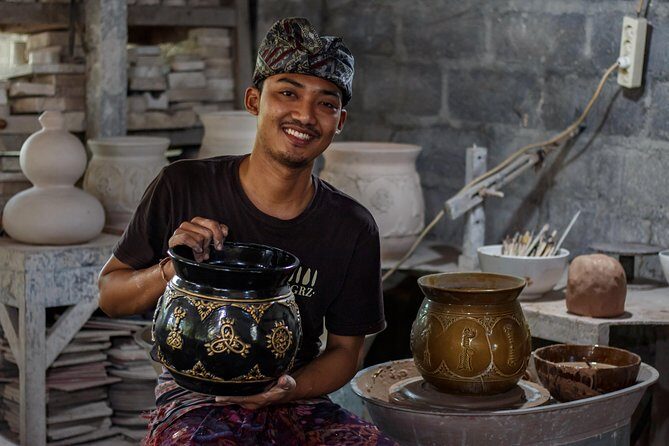
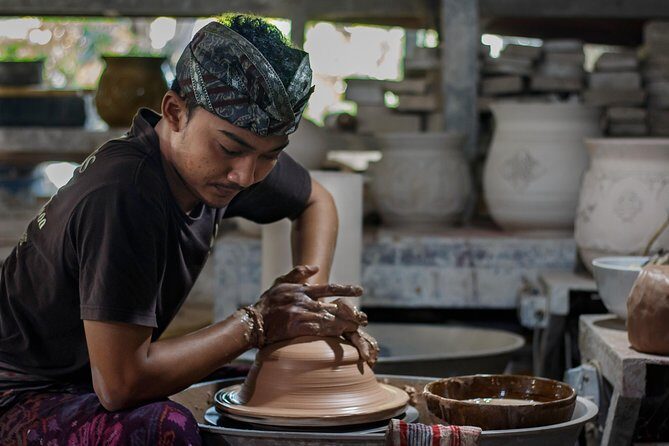
If you’re curious about clay craft, this class is a solid bet. You’ll work in a working ceramic factory in Ubud, learn wheel throwing with hand technique, and leave with up to three finished pieces to pick up later after glazing and firing. I like that you get hands-on time on the wheel, not just watching. I also like that you’re experimenting with a real clay batch (about 3 kg), so the session feels substantial. The main thing to consider: the time-consuming part—combustion and glaze—doesn’t happen the same day, and it takes about 1–4 weeks.

Plan for roughly a 3-hour workshop, with an apron and water handled for you. You’ll start with scaling and kneading, move through the basics of the wheel and balancing your hands, and then shape your own pieces. If you want the instant-gratification version of pottery, this might frustrate you a little—because you’ll be making the forms now, and firing later.

Key Things You’ll Like About This Wheel Throwing Class

3 Hours Wheel Throwing Basic Ceramic Class - Key Things You’ll Like About This Wheel Throwing Class

  • Factory setting in Ubud: You learn in the same kind of space used for daily pottery work, with tools and machinery visible.
  • Wheel throwing plus hand technique: You get both the machine method and the hand-balancing basics.
  • About 3 kg of clay to work with: Enough material to actually experiment and improve during the session.
  • Choose your best 3 pieces: You’ll pick the top creations to take home from class (the limit matters).
  • Glaze and firing are handled for you later: You can request fully glazed and baked pieces, with timelines of 1–4 weeks.

Where You’ll Go in Ubud (And What That Means for Your Experience)

3 Hours Wheel Throwing Basic Ceramic Class - Where You’ll Go in Ubud (And What That Means for Your Experience)

This class takes place in a ceramic workshop in Ubud, Indonesia. The meeting point is listed at Jl. Nakula No.511, Guwang, Kec. Sukawati, Kabupaten Gianyar, Bali 80582, Indonesia, and the activity ends back there.

Why this matters: factory-based classes usually feel more practical. You’re not just learning theory in a studio corner—you can see the tools, materials, and machinery used in day-to-day pottery business. That setup also makes the pace feel more “real world,” which is great if you want to leave knowing what pottery actually involves.

Also note: the class is described as requiring good weather. That doesn’t mean you’re expected to be outdoors the whole time, but it does mean you should plan for possible rescheduling if the day gets messy.

The Big Picture: What You Make (And What You Take Home)

3 Hours Wheel Throwing Basic Ceramic Class - The Big Picture: What You Make (And What You Take Home)

The core promise is simple. You’ll learn basic wheel throwing ceramic technique, using a wheel throwing machine with your hands to shape the clay into forms you choose. You begin with clay preparation—scaling and kneading—then move onto shaping on the wheel.

Here’s the key part for your expectations: you can experiment with the clay during the session and create multiple items, but you’re limited in what you can bring home. You’ll choose your best three creations to take away.

Then comes the pottery math every beginner should know: making the shape is only half the job. The other half is glaze and combustion (firing), which is described as taking 1 week up to 4 weeks. You can have the provider help with fully glazed and baked results, but the firing process itself is not included in the class time the day you attend.

Step-By-Step: How the 3 Hours Typically Unfold

3 Hours Wheel Throwing Basic Ceramic Class - Step-By-Step: How the 3 Hours Typically Unfold

You’re looking at about 3 hours total. The class runs like a progression from clay prep to wheel technique to finishing choices—enough structure to keep you from feeling lost, even if you’ve never touched a pottery wheel before.

1) Scaling and kneading: your clay “warm up”

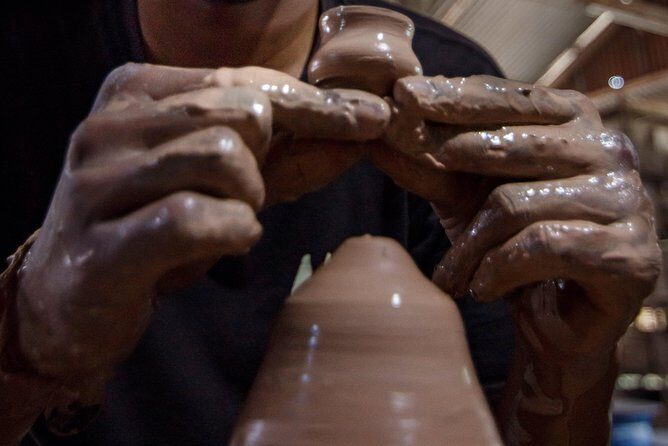
You’ll start with scaling and kneading the clay. This isn’t busywork; it sets up the wheel work. Proper kneading helps the clay feel consistent, which makes it less likely to collapse or wobble when you’re centering it on the wheel.

If you take nothing else from this step, take this: clay prep influences everything that comes after.

2) Wheel throwing basics: machine + your hands

Next, you’ll learn the basic wheel throwing process. That includes basic knowledge of the wheel machine and how to manage your hands for stable shaping. You’ll practice forming shapes you choose, using both the wheel machine and your hand technique to solid the clay and build the form.

This is where most beginners get surprised. Wheel throwing looks smooth in videos, but in real life, your grip, pressure, and timing all matter. Expect a learning curve—and expect the instructors to guide you so you can actually end up with usable pieces.

3) From clay amount to up to three final pieces

The class description mentions creating forms from about 2000 grams of clay, while the materials section says the clay is scaled into up to 3 kg during the session. Either way, the point is the same: you’ll work with a meaningful amount of clay, and you’ll build multiple attempts before selecting the best ones.

You’ll then pick your top three creations to take home from the workshop portion of the experience.

4) Decoration options (if you want variety)

You may have the chance to use coloring materials if you want to vary your art. The class doesn’t position this as an advanced painting workshop, but it does give you options beyond plain clay.

The Part That Happens Later: Glaze and Combustion Timeline

This class makes a clear separation between the “make it” part and the “fire it” part.

During your 3-hour session, you do not get the full finishing cycle. Combustion and glaze processing takes 1 week up to 4 weeks, and it’s described as something the team can help with for your final products. That means your pieces likely get fired and glazed after the class ends, rather than right in front of you.

The value here is practical. Firing is equipment-heavy and time-dependent, and it’s also the step that turns your shaped clay into durable ceramic. Having the provider handle it is what makes a beginner class actually produce something you can use later.

Just don’t plan this class like a day trip where you walk out with a fully finished mug. You’re walking out with shaped creations, and then you wait for the final ceramic transformation.

What’s Included (So You Don’t Waste Time Shopping)

Included in the price:

  • All materials for the session, including clay (scaled for the workshop)
  • Wheel throwing machine usage
  • Coloring materials if you choose to use them for your art
  • Bottled water
  • Apron provided during the session

This is a good setup if you’re already busy in Bali. You don’t need to bring tools or worry about renting anything. The class also handles the clay quantity and preparation process, which is usually the most confusing part for first-timers.

Price-wise, $50 per person for a 3-hour hands-on workshop with machine time is fairly reasonable, especially in a factory context where you’re using proper equipment and materials. The bigger “cost” isn’t money—it’s waiting time for the firing and glaze to finish.

What’s Not Included (And Why It Matters)

Not included:

  • Lunch and snacks
  • Private transportation
  • Combustion process for the final product

Why you should care:

  • If you’re hungry, you’ll need to plan food around the 3-hour session. The class includes water, but not a meal.
  • If you’re staying farther from the meeting point, you’ll likely need to arrange your own transport.
  • The big one: the firing process is not included as part of the class time. You’re not buying a one-and-done finished ceramic day. You’re buying the shaping lesson and the chance for later glazing/firing.

The good news is that the provider notes they can help with glaze and baking for your creations. The write-up just makes it clear that the final firing isn’t happening during the session itself.

Group Size and the Feel of a Private Class

3 Hours Wheel Throwing Basic Ceramic Class - Group Size and the Feel of a Private Class

This is listed as a private tour/activity, meaning only your group participates. That usually makes a big difference in a hands-on activity.

In a private setting, you’re more likely to get coaching that fits your pace. With wheel throwing, timing and pressure matter, so having instructors focus on your group can save you from the “watch and wait” rhythm that happens in larger classes.

That said, private doesn’t automatically mean zero guidance. Expect that instructors will step in to help you get the best outcome possible, especially if your pieces need adjustment to make it through later firing.

Communication, Expectations, and How to Avoid Friction

One concern that can catch people off guard is communication. If you’re booking through a platform that doesn’t message directly with the workshop, you might have trouble getting fast answers if questions come up.

My advice: before the day, be ready to bring your confirmation details and be proactive if you need clarification. If you can, arrange a local helper or contact who can guide you to the property on arrival. Workshop locations can be specific, and one wrong turn in Bali can cost you more time than you expect.

Also manage expectations about “how much you do.” Wheel throwing often involves instructor help—especially for beginners—so you may feel like you’re learning, not fully doing every second by yourself. For most people, that’s a feature, not a bug. You’re paying to end up with pieces that work, not just to struggle for 3 hours.

Who This Class Is Best For (And Who Might Want Something Else)

This class is a great match if:

  • You want a genuine, hands-on pottery skill, not a quick craft souvenir
  • You like practical learning in a working facility
  • You’re happy to wait 1–4 weeks for glaze and firing to finish
  • You want up to three ceramic pieces you can choose as your best work

It’s less ideal if:

  • You want to complete everything in the same day
  • You don’t want to think about planning transport to a specific address
  • You hate waiting, even when the result is better

If you’re traveling with a friend or partner, the private setup can make it feel like a mini workshop date. If you’re solo, it can still work well, but your pacing might depend on instructor support.

Should You Book This Wheel Throwing Class in Ubud?

Book it if you want the real skill basics: clay prep, centering and shaping on a wheel throwing machine, and the chance to produce up to three pieces worth keeping. The $50 price is a reasonable trade for a structured workshop in a working factory setting—especially if you don’t mind that glaze and firing happen later.

Skip it or look for a different option if you need the final ceramic finished during your visit. This class is about shaping now, and ceramic transformation later. If that timing fits your travel plan, you’ll feel good leaving with real progress instead of another tourist trinket.

FAQ

How long is the wheel throwing class?

The class is about 3 hours.

Where does the class start in Ubud?

The meeting point is listed at Jl. Nakula No.511, Guwang, Kec. Sukawati, Kabupaten Gianyar, Bali 80582, Indonesia.

Is this a private class or shared with other people?

It’s a private tour/activity, so only your group participates.

How much clay will I work with?

You’ll work with clay that is scaled for the class, with the materials described as up to 3 kg. The class also mentions working from around 2000 grams when creating your ceramic forms.

How many pieces can I take home?

You can bring home your creations with a limit of the best 3 pieces.

Is glazing and firing included during the class?

Glazing and combustion (firing) are not included as part of the class time, and processing takes 1 week up to 4 weeks.

What is included in the price?

Materials (including clay), wheel throwing machine usage, coloring materials if you want to vary your art, bottled water, and an apron.

What should I bring?

The class provides your apron and materials, so you mainly need yourself. If you have specific food needs, plan for lunch or snacks because they’re not included.

Is transportation included?

No, private transportation is not included.

What if the weather is bad?

The experience requires good weather. If it’s canceled due to poor weather, you’ll be offered a different date or a full refund.
Half Day Uluwatu Temple Sunset, Kecak Dance and Seafood Dinner

Half Day Uluwatu Temple Sunset, Kecak Dance and Seafood Dinner - Uluwatu Temple in 30 minutes: getting the cliff-top sunset fix

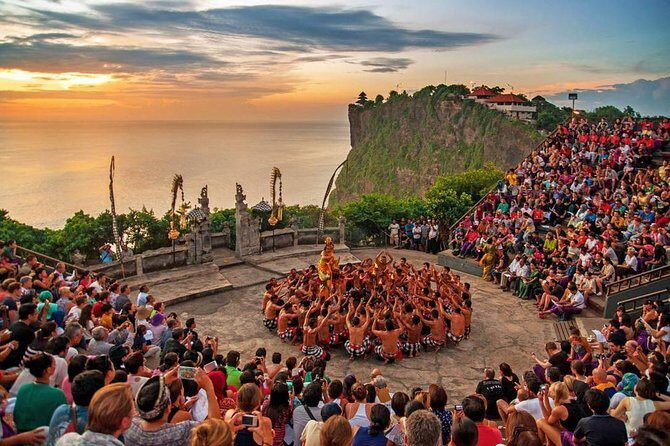
Sunset at Uluwatu is hard to beat. This half-day plan pairs a cliff-top Uluwatu Temple viewpoint with the ocean-facing Kecak and Fire Dance, then caps it with a candle-lit seafood stop in Jimbaran. You’ll also get door-to-door private transfers, so you spend less time wrestling with traffic and more time enjoying the view.

I love how the timing is built around the light: you’re at Uluwatu first, then you move straight into the performance while the sea is turning gold. I also like the value of included admission tickets for the temple and the dance show, so you’re not hunting for extra costs on the day.

One thing to consider: it’s a tight 6 to 7 hour block with fixed stops, starting at 2:30 pm. If you hate structured schedules or want a long, slow wander time at each place, this may feel a bit “planned.”

Key things to know before you go

Half Day Uluwatu Temple Sunset, Kecak Dance and Seafood Dinner - Key things to know before you go

  • 2:30 pm start from Ubud with round-trip private transfers, keeping you out of south Bali traffic stress
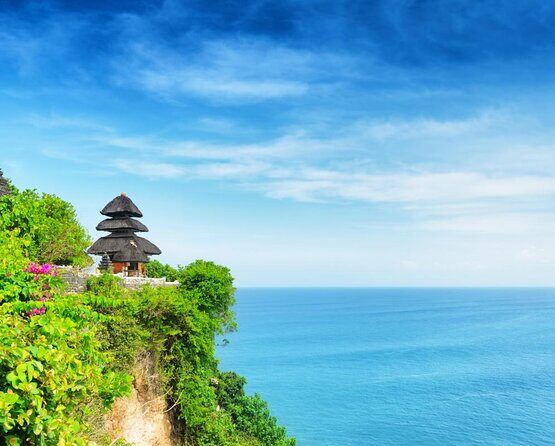
  • Uluwatu Temple for about 30 minutes with admission included, perched roughly 70 meters (230 feet) above the ocean
  • Kecak and Fire Dance for about 1 hour with admission included, staged facing the Indian Ocean for sunset viewing
  • Jimbaran beach seafood dinner stop for about 1.5 hours, with an admission ticket marked free for that stop
  • Private group experience, meaning it’s just your group and your guide/driver
  • Smart casual dress code (keep it comfortable but presentable)

From Ubud to Uluwatu: why private timing beats “figure it out”

Half Day Uluwatu Temple Sunset, Kecak Dance and Seafood Dinner - From Ubud to Uluwatu: why private timing beats “figure it out”
This is a classic south Bali sunset day, but with one big upgrade: you’re not driving. You get pickup offered from your door and a private driver/guide to handle the route from Ubud to Uluwatu and then on to Jimbaran. Starting at 2:30 pm also makes sense. You avoid the harshest daytime heat and you’re in place for the evening rhythm.

The schedule runs about 6 to 7 hours total. That’s long enough to enjoy three meaningful stops, but short enough that you’re usually home at a reasonable hour. And you don’t have to coordinate multiple tickets or timing separately because the tour handles key admissions.

Let’s talk value. At $69.99 per person, you’re paying for the combination of private transfers + included Uluwatu Temple and Kecak admission. If you try to piece it together yourself, transportation and tickets can add up quickly, and sunset days are the worst time to waste hours on logistics.

Also worth noting: this one seems popular. It’s commonly booked around 22 days in advance on average, so if your trip dates are firm, I’d book early.

Uluwatu Temple in 30 minutes: getting the cliff-top sunset fix

Half Day Uluwatu Temple Sunset, Kecak Dance and Seafood Dinner - Uluwatu Temple in 30 minutes: getting the cliff-top sunset fix
Uluwatu Temple is described as one of Bali’s most beautiful temples, with the standout feature being its cliff-top setting. The viewpoint sits about 70 meters (230 feet) above the Indian Ocean, which is exactly the kind of elevation that makes a sunset feel special. You’re going to want that view to be your “main character,” and this tour structures the day so you reach it before the show timing locks in.

You’ll have about 30 minutes at Uluwatu Temple, with admission included. That short window is both a pro and a con. It’s a pro because you’re not stuck here all night with limited light. It’s a con because it doesn’t leave much time for a slow, wandering pace or extended photo stops.

Dress code is smart casual, so I’d choose clothes that look nice but won’t make you miserable once you’re outside. Uluwatu is all about vantage points and timing, so plan to move efficiently rather than treating this like a full temple day.

Kecak and Fire Dance: the ocean-facing show you’ll actually remember

After the temple stop, you head to the Kecak and Fire Dance, which runs about 1 hour with admission included. The key detail here is where the stage is set: the performance faces the Indian Ocean. That matters because the show is designed to be watched with the sunset in the background.

If you care about atmosphere, this setup is the whole point. The ocean view turns a cultural performance into a bigger event, and the timing helps you catch the moment when the sky and sea start to shift. This is one of those experiences where you’re not just watching dance. You’re watching how the performance and the setting work together.

The tour also frames it as the best Kecak dance show in Bali. I can’t verify that kind of ranking for every night, but I can say this: when the stage orientation is built around sunset viewing, the experience tends to land well. It’s the difference between a show you attended and a show you remember.

One more practical note: since you’re on a tight itinerary, your best move is to be ready when it starts. No dawdling. This is the portion where the “clock” matters most.

Jimbaran seafood on the sand: how to end the night without rushing

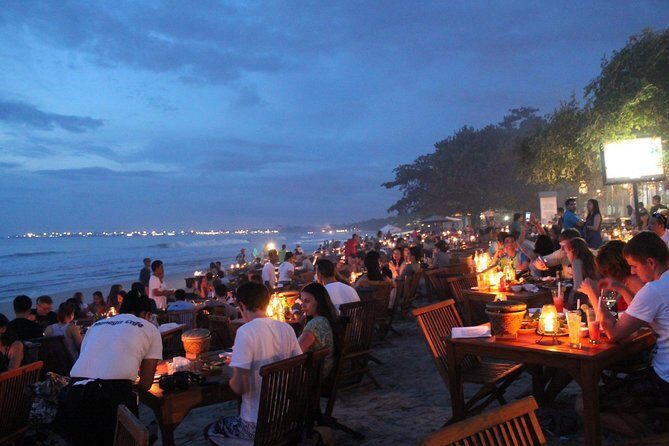
Next up is Jimbaran, with about 1 hour 30 minutes on the beach. The tour focuses on Jimbaran’s seafood scene, describing it as the best seafood restaurants along the shoreline. The overview also calls it a candle-lit beach dinner, which gives this stop a softer, slower vibe after the more structured temple and dance segments.

You’ll see a detail that the stop is marked with admission ticket free. I treat that as good news in the sense that you’re not facing extra entry costs to “access” the dinner venue. The tour is still clearly positioning the meal as a highlight, so it’s not just a quick photo break between activities.

This is your decompression time. You’ll likely be hungry after a late afternoon start and an active couple of stops. The best part of Jimbaran is the setting: the beach, the glow, and the simple pleasure of eating something fresh while the day cools off.

Private guide context: how Putu and Wayan make culture click

The cultural value of this tour isn’t just the visuals. It’s also what your private driver/guide brings to the table. The plan explicitly says you’ll get insights into Balinese culture from your guide, and that kind of context can make the temple and dance feel less like a checklist item.

One of the strongest praises from a perfect-score review was specifically about the private guides Putu and Wayan. The guide experience also tied directly into the overall enjoyment, with dinner and the show described as fantastic and the whole night framed as an incredible experience. Even if you don’t have those exact guides, it’s a signal that the quality of interpretation and attention to timing can be a big part of why this tour works.

Here’s how to make that “cultural context” matter in real life: pay attention to what the guide points out, and ask follow-up questions during transitions. You’ll get more from the temple and performance when you know what you’re looking at, and when you understand why it’s done that way.

Price, timing, and what you’re really buying at $69.99

Half Day Uluwatu Temple Sunset, Kecak Dance and Seafood Dinner - Price, timing, and what you’re really buying at $69.99
At $69.99 per person, this isn’t a “cheap seats” option. You’re paying for convenience and value stacking in two ways.

First, you’re paying for private door-to-door round-trip transfers. That’s a big deal when you’re coming from Ubud and going to cliff-top Uluwatu and then down to Jimbaran. South Bali traffic can drain energy, and sunset outings are already time-sensitive.

Second, you’re paying for included tickets where it counts: Uluwatu Temple admission and Kecak and Fire Dance admission are both included. That takes away a common frustration on paid experiences—mystery fees and last-minute cash.

Duration is about 6 to 7 hours, starting at 2:30 pm. That’s a sweet spot for people who want a full-feeling evening without losing an entire day. You also get a mobile ticket, which is a small but real convenience when you’re hopping between stops.

So who is the price best for? People staying in Ubud who want this south Bali highlights circuit without the stress of planning and transport. If that’s you, this can feel like a smart spend. If you’re a very independent traveler who already knows the routes and wants total freedom, you might choose a cheaper DIY approach.

Who this half-day sunset plan suits best

Half Day Uluwatu Temple Sunset, Kecak Dance and Seafood Dinner - Who this half-day sunset plan suits best
This tour is built for travelers who want the south Bali “highlights” combo without the hassle.

It’s a great fit if you:

  • Are based in Ubud and want to escape traffic and parking headaches
  • Like structured evenings that still feel special
  • Want cultural context with a private group (you won’t be squeezed into a mixed crowd)
  • Prefer a clear plan: temple first, then the sunset-facing dance, then Jimbaran dinner

Dress code is smart casual, so plan for something comfortable enough to move around. This also looks like a good option for most people since it says most travelers can participate.

If you’re traveling with limited energy for daytime sightseeing but still want a memorable evening, this one matches that mood.

Should you book this Uluwatu sunset + Kecak + Jimbaran dinner tour?

Book it if you want an efficient, sunset-focused evening with private transfers and included admissions. The ocean-facing Kecak setup and the candle-lit Jimbaran dinner are the two big reasons to choose this format, and you’re not stuck working out transport across different areas.

Skip it (or consider alternatives) if you hate fixed timelines. You only get about 30 minutes at Uluwatu, and the rest of the day flows tightly toward the show and then dinner. Also, at $69.99, it’s best for travelers who truly value private convenience and don’t want to trade that for a lower price.

If your goal is a smooth, feel-good south Bali evening from Ubud, this tour is a solid bet.

FAQ

What time does the tour start?

It starts at 2:30 pm.

How long is the experience?

The duration is about 6 to 7 hours.

Is pickup included?

Pickup is offered, and the tour includes round-trip private transfers.

Is this a private tour?

Yes. It’s private, and only your group participates.

What tickets are included?

Uluwatu Temple admission is included, and Kecak and Fire Dance admission is included.

How long do you spend at each stop?

Uluwatu Temple is about 30 minutes, Kecak and Fire Dance is about 1 hour, and Jimbaran is about 1 hour 30 minutes.

What is the dress code?

The dress code is smart casual.

Do you get a mobile ticket?

Yes, the tour includes a mobile ticket.

What is the price per person?

The price is $69.99 per person.

What is the cancellation policy?

Free cancellation is available. You can cancel up to 24 hours in advance for a full refund. If you cancel less than 24 hours before the start time, you don’t get a refund.

Bali and Lovina with Sunrise Dolphin Tour and Snorkeling

Bali and Lovina with Sunrise Dolphin Tour and Snorkeling - Watching Sunrise at Sea: What It Feels Like in Practice

Sunrise over the sea is different. This dolphin sunrise tour in Lovina mixes ocean views, dolphin time, and snorkeling in about 4–5 hours. I love how straightforward it feels, and I love that snorkeling equipment is included. One thing to keep in mind: this experience depends on good weather, so the sea conditions matter.

Lovina is known for its relaxed, natural coastline, and the tour is built around that mood. You’ll be guided by experienced, licensed guides, which makes the early-morning plan feel safer and less stressful.

Logistically, it’s simple: start at Mentari Lovina Bar & Kitchen and end right back there. One guide named Edy is specifically thanked for being helpful even when plans shifted that same day, including support moving toward Amed after the activity.

Key things I’d plan around

  • Sunrise at sea in a jukung-style boat for early light and cooler temperatures
  • Dolphin swimming time that keeps you in the dolphins’ natural habitat
  • Snorkeling gear + snacks and coffee/tea so you’re not scrambling for supplies
  • Max 25 travelers which helps the group stay manageable
  • Pickup in an air-conditioned vehicle plus a return to the meeting point
  • Weather-dependent timing with options to switch dates or get a refund if canceled for poor conditions

Why Lovina’s Sunrise Dolphin Tour Beats a Sleep-In

Bali and Lovina with Sunrise Dolphin Tour and Snorkeling - Why Lovina’s Sunrise Dolphin Tour Beats a Sleep-In
If you’re picking one “morning in Bali” plan that feels worth the effort, this is it. Lovina sunrise has a different vibe than the busier parts of the island. It’s about starting early, getting out on the water while the world is quiet, and then seeing what the sea offers.

What makes this tour work is the mix: dolphins first, then snorkeling. Many half-day trips force you to choose one. Here, you get a shot at a magical moment at sunrise and then something tangible to do right after—time underwater exploring marine life.

I also like that the experience isn’t sold as a complicated production. You’re not learning a special skill for hours. You’re showing up, getting your gear, boarding the boat, and following a guide.

And because it’s guided by licensed professionals, the day feels more controlled than a DIY boat plan you’d have to coordinate yourself.

The Morning Flow: Pickup, Breakfast, and Boat Time

Bali and Lovina with Sunrise Dolphin Tour and Snorkeling - The Morning Flow: Pickup, Breakfast, and Boat Time
The tour starts at Mentari Lovina Bar & Kitchen and finishes back at the same point. That matters more than it sounds. In Bali, “meeting point uncertainty” can waste time, and here the endpoint is clearly handled for you.

Depending on the option you book, you may get pickup via an air-conditioned vehicle. That’s a real comfort upgrade for early mornings. Then you’ll have breakfast before you head out.

From there, you’re on a jukung boat for the dolphin search and sunrise experience. The schedule is roughly 4 hours, and the day’s length can stretch to about 4–5 hours depending on conditions.

A couple of practical tips for your timing:

  • If you’re staying in a nearby area, the pickup can reduce the stress of being on time at the meeting point.
  • If you’re planning other activities later that day, leave a bit of buffer. The tour explicitly depends on good weather, and sea time can shift with the conditions.

Watching Sunrise at Sea: What It Feels Like in Practice

Bali and Lovina with Sunrise Dolphin Tour and Snorkeling - Watching Sunrise at Sea: What It Feels Like in Practice
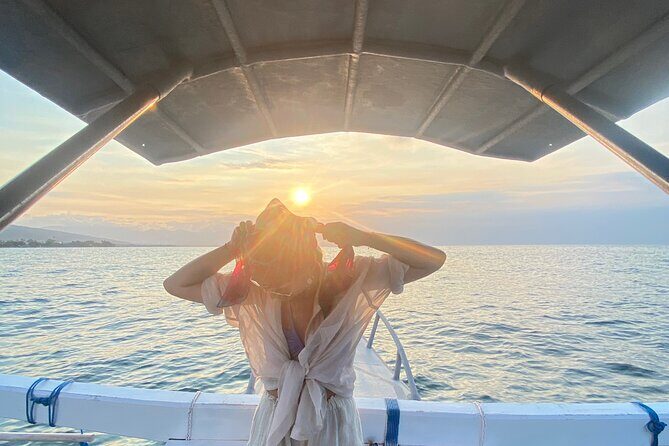
Sunrise at sea is one of those things that sounds simple until you’re actually out there. The early light changes how the ocean looks, and you get that calm, open feeling you don’t get on shore.

This tour is designed around that moment. You’ll watch the sunrise while sailing in search of dolphins. The “search” part is important: it’s not just a photo stop. You’re out on the water with an active goal, led by the guide team.

Even if you’ve seen ocean sunrises before, there’s still a payoff here because you’re not just admiring the horizon. You’re there for wildlife spotting, and that energy makes the waiting feel shorter.

Swimming With Dolphins: The Main Event (and the Realistic Expectations)

Bali and Lovina with Sunrise Dolphin Tour and Snorkeling - Swimming With Dolphins: The Main Event (and the Realistic Expectations)
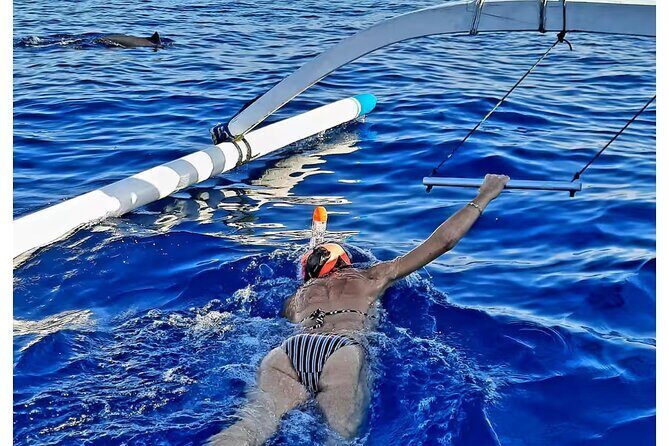
Swimming with dolphins is the headline, and Lovina is one of the places people come for it. The tour includes dolphin swimming time from a boat, with the dolphins in their natural habitat.

Here’s what I’d keep realistic:

  • You’re going out to look for dolphins, so the sea decides some of the outcome.
  • Even on a good day, wildlife isn’t a guaranteed “yes.” What you can control is picking a tour that’s set up for it, with the right safety approach.

This is where the tour’s structure helps. You get an experienced and licensed guide team, and the tour includes boat support so you’re not trying to manage equipment and logistics on your own.

One detail that’s easy to overlook: since the tour includes swimming and then snorkeling, they’ve built the day as a sequence rather than separate tours. That keeps the morning flowing and reduces the hassle of switching plans midway.

Snorkeling After the Dolphins: Gear, Underwater Time, and Marine Life

Bali and Lovina with Sunrise Dolphin Tour and Snorkeling - Snorkeling After the Dolphins: Gear, Underwater Time, and Marine Life
After the dolphin portion, you’ll switch to snorkeling. The tour provides complete snorkeling equipment, plus you’ll explore the underwater world with the chance to see colorful fish and coral reefs.

This is a smart pairing. Dolphins can be brief, depending on how the day unfolds. Snorkeling gives you another opportunity to enjoy the ocean even if the dolphin sightings are shorter than you hoped.

The snorkeling setup is practical:

  • Snorkeling equipment is included for safety and comfort
  • You also get bottled water plus coffee and/or tea during the tour
  • Mineral water and snacks are included while you’re out on the boat

That matters because snorkeling can make you suddenly aware that you forgot something the moment you’re in the water. Having the basics handled makes the experience smoother.

What I’d bring for yourself:

  • Swimwear and a towel
  • Sunscreen and a hat (sun comes fast once the day warms up)
  • A camera if you want to capture the day—especially sunrise light

The Small Details That Make It Feel Like a Real Tour

Bali and Lovina with Sunrise Dolphin Tour and Snorkeling - The Small Details That Make It Feel Like a Real Tour
This tour is priced and structured for travelers who want a satisfying morning without turning it into a full-day project.

A few specific inclusions make a difference in day-to-day comfort:

  • Breakfast before you head out
  • Boat time on a jukung-style vessel
  • Entrance fee included (so you’re not doing on-the-spot payments)
  • Coffee/tea plus bottled water and snacks

And because it’s capped at maximum 25 travelers, you’re not getting crammed into an oversized group. Smaller group sizes usually mean you can keep track of what’s happening, and the timing feels less chaotic.

Also, the tour includes mobile tickets, which you’ll appreciate when you’re rushing to leave or you’re juggling multiple bookings.

Price and Value: Why $27.67 Can Make Sense Here

Bali and Lovina with Sunrise Dolphin Tour and Snorkeling - Price and Value: Why $27.67 Can Make Sense Here
At $27.67 per person, this tour is on the budget-friendly side for a morning that includes boat time, breakfast, snorkeling gear, and entrance fees. The value isn’t just “cheap.” It’s that the cost bundles several items that often add up separately.

Here’s what you’re effectively paying for in one package:

  • Early pickup help (if selected) and transport via air-conditioned vehicle
  • A boat day on a jukung for sunrise and dolphin time
  • Snorkeling equipment and the snorkeling portion
  • Food and drinks (breakfast, coffee/tea, water, snacks)

A tour gets good value when it handles the stuff that ruins your day if you forget it. This one covers the essentials, especially equipment and water/food. That’s not glamorous, but it’s exactly what helps you enjoy the actual wildlife and water time.

One more practical note: the tour is typically booked about 33 days in advance on average. That suggests demand is steady enough that planning ahead can help you lock in the dates you want.

Logistics You’ll Actually Care About: Where You Meet and How It Ends

Bali and Lovina with Sunrise Dolphin Tour and Snorkeling - Logistics You’ll Actually Care About: Where You Meet and How It Ends
You start at Mentari Lovina Bar & Kitchen, located on Jl. Pura Subak Banyualit, Anturan, Kec. Buleleng, Bali (81119). The tour ends back at the same place.

This “back where you started” approach is underrated. You avoid a last-mile scramble when you’re already tired from an early start and water time.

The meeting point is also described as near public transportation, which gives you a fallback plan if pickup isn’t selected or if you’re traveling independently.

Who This Tour Fits Best (and Who Might Want a Different Plan)

Bali and Lovina with Sunrise Dolphin Tour and Snorkeling - Who This Tour Fits Best (and Who Might Want a Different Plan)
This is a strong match if you:

  • Want an early morning experience with a natural-feeling setting
  • Care about seeing marine life without building your own boat/snorkel logistics
  • Like tours with included gear and food rather than add-on rentals

It’s also a good option if you’re in the Lovina area and want a half-day activity that ends cleanly.

You might want to consider another type of excursion if:

  • You hate weather uncertainty. Since the experience requires good weather, you could be rescheduled or refunded if conditions are poor.
  • You’re expecting a guaranteed long dolphin swim. You’re going for dolphins, but nature sets the pace.

A Note on Guides: When Support Makes the Trip Easier

One reason I trust this kind of tour is the human factor. A guide named Edy is specifically thanked for going out of his way when a traveler needed a change that same day—helping with moving toward Amed after the activity.

That’s not something you can plan for, but it tells you the guide team may be more flexible than the basic script. When you’re up early and the day is outdoors, that extra support can matter.

Booking Advice: Should You Book This Sunrise Dolphin and Snorkeling Tour?

If your goal is a memorable Lovina morning that balances dolphin sunrise excitement with actual underwater time, I’d book it. The inclusions are solid: breakfast, boat (jukung), snorkeling gear, snacks, and drinks. The group size cap of 25 travelers also helps it feel controlled.

Two final decision points:

  • If your schedule is tight, pick a date that gives you breathing room in case weather causes a switch.
  • If you want the most stress-free experience, choose the option with pickup so you’re not coordinating an early arrival on your own.

For the price, this tour does the job. You’re not paying just for the dolphins—you’re paying for a full morning package that takes care of the practical stuff too.

FAQ

How much does the Lovina sunrise dolphin and snorkeling tour cost?

It costs $27.67 per person.

How long is the tour?

The duration is about 4 hours, and it’s also described as approximately 4–5 hours.

Where does the tour start and end?

The tour starts at Mentari Lovina Bar & Kitchen and ends back at the same meeting point.

Is pickup included?

Pickup is offered, and transport is included via an air-conditioned vehicle.

What’s included in the price?

Included are breakfast, the air-conditioned vehicle, snorkeling equipment, entrance fee, bottled water, coffee and/or tea, and a jukung boat.

Do I need to bring snorkeling gear or a towel?

Snorkeling equipment is provided. You should bring swimwear and a towel.

What should I bring for the day?

Bring swimwear and a towel, plus sunscreen and a hat. A camera is useful for photos.

What if weather is bad?

This experience requires good weather. If it’s canceled due to poor weather, you’ll be offered a different date or a full refund.
What’s the cancellation window?

Free cancellation is available. You must cancel at least 24 hours in advance of the experience start time for a full refund.

Telaga Waja White Water Rafting and Besakih Temple Tour

Telaga Waja White Water Rafting and Besakih Temple Tour - Telaga Waja white-water rafting: 3 hours of fun, safety, and scenery

One day in Bali, done right, beats two weeks of guesswork. This Telaga Waja White Water Rafting and Besakih Temple Tour strings together adrenaline and spirituality with a calm, well-timed rhythm: you ride the river in the morning, then move to some of the island’s most important sacred sites.

What I like most is how the tour balances action with comfort. You get 3 hours rafting with safety gear, towels, shower, and changing facilities, then a buffet lunch before heading into culture.

One thing to consider: it’s a long day, about 8 to 10 hours, and you’ll be in hot sun (even more if you’re snapping photos) before you reach the temples.

Key moments that make this tour worth your time

Telaga Waja White Water Rafting and Besakih Temple Tour - Key moments that make this tour worth your time

  • Telaga Waja rapids: 3 hours of white water that works for beginners and more experienced rafters
  • A built-in break on the river: time to reset, stretch, and get photos (with a photographer option)
  • Besakih in depth: Bali’s Mother Temple complex with 80+ temples, plus clear context from your guide/driver
  • Bukit Jambul views: rice terraces with valley, harbor, and beach panoramas in eastern Bali
  • Kerta Gosa storytelling: two classic palace/temple structures, including a floating hall, tied to the Klungkung kingdom

Telaga Waja plus Besakih: the smart Bali combo

This is a classic Bali combination for a reason. You’re not just checking boxes. You start in nature—rain-forest scenery, rice fields, stone cliffs, and waterfalls along the Telaga Waja River—then you shift to one of the island’s most meaningful spiritual places: Besakih Temple.

The flow matters. White-water rafting can make you tired fast, so the schedule is built to get you finished, showered, fed, and then able to handle walking around temple grounds. If you’re the type who wants an active morning and a thoughtful afternoon, this pairing fits your day without feeling rushed.

How the day runs: 8 to 10 hours with pickup across much of southern Bali

Telaga Waja White Water Rafting and Besakih Temple Tour - How the day runs: 8 to 10 hours with pickup across much of southern Bali
The tour starts at 8:00 AM. From there, you’re in an air-conditioned vehicle, headed to Telaga Waja for your rafting session. Pickup and drop-off are offered from many areas, including Ubud, Seminyak, Sanur, Denpasar, Kuta/Legian/Tuban, Nusa Dua/Tanjung Benoa, Uluwatu, Jimbaran, Kerobokan, and Canggu.

That breadth is practical. It means you’re less likely to waste time meeting at some random central point. It also helps if your Bali plan has you moving between neighborhoods—this is one day where someone else handles the driving.

The trade-off is time. Expect a full-day schedule (listed as 8 to 10 hours) and plan for a “get ready early” morning. If you hate early starts, you’ll feel it by mid-afternoon—especially in warm weather.

Telaga Waja white-water rafting: 3 hours of fun, safety, and scenery

Telaga Waja White Water Rafting and Besakih Temple Tour - Telaga Waja white-water rafting: 3 hours of fun, safety, and scenery
Telaga Waja rafting is set up for real variety. The route is described as accessible to beginners and professionals, which usually means the operator manages the day so most people can enjoy it safely. You’ll also get the big visual payoff: rain-forest scenery, rice fields, stone cliffs, and waterfall splashes.

A few details make this feel more complete than a short rafting ride:

  • Waterfall splash zones: in some sections, you get hit with extra water from falls.
  • Mid-rafting break: there’s time to take photos, reset, and enjoy the view before you continue.

You’ll have a professional river rafting guide, plus safety-approved equipment. The tour also includes towels, a shower, and changing room, so you’re not stuck figuring out how to “transition” from soaking wet to temple-ready.

If you’re worried about whether you can handle white water, this is one of the reasons Telaga Waja is popular: it’s presented as a place where beginners aren’t left out, while professionals still get the thrills.

What happens after rafting: towels, shower, and a buffet lunch that actually fuels you

After your rafting session, you’ll be served lunch at the rafting restaurant. The lunch is listed as a buffet, and it’s included in the price.

This sounds simple, but it matters. A buffet works well after active time because you can eat what you need, not what someone hands you. It also helps you recover before you start temple walking, where you’ll likely want steady energy and a calm mood.

Vegetarian travelers should note that a vegetarian option is available if you advise at booking. That’s a meaningful inclusion on an otherwise busy day.

One practical tip: treat lunch like part of your recovery plan. Don’t skip it to “save time,” because you’re about to head into places where you’ll be walking and taking in details.

Besakih Temple: Bali’s Mother Temple on the slopes of Mount Agung

Besakih is one of those sites that feels important the moment you arrive. It’s called Bali’s Mother Temple and is described as the largest and holiest temple complex in Bali. It sits about 1,000 meters high on the southwestern slopes of Mount Agung, which gives it an impressive sense of place.

This isn’t a single building. The complex is said to include at least 86 temples, including the main site called Pura Penataran Agung (the Great Temple of State). You’ll spend about 1 hour here, with admission tickets included.

What I find useful for planning is understanding the experience type. Besakih is a sacred complex, so expect a mix of architecture, courtyards, and lots of visual symbolism. If you’re the kind of traveler who likes learning what you’re looking at, you’ll get extra value from your guide/driver’s explanations during the visit.

The setting also helps. The temple complex is described as being surrounded by scenic rice paddies, hills, mountains, streams, and more. So even if you focus mostly on buildings, the views do part of the work for you.

Bukit Jambul rice terraces and Kerta Gosa: views plus royal-era art

After Besakih, you’ll head to Bukit Jambul Rice Terrace, which is presented as one of the best rice terrace spots in eastern Bali. You’re in for panorama views—valley, harbor, and beach—along with a fresh tropical atmosphere.

This stop also includes access to local restaurants with Indonesian and international menu options nearby. Even if you don’t eat there (since lunch is already included), it’s nice to know you’ll have options for drinks or snacks if you want to extend your time.

You’ll spend about 1 hour at Bukit Jambul, with admission included.

Then you finish at Kerta Gosa (Taman Wisata Kertha Gosa), a historical site connected to the Puri Semarapura royal palace in Klungkung. Here’s what makes this stop feel different from a simple temple stop:

  • Bale Kertha Gosa, a grand hall with ceilings filled with Kamasan or wayang-style paintings
  • Bale Kambang, a floating hall

The complex dates back to 1686, commissioned by Dewa Agung Jambe, ruler of the Klungkung kingdom. It has also undergone restorations, and it’s open to the public.

Spend time here if you like architecture and art. The painted ceilings and the floating-hall detail are the kind of things you’ll remember later when you’re looking at your photos back home.

Price and value: $80 for a full-day raft-and-temple package

Telaga Waja White Water Rafting and Besakih Temple Tour - Price and value: $80 for a full-day raft-and-temple package
At $80 per person, the value comes from the combination of activities and the number of items bundled into the day.

Here’s what’s included:

  • Air-conditioned vehicle
  • 3 hours rafting with a professional guide
  • Towels, shower, and changing room
  • Rafting insurance, tax, and services
  • All entrance tickets for the stops
  • Buffet lunch
  • English-speaking driver

What’s not included: alcohol, and any photo/video souvenir products (which you can purchase).

So the real question is: does this replace multiple tickets and separate tours? In practice, yes. You’re paying for a day that combines transport, one major adventure activity, and multiple paid cultural admissions.

If you were to do rafting and then add temple admissions and a separate guide/driver time, your costs often stack up fast. This package keeps that friction down.

What to pack and wear for a day that starts wet and ends cultural

Telaga Waja White Water Rafting and Besakih Temple Tour - What to pack and wear for a day that starts wet and ends cultural
This is the kind of day where your clothing choices change your comfort level.

Dress code is listed as smart casual. But remember: rafting happens first, so plan around water even if your outfit looks “temple appropriate” later.

Bring:

  • Sunscreen
  • Camera
  • Change of clothes

And wear something you can handle getting wet. The tour provides shower and changing facilities, which helps, but you’ll still want a dry set ready for the drive and the temple stops.

If you’re going to take photos, consider that the raft includes a mid-trip break and waterfall splash zones, so you’ll likely be taking pictures in changing light and sometimes wet conditions.

Who should book this tour, and who should think twice

This tour is best for:

  • People who want a real white-water rafting session but still want a schedule that includes meaningful culture afterward
  • Travelers who appreciate clear organization and an English-speaking driver guiding the day
  • Families and couples who want one package instead of multiple separate bookings

It’s less ideal if:

  • You dislike early mornings and long days (it runs about 8 to 10 hours)
  • You’re sensitive to physical activity. Rafting is listed as accessible to beginners, but it’s still an adventure, plus you’ll do temple walking after

Age range is 6 to 65, which sets expectations for how the operator likely manages the group.

Vegetarian travelers can also go for it, since a vegetarian option is available if you request it during booking.

Should you book Telaga Waja and Besakih in one day?

If you’re trying to design a Bali day that feels active, balanced, and efficient, this one makes sense. You get the adrenaline of Telaga Waja’s white water, then the spiritual weight of Besakih, then two additional stops that cover rice-terrace views and Kerta Gosa’s royal-era art and architecture.

Book it if:

  • You want one pickup-and-drive day covering multiple “must-see” experiences
  • You value included items like shower/changing access and buffet lunch
  • You’re okay with a full schedule and early start

Skip it if:

  • You want a slow, low-effort day with no white water
  • You’re not comfortable with the time commitment of 8 to 10 hours

FAQ

What time does the Telaga Waja rafting and Besakih tour start?

The start time is 8:00 AM.

Is pickup and drop-off included, and where does it operate?

Pickup and drop-off are offered from hotel or villa locations in many areas, including Ubud, Sanur, Denpasar, Tanjung Benoa, Nusa Dua, Uluwatu, Jimbaran, Tuban, Kuta, Legian, Seminyak, Kerobokan, and Canggu.

How long is the rafting part of the tour?

You’ll enjoy about 3 hours of rafting on the Telaga Waja River.

What’s included in the tour price besides rafting?

The tour includes buffet lunch, all entrance tickets, towels, shower and changing room, rafting insurance, and a driver/guide setup with an air-conditioned vehicle.

Can I request a vegetarian meal?

Yes. A vegetarian option is available, and you should advise at the time of booking.

What should I bring and wear?

Bring sunscreen, camera, and a change of clothes. Dress code is listed as smart casual.

What if weather is poor or I need to cancel?

The experience requires good weather. If it’s canceled due to poor weather, you’ll be offered a different date or a full refund. There is free cancellation, and you can cancel up to 24 hours in advance for a full refund.
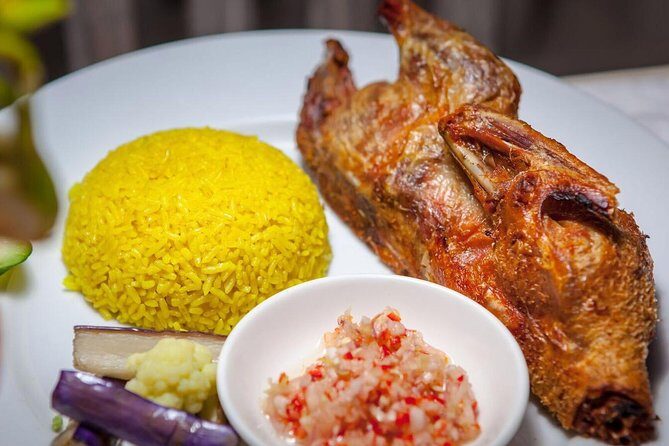
Private Full-Day Tour: Tanah Lot and Uluwatu Temple Tour

Private Full-Day Tour: Tanah Lot and Uluwatu Temple Tour - Entering Taman Ayun Temple: A More Local Start

One day, three temples, one big sunset. This private full-day tour strings together Taman Ayun Temple, Tanah Lot, and Uluwatu with beach time and a sunset Kecak and Fire Dance right by the cliff temple. You also get a set-menu lunch and (with the option) a Jimbaran seafood dinner, all handled with private air-conditioned transport and an English-speaking driver.

Two things I love: the convenience of a private vehicle door-to-door and the way the day ends with the Kecak and Fire Dance experience at Uluwatu during sunset timing. One drawback to plan for: it’s a long outing (about 11–12 hours), and Uluwatu is very crowded around sunset, so you should expect the area to feel busy.

What really helps is the human touch. In the feedback I saw, a driver-guide named Nyoman was praised for pointing out photo spots and explaining local traditions as you go—exactly the kind of guidance that turns a checklist tour into something you actually remember.

Key Highlights You’ll Feel Immediately

Private Full-Day Tour: Tanah Lot and Uluwatu Temple Tour - Key Highlights You’ll Feel Immediately

  • Private transport with pickup and drop-off from Seminyak and many nearby areas, with only your group in the car
  • Three major temple stops: Taman Ayun, Tanah Lot, and Uluwatu
  • Padang Padang Beach stop for classic sand-and-surf scenery and a breather between temples
  • Sunset Kecak and Fire Dance next to Uluwatu Temple, timed for the evening mood
  • Set menu lunch and Jimbaran dinner option, so you’re not constantly hunting for food
  • Entrance tickets and Kecak dance ticket included, which makes the day smoother

How This Private Day Tour Works (And Why It’s Such a Time Saver)

Private Full-Day Tour: Tanah Lot and Uluwatu Temple Tour - How This Private Day Tour Works (And Why It’s Such a Time Saver)
This is built for people who want Bali highlights without the hassle of figuring out rides, ticket lines, and route gaps. You start with hotel or villa pickup in the Seminyak area (and a long list of other Bali locations), then spend the day moving in a private, air-conditioned vehicle.

The tour is private in the real sense: your group travels together and you’re not sharing the vehicle with strangers. That matters on Bali temple days. Traffic, parking, and entrance pacing can add up fast, so having your own transport schedule helps you keep the day from falling apart.

Also, you’re not stuck managing ticket logistics. Entrance tickets for the stops and the Kecak and Fire Dance ticket are included. You’ll still want your camera ready and sunscreen packed, but the money-and-paperwork part is handled.

One small planning note: this tour requires good weather. If conditions are poor, the experience can be canceled and you’ll be offered a different date or a full refund. That’s important because this day is designed around scenic coastal locations and a sunset performance.

Entering Taman Ayun Temple: A More Local Start

Private Full-Day Tour: Tanah Lot and Uluwatu Temple Tour - Entering Taman Ayun Temple: A More Local Start
The day kicks off at Taman Ayun Temple, described as a main site of worship among the Mengwi people, so it’s not just another “famous” stop—it’s tied to a specific community and reason for being. The tour information also notes that worship here means local people don’t need to travel far to reach major temples like Besakih.

What I like about starting here is the pacing. After pickup and getting oriented, you get a temple visit that sets the tone without immediately going straight to the most dramatic cliff-and-crowd scenery. You typically spend about an hour here, which is a good amount of time for seeing the grounds and soaking up the atmosphere without turning the day into a nonstop museum.

If you’re the kind of traveler who enjoys learning what a temple represents—who it serves, why it matters—Taman Ayun fits that mindset. You’ll likely appreciate how the driver frames the purpose of the stop before you move on to the more iconic photo locations.

Tanah Lot: The Outcrop Temple With Real Ocean Drama

Next up is Tanah Lot, one of Bali’s best-known temple scenes. It’s described as an ancient Hindu shrine perched on an outcrop while waves crash below. That detail is the whole point: you’re not just visiting a temple, you’re watching the ocean work.

You’ll spend about an hour at Tanah Lot. In that window, it helps to prioritize viewpoints rather than trying to cover every angle. With a place like this, the best experience is standing back, watching the waves, and photographing the way the temple sits above the water.

Practical note: sea-spray and uneven ground are common around coastal temples. Wear footwear you’re comfortable walking in and take your time stepping around. This is also a good spot to use a bit of sunscreen now, since you’ll likely be out in open light for a while today.

Padang Padang Beach: Surf Energy and a Short Reset

Private Full-Day Tour: Tanah Lot and Uluwatu Temple Tour - Padang Padang Beach: Surf Energy and a Short Reset
After temples, you get a beach break at Padang Padang Beach. The tour description highlights great waves and a white sandy stretch about 100 meters from north to south. It’s also noted as a surf point, with a white stone hill nearby.

This stop is about an hour, which is the right length to reset your eyes and your legs without losing the flow of the day. If your Bali trip tends to be mostly temples and viewpoints, this one adds a bit of movement and downtime. You’ll have space to breathe, walk, and take photos that feel different from temple carvings and sea cliffs.

Because the waves can be a big part of why people come here, keep an eye on conditions. If it’s windy or the sun is strong, grab shade when you can and don’t forget sunscreen.

Uluwatu Temple at Sunset Timing: Beautiful, Popular, and Busy

Private Full-Day Tour: Tanah Lot and Uluwatu Temple Tour - Uluwatu Temple at Sunset Timing: Beautiful, Popular, and Busy
Uluwatu Temple is the big evening anchor, and the tour is structured so you reach it at the time it shines most. The information specifically calls out that it’s very crowded by tourist everyday during sunset time. So yes, it’s worth planning for crowds—you won’t have it to yourself.

Uluwatu is also described as Pura Luhur Uluwatu, and the tour notes that it’s one of six key temples. Even if you don’t go deep into temple taxonomy, that phrase gives you a useful lens: this is a major spiritual landmark in Bali, not just a scenic stop.

You’ll spend about an hour at Uluwatu Temple itself. I’d treat this as two parts:

1) time to see the temple in its cliff setting

2) time to position yourself for the sunset performance afterward

If you’re hoping for great photos, arrive with a plan. Pick where you want to stand for the show, then shift your attention back to temple views for the earlier portion.

Also, with any cliff temple area, wind can hit hard in the evening. Bring a camera strap you trust and keep your belongings secure.

Kecak and Fire Dance Next to Uluwatu: The Moment Everyone Talks About

The highlight many people remember from this day is the Kecak and Fire Dance performance next to Uluwatu Temple as the sun sets. The tour information calls out that Kecak was first developed in Bona, Gianyar, and then evolved into a performing arts format.

You’ll have about an hour here, including the performance time. In practice, that usually means you’ll be there early enough to settle in, then watch the show as the light drops and the energy builds.

What makes this stop especially good in a private tour format is context. You’re not just watching something on autopilot. With an English-speaking driver-guide, you’re more likely to understand what you’re seeing—how the performance connects to Balinese culture and why it’s paired with this cliff-temple setting.

If you’re traveling with kids, this is also one of the better energy matches in Bali: it’s visually driven and doesn’t require reading. Just keep your expectations realistic—this is a live show and it’s popular, so you should expect a lively crowd.

Jimbaran Bay Dinner by Sunset: Where the Day Lands

After the temples and the show, the day closes at Jimbaran Bay with a set-menu seafood dinner package (when that option is selected). The tour info emphasizes fresh grilled seafood and a sunset panorama.

This is a smart finish for two reasons. First, it gives your body a chance to come down after hours of walking and watching. Second, Jimbaran’s format is made for ending a sightseeing day while the sky does its final work.

The tour also notes that a non-seafood dinner option is available. If seafood isn’t your thing, plan that change when you book so the set menu matches what you’ll actually eat.

Because this is a dinner included as a set menu, you won’t need to negotiate or hunt for a place at the last minute. You’ll just show up and eat, which is exactly what you want after an 11–12 hour day.

Timing, Comfort, and Getting Your Photos Without Losing Your Mind

An 11–12 hour day can be totally enjoyable, as long as you pace yourself. The best way to do that is to think in “blocks” rather than chasing every viewpoint.

  • Temple time: expect about an hour at each main stop
  • Beach time: about an hour at Padang Padang Beach
  • Performance time: about an hour for the Kecak and Fire Dance
  • Dinner time: included as a set menu when selected

Private transport helps you keep these blocks on track. You’re also in an air-conditioned vehicle, which matters in Bali heat.

For photos, pick your priorities early:

  • At Tanah Lot, focus on the outcrop-and-waves composition
  • At Uluwatu, prioritize your show viewpoint first, temple second
  • At Padang Padang, grab the beach line and wave action shots while you still have energy

And do yourself a favor: bring sunscreen and keep water handy. The tour asks you to bring sunscreen and a camera, which is a strong hint that you’ll be in open light enough times to justify it.

Price and Value: What You’re Really Paying For

At $100.00 per person, this private full-day tour isn’t trying to be the cheapest way to see Bali. Instead, the value comes from bundling what would be painful to organize yourself:

  • Private transportation with air-conditioning
  • Entrance tickets for the temple stops
  • Kecak and Fire Dance ticket
  • Set menu lunch
  • Set menu seafood dinner option at Jimbaran Bay (if selected)
  • Petrol, parking fees, plus tax and service

If you were booking these items separately—transport, tickets, show admission, meals—you’d spend more time coordinating and more energy managing details. Here, you buy a full-day plan and spend your mental bandwidth on enjoying it.

One thing to double-check for your own value math: the Jimbaran seafood dinner is included only if you select that dinner option. If you’re not selecting it, you’ll still get lunch and the sightseeing elements, but the total feel of the “full package” changes.

Who This Tour Fits Best (And Who Should Rethink It)

This tour is a great match if you want classic Bali highlights in one long day and you care about reducing logistics. It fits couples, families, and small groups who want a private, air-conditioned car and an English-speaking driver-guide handling the route.

It’s also a good fit if you like a structured evening: Uluwatu first, then the Kecak and Fire Dance at sunset timing, then dinner. That flow is built in, not something you have to stitch together after the fact.

If you prefer a slower pace—more time per location, fewer moves, and less crowd exposure—you might feel the day is packed. Uluwatu in particular is crowded at sunset time, and the entire itinerary is designed to hit multiple top sights rather than linger.

Should You Book This Private Tanah Lot and Uluwatu Tour?

Book it if you want a high-efficiency, private Bali day with major temple stops, a beach reset at Padang Padang, and a sunset performance that ends the day on a strong note. The included tickets and set meals are the kind of practical value that makes a long day feel manageable, not chaotic.

Hold off or choose a different plan if you hate crowds or you know you’ll struggle with an 11–12 hour day. Also, if you’re traveling in a period where weather is unpredictable, recognize that the experience requires good weather and can be moved or refunded.

FAQ

Is this tour private or shared?

This is a private tour, meaning only your group participates and you travel in a private vehicle.

How long is the tour?

The duration is about 11 to 12 hours.

What stops are included in the day?

You’ll visit Taman Ayun Temple, Tanah Lot, Padang Padang Beach, Uluwatu Temple, watch the Kecak and Fire Dance, and end with dinner at Jimbaran Bay.

Are entrance tickets included?

Yes. All entrance tickets and the Kecak dance ticket are included.

Do I get lunch and dinner?

You get a set menu lunch, and a set menu seafood dinner is included if the seafood dinner option is selected.

Is there an option for non-seafood or vegetarian meals?

A vegetarian option is available if you request it at booking. A non-seafood dinner option is also available if you advise at booking.

Do you pick up from Seminyak?

Yes. Pickup and drop-off are offered from hotel or villa locations in Seminyak, along with many other Bali areas.

What about pickup locations besides Seminyak?

Pickup is also listed for Ubud, Sanur, Denpasar, Tanjung Benoa, Nusa Dua, Jimbaran, Tuban, Kuta, Legian, Kerobokan, and Canggu.

What dress code should I wear?

The dress code is smart casual.

Is good weather required?

Yes, the experience requires good weather. If it’s canceled due to poor weather, you’ll be offered a different date or a full refund.
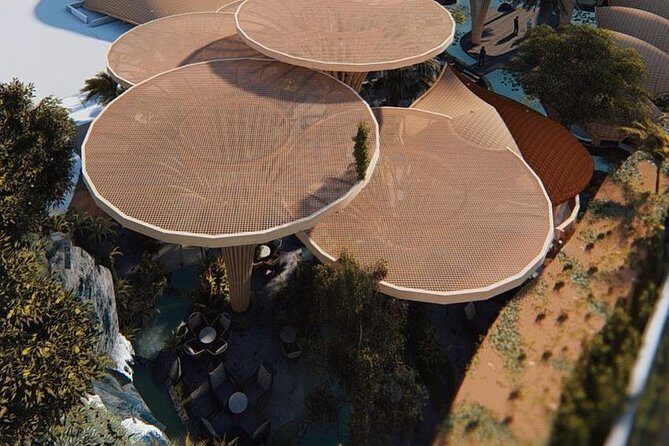
ATV Quad bike tour with Rice terraces & temple

ATV Quad bike tour with Rice terraces & temple - Tegalalang rice terraces: farmers, irrigation, and why the timing matters

Bali in one loud, scenic day. This ATV quad bike tour combines action in the countryside with Ubud sightseeing like Tegalalang rice terraces and a temple visit. The route is built around real Bali scenery: countryside tracks, jungle sections, rice paddies, and even waterfall views, all packed into a half-day feel.

I really like the balance here: you get an adrenaline ride, then calm, hands-on culture time where you learn how farmers work the land. In particular, I love the way Tegalalang is explained with farmers life and the manual irrigation system. The main drawback to plan for is no lunch included, so you’ll want to budget for food and keep your energy up.

Key things to know before you go

  • ATV ride hits multiple Bali settings: countryside, jungle trails, rice paddies, and waterfall scenery
  • Tegalalang is more than photos: you get a real explanation of farmers and manual irrigation
  • Elephant Cave (Goa Gajah) adds a history-story stop tied to an 11th-century Bindu temple
  • Pickup + private car transport keep the day moving without extra hassle
  • All entry tickets are included, so you’re not hunting down payments at each stop

How this Seminyak-to-Ubud day fits together

ATV Quad bike tour with Rice terraces & temple - How this Seminyak-to-Ubud day fits together
If you’re staying around Seminyak and you want something that feels like you changed places, this tour is a smart format. You spend your morning (or part of your day) moving between countryside adventure and Ubud culture in a single run, rather than juggling multiple bookings.

The tour is built as ATV quad bike + Ubud village touring, so you don’t just ride in circles. You’re guided through changing scenery, then you slow down for the rice terraces and a temple site. That rhythm matters in Bali, because it keeps the day from feeling like a single activity stretched too long.

Also, you’re not stuck doing it on a seat-of-your-pants schedule. You get pickup offered, a private car, and an English-speaking driver. On a 5 to 7 hour trip, those details help you spend more time where you want to be and less time figuring out timing.

ATV quad biking in Bali: what to expect on the track

ATV Quad bike tour with Rice terraces & temple - ATV quad biking in Bali: what to expect on the track
The ATV portion is the centerpiece, and it’s designed to give you the real countryside feel, not just a short loop. Expect a ride that blends countryside tracks with jungle-trek sections. You’ll also pass through areas associated with rice paddies, and the route includes waterfall scenery along the way.

One phrase in the tour description stands out: mad road. That’s not a promise of danger, but it’s a hint that some parts of the route can feel rough or busy compared with a smooth paved track. You should go into it ready for bumpy segments and the kind of riding where you keep your attention on the road ahead.

This is also where you’ll feel the “adventure” nature of Bali. If you like photos, you’ll get plenty of chances, but the best photos will come when you treat it like a ride first, photo second. If you’re the type who stops constantly to pose, you may feel rushed when the itinerary keeps you moving.

Finally, the ride time is about 2 hours. For a lot of people, that’s the sweet spot: long enough to feel like you did something real, short enough that the rest of the day still feels enjoyable.

Tegalalang rice terraces: farmers, irrigation, and why the timing matters

ATV Quad bike tour with Rice terraces & temple - Tegalalang rice terraces: farmers, irrigation, and why the timing matters
After the ATV, you switch gears to Ubud’s Tegalalang Rice Terrace area, one of Bali’s best-known terrace zones. The value here isn’t only the view. The tour is set up so someone explains what you’re looking at—especially how farmers live, work, and manage the land.

A key detail: you’ll hear about the manual irrigation system. That’s the kind of information that changes the way you see terraces. Instead of thinking of them as a backdrop, you start noticing how water control shapes the fields and farming schedules.

You’ll get around 2 hours here, which is long enough to do a relaxed walk and still keep the day from turning into endurance tourism. In practice, that means you can slow down, look at different terrace angles, and take photos without feeling like you’re sprinting through the place.

What to watch for: Tegalalang is outdoors. If the day is hot or wet, you may want to plan for comfort. Wear footwear you don’t mind getting dusty or muddy, and bring something to protect your phone/camera from splashes if the weather is unpredictable.

Elephant Cave temple stop: Goa Gajah and its 11th-century story

ATV Quad bike tour with Rice terraces & temple - Elephant Cave temple stop: Goa Gajah and its 11th-century story
Next comes a temple visit at Elephant Cave, also known as Goa Gajah. This stop is about 1 hour, and it’s built around a specific story.

The site is described as a Bindu temple, predicted to have been built in the 11th century. There’s also a discovery story: it was found by Dutch archeological researchers after being buried underground.

That mix—architecture plus a discovery narrative—gives this stop a different flavor than a quick photo stop. You’re not only looking at stone and carvings. You’re hearing why the site matters and how it resurfaced after being hidden.

Because this is a shorter stop, it works best if you treat it like a focused visit, not a long sit-down tour. If you go in curious, you’ll get more out of it. If you’re tired after the ATV, it still fits, since it doesn’t demand a full half-day of attention.

Also, remember that temples in Bali involve rules of behavior and respect. Even though your itinerary is adventure-forward, you’re still stepping into a sacred space. Take a moment to dress appropriately and keep your voice down.

Guide quality and the small-group feel that keeps things pleasant

This tour is private for your group, meaning it’s not a big free-for-all with strangers. That matters. With a private setup, the schedule feels more flexible, especially when you hit traffic around Ubud.

The review stories around guide service emphasize how guides manage the flow. I like that the tour uses English-speaking drivers, and the names that show up in the experience feedback are Wira and Ketut. In particular, Wira has been described as coming from Ubud and making sure the timing is good, plus sharing local culture context along the way.

Ketut shows up in another set of experiences, with travelers describing him as thoughtful and flexible—changing the order of stops to dodge traffic. Even if you don’t control the traffic, a good guide does what they can so you’re not losing the day sitting in a car.

If you’re the kind of traveler who hates feeling rushed, you’ll appreciate this format more than a rigid bus tour.

Price and value: why $45 can work (and when it won’t)

At $45 per person, this tour can be good value if you compare it to piecing everything together yourself. Here’s what the price covers based on the tour details:

  • Entrance ticket(s) included
  • Private car transport
  • Mineral water
  • English-speaking driver
  • Admission tickets for the ATV and the key sightseeing stops (each listed stop includes an admission ticket)

It also says group discounts may apply, and you receive a mobile ticket. That’s small stuff, but it reduces friction when you’re moving through Bali with limited patience for printed-paper chaos.

The main place your budget may feel the gap: lunch isn’t included. That’s not unusual for tours, but it’s the difference between a cheap feeling day and a day that costs more once you’re hungry. If you want predictable spending, plan for lunch before or during the tour gap with some money set aside.

Also, the tour is weather-dependent. It requires good weather, and if it’s canceled due to poor conditions, you’ll be offered a different date or a full refund. If your schedule is tight, that’s worth factoring in when you’re choosing which day to book.

Timing and comfort tips for a 5 to 7 hour run

Because the tour clocks in at about 5 to 7 hours, you should treat it like a full half-day commitment. That means you’ll want to arrive ready: hydrated (you do get mineral water), wearing clothes that can handle outdoor movement, and with the right mindset for an active ride.

Here’s practical stuff that usually makes a difference on ATV-and-temple days in Bali:

  • Wear closed-toe shoes you don’t mind getting dirty.
  • Bring a small change bag (wet wipes help).
  • Plan for sun and heat on the terrace walking section.
  • If rain hits, you’ll still visit, but comfort can drop quickly if you didn’t plan for it.

The itinerary pacing helps. You’re doing ATV first, then terraces, then a short temple stop. That order is logical because it gets the messy part out of the way before the slower walking and cultural visit.

If you’re taking photos, remember you’ll likely want to keep your phone safe during the ride phase. Even if you’re careful, nature and dust don’t ask permission.

Who should book this ATV Quad bike with rice terraces and temple tour

ATV Quad bike tour with Rice terraces & temple - Who should book this ATV Quad bike with rice terraces and temple tour
I’d book this if you want a single day that mixes adventure and culture without extra logistics. It’s a good fit for:

  • People staying in Seminyak who want Ubud highlights without planning
  • Travelers who want a real active experience, not just a scenic drive
  • Anyone who enjoys learning, especially around farming and irrigation at Tegalalang
  • Groups that like a private guide pace rather than a large crowd schedule

You might skip it if you don’t like bumpy outdoor activities or you’re looking for a totally relaxed day with minimal physical effort. Also, if you hate the idea of paying extra for lunch, this one might feel like it costs more once you’re hungry.

Should you book this tour?

ATV Quad bike tour with Rice terraces & temple - Should you book this tour?
If your idea of a great Bali day is getting out into the countryside, then spending time in Ubud with meaningful cultural context, I’d say yes. The value is strongest because key costs are covered—transport, entry tickets, and an English-speaking driver—while the most common budget surprise is simply lunch.

Book it if you can dress for an ATV ride and you’re okay with outdoor conditions affecting comfort. Skip it if you need a calm, low-movement itinerary or you’re trying to keep every cent accounted for with no extras.

FAQ

How long is the ATV quad bike with rice terraces and temple tour?

It runs about 5 to 7 hours total, with about 2 hours for the ATV, 2 hours at Tegalalang Rice Terrace, and about 1 hour at Elephant Cave.

Where does the tour take place?

The pickup is offered for this Seminyak-based experience, and the stops include ATV activity plus sightseeing in the Ubud area, including Tegalalang Rice Terrace and Elephant Cave.

What’s included in the price?

Entrance tickets, private car transport, mineral water, and an English-speaking driver are included.

Is lunch included?

No, lunch is not included. You’ll need to plan for your own food during the day.

Do I need good weather?

Yes. The tour requires good weather. If it’s canceled due to poor weather, you’ll be offered a different date or a full refund.

Are there admission tickets at each stop?

Yes. The tour includes admission ticket entry for the listed stops (ATV, Tegalalang Rice Terrace, and Elephant Cave).

Is pickup available?

Pickup is offered.

Is this a private tour?

Yes. This is a private tour/activity, and only your group participates.

What temple do you visit?

You visit Elephant Cave (Goa Gajah), described as a Bindu temple with a predicted 11th-century origin and a discovery story tied to Dutch archeological research.

All Inclusive Bali Blue Lagoon Snorkeling with Lunch and Transport

All Inclusive Bali Blue Lagoon Snorkeling with Lunch and Transport - Morning pickup and the day’s timing (what you should plan around)

Snorkeling in Padangbai feels like a full day reset. This trip strings together two snorkeling spots (Tanjung Jepun and Blue Lagoon) with a laid-back beach break, lunch, and a stop at a coffee plantation, all while you’re handled by pickup and transport. If you like seeing fish up close without rushing, the flow of the day is built for that.

What I like most: Tanjung Jepun is described as shallow enough for an easier first snorkeling stop, and the second water time at Blue Lagoon Beach is aimed at coral-and-fish viewing. One thing to consider: it’s a roughly 10-hour outing and it’s weather-dependent, so you’ll want to be flexible if the sea isn’t cooperating.

Key highlights worth your time

All Inclusive Bali Blue Lagoon Snorkeling with Lunch and Transport - Key highlights worth your time

  • Two snorkeling sites in one day: a first stop at Tanjung Jepun and a second at Blue Lagoon Beach
  • A lunch break built into the snorkeling route: lunch at Blue Lagoon Beach around 2:00 PM
  • A beach stop with sand-shielded views: Bias Tugel Beach at 3:00 PM
  • Coffee plantation timing: scheduled around 4:30 PM for a calmer finish
  • Private tour setup: only your group participates, which often makes the pace feel less crowded

A full day of Padangbai snorkeling, beaches, and coffee

All Inclusive Bali Blue Lagoon Snorkeling with Lunch and Transport - A full day of Padangbai snorkeling, beaches, and coffee
This is an all-day Bali plan based out of Seminyak, focused on water time near Padangbai. You’ll start early, head to Padangbai Beach, do two separate snorkeling windows, then shift into sand time, lunch, and a cultural-food stop at a coffee plantation.

The biggest value here is how the day is stacked. You’re not just paying for a single snorkel session. You get a first calmer snorkeling area (Tanjung Jepun), a second snorkeling beach known for coral and fish (Blue Lagoon Beach), and then downtime at Bias Tugel Beach. That mix works well if you get tired of one activity type too fast.

You’re also not left to figure out logistics. Pickup is offered, transport is included, and you get a mobile ticket. For a day that’s already full, removing driving and routing stress is a real comfort.

Morning pickup and the day’s timing (what you should plan around)

All Inclusive Bali Blue Lagoon Snorkeling with Lunch and Transport - Morning pickup and the day’s timing (what you should plan around)
The start time is listed as 8:30 AM, with hotel pickup noted for 9:00 AM. That’s not unusual in Bali—pickup times can be a little elastic depending on where you’re staying—so I’d treat 8:30 AM as the “be ready” marker.

The schedule then runs like this:

  • 10:30 AM arrival at Padangbai Beach
  • 10:45 AM snorkeling at Tanjung Jepun
  • 12:00 PM snorkeling at Blue Lagoon
  • 2:00 PM lunch
  • 3:00 PM Bias Tugel Beach
  • 4:30 PM coffee plantation
  • 5:30 PM return to your hotel

Why this matters: you get a clear rhythm—snorkel, snorkel, eat, relax—without long unexplained gaps. Still, it’s a long day. Even with transport handling the hard parts, you’re spending hours outside in sun and at the water’s edge, and it requires moderate physical fitness.

Also, it’s described as private, meaning only your group participates. Even so, expect that you’ll be sharing the general area with other people at busy times, especially around peak midday when many tours hit the coast.

Tanjung Jepun: the first snorkeling stop and why “not too deep” is a big deal

Your first water time is at Tanjung Jepun, starting at 10:45 AM. This stop is specifically described as having a depth that is not too deep, which can change the whole feel of snorkeling—especially on a first site of the day.

You’ll also get a more hands-on style of encounter. The description says Tanjung Jepun is unique for beautiful fish and that you can take fish by hand. I’d treat that as a “follow the moment with caution” situation rather than something to force. The practical takeaway is: this site is presented as fish-forward, with a calmer entry than deeper reefs.

What’s a possible drawback? If you’re expecting dramatic coral cliffs or long, deep swims, Tanjung Jepun sounds more like an accessible, fish-rich introduction. In other words, it may feel simpler than the second site—and that’s not a bad thing. It often helps your confidence before you move on to Blue Lagoon.

This first stop is also timed well. You’re arriving at Padangbai at 10:30 AM, then jumping into snorkeling about 15 minutes later. You’re not waiting around for hours to start—so energy stays high.

Blue Lagoon Beach: coral, fish, rough white sand, and lunch on schedule

The second snorkeling window starts at 12:00 PM at Blue Lagoon Beach. This is the tour’s “main event” water stop. Blue Lagoon Beach is described as a favorite snorkeling spot in Bali with perfect coral and beautiful fish.

If you love snorkeling for underwater scenery (not just for the act of snorkeling), this is the point in the day designed to deliver. The description also calls out underwater natural charm with beautiful fish, and the beach itself has large, rough white sand. That tells you the surface experience is likely more rugged than a smooth, resort beach. Plan for sand that’s textured and possibly a little gritty.

Then the timing shifts: lunch is scheduled around 2:00 PM at Blue Lagoon Beach. That’s smart. You eat after snorkeling while you’re still close to the beach setup, instead of trekking somewhere else and losing daylight.

A small practical consideration: going snorkeling first, then staying on the beach for lunch at midday sun can feel intense. If you’re the type who hates heat, pick shade whenever it’s available and treat lunch as a true reset, not just a snack.

Bias Tugel Beach at 3:00 PM: when the scenery is hidden by sand

All Inclusive Bali Blue Lagoon Snorkeling with Lunch and Transport - Bias Tugel Beach at 3:00 PM: when the scenery is hidden by sand
At 3:00 PM, you move to Bias Tugel Beach. The description calls it hidden by the sand of extraordinary beauty. That phrase matters. It suggests you’re not just looking at one obvious shoreline scene—you might find viewpoints or sand-shifted views once you get close and see how the coastline sits at that time of day.

Why this stop is valuable: after two snorkeling sessions and a midday lunch, it’s a gentle change of pace. You’re still outdoors, but you’re not back in the water immediately. You can take in the coastline and let your body cool down.

The only caution I’d flag is timing. Because it’s later in the day, you’ll want to be ready to enjoy it even if you’re a little tired. That’s not a reason to skip—just a reason to mentally budget your energy.

Coffee plantation around 4:30 PM: a calm finish with a local food angle

The day wraps with a coffee plantation stop around 4:30 PM, followed by returning to your hotel at 5:30 PM. The schedule implies this is a short, easy capstone, not a half-day excursion.

Why it’s a good fit: after saltwater, sand, and snorkeling gear logistics, you usually want something that’s low-effort and takes you away from constant water activity. A coffee plantation stop gives that shift, and it also connects the island’s food culture to something you can remember later.

What you should not expect from the data: the tour description doesn’t specify tasting, education level, or the duration of this stop. So treat it as a scheduled experience segment rather than a full seminar. If you care about a specific coffee activity, you’ll want to ask the provider at booking time what’s included.

Transport, private group time, and how this affects the experience

This tour is built around transport and a private tour/activity arrangement, so only your group participates. In practice, private doesn’t mean there are zero others on the beach—but it often means you’re not getting jumbled into larger groups with different skill levels and expectations.

That matters most when snorkeling is the center of the day. Timing between stops—Tanjung Jepun at 10:45 AM and Blue Lagoon at 12:00 PM—works better when your group is moving as a unit and you’re not waiting on scattered strangers.

You’ll also see group discounts listed, plus the tour is described as using a mobile ticket. That’s the kind of setup that tends to reduce friction: fewer paper tickets, and pricing that can be more flexible if you’re traveling with others.

Price and value: is $50 realistic for what you get?

All Inclusive Bali Blue Lagoon Snorkeling with Lunch and Transport - Price and value: is $50 realistic for what you get?
At $50.00 per person, the tour pricing looks aimed at good value rather than a premium private charter. The value argument here isn’t just the snorkeling—it’s the whole package.

You get:

  • Pickup offered from your hotel area in Seminyak
  • Transport to Padangbai Beach and between all the stops
  • Two snorkeling sessions (Tanjung Jepun and Blue Lagoon Beach)
  • Lunch at Blue Lagoon Beach
  • Bias Tugel Beach time
  • Coffee plantation stop
  • Return transport to your hotel

For many Bali day trips, you’d pay separate costs for transport, entrance, and food. So when a single price bundles transport + two major activities + lunch, it usually holds up better than “cheap” tours that charge you again once you’re on the island.

One nuance: the tour description also says travelers should have moderate physical fitness. That’s not a warning label so much as a clue that you’ll be moving between stops and spending time in water conditions that may require comfort and basic stamina.

Overall, with 4.7 out of 5 based on 3 reviews, the price-to-experience ratio looks reasonable—especially if you care about hitting both snorkeling areas in one long day.

What I’d pay attention to on the day of the tour

Here’s what the tour info tells you to watch, beyond just the schedule:

Weather is a real factor. The experience requires good weather. If it’s canceled due to poor weather, you’ll be offered a different date or a full refund. That’s important because snorkeling depends on sea conditions. If you’re traveling during the rainy season, don’t treat the plan as guaranteed.
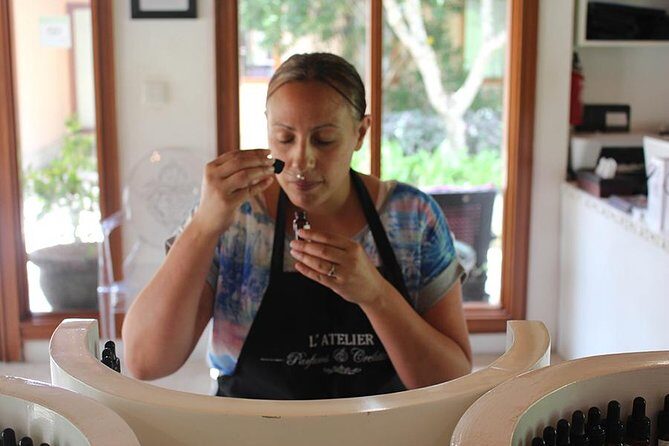
The day is long. Roughly 10 hours, plus early morning pickup. This is best if you’re willing to commit for the full sequence rather than assuming you can bail halfway and still feel good.

First snorkeling stop is easier by design. Tanjung Jepun is described as not too deep, which suits people who want a less intimidating start.

Fish interaction is part of the appeal—handle it respectfully. The description says you can take fish by hand. Even if that’s part of the experience, be ready to follow the guide’s instructions and avoid actions that could stress marine life or damage coral (especially at the second site).

One more practical note from the info shared: on a national holiday period like Galungan, there can be misunderstandings with the tour operator. In the outcome described, the day still got finished as planned, but the takeaway for you is simple: double-check confirmations and stay responsive if communication changes near your departure date.

Who this Bali snorkeling day is best for

This trip is a strong match if:

  • you want two different snorkeling experiences instead of one
  • you like having lunch included right after a water session
  • you’d enjoy a mix of water time plus beach views at Bias Tugel
  • you prefer a private group feel, even on a popular island day

It’s likely not ideal if:

  • you’re prone to motion discomfort in boats or choppy water conditions (snorkeling is the focus, but sea conditions still affect what’s possible)
  • you hate long days with early starts and limited breaks between stops
  • you’re hoping for a super gentle, short outing

The “moderate physical fitness” note is key. This doesn’t sound like extreme trekking, but it does imply you’ll be active—getting in and out of the water and moving along the schedule.

Should you book this Blue Lagoon snorkeling tour?

I think you should book if you want a well-paced, all-day snorkeling plan that doesn’t make you choose between sites. Two snorkeling stops with lunch already built in is the kind of value that makes a morning start feel worth it. Add in Bias Tugel Beach and the coffee plantation, and you get more than just water time.

I’d pause and ask questions first if you’re sensitive to schedule changes or if your trip dates are right around a major holiday period. Also, if the weather looks questionable, keep your flexibility high—this one depends on conditions.

If your goal is a full Padangbai day that blends fish-and-coral snorkeling with beach scenery and an easy cultural finish, this is a clear contender.

FAQ

What’s the duration of this tour?

The tour is listed as approximately 10 hours.

Where does the snorkeling take place?

You do snorkeling at Tanjung Jepun and Blue Lagoon Beach (near Padangbai), with lunch at Blue Lagoon Beach.

Is hotel pickup included?

Pickup is offered, and transport is part of the experience.

When is lunch served?

Lunch is scheduled for about 2:00 PM at Blue Lagoon Beach.

Is this a private tour?

Yes, it’s listed as a private tour/activity, and only your group will participate.

What should my fitness level be?

The information says travelers should have a moderate physical fitness level.

What happens if weather is bad?

The experience requires good weather. If it’s canceled due to poor weather, you’ll be offered a different date or a full refund.

FAQ

How does cancellation work?

You can cancel for a full refund up to 24 hours before the experience’s start time. If you cancel less than 24 hours before, the amount paid is not refunded. Free cancellation is available until that cutoff, based on local time.

Mount Batur Sunrise Trekking with Natural Hot Springs

Mount Batur Sunrise Trekking with Natural Hot Springs - The Hike to the Crater Rim: What the Morning Actually Feels Like

Sunrise on an active volcano is a wake-up call. This trip is built around timing: you’re led to Mt. Batur’s crater rim for the big view, then you warm up with breakfast cooked by volcanic heat. I also like how the package handles the hard part of Bali logistics with early transfers, so you spend less time figuring out the dark and more time watching the sky change.

The second big win is the payoff after the climb: a soak in natural hot springs after your descent, with the added note that you should not get that strong sulfur smell. One thing to consider: the start is extremely early (pickup often between 2 and 3 AM), and the day is weather-dependent.

Quick hits before you go

Mount Batur Sunrise Trekking with Natural Hot Springs - Quick hits before you go

  • Crater-rim sunrise timing that’s designed around you being there for the light show
  • Small-group trekking (max 15) or a private upgrade if you want it quieter
  • Volcanic-heat breakfast that turns the mountain into part of the meal plan
  • Toya Bungkah hot spring stop for sore-muscle recovery after descending
  • Coffee plantation visit later in the morning, which gives your legs a break

Why Mt. Batur Sunrise Runs on a Different Clock

If you’re the type who wants Bali to feel real, this is one of the better ways to do it: you’re up before most of the island has turned the lights on, then you’re watching an active volcano wake up. The whole schedule is designed to solve a simple problem. Timing a sunrise climb on your own means traffic, wrong turn risks, and waiting in the dark.

You also get a full arc to the morning, not just a summit photo. The plan moves from climb to crater views, then down to Toya Bungkah for hot springs, and finally into a calmer rhythm with a coffee stop before you’re back at your hotel around early afternoon.

Pickup and Pre-Dawn Transfers from Ubud and South Bali

Mount Batur Sunrise Trekking with Natural Hot Springs - Pickup and Pre-Dawn Transfers from Ubud and South Bali
The trip starts with pickup, typically in the 2:00–3:00 AM window depending on where your hotel is. That early hour can feel a little intense, especially if you’re used to a slower start, but the whole point is to remove the stress of driving in the dark. You also avoid the common “what time should I leave?” guessing game.

You’ll ride with private transportation, and the tour includes round-trip transfers from Ubud and the main south Bali hot spots. That matters because Mt. Batur is not close to every beach town people tend to stay in. Door-to-door pickup keeps the day from turning into a long commute plus a half-day hike.

A nice touch is that small details like the driver’s attitude can make the night start feel less scary. In one case, the driver was Mr. Arta, and the vibe was friendly rather than stiff, which is exactly what you want at 2 AM.

The Hike to the Crater Rim: What the Morning Actually Feels Like

Mount Batur Sunrise Trekking with Natural Hot Springs - The Hike to the Crater Rim: What the Morning Actually Feels Like
You begin the trek around 4:00 AM, which means you’re hiking well before sunrise. By 6:15 AM, you reach the crater rim, where you wait for the sunrise and take in the view. This is the core moment, and the pacing is geared to getting you there in time.

Because the group is capped at 15 travelers, you typically don’t feel like you’re in a theme-park line. Still, you’re hiking in the dark at first, and you’re relying on a local guide to keep things safe and organized. If you prefer one steady pace with fewer people around you, this setup is a sweet spot between solo effort and giant buses.

Your guide also handles the rhythm of the summit time. Even if you’re excited, the goal is to see the horizon, not just race to the top. If you tend to get impatient, take a breath. The waiting matters here.

Volcanic-Heat Breakfast: Food That Makes the Effort Feel Worth It

Mount Batur Sunrise Trekking with Natural Hot Springs - Volcanic-Heat Breakfast: Food That Makes the Effort Feel Worth It
Breakfast is included, and it’s cooked using volcanic heat. That’s not just a fun detail. It’s a practical one, because you’ll be out in the early hours and you’ll likely want something warm and filling once the walking is done.

I like that the meal is part of the mountain experience rather than an afterthought back in town. It turns the crater wait into something more than standing around with cold hands and a camera strap. It also helps you refuel before the descent, which is when energy can drop.

Descent to Toya Bungkah and the Natural Hot Spring Soak

Mount Batur Sunrise Trekking with Natural Hot Springs - Descent to Toya Bungkah and the Natural Hot Spring Soak
You start descending around 8:00 AM and arrive at Toya Bungkah Village around 9:00 AM. The finishing point is there, and your next step is immediate recovery: you get to relax and take a bath at the natural hot spring starting at about 9:10 AM.

This stop is the perfect counterweight to the early climb. Instead of a long bus ride right after hiking, you’re dealing with the ache while your muscles are still warm from activity. The hot springs are described as natural volcanic hot springs without the sulfur smell, which is a big quality-of-life point for many visitors.

There’s also something emotionally satisfying about this sequence. You earned the soak. You’re not just buying a ticket to a scenic viewpoint; you’re finishing with comfort.

Coffee Plantation Stop: A Calm Reset After Volcano Time

Mount Batur Sunrise Trekking with Natural Hot Springs - Coffee Plantation Stop: A Calm Reset After Volcano Time
At about 11:30 AM, you stop at a Balinese coffee plantation. This part of the day works because it’s slower and more social than the hike. It’s also your transition from physical effort to a more relaxed cultural stop.

I find plantation visits can be hit-or-miss on tours, but in this schedule it doesn’t compete with the main event. It comes after hot springs, when you’re less likely to feel rushed or cranky. You also have time for a snack-like break before heading back toward your hotel.

Group Size, Guides, and Why Local Matters Here

Mount Batur Sunrise Trekking with Natural Hot Springs - Group Size, Guides, and Why Local Matters Here
This trekking experience runs with a guide local to the area and includes all entrance tickets. The guide is essential for a volcano sunrise plan because the route and timing matter, especially when you’re hiking early and moving in a dark start window.

Small group size helps you feel more human-scale. With a max of 15 travelers, you’re less likely to get separated from the group or to feel like you’re getting pushed along. If you choose the private option, you get the same core plan with a calmer group dynamic, just for your group.

In another example from a prior group’s experience, their guide was Eca and the mood stayed upbeat while the guide looked after the group’s well-being. That’s the kind of guide energy that makes an early climb feel manageable.

Price and Value: Is $70 Worth a Full Early-Morning Day?

Mount Batur Sunrise Trekking with Natural Hot Springs - Price and Value: Is $70 Worth a Full Early-Morning Day?
At $70 per person, you’re paying for a lot more than a viewpoint. The big value pieces are the early round-trip hotel transfers, a local guide, breakfast, natural hot spring, and entrance tickets. When you add those separately, the convenience cost usually stops feeling overpriced.

You’re also buying time discipline. Sunrise trekking is not flexible when you’re trying to reach a crater rim at the right moment. A package that handles the timing removes the risk that you miss the sunrise because of traffic, wrong instructions, or slow decision-making.

One thing not included is lunch, so plan for that. If you’re someone who hates searching for food after an exhausting morning, it can help to carry a plan for lunch near your hotel later.

Timing Reality Check: When You’ll Be Back at Your Hotel

The total duration is about 10 hours. With pickup in the 2–3 AM range and return around 2:00 PM, you’re looking at a day that feels short in theory but intense in practice. You will move from hotel to volcano to hot springs to coffee, all on a tight flow.

This schedule is great if you like making the most of a Bali day and don’t want to waste your morning to traffic and indecision. It’s less great if you plan to do nightlife that same day. Treat it like a full-on experience day, not a casual morning activity.

Who Should Book This Mt. Batur Sunrise Trek

Book it if you want a practical sunrise hike with a plan that includes recovery time and a couple of cultural stops. It’s also a good fit if you prefer small-group trekking, since max 15 keeps things from feeling chaotic.

You’ll likely enjoy it most if you:

  • Want sunrise views without having to arrange your own transport in the dark
  • Appreciate a structured schedule that hits the key times (crater rim, descent, hot spring)
  • Like the idea of warm breakfast cooked by volcanic heat
  • Want an easy add-on to your day after the hot springs via a coffee plantation visit

If you dislike extremely early starts, this one might be a harder sell. There’s also the simple fact that it requires good weather, so you’re depending on conditions for the sunrise experience.

Should You Book This Tour or Pass?

I’d book this if you value logistics handled for you and you want the full sequence: climb, crater sunrise, volcanic breakfast, hot springs, and a coffee stop. At $70, the package covers enough essentials that you won’t feel like you’re doing extra work yourself.

I’d hesitate if you hate early mornings, or if you’re traveling with tight constraints and can’t afford a weather-related change. Since the experience depends on good weather, it’s smart to keep your schedule flexible.

If you do book, set expectations: you’re trading a normal sleep-in for an early crater-rim moment. It’s the kind of trade that often feels worth it by 6:15 AM.

FAQ

What time is pickup for the Mt. Batur sunrise trek?

Pickup is typically between 2:00 and 3:00 AM, depending on your hotel location.

What time do we start trekking?

The trek begins around 4:00 AM.

When will we reach the crater rim for sunrise?

You arrive at the summit crater at about 6:15 AM to watch the view and sunrise.

How big is the group?

The trek runs in a group with a maximum of 15 travelers, with the option to upgrade to a private tour.

What’s included in the price?

The tour includes a local guide, breakfast, private transportation, natural hot spring, and all entrance tickets.

Is lunch included?

No. Lunch is not included.

What happens after the descent?

You descend to Toya Bungkah Village, arrive around 9:00 AM, then relax at the natural hot springs starting about 9:10 AM.

What about cancellation and poor weather?

You can cancel for a full refund if you cancel at least 24 hours before the experience’s start time. The experience requires good weather, and if it’s canceled due to poor weather, you’ll be offered a different date or a full refund.
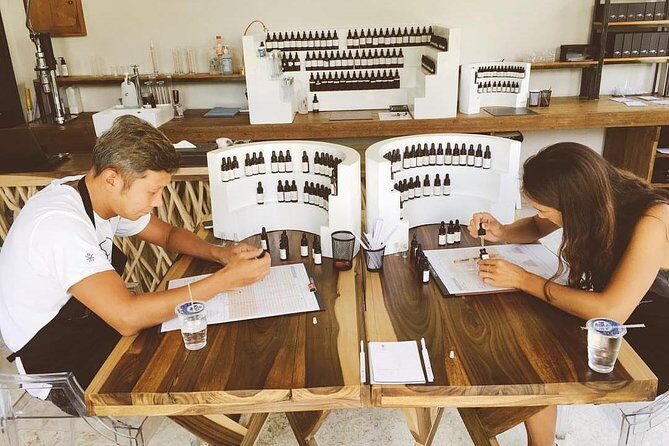
Bali Tour Customized With Local Guide

Bali Tour Customized With Local Guide - How customization actually works (and why it matters for your time)

One day in Bali can feel like five. This tour gives you that feeling with a local guide and a route you can shape, plus the comfort of A/C transport. I especially like the way the plan blends temple stops with real Bali activities like sarong-making and coffee time, and I like that it’s set up as a private day. The one thing to consider is that temple lines and timing can vary, so you’ll want patience (and good shoes) for places like Lempuyang.

The stand-out is the person behind the wheel. In the reviews, the guide/driver is praised for being kind, on time, and for working around your schedule while keeping things honest. With a mobile ticket and bottled water included, you avoid a lot of little hassles. The possible drawback: admission tickets are not included, so your final day cost depends on which sights you choose.

Key things I’d focus on before you book

Bali Tour Customized With Local Guide - Key things I’d focus on before you book

  • Private tour with only your group, so the day can run on your pace instead of random timing.
  • Customizable routing within the same area and direction, which helps you avoid backtracking.
  • A/C vehicle + bottled water, practical comfort for long Bali days.
  • Big spiritual hits plus hands-on culture, from Tirta Empul purification to sarong (batik) making.
  • Sunset payoff options like Uluwatu plus Kecak and a seafood dinner at Jimbaran.
  • Vw is repeatedly praised for being on time, schedule-flexible, and genuinely kind.

Why this Bali day tour from Kuta feels different

Bali Tour Customized With Local Guide - Why this Bali day tour from Kuta feels different
If Bali is on your bucket list, the easy trap is cramming in a list of stops and calling it a day. This experience works better because it’s designed as a custom day rather than a fixed checklist. You’re in Kuta, you get picked up, and you spend 8 to 10 hours moving through the island’s “greatest hits” with a guide who can adjust.

You get two practical advantages right away. First, private transportation in an air-conditioned vehicle saves you from the hot, stop-and-go chaos that can happen on shared tours. Second, the day is built around real-world stops, like coffee plantations and craft workshops, not just photo points.

The other reason this format is fun is control. You’re not stuck with one “correct” path. The tour can mix Ubud, Gates-of-Heaven style swing and waterfalls, Uluwatu sunsets, North Bali temple stops, or East Bali classics. Even better, you can customize it using the same area and direction, which usually means less driving friction and more time at the places that matter to you.

And yes, the human factor matters. In the feedback, the driver/guide named Vw is repeatedly described as kind, on time, and willing to work around your schedule. That’s the kind of service that turns a long day into a smooth one.

How customization actually works (and why it matters for your time)

Bali Tour Customized With Local Guide - How customization actually works (and why it matters for your time)
The tour is described as customized with a local guide, and that’s not just marketing fluff. Bali’s geography punishes bad route choices. If you bounce across the island without a plan, you lose the day to traffic and long transfers.

Here, customization is framed as using the same area and direction. In plain terms: you can tailor the sights, but you stay within a sensible travel corridor. That matters because your day is already long—8 to 10 hours—so small route changes can have big effects on actual time at each stop.

Practically, here’s what you can expect:

  • You can choose between different “theme zones” like Ubud + waterfalls, Uluwatu sunset, North Bali temples, or East Bali (Lempuyang + Goa Lawah).
  • The guide can shape the flow so you’re not rushing between far-apart places.
  • Your day keeps a coherent rhythm: craft and culture in the morning, major sights after lunch, and (if you pick that option) sunset on the coast.

If you like structure but not rigidity, this is a strong match. If you want a free-for-all where every hour is a new idea, you might find that even a good guide has to keep the day logical to avoid turning 10 hours into 14.

Ubud highlights: monkeys, Tegalalang, Tirta Empul, and Bali swing

One of the most popular ways to experience Ubud is exactly this: mix famous views with spiritual sites and hands-on culture. This option starts in the morning and runs like a full Ubud “great day” circuit.

You’ll begin with a departure from your hotel around 09:00 and head to a string of cultural stops before the big spiritual highlight. The early part includes places such as:

  • Uc Silver, where you can see handmade silver and gold craft work.
  • Bidadari batik, built around watching traditional sarong-making.
  • Bali swing, with a jungle swing stop as a mid-morning break.

Then the day shifts toward art and local scenes:

  • Central Painting in Bali – Blangko Museum, which adds an arts-and-creativity stop before lunch.
  • Lunch time around the early afternoon (lunch isn’t included, but you’ll get the schedule block).

After lunch, the plan returns to classic Ubud landmarks:

  • Ubud Market and Ubud Palace.
  • Tegalalang Rice Terrace, a signature rice-terrace viewpoint.

Finally, you hit the spiritual centerpiece:

  • Tirta Empul, described as a holy water temple for purification rituals.

This is the part of the day that tends to feel most meaningful. Ubud isn’t only about Instagram views. Stops like Tirta Empul connect you to how Balinese worship shows up in daily life, not just on ceremonial days.

Timing note: the whole sequence runs long, and your day ends back at the hotel around 20:00 (based on the provided schedule for this option). If you’re sensitive to long days, plan for a relaxed evening after.

Waterfalls and the Gates of Heaven vibe: swing, palace water, and beaches

Bali has a few “hero stops” that people chase, and this experience can include the big one: The Gates of Heaven Bali style viewpoints plus swing-and-waterfall scenery.

The description groups these into a “theme” around famous scenic experiences:

  • The Gates of Heaven Bali (often referred to as the gates/swing combo)
  • Tirta Gangga water palace
  • Taman Ujung
  • Coffee plantation
  • Jungle Swing

This theme is a nice choice if you want Bali to feel more theatrical and less only-temple-focused. The day still keeps local culture in the mix through coffee time, but the mood is more “scenery day.”

If you choose to stay in a related direction and area, you’ll likely find it flows well with other coastal or Ubud-adjacent sights. The key is to ask the guide to keep your travel minimal between the photo-heavy stops.

One caution: these scenic stops can involve waiting for the best view angles and photo moments. The guide can help manage that time, but you should still treat this as a day that’s partly about patience.

Uluwatu sunset and Kecak: beaches, temple views, and a seafood dinner

Bali Tour Customized With Local Guide - Uluwatu sunset and Kecak: beaches, temple views, and a seafood dinner
If you want your Bali day to end with a real wow moment, the Uluwatu-style plan is the one. It’s built around a coastal schedule that starts late morning and finishes with sunset.

This option begins around 10:00 leaving your hotel and includes:

  • Tanjung Benoa, with time for watersports (your exact activity may vary, but the block is there).
  • GWK Cultural Park around the afternoon.
  • Padang-Padang Beach / Julia Robert beach as a shoreline viewpoint stop.
  • Uluwatu Temple with sunset timing.
  • Kecak Dance and Fire Dance as part of the Uluwatu experience.

Then the day lands on dinner:

  • Jimbaran Beach for fresh seafood dinner, with a return to the hotel around 19:30.

Why I like this schedule: it treats the day like a story. You’re not sprinting straight to a sunset point with no buffer. You get movement, sights, and a cultural show before the evening meal.

Also, Jimbaran seafood is a very Bali “ritual” in its own way: you’re eating as the day cools down and the coast does its evening thing. Just remember that alcohol isn’t included, so if you want a drink, budget for it.

North Bali/UNESCO-style temple stops: Handara, Beratan, and Wanagiri views

Another route option is focused on North Bali scenery and temple landmarks. This one feels more “bigger island” and less “just Ubud.”

The North Bali-style sequence includes:

  • Mengwi – Royal Family Temple
  • Bedugul – Lake Beratan and its Lake Temple
  • Coffee plantation
  • Handara Gate for picture time with the gate view
  • Wanagiri Hills for lake-view photo time

This is a great option if you like variety: water, viewpoints, a temple stop, then coffee. It’s also a nice change from the southern beaches if you’re already spending time around Kuta.

As with many North Bali-style days, the vibe is scenic driving plus landmark stops. Your guide can help you choose which viewpoints to prioritize based on your interests and how the day feels.

East Bali temples: Lempuyang Sky Gate, Goa Lawah, Kertha Gosa, and Tirta Ganga

East Bali is where you get big-name spiritual sights, and this option is built as a classic long circuit that includes queue time for the main view.

The schedule runs as a full day of about 10 hours, starting around 09:00. You’ll include:

  • Goa Lawah – Bat Cave Temple (around 10:00)
  • Lempuyang Temple (Sky Gate of Heaven), with a line you may wait for more than 1 hour
  • Kertha Gosa cultural heritage palace
  • Lunch time
  • Tirta Ganga, described as a king palace of Karang Asem

This route is for you if you want Bali’s spiritual “headline” sights rather than the coastal dinner story. Lempuyang is the emotional anchor here, but it comes with the reality of the wait. If you don’t want your day hinged on one long queue, talk with Vw early and plan how you’ll spend time while waiting.

Also, Goa Lawah adds a different spiritual flavor. It’s not the same as ocean sunsets or rice terraces. It’s a temple stop in a more rugged setting, and that contrast can make the day feel more complete.

Value check: what you’re paying for at $100 per person

Bali Tour Customized With Local Guide - Value check: what you’re paying for at $100 per person
At $100 per person for an 8 to 10 hour private day, the value is mostly in three places:

1) Private A/C transportation. This is often where tours win or lose in Bali. Shared rides can turn into time drains.

2) A dedicated guide/driver for one group only. You’re not negotiating your own plan with every stop.

3) Included practical items like bottled mineral water.

Admissions are not included. That means your final total depends on which temples and attractions you enter. This matters for budgeting because Bali’s ticket costs can add up across multiple sights.

Also included: private transportation, air-conditioned vehicle, bottled water, pickup offered, group discounts, and mobile ticket. Alcoholic beverages are not included, so keep that in mind if you want a drink with dinner.

If you’re traveling as a pair or small group and you’d otherwise be paying for multiple drivers or taxis between scattered stops, a single guided day can be a good deal. It’s especially smart if you want to hit Ubud plus one other zone like Uluwatu or North Bali without turning it into a logistical puzzle.

What a day feels like with Vw: schedule, kindness, and real guidance

The praise for Vw isn’t vague. The feedback highlights three things that matter on the ground:

  • Being on time
  • Working around your schedule
  • Being kind and straightforward, described as telling things as they are

That combination is gold in Bali. When you’re dealing with tight timings (sunset shows, temple queues, lunch windows), being on time and flexible is more valuable than a long list of promises.

Another subtle value: the tour format makes it easier to ask questions on the fly. You can adjust your order or choose between theme stops without having to negotiate with a separate driver for each leg.

If you care about a smooth day—less stress, fewer “how do we get there” moments—this is the kind of service that shows up in your experience.

Practical tips to get the most from your day

You’ll enjoy this tour more if you go in with realistic expectations about time and tickets.

  • Plan your ticket budget. Since admission fees aren’t included, you should keep some extra cash for entrances.
  • Choose one main theme. Ubud-heavy day? Coastal sunset day? North Bali viewpoints? East Bali spiritual day? The best experiences come when the day has a clear emotional arc.
  • Be ready for waiting at Lempuyang. The schedule notes a line that can be over an hour, so you’ll want patience and comfortable stamina.
  • Use the schedule blocks wisely. Lunch is included as a time window, not necessarily the meal itself. If you have dietary needs, tell the guide early.

And if you’re traveling with friends who want different things (one wants temples, one wants scenery, one wants coffee), customization is where this tour earns its keep.

Who this Bali tour suits best (and who should skip it)

This tour fits best if you want:

  • A private day with your group only
  • Flexibility but still a sensible route (same area/direction logic)
  • A mix of temples + culture + viewpoints, including swing experiences and scenic stops
  • Comfort, since an A/C vehicle and bottled water are included

You might consider another option if:

  • You hate long days. The schedule is built for 8 to 10 hours.
  • You don’t want to think about ticket costs at all. Admission fees are not included.
  • You’re extremely sensitive to queue time. Lempuyang can involve waiting over an hour.

Should you book this Bali tour?

Book it if you want a smooth, private Bali day from Kuta that can flex between Ubud culture, Uluwatu sunset drama, North Bali viewpoints, and East Bali spiritual highlights. The biggest wins are the practical comfort (A/C, bottled water), the customization within a logical travel path, and the guide/driver Vw’s reputation for being on time, kind, and schedule-flexible.

Skip or compare pricing if you mainly want one or two sights and you don’t care about a guided flow. In that case, a simpler half-day might cost less and feel less intense.

FAQ

How long is the Bali tour?

The tour runs about 8 to 10 hours.

Is pickup available from Kuta?

Yes, pickup is offered.

Is the tour private or shared?

It’s private. Only your group participates.

What’s included in the price?

Included are private transportation, an air-conditioned vehicle, bottled mineral water, and pickup. A mobile ticket is also provided. Admission fees and taxes are not included.

Are admission tickets included?

No. Admission tickets are not included.

What happens if the weather is bad or the minimum number of travelers isn’t met?

The experience requires good weather. If it’s canceled due to poor weather, you’ll be offered a different date or a full refund. If the minimum number of travelers isn’t met, you’ll be offered a different experience/date or a full refund.

Ubud Zip-Line Adventure, Rice Terrace & ATV Quad Bike

Ubud Zip-Line Adventure, Rice Terrace & ATV Quad Bike - Safety briefing and equipment: helmets plus real protection

Ubud is a playground for the bold. This day strings together an ATV quad bike ride through Bali’s countryside and then a zipline run above the Tegalalang rice terraces. You get real safety prep, ride a route that includes jungle and tunnels, and finish with freshly cooked fried rice or noodles.

I like that it’s built for variety: adrenaline on the ATV, then big views from the zipline platform. I also like the practical touches, like changing rooms, showers, and towel time so your day doesn’t end in muddy regret. One thing to consider: this is physical and weather-sensitive, so plan for bumpy terrain and a schedule that may shift if conditions are poor.

Key highlights you’ll care about

Ubud Zip-Line Adventure, Rice Terrace & ATV Quad Bike - Key highlights you’ll care about

  • Two adventure modes in one day: ATV first, then ziplining above Tegalalang terraces
  • Real safety gear: helmet plus elbow and knee pads, with a briefing before you ride
  • Tight, countryside routing: rice terrace area, plantation, bamboo forest, jungle, villages, tunnels, and puddles
  • Lunch is included: fried rice or fried noodles, plus tea or coffee
  • Guides can make photo time easier: I’d bet you’ll appreciate how drivers like Jaga and Sudi help you get the shots
  • You’ll ride in your own group: private setup means less waiting around for strangers

First stop: Gorilla ATV Adventure in Payangan

Ubud Zip-Line Adventure, Rice Terrace & ATV Quad Bike - First stop: Gorilla ATV Adventure in Payangan
Your day starts at Gorilla ATV Adventure in Payangan (Jl. Raya Payangan No.199, Puhu, Kec. Payangan, Gianyar). If you choose hotel pickup, you’ll be collected and taken straight to the start point. Either way, expect a full setup moment before you move: paperwork, gear fitting, and the quick safety briefing that keeps this from feeling like a random dare.

The ATV portion is where the tour earns its keep. It’s not a paved “track” ride. This route is described as moving through rice-terrace landscapes and into back-country textures: plantation areas, bamboo forest, jungle stretches, and village lanes. You also go through elements that make the trip feel like it has chapters—tunnels, puddle sections, and steep climbs and descents.

A detail worth noticing: you usually get 1 to 1.5 hours of ATV riding time, but the stop itself can last closer to two hours because of gearing up and getting on/off. That’s normal for tours like this, but it matters when you’re comparing day plans.

ATV quad bike riding: what the terrain really means

The ATV route is built around uneven ground, sudden slope changes, and the kind of acceleration where you feel the machine do exactly what you ask. The description calls out steep downhill segments and then a strong uphill return, which is exactly the combo that makes an ATV day fun and tiring.

Here’s how that plays for you in real life:

  • If you’re comfortable with motion and minor impacts, you’ll enjoy the ride more. The bumps are part of the appeal.
  • If you get nervous on slopes, you’ll still be able to do it, but you’ll want to focus on steady throttle control and staying balanced.
  • If you hate getting dirty, think twice. This includes puddle sections and jungle-side ground.

You can choose single ATV or tandem ATV. Single means you control everything—speed, turning, line choice. Tandem means you’ll share the bike, which can be a good option if you want the thrill without full solo responsibility (and it can reduce the intimidation factor for first-timers).

A practical tip: wear clothes you don’t mind sacrificing. Even with gear, ATV days in Bali can leave you feeling like you earned your lunch.

Safety briefing and equipment: helmets plus real protection

Ubud Zip-Line Adventure, Rice Terrace & ATV Quad Bike - Safety briefing and equipment: helmets plus real protection
This tour makes safety sound like more than a script. Before you ride, you’ll get a safety briefing and be equipped with international-standard safety gear, including boots, a helmet, and protective pads (elbow and knees).

That matters because ATV rides involve two risks: hitting the wrong line and taking a spill at speed. The helmet and pads address the second one. The briefing helps with the first—how to move, how to handle tricky sections, and what your guide expects from you.

One more good sign: the zipline portion also mentions professional instructors and international-standard safety gear, so the same “calm before the chaos” approach carries across both activities.

Ziplining above Tegalalang: short flight, big payoff

Ubud Zip-Line Adventure, Rice Terrace & ATV Quad Bike - Ziplining above Tegalalang: short flight, big payoff
After the ATV ride, you shift gears to a very different kind of adrenaline. The zipline run happens above Tegalalang rice terraces, one of Ubud’s most famous scenery zones. That’s why this works even if the zipline segment is shorter than the ATV time.

Your ziplining stop is about 30 minutes, and you’re guided as you cross the course over the landscape. The key benefit isn’t just speed. It’s the viewpoint. From up there, the terraces and surrounding greenery read like a patchwork grid—simple from above, complicated up close. You’ll get that “I didn’t think I’d see it from here” feeling.

Since this part is weather-dependent, you’ll also want to keep expectations flexible. Rain or poor conditions can affect operation. If that happens, you’ll be offered a different date or a full refund.
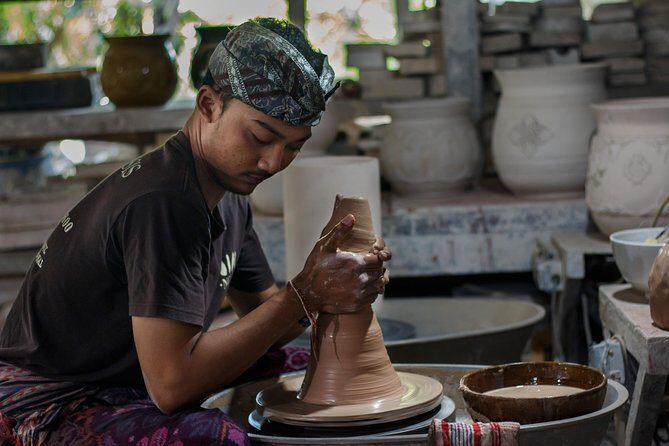
The day’s rhythm: how it flows from ride to views

Ubud Zip-Line Adventure, Rice Terrace & ATV Quad Bike - The day’s rhythm: how it flows from ride to views
This is designed as a smooth “adventure loop,” not a stop-and-wait buffet. In a typical flow:

  1. You arrive, get geared up, and meet your team at Gorilla ATV Adventure.
  2. You ride the countryside route with the guide managing pacing and safety.
  3. You transition to the Tegalalang area for the zipline experience.
  4. You eat, freshen up a bit, and return to the meeting point.

The total duration is listed as about 8 hours, which is long enough to feel like a real day, not a quick half-tour. That’s important because you’ll need time for gear handling, briefings, travel between zones, and lunch.

Also, this is private in the sense that only your group participates. That tends to reduce friction—less waiting around, fewer awkward delays, and more control over when you get your photos.

Lunch, showers, and the comfort details people forget

Ubud Zip-Line Adventure, Rice Terrace & ATV Quad Bike - Lunch, showers, and the comfort details people forget
I’m a big fan of tours that include recovery time. Here, you get changing rooms, shower access, and a towel, plus a toilet on-site. That’s not flashy, but it changes how you feel after an ATV ride.

The included meal is fried rice or fried noodles (freshly cooked, per the description). You also get mineral water and tea or coffee. For $57.77, this matters more than you might think. Many “adventure” days make you pay extra for food that’s mostly an afterthought. Here, lunch is part of the plan, not a separate scavenger hunt.

If you’re someone who hates dropping cash mid-day, this inclusion helps keep the total cost under control.

Price and value: $57.77 with a lot included

Ubud Zip-Line Adventure, Rice Terrace & ATV Quad Bike - Price and value: $57.77 with a lot included
At $57.77 per person, this tour is priced like a budget-friendly day that still includes the big-ticket pieces. What pushes value upward is the bundle:

  • ATV riding (1–1.5 hours depending on your option)
  • Zipline (about 30 minutes)
  • Safety gear for the ATV and zipline guidance
  • Lunch (fried rice or noodles)
  • Mineral water, plus tea/coffee
  • Insurance included
  • Pickup and drop-off if you select it
  • Shower/changing room access

Could you find cheaper? Maybe. But cheaper often means fewer included items, weaker safety gear, or no meal. In this case, you’re not paying extra for basics like lunch and equipment, which is a major part of the true cost of a full-day activity.

If you’re booking 8 days in advance on average, it suggests a steady demand. I’d plan ahead, especially if you’re going during busier weeks or want a specific pickup window.

Guides and photo help: why names matter

Ubud Zip-Line Adventure, Rice Terrace & ATV Quad Bike - Guides and photo help: why names matter
Two names showed up in the experience stories: Jaga and Sudi. The common thread is simple—both made the day smoother.

Jaga is described as an amazing driver who’s knowledgeable about the area and helps with photos. That’s the kind of practical skill that makes a difference when you want pictures without turning every stop into a long pause. Sudi is praised for picking guests up at their homestay and taking them to every experience throughout the day.

Those details matter because in Bali, the “transport between activities” can make or break the mood. Having someone who keeps you on schedule and helps with photo timing turns a good day into a confident one.

Who should book this ATV + zipline combo

This is a great fit if you:

  • Want two adventure styles in one day (ATV + zipline)
  • Like countryside scenery, including rice terrace views at Tegalalang
  • Prefer a private group feel rather than a crowd scene
  • Want a meal and shower included so you’re not wrecked afterward

You might want to skip or think carefully if you:

  • Don’t handle slopes, bumpy motion, or physical exertion well. The tour calls for moderate physical fitness.
  • Have trouble with height exposure, since ziplining means being harnessed and moving out over the landscape.
  • Plan to travel in conditions with likely poor weather, since operations require good conditions.

Should you book the Ubud Zip-Line Adventure + ATV?

Yes, if you want a full, practical adventure day where your money goes toward the activities, not just transport and add-ons. The mix makes sense: ATV gives you the hands-on thrill through the countryside, then ziplining gives you the aerial payoff over Tegalalang. Add in safety gear, lunch, shower time, and included insurance, and this reads like solid value for a single-day plan.

I’d book it if you’re comfortable getting a little dirty, can handle motion and moderate fitness demands, and you’re flexible on weather.

If your idea of a Bali day is mainly slow cafés and gentle walks, this probably isn’t your best match. But for active travelers who want one day to feel like a real story, this one delivers.

FAQ

Is hotel pickup included?

Pickup and drop-off to your hotel are included if you select the pickup option.

How long is the ATV riding time?

You’ll get about 1 to 1.5 hours of single or tandem ATV riding time, depending on the option you choose.

How long is the zipline portion?

The zipline experience is about 30 minutes.

What safety gear is provided?

You’ll be provided with safety equipment including boots, a helmet, and protective pads (elbow and knees) plus a full safety briefing before riding.

Is the tour suitable for people with limited physical ability?

The tour is listed as requiring moderate physical fitness.

What happens if the weather is poor?

This experience requires good weather. If it’s canceled due to poor weather, you’ll be offered a different date or a full refund.
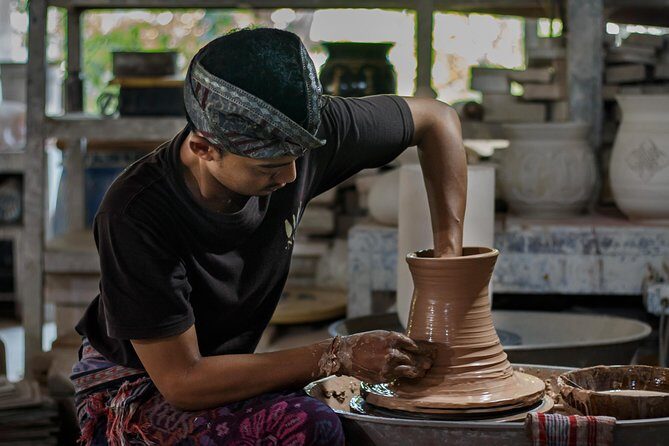
How do I receive my ticket?

You’ll receive a mobile ticket, and you should get confirmation at the time of booking.

Bali Ayung River Rafting and Bali Spa Packages

Bali Ayung River Rafting and Bali Spa Packages - What the day feels like on the water (duration and pacing)

Two hours of river power, then pure calm. This Bali double-activity day pairs Ayung River white-water rafting near Ubud with a 2-hour Bali Orchid Spa session, so you get the thrill and then the recovery without changing locations.

I love how the day is paced: a short safety briefing, real paddling on the river, and even a planned stop where you can swim in the Ayung River and see a small waterfall up close. I also like that you’re not just “left to recover” after rafting—the package includes an Indonesian food buffet lunch and a full massage + spa treatments combo.

One thing to consider: it’s not a couch-day. You’ll need moderate physical fitness, and the rafting portion is active enough that you should feel comfortable getting wet and paddling.

Key highlights you’ll care about

Bali Ayung River Rafting and Bali Spa Packages - Key highlights you’ll care about

  • Ayung River swim break plus a small waterfall stop during the rafting flow
  • Floating tube rafting with a short safety and paddling briefing from a professional guide
  • Indonesian buffet lunch included right after the rafting finish
  • Bali Orchid Spa 2-hour reset: 1-hour Balinese massage + 1-hour spa treatments (body scrub, foot wash, flower bath)
  • Private group setup so it’s only your group participating

Ayung River rafting: the rapids, the swim stop, and the guide energy

Bali Ayung River Rafting and Bali Spa Packages - Ayung River rafting: the rapids, the swim stop, and the guide energy
The Ayung River rafting here is built around a straightforward, memorable rhythm: you ride the current on a floating tube, you get shown how to paddle, and you ride through sections where the river pushes back.

You’ll start with a short briefing from a professional rafting guide focused on safety and basic paddling technique. That matters more than it sounds. When the group knows what to do—how to hold your position, how to paddle together, and what the guide expects—you spend less time guessing and more time enjoying the ride. It also helps make the faster parts feel controlled rather than chaotic.

Then comes the fun part: the river itself. Ayung is known for having a strong current, and the tour leans into that. Expect to feel the push of the water and the payoff of navigating it. The views also get your attention as you go—trees, river bends, and the feeling of being in the valley rather than in a man-made attraction.

What makes this rafting stand out is that it’s not only about holding on. The guide stops the boat for a chance to swim in the river and to check out a small waterfall. That’s a rare moment on river days: you’re suddenly not in the tube, you’re in the water, and the scenery feels closer and more real.

In one of the standout experiences from the guide-team, the rafting guide Arya was described as knowledgeable and like someone who could anticipate what you’d need. That’s exactly the kind of energy you want on a day like this—calm where it counts, playful when you’re safe, and attentive during the active parts.

Possible drawback: it’s active and you’ll get wet

Even though it’s organized and guided, rafting is still physical. If your idea of a “relaxing day” is sitting still, this won’t match that mood. Also, you should plan on being fully okay with water splashes and the swim break, since the itinerary includes that stop.

What the day feels like on the water (duration and pacing)

Bali Ayung River Rafting and Bali Spa Packages - What the day feels like on the water (duration and pacing)
The rafting portion runs about two hours on the Ayung River. In practice, two hours is long enough to feel like you did something significant, but not so long that you’re exhausted by the middle.

Pacing is also part of the value. You’re not rafting for four hours and then starving until the next activity. This tour keeps you moving: raft first, then lunch, then spa. So you get a clear “work hard, then reset” arc that many people love on a short Bali trip.

Since the tour starts at 8:00 am and runs about 6 hours total, you also get an efficient day. You’re done early enough that you may still have time for a second activity later—depending on your hotel location and energy level.

Lunch after rafting: an Indonesian buffet that actually fits the day

Bali Ayung River Rafting and Bali Spa Packages - Lunch after rafting: an Indonesian buffet that actually fits the day
Right after you finish on the river, you’ll be escorted back to the finish point. Then lunch is ready: an Indonesian food buffet.

This is the practical part of the combo. Rafting builds appetite fast, and a buffet format helps you eat what you need without waiting around. It’s also a nice way to switch from “river mode” to “food and recovery mode” in one step.

I like buffet lunches on active tours because they let you adjust. If you’re hungry, you can go bigger. If you’re still catching your breath, you can keep it lighter. Either way, you’re back on your feet and ready for the spa.

Small consideration: don’t plan heavy sightseeing right after

This is a stamina day. If you’re the type who jumps from one adrenaline thing to a long walk immediately after, you might feel it. The good news is the itinerary includes the spa next, so you’ll have a built-in recovery block.

Bali Orchid Spa: massage plus scrub, foot wash, and flower bath

After lunch, you drive to the Bali Orchid Spa provider. The spa segment lasts about two hours, which gives the therapists enough time to do real work instead of rushing through a “sample size” session.

The package is structured like this:

  • 1-hour Balinese massage
  • 1-hour spa treatments, such as body scrub, foot wash, and flower bath

The Balinese massage is the obvious anchor—it helps loosen up the body after paddling and bracing through the current. Then the extra treatments shift you from pain relief to comfort. A foot wash is especially practical after rafting because your feet and legs tend to feel the day more than you expect. And a flower bath adds a distinctly Balinese, sensory kind of reset that makes the whole day feel complete.

If you tend to underestimate how tired rafting can make you, this spa block is the part you’ll be grateful for later. The combo is designed so the “hard part” of the day is followed by actual recovery, not just a nice shower and a snack.

Timing, pickup, private group comfort, and mobile tickets

This tour is scheduled with a start time of 8:00 am and runs about 6 hours. Pickup is offered, which is a big quality-of-life win in Ubud, where you’ll often spend more time than expected in traffic if you’re arranging transport yourself.

The other logistics detail I like: it’s set up as a private tour/activity, meaning only your group participates. That typically makes the day feel less hectic. There’s less waiting around for other schedules and fewer awkward moments when your pace doesn’t match someone else’s.

You’ll also receive a mobile ticket, which is handy if you’re traveling with a phone-only routine.

And if you’re cost-conscious, there’s group discount potential. Even if you’re a party of two, that can help you feel good about the pricing.

Price and value: is $85 per person a fair deal?

At $85 per person, this package is basically buying two major activities and bundling the “transition” between them: rafting first, then lunch, then spa. Most separate-booking approaches end up costing more once you add transport and the fact that you want things to line up on the same day.

Here’s the value logic I see:

  • You get a guided rafting experience on the Ayung River with a swim break and waterfall stop.
  • You get an included Indonesian buffet lunch right after rafting.
  • You get a full 2-hour spa package with both massage and additional treatments.

So you’re paying for a full-day structure, not a single “ticket.” That’s why this works well for people who want a packed day in Bali without doing the planning math all week.

It’s also a reasonable price in terms of how popular these activities are. The tour is often booked around 36 days in advance on average, which tells me people plan it early when they want it to fit their Ubud schedule.

One note: if your travel style is very slow and you hate early mornings, the 8:00 am start may take the shine off the deal. But if you like getting the action out of the way, the price feels more justified.

Who this Ayung rafting + spa combo is best for

This is a strong fit if you’re:

  • Visiting Ubud and want a single-day plan that mixes nature, activity, and comfort
  • Comfortable with moderate physical fitness needs
  • Interested in both sides of Bali tourism: river adventure and spa recovery
  • Traveling with a group that wants the day to run on your schedule (since it’s private)

If you’re a beginner to rafting, don’t panic. The tour includes safety and paddling guidance. The river still feels real, but you’re not thrown in blind.

Should you book it? A practical decision guide

Bali Ayung River Rafting and Bali Spa Packages - Should you book it? A practical decision guide
I’d book this tour if you want a day that feels like a complete Bali story: Ayung River thrills, then a full meal, then a proper 2-hour spa reset that’s more than just a massage.

Skip it if:

  • You really dislike getting wet or having active moments in nature
  • You want a fully relaxing day with no physical effort (this rafting segment is the key event)
  • You’re not comfortable with moderate physical fitness requirements

If you’re on the fence, here’s my quick rule: if you can handle 2 hours of paddling and river splashes, you’ll likely love how the spa makes the whole day feel balanced. This combo is built for that exact “go hard, then recover” rhythm.

FAQ

Where does the rafting and spa happen?

The tour is based in Ubud, Indonesia. Rafting runs on the Ayung River in the village area of Ubud, and the spa is at Bali Orchid Spa.

How long is the full experience?

The full tour is about 6 hours in total.

What time does the tour start?

The start time is 8:00 am.

How long is the rafting portion?

The rafting portion is about two hours on the Ayung River.

What happens during the rafting?

You ride a floating tube and receive a short safety briefing and paddling guidance from a professional river rafting guide. The guide may stop the boat so you can swim in the river, and you’ll also see a small waterfall.

Is lunch included, and what kind of food is it?

Yes. After rafting, you’ll enjoy an Indonesian buffet lunch.

What’s included in the spa package?

The spa lasts about 2 hours and includes 1-hour Balinese massage plus 1-hour spa treatments such as body scrub, foot wash, and flower bath.

Is it a private tour, and do I get a ticket on my phone?

Yes, it’s private, meaning only your group participates. You also receive a mobile ticket.

What’s the cancellation policy?

There is free cancellation up to 24 hours before the experience start time for a full refund. If you cancel within 24 hours, the amount paid is not refunded.
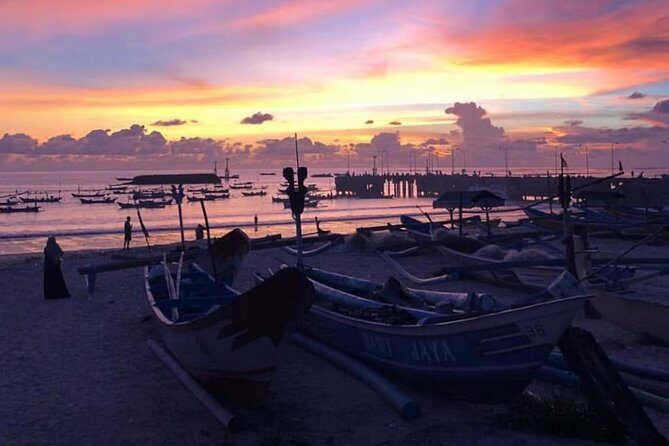
Full Day Batur Volcano and Besakih Temple Tour

Full Day Batur Volcano and Besakih Temple Tour - Penglipuran Village: A Highland Bali Place Still Shaped Like It Used To Be

Bali in one long day can feel like a lot. This tour strings together Kehen Temple, Penglipuran Village, Mount Batur views, and Besakih Temple in about 8 to 9 hours, so you get culture and scenery without doing the puzzle yourself. I like the way the stops balance sacred sites with everyday Balinese life, and I also like that you start with a 9:00 am pickup so the day has a clear rhythm.

One thing to keep in mind: entrance fees aren’t included, so budget a bit extra once you arrive at each temple. Also, expect stairs and uneven temple paths—Kehen Temple alone has a courtyard you reach via 38 stairs—so if you’d rather avoid that kind of walking, plan accordingly.

Key things I’d highlight before you go

Full Day Batur Volcano and Besakih Temple Tour - Key things I’d highlight before you go

  • Kehen Temple’s 38 steps leading up to an ancient Hindu complex with carved stone details
  • Penglipuran’s well-preserved village layout in the highlands of Bangli (with daily life still visible)
  • Mount Batur’s active-volcano context paired with a short scenic stop rather than a big hike
  • Besakih Temple as Bali’s Mother Temple, set about 1,000 meters up on Mount Agung’s slopes
  • Air-conditioned private transport and parking/fuel covered, so you can focus on the experience

A Full-Day Route From Ubud: Kehen, Penglipuran, Batur, Besakih

If you’re trying to hit the classic Bali highlights in limited time, this is the kind of plan that works. You’ll be picked up from where you’re staying in Ubud at 9:00 am, then spend a long day moving between four meaningful stops: a heritage temple, a traditional village, a volcano viewpoint area, and Bali’s biggest temple complex.

This tour is set up as private for your group, with the convenience of an air-conditioned vehicle and a mobile ticket. That combination matters because Bali traffic and timing can change fast, and a fixed itinerary with transport handled takes pressure off you.

The tour is designed for first-timers and return visitors alike. If you’ve already seen the “top things” in Bali, you may still appreciate this mix because it doesn’t just repeat scenery—it adds a look at how people live and how temples are positioned across the island.

Kehen Temple: 38 Stairs Up to Ancient Hindu Architecture

Full Day Batur Volcano and Besakih Temple Tour - Kehen Temple: 38 Stairs Up to Ancient Hindu Architecture
Kehen Temple is the first stop, and it’s a great way to start because it’s compact but dramatic. You’ll reach the temple courtyard from ground level by climbing 38 stairs, and along the way you get that carved-stone, old-school temple feeling right away.

Kehen is known for unique architectural features, including carved sandstone mythical animal details. That’s the kind of texture you usually miss if you just take a quick photo and keep moving, so I’d treat this stop as your “slow down” moment.

The main tradeoff is that stairs are real. Even if you’re okay with walking, you’ll want good footwear and a steady pace. Also, admission tickets aren’t included, so you’ll likely pay on arrival and your timing may depend a little on ticket lines and entry rules.

Penglipuran Village: A Highland Bali Place Still Shaped Like It Used To Be

Full Day Batur Volcano and Besakih Temple Tour - Penglipuran Village: A Highland Bali Place Still Shaped Like It Used To Be
After the temple, you shift to a totally different kind of Bali: village life. Penglipuran is in the highlands of Bangli in East Bali, and it’s especially famous for its well-preserved culture and village layout.

What I like about a stop like this is that it’s not just a staged photo stop. You can see how a community layout shapes daily life: family homes, pathways, and the overall feel of order and tradition. The info also notes that while many residents have embraced modernity, the village keeps its identity—so you’re not looking at a theme park.

The practical side: this is about 1 hour on site. That’s enough time to stroll and take in the layout without turning it into a rushing chore. If you’re sensitive to crowds, go into this stop expecting some visitor presence—then focus on the quiet corners where you can really notice the layout.

Again, entrance fees are not included, so plan to pay once you’re there. And if you want respectful photos, dress modestly and keep voices down while you pass through residential-looking areas.

Mount Batur: Active-Volcano Setting and Scenic Stops

Full Day Batur Volcano and Besakih Temple Tour - Mount Batur: Active-Volcano Setting and Scenic Stops
Mount Batur (Gunung Batur) is next, and this is where the tour adds the “wow” factor. You’ll have about 1 hour here, which usually means a scenic viewing stop rather than a long trek.

Batur is an active volcano located in the center of two concentric calderas north west of Mount Agung. That’s the kind of geological framing that makes the scenery feel more grounded, even if you’re just standing and looking around.

The main consideration is weather and comfort. Volcano areas can be cooler and breezy, and visibility can change quickly, so layers are smart. If you’re the type who hates rushing, use this hour intentionally: pick one viewpoint, sit for a moment, then take photos.

No entrance fees are listed as included for this stop, so you’ll likely pay separately if any ticket is required. Also, you’ll be moving from earlier sites, so keep expectations realistic: you won’t turn this into a full “sunrise hike” experience on an 8 to 9 hour itinerary.

Besakih Temple: Bali’s Mother Temple on Mount Agung’s Slopes

Besakih is the emotional closer. It’s known as Bali’s Mother Temple, and it’s been around for over 1,000 years. The setting is also a big part of why people remember it: Besakih sits about 1,000 meters high on the southwestern slopes of Mount Agung.

The complex is large, with at least 86 temples in the grounds. That size changes how you experience it. Instead of one single focal point, you get multiple spaces where you can feel the scale of the religious and artistic tradition—everything from courtyards to pathways connecting different shrine areas.

You’ll have around 1 hour 30 minutes, which is a workable time window. It’s long enough to see the main areas without making you do a full day of temple wandering, especially since you’ve already walked Kehen and Penglipuran earlier.

As with many Balinese temples, expect rules and a dress code vibe—cover shoulders and wear clothing that feels appropriate. You’ll also want shoes that handle stone and slopes. Admission isn’t included, so budget for entry here too.

Price and Value at $33: What’s Included, What You’ll Pay Later

Full Day Batur Volcano and Besakih Temple Tour - Price and Value at $33: What’s Included, What You’ll Pay Later
At $33 per person, this tour is priced like a solid “transport + guidance + major highlights” package. The value is mainly in what’s handled for you: air-conditioned vehicle, private transportation, fuel surcharge, and parking fees. That adds up in Bali, where getting across the island comfortably can be a bigger cost than people expect.

You’re also getting mobile ticket convenience, which generally makes check-in simpler. And the tour notes group discounts, which can matter if you’re traveling with friends and want to reduce cost per person.

The big “watch this” item: entrance fees aren’t included. That means your final spend will depend on the ticket prices for each stop. Still, you’re likely paying those fees anyway if you go on your own, so the question is whether you’d rather pay separately to enter each place while someone routes you there efficiently. In my view, that’s where the money makes sense.

If you’re counting dollars tightly, you can also treat this like a sampler day. Hit the top sites, then decide on a later trip if you want a deeper dive on one temple or a longer village visit.

How the 8 to 9 Hour Schedule Really Feels

A tour that runs 8 to 9 hours can be wonderful—or exhausting—depending on your pace. Since pickup is at 9:00 am, you’ll want a real breakfast and some water before you leave. The day includes travel time plus four separate stops, so your energy is best spent where the experience matters most.

Here’s a realistic way to plan your own expectations:

  • Start energized: Kehen is early and involves stairs
  • Stay steady: Penglipuran is calmer but still walking through a village layout
  • Switch modes: Mount Batur is scenic and you’ll want a layer for comfort
  • Finish strong: Besakih needs focus and respectful attention

The tour says most travelers can participate, which is encouraging. But if you know stairs fatigue you, consider this: Kehen has 38 stairs, and temple grounds can include uneven surfaces.

Bring a small daypack if you can. You’ll appreciate having water, sunscreen, and something simple for sun protection. If you tend to get cold, add a light jacket—volcano-region weather can shift.

Transportation Comfort: Air-Conditioned, Parked, and Simplified

This is one of the tour strengths that you feel immediately. The vehicle is air-conditioned, which is not a luxury detail in Bali—it’s a quality-of-life upgrade when your day starts early and ends late.

Because parking fees and a fuel surcharge are included, you’re not stuck negotiating little extras once you arrive at each attraction. That might sound minor, but it keeps the day flowing. You spend your time looking at temples and village details instead of worrying about logistics.

The tour is also described as private, meaning only your group participates. That matters if you want a guide who can adjust the pace, take into account your comfort level on stairs, and spend a little extra time where your interest is strongest.

Your Guide: Dewa Alit and the Trust Factor

This tour is provided by Dewa Alit – Private Tours, and the name comes up again and again as a reason people feel confident booking. In the reviews, Dewa Alit is praised for English skills, kindness, and trustworthiness—plus the fact that he’s been a go-to for people returning to Bali more than once.

That kind of guide credibility matters because Bali trips aren’t just about places—they’re about smooth decision-making. A good guide helps you avoid time-wasters, navigate local flow, and know how to handle the small practical moments that pop up during the day.

If you’re traveling with your partner, friends, or family and you want fewer headaches, having a guide you trust is a real value. And because this is a private-style tour experience, the guide’s role is more central than it would be on a big bus.

Should You Book This Full-Day Batur and Besakih Tour?

Book this tour if you want a one-day hit list that mixes heritage (Kehen), daily culture (Penglipuran), volcano scenery (Mount Batur), and Bali’s biggest temple complex (Besakih). It’s a strong choice for first-time visitors and also for return travelers who want a clean, efficient day without planning every turn.

Skip it or adjust expectations if you strongly prefer a full volcano hiking experience. This plan gives you about 1 hour at Mount Batur, so it’s likely more of a viewpoint stop than a long adventure. Also, if you dislike stairs and rough temple paths, keep in mind Kehen’s 38 steps plus the general temple terrain.

If you’re okay paying temple entrance fees separately and you like a structured day with private transport, this is a good way to get real Bali variety in a single outing.

FAQ

What time does the tour start?

The tour starts at 9:00 am.

How long is the tour?

The duration is about 8 to 9 hours.

Is pickup included?

Yes. Pickup is offered from your place to start the tour.

Are entrance fees included for the attractions?

No. All entrance fee in any attractions is listed as not included.

Is this tour private?

Yes. It’s described as private, with only your group participating.

What is the cancellation policy?

You can cancel for free up to 24 hours in advance for a full refund. If you cancel less than 24 hours before the start time, the amount paid isn’t refunded.