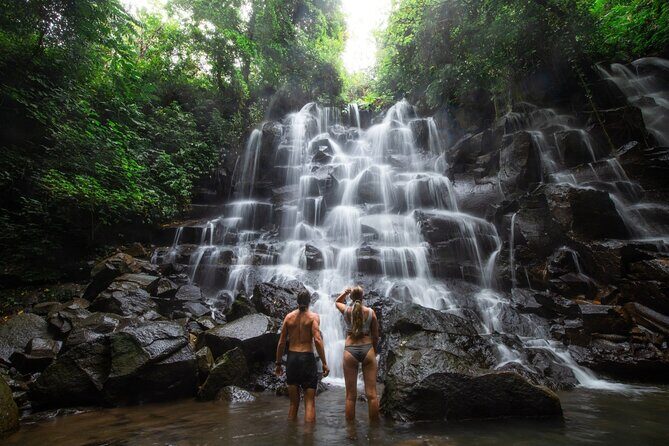
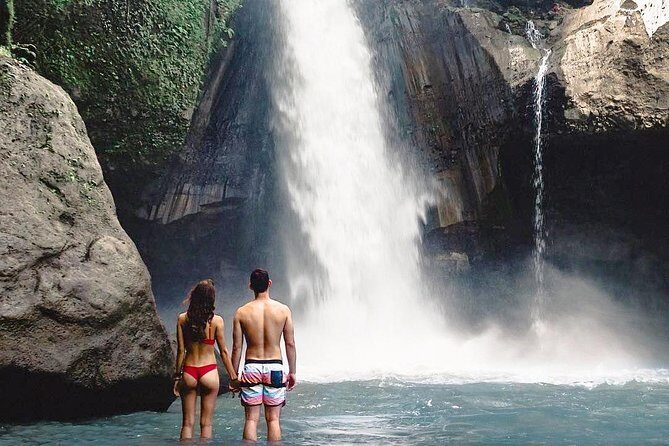
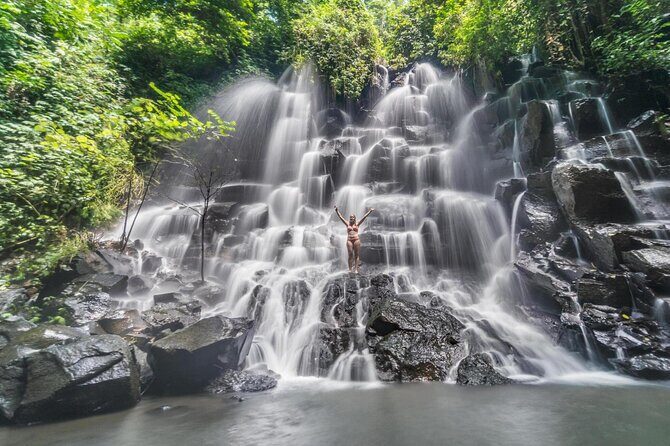
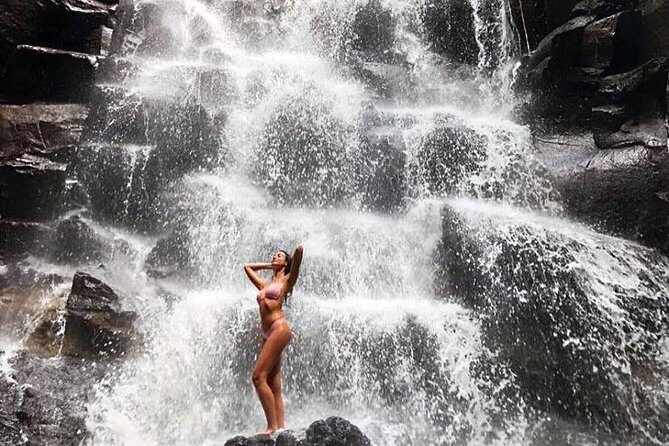
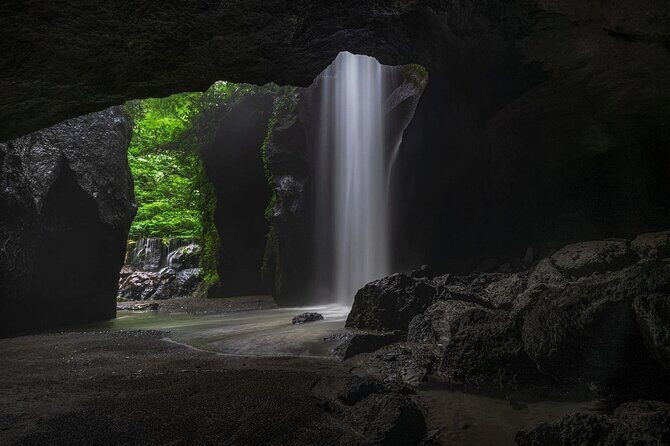
Intermediate canyoning trip in Bali “Aling Canyon”

Intermediate canyoning trip in Bali "Aling Canyon" - The safety briefing you’ll be glad you paid for

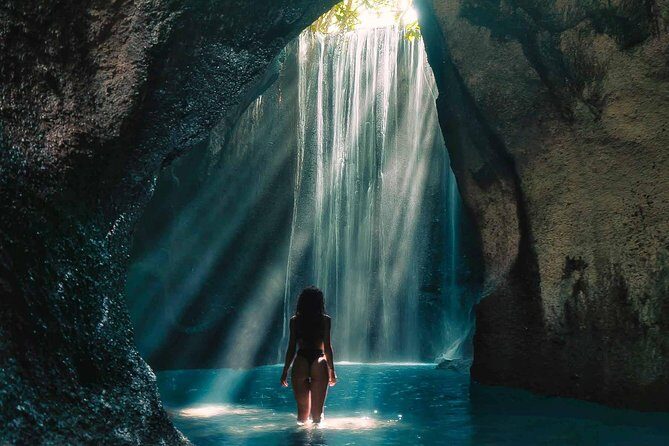
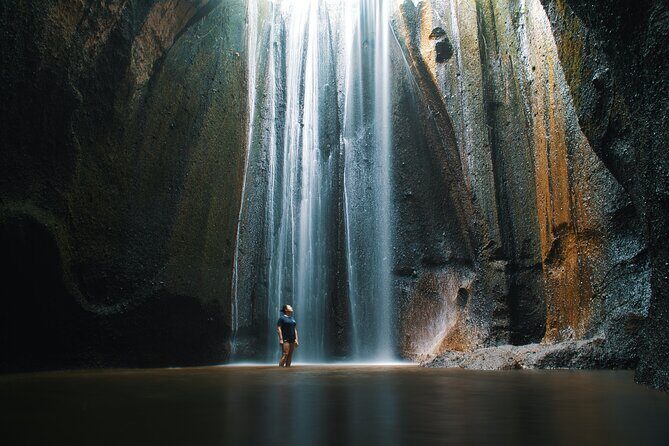
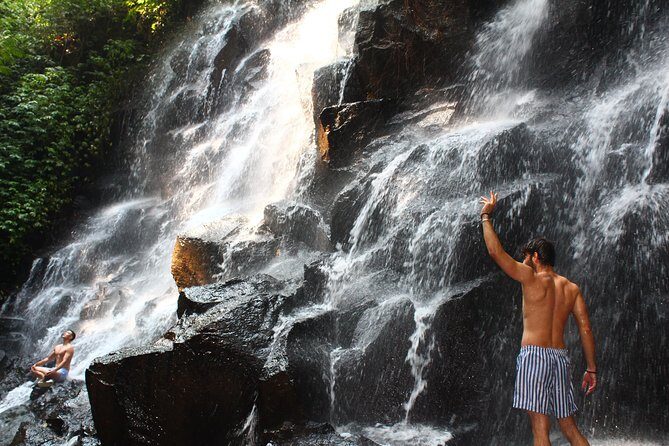
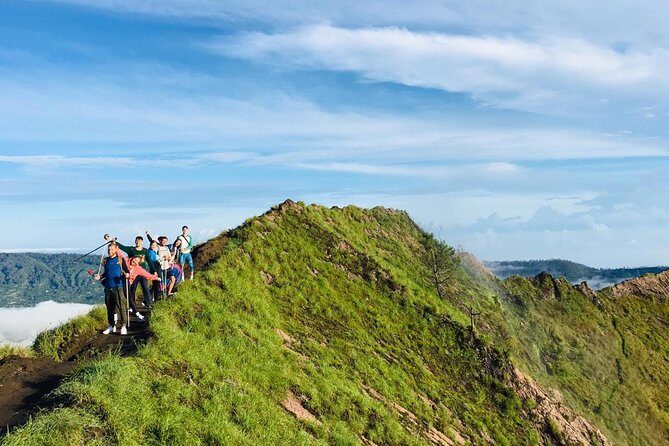
Aling Canyon turns Bali into a water adventure. This intermediate canyoning trip takes you down an aquatic canyon with plenty of jumps and rappels, plus a wow-factor approach hike where the views feel cinematic. The day is built around clear instruction, so you’re not just getting wet—you’re learning how to move safely in the canyon.

Two things I especially like here: the guides teach you the basics (including lanyard use, abseil technique, and hand signals) before you descend, and the group stays small (a maximum of 6), which makes the experience feel more personal. One thing to keep in mind: it’s listed for people with moderate physical fitness, so if you’re not comfortable with hiking plus active moves in wet terrain, you’ll want to think twice.

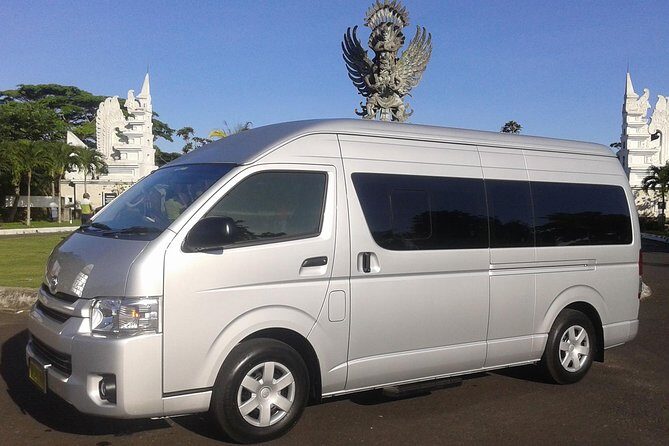
From pickup to lunch, the flow is smooth. You’re collected by air-conditioned vehicle, welcomed at a local base in Wanagiri, and you’ll get breakfast, a proper local lunch, and GoPro photos/videos—so the memories come home with you (USB storage isn’t included).

Key highlights you’ll care about
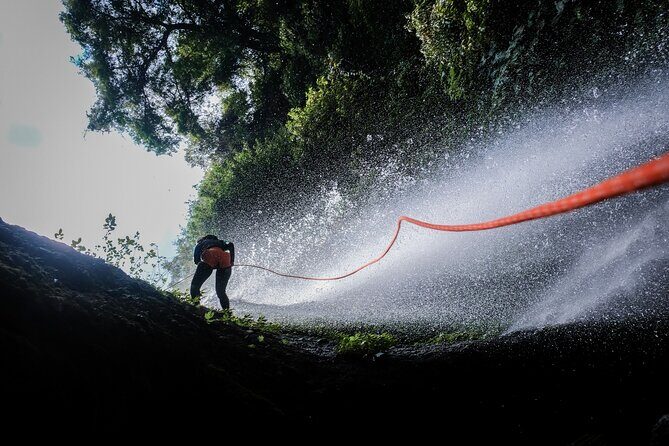
Intermediate canyoning trip in Bali "Aling Canyon" - Key highlights you’ll care about

  • Safety training first: You practice lanyard and abseil basics and learn hand signals before your main descent.
  • Small group energy: Up to 6 travelers, which helps you get more attention during the day.
  • Jumps plus rappels: Expect variety—jumps and abseils, plus slides where the route allows.
  • You eat well after: A big local lunch, timed right after the hike back.
  • GoPro delivered during lunch: You’ll watch the footage while you refuel, not days later and never as an afterthought.
  • Pickup anywhere in Bali (offered): You don’t have to stress about getting yourself to the start.

Aling Canyon in one sentence: how the day actually feels
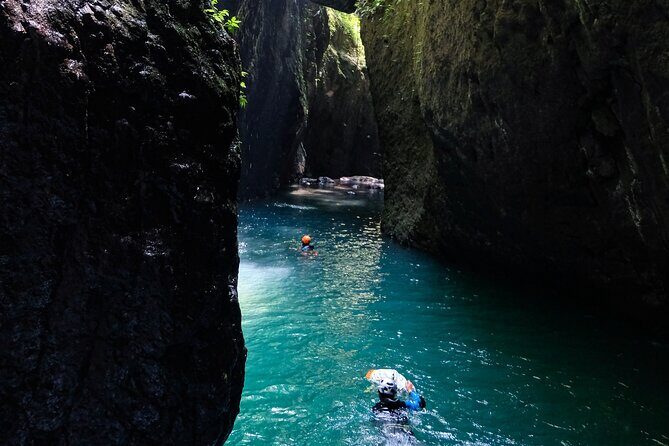
Intermediate canyoning trip in Bali "Aling Canyon" - Aling Canyon in one sentence: how the day actually feels
This is not a casual splash-and-go. Aling Canyon is an active, guided canyon descent in Bali where you hike in, get trained, then move through a sequence of jumps and rappels in the jungle. The charm is that the route feels like it’s designed for variety: you’ll be climbing, watching for your turn, and then suddenly you’re flying off a rock into the water.

The approach hike matters more than people expect. Even before the main action, you’re walking to the start point with a “wow” view, and it sets the tone for the rest of the day. If you like nature that feels close-up—humidity, jungle greenery, and that canyon sound of water running—you’ll get why this trip is popular.

And yes, the equipment and coaching are a big deal. You’re fitted with canyoning gear (wetsuit, harness, helmet, canyoning boots) and taught how to use your safety rope system. That makes the experience feel structured. You’re not guessing. The guides are guiding—calmly, step by step.

Pickup, breakfast, and the Wanagiri base: the start that sets you up

Most canyoning trips fail at one thing: getting everyone to the start without stress. This one handles that with pickup offered anywhere in Bali and an air-conditioned vehicle for the ride. If you’re staying in busier areas like Nusa Dua, that kind of door-to-door convenience can be the difference between a fun day and a day full of logistical headaches.

Once you arrive, you’ll be welcomed at a local house in Wanagiri. There’s a light breakfast waiting—tea or coffee along with something to take the edge off before movement. I like this approach because it means you’re not starting the hike hungry and impatient.

What you’ll notice right away is the attention to gear. You suit up with canyoning equipment that’s described as the latest technology gear, then you shift into briefing mode. This matters because canyoning is part hiking, part climbing, and part water play. If your body isn’t comfortable in the gear setup, everything later gets harder.

One practical consideration: you should plan for a morning start (the trip begins at 9:00am), so don’t schedule anything tight right before. This kind of day rewards you when you’re not rushing.

The safety briefing you’ll be glad you paid for
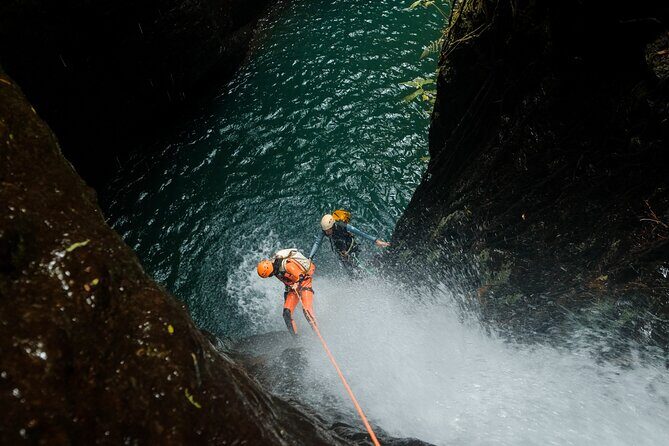
Intermediate canyoning trip in Bali "Aling Canyon" - The safety briefing you’ll be glad you paid for
Before you enter the canyon for the main descent, the instructor teaches you how to operate safely. This is one of the most praised parts of the experience, and it makes sense: canyoning looks simple until you realize you’re lowering your body down a wet rock face while wearing a harness and safety system.

You’ll learn how to use your lanyard (safety rope system), get training on abseiling (rappelling), and practice some hand signals so the canyon team can communicate quickly without chaos. This is the kind of skill-building that turns nerves into focus.

From an enjoyment standpoint, this training changes the whole vibe. Instead of being tense and second-guessing, you start your descent feeling like you understand the rules of the game. You know what the instructor expects, and you know what you’ll do when it’s your turn.

It’s also why this trip works well for people doing intermediate canyoning. You’re not thrown into the deep end with zero guidance. You get a short, practical introduction so you can handle the real action with confidence.

The approach hike: views first, then the drop

Once training is done, you’ll hike to the start point. This part is short enough to stay fun, but it gives you time to settle into the environment. The route to the start includes magnificent views, and it’s not just a filler between meals and adventure.

This is the moment to let your brain stop thinking of canyoning as a single event. It’s a sequence. There’s movement, then teaching, then the first exposures to the canyon’s rhythm—wet rock, water sound, and the feeling of being close to the canyon walls.

You’ll also learn something subtle during the approach: how your body responds after gear fitting. Boots and harnesses can feel strange at first, especially if you’re not used to moving carefully while wet. The approach hike gives you a natural way to adjust before the more technical parts.

If you’re the kind of person who gets motion sickness easily, the day is mostly walking and careful movement, not spiraling rides. Still, you should be honest with yourself about how you react to steep, slippery steps in humid conditions.

Inside Aling Canyon: what “intermediate” looks like on the ground
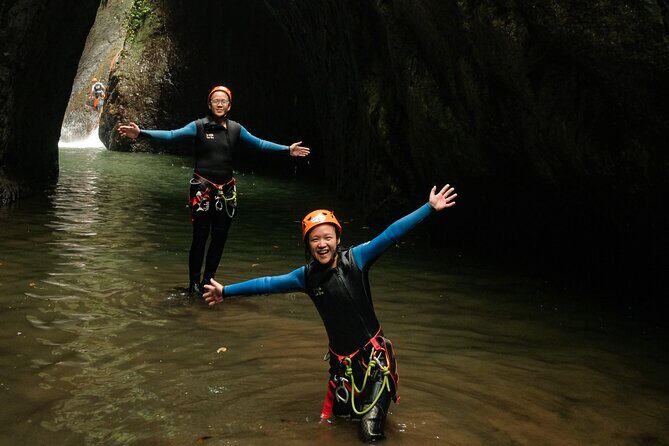
Intermediate canyoning trip in Bali "Aling Canyon" - Inside Aling Canyon: what “intermediate” looks like on the ground
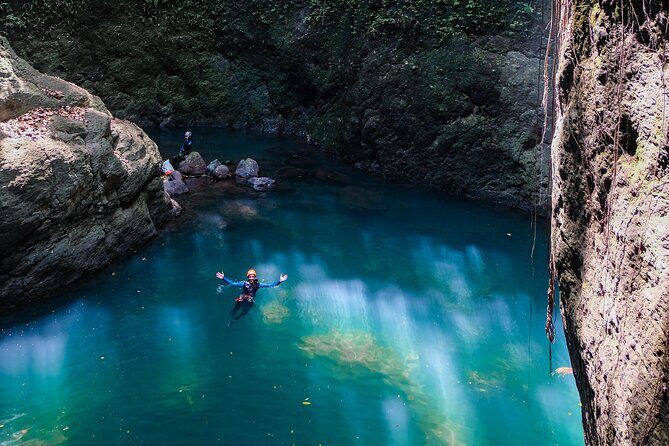
The main action is the descent through an aquatic canyon, with a variety of features. Based on the description and what guides emphasize, you should expect jumps and rappels throughout the route. Depending on the day’s conditions, you may also encounter slides as part of the fun mix.

Here’s how I’d frame the skill challenge. Intermediate means you’re doing more than basic trails, but you’re not doing a full-on technical expedition with advanced climbing only. You’re still relying on guidance and rope systems. You’ll be lowering yourself, moving through water, and choosing how you land when it’s jump time.

The guides’ professionalism shows in small things: they’ll teach you before you need it, and they keep you organized in the canyon so you’re not guessing where to step next. Several people highlight feeling safe thanks to the guides, which is exactly what you want for a day like this.

And then there’s the scenery. The canyon route is described as having magnificent views, and one of the memorable comparisons people made was how the scenery can look like a dramatic movie setting. In practical terms, that means you get a canyon that feels special even when you’re just watching and waiting your turn.

What you’ll want to bring mentally: a sense that you’re doing active movement while wet. Even if you’re not jumping, you’ll be navigating. That’s part of the appeal.

The finish: hike back, then lunch plus GoPro footage
Intermediate canyoning trip in Bali "Aling Canyon" - The finish: hike back, then lunch plus GoPro footage
After the descent, you’ll hike back and then your day hits the best kind of reward: food. There’s a big lunch included, with local food (including chicken mentioned as a standout by one guest). If you’ve ever done an outdoor activity and then found the meal disappointing, you’ll appreciate that canyoning companies usually make lunch a priority here.

Even better, you’ll be shown footage taken during the descent. You’ll get GoPro photos and videos, and the plan is to provide the footage during lunch. This is smart. It turns your energy from adrenaline and effort into that post-adventure moment where you can actually see what you did.

If you care about memories, this is a big value point. Instead of hoping you captured everything on your phone, you get professional-style footage from the guides’ equipment. USB storage isn’t included, so if you need a physical drive, you may want to plan for how you’ll transfer content.

The day ends with your return to your accommodation. One review specifically mentioned a driver bringing people back to Nusa Dua, which suggests they do handle getting you from activity zone to where you’re staying.

Equipment and comfort: what’s provided, what that means for you

The tour includes canyoning gear: wetsuit, harness, helmet, and canyoning boots. That’s a huge practical advantage because it removes the hassle of renting or buying the right items in Bali. It also means the operator is matching the gear to the activity, not just sending you out in whatever you happen to own.

Comfort-wise, wetsuits help keep you warm and protected from the water and rock surfaces. Harnesses and helmets are obvious safety gear, but boots are the sneaky hero. Wet rock is unforgiving, and boots designed for canyoning help with grip and control.

You’ll also get instruction on using the safety rope system, which matters as much as the physical gear. Having equipment is great; knowing how to work it is better.

If you’re worried about fitting or feeling awkward in harnesses, remember the guides teach before the descent. That reduces fear and helps you adjust quickly.

Price and value: why $150 can be a good deal here

At $150 for a full day, this sits in the “serious activity” price range. You’re not only paying for the canyon descent; you’re paying for transportation, equipment, safety coaching, insurance, lunch, and the GoPro footage.

Here’s the value math that matters:

  • You get picked up and transported in an air-conditioned vehicle.
  • You get all key canyoning equipment fitted for you.
  • You get instruction that covers rope system use, abseiling technique, and communication signals.
  • You get a real lunch, not a snack.
  • You get photos and videos from the descent.

The only clearly stated extra isn’t “another fee for fun.” It’s that USB storage isn’t included. If you’re fine downloading footage to your phone or using the provided method, that’s likely not a big deal.

Also, the group size cap (up to 6) helps justify the price. Smaller groups usually means better time with guides and fewer gaps in safety coaching.

Who should do intermediate Aling Canyon

This trip is a good match if you want a canyoning day that feels active and guided, with enough challenge to feel exciting but structured enough to feel safe. The requirement is moderate physical fitness, and the day includes hiking to the start point and hiking back after the descent.

You’ll probably enjoy it if you:

  • like nature and water activities
  • enjoy hands-on instruction (you don’t want to figure gear out alone)
  • want a day with variety—jumps, rappels, and slides depending on conditions
  • value feeling safe through coaching rather than just “hoping for the best”

You might reconsider if you:

  • have mobility limits that make careful wet-rock walking hard
  • hate heights or abseiling without much tolerance for training
  • want something more relaxed and low-motion

Should you book Aling Canyon canyoning with Canyoning Bali?

If you want a Bali canyon day that’s organized, safety-focused, and genuinely fun, I’d say it’s worth booking. The standout strengths are the guide-led training (lanyard use, abseiling, hand signals) and the overall structure: gear up, hike in, descent with variety, then a satisfying lunch and footage.

Two practical tips for making it your best day:

  • Go in with a moderate-fitness mindset. You’ll hike and move on wet terrain, so pack yourself mentally for active effort.
  • Assume you’ll get wet and muddy. The wetsuit and canyon boots help, but your clothes and expectations should be canyon-appropriate.

If Aling Canyon sounds like your kind of day, you’ll likely leave with more than photos—you’ll leave with the feeling that you learned something and handled a real adventure.

FAQ

What time does the Aling Canyon canyoning tour start?

The start time is 9:00am.

How long is the tour?

It’s listed as approximately 1 day.

Where is the tour based?

It starts from a local house in Wanagiri, with the tour located in the Ubud area of Bali.

Is pickup included?

Pickup is offered, and the driver will pick you up at your accommodation anywhere in Bali.

What’s included in the price?

The package includes air-conditioned vehicle, light breakfast, lunch, canyoning equipment (wetsuit, harness, helmets, canyoning boots), insurance, and GoPro footage (photos and videos).

What equipment should I bring?

The tour provides the main canyoning gear: wetsuit, harness, helmets, and canyoning boots. The provided details do not list extra personal items.

How big are the groups?

The maximum group size is 6 travelers.

What fitness level do I need?

The tour is for travelers with a moderate physical fitness level.

Is the tour affected by weather?

Yes. It requires good weather, and if it’s canceled due to poor weather, you’ll be offered a different date or a full refund.

If you want, tell me where you’re staying in Bali (area or hotel neighborhood) and your fitness comfort level, and I’ll help you decide if intermediate canyoning is a good match for you.
Bali Mountains and Villages Cycling Tour

Bali Mountains and Villages Cycling Tour - Kintamani highlands: where the ride begins and why it matters

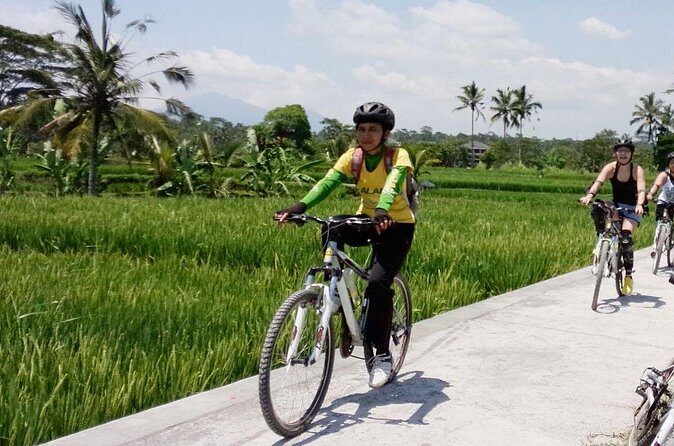
A great bike day starts with a smooth plan. This one pairs rural Balinese village time with an honest downhill ride through rice fields, Hindu temples, river valleys, and rainforest edges. I like that it stays small-group intimate, capped for the experience, so you get real time with your guide instead of feeling like luggage. I also like that the route mixes scenery with culture, including Bayung Gede Kintamani, Taro, and Keliki. One thing to consider: the schedule is built around a long drive to and from the highlands, so you will spend a good chunk of the day in the van.

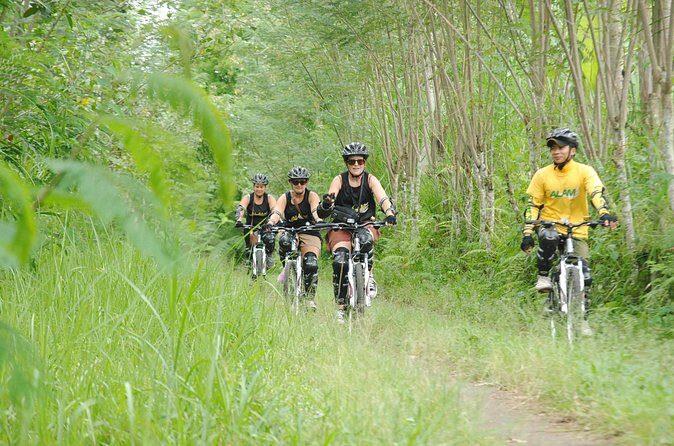
You’ll start early (7:30 am), get fitted with a bike and helmet, then ride out with a safety briefing before you start moving. Expect mostly downhill riding, which is great if you don’t want to grind uphill all day. The pace is still active, and you should have moderate fitness and basic bike comfort.

If you want a day that feels more like getting invited into rural life than doing a checklist, this Bali Mountains and Villages Cycling Tour is a strong option.

Key reasons this Bali bike tour feels worth it

Bali Mountains and Villages Cycling Tour - Key reasons this Bali bike tour feels worth it

  • Small-group attention: kept to a limited group size for the ride, not a giant bus vibe
  • Real rural variety: coffee and cocoa areas, rice fields, temples, and rainforest scenery on one day
  • Village learning built in: Bayung Gede Kintamani, Taro, and Keliki are part of the plan, not just scenery stops
  • Downhill momentum: the ride is mostly downhill, so the day stays fun instead of punishing
  • You’re set up for the day: bike, helmet, and lunch are included, plus hotel pickup/drop-off for select areas

How the day flows: from 7:30 am pickup to a village-focused ride

Bali Mountains and Villages Cycling Tour - How the day flows: from 7:30 am pickup to a village-focused ride
The tour starts at 7:30 am, with hotel pickup by air-conditioned minivan from select Bali resort areas. If you’re in Ubud, the drive is shorter (about 45 minutes), while southern Bali pickups tend to be longer (around 1.5 hours) to reach the high hills around Bayung Gede Kintamani.

That travel time is the main “price” you pay in energy. One review-style takeaway you should plan around is that the car hours can feel long, especially if you’re hoping for a purely active day. Still, that early start matters because it gets you to the highlands in time for the ride and village visits.

Once you arrive, you don’t just show up and pedal. You get fitted with your bike and helmet and get a short briefing from your guide. That small step sets the tone for an easier experience, especially if you’re not super confident on a cycling tour.

Kintamani highlands: where the ride begins and why it matters

Bali Mountains and Villages Cycling Tour - Kintamani highlands: where the ride begins and why it matters
The cycling starts in the high hills of Bayung Gede, in the Kintamani region. This is where the scenery does the heavy lifting: rolling countryside, river valleys, and a mix of planted areas and green fields.

Before you really drop into the downhill part of the ride, you move through countryside that includes coffee and cocoa plantations and green rice fields. It’s a nice shift in textures and smells—less touristy than a single “lookout and back” stop—and it gives you time to get comfortable on your bike after the briefing.

A practical note: the route includes off-road tracks and rainforest surroundings. That doesn’t mean you’ll be white-knuckling over rocks nonstop, but it does mean you’ll want to stay alert and keep a steady grip. If you know how to ride, you’re in good shape.

Downhill riding through rice fields, temples, and rainforest edges

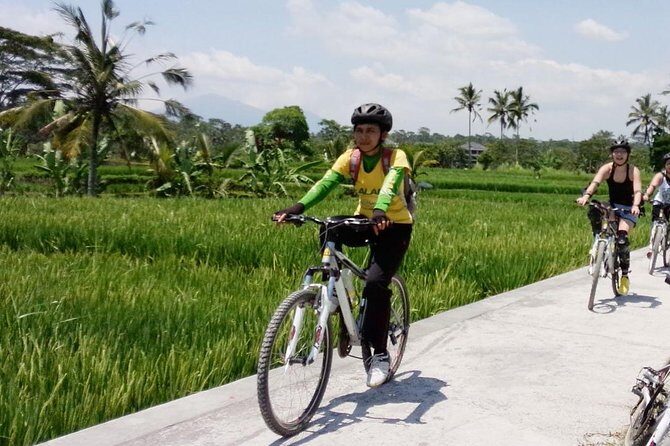
This is the heart of the day. You cycle downhill past rice fields, Hindu temples, and stretches that feel like Bali’s green spine—rainforest edges and valley views.

Downhill is a gift on a full-day tour because it turns the ride into something you can enjoy with your eyes up. You still feel movement and wind, but you’re not constantly fighting the bike. The result is that you can actually look at what’s around you instead of only focusing on your effort level.

The route is also described as passing through rice fields and Hindu temples, which means you’re not just biking through nature—you’re moving through places with daily life and local meaning. The guide helps connect what you’re seeing to the communities you’ll visit later.

Bayung Gede Kintamani, Taro, and Keliki: village culture in a real-world setting

The tour’s standout value is that the bike ride is only half the story. The other half is the time in villages—specifically Bayung Gede Kintamani, Taro, and Keliki—where you learn about traditional customs practiced there.

This is the part that makes the tour feel more grounded than a scenic ride. Instead of treating the villages like photo backdrops, the plan is built around learning how people live and why certain customs matter.

In practical terms, that means your day includes human-scale moments: walking through village areas, listening to explanations from your guide, and observing daily patterns that don’t revolve around tourists. Even if you’re short on language skills, you’ll usually be able to catch the bigger picture through the guide’s context.

One consideration: village time can mean uneven walking surfaces and short stops where you shift between biking and on-foot segments. The tour asks for moderate fitness, so think of this as active travel, not a sit-and-snap day.

Coffee and cocoa country: seeing how the countryside is used

Along the ride, you’ll pass areas linked to coffee and cocoa plantations. That matters because it gives you a sense of how the land is worked, not just how it looks.

You’ll also spend time moving through river valleys and countryside that mixes cultivated areas with natural cover. That variety is one of the reasons this tour works well for first-timers: it shows multiple sides of rural Bali without forcing you to book separate experiences.

For you, it’s a smooth way to understand the rhythm of the landscape—how fields, vegetation, and waterways shape daily life. It also makes the downhill segments feel more meaningful, because you’re not just gliding past greenery; you’re moving through systems.

Lunch on tour: refuel without dragging the day out

Lunch is included, and it’s a key piece of why a full-day tour like this can still feel manageable. You’re riding for hours, then spending time in villages, so you need a break that’s already planned.

The lunch is described as Balinese specialties, which usually means you’ll get a meal with local flavors instead of generic cafe food. Since food and drinks are not listed as included beyond lunch, you should plan for the ride by bringing extra water if you need it, or buying what’s available at stops (the tour doesn’t promise drinks).

A good strategy: treat lunch as your reset point. Eat steadily, then keep energy for the final part of the day so you don’t feel drained during the return.

Bike + helmet + guide: what’s included, what’s on you

Included items make this tour easier than a DIY bike day. You get a bike and helmet, a cycling guide, lunch, and hotel pickup/drop-off (select hotels and resort areas only).

What’s not included is souvenir photos and food/drinks beyond what’s specified (with lunch included). So while the essentials are handled, you’ll want to budget for extras if you care about keepsakes.

Also, the tour requires that you know how to ride a bicycle. That doesn’t mean you need to be a racer, but it does mean you should be comfortable staying balanced while the route includes off-road tracks.

If you’re choosing between this tour and a more casual walking-only day, this one is better for you if you enjoy cycling and want motion plus stops.

Price and value: why $60 can make sense here

At $60 per person, this Bali cycling tour is positioned as a budget-friendly full-day experience rather than a luxury day. The value comes from the bundle: pickup/drop-off (from select areas), a bike and helmet, lunch, and a guide, plus the time in three villages.

You can think of the cost as paying for logistics and guidance. Without a setup like this, reaching Bayung Gede Kintamani early, organizing transportation, and arranging village learning would cost you time and money. Here, the structure is built in.

The only “value risk” is the long day in the vehicle. If you strongly dislike being in transit, that may be harder to accept at any price point. But if you’re fine treating the ride as the main event and using the van time to relax and recharge, $60 can feel like a fair deal.

Who should book this Bali Mountains and Villages cycling tour

This experience is a great fit if you:

  • want a mostly downhill day with active sightseeing
  • enjoy rural scenery like rice fields, plantations, and temple surroundings
  • want village context with Bayung Gede Kintamani, Taro, and Keliki included
  • like small-group travel with guide attention

It may not be your best match if:

  • you hate long driving days and want minimal time in a van
  • you’re looking for a purely downhill, zero-walking experience (there are village elements that require getting on and off the bike)
  • you don’t feel comfortable riding on slightly rougher tracks

Also, the tour lists a maximum size for the activity and describes it as intimate with a limited small group. That usually works well for comfort and questions, so it’s a good option when you don’t want to feel like you’re in a parade.

Quick tips to make your day smoother

  • Bring a way to stay hydrated since drinks aren’t listed as included beyond lunch.
  • Wear comfortable cycling shoes and clothes you don’t mind getting a little dusty if you hit off-road sections.
  • Arrive with basic bike comfort; the tour expects you already know how to ride.
  • Consider keeping your phone accessible for the mobile ticket, and bring a simple rain layer just in case the rainforest-adjacent route feels damp.

Should you book it? My straight answer

Book it if you want a fun, guided downhill cycling day that also spends real time in rural Bali villages like Bayung Gede Kintamani, Taro, and Keliki. The included bike/helmet, lunch, and pickup make it easier than DIY, and the small-group feel helps you actually connect with the places you pass.

Skip or think twice if you get cabin-tired easily. The biggest drawback is the long drive time to and from the highlands, and that will shape how you feel by late afternoon.

If you can handle a full day of transit plus cycling, this tour offers a good blend of motion and culture at a price that’s hard to beat.

FAQ

What time does the Bali Mountains and Villages cycling tour start?

The start time is 7:30 am.

How long is the tour?

The duration is about 6 hours.

Is hotel pickup and drop-off included?

Yes, hotel pickup and drop-off are included by air-conditioned minivan, but only for select hotels/resort areas.

Are the bike and helmet provided?

Yes. You’ll get a bike and helmet as part of the tour.

Is lunch included?

Yes. Lunch is included, described as Balinese specialties. Food and drinks are not included unless specified.

Can children join, and what’s the minimum age?

Children must be accompanied by an adult. The child rate applies only when sharing with 2 paying adults, and the minimum child age is 10.

Ubud Hidden Gems Private Tour with Local Expert & Hotel Pickup

Ubud Hidden Gems Private Tour with Local Expert & Hotel Pickup - Tegalalang rice terrace: irrigation you can actually see

Ubud can feel like sensory overload. This private day plan cuts the noise and gives you a local-led route through rice paddies, a sacred water temple, coffee country, and two different waterfalls. I especially like the way it balances famous sights with slower, more relaxed stops, and how hotel pickup keeps the day from turning into transport time. Hotel pickup and an English-speaking local guide are the backbone here, plus bottled water in the car.

Two things I like a lot: the stop mix is practical (temple + coffee + waterfalls, not just photos), and the pace is built so you can take your time at each place instead of sprinting. The main consideration is the entrance-fee setup: the cheaper option keeps some tickets for you to pay on the day, so you’ll want to choose the package that matches your comfort level with spending time at counters.

Key highlights to know before you go

Ubud Hidden Gems Private Tour with Local Expert & Hotel Pickup - Key highlights to know before you go

  • Private door-to-door pickup so you’re not scrambling to meet a group in Ubud traffic
  • Tirta Empul’s melukat purification gives you real context for how Balinese spirituality ties to water
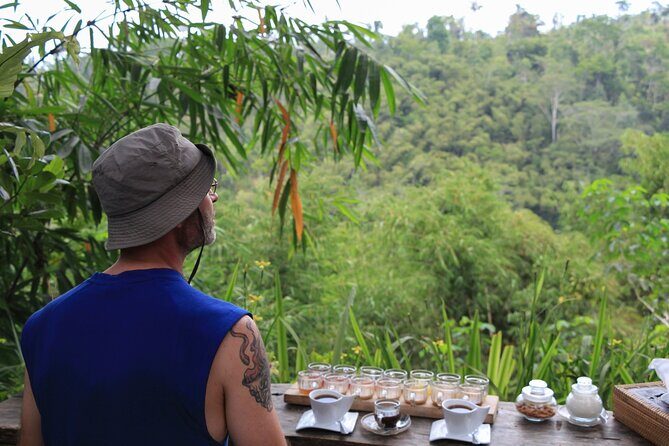
  • Segara Windhu coffee + tea tasting with a chance to try Luwak coffee
  • Two waterfall stops with different vibes: Tibumana for calm and swimming, Kanto Lampo for wading and steps
  • Happy Swing Bali included only on the all-in package (worth checking before you book)

A Ubud private day that moves at human speed

This tour is built for people who want to see Ubud without turning the trip into a checklist. You get an air-conditioned vehicle, and you stay with the same local guide for the whole 8-hour run. That matters, because the explanations you hear at one stop often connect to what you’ll notice at the next.

The day is also designed around a clear rhythm. You’ll spend about 5 hours at destinations and about 3 hours on the road. That’s a realistic split for this part of Bali. The route isn’t just about driving farther; it’s about putting together places that feel like one story, not separate Instagram moments.

Hotel pickup and the logistics that usually ruin a day

Ubud Hidden Gems Private Tour with Local Expert & Hotel Pickup - Hotel pickup and the logistics that usually ruin a day
Hotel pickup and drop-off is the difference between enjoying Ubud and feeling stressed by your own calendar. With door-to-door service, you don’t have to figure out timing, transport, or where to meet. It’s especially helpful if you’re staying somewhere outside the busiest areas.

You also get parking fees and taxes handled, plus bottled water in the car. Those details are small, but they add up when you’re switching between temples, waterfalls, and coffee plantations. It’s one less thing to manage while you’re thinking about what to wear, where to store items, and how wet you might get.

One note: this is described as a private experience. That means it’s just your group in the vehicle. You won’t be forced into the pace of a mixed group of strangers.

Tegalalang rice terrace: irrigation you can actually see

Ubud Hidden Gems Private Tour with Local Expert & Hotel Pickup - Tegalalang rice terrace: irrigation you can actually see
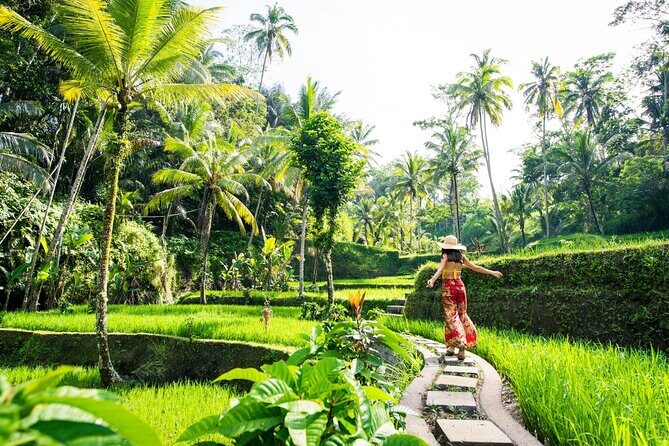
Tegalalang Rice Terrace is one of those places where you instantly understand why it’s famous. The paddies are cut into the hills in a way that makes the irrigation patterns easy to spot from the viewing areas. You’re there for about 45 minutes, which is enough time to walk a bit, take photos from a couple angles, and still keep momentum for the rest of the day.

What I like about building the day around Tegalalang is that it sets a tone. Before you go to temples and waterfalls, you get grounded in how the landscape is shaped by farming systems. The tour highlights the traditional Subak irrigation idea, which helps you see more than just green scenery.

Practical tip: wear shoes with grip. Some paths can be uneven, and you’ll be moving on foot even if the main stop is a viewpoint.

Tirta Empul and melukat: sacred water, guided respectfully

Ubud Hidden Gems Private Tour with Local Expert & Hotel Pickup - Tirta Empul and melukat: sacred water, guided respectfully
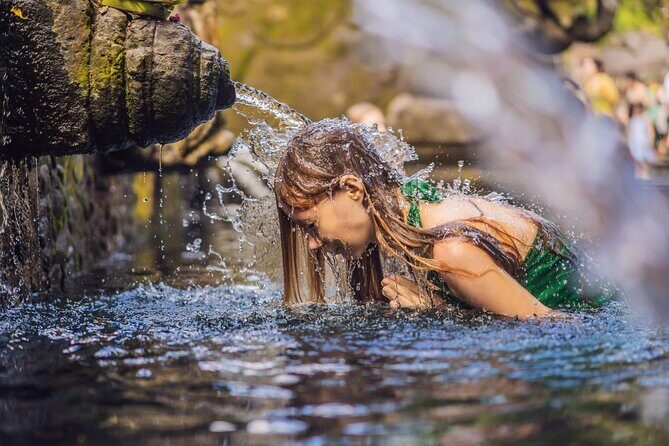
Tirta Empul Temple is the spiritual center of the route. You’ll spend about 1 hour here, and the focus isn’t just architecture or a pretty spring. The real point is the spiritual purification ritual, where locals perform a cleansing process in the temple’s spring-fed pools.

The best part of having a local guide is what happens between the lines. You learn what the ritual means and how to behave appropriately while observing or participating. Even if you don’t join in, you’ll get more from standing there knowing the purpose behind what you see.

What to consider: temples are active spiritual places, and conditions can be wet and slippery. Bring clothing you can move in, and plan for moments where you may be standing on stone surfaces close to water.

Segara Windhu coffee plantation: tasting without the hard sell

Ubud Hidden Gems Private Tour with Local Expert & Hotel Pickup - Segara Windhu coffee plantation: tasting without the hard sell
After the temple, the day shifts to something lighter: Segara Windhu Coffee Plantation. You’re there for about 45 minutes, and the entrance is free. The plantation experience is an agro-tourism stop that focuses on coffee and cocoa-making traditions.

This is where you get the chance to try coffee and tea, including the famous Luwak coffee. If you’ve heard the marketing stories before, this kind of visit helps you put the product in context. It’s not just a sampling counter. You learn how the making process works, then you taste what they produce.

One practical advantage here: it’s a break from long walks. You can enjoy the explanations, try the drinks, and reset before heading back outdoors for waterfalls.

Tibumana waterfall: calm forest water and a chance to swim

Ubud Hidden Gems Private Tour with Local Expert & Hotel Pickup - Tibumana waterfall: calm forest water and a chance to swim
Next comes the kind of stop people dream about in Bali: a waterfall that feels tucked into the jungle. Tibumana Waterfall is described as gentle and tranquil, and it’s a great pick if you want to relax rather than just take a few quick pictures.

You have about 45 minutes at this stop. The area includes a short walk through jungle pathways before you reach the falls. The time window works well because you’re not stuck rushing. Also, Tibumana is noted as ideal for swimming and relaxation, which is a big deal for anyone who wants more than a photo stop.

Practical tip: pack swimwear if you plan to get in. Bring a small towel if you have one. And consider water-friendly sandals or shoes you trust, since wet ground can be slippery.

Kanto Lampo waterfall: shallow pool, steps, and wide angles

Ubud Hidden Gems Private Tour with Local Expert & Hotel Pickup - Kanto Lampo waterfall: shallow pool, steps, and wide angles
Kanto Lampo is a different mood. Instead of one main drop and done, it spills over tiered rock formations, with a shallow pool and wide stone steps. The result is a place where wading feels possible and where you can find more angles for photos without having to scramble.

Your time here is around 40 minutes. That’s enough for a slow wander, some standing in the water, and a couple of longer looks at the rock formations from different positions.

What to watch: stone steps can be slick, and you’ll likely be navigating around uneven surfaces. Take it slow, especially if you’re also planning to swim.

Happy Swing Bali: fun photos, but only if you choose the right package

Ubud Hidden Gems Private Tour with Local Expert & Hotel Pickup - Happy Swing Bali: fun photos, but only if you choose the right package
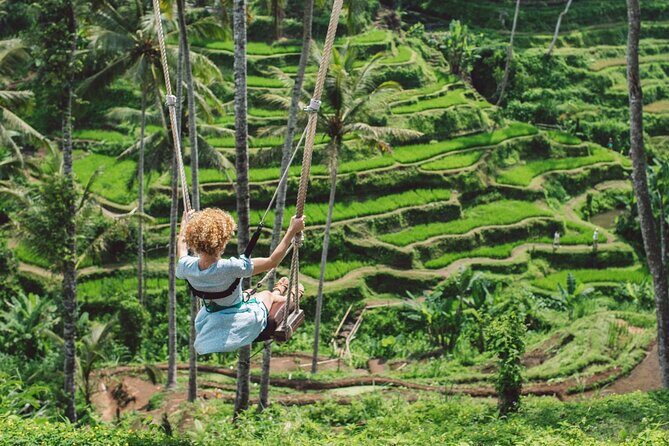
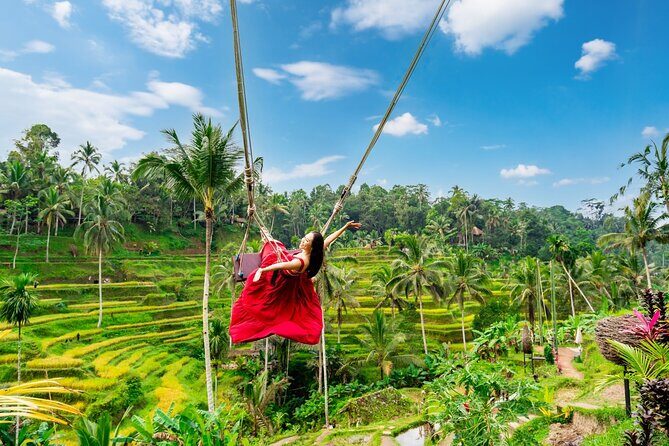
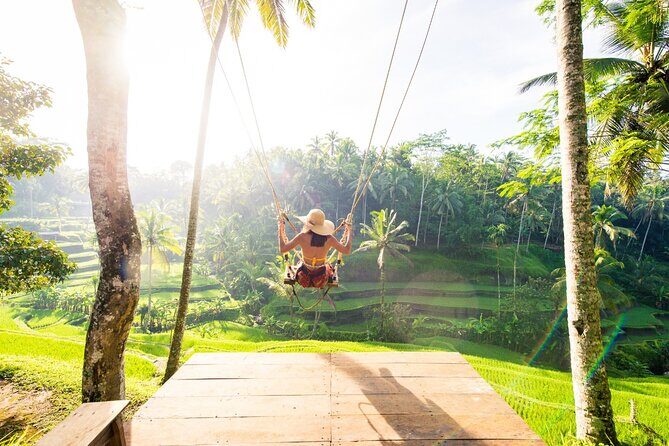
The day ends with adrenaline and photos at Happy Swing Bali. You’ll spend about 40 minutes at the swing area, but here’s the key detail: whether it’s included depends on your ticket type.

  • In the standard package, entrance fees are not included and you pay on the day.
  • In the inclusive package, all entrance fees and the Ubud swing experience are included.

If swinging is something you really want, choose the option that includes it so you’re not doing math later while you’re standing in the excitement.

Practical tip: plan for height and movement. If you have any concerns about getting on swings or standing on platforms, you’ll want to talk it through with your guide before you commit.

Price and value: what $23.11 covers, and why it can be a good deal

The listed price is $23.11 per person, and the day runs about 8 hours. On paper, that looks too good to be true for multiple stops—rice terraces, a temple ritual site, a coffee plantation, two waterfalls, and swings. The value comes from the combination of things that would cost time or hassle if you did them on your own.

You’re paying for:

  • Air-conditioned vehicle
  • Hotel pickup and drop-off
  • Parking fees and taxes
  • Bottled water
  • A local English-speaking guide
  • Coffee & tea plantation entrance and tasting
  • Entry is either included or paid on the day, depending on package

So the “deal” isn’t just the low number. It’s that you’re buying time management and fewer decisions. You won’t have to coordinate transport between separate places, and you’ll have someone to explain what you’re looking at.

The smartest move for value is to decide how you prefer entrance fees:

  • If you hate handling payments and want one smoother flow, go for the inclusive package.
  • If you want flexibility and are okay paying some fees at stops, the standard package can work well.

The local guide factor: Rama comes up for a reason

One name that shows up in the guide feedback is Rama. People highlight that he’s friendly, helpful, and professional, and that he keeps things on track without rushing you. You should expect the guide to be the link between what you see and what it means—especially at Tirta Empul, where context helps a lot.

Also, pacing matters. The descriptions emphasize that you’re not shoved out on a tight schedule at each destination. That’s what makes a private day feel worth it.

What to bring for a day mixing temples and waterfalls

This is a practical day. You’ll go from temple water to waterfall steps, with some jungle walking in between.

Bring:

  • Water-friendly sandals or shoes with grip
  • Swimwear if you want Tibumana water time
  • A dry layer for after the waterfalls
  • Sun protection (you’ll be outdoors in open areas like rice terraces)

Dress smart:

  • For temple time, wear clothing that won’t make you feel awkward in a sacred space.
  • Avoid anything too thin if you plan to spend time near pools and water steps.

Keep in mind: you’ll want an easy way to carry a small bag with wet-proof storage.

Who this tour fits best

This tour is a great match if you want:

  • A private day with minimal logistics
  • A guide who can explain Balinese culture, especially at Tirta Empul
  • A mix of famous and less chaotic nature stops
  • The option to include the Happy Swing experience

It’s also a strong fit for couples and solo visitors who like the idea of a tailored route. The “only your group participates” setup makes the experience feel personal even though the stops are popular.

Should you book this Ubud private tour?

If you want a full day that ties together rice terraces, a purification temple, coffee tasting, and two waterfall experiences, this booking makes sense. It’s built for comfort with hotel pickup, keeps the schedule realistic at 8 hours, and gives you a chance to choose your entrance-fee level.

I’d book it if:

  • You don’t want to coordinate transport between sites.
  • You care about cultural context, not just photos.
  • You’re interested in at least one swim/water moment at Tibumana or Kanto Lampo.

I’d pause if:

  • You’re trying to go ultra-budget with zero extra payments, since entrance fees depend on your chosen package.
  • You dislike steps, wet stone surfaces, or swimming opportunities.

FAQ

How long is the Ubud private tour?

It runs for about 8 hours total, with roughly 5 hours at destinations and about 3 hours spent traveling between locations.

Is hotel pickup and drop-off included?

Yes. The tour includes hotel pickup and drop-off.

Is this a private tour or shared group?

It’s private. Only your group participates.

What’s included in the price?

Included items include an air-conditioned vehicle, an English-speaking local guide, parking fees and taxes, bottled water, and free entrance to the coffee and tea plantation. Entrance fees are handled based on the package you choose.

Are entrance fees included?

Not always. In the standard package, entrance fees are not included and you pay on the day. In the inclusive package, all entrance fees are included.

Is the Ubud swing included?

It depends on the package. The inclusive package includes the Ubud swing experience. In the standard package, it is not included.

How long do you spend at each main stop?

Time varies by stop, but it’s roughly 45 minutes at Tegalalang and Tibumana, 1 hour at Tirta Empul, 45 minutes at the coffee plantation, 40 minutes at Kanto Lampo, and 40 minutes at Happy Swing Bali.

Can I try coffee or Luwak coffee?

Yes. The coffee plantation stop includes a tasting, and it notes Luwak coffee as part of the experience.

What does Tirta Empul include?

You’ll visit Tirta Empul Temple and have the option to observe or join the traditional spiritual melukat water purification experience.

What if my plans change and I need to cancel?

Cancellation is free up to 24 hours in advance for a full refund. If you cancel less than 24 hours before the start time, the amount paid is not refunded.

Magical Sunrise Trekking at Mount Batur

Magical Sunrise Trekking at Mount Batur - Base Camp Breakfast: Fuel Before the 4 AM Start

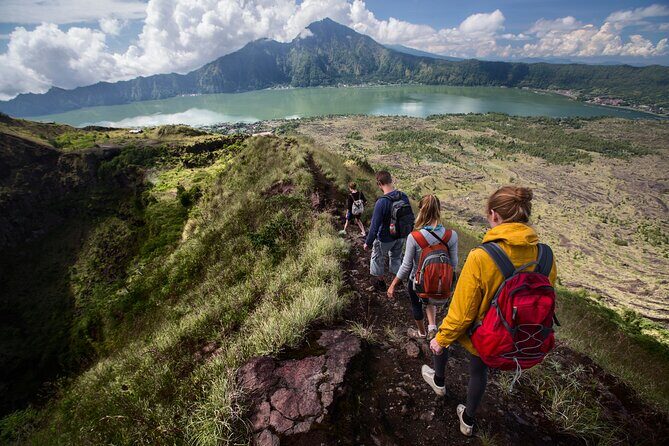
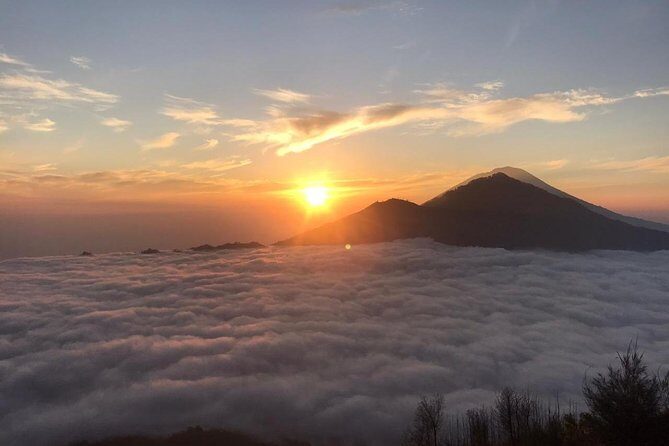
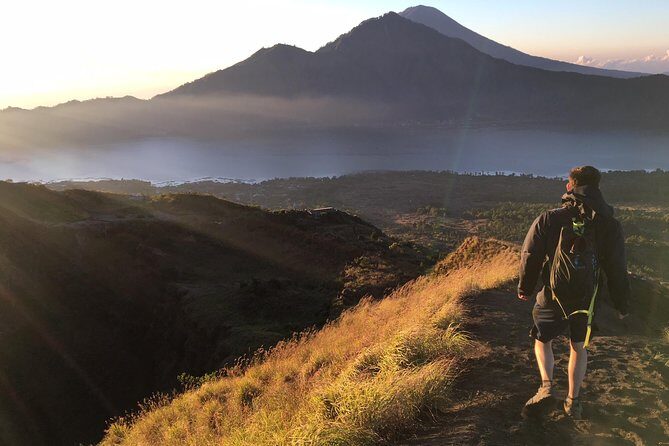
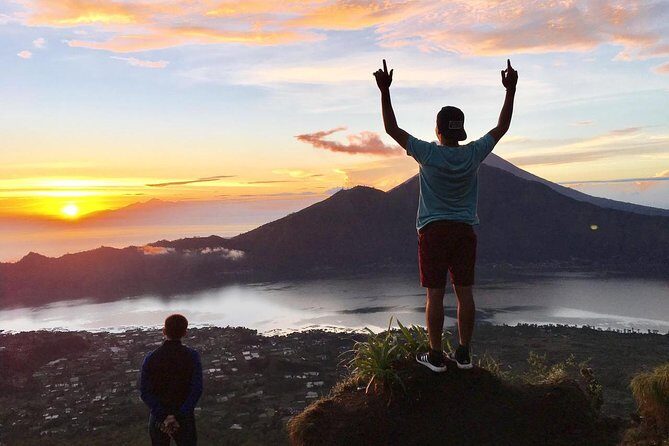
Bali sunrise feels like a secret assignment. This Mount Batur trek is built around the island’s most dramatic early-morning show, set inside the UNESCO Global Geo-park zone. You’ll leave Ubud when most people are still dreaming, then climb in the dark to catch the sky turning gold.

I love how organized this feels for the price: air-conditioned minivan pickup from your Ubud-area hotel, a planned route through Kintamani, and a guide who stays with you from the start point to the summit area. I also like the way they feed you twice—first a light breakfast with coffee or tea before you start, then another light breakfast while you enjoy the sunrise.

The main thing to consider is the timing and effort. You’re looking at an early pickup around 1:30–2:30 AM, plus a guided uphill trek of about two hours. If your fitness level isn’t strong, this will feel longer than the map makes it sound.

Key Highlights You’ll Care About

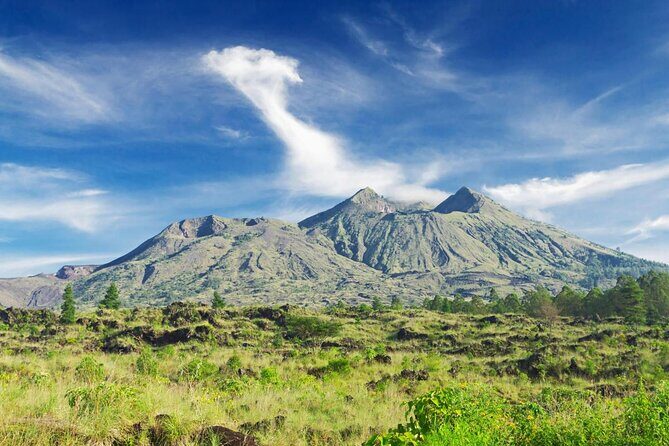
  • UNESCO Global Geo-park setting on Mt. Batur, so the landscape has real official clout
  • Hotel pickup in Ubud (free) and an AC minivan to make the early start less painful
  • Two simple breakfast moments: before the hike and again at sunrise
  • A guide-led ascent with help navigating the trek to the top area
  • Small-group feel with a max of 20 travelers, not a cattle-car sunrise

Why Mt. Batur Sunrise Is Worth the 2 AM Wake-Up

Magical Sunrise Trekking at Mount Batur - Why Mt. Batur Sunrise Is Worth the 2 AM Wake-Up
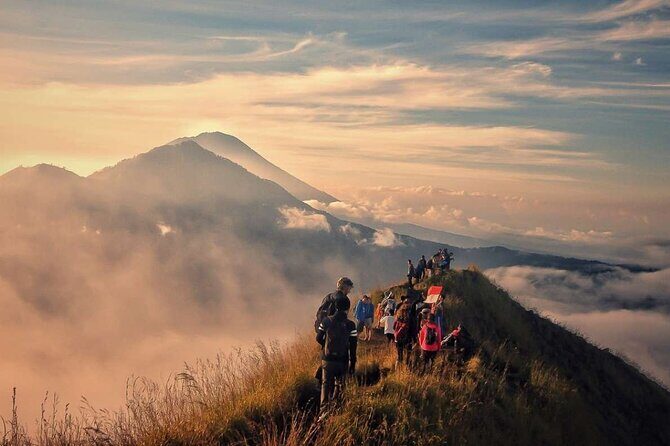
Mount Batur is famous for sunrise, and not just because it’s pretty. It’s also a volcanic landscape with a big open horizon—exactly the kind of setting where the sky can surprise you. The tour times are built for that: you’re not just hiking and hoping. You’re scheduled to be in position around 5:30 AM for sunrise.

This is the kind of hike that changes the mood of your whole trip. The climb happens in pre-dawn darkness, so the hike feels like a mission. Then, when the light finally arrives, you get that sharp before-and-after moment where the world suddenly makes sense. If you’re the type who loves views but also likes structure, this fits.

Another quiet win: it’s not an all-day slog that stretches forever. The trek itself is about 2 hours up, then you head back down after sunrise and are back at the hotel area by late morning.

Hotel Pickup and the Night Drive From Ubud to Kintamani

Magical Sunrise Trekking at Mount Batur - Hotel Pickup and the Night Drive From Ubud to Kintamani
Most sunrise trekking tours live or die by logistics. This one starts with a simple plan: pickup from your Ubud-area hotel around 1:30–2:30 AM. You meet the crew, get loaded into a comfortable air-conditioned minivan, and then you roll toward the base camp area around Kintamani.

If you’re staying outside Ubud, here’s the key detail to know before you book: free pick-up/drop-off is only within Ubud area. For guests outside the Ubud area, there’s an additional charge of IDR 200,000 per person listed. There’s also a note that they’re not able to assist guests outside Ubud for better service, so it’s smart to message the supplier to confirm what will actually happen for your exact hotel location.

One more practical point: your start time is early enough that you should plan for sleep logistics. If you normally rely on a “quick shower and go” routine, you’ll want to rethink it. This is more like a pre-alarm mission. The tour is also set up for a max group size of 20 travelers, so you’re not waiting around forever for people to appear.

Base Camp Breakfast: Fuel Before the 4 AM Start

Magical Sunrise Trekking at Mount Batur - Base Camp Breakfast: Fuel Before the 4 AM Start
Before the trekking begins, you get a light breakfast plus coffee or tea. That matters more than it sounds. You’re starting so early that you might otherwise feel woozy or cranky on the first uphill stretch.

You’ll drive to the base camp area at Kintamani, then you get breakfast and a warm drink before you head to the trekking start point. From there, the start point drive runs around 04:00 AM, and that’s when the hike portion becomes real.

In one of the experiences shared from the trip, the group was also provided with essentials like flashlights and water. That’s a small detail, but it makes a difference on a dark trail. You’re already tired. You don’t want to be improvising gear while everyone else is climbing.

Also, the tour includes national park fees and a professional guide, so you’re not expected to buy extra entry stuff at the gate.

The Trek Up: Guided, Flashlit, and About Two Hours of Climbing

The ascent is about 2 hours with a guide assisting you to the top area. The guide is the difference between a scary scramble and a manageable hike. Even if you’re an experienced walker, night trekking adds uncertainty—so having someone who knows the route helps you keep your pace steady.

The trail is typically uphill and requires you to pay attention to your footing. You’ll be moving in low light, so slow-and-steady wins. Your goal isn’t speed. It’s arriving with enough energy to enjoy the sunrise without feeling wrecked before the sky does its thing.

What I like about this tour’s approach is that it doesn’t pretend the trek is effortless. It clearly expects you to have a strong physical fitness level. That honesty helps you decide if it’s a good match. If you can handle an early start, walk uphill for a couple hours, and keep a calm pace, you’re in the right zone.

If you’re traveling with friends, this is also a good group dynamic trek. The pace is guided, so even different fitness levels can stay together.

At the Top Around 5:30 AM: Light Breakfast While You Watch the Sky

You arrive around 5:30 AM to see sunrise. This is the heart of the whole experience. The guide sets the tone so you can focus on the sky instead of constantly checking where to go next.

Then comes the best timing trick: you don’t just stand there cold and hungry. You get a light breakfast while you enjoy the sunrise. That means you can settle in, look around, and actually take in the view without counting every minute until you can move again.

There’s also a special energy here because the sky is changing while you’re in the open. You’re not just looking at a static postcard. It’s a live event. And because Mt. Batur sits in that UNESCO Global Geo-park landscape, the surroundings feel bigger and more grounded than a random viewpoint.

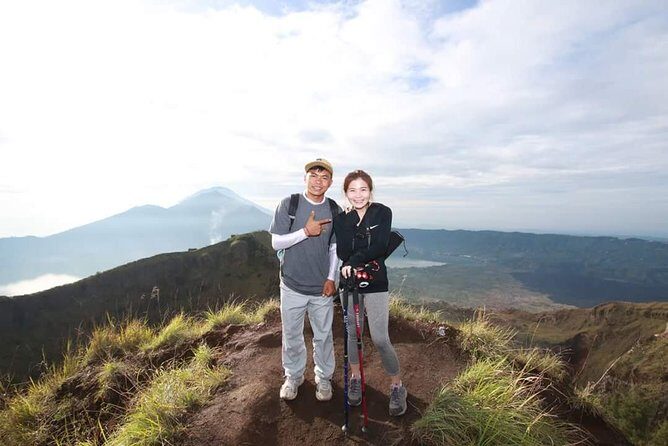
From the trip stories shared, the guide experience can really shape what you remember. Names that came up include Don as a guide, and Nick described as the best guide they could have asked for. That matters, because sunrise hikes aren’t only about the view. It’s also about calm leadership when you’re tired and the light is still low.

Coming Back Down to Ubud: Late-Morning Reset With AC Comfort

Magical Sunrise Trekking at Mount Batur - Coming Back Down to Ubud: Late-Morning Reset With AC Comfort
After sunrise and breakfast at the top, you head back down to the starting point. You’ll reach the starting point area around 9–10 AM, and then you’re back in the vehicle heading to Ubud.

The expected return to your hotel is roughly 11–12 PM. That’s long enough to make it feel like a full outing, but short enough that you can still enjoy the rest of your day in Bali rather than losing it completely.

One underrated benefit: if you’re trying to pack your Bali schedule, a sunrise trek can be a smart day-structure choice. You’re out early, done before lunch, and free to pick a second plan—spa, waterfalls, rice terraces, or just beach time—without feeling trapped by an all-day tour.

Price and Value: Is $42 Actually a Good Deal?

At $42 per person, this trek sits in a budget-friendly range for a sunrise climb with transportation. Here’s the value math I’d use.

You’re getting:

  • Pickup and drop-off in the Ubud area
  • Air-conditioned minivan transport
  • National park fees
  • Breakfast (light breakfast + coffee/tea before trekking, then light breakfast for sunrise)
  • A professional guide
  • A schedule designed to put you at the viewpoint around sunrise time

For me, the big value driver is not only the climb—it’s the transportation and timing. In practice, many people underestimate how hard it is to self-organize a sunrise trek on Bali’s timetable. This tour is already set up for the early start, and they provide the basic supplies that help you feel ready.

There’s also the group-size detail: max 20 travelers. That’s usually where you start to feel like you’re part of a real group rather than a long queue. It can make sunrise feel more relaxed.

One small caution on value: if you’re not in the Ubud pickup zone, you should factor in the IDR 200,000 per person charge and confirm service based on your exact address area. The base price only tells part of the story.

Who Should Book This Mt. Batur Sunrise Trek?

This tour is best for you if:

  • You want one “wow” moment in your Bali trip and don’t mind an extremely early start
  • You’re okay trekking in the dark and sticking to a guide-led pace
  • You like having basics handled: transport, entry fees, and breakfast
  • You enjoy sunrise more than you enjoy sleeping late

You might want to think twice if:

  • You’re not comfortable with a 2-hour uphill trek and the expectation of strong physical fitness
  • Your sleep schedule is fragile and you can’t handle a wake-up around the pickup window
  • You’re staying far outside the Ubud area and don’t want extra charges or possible service limitations

This is also a strong choice for solo travelers who prefer a structured group. A small group size helps you feel more connected than you would on a huge bus tour.

Quick Practical Tips for a Smoother Sunrise

You’ll have a better experience if you treat this like a timed event, not a casual walk.

  • Message reconfirmation: once you book, you should contact the supplier on WhatsApp (or i-message) at least 1 day before. This helps prevent last-minute surprises.
  • Plan for the pre-dawn wake-up: pickup can land around 1:30–2:30 AM, and the tour operates on that tight schedule.
  • Use what’s provided: the trek experience includes flashlights and water in at least one shared trip account, and the tour includes breakfast twice.
  • Bring the right mindset: you’re hiking for the sunrise window, so pacing matters more than Instagram speed.

If you’re good at following a plan and staying calm when it’s dark, you’ll enjoy this more than the people who show up thinking it’s just a morning stroll.

Should You Book This Magical Sunrise Trekking at Mount Batur?

If you want a Bali highlight that’s built around a real timetable and a real guide, I think this one is a strong booking. The early pickup from Ubud, the UNESCO Global Geo-park setting, and the schedule that puts you at sunrise around 5:30 AM are the core reasons it works.

The trade-off is the obvious one: you’re up before most of Bali is even awake, and the hike is a real effort with an expectation of strong fitness. If that’s your kind of adventure, the experience is likely worth it. If you want easy mornings and late starts, pick a different Bali plan.

FAQ

What time is pickup in Ubud for the Mount Batur sunrise trek?

Pickup is around 1:30–2:30 AM from hotels in the Ubud area. The tour also lists a start time of 2:00 AM.

How long is the trekking portion, and when do we see sunrise?

The trek is about 2 hours up, and you arrive around 5:30 AM to see sunrise. Afterward, you go back down and return to the starting point around 9–10 AM.

Is breakfast included?

Yes. You get light breakfast plus coffee or tea before the trek, and there’s also light breakfast provided while you enjoy the sunrise.

Do you provide pickup and drop-off from hotels?

Yes, free pickup and drop-back from designated meeting points within Ubud area only is included.

What if my hotel is outside Ubud?

For guests outside the Ubud area, an additional charge of IDR 200,000 per person is listed. The info also notes they may not assist guests who stay outside Ubud area for better service, so you should message the supplier to confirm your pickup options.

Is a guide included?

Yes. The tour includes a professional guide who assists you from the starting point to the top area.

How many people are in the group?

The tour has a maximum of 20 travelers.

Can I cancel for a full refund?

Yes. You can cancel up to 24 hours in advance for a full refund.

Snorkeling & Trekking at West Bali National Park

Snorkeling & Trekking at West Bali National Park - Underwater highlights: the fish you’ll actually be looking for

West Bali National Park is the kind of Bali trip that feels off the main track. You get two very different days: clear-water snorkeling on Menjangan Island and a guided hike into the park’s forest trails. I like that the snorkeling isn’t just one quick stop, and I like how the hiking includes more than scenic viewpoints.

The snorkeling focus is wildlife-forward, with a chance to spot things like electric clams, scorpionfish, starfish, and eels. For the hiking, you’ll start with a temple visit tied to love stories, then move into a monsoon forest where your guide points out jungle features (including leaves used for herbal medicine). One consideration: the whole experience depends on good weather, and poor conditions can change plans.

Below you’ll find the practical details you actually need—what each day feels like, what to expect, and whether this $65 two-day format is the right fit for you.
Key things to know before you go

Snorkeling & Trekking at West Bali National Park - Key things to know before you go

  • Menjangan Island snorkeling with time built in to hit two snorkeling spots
  • Wildlife spotting is the theme (marine life underwater; monkeys, lizards, wild chickens on land)
  • Temple start on Day 2 at Jayaprana & Layon Sari before the forest trek begins
  • Monsoon forest walking includes guide-led nature stops, including herbal medicine leaves
  • Round-trip hotel pickup is included, saving you time and hassle
  • Max group size up to 100, so expect a more organized tour vibe than a tiny private guide

Menjangan Island snorkeling: what makes it worth a full morning

Snorkeling & Trekking at West Bali National Park - Menjangan Island snorkeling: what makes it worth a full morning
Menjangan Island is famous in Bali for the underwater scenery, and this tour is built around getting you out there with a guide. The snorkeling part is all about seeing living reef and marine animals up close—not just “watch fish for a few minutes and go.” You’ll spend enough time to get into a rhythm and actually look around.

The tour specifically mentions a reef experience and wildlife chances like electric clams, scorpionfish, starfish, and eels. That matters because it hints at where the guide will aim your attention: not only for colorful fish, but for the smaller, weirder creatures that make reefs feel real.

If you’re a beginner, you should feel comfortable. One guide-led snorkeling experience here was praised for being helpful and patient with people who weren’t very experienced in the water. That’s a good sign for your comfort level, especially if you’ve never snorkeled before.

Banyuwedang Beach to the island: the practical rhythm of Day 1

Day 1 runs about 4 hours, and it starts with getting to Menjangan Island by boat. The tour description notes a short boat ride from the departing area at Banyuwedang Beach. That boat time is part of the experience: you get out past the immediate shore area and start the day already in “island mode.”

This is not a long, exhausting transfer day. You’re aiming for snorkeling time, and the schedule reflects that. One review also mentioned food and water being provided, plus a pleasant boat ride—small comforts that matter because snorkeling can work up a thirst fast.

What I’d watch for: seas and waves. Even when the itinerary is set, snorkeling visibility and comfort depend on water conditions. The tour also states it requires good weather, so if you’re booking during a less reliable stretch, keep flexibility in mind.

Underwater highlights: the fish you’ll actually be looking for

Snorkeling & Trekking at West Bali National Park - Underwater highlights: the fish you’ll actually be looking for
A lot of Bali snorkeling can blur together. This one is more specific about what you might see, and that helps you focus your eyes once you’re in the water.

Here are the wildlife types the tour calls out:

  • Electric clams (a standout reef signal)
  • Scorpionfish (great for the “spot the camouflaged critter” moment)
  • Starfish (classic reef life, often spotted near calmer areas)
  • Eels (another group that changes how you scan the water)

One review noted the guides took the group to two different snorkeling spots, which is exactly what you want if you’re chasing variety. Two spots usually means you get different reef structures and different fish activity patterns. It also helps if visibility isn’t perfect at the first stop.

There’s also a practical note from another review about staying a good distance from shore to avoid plastic drifting in with tides. You can’t control currents, but you can control where you float and where you start looking. If you want cleaner-feeling water, position yourself with that in mind.

Day 2 in West Bali National Park: temple to monsoon forest

Snorkeling & Trekking at West Bali National Park - Day 2 in West Bali National Park: temple to monsoon forest
Day 2 lasts about 3 hours and shifts the pace from water to trail. The first stop is a temple complex: Jayaprana & Layon Sari. The tour describes it as depicting an everlasting love story between a couple. Even if you don’t care about legends, this is a smart opening because it gives you cultural context before the hike turns into a real forest walk.

After that, the guide leads you toward the monsoon forest. This matters because monsoon forests have a different feel than dry-season trails—more thick greenery, more layers of shade, and more “listening” for movement. The guide also points out kinds of leaves used for herbal medicine, which turns the walk into something more than just cardio.

If you like guided nature walks where someone actually explains what you’re seeing, this part is where the tour can feel especially good value. It’s not only about reaching a view.

Wildlife spotting on land: monkeys, lizards, and wild chickens

West Bali National Park isn’t a zoo, so you’re not guaranteed animal sightings. But the tour is explicit about your chances: wild chickens, lizards, and monkeys.

Here’s how to think about that realistically. When you’re in a monsoon forest, animals tend to show up through behavior rather than perfect sightings. You might catch movement first, then realize you’re watching a lizard on a branch or a monkey higher up in the canopy. The best approach is simple: stay alert, move slowly, and don’t rush past opportunities just because you don’t see them instantly.

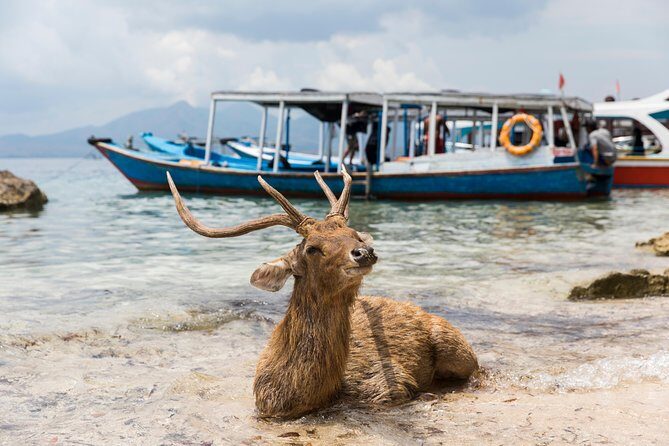
One more wildlife note from a snorkeling-focused trip connected to Menjangan Island: a review mentioned the chance to see Menjangan (deer) fighting. That’s not part of the West Bali National Park trek itself, but it does underline a bigger point—this area can be surprisingly alive if your guide times things well and you keep your eyes open.

Price and value: why $65 can work here (and when it might not)

At around $65 for roughly two days, this is priced like a “do both” nature package: Menjangan snorkeling on Day 1 and a park trek on Day 2, with round-trip hotel pickup included.

Why that can be good value:

  • Pickup saves time. In Bali, transportation can eat hours, and getting it handled for you is worth real money.
  • Day 1 includes admission ticket (the itinerary lists an admission ticket included).
  • Day 2 is listed as having admission free (so you’re not paying additional entry fees twice).
  • You’re getting guided focus in both environments: reef wildlife attention underwater and nature spotting on land.

When it might feel less worth it:

  • If you already plan to snorkel independently and you’re paying for this mainly for the hiking, make sure you want guided forest interpretation (temple context + monsoon forest + herbal leaf notes).
  • The experience requires good weather. If weather is poor, snorkeling quality and schedule stability can change, and that can affect what you get out of both days.

For most visitors who want an all-in-one nature weekend without managing logistics, this price makes sense.

Logistics that matter: group size, timing, and what to bring

The tour has a maximum of 100 travelers. That usually means you’ll be in a larger group with a guide-led format. It’s not a red-flag (big groups can still be well-run), but it does affect personal pacing. If you like one-on-one attention, you may want to compare options.

Also, Day 1 and Day 2 are relatively short on paper—about 4 hours and 3 hours. That’s helpful if you don’t want a full vacation day consumed by transfers and long walks. But it also means you’ll want to arrive ready, because there isn’t much “extra time” built in.

What you should bring is not spelled out in the details you provided, so I’ll keep this practical and general:

  • Something for sun protection for both water and forest walking
  • A plan for getting wet on Day 1 (you’re snorkeling, after all)
  • Shoes that handle uneven ground for the forest trek

If you’re sensitive to sun or bugs, the monsoon forest walk can still feel warm under tree cover. Light long sleeves can help, but don’t overpack.

Who this tour suits best

Snorkeling & Trekking at West Bali National Park - Who this tour suits best
This is a strong fit if you:

  • Want snorkeling plus a guided nature hike in two days
  • Like wildlife that shows up through spotting, not just staged attractions
  • Prefer a tour with structure (pickup, scheduled stops, guides)

It’s also a good fit if you’re new to snorkeling. The experience was described as helpful and patient for people who weren’t very experienced in the water.

Where it might not be ideal:

  • If you hate group settings, a tour format with a max of 100 might feel too structured
  • If you’re booking right before a weather swing, you may end up less happy if conditions limit snorkeling visibility

Should you book West Bali National Park snorkeling and trekking?

If your goal is a real nature weekend—reef life in the morning and forest wildlife spotting later—this one makes sense. Menjangan Island is the headline, but Day 2 doesn’t feel like an afterthought. The temple start at Jayaprana & Layon Sari, then the monsoon forest walk with herbal medicine leaf explanations, gives the day a reason to exist beyond a simple stroll.

Book it if you want:

  • Guided snorkeling with a chance at two spots
  • A guided hike with cultural context + nature interpretation
  • Hotel pickup so your day isn’t wasted on getting there

Skip it (or look harder at alternatives) if you’re mainly chasing a private, quiet experience or you’re traveling during a period when weather risk feels high and you can’t be flexible.

FAQ

FAQ

How long is the snorkeling and trekking experience?

It’s about 2 days in total. Day 1 is around 4 hours and Day 2 is around 3 hours.

Where is the tour located?

The tour runs in West Bali, and it includes Menjangan Island snorkeling plus a trek in West Bali National Park. You’ll start and end at West Bali Explorer in West Bali.

Is hotel pickup included?

Yes. Round-trip hotel pickup is included.

What happens on Day 1?

Day 1 focuses on snorkeling at Menjangan Island, with a short boat ride from the departure point at Banyuwedang Beach. An admission ticket is included for Day 1.

What happens on Day 2?

Day 2 is a guided trek in West Bali National Park. It starts with sightseeing at the Jayaprana & Layon Sari temple area and then moves into the monsoon forest.

Are there entrance fees for Day 2?

Day 2 is listed as having an admission ticket free.

What wildlife might you see?

Underwater, the tour mentions chances to spot marine wildlife like electric clams, scorpionfish, starfish, and eels. On land, it mentions chances to spot wild chickens, lizards, and monkeys.

What’s the maximum group size?

The tour lists a maximum of 100 travelers.

Do you need good weather?

Yes. The experience requires good weather. If it’s canceled due to poor weather, you’ll be offered a different date or a full refund.

What is the cancellation window?

You can cancel up to 24 hours in advance for a full refund. If you cancel less than 24 hours before the start time, the amount paid is not refunded.

Private Waterfall Tour Feature Tukad Cepung, Tibumana and Kanto Lampo

Private Waterfall Tour Feature Tukad Cepung, Tibumana and Kanto Lampo - Tibumana Waterfall: Clear Water, Swim Breaks, and Easy Photo Setup

Waterfalls, a plantation, and zero driving headaches. This private day lines up three Ubud-area falls—Tukad Cepung, Tibumana, and Kanto Lampo—so you can focus on photos, swimming, and scenery instead of maps and parking. I especially like that you get 2-way private transfers from most Ubud and south Bali hotels, handled by an English-speaking driver.

I also like the add-on at the end: Teba Sari Bali Agrotourism, where you learn about coffee and spices with a tasting. The one drawback to plan for is physical: to reach each waterfall you walk down stairs for about 10–20 minutes, and you’ll often step through river-stream access areas.

Key points at a glance

Private Waterfall Tour Feature Tukad Cepung, Tibumana and Kanto Lampo - Key points at a glance

  • Three waterfalls, one route: Tukad Cepung, Tibumana, and Kanto Lampo, scheduled back-to-back
  • Photo-friendly moments: Tukad Cepung is known for sunlight shining through the falls
  • Swim time at Tibumana: clear water and a spot that’s described as great for shooting photos
  • Kanto Lampo’s rock-cut look: water flows through cuts in the rock, so it’s visually different
  • Coffee and spice tasting included: Teba Sari Bali Agrotourism adds a calmer cultural stop
  • Private means simpler logistics: no navigating, no parking stress, and only your group in the vehicle

Three Waterfalls in One Day: Why This Route Works

This tour is built for people who want the Bali waterfall experience without the tiring bits. You’re not piecing together rides, searching for parking, or trying to guess timing between sights. Instead, you get an air-conditioned vehicle, a driver who can explain what you’re looking at, and a tight flow through three different waterfalls.

What makes this route feel efficient is the variety. Tukad Cepung gives you that classic look where light interacts with the falls. Tibumana shifts the mood toward relaxing and swimming. Then Kanto Lampo adds a distinctive texture because the water moves through rock cuts rather than a simple open drop.

You’ll be busy, though. This is an 8 to 10 hour day, and each stop includes time plus the walk down to access the viewpoints and bathing spots. If you’re hoping for a slow morning and long lunch break, you’ll need to adjust expectations.

Tukad Cepung: Sun Rays, River Steps, and Real-World Waterfall Access

Private Waterfall Tour Feature Tukad Cepung, Tibumana and Kanto Lampo - Tukad Cepung: Sun Rays, River Steps, and Real-World Waterfall Access
Tukad Cepung is the first stop, and it’s chosen for a reason: it’s known for sun ray effects shining through the waterfall. That detail matters because it’s not just about seeing a waterfall; it’s about seeing it from the right angle and at the right moment. You’ll spend about an hour here, including time to explore the river area with rock along the path before you reach the main viewpoint.

The access is part of the experience. Plan for stairs—about 10–20 minutes down to get to the waterfall areas. The tour also advises you to wear shorts and expect some water crossings because you’ll walk through river stream sections to reach the falls.

Practical tip: bring water shoes if you have them. Even if the main area doesn’t feel slippery, the approach can be. You’ll want something that helps you move confidently so you can spend your energy on photos instead of regaining balance every few steps.

Also, admission is included here, so you aren’t scrambling for tickets once you arrive. That’s a small thing, but on a long day it reduces friction.

Tibumana Waterfall: Clear Water, Swim Breaks, and Easy Photo Setup

Private Waterfall Tour Feature Tukad Cepung, Tibumana and Kanto Lampo - Tibumana Waterfall: Clear Water, Swim Breaks, and Easy Photo Setup
After Tukad Cepung, you head to Tibumana. This stop is described as having clear water flowing from the mountains, and it’s set up as a place where you can swim and take Instagram-style photos. You’ll get about 2 hours at Tibumana, which is enough time to both cool off and still have time to wander a bit.

The “swim-ready” angle changes how you should prepare. You’ll want a swimsuit you can actually stand in, plus a towel and a change of clothes for later. The tour also recommends bringing sunscreen, sunglasses, and a hat or cap—especially since you’re dealing with outdoor time and reflective water.

One thing to keep in mind: you’ll still deal with waterfall access walking (the general guidance for stairs applies across the stops). So even though the mood is calmer at Tibumana, your legs are still part of the schedule.

If you’re traveling with someone who loves water play while you focus more on the photos, Tibumana is a good compromise. You can set up for shots from the safer viewing areas while your travel partner takes a swim, then switch when you’re both ready.

Kanto Lampo: Rock-Cut Cascades and the Fun of Getting Closer

Kanto Lampo is where the water show gets visually different. Instead of a plain curtain, the water flows through rock cuts, and you can get closer to it. The area feels tranquil and green, and you’ll have about 2 hours here—plenty of time to move around and find angles.

This waterfall is often the one people remember for the texture. Rock-cut flow changes the way highlights bounce, and it gives your photos more layers than a single falling line. If you like waterfalls but also like variety in your pictures, this stop delivers.

Like the other falls, access involves stairs and some walking. The tour notes that getting to each waterfall requires walking down stairs around 10–20 minutes. That means you should treat footwear and clothing as part of your photo plan, not just comfort.

A small reality check: you’re spending a big chunk of your day outdoors. If weather is damp or unstable, the experience can feel slower or less comfortable than the photos promise. The tour is also described as requiring good weather, which is worth respecting.

Teba Sari Bali Agrotourism: Coffee and Spice Tasting After Wet Footsteps

Once your legs have had their waterfall workout, the tour shifts gears to a local plantation: Teba Sari Bali Agrotourism. This stop lasts about an hour and focuses on coffee and spices, including tasting.

Why this part works so well is timing. You’re done with the waterfalls—wet clothes, sand or water shoes, and the need for a breather. Then you move into a more structured experience where you can sit, taste, and learn at a comfortable pace.

The tour’s notes emphasize that you’ll learn about different types of coffee and other herbal drinks. That’s a good match for people who want more than just a quick souvenir purchase. You can also use the tasting as a way to judge what you might want to buy later.

One caution: you’ll still be in travel mode. Bring water and plan to rehydrate after the waterfall portion. The tasting is part of the fun, but it shouldn’t feel like a sprint.

Price and Logistics: Transfers, Private Time, and What Makes $44.47 Feel Reasonable

Private Waterfall Tour Feature Tukad Cepung, Tibumana and Kanto Lampo - Price and Logistics: Transfers, Private Time, and What Makes $44.47 Feel Reasonable
At $44.47 per person, this tour sits in the “one-day splurge, but still grounded” category—especially because it bundles a lot. You’re getting an air-conditioned vehicle, parking fees, fuel surcharge, and an English-speaking driver. Admission tickets are included for each waterfall, too.

Most importantly, you’re paying for the time savings. In Bali, the cost of effort can be more exhausting than the cost of money. A private plan means you spend your time at the sites instead of negotiating rides, figuring out where to park, or losing half an hour to wrong turns.

This tour is also private, meaning only your group participates. That can matter if you want to move at your pace, take photos without feeling rushed, or keep everyone synced for the stair walks and swim breaks.

Duration is about 8 to 10 hours, so it’s not a quick hit. But the schedule is spread across four meaningful stops: 1 hour at Tukad Cepung, 2 hours at Tibumana, 2 hours at Kanto Lampo, and 1 hour for Teba Sari Bali Agrotourism. The math works because you’re not cramming in extra filler.

What to Bring: The Small Items That Save Your Day

Private Waterfall Tour Feature Tukad Cepung, Tibumana and Kanto Lampo - What to Bring: The Small Items That Save Your Day
You’ll have a better time if you pack for wet conditions and photo sessions. The tour guidance is straightforward: wear shorts, and bring a change of clothes, water shoes, towel, sunscreen, sunglasses, and a hat or cap.

I’d add a couple practical habits from experience-style logic:

  • Keep your camera protected from splash when you’re moving between spots.
  • Bring a water bottle so you can keep sipping during the breaks.
  • Use petty cash if you want small purchases at the plantation or in the area.

A swimsuit is also strongly recommended. Even if you decide not to swim at every stop, you’ll have the option at Tibumana, where clear water and swimming are part of the pitch.

Guide Experience: English Speaking, Punctual, and Focused on Culture

A big part of Bali tours is how someone handles the day. A good driver doesn’t just transport you; they help you understand what you’re seeing and keep the schedule realistic.

In this case, the tour uses an English-speaking driver. People have highlighted drivers like Wira for arriving right on time and smoothly taking guests to the waterfalls. Others have praised Wayan for being generous and kind, plus for guiding them to many places beyond the core itinerary, including cultural sites and local food spots.

Even if your driver is different, the pattern is clear: you’re not getting a silent car ride. You’ll have someone who can explain what’s around you and help you get the most out of each stop.

Who This Tour Suits (and Who Should Rethink It)

This tour fits best if you want three distinct waterfalls in one day and you’re okay with walking stairs and stepping through river stream access areas. It’s a strong match for couples, small groups, and solo travelers who don’t want to navigate independently.

It’s not ideal if you have health conditions that could worsen with stimulation. The tour notes that pregnant women, people with high blood pressure, heart problems, asthma, or epilepsy should not participate. If that applies to you, it’s worth choosing a gentler plan.

Also, be honest about stamina. The stair walks are about 10–20 minutes per waterfall access. That’s doable for most people, but it’s not “sit at the edge and watch” tourism.

Should You Book This Private Waterfall and Coffee Tour?

Book it if you want a focused, value-minded day: three major Ubud-area waterfalls plus a coffee and spice stop, all handled by a private driver with English support and included admissions. It’s especially good if you care about photo variety—sun rays at Tukad Cepung, swim time at Tibumana, and rock-cut flow at Kanto Lampo.

Pass or choose a simpler plan if you hate stairs, don’t want wet footwear situations, or you’re sensitive to weather. Since the experience requires good weather, a rainy day can affect how comfortable (and photogenic) everything feels.

If you’re trying to cover “must-see waterfalls” efficiently while keeping the day relaxed, this private route is a smart way to do it.

FAQ

What waterfalls are included on this private tour?

The tour includes Tukad Cepung Waterfall, Tibumana Waterfall, and Kanto Lampo Waterfall.

How long is the tour?

The duration is about 8 to 10 hours.

Is hotel pickup and drop-off included?

Pickup and drop-off are offered from most Ubud and south Bali hotels.

Are admission tickets included for the waterfalls?

Yes. Admission tickets are included for each waterfall stop.

Is lunch included?

No, lunch is not included.

What should I bring for the waterfalls?

Bring a change of clothes, water shoes, a towel, sunscreen, sunglasses, a hat or cap, a water bottle, snacks, a swimsuit, a camera, and some petty cash. Wearing shorts is advised since you’ll walk through river stream access areas.

Is this tour private or shared?

This is a private tour/activity, so only your group participates.

Kuta District Shopping Trip with Spa Massage

Kuta District Shopping Trip with Spa Massage - The spa first: a 2-hour Balinese massage reset

Kuta can feel like a shopping mission. This private half-day plan makes it easier by pairing hotel-area pickup with a full 2-hour Balinese massage, then guiding you through the key Kuta-area malls and markets in one smooth run. I like that the shopping stops are practical and varied (from souvenir streets to bigger mall brands), and I also like that the day has an actual reset built in, not just photo stops and rushing.

One consideration: timing depends a lot on the driver and traffic. In at least one account, the driver named Haris arrived late and tried to rush the return, so the full mall list didn’t feel fully covered.

Quick hits before you go

Kuta District Shopping Trip with Spa Massage - Quick hits before you go

  • Private transport + hotel-area pickup: less time negotiating, more time shopping.
  • 2-hour traditional Balinese massage: a slow, long-pressure style meant for relaxation and muscle relief.
  • Big mall mix: Beachwalk, Discovery, and Lippo plus Kuta Square and Kuta Market.
  • Shopping with free admission stops: the included stops list admission as free.
  • Driver with basic English: enough for logistics and recommendations on the spot.

Kuta shopping without the taxi shuffle

Kuta District Shopping Trip with Spa Massage - Kuta shopping without the taxi shuffle
Kuta looks compact on the map, but walking is another story. Sidewalks can be inconsistent, streets get busy, and simple trips can turn into detours. If you’ve ever watched a taxi meter climb while you lug bags from one stop to the next, you’ll understand why a single planned run matters.

This is designed for you to shop without the constant question of how you’ll get to the next place. You start with pickup from many south Bali areas (including Seminyak and Canggu-style neighborhoods depending on where you’re staying), then you’re dropped off near your shopping route. That means you spend energy on choosing items instead of managing transport.

I also like that it’s structured as a private tour, so you’re not stuck waiting for other people’s shopping pace. One group, your schedule, and an air-conditioned vehicle to reset between stops.

The spa first: a 2-hour Balinese massage reset

Kuta District Shopping Trip with Spa Massage - The spa first: a 2-hour Balinese massage reset
The day begins with a spa massage center stop right after pickup. You get about 2 hours for the traditional full-body massage. The treatment is described as using rolling long-pressure energy, aimed at balancing and relaxing the mind. For your body, it’s positioned as muscle-pain relief and improved circulation.

Even if you don’t buy the language about toxins and healing power, the practical idea is solid: you arrive to the massage fresh from travel and cool down before you hit shopping crowds. If you tend to carry tension in your shoulders or lower back, this is a smart way to “spend” your energy first, then enjoy the rest of the day more comfortably.

One other benefit: when your tour includes a dedicated relaxation block, you’re less likely to feel like you missed something when shopping runs longer than expected. The massage is a real anchor, not a rushed add-on.

Beachwalk and Kuta Shopping Centre: your first real shopping test

Kuta District Shopping Trip with Spa Massage - Beachwalk and Kuta Shopping Centre: your first real shopping test
After the spa, you head to Beachwalk Shopping Center, then the tour ends around Kuta Shopping Centre / Kuta District. This is a good first shopping zone because it tends to feel like a bridge between casual browsing and more organized retail.

What you can expect:

  • Bali souvenirs and handmade crafts as a theme
  • A range from local brands to more international-style options
  • A place where you can compare items without feeling like every purchase requires a negotiation marathon

This stop is about pace. Plan to spend a little time just walking the floors and getting a sense of what’s priced like what. If you’re the type who buys after you see three or four similar items, you’ll like having Beachwalk early.

A quick practical tip: because you’ll later visit markets and other malls, keep your shopping priorities in mind. If you see your favorite craft or coffee product right away, grab it. If you only feel lukewarm, mark it mentally and keep going.

Kuta Market: where you shop differently

Kuta District Shopping Trip with Spa Massage - Kuta Market: where you shop differently
Kuta Market is a different vibe than a mall. It’s where you’ll likely feel more of the local shopping rhythm, and that can be fun if you enjoy variety and people-watching while you browse. You also usually get more “small find” potential here: practical items, gifts that don’t look like they came from every tourist shelf, and that chance to discover something oddly specific.

The trade-off is that markets can be slower for focused shopping. You might find yourself doing more comparison and more checking of quality. If you’re buying fragile items or items you don’t want to carry too long, factor that into how fast you move through this stop.

Kuta Square: a middle-ground stop for quick wins

Kuta District Shopping Trip with Spa Massage - Kuta Square: a middle-ground stop for quick wins
Kuta Square sits in that useful middle zone between market energy and mall comfort. The value of this stop is simple: it’s another chance to match what you want (souvenirs, gifts, and casual retail) with a layout that’s easier to navigate than a street market.

If you’re buying clothes or fashion-style items, this kind of mall-square stop can help because you can step in, check, and step out quickly without feeling trapped. For gift shopping, it’s also a good place to grab backups. Think of it as the stop where you fill gaps: one more set of snacks, another small souvenir, or an extra option if your earlier picks don’t work as well as you hoped.

Discovery Shopping Mall and Lippo Mall Kuta: more choice, more comparison

Two more hour-long stops round out the mall portion of the day: Discovery Shopping Mall and Lippo Mall Kuta. These are the kinds of places where you can shift your shopping from browsing-by-hunch to browsing-by-category.

Why these stops are worth your attention:

  • You can separate your shopping mentally. Coffee and snacks in one direction, fashion in another, souvenirs in another.
  • Bigger malls typically make it easier to compare multiple stores in one walking loop.
  • If you’re traveling with multiple people or shopping for different tastes, larger malls give everyone a fair chance.

At the same time, bigger malls can tempt you to wander. A good strategy is to choose what you’re hunting before you arrive. For example: set a budget, decide if you want mostly local crafts or more brand-style items, and aim to buy one “main” gift plus a few smaller add-ons. Then you’ll leave with more intention and less random spending.

Pickup routes across south Bali and the Ubud stretch

This tour covers a wide pickup and drop-off range, including areas like Kuta, Tuban, Legian, Jimbaran, Nusa Dua, Sanur, Seminyak, Canggu, Denpasar, Ubud, Tanah Lot, Tabanan, and Gianyar. That broad coverage matters if you’re not staying in the immediate Kuta zone.

Door-to-door transfers are also part of the value because Kuta-area taxi logistics can eat time. Even if you know where you’re going, traffic can shift your best route on the fly. The tour’s planning means you’re relying on one driver and one vehicle for the day, not juggling separate rides per stop.

One practical note I’d keep in mind: the operator reconfirms pickup time in advance, and you’ll want to be ready when they arrive. If you miss pickup windows, your shopping schedule can get squeezed fast when you’re also heading to a spa.

Price and time: whether $95.10 feels fair

At $95.10 per person for an approximately 6 to 8 hour private outing, the value depends on what you’d do on your own.

Here’s the math that matters:

  • You’re getting spa time (2 hours) that you wouldn’t have otherwise.
  • You’re also getting air-conditioned private transportation and direct transfer between multiple shopping areas.
  • Plus, you’re saving time from coordinating taxi rides and hauling shopping bags around.

If you were planning to visit multiple malls and markets in one day, you’d likely pay for separate transport anyway. Bundle that with the massage, and the overall price can feel reasonable compared to paying for the day piece by piece.

The only real “don’t ignore this” angle is pacing. If traffic or driver timing runs tight, you could lose some of the shopping time you hoped for. The best defense is to go in with flexible shopping goals and a clear list of what you truly want.

Who this tour suits best (and who should rethink it)

This works especially well if:

  • You want a single-day shopping plan without transportation stress
  • You like the idea of shopping in both malls and markets
  • You’d enjoy a traditional Balinese massage before you spend time moving around
  • You’re staying across south Bali and want pickup without figuring out transfers

You might want to rethink it if:

  • You’re very strict about hitting every store and buying in a specific order.
  • You dislike any schedule pressure at all, since traffic can change the feel of a half-day plan.
  • You prefer a long, slow shopping day over structured stops.

It also fits couples or small groups well because it’s private, and everyone can shop at their pace without strangers slowing you down.

A quick “make the most of it” checklist

A little planning makes this day smoother:

  • Pick your top 3 shopping targets before pickup (example: coffee, crafts, fashion).
  • Bring a tote bag for anything you buy early, so you’re not scrambling later.
  • If you’re serious about shopping, decide which items you must buy, and let the rest be optional.
  • After the massage, expect a different energy level. Use it. Walk smart and don’t burn the best shopping time wandering.

Should you book Kuta District Shopping with a Spa Massage?

If you want organized Kuta shopping plus a real massage block in one day, I think it’s a strong match. The spa makes it feel more like a balanced Bali day rather than a pure retail sprint, and the mall mix gives you multiple chances to find gifts and everyday treats.

Just go in with one expectation managed: traffic and driver timing can influence how much shopping you fit in. If you’d like a worry-free day, keep your priorities clear and be ready to adapt if the schedule runs tighter than planned.

FAQ

What’s the duration of the tour?

It runs about 6 to 8 hours.

Where is the tour located?

It’s based in Seminyak and focuses on Kuta-area shopping spots.

Do you get hotel pickup and drop-off?

Yes. Pickup is offered, and the tour includes drop-off across a wide set of south Bali and Ubud-area locations.

What’s included in the price?

Spa massage, air-conditioned vehicle, private transportation, and a basic English speaking driver.

Is lunch included?

No. Lunch and dinner are not included.

Which shopping stops are included?

Beachwalk Shopping Center, Kuta Market, Kuta Square, Discovery Shopping Mall, and Lippo Mall Kuta (with the tour ending around Kuta Shopping Centre / Kuta District).

Are admission tickets included for the shopping stops?

The provided stops list admission ticket as free.

Is this tour private?

Yes. It’s private, with only your group participating.

How flexible is cancellation?

Free cancellation is available up to 24 hours before the experience starts for a full refund.

Nusa Penida Private Car Charter

Nusa Penida Private Car Charter - Price and what $50 per person actually buys you

A private car day can feel like freedom. This Nusa Penida private charter lets you set the pace on the island with undivided attention from your driver-guide and no big-group schedule. It’s built for people who want scenery time plus practical help, not a rushed checklist.

I especially like the flexibility to tailor your route for the kind of stops you want. The driver-guide component also matters here: guides such as Asta have a reputation for patience and for helping with smart picture timing, while Yanika and Yanik are praised for taking great photos/videos and suggesting angles so you don’t waste your visit guessing.

One thing to consider: you’re in charge of planning your day, and some places may require separate tickets. The tour lists admission ticket as free, but also notes entrance tickets aren’t included—so you’ll want to confirm what you’ll actually pay for at each stop.

Key highlights I’d bookmark

Nusa Penida Private Car Charter - Key highlights I’d bookmark

  • Private 8-hour format: pick your own rhythm, and avoid waiting around for the group.
  • Driver-guide help for photos: Asta, Yanika, and Yanik are repeatedly praised for picture support and angles.
  • Air-conditioned comfort: included, plus fuel surcharge, parking fees, and insurance.
  • Pickup offered: easier start to the day than hunting a meeting point.
  • Mobile ticket: simple day-of access.
  • $50 per person value: you’re paying for a vehicle + driver attention, not a fixed rigid route.

Why a private Nusa Penida car charter feels different

Nusa Penida Private Car Charter - Why a private Nusa Penida car charter feels different
Nusa Penida can be an all-day mission if you’re trying to coordinate transport on your own. This is the opposite approach: you rent the vehicle for the day, then you steer the itinerary. That shift matters because Penida-style sightseeing usually rewards good timing—when the light is right, when a viewpoint isn’t jammed, and when you’re ready for your next stop.

With a private charter, you’re not stuck with a set sequence or forced stops. You can slow down for photos, adjust when roads take longer than expected, or add a stop if something catches your eye. In practice, that means your schedule serves you, not the other way around.

It also helps that this is positioned as a driver-guide arrangement. The best part isn’t just driving—it’s the guidance and real-time suggestions. From the feedback you’ll hear from people who rode with guides like Asta, Yanika, and Yanik, the driver isn’t acting like a bored chauffeur. They’re guiding the experience with helpful timing and camera-friendly advice.

Price and what $50 per person actually buys you

Nusa Penida Private Car Charter - Price and what $50 per person actually buys you
At $50.00 per person for about 8 hours, this doesn’t look like a bargain on paper—until you break down what’s included. You’re getting a private car, air-conditioning, parking fees, a fuel surcharge, and insurance. For most visitors, those are the exact things that add up when you DIY it: transport costs, parking hassles, and the uncertainty of who’s responsible if something goes wrong.

The real value here is the “private” part. If you’re traveling with a partner, a small group of friends, or family members who don’t want to move on someone else’s clock, the charter format can become a practical upgrade. Even solo travelers often prefer a private driver-guide because it reduces friction and keeps your day smooth.

Also note the pricing setup and booking timing: the average booking window is 93 days in advance. That’s a hint this service is popular, likely because people want certainty on transport for an island day. If your travel plans are flexible, you might still find availability—if they aren’t, booking earlier usually gives you more control.

Your 9:00 AM day plan on Penida (and how to build your route)

The tour starts at 9:00 am and runs about 8 hours. That time window is long enough to feel like a real day, but short enough that you can still make smart choices. You don’t want to fill every minute and then feel tired at the end.

Here’s how I’d build your day if you want it to feel effortless:

  • Pick a theme: photo-first, viewpoint-hopping, calmer stops, or a mix.
  • List 3–5 priorities, not 10. If you try to hit everything, you’ll rush.
  • Plan for transitions. Even without extra stops, travel time on an island day adds up.
  • Leave breathing room. The best photos and the best moments often happen after you stop chasing the next place.

The charter lets you arrange where you want to go. In the real-world feedback, patience is a major theme. Asta is praised for never rushing and for taking the time to let a couple enjoy the view. That’s a big deal on Penida, where the whole point is to slow down and enjoy what you came for.

One practical note: the tour information says the admission ticket is free, yet entrance tickets are not included. To avoid surprises, I’d treat it like this: whatever places you choose that require an official ticket will likely be your responsibility unless the driver confirms otherwise for that specific spot.

Driver-guide attention: photos, angles, and pacing

A private tour lives or dies on the person in the front seat. The strength of this charter is the driver-guide experience—especially for travelers who care about photos and don’t want awkward “hold still, we’ll get one shot” moments.

The names that keep coming up are Asta, Yanika, and Yanik. People specifically call out that these guides:

  • Take extra time without rushing you.
  • Help take pictures for couples and families.
  • Offer suggestions on where to stand and which angle works best.
  • Stay friendly, polite, and informative throughout the day.

That last point is underrated. When the driver understands what you want, the day turns smoother. You spend less time asking basic questions and more time enjoying the island. It’s also easier to switch plans if the timing or crowds aren’t ideal.

If you’re the kind of traveler who likes to direct the day—like you want to say yes to certain stops and no to others—this setup fits. If you’re the kind of traveler who wants recommendations, it also fits. Either way, you get the advantage of one guide focused only on your group.

Comfort and included logistics that reduce stress

Let’s talk about the “boring” parts that are actually the difference between an easy day and a stressful one.

This charter includes:

  • A private transportation vehicle
  • Parking fees
  • Fuel surcharge
  • An air-conditioned vehicle
  • Insurance
  • Private tour format (only your group participates)

For an 8-hour island day, air-conditioning is not a luxury—it’s sanity. It keeps you comfortable when you’re moving between stops, and it helps everyone stay in a good mood longer.

Insurance and a professional transport arrangement also matter more than people think. When you’re not renting and coordinating on your own, you’re less exposed to problems like unclear responsibility or last-minute fixes.

Parking is also a quiet win. Parking headaches can steal time, especially on island trips where everything runs on limited schedules. Having it handled means you can focus on your route rather than navigating logistics.

Food, drinks, and entrance tickets: the parts you control

This is where you’ll want to be intentional. Food and drinks are not included. Entrance tickets are also listed as not included. So you’re basically paying for the car and driver, not for meals or entry fees.

My practical advice:

  • Bring water or plan your own stops for it early in the day.
  • Have a rough budget for any tickets tied to the specific places you choose.
  • If you’re sensitive to time, decide in advance how often you’ll want a snack or restroom break. Then tell your driver so they can pace the route.

The “admission ticket free” detail is the one that could confuse you. I’d interpret it as: some admission elements might not require payment depending on where you go. But because entrance tickets are stated as not included, you shouldn’t assume everything is free. Ask your driver-guide to confirm what’s likely ticketed once you’ve chosen your main stops.

Where pickup fits in your schedule

The tour offers pickup. That can save you time and reduce the chance of a missed start, especially if your hotel location requires extra travel to reach a departure point.

Even with pickup, it helps to plan for the start time. This runs at 9:00 am, so build in time for any morning routine. If you’re the type who likes coffee first, you’ll want to do that before pickup rather than trying to squeeze it in after.

If you end up using the listed meeting point rather than pickup, it’s in Nusa Penida, Klungkung Regency, Bali, Indonesia. Since the charter is private, you’ll be able to coordinate the best approach for your location so you’re not wandering around at the wrong time.

Who should book this Nusa Penida charter (and who might not)

Nusa Penida Private Car Charter - Who should book this Nusa Penida charter (and who might not)
This charter is best for you if:

  • You want control over the day and don’t want to follow a fixed route.
  • You care about photos and appreciate guidance with angles and composition.
  • You prefer a calm pace with a patient driver-guide.
  • You’re traveling in a small group, where “private” makes financial sense.

It may not be ideal if:

  • You want zero planning at all. Because you create your own itinerary, you’ll want at least a rough idea of what you want to see.
  • You’re trying to minimize any chance of extra costs. Entrance tickets aren’t included, so your final spend may vary based on your stop choices.
  • You’re very hard-set on a specific schedule without any flexibility. The best days come from adapting a bit as you go.

If you’re a first-time visitor to Penida, this type of charter is often a smart way to avoid the “how do I get there and will I waste time” trap. If you already know what you want, it still works well because you can match your route to your preferences.

Practical tips that make the day smoother

Here are a few simple moves that help the experience land well:

  • Decide your priorities before morning. Pick a short list.
  • Tell your driver your style: relaxed photo stops vs. quicker sightseeing.
  • Wear shoes you’re comfortable in for island sightseeing. You want stable footing for photo stops and walking.
  • If you care about video as well as photos, explicitly ask your driver for help with angles and pacing. Guides like Yanika and Yanik are known for producing great photo/video moments.
  • Plan to eat on your own. Since food and drinks aren’t included, build breaks into your route so you don’t feel stuck later.

Also, because this is a private tour/activity, only your group participates. That means you can keep the day focused on your own pace and preferences rather than fitting around other people’s needs.

Should you book this Nusa Penida private car charter?

I’d book it if you want a day that feels tailored. The biggest wins are the private format, the included vehicle comfort, and the driver-guide attention that turns sightseeing into something you can actually enjoy—especially if photos matter to you. When guides like Asta, Yanika, or Yanik are involved, the emphasis seems to be on patience, useful suggestions, and taking the time to help you get great shots without rushing.

I wouldn’t book it blindly if you’re trying to keep your day costs ultra-predictable or you don’t want to think about route and possible entrance tickets. In that case, you’ll want to confirm what you plan to visit and which stops may require extra payment.

Bottom line: for $50 per person, this is a strong value when you treat it as a flexible, guided transportation day—not a rigid sightseeing package.

FAQ

How long is the Nusa Penida private car charter?

It runs for about 8 hours.

What time does the tour start?

Start time is 9:00 am.

Where does the tour start?

The start location is Penida Island, Nusa Penida, Klungkung Regency, Bali, Indonesia.

Is pickup included?

Pickup is offered.

Is this a private tour?

Yes. It’s a private tour/activity, and only your group will participate.

What is included in the price?

Private transportation, parking fees, fuel surcharge, air-conditioned vehicle, and insurance are included.

What is not included?

Food and drinks are not included. Entrance tickets are also not included.

Is there an admission ticket included?

The tour info lists an admission ticket as free, but entrance tickets are not included. If you have specific stops in mind, check what costs may apply.

Do I get a mobile ticket?

Yes, a mobile ticket is included.

What is the cancellation policy?

Free cancellation is allowed up to 24 hours in advance for a full refund.

Is the tour suitable for children?

A child rate applies only when sharing with 2 paying adults.

If you tell me your travel dates and what kind of stops you’re aiming for (photo-focused, relaxed, or a mix), I can help you sketch a realistic 8-hour route that fits the charter’s flexible style.

Hot Air Balloon Experience with Meals at Ubud

Hot Air Balloon Experience with Meals at Ubud - How the meals fit the day (and why that’s helpful)

Bali from above, then back to real Ubud. This tour blends a short hot air balloon flight (about 8 minutes) with temple-and-market sightseeing, so you get both that bird’s-eye feel and the cultural bits on the ground. I like that the balloon rides run at sunrise or sunset, which changes the look and temperature of the island. One thing to consider: balloon flying depends on wind and minimum ride numbers, and if the balloon can’t fly you choose a consolation option instead of a refund.

You’ll start with pickup from select hotels (or head to the launch point), then ride in an air-conditioned minivan. This is also one of those rare small-group setups (max 2 people), which can make the day feel calmer. Just note the flight window is strict: the operator only waits until 7:30am for sunrise or 18:00 for sunset, so you’ll want to be early and ready.

Quick take: what’s good about the Ubud balloon + meals

Hot Air Balloon Experience with Meals at Ubud - Quick take: what’s good about the Ubud balloon + meals

  • Sunrise or sunset flight: two different vibes over the paddies and jungle
  • Meal included: breakfast or tea or dinner tied to your chosen package
  • Temple + market stops: Goa Gajah and Ubud Palace/Market are built into the same outing
  • Photo time at Tegalalang: you get a focused window for rice terrace views
  • Small-group experience: capped at 2 people for a less crowded feel

Sunrise or sunset balloon over Ubud: the whole point

Hot Air Balloon Experience with Meals at Ubud - Sunrise or sunset balloon over Ubud: the whole point
This is really a “Bali from the sky” experience with a practical twist. The balloon ride is brief—about 8 minutes—but that’s also what makes it doable in the early morning or late afternoon without eating your whole day. From up high, the views are all about the patterns of Bali: rice paddies, jungle cover, mountain shapes, and the hot-spring area spread across the island.

I especially like that you can choose sunrise or sunset. Sunrise flights usually feel crisp and misty, and the light is soft on the greens below. Sunset rides can look warmer and more dramatic, with long shadows over the terraced areas. Either way, remember you’re not going for a long, slow cruise. You’re going for the look, then you’re back on land for the cultural stops.

One more timing detail that matters: the pickup time depends on where your hotel is, but the actual boarding and flight timing can differ and is sent by email separately. That means you should treat the ride time as a “be ready when they say ready” situation, not as a casual morning plan.

Price and value: is $200 per person worth it?

At $200 per person, you’re paying for several things at once: the balloon admission, transport in an air-conditioned minivan (round-trip from select hotels), and admissions for multiple stops—Goa Gajah, Ubud Palace, and Tegalalang.

That math works best when you value the mix. If you only wanted temples and markets, you could DIY it for less. If you only wanted the balloon, you’d often find balloon tours that don’t neatly bundle sightseeing and meals. Here, the price is really for the package design: you get the sky portion plus structured time on the ground, and you don’t need to stitch together transport and tickets yourself.

The catch is the balloon is weather and wind dependent, and it also needs at least 2 rides per flight session to operate. So the “value” depends on whether you actually get to fly. If conditions won’t allow it, the tour offers two compensation choices (a 60-minute Balinese massage for two, or rescheduling the morning to the afternoon session), rather than cash back.

So I’d judge the price like this: it’s fair if you’re flexible with time and comfortable with the balloon risk. If you need a guaranteed balloon ride no matter what, this kind of tour will always feel stressful.

How the meals fit the day (and why that’s helpful)

Hot Air Balloon Experience with Meals at Ubud - How the meals fit the day (and why that’s helpful)
The tour includes meals—but the exact meal depends on your selected package: breakfast, afternoon tea, or dinner (food only; beverages aren’t included). The timing matters because sunrise rides start very early, so having food built into the plan saves you from hunting for breakfast at 5am and hoping the place is open.

I also like that the meal can be enjoyed before or after the balloon flight. That gives you a little breathing room if the morning feels rushed or if you want to calm down after the flight before you eat.

One practical note: meal contents can change without notice and exclude beverages. So if you’re the type who needs a specific diet, don’t assume the menu will match what you might have eaten elsewhere in Bali—ask when you confirm your package.

Pickup, minivan comfort, and the “max 2” setup

This tour uses transport by air-conditioned minivan, with hotel pickup and drop-off available for select accommodations. If you’re not in one of those pickup areas, you’ll typically be directed toward the departure point tied to the program.

The program departs from Ubud’s Chedi Club. That matters because it’s where the schedule funnels people together before you head to the first stop.

Also, the group is capped at 2 travelers. That tends to make the day feel less like a cattle call and more like a private-style route. For you, it usually means:

  • less waiting around with a large group
  • fewer “where’s that person?” pauses
  • a better chance of staying on schedule

If you’re sensitive to heat or sun between stops, that minivan step is a real comfort. Bali can be bright and warm, especially after a sunrise start.

The Goa Gajah (Elephant Cave) stop: more than a photo stop

Goa Gajah—often called Elephant Cave—is where the tour anchors its cultural side. You’ll spend about 1 hour here, including admission.

What makes this stop worth your time is the mix of atmosphere and architecture. Even if you’re not a history person, you can still enjoy the feel of the place: carved stone elements, temple structures, and the sense that you’re stepping into a different pace than the streets outside.

The main drawback is also simple: one hour goes fast once you start walking and taking photos. If you want extra time, treat the hour as enough for a solid visit and keep the rest of your time for the next two stops.

Ubud Palace and the Ubud Market: a taste of real Ubud energy

Next comes about 1 hour for Ubud Palace and the Ubud Market, with admission included.

This is your “see the town up close” segment. The Ubud Palace area gives you a sense of local ceremonial spaces and the look of Balinese royal history. The Ubud Market is more about daily life and shopping: you can browse, pick up small snacks, or just watch how people move through the space.

Two practical considerations:

  • Market time can be dusty and busy—so bring a light layer and stay hydrated.
  • Since the time is fixed at about an hour, you won’t have unlimited wandering. Decide early if you’re shopping or just soaking it in.

I like that this stop is paired with Goa Gajah and then followed by Tegalalang. It keeps the day moving between different “Ubud moods”: temple calm, market bustle, then rice-terrace views.

Tegalalang rice terraces: the photo window you should use well

The last stop is the Tegalalang Rice Terraces area, famous for the way the irrigation works and the way the terraces layer into the valley. You get about 30 minutes here, with admission included.

The standout detail you’ll likely hear during your visit is the subak irrigation system—Bali’s traditional water management approach. Even if you don’t go deep into the mechanics, it’s visible in how water channels and fields relate to each other. That’s why photos here often look “real” rather than posed. You’re capturing a living system.

Because the time is short, plan your photo strategy:

  • Go for one wide shot first (so you don’t miss the big view)
  • Then pick one perspective closer to the terrace patterns
  • Don’t get stuck at one spot if the angle isn’t working

This is the kind of stop where your camera roll can go from “nice” to “wow” if you use the time efficiently.

Weather rules: what happens if the balloon can’t fly

This is the part you should take seriously. The balloon ride is subject to weather and wind approval, and it only operates when there are at least 2 rides in each flight session. So even if you show up, the sky might decide otherwise.

If the balloon can’t fly, you get two alternative compensations to choose from:

  • a 60-minute Balinese massage for two, or
  • rescheduling the flight from the morning session to the afternoon session

This is a key point for your decision-making. One unhappy experience that can happen is paying for the package and then not getting the balloon ride due to weather, which can feel unfair if you were counting on that specific flight day. The structure here is built around choice and rescheduling, not a refund.

My practical advice: if you’re only in Bali for a short time, try to book this earlier in your schedule so you have room to reschedule if needed. And if you’re the type who needs predictability, keep expectations flexible.

Insurance and who should think twice

The balloon experience includes insurance coverage for:

  • total and permanent disability or death caused by the activity (IDR 500,000,000)
  • medical expenses due to injuries caused by the activity (up to IDR 50,000,000)

That’s reassuring, especially with an activity that takes place in open air.

That said, this activity is not recommended for pregnant women and people with PWDs, and there’s a weight limit structure: a ride ideally for a couple, or otherwise a maximum of 2 adults or small children, with a total maximum weight of 150kg. Children aged 0 to 1 are free of charge.

If you fall into any of those categories, it’s worth checking directly with the operator before booking to avoid surprises on the day.

What to do (and what not to do) on flight day

This tour has a few “small but important” timing rules.

  • The operator only waits until 7:30am for sunrise or 18:00 for sunset. If you’re late, it’s treated as a no-show and refunds aren’t provided.
  • Your pickup time depends on your hotel, but the exact boarding departure time is shared separately by email.
  • Admission tickets are included for each stop, but souvenir photo packages are not.

So pack like you’re going out early and walking a bit:

  • comfy shoes for temple and terrace paths
  • a light layer (sunrise air can feel cool)
  • sunscreen and water
  • a hat, especially for the market and rice terrace segment

And if the balloon is weather-cancelled, be ready to choose between massage or rescheduling. Make the choice based on what fits your Bali schedule.

Should you book this Ubud balloon + meals tour?

Book it if you want a single, well-organized package that combines a balloon ride, a meal, and three major Ubud sights in one day. The value works best when you’re flexible about weather and you’re excited by the sunrise or sunset views over Bali’s paddies and jungle.

Skip or think twice if you:

  • can’t afford schedule changes on short notice
  • are coming with strict expectations of an always-flying balloon
  • need guaranteed accessibility accommodations beyond what’s listed
  • are sensitive to early-morning starts and strict wait-time rules

If you’re booking with the right mindset—sky first, then culture—you’ll likely enjoy the way the day flows from clouds to temples to terraces.

FAQ

What’s the hot air balloon ride length?

The hot air balloon experience is about 8 minutes.

Does the tour include pickup and drop-off?

Yes, hotel pickup and drop-off are included from selected hotels. Transport is by air-conditioned minivan, and the start is tied to Ubud’s Chedi Club.

Are meals included?

Yes. Meals are included as food only and depend on your chosen package: breakfast, afternoon tea, or dinner.

Which sightseeing stops are included?

You’ll visit Goa Gajah (Elephant Cave), Ubud Palace and the Ubud Market, and the Tegalalang Rice Terraces.

What happens if the balloon can’t fly due to weather?

If the balloon can’t fly, you’ll be offered two compensation options: a 60-minute Balinese massage for two, or rescheduling the flight from the morning to the afternoon session.

Can I cancel for a refund?

Yes. You can cancel up to 24 hours in advance for a full refund. If you cancel less than 24 hours before the experience start time, the amount paid is not refunded.

Bali: Pakerisan River Tubing Adventure with Rapids, Guide & Lunch

Bali: Pakerisan River Tubing Adventure with Rapids, Guide & Lunch - Your Route in Real Order: Start Near Tampaksiring to Pejeng Dam Finish

A day on the Pakerisan feels like Bali’s back road. This guided river tubing run on the sacred Pakerisan River mixes 3–4 rapids with rice-field views, jungle shade, and a few cultural stops along the way. What I like most is the clear hosting—safety gear and a proper briefing—plus the fact that the route is more than just water time, with holy-spring and irrigation references built into the trip. One thing to keep in mind: the river time is active, and you need moderate fitness for getting in/out and holding steady in the fast sections.

If you’re in Ubud and want a half-to-full day that feels local, this is a strong pick. I also appreciate that you’re not left to figure everything out: lockers, towel and shower access, and lunch are part of the package, so you can actually finish the day without hassle. The tradeoff is simple—if you’re hoping for long hanging-out time at the start or finish, this one stays focused on moving, floating, and eating.

Key Highlights You’ll Actually Feel

Bali: Pakerisan River Tubing Adventure with Rapids, Guide & Lunch - Key Highlights You’ll Actually Feel

  • 3–4 rapids mean real momentum, not just drifting
  • Local guide + safety gear (helmet and life jacket) for a calmer start
  • Lunch and drink included after your run (fried rice or fried noodles)
  • Scenic route through rice terraces and jungle shade
  • Tir​ta Geruh holy spring + Subak irrigation stops add meaning
  • Small group limit (max 30) so it doesn’t feel like a cattle line

Tubing the Pakerisan River: Rapids, Bamboo Shade, and Rice Views

Pakerisan River tubing in Ubud area is the kind of Bali activity that makes sense fast: you get in a tube, you float, you hit a few punchy rapids, and your brain finally stops racing. The run is guided from start to finish, and the pacing is set up for first-timers and active swimmers alike.

You’ll spend about 60–90 minutes on the river, then the full outing lands anywhere around 2 to 8 hours depending on pickup choices and timing. That time window matters. If your schedule is tight, plan for this as a main event, not a quick add-on between cafés.

The feel on the water comes from how the route is staged: the river has 3–4 thrilling rapids, so you’re not just sliding over flat water. At the same time, the route is framed as a “sacred jungle journey,” which shows up in the scenery—bamboo canopies, hanging vines, rice fields nearby, and little side streams that make it feel like you’re not on an anonymous tourist river.

Safety Gear and the Guide Setup That Makes It Less Stressful

Bali: Pakerisan River Tubing Adventure with Rapids, Guide & Lunch - Safety Gear and the Guide Setup That Makes It Less Stressful
River tubing can sound simple until you’re on the bank and wondering what to do with your phone, your hair, and your balance. This tour handles the big uncertainties for you. You get a safety briefing and then you’re outfitted with tubing equipment, a helmet, and a life jacket. That alone changes the mood from “hope this is fine” to “okay, I can relax.”
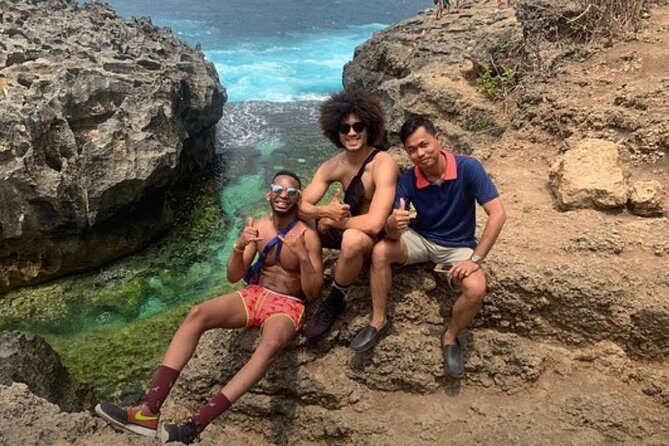
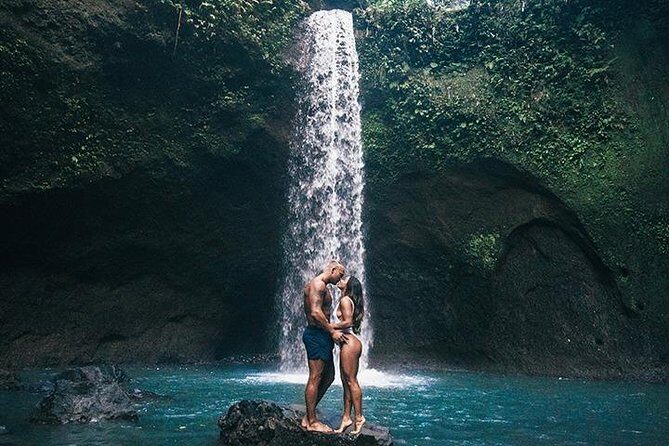
You’ll also have access to lockers, plus towel and shower access. That’s huge in Bali, where you’ll likely sweat and rinse off anyway. It also means you’re not stuck carrying wet clothes around after your lunch.

The guides are described as helpful and professional, including taking photos and videos for the group. Even if you don’t care about photos, that kind of support often means faster, smoother moments—like getting everyone lined up, explaining what to expect in each rapid, and helping you get out cleanly at the finish.

Your Route in Real Order: Start Near Tampaksiring to Pejeng Dam Finish

Bali: Pakerisan River Tubing Adventure with Rapids, Guide & Lunch - Your Route in Real Order: Start Near Tampaksiring to Pejeng Dam Finish
This experience is built around one main flow: shuttle to the river starting area, tubing with guided stops and scenery, then a trek near Pejeng Dam, ending with shuttle back.

Meeting and Getting to the Starting Point

You’ll either meet at the listed start point at RTB River Tubing Bali (Sand­ing, Tampaksiring area, near the G8W3+5XJ pin) or choose a pickup option if offered during booking. Shared pickup and drop-off require at least 4 people, so if you’re traveling as a pair, you might be on the “meet us there” plan instead.

Once you reach the starting area at the Tukad Pakerisan point, you’ll get your safety orientation. Expect that to be short and practical—how to hold the tube, what to do with your body when the water hits, and where the guide wants you to focus.

The Tube Run: Jungle Shade and Fast Water

After the briefing, you’re floating under bamboo canopies and moving past lush rice terraces. This is where the route earns its reputation: you get a mix of gentle-moving sections and then 3–4 rapids that give your arms something to do.

Along the way, you may also pass moments that make the river feel like it has a story. The overview describes a hidden waterfall, the Tirta Geruh holy spring, and learning about ancient Subak irrigation. Even if you don’t remember every detail, what matters is that the guide uses the scenery as context instead of treating the river as just a thrill ride.

One more note: because the river section is timed around 60–90 minutes, you can feel how the energy changes. It starts with acclimation, then the rapids add adrenaline, then you settle into the final stretch toward the finish.

Finish at Pejeng Dam and a Short Scenic Trek

Your trip ends at Dam Pejeng. Pejeng Dam is described as an irrigation dam that supplies water to rice fields in the Subak area of Pejeng village. So the stop isn’t random sightseeing; it connects back to the irrigation learning you hear about during the float.

After the tubing, you’ll do a scenic trek past Pejeng Dam, which gives you a break from the water but still keeps the outing active. This is also where lunch comes in, making it a real reset moment after you’ve worked up a good sweat.

Lunch After the Rapids: What You Get and How It Changes the Day

Bali: Pakerisan River Tubing Adventure with Rapids, Guide & Lunch - Lunch After the Rapids: What You Get and How It Changes the Day
Food can make or break a half-day outdoor activity, and this one is set up so you don’t have to hunt. Your lunch includes a choice of fried rice or fried noodles, plus a drink.

What I like about lunch being included is that it removes decision fatigue. When you’re already damp and tired, you want predictable timing. The lunch also helps you recover right after the river portion, when your body wants carbs and salt.

Also, because lockers and shower access are included, you can rinse before you eat. That small comfort factor can turn a slightly chaotic day into a smooth one.

Weather, Timing, and What to Plan Around in Bali

Bali: Pakerisan River Tubing Adventure with Rapids, Guide & Lunch - Weather, Timing, and What to Plan Around in Bali
This tour runs in light rain, but it may be rescheduled in heavy rain for safety. Translation: don’t plan a super strict itinerary on day one. Bali weather can change quickly, and river conditions matter.

Timing can also vary. The tubing itself is about 1.5 hours on the water, but the overall duration is listed as 2 to 8 hours, which likely accounts for shuttle options, briefing time, and group flow. If you’re the type who hates uncertainty, keep your evening open for flexibility.

On the physical side, you should have moderate fitness. That usually means you should be comfortable with getting in and out of the water, standing on uneven ground, and staying balanced when the river speeds up.

If you’re traveling with kids, the rules are clear: children must be accompanied by a parent or guardian and ride together in the same tube.

Value for $24: What You’re Actually Paying For

Bali: Pakerisan River Tubing Adventure with Rapids, Guide & Lunch - Value for $24: What You’re Actually Paying For
At $24 per person, the headline value is that you get more than a tube and a direction. This price includes:

  • a guided river tubing adventure
  • safety gear (helmet, life jacket, tubing equipment)
  • lunch (fried rice or fried noodles) plus a drink
  • lockers and towel and shower access

For Ubud, where many activities add up once you factor in entry fees, guides, and meals, that “all-in” structure is the point. You’re paying for the full service: hosting, safety setup, and the part of the day that often gets expensive on your own—food and cleanup.

The one cost to watch is personal expenses. The tour specifically asks you to bring cash for personal expenses, so don’t assume everything will be card-only.

Who This Tour Fits Best (and Who Might Want Something Else)

Bali: Pakerisan River Tubing Adventure with Rapids, Guide & Lunch - Who This Tour Fits Best (and Who Might Want Something Else)
This tubing experience fits best if you want:

  • an active outdoors day without technical skills
  • a guide-led plan with safety gear and a structured route
  • scenic river time that also touches Balinese water culture (Subak irrigation, holy spring references)

It’s also a good fit for people who want to be in nature without leaving Ubud area. The starting point and finish area are tied to Tampaksiring and Pejeng, which is useful if you don’t want to spend half a day commuting.

You might look for something different if you:

  • hate getting wet and moving around banks (the rapids mean physical effort)
  • need a very predictable schedule to the minute
  • expected long stop-and-stare time at scenic spots rather than a flow-based river day

The nice part is that it’s not marketed like a “just scream down water” thing. The river thrill is real, but the route is framed around learning and sacred water context, which makes it feel more grounded than a simple adventure park run.

Booking Tips That Make the Day Smoother

Bali: Pakerisan River Tubing Adventure with Rapids, Guide & Lunch - Booking Tips That Make the Day Smoother
A few small moves can help you get the most out of the experience:

  • If pickup matters to you, check whether pickup/drop is actually offered in your option, since meeting point access is also a standard route.
  • If you care about group timing, remember that shared pickup needs a minimum of 4 people, so solo or couple travel could affect logistics.
  • Bring cash for personal expenses.
  • Dress for getting wet. You’ll rinse and shower afterward, but you still want to be comfortable during the ride.
  • Don’t schedule your next big plan too soon; plan for the broader 2–8 hour range.

Should You Book This Pakerisan River Tubing Adventure?

I’d book it if you want a Ubud day that feels both physical and local—tubes, rapids, bamboo shade, and rice-field scenery, all with gear and a guide so you don’t have to guess your way through. The included lunch, drink, and shower access also make it feel like a complete package rather than a “half service.”

Skip it if you’re looking for a low-effort sit-and-watch activity, or if your day can’t handle weather-driven schedule changes. Also, if you expected a long scenic linger time at stops, this one keeps moving with the river flow.

If your ideal Bali day is part adventure and part culture, Pakerisan River tubing is a practical, good-value choice.

FAQ

How long is the tubing portion?

The tubing duration is listed as about 60–90 minutes on the river, and the overall river adventure is around 1.5 hours.

Is lunch included?

Yes. Lunch is included with a choice of fried rice or fried noodles, plus a drink.

What safety gear is provided?

You’ll receive safety gear including tubing equipment, a helmet, and a life jacket.

Is pickup available?

Pickup is offered, but not for every option. If you choose shared pickup and drop-off, booking must be for a minimum of 4 people.

What if it rains?

The tour operates in light rain. In heavy rain, it may be rescheduled for safety.

What fitness level do I need?

You should have moderate physical fitness. You’ll need to handle getting in and out and staying steady during the tubing.

Can I cancel for a refund?

Yes. You can cancel for free up to 24 hours in advance for a full refund. If you cancel less than 24 hours before the start time, the amount paid is not refunded.

Paragliding Bali Nusa Dua cliff with Free Photo/Videos

Paragliding Bali Nusa Dua cliff with Free Photo/Videos - The flight plan: about 15 minutes of coast-and-cliff bird’s-eye views

This tandem paragliding ticket gives you that real bird’s-eye view of Bali’s beaches and cliffs along the southern coastline, without any training. I also like that you get your flight captured automatically with a GoPro setup, then handed an SD card to take home right after. The main thing to plan for: there’s no hotel pickup, so you’ll need to reach the launch site yourself.

What surprised me in a good way is how beginner-friendly it feels. The pilots handle everything, you wear the harness and helmet, and you can keep your job simple: look around and breathe. One possible drawback is the time in the air is short (about 15 minutes), so come for the views, not a long adventure day.

Key things I’d circle before you go

Paragliding Bali Nusa Dua cliff with Free Photo/Videos - Key things I’d circle before you go

  • Automatic GoPro footage + free SD card handed to you to keep
  • Tandem control with skilled pilots, so you don’t have to “do” paragliding
  • Coastline flight over Bali’s southern cliff area, built for photos
  • No experience required, you’ll just follow instructions at the site
  • 1–5 PM flight window, you can arrive any time you like during open hours
  • No hotel transportation, you’ll need your own cab or motorbike to the meeting point

Paragliding from Jimbaran’s cliffs: what the experience really feels like

Paragliding Bali Nusa Dua cliff with Free Photo/Videos - Paragliding from Jimbaran’s cliffs: what the experience really feels like
This is a tandem paragliding ride out of Jimbaran, run from the Panda Paragliding launch area near Kutuh and Pantai Tanah Barak. Your goal is simple: fly above the coastline—beaches, cliff edges, and the bends where the ocean meets Bali. If you’ve ever looked at aerial photos and thought they must be staged, this is the kind of activity that makes you realize they’re just normal people getting lucky with angles.

Because it’s tandem, you’re not switching your mind into “athlete mode.” You’ll sit in the system, put on the harness and helmet, and the pilot does the flying. That matters for your first-time nerves. One review story I found especially relevant: someone felt hesitant at first but ended up recommending it after the view made the fear feel smaller. It fits the vibe here—don’t expect calm feelings at the start, expect the calm to come once you’re airborne.

You’ll also be out in the air during daylight hours that work well for afternoon plans. The ticket is valid during the opening hours from 1–5 PM, and you can arrive any time you prefer within that window. That flexibility helps if you’re mixing this with beach time, dinner plans, or other Jimbaran-area stops.

1–5 PM timing and meeting point at Panda Paragliding

This is not a hotel pickup package. The ticket doesn’t include private transportation either, which means your biggest logistics decision is figuring out how to get to the meeting point before your confirmed session.

Your start point is:

Panda Paragliding (Bali Paragliding)

Jl. Karang Pandawa, Pantai Tanah Barak, Kutuh, Kec. Kuta Sel., Kabupaten Badung, Bali 80362, Indonesia

After you book, the meeting point and preferred time get confirmed. Practically, that means you should plan to check your message right after booking so you show up at the right time for your flight slot.

Why this matters: paragliding is weather-based, and operators usually run flights in windows. If you arrive late (or you can’t find the place), you risk losing your slot. If you want this to feel smooth, go a little earlier than “just on time,” especially if you’re using a cab driver who doesn’t know the exact drop-off spot.

The flight plan: about 15 minutes of coast-and-cliff bird’s-eye views

Paragliding Bali Nusa Dua cliff with Free Photo/Videos - The flight plan: about 15 minutes of coast-and-cliff bird’s-eye views
The flight itself is short—about 15 minutes—but it’s designed as a focused “bird’s-eye tour” of the coastline. The ride starts once you’re ready to launch, then you spend those minutes soaring along Bali’s southern cliff line. The concept is that you’re not stuck circling far out at sea; you’re following the visual story of the coast.

So what do you actually see? You’ll get aerial views of beaches and cliff areas right along the waterline. That combination is a sweet spot for photos because you get both the ocean color and the dramatic edges of the coastline. And because you’re in the air, you also see how the coastline curves and changes—things that are hard to understand from the road.

One helpful mindset: don’t rush to “experience everything.” In a 15-minute flight, the best approach is to pick a few moments to watch. Look forward when you want perspective over the ocean. Look down briefly when you want to connect what you see with where you launched.

Also, yes, the whole thing is tandem, and you don’t have to do any work. One review highlighted that you literally don’t have to do it yourself. That’s the practical win: you can focus on scenery instead of techniques.

GoPro capture with a free SD card, no post-flight waiting

Paragliding Bali Nusa Dua cliff with Free Photo/Videos - GoPro capture with a free SD card, no post-flight waiting
This is one of the strongest value points in the package. You’ll have an action camera capture your flight, and the setup includes an SD card that you receive for free. The footage is recorded automatically during your flight, and the promise here is that you won’t be waiting around afterward to get your documentation.

From a planning perspective, this removes a common travel headache. With some activities, you do the fun part and then hope someone sends your files later. Here, you take the SD card home as part of the experience. If you’re the type who wants immediate proof for your phone storage later, that convenience is real.

You can also use this footage for two different kinds of keepsakes:

  • A quick watch-on-your-laptop moment that helps you remember what it felt like
  • A photo/video sequence you can share or save without needing another booking step

One more note: the included recording is automatic. That means your job is not micromanaging the camera. If you’re nervous about heights, that matters. You can put energy into looking at the coast, not fiddling with gear.

Safety and comfort when you’ve never paraglided before

Paragliding can sound intimidating until you see how structured it is. You’ll get safety gear like a harness and helmet, and insurance is included in the package. That gives you a baseline level of reassurance, especially if you’ve never worn this kind of equipment before.

Then there’s the human factor: the pilot. Reviews point out that the pilots are skilled and supportive. That lines up with what you’d want for first-timers—clear guidance and confidence without turning the experience into a lecture.

Language can also shape comfort. One review mentioned the pilots didn’t speak very good English, but enough to get through it. My takeaway for you: expect basic instructions, not a detailed conversation. If you want to feel extra comfortable, just keep your communication simple: confirm key directions, then focus on the flight.

And if height makes you uneasy, this is still worth considering. One review leaned into that directly: they were a little fearful, and still the view made it worth it. That doesn’t mean it’s “fear-free,” but it suggests you won’t be left alone with nerves. The tandem setup and pilot control usually do the heavy lifting.

Price of $99: what you’re paying for and where value shows up

At $99 per person, this ticket sits in the “do it once and smile” category. The big question is: is it worth it compared with other aerial activities?

For me, the value shows up in three places:

1) You’re paying for access and safety gear, not setup stress. Harness, helmet, insurance, and fees and taxes are included. That reduces surprise costs and keeps your planning cleaner.

2) You’re paying for the finished product. The free SD card with automatic footage is part of the deal. Even if you’re not a “camera person,” you’ll still want a souvenir. A lot of value here is emotional: you’ll remember it by watching it later.

3) You’re paying for pilot skill and tandem convenience. No previous experience is required, and you don’t have to do paragliding work. You’re buying time in the air plus the expertise that makes that time safe and smooth.

You should also factor in what’s not included. Hotel transportation isn’t included, so you’re responsible for getting yourself to the meeting point. If you’re staying far away, that can add cost. In practical terms, this can be a better deal if you’re already near Jimbaran, Kutuh, or you’re comfortable arranging a short cab or motorbike ride.

Who this suits best (and who should think twice)

This is a great fit if:

  • You’re a first-timer who wants an easy intro to flying without training
  • You care about photos and video more than learning technique
  • You want a short afternoon activity that doesn’t eat your whole day
  • You prefer a private experience where it’s only your group

It might be less ideal if:

  • You’re expecting a long flight. The ride is about 15 minutes, not an all-day adventure.
  • You need full hotel convenience. No pickup is included.
  • You’re very sensitive to the idea of weather-dependent scheduling. The experience requires good weather, and plans can shift.

Also, since it’s a private tour/activity, only your group participates. That can feel calmer than crowded group formats. The tradeoff is that if conditions don’t cooperate, you may need to adapt dates, since flights require good weather.

Should you book this Bali paragliding ticket pass?

Book it if you want a high-impact view with low effort. The combination of tandem flight, beginner-friendly setup, and the free SD card makes it a simple yes for a lot of people. I’d especially recommend it if you’re excited by the idea of flying along Bali’s southern cliff coastline and you want a keepsake you can watch later without extra steps.

Skip it or rethink if you hate transportation planning. Because hotel pickup isn’t included, you’ll have to get yourself to Panda Paragliding at Pantai Tanah Barak in time for your confirmed slot. Also, if you want something longer than a 15-minute experience, this won’t scratch that itch.

If you’re on the fence, focus on your real priority: aerial views, short and sweet, plus automatic recording. If that’s your goal, this ticket is built for it.

FAQ

Where is the meeting point for the paragliding ride?

You’ll meet at Panda Paragliding (Bali Paragliding), Jl. Karang Pandawa, Pantai Tanah Barak, Kutuh, Kec. Kuta Sel., Kabupaten Badung, Bali 80362, Indonesia.

Is hotel pickup included in this package?

No. Hotel transportation is not included, so you’ll need to arrive at the flying site yourself (for example, by cab or motorbike).

Do I need any paragliding experience?

No previous experience is required. You’ll fly tandem with a pilot.

How long is the experience?

The flight time is about 15 minutes (approx.).

Do I get photos or videos from the flight?

Yes. You’ll receive automatic photo/video footage captured during the flight with an action camera, and you’ll be given an SD card for free to take home.

What if the weather is bad?

The experience requires good weather. If it’s canceled due to poor weather, you’ll be offered a different date or a full refund.

Mount Batur Sunrise Trekking & Hot Spring

Mount Batur Sunrise Trekking & Hot Spring - The climb: stars, steep sections, and keeping your footing

Sunrise on Batur feels like a reset. This private climb is built around one big moment: reaching the crater rim in time to watch the sky wake up. Then you’ll refuel with breakfast cooked in volcanic steam and finish with a soak in hot springs near Lake Batur.

I really like two things about this tour. First, you get a private, English-speaking guide and a group that stays manageable (no mixing, no herd energy). Second, the breakfast is simple but fun: eggs and bananas cooked on volcanic heat, plus drinks to get you going again.

One thing to consider is that it’s an early start and the hike is no walk in the park. If it’s rainy or cloudy, sunrise photos can be less dramatic, but you can still enjoy the climb and the hot spring reset.

Key things you’ll notice right away

Mount Batur Sunrise Trekking & Hot Spring - Key things you’ll notice right away

  • Private guide for your group: clearer pace, more attention, and an easier time asking questions at every step.
  • Crater-rim sunrise timing: you’re aiming for the best vantage point when the light hits.
  • Volcanic-steam breakfast: eggs and bananas cooked using live steam at the top.
  • Toya Devasya Hot Spring stop: a muscle-soothing soak after the descent with views back to the volcano.
  • Door-to-door pickup from Kuta: driver meets you first, then you switch to the trek guide at the base.

Why a private Mt Batur sunrise trek works so well

Mt Batur is an active volcano, and it’s also part of the UNESCO Global Geopark Network. That mix matters. You’re not just hiking for views. You’re on a living, working volcano landscape where timing, route choices, and safe footing make a big difference.

With a private setup, you’re not waiting around for other people to catch up, and you’re not stuck with a one-size-fits-all pace. The guide can steer you toward the photo spot, then give you space if you’d rather just watch the light come up and breathe. From the guide names I’ve seen people talk about—Phutu, Putu Adi, and Dede—the consistent theme is how well they keep you informed and comfortable during the pre-dawn climb.

The biggest “value” of private here is mental. Sunrise treks can feel intense when you’re tired and cold. A good guide helps you feel safe and organized without turning the experience into a lecture.

Getting from Kuta to the volcano: transfers and the 10-hour rhythm

Mount Batur Sunrise Trekking & Hot Spring - Getting from Kuta to the volcano: transfers and the 10-hour rhythm
This tour runs about 10 hours, which is a full day but not an entire day at warp speed. You’ll get pickup from your hotel in the Kuta area, then you’ll be taken to the base of Mount Batur. Once you arrive, you meet your English-speaking guide, who gives you a quick overview and answers questions before the climb.

Two practical things to remember:

  • You’ll start bright and early, before sunrise, so plan for a real wake-up call.
  • Your day is scheduled around the mountain’s timing, not around your own pace or breakfast cravings at home.

Also, this is set up as a private tour/activity, meaning it’s only your group participating. That usually helps with comfort and flow, especially on a trail where you don’t want to feel crowded.

The climb: stars, steep sections, and keeping your footing

Mount Batur Sunrise Trekking & Hot Spring - The climb: stars, steep sections, and keeping your footing
You start ascending under a blanket of stars. That detail sounds romantic, and it is—but it also means you’ll be moving in low light. Bring the mindset of a hike that asks you to pay attention, not a casual stroll.

Mount Batur requires at least moderate physical fitness. The climb is challenging enough that the guide matters. A private guide can slow down when you need it, encourage you when you’re lagging, and help you keep energy for the summit area.

What I’d watch for on a trek like this is how the guide reads the group. The best guides don’t just rush. They explain what’s ahead, point out the big moments, and help you manage breath and footing so you’re not wrecked before sunrise.

Weather can change the whole vibe. One group shared that it was raining when they reached the top—meaning the view wasn’t as clear as they expected. Still, the hike and the hot spring follow-up can make the day feel complete even when the sunrise doesn’t look perfect.

Summit timing: the crater rim and that first real light

Mount Batur Sunrise Trekking & Hot Spring - Summit timing: the crater rim and that first real light
When you reach the top, you’re there for the main event: sunrise from the crater rim. Your guide will help you find the best vantage point for photos, but you’re also encouraged to just sit and enjoy it.

This is where the private part pays off again. If you’re early and ready, you’ll get to your spot without wrestling a crowd. If you need a minute—because dawn air can be sharp or your legs are busy—your guide can adjust so you don’t feel rushed.

One practical tip: sunrise views depend on clouds and visibility. You can still have a meaningful moment even in less-than-ideal weather, but if you’re the type who wants that crisp, wide-open horizon, you’ll be happier checking the local conditions right before the climb (as much as you realistically can).

Volcanic-steam breakfast: eggs, bananas, and drinks that actually help

Mount Batur Sunrise Trekking & Hot Spring - Volcanic-steam breakfast: eggs, bananas, and drinks that actually help
At the top, you’ll be given a meal and beverages to regain energy for the rest of the trek around the crater and the descent. The breakfast itself is a highlight: eggs and bananas cooked using hot live steam from the volcano.

I like that this isn’t a fancy “tour snack.” It’s food that matches the place. You’re literally eating something cooked by the geothermal force you just walked toward. It’s also practical. After a steep climb in the cold hours, you need calories and warmth, not just a photo-op.

Because it’s cooked in volcanic steam, treat it as hot food right away. Don’t burn yourself trying to be a hero; get your footing first, then eat.

After sunrise: the crater area walk and the descent

After the sunrise moment and your breakfast, the itinerary continues around the crater and then back down. This part is where pacing matters again. Early morning climbs can trick you into feeling fine at first, then hitting fatigue later on the way down.

A private guide helps here by keeping you moving safely. You’ll want to stay present on your steps, especially during the descent, because going down can be just as tiring as going up—even if it feels easier.

If you’re someone who likes to take your time, this is one of the better places to do it. The terrain can be uneven, and your energy is already spent. Slow down, watch your footing, and let the guide handle the timing rather than pushing yourself.

Toya Devasya Hot Spring: muscle reset with views toward Batur

Mount Batur Sunrise Trekking & Hot Spring - Toya Devasya Hot Spring: muscle reset with views toward Batur
After the trek, you soak at Toya Devasya Hot Spring. This is a true recovery moment. The tour is built to help your tired muscles unclench after the climb, and the setting adds extra value.

One of the best parts is that you get views of Mount Batur while you soak. That matters because the day’s theme comes full circle: you climb toward the volcano for sunrise, then you come back down and watch it again from the comfort of the hot water.

The hot springs stop is included as part of the experience, along with the entrance fees. You still should come prepared with the basics you’ll want for any soak—things like swimwear and a way to change after (not listed as included in the info I have), plus a small towel if you prefer your own.

Also, remember this is a full-day schedule. If you plan to do other Bali activities the same evening, give yourself enough buffer so the hot soak doesn’t turn into a nap.

Optional add-ons: coffee plantations and what to ask your guide

A couple of groups I’ve seen describe extra time with their guide around other local stops, including a coffee plantation. That isn’t listed as a guaranteed included item in the core description, so I’d treat it as something that might happen depending on timing, route choices, and your guide’s plan.

If a coffee stop matters to you, ask early, during the briefing at the base. A good guide will tell you clearly if it fits your schedule and how it affects your return timing.

Price and value: what $63 really covers

At about $63 for roughly a 10-hour day, the value is strong when you look at what’s included:

  • Pickup and drop-off from your hotel area in Kuta
  • Entrance fees and parking fees
  • A guide (including bottled water during the hike)
  • Breakfast cooked at the top on volcanic steam
  • The hot springs stop (Toya Devasya)

What’s not included is lunch and dinner. So you’ll want to plan food for later in the day and not assume you’ll be fed again after breakfast.

Here’s how I’d think about the cost in plain terms: you’re paying for early-morning logistics plus a guided hike plus geothermal breakfast plus entry into the hot springs. That’s a lot to pack into one day, and it’s usually where budget tours either cut quality or cut parts of the experience. In this case, the included items are the main things people actually remember.

Who should book this sunrise trek (and who might skip it)

This is a great fit if:

  • You want a real sunrise experience from a volcanic viewpoint
  • You prefer a private guide and a smaller, calmer feel
  • You like being active in the morning and doing recovery in the afternoon
  • You’re traveling solo or as a couple and want the guide to keep the day feeling organized

It may not be the best match if:

  • You don’t handle early starts well
  • You have low mobility or you struggle with moderate fitness hikes
  • You expect sunrise to be guaranteed on every weather day (it isn’t)

One extra note from the tone of the experiences shared: people have felt comfortable and safe with guides who communicate clearly, especially on the early parts of the day. If that matters to you, this private format is usually a good sign.

Should you book this Mt Batur Sunrise Trek + Hot Spring?

I’d book it if you want your Bali trip to include one of the island’s most dramatic “morning-to-recovery” combos. The tour’s structure makes sense: wake early, climb with a guide, get a volcanic-steam breakfast, then soak and cool down with views back to Batur.

It’s also a good choice for value because a lot is included: transfers, entry, the summit breakfast, and the hot springs. The main trade-offs are the early start and the fact that weather can soften the sunrise visuals.

If you’re on the fence, I’d decide based on two questions: Can you handle a moderate hike at dawn? And are you okay with the idea that your sunrise might be partly cloudy? If you say yes, this is the kind of day that tends to feel worth it long after you’re back in bed.

FAQ

What time of day does this tour run?

It’s an early morning sunrise trek. The full experience is about 10 hours, so you’ll start before sunrise and finish after the hot springs.

Do I get hotel pickup and drop-off?

Yes. You’ll be picked up from your hotel (in the Kuta area) and taken to the base of Mount Batur, then dropped back after the hot springs.

Is the tour private?

Yes. This is a private tour/activity, so only your group participates.

What breakfast is included?

Breakfast is included and is cooked at the top using hot live volcanic steam. It includes eggs and bananas.

Which hot spring stop is included?

The tour includes a stop at Toya Devasya Hot Spring.

Is bottled water included?

Yes. Bottled water is included, and you’ll get it from your hiking guide.

Can I cancel and get a full refund?

Yes. You can cancel for a full refund if you cancel up to 24 hours in advance. If you cancel less than 24 hours before the start time, the amount paid is not refunded.

Private Arrival Transfer: Bali Airport to Hotel with Minibus Toyota HiAce up to 12 Pax

Private Arrival Transfer: Bali Airport to Hotel with Minibus Toyota HiAce up to 12 Pax - Pickup timing: the wait clock starts when your plane lands

Your first Bali hour matters.

This private arrival transfer is built for a smooth landing: you get a meet-and-greet at Ngurah Rai, then a direct ride to your Ubud hotel or private residence. The big win is how they handle delays, with a waiting window that starts when your flight really lands. In the real world, that means less guessing and less standing around after you’ve already been through the airport grind.

I also like the 1.5-hour wait rule starting from actual arrival time, plus the ride includes bottled water and the road tolls/airport fees. The main drawback to weigh is that it’s strict: it’s non-refundable if plans change, and anything beyond the luggage limits can trigger local excess charges.

Key things to know before you land

Private Arrival Transfer: Bali Airport to Hotel with Minibus Toyota HiAce up to 12 Pax - Key things to know before you land

  • 1.5-hour waiting time starts at landing time, not the scheduled time
  • Private meet-and-greet with the driver/rep helping you find the right van
  • Toyota HiAce up to 12 adults, ideal for families and small groups
  • Tolls, airport fees, and bottled water included for less decision-making
  • One suitcase + one carry-on per person, with extra/oversized luggage costing more
  • Avoid random taxi offers at the arrival hall area to prevent transfer issues

A private Toyota HiAce makes arrival feel controlled

Private Arrival Transfer: Bali Airport to Hotel with Minibus Toyota HiAce up to 12 Pax - A private Toyota HiAce makes arrival feel controlled
This is a one-way private arrival transfer from Bali’s main airport (Ngurah Rai International Airport) to your accommodation in the Ubud area. The vehicle is a Toyota HiAce minibus sized for up to 12 adults per car/vehicle, so you’re not squeezed into a tiny ride or forced to share with strangers.

What you get is more than “transport.” It’s a buffer against the usual first-day stress: signage confusion, meeting-point chaos, and that post-flight moment where everyone is tired and wants the same thing—your driver and your car, now.

You’ll also appreciate the small inclusions that remove friction:

  • Meet-and-greet service
  • All road tolls
  • Airport fees and charges
  • Bottled water

That bottled water part sounds minor until you’re thirsty, sweaty, and carrying luggage. It’s one of those details that makes the ride feel smoother from minute one.

From the reviews, the smooth-factor shows up in driver behavior. People specifically called out drivers like Dimas and noted that they handled pickup delays patiently when guests couldn’t meet immediately right after landing.

Pickup timing: the wait clock starts when your plane lands

Private Arrival Transfer: Bali Airport to Hotel with Minibus Toyota HiAce up to 12 Pax - Pickup timing: the wait clock starts when your plane lands
Here’s how the waiting time works, and it matters a lot:

  • You’re covered with 1.5 hours of waiting time
  • The clock starts from the time your flight actually lands
  • It is based on the flight landed time, not your scheduled arrival

Example they give is clear: if your schedule says 1:00 PM but you land at 1:30 PM, your waiting time begins at 1:30 PM and runs for 1.5 hours from there.

Why I think this is a big deal: airport delays are common, and your time is already spent once you’re in the terminal. Starting the wait at landed time means you’re not “punished” for things outside your control, like gate changes or delayed luggage.

You still should plan realistically, though. The extra waiting window doesn’t mean you can wander the airport. Stay close to arrivals and keep your phone ready.

Meeting your driver at Ngurah Rai without taxi confusion

Private Arrival Transfer: Bali Airport to Hotel with Minibus Toyota HiAce up to 12 Pax - Meeting your driver at Ngurah Rai without taxi confusion
The meetup instructions are the kind you’ll want to follow exactly, because they’re trying to protect you from a common airport headache.

After you collect luggage, you need to proceed to the exit to the Arrival hall. Once you’re there:

  • Look for the signage with your name
  • If you don’t see your name on the signage, go to THE FLIGHT INFORMATION DESK
  • The airport representative will meet you at the meeting point

One warning you should take seriously: do not accept offers from local taxi drivers or legal transport companies around the arrival hall. If you accept those offers, the transfer provider notes there will be no refund for this private transfer.

That’s their rule, and it’s meant to prevent the scenario where you accidentally double-buy transport while waiting for the driver. To stay safe, wait for your rep, get in the assigned vehicle, and you’re done.

Also, have a backup plan for communication. They explicitly ask you to make sure your phone is active and able to take calls. If you’re not getting signal, Bali Airport offers free Wi-Fi, and you should have WhatsApp installed because that makes contact easier if something changes.

If you can’t meet the transfer assistance at remote airports or during busy hours, you should call the local operator office within 90 minutes after your exact pick-up time before leaving the airport. Otherwise, they say your transfer may be counted as a No Show, and then a refund may not apply.

In other words: keep your phone on, stick to the meeting instructions, and treat taxi offers as a distraction until you see your rep.

The ride to Ubud: comfort for up to 12, with real time flexibility

The transfer duration is listed as 15 minutes to 2 hours (approx.). That range is wide, but it reflects something you already know if you’ve looked at Bali road travel: traffic can swing depending on time of day, the route, and where your hotel is within the Ubud area.

You’re not dealing with multiple stops or shared transfers. This is direct, private service, so once you’re in the car, the trip is about getting you there—efficiently, without negotiations.

What’s especially practical is the vehicle size. A HiAce minibus can work really well when you’re traveling with:

  • a group that wants to stay together
  • multiple pieces of luggage
  • people who don’t want the “everybody in separate cars” chaos

In the feedback you provided, one group with 6 people and luggage got a spacious and very comfortable ride. Another group highlighted that the driver waited patiently even when they had trouble meeting right away due to a lot of placards and arrivals happening at once.

So if your goal is a stress-free start where you sit down and let someone else handle it, this does that.

Luggage rules: one suitcase plus one carry-on per traveler

This transfer is straightforward, but the luggage policy has a hard edge.

Each traveler is allowed a maximum of:

  • one suitcase
  • one carry-on bag

If you’re bringing extra or oversized items (they list examples like surfboards or golf clubs), you must advise at booking. They also note extra charges will apply and you pay locally.

Excess luggage charges are specifically listed as not included, so expect that to be handled on the spot if your load is over the limit or includes oversized items.

If you’re traveling with a lot of gear, do yourself a favor:

  • count your bags before you arrive
  • consider whether any items can be packed into carry-on space
  • message the operator at booking time if you’re bringing something bulky

That’s the difference between a smooth ride and arriving with a surprise cost.

Price and value: $37.44 per group, not per person

This one is priced in a way that can be genuinely good value, especially for groups.

The listed price is $37.44 per group for up to 12 adults per car/vehicle. That changes the math fast:

  • With 2 people, it may feel pricier than a shared option
  • With 6 to 12 people, it can become very reasonable because you’re splitting one private vehicle cost

I like this pricing model for families and friend groups because it’s simple. You’re paying for reliability and time savings—getting a driver waiting for you, a direct ride, and avoiding taxi negotiation.

They also mention that on average this is booked about 23 days in advance, which is smart timing if you want your car confirmed during peak arrival windows.

One more value note: the inclusions are meaningful. Airport fees, tolls, and bottled water are handled, so you aren’t hit with extra “gotchas” like toll road charges.

And remember the trade-off: this transfer is non-refundable and cannot be changed for any reason. If your flight is uncertain, you’ll want to consider that before booking.

Who this transfer suits best (and who might skip it)

This transfer fits best if you want a calm start with minimal decisions.

You’ll likely be happiest booking if:

  • you’re landing in Bali and want private pickup
  • you’re traveling with up to 12 people and want one vehicle
  • you appreciate a driver who will be there for you with meet-and-greet
  • you want inclusions handled (tolls, airport fees, bottled water)

It may not be the best match if:

  • you’re traveling solo or as a couple and don’t mind handling airport transport yourself
  • you have a lot of extra luggage and don’t want any chance of local excess charges
  • your plans are too flexible, since this is non-refundable

That said, if you’re the kind of traveler who just wants to land, grab your bags, and get into the car, this is the kind of service that pays off quickly.

Should you book BaliCab’s airport-to-hotel transfer?

Yes, if your priority is a low-stress start and you’re traveling with a group where the per-car pricing makes sense.

Book it if you can do the simple things that keep it smooth: keep your phone active, use WhatsApp if needed, follow the arrival meeting points, and don’t accept random taxi offers while you’re still trying to find your rep. That’s where transfers succeed or fail.

If your trip is highly uncertain or you’re bringing oversized gear without planning for it, pause and get clear on luggage before you book. Also remember the strict non-refundable nature.

Overall, this is a practical private transfer that focuses on the two things you need most right after landing: someone finding you and a comfortable ride to Ubud without extra hassle. For many visitors, that’s the best kind of value.

FAQ

How long does the Bali Airport to Ubud transfer take?

The journey is estimated at 15 minutes to 2 hours (approx.), depending on traffic and your hotel location.

How does the waiting time work if my flight is delayed?

You get 1.5 hours waiting time that starts from the time your flight actually lands (not the scheduled arrival time).

What’s included in the transfer price?

Included are one-way private transfer, meet-and-greet, all road tolls, airport fees and charges, and bottled water.

What luggage limits should I follow?

Each traveler can bring a maximum of one suitcase and one carry-on. If you have extra or oversized luggage (like surfboards or golf clubs), you must advise during booking and local extra charges may apply.

Where do I meet the driver after landing?

After collecting luggage, you proceed to the exit to the Arrival hall. If you don’t find your name on signage, you should wait at THE FLIGHT INFORMATION DESK.

Can I contact the driver if I’m having trouble finding them?

Yes. They ask that your phone be active for calls. If needed, Bali Airport Wi-Fi is free and you should have WhatsApp installed to make communication easier.

Is this transfer refundable if I cancel?

No. This experience is non-refundable and cannot be changed. If you cancel or are marked as a No Show, the amount paid is not refunded.

Bali International Airport (DPS) VIP Service Assistance

Bali International Airport (DPS) VIP Service Assistance - Meet and Greet That Feels Premium, Without Pretending It’s a Lounge Day Pass

Landing in Bali feels easier with the right kind of help. This Denpasar Ngurah Rai VIP service is built around a simple idea: once you clear the early airport steps, a professional team meets you, handles the handoffs, and escorts you through customs toward your next stop.

Two things I really like about it. First, the staff stand by after immigration near the conveyor belt with a sign in your name. Second, they don’t just point you in the right direction; they help with luggage and escort you to customs and out to the transportation area.

One drawback to think about: it does not include lounge access, and it does not give you a VIP line for every counter. Also, you still handle VOA and Immigration yourself, so this is a big help, not a full staff takeover.

Key Points at a Glance

Bali International Airport (DPS) VIP Service Assistance - Key Points at a Glance

  • Staff meet you by your name after immigration, near the conveyor belt area
  • Luggage assistance and customs escort reduce the awkward airport shuffle
  • VOA and Immigration are still on you, so build time for those steps
  • No lounge included, even though the package aims to feel premium
  • Airport transfer isn’t included, but they escort you to your pickup representative
  • Non-refundable and unchangeable once booked, so double-check dates and timing

What This Bali Airport VIP Service Actually Does (and What It Doesn’t)

Bali International Airport (DPS) VIP Service Assistance - What This Bali Airport VIP Service Actually Does (and What It Doesn’t)

At DPS (Denpasar Ngurah Rai International Airport), the stressful part of arriving is rarely one single moment. It is the chain: immigration, finding the right meeting point, luggage chaos, then customs and figuring out where your ride is waiting. This service is aimed squarely at that chain after you land.

The core flow goes like this. You handle the VOA and Immigration processes on your own. After you clear immigration, staff are positioned after immigration near the conveyor belt area holding a signage under your guest name. Once you connect with them, they help with your luggage, escort you through customs, and then guide you out of the terminal to the transportation area to meet your pickup representative.

So yes, it’s “VIP” in spirit: you get a warm meet-and-greet moment and clear guidance at the parts that usually slow people down. But it’s also realistic. You are not skipping everything. You are getting real-world assistance at the points where help matters most.

The Arrival Experience at DPS: From Plane to Pickup, Step by Step

1) After Immigration: Find Your Name Sign

Once you finish Immigration, the staff will standby near the conveyor belt area. The key detail here is that they bring a signage under your guest name. That makes the “Where do I look?” moment much less stressful, especially if you land with many people at once.

In practical terms, this is where the value starts. You’re not guessing. You have a person and a sign you can match quickly.

2) You Handle VOA and Immigration Yourself

This is important: you go through the VOA and Immigration processes on your own. That means you should expect queues, documents checks, and standard procedures.

This is the biggest consideration if your goal is pure fast-track power. The service is not a guaranteed skip of every line at every counter. It’s an assistance meet-and-greet approach that kicks in after the immigration stage.

3) Luggage Assistance: Less Cargo Drag

After you approach the Go Bali staff, they assist with luggage collection. Anyone who has arrived in Bali with multiple bags (or a suitcase plus a carry-on plus a shopping bag you did not plan for) understands why this matters. Your arms are not the issue; your time and attention are.

When staff help with luggage, you’re less likely to miss the next step, and you spend less time weaving through crowds.

4) Escort to Customs: Fewer Mistakes, Faster Exit

They assist the guest and escort to the Custom area. Customs can feel like a black box because rules vary and the line can move unpredictably. Having someone physically escort you to the right place helps you stay calm and avoid wandering or double-backing.

This is also one of the strongest themes in the positive feedback: people tend to be very happy with how quickly and smoothly the customs portion goes when a staff member is guiding the handoff.

5) Exit the Terminal and Connect to Your Transfer

The service escorts guests to the exit of the terminal until the transportation area. They also escort you to a representative transfer.

One detail to note: the actual airport transfer is not included. What is included is the escort to the transportation area and help connecting with the person representing your pickup.

So you still need to have your transfer arranged separately. The staff act like your bridge from customs to the next moving part.

Meet and Greet That Feels Premium, Without Pretending It’s a Lounge Day Pass

Bali International Airport (DPS) VIP Service Assistance - Meet and Greet That Feels Premium, Without Pretending It’s a Lounge Day Pass

When a service aims to feel VIP, I look for two things: (1) clear meeting points, and (2) reduced friction in the handoffs. This one scores well on both.

The meet-and-greet concept is straightforward: staff pick you up after immigration, with your name sign ready. Then they stay involved through luggage collection, customs, and the exit to your transport. That is a practical kind of luxury. It saves attention. It saves time spent scanning crowds.

Just don’t assume lounge access. Lounge is explicitly not included, and one of the common complaints you may run into is that the package does not cover a place to wait in comfort before boarding or after arrival. If you like the idea of a quiet lounge moment, you’ll need to book that separately.

The Fast-Track Angle: Where the Speed Comes From

Bali International Airport (DPS) VIP Service Assistance - The Fast-Track Angle: Where the Speed Comes From

Some airport “fast track” packages sell the idea that you skip everything. This one is more nuanced. The service does not include a VIP line for all counters.

So where does the speed come from? It comes from fewer delays created by confusion and waiting in the wrong spot. When you have a sign with your name and a staff member ready to guide you, you spend less time figuring out where to stand, who to approach, and what step is next. That can feel like fast-track even when you’re still doing standard VOA and Immigration processes.

Also, one of the strongest bits of praise tied to this kind of service is the idea that it makes the usually stressful airport experience much more pleasant. When staff are professional and courteous, the emotional drag drops fast, even if the process still takes time.

Price and Value: Is $39 Worth It for Your Bali Arrival?

Bali International Airport (DPS) VIP Service Assistance - Price and Value: Is $39 Worth It for Your Bali Arrival?

At $39 per person, this service sits in the category where you are really buying fewer headaches more than buying pure time savings.

Here is how I’d decide if it’s good value for you:

  • If you arrive during peak hours, or with a tight schedule, the “you won’t be wandering” aspect can be worth a lot.
  • If you do not love the idea of trying to coordinate a pickup while handling luggage, this can reduce stress quickly.
  • If you already feel confident with Indonesian airport logistics, and you’re traveling light, you might feel the cost is more than you need.

It helps that you can use a mobile ticket, and confirmation is received at booking. That keeps things simple once you’re in transit.

One more timing note: this is commonly booked about 18 days in advance on average. That doesn’t guarantee anything about availability, but it’s a hint that people plan it early because it’s a comfort purchase, not something you want to gamble on last minute.

Departure Help: The Part You Must Double-Check

Bali International Airport (DPS) VIP Service Assistance - Departure Help: The Part You Must Double-Check

The service summary includes Bali arrival & departure, but the detailed inclusion list you get is very arrival-focused: staff after immigration, luggage collection help, customs escort, and then help toward transportation.

There is also a cautionary sign in at least one account where departure service did not go as expected. Without assuming details beyond what’s stated, the takeaway for you is simple: if you book anything for departure, double-check the appointment timing and confirmation right before you go.

If you rely on a specific pickup or staff presence at a certain time, give yourself a safety buffer. Use your own phone, keep your booking details accessible, and know where you will go if the staff meet point isn’t there as planned.

Who This Bali Airport VIP Service Fits Best

Bali International Airport (DPS) VIP Service Assistance - Who This Bali Airport VIP Service Fits Best

This service is a good match if you want an easier landing day and you prefer guidance over guesswork.

It’s especially suitable for:

  • First-time visitors to Bali who want a smoother arrival day
  • Travelers who land with multiple bags or heavy luggage
  • People who want a clear “someone will be there” meeting point by name sign
  • Anyone who dislikes the stress of navigating customs and handoffs while tired

It may not be the best match if:

  • You’re traveling extremely light and are comfortable doing everything solo
  • You specifically want lounge access (because it’s not included)
  • Your priority is skipping every counter and line (because VIP line for all counters is not included)
  • You’re worried about visa documents or passport problems (the service does not handle passport & visa problems)

Practical Tips Before You Go (So You Actually Benefit)

Bali International Airport (DPS) VIP Service Assistance - Practical Tips Before You Go (So You Actually Benefit)

Here’s how to get the most out of it:

  • Have your phone ready with your mobile ticket and booking confirmation.
  • Plan to do VOA and Immigration yourself without assuming staff will take over those steps.
  • After you clear immigration, head to the area where staff are stationed near the conveyor belt and look for the sign under your name.
  • If you booked a transfer, confirm where the pickup representative will be at the transportation area, since airport transfer isn’t included.
  • If you’re adding departure help, confirm the timing and meet point again before you leave for the airport.

These small choices are what turn a nice service into a genuinely relaxing arrival day.

Should You Book This Bali Airport VIP Service?

Yes, I’d recommend booking it if you value stress-free logistics on arrival and you like the idea of having staff escort you through luggage and customs.

Skip it or think twice if your main goal is lounge time, visa help, or full skipping of lines at every counter. Also, because it is non-refundable and cannot be changed for any reason, treat it like a commitment. Match it to your exact dates, arrival window, and pickup plan.

If you’re landing in Bali and want your first hour to feel smoother than your last layover, this is a solid buy at $39 per person.

FAQ

Do I get lounge access with this Bali airport VIP service?

No. Lounge access is not included in the package.

Is the VIP line included for all counters at the airport?

No. It does not include a VIP line for all counters.

Do they handle VOA and Immigration for me?

No. You go through the VOA and Immigration processes on your own.

Where will the staff meet me after I land?

Staff will standby after Immigration near the conveyor belt area, with a signage under your guest name.

Do they help with luggage?

Yes. Staff assist the guest with luggage collection.

Do they escort me through customs?

Yes. They assist the guest and escort to customs.

Is airport transfer included in the price?

No. Airport transfer is not included, but the staff will escort you to the transportation area and to your representative transfer.

What happens if I cancel my booking?

This experience is non-refundable and cannot be changed for any reason. If you cancel or ask for an amendment, the amount you paid will not be refunded.

Brahmavihara Arama Banjar Hot Spring Ulundanu Bratan Private Tour

Brahmavihara Arama Banjar Hot Spring Ulundanu Bratan Private Tour - Door-to-door pickup, A/C comfort, and real timing matters

This North Bali private tour strings together big sights without feeling rushed. I especially like the spiritual pause at Brahmavihara Arama, then the switch to something physical and fun at Banjar Natural Hot Springs where you actually swim in the pools.

Two more things that really work for your day: you get door-to-door pickup in an air-conditioned vehicle, and your guide brings local context so the stops feel more than just photo checkpoints. One drawback to plan for: you’ll likely need to budget for entrance tickets on the day and you should expect a long drive if you’re based in southern Bali (Kuta/Seminyak area).

Key moments that make the tour worth your time

Brahmavihara Arama Banjar Hot Spring Ulundanu Bratan Private Tour - Key moments that make the tour worth your time
You’ll start with a Buddhist monastery in the north, then head to Banjar for a natural hot-spring soak. After that, the route adds an optional scenic coffee/lunch stop, a Handara gate photo stop, and the lake-temple highlight at Ulun Danu Bratan—plus time for the royal temple of Taman Ayun in Mengwi.

If you want your day to feel smooth, this kind of private route is exactly the point: fewer logistics headaches, and a guide who can adjust timing to help you avoid the worst crowds.

What you’ll remember most

  • Brahmavihara Arama Buddhist Monastery: a peaceful walk with tropical forest vibes and great photo angles
  • Banjar hot springs swim: natural pools plus lockers and a complimentary change room
  • Munduk meal stop option: you can order fresh-cooked lunch at Northview Bali’s view spot
  • Handara Iconic Gate: Wanagiri Hills views made for picture-taking
  • Ulun Danu Bratan Temple: temple-by-the-lake views with gardens around the area
  • Private, guided, door-to-door: English-speaking guide and driver in one, plus hotel pickup/drop-off

North Bali feels different once you leave Ubud

Brahmavihara Arama Banjar Hot Spring Ulundanu Bratan Private Tour - North Bali feels different once you leave Ubud
Most Bali itineraries do the same loop. This one cuts north far enough that the day feels like a real change in mood—cooler air around the highlands, temple quiet, and the bonus of natural hot-spring water to reset your body.

I like that the tour isn’t just temples. Yes, you’ll see important sites, but you’ll also get an actual activity—swimming—so you’re not stuck only walking and photographing for ten hours straight.

And if your Bali trip is mostly beaches and coffee spots, this gives you that balance of mind and body: calm sacred spaces, then warm water recovery.

Door-to-door pickup, A/C comfort, and real timing matters

Brahmavihara Arama Banjar Hot Spring Ulundanu Bratan Private Tour - Door-to-door pickup, A/C comfort, and real timing matters
This tour runs about 10 hours, and you’ll have pickup and drop-off from your hotel lobby. Transportation is by a comfortable air-conditioned vehicle, and your guide is also the driver, with professional English-speaking support.

That matters because North Bali is not around the corner. If you’re staying in Kuta or Seminyak, you’re committing to the drive. The payoff is that you’re seeing temples and hot springs that most people only glance at from afar.

A practical tip: timing affects your photos and how crowded the main stops feel. One guide style worth knowing—Nyoman Astawa is specifically noted for advising on the best times to visit and helping you avoid long lines, while also sharing local stories that keep the day moving.

Stop 1: Brahmavihara Arama for Buddhist calm and forest-temple photos

Brahmavihara Arama Banjar Hot Spring Ulundanu Bratan Private Tour - Stop 1: Brahmavihara Arama for Buddhist calm and forest-temple photos
Brahmavihara Arama is your first big spiritual stop. You’ll spend about an hour here, walking the temple grounds and soaking in what feels like a quieter North Bali vibe than you’ll find in more famous temple spots.

What I like about this stop for your visit is the combination of temple atmosphere and tropical forest surroundings. It’s not just one landmark photo. You get variety: temple structures, garden-like paths, and wide angles that work nicely even if the light changes during the hour.

What to consider: this is a sacred site, so keep your pace respectful. You’ll want comfy shoes because you’re walking around, and you’ll want to dress for temple visits (you may be given sarong support as part of the tour inclusions).

Stop 2: Banjar Natural Hot Springs, where you actually swim

Next comes Banjar Hot Springs, and this is the stop that turns the day from sightseeing into an experience you can feel. You’ll have about an hour here, and the goal is simple: relax and swim in the natural pools.

This is one of the clearer “value” parts of the itinerary. The tour notes that complimentary change room and locker access are included, which makes it much easier than arriving and figuring out what to do with towels and belongings.

What you should plan for: entrance tickets aren’t included for this stop, so you’ll want to budget for on-the-day admission. Also, hot-spring conditions depend on weather. If it’s a washout, you could be rerouted or the tour could be rescheduled since the experience requires good weather.

If you’re the kind of person who likes a break mid-day rather than squeezing one more temple, this hot-spring hour is a smart reset.

Stop 3: Northview Bali in Munduk for a view-forward lunch option

Brahmavihara Arama Banjar Hot Spring Ulundanu Bratan Private Tour - Stop 3: Northview Bali in Munduk for a view-forward lunch option
Lunch isn’t bundled as a fixed meal here. Instead, you’ll stop at the Northview Bali – Ngiring Ngewedang Restaurant & Coffee Corner area for about an hour. The idea is flexibility: you can enjoy an Indonesian meal, and fresh-cooked food is available on request.

The practical value of this stop is the geography. Munduk is known for its higher-altitude feel, and the tour positions this lunch break with strong “look out at the views” potential.

On cost: lunch is listed as your personal expense, with an estimate of about $4 per person. That’s helpful because it prevents surprise budgeting, but it also means you control what you order.

Possible drawback: if you’re expecting a catered lunch with zero decision-making, this stop is more like a restaurant break inside your schedule. You’ll still have time to eat, but you’ll choose the meal.

Stop 4: Handara Iconic Gate for Wanagiri Hills photo time

Then you’ll make an additional stop for Handara Iconic Gate. You get about an hour, mostly aimed at photos and that classic Bali-gate feeling with hillside views.

The gate faces the Wanagiri Hills, and that’s why it works. When visibility is decent, the whole scene looks more dramatic than you’d get from a flat roadside stop.

What to consider: this is an extra stop based on your request, so if you want it, say so when you book. Also, plan your photo time like a pro—come ready with your angles, and don’t waste the first five minutes deciding what to shoot.

This is also where a guide who times the day well can help. If you can hit the gate at a better moment, the photos improve and the waiting gets shorter.

Stop 5: Ulun Danu Beratan Temple by the lake—gardens, air, and iconic views

Ulun Danu Bratan Temple is the lake-side centerpiece. You’ll spend about an hour here, and the schedule is built so you can walk the area with a guide and capture pictures around the water and garden surroundings.

If you’re wondering what makes this stop different from other temples: it’s the lake setting. The air usually feels cooler and the view changes as you move, so you’ll get more than one photo composition even in one hour.

What I like for your visit: the guide helps you get the right perspective quickly, and the time limit means you can enjoy the surroundings without feeling stuck in a long loop.

What to consider: entrance tickets for this temple aren’t included. Plan your spending accordingly. And since you’re near a lake, weather swings can affect visibility—cloud cover can still look good in photos, but heavy rain can reduce what you can see.

The added royal stop: Taman Ayun Temple in Mengwi

The tour overview also includes a visit to the sacred Royal Taman Ayun Temple in Mengwi. Even though the detailed stop list you’ll see for the day highlights other locations, Taman Ayun is part of the full-day concept.

This matters because it gives you a different temple flavor: more of a royal-complex feel versus a single “one-point view” temple. If you’re collecting temples like postcards, this extra stop helps the day feel complete rather than repetitive.

What to plan for: Taman Ayun may change your pacing slightly depending on traffic and timing. Your private guide can help you manage the order so you still keep enough time for photos at Ulun Danu Bratan.

Price and entrance fees: where the real budget goes

The tour is $39 per person, and it’s typically booked about 11 days in advance. For a full-day private route across North Bali, that can feel like good value—especially because you’re paying for hotel pickup/drop-off, an air-conditioned vehicle, and an English-speaking guide who also drives.

But here’s the part you should get clear before you go: entrance tickets are listed as not included for key stops, with an estimate of about $18 per person for tickets on the travel date.

So what does that mean in real terms? You’re looking at a base fee for the service, plus on-the-day admission. If you want to treat the day like an all-in-one package, it’s smart to treat that $18 as part of your plan rather than an afterthought.

Lunch is also extra (around $4 per person estimated). Everything else—mineral water, sarong/costume wear, and insurance—is listed as included.

My take: the value works best if you want a low-stress private day and you’re okay handling a small amount of on-the-day ticket spending.

Included extras that actually help during the day

It’s not just “transport included.” Small pieces make a big difference when you’re spending a long day away from your hotel.

You’ll have:

  • a professional English-speaking guide (also driving on a private tour)
  • mineral water bottle during the day
  • sarong or Balinese costume wear for temple needs
  • insurance included
  • complimentary locker and change room at the hot springs

The sarong and costume piece is especially handy. If you arrive without one, you’re not stuck buying something last minute. And water plus a changing facility at the hot spring removes two common trip annoyances.

Also, you’ll get a mobile ticket, which keeps things simple when you’re moving from place to place.

Who this private tour suits best

This tour fits you if you want North Bali sights without running a complicated schedule yourself. It also fits best if you like a mix of spiritual and physical time—temples plus hot springs, not just one or the other.

You’ll likely enjoy it most if:

  • you’re traveling as a group and want a private vehicle instead of hopping between public options
  • you prefer door-to-door convenience
  • you like taking photos but also want someone to help with timing

If you’re sensitive to long car rides, you should think about where you’re staying. A long drive is part of the deal when you go this far north. Still, people who make the trip often feel it’s worth it once they reach the calmer temple settings and the hot spring break.

Should you book this Brahmavihara Arama and Banjar Hot Spring tour?

I’d book this tour if you want a smooth, guided full-day outing that combines North Bali temples with an actual swim stop. The private format is a big part of the value: you’re not wrestling with schedules, and your guide can guide you through what’s worth your time.

I’d hesitate if you’re determined to keep spending strictly fixed, because entrance tickets and lunch are not included and you’ll be paying those on the day. Also, if weather is unpredictable during your travel dates, be ready for possible rescheduling since the experience requires good weather.

If your ideal Bali day includes temple calm, scenic breaks, and a hot-spring reset, this one checks the boxes.

FAQ

How long is the tour?

The tour runs for about 10 hours.

What does the tour include?

It includes hotel lobby pickup and drop-off, an air-conditioned vehicle, a professional English-speaking guide (also acting as driver on the private tour), mineral water, sarong or Balinese costume wear, insurance, and a hot-spring change room and locker access.

Are entrance tickets included?

Entrance tickets are listed as not included, with an estimated additional cost of about $18 per person for attraction tickets on your travel date.

Is lunch included?

No. Lunch is a personal expense at a local restaurant, with an estimate of about $4 per person.

Can I swim at the hot springs?

Yes. Banjar Hot Springs is included as a time to swim in the natural pools. Change rooms and lockers are complimentary.

Is pickup available from my hotel?

Yes. Door-to-door pickup and drop-off from your hotel lobby is included.

What language will my guide speak?

Your guide is listed as English-speaking.

Do I need to bring a sarong for temples?

The tour includes sarong or Balinese costume wear.

Is this tour private?

Yes. It’s described as a private tour/activity with only your group participating.

What if the weather is bad?

The experience requires good weather. If it’s canceled due to poor weather, you’ll be offered a different date or a full refund.