Bali Holy Bathing Ritual and Ubud Highlights tour

Bali Holy Bathing Ritual and Ubud Highlights tour - Tirta Empul Holy Bathing Ritual: What to Expect and How to Prep

Holy water, rice views, and monkeys in day. This is a full Ubud day that mixes big-name sights with a very real look at Balinese daily life, starting at Tirta Empul and moving through rice terraces and sacred spaces. I especially like the private guide angle because explanations feel practical, not scripted, and I like the flexible pacing that lets you slow down for photos, snacks, and small detours without feeling rushed. One thing to consider: the holy bathing area can get busy, so plan for some waiting and bring the extra cloth/towel if you want to join the ritual procession.

You’ll cover a lot in 6 to 8 hours, starting at 8:30 am, with hotel pickup and drop-off and an air-conditioned private car. The day is set up so the logistics are handled: bottled water, sarong + locker facilities, entrance for key sites, and a driver/guide in English. If you’re tight on time or sensitive to crowds, go in with a calm mindset—Ubud is popular for a reason.

What makes this tour click for me is that it’s not just temples and photos. There’s also a coffee plantation stop for tastings, plus time to buy lunch at a local restaurant (not included in price), so you can eat what feels good to you that day.

Key points to know before you go

  • Sarong + lockers are provided for the holy bathing area, which makes the ritual part simpler and more comfortable.
  • Your private guide controls the tempo, so you’re not stuck waiting behind strangers on every stop.
  • Major admissions are included at Tirta Empul, the rice terraces, and the Monkey Forest—palace and market are free.
  • Monkey Forest is a real rainforest walk, not a quick photo stop.
  • Coffee tasting and lunch time are built in, with lunch cost on you.
  • You get smart fixes for bottlenecks, like alternate options when certain spots get crowded.

Ubud in One Day: Holy Water, Rice Terraces, and Monkey Forest

Ubud is the kind of place where you can burn half a day just figuring out how to move around. This tour is designed to fix that. You start early enough to get good daylight for Tirta Empul and then keep going through the classic Ubud trio: sacred spring temple, rice terrace views, and the Monkey Forest.

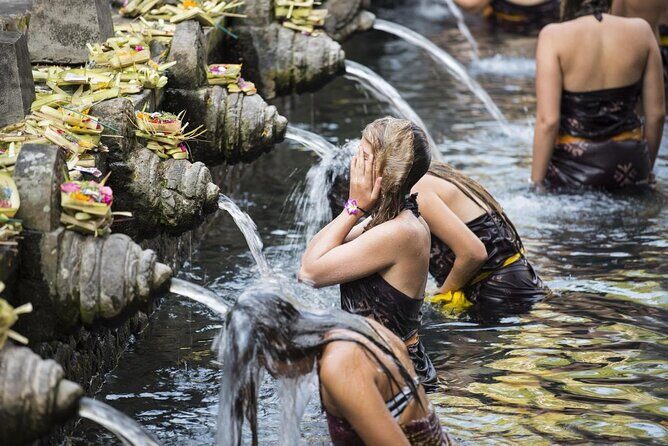
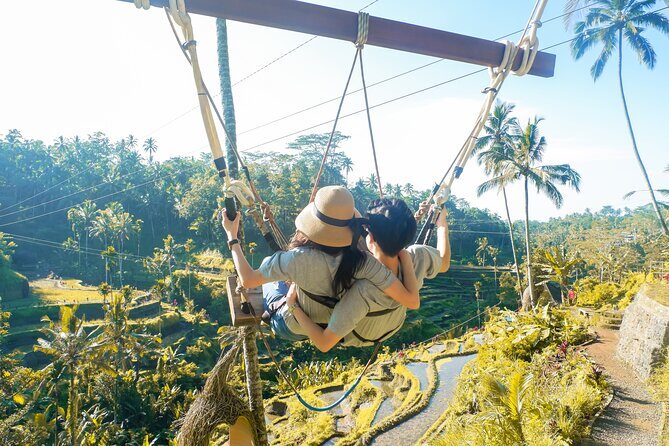
The holy bathing part is the most distinctive element. Tirta Empul is tied to Balinese tradition and the story of good versus evil, and you’ll be guided through what to expect there. After that, the day turns scenic and fun: Tegalalang rice terraces for dramatic valley views, then a walk through the Monkey Forest sanctuary with hundreds of long-tailed macaques.

If you love culture but also like your schedule to make sense, this mix is a solid match. You’re not just collecting sights—you’re moving through different sides of Ubud: spiritual practice, farming landscapes, and everyday arts.

Price and Value: Why $31 Can Still Feel Worth It
Bali Holy Bathing Ritual and Ubud Highlights tour - Price and Value: Why $31 Can Still Feel Worth It
At $31 per person, the best way to judge value is by what’s already handled. This isn’t just a driver dropping you at attractions. You get a private full-day setup with an air-conditioned car, petrol, parking fees, toll road costs, bottled water, and an English-speaking driver/guide. On top of that, entrance tickets are included for several major stops.

Here’s the practical breakdown:

  • Included admissions: Tirta Empul (1 hour 30 minutes), Tegalalang Rice Terrace (1 hour), and Sacred Monkey Forest Sanctuary (1 hour).
  • Free stops: Ubud Palace and the Traditional Art Market (both listed as free).
  • Not included: lunch and personal expenses.

That’s why $31 works for many people: you’re paying for transportation, guide time, and key tickets in one package. The main cost you’ll still handle yourself is lunch.

Also, there’s a performance signal here. The tour shows a 4.9 rating out of 19 with a 100% recommendation rate in the provided info. That doesn’t guarantee your exact guide, but it does suggest the operator consistently hits the basics: timing, explanations, and smooth routing.

Getting Started at 8:30: Pickup, Car Comfort, and Real Pacing
Bali Holy Bathing Ritual and Ubud Highlights tour - Getting Started at 8:30: Pickup, Car Comfort, and Real Pacing
Starting at 8:30 am is a smart move in Ubud. Mornings generally give you better light for photos, and you often face fewer headaches with crowds than you would later.

Pickup is included, and you’ll travel in a private air-conditioned car. That matters more than it sounds. Ubud drives involve winding roads and stop-and-go traffic. When you’re paying for a day tour, comfort is part of the value.

The pacing is also why this works as a private tour. Instead of being dragged from place to place, you can keep the day flowing. If you want to buy something quick at the market, stop for a photo angle, or spend extra time near the rice terraces, you’re not stuck with a fixed group rhythm.

Guides you might be assigned (names mentioned include Darma, Toni, Satya, Wayan, and Putu) are repeatedly described as punctual and friendly, and they tend to explain things in clear English. On days when timing gets tricky at the holy bathing ritual, being with the right guide can also mean you’re not stuck staring at a line all morning.

Tirta Empul Holy Bathing Ritual: What to Expect and How to Prep
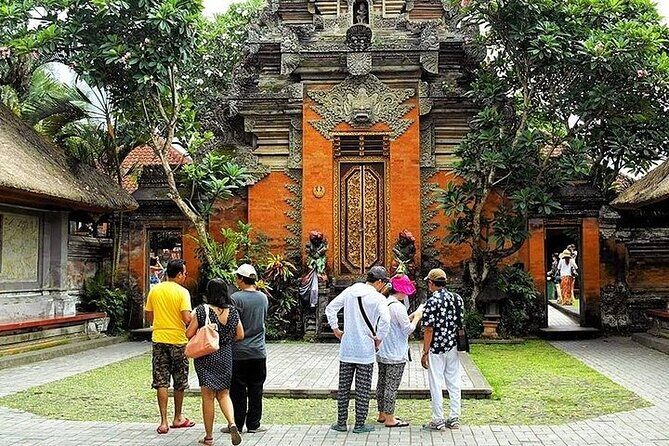
Bali Holy Bathing Ritual and Ubud Highlights tour - Tirta Empul Holy Bathing Ritual: What to Expect and How to Prep
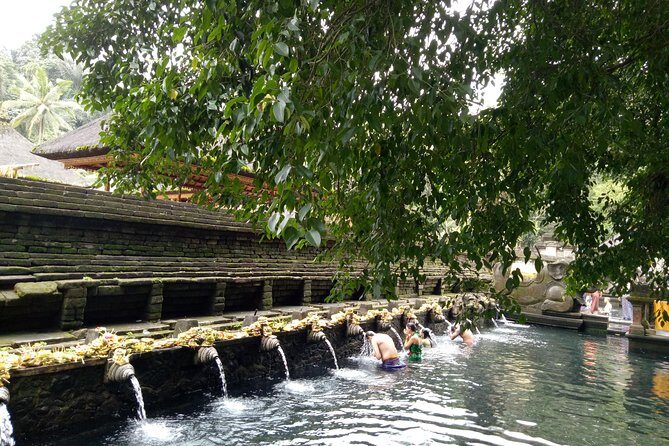
Tirta Empul Temple is the spiritual anchor of this day. It’s located in the village of Manukaya in central Bali, and it’s known for its holy mountain spring. The site is also linked to a traditional tale about good versus evil, so your guide’s context here can turn a visit into an actual story you understand.

Before you go in, you’ll want to know what’s already covered:

  • Sarong and locker facilities are included.
  • You’ll be given what you need to participate in the bathing area respectfully and practically.

If you plan to do the bathing procession, bring extra cloth and a towel. That’s not about being prepared for a luxury experience—it’s about handling getting wet, drying off afterward, and staying comfortable for the rest of the day.

A realistic caution about crowds

The holy bathing ritual can get busy. If you hit a long line, don’t panic. Ask your guide how to manage timing and whether there are other options. In the information provided, a guide named Wayan is specifically mentioned for handling a situation like this by offering alternatives while staying personable and professional.

Practical tip: even if you don’t join the bathing, treat it as a respectful visit. Watch, learn, and let the guide set expectations for what’s appropriate to photograph and what’s better experienced quietly.

Tegalalang Rice Terrace: Photos, Walking, and Valley Views
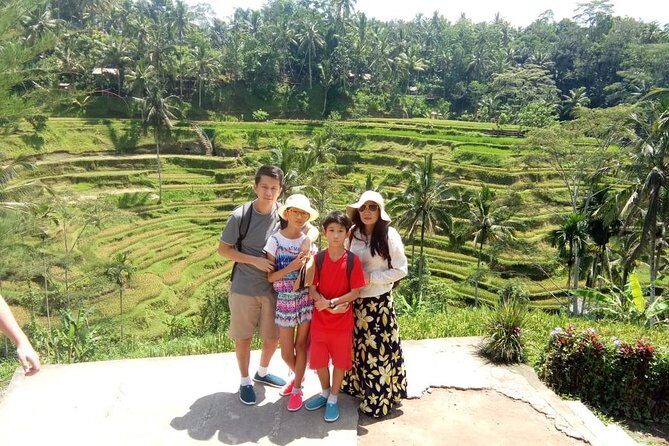
Bali Holy Bathing Ritual and Ubud Highlights tour - Tegalalang Rice Terrace: Photos, Walking, and Valley Views
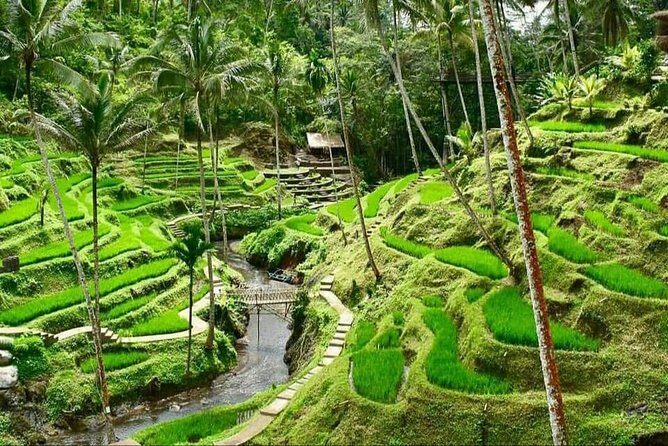
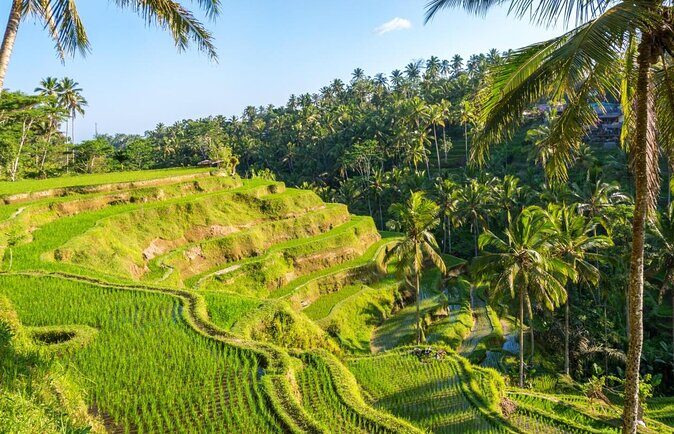
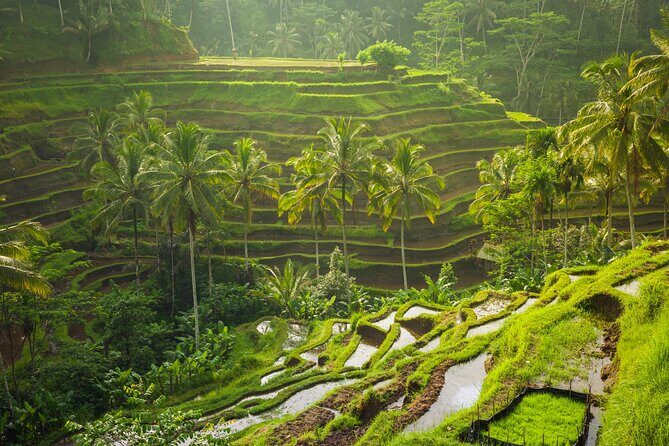
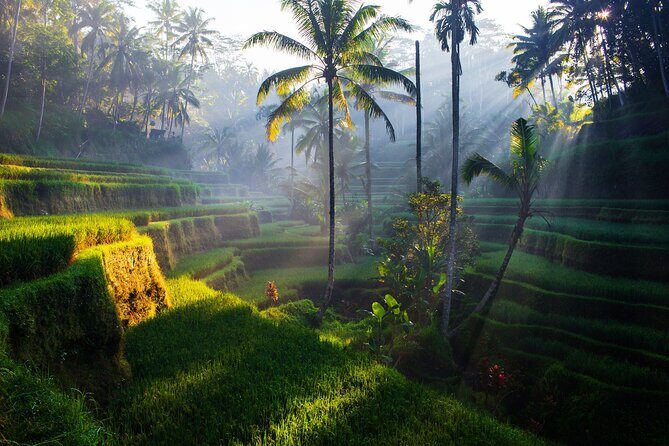
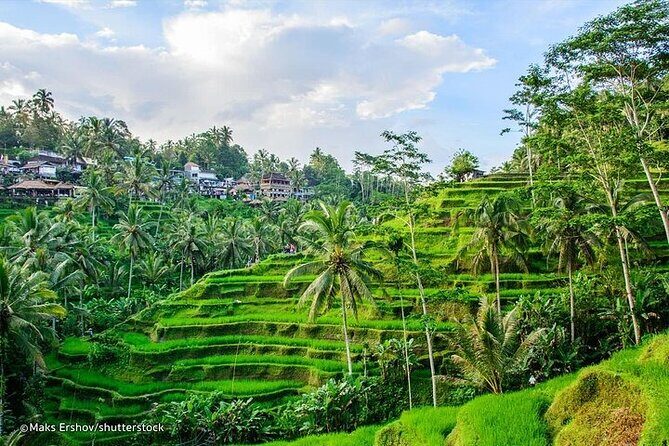
After Tirta Empul, you’ll head to Tegalalang Rice Terrace for about 1 hour. This stop is famous for a reason. From the slopes of the valley, the rice terraces spread out in a way that makes you pause—even if you’ve already seen Bali photos online.

What I like about this stop is that it’s not just a viewpoint. You can walk around and look for angles that match your style—wide shots for the whole pattern, or closer views that show how terraces step down toward the water.

The admission ticket is included here too, which is helpful because it reduces the hassle of figuring out payment on the spot.

One drawback to consider: this is also one of the most photographed areas in the region, so expect people around. If you want cleaner photos, give yourself a few minutes to reposition after the main rush, and lean on your guide to time the best entry point.

Sacred Monkey Forest Sanctuary: How to Enjoy It (Without Getting Stressed)
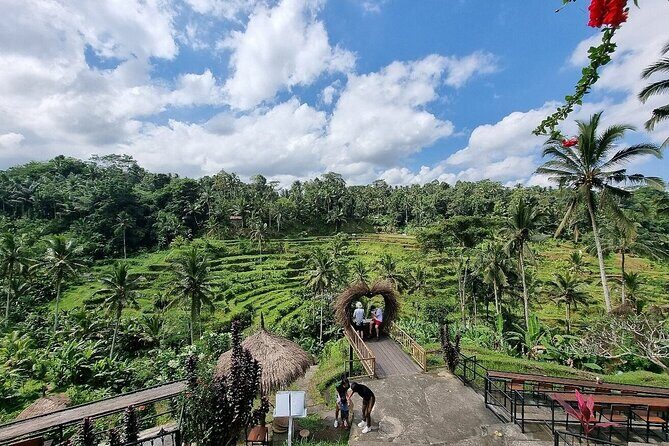
Bali Holy Bathing Ritual and Ubud Highlights tour - Sacred Monkey Forest Sanctuary: How to Enjoy It (Without Getting Stressed)
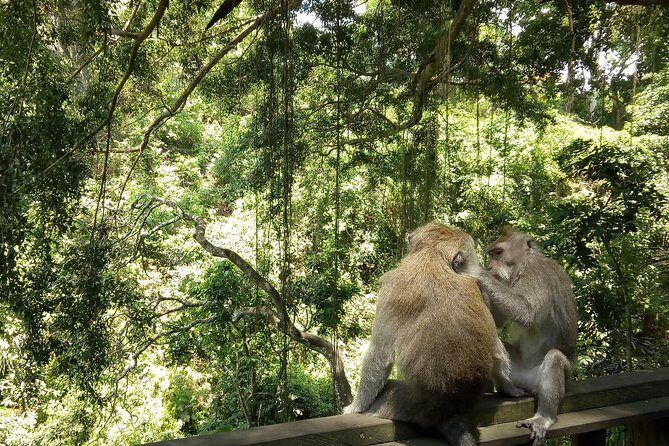
The Sacred Monkey Forest Sanctuary is a one-hour walk in the rainforest area at the center of Ubud. The headline fact is the number: more than 700 long-tailed monkeys live there.

This stop is great for a few reasons:

  • You’re not just seeing monkeys from a distance—you’re walking through their environment.
  • It feels like a real sanctuary setting rather than a theme-park encounter.
  • Your guide can help you interpret the rules of the space and keep the experience smooth.

The admission ticket is included for this stop, and the one-hour timing is about right. Long enough to see activity, short enough that you’re not worn out before the palace and market.

Practical tip: keep your valuables secured and be mindful about approach distances. Even when monkeys seem curious (they will), the goal is to enjoy the place without turning it into a stressful scramble.

Ubud Palace and the Traditional Art Market: Culture on Foot
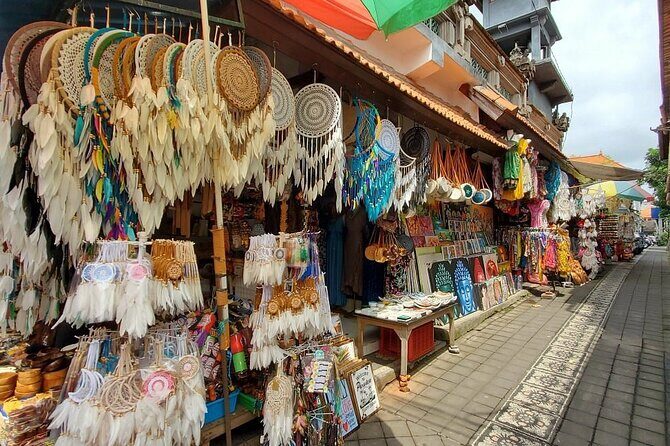
Bali Holy Bathing Ritual and Ubud Highlights tour - Ubud Palace and the Traditional Art Market: Culture on Foot
Next you’ll visit Ubud Palace (Puri Saren Ubud). It’s described as an Ubud Kingdom palace and includes traditional Balinese houses that were the residence of the king of Ubud. It’s located in the center of Ubud, and it’s paired with the traditional art market right nearby.

Ubud Palace is listed as free entry and takes about 1 hour. That’s a good length for soaking up architecture details and the surrounding atmosphere without making it feel like a lecture. The market stop is also free entry and scheduled for about 1 hour 30 minutes.

The Traditional Art Market experience is less about checking off a must-see and more about letting it be sensory. You’ll find crafts, local goods, and a steady flow of sellers and shoppers. If you want a souvenir that feels connected to the place, this is one of your best moments in the day to slow down and browse.

Photo and timing benefit

Because this is a private tour, you can move through the palace and market at a pace that matches your shopping style—quick and efficient, or leisurely and exploratory. This is where that private guide flexibility pays off again.

Coffee Plantation Tastings and Lunch Time: Your Break, Your Call
Bali Holy Bathing Ritual and Ubud Highlights tour - Coffee Plantation Tastings and Lunch Time: Your Break, Your Call
The tour includes a coffee plantation stop for tastings. This can be a nice reset between temples and animal-heavy walking. Even if you don’t go deep into tasting flights, it gives you a place to sit, cool off a bit, and refocus for the afternoon.

Lunch is not included, but you’ll have time to purchase it at a local restaurant. That’s important because it prevents the common problem of being herded into the same “tour lunch” option no matter what you like. You can choose what fits your budget and preferences.

What you should bring into the decision:

  • You’ll be out for 6 to 8 hours, so eat something that won’t slow you down later.
  • If you joined any bathing steps at Tirta Empul, you’ll want lunch that’s comfortable for you after changing/drying off.

What I’d Watch Out For: Ritual Lines, Clothing, and Smart Scheduling

Here are the main practical considerations that matter most for your day.

Holy bathing lines and timing

At Tirta Empul, expect the space can get busy. If your ritual plans depend on timing, stay flexible. The guide support matters here; the info provided includes an example of a guide offering other options when the line was too long.

What to wear

Dress code is listed as smart casual. For the holy bathing area, you’ll have a sarong, but if you want to participate fully, bring extra cloth and a towel. That’s not optional comfort—it’s how you keep the rest of the day enjoyable.

Expect a full day

This isn’t a slow half-day stroll. It’s built to move across several top Ubud highlights, so wear comfortable shoes and plan for a bit of walking even when transport is included.

Use the private setup

Don’t treat this like a fixed-group checklist. Ask your guide to adjust when crowds spike, and use the flexibility to take photos without rushing. The guides mentioned (like Toni and Satya) are repeatedly tied to punctuality, helpful explanations, and avoiding wasted time.

Should You Book This Bali Holy Bathing and Ubud Highlights Tour?

Book it if you want a private, ticket-included day that hits Ubud’s biggest hits without you having to plan the route or figure out logistics mid-trip. It’s especially good if you care about the cultural meaning behind Tirta Empul and you want a guide who can explain what you’re seeing in clear English.

Pass or consider another option if you:

  • Hate any chance of waiting in crowded ritual areas and refuse to be flexible.
  • Want a slower, purely laid-back Ubud day with fewer scheduled stops.
  • Prefer lunch included in the price (here, lunch is on you).

If you’re the kind of traveler who likes structure but also wants room to breathe, this one has a strong balance. You get the spiritual centerpiece, the iconic rice terrace, the monkey sanctuary walk, and the palace + market culture cluster—all wrapped in an air-conditioned private ride that makes the day feel manageable.
Bali Kuta Silver Jewelry Making Class & Take home your Creation

Bali Kuta Silver Jewelry Making Class & Take home your Creation - Price and Value in Kuta: What $46.48 Actually Covers

Turn metal into something personal.

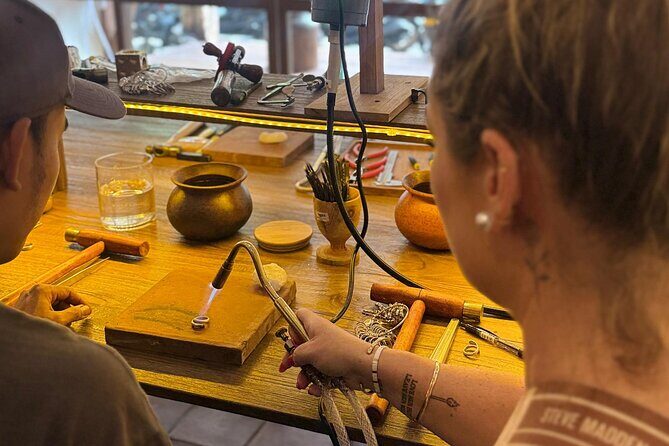
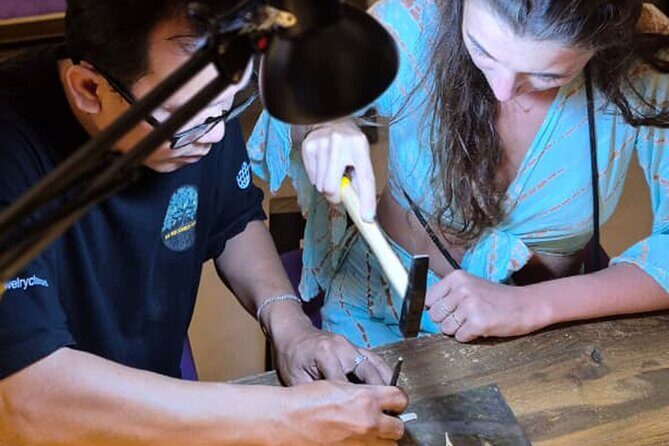
This Bali Kuta workshop is a hands-on silver jewelry class that ends with you taking home what you make. You’ll work with 1–6 grams of pure silver for your design, learn the steps from shaping and stamping to polishing, and you can add optional gold plating if you want a dressier finish. One thing to plan for: there’s no hotel transfer, so you’ll need your own way to reach the studio in Legian.

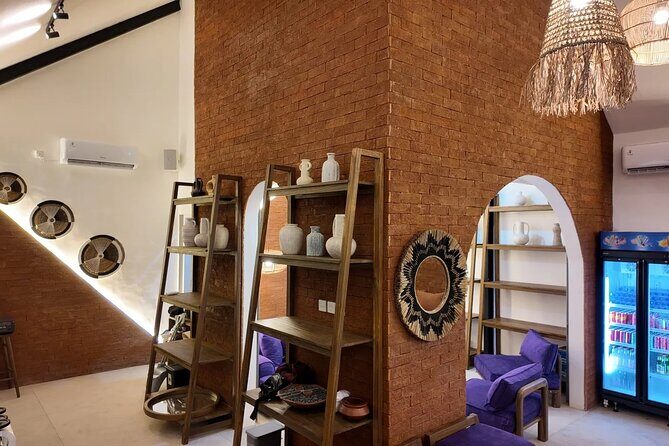
You’re in a calm, artsy studio setting in Kuta (Legian area) with air conditioning, a cozy check-in spot, and free Wi‑Fi to keep your wait or prep time easy. The groups are small, with a maximum of 10 people, which helps because you’re working with tools and you’ll want real help when your hands hit a tricky step.

If you want a quick souvenir that still feels meaningful, this is a strong pick. The only real downside is that the class is about two hours, so the design has to stay focused and doable in that time.

Key things to know before you go

Bali Kuta Silver Jewelry Making Class & Take home your Creation - Key things to know before you go

  • Small group size (max 10) helps you get actual attention while using tools
  • 1–6 grams of pure silver are included for one jewelry design
  • Surya and Memet (your silversmith guides) are known for patience and clear guidance
  • A/C studio + indoor/outdoor areas make it comfortable and photo-friendly
  • Optional gold plating lets you shift from casual silver to a richer look
  • No hotel transfer means you’ll need to get to the Legian meeting point on your own

Silver Jewelry in Legian: What You’ll Make and Why It Feels Different

Bali has plenty of shopping. This class is different because you are not buying something made by someone else. You’re turning raw metal into a wearable piece with your own hands, and that change matters.

The workshop is built around one main idea: you’ll use 1–6 grams of pure silver for a single jewelry design. That range is important because it keeps the experience realistic in a two-hour session. It also means you can come in with a simple plan—like a ring style—and still end up with something polished enough to take home immediately.

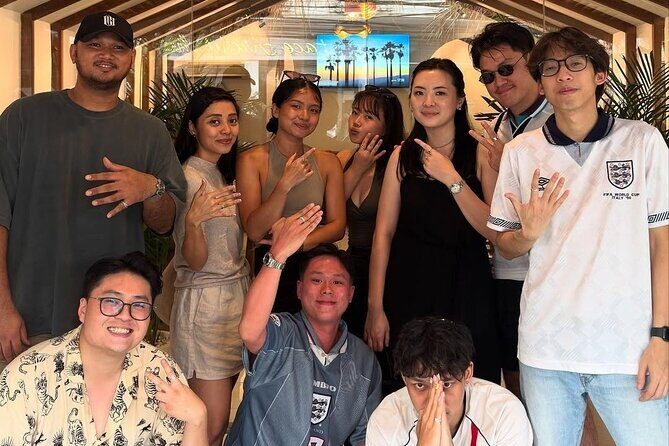
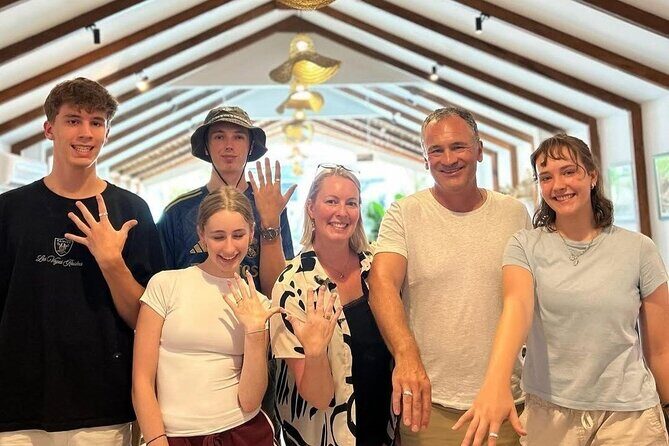
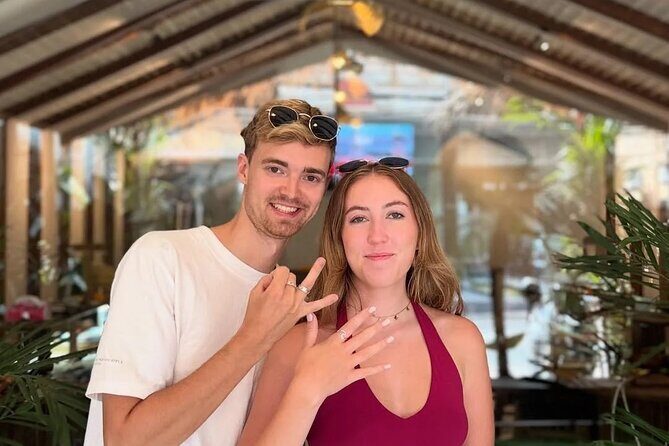
Most people come for rings, including couples who choose to remake wedding bands. You’ll hear that theme because remaking a symbol with your partner is a very natural fit for a hands-on craft. If you’re traveling with family, it’s also a nice way to give a kid or teen a real project that does not feel like a shortcut souvenir.

The 2-Hour Workshop Flow: From Shaping and Stamping to Polishing

Bali Kuta Silver Jewelry Making Class & Take home your Creation - The 2-Hour Workshop Flow: From Shaping and Stamping to Polishing
The class runs about 2 hours. It’s not a long artisanal apprenticeship. It’s a guided sprint through the key skills, with enough step-by-step coaching to get you to a finished piece.

Here’s the practical flow you can expect:

1) Check in and get comfortable

You arrive at The Legend Jewelry Classes studio in Legian, Kuta (Jl. Raya Legian No.75). There’s a cozy waiting area, free Wi‑Fi, and an air-conditioned space so you’re not sweating through the prep.

2) Design with the silversmith guide

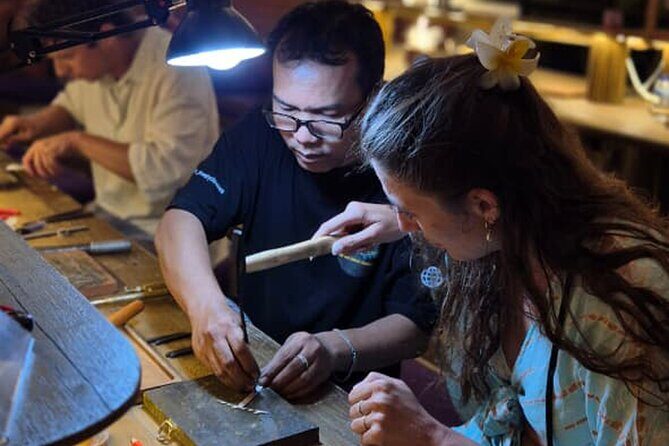
A skilled silversmith will walk you through how to approach your jewelry design using the silver you’re allocated. The class includes guidance from professional silversmiths, and the focus is on making the process feel doable, even if you’ve never touched jewelry tools before.

3) Crafting the metal: shaping, stamping, and forming

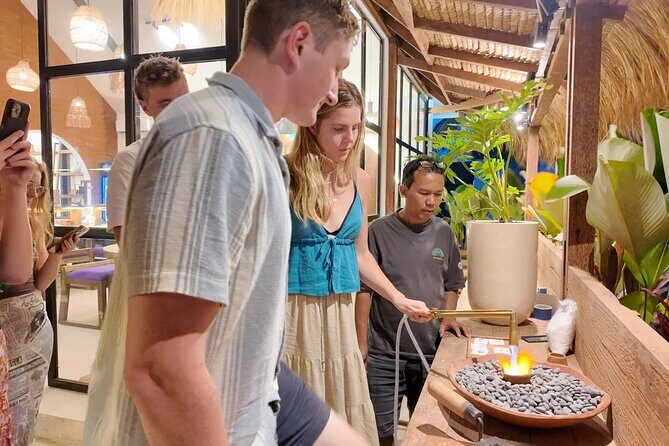
You’ll learn parts of traditional silversmithing using tools like jeweler’s saws, hammers, and grinding wheels. This is the part that feels most real. You can see how small adjustments change the final look.

4) Polishing and finishing

Finishing is where your piece goes from “project” to “wearable.” You’ll learn polishing as part of the process, and you should aim to treat finishing time like it matters—because it does. Even a simple design looks more impressive when the final surface is clean and smooth.

5) Take home your creation

When the session ends, you take your handcrafted jewelry with you. There’s no waiting for shipping or a “we’ll email you later” promise. What you make is what you leave with.

Price and Value in Kuta: What $46.48 Actually Covers

Bali Kuta Silver Jewelry Making Class & Take home your Creation - Price and Value in Kuta: What $46.48 Actually Covers
At $46.48 per person, this isn’t a budget craft toy class. It’s a real metals-and-tools experience, and the value comes from what’s included.

You get:

  • 1–6 grams of pure silver for one jewelry design
  • Professional guidance from silversmiths
  • Specialized tools for jewelry making
  • Air-conditioned studio time
  • Bottled water and free Wi‑Fi

So you’re paying for instruction plus materials, not just a seat in a room. In a place like Bali where prices can vary wildly for “experiences,” this inclusion list matters because it helps you understand what you’re really buying.

What’s not included? Meals, and hotel transfer. Also, if you want gold plating, that’s an optional add-on. If you care about the final look, plan your budget for that possibility.

One more value note: the small group size (maximum of 10) usually improves the experience because you’re not stuck waiting your turn when your piece needs hands-on help.

The Studio Setup: Comfort, Photos, and a Practical Layout

Bali Kuta Silver Jewelry Making Class & Take home your Creation - The Studio Setup: Comfort, Photos, and a Practical Layout
The studio environment is part of the reason this works well for all kinds of travelers.

You’ll check in at The Legend Jewelry Classes – Kuta Silver Class – Jewelry Making Workshop in Legian (Kuta area). The studio has both indoor and outdoor areas, plus an artsy design that’s easy to enjoy even if you just want to relax between steps. There’s also free Wi‑Fi in the waiting area.

This matters more than it sounds. Jewelry making takes focus. If you’re stuck in a hot, cramped space, you lose patience fast. Here, air conditioning and a calm setup help you stay relaxed while you concentrate on details.

Also, the meeting point is near public transportation, which can be helpful if you do not want to plan a private car.

Surya and Memet Guidance: The Difference Between Watching and Doing

Bali Kuta Silver Jewelry Making Class & Take home your Creation - Surya and Memet Guidance: The Difference Between Watching and Doing
In classes like this, the teacher is the whole deal. The standout theme here is guidance that stays patient and practical.

Silversmiths named Surya and Memet are repeatedly praised for being friendly, knowledgeable, and especially helpful when participants are making rings or refining what they want. That combo—warm and technical—is exactly what you need when you’re learning tool use on the fly.

If you’ve ever started a craft workshop and felt a bit rushed, you’ll appreciate a setup where the instructors slow down enough to let you catch up. In a two-hour workshop, that kind of pacing keeps you from ending with a half-finished feeling.

I’d suggest you go in with an open mind: don’t treat it like a performance where you need to be perfect. Treat it like a guided process. When your silversmith talks you through a step, follow the instruction, then adjust only if the guide tells you it’s the right move.

Optional Gold Plating: When You’d Choose It (and When You Might Skip It)

Bali Kuta Silver Jewelry Making Class & Take home your Creation - Optional Gold Plating: When You’d Choose It (and When You Might Skip It)
This experience includes an optional gold plating service. That can change the mood of your final piece from classic silver to something more eye-catching.

Choose gold plating if:

  • you want a more luxurious look for events or daily wear
  • you plan to pair it with gold-toned jewelry
  • you want your take-home piece to feel a bit more special than plain silver

Skip gold plating if:

  • you want to keep it simple and pure
  • you prefer the clean look of sterling-style silver
  • you’d rather spend your money on a second small purchase later, since the silver class already gives you a real item to take home

Either way, you’ll still learn through the same silver-making process first, then you have the option to finish with plating for a richer effect.

What to Bring (and What to Assume You Don’t Need)

Bali Kuta Silver Jewelry Making Class & Take home your Creation - What to Bring (and What to Assume You Don’t Need)
You don’t have to show up as a craft expert. Most travelers can participate, and the tools and guidance are part of the class design.

That said, a few common-sense ideas help:

  • Wear comfortable clothes you don’t mind getting a little dirty during metal work
  • Bring a water-friendly mindset, but note bottled water is included
  • If you care about photos, remember you’re working with tools, so clear space on your phone strap or pockets matters

Since there’s no hotel transfer, also think about how you’ll reach the Legian studio. The address is clear, and it’s near public transportation, so plan to use a local ride or taxi you’re comfortable with.

Who This Class Suits Best

Bali Kuta Silver Jewelry Making Class & Take home your Creation - Who This Class Suits Best
This is one of those experiences that fits a lot of travel styles.

It’s especially good for:

  • couples who want a shared creative moment, like remaking wedding bands
  • friends who want a hands-on activity that still feels relaxed
  • families where kids can make a ring and feel proud of a real finished product
  • solo travelers who like learning a skill and leaving with a tangible keepsake

If you’re the type who only wants to shop for souvenirs, this may feel like more effort than necessary. But if you like the idea of taking home something you made yourself, you’ll probably find this hits the right balance.

And because the group limit is 10 travelers, you get the feeling that you’re in a real working studio, not a giant assembly line.

Practical Tips to Get a Piece You’ll Actually Wear at Home

Here are a few tips that make the result better, even if you’re new to jewelry making:

Ask for clarity early

If you’re unsure about what design will come out best, ask before you commit too far into shaping. Early direction prevents rework.

Plan for the time window

You only have about two hours. Your goal is a clean, finished look, not a complicated multi-step design.

Treat finishing like the final exam

Polishing and final touches are what make the piece look professional. Spend your attention where it counts.

Be open to a guide’s suggestions

Silversmiths like Surya and Memet are there to help you land on a wearable outcome. If they suggest a simple adjustment, it’s usually to keep your design on track for the finish time.

Should You Book This Silver Jewelry Class in Kuta?

Book it if you want:

  • a hands-on souvenir that feels personal
  • a small-group workshop with professional guidance
  • a comfortable studio setup in the Legian/Kuta area
  • the chance to learn real steps like shaping, stamping, and polishing

Consider skipping or choosing another option if:

  • you need a full-day activity and don’t want a two-hour session
  • you don’t want to travel to the studio on your own (since hotel transfer isn’t included)
  • you’re looking for a class that includes meals or a bigger materials budget

For many people, the real deciding factor is this: you leave with a piece of jewelry you crafted yourself. In a trip full of experiences, that kind of keepsake tends to get worn, not just stored.

FAQ

How long is the Bali Kuta silver jewelry making class?

The workshop lasts about 2 hours.

What’s included in the price?

You get bottled water, free Wi‑Fi, an air-conditioned studio environment, guidance by professional silversmiths, specialized tools, and 1–6 grams of pure silver for 1 jewelry design.

Is gold plating included?

Gold plating is optional. The class offers it as an upgrade, but it’s not listed as included.

Do I get hotel transfer to the studio?

No. Hotel transfer is not included, so you’ll need to get to the meeting point in Legian, Kuta on your own.

Where does the class meet?

The meeting point is The Legend Jewelry Classes – Kuta Silver Class – Jewelry Making Workshop, Jl. Raya Legian No.75, Kuta, Bali 80361.

How many people are in the group?

The class has a maximum of 10 travelers.

Amazing Private Tour: Lempuyang temple, Tirta gangga, Tukad cepung waterfall

Amazing Private Tour: Lempuyang temple, Tirta gangga, Tukad cepung waterfall - Tukad Cepung Waterfall: A More Peaceful Waterfall Stop with Free Entry

Bali’s best sunrise stops start early. This private day packs three headline sights into a smooth route, starting with Penataran Agung Lempuyang Temple on Mount Lempuyang slopes, then moving to Tirta Gangga and ending at Tukad Cepung Waterfall. I like the way the schedule is built around getting you to big places early, when the light is nicer and the crowd pressure feels lower.

Two things I really liked: the early 6:00 am start that helps you beat some of the rush, and the fact you’re in a true private group where your driver can adapt to your pace. You also get that Bali-friendly service vibe, with drivers like Kadek and Jabrik often called out for being helpful and good at getting photos. One possible drawback to plan for: this route is very photo-focused, so waits and crowd energy around Lempuyang can slow down your visit if you’re not aiming for the classic shots.

Key Highlights at a Glance

  • 6:00 am pickup to maximize morning light and smoother timing at the first big temple stop
  • Private group comfort, so you’re not stuck watching other people’s pace
  • Penataran Agung Lempuyang for the Mountside temple complex and iconic gate views
  • Tirta Gangga water palace with a maze of pools, fountains, statues, and garden stonework
  • Tukad Cepung waterfall described as a calmer, less-known spot and currently free to enter the area

Private Bali Temple and Waterfall Route from Nusa Dua

Amazing Private Tour: Lempuyang temple, Tirta gangga, Tukad cepung waterfall - Private Bali Temple and Waterfall Route from Nusa Dua
This is a straightforward way to see three of East Bali’s most talked-about places without doing the logistics yourself. You’ll start from the Nusa Dua area with a pickup offered, and the experience runs about 6 to 10 hours depending on timing and what daylight allows.

The price is $60 per person, which is relatively good value for a private day because you’re paying mainly for driver time and transport rather than a bundle of expensive add-ons. Also, it’s widely booked, with an average booking window around 72 days in advance, which tells me people plan this route intentionally.

One important mindset: think of this as a “photo-and-sight” circuit. It’s great for checking major highlights off your list, but it’s not the kind of day where you’re guaranteed long, deep explanations at every stop.

Penataran Agung Lempuyang: The Mountside Temple Complex and Iconic Gate Views

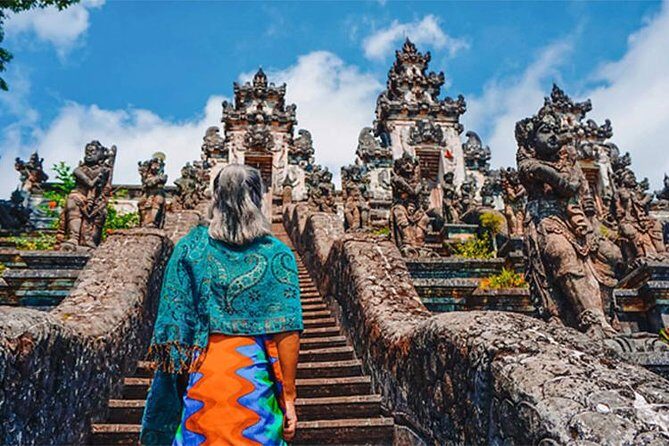
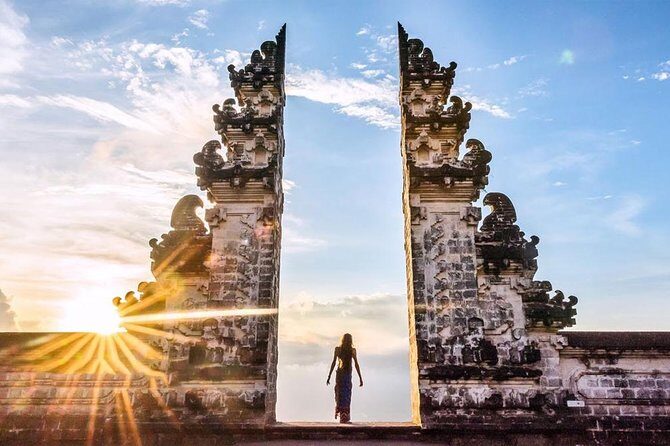
Penataran Agung Lempuyang Temple sits on the slopes of Mount Lempuyang in Karangasem, and it’s famous for the dramatic temple-gate look that people line up for. On this kind of schedule, you get about an hour at the site, which is enough time to walk in, orient yourself, see the main areas, and still try for your preferred photo angle.

Here’s what to know before you go: the temple experience can feel crowded in the key photo zones. Even when the morning is calm-ish, the “everyone is here for the shot” factor is real, so build in patience. If you want pictures without rushing, go slowly and treat the stairs and lanes as part of the experience, not just an obstacle.

Practical advice for Lempuyang

  • Wear shoes you trust on stone steps. The walk is part of the attraction.
  • If you care about photos, go for your gate shot early in your hour, not at the end.
  • Ask your driver to help with timing inside the complex, especially around where lines tend to form.

If you’re the type who wants historical storytelling as you walk, you might find the commentary more limited. The day is clearly designed around getting you to the sights and keeping the route moving.

Tirta Gangga Water Palace: Pools, Fountains, Statues, and Garden Stonework

Amazing Private Tour: Lempuyang temple, Tirta gangga, Tukad cepung waterfall - Tirta Gangga Water Palace: Pools, Fountains, Statues, and Garden Stonework
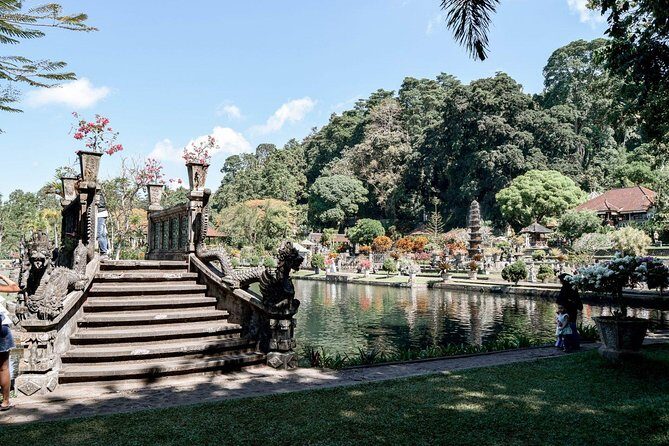
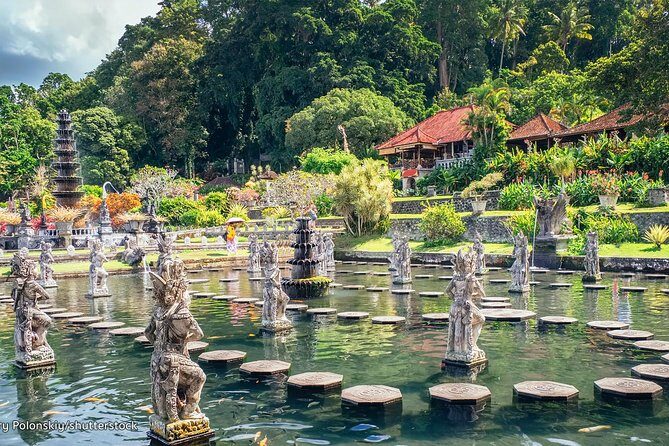
After Lempuyang, you head to Tirta Gangga, a water palace known for its maze of pools and fountains surrounded by a lush garden feel and stone carvings and statues. The complex is described as about one hectare, which helps explain why it can look like a living maze of little viewpoints.

You’ll get around 40 minutes here, so it’s a good “slow stroll” stop rather than a long museum-style visit. This is where the day shifts from temple gates and stair climbing to a calmer environment of water features and stone detail.

What makes Tirta Gangga worth the stop

This isn’t just pretty water. The layout lets you move in short bursts from one photo viewpoint to the next, and the statues and stonework give you that “crafted” Bali feeling instead of only natural scenery. If you enjoy details, you’ll spend your time spotting different angles of the pools and pathways.

A balanced expectation

Because your time is limited, don’t plan on deep roaming. Use the 40 minutes to pick your favorite zones and do a couple of loops rather than trying to cover everything at a frantic pace.

Tukad Cepung Waterfall: A More Peaceful Waterfall Stop with Free Entry

Amazing Private Tour: Lempuyang temple, Tirta gangga, Tukad cepung waterfall - Tukad Cepung Waterfall: A More Peaceful Waterfall Stop with Free Entry
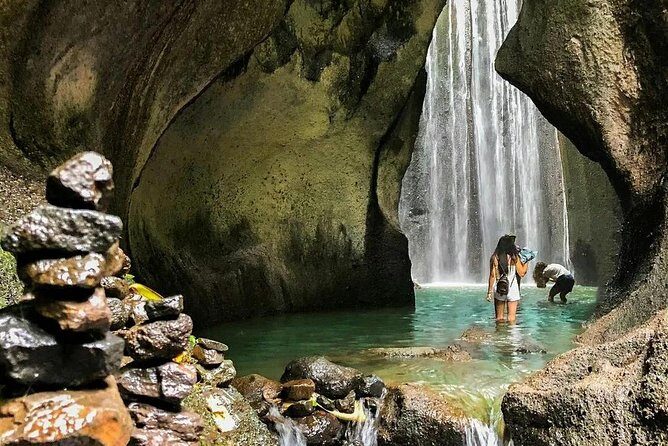
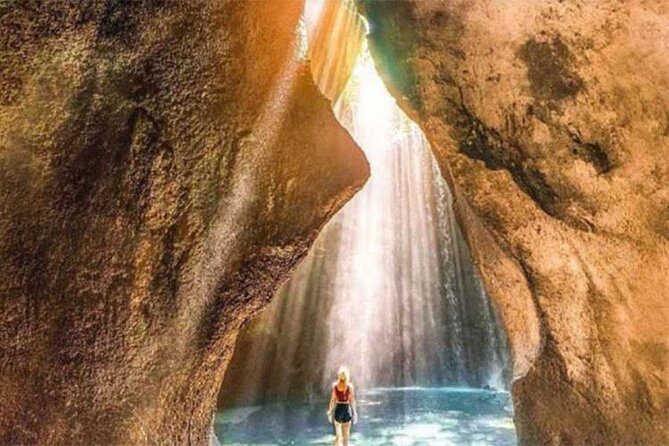
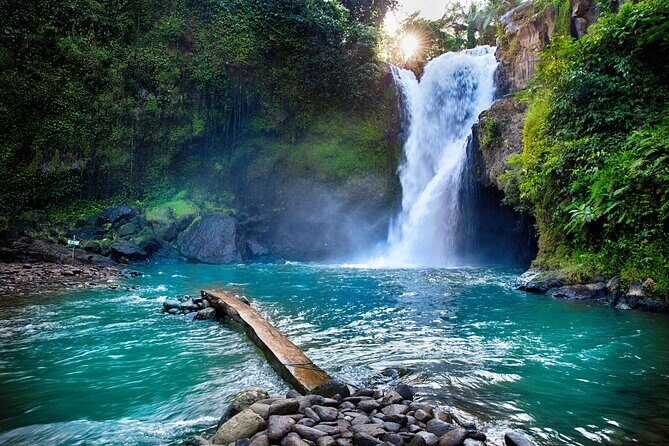
Then comes Tukad Cepung Waterfall, described as the best virgin waterfall in Bali, and also as a spot that’s not as widely known. The standout practical detail: it’s described as currently free to enter the area, so you don’t feel like you’re paying extra just to enjoy the nature part of the route.

You’ll have about one hour at this stop, which is the right amount of time for a waterfall visit that may involve waiting for good viewing spots and finding your way through the area. What I like about this waterfall option is the vibe difference from the temple: your pace slows down, and it’s easier to feel like you’re actually escaping the crowd energy.

The timing reality to consider

This stop is also the one most sensitive to daylight. If your schedule runs late, the day can squeeze the waterfall part. One of the biggest complaints tied to this kind of tour experience is poor communication around timing, where the waterfall visit may not happen as planned. The best way to protect yourself is simple: confirm early with your driver how they plan to fit Tukad Cepung before it gets too late.

In this format, drivers can adjust by asking you to leave earlier than you might expect. That can feel rushed, but it’s often what keeps the waterfall on the schedule.

How the 6:00 am Start Changes Your Day

Amazing Private Tour: Lempuyang temple, Tirta gangga, Tukad cepung waterfall - How the 6:00 am Start Changes Your Day
The meeting time is set for a 6:00 am start, which means pickup is at 6 am. That early departure is not a gimmick. It changes everything about a day like this.

First, it helps you reach the temple before the thickest photo lines take over the main viewpoints. Second, it gives you buffer time if traffic or walking pace runs slower than you hoped. Third, it makes it more realistic to include a waterfall stop that depends on daylight conditions.

You’ll likely be tired for a bit. But the trade-off is a day that feels less like you’re constantly chasing time.

Price and Value: What You Pay for at $60 Per Person

Amazing Private Tour: Lempuyang temple, Tirta gangga, Tukad cepung waterfall - Price and Value: What You Pay for at $60 Per Person
At $60 per person, the value depends on what you’re expecting from the day. You’re paying for a private driver service, a route that hits three major sites, and the convenience of pickup from the Nusa Dua area.

Two costs matter most:

  • Admission tickets are not included at each stop.
  • Tukad Cepung is described as free to enter the area, but you should still plan that other entries may require payment.

So I think the right way to judge this price is as: you’re buying time and logistics. If you were to DIY a private driver anyway, you’d likely spend a similar amount once you factor in transport and the hassle of coordinating three distant stops.

What You’ll Actually Do During the 6 to 10 Hours

Amazing Private Tour: Lempuyang temple, Tirta gangga, Tukad cepung waterfall - What You’ll Actually Do During the 6 to 10 Hours
This isn’t a “see everything in tiny corners” day. It’s a clean hit-list with time blocks.

You’ll typically spend about:

  • 1 hour at Lempuyang Temple
  • 1 hour at Tukad Cepung Waterfall
  • 40 minutes at Tirta Gangga

That structure matters because it shapes your behavior. You’ll want to move with purpose but not sprint. You’ll want to treat each stop as a mini “session” with a beginning, a middle, and an ending.

A private setup also means you can ask for small adjustments like where to spend more time for photos, or what order makes sense if you prefer fewer crowded moments. If your driver is strong on communication, the whole day feels smoother.

Photo Strategy: Getting Great Shots Without Losing Your Mind

Amazing Private Tour: Lempuyang temple, Tirta gangga, Tukad cepung waterfall - Photo Strategy: Getting Great Shots Without Losing Your Mind
This tour is clearly built for iconic visuals. People come for the gates at Lempuyang, the water features at Tirta Gangga, and the waterfall atmosphere at Tukad Cepung.

A driver can make a surprising difference here. In the experiences associated with this service, names like Kadek and Jabrik show up with praise for being friendly and for helping with photography. In practical terms, that means they can:

  • point you to photo spots efficiently
  • help you position quickly for fewer retakes
  • take the photos so you can actually be in them

Quick tactics that work

Bring a charged phone/camera battery and a backup storage option. Also, wear something comfortable for getting in and out of viewpoints. The day includes walking and stair-style movement at the temple, so your outfit should handle motion, not just look good.

When This Tour Makes the Most Sense for You

This is a great choice if you:

  • want a private day with pickup from Nusa Dua
  • like seeing big Bali highlights without complex routing
  • are okay with a schedule that is efficient rather than leisurely
  • care about photography and iconic sights

It’s also ideal for couples or small groups who don’t want to join a bus-like flow. The private format keeps conversations simpler and helps you keep control of your own pacing.

If you’re the type who hates crowds, you’ll still see busy zones at Lempuyang. But the early start helps, and moving with intention makes the experience more manageable.

Should You Book This Private Tour?

I’d book this tour if you want a simple, high-return itinerary: Lempuyang, Tirta Gangga, and Tukad Cepung in one day, with a private driver and a very early start that helps protect the schedule. The main reason to choose it is value-for-convenience, especially at $60 per person, where you’re getting transport and time with a driver rather than a pile of extras.

I would hesitate only if you know you hate photo lines and you need long, deep explanations at every site. Also, pay attention to timing for Tukad Cepung. This is the stop most likely to get squeezed if the day runs late.

If you go in with realistic expectations, this can be a satisfying Bali day that feels like you got the best hits without the headache.

FAQ

What time does the tour start?

Pickup is at 6:00 am and the experience start time is listed as 6:00 am.

How long does the tour take?

The duration is about 6 to 10 hours.

Is this a private tour?

Yes. It’s listed as a private tour/activity, meaning only your group participates.

What does the tour cost?

The price is $60.00 per person.

Are entrance tickets included?

No. Admission tickets are not included for the listed stops.

Is Tukad Cepung Waterfall free to enter?

Tukad Cepung is described as currently free to enter the area.

How far in advance should I book?

It’s commonly booked around 72 days in advance on average, which suggests it’s a popular slot.

What is the cancellation policy?

You can cancel for a full refund up to 24 hours before the experience start time. If you cancel less than 24 hours before, the amount paid is not refunded.

Canyoning Bali, Blue Gorge Canyon (Adventure, discovery, nature)

Canyoning Bali, Blue Gorge Canyon (Adventure, discovery, nature) - From the river to the gorge: the descent plan that keeps things fun

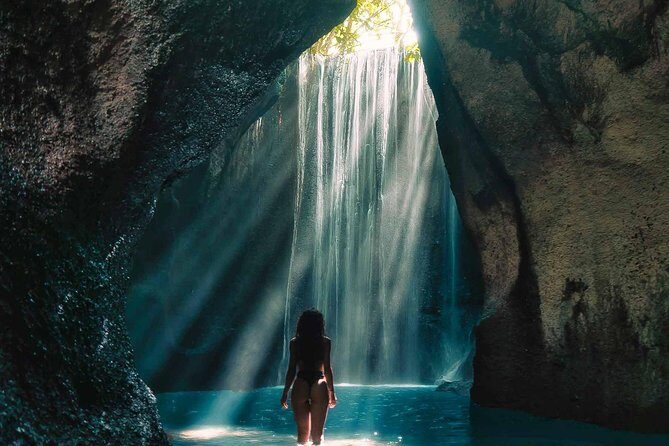
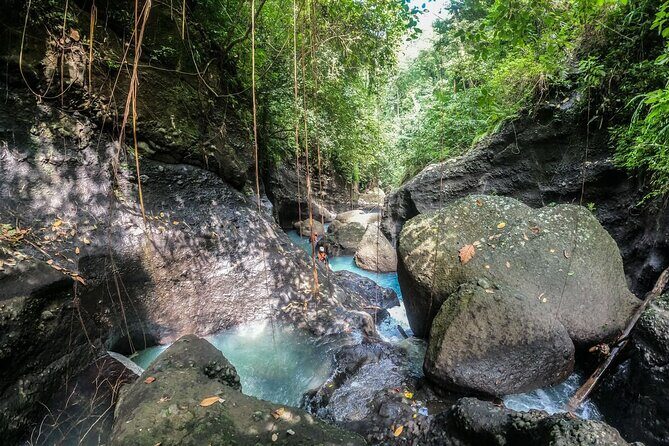
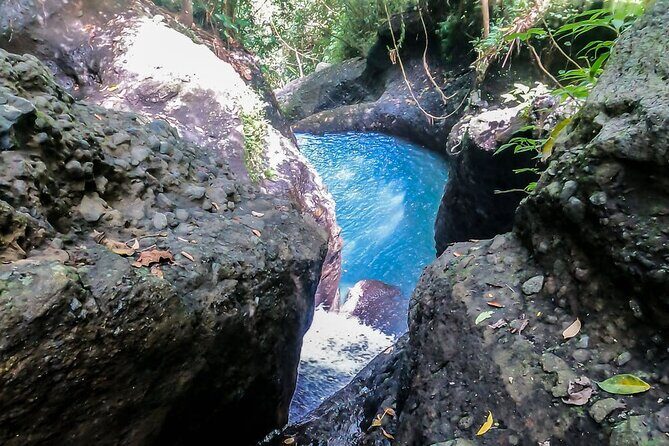
You’ll start early, then play in a hidden gorge. This Blue Gorge Canyon experience stands out because it mixes waterfall canyoning with jungle trekking into a gorge of striking blue/green water, shaped by the sun angle. I also like the ICOpro equipment and initiation training, which is built to help you get moving with confidence. One thing to consider: you’re in a real canyon, so you should be ready for wet gear, short hikes, and the fact that conditions depend on the weather.

The whole day is designed like a smooth progression. Pickup gets you to basecamp, you get fitted and trained, then you spend about 2.5 hours on the river doing slides, swims, rappels, and optional jumps before returning for shower and lunch.

Key things to know before you go

Canyoning Bali, Blue Gorge Canyon (Adventure, discovery, nature) - Key things to know before you go

  • Blue/green gorge water: color shifts with the sun, so the gorge looks different in each section of the route
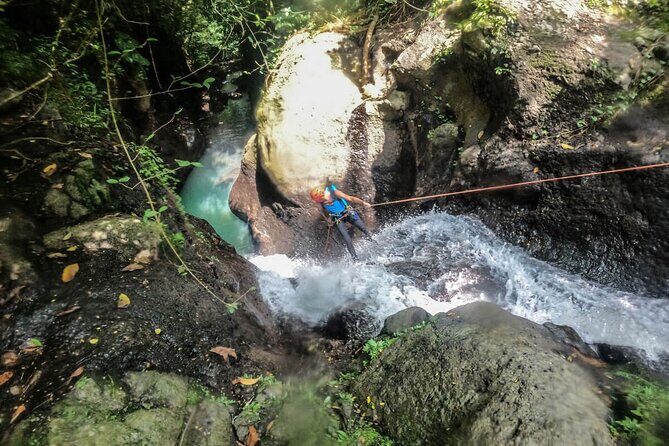
  • 5 rappels up to 12m: real abseiling over waterfalls, with technical equipment and supervision
  • 7 optional jumps up to 7m: if you want adrenaline, you can choose your level in each jump zone
  • About 2.5 hours in the canyon: the core descent is steady and active, not a quick photo stop
  • Small group size (max 12): easier pacing and more guide attention when you’re learning
  • Free photos and video: you can relax during the action and still leave with content

Why Blue Gorge Canyon feels different in Bali

Canyoning Bali, Blue Gorge Canyon (Adventure, discovery, nature) - Why Blue Gorge Canyon feels different in Bali
Bali has plenty of outdoor adventures, but this one is built around a specific kind of magic: a gorge you can reach by canyoning, with water that turns blue/green depending on the light. That color effect is the first thing you’ll notice once you’re down in the canyon. In person, it reads as more than scenery. It changes how the whole route feels—cooler, fresher, and more like a natural playground than an activity park.

Another reason this experience lands well is the blend of skills. You’re not just “rappelling and hoping for the best.” You do a mix of rappels, swims in natural pools, slides, and optional jumps. Some parts are pure action. Other parts are short walking and scrambling sections that reset you so the day doesn’t feel like constant hanging on ropes.

Finally, the tour is positioned as for everyone who can handle basic activity in the outdoors. It’s not pitched as an extreme technical expedition. That matters because it makes the day more approachable, especially if you’re new to canyoning.

The 6:00 am start: pickup, basecamp, and why the timing helps

Your day typically starts at 6:00 am, and pickup is offered from hotels in the specified area. Early matters here. In the morning, the gorge and waterfall areas often feel cooler and less crowded, and you’re more likely to have calm start-of-day energy.

At basecamp you’ll do the practical stuff first:

  • registration
  • coffee or tea and a light breakfast
  • getting equipped
  • canyon initiation training with an ICOpro-aligned approach, so you know what’s coming

This isn’t just ceremonial. If you’ve never done rappels or canyon jumps, your brain needs a simple map before you’re standing at the edge. The training step is what turns the canyon from scary into doable. It’s also where you learn how to move on slippery rocks and how the gear works on your body.

After training, you drive to the start point (about 10 minutes), then you begin the short approach. You’ll do a hike downhill to reach the river. It’s not long, but it gets you warmed up and gets you mentally in canyon mode.

From the river to the gorge: the descent plan that keeps things fun

Canyoning Bali, Blue Gorge Canyon (Adventure, discovery, nature) - From the river to the gorge: the descent plan that keeps things fun
Once you hit the river section, the day shifts from “instructions” to “action.” The core descent is about 2.5 hours, and the route includes:

  • 5 rappels (waterfall abseiling, up to 12m)
  • swimming in natural deep pools
  • slides and movement through waterfall areas
  • 7 optional jumps (up to 7m)

The pacing usually feels like a sequence of mini-adventures. One moment you’re preparing for a rappel with the team guiding your setup. Then you’re in water, swimming or floating between play zones. After that, you’re back on your feet for a scramble and a look at what’s next.

The optional jumps are a big part of the appeal. You don’t have to do everything. If you want adrenaline, you can choose the jump height that matches your comfort level. If you’d rather stick to the lower-impact choices, you can still participate through swims and slides. This is the kind of flexibility that makes canyoning accessible without turning it into a watered-down version of the sport.

You’ll also notice how the natural pools shape the experience. The route is designed around places where you can actually use the water—jumping into depth, swimming through sections, and chilling in the pools between action moments. That makes the gorge feel like a whole system, not just a line of obstacles.

Rappels up to 12m: what makes the safety training feel real

Rappels are where most first-timers get nervous. Here’s the good news: the setup and instruction are a major part of why this tour consistently works for beginners.

You’ll be supervised by an ICOpro instructor and assistant team, and the gear is specified as ICOpro and CE-standard, including a high-performance canyoning rope from Korda’s. That might sound like technical fine print, but it matters because it translates into a calmer feeling when you’re clipped in and ready.

In the prep phase, you’re taken through the equipment and the basics of abseiling. You’ll learn how to position yourself, what to expect on the descent, and how your hands and feet should work. One small detail I like from the experience descriptions is that they call out specific gear familiarity—things like crampons and the pirana attachment—so you’re not standing there guessing how to use what you’ve been given.

The guides’ style is also a theme. Names that come up include Rama and Jessi/Jess. People highlight how patient and supportive the team is, especially during the steps that feel most intimidating: clipping in, setting up on ropes, and committing to a rappel or jump.

Optional jumps up to 7m: how to choose your comfort level

Jumping is optional, and that’s a big deal. People often assume canyoning means you must jump into every pool. This route gives you a better system: you can pick where to commit.

The jumps range up to about 7m, and the goal is fun with real safety habits. You’ll be told what’s coming, and you’ll have the guides’ support while you’re deciding. If you’re new, start with the lower jump options or choose only the jump heights that match how you feel at the moment.

The best way to approach this is mentally simple. Don’t compare yourself to anyone else in the group. Treat each jump like a separate decision. Your comfort will often change as you warm up to the water and the movement in the canyon.

Trekking sections: short, useful, and part of why it feels authentic

You’re not just carried from one rappel to the next. You’ll also do walks and short hikes.

  • There’s about a 15 to 20 minute approach and return walking time built into the overall plan.
  • You’ll spend time moving through the green jungle areas around the gorge.

These sections matter because they keep the day from becoming one long technical grind. They also help the experience feel grounded in Bali outdoors instead of just a staged adventure. You get a chance to look at the canyon from different angles, breathe the air around the waterfalls and gorge area, and reset between the most intense moments.

What happens at the end: shower, lunch, and getting your photos

After the canyoning you return to basecamp for:

  • shower (with shampoo and soap)
  • lunch
  • photos and videos

Free photos and video are included, which is huge value. It means you don’t need to stop your fun to manage a camera. It also helps if you’re spending energy on staying balanced, listening for instructions, and moving safely. When you get home later, you’ll have a record that actually shows your day instead of only the edges of it.

Lunch is provided after the activity, and it can be vegetarian or vegan if you need that. Fresh fruit also comes in the package, along with tea/coffee/water and snacks earlier in the day.

Gear and included value: what $100 actually covers

At about $100 for roughly 3 hours total time (with the canyon portion around 2.5 hours), the cost is more than just activity access. You’re paying for a complete, prepared system.

What’s included:

  • pickup and drop-off (within the specified area)
  • all canyoning equipment (ICOpro and CE-standard)
  • branded technical gear, including a rope from Korda’s
  • supervision by an ICOpro instructor and assistant team
  • ICOpro Canyoneer Initiation (CAI) training course
  • breakfast and lunch (veg/vegan options)
  • fresh fruit, tea/coffee/water, snacks
  • shower items and towel
  • accident insurance up to USD 10,000 per person
  • free photos and video

What’s not included:

  • alcoholic drinks
  • personal expenses
  • swimwear/change of clothes/sunscreen (you’ll want these)
  • any camera or USB/memory card for your photos and videos

This is why the value feels solid. If you tried to DIY canyoning, the biggest costs would be training, gear, safe setup, and supervision. Here, you’re handed a complete kit plus the instruction that makes it usable.

If you like your adventures organized (and you want to spend your energy doing, not figuring out), this setup fits.

Who should book this canyoning experience

This tour is a great fit if you:

  • want nature + adventure in one morning
  • like waterfalls, natural pools, and active movement
  • are a beginner or intermediate and want structured training
  • want the option to choose how intense you go with optional jumps
  • appreciate small groups (max 12) for better attention

It’s also a good choice for families and teens, based on the types of groups that have done it with the team. The guides are described as careful and supportive, with a focus on helping people succeed at their own pace.

You might want a plan B if:

  • you’re not comfortable with heights or the idea of rappelling
  • you don’t like wet conditions
  • you’re sensitive to slippery rocks and quick transitions between walking and water sections

Tips to make your day smoother (and less stressful)

You’ll be wet, so plan like that’s true from minute one.

  • Bring swimwear and a change of clothes. The tour provides shower access, but you still need something clean to go back in.
  • Wear sunscreen even if it’s early—morning sun in Bali can still be strong.
  • If you have a GoPro or small camera, you can bring it, but the tour’s photos/videos are included so you don’t have to rely on your own footage.
  • Expect to use the gear the way they train you. If they show you how to use crampons and the pirana attachment, copy that exactly.

Also, arrive on time for the 6:00 am start. Early tours are often smooth because the team is stacking gear, training, and departure timing carefully.

Should you book Blue Gorge Canyon?

Book it if you want a canyoning day that feels built for real humans: training first, clear guidance, and a mix of action types. The most convincing reasons to choose it are the combination of 5 waterfall rappels, optional jumps up to 7m, and the gorge’s blue/green water that changes with the light. Add in the small group size and the care people associate with the guides like Rama and Jessi, and the experience makes sense for beginners who still want a thrill.

Skip it if your idea of a perfect day is dry, relaxed, and low effort. This is active. You’ll hike a bit, get wet, and spend time on technical rope and slippery surfaces.

FAQ

FAQ

What time does the Blue Gorge Canyon tour start?

The start time is 6:00 am.

Do you offer pickup from hotels in Ubud?

Yes. Pickup and drop-off are included from/to accommodation in the specified area.

How long is the canyoning portion?

The descent duration is about 2.5 hours, with additional approach and return walking time of 15 to 20 minutes.

How high are the rappels and optional jumps?

There are 5 rappels with waterfalls up to 12 m high. Jumps are optional up to 7 m.

Is breakfast and lunch included?

Yes. You get a light breakfast and lunch, and lunch can be vegetarian or vegan.

What gear and safety support are included?

All canyoning equipment is included (ICOpro and CE-standard), plus supervision from an ICOpro instructor and assistant team. You also receive ICOpro Canyoneer Initiation (CAI) training.

Are accident insurance and photos included?

Accident insurance up to USD 10,000 per person is included, and free photos and video are provided.

What if the weather is bad?

This experience requires good weather. If it’s canceled due to poor weather, you’ll be offered a different date or a full refund.

6 Days Best Of Bali And Nusa Penida All Inclusive Private Tour

6 Days Best Of Bali And Nusa Penida All Inclusive Private Tour - Day 4 Ayung River Rafting and ATV: The Best Way to Break Up Temple Days

Six days can feel like a blur.

This one is interesting because it stitches together Bali’s big-name sights with Nusa Penida’s dramatic coast, plus active stops like rafting and ATV. I especially like the private guide + driver setup, which makes the schedule feel fluid instead of stressful, and the way the itinerary mixes viewpoints, temples, and real meal breaks instead of pure sightseeing. One drawback to consider: the days start early, and the pace is full, so you’ll want to plan around sore legs and occasional skipping if you want downtime.

For couples, this works well because you get your own rhythm and you’re not sharing every moment with strangers. The guide flexibility noted in reviews, including punctual help and lots of photo support, is the type of detail that makes a huge route feel manageable. If you’re the type who hates rushing between photo spots, build in a rest request early.
Key points to know before you go

  • Private pacing: It’s truly just your group, with pickup planning around you.
  • Penida day is the star: Big cliffs, beaches, and a speed-boat round trip built in.
  • Sunrise + hot spring finale: Batur mornings start very early, then you warm up.
  • Adventure breaks up temple time: Rafting on Ayung River and ATV after.
  • A lot of photo stops: From Uluwatu to Tegalalang to Lempuyang, it’s camera-friendly.
  • Weather matters: The tour requires good conditions for outdoor days.

The Private Route That Feels Like a Plan, Not a Punishment

This is a best-of style tour, but it’s built as a full-day experience. You’re not just being dropped at one attraction, then left to fend for yourself. You have a guide and driver who handle the movement between spots, so your time goes to the places that actually deserve your attention.

The best part for many couples is the private setup. Even when the itinerary is packed, private means you can slow down when lines are long, regroup when you need a breather, or request a day rest if you’re feeling it. In reviews, guides like Kadek Moyo are praised for being punctual and ready to help, and Sunetra is called out for friendly, helpful service. That matters because on a schedule this full, the guide’s calm energy becomes part of the value.

Still, be honest about the pace. There are multiple early departures and back-to-back stops. If you want Bali in a more laid-back way, you’ll probably do best by treating this like a buffet: eat what you want, skip what you don’t, and keep your energy for the best viewpoints.

Value for $52.18: What Makes This Price Feel Real

6 Days Best Of Bali And Nusa Penida All Inclusive Private Tour - Value for $52.18: What Makes This Price Feel Real
At about $52.18 per person, the value stands out because you’re paying for more than a ticketed attraction. You’re getting a multi-day route that includes private transfers, sightseeing with a guide, and a series of major sites spread across Bali and Nusa Penida.

Also, meals and tickets aren’t all-or-nothing. The tour notes that breakfasts and lunches are included on select days, and many stops specifically list admission tickets as included. Some lunches are marked free, while others are described as additional or adjustable by request. In plain terms: you’re not expected to budget for every single meal and entry fee the way you would on a DIY trip.

One more value marker: the itinerary tries to cover a full range of Bali experiences—coasts, temples, culture, waterfalls, and adventure—without you needing to coordinate multiple day trips and transport bookings. That’s what saves time and mental energy, especially if your trip window is short.

Day 1 in South Bali: Nusa Dua, Uluwatu, and Jimbaran Dinner Vibes

6 Days Best Of Bali And Nusa Penida All Inclusive Private Tour - Day 1 in South Bali: Nusa Dua, Uluwatu, and Jimbaran Dinner Vibes
Your first day sets the tone with classic Southern Bali: beaches, a cliff temple, a cultural performance, then a romantic finish.

  • Nusa Dua Beach (1 hour, admission included): White sand and calm-seeming ocean views. This is a good first stop if you want an easy start after pickup and a clear sense of where you are on the map.
  • Warung Bejana Uluwatu (1 hour): A local Indonesian lunch option. It’s described as flexible—if you want something fresh cooked from the kitchen, you can request it.
  • Padang Padang Beach (1 hour, admission included): This is more about the viewpoint-and-photo mood than a long beach day. You’re there to enjoy the look and the ocean clarity, then keep moving.
  • Uluwatu Temple (1 hour, admission included): This cliffside temple is the signature moment. The big advantage of a guided visit is timing and narration—Uluwatu isn’t just a spot, it’s a place with strong atmosphere.
  • Kecak Uluwatu + Fire Dance (1 hour, admission included): This performance is a highlight: Kecak is known for its circle of chanting, and the show is described as involving more than 100 dancers.
  • Jimbaran Bay (1 hour): The day winds down with a seaside dinner idea, described with candlelight setup and fresh seafood. Even if you’re not a seafood superfan, the vibe is the point.

Possible drawback: Day 1 is scenic-heavy, so if you’re sensitive to long sun exposure, plan for water and shade between stops. Also, you’ll be walking around viewpoints, so comfortable shoes help.

Day 2 Nusa Penida: Cliffs, Broken Beach, Angel’s Billabong, and Crystal Bay

If Day 1 is about classic Southern Bali, Day 2 is about sheer coastal drama. You start early from Sanur Harbour for a 45-minute speed-boat ride to Penida. Then it’s beaches, viewpoints, and a full day of photos.

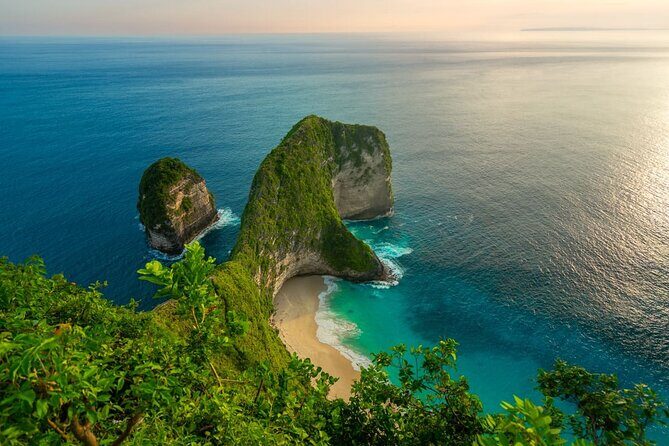
  • Kelingking Beach (1 hour, admission included): The key detail is that you get the iconic view from the viewpoint. The tour specifically notes it’s not recommended to get down to the beach if you have issues. So if your mobility is limited, don’t feel like you’re missing the main event.
  • TA Restaurant Penida (1 hour, admission included): Lunch is built in with Indonesian favorites like nasi goreng or mie goreng, plus Penida-style meal options by request. This is useful because Penida days can otherwise turn into snack-only hours.
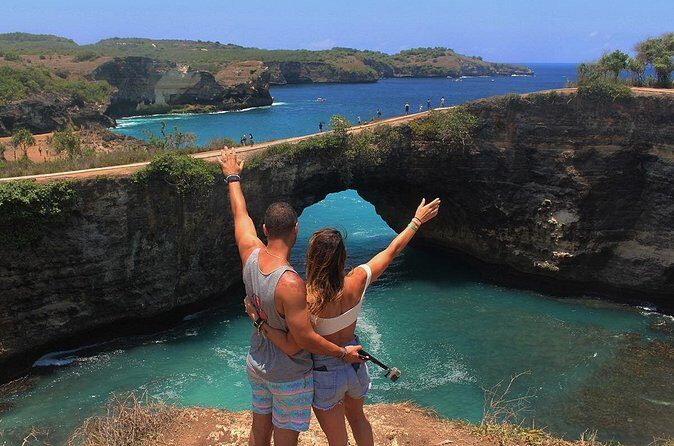
  • Broken Beach (1 hour): The appeal here is the infinity-like natural pool view and clear ocean scenery. This is one of those places where you keep stopping to take the same photo from different angles.
  • Angel’s Billabong (1 hour): Nearby to Broken Beach, and described as a best picture spot.
  • Crystal Bay Beach (1 hour): The big bonus is you can swim, and snorkeling gear can be hired at the beach. It’s a smart add-on for people who want more than “look at the ocean” and actually get in the water.

Then you loop back late afternoon with another 45-minute speed-boat ride from Banjar Nyuh Harbour to Bali.

How to make this day enjoyable: Bring something you can change into after swimming. The stops are timed like a tour day, not a slow beach vacation, so having dry gear ready makes the day feel way easier.

Day 3 Ubud Culture: Monkey Forest, Rice Terraces, and Tirta Empul Choices

Ubud is where this tour slows down just enough to feel more cultural, with a mix of nature, temples, and iconic photo stops.

  • Sacred Monkey Forest Sanctuary (1 hour, admission included): Expect an active, playful environment. The tour frames it as a fun cave-entry experience inside the forest.
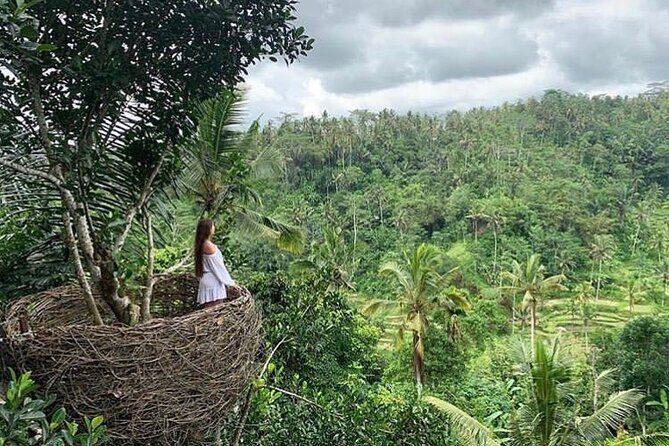
  • Happy Swing Bali (1 hour, admission included): This is pure picture-making time: swing views above the rice terrace area. If you hate touristy photo setups, you can treat this as optional and keep your energy for the next stops.
  • D Alas Warung Restaurant (1 hour): Lunch is offered as an additional option, with examples like crispy duck or chicken betutu (steam chicken).
  • Tegalalang Rice Terrace (1 hour, admission included): A classic rice terrace stop tied to UNESCO world heritage mentions in the tour description. You’re there for the layers, the views, and the photo angles.
  • Tirta Empul Temple (1 hour, admission included): This is one of the more meaningful stops. The tour mentions a blessing ritual using water. If you want to join, it suggests bringing a change of clothes and a sarong. If you don’t have one, it says you don’t need to worry because the tour provides.
  • Tampaksiring (1 hour): A tea time and village garden visit, plus interaction about Balinese offerings preparation. Even when you’re short on time, this kind of stop adds context that beach days don’t.
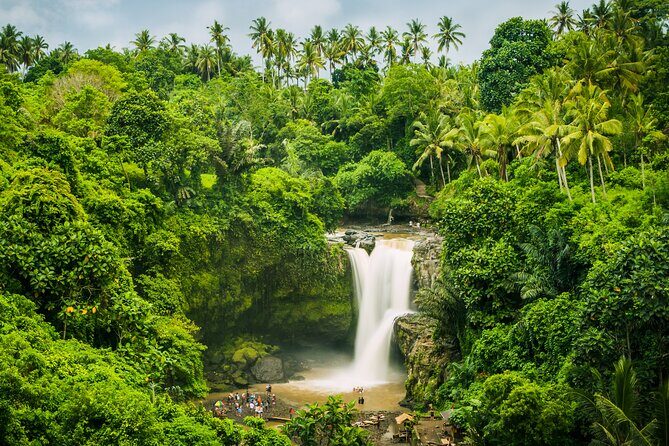
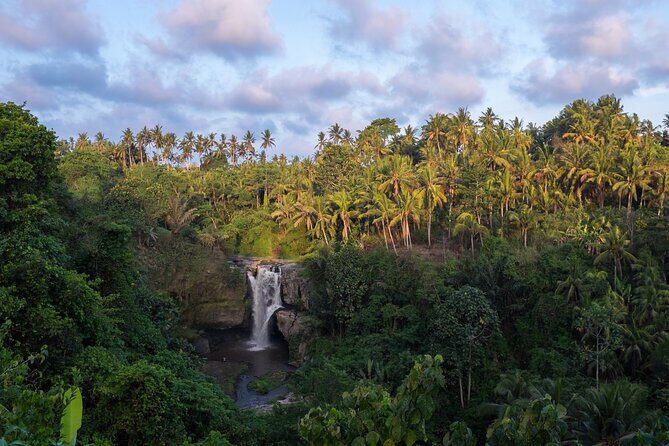
  • Tegenungan Waterfall (1 hour, admission included): The day closes with a waterfall stop that’s described as hidden treasure but also popular after social media posts.

Possible drawback: Day 3 has a lot of “standing and walking” moments. If your legs are tired from Penida or you want quieter time, ask about skipping one stop so the rest of the day still feels fun.

Day 4 Ayung River Rafting and ATV: The Best Way to Break Up Temple Days

6 Days Best Of Bali And Nusa Penida All Inclusive Private Tour - Day 4 Ayung River Rafting and ATV: The Best Way to Break Up Temple Days
Day 4 is your activity day, and it’s a smart break from temples and viewpoints.

  • Payung Rafting Bali (2 hours, admission included): Pick up happens at 09:00, and you raft on the Ayung River. The tour calls out fully equipped rafting gear and trained guides.
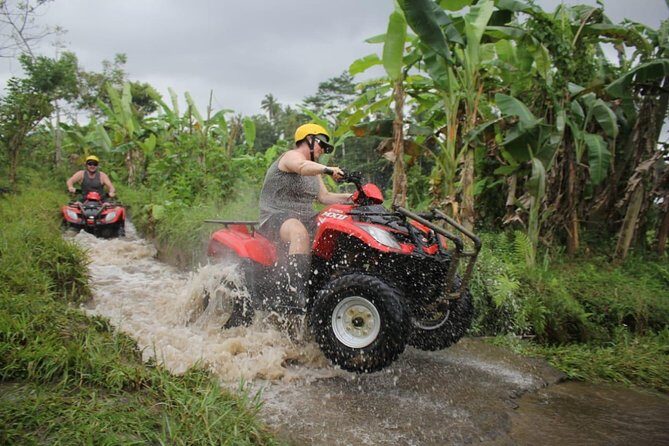
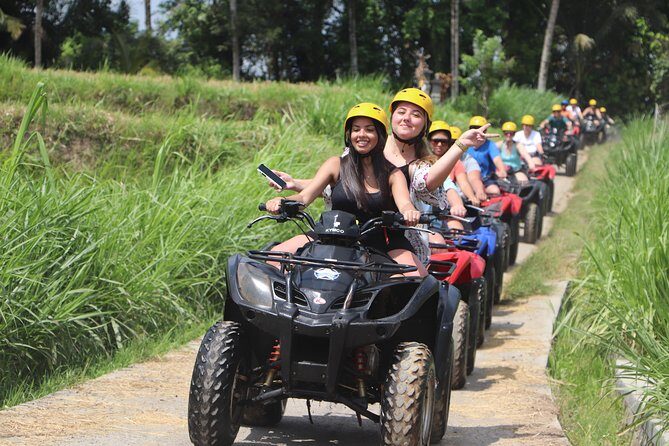
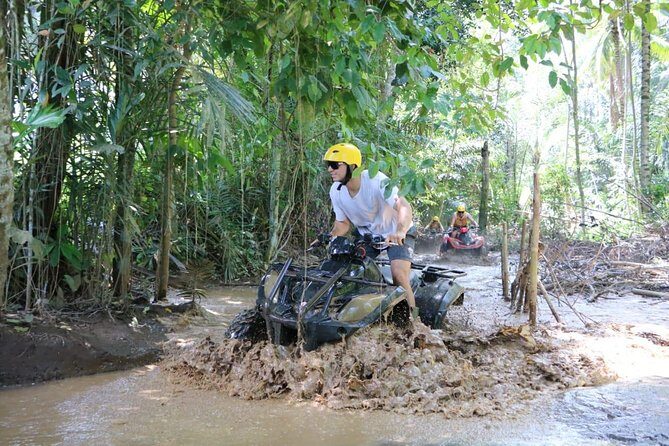
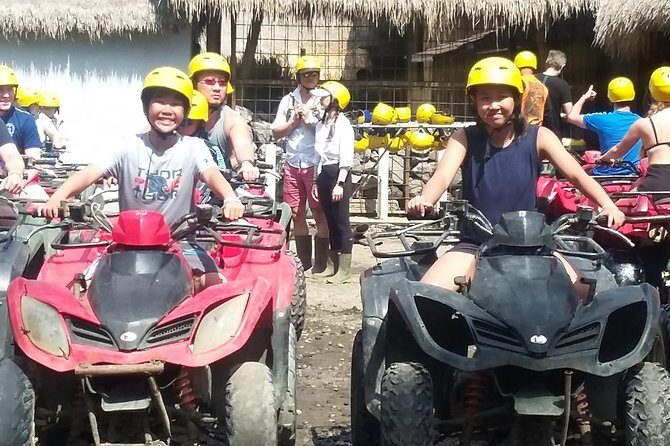
  • Ride Bali Adventure (2 hours, admission included): After rafting, you switch to ATV. The tour mentions a quick trainee explanation on how the ATV works, plus an ATV guide to accompany you.

Why this matters: after Penida cliffs and Ubud culture, adventure time resets your brain. Rafting also tends to create shared memories fast, which is why couples often love it.

Practical note: Bring or pack swim-friendly items and quick-dry layers if you expect to get wet. Day 4 is longer than a typical sightseeing segment, so plan your energy for it.

Day 5 East Bali Waterfall Temples: Tukad Cepung, Besakih, Tirta Gangga, Lempuyang

6 Days Best Of Bali And Nusa Penida All Inclusive Private Tour - Day 5 East Bali Waterfall Temples: Tukad Cepung, Besakih, Tirta Gangga, Lempuyang
This day reaches beyond the usual “same-temple circuit” by hitting East Bali’s big religious sites and water features.

  • Tukad Cepung Waterfall (1 hour, admission included): Pickup is at 07:00, and the stop is described as capturing the best pictures. This is the kind of waterfall where the viewing angle is everything.
  • Ristorante Lereng Agung (1 hour): Lunch is included as an option with a view over Mount Agung and rice terraces.
  • Besakih Temple (1 hour, admission included): The Mother temple of Besakih is the core spiritual stop. It’s described as located on the eastern foot of Agung Volcano, and you’ll walk around old ancient buildings.
  • Tirtagangga Park (1 hour, admission included): This is the water palace area with fish ponds and ornamental statues around the pool. Great if you like calmer scenic detail after a temple walk.
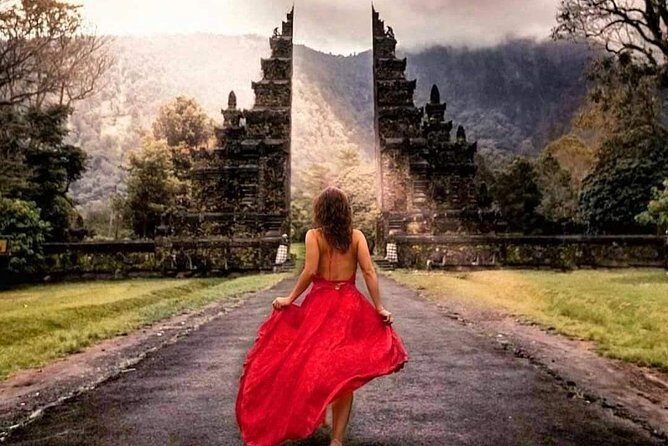
  • Lempuyang Temple (1 hour, admission included): The final stop is Lempuyang Temple, known for the Gate Heaven Instagram-style view. The tour description highlights the view facing Agung volcano.

Possible drawback: East Bali is a long day of sacred sites. If you’re not in the mood for religious walking, you might enjoy Tirta Gangga more than the temples, so you may want to keep your pace steady and take photos without rushing through everything.

Day 6 Batur Sunrise, Hot Spring, Bratan, and Tanah Lot

6 Days Best Of Bali And Nusa Penida All Inclusive Private Tour - Day 6 Batur Sunrise, Hot Spring, Bratan, and Tanah Lot
Day 6 is the finish line: early sunrise, warm hot spring soak, then lakeside and sea temples.

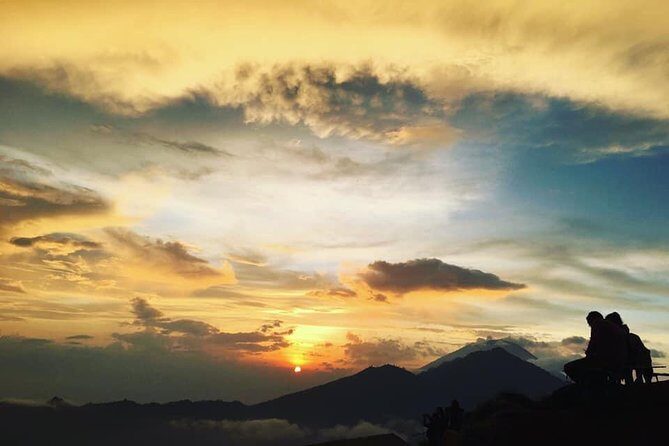
  • Mount Batur sunrise (3 hours, admission included): Pickup is at 03:00 and you head to the start point of a Jeep Adventure for sunrise views. This is a major commitment day, but it’s also the tour’s most dramatic start.
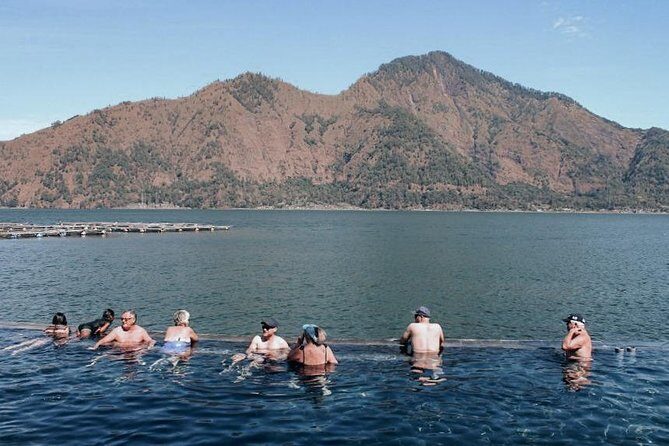
  • Batur Natural Hot Spring (1 hour, admission included): After the cold morning, you warm up with a swim in the natural hot spring. Towels, change room, and welcome drink are complimentary per the tour notes.
  • Amora Kintamani Restaurant (1 hour, admission included): You get a complimentary breakfast while looking over Batur volcano and Lake Batur. Tea and coffee are available at the table bar.
  • Penulisan temple (pass by): The tour says you’ll pass by Penulisan temple on your route north west.
  • Ulun Danu Bratan (1 hour, admission included): A lakeside temple by Lake Bratan, with guided picture moments.
  • Tanah Lot (1 hour, admission included): Your last stop is Tanah Lot, described as a sea-side temple on a rock. It’s one of Bali’s best known endings: garden area, classic temple building, and ocean views.

How to plan for Day 6: This is the kind of day where sleep matters more than anything. If you book this tour, try not to add extra plans the night before your sunrise.

Who This Tour Fits Best (And How to Personalize It)

6 Days Best Of Bali And Nusa Penida All Inclusive Private Tour - Who This Tour Fits Best (And How to Personalize It)
This tour is well suited to:

  • Couples who want a guided plan across Bali plus Penida without figuring out transport day by day.
  • People who like photo-heavy sightseeing and don’t mind a packed schedule.
  • Travelers who enjoy a mix of culture and active breaks (rafting, ATV), not just beaches and temples.

It may not be ideal if:

  • You want a slow pace with lots of free time. This itinerary is full, and early starts are real.
  • You struggle with lots of walking or standing at viewpoints. Some stops are viewpoint-based (like Kelingking), but you still move through several locations daily.

The personalization opportunities are built in. The tour info says you can request a day rest for flexibility, and one review explicitly notes you can skip excursions to be more relaxed. If you want the tour but hate the hustle, use that freedom.

Should You Book This 6-Day Best Of Bali and Nusa Penida Tour?

I’d book it if you’re on a short Bali timeline and you want the highlights across south Bali, Ubud, East Bali, plus Nusa Penida in one private package. The biggest selling points are the private guide/driver approach, the variety (temples, cliffs, rafting, ATV, sunrise), and the fact that service quality shows up in reviews through names like Kadek Moyo and Sunetra.

I wouldn’t book it if you prefer downtime more than packed days. The schedule is busy, and Day 6 starts at 03:00. If that’s fine with you, great.

One final tip: treat it like a choose-your-own version of best-of Bali. Keep the plan for the signature stops (Uluwatu, Penida viewpoints, Tirta Empul, Batur sunrise, Tanah Lot), and consider skipping one or two add-on moments if you’re tired. That’s how you get the wow without feeling run over.

FAQ

How long is the 6 Days Best Of Bali And Nusa Penida All Inclusive Private Tour?

It runs for 6 days, with daily sightseeing spread across multiple stops.

Where does the tour operate, and is pickup included?

It’s based in Seminyak, Indonesia, and private pickup/transfer is offered. The meeting point can be requested each day.

Is this a private tour or a group tour?

This is a private tour/activity, so only your group participates.

Does the tour include tickets and meals?

Many listed attractions include admission tickets. Breakfasts and lunches are included on select days, and some lunch options are described as free while others can be requested.

What does the Nusa Penida part include?

You’ll take a speed boat from Sanur to Nusa Penida and return later. Stops include Kelingking Beach viewpoint, Broken Beach, Angel’s Billabong, and Crystal Bay Beach (including swimming, with snorkeling gear available to hire).

What are the early-morning days like?

Day 6 starts with a 03:00 pickup for the Mount Batur sunrise and Jeep Adventure. Other early pickups include 07:00 on Day 2 (Sanur Harbour) and Day 5 (Tukad Cepung Waterfall).

Is the tour dependent on weather?

Yes. The experience requires good weather; if it’s canceled due to poor weather, you’ll be offered a different date or a full refund.

Batur Caldera Sunrise Trekking

Batur Caldera Sunrise Trekking - The early-morning rhythm: briefing, tea, and a start before 5am

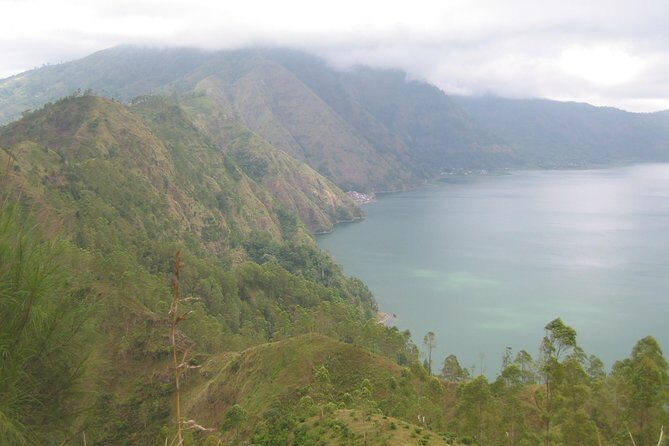
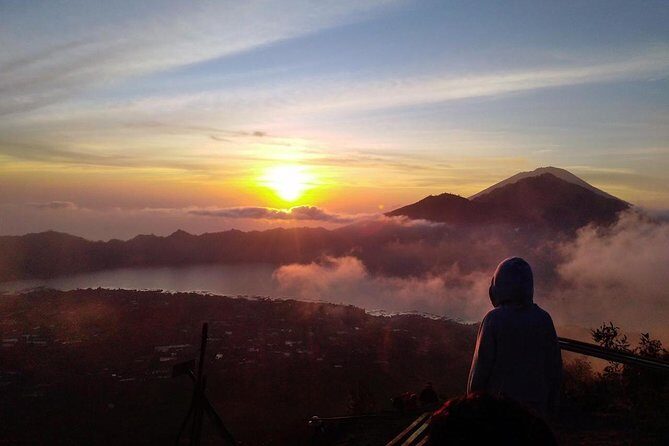
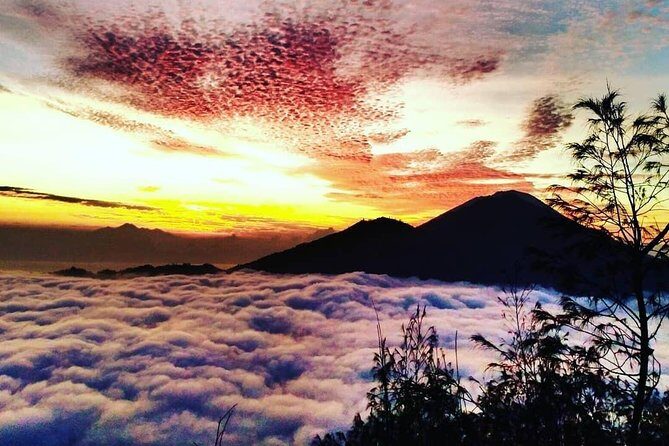
Pre-dawn on Mt. Batur feels special. This Batur Caldera sunrise trekking experience is built around a calmer rhythm than the usual crowded viewpoint run, with hotel pickup from Ubud or Kintamani, a short boat portion over Lake Batur, and a guide-led climb to watch the sky change over the caldera.

What I like most is the combination of effort + comfort: you get hot tea/coffee early, then tea, coffee, and breakfast once you reach the top area. A second win is the small-group approach (up to 15 people), which makes it easier to keep your pace and get help on steeper bits (you may hear guide names like Wayan, Nano, Adi, and Gede come up a lot in the way people describe the hike). The main drawback to plan for is the very early start and the fact you need moderate fitness for a steep ascent in the dark.

Key highlights that shape the experience

Batur Caldera Sunrise Trekking - Key highlights that shape the experience

  • Small group size (max 15) means less shuffling at the top and more personal attention during the climb
  • Hotel pickup from Ubud or Kintamani saves you from figuring out the timing on your own
  • Lake Batur boat ride connects Pulak village to the start point and breaks up the morning
  • Hot tea/coffee before sunrise keeps everyone going before the first big views
  • Trek up the caldera wall gets you to the rim in time for sunrise without the standard viewpoint crush
  • Breakfast at the top turns the effort into something properly rewarding, not just a quick photo stop

Why this Mt. Batur sunrise trek feels calmer than the usual plan

Batur Caldera Sunrise Trekking - Why this Mt. Batur sunrise trek feels calmer than the usual plan
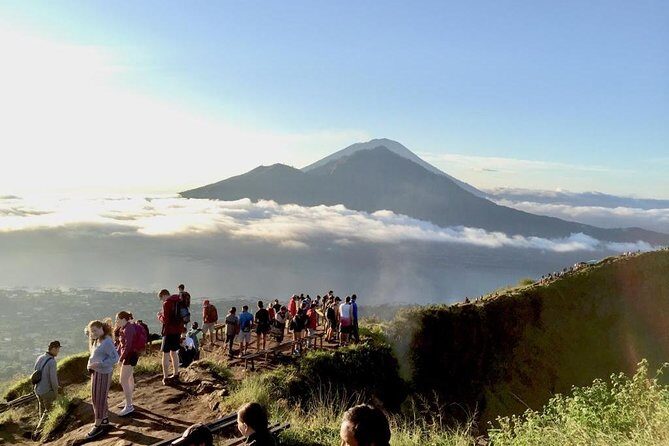
Mt. Batur sunrise is famous for a reason: the timing is dramatic, and the caldera rim is exactly where the light starts to matter. The twist here is that the day is paced to reduce the chaos. Instead of everyone spilling into the same packed viewpoint scramble, you’re guided along a route that’s intentionally less crowded, with a small group size capped at 15.

That change matters more than you’d think. In the early morning dark, the line between enjoyable and stressful is often “too many people, too fast.” With fewer folks around you, you’re more likely to find a rhythm that matches your legs, your footing, and your comfort level. And when you finally reach the top, you’re not stuck playing human bumper cars while you wait for the horizon to brighten.

You also get a more “Bali morning” feel than a pure hike-only outing. The boat crossing over Lake Batur and the stop that ties into Pulak village gives you a little local context, and it helps break up the day so it feels like a full morning experience rather than just a sweat session.

The early-morning rhythm: briefing, tea, and a start before 5am

Batur Caldera Sunrise Trekking - The early-morning rhythm: briefing, tea, and a start before 5am
The day kicks off in the pre-dawn window. Your guide meets you early—about 04.00 to 04.30—with hot tea or coffee and a quick briefing that includes safety procedures. This is the kind of step that prevents tiny issues from turning into big ones. When you’re walking in the dark on uneven ground, knowing what to do early helps you stay relaxed.

Then there’s a short walk down toward Lake Batur’s shores to meet your boat. The goal is to line up the next leg of the morning so you begin the climb at the right time window. In the itinerary timing, trekking up the caldera wall begins around 05.30 to 05.45.

If you’ve read about Mt. Batur tours before, you’ll notice that many departures can run even earlier than the official start time. Some people report pick-up around 2:45am or starting the journey around 3:30am, which fits the reality of sunrise planning in Bali: guides want you in position long before the sky does the big reveal. So mentally plan for a very early morning, even if your exact pick-up time depends on your pickup location and the day’s schedule.

Lake Batur by boat: why the crossing is more than a transfer

Batur Caldera Sunrise Trekking - Lake Batur by boat: why the crossing is more than a transfer
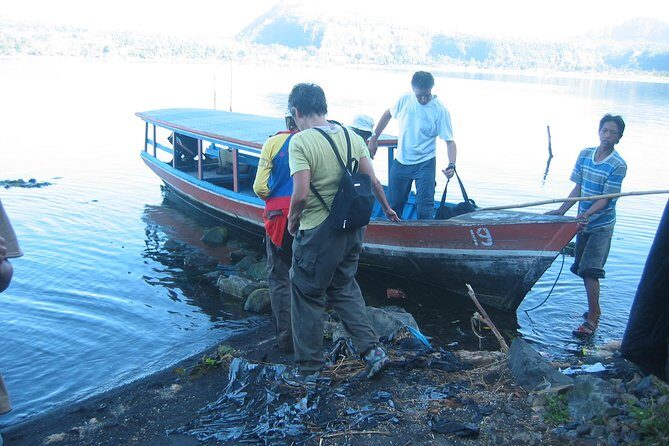
After the early briefing and tea/coffee, the morning includes a boat ride across Lake Batur. The tour route takes you from the lake area to the starting point connected to Pulak, a tiny traditional Balinese village.

This matters for two reasons:

1) It’s a scenic break right when you’d otherwise be “just walking, walking, walking” before the climb.

2) It makes the timing work. The boat helps you arrive at the next phase with less friction than doing everything on foot.

You’ll also circle back later. After the sunrise-and-breakfast portion, the descent leads you back toward Pulak, and then you leave the village by traditional canoe/boat to cross Lake Batur again toward Toya Bungkah. It’s a built-in loop that makes the experience feel like a round-trip morning, not a one-way grind.

The trek up the caldera wall: moderate fitness, real steps, steady pacing

Batur Caldera Sunrise Trekking - The trek up the caldera wall: moderate fitness, real steps, steady pacing
Once the climb starts (around 05.30 to 05.45), you’re heading up the caldera wall toward the rim where sunrise happens. This is the part that turns the day from “easy morning outing” into an actual trek.

The operator lists it as suitable for people with moderate physical fitness, which is the right level of honest. You’re dealing with steep terrain and darkness early in the morning. Your comfort will depend on your ankles and knees as much as your cardio.

One useful detail from people’s firsthand impressions: guides put attention into pacing and footing. Several accounts highlight help on getting up and down and avoiding missteps on the descent. That’s exactly what you want to hear when you’re signing up for a slope-heavy morning.

Also, don’t assume you’re walking totally unprepared. Some people report that they received a flashlight and a hiking stick before the climb—small items, big comfort in the dark and on uneven steps. Even if you personally bring your own, it’s good to know the tour is set up for visibility and stability.

What you can expect from the guide on the climb

Great Batur guides don’t just lead; they manage the group. People describe guides like Wayan and Nano as friendly, encouraging in the dark, and attentive with timing. Adi shows up in accounts as a top guide for hiking a volcano, while Gede gets praised for friendliness and for adjusting pace to ability.

The best part of that for you: when the hike is steep, you don’t need a drill-sergeant. You need someone who helps you keep a steady effort and gets you to the top without turning the last minutes into a scramble.

Sunrise at the top: tea, coffee, and breakfast with the sky doing its thing

Batur Caldera Sunrise Trekking - Sunrise at the top: tea, coffee, and breakfast with the sky doing its thing
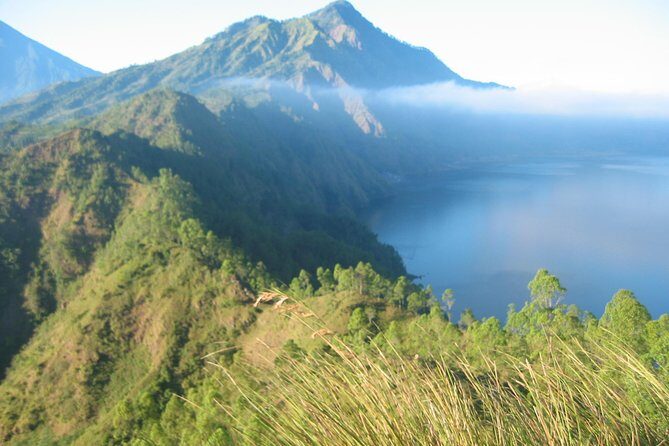
Arrival at the top is timed for the sunrise window—around 05.45 to 06.00 in the itinerary. This is where the experience justifies the alarm clock.

You arrive, and then you’re not immediately thrown into “quick photo and go.” There’s a calm moment with hot tea and coffee while you watch the light rise across the caldera rim. That break is smart. It helps you catch your breath, warm up a bit (as much as early morning in the caldera allows), and focus on what you came for.

Then breakfast shows up. The tour experience includes breakfast from the top area, and people mention details like toast and the comfort of having food when the hike has already worked up an appetite. It’s not just a snack; it’s a proper “we did it” moment before you head back down.

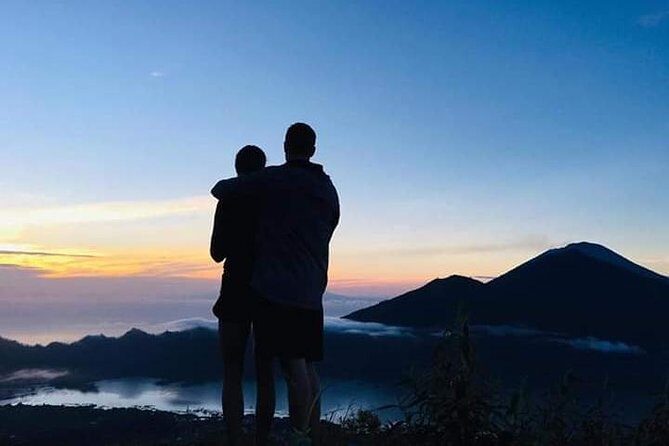
There’s also a strong emotional payoff here. Some accounts describe the sky transitioning from night to day and a full-moon moment involving Batur. Even if you don’t get the exact same sky drama, the timing is built for that shift. Sunrise over Mt. Batur isn’t subtle. You’ll feel it in the way the group quiets down when the horizon starts to change.

Descending back to Pulak, then crossing Lake Batur to Toya Bungkah

Batur Caldera Sunrise Trekking - Descending back to Pulak, then crossing Lake Batur to Toya Bungkah
After the sunrise viewing and breakfast, the plan moves into recovery mode. The itinerary notes a continuation of trekking and then a return descent back to Pulak.

Descent is where you’ll want that good pacing you got on the way up. Some people specifically mention needing extra help on the descent to prevent falls. So take your time here. Short steps, careful foot placement, and following the guide’s timing makes a huge difference.

Once back at Pulak, you leave on the traditional canoe/boat and cross Lake Batur again, aiming for Toya Bungkah. Arrival is scheduled around 09.30 to 10.00, and the activity ends back at the meeting point at Bali Sunrise Villas.

This timing is one of the practical advantages of the experience. It gets you back early enough to continue exploring Ubud or the Kintamani area later in the day, without losing the whole day to a marathon hike.

Price and value: does $120 make sense for this morning loop?

Batur Caldera Sunrise Trekking - Price and value: does $120 make sense for this morning loop?
At $120 for about 6 hours (approx.), you’re paying for more than the hiking itself. The value sits in the combined package:

  • Pickup from Ubud or Kintamani
  • Small-group format (max 15)
  • Boat ride across Lake Batur (both directions)
  • Early hot drinks and a breakfast at the top

If you tried to DIY this route, you’d still need transport at weird hours, boat or driver logistics across the lake, and a guide to handle timing for sunrise. The bundled approach can cost less time and less stress, especially if you don’t want to negotiate local transport at 4am.

The real “value test” for me is simple: does it leave room for comfort once the work starts? Here, it does. Tea/coffee early and again at the rim, plus actual breakfast, turn a climb into a structured morning. That’s why people rate the experience highly—4.9 with 20 feedback entries—and why the guide quality keeps popping up.

Who this sunrise trek is best for (and who should skip it)

Batur Caldera Sunrise Trekking - Who this sunrise trek is best for (and who should skip it)
This Batur Caldera sunrise trekking option is a great match if:

  • You want a sunrise experience on Mt. Batur without the strongest crowd-pressure
  • You’d rather climb with a small group and have help adjusting pace
  • You like your mornings guided and structured, not improvised at 4am
  • You’re okay with moderate fitness and steep, uneven steps in the dark

You might want to choose a different plan if:

  • You know you struggle with steep descents or uneven terrain
  • You hate very early starts and don’t enjoy pre-dawn hiking
  • You want a totally relaxed, flat walk (this is not that)

The guide names people mention for a reason

In a sunrise trek, the guide is the product. When accounts highlight the same names, it’s usually because those guides deliver the basics: timing, pacing, safety, and a calm presence.

Wayan is repeatedly described as exceptional and as someone who takes care of people, including taking photos without prompting. Nano shows up as friendly and as timed perfectly for the walk up. Adi gets praised for being the kind of guide you want for volcano hiking, with strong English and a helpful kit feel. Gede gets mentioned for friendliness and for adjusting the pace so the hike matches your ability.

Even if your guide isn’t one of those exact names, the pattern you can expect is consistent: you should feel secure, get thoughtful encouragement during the dark portion, and receive help when the trail turns steep.

Weather reality check: plan for good conditions

This experience requires good weather. If the conditions aren’t right, the tour may be canceled and you’ll be offered a different date or a full refund.

So keep an open mind in your schedule. Sunrise day is weather-dependent. If your Bali itinerary has flexibility, this becomes easier to work with.

Should you book this Batur Caldera Sunrise Trek?

Book it if you want Mt. Batur sunrise with a calmer group, pickup convenience, and a day that feels like more than just a quick photo stop. The combination of Lake Batur boat time, early hot drinks, and breakfast at the top turns effort into a full morning payoff.

Skip it if you’re not comfortable with a steep caldera wall climb in the dark or if “wake up early” is a hard no for you. In that case, sunrise might still be worth seeing, but you may prefer a less physical or later start option.

If you’re ready for a real sunrise hike and you want it run with structure, this is a strong value at $120 for a guided, small-group experience.

FAQ

How long is the Batur Caldera sunrise trekking experience?

It’s listed as about 6 hours (approximately).

Where does the tour start and end?

It starts at Bali Sunrise Villas (Jalan Songan No.001 Songan, Songan A, Kec. Kintamani, Kabupaten Bangli, Bali 80652) and ends back at the meeting point.

What time does the tour start?

The start time is listed as 4:00 am.

Is pickup offered?

Yes. Pickup is offered from any hotel in Ubud or Kintamani.

Does the tour include a boat ride?

Yes. You cross Lake Batur by traditional canoe/boat, and you also cross again on the way back.

How big is the group?

The maximum group size is 15 travelers.

What fitness level do I need?

The tour is described as suitable for people with moderate physical fitness.

Are the guides English speaking?

Yes. The guides are described as English speaking.

What is included for food and drinks?

You’re served hot tea or coffee early in the morning, and there’s also hot tea and coffee plus breakfast at the top.

What if the weather is poor?

The tour requires good weather. If it’s canceled due to poor weather, you’ll be offered a different date or a full refund.

Private Full-Day Bali Sightseeing Tour with Pickup and Lunch

Private Full-Day Bali Sightseeing Tour with Pickup and Lunch - Tegalalang Rice Terrace: The View Is the Lesson

One day, lots of Bali.

This private 10 to 12-hour tour is built for people who want culture, views, and a quick peek at daily life without bouncing around on your own. You’ll roll from Ubud to rice terraces, temples, a volcano-area lunch, and the Toya Devasya hot springs, with a guide who helps you make sense of what you’re seeing.

Two things I really like: you get a true private setup (your group only) with English-speaking guidance, plus all fees and taxes are included along with bottled water and lunch. Second, the stops are practical and teach-you-stuff type of sightseeing, from the purification water at Tirta Empul to conservation efforts at the Monkey Forest Sanctuary.

The one downside is the schedule can feel time-pressured. It’s a “see a lot” day, so if you want long hangs in the pools or slow wandering, you might wish for more time in places like the hot springs or to avoid traffic delays near Monkey Forest.

Key Highlights at a Glance

Private Full-Day Bali Sightseeing Tour with Pickup and Lunch - Key Highlights at a Glance

  • Tegalalang Rice Terrace for dramatic, photogenic paddies and an easy intro to how locals grow rice
  • Bali Pulina Coffee Plantation so you understand how specialty coffee goes from farm to cup
  • Tirta Empul Temple and its spring-water purification setting
  • Kintamani and Mount Batur lunch with a buffet while you watch the volcanic view
  • Toya Devasya hot springs with an infinity pool and a poolside bar atmosphere
  • Monkey Forest Sanctuary with a conservation angle focused on long-tailed monkeys

A Private Bali Day That’s Built to Get You Across the Island

Private Full-Day Bali Sightseeing Tour with Pickup and Lunch - A Private Bali Day That’s Built to Get You Across the Island
If you’re basing yourself in Ubud and wondering how to fit more than temples and selfies into one day, this itinerary is designed for that exact goal. It’s “full-day sightseeing” in the best sense: you cover multiple regions of Bali’s interior and don’t just stay in one bubble.

I like that it’s private. That means you’re not stuck with a slow-moving crowd or forced into someone else’s pace. It also helps your guide tailor small things in real time, like when traffic builds or when you want a few extra minutes to walk around.

Pickup From Ubud and How the 10 to 12 Hours Feel in Real Life

You start with pickup (so you’re not spending your morning figuring out transport), and you’ll spend the day moving between key sights with round-trip transport. Plan for a long day. Even with the short listed stops—like about 15 minutes at Tegalalang—you’re still looking at travel time plus time to walk, queue, and re-board the van.

One pattern shows up in how people describe the day: the drivers and guides work hard to protect the schedule. In particular, guides like Naya, Putu, Wayan, and Dewar were praised for being on it, friendly, and quick to answer questions. That matters in Bali, where traffic can change fast.

Tegalalang Rice Terrace: The View Is the Lesson

Private Full-Day Bali Sightseeing Tour with Pickup and Lunch - Tegalalang Rice Terrace: The View Is the Lesson
Tegalalang Rice Terrace is one of those spots you’ve probably seen in photos, but the guided version makes it click. You’re not just looking at greenery; you’re looking at a long-term farming system. Those terraces take decades to build, and they’re an old-school way of growing rice that still matters today.

You’ll have about 15 minutes here. That’s enough time to get your bearings, take photos, and walk to a viewpoint or two. But it’s not enough for an extended hike or a slow, deep stroll.

Tip: wear shoes you can trust on uneven paths. Also bring sun protection. Even when it’s not peak heat, the terraces are exposed, and you’ll want to stay comfortable so you don’t rush the experience.

Bali Pulina Coffee Plantation: How Specialty Coffee Gets Made

Private Full-Day Bali Sightseeing Tour with Pickup and Lunch - Bali Pulina Coffee Plantation: How Specialty Coffee Gets Made
Next comes the Bali Pulina Coffee Plantation, where you learn how coffee is grown, produced, and sold. For coffee lovers, this stop adds something beyond “another viewpoint.” It turns your morning caffeine story into a real farm-to-process explanation.

You get about an hour here, which is a solid chunk of time for a guided walkthrough without feeling trapped. The value is in understanding the basics—what happens after the plants grow, and why coffee varies in quality and flavor.

If you like coffee tastings or want something to take home, this is typically where you’d browse and buy. You’re also near enough to the rest of the day that you won’t lose too much time.

Tirta Empul Temple: Sacred Water and Clear Customs

Private Full-Day Bali Sightseeing Tour with Pickup and Lunch - Tirta Empul Temple: Sacred Water and Clear Customs
Tirta Empul Temple is built around spring water that’s believed to have purifying properties. You’ll spend about an hour here, and the setting is naturally focused: people gather around the water ritual area, and your guide helps explain what you’re seeing and how locals approach it.

What makes this stop worthwhile is the context. Without guidance, temples can feel like a backdrop. With guidance, they feel like a living place with specific rules and meaning.

Practical note: dress modestly and be respectful. You’re there for a sacred space, not a quick photo stop. If you’re unsure about what’s okay, ask your guide before you move through the ritual zones.

Mount Batur and Kintamani Lunch: Volcano Views Without the Fitness Test

Private Full-Day Bali Sightseeing Tour with Pickup and Lunch - Mount Batur and Kintamani Lunch: Volcano Views Without the Fitness Test
After Tirta Empul, you’ll head toward the Mount Batur and Kintamani volcanic area for lunch. This is where the day gets extra scenic: you’ll eat a buffet with views of the crater region.

You’ll have about an hour at this stop. That includes the lunch rhythm—grab food, eat, take a few photos, and step out for the view when you can. It’s not a long, sit-and-stare lunch, but it’s enough to enjoy the food and the scenery without rushing through everything.

A key value point: the tour makes lunch feel like part of the sightseeing, not an awkward midday break. That’s especially nice on a day packed with multiple paid-entry sites, since your main meal is already handled.

Toya Devasya Hot Spring: Infinity Pool Time (With a Realistic Time Window)

Private Full-Day Bali Sightseeing Tour with Pickup and Lunch - Toya Devasya Hot Spring: Infinity Pool Time (With a Realistic Time Window)
Then comes the hot spring, Toya Devasya (often associated with Toya Bungkah). You’ll get about an hour here to relax and use the warm thermal waters.

What people like most is the setting. Toya Devasya is the bigger, more famous hot spring area in Bali, and it’s known for an infinity pool look and a lakeside pool bar vibe. That’s a good mix if you want relaxation plus a social, view-friendly atmosphere.

One caution: don’t expect a whole afternoon. With the day’s pace, you’ll be working within a tight window. That’s the tradeoff for seeing all these sights in one go.

Tip: bring your swimsuit and plan to change right when you arrive. You’ll be happier if you’re ready to jump into downtime instead of scrambling for a place to change.

Monkey Forest Sanctuary: Conservation Lessons and Photo Etiquette

Private Full-Day Bali Sightseeing Tour with Pickup and Lunch - Monkey Forest Sanctuary: Conservation Lessons and Photo Etiquette
The Sacred Monkey Forest Sanctuary is a highlight for good reason, but it’s also where your guide’s approach matters. You’ll learn about conservation efforts aimed at protecting the long-tailed monkey, a species revered by locals.

Yes, there are monkeys, and yes, you’ll likely take photos. But the “sanctuary” angle keeps this from feeling like a pure animal spectacle. With a guide, you also learn how to behave around the monkeys so everyone stays safe.

Timing can be tight. Some days see heavy traffic, and people have noted you need to keep an eye on the schedule so you don’t lose time at the entrance or walk-in areas. In other words: don’t wander too far at the start if you want the full experience.

Simple etiquette that helps: keep distance, don’t feed if it isn’t clearly part of the rules, and keep hands low. Your guide will steer you on what’s expected.

A Look at How Balinese Families Live

One part of the day that adds warmth is the chance to see local Balinese life at a family home. This isn’t about checking off another temple. It gives you context for what you’ve been learning about culture all day—religion, daily rhythms, and the practical side of living in Bali.

This stop also helps balance the more tourist-heavy sights. After rice terraces, coffee stories, and temple rituals, the family home visit brings the day back to real life.

If you enjoy cultural moments where people explain rather than just perform, this portion is a strong reason to book.

Price and Value: What You’re Really Paying For

At $150, this is a private full-day tour, and the biggest value is how much is bundled. You’re not just paying for transport and a driver. You get private transportation, an English-speaking guide, bottled water, lunch, and all fees and taxes.

That matters because Bali costs can add up once you start stacking entrance tickets and extras. Here, your sightseeing day is largely planned and priced, so you can budget with less guesswork.

Also, the duration is realistic: 10 to 12 hours. You’re paying for a full workday of guiding plus driving time. If your goal is to cover several major interior-area sights without extra planning, the value can be strong.

Who This Tour Fits Best (and Who Might Prefer a Slower Day)

This is a great match if you want:

  • A first full day in Bali with a wide mix of sights
  • A guided day that explains temples, traditions, and conservation context
  • A private setup from your pickup point in Ubud

It may not be ideal if you prefer:

  • Long stays and slow wandering, especially at the hot springs
  • Fewer stops with more time per stop
  • A low-traffic itinerary where you can stroll without worrying about a schedule

For most people, the sweet spot is “I want a lot, but I also want someone to keep it organized.” The way drivers and guides like Naya, Putu, Wayan, and Dewar were described suggests this tour aims to deliver exactly that.

Should You Book This Private Bali Full-Day Tour?

Book it if you’re staying around Ubud and want to see the island’s interior highlights in one organized day, including Tegalalang, Tirta Empul, the Mount Batur/Kintamani lunch, and the Toya Devasya hot spring stop. The bundled lunch, bottled water, and all fees make it feel more budget-friendly than piecing everything together.

Skip it if you’re the type who hates tight time windows or you really want to spend most of your day in water. This is action-packed by design. It’s built to help you cover Bali, not to give you a lingering, free-form spa retreat.

If you do book, pack for a hot day and a wet day: swimsuit, change of clothes, and comfortable shoes. And when you arrive at Monkey Forest, trust your guide’s timing so you get the full experience.

FAQ

What does the tour include?

The tour includes bottled water, lunch, an English-speaking guide, private transportation, and all fees and taxes.

Is lunch included or do I pay separately?

Lunch is included in the package as a buffet at the Mount Batur/Kintamani area. The tour also notes that lunch may be purchasable with the package or on location depending on the option you choose, so check your voucher details.

How long is the private tour?

The duration is about 10 to 12 hours.

Where is the tour starting from?

The tour is based in Ubud, Indonesia, with pickup offered.

Are entrance fees included?

Yes. Admission tickets are listed for each stop, and all fees and taxes are included.

What are the main stops on the itinerary?

You’ll visit Tegalalang Rice Terrace, Bali Pulina Coffee Plantation, Tirta Empul Temple, the Mount Batur/Kintamani volcanic area for lunch, Toya Devasya hot spring, and the Sacred Monkey Forest Sanctuary. There’s also time included for a family home visit.

How much time do you get at each stop?

Tegalalang is listed as about 15 minutes. Other major stops are listed at about 1 hour each, including the coffee plantation, Tirta Empul, the volcano-area lunch stop, Toya Devasya hot spring, and Monkey Forest.

Do I need a swimsuit?

Yes. The tour asks you to bring your swimsuit and change of clothes for the hot spring portion.

Is this a private tour or shared group?

This is a private tour/activity. Only your group participates.

How does cancellation work?

You can cancel for a full refund up to 24 hours in advance of the experience start time.

What’s not included?

Dinner is not included.

Ubud waterfall, rice terraces, and swing explore

Ubud waterfall, rice terraces, and swing explore - Stop 2: Tegalalang rice terraces and classic Ubud views

Three stops, big Ubud energy.

This tour strings together Tegenungan Waterfall and the iconic Tegalalang rice terraces, then finishes with a jungle swing and traditional Balinese coffee. It’s interesting because it mixes calm nature views with one proper adrenaline moment, without making you fuss over transport between spots.

I love how much is handled for you up front: bottled water, air-conditioned vehicle, parking fees, and admission tickets for both the waterfall and the rice terraces. I also like the guide factor—drivers like Dewa and Kadek are praised for being patient, friendly, and good at explaining local culture while helping you get great photos.

One thing to plan for: the Ubud jungle swing admission is not included, and it costs $25 per person. If heights feel like a deal-breaker for you, this stop may be less fun than the waterfall and terraces.

Key highlights you’ll feel right away

Ubud waterfall, rice terraces, and swing explore - Key highlights you’ll feel right away

  • Private pickup and transportation to keep the day smooth and not wasted in transfers
  • Tegenungan Waterfall with a clean, cool-water feel and strong photo potential
  • Tegalalang rice terraces as an easy win for views, walking, and classic Ubud scenery
  • Ubud Jungle Swing with both single and tandem options plus a breeze-through-the-air moment
  • Traditional Balinese coffee making added into the day so it’s not only about photos
  • Good value basics included like entrance fees (except the swing), parking, and bottled water

Your Ubud day plan: waterfall, terraces, swing, coffee

This is a straightforward “big hits” route inside Ubud. You’re looking at roughly 6 hours total when travel time is included, with three main stops. Each stop is timed to give you enough time to walk around, take photos, and not feel like you’re sprinting from one ticket booth to the next.

Because it’s private (only your group), you don’t have to play the waiting game that sometimes comes with shared tours. You also get the benefit of an air-conditioned vehicle, which matters in Bali when the sun is doing its thing. And since bottled water is included, you can spend your brain power on enjoying the day instead of tracking down snacks.

The route is also smart for variety. You start with water (cooler air and that “sound of the falls” mood), then move to terraces (green views and easy photo angles), then finish with an activity that’s basically motion and bragging rights. The Balinese coffee experience fits neatly in there, so you come away with more than just pictures of greenery.

Stop 1: Tegenungan Waterfall at the Petanu river area

Ubud waterfall, rice terraces, and swing explore - Stop 1: Tegenungan Waterfall at the Petanu river area
Tegenungan Waterfall is one of the most visited waterfalls in the Ubud area, and it’s easy to see why. The setting gives you wide views, clean water, and that little cool-weather pocket you can feel near the falls. This is your first stop, so it’s also a good way to set the tone—nature first, then you can handle the more active parts of the day.

You’ll have about an hour here, and that time is usually the right length. It’s enough to get a feel for the area, grab a few angles, and enjoy the water without it turning into “tourist clock exhaustion.” Admission is included, so you won’t get surprised by an extra ticket cost at the start.

A practical note: this is a popular photo spot. That can mean more people in the best viewpoints at the same time. If you’re picky about getting a shot without anyone in the frame, you’ll want to walk a little and change your angle rather than standing in the first crowded spot. Also, bring water shoes if you prefer stable footing around slick areas—your comfort will decide how much you enjoy the walk.

Stop 2: Tegalalang rice terraces and classic Ubud views

Ubud waterfall, rice terraces, and swing explore - Stop 2: Tegalalang rice terraces and classic Ubud views
After the waterfall, you head to the Tegalalang rice terraces. This is the “postcard Bali” stop, and it earns that reputation. The terraces create strong lines and layers, so you get lots of natural framing for photos—especially when you position yourself on different paths or viewpoints.

You’ll get about an hour here, and that feels about right. Rice terraces are best when you’re allowed to slow down. The longer you linger, the more you notice details like irrigation channels and the way the hills shape the view. But you don’t want to run out of time before the swing, so this length is a good compromise.

Admission for the terraces is included, which is one of the quiet value wins in this tour. Many Ubud day plans charge you extra at each stop, and that adds up fast. Here, you’re already covered for the terraces entrance fee, so you can focus on what you want to do—walk a bit, take photos, and enjoy the cooling shade where you can find it.

Potential drawback? This stop is also very well known. If you dislike crowds, you’ll still probably have company. Your best strategy is to keep moving and don’t lock your whole plan on one perfect viewpoint. With a good guide, you can usually find a better angle quickly—especially if you ask for help with photo spots.

Stop 3: Ubud Jungle Swing plus a Balinese coffee moment

Ubud waterfall, rice terraces, and swing explore - Stop 3: Ubud Jungle Swing plus a Balinese coffee moment
Then comes the fun part: the Ubud Jungle Swing. This is built for adrenaline. You’ll go high enough to feel the swing in your stomach, and the view includes a backdrop of jungle and rice fields. It’s not just a photo perch; it’s motion. You can do single or tandem swings, which is great if you’re traveling as a couple or if you want a different experience than your group partner.

The swing stop lasts about an hour, but here’s the key detail for planning: the swing admission is not included. The cost is $25 per person. If you’re budgeting tightly, add this upfront so you’re not calculating mid-day. If you’re deciding last minute, remember you can still enjoy the day even if you skip the swing—waterfall and terraces are still solid—but this tour is clearly designed around including it in the experience.

Also, there’s a traditional Balinese coffee component woven into the stop. You’ll see how Balinese coffee is made, so you get a cultural break from the adrenaline. This makes the swing feel less like a random theme-park activity and more like a stop with local context.

Who should consider skipping the swing? If you’re very nervous about heights or you know you don’t like strapped-in activities, the idea of swinging high may not match your comfort. If that describes you, it’s better to decide early so your day stays relaxed.

Price and value: what’s included, what costs extra

Ubud waterfall, rice terraces, and swing explore - Price and value: what’s included, what costs extra
At $41 per person, the price is fairly easy to justify—mostly because the tour includes the entrance fees for the waterfall and the rice terraces, plus the basics that usually cost you extra on similar tours. You also get bottled water, parking fees, fuel, and air-conditioned transport.

That means your money is mostly going toward the route and the guided logistics rather than constant ticket surprises. And because it’s private, you’re paying for comfort and timing control, not for sharing a vehicle with strangers.

The one clear extra is the jungle swing admission fee: $25 per person. Lunch is not included either. So if you want a full “no extra decisions” day, you should either budget for lunch separately or plan to eat before or after the tour.

If you do the swing, your total day cost becomes roughly $66 per person (plus whatever you choose for lunch). If you skip the swing, it stays closer to the base price—still good value, because you’ve got the two paid-admission stops handled already.

Pickup, transport, and the guide difference you’ll actually notice

Ubud waterfall, rice terraces, and swing explore - Pickup, transport, and the guide difference you’ll actually notice
Pickup is offered, which is a big deal in Bali. Driving yourself adds stress, and Ubud traffic can be unpredictable. Having a private, air-conditioned vehicle means your first thoughts aren’t about navigation—they’re about the day.

The guide style is a major part of why this tour gets high marks. Dewa and Kadek are names that show up with similar praise: patient driving, warm communication, and lots of small insights about the Bali way of life. That matters because it turns the day from sightseeing into understanding. You’re not just taking in views; you’re also learning what you’re seeing and why locals connect to it.

One more practical thing: these guides are also helpful with photos. If you care about getting better shots (and not just quick snapshots), ask your guide to point out good angles as you arrive. At busy spots, small guidance can save you time and frustration.

Pacing, crowds, and what to pack for comfort

Ubud waterfall, rice terraces, and swing explore - Pacing, crowds, and what to pack for comfort
This is a 6-hour day with three stops, each around one hour. That means it’s a “do the key sights” pace, not a slow wandering day. If you like to linger, you’ll need to accept that you’ll move on when the time slot ends. The good news: the stops are varied, so you don’t feel bored waiting for the next thing.

Crowd level depends on when you go, but keep in mind that both Tegenungan and Tegalalang are described as among the most visited and tourist-friendly destinations. Translation: expect people around the best photo angles. Your best comfort move is to wear shoes you can walk in easily and bring a light layer because you might feel cooler near water.

For the swing day part, wear clothes that won’t bother you when you move. Also, expect that you’ll be holding the phone or camera position carefully while people are watching the timing. If you’re the type who wants the perfect shot, it helps to be flexible—you’ll often get better results by taking a few moments in the right stance rather than trying to pose instantly.

Lastly, bring a little patience. Bali is not a clock app. Your driver can help keep the flow smooth, and the private setup means adjustments can be more realistic.

Who should book this Ubud waterfall, terraces, and swing combo

Ubud waterfall, rice terraces, and swing explore - Who should book this Ubud waterfall, terraces, and swing combo
This is a strong match if you want:

  • A private day plan that hits waterfall + terraces + a thrill activity
  • Included admission for the two main sightseeing stops
  • A guide who explains culture and supports you with photos
  • A single, simple route rather than planning transport across Ubud

It’s also a good option for couples and families who want to keep the day balanced: nature first, scenery next, and one big action moment at the end.

It may be less ideal if:

  • You don’t want to pay extra for the swing
  • You know you dislike heights
  • You’re looking for a slow, deep immersion style itinerary

From the rating and recommendation level shown, this clearly works well for most people. Still, your personal comfort with the swing is the deciding factor.

Should you book it?

If you want an efficient Ubud day that’s easy to manage, this one makes sense. The included entrances for the waterfall and rice terraces are a real value win, and the air-conditioned private transport keeps the experience comfortable. Add a guide like Dewa or Kadek—praised for patience, kindness, and helpful cultural storytelling—and the day feels more human than just a checklist.

I’d book it if you’re excited about the classic Ubud visuals and you’re open to paying the extra $25 swing fee for the big adrenaline payoff. You’ll walk away with photos, memories of water and terraces, and that breezy, high-up swing moment.

I’d think twice if your budget doesn’t allow for the swing add-on or if the height factor sounds stressful. In that case, you might choose a different Ubud day that focuses only on the waterfall and rice terraces.

FAQ

Is pickup included?

Pickup is offered on this tour.

How long is the tour?

The duration is about 6 hours, including travel time.

What stops are included?

The tour includes Tegenungan Waterfall, Tegalalang Rice Terrace, and Ubud Jungle Swing.

Are entrance fees included?

Entrance fees for the waterfall and the rice terraces are included.

Is the jungle swing admission fee included?

No. The Ubud Jungle Swing admission fee is not included and costs $25.00 per person.

Is bottled water provided?

Yes. Bottled water is included.

Is lunch included?

No. Lunch is not included.

Is this a private tour?

Yes. It’s private, and only your group participates.

Can I cancel for free?

Yes. Free cancellation is available up to 24 hours in advance for a full refund.

Private Bali Horse riding at saba beach

Private Bali Horse riding at saba beach - Best Time to Ride: Sunset Is Popular for a Reason

Saba Beach has a way of slowing you down. This private horse ride pairs a quiet shoreline with a 1-hour sit-on-and-go experience, led by a professional guide and set up for easy planning with multiple departure times. The setting is the big draw: Saba Beach’s black sand and ocean views feel calm, especially compared with busier Bali beach zones.

Two things I really like: you get helmet and safety equipment included, and the horses tend to be described as well cared for and suitable for different skill levels. One drawback to keep in mind: there are a couple of reports of rougher moments (midday horse mood and one complaint about an uncomfortable guide). So pick your time, and if you feel unsure, speak up early.

Quick Key Points to Know Before You Go

  • Black sand beach ride: A quieter, photo-friendly stretch along Saba Beach’s shore.
  • Private for your group: Only your party rides, so you’re not packed into a long line of strangers.
  • Safety gear included: Helmet plus safety equipment are part of the package.
  • 1-hour experience with guide support: Learn basic control, then enjoy the ocean pacing.
  • Weight limit of 85 kg: Plan around it so the horse ride stays comfortable and safe.
  • Sunset often delivers the best mood: Many positive stories are tied to late-day light.

Why Saba Beach Horse Riding Feels Like a Real Break

Private Bali Horse riding at saba beach - Why Saba Beach Horse Riding Feels Like a Real Break
Bali horse riding can turn into a checklist activity fast. This one has a better rhythm. You’re on a quiet strip of shoreline, with the ocean doing the background work. For a simple 1-hour window, that means you get movement, fresh sea air, and a clear “holiday memory” without spending your whole day on logistics.

What makes this ride worth your attention is the combo of professional guidance and a beach setting that’s described as calm and “perfect” for riding. You’ll also feel the value in the included basics: helmet, safety equipment, and a guide who stays with you through the whole hour.

Just know what you’re buying. It’s not a long trail adventure. It’s a controlled beach ride. That’s good for most people. It also means horse temperament matters even more—because you’re all together on a narrow stretch of beach. A few less-than-perfect reviews mention that mood can shift, especially around midday.

The 1-Hour Ride: What Happens From Start to Finish

Your experience begins at the Bali Horse Riding meeting point on Jl. Pantai Saba, Saba, Kec. Blahbatuh, Kabupaten Gianyar, Bali 80581, Indonesia. The activity ends back at the same place, so you’re not dealing with an end-of-tour puzzle.

From there, you’ll be riding along the shoreline with a guide. The focus is steady pacing: you’re there to enjoy the view, practice basic riding comfort, and capture photos with the Indian Ocean behind you. Several reviews praise the ride as smooth and relaxing, and others mention the “romantic” feel—especially at sunset when the light softens and the beach looks cinematic.

What you should expect in practice:

  • You’ll follow your guide’s directions for mounting, handling, and staying balanced.
  • You’ll ride for about 1 hour (approx.), with the exact feel depending on beach conditions and horse pacing.
  • You’ll likely spend at least part of the time in that slow, scenic zone—where pictures are easy and conversation is possible.

A note from the less positive feedback: one person said the ride felt shorter than what was paid for. That’s not the norm in the rating pattern, but it’s a reason to confirm the timing expectations with the provider when you check in. If you’re someone who hates surprises, arrive a little early so there’s no rush at the start.

Horses, Guides, and Safety Gear (The Stuff That Changes Everything)

Private Bali Horse riding at saba beach - Horses, Guides, and Safety Gear (The Stuff That Changes Everything)
This is where you’ll feel the difference between a fun outing and a stressful one.

The good news: professional guides and safety equipment are included, and multiple reviews specifically describe staff as friendly, patient, and helpful. People also describe horses as gentle and well taken care of. Names come up in reviews, which is a good sign that the operator’s team actually pays attention to individual animals—examples include horses like Stella and Mila, and a guide referred to as Jerry/Gerry in different stories. You’re not guaranteed those exact horses, but it does suggest the experience isn’t totally generic.

Still, the reality of horse riding is that animals are animals. One negative review raised concerns about horse aggression and staff handling. Another flagged discomfort with a guide for a solo rider.

How I’d protect your comfort:

  • If you’re going alone, consider booking for a time when you can communicate easily with the guide and you feel comfortable from the start. If you don’t, speak up fast.
  • Avoid going in a rushed, late-day schedule if you hate waiting. A calmer check-in often means a calmer ride.
  • At any sign of a horse being unusually reactive, tell your guide immediately. You’re not being difficult; you’re being responsible.

On the safety side, you’re at least covered with a helmet and safety equipment. The guide is there for a reason—so use them. Ask questions before you mount.

Best Time to Ride: Sunset Is Popular for a Reason

Private Bali Horse riding at saba beach - Best Time to Ride: Sunset Is Popular for a Reason
If you have a choice, go for late-day light. Multiple positive experiences mention sunset riding as especially beautiful. The ocean looks better, the beach feels quieter, and photos come out with less harsh glare.

Sunset isn’t just a vibe thing. It can change the whole tone of the hour:

  • The beach tends to feel less crowded and more relaxed.
  • The light makes your ride feel less like a chore and more like a memory.

Meanwhile, there’s a warning embedded in the negative stories: one complaint describes a mid-day ride where the horses seemed tired and less cooperative, with biting mentioned and a rider having to walk partway back. I’m not saying midday is bad. I am saying it’s worth choosing your time carefully—especially if you’re a beginner or you want a smoother, lower-stress experience.

Weather also matters. The tour requires good weather. If weather turns, you’ll be offered a different date or a full refund.

Price and Value: Is $43.79 for 1 Hour Reasonable?

Private Bali Horse riding at saba beach - Price and Value: Is $43.79 for 1 Hour Reasonable?
At $43.79 per person, this sits in the “worth it if it matches your day” category. It’s not cheap, but it’s not priced like a premium full-day Bali experience either. The value comes from what you get in the hour:

  • Private tour format (only your group participates)
  • Professional guide
  • Helmet and safety equipment
  • The actual ride along a scenic black-sand beach

So you’re paying for time, guidance, and setup—not for an all-day itinerary.

If you’re the type who likes one standout activity and then enjoys the rest of the day on your own, this fits nicely. If you’re trying to stack too much stuff back-to-back, remember it’s 1 hour. You may still need extra time to walk to the beach meeting spot and settle in.

One more value thought: this experience averages booking about 28 days in advance. That usually means limited availability around popular times like sunset. If you want the best light, plan ahead.

Who Should Book This (and Who Should Pause First)

Private Bali Horse riding at saba beach - Who Should Book This (and Who Should Pause First)
This ride is a strong match for:

  • Couples or friends who want a simple, scenic activity in Bali without complicated transfers.
  • People who want a guided experience with helmet and safety gear included.
  • Beginners who appreciate patient guidance—several reviews call out how helpful the guide was for first-time riders.

You might pause or choose a different plan if:

  • You’re sensitive to rider comfort issues and prefer a very predictable setup. A few unhappy reviews mention aggression and discomfort with a guide, so trust your instincts at check-in.
  • You’re over the limit: the maximum weight listed is 85 kg.
  • You can only ride at strict midday times and you’re hoping for the most relaxed horse mood. Sunset is repeatedly praised for a reason.

If you book, go in with the right mindset: this is a guided beach ride. The ocean will be gorgeous, and you’ll likely get great photos—but your hour depends on calm horses and smooth staff handling.

Should You Book This Bali Horse Ride?

Private Bali Horse riding at saba beach - Should You Book This Bali Horse Ride?
I’d book it if your top priority is a guided, private 1-hour beach horse experience on Saba Beach’s black sand, with safety gear included and photos that look great in late light. If you’re flexible on timing, lean toward sunset.

Before you commit, do one simple check: confirm your start time and be clear on the duration you expect. And when you meet the guide, trust your body language. If something feels off, say something right away. That’s the best way to keep the hour fun and not stressful.

If you want this as a relaxing memory, it has the ingredients. Just choose the time wisely and arrive ready to enjoy the sea and the ride.

FAQ

Private Bali Horse riding at saba beach - FAQ

How long is the horse riding experience?

It runs for about 1 hour.

Is this a private tour or shared with other groups?

It’s listed as a private tour/activity, so only your group participates.

What’s included in the price?

You get helmet, safety equipment, a professional guide, and the 1-hour horse ride.

Where do I meet for the tour?

The start is at Bali Horse Riding, Jl. Pantai Saba, Saba, Kec. Blahbatuh, Kabupaten Gianyar, Bali 80581, Indonesia. The tour ends back at the meeting point.

What is the weight limit?

The maximum weight is 85 kg.

What if the weather isn’t good?

The experience requires good weather. If it’s canceled due to poor weather, you’ll be offered a different date or a full refund.

BEST ATV RIDE and Ubud Cultural Tours

BEST ATV RIDE and Ubud Cultural Tours - The morning pickup and transport: fewer hassles, more riding time

Mud, tunnels, and temple stops. This Bali combo tour is a full day that mixes adrenaline with culture: you start with a guided ATV ride through rice fields, river areas, jungle, and village scenery, then roll into Ubud for crafts and classic temple architecture with a driver like Yan (and also Wayan shows up as a standout guide in this company’s reviews). I like how the day stays well-paced and planned around real local spots, not just quick photo stops.

My favorite parts are the hotel pickup and drop-off in an air-conditioned vehicle and the fact that the ATV portion is set up with the essentials included (ATV ride ticket, helmet use, bottled water, and lunch). The one thing to consider is that this is not a sit-and-watch activity. You should expect a challenging, muddy track and ride conditions that can get wet or slippery.

Key highlights worth knowing

BEST ATV RIDE and Ubud Cultural Tours - Key highlights worth knowing

  • 2 hours on the ATV at Bali Pertiwi Adventure with a professional guide to keep you on track
  • Small-group feel with more personal attention, plus a planned schedule that reduces guesswork
  • Ubud culture add-ons: Mas wood carving center, Batuan Temple (sachet dress rules), and coffee/herbal tea tasting
  • Real clean-up time at the ATV facility, including changing rooms and showers mentioned in guest feedback
  • English-speaking, punctual drivers like Yan, who also helps organize the day smoothly
  • Lunch is included so your day doesn’t turn into a food scavenger hunt

How this Bali ATV + Ubud day fits together (and why it works)

This is the kind of tour that makes Bali feel like Bali, not just a list of icons. Your morning is built around the ATV at a dedicated adventure base, then the afternoon slows down for Ubud-area culture stops that are close enough to feel connected, not rushed across the island.

From Seminyak, Legian, or nearby areas, you’ll get picked up at a set start time (8:00 am) and transferred by private air-conditioned vehicle. That matters more than it sounds. You lose less time figuring out transportation, and you arrive at the ATV location already in a calmer headspace.

You’ll be on the ride long enough to actually feel like you had an adventure, not just a short spin. Many guest write-ups focus on the track variety—rice fields, rain-forest type areas, jungle, and muddy bumpy sections—plus tunnel segments that make the whole route feel like a real trek.

The tour also includes a lunch stop, plus bottled water. For a day that blends physical activity and cultural visits, that built-in feeding plan helps you enjoy the slower stops rather than power through them hungry.

Price and value: what $70 gets you (and where costs might show up)

BEST ATV RIDE and Ubud Cultural Tours - Price and value: what $70 gets you (and where costs might show up)
At $70 per person, the headline value here is that you’re not just paying for a transfer and a ticket. The package includes private transportation, lunch, bottled water, helmet use, and the ATV ride ticket. In other words, the big day costs are already handled.

One extra note for solo travelers: there can be an additional cost of IDR 350,000 for solo participants. If you’re traveling solo, it’s worth checking how that applies to your booking so you don’t get surprised later.

The other potential cost is temple admission. At Batuan Temple, admission isn’t included. Sarong and sash rules are part of the visit, but the tour information says those are usually provided, so you’re not expected to bring religious clothing.

So the value picture looks like this: you pay once for the core day and you manage only a couple of add-ons. If you’re the type who prefers a clear plan, that’s exactly what you’re buying.

The morning pickup and transport: fewer hassles, more riding time

BEST ATV RIDE and Ubud Cultural Tours - The morning pickup and transport: fewer hassles, more riding time
Bali traffic can be a mood-killer, so I like that this tour starts with a planned 8:00 am pickup and uses an air-conditioned private vehicle for transfers. You’re not waiting around for a shared shuttle schedule, and you’re not piecing together multiple rides.

From the feedback tied to this provider, guides like Yan are described as punctual and organized, and that’s a big deal on a day where you want to stay on schedule for both the ATV window and the Ubud stops afterward. Some guests also mention cold water during the ride and after activities, which you’ll really appreciate once the morning turns hot and dusty.

Also, the tour is set up as a private activity for your group. Even though the day is small-group in spirit, the practical benefit is that your group’s plans don’t get shuffled by strangers’ timing.

Stop 1: Bali Pertiwi Adventure and the ATV ride you’ll remember

This is the heart of the day. At Bali Pertiwi Adventure (also shown as Pertiwi Quad Adventure), you get about 2 hours on the ATV under the direction of a professional guide. The route is built around scenery and variety: rice field paths, river-adjacent sections, people farming areas, jungle-type terrain, and villages.

The vibe is not gentle. Multiple write-ups highlight the track as challenging, with muddy bumpy road sections and tunnel segments. That’s part of the appeal if you actually want an ATV adventure rather than a scenic bus ride that happens to pass by an ATV station.

What I think you’ll like most is how the guide helps you stay confident. When you’re on uneven ground, you want someone who can point out lines to take and keep you from overthinking the machine. The tour info specifically says you’ll be accompanied by a professional guide who’s willing to assist you along the tour.

You’ll also appreciate the practical facility side. Several guest comments mention clean changing rooms and amenities like lockers, towels, and showers. That means you can wash up and keep going with your Ubud afternoon without feeling like you’re wearing yesterday’s mud all day.

Tip for your day: wear clothes you don’t mind getting dirty. This is Bali, yes, but it’s also a working track with mud and water crossings. If you pack light on the wearable front and plan to rinse after, the day feels fun instead of stressful.

Stop 2: Mas wood carving center for real craft energy

BEST ATV RIDE and Ubud Cultural Tours - Stop 2: Mas wood carving center for real craft energy
After the ATV, the tour moves into Ubud-area culture at Mas Village, famous for wood carving. You’ll stop for about 40 minutes here, and the admission is described as free in the tour outline.

This stop works for two types of travelers:

  • If you like to watch hands at work, you’ll probably enjoy the carving focus.
  • If you’re a shopper, it’s the kind of place where you can compare styles and see where your money goes.

Mas is known for traditional wooden art pieces that blend Balinese cultural heritage with modern touches. The craft focus includes statues, masks, and decorative items. Even if you don’t buy anything, it helps you understand what you’re seeing later in Bali’s temples and ceremonies—because carving and symbolism are part of everyday island culture.

One possible consideration: this is a short visit. So it’s more about browsing and understanding than meeting artisans for long conversations. If you want deeper access, you might pair this with a separate workshop elsewhere. But for this day’s rhythm, 40 minutes is a good balance.

Stop 3: Batuan Temple and the practical dress rules

Next comes Batuan Temple (Pura Desa Batuan), a historic Hindu temple near Ubud known for intricate Balinese architecture and stone carvings. The stop is around 40 minutes, and admission isn’t included.

This temple is described as dating back more than 1,000 years, and it functions as a village temple for local ceremonies and prayers. The tour information also notes the temple has classic Balinese design details like split gates and shrines, and it’s located in a village recognized for traditional art.

The key practical detail: you’re required to wear a sarong and sash for entry, and the tour says they’re usually provided. That removes one major travel headache—no need to track down the right clothing before you go.

What you’ll likely enjoy most here is the tone. After the noise and motion of the ATV, the temple visit is calmer and gives you a chance to slow down. You’ll also get a better sense of why Balinese culture looks the way it does—carving isn’t random decoration; it’s tied to religious and village life.

A small consideration: because this is a temple, you’ll want to be respectful with photos and movement. If your group is used to taking pictures nonstop, set expectations before you go in.

Stop 4: Cantik Agriculture for Bali coffee and herbal tea tasting

The final cultural stop is at Cantik Agrotourism in Ubud. You’ll spend about 30 minutes, and admission is free in the tour information.

This is a food-and-drink style ending: you get free Bali coffee and herbal tea tasting. For some people, a tasting session is the perfect way to finish an active day because it’s social, light, and not physically demanding.

I like that this stop is short. After temple time, you may want a reset. A tasting gives you something to do without needing to keep your energy high. Plus, if you’re already curious about how locals drink coffee or use herbal teas, this is an easy, low-pressure introduction.

You might also find it helpful that the earlier stops provide context (crafts, temple symbolism), so the coffee and tea stop feels less random and more like a local lifestyle conclusion.

Who should book this ATV + culture combo

This tour makes sense if you want a day that has both adrenaline and meaning, without having to plan multiple half-days yourself.

It’s especially a good fit for:

  • People who like active travel and want an ATV route that includes muddy, jungle, and tunnel segments
  • Travelers who want an ATV morning and culture afterward without switching gears entirely
  • Small groups who prefer personal attention and smooth logistics

The tour info notes a moderate physical fitness level. That doesn’t mean you need to be a gym athlete, but you should be comfortable with uneven terrain and the physical demands of riding an ATV and staying upright through bumpy sections.

If you’re dealing with mobility limits, severe back issues, or strong fear of rugged tracks, you may want to choose a gentler activity instead. The track is described as challenging, and you’ll feel it.

Practical tips so your day goes smoothly

Here are a few things that help most people get the best version of this tour:

  • Wear clothes you can get dirty. The route includes muddy and bumpy segments.
  • Plan to wash up. There are changing rooms and showers mentioned by guests, which makes continuing the day way easier.
  • Bring patience for weather. The experience requires good weather. If conditions aren’t right, you may be offered another date or a full refund.
  • Don’t assume the temple is all-inclusive. Batuan Temple admission isn’t included, and you’ll follow the sarong/sash entry rules.
  • If you’re solo, ask about the solo fee. IDR 350,000 is listed as an extra cost for solo participants.

If you do these basics, you’ll spend the day focusing on the ride and the culture stops instead of logistics.

Should you book it? My straight answer

Book it if you want the most “Bali day” feeling in one shot: a guided ATV adventure through rice field and jungle areas, followed by Ubud culture stops that actually connect to Balinese craft and temple life.

Skip it if you only want easy sightseeing or you hate muddy tracks and physical activity. This tour doesn’t pretend the ride is gentle, and that’s part of why it gets such strong ratings.

If your priorities are good organization, hotel pickup, included lunch, and an ATV route that feels like a real trek, this is a strong value at $70—especially with private transportation and the included ATV ticket.

FAQ

How long is the ATV and Ubud culture tour?

The tour runs about 8 to 10 hours total, starting at 8:00 am.

Is hotel pickup included?

Yes. Pickup and drop-off are offered from your hotel by a private air-conditioned vehicle.

What’s included in the ATV portion?

You get the ATV ride ticket and use of a helmet, plus lunch and bottled water as part of the day.

Do I need to pay for Batuan Temple admission?

Yes. Batuan Temple admission is not included in the tour price.

Is sarong and sash required for the temple visit?

Yes. Visitors are required to wear a sarong and sash, and they are usually provided.

Is there an extra cost for solo travelers?

Yes. The tour notes an extra IDR 350,000 cost for solo participants.

What if the weather is bad?

The experience requires good weather. If it’s canceled due to poor weather, you’ll be offered a different date or a full refund.

Watch the sunrise from the top of Mount Batur volcano

Watch the sunrise from the top of Mount Batur volcano - The Night Trek: Flashlights, Guide Support, and Steady Pace

2 a.m. sunrise sounds wild. This is a guided climb that starts in the dark and uses flashlights to help you keep your footing until the sky turns. You’ll also eat a volcanic-steam breakfast, cooked right near the volcano. One reality check: Mount Batur is a headline attraction, so the top can feel crowded and a bit noisy.

I also like that this runs as a small-group tour (max 10), not a mass event. After pickup, you get breakfast plus hot drinks, then a long day that’s built around the summit moment. The main consideration is the trail itself: it’s dark for hours, and the ground can be rocky and uneven, so it’s not a great fit for kids or elderly hikers.

Key Things to Know Before You Go Up at 2:00 a.m.

Watch the sunrise from the top of Mount Batur volcano - Key Things to Know Before You Go Up at 2:00 a.m.

  • Small-group size (up to 10): you’re less likely to feel like a number in a long line.
  • Flashlights included: helpful on steep, uneven sections in complete darkness.
  • Breakfast cooked in volcanic steam: fried bananas or boiled eggs, plus hot drinks.
  • Sunrise views over Bali and other volcanoes: the whole reason you’re climbing.
  • Crowd factor at the summit: expect people and photo traffic near the viewpoints.
  • Not for everyone physically: not recommended for children or elderly travelers due to terrain and visibility.

Mount Batur Sunrise: What You’re Really Signing Up For

Watch the sunrise from the top of Mount Batur volcano - Mount Batur Sunrise: What You’re Really Signing Up For
This tour is all about one payoff: being on Mount Batur as the first light hits. You’re not just walking somewhere pretty in daylight. You’re hiking through the night with a local guide, using provided gear, and waiting for the sky to change.

That waiting is part of the experience. When you start out in total dark, your sense of direction gets weird. Then the horizon brightens, and suddenly you can see the scale of what you climbed. It turns a tough start into a meaningful reward.

You’re also doing it on a working volcano. The tour includes breakfast made in the heat of the volcano’s volcanic steam, which is practical and oddly comforting after a cold, dark climb. Even if you’re not a serious mountaineer, the structure helps you focus on the moment rather than the logistics.

Meeting at the Right Time: Pickup, Transport, and Mobile Ticket

Start time is 2:00 a.m., which means your real day starts before you feel awake. Pickup is offered, and you travel by air-conditioned vehicle, which is a big quality-of-life win when you’re leaving while the rest of Bali is still asleep.

You’ll use a mobile ticket, so keep your phone charged. If you rely on maps, bring battery support or plan a low-power mode. At this hour, even small delays can mess up the pacing, especially once multiple groups converge near the same trail.

One more practical note: pickup coordination matters at 2:00 a.m. Double-check your exact pickup point and be outside a few minutes early. If you’re traveling with someone else, agree on a quick meeting plan before the driver arrives.

The Night Trek: Flashlights, Guide Support, and Steady Pace

Watch the sunrise from the top of Mount Batur volcano - The Night Trek: Flashlights, Guide Support, and Steady Pace
The main hike happens in darkness, and that’s why the flashlight is included. This matters more than it sounds. Mount Batur’s path isn’t a smooth sidewalk; you’ll likely hit rocky, loose sections where footing can feel uncertain.

That’s also where the local guide earns their keep. The tour is designed for small-group movement, and guides help you pace the climb while you’re navigating low visibility. If you’re afraid of heights, you’ll want to keep your eyes on the path in front of you, not on the views you can’t see yet.

Expect the pace to be human. One challenge you should plan for is that the route can get crowded with other tour groups. Even when everyone is doing their best, you may get slowed by hikers ahead of you, especially around the steeper or narrower parts.

The Summit Moment: Sunrise, Views, and the Crowd Reality

Watch the sunrise from the top of Mount Batur volcano - The Summit Moment: Sunrise, Views, and the Crowd Reality
When sunrise finally arrives, the views are the headline. You’ll get panorama-style looks across Bali, with other volcanoes visible too. It’s the kind of scenery that makes you forget how cold and tired you felt an hour earlier.

Still, here’s the honest drawback: Mount Batur is popular. The summit area can be crowded, and there can be plenty of voices, camera shutters, and people moving around for the best angle. That doesn’t ruin it, but it changes the vibe from quiet wilderness to shared event.

If you’re trying to get photos, give yourself time. You’ll likely find people stopping suddenly, which means you can’t just walk to your spot and pose for as long as you want. A flexible plan helps: capture one wide shot, then move when the light gets best for your camera settings.

Breakfast in Volcanic Steam: Fried Bananas or Boiled Eggs

Watch the sunrise from the top of Mount Batur volcano - Breakfast in Volcanic Steam: Fried Bananas or Boiled Eggs
One of the most distinctive parts of this day is the breakfast. It’s prepared in the heat of the volcano’s volcanic steam, which feels like a Bali experience turned into something edible and warm.

Your breakfast options are fried bananas or boiled eggs. Either way, it’s meant to fuel you after the climb and before you start walking again later. You also get coffee and/or tea, plus hot drinks, which is huge at this hour when your body feels like it’s still in sleep mode.

I like this setup because it’s not just a gimmick snack. It’s functional. You’re dealing with darkness, cooler temperatures, and a long outing, so having a hot, simple meal at the volcano makes the day feel organized rather than chaotic.

One small caution: don’t assume this is the kind of full buffet you’d get at a large hotel breakfast. The tour breakfast is specific and tied to the volcano steam experience.

The Coffee Plantation Stop: A Warm, Human Pause

Watch the sunrise from the top of Mount Batur volcano - The Coffee Plantation Stop: A Warm, Human Pause
After the summit and the rest of your hiking day, the itinerary includes a stop at a coffee plantation. The included part is coffee and/or tea, which gives you a chance to warm up and reset.

This is also where you can do practical traveler stuff: grab a bathroom break if needed, check your photos, and eat something extra if you skipped a snack earlier. Even if you’re not a coffee fanatic, the stop works as a buffer between the intense start and the calmer end of your day.

Duration and Energy Planning: Why 9–10 Hours Feels Like More

Watch the sunrise from the top of Mount Batur volcano - Duration and Energy Planning: Why 9–10 Hours Feels Like More
The tour runs about 9 to 10 hours. That’s long enough that you should plan your energy like it’s a mini hike-and-eat-and-recover day, not a quick sunrise stroll.

Your early start means you’ll probably eat breakfast early in the morning and then feel hungry again later. Bring a small personal snack if you can (not listed as included, and personal expenses aren’t included), especially if you know you get low energy during long physical stretches.

You also have to factor in time lost to crowd flow. When multiple groups start around the same window, you can end up moving in bunches. That’s why some people feel the day drags slightly during busier sections, even though the sunrise payoff is real.

Price and Value: Is $59 a Good Deal?

Watch the sunrise from the top of Mount Batur volcano - Price and Value: Is $59 a Good Deal?
At $59, this tour is priced for what it includes: pickup, air-conditioned transport, local guide, flashlight, breakfast cooked in volcanic steam, hot drinks, and an entry-style admission ticket. It also includes the coffee/tea plantation stop and covers all fees and taxes.

What makes it good value is the combination. If you tried to piece this together on your own—transport at 2 a.m., a guide, the required hike gear, and the volcano breakfast experience—you’d likely spend similar money, then deal with more uncertainty.

The downside is that price doesn’t control the biggest variable: crowd levels at Mount Batur. So you’re paying for organization and included support, not for a private, empty mountain. If your dream is a quiet summit, this might feel like too many people for your taste.

For many first-timers in Bali, it’s still a strong buy because the tour is set up to do the hard part for you.

Who Should Book This (and Who Should Skip It)

This tour fits best if you:

  • want a sunrise activity that feels like a real hike, not a short walk
  • don’t mind early mornings and can handle rocky, uneven terrain
  • prefer small-group guidance (max 10) over a huge crowd of strangers
  • enjoy a structured plan where breakfast is part of the experience, not an afterthought

It’s not recommended for children or elderly travelers, and it may be challenging if you’re not used to walking on uneven ground in darkness. You’ll want solid shoes with traction, and you’ll want to keep expectations realistic: you might feel tired before the view, and you might wait in slow-moving crowd sections during ascent or descent.

If you have mobility concerns, I’d treat this as a “maybe” only after you’ve checked your comfort level with steep, rocky paths in low visibility. If in doubt, pick a safer sunrise option.

Tips to Have a Better Day on Mount Batur

You’ll enjoy this tour more if you show up ready for the conditions, not just the photos.

  • Wear shoes you trust on rocks. Loose gravel and uneven footing are part of the deal.
  • Bring a light layer. Sunrise hikes at 2 a.m. can feel colder than you expect.
  • Keep your phone charged. Mobile ticket + photos = power use.
  • Arrive early for pickup. At 2:00 a.m., small delays can throw off the group timing.
  • Don’t panic about crowds. Move to get your photos, then give other hikers space.

If you’re planning around photos, remember that crowds make timing tricky. Get one solid wide shot when the light breaks, then adjust as the sky changes.

Should You Book This Mount Batur Sunrise Tour?

Yes, you should book it if you want a well-supported sunrise hike on a famous volcano, and you like the idea of flashlight help plus breakfast cooked in volcanic steam. The small-group size and included transport make it feel organized, and the sunrise payoff is the kind of memory you’ll still talk about months later.

Skip it if you strongly hate crowds, you’re sensitive to uneven footing, or you’re looking for a relaxed, low-effort outing. This is active, early, and physically demanding enough that it’s not a fit for everyone.

If you do book: double-check your pickup point, wear traction-first shoes, and plan for a busy summit area. Do that, and the night hike becomes the story, not the problem.

FAQ

What time does the Mount Batur sunrise tour start?

The tour starts at 2:00 a.m., so pickup happens early in the night/very early morning depending on where you’re staying.

How long is the tour?

Plan on about 9 to 10 hours total.

What’s included in the price?

Inclusions include a local guide, flashlights, breakfast cooked in volcanic steam (fried bananas or boiled eggs) plus coffee and/or tea, hot drinks, air-conditioned vehicle transport, all fees and taxes, and a stop at a coffee plantation.

Do I need a printed ticket?

No. It uses a mobile ticket.

Is this tour suitable for kids or elderly travelers?

It’s not recommended for child and not recommended for elderly travelers, based on the activity requirements and terrain.

What happens if weather is bad?

This experience requires good weather. If it’s canceled due to poor weather, you’ll be offered a different date or a full refund.

Balinese Cooking Class at The Santai Umalas Kerobokan

Balinese Cooking Class at The Santai Umalas Kerobokan - The Santai in Kerobokan: a comfortable, polished base for cooking

Your hands will learn the flavors first. This Balinese cooking class at The Santai Umalas Kerobokan turns an island food lesson into something practical: you prep, cook, and then eat the 3 courses you make. I especially like that the group stays small (no larger than 10, and the activity itself lists a max of 6 travelers), and you get real chef coaching with a welcome drink and water waiting for you. One thing to keep in mind is that classes require good weather, so if conditions are poor you may be asked to switch dates or get a refund.

I also like the smooth logistics for people staying around Seminyak, Canggu, or Kerobokan. Door-to-door pickup and drop-off is included within that zone, which means you can plan a simple afternoon without juggling rides. The only possible drawback is that the class time shown is around 12:00 pm, so if you want a very specific morning slot you’ll want to confirm which session works for your day.

When the group is tiny, the experience can feel like a private lesson. In the reviews, I saw Chef names like Gusde and Surya come up, plus a mention of team member Oka, and that matches what this setup is designed for: learn techniques and then eat them while they are still warm.

Key points at a glance

Balinese Cooking Class at The Santai Umalas Kerobokan - Key points at a glance

  • Small groups (up to 10, and a max of 6 travelers listed) mean more attention while you cook
  • 3-course meal: you make a starter, main, and dessert, then enjoy lunch or dinner
  • Chef coaching with practical tips you will actually use again later
  • 2-way door-to-door transfers from Seminyak, Kerobokan, and Canggu
  • Boutique villa setting at The Santai, including modern architecture and a relaxed vibe
  • Coffee and/or tea included, with alcohol available for purchase

Why this class feels more useful than a typical Bali food tour

Balinese Cooking Class at The Santai Umalas Kerobokan - Why this class feels more useful than a typical Bali food tour
Bali food can look intimidating when you see it on a menu. A plate comes out beautiful, but you don’t know the order of operations: what goes into the spice base, when things get toasted, and how the heat should feel as you cook. This class is structured to close that gap.

You are not just watching someone cook. You are doing the work step by step, with guidance as you go. That matters because Balinese cooking is very technique-driven. The class focuses on using a wide range of spices plus fresh ingredients from the market, so you understand what flavors drive the dishes instead of memorizing a recipe.

It also helps that the session includes the full meal right after cooking. When you taste your own food in the same sitting, it makes the next question obvious: what did I do differently, and what should I repeat next time?

The Santai in Kerobokan: a comfortable, polished base for cooking

Balinese Cooking Class at The Santai Umalas Kerobokan - The Santai in Kerobokan: a comfortable, polished base for cooking
The setting is part of the appeal. The experience happens at The Santai, and the reviews describe a beautiful villa atmosphere with modern, stylish architecture. That’s more than decoration. A clean, well-organized space makes cooking classes easier—your station is set up, ingredients are laid out, and you can focus on learning instead of hunting for tools.

Because this is in the Kerobokan/Umalas area, the whole experience feels like a break from the traffic of central Seminyak. You are still close enough for a day plan, but the villa-style vibe makes it feel intentional, not rushed.

You’ll also get a complimentary welcome juice upon arrival and bottled water during the class. Those little touches keep the energy up while you chop and stir, and they signal that this is built for real comfort.

Timing: how the 2-hour class fits an afternoon plan

The class runs about 2 hours. The start time is listed as 12:00 pm, but the experience also notes that you can choose between morning and afternoon classes. That’s good news if your day is already packed.

In practice, a 2-hour cooking block works especially well if:

  • you want lunch included but don’t want to commit to a full restaurant reservation
  • you want a cultural activity that is active, not passive
  • you’re traveling with someone who gets bored on walking-only tours

If you are staying near Seminyak, Kerobokan, or Canggu, the door-to-door pickup included in those areas makes it easier. You won’t have to estimate travel time and show up stressed and late.

One weather consideration: the experience notes it requires good weather. If conditions are not ideal, you may be offered another date or a refund. In Bali, that’s normal enough, but it does mean you should avoid booking this as the only plan in case your schedule is fragile.

What you’ll cook: a real 3-course Balinese menu (not “snacks”)

Balinese Cooking Class at The Santai Umalas Kerobokan - What you’ll cook: a real 3-course Balinese menu (not “snacks”)
This is a 3-course menu class. You prepare a starter, a main course, and dessert, then eat what you made for lunch. The menu options are described as authentic and delicious, with you choosing between multiple menus before cooking.

That three-course structure is the big difference between a quick cooking demo and a true lesson. You learn:

  • how Balinese dishes build flavor at the start
  • how the main dish handles spice and texture
  • how dessert fits into a meal without feeling like an afterthought

From the reviews, I picked up that the classes emphasize fresh produce and a good variety of vegetables and ingredients you might not see in the same way at home. You are dealing with real cooking decisions, not just assembling components.

Also note: the listing says you will enjoy lunch (and it also mentions lunch or dinner from prepared dishes, depending on the class timing). Either way, the meal is part of the package, so you do not end up paying twice—once for class and again for food.

Inside the kitchen: spice work, prep, and the chef’s coaching style

Balinese Cooking Class at The Santai Umalas Kerobokan - Inside the kitchen: spice work, prep, and the chef’s coaching style
This class is built around technique you can repeat. You’ll learn secrets of Balinese cuisine using spices blended with fresh vegetables, meat, and fish, plus produce sourced from the market. The flow is generally:

1) discussion about recipes and ingredients

2) preparation and hands-on cooking

3) tasting your finished dishes together

The biggest value is that the chef isn’t only giving general advice. Reviews highlight chef support during cooking, including cases where the chef assisted closely with the food. If the group is very small, the experience can feel like private or semi-private instruction, which is when a cooking class is most effective. You can ask questions, and you can get corrections fast.

Chef names that came up in feedback include Gusde and Surya, along with team member Oka in one review. That’s a nice detail, but the real takeaway is the same: professional guidance is part of the class design, not an optional extra.

One more practical benefit: you get apron usage and handouts / a recipe booklet. That means you leave with a way to recreate what you learned, not just a full stomach and a photo.

Transfers from Seminyak, Kerobokan, and Canggu: the hidden time saver

Balinese Cooking Class at The Santai Umalas Kerobokan - Transfers from Seminyak, Kerobokan, and Canggu: the hidden time saver
In Bali, transportation can be the difference between a relaxed day and a stressful one. This class includes 2-way door-to-door transfers from Seminyak, Kerobokan, and Canggu. That matters because the class is only about 2 hours, so wasting time on uncertain logistics hurts more than it would on a half-day excursion.

The reviews mention pickup working smoothly, and one featured review called out excellent communication in advance. I’d treat that as a signal: plan on following the instructions you receive after booking, and send your hotel details so the pickup matches where you are actually staying.

If you are outside those zones, the tour notes pick-ups and drop-offs can be arranged for an additional cost. That can still be workable, but the value math shifts once you add extra transport.

What’s included: your real cost is less than the sticker price

Balinese Cooking Class at The Santai Umalas Kerobokan - What’s included: your real cost is less than the sticker price
The price is $45.00 per person, and it includes a lot of what you would otherwise pay for:

  • hotel drop and pick-up in the included areas
  • complimentary welcome juice
  • bottled water during the cooking class
  • all ingredients
  • lunch (or dinner, depending on your session) from what you prepare
  • apron usage plus recipe handouts
  • a digital cooking class certificate
  • coffee and/or tea

When you compare this to paying separately for a meal plus a cooking workshop plus transportation, the class starts to make sense as a value option. You’re paying for ingredients, chef time, a venue, and the meal itself.

Not included items are also clearly listed:

  • alcoholic drinks (available to purchase)
  • extra pickup/drop-off outside the included areas
  • an apron IDR100,000 per person

The apron ID detail is easy to miss. It sounds like an additional purchase, not required for you to cook. Still, if you like the idea of taking home a specific souvenir-style apron item, budget for it.

Lunch after cooking: why eating right away makes you a better cook

Balinese Cooking Class at The Santai Umalas Kerobokan - Lunch after cooking: why eating right away makes you a better cook
Here’s the part many classes skip: you cook and then you eat later, after everything cools down. This one builds in a built-in tasting moment. You prepare your food and then enjoy it as your meal.

That immediate eating does two things:

  • It helps you understand what the dish is supposed to taste like at its best.
  • It makes it easier to remember the chef’s instructions because your senses are on the same timeline as the learning.

In reviews, the food is repeatedly described as great, and there are mentions of wine being reasonably priced where alcohol is available to purchase. If you’re into pairing, that’s a nice optional bonus, not a required part of the meal.

Dietary needs: vegetarian support and allergy communication

If you need dietary accommodations, this class is at least set up for it. The FAQ says you can submit dietary requirements in the Special Requirements box during checkout, or message through Manage my Booking.

One review specifically mentions that the chef accommodated a vegetarian option, which is a strong signal that they take customization seriously.

That said, the safest move is to tell them clearly:

  • vegetarian (and whether you eat eggs/dairy, if you follow that pattern)
  • allergies you have (and what you need avoided)

The class includes ingredients and cooking instruction, so communication really matters here.

Who should book this Balinese cooking class (and who might pass)

This experience is a great fit if you:

  • want a practical way to learn Bali flavors without needing a shopping list
  • like small-group settings where you can ask questions
  • enjoy cooking but don’t want to plan ingredients or find a market yourself
  • want a meal included that you don’t have to figure out later

You might consider a different option if you:

  • are very short on time and need something under 60 minutes
  • don’t like weather-dependent activities (even though the weather rules are clearly stated)
  • are staying far outside the pickup zone and don’t want to add transport costs

Still, for most visitors in Seminyak, Canggu, or Kerobokan, this class is an easy “yes.” It’s structured, social, and focused on food you will actually remember.

Should you book at The Santai in Kerobokan?

Book it if you want an authentic Bali food experience that turns into real skill. The value is strong because you get chef coaching, ingredients, and the full meal you make, plus hotel pickup in the key areas. The small-group feel—sometimes even effectively private when participant numbers are low—makes it easier to get answers while you cook.

I’d say book with confidence if you:

  • are excited to learn how Balinese spice flavors come together
  • like the idea of leaving with recipe handouts and a digital certificate
  • can fit a 2-hour cooking block around your day

If you can’t travel to the pickup zones easily or you have strict dietary needs, message ahead and confirm. But overall, this is one of those rare activities where the learning and the eating are tied together—so you come away with both a story and something you can repeat at home.

FAQ

What is the duration of the Balinese cooking class?

The class lasts about 2 hours.

How much does it cost per person?

It costs $45.00 per person.

Does the experience include hotel pickup and drop-off?

Yes. Pickup and drop-off are included from the Seminyak, Canggu, and Kerobokan area.

Where is the class held?

The cooking class is at The Santai (in Umalas Kerobokan).

Is there lunch included?

Yes. You enjoy lunch (or dinner from prepared dishes, depending on the session) as part of the experience.

How many courses do I cook?

You prepare and cook a 3-course menu: starter, main course, and dessert.

Are morning and afternoon classes available?

You can choose between morning and afternoon classes. The start time shown is 12:00 pm.

How big is the group?

The class is described as a group no larger than 10, and the experience lists a maximum of 6 travelers.

Can the class accommodate vegetarian or allergy needs?

Yes. Add dietary requirements in the Special Requirements box during checkout, or message through Manage my Booking.

Are drinks included?

Coffee and/or tea are included. Alcoholic drinks are not included but are available to purchase.

What happens if weather is bad?

The experience requires good weather. If it’s canceled due to poor weather, you’ll be offered a different date or a full refund.

Nusa Penida Private Snorkeling and West Tour Start from Bali

Nusa Penida Private Snorkeling and West Tour Start from Bali - Pasih Uug (Broken Beach area) and that cliff-hole moment

Manta rays and cliffs in one long, comfy day. This private Nusa Penida outing mixes snorkeling with classic west-coast viewpoints, so you’re not stuck choosing between water time and scenery. I love the private boat and vehicle feel, and I also love that your guide provides underwater documentation in the form of photos and video. One heads-up: seeing manta rays depends on conditions, so the experience is a chance, not a promise.

You start from Sanur, take a fast boat over, then spend the day bouncing between beaches like Kelingking Beach, Angel’s Billabong, and Broken Beach/Pasih Uug. The big win here is comfort and attention: you’re in an air-conditioned car for land travel, and a snorkeling guide works with you in the water so you get oriented fast.

At $98.77 per person for a 10 to 12 hour day, this can be good value because the price bundles the essentials: fast boat round-trip, snorkeling gear, a private snorkeling boat, lunch, and the guided stops. The trade-off is time. It’s a long day, and you’ll want to be ready for heat, sea movement, and plenty of camera moments.

Key things that make this trip worth your time

Nusa Penida Private Snorkeling and West Tour Start from Bali - Key things that make this trip worth your time

  • Private snorkeling boat + guide: you’re not just a number in a big group
  • Snorkeling at three bays: Manta Bay, Crystal Bay, and Gamat Bay
  • Underwater photos and video included: your guide handles the documentation
  • West-coast highlights in one run: Kelingking Beach, Angel’s Billabong, and Pasih Uug/Broken Beach
  • Air-conditioned land travel: a real help on Nusa Penida’s steeper, hotter sections

A private day that starts in Sanur and keeps moving

Nusa Penida Private Snorkeling and West Tour Start from Bali - A private day that starts in Sanur and keeps moving
This tour is built around a simple idea: get you from Bali to Nusa Penida efficiently, then make the on-island time feel personal. You meet at Sanur Harbour area (the listed meeting point is in Sanur Kaja, Denpasar), and you’re scheduled for a full 10 to 12 hours. That long window matters because it gives time to both snorkeling and several west-coast viewpoints without feeling like a rushed checklist.

What I like about this setup is the rhythm. You’re not waiting around for long stretches. You take the fast boat from Sanur, you hit the water for about two hours, and then you transition to the cliff-framed beaches with your guide managing stops and photo time.

If you’re coming from outside Sanur, pickup is offered, and there’s an option to upgrade for round-trip hotel transfers from Ubud and much of south Bali. If you hate early chaos, this kind of door-to-door option can turn the day from stressful into just busy.

Snorkeling plans: Manta Bay, Crystal Bay, and Gamat Bay

The snorkeling portion is about 2 hours, and it’s centered on three spots: Manta Bay, Crystal Bay, and Gamat Bay. Manta Bay is the star of the show. You’ll snorkel there in hopes of giant manta ray sightings, and the whole experience is clearly designed around that possibility.

Crystal Bay and Gamat Bay are your supporting acts, and they still matter. Even when manta rays are shy, these stops are set up for coral reefs and lots of small fish life. In other words, you’re not gambling everything on one species at one location.

You also have a private snorkeling boat plus a snorkeling guide who’s there in the water with you. That matters more than people think. You get help with where to look, how to stay comfortable in the water, and how to position yourself for photos and video. One review experience specifically mentioned a first-time encounter with manta rays and turtles in nature, with the guide providing photos and video afterward. That’s exactly the kind of value-add that makes a paid snorkeling guide feel worth it.

Practical tip: bring your own waterproof phone option if you want extra personal footage. The guide’s documentation is included, but you might still want a quick clip from your own perspective.

Pasih Uug (Broken Beach area) and that cliff-hole moment

Nusa Penida Private Snorkeling and West Tour Start from Bali - Pasih Uug (Broken Beach area) and that cliff-hole moment
After snorkeling, you head to the west-coast viewpoint area where you’ll spend about 30 minutes. This stop is described as Pasih Uug Beach or Broken Beach, and it centers on a dramatic wall-cliff formation with a big hole. You get time to walk around the area and take in the scenery with the cliff framing you like a natural backdrop.

This is a good stop for two reasons. First, it gives you a break from the sea and lets you stretch your legs. Second, it’s one of those photo settings where the composition is basically pre-made. Your guide also captures your moment, so you don’t have to keep swapping phone positions and hoping someone else takes the shot right.

A consideration: cliffs and rocky paths can be uneven. The tour gives you short, guided time here, so you’ll want sturdy footwear and a calm pace when you’re moving around the viewing area.

Kelingking Beach: iconic viewpoint time without the marathon

Nusa Penida Private Snorkeling and West Tour Start from Bali - Kelingking Beach: iconic viewpoint time without the marathon
Next up is Kelingking Beach, also about 30 minutes. The point here isn’t to hike all day. It’s to get the iconic cliff view and enjoy the moment with guided help for photos.

This stop pairs well with the snorkeling earlier in the day. Snorkeling is active and water-based; Kelingking gives you a visual payoff—cliffs, ocean, and a sense of scale that you can’t get from a flat beach town view.

Like the other west-coast stops, your guide is there to help with timing and pictures. That means you spend your energy on enjoying the view, not on figuring out the best angle while you’re sweaty and tired.

If your only concern is the viewpoint itself, don’t over-plan what you’ll do with that 30 minutes. Use it to settle in, take photos, and enjoy the sea view while you still have the energy.

Angel’s Billabong: the infinity-pool look on a timed visit

Nusa Penida Private Snorkeling and West Tour Start from Bali - Angel’s Billabong: the infinity-pool look on a timed visit
Your final listed west-coast stop is Angel’s Billabong, again around 30 minutes. Here, you’re going for the natural infinity-pool look: a pool connected to the Indian Ocean, with that classic cliffside framing.

This is one of those places where the scenery does most of the work for you. You can keep it simple: pause, look at the way water meets rock, get your photos, and then let the guide manage the pacing so you’re not stuck lingering longer than you want.

Because the tour is timed, you get just enough time to enjoy it without turning the day into an all-day waiting game. And since you’re doing multiple viewpoints, the short visit windows are actually useful. They keep your day from dragging while the light and crowd levels stay reasonable.

Price and value: what $98.77 per person actually covers

Nusa Penida Private Snorkeling and West Tour Start from Bali - Price and value: what $98.77 per person actually covers
Let’s talk value, because the price can look either fair or vague depending on what you think you’re paying for. At $98.77 per person, you’re paying for more than a transport-to-the-island deal.

What’s included:

  • Lunch
  • A private air-conditioned car
  • Snorkeling equipment
  • All fees and taxes
  • Fast boat round-trip ticket
  • Private snorkeling boat
  • Documentations underwater (photos and video)
  • A tour guide

Not included: tips.

Here’s the practical way to judge it. Snorkeling with gear, a guide, and a private boat costs real money on its own. Add lunch and a private A/C car, plus the fast-boat transfer, and the price starts to look more like a bundled day than a few separate charges.

Group discounts are listed too, which can make it even stronger if you’re traveling with friends and want to keep costs sane while still staying private for your group.

If you want a day that feels efficient—snorkel time plus major west-coast viewpoints—this pricing structure is aligned with that goal.

Getting the most from a 10–12 hour day

Nusa Penida Private Snorkeling and West Tour Start from Bali - Getting the most from a 10–12 hour day
This is not a short outing. It’s built for a full day that blends water time and multiple cliff stops. Here’s how to make it easier on yourself.

First, plan your energy. Eat the included lunch so you don’t get stuck making decisions while hungry. Since you’re out most of the day, it helps to bring extra snacks just in case, especially if you know you get low energy quickly.

Second, protect yourself from sun and salt. Even with guidance, you’ll be in strong coastal light for hours. Sunscreen, a hat, and water are smart moves. Since you’ll likely feel sandy after viewpoints, a change of clothes can also make the ride back feel better.

Third, use the guide’s photo/video documentation. This is one of the standout value points of the day. Tell the guide what kind of shot you want—portrait-style, group photos, or something you can show friends later—then let them do the technical work.

Finally, set expectations for manta rays. The itinerary calls out the chance of giant manta rays at Manta Bay. That’s exciting, but sea life sightings can’t be controlled. If you keep a flexible mindset, the reefs and fish at Crystal Bay and Gamat Bay can still make the snorkeling portion feel like a win.

Who this tour fits best

Nusa Penida Private Snorkeling and West Tour Start from Bali - Who this tour fits best
This tour fits best if you:

  • Want snorkeling with a guide and included underwater photo/video documentation
  • Hope to see manta rays, but still want a solid plan even if you don’t
  • Prefer privacy (private car and private snorkeling boat) over a big mixed-group experience
  • Like classic Nusa Penida west-coast scenery and want it in one timed day

It may be less ideal if you hate long days or if you get uncomfortable in choppy water. The tour’s value comes from packing a lot into a 10 to 12 hour window, so you’ll get the most from it if you’re ready for that pace.

Should you book this Nusa Penida private snorkeling and west tour?

If you want one day in Nusa Penida that covers the water highlight and the iconic west-coast stops, I’d book it—especially if the idea of underwater photos and video matters to you. The combination of private transport, snorkeling gear, a private snorkeling boat, included lunch, and guided photo moments makes it feel like a true packaged experience instead of just a transfer.

Book it with realistic expectations about mantas. The itinerary is designed around manta ray chances, but sightings depend on nature. If you’re the type who can enjoy reefs and fish life when the mantas aren’t available, you’ll likely feel happy with the overall day.

If privacy and comfort are high on your list, this fits that exact goal.

FAQ

What snorkeling spots are included?

You snorkel at Manta Bay, Crystal Bay, and Gamat Bay.

Is it possible to see giant manta rays?

Manta rays are a possibility at Manta Bay. Sightings are described as if you are lucky, so they’re not guaranteed.

How long is the snorkeling portion?

The snorkeling portion is about 2 hours.

Which west-coast sightseeing stops are included?

You’ll visit Pasih Uug Beach or Broken Beach, Kelingking Beach, and Angel’s Billabong.

Is lunch included?

Yes, lunch is included in the tour.

Do I get air-conditioned transportation?

Yes. The tour includes a private air-conditioned car for the land parts of the day.

Is there free cancellation?

Yes, you can cancel for a full refund up to 24 hours before the experience’s start time.

Is pickup available from areas outside Sanur?

Pickup is offered, and there’s also an option to upgrade for private round-trip hotel transfers from Ubud and much of south Bali.

Snorkeling at Menjangan Island Bali Hidden Underwater Gem

Snorkeling at Menjangan Island Bali Hidden Underwater Gem - Hotel Pickup and the Banyuwedang Beach Boat Ride

A day of snorkeling at Menjangan changes your mood fast. It’s set inside West Bali National Park, where the water tends to be clear and the reef feels protected. The calm, shallow setup makes it a strong choice for first-timers, and the underwater scenery includes reef walls, coral gardens, and the kind of wildlife you actually hope to see.

What I like most is how practical this outing feels. You get hotel pickup, air-conditioned transport, snorkeling equipment (snorkel and fin), and a local boat, so you’re not scrambling for basics. I also like that you’re not spending the whole day in chaos; the group is capped at 10 travelers, which usually means more attention in the water.

One thing to consider is the time window: the tour runs about 4 hours 30 minutes, so it’s not for people who want an all-day snorkeling mission. It’s paced for seeing, floating, and getting back without turning the trip into a marathon.

Key Highlights You’ll Care About

Snorkeling at Menjangan Island Bali Hidden Underwater Gem - Key Highlights You’ll Care About

  • Small group size (max 10) keeps the experience calmer and easier to manage in the water
  • Menjangan Island snorkeling inside a protected marine park means reef conditions you’ll appreciate
  • Guides help you spot wildlife, including turtles and fish you might miss on your own
  • Included snorkeling gear + local boat + lunch makes this good value for a half-day
  • Beginner-friendly conditions from calm, shallow seas (plus patient guidance for first-timers)

Menjangan Island’s Reef-Wall Snorkeling in West Bali National Park

Snorkeling at Menjangan Island Bali Hidden Underwater Gem - Menjangan Island’s Reef-Wall Snorkeling in West Bali National Park
Menjangan sits in West Bali National Park, and that context matters. Protected areas tend to hold healthier reef life and fewer distractions than the more crowded spots closer to the south. The payoff is that you can focus on what you came for: drifting over coral, watching schools of reef fish, and keeping your eyes open for bigger animals.

The experience is also built around easy water conditions. The snorkeling area is described as calm and shallow, which is exactly what you want if you’re new to the mask-and-snorkel world. Even if you’re an experienced swimmer, you’ll probably like the slower pace. You don’t need to chase depth to enjoy the reef walls and coral gardens.

In short: you’re not just doing snorkeling. You’re doing snorkeling where the environment is the main character.

Hotel Pickup and the Banyuwedang Beach Boat Ride

Snorkeling at Menjangan Island Bali Hidden Underwater Gem - Hotel Pickup and the Banyuwedang Beach Boat Ride
You start around 09:00 AM with pickup from your hotel. From there, you head to Banyuwedang Beach, where you board a local boat for the trip to Menjangan Island. The transport is in an air-conditioned vehicle, which is a real comfort in Bali’s daytime heat.

This is the part of the day where your mindset helps. Boat rides are short, but they can still make you feel a bit “wobbly” if you’re prone to motion sickness. Pack your calm. Hold steady during transitions. If you’re sensitive, bring whatever you already use back home for nausea.

The good news is that the tour is structured for a smooth rhythm: pickup, short transfer, quick boat ride, water time, and then lunch before heading back. It’s not a long slog, and that keeps the day from getting tired.

Stop 1 at Menjangan Island: Coral Gardens, Reef Walls, and Turtles

Your main snorkeling time happens at Menjangan Island. This is the star for a reason: you’re snorkeling reef areas with clear water and lots of marine activity. The snorkeling focus includes exploring coral reef gardens and then drifting along the island’s famous walls.

Here’s what to look for as you enter the water:

  • Electric clams tucked along the reef
  • Scorpionfish blending into rocky shapes
  • Starfish clinging where the current isn’t too strong
  • Eels in crevices and shadows
  • Large reef fish cruising past your drift path

The guiding also matters because fish don’t line up politely for photos. A good guide points out what’s worth slowing down for. One review highlighted the guide Wayan, who helped show many fish around Pulau Menjangan and even spotted two turtles. That detail is the whole point: you’ll see more when someone knows where to look.

If you’re a first-timer, you’ll also get hands-on help. Reviews describe guides who patiently taught people how to breathe and how to relax while swimming inside the snorkeling area. That support makes a big difference when you’re still figuring out mask fog, breathing rhythm, and how to move without panicking.

Stop 2 in West Bali National Park: Another Reef Moment, Same Protected Setting

Snorkeling at Menjangan Island Bali Hidden Underwater Gem - Stop 2 in West Bali National Park: Another Reef Moment, Same Protected Setting
Your second stop is still tied to the West Bali National Park area, and the practical way to think about this is: you’re getting an additional underwater moment without leaving the protected zone. In other words, you’re not traveling hours just to snorkel once.

Some snorkeling outings here include more than one snorkeling area, and you may get a mix of reef textures. One review described two spots during a Menjangan snorkeling experience: a white sand area with fantastic corals, then a second site that felt even more dramatic. You can treat that as a helpful expectation for what snorkeling might feel like during your half-day: varied terrain, not just one long straight line of reef.

What you’ll likely get from this second part is more chances to spot sea life as conditions change. Sun angle and currents can shift how animals behave, and a second stop helps you avoid the situation where the first site is good but the second would have been the better one.

Included Gear, Lunch, Boat, and Insurance: What $48 Really Covers

Snorkeling at Menjangan Island Bali Hidden Underwater Gem - Included Gear, Lunch, Boat, and Insurance: What $48 Really Covers
Let’s talk value, because $48 per person for a half-day in a protected area isn’t just a random price tag. It’s supported by several real components that add up quickly when you try to DIY:

  • Hotel pickup and air-conditioned vehicle
  • Local boat transport
  • Snorkeling equipment (snorkel & fin)
  • Lunch and mineral water
  • Insurance

That combination is what makes this manageable. You don’t have to rent gear, negotiate boat space, or plan a lunch stop around your schedule. Also, the group limit of up to 10 travelers helps keep the experience from feeling like a conveyor belt.
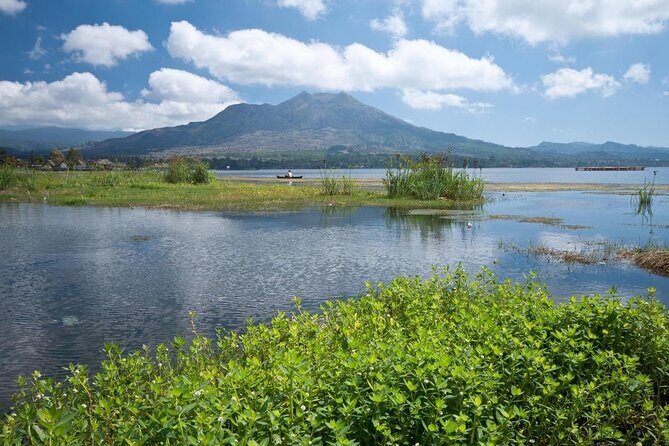
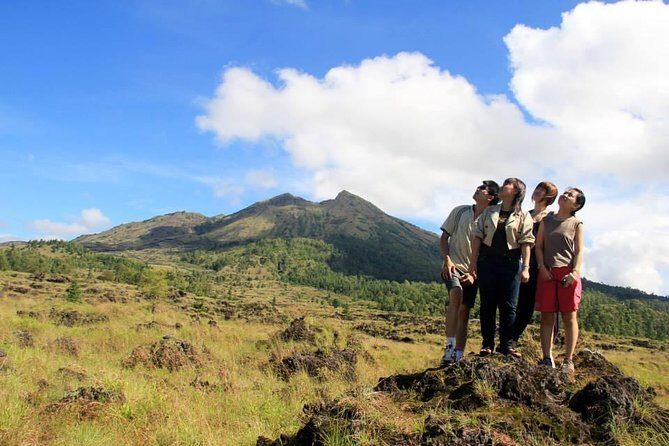
One more practical detail: you don’t have to stress about needing a swim suit. A swim suit is noted as not mandatory. That doesn’t mean you’ll be wearing nothing—just that you’re not required to bring a special item to participate. If you do have a comfortable swim outfit, wear it. If you don’t, you’ll likely be fine as long as you can comfortably snorkel.

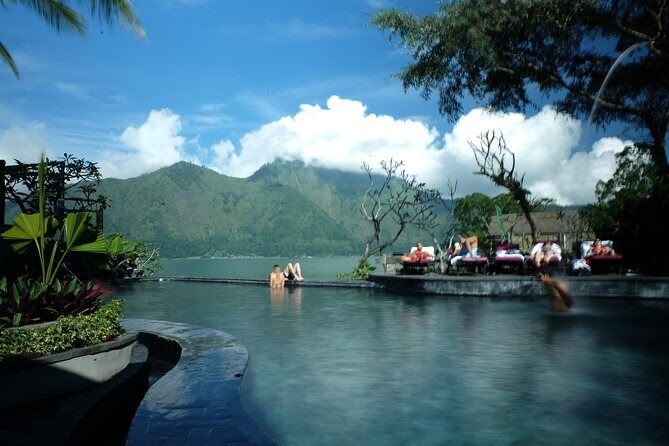
What the 4.5 Hours Feels Like on the Clock

Snorkeling at Menjangan Island Bali Hidden Underwater Gem - What the 4.5 Hours Feels Like on the Clock
The duration is about 4 hours 30 minutes. That’s a key consideration for planning your day. It’s long enough to make it worth leaving your hotel, but short enough that you can still do something else later, like a relaxed meal in Pemuteran or a sunset stop somewhere nearby.

Timing also affects visibility and comfort. Menjangan’s snorkeling is weather-dependent and water conditions can change. Your best “success factor” is being present and calm when you hit the water. If you rush your breathing or try to sprint after fish, you’ll miss the subtle moments—like an eel sliding out of a crevice or a turtle cruising at a slower pace.

Who This Tour Fits Best (and Who Might Want More Time)

Snorkeling at Menjangan Island Bali Hidden Underwater Gem - Who This Tour Fits Best (and Who Might Want More Time)
This tour is a great fit if:

  • you’re a beginner who wants patient guidance
  • you’re traveling with families or anyone who prefers calmer water
  • you want a protected-reef snorkeling experience without a full-day schedule
  • you like the idea of spotting wildlife like turtles and reef critters with expert help

It might be less ideal if:

  • you’re looking for an all-day, multiple-long-session snorkeling plan
  • you want to spend hours at one exact spot instead of moving through a short itinerary

Because the group is capped and the tour is paced, it tends to work best for people who want a well-run, comfortable trip rather than a DIY adventure.

Tips to Get Better Snorkeling Results at Menjangan

Snorkeling at Menjangan Island Bali Hidden Underwater Gem - Tips to Get Better Snorkeling Results at Menjangan
You don’t need to be a marine biologist to enjoy Menjangan. You do need to be a good snorkeler to get good results. Here are tips that match what this kind of outing rewards:

  • Go slow when you enter the water. Give your breathing and buoyancy time to settle before you start searching.
  • Let the guide do the scouting. If you’re pointed toward something like a clam, scorpionfish, or starfish, hover and watch rather than chase.
  • Scan both reef and sand. If you end up with a white sand area at some point, animals and coral can be distributed differently than on a wall.
  • Keep your face relaxed. Many first-timers struggle more with anxiety than with swimming.
  • Bring a simple dry plan for after. The tour includes lunch, mineral water, and timing for return, but you’ll still want to change out of wet gear when you’re back on land.

If you’ve only snorkeled once before, this is exactly the kind of place where guidance helps you level up fast. Reviews describe supportive coaching that turns fear into simple confidence.

Guide Wayan and the Team Approach: Why It Matters Underwater

I love tours where the staff treats the ocean like something you respect, not something you conquer. In the Menjangan experience described here, the guiding shows up in a very practical way: helping you locate marine life and supporting comfort in the water.

The mention of Wayan stood out because it points to real know-how: he’s credited with showing many fish and spotting turtles. That’s not luck you can replicate with a phone camera. It’s reef awareness—where the animals spend time, where the corals are worth slowing down for, and how to keep your group moving safely.

And for first-time snorkelers, the staff support seems equally important. One review emphasized how the guide helped a nervous beginner learn breathing and gradually swim inside to see fish. That kind of coaching changes the whole experience from stressful to fun.

Price and Value: Is $48 a Good Deal for Menjangan?

At $48 per person, this is priced in a way that makes sense for what you get. You’re paying for:

  • a boat to an island inside a national park area
  • guided snorkeling
  • gear (snorkel and fin)
  • lunch and mineral water
  • insurance
  • air-conditioned transport plus pickup

When you add those pieces up, the price looks reasonable for Bali. It also helps that the experience is limited to 10 travelers, which usually means you spend less time waiting and more time in the water.

The biggest value lever for you is whether you want guided snorkeling rather than trying to manage everything independently. If you do want guidance, this price is easier to justify.

Also, note that this activity is booked on average 124 days in advance. That doesn’t mean you can’t book later, but it signals that Menjangan snorkeling is popular, especially for people planning West Bali days.

Should You Book This Menjangan Island Snorkeling Tour?

If your goal is a well-run snorkeling outing in West Bali National Park with a strong chance to see turtles and plenty of reef life, I’d lean yes. The combination of pickup, gear, boat, lunch, insurance, and a small group cap makes it a practical choice for most visitors.

Book it if:

  • you want clear-water snorkeling without complicated planning
  • you’re bringing a beginner (or you are one)
  • you like the idea of coral gardens and reef walls rather than a quick swim-and-leave

Think twice if:

  • you want longer time in the water than about 4.5 hours
  • you prefer a more flexible, DIY-style schedule

If you want a calmer slice of Bali that feels genuinely connected to the reef, this Menjangan day trip is one of the more sensible ways to do it.

FAQ

What time does the Menjangan Island snorkeling tour start?

The tour starts at 09:00 AM from your hotel.

How long is the tour?

It runs for about 4 hours 30 minutes.

Where does the boat depart for Menjangan Island?

The boat ride begins from Banyuwedang Beach.

Is hotel pickup included?

Yes, pickup is offered, and you travel by air-conditioned vehicle.
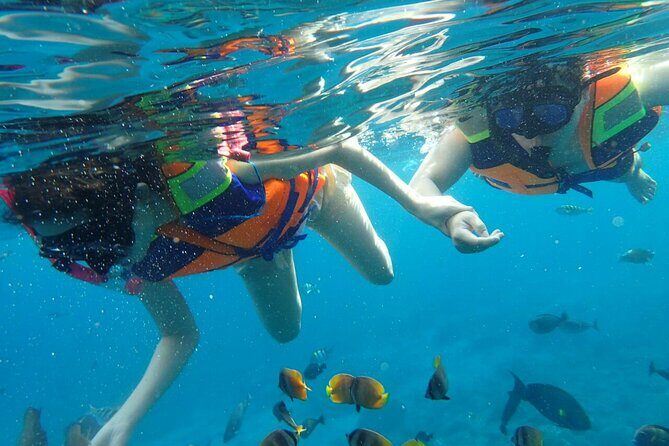
What snorkeling gear is provided?

The tour includes snorkel and fin equipment.

Is lunch included?

Yes, lunch is included, along with mineral water.

Do I need to bring a swim suit?

A swim suit is not mandatory, but you may still want to wear something comfortable for snorkeling.

Is there an insurance component?

Yes, insurance is included.

How big is the group?

There is a maximum of 10 travelers.

What is the cancellation policy?

You can cancel for a full refund if you cancel at least 24 hours before the experience start time. If you cancel less than 24 hours before, the amount paid is not refunded.
Snorkeling Nusa Penida and Island Tour Package

Snorkeling Nusa Penida and Island Tour Package - Sanur Morning: Fast Boat To Toyapakeh and Island Transfers

Nusa Penida is a long day in a good way. You get fast-boat time plus three snorkel stops, with the real possibility of spotting mantas, not just colorful fish. I especially like the hotel pickup and drop-off plus that you don’t need experience—gear is included and a guide helps you make sense of the water. One thing to weigh: snorkeling visibility and conditions can vary, and some reviews point to sessions that feel very close-to-shore rather than a wide open-water swim.

This plan also mixes famous viewpoints with quieter corners, so you’re not stuck doing only beaches. You’ll ride an air-conditioned van on the island, stop for major photo spots, and end with a popular snorkeling area that works well if you want one last swim before heading back.

Key Things I’d Pay Attention To Before You Go

Snorkeling Nusa Penida and Island Tour Package - Key Things I’d Pay Attention To Before You Go

  • Three named snorkel spots: Manta Point, Wall Point, and Mangrove Point
  • Manta-ray possibility at the points designed for it
  • Full-day timing starting around 6:30am (plan a light night before)
  • Private group for your land day, with shared snorkeling boat included
  • Mask fit matters—beards can break the seal on some standard masks
  • Tour includes lunch and gear, so you’re not juggling extra rentals

Why This Nusa Penida Combo Tour Makes Sense

Snorkeling Nusa Penida and Island Tour Package - Why This Nusa Penida Combo Tour Makes Sense
If your goal is to see marine life without turning the day into a complicated self-planned project, this package is built for that. It combines the big Nusa Penida sights with water time, and it does so with a schedule that doesn’t waste the best daylight hours.

The snorkeling portion is the headline, but the land stops are what prevent the day from feeling one-note. Places like Kelingking Beach, Broken Beach, and Angel’s Billabong are the reason most people come to Nusa Penida in the first place. You’re getting the dramatic cliffs and photo angles first, then cooling off with snorkel time when the day’s heat is already in motion.

Sanur Morning: Fast Boat To Toyapakeh and Island Transfers

Snorkeling Nusa Penida and Island Tour Package - Sanur Morning: Fast Boat To Toyapakeh and Island Transfers
Your day starts early, around 6:30am. You’ll head to Sanur Beach for a round-trip fast boat crossing to Nusa Penida, arriving on the island at Toyapakeh. That route matters because it keeps the transit time from eating the day—Nusa Penida looks gorgeous, but the timing can get tight if you’re doing everything by yourself.

Once you land, you meet your host and switch into an air-conditioned van for the sightseeing drive across the island. This is where the value of having transportation included really shows. Nusa Penida roads are not the kind you want to figure out on a tight schedule, especially with photo stops that require actual pull-offs and walking.

If you’re prone to motion sickness, take it seriously. Fast boats can be bouncy, and this trip stacks the boat ride with a long day on land. Bring what you need beforehand and keep your hydration steady.

The Land Tour: Kelingking, Broken Beach, and Angel’s Billabong

Snorkeling Nusa Penida and Island Tour Package - The Land Tour: Kelingking, Broken Beach, and Angel’s Billabong
After arrival, the day’s sightseeing covers several of Nusa Penida’s most photographed coastlines.

Kelingking Beach for the iconic cliff view

You’ll stop at Kelingking Beach, one of the island’s famous cliff overlooks. Even if you only have time for a few minutes at the viewpoint, it’s a strong anchor stop because it’s so recognizable: steep cliffs dropping toward the Indian Ocean, with a dramatic shape that’s become part of Nusa Penida’s identity.

Practical tip: bring sun protection and water. These viewpoints are scenic, but you’re exposed.

Pasih Uug (Broken Beach) and Angel’s Billabong

Next comes Pasih Uug (Broken Beach), followed by Angel’s Billabong. Broken Beach is all about the natural rock formations and how the ocean works through them. Angel’s Billabong is the opposite mood—more about a natural pool-like area where you can see the ocean meet the rock in a calmer way.

The upside of doing these stops as part of a guided package is timing. You’re not guessing how to order them. You’re also not showing up too late when the light or crowd energy has shifted.

One consideration: these are viewpoint-and-walk spots. The amount of walking isn’t spelled out in the details you have, so if you’re sensitive to stairs, steep paths, or uneven ground, plan accordingly.

A quieter stop before Crystal Bay

The day also includes a “less-visited” spot before the tour transitions into the more popular beach area of Crystal Bay. This pacing can help you enjoy Nusa Penida without feeling like every hour is a crowded lineup.

Snorkeling at Manta Point, Wall Point, and Mangrove Point

Snorkeling Nusa Penida and Island Tour Package - Snorkeling at Manta Point, Wall Point, and Mangrove Point
Now for the main event: snorkeling at Manta Point, Wall Point, and Mangrove Point.

What these stops mean for your chances

These locations are chosen because they can support the kind of wildlife watching people come for—especially manta rays at the right times and conditions. The tour doesn’t promise mantas, but it’s designed around the idea that you’re snorkel-close to places where marine life shows up.

Equipment and guidance

You’ll get towel, mask, snorkel, and fins, plus use of snorkeling equipment. You don’t need prior experience. That matters because snorkeling here isn’t just a casual beach float—you want a guide and gear that fit well enough for a safe, comfortable water session.

One review detail you should take seriously: standard mask seals can fail if the mask can’t sit cleanly against skin. If you or your partner has facial hair, consider trimming or choosing a mask that fits for a proper seal. In one experience, a bearded partner couldn’t get a working seal and ended up sitting out water time once they realized it.

What can go wrong (and why it matters)

Some snorkeling experiences are fantastic, and some are… not. One negative account called out snorkeling that felt very close to shore—around 50 yards—and even included trash removal from the water. I can’t tell you what your conditions will be, but you should go in with your eyes open: marine visibility and on-water cleanliness can vary day to day.

Also, keep expectations realistic about how much “big open-water swimming” you’ll do. The tour structure is point-based. That’s good for safety and logistics, but it can feel less like an exploratory adventure if you wanted long stretches.

Crystal Bay Snorkel Time: Your Popular Finale

Snorkeling Nusa Penida and Island Tour Package - Crystal Bay Snorkel Time: Your Popular Finale
After the land sights and the less-visited stop, the schedule heads to Crystal Bay, known for strong snorkeling conditions. It’s the kind of place where people build in extra expectation because the area is widely used for water activity.

Here’s how to think about this stop: it’s your best shot at ending the day with a snorkel session that feels rewarding, even if earlier conditions weren’t perfect. If you’re the type who wants a “finish strong” moment, Crystal Bay helps.

Lunch, Comfort, and Gear: The Stuff That Changes Your Mood

Snorkeling Nusa Penida and Island Tour Package - Lunch, Comfort, and Gear: The Stuff That Changes Your Mood
A good tour doesn’t just hand you experiences. It also prevents small problems from ruining the day.

This package includes lunch, and it provides the snorkeling gear you need. That’s a big convenience win because Nusa Penida is not set up like a place where you can easily pop into a shop for last-minute gear. Having everything included also means you can keep your morning simpler after the early start.

That said, one review was harsh about food quality. So I’d treat lunch as included fuel, not a highlight. If you’re picky, I’d still bring your own snack habit if that’s how you roll—just know the tour details don’t say outside food is offered, so you may need to manage it yourself.

Price and Value: Is $90 Fair for This Day?

Snorkeling Nusa Penida and Island Tour Package - Price and Value: Is $90 Fair for This Day?
At $90 per person, this package sits in the “good value if it runs smoothly” category. You’re paying for a lot of logistics that add up fast on your own:

  • Hotel pickup and drop-off
  • Round-trip fast boat
  • Air-conditioned van on Nusa Penida
  • Guide
  • Snorkeling equipment
  • Lunch
  • Snorkeling transport via shared snorkeling boat
  • All fees and taxes

If you try to replicate just the boat + transport + gear rental, you’ll usually end up spending close to that or more, and you still won’t automatically get the structured order of viewpoints and snorkel points.

Where the value can slip is if the execution quality is weak—like unorganized timing, poor meal execution, or an old-feeling boat. One review mentioned a run-down boat and a filthy boat pickup area, and another mentioned snorkeling that didn’t feel worth the cost. Those aren’t minor complaints when you paid for a whole-day experience.

My practical take: this is good value if you’re flexible, not too precious about the food, and focused on seeing the points and getting water time. If you expect a perfectly run operation every minute, you might find the day frustrating.

Who This Tour Fits Best (and Who Should Be Careful)

Snorkeling Nusa Penida and Island Tour Package - Who This Tour Fits Best (and Who Should Be Careful)
This is a strong fit if you want a one-day plan that covers both the famous cliffs and the snorkeling without you doing a ton of planning.

You’ll likely enjoy it if:

  • you’re comfortable with an early start around 6:30am
  • you want three snorkeling locations instead of just one
  • you like guided structure for photo stops
  • you’re okay with the fact that marine sightings depend on conditions

You should be extra careful if:

  • you need a perfect mask seal and have facial hair (trim beforehand or bring your own mask if you already know what works)
  • you’re sensitive to long days and early mornings
  • cleanliness is a top priority for you (one negative review mentioned trash in the sea)

Also note: this is listed as private for your group, but the snorkeling boat is shared. That’s not necessarily bad, but it’s worth knowing. You’ll be together for pickup and the land portion; the water transport can bring you around other snorkelers.

Common Snag Points From Real Experiences

I like to look at reviews like weather reports. You can’t control the day’s conditions, but you can decide whether the risk matches your travel style.

Here are the main issues that showed up:

  • Organization problems: one account said the trip felt unorganized, so the flow wasn’t what they expected.
  • Food disappointments: lunch was described as not great in at least one negative review.
  • Snorkeling depth and distance feeling off: one person said the snorkeling portion was about 50 yards from shore, which can change the whole vibe of the session.
  • Cleanliness concerns: one review described filthy conditions at the beach where the boat departed, and even picked trash out of the sea during a snorkel stop.
  • Mask seal issues: a bearded partner couldn’t get a proper seal on the mask and ended up sitting out water time.

What I’d do with this info: if you book, go in expecting a real outdoor day with sea variables. Also, double-check mask fit before you commit to a long water session. If something doesn’t feel right, ask immediately rather than waiting until you’re already in the water.

Should You Book This Nusa Penida Snorkeling + Island Tour?

I’d book it if your priority is a structured, full-day mix of Nusa Penida viewpoints and snorkeling, and you’re okay with the fact that sea conditions and execution quality can vary.

Don’t book it if you’re the kind of traveler who needs everything to feel polished, spotless, and tightly choreographed. The best version of this tour sounds like exactly what you’d want: three snorkel points plus major highlights like Kelingking, Broken Beach, and Angel’s Billabong. The weaker versions are the ones where snorkeling felt too limited, the boat felt rundown, or the day’s logistics slipped.

If you want the cliffs and marine life in one go, this is a practical choice—just go in with flexible expectations and pay close attention to mask fit and comfort.

FAQ

What time does the tour start?

The start time is 6:30am.

Where do I depart by fast boat?

You board the fast boat from Sanur Beach.

How long is the tour?

It’s listed as 10 hours (approx.).

Do I get snorkeling gear?

Yes. You get towel, mask, snorkel, and fins, and the tour includes use of snorkeling equipment.

Is lunch included?

Yes, lunch is included.

Does the tour include hotel pickup and drop-off?

Yes. Pickup and drop-off at hotels are included.

Do I choose between snorkeling-only and snorkeling plus sightseeing?

Yes. You can choose just snorkeling or snorkeling plus an island tour.

How many snorkel locations are included?

The snorkeling is at Manta Point, Wall Point, and Mangrove Point.

Is the tour private?

It’s described as private in the sense that only your group participates, but the snorkeling boat is listed as shared.

What is not included in the price?

The tour lists personal expenses as not included.

Can I cancel for a refund?

Yes. You can cancel up to 24 hours in advance for a full refund. If you cancel less than 24 hours before the start time, the amount paid won’t be refunded.