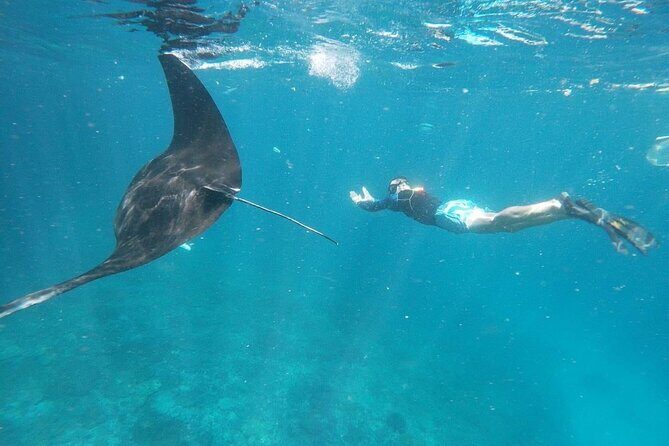
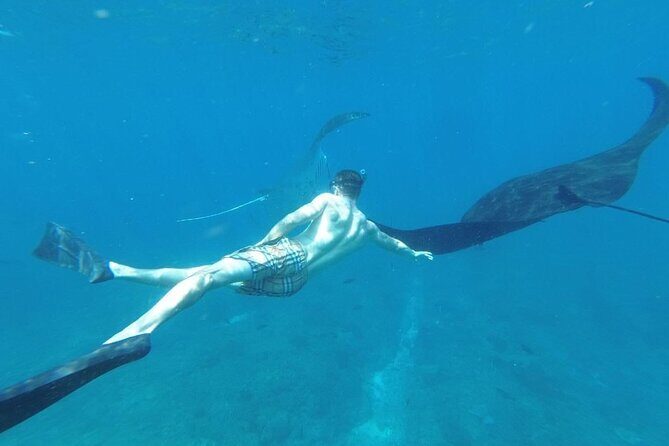
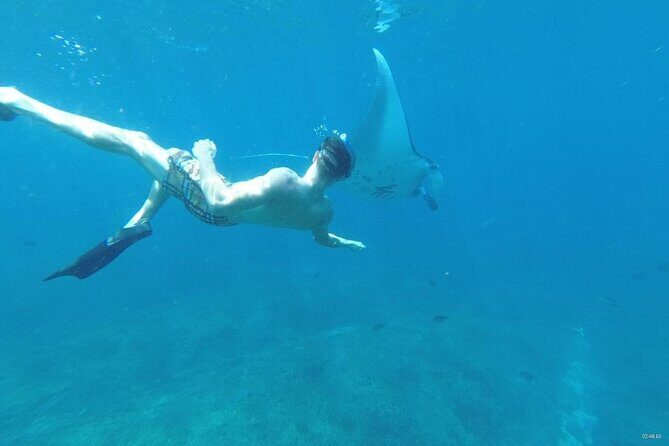
This is one of those small-group setups that helps you feel ready fast. You get real instruction before you ever go in the water, and the day is paced for beginners instead of checking boxes. The plan mixes a theory rundown, a pool session, and then an open-water underwater experience in either Coral Garden or the WWII USAT Liberty Shipwreck near Tulamben.
Two things I really like: first, the group limit is tiny, max 5 total including you (so you get close attention). Second, you’re not left to figure anything out on your own—hotel pickup and drop-off are part of the package, plus you get equipment, towels, and drinks like tea or coffee.
One possible drawback: it’s designed as a short day (about 5 hours) with one main ocean session. If you want a second ocean stop, you’ll need to upgrade.
Key things worth knowing before you go
- Max group size (4 other people): more 1-on-1 coaching when skills get tricky
- Pool practice first: you learn the moves in a controlled setting before the ocean
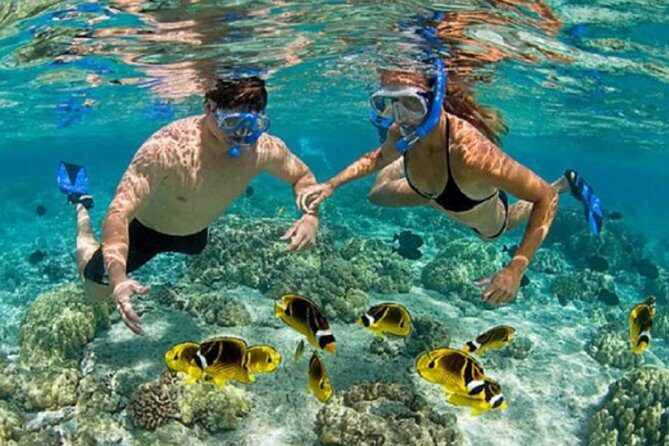
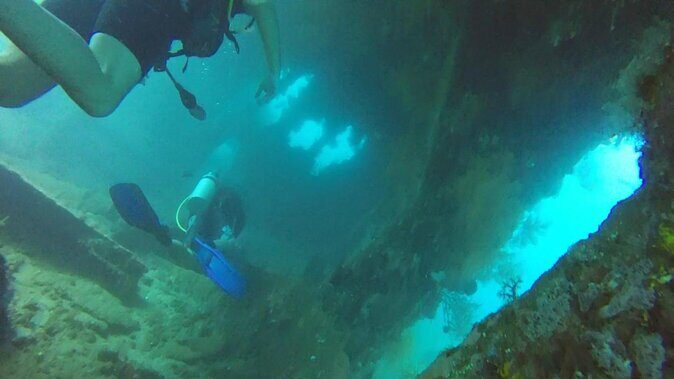
- Two underwater options: Coral Garden for calmer reef time, or the WWII USAT Liberty wreck near Tulamben
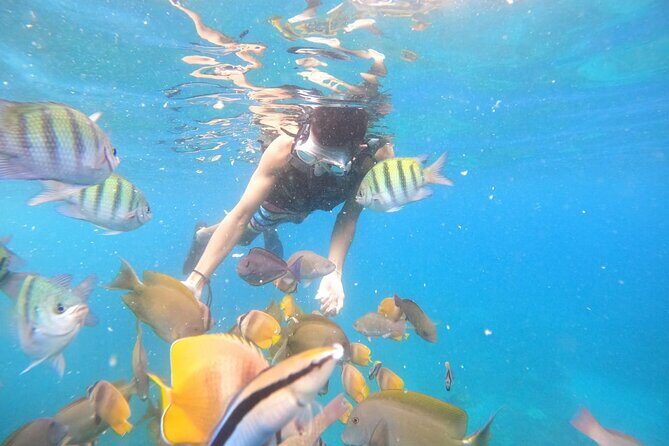
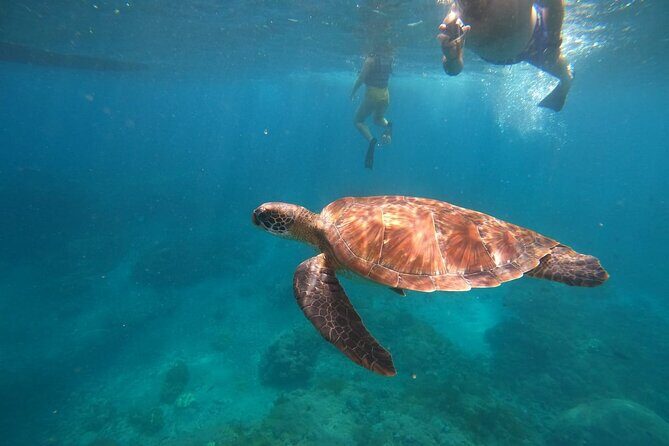
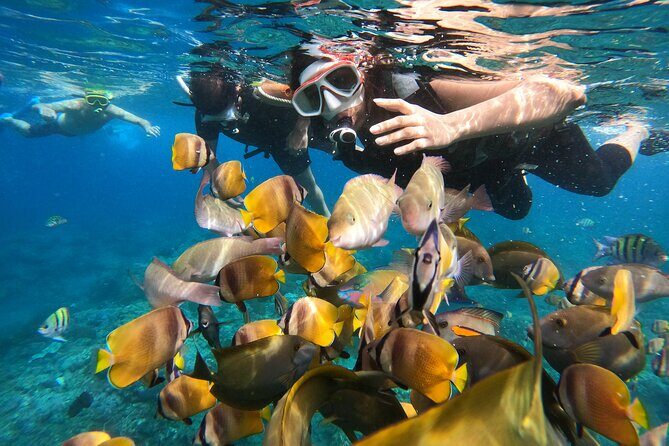
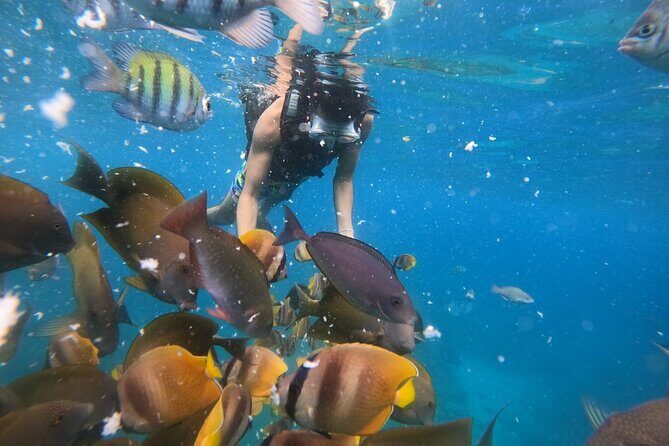
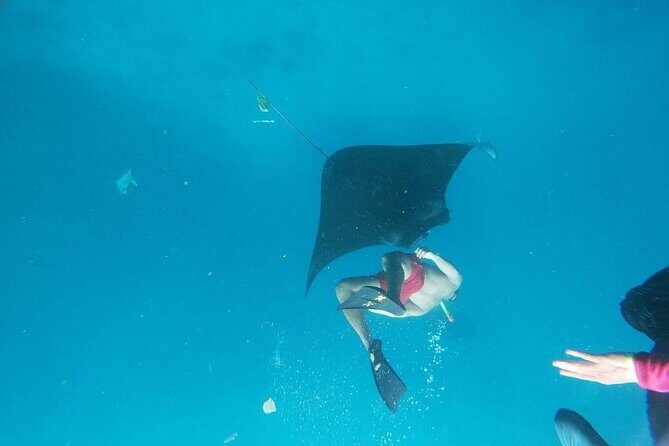
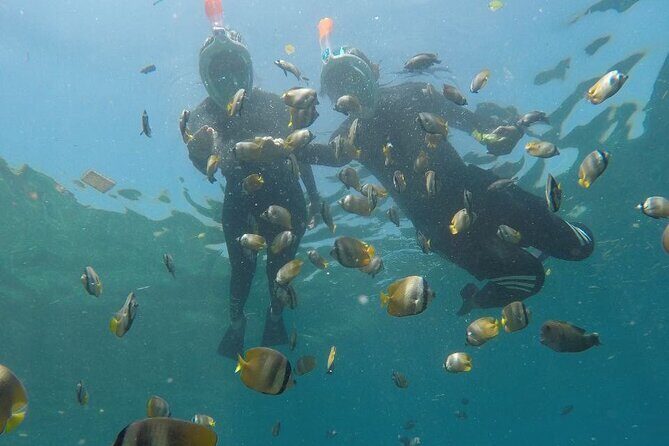
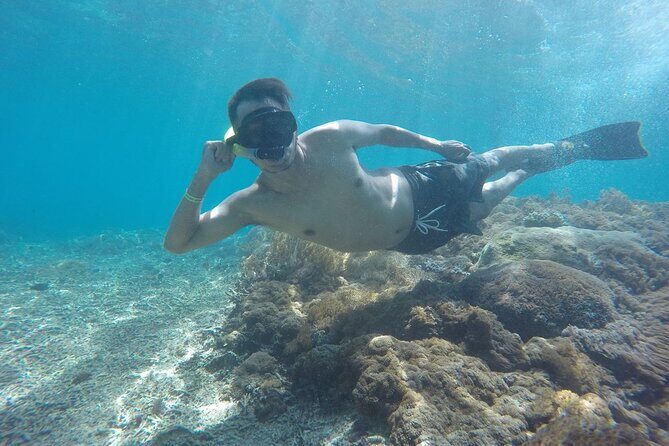
- Photos/video included: you leave with memories of your first underwater session
- WWII wreck option for history buffs: the USAT Liberty Shipwreck is a big draw in this area
- Friendly, organized instruction: multiple instructors are praised for professionalism and safety focus
Where Ubud fits in, and why Amed is the right base
This intro program is marketed from Ubud, but the action runs from the Amed/Tulamben side of Bali. That matters because it puts you close to some of the area’s most well-known beginner-friendly underwater scenery, including reef time at Coral Garden and the USAT Liberty Shipwreck option near Tulamben.
The best part for your schedule: the day starts in the morning, with a clear structure. You begin with a welcome tea or coffee, then you move step-by-step from rules and technique to practice in the pool. Only then do you head into the ocean.
That’s the underlying theme here: you’re not rushed into water just to get a checkmark. You’re coached until you understand what you’re doing.
Small-group coaching that actually keeps you safe
The biggest quality-of-life win is the tiny group size. This is limited to no more than 4 travelers (so you’re not fighting for attention while your instructor tries to manage multiple bodies, multiple questions, and multiple skill levels).
In practical terms, that means:
- corrections happen fast (you can adjust before your next attempt)
- you get more time to ask about risks and technique
- you’re watched closely during the session (especially helpful for brand-new students)
Even the way the center describes the program signals a safety-first style: rules and expectations come before pool practice, and the ocean portion follows after you’ve demonstrated basic control.
From the feedback I’m seeing in the instructors and team vibe, the staff also handles changes in plans with preparation rather than panic. If your comfort level needs adjustments, you’ll likely get that attention.
The morning flow: tea/coffee first, then skill building
Your day starts at 8:00 am. Before anything technical happens, there’s a welcome tea or coffee. It sounds small, but it sets the tone: calm start, then you get into the scuba rules and what to expect.
After the overview, you go straight into a pool session to get comfortable with the gear and movements. This is the part that makes the ocean session feel less like a leap and more like a continuation.
Also helpful: equipment, towels, and water are provided, plus fruits. So you’re not juggling a bunch of logistics while you’re trying to stay relaxed.
If you like a tour that feels organized—where you’re not guessing what comes next—this style works.
Pool session: where beginners get their footing
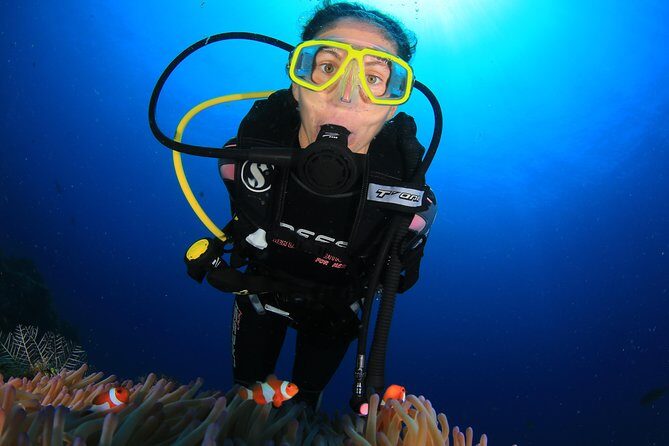
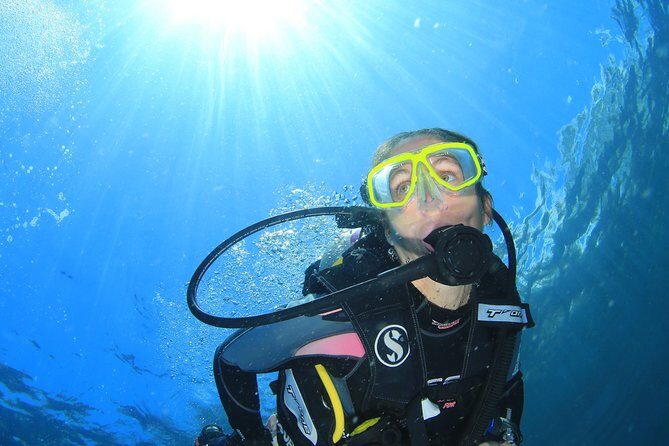
For first-timers, the pool matters more than most people think. You’re learning control points like breathing rhythm, buoyancy basics, and how to move without panicking. In the water, there’s more sensation: temperature changes, sound changes, and you can feel a little time pressure. The pool removes a lot of that.
The program is built around that sequencing:
1) rules and basics explained
2) practice in the pool until you’re comfortable
3) one ocean session where you apply it
That’s also why this experience works well when you’re pressed for time. It’s short, but not random.
And based on instructor feedback, the team teaches with care and technical competence. Names that show up in positive feedback include Fernando, Pepan, and Zebastain P—each praised for professionalism, patience, and clear guidance. Another name connected with technical expertise is Antoine, which is a good sign that the staff isn’t winging it.
Coral Garden vs the USAT Liberty Shipwreck: choosing your underwater mood
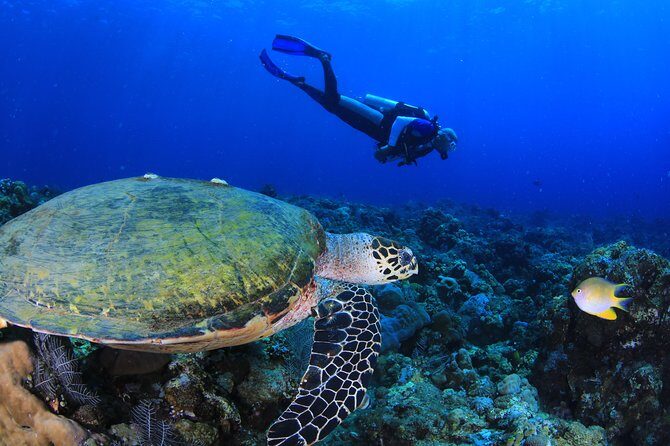
This is one of the key decision points built into the day: your ocean session will be either:
- Coral Garden (reef-style ocean time), or
- the USAT Liberty Shipwreck near Tulamben (a WWII-era wreck)
You might not choose this yourself every time—ocean conditions and planning can affect it—but knowing what each option feels like helps you decide what you’re hoping for.
Coral Garden: reef time with beginner-friendly energy
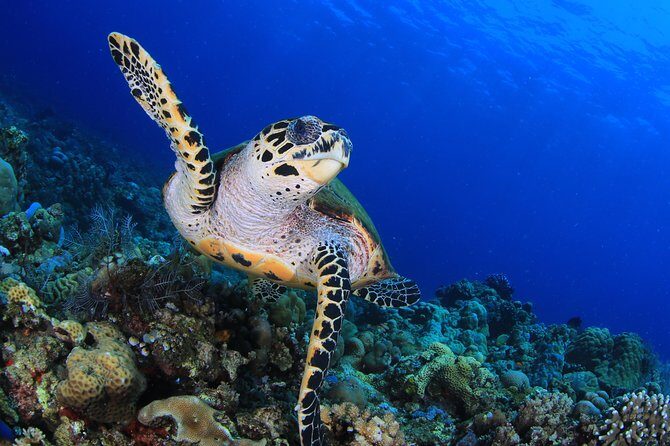
If you want something focused on learning basics in open water, Coral Garden is the kind of option that typically feels more straightforward for new students. The goal is still skill and comfort, but the environment tends to suit people who want to see marine life and practice calm control.
USAT Liberty: WWII wreck atmosphere with serious wow factor
The USAT Liberty Shipwreck is a major draw in this area. A WWII-era wreck adds drama to the learning day—less like a classroom moment, more like a story you can swim through.
The tradeoff is that wreck environments can demand more attention to buoyancy, positioning, and staying aware. The good news: this program is designed specifically for beginners, and your instructor support should keep you on track.
If you’re the type who loves a big setting and doesn’t mind that it’s a little more “eventful,” the wreck option is the one to hope for.
What’s included (and why it makes a difference)
This isn’t a bare-bones taster where you show up and fend for yourself. You’re provided with:
- equipment
- towels
- tea/coffee, water, and fruits
- photos/videos from your experience
And there’s another detail that’s genuinely useful: your photos/videos are part of the package. New underwater students often feel too busy focusing on breathing and body position to grab good photos anyway. Getting images afterward means you can actually remember what you did—without doing a frantic smartphone dance underwater.
The day also includes program structure (the overview, the pool session, then the ocean). That reduces uncertainty, which helps your nerves.
How the photos fit into the value
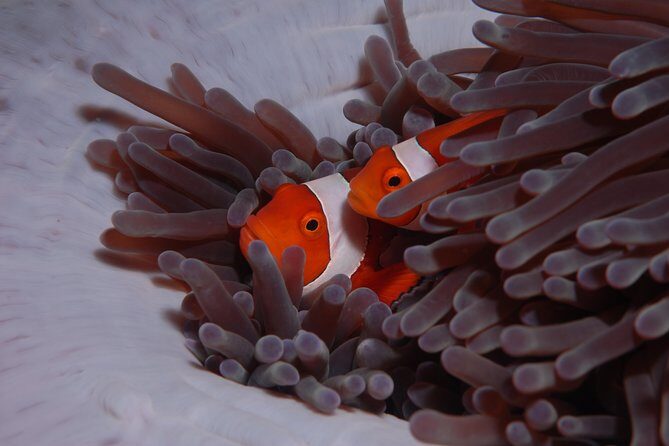
The fact you get photos/videos isn’t just a cute extra. It changes the experience from feeling like a one-time test into something you can share and reflect on.
If you’re booking an intro session specifically because you’re curious about scuba, you’ll want proof that you can do it. Visual memories help you judge your progress honestly—and decide if you want to continue with a course afterward.
This center’s wider coaching reputation also comes through in feedback about taking further education, including an Open Water Diver course and references to SSI.
So you can treat this day as the warm-up, not a dead end.
Price and value: what $120.94 buys you in real terms
At $120.94 per person for about 5 hours, you’re paying for:
- instruction built for beginners
- equipment and towels
- drinks and fruits
- transport via hotel pickup/drop-off
- guided safety oversight in the pool and ocean
- photos/videos afterward
- a small group with max 4 other people
That’s the big value story: you’re buying coaching time and safety attention, not just access to water.
And the booking pattern matters too. On average, it’s booked about 12 days in advance, which tells me this is a popular day format. If you wait too long, you can lose the ideal time slots.
If you compare this to a DIY option, the cost isn’t just the gear—it’s the teaching and supervision. For most first-timers, that’s what keeps the experience enjoyable instead of stressful.
How to get the most out of your one ocean session
Because the program is short and structured, you’ll get more from it if you treat the day like skill practice, not sightseeing.
A few practical mindset tips:
- Pay attention in the rules overview; it’s not filler.
- Use the pool session to build calm habits. Don’t rush your learning.
- In the ocean, focus on the basics your instructor gives you rather than comparing yourself to anyone else.
- If you’re unsure about your comfort, say it early. Small groups make it easier for the instructor to adjust.
Also, keep in mind there’s an option to do a second ocean session upgrade. If you’re already thinking about getting more time in the water, ask about it during the planning window rather than assuming it’s automatic.
Who this intro session suits best
This program fits best if you:
- are short on time and want a beginner-friendly intro day
- want personal attention in a tiny group
- prefer hotel pickup/drop-off so you can show up and relax
- want a structured progression: rules → pool → ocean
- value photos/videos so you don’t miss the memory part
It’s also a good fit if you’re drawn to the area’s signature options—reef time at Coral Garden or the big visual moment of the USAT Liberty Shipwreck.
If you’re looking for a long multi-day expedition, this isn’t it. It’s a focused start.
Quick decision: should you book this?
I’d book this if you want an organized, beginner-first day with small-group attention, pool coaching, and one guided ocean experience, plus photos to take home. It’s especially smart if you’re curious about continuing into a full certification later.
I’d think twice only if you’re hoping for multiple ocean sessions as part of the base price, because the program is built around one main open-water experience. If you want more time underwater, plan on asking about the second-session upgrade.
If you like your tours with clear steps and careful instruction, this is the kind of experience that turns first-timer nerves into a real, confident start.
FAQ
What happens first in the program?
You start with a welcome tea or coffee, then get an overview of scuba rules. After that, you do a pool session to get comfortable before the open-water ocean experience.
How big is the group?
The experience is limited to a maximum of 4 travelers. The goal is personalized attention in a very small group.
Where does the ocean session take place?
Your ocean session is either at Coral Garden or at the USAT Liberty Shipwreck in Tulamben.
What’s included in the price?
You get equipment, towels, tea/coffee, water, fruits, and photos/videos from your experience, plus instruction during the day.
Is hotel pickup and drop-off included?
Pickup is offered, and the activity includes hotel pickup and drop-off, so you don’t need to find a meeting point on your own.
Can I cancel and get a refund?
Yes. You can cancel up to 24 hours in advance for a full refund. If you cancel later than that, the amount paid is not refunded.