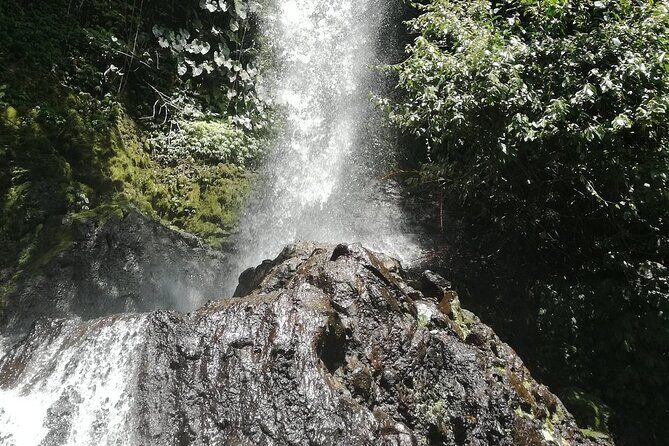
Bali Private Car Charter Tour with English Speaking Driver

Bali Private Car Charter Tour with English Speaking Driver - Price per person: why this charter can be a smart deal

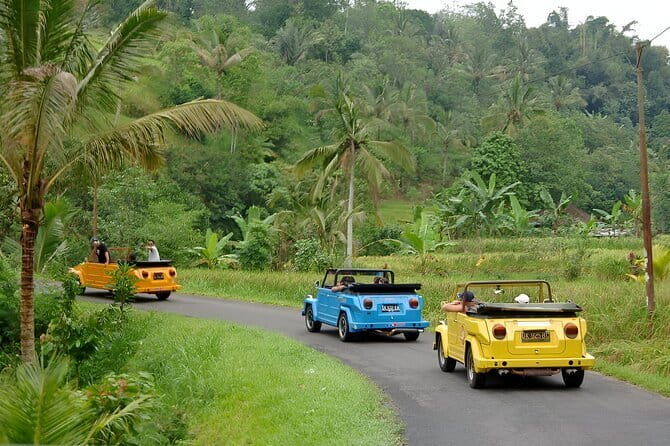
Bali is best when you pick the pace. This private charter from Ubud is built around your choices, with an English-speaking driver and hotel pickup that lets you hop between waterfalls, rice terraces, and temples without the stress of navigating.

I like that you can build a custom itinerary for an 8–10 hour day, so your route can match what you actually want to see (not just a fixed checklist). I also like the practical touches: an air-conditioned private car, bottled water, and insurance included.

One thing to watch: entrance tickets aren’t included, and you’ll want a quick weather reality check because the experience notes good weather is important.

Key things to know before you go
Bali Private Car Charter Tour with English Speaking Driver - Key things to know before you go

  • Private, English-speaking driver: You get local guidance without needing to self-drive.
  • Hotel pickup and drop-off: Direct convenience in Ubud and most of south Bali.
  • 8 to 10 hours of flexibility: You can keep it light or go big for more stops.
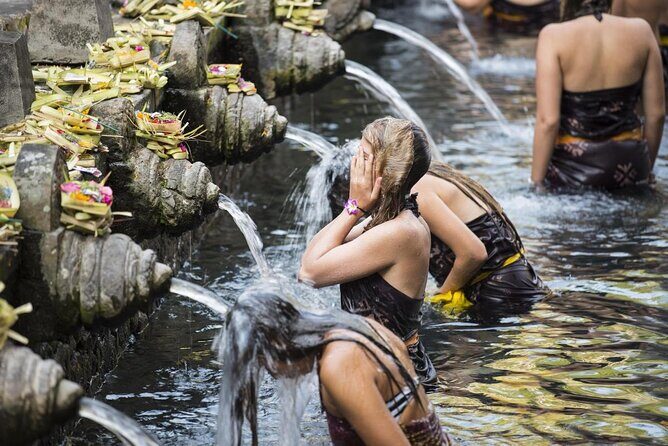
  • Waterfalls plus temple pairing: Sacred springs and scenic falls work well in one day.
  • Bring your must-sees: The day can be customized, but you should confirm the order with your driver at pickup.

A private driver turns Ubud into a choose-your-own-day
Bali Private Car Charter Tour with English Speaking Driver - A private driver turns Ubud into a choose-your-own-day
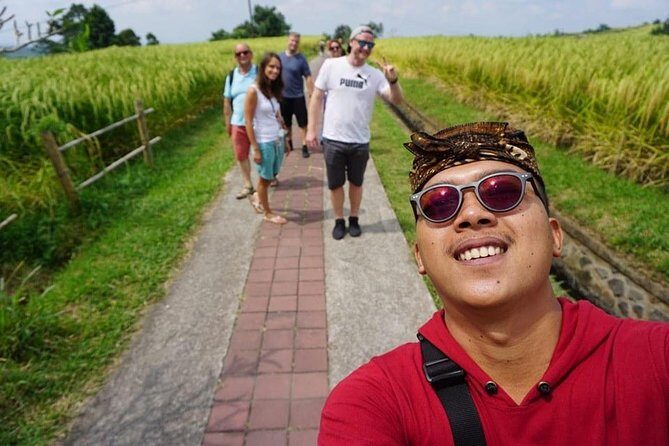
If you’ve ever tried to plan Bali by map and motorbike, you know how fast a day can get eaten by logistics. A private car charter fixes that. You tell the driver what you want, and you spend your time looking out the window instead of second-guessing routes.

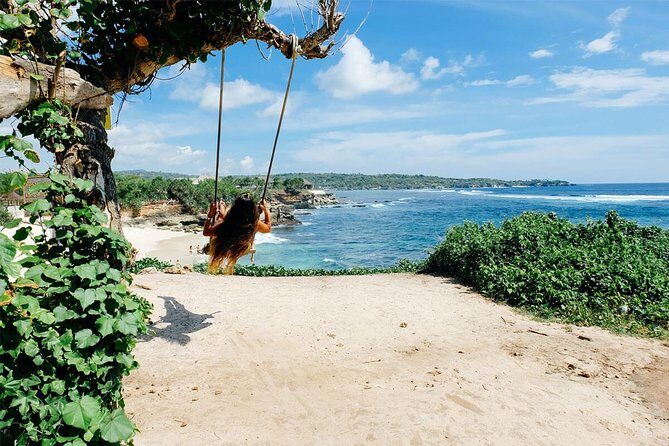
What makes this feel genuinely useful in Ubud is the mix of famous highlights and options that let you shape the mood. You can build a day around waterfalls, rice terraces, sacred places like Tirta Empul, and even a local Ubud market. In at least one trip, the driver Gusti handled the plan smoothly and worked around what the group wanted, including a monkey forest visit and a swing as the standout moment.

The setup also fits the “independent traveler” style. This isn’t a crowded group bus experience. It’s just your group, and the driver can adjust the pacing as the day goes on.

Price per person: why this charter can be a smart deal
Bali Private Car Charter Tour with English Speaking Driver - Price per person: why this charter can be a smart deal
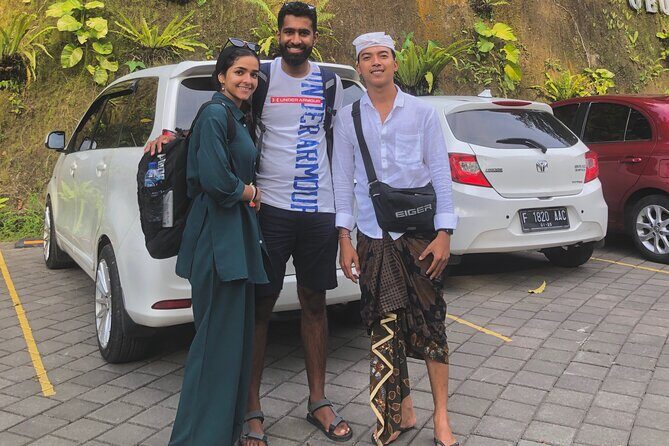
The headline price is $9 per person, and it’s commonly booked about 34 days in advance. That price looks surprisingly low for an air-conditioned private car with an English-speaking driver, and it tends to make the most sense when you can split costs with others (or when your time is worth something).

Here’s the value equation I’d use if you’re deciding:

  • You’re paying for time savings. In Bali, “just figuring it out” can cost hours.
  • You’re paying for comfort and safety. A private car with bottled water and insurance included helps.
  • You’re paying for flexibility. Your itinerary can include exactly the sights that matter to you, like Tirta Empul after Kintamani or several waterfalls in one day.

Where cost can creep up is outside the base price. Lunch, tolls/parking, and entrance tickets are not included. If you plan on multiple paid attractions, it’s smart to budget for tickets separately so there are no surprises.

Also, because this is priced per person, check how many people you’ll be in your party. With group discounts noted in the tour features, the total can get even friendlier when you’re traveling in a small group.

Your 8–10 hour route: where pickup drops you
Bali Private Car Charter Tour with English Speaking Driver - Your 8–10 hour route: where pickup drops you
This is a private tour/activity with hotel pickup and drop-off, which is the big convenience win. You won’t have to coordinate a meeting point or rely on rides that may not match your schedule.

Duration is listed as about 8–10 hours. The key detail is that the service area changes depending on whether you book the shorter day or the longer one:

  • 8 hours service: Ubud, Denpasar, and Badung
  • 10 hours service: Ubud, Gianyar, Denpasar, Badung, Bangli, and Tabanan

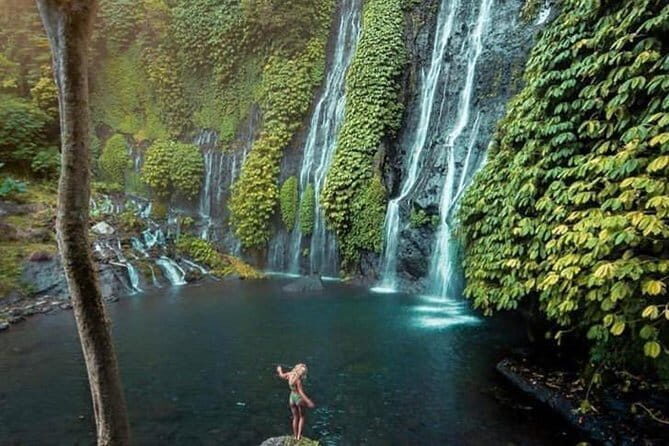
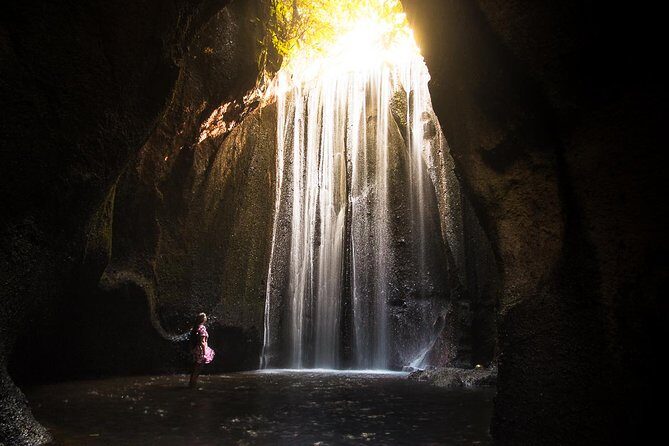
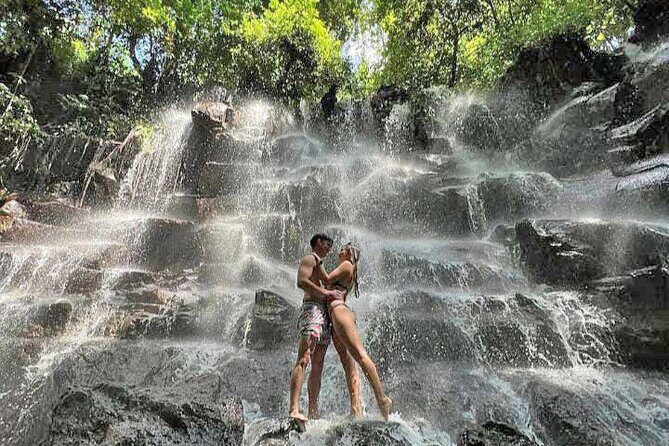
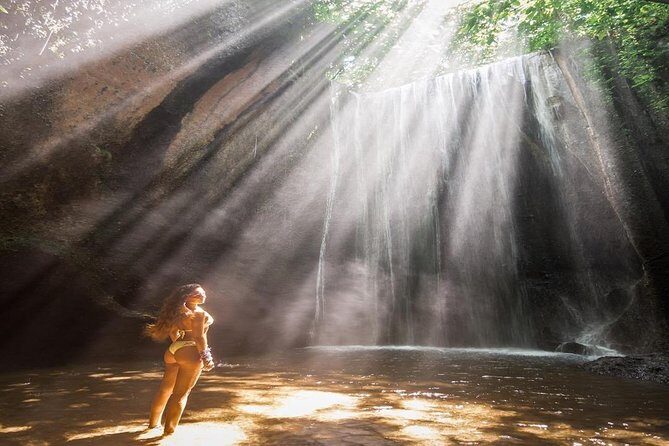
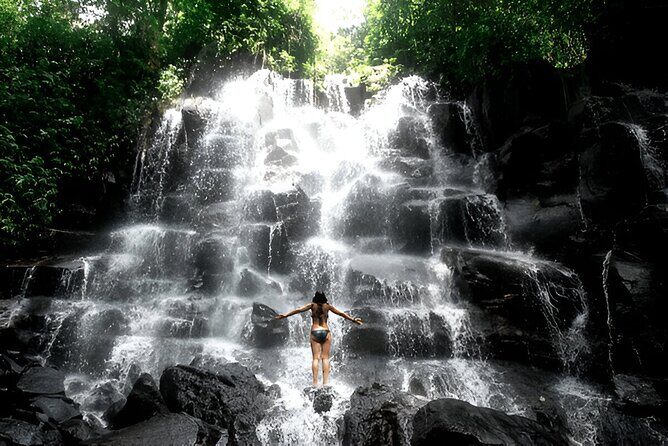
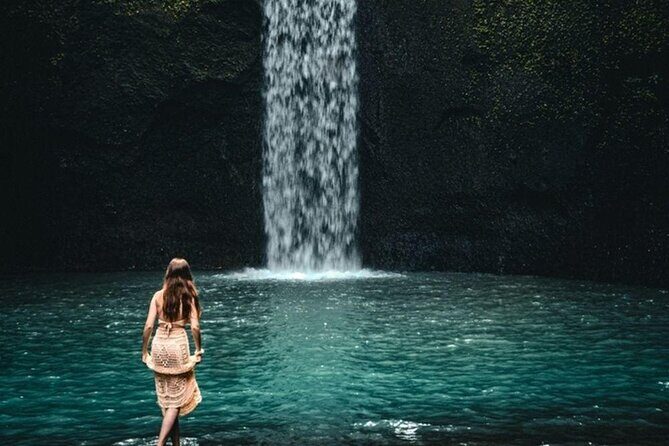
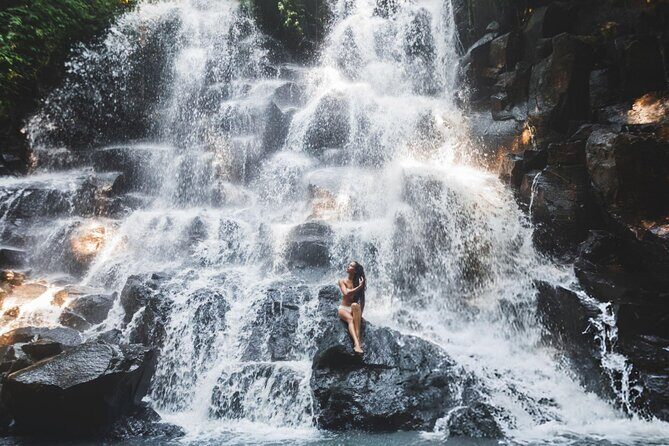
That matters because several of the best-known waterfall and temple options cluster around these regions. If you’re trying to pack in multiple stops like Kanto Lampo, Tibumana, and Tukad Cepung, the 10-hour option is usually what makes it realistic.

You’ll also get a mobile ticket, and confirmation comes at booking. If you like having things locked in, that’s a nice baseline.

How to build an itinerary around waterfalls and sacred springs
Bali Private Car Charter Tour with English Speaking Driver - How to build an itinerary around waterfalls and sacred springs
The tour’s best use is simple: pick a theme for the day, then connect the stops in a logical order. For example, you can pair a waterfall block with temples, or structure a “views and culture” day around Ubud plus the volcano area near Kintamani.

A helpful clue is the way Tirta Empul is described as a “perfect stop” after visiting the volcano at Kintamani Village. That tells you the day can be built like a route arc: morning views, then a temple stop centered around the sacred spring at Tampak Siring.

The driver’s job becomes more than transport. In one trip, Kadek helped make the day work well even though the written itinerary details were unclear, and Kintamani ended up being the most beautiful part. That’s your cue: give your driver your must-sees early, and ask them to confirm the order out loud when you meet.

If you’re after a more photo-heavy day, you can lean into rice terraces (like Tegalalang) and waterfall viewpoints. If you want a slower, more cultural day, swap in the traditional Ubud market and focus on temples and scenic viewpoints.

Stop-by-stop guide: Tegenungan, Tirta Empul, Tegalalang, and the rest
Bali Private Car Charter Tour with English Speaking Driver - Stop-by-stop guide: Tegenungan, Tirta Empul, Tegalalang, and the rest
Below is what you can expect from the stops that are part of the route options, plus the practical “why it’s worth it” (and what to watch).

Ubud Tegenungan Waterfall

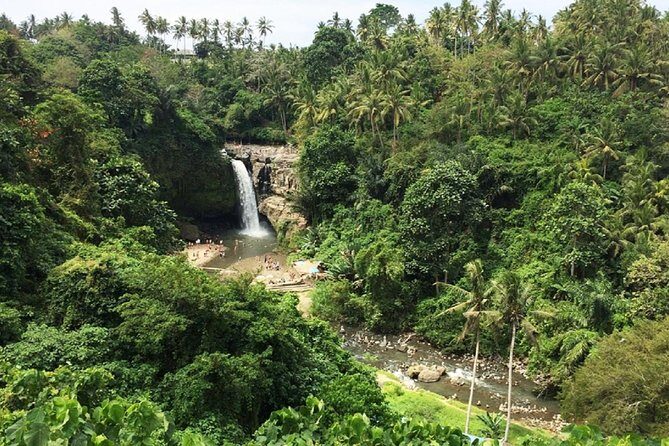
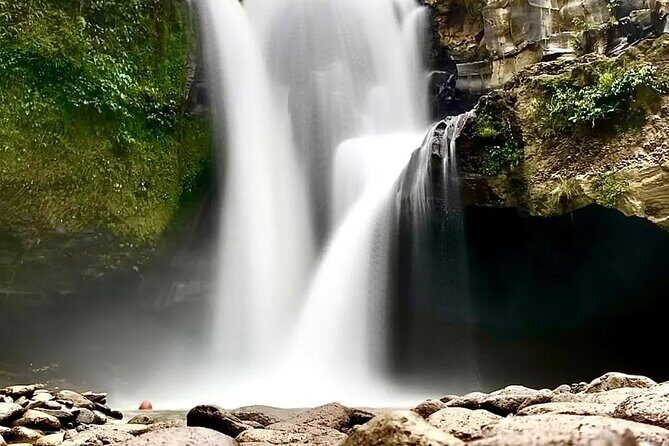
This one is all about scenery and atmosphere. The description highlights amazing scenery, clean water, and a cool atmosphere. It’s also noted that from the stepping zone there are steps going down to the waterfall area.

Why you’ll like it: it’s a classic Ubud waterfall experience that feels like a proper natural stop, not just a quick photo pull-over.

What to consider: the steps mean you’ll want comfy footwear and a steady pace, especially if conditions are slick.

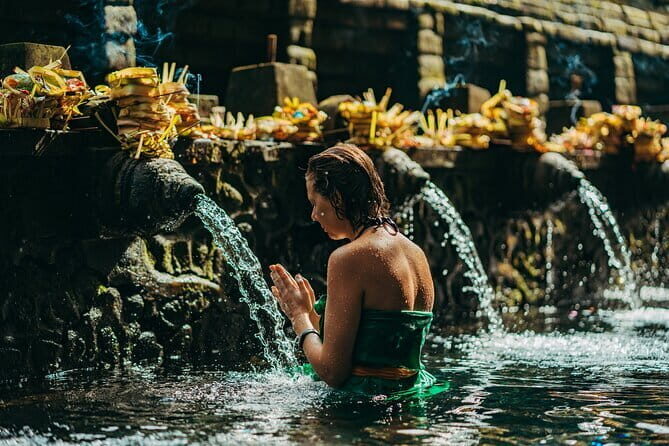
Tirta Empul Temple (sacred spring at Tampak Siring)

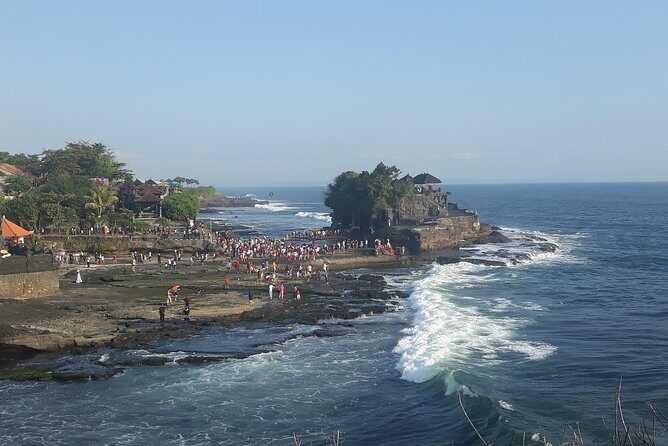
Tirta Empul is built around a sacred spring, and the description frames it as a major place that Balinese worshipers have been drawn to for more than a thousand years.

Why you’ll like it: it’s one of the most meaningful stops when you want to see Bali beyond scenery—spiritual life and place-based worship, anchored to the spring itself.

What to consider: this stop can pair nicely after a volcano visit around Kintamani, so plan your day so you’re not bouncing everywhere back-to-back.

Ubud Tegalalang Rice Terrace

Tegalalang is famous for its rice terraces and the view of terraced rice fields. If you want a “Bali postcard” moment, this is where that usually happens.

Why you’ll like it: it’s a strong sightseeing payoff, and it’s easy to spend the right amount of time—long enough for photos and a slow look, not so long that it burns your whole day.

What to consider: it’s a popular look-out style stop, so wear shoes you can walk in comfortably on uneven ground.

Bali Batuan Temple

Batuan Temple is described as a local Balinese Hindu temple looked after by residents of the Batuan countryside. It’s noted for Balinese ornaments and its ornate temple design.

Why you’ll like it: it can feel more rooted and local because it’s presented as a temple maintained by nearby residents, not just a sight set up for tourists.

What to consider: if you’re short on time, treat this as a “slow look” stop—let the details be the point rather than rushing through.

Tibumana Waterfall

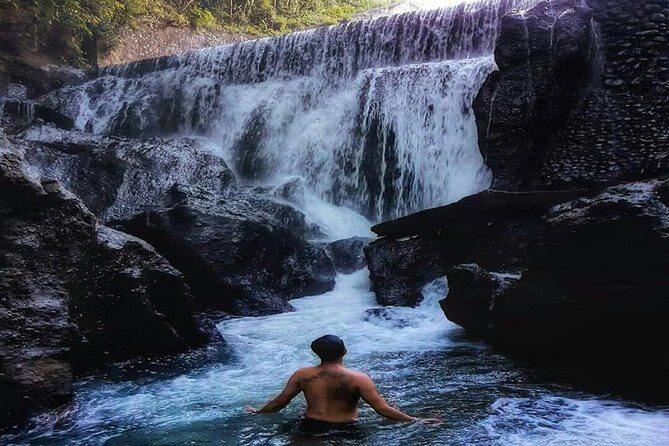
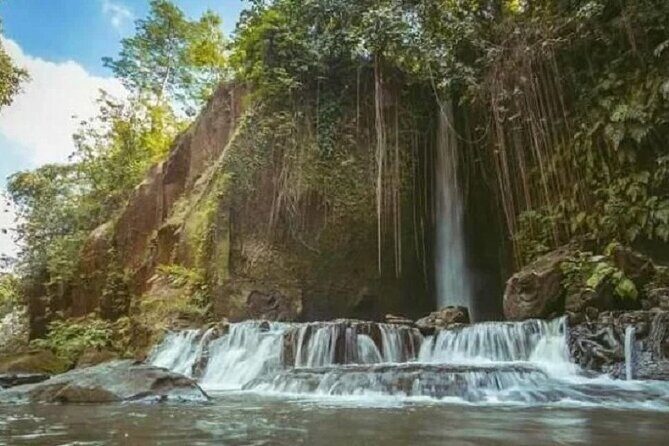
Tibumana is listed as a natural tourism stop with a beautiful waterfall view, located in Banjar Bangun Lebah Kawan, Apuan Village, Bangli Regency.

Why you’ll like it: it adds variety to a waterfall day—another look at Bali’s water-and-green scenery, tied to Bangli Regency.

What to consider: the route depends on your day length. If you’re trying to combine several waterfalls, make sure you’re booking enough time to avoid feeling rushed.

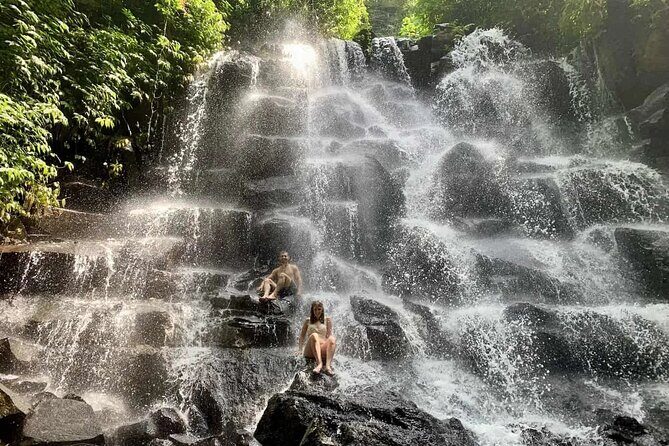
Kanto Lampo Waterfall

Kanto Lampo is described as a waterfall attraction in Beng Village, Gianyar, with beautiful natural scenery and water flowing from the feature (the description cuts off, but it’s clearly framed as a scenic waterfall stop).

Why you’ll like it: it’s a strong add-on when you want more waterfall time beyond just one stop.

What to consider: it’s part of a route that can stack multiple falls—plan your order so you’re not tired before the best one.

Tukad Cepung Waterfall

Tukad Cepung is described as located in Penida Village, Tembuku sub-district, Bangli province. It’s also noted as a tourist attraction introduced only a few years ago, with the beauty described as the reason people keep coming back.

Why you’ll like it: it’s a chance to see a more recent-feeling attraction while still getting the classic waterfall payoff.

What to consider: because it’s listed as relatively new, your best experience will come from good timing and weather. If conditions are poor, stick to the weather-aware plan discussed later.

Mt. Batur view with Batur Lake (for the 10-hour option)

If you choose the 10-hour duration, the itinerary includes a viewpoint with Mt. Batur and Batur Lake in view.

Why you’ll like it: volcano-and-lake scenery is one of Bali’s signature day-trip images, and it adds a different kind of drama compared with waterfalls and temples.

What to consider: if clouds roll in, your view may not match your hopes—this is why you’ll want flexibility in your day structure.

Balinese traditional market in Ubud

The route options include a traditional market stop in Ubud. That’s a great way to balance “nature + temples” with everyday local life.

Why you’ll like it: markets help you understand the rhythms of the place you’re visiting. Even if you only browse, it’s a worthwhile contrast to scenic stops.

What to consider: go with a simple plan—wander, look, buy only what you truly want. Markets can take longer than you expect.

Rain, tickets, and timing tips that save your day
Bali Private Car Charter Tour with English Speaking Driver - Rain, tickets, and timing tips that save your day
Bali’s weather can be moody, and this tour explicitly notes that the experience requires good weather. If it’s canceled due to poor weather, you’ll be offered a different date or a full refund.

In practical terms, here’s how I’d protect your day:

  • Keep your must-sees near the start of the itinerary. Waterfalls and viewpoint stops are more weather-dependent than a museum-style stop.
  • Ask your driver to confirm the route order at pickup. One helpful review experience highlighted that unclear itinerary communication can happen, but the driver’s guidance helped make the day run well.
  • Build a buffer mindset. Even without exact timing listed, you’ll want room for the real Bali factors: traffic, walking between areas, and the pace you choose at each stop.

Also plan for expenses outside the base price:

  • Entrance tickets are not included.
  • Lunch is not included.
  • Tolls and parking may add extra cost.

One small but real comfort advantage: you’re getting bottle mineral water and an air-conditioned private car. That can make a long day feel way less exhausting, especially if your route includes multiple waterfall stops.

If you’re choosing between 8 hours and 10 hours, ask yourself this: do you want just a “great highlights” loop, or are you aiming for the full set like additional waterfalls plus the Batur view? The 10-hour day is the one that gives you room for the volcano viewpoint.

Who should book Bali Natural Tours (and who should skip)

Bali Private Car Charter Tour with English Speaking Driver - Who should book Bali Natural Tours (and who should skip)
You should book this Bali Private Car Charter Tour with English Speaking Driver if:

  • You want a private day in Ubud and surrounding areas without self-driving stress
  • You like building your own mix of waterfalls, rice terraces, temples, and market time
  • You’re traveling with friends or family and can split the per-person cost
  • You want an English-speaking driver who can help shape the best order of stops

You might skip it if:

  • You’re not willing to plan around entrance tickets you’ll pay separately
  • You have a rigid schedule and can’t handle weather changes (the experience is weather-dependent)
  • You prefer a very structured, written itinerary with no need to communicate your preferences

If you do book, I’d go in with a simple message to your driver: your top 3 priorities (for example, Tegenungan waterfall, Tirta Empul, and Tegalalang), plus one bonus idea like Kanto Lampo or Tukad Cepung if time allows. That approach matches how the best days tend to work—your driver can then design the route so you don’t spend your day running between far-flung places.

FAQ

Bali Private Car Charter Tour with English Speaking Driver - FAQ

How long is the Bali private car charter tour?

It runs for about 8 to 10 hours, depending on the option you choose.

Does the tour include hotel pickup and drop-off?

Yes. Pickup and drop-off are included, with service direct to hotels in Ubud and most of south Bali.

Is the driver English speaking?

Yes. The tour includes an English-speaking driver.

Are entrance tickets and lunch included?

No. Entrance ticket costs and lunch are not included.

What areas are covered in the 8-hour vs 10-hour service?

For 8 hours, service is listed for Ubud, Denpasar, and Badung. For 10 hours, service covers Ubud, Gianyar, Denpasar, Badung, Bangli, and Tabanan.

Is free cancellation available?

Yes. You can cancel up to 24 hours in advance for a full refund. The experience also notes it’s weather-dependent, and if canceled due to poor weather you’ll be offered a different date or a full refund.
Private Tour : Bromo Ijen Tour From Bali

Private Tour : Bromo Ijen Tour From Bali - Day 1: Gilimanuk crossing from Bali—simple, but don’t sleep through it

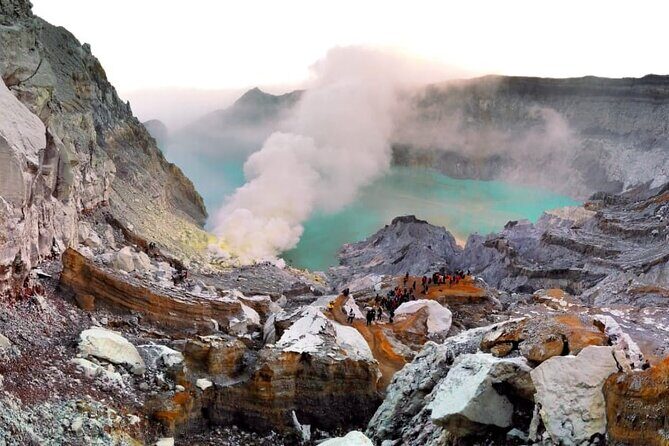
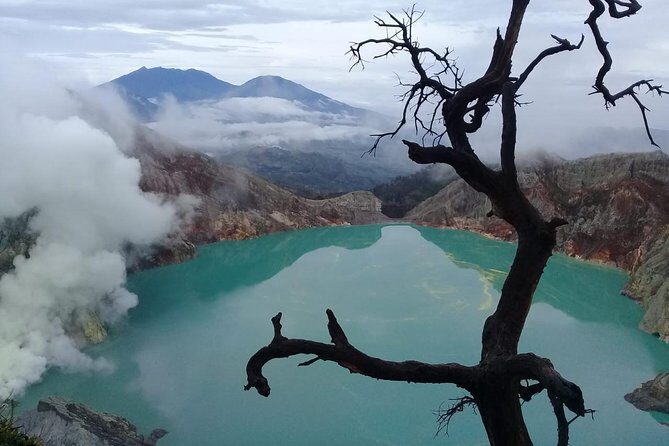
Java’s volcano nights are not for casual hikers. This 3-day private tour strings together two of Java’s biggest volcanic hits, starting with hotel pickup from Ubud and ending with a Bromo sunrise and crater hike. It’s interesting because you’re not just watching scenery—you’re moving on strict volcanic timing, with a local guide at Ijen and the rare blue fire moment built into the schedule.

I really like how much the heavy lifting is handled for you: Ijen entrance fees plus the required trekking setup, and a local guide for the hardest part of the trip. I also like that you get a gas mask, since Mount Ijen is all about early starts and conditions that call for proper gear.

One thing to consider: the Ijen hike is early and demanding, and missing the blue-flame window can happen if timing slips. The good news is that this tour is designed around that window—but you’ll want to stay flexible and follow the plan closely.

Key takeaways before you book

Private Tour : Bromo Ijen Tour From Bali - Key takeaways before you book

  • Hotel pickup included in Ubud so you can start moving without guessing transport
  • Ijen at night with a local guide plus trekking permits and the right gear
  • Blue flames are the headline moment and the trip is timed around the early hike
  • Bromo sunrise timing starts around 3am and then you hike to the crater
  • 1 night accommodation in Bromo village is included, but it’s basic by design
  • You’re responsible for lunch and dinner so budget meals ahead of time

From Ubud to two volcanoes: how the “3 days” schedule works

Private Tour : Bromo Ijen Tour From Bali - From Ubud to two volcanoes: how the “3 days” schedule works
This is a private, 3-day combo that links Bali with Java’s volcano circuit. You’ll cross from Bali to Java on Day 1 (with a stop at Gilimanuk), then spend Day 2 focused on Mount Ijen’s night hike. Day 3 shifts to Mount Bromo for a sunrise drive and crater trek. The whole point is to keep the experience efficient: you do less planning, more actually-on-the-timetable trekking.

The private style matters here. Volcano trips run on timing, not vibes. Having a private setup means the schedule is less dependent on random group members showing up late (though you still need to be ready and punctual). You’ll also have included items that would otherwise take time to arrange: permits/entrance fees at Ijen and Bromo, a gas mask, and at least some guiding support at Ijen.

You should go in knowing it’s not a “lay back and snack all day” tour. There are early departures, night hiking, and several hours of walking spread across two consecutive days. If that sounds fun rather than stressful, you’re in the right place.

Day 1: Gilimanuk crossing from Bali—simple, but don’t sleep through it

Private Tour : Bromo Ijen Tour From Bali - Day 1: Gilimanuk crossing from Bali—simple, but don’t sleep through it
Day 1 is all about getting you to Java. The tour route includes a stop at Gilimanuk, with the Bali-to-Java crossing taking about 1 hour. There’s no entry ticket cost here (the tour lists the Gilimanuk ticket as free), so what you’re paying attention to is timing and comfort for the move.

What I like about Day 1 is that it’s not pretend-adventure. It’s straightforward: you leave Bali, cross, and set up for the hard start on Day 2. For you, that means you’re not losing energy doing extra stops or sightseeing that doesn’t help with the volcano goals.

Practical tip: treat Day 1 like an early training day. Even if Day 2 starts around 2am for the Ijen hike, you’ll feel it more if you arrive exhausted or unprepared. Pack your warm layer and your sunscreen early (the tour explicitly lists both). Keep a snack plan too, since lunch and dinner aren’t included in the package.

Day 2 at Mount Ijen: the blue-flame hike, gas mask, and a real early start

Private Tour : Bromo Ijen Tour From Bali - Day 2 at Mount Ijen: the blue-flame hike, gas mask, and a real early start
Day 2 is the star of this itinerary. The hike begins around 2am, with about 1.5 hours to reach the summit area and then continued walking to the crater to look for the blue flames. The total time on the Ijen portion is about 3 hours, and the entrance ticket for the Mount Ijen park is included.

This is where you’ll see what the tour is really selling: the rare blue fire phenomenon. The schedule is built around the window for seeing it, and the tour provides a gas mask. That’s not a small detail. It signals that the conditions near Ijen are part of the experience design, and you’re expected to take gear seriously.

I also appreciate that you get a local guide at Mount Ijen. Night volcano terrain is the kind of thing where a guide can make the difference between smooth walking and wasted energy. You’ll still need moderate physical fitness, but the guide support reduces the stress of finding your way and keeping momentum on the route.

One drawback to keep in mind: if your hike timing gets pushed, your chance to see the blue flames can drop. The tour’s format is designed to avoid that, but do yourself a favor—be ready early, follow instructions fast, and don’t treat the morning start as optional.

Day 3 at Mount Bromo: sunrise at Penanjakan and a crater hike after

Private Tour : Bromo Ijen Tour From Bali - Day 3 at Mount Bromo: sunrise at Penanjakan and a crater hike after
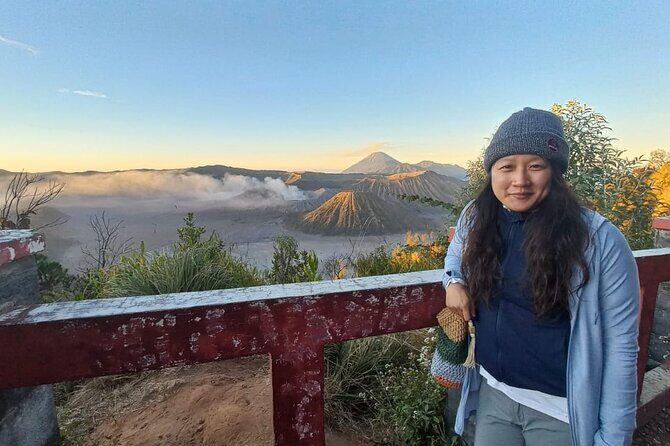
Day 3 starts early again, this time around 3am. You’ll drive to Penanjakan sunrise point to catch the sunrise. After you watch the sunrise, you continue with a hike to the crater of Mount Bromo Volcano. The Bromo portion is about 3 hours total.

Why this works well for you: Bromo sunrise is one of those experiences where timing beats flexibility. If you arrive late, you miss the main event. This tour treats sunrise as the core activity, not a bonus. The route is also structured so you’re not doing endless waiting; once the sunrise moment is handled, you move on to the hike.

Another helpful detail: the tour lists entrance fee at Mount Bromo park as included, so you’re not juggling extra payments on the morning when everyone is already half-asleep.

What to consider: sunrise points and crater trails tend to feel colder and harsher than daytime, so the jacket/warm clothes the tour asks you to bring is not optional comfort theater. Bring what you need to stay warm long enough to enjoy the moment and keep walking after sunrise.

Price and value: what $285.72 includes (and how to judge it)

Private Tour : Bromo Ijen Tour From Bali - Price and value: what $285.72 includes (and how to judge it)
At $285.72 per person, this isn’t a budget “quick tour.” But it’s also not just a driver and a checklist. For the price, you’re getting several meaningful cost items handled inside the package:

  • Hotel pickup included (from the Ubud area)
  • Ijen trekking support with a local guide
  • Gas mask provided
  • Entrance fees at both Ijen and Bromo
  • Accommodation: 1 night in Bromo village
  • Breakfast (2) included
  • A private tour setup where only your group participates

So when you judge value, you should compare against the cost of piecing this together: transport across islands, entrance/permit expenses, guide support at Ijen, and at least one night stay near Bromo. If you’d rather reduce planning friction and keep the schedule tight, the package makes a lot more sense.

What’s not included is also important. Lunch and dinner are on you, and alcoholic beverages are not included. If you’re the kind of person who snacks lightly or buys drinks, your actual final spend can rise a bit. I’d plan for that rather than be surprised the moment Day 2 ends.

What’s included vs. what you must bring for a smooth volcano rhythm

Private Tour : Bromo Ijen Tour From Bali - What’s included vs. what you must bring for a smooth volcano rhythm
This tour comes with some key items, and you’ll want to bring the rest so you don’t pay for convenience twice.

Included highlights:

  • Gas mask (for Ijen)
  • Local guide at Mount Ijen
  • 1 night accommodation in Bromo village
  • Entrance fees at Ijen and Bromo
  • Breakfast x2

Bring list (from the tour info):

  • Jacket / warm clothes
  • Sunscreen
  • Snack
  • Cash

Why I’m emphasizing these: the itinerary depends on early starts and time outside. Warm clothes help you handle the night hike and post-sunrise walking. Sunscreen matters because you’ll still be outdoors during daylight transitions. Snacks are practical because lunch isn’t included, and cash is often useful for small purchases if cash-only stops appear near the route.

Also, since this is private and timed, you’ll want to have your essentials ready before you leave. The less time you spend digging for items at odd hours, the more energy you’ll have for the walk.

Accommodation near Bromo village: scenic, basic, and part of the deal

Private Tour : Bromo Ijen Tour From Bali - Accommodation near Bromo village: scenic, basic, and part of the deal
You get 1 night accommodation at Bromo village. Reviews describe the homestay area as scenic and in good condition, and some mention the food was nice there. That’s a good sign, because Bromo plans often leave you with either a great night’s rest or a frustrating “just get me through” experience.

Still, this is not a luxury resort package. With sunrise schedules and crater hikes, the place you sleep is mainly there to keep you functional for the next day. Expect basic comfort and focus on practical rest rather than amenities.

If you like the idea of waking up for sunrise without spending hours commuting from a distant town, this setup is right for you. If you’re very sensitive to noise, cold rooms, or simple bedding, you might want to ask specific questions about room details before you commit. The package doesn’t list upgrades, so plan as if the lodging is meant to support trekking, not replace a spa day.

The biggest risk: timing for blue flames (and how to protect your chances)

Private Tour : Bromo Ijen Tour From Bali - The biggest risk: timing for blue flames (and how to protect your chances)
The tour’s confidence comes from one thing: it schedules the Ijen hike for the blue-flame window, starting around 2am. But volcano experiences have one unavoidable rule: if timing shifts, outcomes can shift too.

A negative review pointed to exactly that kind of problem—arriving with a later start and not being able to see the famous blue flames. The operator’s response also emphasized that the minimum booking is 2 people, and solo arrangements can affect costs and service. Whether you book as part of a pair or not, the lesson is the same: timing is the product.

Here’s how you protect your chances:

  • Confirm the pickup and departure timing in advance so you’re not guessing on the day
  • Keep your schedule flexible on arrival day so you don’t slow the group
  • Follow the plan quickly at the start of the Ijen hike

This is one of those trips where being “on time” isn’t about politeness. It’s about matching the schedule to the natural event you came to see.

Who this private Bromo-Ijen tour suits best

This tour fits best if you want two headline volcano experiences in one go, without planning every permit and transit step yourself. It’s also a good match if you like early starts and can handle night walking.

Look at this tour if:

  • You have moderate physical fitness
  • You’re comfortable with starting hikes around 2am and driving around 3am
  • You prefer a private format where only your group participates
  • You want a local guide support at Ijen

It might not be ideal if:

  • You dislike cold early mornings and long periods outdoors
  • You want a laid-back itinerary with zero night activity
  • You’re booking solo and want the schedule to be fully identical to a 2-person booking (the trip has a minimum of 2)

For couples, small groups, and people who want a structured volcano circuit, this private combo is a strong option.

Should you book this private Bromo Ijen tour from Bali?

I’d book it if your priority is seeing Mount Ijen’s blue flames and then getting a proper Mount Bromo sunrise and crater hike, with permits and key logistics already handled. The included items—pickup, gas mask, local guide at Ijen, entrance fees, a night stay, and breakfasts—are exactly what you want to be included when the itinerary runs on tight timing.

I’d hesitate if you’re not comfortable with night hiking and the reality of early departures. Also, if you’re booking as a single person, pay attention to the tour’s minimum booking rules and confirm timing details clearly.

If you’re the kind of person who plans ahead, packs warm layers, and treats schedule as part of the adventure, you’ll likely feel like you got your money’s worth.

FAQ

How long is the Bromo Ijen Tour from Bali?

The tour is listed as about 3 days.

Where does the tour start?

The tour location is Ubud, Indonesia, and it includes hotel pickup.

Is this a private tour?

Yes. It’s described as a private tour/activity, and only your group participates.

Do I need moderate physical fitness?

Yes. The tour notes that travelers should have a moderate physical fitness level.

What happens during the Ijen Crater hike?

The hike starts around 2am, takes about 1.5 hours to reach the summit, and then continues to the crater to see the blue flames. The Ijen portion is about 3 hours total, and a local guide is included.

Is a gas mask provided for Ijen?

Yes. A gas mask is included.

Is accommodation included?

Yes. It includes 1 night accommodation in Bromo village.

What meals are included?

Breakfast is included twice. Lunch and dinner are not included.

What is the cancellation policy?

Free cancellation is allowed up to 24 hours in advance for a full refund. If you cancel less than 24 hours before the experience starts, the amount paid is not refunded.

Ubud Skip the line Monkey Forest Sanctuary Ticket and Guided Tour

Ubud Skip the line Monkey Forest Sanctuary Ticket and Guided Tour - How the cave-like entrance sets the tone right away

Monkeys and temples in one tight loop. In Ubud’s Sacred Monkey Forest Sanctuary, you’ll walk shady jungle paths from a cave-like entrance to Dragon Bridges under banyan trees, with old shrines like Pura Beji along the way. I like the temple-and-trees walk and I also like the way the guide helps you read the macaques and follow the park rules.

This is a compact experience—about 1 hour—so if you’re hoping to linger and chat endlessly, you may feel rushed. Also, I’d check that your guided component is happening as expected; the sanctuary is the main event, and you’ll want the guide to add value beyond just escorting you.

Key highlights to know before you go

Ubud Skip the line Monkey Forest Sanctuary Ticket and Guided Tour - Key highlights to know before you go

  • Included admission ticket to Sacred Monkey Forest Sanctuary, plus all fees and taxes
  • Mobile ticket for easier check-in
  • Temple route you can’t really rush: cave entrance, Dragon Bridges, Pura Beji, and Pura Dalem Agung Padangtegal
  • Guide support with monkey safety, including reassurance if the macaques get too curious
  • Photo moment with macaques built into the route, with the usual reminder to follow guidelines
  • Small add-ons may be possible, like a coffee tour request (one guest paid $3)

Ubud’s Sacred Monkey Forest: what you’re really paying for

The Sacred Monkey Forest Sanctuary is one of those places where the “main attraction” is obvious, but the best parts are more subtle. Yes, you’ll see macaques doing macaque things. But the sanctuary is also about the space between the moments—jungle shade, temple architecture, and winding paths that make the visit feel like you’re moving through living, old Ubud.

For your money (it’s $18 per person), the value isn’t just the entrance. It’s the way this visit is packaged so you can cover the core sights quickly without wasting time figuring out where to go next. In a place where signs and entrances can be confusing, a guide helps you get your bearings fast and keep the walk flowing.

You’ll also get bottled water included, which sounds small until you’re sweating through the greenery. And because the route is organized, you spend less time hunting for the next landmark and more time actually seeing it.

Price and timing: the $18 equation for a one-hour walk

This tour is about 1 hour. That matters. It’s short enough to fit into a day of Ubud sightseeing, and long enough to hit the sanctuary’s key stops without feeling like you missed the best views.

At $18, it’s priced like a “do-the-main-thing” experience rather than a half-day adventure. If you want a full day in the forest with slow wandering and extra stops outside the sanctuary, this won’t be that. But if your goal is to see Sacred Monkey Forest Sanctuary highlights—temples, shaded pathways, and monkey encounters—then the time and structure make sense.

One more detail that affects your experience: the tour includes the admission ticket, all fees and taxes, and bottled water. Food and drink aren’t included, and you’ll want to plan around that. If you’re the type who likes grabbing a snack after, you’ll be glad you can do it on your schedule.

How the cave-like entrance sets the tone right away

Ubud Skip the line Monkey Forest Sanctuary Ticket and Guided Tour - How the cave-like entrance sets the tone right away
The first thing you encounter is a cave-like entrance. That opening switch—from daylight streets into a tunnel of green—changes your mindset fast. You’re no longer thinking about “a park attraction.” You’re in the sanctuary, and the walk feels more like moving through a place that has its own rules.

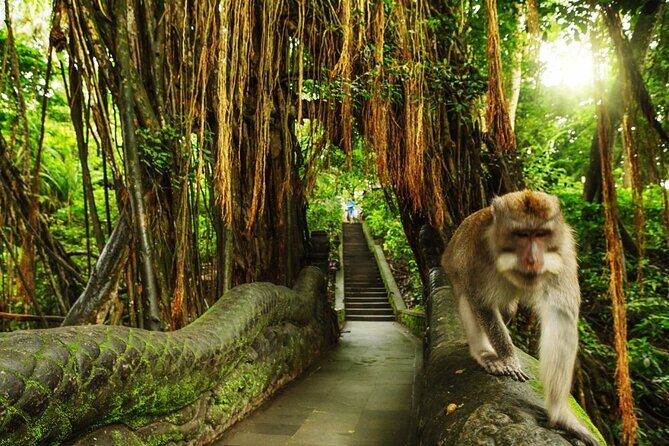
From there, the route heads toward one of the sanctuary’s most photogenic stretches: Dragon Bridges. These bridges run through the thick of the banyan trees, and along the way you’ll see ancient temple elements that people often link to the idea of the Tree of Life from Avatar. Even if you don’t care about pop-culture comparisons, it’s still a striking setting. The banyans give you natural framing, and the whole area looks built for photos.

If you like atmosphere—shade, sounds of birds, and that humid “Ubud is real” feel—you’ll probably enjoy this part most. It’s also where a guide’s reassurance can help, because monkeys like to show up when you least expect it.

Dragon Bridges and banyan trees: where photos happen (without chaos)

Dragon Bridges plus banyans is a combo that’s hard to beat. You’ll get that classic view of greenery and temple details. And you’ll have natural pause points—good for pictures, good for quick looks around, and good for checking where the group is headed next.

Just keep expectations grounded. This is a sanctuary with wild macaques, not a zoo with staff controlling the scene. If you see a monkey, don’t rush. Don’t reach. Keep your bag close. Follow the park instructions and you’ll reduce the chance of unwanted attention.

This is also where people often underestimate how quickly monkeys can appear. One minute you’re admiring the trees; the next a macaque is investigating someone’s sleeve or thinking about snacks. The guide’s role here is less about “performing” and more about keeping you safe and moving.

Pura Beji: the ancient bathing temple stop by the stream

After the bridge area, you’ll continue to Pura Beji, an ancient bathing temple. This isn’t just decorative scenery. It’s a real temple stop that you access by going down a flight of stairs, with a stream nearby.

That stream-side setting matters. It adds sound and coolness, and it breaks up the walk with a different kind of viewpoint—lower, calmer, and surrounded by the sanctuary’s wet-season feel. For many people, this is the moment when the visit feels more than a monkey attraction. The environment shifts from “look at the animals” to “look at the sacred space inside the jungle.”

Practically, the stairs mean you’ll want comfortable shoes with grip. You don’t need hiking boots, but slippery ground is possible in a humid forest setting.

If you’re someone who enjoys travel moments that feel respectful—old places you can slow down and take in—you might find Pura Beji a highlight.

Pura Dalem Agung Padangtegal: village funerals and more macaques

Next comes Pura Dalem Agung Padangtegal, which is dedicated to village funerals. It’s also described as another playground of the macaques, so this is where your monkey encounters are most likely to kick up.

This stop is important for two reasons. First, it gives you a deeper sense of what the sanctuary is—more than just a tourist route. Second, it’s where macaques tend to feel most active around visitors. You’ll likely see more behavior that looks like “mischief,” because that’s exactly what macaques do when they sense attention.

The route includes a photo moment: you can stop to take a selfie with a monkey. I’d treat this as a guideline-based chance to get a photo, not an invitation to treat the animal like a prop. Keep your hands and phone positions sensible, and follow what the park and guide ask you to do.

If you want the best version of this part, don’t chase monkeys. Let them approach you when it’s appropriate. Stay calm and let your guide manage spacing. That’s often the difference between a fun encounter and a stressful one.

Monkey safety in plain language: you don’t have to panic

The sanctuary is full of rules for a reason. Monkeys are wild animals. They can be curious, quick, and occasionally pushy. Your best strategy is simple: act like you’re sharing space with animals that have zero interest in your itinerary.

Here’s what works, based on how these sanctuaries operate and how guides typically coach guests:

  • Keep small valuables zipped or secured.
  • Don’t tease or grab.
  • Don’t feed unless feeding is clearly part of what you’re told.
  • Keep a little distance and let the guide direct the group.

If you do the safety basics, your odds of a smooth visit jump. A good guide makes this easier by handling the flow of where you stand and by reminding you what not to do at the exact moment you’re about to do it. That reassurance is a big part of why guided visits feel better than DIY.

The guide factor: Agus, Yogi, and why it changes everything

Even with a short tour, a good guide can make the difference between a “walk and photos” outing and a genuinely enjoyable sanctuary experience.

One guest highlighted Agus as super nice and helpful, and even reported that he could accommodate an add-on coffee tour for $3 and drive them there. That’s the kind of practical flexibility that turns a short visit into a smoother full experience.

Another piece of feedback praised a young guide for explanations and for the way he reassured people around the monkeys. That matters more than it sounds. In a place with wild animals, your comfort level changes your attention. When you feel safe and guided, you notice temples, trees, and details you might otherwise miss.

Because this tour is about 1 hour, the guide’s efficiency is part of the value. They help you cover the best stops without turning it into a scavenger hunt.

What the mobile ticket and short route mean for you

A mobile ticket is exactly what you want in places where check-in lines can slow you down. You also get confirmation at the time of booking, so you’re not scrambling for proof at the last second.

This tour is also described as being near public transportation. That’s useful if you don’t want to rely entirely on a driver for every stop in Ubud. You can fit the sanctuary visit into a larger day without overpaying for extra rides.

Finally, most travelers can participate. That’s helpful if you’re planning a day around a range of fitness levels. Still, keep in mind there are stairs to access Pura Beji and you’ll be walking through uneven, wet-feeling ground.

Weather and the jungle reality check

This experience requires good weather. That’s not just fine print. Humidity, slippery paths, and rain can change the feel of the walk quickly. If bad weather cancels it, you’ll usually be offered a different date or a full refund. The point: the sanctuary is outdoor, and rain can make it harder to enjoy calmly.
If you’re flexible, plan this for a part of your trip where you have at least one spare day. In Bali, weather can flip faster than your phone battery.

Who should book this Ubud Monkey Forest guided tour

This is a good fit if:

  • You want the key highlights of Sacred Monkey Forest Sanctuary without committing to a long outing
  • You value having someone help manage monkey safety and the flow of stops
  • You like temple scenery as much as animal encounters
  • You’re building a compact Ubud day with easy transportation options

It may be less ideal if:

  • You want a slow, hours-long wandering experience
  • You prefer fully DIY travel with no guide guidance
  • You want to combine lots of extra activities inside the forest itself (this is designed to be quick)

Should you book this tour?

If your goal is a well-paced, short visit to Ubud’s Sacred Monkey Forest Sanctuary—with an admission ticket handled, a guide to support you around macaques, and classic temple stops—you’ll likely feel the value. The $18 price works best when you treat it as a structured “hit the main sights” experience.

I’d book it if you’re comfortable following safety rules around wild monkeys and you don’t need more than about an hour. If you’re the type who likes to hang out and linger, plan to pair it with extra time either before or after so the sanctuary doesn’t feel like it rushed you.

FAQ

How long does the Monkey Forest sanctuary tour take?

The duration is about 1 hour.

Is the admission ticket included for Sacred Monkey Forest Sanctuary?

Yes, admission ticket is included.

What’s included in the $18 per person price?

The price includes all fees and taxes, admission to the sanctuary, and bottled water.

Do I receive a mobile ticket?

Yes, you’ll have a mobile ticket.

Is bottled water provided?

Yes, bottled water is included.

Can I add other activities like a coffee tour?

You can ask about add-ons. One guest reported adding a coffee tour for $3 during the experience.

What is the cancellation policy window?

You can cancel up to 24 hours in advance for a full refund.

Nusa Lembongan Instagram Tour: The Most Famous Spots (Private & All-Inclusive)

Nusa Lembongan Instagram Tour: The Most Famous Spots (Private & All-Inclusive) - Mangrove Point Boat Trip: The Change of Scenery You Need

A day trip that feels made for you. I like how this tour mixes private land transport with a smooth ferry connection, so you spend less time wrangling logistics and more time at the island’s famous stops. Two details I really appreciate: the included lunch and water plus onboard Wi-Fi, and the hands-on care from guides like Agus, with prompt help from driver Angga during pickup.

The main thing to consider is pace. This is a highlights day that runs about 10 hours, so if you want long, slow beach time, you might feel rushed at a couple of the photo stops.

Key things I’d zero in on

  • Private driver on the island side: you get land time handled for you, not self-navigation.
  • Onboard Wi-Fi plus lunch and water: it’s built for comfort on a long day.
  • Yellow Bridge stop for classic photos: fast access to one of the island’s most recognizable sights.
  • Mangrove forest boat experience: a different feel from the beaches—shaded, calm, and very “movie set.”
  • Devil’s Tears tide pools and cliff-jump views: huge splash energy, plus a lot to see when the tide changes.
  • Admission tickets included at key stops: less messing around with small entry fees.

Seminyak to Nusa Lembongan by 7:00am: Why This Format Works

Nusa Lembongan Instagram Tour: The Most Famous Spots (Private & All-Inclusive) - Seminyak to Nusa Lembongan by 7:00am: Why This Format Works
Starting at 7:00am matters. You get moving early enough to spend meaningful time on Nusa Lembongan instead of watching the clock all day. The tour is sold as an all-in-one private experience, but it’s not totally closed off: you still connect to the island via a shared speedboat while your land portion stays private.

This “half private, half group-connection” setup is a smart compromise. You get the ease of someone managing your side of the day, plus the speedboat gets you across faster than slow boat transfers you’d have to arrange yourself. For me, that’s where the value shows up: fewer transfers, fewer chances to get lost, and a clearer itinerary from the jump.

You’ll also get the practical comforts that make a long day easier—lunch and water are included, and onboard Wi-Fi helps keep you sane while traveling and waiting.

Private Pickup, Ferry Connection, and On-Island Chauffeur

Nusa Lembongan Instagram Tour: The Most Famous Spots (Private & All-Inclusive) - Private Pickup, Ferry Connection, and On-Island Chauffeur
Your pickup is offered from areas around Seminyak (with passing points depending on where you’re staying). If your hotel is in the Ubud area, you’ll pass Ubud Market on the way to the port. If you’re closer to the beach zones, the route includes passing Seminyak Beach, Canggu Beach, Kuta Beach, Jimbaran Bay, Benoa Harbour, Nusa Dua, and even Pandawa beach and Beachwalk Shopping Center, depending on the pickup area.

That “pass-by” detail is worth paying attention to because it affects how quickly you can get to the port. If you’re staying near one of those areas, your day should flow better. If you’re farther out, you might need to plan for extra driving time before you even reach the ferry.

Once you’re through the speedboat connection, a chauffeur takes over your Nusa Lembongan land movement. The goal is simple: you get a private feel without paying for a private boat crossing. In real-world terms, it means less waiting around at each stop and easier photo breaks because someone is handling the driving and timing.

One nice touch from real experiences: pickup can run smoothly when your driver is on it. I’ve seen cases where driver Angga picked people up promptly and got them to the ferry without drama. That kind of punctual handoff makes a huge difference on early starts.

Yellow Bridge: The Quick Photo Stop That Sets the Tone

Stop one is the Yellow Bridge, the famous link between Nusa Ceningan and Nusa Lembongan. This bridge is recognizable the moment you see photos online—bright yellow, simple structure, and it frames the water and cliffs in a way that’s made for Instagram.

You’ll get about an hour here, and that’s enough time to do two things well:

1) grab photos without feeling rushed, and

2) take a slow look around before you move on.

The bridge is narrow enough that it’s more about foot travel and careful viewing than anything elaborate. If you’re hoping for lots of selfies, the timing here works better than dropping you in and out with no breathing room.

Downside? It’s popular. If you’re the kind of person who hates crowds, this is the one stop where you may notice more people. The good news: because it’s early in the day, you’re more likely to catch it in decent shape.

Mangrove Point Boat Trip: The Change of Scenery You Need

Nusa Lembongan Instagram Tour: The Most Famous Spots (Private & All-Inclusive) - Mangrove Point Boat Trip: The Change of Scenery You Need
After the photo stop, you head to Mangrove Point for a boat experience inside the mangrove forest on Nusa Lembongan. This is one of the most different-feeling parts of the day. Beaches can blur together fast on islands—mangroves don’t.

Sitting in the boat while you move through the forest channels feels very film-like. You’re surrounded by green, shade, and quiet water instead of sun and surf. It also gives your body a break from the heat. Even if you plan to spend most of the day outdoors, this stop helps reset you.

You’ll have around an hour. The main practical tip here: bring something light for sun and a way to keep your phone safe from splashes. The tour includes admission for the stop, so you just show up and enjoy the ride.

If you love nature without needing a long hike, this mangrove boat portion is the kind of activity you’d have a hard time arranging quickly on your own without spending time coordinating.

Dream Beach on the South Coast: White Sand, Cliffs, and Reef Views

Nusa Lembongan Instagram Tour: The Most Famous Spots (Private & All-Inclusive) - Dream Beach on the South Coast: White Sand, Cliffs, and Reef Views
Next up is Dream Beach on the south coast. This is a secluded-feeling bay with powdery white sand, tucked between cliffs. The water is clear enough that you can see reef shapes below the surface, which is one reason this stop is so popular for photos and quiet time.

You’ll have about an hour here. In that time, you can do a lot even if you’re not planning to swim:

  • walk along the edge of the bay,
  • take photos that show the cliffs framing the beach, and
  • look at the water to spot reef patterns.

The tradeoff is that Dream Beach is not an all-day stop. A lot of people like it because it feels calm compared to other coastal areas. But with a packed schedule, you won’t have hours to settle in like you would on a beach day you plan yourself.

So if your dream vacation is mostly reading on sand, you may want a longer separate beach outing later. If you want a “see the highlights” day with real variety, Dream Beach does its job fast.

Devil’s Tears: Splashing Tide Pools and Big Sunset Energy

Nusa Lembongan Instagram Tour: The Most Famous Spots (Private & All-Inclusive) - Devil’s Tears: Splashing Tide Pools and Big Sunset Energy
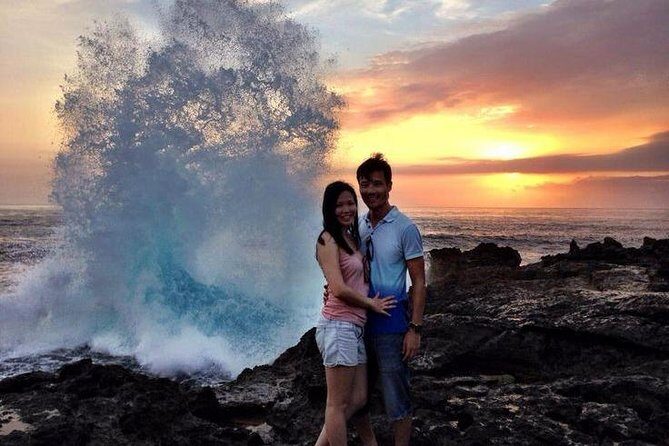
Devil’s Tears is the stop most people connect with the island’s drama. When the ocean pushes into the rock formations, you get that classic splash action—kind of like controlled chaos. Even if you’re not trying to time a perfect sunset, the tide-pool scenery gives you a reason to linger.

The tour points out two things that make Devil’s Tears special:

  • the tide pools (so you’re not just watching waves), and
  • the cliff areas where adrenaline seekers sometimes jump.

You get about an hour at Devil’s Tears. That’s enough time to:

  • take in the splash zone,
  • notice the tide-pool textures,
  • and get your photos without standing in one spot the whole hour.

A key consideration: splash intensity changes with the tide and conditions. You can end up with a gentler show or a more dramatic one depending on the timing. That’s not the tour’s fault—it’s nature. The good news is that even at less intense moments, the formations still look strong and photogenic.

For me, Devil’s Tears is one of those places where you’ll understand why people talk about it. It’s not just a pretty viewpoint. It feels like the island is interacting with itself.

The Mahagiri Beach Moment and the Long Middle Stretch

Nusa Lembongan Instagram Tour: The Most Famous Spots (Private & All-Inclusive) - The Mahagiri Beach Moment and the Long Middle Stretch
Your day doesn’t stop at Devil’s Tears. The overall flow includes Mahagiri Beach after the splash-and-photo segment, plus more time on Nusa Lembongan itself. The schedule lists a longer “Nusa Lembongan island” block that totals about 7 hours.

That chunk is important because it’s where you can catch the island’s rhythm. Short stops are for famous shots. The longer time window is for actual enjoyment: hanging out on beaches, taking extra photos when the light hits right, and just getting a feel for the place.

Mahagiri Beach fits that “second wave of beach time” role well. It’s the kind of stop that helps you balance the day—less adrenaline, more relaxation, more time to enjoy the shoreline vibe.

Practical note: since you’re on a clock, decide early how you want to spend the longer stretch. If you want more swimming time, keep your energy for that part. If you’re more into views and photos, spend your hour or two there exploring viewpoints and shore angles.

Value Check: Is $114 Worth It?

Nusa Lembongan Instagram Tour: The Most Famous Spots (Private & All-Inclusive) - Value Check: Is $114 Worth It?
Price is $114 per person for a private-style day that runs about 10 hours. On paper, it’s not the cheapest way to see Nusa Lembongan. The question is what’s included and what that saves you.

Here’s what you’re paying for in real terms:

  • Private land transport throughout the island portion
  • Lunch and water
  • Onboard Wi-Fi
  • Admission tickets included for multiple stops (Yellow Bridge, Mangrove Point, Dream Beach, Devil’s Tears, and Nusa Lembongan island time)

You’re also getting smooth coordination from pickup through the ferry connection to the on-island chauffeur handoff. That reduces the chances of wasting half a day on directions, ticket lines, and figuring out where your next turn is.

That’s why people score this tour so high—comfort and coordination matter when you only have a day. In one positive experience, prompt pickup and a friendly guide pairing helped the day feel effortless. People were even getting help with photos, which sounds small until you realize how often a “great place” turns into “too many awkward phone angles.”

On the flip side, the main criticism you might agree with if you’re cost-focused is that not everyone needs a private driver and packaged admissions. If you’re very comfortable planning your own route, you could potentially spend less. One complaint basically boils down to: if you’re planning anyway, you might organize it yourself.

So my take: if you want a stress-light day with built-in timing, this is good value. If your priority is saving money above all else, you’ll need to compare it to your own self-guided plan.

The Small Details That Make or Break Your Day

Nusa Lembongan Instagram Tour: The Most Famous Spots (Private & All-Inclusive) - The Small Details That Make or Break Your Day
This tour leans into the stuff that’s hard to fix once you’re already on the island.

  • Onboard Wi-Fi: useful during travel and waiting. It’s one of those modern comforts that makes long stretches feel shorter.
  • Lunch and water: you’re not hunting down food while hungry, tired, and sticky from the heat.
  • Admission tickets included: fewer “where do we pay?” moments.
  • Photo-friendly stops: Yellow Bridge and Devil’s Tears are made for camera time, and the schedule gives you enough room to actually get pictures.
  • Luggage support: there’s support noted for moving luggage on the ferry. That’s a big deal if you’re combining Bali stays or carrying bags.

If you’re the type who likes to ask the guide questions, this tour is set up for that. I’ve seen how guides like Agus help with the flow and even help people get photos on demand. That kind of quick help turns a checklist day into something smoother.

Who This Nusa Lembongan Private Tour Fits Best

I’d point this tour toward people who want a full day on Nusa Lembongan but don’t want to manage everything themselves.

It’s especially a good fit if:

  • you want classic highlights in one day (Yellow Bridge, Dream Beach, Devil’s Tears),
  • you’re short on time and don’t want to lose hours to planning,
  • you care about comfort on a long ride (lunch, water, Wi-Fi),
  • you appreciate a private-feeling land itinerary.

If you’re traveling as a solo person and want maximum flexibility, private land transport still helps because you can move at your own rhythm during those hour blocks. If you’re a couple who wants photos without fuss, the schedule is designed for that too.

If you’re a hardcore beach lounger who wants half-day swims and no schedule pressure, you may find the stop count too much. In that case, you’d do better with a slower plan and fewer destinations.

Should You Book This Private All-Inclusive Day?

Here’s my straight call.

If you want a one-day hit list of Nusa Lembongan’s most famous spots, and you’d rather pay to reduce stress, I think this is a smart booking. You get a good mix: bridge photos, mangrove calm, white sand at Dream Beach, and the punchy ocean show at Devil’s Tears, plus time that lets you breathe during the long island block.

If you’re the type who enjoys planning, you might find it less exciting because the tour is already “planned for you.” But even then, you may still like it for the practical comfort pieces—pickup flow, lunch and water, admissions included, and Wi-Fi.

For most people doing Bali with limited spare days, it’s a yes.

FAQ

What time does the tour start?

The tour starts at 7:00am.

How long is the Nusa Lembongan Instagram tour?

It runs about 10 hours.

Is this tour private?

Yes. It’s a private tour/activity, so only your group participates.

What’s the price per person?

The price is $114.00 per person.

Does the tour include lunch, water, and Wi-Fi?

Yes. Lunch and water are included, and there is onboard Wi-Fi.

Are admission tickets included for the stops?

Yes. Admission tickets are included for stops such as Yellow Bridge, Mangrove Point, Dream Beach, Devil’s Tears, and the Nusa Lembongan island portion listed on the itinerary.

What’s the cancellation policy?

You can cancel for free up to 24 hours in advance for a full refund.

Private Beginner 1 on 1 Surf Lesson at Kuta Beach

Private Beginner 1 on 1 Surf Lesson at Kuta Beach - Private Beginner 1-on-1 Surf Lesson at Kuta Beach: What You’re Really Paying For

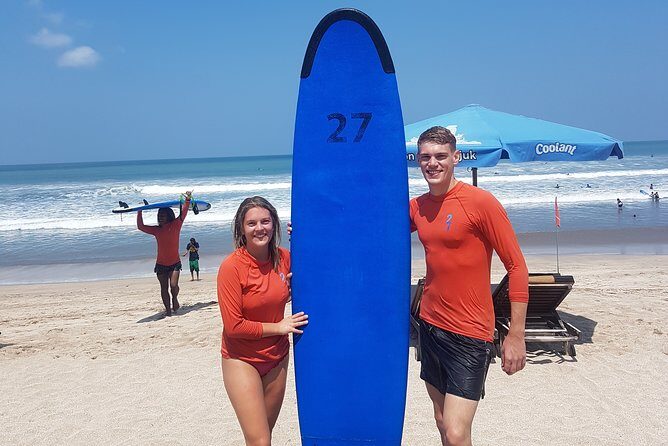
Kuta is where surfing culture starts. With private 1-on-1 coaching, hotel round-trip pickup included, and support from instructors like Erwin and Reza, this lesson is built for learning at a calm pace. What I like most is the mix of classroom-style basics on land and then immediate practice, plus the gear package (surfboard, rashguard, and zinc) so you can focus on the basics instead of shopping. One drawback to keep in mind: safety and comfort matter, and while most sessions are smooth, one past learner reported an injury and felt safety practices could have been better—so it’s smart to ask questions and take your time.

Why this lesson works for brand-new surfers

Private Beginner 1 on 1 Surf Lesson at Kuta Beach - Why this lesson works for brand-new surfers
This isn’t a “stand up or get out” style class. You’ll learn how to pop up and get comfortable with the board first, and for beginners the team keeps you out of deep water and on easy waves for safety. The session runs about 1.5 hours, and you finish with a chance to hang at the beach and enjoy the Kuta vibe—plus photo or video is included, which helps you remember the moment you finally stood up.

Key Things You’ll Notice Right Away

Private Beginner 1 on 1 Surf Lesson at Kuta Beach - Key Things You’ll Notice Right Away

  • Hotel pickup that saves you time: transportation is part of the deal, so you’re not scrambling before your lesson.
  • True 1-on-1 attention: you get direct coaching that adjusts to your pace, not a one-size schedule.
  • Land practice before the water: you start with theory and sand drills, which makes the ocean feel less random.
  • Gear handled for you: surfboard, rashguard, and zinc are included, so you can show up light.
  • Beginner-only water plan: the lesson steers you toward easy waves and avoids deep water for safety.
  • Photos or video included: you’ll get visual proof of your progress, often fast after the session.

Private Beginner 1-on-1 Surf Lesson at Kuta Beach: What You’re Really Paying For

Private Beginner 1 on 1 Surf Lesson at Kuta Beach - Private Beginner 1-on-1 Surf Lesson at Kuta Beach: What You’re Really Paying For
At $46 for about 1 hour 30 minutes, you’re not just buying time in the water. You’re paying for the whole learning setup: instructor attention, equipment, and logistics like pickup. In Bali, where surf lessons can range from casual to more structured, the value here is that you’re not sharing instruction with a big class. That matters because the biggest beginner problems—positioning, timing, and confidence—can’t be fixed by watching from the sidelines.

Also, you get a practical gear bundle: surfboard, rashguard, and zinc. That removes friction. You don’t have to worry about rental shops, what size board you’ll get, or whether you remembered sunscreen.

The other value piece: the coaching starts on land. That’s the difference between flailing and improving. You’ll spend time learning how to stand up before you’re asked to do it while the ocean is actively testing you.

Getting to Kuta Smoothly: Pickup, Meeting Point, and Timing

Your experience includes hotel pickup, which is a real quality-of-life win in Kuta. You’ll be picked up and brought to the lesson area, then return is included as well. There’s an option for drop back to your hotel, and that return may be an additional charge (listed as IDR 25,000), so it’s worth checking what your specific booking includes.

The activity ends back at the meeting point, which is typical for tours that operate in a busy beach area. If you’re the kind of person who likes a clean end-to-day plan, confirm whether you’ll be dropped off at your hotel or if you’ll need to handle your own way back.

Duration is about 1.5 hours (approx.), and the lesson itself is designed to fit that pace without dragging you through a long schedule of waiting.

Gear Check: Rashguard, Board, and Zinc (So You Don’t Spend Your First Hour Shopping)

Private Beginner 1 on 1 Surf Lesson at Kuta Beach - Gear Check: Rashguard, Board, and Zinc (So You Don’t Spend Your First Hour Shopping)
Before you hit the water, you’ll be provided:

  • Surfboard
  • Rashguard
  • Zinc

That zinc is a helpful detail. In Kuta, sun exposure can sneak up on you fast, and beginners often don’t think about how much time they’ll spend out of the shade (even before you start paddling). Having it included makes the start of the lesson easier.

You’ll also learn in a way that feels more controlled: the instructor will give you the board and then guide what to do with it. For first-timers, that reduces the mental load. You can focus on body position and timing instead of figuring out the equipment.

The Start on Land: Theory and Sand Practice That Builds Real Confidence

Private Beginner 1 on 1 Surf Lesson at Kuta Beach - The Start on Land: Theory and Sand Practice That Builds Real Confidence
Once you arrive, you’ll get a quick read on your experience level. The coach will ask about what sport you’ve done before, which helps them tailor cues. Then you’ll get theory on learning surfing, and you’ll practice first in the sand.

This sand phase is one of the smartest parts of the session because it turns the biggest beginner skill—standing up—into something you can repeat. In other words, you’re not learning under stress. You’re getting the motion down first.

Expect the instruction to focus on:

  • how to position yourself on the board
  • how to move from lying prone to a standing stance
  • how to control balance before you ever chase waves

If you’re a total beginner, you’ll probably feel awkward at first. That’s normal. The lesson pacing is designed so you don’t “fall behind” just because the ocean is unfamiliar.

First Priority in the Water: Standing Up and Reading Easy Waves

Private Beginner 1 on 1 Surf Lesson at Kuta Beach - First Priority in the Water: Standing Up and Reading Easy Waves
After sand and theory, you’ll head into the water and start with the lesson’s main goal: standing up.

In the first phase, the coach will help you:

  • get your pop-up timing
  • place your feet in the right stance
  • keep your weight stable as the board moves

For beginners, the plan is simple: you won’t be taken to deep water. The session focuses on easy waves for safety and comfort. This is important in Kuta, because surf conditions can vary. Easy waves let you learn the pattern—paddle, catch, pop up—without feeling like you’re trying to solve a puzzle while being chased by whitewater.

If you already manage the basics quickly, you may be pushed toward catching your own waves. That’s the “progress” carrot that makes the session feel motivating, not just instructional. But the emphasis stays on success at your pace.

Coach Energy and Instruction Style: Patient, Friendly, and Sometimes Playful

Private Beginner 1 on 1 Surf Lesson at Kuta Beach - Coach Energy and Instruction Style: Patient, Friendly, and Sometimes Playful
The vibe here is consistently described as upbeat and encouraging. In particular, Erwin is highlighted as patient and motivating for first-timers. Reza also gets praise in situations where couples or complete beginners get quick momentum.

This kind of coach energy matters more than it sounds. Surfing punishes fear with more wipeouts. When the coach keeps it light—encouraging you after pop-ups and even after wipeouts—you’re more likely to try again instead of freezing.

At the same time, there’s a balance to watch for. One person felt the lesson was more about good vibes than serious technique improvement. That doesn’t mean the instruction is bad; it just means if you’re looking for heavy, methodical technique work (step-by-step mechanics and strict correction), you should ask for that focus during your session.

A practical tip: tell the instructor what you want most, like standing up fast, riding longer, or feeling safer in the water. With 1-on-1 teaching, you’ll usually get what you ask for.

After the Waves: Relax Time on a Real Surf Beach

Private Beginner 1 on 1 Surf Lesson at Kuta Beach - After the Waves: Relax Time on a Real Surf Beach
When you finish, you can relax right there at the beach. Kuta has an always-on surf culture, so even if you only spent a short time learning, you’ll still feel the atmosphere.

You’ll also get photo or video included. One learner noted getting photos within 24 hours, which is great if you want to share right away or just keep a record of your progress.

Price and Value: Is $46 a Good Deal for Kuta Surf Lessons?

For a beginner private lesson, $46 is strong value—mainly because you’re getting:

  • hotel pickup
  • gear included
  • an instructor
  • land and water teaching
  • photo/video

If you’ve ever booked a surf lesson where you had to pay extra for equipment or transfer time, this package feels easier. The only potential cost surprise is the optional drop back to the hotel (listed as IDR 25,000). If you want a true round-trip hotel-to-hotel day, confirm that in advance so you can budget cleanly.

Also, your lesson is only about 1.5 hours. That’s ideal for first-timers who don’t want a half-day commitment just to learn the basics.

Safety and Who Should Think Twice

The lesson is designed for beginners and keeps you out of deep water. Still, surfing is physical, and falls happen.

A medical note is included: it’s not recommended for people with certain medical conditions such as high blood pressure and epilepsy. If any of that applies, talk to a professional before booking.

And because one past learner reported an injury and felt safety practices could have been improved, I’d treat safety as something you actively manage:

  • Ask how deep the water will be for your level
  • Tell the coach if you have balance issues or injuries
  • Follow the progression, even if your pride wants to rush

Your goal is to leave with the skill, not the souvenir.

Weather and When You’ll Actually Go

This experience requires good weather. If weather cancels it, you’ll be offered another date or a full refund. That’s especially relevant in ocean activities where conditions can change fast.

In practice, that means you should plan your Bali schedule with flexibility on the surf day—don’t stack back-to-back activities that you can’t reschedule.

FAQ

FAQ

What’s the duration of the private beginner lesson?

It’s approximately 1 hour 30 minutes.

Is hotel pickup included?

Yes, hotel pickup is included. Drop back to the hotel is listed as optional with an additional charge of IDR 25,000.

What surf equipment is provided?

You’ll receive the surfboard, rashguard, and zinc.

Do you get instruction both on land and in the water?

Yes. You’ll start with theory on land and then practice in the sand, followed by instruction in the water focused on standing up.

Will beginners be taken to deep water?

No. For safety reasons, beginners are not taken to deep water, and you’ll use easy waves.

Is this a private experience or shared group?

It’s a private tour/activity, so only your group participates.

What if I need to cancel?

You can cancel for a full refund if you cancel up to 24 hours in advance. If you cancel less than 24 hours before, the amount paid isn’t refunded.

Should You Book This Kuta Beginner Surf Lesson?

Book it if you want a real 1-on-1 start to surfing and you like a setup that removes friction—pickup, gear, land coaching, easy waves, and photos/video. It’s also a solid choice if you’re traveling with a partner or family and you want attention without sharing an instructor.

Skip it or ask extra questions if you’re seeking strict technical correction every second, or if you have medical conditions mentioned as not recommended. And if safety is a top concern for you, speak up early about water depth and pacing. In a sport like surfing, the best lesson is the one where you feel guided and in control.

Make Traditional Bali Coconut Oil with a Balinese Family

Make Traditional Bali Coconut Oil with a Balinese Family - What the Private Class Feels Like in a Real Family Home

A hands-on Bali day that smells amazing. This private class takes you to Delodsema Village in Taro, north of Ubud, where you learn the traditional way a Balinese family makes coconut oil from real coconuts while you also get a break for a coconut scrub massage.

I love how personal it feels in a real home, not a factory-like workshop. I also love that you leave with your own jar of coconut oil, plus snacks and herbal tea or coffee as you work. One thing to consider: if you’re staying in central Ubud, transportation can add cost and time unless you upgrade for round-trip transfers.

Quick Highlights Worth Your Attention

Make Traditional Bali Coconut Oil with a Balinese Family - Quick Highlights Worth Your Attention

  • Small-village setting (Delodsema, Taro): a quieter part of Bali, north of Ubud.
  • Hands-on coconut oil making: you’re not just watching; you do the steps.
  • Coconut scrub massage included: a real pamper moment while you’re waiting for the oil process.
  • Take-home souvenir: you bring your coconut oil home after the session ends.
  • Optional silversmithing class: add another craft and make something extra to take with you.
  • Private experience for your group: only your group participates.

Making Coconut Oil by Hand in Delodsema, North of Ubud

Make Traditional Bali Coconut Oil with a Balinese Family - Making Coconut Oil by Hand in Delodsema, North of Ubud
If you’ve already done the temples and rice terraces, this is the kind of Bali experience that feels like it lives on a different plane. In Delodsema Village (in Taro, north of Ubud), you spend time with a Balinese family as they show you how coconut oil is made the traditional way.

The setting matters. This is not a big tourism complex with a performance schedule. You’re in a village area with about 50 families living there, and the day runs at a human pace. Expect rural life, cooking smells in the air, and the kind of casual friendliness where your questions get answered without rushing you out the door.

This class is also practical. Coconut oil is one of those items people talk about, but learning the process helps you understand why it’s used, how it’s made, and what steps matter. And you get more than the oil: there’s an included coconut scrub massage, Balinese coffee or herbal tea, and snacks.

What the Private Class Feels Like in a Real Family Home

Make Traditional Bali Coconut Oil with a Balinese Family - What the Private Class Feels Like in a Real Family Home
You book this as a private tour/activity, so the focus stays on your group instead of getting squeezed into a larger schedule. It’s also described as a home-based experience, and that shows in the way the day flows: you’re welcomed, you drink something warm, and then you get to work.

Two names come up again and again in the experience details from their side: Putu and Kadek. Putu is the welcoming presence, and Kadek is often connected with the driving/transport side for people coming from Ubud central. In the reviews, you’ll also see how warmly people get handled when they arrive solo or as a couple—there’s an easy “come in, sit, start” feel.

A few things I’d flag as part of the reality of a family-home setting:

  • You should expect it to feel unpolished in the best way—less show, more daily life.
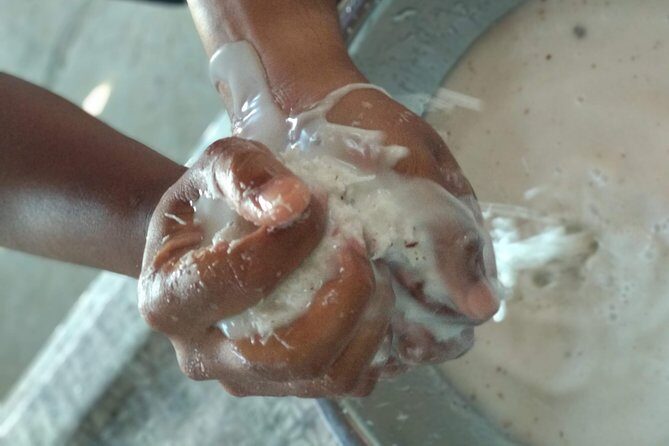
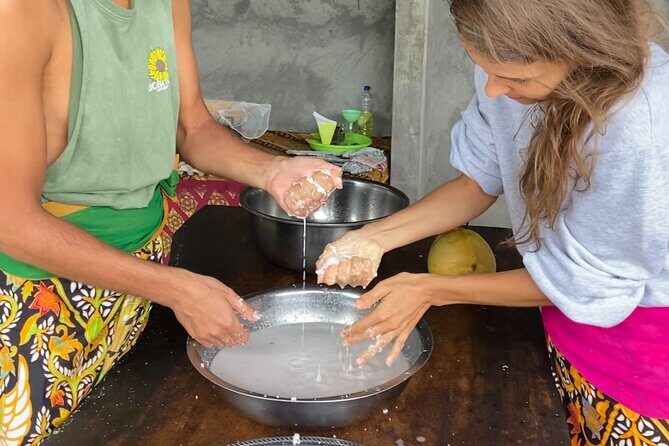
  • You’ll likely get a little coconut mess on your hands as you practice steps (peeling is part of the fun, even if you’re not a pro).
  • You’ll be guided through each step, but you’re still doing it yourself, so this is not a passive photo shoot.

That hands-on approach is the big win here. You don’t just learn a recipe; you learn a rhythm: collect coconuts, prepare them, process them, and wait while the work turns into oil.

Step-by-Step: How You Turn Coconuts Into Coconut Oil

Make Traditional Bali Coconut Oil with a Balinese Family - Step-by-Step: How You Turn Coconuts Into Coconut Oil
The core of the experience is the traditional Balinese process of making coconut oil. The session is listed at about 1 hour 30 minutes, but the real oil-making takes more than 1 to 1.5 hours to complete. In practice, that means the time label is accurate as a general guide, but you’ll feel the day stretch a bit because you also have the massage and the village walking/exploring time while you wait.

Here’s the flow you can expect:

  1. Welcoming tea or coffee + snacks

You arrive and start with Balinese coffee and/or herbal tea, plus Balinese cookies. This is a good reset moment, especially if you’re coming from Ubud’s busier vibe.

  1. Tools and equipment provided

They provide the tools and equipment for making coconut oil. You’re not expected to bring anything to start the process.

  1. Your hands on the coconuts and process

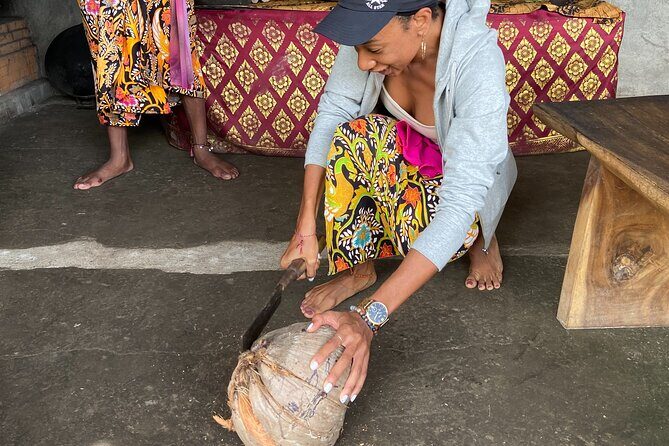
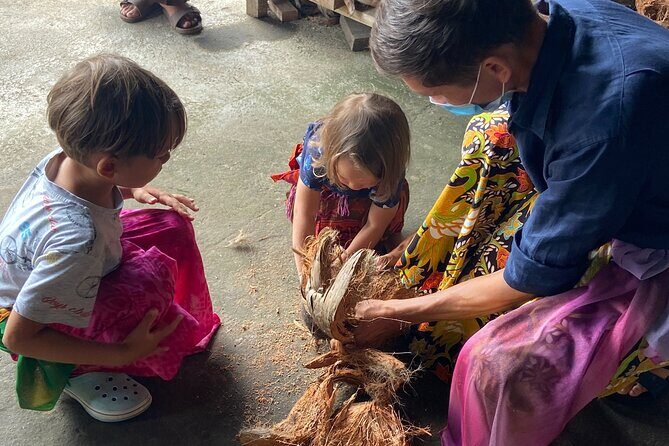
You’ll practice key steps. One review highlights the fun of trying to peel coconuts even if it’s not your best skill at first. That’s a normal part of it. The value is that you get explanations while you’re doing it.

  1. Waiting time becomes village life time

Coconut oil needs time to process. Instead of forcing you to sit around, you’ll get coconut scrub massage and explore the local life.

  1. Take-home coconut oil

Once the oil is ready and the session ends, you bring your homemade coconut oil home as your souvenir.

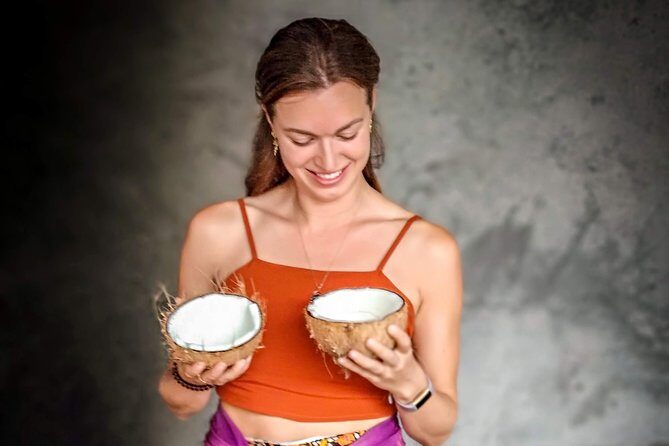
I like experiences where the “product” comes from actual effort. That’s what you get here: a jar of oil that’s yours because you made it. It’s also a different way to shop for Bali goods. You’re not buying something already packaged and branded; you’re taking home something made in the session.

The Coconut Scrub Massage and Herbal Tea Break

Make Traditional Bali Coconut Oil with a Balinese Family - The Coconut Scrub Massage and Herbal Tea Break
This is one of those rare tour extras that feels like it belongs in the same story, not a random add-on. While the coconut oil process is underway, you get a coconut scrub massage. In a small village home setting, that kind of self-care can feel surprisingly grounding.

The massage also gives you a change of pace from hands-on work. Coconut preparation can be tiring, so the scrub moment is a nice swap: hands busy, then shoulders and skin getting attention. If you’re traveling with kids or older family members, this break can help keep energy levels steady.

You also get to slow down with Balinese coffee and herbal tea, plus snacks (Balinese cookies). It’s a small detail, but it helps you experience the day as lived-in rather than rushed. And because it’s a home setting, you may end up chatting about what you’re seeing in the house and what people do day to day.

Add-On Option: The Silversmithing Class for an Extra Souvenir

Make Traditional Bali Coconut Oil with a Balinese Family - Add-On Option: The Silversmithing Class for an Extra Souvenir
If you want a second craft, there’s an option to include a silversmithing class. The idea is straightforward: make something unique beyond the coconut oil.

This is a good choice if:

  • You like the concept of taking home a story-made souvenir.
  • You’re traveling with someone who enjoys crafts.
  • You want to use the waiting time for one activity as a moment to create something else.

The coconut oil class already covers a lot, so I’d only add the silver lesson if you’re genuinely interested in craft and don’t mind a fuller day. But if you are, it’s a smart pairing because both activities are rooted in traditional, skill-based work.

Price and Logistics: Getting Value Beyond the $27

Make Traditional Bali Coconut Oil with a Balinese Family - Price and Logistics: Getting Value Beyond the $27
The base price is $27.00 per person, and it’s often booked about 18 days in advance. At that price, you’re covering a private, family-based session that includes:

  • Coconut oil making tools and equipment
  • Coffee and/or tea
  • Balinese snacks
  • Coconut scrub massage
  • A take-home souvenir (your own coconut oil)

That’s solid value for Bali, especially because you’re doing the work—not just watching it happen.

Transportation costs from Ubud central

Here’s the practical catch: transportation from central Ubud is IDR 350k round trip unless you upgrade to include round-trip transfers. If you’re comparing this to other Ubud-area activities, don’t just compare the $27. Compare the all-in cost once you factor in the north-of-Ubud location.

If you upgrade for transport, you’re buying convenience. If you don’t, you’re paying in planning time. Either way, you’ll want to think about how early you want to start and how comfortable you are with getting out to Taro (north of Ubud).

Duration realities

The duration is about 1 hour 30 minutes, but coconut oil takes more than 1 to 1.5 hours to be done. So, plan your day around the possibility that you’ll be there for roughly the full class block plus breaks built into the flow.

Who This Coconut Oil Class Suits Best (And Who Might Skip It)

Make Traditional Bali Coconut Oil with a Balinese Family - Who This Coconut Oil Class Suits Best (And Who Might Skip It)
This experience is a good fit if you want something that feels hands-on, small, and grounded in daily life.

It suits:

  • Families: the process is fun and educational, and kids can enjoy the hands-on nature.
  • Couples: you get a shared activity plus relaxation from the coconut scrub massage.
  • Solo travelers: people going alone still describe being cared for well during the session.
  • People who use coconut oil: you’ll learn where it comes from, which steps matter, and how it’s made traditionally.

I’d consider skipping or swapping for a different activity if:

  • You only want a quick, low-effort stop.
  • You’re not comfortable with a hands-on kitchen/farm-style setting (a little mess is part of the story).
  • You want fully air-conditioned comfort and modern museum-style facilities.

This isn’t that kind of experience. It’s more like stepping into a family day and learning a real craft.

Small Practical Tips That Make the Day Easier

Make Traditional Bali Coconut Oil with a Balinese Family - Small Practical Tips That Make the Day Easier
Even with a private setup, you’ll enjoy it more if you prepare for the basics.

  • Wear clothes you don’t mind getting coconut-sticky. You’re making oil by hand, and peeling/prep is part of it.
  • Bring a calm mindset for waiting time. Coconut oil processing takes time, and that waiting is filled with massage and exploring.
  • Plan around getting to Taro (north of Ubud). If your schedule is tight, the transport upgrade can save stress.
  • Use the included sarong if you want to feel more at ease. A Balinese sarong is provided, which can make the experience feel more comfortable and respectful in the home setting.

Also, there’s free Wi-Fi listed. That’s a nice bonus, but I wouldn’t plan your day around it. This is the kind of experience where your best photos come from the crafting and daily-life moments, not from trying to work online.

Should You Book the Traditional Bali Coconut Oil Class?

Book this if you want Bali without the crowds and without the lecture-style vibe. The value comes from the combination of hands-on coconut oil making, a coconut scrub massage, and the chance to take home something you made yourself.

Skip it if you’re only chasing a short activity, or if you dislike the idea of getting your hands into a real cooking/crafting process. Also, if you’re in central Ubud and don’t want to think about transport costs at all, you’ll need to decide whether the transfers upgrade is worth it for your day.

My decision guide is simple: if you’re the type who likes learning how everyday items are made, this is a strong choice. You’ll leave with a souvenir jar, a new skill, and a story that feels like it came from an actual place—not a brochure.

FAQ

Where does the coconut oil class take place?

The class takes place in Delodsema Village, Jl. Taman Gajah, Taro, Kec. Tegallalang, Kabupaten Gianyar, Bali 80561, Indonesia.

Is this experience private?

Yes. It’s a private tour/activity, and only your group participates.

How long does the experience last?

It’s listed at about 1 hour 30 minutes. The coconut oil process itself takes more than 1 to 1.5 hours.

What do I get included in the price?

Included are Balinese coffee and/or herbal tea, Balinese cookies/snacks, tools and equipment for making coconut oil, a Balinese sarong, free Wi-Fi, and you’ll take your coconut oil home.

Is transportation from Ubud central included?

Transportation from Ubud central is not included. The listed charge is IDR 350k round trip, unless you upgrade to include round-trip transfers.

Do I get a coconut scrub massage?

Yes. A coconut scrub massage is included while the coconut oil is being made.

Can I take home the coconut oil I make?

Yes. You bring your coconut oil souvenir home after the session ends.

Is there an option to add silversmithing?

Yes. There’s an option to upgrade and include a silversmithing class for an additional souvenir.

What’s the meeting and ending setup?

Start is at the Delodsema Village meeting point listed above. The activity ends back at the meeting point.

What is the cancellation policy?

There’s free cancellation. You can cancel up to 24 hours before the experience start time for a full refund. Changes within 24 hours are not accepted.

Experience Private Quad Bike and Jungle Swing in Bali Indonesia

Experience Private Quad Bike and Jungle Swing in Bali Indonesia - How the full 8-hour day from Kuta usually plays out

Swing and ride in one long Bali day. Bali Swing sits on the edge of a canyon with views toward a river and waterfall area, and it’s built for both big adrenaline and Instagram-friendly moments. You’ll work through a whole set of swings and photo “nests,” with options for different comfort levels, including a tandem swing for couples. It’s loud, scenic, and very easy to understand once you’re there.

What I like most is how private transportation plus an English-speaking driver keeps your day from turning into a puzzle. I also see a strong pattern around the guide named Yoga: friendly, good English, and the kind of person who gives clear guidance and helps with photos, not just a checklist. Add lunch and shower facilities into the mix and the whole day feels more complete than a single-activity ticket.

One consideration: it’s weather-sensitive, and it’s a full day (about 8 hours including pickup and drop-off). Also, photos/video aren’t included, so if you want action shots, plan to pay separately or bring your own gear.

Key highlights you’ll actually care about

Experience Private Quad Bike and Jungle Swing in Bali Indonesia - Key highlights you’ll actually care about

  • Canyon swings + photo nests: you get views and multiple swing types, not just one ride
  • Unlimited Access idea for swings: more time to test different swing options at your pace
  • ATV route through rice fields, bamboo forest, jungle, rivers, and villages: a real mix, not only dirt tracks
  • Safety briefing and included gear: they don’t throw you onto the quad cold
  • Lunch, showers, and a locker: you’re not left figuring out the messy parts
  • Guides like Yoga focus on clear communication and help with photos

Swinging Over the Canyon: why Bali Swing feels worth the hype

Bali Swing is the kind of place that makes you understand why it went viral. You’re up high, you’re looking down toward the canyon setting, and the sound and motion make it instantly more memorable than a simple viewpoint.

What matters for your experience is not only the scenery, but the variety. The swing setup includes different sizes, plus a tandem swing for couples. That means you can pick your comfort level. If you want the thrill, go bigger. If you want a safer first step, start smaller and work your way up. This matters because some people love the adrenaline side, while others mainly want the views and photos.

The “photo nests” are part of why the place is famous. It’s not just random posing spots. They’re built into the experience so you can pause, frame, and capture the canyon/river setting. In practice, this turns Bali Swing into a smoother experience for first-timers, because you’re not wandering around trying to find the best angles with everyone else.

Time-wise, expect about 2 hours for the jungle Bali swing portion. That’s enough to try at least a couple of swings and not feel rushed, but it’s still short enough that it won’t steal the whole day from the quad ride.

ATV Quad Bike in Bali: the route that makes it more than a loop around town

Experience Private Quad Bike and Jungle Swing in Bali Indonesia - ATV Quad Bike in Bali: the route that makes it more than a loop around town
After the swing part, the day shifts gears. The ATV segment is where you get the “off the beaten track” feeling—the quad ride through working scenery and village areas.

You’ll ride a semi-automatic 250 cc ATV (the route is described as including rice terrace/rice fields, bamboo forest, jungle, river sections, villages, a tunnel, and panoramic viewpoints). The best part of that list is the variety. Rice fields and bamboo tend to feel open and photogenic. Jungle and river sections feel more wild and enclosed. Villages give a sense of where people actually live, not just scenic farmland.

Before you start, there’s a full safety briefing from your instructor/guide. That’s important because ATV days can go two ways: either you’re confident quickly, or you spend the first part of the ride fighting controls. With a briefing and safety equipment provided, you’re more likely to spend your time enjoying the terrain.

Duration for this quad portion is about 1.5 hours. That’s a sweet spot for an all-in-one day. Long enough to feel like a real adventure, short enough that you don’t need a full recovery day afterward.

One small thing to watch: solo vs tandem rules change who can ride. For ATV solo, you’ll be the rider on the quad with a minimum age of 12. For ATV tandem, there’s a driver and a passenger on the same bike, so two people share one ATV. Children age 7–11 must have an adult present for tandem passenger rides. If your group has kids or mixed ages, it’s worth planning who rides as solo vs passenger before you arrive.

How the full 8-hour day from Kuta usually plays out

Experience Private Quad Bike and Jungle Swing in Bali Indonesia - How the full 8-hour day from Kuta usually plays out
This is timed as a package with transfer: pickup to drop-off takes about 8 hours total. That means you’re not just budgeting for activity time. You’re also budgeting for driving, waiting, and getting everyone ready.

The swing portion is around 2 hours, then the ATV around 1.5 hours. Those two chunks are the core of the day, and they’re spaced so you don’t end up either exhausted before the thrills or bored waiting for them.

Because it’s a private tour/activity, your group stays together. You’re not trying to match pacing with strangers. That can matter a lot at Bali Swing, where line flow and camera stops can slow down a mixed group.

Also, pickup is offered, and there’s mention of mobile ticket use and group discounts. In plain terms: you’ll want to confirm your exact pickup time and the meet-up spot so your day starts cleanly. Once you’re in motion, the schedule concept is straightforward: swing first, then ride.

Safety, showers, and what to bring so you’re comfortable

Good news: this package includes safety equipment, and it includes insurance. It also includes shower facilities and a locker. Those aren’t flashy features, but they change how the day feels at the end. ATV riding plus jungle/water environments can leave you with damp clothes or muddy shoes. Having showers and storage means you can keep the rest of your evening simple.

The operator also includes lunch and refreshments. That’s valuable because when you run on an ATV day, a skipped meal can ruin your mood fast. A included lunch helps you keep energy for both activities.

What you should bring is mostly common sense for Bali outdoors:

  • a change of clothes if you have sensitive skin or hate damp fabrics
  • water-resistant footwear if you’ll get muddy
  • a small waterproof pouch or zip bag for your phone (photos/video aren’t included, so you may want your own camera)

One more detail: photos/video aren’t included. If you want professional-looking action shots, plan for that cost. If you’re fine with your own phone and a few stable photos, you’ll still be able to capture plenty at Bali Swing.

Fitness level is another consideration. The tour notes that travelers should have moderate physical fitness. ATV riding and the motion of the swings aren’t “extreme sports,” but you do need basic comfort with movement and standing up for camera-friendly moments.

Price and value: does $62 make sense for this combo?

At about $62 for a private experience, the value comes from the bundle. You’re not just paying for one activity. You’re paying for:

  • private transportation
  • an English-speaking driver and professional guide
  • lunch
  • shower facilities and a locker
  • safety gear and insurance
  • roughly 2 hours at Bali Swing and about 1.5 hours for ATV
  • welcome drink

That’s the big idea: the cost isn’t only “for the rides.” It’s also for the setup that makes the day run.

Where the deal gets weaker is exactly where the listing is clear: photos/video aren’t included. If you were hoping the package would cover every action shot, you’ll likely spend extra. Still, if you’re traveling with friends or a partner, you can often rotate phone duties and get solid images for less.

Another value factor is how the guide experience shows up in the feedback pattern—especially with Yoga. The reports emphasize communication, friendliness, and help with recommendations and photos. That doesn’t make the ATV faster or the swing bigger, but it does make the day smoother and less stressful. When you’re paying for a private combo, “easy and organized” becomes part of what you’re buying.

Who should book this Bali Swing + ATV combo

This is a great match if you want:

  • two different thrills in one day (swing views + quad ride variety)
  • a guided day with transportation, lunch, and showers included
  • a group that wants privacy and a shared pace

It’s especially good for couples and small groups because Bali Swing includes a tandem option and the whole day is designed around photo moments plus motion.

You might want to think twice if:

  • your group includes riders who can’t meet ATV age/role rules (solo vs tandem matters)
  • you expect a relaxed half-day only (this is built as a full day)
  • you strongly want professional photos/video included (it’s not part of the package)

FAQ

FAQ

Is this tour private, or will I share it with other people?

It’s a private tour/activity, so only your group participates.

Where does the tour start?

The location is in Kuta, and pickup is offered.

How long is the total experience?

The package is about 8 hours including pickup until drop-off. The jungle Bali swing portion is around 2 hours, and the quad bike portion is about 1.5 hours.

What’s included with the price?

Included items are welcome drink, private transportation, English-speaking driver, lunch, professional guide, locker, insurance, and shower facilities, plus safety equipment for the rides.

Do I get photos or video included?

No. Photos/video are not included.

What are the ATV age rules?

For ATV solo, the minimum age is 12. For ATV tandem, one person is the driver and one is the passenger. Children 7–11 must have an adult present for tandem passenger rides.

What if the weather is bad?

This experience requires good weather. If it’s canceled due to poor weather, you’ll be offered a different date or a full refund. You can also cancel for a full refund up to 24 hours in advance.
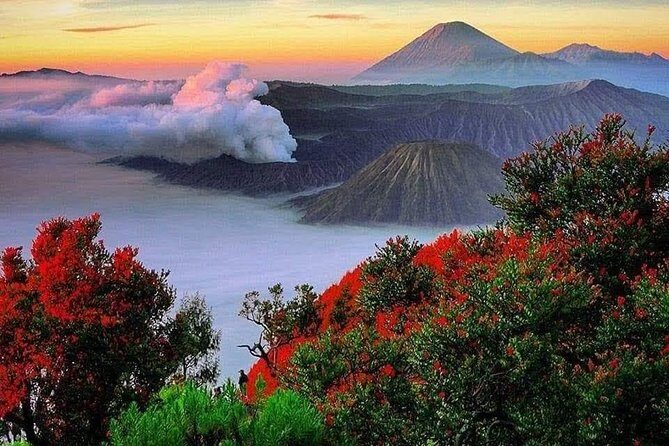
Who is the guide I might meet?

The reviews highlight a guide named Yoga, described as very friendly and helpful, with strong English and support with recommendations and photos.

Amazing Kuber ATV Quad Bike Experience in Bali and Tunnel

Amazing Kuber ATV Quad Bike Experience in Bali and Tunnel - Automatic 250cc ATV + Gear: What You Get Before You Ride

ATVs and tunnels in Ubud makes a loud sort of sense. This Kuber ATV day is built for action, with a real mix of mud, wet track sections, steep climbs/descents, and Bali scenery you see from a 250cc automatic quad.

I especially like the day’s pacing: long enough on the ATV to feel like you got your money’s worth, then a proper lunch break. I also like the practical extras like ATV equipment, insurance covered, plus a locker and change/shower room so you’re not stuck sweaty for the rest of your trip.

One thing to consider: you’re riding through wet and uneven terrain, so it’s not a sit-and-look day. If you’re expecting smooth paths and dry weather, you may be happier booking something tamer.

Key Highlights You’ll Notice Immediately

Amazing Kuber ATV Quad Bike Experience in Bali and Tunnel - Key Highlights You’ll Notice Immediately

  • 9-kilometer track with about 1 to 1.5 hours of riding time (varies with the route)
  • Automatic 250cc ATV you can focus on steering, not shifting
  • Tunnels, waterfalls, caves, rice fields, and river/canyon sections
  • Steep descents and hills plus wet-track fun that adds real adrenaline
  • Pickup in an air-conditioned vehicle and a built-in lunch break
  • Small-group feel (maximum 10 travelers) with guides on hand

Ubud ATV Day Schedule: How the 5 Hours Flow

Amazing Kuber ATV Quad Bike Experience in Bali and Tunnel - Ubud ATV Day Schedule: How the 5 Hours Flow
This is a half-day excursion that starts early, with pickup around 8:30 am. In total, plan on about 5 hours door-to-door, split into travel time, the ATV portion, lunch, and the return drive.

What I like about this schedule is that it doesn’t waste the morning. You spend roughly 1 hour heading out to the riding area, then get a solid block of time on the quad. After that, you slow down for lunch for about an hour, and then you’re back on the road again for about 1 hour to return to your pickup area.

The rhythm matters. If you’re in Bali for a tight itinerary, this kind of timeline lets you get an adrenaline hit without losing your whole day. Just remember you’ll likely be muddy and tired afterward, so it helps to keep the next activity simple.

Automatic 250cc ATV + Gear: What You Get Before You Ride

Amazing Kuber ATV Quad Bike Experience in Bali and Tunnel - Automatic 250cc ATV + Gear: What You Get Before You Ride
You’ll start the experience with ATV equipment provided, plus insurance coverage included in the package. The operator also provides bottled water and a welcome drink, which is a nice touch when you’re about to spend time getting dusty or wet.

A small but important detail: you get access to a change and shower room, along with a towel and locker. In real life, that’s what makes the difference between this feeling like a fun day and a day that ruins the rest of your plans. You can rinse off, store your stuff safely, and move on.

The ATV itself is an automatic 250cc, so you don’t need to learn gears. For most people, that translates to more time enjoying the ride and less time worrying about mechanics. The quad is also positioned as an all-terrain experience, meaning you’re not just taking smooth turns on a track.

Riding the 9 km Quad Route: Tunnels, Waterfalls, Caves, Rice Fields, and Wet Track

Amazing Kuber ATV Quad Bike Experience in Bali and Tunnel - Riding the 9 km Quad Route: Tunnels, Waterfalls, Caves, Rice Fields, and Wet Track
This is the heart of the day, and the route is described as a tour through a big mix of natural features. Expect a combination of Bali countryside views and real obstacles: waterfalls, river sections, caves, rice fields, and canyon-style terrain. Then there are the moments that make this feel special—tunnels, plus fun up-and-down trail riding.

The track length is 9 kilometers, and you’ll spend about 2 hours enjoying the ATV. The riding time can be closer to 1 to 1.5 hours depending on the pace and the exact sections you hit. Either way, the goal is simple: you get enough time to build confidence on the quad before the day ends.

You’ll also notice the terrain style. The route includes wet track and fun action, plus steep descents and hills. That’s where the adrenaline comes from, but it’s also where you should stay sharp. If you like a challenge and you’re comfortable getting a bit dirty, this kind of route is why people book these days in the first place.

How guides help keep it fun

One review called out excellent instructions and professional guides joining the group, and that matches how these tours work in practice. With a small group size, guides can pace you and steer you toward the right way to handle tricky sections. In a day like this, good guidance is less about fancy talk and more about quick, clear directions so you don’t feel lost.

Stop and Sight Sections: What Each Natural Feature Feels Like

Amazing Kuber ATV Quad Bike Experience in Bali and Tunnel - Stop and Sight Sections: What Each Natural Feature Feels Like
The day is set up around multiple scenery moments, not just one long stretch of driving. Even without naming every single viewpoint, you can expect distinct “feel” changes throughout the ride.

Waterfalls and river time add motion and sound. You’re riding through areas that feel alive, not static. If you’re someone who likes photos, these are also typically the spots where you’ll want to slow down and capture the moment.

Caves add a different challenge level. You’ll be navigating enclosed or shaded sections where track conditions can feel tighter. This is the part of the day that often makes people remember the experience, because it feels more like an adventure route than a theme park ride.

Rice fields and countryside bits give you breathers. After wet and bumpy sections, the flatter countryside stretches can be a relief. They also help you see why Ubud is such a popular base—these are the “real Bali” scenes you don’t get from a car window.

And then there’s the star attraction: tunnels. Tunnels in an ATV ride change the mood fast. They’re thrilling because your sense of speed shifts, and you get that enclosed, echoing feel as you move through.

Lunch in the Middle: A Real Break, Not a Quick Bite

You get lunch after the ATV time, and it’s scheduled for about 1 hour. That’s a good window. It’s long enough to eat, catch your breath, and let your body cool down after riding.

Even if you don’t think you’ll be hungry, you’ll probably want that break. A few hours of riding—handling bumps, braking, and steering on uneven terrain—adds up physically. Lunch gives you a reset before the return drive.

What you should plan for: you’ll likely be damp or muddy when you finish riding. The shower and towel aren’t just a convenience; they make lunch more comfortable because you’re not sitting there feeling grimy.

Pickup, Transport, and Group Size: What “Small” Means Here

Pickup is included, and you travel in a comfortable, air-conditioned vehicle. Private transportation is also included, which helps keep the day flowing. You’re not waiting around for random drop-offs that drag your timeline.

The group size is capped at 10 travelers. That small size is a big deal on an ATV day. More people means more lines, more waiting, and less focus from guides. Fewer people means the guides can keep a closer eye and help manage pacing on the track.

One thing I’d watch: in practice, ATV groups can feel like they’re in the low teens depending on how the operator runs sessions. Still, with the stated cap, you should expect a manageable group and less chaos than larger tours.

If you’re booking ahead, note that the experience is typically booked about 10 days in advance. That’s a sign this is one of the popular Ubud activity picks, especially for people who want action without giving up a full day.

Value for $75: When This Price Feels Worth It

At $75 per person, this sits in the middle range for Ubud adventure activities. The value is strongest if you care about the full package, not just the ride.

Here’s why: the price includes the ATV equipment, insurance coverage, lunch, bottled water, and multiple comfort items like lockers and change/shower access. Many activity add-ons elsewhere quickly push the total up once you factor in basic necessities.

You’re also getting a setup that tries to balance thrill with sanity. You don’t just get the quad and instructions and then fend for yourself. The day is organized around a timed schedule—travel, riding time, lunch, then return—so you can plan the rest of your vacation without guessing.

Is it overpriced? Not likely, as long as you’re actually going to enjoy messy, active riding. If you want a calm sightseeing tour, you may feel like this is too much effort for the payoff.

Who This ATV Quad Tour Is Best For (and Not For)

Amazing Kuber ATV Quad Bike Experience in Bali and Tunnel - Who This ATV Quad Tour Is Best For (and Not For)
This experience is best for people who want adrenaline and don’t mind getting dirty. If you’re a confident rider (or you’re willing to learn quickly), you’ll likely have a great time with the mix of steep sections and wet track areas.

It’s also a good fit if you like your Bali days to include variety. Tunnels, waterfalls, caves, rice fields, and river/canyon segments mean you’re not repeating the same scenery over and over.

I’d be more careful if you:

  • Dislike wet or muddy terrain
  • Are sensitive to bumpy, all-terrain driving
  • Expect a slow, photo-only tour (this is action first)

On the bright side, the experience notes that most travelers can participate, which usually means the operators don’t require extreme prior ATV experience. But “most” still means you’ll want to judge your comfort level with riding and basic physical handling.

My Booking Advice: Should You Book Kuber ATV in Ubud?

If your ideal Bali day looks like guided action, a small-group feel, and a real outdoor route, I’d say yes. The combination of automatic 250cc ATVs, a meaningful 9 km track, and the set of scenery types (tunnels, waterfalls, caves, rice fields, river/canyon) is exactly what makes this more memorable than a basic quad loop.

I’d only skip if you want comfort and cleanliness above all else. You can shower afterward, but the ride still centers on wet and uneven trail fun. Also, if your schedule is extremely tight, remember the day is about five hours total from pickup to return.

FAQ

FAQ

What city is the ATV experience based in?

It runs in Ubud, Indonesia.

What time does the experience start?

The start time is 8:30 am.

How long is the whole experience?

Total duration is about 5 hours (approx.).

How long will I ride the ATV and what track length is included?

You’ll enjoy about 2 hours on the ATV, and the route is listed as a 9-kilometer track. The ride time is also described as 1 hour to 1 hour 30 minutes depending on the route.

What’s included in the price?

Included items cover ATV equipment, insurance coverage, lunch, bottled water, air-conditioned vehicle, private transportation, all fees and taxes, change and shower room, towel, and locker, plus a welcome drink.

Is pickup and transport included?

Yes. Pickup is offered, and the day includes air-conditioned vehicle transport with private transportation.

What type of ATV do you ride?

You ride a powerful automatic 250 cc ATV.

What kinds of terrain and sights are on the route?

Expect a mix that can include tunnels, natural waterfalls, countryside areas, rice fields, caves, a river, canyon sections, steep descents and hills, wet track sections, and up-and-down trails.

What is the cancellation policy for a full refund?

Cancellation is free up to 24 hours in advance. To get a full refund, you must cancel at least 24 hours before the experience start time.

Kuta Seminyak Scooter Lessons

Kuta Seminyak Scooter Lessons - Where You Meet in Seminyak (and What That Means)

Two hours, and you start riding smart. This scooter lesson in Seminyak works because it uses a bike-to-scooter progression instead of throwing you into traffic. I also like the hands-on coaching style, including tips meant to help you understand local street behavior and avoid common trouble. The main drawback to consider is that the session requires good weather, and you’ll need to be ready to practice on roads that get progressively busier.

This is set up as a private lesson for just your group, so you’re not watching someone else learn while you wait your turn. It’s a practical “keep you mobile in Bali” skill too: if you plan to ride during a longer stay, this kind of training can save you time and transport stress fast.

Key Things I’d Focus On

Kuta Seminyak Scooter Lessons - Key Things I’d Focus On

  • Bike first, scooter second: you build control on a powered bicycle before moving to the scooter
  • Quiet practice, then real roads: you start calmer and gradually add complexity
  • Local rules taught directly: street behavior and how to avoid police problems
  • Helmets and gear are included: scooter and helmet are provided for the lesson
  • Private group time: only your group participates, so learning stays personal

Scooters in Bali: Why a 2-Hour Lesson Changes Your Trip

If you’re spending serious time in Bali, a scooter often becomes part of daily life. The catch is that “just rent and go” can turn into a stressful scramble. A short lesson like this is valuable because it focuses on the basics you actually need: control, balance, and what to do around traffic.

This course is built for real beginners. You start with something that feels familiar, like riding a powered bike. Once you can handle that, you move onto the scooter. That step-by-step approach matters because scooter mistakes usually happen in two places: getting going smoothly and managing steering/spacing while moving.

And yes, it’s practical beyond the lesson. After you learn how to ride, you’re more likely to explore around Seminyak, Canggu, and beyond without burning money on constant rides. You also gain confidence for longer trips through Indonesia where scooters are common.

Price, Gear, and What You’re Getting for $52

For $52, you get a focused 2-hour session (approx.) plus the equipment you need to practice. The included items are straightforward: use of a bicycle, use of the scooter, and a helmet.

That’s the core value. You’re not paying for a fancy route or a long sightseeing day. You’re paying to trade uncertainty for skill. In places like Bali, that often beats spending more later on multiple taxis, on advice from random sources, or on repairs and wasted rental days.

A few things are not included, and they’re worth planning for:

  • breakfast and water aren’t included
  • private transportation isn’t included

Those omissions don’t make the lesson a bad deal. They just mean you should arrive ready to practice without assuming someone will provide snacks or logistics.

Where You Meet in Seminyak (and What That Means)

Kuta Seminyak Scooter Lessons - Where You Meet in Seminyak (and What That Means)
You’ll meet at Jalan Raya Canggu in Tibubeneng, Kuta Utara, Kabupaten Badung, Bali. The activity ends back at the meeting point, so you’re not stuck figuring out your return.

The location choice is practical: Canggu and Seminyak are scooter hubs, but that also means traffic habits are real. For a beginner lesson, the sweet spot is starting near areas where you can practice control, then gradually move into busier road situations with your instructor nearby.

You’ll also see it’s set close to public transportation. Even if you’re arriving by scooter taxi or rideshare, it helps to know you won’t be stranded with no options if you have a late start or need to re-route.

How the Lesson Flows: From Powered Bike to Scooter Confidence

The session follows a clear teaching arc, and that’s one of the best parts.

First phase: the powered bike foundation

You begin by riding a bike-powered setup that shares core basics with scooters. This part is about learning how to:

  • start and stop without drama
  • keep your balance while moving
  • coordinate steering with throttle control

It’s not about going fast. It’s about building muscle memory in a way that feels less intimidating than jumping onto a scooter right away.

Second phase: switching to the scooter

Once you can handle the bike-style riding basics, you transfer those habits to the scooter itself. This is where you’ll need to pay attention to spacing, how you look ahead, and how you respond when traffic flow changes.

What makes this worthwhile is not just riding. It’s learning while someone is watching you, correcting you, and making sure you’re ready before you move into more complex road conditions.

Quiet Roads, Then Busier Streets: The Coaching That Matters

A good beginner lesson doesn’t simply say, ride here and hope for the best. It controls the difficulty.

In practice, you start on a quieter road segment to get your bearings. Then, you build confidence by going onto a busier road with your instructor positioned so you feel supported. This progression is important because Bali riding is not only about balance. It’s about reading movement around you—other scooters, cars, and gaps that open and close quickly.

Instructors like Raffi are described as very patient and focused on getting the basics stable before hitting the road. Another instructor, Dio, is praised for staying calm and breaking instructions into easy steps. I like that approach because beginners don’t need more fear. They need better feedback.

If you’re nervous about traffic, this style helps you stay calm long enough to learn. The goal is not bravery. The goal is control.

Local Street Rules and Police Avoidance Tips

One part of this lesson that people underestimate is the local rules piece. It’s not “legal lectures.” It’s street behavior and practical guidance for how to avoid common problems.

The course explicitly includes local rule teaching, including street rules and how to avoid issues with police. That matters because in Bali, the situation can change fast, and misunderstandings can cost you time or money even if you’re a decent rider.

If you only learn the mechanics—how to start, steer, and stop—you may still struggle with what other drivers expect from you. This lesson is designed to cover both: how your scooter works and how the road works.

What Included Helmet Time Really Helps With

You might think a helmet is just a safety checkbox. In a lesson, it becomes part of how you practice.

Because the scooter and helmet are provided, you don’t need to chase rentals or guess sizing. You show up and start. That saves time and reduces stress on day one, which is huge for first-timers.

Also, when an instructor is watching your posture and balance, a helmet and consistent gear help keep things predictable. You’re less likely to fidget with loose straps or awkward fit while you’re learning.

What’s the Real Trade-Off? Weather and Your Comfort Level

Two factors can shape how well the lesson goes.

Good weather is required

The experience requires good weather. If it’s canceled due to poor weather, you’ll be offered a different date or a full refund. That’s a normal travel reality in Bali, but it does mean you shouldn’t schedule this as your last-ditch activity before a tight departure day.
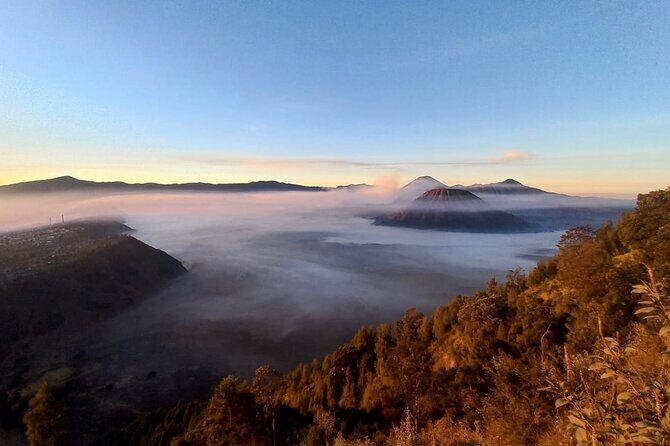
You still must be willing to practice

This lesson can help you learn, but it can’t remove the need for practice. If you freeze when roads get busier, the lesson may feel intense. The upside is that the training is designed to progress step-by-step, so you’re not forced into sudden chaos.

Who This Scooter Lesson Is For (and Who Might Skip It)

This is a great match if:

  • you’re planning a long stay and want independence on Bali roads
  • you’re a true beginner or close to it
  • you want clear instructions before you rent a scooter on your own
  • you’re nervous about traffic and want coached confidence

It might be less ideal if:

  • you don’t want any on-road training at all
  • you have no flexibility around weather-dependent activities
  • you expect a sightseeing-heavy experience rather than skill-building

The course is private for your group, which also makes it a good choice if you’re learning with a friend or partner and you want your time to stay focused.

Practical Tips Before You Go (So You Learn Faster)

Even with instruction, you’ll learn quicker if you arrive prepared. From what’s included, here’s what you should plan for:

  • eat something beforehand since breakfast isn’t included
  • bring water or plan to get it nearby because water isn’t included
  • wear comfortable clothes you can move in
  • be ready to spend the full session practicing, not just observing

Also, mental preparation helps. If you’re new, expect a few shaky moments. That’s normal. The benefit of this lesson is that an instructor can correct you early, before small errors become bad habits.

After the Lesson: How to Turn Coaching Into Real Riding

A lesson like this is a starting point. To keep improving, you’ll want to practice what you learned:

  • smooth starts and controlled stops
  • staying relaxed when traffic thickens
  • looking ahead instead of staring at the scooter in front of you
  • using the street rules guidance you were taught, not random guesses

If you’re planning to ride across Bali, start slowly even after the lesson. Build up your confidence over days, not minutes. Your first solo rides should feel like the second half of your lesson: calm progression, not sudden leaps.

Should You Book This Kuta Seminyak Scooter Lesson?

You should book if you want a skill that pays off every day you’re in Bali. The price is reasonable for what’s included—scooter, helmet, and guided practice—and the teaching method is built for beginners using a clear progression from powered bike to scooter.

The biggest reason to hesitate is weather. If you’re on a tight schedule and can’t flex dates, it may be risky. The second reason is your own comfort: if you’re extremely anxious about roads, you’ll still need courage to practice, even with patient instructors supporting you.

If you’re willing to practice and you want to ride with better judgment from the start, this lesson is a smart first step.

FAQ

Where does the scooter lesson start and end?

It starts at Jalan Raya Canggu in Tibubeneng, Kuta Utara, Kabupaten Badung, Bali, Indonesia. It also ends back at the same meeting point.

How long is the experience?

The duration is approximately 2 hours.

What does the $52 price include?

It includes use of a bicycle, use of a scooter, and a helmet.

What is not included?

Breakfast and water are not included, and private transportation is not included.

What will I learn during the lesson?

You’ll learn the basics of riding a scooter, starting with the same fundamentals as a bicycle on a powered bike. You’ll also be taught local street rules and how to avoid problems with police.

Is it a private tour?

Yes. It’s a private activity, so only your group will participate.

Do I need to bring my own scooter or helmet?

No. The scooter and helmet are provided as part of the lesson.

When will I receive confirmation after booking?

Confirmation is received at the time of booking.

What happens if the weather is bad?

The experience requires good weather. If it’s canceled due to poor weather, you’ll be offered a different date or a full refund.
Bali: Bedugul Temple, Banyumala Waterfall, UNESCO Rice Terrace

Bali: Bedugul Temple, Banyumala Waterfall, UNESCO Rice Terrace - Ulun Danu Bratan Temple: lake views, dramatic setting, and how to enjoy it

A cool-mountain Bali day beats beach time. This private countryside loop brings you to lake-and-temple views, misty waterfalls, and UNESCO rice terraces without you worrying about maps or traffic. The route is built to feel calmer than the typical big-tour circuit, so you can linger when something catches your eye.

I really like the hotel pickup and drop-off. You start around 8:00 am and get an air-conditioned ride with a driver who stays with you all day, plus bottled water to keep the day comfortable.

One thing to plan for: entrance fees aren’t included (listed as about IDR 180k per person), and Banyumala is a swim-friendly stop but you’ll want to bring a towel/extra cloth since those aren’t provided.

Key highlights to know before you go

Bali: Bedugul Temple, Banyumala Waterfall, UNESCO Rice Terrace - Key highlights to know before you go

  • Private, not shared: your group rides together with a guide who stays with you all day
  • Pickup across Bali’s south: Seminyak, Ubud, Legian, Kuta, Jimbaran, Sanur, Tanjung Benoa, Nusa Dua
  • Ulun Danu Bratan first: a 45-minute temple visit timed early in the day
  • Banyumala twin waterfalls + stroll: about 50 minutes with time to walk and (if you want) swim
  • Jatiluwih rice terraces stop: around 50 minutes at the UNESCO-listed viewpoint area
  • Driver-guided experience: an English-speaking driver accompanies you, not just shuttles you

A private Seminyak-to-highlands day: routing and timing that reduce stress

Bali: Bedugul Temple, Banyumala Waterfall, UNESCO Rice Terrace - A private Seminyak-to-highlands day: routing and timing that reduce stress
This tour is designed for people who want the “classic Bali checklist,” but don’t want the headache of figuring out where to go next. You’re picked up and dropped off in comfort, then you spend the day letting someone else handle the roads, timing, and parking.

The schedule has a smart rhythm: one temple on a mountain plateau by a lake, one rainforest waterfall walk, then rice terraces for the grand finale. It’s the kind of mix that keeps the day from feeling repetitive. You’re not just looking at statues—you’re moving through very different Bali environments in one shot.

Your day runs about eight hours, with a start time around 8:00 am. That early start matters. In Bali, the highlands can feel cool and drizzly, and beating the bigger crowds can make the experience feel more personal—less waiting, more time watching.

Ulun Danu Bratan Temple: lake views, dramatic setting, and how to enjoy it

Bali: Bedugul Temple, Banyumala Waterfall, UNESCO Rice Terrace - Ulun Danu Bratan Temple: lake views, dramatic setting, and how to enjoy it
The first stop is Ulun Danu Bratan Temple, a scenic drive up into the mountains and highlands. The temple sits on a plateau next to a lake, so the views tend to feel instantly atmospheric—especially when the morning air is cool.

You get about 45 minutes at the temple. That’s long enough to walk the main areas, take photos, and settle in without feeling rushed. It’s also short enough that the day still keeps momentum for the next two stops.

A practical tip for enjoying Ulun Danu Bratan: don’t treat it like a quick photo stop. The whole point is the way the temple and the lake setting work together. If the weather is moody, that can actually be a plus for pictures—soft light often brings out details in the stonework and temple structures.

Admission isn’t included, so you’ll want to budget for entrance fees at the start of the day. The listing puts total entry fees at about IDR 180k per person, so it’s best to keep that in mind for the whole route rather than only thinking about one location.

Banyumala Twin Waterfalls: rainforest walking, muddy shoes, and swim-ready fun

After the temple, you head to Banyumala Twin Waterfalls in a lush rainforest area. This is where the day turns more physical. Expect a pleasant stroll through greenery, then time at the waterfalls themselves.

The visit is about 50 minutes. That’s a good chunk of time because it’s not just about standing and taking photos. You’ll have space to slow down, enjoy the sound of water, and decide if you want to get closer.

This is also the stop where you should think about comfort and packing. The tour notes that you can swim at Banyumala and that towel and extra cloth aren’t included. Translation: wear footwear that can handle wet conditions, and bring a way to dry off after. If you hate the idea of changing after a waterfall, consider skipping the swim and just enjoy the walk and views.

The best time to see waterfalls looking their best is often after rain. The day’s description hints at this: Banyumala is a “twin” waterfall, and conditions after rainfall can make the water volume and flow more impressive. Even if it’s not raining, rain can make the rainforest path feel more alive—just plan for damp ground.

Jatiluwih rice terraces: UNESCO scenery and the joy of moving slower

Bali: Bedugul Temple, Banyumala Waterfall, UNESCO Rice Terrace - Jatiluwih rice terraces: UNESCO scenery and the joy of moving slower
The final major stop is Jatiluwih Green Land, part of the UNESCO rice terrace area. This is where the scenery shifts from stone and rainforest moisture to open views of terraced farming.

You’ll have about 50 minutes here. That’s enough time to walk to viewpoints, take in the pattern of the terraces, and appreciate the scale. Jatiluwih also has a view of Mount Batukaru in the background, which can add a strong sense of place to your photos.

The terraced fields work best when you don’t rush them. Instead of treating it like a single photo spot, think of it as an easy walking break. If the weather is clear, you’ll notice the terraces’ geometry more. If it’s overcast, you may find the light makes the green tones more even and calming.

One caution: rice terrace viewpoints can involve uneven paths and small steps. Nothing extreme is described, but you’ll still want stable shoes. If you went to Banyumala earlier and your feet are already tired, keep your pace relaxed for Jatiluwih.

Again, entrance fees aren’t included, so your IDR 180k budget should cover the temple and the terrace-related admissions on the route.

Price and value: what $39 includes, and what costs extra

Bali: Bedugul Temple, Banyumala Waterfall, UNESCO Rice Terrace - Price and value: what $39 includes, and what costs extra
At $39 per person, this tour is one of those deals that feels fair when you look at what’s included. You get private pickup and drop-off from multiple areas in Bali’s south, an air-conditioned vehicle, a driver who stays with you all day, bottled mineral water, and parking fees plus local tax.

That’s the big value: you’re paying for transportation and guidance, not just sightseeing. If you’ve ever tried to self-drive between highland sites in Bali, you know the time cost is real. You also avoid the stress of coordinating timing between stops—here, the schedule is already set up.

What costs extra:

  • Entrance/admission fees (listed as about IDR 180k per person)
  • Food and drink (you can buy along the way)
  • Towel and extra cloth if you want to swim at Banyumala

So the total cost isn’t only the $39, but it’s still good value because the main “bulk” of the trip—vehicle, driver, and pickup—comes with the price. If you’re traveling as a couple or small group, a private day like this often ends up costing less than trying to piece together separate drivers or tours for each stop.

My practical advice: bring a little extra cash for entrance fees and keep your day bag ready. The tour moves from one type of site to another quickly, so you don’t want to scramble for items halfway through.

Your guide and the pace: why a private driver changes everything

Bali: Bedugul Temple, Banyumala Waterfall, UNESCO Rice Terrace - Your guide and the pace: why a private driver changes everything
This is a private tour, so you’re not dealing with waiting around for a large group schedule. The tone of the experience is clearly “you decide the pace,” and that flexibility matters when weather or your mood changes during the day.

The guide-driver experience is also a strong point. The name Santanu shows up repeatedly in positive feedback, praised for sharing cultural information and keeping the day fun, not just instructional. Another theme is that the driver accompanies you through each visit, rather than dropping you off and disappearing.

That single detail—staying with you—helps in two ways:

1) You get context so the sites feel more meaningful, not just like checkboxes.

2) You don’t waste time figuring out where to go next.

Time at each stop is set (45 minutes for the temple, about 50 minutes for each of the other two), but a private setup usually makes those blocks feel more humane. If you want extra moments for photos at Jatiluwih, you’re not stuck watching the clock while a busload of people lines up behind you.

Who should book this, and who might want a different plan

Bali: Bedugul Temple, Banyumala Waterfall, UNESCO Rice Terrace - Who should book this, and who might want a different plan
This tour fits best if you want a highlands day with a mix of culture and nature, and you’d rather spend your energy admiring than navigating.

You’ll especially like it if:

  • you’re based around Seminyak or the nearby south-coast areas and want easy pickup
  • you want three standout stops in one day: temple, waterfall, terraces
  • you prefer a private feel with an English-speaking driver
  • you like learning small cultural context while you walk

You might want a different plan if:

  • you hate the idea of additional costs for admissions
  • you don’t want to deal with wet, slippery conditions at a waterfall stop
  • you’re the type who wants a full-day of one place only (this day is intentionally balanced)

The route makes sense for many first-time visitors to Bali, but it also works as a repeat-visitor day when you want something beyond beaches and shopping.

Should you book this Bali countryside day trip?

Bali: Bedugul Temple, Banyumala Waterfall, UNESCO Rice Terrace - Should you book this Bali countryside day trip?
Yes, if your goal is a stress-light day that hits Ulun Danu Bratan, Banyumala Twin Waterfalls, and Jatiluwih without the hassle of self-driving between them. The biggest wins are the private format, the all-day driver support, and the way the itinerary changes scenery three times in one outing.

If you’re booking, I’d plan for entrance fees in advance and bring the simple essentials for Banyumala: footwear that can get wet and a way to stay comfortable after. Do that, and this becomes a very satisfying “Bali in one day” sampler—cool temple views, rainforest water sounds, and rice terrace panoramas with Mount Batukaru in the backdrop.

FAQ

FAQ

What time does the tour start?

The start time is listed as 8:00 am.

How long is the tour?

It runs about 8 hours (approximately).

Is this a private tour or shared group?

This is a private tour/activity, and only your group participates.

What are the main stops on the route?

The tour includes Ulun Danu Bratan Temple, Banyumala Twin Waterfalls, and Jatiluwih Green Land (rice terraces).

Are entrance fees included in the price?

No. Entrance/admission fees are not included, and the total is listed as IDR 180k per person.

Is food included?

Food and drink are not included. You can purchase them during the day.

Is swimming possible at Banyumala?

The tour mentions towel and extra cloth are not included, which suggests swimming is possible at Banyumala, so you should come prepared if you want to get in the water.

Can I cancel and get a full refund?

Free cancellation is available. You can cancel up to 24 hours in advance for a full refund.

Where do you get picked up from?

Pickup is offered in areas including Ubud, Seminyak, Legian, Kuta, Jimbaran, Sanur, Tanjung Benoa, and Nusa Dua.

Bali Inclusive Tour: Best Waterfalls Around Ubud Area

Bali Inclusive Tour: Best Waterfalls Around Ubud Area - Kanto Lampo: Jungle Views and Cliff-Ledge Photo Time

One day, many waterfall photo moments. This Bali outing is built for easy waterfall variety around Ubud, with a driver handling routes and parking plus entrance included for the first three sights. You hop from spot to spot without the usual time-wasters of figuring out roads and figuring out where to park.

I especially like the photo-friendly planning: Tukad Cepung, Kanto Lampo, and Tegenungan are famous for a reason, and you get about an hour at each so you can actually frame shots instead of rushing. A second big win is the flexibility the driver/guide style brings, with guides such as Wayan, Okta, and Nyoman described as flexible and informative. One consideration: at least one waterfall option involves lots of stairs (down and back up), so bring your best walking shoes and be realistic about your comfort level.

You’ll start at 8:30 am and spend roughly 6 to 8 hours on the road and on trails, riding in an AC private car with bottled water. Bring extra clothes and a towel, and remember lunch and any extra waterfall entrance beyond the first three are on you.

Key things I’d plan around

Bali Inclusive Tour: Best Waterfalls Around Ubud Area - Key things I’d plan around

  • Entrance tickets for 3 waterfalls included: Tukad Cepung, Kanto Lampo, Tegenungan.
  • Door-to-door pickup around Ubud and much of south Bali, so you can start fresh.
  • Up to about an hour per stop (often with more time when your guide can work it in).
  • Optional extras like Suwat, Sumampan, Goa Giri Campuhan, Yellow/Kuning, and the newly formed Bandung Waterfall.
  • A private setup with only your group.
  • Stair reality check: at least one stop is physically demanding.

Door-to-Door Waterfall Hopping From Ubud

This tour works because it removes the two headaches that can make a waterfall day stressful: navigation and logistics. The route-finding and parking are handled by your driver, and that alone can save you a lot of wasted time, especially when you’re bouncing between trailheads.

You’ll ride in an AC private car (petrol and parking are covered) and you’ll have bottled water during the outing. It’s a useful setup if you’re traveling with jet lag, if you’re trying to fit in multiple stops without exhausting yourself, or if you just want your day to feel smooth and predictable.

It’s also private, meaning you’re not getting pulled into a big mixed group rhythm. That matters on a waterfall day because your pace changes depending on photo time, stair time, and how long you want to linger in the shade.

Two more practical notes to keep in mind:

  • Entrance is included for the first three waterfalls, but any additional stops typically require you to pay their tickets yourself.
  • The schedule depends on good weather, since waterfalls and paths are a lot different after rain.

Tukad Cepung: Sun Rays Through the Cave Waterfall

Bali Inclusive Tour: Best Waterfalls Around Ubud Area - Tukad Cepung: Sun Rays Through the Cave Waterfall
Tukad Cepung is the kind of waterfall that makes people stop and stare for a minute before they even think about photos. The big draw is its unique setting: sun rays beam through the falls, creating that dramatic light effect you’ve probably seen online.

What makes this stop worth your time is that the payoff comes when you arrive and take the effort seriously. The viewpoint area is well-guarded by cliffs, which means you’re not just looking at water in the open—you’re entering a more enclosed, cave-like atmosphere where the light can do its thing.

You’ll have about an hour here, which is enough time to:

  • walk down and settle into the spot you want,
  • take photos without feeling like a timer is ticking down,
  • and enjoy the cooler, shaded feel that often comes with these canyon-style viewpoints.

A small planning tip: bring a towel and extra clothes even if you don’t plan to swim. Mist and wet ground can happen, and drying off quickly keeps the rest of the day comfortable.

Kanto Lampo: Jungle Views and Cliff-Ledge Photo Time

Bali Inclusive Tour: Best Waterfalls Around Ubud Area - Kanto Lampo: Jungle Views and Cliff-Ledge Photo Time
Kanto Lampo is a great follow-up stop because it feels like a different Bali mood. It’s tucked into the jungle with a green, scenic setting, and it’s often seen as an emerging highlight—popular enough to be easy to find, but still with that sense of being in nature rather than in a theme park.

The setting gives you a good mix of options for photos: the waterfall area and its surroundings let you frame the scene with different angles. The water itself is the star, but the jungle context matters too. That’s where the “green scenery” description really earns its keep.

You’ll get about an hour, and that’s a sweet spot for this kind of stop. You can take your time moving between angles, and you can also adjust if you’re waiting for better light.

If you’re picky about photos, this is one of the stops where patience helps. Even when the waterfall looks the same from one second to the next, your best shot can depend on where people stand, how the light hits, and whether you choose a wider “whole scene” framing or a tighter “water texture” framing.

Tegenungan: The Closest Big Waterfall for a Fast Ubud Day

Bali Inclusive Tour: Best Waterfalls Around Ubud Area - Tegenungan: The Closest Big Waterfall for a Fast Ubud Day
Tegenungan is popular because it’s practical. It’s close to Ubud, and you can get there without turning the whole day into a long travel marathon.

What you’ll notice first is how accessible it is compared to some of the more out-of-the-way falls. It’s only several minutes’ walk down the trail beyond the shops, and the payoff is the green valley panorama. Even if you’ve seen other waterfalls in Bali, Tegenungan often feels like the one that gives you the classic wide view: water, valley, and that “wow, there’s so much nature here” feeling.

You’ll have about an hour. For many people, that’s exactly right: enough time to enjoy the view and take photos, without forcing you into a full-day commitment at a single site.

The tradeoff? Convenience can bring more people to the area. If you’re sensitive to crowds, go with a calmer mindset and treat it like a scenic rest break inside a bigger day plan—because the tour’s strength is that you’re not stuck here all day.

Choosing Your Optional Stops Without Burning Time

Bali Inclusive Tour: Best Waterfalls Around Ubud Area - Choosing Your Optional Stops Without Burning Time
The tour’s real charm is that you’re not locked into only three locations. The included plan starts with the first three waterfall entrances, and then you can opt into additional stops depending on what you feel like doing.

Some of the optional options include:

  • Suwat Waterfall
  • Sumampan Waterfall
  • Goa Giri Campuhan Waterfall, described as less visited
  • Yellow (Kuning) Waterfall
  • Bandung Waterfall, newly formed

Here’s how I’d think about these choices: pick the extra stops based on your personal “waterfall personality.” If you like iconic photo setups, stick close to the included trio. If you want variety and are open to a little rougher trail energy, add one optional stop to keep the day from feeling repetitive.

Also, remember the money detail: entrances for the next waterfall stops after the first three are typically your responsibility. That doesn’t make it a bad deal—just plan your budget so you aren’t surprised mid-day.

If you want a smoother schedule, you can also aim for fewer extras and give more time to the stops that matter most for your camera. The benefit of having a private driver is that you can often fine-tune your day when conditions and your energy level change.

Stair-Smart Tips and What to Pack for Getting Wet

Bali Inclusive Tour: Best Waterfalls Around Ubud Area - Stair-Smart Tips and What to Pack for Getting Wet
Bring the right gear and you’ll enjoy this tour more. The essentials are simple: extra clothes and a towel. That’s not just good advice—it’s the difference between a comfortable day and an uncomfortable ride back to your hotel.

One key detail: at least one waterfall stop involves extensive walking down and up stairs. If stairs are hard for you, plan carefully. The good news is the day can still work—you just want to choose your comfort level and be ready with the right mindset, not “try to power through” in the middle of the day.

I’d pack like this:

  • A towel you don’t mind getting damp
  • An extra shirt (and shorts/leggings if you wear those)
  • A swimsuit or quick-dry clothes if you want to cool off
  • Water shoes or shoes with grip for wet steps
  • A small dry bag for your phone/camera (if you have one)

Also, treat waterfalls as partly wet experiences, even when you’re not planning to swim. Wet ground, spray, and muddy steps are normal here. If you keep your clothes changes ready, the last hours of the tour feel a lot less miserable.

How the Timing Works: 6 to 8 Hours With Room to Breathe

Bali Inclusive Tour: Best Waterfalls Around Ubud Area - How the Timing Works: 6 to 8 Hours With Room to Breathe
The day starts at 8:30 am and generally runs 6 to 8 hours. That’s a smart chunk of time because waterfalls need two types of time: the walking/time-on-trail and the calm photo time.

While the plan gives about an hour per main stop, the better part is that your guide/driver can adjust the pacing. In practice, you may be able to spend up to around two hours at a stop if it fits the flow of your day and your energy level. That flexibility matters more than people expect—especially at the first big “wow” location where you’ll want time to get photos and just watch the waterfall.

A practical approach for you:

  • Start with a relaxed attitude. You’re not trying to hit every photo angle perfectly.
  • Spend the most time where the scenery feels most special to you (often Tukad Cepung for the light effect).
  • If you’re adding optional stops, decide early which one is worth the effort, so you don’t end the day feeling rushed.

Because the tour is private, the pacing often feels more like a guided day out than a strict factory schedule. Still, the “good weather required” note is real—rain can change how easy trails and viewpoints feel.

Price and What You Actually Get for $41

Bali Inclusive Tour: Best Waterfalls Around Ubud Area - Price and What You Actually Get for $41
At $41 per person, this is a budget-friendly way to see multiple waterfalls without buying separate transportation and without doing the logistics yourself. But the real value comes from how the inclusions stack up.

Here’s what your money is paying for:

  • AC private car with petrol and parking handled
  • a guide or tour driver
  • bottled water
  • entrance tickets for the first three waterfalls

Then there’s what you should budget separately:

  • lunch
  • personal expenses
  • and any entrance fees for additional waterfall stops beyond the first three

So the value equation is pretty clear: if you stick to the included trio, you’re getting a lot for a low price—especially considering that entrance tickets can add up and you’re also getting door-to-door movement.

If you add extra waterfalls, the total day cost rises, but you’re still not paying for another vehicle or juggling different local tickets on your own. It’s still usually a smarter way to do it than trying to self-drive between trailheads.

As a practical rule: if you’re the kind of traveler who likes to take photos seriously, having the guide handle the driving and parking makes the day feel like money well spent.

Should You Book This Ubud Waterfall Tour?

Book it if you want an efficient, low-stress waterfall day around Ubud. It’s especially worth it when you:

  • want door-to-door pickup and a driver handling routes,
  • care about hitting the top waterfall photo spots (Tukad Cepung, Kanto Lampo, Tegenungan),
  • and like having options for extra stops like Goa Giri Campuhan, Yellow (Kuning), or Bandung.

Skip or think twice if you know stairs are a real problem for you. One of the waterfall options can involve extensive stair walking, and that can turn an otherwise fun day into a painful one. If you’re mobile and you pack for wet conditions, you’ll be set.

If you’re trying to plan one great day without overthinking the details, this tour is a straightforward choice. It’s built around good timing, useful inclusions, and the kind of waterfall variety that keeps the day interesting from start to finish.

FAQ

FAQ

What time does the tour start?

The tour starts at 8:30 am.

How long is the Bali waterfall day?

It runs about 6 to 8 hours.

What’s the price per person?

The price is $41.00 per person.

Does the tour include hotel pickup?

Yes. Pickup is offered, with two-way hotel transfers from Ubud and much of south Bali.

Are entrance tickets included?

Entrance tickets are included for the first three waterfalls (Tukad Cepung, Kanto Lampo, Tegenungan). Entrance for any additional waterfall stops is at your own cost.

Is lunch included?

No. Lunch is not included.

What should I bring?

Bring extra clothes and a towel. If you plan to get wet, having a swimsuit or quick-dry clothes can help.

What if the weather is bad?

This experience requires good weather. If it’s canceled due to poor weather, you’ll be offered a different date or a full refund.
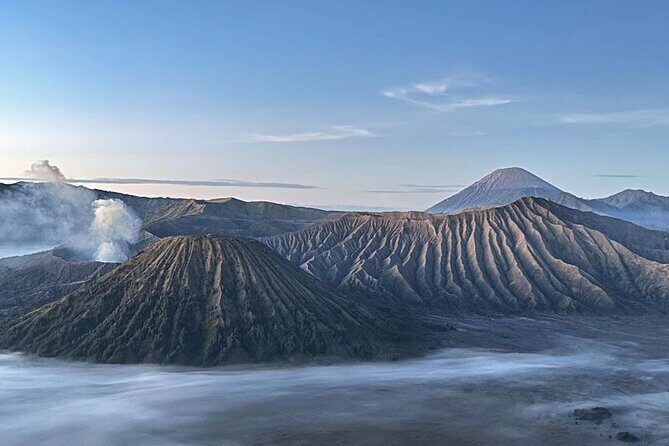
Private Ubud Instagrammable Tour – All Inclusive

Private Ubud Instagrammable Tour - All Inclusive - Getting Oriented: How the Day Flows

A day with perfect photo stops is harder than it sounds.

This private Ubud Instagrammable tour is built around four big nature-and-culture hits: Kanto Lampo, Tibumana, Cantik Agriculture, Sari Timbul, and Tegallalang Rice Terrace. You get a personal guide and driver, plus the comfort of air-conditioned transport and hotel pickup, so you spend less time figuring out logistics and more time getting the shot at each location.

Two things I like a lot: the pacing feels practical for a full day, and the tour includes a photographer by phone, which is handy when you’re trying to frame waterfalls or terrace viewpoints without fuss. One thing to consider: entrance fees are only included if you choose the option that covers them, so double-check what’s in your package before you go.

Key Highlights You’ll Care About

Private Ubud Instagrammable Tour - All Inclusive - Key Highlights You’ll Care About

  • Private guide and driver: You control the pace, and you’re not stuck with the usual shuffle of a big group.
  • Hotel pickup with air-conditioned vehicle: A real comfort boost for a 7–8 hour day in Ubud.
  • Waterfall variety: Cascading Kanto Lampo and the quieter single-stream Tibumana give you different looks and moods.
  • Cantik Agriculture coffee stop: You’ll get a coffee-focused cultural break, including Luwak coffee.
  • Sari Timbul by Kubu Bali photo spots: Blown glass, gardens, and swings designed for scenic shots.
  • Tegallalang Rice Terrace views: The classic layered fields are the grand finale for most people.

Why This Ubud Photo Tour Works (Even If You’re Not a Pro)

Private Ubud Instagrammable Tour - All Inclusive - Why This Ubud Photo Tour Works (Even If You’re Not a Pro)
This isn’t just a checklist of famous Ubud stops. What makes it work is that it mixes easy-to-photograph scenery with calmer pauses, then ties everything together with private transport. You’re not constantly switching vehicles, waiting on strangers, or losing time to “where do we meet?” moments.

The practical win is that you get a guide and driver for the whole day, which means you can ask on the spot about timing, angles, and where to stand without slowing the group. And because you’re given flexibility to explore at your own pace, you can linger when the scene is good or move on when the lighting or crowd energy isn’t.

I also like that the tour includes the small stuff that can quietly ruin a day: bottled water, insurance, and parking fees. Those details matter more than they sound when you’re doing multiple stops back-to-back.

Getting Oriented: How the Day Flows

Private Ubud Instagrammable Tour - All Inclusive - Getting Oriented: How the Day Flows
Expect roughly 7 to 8 hours total. The order is designed to move from two waterfalls into coffee and art/garden-style photo scenes, then end at the iconic rice terraces.

Each main stop has its own time window, so you’re not rushing through everything at once. That’s especially important for waterfalls, where photos take time: you’ll be deciding where the best view is, how to position yourself without slipping on wet ground, and when to step aside for the next wave of people.

Also note the tour is described as private, meaning only your group participates. If you’re traveling with friends or family, that privacy is one of the big reasons this price can still feel like good value.

Stop 1: Kanto Lampo Waterfall for That Cascading Rock Backdrop

Kanto Lampo is the kind of waterfall where the setting does half the work for you. Instead of a tall drop, it’s known for cascading water flowing over rock formations. That matters for your photos because you don’t just get one dramatic angle—you get multiple “layers” of water texture against the forest background.

Time on site is listed at about 1 hour, which is a good amount. Waterfalls are never one-and-done; you’ll want a few tries for composition, and you might find yourself waiting for the best moment when water movement looks clean in your camera.

A small practical tip: wear footwear you trust. Wet surfaces can look solid until you step on them. If you’re aiming for Instagram-style framing, you’ll likely be walking slightly off the main path for a better view—do it slowly.

Stop 2: Tibumana Waterfall for a Quieter, Single-Stream Look

Private Ubud Instagrammable Tour - All Inclusive - Stop 2: Tibumana Waterfall for a Quieter, Single-Stream Look
Next is Tibumana Waterfall, described as a peaceful jungle spot with a single stream dropping into a refreshing pool. This is a useful contrast to Kanto Lampo. Kanto gives you texture and rocks; Tibumana gives you a calmer composition with that vertical line of water.

You’ll have about 1 hour here as well. I like Tibumana for when you want photos that feel more “still” and less busy. Even if you’re not trying to go for a dramatic waterfall shot, the framing options tend to feel simple: the water draws your eye, and the jungle creates a consistent backdrop.

Real talk: the pool area and surrounding ground can be slick. Keep your balance and move with purpose, especially if you’re getting lower for shots. If you’re bringing a partner, take turns with the phone camera and use the tour’s photographer by phone support to speed things up.

Stop 3: Cantik Agriculture for Coffee Culture and Luwak Coffee

Private Ubud Instagrammable Tour - All Inclusive - Stop 3: Cantik Agriculture for Coffee Culture and Luwak Coffee
After the waterfalls, the tone shifts to a coffee and agriculture experience at Cantik Agriculture. This stop is about tradition as much as it is about tasting and photos.

What stands out from the description is the emphasis on coffee as a revered tradition, and the mention of Luwak coffee. If coffee is your thing, this can be a nice mental reset after damp jungle scenery. You’re moving from wet nature textures into a more structured setting where you can breathe, cool down, and focus on learning something specific.

You’ll have about 1 hour 20 minutes here, which is long enough for a real look around, plus time to take pictures without feeling rushed. If you’re not a coffee person, you can still enjoy it as a cultural stop, since the attraction is also how people explain and present the process.

Stop 4: Sari Timbul by Kubu Bali for Blown Glass, Gardens, and Swings

Private Ubud Instagrammable Tour - All Inclusive - Stop 4: Sari Timbul by Kubu Bali for Blown Glass, Gardens, and Swings
Sari Timbul by Kubu Bali is one of those places where the visuals are the point. The description highlights blown glass creations, scenic photo spots, peaceful gardens, and even swings.

This is a big value add for anyone who wants “different than waterfalls” photos. Waterfalls are natural chaos; Sari Timbul gives you designed scenes where it’s easier to control your shot. If you like getting photos that look thoughtful and styled—without having to plan a separate art-and-craft stop—this fits.

Time here is about 1 hour 30 minutes, and that seems right. You’ll likely spend extra moments trying different angles, especially if you’re using the phone camera and want the shot to look intentional.

Practical note: swings and garden areas can mean more walking on paths. If it’s hot and humid (it often is in Bali), pace yourself and keep water handy. You’ll be covered with bottled water, but your energy can still run out if you sprint from spot to spot.

Stop 5: Tegallalang Rice Terrace for the Classic Ubud Ending

Private Ubud Instagrammable Tour - All Inclusive - Stop 5: Tegallalang Rice Terrace for the Classic Ubud Ending
The final stop is Tegallalang Rice Terrace, the famous layered green fields view that many people come to Ubud for in the first place. This is where your day turns from “pretty stops” into a full, recognizable Bali scene.

Time on site is about 1 hour. I think that’s enough because you’re not just taking one photo—you’re walking along the terrace viewpoints, finding a safe edge, and trying a few frames with the layers of fields.

Also, the terraces are more than just photos. The description points out that the views are tied to traditional farming beauty. Even if your camera is the priority, the setting gives you a sense of how the landscape is actively used, not just displayed.

If you’re sensitive to crowds, consider your strategy: go for a couple of key shots first, then relax and wander slightly once you’ve got the “must-have” view. The private nature of the tour makes it easier to shift your plan on the fly.

What’s Included (And What You Should Double-Check)

Private Ubud Instagrammable Tour - All Inclusive - What’s Included (And What You Should Double-Check)
The tour includes: bottled water, air-conditioned vehicle, private transportation, parking fees, insurance, and photographer by phone. Entrance fees are described as included only if you select the option that covers them, and lunch is included only if you choose the lunch option.

That “if option selected” detail is important for value. At $30 per person, it’s already a low price for a private day with multiple stops. But your real cost-to-value depends on whether you’re paying entrance fees separately or not.

Here’s how I’d think about it:

  • If you pick the option that includes entrances, the total day cost stays pleasantly predictable.
  • If entrances aren’t covered, you’ll want to budget for the four main sites listed under the not-included section.

Either way, you’ll be paying for convenience: hotel pickup, a driver, and someone coordinating timing so you don’t waste your energy on transportation gaps.

Private Tour Logistics That Make the Day Feel Easier

Hotel pickup is offered, and the tour uses an air-conditioned vehicle. That matters because Ubud can feel travel-heavy when you’re doing several stops. The car time isn’t just time—it’s the difference between showing up fresh for photos and showing up sweaty and distracted.

This is also a tour with only your group. Even if you’re solo, you still get the private setup rather than merging into a large group where you’re always waiting at the same pace.

One more practical item: you get a mobile ticket, and confirmation happens at booking. If you like clean, simple logistics, this keeps things straightforward.

Best for Who? Who Will Love This Day Most

This tour fits best if you want:

  • a photo-focused day without spending time researching each location
  • a mix of waterfalls, coffee/agriculture culture, and designed scenic spots
  • privacy and flexible pacing rather than a strict group agenda

It’s also a good match for couples, friend groups, and people who feel overwhelmed by multi-stop travel planning. If you’re traveling with anyone who wants different vibes—nature photos plus more curated scenic spots—this itinerary has something for both.

If you’re the type who hates crowds and hates walking, you can still enjoy it, but you’ll want to be mindful of ground conditions at the waterfall stops and plan your terrace viewing time smartly.

A Few Real-World Tips to Get Better Photos Without Wasting Time

Use your guide’s local knowledge as a time-saver. Ask where to stand first, then shoot your main frames. After that, you can slow down for playful angles and phone-video moments.

Wear something you’re comfortable moving in. Waterfall areas can require careful footing, and you’ll be on paths at the coffee and garden stops too.

If you’re building a photo set, prioritize sequence:

1) lock in your waterfall “main” shot

2) move to coffee/garden scenes for variety

3) finish at Tegallalang with your wide-view frames

That keeps the day from becoming random wandering, even with the option to go at your own pace.

Should You Book This Ubud Instagrammable Tour?

If you want a private, photo-first day in Ubud with waterfalls plus coffee and scenic garden/art stops, this is a strong buy. The value looks especially good because you’re getting air-conditioned transport, hotel pickup, bottled water, insurance, and photographer by phone support in one package.

I’d book it if you’re short on time, dislike planning between multiple locations, or you simply want a smooth day where you can focus on enjoying the scenery and taking photos.

I would hesitate only if you’re very budget-tight and plan to skip the entrance-fee option, because then you’ll need to manage extra site costs on top of the base price. Also, if you strongly prefer to travel with zero walking and zero uneven ground, you’ll want to plan footwear carefully for the waterfall portion.

If those are acceptable, this tour is the kind of day that makes Ubud feel easy: you’ll see the big hits, enjoy calmer contrast stops, and end with the rice terraces view that ties the whole trip together.

FAQ

How long is the Ubud private Instagrammable tour?

It’s approximately 7 to 8 hours.

Where does the tour take place?

The tour is in Ubud, Indonesia.

Is hotel pickup included?

Yes, pickup is offered.

Is this tour private?

Yes. It’s private, so only your group participates.

What stops are included on the itinerary?

You’ll visit Kanto Lampo Waterfall, Tibumana Waterfall, Cantik Agriculture, Sari Timbul By Kubu Bali, and Tegalalang Rice Terrace.

Are entrance fees included?

Entrance fees are included only if you select the option that covers them. Otherwise, they are listed as not included.

Is lunch included?

Lunch is included only if you choose the option that includes it.

What’s included besides transportation?

Bottled water, insurance, air-conditioned vehicle, parking fees, and a photographer by phone are included.

How does the tour handle tickets?

You’ll get a mobile ticket.

What is the cancellation policy?

Free cancellation is available up to 24 hours before the experience starts for a full refund.

Benoa Port Private Chauffeur – Customized Full Day Ubud Bali Tour

Benoa Port Private Chauffeur - Customized Full Day Ubud Bali Tour - Price and what you should budget before you go

A great Bali day runs on timing. This private Benoa Port chauffeur tour is built for that, with a full-day schedule in the Ubud area and room to shape the day around what you care about most. You can choose up to five destinations, and you get picked up right where cruise travelers want it, at Benoa Harbor.

I especially like the private, English-speaking driver setup. It feels calmer than big group shuttles, and in real use cases, drivers like Dedek and Martin stayed on top of routes and traffic so your time didn’t evaporate in gridlock. I also like the customization with a clear boundary: you can request up to five places, but they need to fit along one route so the day stays smooth.

The one thing to watch is your budget for entry fees. The tour includes transport, water, and the driver, but several stops have admission fees not included, so your total can climb depending on what you add.

Key things that make this tour worth your time

  • Benoa Harbor pickup with return transfer, made for cruise days
  • Private group only with an air-conditioned car
  • Up to 5 destinations tailored to your pace and interests
  • English-speaking drivers who help with routing and on-the-ground decisions
  • Big-photo stops like Picheaven Bali Swing and the Tegallalang rice-terrace area
  • Clear extras: listed entrance fees plus optional added time

From Benoa Harbor to Ubud: What makes the timing easier

If you’re starting at Benoa Port, getting to Ubud usually means dealing with logistics first. This tour keeps it simple: pickup at Benoa Harbor or your hotel, then a full day built around Ubud and nearby areas.

The duration is listed at about 8 to 10 hours, which is a sweet spot when you want temples, views, and at least one fun activity without feeling like you’re rushing every five minutes. It’s also explicitly private, so it’s only your group in the car.

One more practical point: Bali driving can be slow, especially during busier times. The value here is that a good local driver can keep you moving and choose routes that make sense for your schedule, not a fixed bus timeline.

Price and what you should budget before you go

Benoa Port Private Chauffeur - Customized Full Day Ubud Bali Tour - Price and what you should budget before you go
The headline price is $28.00 per person, and for a private day with a car plus an English-speaking driver, that’s a strong starting point. What makes it feel fair is what’s included: round-trip hotel pickup, private air-conditioned transportation, and bottled water.

Here’s the part you should plan for: several admissions are not included. The tour lists specific entrance fees for some popular add-ons:

  • Lempuyang Temple: $8.00 per person
  • Tirta Gangga Water Palace: $5.00 per person
  • Besakih Temple: $8.00 per person
  • Tegalalang Rice Terrace: $2.00 per person

And in the main stop list, admission is also noted as not included for the Sahadewa Barong & Fire Dance, Mount Batur stop, Toya Devasya Hot Spring, and Picheaven Bali Swing.

So the real value equation is: you’re paying for the convenience and flexibility up front, and you pay entrance fees only where you choose to enter. If you want a day focused on views and photos with minimal ticketing, you can usually keep costs lower by selecting fewer paid sites.

If your day is moving faster than you expected, there’s also an option to extend. You can add time within the service areas for $5 per extra hour.

The private driver factor: English, comfort, and calm decision-making

In my experience, a private Bali day lives or dies by the driver. Here, you get an English-speaking driver and a private, air-conditioned vehicle, which matters in the heat and when you’re bouncing between areas.

The most useful detail from real-world feedback is how the drivers handled two things: routing and flexibility. Drivers such as Dedek were praised for English ability and navigating heavy traffic, while Martin was described as attentive to what people actually wanted to see. Agung was noted as knowledgeable and friendly, and even went out of the way to return when something was forgotten in the vehicle.

That’s not just nice service. It means fewer moments where you’re stuck asking what’s next, where to park, or how to handle a sudden change. You’re in a car with someone who can read the day and adjust.

Sahadewa Barong Dance & Fire Dance: A cultural stop that moves fast

This stop runs about 1 hour, and the vibe is intense. You’re there to experience Balinese performance culture through the Sahadewa Barong & Kecak Fire Dance.

What I like about it for a full-day plan is the timing. It’s long enough to feel like you truly saw something, but short enough that you’re not losing the rest of your day to a slow schedule. The listing also makes it clear the admission ticket is not included, so budget for that entrance when you confirm your final itinerary.

A practical consideration: if your day already includes a hot spring later, plan your clothing and comfort level accordingly. Fire dance performances can be dramatic, but you still have a drive afterward. Keep the day balanced.

Mount Batur and Kintamani: Volcano views without committing to a hike

Your Mount Batur stop is about 1 hour, with lunch time around Kintamani. The payoff here is visual: the listing points to caldera views and a look toward the lake, plus a cooler climate compared to lower areas.

This is a good choice if you want the volcanic scenery without needing a strenuous plan. You’re not being asked to add a major hike to your itinerary, just to enjoy the viewpoint and the atmosphere for a set amount of time.

One word of realism: volcanic areas can have weather changes quickly. Since you’re on a private schedule, your driver can often help you decide what’s worth photographing at that moment.

Toya Devasya Hot Spring: The 2-hour reset point

Next up is Toya Devasya Natural Hot Spring, with about 2 hours allocated. This is your slow-down stop, the one that breaks up the sightseeing rhythm and gives you time to relax.

The tour notes it as a hot spring experience with admission not included, so treat it like a ticketed activity. The best strategy is to use the full time rather than rushing. Your day will feel less “checklist” and more like a trip.

Also, hot springs can be a lifesaver for cruise visitors. When you’ve been on your ship or in transit all week, two hours of a warm break makes the whole day feel more like Bali than just a long drive.

Picheaven Bali Swing and the Tegallalang rice area

This is your photo moment stop: Picheaven Bali Swing in the Tegallalang area, listed for about 1 hour. The description highlights rice paddies views and agriculture-style activities around the swing area.

Here’s why this works in a customized day. You can’t always predict what the light will do, but you can control when you go. A one-hour block gives you time for photos without derailing the rest of your itinerary.

Keep in mind: admission is noted as not included, and swing areas can involve extra time if lines or photo setups are busy. If you want a smoother experience, make sure your driver understands how important this stop is compared with others like temples or water palaces.

How to customize up to five stops without chaos

The tour is built for customization, but with one important guardrail: you can list up to 5 places in the remarks, and stops must be along one route so the team can prepare your itinerary smoothly.

That rule matters more than it sounds. Bali traffic and travel time can stretch quickly. Staying along one route keeps your day from turning into constant backtracking.

If you want temple variety, the tour lists entrance fees for:

  • Lempuyang Temple ($8 per person)
  • Besakih Temple ($8 per person)

If you want water-themed views, it lists:

  • Tirta Gangga Water Palace ($5 per person)

If your dream day includes the iconic rice terraces, it lists:

  • Tegalalang Rice Terrace ($2 per person)

If you’re choosing between them, here’s how I’d think: temples often give you cultural context and big architecture moments. Rice terraces give you scenery and photos. Hot springs give you rest. Swing time gives you fun and a quick dopamine hit. Mix at least one “active” stop with one “slow” stop and your day stays enjoyable.

If you need more time after 8 to 10 hours, you can extend within the service areas for $5 per extra hour.

Service areas that keep your route realistic

This operator states service coverage across Ubud, Gianyar, Denpasar, South Badung, Bangli, and Tabanan. For cruise travelers, that’s useful because it keeps most realistic day-trip combinations within striking distance.

It also means your driver can usually plan efficiently without guessing whether an area is out of bounds. You’re not paying for a private car just to discover the destination is too far for the day.

Who this tour suits best

This is a great fit if you:

  • Are on a cruise and want a full Ubud day without a complicated transfer plan
  • Prefer private pacing over joining larger groups
  • Want cultural performance time (Barong & Fire Dance) plus at least one scenic or activity stop
  • Like the idea of a driver who helps you navigate traffic and decisions

It also fits families and mixed-age groups, because you can structure the day around what everyone can handle. You’re not locked into one rigid route.

If you’re the type who wants only one big ticket attraction and the rest free roaming, you’ll need to communicate that early. The tour can be customized, but you’ll get the best day when your priorities are clear.

A practical game plan for getting the most out of the day

To make this day feel effortless, I’d do three things:

First, pick your five stops with a balance in mind. Include one culture stop, one view stop, one relaxation stop, and one photo or fun stop. The default-style blocks in the itinerary already follow that logic.

Second, decide what you want most: photos or temples. The rice terrace swing area gives you photos quickly, while temples take a slower vibe with entrances and time on-site.

Third, be ready for weather and timing. The tour requires good weather, and hot spring plans and outdoor photo stops can be affected if conditions aren’t right. If the day changes, a private driver can help you swap priorities while protecting your time.

Should you book this Benoa Port Private Chauffeur tour?

If you want a private full day from Benoa Port with an English-speaking driver, a comfortable car, and real flexibility, this is a strong choice. The starting price is low for the type of service you get, and the ability to build an itinerary with up to five destinations makes it easy to shape around your interests.

I’d only hesitate if you hate paying entrance fees on top of the tour price. The tour is clear about what’s not included, and those tickets can add up if you choose several paid sites like Lempuyang Temple, Besakih Temple, and water palaces.

In short: book it if you want comfort, clear guidance, and a Bali day that feels like your schedule. Skip it only if you want zero-ticket sightseeing or you prefer a fixed, group-style itinerary.

FAQ

Where does the tour pick me up?

Pickup is available from Benoa Harbor or your hotel. The service area also includes Ubud, Gianyar, Denpasar, South Badung, Bangli, and Tabanan.

How long is the private tour?

The tour runs about 8 to 10 hours.

Is this tour private or shared?

It’s private. Only your group participates.

What’s included in the price?

Included items are hotel pickup and return transfers, private transportation in an air-conditioned vehicle, bottled water, and an English-speaking driver.

What admission fees are not included?

Admission fees are not included for listed options such as Lempuyang Temple ($8 per person), Tirta Gangga Water Palace ($5 per person), Besakih Temple ($8 per person), and Tegalalang Rice Terrace ($2 per person). Admission tickets are also noted as not included for the listed stops in the itinerary (Sahadewa Barong & Fire Dance, Mount Batur stop, Toya Devasya Hot Spring, and Picheaven Bali Swing).

Can I customize my itinerary?

Yes. You can list up to 5 places in the remarks. All stops need to be along one route so the itinerary can be prepared smoothly.

Can I extend the tour time?

Yes. You can extend your travel time within the listed service areas for USD 5 per extra hour.

Sunset at Tanah Lot Temple and Spa Tour

Sunset at Tanah Lot Temple and Spa Tour - Getting to Tanah Lot from Nusa Dua: pickup and the real schedule

Salt air and sacred rocks at sunset.

This private tour in Nusa Dua pairs the iconic sea temple of Tanah Lot with a proper 2-hour Balinese spa session, so you get scenery and then you get relief. I love the convenience of free hotel pickup and drop-off, and I like that temple admission is handled for you. I also appreciate the human touch: guides like Dedy and Wawan bring the place to life with clear English and lots of context beyond just pointing at the view.

One possible drawback: the schedule can be tight, so you may need to leave Tanah Lot before the exact sunset to make your spa appointment on time. And Bali weather is not guaranteed—clouds and big crowds can change how perfect the sunset feels, even if the temple itself is still stunning.

If you like your Bali day with equal parts culture and downtime, this is a strong way to do it.

Key highlights before you go

Sunset at Tanah Lot Temple and Spa Tour - Key highlights before you go

  • Tanah Lot’s sea-temple setting: a rock temple that looks like it’s floating at high tide, but is easiest to explore when the tide is low
  • Private, hotel-based transport: free pickup and drop-off with an English-speaking driver/guide who knows the timing
  • Short, focused temple visit: about 2 hours with entry included, timed for sunset
  • Spa reset after the temple: a 2-hour pampering sequence with lulur traditional massage as part of the package B option
  • Photo reality check: crowds and unpredictable weather can affect sunset photos, but the site remains worthwhile

Why Tanah Lot at sunset is worth the timing

Sunset at Tanah Lot Temple and Spa Tour - Why Tanah Lot at sunset is worth the timing
Tanah Lot Temple is one of Bali’s most recognizable sea temples, built on a dramatic rock out in the Indian Ocean. The magic is that the temple’s shoreline “floating” look changes with the tide—at high tide it can seem like it hovers, while at low tide you can get around it more easily.

This tour is designed around that sunset window, so your timing matters. If the sky cooperates, you’ll get that cinematic sea-and-temple view. Even when the sunset disappoints (clouds happen), Tanah Lot still has a strong pull: it’s atmospheric, spiritual, and genuinely different from the usual inland temples.

The biggest trick is accepting that sunset is a bonus, not a guarantee. One person noted the sunset was blocked, yet the day still felt worthwhile because the temple visit stayed meaningful and the spa did its job.

Getting to Tanah Lot from Nusa Dua: pickup and the real schedule

Sunset at Tanah Lot Temple and Spa Tour - Getting to Tanah Lot from Nusa Dua: pickup and the real schedule
This is built as a private tour with only your group, and the pickup and drop-off are included. That matters in Bali, where hopping between sights on your own can eat time fast—especially around popular places.

A few guides and drivers have stood out for how they handle the chaos of the road. One guest specifically praised Edy for navigating traffic and driving well, and another credited Dedi with both great conversation and solid driving. That kind of local control is exactly what you’re paying for with a private tour.

In practice, you should expect an afternoon start. One person mentioned a start around 15:00, which fits the goal: get to Tanah Lot, see the sea temple, then move on to the spa before it runs out of daylight.

Net effect: you spend less time figuring out transport and more time actually enjoying the two main moments—temple and massage.

Tanah Lot visit: what you get (and what might limit your exact sunset)

Your Tanah Lot stop is about 2 hours, and entry/admission is included. You’ll have time to walk around and see the temple perched on the coast. If the weather is clear, you have a real shot at a memorable sunset view.

Here’s the practical catch: some people found the timing required them to leave about 45 minutes before sunset to stay on schedule for the spa appointment. So if you’re the type who wants to linger until the last second, this setup may feel a little controlled.

There’s also the crowd factor. Tanah Lot is popular, and more than one person pointed out the crowds can be significant. That doesn’t ruin it, but it changes the experience. You’ll be sharing the paths and viewpoints, and you may need patience if you’re trying to photograph without people in frame.

If you want extra explanation, you can request a licensed professional guide for an additional $10 per person. One practical reason to do this: the temple’s tide behavior and the temple’s role feel much clearer when someone explains what you’re looking at while you’re still there.

The spa at Bali Orchid Spa: 2 hours of lulur and massage

Sunset at Tanah Lot Temple and Spa Tour - The spa at Bali Orchid Spa: 2 hours of lulur and massage
The second act is where the day relaxes. After Tanah Lot, you head to Bali Orchid Spa for a 2-hour program (listed as a full package with 2 hours Lulur Traditional Massage).

Depending on the package you selected, the spa experience can include a sequence like a flower bath, body scrub, aromatic foot wash, and Balinese massage. That’s not just a massage-and-go setup; it’s a full reset routine designed to make the whole visit feel like a switch from sightseeing mode to recovery mode.

People didn’t just say the spa was good—they called out professionalism and the overall setting. One couple described the spa as the highlight and specifically mentioned a couples massage. Another person said the spa treatments were unbelievable and praised the overall feel.

One note to keep in mind: the spa is timed to finish you in time, which is why you may need to wrap up the temple earlier than you expected. In return, you get a focused 2-hour slot instead of an open-ended waiting game.

If you like Bali days that end with your shoulders feeling lighter and your feet tired in a good way, this part is doing heavy lifting for the value.

Price and value: why $55.85 can make sense

Sunset at Tanah Lot Temple and Spa Tour - Price and value: why $55.85 can make sense
At $55.85 per person for a roughly 5-hour private experience, this is typically priced as a bundle: transport + guide + temple admission + (for the right package) the spa session.

That’s the value angle. Booking the temple entrance, hiring your own driver, and arranging a spa session separately can end up costing similar money or more, and you’d still have to manage timing. Here, the flow is handled: you move from Tanah Lot to the spa without coordinating buses or back-and-forth taxis.

Also included are helpful extras like a mineral bottle of water, and you get an experienced English-speaking driver/guide. The private format matters too: your group stays together, and you’re not competing with strangers for time and attention.

What’s not included is important: no meal/dinner is part of the package. If you’re hungry after the spa, plan to eat on your own. Personal expenses are also on you, like souvenirs or anything you add to the spa experience.

My take: if you want one planned day that covers both the “Bali icon” temple stop and a real massage session, this is solid value for the money.

Crowds, clouds, and tide: how to manage expectations

Sunset at Tanah Lot Temple and Spa Tour - Crowds, clouds, and tide: how to manage expectations
This tour hits a high-demand temple at a peak time. That means you should expect crowds, especially around viewpoints and the main walking areas. One person said it was the busiest tourist place they had experienced, which is a fair warning.

Then there’s weather. Bali sunset is famous, but the sky can turn on you. One guest had a bad sunset and also noted that clouds can ruin the dream, but still felt the spa made the day worthwhile. In other words: the day is not a one-trick pony.

Finally, tide timing affects how the temple looks. The temple can seem like it floats at high tide, but it’s easier to explore when the tide is low. Since this is a sunset-focused schedule, you may not always get the exact “floating at high tide” look you were hoping for. If that sea-rock illusion is your top priority, you’ll want to pay attention to tide conditions and let your guide explain what you’re seeing in real time.

The good news: even when the sunset isn’t perfect and the crowds are real, the experience still delivers because the temple is visually distinct and the spa is genuinely restorative.

Who this works best for (and who should think twice)

Sunset at Tanah Lot Temple and Spa Tour - Who this works best for (and who should think twice)
This tour fits best if you want:

  • a private, low-stress plan from Nusa Dua
  • one standout temple stop with about 2 hours on-site
  • a 2-hour spa follow-up instead of a long sightseeing day

It’s also a nice choice if you like conversations while you travel. People have praised guides like Dedy and Dedi for being friendly, well-informed, and talkative about Bali beyond just “here’s the temple.” That kind of guidance can make the site feel more connected to everyday life and culture.

Think twice if:

  • you’re a strict sunset purist who wants to stay until the last moment at the temple (the schedule may push you out early)
  • you hate crowds and want a calmer, less popular route
  • you’re not interested in spa time at all, because the spa is a major part of the value

Should you book this Tanah Lot and spa tour?

Sunset at Tanah Lot Temple and Spa Tour - Should you book this Tanah Lot and spa tour?
Book it if you want a smart, private day that gives you Tanah Lot’s iconic sea-temple vibe and then rewards you with a real spa reset. The price makes sense when you factor in transport, temple entry, an English-speaking guide/driver, and the spa package that’s included for package B.

Skip it or adjust expectations if you’re chasing the perfect sunset at all costs. Clouds can happen, crowds can be heavy, and the schedule may require you to leave before the exact sunset so you don’t miss the massage window.

If you go in with a flexible mindset—sunset as a bonus, spa as the payoff—you’ll likely come away happy with the balance of culture and comfort.

FAQ

How long is the Sunset at Tanah Lot Temple and Spa Tour?

The tour is listed at about 5 hours.

Is hotel pickup and drop-off included?

Yes. Free hotel pickup and drop-off are included.

How much time do I spend at Tanah Lot Temple?

You get about 2 hours at Tanah Lot Temple, and admission is included.

Does the tour include spa treatment and massage?

The spa treatment and massage for 2 hours are included for Package B. The spa is part of the overall sunset tour experience.

What spa treatments are included?

The spa upgrade can include a flower bath, body scrub, aromatic foot wash, and Balinese massage. The program is listed as 2 hours Lulur Traditional Massage.

Is dinner included in the price?

No. Meal or dinner is not included.

Is this a group tour or private?

It’s private. Only your group participates.

Do I need a guide who is licensed?

You can request a professional guide with a license for an additional $10 USD per person.

What happens if the weather is bad?

This experience requires good weather. If it’s canceled due to poor weather, you’ll be offered a different date or a full refund.
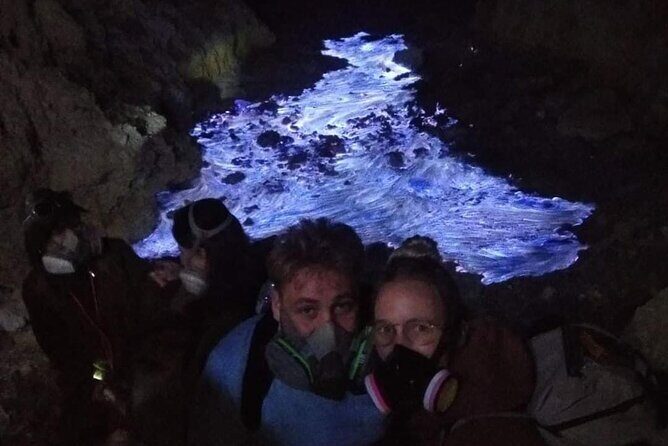
Ayung Rafting Ubud (Include Lunch & Return Transportation)

Ayung Rafting Ubud (Include Lunch & Return Transportation) - Pickup and how the day flows from Ubud and south Bali

Ayung River rafting is the kind of Bali activity you remember. This small-group run on the Ayung River (Grade II–III) pairs the adrenaline with real convenience: a guided raft, included gear, and round-trip transportation from Ubud and nearby areas.

I especially like two things: the rafting is kept manageable with a guided small group (up to 15 people), and you get the comfort upgrades afterward—buffet lunch plus a hot shower with a towel. That means you finish the fun part and then move on with your day, not with a soggy mess.

One thing to consider: the rafting day isn’t just “sit back and float.” You’ll handle steps to reach the river, and the rapids are “exciting” rather than extreme, so build around that moderate effort level.

Key highlights at a glance

Ayung Rafting Ubud (Include Lunch & Return Transportation) - Key highlights at a glance

  • Small group size (max 15): easier logistics and a more personal feel on the water
  • Grade II–III rapids on the Ayung: enough thrill to feel like white water without going hardcore
  • Included gear: helmet, life jacket, paddle, and a waterproof bag
  • Hot shower + changing room: the post-raft reset is part of the value
  • Buffet lunch after rafting: food is planned for you, not an afterthought
  • Pickup from multiple Bali areas: Ubud, Keramas, and much of south Bali via A/C car

Ayung River Rafting: why this run works so well in Ubud

Ayung Rafting Ubud (Include Lunch & Return Transportation) - Ayung River Rafting: why this run works so well in Ubud
The Ayung River is one of Bali’s most popular rafting routes for a reason. It gives you that classic “Bali on the move” feeling—tropical river views, moments of action, and a guide who keeps things organized on busy water.

The best part is the balance. This is Grade II–III, which usually means you get waves and bumps that feel like white water, but you also get plenty of time where the guide can coach you, point out the river, and make sure everyone’s comfortable. The overall setup makes it feel like a real tour experience instead of a chaotic grab-bag adventure.

Also, the timing fits well if you want to keep the rest of your day free. The activity is roughly 2 hours on the schedule, with the rafting itself running around that “almost 2 hours” mark.

Pickup and how the day flows from Ubud and south Bali

Ayung Rafting Ubud (Include Lunch & Return Transportation) - Pickup and how the day flows from Ubud and south Bali
This package is built around one big convenience: round-trip air-conditioned car transfer. Start time is 8:00 am, so you’re off early enough to beat some of the heat and crowds.

From the Ubud area, the rafting start point is about 49 km from Ngurah Rai International Airport (roughly 1 hour 30 minutes by car, depending on traffic). You’ll ride to the starting base near Br. Begawan, Desa Melinggih Kelod, Payangan (Gianyar).

Once you finish, you end at Red Paddle Bali Adventures, and then you head straight into the included buffet lunch and shower setup. That flow matters because it reduces the awkward in-between time—no standing around with wet hair guessing what’s next.

One detail I like from real-world experience: transfers are often the make-or-break part of a rafting day. People have specifically praised drivers like Gede and Putu for being on time and accommodating, and that’s exactly what you want when you’re starting at 8:00.

The rapids you’ll actually ride: Grade II–III, about 12 km

Ayung Rafting Ubud (Include Lunch & Return Transportation) - The rapids you’ll actually ride: Grade II–III, about 12 km
Let’s talk about what you’re signing up for. The Ayung route here is about 12 km long. The rafting segment is close to 2 hours, with Class 2–3 rapids along the way.

If you’ve never rafted, this range is usually the sweet spot: you get the “whoa” moments without it turning into a nonstop fight for your life jacket. If you’ve rafted before, you still get action—just know it’s not the kind of extreme river where you’ll spend every minute bracing.

A couple of helpful context points from the vibe people report: the rapids can feel tamer at certain times of year, and you’ll often feel more like you’re riding through scenic sections punctuated by faster drops. Guides also play a big role in energy and confidence—people have mentioned rafting guides like Nana and Rico being funny and keeping the group moving smoothly.

What the guide does for you (and why names matter)

A good rafting guide turns a wet ride into a safe, satisfying experience. Here, you’re paired with a guide who provides instruction, manages your group, and runs the raft through the river’s rhythm.

In practice, that means you’ll get essential coaching and equipment fit before you hit the water. People have talked about guides keeping things fun while still making sure everyone feels secure—especially important if you’re rafting with kids or you just don’t want surprises.

You’ll also see how guide personality affects the whole day. For example, some guests have mentioned Nana taking the ride to a higher level and Rico keeping the mood light and the group feeling in safe hands. That lines up with what you want: confidence without boredom.

Gear and safety basics: helmet, life jacket, waterproof bag

Ayung Rafting Ubud (Include Lunch & Return Transportation) - Gear and safety basics: helmet, life jacket, waterproof bag
This tour includes the core safety and comfort gear:

  • Helmet
  • Life jacket
  • Paddle
  • Waterproof bag

That waterproof bag is a big deal. It helps you avoid turning your phone, camera, or dry clothes into river souvenirs. It also helps keep your head in the right place—less worrying about your stuff, more enjoying the ride.

The tour is also supported by insurance, with an age range of 7 to 60 years old. That doesn’t mean every participant will have the exact same comfort level, but it gives you a clearer boundary for who the experience is designed for.

Most importantly: your guide’s job is to manage safety on moving water. Even with a “moderate” river, you’re still on a river, so pay attention during the pre-brief and follow the guide’s cues.

Lunch + hot shower: the underrated part of rafting

Ayung Rafting Ubud (Include Lunch & Return Transportation) - Lunch + hot shower: the underrated part of rafting
Some rafting days stop right after the water. This one doesn’t. After you finish at Red Paddle Bali Adventures, you get a buffet lunch and then a hot shower with towel included, plus access to changing facilities.

I love this because it turns the day from a mess into an actual itinerary. You’ll be wet, sweaty, and possibly muddy (depends on your raft position and water level), and having a planned place to rinse off keeps the rest of your Bali plans realistic.

The buffet lunch is also a practical win. You’re not rushing to find food immediately after rafting while everyone’s hungry and tired. One review noted the buffet was surprisingly good, with lunch described as strong and satisfying.

One small cost consideration: drinks at the lunch/rest area are not included. So if you like iced drinks, plan to buy them on-site rather than assume they’re part of the package.

Logistics you’ll feel on the ground: steps, changing, and what to bring

Ayung Rafting Ubud (Include Lunch & Return Transportation) - Logistics you’ll feel on the ground: steps, changing, and what to bring
Even when rapids are “manageable,” getting to the water often means stairs and uneven ground. Reviews mention a moderate fitness requirement for going down and then up stairs to reach the river. That’s not a deal-breaker, but it’s something I’d factor in if you have mobility limits.
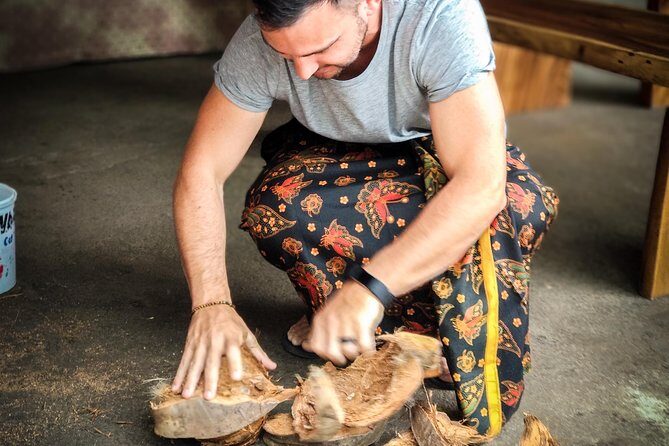
Here’s what I recommend you bring (based on what consistently matters in rafting days):

  • Dry clothes for after rafting (you will want them)
  • A spare pair of footwear or sandals you can rinse off
  • Sunscreen before pickup (you’ll be outside before and during the river ride)
  • A simple way to protect valuables until you’re issued your waterproof bag

If you’re the type who likes being over-prepared, this is where you’ll win. Once you’re wet, you don’t want to improvise.

Price and value: what $75 really includes

Ayung Rafting Ubud (Include Lunch & Return Transportation) - Price and value: what $75 really includes
At $75, this package is trying to solve the annoying parts of Bali adventure travel: transport, gear, and post-activity comfort.

What you get for the money:

  • Round-trip A/C car from pickup areas (Ubud, Keramas, and much of south Bali)
  • Rafting equipment (helmet, life jacket, paddle, waterproof bag)
  • Rafting guide
  • Buffet lunch
  • Hot shower + towel + changing room
  • Insurance with the 7–60 age limit

What’s not included:

  • Drinks at the lunch/rest area
  • Photograph CD (so if photos matter, you may need to buy separately)

When you compare rafting deals, don’t just compare the “raft price.” Many cheaper options quietly charge extra for transfers or leave out the shower/lunch piece. Here, the value is in the end-of-day payoff: you don’t just finish wet, you finish reset.

Still, I’ll add one practical caution: if anything about the total price seems unclear, confirm the exact what’s included vs extra costs before you pay. Some people have run into confusion with pricing elsewhere in Bali, and it’s usually avoidable by double-checking the final total and inclusions.

Who should book Ayung Rafting Ubud (and who might skip it)

This tour is a strong fit if you want:

  • a classic Bali adventure with real rapids
  • easy logistics from Ubud and south Bali
  • an experience that includes food and a hot shower (so you can actually keep enjoying the day)

It’s also a good option for families and mixed groups because it’s guided and designed for a broad age range (insurance age 7–60). People have mentioned kids getting in on the fun, as long as you handle the stairs safely.

You might think twice if:

  • you don’t like stairs or you have mobility concerns
  • you expect nonstop intense white-water all the way down (this is Class 2–3, not extreme rafting)

Booking decision: should you book this Ayung River rafting package?

If your goal is a well-run Ayung River rafting day from Ubud—with gear, lunch, and a hot shower included—then yes, this is the kind of package I’d feel good about booking. The price-to-inclusions ratio is where the value lives, especially the post-raft cleanup.

If you’d rather raft on your own schedule or you’re chasing a fully extreme river, you’ll probably want a different style of rafting trip. But for most people looking for a fun, scenic, guided day on the water, this one hits the right notes.

FAQ

What time does Ayung River Rafting start?

The experience start time is 8:00 am.

How long is the rafting experience?

The duration is listed as about 2 hours.

Where does the rafting start and where do you finish?

The start point is near Br. Begawan, Desa Melinggih Kelod, Payangan (Gianyar), and the finish point is at Red Paddle Bali Adventures.

Do you get pickup and return transportation?

Yes. You get round-trip air-conditioned car pickup and drop-off from Ubud, Keramas, and much of south Bali.

Is lunch included?

Yes. You get a buffet lunch after rafting.

Are showers and towels included?

Yes. You have access to a hot shower, with a towel included, plus changing room facilities.

What rafting difficulty is it?

It’s Grade II–III rapids on the Ayung River.

What equipment is included?

All rafting equipment is included: helmet, life jacket, paddle, and a waterproof bag.

What age range is allowed?

The insurance coverage lists an age limit of 7 to 60 years old.

Are drinks included with lunch?

No. Drinks at the lunch and rest area are not included.
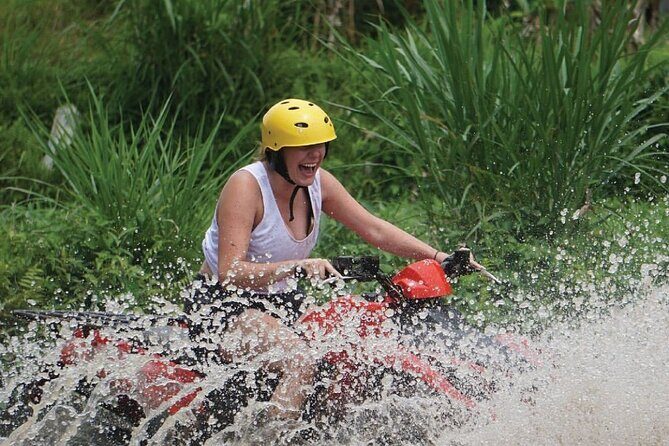
What’s the cancellation policy?

You can cancel for free up to 24 hours before the experience start time for a full refund.