Rafting Swing Monkey Forest And Waterfall Tour All Inclusive

Rafting Swing Monkey Forest And Waterfall Tour All Inclusive - Ayung River rafting from Payangan Village: the main event

A packed Bali day can be stressful. This one is built to feel like a win: Ayung River rafting plus famous Ubud sights, all in a single loop with door-to-door help. You’ll get an active start, then shift to photo-friendly stops and end with a waterfall moment.

What I like most is how the day flows from one “wow” to the next without dragging. I also love that the plan includes guided time at the key stops, so you’re not guessing what to look for. One thing to consider: the written details about what’s included versus what you may need to pay can read a bit inconsistent, so I’d confirm the exact inclusions before you go—especially around entry fees, lunch, and any dinner timing.

Key highlights I’d circle before booking
Rafting Swing Monkey Forest And Waterfall Tour All Inclusive - Key highlights I’d circle before booking

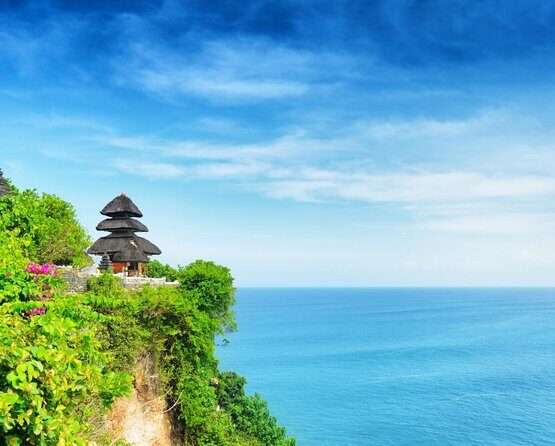
  • Ayung River rafting with a professional guide starting near Payangan Village and running past rice paddies
  • Happy Swing Bali with complimentary outfits for photos and a guide to keep it smooth
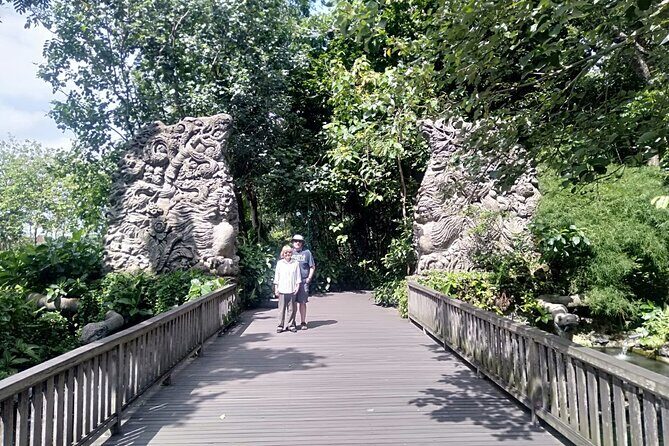
  • Sacred Monkey Forest Sanctuary with long-tail monkeys, wooden bridges, and old statues
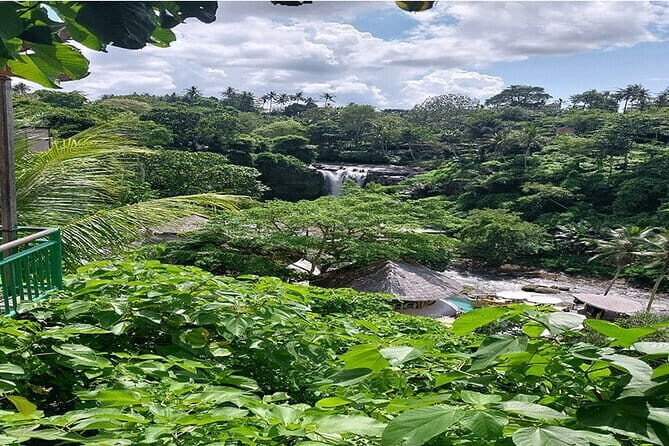
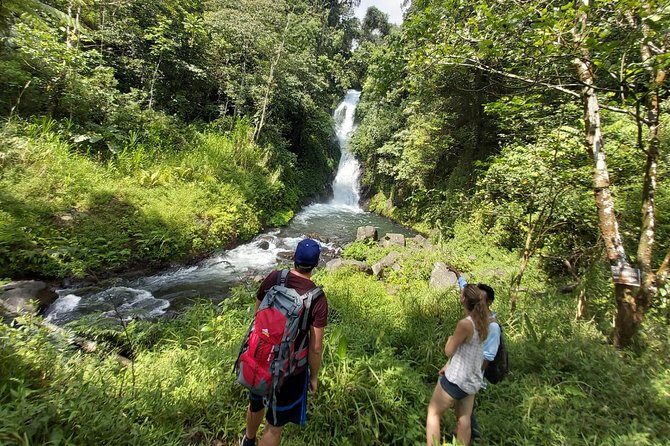
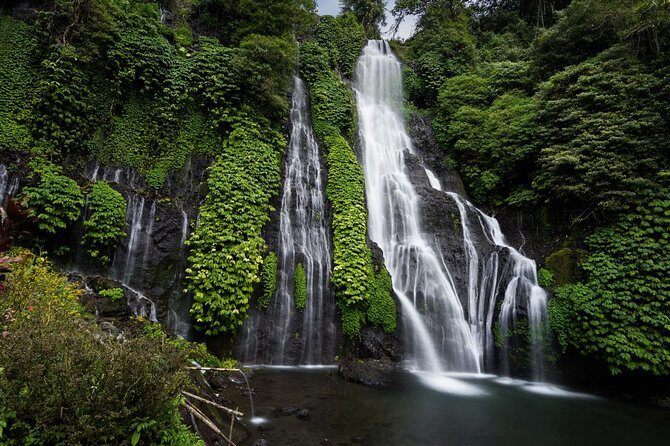
  • Tegenungan Waterfall with a top viewpoint and the option to head down toward the river area
  • Private-group feel, plus door-to-door pickup offered from Seminyak

A 7-hour Seminyak-to-Ubud day that actually stays fun
Rafting Swing Monkey Forest And Waterfall Tour All Inclusive - A 7-hour Seminyak-to-Ubud day that actually stays fun
This is the kind of day trip I recommend when you want Bali’s “greatest hits” but you don’t want to spend your holiday figuring out transport. Based around Ubud-area highlights, it runs about 7 hours and strings together four major experiences: Ayung River rafting, Bali Swing, Monkey Forest, and Tegenungan Waterfall.

Even better, it’s set up as a private tour/activity, so it’s just your group. That matters more than people think. Fewer people means easier pacing, less waiting around, and more time at each stop to take photos and actually enjoy what you’re seeing.

If you’re celebrating something—like a birthday—having a guide who knows how to manage the day can make it feel extra personal. One guest specifically praised Ketut Dampar Bagus for going above and beyond, being friendly, and keeping things running smoothly.

Ayung River rafting from Payangan Village: the main event

Rafting Swing Monkey Forest And Waterfall Tour All Inclusive - Ayung River rafting from Payangan Village: the main event
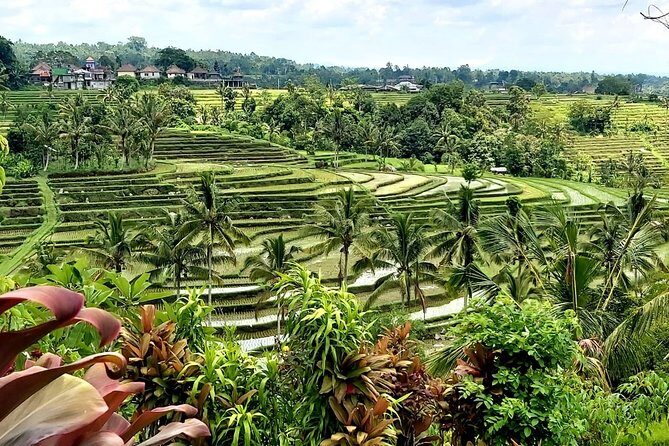
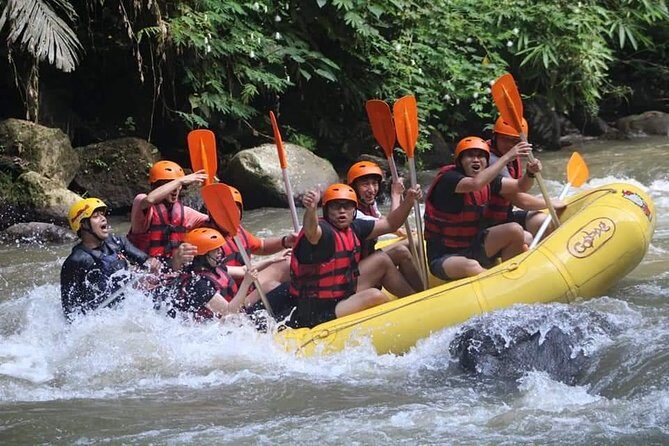
Your day starts with white-water rafting on the Ayung River with a guide. The run begins from Payangan Village, and the description emphasizes the approach: passing rice padi fields and heading down to the river side. That little lead-in is more than scenery. It sets expectations that you’re rafting in a real working landscape, not just a man-made “attraction river.”

The rafting block is listed as 2 hours, and that time includes the on-river guidance from a professional instructor/guide. For most people, that’s the sweet spot: enough time to feel like you did something athletic and exciting, but not so long that your energy collapses before the rest of the day.

What to expect in practical terms

  • You’ll be outdoors for a chunk of time and you should assume you’ll get wet (even if it’s not full “soaked through” for everyone).
  • You’ll want a quick-dry plan for clothes and something secure for your phone/camera.
  • Since a guide is involved, you don’t need rafting experience to join, but you should be ready to listen and follow instructions.

A realistic drawback

Rafting days move fast. If you’re hoping for a very relaxed pace from minute one, you might find the schedule brisk—especially once you add photos and transfers afterward.

Happy Swing Bali: how the photo moment fits into a full day

After rafting, you jump into Happy Swing Bali for about 1 hour. The big draw here is the iconic swing photo setup, but the way it’s described is useful: you get a dress as a complimentary option to use, and there’s a friendly guide accompanying you through the best spots for photos.

This matters because Bali Swing can easily turn into chaos—people rushing, staff scrambling, and you spending the hour thinking about your camera instead of the view. A guide and a structured time slot usually means you spend less energy negotiating the moment and more time creating decent photos without turning it into a production.

My practical take

Treat it like a photo session with a short activity attached. You’ll get the most out of it if you:

  • Go easy on expectations about having “perfect” poses—weather and lighting can shift.
  • Plan to wear something comfortable underneath the dress so changing isn’t stressful.
  • Bring patience. Swing time always has a small waiting rhythm.

Possible consideration

If you’re not interested in photos or you’re easily frustrated by waiting for your turn, you may not love the swing stop as much. It’s the most “Instagram-forward” part of the day.

Sacred Monkey Forest Sanctuary: wooden bridges, statues, and long-tail monkeys

Next comes Sacred Monkey Forest Sanctuary, also about 1 hour. This is a different kind of experience—less adrenaline, more wandering. The highlights in the description focus on what you’ll actually be doing: seeing long tail monkeys, using wooden bridges for great viewpoints and photos, and spotting old ancient statues.

You’ll also walk toward a valley area with a friendly guide. That’s a clue that you’re not just passing through one corridor and leaving. You’ll likely get a small route that helps you cover the best areas without getting stuck in the wrong direction.

What I love about Monkey Forest on a day like this

Coming after rafting and swing, it’s a great reset. Your body cools down mentally. You can slow your pace, look around, and enjoy the natural feel of the forest path rather than rushing for the next photo.

One thing to watch

Monkey areas demand basic common sense. Keep your belongings secure, don’t tease, and treat it like wildlife, not pets. The guide presence helps, but your behavior still sets the tone.

Tegenungan Waterfall: best viewpoint, plus the option to go down

Then it’s on to Tegenungan Waterfall, listed for about 1 hour. The description calls it one of the most popular waterfall spots in the south of Ubud and specifically points you to the best picture viewpoint. There’s also an option mentioned to go down to the river side so you can get closer and explore the green area near the water.

This stop is where you’ll feel the day shift again—movement slows, but the scenery becomes the focus. A viewpoint first is smart. If the walk down is slippery or you’re tired after rafting, you still get the payoff without forcing it.

Practical advice from real-world logic

  • If you want the “go down” option, wear shoes with grip and expect wet rock.
  • Bring a waterproof plan for your phone. Even if you stay dry, spray can find you.
  • Go early if you can influence timing—popular waterfall areas can get crowded.

Potential drawback

The “option to go down” can be a deciding factor. If you don’t want any extra steps or uneven ground, stick with the viewpoint and enjoy it from there.

What all-inclusive really means here: transfers, tickets, lunch, and confirmation
Rafting Swing Monkey Forest And Waterfall Tour All Inclusive - What all-inclusive really means here: transfers, tickets, lunch, and confirmation
The tour name says all inclusive, but the details you’re given include some mixed messages. Here’s what the information points to:

  • Door-to-door transfers are offered, and the wording describes transport support.
  • The itinerary lists admission tickets included for each stop: rafting, swing, Monkey Forest, and Tegenungan Waterfall.
  • The overview also mentions a white-water rafting trip on the Ayung River that includes an Indonesian buffet lunch.
  • At the same time, the overview text states that entry, dinner, and rafting fees are excluded.

So how should you read this as a traveler? With caution, but not panic. It likely means that some versions of the description refer to different packages, or some costs are bundled while others aren’t. The safest move is to confirm exactly what’s covered for your booking: what tickets you won’t have to pay at the sites, whether lunch is included with rafting, and whether there’s any dinner expectation.

My value-minded way to judge it

At $54 per person for a day that includes multiple major attractions and guided time, this can be a strong deal if the tickets and lunch are truly included. But if you end up paying extra at several stops, the value gets less impressive quickly. One short confirmation email to the provider can save you from surprise costs later.

Private group touring: why it feels smoother

Because it’s described as a private tour/activity (only your group participates), your day tends to be easier to manage. Instead of being absorbed into a large group schedule, you’re more likely to:

  • get a clearer sense of the day’s flow,
  • spend more time where you want to linger (like the Monkey Forest bridges),
  • and have a guide who can adjust the pace.

This is also where the best reviews get interesting. One guest raved about Ketut Dampar Bagus for being friendly, knowledgeable, and going above and beyond during a husband’s birthday trip. That’s not about fancy promises—it’s about the fundamentals: communication, timing, and attitude. Those are exactly what you want on a day packed with transfers.

If you’re the type who likes structure, this private setup fits. If you prefer “wander on your own,” you may still enjoy it, but you’ll probably want more time at each stop than the standard schedule provides.

Timing and pacing: how the 4 stops likely feel in real life

Rafting Swing Monkey Forest And Waterfall Tour All Inclusive - Timing and pacing: how the 4 stops likely feel in real life
On paper, the key experiences add up to:

  • 2 hours rafting
  • 1 hour Bali Swing
  • 1 hour Monkey Forest
  • 1 hour Tegenungan Waterfall

That’s about 5 hours of activity time, then you add transfers and buffer. In real life, that buffer is what keeps a day from turning into a sprint. Door-to-door pickup helps a lot, especially if you’re starting in Seminyak and heading to the Ubud-area attractions.

Still, it’s not a slow travel day. You’re stacking big moments. If you hate rushing, plan to go with the mindset of a highlight reel rather than a deep, unhurried tour.

Packing and comfort tips that will actually help

Even without “special gear” details in the info, a day like this needs basic readiness. I’d pack with wet + photos + walking in mind.

Bring

  • A small waterproof pouch or dry bag for your phone
  • Quick-dry clothes for after rafting
  • Shoes with grip if you might go down at Tegenungan
  • A refillable water bottle (bottled water availability can vary)
  • Sunglasses and sunscreen

Wear

  • Something comfortable you don’t mind getting wet
  • Layers you can adapt if you feel chilly after water time

If you do plan to use the complimentary dress at Bali Swing, think about what you’ll wear underneath so you’re not dealing with awkward adjustments in a rush.

Who this tour suits best

This fits you if you want:

  • a single-day plan that hits multiple Ubud-area highlights,
  • guided time (rafting, swing, Monkey Forest),
  • and a private-group feel so the day isn’t chaotic.

It’s especially good for people who are short on time in Bali and want to avoid multiple separate bookings. It can also work well for a celebration—guides who manage the day well can make it feel more thoughtful, not just transactional.

If you’re the kind of traveler who prefers one place for half a day and calls it a day, this might feel too packed. For those folks, a more relaxed itinerary with fewer stops usually wins.

Final verdict: should you book this rafting + swing + Monkey Forest day?

Yes—if you confirm what’s included and you’re comfortable with an active, photo-friendly day.

At $54 per person, this has the ingredients of good value: guided rafting time, major Ubud sights, and admission-ticket coverage listed for each stop. The private-group setup also helps the day feel less rushed, and the standout guide mention (Ketut Dampar Bagus) is a strong signal that the human side matters here.

But I’d do one quick check before committing: clarify whether lunch is included, and whether any entry or additional fees could show up at the sites. Once you have that pinned down, this tour is a solid way to taste a lot of Bali in one clean, well-timed run.

FAQ

Is pickup included?

Pickup is offered, with door-to-door transfers mentioned as part of the experience.

How long is the tour?

The duration is listed as approximately 7 hours.

What stops are included during the day?

The plan includes rafting at Ayung River (starting from near Payangan Village), Happy Swing Bali, Sacred Monkey Forest Sanctuary, and Tegenungan Waterfall.

Are tickets included?

Admission tickets are listed as included for each of the stops in the provided schedule.

Is lunch included with rafting?

An Indonesian buffet lunch is mentioned as included with the rafting portion.

Is this a private tour?

Yes. Only your group will participate.

What is the price?

The price is listed as $54.00 per person.

What is the cancellation policy?

Free cancellation is available up to 24 hours in advance for a full refund. If you cancel less than 24 hours before the experience’s start time, there is no refund.
Bali Jungle Trekking in Beautiful Rainforest

Bali Jungle Trekking in Beautiful Rainforest - Tamblingan Lake: the first hour of cool plateau air

Getting out of the traffic is half the fun. This private jungle trek around Tamblingan and Buyan Lakes trades chaotic beach-town energy for cooler plateau air, a guided walk, and that quiet feeling you only get when you step off the main routes. You also get a built-in way to explore the lakes afterward, not just a hike and a sprint back to the car.

What I really like is that you travel as a private group with your own guide and driver. No awkward crowd management. No waiting for the slowest person in the group.

Second, I like the combination of trek + canoe + lunch. It’s not just exercise; you’re set up for a proper day with a calm lake moment and a buffet meal waiting at the end. The one drawback to think about is weather. This kind of rainforest itinerary needs good conditions, and the tour may shift if it rains.

Key points to know before you book

Bali Jungle Trekking in Beautiful Rainforest - Key points to know before you book

  • Private comfort with pickup: hotel or villa pickup and drop-off from many South Bali areas, in an air-conditioned vehicle
  • On-track jungle guidance: your own trekking guide helps you stay safe and not wander off path
  • Tamblingan and Buyan lakes, in sequence: two 1-hour lake stops with admission included
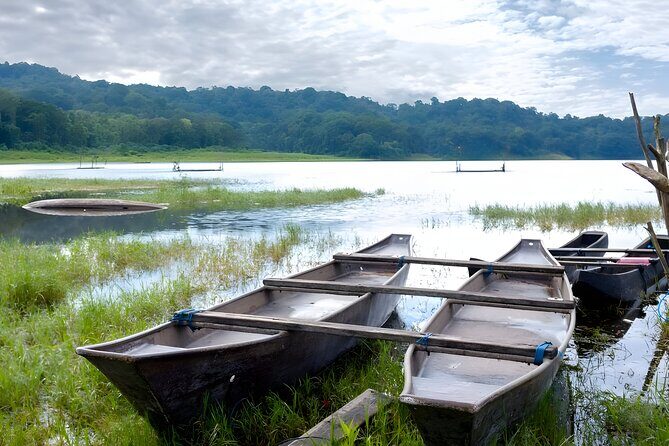
  • Traditional dugout canoe included: after the trek, you explore the lake by canoe
  • Lunch is part of the price: buffet lunch included, with a vegetarian option if you plan ahead
  • Driver quality matters: one past guest praised driver Nengah Mintayasa for being on time and making the lake ride enjoyable

A private jungle reset near Tamblingan and Buyan

This is a North Bali style outing, but it’s organized in a way that works even if you’re staying in Seminyak or farther south. You get picked up in an air-conditioned vehicle and you don’t have to deal with figuring out routes on your own. Then the day shifts into something slower and more nature-focused.

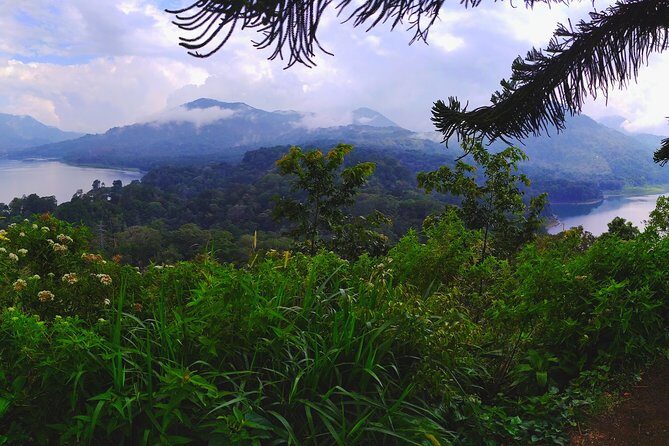
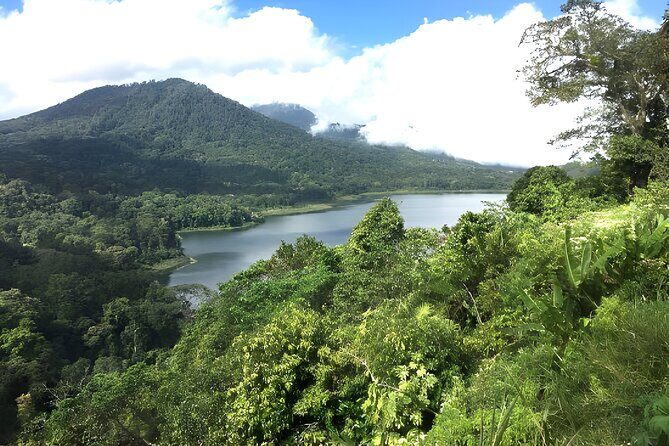
The heart of it is the jungle trek near Tamblingan Lake, followed by time at Buyan Lake, which sits right next door. They’re often thought of as Bali’s twin lakes because they share the same highland plateau feel—hills, cooler air, and long stretches where the only sounds are birds and leaves.

Because it’s a private tour, it also feels flexible. Your guide can pace the walk for your group and keep you from drifting into time-wasting stops. That matters in Bali, where “quick sightseeing” can quietly turn into a long day.

What the 7–8 hour day actually includes

Bali Jungle Trekking in Beautiful Rainforest - What the 7–8 hour day actually includes
The timing is built for a full half-day to full-day rhythm: you’re looking at about 7 to 8 hours total. That makes it a good choice when you want to escape beach traffic but still get something tangible out of the day.

A typical flow looks like this:

  • Start with lake scenery at Tamblingan Lake (about 1 hour)
  • Move on to Buyan Lake (about 1 hour)
  • Travel through a string of recognizable stops along the route—famous hills, a waterfall, a gate, a temple, and a botanical garden
  • Finish with canoe time on the lake using the traditional dugout style
  • Eat a lunch buffet after the trek

Because the exact moment of canoe and some road-side sights can shift with pacing and conditions, I’d plan for the day to feel “structured but not rushed.” In other words, you’ll be moving, but you won’t be doing a mile-long sprint between photo stops.

Tamblingan Lake: the first hour of cool plateau air

Bali Jungle Trekking in Beautiful Rainforest - Tamblingan Lake: the first hour of cool plateau air
Tamblingan Lake is the first stop, and that first hour sets the mood. It’s in the plateau area—so even though you’re in Bali, the air around the lake tends to feel cooler than lowland coastal zones. You’re also surrounded by green hills, and the scenery tends to look less like postcard Bali and more like the real working geography of the island.

This stop includes admission, so you’re not scrambling for tickets at the last minute. The main value here is the pacing: you see the lake early, before the day gets too hot or busy.

Potential drawback: if you’re expecting a big “activity” like swimming or a long guided boardwalk, the schedule doesn’t promise that. It’s more about viewing and walking around the area with time to take photos and soak in the atmosphere.

Buyan Lake: twin-lake vibes with a quieter feel

Bali Jungle Trekking in Beautiful Rainforest - Buyan Lake: twin-lake vibes with a quieter feel
Right next door, Buyan Lake is the second lake stop, also about 1 hour with admission included. This is the one people often refer to as the twin lake. Like Tamblingan, it sits in a cooler plateau setting, with hills wrapping around the water.

This stop is where the day feels most scenic without feeling exhausting. You’ve already done some trekking energy earlier in the flow, so Buyan works like a breather that still keeps you outdoors.

One practical consideration: because you’re in a highland rainforest zone, you’ll want to treat footwear and footing seriously. The tour is guided, but slick paths can still happen. Smart casual dress is listed, so aim for something that looks fine but doesn’t mind humidity and uneven ground.

The route stops: famous hills, a waterfall, a gate, and more

Between the core lake areas, you’ll pass a set of well-known sights on the way: famous hills, a waterfall, a gate, a temple, and a botanical garden.

Why this matters: these are the kinds of stops that turn a trek into a full Bali day. Otherwise, a jungle hike can feel like a one-track experience. The route adds variety, so you’re not only looking at leaves and water—you’re also seeing the island’s visual mix of nature and culture.

What I’d watch for is time and attention. Some of these stops are likely quick passing moments. That’s normal for an 7–8 hour program, but it means you should keep your expectations realistic: you’re likely getting the scene and a walk-by, not a long deep immersion at every spot.

If you’re the type who loves stopping for photos, it’s worth bringing a camera you can access quickly. Sunscreen is suggested too, even in rainforest—Bali sun can be sneaky.

The dugout canoe ride you’ll actually remember

After the trek, you head out on the lake by traditional dugout canoe, and this is one of the most memorable parts of the day. The value is simple: you get a slower perspective on the same scenery you saw from land.

From a comfort standpoint, this is also a nice change of pace. You’re done with the climb and the uneven ground, and now you’re floating while taking in the surroundings.

One note: the canoe portion depends on conditions and timing. The tour emphasizes it runs in good weather overall, so keep in mind that rainy conditions can change how things unfold. If the day is rainy, your best move is to stay flexible and let the guide call the timing.

Lunch buffet after the trek (plus a vegetarian option)

Food after hiking is not a side quest—it’s part of the tour’s design. You get a lunch buffet after the trek, and that’s a big value point because it prevents you from hunting for a meal in a busy area later.

Vegetarian travelers have an option too. If that’s you, mention it at booking so the team can plan your meal. When a tour offers that detail upfront, it usually means fewer headaches later.

What you should expect from the meal: it’s buffet-style, so you can eat what you like without waiting for a set dish. That makes it easier if your group has different appetites after walking.

Pickup and drop-off without the south Bali stress

Bali Jungle Trekking in Beautiful Rainforest - Pickup and drop-off without the south Bali stress
The tour base may be listed around Seminyak, but the real win is how they handle logistics. You can get hotel/villa pickup and drop-off from a long list of South Bali and nearby areas, including Seminyak, Canggu, Kuta, Legian, Tuban, Sanur, Nusa Dua, Denpasar, Jimbaran, Pecatu, Tanjung Benoa, Kerobokan, and Ubud.

Why this matters: Bali traffic can drain a day fast. Getting picked up in an organized way helps you keep the day for nature rather than road stress.

You also travel in an air-conditioned vehicle, which is a practical comfort upgrade after time outdoors. Even if you love the tropical air, you’ll appreciate the cool-down on the drive.

The guide factor: staying safe and on-track

A jungle trek without a guide is how you end up taking the wrong turn and losing an hour. Here, you get a professional trekking guide who keeps you on track safely through the rainforest terrain.

This is the kind of detail that pays off in real time. With a guide, you spend your energy walking and looking—not troubleshooting your route.

I also like that the driver and guide setup is described as professional, including English speaking support. One previous guest specifically praised driver Nengah Mintayasa for being on time and making the ride enjoyable, including the lake canoe experience. That’s the kind of calm professionalism you want on a long day.

Price and value: what $80 buys you

At $80 per person, the key question isn’t just the number. It’s what’s included that would otherwise cost you time or money.

Here’s what you’re getting in the package:

  • Private tour means only your group is in the vehicle
  • Air-conditioned vehicle
  • Professional English speaking driver
  • Professional trekking guide
  • Tamblingan and Buyan admission included
  • Traditional dugout canoe
  • Lunch buffet
  • Tax and services
  • Hotel/villa pickup and drop-off

If you tried to DIY this, you’d likely pay for transportation and admissions anyway—and you’d still need someone to guide the trek. The private setup also matters because it keeps the day from getting dragged by other people’s pacing.

Group discounts are mentioned too. If you’re traveling with friends and can book together, it’s worth asking how the discount applies at the time you book.

Who should book this jungle trek

This trek is a great fit if you want:

  • A break from crowds and traffic, especially if you’re staying along Bali’s southern coast
  • A private guided nature day rather than a crowded tour bus day
  • A mix of lake scenery, jungle walking, and a canoe ride

It may be less ideal if you’re only interested in temples, shopping, or city sights. This one is nature-first, with culture glimpses along the route.

There are also clear age limits: minimum age 5 years, maximum age 60 years. Children must be accompanied by an adult, and most people can participate as long as they’re comfortable with trekking in a rainforest setting.

Small practical tips that make the day smoother

  • Dress smart casual but prioritize shoes that can handle uneven, damp ground.
  • Bring sunscreen and a camera. Rainforest areas still get sun breaks.
  • Expect a full day. If you’re planning another activity the same evening, keep it light.
  • If you’re sensitive to weather changes, remember the tour requires good weather and may be offered a different date or refunded if canceled due to poor conditions.

Should you book this Bali Jungle Trek?

If you’re craving an authentic nature day without logistics stress, I’d book it. The strongest case is the combination: private guide for the trek, two lake stops, canoe time, and lunch, all wrapped into pickup and drop-off from your hotel area.

Skip it if you want lots of free time to roam on your own, or if you’re traveling outside the stated age range. Also think twice if weather is unpredictable for your travel window—this experience depends on good conditions.

For most people who want a calmer side of Bali beyond the coast, this is a practical, value-heavy day that actually feels like getting away from it all.

FAQ

How long is the Bali Jungle Trek near Tamblingan Lake?

The tour runs about 7 to 8 hours.

Where does the tour take place?

It’s offered around Seminyak, Indonesia, with the trek and lake area near Tamblingan Lake and Buyan Lake.

How much does it cost?

The price is $80.00 per person.

Is this a private tour?

Yes. It’s a private tour, meaning only your group participates, and your vehicle is not shared with other participants.

What’s included in the tour price?

Included are air-conditioned vehicle, a professional English speaking driver, a professional trekking guide, canoe for exploring the lake, lunch buffet, tax and services, and hotel/villa pickup and drop-off.

Is canoeing included?

Yes. A canoe to explore the lake is included as part of the experience.

What food do you get after the trek?

You’ll have a lunch buffet after your trek. A vegetarian option is available if you request it at booking.

What are the main stops during the day?

You’ll visit Tamblingan Lake (about 1 hour) and Buyan Lake (about 1 hour), plus you’ll pass several sights along the route such as hills, a waterfall, a gate, a temple, and a botanical garden.

What should I wear and bring?

Dress code is smart casual. Bring sunscreen and a camera.

Are there age limits?

Yes. The minimum age is 5 years, and the maximum age is 60 years. Children must be accompanied by an adult. Most travelers can participate, but it’s best to follow the stated limits.

Speedboat Transfer to Gili Trawangan and Lombok from Bali

Speedboat Transfer to Gili Trawangan and Lombok from Bali - Door-to-door pickup: the part you’ll thank yourself for

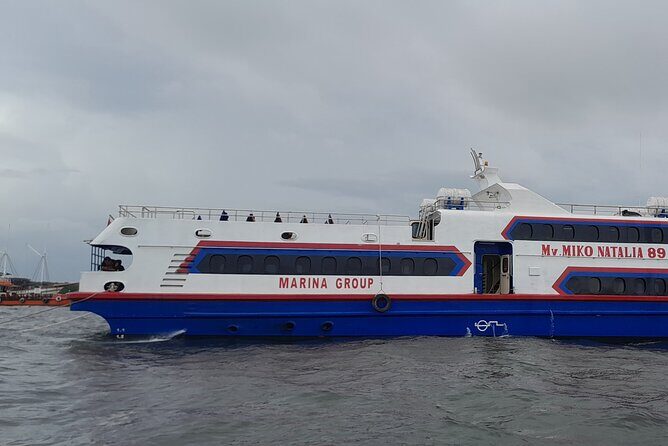
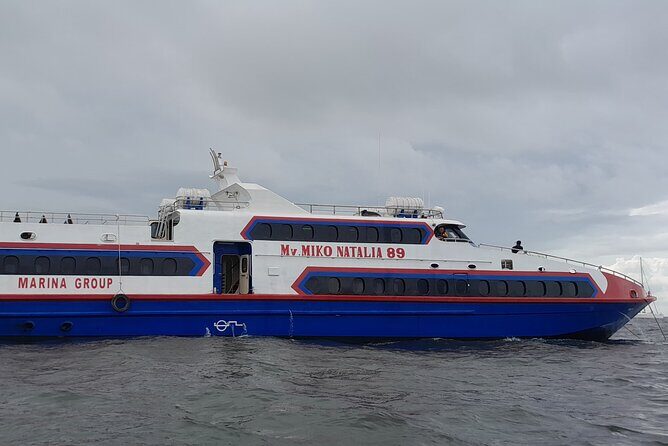
Fast boats make Bali-to-Gili days simple. This transfer runs from Serangan Port (generally closer than Padangbai) and uses a newer fast boat with air conditioning, so you skip the slow parts and get out onto the water quickly. I like that it starts with pickup from your hotel, then goes straight to Gili Trawangan or Lombok instead of turning the day into a guessing game.

I also like the onboard setup. You get AC, toilets, comfortable seats, and an upper deck for quick sea views. The crew is English-speaking, and the whole thing feels built for real logistics, not just selling a ticket and hoping for the best.

One thing to watch: there’s a 2 big luggage limit. Also, you’re still doing a 2–2.5 hour sea crossing, so if you’re sensitive to motion, plan for that.

Key things that make this transfer work

Speedboat Transfer to Gili Trawangan and Lombok from Bali - Key things that make this transfer work

  • Serangan Port departure: direct route that’s often easier than starting from Padangbai
  • Air-conditioned ride both ways: AC vehicle pickup plus AC on the boat
  • Crew that can help: English-speaking staff to keep check-in smooth
  • Real comfort basics onboard: toilet, television, upper deck, and comfortable seating
  • Wide pickup coverage: Kuta, Seminyak, Sanur, Canggu, Jimbaran, Nusa Dua, and even Ubud Center
  • Weather-dependent timing: if it’s canceled for poor weather, you’ll be offered a new date or a full refund

Serangan Port departure: why your Bali-to-Gili day feels shorter

Speedboat Transfer to Gili Trawangan and Lombok from Bali - Serangan Port departure: why your Bali-to-Gili day feels shorter
The biggest practical win here is the starting point. You depart from the Serangan area, described as closer than Padangbai, and that matters because it changes the feel of the day. Instead of spending extra time stuck in traffic and wandering ports, you get a focused flow: pickup, short drive, then straight to the water.

Pickup is offered from a long list of Bali areas—Kuta, Seminyak, Sanur, Canggu, Jimbaran, Nusa Dua, and Ubud Center—so you’re not forced into one specific neighborhood. From Kuta or Sanur, the drive is about 30 minutes, which is exactly the kind of duration that keeps your day from stretching out.

The trip start time is listed as 10:30 am, and that’s helpful for planning. It’s late enough that you’re not getting up in the dark, but early enough that you still reach the Gilis/Lombok on the same day. If you like having your afternoon free for beach time or settling into a new place, this schedule fits well.

Door-to-door pickup: the part you’ll thank yourself for

Speedboat Transfer to Gili Trawangan and Lombok from Bali - Door-to-door pickup: the part you’ll thank yourself for
This is a true transfer, not a “meet us by the ocean” situation. If your hotel is in the service zone, you’re picked up from the hotel lobby and then taken to Serangan Port. On paper, that sounds standard. In real life, it’s the difference between a calm day and a stressful scavenger hunt with suitcases.

A few things I think you’ll appreciate:

  • You’re traveling with an air-conditioned vehicle on the Bali end, not a sweaty scramble.
  • You’ll have a mobile ticket, which is convenient when you’re juggling phone battery, maps, and a new time zone of habits.
  • You get a reminder the day before, which reduces the odds you forget a schedule detail when you’re busy enjoying Bali.

The route also helps your “mental load.” When you can hand off your plans to a driver and crew, you spend less time coordinating and more time thinking about what you’ll do after you land—snorkeling plans, dinner location, or just checking into your place without a headache.

On the boat: air conditioning, toilet access, and faster energy

The crossing is listed at around 2 to 2.5 hours, and the whole pitch is about getting there quickly on a newer fast boat. The boat itself includes multiple comfort basics that make a real difference during a long sea ride.

Here’s what you get onboard:

  • Air conditioning
  • Toilet facilities
  • Television
  • Upper deck (so you can step out for quick views)
  • Comfortable seating
  • An English-speaking crew

Even if you’re not a “boat person,” the AC and toilet help you stay functional. That sounds small until you’re mid-crossing and realize you will need a break. Comfortable seating also matters for families and for anyone whose travel style is more “arrive ready” than “touring through discomfort.”

Safety and comfort are mentioned as being aligned with international standards. I can’t stress-check the engineering from here, but the presence of a crew that can communicate in English and the emphasis on amenities suggests this isn’t a bare-bones, no-frills ride.

One more practical note: the maximum group size is 278 travelers. That doesn’t mean you’ll all be cramped together the whole way, but it does mean you should expect a busier check-in environment. In practice, arriving a bit early and keeping your documents and ticket info organized makes everything smoother.

Timing and luggage limits: the two stress points to manage

Transfers are simple—until you hit the details. Two details are worth planning for.

The luggage rule

The service allows a maximum of 2 big luggages. If you’re the type who travels with one huge suitcase plus extra bags, you’ll want to rethink your packing. Keep your most valuable items in a smaller carry area where you can access them fast.

If you’re traveling light, this limit is easy. If you’re traveling “vacation hard” with bulky gear, you may need to consolidate.

The duration and how you’ll feel

A 2–2.5 hour crossing is long enough to matter. If the sea is choppy, you might feel it, even on a fast boat. Since the company also notes this experience requires good weather, it’s smart to treat the day like a weather plan, not a guaranteed fixed outcome.

My practical suggestion: if motion makes you nauseous, bring whatever you normally use for that situation. This isn’t a flaw in the service—it’s just ocean travel reality.

Gili Trawangan or Lombok: what this transfer does (and doesn’t) cover

This trip is about getting you from Bali to your island destination fast and comfortably. It’s not an all-day tour that adds stops or a guided sightseeing loop. Once you arrive at your destination, the transfer ends.

So what should you expect?

  • You depart from Serangan and head to Gili Trawangan or Lombok (depending on your option).
  • You’ll spend about 2–2.5 hours on the water.
  • After arrival, the transfer finishes.

This is valuable if you want a clean transition day. It’s not ideal if you’re expecting snorkel stops, temple visits, or a “hosted experience” beyond transport.

Also, meals are not included. Plan snacks and water for the boat ride if you’ll need them, especially because you’re spending a chunk of time crossing.

A small but meaningful detail: the boat ride includes an upper deck for views. That means you can get the fun “we’re actually going somewhere” feeling without needing to stand around outside the entire time.

Price and value: is $50 fair for what you get?

The price is listed at $50 per person, and you can book with one-way or return options depending on what you choose. For many people, the value isn’t just the speed—it’s the door-to-door system.

Here’s why that price can make sense:

  • Pickup and drop-off are included for multiple Bali areas, not just one meeting spot.
  • You get air-conditioned transport on land and air-conditioned comfort onboard.
  • Basic facilities like a toilet are included.
  • You’re not spending extra time coordinating local transport after you land.

There’s also a timing advantage. This is a service people plan ahead for—on average it’s booked about 116 days in advance. That’s a sign it’s a popular way to handle island transfers when your schedule matters.

So who gets the best deal? You’ll feel it if you:

  • Don’t want to lug your bags across multiple connections
  • Prefer arriving ready to check in
  • Want a faster, more controlled route from Bali

Who might question the value? If you’re already near Serangan and don’t mind handling transport yourself, you might pay more than the bare minimum. But most people choosing this option are doing it for the time and stress savings.

Weather matters more than you think: plan for flexibility

This experience requires good weather. That’s explicitly noted, and it’s the right kind of warning. Fast boats are quick when conditions are good, and they can be delayed or canceled when conditions aren’t.

If the trip is canceled due to poor weather, you’ll be offered a different date or a full refund. That’s exactly the kind of flexibility you want when island hopping depends on the sea.

Given the start time is fixed at 10:30 am, I’d treat your morning schedule like you can shift. If you’re arriving in Bali the day before, you’ll likely feel calmer. If you’re arriving at the airport the same morning, you may want extra buffer so you don’t feel rushed.

Should you book this Bali-to-Gili/Lombok speedboat transfer?

If your goal is a fast, organized hop to Gili Trawangan or Lombok, this is a strong choice. The big reasons are practical: door-to-door pickup, air conditioning, and a crossing that’s usually completed in about 2 to 2.5 hours. You also get comfort basics onboard like toilet access and seating that won’t feel like punishment.

I’d especially recommend it if:

  • You’re traveling with family or anyone who hates chaotic logistics
  • You want to spend more of your trip on the islands, not in transit
  • You value an English-speaking crew and a smoother check-in flow
  • You’re packing within the 2 big luggage limit

Skip it (or at least think twice) if:

  • You’re carrying more than the allowed luggage
  • You’re very sensitive to motion and sea conditions
  • You’re hoping for a guided sightseeing experience during the transfer

FAQ

What time does the speedboat transfer start?

The start time is listed as 10:30 am.

Where is the departure meeting point?

The departure meeting point is Island Harbor Serangan (76HQ+FH8, Gg. Kuda Laut, Serangan, Denpasar Selatan, Kota Denpasar, Bali 80229, Indonesia).

Does this include pickup and drop-off?

Yes. Pickup and drop-off are included for several areas including Kuta, Seminyak, Sanur, Canggu, Jimbaran, Nusa Dua, and Ubud Center.

How long is the crossing?

The duration is approximately 2 hours to 2 hours 30 minutes.

What onboard facilities are included?

The boat includes air conditioning, television, a toilet, upper deck access, and comfortable seats.

Is a meal included?

No. Meals are not included.

Private 6-Course Romantic Candlelight Dinner Overlooking Ubud Valley

Private 6-Course Romantic Candlelight Dinner Overlooking Ubud Valley - The Timeline: 6pm Pickup, 6:30 Stroll, 6:45 Doves, Then Dinner

A candlelit meal above Ubud is a special kind of night. This romantic dinner at Kamandalu Ubud mixes a proper 6-course meal with a private setting, a welcome bottle of Balinese sparkling wine, and a few thoughtful moments you can’t replicate at a normal restaurant. I like that your menu choices are clear and flexible, and I really like how smooth the experience feels thanks to hotel pickup and drop-off from central Ubud. One consideration: it’s an outdoor-style experience, so weather can change the flow, and you’ll want to be comfortable dressing formally and dealing with a resort rhythm.

The flow is timed like a proposal or anniversary night should be: pickup at 6pm, a gentle stroll at the resort, then doves at 6:45 before dinner starts. The food itself is built like a show, with course-by-course pacing (amuse, appetizer trio, granita, soup, main, dessert) and options for seafood, beef, halal, and vegetarian/vegan. The main drawback to plan around is practical: you’re limited to 2 people max per booking, and pickup only covers Ubud center, so you may need other transport if you’re farther out.

Key Things I’d Mark on Your Mental Map

Private 6-Course Romantic Candlelight Dinner Overlooking Ubud Valley - Key Things I’d Mark on Your Mental Map

  • Fully private setup for couples: your group is the only one dining in that area
  • Dove release at 6:45pm adds a memorable ritual before you eat
  • Menu flexibility: halal, seafood/no seafood, beef/no beef, and vegetarian/vegan on request
  • Balinese sparkling wine is included with the dinner
  • Service with personality: one standout server named Krishna gets praised for friendly, attentive care
  • Weather-aware hosting: if rain hits hard, they may shift you to a private indoor space

Romantic Candlelight Dinner at Kamandalu Ubud: What You’re Really Buying

Private 6-Course Romantic Candlelight Dinner Overlooking Ubud Valley - Romantic Candlelight Dinner at Kamandalu Ubud: What You’re Really Buying
This isn’t a quick dinner. You’re buying a planned evening designed to feel intimate from the moment someone meets you at 6pm. The “romantic” part isn’t just decoration. It’s built into the timing, the private venue setup, and the way the meal is served in six distinct courses.

Price-wise, $348 sounds steep until you break down what’s included: a true private dining area, hotel pickup and drop-off from central Ubud, a bottle of Balinese sparkling wine, and a full 6-course experience. Add in that the booking is capped at two people, and you’re paying for a night that feels like it’s only for you—without the hassle of coordinating reservations, transportation, and dietary negotiations yourself.

If you care about views, this is also aimed at that. You’ll be dining at Kamandalu Ubud, known for its setting above Ubud Valley. Even if the sun isn’t out, the location helps the night feel special.

The catch is that you need to be the kind of traveler who enjoys structure. Formal dress is required, the dinner has a schedule, and the experience is paced like an event. If you want something casual and spontaneous, a typical restaurant might suit you better.

The Timeline: 6pm Pickup, 6:30 Stroll, 6:45 Doves, Then Dinner

Private 6-Course Romantic Candlelight Dinner Overlooking Ubud Valley - The Timeline: 6pm Pickup, 6:30 Stroll, 6:45 Doves, Then Dinner
Here’s how the evening typically runs, and why the timing matters.

At 6:00pm, you’re picked up from your accommodation in central Ubud. This is a big deal in Bali. Driving in the evening can be smooth or stop-and-start depending on traffic and route, so having the transfer included keeps your night from turning into a travel day.

Around 6:30pm, you arrive at the resort and get time for a leisurely stroll. This isn’t just filler. It helps you shift into “occasion mode” before you sit down, and it also gives you time to take photos in daylight-ish conditions before full darkness.

At 6:45pm, there’s a chance to release two white doves right before dinner. This is one of those moments that makes the night feel ceremonial instead of just dinner-and-wine. It’s also exactly the kind of detail that helps if you’re celebrating something big—anniversaries, proposals, and similar milestones show up here a lot.

Then you open the bottle of Balinese sparkling wine, and dinner follows as a 6-course progression. After dinner, the experience ends the way it started: you’re taken back to your accommodation in Ubud.

Total time is about 4 hours. That’s enough time to feel taken care of without draining your whole evening.

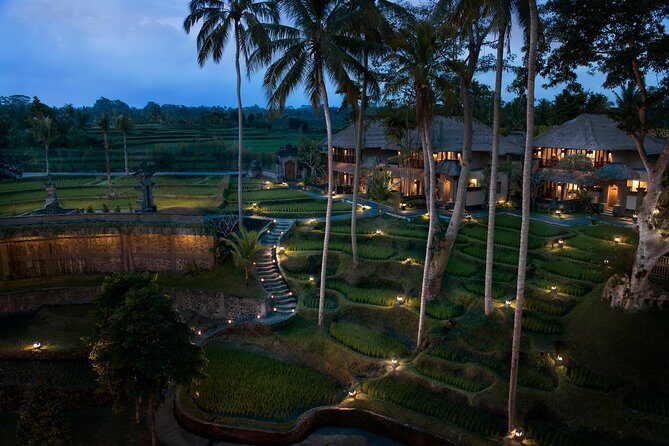
Your Private Setting at Kamandalu Ubud: Intimate, Candlelit, and Built for Photos

Private 6-Course Romantic Candlelight Dinner Overlooking Ubud Valley - Your Private Setting at Kamandalu Ubud: Intimate, Candlelit, and Built for Photos
The dinner happens in a private area. That means you’re not mixing with other diners in a loud dining room. The goal is atmosphere: candlelight, a calm pace, and a sense that the venue is turning down the world around you.

Most of the time, resorts in Ubud offer views and romance, but crowds can ruin the spell. Here, the private setup is the point. Even if other guests are at the resort, your dining area is set up for your group.

There’s also a practical upside to that privacy: when weather turns, they can adjust. One experience described heavy rain, and the team moved things into a private indoor room so the evening could continue without turning into a soggy scramble. If rain is in the forecast, this is reassuring.

Dress code is formal. Think “dress up” rather than “resort casual.” You’ll likely be seated for a while, and candlelight photos tend to look best when everyone is dressed for the occasion.

The 6-Course Meal: Menu Options and What Each Course Feels Like

The dinner is structured as six distinct stops, each one doing a job. One is to wake up your palate, one is to add texture, one to reset with something cold and bright, one to add depth, then a main and a dessert that lands the plane.

Your choices (halal, seafood, beef, veg)
You choose a menu type when booking, with options that include:

  • Halal
  • With seafood / without seafood
  • With beef / without beef
  • Vegetarian and vegan

Important detail: the exact course ingredients change by menu choice, but you should expect the same six-course format and a similar “romantic dinner” level of presentation.

The menu example (courses you can plan around)
Even with menu substitutions, these are the named courses from the standard set:

Amuse Bouche

  • Pan-seared Pacific scallop with chili salsa and brioche crumb

This is the first impression course: a mix of sweet-savoury and heat, plus a buttery bread element.

Appetizer Trio

  • Crispy mussel with chipotle bacon
  • Smoked salmon on Thai crispy prawn toast
  • Mango & marinated chicken paper rice roll

This is where you get variety fast. If you’re choosing seafood, this trio is the “wow, okay” course. If you’re avoiding seafood, your appetizer trio will be adjusted to match your selected menu type.

Granita

  • Watermelon orange granita

Granita is like a palate reset. It cools your mouth and clears sweetness before the next savory stage.

Soup

  • Red bean and pumpkin clear soup with shitake and prawn dumpling

This is comfort-soup energy, but lighter than a thick soup. The clear-broth style helps the course feel elegant.

Main Course

  • Pan-seared Australia beef loin on Asian vegetable, turning potato and rosemary gravy

This is the anchor course. If you chose without beef, you should expect a main swap within the same “roast/pan-sear with sides and sauce” vibe.

Dessert

  • Crepes Suzette with chocolate, orange Grand Marnier sauce, and tiramisu ice cream

Dessert here is layered: crepes plus chocolate plus orange, then that tiramisu-style ice cream finish. It’s sweet, but it’s also meant to feel playful rather than one-note.

What I like about this meal design

A lot of romantic dinners get heavy fast. This one gives you structure: a cold reset (granita), a lighter soup, then a main, then a dessert with multiple flavors. You end the night feeling satisfied, not stuffed.

Service That Feels Personal: The Night Is Run Like an Event

Private 6-Course Romantic Candlelight Dinner Overlooking Ubud Valley - Service That Feels Personal: The Night Is Run Like an Event
Service is the part you can’t fake with food quality alone, and this dinner gets strong marks for it.

I love that the evening starts with pickup and continues with smooth handoffs. It means you’re not worrying about whether you’re late, where to park, or how to find the venue after dark.

In one experience, a server named Krishna is called out for being friendly and for providing great service—also snapping photos during the night. That’s the kind of small detail that matters. When you’re in “special night mode,” you don’t want to spend half your time being your own photographer.

There’s also evidence the team can work with your plan. In one case, someone used the dinner as a proposal and was able to coordinate small amendments through WhatsApp with the staff. You don’t need to be staging a big moment to benefit from this—but it does suggest they understand how to manage timing, privacy, and guest requests.

Vegetarian, Halal, and Seafood/Beef Diets: Less Stress, More Control

This is where many high-end dinners fall apart. You ask about dietary needs and you get vague answers. Here, you can select a menu path: halal, with seafood/no seafood, with beef/no beef, vegetarian/vegan.

Two things make that valuable for you:

  • It reduces guesswork. You’re not hoping the kitchen can improvise at the last minute.
  • It keeps the experience feeling consistent. You still get the “6-course romantic night” format, not a simplified plate.

If you have strict requirements, the key move is to advise them at booking. The format asks for this. Also, one review highlighted that vegetarian needs were handled well, and specific requests were accommodated.

If you’re sensitive to shellfish or cross-contamination, your best approach is to mention it clearly when you book. The menu options exist, but your exact needs still need to be spelled out.

Dress Code, Weather, and Camera Time

Private 6-Course Romantic Candlelight Dinner Overlooking Ubud Valley - Dress Code, Weather, and Camera Time
The dress code is formal. It’s not a casual dinner where you can blend in. Plan to look the part. In candlelight, formal attire also photographs well, and it adds to the “only for us” feeling.

Weather can matter. While the experience is meant to feel outdoor-romantic, rain can happen in Ubud. One account described heavy rain during the dinner, and the team set up a private indoor room to keep the experience comfortable. That’s a good sign, but you should still come prepared for cool damp air if it’s raining.

Bring a camera, and also think about how you’ll handle photos without interrupting the flow. If you want a clean set of pictures, ask your server to help with shots when the timing is right—people do well with that during private meal nights.

Price and Logistics: Is $348 Good Value?

Let’s be honest: $348 is a lot of money for one dinner. But it’s not just dinner.

You’re paying for a package:

  • Private venue area for your group
  • Hotel pickup and drop-off from central Ubud
  • A bottle of Balinese sparkling wine
  • A full 6-course meal with an upscale menu design
  • Flexible halal and vegetarian options available on request
  • About 4 hours of structured, hosted time

The real value shows up when you’d otherwise spend time and money to recreate this yourself:

  • Transport arrangements
  • Finding a restaurant with the right dietary menu
  • Coordinating timing for a special occasion
  • Trying to secure privacy in a crowded place

Here, those pieces are handled for you. The private part and the included transfer are the two big levers that justify the price.

Two logistics notes to keep you from surprises:

  • Pickup/drop-off is only from Ubud center. If you’re staying outside that zone, transportation is not included.
  • The booking is minimum 2 people and maximum 2 people. This is truly couple-focused, not a family outing or friend group hang.

Who Should Book This Romantic Dinner (and Who Might Skip It)

You’ll likely love this if:

  • You’re celebrating something specific and want it to feel planned
  • You care about a private setting, not a busy restaurant vibe
  • You want a real multi-course meal with serious attention to menu choices
  • You appreciate formal events and don’t mind a timed evening

You might skip it if:

  • You prefer casual dining with no schedule
  • You’re traveling solo and want single-person pricing (this booking requires at least 2 people)
  • You’re outside central Ubud and don’t want to arrange extra transport
  • You want a flexible, walk-in style evening

Should You Book This Romantic Dinner?

If you’re planning a proposal, anniversary, honeymoon-style night, or just want a “someone thought about this for me” evening, I think this is a strong choice. The combo of private atmosphere, included wine, and a six-course structure makes it feel more like an experience than a meal.

I’d book it especially if you value clear dietary options. Being able to choose halal, seafood/beef/no-beef, or vegetarian/vegan in advance reduces stress and protects the quality of the night.

Just do two things before you confirm: pick the right menu for your needs, and make sure your stay is within central Ubud so pickup/drop-off actually matches your plan. If that’s in place, you’re set up for a very memorable candlelit evening at Kamandalu Ubud.

FAQ

What time does pickup happen?

Pickup starts at 6:00pm from accommodations in central Ubud.

How long is the experience?

It runs for about 4 hours.

Is this a private dinner?

Yes. It’s described as a private tour/activity, and only your group participates.

What’s included besides the meal?

You get hotel pickup and drop-off from central Ubud, a bottle of Balinese sparkling wine, and the full 6-course dinner.

Can I choose halal or vegetarian options?

Yes. Halal and vegetarian/vegan menus are available if you request them during booking. You can also choose with or without seafood, and with or without beef.

Are there specific dishes included?

The provided menu includes items like a pan-seared scallop amuse bouche, an appetizer trio (mussel, smoked salmon, and a chicken paper rice roll), watermelon orange granita, red bean and pumpkin clear soup, pan-seared beef loin as the main option, and crepes Suzette with chocolate and orange sauce.

Is there a dessert and a granita?

Yes. You’ll have a watermelon orange granita and a dessert (crepes Suzette with chocolate, orange Grand Marnier sauce, and tiramisu ice cream).

Do we release doves during the evening?

You’ll have the opportunity to release two white doves at 6:45pm before dinner.

Is there a dress code?

Yes, the dress code is formal.

What’s the cancellation policy?

There is free cancellation. You can cancel up to 24 hours in advance for a full refund.

Explore Munduk Highlights Private Day Tour in North Bali

North Bali hits different when you can steer the day. This private outing mixes big scenery with real local stops, from Banyumala Twin Waterfalls to the highland views of Wanagiri, ending at major waterfalls like Sekumpul.

I love how flexible it is: you choose what matters most, and your guide builds the route around that. I also like the comfort basics—an air-conditioned vehicle, an English-speaking driver, mineral water, and parking fees included. One caution: entrance fees aren’t included for most stops, so you’ll want a little cash or card ready for on-site payments.

Why This Munduk-Style North Bali Tour Feels “Yours”

Explore Munduk Highlights Private Day Tour in North Bali - Why This Munduk-Style North Bali Tour Feels “Yours”
This is not a fixed checklist tour. It’s built around a simple idea: you decide the vibe (culture, nature, temples, waterfalls, markets, or hot springs), and the driver helps you make it happen in the time you have.

That flexibility matters in North Bali. The region’s road network means timing can change quickly, and waterfalls can mean muddy paths. A private setup lets you slow down if you want photos, or speed up if you’re racing the daylight. And because it’s a private tour, you’re not stuck with a “group pace” that doesn’t match your energy.

I also appreciate that the stops are spaced to give you variety. You’re not only doing temples, and you’re not only doing waterfalls. You get a temple by a lake, a UNESCO rice terrace viewpoint, a highland market stop, and then classic North Bali bathing at hot springs. It’s the kind of day that feels like you got both the famous hits and the calmer corners.

Ubud Pickup, Air-Conditioned Comfort, and How Timing Really Works

Explore Munduk Highlights Private Day Tour in North Bali - Ubud Pickup, Air-Conditioned Comfort, and How Timing Really Works
The tour runs about 4 to 10 hours, depending on which combination of stops you pick and how long you want at each place. With private tours, that range is normal: some days you’ll keep it tight, other days you’ll linger.

Pickup and drop-off are included, and you travel in an air-conditioned vehicle with an English-speaking driver. That’s a big deal in Bali’s heat and on cooler highland roads where it can feel like the weather changes every hour.

A practical tip: bring a small day bag. You’ll bounce between viewpoints, temple grounds, and waterfall areas. You’ll want your essentials easy to grab—water, a light layer, and something for wet steps. Also, wear footwear with grip; many of these stops involve slick stone near water.

From the reviews, I also like what this suggests about the driver style. People praised guides like Daren for handling bad weather and still making the whole plan work, and they mentioned punctuality and good English with guides such as Made Dedi, Bolo (Alex), Adi, Wayan Sugi, and Komang Suantara. In other words, you’re not just getting transport—you’re getting someone who understands the day.

Banyumala Twin Waterfalls: The Start With Real Jungle Water

Explore Munduk Highlights Private Day Tour in North Bali - Banyumala Twin Waterfalls: The Start With Real Jungle Water
Most itineraries begin in the Munduk area at Banyumala Twin Waterfalls. This is a wide, dramatic pair of cascades in lush tropical forest, with a clear natural pool where you can swim and relax.

Why I like this opening stop: it sets the tone fast. Before the day gets filled with temples and viewpoints, you get a nature payoff that feels immediate. It’s also a good time to take photos before roads and crowds affect your pace.

What to watch for: this is a swimming-friendly area, but that also means wet footing. Give yourself time to walk carefully down and back up, and don’t assume you can jump straight into the pool without checking the ground conditions.

Admission tickets aren’t included here, so plan for that extra cost at the entry point.

Ulun Danu Bratan Temple: A Water Temple With Mountain Drama

Explore Munduk Highlights Private Day Tour in North Bali - Ulun Danu Bratan Temple: A Water Temple With Mountain Drama
Next up is Ulun Danu Bratan, a famous water temple on the shores of Lake Bratan in Bedugul. Built in 1633 by the King of Mengwi, it’s dedicated to Dewi Danu.

This stop adds meaning to your day. After waterfalls, the temple gives you a different kind of “Bali magic”—quiet geometry, lake views, and a sense of ceremony. Even if you’re not a temple-history person, the setting does the work.

Timing is about 1 hour. That’s enough to see the main viewpoints, take photos, and still have time for a relaxed walk around the lakefront area.

Like other major stops, entrance fees aren’t included, so budget for on-site payment.

Pasar Wisata Jabe Puri Gede Pancasari: A Quick Local Reset

Explore Munduk Highlights Private Day Tour in North Bali - Pasar Wisata Jabe Puri Gede Pancasari: A Quick Local Reset
The itinerary includes a short 30-minute visit to Pancasari Traditional Market (Pasar Wisata Jabe Puri Gede Pancasari), near Bedugul in the cool highland zone.

This is your “real life” stop. You’ll see fresh produce like fruits and vegetables, and it’s a chance to pick up snacks or small gifts instead of another photo spot. Even a short market stop can make the rest of the day feel more grounded.

Keep expectations simple here: it’s not a long shopping spree. It’s a quick taste of how people actually live in the highlands.

Entrance fees aren’t included, but this is usually the kind of stop where you’ll spend only if you choose to buy something.

Jatiluwih Rice Terraces: The UNESCO View That Makes You Slow Down

Explore Munduk Highlights Private Day Tour in North Bali - Jatiluwih Rice Terraces: The UNESCO View That Makes You Slow Down
Then comes Jatiluwih Rice Terrace, a UNESCO-listed cultural landscape known for panoramic views of terraced rice fields. It sits around 700 meters above sea level, which helps explain why the highland air can feel different.

This is one of those stops where “worth it” comes from the scale. Even if rice terraces aren’t your top interest, the way the terraces step across the hills makes it hard not to keep looking. It’s also a good place to catch your breath after waterfall time.

The time allowance is about 1 hour, and it lists as free admission for this stop. That’s a nice value bonus—one less surprise cost later in the day.

Practical note: bring a light layer even if Ubud feels hot. Highland air near Bedugul can feel cooler, and wind near the terraces can be strong.

Twin Lake View (Wanagiri): Buyan and Tamblingan From One Angle

Explore Munduk Highlights Private Day Tour in North Bali - Twin Lake View (Wanagiri): Buyan and Tamblingan From One Angle
At Twin Lake View in Wanagiri, you’ll look over Lake Buyan and Lake Tamblingan. This is a classic highland viewpoint, and the itinerary gives you around 30 minutes.

Why it fits well: it’s a visual breather between heavier stops. You’ve got rice terraces, then a lake panorama, then more nature. This kind of sequence helps you avoid “tour fatigue,” where everything starts to feel the same.

Admission is listed as free for this viewpoint, which again helps keep the day’s total cost in check.

Since the day includes multiple waterfalls, I recommend using this view time to check your phone battery and recharge your motivation for what’s next.

Banjar Hot Springs (Air Panas Banjar): Sulfur Water and Dragon Fountains

Explore Munduk Highlights Private Day Tour in North Bali - Banjar Hot Springs (Air Panas Banjar): Sulfur Water and Dragon Fountains
Midday or late afternoon often includes Banjar Holy Hot Spring (Air Panas Banjar). This natural hot spring has sulfur-rich water flowing from stone-carved dragon fountains into three public pools.

The description includes a local belief that the water has healing qualities. I can’t promise effects, but I can say the logic is easy: warm water relaxes sore legs, and a hot-spring stop can be the difference between enjoying the waterfalls later versus rushing through them.

Plan for about 1 hour here. That’s enough time to soak, wash off, and reset.

Entrance fees aren’t included. Also, hot springs are public areas—so bring swimwear or a quick-change solution if you plan to use the pools.

Handara Iconic Gate: Balinese Architecture at a Famous Resort Entrance

Explore Munduk Highlights Private Day Tour in North Bali - Handara Iconic Gate: Balinese Architecture at a Famous Resort Entrance
Handara Iconic Gate is known for its distinctive Balinese architecture with a mountain backdrop. It functions as the entrance to Handara Golf & Resort Bali.

This stop works best for people who like photo framing. The gate is a recognizable landmark, and the views make it more than just a quick “check this off” moment. The itinerary gives you around 1 hour, so you can actually walk around, try angles, and enjoy the scenery without feeling rushed.

Entrance fees aren’t included, so don’t assume this is free. Still, it’s often a worthwhile stop because it breaks up the nature-heavy rhythm with something iconic and photogenic.

Brahma Vihara Arama Buddhist Monastery: Quiet Views and Borobudur-Style Inspiration

Next is Brahma Vihara Arama, a Buddhist monastery known for peaceful meditation areas, Buddha statues, and architecture inspired by Borobudur Temple. It’s described as a spiritual retreat with panoramic hilltop views and a calm atmosphere.

I like this kind of stop because it changes your sensory input. After loud water sounds and wet stone, a monastery often feels like a deep breath. Even if you’re just there for the architecture, you’ll likely enjoy the open spaces and the slower pace.

You get about 1 hour. That’s a good amount of time to see the main grounds, look for viewpoints, and keep the visit respectful and unhurried.

Entrance fees aren’t included here either, so budget.

Aling-Aling Waterfall: Twin Cascades and the Fun Factor

The day then turns back to pure nature at Aling-Aling Waterfall in Sambangan Village. It’s known for twin cascades and crystal-clear natural pools, and it’s famous for cliff jumping and natural water slides.

This is a stop where you’ll feel the difference between watching and doing. If you want action, this is one of the more exciting choices on the route. If you prefer to stay safe and watch, you can still enjoy the scenery and the cool spray.

Time: about 1 hour. Admission isn’t included.

A practical thought: if you’re going to use the slides or jump areas, treat safety seriously. You’ll want stable footwear for the walk in, and you’ll want to follow what locals consider safe. Water-adventure areas can look easy from a distance.

Sekumpul Waterfall: The Big Finale for North Bali Water Fans

Finally, the itinerary includes Sekumpul Waterfall, locally known as Air Terjun Sekumpul. It’s often hailed as Bali’s most impressive waterfall, and this is described as one of the island’s pinnacle natural attractions.

As a finale, it makes sense. By the time you get here, your day is already filled with water experiences, so Sekumpul should feel like a payoff instead of just another stop.

You get about 1 hour. Entrance fees aren’t included.

If you love waterfalls, this is the place to give extra attention to your route planning within that hour—some areas require walking and looking carefully for safe paths. If you don’t feel like moving much, you can still enjoy the view while staying careful where you step.

Price and What You Really Get for Around $29.82

At $29.82 per person, this tour is priced in the “high value” range for a full private day that includes transport. The biggest value pieces are the air-conditioned vehicle, English-speaking driver, mineral water, and parking fees. Those add up fast in Bali if you hire things separately.

The other side of the math is entrance fees. Most stops list admission tickets as not included, so the final cost will depend on which sites you enter and how many you choose. Some are free in this itinerary listing—Jatiluwih and Twin Lake View—which helps offset the paid ones.

Customization also affects value. If you’re the kind of traveler who wants fewer stops but more time at each place, a private tour can be the better spend. If you want to hit almost everything on the route, you’ll likely feel like you squeezed a lot into the day.

From the review pattern, the driver portion is a key part of the value. People highlighted guides who handled rain, communicated well in English, and even added a secluded waterfall spot. That kind of decision-making is hard to price, but it’s often the difference between a standard tour and a memorable day.

Who This North Bali Day Tour Fits Best

This is a strong match for:

  • Couples, families, and solo travelers who want to set the pace
  • People who like a mix of waterfalls + temples + views, not just one type of sightseeing
  • Travelers who value good English and a driver who can answer questions (guides named in reviews include Daren, Made Dedi, Bolo/Alex, Adi, Wayan Sugi, and Komang Suantara)
  • Anyone who wants comfort basics like AC transport and bottled water without turning the day into a logistics project

It may be less ideal if:

  • You hate paying entrance fees on-site. Many stops are marked as not included.
  • You want a very slow, one-spot-only day. The itinerary includes many distinct locations, so you’ll be moving around.

Should You Book This Munduk Highlights North Bali Tour?

I’d book it if you want a private day that feels efficient but not rushed, and you’re excited about North Bali’s water and highland views. The route has a good rhythm: waterfalls early, temple and market mid, rice terraces and viewpoints in the middle of the day, and more waterfalls to finish strong.

One final decision tool: look at your tolerance for extra costs. If you’re okay with entrance fees at multiple nature and temple stops, you’ll probably feel like you got your money’s worth. If you’re trying to keep everything strictly budget-only, you might want to customize the plan to favor the listed free stops like Jatiluwih and Twin Lake View.

Also, keep in mind the tour has free cancellation up to 24 hours for a full refund, which makes it easier to book even if your schedule is still slightly in motion.

FAQ

What locations are included in the North Bali day tour?

The tour includes Banyumala Twin Waterfalls, Ulun Danu Bratan, a stop at Pancasari Traditional Market, Jatiluwih, Twin Lake View (Wanagiri), Banjar Hot Springs, Handara Iconic Gate, Brahma Vihara Arama Buddhist Monastery, Aling-Aling Waterfall, and Sekumpul Waterfall.

How long does the tour take?

It’s listed as about 4 to 10 hours.

Is this a private tour?

Yes. It’s a private tour/activity, and only your group participates.

Do I get hotel pickup and drop-off?

Pickup is offered, and the tour includes hotel pick-up and drop-off.

Are entrance fees included?

No. Entrance fees are not included, and many stops specifically note admission tickets are not included. Jatiluwih and Twin Lake View are listed as free in the itinerary.

What’s included in the price?

It includes an air-conditioned vehicle, an English-speaking driver, mineral water, and parking fees.

Does the tour include a ticket on my phone?

Yes. It includes a mobile ticket.

Is free cancellation available?

Yes. You can cancel up to 24 hours in advance for a full refund.

Above the Island of Gods Helicopter Tour

Above the Island of Gods Helicopter Tour - Checking In at Balicopter in Nusa Dua (and what to bring)

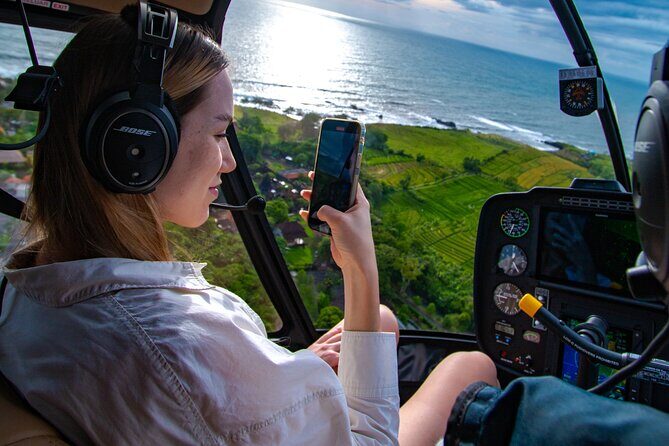
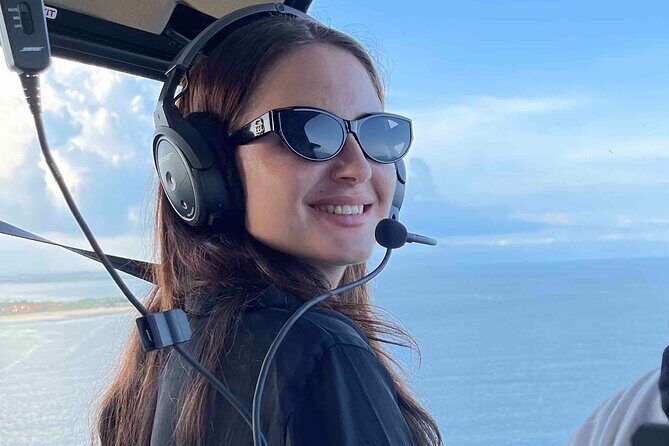
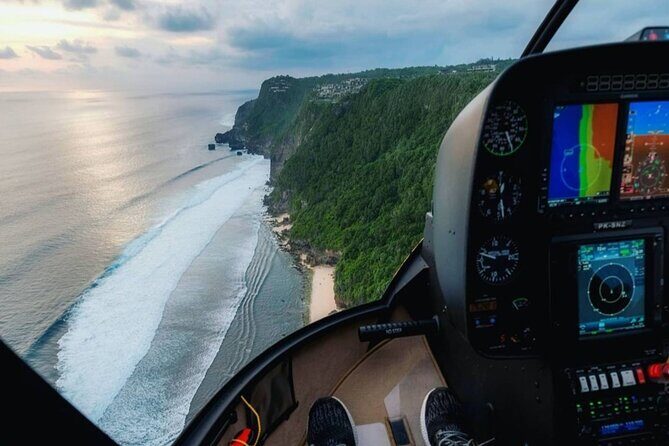
Bali from the sky is a quick win. This short helicopter loop gives you a big-picture hit of the island’s top landmarks, starting with the towering GWK Statue and finishing over Bali’s famous beaches. I love how the views feel immediate and cinematic, and I love the chance for aerial beach views without spending a whole day in traffic. The main drawback: it’s fast, so you get limited time for long, slow photo setups.

This is built for your first trip or your “I want to see a lot in one day” day. It’s a private tour for up to 4, and the actual flight time is about 20 minutes, with the total experience listed around 20–25 minutes. If you’re the kind of traveler who hates rushing, you’ll still have time to breathe, but don’t expect long scenic stops.

Before you go up, do the practical stuff. You meet at Balicopter in Nusa Dua, bring a passport to show at the heliport, and keep within the stated 276 lbs per passenger weight limit. And since the flight depends on good weather, build in a little flexibility on your schedule.

Key things I’d prioritize on this helicopter ride

Above the Island of Gods Helicopter Tour - Key things I’d prioritize on this helicopter ride

  • You get multiple Bali highlights in one flight without chaining together long drives
  • GWK Statue is the star from the air, and the scale lands fast
  • Uluwatu Temple over the cliff gives you the coastline and ocean horizon at once
  • Melasti and Nyang Nyang beaches look totally different from above
  • Private group setup means fewer people to manage and more control of pacing
  • Short duration means photo timing matters more than you think

Why This Helicopter Loop Works for First-Time Bali

Above the Island of Gods Helicopter Tour - Why This Helicopter Loop Works for First-Time Bali
If you’re in Bali for the first time, you usually end up making tough choices. You want temples, beaches, dramatic coastlines, and you want them without spending hours in a car. This tour is designed for that problem: it’s a compact circuit that hits a cluster of famous sights in one go.

The big advantage is perspective. From the ground, you see a temple perched on a cliff, then you drive to a beach, then you drive again. From the air, you see the pieces together—coastline shape, how the beaches sit, and how Uluwatu’s setting is all about the drop into the Indian Ocean.

I also like that the experience doesn’t try to be a long lecture. You’re in the air, then you’re back. For many people, that’s exactly the right energy.

Price and What You’re Really Paying For ($1,133.75 per group)

The price is listed as $1,133.75 per group for up to 4 people. That sounds steep if you think per-person. But helicopters are priced around aircraft and crew costs, not just seats, so the value changes fast once you share it.

Here’s how I’d think about value: if you’re traveling solo, you’re paying for the full aircraft time. If you’re two people, the cost per head drops meaningfully. With four people in your group, you’re effectively splitting a premium experience across the maximum allowed.

You’re also buying time efficiency. Helicopter flight time is about 20 minutes, and the total experience runs around 20–25 minutes. If you would otherwise spend most of a day driving between far-flung spots, paying for a short flight can be a fair trade—especially when you care about getting those aerial angles.

One more thing: this is a private tour. That’s not a small detail in Bali, where shared experiences can be unpredictable. Here, your group stays with your own timing and your own setup.

Checking In at Balicopter in Nusa Dua (and what to bring)

Above the Island of Gods Helicopter Tour - Checking In at Balicopter in Nusa Dua (and what to bring)
You start and end at Balicopter – Helicopter Tour And Transfer, on Jl. Raya Nusa Dua Selatan, Lot iii, Sawangan, Kabupaten Badung, Bali 80363. The activity runs daily, 8:00 AM to 5:00 PM, and the operation window listed is through 2026.

Plan to arrive with enough buffer time to handle check-in calmly. You should show your passport at the heliport. You’ll also use a mobile ticket, which is convenient, but still make sure your phone is charged and easy to access.

Two practical notes from a safety-and-sanity angle:

  • Don’t assume every desk or location will handle your booking. Use the exact meeting address and the confirmation details tied to your order.
  • There is at least one complaint in the public review stream about confusion at the physical location and a cash request. I can’t verify the details, but it’s enough of a warning to take seriously. Keep your booking info handy, and only follow payment instructions that match your confirmed purchase.

Also remember the stated weight limit: 276 lbs per passenger. If you’re close to the limit, don’t wait until check-in day to figure it out.

GWK Cultural Park and the Garuda Wisnu Kencana Statue From Above

Your flight kicks off with the Garuda Wisnu Kencana (GWK) cultural park and the iconic statue. From the sky, the statue’s scale can be jaw-dropping in a way ground photos often miss. You can see how it sits in relation to the surrounding buildings, roads, and greenery, and you get a clean sense of where it anchors the area.

What I like about this first segment is how it helps you orient yourself. Once you’ve seen one big landmark clearly from above, the rest of the flight feels easier to understand. You start noticing the coastline shapes and the spacing between beaches and cliffs.

A small, real-world consideration: during a helicopter ride, you don’t control how the aircraft turns or how quickly you pass a landmark. So if GWK is a must-have for your photos, get ready early—camera accessible, strap secure, and settings sorted before you’re mid-flight.

Uluwatu Temple Cliff Views Over the Indian Ocean

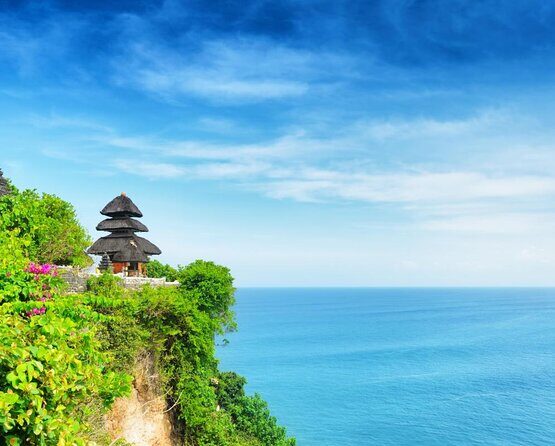
Next up is Uluwatu Temple, perched on a cliff edge with the ocean stretching out. This is one of the most dramatic locations in Bali, and the helicopter angle is a different kind of dramatic. You don’t just see the temple; you see the cliff line and the ocean horizon as one connected scene.

From the air, the cliff setting becomes the story. You can appreciate why Uluwatu feels so exposed. The surrounding coastline also becomes clearer—where the ocean opens up and where it tightens.

The tradeoff, again, is time. You’ll pass over quickly. That can actually work in your favor: you get the wow factor without crowds, waiting, or climbing stairs for the best angle. Just don’t expect a long hover where you can take dozens of carefully framed shots.

Melasti Beach’s Turquoise Water From 20 Minutes Up

Above the Island of Gods Helicopter Tour - Melasti Beach’s Turquoise Water From 20 Minutes Up
Then you switch from cliff drama to water and sand, with Melasti Beach. The listed description calls out turquoise water, clear views, and golden sands. From a helicopter, colors tend to look more uniform and clean, because you’re seeing the bay’s shape and depth rather than just surface details.

What you’ll likely enjoy most here is the color contrast: water, sand, and the greenery behind the shore. Even if you’ve seen beach photos from the ground, the aerial view helps you understand the beach layout—what parts are calmer, what parts feel more exposed, and how close the ocean meets the coastline.

If you’re trying to pick the best beach moments for your future day trips, this segment helps. A quick aerial look can steer you toward which beach vibes you’ll want on foot, rather than gambling based on photos.

Nyang Nyang Beach: Pristine Sand Overflight

Finally, you fly above Nyang Nyang Beach, known for crystal-clear water and pristine white sand in the tour description. The aerial perspective can make the beach feel even more remote, because you’re seeing a wide stretch of sand separated from the rest of the island.

This is the part of the flight that can feel most relaxing. After the temple cliff, you’re back to clean horizon lines and open water. If you like beaches but hate crowds, the helicopter view gives you the calm mood without having to search for the quietest patch of sand.

Again, it’s a fly-by, not a long linger. But for many people, that’s the appeal. You get the scene fast, you move on, and you leave with a strong memory rather than a full-day commitment.

Photo Tips for a Short Flight (Because Time Goes Fast)

Above the Island of Gods Helicopter Tour - Photo Tips for a Short Flight (Because Time Goes Fast)
Short helicopter tours are all about getting ready in advance. Here are practical things that help without pretending you can control everything:

  • Check your camera plan before takeoff. If you want wide shots, lock in your framing early. If you want tight details, be ready to crop rather than pan too slowly mid-flight.
  • Brace your grip. Helicopters can create small movements, especially when you lift your device. Use a secure hold and avoid fumbling with straps.
  • Expect quick passes. GWK, Uluwatu, Melasti, and Nyang Nyang all come and go in sequence. If you wait until the moment you see it clearly, you’ll be late.
  • Use the phone you can operate one-handed. If you’re juggling a phone and a camera, it becomes a stress test. Pick one primary tool.

The positive reviews you’ll find emphasize how fun and exciting the flight is, plus the quality of the pilot and ground crew. One common complaint is a desire for more time to take pictures. That’s not a flaw in the aircraft. It’s just the reality of a 20-minute flight.

Who This Tour Suits—and Who Might Skip It

I’d recommend this helicopter ride if you:

  • Are visiting Bali for the first time and want major landmarks in one session
  • Prefer a fast, high-impact experience over a full day of driving and waiting
  • Like aerial photography enough to get your settings ready quickly
  • Want a private group experience for up to four people

I might suggest skipping it if you:

  • Need lots of time at each viewpoint. This is an overflight experience, not a sightseeing crawl.
  • Are very weather-dependent with no flexibility. Helicopters require good conditions, and the tour notes that weather can cause cancellation with an alternative date or a full refund.
  • Are near the weight limit. The stated limit is 276 lbs per passenger, so confirm early if you’re concerned.

Should You Book the Above the Island of Gods Helicopter Tour?

If you want Bali highlights with minimal logistics, I think this is a strong booking. The biggest selling point is the efficiency: you see GWK Statue, Uluwatu Temple, Melasti Beach, and Nyang Nyang Beach in a short flight window. It’s a great way to get a memorable “from above” view without turning your trip into a transportation marathon.

My advice is simple:

  • Book only if your schedule can flex for weather.
  • Bring your passport and treat check-in as part of the experience.
  • If your group includes multiple people, the group pricing makes more sense.
  • For peace of mind, arrive at the listed Balicopter meeting address and follow the payment instructions tied to your confirmed booking, especially given at least one complaint about confusion at the location.

If that sounds like your style, you’ll likely feel like you got a lot out of a little time—and that’s the whole point of a helicopter tour.

FAQ

How long is the helicopter tour?

The flight time is listed as about 20 minutes, and the overall experience is listed as approximately 20 to 25 minutes.

Where do I meet for the tour?

The meeting point is Balicopter – Helicopter Tour And Transfer, located at Jl. Raya Nusa Dua Selatan, Lot iii, Sawangan, Kabupaten Badung, Bali 80363, Indonesia.

Is this a private tour?

Yes. This is a private tour/activity, and only your group will participate.

How many people are included per group?

The price is per group for up to 4 people.

What do I need to bring at the heliport?

You should show your passport upon arrival at the heliport. A mobile ticket is also provided/used.

Is there a weight limit?

Yes. The total weight per passenger is listed as 276 lbs.

Best Romantic Seafood Dinner at Jimbaran Beach Sunset

Best Romantic Seafood Dinner at Jimbaran Beach Sunset - Sunset Timing in Jimbaran: What Actually Makes This Romantic

Sunset dinner, but make it seafood. This Jimbaran beach meal is all about ending the day with sunset timing and a front-row view while you eat. I like that it feels romantic without needing fancy planning, since the dining moment is built around the light and the shoreline.

I also like the multi-dish seafood feast approach—fish, prawns, squid, crab, and lobster—paired with simple Balinese sides like steamed rice, vegetables, and three sambal. One possible drawback to keep in mind: service and pacing can be hit-or-miss, and some staff may not explain the meal clearly, so you’ll want to ask about how it will be served.

Key Things to Know Before You Go

Best Romantic Seafood Dinner at Jimbaran Beach Sunset - Key Things to Know Before You Go

  • Sunset-first scheduling: your dining time is set up to match the changing sky.
  • A real seafood mix: fish, prawns, squid, crab, and lobster, not just one or two items.
  • Three sambal choices: you can vary flavors as the meal goes.
  • Most drinks cost extra: you get water and coconut water included, alcohol is separate.
  • Communication and timing can be uneven: ask early for pacing and what’s coming next.
  • Beach reality is part of the vibe: you may share the area with roaming dogs.

Sunset Timing in Jimbaran: What Actually Makes This Romantic

Best Romantic Seafood Dinner at Jimbaran Beach Sunset - Sunset Timing in Jimbaran: What Actually Makes This Romantic
Jimbaran Beach at dusk has a way of making even a simple meal feel special. This experience leans into that. The dinner is scheduled for the early evening so you can watch the shoreline change color while you eat—exactly the kind of “no translation needed” romance that works for couples, birthdays, and honeymoon-style trips.

The value here is not just food. It’s the setting and the timing. You’re not rushing from one photo stop to another; you’re sitting down and letting the day fade out naturally. If you’re the type who likes quiet conversations and steady views instead of constant sightseeing, this kind of beach dinner fits well.

Price and Value: Is $28.51 a Good Deal for Seafood?

At $28.51 per person, the main question is: what’s included that you’d normally pay extra for elsewhere? Here, you get a multi-dish meal plus bottled water and coconut water, along with GST. The seafood mix matters too: fish, prawns, squid, crab, and lobster are all part of the standard menu, not add-ons.

That’s why this can feel like good value—especially compared with places where you’d pay a premium just for one seafood item. But there’s a reality check: the price point also means the experience may feel more like a busy beach dinner setup than a carefully tailored fine-dining service. In other words, you may get a gorgeous view and a hearty plate—while the staff experience can vary.

If you’re strict about service quality, menu pacing, and detailed explanations, keep expectations grounded. If you’re focused on the sunset and getting a hearty seafood meal in a classic Jimbaran setting, you’ll likely feel like you got your money’s worth.

Meeting at Kekeluargaan Pandan Sari Cafe and the 6pm Start

The meeting point is Kekeluargaan Pandan Sari Cafe, Jl. Bukit Permai, Jimbaran. The start time is 6:00 pm, and the whole experience is roughly 2 to 3 hours.

That timing matters. In Jimbaran, the most photogenic moment tends to cluster around late afternoon into evening. If you show up late, you risk missing the best part of the light, and you also risk arriving right when the kitchen starts moving fast. Aim to be there early so you can settle in, pick your viewing angle, and get comfortable before the meal starts.

Also note: the experience ends back at the meeting point. So it’s a loop plan—handy when you want dinner without turning the evening into a transport project.

Jimbaran Beach Views: Where the Experience Delivers

The beach setting is the big headline for a reason. Even when the meal itself isn’t perfect, the shoreline at sunset gives you something you can’t easily recreate in a restaurant dining room. You’ll get sea-breeze air, a low-lit beach mood, and that classic “dinner right here” feeling.

One practical detail: it’s still a real beach environment. You might see roaming dogs around the dining area. This doesn’t ruin the experience for everyone, but it’s good to know so it doesn’t feel like a surprise. If you’re traveling with kids or you’re sensitive to animal presence, it helps to mentally prepare for casual beach life.

The Seafood + Balinese Sides Menu: What You’ll Actually Eat

The meal is built as a multi-dish spread, with key items coming together as a seafood feast plus Balinese flavoring.

Here’s what’s included:

  • Steamed rice
  • Vegetable sides
  • Three different sambal (so you can switch flavors)
  • Seafood including fish, prawn, squid, crab, and lobster
  • Bottled water and coconut water
  • GST

What does that mean for you at the table? It means you’re not stuck eating one flavor or one texture for the whole meal. Sambal also helps you control the mood: you can keep it mild or go bolder as the plates arrive.

Now, about the cooking and serving style: feedback has been mixed. Some people felt the food arrived too quickly—so fast that it didn’t feel like a paced dinner. Others felt the flavors and sauces were repetitive or that seafood could be overcooked and rubbery. The menu basics are there, but quality can depend on timing and how the kitchen is running that evening.

How to get the best outcome

If you want the meal to feel more relaxed, do two small things early:

  • Ask how the seafood will be served (one dish at a time vs. everything together).
  • Tell the staff you’d like a slower dinner pace and clear explanations of what each dish is.

It sounds simple, but it can be the difference between a scenic date night and a rushed “grab food, move on” moment.

Sambal Strategy: How to Make the Meal Taste Like You Planned It

Sambal is a huge part of why this dinner can feel more “Balinese” than just seafood on a plate. With three sambal options included, you can build your own flavor progression.

A useful way to do it:

  • Start with one sambal you enjoy most.
  • Take small bites of seafood with each sambal so you can tell which pairs best with each texture.
  • Use rice to reset your palate before switching to the next flavor.

This also helps if one dish is a little heavy on sauce. You can rebalance with a different sambal and a mouthful of rice.

Drinks and Alcohol: What’s Included vs. What Costs Extra

Water is included: bottled water and coconut water are part of the meal. That’s great because it covers your basics without upselling.

Alcohol is not included. Extra drinks can be purchased separately, including wine if you want it. Some diners reported frustration around drink payment and the way requests were handled. I can’t predict how it will go for you, but it’s smart to:

  • Check the drink prices before ordering.
  • Confirm payment process calmly if there’s any confusion.
  • Keep extra cash or a working card plan if you’re bringing a partner who’s relying on you to handle it.

You’re there for sunset and seafood. Don’t let the evening’s vibe depend on an argument over a bottle.

Service Quality: Pleasant When It Works, Frustrating When It Doesn’t

Service is where this experience can swing.

On the positive side, you can get a pleasant, friendly atmosphere. And if staff are proactive, they can help you feel settled quickly—especially because beach dinners are casual by nature.

But there are recurring pain points:

  • Menu and dining details may not be explained clearly.
  • Some staff may have limited English, so misunderstandings can happen.
  • Food pacing may be rushed, with plates placed in front of you almost immediately after arrival.
  • In worst cases, diners felt aggressive payment attempts for alcohol.

So how do you protect your evening?

  • Arrive early enough to be calm.
  • Ask for a quick overview: what comes first, what comes next.
  • If you order alcohol, get clear about what you’re buying and how you’ll pay.
  • Don’t assume the staff will read your mind—be direct and simple.

A romantic dinner doesn’t need perfect service, but it does need you to steer it a little. With that mindset, you’ll be more likely to enjoy the moment instead of getting pulled into small frustrations.

Who This Is Best For (and Who Should Reconsider)

This works best for:

  • Couples who want a classic Jimbaran sunset dinner without a long itinerary
  • People celebrating something (birthday, anniversary, honeymoon-style trip)
  • Seafood lovers who want variety in one sitting—fish, prawns, squid, crab, lobster
  • Travelers who enjoy a casual beach dining vibe more than formal dining rituals

It might not be the best fit if:

  • You’re very sensitive to service timing and want slow, course-by-course pacing
  • You expect highly detailed menu explanations and fluent English
  • You’re the type who gets stressed by beach distractions like dogs or casual restaurant setup

If you want a perfect blend of romance, service, and culinary consistency every night, this can feel like a gamble. If you’re mainly buying sunset + seafood abundance in a beach setting, it’s much more of a sure bet.

A Smart Plan for Your Date Night: Timing, Expectations, and Questions

Here’s how I’d handle this dinner if I wanted it to go smoothly.

Before you sit down

  • Ask when the first dishes will arrive.
  • Ask whether seafood is served all at once or in stages.
  • Decide your drink plan early since alcohol is extra and the payment process has been a stress point for some.

While you eat

  • Use the three sambal to steer flavor and prevent the meal from feeling repetitive.
  • If anything seems overcooked or off, mention it calmly right away so it can be addressed sooner rather than later.

After dinner

  • Enjoy the beach atmosphere without rushing to leave immediately. Sunset magic doesn’t stop at the last bite.

This is a “manage expectations” experience. Do that well, and the romance lands.

Should You Book This Jimbaran Romantic Seafood Dinner?

I’d book it if your top priorities are sunset views, a seafood lineup that includes lobster and prawns, and a romantic setting where the main drama is the sky, not the schedule.

I wouldn’t book it if you’re chasing a polished, high-control dining experience with consistently perfect cooking and detailed English explanations. In that case, you might feel disappointed if pacing is rushed or service feels uneven.

If you book, your best move is simple: show up early, ask how the meal will be served, and keep a calm, clear approach to drinks. Do that, and you give yourself a strong chance of ending the night exactly how you planned—by the sea, with seafood on the table and the light fading out behind it.

FAQ

Where is the meeting point for this dinner?

You meet at Kekeluargaan Pandan Sari Cafe, Jl. Bukit Permai, Jimbaran, Kec. Kuta Sel., Kabupaten Badung, Bali 80361, Indonesia.

What time does the experience start?

The start time is 6:00 pm.

How long does the dinner last?

The experience runs about 2 to 3 hours.

What’s included in the dinner?

The dinner includes steamed rice, vegetable, three different sambal, fish, prawn, squid, crab, and lobster, plus bottled water and coconut water. GST is also included.

Are alcoholic drinks included?

No. Extra drinks, including alcohol, can be purchased separately.

What happens if the weather is bad?

This experience requires good weather. If it’s canceled due to poor weather, you’ll be offered a different date or a full refund.

Can I cancel and get a full refund?

Yes. You can cancel for a full refund up to 24 hours before the experience starts. If you cancel less than 24 hours before, the amount you paid will not be refunded.

Private Tour of Ubud Art Village from Bali

Private Tour of Ubud Art Village from Bali - Celuk Village: Silversmithing, Gold Jewelry, and a Short Workshop

Art villages can feel touristy. This one doesn’t.

I like how this tour is built around watching crafts get made instead of just buying souvenirs and moving on. You’ll get door-to-door pickup from your hotel (or the port), a private driver/guide to help with translation, and a route that moves through Batubulan, Celuk, Mas, and Batuan. Then the day finishes with Ubud’s well-known mask and puppets stop, plus time to browse local art at the end.

Two things I really liked: the chance to see artists at work up close, and the fact that lunch plus bottled water are included so you don’t lose time hunting for food. Parti, one of the guides, stood out for keeping the day flowing and making the craft stories make sense. One thing to consider: you’ll be in areas where sales are part of the scene, so go in with a plan for what you want to buy (and what you don’t).

Key Things You’ll Notice on This Private Art Tour

Private Tour of Ubud Art Village from Bali - Key Things You’ll Notice on This Private Art Tour

  • Private driver/guide, plus translation help to get past the language barrier
  • Craft demos in Batubulan, Celuk, Mas, and Batuan at four classic art-village stops
  • Hands-on time at Celuk Village with a short workshop included
  • Setia Darma House of Mask and Puppets as a memorable culture detour in Ubud
  • Lunch, coffee/tea, and bottled water included for a calmer, longer day
  • Easy hotel/port pickup and drop-off in an air-conditioned minivan

A Private Driver Makes the Art Villages Actually Work

Private Tour of Ubud Art Village from Bali - A Private Driver Makes the Art Villages Actually Work
This is a straightforward private tour: you and your group ride in an air-conditioned minivan with a driver/guide and get taken from spot to spot without dealing with transfers, parking, or figuring out where to go next.

That matters because Bali’s art villages are spread out. When you’re trying to fit four craft areas plus Ubud into a half-day, timing is everything. With a private route, you can keep a steady pace and spend your mental energy on what you’re seeing, not logistics.

The translation support is a quiet win. The tour format is built around explanation—what people are doing, why it matters, and what to look for if you’re buying. One guide, Wayan Sudira, helped keep the tone upbeat even when rain popped up, and that kind of flexibility is more useful than it sounds. It’s also a good sign if you care about understanding the work, not just collecting photos.

Batubulan: Wax-Resist Batik and Traditional Weaving

Your day starts in Batubulan, a go-to name for batik and weaving. Here, you’ll watch batik artists dye designs into fabric using a wax-resist method—melted wax applied to the fabric before dyeing helps create patterns when the wax is removed.

What makes this stop more than a photo break is the logic of the process. You can often spot the difference between fabric that looks decorative and fabric that has a craft rhythm behind it. In Batubulan, the workshop focus makes it easier to ask questions like:

  • How the wax-resist changes the final pattern
  • What you should notice when designs are being built layer by layer
  • Why certain dyes and finishes affect the look

Practical tip: Wear clothes you don’t mind getting a little warm in. These workshops can run hot, and you’ll likely spend real time standing close to work in progress.

Celuk Village: Silversmithing, Gold Jewelry, and a Short Workshop

Private Tour of Ubud Art Village from Bali - Celuk Village: Silversmithing, Gold Jewelry, and a Short Workshop
Next comes Celuk Village, known for its silver and goldsmithing. This is one of those places where you see metalwork close up and realize how many steps are involved in turning rough materials into detailed jewelry.

In Celuk, you’re not just looking. You can also take part in a short workshop that’s included. Even if the workshop time is brief, it’s a strong way to understand the craft without needing to be an expert metalworker.

Two helpful angles for shoppers:

  • Look for workmanship in the fine details, not only the overall shine.
  • Ask what’s being handmade vs. what’s being finished in batches. The tour’s guide support helps you phrase those questions even if your Bali vocabulary is still in training.

Admission here is included, which makes it one of the better “value-per-stop” parts of the route.

Mas Village: Wood Carving and How Different Woods Change the Look

Private Tour of Ubud Art Village from Bali - Mas Village: Wood Carving and How Different Woods Change the Look
Mas Village is the woodcarving stop. You’ll see carvers at work and learn a bit about different types of wood that are used for carving, since wood choice affects everything from color tone to how the grain takes detail.

The key reason this stop lands for many people is that woodcarving is easy to understand when you’re watching it in motion. You can see where patience matters—layout first, then shaping, then refining the edges until the piece reads well from a normal viewing distance.

One practical drawback of woodcarving areas: there’s a lot of finished product on display. It can be tempting to buy quickly. If you want to avoid impulse purchases, do the workshop watching first, then shop. Your eyes get smarter during the demo, and prices often make more sense once you understand what’s time-consuming.

Admission for Mas is free as part of the tour stops, which keeps your costs tighter.

Batuan: Traditional Painting in a Real Workshop Setting

Private Tour of Ubud Art Village from Bali - Batuan: Traditional Painting in a Real Workshop Setting
After Mas, you’ll head to Batuan Village, famous for traditional Balinese painting. Here, you’ll explore a workshop with a painting artist in the area. This stop is usually where the day feels most personal, because it’s not only about craft technique—it’s also about how artists work as families and local networks.

If you’re hoping to find the kind of painting that feels like more than a souvenir, Batuan is where you’ll want to slow down. Watch how the artist sets up, how the brushwork changes from one stage to the next, and what kind of themes the workshop emphasizes.

This is also a good moment for the translation support to do its real job. You can ask what materials are used, how designs are planned, and what the artist wants you to notice.

Admission is free for this stop as listed, so the value comes from what you understand and how you choose your favorite pieces.

Lunch, Coffee/Tea, and Bottled Water Keep the Day Enjoyable

Private Tour of Ubud Art Village from Bali - Lunch, Coffee/Tea, and Bottled Water Keep the Day Enjoyable
A common problem with art tours is that they run long, then people get hungry and the whole experience turns cranky. Here, you get a restaurant lunch plus coffee and/or tea, along with bottled water throughout the day.

That’s not a small detail. It means you can actually focus on the crafts at each stop instead of spending mental energy on where to eat and whether it’s worth the detour. With a private driver, it also helps protect the schedule so you don’t lose time to last-minute planning.

If rain shows up, water and a planned lunch matter even more. In at least one rainy-day experience, Wayan Sudira kept the vibe positive and helped the day stay on track, which is exactly what you want when weather throws a wrench into outdoor plans.

Setia Darma House of Mask and Puppets: A Strong Ubud Finale

Private Tour of Ubud Art Village from Bali - Setia Darma House of Mask and Puppets: A Strong Ubud Finale
The tour’s Ubud highlight is the Setia Darma House of Mask and Puppets museum. This is included, and it’s a great change of pace after the village craft stops.

Inside, you’ll see many masks and puppets from around Indonesia, plus some pieces that also come from China and Brazil. The museum format is useful because it gives context—many of these crafts connect to performance traditions, storytelling, and regional styles. Even if you’re not into collecting, it’s an easy stop to appreciate, because the visual variety is the point.

The museum stop is about looking carefully. Don’t rush. Use your guide time to connect what you see to the broader arts culture you’ve been watching all afternoon.

Ubud Art Market Time: Browsing Without the Pressure

Private Tour of Ubud Art Village from Bali - Ubud Art Market Time: Browsing Without the Pressure
The tour overview also includes time to wrap up with Ubud Art Market. This part is best for browsing rather than buying on the spot.

Since the day already includes multiple craft villages, think of the market as your chance to:

  • Compare prices after you’ve learned what you’re looking at
  • Pick up small gifts if the big-ticket pieces didn’t feel right
  • Find items that match the style you liked earlier in the day

Shopping isn’t included, so you’re still in charge of your budget. That’s fine. Just remember: you’ve already seen how much work goes into craft. If something seems too cheap compared to the quality you noticed during demos, it usually is.

Price and Value: Why This Usually Makes Sense

At $79.99 per person for a private tour, the value depends on what you want out of the day.

Here’s where your money goes:

  • A private driver/guide for about 5 to 6 hours
  • Round-trip private transfer in an air-conditioned minivan
  • Lunch plus coffee/tea and bottled water
  • Tour escort/host and all fees/taxes

Admission specifics are mixed across stops (some are listed as free, others included), but the overall structure still adds up. You’re paying for time efficiency (door-to-door pickup and drop-off), for the explanation in each craft area, and for not having to manage transport between multiple art villages.

You’re also booking something that’s been popular enough to average being reserved about 26 days in advance. That’s a hint to book early if you’re traveling in peak season or want a specific pickup time.

Who This Tour Fits Best

This is a great fit if you:

  • Want a private day plan with less headache
  • Like crafts that you can understand by watching the process
  • Want guide support with translation and pacing
  • Prefer an included lunch and drinks on longer outings
  • Plan to buy thoughtfully, not just browse casually

It may feel less ideal if you hate any shopping environment at all. The route is built around art villages, and those places naturally have sales on site. You can still enjoy it—just go in with calm expectations and a spending limit.

Should You Book This Ubud Art Village Tour?

Book it if you want a structured art day where you can connect craft techniques to the items you’re considering. The guide support, included lunch and drinks, and the mix of batik, metalwork, woodcarving, painting, plus the Setia Darma museum make this more than a shopping circuit.

Skip it (or adjust expectations) if you’re only interested in free-time wandering, or if you’re hoping for zero sales talk. You’ll be in environments where artists sell their work. The good news: the tour gives you real context first, so your choices are smarter by the end of the day.

If your plan is to bring home a few meaningful pieces—and understand what makes them special—this tour is one of the more practical ways to do it in a single afternoon.

FAQ

How long is the private Ubud art village tour?

It runs about 5 to 6 hours.

Where does pickup happen?

Pickup is offered, and the tour includes round-trip private transfer to and from your hotel (or the port).

Is this tour private or shared?

It’s a private tour/activity, so only your group participates.

What stops are included during the tour?

The stops include Batubulan, Celuk Village, Mas Village, Batuan, and the Setia Darma House of Mask and Puppets museum. The overview also notes Ubud Art Market time at the end.

Is lunch included?

Yes. Lunch is included, along with coffee and/or tea and bottled water throughout the day.

Are entrance fees included?

Admission is listed as free for some stops (like Batubulan, Mas, and Batuan) and included for others (like Celuk Village and Setia Darma House of Mask and Puppets).

Do I need cash for the tour?

Shopping isn’t included, so you may want cash or a card for purchases during the craft visits and market time.

What is the cancellation policy?

Free cancellation is available up to 24 hours in advance for a full refund.

If you tell me your travel dates and where you’ll be picked up (hotel or port), I can suggest a smart time-of-day plan and what to prioritize for photos vs. shopping.

Seminyak: Relaxing Spa Experience at Svaha Spa Umalas

Seminyak: Relaxing Spa Experience at Svaha Spa Umalas - Picking your timing: 15 to 90 minutes

One good massage can reset your whole day. Svaha Spa Umalas is a peaceful stop in Umalas, made for slowing down with Balinese-style hands-on therapy and a more holistic, body-and-mind vibe than a quick in-and-out rub. It’s the kind of place where the setting feels purposely calm, away from the noise people associate with Bali hotspots.

I really like how the spa blends contemporary comfort with traditional wellness rituals. And I also like that you get a personalized consultation, so the therapist can tailor things to your needs instead of giving everyone the same routine.

One thing to think about: it’s not suitable for pregnant women, and children/infants can’t hang out in the treatment rooms unless they’re also getting a treatment.

Key highlights worth targeting

Seminyak: Relaxing Spa Experience at Svaha Spa Umalas - Key highlights worth targeting

  • Tranquil Umalas setting that feels away from the busy Bali rhythm
  • Natural ingredients and time-honored techniques used by skilled therapists
  • Personalized consultation so your massage matches what you want
  • Private treatment rooms for couples and individuals (subject to availability)
  • Amenities included like showers and changing rooms, plus a welcome drink

Umalas calm: where Svaha Spa fits near Seminyak days

Seminyak: Relaxing Spa Experience at Svaha Spa Umalas - Umalas calm: where Svaha Spa fits near Seminyak days
If your Bali days have a lot of scooting around—beach stops, dinners, shopping, maybe a few traffic surprises—Svaha Spa Umalas is a smart counterweight. The spa sits in Umalas, which is known for quieter energy than the loudest tourist strips. The difference matters because you’re not just paying for a massage; you’re paying for the chance to downshift your nervous system.

The experience is designed to blend contemporary luxury with Balinese wellness traditions. That translates into a setting that feels comfortable, while the treatment style stays true to local massage roots. For me, that balance is key: it keeps things relaxing without turning the whole thing into a generic tourist service.

Also, the spa experience is described as holistic—so you’re not only working muscles. Expect it to focus on soothing body, mind, and soul. Whether you call it wellness or simply good recovery, the goal is the same: leave feeling lighter and less tense.

Picking your timing: 15 to 90 minutes

Seminyak: Relaxing Spa Experience at Svaha Spa Umalas - Picking your timing: 15 to 90 minutes
The duration range is wide: 15 to 90 minutes. That’s great, because it lets you choose based on what kind of day you’re having.

Here’s how I’d think about it:

  • If you’re tight on time or you’re testing the waters, a shorter session can still take the edge off.
  • If your goal is true unwind—like easing travel stiffness or loosening muscles after walking—aim longer. Your body has time to stop bracing.

You also select your preferred time when booking, and the spa will confirm your appointment. Plan to arrive early; you’re instructed to come at least 15 minutes before. That’s not just formality. It gives you time to settle in, change comfortably, and avoid rushing right before your massage starts.

Arriving and settling in: welcome drink, changing rooms, and a quick consult

Seminyak: Relaxing Spa Experience at Svaha Spa Umalas - Arriving and settling in: welcome drink, changing rooms, and a quick consult
When you arrive, you’re not thrown straight into the treatment. You get a complimentary welcome drink and refreshments, plus access to spa amenities like showers and changing rooms. That sounds basic, but in real life it changes everything. You don’t want to think about where to rinse off or freshen up when you’re already trying to relax.

Before the massage, there’s a personalized consultation. This is where you’ll want to speak up. Tell the spa about any health conditions, allergies, or injuries. The data doesn’t spell out exactly how long the consult lasts, but the key point is that they tailor treatments to your needs rather than guessing.

A practical tip: wear comfortable clothes to make the change smooth. You’ll be provided with robes and slippers, so you don’t have to bring spa outfits—just shoes you can walk in to get there.

The massage: Balinese techniques plus natural ingredients

Seminyak: Relaxing Spa Experience at Svaha Spa Umalas - The massage: Balinese techniques plus natural ingredients
This is the main event: a relaxing massage using natural spa products. The spa highlights authentic Balinese massages and signature wellness treatments, done by skilled therapists using time-honored techniques.

What I like about that combination is that it gives you both results and comfort. Natural ingredients don’t automatically mean better (that’s not magic), but they do align with a more traditional approach. And since the therapists are experienced, you’re more likely to get pressure and rhythm that feel intentional rather than random.

You should also expect the massage to be designed for more than just muscle relief. The description focuses on soothing the body, mind, and soul. In practice, that often means a slower pace, an emphasis on relaxation, and a treatment environment that encourages you to let your shoulders drop.

What you can do to get more out of it:

  • Tell them what you want: deep relaxation, revitalization, or just a moment of indulgence.
  • If you have injury areas, say so during the consult so they can adjust safely.

Private rooms and couples options: comfort isn’t an afterthought

Seminyak: Relaxing Spa Experience at Svaha Spa Umalas - Private rooms and couples options: comfort isn’t an afterthought
One of the best practical features here is the availability of private treatment rooms for couples and individuals (subject to availability). If you’re coming as a pair, booking a couple option matters because you can relax together without the awkwardness of sitting around or listening to strangers breathe loudly—no judgment, just human reality.

Even if you’re going solo, private rooms help you actually switch off. You’re not performing calm for an audience. You’re just doing the relaxation part.

Because it’s subject to availability, I recommend booking early if privacy matters to you. And when you choose your time, do it with your schedule in mind so you’re not rushing in already tense.

Amenities that make the whole day easier: showers, changing, and not feeling rushed

Some spas stop when the massage ends. Svaha Spa Umalas includes access to amenities like showers and changing rooms, which is a quiet but valuable detail.

It means you can fit this into a busy Bali itinerary without leaving you thinking, Now what? You can refresh, then head to dinner or just continue your evening without that sticky-travel feeling.

The experience also includes refreshments. That’s a small thing, but it helps you avoid that post-massage dip where you feel too relaxed to move but too hungry to enjoy your next plan.

If you’re the type who likes to keep evenings simple, this is ideal. Do the massage, get yourself back to a comfortable baseline, and let the rest of your day be easy.

Price and value: how $4.93 fits real relaxation

Seminyak: Relaxing Spa Experience at Svaha Spa Umalas - Price and value: how $4.93 fits real relaxation
The price listed is $4.93 per person, which is strikingly low for a massage experience that includes therapists, natural products, a consultation, welcome drinks, and spa amenities.

Before you assume anything, do one sensible check: confirm what treatment length you’re selecting, since the duration can range from 15 to 90 minutes. The value changes based on how long your session is, and what type of massage you choose.

Still, the inclusions are solid for the money:

  • choice of massage/treatment options
  • use of high-quality natural spa products
  • skilled therapists
  • welcome drink and refreshments
  • access to showers and changing rooms
  • personalized consultation

So even if you’re not comparing it to high-end resort spas, it sounds like a strong value option for relaxation in Bali. For travelers who want a reset button without spending a fortune, this is the kind of deal that makes your schedule feel smarter.

Rules and restrictions: small limits that protect the vibe

Spas run smoother when basic rules are clear. Here are the ones you’ll want to know:

  • Not allowed: alcohol and drugs, plus weapons or sharp objects
  • Age: suitable for guests aged 12 and above
  • Children/infants aren’t permitted in treatment rooms unless they’re receiving a treatment
  • Not suitable for pregnant women

These aren’t deal-breakers for most people, but they matter for planning. If you’re traveling with family, make sure the kids are actually getting a treatment or that you’re aligning expectations.

One more practical item: the spa recommends comfortable attire, and robes/slippers are provided. Bring comfortable shoes and comfortable clothes so you can get there and settle in without fuss.

Getting there: transportation is on you, but parking is easy

Seminyak: Relaxing Spa Experience at Svaha Spa Umalas - Getting there: transportation is on you, but parking is easy
Transportation to/from Svaha Spa isn’t included. So you’ll want to plan your own ride or have your Bali mobility strategy ready.

The good news: free parking is available for spa guests. If you’re driving (or using a car service that drops you and then parks), that takes away one big anxiety—where do we put the vehicle while we relax?

Also, the meeting point is listed as Svana Spa Umalas. Make sure you match your confirmation details with the on-site signage when you arrive, since the name may be spelled slightly differently across messages.

Who should book Svaha Spa Umalas (and who should skip it)

This is a great fit if you want:

  • a relaxing massage in a quieter Bali area
  • a treatment that focuses on more than just muscle tension
  • skilled therapists using natural products
  • private rooms for a more comfortable experience
  • an easy add-on to a Seminyak-area itinerary

It’s not a fit if:

  • you’re pregnant
  • you need to bring children/infants into treatment rooms without a treatment being arranged for them

Should you book? My decision guide

Book Svaha Spa Umalas if you want a calm, well-run spa session in Umalas, with personalized consultation, natural products, and the kind of atmosphere that actually helps you let go. The price also suggests strong value, especially if you can choose a duration that gives you enough time to fully unwind.

Skip it (or pick a different option) if you’re pregnant, or if your travel plans depend on bringing kids into treatment rooms without them receiving a treatment. And if you hate planning transportation, factor in how you’ll get there since pickup/drop-off isn’t included.

If your goal is simple—relax, reset, and feel better after—this one is worth putting on your Bali calendar.

FAQ

Where is the meeting point?

The meeting point is listed as Svana Spa Umalas.

How long is the spa experience?

The duration is listed as 15 to 90 minutes. You’ll choose a preferred time, and starting times depend on availability.

What should I bring or wear?

Bring comfortable shoes and comfortable clothes. The spa provides robes and slippers.

Is transportation to and from Svaha Spa included?

No. Transportation to/from Svaha Spa is not included.

Do they offer private rooms for couples?

Yes, private treatment rooms are available for couples and individuals, but it’s subject to availability.

Are showers and changing rooms available?

Yes. You have access to spa amenities like showers and changing rooms.

Is this suitable for children or infants?

Guests aged 12 and above are suitable. Children and infants are not permitted in the spa treatment rooms unless they are also receiving a treatment.

Is the spa suitable for pregnant women?

No, it is not suitable for pregnant women.

What languages and cancellation options are available?

English is available. You can cancel up to 24 hours in advance for a full refund, and you can reserve with pay later.

All inclusive Two Days and One Night on Nusa Penida Island

All inclusive Two Days and One Night on Nusa Penida Island - Day 2: Atuh Beach, Pantai Diamond (Pulau Seribu), Rumah Pohon, Teletubbies Hill

Nusa Penida in 48 hours is intense. This all-inclusive style tour strings together the island’s most famous viewpoints—both sides of Nusa Penida—so you get a real taste of the drama without spending weeks. I love the simple flow of a scheduled Day 1 to Day 2 route, and I also like that breakfast plus two lunches are handled for you.

The best part is the mix: iconic rock formations on Day 1, then more beaches and photo stops on Day 2. One thing to consider: this is not a low-effort walkathon. You’ll need moderate physical fitness, and access can be tough if you have mobility limitations.

Key highlights

All inclusive Two Days and One Night on Nusa Penida Island - Key highlights

  • Pickup from Seminyak + mobile ticket so you’re not hunting for meeting points
  • Two full days of named stops across the island’s west and east coasts
  • Meals included: breakfast and two lunches, with dinner not included
  • Cliff and beach variety from Broken Beach to Teletubbies Hill
  • One-night stay on Nusa Penida so you’re not racing back the same day
  • Built for good weather since the experience depends on conditions

Why This 2D1N Nusa Penida Route Makes Sense from Seminyak

If you’re basing yourself in Seminyak, you usually have two choices: cram Nusa Penida into a day trip, or give it enough time to actually feel like a place. This two days and one night option hits a sweet spot. You sleep on the island, then wake up and continue—so the itinerary doesn’t feel like nonstop rushing.

I also like how the plan doesn’t just focus on one type of scenery. You move through rock formations, viewpoints, and beach coves. That variety matters on Nusa Penida, because the island can feel visually repetitive if you only chase one theme.

The tour is private for your group (not a giant free-for-all), and it includes pickup. For many people, that combo is the difference between a smooth day and a stressful one—especially when you’re transferring between island areas and trying to keep your schedule tight.

Day 1: Broken Beach to Crystal Bay, With Big-View Rocks on the Menu

All inclusive Two Days and One Night on Nusa Penida Island - Day 1: Broken Beach to Crystal Bay, With Big-View Rocks on the Menu
Day 1 is all about those headline moments—coastal rocks carved by waves, shot-from-above angles, and dramatic ocean views. You’re given time blocks per stop, so you’re not forced to linger, but you do get enough minutes to take in each site and photograph them properly.

Broken Beach (about 45 minutes, admission free)

Broken Beach is known for the signature arch-like rock formation, sitting right over the crashing ocean. The view is the point here: it’s the kind of scene where you understand why people come for photos first and sightseeing second.

Because the admission ticket is listed as free, it can feel like one of the best-value parts of the day. It’s also a great first stop because it sets the tone for the entire trip—this island isn’t subtle.

Practical tip: even if you just want pictures, plan to take a minute to look around beyond the arch. The ocean and rock edges give you alternate angles if the main view is crowded.

Angel’s Billabong (about 30 minutes, admission included)

Angel’s Billabong is famous for its rock formation along the island’s southwestern cliff edges. This stop typically delivers that “I can’t believe this is real” feeling: nature doing the heavy lifting, and you doing the camera work.

You’re allotted about 30 minutes, which is usually enough for quick photos and a slow look. Don’t overthink it—decide your best angle early and then use the rest of the time to enjoy the view rather than chasing nonstop viewpoints.

If weather is rough, coastal stops like this can shift from scenic to uncomfortable fast. This is one of those days where good conditions make everything better.

Paluang Cliff / Kelingking Beach (about 30 minutes, admission included)

Kelingking Beach is the star name here. The idea is simple: get above the coastline for a dramatic seascape and take photos from the elevated viewpoint. Even in a short time window, this is the kind of stop that sticks in your memory.

The time is tight by design. You’ll need to move with the group and make your photo decisions quickly. If you’re the type who enjoys slow wandering, treat this as a “hit the view, then enjoy it” stop.

Crystal Bay (about 60 minutes, admission included)

Crystal Bay is described as a secluded cove on the west coast, with a stretch of sand around 200 meters. Compared to the cliff stops, it’s the palate cleanser—more beach time, less rock drama.

This is also the longest stop on Day 1, which tells you something: the tour wants you to have at least one slower-feeling moment. If you want to swim or just relax, you’ll appreciate having that extra time chunk.

Day 2: Atuh Beach, Pantai Diamond (Pulau Seribu), Rumah Pohon, Teletubbies Hill

All inclusive Two Days and One Night on Nusa Penida Island - Day 2: Atuh Beach, Pantai Diamond (Pulau Seribu), Rumah Pohon, Teletubbies Hill
Day 2 keeps the momentum, but the scenery shifts again. You start with Atuh Beach, move through a classic name like Pantai Diamond, then finish with viewpoint-style photo stops like Rumah Pohon and Teletubbies Hill.

Atuh Beach (about 30 minutes, admission included)

Atuh Beach is positioned as a popular destination but still described as hidden on the remote south-east coast of Nusa Penida. That contrast matters: you’re getting a recognizable beach, but it’s not the same “busy coastline” feeling as many mainland spots.

You’ll have about 30 minutes. That’s enough to enjoy the view, take pictures, and decide if you want to spend your energy here or just enjoy it at a distance.

Pantai Diamond (about 30 minutes, admission included)

Pantai Diamond is also known as Pulau Seribu, and it’s located in Banjar Pelilit, Tanglad Village, Nusa Penida. The name Pulau Seribu (thousand islands) hints at the broader seascape effect you’re likely to notice from the area.

Again, the stop is about 30 minutes. The way to make it work is to treat it as a viewpoint-and-photos moment. If you’re expecting a long beach hang, this portion may feel short.

Rumah Pohon / Tree House (about 30 minutes, admission included)

Rumah Pohon, or the Tree House viewpoint, is located within the Thousand Island viewpoint area. The stop is designed for the iconic “tree house” photo angle, using the surrounding coast as your backdrop.

This is a classic example of how the tour balances natural scenery with built photo moments. If you enjoy photography, you’ll likely like how this stop is structured.

Teletubbies Hill (about 30 minutes, admission included)

Bukit Teletubbies Hill is described as green slopes with the separation between adjoining slopes forming a half-circle look. It’s a different kind of scenery than the ocean cliffs, and that contrast keeps Day 2 from feeling like repeat after repeat.

You’ll have about 30 minutes, so treat it as a quick photo stop plus a short scenic walkaround. If the lighting is good, this is the sort of place where you can get fun shots that look like they came from a drone—even without one.

The Overnight Part: One Night in Nusa Penida (and Why That Matters)

All inclusive Two Days and One Night on Nusa Penida Island - The Overnight Part: One Night in Nusa Penida (and Why That Matters)
The itinerary includes hotel one night in Nusa Penida, plus breakfast. That single overnight stop is what makes this tour feel more like a trip than a forced day pass.

Sleeping on the island also helps you avoid the most common “energy drain” problem with Nusa Penida. Instead of spending your whole day traveling and then turning around at the end, you’re allowed a reset. You also get to experience the island at a different time of day, which often makes the photos feel less repetitive.

And yes, it’s a calm break from the cliff-hopping pace. The included lodging is described as bungalow-style and quiet in tone, which fits the vibe of Nusa Penida when you’re not in the middle of a scenic stop.

What’s Included (and What You’ll Need to Cover)

All inclusive Two Days and One Night on Nusa Penida Island - What’s Included (and What You’ll Need to Cover)
The included meals and tickets are a big part of the value here, especially if you’re used to piecing meals together while touring.

Included

  • Breakfast
  • Hotel one night in Nusa Penida
  • Admission fee for Rumah Pohon Tree House
  • Lunch (2)

Not included

  • Dinner in Nusa Penida

That dinner gap is important for budgeting. Plan for one meal at your own pace after Day 2’s viewpoint stops, and don’t assume everything is included just because lunches are.

If you’re someone who likes to eat early, you may find dinner options easier to handle after you’ve returned from the day’s stops. If you prefer a late dinner, you’ll want to check where you’re staying and how close you are to food options—since the tour does not list dinner as part of the package.

Price and Value: Is $194.87 Fair for This Nusa Penida Plan?

All inclusive Two Days and One Night on Nusa Penida Island - Price and Value: Is $194.87 Fair for This Nusa Penida Plan?
At $194.87 per person, you’re paying for more than just entrances. You’re buying convenience: pickup from Seminyak, a structured two-day itinerary, an overnight stay on Nusa Penida, breakfast, and two lunches. On a trip like this, those “small” logistics add up fast.

Here’s where the value really shows:

  • Admission costs are partly covered across major stops (and Rumah Pohon is explicitly included).
  • You get two days of named sites, including several of the most photo-famous places on Nusa Penida.
  • The tour isn’t only a day loop. The one-night stay turns the experience into something you can actually spread out.

Where value can feel less strong is when you don’t take full advantage of the included meals or you’re the type who wants long beach time at just one or two spots. The itinerary is packed, and even though each stop is timed, it’s still a lot of moving around.

If you’re traveling with a group, the listing notes group discounts, which can improve value. If you’re traveling solo, this may still be a fair deal because the tour handles the hard parts—schedule, transfers, and the overnight.

Fitness, Weather, and Real-World Access Notes

All inclusive Two Days and One Night on Nusa Penida Island - Fitness, Weather, and Real-World Access Notes
This tour asks for moderate physical fitness. That doesn’t mean it’s extreme trekking, but it does mean you should be comfortable with moving between viewpoints and managing your time on uneven coastal terrain.

One review mentioned the beaches can be very difficult to access if you have mobility constraints. So if you use a wheelchair, rely on assistance walking, or have limited stamina, you should think carefully before booking.

Also, the experience requires good weather. If conditions are poor, the tour can be canceled and you’ll be offered a different date or a full refund. In practice, that means you should keep your schedule flexible and don’t stack other day trips you can’t move.

A small reality check: Nusa Penida’s viewpoints are outdoors and weather changes can be fast. Bring a plan for sun and rain. Even if you’re not doing a long beach day, you’ll be exposed at scenic stops.

Who This Tour Fits Best (and Who Might Prefer Something Else)

All inclusive Two Days and One Night on Nusa Penida Island - Who This Tour Fits Best (and Who Might Prefer Something Else)
This is a great fit if you want:

  • A guided way to see multiple key sites without building your own route
  • Pickup from Seminyak and a private group setup
  • A mix of cliffs, beaches, and viewpoint photo stops over two days with one night

It may be less ideal if you:

  • Need very easy access for mobility reasons
  • Want lots of unhurried beach time and fewer stops
  • Don’t want a timed itinerary with many brief sightseeing moments

If you enjoy photography and you like checking off famous views, this tour gives you a strong “great hits” sequence. If you’d rather experience one beach deeply, you might prefer a shorter or more flexible plan.

Should You Book This Sari Nusa Penida Two Days and One Night Tour?

I’d book it if your goal is simple: see the named Nusa Penida highlights, get a comfortable overnight on the island, and have breakfast and lunches handled. The price feels most fair when you value a structured route plus convenience—pickup, tickets, and lodging.

I’d hesitate if mobility access is a major concern for you, or if you know you’ll struggle with a moderate-fitness itinerary packed with viewpoints. This tour is built for enjoying scenery in bursts, not for slow strolling.

If you can handle the pace and plan around weather, this two-day, one-night format is one of the most practical ways to experience both sides of Nusa Penida while still starting from Seminyak.

FAQ

How long is the Nusa Penida Two Days and One Night tour?

It’s listed as 2 days (approx.).

Where does the tour start?

The location is Seminyak, Indonesia.

Is pickup included?

Pickup is offered.

Is this tour private?

Yes, it’s private. Only your group participates.

What’s the price per person?

The price is $194.87 per person.

What’s included in the package?

Included items are breakfast, one night hotel in Nusa Penida, admission fee for Rumah Pohon Tree House, and lunch (2).

What meals are not included?

Dinner in Nusa Penida is not included.

What stops are included over the two days?

Stops include Broken Beach, Angel’s Billabong, Paluang Cliff (Kelingking Beach), Crystal Bay, Atuh Beach, Pantai Diamond (Pulau Seribu), Rumah Pohon (Tree House), and Teletubbies Hill.

Do I need a certain fitness level?

Travelers should have a moderate physical fitness level.

What happens if the weather is bad?

This experience requires good weather. If it’s canceled due to poor weather, you’ll be offered a different date or a full refund. You can also cancel up to 24 hours in advance for a full refund.

Bali Most Scenic Waterfalls Trekking

Bali Most Scenic Waterfalls Trekking - What the Trek Is Like: Sticks, Swimming, and Smart Footwear

North Bali’s waterfall trail is pure pay-off. This 8-hour trek from Ubud (with pickup options from Kuta and nearby areas) takes you into Wanagiri hills to chase views that feel a long way from the main tourist roads. You get a local guide, the chance to swim when conditions allow, and the kind of day that mixes jungle paths with classic Bali photo stops.

Two things I really like about this experience are the private pacing (your party sets the tempo, and you’re not forced into a rigid group line) and the way the day is built around real scenery breaks, not just checkpoints. You’ll also have lunch and refreshments included, plus coffee or tea, which matters after hours of walking in humid air.

One drawback to plan for: two big sights on the route have separate entry tickets, and the tour is weather-dependent. If rain shuts down the trail, you’ll need to be flexible with timing.

Key Highlights You Should Actually Care About

Bali Most Scenic Waterfalls Trekking - Key Highlights You Should Actually Care About

  • Up to seven waterfalls in one day along a northern Bali hiking route
  • Private tour for your party, so you can slow down for photos and swimming stops
  • Guide-assisted water time, including the chance to swim and jump into the water
  • Scenic breaks built in: lakes, rice terraces, and key viewpoints
  • Lunch by the lakes plus bottled water, coffee or tea, and refreshments
  • Extra ticket costs for Ulun Danu Bratan Temple and Bali Handara Gate

North Bali’s Wanagiri Waterfalls: Why This Trek Feels Special

Bali Most Scenic Waterfalls Trekking - North Bali’s Wanagiri Waterfalls: Why This Trek Feels Special
Bali has plenty of waterfall tours. What makes this one worth a close look is the geography and the pacing. You’re not just bouncing from one photo spot to another. You’re actually walking through the mountainous jungle around Wanagiri Hills, where the views open up in stages and the waterfalls show up as part of the hike, not just a destination marker.

I like how the day includes the best kind of variety for a long outing: temple and gate viewpoints, quiet water stops at the lakes, rice terraces, and then the waterfall section where you’ll likely pause often—because you’ll want to. The tour is also set up so you can move at your own pace, which is a big deal on uneven paths where everyone’s speed is different.

The best part for me is the sense of getting away from the standard Bali day-trip rhythm. This route is focused on secluded-feeling northern scenery, and the waterfalls are the payoff you work toward.

Pickup and Timing: How the 8 Hours Work From Ubud (and Kuta)

This tour is designed around convenience. You can get hotel transfers included from Kuta, Ubud, and around those areas. That takes the stress out of figuring out transportation for a full day trek.

The schedule is listed at about 8 hours. In practical terms, that usually means: a decent amount of driving, multiple short sightseeing stops, then a longer walking block for the waterfall circuit. Since this is private, you’re not stuck waiting for other parties to catch up, which helps you keep momentum.

One small caution I learned the hard way in general with Bali excursions: confirm your pickup details before you get comfortable. One service issue that’s come up for past booking groups is a late driver with poor communication at the start of the tour. You can’t control traffic or car trouble, but you can protect yourself—make sure you have the booking reference, and message them again the day of your tour so your pickup timing is crystal clear.

What the Trek Is Like: Sticks, Swimming, and Smart Footwear

Bali Most Scenic Waterfalls Trekking - What the Trek Is Like: Sticks, Swimming, and Smart Footwear
This is a walking trek through forest and hills. You’ll be given walking sticks, which are genuinely helpful when the ground is uneven, muddy, or slick near water. I also like that bottled water is included—small thing, but it matters when you’re out for most of the day.

The tour description also includes a fun, high-attention perk: you can try to swim and even jump into the water, assisted by your guide/local expert. That’s not the kind of thing you can do on every waterfall stop, and it’s part of why guides matter here: they help you pick safe spots and keep the day from turning into chaos.

What you should bring and plan around:

  • Swimsuit if you want the water time (don’t assume you’ll buy one on the fly)
  • Quick-dry clothes so you’re not hiking around soaked in the afternoon
  • Water-friendly shoes or trail shoes with grip for slippery sections
  • Something simple to protect your phone (you’ll be around waterfalls and splashes)

Also, the tour requires good weather. If conditions are poor, you’ll be offered a different date or a full refund. That’s not just fine print—it’s because steep and wet jungle paths can change fast.

The Day’s Scenic Route: Temple, Gate, Hills, Lakes, and Rice Terrace

Bali Most Scenic Waterfalls Trekking - The Day’s Scenic Route: Temple, Gate, Hills, Lakes, and Rice Terrace
Your waterfall trek day is built like a scenic road trip plus a hike—so you’ll get multiple “oh wow” moments before you even reach the water stages.

Ulun Danu Bratan Temple (Ticket Not Included)

This stop is listed as Ulun Danu Beratan Temple (often referred to as Bratan). It’s a classic landmark in the Bali lake area, and it works as a calmer start before the day turns more physical.

Plan for the entry cost: IDR 75k per person is not included. If you want to keep the day smooth, bring cash for these extras in advance.

A tip: even if you’re not a temple super-fan, this stop gives you a sense of place. It’s one of those moments that tells you you’re truly in the lake-and-hills part of Bali, not just chasing waterfalls.

Bali Handara Gate of Heavens (Ticket Not Included)

Next is Bali Handara Gate of Heavens, another highly photo-driven spot on many northern routes. It’s fun, fast, and usually a great break from hiking.

Entry is IDR 40k per person and not included. Don’t underestimate the value of paying this before you’re sweaty and hungry; it helps keep your timeline under control.

Wanagiri Hills and the Wanagiri Village Area

After the scenic viewpoints, you’ll move into the hills around Wanagiri Hills and the Wanagiri village area. This is where the day starts to feel more adventurous. Expect viewpoints, jungle scenery, and the kind of hilly terrain that makes waterfall treks in this region feel like an actual outing.

This section is also part of why the tour stays interesting. You’re not just walking from waterfall to waterfall. You’re traveling through changing views in northern Bali.

Buyan Lake and Tamblingan Lake

The route includes Buyan Lake and Tamblingan Lake. I love lake stops on a hiking day because they break up the intensity and give you places to pause and breathe. Even short stops here help you reset for the waterfall section.

Ambengan Rice Terrace

Then comes Ambengan Rice Terrace. Rice terraces are a great visual change from forests and water. They also help you get a feeling for how people shape the land in this part of Bali.

This stop tends to land well because it’s not rushed like some roadside photo moments. You get a different kind of scenery, and it helps the day feel more like northern Bali than a single-theme tour.

Seven Waterfalls on One Trek: From Pucak Manik to Spa Waterfall

Bali Most Scenic Waterfalls Trekking - Seven Waterfalls on One Trek: From Pucak Manik to Spa Waterfall
The headline here is the waterfall circuit: the experience is described as visiting up to seven different waterfalls during the trek.

Here’s how I think about these stops as a practical traveler: each waterfall is a chance to adjust your expectations. Some are best for quick views and photos. Others are perfect for water time, if the guide says it’s safe and the footing looks solid.

Pucak Manik Waterfall

Pucak Manik Waterfall is listed as one of the stops. This is a good early waterfall to set the tone for the rest of your hike. If you’re planning to swim, it’s often better to do it when you first get into the waterfall rhythm, rather than waiting until you’re tired later in the day.

Cemara Waterfall

Next is Cemara Waterfall. This kind of stop is usually where you appreciate the guide-led pacing. The difference between rushing through and lingering is huge when the path and spray can be slippery.

Canging Waterfall

Canging Waterfall keeps the circuit moving. For me, the magic of doing several waterfalls in one day is that you start to notice how each one feels different—sound, mist, sunlight, and how the water lands.

Bidadari / Angels Waterfall

Bidadari/Angels Waterfall is one of the more named stops on this route list. It’s the kind of place where you’ll likely pause for photos, but also where you might feel the reward of the earlier walking.

Campuhan Waterfall

Campuhan Waterfall adds variety again. At this point in the day, your legs are warmed up, so you can enjoy the changing terrain instead of just focusing on getting through.

Celos Waterfall

Celos Waterfall is another step in the trail sequence. I like keeping a low bar for each stop: see it, take a few photos, enjoy the moment, then move on. Trying to treat every waterfall as the final one often leads to disappointment.

Spa Waterfall

Finally, Spa Waterfall closes the waterfall arc. The last waterfall is often the best place to feel proud of the day—this is where the hike stops being a chore and becomes a story you can’t wait to tell.

One more practical note: since the tour includes the chance to swim and jump with assistance, follow the guide’s lead. If they’re cautious, it’s for a reason: footing, water flow, and slippery rocks near waterfalls can change fast.

Lunch by the Lakes: Included Food That Makes the Day Work

Bali Most Scenic Waterfalls Trekking - Lunch by the Lakes: Included Food That Makes the Day Work
You’re not left to hunt for food. Lunch and refreshments are included, plus coffee or tea. The end of the activity includes local food lunch by the lakes.

That last part is important. After a trek, a meal with a scenic view is more than a perk. It’s a reset button that helps you enjoy the day instead of counting down the hours until dinner.

Food on a day like this usually tastes better for one simple reason: you earned it. You’ll be ready for something filling, and you’ll have less stress about what to eat and where.

Price Check: Is $35 Good Value for a Full Waterfall Trek?

Bali Most Scenic Waterfalls Trekking - Price Check: Is $35 Good Value for a Full Waterfall Trek?
Let’s talk money plainly.

The tour price is listed at $35 for an 8-hour private experience with pickup included (Kuta, Ubud, and nearby areas), plus private transportation, lunch, bottled water, walking sticks, and coffee or tea. It also includes all fees and taxes.

For Bali, that’s solid value if you’ll actually use the included services. In many waterfall days, you end up paying extra for guide time, transport, and food. Here, those pieces are already bundled.

The one big variable is what’s not included:

  • Ulun Danu Beratan Temple: IDR 75k per person
  • Bali Handara Gate of Heavens: IDR 40k per person
  • Foot massage (optional): IDR 300k per person

So the true cost depends on whether you plan to enter those paid sights. If you do, make sure you set aside cash in advance. Also consider that the tour is private, which usually costs more per person than shared-group options. The tradeoff is you get your pacing and fewer timeline headaches.

My take: if you want a guide-led day that mixes scenery, walking, and waterfalls—with lunch already handled—this price is a fair deal. If you only care about one waterfall and hate paying extra for entries, you might feel nicked by the add-ons.

Who Should Book This Trek (and Who Might Prefer Something Else)

Bali Most Scenic Waterfalls Trekking - Who Should Book This Trek (and Who Might Prefer Something Else)
This tour is described as suitable for most travelers, and it includes walking sticks and guide assistance for the water time. That suggests the route is meant to be doable for many people, as long as you’re okay with a real hiking day.

This is a great fit if:

  • You want north Bali scenery, not only the most crowded spots
  • You like the idea of up to seven waterfalls
  • You want private pacing so you can linger or move faster as you choose
  • You’ll use the included meal and transport

You might think twice if:

  • You hate walking and prefer purely vehicle-based sightseeing
  • You don’t want to consider extra ticket costs for temple and gate stops
  • You’re traveling during a period with frequent rain and don’t like weather-based schedule changes

The tour’s best moments tend to happen when you’re willing to slow down. A waterfall trek isn’t just a checklist. It’s a day you spend with your senses turned on: sound of water, mist, jungle shade, and the feeling of reaching a new spot after the path.

Should You Book Bali Most Scenic Waterfalls Trekking?

I’d recommend it to you if your dream Bali day includes walking with a guide, chasing multiple waterfalls in northern Bali, and finishing with a proper included meal. The mix of Wanagiri hills, lake scenery, rice terraces, and the seven-waterfall trek gives you more than a single-theme outing.

Before you book, do two things:

  • Plan for the separate entry fees if you want to visit the temple and the Handara gate
  • Build in a little buffer for a weather-dependent day, and confirm pickup details clearly to avoid any start-of-day communication hiccups

If that sounds like your kind of travel day, this is a strong value way to see a quieter side of Bali.

FAQ

Where does this Bali waterfalls trekking tour take place?

It takes place in Ubud, Indonesia, with pickup available from Kuta, Ubud, and around those areas.

How long is the tour?

The tour lasts about 8 hours.

Is this a private tour?

Yes. It’s private, meaning only your group participates.

What is included in the price?

Included are bottled water, walking sticks, private transportation, lunch, coffee and/or tea, and all fees and taxes.

What extra tickets should I expect to pay?

Ulun Danu Beratan Lake Ticket IDR 75k per person and Bali Handara Gate Ticket IDR 40k per person are not included.

Can I swim or jump into the waterfalls?

You can try to swim and jump into the water, assisted by the guide/local expert, during the activity.

What happens if the weather is bad?

The tour requires good weather. If it’s canceled due to poor weather, you’ll be offered a different date or a full refund.

Nusa Lembongan: Island Discovery Cruise

Nusa Lembongan: Island Discovery Cruise - Getting to Mushroom Bay and onto the boat

Crystal Bay snorkel time, without the scooter stress. I like this cruise because it pairs a sailing catamaran ride with snorkel gear included and a stop at Nusa Penida for reef time. One thing to think about: like any sea trip around Bali, wind and swell can make the ride less smooth, especially if weather shifts.

The second reason I’m a fan is the simple value package: a gourmet lunch plus hot drinks and a welcome drink, served while you’re cruising and relaxing. And because it offers transfers from many Lembongan hotels, you can focus on the water and the view instead of figuring out how to get to the pier.

Key things I’d circle before you go

Nusa Lembongan: Island Discovery Cruise - Key things I’d circle before you go

  • Crystal Bay snorkel with gear included, focused on one of the best-known reef areas near Penida
  • Aristocat sailing catamaran (64-foot / 19.5-meter) for a more relaxed ride than a speedboat style trip
  • Lunch and drinks included, so the afternoon stays easy on your budget and your schedule
  • Hotel transfers included from many spots on Nusa Lembongan, which saves you from scooter logistics
  • Very small group size (max 2 travelers), which usually means more hands-on help in and out of the water

Why Nusa Lembongan to Nusa Penida works as a 3-hour plan

Nusa Lembongan: Island Discovery Cruise - Why Nusa Lembongan to Nusa Penida works as a 3-hour plan
This is the kind of trip that fits real life. You don’t need a whole day on transport, and you also don’t need to plan a complicated Penida day on your own. The flow is straightforward: sail out, snorkel at Crystal Bay, have lunch, then return to the same meeting point.

That timing matters. With a total duration of about 3 hours 15 minutes, you get a real reef experience without turning your whole vacation into a schedule. It’s also a good move if you’re staying on Nusa Lembongan and want Penida, but you’d rather not deal with roads, parking, and scooter mechanics.

Getting to Mushroom Bay and onto the boat

Nusa Lembongan: Island Discovery Cruise - Getting to Mushroom Bay and onto the boat
Your start point is Mushroom Bay Beach on Nusa Lembongan. It’s also where you’ll end—this is a round-trip setup, so you don’t have to worry about a different drop-off.

The big convenience upgrade is that pickup/transfer is offered from many hotels on Lembongan. If you’d normally rent a scooter, this changes the math. You’re paying for a ride that handles the messy parts—getting you to the water and back—so you can arrive calm and actually enjoy the afternoon.

Also, the small group size is worth noting. The experience is listed with a maximum of 2 travelers, and the overall vibe from past experiences suggests you’re not lost in a crowd. In practice, that often means you’ll get more attention from the crew when you’re preparing to snorkel.

Aristocat comfort: what a sailing catamaran feels like

This cruise runs on the Aristocat, a 64-foot (19.5-meter) sailing catamaran. The catamaran setup usually gives you a wider deck and a more open feel than smaller boats. Past comments highlight clean conditions and a well-kept vessel, which you’ll appreciate when you’re spending time on deck.

You’ll also spend time on the open deck. That matters because you’ll likely want a few minutes just to cool off from sunscreen and watch the coastline drift by. Crew members are there to keep you supplied with cold drinks, so you’re not stuck waiting for someone to notice you.

Now the honest part: you’re still on open water. In wetter or windier conditions, you might feel more motion than you expect. One tough experience described the ride as pitching when swell picked up. If you’re motion-sensitive, I’d plan around that and consider bringing your usual seasickness remedy.

Snorkeling Crystal Bay: the core of the afternoon

Nusa Lembongan: Island Discovery Cruise - Snorkeling Crystal Bay: the core of the afternoon
Crystal Bay is the star stop. You’ll sail to Nusa Penida and then have snorkel time at the reef, with equipment included. The focus is reef snorkeling with tropical marine life in the area, and the plan is built to get you in and out without turning it into a whole production.

The best practical tip is to treat it like a short, controlled workout. You’re not trying to go far or hold a long swim. Instead, aim for calm breathing, stable buoyancy, and short observation loops around where the crew guides you. That’s the easiest way to make the most of limited time.

Safety support is also a real theme. People have described help getting in and out of the water and having a dedicated safety guard keeping an eye on everyone. With a maximum group size, that kind of attention usually feels more personal than on larger boats.

One more thing: wet-season seas can change how comfortable the boat ride feels before snorkeling. Even if you still go out, the water conditions might affect visibility and comfort. If you’re choosing between two days, I’d pick the day with the calmer weather forecast.

The Nusa Penida portion: what you do, and what to watch for

Nusa Lembongan: Island Discovery Cruise - The Nusa Penida portion: what you do, and what to watch for
The itinerary centers on one main stop: Nusa Penida Island, with your snorkel tied to Crystal Bay. You’ll cruise for about 45 minutes to get there, then spend time at Penida for the water portion and lunch setup.

After snorkeling, you’ll eat. The lunch is served as a gourmet meal in the picturesque surroundings of Crystal Bay. That’s not just marketing language. In real terms, it means you’re not eating back on the boat in a hurry—you’re spending the middle chunk of the trip in a place designed for the view and the break.

When the crew is ready, you’ll up anchor and cruise back to Nusa Lembongan. The return is gentle and meant to feel like the relaxed part of the day, not another exhausting transit grind.

If you want to make the Penida time count, do two things:

  • Keep your water and snacks habits steady before the snorkeling slot, so you’re not shaky after you swim.
  • Plan on sunscreen re-application. The deck sun can sneak up on you even when the day feels breezy.

Lunch and drinks: why the included meal is more than a perk

A lot of day cruises toss in snacks. This one includes more than that. You get a delicious lunch, plus hot drinks and a welcome drink. That combo matters because it changes the tone of the whole afternoon.

Food and drinks shift a trip from activity-only to activity-plus-relaxation. After snorkeling, your body wants something warm and filling, not just salty chips. Hot drinks also make the return cruise feel more comfortable, especially if the wind is picking up.

I also like that the crew is described as supportive and attentive with drinks on board. If you’ve ever been on tours where you’re repeatedly looking for someone, that’s a small but important quality-of-life win.

Staff and onboard energy: what small-group service feels like

The staff experience is one of the most consistently praised parts. People have highlighted that the team is friendly and professional, with help that’s quick and calm both in and out of the water.

Two names show up in feedback as animators: Dian and Hanna. If you’re hoping for a more engaged crew—someone who keeps things moving and keeps you from staring at the horizon out of boredom—this is a good sign.

The small group size makes a difference. One experience noted just two people on board and service that felt beyond expectations. That usually translates into faster check-ins, more patience during getting gear on, and a better chance to ask questions about what you’re seeing underwater.

Price and value: $64 for a full, easy afternoon

At $64 per person, the value depends on what you’d otherwise spend to assemble the same day yourself. Here, you’re paying for:

  • boat transport by catamaran,
  • snorkel gear,
  • a Penida reef visit at Crystal Bay,
  • lunch,
  • hot drinks and a welcome drink,
  • and transfers from many hotel locations on Lembongan.

If you rented a scooter, organized your own entry to Penida, and then tried to line up a snorkeling setup and meal, you’d spend time and money—and you’d still be working around weather and routes on your own.

This is also a good fit if you want a fixed plan. Some people love DIY travel. Others just want a clean handoff from hotel to boat and back. This cruise is built for the second group.

Who should book this Nusa Lembongan cruise (and who should skip it)

This cruise is a great match if you want:

  • Penida without scooter logistics,
  • a focused snorkeling slot at Crystal Bay,
  • included lunch and drinks,
  • and a more personal small-group feel.

It’s less ideal if:

  • you’re extremely sensitive to boat motion,
  • you’re traveling on days with rough weather,
  • or you expect everything to go perfectly regardless of sea conditions.

And one practical reality check: the experience notes it requires good weather. If weather forces a cancellation, you’ll be offered another date or a refund—so keep that flexibility in mind.

Should you book the Island Discovery Cruise on Bali Hai Cruises?

I’d book it if your goal is a simple, well-fed, reef-focused afternoon from Nusa Lembongan. The best reasons are clear: Crystal Bay snorkeling with gear included, a proper included lunch, and transfers that save you from scooter hassle. The small group size also makes the crew support feel more personal, and that matters when you’re getting in and out of the water.

I’d hesitate only if you know you get sick on boats or you’re traveling during a stretch of likely windy, choppy conditions. In that case, ask yourself if you can handle motion and if your schedule is flexible enough to switch dates.

If you match those two boxes—reef time, and you’re okay with the sea—you’ll likely find this cruise a very efficient way to experience Penida.

FAQ

Where does the cruise start and end?

It starts at Mushroom Bay Beach, Bali, Indonesia and ends back at the same meeting point.

How long is the cruise?

The duration is approximately 3 hours 15 minutes.

Does the trip include snorkeling equipment?

Yes. Snorkel gear is included for the reef snorkeling at Crystal Bay.

Where do you snorkel?

You snorkel at Crystal Bay on Nusa Penida.

Is lunch included?

Yes. The package includes a gourmet lunch, plus hot drinks and a welcome drink.

Is pickup or hotel transfer included?

Yes. Pickup is offered, and the experience includes transfers from many Nusa Lembongan hotels.

What time is the activity available?

The opening hours listed are 12:00 PM to 3:00 PM, Monday through Sunday.

How many people are on the boat?

The experience is listed with a maximum of 2 travelers.

Is the cruise suitable for most people?

Yes. It says most travelers can participate.

What happens if the weather is poor, or if I cancel?

The experience requires good weather. If it’s canceled due to poor weather, you’ll be offered a different date or a full refund. You can also cancel up to 24 hours in advance for a full refund.

Bali Best Snorkeling at Blue Lagoon

Bali Best Snorkeling at Blue Lagoon - How the 2–3 Hour Timing Fits Real Life

Snorkeling in Bali can be a bit chaotic. This trip keeps it simple with two snorkeling stops and an expert guide helping you follow a safe path. I like that you get Blue Lagoon plus Tanjung Jepun, which increases your chances of seeing the reef life you came for.

I also like the day plan for value: lunch and transport are built in, so you’re not scrambling after the water time. One consideration: the experience runs about 2–3 hours total, and it does depend on good weather, so plan around that.

You’ll ride in an air-conditioned vehicle, use provided snorkeling gear, and get clear instructions that are friendly for first-timers. Expect clean-water snorkeling with chances to see sea turtles, reef sharks, lion fish, squid, and more.

Key Highlights You’ll Actually Feel in Your Day

Bali Best Snorkeling at Blue Lagoon - Key Highlights You’ll Actually Feel in Your Day

  • Two reef stops in one session: Blue Lagoon first, then Tanjung Jepun for more underwater time.
  • Fewer crowds than Bali’s busier coast: the trip focuses on spots that feel calmer than many south/west options.
  • A guide who keeps things clear and safe: instructions are practical, and the snorkeling path is managed well.
  • Lunch and drinks included: coffee/tea and lunch after snorkeling keep the timeline smooth.
  • Worth it at $29.99: admission, fees, air-con transport, and 2 hours of snorkeling are included.

Blue Lagoon and Tanjung Jepun: Why This Pairing Works

Bali Best Snorkeling at Blue Lagoon - Blue Lagoon and Tanjung Jepun: Why This Pairing Works
Bali has snorkeling everywhere. The trick is finding places that feel manageable—good water, healthy coral, and not shoulder-to-shoulder crowds. This tour leans into that idea by aiming for areas that tend to be quieter than the most famous stretches along the south and west coast.

What I like about the Blue Lagoon and Tanjung Jepun combo is that it spreads your chances. One spot can be amazing, but conditions change. Having a second stop means you’re not pinning the whole day on only one reef moment. The goal is to help you see more of the underwater cast: reef sharks, sea turtles, lion fish, and squid are all specifically part of what you’re meant to look for.

You also get a trained snorkeling instructor during the swim and snorkel time. In plain terms, that matters because snorkeling isn’t only about talent—it’s about timing, positioning, and knowing where to go without stressing the water or wasting your effort.

And yes, the water is the star here. The snorkeling areas are described as clean and clear, which is exactly what you want for seeing fish without fighting murk. The guide support is there so you can focus on looking, not figuring out logistics while you’re already in the sea.

How the 2–3 Hour Timing Fits Real Life

Bali Best Snorkeling at Blue Lagoon - How the 2–3 Hour Timing Fits Real Life
This experience is built to fit into a half-day. The total trip is listed as about 2 to 3 hours, with 2 hours of snorkeling. That’s a nice balance: enough time to settle in and enjoy multiple moments, but not so long you feel fried afterward.

You start at the meeting point in Padangbai: D’Steel Coffe Kitchen on Jl. Silayukti, Padangbai (Karangasem area). The activity ends back at the meeting point, so you’re not left wondering where you’ll be dropped. Pickup is offered too, and return transport is included to make getting there easier.

Here’s how to think about the timing:

  • You’re not racing through the reef. The snorkeling window is set.
  • You get a post-snorkeling meal (lunch) and coffee/tea, so you don’t need to hunt food at the wrong moment.
  • You’ll spend some time on the road in an air-conditioned vehicle, which is a big deal in Bali’s heat.

Also keep in mind the tour requires good weather. If conditions are poor, you’ll be offered a different date or a full refund. That one line can save you stress later—so it’s worth booking with a little flexibility if your schedule is tight.

Padangbai and the Ride Out: The Calm Start Before the Water

Bali Best Snorkeling at Blue Lagoon - Padangbai and the Ride Out: The Calm Start Before the Water
Even if you’ve heard a lot about Kuta, this snorkeling day is more about the coast east of the island. Padangbai is a small coastal town near Candidasa and it serves as a ferry port for travel to Lombok and the Gilis. It’s not trying to be a party zone. It’s a working seaside base.

In practice, that means your day starts with a more local-feeling vibe, then shifts to snorkeling. If you’re coming from the Kuta side, you’ll likely ride out in that air-conditioned transport. That’s a win if you want the comfort of a private ride without adding extra planning.

I like having transport included because snorkeling days can turn messy fast when you have to coordinate taxis and timing. Here, the vehicle and the schedule are part of the package, with all fees and taxes covered.

And because it’s private (your group only), you usually don’t get the awkward feeling of sharing tight space with strangers during the transfer.

Stop 1: Blue Lagoon Beach for Clear-Water Snorkeling

Bali Best Snorkeling at Blue Lagoon - Stop 1: Blue Lagoon Beach for Clear-Water Snorkeling
Blue Lagoon Beach is the first stop, and it’s the one that sets the tone for the day. The overall pitch is that it’s a top snorkeling spot with far fewer crowds than Bali’s more packed southern and western beaches. That usually translates to easier movement in the water and less waiting around.

The best practical sign is what people notice right away: clean, beautiful shoreline and water that’s clear enough to actually spot fish. Clear water is not a small detail. It’s the difference between snorkeling as a quick swim and snorkeling as a real viewing experience.

This is also where the guide’s role becomes obvious. Expect clear instructions and a safe path through the water, which helps especially if it’s your first time snorkeling in Bali. In the feedback, people highlight that the guide is professional, gives straightforward cues, and makes beginners feel comfortable.

Wildlife expectations are part of the plan too. You’re encouraged to look out for reef sharks, sea turtles, lion fish, and squid. You might not see every single animal every time (nature loves surprises), but the guide is steering you toward good chances rather than wandering around blindly.

If you’re trying to maximize your enjoyment, the early mindset matters. Go in focused and calm. Once you’re in sync with your guide’s directions, you’ll spend less time thinking about breathing and more time actually watching what swims past.

Stop 2: Tanjung Jepun for Another Reef Shot

Bali Best Snorkeling at Blue Lagoon - Stop 2: Tanjung Jepun for Another Reef Shot
After Blue Lagoon, the tour moves to Tanjung Jepun. This second stop is a key part of why the trip feels “worth it” instead of “one cool swim and done.”

Tanjung Jepun is built into the route so you can keep snorkeling while the day is still fresh. If Blue Lagoon is amazing, this is your chance to see what else is out there. If Blue Lagoon is decent, this still gives you a reset—different reef environment, different viewing chances.

The wildlife theme continues. People come away mentioning sea turtles and a mix of colorful fish. Some feedback also points to sightings like tiger fish and Nemo (clownfish). Those are the kinds of moments that make snorkeling feel personal, not generic.

One more thing: having two stops keeps your energy from collapsing. Snorkeling for a while can get repetitive if you’re stuck in one area, even if the reef is good. A second location gives your eyes a new job to do.

Guides and Equipment: What You Can Rely On

Bali Best Snorkeling at Blue Lagoon - Guides and Equipment: What You Can Rely On
This experience is run with an expert snorkeling instructor. That matters because snorkeling isn’t only gear—it’s coaching. The feedback repeatedly calls out that the guide gives clear instructions and helps people stay safe and comfortable.

You’ll also be provided snorkeling equipment. That’s a real benefit if you don’t travel with your own gear or you don’t want to gamble with fit and cleanliness. Proper gear and a quick check at the start make the difference between enjoying the water and spending the first minutes fiddling.

Equipment plus instruction also makes the trip friendlier for beginners. You’re not expected to have deep experience. The guide’s job is to get you moving correctly and keep you on track with where to swim and what to look for.

And for families: the overall format is straightforward—transport, guide, set snorkeling time, then lunch. If you want a day that doesn’t turn into a whole research project, this kind of structure is a relief.

Value Check: What You Really Get for $29.99

Bali Best Snorkeling at Blue Lagoon - Value Check: What You Really Get for $29.99
Let’s talk money in a way that actually helps you decide. At $29.99 per person, you’re not just paying for snorkeling time. You’re paying for a full day package that includes:

  • Lunch after snorkeling
  • Coffee and/or tea
  • Air-conditioned vehicle transport
  • Private transportation
  • All fees and taxes
  • 2 hours of snorkeling

That’s important because a lot of “cheap snorkeling” options end up costing more after you add transport and food. Here, the included basics reduce the budget surprise factor.

Also, there’s admission included for the Blue Lagoon stop. With fees and taxes covered as well, you can treat the price as a near all-in cost for the core activity.

Group discounts may apply, which can help if you’re traveling with friends or family. And since the activity is private for your group, you’re generally not dealing with random mixing in your schedule.

What’s not included is personal spending. That’s normal. So if you want souvenirs, extra snacks beyond lunch, or drinks outside the included coffee/tea, you’ll pay for those on your own.

Who This Snorkeling Tour Is Best For

Bali Best Snorkeling at Blue Lagoon - Who This Snorkeling Tour Is Best For
This trip is a strong match if you:

  • Want a well-structured snorkeling day without a big planning headache
  • Are a beginner or returning to snorkeling and want clear guidance
  • Prefer fewer crowds and calmer conditions than the busiest coastlines
  • Appreciate included food and transport so you can keep the day simple

It also works for families, based on the feedback that calls it a good choice for family time in clear water with a friendly guide setup.

If you’re an advanced snorkeler who already knows the local reefs by name and wants total control, you might find the guided structure a bit “managed.” But if you’re aiming for the best odds of seeing turtles and fish without stress, that management is exactly what you’ll enjoy.

Before You Book: Small Things That Matter

A few practical notes based on what’s spelled out:

  • The experience requires good weather, so it can shift if conditions are rough.
  • You’ll get confirmation at booking time.
  • You can cancel for free up to 24 hours in advance for a full refund.
  • A minimum number of travelers can affect whether it runs as scheduled.

On your side, bring the basics you always need for a water day: a swimsuit you can wear under your clothes, a towel if you don’t already have one, and any personal items you expect to buy since personal expenses aren’t included. If you’re sensitive to sun, plan accordingly with your own sunscreen and hat—those are not listed as included.

Should You Book Bali Best Snorkeling at Blue Lagoon?

I’d book it if you want an efficient, beginner-friendly snorkeling day with real structure. The strongest reasons are the combo of two reef stops, the guide support (clear instructions and a safe path), and the “no extra hunting” value of lunch plus transport.

If your dream snorkeling day is only about maximum autonomy and you already have your own gear and local knowledge, you might consider other options. But for most people—especially first-timers—this format is practical and gives you the best chance to see the wildlife you came for.

In short: if you want clear-water snorkeling, calmer conditions, and a schedule that doesn’t fall apart, this is an easy yes.

FAQ

Where does the snorkeling tour start?

The tour starts at D’Steel Coffe Kitchen, Jl. Silayukti, Padangbai, Kec. Manggis, Kabupaten Karangasem, Bali 80872, Indonesia.

How long is the experience?

The duration is approximately 2 to 3 hours, and the snorkeling time is listed as 2 hours.

Is pickup available?

Pickup is offered, and private transportation is included. The activity also ends back at the meeting point.

What’s included in the price?

Included items are coffee and/or tea, lunch, an air-conditioned vehicle, private transportation, all fees and taxes, and 2 hours of snorkeling.

Do I get snorkeling equipment?

Equipment is mentioned in the feedback as being provided, which is useful if you don’t want to bring your own gear.

What marine life can I expect to see?

The tour description mentions reef sharks, sea turtles, lion fish, and squid. Some feedback also mentions tiger fish and Nemo.

Are tickets and fees included?

Yes. Admission for Blue Lagoon is listed as included, and all fees and taxes are included.

Is this tour private?

Yes. It’s listed as a private tour/activity, so only your group participates.

What happens if weather is bad?

The experience requires good weather. If it’s canceled due to poor weather, you’ll be offered a different date or a full refund.

Tanah Lot and Jatiluwih Unesco Rice Terrace Private Tour

Tanah Lot and Jatiluwih Unesco Rice Terrace Private Tour - Stop 1: Tanah Lot Temple and the Batu Bolong coastal moment

Two Bali icons in one long, scenic day.

This tour strings together Tanah Lot with UNESCO-level scenery at Jatiluwih—so you get temple drama, plus rice-terrace scale that’s hard to grasp from photos. I like that the day keeps moving at a comfortable pace (not a whip-and-finish schedule), and I also like that it’s built as a private experience with an AC car and real time at each site.

The main thing to consider is the length: you’re looking at about 8 to 10 hours, and it depends on good weather to deliver the views you came for. If you’re sensitive to long car rides or hot sun, plan your energy accordingly.

You’ll start with Tanah Lot’s seaside temple setting, then climb into the Jatiluwih rice-terrace region, and finish with Luhur Batukaru and Taman Ayun. Along the way, you get entry fees, a sarong for temple visits, and bottled water—small details that matter when you’re on the move all day.

Key highlights to know before you go

Tanah Lot and Jatiluwih Unesco Rice Terrace Private Tour - Key highlights to know before you go

  • Tanah Lot’s 16th-century seaside setting plus the nearby Batu Bolong area for extra atmosphere
  • Jatiluwih is UNESCO World Heritage (since 2012) with sweeping views from about 700 m altitude
  • Two more temple stops: Luhur Batukaru (forest calm) and Taman Ayun (royal family temple, built 1634)
  • Private-only group so you’re not squeezed into a fast-moving crowd
  • Entrance tickets, sarong, and bottled water included, so you avoid a lot of on-the-spot hassles

Why this route hits the right Bali notes in one day

Bali has plenty of temple visits and plenty of rice terraces. The trick here is that this day connects them in a way that makes each stop feel like it adds something, not repeats the same sight. Tanah Lot gives you the coast-and-religion postcard moment, and then Jatiluwih shifts the mood into wide open farmland and mountain air.

I also like that the stops cover different “roles” of place: sacred coastal architecture first, then a working agricultural landscape recognized globally, then two more temples in distinct environments. That variety is a big reason this tour is a favorite.

Getting from Ubud: AC pickup and how to survive a 8–10 hour day

Tanah Lot and Jatiluwih Unesco Rice Terrace Private Tour - Getting from Ubud: AC pickup and how to survive a 8–10 hour day
You get pickup offered, and you’ll ride in a comfortable car with AC. That matters on Bali’s warmer parts of the day, especially when you’re stacking multiple sites into one outing.

Plan to use the ride time well. If you’re the type who wants to take quick phone photos, you’ll burn time at viewpoints; if you slow down for a few minutes of looking instead, the whole day feels smoother. With a 1 hour 45 minute block at Jatiluwih and shorter temple stops (about 45 minutes each), you’ll likely spend a mix of time walking paths and pausing for views.

One practical note: because the experience requires good weather, your guide may emphasize viewing opportunities and timing depending on cloud cover and conditions. If skies are clear, the whole day tends to feel more dramatic—especially at the terrace viewpoints.

Stop 1: Tanah Lot Temple and the Batu Bolong coastal moment

Tanah Lot and Jatiluwih Unesco Rice Terrace Private Tour - Stop 1: Tanah Lot Temple and the Batu Bolong coastal moment
Tanah Lot is built in the 16th century and positioned over the water, which is why it’s so famous. When you’re there in person, it’s not just a temple you see—it’s a temple you can feel as part of the seascape. Waves and shoreline energy give the place a living, changing feel.

Right next to it, you’ll also find Batu Bolong (another nearby temple area). Even if you just take a few minutes to look around, that nearby setting helps explain why this stretch of coast became such a spiritual focal point.

What I like about starting here: Tanah Lot sets a clear “Bali mood” for the rest of the day. After you’ve seen the sacred seaside drama, switching to rice terraces feels like a natural move inland rather than a random stop.

Potential drawback: seaside locations can be windy and uneven underfoot. Wear shoes you can trust, and keep an eye on footing if you’re near wet areas.

Stop 2: Jatiluwih Green Land UNESCO terraces from 700 m altitude

Tanah Lot and Jatiluwih Unesco Rice Terrace Private Tour - Stop 2: Jatiluwih Green Land UNESCO terraces from 700 m altitude
Jatiluwih is the largest rice field in Bali, and the setting is genuinely part of the story. It sits at the foot of Mount Batukaru and reaches around 700 meters in altitude, so you often get cooler air and wider, clearer views than you’d expect in the lowlands.

This is also a UNESCO World Heritage site recognized since 2012, which matters because it’s not just pretty—it’s a landscape shaped by long-running farming knowledge. When you stand on a terrace edge and look across the slopes, you start to understand how the irrigation and rice-growing pattern create that stepped rhythm.

Your stop here is 1 hour 45 minutes, which is enough time to do two useful things:

  • walk some of the paths to get perspective at different angles
  • pause long enough to actually take in the scale

I’ve found that Jatiluwih works best when you don’t rush. If you keep moving constantly, you miss the “in-between” views—those moments where the terraces look different as the light shifts.

Potential drawback: it can still feel warm, even if it’s higher up. And because this is a terrace landscape, you’ll be walking on uneven ground. If you have knee issues, take it slow and stick to flatter paths.

Stop 3: Luhur Batukaru Temple in a calm forest setting

After the open terrace views, Luhur Batukaru Temple brings you into a quieter, more secluded atmosphere. It’s located at the foot of Mount Batukaru in a forest area, so the vibe is less “coastal show” and more peaceful, grounded stillness.

This stop is around 45 minutes, which is a good amount of time for looking, absorbing, and taking photos without turning it into a long detour. The forest setting also helps you reset after the busier sightlines of Jatiluwih.

What you’ll likely notice here is the contrast. Rice terraces are human-shaped farmland. A temple like this is about place, ceremony, and tradition—so you start seeing Bali as more than “scenery.”

Potential drawback: forest locations can mean shaded areas with damp ground after rain. Again, good shoes help more than you’d think.

Stop 4: Taman Ayun Temple, the royal temple built in 1634

Taman Ayun is a royal family temple built in 1634, and it’s known for its garden surroundings. That garden setting makes the temple feel cared for and intentional, not just built and left to time.

This stop is also about 45 minutes, which works well as a closing chapter. By the time you reach Taman Ayun, you’ve already seen coastal temple energy (Tanah Lot), terrace-scale farming (Jatiluwih), and forest calm (Luhur Batukaru). Taman Ayun’s landscaped environment gives your brain a softer landing before heading back to your hotel.

If you care about the cultural side of Bali—not only the views—this is the kind of stop that helps you connect the dots between religion, royal lineage, and how sacred space is arranged.

Potential drawback: gardens are lovely, but if you’re hoping for nonstop dramatic views like Tanah Lot, you’ll need to switch into a slower mode—watching details, layout, and how the temple sits within the garden.

Included items that actually reduce travel friction

This tour is priced to include several “day-trip headaches”:

  • Sarong to use for temple entry
  • Entrance fees
  • Bottled water
  • Parking fees, petrol, and tax
  • AC transport in a comfortable car

For many people, the biggest value is simple: you don’t have to coordinate sarongs, tickets, or last-minute payments at each stop. That means fewer interruptions and more time looking at what you came for.

The only common downside with tours like this is that meals are not included. You’ll want to eat on your own schedule—either before you go or during breaks you control. If you’re prone to getting hangry, plan for it.

Price and value: is $65 per person a smart buy?

Tanah Lot and Jatiluwih Unesco Rice Terrace Private Tour - Price and value: is $65 per person a smart buy?
At $65 per person, this tour sits in a range that can feel like a bargain or like a miss depending on what you’d do otherwise. Here’s the value math you can use:

You’re paying for:

  • private transportation with AC
  • admission fees across multiple major sites
  • sarongs and bottled water
  • a full-day route that would be annoying to stitch together yourself

If you were to drive and coordinate entrances on your own, the cost could add up quickly once you price parking, fuel, and tickets. Plus, you’d still need to manage timing between Tanah Lot, the Jatiluwih region, and two more temples. This itinerary is designed to do that in one pass.

Who gets the best deal from this price:

  • couples and small groups who want a calmer pace than a bus tour
  • people who want “high sights” without planning stress
  • anyone who values explanations while still moving efficiently

The guide factor: explanations that make the sites click

One of the strongest themes in the experience is how much guides help you connect the places. In particular, guides such as Agung, Kotaro, and Ketut come up in examples, and the consistent idea is that they take time to explain traditions and the connections between Bali’s history, religion, and culture.

That’s not just nice-to-have. When you understand why a temple is placed where it is, and how the landscape relates to religious and cultural practice, the sites feel more than visual stops. Even small explanations—like what makes Tanah Lot’s location meaningful or how the terraces fit into the wider region—can change your entire day’s satisfaction.

Practical tips for a smoother day at temples and terraces

Here are the “use it on the ground” tips I’d give you for this kind of route:

  • Use the sarong they provide, and bring clothing that’s comfortable under it.
  • Wear shoes you can walk in on uneven, sometimes damp paths (especially around terrace edges and temple areas).
  • Bring a light layer if you get chilly in the higher terrace region or in shaded forest areas.
  • Plan your photos with patience. Short stops are timed well, but the best shots usually take a minute to find a calm angle.
  • Watch the weather. The experience depends on good conditions, and cloudy or stormy weather can affect visibility and comfort.

And a small behavioral tip: when a guide asks you to look at something specific (layout, materials, or the way the landscape is shaped), it’s usually worth leaning into it. That’s where the day stops being “a list of places” and starts being a story.

Should you book this Tanah Lot and Jatiluwih private tour?

If you want a full Bali highlights day that combines temples + UNESCO rice terraces without the headache of self-planning, I think this is an easy yes. The route makes sense, the included items reduce friction, and the private-only setup keeps the pace comfortable.

Book it if:

  • you’re starting from Ubud and want pickup
  • you care about culture and want explanations along the way
  • you’d rather spend time at a few big sites than rush through many small ones

Skip or reconsider if:

  • you dislike long days (8 to 10 hours)
  • you’re only interested in one type of sight (either temples or rice terraces)
  • you’re traveling at a time when weather is likely to be unreliable and you can’t be flexible

If your goal is a day that feels both scenic and meaningful, this itinerary is built for exactly that.

Discover Scuba Diving and dive in Menjangan Island Marine Park 2 dives

Discover Scuba Diving and dive in Menjangan Island Marine Park 2 dives - Menjangan day plan: the boat ride, two sessions, and the lunch break

Your first underwater training feels surprisingly doable.

This day is built for real beginners, with a PADI instructor guiding you step-by-step from basic scuba theory to pool practice and then onward at Menjangan Island Marine Park. I especially like the structure: you get taught the basics, you practice them, and you’re not just handed gear and hoped for the best. The group stays small (max 10), which makes it easier to get personal coaching when you’re figuring out buoyancy and breathing.

Two things I also appreciate: the underwater setting at Menjangan is known for dense coral growth and schools of fish even in the shallows, and your day includes breaks that keep it from feeling rushed (lunch, fruit, and drinks between sessions). One drawback to plan for: you still have to pay the Menjangan Marine Park fee in cash on the spot, and that fee jumps on Sundays and public holidays.

Timing is another thing to consider up front. You can do your pool session either early in the morning (around 7 or 7:30) or around 3 pm the day before the Menjangan trip—so you can match the schedule to your Bali travel plans instead of forcing everything into one long day.

Quick take: what makes this program a good Bali value

Discover Scuba Diving and dive in Menjangan Island Marine Park 2 dives - Quick take: what makes this program a good Bali value

  • PADI-led instruction all the way: theory, pool practice, then guided open-water time
  • Menjangan Island Marine Park: coral and lots of fish activity, including in shallower areas
  • 2 underwater sessions included: you’re not stuck doing just one short try
  • Boat transfer to Menjangan takes about 40 minutes: you spend the day underwater instead of stuck in transit
  • Lunch, fruit, towel, and scuba equipment included: fewer add-ons during the day
  • Small group size (up to 10): easier for the instructor to spot small issues fast

Menjangan Island Marine Park: why this area works for first-timers

Discover Scuba Diving and dive in Menjangan Island Marine Park 2 dives - Menjangan Island Marine Park: why this area works for first-timers
Menjangan Island sits inside Bali Barat National Park, and it’s one of those spots where you don’t need advanced skills to see something cool. The key detail is the marine life in the shallows: dense coral growth plus schools of fish close enough to enjoy even when you’re still building confidence.

For you, that matters because early training isn’t about chasing the deepest part of the ocean. It’s about getting comfortable with breathing underwater, clearing your gear, and controlling your buoyancy. When the environment is packed with coral and fish near the working depth range, it makes practice feel rewarding instead of like homework.

There’s also a quiet bonus: Menjangan is known as a snorkeling destination too. So if you’re the kind of person who worries about wasting time when the ocean conditions change, this location is set up for people who like watching marine life with or without gear.

The training flow: theory, pool practice, then your first underwater breaths

This is a Discover Scuba program, designed for people aged 10 and up. You don’t need to be a certified diver to join. Your day starts with basic scuba theory led by a certified PADI instructor, focused on the essentials: how your equipment works, how breathing changes underwater, and how safety procedures fit into the plan.

Then comes the pool session. This is where the program does the smart thing—skills get practiced in a controlled environment before you go out to Menjangan. You learn the mechanics step-by-step, and the instructor can correct your posture and habits before they turn into stress later.

Two pool timing options help you shape the schedule:

  • Morning option starting around 7 or 7:30 am for a full day activity
  • Afternoon option around 3 pm the day before the Menjangan trip

If you’re booking around other Bali plans, that flexibility is more valuable than it looks. A lot of people underestimate how tiring pool practice can be, and doing it the day before often makes the main Menjangan day feel smoother.

Menjangan day plan: the boat ride, two sessions, and the lunch break

Discover Scuba Diving and dive in Menjangan Island Marine Park 2 dives - Menjangan day plan: the boat ride, two sessions, and the lunch break
On the Menjangan trip day, the schedule runs like this: you leave at 9:00 am and you’re back between 2:00 and 3:00 pm. Getting to the island takes about 40 minutes by boat, which is long enough to get you feeling like you’re on a real outing, but not so long that it eats the whole day.

You’ll have two underwater sessions included at Menjangan Island Marine Park. The value here is in the spacing. Two sessions let you improve between them: once you’ve handled the basics underwater once, the second time often feels easier and more fun because your body has already learned the rhythm.

Between the two sessions, the program provides lunch plus fruit, plus water and drinks. That “reset” time is important. Your body cools down underwater, and you’ll feel better if you can refuel and warm back up before the next one.

Also included: a towel, plus scuba equipment. That saves you from bringing a lot of gear and from hunting down rental options at the last minute.

Safety, coaching, and why the small group matters

You’re never alone in this setup. A certified PADI instructor is with you through theory, pool practice, and the Menjangan sessions. That’s not just a nice-to-have—when you’re learning buoyancy and breathing at the same time, having someone close enough to spot a problem immediately changes your entire experience.

Feedback highlights the coaching style in a concrete way. People specifically praised instructors including Karen and Putu for feeling safe, and Eddy/Edi/Eddie for teaching techniques with a strong focus on safety. Another standout name from feedback is Jacqueline Ling, who was credited with helping a person who didn’t know how to swim have a breakthrough underwater with attentive, professional coaching.

That all points to the same thing: you’re not just getting instructions. You’re getting real guidance when your brain is busy trying to coordinate breathing, body position, and equipment.

The small group size (max 10 people) is also practical. With fewer students, you tend to get quicker attention if you struggle with a step. You also spend less time waiting, which keeps the day feeling organized rather than chaotic.

Price and value: $150 plus the cash marine park fee

The advertised price is $150 per person, for about 8 hours (approx.). On top of that, you pay the Menjangan Marine Park fee in cash on the spot.

Here’s what’s included:

  • towel
  • lunch, fruit, water, and drinks
  • use of scuba equipment

And here’s what’s not included:

  • Menjangan Park fee: 225,000 IDR per diver on normal days
  • +100,000 IDR on Sundays and public holidays (so you’re looking at 325,000 IDR on those days)

How I’d think about value: the included items are the expensive stuff people often forget. Equipment rental plus guided instruction plus lunch is usually where the budget adds up. Paying the park fee separately is common for protected areas, and the program clearly tells you the amount and the cash requirement.

Also note: pickup is offered, and there are group discounts listed in the program features. That means the $150 price may not be the whole story in a big group—so it’s worth asking how the discount works when you book with friends.

Finally, the park fee being cash-only matters for real. If you want an easy day, plan ahead and have the correct IDR ready so you’re not stuck searching for an ATM right before departure.

Logistics that affect your comfort (not just your schedule)

Two timing choices exist for the pool session, and that’s the biggest scheduling lever you’ll control. If you pick the earlier morning pool session, your Menjangan day may feel like a long push. If you pick the afternoon-before option, you’ll likely feel fresher for Menjangan.

The meeting point is in Pemuteran, at the scuba academy’s base address (Dusun, Pemuteran, Kec. Gerokgak, Kabupaten Buleleng, Bali 81155). The start time shown is 8:30 am, which lines up with the fact that you’ll be heading out for the 9:00 am departure to Menjangan.

There’s also a practical weather note: this experience requires good weather. If conditions force a cancellation, you’re offered either a different date or a full refund. That’s not just fine print—it’s a sign they won’t gamble with safety.

And yes, it’s a mobile-ticket activity. That usually means you don’t need to print anything, but you’ll still want your phone charged and easy to access on the morning of pickup.

Who should book this, and who might want a different option

This program is a great match if you want your first structured underwater training with real instruction, and you specifically want Menjangan Island Marine Park as your setting. It also makes sense if you already have some comfort in the water and want guided support rather than jumping straight into independent plans.

It’s also explicitly connected to certification. If you want to keep learning and pursue the Open Water course, the program counts toward that training. That’s useful if you’re treating Bali as the place you start a real skill—rather than just doing a one-off novelty day.

I’d consider it especially ideal for people who feel nervous about coordination. Feedback includes a story of someone without swim confidence having a breakthrough thanks to attentive, professional coaching from Jacqueline Ling. While that doesn’t guarantee the same result for everyone, it does suggest the instructors take nervous beginners seriously and teach in a way that builds comfort.

If you’re short on time and can’t do either pool option, that’s the only real mismatch. Discover scuba needs the pool practice component, and skipping it usually isn’t how this program is designed.

Should you book this Menjangan Island Discover Scuba program?

I’d book it if:

  • you want a structured, instructor-led learning path (theory → pool → Menjangan)
  • you like the idea of Menjangan’s coral and fish close enough to see while you’re still learning
  • you want two included underwater sessions rather than a quick taste
  • you’re okay planning for the park fee in cash and you can be flexible with weather

I’d think twice if:

  • you hate cash payments on the day (because the park fee is clearly required in cash)
  • you can’t make either pool session timing option work
  • you’re counting on a very rigid schedule with no room for weather changes

If those tradeoffs sound fine, this looks like a solid value way to get real underwater training in one of Bali’s most beginner-friendly marine areas.

FAQ

What is the minimum age for Discover Scuba?

The program is open to anyone aged 10 years or above.

Do I need to be a certified diver before joining?

No. Discover scuba is designed so you can experience scuba without becoming a qualified diver.

What happens during the Discover Scuba training?

You’ll get basic scuba theory, then a pool session, and finally guided underwater sessions with a certified PADI instructor.

When can I do the pool session?

You can either start in the morning around 7 or 7:30 for a full day activity, or start around 3 pm the day before the Menjangan trip.

How many underwater sessions are included at Menjangan?

Two underwater sessions are included.

How long is the boat ride to Menjangan Island?

It takes around 40 minutes by boat to reach Menjangan.

What is the Menjangan Marine Park fee and when do I pay it?

The fee is paid in cash on the spot. It is 225,000 IDR per diver on normal days, and an additional 100,000 IDR on Sundays and public holidays.

How many people are in the group?

The maximum group size is 10 travelers.

What if the experience is cancelled due to poor weather?

The experience requires good weather. If it’s cancelled because of poor weather, you’ll be offered a different date or a full refund.

What is the cancellation cutoff for a full refund?

You can cancel up to 24 hours in advance of the experience start time for a full refund. If you cancel less than 24 hours before, the amount you paid will not be refunded.