The blue fire hike starts before sunrise. This private, all-inclusive trek links Bali’s lakeside temples and north coast stops to East Java’s Ijen Crater, so you don’t just do one famous moment—you get the journey too. I especially like the door-to-door pickup from multiple Bali areas and the included respirator gas safety mask for the sulfur zone.
I also love that the experience handles the hardest part well: you get a room to rest and refresh before your early start, plus dinner and breakfast to keep you fueled for the climb. The one consideration is the trek is timed for early morning and runs on conditions—good weather matters, and you’ll want moderate fitness to handle the hike pace.
If you’re the type who hates scrambling for details, this tour will feel friendly. If you’re sensitive to early wake-ups and cold night air near volcanic terrain, plan for that in advance and dress like you mean it.
Key points at a glance
- Blue flame viewing from Ijen Crater at night, with a local guide leading the route
- East Java + north Bali stops like Ulun Danu Beratan Temple, Tamblingan Lake, and a ferry crossing point
- Included meals: dinner, breakfast, and time to rest in Java before the climb
- Safety gear included: a respirator gas safety mask for the sulfur area
- Private, door-to-door transport in an air-conditioned vehicle from select Bali regions
Blue Fire at 2:00 a.m.: What you’re really signing up for
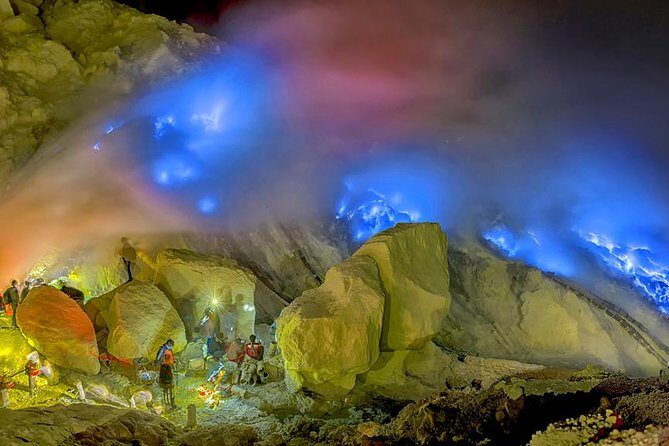
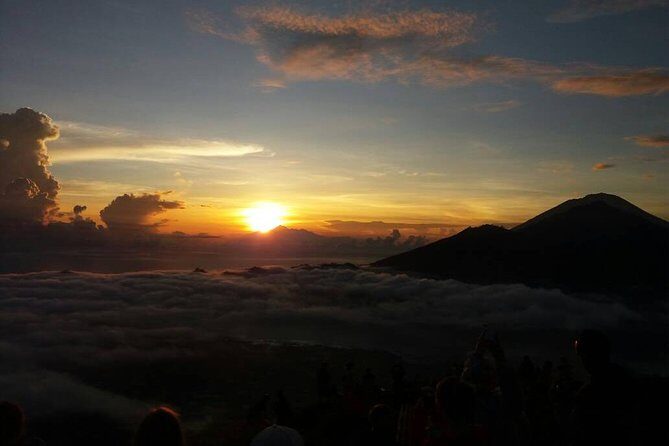
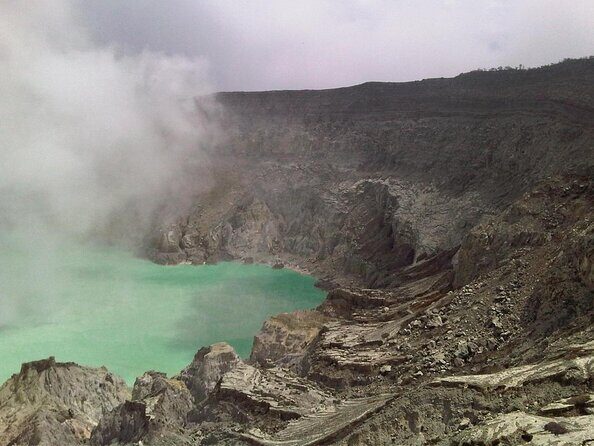
The headline here is the Ijen Crater blue flame—the eerie glow that flickers above the sulfur lake as night clings to the volcano. It’s not a long, leisurely walk and it’s not a quick photo stop either. You’re committing to a night hike where timing and breathing comfort matter.
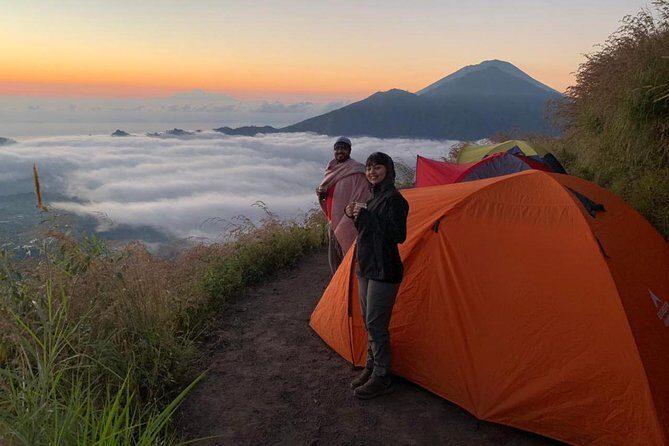
The tour’s schedule is built around that reality. You start hiking at 2:00 a.m., led by a local trekking guide who gets you into position for the view and helps you move through the sulfur area safely. What I like about this setup is that it doesn’t pretend the crater is the only challenge. It also plans for the human side: fuel, rest, and getting you there without you doing the tricky logistics on your own.
You should also think about how the blue flame moment works in real life. The blue fire is dramatic, but it’s also dependent on conditions around the crater. That’s why the operator notes that good weather is required—and why you should be prepared for possible date changes if weather shuts things down.
Day 1 around north Bali: temple views, lakes, Lovina, then over to Java
This tour does something smart for your brain: it eases you from classic Bali scenery into the less-touristy mood of East Java. Day 1 starts with a lakeside temple stop that most people remember for the setting as much as the architecture.
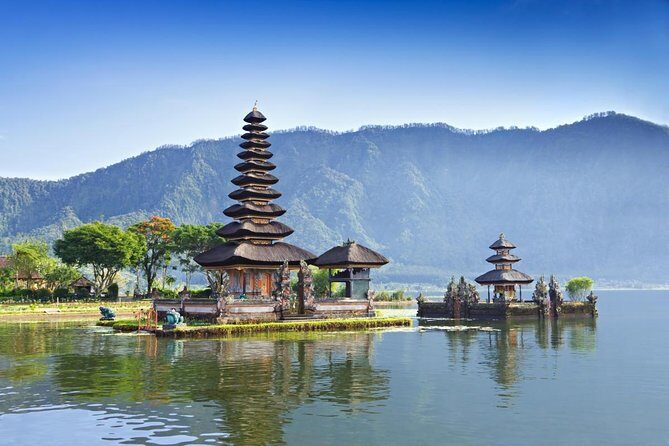
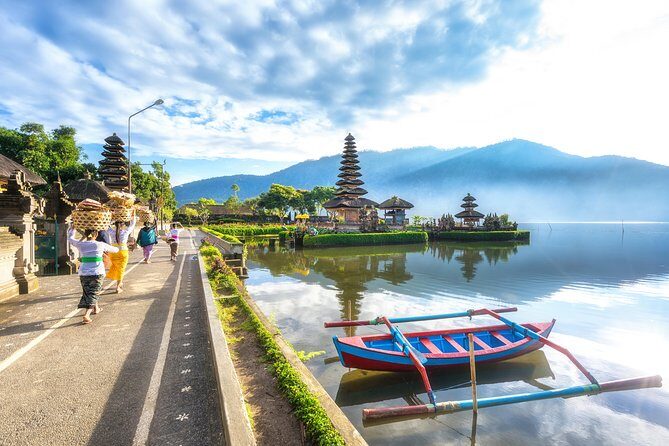
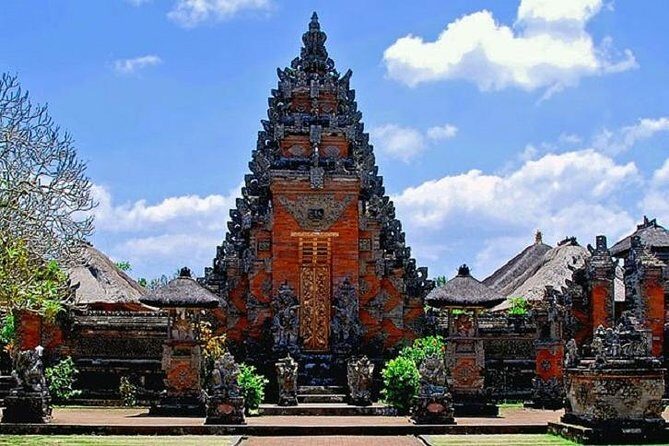
Ulun Danu Beratan Temple (Tabanan)
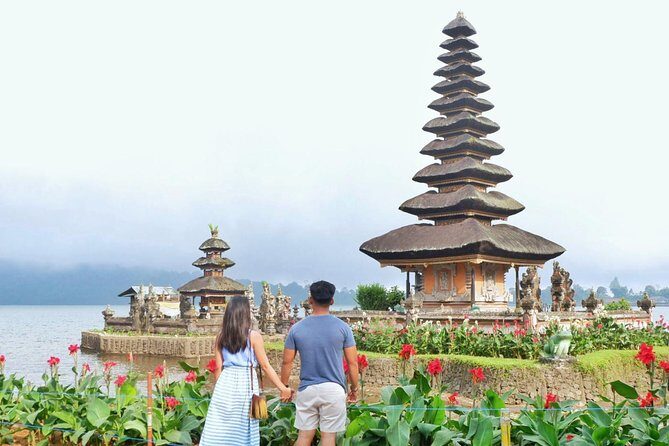
Ulun Danu Bratan Temple sits on the lake, and it’s described as the most magnificent temple on the water. If you like your temples with atmosphere, this is one of those stops where the views are part of the point. Since this is included with admission, you can focus on taking in the place instead of handling extra ticket steps.
Tamblingan Lake and Buyan Lake area
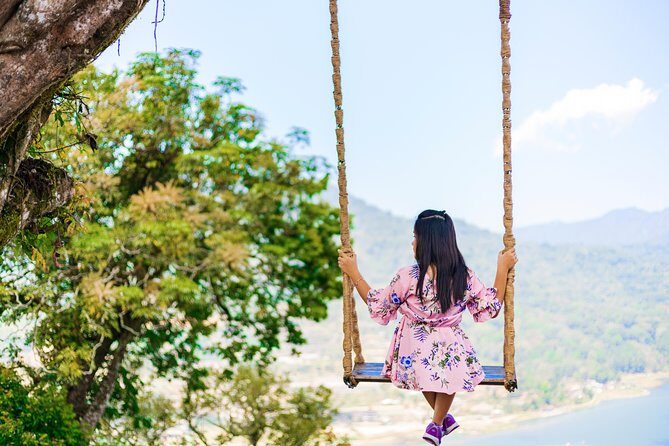
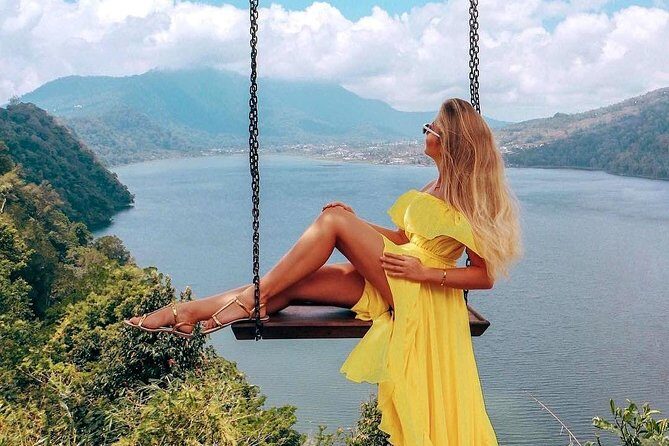
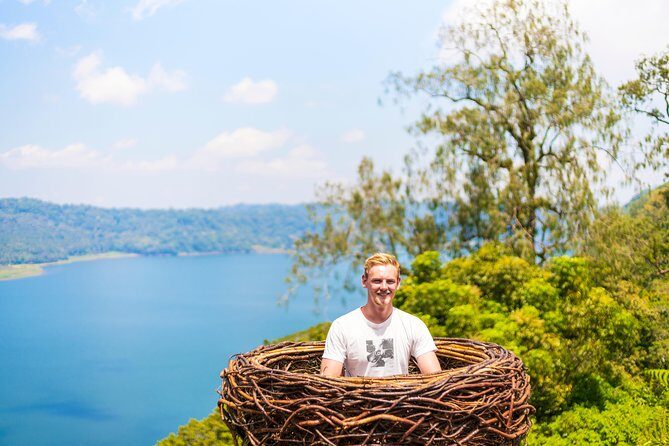
Next comes the twin-lake area around Tamblingan and Buyan. You’ll spend a shorter window here, with time to take in the hillside viewpoints and the lake feel. The value of this stop isn’t a long detour—it’s a palate cleanser between driving and the ferry crossing.
Lovina Beach (north Bali)
Then you head to Lovina Beach on north Bali. The name gets explained as a mix of love and Ina, meaning mother—an example of how local language stories can make a place feel more grounded. This stop is shorter, so treat it as a breathing break rather than a full beach day.
Gilimanuk ferry port for the crossing to East Java
Finally, you reach Gilimanuk, the ferry port where the boat to East Java begins. This is a practical but important step: it’s the transition between island “mood” and the Java portion of the adventure. The crossing time is built into the day so you’re not rushing.
Dinner, breakfast, and a place to rest in Java before the climb
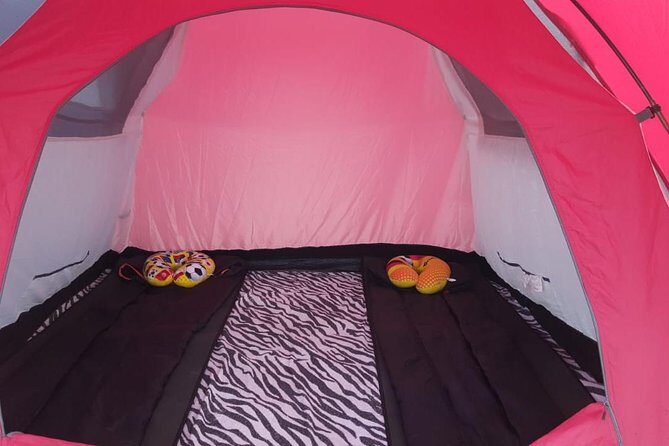
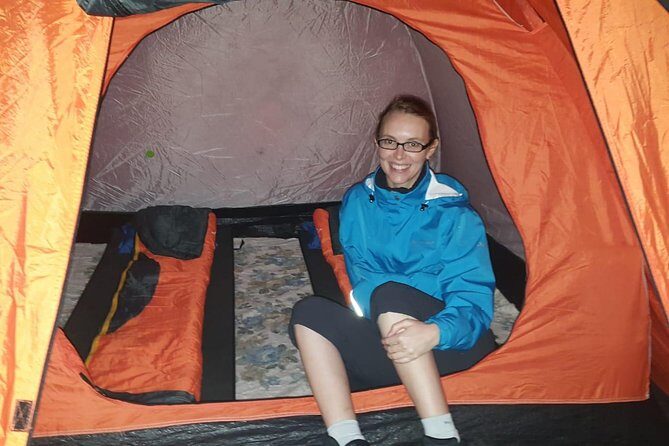
One of the easiest ways to ruin an early-morning trek is to get there exhausted. This experience avoids that trap by including dinner and breakfast and by providing accommodation in Java, plus time to rest and refresh before the climb.
That matters because a 2:00 a.m. start means you’ll likely feel time distortions: you’re eating when your body thinks it should be sleeping, and you’ll be moving when the cold tends to bite. Having a room to reset is a small detail that turns into a big comfort factor.
It also helps that the morning before the hike includes coffee or hot tea, which you can treat like your ritual moment. Not everyone loves early mornings, but something warm and consistent can make the difference between groaning and getting into it.
Day 2 Ijen Crater: timing, safety gear, and the sulfur lake vibe
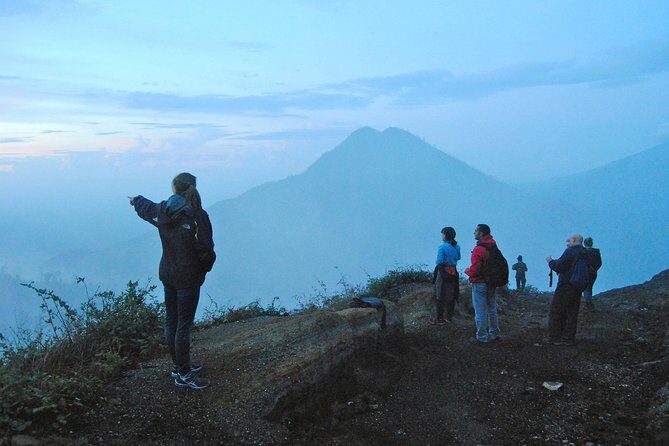
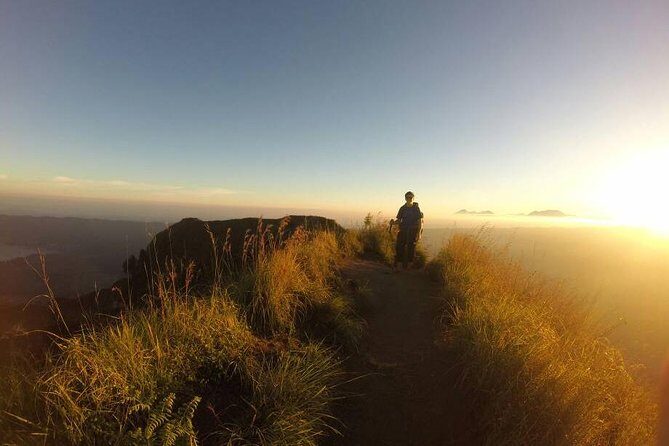
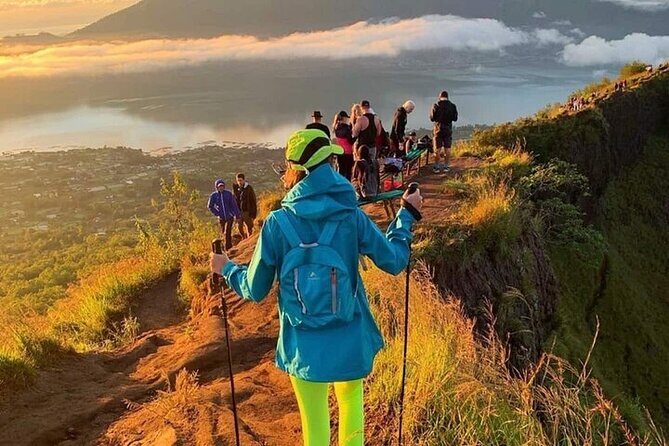
The main event is scheduled for Day 2 with a crater visit that lasts about 5 hours total for the Ijen portion. That’s a useful window because Ijen is not one-and-done. You have time to hike in the dark, reach viewpoint areas, and watch the crater activity.
The role of your local guide
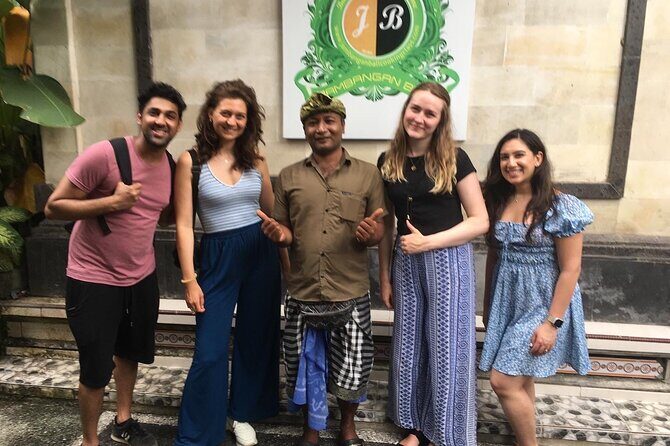
A big theme from the best-rated experiences is how much the guide affects the energy. One guide name that comes up is Fatah, praised for staying upbeat, keeping people motivated, and even helping with photos. Even if your guide isn’t the same person, the takeaway is what you want: a guide who keeps the group moving, answers questions, and helps you focus instead of panic-watching your steps.
Respirator gas safety mask included
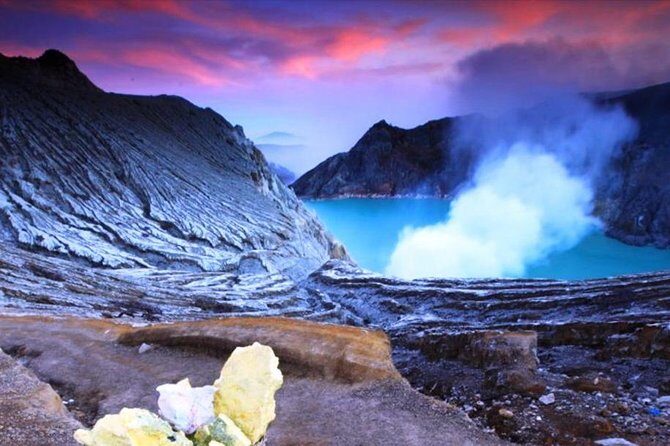
The sulfur zone isn’t “cute nature” territory. That’s why the tour includes a respirator gas safety mask. You’ll still want to use it correctly and take breaks when you need them, but having the mask included takes a major guess out of the planning.
Sulfur miners and the blue flame
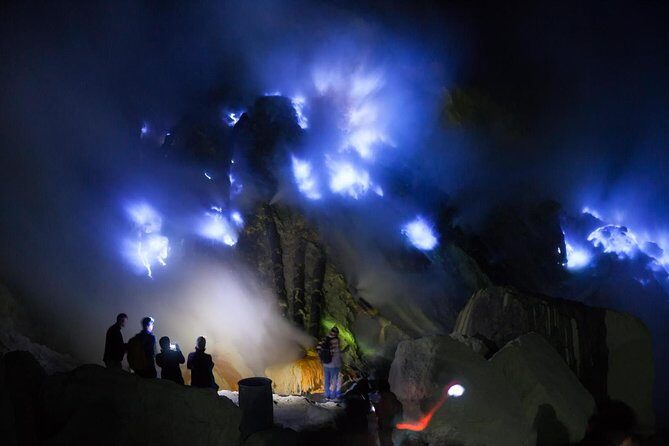
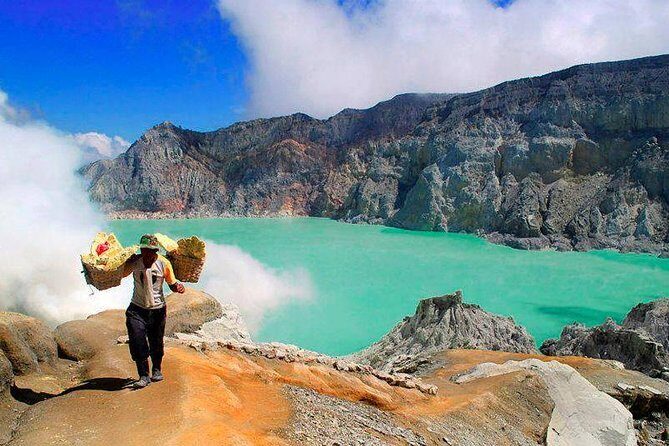
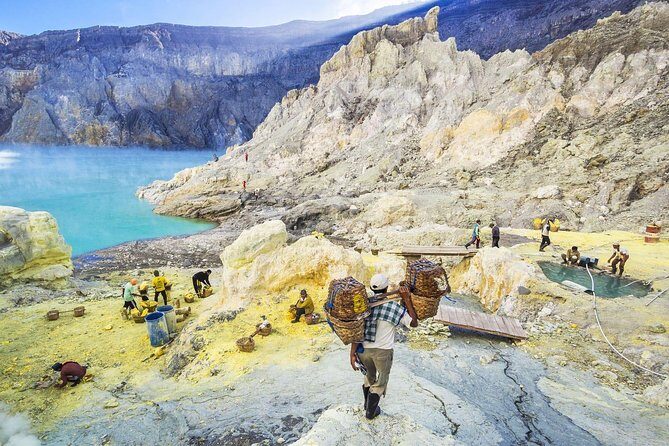
You’ll also see sulfur miners around the area. This turns Ijen into something more than a scenic viewpoint. You’re watching work happen in a place that’s harsh by normal standards—so the mood is intense, not just pretty.
The blue flame flicker is the star, but I think you’ll remember the contrast: glowing fire over a sulfur lake, and human activity below it. It’s a strange scene, and that’s exactly why it’s famous.
After the crater: shower time and the move back toward Bali
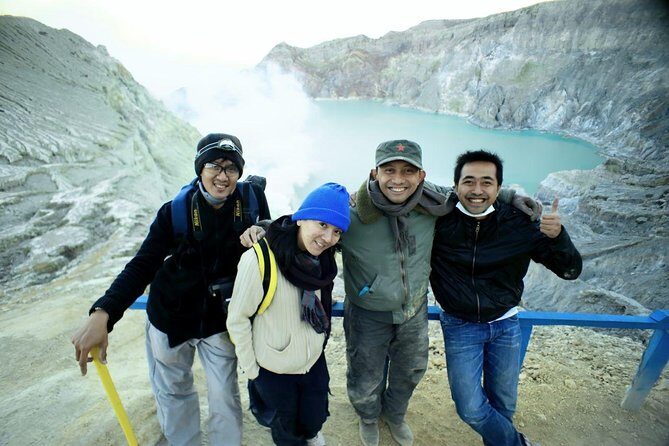
Once you finish the Ijen experience, you’re not left floating in discomfort. The plan includes returning to a homestay to take a shower before heading back toward Bali accommodations. It’s an underrated part of the experience. After cold night air and volcanic dust, being able to clean up helps you enjoy your travel day instead of feeling grim for the rest of it.
This also helps you with pacing. You’re getting a full night hike, but you’re not forced into an all-day, no-reset grind.
Door-to-door transfers from Bali: less stress, fewer navigation headaches
The tour leans heavily into transportation convenience. You get hotel pickup and drop-off, and the transfers are described as door-to-door from south Bali, Ubud, and northwest Bali. You travel in an air-conditioned vehicle, which is a big practical win in a country where road time can be long.
Private means only your group goes on the route, which matters because you’re often dealing with early departures. Shared tours can mean waiting, but private usually means you get moving on the schedule the trek needs.
This is also a safety factor. A good driver keeps your body calmer, and when you’re headed to an overnight hike, calmer usually means better focus later. One driver name that pops up in positive feedback is Anggik, noted for driving safely during the long transfer rhythm.
Price and value: is $155 really fair for Ijen + Bali?
At $155 per person for a 2-day, private, all-inclusive experience, the value depends on what you would otherwise pay to piece things together.
Here’s what’s clearly included:
- Local trekking guide
- Respirator gas safety mask
- Dinner and breakfast
- Air-conditioned vehicle
- Hotel pickup and drop-off
- Accommodation in Java
- Mobile ticket
What’s not included:
- Alcoholic drinks (available to purchase)
That package is doing real work. A reputable Ijen trek isn’t only about the crater. You’re paying for transport across islands, timing support, guide leadership, meals, and the comfort piece of having somewhere to rest.
You should still compare to what you’d plan yourself. If you were figuring out ferry timing, separate drivers, and an early-morning guide, the “cheap” option can quickly become expensive with stress and last-minute surprises. Here, you’re buying a smoother flow.
If you’re price-sensitive, the best way to judge value is to ask yourself: are you okay managing early logistics, or do you want the operator to handle it? For most people going to Ijen, door-to-door convenience is worth a lot.
Who this private Ijen Blue Fire trek is best for
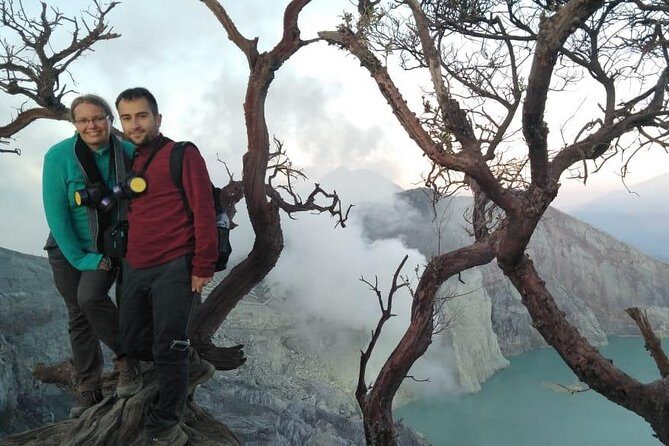
This is a good fit if you:
- Want private transport and guide support
- Have at least moderate physical fitness
- Are comfortable with a very early start (2:00 a.m. hike)
- Prefer an experience that includes meals and rest instead of just handing you a meeting point
It’s also set for groups with a minimum age of 15 years, so it’s not designed for younger kids. And because it’s private, it’s ideal if you want a more controlled pace and fewer waiting moments with strangers.
If you hate night hikes, feel uneasy around sulfur air even with a mask, or can’t handle sudden cold weather swings, you’ll likely struggle with the crater portion. In that case, you might prefer a different style of trip in the region.
Practical tips to make your night hike and photos easier
Even with a well-run tour, you’ll enjoy Ijen more if you show up prepared.
- Dress for cold early hours. Night volcanic areas can feel much colder than you expect.
- Use the respirator gas safety mask as instructed and take breaks when you need them.
- Bring something warm for before the climb. The tour offers coffee or hot tea, but it’s still nighttime outdoors.
- If you care about photos, pay attention to what your guide is doing. A guide like Fatah is praised for helping with photos, and having someone guide your timing makes a real difference in results.
- Pace yourself. You’re there for the flame, but you also need to get your breathing and footing right.
Should you book this Ijen Blue Fire tour from Bali?
I’d book it if you want a smooth, private, all-inclusive route that covers both the Bali-to-Java journey and the Ijen crater experience with minimal stress. The combo of door-to-door transfers, included meals, Java accommodation, and safety gear is exactly what you want when your day starts at 2:00 a.m.
I’d think twice if you’re sensitive to early wake-ups, cold night hikes, or if you’re hoping for a stress-free stroll at the crater. This trek is built for real viewing time and real crater conditions.
One more reason to consider booking: it’s highly recommended with strong ratings, and that consistency often points to good guiding. If you get a guide with the kind of energy highlighted by Fatah—positive, helpful, and photo-aware—you’ll feel it in the whole experience.
FAQ
How long is the Ijen Blue Fire trek tour?
The experience runs for about 2 days.
What does the tour include for meals?
You get dinner and breakfast as part of the package.
Do I get transportation from Bali, and is it door-to-door?
Yes. The tour includes hotel pickup and drop-off with door-to-door transfers from south Bali, Ubud, and northwest Bali, using an air-conditioned vehicle.
Is the tour private?
Yes. It’s a private tour/activity, meaning only your group participates.
What safety gear is provided for the sulfur area?
The tour includes a respirator gas safety mask.
What time do we start hiking at Ijen?
You start the hike at about 2:00 a.m.
Are admission tickets included?
Admission is included for the temple stop and the Ijen crater stop as listed, while some other stops note free admission.
Is accommodation included, and where is it?
You have accommodation in Java included. The plan also includes a place to rest and refresh before the climb, and a return to shower afterward.
What’s the minimum age and fitness level?
The minimum age is 15 years, and you should have a moderate physical fitness level.
What happens if weather is bad?
The experience requires good weather. If it’s canceled due to poor weather, you’ll be offered a different date or a full refund.





.jpg)
.jpg)
.jpg)
.jpg)
.jpg)
.jpg)
.jpg)
.jpg)