A massage can reset your whole day. In Ubud, this traditional spa experience feels like a quiet village pause: firm Balinese hands, a calm room with incense and music, and a setting that pulls you away from the center noise. I especially like the personal touch—you can fill out a preference form and choose your massage oil before you start.
I also like that you get real refresh time, not just the massage—cold towel on arrival, then warm herbal tea afterward in the Balinese Bale Wantilan lounge. One possible catch: the session is short enough that a few people wish it lasted longer, so if you want an extended, extra-heavy treatment, you may want to set expectations up front.
Key things that make this spa stop worth it
Choice-based comfort: you pick massage oil and your preferred pressure
Practical refreshments: welcome herbal drink plus warm tea after
Serene setting cues: calming music, incense, and a clean massage room
After-care is included: shower facilities, plus time to unwind in a lounge
Staff who check in: therapists adjust based on how hard you want it
Easy logistics: pickup and drop-off from the Puri Lukisan Museum area
A village-style spa in Ubud that actually slows you down
Ubud is busy by Bali standards. This spa works because it doesn’t try to out-yell the town. You’re guided into a more peaceful pace—calm atmosphere, soft music, and that classic incense smell that signals you’re switching modes from travel to rest.
The massage rooms feel cared for and clean, and you’re treated with that respectful, Balinese-style flow where people help you get set up without making it awkward. In multiple experiences shared, staff also take care with modesty, using a sarong when needed so you stay comfortable throughout.
The welcome ritual: herbal drink, cold towel, and tea
The experience starts with a simple but effective reset. You’re welcomed at the spa and offered a herbal-style drink along with a cold towel. It’s a small thing, but in warm Ubud weather, it does the job fast: cools you down and makes you feel like someone thought about your comfort.
You’ll also have coffee and/or tea included, so you’re not stuck with only one option. After your massage, you get warm herbal tea again in the lounge area, which makes the end feel like a real unwind rather than a quick exit.
Personalize your massage oil and pressure (and watch the therapists adapt)
This is one of the best parts of the whole deal: you don’t just get whatever the therapist guesses you want. You complete a massage form and choose your favorite oil and preferred pressure before you start.
Then the work happens with a lot of feedback. Several people highlighted that therapists check in during the session—asking if the pressure is right and focusing on areas with knots or tight spots. That kind of communication matters because Balinese massage can be pleasantly firm, but you still want it to feel right for your body.
Names that show up in excellent feedback include Putri and Asih, Luci and Ari, and Tika and Intan, plus Lusi and Tini. Those details aren’t just trivia: they point to consistent staff quality and a team that pays attention to what you’re asking for.
What the full-body massage feels like in practice
You’re set up for a full-body massage experience, not a quick target session. The general feel—based on strong ratings and repeated comments—is firm hands with a focus on easing tension rather than making it gentle-smooth the whole way.
If it’s your first massage, this format can be a confidence builder. Multiple accounts describe feeling comfortable and cared for from the moment they arrived, including being kept covered when appropriate. If you’ve had massages before, the pressure-choice step helps you steer the intensity so you’re not stuck with a one-size setting.
One thing to watch: the overall activity is about 2 hours. That doesn’t mean you get a tiny massage, but it does mean you may feel like you could use a little more time if you love the deep relaxing part. For some, the massage felt perfect but too short.
After your massage: shower, Bale Wantilan lounge, and the fruit-plate question
After the massage, you can freshen up with shower facilities and amenities. This is a big practical win if you’re continuing your day afterward, since you won’t have to rush back to your hotel and hope you can clean up quickly.
Then you relax in the lobby area called Balinese Bale Wantilan while you enjoy your warm herbal tea. It’s a comfortable setup for lingering a bit, letting your body cool down and your nervous system switch gears.
About the fruit plate: it’s listed as part of the refreshment experience, but at least one person noted that the fruit plate was missing even though it was mentioned. If that snack matters to you, I’d simply ask staff when you arrive, so you know what’s planned for your session.
Pickup and timing from the Puri Lukisan Museum area
Logistics are handled for you, and that’s part of why the value feels strong. The meeting point is at Puri Lukisan Museum on Jl. Raya Ubud, and pickup/drop-off is described as from the Museum Puri Lukisan parking lot. The experience also offers 2-way transfers from central Ubud addresses.
Opening hours run daily from 10:00 AM to 10:00 PM. The activity window is listed as roughly 2 hours, so plan your schedule with buffer time—especially if you’re fitting this between sightseeing stops.
In real life, the “works-for-most-people” part matters too. This is a private tour/activity, meaning it’s only your group. That usually makes it easier to settle in without feeling rushed or squeezed into a shared schedule.
Price and value: why about $21 feels like a lot more than a plain massage
At around $21, this isn’t just a budget massage. The value comes from the add-ons that would cost extra elsewhere: welcome drink, herbal tea after, coffee/tea, shower access, and round-trip pickup in the Ubud area.
In Bali, you can find massages for less, but you often trade away something—like comfort details, a proper cool-down routine, or smoother transport. Here, the experience is built like a full spa visit: arrive, reset, massage, shower, and then an actual unwind moment.
The private setting also shifts the value. A one-on-one vibe usually means you can get clearer about pressure preferences and timing. Even if you’re only comparing it to a basic massage spot, the inclusion of refreshments plus after-care helps justify the cost.
Who should book this spa (and who might want a different option)
This works especially well if you want:
A relaxing Balinese full-body session without having to negotiate everything on the spot
A calm, non-hype spa environment where staff focus on comfort
A first massage in Bali, or a reset day between temples and rice terraces
It may be less ideal if:
You want a very long session, because the activity is around 2 hours and a few people felt it didn’t last long enough
You expect the fruit plate to be guaranteed in every situation, since one report mentioned it wasn’t provided even though it’s listed
If you’re sensitive to pressure, don’t stay quiet. The entire setup supports you speaking up. Choosing your preferred pressure before you start is part of the design, and the therapists are described as willing to adjust.
Practical tips to get the most out of your session
Choose your oil and pressure thoughtfully. If you like firmer work, say so. If you want gentler, you can steer that too.
Plan to leave a little time afterward. Shower and tea take the edge off that post-massage stiffness.
If you’re heat-sensitive, take advantage of the cold towel early. It really helps before you settle into the room.
If fruit is part of your expectation, ask staff directly when you arrive, so you’re not guessing later.
Should you book Ubud Traditional Spa?
I think it’s a strong booking for most people who want a genuine Balinese massage experience in a quieter setting. The combination of massage customization, thoughtful hospitality (welcome drink, warm tea, lounge time), and practical after-care (shower facilities) makes it feel like a complete spa visit rather than a quick stop.
Book it if:
You like firm, skilled hands but want control over pressure
You want easy pickup from the central Ubud area
You want a calm, respectful experience that helps you reset
Skip or compare other options if:
You’re chasing a very long session
You know you want a specific snack or add-on and you hate uncertainty
FAQ
FAQ
Where is the meeting point for this spa experience?
The meeting point is Puri Lukisan Museum, Jl. Raya Ubud, Ubud, Bali (with pickup/drop-off described at the Museum Puri Lukisan parking lot area).
How long does the massage experience take?
The duration is approximately 2 hours.
Is pickup and drop-off included?
Yes. Pickup and drop-off service is included at central Ubud addresses, with pickup/drop-off described at the Museum Puri Lukisan parking lot.
What is included in the massage?
You get a full-body massage, plus refreshment drinks (a welcome drink and warm herbal tea afterward). Shower facilities and amenities are also included.
Can I choose the massage oil and pressure?
Yes. You complete a massage form to choose your preferred massage oil and your preferred pressure.
Is this a private experience or shared with others?
This is a private tour/activity, so only your group participates.
What happens after the massage?
After your massage, you can relax at the lobby area called Balinese Bale Wantilan and enjoy warm herbal tea. Shower facilities are available as well.
What are the opening hours?
Opening hours are listed as Monday through Sunday from 10:00 AM to 10:00 PM.
Can I cancel for a full refund?
Yes. Free cancellation is available up to 24 hours in advance of the experience’s start time for a full refund.
One day, five parts of Bali. This full-day route blends Ubud culture with temple stops, monkey sanctuary time, rice terraces, and dramatic Kintamani volcano views. You’ll also get a guided look at Balinese arts and daily life, plus an included buffet lunch.
I especially like the way the day is structured around craft and temple context, not just picture stops. The guided stops at batik weaving, gold and silver work in Celuk, and temple worship make the sights easier to understand, and guides like Pakis and Arya stand out for being patient, respectful, and great with photos when you want them.
One thing to consider: several spots involve tricky parking and busy foot traffic, especially around the monkey forest and Ubud Palace area. If you’re sensitive to crowds or prefer a slower pace, plan to go with an open mind and wear comfy shoes.
Key things to know before you go
Start at 8:30am and expect about 10 hours, including hotel pickup and drop-off
Entrance fees and a buffet lunch are included, so you’re not tallying costs all day
Guides actively guide each stop, rather than just dropping you at parking
Ubud classics + Kintamani views: monkeys, Tegalalang rice terraces, Mt. Batur and Lake Batur
Optional adrenaline at Tegalalang (swing or zip line) if you want it
Some shopping stops are part of the route, and you can choose what to buy
A full-day Ubud-to-Kintamani loop that feels efficient
If you only have one full day in Bali, this is the kind of itinerary that helps you avoid the most common problem: spending half the day in transit, then realizing you missed the big sights. The plan pulls together Ubud’s artisan villages, a couple of temple experiences, the monkey sanctuary, and then drives you up toward Kintamani for volcano-and-lake scenery.
You’re also set up for comfort. Pickup and drop-off happen by air-conditioned minivan, and the tour includes bottled water. That matters in Bali, where heat and traffic can sneak up on you fast.
Finally, this tour is private per booking. Even if it’s advertised as all-inclusive and organized, your day isn’t dependent on strangers’ pace. People who cared about timing and comfort often highlight that the driver-guide kept things smooth through Bali’s street chaos.
Morning craft stops: batik weaving, Celuk metals, and a temple break
The day begins with artisan craft learning in Ubud’s orbit—starting with traditional batik weaving at the Sari Amerta Batik Collection. You’re given a short, guided look at how the process works in traditional ways, which is far more useful than simply watching a quick demo. It’s also a good early stop because you’re still fresh, and the material feels grounded in daily Balinese culture rather than abstract sightseeing.
Next up is Celuk Village, focused on traditional gold and silver jewelry processing. This is one of those stops where the value isn’t only in looking at items—it’s in understanding how the work is done. Even if you don’t plan to buy, you’ll leave with a clearer sense of why this craft matters in the region.
Then the tour pauses at Puseh Batuan Temple, an ancient Hindu village temple. The stop is timed to keep your momentum but still give you a moment for actual temple context. In Bali, temples can feel like backdrops if you rush; with a guide, you tend to notice details like worship purpose and the logic behind the layout.
Sacred Monkey Forest: fun time, plus practical safety expectations
The Sacred Monkey Forest Sanctuary is a highlight for a reason: it’s not staged. You’ll be in a natural habitat with grey long-tailed macaques, and the energy is part of the appeal.
That said, it’s also a place where you should expect rules and crowd flow. One practical note: the tour indicates that parking around this area can be difficult, so you may experience more stop-and-start walking at the edges of the sanctuary area. This isn’t a dealbreaker, but it helps to plan for a little extra movement on foot.
If you bring a camera, bring it with a plan. In any monkey area, keep it secure and avoid sudden snacks-out behavior. You’ll get the best photos when you let the guide handle the timing and positioning, especially if you’re visiting with kids or want calmer shots.
Ubud Palace and the Ubud art-market vibe
After the monkey sanctuary, the route continues toward central Ubud highlights, including Ubud Palace. The itinerary notes parking can be difficult in this area, which is a real-world heads-up: you may not “arrive, park, stroll” in a tidy way. Instead, think of it as a short, guided walk-through moment that’s best handled by a driver-guide who knows where to position you.
Ubud’s art and village scene is also part of the day, including stops aligned with the Ubud Art Market experience. This is a good opportunity to browse at a slower pace after you’ve seen temples and crafts earlier. If you’re the type who hates feeling pushed toward purchases, you can treat these stops as browsing time, with your guide helping you understand what you’re looking at.
Tegalalang rice terraces (plus swings/zip lines) and the luwak coffee stop
From Ubud, the itinerary goes to Tegalalang Rice Terrace, widely known for dramatic views and layered rice fields. Your time here is short—around 30 minutes—so you’ll want to come prepared to walk smart and pick your viewpoints quickly. This is one of those places where a good guide matters, because you’ll spend more time looking and less time orienting.
The tour mentions you may do a swing or zip line at Tegalalang. These are optional and not described as included, so treat them as add-ons if you want an extra thrill. If you do them, factor in time for wait and photos.
The tour also includes a luwak coffee plantation experience and a learning angle on Balinese rice terraces. This is where your expectations should be set carefully. Kopi luwak is famous, but it can also raise ethical questions, and one of the stronger points from the feedback is that the way luwak is handled may not sit well with everyone. If animal welfare concerns you, ask your guide what you’re seeing and how the animals are managed before you commit to tasting. At minimum, you’ll leave with a clearer understanding of how the coffee story is told locally.
Lunch in Kintamani: Mt. Batur views and a buffet that hits the spot
The most “wow” timing on the route often arrives with lunch in the Kintamani area. The tour includes a buffet lunch with views of Mt. Batur, plus a stop that also looks out toward Lake Batur.
In practical terms, this is the point in the day where you stop moving and let the scenery do the work. Even if you’ve seen photos of Mt. Batur, standing there with a meal in front of you changes the feel. The views help reset your brain after Ubud foot traffic and earlier craft stops.
The itinerary also lists time for Mount Batur and Lake Batur viewpoints, so you’re not just eating and leaving. You get those extra moments for photos and for soaking in the scale—mountain and water sitting in the same frame.
And yes, you keep your hydration covered. Bottled water is provided, which is a small thing that makes a big difference on a hot, long day.
Temples after lunch: Mount Kawi and the holy spring water feel
After Kintamani, the route continues to Mount Kawi, described as an ancient holy spring water temple. This is a different mood from the volcano views. Instead of open air panoramas, you get a temple setting where the focus is on worship space and sacred water context.
The overview also includes Sebatu Holy Spring Temple, which fits the same “holy water” theme. Even if you’re not a temple expert, a good guide helps you notice how Balinese Hindu worship is built around place and ritual purpose.
Because this part of the day is later, it’s also a good time to slow down mentally. The day is already packed, so treat Mount Kawi/Sebatu as the “calm attention” block. You’re here for a respectful visit, not a quick photo sprint.
Tegenungan Waterfall: the last big sight before you head back
The final major stop is Tegenungan Waterfall. The itinerary gives you about 30 minutes here, enough time to get a few viewpoints and take in the sound of water without turning it into an all-day hike.
Like the monkey forest, waterfall areas can feel busy and slippery, and parking/walk paths can add friction to time. The tour keeps it short on purpose—so you have energy for the ride back rather than ending the day exhausted.
If you want the best photos, plan your timing. Go when your guide suggests, especially if crowds are shifting or if the best angle requires a small walk down or around.
What makes the guides stand out (and why it changes your day)
This tour’s biggest strength, based on real feedback patterns, is the people driving it. Guides such as Pakis, Arya, Agung, Margot, and Kadek are repeatedly described as kind, patient, and tuned into what you need—whether that means explaining temple meaning, helping families stay comfortable, or capturing good photos.
One of the more useful themes is that guides don’t just drop you at parking. You get guided context at each stop, which saves you from the common problem in Bali where you can feel like you’re sightseeing blind. When you understand what you’re looking at—batik weaving, metalwork, temple worship—the day feels less like a checklist.
Flexibility also matters. Some guides are described as adjusting the route based on interest, and in at least one account, the monkey forest plan changed quickly. That’s the difference between a rigid tour and a day that works for your group.
Price and value: what $68 buys in a long, ticket-included day
$68 per person is a solid price point when you look at what’s included. You’re getting:
Hotel pickup and drop-off by air-conditioned minivan
Bottled water
Lunch buffet
Driver/guide for the day
Entrance fees described as expensive entrances tickets for the objects
A set route of major stops around Ubud, Kintamani, and a waterfall
For a full day that covers multiple paid sites, that inclusion matters. Many Bali tours at similar prices feel cheap because lunch and entry tickets aren’t really built in. Here, they’re part of the offer, which helps you spend your attention on the sights, not math.
Also, you’re not required to meet a minimum number of people. That’s a big deal if you’re traveling as a couple or solo and still want the private setup.
Practical tips so your day stays enjoyable
Wear real walking shoes. Between temple paths, rice terrace viewpoints, and short scenic stops, you’ll be on your feet more than you might expect from a “vehicle tour.”
Bring sun protection even if your morning starts cool. The tour suggests sun cream and a hat, and honestly that’s not optional in Bali heat. Add a camera to capture volcano views and temple details.
Finally, keep expectations realistic about crowds. Parking is called out as difficult around key Ubud points. That’s not a surprise in central Bali. Build buffer into your attitude: quick transfers, short walks, and a guide who keeps you moving at the right pace.
Who this tour fits best (and who should think twice)
This is a strong fit if:
You’re on a short trip and want Ubud + Kintamani + waterfall in one day
You like cultural context around crafts, temples, and daily Balinese life
You want a private feel without having to plan transport between locations
It may be less ideal if:
You don’t want any part of the day tied to artisan shop stops
You dislike the luwak coffee style experience and want to avoid anything that feels ethically uncomfortable
You get stressed by busy areas and want a very quiet pace
Should you book this Bali full-day village tour?
I’d book it if your priority is a well-run day with lots of included value and a guide who actually talks you through what you’re seeing. The combination of craft villages, a real temple stop, monkeys, Tegalalang rice terraces, and Mt. Batur lunch gives you the classic Bali mix without stretching the day into a multi-day trip.
But book with eyes open. The route includes several structured stops, and a couple are known to bring crowd-and-parking friction. And if animal welfare questions matter to you, consider how you’ll handle the luwak coffee plantation experience before you go in.
If that sounds workable, this is a practical way to get a lot of Bali in one long, guided day.
FAQ
How long is the Bali full-day tour?
The tour runs about 10 hours.
What time does the tour start?
The start time is 8:30am.
Is hotel pickup and drop-off included?
Yes. Round-trip hotel transportation by air-conditioned minivan is included.
What meals are included?
The tour includes a buffet lunch.
Are entrance tickets included?
Yes. Entrance tickets for the included objects/sites are included.
Is bottled water provided?
Yes. Bottled water is included.
Is the tour private, or do I join a group?
It’s private per booking, so only your group participates.
Can I cancel for a full refund?
You can cancel for a full refund up to 24 hours in advance of the experience’s start time. If you cancel less than 24 hours before, the amount paid is not refunded.
Cliff views and chants make a great Bali night. This tour strings together Uluwatu Temple, the famous Kecak and Fire Dance, and a candlelit-style seafood stop by the sea, timed for late-afternoon light and sunset energy.
I especially like the combo of cliff-top scenery plus a Kecak show where the sound comes from the performers themselves, not speakers. I also like that you get hotel pickup and drop-off plus a set seafood dinner in Jimbaran, so you’re not spending your evening hopping between places. The one real heads-up: wild monkeys at Uluwatu can grab items fast, so you need to keep sunglasses and small stuff secure.
Key things I’d plan around
A sunset show with real momentum: Kecak is built from synchronized shouts and performance rhythm, not a background soundtrack.
Uluwatu Temple has meaning: the temple is tied to Mpu Kuturan, said to have arrived on Bali around 1039 AD.
Jimbaran dinner is a set meal: it’s served as a seafood menu rather than a free-for-all, even though Jimbaran is known for choosing seafood cafés.
Monkey-proof habits matter: guides actively warn you, and in a few cases help recover stolen items.
Traffic can stretch your day: routes from parts of Bali can run long, which affects how much time you get at the temple.
Uluwatu Temple: Mpu Kuturan’s legacy and the monkey reality
Uluwatu Temple sits on a cliff, and that alone changes how the place feels. You also get the story behind it: the temple is connected to Mpu Kuturan, a holy figure linked to Bali’s early religious landscape, with his arrival dated to about 1039 AD.
Your time here is about 1 hour and the admission ticket is included. In practice, this is the part of the night where your guide sets the tone. You’re not just walking from viewpoint to viewpoint; you’re usually hearing about statues and legends tied to the temple setting, which helps you understand what you’re seeing while you’re also watching the ground and the trees.
Now, the serious part: Uluwatu is famous for monkeys, and they’re not passive. In multiple experiences, the bigger issue isn’t just them being around—it’s them snatching small items like sunglasses. A good guide will warn you at the start, keep an eye on the group, and steer you through the temple grounds with more caution than you’d manage on your own.
My practical advice: keep valuables zipped, put sunglasses in a bag you can hold, and don’t dangle phones or camera straps at monkey height.
Kecak and Fire Dance: CHAK voices, Ramayana drama, and real sunset timing
The Kecak and Fire Dance is why people put Uluwatu high on their Bali list. This show features roughly 50 performers who create the rhythm by shouting CHAK, and the storyline draws from the Ramayana—specifically Sri Rama’s journey.
What makes Kecak unusual is that it’s crowd-driven in a good way. The performance doesn’t just happen on a stage; it’s built from a coordinated sound engine, and the heat of the moment ramps as the sun drops behind the cliffs. The “Fire Dance” portion keeps the energy high after the Kecak rhythm takes over.
Your time at the performance is about 1 hour, and admission is included. One thing to know: the seating can be uncomfortable because you’re sitting for a while in a theater-style setup. If your body runs tight after a long sit, you’ll want to plan for that. In a couple of real-world cases, the theater conditions plus long sitting were the one part that dragged, even when the show itself was outstanding.
Timing matters too. Bali traffic can be unpredictable, and if you get delayed, you might lose some temple time before the show. I’d treat this as a sunset event first and a temple visit second—meaning: if the car is late, try to keep the show arrival as your priority.
What I love about the show’s storytelling: the performance elements are dramatic and easy to follow even if you don’t know the Ramayana. Your eyes catch on the demon king character and the stylized flirtatious deer moments, while the beatboxing male voice choir vibe adds a modern-sounding twist to an ancient tale.
Jimbaran Beach dinner: set seafood by the water, and how to set expectations
After the dance, the tour moves you to Jimbaran Beach for dinner by the sea. This is one of those Bali nights where the location does half the work: you’re eating seafood with the beach atmosphere around you, and the whole area is lined with local seafood cafés that feel like a night market.
Here’s the important detail for your expectations: your dinner is a set menu of fresh-caught seafood. That means you’re not choosing each item individually from a live display the way you might at a free-form Jimbaran dinner.
In good cases, the meal comes as a satisfying spread—people have described seafood plus sides like rice, veggies, coconut, fruit, and water. In other cases, the dinner landed with a more mixed vibe. That’s the tradeoff with set menus: you get the convenience, but you’re taking the restaurant’s default choices.
My way to make this stop a win: go in expecting a well-meaning “seafood dinner experience” rather than a fine-dining tasting menu. If you want more variety or a specific seafood item, you may be able to add extras in the restaurant. (One dinner experience included an extra lobster order requested on top.)
If dinner quality is a major priority for you, I’d treat this as the end-of-night payoff: great location and solid seafood when it hits, but not something I’d bet my whole trip on.
The real value: transfers and pacing from Ubud and South Bali
This tour is built for people who hate stress. You get 2-way transfers from many hotels across south Bali and Ubud, and you’re picked up directly by your chauffeur. That matters on a night like this because you’re dealing with sunset timing and roads that can get crowded.
The total duration is about 7 hours. On paper that’s a manageable evening. In real life, it can feel longer depending on where you start and traffic levels. One person reported roughly 3 hours to reach Uluwatu from their pick-up point in northern Ubud, and about 2.5 hours back. Your drive time may be different, but plan mentally for “Bali traffic” as part of the deal.
Also, keep a little flexibility in your expectations. If the car is delayed, you can end up with less temple time and more focus on arriving for the show. Guides usually work to solve this by getting you checked in fast and moving you through the night in the right order.
One more value point: the tour is private in the sense that only your group participates. That usually means less wandering around with strangers and fewer surprises when it’s time to find your seats and meet up after the performance.
Monkey-proof planning: how to protect your stuff without killing the vibe
Uluwatu monkeys are not a cute backdrop you can ignore. They’re smart, quick, and opportunistic. Your best move is to treat them like a moving hazard: small items are the target, and hands-off behavior is the safest behavior.
Here’s what I recommend based on how guides handle it:
Keep sunglasses and phones secured in a bag or zipped pocket.
Don’t carry food in open hands.
Listen to the guide’s monkey warnings and follow the route they suggest.
In several real experiences, guides acted like a “protector,” not just a commentator. There were cases where sunglasses were snatched and then recovered with help from the guide. That doesn’t mean you can relax, but it does mean good local guidance really improves safety.
If you’re the type who hates dealing with animals in close quarters, this is the one part of the night that can decide whether you love it or regret it. You’re not just watching the temple—you’re sharing it with wildlife that treats your attention like a chance for a grab.
Price and what you’re actually paying for at $35
At $35 per person, the biggest value isn’t the temple or the show by itself. It’s the way the tour bundles the expensive logistics: hotel pickup and drop-off, admission tickets, and a set dinner into one ticketed evening.
You’re also getting structure. Instead of you figuring out timing for a sunset dance plus getting to Jimbaran after, the tour handles the order and the movement. When Bali traffic goes sideways, the tour’s driver effort becomes the real service.
There are also group discounts mentioned, which can help if you’re traveling with friends or a small group. And the tour uses a mobile ticket, which is usually simpler than printing paperwork on vacation.
When might it feel like too much? If you’re far from the pick-up zone, you could spend a large chunk of the evening in the car. If you don’t like long sitting during the Kecak performance, the theater time could feel like the least fun part of the night. And if dinner quality matters most to you, remember set menus can be a hit or miss.
One more practical note: if you’re hoping to add GWK (Garuda Wisnu Kencana) to the same day, that’s not part of what’s included. You’d need to ask separately and adjust timing.
Who should book this Kecak sunset + Jimbaran dinner tour
Book it if you:
Want a classic Uluwatu evening with Kecak at sunset as the headline
Prefer hotel pickup over trying to manage local transport at night
Like cultural performance storytelling, even if you’re not deep into Ramayana details
Want dinner included so the night has a natural finish
Skip or reconsider if you:
Have trouble with long sitting in a theater setup
Get stressed by monkey encounters and fast-moving wildlife
Hate long drives and would rather keep more time in one area
A final point on guides: people often highlight drivers who are early, organized, and calm in traffic, plus guides who warn you about monkeys and get you seated correctly. Names that came up include Jacky Made Pade, Mur, Wayan (including Wayan Netra), Surya, Naya, Nyoman, Agus, Suta, and Rudy. You won’t always get the same person, but the pattern is consistent: the guide matters when the venue is crowded and when you need monkey-proof habits.
Should you book it?
If your goal is a memorable Bali sunset evening without handling logistics, I’d book this. The Kecak show with the sunset behind the performers is the kind of experience that feels hard to recreate on your own, and the included transfers make the whole night easier.
Just go in with two clear expectations: you’ll share Uluwatu with monkeys, and the theater seating isn’t built for comfort. If you can handle those realities, this is strong value for a full night—temple, show, and a seafood dinner—under one plan.
FAQ
What does the $35 price include?
The price covers hotel pickup and drop-off (2-way transfers), admission tickets for Uluwatu Temple and the Kecak and Fire Dance, and a set menu seafood dinner at Jimbaran Beach. You also receive a mobile ticket.
How long is the tour?
The experience runs about 7 hours.
Is it a private tour?
Yes. It’s listed as a private tour/activity, so only your group participates.
Where can you be picked up from?
Pickup is offered from many south Bali and Ubud hotels.
What happens at Uluwatu Temple?
You visit Uluwatu Temple with the admission ticket included. The tour includes background on the temple’s connection to Mpu Kuturan and time to explore the grounds.
What is the Kecak and Fire Dance like?
The Kecak is performed by about 50 men who shout CHAK, based on the Ramayana story of Sri Rama. The overall performance includes dramatic characters and a fire element, and it’s paired with sunset timing.
What kind of dinner do you get in Jimbaran?
You get a set menu featuring fresh-caught seafood. Dinner is served at Jimbaran Beach, where the area is known for seafood cafés and night-market-style choices, but your meal is the tour’s preset menu.
Do I need to worry about monkeys at Uluwatu?
Yes. Uluwatu Temple has wild monkeys, and there are warnings about them. Some incidents involve items being stolen like sunglasses, so you should keep valuables secured and follow your guide’s instructions.
Is cancellation free?
Cancellation is free up to 24 hours before the experience starts for a full refund. If you cancel less than 24 hours before, the payment is not refunded.
This private driver-guide plan links Celuk’s craft village, the classic Balinese carvings at Batuan Temple, the jungle roar of Tegenungan Waterfall, and the photo-famous rice terraces at Tegalalang. You also get dedicated time at Ubud Monkey Forest and a quick look around central Ubud, with guides like Oka, Sudi, and Gede often stepping in as driver, storyteller, and on-the-spot photo helper.
I love two things about this style of Ubud day. First, it saves you from hopping between far-flung sights with slow public transit. Second, the price already covers entry/admission fees for the main stops plus bottled water—so you’re not doing money math every time you arrive at a gate.
One consideration: it’s a full 8–9 hour push. You’ll do some walking at temples, terraces, and the Monkey Forest, and the schedule gets tighter if traffic runs hot—so pack water, wear grippy shoes, and keep your expectations flexible for short breaks.
Key things that make this Ubud day work
Private transport solves Ubud’s sprawl: the headline sights sit outside the center.
Celuk Village is a real craft stop: silver/gold work, wood carving, and painting options.
Batuan Temple rewards slow looking with its classical Balinese-style carvings.
Tegenungan + Tegalalang give you both waterfall power and terraced-rice views in one day.
Monkey Forest is best with a guide mindset: rules, timing, and photo help matter.
Central Ubud time is built in for the Art Market and Ubud Palace.
Why This Private Ubud Loop Makes Sense
Ubud is not one compact “walk everywhere” place. It’s a cluster of neighborhoods and countryside hits that spread out into rice valleys, temple grounds, and craft villages. A private setup matters because it keeps you moving efficiently without the stress of timing buses or squeezing into shared vans.
I also like that your day mixes big-name scenery with cultural stops. One minute you’re looking at temple details. Next minute you’re watching water crash over stone at Tegenungan. Then you’re back in rice-terrace country, where the view is the whole point.
The tone here is practical. You’re not just touring for a checklist. A good guide will help you spot what to notice—like how temple carvings tell a story, or why certain viewpoints at the rice terraces feel better for photos.
Your 8:30am Start and the 8–9 Hour Reality
You start at 8:30am, and the day runs about 8 to 9 hours. That means an early morning pickup from your hotel area, followed by a steady rhythm of driving and visiting.
The best part of the long day is variety. You get waterfall, terrace, temple, and a forest encounter—plus short breaks in central Ubud. The tradeoff is fatigue. By late afternoon, you’ll feel the walking and waiting, especially around popular photo stops and temple entrances.
If you’re the type who loves to linger, I’d still keep your pace reasonable. This tour is designed to fit multiple regions into one day, so you’ll want to choose where you stretch your time. A flexible guide can help you adjust, but it can’t cancel traffic or sudden weather.
Celuk Village: Crafts You Can Actually Shop With Your Eyes
Celuk Village is the art village stop, where you can choose the kind of craft you want to see and buy. The focus options include silver/gold, wood carving, and painting.
This is a good first stop because you’re fresh, alert, and still thinking in “learning mode.” Temple and waterfall days can blur together, but craft villages add a different kind of context. You also get a full 1 hour here, which is enough time to look around without feeling rushed.
Practical tip: go in with a simple plan. If you love small items, check jewelry-making and metalwork. If you like texture, wood carving catches the light in a way flat souvenirs can’t. If you’re into art, painting stalls help you compare styles quickly.
Batuan Temple: Classic Balinese Carvings Up Close
Batuan Temple (Pura Puseh Desa Batuan) is a traditional Hindu temple built in a classical Balinese style, known for elaborate carvings. You get 1 hour at this stop, including entry.
This is the stop that rewards slow attention. Instead of just snapping a few pictures, you’ll want to look at the layered carvings, the architectural details, and the way the temple complex feels lived-in rather than staged for tourists.
One smart way to enjoy it: use your guide’s explanations in the moment. Even if you only catch a few points, it changes your eye from tourist mode to observer mode. In a lot of Bali tours, the temple becomes background. Here, it can be the highlight.
Tegenungan Waterfall: Jungle Scenery With a Wet-Feet Risk
Tegenungan Waterfall is your 1 hour nature stop, built around the foaming water and lush surroundings. It’s a satisfying change from temples and shops, because the waterfall forces your attention to one thing: sound, motion, and that constant green backdrop.
This is also a stop where conditions matter. You may want quick-dry clothing or at least be ready for spray and wet steps. If you’re bringing sandals, consider shoes with grip. The point isn’t to “be tough.” It’s to keep your footing calm so you can enjoy the view.
Photo note: guides can help you time viewpoints, so you get the waterfall look without standing in the worst crowds for too long. Many of the stories I’ve heard from guides like Tegeg and Aris center on helping people get solid shots while you keep moving.
Tegalalang Rice Terrace: Terraces That Make Time Feel Different
Tegalalang Rice Terrace is one of those places where the view grabs you by the brain. You get 1 hour here, and it’s a favorite for nature lovers because the terraced paddies are basically designed for looking.
What I like about pairing this with a waterfall stop is how different your senses get. At Tegenungan, you’re reacting to sound and mist. At Tegalalang, you’re reading the lines of the terraces—walking paths, levels of green, and the way the light hits leaves and water.
A helpful mindset: don’t rush. Even if you only explore the main viewpoints, giving yourself time helps you notice how the terrain folds. You can also shift your walking style: some spots are better from up a little higher, others feel best closer to the edges (where available).
Sacred Monkey Forest Sanctuary: A Fun Stop That Needs Common Sense
Ubud Monkey Forest Sanctuary is a protected reserve and temple complex sheltering hundreds of long-tailed Balinese macaques. You get 1 hour there, including entry.
This can be the most memorable part of the day, but it also needs the right expectations. The monkeys are curious and fast. They’re not a zoo exhibit you ignore. You’ll want to keep your personal space clean: hold onto bags, watch your pockets, and avoid sudden moves near them.
It’s also a stop where your guide’s job is more than explaining. A good guide acts like a buffer—helping you decide where to stand, keeping you safe, and guiding your photo timing. Many guide stories mention this “monkey first security guard” role, especially around Sudi and other guides who helped visitors manage encounters smoothly.
If you want the best photos, don’t just hunt for a monkey. Watch the rhythm: where monkeys tend to gather, when they pause, and which angles keep you from standing where they want to pass through.
Free Time in Ubud: Art Market and Ubud Palace Break the Day Up
The tour gives you 30 minutes in the Ubud center for the Art Market and 30 minutes for Ubud Palace. This is a nice design choice. After temples, waterfall, and terraces, a short city block gives you a reset—and a chance to buy small gifts without turning the whole day into shopping.
At the Art Market, you’ll find multiple buildings and a long street where vendors set up shop for the day. At Ubud Palace, you’re seeing the crafted royal compound that has been the home of Ubud’s royal family since the late 19th century.
In this slot, I recommend you keep your goals small. If you try to do everything—market, palace, photos, food—it’s easy to feel rushed. Better to decide: either shop for a couple items and enjoy the atmosphere, or focus on photos and architecture. The limited time keeps you from overthinking.
How the Included Fees Change the Value of This Tour
At $54.68 per person for about 8–9 hours, this is one of those tours that can actually feel fair—because several costs are baked in. Your price includes a private air-conditioned vehicle, entry/admission fees for the stops, bottled water, parking fees, and gas/petrol.
Food and drink are not included, and gratuities are optional. That’s normal. But the key value play is admissions. Since you’re paying for multiple attractions in one day, covering entry tickets inside the package reduces the chance you’ll get hit with surprise expenses late in the schedule.
Also, this kind of itinerary is hard to do efficiently on your own. Even if you could hire a driver, you’d still be coordinating stops, timing, and entrance logistics. Here, the structure does the heavy lifting, and your guide adds the context.
Pickup Areas and What You Should Expect From the Vehicle
Pickup is offered from a long list of areas: Sanur, Ubud, Kuta/Legian, Seminyak, Canggu, Jimbaran, Nusa Dua, Benoa & Denpasar. That range matters because it opens the tour to more than just travelers who stay right in central Ubud.
You’ll travel in a private, air-conditioned vehicle. For an 8–9 hour day, that comfort isn’t luxury—it’s sanity, especially when traffic can slow things down.
One more practical point: this is set up for your group only. So you’re not waiting on other schedules. That helps keep the day moving, even if you decide to take a little extra time in one place.
Guide Quality: Why Names Like Oka, Sudi, and Gede Matter
In Bali, the driver-guide is often the whole experience. With this tour style, guides can be more than a translator. They can act like a travel operator in real time.
I’ve seen mentions of guides such as Oka, Sudi, Gede, Aris, Tegeg, Rio, Darma, and Rika—and the common thread is clear: they help pace the day, answer questions, and manage the photo-heavy moments so you spend energy on the sights rather than logistics.
The best guides also bring small extras that improve the day without making it weird. For example, help with rainy conditions, umbrellas, and fast photo setups show up in guide stories. And when the day is stuck in traffic, a guide who can keep you informed makes the time feel less wasted.
Small Drawbacks to Plan For (Without Killing the Fun)
Nothing is perfect, and the most realistic downsides are simple:
You’re packing a lot into one day, so you may have to trade “wander time” for “see everything time.”
The Monkey Forest and some temple areas can mean walking on uneven ground.
Traffic can stretch your schedule. Some people handle this fine, others want slower pacing.
If you’re the type who hates schedule pressure, you can still enjoy this tour—just pick the places you want to linger. Use the free time in central Ubud to breathe. Then, if you want maximum value, treat the waterfall and terrace stops as your main “slow looking” moments.
Who Should Book This Ubud Day Tour
This is a strong match if you want:
a one-day plan that hits the big Ubud sights,
private transport and an English-speaking guide/driver,
included entry fees and a full-day structure,
a mix of culture, scenery, and a playful Monkey Forest stop.
It’s especially good for first-timers who don’t want to spend their vacation building an itinerary from scratch.
If you already know Ubud well and you want long, deep time in one area, you might prefer a slower, single-neighborhood plan. But if you’re in town briefly or you want the highlight loop with minimal hassle, this works.
Should You Book the Best of Ubud 1-Day Private Tour?
If your goal is to see Ubud’s essentials without the stress of arranging rides, this is an easy yes. The combination of private transport, admissions included, and a route that covers crafts, temple details, waterfall drama, rice-terrace views, Monkey Forest encounters, and quick central Ubud time is a solid way to spend a short visit.
Book it if you:
want an organized day with a guide who can help with pacing and photos,
appreciate cultural plus scenic stops,
like the idea of spending 8–9 hours moving through different sides of Ubud.
Skip it if you hate schedule pressure, you’re not comfortable with walking uneven paths, or you want a slower day with fewer stops. For most people, though, it’s one of the best ways to get a lot of Ubud into one clean, efficient loop.
FAQ
How long is the Best of Ubud 1-Day Private Tour?
It runs about 8 to 9 hours.
What time does the tour start?
The start time is 8:30am.
Where does pickup happen?
Pickup is offered from Sanur, Ubud, Kuta/Legian, Seminyak, Canggu, Jimbaran, Nusa Dua, Benoa & Denpasar.
What’s included in the price?
The tour includes a private air-conditioned vehicle, pickup and drop-off, an English speaking guide (who also serves as a driver), entry/admission fees, bottled water, parking fees, and gas/petrol.
Are food and drinks included?
No. Food and drink are available for purchase.
If I cancel, do I get a refund?
Yes, free cancellation is available. You can cancel up to 24 hours in advance for a full refund, based on the experience’s local time.
Penida is the kind of day that moves fast. This trip strings together four snorkeling stops, a timed manta encounter, and a car tour of the dramatic cliffs—so you get both underwater wow and overland views without extra planning.
I especially like how it starts with a proper send-off: the Serangan office has a welcome drink and free-flow coffee from % Arabica, plus teas and pastries while you wait. I also love that you get GoPro underwater photos and videos included, so you come home with more than just blurry phone shots.
One thing to consider: the day is long and the boat ride can be choppy. If you’re prone to motion sickness, plan for it, especially on the return crossing.
Key highlights you’ll care about
4 guided snorkeling stops with reef time built in, not just a quick dip
Manta swim timing geared for calmer, quieter encounters
AMARTA Penida lunch with an infinity pool view of Mount Agung
Kelingking cliff tour by car, built to be dramatic without a long hike
Life jackets provided, so you don’t need to be a confident swimmer
Max 14 travelers, which usually means less crowding in the water
Getting to Nusa Penida from Serangan: the morning rhythm
The day begins in Serangan at the provider’s office by the port area. You’ll get a welcome drink right away, and there’s free-flow coffee by % Arabica along with teas, other beverages, and pastries. If you need pickup and drop-off from your villa, you just request it ahead of time—otherwise you’ll plan to meet there.
Crossing to Nusa Penida takes about 30 minutes by speedboat. The boat is generally described as a 12–13 meter fast vessel, with availability depending on what’s running that day. This matters because the schedule is tight: you’re not losing half a day to travel, and you’re getting to the water early enough to enjoy multiple stops.
Expect a full day: you’ll be on the go from the first transfer until you head back to Serangan around 5:30–6 PM. The upside is you’re not paying for a “half experience.” The downside is you’ll want to come with energy—or at least a plan to hydrate and eat well between swims.
Stop 1 at Nusa Lembongan: calm water and first reef vibes
Your first snorkeling stop is on Nusa Lembongan. The plan includes a secret Bali Hai Lagoon and coral gardens near the island, where you snorkel in calm, clear water conditions.
This is a smart choice for most people. The earlier stop helps you get comfortable with the gear, the water, and the guiding style before things get more current-driven later. Even if you’re new to snorkeling, the guides provide life jackets, so you’re not thrown into deep stress mode on the first swim.
What to watch for: this stop is only about an hour. That’s enough time to enjoy the reef and fish life, but not enough for a long, slow float. If you want photos, get your mask sorted quickly so you don’t burn half the session fighting for a clean fit.
SD Point: a drift-friendly snorkeling spot next to Penida
Next up is SD Point, described as a hidden snorkeling area and a divers’ paradise further east next to Nusa Penida. The water here can involve drift-style snorkeling, which is great when conditions line up because you can watch the reef while moving gently with the current.
This is also one of the spots where the tour expects to deliver wildlife. The plan calls out turtles and lots of fish, and guides are there to help you spot what’s worth looking at.
The practical consideration: drift snorkeling feels different from the “float and look” kind of reef time. You don’t need to be an expert, but you do need to pay attention to guide cues and conserve your energy. If you get tired, speak up early rather than waiting until the session ends.
Wall Bay Point: mangroves and reef color
After SD Point, you head to Wall Bay Point to snorkel near mangroves. The focus here is vibrant coral reefs and marine life—an excellent change of scenery after a more current-influenced stop.
Mangrove-adjacent snorkeling often means you get interesting structure: the waterline, shadows, and the edges where fish hang out. Even if you’re not chasing a specific animal, this kind of spot tends to deliver variety—little surprises around the reef rather than only big-ticket sightings.
Time is again about an hour. That’s fine for staying fresh, but you’ll want to be ready to enter the water quickly so you don’t lose time while adjusting gear. Also, expect saltwater time to stack up fast; rinsing and hydration between stops matter more than people think.
AMARTA Penida lunch: the best land break in the whole day
Lunch is at AMARTA Penida, a restaurant stop built around views and comfort. The standout details are the infinity pool overlooking Mount Agung and access to a private white sand beach right at the daybeds (included in the plan).
This is one of the few chances in the day to slow down. You’ll also see the Mount Agung backdrop, which helps make the land portion feel like something other than a travel pause.
The lunch time block is about 1.5 hours, so you have room to eat, cool off a bit, and reset before the car tour. The food is provided as part of the experience; in at least one instance it was described as a buffet style meal. If you’re picky, I’d still go in expecting “island lunch” more than gourmet restaurant plating—then enjoy it for what it is: a break with real scenery.
Kelingking cliff car tour: the T-Rex views without the hike
After lunch, you do a guided car tour to Kelingking Beach (often called Kelingking Cliff). This is where you see the iconic T-Rex shaped cliff. The plan also allows for Broken Beach and Angel’s Billabong if time allows.
This is a good format for people who want the big visuals without turning the day into a strenuous hiking project. You still get the dramatic coastline views, but the hardest part becomes holding on during winding roads and potholes, not climbing for hours.
A candid note: one part of this day can be uncomfortable if you’re sensitive to road roughness, because some roads around the cliffs are narrow and bumpy. If you’re prone to nausea, plan for it now—not after you’re already in the car. And if you want to step out for photos, bring your patience: it can be busy around famous viewpoints.
Crystal Bay snorkeling: your second-to-last reef stop
After the car tour, you return to the boat and head to Crystal Bay for another snorkeling session. The intention here is another memorable reef swim after the sightseeing.
By this point, you’ve already had a morning of changing water conditions and gear handling. Crystal Bay gives you a fresh chance to see coral structure, fish, and sea life before the final big-ticket moment.
Time is about 1.5 hours in this segment, including the snorkeling stop and moving between activities. It’s enough time to relax a bit compared to back-to-back one-hour swims, but it’s still not a “linger all day” situation. If you want to maximize your photos, keep a small routine: rinse your hands, double-check your mask, then focus on steady breath rather than frantic camera clicking.
Manta Point: the reason most people book this day
The final snorkeling segment is the manta experience. The tour heads to Manta Point or Manta Bay depending on manta ray availability. Guides aim for an experience timed for quieter manta encounters and optimal sea conditions, so you spend more time watching them than fighting crowds.
This is also where guides earn their keep. Multiple guide names have come up in the experience: people have credited guides like Nemo and Vicky, Ringo, Morgan and Putu, Ceco and Aldo, and others for being focused on safety and helping people actually spot the rays.
Real talk: the manta swim depends on conditions. In choppy water, there’s always a chance you’ll see only tops of rays or that the sea makes entering the water less comfortable than planned. That said, when conditions cooperate, the payoff can be huge—one of the most memorable wildlife moments you can have from Bali.
If you’re prone to seasickness, this is the moment to be prepared. I’d bring your motion sickness plan before you board for the final segment, not halfway through the rough patch.
Premium options: what changes if you pay more
There’s an upgrade to a Premium option that’s aimed at comfort and extra time. The Premium 2024–2025 version includes a more spacious boat, a pro photographer, and welcome drinks plus fruits and juices of choice.
Premium also includes three complimentary bottles of Prosecco (Premium option only) and an extended +1 hour tour with one more secret sunset snorkeling spot. If you want the extra water time and like the idea of having a dedicated pro shooting more than a GoPro clip, this is the most meaningful upgrade.
If you care mainly about value, the standard package still gives you GoPro underwater photos/videos and the full set of snorkeling stops plus lunch and the land tour. I’d only upgrade if you know you want the added time and the photography boost.
Returning to Bali: showers, timing, and how to plan your evening
You’ll head back to Bali and arrive at Serangan Harbor around 5:30–6 PM. In the office, hot showers are available, which is a practical win when you’ll likely be heading somewhere else after.
Transfers to areas like Kuta, Kerobokan, Ubud, Uluwatu, Canggu, Seminyak, and Sanur are available. Private transfer from your accommodation isn’t included; it’s listed at 300,000 IDR per way for up to 5 people. So if you’re staying far from Serangan, it’s worth budgeting for how you’ll get there and back.
Your evening plan should assume you’ll be tired and salty. You’ll have fins-rinse sand on your gear and reef air in your lungs. If you’re staying in Bali, this tour works best when you don’t schedule something tight right after. Let the day land first, then decide where to eat.
Price and value: is $100.89 really a good deal?
At about $100.89 per person, the value depends on what you want from Nusa Penida. Here’s what you’re buying in one package: transport by speedboat, four snorkeling stops, manta ray swimming, a Kelingking land tour by car, and lunch with an infinity pool setting—plus snorkeling equipment, towels, drinking water, and entrance tickets.
A big part of the value is the “done-for-you” factor. You’re not piecing together multiple boats, guides, and reef stops on your own. You also get underwater GoPro footage without additional fees, which is useful because Nusa Penida’s underwater viewing is best when you focus on snorkeling, not filming.
The cost starts to feel less great if you’re mainly chasing one outcome (like only Kelingking photos) or if seasickness will shut you down. In that case, consider whether you’d enjoy the full day rhythm. But if you want snorkeling variety plus the manta payoff, the price is more reasonable than it first appears.
Should you book this Nusa Penida private boat day?
I think you should book this tour if you check these boxes:
You want a full-day mix of snorkeling, manta rays, and the Kelingking cliff sights.
You like guided structure (gear, timing, and help spotting marine life).
You want included underwater GoPro photos/videos and a poolside lunch stop that isn’t just a quick meal.
I’d think twice if you:
Get motion sick easily and haven’t planned for it.
Need the schedule to feel super laid back (this is a long day with multiple segments).
Want guaranteed manta rays no matter the sea. Availability is tied to conditions, and the ocean can be moody.
If you’re flexible, comfortable in water with a life jacket, and excited to see reefs and manta rays in one go, this is one of the more straightforward ways to do Nusa Penida from Bali.
FAQ
What’s the duration of the tour?
It runs about 10 to 11 hours.
How many snorkeling stops are included?
There are four snorkeling spots, plus the manta ray swim at the end.
Is breakfast included?
No. Breakfast is not included.
Do you provide snorkeling gear and life jackets?
Yes. Snorkeling equipment is provided, and life jackets are available so guests can snorkel even if they can’t swim.
Is pickup from my hotel included?
Pickup is offered, but private transfer from your accommodation is not included by default. The listed private transfer cost is 300,000 IDR per way for up to 5 people.
What age and pregnancy limits apply?
Guests under 8 years old aren’t permitted, guests over 70 years old aren’t permitted, and pregnant women over 32 weeks aren’t permitted.
Can I cancel and get a full refund?
Yes, you can cancel for a full refund up to 24 hours in advance. If you cancel less than 24 hours before, the amount paid won’t be refunded.
Legong at Ubud is pure wrist-and-eye magic. This Legong Kraton show is a window into Bali’s old court traditions, performed by young dancers in gold costumes while a live gamelan orchestra drives every beat. It’s staged right in Ubud, so the cultural payoff feels close to the city, not tucked away in a hard-to-reach corner.
I particularly like how the dance is built on tiny hand gestures and controlled facial expressions, so the performance reads even if you don’t know the language. I also love the value: at about $6, you’re getting a full classical-dance experience with live music and real storytelling energy.
One thing to plan around: it gets crowded fast, and filming phones can interfere with the view and mood. Seats are limited, and the best spots are earned by arriving early.
Key things to know before you go
Go early for seats: arrive about 45–60 minutes before showtime if you want a clear view.
It’s outdoor seating: comfortable enough when weather cooperates, but it can get hot and tight.
Read the story aids: pamphlets help you follow who is who and what’s happening.
Expect crowds and phone lights: people filming is a real distraction during parts of the show.
Stage location may surprise you: the performance is not always on the palace main grounds.
Bring cash and a camera: cash is useful for on-site purchases, and photography is part of the fun.
Ubud Palace Legong Kraton: a classic Bali dance in practical terms
If you want one Bali night that feels distinctly Balinese (not just a generic show), Legong Kraton is a smart pick. This dance is one of Bali’s most revered classical court styles, originally performed in royal settings and shaped by court discipline and symbolism. You’ll see that formality immediately: the dancers don’t move like a casual performance. They move like they’ve trained for exact timing, exact angles, and exact expression.
This show lasts about 90 minutes, so it’s long enough to feel like a real event, not a quick photo stop. It’s also simple logistically: you go straight to the ticketing counter at Ubud Palace, get sorted, and take your place for the performance.
The other reason I think this works well for most travelers: it’s not only about steps. It’s about story. Legong is traditionally linked to a royal tale of love, conflict, and destiny, supported by the rhythm of a gamelan ensemble and the dancers’ facial work. Even if your understanding is basic, you can still track the emotions and the turning points.
What makes Legong Kraton feel so precise
Legong is famous for its delicate, controlled technique—especially the hands. Those gestures aren’t decoration. They act like punctuation in the story, letting the dancers show meaning with small movements. The choreography also includes fast, precise actions that can look effortless from the audience, even though they’re anything but.
A key visual element is the costume work: you’ll typically see young female dancers wearing elaborate gold outfits and ornate headdresses. The look matters because the dance is designed to be read from a distance—costume detail helps the characters stand out, and the bright gold intensifies how the movements register in the light.
Then there’s the gamelan. The music isn’t a background soundtrack; it’s the engine of the performance. You’ll feel the orchestra’s rhythms cue changes in the dancers’ energy and timing. If you like traditional instruments, this show delivers without needing extra context.
If you want one small homework shortcut, take it: pick up and read the story notes or pamphlets handed out on site. A few minutes of reading helps you follow who’s who and why certain scenes matter. Without it, the dance still works visually—but you’ll connect fewer dots.
Finding your seat at Ubud Palace: timing is everything
Your ticket is valid for the selected date, and you’ll want to show up ready to stand in line without stress. Meeting point is straightforward: head directly to the ticketing counter at Ubud Palace.
Now for the real ticket hack: seating fills early. Multiple people note the venue packs up quickly, and if you arrive late, you may end up standing or watching from angles that cut off the view. A good rule is to arrive about 45–60 minutes early. If you’re picky about photos or you want a front-area sightline, go even earlier.
Also pay attention to how you get in. Some bookings can route you through a different entrance on the other side of the complex. It’s not hard, but it can be confusing if you assume there’s only one obvious path.
One more practical point: seats can be limited, and some areas may involve floor viewing. There are mats placed near the front in at least some setups, but access may require buying a drink from the vendors nearby. Plan a small budget for that if you care about sitting close.
The show itself: what happens during the 90 minutes
Once you’re seated, the pacing feels like a proper performance, not a rushed lineup. The dancers use strong facial expressions, quick eye focus, and controlled posture to communicate the story in layers. That can be especially striking if you’ve been reading or learning basic Balinese themes during your trip.
A common tip that keeps repeating for a reason: arrive early because the show starts and fills in around you. By the time the performance is underway, the crowd noise drops into a shared attention—but only if people aren’t constantly blocking lines of sight. Keep your expectations realistic: yes, you’ll see plenty of phones raised. If you’re the type who wants a quiet, focused experience, choose your seating spot strategically and be ready to mentally filter the filming.
The show is also long enough that you’ll notice fatigue if you’re standing. A few people mention the length and suggest that you can leave if you need to step out. That flexibility matters if you’re traveling with kids, or if you’re sensitive to heat.
If you go for an evening show (like the popular 7pm slot), plan your dinner timing. One schedule example puts the end around 9:15. So treat it like a real dinner-shift decision, not a casual activity.
Cost and value: is $6 really enough?
For around $6 per person, this is one of the most affordable ways to watch a serious classical performance in Bali. The value comes from three things:
You get live music, not canned audio.
You get costumed dancers with trained technique.
You get a full 90-minute show rather than a short “highlight reel.”
Even if the venue setup isn’t perfect, the core experience is strong: ornate costumes, intricate choreography, and the gamelan rhythms that make the dance come alive. At this price point, you’re not paying for transportation or a guide. You’re paying for access to the performance itself, and that’s exactly what you should compare it to.
One balanced note: the infrastructure isn’t always what you’d expect for comfort. Some seating areas are basic, and the venue can feel crowded or tight. If you expect theater-style comfort, adjust your mindset: think cultural event first, comfort second.
Crowds, filming, and comfort details that affect your view
This show has a big draw, and that means crowds. The most common downside is simple: people filming the entire performance can be distracting. Phone screens and raised arms can partially block the view, especially if you end up in a lower-seated or side position.
Where you sit changes what you see. Several people mention the side sections can offer better angles with fewer obstructions. Others point out the show is mostly presented toward the front, so sitting on the wrong side can make parts feel less clear.
Weather matters too. Since the performance is held outdoors, it can feel great when the air is comfortable—but it can also be hot, especially when the crowd density traps warmth. If you run warm, bring a small fan or something similar.
Toilets and food are another practical reality check. One person notes there was no toilet available, so don’t count on facilities being easy. For drinks, vendors sell refreshments inside the venue area. That’s convenient, and it also supports the small ecosystem around the show.
Where the show is staged (and why that matters)
One detail that can surprise you: the performance may not be happening on the palace main stage you picture. Some mention the show is staged on a setup across the road rather than inside the palace grounds. It still connects to the Ubud Palace experience, but your mental map may not match the physical one.
That’s why arriving early helps more than you’d think. When you have time, you can find the correct entrance, locate seating areas, and avoid wandering around when the venue is already packed.
Who should book this Legong ticket, and who might skip it
I’d book this if you want:
A true Balinese classical dance in one focused evening block
Live gamelan music as part of the experience
A low-cost cultural activity that doesn’t require a complex itinerary
You might reconsider if:
You hate crowds and don’t want to deal with constant phone filming
You need theater-like comfort (limited seating and basic viewing are common)
You’re very short on time and can’t arrive early
Kids are charged at the same rate as adults, so it’s not a discounted family ticket. On the bright side, the performance is visually engaging, and the costumes and music tend to hold attention.
Should you book Ubud Palace Legong Kraton?
Yes, if you’re willing to play the seating game. For about $6, you’re getting a genuine classical performance with ornate costumes and live gamelan backing. The biggest risk is not the dance—it’s view quality and crowd distraction. If you arrive early, read the story notes, and accept the outdoor-venue reality, this is a high-value Bali night.
If you’re the type who wants comfort first, bring earplugs or choose a spot with a clean line of sight and plan a quick rest break. But for most people, this is one of the easiest ways to experience Bali’s traditional court dance style without paying tour-package prices.
FAQ
Where is the meeting point for the Legong dance ticket?
You should head directly to the ticketing counter at Ubud Palace.
How long is the Legong Kraton show?
The show runs for about 90 minutes.
Is hotel pickup or drop-off included?
No. Hotel pick-up and drop-off are not included.
What should I bring to the show?
Bring a camera and cash.
Are children charged the same as adults?
Yes. Children are charged at the same rate as adults.
Can I get a refund if my plans change?
No. The activity is non-refundable.
Is the performance held outdoors?
Yes, it’s staged on an outdoor stage, so plan for open-air conditions.
Your Ubud day moves fast, in a good way. I love the private pickup that keeps you from hassling with transport, and I also like how the route mixes big-photo stops like Monkey Forest with countryside walking and a sacred water ritual. One catch: if weather turns ugly, the waterfall and temple areas can be less fun, and some outdoor viewpoints may get skipped for safety.
This is the kind of day that suits you if you want a clear plan and steady guidance. You’ll get an English-speaking driver-guide, bottled water for the route, and a traditional sarong for the temple stop, so you can focus on the places (and the photos) rather than logistics.
Key things to know before you go
Private, just-for-you feel with a full loop through Ubud’s top sights
A real mix of experiences: monkeys, rice terraces, a jungle swing, sacred springs, and a waterfall
Smart pacing option: you can sometimes adjust order based on weather and timing
Tirta Empul needs respect: you’ll get a sarong for temple rules
Celuk Village for silver craft and a Ubud center market stop
Go early when you can to make Monkey Forest and the swing more manageable
How this Ubud day tour fits together: forest, swing, temples, water
This is a classic Ubud mash-up, but it’s put together with a purpose. You start with a jungle-and-water mood, then swing into terrace walking and temple culture, and end with more outdoor scenery. The best part is that it doesn’t feel like one long drive with a few quick stops. It’s more like a day of contrasts: primates in the trees, farmers’ work in the paddies, people doing purification at Tirta Empul, and the big visual hit of Tegenungan Waterfall.
The pacing is designed for a full day out—plan around 8 to 10 hours. If you like to see a lot without micromanaging schedules, this structure works. If you prefer a slow, quiet vibe, it can feel like a lot in one go, especially if you pause for photos every time you turn your head.
Price and value: what around $31 actually buys you
At about $31 per person, the real value isn’t only the sights. It’s the day being packaged with round-trip transportation and an English-speaking driver-guide. That matters in Ubud because traffic and timing can drain your energy. When pickup and drop-off are handled for you, you spend your attention on what you came for: Monkey Forest, the rice terraces, Tirta Empul, and the waterfall.
A key detail: entrances and lunch are not automatically included unless you pick the all-inclusive option. The same goes for the jungle swing—some versions include it, some don’t. So check what you selected before you go. Even with that caveat, this can still be good value if you’re planning to do most of these stops anyway. It’s also one of the easier ways to knock off multiple Ubud highlights in a single day without hiring separate activities.
Pickup, transport, and the comfort you’ll thank yourself for
You’ll get pickup from many areas (Ubud, Kuta, Seminyak, Canggu, Legian, Jimbaran, Nusa Dua, Sanur), and you’ll be in an air-conditioned vehicle. That sounds basic, but it’s a lifesaver when you’re moving between forest paths, temple compounds, and waterfall viewpoints back-to-back.
This tour also includes bottled water. Small thing, big impact when you’re walking under the sun. I also like that you’ll have the traditional sarong provided for the temple visit. Tirta Empul is a place where you’ll want to follow the rules, and having the right clothing reduces stress.
Tegenungan Waterfall: big jungle views, and the rain factor
The day kicks off at Tegenungan Waterfall, a tropical scene surrounded by green jungle. You can either head down toward the water or stay up for photos from the hill. Either way, it’s a strong visual start. If you’re the type who enjoys standing where the view opens up and letting your camera do its job, this stop is built for you.
Here’s the practical consideration: weather changes what you can do. In pouring rain, you may not get the same access and you might lose the chance to swim or even get safe viewing at some outdoor areas. You can avoid some disappointment by packing for wet weather and keeping a flexible mindset. When the day is dry, you’ll have the option to experience the waterfall area more fully.
Tirta Empul Temple: sacred spring water and purification rituals
Tirta Empul is where the day shifts from scenery to culture. The name translates as holy spring, and the temple compound includes a petirtaan (bathing structure) fed by famous spring water. Balinese Hindus visit for ritual purification, so it’s not just a photo stop. It’s an active religious space.
You’ll spend about an hour here, which is enough time to understand what’s happening and still enjoy the atmosphere without feeling rushed. You’ll also have a sarong provided, which is handy because temple sites typically require appropriate attire. Be prepared to move at a quieter pace than at the waterfall or terrace.
Tegalalang Rice Terrace: how to walk the paddies without rushing
Next up is the famous Tegalalang Rice Terrace. This is one of those Ubud sights where the photos are great, but what you’ll actually feel is the setting: green paddies, layered hills, and the sense that farming is part of everyday life.
You’ll stroll through the rice fields and see how farmers work their day-to-day activities. You’ll get about an hour here, including time to walk and take photos. This stop tends to work best if you don’t try to power through every viewpoint. Instead, pause. Look at the terraced structure, notice the paths, and slow down just enough to feel like you’re part of the place rather than passing through.
One caution from real-world timing: if conditions are unsafe due to weather, you might lose access to parts of the terraces. That’s why the waterfall and terrace experience can vary from one day to another. The good news is your driver-guide can often manage the route so you still get the important moments.
Sacred Monkey Forest Sanctuary: etiquette, photos, and keeping it fun
This is the Ubud stop most people think they already know, and then they’re surprised by how special it feels. The Sacred Monkey Forest Sanctuary is a thick, shaded forest filled with wildlife, including monkeys. You’ll walk along shaded paths and see birds, lizards, butterflies, and monkeys moving through the trees.
The big practical advice: go in with respect and keep your expectations realistic. Monkeys are wild animals, not performers. Keep distance, follow staff instructions, and don’t treat it like a theme park ride. If you do that, the experience tends to feel more pleasant and less chaotic.
Timing also helps. If you want the best photo opportunities (and fewer crowds), you’ll be happier going early. A well-run guide will help you get your bearings fast and choose when to move on so you’re not constantly dodging people.
Happy Swing Bali: the thrill behind the jungle photos
Then comes Happy Swing Bali, the jungle swing stop with a view of lush greenery. This is pure fun, and it’s usually one of the most memorable moments of the day because you’re doing something physical and a bit fearless, not just watching.
Plan on about 1.5 hours here. That includes time to get through the process, take photos, and actually ride. It’s also a stop where your guide’s vibe matters: a great guide will ask what you want and help you make choices that fit your comfort level. Some guides will even adapt based on what you care about most—stairs, crowd levels, or which spots feel calmer.
One thing to keep in mind: the swing experience depends on how the attendants run things on that specific day. There can be moments where the tone feels rushed or impatient. If that happens, keep your focus on what you came for—your turn to swing, your photos, and a quick reset between rides.
Celuk Village and Ubud center: silver craft and everyday arts
You’ll also stop at Celuk Village, a place known for silver crafting. Expect a short visit (around 30 minutes) where you can see craft at work and browse what’s for sale. This is a nice change from the outdoor stops because it gives you a break from walking in the sun.
There’s also time in central Ubud for a traditional market-style stop where you can pick up art work. If shopping is on your list, this is a good spot because it feels connected to the local creative economy, not just tourist souvenirs sold in one uniform style.
Don’t feel pressure to buy. Treat it like a cultural wander. Even if you leave empty-handed, you’ll come away understanding what kinds of objects people make and how styles differ.
Guides make the difference: from Wah to Vitho to Ary to Wayan
The driver-guide is the secret ingredient on a day like this. When the guide is good, you feel it in the flow: pickup on time, sensible routing, and enough patience so you don’t feel like a passenger in a checklist.
Names that show up in great experiences include Wah, Vitho, Ary, Wayan, Komang, Adi(you might see it as Adi or Adik), Dika, and Putu Vitho. If you get one of these guides, it’s usually because they’re attentive, communicative, and willing to help you make choices that match what you care about.
A standout theme in the best days: guides who keep you informed while you drive. They’ll share context about what you’re seeing—culture, landmarks you pass, and why certain places matter. On top of that, some guides also adjust the order when weather changes. That can save your day if the rain is moving in.
Practical tips to get the most from this full Ubud loop
Here’s what I’d do to keep the day enjoyable, not just busy:
Start early when you can. It helps with Monkey Forest and can make the swing and waterfall feel less crowded.
Bring a plan for rain. Some outdoor parts can change or get reduced if it’s unsafe. Flexibility beats frustration.
Use your time smartly at each stop. One hour at the terraces goes fast, so take photos early, then settle into a slower walk.
Respect temple space at Tirta Empul. Wear what you’re given (sarong) and keep the mood quiet.
Treat monkey encounters carefully. Don’t provoke, don’t grab, and don’t try to “stage” closer-than-necessary photos.
If you’re traveling with kids, this can still work well because the day has multiple activity types: animals, a ride, walking views, and a sacred stop. Just expect that younger travelers might need more frequent breaks.
Should you book this Ubud Monkey Forest and Jungle Swing tour?
Book it if you want a structured, high-value Ubud day where transportation, guide support, and key highlights are handled for you. This is especially worth it if you’re trying to fit Monkey Forest, the rice terraces, Tirta Empul, and Tegenungan Waterfall into one trip.
Skip or reconsider if you hate the idea of rain changing your schedule, or if you prefer one or two sights at a slower pace. Outdoor areas can be weather-dependent, and this day is packed enough that you’ll feel it if you lose access to swimming or certain terrace viewpoints.
If you’re the kind of traveler who likes variety in one day—and you don’t mind that “full day” means moving—this is a strong pick for Ubud.
FAQ
How long is the tour?
The day runs about 8 to 10 hours, with a plan around 10 hours for the full outing.
Is this tour private?
Yes. It’s a private tour/activity, just for your group.
What’s included in the price?
Pickup and drop-off are included, along with an air-conditioned vehicle, an English-speaking driver-guide, bottled water, and a traditional Balinese sarong for the temple visit. Entrance fees and the jungle swing are included only if you choose the Ubud Tour – All Inclusive option.
Are entrance fees included?
Not always. Entrance fees are not included by default, but they are included if you select the all-inclusive option.
Where does pickup happen?
Pickup is available from Ubud and also from Kuta, Seminyak, Canggu, Legian, Jimbaran, Nusa Dua, and Sanur.
Which places do you visit during the day?
You’ll go to Tegenungan Waterfall, Tirta Empul Temple, Tegalalang Rice Terrace, Sacred Monkey Forest Sanctuary, Happy Swing Bali, Celuk Village, and there’s also a traditional market stop in central Ubud.
What if the weather is bad?
This experience requires good weather. If it’s canceled due to poor weather, you’ll be offered a different date or a full refund.
Ubud looks amazing from the start. This private day tour strings together classic sights you actually want to photograph, from the Monkey Forest to Tirta Empul’s holy springs. Guides often help you understand what you’re seeing, like how the subak irrigation system shapes the rice fields.
I especially like two parts: the pickup and air-conditioned transport that keep you from wrestling with Ubud’s traffic, and the way your driver/guide plays personal photographer. In the reviews, guides such as Guna, Eka, Enawan, and Indra come up again and again for clear English and great photo timing.
One thing to plan for is the pace. It’s a full 8 to 10 hours, with several stops that can involve steps, crowds, and a lot of outdoor time in the sun, so pack for a long day rather than a leisurely stroll.
Key things that make this tour worth your time
Private driver/guide with mobile photo help so you’re not guessing angles all day
Monkey Forest with real macaques plus a guided walking format through the key areas
Tegalalang rice terraces explained through subak so the scenery has meaning
Lunch with jungle views and the included swing experience with dress support
Tirta Empul holy springs focused on purification at the fountains
Tegenungan waterfall for a final, loud, forest-backed photo moment
Batuan Bali Native House: starting with living culture, not just views
If you want Ubud to feel more than a photo run, this first stop helps. You’ll visit a traditional-style Bali house compound in Batuan, where the guide walks you through how Balinese families organize daily life around shared spiritual ideas.
The big theme you’ll hear about is TRI HITA KARANA—the balance between people, the natural world, and the spiritual order. That matters because later in the day you’ll see water systems, temple rituals, and irrigation practices that all connect back to the same worldview.
Practical note: this is billed with a free admission ticket, so you’re not paying extra just to get context. The visit is also a good warm-up for how your guide likes to explain—short, direct, and tied to what you’re looking at on-site.
Monkey Forest in Ubud: how to enjoy the macaques (without turning it into chaos)
The Sacred Monkey Forest Sanctuary is the one you can’t fake. You step into a lush area filled with almost 900 Bali long-tail macaques, and it feels like a movie set even when you’re not trying.
You’ll follow a guided walking route that covers the signature spots, including areas like the dragon bridge, river canyon viewpoints, and the monkey temple. Your driver/guide also shows you how to interact safely, which is the part that saves your day. Even if you’re used to animals, you’ll still want to follow the basic rules: keep your items secure, don’t tease the monkeys, and avoid sudden movements when they get close.
This is also where having a guide who can time photos is a real advantage. In multiple reviews, guides (including Guna, Eka, Enawan, and Komang Godoh) were praised for being helpful with photos—standing in the right place at the right moment is half the work at a fast-moving site like this.
One consideration: monkey forests can be crowded and noisy. If you’re sensitive to chaos or you don’t like animal-adjacent crowds, plan your mindset for a lively experience.
Tegalalang rice terraces and the subak system: scenery with a real reason
Then you’ll move to Tegalalang Rice Terrace, one of Ubud’s most recognizable views. This stop isn’t only about the photo-worthy rows. The best part is how your guide explains the ancient irrigation system called subak—how water distribution and farming rhythms are managed through community traditions rather than just technology.
This is where Ubud starts to feel coherent. You see how the same idea—respect for water and balance—shows up again and again, from farm life to temple springs. Your guide helps you connect the dots so you’re not staring at greenery without knowing why it looks the way it does.
You’re also getting some height and wide sight lines here, which makes it a strong pause in the schedule. Try to time your walking so you’re not only photographing from one spot. If you can, give yourself a few minutes to watch how locals and visitors move across the terraces; it helps you choose the best angles without rushing.
D Alas Warung lunch plus the swing: the fun break that still fits the culture
Lunch at D Alas Warung Restaurant is more than a meal break. It’s positioned with outback-style jungle views, so you’re eating while the scenery keeps going. That sounds simple, but in a packed day it matters. A scenic lunch helps you reset and refuel before the spiritual and waterfall parts.
This is also where the tour leans into the “Ubud moment” that people talk about: the Ubud Swing experience, with various dress included. You’ll likely dress for the activity and get the classic photo set with the rice-field or jungle backdrop vibe.
A quick reality check: this stop can be a highlight, but it can also be the most time-sensitive one. If you’re particular about your photos—like you want clean shots without lots of people—ask your guide about timing and where to stand. The reviews consistently mention guides who manage photos well, and you’ll feel that advantage here.
What you’ll get out of it: a fun break that doesn’t feel randomly tacked on. It also gives your guide a chance to slow things down for a moment, so the rest of the day stays enjoyable rather than just “more stops.”
Tirta Empul holy springs: watching purification with the right expectations
Next comes Tirta Empul Temple, famous for its natural springs and purification rituals. This isn’t presented as a quick photo spot; it’s focused on the spiritual meaning of water.
At the holy spring fountains, you’ll observe how local Hindu practice body purification through water as part of a ceremony. The guide helps explain the context, including how the springs relate to older irrigation systems in the wider Ubud area. You’ll also hear about the springs’ long historical connection and how the area links to the ancient water management story that made Ubud agriculture work for generations.
A key piece of advice: act like you’re visiting a working sacred site, not a theme park. Keep your voice down, follow the flow of people around the fountains, and be patient if the space gets busy. If you go in expecting something active and staged for your camera, it can feel underwhelming. If you go in prepared to watch and understand, it lands well.
This is also one of the emotional stops in the day. In reviews, people described it as a moving purification experience and remembered the feeling it created. You don’t need to be spiritual to appreciate the seriousness and the routine people bring to it.
Tegenungan waterfall: the final roar and the last big photo payoff
To close your day, you’ll head to Tegenungan Waterfall, a roughly 15-meter cascade set in lush greenery. This is the stop that gives you speed and drama. The sound is immediate, and the surrounding forest makes it feel like a reset button after the temple’s stillness.
You’ll have time to take in the view and get your final photos. This is also a practical moment to check your daypack setup: water, tissues, and anything that needs to stay dry should be handled before you get too close to the misty areas.
One consideration: it’s a waterfall, so footing and wet surfaces may be part of your experience. Wear shoes you trust. Your guide can help you decide where to stand safely.
Price and value: what you’re really paying for
At $100 per person for a private 8 to 10 hour day, the value comes from what’s bundled. This isn’t just transportation. You’re getting:
All fees and taxes included
Lunch included, plus bottled water
Private transportation in an air-conditioned vehicle
A private driver/guide who can act as a photo helper
Ubud Swing experience included, with dress support
Balinese house compound visit included
When you price those separately, private touring can get expensive fast, especially once you add entry fees, paid guides, and transport. Here, you’re paying a single rate that lets you spend time where it matters—at the sites—rather than budgeting your day stop-by-stop.
Also, the tour is private for your group, which means you can move at the pace your guide thinks works best. In the reviews, people repeatedly mention feeling well taken care of, with enough time at each stop rather than being shoved along.
There are also group discounts mentioned, but the experience is still described as private. In plain terms: if you’re traveling with others and want private access, it can work out even better.
Timing, transport, and how to make the day feel smooth
This tour runs about 8 to 10 hours, and you’ll be picked up from your hotel, villa, apartment, or even from the port or the airport if that’s where you’re starting. If you’re staying in southern Bali, round-trip transport from select areas is part of the setup, which is a big deal for reducing wasted time.
Here’s what helps you enjoy a long day like this:
Bring sunscreen and something for the heat. You’ll be outside for long stretches.
Wear shoes you can walk in. Monkey Forest and waterfall zones usually involve uneven ground.
Have a simple plan for your phone and camera. Your guide can help with photos, but you should still keep your gear easy to grab.
In multiple reviews, drivers and guides were praised for being punctual and organized with tickets. That matters because it prevents the most annoying kind of travel day: waiting in lines with a tired group.
Who should book this private Ubud tour
This tour is a strong fit if you:
Have one day (or less) to see Ubud’s best-known sights
Want a private guide rather than hoping shared tour timing works out
Care about photos, but also want your guide to explain what you’re looking at
Like a mix of nature, culture, and spiritual sites in a single day
It’s also been recommended for honeymoon trips and first-time Bali visits, mostly because it covers a lot without feeling random. People also mention enjoying the personal service and photo help, especially on action stops like the monkey forest and swing.
If you’re the type who hates crowded sites, you might find Monkey Forest a challenge. But if you go in with patience and follow your guide’s safety tips, it’s often exactly the kind of energetic Ubud experience you came for.
Should you book this Ubud private day tour?
Yes, if you want a full Ubud hit with private transport, included entries, lunch, and the swing already handled. This is one of those days that can save you real stress: you’re not trying to stitch together rides, tickets, and timing across multiple sites.
I’d skip it (or at least rethink) if you:
Prefer slow travel and long downtime
Don’t want to deal with crowds or animal-adjacent areas
Want a lighter day with fewer moving parts
If you book, you’ll get the best results when you treat it like a guided program: listen to your guide’s instructions at the macaques, show respect at Tirta Empul, and let the schedule carry you instead of trying to squeeze in extra stops.
FAQ
What is the duration of the All-Inclusive Ubud Private Tour?
It runs about 8 to 10 hours.
What does the tour cost?
It is $100.00 per person.
Is pickup available?
Yes. Your driver/guide collects you from your hotel, villa, apartment, port, or airport, depending on what you chose.
Is lunch included?
Yes, lunch is included.
Are entrance fees included?
Yes. All fees and taxes are included.
What are the main stops during the day?
You’ll visit Batuan (Balinese house compound), Sacred Monkey Forest Sanctuary, Tegalalang Rice Terrace, Tirta Empul Temple, and Tegenungan Waterfall. A lunch stop at D Alas Warung is included, and the day also includes a Ubud Swing experience.
Is the Monkey Forest guided?
Yes, you get a guided walking tour at the Sacred Monkey Forest Sanctuary.
Is the Ubud Swing experience included?
Yes, the swing experience is included, with various dress included.
Is this tour private or shared?
It’s private. Only your group participates, though group discounts may be available.
What is the cancellation policy?
Free cancellation is available up to 24 hours before the experience start time for a full refund. If you cancel less than 24 hours before, you won’t receive a refund.
One day, and Ubud feels huge. This full-day circuit blends classic Ubud stops with the big-ticket jungle swing moment, plus temple and waterfall time. What I like most is the private setup, which keeps the day from feeling like a cattle drive, and the way the schedule hits several top sights without rushing you into one line after another. The one catch: it’s still a long day, and traffic can make the pacing a little hectic.
You’ll start in central Ubud (pickup from many Ubud and south Bali locations), roll north for the terraces, then return through temples, a waterfall swim break, and a couple of culture stops like the art market and Ubud Palace. The swing has a minimum age of 9, so it’s worth planning that in advance if you’re traveling with kids.
Why This Ubud Full-Day Circuit Works (Even If You’re Short on Time)
If you want the Ubud highlights in one go, this tour makes sense. It’s built around the major wow moments: Monkey Forest, the Tegalalang Rice Terraces, a jungle swing through the trees, and Tegenungan Waterfall. Then it adds meaningful spiritual and cultural stops like Tirta Empul Temple and Ubud’s art market.
The private format matters more than you might think. You get undivided guide attention, and you’re not stuck waiting for the slowest person in a group. That flexibility is also useful when weather or roads slow things down. In the real world, Ubud traffic happens, and this kind of day is when your driver’s route sense and pacing show up.
Private Pickup and an Air-Conditioned Minivan That Makes the Day Feel Easier
The tour includes hotel pickup and drop-off, and it uses an air-conditioned minivan. That sounds like a small comfort until you’re doing hours of moving between sights. In Bali’s heat, having shade and AC for the transitions helps you show up fresh.
It’s also truly private: only your group rides in the van. If you’re traveling as a family, as a couple, or with friends and you want to talk, ask questions, or take photos without timing everyone else, this setup fits well.
One more practical note: the day is long (about 10 hours), and the itinerary includes both included sites and quick local stops. So plan your energy like you would for a road-trip day—water helps, and you’ll want to eat something satisfying during the lunch window.
Sacred Monkey Forest Sanctuary: Shade Walks and Close-Up Nature
Your day begins at Sacred Monkey Forest Sanctuary for about an hour. This is a thick, shaded forest where you can see wildlife up close: monkeys plus birds, lizards, and butterflies. The path is your main experience—walk under the canopy, pause for photos, and enjoy how different this feels from the open rice-terrace views later in the day.
The main consideration here is also the easiest to handle: you’ll be in an animal habitat, so keep your focus on your surroundings, move steadily, and don’t treat it like a silent museum. It’s living nature.
Tegalalang Rice Terraces: Farmer Life Views With a Short Walk
Next comes Tegalalang Rice Terrace, about 45 minutes north of Ubud. The point of this stop is the real working-feel of the terraces: you’ll see traditional farmer activity as part of the scenery, then take a short walk through the green fields.
I love that this is not a marathon hike. You still get that “I’m really here” rice-terrace perspective, but you can keep moving toward the swing and the rest of your day without exhausting yourself early.
Jungle Swing: The Main Event (Plus the 9+ Minimum)
The jungle swing is the headliner. A swing ticket is included, and there’s a minimum age of 9 to join. Even if you don’t swing, this is often a prime photo stop, since the setting mixes trees, height, and that classic Ubud “soaring” view.
How you handle it depends on your comfort level. Some people love it immediately; others hover near the edge and need a few minutes of encouragement. Either way, build in time for the swing session and for photos, because this moment tends to be the one you’ll remember later when you’re back home comparing notes with friends.
D Alas Warung Lunch Break: Food in a Natural Setting
Between the terrace and the temple/waterfall stretch, you’ll stop at D Alas Warung Restaurant for about an hour. The vibe here is explicitly nature-focused—this is the part of the tour designed to reset you before the next big sightseeing block.
Lunch is included only if you choose the option that adds it. If you’re booking the transport-only version, you’ll want to plan for your own meal costs. Either way, try to treat this meal as your fuel for the second half of the day, not just a quick bite.
Tirta Empul Temple: Watching (and Possibly Joining) a Holy Spring Blessing
Tirta Empul Temple is one of those stops where you’re not just sightseeing. You’ll visit a holy spring temple where Balinese people perform a blessing ritual before they pray at the main temple.
A key detail I like is that you can see the ritual and may even experience the blessing itself, depending on how it’s offered during your visit. That turns a normal cultural stop into a moment with real meaning and local context.
Give yourself this hour. The value isn’t only the buildings—it’s the fact that you’re observing a living spiritual practice, not a staged show. Keep your posture respectful, take your time, and let the atmosphere sink in.
Tegenungan Waterfall: Green Surroundings and a Swim-Ready Stop
Then comes Tegenungan Waterfall for about 45 minutes. The setting is described as fresh and green, and the stop is designed for both views and closeness. You can take a short walk to get nearer to the falls, or stay higher for the view.
Your day-plan includes a swim. That means shoes or sandals you can handle getting wet, and a towel or quick-dry plan if you have one. If you’d rather just watch and cool off at the edges, you still get the waterfall atmosphere without committing to a full-on dip.
Ubud Traditional Art Market and Ubud Palace: Culture at Your Own Pace
After the waterfall, you shift into lighter, shorter culture stops:
Ubud Traditional Art Market (about 30 minutes): a lively hub where vendors show fresh produce, spices, and crafts. The best part is the mix of locals and visitors, which gives you a more everyday feeling than the major landmarks.
Ubud Palace (about 30 minutes): the king palace area, with gardens and intricate architecture. It’s a compact visit, so it works well when you’re tired from the full day but still want to see the royal-era center of Ubud.
Because these are shorter stops, you can choose how deep you want to go. If you’re shopping, keep it quick and focused. If you’re photographing, aim for calm angles early before the afternoon crowd swell.
Price and Value: What $56.05 Gets You for a Full Circuit
At $56.05 per person, the big question is value. Here’s what you’re paying for in practical terms:
Full-day logistics: private pickup and drop-off plus an air-conditioned minivan
Multiple major Ubud “anchor stops” that would each take time to arrange on your own
The jungle swing ticket
Bottled water
All fees and taxes are listed as included
The schedule also includes admission tickets for several big sights (Monkey Forest, Tegalalang Rice Terrace, Tirta Empul Temple, and Tegenungan Waterfall). The market and palace stops are free, so the day isn’t only paid attractions—it mixes paid highlights with local culture.
The one variable to watch is lunch. Lunch is only included if you choose the lunch option. If you’re sensitive to surprise costs, confirm your selected package before you go.
Pacing, Traffic, and How to Get the Best Version of This Day
This kind of day is always a timing game in Ubud. Roads and schedules can slip, and rain can change the order or how long you stay at each place. The good news is that the tour is private, and that usually makes it easier to adjust without destroying your whole day.
Two tactics I’d use:
Aim for an early start. When you hit key sights earlier, queues tend to be shorter and the photos look better.
Keep expectations realistic. You’re packing in a lot: forest, terraces, swing, temple, waterfall, market, and palace. If you want maximum calm, this may feel like a “see a lot” day rather than a slow meander.
Who Should Book This Tour (and Who Might Skip It)
This tour is a strong match if:
You’re doing Ubud as a first-time stop and want the main highlights in one day
You like having a plan, but not having to drive or figure out routes
You want the jungle swing without spending extra time arranging transportation
You’re okay with a 10-hour day that moves
You might skip or adjust plans if:
You’re very sensitive to long travel days and don’t want back-to-back sightseeing
Your group includes someone not comfortable with heights, since the swing is a centerpiece
You prefer deep, slow study of one area instead of a quick tour of several
Should You Book the Best of Ubud Full-Day Tour With Jungle Swing?
If your goal is maximum Ubud in one day and you want the jungle swing plus temple and waterfall stops without planning transportation yourself, I think this is an easy yes. The private van and pickup/drop-off lower the stress level a lot, and the itinerary includes enough variety that the day doesn’t feel repetitive: forest, terraces, spirit, water, then local culture.
Just go in knowing it’s a full day with real-world traffic and weather. If you can handle that, you’ll come away with a stack of memorable moments that cover the broad Ubud picture.
FAQ
How much does the Best of Ubud Full-Day Tour with Jungle Swing cost?
The price is $56.05 per person.
How long is the tour?
It lasts about 10 hours.
Where does the tour take place?
The tour takes place in Ubud, Indonesia.
Is hotel pickup and drop-off included?
Yes. Hotel pickup and drop-off are included.
Is this tour private?
Yes. It’s a private tour/activity, and only your group participates.
What are the requirements for joining the jungle swing?
The minimum age to join the swing is 9 years.
What’s included in the tour price?
Included items are bottled water, hotel pickup and drop-off, a private tour, air-conditioned minivan transport, the jungle swing ticket, and all fees and taxes. Lunch is included only if you select the lunch option.
Can I cancel for a full refund?
Yes. Free cancellation is available up to 24 hours in advance for a full refund.
Most travelers can stay in Bali 30 days on a Visa on Arrival, extendable once to 60. Sixty days isn’t enough? Apply in advance for a B211A and you get up to 180. That’s the short answer to the question I get more than any other from friends asking about a Bali trip. Below is the actual catalogue, the real fees in IDR, and what I do at the imigrasi office to extend without paying an agent.
The Indonesian passport itself. Yours will only meet one of these at the immigration counter, but knowing what their officer is filling out helps if you ever stand in line at imigrasi to extend your stay.
Two important things first. The official portal for Indonesian eVisas is evisa.imigrasi.go.id. Anything else, no matter how official it looks, is either a paid agent or a scam copy. And the rules below are what’s current at the time of writing in early 2026. Indonesian visa policy has changed three times since I started going to Bali, so always cross-check on the official portal before you book a flight you can’t refund.
How long can I stay in Bali on each visa
The real answer depends on your passport, why you’re going, and how long you can plan ahead. Here’s the catalogue most travelers actually use, ranked by how many people I know on each one.
Visa exempt (free, 30 days, no extension) for ASEAN nationals plus a handful of others.
Visa on Arrival / eVOA (Rp 500,000, 30 days, extendable once for another 30) for around 92 nationalities including Australia, the UK, the US, Canada, the EU, New Zealand, Japan and most of South America.
B211A Single-Entry Visit Visa (60 days, extendable twice to 180) for anyone who needs longer, or for nationalities that can’t use the VOA.
D1 Multiple-Entry Visit Visa (1, 2 or 5 years validity, 60-day stays per entry, extendable to 180) if you’ll exit for Lombok or Singapore and re-enter.
E33E Second Home / Silver Hair Visa (5 years) for retirees and remote workers willing to park USD 50,000 in an Indonesian state bank.
E33 / E28 Golden Visa (5 or 10 years) for investors and global talent, gov fee from Rp 35,250,000.
E23 KITAS work permit (1 to 2 years, renewable) for anyone hired by an Indonesian sponsor.
If your trip is two weeks of beach and warungs, you can stop reading after the eVOA section. If you’re doing a yoga teacher training, a digital nomad stretch, or a retirement scout, keep going. There’s a real difference in cost and paperwork between each option, and getting the wrong one means a flight out and back at your expense.
Visa exempt: 30 free days for ASEAN and a few more
If you hold a passport from one of the ASEAN countries (Brunei, Cambodia, Laos, Malaysia, Myanmar, the Philippines, Singapore, Thailand, Vietnam, plus Timor-Leste) you don’t need a visa at all for stays up to 30 days. As of mid-2025 the list also includes Brazil, Colombia, Hong Kong, Peru, Suriname and Turkey. The 30 days is hard. You can’t extend it. If you want longer, you have to leave Indonesia and come back on a paid visa, or apply for a B211A in advance.
One nuance worth knowing: if you’re a Singapore permanent resident on a foreign passport that’s not on the visa-exempt list, you don’t get the free 30 days. The exemption is by passport, not by where you live. Same goes for British passport holders living in Bangkok. Your nationality is what matters at the counter at Ngurah Rai.
Ngurah Rai (DPS) is where most of this happens. Land here, walk to immigration, present whatever visa you’ve already paid for or queue at the VOA counter to buy one. Photo by Pinterpandai / Wikimedia Commons (CC BY-SA 3.0)
The Visa on Arrival, online or at the airport
This is what most readers will use. Officially called the B1 Tourist Visa, but everyone still says VOA or eVOA. Rp 500,000 (about $32 USD), single entry, 30 days from the date you stamp in. You can extend it once, in Bali, for another Rp 500,000 and another 30 days. After that, you have to leave the country.
You have two ways to get it.
Online before flying (the eVOA). Go to evisa.imigrasi.go.id, create an account, upload a passport photo and your passport biodata page, pay with Visa, Mastercard or another international card, and within a few hours (sometimes minutes, sometimes overnight) you’ll get a PDF emailed to you. Print it or have it on your phone. At Ngurah Rai you join the regular passport line, not the VOA queue, and the officer scans the QR code. The online version is the one I always recommend. The fee is identical, and you skip a queue that on a busy night during Australian school holidays can run 90 minutes.
At the airport on arrival. Walk past the regular immigration line, find the VOA counter, hand over Rp 500,000 in cash (rupiah preferred, USD accepted at a slightly punitive rate, card sometimes works but the machine is moody), get your visa sticker, then queue again at immigration. Two queues instead of one, but you don’t need to plan ahead.
Pay the eVOA online and you skip the slow VOA counter and walk straight through here on the regular line. Worth ten minutes of admin in your kitchen the week before flying.
Documents you actually need at the counter
Passport with at least six months validity from your arrival date and at least one blank page (officers in Bali usually want two).
A return or onward ticket out of Indonesia within 30 days. Print it. Officers do still ask.
Proof of accommodation (a hotel booking or homestay address). They don’t always check, but I’ve been asked twice.
A working credit card or about Rp 500,000 in cash if you’re paying at the airport.
Bring the cash even if you’re paying online. ATM queues at arrivals are long, the airport rate at money changers is bad, and the tourism levy on top of the visa is another Rp 150,000 that you’ll want to pay before getting in a Grab. Speaking of which, the levy and the visa are two separate payments. Both are mandatory. Lots of first-timers think the levy is a scam because it sounds new, but it’s a real Bali provincial fee, introduced in February 2024.
Extending the VOA in Bali
You bought a VOA. Day 25 hits and you realise 30 days isn’t enough. Good news: you can extend, once, for another 30 days. The bad news: it takes a week or so and three trips to the imigrasi office if you do it yourself, or one trip and a packet of cash if you use an agent.
Doing it yourself at imigrasi (Rp 500,000)
The cheapest way is to walk into the immigration office. In south Bali that’s Kantor Imigrasi Kelas I TPI Denpasar on Jl Niti Mandala in Renon. North Bali people use the Singaraja office. The official extension fee is Rp 500,000. That’s it.
Here’s the rough sequence I’ve watched friends go through, and that I’ve done myself once:
Apply online via the M-Paspor app or the eVisa portal a week or so before your visa expires. You’ll get a slot at the office.
Visit one: bring your passport, your VOA print-out, your return ticket, a sponsor letter (your homestay or hotel can usually write you a one-pager for free), and a passport photo. They take fingerprints, take a photo, check documents. Pay the Rp 500,000 fee at the bank counter on site.
Visit two: pickup, usually 5 to 7 working days later. They give you back your passport with the new stamp.
It used to be three visits. The newer M-Paspor flow has cut it to two for most people, but the office can still ask you back if anything’s missing. Plan for a full week. Don’t try this on day 28 of your visa. The office is closed on Indonesian public holidays, of which there are many.
Using a jasa visa agent (Rp 850,000 to Rp 1,500,000)
Every other shop in Sanur, Ubud and Canggu seems to be a jasa visa agency. They’re called runners. You hand them your passport, sign a form, pay between Rp 850,000 and Rp 1,500,000 (the higher end usually means express service in three days, or pickup if you’re staying somewhere out of town), and a few days later they bring your stamped passport back to you. You still have to do one in-person visit yourself for the fingerprints and biometrics, but the queueing, the application, and the paperwork are off your plate.
Worth it? If your time on Bali is worth more than Rp 500,000 to you, yes. If you’re staying north or east and the round trip to the Denpasar office is three hours, yes. If you’re on a tight budget and you’re already in Sanur with nothing planned, the DIY route is fine and you’ll learn how the system works.
Visa pages do fill up faster than you’d think on a long Bali stay. Make sure your passport has at least two blank ones before you fly, three if you’ll be doing border runs.
The B211A: 60 days, extendable to 180
If 60 days total isn’t enough, or if you already know on day 1 that you want longer, the B211A Single-Entry Visit Visa is the next step up. Officially the C1 (211A) under the new code, but everyone in Bali still calls it the B211A. It gives you 60 days on arrival, extendable twice in Bali for another 60 days each time. Total stay: 180 days, just shy of six months.
You apply in advance, online, before you fly. You can’t switch from a VOA to a B211A inside Indonesia. Costs vary because there’s a real government fee plus an agent fee, and most people use an agent because the process needs an Indonesian sponsor.
The B211A is what makes the 90-day yoga teacher training, the rice-field rental month, the half-year writing retreat possible. Worth the upfront paperwork if you are actually staying.
Government visa fee: roughly Rp 1,500,000 paid through the eVisa portal.
Agent / sponsor fee: typically Rp 2,500,000 to Rp 4,000,000 in Bali for the application service plus the local sponsorship.
Each extension in Bali: another government Rp 500,000 plus Rp 850,000 to Rp 1,500,000 if you use an agent for the runs.
Total for a six-month B211A trip with two extensions, all done through an agent: somewhere between Rp 6,000,000 and Rp 9,000,000 in fees. Some agents quote a flat package for the whole 180 days, which can be cheaper if you negotiate. Always ask whether the price includes the government fees or just the service charge. The cheap-sounding ones often don’t.
Documents for the B211A
Passport valid for at least six months, with two blank pages.
Recent passport photo (digital, white background).
Proof of funds, usually a recent bank statement showing at least USD 2,000.
Return or onward ticket.
Sponsor: an Indonesian individual or company. Visa agents provide this as part of their service.
What’s it good for? Yoga teacher trainings, surf coaching seasons, a season of remote work from a yoga or cooking course in Ubud, longer family stays, a real attempt at writing the book. It is not a working visa. You can’t legally take Indonesian-paid work on it, and you can’t run a business in Indonesia. Foreign-paid remote work is a grey area; most digital nomads do it on this visa knowingly.
Multiple-entry D1, for the people doing border runs
If your Bali stay involves popping out to Lombok, Singapore or Kuala Lumpur and coming back, the D1 Multiple-Entry Visit Visa is purpose-built for that pattern. It’s valid for 1, 2 or 5 years from issue, and each visit can last 60 days, extendable twice to 180. You exit, the clock resets on your next entry, you come back in.
The D1 is for the people whose Bali year includes a Lombok ferry, a Singapore stopover, a Kuala Lumpur visa run. If your trip will not cross a border, the simpler B211A is cheaper.
Indicative agent prices in Bali, from the published list of one of the long-running Kuta Utara agencies: Rp 4,550,000 for a 1-year, Rp 7,300,000 for 2 years, Rp 13,800,000 for 5 years. These are agent packages including their service plus the government fee. The 5-year version sounds expensive until you do the maths against repeated single-entry applications.
The catch: you have to apply from outside Indonesia. You can’t be on a tourist visa in Bali and apply for a D1 to take effect when you next come back. You have to be in another country, hand the passport over (digitally, via your agent), then fly in fresh. People often process the D1 while at home or via a planned Singapore stop.
The Second Home Visa, the Golden Visa, and KITAS
These are the long-stay options. Most readers won’t need them. If you do, the rules are stricter and the money is real.
E33E Second Home Visa
This is the one that gets the most “we’re moving to Bali” headlines. The current rules under the post-2024 Golden Visa framework: 5 years residency, renewable, with the option to bring a spouse and dependents. To qualify, you have to deposit at least USD 50,000 (or equivalent) into an Indonesian state-owned bank account in your name, and show proof of monthly income of at least USD 3,000. The deposit stays parked while the visa is active. There’s a separate “Silver Hair” track for retirees over 60 with similar mechanics.
The earlier version of this visa, before the 2024 reform, asked for Rp 2 billion in an Indonesian bank. That number floats around outdated blog posts and is the figure I assumed for a long time. The current threshold is the USD 50,000 deposit. As ever, verify on the official portal at the time you apply, because Indonesian visa rules update frequently.
E28 Golden Visa
The investor track. There are flavours: E28B for an individual establishing a company, E28C for a passive investor, E28D for a director or commissioner. Validity is 5 or 10 years. Government fees published by Bali agencies are around Rp 35,250,000 for the 5-year and Rp 50,250,000 for the 10-year. Investment thresholds vary and were tightened during 2024. If this is the route for you, get an immigration lawyer rather than a corner-shop visa runner.
E23 KITAS work permit
This is what your employer arranges if you’ve been hired by an Indonesian company. KITAS stands for Kartu Izin Tinggal Terbatas (limited stay permit). It comes in 1-year and 2-year flavours and is renewable. You don’t apply for this one as a tourist; the company sponsors it, the company pays most of the fees, and the company tells you what to bring. There’s a remote-worker variant introduced in 2023 (E33G), but the conditions and limits change yearly. If your job offer mentions a KITAS, your HR department or the company’s lawyer should be your guide, not a blog like this.
The three Indonesian passport colours represent diplomatic, official and ordinary categories. None of this affects you as a foreign visitor, but it helps to know what the Indonesian officer’s looking at when they cross-reference your stay against their own system.
The 2024-2025 enforcement push: what changed
Two things got noticeably stricter between late 2024 and 2025, and you’ll feel both of them.
Visa-on-arrival pre-payment. Indonesia pushed hard to move travelers onto the eVOA portal so they pay before flying. The on-arrival counter still works, but it’s slower than it used to be (more cross-checks, fewer staff) and the queue at peak hours can be ugly. If a friend tells you to “just sort it on arrival,” they’re behind. Pay online.
Overstay fines. Always there in theory, now actively enforced at exit. The fine is Rp 1,000,000 per day of overstay, payable in cash at the airport before you can board. A two-day overstay is Rp 2 million on the spot, plus a stern conversation. Sixty days or more and you risk being detained, deported, and getting a re-entry ban that can run from six months to several years. People have learned this the hard way; don’t be one of them.
Linked to the same enforcement push: airport checks have spread inland. Police and immigration occasionally do passport checks at major temples like Tanah Lot, Uluwatu and Besakih, often paired with the tourism levy spot-checks. Carry your passport (or at least a high-quality phone copy of the photo page and your visa) when sightseeing.
Uluwatu, Tanah Lot, Besakih: three of the spot-check hotspots for both tourism-levy verification and the occasional passport sweep. A photo of your visa stamp on your phone is enough in most cases.
Document checklist for any visa
What an Indonesian passport biodata page looks like up close. Your own home-country biodata page is what the officer photographs through the scanner at the immigration counter.
The list that genuinely matters at the airport, regardless of which visa you’re on.
Passport: minimum 6 months validity past your arrival date, in good physical condition. Indonesian officers reject passports with watermarks, frayed pages, torn covers, or a damaged spine. Get a new one if yours looks rough.
Two blank visa pages: officially one is required, in practice they want two. Add a third if you’re planning a B211A with two extensions.
Onward or return ticket within the validity of your visa. Print or screenshot, both work.
Customs Declaration QR code from the e-CD portal at ecd.beacukai.go.id. Free, fill out within 3 days of arrival.
SATUSEHAT Health Pass (sehat.satusehat.kemkes.go.id), filled out before you reach the immigration counter.
Accommodation address for the officer’s form. A confirmed booking on your phone is enough.
Some cash in IDR or USD: see the Bali money guide for the airport rate trap. About Rp 500,000 covers the levy and a Grab to your hotel.
That’s the lot. Don’t bring a printed itinerary, the immigration officer doesn’t want one. Don’t bring proof of yellow fever unless you’re transiting from a yellow-fever country, in which case you do need it. The vaccination side is a separate question worth its own read.
The imigrasi offices in Bali: where to go
Three offices handle visa extensions for the various corners of the island. Pick the right one or you’ll be turned away.
Kantor Imigrasi Kelas I TPI Denpasar (Renon)
The main one. Address: Jl Niti Mandala No 8, Renon, Denpasar. Open Monday to Friday, roughly 08:00 to 16:00, closed for the long lunch from 12:00 to 13:00 and on Indonesian public holidays. This office covers Denpasar, Sanur, Kuta, Legian, Seminyak, Canggu, Jimbaran and the Bukit Peninsula including Uluwatu. If you’re staying anywhere in south or central Bali, this is your office.
Travel time from Sanur is 15 minutes by Grab in light traffic, 40 in heavy. From Canggu, an hour each way. From Ubud, an hour and a half. The waiting room is air-conditioned but spartan; bring a book.
Kantor Imigrasi Kelas II Singaraja
For north Bali, including Lovina, Munduk, and the area inland from the Singsing Waterfall. The drive from Lovina is about 15 minutes. From Munduk, around 90 minutes. Saves you the 3-hour trip down to Denpasar if you’re already up north.
Kantor Imigrasi Kelas II Ngurah Rai (airport)
Inside the airport complex. Handles visa-related matters for arrivals (denials, problems, lost-document issues) more than extensions. You generally won’t end up here unless something’s wrong.
Picking a visa agent: what to ask before you hand over your passport
Visa agents in Bali range from immaculate ISO-certified law firms to a bloke with a sticker on his door. Before handing over your passport (which, yes, you do have to physically hand over for some applications), ask the following:
What’s included in the price? Government fee plus service fee, or just service fee? A quote that doesn’t mention government fees is hiding them.
Who’s your sponsor? A real Indonesian individual or company name. Avoid agents that say “we’ll figure that out later.”
Do I need to come in for biometrics? For most extensions and the B211A, yes. The agent should book your slot and tell you when. If they say “no in-person required” for a B211A, they’re either misinformed or about to commit fraud in your name.
How long does it take? A B211A is typically 5 to 14 working days depending on whether you pay for priority. An extension is 5 to 7 working days.
Where do I pick up the passport? Their office, your hotel, a delivery service. All fine, just confirm.
The big Sanur, Kerobokan and Ubud agencies have public price lists and reviews on Google and Facebook groups like Canggu Community and Ubud Community. Use those, ask for a recent personal recommendation. Avoid the touts at the airport offering “express visa help.”
Cash for the application fees, the agent service, and a backup Rp 500,000 for any “this needs another stamp” moments. I’ve never had to use the backup, but I always carry it.
The actual scams that target visa-paying tourists
Three keep showing up year after year. Knowing the shape of each is the easiest way to avoid them.
The fake eVisa portal. Search “Bali visa on arrival” in Google and you’ll see ads above the official link. Some go to legitimate agents. Some go to lookalike sites that take Rp 800,000 to Rp 1,500,000 from you and produce a worthless PDF. The official portal is evisa.imigrasi.go.id and only that. The fee for a self-applied eVOA is Rp 500,000. If the site is asking more, it’s an agent (fine if you knew it was) or a scam (not fine).
The same trick targets the tourism levy. Use lovebali.baliprov.go.id, ignore everything else.
The “expedited extension” cold call. A WhatsApp message from someone claiming to be from immigration, telling you that you’ve overstayed and you need to pay them a fee to fix it. Fake. Indonesian immigration doesn’t WhatsApp tourists. If you have a question about your status, walk into the imigrasi office in person.
The airport visa runner. Someone in an airport polo who steers you off the VOA queue, “helps” with your application, and then asks for Rp 1,000,000 in cash for the trouble. The official VOA fee is Rp 500,000. Total. Don’t accept anyone’s help inside the immigration zone unless they’re a uniformed officer.
Common questions I get asked over a Bintang
Twenty Rp 50,000 notes is the overstay fine for one day. Have IDR ready at the airport if your visa expiry is anywhere near your flight.
Can I work remotely on a tourist visa?
Officially no, in the sense that any work is prohibited on a tourist visa. In practice, foreign-paid remote work that doesn’t generate Indonesian income, doesn’t take an Indonesian job, and doesn’t involve serving Indonesian clients is what most digital nomads do on a B211A or D1, and it’s tolerated. The line that gets you in trouble is taking Indonesian-paid work, having an Indonesian client base, or running a business locally. For that you need a KITAS.
Can I extend my VOA twice?
No. Once. After 60 total days you have to leave Indonesia. A border run to Singapore for two nights and back in on a fresh VOA is the workaround that everyone uses, and it’s tolerated, but it’s not a long-term plan. After two or three of those in a year, immigration will start asking questions on entry. If you genuinely want longer than 60 days, get a B211A.
What happens if I overstay by one day?
Rp 1,000,000 fine, paid in cash at the airport before you can board your flight. Have IDR ready. They have a stamping desk and a separate queue. It’s quick if you can pay, painful if you can’t.
Do kids need their own visa?
Yes. Every traveler needs their own visa or VOA, regardless of age. A 6-month-old needs the Rp 500,000 visa. The fee isn’t reduced for children.
Can I buy a one-way ticket?
Technically the rule asks for an onward ticket out of Indonesia. The check is hit-or-miss. Some travelers fly in on a one-way and are never asked. Others get pulled aside at check-in (usually by the airline, not Indonesian immigration) and refused boarding until they buy a refundable ticket. Easier to book a cheap onward flight to KL or Singapore that you can refund or actually use.
Does my expiry date count the arrival day or the day after?
Day of arrival is day 1. So a 30-day VOA arriving on April 1 expires on April 30. The cleaner way to think about it: count 29 days forward from the arrival date and that’s your last legal day in Indonesia. When in doubt, leave a day early.
The bottom line
Five Rp 100,000 notes is your eVOA fee, ten of them is your agent extension service. Cash for the official fees, even if the agent takes card.
For most short trips: pay the eVOA online, pay the tourism levy online, print both, walk through. The whole thing takes ten minutes the week before flying and saves you an hour at Ngurah Rai. For longer stays, decide whether you want the hassle and savings of doing the B211A yourself, or the ease and cost of a Sanur or Kerobokan agent. For multi-month or multi-year stays, get a real lawyer; this is not a corner-shop decision.
The single most useful thing you can do is bookmark the official portals and check them before you book your flight. Indonesian visa policy changes more often than the Wikipedia page reflects, and an agent who quoted you a number six months ago might be off by Rp 1 million today. The portals are at evisa.imigrasi.go.id and, for the levy, lovebali.baliprov.go.id. The whole rest of this practical-info section on the site assumes you’ve sorted the visa first. With this one done, the rest of the trip is a lot easier to plan.
Three different scams use the Bali Tourism Levy as cover. The real fee is Rp 150,000 (about $9.50), paid once per visit, online or at the airport. Pay any other amount and you’ve been had. Here’s the official process, the scam variants that are still active in 2026, and the proof you should keep on your phone.
Tanah Lot at sundown. This is one of the temples where Bali Tourism Office officers have been spot-checking levy receipts since 2024.
I paid the levy online from my hotel in Sanur the night before my second arrival. It took four minutes. The traveler in front of me at Tanah Lot two days later did not have a receipt and ended up tapping a card at a side counter while his Grab driver waited in the car park. Neither of us got fined. Both of us paid Rp 150,000 because that’s the only amount the Bali provincial government actually charges. Everything else you’ve been quoted is somebody trying it on.
What the Bali Tourism Levy actually is
The official Indonesian name is Pungutan Wisatawan Asing (PWA), or Foreign Tourist Levy. It came into effect on 14 February 2024 under Bali Provincial Regulation Number 6 of 2023, then was tightened by Provincial Regulation Number 2 of 2025. The rate is fixed at Rp 150,000 per international tourist, regardless of age. Babies and toddlers count. The fee is collected by the Bali provincial government, not the national Indonesian government, which is why this only applies in Bali and not Lombok, Java, or anywhere else in Indonesia.
It is a separate payment from your visa. If you arrive on a Visa on Arrival you’ll pay Rp 500,000 (about $32) for that, plus Rp 150,000 for the levy. Two payments, two different portals, two different receipts. Don’t conflate them.
One detail that catches people out: the levy is per visit, not per day. You pay it once and it covers the entire stay, whether that’s three days or three months. If you fly from Bali to Lombok and back, you do not pay again. If you fly out of Indonesia and re-enter, you do.
The official portal and nothing else
Once you’ve paid, the LoveBali system emails you a QR code. Screenshot it. The voucher is what officers scan at temple checkpoints.
There is exactly one legitimate website for paying the levy: lovebali.baliprov.go.id. The domain ends in .go.id, which is reserved for Indonesian government entities. Anything ending in .com, .net, .org, .info, or any other suffix is a scam. There are no exceptions to this rule. Bookmark the URL or type it yourself rather than clicking a link from a stranger.
The portal does have a mobile app called LoveBali, available on the Google Play Store and Apple App Store. Verify the developer is listed as “Bali Provincial Government” before installing. Counterfeit apps with similar names exist and they will charge you double or worse.
The interface is in English by default and switches to Bahasa Indonesia, Mandarin, German, Spanish, or Arabic. You enter your given name, surname, email address, passport number, country on passport, and arrival date. Then pick your payment method. Visa, Mastercard, JCB, and American Express all work. So do bank transfers, virtual accounts, UnionPay, and QRIS. The fee is the same Rp 150,000 across all methods.
Once the payment goes through, the system emails you a voucher with a QR code. That QR code is your proof. Screenshot it. Add it to your phone wallet. If you want belt-and-braces, print a copy. The QR survives a flat phone if you have the printout, and survives lost paper if you have the screenshot. Both are accepted.
What if the website doesn’t load?
This happens more than it should. Indonesian government websites tend to block traffic from VPNs and aggressive ad blockers, and the response when blocked is usually a stark “Error 403 Forbidden” page. If you see one, try these in order: turn off your VPN, switch to mobile data instead of hotel Wi-Fi, disable browser ad blockers, and try a different browser. I had to switch from Brave to Safari on my last trip before the payment form would render.
If none of that works, you can pay on arrival at I Gusti Ngurah Rai International Airport (DPS). There are levy counters in both the international and domestic arrival halls, and a BRI bank counter in the international arrival hall that handles payments by credit or debit card only. No cash. The queues are real, sometimes 45 minutes during peak season, which is the entire reason the government wants you to pay online.
What the levy actually funds
Pura Besakih, the mother temple. Levy funds support cultural protection programs for traditional villages and the subak rice irrigation system.
The provincial government released an official statement on 13 October 2025 spelling out where the money goes. Three categories: cultural and environmental protection programs for desa adat (traditional villages) and the subak rice irrigation system, waste management initiatives across the province, and tourism road infrastructure. The first round of funding was distributed to traditional village leaders to spend at their discretion, and detailed line-item budgets have not been published publicly.
Whether that breakdown satisfies you is your call. Bali Governor Wayan Koster has been pressed publicly on transparency questions, and the system has its critics. By late 2024, the Bali Tourism Office reported the levy had collected IDR 211.8 billion. By the same point, only about 40 percent of arriving tourists had actually paid, which made the spending math harder than it should have been. The compliance rate has crept up since enforcement started and the Bali Sun reported the figure had reached around 35 to 40 percent of eligible visitors by early 2026, still well short of where it should be.
For what it’s worth, the subak system is a UNESCO World Heritage cultural landscape and the network of temple ceremonies you’ll see if you spend any time outside the resorts is what makes Bali Bali. The principle, at least, is sound. Balinese Hinduism runs through everything you’ll see here, and the temples and ceremonies cost real money to maintain.
Who is exempt and how to apply
Per the LoveBali FAQ, the following groups are exempt:
Diplomatic and official visa holders
Crew members of conveyances (airline crew, ship crew)
KITAS holders (Limited Stay Permit Card)
KITAP holders (Permanent Stay Permit Card)
Family unification visa holders
Student visa holders
Golden Visa holders
Other visa holders with a non-tourism purpose, by application
Indonesian citizens are not on the official exemption list because the levy applies only to international tourists in the first place. If you’re traveling on an Indonesian passport, you don’t pay regardless. If you have dual nationality and entered on your Indonesian passport, same.
If you fall into one of the exempt categories above, you still need to register through the LoveBali “Apply Exemption” portal before you arrive. The recommended timeline is at least five days in advance, though I’ve seen reports of approvals coming through in under 24 hours when people cut it close. The point of the registration is so that when an officer asks for your QR code, you have one to show them, even if it says “exempt” instead of “paid”.
Transit passengers who don’t leave the airside area at DPS are not subject to the levy because they aren’t entering Bali. If you are connecting through Denpasar to a third destination and never clear immigration, you’re fine.
The three scam variants that are still active in 2026
Real LoveBali payments only happen on the official portal or at airport counters. Anyone presenting a QR code in the street and asking for the levy is running a scam.
If you remember nothing else from this article, remember the rate is Rp 150,000. Anything more or less is wrong. Here are the three variants I’ve personally seen or had reported by other travelers since the levy started.
1. Lookalike websites that charge double
The first wave hit within weeks of the launch. Sites with names like “lovebali.com”, “balitouristtax.org”, “balilevy.info” and similar all do the same thing: they copy the LoveBali interface, take your details, charge you Rp 250,000 to Rp 500,000 (or the rough USD equivalent), then either email you a forged QR code that fails inspection or pass your real details and the actual Rp 150,000 to the official portal while pocketing the difference.
The tell is the domain. The only legitimate URL ends in .baliprov.go.id. If you see anything else, close the tab. This includes Google ads that sometimes appear above the real result. Don’t click ads, type the URL yourself or use the bookmark you saved.
2. Drivers and “facilitators” who offer to handle it for you
This is the most common one I’ve heard about in 2025 and 2026. A taxi or Grab driver, sometimes a tour guide or hotel concierge, offers to handle the levy “for convenience”. The number quoted is usually Rp 250,000 to Rp 350,000, occasionally as much as Rp 500,000. They might do the paperwork, they might not. Either way, the markup is going in their pocket.
It’s not always malicious. Some drivers genuinely think they’re helping. The answer is the same regardless: do it yourself in four minutes on the LoveBali website. If you’re already in the car and they’re insistent, just say you’ve already paid online. They won’t ask to see proof.
3. Pre-arrival WhatsApp and email scams
The newer wave: messages claiming to be from “Bali Immigration” or “LoveBali Authority” asking you to pay the levy via a link they provide, or asking for your passport details to “pre-register” you. The Bali provincial government does not contact tourists via WhatsApp. They do not email you unsolicited asking for payment. They do not need your passport details until you fill the form yourself.
If you booked a tour or hotel and they’ve sent you a WhatsApp asking to pay the levy through them, that’s not necessarily a scam, but you should still pay it yourself directly on the official site rather than route it through a third party. The receipt is in your name, your QR code is yours alone, and you avoid the markup.
Enforcement reality at temples and tourist sites
Uluwatu cliff temple. Spot-checks here intensified across 2024 and 2025. Officers ask for the QR code at the entrance, not inside.
For most of 2024, enforcement was effectively zero. You paid the levy on a moral basis or you didn’t, and there were no consequences either way. That changed when the Bali Tourism Office started running spot-check operations.
The smaller natural arch beside Tanah Lot. The main temple complex sits across this rock formation, and the spot-check officers usually post at the gate before you reach either viewing point.
The first publicly reported batch happened on 4 September 2024 at Tanah Lot, Uluwatu, and the Ulun Danu Beratan area in Bedugul. From 19 to 25 March 2025 a second wave hit Besakih on day one, then Tanah Lot and Uluwatu again on day two, and a partner travel agency. Spot checks have continued through 2025 and into 2026 at Goa Gajah in Gianyar, Penglipuran Village in Bangli, Tirta Empul in Tampaksiring, and the four big temples already named.
The procedure is the same at every site. Officers in identifiable Bali Tourism Office vests stand at the entrance and ask international visitors for the QR code voucher. If you have it on your phone or printed, they scan it and wave you through in about ten seconds. If you don’t, they direct you to a nearby counter where you pay Rp 150,000 by card on the spot. No cash. No fines on top. No penalties. They simply make you pay what you should have paid before you got there.
That’s it. There are no arrests, no deportations, no entry stamps cancelled. The provincial government has talked about introducing fines of ten times the levy or short jail terms, but as of early 2026 those measures are still proposals rather than law. The on-the-spot payment is the actual consequence.
What does cost you is time. The lines at the spot-check counters at Tanah Lot can run 20 to 30 minutes during peak season. If you’re rushing to make sunset, that’s the difference between catching the light and watching the back of someone’s head.
Step-by-step: paying online before you fly
This is the version I’d recommend if you’ve got a working internet connection and ten minutes of patience.
Click “Pay Now” or “Levy” at the top of the homepage.
Select language if you need it. The default is English.
Fill in: given name, surname, email, passport number, country on passport, arrival date in Bali. Use the names exactly as they appear in your passport. Don’t add middle names that aren’t in the passport, don’t change capitalisation.
Pick payment method. I find QRIS to be slowest because it requires an Indonesian banking app you probably don’t have. Visa or Mastercard is the easiest from outside Indonesia.
Confirm the amount is Rp 150,000. Not 300,000, not 250,000. If the displayed total is anything other than 150,000 IDR per person, you’re on a fake site. Close the tab.
Pay. The page loads a confirmation. The voucher arrives by email within five minutes, sometimes immediately. Check your spam folder if it doesn’t appear.
Open the voucher email. Screenshot the QR code. Save it to your phone wallet or photos. If you have a printer to hand, print one copy as backup.
If you’re traveling as a group of more than two, the LoveBali portal has a group payment form that handles up to 25 people in one transaction. Cruise agents can do up to 500 in one go. For families I’ve found it easier to do separate transactions per person, because if one passport detail is wrong you don’t have to redo the whole batch.
Step-by-step: paying on arrival at DPS
I Gusti Ngurah Rai International Airport (DPS). The international arrival hall has dedicated levy counters as well as a BRI bank counter that handles card payments. Photo by Pinterpandai.com / Wikimedia Commons (CC BY-SA 3.0)
If the website refused to load and you’ve landed without a receipt, here’s what to do. After clearing immigration and grabbing your bags, look for the LoveBali signs in the international arrival hall. They’re usually before the customs scanners, sometimes after. If in doubt, ask an airport official. The counters are obvious because they’re marked with the same blue and white logo as the website.
The international airside at DPS. The levy counters and BRI bank desk are landside, before customs. Look for the blue LoveBali signage.
The counter takes credit and debit cards only. No cash, including no Indonesian rupiah cash. This catches people out who arrive having converted money at a kiosk and assume they can pay there. If your card is rejected, you can use the BRI bank counter as a backup, also in the international arrival hall, which accepts a wider range of card networks and sometimes processes contactless faster.
You enter the same details as the online form, pay the Rp 150,000, get your QR code printed on a paper voucher and emailed to you, and you’re through. Allow 30 to 45 minutes during peak arrival times. Off-peak it’s quicker. The general advice from the LoveBali team is to pay before flying because the in-airport queue is the part of arrival nobody enjoys.
How the levy interacts with your visa fee
These are two completely separate payments, made on two different government portals, and both are required for tourists.
The Visa on Arrival (eVoa) costs Rp 500,000 and is paid through the Indonesian Directorate General of Immigration portal at evisa.imigrasi.go.id. The tourism levy costs Rp 150,000 and is paid through lovebali.baliprov.go.id. Total compulsory cost on arrival for a foreign tourist on a 30-day VOA: Rp 650,000, or about $42 at current rates.
Pay both online before you fly and you can walk through arrival with two QR codes, one stamp, and very little waiting. Pay both at the airport and you’ll spend an hour in queues. The math is the same either way, the time isn’t. For more on the visa side, see our Bali visa guide which covers the VOA, B211A, KITAS, and Golden Visa options in detail.
If you’re connecting from a long-haul flight and the thought of fiddling with two different payment portals while jet-lagged is unappealing, see also our guide to flights to Bali which has a section on what to do in the 24 hours before you fly.
How much cash to carry for the levy
Indonesian rupiah. The levy itself is cashless only, but you’ll want IDR for parking, drinks, and warung lunches once you’re past the airport.
None. The whole levy system is cashless by design, both online and at the airport. If you only have cash and your card has been blocked for foreign use (call your bank before you fly), you have a problem. The fallback is the BRI bank counter at DPS where staff can sometimes help, but it isn’t a guaranteed workaround.
For cash you need on the rest of your trip, see our Bali money guide which covers ATM strategy, money changers, and where the licensed authorized chains are.
Showing the QR code at temples and beach clubs
Kecak at Uluwatu. If officers are checking that day, they’ll ask for your QR code at the gate before you walk down to the amphitheatre. Photo by Rollan Budi / Wikimedia Commons (CC BY-SA 2.0)
Most days at most temples nobody asks. The spot checks are random and concentrated at the big sites. But when officers are present, having your QR code ready in three taps will save you 20 minutes in a queue.
What I do: save the QR image to my phone’s lock screen wallpaper for the first day. After that I move it to a dedicated “Bali docs” album in Photos so it’s two taps away. If you use Apple Wallet or Google Wallet, you can add the voucher there too. The officers don’t care about format, only that the code scans.
Hotels, beach clubs, restaurants, and shops do not check the levy. Beach access points generally don’t either. The checks happen at the big temple complexes and occasionally at popular village viewpoints. If you’ve planned a trip around the major things to do in Bali, you’ll pass through at least one checkpoint location, so it’s worth being prepared.
What happens if you genuinely can’t pay
The blunt answer is, in 2026, you walk in anyway. There is no border check at arrival that turns you back, no airline that refuses to board you for missing the levy, no penalty applied at departure. The only practical consequence is the on-the-spot payment at a temple checkpoint, which you can decline by simply not visiting that temple, or which you can pay with a card if you do.
That said, the rate is Rp 150,000. About the cost of a decent dinner at a beach club. Even if the spending isn’t perfectly transparent, the principle of contributing to desa adat villages and the subak system is reasonable. The article you’re reading wouldn’t exist without those temples, ceremonies, and rice terraces. Pay it. Then forget about it.
Recent updates and what might change
As of April 2026, the rate remains Rp 150,000 with no announced increase. The Bali provincial government has periodically floated raising it, with figures of Rp 200,000 to Rp 500,000 mentioned in news cycles, but nothing has been formalised. The 2025 amendment (Provincial Regulation Number 2 of 2025) tightened the legal framework for collection and added stricter rules for partner agents, but did not change the consumer-facing fee.
Several proposals are in the air. One would tie the levy to specific high-impact attraction entries (Mount Batur sunrise hikes, certain temple complexes) with a higher per-site fee on top of the universal Rp 150,000. Another would extend the levy to domestic Indonesian tourists at a lower rate. Both are being debated and neither was law as of this writing.
If you’re reading this six months or more after the publication date, double-check the rate at the official portal before paying. The principle of “type the URL, don’t trust the price quoted by anyone else” still holds either way.
The short version, in case you skipped to the bottom
Pay before you fly. Save the QR code to your phone.
If you didn’t pay online, there are counters at DPS airport that take cards only.
The fee is per visit, not per day. One payment covers your entire stay.
Anyone quoting a different price (drivers, “facilitators”, random WhatsApp messages) is running a scam.
Show the QR code at temple entrances if asked. Officers scan it and wave you through.
If you forgot to pay and an officer at Uluwatu or Tanah Lot asks for it, you pay Rp 150,000 on the spot by card. No fines.
For more on the practical side of arrival, see our travel tips archive.
The levy is not the scam. The levy is a real, government-mandated, reasonable contribution to keeping Bali Bali. The scams are the people trying to ride it. Know the rate, know the URL, and you’ll be fine.
Bali’s rainy season doesn’t ruin your trip. It rains for ninety minutes most afternoons in January, the temple grass goes the kind of green it never gets in August, and lower-tier accommodation drops 30-40% across the board. The actual worst-time-to-visit windows are different and shorter than most articles claim, and the months I’d send a friend to are not the months everyone else is flying in for. Here is the real seasonal calendar, the festival dates that affect you, and the months I’d actually pick for a first trip, a surf trip, a dive trip, or a quiet trip on a budget.
Sunrise in the rice terraces, around 6:15 a.m. The light is best for the first ninety minutes after sunrise, before the haze settles in.
The short version, if you want to stop reading after this paragraph: May, June, and September are the sweet spot. July and August have the best weather and the worst crowds and prices. February and October are the quiet, cheap months I’d pick if my budget mattered more than perfect surf. The Christmas-to-New-Year week is the actual most expensive window of the year and it’s also when traffic in the south becomes physically painful. Galungan, the ten-day Hindu festival, falls on 17 June 2026 this year and is a cultural opportunity, not something to dodge. Nyepi, the day of silence, falls on 19 March 2026 and is the one day of the year you can’t fly in or out of Denpasar.
The two-season myth (and what’s actually changing)
Every Bali article will tell you there are two seasons: dry from April-October, wet from November-March. That’s still mostly true on the calendar. It’s becoming less true on the ground.
I’ve been coming to Bali long enough to remember when the wet season meant six months of dependable afternoon rain and the dry season meant six months of dependable sunshine. The seasons now blend more than they used to. You’ll get a string of cloudless days in February and a four-day washout in late June. The Indonesian Meteorological Agency (BMKG) publishes daily forecasts that are reasonably accurate two days out and approximate after that. Plan for the seasonal pattern, but don’t book non-refundable around a single weather forecast.
The pattern that has held: dry season is reliably less rainy and the humidity drops noticeably (around 70% rather than 85%). Wet season is reliably greener, and the rain mostly comes in afternoon bursts of 60-120 minutes rather than all-day grey. Mornings in January are often clear and beautiful. Afternoons in January are often a downpour you can sit out at a warung with a coffee.
What “rainy season” actually feels like
The afternoon sky on a typical January day. The scooter culture barely slows for it; ponchos under the seat are standard kit.
A wet-season day in the south coast (Canggu, Seminyak, Kuta, Sanur) usually goes: sunrise to about 1 p.m. is sunny or partly sunny, then clouds build, then a 60-90 minute downpour somewhere between 2 p.m. and 5 p.m., then it clears for sunset. Some days it doesn’t rain at all. Some days it rains for four hours. January and February are the wettest months and you’ll hit the occasional two-or-three-day storm window. December varies year to year. October and March are short shoulder months that lean dry.
What changes that’s worth knowing: ocean visibility drops sharply, surf shifts (more on that below), and trash washes up on Kuta-Legian-Seminyak after big storms because of currents from elsewhere in Indonesia. Sanur stays cleaner because it sits inside the reef. Bukit beaches stay cleaner because they’re south-facing. Mosquitos triple. Rice fields and waterfalls look astonishingly good.
What “dry season” actually feels like
Padang Padang on a dry-season morning. Sand scrubbed clean by the offshore winds, water clear enough to see your feet.
Dry season days are warmer than the rainy season days when you’re in the sun, but cooler when you’re in the shade because the humidity falls. June through August also has a reliable offshore wind on the south coast that takes the edge off the heat and feeds the surf at the Bukit. The beaches are at their cleanest. Rice terraces start to look brown by August because the irrigation slows, which is why September is often a better photography month than August despite having very similar weather.
The catch with the dry season is the price. Accommodation in Canggu and Seminyak runs 30-50% above wet-season rates from June through August, and the genuinely good villas book out two months ahead. Restaurants that don’t take reservations have queues. Roads in the south get genuinely bad. We’ll come back to that.
Crowd peaks: the months that get stupid
Weather is one variable. Crowds and prices move on a different calendar, and that’s where the wet/dry shorthand misleads people. There are six distinct crowd peaks, and only some of them line up with the dry season.
Christmas to New Year (the worst week)
This is the most expensive seven-day window of the year, full stop. Accommodation in Seminyak and Canggu runs two to three times normal rates. Villas that go for $200 a night in February will list at $500-700 over New Year’s. Roads in the south are physically gridlocked, and the drive from Canggu to Seminyak that takes 25 minutes in February takes 90 minutes on 30 December. Beach clubs charge entry covers they don’t normally charge. The airport queue at immigration on arrival routinely runs 90-120 minutes despite extra staff. If you’re flying out, leave for Denpasar (DPS) four hours before your flight. I’d avoid this week unless you’re committed to celebrating New Year’s in Bali specifically. Read our flights to Bali guide for tips on cheaper booking windows.
Australian school holidays (the constant)
Canggu’s evening crowd in late June. The Australian end-of-term has hit and you can hear five Sydney accents at every warung.
The biggest single influence on Bali tourism is the Australian school calendar. Australian state schools break in late June through mid-July, late September through mid-October, mid-December through January, and around Easter. June-July is the longest break and overlaps with European summer holidays, which is why those are the absolute peak months. The September-October break is shorter but it’s why mid-October is busier than you’d expect from the weather alone.
If you want quiet beach clubs and a real conversation with the warung ibu instead of a queue, avoid the Australian school break weeks. The exact dates change yearly per state but you can check the rough windows on most state education department websites.
European summer (July-August)
July and August are when the Europeans show up in numbers. They tend to stay longer (two-three weeks rather than the seven-night Australian average) and concentrate in Ubud and the Bukit rather than Canggu. This is why July-August also drives Ubud accommodation prices up, while June is more of a Canggu and Seminyak peak.
Chinese New Year (the secondary spike)
Chinese New Year falls on a different date each year (it’s lunar). For 2026 it was 17 February, for 2027 it falls on 6 February. The week around it brings a small but noticeable bump in accommodation prices in Nusa Dua and Ubud, which are the two areas Chinese visitors favour. It’s a smaller peak than Christmas-NYE and the weather is usually fine.
Galungan and Kuningan (cultural opportunity, not a crowd)
Penjor lining a Ubud street the day before Galungan. Each one takes a day to make and stays up for a fortnight. Photo by Tigerente / Wikimedia Commons (CC BY-SA 4.0)
Galungan (the ten-day festival when ancestors return to earth) and Kuningan (when they go back) are the most important Hindu holidays on the island. Streets fill with penjor, the curving bamboo poles you’ll see lining roads everywhere from Ubud down to the Bukit. Families travel home, ceremonies happen day and night, every temple I’ve passed has had something going on. It’s worth seeing once. Hotels and guesthouses don’t shut. Many warungs do close for a day or two near home villages, so eat at hotel restaurants for a couple of meals, but otherwise it’s a normal traveller week with the volume turned up. Read our Balinese Hinduism guide for the cultural background.
The festival calendar (with the dates that matter)
The dates here are cross-checked against the Balinese government calendar (kalenderbali.org), Wikipedia’s Pawukon entries, and the official festival sites. Pawukon dates (Galungan, Kuningan, Tumpek, Saraswati) move every year because the Pawukon calendar is 210 days, not 365. Saka dates (Nyepi) move because the Saka calendar is lunar.
Nyepi (the day of silence)
The night before Nyepi, Ubud streets fill with Ogoh-Ogoh effigies built by the village banjars over weeks. Worth planning a trip around. Photo by MagdaLena7 / Wikimedia Commons (CC BY-SA 4.0)
Nyepi 2026: Thursday 19 March 2026 (Saka new year 1948).
Nyepi 2027: falls in early March 2027 (sources differ slightly between 8 and 9 March; the Indonesian government will confirm it closer to the date).
Nyepi is a 24-hour shutdown of the entire island. From 6 a.m. on the day until 6 a.m. the next morning: no flights in or out of Denpasar (the airport literally closes), no cars on the roads, no streetlights, no work, no entertainment, no fires, hotels turn off external lights and ask guests to stay quiet inside. Even the internet was throttled in 2023 and 2024 (a 2025 court ruling pushed back on this but expect inconsistent service).
If you happen to be in Bali on Nyepi, the day before is the spectacle: Ogoh-Ogoh (giant demon effigies) parades happen in every banjar across the island the evening of pengrupukan, the day before Nyepi. The day itself in a hotel pool is genuinely peaceful. Just understand: you cannot fly in or out, and you cannot leave the hotel grounds. Plan accordingly.
Galungan and Kuningan
Galungan 2026: Wednesday 17 June 2026 (Budha Kliwon Dungulan).
Kuningan 2026: Saturday 27 June 2026.
Galungan 2027: Wednesday 13 January 2027 AND Wednesday 11 August 2027 (the 210-day Pawukon cycle gives two Galungans in 2027).
Kuningan 2027: 23 January 2027 and 21 August 2027.
2026 only has one Galungan because of the way the 210-day cycle landed. 2027 has two. This trips up planners who assume an annual rhythm. If you’re booking a six-month trip, check whether you’ll cross a Galungan window because accommodation in Ubud tightens in the week leading up to it.
Bali Spirit Festival
2026 dates: 15-19 April 2026, at The Yoga Barn and Puri Padi in Ubud. Five-day yoga, music, and wellness festival. The Wednesday and Thursday opening events are free; Friday-Sunday is paid pass. If you’re already coming to Bali for a yoga trip, time it for this if you can. Ubud accommodation is tight that week.
Bali Arts Festival (Pesta Kesenian Bali)
A traditional Balinese dancer mid-performance. The Bali Arts Festival in June-July is the easiest single way to see this kind of programming.
2026 dates: 13 June – 11 July 2026, at Taman Werdhi Budaya Art Centre in Denpasar. Month-long traditional Balinese arts: dance, music, handicrafts, parades, exhibitions. Every event is free. Most foreign visitors miss this entirely because it’s in Denpasar, not the tourist zones, but if you’re staying in Sanur or Ubud it’s an easy taxi ride. The opening parade through Denpasar is the single best one-day cultural event of the year.
Bali Kite Festival (Layang-Layang)
The kites are huge: the biggest run 4 metres long and need teams of ten to launch. Padang Galak Beach in late July.
July-August every year, at Padang Galak Beach in Sanur. Traditional Balinese kite competition with massive kites, gamelan crews, and a real local-not-tourist atmosphere. The exact festival weekend changes each year but kite-flying happens informally throughout July and August across the island.
Ubud Writers and Readers Festival
2026 dates: 21-25 October 2026. Five days of author talks, panels, and big-idea conversations across Ubud. Programme is mostly in English. Worth timing a Ubud trip around if literary festivals are your thing. Tickets and the program are at ubudwritersfestival.com. Hotels in central Ubud are noticeably tighter that week.
Smaller things on the calendar
Saraswati (the day of knowledge): 30 May 2026 and 27 December 2026. Books and laptops get blessed; libraries close. Charming to witness if you happen to be staying in a Balinese household, otherwise a normal day for tourists.
Pagerwesi (the day of mental fortification): 3 June 2026 and 31 December 2026 (yes, the one falls on New Year’s Eve, which is its own scheduling oddity).
Tumpek days: a series of six different blessings spread through the Pawukon cycle, including Tumpek Wariga (plants), Tumpek Kandang (animals), Tumpek Landep (metal objects). You’ll see processions you didn’t expect; the easiest one to witness is Tumpek Kandang when families dress their cattle in cloth and bring offerings.
Indonesia Independence Day: 17 August every year, marked with red-and-white decoration everywhere, traditional games in villages, a normal travel day with extra atmosphere.
The surf calendar
Uluwatu in the dry season. Easterly trade winds groom the wave from May through September; this is the window the airline pilots plan their leave around.
Bali surf is split between the south coast and the west coast, and the wet/dry seasons completely flip which side fires. This is the single biggest factor in when a surfer should come.
Dry season (May-September) is Bukit time. The trade winds blow offshore on the south-facing breaks: Uluwatu, Padang Padang, Bingin, Impossibles, Balangan. This is the world-class window. June through August has the most consistent swell. Crowds get heavy on the named breaks but you can still find space at the in-between reefs if you’ll paddle. The water is clean. Padang Padang and the Bukit beaches are at their best in this window.
Wet season (November-March) is Canggu and west-coast time. The wind direction reverses. Now Bukit goes onshore and lumpy, and Canggu, Pererenan, Echo Beach, Berawa, and the Medewi/Balian breaks down the west coast clean up. Wet season Canggu can fire as hard as you’ll find anywhere in Bali. The water visibility drops, the rip currents at Echo get serious, and after big rains there’s plastic in the lineup, but the wave quality is genuinely good.
Shoulder seasons (April, October) have the most consistent forecasts because the trade winds haven’t fully committed and a single change in wind direction means both coasts can offer something on the same day.
The dive calendar
Manta Point off Nusa Penida. Manta encounters are reliable May through October; outside that window the swell at the cleaning station gets too big to dive safely.
Diving in Bali splits across three areas with three different seasonal rhythms.
Tulamben and Amed (year-round)
The east coast has the most consistent diving anywhere on the island. The USAT Liberty wreck at Tulamben sits in 5-30m of water and it’s diveable every month. Amed’s house reefs and Jemeluk Bay are the same. Wet season can drop visibility from 25m to 12m on bad days but it’s still worthwhile. Read our Amed guide for what to expect.
Amed at first light. Most of the dive boats here are traditional jukung outriggers; you’ll wade out and roll backwards off the gunwale. Photo by Marklchaves / Wikimedia Commons (CC BY-SA 4.0)
Nusa Penida and the mantas (May-October peak)
Manta Point off the south coast of Nusa Penida is reliable May through October. October-March still gets manta sightings but the swell at the cleaning station can shut down the dive. June through August is the most consistent window, but it’s also when the boat traffic from Sanur gets heavy. If you can dive midweek, do.
Mola mola at Crystal Bay (July-October)
The bucket-list one. Ocean sunfish (mola mola) appear at Crystal Bay off Nusa Penida from late July through early October when the seasonal upwelling drops water temperatures to 13-17 degrees. Peak sightings are August and September. Probability of a sighting on any given dive is roughly one in three, higher with a guide who knows the cleaning stations. You need an Advanced Open Water cert because you’ll dive to 25-30m. Bring a 5mm wetsuit; the cold is real.
The photography calendar
Jatiluwih in March, just before the planting cycle changes. The terraces are at maximum green for about three weeks here.
Light in Bali changes through the year more than the temperature does. Some patterns to plan around if photography is part of why you’re coming:
Golden hour timing. In June through August, sunrise is around 6:25 a.m. and sunset around 6:05 p.m. In December through February, sunrise creeps to 6:00 a.m. and sunset to 6:35 p.m. The morning golden window lasts about 75 minutes after sunrise; the evening one is about 60 minutes before sunset. Plan shoots accordingly.
Rice terrace harvest cycles. The terraces are most photogenic in two windows. In late February through March they’re emerald green and the terraces are flooded. In late August through September they’re harvest gold. In June and July (peak tourist months) they often look brown and stubbly because that’s between cycles. Waterfalls in the Lovina area like Singsing run hardest from January through April when the upstream catchment is full.
Mid-harvest in Canggu. The terraces shift fast through the cycle; what’s emerald one week is gold the next.
Dust haze, September-October. When farmers in Java burn crop stubble in late September through October, the smoke drifts east and you’ll get a noticeable haze layer in Bali sunsets. Some photographers love it (it makes the sun a flat orange disc). For long-distance landscape work it’s a problem. The rains in November typically clear it.
Mount Agung and Mount Batur visibility. Both volcanoes are reliably clear in the dry season morning hours. By midday clouds usually obscure the peaks. If you want a Mount Agung shot from Amed or a Batur shot from Kintamani, be set up for sunrise. Munduk is the exception: the upland mist there is the picture, and it sits in best in the wet season mornings.
Price patterns through the year
Accommodation prices in Bali follow a predictable wave with two sharp spikes. Below are the patterns for a mid-range villa or hotel room in Canggu/Seminyak/Ubud (figures in IDR, with USD in brackets the first time):
February-March: the genuine low. Mid-range villas Rp 1,200,000-1,800,000 (about $75-115) per night. Easy to negotiate further on a multi-night stay.
April-May: shoulder. Rp 1,500,000-2,200,000.
June: rising. Rp 1,800,000-2,800,000.
July-August: peak. Rp 2,500,000-4,500,000. Genuinely good places book out.
September: drops back fast. Rp 1,800,000-2,500,000.
October-mid-November: excellent value. Rp 1,400,000-2,000,000.
Late November-mid-December: low. Rp 1,200,000-1,800,000.
20 December – 5 January: the spike. Rp 4,000,000-9,000,000. Two to three times normal.
Mid-January – end of January: drops back to low.
Flight prices follow a similar but flatter pattern. The jump for July-August is real but it’s typically 25-40% above the wet season floor, not double. The Christmas-NYE spike on flights is sharp and you should book 4-6 months out for that window. International flights from Australia run cheaper than Europe in absolute terms because of distance, which is partly why Australia dominates the visitor mix.
Food and warung prices barely move season to season. A plate of nasi goreng at a real warung is Rp 25,000-35,000 in any month. Where prices move is at the beach clubs and tourist-zone restaurants, which jack up by 15-25% in peak months and add cover charges around major holidays.
Region by region (because Bali isn’t one weather pattern)
Kintamani in mid-September. The cone of Mount Batur on the right, the older Abang caldera left. Mornings here are 5-8 degrees cooler than the coast year-round. Photo by Oliver Dodd / Wikimedia Commons (CC BY 2.0)
Bali has at least three distinct micro-climates. A weather forecast for Denpasar tells you something about Canggu and very little about Munduk.
The south coast (Canggu, Seminyak, Kuta, Sanur). Tropical lowland. 27-32 degrees year-round in the day. Wet season brings the afternoon storm pattern. Sea breezes in the dry season take the edge off. This is what most “Bali weather” articles describe.
Central uplands (Ubud, Sidemen, Bedugul, Munduk, Kintamani). 200-1,500m elevation, noticeably cooler. Ubud days are similar to the coast but nights drop 3-5 degrees lower. Munduk and Kintamani at altitude can hit 15 degrees overnight in July, especially January-February when nighttime temperatures in the highlands can surprise people who packed only beach clothes. Bring a fleece if you’re staying in Munduk any time of year. These areas get more rain than the coast at all times.
Ulun Danu Beratan in late January, the typical mist sitting over Lake Bratan. Cool, wet, and almost deserted compared to the dry-season tour-bus crowds.
Bukit and the Nusa islands. The Bukit Peninsula (Uluwatu, Ungasan, Pecatu, Nusa Dua) and the Nusas (Penida, Lembongan, Ceningan) are drier and hotter than the rest of Bali. They sit on a different rainfall pattern, get less wet-season rain, and have water-supply problems in the dry season. Some Bukit villas truck water in from Denpasar in August. The upside: wet-season Bukit can be perfectly fine when central Ubud is in a four-day storm.
Editor’s actual picks (which months for which trip)
This is the bit most articles either skip or fudge. Here’s what I’d actually recommend, by traveller type:
First trip, no specific agenda: May or September
Either of these months is the sweet spot. Weather is reliably dry but not yet at peak heat. Crowds are 30-40% lower than July-August. Prices are lower. The rice terraces look better. You get to see Bali rather than the queue at Bali. May has the slight edge because it’s drier, and the Bali Spirit Festival mid-April-May extends the cultural offering. If you have to pick just one, I’d say May. Pair it with our 7-day Bali itinerary for a route that actually works.
Surfer: June through September
Bukit beach in mid-July. Big swell, offshore wind, and a forecast that holds for a week. This is the trip you booked the leave for.
If surf is the priority, go in the middle of the dry season. June and September are slightly less crowded than July-August at the marquee Bukit breaks. Stay on the Bukit (Uluwatu, Ungasan, Bingin) so you can paddle out at first light before the day-trippers arrive. Wet-season surfers should base in Canggu instead.
Diver: July through October
Mola mola season at Crystal Bay opens this window and that’s the trip-of-a-lifetime stuff. August-September are the most consistent. Combine with manta dives at Manta Point and Tulamben wreck for a complete week. October has the bonus of dropping prices on accommodation while diving conditions are still excellent. More practical Bali travel tips on packing and logistics.
Honeymoon or quiet luxury: April through June, or September through October
You want the weather to behave, the photographs to look good, and the crowds to be moderate. The shoulders deliver all three. Avoid July-August (too crowded for Bukit cliff-top villas to feel private) and avoid Christmas-NYE (because it’s the worst week to spend that much money for the experience you’ll get).
Budget-conscious: February-March or October-November
The genuinely cheap windows. Accommodation is 30-40% off peak. Flights are softer. Restaurants aren’t full. The trade-off: you’ll have rain in your trip. If you can frame the rain as part of the deal (warung lunches, spa days, temple visits, an extra hour on a Ubud cafe terrace) rather than a problem, these are excellent value. Our area-by-area guide covers which neighbourhoods handle the rainy season best.
Cultural traveller: time it for Galungan or the Bali Arts Festival
If experiencing Balinese culture is the actual reason for your trip, the dates that earn the trip are Galungan (17 June 2026, or 13 January / 11 August 2027) and the Bali Arts Festival (13 June – 11 July 2026). Galungan gives you the entire decorated island. The Arts Festival gives you the entire performance and crafts catalogue in one place in Denpasar. A Ngaben cremation ceremony is a separate cultural experience entirely; those happen on lunar dates set by individual villages and you can ask your hotel to look out for them.
Family with school-age kids: when the school holidays force you
You’re going to travel during school breaks. The trick is which one. Christmas in Bali is brutal value. Easter is a much smaller spike. The best family window if you can make it work is northern-hemisphere October half-term (which lands neatly between the Australian September break and the Chinese New Year wave) or late June if you have to go in summer. Sanur is the family-friendly base; our Sanur guide covers the why.
The micro-pattern: what to actually pack and watch
Morning canang sari on a temple step. They’re laid out fresh every morning of every day, no matter the season.
Two practical things that move with the season:
Mosquitos. Wet season multiplies them and dengue cases tick up January through April. Pack a 50% DEET repellent and use it from late afternoon. Stay somewhere with screens on the windows or a mosquito net. The risk is real but manageable.
The afternoon thunderstorm pattern in wet season. Plan outdoor activities for the morning. Schedule yoga classes, spa appointments, indoor cooking classes, and warung lunches for the 2-5 p.m. window. By 5 p.m. it’s usually clear again for sunset. If you fight the rhythm you’ll have a worse trip than the rain alone would cause.
One more piece. The 17 August Indonesia Independence Day is a national holiday and government offices close, but tourist services run normally. Banks close, so withdraw cash a day or two earlier if you’ll need it. Roads in the south are louder than usual. If you’re putting a list together of things to do, it’s worth scheduling around the August 17 traffic in Kuta-Legian.
The waterfalls and the hike that need their own season
Sekumpul in early March, hitting peak volume. The trail down is muddy and steep; wear shoes with grip and budget two hours including the swim.
Two activities sit in their own season slot worth flagging:
Waterfalls run hardest in February through April. Sekumpul, Tegenungan, Tibumana, Tukad Cepung, and the Munduk falls are at peak flow in the late wet season. The trade-off is muddy trails. By August they’re still impressive but a fraction of the volume.
Mount Batur sunrise hike. Doable year-round, ideal in the dry season (May-September) when you’ll get a clear horizon for the actual sunrise. In the wet season you’ll often hike up in cloud and not see the sunrise itself, even on a “clear” day. The hike still happens and the experience is good, just temper expectations. Mount Agung (the harder climb) is dry-season-only because of trail safety; sometimes restricted further by volcanic activity.
One last calendar item: the tourism levy
Since February 2024 every foreign visitor to Bali pays a Rp 150,000 (about $9.50) tourism levy. You can pay before arrival via the Love Bali app/website, or on arrival at Denpasar airport at a marked desk. It’s a one-time per trip charge regardless of length. It funds cultural preservation and waste management programs (with mixed enforcement results so far). Allow an extra 5-10 minutes at arrival in months when you can’t pre-pay; in peak months that arrival queue can be 30+ minutes if you didn’t.
So when should you actually go?
Uluwatu cliffs at the end of the dry season. By October the haze is thicker and the swell is starting to drop.
If you take one thing from this calendar: the months everyone tells you not to go (February, March, late October, November) are the months I’d often pick. You get a real Bali, half the people, half the prices, and rain you can plan around. The months everyone tells you to go (July, August) deliver perfect weather and a queue at every warung. The week most articles ignore as a problem (Christmas to New Year) is the only window I’d actively warn against booking unless you have a specific reason.
Pick a month based on which trade-off you’d rather make. Bali in May is a different island from Bali in August, and Bali in February is different again. None of them are the wrong answer. The wrong answer is showing up in late December expecting February prices.
Tanah Lot at sunset in early September. Better light than July, smaller crowd than August, and the rice terraces inland still have something to look at.Mount Batur summit at first light in mid-June. Two hours up in the dark, fifteen minutes of payoff like this.Sanur jukung at first light. The boats go out around 5 a.m.; this calm beach is what May mornings feel like before the day starts.Kelingking from the viewpoint. The walk down to the water is the hard part; do it before 8 a.m. or after 4 p.m. to avoid the heat. Photo by Chainwit. / Wikimedia Commons (CC BY 4.0)A gamelan crew at a temple ceremony. You’ll hear them long before you see them; they play at most ceremonies year-round.
It is 5:40 a.m. on the rim of Mount Batur. The sky is the colour of a bruise above Lake Batur. A guide’s torch swings up the trail behind me. To the east the sun is a pixel above the rim of Mount Agung, and Lombok is stencilled in pink behind that. This is the only moment of the trip that is worth getting out of bed at 2 a.m. for. Most of the rest is too. Here are the 35 best things to do in Bali, ranked by what is actually worth it, and a few that are not.
Sunset over the south coast, somewhere between Canggu and Echo Beach. The pull is real.
What I am not going to do here is give you a flat alphabetical list of every temple, beach club and rice terrace on the island. The internet has plenty of those. What you actually need is a sense of which things are worth your morning, your driver fee, your two-hour transfer in traffic, and which look great in photos but disappoint when you stand there for real. So I have grouped them by what they are, sorted them inside each group by what is worth it, and at the end I have given you the editor’s actual top-7 lists for first-timers, returnees, surfers, families, wellness travellers, culture travellers, and people on a luxury budget.
Quick context. Prices in this article are in Indonesian rupiah (Rp 1,000 / about $0.06 in late 2025) with USD in brackets the first time. Most of the entrance fees changed in 2024 and 2025 after the new Bali tourism levy of Rp 150,000 per person took effect, so do not be shocked if a number you saw on a 2023 blog has doubled. I have used the prices I paid or saw posted on the gates in early 2026. Indonesian and Balinese terms are italicised on first use with a translation, then used freely. And if a thing is overrated I will say so.
Beaches and water
Kelingking from the rim. Walking down is brutal; the view from the top is the trip.
Bali is an island, and most travellers underrate the water side of it because Kuta-Legian-Seminyak gives them a flat impression of brown sand and big swells. Once you get to the Bukit, Amed, Lovina and the Nusa islands, the picture is different. These are the water experiences worth the drive.
1. Watch the sunrise from the rim of Mount Batur
Yes I am opening with a mountain in the beach section. The reason is the lake at the bottom and the sea horizon to the east, the same one you stare at from any south Bali beach, and the experience starts and ends with water you can see from the summit. The hike is easy in difficulty terms, brutal in timing terms. Pickup from your hotel around 2 a.m., trailhead at Toya Bungkah by 4, summit ridge before 6. Local-guide enforcement is real now: you cannot legally hike Batur without a registered Mount Batur Trekking Guide Association (HPPGB) guide, and the price is around Rp 600,000 per person ($38) for a small group, more for a private guide. Bring a head torch, a fleece, and water. Skip the breakfast cooked over volcanic steam, it is symbolic, not delicious.
2. Padang Padang and Bingin at low tide on the Bukit
Padang Padang is the famous one because it featured in Eat, Pray, Love. Bingin is the everyday one. Both are tucked into limestone cliff faces on the Bukit, both want you arriving at low tide, and both charge a tiny entry fee at the top of the steps (Rp 15,000 / about $0.95 at Padang Padang, free at Bingin if you walk in via the warung path from Jalan Pantai Bingin). The walk down to Bingin is the harder one, fifteen minutes of steep concrete with no railing in places. Once on the sand, both have warungs serving Bintang and grilled fish. If you only have time for one, do Bingin in the morning and stay through lunch. It is the better beach to actually swim. The south Bali beach roundup covers the rest of the Bukit if you want them all in one drive.
3. Surf at Uluwatu, Padang Padang or Canggu, by ability
A clean Bukit set. Padang Padang is the marquee wave; Bingin is the everyday one.
Bali built its tourism on this. The Bukit reefs are advanced level, six-foot left-hand barrels off Uluwatu being the marquee wave, Padang Padang being the second-most marquee wave, both reef breaks that punish a missed take-off. Canggu and Echo are the intermediate spots, mellow shoulder-high reef and beach breaks. Kuta and Legian are the actual beginner zones, sandy bottom, plenty of soft-top boards rented for Rp 50,000 ($3.20) an hour with an hour-long lesson on top for Rp 350,000-450,000 ($22-28). I learned at Kuta and have gone back to Bingin twice. The Poppies Lane Kuta primer has the surf-school list.
4. Suluban Beach and Single Fin at sunset
Same Bukit limestone, different angle. Suluban is reached by walking through a sea cave at low tide. You come out into a tiny bay with reef on three sides and Single Fin bar on the cliff above. Sunset Sundays at Single Fin used to be the night of the week. Wednesdays now arguably better. Single Fin charges around Rp 100,000 ($6.30) for a Bintang at sunset, a 200% mark-up on the warung up the road. You are paying for the seat. Worth it once.
5. Jimbaran fish grill at sunset
Dusk fishers at Jimbaran. The grills set up just behind the beach line, tables on the sand from 6 p.m.
Three rows of plastic tables on the sand, dozens of grills working seabass, snapper and squid in front of you, candles after dark. The view is over Jimbaran Bay back at the airport landing lights. Pick the table line first (the southern end, near Menega Cafe, has the best ocean view), then the grill. A whole snapper plus rice plus sambal matah plus beer comes to Rp 350,000-450,000 ($22-28) per person, depending on the restaurant. Tourist trap with prices to match, but the setting is genuinely the trip. Worth doing once on the first or last night.
6. Snorkel Jemeluk Bay, Amed
Jukung outriggers on Amed pebble at first light. Snorkel kit in the dive shop opens at 8.
Three-hour drive from Seminyak (Rp 800,000-900,000 / $50-57 by private driver one way). Once you are there, the snorkel off Jemeluk Bay starts five metres from the sand. Hard coral on the slope, tropical fish, the occasional turtle, and the famous underwater temple statues a 200m swim out. Mask and fins from any of the dive shops on the road, Rp 50,000 ($3.20) for the day. Best between 7 and 9 a.m. before the wind picks up. Stay two nights, snorkel once, dive once. The Amed area guide has the dive shop shortlist.
7. Tulamben USAT Liberty wreck dive
The USAT Liberty pre-dawn. Beach entry, no boat needed.
Twenty kilometres up the coast from Amed, the easiest and most photographed wreck dive in Indonesia. The USAT Liberty was torpedoed in 1942, towed onto the beach, then pushed back into the sea by Mount Agung’s 1963 eruption. The wreck now sits 5 to 30 metres deep, accessible from the beach, no boat needed. Two-tank guided dive runs around Rp 950,000 ($60) including gear, about a third of what a Caribbean wreck dive costs. Open Water cert required for the deep parts; advanced or guided for the inside. Go at first light to beat the day-trippers from Sanur.
Real talk: the dolphin trip is overrated when twelve fast boats chase the same pod. Some mornings you see twenty dorsal fins; some mornings you spend two hours bouncing on a swell looking at nothing. Boat hire is around Rp 350,000 ($22) for two people for a 6 to 8 a.m. trip. The black-sand north coast vibe is the actual reason to be in Lovina, alongside Singsing Waterfall and the Brahma Vihara monastery. Do dolphins as a bonus, not the trip.
9. Mangrove kayak and snorkel at Nusa Lembongan
Lembongan is the calm Nusa, smaller and more developed than Penida next door. The mangrove forest at the north end is the rare offshore Bali experience that does not need a guide. Hire a clear-bottom kayak from any of the warungs at Mangrove Beach for Rp 100,000 ($6.30) and paddle in for an hour. For snorkel, the boats from Yellow Bridge run a three-stop tour (Manta Point, Crystal Bay, Mangrove Point) for around Rp 350,000 ($22) per person including gear, half-day. Nusa Lembongan is a 35-minute fast boat from Sanur (Rp 250,000 / $16 one way). Stay two nights, not one.
Quietest beach experience on the south side of Bali. Sanur faces east, so it is the sunrise coast not the sunset coast. The reef takes the swell at the horizon, so the lagoon inside is flat enough for stand-up paddleboarding. SUP rental is Rp 100,000 ($6.30) for an hour from any of the operators along the boardwalk. Arrive at the beach by 6 a.m. and you have it nearly to yourself for an hour. The boardwalk runs five kilometres from Mertasari in the south to the harbour in the north, and is the best flat morning walk on the island. Sanur stays calmer than Seminyak by a country mile.
Culture and temples
Temple offerings being arranged for an upakara, with the pemangku in white turban. The smaller version, canang sari, lands on doorsteps and dashboards every morning.
The reason Bali feels different to anywhere else in Indonesia is that 83% of the population practises Agama Hindu Dharma, a Bali-specific Hindu tradition that touches every doorstep, dashboard and rice paddy. The morning canang sari (the small woven palm offerings) on every front step is the most visible bit. The temple visits below are how you see the rest. Read our guide to Balinese Hinduism first if you want to know what you are looking at; everything below makes more sense afterwards.
11. Tanah Lot at sunset (and the lesson on crowds)
Tanah Lot at high tide. Stand to the right of the crowd for a clean shot. Photo via Wikimedia Commons (CC BY-SA 4.0)
The most-photographed temple in Bali. A small pura (Balinese temple) on a tidal rock, framed by a sun setting into the Indian Ocean. Entrance fee Rp 75,000 ($4.75) for foreign adults. The lesson is that everyone arrives at 5 p.m., hits the same viewpoint, and you spend forty minutes elbow to elbow with selfie sticks. The fix: arrive at 4 p.m., walk past the main viewpoint to the rocky platform on the north side (you can stand right on the wave-cut shelf at low tide), shoot from there, and leave by 6.15 before the parking jam. A walk-around to Pura Batu Bolong, the sea-arch temple, takes ten minutes and most of the crowd skips it.
12. Kecak fire dance at Pura Uluwatu
Kecak chanting starts at sunset. Buy the ticket at 5 to get a seat that sees the cliff. Photo via Wikimedia Commons (CC BY-SA 2.0)
This is the cultural experience I push hardest on first-timers. Sixty to one hundred bare-chested men sit in a circle and chant cak-cak-cak in a hypnotic rhythm for an hour, with the Ramayana acted out around a central fire as the sun sets behind them off the Bukit cliff. Tickets Rp 150,000 ($9.50), starts at 6 p.m. (5.30 in shorter days, check on the day). Buy at the gate from 5. The temple itself charges a separate Rp 50,000 ($3.20) and is worth a wander before the dance. Tie up your sarong (provided), keep snacks zipped, and do not wear sunglasses on top of your head, the macaques will steal them. They have done it to me twice.
The largest and holiest temple complex in Bali, sitting at 1,000m on the slope of Mount Agung. A 22-temple complex, the high meru tiered pagodas climbing the hill, mountain in cloud above them. Recent reform: from 2023 there is a single combined entrance ticket of Rp 150,000 ($9.50) per foreign adult, which now includes the mandatory shuttle from the lower car park to the temple gate (no more touts demanding extra fees). Sarong rental is included. Allow ninety minutes; you can only enter the courtyards if you are praying, but the architecture is the point. Pair with Tirta Empul (next entry) and Goa Gajah for a temple day.
14. Tirta Empul, the purification temple
Locals doing melukat at Tirta Empul. Wear the sarong they hand you, follow the queue, do not skip a spout. Photo via Wikimedia Commons (CC BY 4.0)
The water from a sacred spring runs through twelve stone spouts into a bathing pool, and pilgrims (and respectful visitors) work down the line one spout at a time as a melukat, the Balinese water-purification ritual. Entrance Rp 75,000 ($4.75), sarong included. To bathe, hire the orange ceremony sarong from the side stall (Rp 25,000 / $1.60), bring a change of clothes, and follow the local in front of you, do not skip a spout. Wait at the spouts that have offerings on top, those are reserved for funerals or specific cleansings. Best between 8 and 10 a.m., before the tour buses arrive from Ubud. Read more on the ritual side of the visit.
The view that ended up on the back of the Rp 50,000 banknote. A Hindu-Buddhist temple complex on a small island in Lake Beratan at 1,200m altitude, perpetually misty in the early morning, mountains behind. Entrance Rp 75,000 ($4.75). The temple complex itself is worth twenty minutes; the meru pagodas standing in the lake are the picture. Worth combining with the Munduk waterfall walk further north (it is a thirty-minute drive). Bring a fleece, the highlands are noticeably colder than the south coast. The Munduk area guide has the rest of the highland circuit.
Half an hour east of Ubud, near Bedulu. A 9th-century cave with a demon-mouth entrance carved into the rock face, ritual bathing pools (rediscovered in the 1950s), and a small forest walk down to a Buddhist meditation grotto on the river. Entrance Rp 50,000 ($3.20), sarong included. A 30-to-45 minute visit, easy to pair with Tirta Empul on the same morning. Not the most spectacular temple on the island but the one with the most layered history; the cave itself dates older than the surrounding Hindu shrines, with Buddhist remains alongside.
17. Saraswati Temple lily pond, Ubud
Free, in the middle of central Ubud. A small water temple with a long lily-pond approach, dedicated to Saraswati, the goddess of knowledge and arts. Catch a Legong dance performance in the courtyard at 7.30 p.m. (Rp 100,000 / $6.30), one of the most accessible Balinese dance experiences if Kecak feels like too far a drive. The visit takes ten minutes if you skip the dance, ninety if you stay.
18. Pura Lempuyang, the Gates of Heaven (and the mirror trick)
Pura Lempuyang gates with Mount Agung beyond. The famous reflection in Instagram shots is a man with a mirror at your feet, not water. Photo via Wikimedia Commons (CC BY-SA 4.0)
The temple itself is a 1,775-step climb to the summit shrine on a holy mountain in east Bali, but 99% of visitors stop at the lower gate, the iconic candi bentar (split gate) that frames Mount Agung in the distance. The viral Instagram shot, the one with the perfect mirror reflection of the gate in shallow water, is not real. There is no pool. A man at the foot of the gate holds a small mirror under your phone lens to fake the reflection, then asks for a tip. The gates themselves are still beautiful and the Agung view on a clear morning is genuine, just go in knowing the trick. Entrance Rp 75,000 ($4.75), three-hour wait at the gate in peak season because everyone is queueing for the photo. Go at 7 a.m. or skip the photo and walk past it to the upper temple.
Nature and adventure
Munduk ridge view at 1,200m. Bring a fleece for the morning.
The middle of the island is mountains, lakes, rice terraces and waterfalls, and most travellers underdose on this part because they stay south. A driver day to the highlands is the single best money you spend in Bali after the Kecak ticket. Here is what you do with it.
19. Mount Agung pre-dawn climb (the harder one)
The taller, harder cousin of Mount Batur, and the holiest mountain in Bali. 3,031m to the summit. Two routes: the Pura Pasar Agung route from the south (six to seven hours up, four down), and the Besakih route (ten hours up). Both start at 11 p.m. or midnight to summit at sunrise. Mandatory licensed guide, Rp 1,500,000-2,000,000 ($95-127) per person. Conditional, the volcano was closed during the 2017-2019 alerts and partial closures still happen, so check with the guide a week out. For most travellers, Batur (entry 1) is the right pick. Agung is for the people who actively want a hard hike.
20. Tegalalang rice terraces (with the influencer-crowd warning)
Tegalalang at 8 a.m. before the swing-rope crowd lands. After 10 it doubles.
Twenty minutes north of Ubud, the most-visited rice terraces in Bali. Entrance to the main viewpoint is Rp 25,000 ($1.60), but the field walk through the terraces themselves involves a couple of small “donations” of Rp 10,000-20,000 at unmarked checkpoints from local landowners, which is fair, the terraces are working farmland that they maintain. The real issue is the swing-rope industry: dozens of operators charge Rp 250,000-500,000 ($16-32) for an Instagram swing over the valley. Touristic and frankly not the photo you think it is. Arrive by 8 a.m. before the swing crowd lands, walk down through the paddies, climb back up the far side. Ninety minutes does it. Then drive on.
21. Jatiluwih, the larger and quieter terraces
Jatiluwih, two hours west of Ubud. Bigger, quieter, no swing.
Two hours west of Ubud in Tabanan regency, this is the UNESCO-listed working subak system of irrigated terraces, and it is exponentially bigger and quieter than Tegalalang. Entrance Rp 50,000 ($3.20). The terraces here run up the slope of Mount Batukaru rather than into a single valley, so you can walk a 4km loop through the paddies in about ninety minutes. There are warungs at the entrance for a Rp 35,000 ($2.20) lunch with the same view. If you can only do one, do this one.
22. Sekumpul, Tegenungan, Tibumana, Munduk and Tukad Cepung waterfalls
Tibumana cascade in central Bali. Easy 10-minute walk in; come before 10 to swim alone.
Bali has more waterfalls than you can fit into one trip. The shortlist that earns the drive: Sekumpul in north Bali, a multi-tier 80m cascade that requires a 90-minute steep walk in (mandatory local guide, around Rp 200,000 / $13), the most spectacular one. Tegenungan, the easiest waterfall to reach, twenty minutes south of Ubud, but always crowded; visit on the way to or from the airport not as a destination. Tibumana, my pick, near Bangli, a single elegant veil into a swimmable plunge pool, ten-minute walk in, around Rp 20,000 ($1.30) entrance, never busy. Munduk, three cascades in the highlands, the area-walk version of waterfall hunting (covered in detail in the Munduk guide). Tukad Cepung, the cave waterfall, where light shafts come through the cave roof at midday, photographically spectacular but only that one hour. And Singsing in Lovina for the north-coast pairing.
23. Sidemen rice-terrace drives
Sidemen valley from the road, harvest week. The greens turn gold in March and again in September.
The east-Bali rice valley, an hour from Ubud, two from the south coast, looks like Tegalalang did before Instagram. Quiet, working, no tour buses. The main road from Sidemen up to Iseh is the drive: terraces both sides, Mount Agung framing the head of the valley, half a dozen warungs and one or two eco-villas to stop at. No entrance fee anywhere. Stay one night at a riverside jukung-style bungalow (Rp 400,000-700,000 / $25-44) and you have the entire valley to yourself before 8 a.m.
24. Nusa Penida day trip (Kelingking, Angel Billabong, Diamond Beach)
Angel Billabong on Nusa Penida. Skip the swim if the tide is up, the rip kills.
The most photographed cliff in Bali sits not on Bali but on the next island over. Nusa Penida is a 35-minute fast boat from Sanur (Rp 250,000 / $16 one way), and on a day trip you cover the west coast (Kelingking, Crystal Bay, Angel Billabong, Broken Beach) or the east coast (Diamond Beach, Atuh, Thousand Islands viewpoint), but not both. The west loop is the more famous one. A Penida driver charges around Rp 700,000-900,000 ($44-57) for the day, including the harbour pickup. Walking down to Kelingking Beach itself is brutal in both directions and dangerous in wet conditions; the view from the rim is the trip. Skip Angel Billabong as a swim if the tide is up, the rip is fatal in season. Stay two nights if you can; a day trip is six hours of driving for four hours of sightseeing.
25. Manta Point dive at Nusa Penida
Five-metre wingspan giant oceanic mantas hold station at a cleaning station off the south-west tip of Penida, year round but most reliable from May to October. Two-tank dive trip from Sanur or Lembongan around Rp 1,500,000-1,800,000 ($95-114) including gear, drift dive, advanced cert preferred but not always required. Cold (down to 18°C in July when the upwelling is strongest), bring a 5mm wetsuit. Pair with Crystal Bay for mola mola in the same trip, July to October only. This is in the top three diving experiences I have done in Asia.
26. Sacred Monkey Forest, Ubud
Inside the Sacred Monkey Forest, Ubud. Take your sunglasses off, hide the snacks.
Free monkeys-in-temple experience in the centre of Ubud, ten hectares of rainforest with three temples and around 1,260 long-tailed macaques. Entrance Rp 80,000 ($5.05) for foreign adults. The macaques are habituated to humans and will steal sunglasses, water bottles, hats, and any food in a transparent bag. Take the sunglasses off before you go in, leave snacks at the hotel. The temple complexes themselves (Pura Dalem Agung at the south end is the photogenic one) are worth as much time as the monkeys. Allow ninety minutes.
A roadside warung in Java, but the rhythm is the same in Bali, low table, cheap plates, the ibu watching pots and people. Mine in Sidemen costs Rp 35,000 for three sides plus rice.
Eat at warungs more than restaurants. A warung is a small family-run eatery, three tables, one steam table of pre-cooked dishes, the ibu (mother) running the show. Rp 25,000-45,000 ($1.60-2.85) for a plate; the same plate at a beach club is six times the price for a fraction of the soul. Read our guide to nasi goreng and where to eat it in Bali for the long version on the dish, and the Bali courses guide for cooking classes.
27. Babi guling at Ibu Oka or Pak Malen
Babi guling is Balinese suckling pig, slow-spit-roasted with a stuffing of turmeric, lemongrass, kaffir lime and chilli. Ibu Oka 3 in Ubud is the famous one (Rp 75,000-90,000 / $4.75-5.70 per plate, lunch only, packed by 12); Pak Malen on Sunset Road in Seminyak is the local pick (open from 9 a.m. until they sell out, around 1 p.m., Rp 80,000 / $5.05). The plate comes with rice, crispy skin, lawar (a herbed long-bean salad), blood sausage and pork stew. Specifically Bali, Hindu Bali, you cannot get this elsewhere in Indonesia.
28. Sate lilit in a Hindu compound
Sate lilit is the Balinese sate variant: minced fish (or pork, or chicken) mixed with grated coconut and the same Balinese spice paste as babi guling, then wrapped around a flattened lemongrass stick or piece of bamboo and grilled. Tastes nothing like the soy-and-peanut sate from Java. Best at a banjar feast if you ever get invited; otherwise Warung Mak Beng in Sanur and Bumbu Bali in Tanjung Benoa do versions that hold up. Around Rp 65,000 ($4.10) for a plate of ten skewers with rice.
29. Ubud Sunday market and Sanur night market
The traditional markets in central Ubud (Pasar Ubud, daily but Sunday is biggest) and Sanur (Sindhu night market on Jalan Danau Tamblingan, every evening from 5) are where the locals shop. Pasar Ubud opens at 4 a.m. for the produce trade, then becomes the tourist craft market by 8. The food stalls upstairs at Pasar Ubud are real warungs, not for tourists, and lunch is Rp 25,000 ($1.60). Sindhu in Sanur is the better dinner market, dozens of food carts, grilled fish straight off the bamboo skewer, the local jukung juice ladies pressing fresh sugarcane in the corner. Stay 90 minutes; you can eat three rounds and not break Rp 100,000 ($6.30).
Wellness and yoga
A drop-in yoga class. Yoga Barn in Ubud is the obvious one; The Practice in Canggu has a quieter shala.
Bali is the wellness capital of South-East Asia, and the wellness scene runs from genuinely good to genuinely silly. The shortlist of what is actually worth doing.
30. Drop-in yoga class at Yoga Barn or The Practice
Yoga Barn in Ubud is the obvious one, the original. Six shalas, drop-in classes from 7 a.m. to 6 p.m., around Rp 165,000 ($10.50) for a single class, multi-class passes available. Style range from gentle hatha to ashtanga to sound healing. Crowded at the headline 7 a.m. and 9 a.m. classes; book a day ahead. The Practice in Canggu is the quieter, more focused option, vinyasa-led with a smaller community feel, similar pricing. Skip the Insta-friendly cliffside-yoga classes that charge Rp 700,000+ for a 60-minute flow with the same teachers in a worse studio.
31. Traditional Balinese massage (the real thing, not the spa)
Balinese massage is firm, oil-based, with stretches and acupressure built in, 60-90 minutes long. At a roadside spa in Ubud you pay Rp 150,000-200,000 ($9.50-12.70) for a 60-minute treatment that would be Rp 1,000,000+ at a beach-club spa. Jaens Spa near the football pitch in Ubud and Karsa Spa on the Campuhan ridge are the two I keep going back to. For something less generic, ask your homestay for the local balian (traditional healer) referral, but be respectful, this is not a spa experience, it is medicine.
32. Cooking class at Paon Bali, Ubud
The class everyone recommends, and it earns it. Half-day Balinese cooking class with the Wayan family in Laplapan village, twenty minutes from central Ubud. Starts with the early-morning Pasar Ubud market tour (you pick the ingredients), then drives back to the family compound, then six dishes (sate lilit, base gede spice paste, gado-gado, soto ayam, banana fritter, plus one rotating dish) over a charcoal stove in the open-air kitchen. Around Rp 500,000 ($32) per person including pickup. Read more in the Bali courses guide; cooking classes pair well with a temple morning the same day.
Day trips and nearby islands
The best Bali trips include a day or two off the island. Here are the two I would actually do.
33. Gili Trawangan via fast boat
Two hours by fast boat from Padangbai (around Rp 600,000-800,000 / $38-50 return). Trawangan is the nightlife Gili, Air the snorkel-with-turtles Gili, Meno the honeymoon Gili. No cars on any of them, so it is bicycle, horse cart or your feet. Two nights is the minimum for it to be worth the boat. Snorkel turtles are easier and closer here than in Penida; Gili Air at the southern reef is reliable. Read the Padangbai gateway guide for the boat-day logistics.
34. Lovina + Brahma Vihara + Singsing combo (north Bali in a day)
If you only get one day in north Bali, this is the route. Drive up over Bedugul (stop at Pura Ulun Danu Bratan, entry 15), continue over the pass to Lovina by lunch, eat at one of the warungs along Pantai Binaria, drive ten minutes inland to Brahma Vihara Arama (Bali’s only Buddhist monastery, free entry, sarong required), then ten more minutes to Singsing Waterfall for a swim. Driver costs around Rp 800,000-1,000,000 ($50-63) for the full Seminyak-and-back day. Skip the dolphin trip unless you have a second morning.
35. Free day in Munduk for the highland walks
Munduk ridge view at 1,200m. Bring a fleece for the morning.
If you have a full free day with no agenda and you are tired of the heat, drive (or get driven) to Munduk in the central highlands. 1,200m altitude, 8°C cooler than Seminyak, three waterfalls walkable from the village (Munduk, Melanting, Golden Valley), coffee plantations, twin lakes (Tamblingan and Buyan) framed by the caldera ridge, and the best kopi luwak-free arabica coffee on the island. Stay one night, walk the next morning, drive back for lunch.
Specifically skip these
Real opinion bit. These are the things I would actively avoid, even though they appear in every other Bali listicle.
The Sky Garden / Bounty Kuta nightclub strip
The Kuta nightclub strip down Jalan Legian is what gave Bali its bad reputation in the 2000s. It is loud, sticky, full of free-shot promoters, and has nothing to do with Bali. If you want a night out, the Single Fin sunset (entry 4) and the Old Man’s in Canggu are both better. Save Kuta for the surf beach in the morning.
The “calèche” horse carriage rides at sunset
You will see these in Sanur and along Kuta’s beach road. The horses are typically underweight, overworked, and spend twelve hours on hot tarmac. There is no version of this that is good for the animal. Walk the boardwalk instead. Cycling tours of the same routes (Rp 150,000 / $9.50 for a half-day ride from one of the Sanur outfits) are the better swap.
The “parrot on shoulder” beach photo at Lovina
A guy with a captive cockatoo (occasionally a small monkey) approaches you on Lovina beach, plonks the bird on your shoulder, takes the photo, then asks for Rp 100,000-200,000. The bird is not in good shape. Politely say “tidak, terima kasih” (no, thank you) and walk on.
Tirta Gangga “jump the pond” stepping-stone photo
The east-Bali water palace itself is a lovely 30-minute visit (Rp 50,000 / $3.20 entry). The viral photo of someone leaping between stepping-stones in the koi pond involves an hour-long queue, a fee for the “photo zone” position, and an awkward jump in front of fifty other waiting tourists. Skip the queue, walk the rest of the gardens, take a normal photo. The garden is beautiful without the gimmick.
The editor’s top 7, by traveller type
If you only have time for seven things, here is what I would actually do, sorted for who you are.
First-timer (one week, south + Ubud base)
Kecak fire dance at Pura Uluwatu (entry 12)
Mount Batur sunrise hike (entry 1)
Tegalalang or Jatiluwih rice terraces (entry 21 if you can)
Sacred Monkey Forest, Ubud (entry 26)
Tirta Empul purification (entry 14)
Jimbaran beach grill at sunset (entry 5)
Padang Padang or Bingin morning (entry 2)
Returnee (you have done the standard list)
Nusa Penida overnight, not day trip (entry 24)
Sidemen rice-terrace drive (entry 23)
Tulamben USAT Liberty wreck dive (entry 7)
Munduk highland night (entry 35)
Sekumpul or Tukad Cepung waterfalls (entry 22)
Cooking class at Paon Bali (entry 32)
Brahma Vihara monastery + north Bali day (entry 34)
Surfers (any level)
Uluwatu reef (advanced) or Canggu beach break (intermediate) (entry 3)
Padang Padang at low tide (entry 2)
Single Fin Sunday sunset (entry 4)
Bingin morning session, lunch at the warungs (entry 2)
A surf-photo session with one of the Bukit photographers
Echo Beach or Pererenan when Canggu is too crowded
A board-shaping shop visit on the Bukit (it is a real culture)
Families with kids
Sanur sunrise paddleboard or boardwalk bike (entry 10)
Sacred Monkey Forest, Ubud (entry 26)
Waterbom park in Kuta, the only theme park worth the gate
Tegenungan waterfall (entry 22), the easiest one to walk to
Bukit clifftop villa with a pool over Bingin or Uluwatu (entry 2 + 4)
Helicopter sunset tour of Tanah Lot
Private dive boat to Manta Point + lunch at Crystal Bay (entry 25)
Six Senses or Mandapa-style ridge stay in Ubud, the ridge being the point
Private chef cooking class in your villa (entry 32 turned up)
A multi-day east-Bali ride or driver itinerary, Sidemen + Amed + Lovina (entry 23 + 6 + 8)
Private after-hours photo access at Pura Lempuyang (entry 18) or Tirta Empul (entry 14), some properties arrange it
Last light from the Bukit. After a week, this is the moment that hangs around in your head.
If you do six of these on a one-week trip you will have seen more of Bali than 80% of visitors. If you do two of them slowly you will probably enjoy yourself more than the people who tried for ten. The list is not a checklist; it is a permission slip to skip the things you do not actually want to do. Pair it with the where-to-stay area guide, the 7-day itinerary, and the best-time-to-visit calendar so you land in the right window. The full Things to Do archive has the deeper guides for each one above. Send me the photos. The good ones. The ones from the rim.
The first decision matters more than the second. Get the area wrong and the rest of the trip is fighting traffic to undo it. I have stayed in eleven different parts of Bali across four trips since 2019, and the pattern is brutal: pick the right base and the island feels effortless. Pick the wrong one and you spend half your holiday in a Grab car staring at brake lights on Jalan Sunset. Here is how Bali’s main areas actually feel, who each is for, and how to pick fast.
The image of Bali sells the holiday. The reality is that you choose between rice fields, beaches, surf cliffs, or volcano air, and they are an hour or three apart.
The 30-second decision matrix
Before the area-by-area catalogue, three questions sort about 80% of first-time travellers into the right base. Answer them straight and skip ahead.
1. Beach and bars, or culture and rice fields? If you came for the swimming pool and the espresso martinis, you want the south coast (Seminyak, Canggu, Berawa, Pererenan, Uluwatu). If you came for temples, dance, yoga, and green: it’s Ubud and only Ubud. There is no compromise area that does both well. The drive between them is 90 minutes on a good day and two hours on most days.
2. First trip, or returning? First-time travellers do better in Seminyak, Sanur, or Ubud. The infrastructure is dense, English is widely spoken in restaurants, and you can walk to dinner. Returnees can handle Sidemen, Munduk, Amed, or the Nusas, where you need a scooter or a driver to do anything and the menu is written in Bahasa Indonesia first.
3. How much driving do you tolerate per day? If the answer is “as little as possible”, base in one place per trip. Pick whichever area answered question one. If you happily ride a scooter or hire a driver for 250-400k a day (about $16-26), you can split a week into two areas: south coast plus Ubud is the classic combination, and it works.
If you answered “beach”, “first trip”, “minimal driving”, you want Seminyak or Sanur. If you answered “culture”, “first trip”, “happy with a driver”, you want Ubud. If you answered “beach”, “returning”, “scooter”, you want Canggu, Pererenan, or Uluwatu. If you answered “anything”, “returning”, “I want it quiet”, you want Sidemen or Munduk. The rest of this guide is the long version.
Canggu at golden hour from the air. The strip you can see has filled in dramatically since 2019. The traffic on the spine road has filled in even faster.
Bali geography in two minutes
The island isn’t huge. End to end is roughly 145 km. But the road network is a mix of one-lane village roads and a single coastal highway, and from Canggu to Amed in a car can take five hours including the inevitable lunch stop. So distances on a map lie a bit. Here is the mental model that worked for me by trip three.
South Bali is where about 70% of accommodation sits. It runs from Kuta and Legian (cheap, loud, near the airport) up the coast through Seminyak and Berawa to Canggu and Pererenan, then south around the Bukit peninsula to Jimbaran, Nusa Dua, and Uluwatu. This is the beach-bar-villa-pool zone.
Ubud and central Bali sit inland, an hour north of the south coast. Cooler, greener, no beach access. Yoga, rice terraces, temples, jungle.
East Bali covers Sidemen, Padangbai, Candidasa, and Amed. Slower, more traditional, harder to reach. The east is where I started returning to Bali for instead of just visiting.
North Bali means Lovina and the Munduk highlands. Black-sand beaches, dolphin tours, mountain villages. Five hours from the airport, so it’s a multi-night detour rather than a base.
The offshore islands (Nusa Lembongan, Nusa Penida, the Gilis) sit a 30-90 minute fast boat ride east. Different government, different feel, often cheaper, almost always slower-paced. Worth two to four nights of any trip longer than ten days.
The villa-with-pool image is a Bali cliché for a reason. From around $80 a night you can have a private pool. Most won’t be cliffside.
Ubud: culture, yoga, rice fields, no beach
Ubud is the cultural capital and the obvious answer if you don’t care about swimming in the sea. It sits at about 200 metres elevation an hour north of the airport (90 minutes if you arrive after 4 p.m.). The town is built around the Ubud Royal Palace, the Saraswati lily-pond temple, and the Sacred Monkey Forest. Walk in any direction for fifteen minutes and you’ll find rice fields, a gamelan rehearsal in a banjar (the local neighbourhood council), or a yoga studio with a 7 a.m. class. The food scene is the most interesting on the island, and Ubud invented the modern Bali vegetarian restaurant.
The rice fields north of Ubud town. If you base near Penestanan or Sayan, this is your morning walk view.
Who Ubud is for: first-timers who want culture more than beach, returnees doing a yoga or art week, families with kids who like animals (the Monkey Forest plus the river-walk path is a brilliant day), digital nomads who don’t surf, anyone in the wellness category.
Who Ubud is wrong for: beach holidays, party crowds, people who hate driving (it’s an hour to the closest beach in Sanur, longer to anywhere else), anyone who can’t tolerate humidity at 25 degrees with no breeze.
Where to stay in Ubud: central Ubud (around Jalan Hanoman or Jalan Monkey Forest) is walkable but loud and traffic-heavy. Penestanan is fifteen minutes walk west and quieter, with a nicer concentration of cafes. Sayan and Kedewatan are luxury-villa zones above the Ayung River, very pretty, but you need a driver to get into town. For tier-by-tier prices: a homestay with breakfast runs Rp 350,000-500,000 a night (about $22-32). A mid-range pool villa or boutique guesthouse is Rp 900,000-2,200,000 ($58-140). Real luxury (Mandapa, Como Shambhala, Bambu Indah, Four Seasons Sayan) starts around Rp 8,000,000 ($510) and runs into multiple thousands of dollars.
If you want a deeper sense of how the temples and ceremonies actually work before you book, our guide to Balinese Hinduism walks through the daily offerings and the calendar.
The Sacred Monkey Forest sits at the south end of Jalan Monkey Forest. Take off any necklaces, sunglasses, or hair clips before you go in. They will be removed for you otherwise.
Two things first-timers in Ubud get wrong: they book Tegalalang for the rice-field photo and find a queue of forty people for the same swing. Drive an hour further to Jatiluwih instead, or walk the Campuhan Ridge at 6 a.m. They also try to do a sunrise Mount Batur hike on the same day they arrive in Bali. Don’t. The 2 a.m. wake-up after a long-haul flight is brutal. Save it for day three.
Sanur was the original beach resort area in Bali, developed in the 1960s by the Hotel Bali Beach (now the Inna Bali Beach), and it has the easiest beach in Bali. Easy because the reef five minutes offshore takes the swell down to lake-flat by the time it reaches the sand. You can swim. Kids can swim. Older travellers who can’t deal with the Kuta-Canggu shorebreak can swim. There’s a paved beach path you can walk for five kilometres from the south end at Mertasari past the Bali Hyatt to the north end at Hotel Sanur Beach, and it’s the only stretch of Bali coastline I’ve ever genuinely cycled along without fearing for my life.
Who Sanur is for: families with kids under twelve, older travellers, people whose holiday is books-and-pool not bars-and-pool, anyone catching a fast boat to the Nusa islands or the Gilis (the Sanur harbour is your departure point), divers using Sanur as a base for east-coast trips. There’s a strong long-stay European retiree population that gives the area a different feel from the bachelor-party energy further west.
Who Sanur is wrong for: surfers (the reef kills the wave, it’s not a surf beach), nightlife seekers (it’s quiet by 11 p.m.), anyone who needs to be where the influencer crowd is.
Where to stay in Sanur: the centre runs along Jalan Danau Tamblingan, parallel to the beach about 200 metres inland. Stay anywhere on or one street back from this road and you can walk to dinner. Budget homestays start around Rp 300,000 ($19). The mid-range tier of small boutique hotels and pool guesthouses is Rp 700,000-1,500,000 ($45-95) and there is more genuine value at this tier than anywhere else in south Bali. Luxury (Fairmont Sanur, Maya Sanur, Andaz, the Bali Hyatt) runs Rp 3,500,000-7,000,000 ($225-450). Read our deeper Sanur area guide for specific picks.
The Sanur beach gazebos are public. Sit under one with an iced kopi and watch the morning fishermen come back in.
Two things returnees know about Sanur: the morning market on Jalan Danau Tamblingan starts at 5:30 a.m. and is genuinely local. And after monsoon season (December-February) the plastic on the beach is real. Don’t romanticise it.
Seminyak Beach at sunset. The beach club to the right of frame is Potato Head. The beach club to the left is La Plancha. Pick a side.
Seminyak is what Kuta wanted to grow up to be. It’s the polished, spendy, brunch-and-boutique version of south Bali, and the area where you’ll spend the most money the fastest. The strip runs from Jalan Kayu Aya (also called Eat Street, a slightly painful name) down to the beach, where Potato Head Beach Club, Ku De Ta, and La Plancha sit. The beach itself is a long, wide, dark-sand stretch with a respectable shorebreak and a dramatic sunset. There are good shops (Magali Pascal, Biasa, Drifter Surf), the food scene is solid even if it’s expensive, and Petitenget Temple at the north end is photogenic at golden hour.
Who Seminyak is for: couples on a short trip who want easy beach plus easy nightlife, honeymooners who want a villa-pool base near a beach club, the bachelor and hen weekend crowd at the higher end (the Bounty crowd is in Kuta, not here), shoppers, first-timers who want the most polished introduction to south Bali.
Who Seminyak is wrong for: budget travellers (you’ll spend twice as much for less than Sanur or Canggu), anyone seeking a trace of pre-tourist Bali (Seminyak is the most fully developed area on the island), surfers (the wave is closeout-prone, and Canggu is fifteen minutes north).
Where to stay in Seminyak: Petitenget at the north is the highest-end pocket. Oberoi Street has the boutique hotels. Anywhere south of Eat Street starts to bleed into Legian and gets cheaper. Tier prices: budget around Rp 600,000-900,000 ($38-58), but you can do better in Sanur. Mid-range pool villas Rp 1,800,000-3,500,000 ($115-225). Luxury (The Legian, Alila Seminyak, the Oberoi) Rp 5,000,000-15,000,000 ($320-960). Our Oberoi Seminyak guide covers the Bali luxury benchmark in detail.
Two notes if you book Seminyak: the traffic on Jalan Petitenget into the Kayu Aya area between 6 p.m. and 8 p.m. is genuinely terrible. Walking is faster. And a beer at the rooftop bars now lands at around Rp 110,000 ($7), a cocktail at Potato Head is Rp 250,000 ($16), and a sun lounger with minimum spend will cost you the same as a mid-range hotel night by sunset.
Canggu: surf, cafes, digital nomads, traffic
Canggu’s wave is good for intermediates and forgiving for beginners on the sand-bottom inside. The crowd in the water is the bigger problem.
Canggu was a quiet rice-field village fifteen years ago. Today it’s the most-talked-about area in Bali, the digital-nomad capital of Southeast Asia, and a town that has visibly outgrown its road infrastructure in real time. The pull is the trifecta: surf (Echo Beach, Batu Bolong, Berawa peaks), cafes (the laptop scene around Crate, Milk and Madu, Nüde, KYND Community is genuinely impressive), and the social/dating/yoga community that feeds all of it. The vibe is twenties-to-mid-thirties, internationally mixed, gym-on-Sunday, espresso-tonic-at-three, and it’s a brilliant base for a long stay. For a one-week beach holiday it’s also fine, with caveats.
Who Canggu is for: intermediate surfers, remote workers planning to stay a month or more, the gym-cafe-yoga crowd, returnees who want the social scene, anyone who finds Seminyak too try-hard and Ubud too sleepy.
Who Canggu is wrong for: people who hate traffic (the spine road, Jalan Pantai Berawa, can take 45 minutes to crawl 4 km at sundown), beginners who can’t surf at all (the wave breaks over rocks and reef in places, less forgiving than Kuta), the over-fifty crowd unless you’ve been before, anyone seeking quiet (it’s not).
Where to stay in Canggu: the area divides into rough sub-zones. Berawa at the south is the most developed, closest to Seminyak, with the Atlas Beach Club crowd. Batu Bolong is the spiritual centre, with Old Man’s, Deus Ex Machina, and the main strip. Echo Beach at the north is quieter and surfier. Budget homestays Rp 350,000-650,000 ($22-42). Mid-range pool villas Rp 1,200,000-2,800,000 ($75-180). Luxury Rp 4,500,000+ ($290+). Note: the value tier above $200/night in Canggu shifts in favour of villas over hotels, you get a private pool and full kitchen for the same money as a high-end resort room.
This is what your $130 a night gets you in Berawa or Echo Beach. The kitchen and the pool are why villas beat hotels above the mid-range tier in Canggu.
Berawa and Echo Beach: Canggu’s quieter siblings
Berawa runs into Canggu without a clear border. The volume of construction is what tells you which side of the imaginary line you’re on.
If you want Canggu’s coffee and surf without quite Canggu’s intensity, the answer is Berawa or Echo Beach. Berawa sits between Seminyak and Batu Bolong proper, with the giant Atlas Beach Club anchoring the south end and a beach that’s wider and slightly less crowded than Batu Bolong. Echo Beach (Pantai Echo, also called Batu Mejan) is at the north end of the Canggu sprawl, where the road runs out and Pererenan begins. The wave is bigger and more consistent than Batu Bolong, and the crowd thins.
Who these are for: surfers who don’t want to walk far in the morning, returnees who liked Canggu but found it too noisy, families who want a Canggu-adjacent location with quieter streets.
What to know: Echo Beach is where La Brisa, Sand Bar, and a handful of beachfront warungs sit. The volcanic black sand here gets genuinely hot at midday, flip-flops are not optional from 11 a.m.
Pererenan: the next Canggu, currently in the act of becoming Canggu
Pererenan is the area just north of Echo Beach, separated from Canggu by the Yeh Poh river. Five years ago there were rice fields. Today there are fifteen new villa developments with construction crews working through the night. It’s still a beat or two quieter than Canggu, the cafes have a more local-international mix, and the surf at Pantai Pererenan is one of the better intermediate waves in the south. By 2027 it will probably be indistinguishable from Canggu, but right now it occupies the Canggu-five-years-ago niche.
Who Pererenan is for: returnees who liked Canggu in 2019 and want that energy back, surfers, long-stay nomads who can’t deal with Berawa traffic, anyone willing to scooter for cafe variety.
What to know: the unfinished construction is real and will be your morning soundtrack at any villa within 50 metres of a building site. The trade-off is that prices are still 20-30% lower than equivalent Canggu villas. Use that window while it lasts.
Kuta and Legian: cheap, central, and a bit of a mess
Kuta Beach still holds one of the best surf-school setups on the island, even if the strip behind it has seen better days.
Kuta gets a deserved rough write-up in most modern guides, and it’s not where I’d send most readers, but it has a real role for one specific kind of trip. The strip on Jalan Legian runs hard with mass-market clubs (Sky Garden, Bounty), boutiques selling fake football shirts, and a beach that’s actually quite good but feels like a film set for everyone’s worst Bali stereotype. Legian, immediately north, is the calmer cousin: more package-tour hotels, less of the heavy nightlife, the Padma Hotel families come back to year after year.
Who Kuta is for: first-time surfers (the Kuta Beach surf school scene is excellent and the wave is genuinely beginner-friendly), backpackers who want the absolute cheapest accommodation in Bali, transit travellers with one night before an early flight (it’s ten minutes from DPS), and the under-25 stag-do crowd who actually want what Kuta sells.
Who Kuta is wrong for: almost everyone else. The truth is: if your friends are pressuring you to “stay near the airport”, choose Sanur (15 minutes) or Jimbaran (10 minutes) instead.
Where to stay: Poppies Lane I or Poppies Lane II are the historic budget alleys with cheap homestays from Rp 250,000 ($16). Our deeper Poppies Kuta guide covers the surf-school-and-budget angle. Mid-range hotels along Jalan Pantai Kuta or in Legian run Rp 800,000-1,500,000 ($50-95). The Padma Resort in Legian and the Sheraton Kuta are the two reliable family-resort picks.
Uluwatu and the Bukit: clifftops, surf, dramatic
The Uluwatu cliffs are the most dramatic coastline in Bali. Stay anywhere within ten minutes of Single Fin and you’ll be back here every sunset.
The Bukit peninsula is the limestone tongue at the south of Bali, and Uluwatu, on its west cliffs, is the most dramatic accommodation zone on the island. Cliff-edge villas, infinity pools that visually drop into the Indian Ocean, the famous kecak fire dance at Pura Uluwatu at sunset, and the wave at Uluwatu itself, which is one of the legendary right-handers of world surfing. The beaches under the cliffs (Padang Padang, Bingin, Suluban, Dreamland, Balangan) involve real walking down stairs cut into the rock, which keeps the casual crowds away.
Who Uluwatu is for: intermediate to advanced surfers, honeymooners who want drama (the cliffside resorts are spectacular), returnees who already know they don’t need a town to wander, anyone who can scooter or wants to hire a driver for the duration.
Who Uluwatu is wrong for: first-timers who want walkable streets, anyone who dislikes being driven everywhere, beginner surfers (the waves break over reef), the no-stairs crowd (every beach involves a descent).
Where to stay: Pecatu and Ungasan are the residential villa zones inland from the cliffs. Bingin and Padang Padang have the surfer guesthouse scene from Rp 500,000 ($32). Mid-range cliffside boutique villas run Rp 2,000,000-4,500,000 ($130-290). Real cliff-edge luxury (Bulgari, Six Senses, Alila Villas, the Edge) starts at Rp 12,000,000 ($770) and runs to genuinely silly numbers.
Sunset at the Uluwatu cliffs is genuinely worth it. Single Fin’s terrace fills up by 5:30 p.m., so get there earlier or sit on the rocks below.
Nusa Dua: resort enclave, family-friendly, planned
Nusa Dua’s beach is reef-protected and groomed. Whether you find that relaxing or a bit Truman-Show is the question that decides the trip.
Nusa Dua is a planned resort area on the east side of the Bukit peninsula, gated, manicured, with white-sand reef-protected beaches and a who’s-who of international hotel chains (Ritz-Carlton, St Regis, Mulia, Grand Hyatt, Conrad, Westin, Sofitel). It’s the most planned area in Bali, the closest the island comes to a Maldives-style resort enclave, and it serves a specific traveller really well. The trade-off is that you can spend a week here and barely interact with Bali at all.
Who Nusa Dua is for: families with young kids (the reef-flat sea is genuinely safe), travellers who want a fly-and-flop resort holiday with kids’ clubs and buffet breakfast, golfers (the Bali National Golf Course is here), conference-and-leisure trips, anyone who specifically does not want the chaos of Canggu or Seminyak.
Who Nusa Dua is wrong for: independent travellers, food adventurers (you’ll eat at the resort), anyone for whom “Bali” means the cultural and visual texture they saw on Instagram (Nusa Dua looks like a polished tropical resort anywhere in Asia).
Where to stay: the BTDC (Bali Tourism Development Corporation) zone is the gated cluster. Outside it, Tanjung Benoa and Mengiat are slightly cheaper. Mid-range resort rooms Rp 2,500,000-4,000,000 ($160-255). Luxury Rp 5,500,000-12,000,000 ($350-770). Cheap doesn’t really exist here; Nusa Dua’s mid-range is most of the island’s luxury.
Jimbaran: seafood grills and airport-adjacent
Jimbaran Bay at sunset, looking back towards the airport runway. The seafood grill row is on the curve at the south end of the bay.
Jimbaran is a long crescent bay on the east of the Bukit, ten minutes from the airport, famous for two things: the row of beachfront seafood grills (Menega, Lia, Furama) where you sit at plastic tables on the sand and eat grilled red snapper at sunset, and a handful of high-end beachfront resorts (Four Seasons Jimbaran, Ayana, Rimba, the Intercontinental). The fishing market in the morning is the real working version of what the rest of Bali has tidied away for tourists. The middle of the bay is residential and a bit charmless; the resort ends at north and south are where you stay.
Who Jimbaran is for: first-or-last-night travellers who want one quieter night near the airport, romantic couples doing the seafood-grill night, families wanting a less-formal alternative to Nusa Dua, sunset photographers (the bay faces west across the water back to the airport runway, with regular plane silhouettes against the sun).
Where to stay: the south end (around Four Seasons) is the calmer luxury zone. The north end (Kedonganan) is where the seafood grills sit and where mid-range hotels concentrate. Mid-range Rp 1,200,000-2,500,000 ($75-160). Luxury Rp 6,000,000+ ($385+).
Lovina: north-coast slow, dolphin tours, black sand
The Lovina fishing fleet head out at 5:30 a.m. They double as the dolphin tour boats by 6 a.m. Whether the tour is worth doing is genuinely debatable.
Lovina sits on Bali’s north coast, about three hours’ drive from the airport and two hours from Ubud over the mountains. It’s a string of small black-sand beach villages (Kalibukbuk, Anturan, Tukad Mungga) anchored by the famous dolphin-spotting tours that leave at sunrise. The pace is properly slow, the prices are 30-40% lower than the south coast for the same standard, and the area pairs beautifully with two or three nights up in the Munduk highlands. The water is calm, the snorkelling at Pemuteran an hour west is solid, and there’s a Buddhist monastery (Brahma Vihara Arama) in the hills that does ten-day silent retreats.
Who Lovina is for: returnees who’ve done the south, slow-travel couples on a longer trip, divers using it as a base for west-coast trips (Menjangan), anyone seeking a base for the north and central highlands. Pair with our Singsing Waterfall guide for the day-trip details.
Who Lovina is wrong for: first-timers on a short trip (the drive eats half a day each way), anyone who specifically wants white sand or surf, travellers prone to sea sickness on dolphin boats (the swell isn’t bad but the boat is small).
Where to stay: Kalibukbuk has the densest cafe-restaurant scene. Anturan is quieter. Budget homestays Rp 250,000-450,000 ($16-29). Mid-range pool resorts Rp 700,000-1,500,000 ($45-95). The high end caps out around Rp 4,000,000 ($255) here; Lovina doesn’t have proper international five-stars.
One note on the dolphin tour: the boats can crowd the dolphins, and the experience is mixed. If you go, choose an operator that limits boat numbers and stays back. If you don’t go, you’re not missing the trip-defining experience.
Munduk: mountain village, cool nights, waterfalls
Munduk village, sitting at about 800m. You’ll need a light layer in the evening and a real jacket if you walk before dawn. Photo by Mike Dickison / Wikimedia Commons (CC BY 4.0)
Munduk is the highland village I keep coming back to. It sits at about 800 metres, two and a half hours’ drive from the airport, in clove and coffee plantations above the Buyan and Tamblingan twin lakes. Nights are properly cool (you’ll want a light layer), the air smells of cloves, and there’s a network of waterfall walks through the surrounding jungle (Munduk waterfall, Melanting, Banyumala, Sekumpul about 45 minutes east). The Pura Ulun Danu Beratan temple, the famous one floating on Lake Beratan, is a 30-minute drive south. Read our deeper Munduk area guide for a real itinerary.
Who Munduk is for: returnees who want temperature relief from the south coast humidity, hikers, photographers, couples who want two or three quiet nights in the middle of a longer trip, anyone whose Bali fantasy involves mist and rice terraces more than beaches.
Who Munduk is wrong for: beach holidays, anyone who wants restaurant variety (Munduk has maybe a dozen places to eat, mostly small warungs), travellers easily disappointed by rain (afternoon mist and rain are common at this altitude even in dry season).
Where to stay: small bamboo-and-wood guesthouses with valley views are the local speciality. Budget Rp 350,000-600,000 ($22-38). Mid-range eco-resorts and boutique cottages Rp 900,000-2,000,000 ($58-128). The few high-end options (Munduk Moding Plantation, Sanak Retreat) run Rp 3,000,000-5,500,000 ($192-350).
Pura Ulun Danu Beratan, half an hour south of Munduk. Get there before 8 a.m. for the photo without the crowd, after 4 p.m. for the soft light without the crowd.
Sidemen: rice-terrace valley, quietest base on the island
Sidemen valley. The rice fields here are working farmland, not photo set-pieces. Stay one night and you’ll book three. Photo by Adimelali Bali / Wikimedia Commons (CC BY-SA 3.0)
Sidemen sits in a wide rice-terrace valley about 90 minutes east of Ubud, in the foothills below Mount Agung. The closest comparison I can give is what Ubud must have felt like in 1990: working rice farms, no traffic, no clubs, no crowds. The view from any decent guesthouse looks straight at Agung’s volcanic cone, and on a clear morning at 6 a.m. it’s the kind of view people fly across continents for. There’s almost nothing to do except walk in the rice fields, drink coffee on a verandah, and read books, which is the entire point.
Who Sidemen is for: returnees who’ve done Ubud and want quieter, couples on a long-stay honeymoon, anyone running on burnout, photographers who’ll be up at sunrise.
Who Sidemen is wrong for: short-trip travellers (it’s not worth a single night, you need three), the nightlife crowd, anyone who needs restaurants, beach holidays.
Where to stay: small valley-view eco-lodges and bamboo houses are the standard. Budget Rp 300,000-550,000 ($19-35). Mid-range valley-view resorts Rp 900,000-2,500,000 ($58-160). The high-end (Wapa di Ume Sidemen, Samanvaya) tops out around Rp 3,500,000 ($225).
Amed: east-coast diving, fishing villages, black sand
Amed’s working fishing fleet. The jukung outriggers double as snorkel-trip boats by 8 a.m. for around Rp 200,000.
Amed is the strip of black-sand fishing villages on Bali’s far east coast, about three hours from the airport, famous for two things: the USAT Liberty wreck dive at Tulamben (a 30-minute drive north, you can shore-dive a WWII shipwreck from the beach), and the calm reef-sheltered snorkelling and diving from beaches like Jemeluk Bay. The pace is genuinely slow, the warungs serve the best grilled mahi-mahi I’ve ever eaten, and the village strung along the coastal road is half-fishing-village, half-divers’ end-of-the-world hangout. Read our Amed area guide for the dive specifics.
Who Amed is for: divers and snorkellers, returnees, couples who want the quietest beach base in Bali, anyone allergic to crowds.
Who Amed is wrong for: short-trip travellers (the drive in eats half a day), nightlife seekers, surfers, the white-sand-and-cocktails crowd.
Where to stay: the strip runs from Bunutan in the south through Amed proper, Jemeluk, Lipah, and on to Tulamben. Jemeluk Bay is the central pocket and most popular. Budget homestays Rp 250,000-450,000 ($16-29). Mid-range dive resorts and boutique villas Rp 700,000-1,800,000 ($45-115). Luxury caps out around Rp 3,500,000 ($225); Amed is not a luxury zone.
The east-coast headlands above Jemeluk. Park, climb up, watch the fishing boats come in. No entry fee.
Padangbai: ferry hub that earns a two-night stay
Padangbai’s main bay. Locals call it the prettiest small port in Bali. Most travellers see it through the window of a fast boat to Lombok. Photo by ninpuukamui / Wikimedia Commons (CC BY-SA 3.0)
Padangbai is the small east-coast port that fast boats to the Gilis and Lombok depart from, and 95% of travellers pass through it without stopping. The 5% who book two nights find one of the more pleasant small-town surprises in Bali. The main bay is a horseshoe with a working fishing fleet and a swimmable beach, the Blue Lagoon five minutes’ walk over the headland is one of the best easy snorkelling spots in east Bali, and the coastal walk south to Bias Tugel beach is genuinely lovely. Our Topi Inn Padangbai guide covers the area as a stay rather than a transit point.
Who Padangbai is for: travellers heading to or returning from the Gilis or Lombok who want to break the journey, divers (Blue Lagoon and Tepekong are local dive sites), backpackers on a budget, anyone who likes small ports.
Where to stay: a handful of small guesthouses in the village run Rp 200,000-450,000 ($13-29). Mid-range options are sparse, around Rp 600,000-1,000,000 ($38-65). No luxury here; this is a working port.
Nusa Lembongan: small island, mangroves, sunsets to Mount Agung
Nusa Lembongan from the air. The strip on the south is Mushroom Bay; the long beach on the west is Jungutbatu where the fast boats land.
Nusa Lembongan is the easiest of the three Nusa islands, a 30-minute fast boat from Sanur (about Rp 350,000 / $22 return), small enough to scooter around in an afternoon, with calm reef-protected snorkelling and a mellower vibe than mainland south Bali. The strip at Jungutbatu is where the fast boats land and most accommodation sits. Mushroom Bay on the south is quieter and prettier, with good snorkel reefs offshore. The island links to neighbouring Nusa Ceningan via the famous yellow suspension bridge.
Who Nusa Lembongan is for: travellers wanting an offshore-island change of pace within an hour of mainland Bali, snorkellers and divers (manta rays at Manta Point, mola mola at Crystal Bay in season), couples on the second half of a longer trip, anyone who wants three days off the scooter-traffic of south Bali.
Where to stay: Mushroom Bay or Sandy Bay for the prettiest and quietest. Jungutbatu for cheaper and busier. Budget Rp 350,000-650,000 ($22-42). Mid-range cliff villas and beach bungalows Rp 1,000,000-2,500,000 ($65-160). High-end (Hai Tide Beach Resort, Batu Karang) Rp 3,000,000-5,500,000 ($192-350).
Nusa Penida: wild, dramatic, day-trip-able but better with a stay
Kelingking Beach. The viewpoint is a ten-minute walk from the car park. The descent to the beach itself is a one-hour scramble down a near-vertical staircase that is genuinely not for everyone.
Nusa Penida is the bigger, wilder, less-developed island east of Lembongan, and the source of about 80% of “Bali” Instagram photos in the last five years (Kelingking Beach, Diamond Beach, Angel’s Billabong, Broken Beach all sit here). It’s possible to do as a day trip from south Bali (most travellers do), but you’ll spend half the day in a fast boat and the other half stuck behind 200 other day-trippers in a mini-bus. Stay two nights and you can be at Kelingking at sunrise with no one else there.
Who Nusa Penida is for: photographers, divers (manta rays year-round at Manta Point and Manta Bay, mola mola July-October at Crystal Bay), returnees who want an island that still feels rough and undeveloped, anyone willing to deal with bumpy roads.
Who Nusa Penida is wrong for: luxury travellers (the high-end has caught up only recently and is patchy), anyone with mobility issues (the famous viewpoints involve real stairs and scrambles), nervous scooter riders (the roads are genuinely bad in places).
Where to stay: Toya Pakeh (the port and main town) for convenience. Crystal Bay for the dive scene. The north and east coasts are the harder-to-reach pockets with the most dramatic clifftop villas. Budget Rp 250,000-450,000 ($16-29). Mid-range Rp 700,000-1,800,000 ($45-115). Newer high-end (Adiwana Warnakali, Semabu Hills) Rp 2,500,000-4,500,000 ($160-290).
The Gili Islands: technically Lombok, but a Bali staple
Gili Air, the middle Gili and the one I’d send most readers to. No motorised vehicles, easy to walk around in two hours, snorkel turtles from the beach.
The Gilis (Trawangan, Meno, Air) sit east of Bali in Lombok’s water, but every Bali trip longer than ten days should consider including them. Fast boats from Sanur or Padangbai run 90-150 minutes (around Rp 750,000-1,200,000 / $48-77 return) and the islands are small (no cars, only horse carts and bicycles), with easy snorkelling, sea turtles you can find from the beach, and a vibe that flips between three distinct characters. Trawangan is the party island. Meno is the quietest, with the famous underwater statue circle. Air sits between them and is the one I’d recommend most travellers for.
Where to stay: all three have full ranges from Rp 350,000 ($22) backpacker bungalows to Rp 5,000,000+ ($320+) beachfront luxury. Air is the best value mid-range. Trawangan has the most accommodation density. Meno has the fewest options but the prettiest beach.
The big comparisons travellers actually ask
Ubud vs Canggu
This is the most-asked Bali question. The real answer: they are not interchangeable. Ubud is inland, cultural, no beach, food-and-yoga, slower-paced. Canggu is coastal, surf-and-cafe-and-nomad, faster-paced, traffic-heavy. If you have one week, you can do both, three nights Ubud, four nights Canggu, with a private driver Rp 600,000 ($38) for the transfer. If you have to pick one for a short trip, pick by your answer to question one of the matrix above. The trip you actually want will pick itself.
Seminyak vs Canggu
Seminyak is more polished, more expensive, more shopping, more rooftop bars. Canggu is more surf, more cafes, more digital-nomad, more rice fields visible between the construction. Seminyak’s beach is genuinely better for swimming. Canggu’s wave is genuinely better for surfing. For a five-day couples trip with no interest in surfing, Seminyak. For a two-week stay with any surf interest, Canggu. The drive between them is fifteen minutes when traffic is good and 45 minutes at sundown.
Sanur vs Nusa Dua (the family question)
Nusa Dua is more controlled, more resort-like, more swimming-pool-and-buffet. Sanur is more local, more walkable to a real town, cheaper at the same standard. For under-fives who’ll basically stay at the resort all week, Nusa Dua wins on the kids’ clubs and the buffet. For seven-and-up who’ll do day trips and eat out, Sanur wins on the walkable street scene and the variety. For the parents specifically, Sanur wins on the “feels like Bali” factor. Nusa Dua feels like an upscale resort that happens to be in Indonesia.
Villa vs hotel: the real value question
The crossover line in Bali sits at about $200 per night. Below that, hotels usually win on amenities (pool, breakfast, daily housekeeping, on-site restaurant) for the same money. Above that, villas usually win, for $250 a night you can have a private two-bedroom villa with your own pool, full kitchen, and private staff in Canggu, Seminyak, or Uluwatu. That same $250 buys you a nice room at a four-star hotel and nothing else. For groups of four or more, this calculation tips even harder in favour of villas: a four-bedroom villa at $400 a night ($100 a head) gives you something a hotel can’t match at any price under $1,500.
The villa-with-infinity-pool calculation: above $200 a night, this is what you get. Below that, you’re better off in a hotel.
How to combine areas in one trip
If you have less than five nights, base in one area and stay there. The transfer time costs more than the variety adds. If you have five to seven nights, pair south coast (3-4 nights) with Ubud (2-3 nights). If you have eight to twelve nights, add a third area: a cultural trip works as Ubud + Sanur + Sidemen or Amed; a beach-and-surf trip works as Canggu + Uluwatu + Nusa Lembongan; an everything trip works as Canggu + Ubud + Munduk. If you have fourteen nights or more, you can sensibly do four or even five areas, and you should: that’s how Bali repays a longer trip.
A few things almost no first-time guide spells out. Most listings on the major platforms ( Booking.com Bali, Agoda Bali, GetYourGuide Bali) include the 21% government tax and service charge in the headline price now, but check before booking, the same villa on a direct-to-owner site may be 15-20% cheaper without the platform fees, and a WhatsApp message to the property often gets you a better rate for stays of seven nights or more. The Indonesian tourism levy (Rp 150,000 / about $9.60 per person, introduced February 2024) applies on arrival, separately from your accommodation. Pay it online before you fly via the official portal to skip the airport queue.
Booking platform photos often show the property from its absolute best angle. Two specific things to look for in the listing photos before committing: the actual view from the room (not the property’s hero shot, which may be from a different building), and the road in front of the property (a beautiful villa on a busy spine road in Berawa is a noisy villa). Check the location pin against Google Maps satellite view rather than trusting the marker the property set.
For longer stays, the digital-nomad two-month trips that are a meaningful share of Canggu and Ubud’s accommodation now, almost everything serious is booked off-platform on monthly contracts at 50-70% of nightly rates. Facebook groups like Bali Long Term Rental and Canggu Community are where the listings actually circulate. The platform listings for monthly stays are a starting reference point, not the deal you should accept.
Quick area snapshot for the impatient
If you skipped the matrix at the top: Seminyak for the polished beach-club holiday. Canggu for surf, cafes, and a young scene. Sanur for families and slower beach days. Nusa Dua for the resort-bubble holiday. Jimbaran for the airport-adjacent quiet night. Uluwatu for the dramatic clifftop villa stay. Ubud for culture, yoga, rice fields, no beach. Munduk for the cool mountain detour. Sidemen for the quietest base on the island. Amed for diving and the slow east coast. Padangbai for two nights between Bali and the Gilis. Lovina for the slow north and dolphin tours. Nusa Lembongan for an easy offshore island. Nusa Penida for the dramatic landscape and the overnight stay that beats the day trip. The Gilis for a Lombok-water bolt-on if you have ten nights or more. Pererenan, Berawa, Echo Beach for travellers who liked Canggu but want it just a touch quieter. Kuta and Legian if you specifically want what they sell.
For the next layer of detail on specific areas, browse our Where to Stay category, and for what to do once you’ve booked, our Things to Do in Bali pillar walks through the actual itinerary fillers across all the areas covered here.
Tanah Lot at sunset. Whichever area you base in on the south coast, the drive out here for the last hour of light is the easiest evening trip on the island.
Pick the area straight. The rest of the trip looks after itself.
A real 7-day Bali trip at the mid-range tier costs about $1,400 per person all-in, excluding the long-haul flight from your home country. Roughly $720 on lodging, $250 on food, $230 on transport, and $200 on activities. That’s a number you can plan against rather than guess at, and it’s the budget I keep coming back to after a stack of trips ranging from $40 homestays in Padangbai to a borrowed-friends’-villa week in Berawa. Below is how I’d actually spend it, day by day, with the time-wasters skipped and the things that earn their place named.
Canggu Beach at sunset on day one. Don’t try to do anything else after a long-haul flight, just walk the sand and find a beachfront warung.
Three things to know before the day-by-day starts. First, this is a route built around private drivers, which is the standard mid-range way to move around Bali. A car with English-speaking driver runs about Rp 700,000 to Rp 900,000 per day (about $45 to $60), and unless you’re confident on a scooter through Kuta traffic the maths usually wins compared to multiple Grab rides plus the time you lose. Second, prices below are checked April 2026 and skew towards what I actually paid rather than what brochures claim. Third, the tourism levy introduced in February 2024 is Rp 150,000 (about $9.50) per person, payable online before arrival or at a counter on landing, and it’s enforced now, so add it to the budget.
The three budget tiers, side by side
The mid-range tier gets you a private pool villa in Ubud or Sidemen for $80 to $120 a night. Above $200 a night the value curve flattens fast.
Bali stretches across more income bands than almost any destination I’ve planned for. Here’s how the same 7-night route prices out at three tiers. Flights from your home country are excluded because that variable is yours. All numbers are per person assuming two people sharing a room.
Budget: about $700 per person, 7 nights
This is the homestay-and-warung Bali I first did in my twenties and still respect. You sleep in family-run guesthouses for Rp 250,000 to Rp 450,000 a night ($16 to $29), eat almost every meal at a warung for Rp 25,000 to Rp 50,000 ($1.60 to $3.20), and move by scooter you’ve rented for Rp 70,000 a day (about $4.50). A scooter rental for the week, fuel included, runs roughly $40. Activity-wise you stick to free or low-cost things: temple entry fees at Rp 30,000 to Rp 75,000, a sunrise hike up Mount Batur with a shared group for around Rp 500,000 ($32), one Nusa Penida day trip via a public boat plus shared minibus tour at Rp 850,000 ($55).
Lodging: $200
Food: $130
Transport: $100 (scooter, fuel, two driver days, one Nusa boat)
Activities: $130
Tourism levy + visa on arrival: $45
Buffer for SIM card, drinks, the occasional decent dinner: $95
Total around $700. You’ll have a real Bali trip at this tier. You won’t have a beach club tier, and that’s the point.
Mid-range: about $1,400 per person, 7 nights
The default in this article. Pool villa or boutique hotel at $80 to $130 a night ($560 to $910 for the week), mix of warung lunches and nicer dinners (think Locavore To-Go or Hujan Locale in Ubud, La Brisa or Mason in Canggu), private driver for four out of seven days, plus a Nusa Penida day tour booked through a quality operator. This is the trip that returns the most experience per dollar, and it’s where I always land for friends asking what to budget.
Lodging: $720
Food: $250 (mostly warungs and mid-tier restaurants, two splurge dinners)
Transport: $230 (four driver days at Rp 800k, three days of scooter or Grab)
Activities: $200 (cooking class, Nusa Penida tour, kecak, a few temple fees, one massage)
Tourism levy + visa: $45
Adds up to about $1,445. Round to $1,400 and adjust upward by $50 to $100 if you drink wine.
Luxury: about $4,500 per person, 7 nights
Five-star villa or resort at $400 to $700 a night, named-chef restaurants (Cuca, Sundara, Mama San), private driver every day with a guide on at least three of them, a chartered speedboat to Nusa Penida instead of a public-tour seat, a half-day at a serious spa. The classic anchors at this tier are The Oberoi in Seminyak for the beach-club week or Como Shambhala in the Ubud hills for the wellness week. Above $4,500 the curve still climbs (you can spend $40,000 on a week at Bulgari Uluwatu without trying), but $4,500 is where the difference between $200 and $400 a night really shows up in the room.
Lodging: $3,300 (villa or resort, $470/night average)
Food: $600
Transport: $400 (driver every day, private speedboat, airport pickup in a vehicle worth photographing)
Activities: $200
Tourism levy + visa: $45
Before you book: the route’s logic
Ngurah Rai (DPS) sits in the south, so south Bali is always day one. Don’t fight the geography. Photo via Wikimedia Commons (CC BY-SA 3.0)
Most one-week Bali itineraries make the same two mistakes. They scatter you across too many areas (three nights here, two nights there, one night somewhere else, you spend half the week in a car with your bags). Or they cluster you in one place and you never see beyond it. The route below moves you across three bases over seven nights. South coast, then Ubud, then a final easterly swing back. You get a beach week and a culture week stitched together, not a brochure tour.
The geography is fixed. Ngurah Rai airport (DPS) is in the south of the island, so south Bali is the natural Day 1. Ubud sits in the foothills 60 to 90 minutes north of the airport. The east coast (Sidemen, Tirta Gangga, Pura Lempuyang, Padangbai) is another 90 minutes east of Ubud. Returning to DPS from the east takes two-and-a-half to three hours depending on traffic. Build the route in that arc and you never backtrack. Build it any other way and you do.
For context on Bali’s areas before you commit, the where to stay in Bali guide breaks down each region in detail. And before you fly, the flights to Bali guide covers DPS routes from the major hubs.
Day 1: Arrive Canggu or Seminyak. Don’t try anything.
By the time the sky goes pink at Echo Beach, you’ll be too jet-lagged to remember the flight. Eat. Sleep. Don’t plan day two yet.
Morning, on the plane: Most flights from Europe, the Middle East, or North America land in the morning or early afternoon. Time zone permitting, sleep on the plane. You will need it.
Afternoon, arrival: Clear immigration (have your tourism levy QR code ready), grab a SIM at the Telkomsel kiosk in arrivals (Rp 200,000 for 25 GB, far cheaper than buying online), then a Grab to Canggu or Seminyak. The fare to Canggu runs Rp 200,000 to Rp 300,000 (about $13 to $19) depending on traffic. Don’t take the unmetered taxis at the kerb; they’ll quote four times that. The official airport taxi counter is fine if Grab is being slow.
Where to base for Day 1: Canggu if you want surf-and-cafe culture, Seminyak if you want beach-club polish. Either works. I land in Berawa side of Canggu when I have the choice; the traffic on Jalan Pantai Berawa is brutal but everything you want is within scooter distance once you’re past it. Seminyak’s redeeming feature is that it’s 20 minutes closer to the airport.
Evening: Walk to the beach. Order a Bintang. Eat nasi goreng at the warung nearest your accommodation. If you’re in Canggu and have any energy left, La Brisa or Old Man’s at Batu Bolong are the easy entry points; you’ll meet other travellers and you don’t need to dress up. The history of how nasi goreng got from a 9th-century rice dish to every menu in Asia is genuinely worth knowing, and there’s a piece on nasi goreng’s roots and where to eat it well in Bali if you want the long read on the plane home.
Skip: Anything ambitious. Don’t try to fit a temple sunset into Day 1. You will be a wreck and you’ll fall asleep at the kecak. Save it.
Day 2: South Bali beaches and the Uluwatu kecak
Get to Padang Padang before 10 a.m. and the rocks at the entrance are still in shade. By 11 it’s a queue.
Today you do the Bukit Peninsula (the southern tip) on a private driver day. This is the single most efficient day in any Bali week and it ends with the best free show on the island.
Morning, 8:00 a.m.: Driver pickup. Head south to Padang Padang Beach (the famous one from Eat, Pray, Love). Entry is Rp 15,000. Be here before 10 a.m. or you’re paying for the postcard moment with a queue. Spend an hour in the water, then walk the cliff steps to the next bay over.
Late morning:Bingin Beach, ten minutes north by car, then a long staircase down. World-class right-hand reef break offshore that’s one of the best places to sit on a warung deck and watch surfers. Drink fresh coconut for Rp 25,000 ($1.60).
Lunch: Go to Single Fin at Suluban (Uluwatu) for the cliff view, or skip the wait and eat at the warung at the bottom of the Bingin steps. Single Fin’s lunch menu is fine, the view is the point. Mains run Rp 110,000 to Rp 180,000.
Afternoon: Either nap at the villa or hit Sundays Beach Club at Karma Kandara if you want the wallet-melting beach-club experience. Sundays charges a Rp 750,000 minimum spend per person but the cliff cable car ride down to a private cove is genuinely the kind of thing you’ll remember. If beach clubs aren’t your thing, head to Suluban Beach at low tide and walk through the cave to where the surfers paddle out.
5:30 p.m.: Driver to Pura Uluwatu. Sarong rental and entry is Rp 75,000. Hold onto your sunglasses; the long-tailed macaques here are organised crime. They will swap your phone for a banana and you will be the one negotiating.
The kecak chant starts at 6 p.m. sharp and ends at 7. Sit on the right-hand side of the amphitheatre as you face the stage for the best sunset angle.
6:00 p.m.: The kecak fire dance starts. Tickets are Rp 150,000 ($9.50) per adult and you buy them on arrival. Get there by 5:30 to grab a decent seat. The chant is performed by 70 men forming a chorus around a fire, the dancers tell a section of the Ramayana, and Hanuman jumps through actual flames at the end. It runs 60 minutes. This is the one cultural performance in south Bali I’d never tell anyone to skip.
Dinner, 7:30 p.m.:Jimbaran Bay seafood grill. Half a dozen warungs line the sand at Jimbaran (Menega Cafe is the most-named, Lia Cafe gets fewer tour buses). Order the grilled snapper, mahi-mahi, or tiger prawns by weight. Two people eat well for Rp 600,000 to Rp 800,000 ($38 to $51) including a beer each. The candles in the sand are corny and exactly right.
Driver cost for the day: About Rp 800,000 ($51), tips not included. For more on the south, the south Bali beaches guide covers the rest of the Bukit and the Kuta strip.
Day 3: Transfer to Ubud, then a cooking class
Plataran or Pertiwi Resort in central Ubud, mid $80s a night, walking distance to the action. Pool villas in the rice fields north of town are quieter but you’ll need a scooter or driver for every meal.
10:00 a.m. checkout: Private driver from Seminyak/Canggu to Ubud. Rp 600,000 fixed ($38) is the going rate, 90 minutes if traffic plays nice, two-and-a-half hours if not. Worth asking the driver to stop at the Tegenungan Waterfall en route (entry Rp 20,000, parking Rp 10,000). It’s a 15-minute walk down to the falls and 15 back up. The falls themselves are pretty rather than mind-blowing; the value is breaking the drive.
Afternoon: Check into your Ubud accommodation. The jalan-jalan walk through central Ubud is the right way to start: Ubud Royal Palace (free), the Ubud Art Market across the road (bargain hard, Indonesians expect it), then south on Jalan Monkey Forest to Pura Taman Saraswati. The lily pond at the front is the famous photograph. A 4 p.m. visit catches it before the late-afternoon crowd thickens.
Pura Taman Saraswati’s lily pond is best in the late afternoon, sun behind you, before the dancers arrive for the 7:30 p.m. show.
5:30 p.m. cooking class option:Paon Bali in Laplapan village (15 min north of Ubud) runs morning and evening classes for Rp 525,000 ($33). The evening class includes a market visit, then you cook seven dishes including sate lilit, lawar, gado-gado, and base genep curry paste. They pick you up from your hotel. If you’d rather lock in the cooking class for Day 4 morning instead, do that and use Day 3 evening for dinner at Hujan Locale on Jalan Sriwedari (modern Indonesian, mains Rp 95,000 to Rp 165,000) or Locavore To-Go for a takeaway tasting box.
The wider Bali courses scene (yoga teacher trainings, surf schools, batik workshops) is covered in the Bali courses guide if you want to extend any one of them into a longer commitment.
Evening: If you skipped the cooking class, the 7:30 p.m. Legong dance at Pura Taman Saraswati is the best of Ubud’s nightly performances. Ticket is Rp 100,000. The fire-lit gates are the entire reason you came.
Day 4: Ubud cultural day on foot and scooter
Don’t make eye contact, don’t carry food, don’t bring a backpack with anything visible inside. The monkeys at Ubud Sacred Forest do not negotiate.
Ubud is a town that rewards walking and rewards a scooter. Today is the day for both. No driver. No big distances.
7:00 a.m.: The Campuhan Ridge Walk at sunrise. Free, two-kilometre paved ridge path through grass-covered hillsides. Park at the IBAH Hotel or walk down from Jalan Raya Campuhan. Be back in town by 9 to dodge the heat.
Breakfast:Anomali Coffee on Jalan Raya Ubud for actually decent coffee, or Suka Espresso a few doors down. Eggs and toast around Rp 60,000 to Rp 90,000.
10:00 a.m.:Ubud Sacred Monkey Forest Sanctuary. Entry Rp 80,000. Spend an hour. The temple complexes (there are three, all centuries-old) are more interesting than the monkeys, who are the same monkeys you saw at Uluwatu but with better PR. Don’t bring food. Don’t carry water in your hand. Don’t make eye contact. They will steal what you let them steal.
Lunch:Warung Bu Mi for nasi campur (rice with five or six small dishes you point at), or Melting Wok Warung for the best beef rendang in town. Both Rp 50,000 to Rp 80,000 a plate.
Afternoon, 2:00 p.m.: Either an art museum (ARMA on Jalan Pengosekan, Rp 100,000, the Balinese painting collection is the real thing) or a 90-minute traditional Balinese massage at Karsa Spa or Taksu Spa. A proper Balinese massage runs Rp 150,000 to Rp 350,000 ($10 to $22). I would do both on different trips and lean massage on a hot day.
A 90-minute Balinese massage at a real spa (not a streetside one) is one of the great-value experiences anywhere in Asia.
Late afternoon: Scooter or walk to Tegallalang Rice Terraces. Twenty minutes by scooter on the Jalan Raya Tegallalang. Park, pay the Rp 25,000 entry, walk down into the valley. The famous Bali Swing rigs are here too; they’re Rp 500,000 a pop and you can stand at the rim and watch other people pay them. The terrace itself is genuinely beautiful but it’s also the most crowded view in Bali; come for an hour and leave.
One thing to say about Tegallalang: the Instagram crowd is real. The terrace was used in films, the Bali Swing exists because of social media, and there are now multiple “swing” operators along the same valley charging $35 each. The terrace is still worth seeing once. The swings are not.
Evening:Locavore To-Go for a takeaway dinner if you’re tired (Rp 250,000 to Rp 400,000 a head), Mozaic if you want to splurge ($90 a head with wine pairing, the chef’s-table experience). Or back to Hujan Locale. The gentle introduction to Balinese Hinduism that earlier walk past Saraswati hinted at is unpacked in the Bali religion guide, which makes a lot of what you’ve seen today click.
Day 5: Jatiluwih, waterfall, drive back
Jatiluwih is the rice terrace I send people to instead of Tegallalang. Bigger, quieter, and a UNESCO World Heritage site that earns the title.
This is a long day in the car (full-day driver Rp 800,000 to Rp 900,000). It’s worth it because Jatiluwih is the rice terrace experience Tegallalang can’t be: 600 hectares of farmed terraces in the foothills of Mount Batukaru, three loop walks ranging from 1.5 km to 5.5 km, and you can spend two hours there and only see a handful of other people. UNESCO listed it for the subak irrigation system that’s been running collectively since the 11th century.
8:00 a.m.: Driver pickup, two-hour drive west and north. Stop for coffee at Wanagiri Hidden Hills if it’s open (the hilltop tree-house photo spot, Rp 50,000 entry, photo-only stop, fifteen minutes). Skip if it’s not.
10:30 a.m.: Arrive Jatiluwih. Entry Rp 75,000. Walk the medium loop (about 90 minutes, rolling and easy underfoot). Picnic at one of the warungs along the path; nasi merah (red rice grown here, served with a chicken curry) is the local speciality.
Afternoon, 1:30 p.m.: Drive 45 minutes north to Munduk. The mountain village is cooler (about 18°C in the morning), the rainforest waterfalls are clustered here, and a single Munduk waterfall hike (Munduk Waterfall + Melanting Waterfall in a 90-minute loop, Rp 30,000 entry) is a clean hit before the drive back. If you have a slow day’s appetite, base in Munduk for the night and skip Day 6’s east-coast detail; the Munduk area guide covers what to do.
Munduk at 800 m altitude, one of the few places in Bali where you’ll want a light layer in the morning. Photo via Wikimedia Commons (CC BY 4.0)
4:00 p.m.: Detour past Pura Ulun Danu Beratan, the lake temple on the Rp 50,000 banknote. Entry Rp 75,000. It’s pretty, it’s photogenic, it’s twenty minutes if you don’t get stuck behind a tour group. Then drive back to Ubud (about two-and-a-half hours). If your legs are dead, skip Ulun Danu and aim to be back in Ubud by 5.
Alternative: Replace Jatiluwih with Sekumpul Waterfall in the north. Sekumpul is the most beautiful single waterfall in Bali, full stop, but the walk down (and back up) is 90 minutes round trip in heat with steps that punish you. If you’re under 35 and reasonably fit, do Sekumpul. If you’re not, do Jatiluwih.
Sekumpul drops 80 m through a jungle gorge in north Bali. The walk back up is the price of admission.
For a deep dive on the north’s most accessible cascade (the one Lovina day-trippers can hit easily), see the Singsing Waterfall, Lovina guide.
Day 6: Transfer east to Sidemen or Amed
Sidemen is what Ubud was thirty years ago. Less polished, more rice. The drive in from Ubud takes an hour-and-a-half on roads that hairpin past temples.
Today you go east. The choice is between Sidemen (mountain valley, rice terraces, slow rural Bali, 70 minutes from Ubud) and Amed (east coast fishing villages, snorkel-and-dive base, 2.5 hours from Ubud). I default to Sidemen for first-timers and Amed for divers.
Sidemen choice:
10:00 a.m. checkout: Private driver Rp 600,000 to Sidemen. Stop at Pura Goa Lawah (the Bat Cave temple) on the way if you have a thing for caves and bats; it’s Rp 30,000 and worth twenty minutes.
Lunch in Sidemen:Joglo D’Uma warung overlooking the rice terraces, mains Rp 60,000 to Rp 90,000. The drive into the valley feels like a different country from south Bali.
Afternoon: Walk a section of the subak rice paths from your accommodation. Most Sidemen guesthouses have a printed walking map. Wapa di Ume Sidemen and Samanvaya are the two reliable mid-range bases (think $90 to $140 a night with a pool view of Mount Agung if cloud cover plays along).
Evening: Dinner at your accommodation; Sidemen doesn’t have a restaurant strip. Read a book. Listen to frogs. There is no nightlife and that’s the point.
Amed alternative:
9:00 a.m. checkout: Driver Rp 800,000 to Amed (the longer drive). Lunch at Warung Enak in Amed Beach, then snorkel Jemeluk Bay or do an afternoon dive on the USAT Liberty wreck at Tulamben (a complete World War II wreck in 30 m of water, dive cost about $65 with a local operator). The drift snorkel from Jemeluk Bay south costs nothing and the coral is in better shape than it has any right to be. Stay at Coral View or Aiona Garden of Health.
Amed’s jukung outrigger boats line the black-sand beaches in the morning before the fishermen take them out. Sunrise here, with Mount Agung pinking up over the bay, is the calmest moment on the island.
The full breakdown of east-coast diving and quiet villages is in the Amed Bali guide.
Day 7: East-coast temples and DPS for the evening flight
The Gates of Heaven at Pura Lempuyang. The “reflection” in every Instagram photo is a mirror your photographer holds. Knowing that in advance changes how you feel about queuing two hours.
Departure day. Most international flights leave DPS in the evening between 7 p.m. and midnight, which gives you a working day before the airport. Today the driver becomes the day’s plan. Total driver cost Rp 900,000 to Rp 1,000,000 ($57 to $63) for the full east-coast loop with airport drop.
7:00 a.m.: Driver pickup. Head north to Tirta Gangga. The royal water palace is at its best in the morning before the heat. Entry Rp 50,000. Walk the stepping stones across the koi pond, stay 45 minutes.
Tirta Gangga is the royal water palace of the last Karangasem king, opened in 1948 and still maintained by the family.
9:00 a.m.: Drive 30 minutes to Pura Lempuyang, the Gates of Heaven temple. Know this going in: the famous photograph is staged with a mirror held under your phone by a temple photographer. The “reflection” of the gates is fake. The view of Mount Agung framed by the split portal is real and free if you don’t queue for the photo. Entry Rp 100,000 includes a shuttle from the lower car park to the gates (the path is steep). If you want the photo, the queue is 60 to 120 minutes and you tip the photographer Rp 50,000.
If you want a temple instead of a portal: Skip Lempuyang and visit Pura Besakih, Bali’s mother temple complex on the slopes of Mount Agung. Entry Rp 150,000 includes the new visitor centre and the shuttle up. Ten times the cultural depth, a tenth of the Instagram crowd, and the highest temple complex on the island.
Pura Besakih is twenty-three temples in one complex on the slopes of Mount Agung. If your Day 7 instinct is “more culture, fewer queues,” go here instead of Lempuyang. Photo via Wikimedia Commons (CC BY-SA 3.0)
1:00 p.m. lunch: Detour through Padangbai. Lunch at Topi Inn, the warung-and-guesthouse on the harbour, then a walk to Blue Lagoon Beach (a 15-minute walk over the headland; small, calm, snorkel-friendly). Padangbai is the ferry port for the Gilis and Lembongan, and it’s the kind of one-night stay that surprises you on a future trip.
Afternoon, 3:30 p.m.: Drive back to DPS via the bypass. About 2.5 to 3 hours allowing for traffic. Aim to be at the airport four hours before international departure, three hours before regional. Eat at Made’s Warung on the airport bypass road if you have time and want one last nasi campur.
Skip on Day 7: Trying to also do Tirta Empul is greedy unless your flight is past 10 p.m. Leave it for next time.
The mid-range route at a glance
Three bases over seven nights, no long backtracks. Geography first, plans second.
Days 1 to 2: Canggu or Seminyak (2 nights). Beach, kecak at Uluwatu, Jimbaran dinner.
Days 3 to 5: Ubud (3 nights). Culture, cooking class, Tegallalang, Jatiluwih + Munduk day trip.
Days 6 to 7: Sidemen or Amed (1 night) plus the east-coast loop back to DPS.
The total driver cost across the seven days, if you use a private car for Days 2, 3, 5, 6 and 7 (mid-range default), runs Rp 3,700,000 to Rp 4,200,000 ($235 to $267) per car. Split between two travellers that’s $120 to $135 each, which is the line item in the budget table above.
Restaurants by area, sized for a week
You will eat a lot of sate lilit on the minced-fish skewers, and you will not be sad about it.
One week is enough for three or four restaurants you’ll remember. Here’s where I’d actually book.
Canggu / Seminyak:La Brisa (beach club, sunset), Mason on Jalan Pantai Berawa (modern Indonesian, mains Rp 130,000 to Rp 240,000), Mama San in Seminyak (upscale Asian, dinner Rp 350,000 a head with wine), Warung Eny for a true warung lunch (Rp 35,000 a plate).
Uluwatu / Bukit:Single Fin for the cliff view, Jiwa Bakery for breakfast, Bukit Cafe for an actual coffee, Drifter at Padang Padang corner.
Ubud:Locavore To-Go (Rp 250,000 to Rp 400,000 takeaway tasting), Hujan Locale on Jalan Sriwedari, Warung Bu Mi for nasi campur, Melting Wok for rendang, Anomali Coffee for breakfast, Mozaic if you want a $90 chef’s-table dinner that’s worth it.
Sidemen / Amed: Eat at your accommodation in Sidemen. In Amed, Warung Enak on the main road, or Bali Asli in Gelumpang (40 minutes from Amed) for a chef-driven take on Karangasem cooking, lunch Rp 280,000 a head.
Jimbaran (Day 2 dinner):Lia Cafe on the southern end of Muaya beach. Less tour-bus-y than Menega.
Driver hire: what to expect
Scooter is freedom. It’s also the leading cause of holiday injury on the island. Don’t ride if you’ve never ridden, and wear closed shoes.
A private car with English-speaking driver runs Rp 700,000 to Rp 900,000 for an 8 to 10-hour day. That includes fuel, parking, and the driver waiting at every stop. Doesn’t include their tip (round up Rp 100,000 to Rp 200,000 for a great day) or your entry tickets and lunch. Book through your hotel, or directly through the standard apps. Suwardana, Jun, and Wayan are names you’ll see recommended on every other Bali blog because the driver-recommendation network in this niche is small. Any guesthouse can put you in touch with a reliable local.
Scooter rental: Rp 70,000 to Rp 100,000 a day for a Honda Scoopy or Vario. Helmet included by law. International driving permit with motorcycle endorsement is now being checked at police checkpoints in 2024-2025; if you don’t have one and you get pulled over, you’ll pay a Rp 250,000 to Rp 500,000 “fine” to keep moving. The Bali road safety statistics are not encouraging. If you’ve never ridden a scooter, your one-week holiday is not the time to learn.
Grab and Gojek: Both work in south Bali, Ubud, and Sanur. They’re cheap (Canggu to Seminyak is about Rp 75,000), but a lot of villages have banjar (traditional community council) rules forbidding ride-share pickups, so you’ll sometimes be told to walk a few hundred metres before the driver will collect you. It’s not personal; the local taxis bought the right.
Airport transfer: Pre-book through Klook or your hotel for Rp 250,000 to Rp 350,000 to Canggu (about $16 to $22). On-arrival kerb taxi quotes are inflated.
Three alternative routes
Sanur at sunrise. The east-facing coast means you watch the sun come up out of the sea. Best base on the island for families with young kids.
The default route works for most first-timers. These three are the variants I write up most often when friends ask.
The North Bali version
Skip Seminyak entirely. Land DPS, drive 3.5 hours straight north to Lovina. Three nights Lovina (dolphin spotting at dawn, the Brahma Vihara Arama Buddhist monastery, Banjar hot springs, Singsing Waterfall), three nights Munduk (waterfalls, hiking, twin-lake hike), one final night near DPS. Total cost about 15% lower than the default route because beachfront homestays in Lovina run Rp 350,000 a night. Less polished, much quieter, the side of Bali that hasn’t yet learned to optimise itself for Instagram. The Munduk guide covers what to do once you’re there.
The surf-focused version
Base 7 nights on the Bukit Peninsula (Bingin, Padang Padang, Uluwatu). Stay at Bingin Garden or any of the 30 cliff-edge villas in the area, $80 to $200 a night. Surf Padang Padang on bigger swells, Bingin on lighter ones, Impossibles for intermediate, Suluban for advanced, Balangan for beginners on the right swell. Single Fin for the post-surf beer. Day-trip to Nusa Lembongan for one day to surf Shipwrecks or Lacerations. The Poppies Lane and Kuta primer covers the cheaper end of the south coast if your budget is tighter and you want to surf Kuta beach instead.
The family version
Base 7 nights in Sanur, day-trip out. Sanur has the calmest swimming on the south coast (the reef breaks the surf about 200 m offshore), the long beachfront promenade is buggy-friendly, and there’s enough variety in restaurants and cafes that you can do a full week without leaving. Day trips: Ubud (one day, scooter or driver), Nusa Lembongan (one day by fast boat from Sanur harbour), Tegenungan Waterfall (half-day), Bali Safari and Marine Park (full day, kids love it, the rest of us tolerate it). The Sanur area guide is the deeper version.
What to skip on a one-week trip
Tegalalang is still beautiful. It’s also where every other person in the valley is queuing for a $35 swing photo. Twenty minutes is enough.
One week isn’t enough for everything, so the editing is the work. Things I’d skip on a 7-day trip:
The Bali Swing: Rp 500,000 ($32) for a 30-second swing photo at any of the dozen “swing” operators in the Tegallalang valley. The photo looks the same as everyone else’s. Skip.
Mount Batur sunrise hike: Famous, popular, and a 2 a.m. wake-up for a 1,717 m volcano walk in the dark. The view from the rim is genuinely beautiful. The local-guide enforcement (Rp 500,000 to Rp 700,000 for a guide you may or may not need) and the crowd at the top (200+ people on a busy morning) are factors. On a 7-day trip, the cost-benefit doesn’t pay; on a 10-day trip it does. If you must, Day 5 morning is the only sensible slot, and you cancel Jatiluwih.
Mount Batur at sunrise. The view is real, the 200-person summit crowd is also real, and the 2 a.m. start is a serious dent in a one-week trip.
Sky Garden / Bounty Kuta nightclub strip: The Kuta party scene is exactly what you’d expect a Kuta party scene to be. If you want loud cocktails and EDM, you can do that at home. Skip.
Coffee luwak tasting: The civet coffee plantations along the Tegallalang road are usually animal-welfare horror shows where civets are caged 24/7. Don’t.
Tanah Lot at the standard tour-bus sunset slot: If you’ve already seen Pura Uluwatu’s sunset and the kecak, Tanah Lot is the lesser of the two and you’ll fight 5,000 other people for parking. Visit at 9 a.m. instead, before the tide comes in, or skip entirely.
Three-island day from Sanur in low season: Boat operators will sell you “Lembongan + Ceningan + Penida” in one day. The boat will rush each, the seas can be rough, and you’ll see less than you would on a single-island trip. If you have time, do Penida properly with an overnight.
Money, levy, and the small administrative bits
The morning canang sari offerings appear at every house, business, and street corner before sunrise. Don’t step on them.
Visa: Visa on Arrival is $35 paid at DPS. Stay 30 days, extendable once for another 30 inside Bali for about $40 more. Pay in USD, EUR, AUD or rupiah at the e-VOA counter, or buy online via the official molina.imigrasi.go.id site before you fly to skip the line.
Tourism levy: Rp 150,000 ($9.50) per person, introduced February 2024, payable online at love-bali.baliprov.go.id before arrival or at a counter on landing. Have the QR code on your phone.
Cash: Indonesian rupiah (IDR). 1 USD is roughly 16,000 IDR in 2026. ATMs are everywhere; use bank ATMs (BCA, BRI, Mandiri) inside branches rather than the streetside boxes which have higher skimmer rates. Withdraw Rp 2,500,000 at a time (about $160) to minimise the per-withdrawal fee. Money changers: only use ones with PT Authorised Money Changer signage; the back-alley ones with the best rate are stripping notes.
Tipping: 5% to 10% at restaurants if service charge isn’t included (always check the bill). Round-up at warungs. Drivers: Rp 100,000 to Rp 200,000 for a great full-day. Spa staff: 10%.
SIM: Telkomsel at the airport, Rp 200,000 for 25 GB, 30 days. Or buy an Airalo eSIM before you fly.
The deeper version of the ceremony etiquette and the meaning of the offerings you’ll see everywhere is in the Bali religion guide, which is worth twenty minutes on the plane in. The full breakdown of routes into DPS is in the flights to Bali guide, and seasonal timing for when to fly is in the best time to visit Bali guide.
What I’d do with two extra days
The melukat purification at Tirta Empul. Get there at 7 a.m., before the tour groups, and a Pemangku will explain the order of the spouts.
Most travellers who do this 7-day route end up wishing for nine. Here’s how I’d add the two days.
Day 4.5: Nusa Penida day trip. Fast boat from Sanur Beach harbour at 8 a.m. (Rp 250,000 to Rp 400,000 round trip), full island tour with rented driver (Rp 800,000 for the day), lunch at Penida Colada, return on the 4 p.m. boat. Hits Kelingking Beach (the dinosaur-head viewpoint), Angel’s Billabong, Broken Beach, Crystal Bay. It’s a long day, the roads on Penida are punishment, and the views are worth it. Coverage of all the major Bali things to do goes into more detail on Nusa.
Day 5.5: Tirta Empul melukat. Drive 30 minutes north of Ubud at 7 a.m. The melukat purification ritual at this Hindu water temple is one of the few Bali experiences that earns “spiritual” without sounding like marketing copy. Entry Rp 75,000, sarong and sash rental included, the spring runs continuously from 12 spouts in fixed order. A Pemangku (Hindu priest) will explain the order if you ask before stepping in.
One of those days, base in Sidemen for two nights instead of one and slow the trip down. Bali’s main mistake on a one-week trip is rushing every day. Two nights in Sidemen with a single morning of doing absolutely nothing recovers the trip.
Final note
The Legong dance at Pura Taman Saraswati at 7:30 p.m. The fire-lit gates are why you came. Stay for the whole hour.
One week in Bali is a real trip if you build it around bases instead of stops. Three bases (south, Ubud, east) will give you a beach week, a culture week, and a quiet week stitched into seven nights. The default mid-range cost lands at $1,400 per person all-in, the budget version at $700, the luxury version at $4,500. The bigger lever than tier is staying still long enough in any one place to actually be there. Pick three bases, not seven. Eat at warungs more than restaurants. Use the driver for the long hops, the scooter only if you genuinely know how. And block off one morning where you don’t go anywhere. That’s the morning that fixes the trip.
If you want the area-by-area logic of where to base before you start booking, the where to stay in Bali guide is the companion piece. And anything practical I missed lives in the Travel Tips category.

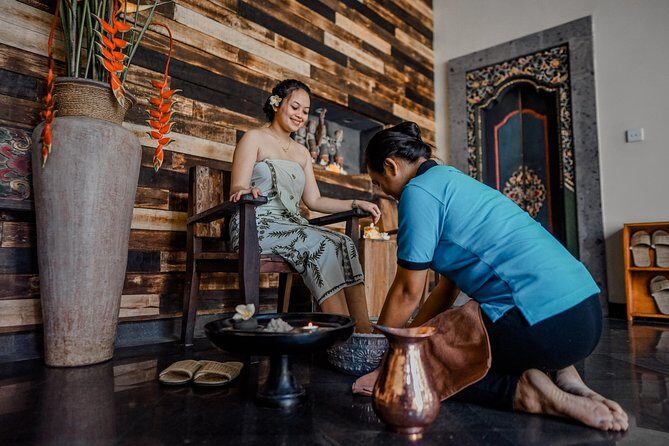
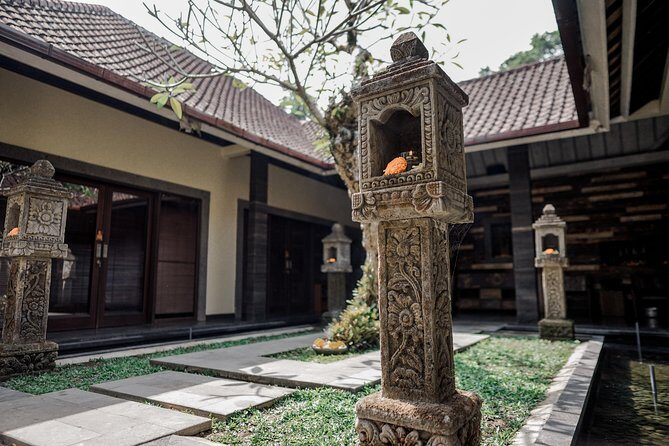
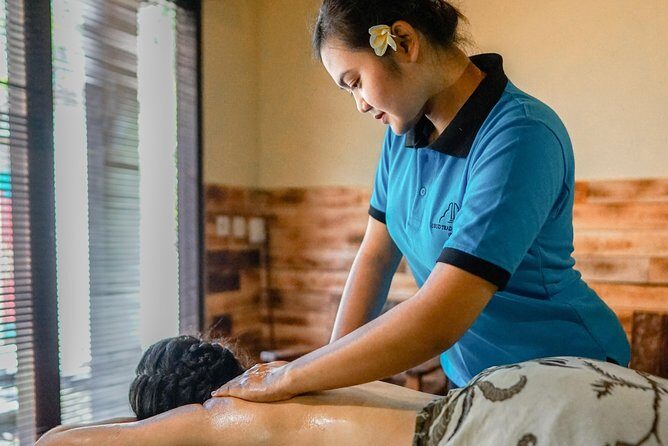
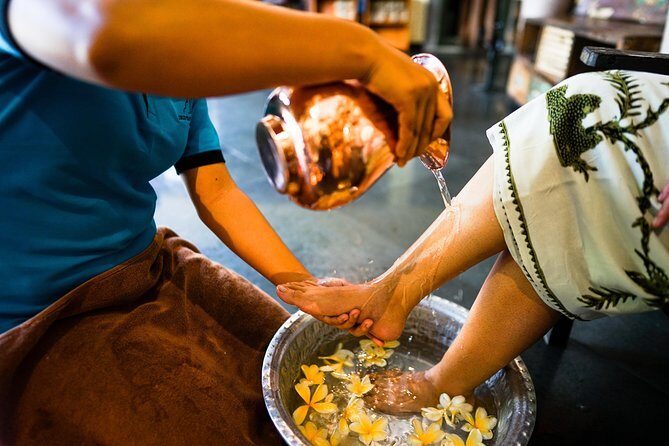
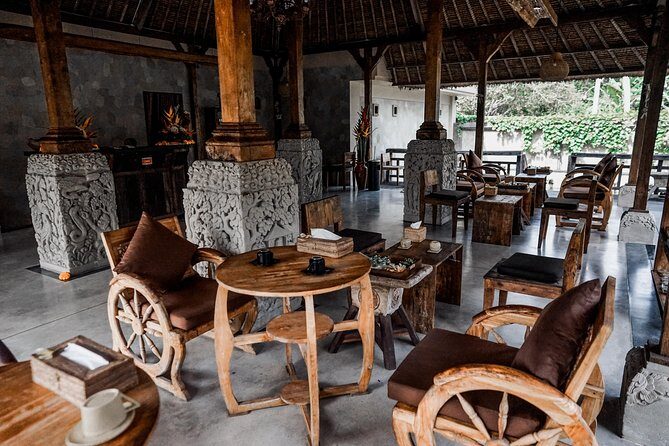
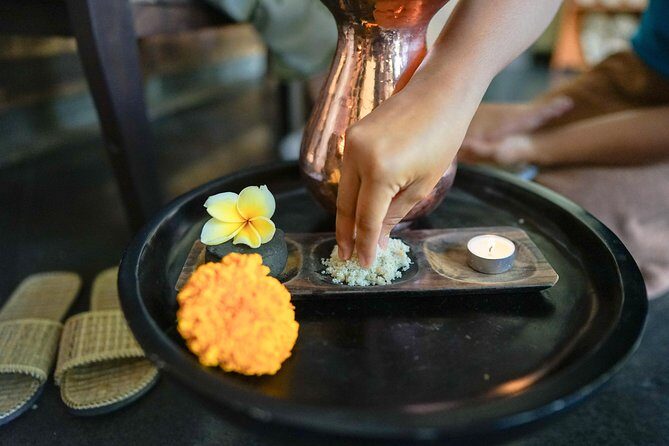
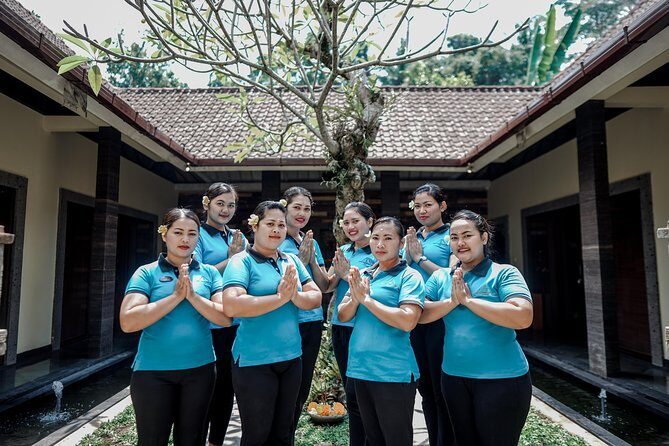
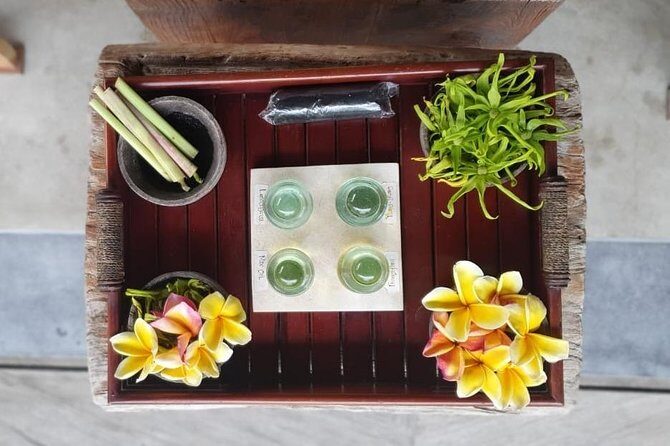
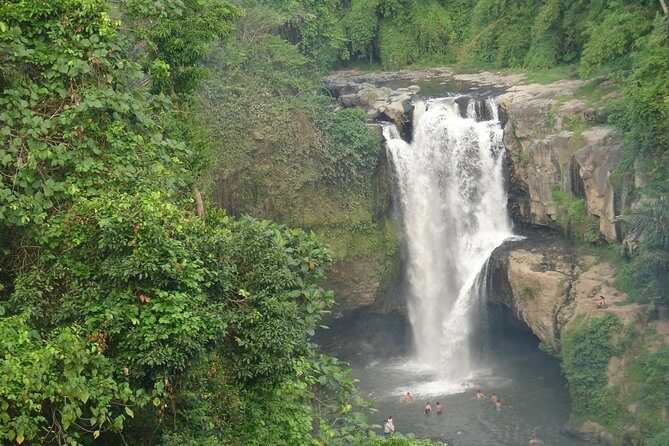

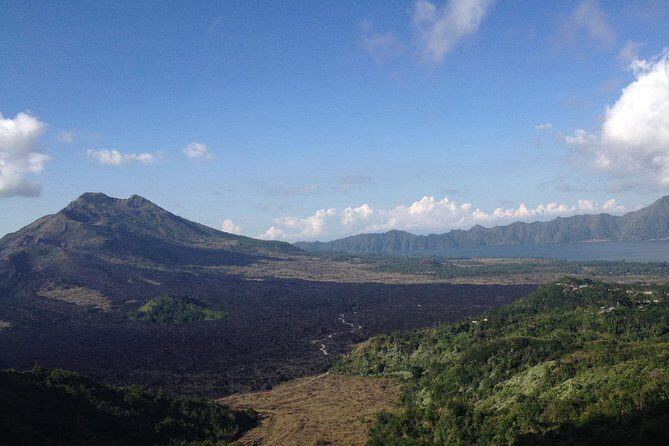
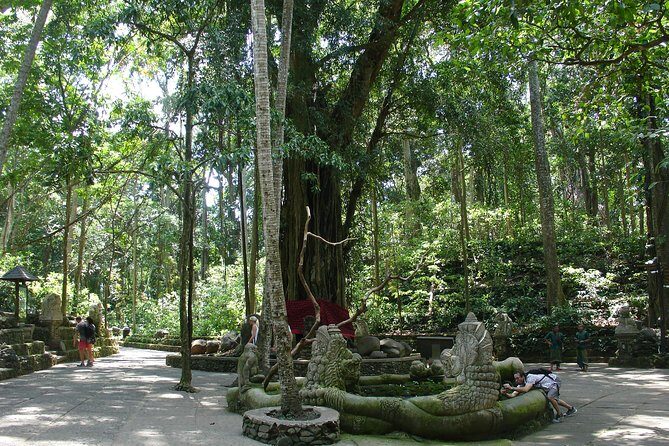
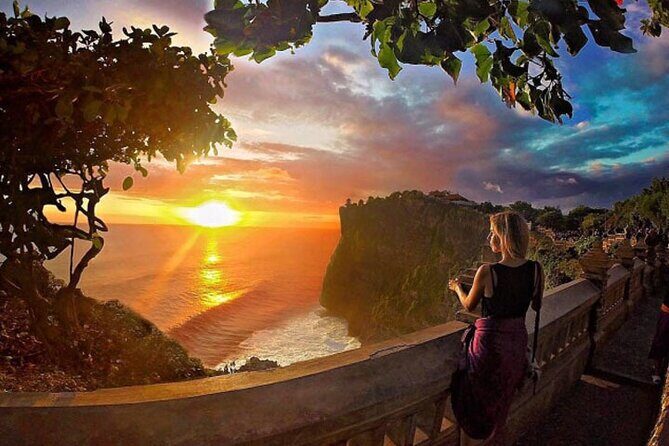
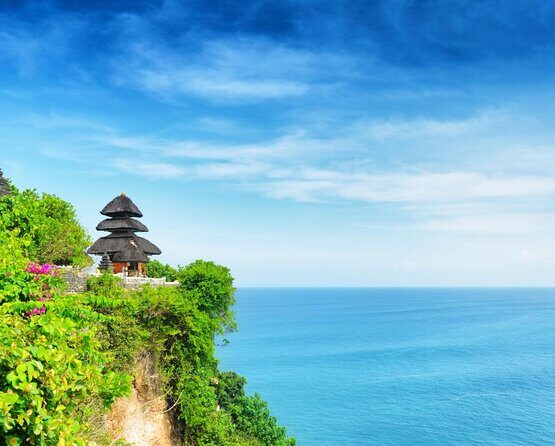
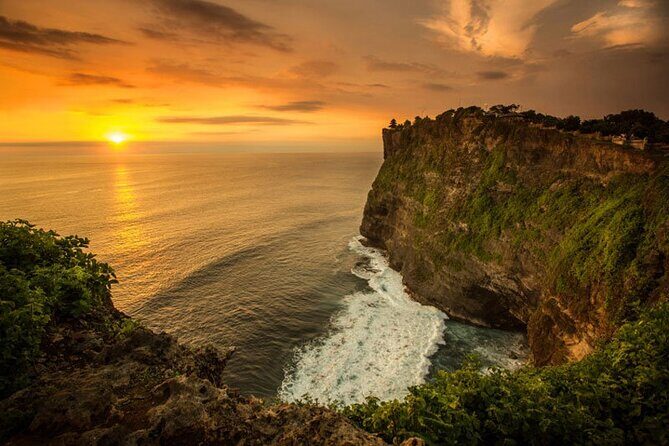
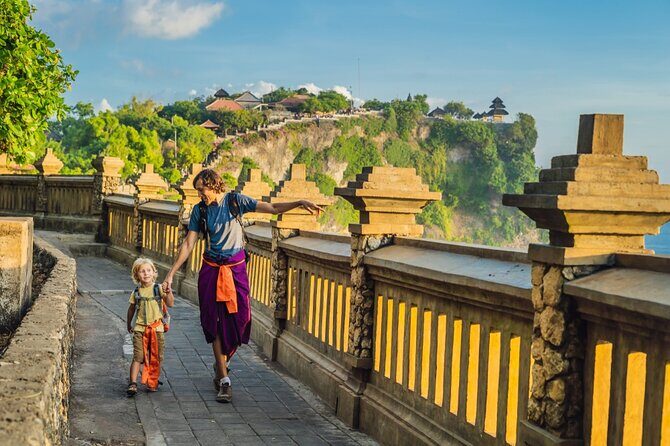
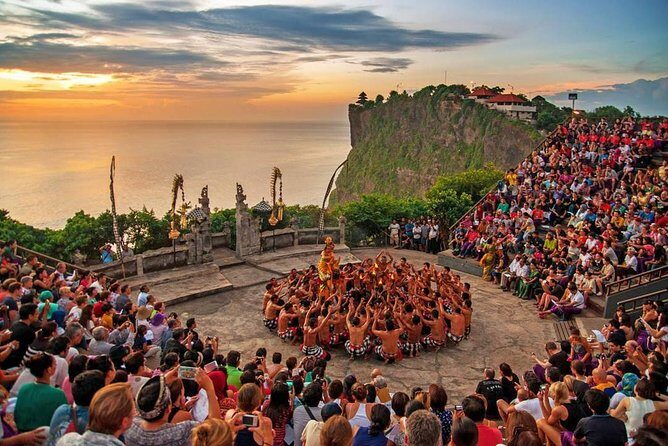
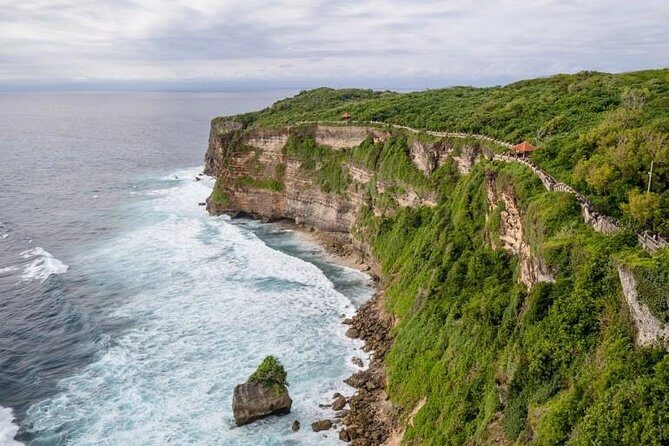
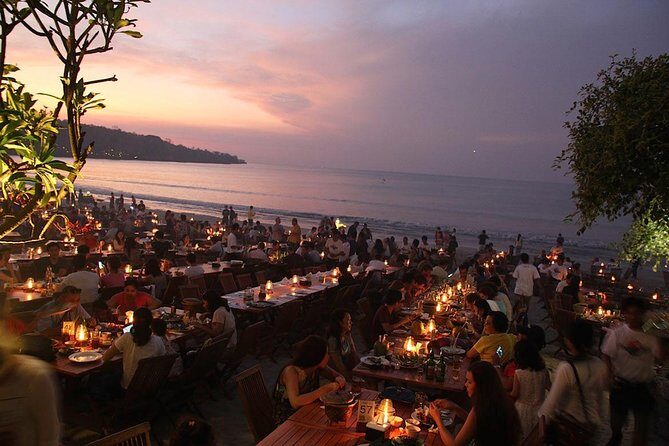
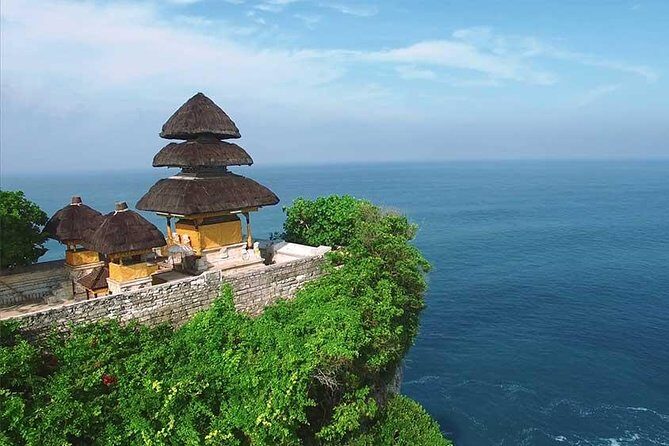
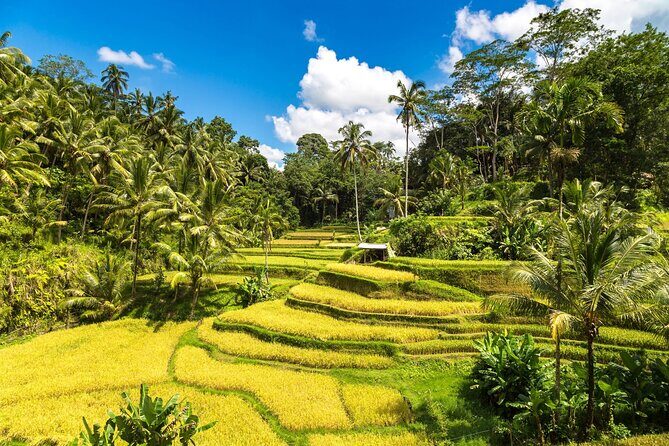

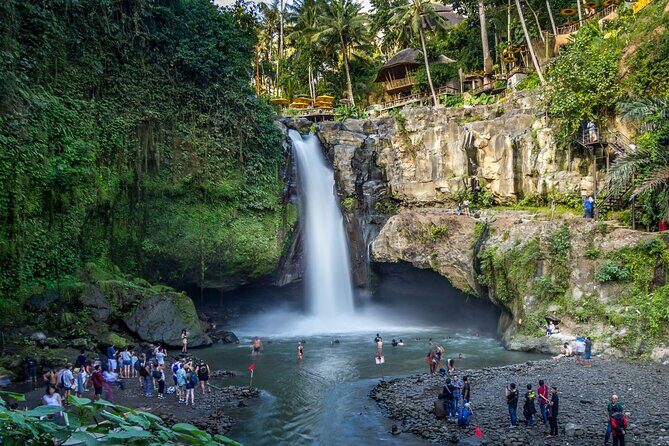
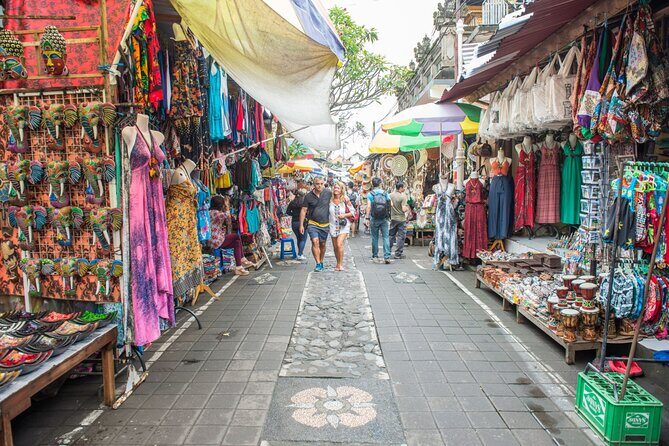
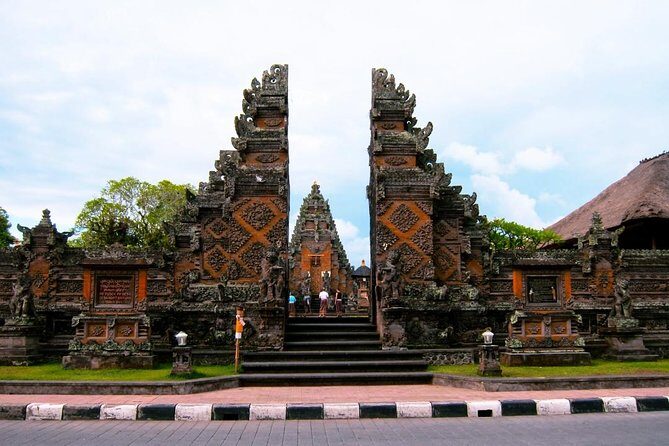
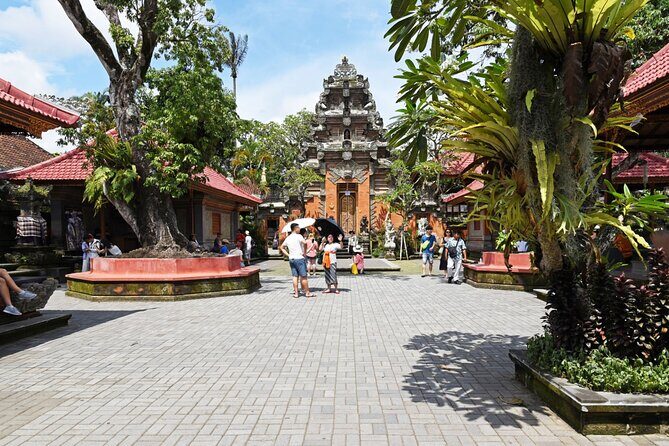
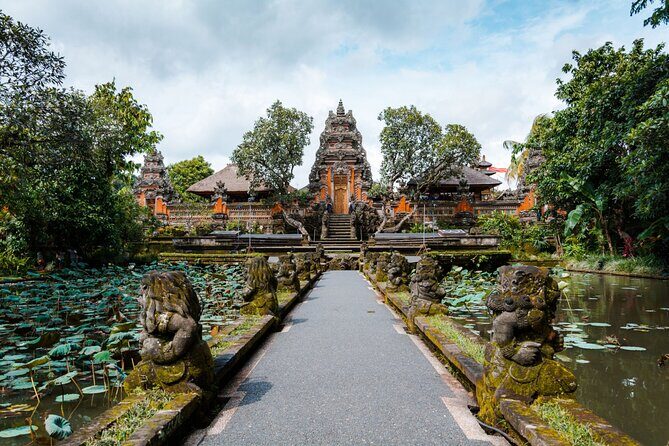
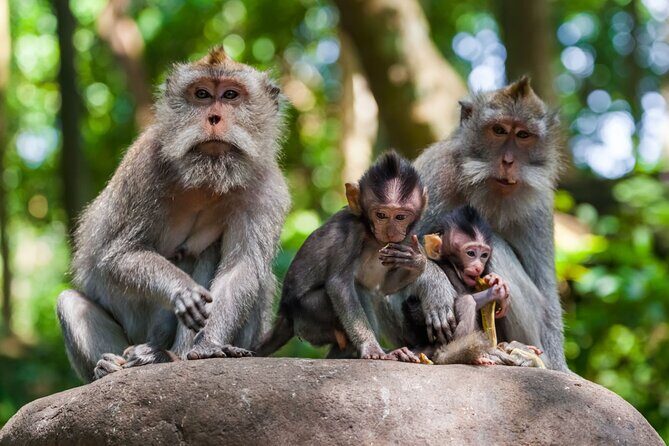
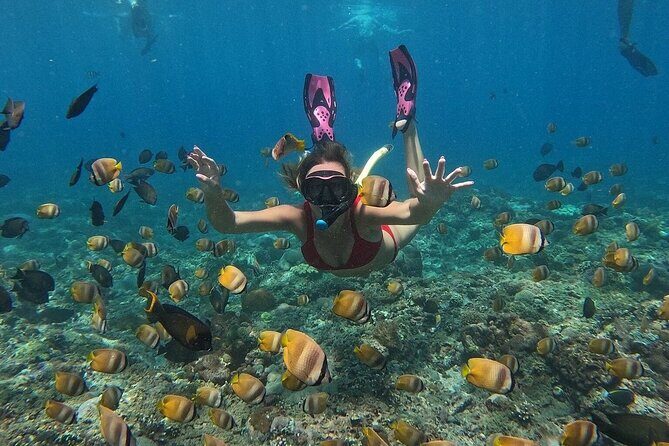
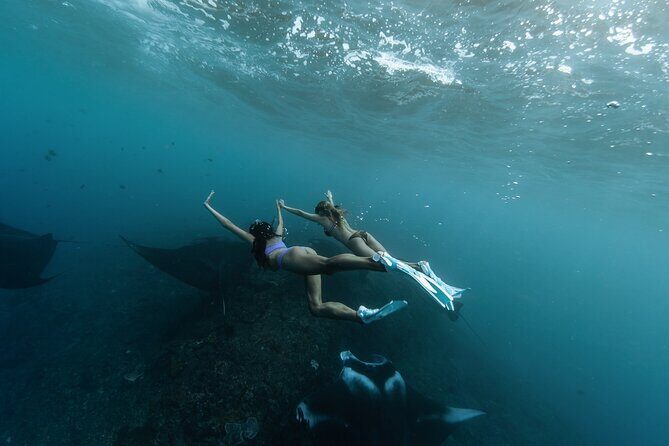
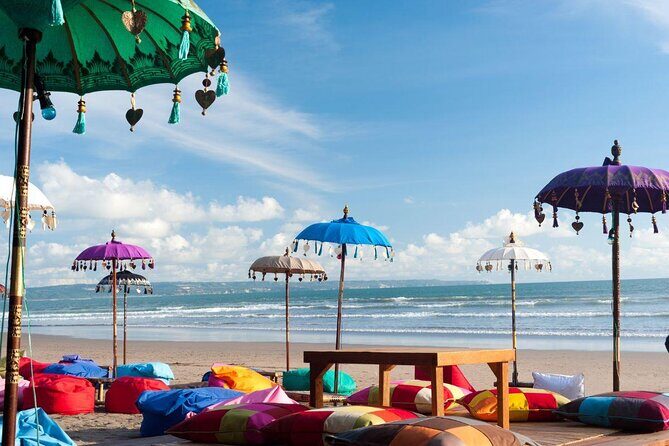
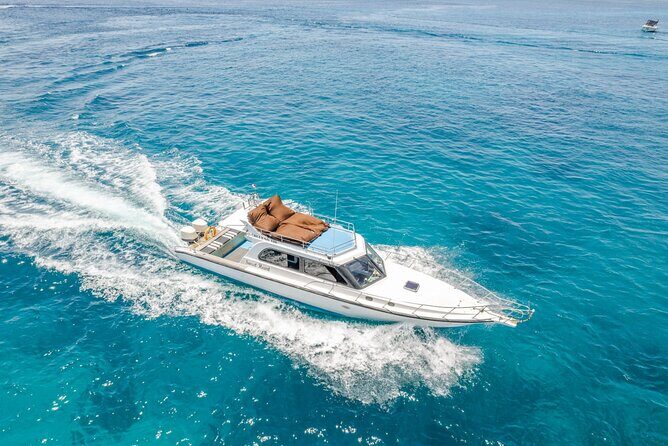
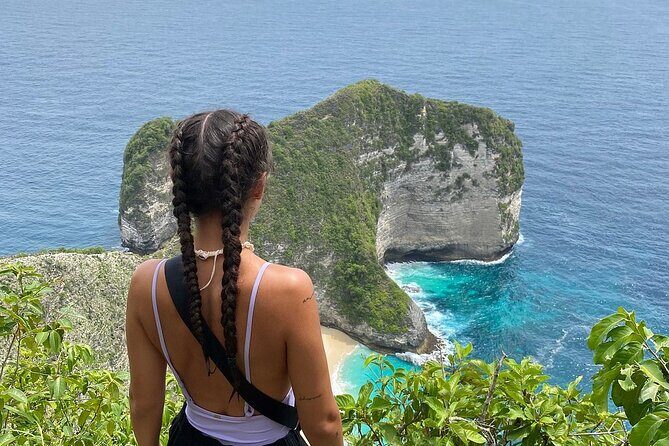
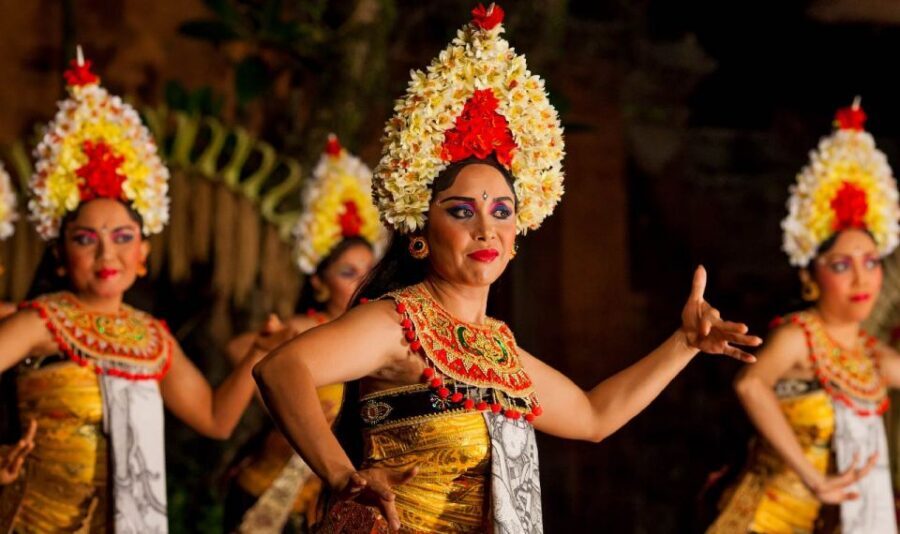
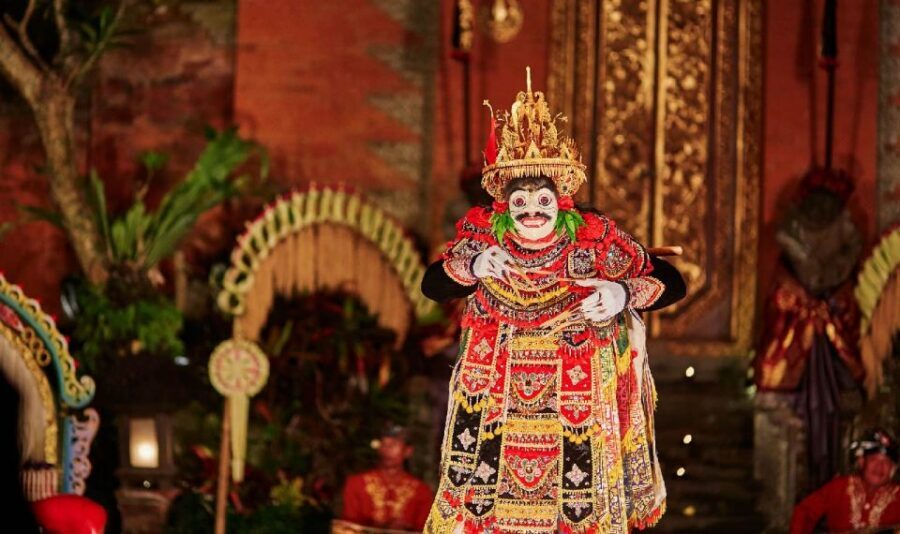
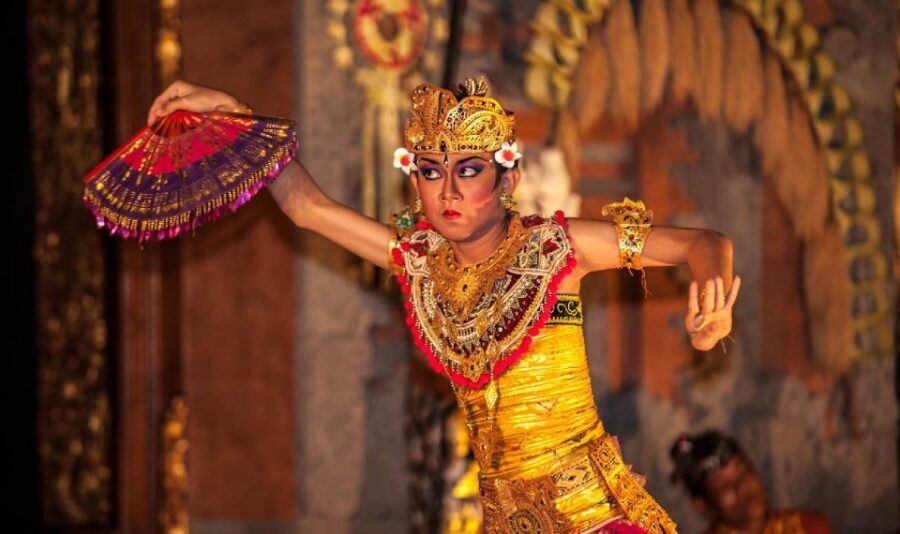
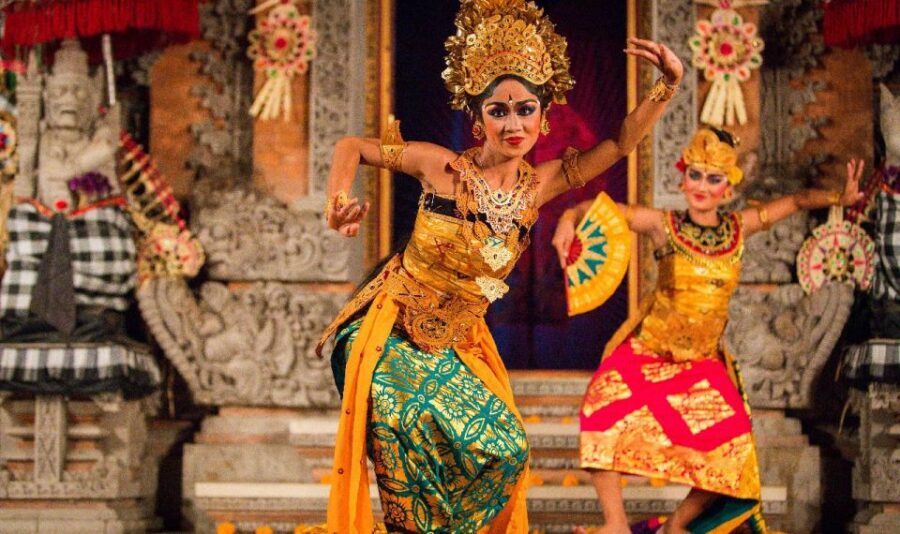
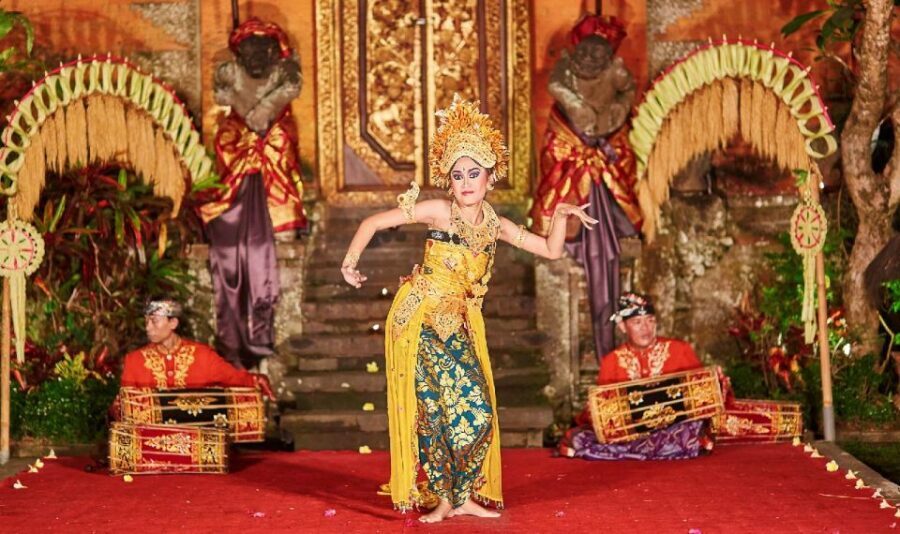
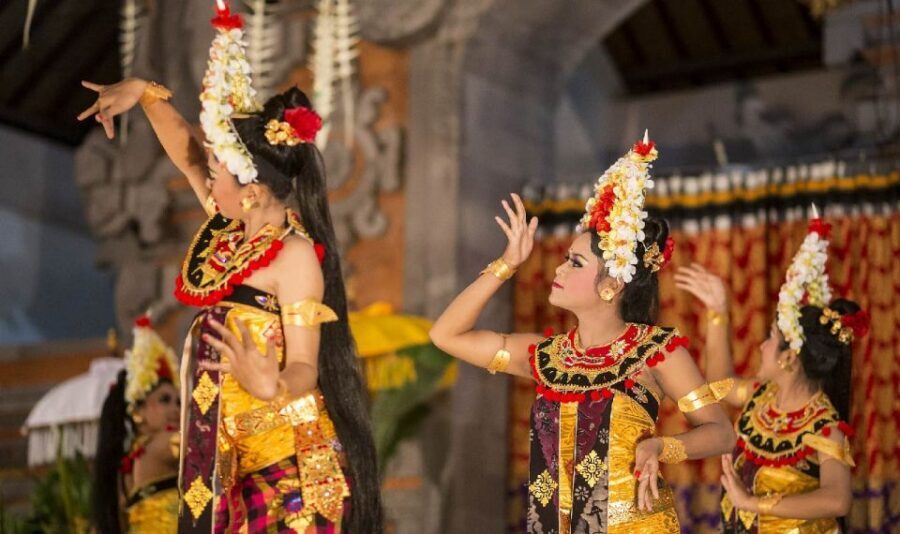
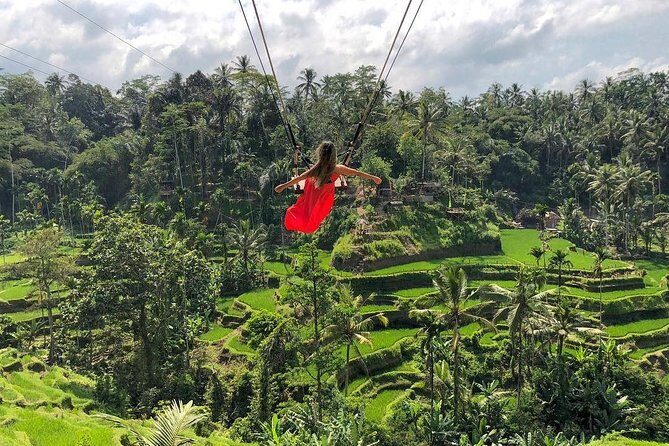


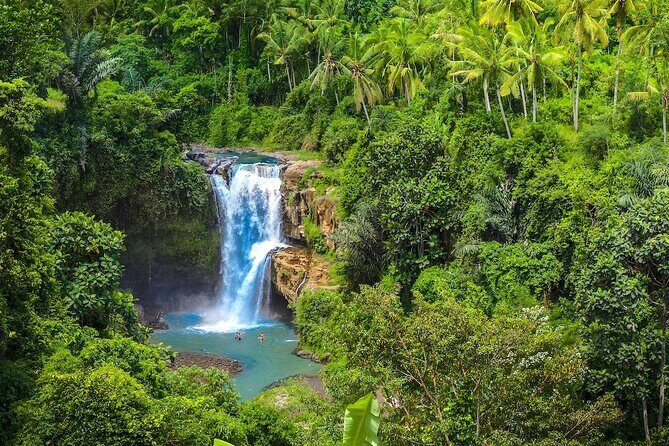
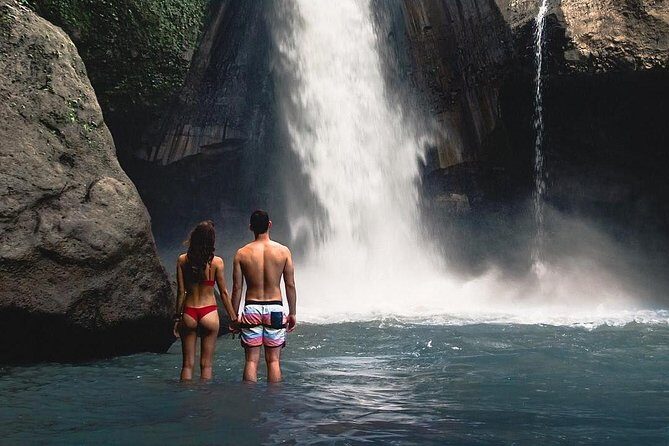

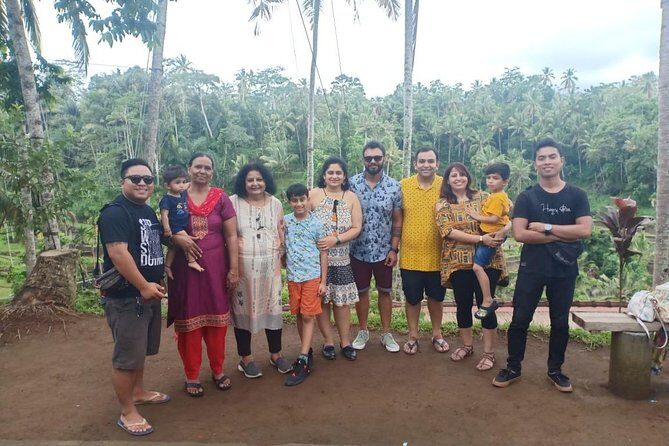
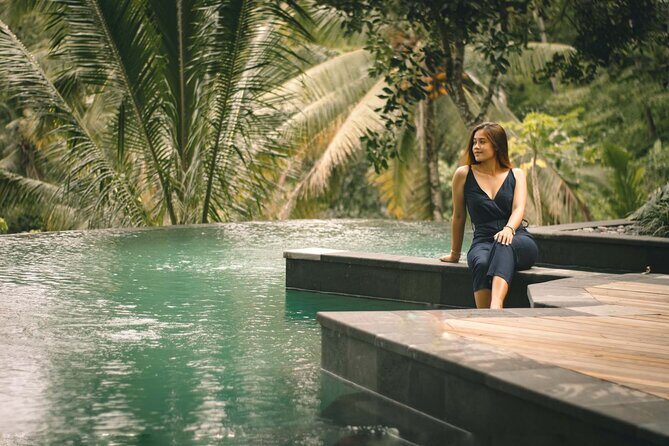


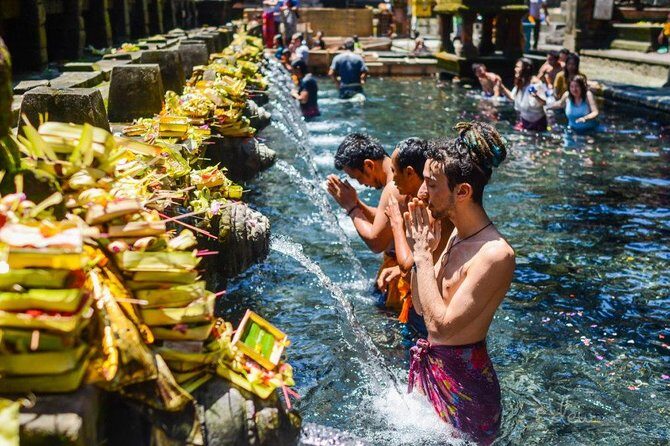
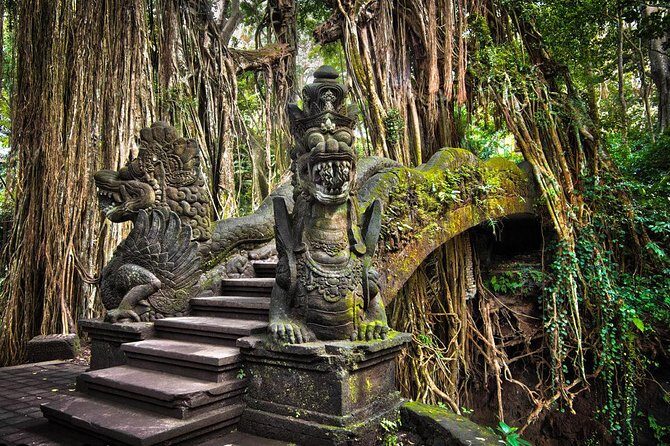
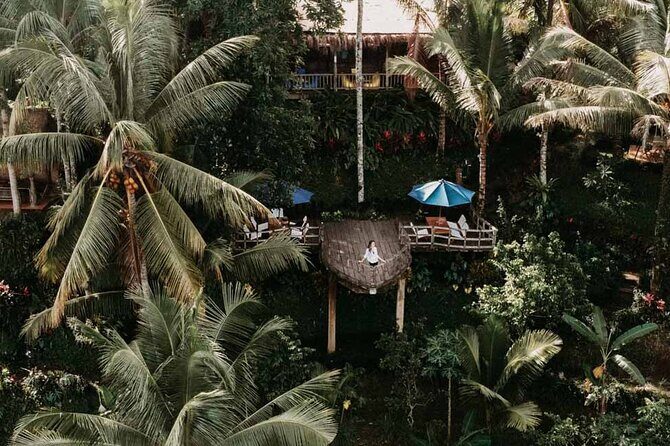
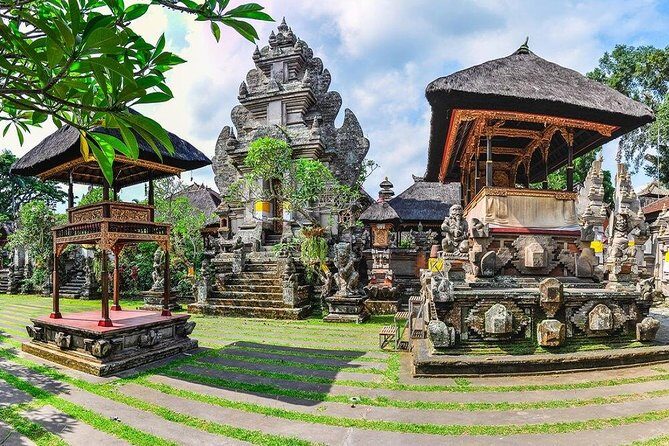
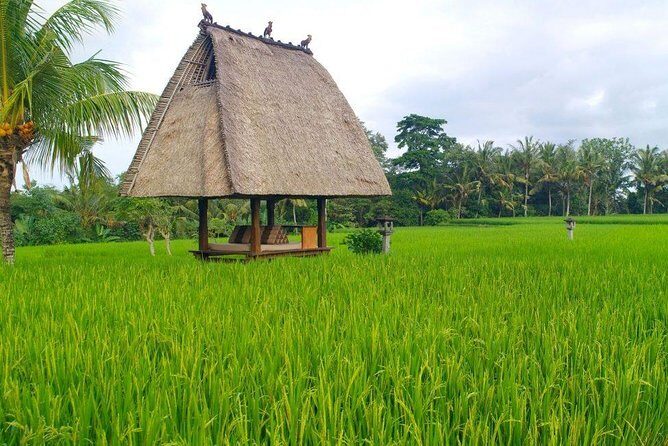
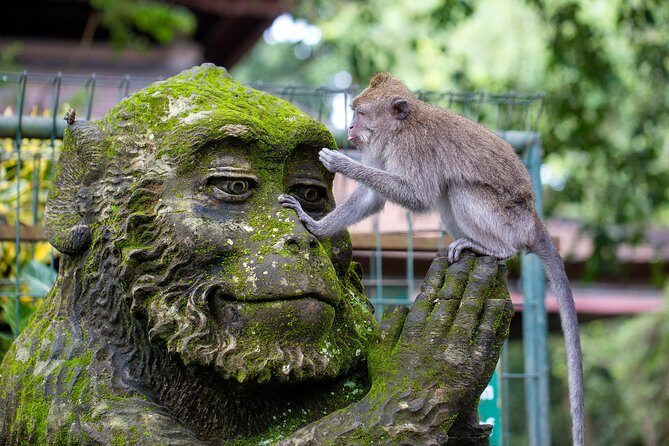
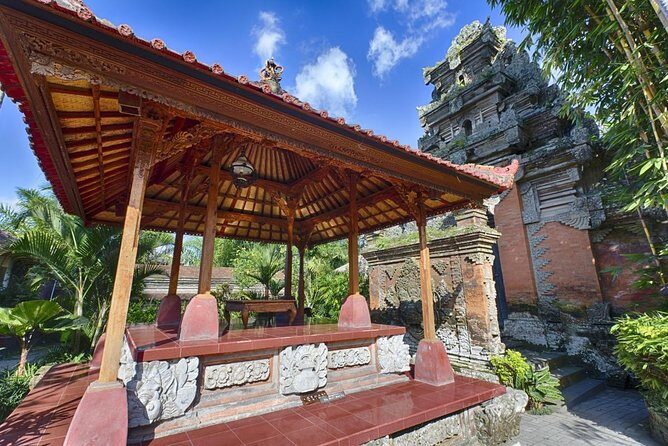

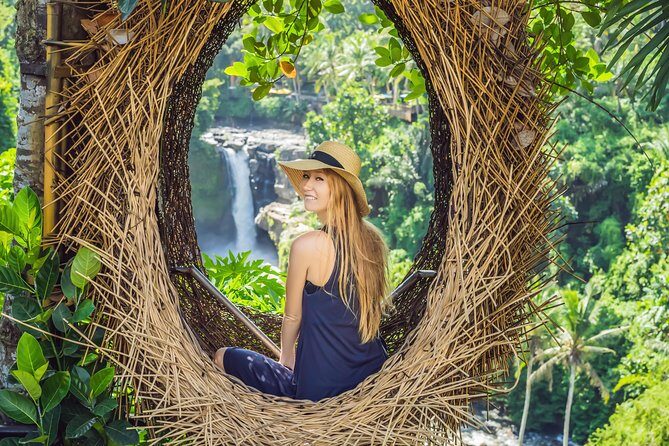
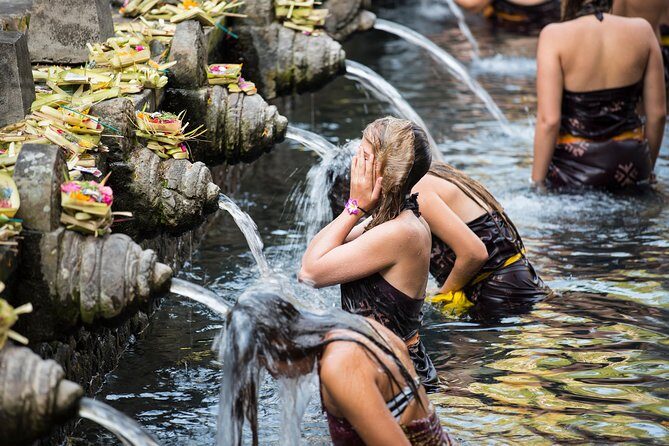


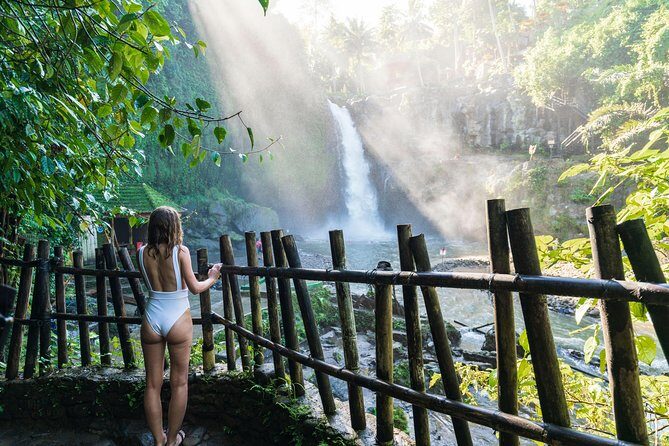
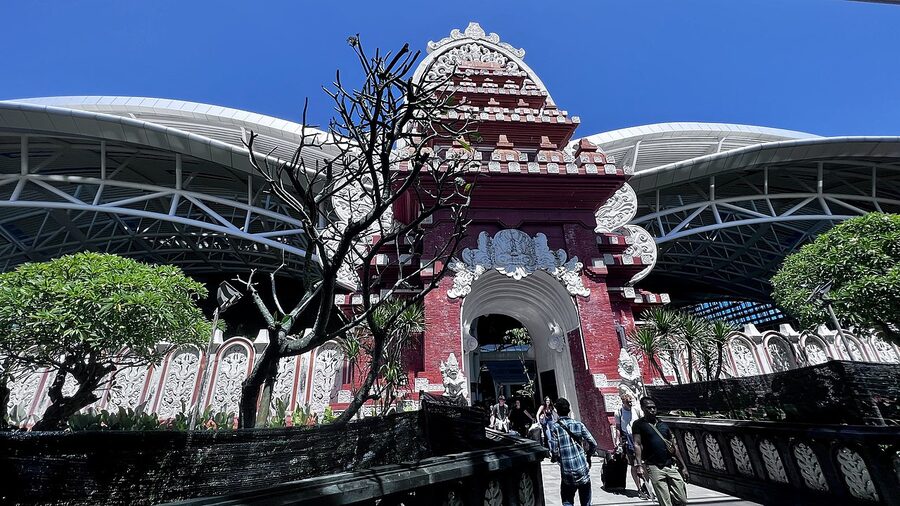
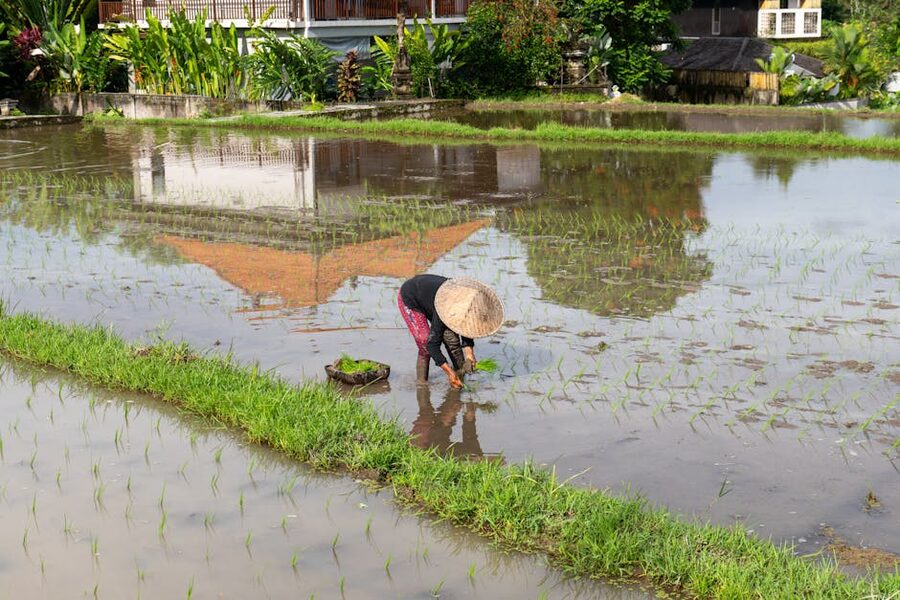
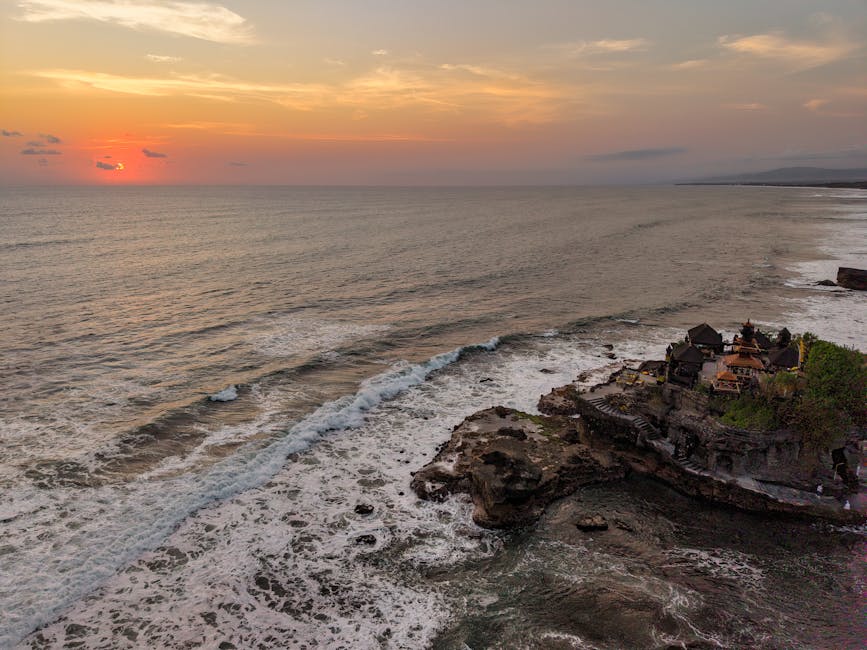

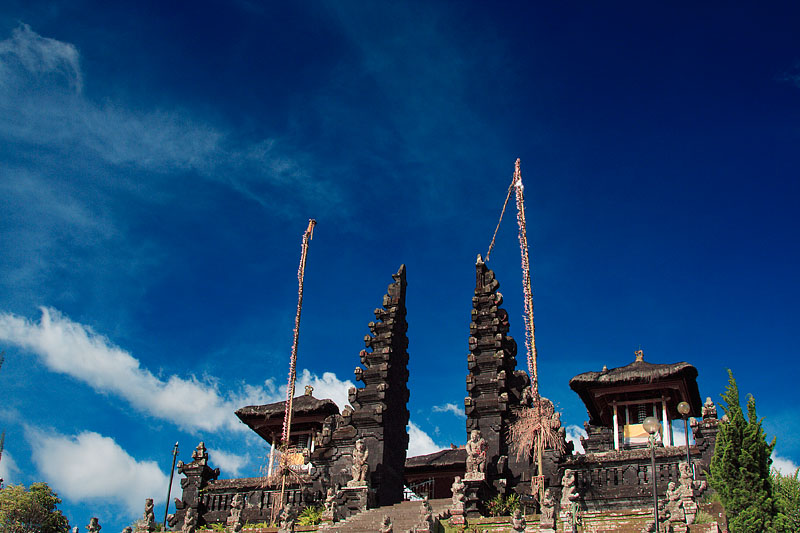
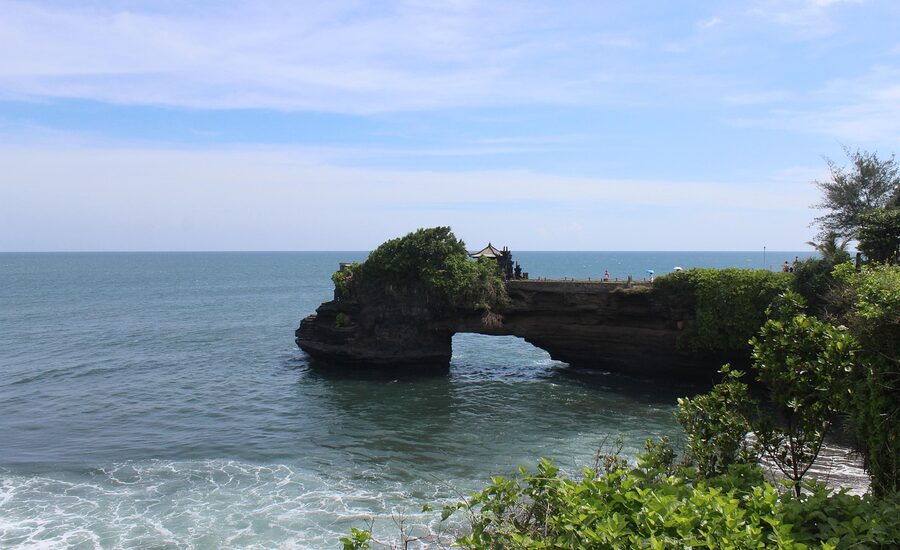
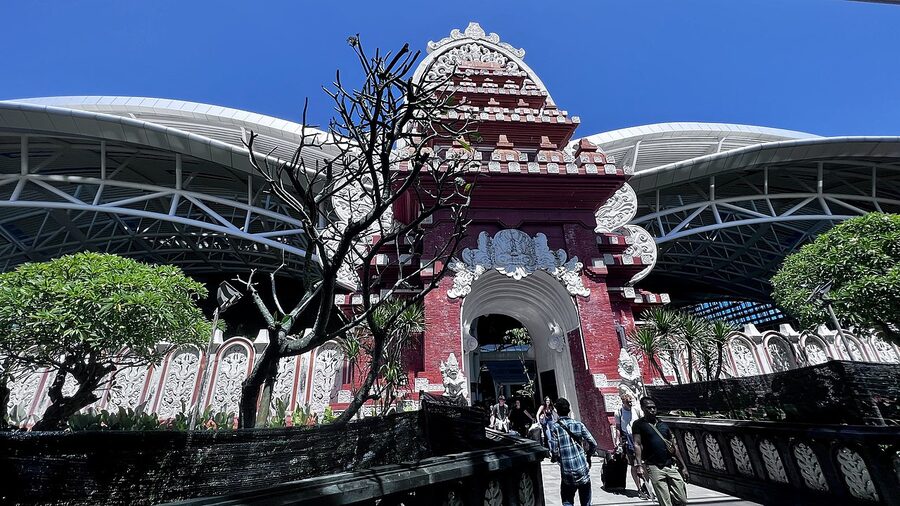
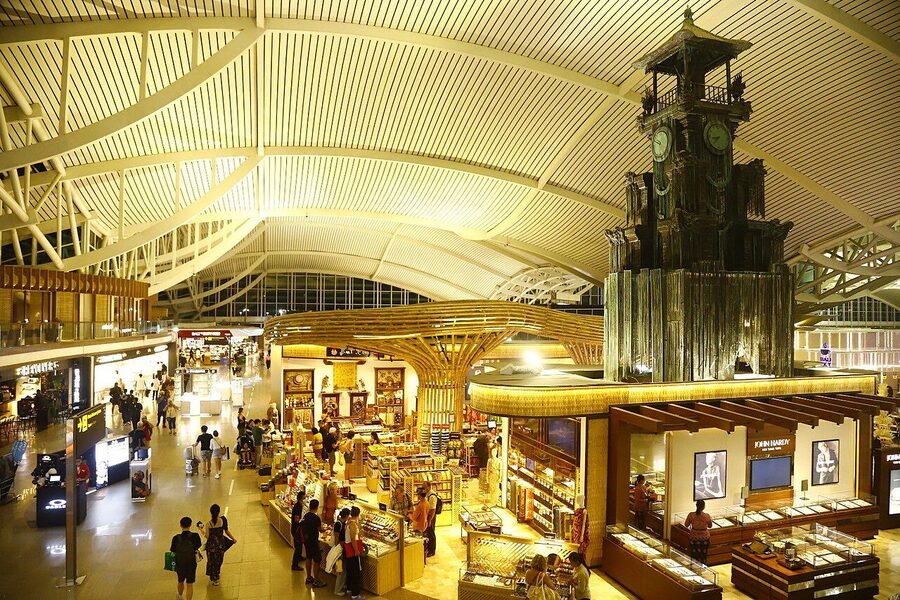
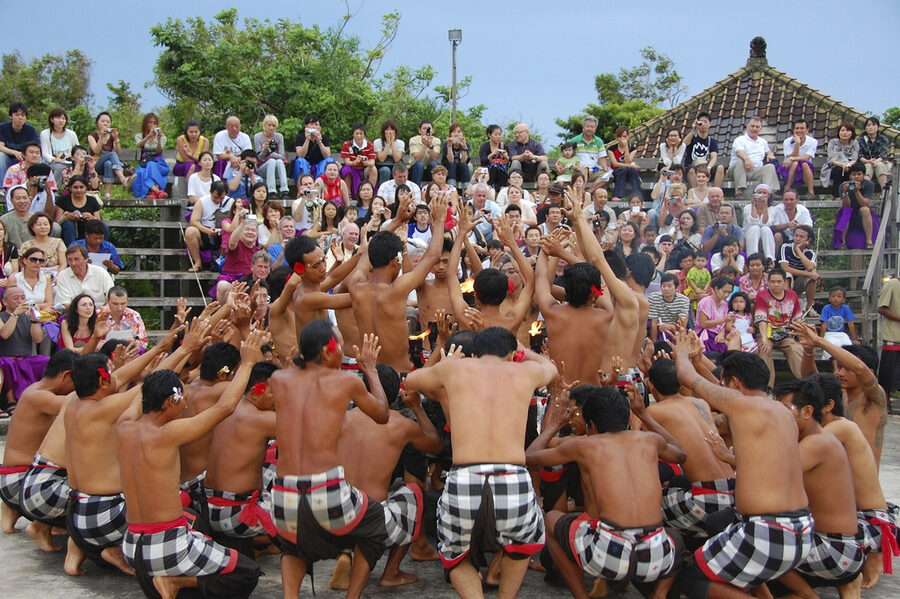
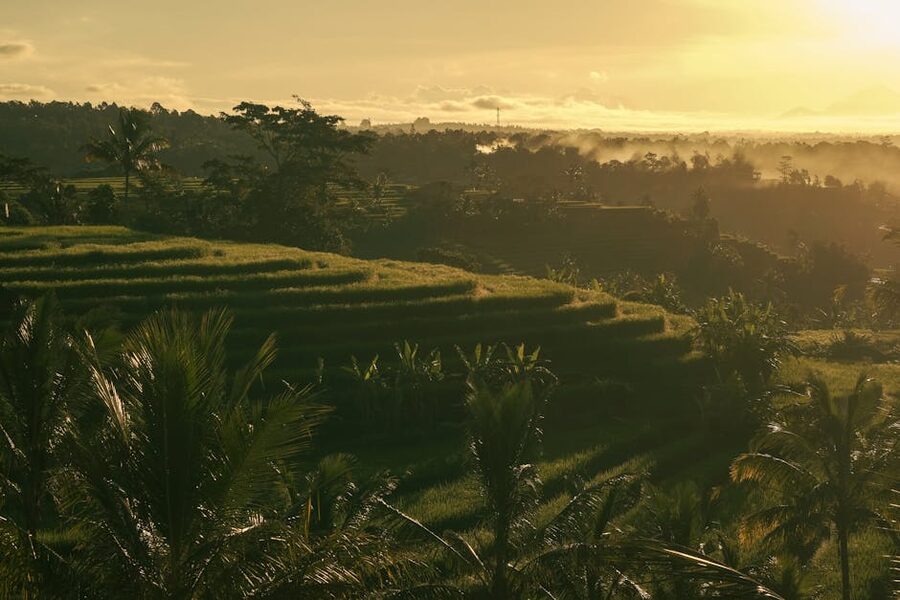
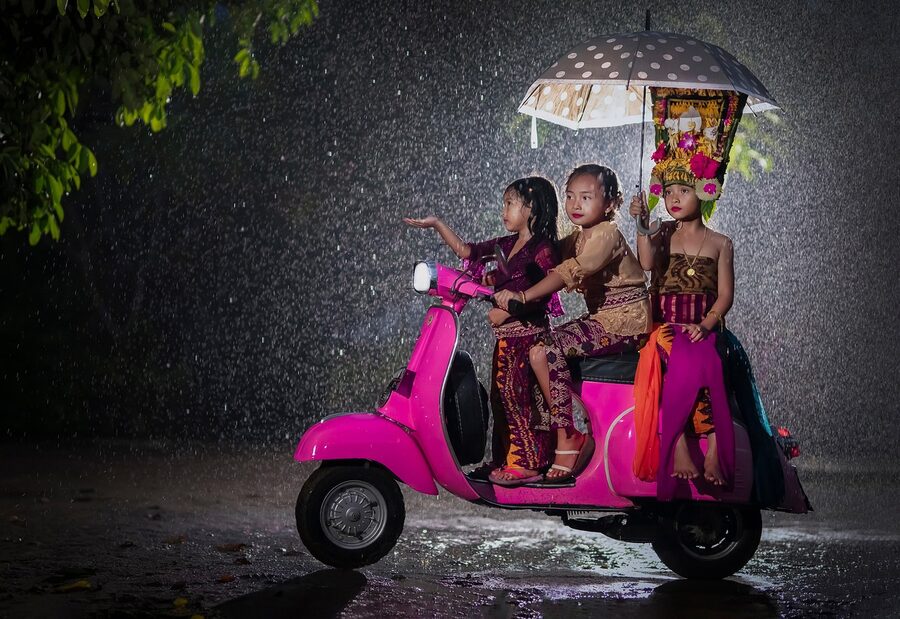
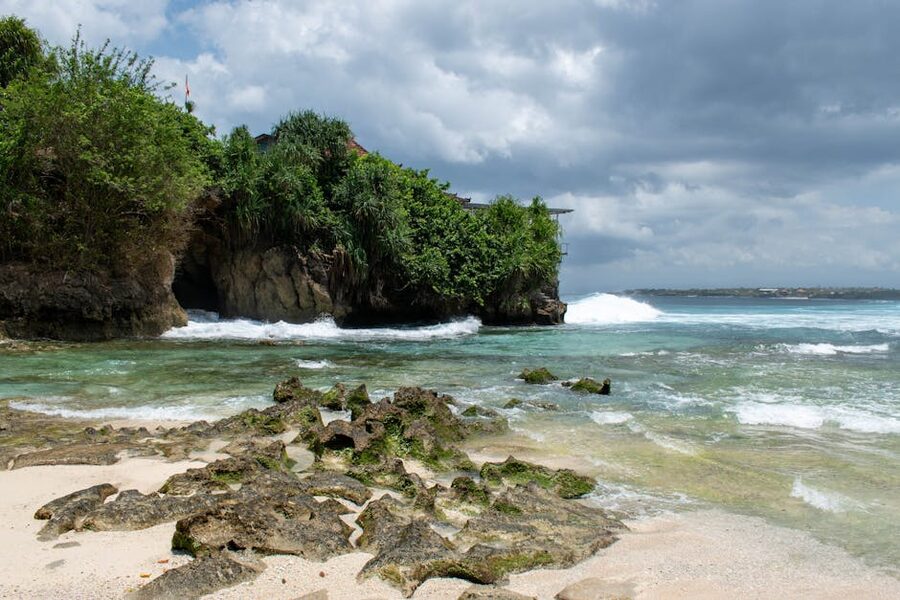
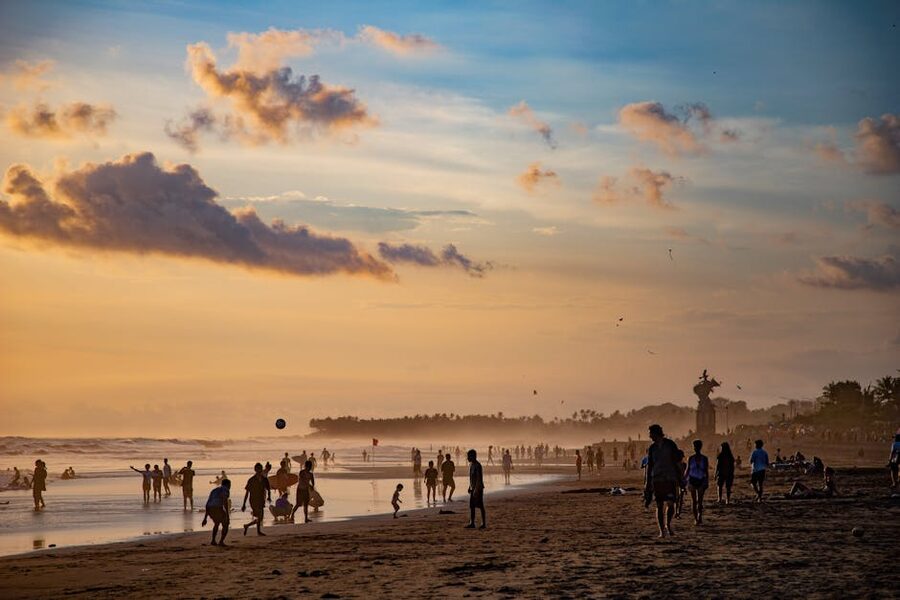
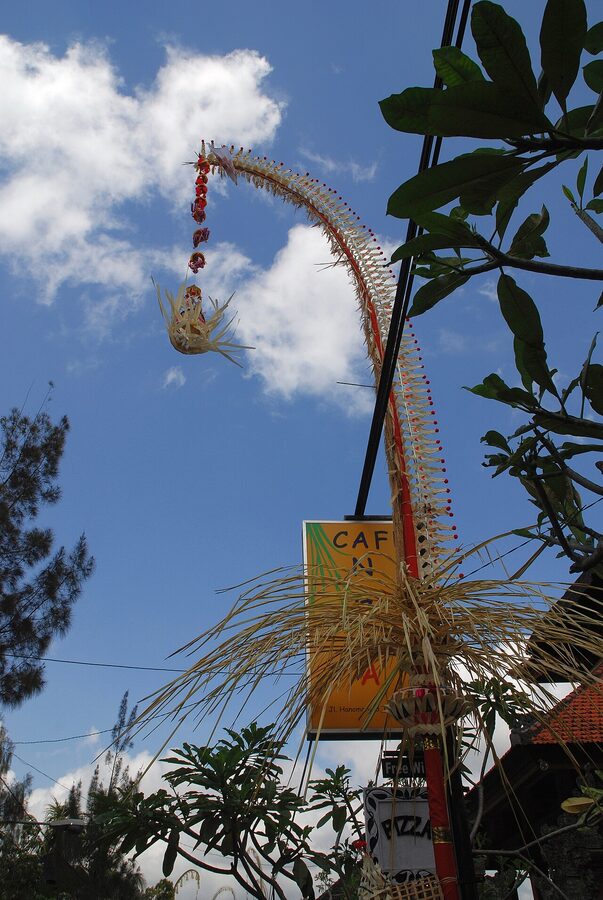
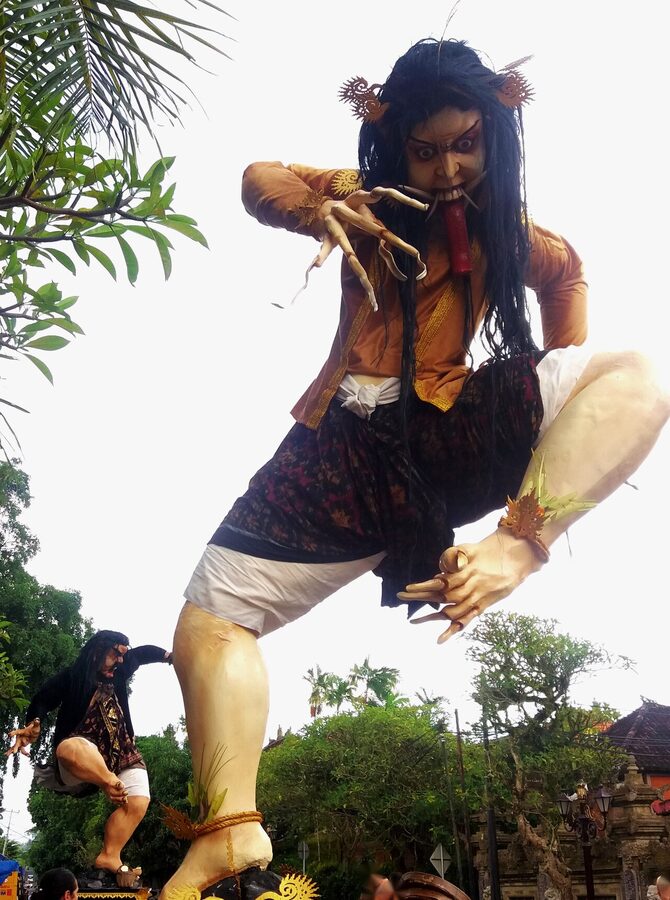
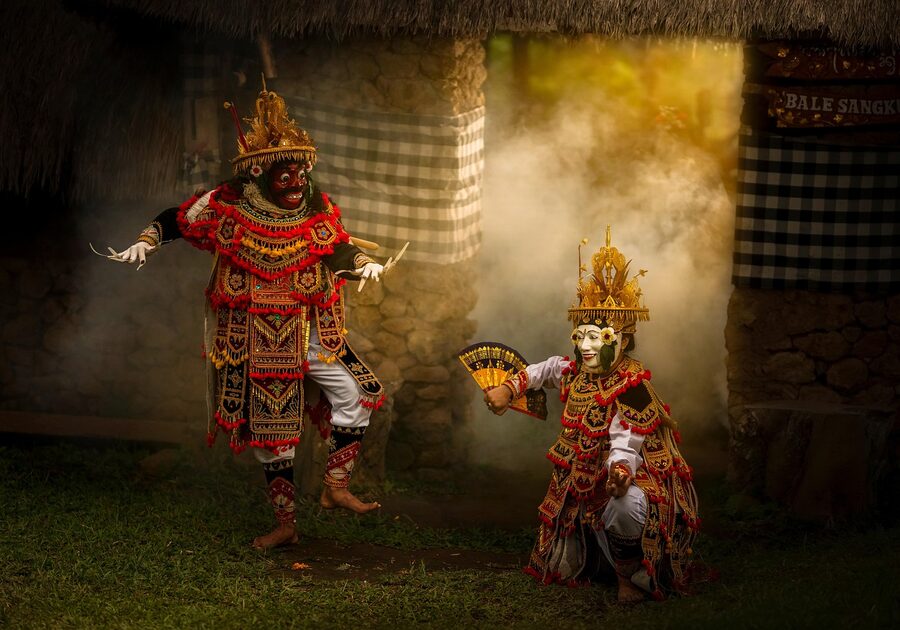
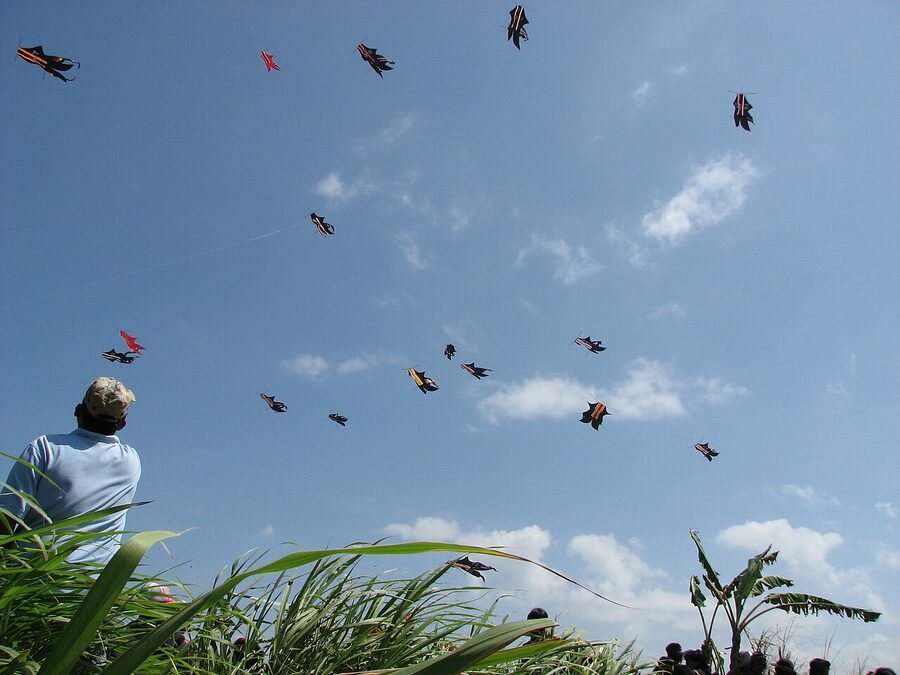
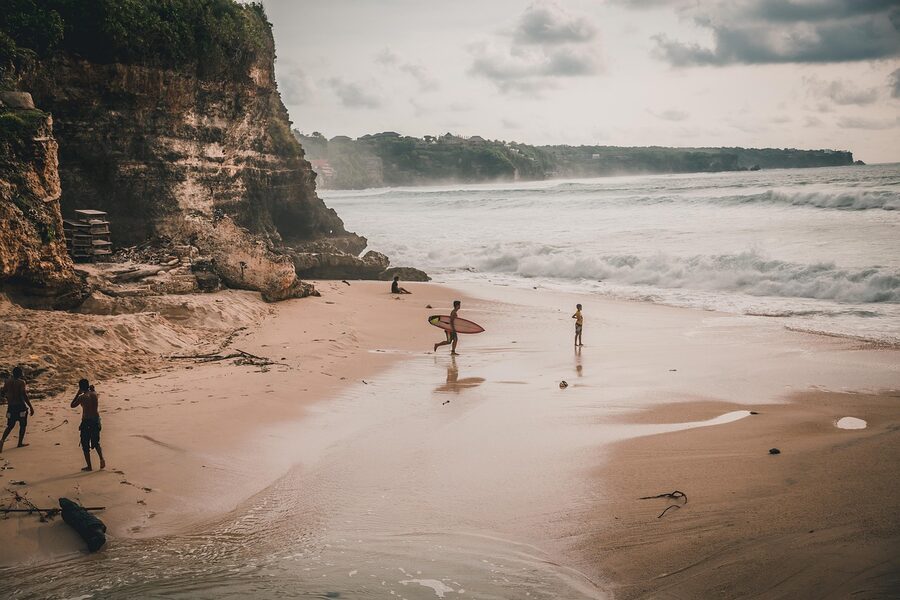
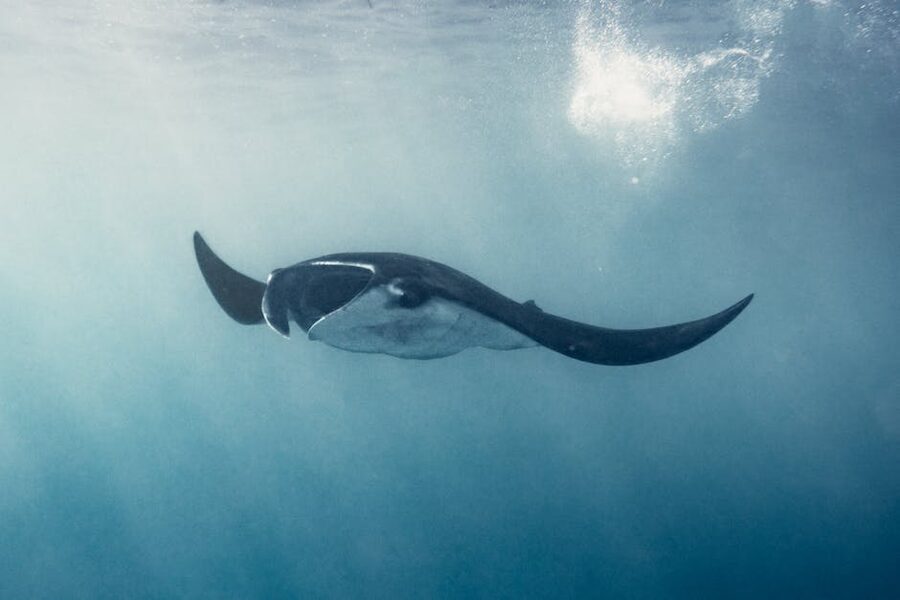
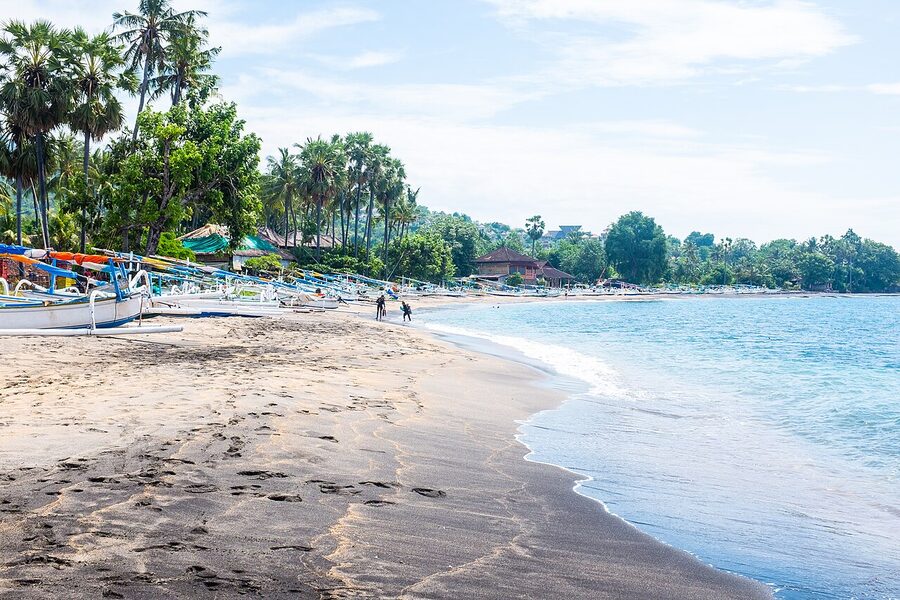
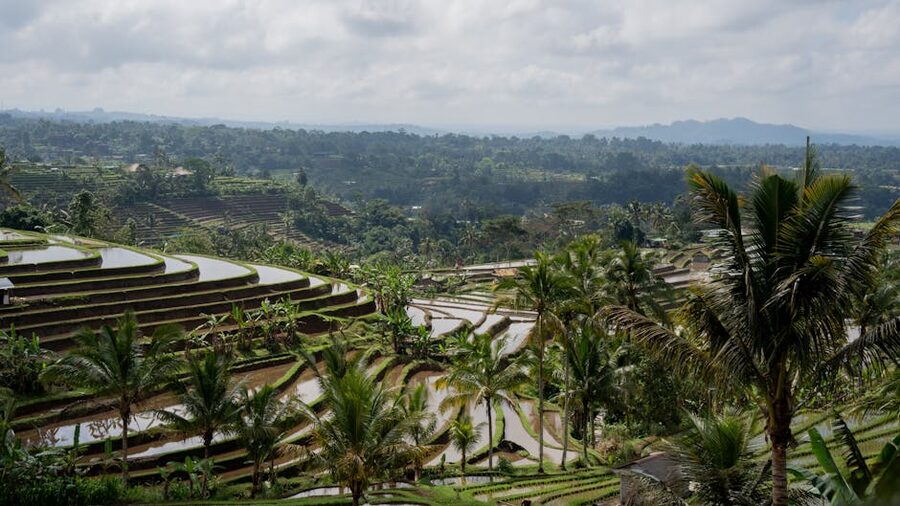
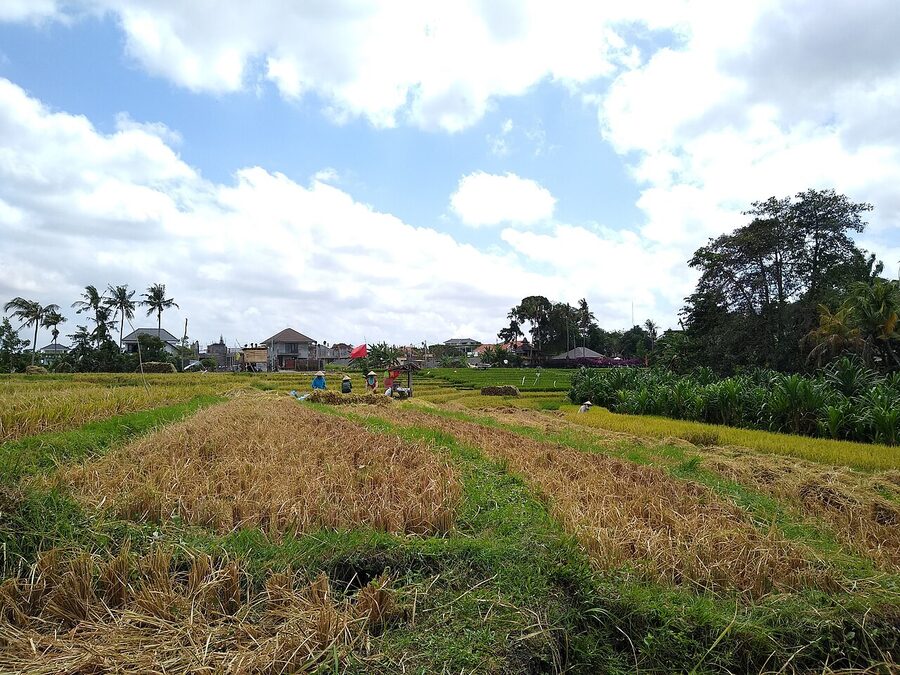
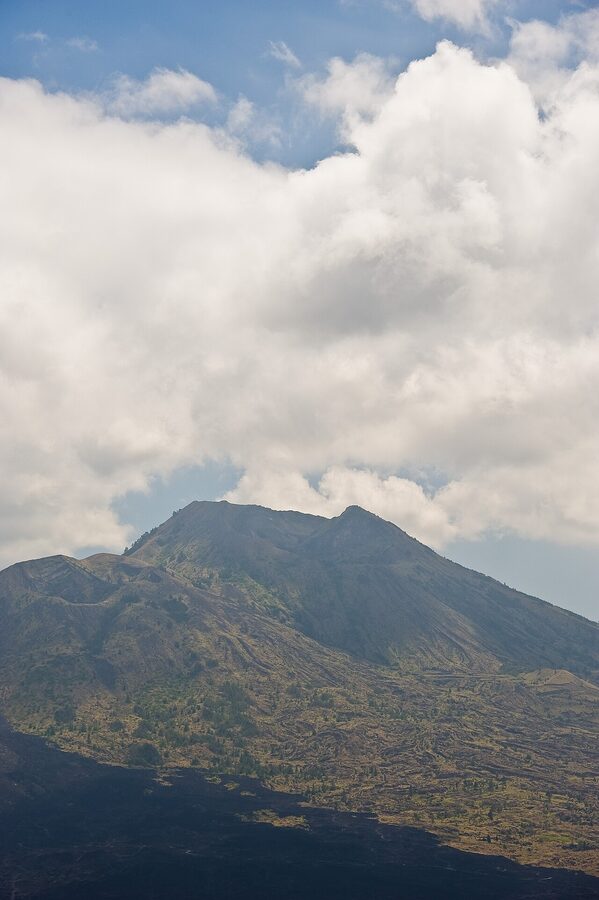
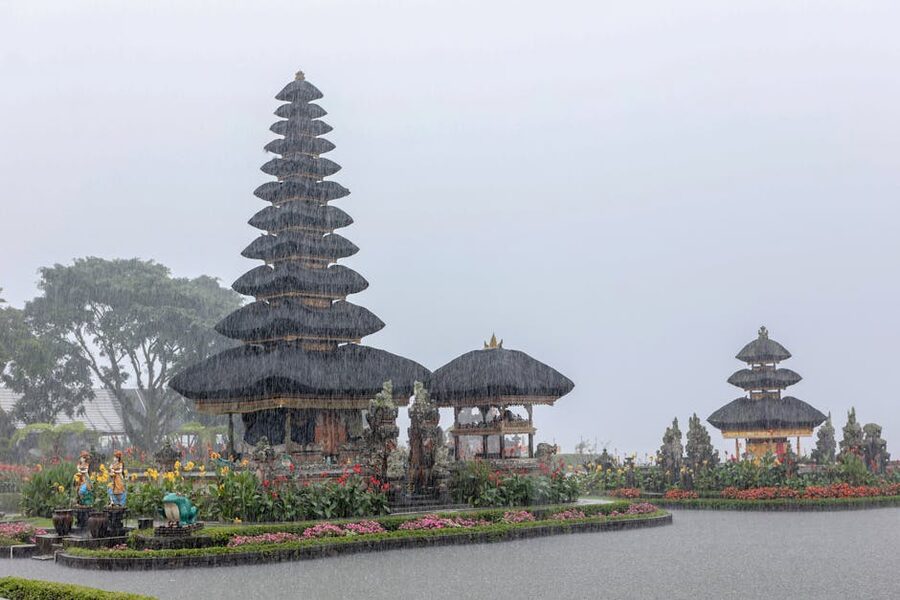
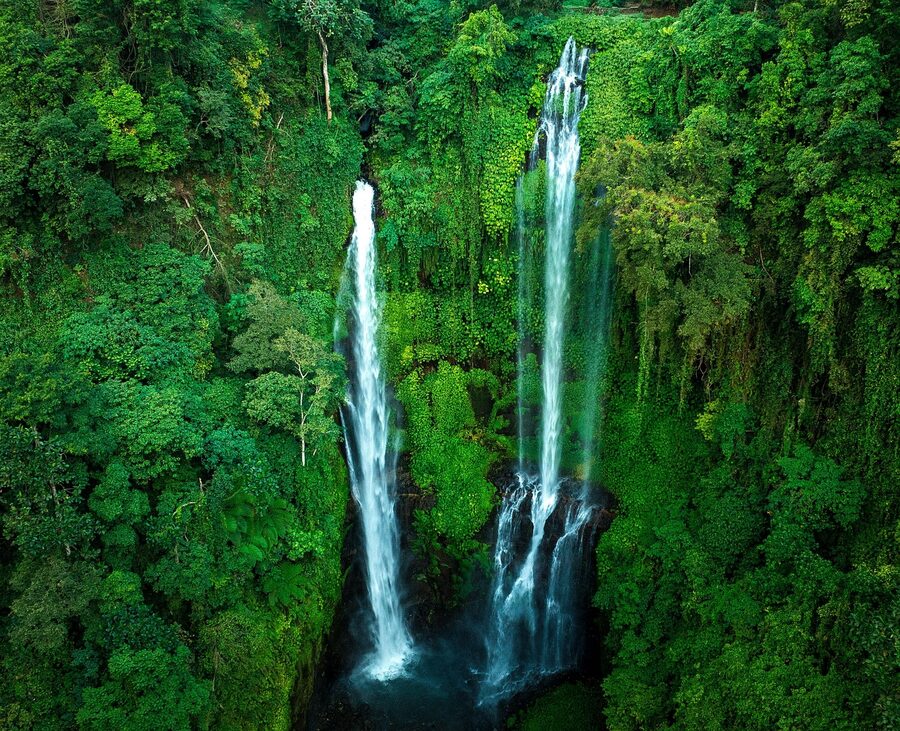
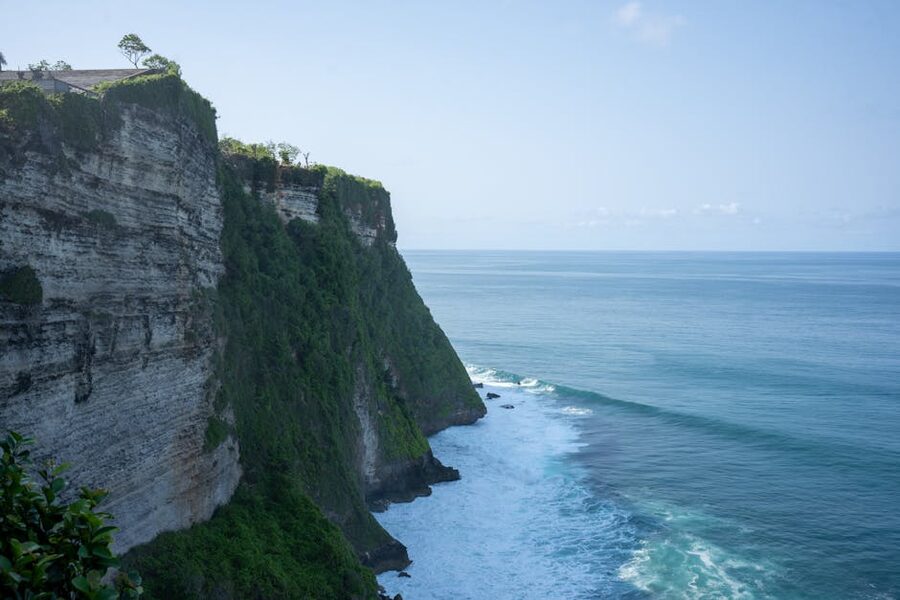
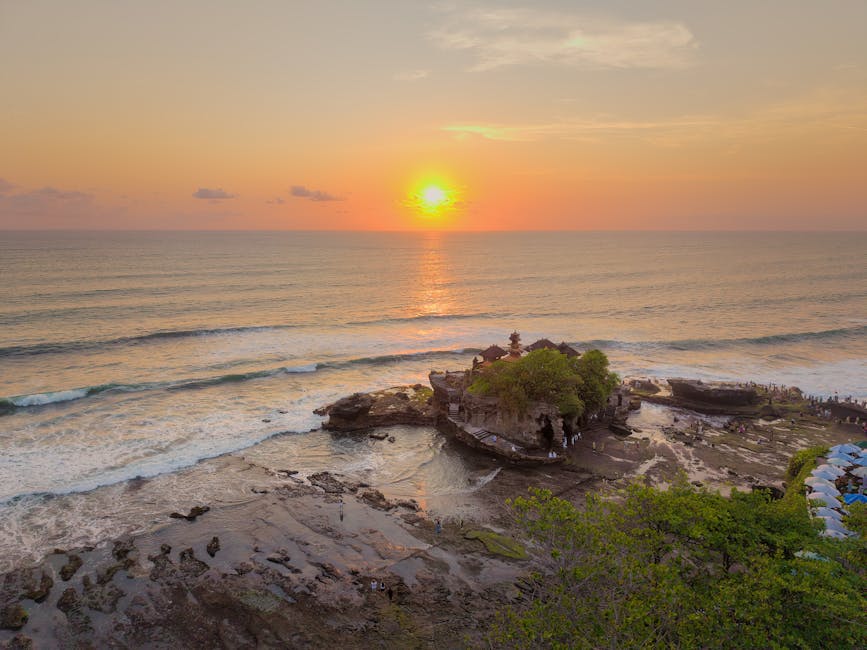
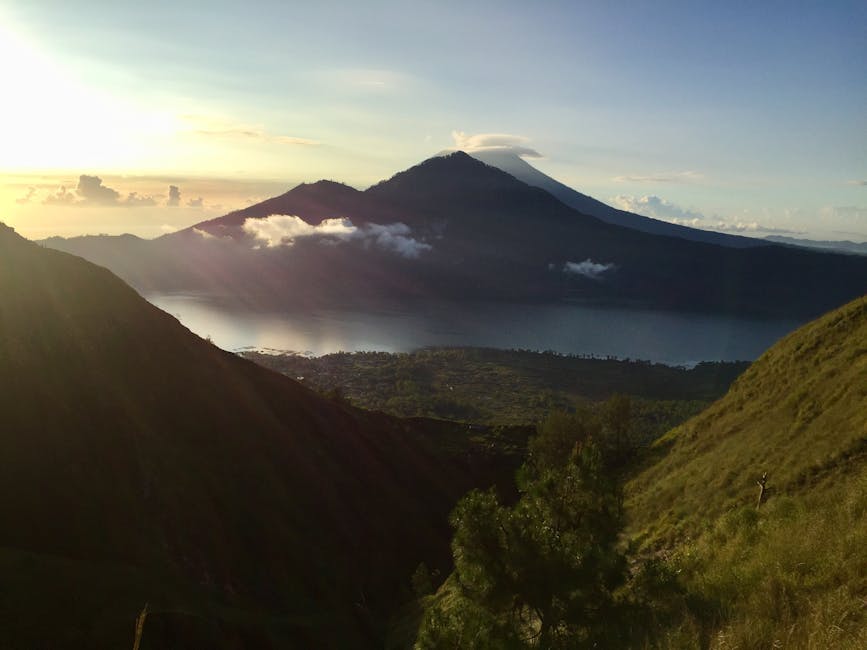
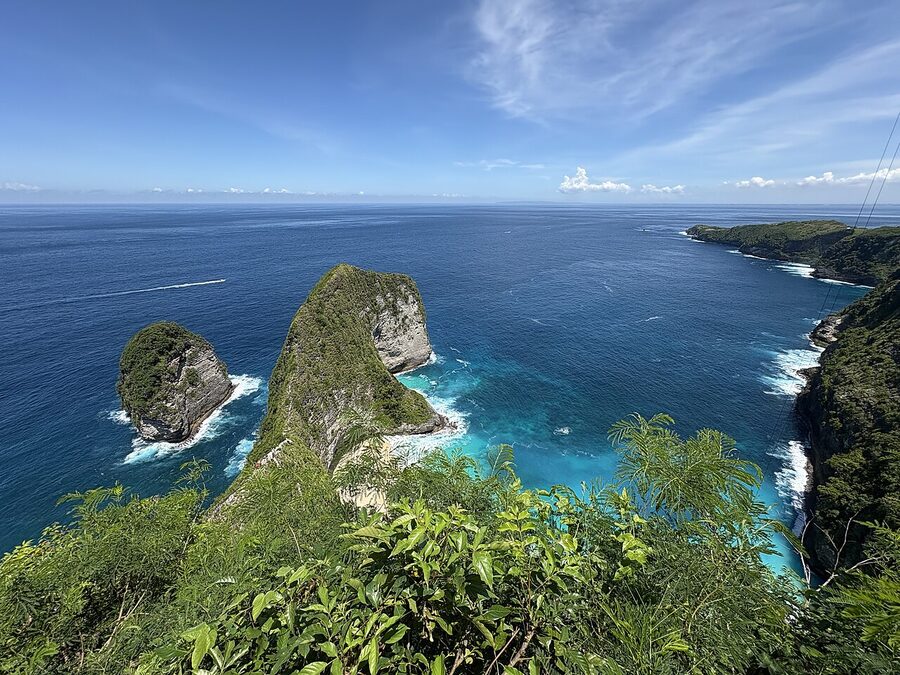
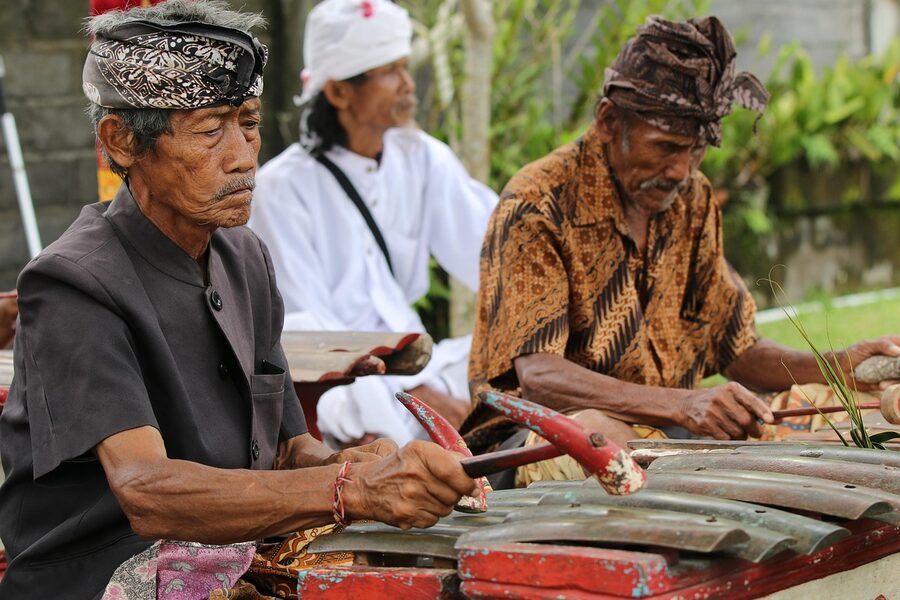
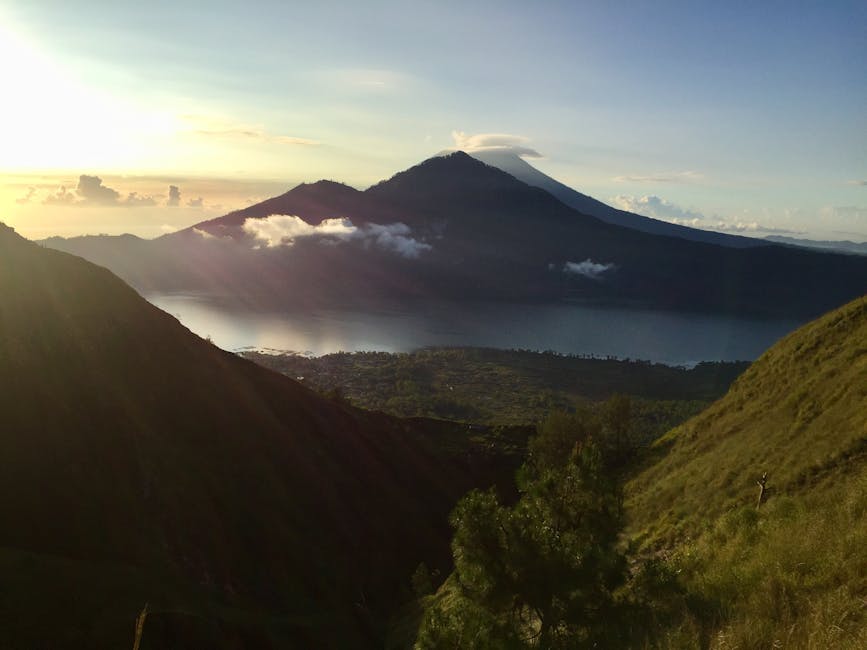
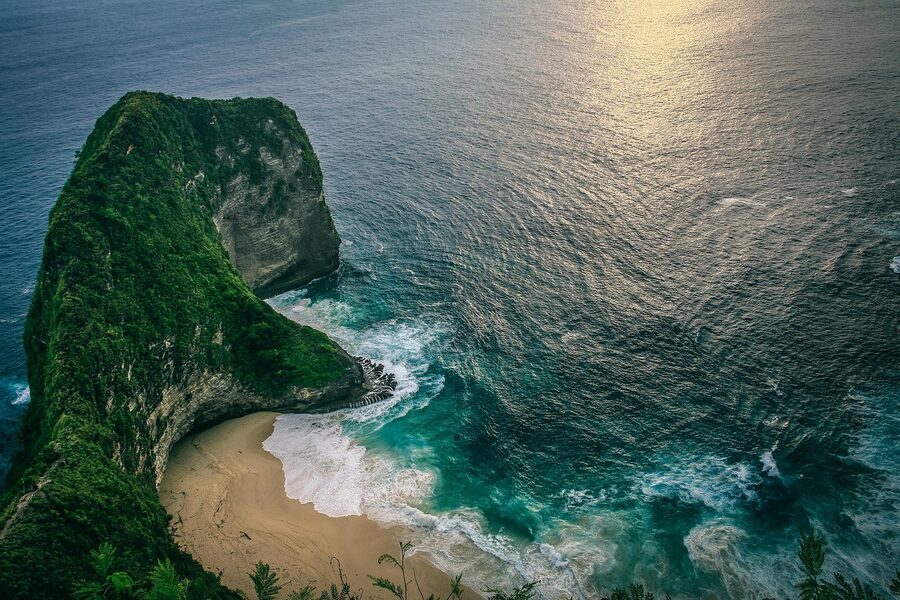
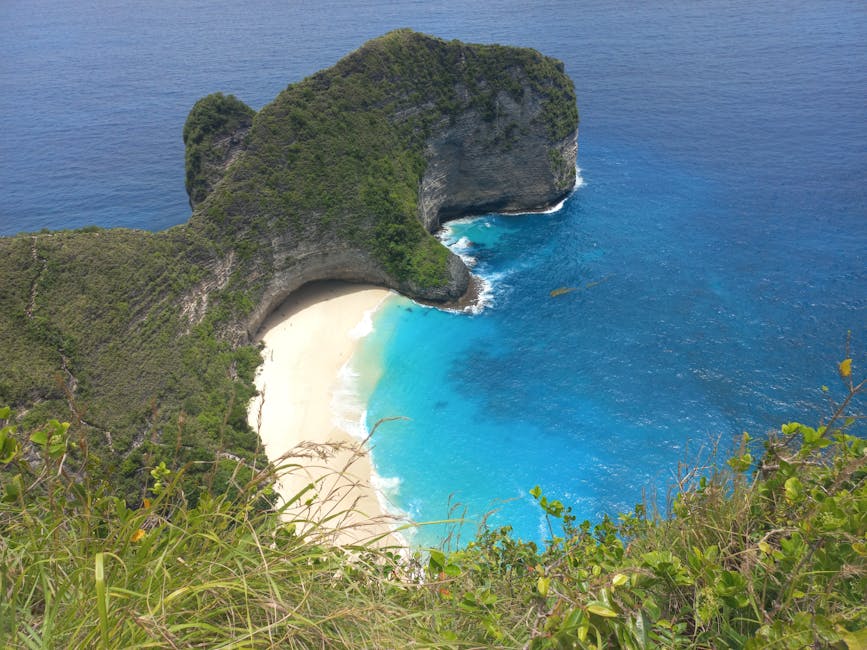
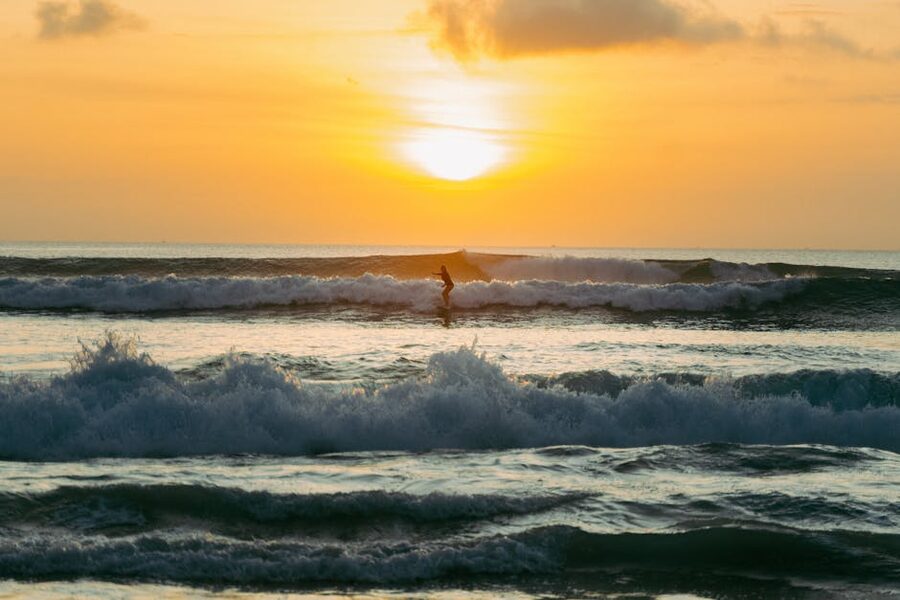
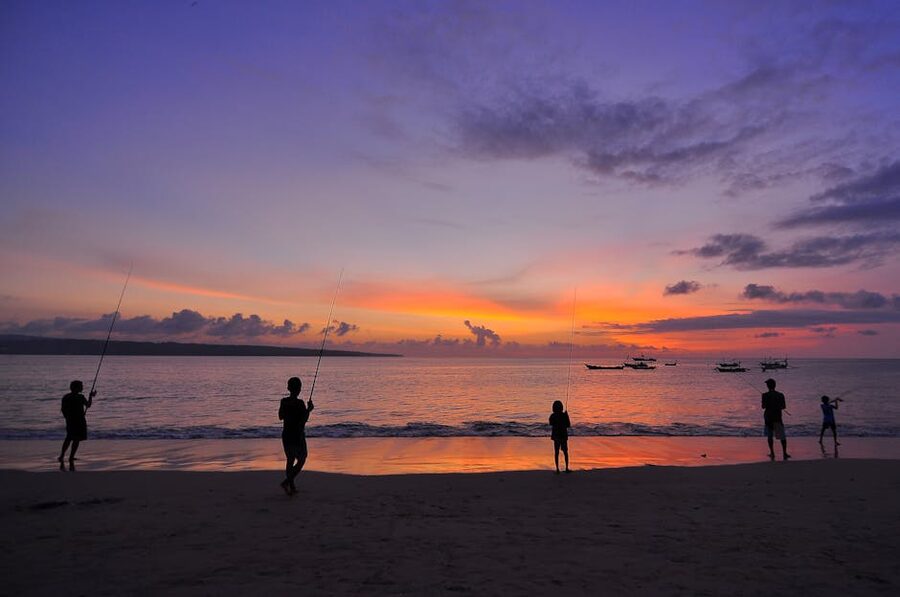
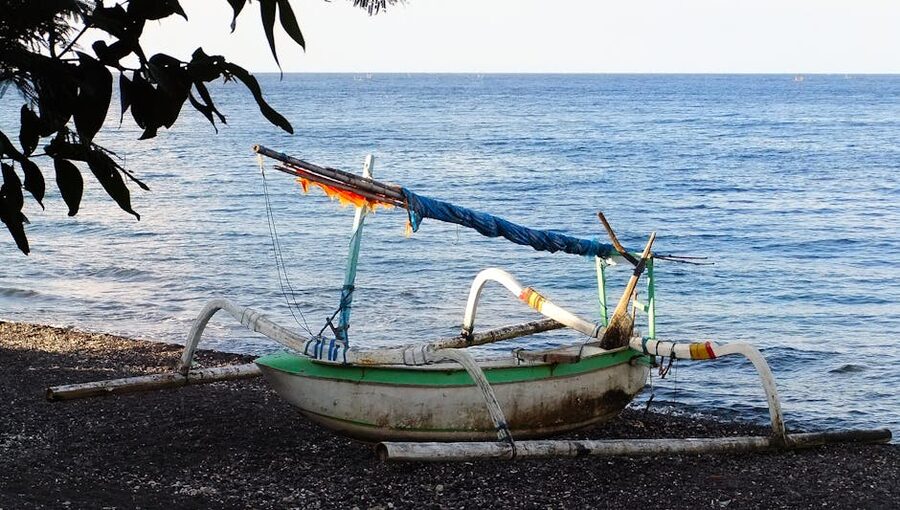
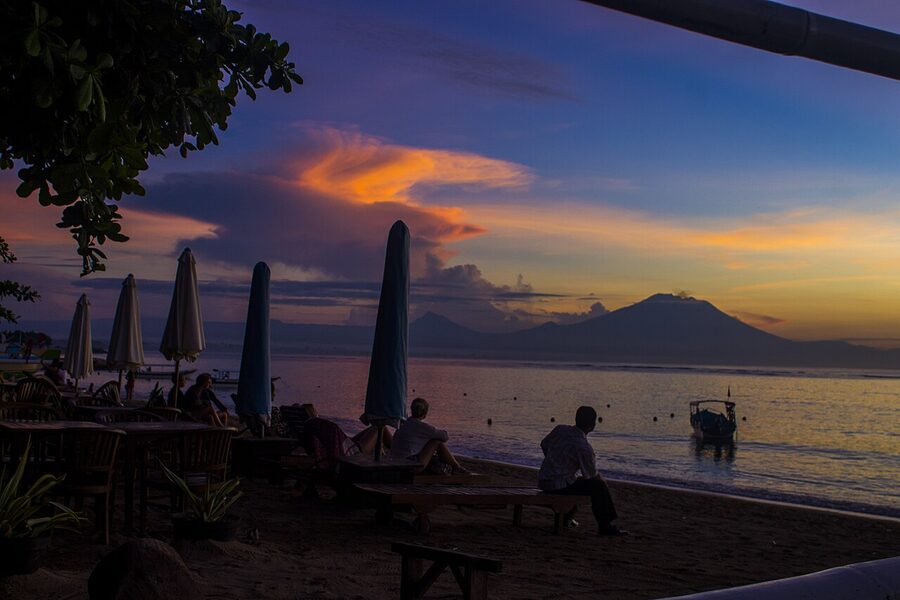
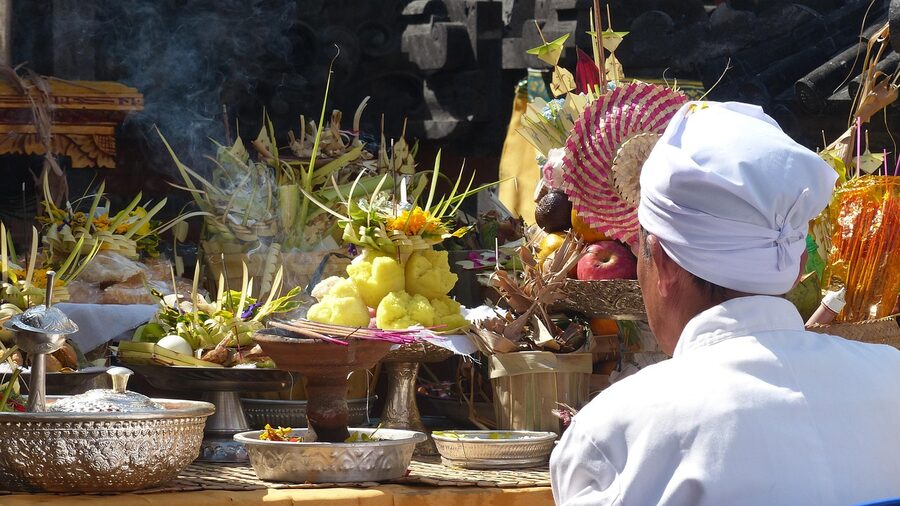
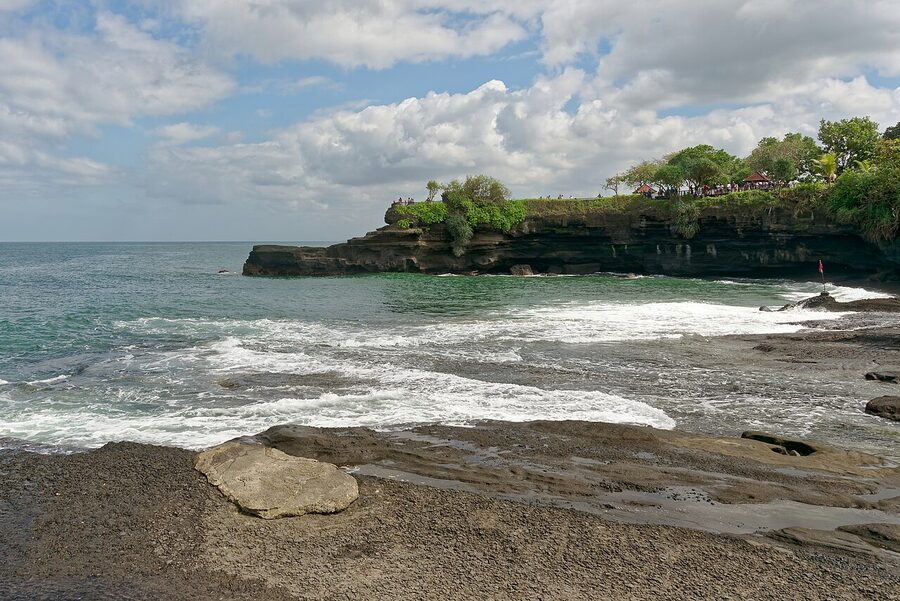
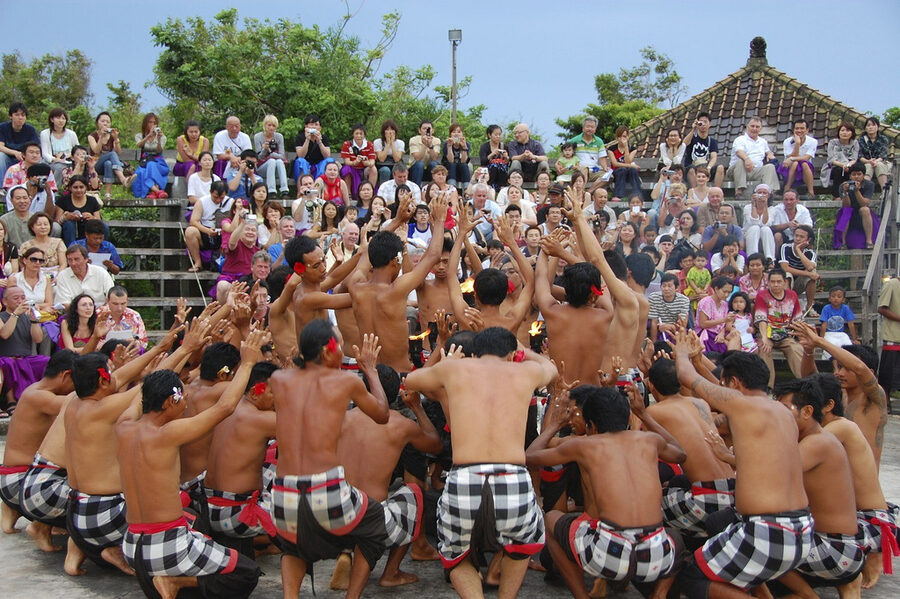
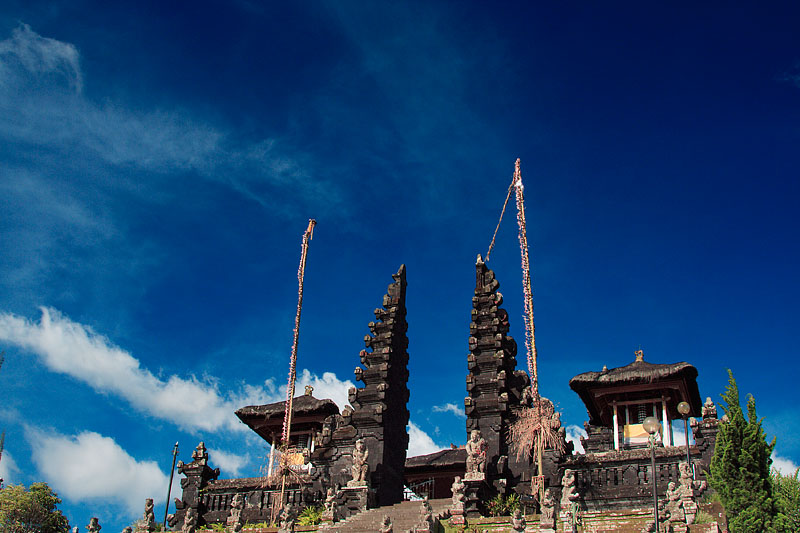
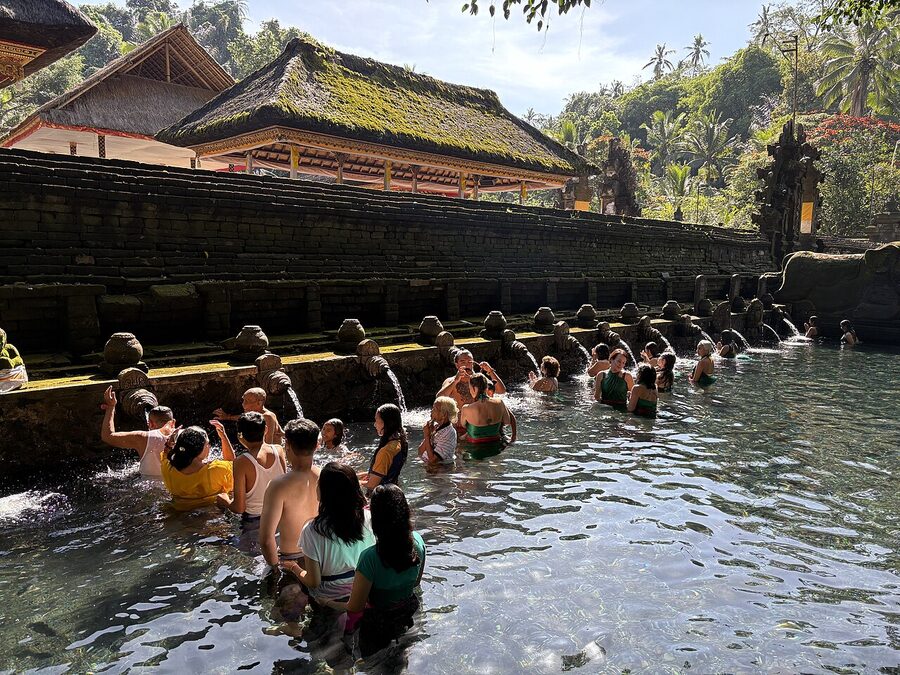
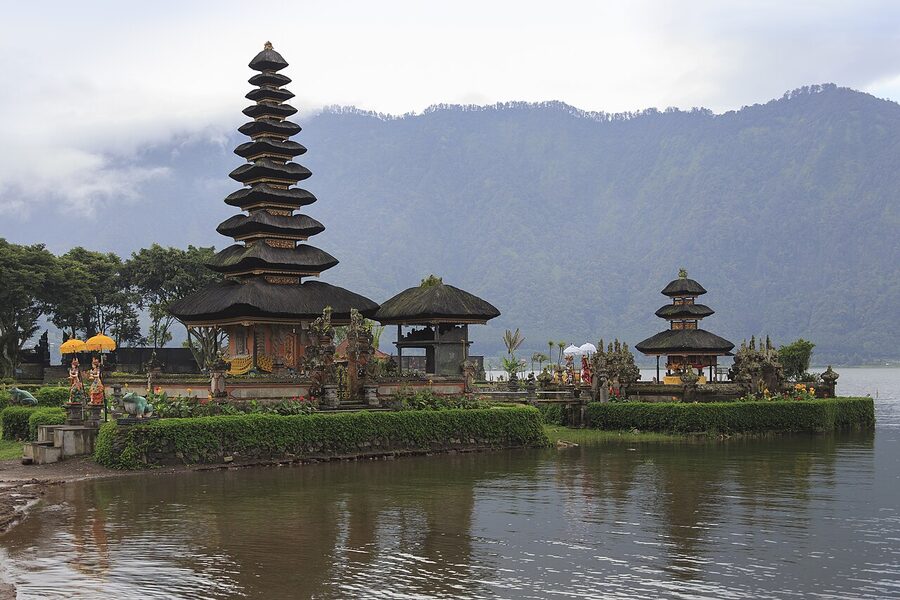
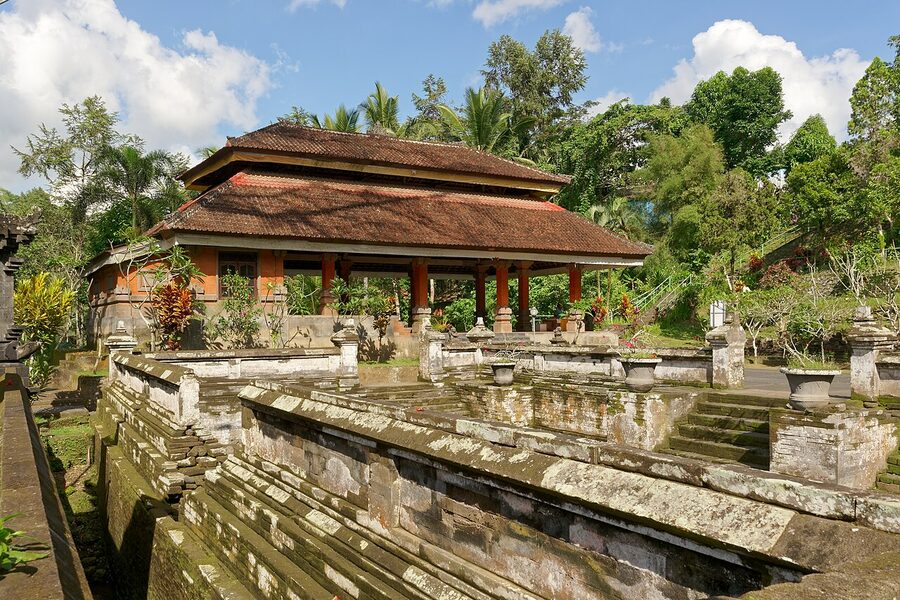
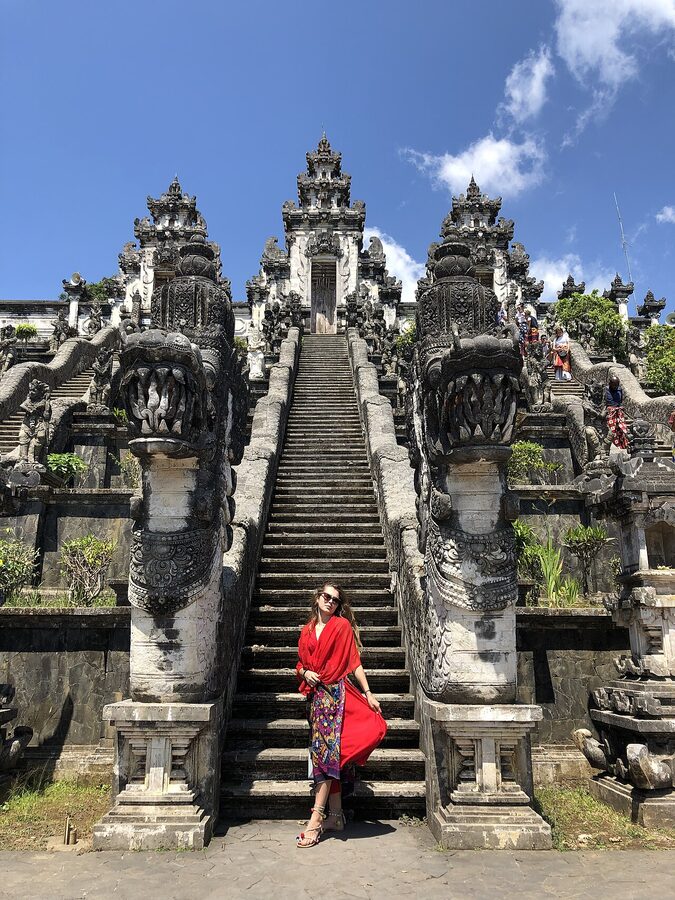
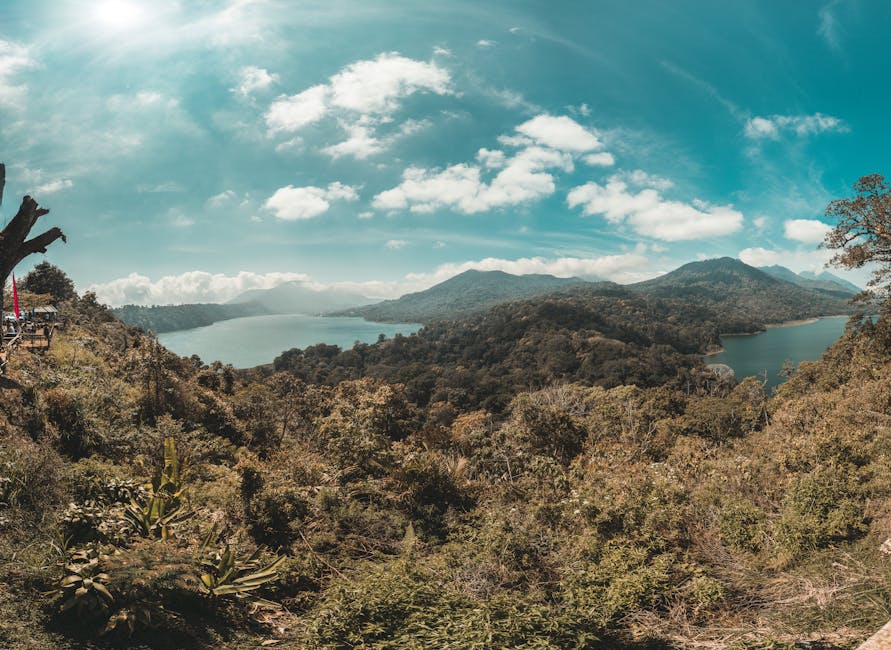
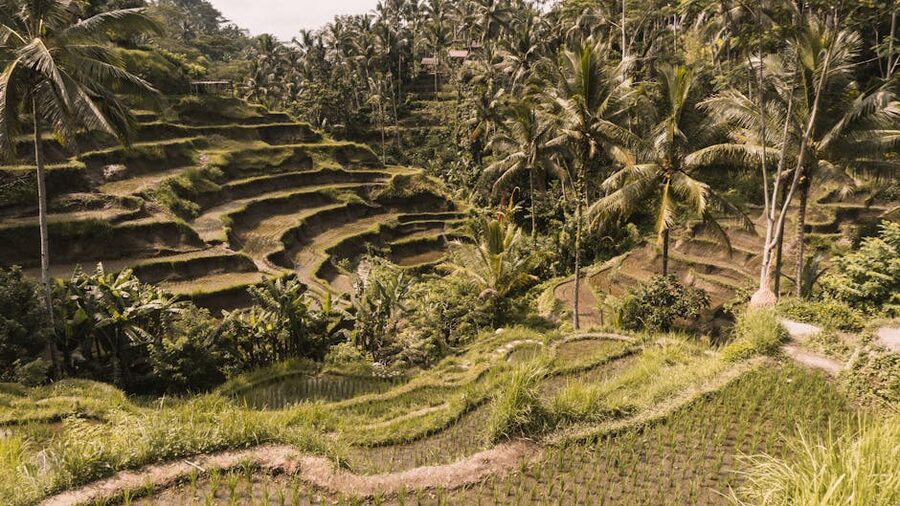
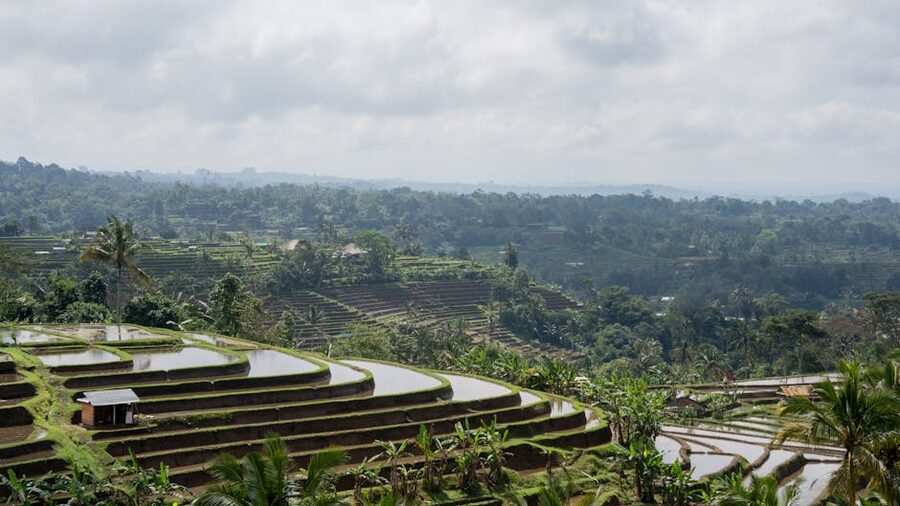
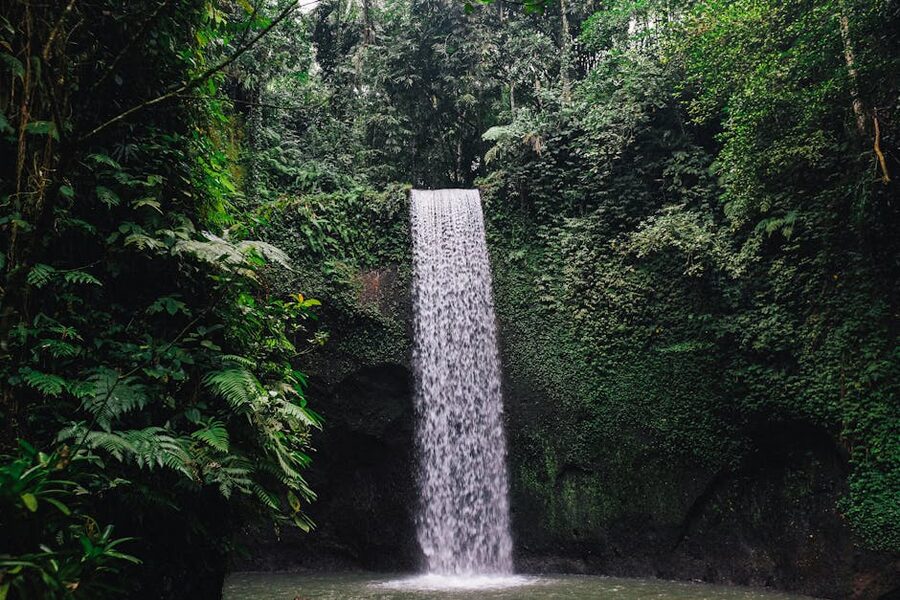
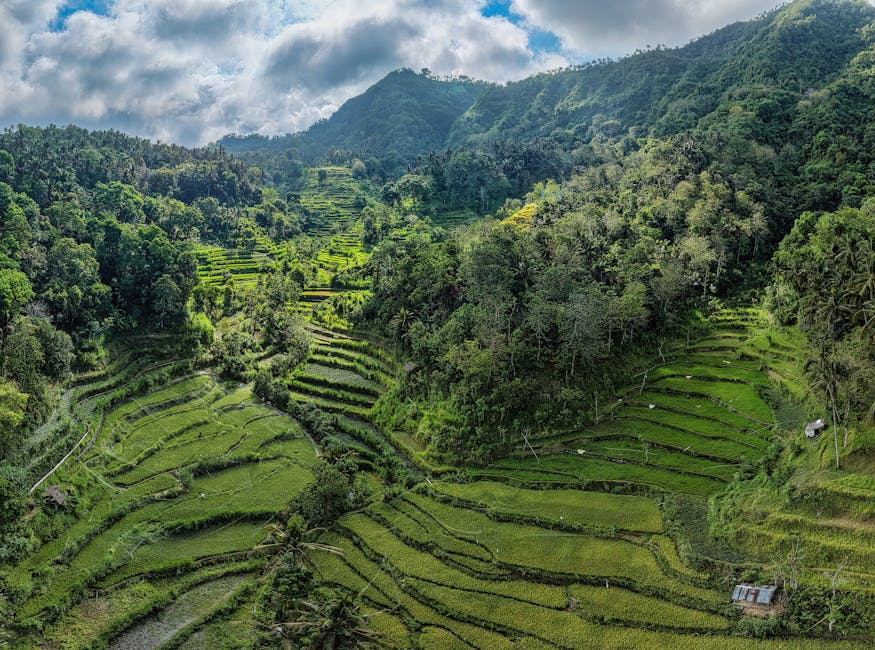
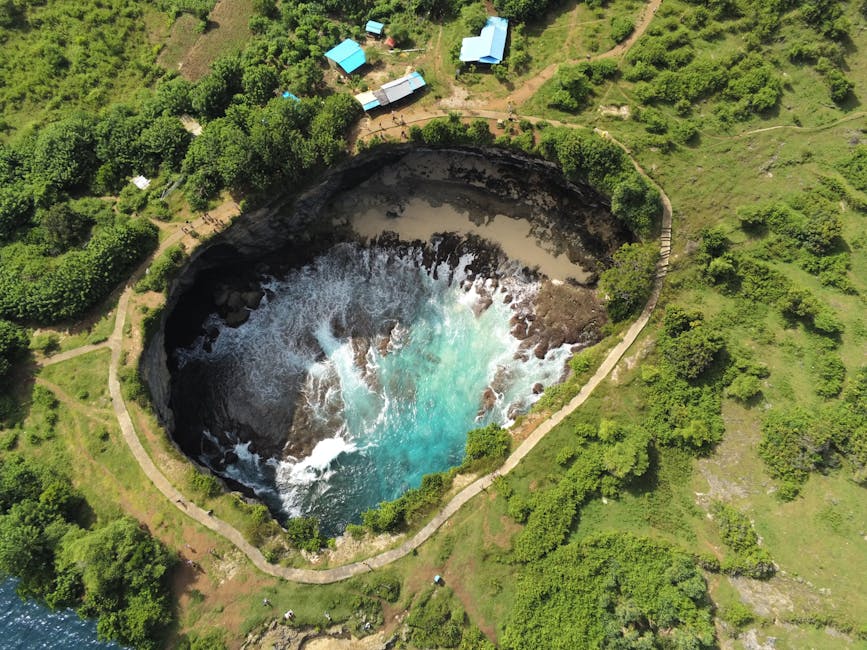
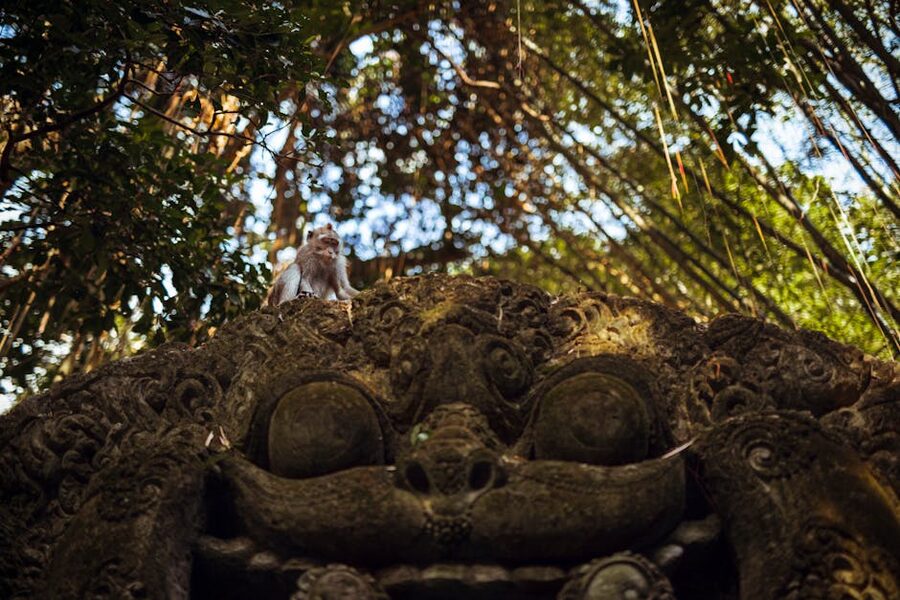
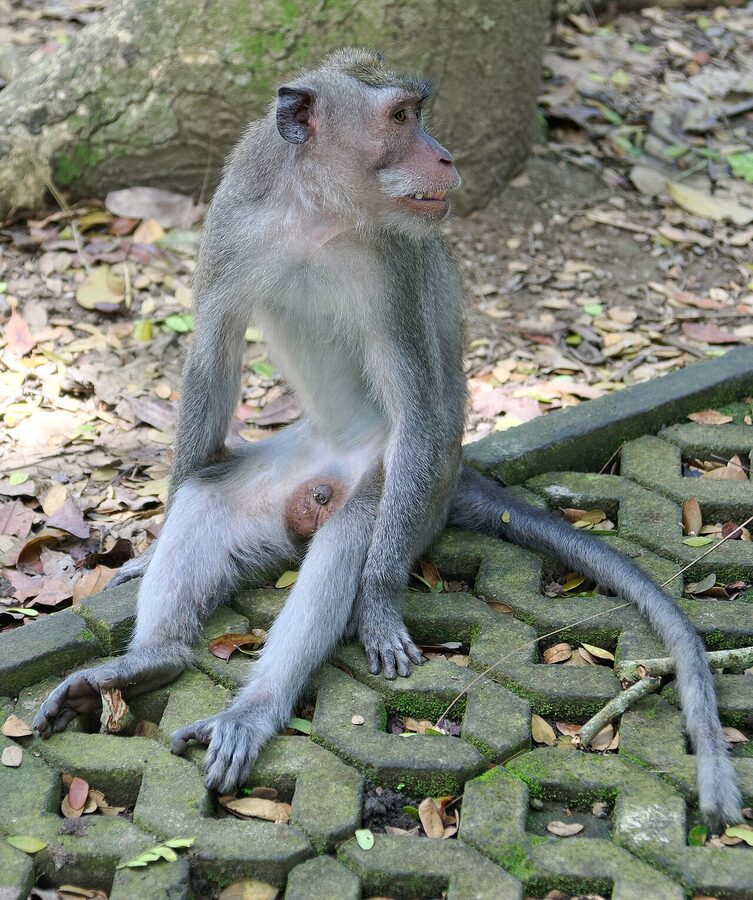
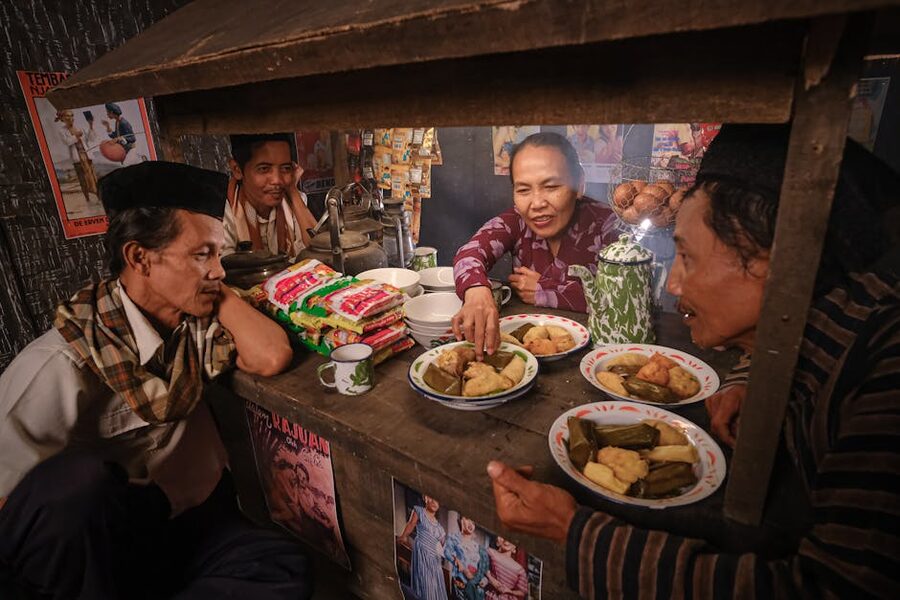

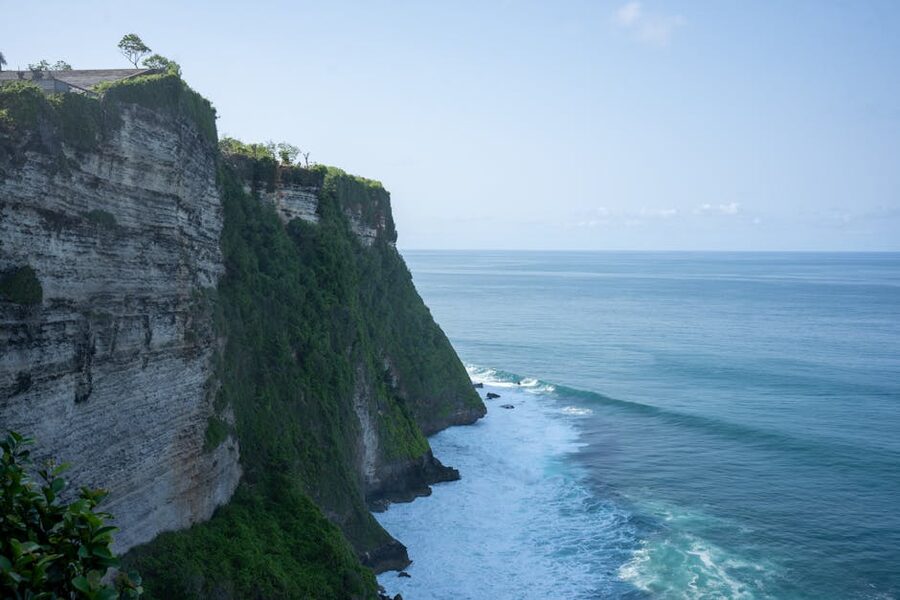
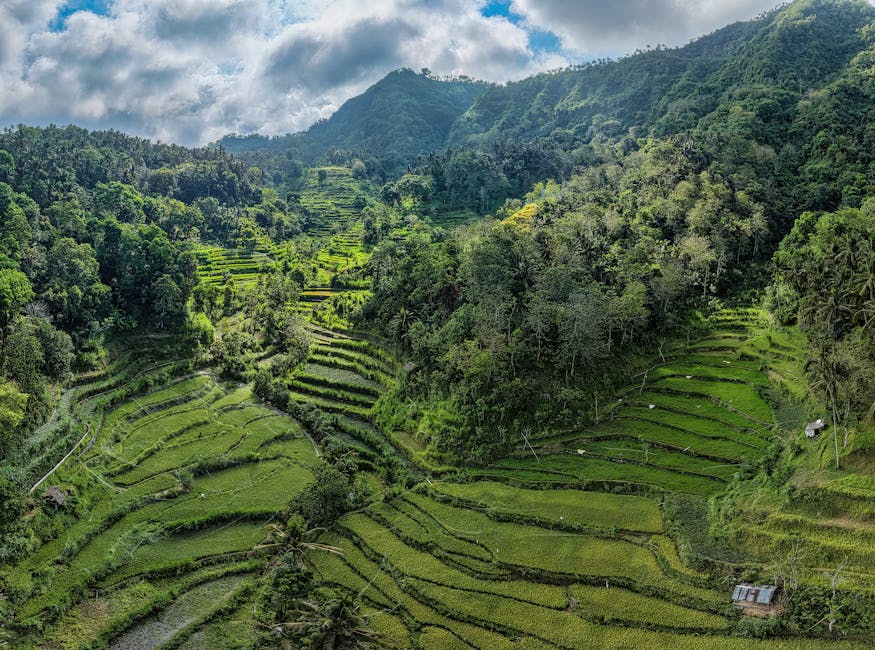
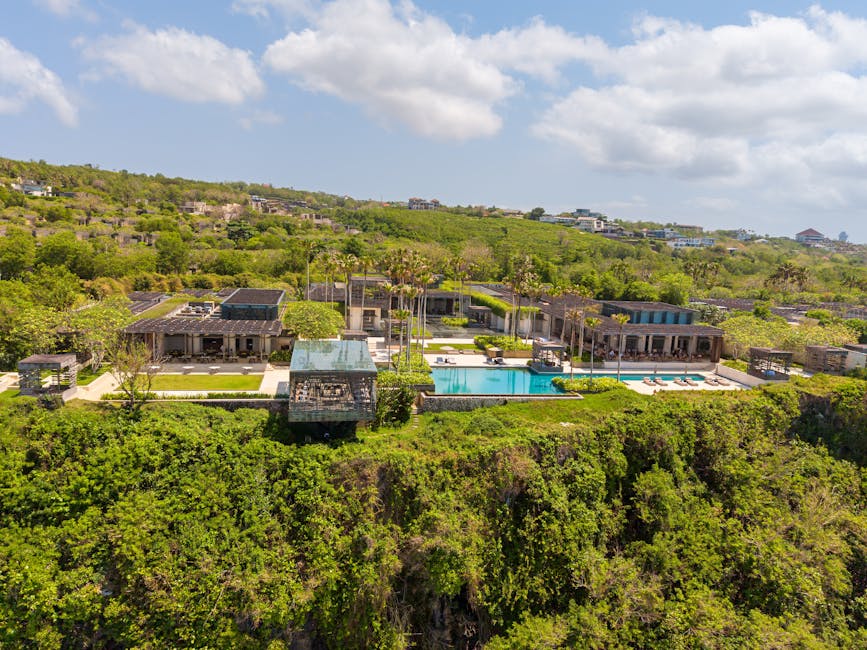
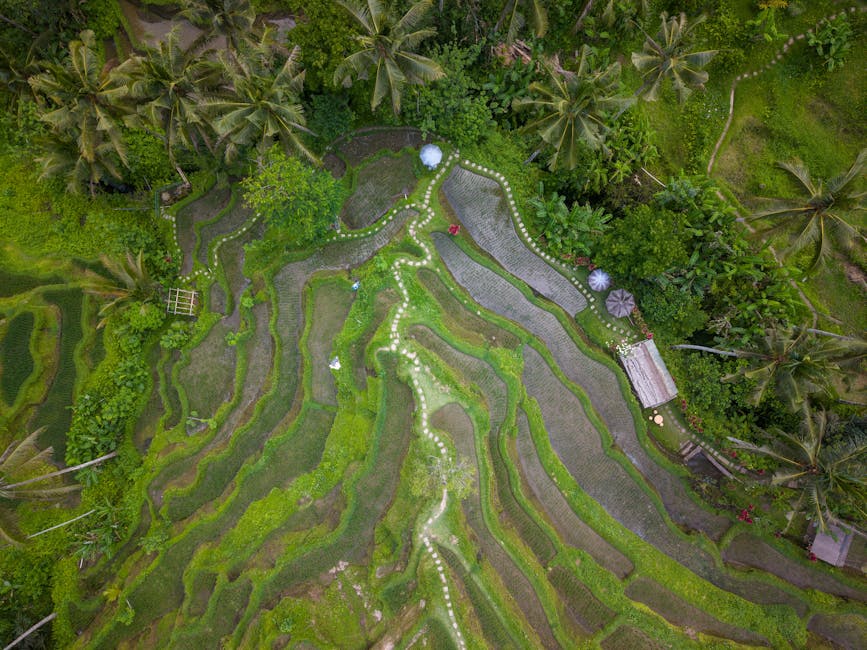

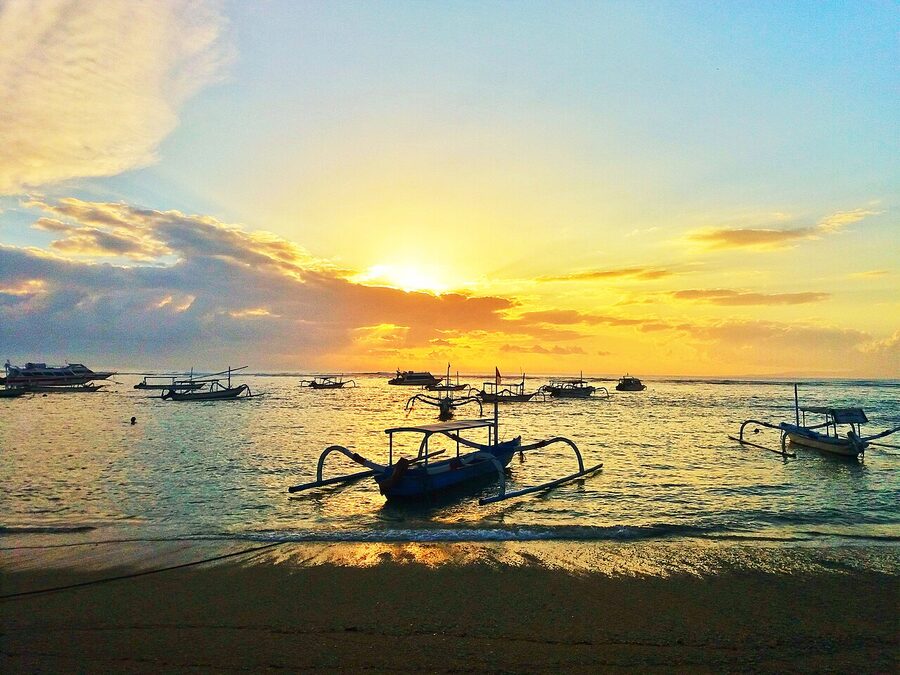
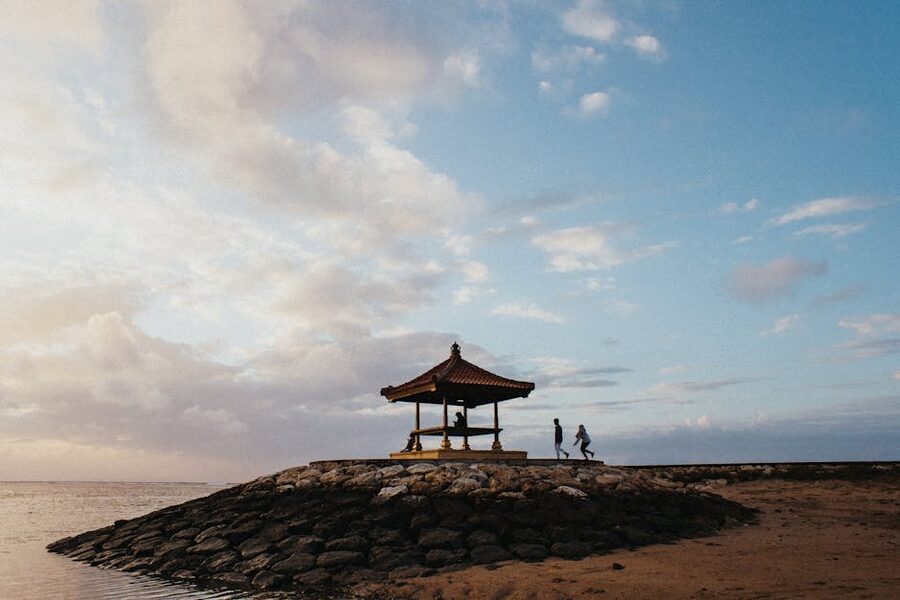
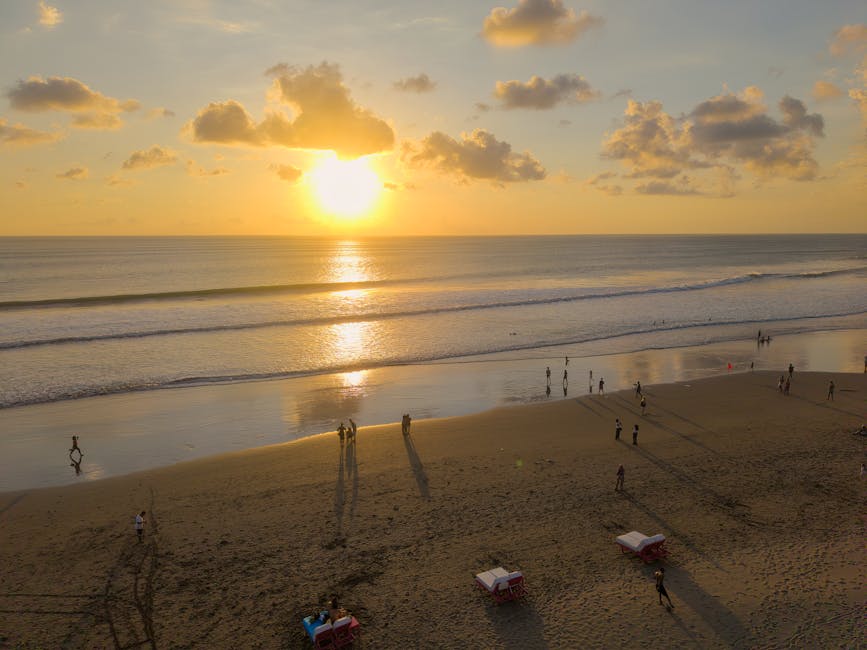
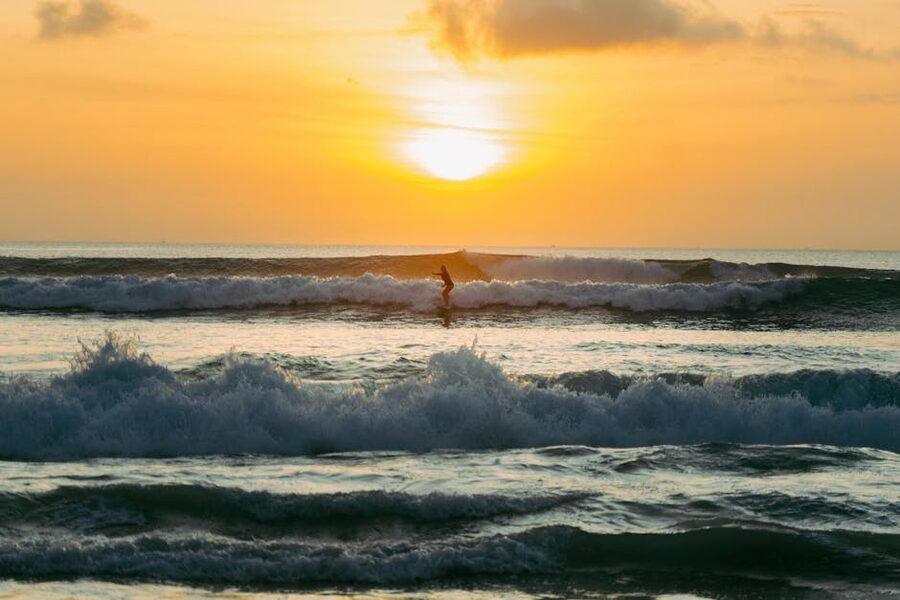
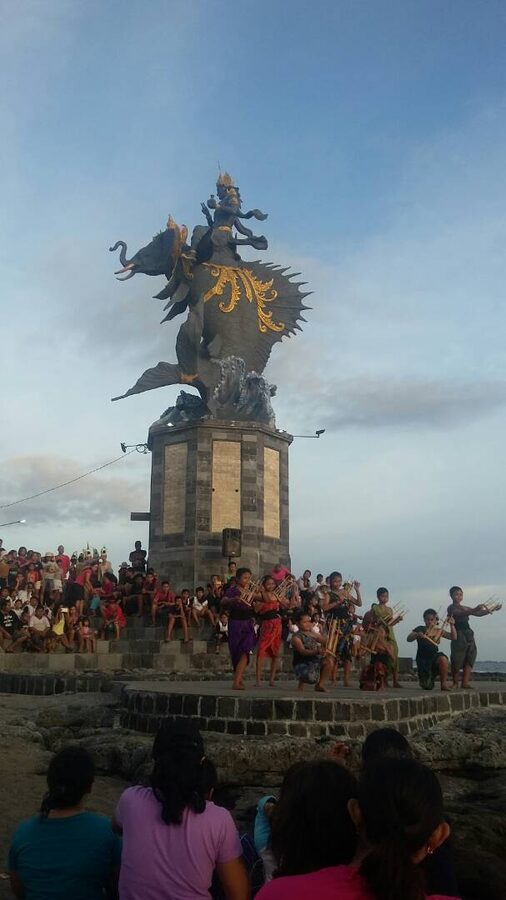
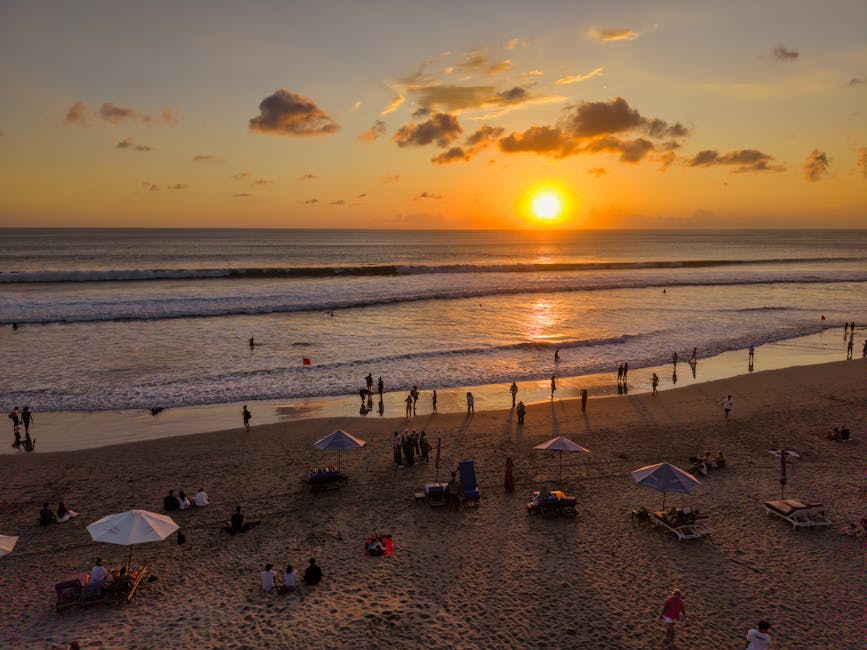
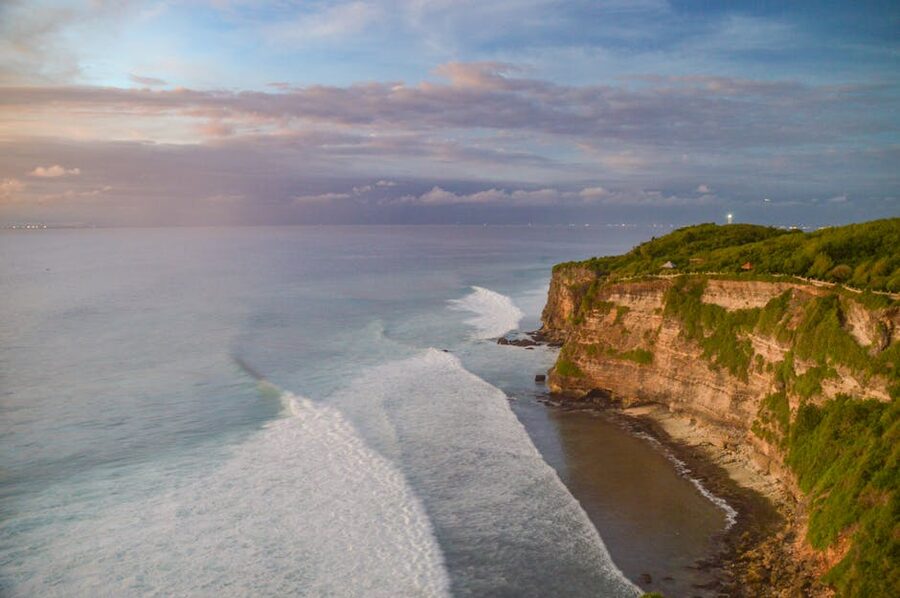
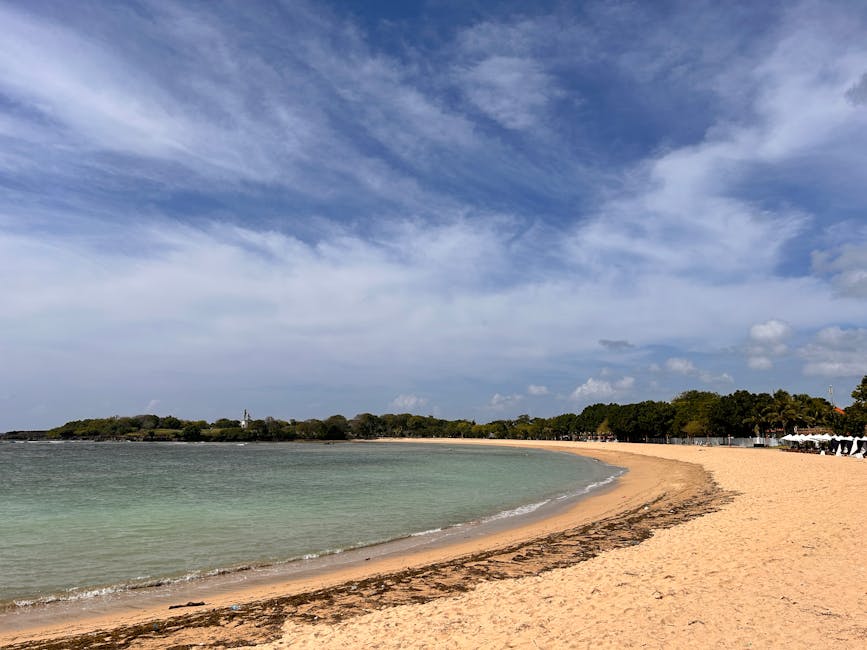
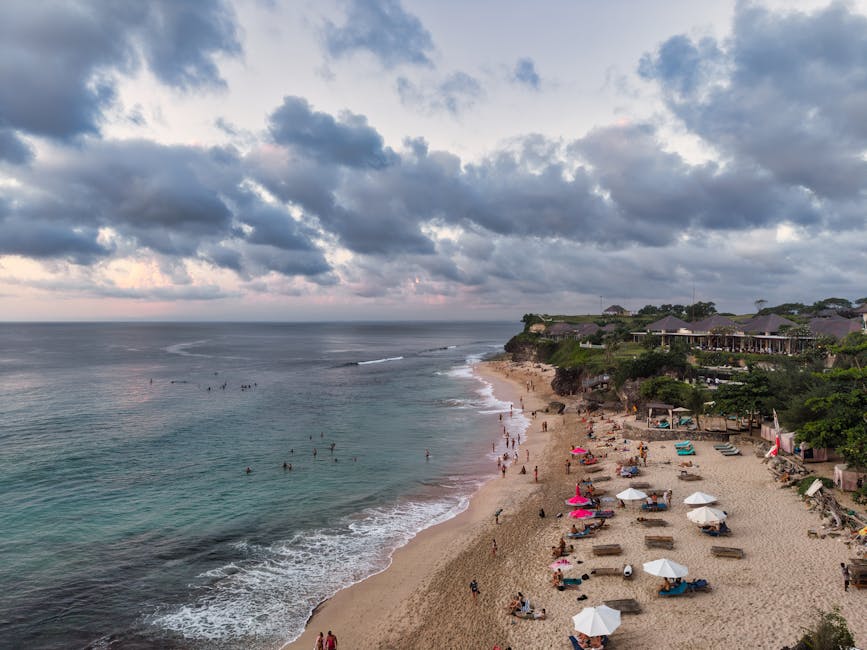
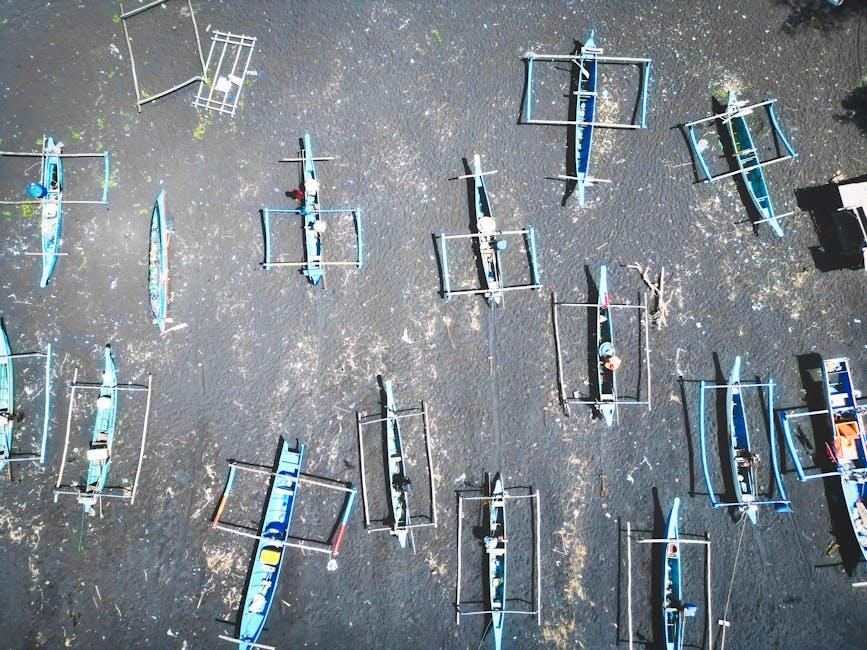
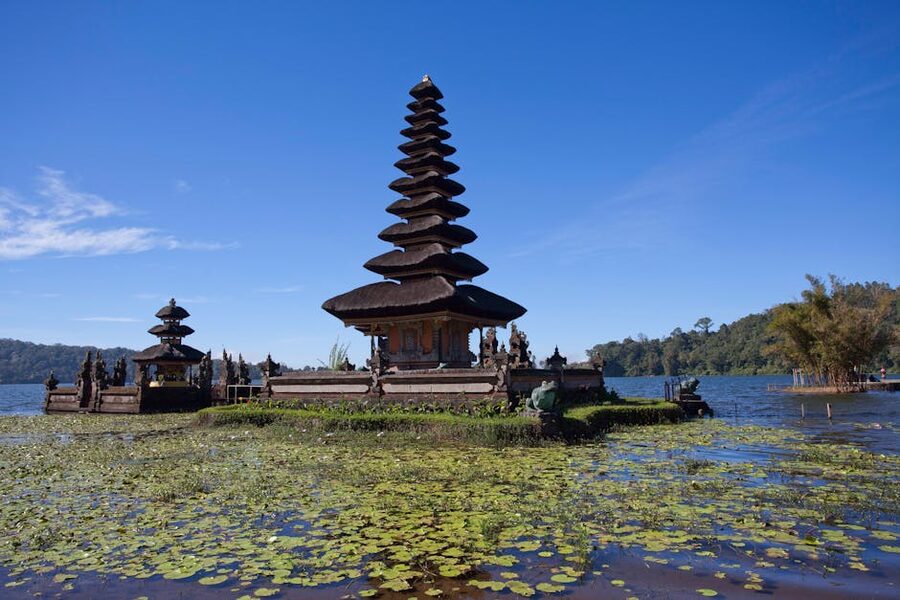
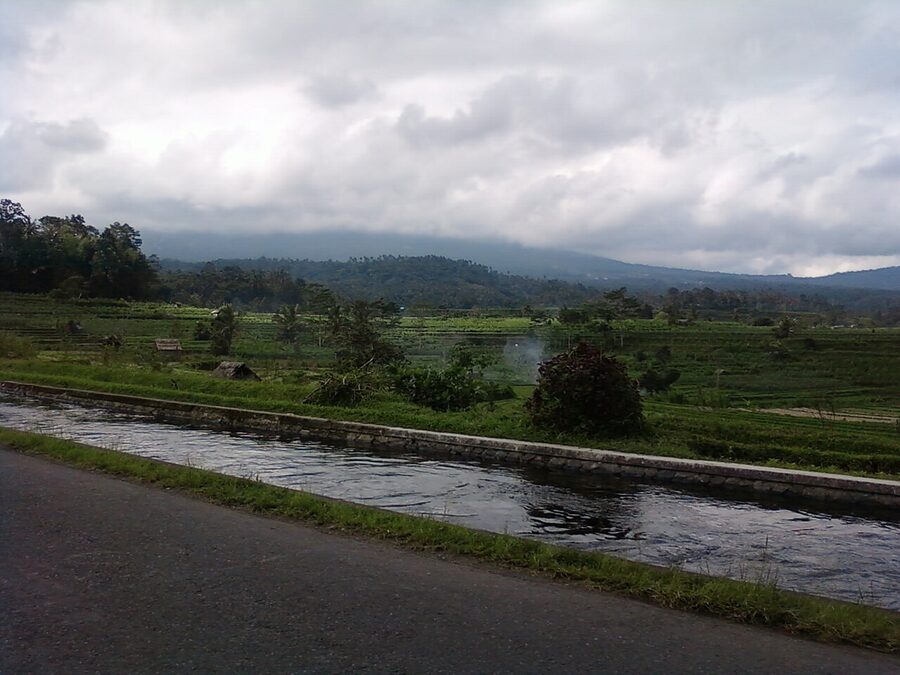
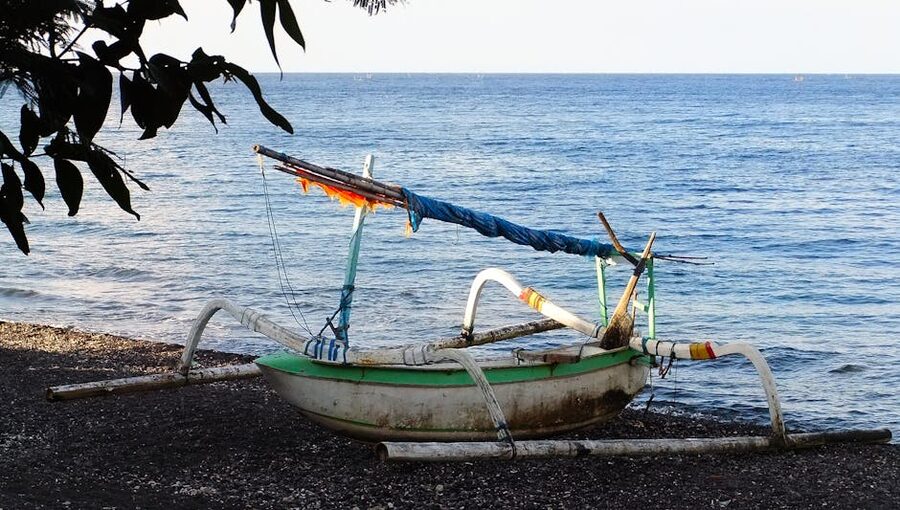
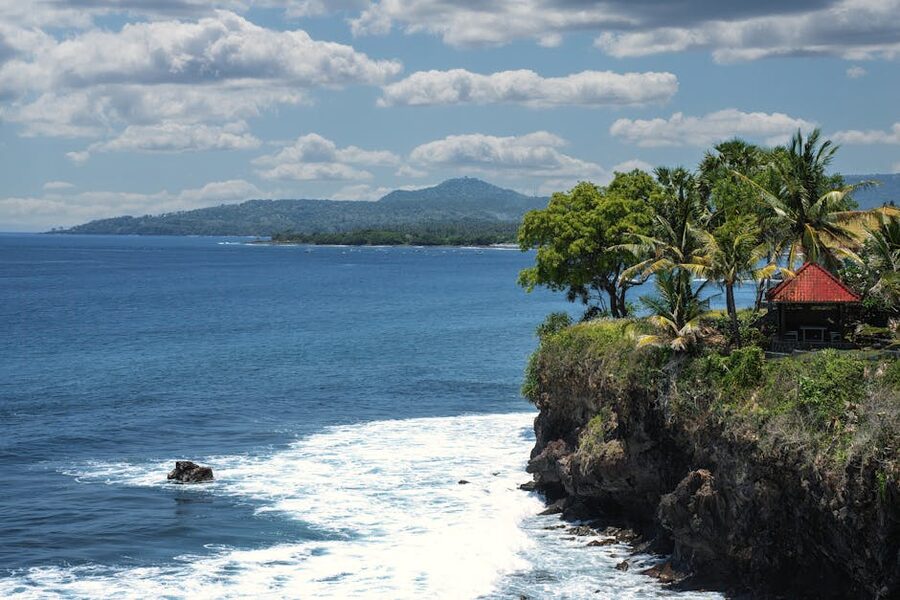
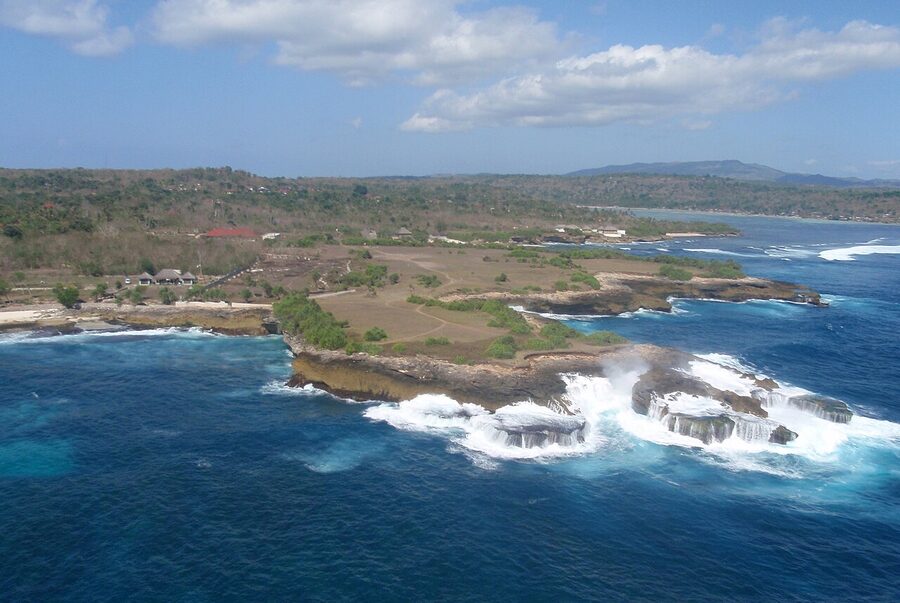
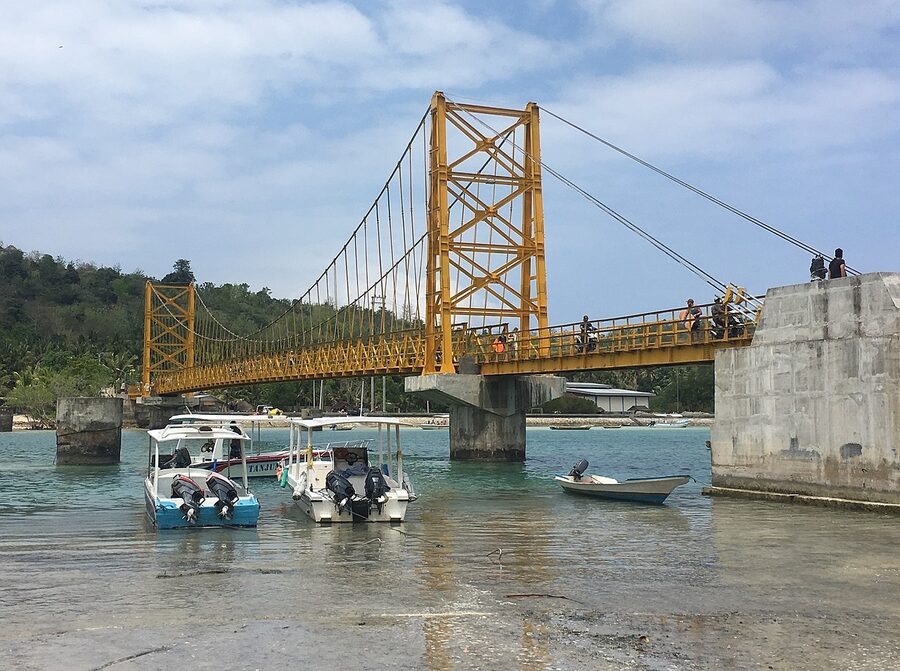
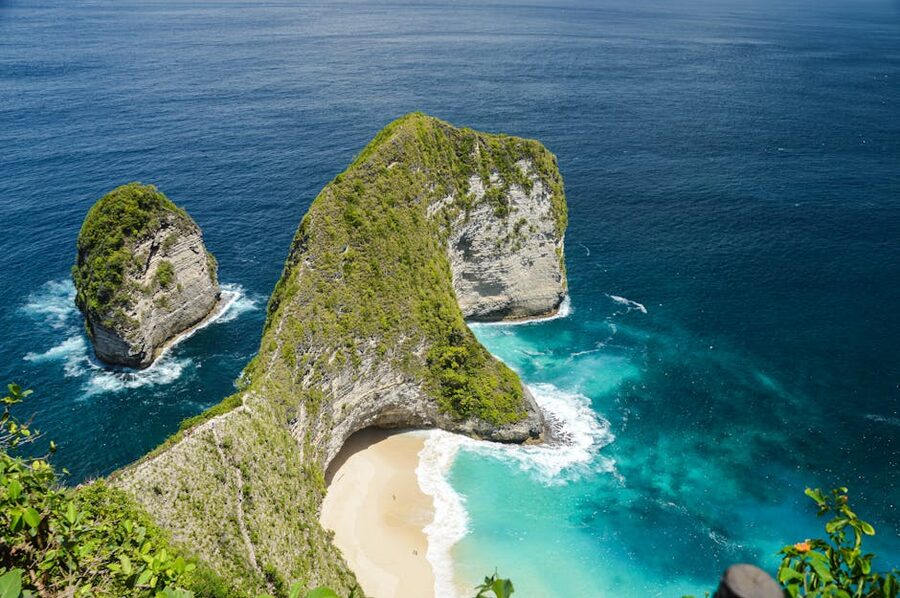
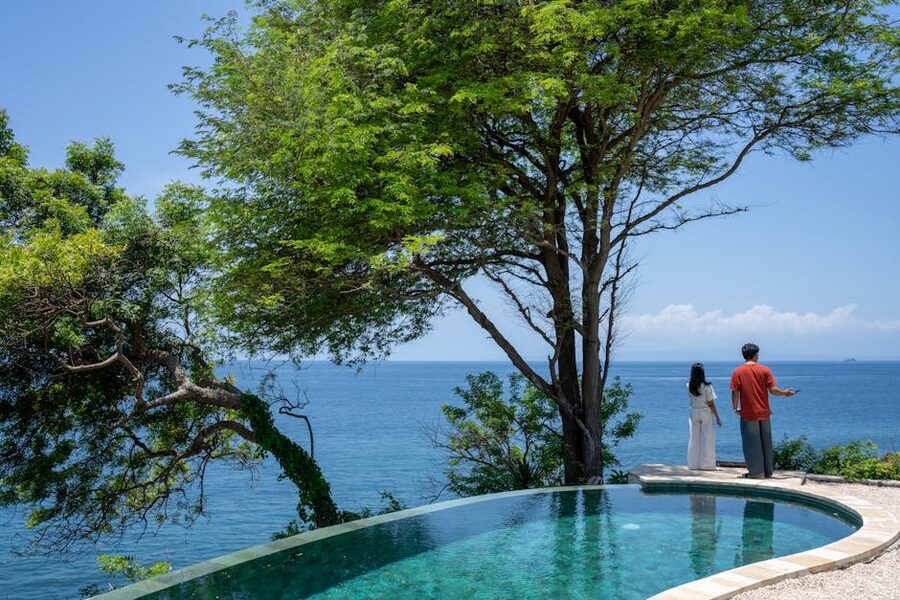
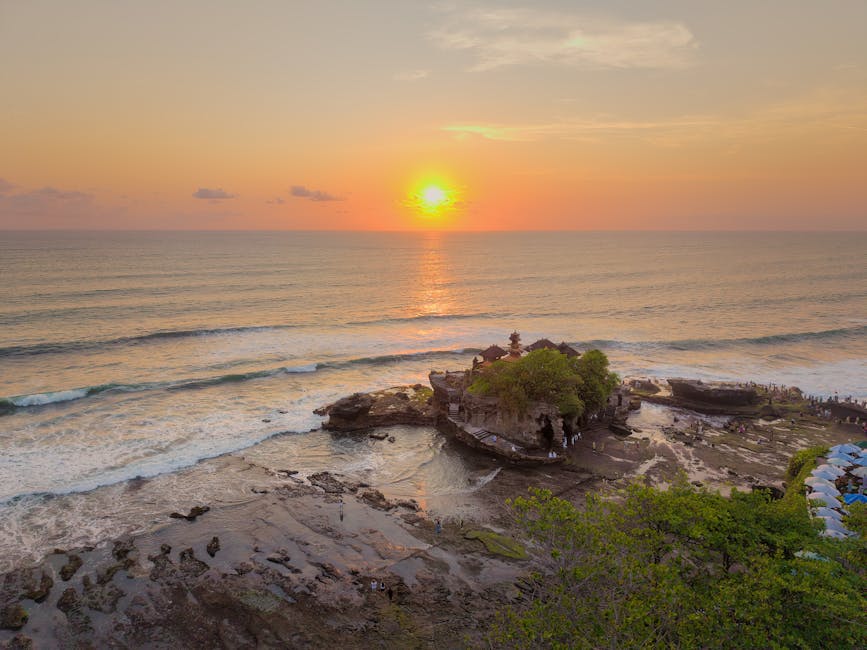
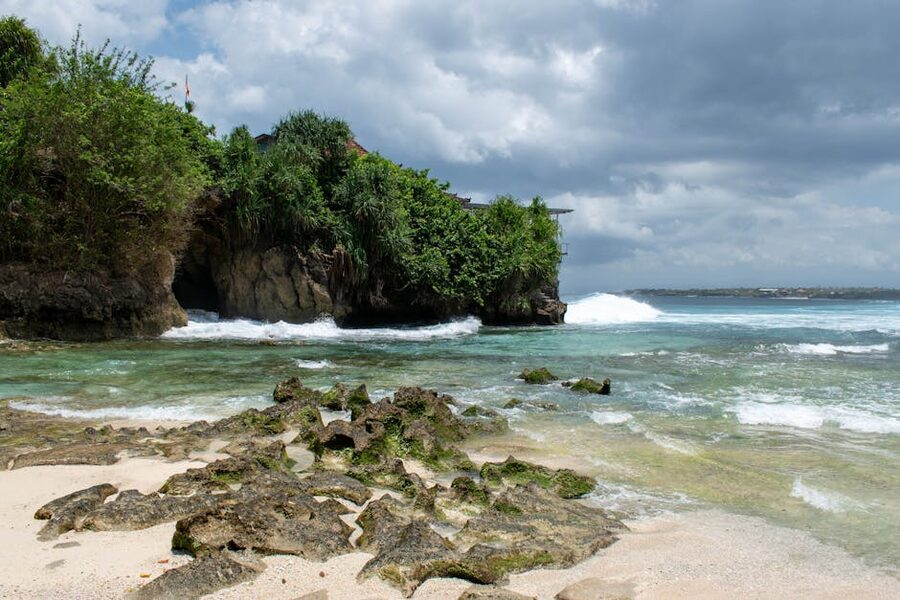
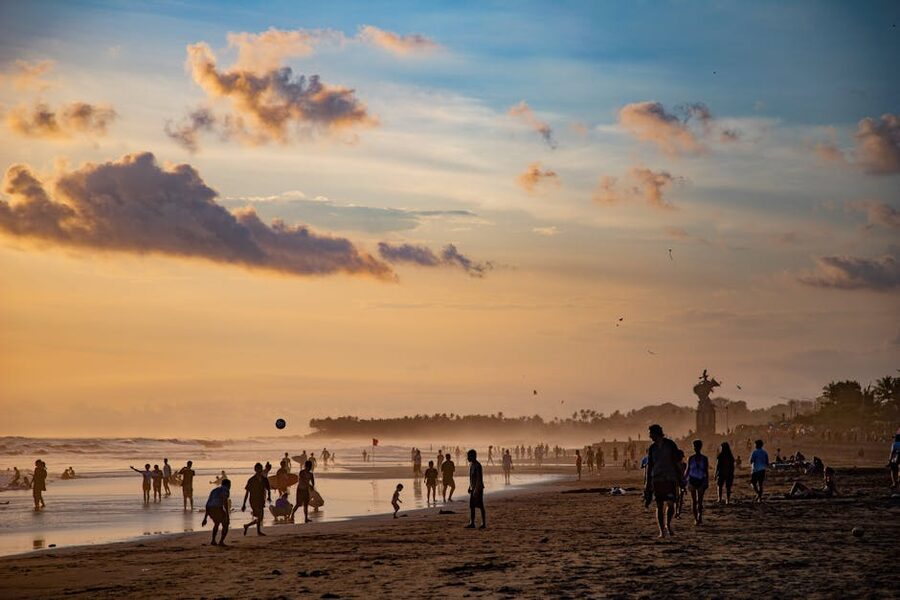
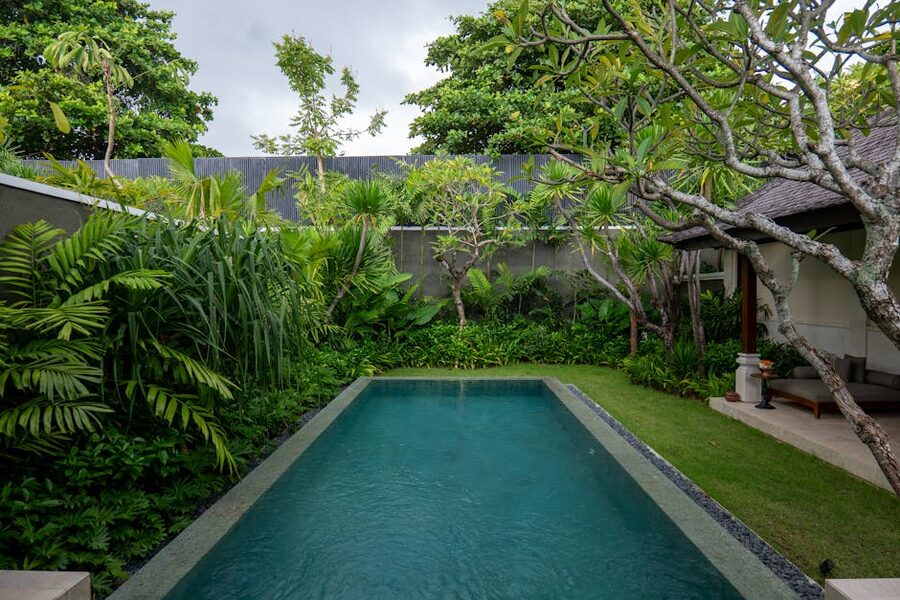
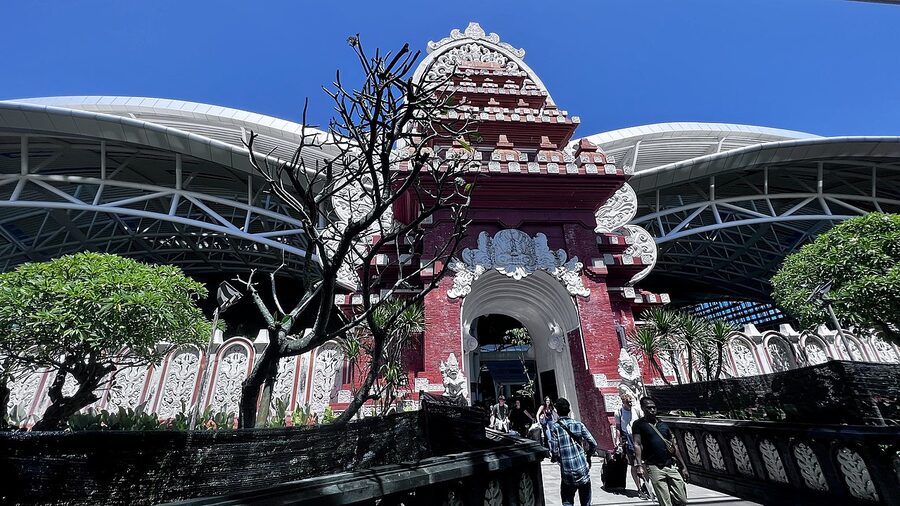
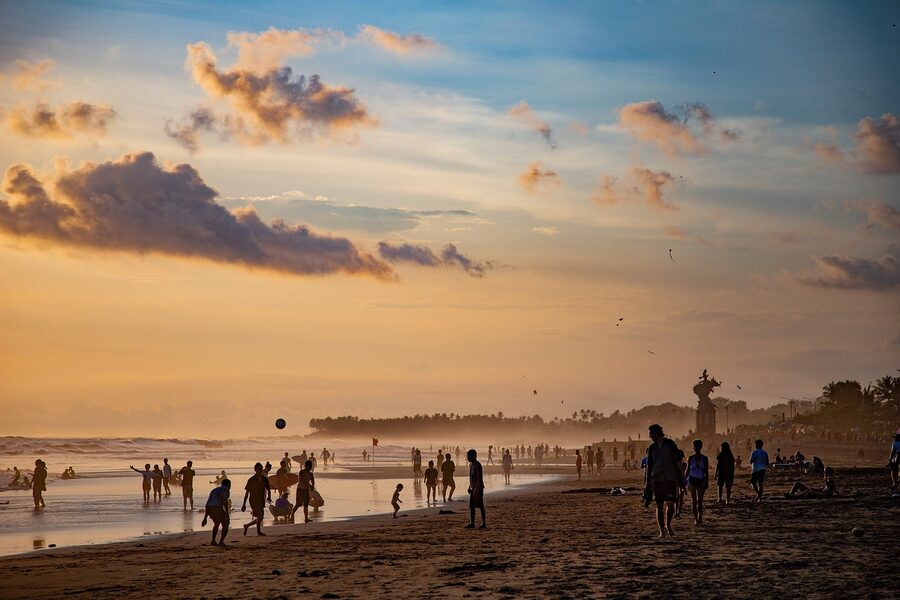
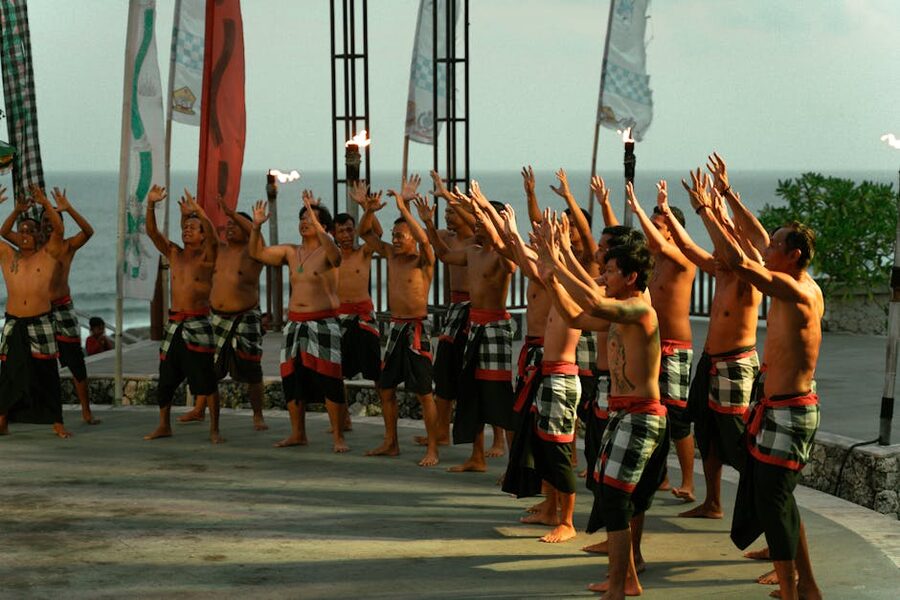
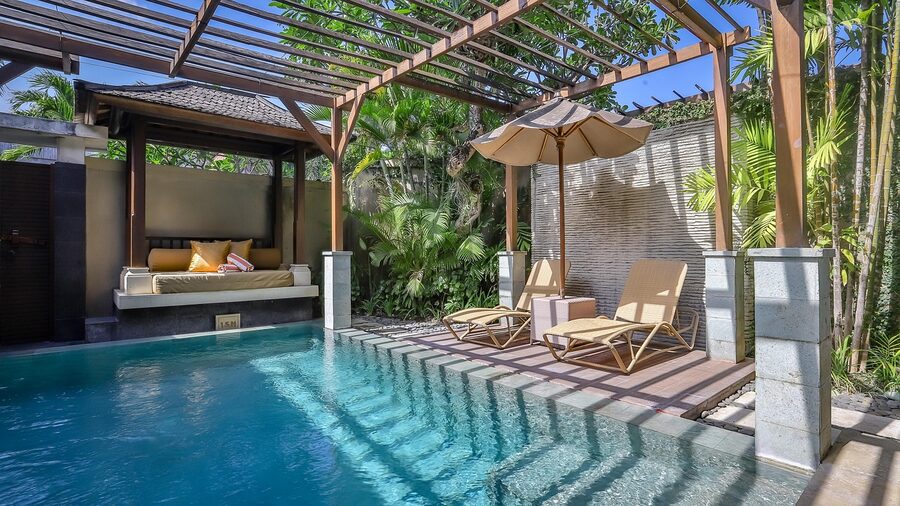
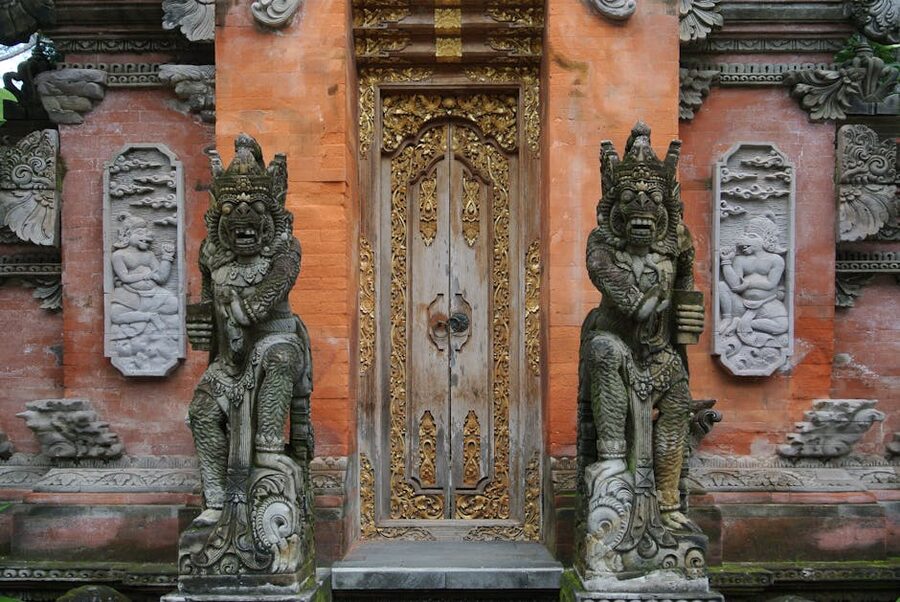
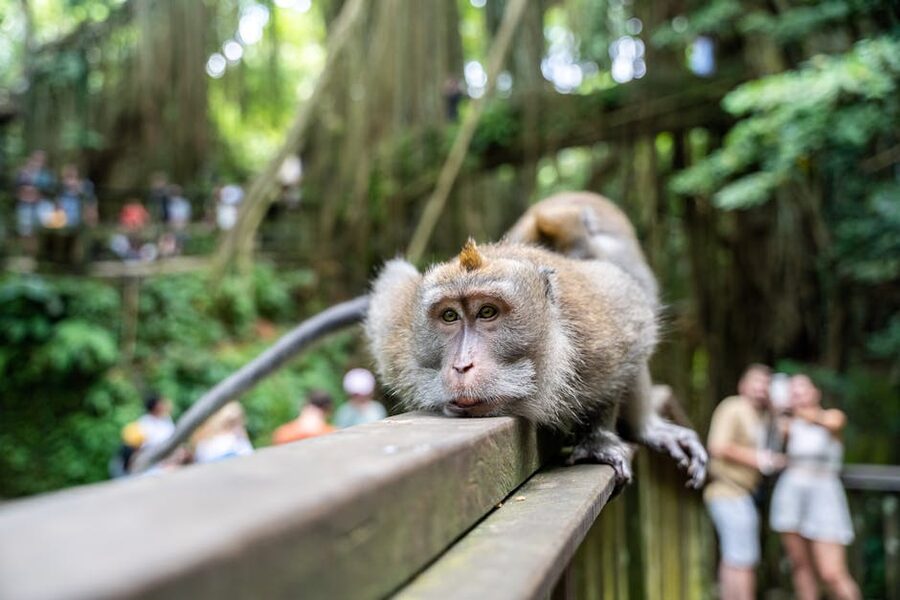
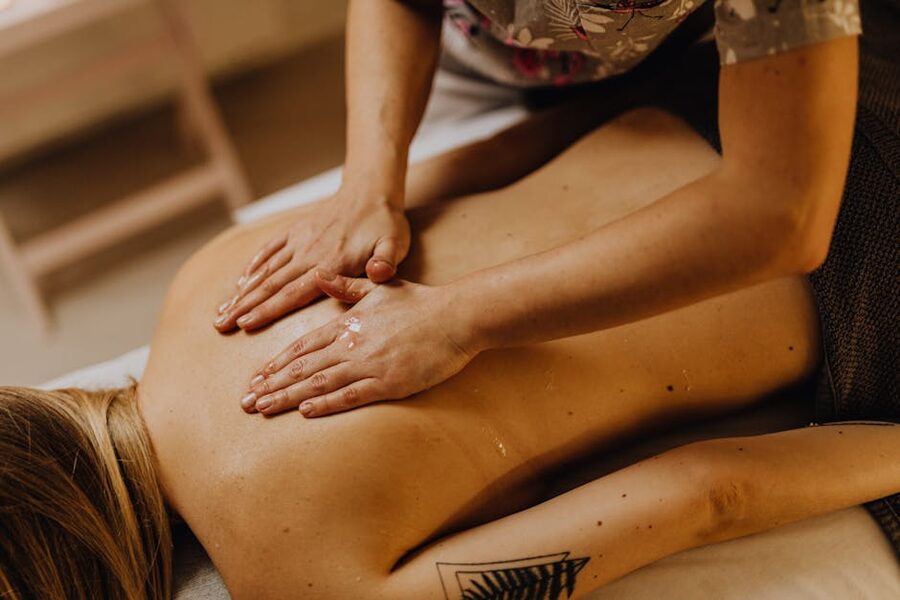
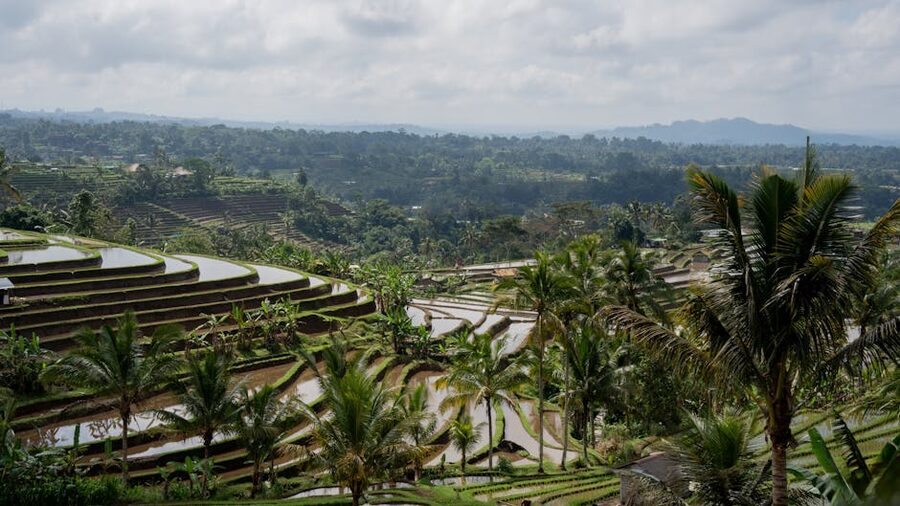
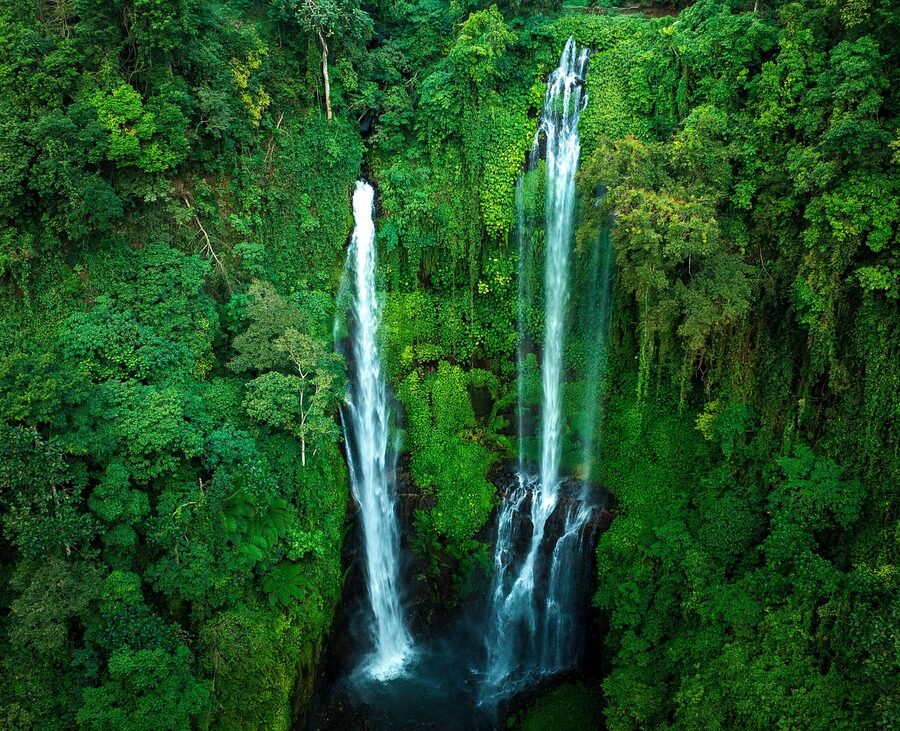
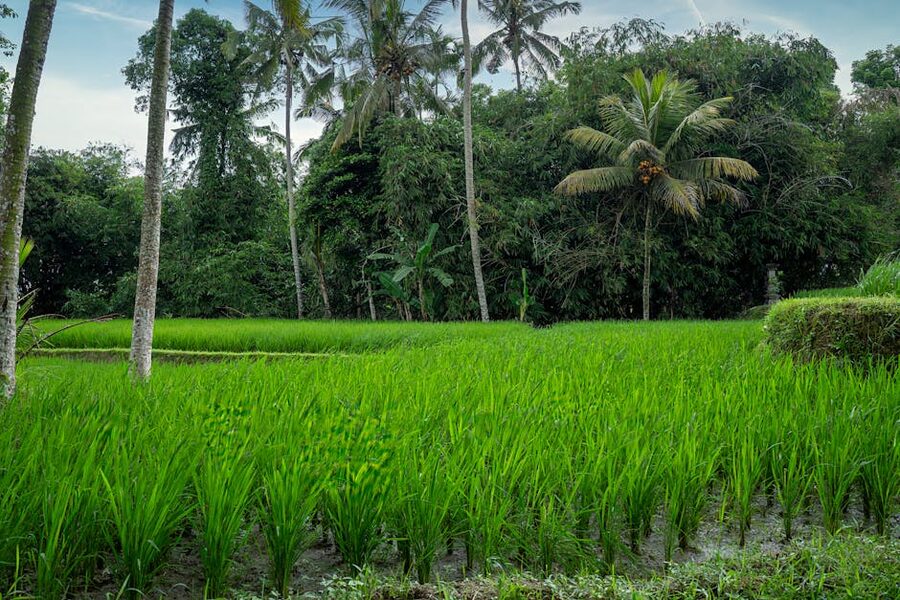

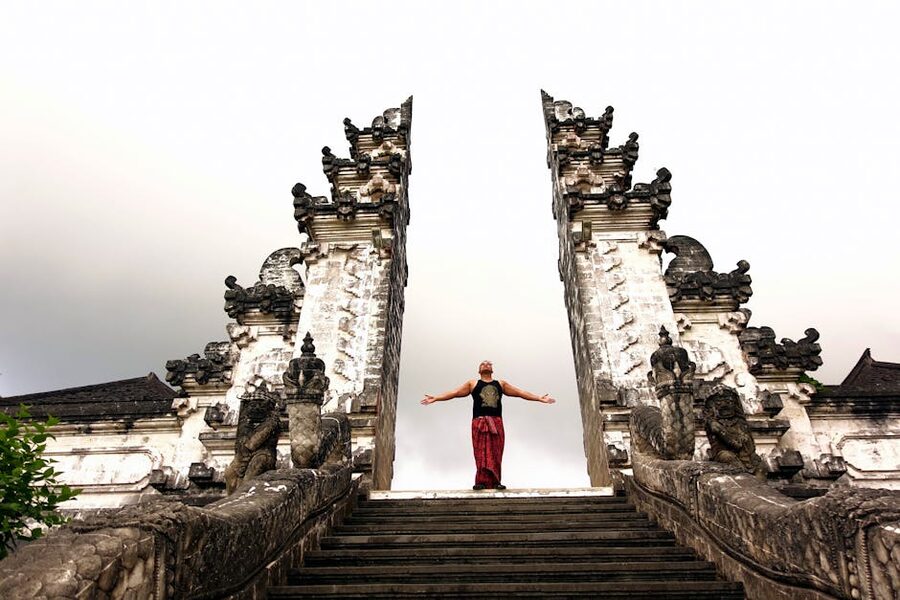
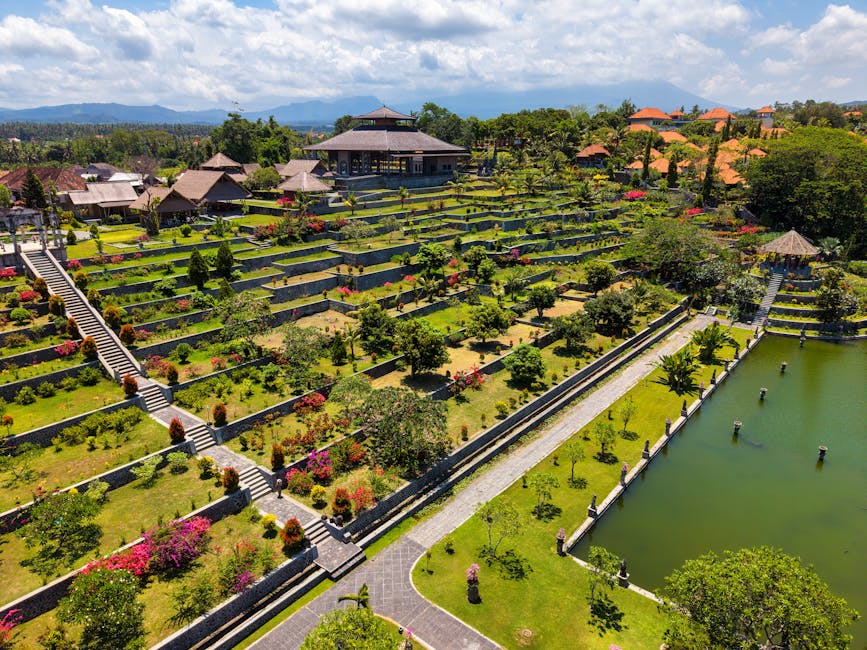
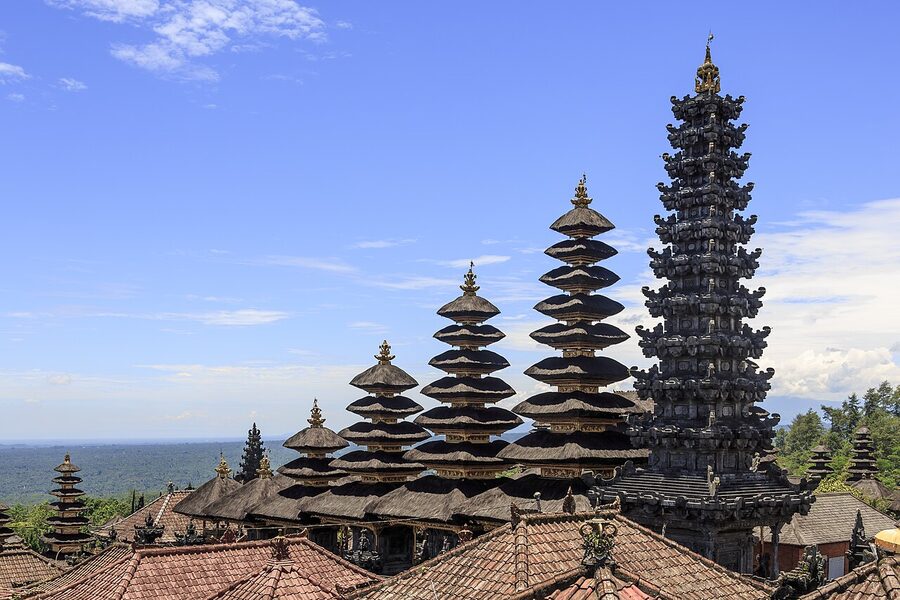
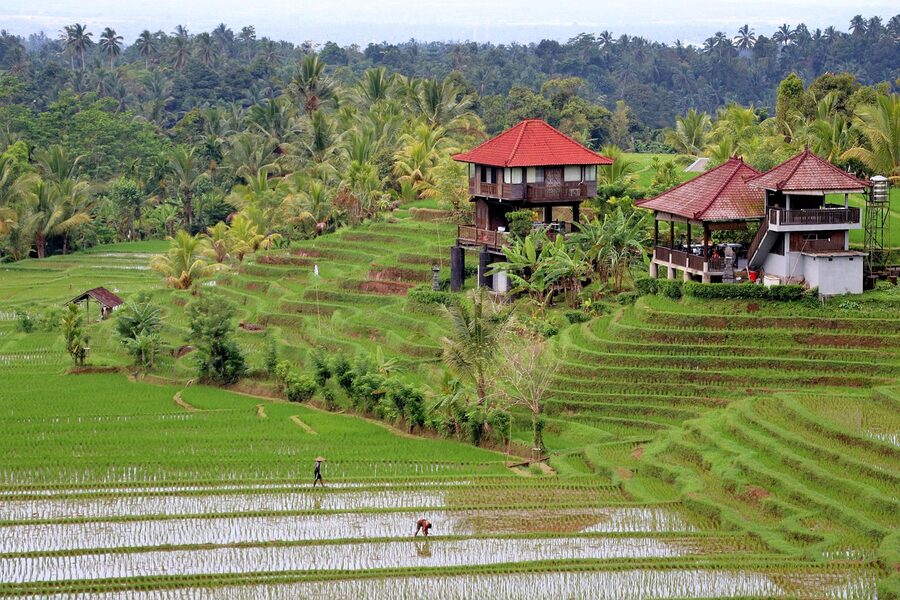
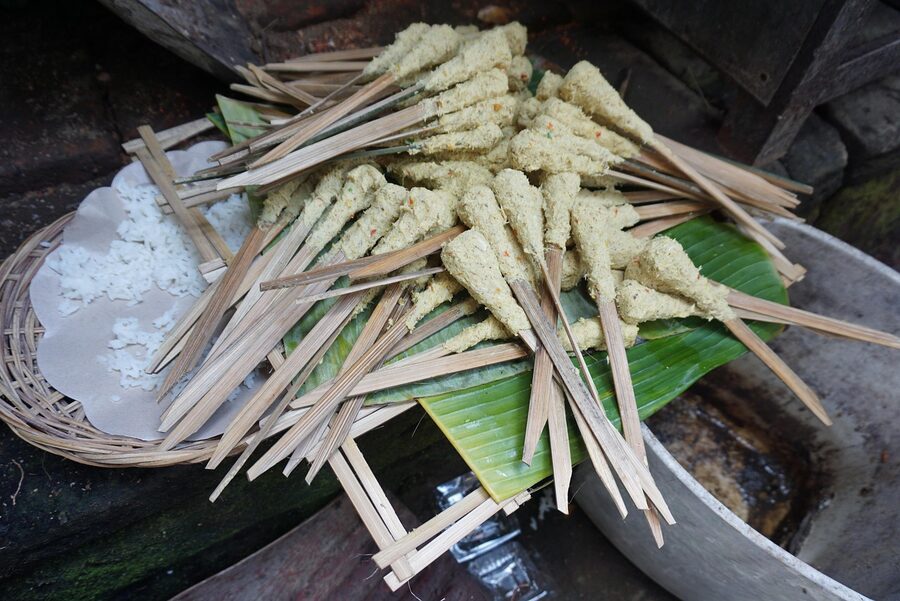
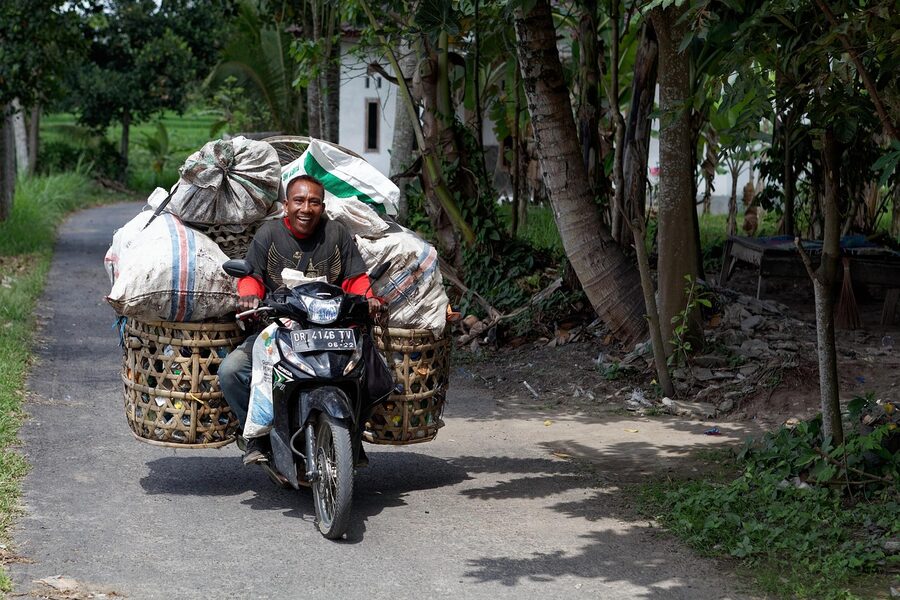
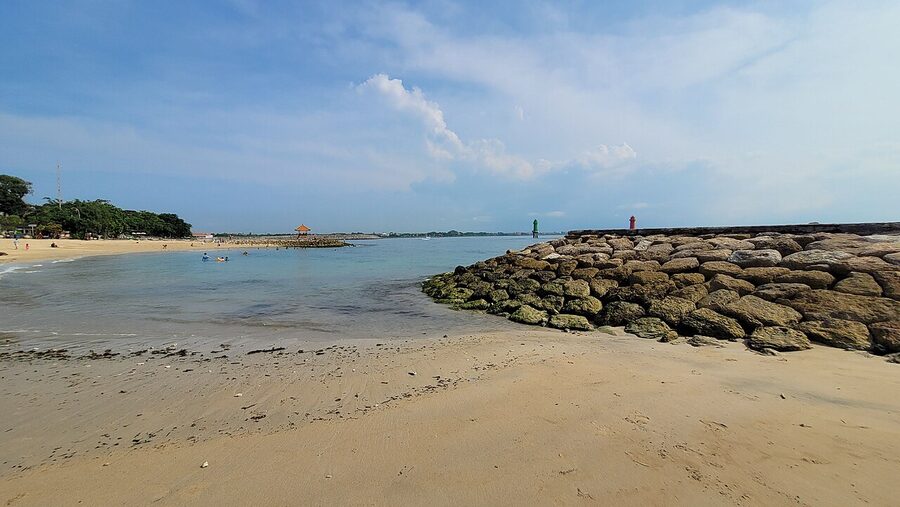
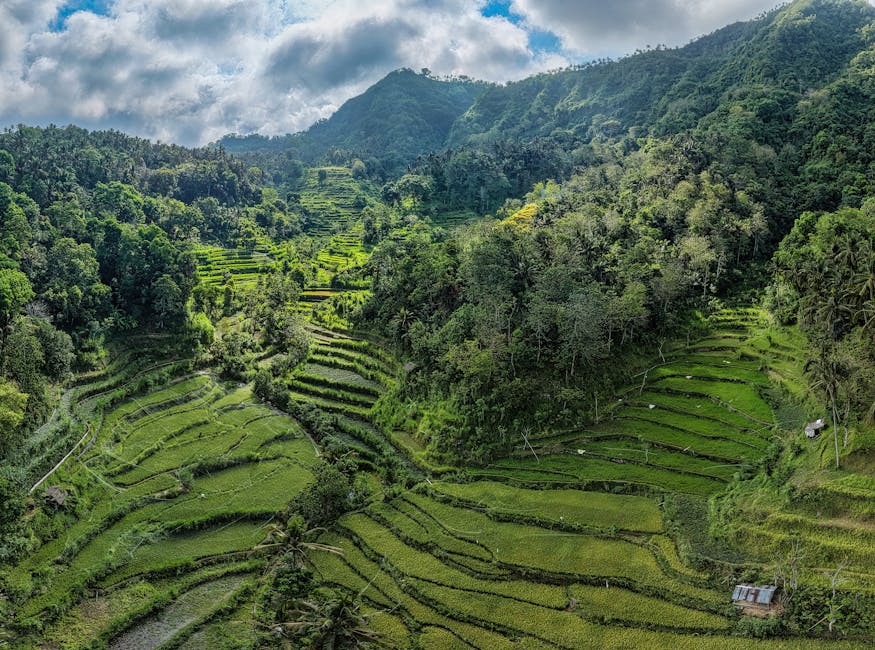
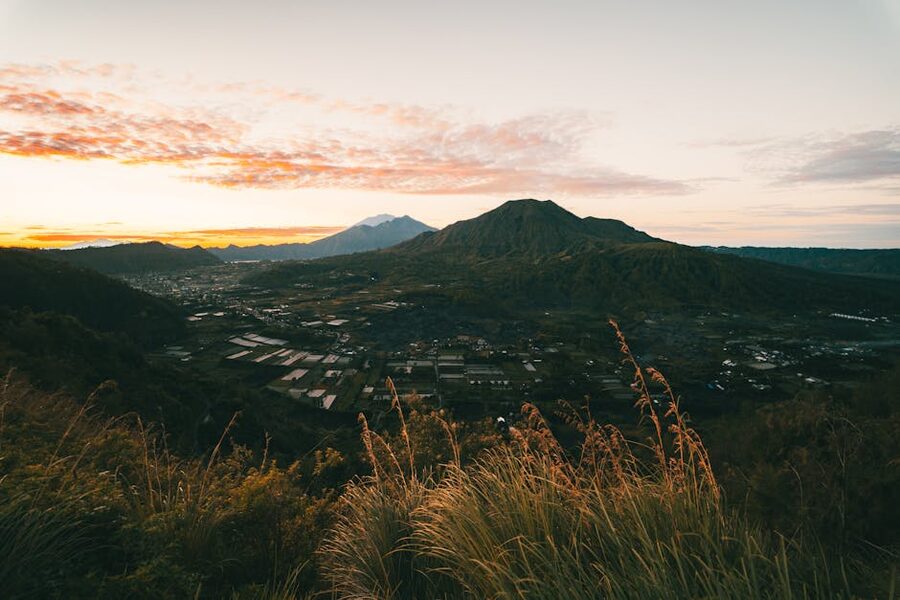
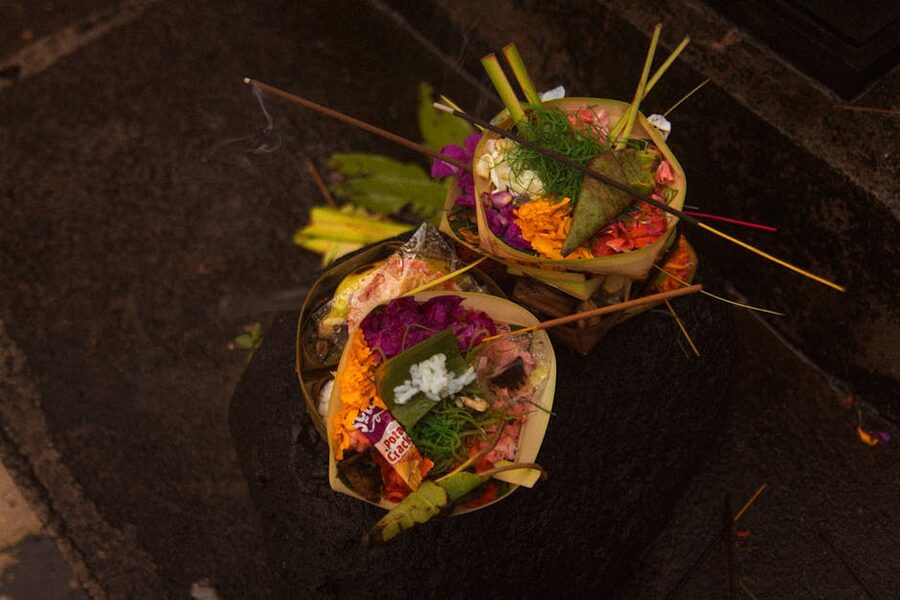
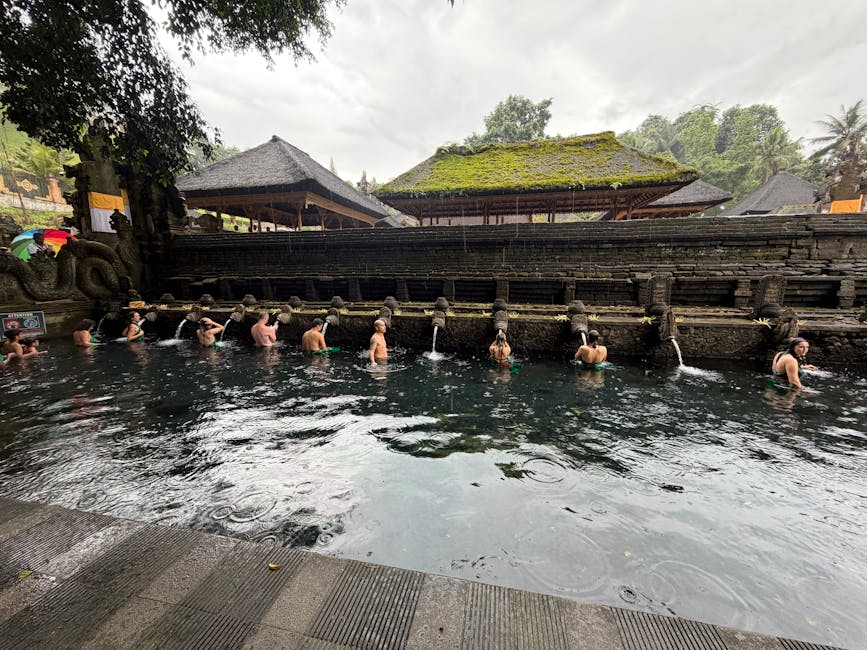
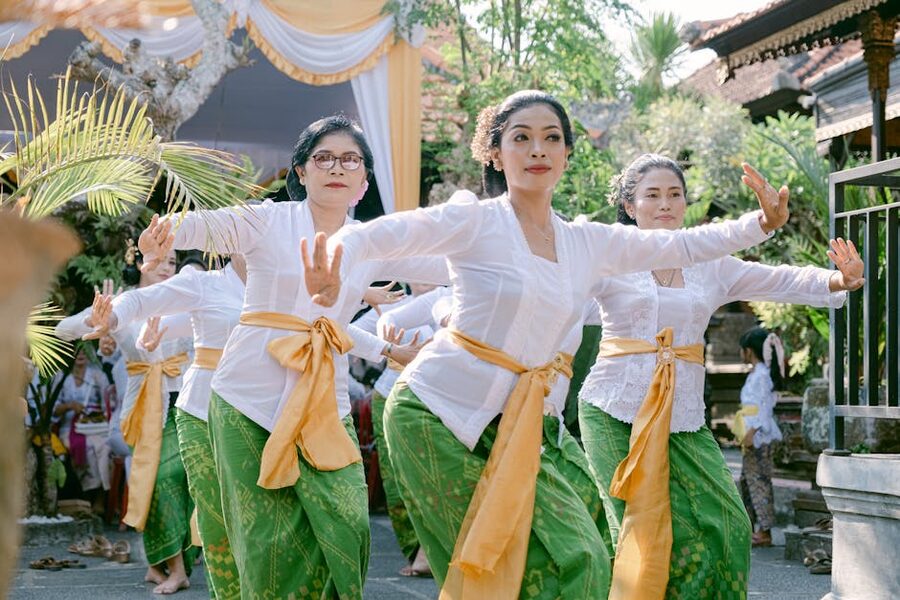
_I_Gusti_Ngurah_Rai_International_Airport.jpg)


_of_Nusa_Penida,_Bali_(2025)_-_img_17.jpg)