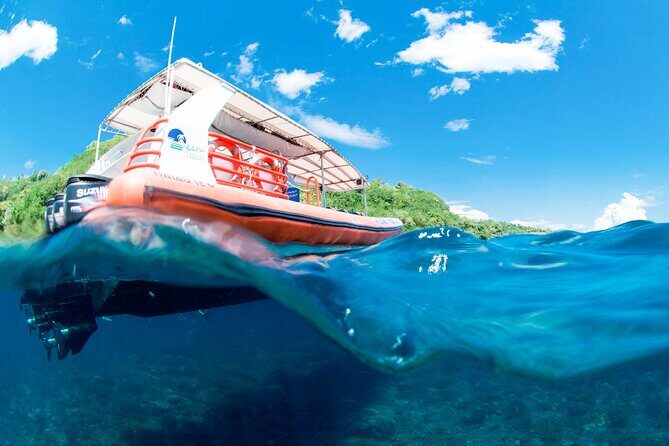
Manta Point is only part of the day. You’ll be on a powerful private boat with matching certified levels, and the whole operation stays calm because the groups stay small. One thing to factor in: the start is early (7:00 am) and you do need moderate physical fitness for three underwater sessions.
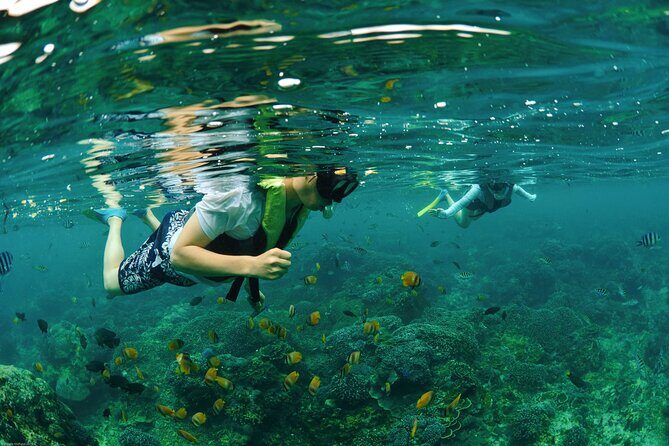
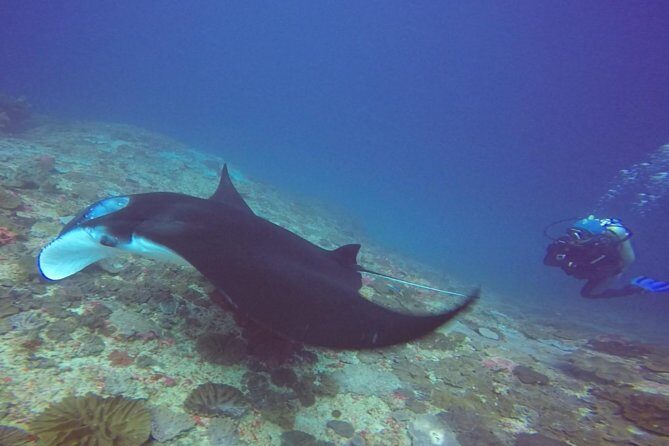
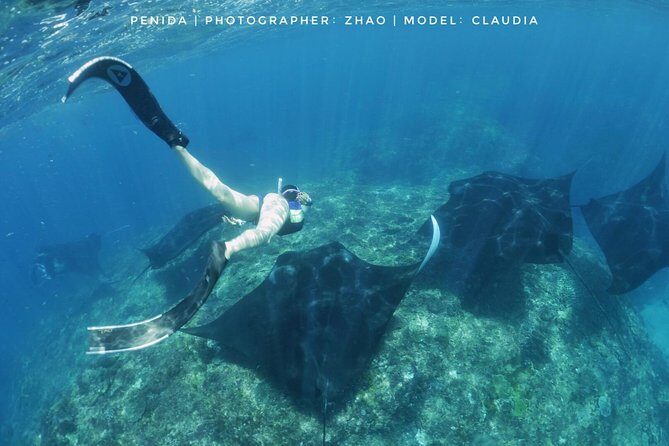
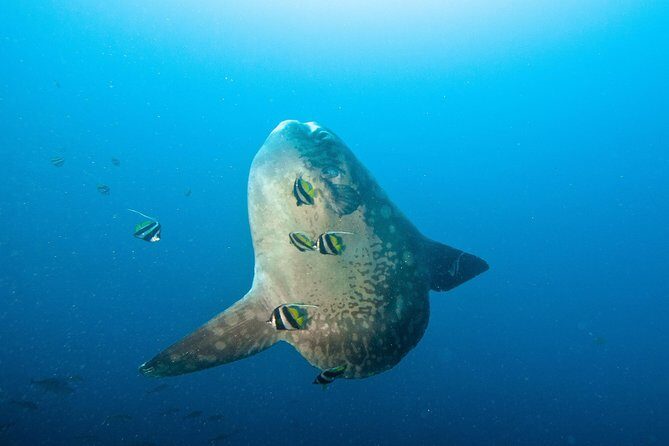
This trip is built around three planned reef outings, mixing Manta Point with East Penida, then adding a third session after lunch plus a longer surface break. On the right day, you might spot manta rays, turtles, eagle rays, tuna, and mola-mola (with visibility and conditions driving what shows up).
I like the practical value here: gear is provided as a full standard kit, lunch is handled, and the staff and crew have long local experience keeping things organized and safety-first. The reviews back that up with a 5-star average rating and a strong “repeat and refer” vibe, including praise for staff like Intan for keeping people comfortable.
Key highlights at a glance
- Tiny groups and matching levels: small ratios (4 people per guide, often less) keep the day controlled and personal
- Two reef targets built into the plan: Manta Point plus East Penida, then a third session after lunch
- Safety and equipment standards: professionally maintained or new gear, with an experienced crew and guides
- Food and water are handled: onboard drinking water with refills, plus tea/coffee and light refreshments
- Max 10 people total: you’re not sharing the boat with a crowd, which matters on busy Penida days
How the day really runs: three reef sessions, one smooth rhythm
This is a single-day plan designed for certified scuba divers to get in three underwater sessions without feeling rushed. The day starts at 7:00 am at Pure Dive Resort in Nusa Penida (Jl Ped – Buyuk, Ped). After you arrive and sort gear, you head out on the boat as a small group—part of the reason people keep coming back is that the whole flow feels organized even though Penida weather and sea conditions can be changeable.
The underwater plan is simple and purposeful. First, you go after the kind of sightings people travel for—Manta Point is the big draw. Then you shift toward East Penida for reef life and fish activity. After lunch (served at a beachside cafe on arrival), you get a third session, followed by a nice long surface interval. That break matters. When you’re spacing out the day like this, you’re less likely to feel tired, rushed, or mentally overloaded once you’re back in the water.
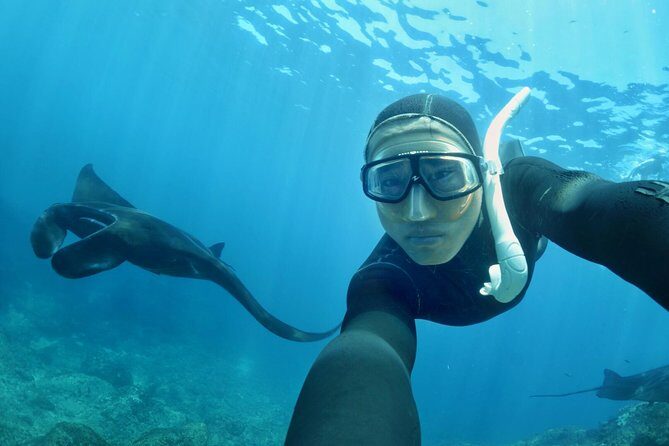
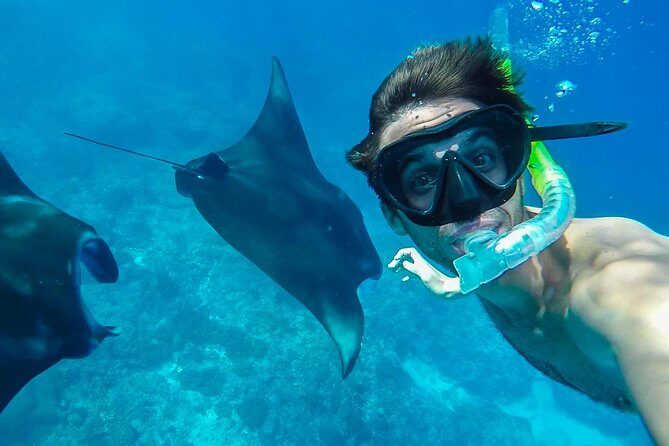
Also, this isn’t a promise of specific animals. Your sightings can include turtles, eagle rays, tuna, and mola-mola, and manta rays may show up especially around Manta Point. What’s realistic is this: you’ll be in the water for long enough to have real chances, and the operator sets the day up so you’re not doing a “see it or miss it” sprint.
Small groups and matching levels: why that matters underwater
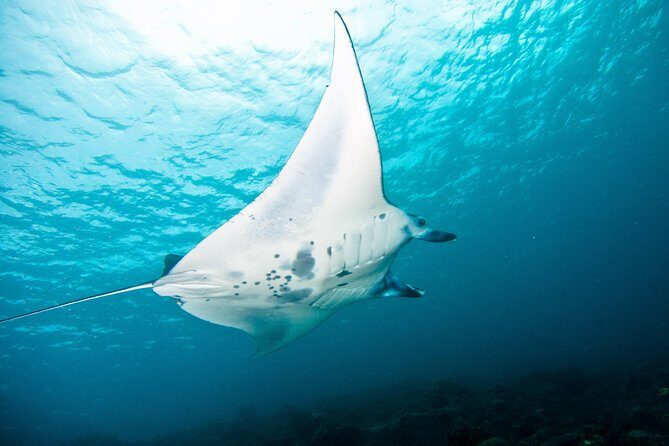
I’m picky about scuba days because the comfort level comes from details, not hype. Here, the operator builds that comfort with two key ideas: only small groups and matching group levels. The small-group setup is described as 4 divers per guide (often less), and the “matching levels” approach is there so you aren’t stuck with mixed experience that can slow everyone down or create stress.
This matters for you in real terms:
- If your buoyancy and comfort match the group, you’ll spend more time focusing on the reef—and less time managing anxiety.
- Guides can actually keep an eye on everyone. When the ratio is small, “safety-first” becomes something you can feel rather than something you’re told.
- The boat day stays less chaotic. Penida days can be busy; a smaller operation tends to run tighter.
The reviews echo that vibe: people call out a professional, friendly crew and a boat process that feels orderly. One recurring theme is that the operation is calm even when underwater conditions aren’t perfect, and that the team pays attention quickly if someone needs help underwater.
Manta Point + East Penida: what you’re likely to see
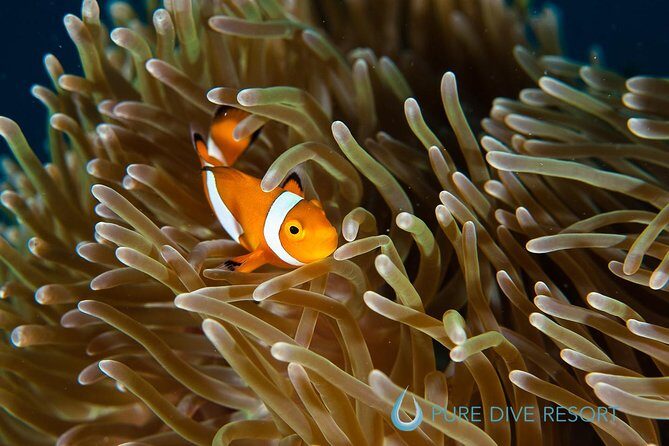
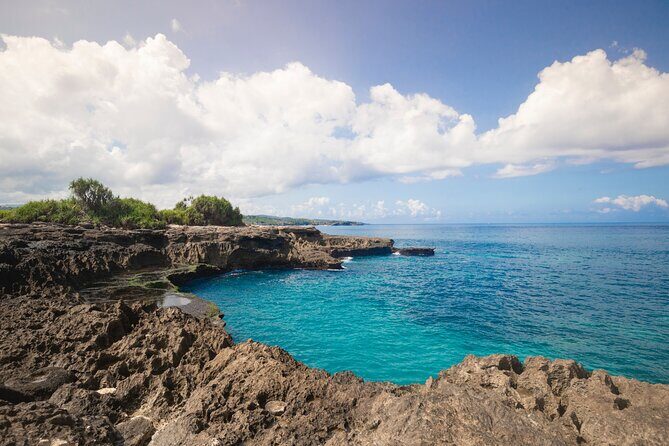
Let’s talk sightings without selling you a fantasy. Penida’s highlight is often manta rays, and this trip explicitly includes Manta Point as a target. If conditions align, that’s where you’re most likely to have a shot at mantas. People also mention that Manta Point can be a bit further, which is normal for Penida and part of why operators choose when to go and how to structure the day.
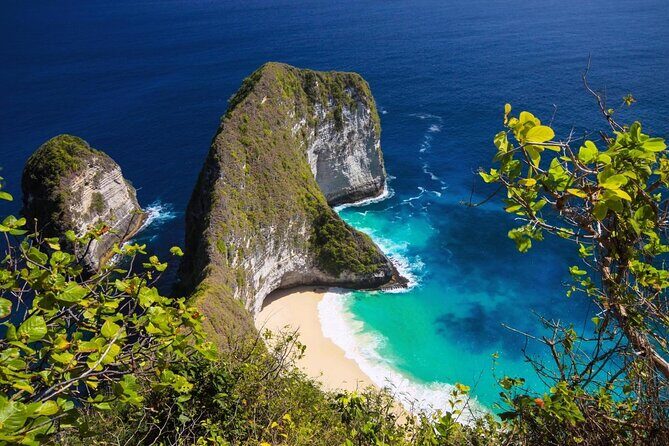
East Penida is the counterbalance. If Manta Point is the “one big chance” site, East Penida tends to deliver reef life and a steady stream of marine activity—think more constant fish presence, with the chance of bigger pelagics and interesting motion depending on conditions. Across the entire outing, you may see turtles, eagle rays, tuna, and mola-mola. That lineup is great on paper, but the practical takeaway is: you’re not locked into one type of underwater experience.
One more smart thing: the plan includes time after lunch for a third session. That’s not just extra water time—it’s also another chance for conditions to shift slightly, which can change what shows up. Sea life doesn’t always cooperate with schedules, so giving yourself three bites is a real strategy.
Gear, guides, and safety: the details that reduce stress
You’re not bringing a lot of mental baggage with this setup because the operator provides the full set of standard diving gear. A key note: a dive computer is not included. If you rely on one for your planning, bring your own. If you don’t, you’ll want to make sure you’re comfortable and that your training supports how you’re going to manage your profile.
What you do get is professionally maintained or new gear, plus experienced dive guides and crew with long local experience in Nusa Penida and Bali (over 10 years is stated). In scuba, that kind of time matters because it shows up as smoother handling: equipment checks that feel normal, boats that are run with competence, and fewer moments of uncertainty.
The reviews also spotlight the onboard experience—crew that’s professional and safety-minded, boats that are well-organized, and equipment in great condition. One comment even mentions staff handling issues underwater when needed, which is exactly what you want to hear: not drama, but quick, competent assistance.
And one name pops up in the feedback: Intan. People describe Intan as super knowledgeable and safe, and it’s not hard to believe—small groups plus a strong guide can make your whole day feel easier, especially on a place like Penida where currents and conditions can vary.
Lunch and the long surface interval: the underrated part of a 7-hour day
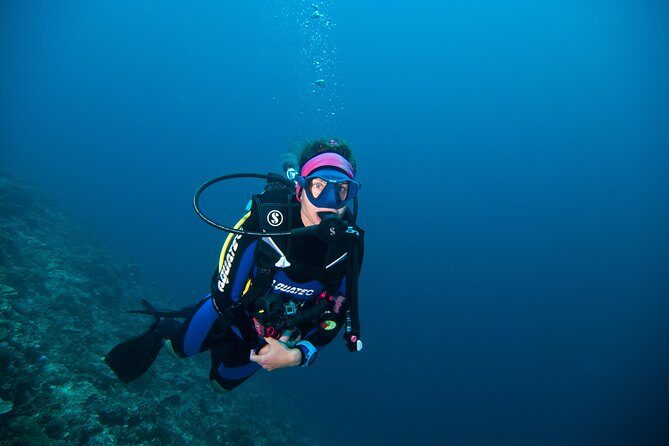
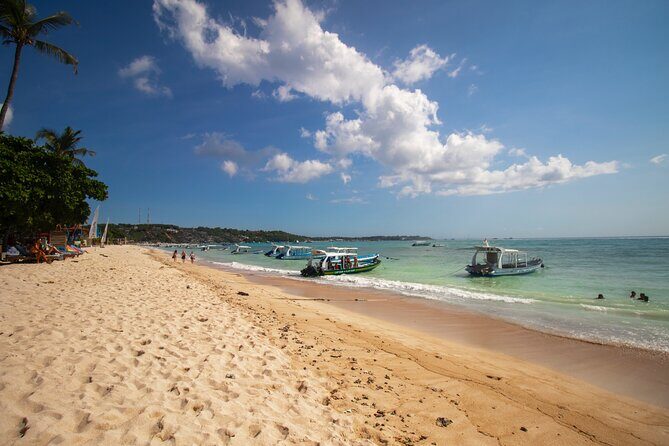
A lot of scuba trips treat lunch like a checkbox. This one doesn’t. You’ll have refreshments onboard (drinking water with bottle refill, plus tea, coffee, and light refreshments), then lunch is served in a cafe on a beach after the first part of the day.
Why that matters: between underwater sessions, you’re managing fatigue, hydration, and your headspace. A proper surface break lets you reset. The plan explicitly includes a nice long surface interval, which helps you stay calm and comfortable when you go back in for the third session.
Also, onboard water refills are a practical touch. With a day that runs about 7 hours total, dehydration and heat stress are real issues even for people who think they’re fine. Refilling during the day keeps the body working better, which often makes the last session feel better too.
Where you meet and how early starts affect your day
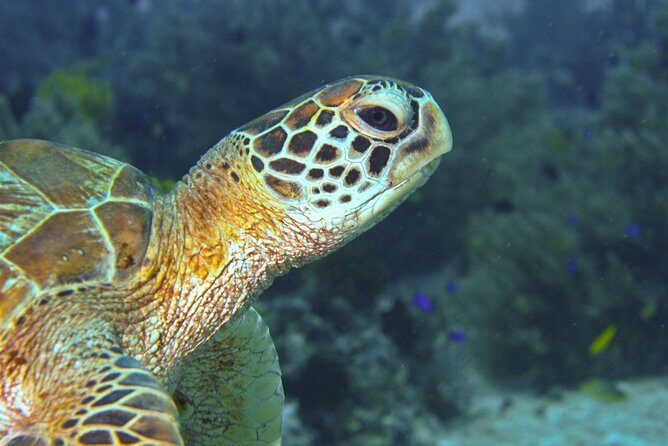
This trip meets at Pure Dive Resort in Ped, Nusa Penida. The start time is 7:00 am, and the activity ends back at the meeting point. It’s also described as near public transportation, which can help if you’re not staying directly across the street from the shop.
Early starts can be a deal-breaker or a blessing, depending on your style:
- If you like getting your day done early, this is great because you’ll be finished and back at the meeting area within a single working block.
- If you’re not a morning person, the 7:00 am start means you’ll want an easy breakfast plan and to be ready the night before.
The good news is that the trip is structured to use that early time efficiently—first two underwater sessions, lunch handled, then third session—so you’re not sitting around for hours waiting for the plan to catch up.
Price and value: is $160 worth it for three sessions?
$160 per person for three underwater sessions in Nusa Penida sounds straightforward, but the value is in the details. Included in the price are:
- a full set of standard scuba gear (computer excluded)
- all fees and taxes
- lunch, plus onboard drinking water with refill, and tea/coffee and light refreshments
What you’re paying for is not just the sites—it’s the “stuff around the sites.” Small groups, a professionally run boat day, and gear that’s maintained enough to keep you confident all add up. People also point to the operation’s consistency year after year, which is what you want when you’re paying for a half-day of water time on an island where conditions can be unpredictable.
The one cost-related consideration is the dive computer. If you don’t have one, you’ll need to think about how you’ll manage your safety planning. If you do have one, then you can focus on the day itself.
In short: the price feels most “worth it” if you want (1) three sessions, (2) small-group guidance, and (3) food and gear handled without extra back-and-forth.
Who this scuba outing fits best
This trip is for people with a valid scuba certification from a major or internationally recognized training agency. It’s also for those with moderate physical fitness. If that’s you, the trip’s structure should feel realistic: three sessions, a long surface interval, and a crew that’s used to running the day safely.
It’s also a good fit if you care about organization. The reviews repeatedly mention an organized boat, friendly staff, and professional guidance with safety taken seriously. If you prefer a relaxed onboard vibe without chaos, this kind of small-group setup tends to deliver that.
If you’re extremely new to scuba, you might want to be extra careful about how the operator sets your group level. The plan states matching levels, which is good, but it still depends on the level they assign you.
Should you book this three-session trip?
Book it if you want a well-run Penida day that focuses on three real underwater sessions, with small groups and matching levels, and you appreciate operators that invest in equipment and safety. The combination of Manta Point and East Penida gives you a balanced shot at both the big-name sightings and everyday reef life.
Skip it or rethink it if:
- you don’t want an early 7:00 am start
- you’re counting on a dive computer being included
- you’re not comfortable with the moderate physical fitness expectation
If you can handle those two practical points, this is the kind of outing that tends to feel steady—calm boat, organized transitions, and clear guidance—exactly what you want when the goal is to enjoy your underwater time.
FAQ
What does the three-session scuba trip cost?
It costs $160 per person.
How long is the trip?
The duration is about 7 hours.
What time and where do we meet?
The start time is 7:00 am at Pure Dive Resort, Jl Ped – Buyuk, Ped, Nusa Penida, Kabupaten Klungkung, Bali 80771, Indonesia. The trip ends back at the meeting point.
How big are the groups?
There is a maximum of 10 travelers, and the plan is for small groups of about 4 people per guide (often less), with matching group levels.
What’s included in the price?
Included are a full set of standard diving gear, all fees and taxes, lunch (served at a beach cafe upon arrival), drinking water with bottle refill onboard, plus tea, coffee, and light refreshments. A dive computer is not included.
Is a dive certification required?
Yes. You need a valid scuba diving certification issued by a major or internationally recognized training agency.
Do I need a dive computer?
A dive computer is not included, so you’ll want to plan for how you’ll use one if you require it for your training and safety habits.
What marine life might we see?
The trip is aimed at Manta Point (manta rays possible) and East Penida (pristine reefs and lots of marine life). Across the day, sightings like turtles, eagle rays, tuna, and mola-mola are possible depending on conditions.
What happens if the weather is bad?
The experience requires good weather. If it’s canceled due to poor weather, you’ll be offered a different date or a full refund.
Is the cancellation refundable if I change my mind?
No. The experience is non-refundable and cannot be changed for any reason.












.jpg)
.jpg)
.jpg)
.jpg)
.jpg)
.jpg)
.jpg)
.jpg)

.jpg)
.jpg)
.jpg)
.jpg)
.jpg)
.jpg)
.jpg)
.jpg)