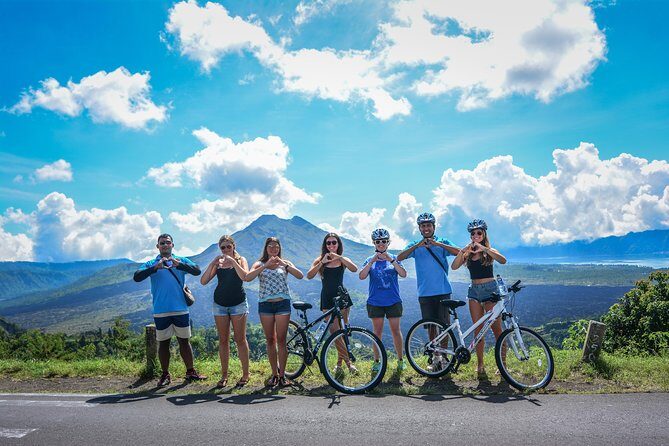
A bike ride with real Balinese stops. This full-day Ubud adventure mixes mostly downhill countryside cycling with village visits, bamboo forest riding, and rice-terrace views—so you get movement plus culture without the stress of planning. It’s also set up for comfort, including free hotel pickup and a support van that stays close by.
What I like most is the practical “you’re fed and cared for” setup—breakfast and lunch, mineral water, and even a fresh coconut drink or juice—plus the guides who handle the hard part: safe crossings on busy roads. One note before you go: while it’s designed to be easy, some stretches can feel narrow or uneven, so if you’re nervous on tight paths, tell the guide early and keep your expectations realistic.
Key highlights to look for
- Mostly downhill riding for beginner to intermediate comfort levels
- Bamboo Forest + Penglipuran: a big cultural stop with walking time
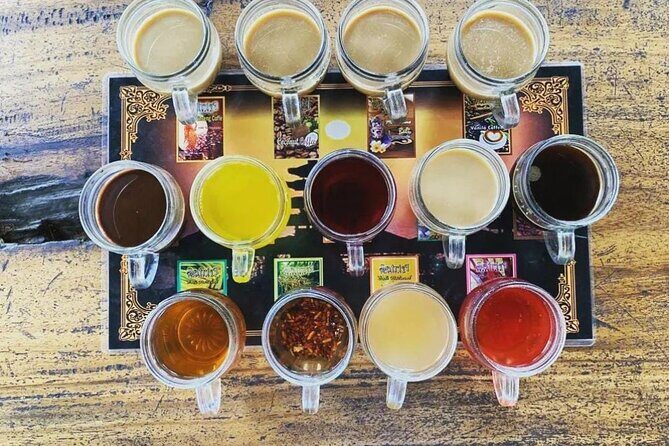
- Coffee plantation tasting before you hit the bike route
- Breakfast, lunch, and drinks included, not just snacks
- Safety support throughout: guides, traffic help at crossings, and a following A/C van
- Entrance fees handled so you’re not pulling out your wallet all day
Why Ubud’s countryside bike day works so well
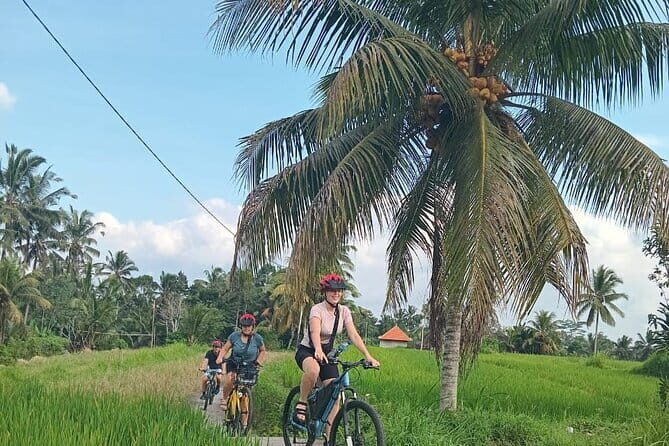
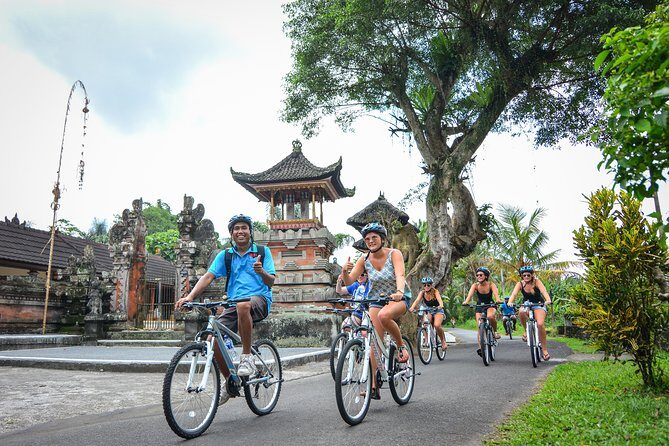
This isn’t a sit-on-a-truck “see Bali from the window” tour. It’s built around the idea that cycling gives you a slower rhythm—close enough to notice farms, bamboo craft, and small village life, while still moving at a fun pace.
The route style is the secret sauce. You’re mostly riding downhill, so the trip feels active without turning into a workout test. That matters in Bali, where heat and humidity can make even short climbs feel longer than they are.
It also helps that the day has enough structure to stay relaxed. You start with famous scenery, take your time at cultural stops, and then come back into the cycling rhythm. By the time you reach lunch, you’ll feel like you earned it—but you won’t be wrecked.
And yes, the human factor shows up. Guides named in people’s experience—Ketut, Sandy, Komang—are remembered for being friendly, funny, and genuinely good at explaining what you’re seeing.
Price and what you’re really paying for
The price is $58 per person, which is usually the point where you ask: what’s included, and what gets added later?
Here, the big value drivers are:
- Pickup and drop-off by A/C van from Ubud/Sanur/Kuta/Seminyak/Nusa Dua (and other locations if advised)
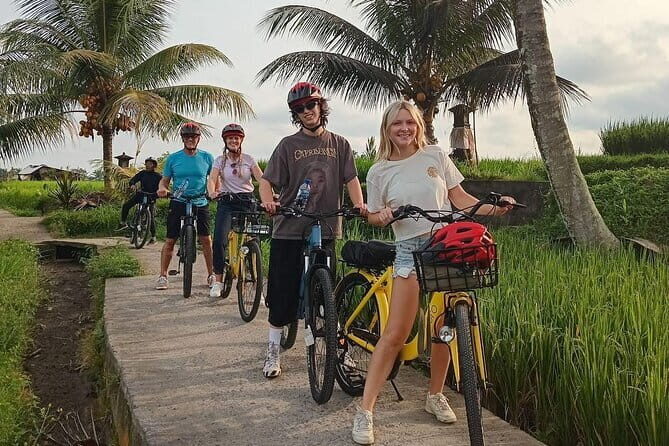
- Bike, helmet, and (in rainy season) raincoat
- Breakfast and lunch, plus mineral water and a coconut drink or juice
- A cold face towel to reset after riding
- Entrance fees included, so the day doesn’t turn into constant little payments
When you price it out, you’re basically buying a full-day logistics package: transport, equipment, meals, and guided access. For a cycling day in Ubud, that’s often the difference between a fun plan and a day where you’re busy managing details instead of enjoying the route.
One small budgeting caution: lunch is included, but a stop connected to Waterboom Bukit Jati lists admission as not included. If you want any water-park time beyond what the group does as a stop, assume you’d pay separately.
Getting there: meeting point and the real timing of a full day
The tour starts at 8:00 am from Sayana Bali Resto & Bar in Samplangan, Gianyar. It ends back at the meeting point.
Even though cycling is the headline, the day runs about 8 to 10 hours. That’s normal here, because you’re doing a lot of “drive, stop, walk, ride, photograph, eat” pacing. Several guides also tailor the sequence for the group, which is great when you want photos and explanations without feeling rushed.
If you’ve got tight plans later the same day, keep some breathing room. This tour fills a full day for a reason: it’s not only about the time on the bike, it’s about chaining together viewpoints, villages, and temple stops into one coherent story.
The ride profile: mostly downhill, with some “real road” feel
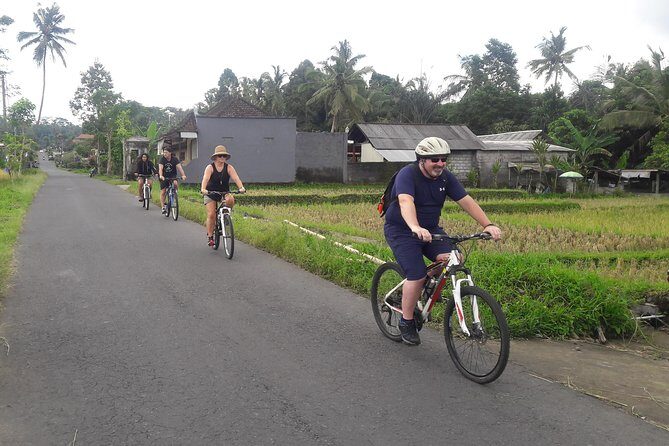
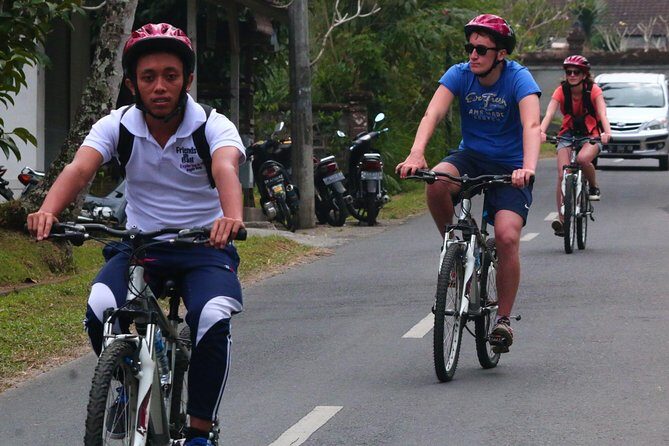
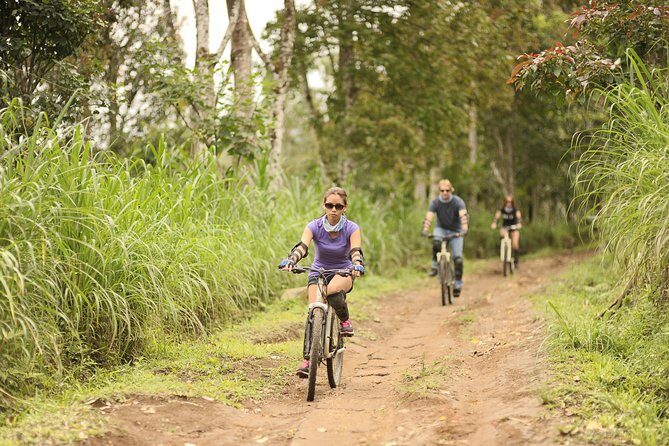
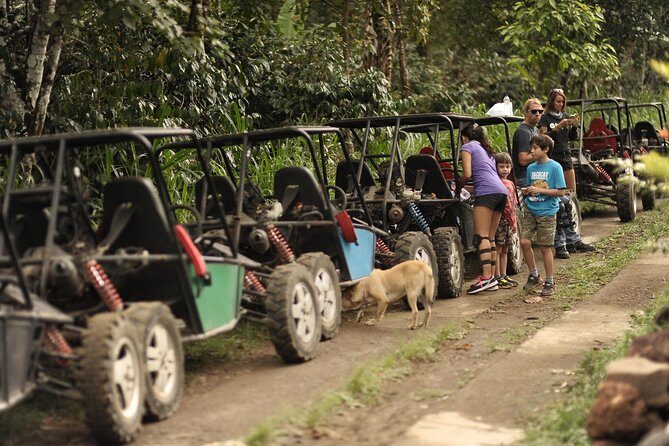
Most of the riding is described as easy and mostly downhill, and that’s backed up by how the tour is positioned for all ability levels and ages. Bikes include family options like kids’ bikes and child/baby seats, which tells you the operator expects people with different riding comfort.
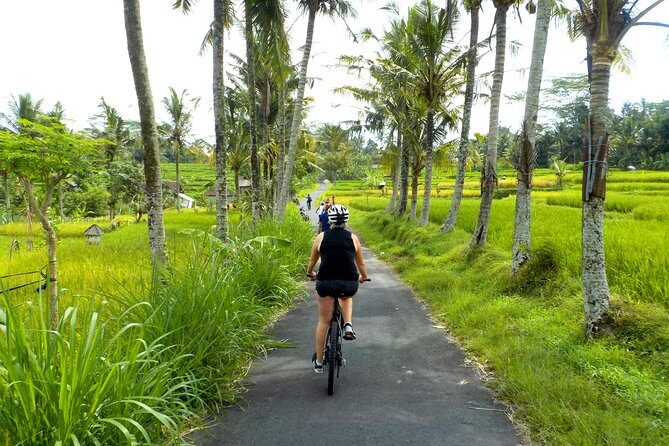
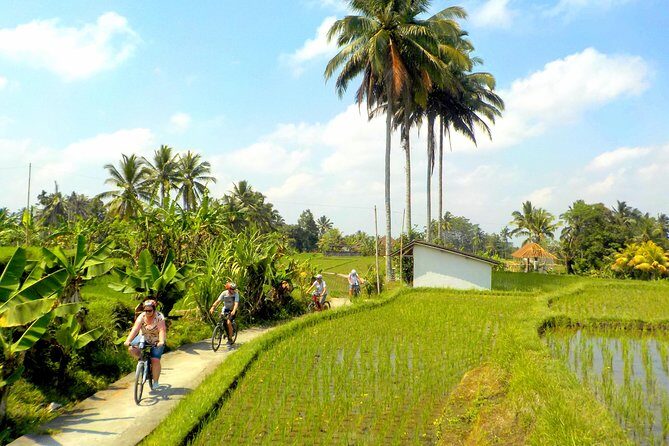
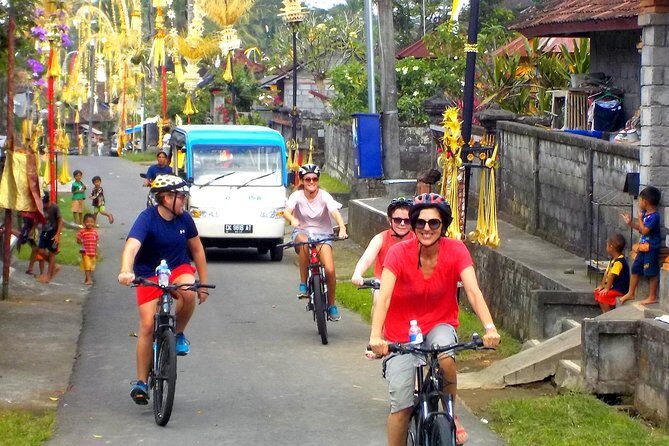
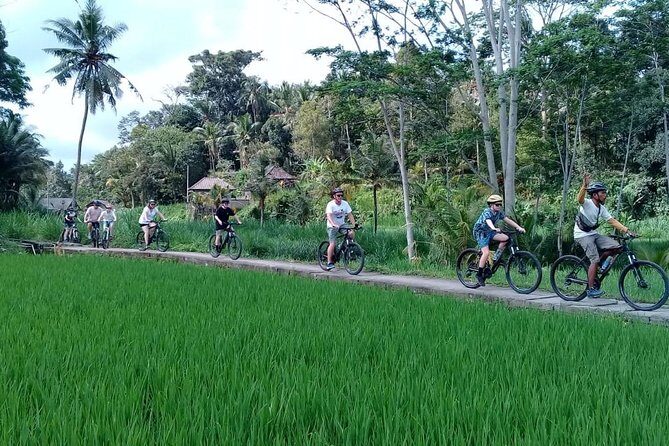
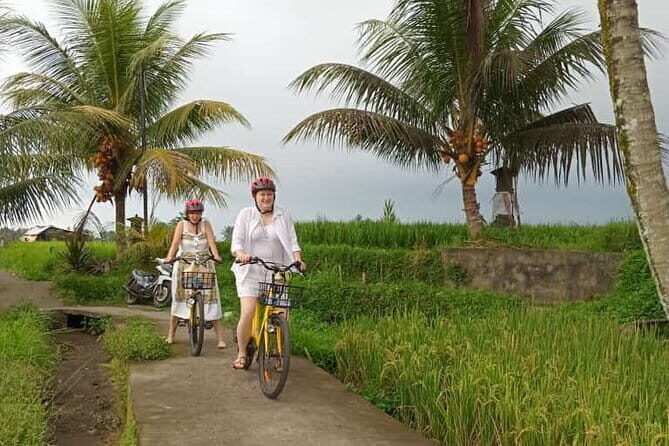
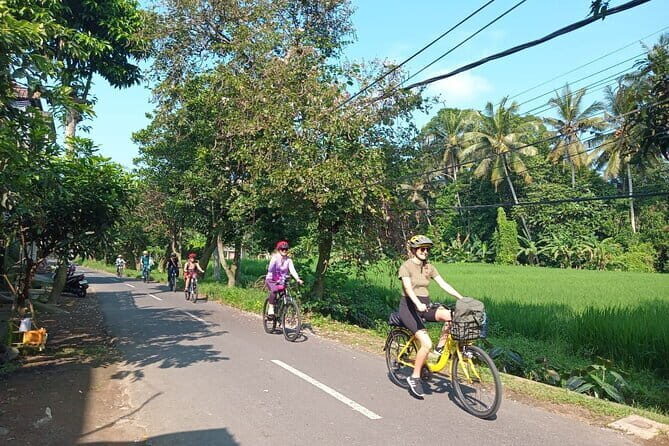
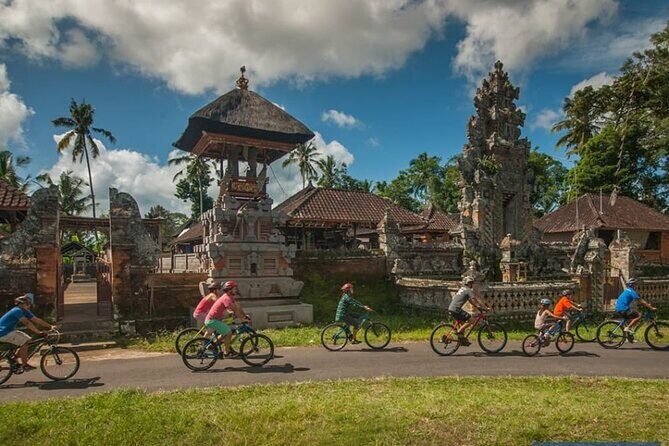
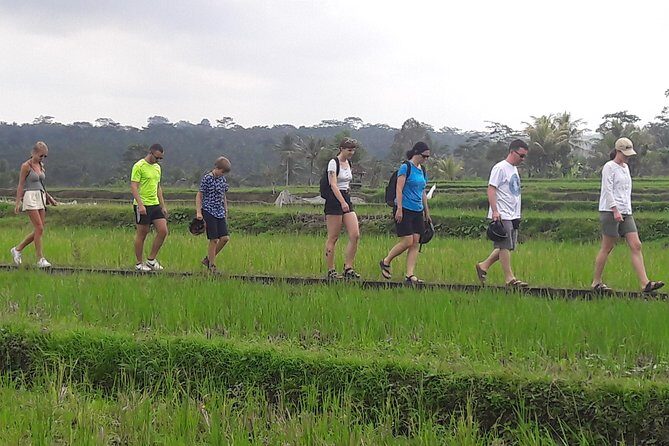
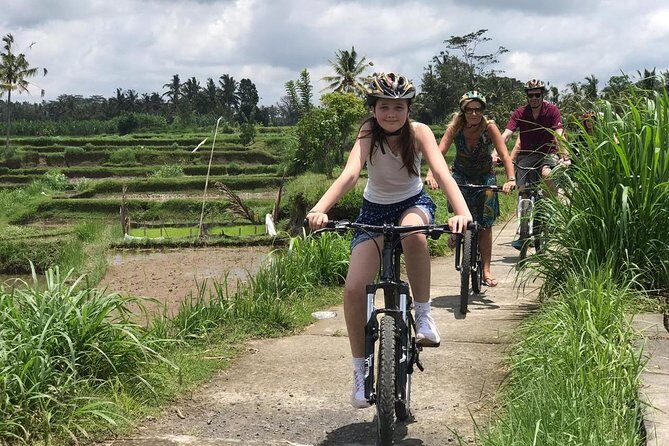
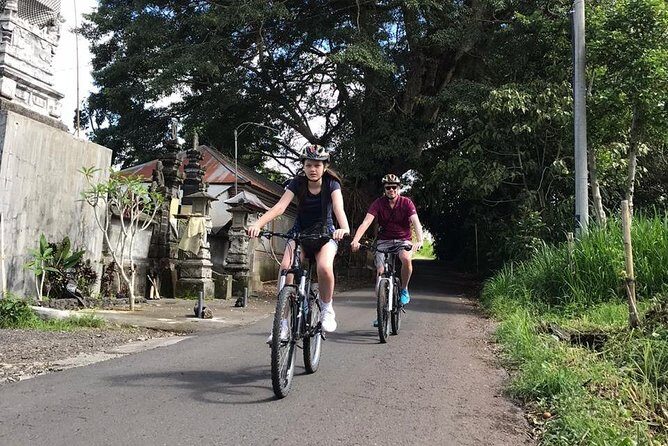
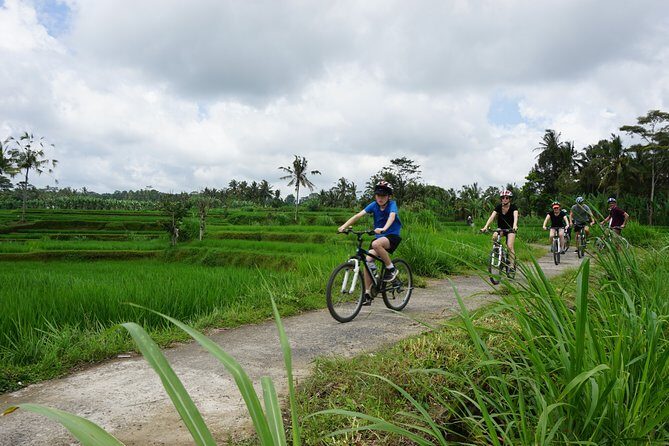
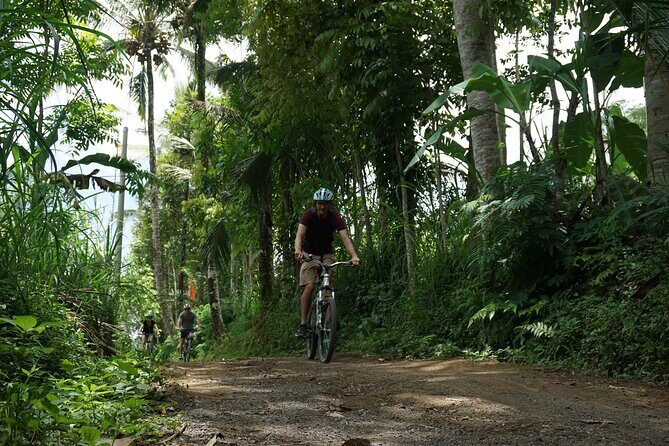
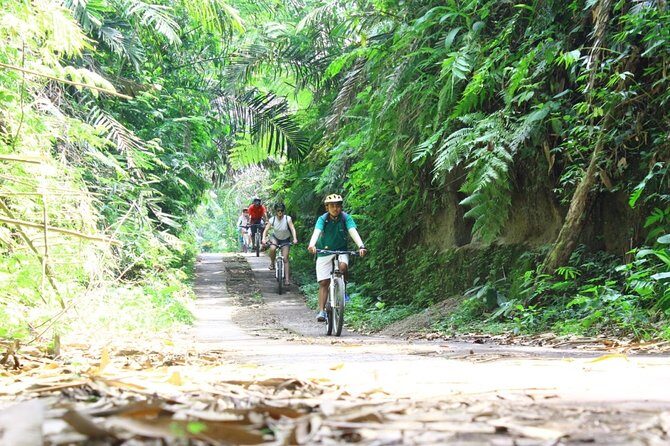
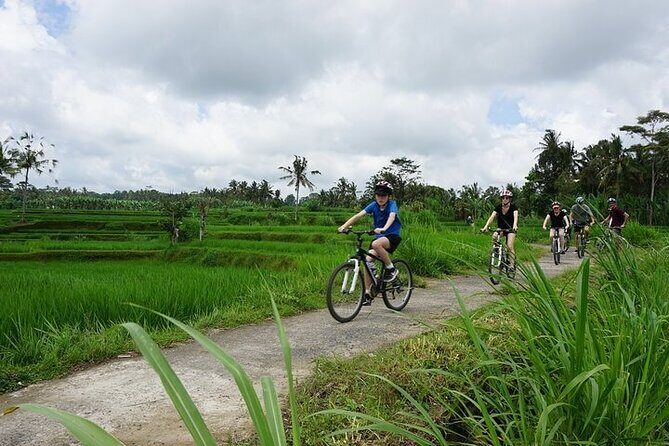
In practice, you can think of this as “gentle cycling with countryside variety.” You’ll move through rice areas, village lanes, bamboo stretches, and farmland-adjacent paths. The day is also guided with traffic assistance, so you aren’t playing frogger with motorbikes.
That said, don’t assume it’s a perfectly smooth bike path the whole time. One of the caution signals from the overall experience is that some routes can be narrow and uneven in spots, with a bit of drop-off feel on the side. If you’re the type who gets anxious on tight trails or heights, tell your guide at the start. A good team can adjust your pace, your stops, and how you handle the trickier sections.
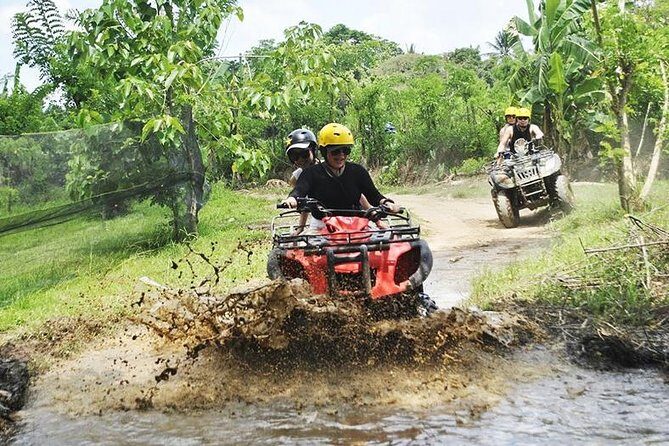
A practical tip: if it rains (and Bali can), dark clothing helps. Mud flick can happen when bikes roll through damp patches.
Stop-by-stop: what each part adds to your day
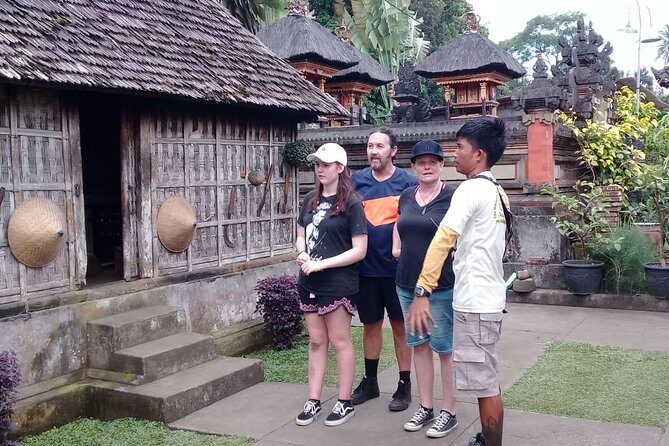
Tegalalang Rice Terrace and the photo moment
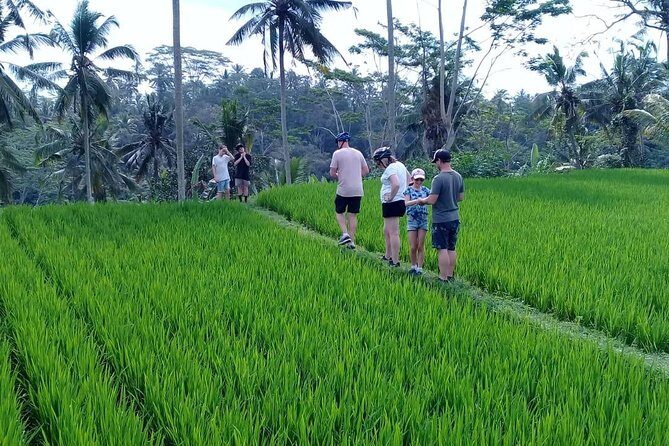
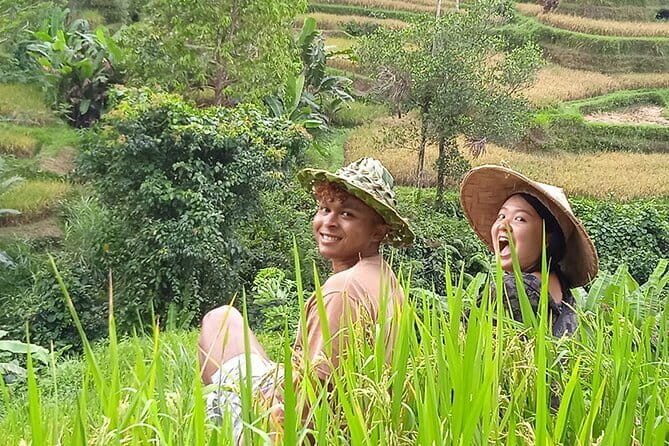
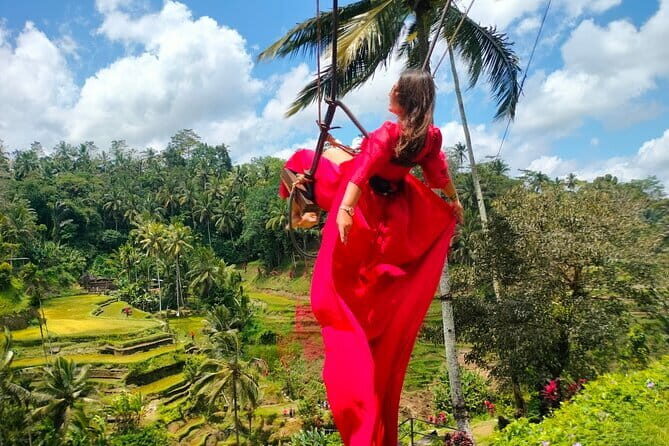
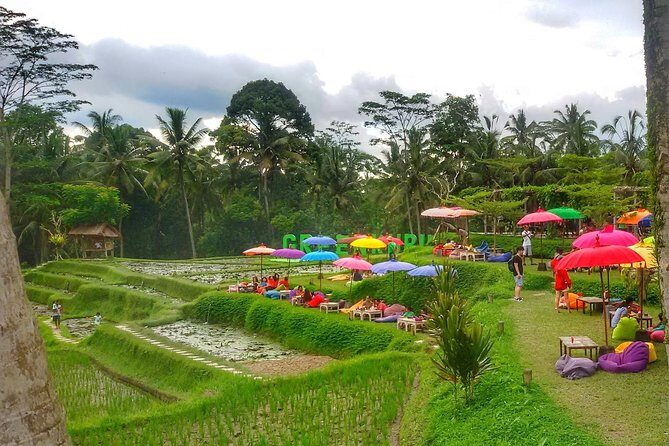
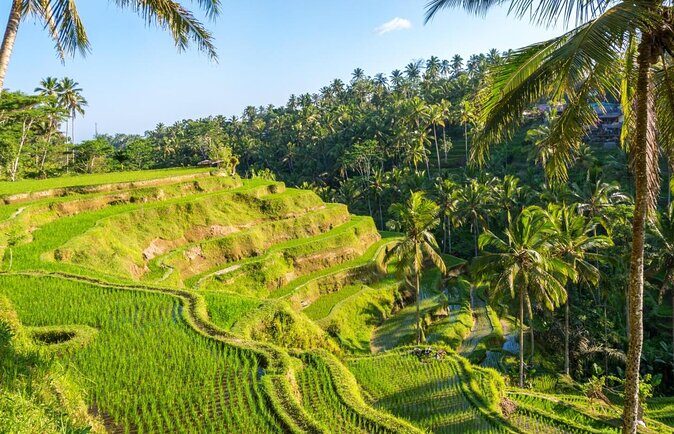
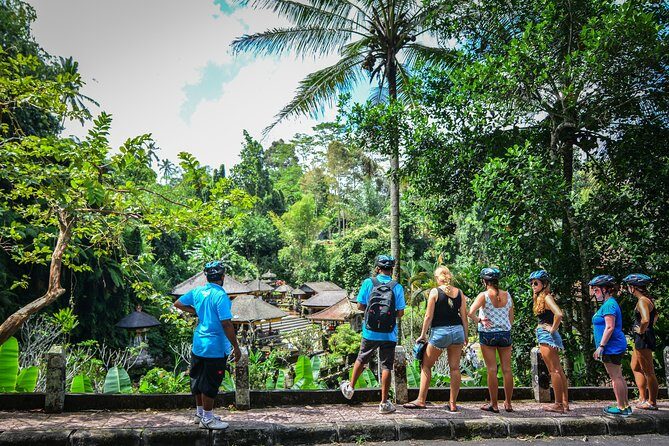
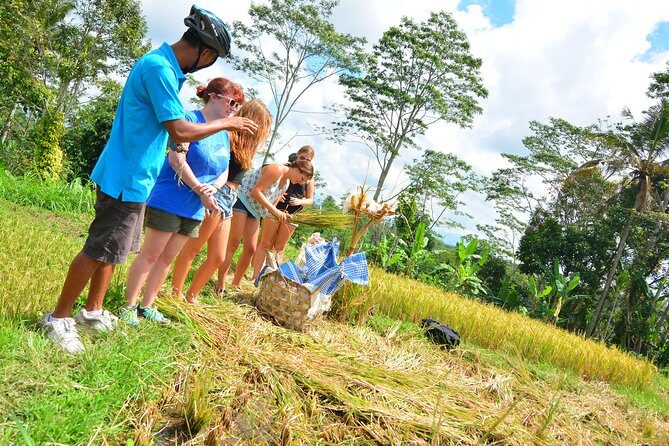
You kick off with a drive to the Tegalalang Rice Terrace area. This is where the day starts looking like the Bali you hoped for—layered rice fields and that emerald-green effect that photographers chase.
You get a focused time window (about 35 minutes), which is enough to walk to viewpoints, take photos, and still keep the morning moving. The entrance fee is included, so you’re not hunting ticket counters.
What I like here is pacing: starting with a dramatic, famous view early means you’re not arriving to crowds later in the day with your energy drained.
Coffee plantation tasting: the quick flavor break
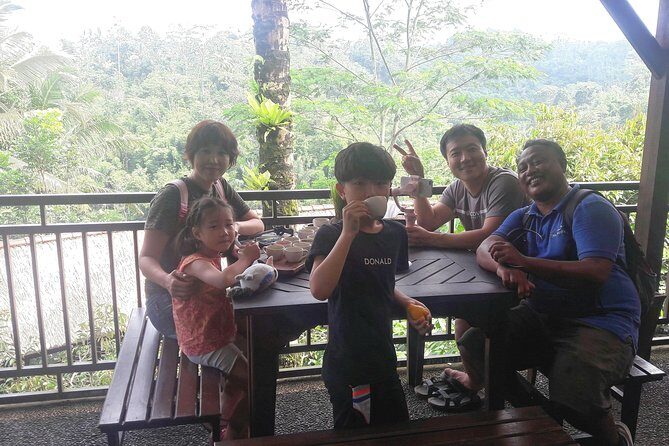
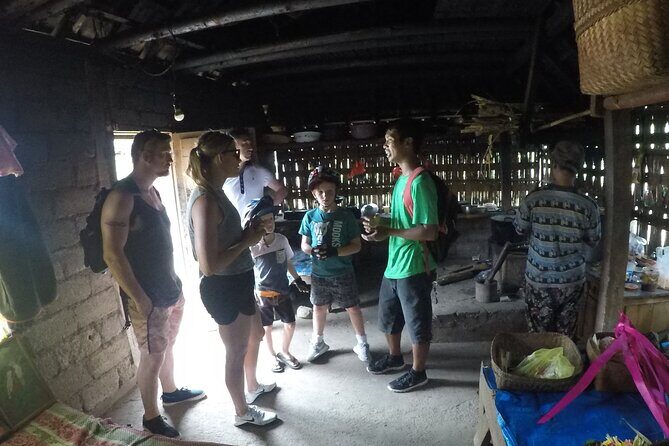
Before or around the early cycling stage, you visit a coffee plantation stop and can sample local blends. This isn’t a long seminar; it’s more like a tasting add-on that breaks up the morning.
Why it works: it gives you something sensory before you get dusty from bike riding. Also, it’s a low-effort cultural stop—good for mixed groups with different interests.
Starting point and the shift into cycling mode
After breakfast, the group transfers by van to the countryside starting area where bikes are waiting. The idea is to begin in a quiet, green zone so you get your first minutes of cycling without traffic stress.
This is also where the guides explain safety and riding expectations. Since the route is designed mostly downhill, it helps to understand where the easy parts are and where the roads tighten up.
Penglipuran Bamboo Forest: the long ride-through moment
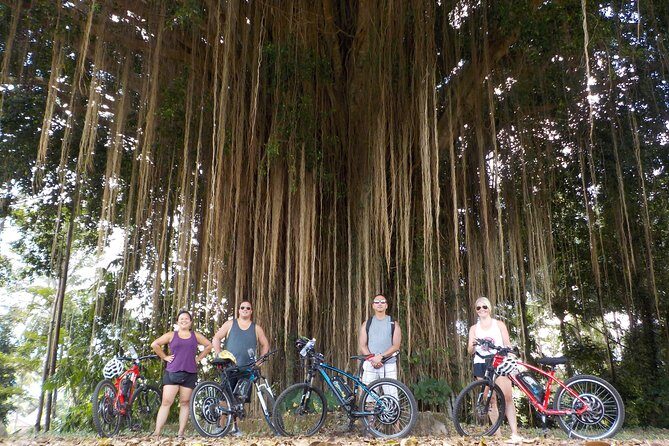
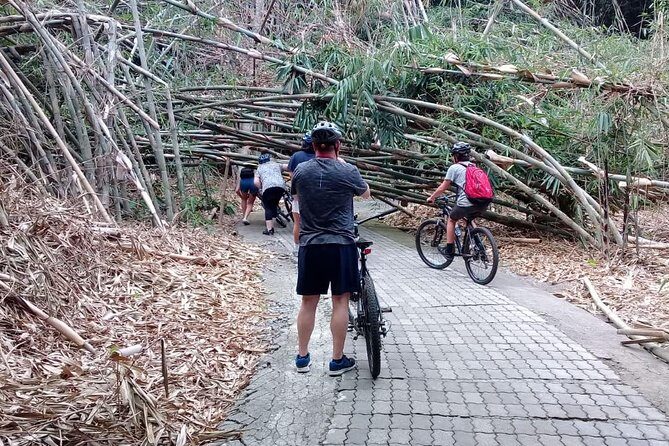
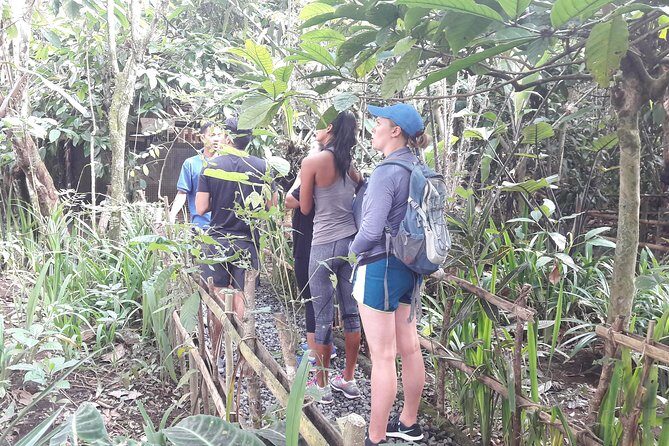
Then comes the highlight for many people: riding through Penglipuran Bamboo Forest, described as about 7.5 hectares of bamboo. You’re not just passing by; you get time in the forest atmosphere, plus a chance to see bamboo craftsmen at work inside the area.
This stop is a real change of scenery. Open rice views are one thing. A bamboo corridor gives you that cool, shaded feeling that makes the ride feel longer (in a good way).
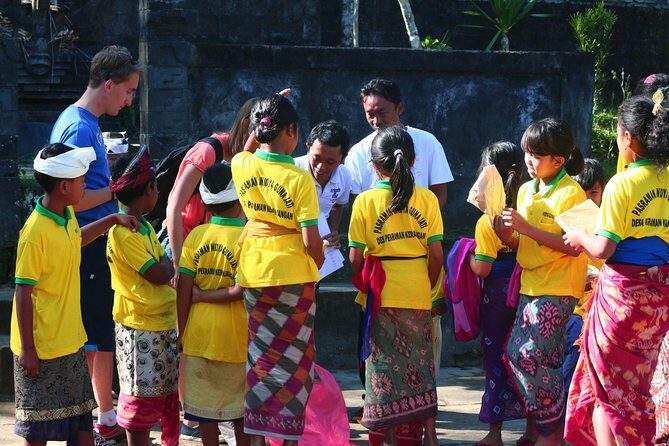
Penglipuran Village: traditional life with walking time
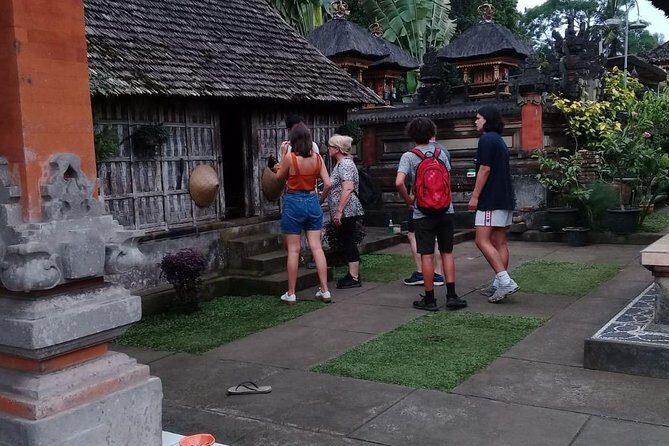
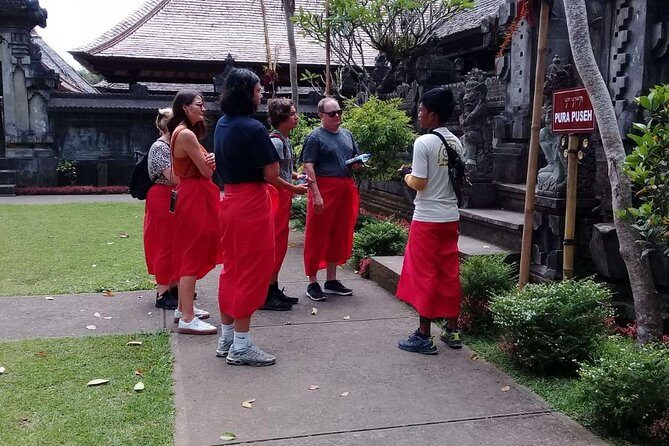
After bamboo, you visit Penglipuran Village, one of Bali’s better-known traditional communities. Here, you spend around 40 minutes.
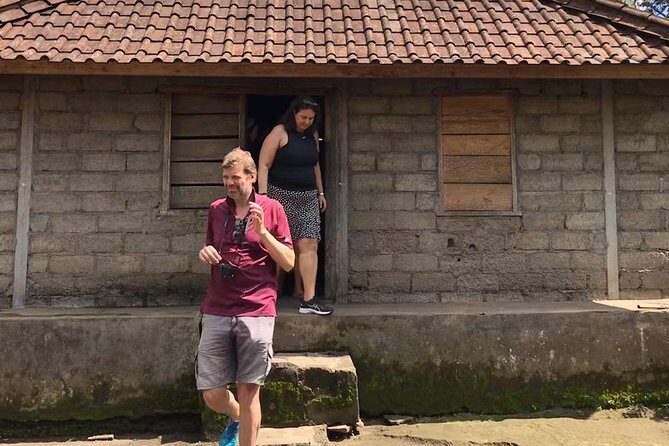
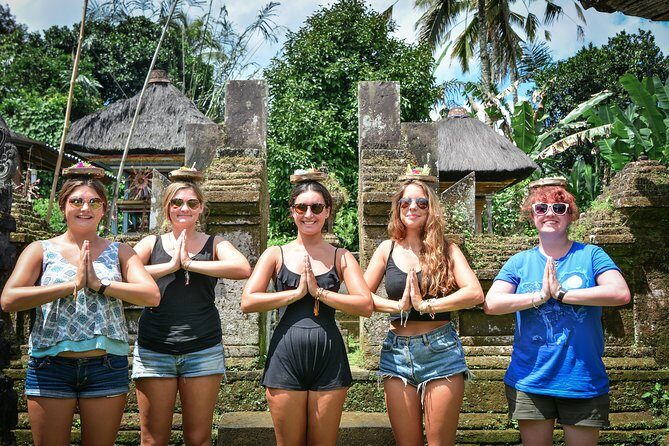
What makes this worthwhile is that it isn’t just a quick photo stop. You get a walk and time to observe the daily rhythm and cultural layout. It’s the type of place where your guide’s explanations matter, because the value is in understanding how people live—not just seeing buildings.
If you enjoy village culture more than temples, this is your main cultural anchor of the day.
Bangli town pass: a quick reality check
You also pass through Bangli city and the traditional market area. This is not the long sightseeing version of town. It’s more like a slice of everyday life between countryside sections.
Even short “pass-through” stops add texture. They keep the day from feeling like only curated sights.
Taman Bali and the water temple scenery
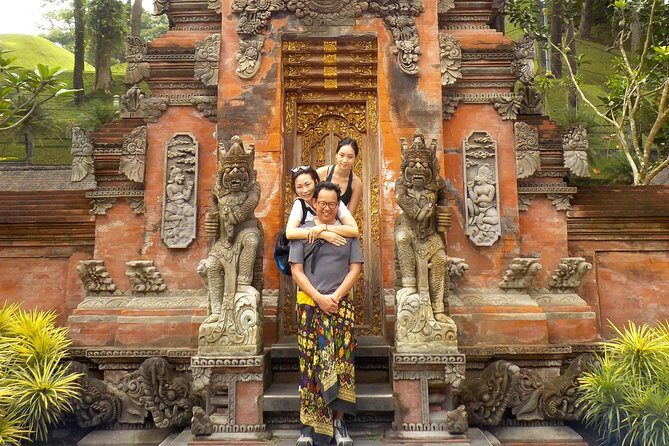
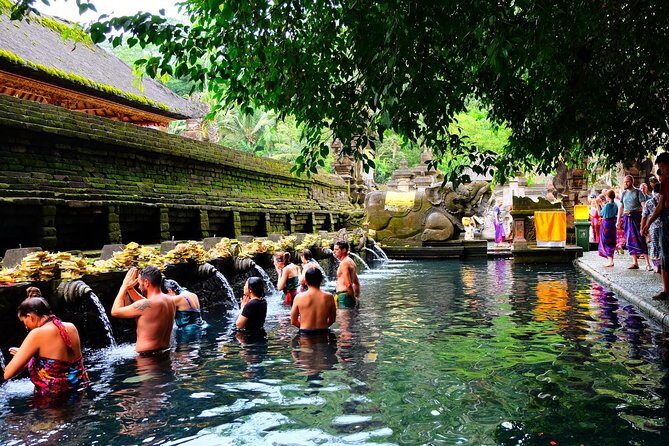
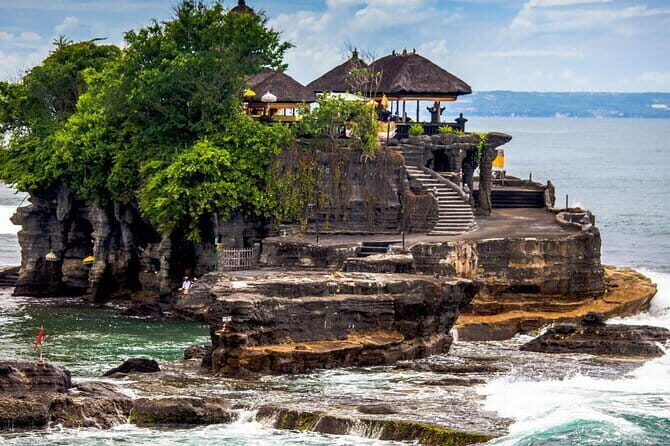
Next is a stop at Pura Taman Narmada Bali Raja, a subak water temple surrounded by rice paddies and a small lake. Expect a shorter time window (about 15 minutes) with a scenic pause that fits the rhythm of the ride.
This kind of stop works because it ties into the agricultural theme of Bali. Rice terraces aren’t just scenery—they’re connected to water management, farming traditions, and temple systems.
Waterboom Bukit Jati: end-of-ride energy and lunch time
After a few kilometers of riding, the day wraps the cycling session and moves into lunch, followed by the drive back to the hotel area. The timeline suggests about 40 minutes at this stage.
Since the Waterboom entrance is marked as not included, you should treat this as an end-of-ride area rather than a guaranteed water-park day. If you want water-park time, you’d likely need to pay separately.
Safety and support: the part that makes it feel stress-free
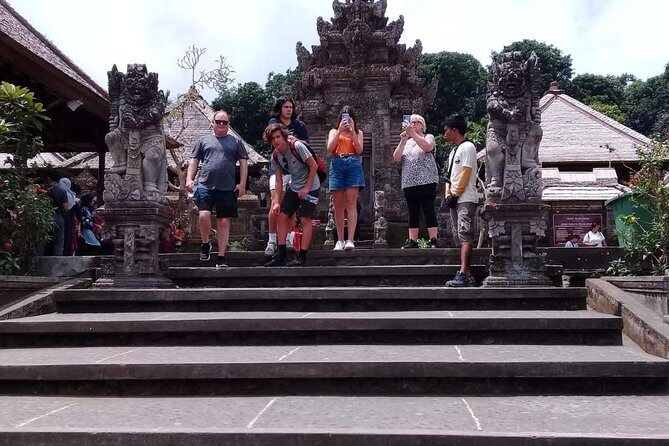
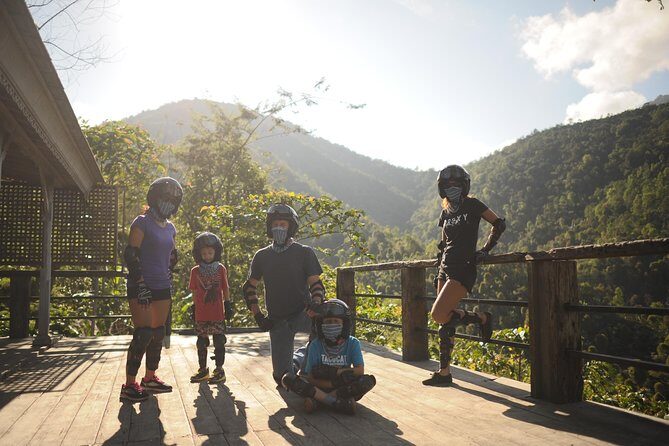
This is the area where the best experiences shine. The tour is built with safety in mind, and you’re never cycling totally on your own.
Here’s what’s included in the support system:
- At least two guides accompany the trip
- You’ll be followed by a supporting A/C van
- There are extra staff at major cross roads to help hold traffic while you cross
- Crossing busy road moments is handled by the team rather than leaving you to guess gaps
That support is a huge relief if you don’t love scooter traffic. People also mention guides being helpful and funny—Ketut and Sandy come up as names attached to friendly, watchful guidance.
One practical way to use this safety setup: don’t hide your comfort level. If you’re okay with speed and road feel, say so. If you’re not, say that too early. Guides can plan your group position and make sure you’re not getting swept into a pace you didn’t sign up for.
What food and drinks feel like on a cycling day
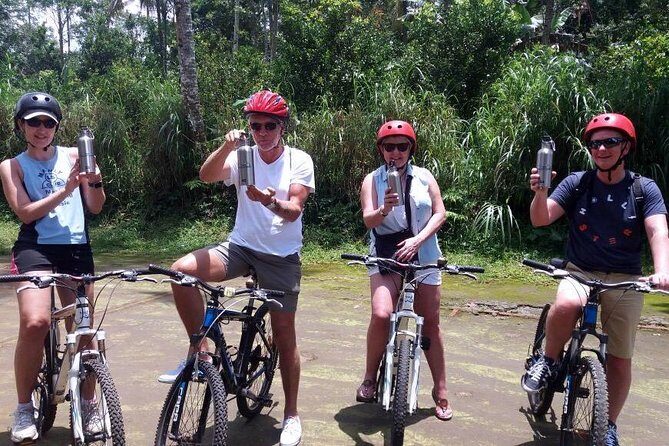
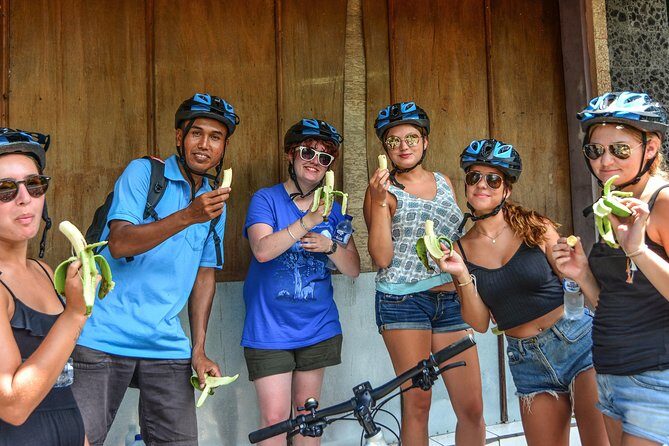
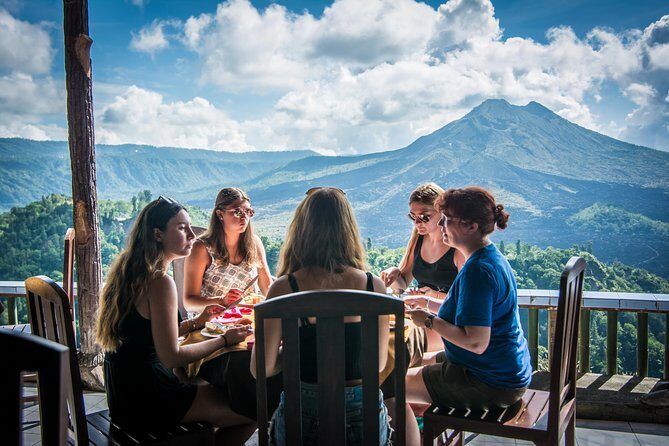
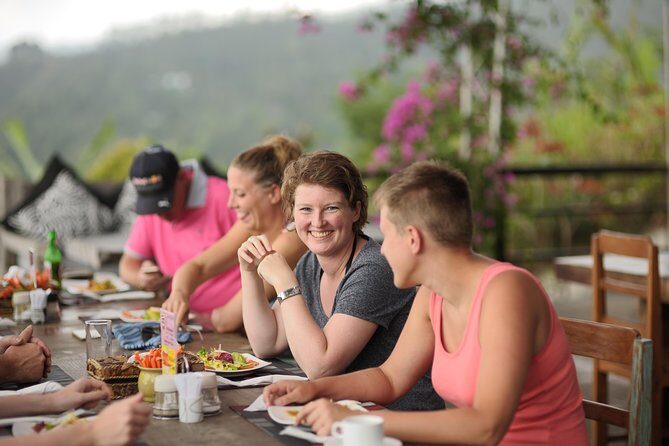
Breakfast and lunch are included, along with mineral water and either a fresh young coconut drink or fresh juice. You also get a cold face towel, which sounds small until you’ve cycled in Bali humidity.
Food timing can feel a bit like brunch plus early dinner, based on how people describe the day’s schedule. That usually works well because you’re burning energy but not turning the morning into a food-free grind.
Lunch is described as tasty, with generous portions. If you’re the kind of person who thinks a cycling tour should still feel like a real meal day, this is where you’ll feel satisfied.
Who this cycling adventure suits best (and who should think twice)
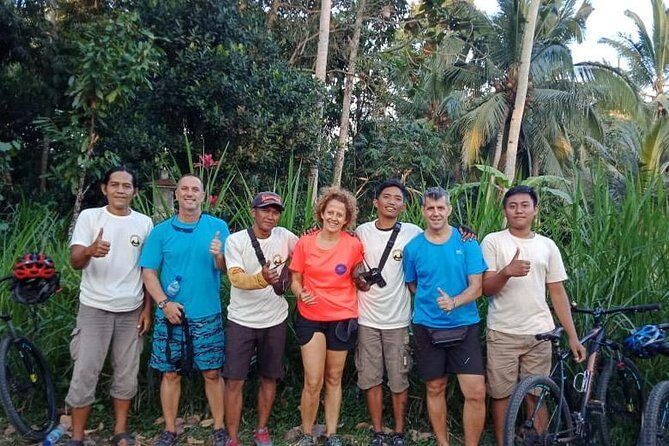
This fits best if you want:
- A full-day countryside experience without planning
- Cycling that’s mostly downhill and approachable
- Village and bamboo-forest culture stops mixed into scenery
- A strong safety setup that handles road crossings for you
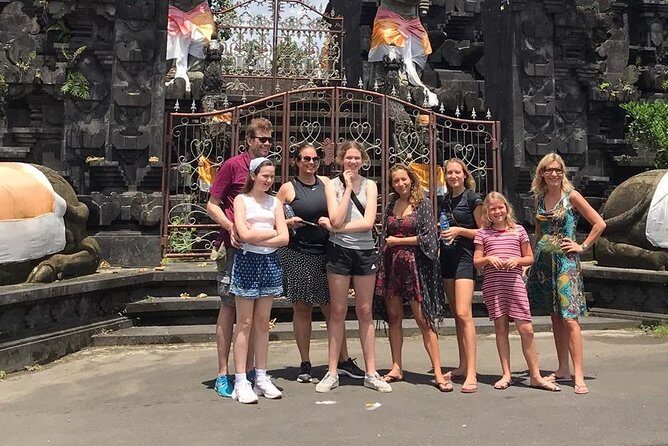
It’s also family friendly. Kids’ bikes and baby/child seats are mentioned, and the route is designed for broad age and skill ranges.
Who should think twice: if you’re extremely risk-averse about uneven or narrow sections, or if you don’t like riding on paths where the side feels exposed, this could be uncomfortable even if the route is mostly downhill. Tell the guide your comfort level early. A good operator will steer you to a pace and handling style that matches you.
Should you book this Bali countryside cycling adventure?
If you want a Ubud day that’s active, scenic, and guided—with meals and safety support baked in—this is a strong bet. The best version of the experience is when you treat it like a countryside day with cycling as the thread, not a pure sport workout.
I’d book it if you care about bamboo forest riding, Penglipuran village culture, rice-terrace views, and not having to juggle tickets, transport, and bike equipment. I’d pause only if narrow/uneven trail riding makes you anxious, or if you’re the kind of rider who needs a perfectly smooth, wide path the whole time.
FAQ
How much does the Bali Countryside Cycling Adventure cost?
It costs $58.00 per person.
How long is the tour?
The tour runs about 8 to 10 hours.
Where do pickup and drop-off happen?
Pickup and drop-off are included by A/C van for hotels in Ubud/Sanur/Kuta/Seminyak/Nusa Dua. Other locations can be advised.
What time does the tour start?
It starts at 8:00 am.
Is the cycling difficult?
The route is mostly downhill and designed to suit all ability levels and ages. The tour is built with safety in mind.
What meals and drinks are included?
Breakfast and lunch are included, along with mineral water and either a fresh young coconut drink or fresh nutritious fruit juices. A cold face towel is also provided.
Are entrance fees included?
Yes. Entrance fees are included, and the tour lists entrance tickets for key stops as included or free where applicable.
What safety support is provided?
You’ll have guides (at least two), a support A/C van following along, and extra staff at major cross roads to help hold traffic. You can also get into the van if you tire or can’t continue.
Is there free cancellation?
Yes. You can cancel up to 24 hours in advance for a full refund. If you cancel less than 24 hours before the start time, the amount paid isn’t refunded.









.jpg)
.jpg)
.jpg)
.jpg)
.jpg)
.jpg)
.jpg)
.jpg)