Uluwatu gets you the big Bali moment fast, before the night. I like that this half-day plan pairs the Uluwatu Temple visit with the Kecak & Fire Dance at the open-air amphitheatre, so the timing builds naturally toward sunset. I also like the practical help: an English-speaking guide, bottled water, and air-conditioned transfers with hotel pickup in Seminyak. One thing to consider: even with a skip-the-line package, you may still deal with crowd pressure around entry and the show area.
Start time is 4:00 pm, and the tour runs about 5 hours. This is a small-group setup (up to 5 travelers), which is great when you want help navigating the grounds and the monkey zones, but it also means you’ll be following the group pace. Dress code is strict here, so plan on covering shoulders, underarms, back, and knees with a sarong/scarf/sweater.
Key Things to Know Before You Go
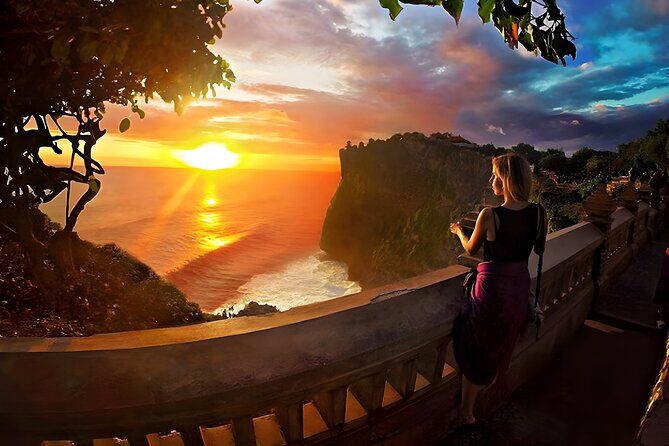
- 4:00 pm start means you’re aiming straight for sunset lighting and photos at the cliff edge
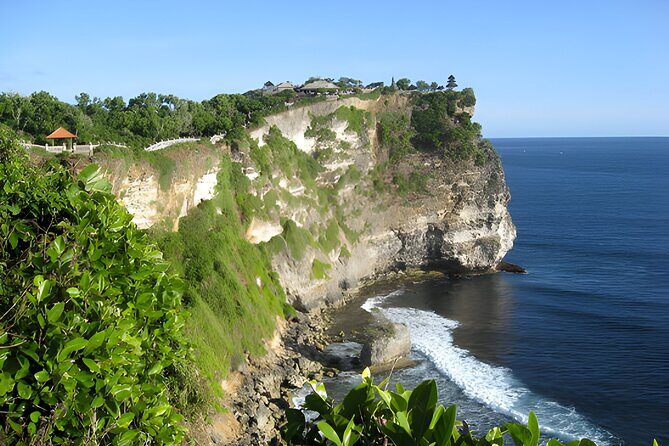
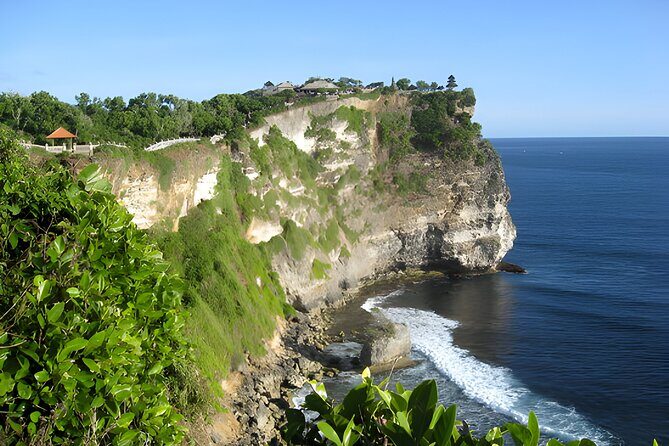
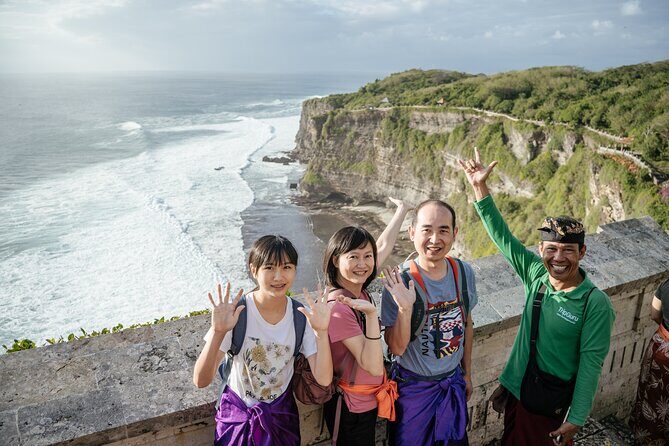
- Uluwatu Temple at ~70 meters above sea level gives you dramatic views while you learn the site’s role on Bali
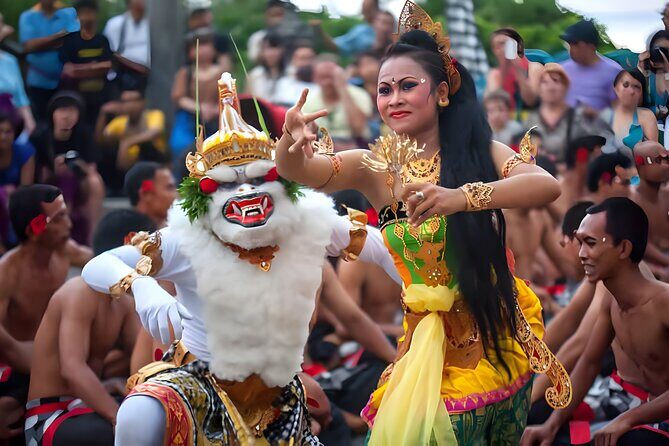
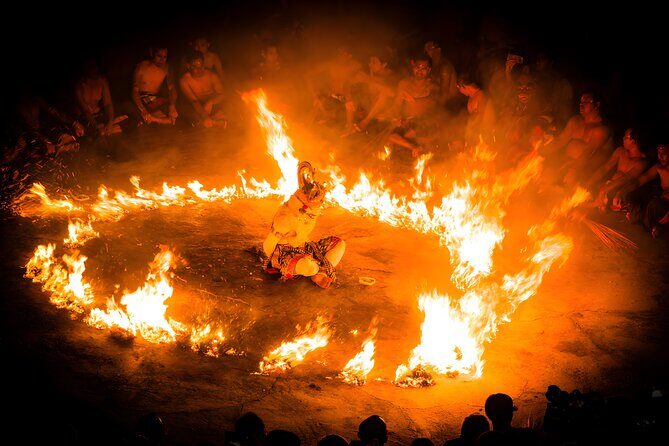
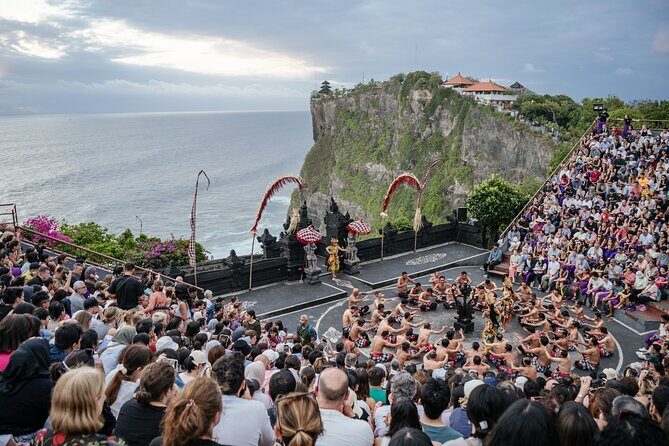
- Kecak and Fire is a human-voice “orchestra” performance set in an outdoor amphitheatre with waves down below
- Small group (max 5) helps you get real attention from your guide, not just a stamp on your ticket
- Strict dress code and monkey awareness are non-negotiable on-site
- The “skip-the-line” effect is often more about smoother entry than total freedom from crowds
Why 4:00 pm at Uluwatu Feels Like the Right Choice
Timing is the whole game at Uluwatu. This tour starts at 4:00 pm, which lines up nicely with Bali’s late-afternoon light. You’ll visit the temple grounds and then move into the amphitheatre area as the sky changes. That’s when Uluwatu Temple and the Kecak & Fire Dance hit hardest: the cliffside view sharpens, the ocean noise is steady, and the show has a natural rhythm as it shifts from sunset to evening.
If you’re staying in Seminyak, the half-day format is also a relief. You’re not committing to a full day of driving and waiting. Instead, you’re getting a tight hit of temple + performance in one stretch, which is exactly how I like my Bali evenings when I still want energy for dinner after.
One more smart detail: guides often help you position for the show so you spend less time wandering. A good moment matters here, because the amphitheatre is outdoors and the best seats can go fast.
Skip-the-Line at Uluwatu: What It Actually Means on the Ground
The big promise is easier entry. In practice, this kind of tour usually helps you avoid the slowest part of ticket chaos. You’ll have your entry handled through the package, and the guide helps you move at the right times.
But don’t imagine you’ll walk in like a movie extra with zero people around. The area can still get packed, and some spots feel more like crowd flow than a clean, calm line. Expect pushing and shuffling at entry and seating. If you’re nervous around crowds, keep that in mind. This isn’t a quiet temple visit.
The upside is that a guide can reduce decision fatigue. When I’m at a place like Uluwatu, I want someone to tell me where to go next and what to ignore. The tour’s value is largely that: you follow a plan, instead of guessing your way through the busiest moments.
Uluwatu Temple: Clifftop Views Plus a Real Sense of Place
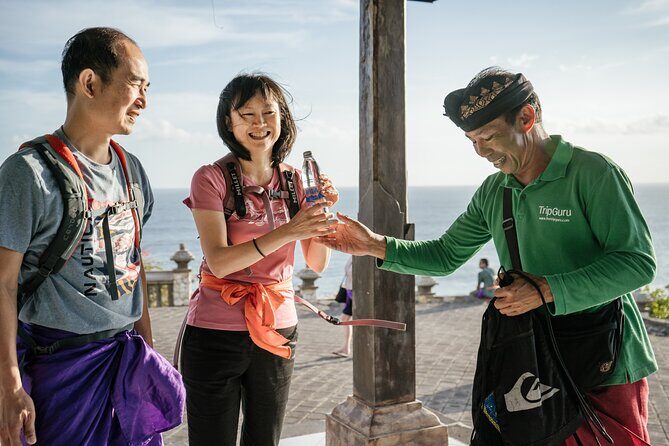
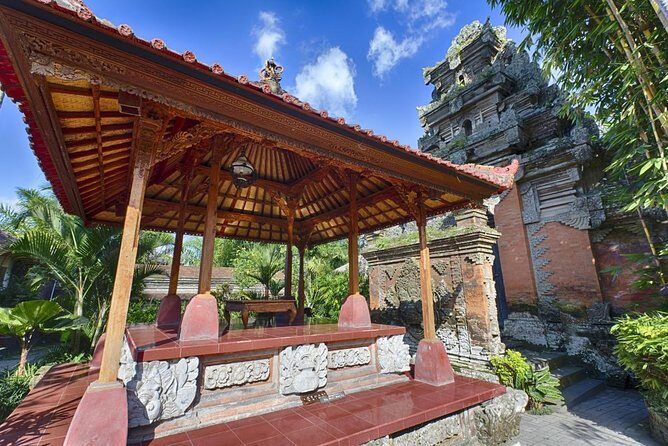
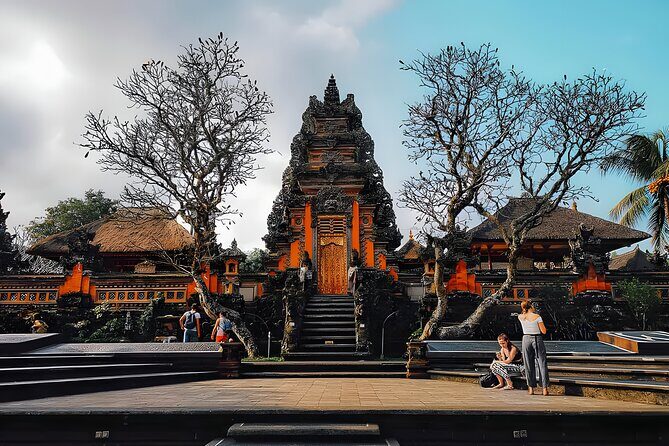
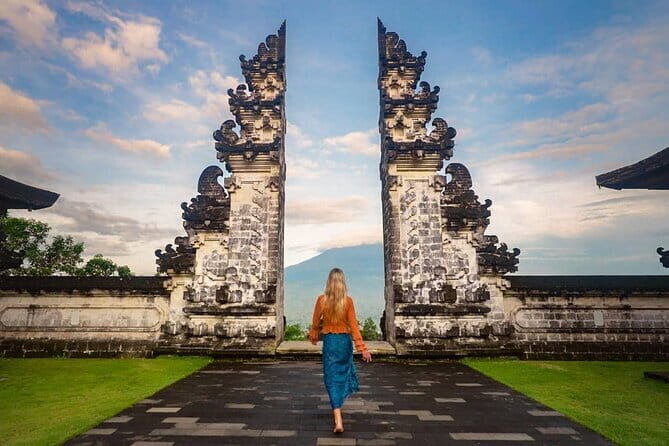
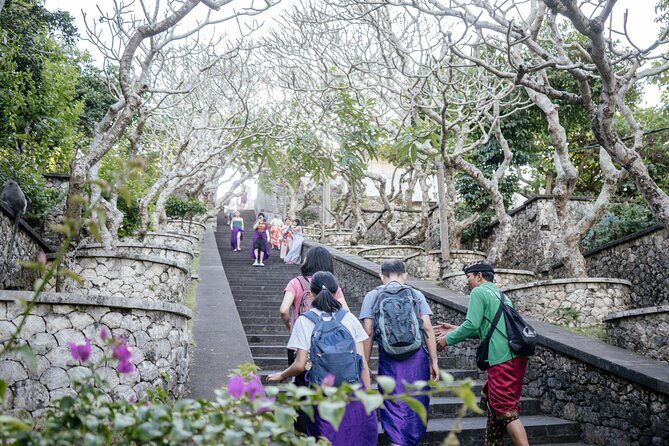
Uluwatu Temple sits about 70 meters above sea level. That height isn’t just a trivia fact. It shapes everything you see—ocean views, cliff edges, and the feeling that you’re stepping into a spiritual site on the edge of the island.
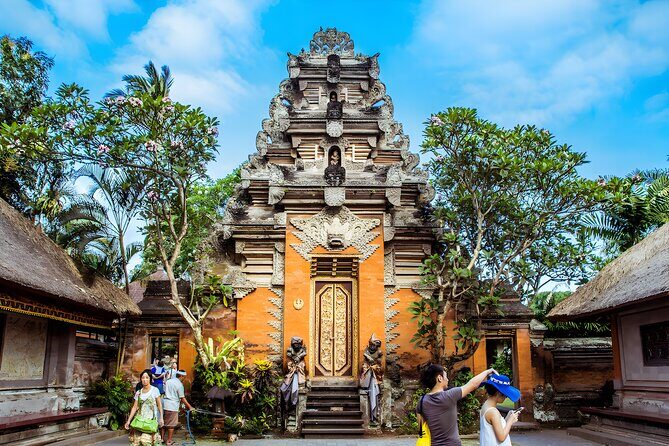
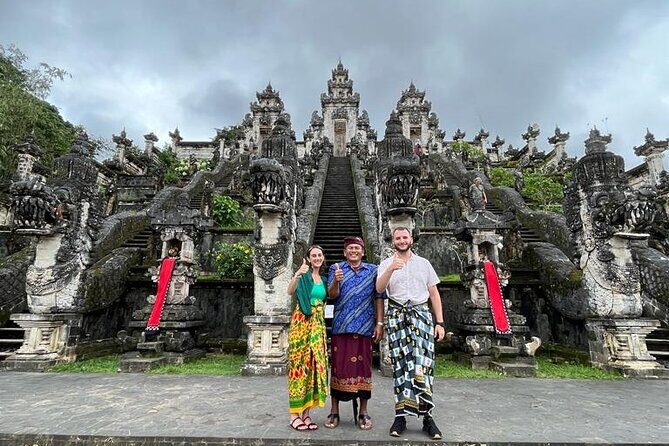
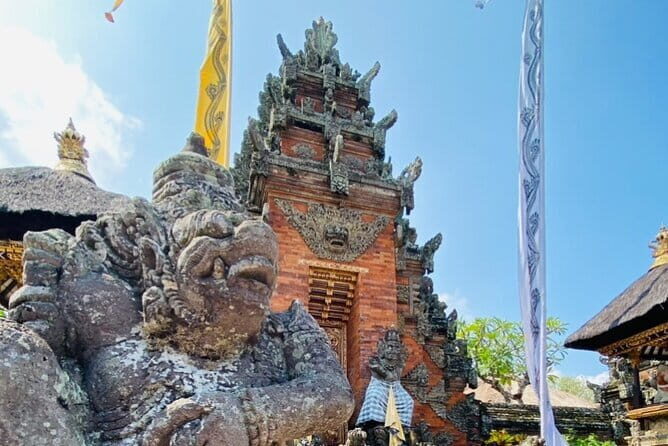
Uluwatu is one of Bali’s key temples (the tour frames it as part of the six major temples), and it’s considered a spiritual pillar for the island. With an English-speaking guide, you’ll get the main ideas without needing to hunt for explanations yourself. Then you’re given time to wander the grounds at your own pace and take photos.
Photo tip that’s worth your attention: the temple grounds are scenic from many angles, but you’ll be competing with other people for viewpoints. Your best strategy is to treat the visit as “see, learn, then move.” Don’t spend too long at one spot early, or you’ll feel rushed later when the show crowd thickens.
Dress code matters here
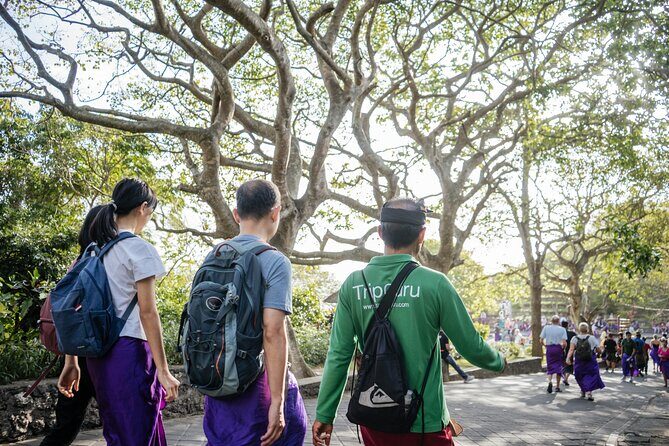
The tour applies a strict dress code. Clothes that reveal shoulders, underarms, back, or knees are not accepted. Plan to bring something like a sarong, scarf, or light sweater so you can cover up quickly. This is one of those places where “I’ll figure it out later” usually turns into stress at the entrance.
Watch the monkeys
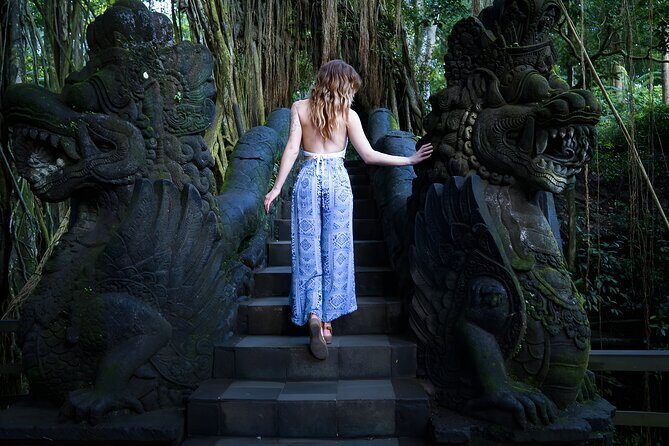
Uluwatu has monkeys around the vicinity, and the tour advises keeping an eye on your belongings. That means camera bags and phones are not things you leave hanging loose. If you’re bringing gear, keep it zipped and close, and be ready for sudden attention.
The Kecak & Fire Dance: Human-Voice Rhythm and an Ocean-Backed Backdrop
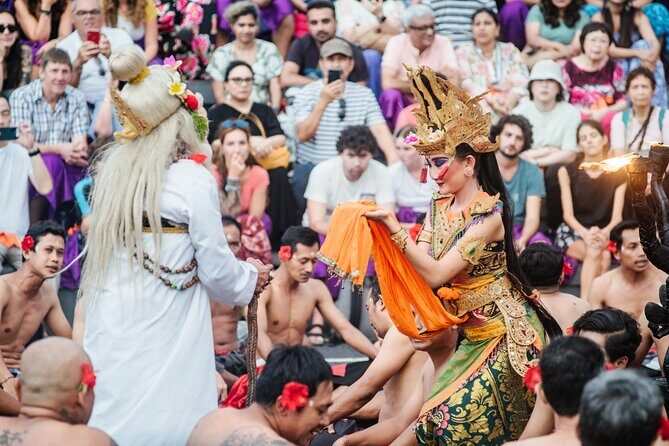
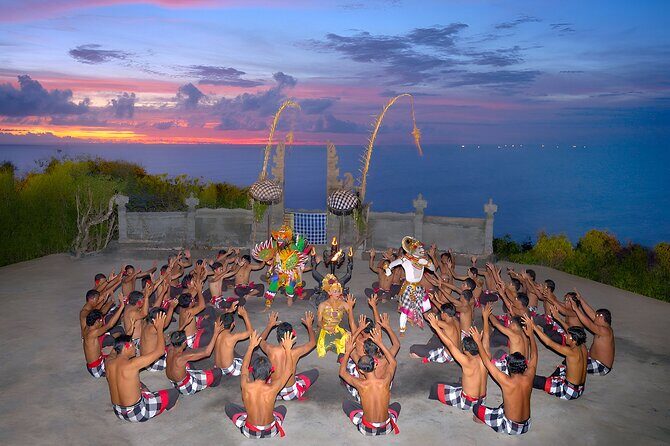
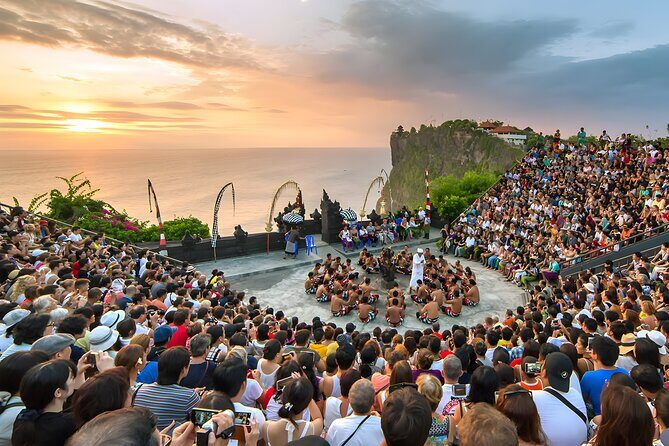
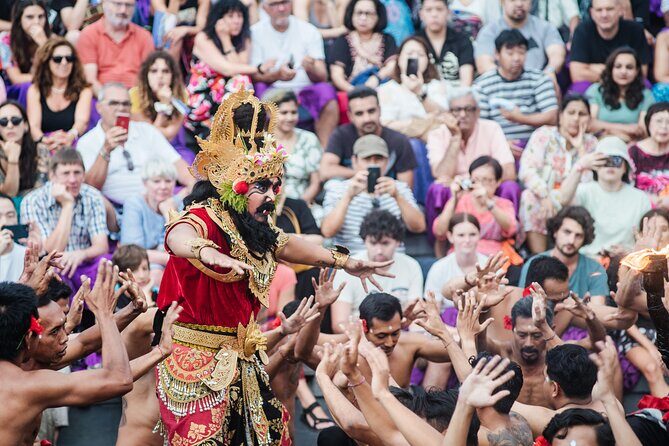
The Kecak & Fire Dance is the centerpiece, and it’s unlike most performances you’ll see in Bali. The tour describes the core vibe as traditional Balinese song, dance, and storytelling, delivered through an orchestra of human voices. Think rhythmic chanting and coordinated movements that build a trance-like feel, rather than a typical band concert.
You’ll watch the performance against a dramatic backdrop: the amphitheatre setting with the sunset behind the performers and the ocean below. That combination is why so many people treat Kecak as a “Bali must” moment.
Seating can make or break your comfort
Some guides are careful about where you end up. In the past, guides have helped with getting good seats, so you can actually see the show without craning your neck. Since this is outdoors, I’d rather spend 30 seconds improving seat positioning than spend the whole show squinting.
Heat and waiting are real
This performance happens in an outdoor space, and sitting or standing before it starts can feel hot. One practical take from my perspective: wear breathable clothing under your required coverage, bring water, and accept that you might wait a bit before the chanting fully kicks in. The show itself can feel long compared to some modern performances, but the point is the ritual pacing.
About “skip-the-line” and crowd pressure
Even when ticket queues are handled, you may still feel the crowd around the amphitheatre area. It can look chaotic up close: people moving in waves, standing tight, and trying to get settled. If you don’t like that feeling, arrive mentally prepared. The guide’s role becomes even more important here.
Guides, Pickups, and the Small-Group Advantage

One of the best parts of this tour model is the match between time and attention. With a max of 5 travelers, you’re more likely to get personal guidance instead of a generic script.
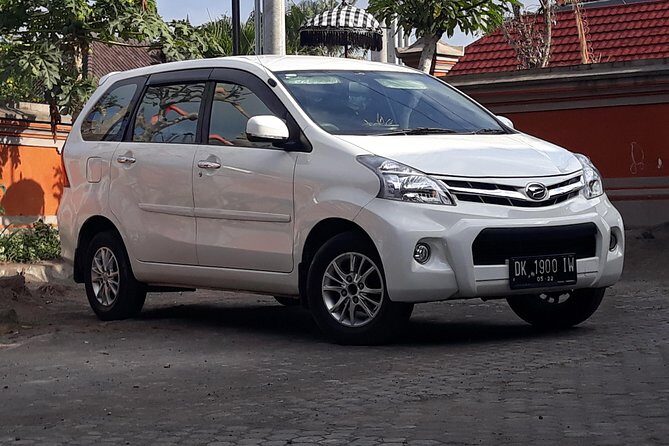
You’ll typically ride in an air-conditioned vehicle with hotel pickup and drop-off if you select that option in Seminyak. You’ll also get bottled water during the trip. Insurance is included, which is a quiet comfort when you’re doing evening activities that involve some walking.
Guide quality really shows in the details. Names that have come up in the field include Kadek Oka, Eddy, Donald, Dewa, Suru, and Gede Yogi. Across different experiences, the pattern is consistent: punctual pickup, clear explanations about the temple, and help dealing with monkeys near camera gear. Some guides also use route shortcuts to reduce time stuck in Bali traffic, which can be the difference between arriving early and feeling rushed.
Why English-speaking helps (even if you’re not fluent)
You’ll have an English-speaking guide, and in most cases that makes the temple context stick. If you prefer to ask questions, this setup supports that. If you’re sensitive to language barriers, I’d say pick the small-group option if it’s available, because your guide will have more time to communicate clearly and correct misunderstandings fast.
Transportation and Timing: Getting There Without Losing the Moment

Uluwatu evenings live or die by arrival time. Late starts can shrink your photo opportunities and shorten temple time. That’s why hotel pickup and punctual driving are more than perks—they protect your experience.
This tour runs about 5 hours starting at 4:00 pm. That schedule usually gives you:
- time at the temple grounds for learning and photos
- time to settle near the amphitheatre
- the sunset-to-night progression of the Kecak & Fire Dance
Also, since this is near public transportation, you’ll find it easier to adjust plans if you decide to meet at the temple instead of doing pickup (when that option is offered). But pickup is often the stress-reducer for evening tours.
Price and Value: Is $32 Worth It?
$32 per person can look like a bargain if you compare it to the cost of entry tickets plus an afternoon of logistics. This package usually includes:
- entrance fees for the temple (IDR 60K)
- entrance fees for the dance performance (IDR 150K)
- an English-speaking guide
- air-conditioned vehicle
- bottled water
- and insurance
When you add up the typical “you’re paying for convenience” category—driver, guide, and entry handled—this starts making sense for a short, high-impact outing. You’re paying so you don’t have to coordinate transportation, find the right entrances, or figure out what to do first when the area is crowded.
Where value can vary is the crowd experience. If you’re expecting a totally empty “skip,” you might feel let down. If you’re okay with some pushing and shuffling, the package often feels like it buys you smoother navigation and time efficiency.
Who This Tour Fits Best (and Who Might Not Love It)
I think this tour is a smart match if you:
- want the Uluwatu Temple + Kecak combo without planning logistics
- care about sunset timing and a scenic evening payoff
- like a guide to explain what you’re seeing
- prefer a small group (max 5 travelers) over a bigger bus crowd
I’d consider skipping or adjusting expectations if you:
- strongly dislike crowds and tight seating areas
- are very uncomfortable around monkeys and want a more controlled setting (you’ll still be near monkey zones, and you’ll need to manage your belongings)
- want the option to stay longer at the temple or take a slower pace, because this is a set, time-bound plan
- expect a modern, polished performance style rather than a traditional chanting-and-storytelling format
Should You Book This Uluwatu and Kecak Half Day?
If your goal is a classic Bali sunset evening with temple views and the Kecak fire performance, I’d book this. The best reason is simple: the timing at 4:00 pm gives you the natural arc from temple light to night show, and the guide plus included entry helps you avoid a lot of friction.
My “yes” comes with two practical rules:
1) Bring the right cover-up for the dress code so you don’t get stopped.
2) Treat your phone and camera like it’s valuable cargo near monkeys.
Do those, and this half-day tour is a great value way to experience Uluwatu without turning your evening into a logistics puzzle.
FAQ
What time does the tour start?
The tour starts at 4:00 pm.
How long is the tour?
The duration is approximately 5 hours.
Is hotel pickup included?
Hotel pickup and drop-off are included if you select that option. You can also meet at the temple depending on the option chosen.
Are entrance fees for the temple and dance included?
Yes. Entrance fees are included in the package (Uluwatu Temple IDR 60K and the dance performance IDR 150K).
What is the dress code?
Dress is strict. Clothes revealing the shoulders, underarms, back, and knees are not allowed. Bring a sarong/scarf/sweater to cover up.
What should I do about monkeys?
There are monkeys in the vicinity. Keep a watchful eye on your possessions, especially items like cameras and phones.
FAQ
What happens if the weather is bad?
This experience requires good weather. If it’s canceled due to poor weather, you’ll be offered a different date or a full refund.
Is it free to cancel?
Yes, cancellation is free. You can cancel up to 24 hours in advance for a full refund.
How many people are in a group?
This tour/activity has a maximum of 5 travelers.