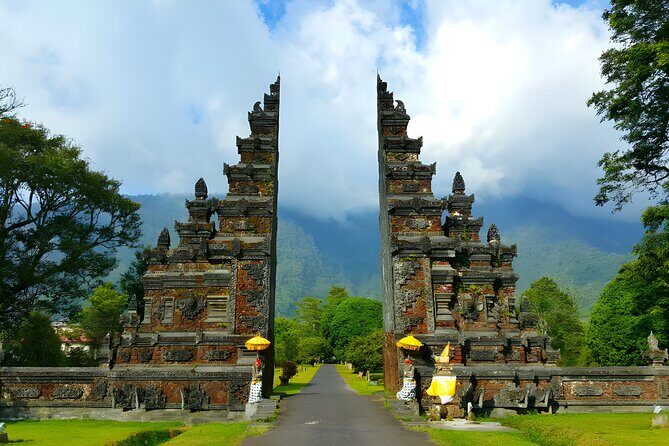
Bali Quad Bike ATV Rides in Uluwatu Experiences

Bali Quad Bike ATV Rides in Uluwatu Experiences - Where It Starts: ATV Bukit Sari in Pecatu

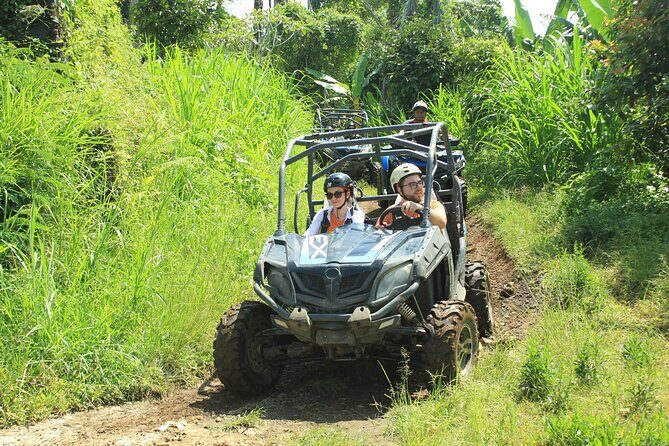
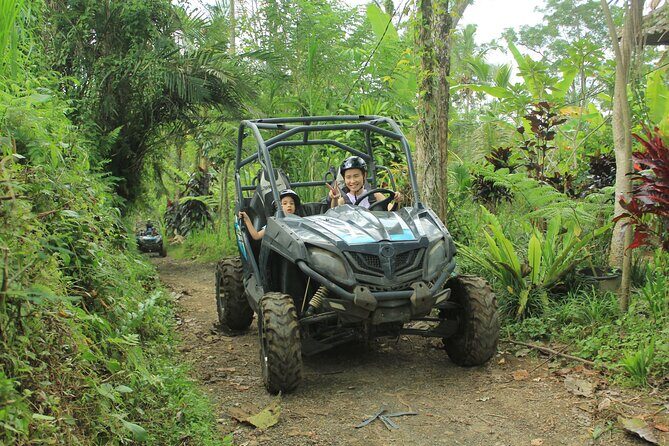
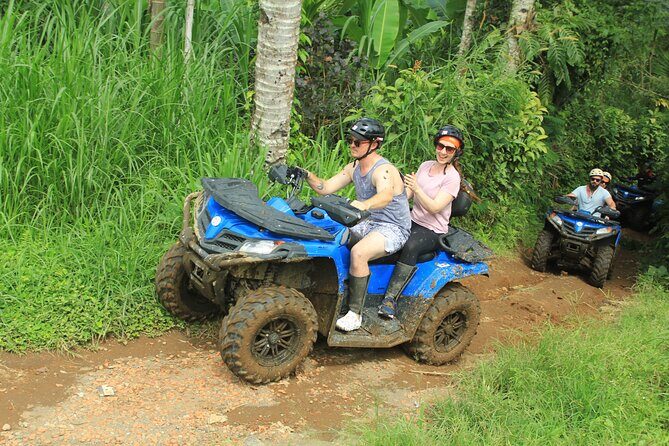
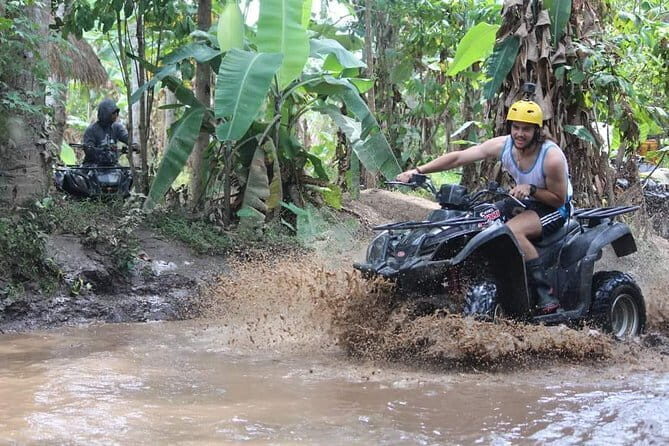
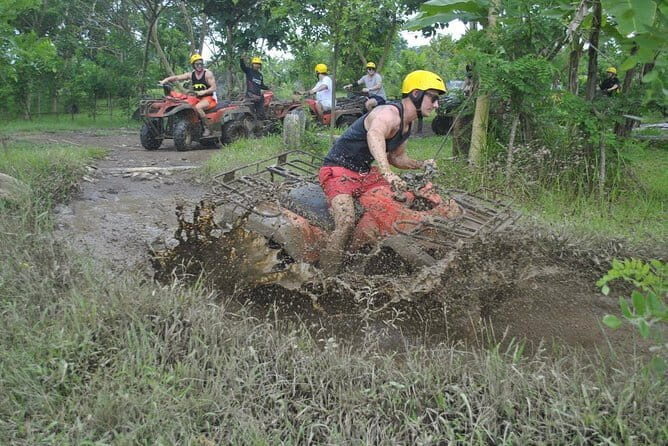
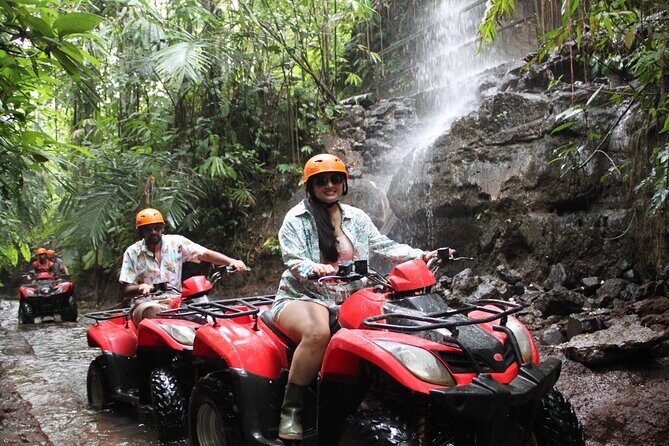
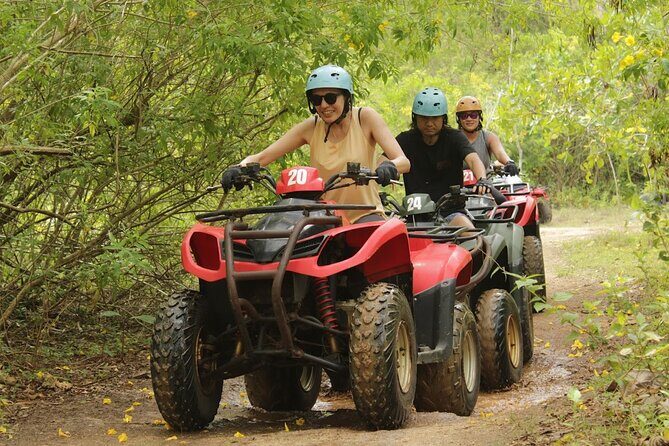
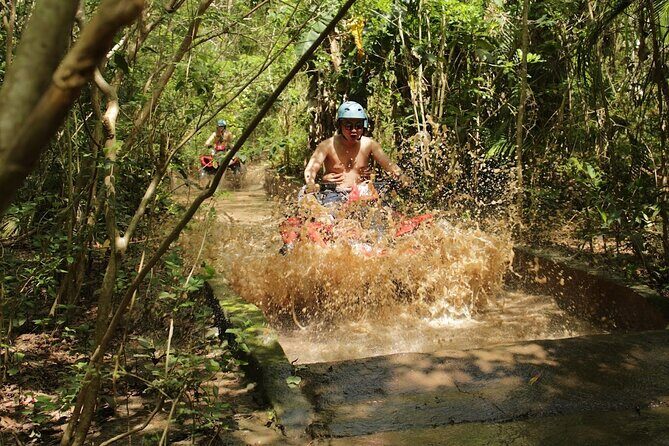
Get ready for mud, throttle, and sea views. This ATV ride is built for real off-road time—bumpy tracks, muddy stretches, and green forest sections—with planned stops where you can actually see the coast. What I like most is the clear focus on safety and guidance, plus small touches like gear that helps you stay comfortable.

Two things stand out. First, you get provided ATV equipment (boots, socks, helmet) and a training trek before the course gets serious. Second, the breaks are part of the plan: there’s a coconut stop mid-ride and a lunch finish, not just a quick turnaround.

One thing to keep in mind: it is bumpy. If you’re the type who hates rough roads, go in with the right expectations and hold on.

Key things to know before you go

  • 1.5-hour ride with a long-ish course that stays active the whole time
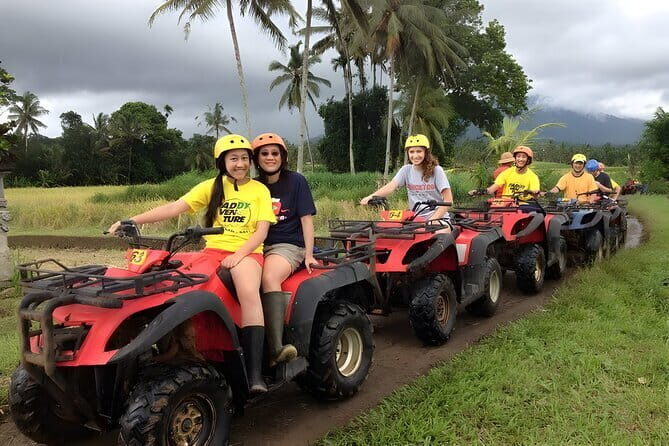
  • Safety gear included: boots, socks, and a helmet, plus safety tools and well-maintained bikes
  • Mix of terrain: muddy tracks, dusty trails, and lush forest segments
  • Planned photo moments with multiple stops and a photographer you can catch in action
  • Coconut break and lunch build in real downtime, not just constant riding
  • Small group size (max 10) keeps the experience controlled and easy to manage

Uluwatu Coast Vibes, Without the Long Drive
Bali Quad Bike ATV Rides in Uluwatu Experiences - Uluwatu Coast Vibes, Without the Long Drive
Bali’s south coast has that drama you can feel immediately: cliffs, ocean light, and the sense that the land is always trying to show off. This ride uses that setting well by aiming you toward Uluwatu views during your route, so your effort on the quad doesn’t feel like a closed-course trick.

The ride format also matters. You’re not just “going fast.” You’re moving through different kinds of ground—mud, dust, and forest—so your brain stays engaged instead of zoning out. If you like nature and adrenaline, this kind of mixed route usually hits better than a simple loop around the same field.

Price and Value: What You Actually Get for $27.80
Bali Quad Bike ATV Rides in Uluwatu Experiences - Price and Value: What You Actually Get for $27.80
At $27.80 per person, this is priced like a value adventure. The best part is what’s bundled in: insurance, ATV gear (boots, socks, helmet), and a professional guide plus safety tools. That’s important because quad rides live or die by preparation. You want the bike to be maintained and you want the support staff to be on top of safety.

Then there’s the food. You get a coconut break during the ride and lunch at the end. Those aren’t tiny extras—they can easily be the difference between a fun morning and a “Why are we still hungry?” afternoon.

The course also runs about 1 hour 30 minutes. That’s enough time to feel like you did something real, but it’s not so long that you’re exhausted before you even get to the best views. For couples and small groups, it’s also a practical half-day plan.

Where It Starts: ATV Bukit Sari in Pecatu
Bali Quad Bike ATV Rides in Uluwatu Experiences - Where It Starts: ATV Bukit Sari in Pecatu
You’ll start at ATV Bukit Sari, Jl. Pura Kulat No.18, Pecatu, Kec. Kuta Sel., Kabupaten Badung, Bali 80361, Indonesia. The activity ends back at the same meeting point, so you’re not left figuring out how to get home after you’re covered in off-road grit.

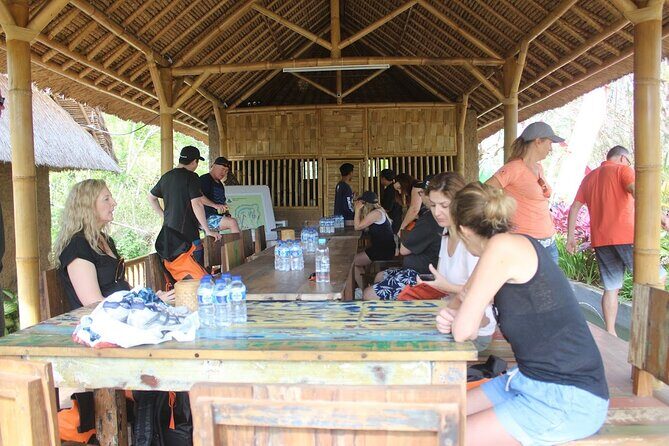
Pickup is offered, which is a big deal if you don’t want to spend your energy managing taxis or navigation. If you do self-arrange, give yourself enough buffer time to arrive early and get your gear sorted. A smooth start makes the whole ride feel better.

The Ride Flow: Training Trek, Then On-Road Energy
Bali Quad Bike ATV Rides in Uluwatu Experiences - The Ride Flow: Training Trek, Then On-Road Energy
Before you tear off, there’s a training trek and instruction from the guide. You should expect to learn how to control the quad, how to handle turns, and what the staff wants you to do on rough ground. This matters because quad riding is physical in a “keep your balance” way, not just a “gas pedal” way.

Once you’re moving, the route is designed around variety. You’ll tackle muddy tracks, dusty trails, and lush forest sections. That mix is the point: it changes your rhythm, and it usually creates more memorable moments than one long flat stretch.

The ride also has multiple stops for photos and rest. This is where the adventure turns from random bouncing into a planned experience. You get chances to regroup, wipe down (as much as you can), and capture scenery like Uluwatu cliffs, beaches, and rice paddies.

Stop at Uluwatu: Cliffs and Coast Views Worth the Throttle
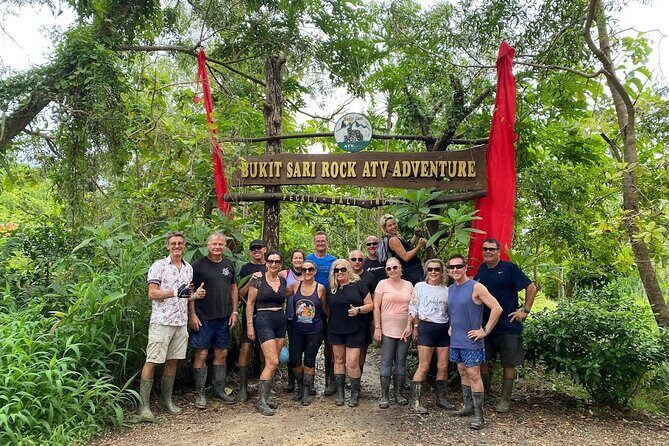
Bali Quad Bike ATV Rides in Uluwatu Experiences - Stop at Uluwatu: Cliffs and Coast Views Worth the Throttle
This experience is built around Uluwatu. You’re not just riding in generic terrain; you’re working toward big scenery—especially the cliff-and-coast look. The route includes viewpoints where you can see the ocean and coastline from above, which is one of the classic Uluwatu vibes.

You’ll also get scenery beyond the cliffs. The route descriptions mention beaches and rice paddies, which helps break up the ride visually. If you’ve only seen Uluwatu from viewpoints on foot, getting these views from an ATV route adds a different angle—literally and emotionally.

If photos matter to you, pay attention here. There’s mention of a photographer capturing special moments, and the schedule includes stops where you’re positioned to get better shots than you would on the move.

Coconut Break and Lunch: A Real Reset Mid-Adventure

Halfway through, you’ll hit a break point with coconut. This is a smart inclusion because it lets you recover before the course gets bumpy again. Off-road riding can wear you out fast—especially your wrists and legs—so a planned pause keeps the experience fun instead of just exhausting.

At the end, you get lunch at the finish point. That turns the ride into something you can slot into a day without immediately hunting for food afterward. If you’re traveling with friends or family, this also reduces the stress of figuring out where everyone will eat once you’re done.

Safety and Comfort: The Gear and Guidance That Make It Go Smooth

What I like about this ride is how safety is treated like part of the package, not an afterthought. You get insurance, well-maintained bikes, and safety tools, plus a professional guide who keeps an eye on you throughout the experience.

Gear is included: boots, socks, and a helmet. That’s not just “nice to have.” Correct gear can prevent blisters, make footing safer in messy terrain, and keep you more comfortable on a bumpy route.

A useful extra shows up in feedback from riders: you may be given plastic bags to cover your feet, along with gumboots and ponchos. Even if conditions vary, this kind of practical layering tells you the team expects mud and water and planned for it.

Bumpy Reality Check: Who Will Enjoy This Most
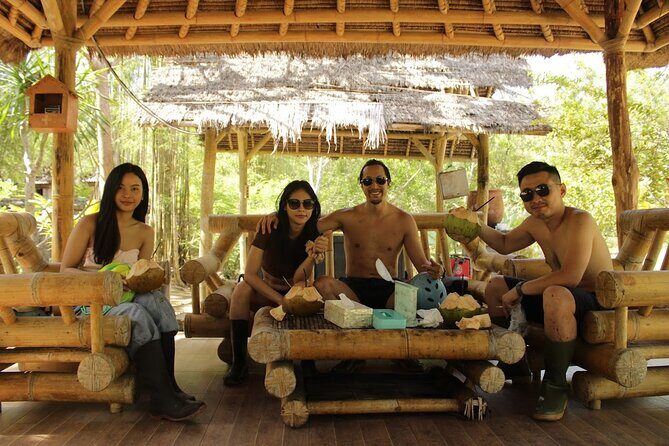
Bali Quad Bike ATV Rides in Uluwatu Experiences - Bumpy Reality Check: Who Will Enjoy This Most
This is not a gentle scenic cruise. The ride can be very bumpy, and the course can feel long in the sense that you’ll be active the whole time. If you enjoy being tossed around a little (in a safe, guided way), you’ll likely have a blast.

If you’re prone to motion discomfort, I’d treat this like a mild adventure rollercoaster: brace your body, hold steady, and don’t ride stiff. Your best strategy is to focus on the guide’s instructions at turns and slow down mentally—so your body follows rather than fights.

On the positive side, that bumpy style is also why the ride feels like a real ATV adventure. It’s not just “a guided drive with a few dirt patches.” You’re doing work on the bike, and the terrain changes keep you paying attention.

Small Group Energy: Max 10 Travelers Means Control

With a maximum of 10 travelers, you get something rare on busy Bali schedules: room for control. Smaller groups usually mean guides can watch each rider more closely and keep spacing on uneven terrain.

It also helps with the vibe. The experience feels more like a guided outing than a factory line. If you’re going with friends or as a couple, you’ll likely appreciate that you’re not lost in a crowd.

Ticket Handling: Mobile Ticket and Confirmation

You’ll receive confirmation at the time of booking, which helps you plan without endless back-and-forth. The experience also uses a mobile ticket, so you’re not juggling paper in your pocket while you’re trying to stay organized.

That’s a small thing, but it matters when you’re heading to a starting point with check-in and gear. Anything that reduces friction tends to make the whole morning smoother.

Should You Book This ATV Ride in Uluwatu?

Book it if you want a hands-on ATV adventure with real off-road variety, plus Uluwatu views that justify the effort. The value is strong because your price includes gear, insurance, safety guidance, a coconut break, and lunch.

Pass (or at least reconsider) if rough terrain makes you miserable. This ride can be bumpy and active for the full 1.5 hours, so it’s best for people who enjoy being in motion.

If you’re the type who wants one great Bali story that’s not just about temples or beaches, this fits. You’ll get dirt on the boots, sea views in the memory, and a guided plan that keeps things safe.

FAQ

How long is the Bali Quad Bike ATV ride?

The ride lasts about 1 hour 30 minutes.

How much does it cost?

The price is $27.80 per person.

Is pickup available?

Pickup is offered. You can also meet at the base camp.

Where is the meeting point?

Meet at ATV Bukit Sari, Jl. Pura Kulat No.18, Pecatu, Kec. Kuta Sel., Kabupaten Badung, Bali 80361, Indonesia. The activity ends back at the meeting point.

What’s included in the price?

Included are insurance, ATV equipment (boots, socks, helmet), well-maintained bikes and safety tools, a training trek, an instructor/professional guide, a coconut break point, and lunch at the finish point.

What is not included?

Personal expenses are not included.

Do you provide safety training before riding?

Yes. You get a training trek and instruction from the guide before you ride.

Is there a photographer?

There is mention of a photographer capturing moments during the experience, along with photo stops.

What’s the cancellation policy?

You can cancel for a full refund up to 24 hours in advance of the experience start time (based on local time). Canceling less than 24 hours before does not get a refund.

Bali Swim with Dolphins & Watching Sunrise, Gitgit Waterfall

A dolphin sunrise day beats most plans

There’s something special about starting North Bali before the crowds do. This outing pairs Lovina dolphin watching and a dolphin swim with a later nature stop at Git Git Waterfall, so you’re not only stuck on one kind of activity. I really like that it’s designed around real wildlife time—getting out on a local jukung boat early makes the whole morning feel purposeful.

Two things I especially like: first, you get a light breakfast and bottled water before the ocean portion, so you’re not scrambling with hunger and no coffee. Second, the whole day is built with comfort in mind—AC private transfers from Seminyak with an English-speaking driver, plus entrance fees and snorkeling equipment included.

One consideration: the waterfall segment can be physically demanding. The Git Git area involves an intense trek to get close to the falls, so you’ll want solid shoes and a decent fitness level.

Key things to know before you go

Bali Swim with Dolphins & Watching Sunrise, Gitgit Waterfall - Key things to know before you go

  • Lovina sunrise timing: an early boat start gives you the best shot at dolphins and calmer conditions
  • Dolphin swim + snorkeling gear included: you’re not just watching from the boat
  • Jukung boat ride: a local wooden boat experience, not a generic tour platform
  • Git Git split waterfall photo spot: falls drop into a jungle pool below
  • Max 15 people: small enough to feel organized, big enough to keep it social
  • AC vehicle from Seminyak: comfort matters on a long North Bali day

Dolphin Sunrise at Lovina: why this part matters

Bali Swim with Dolphins & Watching Sunrise, Gitgit Waterfall - Dolphin Sunrise at Lovina: why this part matters
North Bali’s Lovina area is famous for dolphins, but the key detail is timing. The tour is set up for a morning start, where you’re on the water while the light is still soft and the sea is often less chaotic. That matters because dolphin sightings tend to be a lot more relaxed when the boat ride isn’t rushed, and you’re not fighting a rough start.

I also like that the plan doesn’t treat dolphins like a quick photo stop. You’ll spend around one hour on the dolphin watching activity by local boat, with the main idea being to let the dolphins come naturally rather than turning it into a frantic chase.

And yes, the day has a “floating” rhythm. Even if you’re excited, you’ll move at a Bali pace: sit, scan the water, follow the guide’s directions, then get your turn for the swim with dolphins portion when it lines up.

Your jukung boat morning: what you can expect

Bali Swim with Dolphins & Watching Sunrise, Gitgit Waterfall - Your jukung boat morning: what you can expect
You’ll go out on a local wooden boat (a jukung, shared), which feels closer to what locals do than a big commercial vessel. The boat ride is one of the best parts because it changes how you experience the coast—you’re not just passing scenery from the window. You’re sitting in the rhythm of the water.

Two useful practical notes:

  • You’ll want to dress for cool-to-warm morning air. Early in the day can feel breezy on the water, and you’ll probably warm up as the sun climbs.
  • Bring a simple cover-up for photos and dignity. The sun and sea glare can be harsh right after sunrise.

The ship guide name you might hear is Katut, and people highlight how effectively he helps during the dolphin section. Even if you’re not a wildlife expert, a calm, confident guide makes a huge difference when you’re waiting for animals to appear.

Finally, you’ll have snorkeling equipment available as part of the dolphin activity. One person’s highlight was seeing a lot of fish while snorkeling, and that’s the kind of bonus you can genuinely hope for in Lovina’s waters—small flashes and movement can turn a routine swim into a memorable one.

The dolphin swim: the realistic mindset to have

Bali Swim with Dolphins & Watching Sunrise, Gitgit Waterfall - The dolphin swim: the realistic mindset to have
A dolphin swim is the star here, so it’s smart to manage expectations with care. You’re not guaranteed a specific number of dolphins every minute, and the ocean always has its own schedule. What you can control is how prepared you are.

Go in knowing:

  • You’ll be in the water during the dolphin window, so bring patience.
  • Safety and guidance matter more than speed. Follow instructions closely when you’re getting in and out.
  • If you’re snorkeling too, treat it as an experience, not a checklist. Even a few calm minutes can be the best moments.

The tour is built for dolphin enthusiasts, and that shows in what’s included: watching dolphins from the boat, plus a swim with dolphins, plus entrance fees tied directly to the dolphin activity.

This is also where the small group size helps. With a cap of 15 travelers, it’s easier for the guides and crew to keep things organized, and you’re less likely to feel like you’re sharing space with an entire fleet.

Git Git Waterfall: what the hike feels like

Bali Swim with Dolphins & Watching Sunrise, Gitgit Waterfall - Git Git Waterfall: what the hike feels like
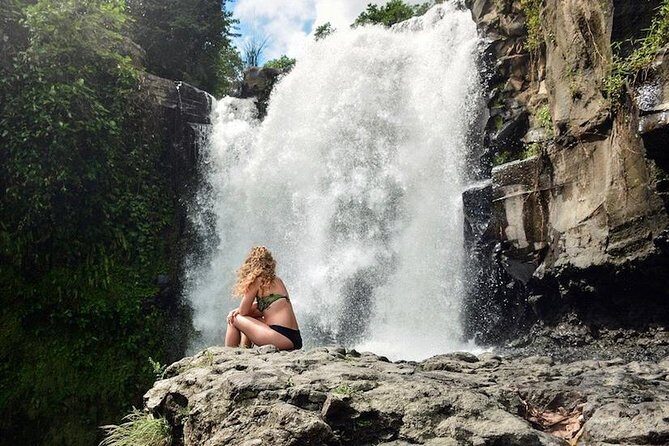
After the morning ocean time, the tour shifts to land, and the pace changes. Git Git Waterfall is a popular photo spot because it’s a split waterfall—water spills over rocks and drops into a jungle pool below. If you like scenery that looks real and not staged, this one tends to deliver.

The time at the waterfall is about one hour, which is a decent amount if you plan your walking carefully. You’ll likely need time to:

  • get to the viewpoint area,
  • move around for photos,
  • and soak in the sound of the falls.

Here’s the practical drawback to keep in mind: the trek is described as intense. That doesn’t mean it’s impossible, but it does mean you should come with a fit enough body for uneven steps and wet surfaces. Wear shoes with traction. Flip-flops might work for the confident-and-careful, but you’re safer with proper footwear.

Also, pack for damp conditions. Even if the path isn’t a mudslide, waterfalls create mist. Your clothes might get damp, and your phone deserves protection.

Ulun Danu Beratan Temple: a calm contrast on the lake

Bali Swim with Dolphins & Watching Sunrise, Gitgit Waterfall - Ulun Danu Beratan Temple: a calm contrast on the lake
The North Bali day also includes a scenic temple stop at Ulun Danu Beratan on the lake. I like this kind of contrast because the morning is physical and loud (sea, wind, animal watching), and the temple stop gives you a slower pace—views across water, built scenery, and a place where the day feels more grounded.

This is the segment where you can take a breath, walk at an easier tempo, and reset before the ride back toward Seminyak.

If you care about photography, this temple-and-lake setting is the kind of place where lighting can be kind. Just bring modest clothing for temple areas, and expect a bit of walking.

Getting there from Seminyak: AC comfort, long day timing

Bali Swim with Dolphins & Watching Sunrise, Gitgit Waterfall - Getting there from Seminyak: AC comfort, long day timing
This is an 8 to 9 hour outing, which means your schedule is mostly about travel time plus two main activity anchors (dolphins and Git Git). Starting in Seminyak is convenient, because pickup is offered, and the transportation is handled with a full AC vehicle driven by an English-speaking driver.

Private car + comfort matters more on Bali than people assume. North Bali roads can be a lot more time-consuming than you’d guess from a map. The good news: you’re not doing public transport juggling. You’re in one vehicle, and the driver handles the route.

Pack for the reality of a long day:

  • sunscreen (sun hits fast once you’re up),
  • a small towel or quick-dry item (especially for the waterfall and any post-swim wetness),
  • a dry bag or sealable pouch for electronics.

What’s included for $40: value that isn’t just marketing

Bali Swim with Dolphins & Watching Sunrise, Gitgit Waterfall - What’s included for $40: value that isn’t just marketing
At $40 per person, this tour is trying to do something smart: bundle the expensive bits. Included are entrance fees for dolphin watching and Git Git, a light breakfast, bottled water, the jukung boat ride, snorkeling equipment, and the dolphin swim itself. You also get private AC transfers with a driver and petrol covered.

So when you compare it with DIY options, the value is clear. If you try to piece together:

  • a sunrise boat,
  • entrance fees,
  • snorkeling gear,
  • and a full-day North Bali driver,

you’ll usually end up paying more or spending time coordinating instead of enjoying.

The tradeoff is also honest: lunch isn’t included. You’ll need to plan for that on your own. That’s not a dealbreaker, but it does mean you should budget time for food during the day—or accept that you’ll eat once the schedule allows.

Who this tour is best for (and who should think twice)

Bali Swim with Dolphins & Watching Sunrise, Gitgit Waterfall - Who this tour is best for (and who should think twice)
This is a strong fit if you:

  • are a dolphin enthusiast who wants more than a boat ride,
  • like mixing wildlife with nature scenery in the same day,
  • prefer organized transport rather than slow or unreliable public connections,
  • appreciate small group pacing (max 15 people).

It may be a tougher choice if you:

  • don’t feel comfortable with a more intense waterfall trek,
  • need a very relaxed, low-walking itinerary,
  • prefer to avoid early mornings and boat conditions.

If you’re on the fence, your decision should come down to your comfort level with the waterfall walk. Dolphins are the main draw, but your legs will notice the Git Git part.

Quick practical checklist before you book

To make this day smoother, I’d plan around these points:

  • Bring traction footwear for damp steps at Git Git
  • Plan for morning sea air (light layer helps)
  • Use a dry bag for your phone and wallet
  • Eat something before you arrive if you have a sensitive stomach, even with the included breakfast
  • Expect time to move between North Bali highlights without rushing

Also remember: the activity requires good weather. If weather is poor, you should expect the tour to be rescheduled or refunded, depending on the provider’s options for that situation.

Should you book the Bali dolphins swim and Git Git Waterfall day?

If you want one day that’s genuinely about two major experiences—dolphins at Lovina sunrise and Git Git’s split waterfall—this is a good booking. The included snorkeling gear, entrance fees, breakfast, and AC transport make the $40 price feel fair rather than cheap.

I’d book it if you’re excited by early mornings, you’re willing to handle a tougher waterfall trek, and you want an organized North Bali route from Seminyak. If you’d rather do a gentler day with less walking, you might save your energy for another Bali day and pick a more relaxed option.

If those conditions fit your travel style, this is the kind of day that can become a standout story for your Bali trip—especially once you’re out there watching the sea and then getting into the water when the dolphins show up.

FAQ

How long is the Bali Swim with Dolphins and Git Git Waterfall tour?

It runs about 8 to 9 hours.

Is pickup included from Seminyak?

Yes, pickup is offered, and you travel by private AC vehicle with an English-speaking driver.

What’s included in the dolphin experience?

You get dolphin watching from a local wooden boat, the swim with dolphins, and snorkeling equipment. Entrance fees for the dolphin activity are included too.

Are entrance fees included for Git Git Waterfall?

Yes, entrance fees for watching dolphins and for Git Git Waterfall are included.

Is breakfast and water provided?

Yes. The tour includes a light breakfast and bottled water.

Is lunch included?

No. Lunch is not included.

How big is the group?

The tour has a maximum of 15 travelers.

What happens if the weather is bad?

This experience requires good weather. If it’s canceled due to poor weather, you’ll be offered a different date or a full refund.

What if I cancel or change my booking?

The experience is non-refundable and cannot be changed for any reason.

Quad or Buggy Tour with Canyon Tubing Adventure in Bali

Quad or Buggy Tour with Canyon Tubing Adventure in Bali - Getting to the Canyon: Long Drive, Worth It

A canyon day in Bali can be pure joy. This full-day ride pairs quad or buggy cruising through villages, plantations, and rainforests with a Siap River canyon tubing float through a hidden canyon. You’ll cross wooden footpaths and suspension-style bridges, drift past river rocks and waterfalls, then end with a hot buffet lunch plus refreshments.

Two things I really like: the route is built for scenery (not just a stop-and-go activity), and the tubing portion includes safety-forward setup with gear, a briefing, and lockers. One thing to consider is logistics: if you’re staying far from Ubud, expect a long drive at the start and the end of the day.

What the Itinerary Looks Like in Real Life

Quad or Buggy Tour with Canyon Tubing Adventure in Bali - What the Itinerary Looks Like in Real Life
The day is structured around your energy level: you start with an adrenaline-friendly ride, refuel at lunch, then do the wet, fun tubing portion when you’re ready to get splashy. You’ll also have a hot shower on hand after you rinse off, so you don’t have to guess how to handle the mess.

If you’re the type who likes a mix of nature and action, this tour’s pretty much designed for you.

Key Highlights You’ll Actually Care About

Quad or Buggy Tour with Canyon Tubing Adventure in Bali - Key Highlights You’ll Actually Care About

  • Quad or buggy time in Bali countryside without it feeling rushed
  • Hidden canyon tubing on the Siap River with bridges, footpaths, and waterfalls
  • Pickup directly at the river bed so you aren’t stuck climbing back up
  • Hot buffet lunch and refreshments to keep the day from dragging
  • Free lockers, shower, and safety gear so you can travel lighter

Quad or Buggy First: The Bali Countryside Stretch

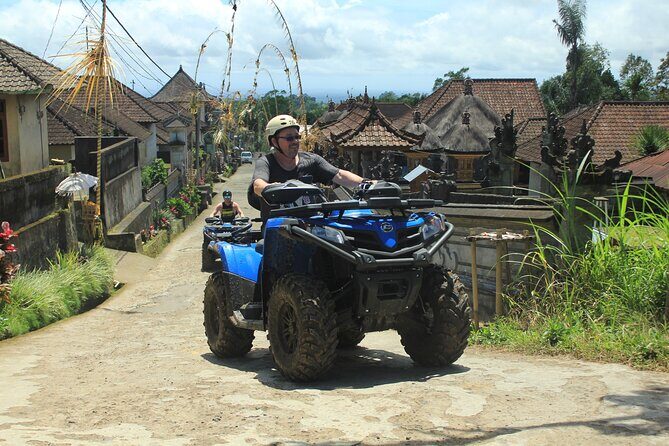
This is a full-day combo tour, and that matters. You’re not just doing one activity for a couple hours and calling it a day. You start with a quad bike or buggy ride through Bali’s interior—villages, plantations, and green rainforests—so the morning already feels like an escape from resort life.

The ride portion is also a good pace-setter. Even if you’re not a speed freak, being on a vehicle through narrow lanes and countryside paths is a hands-on way to see how people live outside the main tourist corridors. And since the tour includes a safety video, briefing, and training instructions, you’re not thrown into it without guidance.

A small note for planning: the tour is based out of Ubud with round-trip transport from your Ubud accommodation included. If you’re farther away (like the more south/coastal areas), you may spend extra time in the car.

Why that first ride is worth it

If you only care about the tubing, you could think about skipping the quad/big-vehicle part. But the ride is where you get the real countryside view—rice fields and plantations plus the everyday rhythm of rural Bali. It’s also what makes the day feel balanced: action first, then water, then recovery.

Getting to the Canyon: Long Drive, Worth It

Quad or Buggy Tour with Canyon Tubing Adventure in Bali - Getting to the Canyon: Long Drive, Worth It
Expect the day to be about 8 hours total. That full-day timing is part of the value equation: transport, gear, lunch, guides, and all the activity pieces are rolled together.

The tradeoff is travel time. People who live closer to Ubud tend to get a smoother day. If you’re staying down south, you should plan for a longer transfer at the start and the finish. Bring patience. Bring a snack mood. And don’t treat the schedule like a quick half-day escape.

I like that the tour keeps you moving throughout, so the drive doesn’t become the whole event. You’re not stuck waiting around for hours without a plan.

Tubing the Siap River Canyon: Wet Fun With Structure

Quad or Buggy Tour with Canyon Tubing Adventure in Bali - Tubing the Siap River Canyon: Wet Fun With Structure
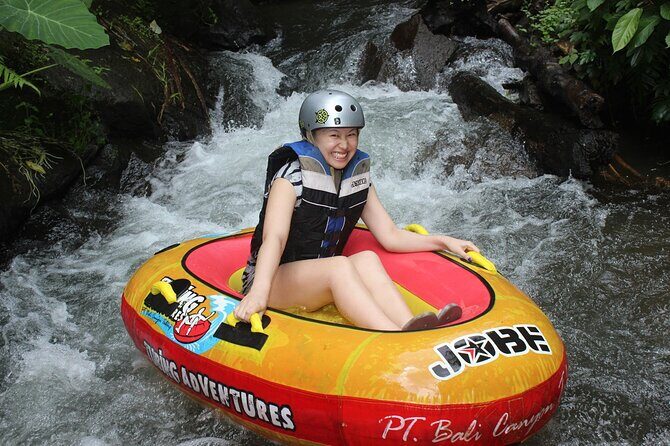
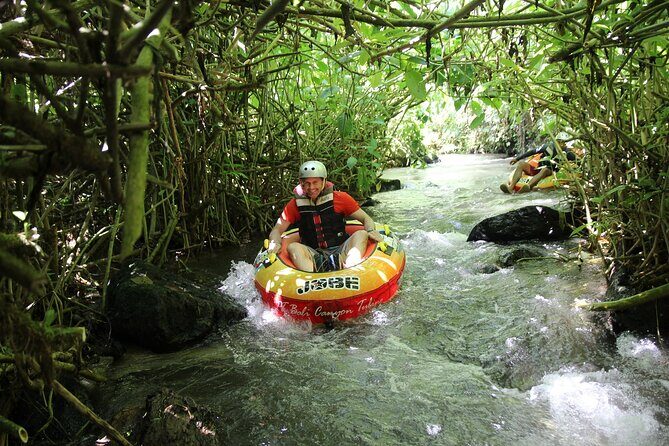
This is the showpiece. You head to a secluded canyon and drift down the Siap River on an inflated tube. This part is built for that classic Bali mix: nature details plus an easy drift that still feels adventurous.

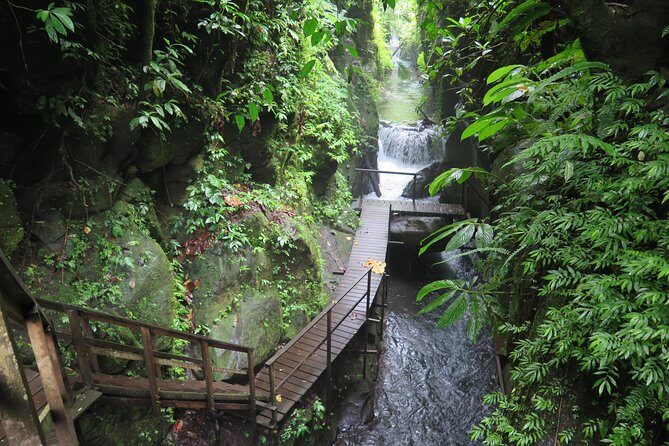
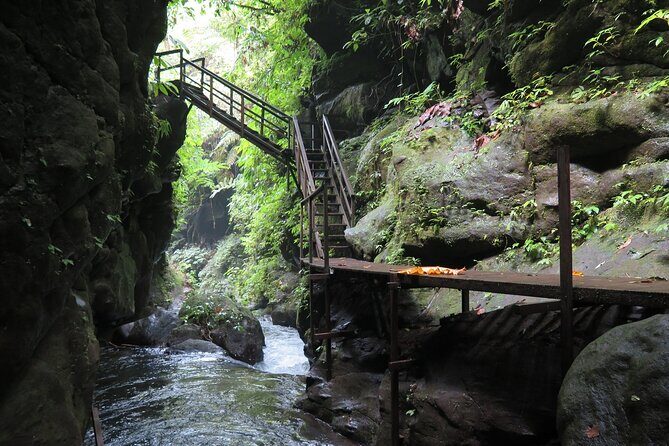
During the canyon journey, you’ll see the sort of details that make a tubing trip more than a gimmick. The setup includes wooden footpaths and suspension-style bridges, and the route passes waterfalls and river rocks. The canyon area also gives you a chance to spot native flora and fauna—small things, but they add texture to the day.

The big practical win: pickup at the river bed

One of the smartest details here is where they pick you up at the end of the tubing. You end up getting collected directly at the river bed, not by climbing back up a long, awkward set of stairs. That sounds like a minor logistics note, but it makes a real difference once you’re wet, tired, and ready to move on.

What to expect emotionally

Tubing is usually a mix of fun and calm. You get enough motion to feel like you’re doing something, but you’re not white-knuckle scrambling. It also helps that safety equipment is included and you get a briefing and training before you start.

And if you’re traveling with multiple ages, this style of tubing is often the easiest “adventure that still feels doable.” The tour also allows children ages 5–15 to join as copilot for the ATV portion (so the day can work for families planning a shared outing).

Bridges, Footpaths, and the Nature Stops You’ll Remember

Quad or Buggy Tour with Canyon Tubing Adventure in Bali - Bridges, Footpaths, and the Nature Stops You’ll Remember
A lot of tours say they do nature. This one gives you nature plus actual physical features along the way. In the canyon segment, you’ll walk sections on wooden footpaths and cross suspension-style bridges. That creates short moments of pause where you can look around and take in what’s around you—water, rock, greenery, and the built-in pathways that keep the flow moving.

I like this because it means you’re not just sitting in a tube and hoping you’ll see something. You’ll be on your feet at points, and the route is designed to keep you oriented and safe.

A tip that matters

Get a waterproof camera plan before you get wet. Reviews consistently point out that a waterproof camera or GoPro-style approach makes the experience far more worth documenting. If you just use a normal phone without protection, you’ll spend the trip worrying instead of watching the canyon.

Lunch Break: Hot Buffet Fuel + Real Recovery Time

Quad or Buggy Tour with Canyon Tubing Adventure in Bali - Lunch Break: Hot Buffet Fuel + Real Recovery Time
After the morning ride and your big tubing segment, you get a hot buffet lunch plus refreshments throughout the day. This is a big deal in Bali adventure tours. If lunch is weak or timed poorly, the whole day can feel like a grind.

Here, you also get a welcome drink (coffee, tea, or water) and a snack, and there’s a vegetarian lunch option available if you notify your booking. That’s the kind of small planning help that makes the day easier for everyone.

Don’t underestimate the shower

The tour includes hot shower facilities with soap and towels. That’s not just comfort. It’s also practical. After tubing, you want to rinse off, change clothes, and avoid spending the rest of your travel day smelling like canyon water.

Bring a change of clothes, and you’ll feel like a human again instead of a damp souvenir.

Storage and Gear: What You Bring vs. What They Handle

Quad or Buggy Tour with Canyon Tubing Adventure in Bali - Storage and Gear: What You Bring vs. What They Handle
You’ll get free lockers, so you don’t have to bring everything on the activity parts. If you want to carry items, the tour also provides water-resistant bags. That means you can keep valuables safer without turning the day into a logistics stress test.

You’re also given branded international standard safety equipment and you’ll get a safety video, briefing, and training instructions. In other words, you’re not expected to guess your way through quad or buggy operation and river tubing.

And yes, there’s a photographer team along for the day. Photos are available to purchase after the tour. If you want action shots with less effort, this is helpful.

The Photo Team and What It Means for Your Day

Quad or Buggy Tour with Canyon Tubing Adventure in Bali - The Photo Team and What It Means for Your Day
A photographer can be a distraction on some tours. Here, it’s more like extra documentation of the adventure pieces: riding moments, canyon tubing, bridge crossings—those are the types of visuals that are hard to recreate later on your own.

If you like having a few solid pictures without stopping every five minutes, you’ll appreciate it. If you prefer a totally unplugged day, you can still control your vibe. Just know the tour is designed to capture the highlights.

Guides and Group Size: Small Enough to Feel Personal

This is capped at a maximum of 20 travelers, which is a comfortable size for a full-day active tour. Large groups can turn chaotic. Smaller groups tend to mean clearer instructions and more attentive guiding.

The tour is also run with English-speaking professional guides. Safety equipment, training instructions, and insurance are included, which helps you relax and focus on the experience instead of worrying about what happens if something goes wrong.

The overall feel from the experience data is that guides are helpful and attentive, and the day runs smoothly even with mixed ages. That’s a great sign if you’re traveling with parents, siblings, or a group with different comfort levels.

Price and Value: Is $137.83 a Good Deal?

At $137.83 per person, this tour isn’t the cheapest way to spend a day in Bali. But it’s also not paying just for one activity.

You’re buying:

  • Round-trip transport from your Ubud accommodation
  • Quad or buggy riding plus the safety setup and guidance
  • Siap River canyon tubing, including the canyon route design
  • Hot buffet lunch and refreshments
  • Free lockers and hot shower facilities
  • Safety equipment, insurance, and guide support
  • A goodie bag and a photography team

When you add up that mix, the price starts to look more reasonable. You’re not paying separately for transport, lunch, lockers, gear, and a shower—those pieces are rolled in.

Who gets the best value

You’ll feel the value most if you:

  • want a full day that doesn’t feel fragmented,
  • like both land and water activities,
  • want nature scenery without building a DIY plan,
  • and would rather pay once than coordinate drivers, tickets, and safety gear across multiple vendors.

Who This Bali Adventure Fits Best

This tour is a solid match for:

  • couples who want a break from beaches and spas,
  • families with mixed ages (with the note that children 5–15 join as copilot for the ATV portion),
  • people who like a real activity day but still want it manageable and supported by guides,
  • anyone who wants countryside views plus a wet adventure in the same trip.

If you’re someone who hates getting your clothes wet, think twice. Tubing means you should plan to be damp. If you’re okay with that, the fun-to-effort ratio is strong.

Should You Book This Quad and Canyon Tubing Tour?

Book it if you want one day that combines real Bali scenery with two action-style activities, plus the comfort details that make the day easier: lockers, shower, lunch, refreshments, and safety gear. It’s also a nice choice if you like guided adventures where someone else handles the route and timing.

Consider skipping (or choosing a different format) if you’re short on time in Bali, you get carsick easily due to the longer drive, or you want a totally dry experience.

My take: for $137.83, you’re getting a lot packed into 8 hours—land riding, canyon tubing on the Siap River, and a recovery setup that doesn’t leave you stuck in wet clothes.

FAQ

What’s the duration of the quad or buggy and canyon tubing tour?

The tour runs for about 8 hours.

Is pickup and drop-off included?

Yes. Round-trip transport is included from your Ubud accommodation.

What’s included in the price?

It includes a lunch buffet, hotel pickup and drop-off, goodie bag, free lockers, welcome drink and snack, safety video/briefing/training instructions, English-speaking guides and a photographer, safety equipment and vehicles, insurance, and hot shower facilities with soap and towels.

Can kids join this tour?

Children ages 5 to 15 can join only as a copilot for the ATV activities. The tour is said to be suitable for most travelers.

Do I need to bring anything specific?

Wear solid or sport shoes, sunscreen, sunglasses, and a change of clothes. For tubing, it helps to have a waterproof camera or a way to protect your phone.

Are vegetarian meals available?

Yes. A vegetarian lunch option is available if you notify when you book.

Bali road bike hire / rent

Bali road bike hire / rent - Delivery, pickup, and real-world coordination in Ubud

Road cycling in Bali can be stressful.

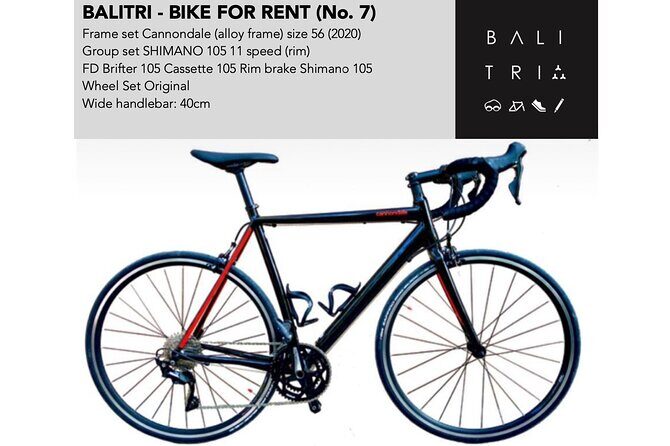
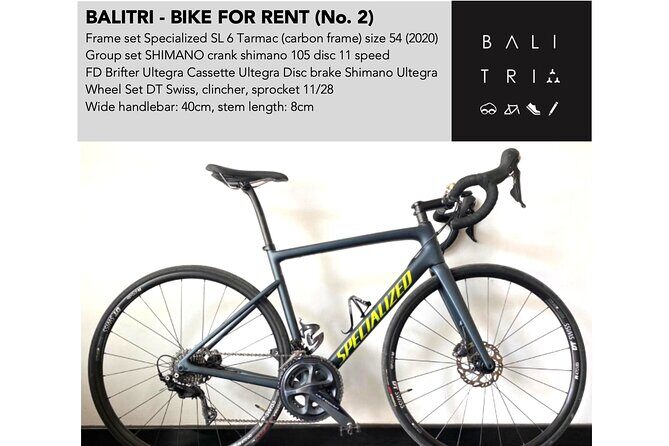
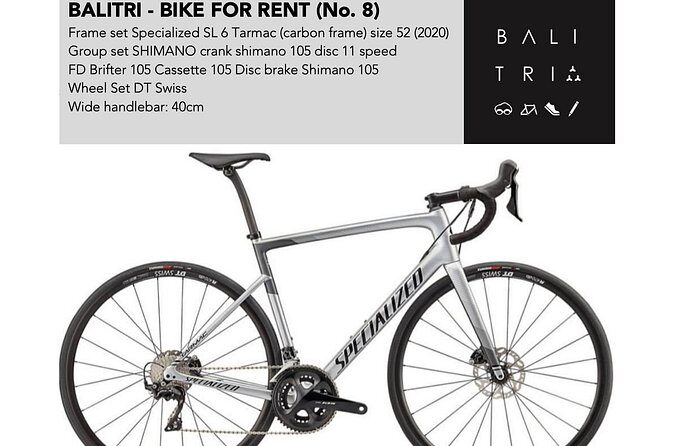
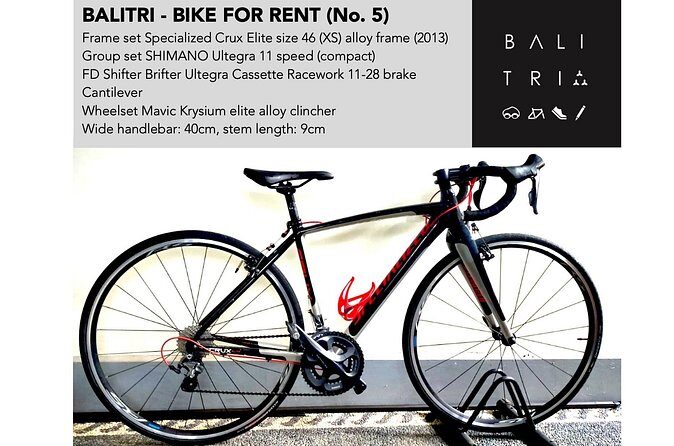
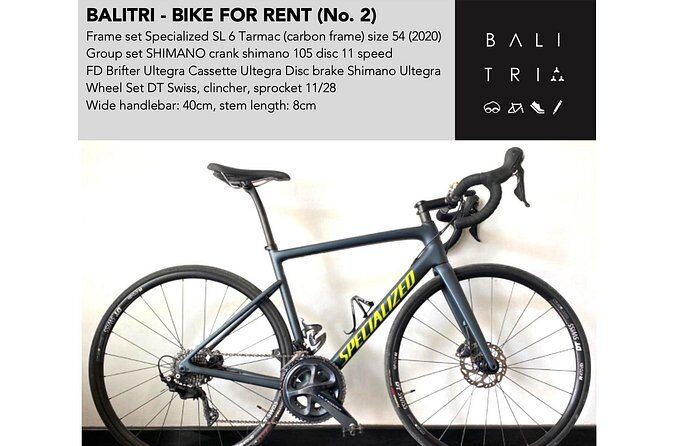
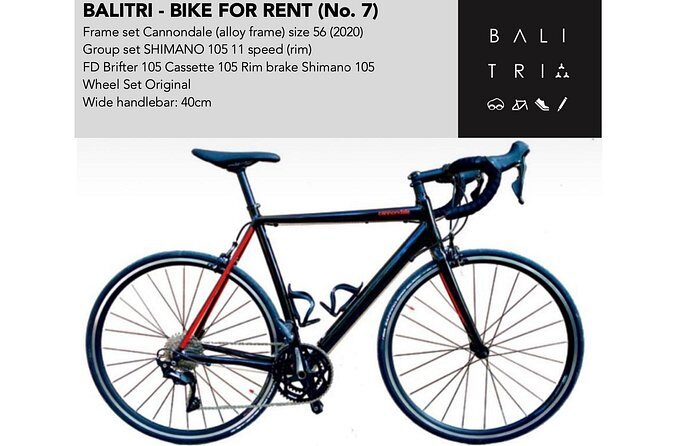
This rental keeps it simple: you get a road-focused bike shop setup via Balitri Home Studio, with options from alloy steel to carbon frames and groupsets ranging from Shimano Sora up to Ultegra Di2. You can also arrange delivery for your ride days, and you’ll have a mobile ticket to keep things smooth.

What I like most is the human help. I especially liked how Mia responds on WhatsApp and helps you line up what you need, even if you’re planning around your hotel and timing. The bikes also come in good, ride-ready shape, and the team can help with setups like installing your own pedals when you bring clip-ins.

One thing to think about first is the deposit. If you choose the carbon option, you’re looking at a higher refundable deposit (4m IDR or 250 USD), and even the steel-frame deposit is not small (1.5m IDR or 120 USD). If you’re not comfortable handling that upfront, stick to steel or plan your payment method carefully.

Key things to know before you rent

Bali road bike hire / rent - Key things to know before you rent

  • Specialized road bikes first: the rental is built around road models, mainly Specialized and Specialized S-Works.
  • Frame choice changes the feel: alloy steel for a classic ride versus carbon for a lighter, quicker feel.
  • Level of components varies: groupsets range from Shimano Sora to Ultegra Di2 depending on the bike you select.
  • Delivery and pickup are part of the value: you can rent without towing your bike around Ubud.
  • Pedals and helmet are add-ons: LOOK or Shimano pedals (150k IDR) and helmets (75k IDR).
  • You can plan multi-day rides: rentals run from about 2 up to 21 days.

Balitri Home Studio: what you’re really renting in Ubud

Bali road bike hire / rent - Balitri Home Studio: what you’re really renting in Ubud
This isn’t a random “bike in a closet” kind of rental. Balitri Home Studio is set up specifically for road biking, and that shows in how the inventory is described and how people talk about the service. You’re primarily dealing with Specialized road bikes, and the shop offers both alloy steel and carbon frame options.

That matters because road bikes are picky. Frame and geometry affect climbing comfort and handling on Bali’s mixed-quality roads. Drivetrain level affects how smooth shifting feels when you’re grinding uphill or trying to keep momentum on a descent. With this rental, you can pick what fits your riding style and your budget, rather than being stuck with one generic bike.

Also, you get the kind of support you want for a road bike rental: confirmation at booking time, pickup offered (so you’re not stuck hauling), and a mobile ticket that helps keep coordination tight. If you’ve ever rented something and then spent an hour chasing down a vague “where do I grab it” plan, you’ll appreciate the focus here.

Bike specs that matter: steel vs carbon, Sora to Ultegra Di2

Let’s translate the equipment choices into real-world riding.

Alloy steel: durable and comfortable

If you go with the steel-frame option, you’re putting money into a setup that’s often forgiving on choppy roads. Steel also tends to feel stable when you’re tired and your form starts to fade. With Bali’s hills near Ubud and the chance of rough patches, that stability can be the difference between a fun day and a day you cut short.

Steel comes with a refundable deposit listed at 1.5m IDR or 120 USD. That’s your trade: you likely pay less upfront than the carbon option.

Carbon frame: lighter, snappier feel

Carbon is the choice if you want the bike to feel more responsive, especially on climbs where every small effort counts. It can also feel more “lively” when you stand up and turn a corner into a headwind.

The refundable deposit for the carbon bike is 4m IDR or 250 USD. If you want carbon but don’t love the deposit size, run the numbers for your stay length. Longer rentals can make the bigger deposit feel less painful because you’ll use the bike more days.

Groupsets: from Shimano Sora to Ultegra Di2

The shop states groupsets range from Shimano Sora up to Ultegra Di2. In normal language: lower tiers can still ride well, but Di2 is built for crisp electronic shifting and consistency. If you’re the type who cares about smooth, quick gear changes, that higher end can be worth it.

But here’s the practical angle: don’t just chase parts numbers. Pick the bike that matches how you ride. If you want a solid road experience without overthinking, a mid-level Shimano setup can still feel great on Bali roads. If you’re training or racing-style riding, Ultegra Di2 is the kind of upgrade that helps you stay locked into cadence and rhythm.

Delivery, pickup, and real-world coordination in Ubud

Bali road bike hire / rent - Delivery, pickup, and real-world coordination in Ubud
This rental shines when you want road cycling without adding logistics stress. You start by connecting with Balitri Home Studio, and you can arrange delivery and pickup around your base in the Ubud area.

Meeting point details are listed at Balitri, Jl. Pantai Purnama, Banjar Gelumpang, Kec. Sukawati, Kabupaten Gianyar, Bali 80581. Opening hours run daily from 8:00 AM to 6:00 PM within the listed date range.

In practice, people value two things:

1) the bike shows up where you agreed, and

2) you don’t have to fight with setup.

One rider noted that the bike was delivered to their agreed location for a GFNY Bali-related ride and was in good condition. Another mentioned smooth drop-off and pickup for a multi-day rental, plus a guided ride option up toward Tegalalang Rice Terraces. The theme is consistent: service is efficient and the bike is treated like real equipment, not a rental afterthought.

Helpful setup support

You can hire pedals, or you might bring your own clip-ins. One review specifically praised how the delivery person helped install a rider’s own pedal. If you ride with specific shoes and your cleats are dialed, that kind of help can save your whole day.

Also, the shop lists pedal hire options:

  • LOOK or SHIMANO pedals (150k IDR)

That’s useful because Bali has plenty of tourists who rent but arrive with different pedal standards. If you don’t want to bring pedals, you can still ride with what the shop provides.

Where you’ll actually ride: Ubud climbs, Tegalalang, and south-Bali routes

Bali road bike hire / rent - Where you’ll actually ride: Ubud climbs, Tegalalang, and south-Bali routes
This rental is flexible, because the “itinerary” is basically your riding plan. But there are some clear anchors you can build around.

Ubud area road riding

Ubud is ideal for cycling because you’ve got frequent climbs and lots of photo-worthy stops within day-trip distance. The shop notes the experience is for people with moderate physical fitness. That lines up with what Ubud roads are like: you can ride casually, but you’ll still face hills.

If you want to feel like you earned your views, plan for steady climbing and decent time in the saddle. If you want flat kilometers all day, you might find the terrain challenging.

Guided ride toward Tegalalang Rice Terraces

A guided ride option is mentioned in connection with a route up to Tegalalang Rice Terraces. That’s a very popular area because the road cycling experience includes both elevation and scenery. The drawback is predictable: terraces and viewpoints often mean slower rolling at times, and you’ll want to ride with patience around photo stops.

If you like a guide who can help you time the ride and keep you pointed the right direction, this is a strong way to use your rental time. It also helps if you’re new to local roads.

South Bali spin-run style riding

One review mentions a Specialized bike used for a spin run south Bali with a local tour guide named Pak Aan. That’s a good clue that Balitri can pair you with local guidance for longer, more structured riding days.

If your plan includes a bigger loop or you want to cover more ground than a simple Ubud spin, having a guide can reduce the “am I on the right road” worry.

GFNY Bali-type days

Another rider referenced renting for GFNY Bali and getting a bike delivered to their agreed location. Even if you aren’t doing GFNY, that detail tells you the rental works for event-style cycling where timing matters and equipment reliability matters.

Price, deposits, and value: what $55 really buys you

Bali road bike hire / rent - Price, deposits, and value: what $55 really buys you
The listed price is $55 per group (up to 2), with an average booking lead time of about 12 days. Rentals run from about 2 to 21 days. That range is important: you aren’t paying just for an afternoon. You’re paying for bike access across multiple riding days, which is when rental value starts to make sense.

The big value driver: you can ride more than once

If you’re staying in the Ubud area for several days, the cheapest bike rental is the one you actually use. Multi-day access means you can do:

  • one easy recovery ride,
  • one longer day toward viewpoints,
  • one short tune-up ride around your favorite roads.

Even if you never go “full training mode,” having the bike on demand beats losing time to transportation and setup every day.

Deposits: why they exist and how to plan for them

The deposit structure is clear:

  • Alloy steel deposit: 1.5m IDR or 120 USD
  • Carbon deposit: 4m IDR or 250 USD

Think of the deposit as an assurance that the bike gets returned properly. It also reduces the chance of the kind of wear-and-tear issues you see when rentals are treated casually.

The practical drawback is the upfront cash. If you’re traveling with limited funds or you prefer not to hold large amounts, choose steel, or plan your payment timing so you’re not scrambling.

Add-ons that affect your total cost

You can add:

  • Pedals: LOOK or SHIMANO pedals for 150k IDR
  • Helmet: 75k IDR

These are sensible options. Road biking without the right pedals can make your ride less efficient, and skipping a helmet is just not worth it. If you already have your own helmet, you might not need that add-on, but the option keeps things simple.

Who gets the best deal

You’ll get strong value if you:

  • ride at least 3 days,
  • want proper road equipment (not a generic city bike),
  • want delivery/pickup to avoid extra hassle.

If you only ride one day, the deposit and add-ons can eat into the value. In that case, you might compare total costs with other local options.

Pedals, helmets, and setup tips that save your ride

Bali road bike hire / rent - Pedals, helmets, and setup tips that save your ride
This part matters more than most people think. Road bikes feel great when your contact points match your preferences.

Pick your pedal standard before you arrive

The shop lists hire pedals for LOOK or SHIMANO. If your cycling shoes use a different cleat system, double-check what you’re bringing. The reviews suggest the team can help with installation if you use your own pedals, which is a huge plus if you already have the right cleats.

If you don’t want to mess with it, hire the shop pedals and spend your energy on riding.

Helmet hire is available

A helmet for 75k IDR is offered. If you’re renting clip-in shoes too, it’s worth bundling the helmet so you’re not trying to find one last-minute.

Do a quick check when the bike arrives

Even with a well-run rental, you should spend five minutes on basics:

  • make sure the brakes feel normal,
  • check tire pressure by feel,
  • confirm your saddle height feels right,
  • test-shift through the gears once before leaving the drop-off area.

This isn’t about nitpicking. It’s about catching the tiny issues that can turn a great ride into an annoying one.

The ride experience: what the reviews consistently reward

Bali road bike hire / rent - The ride experience: what the reviews consistently reward
Across the feedback, a few themes pop up strongly.

Fast, helpful communication

Mia is called out as extremely helpful for questions and arranging everything. That kind of communication makes a huge difference in Bali, where plans can shift and you often rely on WhatsApp updates.

If you want a ride that starts smoothly, message early, confirm your delivery location, and ask what pedal/helmet plan fits your riding.

Bikes that feel cared for

Multiple comments focus on good condition and maintenance. That’s what you want with road bikes. Worn components or sloppy adjustments show up fast on hills.

Smooth drop-off and pickup

Delivery and pickup are praised as smooth. That means less time wrestling with bike bags, transport, or extra waiting. If you’re squeezing cycling into vacation time, that matters more than a small price difference.

Who should book Balitri road bike hire

This is a good fit if:

  • you’re comfortable with a moderate fitness level,
  • you want proper road bikes (Specialized-focused),
  • you like the idea of delivery/pickup so you can focus on riding,
  • you’re planning at least a couple of cycling days.

It may be less ideal if:

  • you only want a one-day ride and you want to avoid deposits,
  • you’re not comfortable riding on local roads where hills and traffic require attention,
  • you need a very specific bike size or brand match but don’t want to communicate ahead.

Should you book this Bali road bike hire in Ubud?

If your priority is a maintained road bike rental with delivery support and optional pedal/helmet add-ons, this is an easy yes. The biggest reason is simple: the service is clearly built for cyclists, not just casual rentals. Mia’s help through WhatsApp and the repeated mention of smooth drop-off and pickup make the whole process feel practical.

I’d book it especially if you’re staying several days in the Ubud area and you’re aiming for at least one meaningful climb day, possibly with a guided ride toward places like Tegalalang Rice Terraces. Just plan for the deposit, and make sure your pedal plan is clear ahead of time.

FAQ

What bike types can I rent?

You can rent road bikes with options of alloy steel or carbon frames, mainly Specialized and Specialized S-Works. Component groupsets range from Shimano Sora to Ultegra Di2 depending on the bike you choose.

Do they offer delivery and pickup?

Pickup is offered, and bikes can be delivered to an agreed location (including hotels) with smooth pickup afterward, based on the service description and user feedback.

How much is the deposit?

For a steel frame the deposit is 1.5m IDR or 120 USD. For a carbon bike the deposit is 4m IDR or 250 USD.

Can I rent pedals and a helmet?

Yes. Pedals are available for hire as LOOK or Shimano for 150k IDR, and helmets are available for 75k IDR.

How long can I rent the bike?

The rental duration is approximately 2 to 21 days.

Is there free cancellation?

Yes, free cancellation is offered. You can cancel up to 24 hours in advance for a full refund, and cancellations less than 24 hours before the start time aren’t refunded.

Private Tour : Mount Batur Sunrise Trekking and Rice Terrace with All Inclusive

Private Tour : Mount Batur Sunrise Trekking and Rice Terrace with All Inclusive - The Mount Batur climb and volcanic steam breakfast

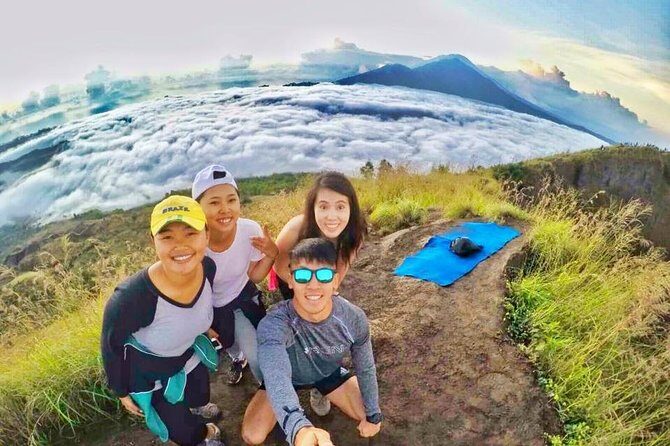
Mount Batur at dawn is a whole different Bali. You’ll start in the dark, hike up an active volcano, and then eat breakfast cooked in volcanic steam. What I like most is the combo of a real sunrise climb plus the very practical included details like flashlights and an English-speaking guide who keeps things moving at altitude.

One catch: the summit can get cold and breezy, even if the drive from Ubud feels warm. Wear layers and plan for a slow, steady climb rather than a sprint.

Key things to know before you go

Private Tour : Mount Batur Sunrise Trekking and Rice Terrace with All Inclusive - Key things to know before you go

  • 2:00–2:30am hotel pickup means you’ll trade sleep for first light
  • Breakfast cooked in volcanic steam is the fun, unusual payoff after the climb
  • Flashlights and entrance fees are included, so you’re not piecing the day together
  • Coffee plantation tasting plus Tegalalang Rice Terrace adds more than just hiking views
  • Private door-to-door transfers make it easier to manage an early start
  • Not for back/heart issues and you should bring proper hiking shoes

Mount Batur Sunrise: Why the 2am start matters

This tour is built around one simple goal: being on Mount Batur when the sky is turning. Pickup starts around 2:00–2:30am from your hotel area, then you head to Kintamani, where the trail begins. That early timing is what lets you see stars overhead on the hike and still reach the summit before sunrise.

The timing also shapes your day. You’ll finish with a relaxed stop at the Tegalalang Rice Terrace, then return to Ubud without having to organize transport yourself. It’s long, but it’s efficient: you use the early morning for the main event, then the rest of the route stays calm.

If you’re the type who hates unclear schedules, this helps. You get pickup, guide support, and included entrance fees, so the day has less friction than many DIY attempts at sunrise trekking.

Pickup, footwear, and what to pack for a cold summit

Private Tour : Mount Batur Sunrise Trekking and Rice Terrace with All Inclusive - Pickup, footwear, and what to pack for a cold summit
Let’s talk comfort, because sunrise trekking is half weather management. Even though Bali is warm overall, the summit can be chilly with wind, so pack like you’re going to a windy mountain, not the beach.

Bring:

  • Hiking shoes with grip
  • A jacket and long pants for the summit breeze
  • Insect repellent
  • A camera
  • Any warm layers you normally skip on tropical days

You’ll also get flashlights (good if you’re starting before dawn), plus mineral water during the outing. The tour includes those practical items so you can focus on the climb instead of last-minute shopping.

One more tip: go slow on the first stretch. The trail is steep enough that a steady pace beats heroics, especially if you’re hiking for sunrise rather than for speed.

The Mount Batur climb and volcanic steam breakfast

Private Tour : Mount Batur Sunrise Trekking and Rice Terrace with All Inclusive - The Mount Batur climb and volcanic steam breakfast
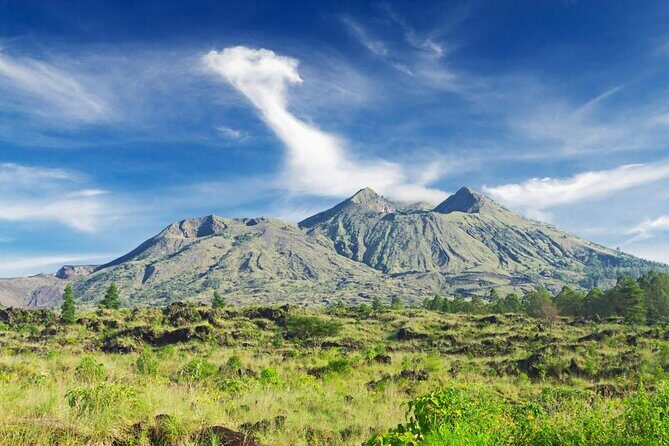
Mount Batur sits at about 1,717 meters (5,600 feet) and it’s an active volcano. The guide sets you up for a successful summit, typically around 2 hours for physically fit hikers, depending on your pace and trail conditions.

Before you even think about photos, you’ll want to think about footing and breath. The early hours mean you’ll be moving in low light, and the slope can feel demanding even when it’s not too long. Your trekking guide handles the pacing and route so you don’t end up stopping every five minutes to figure out what’s next.

Then comes the best reward: breakfast cooked in volcanic steam. It’s included, and it turns the volcano from a background feature into the main character of your morning. After the cold air and the uphill effort, warm food feels like a cheat code—especially since it’s part of what makes Mount Batur so iconic.

Admission to the Mount Batur area is included, and the schedule is set so you can enjoy the sunrise without turning the day into a race. If the sky cooperates, you’re there for the first light; if it doesn’t, you’re still in for a memorable, stark-at-night mountain experience.

Coffee plantation tasting: a calmer stop with a clear purpose

Private Tour : Mount Batur Sunrise Trekking and Rice Terrace with All Inclusive - Coffee plantation tasting: a calmer stop with a clear purpose
After the volcano part, the day shifts gears. You’ll visit a coffee plantation where you get a tea and coffee tasting. This isn’t just a break from walking; it’s a chance to learn how Bali’s coffee culture works at ground level.

The timing matters here. You’ll likely still feel the early morning in your legs, so the tasting is a more relaxed segment compared to the trek. You can sit, warm up, and reset before the rice terrace portion of the tour.

One thing I like about adding this stop is that it gives you a local, everyday flavor to the day. Sunrise treks can feel “wow” and then vanish; the coffee tasting makes the experience feel more grounded in how people live and earn in the region.

Also, the tour includes entrance fees during this day, which helps keep the flow smooth.

Tegalalang Rice Terrace and Subak irrigation up close

Private Tour : Mount Batur Sunrise Trekking and Rice Terrace with All Inclusive - Tegalalang Rice Terrace and Subak irrigation up close
Next up is Tegalalang Rice Terrace, one of Bali’s most recognizable farming scenes. You’ll spend about 30 minutes here, long enough for photos and a slow look at how the paddies step down the hills.

What makes it more than pretty green stairs is the irrigation system. The terraces use the Subak irrigation method, which you’ll see reflected in how water is managed across the fields. That’s a key reason this place feels alive: you’re not only looking at farming as scenery, you’re seeing a working system that sustains the landscape.

The air here is described as clean and refreshing, which is believable once you’re out of the early-morning cold and back into daytime light. It’s also a great contrast after the volcano, because the pace is calmer and the terrain is more walkable for most people.

One practical note: 30 minutes can feel fast if you want lots of photos. If you’re serious about shots, plan for a quick sweep first, then slow down once you’ve found your angles.

Private door-to-door transfers: the real value in a long day

Private Tour : Mount Batur Sunrise Trekking and Rice Terrace with All Inclusive - Private door-to-door transfers: the real value in a long day
Batur sunrise tours can fall apart on logistics. This one avoids a lot of the hassle by offering private air-conditioned car pickup and return to your hotel. You don’t need to wrestle with finding a meeting point at 2am, or line up with strangers whose schedules don’t match yours.

The private format matters even if you’re traveling with just one companion. The tour is private for your group, and there’s a minimum of 2 people per booking, so it tends to work best for pairs, friends, or couples who want control over timing and comfort.

The included items also make the day feel more “all-in-one.” You get:

  • Experienced English-speaking trekking guide
  • Parking fee
  • Mineral water
  • Breakfast (volcanic steam)
  • Entrance fees
  • Flashlights

Lunch is not included, so you’ll want to plan that yourself for later in the day when you’re back in Ubud. Personally, I’d treat this as a morning-and-midday experience: start early, eat big and warm at the volcano, then let lunch be your own choice afterward.

At $72 per person for about 10 hours, the value comes less from a single item and more from the bundle: early transport, guide expertise, tickets, and breakfast. If you tried to assemble it yourself, you’d likely spend time and money coordinating pieces—especially with the hard start time.

Who this tour suits (and who should skip it)

Private Tour : Mount Batur Sunrise Trekking and Rice Terrace with All Inclusive - Who this tour suits (and who should skip it)
Most travelers can participate, and the tour is designed for people who are at least comfortable hiking uphill in the dark. There’s a minimum age of 12 years, which suggests the route isn’t intended for very small kids.

You should also take the health warning seriously. It’s not recommended if you have back problems, heart complaints, or other serious medical conditions. If you’re unsure, it’s worth checking with your doctor before committing—because sunrise trekking isn’t a gentle stroll, even when the guide keeps things organized.

Fitness-wise, the summit is doable for physically fit hikers in around 2 hours, but the climb is still a steady uphill effort. If you’re comfortable with stairs, uneven ground, and cooler temps, you’ll probably enjoy this more than you fear it.

If you’re the kind of person who loves early mornings, clear goals, and a strong payoff, this is a top choice. If you hate cold weather or you get flustered with early starts, you may find it tougher—so pack warm and plan to relax afterward.

Should you book this Mount Batur sunrise + rice terrace tour?

Private Tour : Mount Batur Sunrise Trekking and Rice Terrace with All Inclusive - Should you book this Mount Batur sunrise + rice terrace tour?
I’d book it if you want a sunrise experience with real structure: hotel pickup, a guide, included entrance fees, flashlights, and that signature volcanic steam breakfast. The day also offers variety, not just a single viewpoint. You get Mount Batur, coffee tasting, and Tegalalang’s Subak-fed terraces in one smooth loop.

I wouldn’t book it if you’re sensitive to cold, you have medical limitations that make strenuous activity unwise, or you’re hoping for an easy “walk and watch” morning. This is active, early, and purposeful.

Also, check your travel style. At minimum, you need to be happy with a 2am departure and a long day that ends back in your hotel. If that fits your mood, this tour is excellent value for a complete volcano-to-terrace morning in Bali.

FAQ

What time does the tour start?

Start time is 2:00am, with pickup typically between 2:00am and 2:30am from your hotel area.

How long is the tour?

The duration is about 10 hours (approx.).

Is breakfast included?

Yes. You’ll have breakfast cooked by your guide in volcanic steam.

Is lunch included?

No, lunch is not included.

Do I need entrance tickets for Mount Batur and the rice terrace?

Entrance fees are included for Mount Batur and Tegalalang Rice Terrace.

Will I have transportation from and back to my hotel?

Yes. The tour includes pickup and return to your hotel by private air-conditioned car.

What should I bring for the hike?

Bring hiking shoes, a jacket, long pants, insect repellent, and your camera. The summit can be cool and breezy.

What if weather is bad?

This experience requires good weather. If it’s canceled due to poor weather, you’ll be offered a different date or a full refund.

Try Scuba Diving for Beginners with manta rays (Non – Certified)

Try Scuba Diving for Beginners with manta rays (Non - Certified) - Two Shallow Open-Water Sessions: What the Day Actually Feels Like

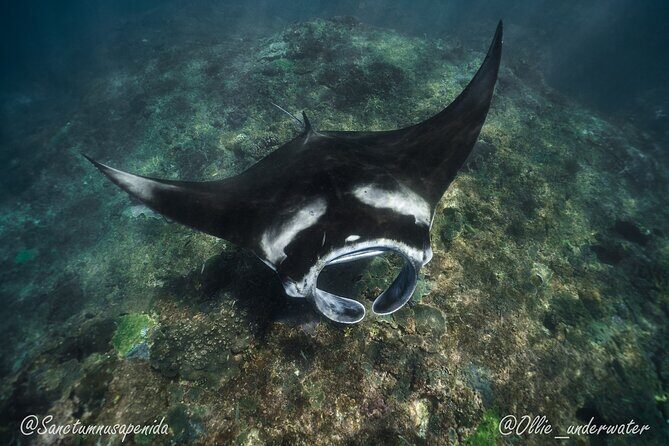
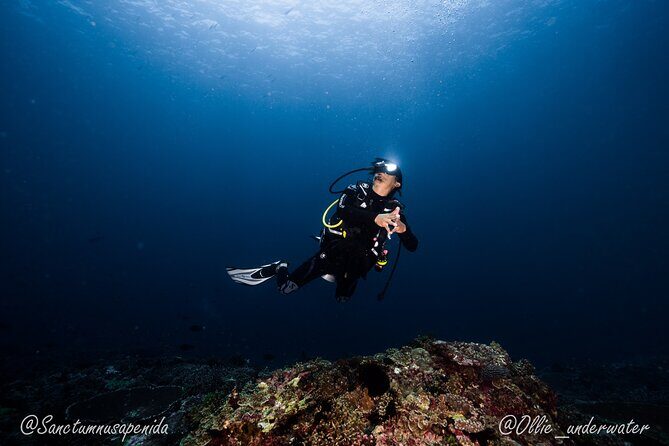
If you’ve ever wondered what it feels like to breathe underwater, this is for you. The day is built around a beginner try-scuba format: you’ll start in a pool, learn how to manage buoyancy and breathing, then head out for two shallow open-water sessions with manta rays in Nusa Penida. It’s a simple plan with a big payoff—watching manta rays glide overhead is the kind of wildlife moment you can’t fake.

I especially like the small 1:2 instructor-to-participant ratio. That kind of attention matters when you’re learning the basics and trying not to panic-scroll your brain. I also love that everything is packaged together: gear, boat, snacks, fruit, lunch, and nonalcoholic drinks, so you’re not spending the day hunting down basics. One drawback to consider: this is a non-certified program with a pool start, so you should be ready to take direction fast and speak up early if something feels off in the water.

What Makes This Try Scuba + Manta-Ray Day Worth It

Try Scuba Diving for Beginners with manta rays (Non - Certified) - What Makes This Try Scuba + Manta-Ray Day Worth It

  • Pool training first: You practice neutral buoyancy and basic comfort before you go out
  • 1:2 instructor attention: Maximum 2 participants per instructor for first-timers
  • Manta-ray focus in Nusa Penida: Your day is designed around close manta sightings
  • Gear is included: You don’t need to pack a mask or scuba equipment
  • Fuel onboard: Lunch plus nonalcoholic drinks, snacks, and fruit during the boat time
  • Small overall group: Up to 10 travelers for a calmer experience

Pool Training at Sanctum: Learning Buoyancy Before the Big Moment

Try Scuba Diving for Beginners with manta rays (Non - Certified) - Pool Training at Sanctum: Learning Buoyancy Before the Big Moment
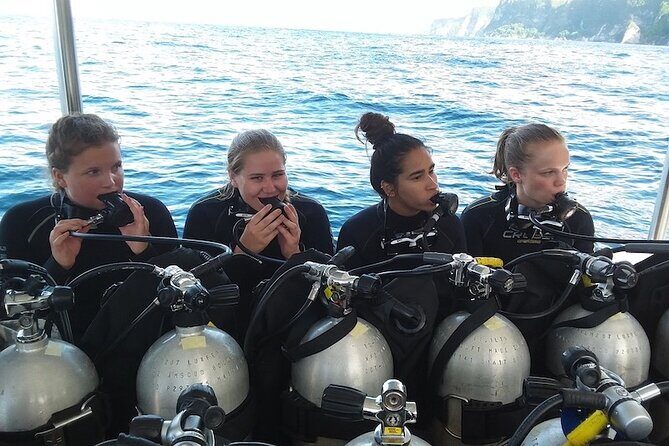
Your morning starts with a pool session—about 45 minutes—meant to turn first-time nerves into usable skills. The program is designed as a try-scuba experience for people without certification, so the goal is not to test you. It’s to get you comfortable enough that the open-water time is about seeing manta rays, not wrestling with your gear.

In that pool chunk, you’ll work on the basics that actually matter outdoors: breathing underwater and controlling your body position so you can stay steady (that neutral buoyancy goal). If you’ve tried snorkeling and thought, sure, I can do this—great. But scuba changes things fast. The pool is where you learn how your breathing rate affects your body position and how to move without flailing.

Practical tip: arrive with a calm mindset. If you’ve got a “I need to understand every step” personality, you’ll do great. If you’re the type who freezes when you feel pressure or unfamiliar gear, be honest about it immediately. You can’t fake comfort in the water.

Two Shallow Open-Water Sessions: What the Day Actually Feels Like

Try Scuba Diving for Beginners with manta rays (Non - Certified) - Two Shallow Open-Water Sessions: What the Day Actually Feels Like
After the pool practice, the schedule keeps things straightforward: you’ll head out for two shallow open-water sessions. The intent is to give you a real underwater experience with supportive guidance—not an advanced test of skills. Think of it as training plus wildlife time, with instructors right there to help you adjust.

This is the part where the 1:2 ratio becomes more than a marketing line. When you’re learning, small corrections can make everything easier: your posture, how you hold yourself, how you breathe, and how you keep your movements smooth. A smaller instructor-to-participant ratio helps you get those corrections quickly rather than waiting your turn.

What I also like about this format is the pacing. The program runs to around 2:00 pm, so the whole day is long enough to matter, but short enough that you’re not mentally drained before the most exciting part.

One consideration: you’ll need to be in good health and mental state. That’s not just legal language. If you’re anxious, tired, or feeling unwell, you’ll struggle more with the basics. This experience is best when you’re ready to learn and listen.

Nusa Penida Manta-Ray Chances: Why This Location Works for Beginners

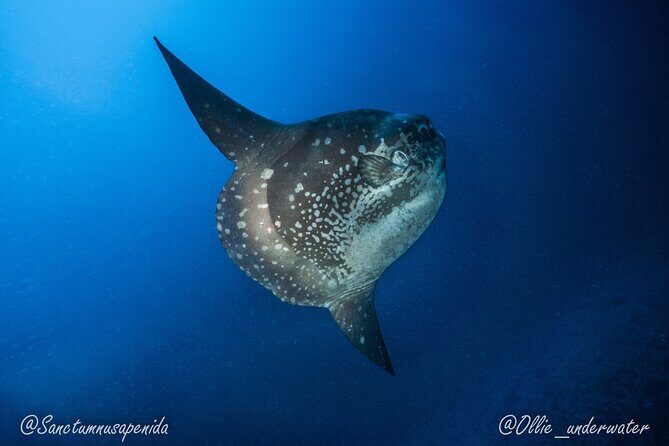
Nusa Penida is the star here. The whole day is built around one idea: getting you into the water where manta rays are likely to be seen closely. The “likely close sightings” piece is important because the best part of the encounter isn’t just seeing a silhouette—it’s watching them glide with slow confidence and using your focus skills in a real wildlife moment.

For a beginner, that matters. When you’re learning buoyancy and breathing, you also need a reason to stay present. Manta rays give you that reason instantly. It also helps that your program is shallow-water oriented, which typically makes first-timer comfort easier than deeper, longer sessions.

Real talk: even with a planned manta experience, wildlife depends on conditions. But the structure here is clearly aimed at maximizing your odds by treating the day as a focused manta opportunity rather than a mixed itinerary. When the whole schedule is tuned to one goal, you spend less time switching gears and more time getting your eyes where they belong.

What You Don’t Have to Pack: Gear, Mask, and Boat Comfort

This experience is genuinely convenient because scuba equipment is included, and you don’t need to bring your mask. That’s a big deal on a first program. Buying or packing the wrong stuff can turn a fun learning day into a frustration marathon.

On the boat, you’re not just waiting around hungry. You’ll have lunch plus nonalcoholic drinks, with snacks and fruit included as well. They also note coffee and/or tea. For a morning start, that fuel helps you stay steady through training and reduces the chance you’ll feel wiped out during the open-water time.

Bring: swimwear and a good attitude. That’s all you really need for the essentials. If you’re the kind of person who likes to bring extra comforts, you might still want a change of clothes for later—nothing fancy, just something to slip into after you’re done.

Safety and Instructor Ratio: The Practical Meaning of 1:2

Try Scuba Diving for Beginners with manta rays (Non - Certified) - Safety and Instructor Ratio: The Practical Meaning of 1:2
The standout safety-related detail isn’t a long list of rules—it’s the small instructor ratio. With a maximum of 2 participants per instructor, you get more hands-on support. That’s what helps first-timers learn faster: corrections happen while you’re still in the moment, not after you’ve already practiced the wrong habit a few times.

This is especially useful because the program is explicitly for people without certification. In other words, you’re not expected to already know body positioning, breathing timing, and how to respond when something feels new. The structure assumes you’re learning, and the safety approach matches that.

My advice: if anything feels confusing at the pool stage, bring it up right then. The facility’s response to a bad experience also emphasizes that you should communicate concerns during the pool session so they can debrief and adjust. If you end up with a mismatched teaching vibe, you’ll usually have the best chance to fix it before open water.

Price and Value: Is $122 (1,600,000 IDR) Fair for This Program?

At $122.19 per person (also listed as 1,600,000 IDR), this isn’t a bargain “try something once” deal, but it also isn’t inflated for what’s included. Here’s why it can feel like good value:

  • You’re paying for pool training plus two shallow open-water sessions
  • Gear is included, including the scuba equipment and mask needs
  • Boat time is covered, including coffee/tea, lunch, snacks, fruit, and nonalcoholic drinks
  • You get the 1:2 instructor ratio, plus a small maximum group size

If you compare it to the cost of renting equipment on your own, paying for individual instruction, and then separately buying boat meals, the bundled structure starts to look sensible. You’re essentially paying for a day where the logistics are handled for you and the instruction is designed for beginners.

One way to think about the price: you’re buying time savings and stress reduction. For a first underwater experience, that’s not minor. When the day is built around learning and a wildlife goal, it can be worth every dollar you don’t have to spend figuring out the rest.

Who This Is Best For (and Who Might Struggle)

This program fits best if you:

  • are a first-timer or non-certified participant
  • want a controlled way to learn neutral buoyancy and breathing underwater
  • like the idea of a focused day centered on manta rays near Nusa Penida
  • prefer small groups and close guidance

You might want to rethink it if you:

  • get very anxious in water or freeze when equipment feels unfamiliar
  • can’t realistically be coached quickly at the pool stage
  • are expecting a flexible, wandering itinerary rather than a structured learning day

Also, note the health guidance: you should have moderate physical fitness and be in good health and mental state. That doesn’t mean you need to be an athlete. It means you should be able to move calmly, follow instructions, and handle being in saltwater after a training start.

The One Thing to Do Before You Go: Set Yourself Up to Learn

This kind of try-scuba experience rewards the people who can stay teachable in real time. So go in with a simple mindset:

  • Listen first, then ask questions
  • Tell your instructor if you feel uncomfortable
  • Treat the pool session as the key that unlocks the open-water part

If you’re worried you’ll be judged for being slow to learn, don’t. The program exists for beginners. The goal is comfort and control—not speed, not showmanship.

Should You Book This Try Scuba + Manta-Ray Session?

I’d book it if you want a beginner-friendly underwater day with pool training, included equipment, and a real chance of close manta ray sightings in Nusa Penida—without having to manage logistics yourself. The small 1:2 ratio is the real reason it feels safer and more pleasant for first-timers.

I wouldn’t book it if you’re already confident scuba-wise and want a certification track. This is built for non-certified participants learning basics, with the manta moment as the main attraction. It’s a great first chapter, not a replacement for formal training.

If you do book, do yourself a favor: arrive early for the pool session, communicate concerns immediately if anything feels off, and plan your day around being present. This is the kind of experience that works best when you stop multitasking and let the water teach you.

FAQ

Is this only for certified divers?

No. This is a try-scuba program designed for non-certified participants who want a shallow-water experience with instructor guidance.

How long is the experience?

It runs for about 4 hours. The day starts with a pool training session (around 45 minutes) and then continues with two shallow open-water sessions, finishing around 2:00 pm.

Where do we meet?

You meet at Sanctum Dive Center in the Nusa Penida area. The activity ends back at the same meeting point.

What time does it start?

The start time is listed as 8:30 am.

Do I need to bring a mask or scuba equipment?

No. Scuba equipment is included, and you do not need to pack your mask for this package.

What’s included for food and drinks?

You get lunch, plus nonalcoholic drinks, snacks, and fruit. Coffee and/or tea is also included.

Do I need breakfast?

No. Breakfast is not included. Lunch comes after the trip.

Is transportation included?

No. Private transportation is not included, so you’ll need to get yourself to Sanctum Dive Center.

What’s the group size and instructor support like?

Maximum group size is listed as 10 travelers, and the instructor ratio is 1:2 (maximum 2 participants per instructor).

How does cancellation work if weather is bad?

You can cancel for a full refund up to 24 hours before the experience starts. The activity requires good weather, and if it’s canceled due to poor weather, you’ll be offered a different date or a full refund.

Bali Lempuyang Gate of Heaven and Besakih Mother Temple Tour

Bali Lempuyang Gate of Heaven and Besakih Mother Temple Tour - Lempuyang Temple and the Gate of Heaven: the photo spot with real meaning

Two temples, one iconic gate.

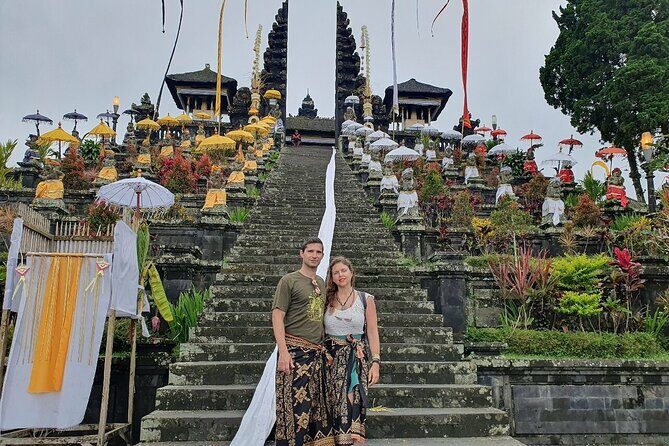
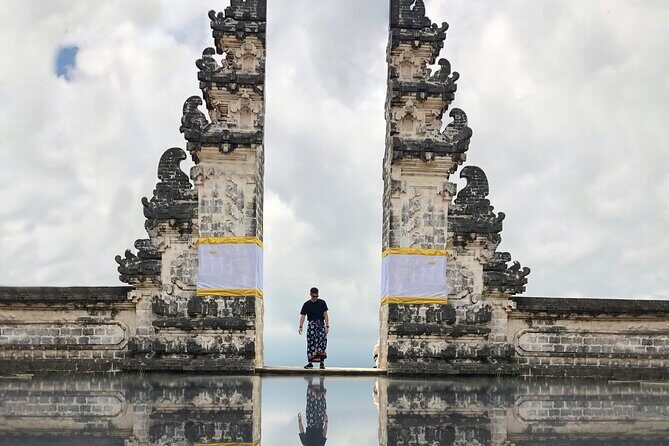
This full-day route strings together three major stops: Lempuyang Temple for the Gate of Heaven photo with Mount Agung in the background, Tirta Gangga with its famous koi ponds, and Besakih Mother Temple, Bali’s “mother” temple complex. It’s a strong mix of devotion and Instagram-ready scenery, done with smooth logistics instead of DIY driving.

I especially like that the day is built around your time: admission tickets are included for each main stop, plus there’s lunch (Indonesian food) and a bottle of mineral water per person. And I like the people side too—guides such as Uncle Darma, Oka, Pak Kris, and Wawan come up again and again for clear English, helpful explanations, and a calm, punctual vibe.

One thing to plan for: the Gate Lempuyang photo fee (around IDR 25,000 per person) is not included, so expect an extra payment if you want the classic photo setup. Also, the total day runs about 9 to 10 hours starting at 6:00 am, so you’ll want to be ready for an early start.

Key highlights worth knowing

Bali Lempuyang Gate of Heaven and Besakih Mother Temple Tour - Key highlights worth knowing

  • 6:00 am start time helps you get to Lempuyang earlier in the day
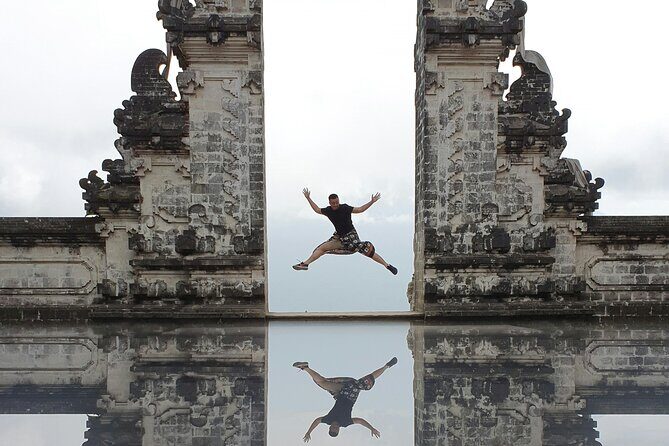
  • Gate of Heaven views with Mount Agung as the backdrop
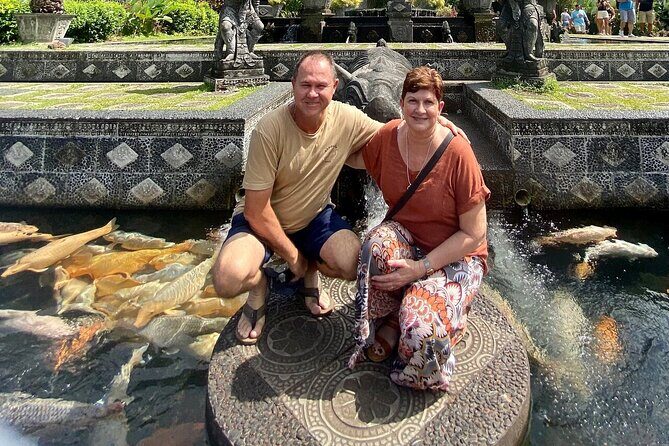
  • Tirta Gangga (1948 royal water palace) and its large koi pond
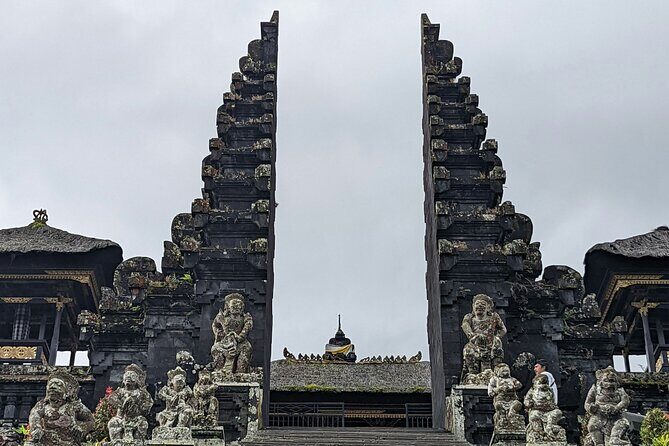
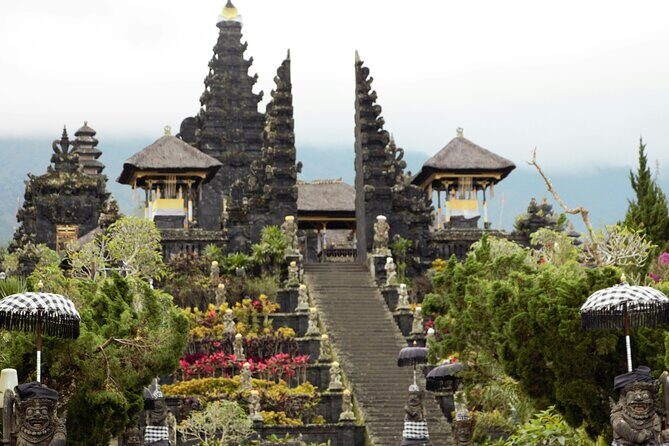
  • Besakih Mother Temple as Bali’s major temple complex
  • Lunch + bottled water included, so you’re not hunting for food mid-route
  • Shuttle bus to Lempuyang Temple, reducing the need to manage local transport

6:00 am pickup and the full-day timing that makes sense

Bali Lempuyang Gate of Heaven and Besakih Mother Temple Tour - 6:00 am pickup and the full-day timing that makes sense
This tour starts early, at 6:00 am. That’s not just for convenience. Lempuyang Temple can be a long day once you add up travel time, time at the viewpoints, and the practical stops along the way. Starting early keeps the schedule feeling doable and helps you avoid the day turning into a scramble.

You’ll ride in a private car with good A/C with an English-speaking driver, and petrol plus parking are covered. The tour is also set up as a private tour/activity, meaning only your group participates. If you like having your own space and a driver who can answer questions on the spot, that matters.

Add to that: the experience includes mobile ticket delivery and even group discounts. If you’re traveling as a small circle of friends or family, this kind of pricing can be a lot easier to justify than hiring a driver and tickets separately.

Lempuyang Temple and the Gate of Heaven: the photo spot with real meaning

Bali Lempuyang Gate of Heaven and Besakih Mother Temple Tour - Lempuyang Temple and the Gate of Heaven: the photo spot with real meaning
Lempuyang Temple is the headline. It’s in Karangasem Regency, and it’s famous for the view of the Gate of Heaven with Mount Agung as a dramatic backdrop. Even if you mainly care about photos, this stop works because it’s not just scenery—it’s part of Bali’s ongoing Hindu worship. The location’s sacred status is built into the experience.

You’ll have about 4 hours at Lempuyang, and admission is included. Also, there’s a shuttle bus to Lempuyang Temple. That’s a big deal for comfort and time management. You’re not trying to figure out local transport, and you’re not stuck improvising when the route gets busy.

The photo fee: what you should expect

The tour includes most costs, but one key item is not covered: photo fee at Gate Lempuyang Temple (around IDR 25,000/person). If you’re aiming for the classic pose at the gate, plan to pay that on-site. If you’re more interested in the temple atmosphere than the specific shot, you might decide to skip the paid photo setup.

A practical tip: bring patience, not perfection

That gate view is the goal, but sunrise lighting and cloud cover can change the look of Mount Agung. So set yourself up for success by keeping expectations flexible. You’re there for a place with spiritual weight, not just a view finder.

Tirta Gangga Water Palace: koi ponds, royal bathing, and a slower pace

After Lempuyang, the day shifts into a calmer, scenic break at Tirta Gangga Water Palace. This is a recreational park built as a water-and-garden area tied to royalty in Karangasem. It dates to 1948, and it originally functioned as a bath and recreation space for the royal family.

You’ll spend about 2 hours here, and admission is included. The standout is the large koi pond and the overall layout of water features. It’s the kind of place where you can wander at your own pace, take photos, and reset before the main temple complex later in the day.

Why this stop is valuable

In a full-day temple tour, it’s easy to feel like you’re bouncing from one sacred site to the next without a breather. Tirta Gangga offers a different mood: less “big view, big gate,” and more “water palace details.” It’s also a smart time buffer—by the time you arrive at Besakih, you’ll have more energy for the longer temple visit.

Besakih Mother Temple: Bali’s biggest temple complex

Bali Lempuyang Gate of Heaven and Besakih Mother Temple Tour - Besakih Mother Temple: Bali’s biggest temple complex
Besakih is the other major anchor on this itinerary. It’s often called the Mother Temple of Bali and is described as the biggest and sanctified temple on the island. You’ll spend about 3 hours at Besakih, with admission included.

This stop matters for one clear reason: it gives you a sense of scale. Besakih isn’t just one gate or one courtyard. It’s a complex setting with sweeping views and the feeling that you’ve arrived at something central to daily religious life on the island.

You’ll also notice the mountain views tied to the temple setting—Besakih is positioned so the natural backdrop feels part of the sacred experience. That combination of architecture and setting is a big reason people keep this stop on their Bali checklist.

Expect a “walk and observe” rhythm

Most temple time works best when you go slow and look around. Give yourself time to notice the flow of the grounds, how worship spaces are arranged, and how the atmosphere feels different from your earlier photo-focused stop. If you’ve spent the morning focused on images, Besakih is where you can shift back to observation.

Price and value: what you get for $97 per person

Bali Lempuyang Gate of Heaven and Besakih Mother Temple Tour - Price and value: what you get for $97 per person
The price is $97.00 per person. For a full day, that can feel like either a bargain or a toss-up—depending on what’s included. Here, the value is in the package design.

You’re getting:

  • Private car with A/C (plus petrol and parking)

  • English-speaking driver
  • Lunch (Indonesian food)

  • Mineral water (1 bottle/person)
  • Shuttle bus to Lempuyang Temple
  • Admission included for the main stops (Lempuyang, Tirta Gangga, Besakih)
  • All fees and taxes for the items listed as included

What’s not included:

  • Photo fee at Gate Lempuyang (around IDR 25,000/person)

If you tried to DIY this with a driver of your own, you’d still need to line up tickets, coordinate the shuttle logistics, and make sure you arrive on time for a site-heavy schedule. This tour removes a lot of that friction. The early start and the long day also suggest that the pricing is built to cover real logistics, not just sightseeing.

Guides that make or break the day

Bali Lempuyang Gate of Heaven and Besakih Mother Temple Tour - Guides that make or break the day
On tours like this, the guide is the difference between seeing temples and understanding what you’re looking at. The feedback for this operator shows a pattern: people praise guides by name for English fluency and practical explanations.

Names that come up include Uncle Darma, Oka, Pak Kris, Wawan, and Dirga. The common thread in the praise is how they handled the day: punctual timing, clear explanations of culture and sites, and a helpful attitude. Some guides also focus on getting you good photos, not just good directions.

How to get more from your guide

Even without a deep religious background, you can ask simple, respectful questions like:

  • What makes this temple important to Hindus in Bali?
  • What should I pay attention to at the gate or in the water palace?
  • What’s the easiest way to move through the site without rushing?

A good English-speaking driver can answer in a way that helps you see more with less guesswork.

Logistics that matter: shuttle bus, meals, and the long day

Bali Lempuyang Gate of Heaven and Besakih Mother Temple Tour - Logistics that matter: shuttle bus, meals, and the long day
This isn’t a short hop between places. Total duration is about 9 to 10 hours. That long span is why the inclusions (lunch, water, and ticket coverage) are more than small perks—they keep you from losing time and budget to random add-ons.

A few practical notes based on how the tour is set up:

  • Lunch is included (Indonesian food). If you have dietary restrictions, you’ll want to ask ahead since only the included option is specified here.
  • You’ll use a shuttle bus to Lempuyang Temple, so expect a transport handoff rather than one continuous drive the whole way.
  • The schedule is built around three temple-heavy stops, so wear comfortable clothing and plan for time on your feet. (Temple areas can have uneven surfaces, so stable footwear helps.)

Who this tour suits best

Bali Lempuyang Gate of Heaven and Besakih Mother Temple Tour - Who this tour suits best
This is a great fit if you want:

  • Big-name Bali sights in one organized day without driving yourself
  • A mix of spiritual temple time and photo-friendly stops
  • A tour that includes tickets, lunch, and transport support
  • A group setup that stays private for your party

It’s also a strong choice if you’re the kind of traveler who likes explanations. When a guide talks through what you’re seeing, Besakih and Lempuyang stop being just “pretty structures” and start feeling like living places.

If you’re traveling solo but want a structured day, the private setup can still work well, especially if you’re okay paying for the one-car comfort.

Should you book this Bali Golden Tour?

I’d book it if your priority is a stress-light full day that hits the iconic trio: Lempuyang Gate of Heaven, Tirta Gangga, and Besakih Mother Temple. At $97 per person, the included admissions, lunch, bottled water, private AC transport, and shuttle support make the math cleaner than piecing it together.

Skip it or rethink it if:

  • The Gate Lempuyang photo fee would be a dealbreaker for your budget
  • You don’t do well with early mornings and a 9 to 10 hour schedule
  • You’re only interested in one site and would rather keep the day flexible

FAQ

What time does the tour start?

The tour starts at 6:00 am.

How long is the tour?

The duration is about 9 to 10 hours.

Is pickup included?

Yes. Pickup is offered, and you’ll travel by private car with good A/C.

Are admission tickets included?

Yes. Admission tickets are included for Lempuyang Temple, Tirta Gangga, and Besakih Temple.

Is lunch included?

Yes. Lunch with Indonesian food is included.

Is the Gate Lempuyang Temple photo fee included?

No. The photo fee at Gate Lempuyang Temple (around IDR 25,000/person) is not included.

Is this a private tour or shared group?

This is listed as private. Only your group participates.

What is the cancellation policy?

You can cancel for a full refund up to 24 hours before the experience’s start time. If you cancel less than 24 hours before, the amount you paid isn’t refunded.

All Inclusive Quad Bike Ride and White water Rafting

All Inclusive Quad Bike Ride and White water Rafting - Why this combo works: rafting plus quad bike in one day

This is a long day of action, not sightseeing wheel-spinning. What makes it appealing is the two-activity format: you get Ayung River rafting (with full instruction) and then a quad-bike ride through jungle, rice fields, and village roads—plus roundtrip transport and lunch.

I like that it’s run as a small-group tour (up to 15), so the day feels more personal than a giant bus shuffle. I also like the comfort extras: gear, towel, shower facilities, coffee/tea, and even insurance are included. One thing to consider: the quad bike surfaces are uneven, so it’s not recommended if you have back problems, and there’s a minimum age of 15.

What this day feels like on the ground

All Inclusive Quad Bike Ride and White water Rafting - What this day feels like on the ground
The pace is pretty straightforward. You’ll start with rafting on the Ayung River, then refuel with a local lunch, then head to the jungle area for off-road quad biking at Pertiwi Adventure. It’s designed for beginners on the water, but the land portion still delivers that mud-and-adrenaline feeling.

If you want a single ticket that handles logistics—pickup, transport, equipment, and timing—this one does that well. If you prefer a slow, contemplative Bali day, you might find it a bit intense.

Key things to know before you go

All Inclusive Quad Bike Ride and White water Rafting - Key things to know before you go

  • Beginner-friendly rafting on the Ayung River, with full instruction and all necessary equipment included
  • Quad biking for about 2 hours at Pertiwi Adventure, with rice fields, jungle, mud, and village life on the route
  • Small-group cap of 15 for a more manageable day
  • Included lunch plus coffee/tea, so you’re not scrambling for food mid-activity
  • Towel and shower facilities after the adrenaline, plus insurance for peace of mind

Why this combo works: rafting plus quad bike in one day

All Inclusive Quad Bike Ride and White water Rafting - Why this combo works: rafting plus quad bike in one day
A lot of Bali adventures are either all-water or all-land. This one is a rare mix that keeps your day moving. You’re not waiting around for hours between parts of the program, because it’s planned like a “start, do, eat, do” schedule.

The value is in the packaging. Paying for rafting alone often means you still have to sort out transport, gear, and meals. Here, those basics are covered: hotel pickup and drop-off, air-conditioned minivan transport, all necessary equipment, and lunch.

I also like the practical sequence. Rafting gets your adrenaline going first, then lunch and a rinse break you up before the quad bike. That matters because both activities can leave you wet and dusty. You’ll be happier if you plan your energy like that.

The morning run: pickup, transit, and your rafting setup

All Inclusive Quad Bike Ride and White water Rafting - The morning run: pickup, transit, and your rafting setup
You’ll start in Seminyak and get picked up, then ride to the rafting area by air-conditioned minivan. The tour uses a mobile ticket, and you’ll receive confirmation at booking time. That’s helpful if you’re trying to keep your Bali planning low-stress.

On the rafting side, the key detail is that it’s set up for beginners. You’re not dropped into rapids with zero guidance. You’ll get full instruction, and you’ll have all necessary equipment. That combination—teaching you how to do it plus providing gear—usually makes the experience feel safer and more fun, not just more active.

From the operator side, the vibe is about friendly, easygoing service. In the feedback, the staff and the English-speaking driver are repeatedly described as smiling and welcoming. That matters more than people think, especially if you’re squeezing this adventure into a short stay.

Ayung River rafting: what to expect when you hit the water

All Inclusive Quad Bike Ride and White water Rafting - Ayung River rafting: what to expect when you hit the water
Ayung River rafting is the first stop, often the “big wow” part of the day. It’s also described as great fun and family friendly—with a note that there’s a minimum age of 15 for the tour. So think of it as family-friendly in spirit and atmosphere, but still an adventure day with real safety rules.

Here’s what you can count on based on what’s included:

  • Instruction for beginners
  • Equipment provided (so you don’t need to hunt down a helmet or life jacket)
  • Scenic time on the river with jungle and rice field scenery

If you’re new to rafting, don’t overthink technique. The bigger job is listening, staying steady, and following the guide’s direction when things get bumpy. If you’ve rafted before, you’ll still appreciate that the day is structured for clear guidance rather than chaos.

One small consideration: rafting can be wet, and it’s physically active. That’s normal and part of the deal. The good news is the tour includes towel and shower facilities later, so you’re not stuck figuring out how to freshen up.

Lunch stop: refuel before the quad-bike chaos

All Inclusive Quad Bike Ride and White water Rafting - Lunch stop: refuel before the quad-bike chaos
Right after rafting, you’ll have a local lunch. This isn’t a “snack and go” kind of break. It’s planned into the schedule, and it helps your body recover before the next adrenaline section.

Why lunch matters here: quad biking through mud and uneven terrain is a full-body effort. If you try to power through on an empty stomach, you’ll feel it fast. Having a proper meal in the middle makes the second half more comfortable and more enjoyable.

Also, the tour includes coffee and/or tea. That’s a small detail, but on a hot Bali day it can turn the break from stressful into pleasant.

Pertiwi Adventure quad biking: rice fields, jungle, mud, and villages

All Inclusive Quad Bike Ride and White water Rafting - Pertiwi Adventure quad biking: rice fields, jungle, mud, and villages
After lunch, it’s off to the jungle area for quad biking at Pertiwi Adventure. This part lasts about 2 hours, which is a strong chunk of time for off-roading. Short quad rides exist, but 2 hours is enough to actually feel the ride—not just do one quick loop and call it a day.

The route description is the fun part. You’re riding through:

  • Rice field views
  • Jungle sections
  • Mud areas
  • Village life passing by along the way

That mix is what makes the experience feel more than just “go in circles.” You get changing scenery and the satisfying sense that you’re exploring, not just testing a machine.

Expect uneven surfaces. That’s the trade-off: quad biking is physically jarring by nature, especially when there’s mud and rough ground. That’s why the tour is not recommended for participants with back problems. If that’s your situation, skip this section—it’s not the kind of activity you want to force.

If you’re comfortable with bumpy rides, you’ll probably love this part. In the feedback, the ATV/quad-bike portion is repeatedly described as a tone of fun, and the overall team vibe is praised.

The small-group advantage: why up to 15 people feels better

All Inclusive Quad Bike Ride and White water Rafting - The small-group advantage: why up to 15 people feels better
You’re capped at 15 travelers max. That size matters because it affects pacing and attention. In smaller groups, guides and staff can keep an eye on safety, help with gear, and move you through transitions without long waiting times.

Also, the day is built around included logistics: pickup and drop-off, air-conditioned transport, equipment, and meal. Fewer moving parts means fewer delays and less “where do we go now?” stress.

I’ve found that when tours promise both rafting and quad biking, the biggest risk is crowding. This one mitigates that with a tighter group size.

Price and value: what $89.50 covers (and why it can be a good deal)

All Inclusive Quad Bike Ride and White water Rafting - Price and value: what $89.50 covers (and why it can be a good deal)
At $89.50 per person, this tour isn’t just paying for one activity. It’s paying for a full day of planning handled for you:

  • hotel pickup and drop-off
  • air-conditioned minivan transport
  • rafting with instruction and equipment
  • lunch plus coffee/tea
  • quad bike time and the adventure setting
  • towel and shower facilities
  • insurance

Even if you would normally be okay paying separately for rafting, gear rental, and a driver/transfer, the included package is where the value shows up. You’re less likely to run into surprise costs or scramble for arrangements last-minute.

One more value point: the tour includes shower facilities and towel. That’s not glamorous, but it’s a big comfort factor. You’ll spend less time feeling gross and more time enjoying the rest of your Bali day.

Souvenir photos are not included, and you can purchase them. If you want action shots, budget a little extra for that, but it’s fully optional.

Who this is best for (and who should skip it)

This tour is ideal for nature and adventure lovers who want a single day that covers both water and land thrills. You’ll also enjoy it if you like the idea of guided activities rather than DIY exploration.

It’s a good fit if:

  • you’re visiting Bali with limited time and want two major activities in one day
  • you’re a beginner on rafting and want instruction
  • you’re comfortable with off-road riding and mud

It’s not a good fit if:

  • you’re pregnant (not recommended)
  • you have back problems (not recommended due to uneven surfaces)
  • you’re under 15 years old (minimum age)

If you’re on the edge health-wise, don’t guess. Quad biking can be bumpy. Rafting can be wet and active. It’s better to choose a calmer day if you’re unsure.

Small details that make the day smoother

A few things make the experience easier to manage.

First, the staff and driver communication. One review highlights a friendly English-speaking driver and smiling staff. When you can understand what’s happening, safety instructions land better—and the whole day feels less stressful.

Second, the fact that this is an active full-day setup with included equipment and a place to rinse. That means you can show up without thinking too hard about logistics.

Third, you’re not paying for the “in-between” parts. Lunch is included, and you get coffee/tea. That keeps the day from turning into a string of cash calls.

Should you book this rafting plus quad bike tour?

If you want one ticket that delivers a full adventure day—Ayung River rafting plus a 2-hour quad bike ride—this is a smart choice. The mix of jungle, rice field scenery, mud, and village life keeps it interesting, and the beginner-friendly rafting with full instruction makes it workable for first-timers.

I’d book it if you’re:

  • short on time and want a packed, handled day
  • okay with being wet during rafting
  • ready for bumpy, uneven quad biking terrain

Skip it if your body needs a gentler day, especially due to the uneven surfaces issue.

For many people in Seminyak, this is exactly the kind of value-driven day trip that turns Bali time into memories instead of navigation problems.

FAQ

How long is the rafting and quad bike tour?

The tour runs for about 7 hours.

Where does the tour start and end?

The tour is in Seminyak, Indonesia, and includes hotel pickup and drop-off.

How much does it cost?

It costs $89.50 per person.

What activities are included?

You’ll do white-water rafting on the Ayung River and then quad biking at Pertiwi Adventure.

Is the rafting suitable for beginners?

Yes. The rafting portion is described as suitable for beginners and includes full instruction.

How long is the quad bike portion?

The quad bike experience is about 2 hours.

What’s included in the price?

Lunch, hotel pickup and drop-off, air-conditioned minivan transport, all necessary equipment, towel and shower facilities, coffee and/or tea, and insurance are included.

What are the main health limits?

It’s not recommended for pregnant women, and it’s not recommended for participants with back problems due to uneven surfaces.

What’s the minimum age to join?

The minimum age is 15 years.

Are there any add-ons or items not included?

Souvenir photos are not included and are available to purchase. Free cancellation is possible up to 24 hours before the experience start time.

Ubud City Tour I: Monkey Forest, Ubud Palace, Art Market, and Waterfall

Ubud City Tour I: Monkey Forest, Ubud Palace, Art Market, and Waterfall - Sacred Monkey Forest Sanctuary: macaques and temple vibes

Four stops, one smooth Ubud day. This private 6-hour plan strings together the Sacred Monkey Forest Sanctuary, Ubud Palace (Puri Saren), the art market, and Tegenungan Waterfall, so you get variety without burning a full day. I like that hotel pickup helps you avoid wasted time and that it skips the usual awkward waiting around.

The Sacred Monkey Forest Sanctuary is a standout because it blends a nature reserve with a temple complex, with about 340 crab-eating macaques living there. I also love how the day stays practical: Ubud Palace is quick to reach (right in central Ubud), and the art market afterward makes it easy to turn photos into souvenirs without guessing where to go.

One thing to plan for: Ubud traffic can slow you down, and the day includes some walking (especially around the waterfall). If you’re expecting zero crowds or zero effort, this isn’t that kind of tour.

Key highlights at a glance

Ubud City Tour I: Monkey Forest, Ubud Palace, Art Market, and Waterfall - Key highlights at a glance

  • Sacred Monkey Forest Sanctuary with about 340 crab-eating macaques in a sacred temple setting
  • Ubud Palace (Puri Saren) located right in central Ubud for a fast, focused culture stop
  • Ubud Traditional Art Market where you can browse silver jewelry, batiks, wood carvings, and more
  • Tegenungan Waterfall for a memorable photo stop in about an hour
  • Private transfers mean no waiting on other travelers and quicker hotel-to-stop routing
  • Flexible hosting you might get from guides like Budi or Agus, who can help manage time and photos

Four highlights in six hours: Monkey Forest to Tegenungan

This is the kind of Ubud tour that works when you want the island’s best-known highlights, but you don’t want to spend your whole day crisscrossing town. You start at 9:00am and you’re typically done around 6 hours later, with a logical flow: monkeys first, then palace and shopping, then a waterfall finish.

What makes it especially appealing is the mix. Monkey Forest gives you the nature-and-temple feel. Ubud Palace adds cultural context. The art market makes the day feel hands-on and local. Tegenungan Waterfall is the payoff—photos, cool air, and the classic “I’m really in Bali” moment.

The time at each stop is tight but not rushed. The tour is designed around short, efficient visits, with admission tickets included so you’re not hunting for counters or adding extra logistics mid-day.

Private hotel pickup and the reality of Ubud traffic

Ubud City Tour I: Monkey Forest, Ubud Palace, Art Market, and Waterfall - Private hotel pickup and the reality of Ubud traffic
Pickup is part of the deal, with direct transfers to and from your hotel in Ubud or much of south Bali. That matters more than it sounds. Ubud is compact, but getting across it (or into nearby areas) can still eat time, especially when roads get busy.

Because this is a private tour/activity—just your group—there’s no need to coordinate with other parties. You’re not waiting for someone else’s pace, someone else’s late start, or someone else’s lost directions. In practice, that often translates into a more relaxed rhythm, even if the drive itself slows down.

Plan for this honestly: traffic can be heavy. The practical move is to see the driving time as part of the day, not a failure of planning. If you ride in an air-conditioned vehicle, you can treat the ride as a breather before the next stop.

Sacred Monkey Forest Sanctuary: macaques and temple vibes

Ubud City Tour I: Monkey Forest, Ubud Palace, Art Market, and Waterfall - Sacred Monkey Forest Sanctuary: macaques and temple vibes
Your first stop is the Sacred Monkey Forest Sanctuary. It’s a nature reserve and also a religious temple complex, so it feels different from a zoo-like monkey attraction. The big number to remember is that it’s home to about 340 crab-eating macaques, meaning you should expect plenty of activity and plenty of eyes watching you back.

You’ll get about an hour here. That’s enough time to find a good viewing route, take photos, and still move on without feeling trapped in the same loop. Just keep your expectations balanced: Monkey Forest is popular for a reason, but it can feel busy. This is one of those places where quick attention to what you’re doing helps your experience go smoother.

A simple, low-stress approach:

  • Keep valuables secure and avoid waving things around for photos.
  • Watch where you step and keep moving when the path gets crowded.
  • If a moment blocks your view, step aside rather than stopping in the middle of the walkway.

The religious-forested setting is the charm. You’re not only seeing monkeys; you’re seeing a living space that’s important to locals, with temple architecture and ritual life mixed into the greenery.

Ubud Palace (Puri Saren): a quick royal stop in the center

Ubud City Tour I: Monkey Forest, Ubud Palace, Art Market, and Waterfall - Ubud Palace (Puri Saren): a quick royal stop in the center
Next comes Ubud Palace, also known as Puri Saren. The tour gives you about 15 minutes here, which is short, but it’s a sensible match for this kind of itinerary. This is the moment to understand the center of Ubud without turning your day into a museum marathon.

Ubud Palace is located right in the center of Ubud Village, so it’s easy to fold into the route. Because your stop is brief, you’ll want to focus on a few photo angles and the layout, rather than trying to absorb everything at once.

What I like about this timing: you get a cultural anchor after Monkey Forest, and then you immediately shift into browsing mode. That keeps the day from feeling like three separate trips stitched together. Palace first, market second, waterfall third—storyline pacing, not random sightseeing.

If you enjoy architecture and everyday Balinese culture, this quick stop is a good contrast. You don’t need hours here to get the flavor of what Ubud’s royal and spiritual life looks like in the heart of town.

Ubud Traditional Art Market: what you can realistically shop for

Then you’re at the Ubud Traditional Art Market for about an hour. This is where the trip turns practical. The stalls are set up to cover the souvenir spectrum: silver jewelry and precious stones, batiks, T-shirts, beach sarongs, wood carvings, and even cane work bags.

The value of an art market stop is not just shopping. It’s figuring out what’s actually available in Ubud, what styles are common, and what’s worth asking about. You can compare materials and see the quality difference on the spot.

How to get more from your market hour:

  • Decide what you’re buying before you step in. Jewelry? Batik? Carvings? It keeps you from getting pulled in ten directions.
  • Be ready for packed stalls and narrow aisles. Move steadily and give yourself room to look.
  • Use the guide’s help to point you toward what you want. A good host can help you avoid dead-end searching and spot stalls faster.

This is a good place for photos too. The market energy gives you the everyday Bali feel that doesn’t show up the same way in temples or waterfalls. If you want to go home with something tangible, this stop is the easiest way in the itinerary.

Tegenungan Waterfall: photo time, plus a possible swim

Ubud City Tour I: Monkey Forest, Ubud Palace, Art Market, and Waterfall - Tegenungan Waterfall: photo time, plus a possible swim
Your final main stop is Tegenungan Waterfall, with about an hour allotted. It’s conveniently located halfway between Ubud and the south Bali area, with nearby Sukawati often grouped into the same regional route, so it’s a natural end point for a half-day Ubud itinerary.

A waterfall stop does two things well. It offers a reset for your senses after temple and shopping, and it gives you a strong visual memory. The photo opportunities are the obvious part, but the air and sound shift can be just as satisfying.

There’s also room for fun. On at least some days, the experience can include a swim as part of the waterfall finish, if that’s what you want to do. If swimming isn’t your thing, you can still enjoy it as a look-and-photo stop without needing extra planning.

Practical note: the waterfall area means you’ll likely walk some. Wear shoes that handle uneven ground comfortably. And bring water—Tegenungan is the kind of place where the day’s heat can catch up to you.

Guide power: how hosts like Budi and Agus manage your day

Ubud City Tour I: Monkey Forest, Ubud Palace, Art Market, and Waterfall - Guide power: how hosts like Budi and Agus manage your day
This tour tends to succeed or fail on one thing: how well your guide handles pacing. The good news is the hosting style here often focuses on time management and comfort, not just checking boxes.

In real-life examples from this tour style, guides like Budi have shown up as a helpful navigator and even a personal photographer type, making it easier to get photos without turning your day into a self-shot struggle. Other hosts, like Agus, have been described as flexible and kind, keeping the plan moving while still allowing time to explore at your own pace.

That flexibility matters because Ubud days change. Traffic can slow your drive. Crowds can shift your route. If your group wants a little more time for photos at Monkey Forest or a longer browse in the art market, a responsive host can help you adjust without breaking the overall schedule.

Even when the itinerary is structured, the experience still feels personal because it’s private. Your group isn’t competing with someone else’s timeline.

Is $45 for this Ubud city tour a good value?

At $45 per person for roughly 6 hours, the value comes from what you’re getting bundled together, not just the number on the ticket.

You’re paying for:

  • Private hotel pickup and drop-off (Ubud and much of south Bali)
  • Admission tickets included at each main stop
  • A route that hits four high-recognition experiences: Monkey Forest, palace, market, and Tegenungan Waterfall

If you try to do these on your own, you’ll spend time and money on transport and you’ll still deal with entry fees and figuring out what order makes sense. This tour wraps those parts into a single plan, which is especially helpful if you’re short on time or you don’t want to gamble on driving between sites.

It can also be a solid pick for families. One of the key strengths is that the day is short enough to feel doable, even with kids—though there will still be walking, and that’s the one reality check.

Book it or skip it: who should choose this day plan

I’d book this tour if you want a fast, organized Ubud day that covers the big hits without a complicated itinerary. It’s ideal if you:

  • Like the idea of Monkey Forest plus palace and a market, then finishing with a waterfall
  • Want private transfers so you avoid waiting around
  • Prefer a guide to manage the flow and help with photos and pacing

I’d rethink it if you’re the type who wants lots of slow wandering and deep time at just one location. This plan is built for variety and efficiency, not for staying in any single place for hours.

If you’re on the fence, think about your priorities. If your top goal is seeing Ubud’s most famous sights in one day, this is a practical way to do it. If your top goal is total calm and long exploring, pair Ubud with a slower standalone plan instead.

And one last smart move: since this tour is often booked about 23 days in advance on average, consider reserving ahead if your dates are fixed.

FAQ

What time does the Ubud City Tour I start?

The start time is 9:00am.

How long is the tour?

The duration is about 6 hours.

What stops are included?

It includes Sacred Monkey Forest Sanctuary, Ubud Palace, Ubud Traditional Art Market, and Tegenungan Waterfall.

Are pickup and drop-off included?

Yes. Pickup is offered, with direct transfers to your hotel in Ubud or much of south Bali, plus drop-off back to your hotel.

Is this a private tour?

Yes. It’s a private tour/activity, and only your group will participate.

Is the admission ticket included?

Admission tickets are included for each listed stop.

Can I cancel for free?

Yes. Cancellation is free up to 24 hours in advance of the experience’s start time for a full refund. If you cancel less than 24 hours before, the amount paid is not refunded.

Jatiluwih Batukaru Mountain Nature’s Best Tour

Jatiluwih Batukaru Mountain Nature's Best Tour - Getting picked up at 8:30 and riding north

Bali, minus the surf. This full-day outing steers you into the island’s lush interior—foothills, rice paddies, and a remote temple setting under Mount Batukaru. I like the small-group feel (the operator lists a maximum of 15, and the experience is often described as very limited), and I’m also a big fan of how the day centers on Pura Luhur Batukaru Temple, not just quick photo stops.

The main consideration is time and pacing: expect a lot of driving on winding roads in an 8-hour day, and you may spend extra minutes at cultural stops that can feel shop-heavy depending on your guide and timing. If you’re prone to motion sickness, plan for it.

Quick hits before you leave

Jatiluwih Batukaru Mountain Nature's Best Tour - Quick hits before you leave

  • Hotel pickup and drop-off (from Kuta, Seminyak, Sanur, Jimbaran, and the Nusa Dua area)
  • English-speaking licensed guide who can explain Balinese agriculture and temple meaning
  • Jatiluwih rice terraces with serious photo potential and real farming context
  • Pura Luhur Batukaru Temple in a quiet, forest-adjacent setting that feels far from the crowds
  • Air-conditioned vehicle for the ride north into Bali’s interior
  • All entrance fees included, plus a food stop you pay for yourself

Why Batukaru and Jatiluwih feel like real Bali

If you’ve only seen Bali from a beach chair, this tour changes your mental map fast. You go north, away from Denpasar’s urban sprawl, toward green hills and farm country. The focus isn’t nightlife or shopping streets. It’s how people live with the land—and how Balinese Hindu spirituality is woven into that landscape.

The best part is that the day isn’t just scenery. You’re guided through what you’re seeing: the volcanic soil that supports crops, and the communal work behind those stepped rice fields. In plain terms, you’re not only looking at rice terraces—you’re learning why they exist and who depends on them.

Then you shift from farming to religion at Pura Luhur Batukaru, a temple complex described as one of the island’s holiest for Balinese Hindus. The experience is meant to feel quiet and reflective, with time to walk, pause, and absorb the setting with your guide doing the talking when you need context.

Price and logistics: what you’re paying for

Jatiluwih Batukaru Mountain Nature's Best Tour - Price and logistics: what you’re paying for
At about $61.54 per person for an ~8-hour day, the value comes from what’s bundled: pickup/drop-off, a licensed English-speaking guide, air-conditioned transport, and all entrance fees. In Bali, that combo usually costs more if you try to piece it together on your own.

You’re also buying convenience. Many departures are designed around pickup from major beach areas (Kuta, Seminyak, Sanur, Jimbaran, and Nusa Dua). If your hotel is in the pickup zone, you can start the day already settled—no wrestling with transport in the morning.

The tradeoff is travel time. Roads through Bali’s interior can be winding and slow, and the day can feel longer in practice than the “8 hours” headline. I’d go in with a relaxed mindset and plan for comfort first: a light stomach, a little patience, and camera batteries charged.

Getting picked up at 8:30 and riding north

Jatiluwih Batukaru Mountain Nature's Best Tour - Getting picked up at 8:30 and riding north
Most tours start with pickup 30 to 60 minutes before 8:30am, so you’ll likely be leaving early. Expect a drive that gradually swaps city blocks for green fields and hillside views. If you’re coming from southern Bali, the change in scenery is part of the fun—watch the urban density fade as the interior opens up.

The vehicle is air-conditioned, which matters. Even with comfortable temps, you’ll be in the car enough that AC helps everyone stay human. The ride also means you’ll want a plan for your seat comfort. If you’re sensitive to motion or bumpy roads, take precautions before you leave your hotel.

One more practical point: the tour is set up as a small group. The operator lists a maximum of 15, while the tour description also mentions a very limited group (often closer to a handful). Either way, it usually feels less chaotic than big bus tours.

Stop 1: Mount Batukaru foothills and farming life

Jatiluwih Batukaru Mountain Nature's Best Tour - Stop 1: Mount Batukaru foothills and farming life
The first major stretch lands you in the fertile volcanic foothills near Mount Batukaru. This is where the day stops being abstract and starts feeling hands-on. The area is known for crops and spice/fruit growing—think vegetables, tropical fruits, spices, and flowers.

What makes this stop valuable is how it sets up the rest of your day. The terraces at Jatiluwih won’t make sense as more than “pretty fields” unless you understand the conditions that make rice farming work here. Volcanic soil and mountain-fed growing conditions are the backdrop.

You may also see stops that feel like agricultural demonstrations. In some versions, the farming theme includes sampling and product displays linked to what grows there (for example, coffee/tea tastings or spice-focused presentations). Keep your expectations flexible: sometimes these moments are genuinely informative; other times they can drift toward sales. If you’re not interested in shopping, treat these stops as a quick culture checkpoint and move on as soon as you’re done looking.

Stop 2: Jatiluwih rice terraces for real farming, not just photos

Jatiluwih Batukaru Mountain Nature's Best Tour - Stop 2: Jatiluwih rice terraces for real farming, not just photos
Jatiluwih is one of Bali’s most famous rice-terrace areas, but what matters here is the framing. This stop is designed to show rice terraces as a creative art and communal effort, not a stage set.

You’ll spend about 2 hours in the Jatiluwih area. That’s enough time to walk a little, get your bearings, and keep enjoying the views without feeling rushed. And if you’ve been in Bali long enough to spot the most “touristy” photo angles, you’ll likely appreciate that the terrace system here is treated as working farmland.

Why it’s worth your attention: these terraces are carved and maintained by the local community. The tour’s goal is to connect the beauty you’re photographing to food and income. That context turns green steps on a hillside from a nice view into a story.

Practical tip: bring shoes you can trust on uneven ground. Terrace paths can be slippery, especially in wet conditions. If it has rained, slow down and watch your footing.

Stop 3: Luhur Batukaru Temple in the forest

Jatiluwih Batukaru Mountain Nature's Best Tour - Stop 3: Luhur Batukaru Temple in the forest
After Jatiluwih, the day shifts from open farmland to a temple visit reached through thick tropical forest near Mount Batukaru. This is the “get off the beaten track” part of the itinerary that people tend to remember.

You’ll reach Pura Luhur Batukaru (also spelled Luhur Batukaru in places). The temple complex is described as among the holiest on the island, with Besakih noted as the only site typically ranked as more sacred. Your guide should help make sense of what you’re seeing—where to look, what the architecture signals, and why the setting matters.

The temple time is about quiet immersion rather than a checklist. Many guides build in time for reflection, including moments to sit and meditate if that’s your style. Even if you’re not big on meditation, the atmosphere is what you’re buying: birds, shade, and a sense that you’ve stepped into a different rhythm.

One important “go in prepared” note: temple paths can involve steps and slick surfaces, especially with moisture. If it’s rainy, take extra care. And if you’re walking more than you expect, pace yourself—this is still an 8-hour day.

Guides make the day: the difference between facts and tone

Jatiluwih Batukaru Mountain Nature's Best Tour - Guides make the day: the difference between facts and tone
On tours like this, your guide can change the experience a lot. Some guides bring a lively, friendly explanation style. Others are more serious or reserved. Either way, the best guides do two things well: they connect the scenery to Balinese life, and they keep you moving at a comfortable pace.

You might be with guides such as Darta, Mandara, Gus, Rodney/Rody, Radi/Radiawan, Benny, Arya, or Sandy (names vary by departure). What’s consistent is that the tour is set up around an English-speaking licensed guide, so you’re not left guessing what you’re seeing.

If you want the most value, come with one or two questions:

  • How do farming practices connect to religious life here?
  • What makes Pura Luhur Batukaru special compared to other temples?

Ask early in the day. A good guide will shape their explanations around what you care about.

The food stop and what to budget for

Jatiluwih Batukaru Mountain Nature's Best Tour - The food stop and what to budget for
Between temple and return, you’ll have time for a local restaurant stop. Food and drinks are not included, so budget extra. The tone here is simple: you’re on a countryside day, and lunch is more of a break than part of a gourmet program.

From past experience with similar itineraries, lunch quality can vary. Plan for basic, filling meals—especially if you’re hungry after walking and driving. If you’re picky about food temperature, keep that in mind and be flexible.

Pace, comfort, and photo strategy (so you don’t feel rushed)

A typical day here runs long enough that you’ll want to manage energy. It’s not a sprint between highlights; it’s a sequence of meaningful stops: foothills, terraces, temple, then back.

The ride matters. Expect bumpy, winding roads and enough time in the van that comfort should be part of your packing plan. If you suffer from motion sickness, take preventative measures before you depart.

For photos, you’ll likely get multiple opportunities:

  • From viewpoints as you travel
  • On terrace paths at Jatiluwih
  • At Pura Luhur Batukaru during quieter moments with your guide

Keep in mind that in the temple area, the goal is calm. That means you might not get the same kind of constant “pose and shoot” freedom as in open fields.

Who this tour fits best

This is a strong pick if you want culture plus countryside in one day. I’d especially recommend it if:

  • You’re staying in Ubud and want to see Bali beyond beaches
  • You care about agriculture, rice terrace farming, and what “living traditions” look like
  • You prefer a small-group experience over a big bus crowd
  • You want a temple visit that’s more about meaning and atmosphere than souvenir stops

It’s less ideal if you dislike driving time, hate slow road conditions, or strongly prefer “no shopping stops” days. Some versions can include additional craft or plantation-style stops that feel salesy. You can still enjoy the day, but go in clear-eyed.

Should you book this tour?

Book it if you want a day that actually changes what you think Bali is. The combination of Jatiluwih rice terraces and Pura Luhur Batukaru—with a real-world agriculture explanation—makes this tour feel like more than sightseeing. And the included entrance fees, guide, and transport help justify the price.

Skip it or choose another option if:

  • You’re extremely sensitive to motion sickness
  • You need a very tightly timed schedule
  • You don’t want any possibility of extra craft or coffee/plantation-style sales stops

If you’re flexible and you like learning while you walk, this one is a solid value way to spend a day in Bali’s interior.

FAQ

What time does the tour start?

The start time is listed as 8:30am, with hotel pickup happening about 30 to 60 minutes before that time.

How long is the Jatiluwih Batukaru Mountain Nature’s Best Tour?

It runs for about 8 hours (approx.).

Is pickup and drop-off included?

Yes. Pickup and drop-off are included from major hotels in Kuta, Seminyak, Sanur, Jimbaran, and the Nusa Dua area.

How big is the group?

The tour is described as small-group, with a maximum of 15 travelers.

Are entrance fees included?

Yes. Entrance fees are included for the sites on the tour.

Is food included?

Food and drinks are not included. You’ll have a stop at a local restaurant where you can buy what you want.

Can I cancel for a full refund?

Yes. You can cancel up to 24 hours in advance for a full refund.

ATV Quad Bike and Rafting with Private Transfer, Lunch

ATV Quad Bike and Rafting with Private Transfer, Lunch - Ayung River rafting: the adrenaline slot after the mud

Trade temples for mud and rapids. This full-day mix in Ubud pairs ATV quad riding with whitewater rafting on the Ayung River, so you get both Bali’s jungle-and-rice scenery and real action without planning a thing.

Two things I especially like: the route is built for variety (rice fields, jungle, hill climbs, mud, river sections, waterfalls, and caves), and the schedule includes what usually gets forgotten—hotel transfer, equipment, plus an Indonesian buffet lunch and shower facilities. One drawback to keep in mind: even if it’s private for your group, the ATV portion can still run through a busy quad center, and you may see crowds or spot-bike issues on heavier days.

Key points to know before you go

ATV Quad Bike and Rafting with Private Transfer, Lunch - Key points to know before you go

  • Two activities, each about two hours: ATV ride time and rafting time are both set to keep momentum.
  • Beginner-friendly ATV rules: solo starts at age 12; ages 9–11 ride tandem with an adult (and need their own insurance).
  • Ayung River rafting focus: a guided trip designed for fun, with a professional river guide.
  • Included logistics: pickup/drop-off, English-speaking driver, welcome drink, towels, and toilets/changing rooms.
  • Safety gear + insurance included: well-maintained bikes and safety equipment are part of the package.
  • Possible crowding at the ATV center: one negative note highlights “touristic chaos” at the quad station on some days.

Hotel pickup at 8 or 9: the simple way to structure an adventure day

ATV Quad Bike and Rafting with Private Transfer, Lunch - Hotel pickup at 8 or 9: the simple way to structure an adventure day
This is a classic Bali “do it all” day: you’re picked up from your hotel area in the Ubud region (and several other areas), then you go straight into the ATV portion and follow it with rafting on the Ayung River. The total time is about 9 hours from pickup to drop-off, which is long enough to feel like a proper day, but not so long that it steals your whole vacation.

You’ll usually start between 8:00 and 9:00 am, which is a smart time window in Bali. You get daylight for riding, and you’re less likely to arrive at the rafting check-in in the hottest part of the day. The tour also includes a fully air-conditioned car for the return trip, so you’re not bouncing around in a hot vehicle after you’re wet and muddy.

Practical note: bring a swimsuit or quick-dry clothing for rafting. You’ll be using shower facilities and changing rooms after, but you’ll be happier if you arrive with a plan for getting dry.

ATV quad biking: rice fields, jungle tracks, mud, caves, and waterfalls

The ATV portion is the heart of this day. You’re looking at around 2 hours of riding, with a guided route that mixes scenery and challenges: rice field riding, jungle sections, hill climbing, mud terrain, river crossings, and even stops near waterfalls and caves (as part of the experience route).

Here’s what that means for you in real terms:

  • If you want to feel like you actually did something outdoors, this ride tends to deliver. It’s not just a flat loop around a parking area.
  • If you’re a first-timer, you’ll still get a workout for your confidence. Quad riding in mud and on uneven ground forces you to pay attention, but it’s guided and built for people who are new.

Age and riding rules (important if you’re traveling with kids)

This tour has clear age guidance:

  • Minimum age for solo ATV ride is 12 years.
  • Kids 9–11 can ride tandem with an adult.
  • For tandem rides, bookings need to be in multiples of 2 (so pairs).
  • There’s also an insurance requirement for children in the 9–11 range, and you should plan for that before the day starts.

If you’re traveling with a teenager, the solo option at 12 can be a big relief. If you’re traveling with younger kids, you’ll want an adult who’s comfortable sharing the bike and steering carefully.

One real caution: the quad center can get crowded

One downside that pops up is not about the ride itself—it’s about the handoff. On some days, the ATV activity may start at a central quad facility where you could be mixed into a busy queue and group setup. If you’re sensitive to crowds or prefer a calmer start, that’s worth considering.

Also, the same concern mentions the possibility of quad issues (like the bike not behaving perfectly). That doesn’t mean every bike will have problems, but it does mean you should take the basics seriously:

  • Check your bike before you ride.
  • Listen to the instructor’s safety briefing closely.
  • Tell staff immediately if something feels off.

Ayung River rafting: the adrenaline slot after the mud

ATV Quad Bike and Rafting with Private Transfer, Lunch - Ayung River rafting: the adrenaline slot after the mud
After ATV, you switch gears to 2 hours of rafting on the Ayung River. This is guided rafting with a professional river rafting guide, so you’re not left to figure out commands, timing, or safety.

Ayung rafting in general is known for being dramatic enough to feel exciting, but guided enough that beginners can join. Your day benefits from this pairing: the ATV is about control and balance on the ground; the rafting is about reading water and teamwork for your group.

What to expect during the rafting stretch

You’ll be on the river for long enough to feel like you actually got a rafting experience, not a quick splash-and-out. You’ll likely need to accept two facts:

  • You will get wet.
  • You’ll feel it later in your shoulders and arms in a good, honest way.

If you like physically active travel days where you’re tired at the end but happy about it, this fits well.

Safety basics you should pay attention to

The package includes safety equipment and insurance coverage, and you’ll have instructors guiding the ATV and a rafting guide on the river. Even so, your personal choices still matter:

  • Wear footwear that won’t fly off.
  • Follow the guide’s instructions about where to sit and when to hold on.
  • If you’re worried about water exposure, talk to your guide before the trip—don’t wait once you’re already on the boat.

Lunch, showers, and the part that saves your evening

ATV Quad Bike and Rafting with Private Transfer, Lunch - Lunch, showers, and the part that saves your evening
There’s an included Indonesian buffet lunch, plus a welcome drink when you arrive. This is more valuable than it sounds. After ATV and before rafting, you’ll want fuel—and between the two activities, you’ll probably be thinking about how you’ll avoid feeling gross.

The tour also includes towels and shower facilities, plus changing rooms and toilets. That matters because your end-of-day plans are usually where Bali trips live or die. If you get cleaned up properly, you can still enjoy dinner and sunset without feeling like you’ve brought the river home.

What I’d do: plan to pack light, eat what you can comfortably handle, and save your heavier appetite for after you’ve cleaned up.

The value math: why $75.90 can be a good deal

At $75.90 per person, this isn’t just “two activities.” It’s the whole day assembled for you: pickup and drop-off, a professional English-speaking driver, instructors for both ATV and rafting, bikes and safety gear, towels, lunch, and insurance coverage. The price also includes a 21% government tax and service charge.

So where’s the value?

  • Time savings: You’re not arranging transport and hunting for a separate rafting operator.
  • Fewer awkward gaps: The schedule flows from ATV to rafting, instead of leaving you hanging between activities.
  • What’s included: Lunch, shower access, and changing rooms reduce the hidden add-ons that often show up when you book separately.

If you were to price out each piece on your own—transfer + guided ATV + rafting + lunch—you’d likely spend comparable money, and you might lose the convenience of a single plan.

Guides, equipment, and how to get the most out of both activities

This tour is designed to be guided at two levels:

  • You’ve got a professional ATV ride instructor for the quad portion.
  • You’ve got a professional river guide for rafting.

The equipment and bike maintenance are also included: well-maintained bikes and safety gear are part of the package, and you’ll use towels and showers after.

How you’ll feel during the day depends on two things: your attitude and your gear choices. You don’t need to be an athlete, but you do need to be ready for uneven ground and water.

Weather matters

The experience requires good weather. If conditions are poor, you should expect a change of date or a full refund offer. For this kind of outdoor day, that’s normal, and it’s also why timing your booking with some flexibility is smart.

Who should book this ATV and rafting day—and who should skip it

This is a strong fit if you want:

  • A single full-day adventure with two big activities
  • A route that includes mud, hills, caves, and waterfalls rather than a simple ride
  • A rafting segment on the Ayung River that’s guided and timed well
  • Included convenience like transfer, lunch, towels, and shower facilities

It may be less ideal if:

  • You hate crowded starts or chaotic check-in vibes at the ATV station
  • You’re expecting a quiet, boutique experience from start to finish
  • You don’t want to get wet and muddy (this is the opposite of that)

Fitness-wise, the tour expects moderate physical fitness. You should be able to handle sitting on a quad, keeping balance in uneven terrain, and getting through a full rafting run.

Booking advice: small steps that prevent big day-of hassles

Here are the practical moves that make this kind of day smoother:

  1. Plan your clothing for wet + dry cycles

Pack clothes that dry fast, and bring something comfortable for after the shower.

  1. Be strict about the child rules

If you’re traveling with kids aged 9–11, tandem riding and insurance are not optional details. Double-check those requirements before travel day.

  1. Use the included equipment, but bring common sense

Safety gear is included, yet the biggest safety wins still come from following instructions and checking your assigned setup.

  1. Go in expecting action

If your idea of Bali is slow cafés and museum afternoons, this day will feel too busy. If you want a “we did something” day, it delivers.

Also, this is a private tour/activity, meaning only your group participates—so you’re not sharing the same vehicle lineup with strangers. Still, the ATV check-in point can be busy, so set expectations accordingly.

Should you book? My take on the right traveler

I’d book this ATV quad biking + Ayung River rafting day if you want one high-energy Bali outing that combines scenery with hands-on adventure, and you like the convenience of pickup, lunch, and guides bundled together. The included shower and towel setup is also a big deal for making sure your evening still works.

Skip it if you prefer a calmer pace, hate crowds at the activity center, or don’t want the mess that comes with mud riding and rafting water. And if you’re traveling with younger kids, make sure you’re fully aligned with the tandem + insurance rules before you go.

If you’re the type who likes active days with a clear plan—and you don’t mind getting a little dirty to earn that payoff—this is a solid use of your time in Bali.

FAQ

How long is the ATV and rafting tour from pickup to drop-off?

The duration is about 9 hours, including pickup and return drop-off.

Where do pickups and drop-offs happen?

Pickup and drop-off are available in areas including Ubud, Sanur, Denpasar, Kuta, Jimbaran, Nusa Dua (and also listed pickup areas like Canggu, Seminyak, Legian, Tuban, Tanjung Benoa, and others).

Is the tour private?

Yes. It’s set up as a private tour/activity, so only your group participates.

What are the ATV age requirements?

The minimum age is 12 for solo ATV riding. Children ages 9–11 must ride tandem with an adult.

Are children allowed to ride the ATV, and do they need insurance?

Yes, children ages 9–11 can ride tandem with an adult, but they must have their own insurance.

What’s included in the price?

Included are hotel pickup/drop-off, an air-conditioned car transfer, a professional English-speaking driver, 2 hours of rafting and 2 hours of ATV, guides and instructors, safety equipment, a welcome drink, towels and shower facilities, changing room and toilets, Indonesian buffet lunch, insurance coverage, and tax/service charges.

What happens if the weather is bad?

The experience requires good weather. If it’s canceled due to poor weather, you’ll be offered a different date or a full refund.

Ubud Tour : Best of Ubud with All inclusive

Ubud Tour : Best of Ubud with All inclusive - Batuan Temple: architecture-focused calm and a black-palm roof detail

Ubud shines when you group its big sights into one smooth day. This tour strings together Batuan Temple, Tirta Empul, and Ubud’s most famous nature stops without you juggling maps or scooters. It is the kind of route that makes sense for a first Bali trip, with guides like Adi and Aris showing you what to look for and when to move.

I especially like the door-to-door comfort: hotel pickup and drop-off from many south Bali areas, plus an English-speaking driver and air-conditioned transport. I also like that key entry fees are bundled, so you spend less time sorting tickets and more time seeing places like Tegenungan Waterfall and Tegalalang Rice Terrace.

One possible drawback: it is a long full day (about 8 hours) and the day includes a waterfall and temple walking, so wear shoes you can handle. Also, lunch is not included, so plan a meal stop before or after.

Key things to love about Best of Ubud with All inclusive

Ubud Tour : Best of Ubud with All inclusive - Key things to love about Best of Ubud with All inclusive

  • Private 2-way transfers from many south Bali hotels, so you skip the self-driving stress
  • Temple-to-waterfall routing that keeps Ubud’s top sights in one day
  • English-speaking driver who can explain what you are looking at, not just drive
  • Entrance fees included, including tickets at major stops
  • Coffee plantation time plus photo-friendly rice terrace views
  • High satisfaction, with a 5-star average and 100% recommend

Door-to-door transfers from south Bali, minus the driving headache

Ubud Tour : Best of Ubud with All inclusive - Door-to-door transfers from south Bali, minus the driving headache
If you want a stress-free Ubud day, the pickup matters. This tour offers round-trip hotel transfer from a long list of areas, including Seminyak, Legian, Kuta, Tuban, Jimbaran, Sanur, Tanah Lot, Ubud, Tanjung Benoa, and Nusa Dua. That is huge if you are staying outside Ubud, because traffic and navigation can eat up your energy.

You also get an air-conditioned vehicle described as super comfort, plus petrol, parking, and mineral water. So you are not paying extra small stuff all day. And since it is a private experience, it is only your group, which usually means fewer delays and a schedule that fits your pace better than a shared bus.

The driver being English speaking is a practical win. At places like Tirta Empul, you will get more out of the visit when someone can point out what the sacred springs are and why locals treat the temple with special respect. The same goes for Monkey Forest, where you should know how to behave around macaques and temple areas.

One more logistics note: the tour starts at 8:30 am. Going early helps you beat the worst crowds at the most popular viewpoints and temples.

The full 8-hour flow: how the day is paced

The route is built like a hits-and-views loop: temples first, then nature, then back to more spiritual stops. The total time is about 8 hours, with a typical rhythm of one to two hours per main stop.

Here is the order you can expect:

  • Batuan Temple (about 1 hour)
  • Tegenungan Waterfall (about 2 hours)
  • Monkey Forest Sanctuary (about 1 hour)
  • Tegalalang Rice Terrace (about 1 hour)
  • Tirta Empul Temple (about 2 hours)

This structure is useful because it prevents the day from feeling like a quick photo sprint at every location. You get enough time at Tegenungan to actually enjoy the waterfall setting, and enough time at Tirta Empul to see the holy spring area without feeling rushed.

The main timing challenge is not the walking time. It is the natural Ubud rhythm: you can run into traffic leaving busier areas later in the day. One review specifically flagged traffic on the way out of Ubud as the main hassle point. So build your expectations around a full-day schedule, and try to keep your energy for the sightseeing, not the stress.

And remember, lunch is not included. Since the tour does not list a meal stop, you should eat before pickup or plan food for after you return.

Batuan Temple: architecture-focused calm and a black-palm roof detail

Ubud Tour : Best of Ubud with All inclusive - Batuan Temple: architecture-focused calm and a black-palm roof detail
Batuan Temple is a great opener because it sets a quieter tone before the day’s more chaotic photo spots. You are given about an hour here, along with admission included, and the focus is on Hindu temple meaning and architecture.

What I like about this stop is the attention to details you might otherwise miss. The tour notes highlight the temple’s beautiful structure and, specifically, the black palm roof. That is the kind of visual detail that makes your photos feel more than just a generic temple snapshot.

Batuan is also a smart choice because it is less of a nature spectacle than the waterfall or rice terrace. It helps you balance the day so you are not just chasing landscapes. Instead, you get a spiritual and architectural stop early when you are fresh.

Practical tip: wear smart casual. Temple visits are not the place for flashy beach wear. And if you want nicer photos, aim for respectful angles and avoid blocking pathways while you frame your shot.

Tegenungan Waterfall: dramatic views, cool air, and stairs to plan for

Ubud Tour : Best of Ubud with All inclusive - Tegenungan Waterfall: dramatic views, cool air, and stairs to plan for
Tegenungan Waterfall is one of the most dramatic waterfalls near Ubud, and you get about 2 hours there. The setting is described as having clean water and a cool atmosphere, with steps from a stepping zone down toward the viewing area.

This stop is worth the time because you are not just seeing the falls from one flat platform. The tour includes time to walk around and explore viewpoints, and the day gives you the window to find angles for photos and just enjoy the sound of water for a while.

The main consideration is physical. The waterfall area includes steps going down, so wear shoes with grip and skip anything with slippery soles. If you prefer minimal stair time, you can still enjoy the scenery from the more accessible viewpoints, but this part is not designed to be fully flat.

Also, bring your expectations to match the vibe: it is a popular attraction. That is why having a driver and a scheduled stop helps. You do not waste time figuring out transport or parking, and you can focus on soaking in the waterfall.

Monkey Forest Sanctuary: macaques, temples, and simple etiquette

Ubud Tour : Best of Ubud with All inclusive - Monkey Forest Sanctuary: macaques, temples, and simple etiquette
Ubud Monkey Forest Sanctuary is a classic stop for a reason: you see gray macaques roaming around Hindu temples in a forest setting. You get about 1 hour here, and admission is included.

I like this stop when it is handled with care. Monkey Forest can be chaotic if you treat it like a theme park. A good guide (and this tour is built around an English-speaking driver who can explain what you are looking at) helps you understand the basic rules: watch your belongings, keep respectful distance, and avoid tempting behavior around animals near temple areas.

Time matters here too. One hour is enough to see the main temple-and-forest feel without letting it turn into a long endurance test. Also, the earlier you get here on a full-day plan, the less you will feel rushed.

Photo tip: zoom in rather than getting close. If a macaque is walking near you, it is better to step back and let it pass than to try to pose with it. The temple setting is sacred, so treat the area like a place to observe, not a place to conquer with selfies.

Tegalalang Rice Terrace and the coffee plantation stop

Ubud Tour : Best of Ubud with All inclusive - Tegalalang Rice Terrace and the coffee plantation stop
The Tegalalang Rice Terrace stop is about a 1 hour visit, with admission included. This is one of those places that looks great at any time, but it really shines when you have enough time to find good angles. The terraces are famous for their verdant stepped views, and the photo opportunities are obvious the moment you arrive.

What I find valuable is the way the day pairs rice terrace views with a coffee plantation experience. The tour description includes seeing coffee being made on a plantation and posing at the rice terrace, so you get both visual scenery and a taste of local agriculture life.

One review also mentioned coffee tasting as part of their day. The tour overview at minimum promises you will see how coffee is made, so if tasting is offered during your plantation visit, consider it a bonus.

Practical tip: rice terrace areas are often uneven and can be damp depending on recent weather. Wear shoes that can handle footpaths, and keep your bag zipped and secure for stairs and slopes.

Tirta Empul: sacred springs and why people come

Ubud Tour : Best of Ubud with All inclusive - Tirta Empul: sacred springs and why people come
Tirta Empul Temple is one of the most meaningful stops on the route. The tour positions it as a holy temple and mountain spring in central Bali, with a setting tied to a story about good versus evil. You get about 2 hours here, and entrance is included.

This is the kind of place where an English-speaking guide makes a difference. Without context, you might mostly see fountains and worship areas. With explanations, you understand that the springs are treated with reverence and that the temple is not just scenic—it is a living ritual site.

The best way to enjoy it is to move at temple pace: look first, then take photos only where it feels appropriate, and be mindful that people may be participating in ceremonies. The tone here is more respectful and slower than the waterfall.

Because the tour bundles entrance fees, you can spend your energy on observing and learning instead of checking whether you need tickets for every area.

Guide quality is the real all-inclusive part

Ubud Tour : Best of Ubud with All inclusive - Guide quality is the real all-inclusive part
On a tour like this, the sights are famous. The driver is what turns it into a good day.

The experience stands out for the quality of guides. I saw multiple positive examples: Adi is described as great and accommodating, Alit as knowledgeable with excellent English, Aris as helpful and punctual, Komang as flexible about fitting the schedule, and Kadek as friendly with explanations about Hindu culture. That adds up to something practical: you are not just chauffeured between stops. You are guided through the meaning of what you see.

Flexibility is especially important on a day that includes multiple locations. One review praised a guide for adjusting the itinerary to fit the schedule. In real life, that can mean more time at a spot you care about, less time where you do not.

So if you book, give your driver a simple preference at the start. For example: if you care most about Tirta Empul and temples, ask to keep that stop unhurried. If you want more time at Tegenungan for views and photos, that is where it helps to be specific.

Price and value: why $62 can make sense for a full-day private route

At $62 per person, this tour can feel like a steal or a no-brainer if you look at what is included. You are getting:

  • hotel pickup and drop-off from a wide south Bali area list
  • a private experience (only your group)
  • English-speaking driver
  • air-conditioned comfort transport
  • petrol, parking fees
  • mineral water
  • entrance fees and admission tickets for major stops
  • mineral water and private tour service

Most of the cost of a private day is transportation plus driver time. Here, transport and most extras are bundled. Also, because entrance fees are included, you avoid the annoying add-on feeling that can happen when you self-plan.

The main thing you must account for is lunch. Since it is not included, your real day cost depends on what you eat and where. Still, you are in Ubud for a full day, so it is easy to plan a meal before pickup or after you return.

If you are traveling as a couple or small group, private tours tend to become better value fast, because you are paying for one vehicle and a driver rather than buying multiple tickets and coordinating your own transport between sites.

Should you book Best of Ubud with All inclusive?

Book this tour if you want a full-day overview of Ubud’s top hits with private door-to-door transfers, included admission, and an English-speaking driver who can explain what matters. It is especially good for a first visit, limited time, or anyone who does not want to deal with self-driving and route planning.

Skip it or choose a lighter day if you have mobility limits around stairs, or if you really want to linger slowly without a structured schedule. Also note the lack of lunch: if you dislike searching for food midday, plan ahead.

If your goal is to see Monkey Forest, Tirta Empul, rice terraces, a major waterfall, and a temple with distinctive architecture in one organized package, this tour fits the bill.

FAQ

How long is the Ubud tour?

It runs for about 8 hours.

What time does the tour start?

Start time is 8:30 am.

Is hotel pickup and drop-off included?

Yes. Pickup and drop-off are included from many south Bali areas, including Seminyak, Legian, Kuta, Tuban, Jimbaran, Sanur, Tanah Lot, Ubud, Tanjung Benoa, and Nusa Dua.

Is this tour private?

Yes. It is a private tour/activity, with only your group participating.

Are entrance fees included?

Yes. Entrance fees and admission tickets are included for the listed stops.

Is lunch included in the price?

No. Lunch is not included.

Is the driver English speaking?

Yes, the tour includes an English speaking driver.

What sites are visited during the day?

You visit Batuan Temple, Tegenungan Waterfall, Sacred Monkey Forest Sanctuary, Tegalalang Rice Terrace, Tirta Empul Temple, plus a coffee plantation stop.

What is the dress code and minimum age?

Dress code is smart casual, and the minimum age is 5 years.

Is free cancellation available?

Yes. You can cancel up to 24 hours in advance for a full refund.

Mount Batur Trekking & White Water Rafting

Mount Batur Trekking & White Water Rafting - Ayung River white-water rafting: scenic class II with real caution

Sunrise and rapids in one day. This private Ubud tour strings together a Mount Batur dawn trek with breakfast cooked over volcano steam, then a white-water run on the Ayung River. You get an English-speaking guide and pickup/drop-off so the early start feels way less chaotic.

I like that it is truly private, with just your group and guide, so you can set a comfortable pace. I also like the built-in food plan: breakfast on top of Mount Batur and lunch later, so the day does not turn into a snack scramble.

One thing to consider: the hike starts in the dark and the slopes are steep. If your legs are not feeling great, you’ll want good shoes, a steady head, and a willingness to go slow.

Key things that make this Mount Batur + Ayung rafting day work

  • Sunrise timing on Mount Batur with summit views and a volcano-steam breakfast
  • Ayung River rafting that’s typically class II, with possible class IV in rainy season
  • Private guiding and pacing, so you’re not stuck hiking fast with strangers
  • Meals included (breakfast and lunch), which adds real value for $99
  • Pickup and drop-off from your area in Ubud, cutting out a lot of morning logistics

Mount Batur sunrise trekking from Ubud: steep, early, and worth it

Mount Batur Trekking & White Water Rafting - Mount Batur sunrise trekking from Ubud: steep, early, and worth it
Mount Batur is the kind of Bali activity that actually changes your mood. You’re not just doing a “scenic stop.” You’re climbing an active volcano in the dark, pushing steady uphill until the light arrives and the whole caldera starts looking huge.

Expect a very early start. In real-world schedules, pickup often lands around 2:00–3:30 a.m., with a base-camp meet and then the hike into the dark. If that sounds intense, it is. But the upside is that you reach the summit while the world is still quiet, and the sunrise feels like the payoff instead of a photo op.

The climb is described as steep, and you’re going to feel it. The summit height is listed at about 1717 yards, which is enough vertical effort that good foot placement matters. A professional English-speaking guide leads the way, and the tour is set up for you to go at your own pace, not for a fitness contest.

What you’ll notice on the trail

The hike is often described as peaceful once you’re moving, not just a grind. Guides commonly give details about the active volcano as you climb, and you’ll also get help navigating uneven sections—some spots have loose rocks where having a steady guide makes the difference between careful and stressed.

A practical note: one common drawback is the pre-dawn road scene near the approach. Some groups reported a crowded start with jeeps and motorbikes that made the beginning dusty and noisy. Once you’re on the hiking path, that fades fast.

Volcano-steam breakfast: the meal you remember

Mount Batur Trekking & White Water Rafting - Volcano-steam breakfast: the meal you remember
The breakfast part is not a throwaway add-on. It’s cooked using the steam from the volcano, and that detail is the whole point. You’re eating right where you worked to get—while the air is cool and the views are starting to wake up.

The tour includes breakfast on top of Mount Batur, and in the reviews you can see how often people talk about warm coffee first at base camp. After the dark climb, a warm drink and a real breakfast hit differently.

Why this meal matters for value (not just novelty)

At $99, this day is basically two activities plus transport and meals. Lots of Bali tours give you one meal or none. Here you get breakfast on the mountain and lunch later, which means fewer purchases during a long day.

Also, breakfast on-site helps you avoid the timing trap that hits many sunrise tours. If you have to leave the mountain quickly to find food, you lose part of the experience. Here, the meal is timed so you can settle in, enjoy sunrise, and then move on when you’re ready.

Ayung River white-water rafting: scenic class II with real caution

Mount Batur Trekking & White Water Rafting - Ayung River white-water rafting: scenic class II with real caution
After the mountain, the day shifts gears. The Ayung River rafting portion is typically about 2 hours on the water, and the Ayung is described as the biggest and longest river in Bali. You’ll be out for long enough to get the full rhythm of paddling, turns, and stretches where the scenery takes over.

The rafting difficulty is listed as class II, with the possibility of class IV during rainy season. That’s an important distinction. Class II is usually manageable and more about waves and pacing than fear. Class IV ramps up risk and intensity, and it can feel like a different sport.

Views, wildlife, and plant life

The tour description highlights natural scenery, wildlife, and exotic plants along the river. Even when rafting is the main event, you still get moments where you look up and take in the river corridor, not just the next rapid.

In practical terms, bring your focus to your guide and crew. One big theme from the feedback is that rafting instructors keep a close eye on safety and help with the “walkover” or tricky stepping moments where you’re not just sitting in the raft the whole time.

Class II does not mean zero effort

If you are expecting a lazy float, adjust your expectations. You still need to listen, follow commands, and be ready to get sprayed and shifted around. If you have any wrist, neck, or balance issues, it helps to mention it early so the guide can place you appropriately.

Private tour pacing: why it feels less stressful than big-group tours

Mount Batur Trekking & White Water Rafting - Private tour pacing: why it feels less stressful than big-group tours
This is a private tour, so it’s just your group. That matters more than it sounds, especially for an early-morning trek where energy levels and comfort vary a lot.

With a private setup, your guide can adjust speed on steep slopes. Many groups specifically praised guides for being helpful during tricky footing—like when you need to cross uneven areas with loose rocks. That kind of support turns a potentially frustrating climb into something you can complete with confidence.

Guide names you might meet

You may run into guides like Putu, Riki, Ary, Ady, Gede, John, Eddy, Komang, or Made Suci, depending on your date and area. The common theme is clear: the guides spend time explaining what you’re seeing and making sure you feel safe rather than rushing you.

If you’re the type who likes context, you’ll probably enjoy the volcano and culture facts along the way. If you want quiet time, you can also keep your conversation minimal and just follow the pace.

Timing, transport, and why the roads can be part of the experience

Pickup and drop-off are included. That’s a big deal because the itinerary runs early and the logistics are tricky if you’re relying on taxis at 2 a.m.

Narrow, winding roads to Mount Batur are part of the reality. Reviews mention that the drive can be long and curvy, which is normal for this area. If you get motion sickness, plan ahead with water and whatever helps you usually.

When to plan for fatigue

This is an all-in-one day. Even if you feel good at sunrise, you’ll likely be tired after the climb, then you go straight into rafting. The included lunch helps, but you’ll still want to pace your own energy.

Also, think about sleep the night before. Waking up at an unreasonable hour is the hardest part for most people, not the climb itself.

What to pack and wear (so you don’t think about it later)

You’re doing a hike and then getting wet on the Ayung. That means you need two setups: “grip and warmth” for the mountain, and “quick-dry and secure” for rafting.

Practical basics:

  • Footwear: sturdy shoes or trail sneakers with good grip for the steep, rocky parts
  • Warm layer: sunrise temps can feel chilly, especially before the sun climbs
  • Quick-dry clothes: rafting usually means you will get wet
  • Small towel or something absorbent: helpful after the water portion
  • Phone charged: you’ll want it for the mobile ticket and for photos when the light hits

One more trick: bring a way to keep valuables secure. The day is active, and river water + movement can scatter small items if you don’t keep them tight.

Price and value: is $99 a fair deal?

At $99 per person, this tour is priced like a bundle, and you’re not just paying for the sunrise view.

You’re getting:

  • a guided Mount Batur sunrise trek (with admission included),
  • breakfast cooked with volcano steam,
  • a full rafting run on the Ayung River,
  • lunch later,
  • pickup and drop-off,
  • and the comfort of a private group where your pace can be respected.

Two budget realities make this feel like value:

1) Meals are included. Breakfast + lunch reduces extra spending on a long day.

2) You pay once for the hard logistics. The early pickup and getting you to both activities in one flow is what usually makes similar days more expensive.

The main “cost” you pay is time and early wakeup stress, not money.

Who should book this Mount Batur + Ayung rafting combo

This tour fits best if you want one day to feel like two big experiences: a sunrise hike on an active volcano and a river adventure right after.

You’ll probably like it if:

  • you enjoy hiking and want a guide to help with footing,
  • you want sunrise views without having to plan transport yourself,
  • you are comfortable with early starts and can handle steep walking for a few hours,
  • you want a private setup instead of a group shuffle.

Who might want a different plan

If you hate early mornings, this will feel like a rude alarm. Also, if your physical fitness is limited, the steep climb could be tough even with pacing support. You’re told the fitness level should be moderate, not casual.

And if you’re rafting during rainy season, remember rapids can rise from class II to class IV. That can change the experience fast.

Should you book Bali Trekking Tour for Batur sunrise and Ayung rafting?

I’d book this if you want a well-timed, guide-led day that mixes real climbing effort with a fun water finish—and you’re okay with an early wakeup.

The strongest reasons to say yes are simple: private pacing, meals included (especially volcano-steam breakfast), and an Ayung rafting section that runs in a guided, safety-focused way. Guides like Putu, Riki, Ary, and others show up in the feedback for a reason: they help the hike feel manageable and the rafting feel controlled.

If you’re sensitive to very early pickup times or you’re not confident on steep, rocky terrain, you may want to choose a less demanding activity day instead. But for most people doing Bali for the first time, this combo hits a sweet spot: sunrise payoff plus an active adventure the same day.

FAQ

How long is the Mount Batur trekking and Ayung rafting tour?

The total day is about 8 hours.

Is this tour private?

Yes. It is a private tour/activity, and only your group will participate.

Do I get hotel pickup and drop-off?

Yes. Pickup and drop-off are provided.

Are meals included in the tour?

Yes. You get breakfast on top of Mount Batur and lunch as part of the day.

What rafting difficulty should I expect on the Ayung River?

The Ayung River is listed as class II, and during rainy season it may rise to class IV.

What fitness level do I need for the Mount Batur trek?

The tour notes that travelers should have a moderate physical fitness level.

Is there an admission ticket for Mount Batur?

Yes. Mount Batur admission is included.

Can I cancel for a full refund?

Yes. You can cancel up to 24 hours in advance for a full refund.

Bedugul Cultural Private Tour

Bedugul Cultural Private Tour - Mambal morning market: where breakfast becomes culture

Foggy temples, rice terraces, and food.

That combo is why this Bedugul Cultural Private Tour works so well as a break from beach-and-shopping days. You get door-to-door private transfers, an air-conditioned ride, and a local English-speaking guide to connect the dots between farming, religion, and daily Balinese life. I like that it’s built around real places you’ll actually walk through, not just quick photo stops.

My favorite parts are the morning market in Mambal (where you can try local foods and see how people shop) and the Jatiluwih rice terraces (Bali’s wide, UNESCO-linked view of how people shape the land). The only real drawback to plan for is cost on top of the $40 price: entrance fees aren’t included, including a temple fee that can be a big add-on.

Key things to know before you go

Bedugul Cultural Private Tour - Key things to know before you go

  • Private, door-to-door comfort: you ride in an air-conditioned vehicle with hotel pickup and drop-off.
  • Local food time, not just sightseeing: the morning market stop is built for tasting and learning.
  • Jatiluwih photo time: you get 1.5 hours at Bali’s widest rice terraces.
  • Pura Ulun Danu Bratan by the lake: a full hour to see pagodas and take photos, with sarongs provided.
  • A farm-flavored day: you’ll learn about spices, coffee, and fruit tied to daily life.
  • Bring cash for entrance fees: Jatiluwih and the Bratan temple each have separate fees.

From Ubud to Bedugul: a long but worthwhile private day

This is a full-day outing, about 8 to 10 hours, designed for travelers who want to see Bali’s cooler, greener interior without doing the driving themselves. The big win is the private setup: you and your group go together with one local English-speaking guide, and you don’t have to time buses, coordinate transfers, or worry about missing a connection.

You’ll also appreciate the practical basics included with your tour: bottled water, fuel surcharge, and an air-conditioned vehicle. For a day that includes at least a couple of scenic stops, that comfort matters more than you’d think. It’s also a good fit if you’re traveling with someone who hates rushing. Your schedule is still moving, but the pacing feels human because you’re not sharing the day with a giant group.

The photo goal is clear. Your route focuses on iconic places like Pura Ulun Danu Bratan and Jatiluwih rice terraces—but it also adds “how people live” stops like markets and farms. That mix is what makes it more than a checklist day.

Mambal morning market: where breakfast becomes culture

Bedugul Cultural Private Tour - Mambal morning market: where breakfast becomes culture
Your day starts in Mambal, at a traditional morning market. This isn’t just a photo stop. The point is to watch daily shopping happen and try local foods while your guide explains what’s what. It’s one of those moments where you can feel the rhythm of Bali in a very normal way: food first, family needs, and stalls built for what people actually buy.

The stop is about 45 minutes, which is short enough to keep it fun and not exhausting. But it’s long enough to do the two things that make markets worth it: sample a few bites and ask questions without feeling like you’re being herded.

A couple practical tips:

  • Go into it with an open mind. Market food can be a little different from what you’re used to, even if the ingredients feel familiar.
  • If you’re worried about ordering or spicy levels, your guide can help you choose. One of the standout themes from guides’ reviews is that they’re happy to answer questions and help you navigate what you’re seeing.

Even if you’re not a hardcore foodie, this market stop gives you a real baseline for the rest of the day. When you later see farm life and temple rituals, you’ll understand the context faster.

Passing the monkey forest: quick views, no time-waster

Between the market and the next big scenic stop, you’ll pass by an area known for monkeys in Bali. You don’t get long “do it all” time here—this is more of a roadside passerby moment. That can be a relief if you’d rather not spend hours negotiating crowds and chaos.

Still, it’s worth using as a mental note: this island has wildlife in public spaces, and your guide can explain what to watch for. If you’re prone to getting distracted by cute chaos, keep your camera ready, then shift focus back to the main targets: rice terraces and the lakeside temple.

Jatiluwih rice terraces: the wide-view UNESCO kind

Next comes Jatiluwih Bali, at about 1 hour 30 minutes. This is where you’ll see Bali’s rice terraces as a long, wide system rather than a single tight photo angle. The tour is explicit about it being a UNESCO site area, and you’ll feel why: the views keep going, and the terraces look like they were shaped to match the hills.

There’s also a key planning detail: Jatiluwih entrance fees are not included. The fee listed is IDR 75.00 per person. It’s small, but you’ll still want to have a little cash ready rather than scrambling at the gate.

What I like about giving you 1.5 hours here is that it’s enough time to do more than one thing:

  • Get the classic terrace shots
  • Walk to a better angle
  • Pause long enough to let your guide’s cultural explanations land

Cultural context matters at Jatiluwih. Rice terraces in Bali aren’t just scenery. They tie into how communities work the land and how farming connects with spirituality. If you ask your guide how the landscape functions in daily life, you’ll get a more meaningful experience than if you just treat it like a view platform.

Pura Ulun Danu Bratan: pagodas, lake views, and sarong moments

Your next major stop is Ulun Danu Bratan Temple (also commonly spelled along the lines of Bratan), with about 1 hour on site. This is the iconic lakeside temple with pagodas placed right near the water, surrounded by lush hills. It’s one of those locations where the architecture and the setting are so tied together that it feels like one big scene.

Two important notes for you:

  • Entrance fee is not included and is listed as IDR 75,000 per person.
  • You’ll be provided sarongs for entering Hindu holy sites.

That sarong detail is more than a convenience. Temple visits go smoother when you don’t have to hunt for the right clothing at the last minute. If you’re the type who hates “one more thing,” this is a win.

Photo-wise, a one-hour temple stop is well measured. It gives you time to look around, try a few angles, and still avoid turning the visit into a hurried rush. If you’re sensitive to crowds, the private guide setup can also make it easier to find a comfortable rhythm.

And here’s the cultural bonus: a strong theme from guide reviews is their ability to explain what you’re seeing in practical language. Expect stories about how Balinese Hindus relate to place, water, and spirituality. Even if you’re not a temple expert, your questions will get good answers.

Baturiti break: slower pacing with vegetable-farm views

Before heading back to your hotel, the tour includes an afternoon break at Baturiti, about 1 hour. This stop is a view-and-rest moment: you’ll enjoy the sight of vegetable farms and take a breather before the ride back.

I like breaks like this on a long day. After temples and terraces, it’s smart to have a slower segment where you can stand, look, and let the information from earlier stops settle. It also adds balance: farming isn’t only rice. You see everyday agriculture in the form of vegetables, which helps round out the day.

If you’re concerned about fatigue, this hour is your buffer. It can be an easy time to grab something light if you brought snacks, though lunch is not included in the tour price.

Family farm lessons: spices, coffee, and fruit you can connect to daily life

The tour is marketed with a “family farm” component focused on spices, coffee, and fruit. That theme fits naturally with the rest of the day: markets show what people buy, farms show how it’s grown, and temples show how belief ties into daily rhythms.

Even when you’re not buying anything, this kind of stop can be valuable because it turns vague curiosity into specifics:

  • What ingredients matter locally
  • How farming works as a family business
  • Why certain crops show up again and again in Balinese food culture

Since this is a private tour, your guide can tailor questions to your interests. If coffee is your thing, ask about the process and what locals drink. If spices are your interest, ask what they use them for in everyday cooking. The better your questions, the more useful the answers will be.

Guides are the real differentiator (Mawa, Awan, Ketut, Wira)

The reviews strongly point to one factor: the guide experience. Different guides come up repeatedly, and they share the same kind of approach—friendly, confident in English, and eager to explain more than just the facts.

Names you’ll hear tied to this tour include Mawa, Awan, Ketut, and Wira. Across those experiences, the consistent strengths are:

  • Guides who are willing to answer questions (not just recite a script)
  • A sense of humor that keeps the day light
  • The ability to link culture, religion, and daily life in a way that makes sense fast

One guide even stands out for actively showing local Balinese cuisine. That matches the tour’s emphasis on food culture, especially the morning market and family-farm learning.

If you want more than photos, pick this tour for the guide. It’s the difference between seeing Bali and understanding why Bali looks the way it does.

Price and value: what $40 really buys you

At $40 per person, this tour isn’t trying to be a luxury day. It’s trying to be a solid, private way to hit several high-impact sights from Ubud without the stress of coordinating transport.

Here’s what’s included:

  • Private tour
  • Air-conditioned vehicle
  • Local English-speaking guide
  • Bottled water
  • Hotel pickup and drop-off
  • Fuel surcharge
  • Mobile ticket
  • Group discounts (available if you’re booking with others)

What’s not included:

  • Jatiluwih entrance fee: IDR 75.00 per person
  • Bedugul Bratan Temple entrance fee: IDR 75,000 per person
  • Lunch

So the real “gotcha” isn’t the small Jatiluwih fee. It’s the temple entrance fee. If you’re budget-minded, plan to add the temple cost and bring some cash so you’re not stuck at the gate.

The value question is simple:

  • If you want multiple iconic stops plus local food/farm context, this is a good deal.
  • If you only care about one or two sights and you’re comfortable arranging your own transport, you might spend less by doing it independently.

But if the whole point is a guided, private cultural day, the pricing makes sense.

What to bring and how to keep the day easy

This is a full-day schedule, so your comfort matters. The tour provides sarongs for Hindu sites, but you should still bring smart basics.

Bring:

  • Cash for entrance fees (especially the temple fee)
  • Comfortable walking shoes for terraces and temple areas
  • A light layer (interior Bali can feel cooler than you expect, especially around water)
  • Your camera gear, since the temple and terraces are photo-heavy

If you’re a food-focused traveler, plan to eat early at the market and then decide how you want to handle lunch since it’s not included. Your guide can usually point you toward practical options.

Also, this is a service-animal-allowed experience and it lists that most travelers can participate, so it’s designed to be flexible for many needs.

Who this tour fits best

This is a great fit if you:

  • Want a private guide who can explain what you’re seeing
  • Like mixing sights with food and farming
  • Prefer hotel pickup and a no-stress ride over DIY planning
  • Care about getting better context for temples and agricultural life

It might be less ideal if you:

  • Want a half-day schedule (this runs 8 to 10 hours)
  • Don’t want to pay extra entrance fees on top of the base price
  • Prefer zero walking time and fully seated sightseeing

If you’re in Ubud and you’re tired of the same day-tour routine, this one feels grounded in the interior. You’re not just looking at Bali. You’re learning why people farm, eat, and worship in the way they do.

Should you book the Bedugul Cultural Private Tour?

I’d book it if your goal is a balanced Bali day: market food + terrace views + the lakeside temple, all with a guide who can answer your questions and keep things moving at a sane pace. The private door-to-door setup from Ubud is part of the value, not just a convenience.

I wouldn’t book it if you only want one big photo stop and would rather skip the market and farm context, or if you don’t want to handle entrance fees and lunch on your own.

If you’re deciding, think like this: do you want a guided cultural day that makes the scenery feel meaningful? If yes, this tour is a strong choice.

FAQ

What’s the duration of the Bedugul Cultural Private Tour?

The tour runs about 8 to 10 hours.

Where does the tour start from?

It includes hotel pickup and drop-off, and it’s described as being located in Ubud, Indonesia.

What entrance fees should I expect to pay on-site?

Entrance fees are not included. Jatiluwih rice field fee is listed as IDR 75.00 per person, and Bedugul Bratan Temple entrance fee is listed as IDR 75,000.00 per person.

Is lunch included?

No. Lunch is not included.

Do I need my own sarong for temple visits?

No. Sarongs are provided for entering Hindu holy sites.

Is this a private tour?

Yes. It’s a private tour/activity with only your group participating.

If you want, tell me your travel month and how many people are going, and I’ll help you sanity-check the total budget (base price plus entrance fees) and how to plan timing for the day.

Private Full-Day Tour : North Bali Trip to Discover The Culture of Bali Island

Private Full-Day Tour : North Bali Trip to Discover The Culture of Bali Island - Handara Iconic Gate: the camera moment that drives the schedule

A day in north Bali can feel like two trips glued together. This one mixes signature photo spots with real scenery, plus a soak at Banjar Hot Springs. I like that it’s built around memorable stops (Handara Gate, Munduk, Brahma Vihara Arama) and that the day stays practical with an English-speaking driver-guide. One thing to consider: it depends on getting good weather for the outdoor parts, and you’ll spend a chunk of time in the car.

What makes it especially appealing is the private setup and the way your plan can flex. In the reviews, guides like Norman stood out for being easy to work with when someone wanted to change the order, and Naya was praised for using shortcuts to reduce traffic so you actually get more time at the sights. The possible drawback is that with a full route, the stops are timed, so you’ll want to be ready to move when it’s time to go.

This is priced at $70 per person and works well if you want a smooth, ticketed day without juggling drivers, entrances, and logistics yourself. Entrance fees are included, and there’s optional lunch if you want it.

North Bali in one day: photo moments and a proper soak

Private Full-Day Tour : North Bali Trip to Discover The Culture of Bali Island - North Bali in one day: photo moments and a proper soak
This tour is a good fit for people who want north Bali’s variety without switching bases. You start with an iconic gate that’s made for photos, then shift to lake views, a waterfall hike through coffee and clove country, and a big Buddhist monastery stop before finishing with a hot spring swim.

You get a private, air-conditioned car, with pickup and drop-off from many popular Bali areas. And you’re not just getting driven past things—you’re doing short on-site visits with admission included.

Quick hits before you go

  • Private vehicle for your group with an English-speaking driver-guide, so you can keep the pace you want
  • Handara Iconic Gate for your best camera round of the day (admission included)
  • Munduk waterfall hike through clove and coffee plantation terrain, plus a calmer feel than the most crowded tourist spots
  • Brahma Vihara Arama Buddhist monastery stop that’s larger and more significant than most temples you’ll see on a day trip
  • Banjar Hot Springs for a sulfur-water swim after time on the trail

Getting picked up around Seminyak (and beyond) without stress

Private Full-Day Tour : North Bali Trip to Discover The Culture of Bali Island - Getting picked up around Seminyak (and beyond) without stress
Pickup is offered from a wide list of areas around the south and central coast, including Seminyak, Ubud, Sanur, Denpasar, Tanjung Benoa, Nusa Dua, Uluwatu, Jimbaran, Tuban, Kuta, Legian, Kerobokan, and Canggu. If you’re in one of those zones, this is the kind of tour that keeps your day simple: you’re picked up, you’re dropped back, and the car stays air-conditioned.

It also helps that the tour is described as flexible with time arrangements based on your request. That’s not “freeform wandering,” but it does mean your driver-guide should be able to adjust a bit if you want extra photo time or a slightly different flow.

Handara Iconic Gate: the camera moment that drives the schedule

Private Full-Day Tour : North Bali Trip to Discover The Culture of Bali Island - Handara Iconic Gate: the camera moment that drives the schedule
Handara Iconic Gate is the kind of stop where you’ll want to treat it like your main photo assignment of the day. The setting is inside the broader resort/golf area, and it’s known for lots of picture-ready angles and scenic backdrops. Since the stop is roughly one hour with admission included, you’ll likely have enough time to:

  • Get the classic gate shots
  • Move around for different angles
  • Re-check your camera settings before the day gets busier

Practical tip: go a bit early in your stop window if the driver can time it that way. Even a short delay can mean more people in your frame.

Why it’s worth it: this is the part that most clearly delivers on the “Instagrammed attraction” promise—so if photos matter to you, this gives you a focused block to nail them without rushing.

Lake Tamblingan and Buyan: twin-lake views and cooler mountain air

Private Full-Day Tour : North Bali Trip to Discover The Culture of Bali Island - Lake Tamblingan and Buyan: twin-lake views and cooler mountain air
Next comes a lake stop with Tamblingan and Buyan views—often described as twin lakes when seen from above. The payoff here is scenery and the change in environment. You’ll pass through an area surrounded by coffee and clove plantations, and the vibe in Bedugul region is typically cooler than the coast.

This stop is also about one hour with admission included, which usually means you can take a breath, grab a few landscape photos, and enjoy the viewpoint without turning it into an all-day hangout.

Possible drawback: if you’re expecting a long walk or a beach-style stop, that’s not the focus. This is mainly a viewpoint-style break in the middle of the route.

Munduk Waterfall: plantation walking to a less-commercial-feeling stop

Private Full-Day Tour : North Bali Trip to Discover The Culture of Bali Island - Munduk Waterfall: plantation walking to a less-commercial-feeling stop
Munduk Waterfall is the day’s nature and hiking component. The route is described as walking through clove and coffee plantations and then up to a highland waterfall. The best part for many people is that it’s positioned as a more relaxed option compared with the most commercial waterfall stops—you spend time enjoying the falls rather than getting pulled into constant sales pitches.

The visit is roughly one hour with admission included. That timing usually works like this: you walk in from the drop-off area, you reach the main viewing point, you take your photos, and you have time to soak in the scenery before moving on.

What to watch for: the waterfall experience is weather-dependent. If the day is rainy or visibility is poor, the hike and waterfall views can feel less rewarding. The tour is explicitly tied to good weather, and you should plan on that.

Brahma Vihara Arama: a major Buddhist temple break from the outdoors

Private Full-Day Tour : North Bali Trip to Discover The Culture of Bali Island - Brahma Vihara Arama: a major Buddhist temple break from the outdoors
After the waterfall and plantation air, the monastery stop is a nice change of pace. Brahma Vihara Arama Buddhist Monastery is described as Bali’s largest Buddhist temple. It’s also tied to a clear timeline: built in the late 20th century, with development linked to 1960 and formal opening in 1973.

This is another about one hour with admission included, and it’s the kind of stop that rewards calm attention. You’re not climbing a viewpoint; you’re visiting an active religious complex where architecture, layout, and atmosphere are the point.

Practical note: the tour uses a smart casual dress code. For temple stops, that usually means cover up enough to feel comfortable and respectful once you’re inside.

Banjar Hot Springs: sulfur-water recovery after walking

Private Full-Day Tour : North Bali Trip to Discover The Culture of Bali Island - Banjar Hot Springs: sulfur-water recovery after walking
Ending at Banjar Hot Springs is one of those classic Bali combos: get outdoors, do a bit of effort, then switch gears to relaxation. The tour describes Banjar Hot Spring as known locally as Air Panas Banjar and highlights the sulfurous water benefits.

Since the day includes time to swim, you’ll want to be ready for water time. I suggest packing or carrying a swimsuit and something simple for after (even if you don’t want a big towel situation, at least have a plan to get comfortable afterward).

This stop is about one hour with admission included, which is enough time to:

  • Find a spot to soak and cool off
  • Take a slow break after the earlier hike
  • Refocus before the drive back

Possible drawback: hot springs aren’t always everyone’s comfort zone. If you’re sensitive to heat or prefer a more casual approach, treat it as a soak opportunity rather than a full-on long swim session.

Food and included tickets: what you actually pay for

Private Full-Day Tour : North Bali Trip to Discover The Culture of Bali Island - Food and included tickets: what you actually pay for
The base price is $70 per person, and it includes a lot of what usually adds up on your own:

  • Air-conditioned private vehicle
  • Professional English-speaking driver-guide
  • All entrance tickets
  • Petrol and parking
  • Hotel/villa pickup and drop-off
  • Tax and service
  • Optional Indonesian set menu lunch (if you choose that option)

There’s also a vegetarian option available, but you need to advise at booking. If food constraints matter, lock that in early.

How to think about value: the entrances are included, so you’re not surprised later by multiple ticket costs for multiple sites. And because it’s private, you’re paying for time efficiency—your driver isn’t juggling other groups.

Price and logistics: is $70 fair for north Bali?

For a private north Bali day that hits Handara Gate, two lake views, a waterfall hike, a major monastery, and hot springs, $70 per person can be a fair deal—especially if you’d otherwise spend time arranging transport and separate ticket entries.

Two value angles make this work:

  1. The day is packed but not chaotic: each stop is roughly a one-hour block, so you’re not stuck waiting around for long stretches.
  2. The costs are clearer: entrance tickets, petrol/parking, and pickup/drop-off are already handled.

If you’re traveling solo or as a couple, the price is still attractive because you’re effectively buying a smooth service that would otherwise require coordinating multiple pieces.

Who this private north Bali tour fits best (and who should skip it)

This tour fits best if you:

  • Want a private plan (just your group in the vehicle)
  • Like a mix of photo stops, nature, and culture
  • Prefer not to handle entrances and route planning yourself
  • Enjoy having your driver-guide as a helpful human on the road

It may not be the best match if you:

  • Want a long, slow hike day with lots of free wandering
  • Are traveling when weather is unpredictable and you’d rather choose a more weather-proof itinerary
  • Expect lots of downtime between stops (this is a full 9–10 hour day)

Should you book this north Bali private tour?

If your idea of a great day is: see iconic places, get a real nature moment, then end with something relaxing, I’d say it’s a strong choice. The private setup, included tickets, and driver-guide flexibility are the real wins here—especially if you like having someone else manage the route so you can focus on enjoying each stop.

I’d book it when:

  • You want north Bali variety in one shot
  • You’re okay with a full day and timed visits
  • You can do some light walking on the way to Munduk

FAQ

What’s the duration of the North Bali trip?

It runs about 9 to 10 hours. Stops are scheduled with time at each main location, and the plan can be adjusted based on your request.

Are pickup and drop-off included?

Yes. The tour includes hotel/villa pickup and drop-off from several Bali locations, including Seminyak and nearby areas listed by the operator.

What’s included in the price?

The price includes a private air-conditioned vehicle, a professional English-speaking driver-guide, all entrance tickets, petrol and parking, and tax and service. Indonesian set menu lunch is included only if you select the lunch option.

Can I get a vegetarian lunch?

Yes. A vegetarian option is available, but you need to advise at booking.

What should I bring and wear?

The suggested dress code is smart casual. Bring sunscreen and a camera.

What happens if the weather is bad?

This experience requires good weather. If it’s canceled due to poor weather, you’ll be offered a different date or a full refund. Free cancellation is available up to 24 hours before the start time.