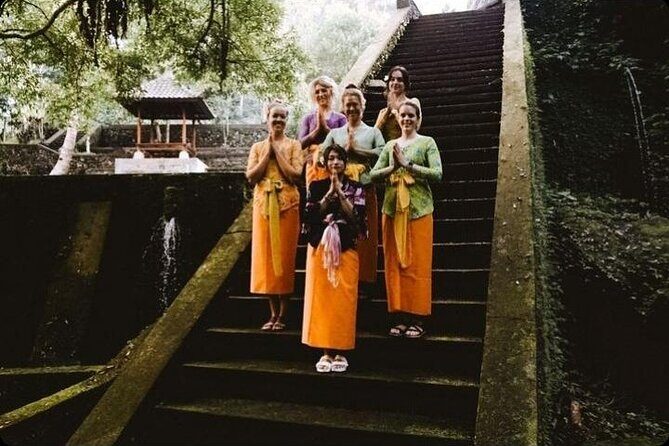
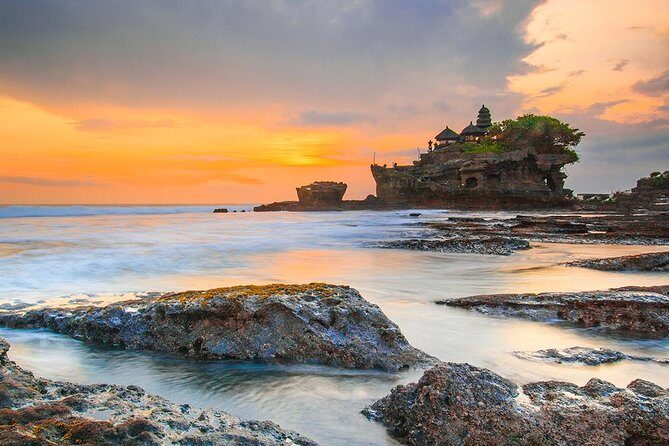
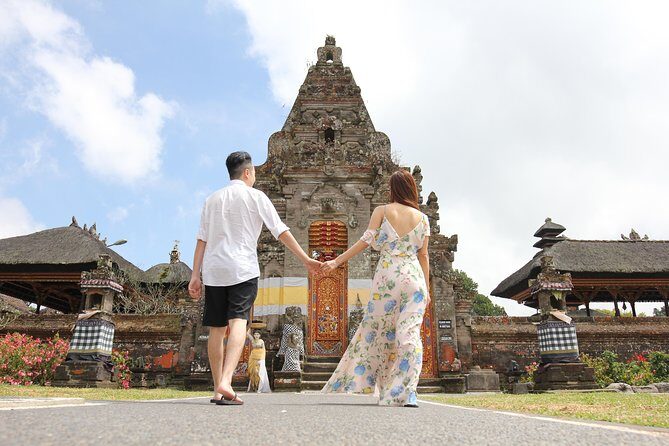
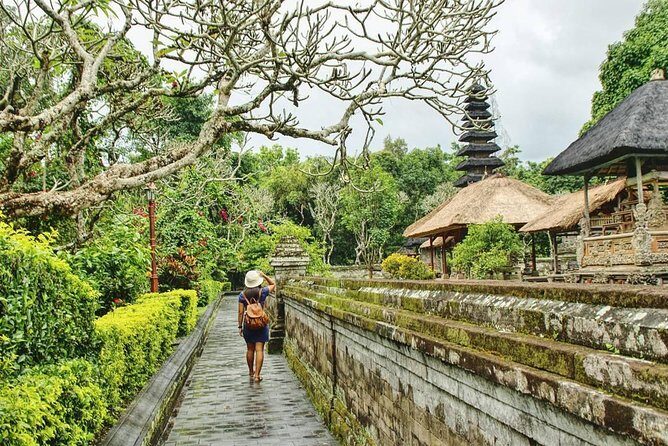
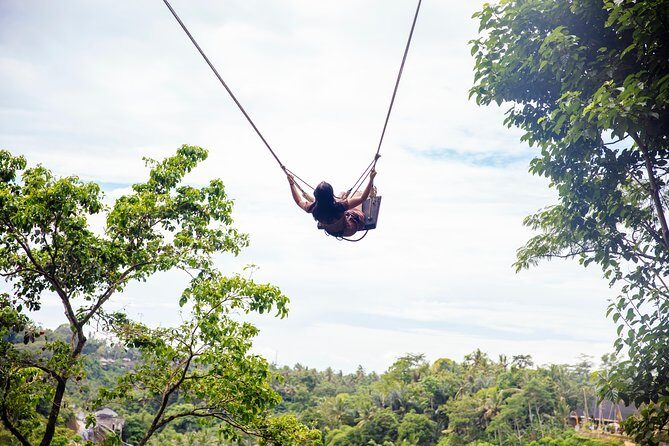
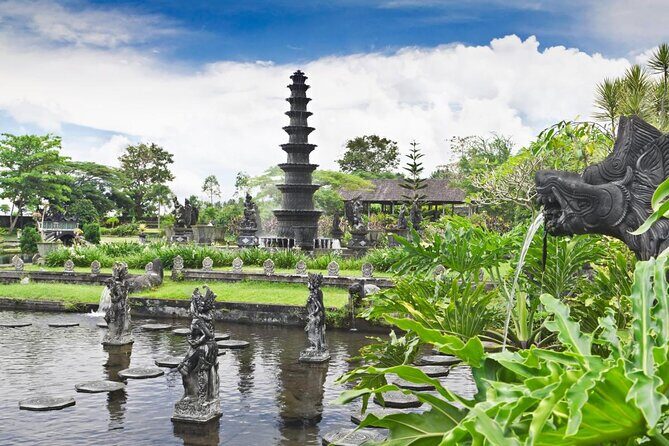
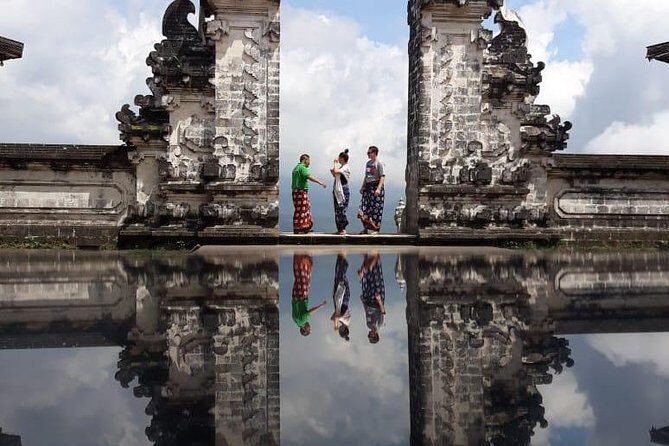
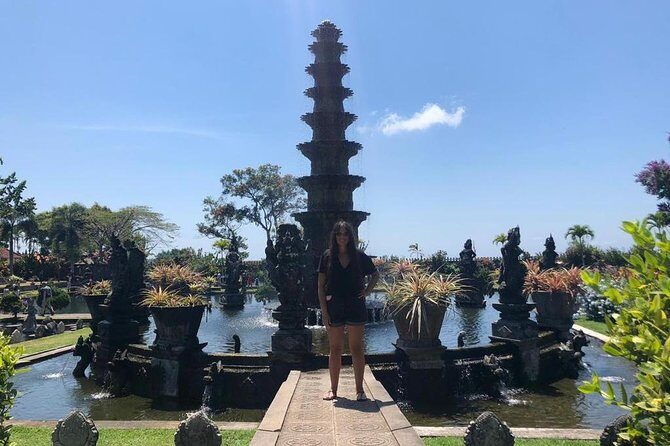
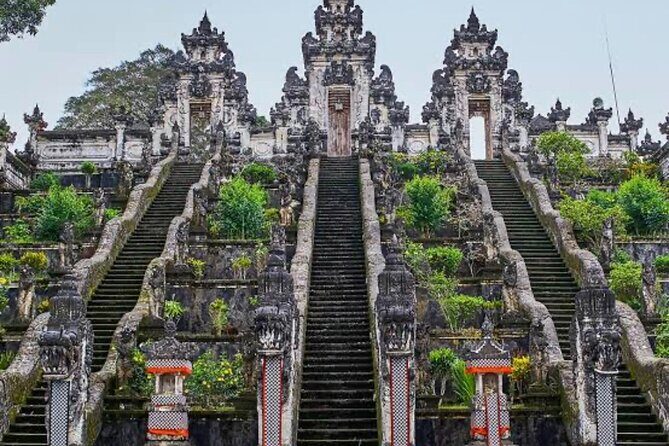
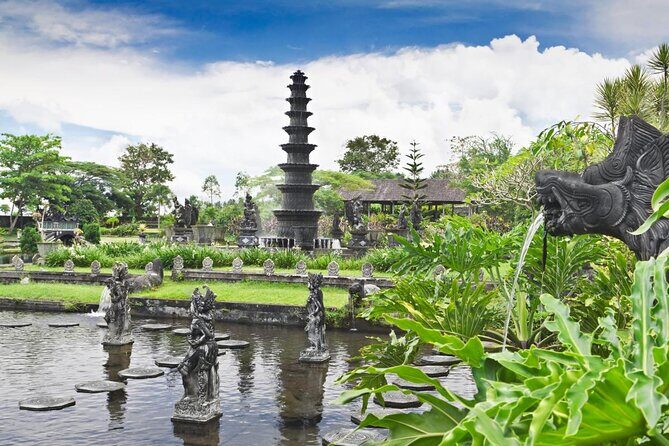
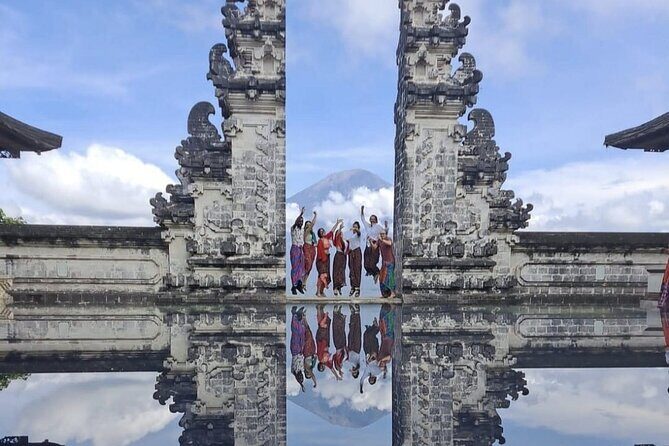
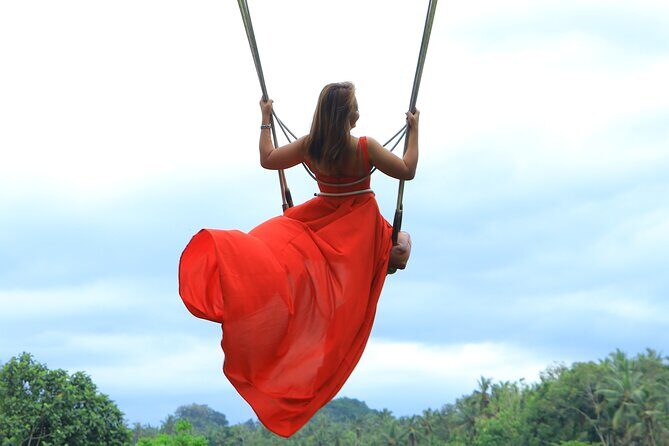
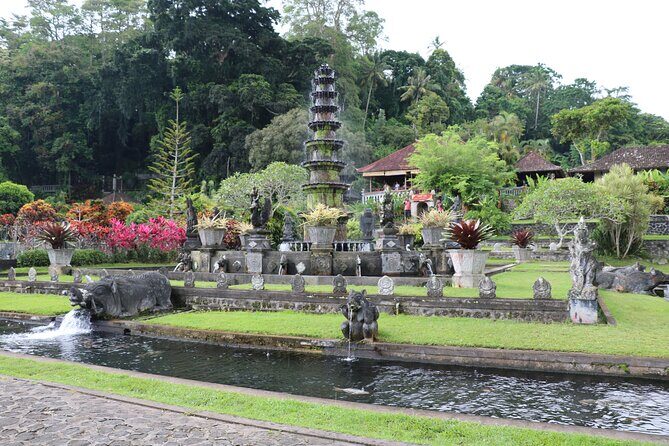
Ubud is best when you slow down. This private tour in central Bali lets you string together famous sights and calmer corners with your own licensed guide, instead of getting herded along with strangers. You’ll get hotel pickup and complimentary bottled water, plus a sarong for temple visits.
What I like most is the human part: your guide can explain what you’re looking at in real terms, and in the reviews that standout name is Koman. I also like the flexibility—this isn’t a fixed route; you choose up to a set number of stops, so you can match your day to your energy level.
One thing to keep in mind: some listed places charge extra, and the tour is built around time windows. If you pick a heavy mix of waterfalls and temples, you’ll want good shoes and a little patience for traffic.
Key things to know before you book
- Choose your own stops: up to 4 for half-day or up to 5 for full-day, picked from a menu of highlights
- Private, not crowded: only your group, so you can ask questions and move at your pace
- Koman-style guidance: the guides get called out for clear explanations and friendly, helpful energy
- Water and sarong included: a practical touch that matters in Bali’s heat and at temples
- Rainy-season ready: bring an umbrella and rain jacket so occasional showers don’t wreck your plans
- Some admissions aren’t included: a few specific stops are marked admission not included
Hotel pickup, cold water, and the day that starts on time
The first advantage of a private Ubud highlights tour is also the most basic: you don’t waste your morning figuring out rides. Pickup and drop-off are included for designated Ubud areas, and you’ll start straight from your hotel lobby. In the Bali heat, that matters.
You also get bottled water for staying comfortable between stops. It’s simple, but it changes how you feel walking from one attraction to the next. You’re not constantly thinking about where to buy a drink.
There are a few “nice-to-have” rules that help the trip feel smoother. The car policy includes no smoking and no drinking in the car, and because it’s private, you don’t have to deal with someone else’s schedule or indecision.
The real value in the price: $58.98 and what you avoid paying for

At $58.98 per person, this is priced like a mid-range day tour that’s trying to balance two things: you’re paying for a private driver-guide, but you’re also getting help covering the on-site costs. The inclusion list says entrance fees and bottled water are part of the experience, and many stops show admission ticket included.
Still, it’s smart to read the stop-by-stop notes in your chosen itinerary. A couple of places are marked as admission ticket not included (like Tibumana Waterfall and Umah Bali Kuno coffee). That doesn’t make the tour “bad,” but it means you should keep a little cash or card ready so you’re not surprised at checkout windows.
Time value is another part of the deal. You’ll have a 6 to 9 hour window depending on whether you pick half-day or full-day. Those hours aren’t “free time.” They’re built around a short visit at each chosen stop, so you’ll want to choose items you truly care about instead of stacking everything.
The other value piece is the guide. In the reviews, Koman is repeatedly praised for being attentive, answering questions, and keeping things fun while explaining culture. A good guide helps you see more than the postcard version.
How the custom format works: 4 stops vs 5 stops
This tour is designed as a menu, not a mandatory checklist. For a full-day private tour (up to 9 hours), you choose up to 5 destinations from the list. For a half-day tour (up to 6 hours), you choose up to 4 destinations.
That design is practical. Ubud traffic and the distance between areas can turn a “quick stop” into a long commute. By limiting the number of stops, the tour gives you a fighting chance to enjoy each place rather than just collecting stamps.
A good strategy is to mix categories. For example:
- One spiritual stop + one viewpoint/walk + one cultural site + one waterfall
- Or one temple + one rice terrace + a market/craft stop + a temple or cave complex
And if you’re traveling as a couple or small family, the private format gives you control for pacing. You can linger when it’s quiet and speed up when it’s not.
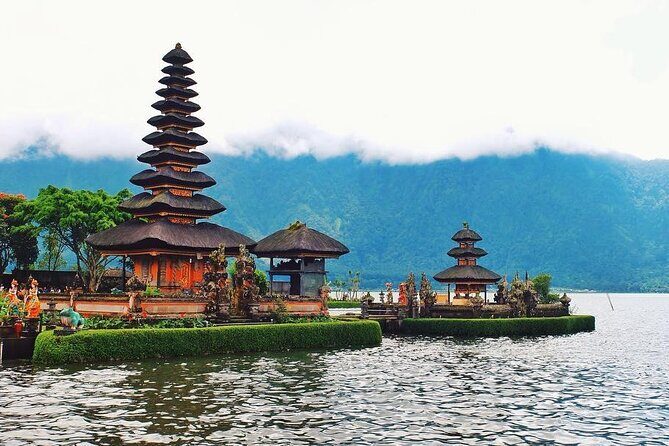
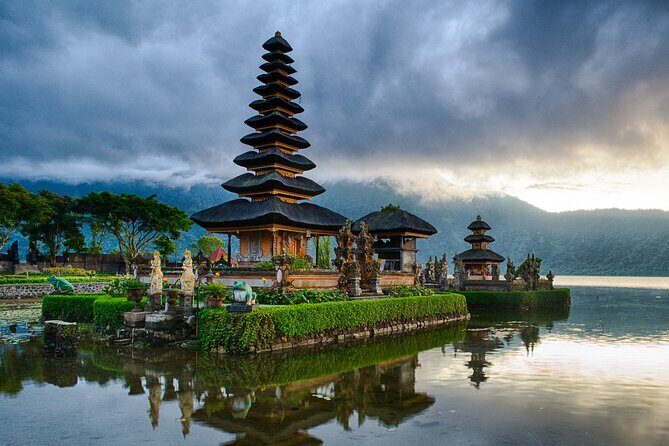
Spiritual Ubud: purification, holy water temples, and cave complexes

Ubud has more sacred sites than most people expect. The benefit of having a guide here is that you’ll understand what the place is for, not just what it looks like.
Tirta Empul Temple (admission ticket included)
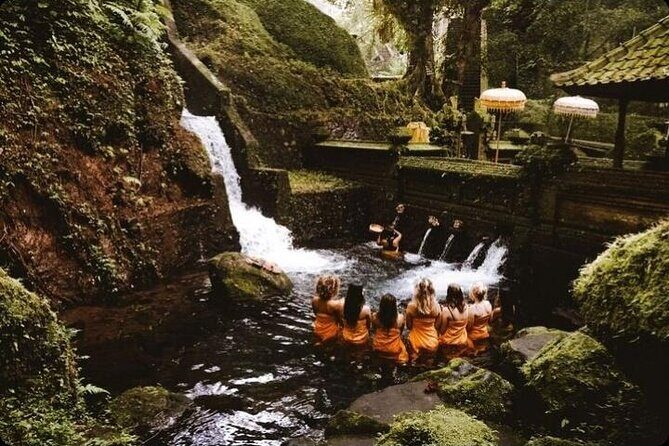
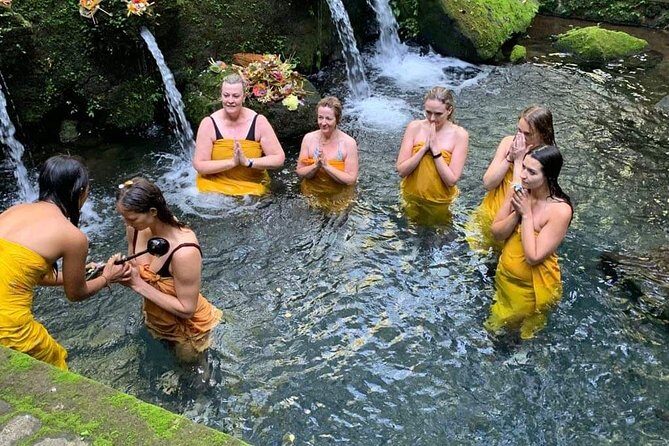
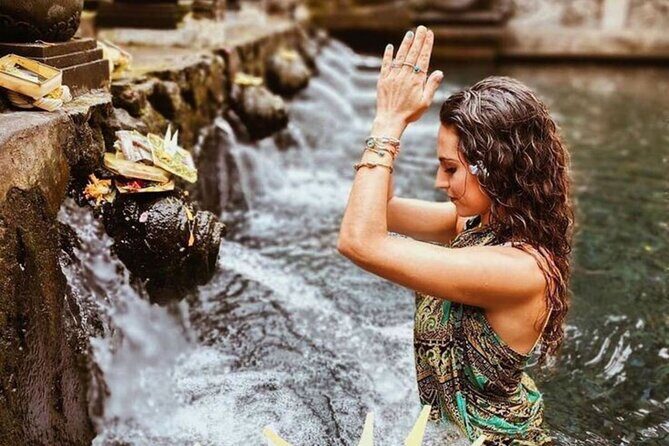
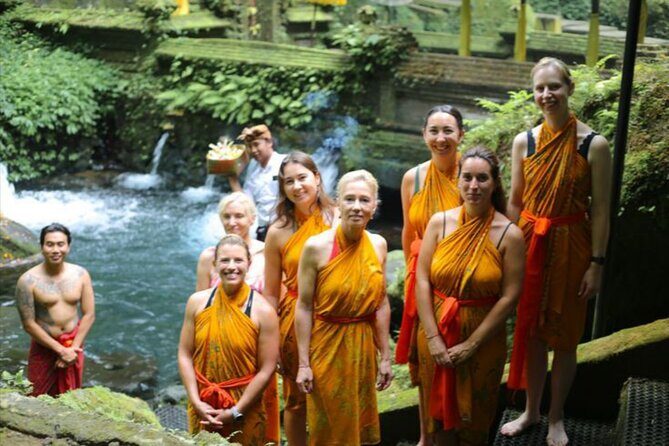
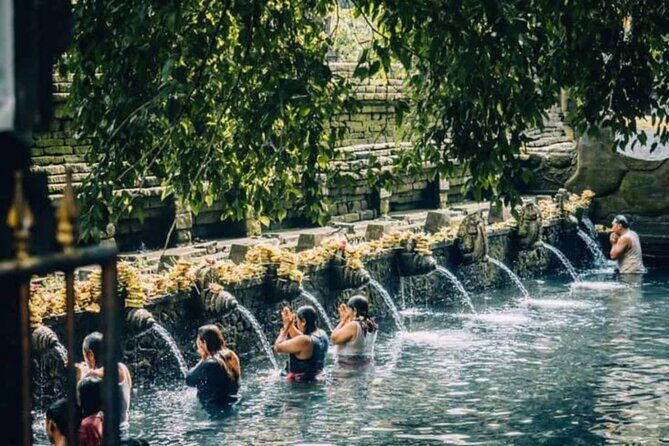
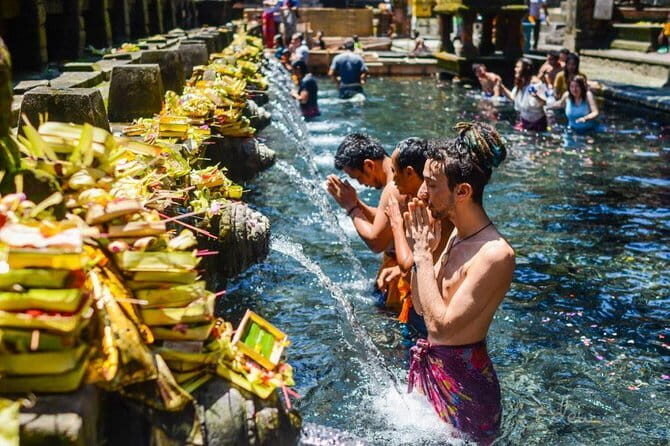
This is a sacred temple tied to purification rituals. You’ll see the natural purification pools where people traditionally cleanse themselves. Your guide can explain the meaning behind the ritual, which helps you approach the site respectfully instead of treating it like a photo backdrop.
Consideration: if you’re not sure about temple etiquette, a sarong is included, which helps you get sorted quickly.
Mount Kawi (admission ticket included)
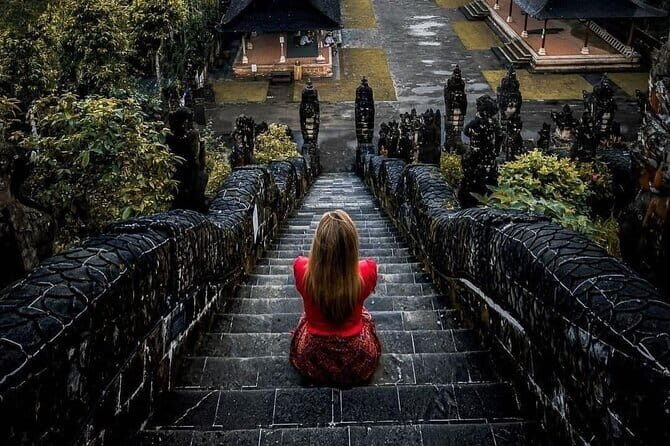
Mount Kawi is an ancient temple complex carved into rock cliffs. The setting feels dramatic, and you’ll be surrounded by greenery and rice fields. It’s a great pick if you like a site with strong “place in the landscape” energy—without needing to do a long trek like some other Bali attractions.
Watch your footing. Stone steps and wet patches happen, especially in rainy season.
Gunung Kawi Sebatu Temple (admission ticket included)
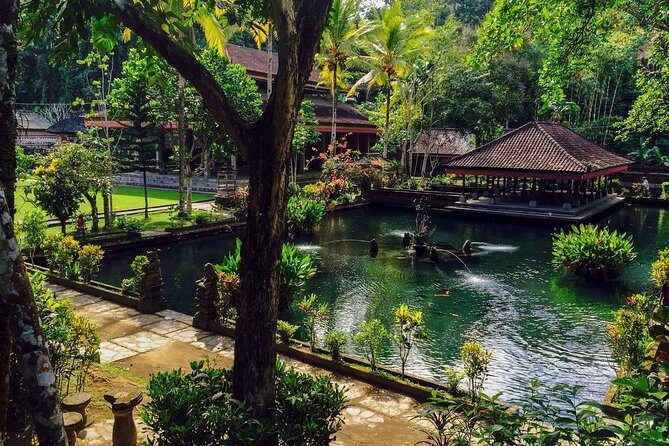
This is one of the calmer holy water temples listed. The focus is spiritual significance and purification rituals, set among gardens and koi ponds. If you want a less frenetic feel than the big-name attractions, this can work well in the mix.
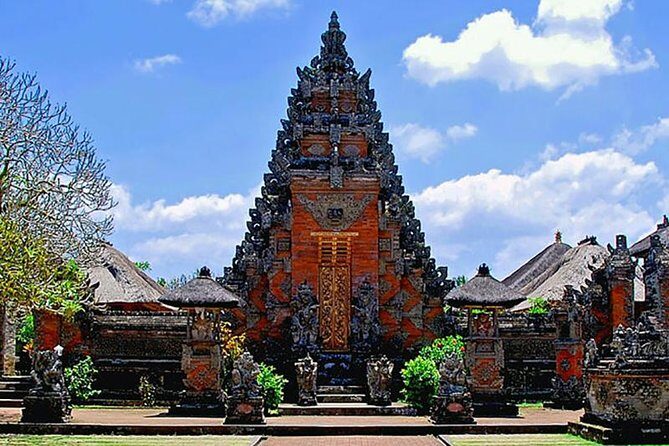
Mengening Temple (admission ticket included)
Mengening Temple is described as a peaceful site with holy springs and lush greenery. It’s another purification-related stop, and having a guide helps you connect what you see to why people come here.
Elephant Cave (admission ticket included)
Elephant Cave is a historic site featuring a carved cave and sacred pools used for meditation. It’s a nice change of pace from the standard “temple with steps” vibe because the cave element creates a different kind of atmosphere.
Practical tip: caves can be cool, but they also mean uneven floors. Wear shoes you trust.
Rice terraces and ridge walks: scenic views without the chaos

Ubud’s most famous views are popular for a reason. The trick is choosing the right time and not rushing through the meaning.
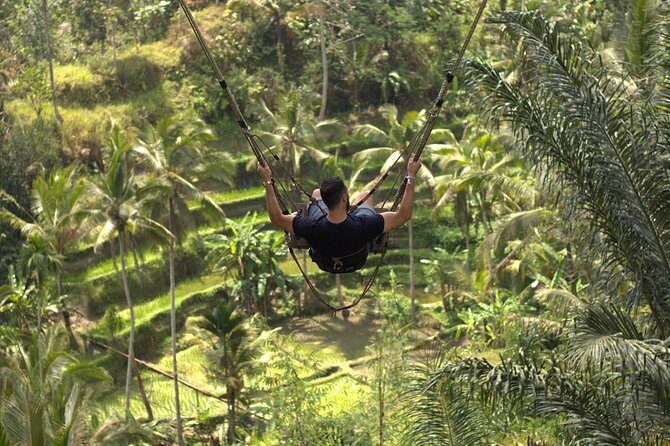
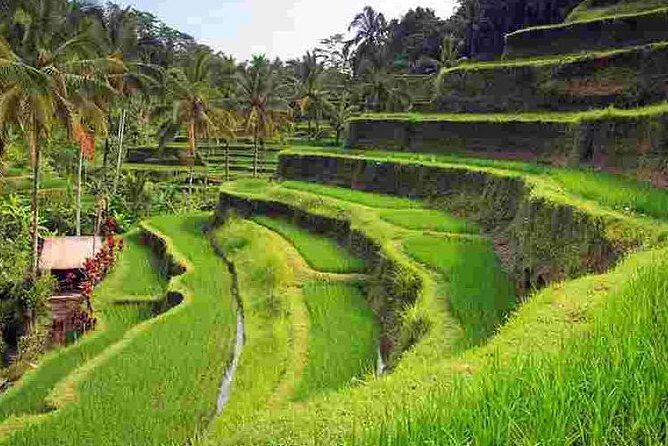
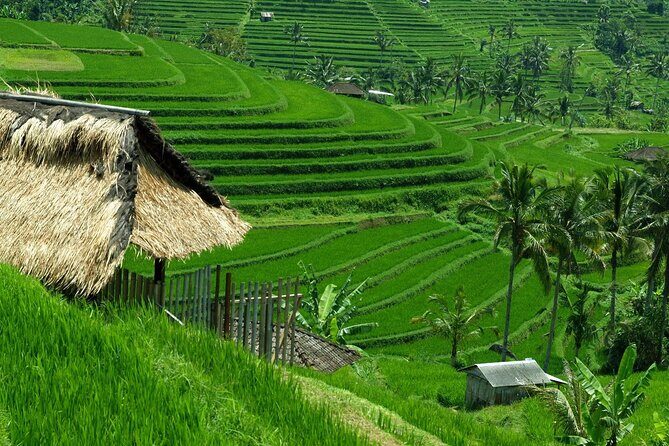
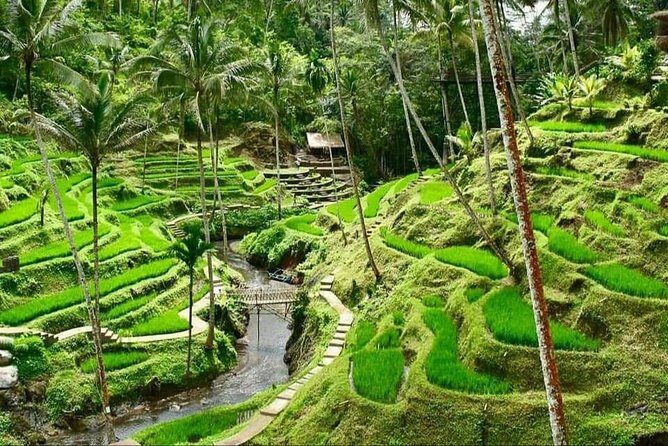
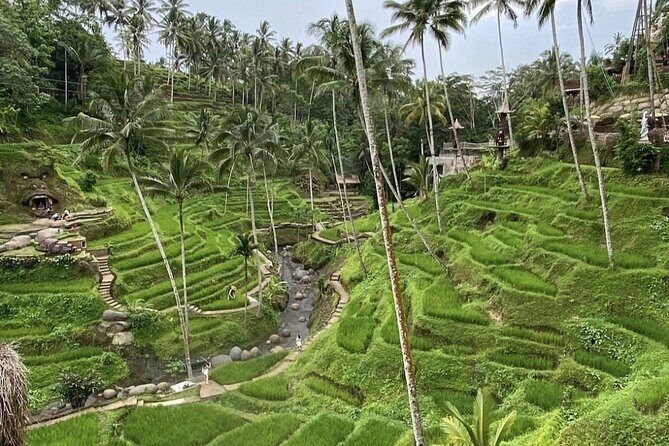
Tegalalang Rice Terrace (admission ticket included)
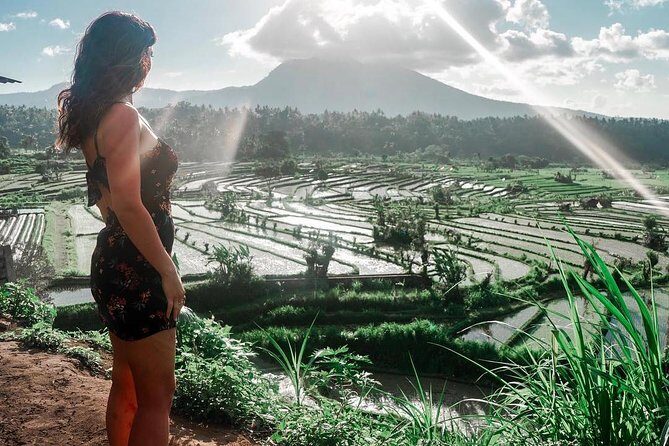
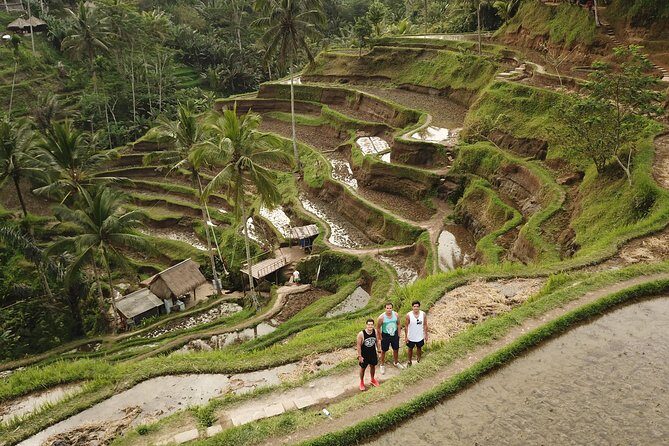
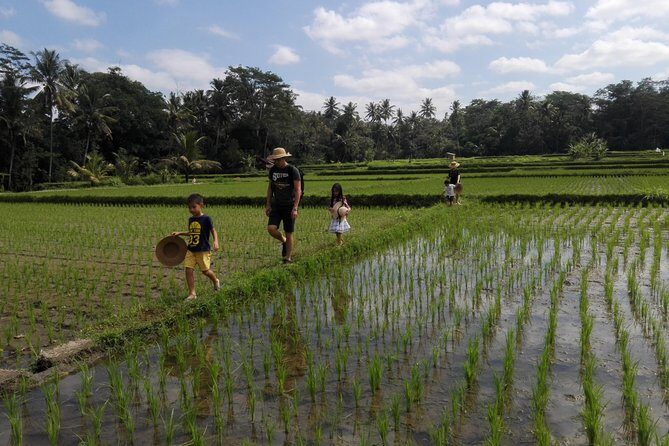
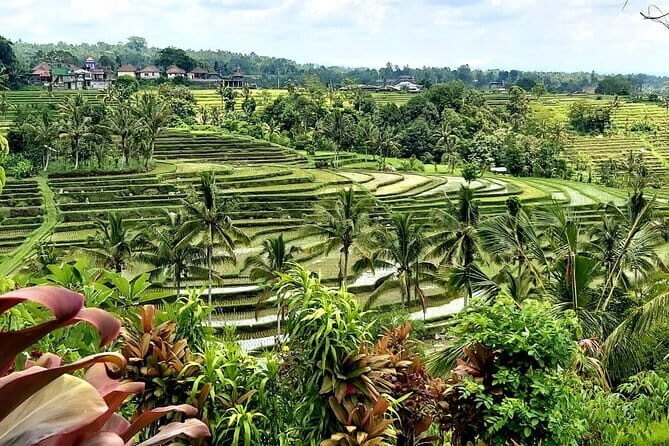
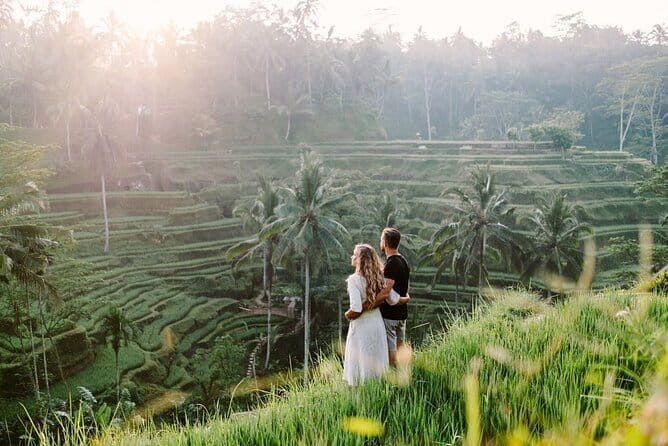
Tegalalang is the stepped rice field that people travel for. You’ll get breathtaking views and a look at traditional farming methods. When you understand what rice farming means in Bali’s culture, the view feels less like scenery and more like a working system.
Drawback to plan around: it’s a high-traffic area in general, so don’t expect solitude. Your guide can still help you position your timing and move efficiently.
Campuhan Ridge Walk (admission ticket included)
This is a scenic walking trail along a ridge. It’s the kind of walk that can fit sunrise or sunset vibes, and it’s a good “stretch your legs” stop between heavier sights.
Bring water (you’ll have some) and a light layer. Even when it’s warm, ridge air can shift.
Monkey Forest and palace-era Ubud: culture you can touch
Ubud is not only nature and waterfalls. It also has old-world cultural centers, and these stops help you see how the island’s arts and beliefs connect.
Sacred Monkey Forest Sanctuary (admission ticket included)
This is a sacred forest home to hundreds of long-tailed monkeys, plus ancient temples and lush pathways. The key word here is sanctuary: it’s not just a zoo.
What to consider: monkeys are monkeys. Keep small items secured and follow your guide’s instructions on behavior. If you want the cultural side, plan to spend your time looking at the temple elements too, not only the animals.
Ubud Palace (admission ticket included)
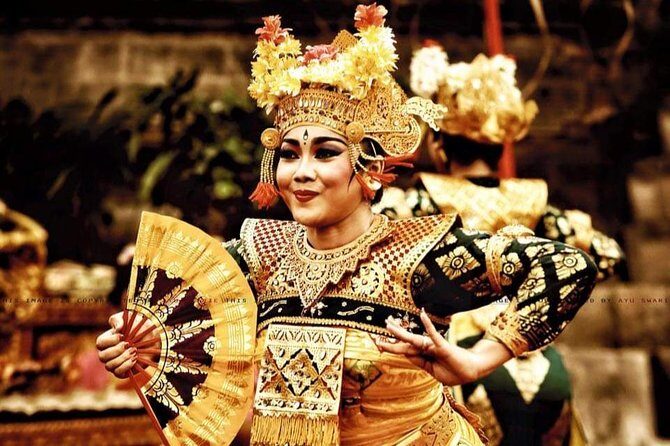
Ubud Palace is the historical residence of the royal family, with intricate Balinese carvings and performances. It’s a good stop when you want more “Ubud identity” and less nature-only time.
Saraswati Temple (admission ticket included)
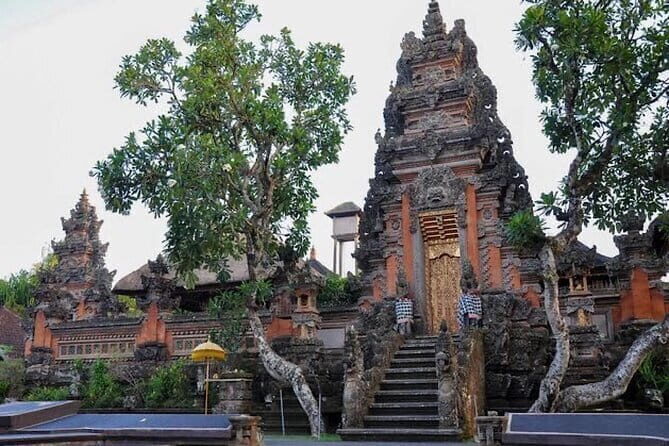
Saraswati Temple is in central Ubud and known for its lotus ponds and Balinese architecture. It’s a beautiful contrast to the rice-and-forest areas, and it pairs nicely with Ubud Palace since both are cultural anchors.
Waterfall circuit: choose based on mood and risk

If you like waterfalls, this tour gives you options across different styles—from strong flow photo spots to quieter, more secluded-feeling falls.
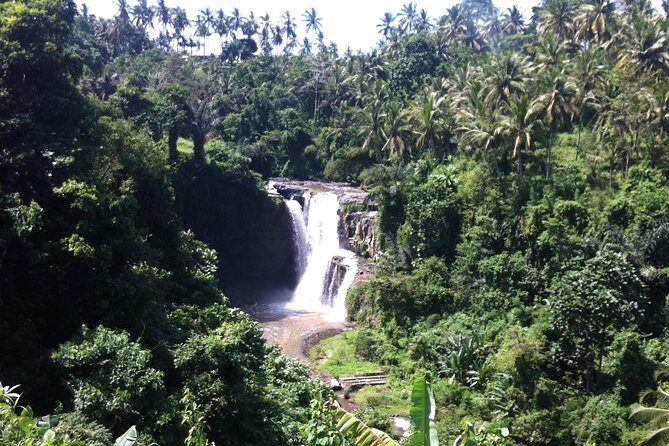
Tegenungan Waterfall (admission ticket included)
Tegenungan is near Ubud and easy to access. It has a strong water flow and good opportunities for sightseeing and photography. If you want the classic “big waterfall” experience, this is usually the straightforward pick.
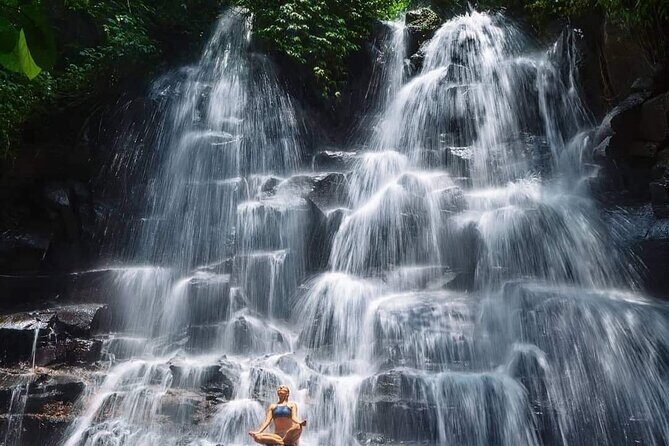
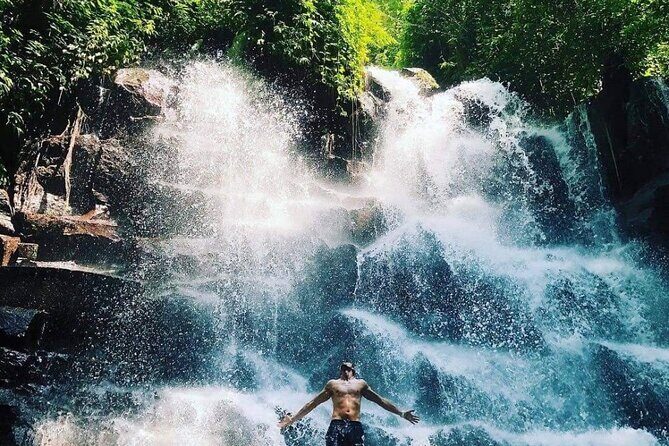
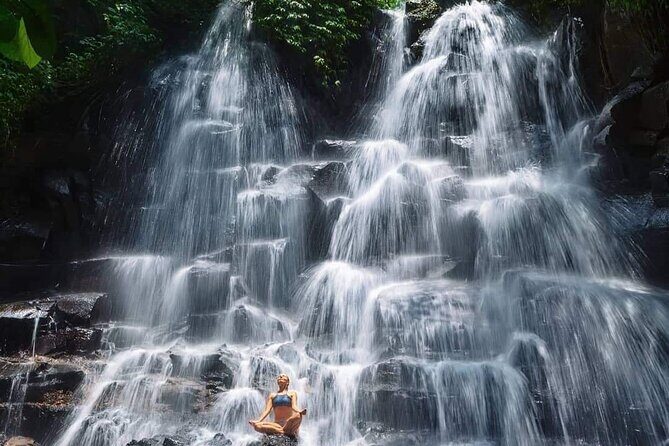
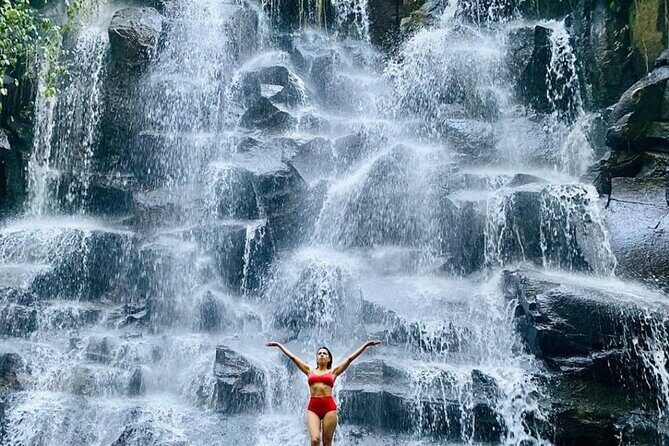
Kanto Lampo Waterfall (admission ticket included)
Kanto Lampo is multi-tiered with shallow pools, so it can be ideal for cooling off and photos. It’s a great option if you want a waterfall you can interact with more than just watch from a distance.
Shoes matter here—wet rocks and slippery edges are common.
Suwat Waterfall (admission ticket included)
Suwat is described as more secluded, with crystal-clear water and a tranquil atmosphere. If your day is already loud and packed, this can be a reset.
Taman Sari Waterfall (admission ticket included)
Taman Sari is surrounded by lush vegetation and is meant to be a peaceful escape from crowds. It’s a strong choice if you prefer quieter photo angles and a slower pace.
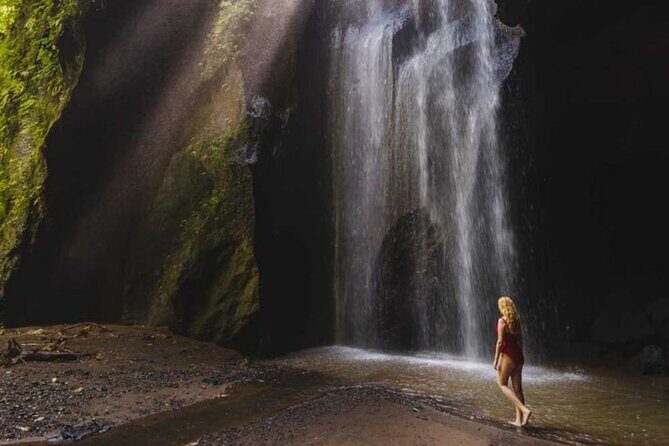
Goa Raja Waterfall (admission ticket included)
Goa Raja flows through a cave-like rock formation, which gives it a more mystical ambiance. It’s also the sort of place where you’ll appreciate explanations about how the site feels and why visitors treat it with respect.
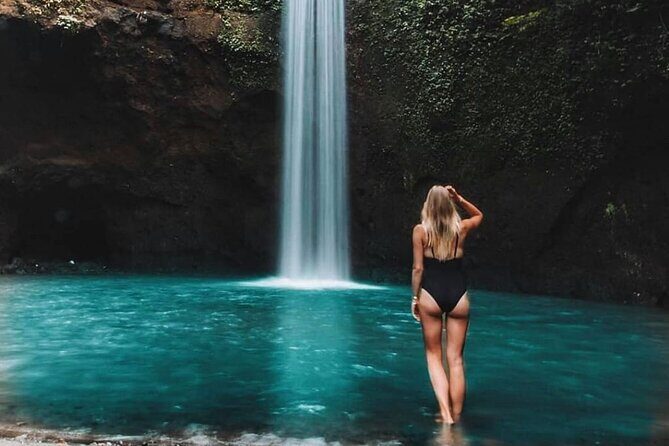
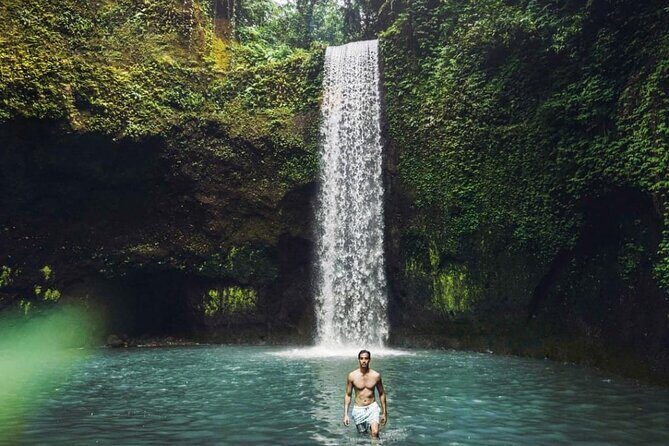
Tibumana Waterfall (admission ticket not included)
Tibumana is described as a hidden gem with a single cascade into a natural pool and tropical greenery. This is one of the few waterfall picks that’s marked admission ticket not included, so plan for that extra cost.
Ulu Petanu Waterfall (admission ticket included)
Ulu Petanu is described as serene and lesser-known, surrounded by forest and rice fields. It’s another good pick when you want calmer vibes and space to breathe.
Smart approach: if the day includes multiple waterfalls, pick one “easy and popular” stop (like Tegenungan) and one “quieter feel” stop (like Suwat or Ulu Petanu). You’ll be less tired and more impressed.
Art, markets, and craft stops: where culture becomes souvenirs
Ubud is famous for crafts, and this tour includes several ways to see and shop. The advantage of a guide is not just language—it’s knowing what you’re looking at and when it’s worth buying.
Dewa Putu Toris (free admission)
This stop focuses on classic Balinese painting styles, including mythology and daily life. If you’re curious about how Balinese stories show up in art, this can be a thoughtful cultural stop rather than just a quick building visit.
Yana Art Gallery (free admission)
Yana Art Gallery is another art-focused choice, with skilled artisans carving detailed wood sculptures. If you want to understand craft processes, galleries like this can be more meaningful than souvenir browsing.
Ubud Art Market (free admission)
Ubud Art Market is where you’ll find handcrafted souvenirs, textiles, and Balinese art. It’s a good place to browse for gifts, but keep in mind it can be busy. A guide can help you navigate quickly if you’re trying to avoid getting stuck in the same stall loop.
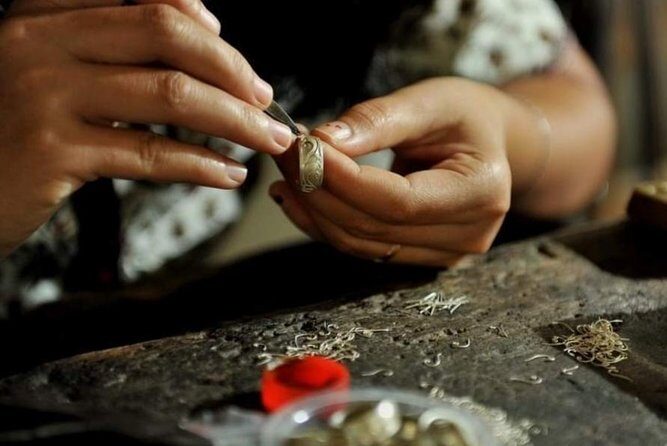
UC Silver Gold (free admission)
This is a stop to discover silversmith craftsmanship and shop for jewelry. If you’re shopping anyway, it’s worth bundling this with other cultural stops so you don’t add extra transport later.
Umah Bali Kuno coffee (admission ticket not included)
This stop is a beautifully designed home showcasing authentic Balinese architecture and family compounds. It’s marked as admission ticket not included, so treat it as a culture-and-coffee add-on rather than a guaranteed “included entry.”
Planning your order: how to avoid wasted time
Because you’re choosing up to 4 or 5 destinations, your itinerary order matters a lot. A practical way to think about it:
- Start with something relatively straightforward (like a temple or palace).
- Move toward viewpoints or scenic walks next (rice terraces or ridge walk).
- Finish with a waterfall if you want your photos at the end and don’t mind getting wet.
Also, Bali mornings can feel different from afternoons in comfort and crowding. A ridge walk (Campuhan) can work well when the air feels cooler. And for places like Monkey Forest, earlier can be more manageable.
Your guide’s job is to manage flow and timing. In the reviews, Koman is credited with attentive planning and handling driving even with traffic. That’s a big deal for a day like this.
Rainy season reality: what to bring so the day stays fun
The tour operates in rainy season, and that changes the “feel” even if the destinations are the same. You’ll still see Bali’s beauty, but you need to arrive ready for occasional showers.
Pack an umbrella and a rain jacket. Also, consider quick-dry clothing and footwear you can trust on wet stone and slick steps. Waterfalls can be amazing after a rain, but the ground can also get dangerous if you’re wearing sandals with no grip.
Who should book this Ubud private customized highlights tour?
This is a great fit if:
- You want a private guide who can explain culture and answer questions
- You like tailoring your day instead of following a fixed route
- You’re balancing big-name stops (rice terraces, monkey forest) with options that can be calmer (certain temple and waterfall picks)
- You care about practical inclusions like hotel pickup, water, and sarong
It might be less ideal if:
- You’re trying to do “everything” in one day, because the stop limit is there for a reason
- You dislike changing plans based on weather or crowds
- You don’t want to pay additional entrance fees at a couple of specific stops (those marked admission ticket not included)
Should you book it? My straight answer
Yes, you should book this tour if you want an easier, more personal Ubud day with a guide-led experience. The pricing feels fair when you use the private format wisely, and the included water and sarong are the kind of details that make temples and heat less annoying.
If you book, spend a moment choosing your 4 or 5 stops thoughtfully. Pick a mix of culture, views, and one or two waterfalls—then let your guide help shape the order. That’s when this kind of tour becomes more than a checklist. It becomes your day in Ubud.
FAQ
How long is the Ubud private customized highlights tour?
It runs about 6 to 9 hours, depending on whether you choose the half-day or full-day option.
Is it a private tour or shared group?
It’s private. Only your group participates.
How many destinations can I choose?
For a half-day tour, you choose up to 4 destinations. For a full-day tour, you choose up to 5 destinations.
Are hotel pickup and drop-off included?
Yes, pickup and drop-off are included for certain areas in Ubud.
Are entrance fees included for the attractions?
Entrance fees are listed as included, but some specific stops are marked as admission ticket not included, such as Tibumana Waterfall and Umah Bali Kuno coffee.
Is bottled water included?
Yes. Bottled water is included to help you stay hydrated in Bali’s heat.
Do I need a sarong for temple visits?
Yes, a sarong is included for temple visits.
What should I bring for rainy season?
Bring an umbrella and a rain jacket for occasional showers.
Is there free cancellation?
Yes, free cancellation is available. You can cancel up to 24 hours in advance for a full refund.

.jpg)
.jpg)
.jpg)
.jpg)
.jpg)
.jpg)
.jpg)
.jpg)










.jpg)
.jpg)
.jpg)
.jpg)
.jpg)
.jpg)
.jpg)
.jpg)