Ubud is the kind of day that feels human.
This private tour strings together Balinese culture and nature in a tight 8–10 hour loop: a traditional home, a jungle waterfall, the Sacred Monkey Forest, rice terrace views, and the Tirta Empul purification springs. It’s built for people who want more than one good photo stop—so you get a mix of architecture, ritual, and scenery in one day.
I especially like how much access you get for the money. Admission tickets are included at the main stops, and you travel in an air-conditioned private car with an English-speaking guide/driver, plus bottled water in the vehicle. That combination matters when Bali traffic and timing can make a day feel either smooth or chaotic.
The main thing to consider is pacing. Five stops in one day means some of them are brief—so if you want long hangs at waterfalls or you hate crowds at temples, you’ll need to manage your expectations for time on each site.
Key things to know before you go
- Private, not shared: only your group rides together for the whole day.
- English-speaking guide/driver with route know-how that helps you stay on schedule.
- Five-ticket structure: admission tickets are included across the traditional house, waterfall, Monkey Forest, rice terraces, and Tirta Empul.
- Tirta Empul is a real ritual stop: you’ll be seeing the holy spring water temple and its cleansing tradition.
- Ulu Petanu + Monkey Forest mix nature with crowds: plan for both jungle calm and busy viewing areas.
- Rain-proof attitude from the guide: multiple drivers in feedback are praised for flexibility if weather shifts.
Why this Ubud day works: culture plus nature, in one loop
I like Ubud when it feels like a story you can walk through. This tour is set up that way: you start with domestic heritage (a traditional Balinese house), move into jungle water, then switch gears to temple life and daily belief, and end at one of Bali’s most recognizable purification experiences.
You’ll be looking at contrast the whole time. One moment you’re in a calm heritage setting and learning how a traditional home reflects Balinese living. The next moment you’re in a living ecosystem around the Sacred Monkey Forest. After that, the rice terraces give you a slower, wide-angle kind of beauty, and then Tirta Empul brings you right into ritual space—where people come for purification in the holy spring water.
Also, the private format is a big deal. You’re not stuck with random timing or last-minute surprises from a big group schedule. If you want to take a few extra minutes for photos at the terraces—or you’d rather rush through one stop—you can usually make it work with your guide/driver and the overall time window.
The 8–10 hour schedule: how long is enough, and where it can feel tight
The day runs about 8 to 10 hours, with estimated time at each main stop:
- Traditional house: about 20 minutes
- Ulu Petanu Waterfall: about 45 minutes
- Sacred Monkey Forest Sanctuary: about 1 hour
- Pakudui Village / Tegalalang rice terraces area: about 45 minutes
- Tirta Empul Temple: about 45 minutes
That breakdown tells you the truth: it’s not a slow day of lingering. It’s a well-paced sampler. I’d call it ideal for a first or mid-trip Ubud day when you want the highlights without having to split into multiple days.
Where it can feel tight is the traditional house time. 20 minutes moves fast if you enjoy architecture details or like reading every sign. If that’s you, ask your guide to point out the key things first, then you can decide how much extra time you want for photos.
On the flip side, I think you’ll appreciate shorter temple and heritage windows. It keeps the day moving and helps you avoid the tired feeling you get when you’re stuck in queues too long.
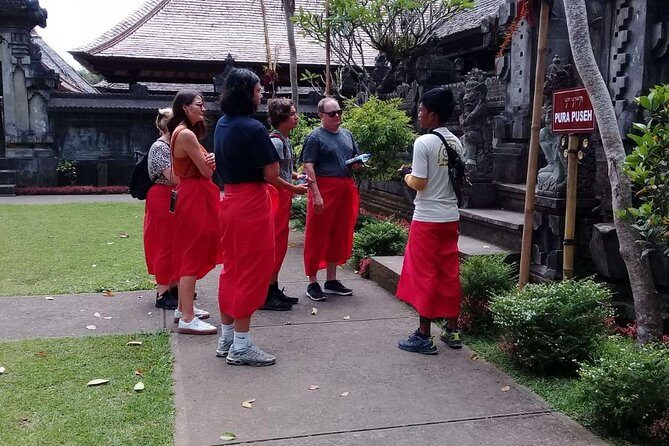
Stop 1: Rumah Bali Kuno at Bali Traditional House Gung Aji
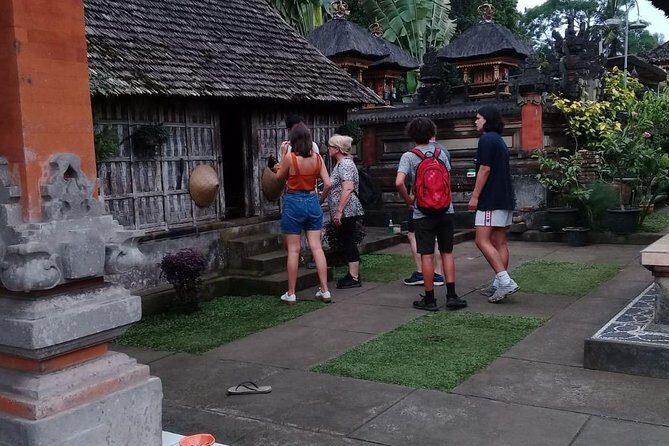
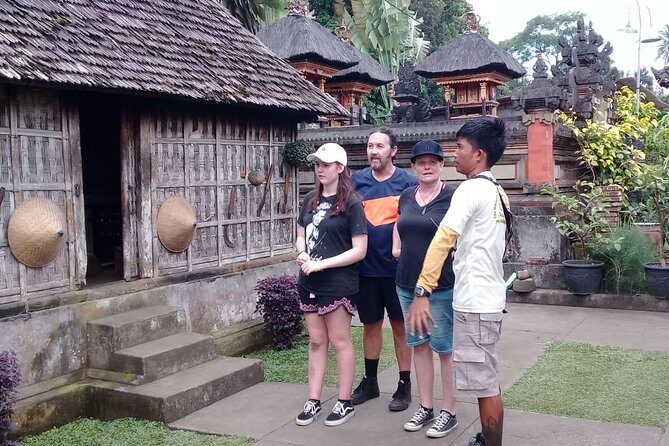
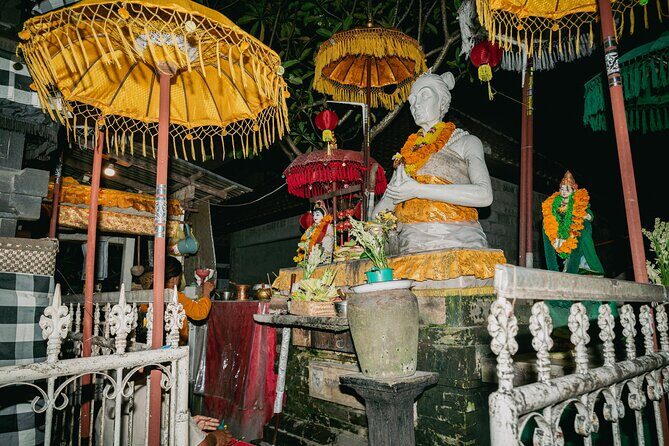
This is where the day earns its depth. Instead of jumping straight into temples, you start with a traditional Balinese house at Rumah Bali Kuno (Bali Traditional House Gung Aji).
In practical terms, you’re stepping into architecture and layout that reflects how Balinese life is shaped by tradition. Even if you don’t read every detail, the house structure helps you understand why later stops—temples, rituals, and community life—aren’t just isolated attractions. They’re part of a way of thinking about space, family, and sacred boundaries.
What I like here: it’s a quick start that gives context. When you later see Tirta Empul, you’ll be more likely to notice the symbolism around everyday belief rather than treating it as a standalone spectacle.
Possible drawback: the visit is only about 20 minutes. If you’re the type who likes to study carvings, doorways, and household layout for a long time, you may feel rushed. I’d keep your expectations flexible and let your guide show you the most important elements first.
Stop 2: Ulu Petanu Waterfall—jungle calm with a scenic payoff
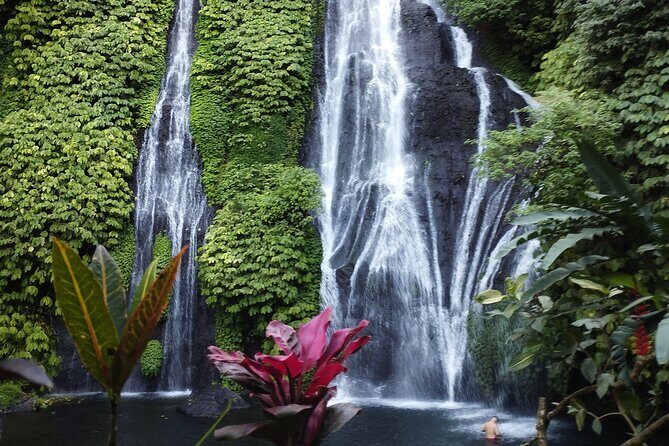
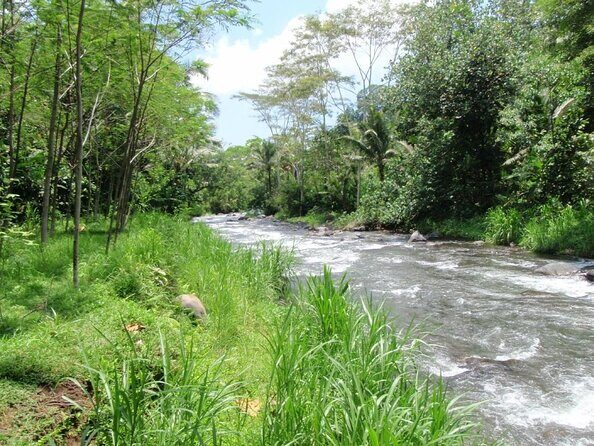
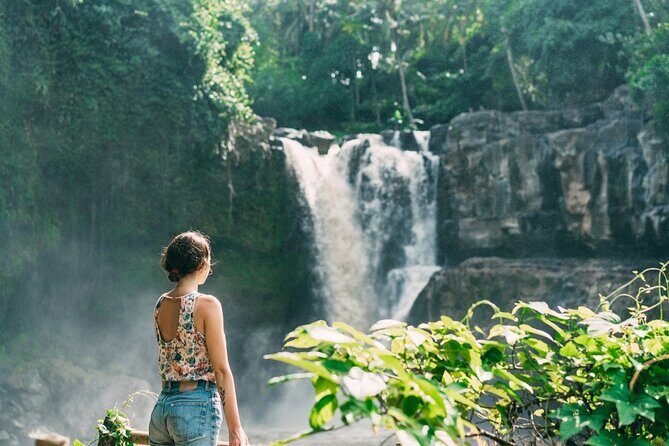
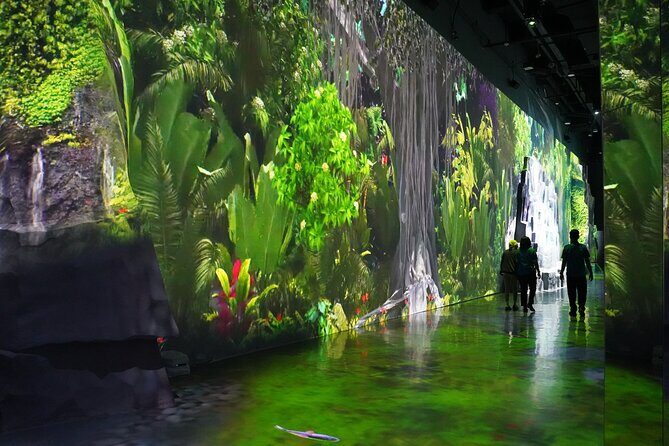
Then the tour shifts to nature at Ulu Petanu Waterfall, with about 45 minutes on site. This stop is framed as a tucked-away jungle experience, with cascading water and natural pools where people can refresh and explore.
If you want a break from indoor or temple-feeling sites, this is your “reset.” I like that it’s not just a quick look from a viewpoint. You get enough time to walk around a bit, take in the sound and humidity, and enjoy the water visuals without feeling like you’re sprinting.
One thing to plan for: waterfalls can be slippery, and conditions can change. You’ll be happier if you wear shoes that handle uneven ground. Also, bring a small towel or plan to change socks afterward if you’re hoping to get closer to the water.
The value of this stop is that it adds sensory variety. After monkey forest time and temple ritual later, it’s nice to have one moment where the whole experience is about movement, sound, and air.
Stop 3: Sacred Monkey Forest Sanctuary—spiritual space with mischievous energy
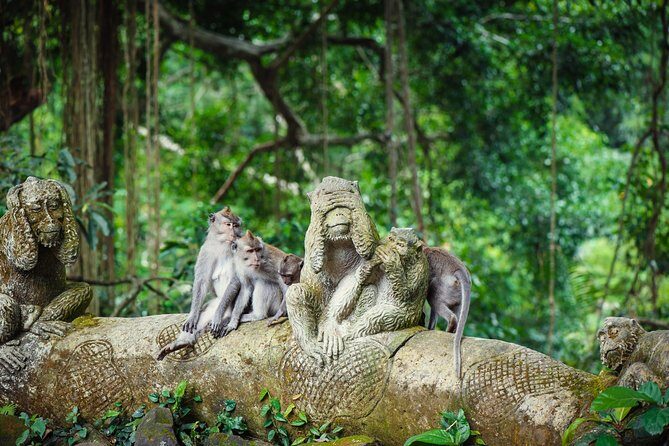
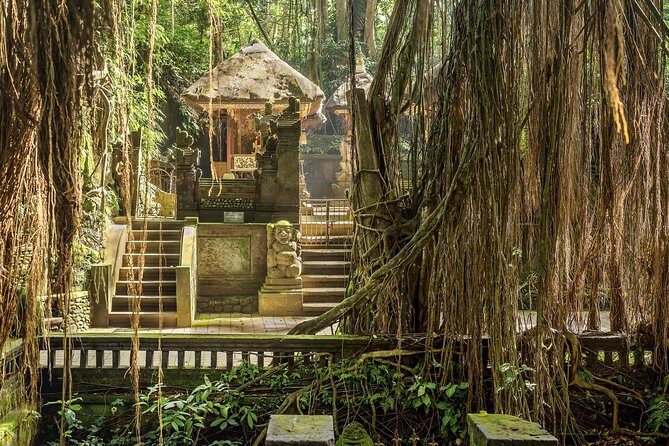
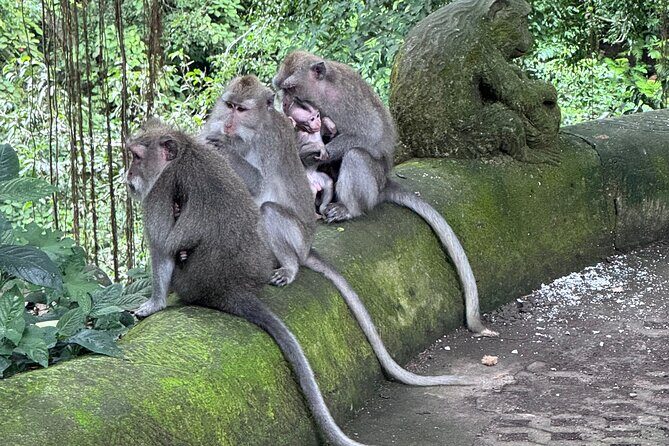
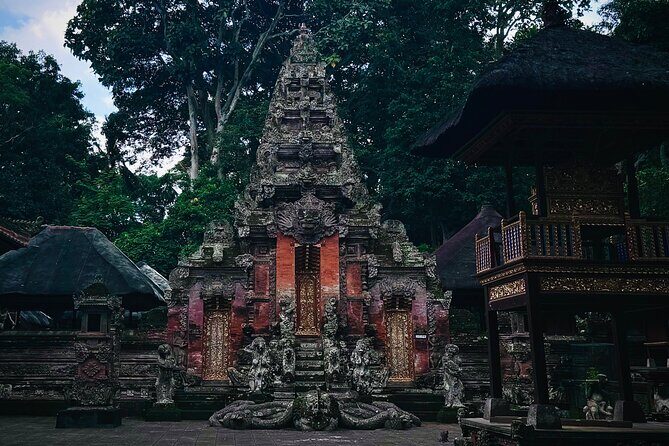
Next is Sacred Monkey Forest Sanctuary, about 1 hour, where you’ll see hundreds of macaques (the tour description calls out the species). This is not just a wildlife stop. It’s a place where the forest environment overlaps with ancient temples, giving it a more spiritual feeling than a typical zoo-style animal area.
I’ll be honest: you should treat this stop like a real shared space with animals, not a background for photos. The monkeys are playful, quick, and curious. Your best strategy is calm behavior, keep valuables secured, and don’t encourage attention from the animals.
What I like about this stop: it’s one of those Bali experiences that feels alive. Even if you’ve seen monkeys before, the combination of jungle paths and temple structures changes the vibe.
What to watch: it’s also a place where crowds can build around the same photo angles. If you prefer quieter viewing, go with your guide’s suggestions on timing and where to position yourself.
Stop 4: Pakudui Village and Tegalalang rice terraces—your wide-view moment
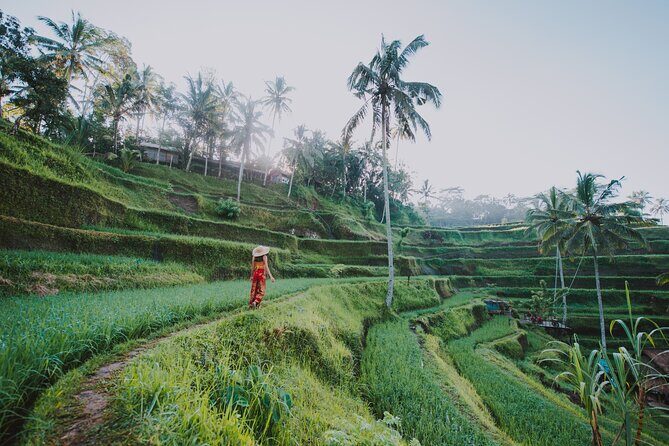
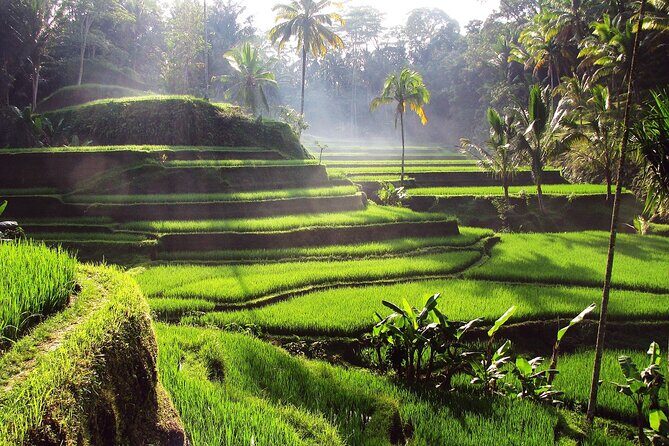
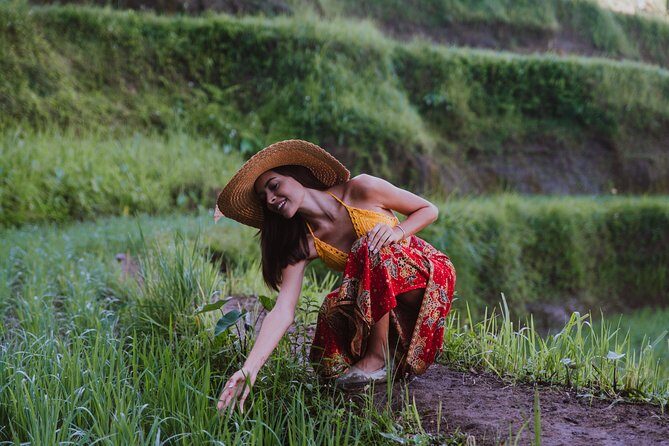
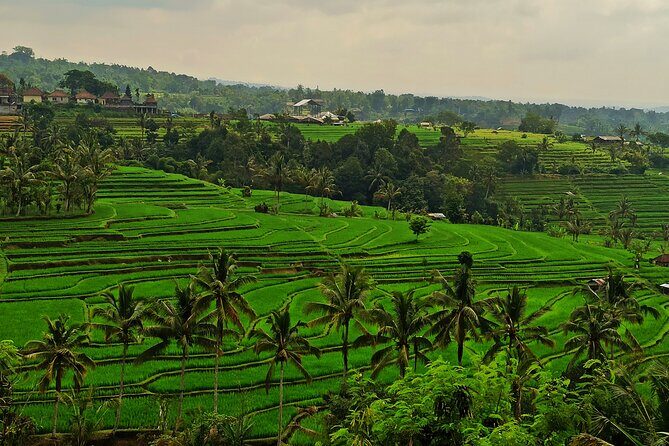
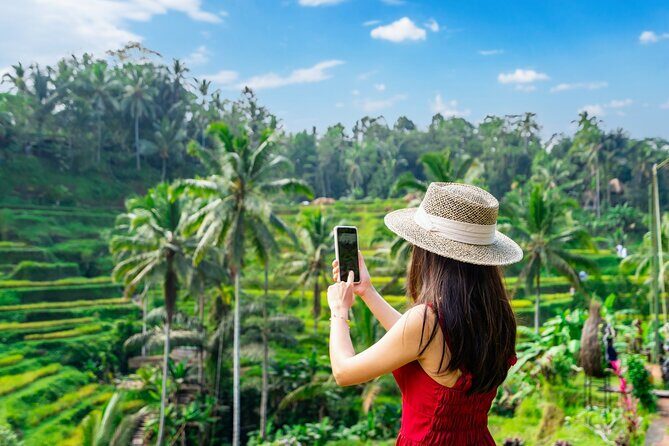
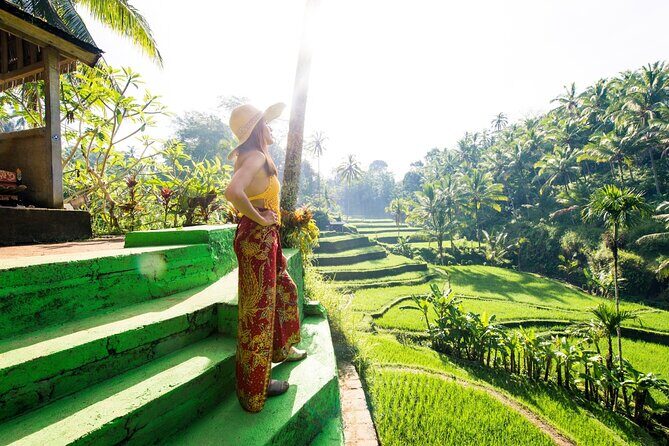
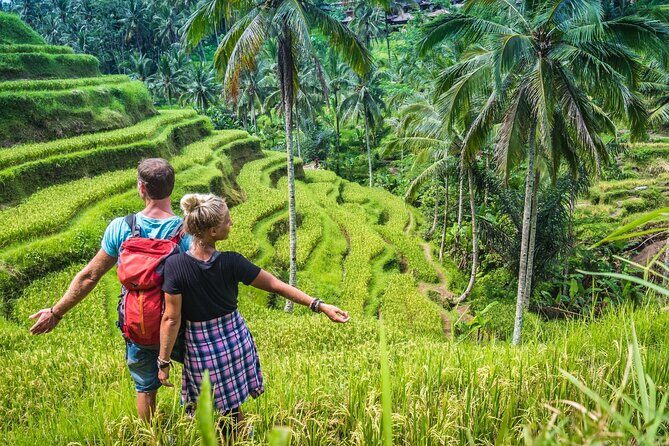
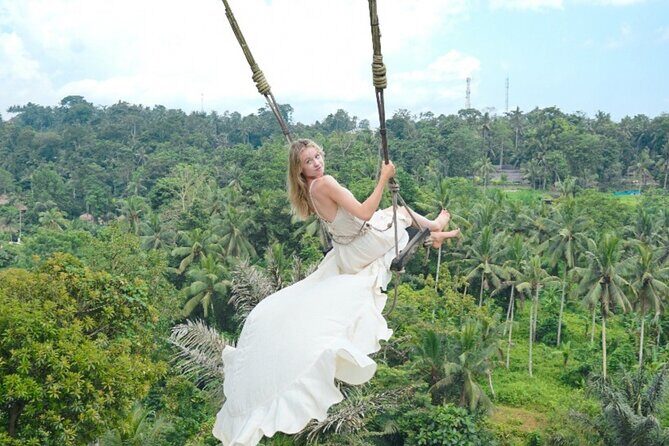
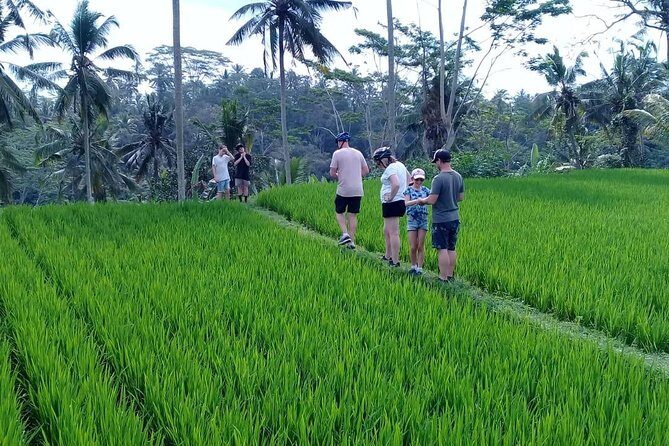
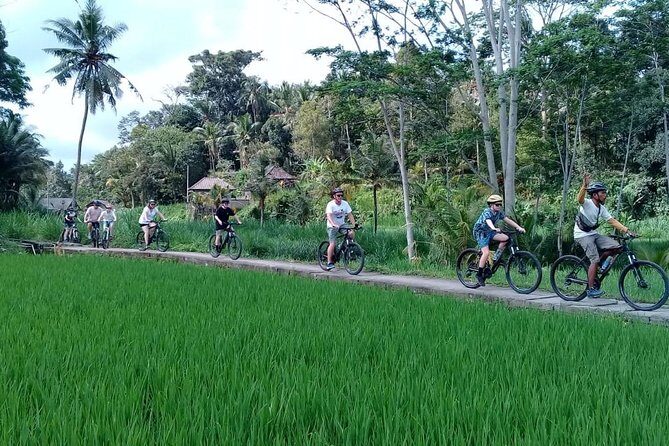
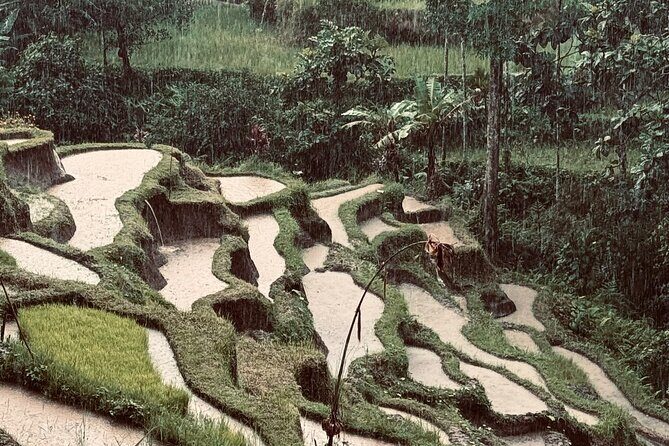
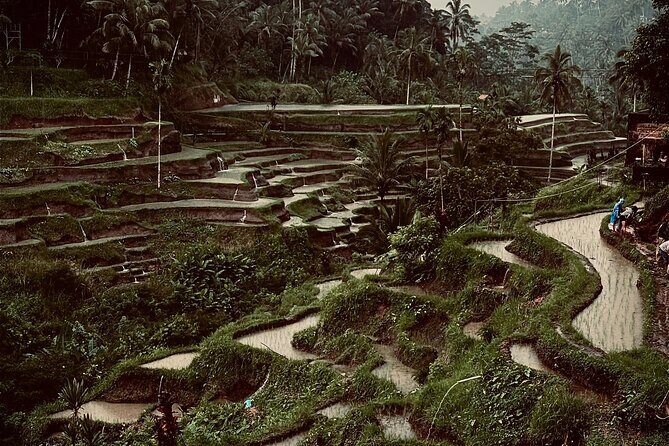
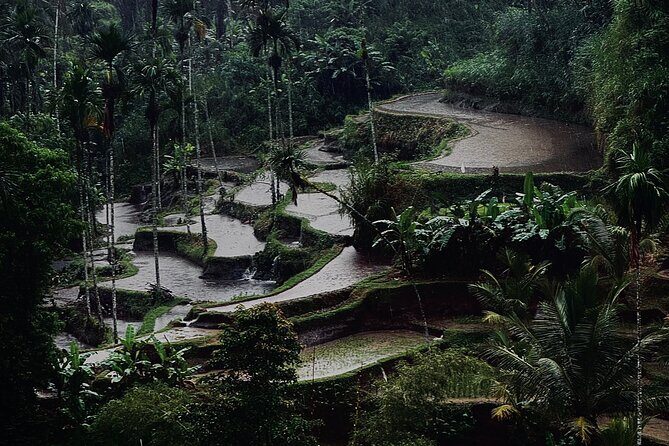
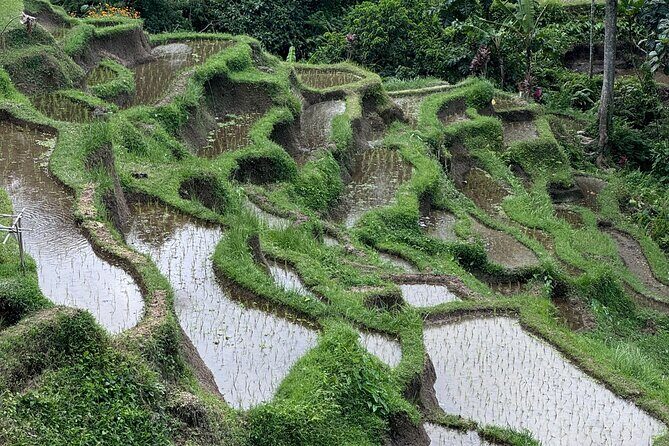
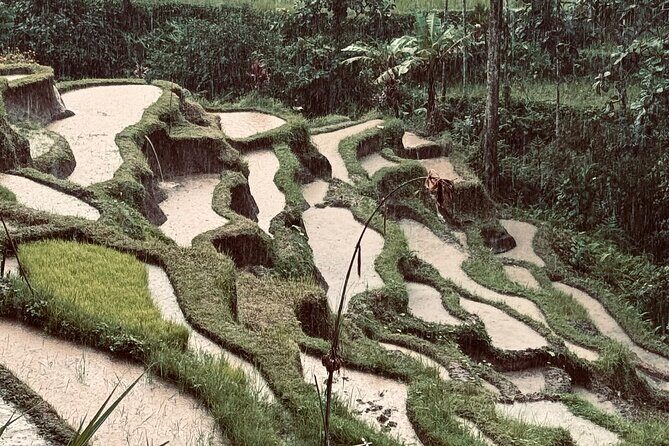
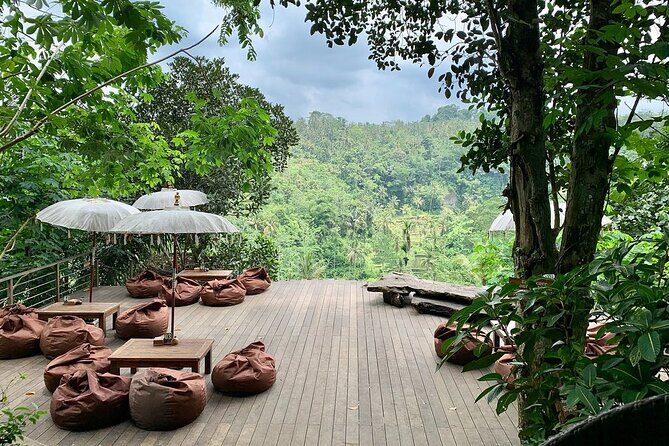
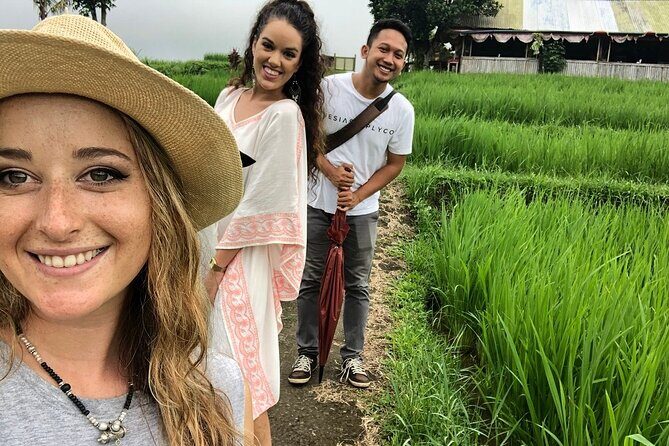
After jungle and monkeys, you get one of Bali’s most iconic farming visuals: Tegalalang rice terraces (the tour also references Pakudui Village alongside this stop). You’ll have about 45 minutes here, and the emphasis is on panoramic views and understanding traditional rice farming.
This is where the day slows down just enough for you to feel the craft behind the scenery. Terraces aren’t only about beauty—they’re also about water management and agriculture shaped over generations. Even in a short visit, you can usually sense that the farming system is designed to keep the land productive while fitting into the valley’s natural contours.
Why this stop is valuable: it gives you a “sense of place” that temples alone can’t. It reminds you Bali’s spirituality and daily life are tied to land and cycles.
If you’re into photography, this is a practical stop. The terraces offer depth and repeating lines, which usually make photos look better than you expect—even on cloudy days.
Stop 5: Tirta Empul Temple—purification in holy spring waters

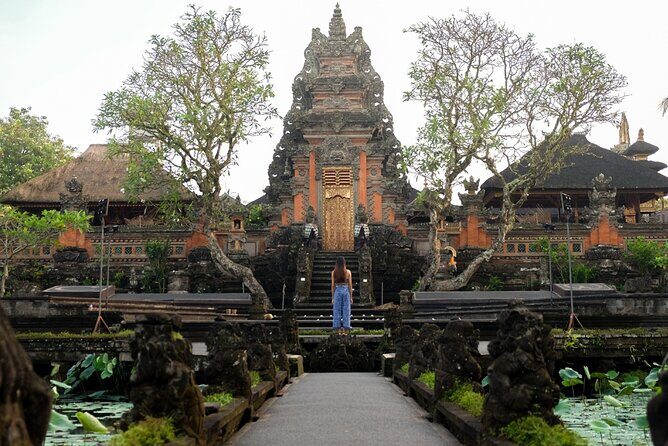
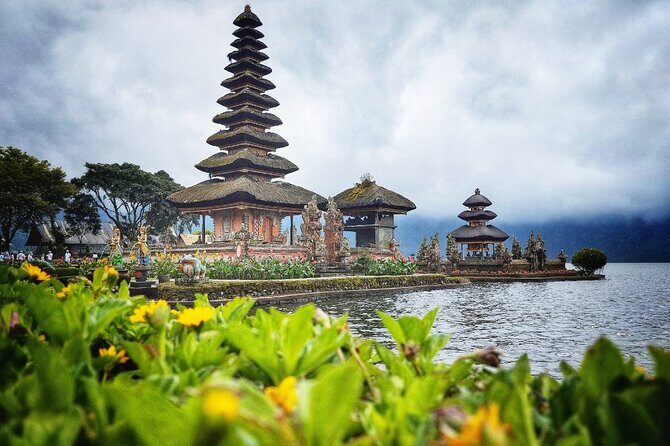
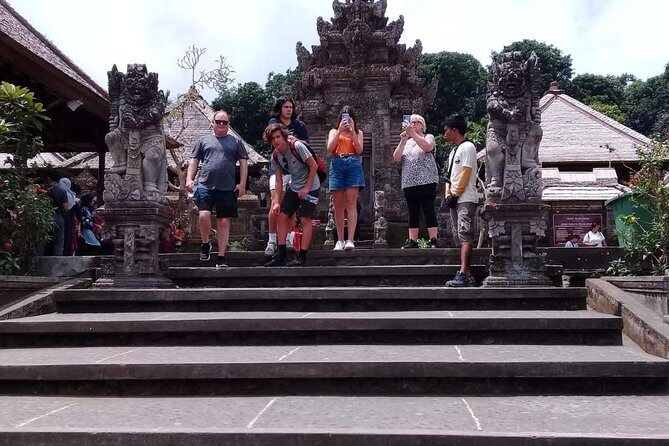
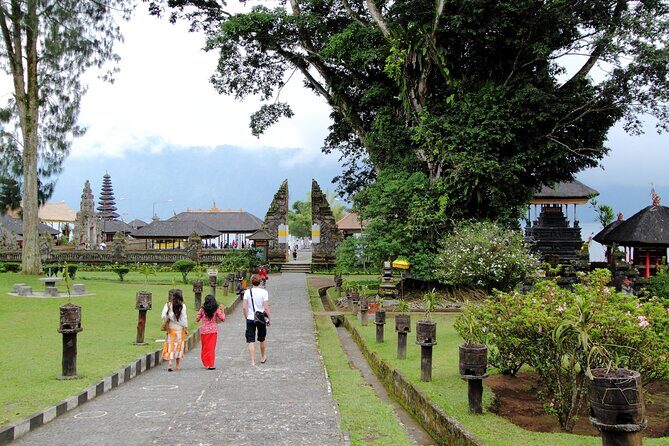
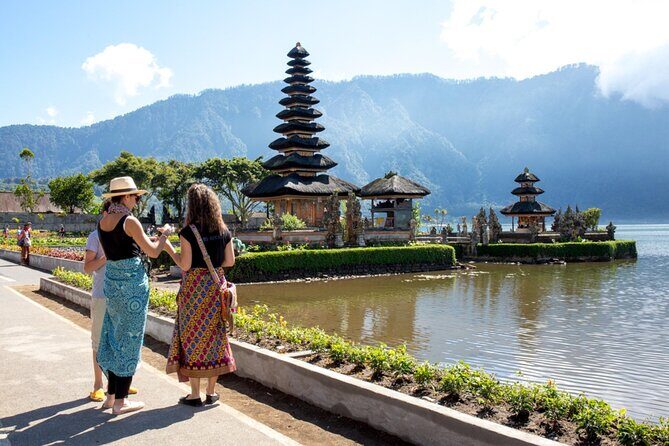
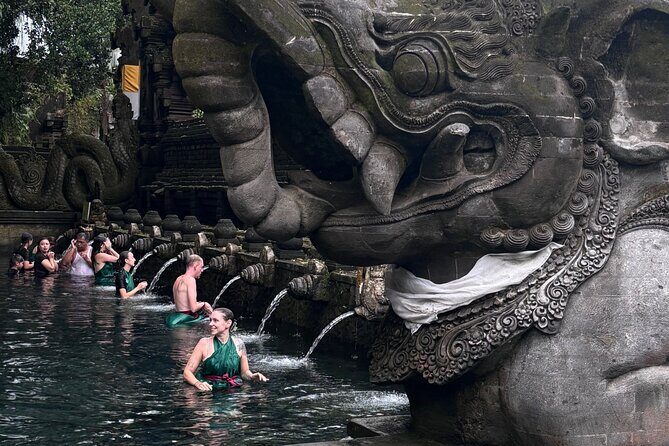
The day closes at Tirta Empul Temple, where the tour highlights the holy spring water and the purification ritual. You’ll spend about 45 minutes at this temple complex.
This stop is special because it’s not only about architecture or views. People come here to cleanse and purify, stepping into crystal-clear waters surrounded by intricate stone carvings. That combination of ritual and setting gives the experience a grounded, real-world feeling.
A key practical point: treat it respectfully. If you want to participate in the purification process, do it according to the local guidance you get on site. If you’re more comfortable watching, you can still get meaning from observing where people gather and how the space is used.
What I like about Tirta Empul for your first Ubud day: it connects the earlier heritage and forest-temple feeling to something active. The earlier stops set the stage; Tirta Empul shows belief in motion.
Possible drawback: temple ritual spaces can be busy. If crowds make you anxious, arrive with patience and let your guide position you well.
Guide and driver quality: why names like Wayan, Widi, and Suli matter
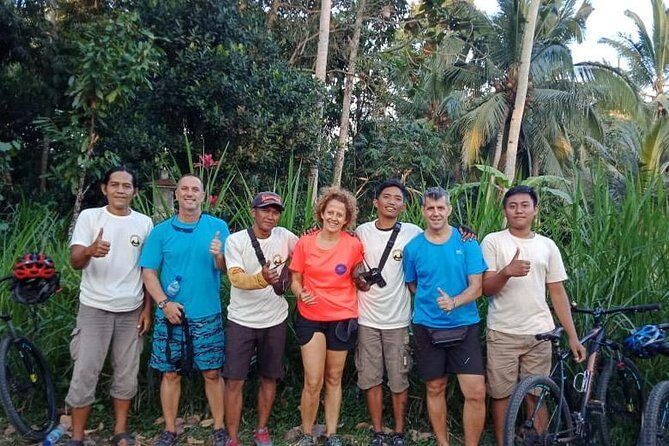
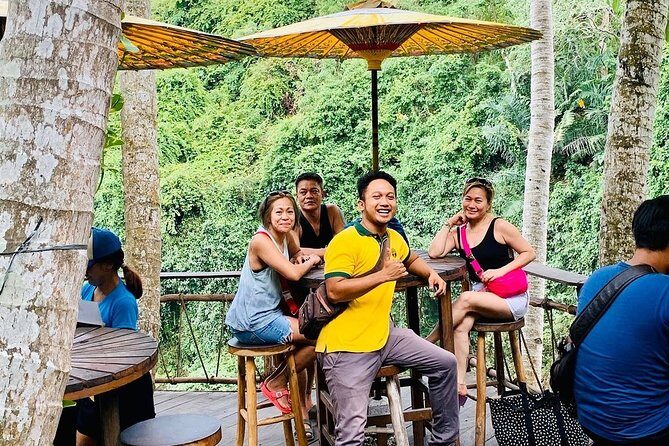
This tour is powered by its English-speaking guide and driver, and the feedback you can see from the service points again and again to the same strengths.
I like that multiple named drivers—Wayan, Widi, and Suli—are praised for safe, steady driving, patience, and clear explanations during the day. That’s not a small thing in Bali, where roads can feel unpredictable and timing can slip if your driver doesn’t plan routes well.
Flexibility also shows up in the feedback. Some guides are noted for shifting the plan when conditions change, including rainy day adjustments. That matters because your enjoyment doesn’t depend only on the attractions—it depends on keeping the day moving without frustration.
And yes, communication matters. You’ll get a guided explanation at stops, plus extra context while riding between locations. That turns a list of sights into a connected experience you can understand.
Transportation and included extras: the little things that save your day
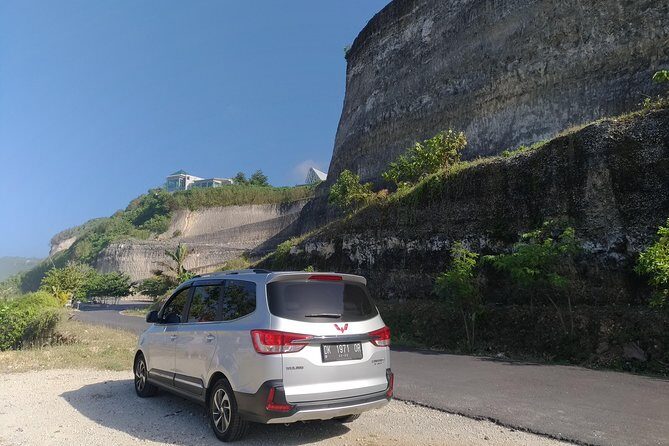
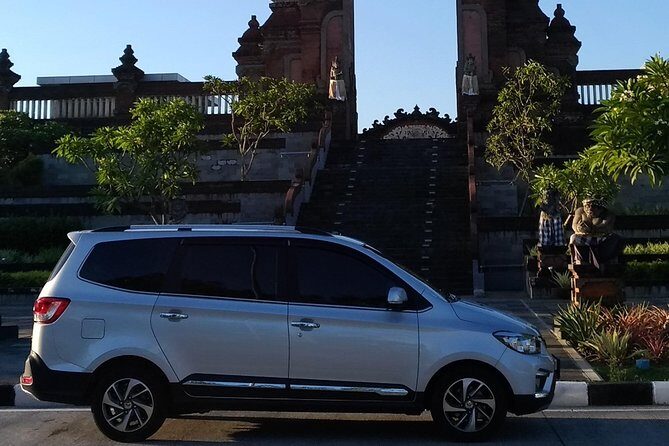
You’ll be picked up from your accommodation, and pickup can also happen from the airport or harbour, depending on when you choose. You’ll ride in a private, air-conditioned vehicle with bottled water provided in the car for each guest.
Those are practical comforts, but they also affect your energy level. When you have a long day with multiple stops, small upgrades—like A/C and water—add up fast.
The tour also includes landing and facility fees and a fuel surcharge. Lunch is not included, so you’ll want to plan your food timing (either eat before you start, or budget time afterward based on where you finish).
Price and value: what $64 buys you (and when it’s worth it)
At $64 per person, this tour is positioned as a value option compared to piecing together separate tickets and transfers yourself.
Here’s why the price makes sense:
- You’re getting private transportation for a full day.
- Your guide/driver is included for an 8–10 hour outing.
- Admission tickets are included at every main stop.
- Extras like bottled water, facility fees, and fuel surcharge are also covered.
Is it cheap? Not in the budget-hostel sense. But for a day that includes five attractions with entry costs and private A/C transport, I think it’s a fair price—especially if you’d otherwise waste time negotiating rides or trying to coordinate multiple sites on your own.
Where you might feel the cost less comfortable is if you’re the type who wants long stays, lots of shopping time, or multiple add-ons. This is a tight itinerary by design.
What to bring and how to get the best out of each stop
You’ll be on your feet across temples, forest paths, and terraces. I’d pack for comfort and respect.
Practical basics I’d plan on:
- Closed-toe shoes you’re okay getting a bit dirty (waterfalls and paths can be uneven).
- Light layers for temple areas and changing jungle air.
- A small bag that keeps your essentials secure at the monkey forest.
- Swimwear or a change plan if you want to get close to water at Ulu Petanu.
- Lunch money since lunch isn’t included.
Also, if you’re planning photos, remember that some sites involve people and ritual. For Tirta Empul especially, ask your guide how to behave and where it’s appropriate to photograph.
Should you book this Ubud private tour?
If you want one solid Ubud day that covers heritage, jungle waterfall time, monkey forest energy, rice terraces views, and Tirta Empul purification, this is a strong match. It’s also a good pick if you value a calm, private ride and you’d rather rely on a local route plan than stress over timing.
Book it if:
- You have limited days in Bali and want a best-of cultural and natural mix.
- You like explanations and want context while you travel between sites.
- You’re comfortable with short stop durations (about 20–45 minutes each) to keep the day moving.
Skip or adjust expectations if:
- You want deep time in just one place (like a long temple visit or a long hike).
- Crowds make you uncomfortable, especially around the Monkey Forest and busy temple areas.
If you’re aiming for a first Ubud overview with real cultural stops—not just scenery—this day trip makes sense.
FAQ
How long is the tour?
It runs about 8 to 10 hours.
Do you get pickup from your hotel?
Yes. Pickup is offered from your accommodation, and pickup can also be arranged from the airport or harbour at your chosen time.
What’s included in the price?
Bottled water in the car, private transportation in an air-conditioned vehicle, an English-speaking guide and driver, landing and facility fees, and fuel surcharge. Admission tickets are included at the listed stops.
Is lunch included?
No. Lunch is not included.
Is this tour private or shared?
It’s a private tour/activity, so only your group participates.
Can I cancel for a full refund?
Yes. Cancellation is free up to 24 hours in advance for a full refund. If you cancel less than 24 hours before the start time, the amount paid is not refunded.


.jpg)
.jpg)
.jpg)
.jpg)
.jpg)
.jpg)
.jpg)
.jpg)