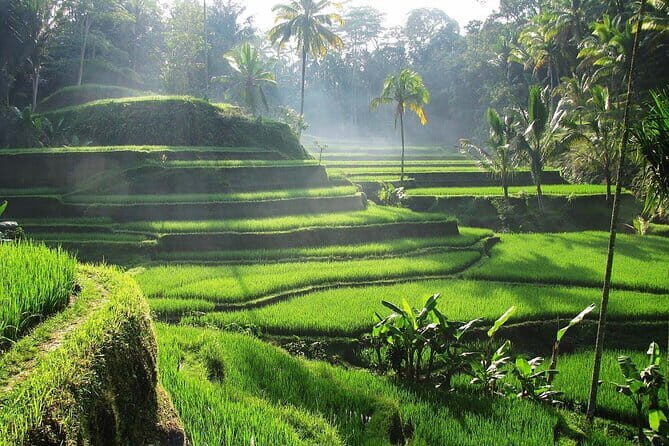
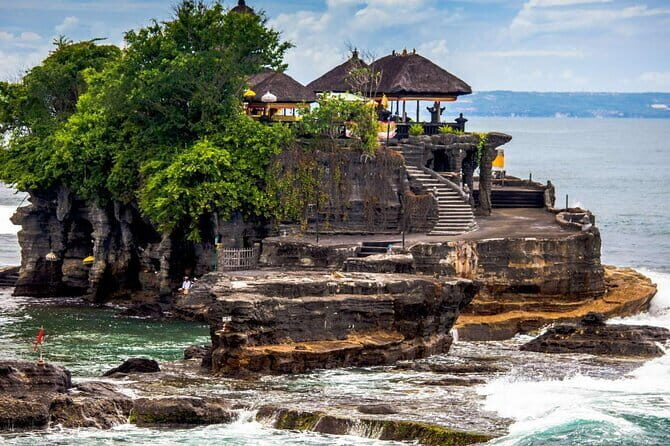
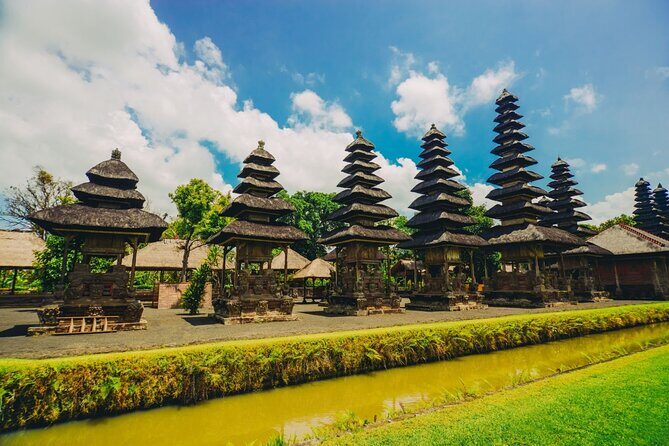
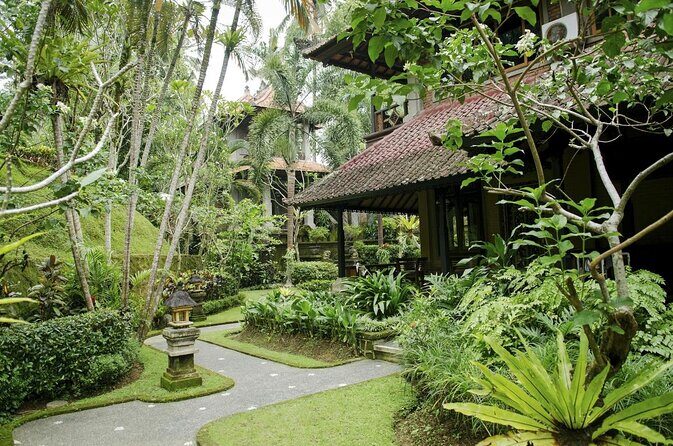
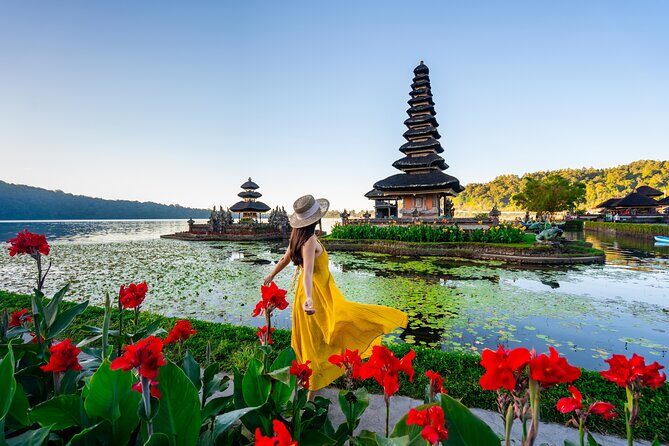
Ubud Ayung River Rafting with Meeting Point or Pickup

Ubud Ayung River Rafting with Meeting Point or Pickup - Ayung River Rafting With Class 2+ Rapids: What You’re Signing Up For

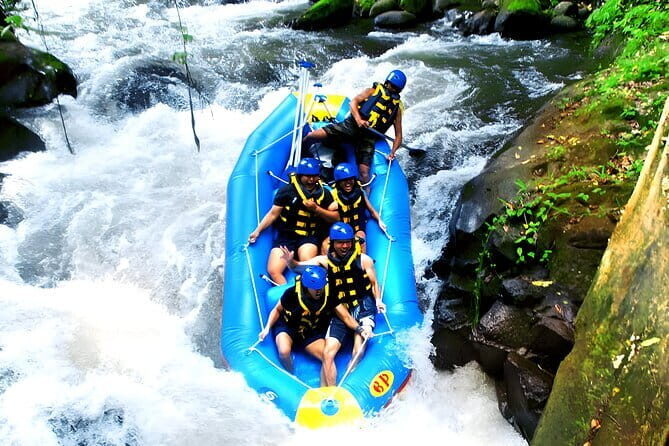
Ayung River rafting is a simple day that feels like two days. You get that classic Ubud jungle vibe with waterfalls and cliff carvings, then a real 12-kilometer run with Class 2+ rapids that keeps things exciting without turning into pure chaos.

Two things I really like: the tour includes real “after-the-water” basics like lockers, towels, and showers, and it also builds in an Indonesian buffet lunch so you’re not hunting for food right after you’re soaked. One thing to consider: the total day runs about 8 hours, so rafting is only part of it—most of your time is transport, prep, and getting cleaned up.

Pickup, Transfers, and the Stuff You Actually Need
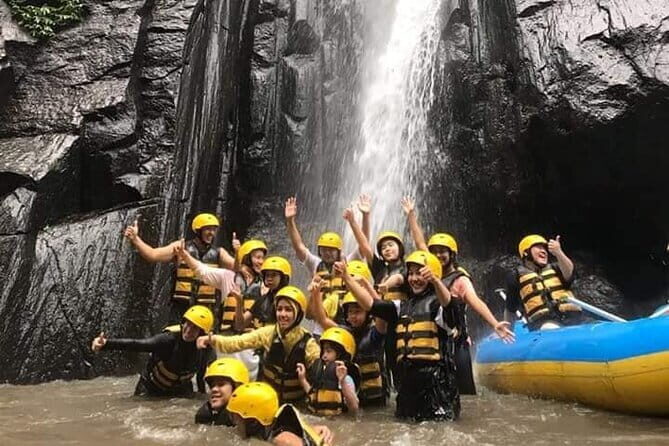
Ubud Ayung River Rafting with Meeting Point or Pickup - Pickup, Transfers, and the Stuff You Actually Need
If you choose pickup, you’ll get full air-conditioned transfers from your hotel, plus a welcome drink when you arrive. Once you’re at the rafting base, you’re set up with safety-approved rafting equipment, a professional guide team, and water-resistant storage for valuables—so you can focus on the river and not on babying your phone.

Key Points That Matter Before You Go
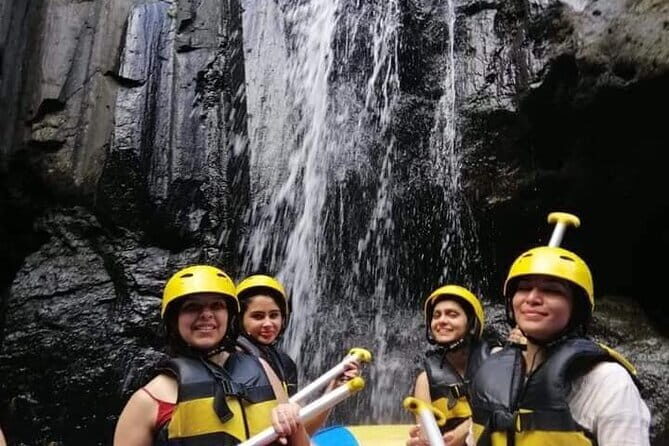
Ubud Ayung River Rafting with Meeting Point or Pickup - Key Points That Matter Before You Go

  • 12 km / about 2 hours of rafting: the best stretch is long enough to feel like an adventure, not a quick photo stop.
  • Class 2+ rapids: lively, but generally approachable for most participants.
  • Showers, towels, and changing rooms: you can reset fast after you get wet.
  • Lunch plus insurance: Indonesian buffet lunch and river rafting insurance are included.
  • Hotel pickup option: full A/C transfers make the day easier, especially in Ubud traffic.

Ayung River Rafting With Class 2+ Rapids: What You’re Signing Up For
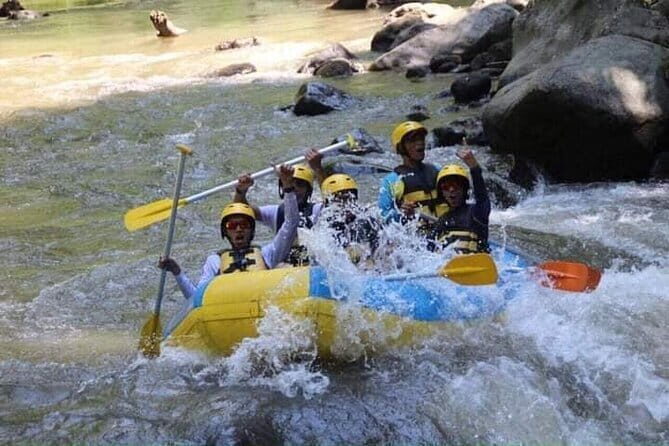
Ubud Ayung River Rafting with Meeting Point or Pickup - Ayung River Rafting With Class 2+ Rapids: What You’re Signing Up For
The Ayung River near Ubud is built for scenic rafting. Expect a mix of jungle greenery, plus the kind of carved cliff details and waterfalls that make you look up even when you’re paddling. The rapids are listed as Class 2+, which usually means you’ll feel motion, splashes, and some fun “ride it out” moments—enough thrill to remember, but not the level where you need expert rafting skills just to survive.

In plain terms: this is the kind of rafting where you should still listen to your guide, but you don’t need to be an adrenaline junkie to enjoy it. The professional guides and the safety-approved rafting equipment are part of why this works as a mainstream activity in Ubud. And because the route is about 12 kilometers, you don’t just hit a couple of bouncy sections—you get a steady flow of action and scenery over time.

Also, this helps if you’re traveling with mixed comfort levels. Some people love the excitement; others love the views. Here, both can win—because the itinerary is paced around the river, not around a “stand still and pose” experience.

Hotel Pickup and Air-Conditioned Transfers Around Ubud

You’ve got a straightforward transport choice: hotel pickup or a meeting point at Ayung Dewata Rafting. If you’re staying around Ubud (most people are), pickup tends to be the easiest way to protect your morning—less time figuring out gates, parking, and directions, more time relaxing before the river.

The tour includes full air-conditioned transfers from your hotel and back again. That matters because an 8-hour day can feel long if you’re adding uncomfortable local transport on top. The air-con ride also helps you stay cooler before you change into swimwear and start the prep routine.

Timing can’t be perfect everywhere, but having transport built in usually means fewer surprises. You’ll also have the welcome drink when you arrive, which is a nice little rhythm: arrive, get oriented, then get into rafting mode.

One practical note: the meeting point is listed at a specific address in the Ubud area. If you don’t do pickup, plan to arrive early enough to settle in and not feel rushed with wet gear later.

At Ayung Dewata Rafting: Welcome Drink, Gear, Lockers, Towels
Ubud Ayung River Rafting with Meeting Point or Pickup - At Ayung Dewata Rafting: Welcome Drink, Gear, Lockers, Towels
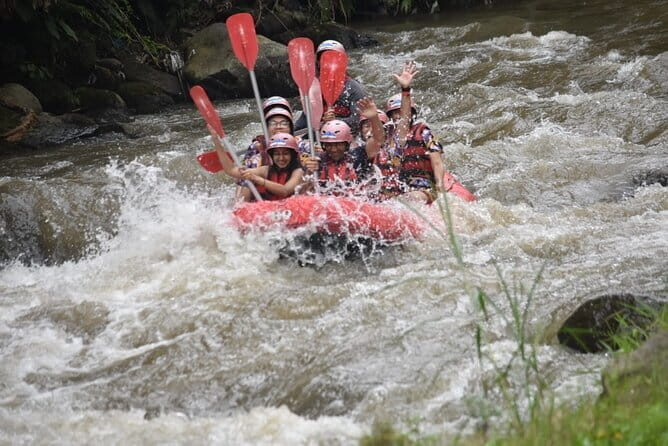
Before you hit the water, you’ll go through the part that makes or breaks a rafting day: setup. This tour includes safety-approved rafting equipment and professional river rafting guides. You’ll also get water-resistant bags for valuables, plus lockers, showers, and towels after.

That combo is underrated. Rafting tours can be “all adventure, no comfort,” where you finish covered in river water and then scramble to find somewhere to wash up. Here, you get a changing clothes room, showers, and towels. It means you can come to the river prepared and still leave feeling human.

On top of that, there’s an Indonesian buffet lunch after the rafting is done. You’re not stuck figuring out what to eat after you’ve been paddling for about two hours. The tour also includes river rafting insurance, which is another quiet but important value item. You hope you won’t need it, but it adds peace of mind when you’re on moving water.

If you’re someone who likes structure, this kind of all-in setup is reassuring. If you hate waiting around, you’ll still want to budget a chunk of time for prep—because safety briefings and changing take real minutes.

The 12-Kilometer Run: Waterfalls, Cliff Carvings, and 2 Hours on the River
Ubud Ayung River Rafting with Meeting Point or Pickup - The 12-Kilometer Run: Waterfalls, Cliff Carvings, and 2 Hours on the River
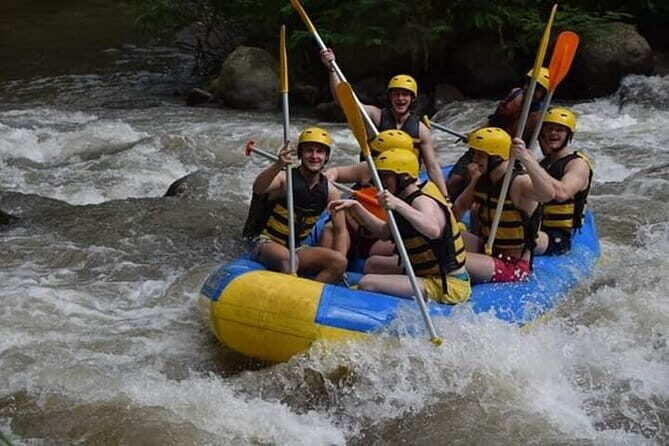
The headline is the Ayung River route: 12 kilometers on the water, taking about 2 hours. That’s a good length. Short rafting trips can feel like a tease—two minutes of action followed by a long rest. Here, you get enough river time to build momentum and actually feel like you finished something.

Along the way, you get some of the best visuals that make this stretch famous in the Ubud area: waterfalls and cliff carving views, plus rice terraces and hotels built along the river edges you can spot from the water. The description also mentions lovely scenery surrounding the river and “best panorama” views during the rafting itself—so it’s not only about impact. You’re meant to look around while you paddle.

This is also where the Class 2+ level fits. You’ll be actively involved as part of the rafting crew. Expect splashes, turns, and the occasional moment where you want to follow the guide’s commands quickly. It should feel like controlled fun, not like a survival exercise.

After about two hours, you’ll come back to shore, clean up, and then move into the meal portion. That pacing matters: you won’t be spending the afternoon cold, wet, and hungry.

What to Bring for a Comfortable Day (So You Don’t Suffer Later)
Ubud Ayung River Rafting with Meeting Point or Pickup - What to Bring for a Comfortable Day (So You Don’t Suffer Later)
This tour tells you exactly what to pack, and you should follow it. Bring:

  • Change of clothes
  • Swimming costume
  • Sun cream
  • River sandal

You’ll also want to think about why each item helps. A change of clothes is obvious, but it’s key because you’ll likely finish the rafting day wet. Sun cream makes sense because you’re outside for a long chunk of the day and you’re in bright conditions typical for Bali. River sandals are there for a reason: you’re dealing with wet surfaces and the practical need for grip.

What you might skip: bulky shoes you can’t rinse easily, and anything you hate ruining. You’ll have water-resistant bags for valuables, but nothing beats dressing so your day doesn’t end in laundry anxiety.

And one more practical tip: wear what you can keep on as long as possible. The better you plan your swimwear + quick-change setup, the smoother the “prep → paddle → rinse → lunch” rhythm will feel.

Included Lunch: Indonesian Buffet That Hits the Spot
Ubud Ayung River Rafting with Meeting Point or Pickup - Included Lunch: Indonesian Buffet That Hits the Spot
The tour includes an Indonesian buffet lunch after rafting, plus a welcome drink at the start. That’s valuable because rafting days often mess up meal timing. You’re working up an appetite while moving through river scenery, then you’re left deciding between random snacks or waiting. Here, lunch is part of the schedule.

Because you’re on the river for about two hours and the whole day is about eight hours, this meal is what brings your energy back in a safe way. You also avoid the common “I’m hungry but I’m too wet to deal with restaurants” problem.

If you’re picky, you’ll still likely find something you can eat, but the exact menu choices aren’t specified here. So, treat it as an included buffet option meant to satisfy most people after active time outside.

Price and Value Check: Does $20 Include Enough?
Ubud Ayung River Rafting with Meeting Point or Pickup - Price and Value Check: Does $20 Include Enough?
At $20 per person, this is a pretty strong value when you look at what’s included. Yes, price is the obvious part. But the real question is what you get for that $20.

You’re paying for:

  • Safety-approved rafting equipment
  • Professional guide support
  • Water-resistant bags for valuables
  • Lockers, showers, towels, and a changing room
  • Welcome drink
  • Indonesian buffet lunch
  • River rafting insurance
  • Hotel pickup with full A/C transfers (if selected)

A lot of rafting experiences split costs: you pay for rafting, then extra for towels, then extra for transport, then extra for lunch. Here, the tour package explicitly folds those items into the experience. That’s the part that makes it feel like a deal.

One more value clue: it’s highly rated, with a 5-star average across 15 reviews, and it’s listed as recommended by 100% of reviewers. The praise centers on the combination of breathtaking scenery—waterfalls, lush greenery, crystal-clear water—and the fun of the 12-kilometer white-water run.

That balance is exactly what you want at this price: excitement plus scenery, with basic comfort handled for you.

Private Group Feel With Group Discounts in the Mix

The tour is described as a private tour/activity, meaning only your group participates during your session. That’s good if you want a more controlled experience and don’t want to feel like you’re being herded into a giant crowd.

At the same time, it also mentions group discounts. The safest way to interpret that is: pricing may improve if you’re traveling as part of a group or booking multiple spots, but your session is still private to your party. Either way, the private setup plus the included services (guides, equipment, showers, lunch) is what makes the overall day feel organized rather than chaotic.

If you’re traveling as a couple, family, or small group, this is often the best format: less noise, clearer communication, and more time spent actually enjoying the river.

Booking Notes: Confirmation, Mobile Ticket, and Free Cancellation

You’ll receive confirmation at booking time, and the tour uses a mobile ticket, which helps reduce paperwork stress.

If plans change, there’s free cancellation up to 24 hours in advance for a full refund. That’s the kind of policy that helps when you’re juggling Bali weather, schedule changes, or just changing your mind after a late night.

Also, the tour is near public transportation. So even if you’re not doing pickup, you’re not stuck in the middle of nowhere. Still, pickup is the easier move if you’re in Ubud and don’t want to wrangle directions.

Should You Book Ayung River Rafting From Ubud?

If you want a Ubud day that mixes real adventure with strong scenery, I’d book it. The big reasons are simple: 12 kilometers of rafting, Class 2+ rapids, and a package that handles the stuff that usually ruins rafting days—showers, towels, changing space, lockers, and food.

Book this if:

  • You like nature views while doing an active sport
  • You want a guided, safety-first experience with insurance included
  • You don’t want to spend your afternoon scrambling for lunch and a way to clean up

Think twice if:

  • You hate the idea of a long day (about 8 hours) for only about 2 hours on the water
  • You’re sensitive to getting wet and splashed, even with the Class 2+ level

Overall, this is one of those “worth it for the whole package” activities. You’re not just paying to get on a raft—you’re getting the full day rhythm done for you, ending with a meal and a return to your hotel.
From Ubud : Ubud Balinese cooking class with Market tour

From Ubud : Ubud Balinese cooking class with Market tour - Afternoon Option Adds Canang Offerings

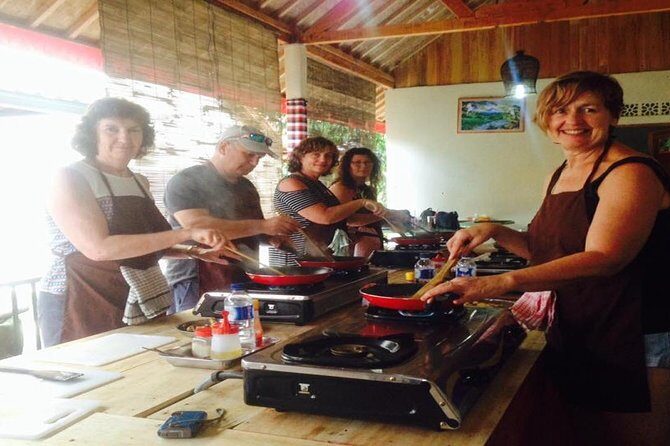
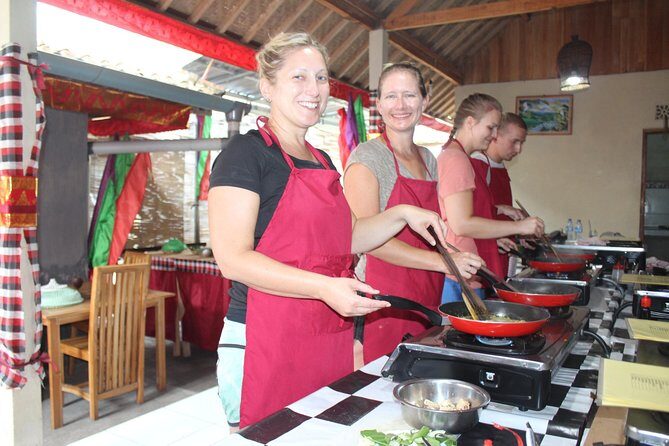
Your stomach will remember this. This Ubud experience blends a small food-focused outing with hands-on cooking, led by Wayan Aris and his team. I like how the flow starts at the traditional market and then moves straight into learning the Balinese spice paste that drives most of the dishes.

I love the fact it’s a small group (max 12). You also get a buffet lunch made from what you cook, plus a PDF set of the 9 recipes to copy later.

One possible drawback: the food can be quite spicy. If you prefer mild flavors, tell them early so you can manage the chili level without losing the class.

Key Things I Think You’ll Really Like

From Ubud : Ubud Balinese cooking class with Market tour - Key Things I Think You’ll Really Like

  • Market-first flavor prep: The morning option includes a traditional market stop, then you cook with what you saw.
  • Rice paddies break: Morning tours add a scenic rice paddies visit that keeps it from feeling like just a cooking workshop.
  • Spice paste as the core skill: Learn the base sauce/paste method that shows up across multiple dishes.
  • 9 recipes, not 2 or 3: You make a full set of Balinese dishes (including items like fried tempe and Balinese chicken).
  • Recipe PDF to take home: You get a copy of all 9 recipes, so the class doesn’t end when you leave.
  • Ubud-center pickup only: Pickup and drop-off are included for Ubud center, with extra charges outside that area.

A 5-Hour Ubud Food Tour That Actually Teaches You to Cook

This class isn’t just about watching someone else cook. The whole point is learning the building blocks of Balinese flavor, then using them right away while you’re still in the same kitchen rhythm.

At around 5 hours total, you’ll move through a mini itinerary: welcome drink, a market and paddies option (morning class), hands-on prep, cooking a full batch of dishes, then a buffet meal. You’ll also get AC transport and hotel pickup/drop-off within Ubud center, which makes the day feel easy instead of stressful.

The practical value here is simple: you leave knowing how to balance flavors using a spice paste base, not just repeating one recipe you can’t adapt.

Morning Market and Tampaksiring Rice Paddies (If You Choose Morning)

From Ubud : Ubud Balinese cooking class with Market tour - Morning Market and Tampaksiring Rice Paddies (If You Choose Morning)
If you book the morning class, you’ll start with a local traditional market visit in the Tampaksiring village area. This is more than a quick photo stop. It’s your ingredient context lesson—how foods are chosen and how everyday market items become cooking basics in Balinese kitchens.

You’ll also visit rice paddies in the morning option. It’s a short break from kitchen intensity and gives you a visual sense of where ingredients and farm rhythms fit into island life. Even if you’re focused on food, the scenery time matters because it cools your brain down before you start chopping, grinding, and frying.

In the small-group format, you’ll likely get more chances to ask questions than you would on a bigger bus-style tour. And since the tour runs through Wayan Aris’s operation, the day often feels like you’re joining a local family routine rather than being herded through stations.

Afternoon Option Adds Canang Offerings

From Ubud : Ubud Balinese cooking class with Market tour - Afternoon Option Adds Canang Offerings
If you go with the afternoon class, one of the scheduled differences is making offering canang. That’s not just a cultural add-on. It changes the day’s rhythm by adding a hands-on step tied to Balinese everyday practice before you move into cooking.

Practically, this means you’ll still get the full cooking session (the spice paste and the 9-recipe set), but you’ll arrive at it through a different doorway. If you like learning how food culture connects to daily life and rituals, the afternoon route gives you that extra layer.

If you prefer to keep things strictly ingredient-and-flavor based, the morning choice might feel more aligned. Either way, you get the core cooking skills.

Welcome Drink, AC Pickup, and the Small-Group Advantage

The tour is designed to feel straightforward from start to finish. You’re picked up from your hotel (for hotels in Ubud center), you get an air-conditioned vehicle ride, and you start with a welcome drink with cold ice tea. Bottled water is included too.

That may sound basic, but in Ubud heat and traffic, it matters. It gives you energy for the hands-on cooking part instead of arriving sweaty and behind schedule.

The group limit is capped at 12. That size is the sweet spot for cooking classes. It’s big enough that you’re not alone, but small enough that instructors can guide you without constantly losing track of your questions.

Spice Paste: The Skill That Makes Everything Taste Right

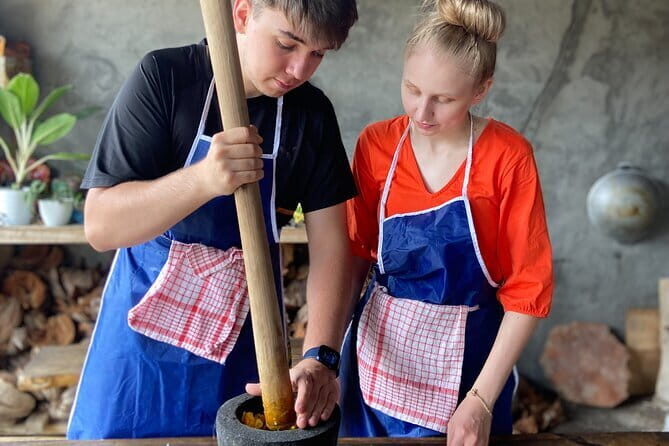
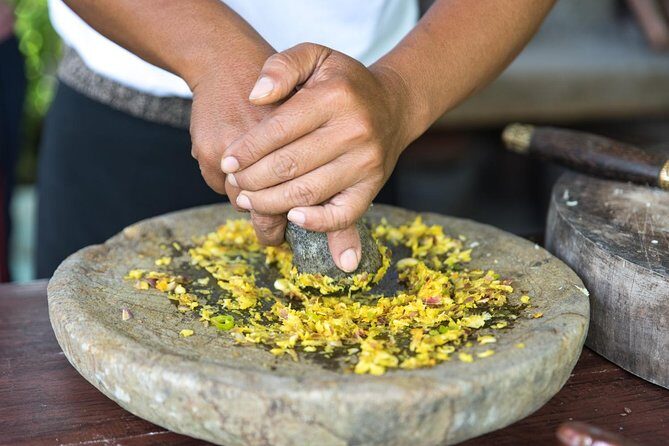
Here’s the heart of the class: you start by making Balinese spice paste and using it as the base sauce for multiple dishes. That means you’re not just learning one method. You’re learning the flavor engine.

In a lot of cooking experiences, the lesson ends at the ingredient list. Here, you learn how the paste becomes the start point. Once you understand that, you can better follow along with taste adjustments, even if you later cook at home with different brands or spice strengths.

You’ll then use that paste across a 9-recipe lineup. That repetition is the point. The more times you see the paste used, the faster it clicks as a technique instead of a one-time trick.

Cooking 9 Balinese Recipes: What You’ll Likely Make

From Ubud : Ubud Balinese cooking class with Market tour - Cooking 9 Balinese Recipes: What You’ll Likely Make
This is a hands-on class where you start cooking and keep cooking. The session builds toward a buffet lunch at a Balinese house, using the dishes you prepare.

The dishes specifically mentioned include:

  • Fried tempe
  • Balinese chicken
  • Vegetable soup

And you’ll make additional dishes beyond those listed, for a total of 9 recipes.

What I like about this structure is that it covers different cooking styles: frying, savory protein prep, and soup-style comfort. You also practice in a sequence that keeps you moving from prep to cook to taste, which helps you understand how each dish should look and smell at different stages.

A note on spice level

Balinese food often leans bold on chili. One downside you should consider: some people find it too spicy even if they like heat. If you want it milder, say something early, and be clear about your comfort level. The sooner you adjust, the less likely you are to feel stuck halfway through the meal.
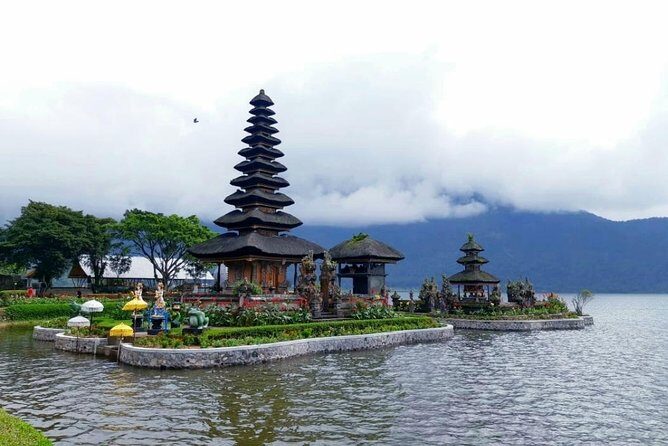
The Buffet Lunch and How It Fits the Learning

From Ubud : Ubud Balinese cooking class with Market tour - The Buffet Lunch and How It Fits the Learning
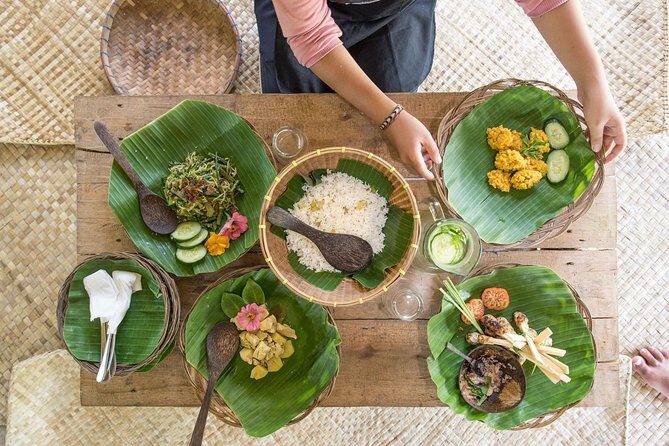
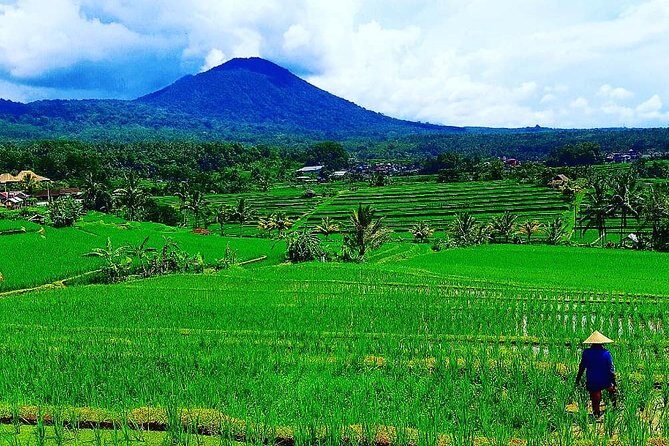
After you cook, you eat. The day ends with a buffet lunch at a Balinese house featuring the food you prepared. This is where the class becomes a full-circle experience: you cook it, then you taste it as a meal, not as a snack.
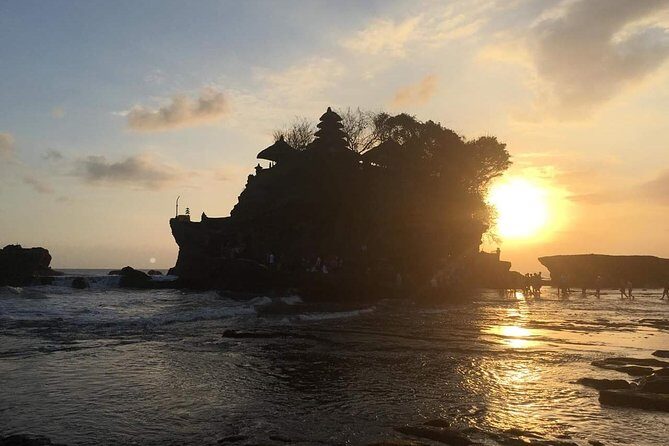
A buffet format also helps you notice differences between dishes. You’ll often taste the same spice paste base translated into different textures and flavors. That comparison helps you learn what to aim for next time.

Because you’re eating what you cooked, you don’t have to guess whether your earlier steps worked. You get immediate feedback in the simplest way: taste.

PDF Recipe Copies: Your Real Souvenir

Most cooking classes give you memories. This one also gives you a PDF set of recipes—9 copies of the Balinese food recipes.

That’s valuable because it turns the class into something you can repeat. When you’re back home, you can look up the list again and recreate the flow rather than relying on vague recollection of flavors and steps.

In terms of value, this matters more than it sounds. A $58 cooking class becomes easier to justify when you leave with tools you’ll actually use.

What’s Included (and What You Might Pay Extra)

The included pieces are clear and helpful:

  • Hotel pickup and drop-off within Ubud center only
  • AC vehicle and a local guide/driver
  • Welcome drink with cold ice tea and bottled water
  • Food tasting and buffet lunch (the details note buffet dinner or dinner too, but the meal element is clearly part of the experience)
  • A copy of all 9 recipes via PDF
  • Air-conditioned transportation

Things to keep in mind:

  • Traditional market visit is only for the morning class.
  • Alcoholic drinks are not included and are available to purchase.
  • Outside the Ubud area pickup/drop-off requires additional charges. The tour notes that if you want pickup beyond Ubud, you should request it.
  • Bring cash for any small extras or extra transport costs if you’re outside the included pickup zone.
  • If you’re vegetarian, put in the request 1 day before the class.

That last point is the one you should not ignore. Vegetarian needs can affect ingredient choices, so communicate early.

Timing and Pace: Morning vs Afternoon Choices

You’re choosing more than a time of day. You’re choosing the order of experiences.

Morning classes focus on:

  • Traditional market visit
  • Rice paddies visit
  • Then the cooking session

Afternoon classes swap in:

  • Canang offering making
  • Then the cooking session

Both still include the spice paste lesson and the 9-recipe cooking day. So the main decision is whether you want the market-and-farm storyline first, or you’d rather start with the offering step.

One consideration: the cooking experience can feel fast for some people, especially if you want slow, methodical instruction. If you get flustered in rushed kitchens, consider arriving ready to focus and asking your questions right away rather than saving them for the end.

Who This 58-Dollar Class Fits Best

This is a great fit if you:

  • Want to learn Balinese basics through real technique, not just tasting
  • Prefer a small group experience (max 12)
  • Want a meal you helped make, followed by recipe support you can use later
  • Like families and practical cultural learning mixed together

It also works well for families because the session is structured and ends with food you can share. The multiple dishes make it easier for different palates to find something enjoyable.

Who should think twice:

  • If you need very mild food, be proactive about chili comfort.
  • If you’re the type who learns only when instruction feels unhurried, you may want to mentally prepare for a lively pace.

Quick “Should You Book It?” Checklist

Book it if you want:

  • A 9-recipe cooking class with spice paste skills
  • Market and rice paddies time (morning) or canang offering making (afternoon)
  • A take-home set of recipes in PDF form

Skip or adjust your expectations if:

  • You struggle with spicy food and don’t plan to communicate early
  • You dislike fast-paced instruction and want a slower, more laid-back class

My take: for the price, this is strong value because you’re not just eating. You’re learning a repeatable method, getting a full dish set, and leaving with instructions you can use again.

FAQ

How long is the Ubud Balinese cooking class with market tour?

It runs about 5 hours.

Is hotel pickup and drop-off included?

Yes, pickup and drop-off are included for Ubud center. If you’re outside Ubud center, you’ll need to request it and pay additional charges.

What’s included in the class?

You’ll get welcome drink (cold ice tea), bottled water, food tasting, a buffet meal, an air-conditioned vehicle, a local guide/driver, and a PDF copy of the 9 recipes. Bottled water and noted inclusions are part of the tour package.

Does the market visit happen every day?

No. The traditional market visit is only included for the morning class.

Do you make canang offerings?

If you take the afternoon class, making offering canang is part of the itinerary.

Is vegetarian food available?

You can request vegetarian in advance. You need to put the request 1 day before the class.

All Inclusive Nusa Penida Private Tour

All Inclusive Nusa Penida Private Tour - Getting from Ubud to Sanur, Then on to the Speedboat

Big cliffs, early mornings, and a plan. This all-in-one private day trip is built for seeing Nusa Penida’s famous west-coast viewpoints fast, without you wrestling schedules. I love the private tour feel and the fast boat ride that keeps the day moving, with a local driver guiding you between stops. One thing to consider: this is a long day starting early, and if the weather turns rough or it’s extremely hot, you’ll want to be realistic about how long you’ll linger.

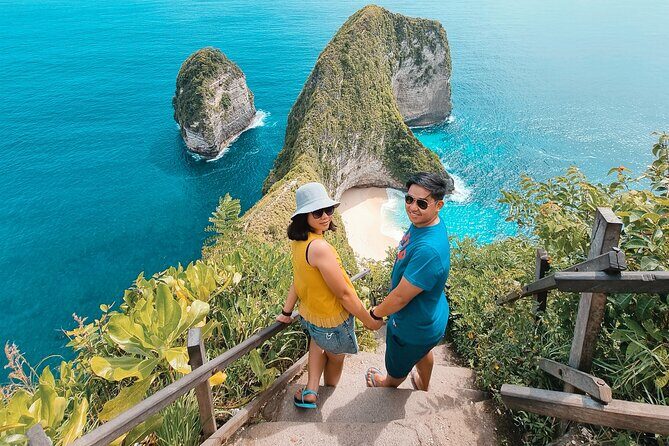
What you’re really buying is access to the island’s headline views—Angel’s Billabong, the Broken Beach rock with the big circular hole, Kelingking Beach with the T-Rex cliff shape, and Crystal Bay for white sand breathing room. I also liked that the day is paced with included admissions (at most stops) and an air-conditioned vehicle so you’re not stuck baking between viewpoints. If you’re hoping to swim for hours, plan more for photos and viewpoints than for long beach time.

Key Highlights to Know Before You Go

All Inclusive Nusa Penida Private Tour - Key Highlights to Know Before You Go

  • 6:00 am (Ubud) start with hotel pickup so you can reach Penida before the heat peaks
  • Fast boat crossing about 30 minutes from Sanur to Nusa Penida depending on conditions
  • West-coast photo stops in a tight loop: Pasih Uug (Broken Beach), Angel’s Billabong, Kelingking, Crystal Bay
  • Admission fees mostly covered (included for stops 2–5; Sanur port is free)
  • Private experience with up to 5 people per vehicle/car for easier timing and comfort
  • Air-conditioned vehicle + local driver/guide + included lunch so the day stays manageable

A Private Nusa Penida Day Trip from Ubud: Fast, Early, and Built for Views

All Inclusive Nusa Penida Private Tour - A Private Nusa Penida Day Trip from Ubud: Fast, Early, and Built for Views
If you like the idea of seeing Nusa Penida’s most famous cliff formations in one day, this tour is the no-fuss way to do it. The pace is efficient: you move by boat from the Bali mainland first, then you switch to a vehicle on Penida for a sequence of viewpoints that people come for again and again.

I’ll be straight with you: it’s not a laid-back beach day. This is a cliff-and-coast day—stop, take photos, check out the views, move on. And that’s exactly why it works.

Price and What You’re Really Paying For ($76 in context)

At $76 per person, the real value is that you’re not just paying for sightseeing—you’re paying for the whole machine that makes Penida doable in a single day. That includes hotel pickup and drop-off, air-conditioned transport on both sides of the island, fast boat tickets (Bali to Nusa Penida), lunch, and “all fees and taxes.”

Here’s how I think about it for your decision:

  • If you tried to DIY this, you’d likely spend time syncing boat schedules, dealing with transfer gaps, and negotiating multiple moving parts.
  • This tour packages it for you, so you spend your energy on the island instead of planning.

Also, the tour caps groups at maximum 5 people per car, which usually means less chaos than a big shared bus day. If you want a calmer vibe, that matters.

Getting from Ubud to Sanur, Then on to the Speedboat

All Inclusive Nusa Penida Private Tour - Getting from Ubud to Sanur, Then on to the Speedboat
Your day starts early: pickup is 6:00 am from Ubud, and a bit later in other areas like Kuta/Legian/Seminyak/Nusa Dua at 6:15 am, plus Sanur pickup at 7:00 am. The point is simple—Penida is easiest when you beat the worst of the heat and crowds.

From the pickup area, you head to Sanur Harbour, where you take the boat to Nusa Penida. The crossing is about 30 minutes, but you’ll feel the truth of “depends on the weather.” That’s normal here. When seas are choppy, you plan for extra caution and a less comfortable ride.

Stop 1: Sanur Harbour to Nusa Penida Port (the first time-saver)

The first step is the boat transfer: Sanur → Nusa Penida port, roughly 30 minutes. The good news is the tour includes what you need for that part of the day, and it’s set up so you’re not wandering around figuring out next steps.

At this port stage, the tour lists admission ticket free for the Sanur Beach portion. Translation: you’re mostly paying for the transportation and the rest of the day’s covered costs, not stacking surprise entry fees immediately.

Once you arrive on Nusa Penida, your schedule shifts into the island’s rhythm: short drives, big viewpoints, and quick transitions.

Stop 2: Pasih Uug (Broken Beach) and That Big Circular Hole

All Inclusive Nusa Penida Private Tour - Stop 2: Pasih Uug (Broken Beach) and That Big Circular Hole
Pasih Uug is often called Broken Beach, and it earns that reputation. You’ll reach it after about 45 minutes from the port, then you get around 1 hour on site.

What makes this stop special is the scale of the rock formation: a cliff face with a large circular hole that frames the sea behind it. It’s one of those views where you feel your camera roll into position automatically.

Two practical tips here:

  • Wear shoes with grip. The area is a coastal cliff zone, and you’ll likely be moving on uneven ground.
  • Don’t plan on swimming here. The thrill is the viewpoint and the dramatic rock shape.

Also, the weather matters. The tour’s overall plan requires good conditions, and that’s especially true at cliff edges. If wind and glare are strong, your photos may be better from shaded angles or by shooting earlier rather than later.

Stop 3: Angel’s Billabong, the Cliff Pool Viewpoint

All Inclusive Nusa Penida Private Tour - Stop 3: Angel’s Billabong, the Cliff Pool Viewpoint
Next up is Angel’s Billabong, reachable in about 20 minutes from Broken Beach. You’ll have about 1 hour for this stop.

This is the natural pool tucked against the cliff, facing the Indian Ocean. When conditions are right, you can see why people call it magical. But here’s the reality check: this is a viewpoint stop as much as it is a swim-or-not stop. In hot weather, the goal becomes seeing the pool and coastline clearly, then moving on.

One review detail stuck with me: even when the views were amazing, heat and conditions made it hard to enjoy long enough to settle in or swim. So if you’re imagining hours of water time, temper that. Your payoff is the dramatic coastal perspective.

Stop 4: Kelingking Beach, the T-Rex Cliff Shape

Then you go to Kelingking Beach, often described as the T-Rex cliff. The drive takes about 30 minutes from the Broken Beach area, and you’ll get around 1 hour here.

This is arguably the headline photo stop on Nusa Penida. The cliff formation is the reason people come. From the right viewpoint, the rock looks like a dinosaur shape, and your brain immediately switches into tourist mode: point, frame, click, repeat.

A few things to plan for:

  • Expect crowds. Not constant city crowds, but enough that you’ll share viewpoints.
  • Bring patience. Cliff photos take time because people want the same angles.
  • Go in with a quick mission. I find it helps to pick two angles you want and ignore the rest.

Also, if you’re traveling during a holiday period, crowding can increase. This tour notes that some areas might be crowded seasonally, and Kelingking is usually where that shows.

Stop 5: Crystal Bay for White Sand and a Reset

All Inclusive Nusa Penida Private Tour - Stop 5: Crystal Bay for White Sand and a Reset
Finally, you reach Crystal Bay, which takes about 45 minutes from Kelingking Beach. You’ll have about 1 hour here.

Crystal Bay is the “cool down” stop. It’s described as a nice white sandy beach and it’s the perfect place to recover from the cliff-view marathon. Even if the water isn’t your main goal, the sand and open space are a psychological reset after sharp edges and viewpoint stairs.

Again, weather matters for what you can comfortably do. If sea conditions are rough or it’s extremely hot, you might spend that hour relaxing rather than swimming.

Then you head back to Bali mainland.

Lunch, Comfort, and How the Day Stays Smooth

The tour includes lunch, which is a big deal on an island day like this. You don’t want to be searching for food while your boat clock is ticking. Included meals also help keep the experience feeling like a complete day instead of a series of half-connected stops.

You also get an air-conditioned vehicle on Penida for the driving segments. Even if you love the outdoors, your body will appreciate the break from heat between viewpoint windows.

On the mainland side, hotel pickup and drop-off removes another common DIY headache. And the experience being private means the schedule is built around your group rather than random shared-tour math.

Drivers Who Make the Day Easier (Names You Might Hear)

A big part of why these Penida days feel smooth is the driver. In the feedback tied to this kind of Penida outing, I saw examples of drivers who were friendly, flexible, and good with English—like Mr. Pit, Benik, and Krisda.

One note that matters for your expectations: some drivers may add a small extra on the ride home, such as a coffee plantation stop. That’s not listed as included, so treat it as an optional extra if it comes up. If you’re trying to keep the day strictly on plan, just say so.

How to Enjoy Penida Without Rushing Your Brain

This tour is timed for a lot of viewpoints. That’s great, but it also means you should travel with a mindset: short, meaningful stops.

Here’s what I recommend so you don’t feel like you’re constantly “working” for photos:

  • Take one photo, then pause. Look around for 20 seconds. You’ll remember the feeling more than the shot.
  • Plan your clothing for sun and wind. Cliff areas can be breezy.
  • Stay hydrated early. The morning starts fast, and you’ll still be exposed through the day.

And don’t underestimate how hot it can get. One feedback thread noted it was too hot to enjoy the spots for long. So if you’re sensitive to heat, you might want to bring a hat and be ready to shorten your time at each stop.

Boat Weather: The One Variable You Can’t Control

This experience requires good weather. That’s not small talk—it’s the heart of whether the itinerary can run as scheduled.

On this tour, the boat crossing takes about 30 minutes, but sea and wind conditions can stretch travel comfort and sometimes affect whether the tour runs. If the operator cancels due to poor conditions, you’re offered a different date or a full refund.

Practical advice: if you’re traveling during a monsoon-prone week (or you see rough seas in the forecast), be flexible in your schedule if possible. The island is worth it, but you can’t force the sea to behave.

Tour Timing and Duration: 8 to 10 Hours Means a Full Day

The total duration is 8 to 10 hours, and the start time is early. That’s long enough that you should plan your expectations like you would for a major excursion, not a casual half-day.

This also explains the stops being close together. Each location gets about an hour (with driving time between), so you get variety without spending all day commuting.

If you hate long mornings, this one might be a stretch. But if you like making use of daylight and want a structured day with big results, it fits well.

Who This Tour Fits Best (and who should rethink it)

This is ideal for:

  • First-timers to Nusa Penida who want the most famous west-coast viewpoints in one go
  • People who hate logistical stress and want pickup, transfers, tickets, and lunch handled
  • Small groups that prefer a private car rather than squeezing into a larger shared tour

It may not be ideal for:

  • Anyone who wants lots of time lounging in the water. Cliff-coast stops often mean short beach time and variable swimming conditions.
  • Travelers who can’t handle early starts or strong sun exposure.

If you’re the type who likes to check off visual icons—Angel’s Billabong, Broken Beach, Kelingking, Crystal Bay—this tour is built for you.

Should You Book This Nusa Penida Private Tour?

Yes, if you want a high-reward day with minimal planning and you’re happy with a viewpoint-focused schedule. The $76 price makes sense when you count what’s included: fast boat, hotel pickup/drop-off, air-conditioned transport, lunch, and covered fees at most stops.

Book it especially if:

  • You’re short on Bali time and want Penida highlights without DIY stress
  • You prefer private comfort (up to 5 people per car) and a driver who can keep things running smoothly

Hold off if:

  • You’re set on extended swimming time. This route is more about cliffs and coastline than long water sessions.
  • You’re sensitive to heat and early mornings. You can manage it, but you can’t change the sun.

FAQ

What time does pickup start in Ubud?

Pickup in Ubud starts at 6:00 am.

How long is the Nusa Penida tour?

The duration is approximately 8 to 10 hours.

Where do I take the boat to get to Nusa Penida?

You take a boat from Sanur Harbour to the Nusa Penida port (about 30 minutes depending on weather).

Is the fast boat ticket included?

Yes. Return fast boat ticket (Bali–Nusa Penida) is included.

Are admission fees included for the sightseeing stops?

Yes. Admission tickets are included for stops at Pasih Uug (Broken Beach), Angel’s Billabong, Kelingking Beach, and Crystal Bay, while the Sanur port portion is listed as free.

Is lunch included?

Yes, lunch is included.

Is the tour truly private?

Yes. It’s described as a private tour/activity, and only your group participates.

What’s the maximum group size per vehicle?

The tour notes a maximum of 5 people per car.

What happens if weather is bad?

This experience requires good weather. If it’s canceled due to poor weather, you’ll be offered a different date or a full refund.

Best Bali Tour 1-day private tour

Best Bali Tour 1-day private tour - Barong Dance: A Performance Stop That’s More Than a Photo

One day in Ubud, planned end-to-end. This private experience strings together Bali culture and scenery in an efficient way, so you’re not bouncing around with guesswork. You’ll hit a mix of performance, craft, and temples, then finish with the classic rice-terrace photo stop in the Ubud area.

I especially like two things: pickup that helps you start smoothly, and the fact the day can be customized around your plan. That matters in Bali, where your energy and timing can change fast once you’re on the road.

One possible drawback: it runs about 8 hours, and it’s designed to avoid wasted time, not long lingering. If you want slow, sit-down time at every stop, you may need to ask for a lighter pace when you customize.

Key Highlights to Look For

Best Bali Tour 1-day private tour - Key Highlights to Look For

  • Private, only your group: no mixing with strangers on the day
  • Pickup offered: reduces stress right from the start
  • Custom schedule: your day can bend around your priorities
  • Culture plus photos: Barong dance, temples, and Tegalalang rice terrace
  • Swing included: a fun add-on that fits well into a 1-day loop
  • Strong value feel: the price point makes it easy to say yes, if entry fees are checked

A 1-Day Ubud Plan That Fits Real Travel Time

This tour is built for people who want a solid Ubud day without turning your vacation into a transportation project. The whole point is simple: you get a structured route, but you’re not locked into one rigid script. If your group wants more temple time or more photo time, you should be able to steer the balance.

It also helps that the service is set up like a modern “book and go” experience. You’ll get confirmation at the time of booking, and you receive a mobile ticket. That sounds small, but it saves hassle when you’re trying to keep your day moving.

Another practical win: the tour is available Monday to Sunday, with operating hours listed from 7:30 AM to 2:00 PM. Since the tour is about 8 hours, the start time matters. If you start too late in the window, your day can feel rushed. I’d aim to choose an early slot and treat the day like a full-day outing, not a quick afternoon.

Pickup, Timing, and How the Day Stays Low-Stress

Best Bali Tour 1-day private tour - Pickup, Timing, and How the Day Stays Low-Stress
Pickup is offered, and that’s a big deal in Ubud. Driving yourself means parking, finding the right entrance, and negotiating traffic like a part-time job. With pickup, you can spend that energy on the fun parts: the dance, the terraces, and the little stops where Bali shows off its craft.

From the feedback connected with this service, people highlight the vibe and reliability of the guide. One theme shows up again and again: Juli is described as friendly and easy to coordinate with, including being approachable for quick needs during the trip. If you’re the type who likes to make last-minute changes, that flexibility can turn a “schedule” into a day that actually fits you.

A clean, comfortable car also matters on an 8-hour day. Some past visitors note the vehicle is well kept and even fresh-smelling, which sounds silly until you’re stuck in a warm car for hours. You’ll also appreciate having a guide who can handle the flow of stops so you spend less time figuring out where to go next.

Barong Dance: A Performance Stop That’s More Than a Photo

Best Bali Tour 1-day private tour - Barong Dance: A Performance Stop That’s More Than a Photo
The day starts with Barong dance watching, which is a smart anchor for your Ubud day. Dance performances in Bali can feel like a story you watch with your whole body. Even if you don’t speak the language, you’ll pick up the rhythm of the characters and the way the performance shifts between intense and playful moments.

Why this stop works in a one-day plan:

  • It gives you a cultural “hook” early, so the rest of the day feels connected.
  • It’s an indoor or performance-focused moment, which can help you manage heat and travel time.
  • It sets you up to notice cultural meaning in later temple and craft stops.

What to expect on the ground:

  • You’ll be watching a traditional performance as part of a planned route.
  • Your guide can help you make sense of what you’re seeing, especially around characters and symbolism.

Quick consideration: performances can have seating and timing that don’t always match your personal pace. If your group hates waiting, tell the guide up front so your timing stays comfortable.

Silver Village and Batuan Temple: Craft Meets Spiritual Grounding

Best Bali Tour 1-day private tour - Silver Village and Batuan Temple: Craft Meets Spiritual Grounding
Next up is silver village time. This is one of those Ubud-style stops that adds texture to your trip. Instead of only chasing viewpoints, you get a chance to see what people make and how craft fits into daily life.

You don’t need to be an expert to enjoy this part. What makes it worthwhile is the shift in focus: you’re not only looking outward at scenery. You’re looking at skills, materials, and the work behind the finished objects.

Then the route moves on to Batuan Temple. Temple stops in Bali are not just scenery stops. They can feel like a change in atmosphere, where the day becomes quieter and more grounded. Even if you visit as a short stop, it’s enough to get a sense of the sacred layout and the cultural rhythm that surrounds these places.

How to make the most of it:

  • Bring a respectful mindset. Temples are working spiritual spaces, not just attractions.
  • Dress appropriately for temple visits. If you’re unsure, ask your guide what’s safest for clothing.
  • Give yourself a moment to slow down when you arrive. Rushing temple stops makes them feel like checklist items.

Possible drawback to keep in mind: temple areas and craft areas often involve stairs, uneven ground, or standing for periods. Most people can participate, but if your group has mobility limits, mention it when you customize the day.

Tegalalang Rice Terrace and the Swing Stop

Best Bali Tour 1-day private tour - Tegalalang Rice Terrace and the Swing Stop
Now we’re in the part most people come for: Tegalalang rice terrace views. This is the classic Ubud look—layered greenery, working fields, and big-photo energy. Even if you’ve seen pictures before, being there in person hits different because you can feel the scale and the way the terraces step down.

This stop works best when you:

  • Plan time for photos without rushing to the next thing.
  • Look around, not only straight ahead. The terraces have angles and depth that change with where you stand.

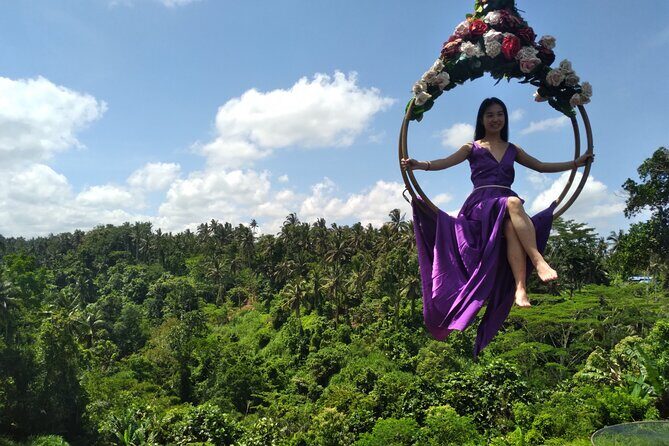
Then the day includes a swing stop. This is the fun break where the day turns playful. It’s also a good contrast after temples: you shift from quiet observation to movement and photos.

A practical note: swing moments can take longer than you expect depending on the exact setup and how your group does with waiting. If your group is small and energetic, it usually feels worth it. If you’re traveling with someone who gets tired easily, you can ask your guide to plan the swing timing so you don’t feel stuck too long.

Price and Value: Why $30 Can Make Sense

Best Bali Tour 1-day private tour - Price and Value: Why $30 Can Make Sense
The tour price is listed at $30 for about 8 hours. On paper, that’s a strong value, especially for a private day with pickup offered.

But here’s how I’d think about value in Bali (so you don’t get surprised):

  • Confirm whether pickup is included in that price for your specific starting location.
  • Ask what’s included versus what might be paid separately (some stops may involve entry fees or on-site costs).
  • Consider how many people are in your group. If you’re traveling with others, any group discounts can improve value even more.

Even with those checks, a private full-day plan at this rate can be a great deal if you want a stress-free route and you don’t want to piece together transport and tickets all day yourself.

Communication and Flexibility With Juli

Best Bali Tour 1-day private tour - Communication and Flexibility With Juli
One of the most praised aspects tied to this service is how it feels to deal with Juli. People describe him as reliable, friendly, and supportive, with a style that makes the day easier to enjoy. There’s also mention of being good with kids, which is useful if you’re traveling as a family and you want the day to feel manageable for everyone.

I like that this service is positioned as customizable. That means you can treat the route as a menu rather than a fixed script. Want a bit more time at the rice terrace viewpoints? Want to reduce temple time if the weather is intense? This kind of adjustment is what turns a one-day plan into something that fits your actual pace.

Also, the ability to coordinate smoothly is key in Ubud. Things change: traffic, weather, your group’s energy level. If you can adjust without drama, you’ll get more enjoyment from the day.
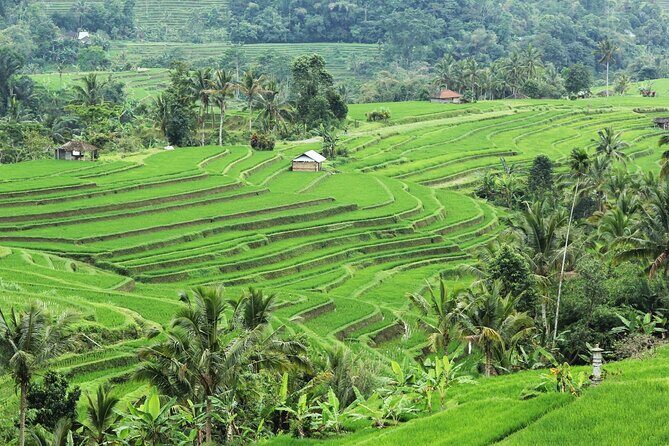
Who This Tour Suits Best (And Who Should Rethink It)

Best Bali Tour 1-day private tour - Who This Tour Suits Best (And Who Should Rethink It)
This is a great match if you:

  • Want one day that covers multiple Ubud highlights without planning every detail
  • Prefer a private setup so your group controls the rhythm
  • Like a balance of culture and photos (Barong dance, craft, temples, rice terrace, swing)
  • Appreciate having a guide who can adapt the plan to your priorities

It might be less ideal if you:

  • Want very slow, sit-down time at every location
  • Have a schedule that requires extreme punctuality throughout the day
  • Are sensitive to standing and walking during temple or scenic stops

If you fall into the second group, you can still book it, but ask for a gentler pacing and shorter stops during the hottest hours.

Should You Book This Best Bali 1-Day Private Tour?

Book it if you want a low-stress way to see major Ubud sights in one day and you’re okay with an efficient route. The combination of Barong dance, silver village, Batuan Temple, Tegalalang rice terrace, and a swing gives you variety without requiring extra planning hours.

Skip or reconsider if your idea of the perfect Bali day is slow wandering with no structure. This tour is built to avoid wasted time, so it won’t feel like a long meander.

My practical tip: when you message to customize, tell your guide what you care about most and what you want to cut. That one step usually decides whether the day feels like a win or like a rush.

FAQ

How long is the Bali 1-day private tour?

It runs for about 8 hours.

What time does the tour operate in Ubud?

The listed operating hours are 7:30 AM to 2:00 PM, Monday through Sunday.

Is this tour private or shared with other groups?

It’s private, meaning only your group participates.

Does the tour offer pickup?

Pickup is offered.

What places are included in the day?

The day includes Barong dance watching, a silver village visit, Batuan Temple, Tegalalang rice terrace, and a swing stop.

What’s the cancellation rule?

You can cancel for a full refund if you cancel at least 24 hours before the experience’s start time. If you cancel within 24 hours, the amount paid isn’t refunded.

Snorkeling 4 Spots, Manta Rays, Tembeling Pool & Kelingking Beach

Snorkeling 4 Spots, Manta Rays, Tembeling Pool & Kelingking Beach - Lunch at El Moon Penida Before the Clifftop Stops

This day starts early, then pays you back fast. The mix of Nusa Penida snorkeling (including a stop at Manta Bay) plus two of the island’s famous beach sights makes this feel like a proper full-day hit, not just a boat trip. I especially like the way the plan runs: pick-up in Bali, a speedboat to Nusa Penida, then a smooth rotation through the water and the land stops. I also like the human touch—drivers have been punctual and kind, with guides like Wayan helping make the island feel understandable, not just scenic. One thing to think about: manta rays are wildlife, so you can end up with no sightings, and weather can also shorten time in the water.

You’ll spend most of the day in motion, starting around 6:00 am with a shared schedule. That’s part of the value here. You’re not just paying for access—you’re paying for transport and a guided flow that keeps you from juggling ferries, transfers, and timing on your own.

Price-wise, about $54.98 per person for a 9–12 hour outing can be a strong deal if you want both snorkeling and the big-view beach stops. But if you want maximum time in the water at each spot, you should know that water sessions can be shorter than you’d hope, depending on conditions.

Key things I’d book this for

Snorkeling 4 Spots, Manta Rays, Tembeling Pool & Kelingking Beach - Key things I’d book this for

  • Manta Bay snorkeling plan: built around your chance to swim with manta rays in the right area
  • Four snorkeling spots: you rotate through multiple reefs rather than one quick stop
  • Kelingking Beach plus Tembeling Pool: two very different photo icons in one day
  • Motorbike taxi included for Tembeling: helps you avoid last-minute add-on costs
  • Lunch included before the beaches: you’re not hunting for food mid-ride
  • Driver-guides with local explanations: names like Wayan show up for a reason—clear, helpful guidance

Morning Pickup and the Sanur Fast-Boat Start

Snorkeling 4 Spots, Manta Rays, Tembeling Pool & Kelingking Beach - Morning Pickup and the Sanur Fast-Boat Start

Plan for an early start. The day begins around 6:00 am with pick-up from your hotel in Bali. From there, you connect to the Sanur area, register, and then head to Nusa Penida by public speedboat.

What I like about this setup is that it reduces stress. You don’t have to figure out which ferry to catch, how long it takes, or how to time it with morning tides. The boat ride itself is about 45 minutes, which is enough time to get awake, stash snacks (if you like), and then settle in for the day ahead.

One practical note: the speedboat to Nusa Penida means you’ll want to pack like you’re going somewhere bumpy. Bring a small dry bag or at least a way to keep your essentials protected. Also, wear sandals or shoes you can slip into quickly after you’re done in the water later—Nusa Penida is not a shoes-and-socks kind of day.

This tour runs as a shared experience. That usually means you’ll be with other people on the boat and in the land transport. For a full-day schedule like this, sharing is often what makes it affordable without cutting corners on key stops.

Manta Bay and the Four-Spot Snorkeling Plan

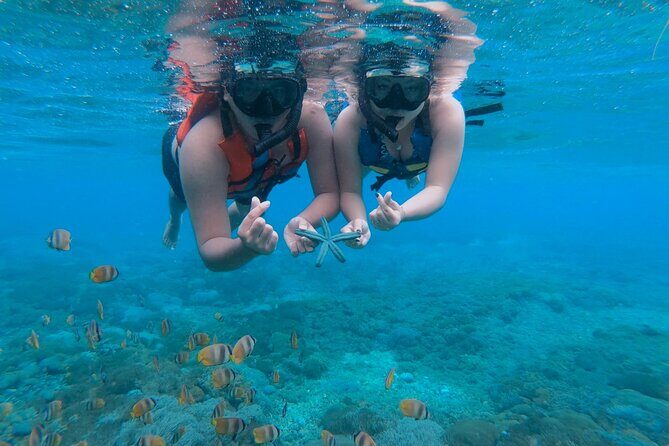
The star of the day is the snorkeling time on Nusa Penida, structured around four snorkeling spots. The itinerary highlights Manta Bay, then continues through other reef areas like Gamat Bay and Wall Bay Point.

At Manta Bay, your goal is to swim near giant manta rays. The reality check is simple: these are wild animals. Even when conditions are perfect, you might see them—or you might not. In the reviews data you provided, lack of manta sightings happened, and the explanation was straightforward: manta rays are unpredictable. That’s not a sales pitch; it’s just nature doing nature.

What you can count on is the overall snorkeling setup: you hop onto a shared snorkeling boat, and you rotate through multiple reef zones rather than spending the whole day at one location. That increases your chances of seeing colorful fish, reef formations, and that clear-water feeling people go crazy for in Nusa Penida.

Here’s what to expect at each named stop:

  • Manta Bay: targeted chance at manta rays, plus lots of reef-life sightings for anyone happy to snorkel even if the mantas don’t show up
  • Gamat Bay: focused on colorful fish, good for taking your time observing from the surface
  • Wall Bay Point: aimed at seeing big coral structures and more fish life

One drawback to keep in mind: snorkeling time at each spot can be shorter than you might picture. Weather, sea conditions, and how quickly the boat can move between points all matter. One review in your data mentioned short sessions, like around ten minutes per stop, which can feel disappointing if you live for snorkeling. If you’re the type who wants long, slow swims, you might want to choose a tour with fewer stops or longer water time—still on Nusa Penida, just a different pacing.

My advice: treat this snorkeling as a highlights circuit. You’re stacking multiple locations into one day, so you trade some time for variety.

Also, bring your expectations down to earth. If manta rays show up, it’ll feel like a big moment. If they don’t, you’ll still be in some of the more memorable snorkeling water around.

Lunch at El Moon Penida Before the Clifftop Stops

Snorkeling 4 Spots, Manta Rays, Tembeling Pool & Kelingking Beach - Lunch at El Moon Penida Before the Clifftop Stops

Right after the snorkeling block, the schedule builds in a break. There’s lunch at El Moon Penida, slotted in before you head to the beach viewpoints.

This is one of those “small” features that actually makes or breaks a full-day tour. Snorkeling and boat rides take energy, and Nusa Penida’s land roads and viewpoints can be physical too. Having lunch timed into the day means you’re not searching for food while your body is already running on fumes.

If you’re the type who gets picky about timing, this is where you can do a quick reset. You’ll usually have about an hour here, so think of it as: eat, hydrate, use the bathroom, then shift your mindset from sea mode to cliff mode.

Kelingking Beach: The Big World-Famous View You Plan Around

Snorkeling 4 Spots, Manta Rays, Tembeling Pool & Kelingking Beach - Kelingking Beach: The Big World-Famous View You Plan Around

After lunch, you move into the land tour part of the day. The first major stop is Kelingking Beach, one of Nusa Penida’s most recognizable viewpoints.

What makes Kelingking so special isn’t a single thing. It’s the scale of the cliffs, the dramatic shape of the coastline, and the instant “wow” effect when you first look down. It’s also a stop where crowds are common, so the best strategy is to arrive with patience and bring your camera setup ready.

You’ll have about an hour allocated at this stop. That’s enough time to take photos, soak in the view, and walk a bit depending on conditions. But it’s not enough for long hikes.

Practical tip: wear shoes you trust on uneven paths and consider sun protection. You’ll likely be out in strong daylight after the morning sea and lunch.

This is one of those places where the tour format is useful. If you tried to plan it on your own, you’d still need transport from the harbor area, plus local driving to reach the best vantage points.
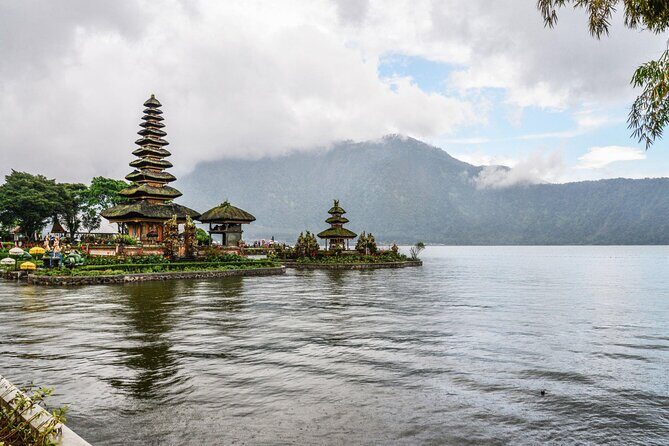
Tembeling Beach and Pool: The Infinity-Style Photo Moment

Snorkeling 4 Spots, Manta Rays, Tembeling Pool & Kelingking Beach - Tembeling Beach and Pool: The Infinity-Style Photo Moment

Your final land stop is Tembeling Beach and Forest, including Tembeling pool, described as an infinity-pool style viewpoint. This is where the day shifts from big-famous cliffs to a more “I can’t believe this is real” water feature vibe.

A big plus in your tour info: motorbike taxi is already included for the Tembeling area. That’s rare and genuinely helpful. It means you’re not getting hit with surprise add-on fees at the last moment. You still might spend on personal stuff, but transport into the Tembeling area is handled.

You’ll get about an hour here, which is enough to enjoy the viewpoint, take photos, and spend time appreciating how the water frames the scene.

One caution: the road and the descent/ascent for a viewpoint like this can be rough in terms of comfort. If you’re sensitive to motion, ask the driver to handle transitions carefully, and keep your phone secured.

If Kelingking is the dramatic “top view,” Tembeling is the “water and framing” moment. The pairing works well because it gives you variety in a single day.

Drivers, Guides, and the Human Part of the Day

Snorkeling 4 Spots, Manta Rays, Tembeling Pool & Kelingking Beach - Drivers, Guides, and the Human Part of the Day

A day like this lives or dies on the people running it. In the reviews data you shared, punctual, kind drivers show up more than once. Guides named Wayan and a driver referred to as Wanuan/Wayun (spelled a couple ways in translations) get credit for going the extra mile—especially with explanations of the island and helpful answers to questions.

That matters because Nusa Penida isn’t a place where you just follow signs and everything feels obvious. Local knowledge helps you:

  • time stops during the day’s heat and crowds
  • understand what you’re looking at at viewpoints
  • feel comfortable with the flow when boats and cars change schedules

The shared-vehicle setup also means you’ll likely be interacting with the group more than you expect. If you like meeting people, this can be fun. If you prefer total quiet, bring earplugs and plan to treat this as a tour with moving parts.

One more reality check: one negative review in your data mentioned issues around getting photo package links or images. That’s not guaranteed for everyone, but it’s a good reminder. If your booking includes any photo add-on, check how it’s delivered and when. Don’t assume.

Price and Value From Ubud: What You’re Really Paying For

Snorkeling 4 Spots, Manta Rays, Tembeling Pool & Kelingking Beach - Price and Value From Ubud: What You’re Really Paying For

At $54.98 per person, this package is trying to deliver three expensive pieces of a day trip:

1) Bali-to-Nusa Penida sea transport and return

2) boat snorkeling access with multiple reef stops

3) land transport to Kelingking and Tembeling, plus lunch

You’re not only buying entrance fees. You’re buying schedule. The early pickup, the transfer to Sanur, the shared boat day, the land route, and the drop-off are the reason this works for many first-timers.

If you tried to build it yourself, the biggest cost isn’t just money—it’s time and planning. You’d have to coordinate the ferries, hire transport on the island, find snorkeling routes, and still fit in Kelingking and Tembeling. That can be done, but it’s effort-heavy. This tour strips the friction away.

Still, be honest about your personal priorities. If you want the longest possible snorkeling time, this style might feel rushed. If you want a balanced day with major sights and a solid chance at manta rays, it’s strong value.

Also, the tour being booked about 16 days in advance on average hints that it’s a popular, reliable routine—at least for many seasons and time slots.

Who This Tour Fits Best (and Who Should Skip It)

Snorkeling 4 Spots, Manta Rays, Tembeling Pool & Kelingking Beach - Who This Tour Fits Best (and Who Should Skip It)

This tour makes the most sense if you:

  • want one-day access to both snorkeling and iconic beaches
  • like a guided flow instead of building your own route
  • are okay with sharing boats and vehicles to keep the price reasonable
  • would enjoy local explanations from drivers like Wayan

You might skip it if:

  • your top priority is long snorkeling sessions at just one or two reefs
  • you’re very sensitive to schedule changes from weather and sea conditions
  • you want a fully private, flexible day with no group pacing

Manta rays are the headline, but the smarter way to think is: you’re snorkeling around Nusa Penida’s best-known areas, and manta rays are an upside if conditions line up.

Should You Book This Nusa Penida Combo Tour?

Book it if you want a full-day Nusa Penida experience that connects manta-ray snorkeling with Kelingking Beach and Tembeling Pool without you having to micromanage transport. The pickup in Bali, the speedboat timing, the included lunch, and the Tembeling motorbike taxi all help it feel practical, not just scenic.

Skip it—or choose a different format—if you’re the type who counts every minute in the water. The snorkeling is structured around multiple spots, which is great for variety, but it can mean shorter sessions when the sea or weather doesn’t cooperate.

If you do book, come prepared for an early start, bring water and sun protection, and keep your manta-ray expectations flexible. You’ll still get plenty of time seeing reef life—and you’ll finish the day with the kind of viewpoints that make Nusa Penida famous.

FAQ

What time does the tour start?

The start time is 6:00 am.

How long is the tour?

It runs about 9 to 12 hours.

Do I get picked up in Bali?

Yes. Pickup is offered, and the tour begins with pick-up at your hotel in Bali.

How do you get from Bali to Nusa Penida?

You travel by speedboat from Sanur after registration. The ride is about 45 minutes.

Is snorkeling with manta rays guaranteed?

No. The plan includes snorkeling at Manta Bay, but manta rays are wildlife and can be unpredictable, depending on conditions.

What beach stops are included on the land tour?

The land part includes Kelingking Beach and Tembeling Beach and Forest, including Tembeling Pool.

Is lunch included?

Yes. There is lunch at El Moon Penida included before the beach visits.

Is the motorbike taxi included for Tembeling?

Yes. The info says the motorbike taxi for Tembeling is already included, so you should not need extra payment for that part (aside from personal expenses).

Are service animals allowed?

Yes. Service animals are allowed.

Ubud Top Waterfall and swing in tegallalang

Ubud Top Waterfall and swing in tegallalang - How the Day Runs: Pickup, Short Descents, and Realistic Timing

Water sounds and jungle stops are the Bali cure. This day strings together three very different waterfalls around Ubud, then adds a swing break near Tegallalang so you get both calm swims and big fun photos. I like how the route keeps moving without feeling rushed, and how guides like Niko and Eka tend to help you get the shots (and not just point and leave).

Two things I really appreciate: Kanto Lampo’s black-lava rock tiers make easy, dramatic photos, and the private pickup and transportation keeps the logistics simple. One thing to consider is that you’re out for about 6 hours and meals aren’t included, so plan on a snack strategy and don’t count on a leisurely lunch stop.

Key Things to Know Before You Go

Ubud Top Waterfall and swing in tegallalang - Key Things to Know Before You Go

  • Three waterfalls, three vibes: photo-ready steps, a quieter swim spot, then a more adventurous pool-and-cave setting
  • Kanto Lampo is built for photos with short descents to shallow water
  • Tibumana’s calmer feel makes it a good contrast to the busier Instagram trail
  • Suwat brings turquoise water and jungle adventure with a bamboo-raft style experience near the falls
  • Tegallalang swing time can be a fun momentum reset between waterfall stops
  • Private guide support: Niko/Eka-style patience for photos and practical help

Three Waterfalls Around Ubud: Kanto Lampo, Tibumana, Suwat

Ubud Top Waterfall and swing in tegallalang - Three Waterfalls Around Ubud: Kanto Lampo, Tibumana, Suwat
This is a true Ubud nature day. The big draw is variety. You’re not doing three nearly identical waterfalls back to back. You’re bouncing between different rock textures, different pool situations, and different levels of crowd energy—while still keeping it all manageable in one afternoon.

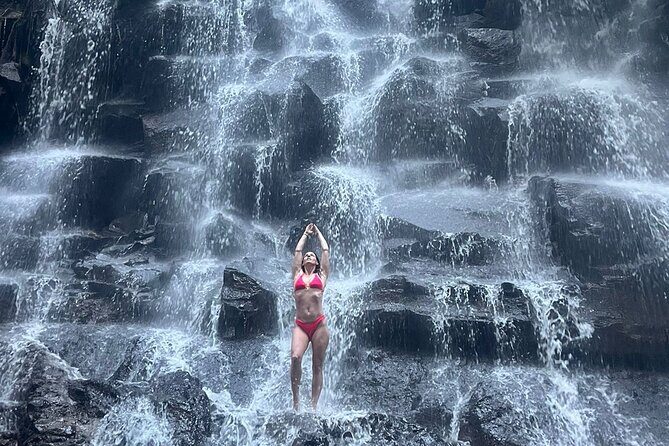
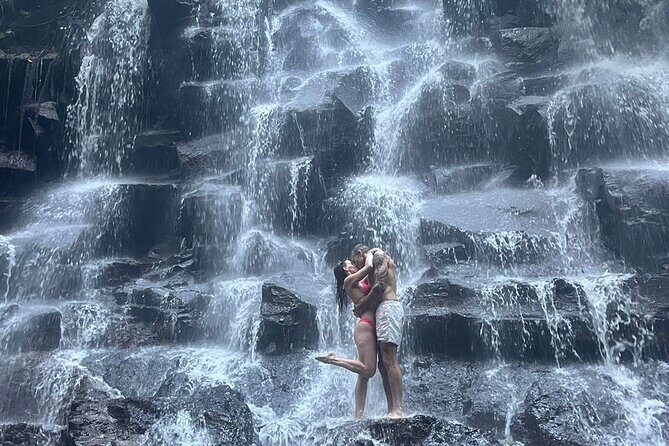
The route starts with Kanto Lampo, which has that classic Bali look: water dropping in layers over dark volcanic rock like nature built a staircase. Then you head to Tibumana, where the mood shifts to quieter greenery and a more relaxed swim. Finally comes Suwat, which feels more adventurous with its height, deeper pool, and that jungle-cave vibe people love for photos.

If your idea of a good day is: arrive, get wet, cool off, take photos, repeat—this tour matches your brain.

How the Day Runs: Pickup, Short Descents, and Realistic Timing

Ubud Top Waterfall and swing in tegallalang - How the Day Runs: Pickup, Short Descents, and Realistic Timing
You’re on the move for about 6 hours. That includes pickup, travel between sites, time to walk down to the water, and time to actually enjoy the pools—not just stand there pretending you like nature.

You get private transportation and pickup is offered, so you’re not coordinating buses, bouncing between meet points, or playing phone-tag with strangers. Several reviews also highlight punctual pickup and a guide who keeps things smooth from the car.

One practical note: each waterfall stop includes a short walk, and at least one of them has a 5–10 minute descent to reach the pool at the bottom. That’s not a tough hike, but it is still uneven ground, stairs, and slippery surfaces. Wear shoes you can trust with wet steps.

Also, there’s no meal included. That’s not a deal-breaker, but it does change how you should plan. I’d treat this like a day trip where you bring a small snack you can grab quickly (or plan to buy one near your first stop), then rely on bottled water from the tour.

Kanto Lampo Waterfall: Lava Rock Steps and Fast Photo Magic

Ubud Top Waterfall and swing in tegallalang - Kanto Lampo Waterfall: Lava Rock Steps and Fast Photo Magic
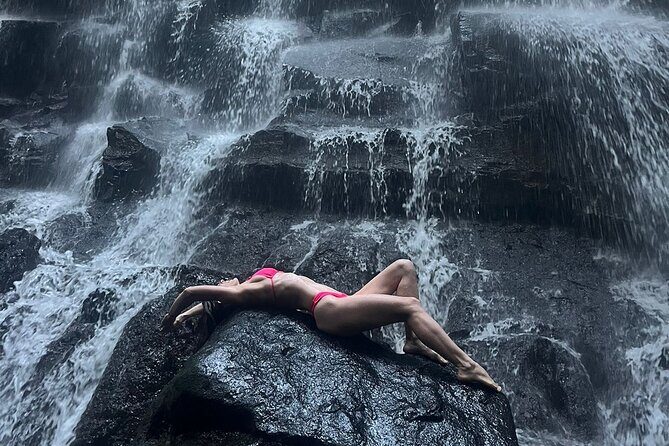
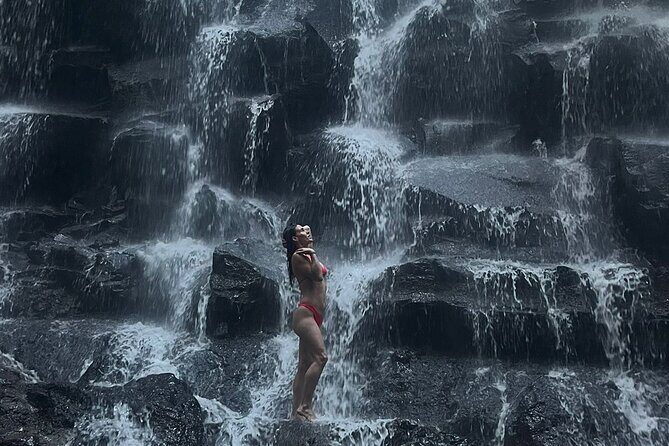
Kanto Lampo is the headline act for many people, and it earns the attention. The waterfall spills over black lava rock into tiered drops, creating a naturally framed view. It’s the kind of place where your photos look good even if you’re holding the camera at a weird angle—because the rock formation does half the work.

What you’ll likely love here:

  • The short descent (about 5–10 minutes) to reach the pool area.
  • The shallow water feel, which makes it easier to dip without needing to gear up for something extreme.
  • The layered “staircase” look that works from multiple angles.

What to watch:

  • Shallow doesn’t mean totally calm. Water and rocks can be slick, especially right after the falls have been running hard.
  • If you’re hoping for a long, slow swim session, you may feel time pressure here since the goal is to hit multiple waterfalls in one day.

This stop is best when you want something scenic and photogenic without a long trek.

Tibumana Waterfall: Peaceful Greenery and a Swim-Friendly Stop

Ubud Top Waterfall and swing in tegallalang - Tibumana Waterfall: Peaceful Greenery and a Swim-Friendly Stop
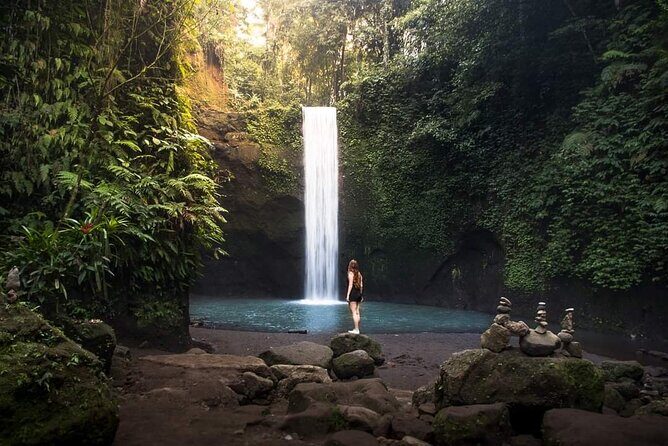
Then you move into Tibumana, where the vibe shifts. Instead of the dramatic tiered structure, Tibumana focuses on mood: lush greenery, a calmer setting, and a more serene atmosphere.

This is a nice contrast stop. After Kanto Lampo’s rock-and-water intensity, Tibumana gives you a softer pace. It’s a solid place to slow down, soak your feet, and get photos where your background looks like Bali’s version of a quiet forest.

Why Tibumana works in a one-day itinerary:

  • It feels calmer, which helps you reset before the last stop.
  • It’s described as a great place for swimming.
  • It tends to offer photos that don’t feel as chaotic as the busiest points.

A practical thought: if your body gets tired from wet stairs and repeated walking, Tibumana’s calmer feel can feel like a reward.

Suwat Waterfall: Bamboo Raft Fun, Cave-Like Vibes, and Turquoise Water

Ubud Top Waterfall and swing in tegallalang - Suwat Waterfall: Bamboo Raft Fun, Cave-Like Vibes, and Turquoise Water
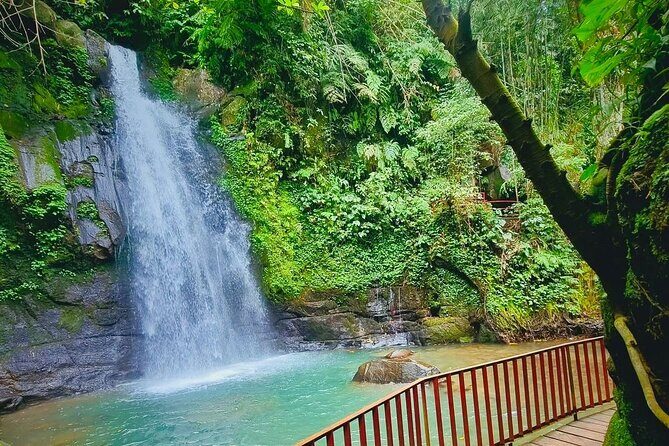
Suwat is where the day leans a bit more adventurous. It sits about 30 minutes from Ubud, and it’s described as roughly 15 meters tall with a deeper, turquoise pool at the bottom.

This one often gets remembered because of the experience around the water, not only the water itself. The setting includes a cave-like feel, plus a bamboo raft element that adds charm and gives your day a story you can tell later.

What makes Suwat worth your last energy:

  • The height and deeper pool make the photos look more dramatic.
  • The cave-like setting gives a different texture than open-rock viewpoints.
  • It’s described as less crowded, which matters when you want to take your time.

The main consideration is simple: you’ll want comfortable, grippy footwear. Even if you don’t plan to do much more than stand close to the water, you’ll still navigate uneven surfaces and likely wet ground.

Tegallalang Swing Stop: The Fun Reset Between Waterfalls

Ubud Top Waterfall and swing in tegallalang - Tegallalang Swing Stop: The Fun Reset Between Waterfalls
This tour is titled with a swing in Tegallalang, and the best clue you have from the supplied feedback is that the swing can be an added surprise that people genuinely enjoy.

So think of it as a break from water mechanics. After you’ve walked, dipped, dried off a bit, and changed your mood from wet photo mode to still-wet photo mode, the swing stop brings a different kind of memory: big views, playful photos, and a chance to feel like you’re doing something other than chasing waterfalls.

What I’d advise:

  • If you’re nervous about heights, the swing might still be fun as a spectator first. But if you’re comfortable, go for it.
  • Bring swimwear you can dry quickly. You’ll be changing pace, and your clothing will matter.

If you want a day that mixes nature with a bit of attitude, this is where it shows up.

Price and Value: What $45.82 Buys You in Ubud

Ubud Top Waterfall and swing in tegallalang - Price and Value: What $45.82 Buys You in Ubud
The price is $45.82 per person, and the value is tied to what’s included. You’re paying for more than a ride.

Included:

  • Entrance fees (so you don’t get hit with surprise payments at each site)
  • Bottled water
  • Private transportation
  • Admission tickets for the waterfall stops

Not included:

  • Meals

When a tour includes entrance fees, it often means fewer awkward moments and less cash handling during a day that’s already about water and timing. And private transport usually means you get a smoother route and less waiting around.

For a one-day, three-waterfall itinerary, this feels like fair value—especially if you care about photos and prefer not to spend time hunting for directions on your own.

The Guides Matter: Niko and Eka’s Photo Help and Car Chat

Ubud Top Waterfall and swing in tegallalang - The Guides Matter: Niko and Eka’s Photo Help and Car Chat
One of the strongest parts of this experience is how the human side shows up. Reviews mention guides like Niko and Eka as patient, friendly, and focused on helping you enjoy the day, not just get through it.

Here’s what you can reasonably expect based on that feedback:

  • Guides will help with photo timing—not just when you ask, but when you’re in the right spot.
  • You’re likely to get a more relaxed experience because someone is managing the flow.
  • Several reviews mention friendly conversation in the car. That’s not a requirement, but it makes the ride feel shorter.

If you’re the type who wants your trip to feel organized without being stiff, this kind of guide style is a big plus.

What to Pack (So Your Day Feels Easy, Not Annoying)

Because you’re doing waterfalls, you should pack like you’re going to get wet at least a few times.

Bring:

  • Grippy shoes for stairs and wet rock
  • Swimsuit you can change into quickly
  • A small towel or quick-dry cloth if you have one
  • A light dry bag if you don’t want your phone living dangerously
  • Snacks if you’re hungry. Meals aren’t included.

And one small trick: keep your phone and wallet protected even if the guide says it’s fine. Water days are chaos days. If you want photos, you’ll want your phone functioning.

Who This Tour Fits Best

This tour is a good match if you:

  • Want three waterfalls in one day without doing planning gymnastics
  • Care about photo opportunities and having someone help you time your shots
  • Like a mix of calm and energy: Kanto Lampo’s dramatic tiers, Tibumana’s quieter vibe, Suwat’s more adventurous feel
  • Prefer a private setup over sharing rides or meet-point stress

It might be less ideal if you:

  • Need long meal breaks and a slow pace. This is motion-friendly, not buffet-friendly.
  • Hate wet stairs or slippery rock. The walks are short, but they’re still wet-stakes.

Should You Book This Ubud Waterfall + Tegallalang Swing Tour?

If your dream Bali day is: waterfalls, swims, and a fun visual payoff (plus swing photos), I’d say book it. The included entrance fees, bottled water, and private transport make it feel practical, and the waterfall variety keeps it from turning into a rinse-and-repeat day.

The only real reason to hesitate is if meals and long pauses are non-negotiable for you. If you’re okay with a snack plan and comfortable footwear, this is a strong Ubud choice.

FAQ

How long is the waterfall tour?

It’s about 6 hours.

What waterfalls are included?

You visit Kanto Lampo Waterfall, Tibumana Waterfall, and Suwat Waterfall.

Is pickup offered?

Yes, pickup is offered.

Are entrance fees included?

Yes, entrance fees are included.

Is bottled water included?

Yes, bottled water is included.

Are meals included?

No, meals are not included.

Is this a private tour?

Yes. Only your group participates.

Is free cancellation available?

Yes, you can cancel up to 24 hours in advance for a full refund.

Do I get tickets on my phone?

You receive a mobile ticket.

Is the swing in Tegallalang part of the experience?

The experience is described as including a swing in Tegallalang, and a swing ride is referenced in the feedback.

Bali Ancient Temples Tour

Bali Ancient Temples Tour - Comfort and Pickup: Why the Ride Matters More Than You Think

Those temple photos aren’t just luck.

This private full-day Bali route strings together ancient temples, big rice views, and an ocean-sunset finale in a way that feels easy, not rushed. You’ll ride in comfort in a private air-conditioned vehicle, with stops planned around the day’s flow (including time for sunset at Tanah Lot). You also get a fully personalized experience since it’s only your group.

Two things I really like here: hotel pickup/drop-off from many Bali areas and the way the day balances multiple “types” of sights—royal temple architecture, working rice terraces, and a temple perched by Lake Bratan. I also like that each main stop includes an admission ticket, so you’re not hunting around for entrances mid-day.

One drawback to keep in mind: it’s an all-day push (about 10 hours), so you’ll want decent energy, water, and a plan for sun. Also, the tour needs good weather—if conditions are off, the experience can change.

Key Highlights You’ll Care About

Bali Ancient Temples Tour - Key Highlights You’ll Care About

  • Private A/C transport that keeps the day comfortable between sites
  • Four major stops: Taman Ayun, Jatiluwih Rice Terraces, Ulun Danu Bratan, Tanah Lot
  • Admission tickets included for each temple/major stop listed on the route
  • Lunch included, plus time for local coffee/herbal tasting during the day
  • Sunset strategy at Tanah Lot, with flexibility your driver may use to reduce hassle
  • Known friendly guides, including names like Dewa, KoKo, Koko, and JoJo from past departures

A Full-Day Bali Temples Route That Hits Four Different Kinds of Wow

Bali Ancient Temples Tour - A Full-Day Bali Temples Route That Hits Four Different Kinds of Wow
This tour works because it doesn’t try to cram in every temple you’ve ever seen on Instagram. Instead, it focuses on four specific anchors, each with a different visual and cultural mood—Taman Ayun’s water-temple setting, the scale of Jatiluwih’s rice terraces, Ulun Danu Bratan’s lake backdrop, and the dramatic rock-and-sea silhouette of Tanah Lot at sunset.

You start with Taman Ayun, then move into the rice country, then up to the iconic Bratan temple by the lake. Finally, you end with the ocean sunset at Tanah Lot. That order matters because Bali traffic and timing can turn a “short drive” into a slow crawl once the day cools off. If your driver suggests swapping timing to avoid the worst evening return patterns (some drivers recommend starting Tanah Lot earlier), it can make the day feel smoother.

And because it’s private, your pace is yours. You’re not stuck behind a slow-moving crowd or pressed to follow a group’s photo sprint.

Comfort and Pickup: Why the Ride Matters More Than You Think

Bali Ancient Temples Tour - Comfort and Pickup: Why the Ride Matters More Than You Think
A lot of Bali tours promise temples. The better ones quietly win on logistics. This one is built around a private air-conditioned vehicle and pickup offered from many Bali areas, so you’re not doing the “hop in, hop out, wait for someone” dance.

Here’s what that means for you in real life:

  • You’ll spend less time sweating while waiting at pickup points.
  • Your driver can manage the flow between stops without pretending everyone has the same stamina.
  • When timing affects sunset—especially around the Tanah Lot finish—having a private setup helps.

In the reviews, the guides/drivers stand out again and again. Names that came up include Dewa and KoKo/Koko, plus JoJo. The common theme is simple: you get a friendly person behind the wheel who’s also ready with explanations and practical advice.

Stop 1: Taman Ayun Temple and Its Mengwi Kingdom Roots

Taman Ayun Temple is the kind of place that makes you pause even if you’re not a temple superfan. Built in 1634, it served as the main temple of the Mengwi Kingdom until it was conquered by a neighboring kingdom in 1891. That timeline gives the visit weight: this isn’t just “old stone,” it’s a living record of power shifts and religious life.

You’ll have about one hour here, and because the tour includes the admission ticket, you can focus on walking the grounds and noticing the details instead of budgeting energy for paperwork.

What to watch for:

Even if you don’t know the terms, look at how the temple layout supports ceremony—entry paths, water features, and layered compounds. Water-temple elements and ornate structures tend to look their best in softer daylight, so go at a steady pace and don’t rush every corner. This stop sets the tone for the day: elegant, historical, and grounded.

Possible drawback: one hour can feel fast if you love architectural detail. If that’s you, use the hour strategically: take 10 minutes to establish your bearings, then slow down for your favorite angles.

Stop 2: Jatiluwih Rice Terrace Views Without the Headache

Bali Ancient Temples Tour - Stop 2: Jatiluwih Rice Terrace Views Without the Headache
Next comes Jatiluwih Rice Terraces, one of Bali’s biggest and most beautiful rice terrace areas. You get about one hour here, with the admission ticket included. This is the stop that tends to reset your brain after temples, because it’s all open space, air, and the rhythm of the hills.

Here’s why it’s a smart choice for most visitors: Jatiluwih can feel expansive, and you get a real sense that rice farming is the backbone of daily life in these regions—not a backdrop for photos.

One note from experience shared by other visitors: you might find Jatiluwih less crowded than the extremely famous terrace area at Tegalalang. I can’t promise crowd levels on any given day, but the point is still useful. Jatiluwih is often the kind of place where you can see the scale without fighting for a view.

How to enjoy it best:

Wear shoes that handle uneven paths. Bring a hat or light rain layer if your day looks moody. Take a few steps off the busiest spots and look back toward the terraces—sometimes the best view is the one that frames multiple layers at once.

Stop 3: Ulun Danu Bratan Temple and the Lake-Driven Atmosphere

Bali Ancient Temples Tour - Stop 3: Ulun Danu Bratan Temple and the Lake-Driven Atmosphere
Then you head to Pura Ulun Danu Bratan, a temple on Lake Bratan. This is one of Bali’s iconic temple scenes, and it shows up on a lot of wish-list photos for a reason: the water setting changes everything about the feel of the site.

You’ll get around one hour here, with admission included. At a glance, it’s easy to treat this as just another postcard stop. Don’t. Take the time to slow down and notice how the lake setting affects the air and lighting—often it looks and feels cooler and more mist-friendly than the lowlands.

What makes this stop valuable:

It breaks the pattern of “temple, then land.” You get water, reflection potential, and a stronger sense of how Balinese temple locations connect to geography and daily life.

Practical tip:

If the weather is shifting, be flexible with your photography. When skies open up, the lake reflections can look excellent, but you’ll want to move before the light changes.

Stop 4: Tanah Lot at Sunset and How Drivers Help You Time It

Bali Ancient Temples Tour - Stop 4: Tanah Lot at Sunset and How Drivers Help You Time It
Finishing with Tanah Lot Temple is the point where the day clicks into place. The tour is set up so you reach Tanah Lot in time for sunset, and the view is often described as the best sunset picture angle in Bali.

Tanah Lot works even for people who usually get temple fatigue, because it’s not just walls—it’s a coastal stage. The temple sits with dramatic sea views, and sunset brings a natural color shift that makes everything look intentional.

Now, here’s the smart part: sunset timing can be tricky because traffic patterns tighten as the evening approaches. One review detail that’s worth copying as advice: some drivers recommend visiting Tanah Lot first to avoid traffic returning toward popular areas like Kuta. That doesn’t mean Tanah Lot isn’t perfect later—it means a driver who pays attention to your route can save you stress.

How to prepare for this ending:

Bring sunscreen even if it’s cloudy, since strong Bali sun can sneak up on you. Also, don’t plan on quick exits after sunset; coastal areas can be slow when everyone leaves at once.

Lunch and Coffee/Herbal Stops That Feel Like a Real Day, Not a Checklist

This tour includes lunch, and past visitors specifically mention a buffet lunch that’s delicious. That matters because temple days can turn into a survival mission if food is skimpy or poorly timed.

On top of lunch, there’s also mention of time for local coffee and herbal tasting, including a coffee degustation component. Even if you’re not a coffee enthusiast, this kind of stop gives you a more everyday view of Bali than a pure sightseeing day.

Why this is good value:

Food and small tastings aren’t “extra fluff” here. They help you recharge between long walks and drives, and they add a little local flavor that fits the day’s cultural focus.

Price and Value: What $59 Buys You in a Private Format

At $59 per person, this tour is priced for real value, especially because it’s private rather than a shared bus-style day. The big reason it’s worth thinking about isn’t just the low price—it’s what’s included:

  • Private air-conditioned vehicle
  • Hotel pickup and drop-off from many Bali areas
  • Admission tickets included for the listed stops
  • Lunch included
  • Mobile ticket

Even with any paid add-ons elsewhere in Bali, having admissions and lunch covered removes a chunk of unpredictability. It also makes the day easier to plan: you can focus on enjoying the route instead of calculating entrance fees every time you move.

One more value angle: because it’s private, you’re paying more for the “human factor”—driver/guide attention and timing decisions. The reviews consistently highlight drivers who are friendly and communicative in ways that make the day feel cared for. You’re not just transported; you’re guided.

Timing, Transport Time, and Why Your Day Needs a Slow Start

This is an all-day experience at about 10 hours, so you should treat it like a proper commitment, not a quick add-on. That time adds up because Bali has real travel distances between regions, and temple visits need time to walk, wait for lighting, and take in details.

You’ll want to:

  • Start the morning ready to move, not rushing breakfast.
  • Plan for sun and humidity between stops.
  • Expect that sunset timing near Tanah Lot is the payoff, but it can also mean a slower finish.

The tour being private helps because your driver can manage the flow. If you have mobility limits, you should still consider the walking and uneven ground at temples and terrace areas.

Who Should Book This Tour (and Who Might Want a Different Plan)

This tour fits best if you want a high-impact day without spending days planning a route across Bali. It’s also a good choice if you appreciate a mix of temple culture and working landscapes.

You’ll likely enjoy it if you:

  • Want four major highlights in one day
  • Like a driver who explains things and helps with timing
  • Prefer private comfort over crowds and bus logistics

It may not be the best match if you:

  • Want a very slow, flexible day with lots of wandering beyond set stops
  • Get cranky with long travel days (this is close to a full-day outing)

Good news: it says most travelers can participate, and service animals are allowed. So it’s designed with broad access in mind, at least at the basic participation level.

The Bottom Line: Should You Book Bali Ancient Temples Tour?

If your goal is to see the major Bali temple moments plus rice-terrace scenery in one well-timed private day, this tour is a strong candidate. You’re getting multiple iconic stops, admission tickets included, lunch, and a private A/C ride—all for a price that doesn’t feel like a luxury-only proposition.

My main caution is simple: respect the length of the day. If you’re the type who likes long afternoons and slow dinners, you might feel the pace. If you’re the type who wants a clean plan and an efficient route with good human help, you’ll probably love it.

FAQ

FAQ

How long is the Bali Ancient Temples Tour?

The tour runs for approximately 10 hours.

Which stops are included in the tour?

You’ll visit Taman Ayun Temple, Jatiluwih Rice Terrace, Ulun Danu Bratan Temple (on Lake Bratan), and finish at Tanah Lot Temple for sunset.

Are admission tickets included?

Yes. Admission tickets are included for the stops listed on the route.

Is pickup and drop-off included?

Yes. The tour offers hotel pickup and drop-off from many areas of Bali.

What’s included besides temple visits?

Lunch is included, and the day also includes time for local coffee/herbal tasting.

What happens if weather is poor or the minimum number of travelers isn’t met?

The experience requires good weather. If it’s canceled due to poor weather, you’ll be offered a different date or a full refund. If the minimum number of travelers isn’t met, you’ll be offered a different experience/date or a full refund.

Half Day Tour Ubud Rice Terrace with Activities and Waterfall

Half Day Tour Ubud Rice Terrace with Activities and Waterfall - The Pickup and English-Speaking Driver-Host Setup

Ubud feels green for a reason. This half-day tour strings together two countryside highlights: Abian Desa Rice Terrace for views (and optionally a swing/zipline) and Ulu Petanu Waterfall for a cooling forest walk and a shallow pool. I like that it’s short and structured, so you get countryside time without burning a whole day. I also like the human touch: an English-speaking driver-host who makes the drive feel simple and the stops easier to enjoy. One thing to plan for: the optional adrenaline add-ons cost extra, and the waterfall experience depends on the weather.

You’ll start around 10:00am and end back where you began, which keeps the day stress-light. The pace is meant to be flexible inside a tight window—so you can choose calm paddies time or spend money on rides and photos, then swap that energy for a quiet walk to the falls.

If you only have a few hours in Ubud, this is a smart way to see the island’s everyday nature: rice terraces, forest greenery, and a waterfall you can reach with an easy stroll.

Key Highlights at a Glance

Half Day Tour Ubud Rice Terrace with Activities and Waterfall - Key Highlights at a Glance

  • Abian Desa Rice Terrace (about 1 hour): terrace views plus optional swing/zipline/sky-bike-style fun
  • Ulu Petanu Waterfall (about 1 hour): easy short walk to a shallow, dip-friendly pool area
  • Hotel pickup and drop-off: you don’t need to map routes or solve parking
  • English-speaking driver-host: helpful, friendly guidance that smooths the day
  • Private tour setup: it’s just your group, not a crowded bus situation
  • Flexible add-ons nearby: a bonus stop may happen if timing works

Why This Half-Day Ubud Plan Works So Well

Half Day Tour Ubud Rice Terrace with Activities and Waterfall - Why This Half-Day Ubud Plan Works So Well
This tour is built for real schedules. Not everyone wants a 7–10 hour day of driving, walking, and meal hunting. Here, the whole plan is designed around two major nature stops plus optional extras, all within roughly 3 to 4 hours. That makes it a good fit when you’re staying in Ubud but want a break from temples-on-temples.

What I like about the flow is the balance. You get open-air views at the rice terraces, then you switch into forest cool at Ulu Petanu Waterfall. Rice terraces are all about height and wide panoramas. Waterfalls are about sound, shade, and a quick reset for your legs and mood.

The other practical win: you’re not stuck on your own logistics. With pickup and drop-off, the day feels like a guided outing rather than a DIY afternoon where you’re constantly checking maps and timing.

The Pickup and English-Speaking Driver-Host Setup

Half Day Tour Ubud Rice Terrace with Activities and Waterfall - The Pickup and English-Speaking Driver-Host Setup
Good transport matters in Bali, especially in Ubud where traffic can bunch up. This experience includes hotel pick-up and drop-off, and you’ll have an English speaking driver-host. In plain terms, that means fewer awkward moments trying to communicate on-site, and more time enjoying the scenery.

From the way the trip is set up, the driver isn’t just shuttling you between pinpoints. The stop timing is short enough that you’ll likely want quick help—like where to go first at the terrace, what’s worth doing versus skipping, and how to pace the short walk at the waterfall. The review feedback backs this up: a friendly driver with good English made the day feel more fun and easy.

Also note the tour runs as private transportation, meaning only your group joins. If you’re traveling as a couple, a family, or a small group of friends, that’s a big value because you’re not forced into a loud group pace.

Stop 1: Abian Desa Rice Terrace and Its Best Moments

Your first real stop is Abian Desa Rice Terrace for about 1 hour. This is the kind of place you go for the views first. The terraces create a naturally layered look—fields stepping downward in bands that turn into great photos, especially when the light hits the green at a good angle.

But this stop isn’t only about staring at rice. You also have activity options that can make the terrace feel more like an experience than a scenic overlook. The plan includes time for light activities such as a swing ride or zip-lining (additional cost), and there’s also mention of cycling options like a sky-bike for panoramic views.

What that means for you: you can tailor the terrace time.

  • If you want photos and countryside calm, you can keep it simple and enjoy walking through the area and taking in the views.
  • If you want action, you can add rides and spend a bit extra.

A key consideration: since your total day is short, you should decide early what you want to do at the terrace. If you drag time on the activities, you’ll feel rushed later at the waterfall.

Optional Swing and Zipline Costs (and Whether They’re Worth It)

Half Day Tour Ubud Rice Terrace with Activities and Waterfall - Optional Swing and Zipline Costs (and Whether They’re Worth It)
At Abian Desa, swing and zipline-style activities are optional and listed as IDR200,000 per person (paid at your own expense). That’s the biggest “pay more” moment in the whole plan.

Are they worth it? If you love photo-worthy moments and don’t mind the extra cost, the rides can turn a short terrace visit into something you’ll talk about later. But if you’re traveling on a tighter budget or you prefer slower nature time, you can skip the adrenaline and still get the best part—the terrace scenery.

My practical advice: if you choose to do the swing or zipline, wear something comfortable for movement and keep an eye on time. In a tour that’s only a few hours long, every extra stop inside a stop matters.

Stop 2: Ulu Petanu Waterfall and the Easy Walk to the Pool

Half Day Tour Ubud Rice Terrace with Activities and Waterfall - Stop 2: Ulu Petanu Waterfall and the Easy Walk to the Pool
After the open fields, the tour shifts into Ulu Petanu Waterfall for about 1 hour. This place is described as a quieter, forest-set spot. The walk in is short and scenic, and it’s meant to be easy enough for most people.

Once you arrive, the waterfall flows gently into a clear, shallow pool. That detail matters. You’re not dealing with just a viewpoint from a far platform. You can hang out near the water, relax, and if you feel like it, dip your feet and cool off.

What makes this stop feel relaxing is the contrast from terrace time. Rice terraces can involve bright sun and lots of standing and photographing. At the waterfall, you usually get more shade and a softer, more soothing sound environment.

A caution you can plan for: the experience depends on weather. If the conditions aren’t good, the operator may adjust or cancel due to weather, and you’ll be offered a different date or a full refund.

The Optional Bonus Stops If Time Allows

Half Day Tour Ubud Rice Terrace with Activities and Waterfall - The Optional Bonus Stops If Time Allows
This is one of those tours that stays flexible. If the schedule allows, you might add a brief stop at a nearby option such as:

  • a plantation,
  • a restaurant with rice view, or
  • a temple.

You don’t need to treat these as guaranteed. The key value here is that your day can be rounded out if timing works—useful if you want either a quick cultural touch (temple) or a food/view break (restaurant with rice view).

If you’re the type who hates decision fatigue, keep your priorities clear: either plan for the waterfall and terrace only, or be open to one extra stop if it doesn’t feel rushed.

Timing, What to Wear, and How to Enjoy the Short Day

Half Day Tour Ubud Rice Terrace with Activities and Waterfall - Timing, What to Wear, and How to Enjoy the Short Day
Start time is listed as 10:00am, and the tour loops back to the meeting point at the end. With only 3 to 4 hours total, you’ll want to treat this like a focused outing rather than an all-day wandering project.

Here’s how to make it feel smooth:

  • Wear comfortable shoes for the short walk to the waterfall.
  • Bring a small layer or light towel if you plan to get close to the pool area.
  • If you’re doing the swing/zipline at the terrace, dress for movement and be ready for extra time.

Also, plan your expectations. “One hour” at each stop means you’re not there to relax for half the day. It’s long enough for a proper look and quick photos, plus the main activities if you choose them, but not long enough to do everything slowly.

Price and Value: Is It a Good Deal at $17.66?

Half Day Tour Ubud Rice Terrace with Activities and Waterfall - Price and Value: Is It a Good Deal at $17.66?
The price listed is $17.66 per person, which sounds almost too low until you understand what’s included and what costs extra.

Here’s the honest way to think about value:

  • You’re paying for private transport (you and your group only), hotel pickup and drop-off, and an English speaking driver-host.
  • You’re also paying for the structure: terrace plus waterfall, both timed and planned.
  • You may still have separate fees depending on what’s collected on the day.

The plan includes insurance, and you should also expect a mobile ticket experience.

Now the cost add-ons:

  • Optional activities (swing/zipline) are extra at IDR200,000 per person.
  • Admission fees are listed as IDR55,000 per person for rice terrace and waterfall.

There’s a small inconsistency in the details: the activity descriptions say admission tickets are included, while the pricing section lists the admission fee separately. That’s not uncommon with tour listings. The practical move is simple: when you book, confirm whether the IDR55,000 admission fee is already covered in your price or collected separately on arrival. That one question can save you surprise spending.

Even with those possible add-ons, this tour can still be good value if you want a guided half-day and you like the terrace-and-waterfall combination more than a single attraction.

Who This Tour Suits (and Who Might Skip It)

This experience fits best if you:

  • have a short stay in Ubud and want nature without a full-day commitment,
  • like both views (rice terraces) and cool-off time (waterfall),
  • want pickup and drop-off so the day stays easy,
  • enjoy photo opportunities but don’t need a long, slow itinerary.

You might skip it if you:

  • want to spend lots of time swimming or hiking for hours,
  • prefer doing only one major attraction and hanging out there longer,
  • don’t like paying extra for optional activities.

It’s also described for moderate physical fitness. The waterfall walk is said to be easy, but you’re still moving around on uneven paths and stairs in a tropical setting.

Should You Book This Half-Day Ubud Tour?

I’d book it if you want an efficient, countryside-focused Ubud afternoon with two strong stops and a driver-host who keeps things smooth. The biggest strength is the pairing: terraces for wide scenery, then a waterfall you can actually enjoy with shade and a shallow pool.

If you’re cost-sensitive, decide ahead of time whether you want the IDR200,000 optional swing/zipline. And if you care about total spend, confirm what happens with the IDR55,000 admission fee—whether it’s already handled or collected on-site.

Overall, it’s a solid choice for first-timers who want authentic green Ubud vibes without turning the day into a logistics puzzle.

FAQ

What time does the tour start?

The start time is listed as 10:00 am.

How long is the tour?

It’s approximately 3 to 4 hours.

Is hotel pickup and drop-off included?

Yes, hotel pick-up and drop-off are included.

Is this a private tour?

Yes. It’s private transportation, and only your group joins the tour.

What activities are optional at the rice terrace?

Optional activities such as a swing or zipline are available at an extra cost of IDR200,000 per person.

Are rice terrace and waterfall admission fees included?

Admission tickets are shown as included in the stop descriptions, but an admission fee of IDR55,000 per person is also listed as not included. Confirm at booking whether that fee is collected on-site or already covered.

What’s included besides the stops?

An English speaking driver-host, insurance, and private transportation are included.

What happens if the weather is bad?

The experience requires good weather. If it’s canceled due to poor weather, you’ll be offered a different date or a full refund.

Where does the tour start and end?

It starts at Pepito Market Tebongkang on Jl. Raya Tebongkang, Singakerta, Kecamatan Ubud, Kabupaten Gianyar, Bali 80571, and it ends back at the meeting point.

Ubud’s Quad Bike – ATV Single Ride

Ubud's Quad Bike - ATV Single Ride - Transfers, Timing, and Small Group Size (Max 2 Riders)

Mud and jungle time in Ubud.

This ATV single ride takes you out of the city and into the Balinese countryside north of Ubud for about 1 to 1.5 hours with a guide. You get a quick setup and safety briefing, then you’re driving an all-terrain vehicle through rice fields, river banks, jungle trails, and uphill/downhill sections where getting a little muddy is part of the fun.

I especially like the practical touchpoints built into the experience: lunch plus a hot drink, and then a hot shower with shampoo/soap and a clean towel right after the ride. One thing to consider: it’s an off-road route, so you should expect wet, muddy conditions and plan your outfit accordingly.

Key things I’d plan around

  • Helmet + basic training before you ride, so you’re not thrown into it cold
  • 1 to 1.5 hour riding time (based on your booking), with hills, river trek, and jungle trek included
  • Lunch + hot drink after the ride, so you don’t have to hunt for food while covered in mud
  • Hot shower and toiletries (towel provided) to reset after the mess
  • Locker storage + change room for valuables and fresh clothes
  • Small group size (max 2 travelers) for a more controlled, guided feel

Mud, Jungle, and Rice Fields: What This Ubud ATV Ride Is Really About

If you want your Ubud day to go beyond temples, markets, and scenic viewpoints, this is a straightforward choice. The route is built around motion and variety: you’re going through open areas (like rice-field scenery), plus the more “off-road” parts (jungle paths, river edges, and mud-heavy tracks).

The experience is designed for people who want adventure without needing a whole day of planning. You’re picked up from Ubud with round-trip transfers, you get driven to the start area, and the guide handles the hard parts: safety briefing, route guidance, and keeping you from getting stuck or lost in the fun stuff.

And yes, the “mud and wet” part is real. One person’s highlight was the stream crossing, another talked about muddy slipper tracks and hills. That’s the tradeoff for riding where the ground is uneven and the scenery feels wild and close-up rather than staged.

Registration and Safety Briefing: The Part That Makes the Ride Feel Safe

Ubud's Quad Bike - ATV Single Ride - Registration and Safety Briefing: The Part That Makes the Ride Feel Safe
Your day starts with registration at the meeting point, then it’s a short transfer to the start point (just a few minutes). Before you mount the ATV, you’ll do a safety briefing tailored to your booking length—either about 1 hour or about 1.5 hours.

This matters because the ride isn’t just a loop on a flat road. The route includes uphill/downhill sections, river trek, and jungle trek. In other words: you need basic control and confidence before the terrain gets more physical. The package includes basic training plus a helmet, and the guide is right there while you get used to the vehicle.

A small but useful detail: feedback mentions professional, helpful guidance, and names like Arjun and Bli Oka show up as guides in the experience history. If you see them assigned, you’re likely in good hands.

Also note the limit on who should skip it: it’s not recommended for anyone with a heart attack. If that applies to you, take the cautious route and choose something lower impact.

The Ride Itself: Rice Fields, River Banks, Jungle Tracks, and Stream Crossings

Ubud's Quad Bike - ATV Single Ride - The Ride Itself: Rice Fields, River Banks, Jungle Tracks, and Stream Crossings
Once the briefing is done, you’re off. The ride is described as north-of-Ubud countryside cruising with a guided line through:

  • Rice fields
  • River banks
  • Jungle trek
  • Up and down terrain
  • Sections that can include stream crossings and tighter, muddier paths

Expect the ride to feel like a mix of scenic and technical. The scenic bits help you breathe and enjoy the view. The technical bits are what keep the ride exciting: uneven ground, mud, and changes in elevation. One highlight that stands out in the shared experience is going through a stream on the ATV—exactly the kind of moment that turns a “fun ride” into a memory you can still picture later.

How the time change affects the experience (1 hour vs 1.5 hours)

Your booking length matters. With a 1-hour booking, you’ll still get the countryside plus the core off-road variety, but it’s shorter overall. With about 1.5 hours, you’ll have more time to settle into the vehicle and get more of the heavier-hitting trail sections (the sections where downhill, jungle track, and river-edge riding show up more clearly).

Either way, the theme stays the same: you’re not stuck on one kind of terrain the whole time.

The mud factor: what to do with it

Because this is an ATV route through countryside trails, you should assume you’ll come back wet and mucky. That’s not a warning to avoid the ride; it’s a reminder to plan your body and clothes around it.

The good news is you’re not stuck afterward. The experience includes a hot shower and a change room, so you’re set up to clean up before you go anywhere else.

After the ATV: Lunch, a Hot Drink, and a Hot Shower That Actually Helps

This part is genuinely valuable. A lot of adventure tours end with you wandering around hoping you can find a place to rinse off and eat. Here, the rhythm is built in: ride first, then reset.

You’ll enjoy:

  • Lunch
  • A hot drink
  • Hot shower afterward
  • Shampoo and soap, plus a clean towel
  • A changing room
  • Locker storage for valuables and a change of clothes

That locker detail is one of those “quietly important” features. When you’re about to get splashed and muddy, it’s useful to know you can store items without juggling them the whole time. You don’t have to carry your valuables while steering through slippery spots.

And because toiletries and towel are included, you can pack lighter than you might for other tours. You still might bring your own comfort items, but you won’t be stranded without the basics.

Transfers, Timing, and Small Group Size (Max 2 Riders)

Ubud's Quad Bike - ATV Single Ride - Transfers, Timing, and Small Group Size (Max 2 Riders)
This experience is structured to be easy to plug into a Ubud itinerary.

  • Round-trip transfers from Ubud are included.
  • You’ll meet at Surya Bintang Adventures – Rafting | ATV | Restaurant, Jl. Raya Payangan, Melinggih Kelod, Kec. Payangan, Kabupaten Gianyar, Bali 80572, Indonesia.
  • The activity ends back at the meeting point.

The maximum of 2 travelers (and a minimum of 3 pax / two couples for the overall operation) creates a smaller, more controlled feel. If you prefer guided adventure without a big crowd, this setup tends to be a better match. It also usually helps the guide manage the pace when the terrain gets messy.

You should also understand that weather affects this experience. If it’s canceled due to poor weather, you’ll be offered a different date or a full refund.

Price and Value: Is $48 Fair for a Guided ATV With Shower and Lunch?

Ubud's Quad Bike - ATV Single Ride - Price and Value: Is $48 Fair for a Guided ATV With Shower and Lunch?
At $48 per person, this ATV single ride can feel like solid value because several money-savers are built in:

  • Guide + helmet + basic training
  • Insurance covered
  • Lunch plus a hot drink
  • Hot shower with shampoo/soap and a clean towel
  • Locker storage and changing room
  • Round-trip transfers from Ubud
  • Mobile ticket

In other words, you’re not paying extra after the fact for food and basic recovery. Off-road rides often come with hidden costs—rentals, gear, or “after” expenses. Here, the experience takes care of the cleanup and refueling.

And the guide-led structure matters for safety and enjoyment. If you’re new to riding, having instruction before you hit uneven trails is worth more than it sounds.

The only “cost” you should factor in is personal prep: you’ll want to be okay with being muddy and wearing something you don’t mind getting ruined.

What to Bring (and What the Tour Covers for You)

Ubud's Quad Bike - ATV Single Ride - What to Bring (and What the Tour Covers for You)
The package covers the core ride and the reset:

  • helmet and training
  • lunch and hot drink
  • hot shower
  • towel, shampoo, soap
  • changing room and locker storage
  • insurance coverage
  • transfers from Ubud

So you can travel lighter than you would for an all-day trip. Still, I’d pack with the mud reality in mind:

  • Wear clothes you can get wet.
  • Consider water shoes or shoes you can stand to have muddy.
  • Bring a bag for your dirty items after the shower.
  • If you’re sensitive about photos, plan around the fact that pictures are not included (so bring your own camera or phone if you want keepsakes).

Who This ATV Ride Suits Best

Ubud's Quad Bike - ATV Single Ride - Who This ATV Ride Suits Best
This is a great match if you want:

  • A guided adventure in the countryside north of Ubud
  • A real off-road feel: mud, hills, jungle tracks, and river-edge sections
  • A day plan that includes food and a cleanup moment
  • A smaller group situation (max 2 riders)

It may be a tough fit if:

  • You have a health condition where a heart attack makes it unsafe (the tour explicitly says it’s not recommended).
  • You dislike getting wet or muddy.
  • You want a “soft and scenic” ride only, with no technical terrain.

Should You Book Ubud’s ATV Single Ride?

Book it if you want Ubud to include motion, terrain, and a hands-on adventure. The best reasons are practical: helmet + training, plus the very helpful post-ride recovery with lunch, hot shower, toiletries, and a towel. The price also feels fair because those essentials are already included.

Skip it if you’re hoping for a dry, gentle experience or if you’re not medically comfortable with the activity. And if you’re even slightly worried about mud, treat that as your sign to prepare your clothes and expectations, not as a reason to avoid the ride.

If you’re ready for a guided ATV day where the countryside feels close and real, this one is easy to recommend.

FAQ

What is the duration of the ATV single ride?

The ride is approximately 1 hour 30 minutes, and the exact ride duration is based on your booking of 1 hour or 1.5 hours.

How much does it cost?

The price is $48.00 per person.

Is lunch included?

Yes. Lunch is included, along with a hot drink after the ride.

Do I get a hot shower after the ride?

Yes. The package includes a hot shower with shampoo, soap, and a clean towel, plus a changing room.

Is insurance included?

Yes. Insurance is covered.

What safety gear and training are provided?

You’ll get basic training and a helmet, plus a safety briefing before you ride.

Where is the meeting point?

The start meeting point is Surya Bintang Adventures – Rafting | ATV | Restaurant, Jl. Raya Payangan, Melinggih Kelod, Kec. Payangan, Kabupaten Gianyar, Bali 80572, Indonesia.

How many people are allowed in the activity?

The experience has a maximum of 2 travelers.

Can I cancel for a refund?

Yes. Free cancellation is available up to 24 hours in advance for a full refund. If you cancel less than 24 hours before the experience starts, you won’t get a refund.

Does the tour include photos?

No. Picture (photo) is not included.

Beji Griya Waterfall Bali Spritual Holy Bath Experience

Beji Griya Waterfall Bali Spritual Holy Bath Experience - The Ceremony Flow: Sarong On, Offerings Ready, Coconut Blessing

Holy bath with a priest, right by falls. This private Beji Griya experience pairs a priest-led melukat purification ritual with time near the waterfall temple in Ubud. I like that you don’t just get entry—you’re guided through the spiritual steps with the right offerings, and you also get a sarong for photos.

One key thing to plan around: women who are on their period are not allowed to join the activity.

Key things to know before you go

Beji Griya Waterfall Bali Spritual Holy Bath Experience - Key things to know before you go

  • Melukat purification at a sacred waterfall temple, guided by a priest
  • Private setup for your group, with a dedicated priest included
  • All the ritual basics included: offerings, sarong, coconut water blessing
  • Round-trip pickup from Ubud and Sanur with an English-speaking driver
  • Two hours on-site with towel, locker access, and coffee or tea included

Why Beji Griya Melukat Feels Like More Than a Waterfall Visit

Beji Griya Waterfall Bali Spritual Holy Bath Experience - Why Beji Griya Melukat Feels Like More Than a Waterfall Visit
Beji Griya Waterfall is not just a pretty spot to cool off. It’s a sacred site where locals participate in melukat, a cleansing ritual meant to spiritually purify the mind and soul. The idea is to release stress and tension, using natural holy water as the main focus.

What makes this experience stand out for your day is the structure around the ritual. Instead of wandering around and guessing what to do, you’ll be led through the purification process by a Balinese priest. You also get the practical “how to participate” pieces—offerings, a sarong, and a coconut for the water blessing—so you’re not trying to improvise at a sacred location.

And yes, it’s also visually rewarding. One reason people book this is for photos in sarongs with tumbling falls as your backdrop. The spiritual vibe is the point, but the setting is dramatic enough to capture.

Ubud and Sanur Pickup: The Practical 3-Hour Timing

This is a 3-hour experience on average, including travel time. You’ll spend about 2 hours at Beji Griya for the purification ritual, and then you’re taken back to your starting address.

Pickup is offered from addresses in both Ubud and Sanur, which is a big help if you don’t want to deal with transport logistics. You’ll travel in private transportation with an English-speaking driver, and you’ll also have a mobile ticket to keep things simple.

One small planning note: this kind of experience is often booked ahead—on average, travelers book about 35 days in advance. If you’re traveling around peak dates, book early so you have real options.

The Ceremony Flow: Sarong On, Offerings Ready, Coconut Blessing

Beji Griya Waterfall Bali Spritual Holy Bath Experience - The Ceremony Flow: Sarong On, Offerings Ready, Coconut Blessing
Your main stop is Beji Griya Waterfall, centered on the melukat purification ceremony. The session is designed to guide you through the ritual steps in a respectful way, with a priest who leads the process.

Here’s what you can expect based on what’s included:

  • A sarong to wear for the ritual (so you’re dressed appropriately without hunting for clothes)
  • Offerings provided as part of the package
  • Coconut for the water blessing
  • Towel and locker use, so you’re not stuck figuring out what to do with personal items
  • Coffee or tea included, which is a nice reset after time near water

The purification process itself is described as spiritual cleansing using natural holy water. It’s believed to help remove afflictions and spiritual blockages that might prevent someone from getting a desired outcome. Put simply: it’s a focused ritual with a clear purpose, not a casual splash.

You’ll also have time to participate while keeping your day moving. The whole point is balance—natural surroundings, ritual guidance, and enough structure that you don’t feel lost.

What to Wear and How to Behave at the Sacred Water Temple

Beji Griya Waterfall Bali Spritual Holy Bath Experience - What to Wear and How to Behave at the Sacred Water Temple
You don’t need to overthink your wardrobe. You’ll be given a sarong, and you’ll have towel and locker access for basics. That said, dress in a way that makes the “water + ritual” part easy for you.

Practical tips that help:

  • Wear something you’re comfortable getting wet (the ritual is tied to holy water)
  • Keep your valuables secured (lockers are included, so use them)
  • Follow the priest’s cues immediately—this isn’t a time to multitask

Also, remember the rule that matters most for safety and eligibility: women on their period can’t join. If that affects your travel dates, plan around it. It’s not a “maybe”—it’s an outright restriction for this activity.

Etiquette matters here. Even if you’re visiting as a non-local, the best attitude is simple: listen first, move when you’re prompted, and let the ritual lead the experience.

Is It Spiritual or Commercial? Set Your Expectations Before You Go

Beji Griya Waterfall Bali Spritual Holy Bath Experience - Is It Spiritual or Commercial? Set Your Expectations Before You Go
One review concern (and it’s worth taking seriously) is that some people feel places like this can drift toward a more commercial feel. That doesn’t mean the ritual is fake. It does mean your experience may be more organized than you expected, because the site serves both locals and visitors.

So what should you do with that information? Don’t come looking for a totally unstructured, never-touched-by-tourism moment. Come expecting a real ceremony that also happens in a place that gets visitors. Your best bet is mindset: treat it like a shared sacred practice. If you show up willing to participate properly, you’ll likely get more meaning out of it.

The tour is built to support that respectful participation: you’re not left alone with the steps. You’re guided by a priest, with offerings and the right ritual setup so you can focus on being present.

Price and Value: Why $45 Can Actually Make Sense

Beji Griya Waterfall Bali Spritual Holy Bath Experience - Price and Value: Why $45 Can Actually Make Sense
At $45 per person, the big value is that you’re paying for more than entry to a scenic waterfall. Your package includes:

  • Entrance ticket
  • Offering & priest who guide the purification
  • Coconut for water blessing
  • Sarong plus towel and locker use
  • Coffee or tea
  • Private transportation and an English-speaking driver

Not included: lunch and personal expenses.

For a spiritual experience, the priest-led part is the expensive-sounding piece on paper. Here, it’s included in the price, and you also get the items that help you participate correctly (sarong, offerings, coconut). That’s the core reason this can feel like good value: you’re not assembling the experience yourself.

If you’re the type who hates paying extra on-site for basic ritual materials, this package structure helps. You know what’s included ahead of time.

Transportation Comfort: Private Pickup Beats Figuring It Out

Beji Griya Waterfall Bali Spritual Holy Bath Experience - Transportation Comfort: Private Pickup Beats Figuring It Out
This is a comfort-focused way to do the trip. Instead of juggling rides, timing, and navigation, you get round-trip transfers organized from your address in Ubud or Sanur.

The private setup matters because the ritual itself takes about 2 hours, and you’ll want your schedule to stay steady. A good day in Bali can fall apart fast if transport runs late—so the built-in travel plan is a real benefit.

Also, if you’re working with limited time between activities, this format makes it easier to keep the rest of your day intact.

When Your Guide Makes It Smoother (If You Get Gusti)

Beji Griya Waterfall Bali Spritual Holy Bath Experience - When Your Guide Makes It Smoother (If You Get Gusti)
In the past, an English-speaking guide named Gusti has been described as responsive and informative, sharing cultural context on the drive and explaining what to expect. That kind of guidance is useful because it reduces that awkward feeling of not knowing what’s coming next in a sacred setting.

One guest also credited Gusti for helping them fit additional time like coffee plantation experiences outside the core ritual. I can’t promise that for every day or every schedule, but it’s a sign that the guide isn’t only focused on the ritual minute-by-minute. If you want a smoother overall day, it helps to ask your driver what time buffer you’ll have before and after the ceremony.

Who Should Book This Holy Bath Experience

This experience fits best if you want:

  • A priest-led melukat purification at Beji Griya
  • A private setup for your group
  • A structured spiritual experience with included ritual items
  • Photo time in sarongs near the waterfall

It may not fit if:

  • You need lunch included (it’s not part of the package)
  • You’re not comfortable with a guided religious ritual format
  • Your timing overlaps with the period restriction for women

Because the on-site time is about 2 hours, it’s also a good choice if you want something meaningful without taking over your entire day.

Should You Book Beji Griya Waterfall’s Holy Bath?

Book it if you want a guided spiritual ritual, not just a scenic stop. The $45 price feels most reasonable because the priest-led purification and ritual supplies are included—especially the offerings, sarong, and coconut water blessing.

Pass (or rebook for another date) if your travel plans clash with the menstruation restriction or if you’re looking for a totally spontaneous, no-structure kind of experience. Also keep an eye on conditions: the experience requires good weather, and if it’s canceled due to poor weather, you’ll be offered a different date or a full refund.

If you go in with a respectful mindset and let the priest lead, you’ll likely walk away with something that feels both calming and different from your usual Bali checklist.

FAQ

Where is this experience located?

It takes place in Ubud, Indonesia at Beji Griya Waterfall.

How long does the Beji Griya purification ritual take?

The experience is about 3 hours total, with around 2 hours at the Beji Griya purification site.

Does the tour include pickup?

Yes. Pickup and round-trip transportation are available from addresses in Ubud and Sanur, with an English-speaking driver.

What’s included in the purification ritual?

The package includes an entrance ticket, offering & priest guidance, coconut for the water blessing, and sarong use, plus towel and locker access. Coffee or tea is also included.

Are there any restrictions on who can participate?

Yes. Women who are on their period are not allowed to join the activity. The activity also notes that most travelers can participate.

Is this a private tour?

Yes. It’s a private tour/activity, meaning only your group participates.

What if the weather is bad?

The experience requires good weather. If it’s canceled due to poor weather, you’ll be offered a different date or a full refund.

Can I cancel and get a full refund?

Yes. Free cancellation is available if you cancel up to 24 hours in advance for a full refund. If you cancel less than 24 hours before, you won’t receive a refund.

Mount Batur Jeep Sunrise & Overnight Glamping Experience

Mount Batur Jeep Sunrise & Overnight Glamping Experience - The 3:30 am Jeep pickup: the part everyone feels in their bones

Cold start, warm views, and serious off-road fun. This Mt. Batur experience pairs an early sunrise Jeep tour with an overnight glamping stop in Kintamani, so you get the big views without spending all day grinding your legs. The private guide setup also means you’re not stuck juggling a crowd while the sky does its magic.

I love two things most: the fact that you can watch sunrise without a tough climb (the plan is no hiking required), and the chance to ride right into the volcanic terrain afterward, including black lava and sand fields. You also get hotel pickup and drop-off, which saves you from the usual Bali meeting-point headache.

One catch: the schedule is brutally early and it can feel chilly before sunrise, so plan layers and consider bringing or renting a blanket. The payoff is huge, but you’ll earn it with a 3:00–3:30 am style wake-up.

Key highlights you’ll actually care about

Mount Batur Jeep Sunrise & Overnight Glamping Experience - Key highlights you’ll actually care about

  • Sunrise timing built in: pick-up from the glamping area around 3:30 am and arrival at the sunrise point by about 4:30 am
  • No hiking required: you’re driven up and positioned for sunrise instead of trekking
  • 4WD off-road fun: after sunrise you explore black lava and sand areas by Jeep
  • Overnight glamping at Kamsha: a cozy night in Kintamani before the next morning’s adventure
  • Private guide attention: guides like Jero, Ahook, and Dede are repeatedly praised for kindness and keeping things smooth
  • Breakfast included: you eat again around 8:00 am back at the glamping site or at a local café

Sunrise Mt. Batur by Jeep: why this plan works

Mount Batur Jeep Sunrise & Overnight Glamping Experience - Sunrise Mt. Batur by Jeep: why this plan works
Mount Batur is one of Bali’s most popular sunrise spots, and that can cut both ways. The good news is the sunrise itself is famous for a reason. The better news is this tour structures the day so you’re positioned early, then you ride the volcanic area right after, so the morning isn’t just a quick photo stop.

The big value here is energy management. You get off-road travel in a 4WD Jeep rather than a long, steep grind, and that means you can actually enjoy the scenery instead of just surviving the walk. If you’re not into early-morning suffering, you’ll appreciate how the schedule is designed around what your body needs before the heat hits.

And yes, the emotional payoff is real: seeing Lake Batur and the volcano emerge under a sunrise glow is the kind of moment that makes the alarm feel worth it.

Kamsha glamping night in Kintamani: what to expect on Day 1

Day 1 is all about the transition: you go from Bali’s warmer daytime pace into a quieter highland evening around Kintamani. Your tour includes an overnight stay at Kamsha, with the time block set for about 8 hours. The point is simple: you don’t want to be traveling in the dark when you’re trying to catch sunrise.

What you should plan for is temperature swings. Reviews mention the early hour and the cold at night and/or near pickup, and there’s practical advice to bring a warm layer. One smart tip from a guide-related comment: taking a blanket (or renting one where available) can make a big difference. Even if your body is used to Bali warmth during the day, sunrise time up here can feel different.

The glamping part is also a sanity saver. Instead of a frantic scramble for a last-minute “somewhere to sleep” plan, you have a booked base. That matters because Mt. Batur mornings run on tight timing.

The 3:30 am Jeep pickup: the part everyone feels in their bones

Mount Batur Jeep Sunrise & Overnight Glamping Experience - The 3:30 am Jeep pickup: the part everyone feels in their bones
Next morning, the driving starts early. You’ll be picked up from the glamping area by a 4WD Jeep driver around 3:30 am, then you’ll reach the sunrise point by about 4:30 am. The schedule gives you a window to settle, adjust layers, and watch the sky shift before the sun actually arrives.

From there, you’re set up to watch sunrise over Mount Batur and Lake Batur around 5:30 am. This is one of the most praised aspects of the experience: it’s not just “wake up and hope.” The timing is intentional, and the team is there to get you to the right place before it gets crowded and hot.

One more small detail that’s worth noting for comfort: if you end up in an open-top style Jeep setup near the sunrise viewing area, the cold will feel sharper. Bring a hoodie, gloves if you get cold easily, and anything that lets you enjoy the wait instead of rushing through it.

Watching sunrise over Mt. Batur without hiking stress

Mount Batur Jeep Sunrise & Overnight Glamping Experience - Watching sunrise over Mt. Batur without hiking stress
The tour’s design is built around a key promise: no hiking required for sunrise. That doesn’t mean the area is bland; it means the experience respects your time and energy. Instead of spending the morning climbing, you spend it watching—then you get to use the Jeep for the volcanic terrain afterward.

This is a perfect match if you’re traveling with anyone who struggles with steep, early-morning hikes. It also works well if you want the reward of the summit views without turning the day into a test of endurance.

And sunrise here isn’t just a flat postcard. You’re moving through the experience with the right pacing: arrive early, wait for the colors to form, then roll into the next stage while the day is still cool.

Jeep exploration of black lava and sand fields: the fun part after sunrise

Mount Batur Jeep Sunrise & Overnight Glamping Experience - Jeep exploration of black lava and sand fields: the fun part after sunrise
Around 6:30 am, you shift into Jeep exploration time on the black volcanic areas—specifically the lava and sand fields. This is where the tour stops being “sunrise only” and becomes a fuller Mt. Batur experience.

Why I like this section for value: it’s the closest you can get to the volcano’s ground-level texture without turning your trip into a strenuous hike. The ride is also a built-in activity, so you’re not just waiting around for another viewpoint.

You also get a sense of scale. From the sunrise point you’ll see a grand scene; from the Jeep trail area you can feel the volcanic terrain in a more hands-on way—rough, dark, and oddly beautiful. If you like off-road travel, this is the part you’ll remember as the “we actually did something” segment.

Breakfast and the 10:00 am wrap-up: don’t lose your whole day

Mount Batur Jeep Sunrise & Overnight Glamping Experience - Breakfast and the 10:00 am wrap-up: don’t lose your whole day
After the off-road exploration, breakfast is scheduled for around 8:00 am, back at the glamping site or at a local café. It’s a relief after early mornings, and it also keeps you from having to hunt for food while you’re tired and still half-awake.

By about 10:00 am, you check out and the tour ends back at the meeting point. Practically speaking, this is an advantage. A lot of Bali day trips get so long you lose the rest of your plans. Here, you get a tight morning adventure and then you can go back to eating, resting, or continuing your itinerary.

Private guide and driver quality: the difference between good and great

Mount Batur Jeep Sunrise & Overnight Glamping Experience - Private guide and driver quality: the difference between good and great
This is a private tour for your group, which matters on a sunrise schedule. When it’s just your group, the guide can answer questions at the moment you’re thinking them, and drivers can focus on safe timing instead of juggling multiple pick-ups.

Name-check time: guides and drivers such as Jero, Ahook, Yanika, Rehan, and Dede are mentioned with praise for kindness, safe driving, and making the experience feel smooth. One comment also highlights that drivers shared anecdotes and historical facts during the ride, and that kind of storytelling can turn a bumpy road into something you actually look forward to.

Safety also comes up in the feedback, especially around the Jeep driving style. That’s not a small detail—Mt. Batur roads and trails need confidence behind the wheel.

If you care about comfort and reassurance early in the morning, this is the kind of operator quality you want.

Price and value: is $73.14 per person worth it?

Mount Batur Jeep Sunrise & Overnight Glamping Experience - Price and value: is $73.14 per person worth it?
At $73.14 per person, you’re paying for a package that includes more than a “look at sunrise” moment. You’re getting:

  • Private guide and driver setup
  • 4WD Jeep for off-road travel
  • Overnight glamping tent at Kamsha
  • Breakfast
  • Hotel pickup and drop-off (so you’re not solving logistics at 3:00 am)

The glamping night and the private, early-morning Jeep logistics are usually where costs stack up on Bali’s volcano tours. So the pricing isn’t just for views—it’s for making the schedule work with less hassle and more support.

Could you do Mt. Batur sunrise cheaper on your own? Maybe, depending on how you handle transport, guides, and where you sleep. But if you want the convenience of pickup, the structured timing, and the off-road lava portion, this package feels like solid value.

Who should book this Mt. Batur sunrise + glamping combo?

This tour is a great fit if:

  • You want sunrise at Mt. Batur without a steep, early hike
  • You like off-road riding and want to see the black volcanic terrain up close
  • You’d rather pay for smooth logistics than manage it yourself at night
  • You’re traveling as a couple or small group and prefer a private experience

It might be less ideal if you hate early mornings or you’re very sensitive to cold. Also, the minimum age is 17, so check that if you’re traveling with younger people.

When to bring what (and how not to freeze)

Cold at sunrise is one of the few downsides that’s easy to fix. Plan a warm top for the early waiting time and a layer you can take off later. If you get cold fast, a blanket can help if you end up needing one for the overnight or early pickup period—there’s advice in the experience feedback to bring a blanket or rent one locally.

For the rest, pack like you’re going to ride in a Jeep and be outside early: comfortable shoes, a light rain layer if weather looks questionable, and anything you need to stay warm while you wait.

Should you book this Mt. Batur Jeep Sunrise & Overnight Glamping?

If you want Mt. Batur sunrise with the least hiking pain and the most “do more than just look” time, I think this is a strong choice. The combo of Kamsha glamping, a structured pre-sunrise pickup plan, and the off-road lava exploration afterward is the main reason it works.

Book it if you care about safety, private guide attention, and a smooth start-to-finish schedule. Skip it only if waking up in the dark feels like a dealbreaker for you or if cold weather really ruins your vibe.

FAQ

What’s the duration of the Mount Batur Jeep Sunrise & Overnight Glamping experience?

The tour runs about 12 hours to 1 day, including an overnight night at the glamping site and the next morning’s sunrise and Jeep exploration.

Where is this experience located?

It’s based in Ubud, Bali, with the glamping stop in Kintamani and the Mt. Batur sunrise activities around the area.

What time does the tour start?

The start time is listed as 3:00 pm, and then the next morning pickup from the glamping area is around 3:30 am.

Do I need to hike Mount Batur?

No. The sunrise portion is set up so there is no hiking required.

Is there overnight glamping included?

Yes. An overnight glamping tent at Kamsha is included as part of the experience.

Is breakfast included?

Yes. Breakfast is included and is scheduled for around 8:00 am (back at the glamping or at a local café).

Is this a private tour?

Yes. It’s private, so only your group participates.

What’s included in the price?

Included items are the driver/guide, private tour, 4WD Jeep, overnight glamping tent, and breakfast.

What isn’t included?

The tour does not include DVD (available to purchase) and does not include private transportation.

Can I cancel for free?

Yes. You can cancel for a full refund if you cancel at least 24 hours before the experience’s start time.

Is there an age limit?

Yes. The minimum age is 17.

Bali Night Market Experience and Ubud Highlights tour

Bali Night Market Experience and Ubud Highlights tour - Tegenungan Waterfall: the cooling start you’ll actually feel

One Ubud day, five big moments. This tour strings together Tegenungan Waterfall time and night market dinner with Ubud classics, so you get variety without planning. I especially like that the private guide helps you connect the sights, not just chase views.

My second favorite part is the guide quality and pacing. You get an English-speaking driver/guide and the comfort of an AC private car, which makes the 8 to 10 hour loop feel doable. When guides like Putu, Nyoman, or Darma are on the tour, the vibe is friendly and reassuring, with real attention to how you’re doing.

The only drawback is the schedule is tight. With heat, some walking, and about an hour at each stop, you’ll want to go with a flexible mindset—and remember swimming at the waterfall is optional downtime, not the whole plan.

Quick highlights

Bali Night Market Experience and Ubud Highlights tour - Quick highlights

  • Private AC pickup and an English-speaking driver/guide to keep the day smooth
  • Tegenungan Waterfall with a chance to swim and cool off
  • Puseh Batuan Temple near Batuan village, known for strong sculptural details
  • Tegalalang Rice Terraces plus walking through rice paddies and time to meet local farmers
  • A Luwak coffee tasting opportunity to add a specifically Bali flavor to the day
  • Gianyar street night market dinner where you can sample local foods with guidance

The best way to picture this Bali day

Bali Night Market Experience and Ubud Highlights tour - The best way to picture this Bali day
This is the kind of Bali tour that makes sense if you want a full day of highlights, but you don’t want to spend hours figuring out routes, tickets, and timing. You’ll move through classic Ubud-area scenery—waterfall, temple, rice terraces—then end with a food-focused night market dinner.

What makes it work is the balance between big photo moments and everyday culture. One stop gives you the green, cooling break at Tegenungan. Another gives you temple art and stone details at Batuan. Then you get the rice terrace walks and a chance to meet farmers. Finally, you finish with real local street food at Gianyar, guided so you’re not stuck guessing.

If you like your days organized but not rushed, this is a strong fit. If you need long quiet stretches or slow museum-style pacing, you may feel the day is a bit action-packed.

Pickup and private AC car: less stress, better energy

You’ll start with pickup offered, and you’ll be asked for your accommodation details (name, address, phone). That matters because it reduces the most annoying part of Bali touring: meeting points and last-minute confusion.

From there, you’re in a private car with AC, plus petrol and parking fees handled. In practice, that means you can focus on the sights instead of navigating traffic or bargaining for transport between stops. And since the tour runs about 8 to 10 hours, having that air-conditioned reset is a big deal.

This is also where the private guide becomes more than a driver. A good guide helps you keep the day flowing—knowing where to pause, when to move, and how to interpret what you’re seeing. In the feedback for this experience, a common theme is guide friendliness and a clear, easy speaking style (you may be lucky enough to get a guide like Darma, Nyoman, or Putu).

Tegenungan Waterfall: the cooling start you’ll actually feel

Bali Night Market Experience and Ubud Highlights tour - Tegenungan Waterfall: the cooling start you’ll actually feel
Tegenungan Waterfall is a classic Bali stop for a reason: the surroundings are lush, and the mood is relaxed once you get there. You’ll have about 1 hour, with admission ticket included.

The tour description includes time to swim in the refreshing waters, though it’s also framed as sightseeing. That means you can choose your comfort level. If you want to swim, pack like you’ll get wet. If you just want photos and a quick break from the heat, you’ll still get plenty of that “green scenery around the waterfall” feeling.

Practical tip: plan on a slippery, humid environment. Wear shoes that handle wet surfaces. Even if you swim, you’ll still likely be walking around to find the best angles.

A small consideration: a waterfall stop can be unpredictable if it’s busy or if water conditions change. The tour keeps the time reasonable, so you’re not stuck there for hours if you’re not feeling it.

Puseh Batuan Temple: sculpted details and easy photo breaks

Bali Night Market Experience and Ubud Highlights tour - Puseh Batuan Temple: sculpted details and easy photo breaks
Next up is Puseh Batuan Temple, located in Batuan village, about 20 minutes’ drive from Ubud. You’ll get around 1 hour, and admission is included.

This stop is all about temple craft and visual details. The temple is described as having Bali sculpture, plus lots of spots for taking pictures. If you like carvings, small statues, and the feeling of being in a living place of worship, this is a solid contrast to the waterfall.

What I like about this kind of temple stop is that it forces you to slow down for a minute. The rice terraces and night market can feel “active,” but a temple visit gives you a different tempo. It also helps make sense of the cultural side of Bali beyond the Instagram layer.

One thing to keep in mind: temples are sacred. Dress and behavior should be respectful (your guide can point you toward what’s appropriate on the day). You’ll be glad you did, because the best photos usually come when you’re comfortable and not rushing.

Tegalalang Rice Terraces: photos are easy, but the farmer time is the point

Bali Night Market Experience and Ubud Highlights tour - Tegalalang Rice Terraces: photos are easy, but the farmer time is the point
Then you’ll head to Tegalalang Rice Terrace, again with about 1 hour and ticket included. This stop is famous, so yes, you’ll get the classic terraces views. But what makes it worth your time is the chance to walk through rice paddies and meet local farmers.

That meeting part matters. It turns a scenic photo stop into something more human. You’re not just looking at scenery—you’re seeing how locals work with the land. Even if you don’t speak the local language, your guide can help translate what you’re seeing.

Photography tip: terraces can look great from multiple angles, so plan to move a little rather than getting stuck at one viewpoint. The tour-style pacing gives you time to explore without turning it into a full hike.

Also, rice terraces can be damp and uneven. Wear footwear that won’t betray you on wet paths. And if you’re sensitive to heat, try to keep water handy—bottled water is included, which helps.

Luwak coffee: a quick taste of a uniquely Bali story

Bali Night Market Experience and Ubud Highlights tour - Luwak coffee: a quick taste of a uniquely Bali story
The tour overview includes sampling Luwak coffee, one of Bali’s most talked-about coffee brands. You’ll get a chance to taste it during the day, adding a sensory “food and drink” element beyond the night market dinner.

A tasting like this is fun because it’s tied to place. Even if you’re not a coffee expert, it gives you something concrete to bring home besides photos.

Just a practical reminder: coffee tastings can be easy to overlook when you’re excited about the next stop. If it’s offered, take it seriously. It’s small, but it’s one of the day’s most memorable signatures.

Gianyar street night market dinner: where the day turns delicious

Bali Night Market Experience and Ubud Highlights tour - Gianyar street night market dinner: where the day turns delicious
Your final stop is Gianyar Street Night Market, about 1 hour with admission ticket included. This is where the tour shifts from sightseeing to eating.

The dinner is included at the night market, and you’ll get a chance to try street food. That guide support is underrated. In a night market setting, the best way to enjoy yourself is to have someone help you navigate what to order, how much to get, and what might be safer or easier for your tastes.

This is also one of the best parts for culture. A night market isn’t just food—it’s daily life. You’ll see local activities, watch how people move through stalls, and get a real sense of the rhythm of the area.

How to get the most out of your hour:

  • Go hungry, but keep room for variety.
  • Ask your guide what’s good right now (and if you’re unsure, start with something simple).
  • Expect snacks and small plates, not a single fancy course.

Bottled water is included, which helps you manage the heat and keep eating comfortable. Still, for anything extra beyond the included meal—extra drinks, personal shopping—plan on personal expenses.

Timing and pacing: a long day that can still feel easy

Bali Night Market Experience and Ubud Highlights tour - Timing and pacing: a long day that can still feel easy
This tour runs about 8 to 10 hours, with several 1-hour stops plus driving time. That structure is why it’s popular: you see a lot without feeling like you’re sprinting all day.

The trade-off is you won’t get hours of free roaming. Each location is timed, which means you should pick priorities before you go: waterfall swim or just photos, temple details or broader exploration, terrace walking vs. terrace viewing, and at the night market—what kind of street food you want most.

If you’re the kind of person who needs a flexible plan, bring one. For example, if you feel worn down, don’t push for swimming at the waterfall. If something looks busier than expected, ask your guide to help you find a good moment to capture photos and move on.

What makes the length feel manageable is the private setup: AC car, guide support, included tickets, and dinner. If any part of the day gets stressful, it’s usually because you didn’t plan for the basics—water, comfortable shoes, and heat management.

Price and value: what $45.50 buys you in real-life terms

At $45.50 per person, you’re paying for a full private day with a lot of “logistics costs” already handled. The value is in the bundle.

Here’s what’s included:

  • Private AC car plus petrol and parking
  • English-speaking driver/guide
  • Bottled water
  • All entrance tickets
  • Dinner at the night market

When entrance fees and dinner are included, you’re not constantly making micro-decisions like what to skip to stay on budget. It also helps you avoid the stress of buying tickets on the fly between stops.

You’ll also see benefits if you travel in a group. The tour notes group discounts, and since this is private, splitting among friends can make the cost drop further.

One planning note: the experience is typically booked about 48 days in advance on average. If you’re traveling in peak season or on a tight schedule, booking earlier is a practical move.

Who should book this Bali Night Market + Ubud Highlights day

I’d recommend this tour if you’re in Bali for a short time and you want an efficient snapshot of Ubud’s big themes: nature (waterfall), spirituality (temple), agriculture (rice terraces), and local food life (night market).

It’s also a good fit if you’d rather have structure. With a private guide, you get help choosing food at the night market and navigating the day without piecing it together yourself.

It may be less ideal if you hate long car rides or you want slow, unplanned exploring. Also, since the day is active and timed, plan for walking and heat.

Families can also consider it. The tour notes that a child below 3 is free, and adult pricing applies to all participants. Most travelers can participate, which suggests the operator keeps it accessible for a wide range of visitors.

Should you book it?

Yes, I’d book it if you want a private, organized Ubud day that ends with a guided street food dinner. The big reasons are the included tickets and dinner, plus the guide factor—feedback for this experience repeatedly praises friendly, easy-to-follow guides and genuine care for your comfort.

I’d skip it if your ideal Bali day is mostly unstructured downtime. This tour is better when you’re happy to move from place to place and make choices fast.

FAQ

How long is the Bali Night Market Experience and Ubud Highlights tour?

The tour lasts about 8 to 10 hours.

Is pickup included?

Pickup is offered, and you’ll be asked to share your accommodation details so they can arrange the pickup.

Is this a private tour?

Yes. It’s a private tour/activity, and only your group participates.

What stops are included during the day?

You’ll visit Tegenungan Waterfall, Puseh Batuan Temple, Tegalalang Rice Terrace, and the Gianyar Street Night Market. The tour also includes an opportunity to sample Luwak coffee.

What’s included in the price?

The price includes bottled water, dinner at the night market, a private AC car with petrol and parking, an English-speaking driver/guide, and all entrance tickets.

Is dinner included, and where do you eat?

Dinner is included at the night market, where you can try local street food.

Are entrance tickets included?

Yes, all entrance tickets are included.

What is not included?

Personal expenses are not included.

Can I cancel and get a full refund?

Free cancellation is available. You can cancel up to 24 hours in advance for a full refund.

Is it suitable for children?

A child below 3 years old is free of charge, and adult pricing applies to all participants. The tour also notes that most travelers can participate.

Small-Group Farm Tour & Balinese Cooking Class in Ubud with Kadek

Small-Group Farm Tour & Balinese Cooking Class in Ubud with Kadek - The Balinese dishes: what you might make (and what to expect)

This cooking class starts with muddy boots and ends with dessert. It’s a small-group Balinese cooking experience in Ubud that mixes a quick organic farm walk, ingredient picking, and hands-on cooking in a traditional outdoor community kitchen. You’ll go from farm basics to a full shared meal, with a recipe book to use after you get home.

Two things I really like: the farm tour first, so you understand what goes into your meal, and the personal attention that comes with the private-class setup (even though the group stays small). Seeing how the instructor guides the process makes it feel doable, not like a show you watch.

One thing to consider: parts of it are outdoors and you’ll be walking on uneven, muddy ground. Come ready for heat and bugs, and wear shoes you don’t mind getting dirty.

Key highlights to notice before you go

Small-Group Farm Tour & Balinese Cooking Class in Ubud with Kadek - Key highlights to notice before you go

  • Harvest first: a 30–45 minute farm walk to pick produce and spices you’ll cook with
  • A traditional outdoor kitchen: your cooking class happens in a community-style setting
  • 2–3 dishes plus dessert: you learn enough to enjoy the meal and repeat it later
  • Kadek leads the kitchen: plus helpful team support like Apung as a day guide (in at least one experience)
  • Recipe book included: take home what you cooked so you can recreate it
  • Ubud hotel pickup included: round-trip transfers apply when you stay in the right Ubud areas

A farm walk that actually feeds your cooking

The best thing about this Ubud experience is the order: you start outside, on an organic farm, before you ever touch a cutting board. That sounds simple, but it changes how you cook. Instead of learning ingredients as theory, you see them growing, recognize the smell when you pick them, and understand how they might behave in the pan.

You’ll meet host Kadek K and your small group, then get straw hats for the heat. The farm walk lasts about 30–45 minutes, and it’s hands-on in the most practical way: you gather ingredients and spices tied to the dishes you’ll make later. Expect tall bushes, uneven paths, and some muddy ground. It’s not a polished museum walk. It’s working-farm reality.

If you like food travel that feels grounded in everyday life, this format works. You’re not just learning recipes. You’re learning where the flavor starts.

What you’ll gather (and why it matters)

The farm tour includes picking items like beans and lemongrass, plus other produce and spices used in Balinese cooking. That matters because Balinese flavors often come from a mix: aromatic roots and stalks, bright herbs, and spices balanced with coconut and other staples. When you pick the ingredients yourself, you start to taste the logic as you cook.

Also, you get a quick reset after the harvest. Kadek provides a refreshing drink and wet towels so you can wipe off the heat and farm dust before cooking. That small touch helps you feel human again before the lesson.

Straw hats, wet towels, then cooking for real

Small-Group Farm Tour & Balinese Cooking Class in Ubud with Kadek - Straw hats, wet towels, then cooking for real
After the farm walk, you move into the cooking portion in a traditional Balinese-style outdoor community kitchen. This is where the class design shows its intent: you get the pace of a lesson, but you also get to work in a space that feels like part of local community life, not a staged studio.

The cooking class runs about two hours. In that time, you’ll learn to make 2–3 dishes. That’s an important detail. It’s not “cook ten things in one go.” It’s enough dishes to feel confident and enough variety to enjoy a proper meal.

The flow of the class

Here’s what to expect in sequence:

  1. Ingredient picking from the farm (you already did this)
  2. Transition and refresh with a drink and wet towels
  3. Cooking instruction in an outdoor community kitchen
  4. Finish with a shared meal, including dessert and a hot drink

During the cooking, your instructor teaches you how to make dishes in an easy-to-follow way. The goal is that you can repeat the flavors without needing chef-level skills. You also take home a small cookbook, which is key. Even if you take notes, having a recipe book keeps you from losing your way later.

The Balinese dishes: what you might make (and what to expect)

Small-Group Farm Tour & Balinese Cooking Class in Ubud with Kadek - The Balinese dishes: what you might make (and what to expect)
You’ll likely make a mix of savory dishes plus a dessert. The exact menu can vary, but the experience lists examples such as nasi sela, garang asem, tuna satay, and sayur urab. You’ll finish with kolak and Balinese coffee or lemongrass tea.

Savory dishes that teach different flavors

  • Nasi sela: rice with sweet potato. This is the kind of dish that teaches comfort + subtle sweetness in the background, not just spicy heat.
  • Garang asem: chicken cooked with Balinese spices. This is useful if you want to understand how Balinese spice blends build depth in the pot.
  • Tuna satay: fish kebabs in a traditional Balinese style. Kebabs give you a different skill set: seasoning and cooking method, not just simmering.
  • Sayur urab: green vegetables with coconut and spices. This helps you see how coconut works with herbs and greens to create a richer, balanced bite.

Dessert and drinks at the end

You’ll end the meal with kolak, a banana dessert, plus Balinese coffee or lemongrass tea. That ending matters because it rounds out the experience: savory practice, then sweet comfort, then a drink that fits the local flavor profile.

One practical detail: Kadek may not sit with you for the meal. In at least one description of how the day runs, Kadek offers the meal to mother nature first, and he prefers you don’t wait for that ritual to finish before eating. It’s respectful, but it also means you can relax and start your meal without the wait.

Why the private-class feel works in a small group

Small-Group Farm Tour & Balinese Cooking Class in Ubud with Kadek - Why the private-class feel works in a small group
This tour notes a small group size with a maximum of 10 travelers, but it also emphasizes a private class that keeps instruction personal. That balance is what you want if you’re not an experienced cook. With smaller groups, you get faster help when your chopping or seasoning isn’t matching the instructor’s guidance.

In the experiences associated with this tour, the guides are described as engaging and capable in the kitchen. Kadek is named as the lead in the cooking class, and another guide name, Apung, appears in one account as a day guide who supported the flow of the day. Even if the team wording varies day-to-day, the key takeaway is consistency: you’re not left to flounder.

The real value is guidance, not just recipes

The recipe book is nice, but the instruction is the engine. When you learn how a dish should smell, how it should look, and what the next step depends on, you can reproduce it later without guessing.

And because you cook only 2–3 dishes, you get time to actually learn the technique behind the flavor.

Price in context: what you’re paying for (and why it’s fair)

At $49 per person, this is priced in the mid-range for Ubud cooking classes. The value comes from what’s bundled, not just the cooking.

What you get included:

  • small group farm tour + cooking lesson
  • home cooked meal with your host Kadek K
  • hotel pickup and drop-off only if you’re staying in Ubud
  • local alcohol (listed as 1–2 glasses)
  • taxes, fees, and handling charges
  • gratuities

That bundle matters. Many cooking classes charge extra for transfers or tack on surprise costs later. Here, you’re told up front what’s included, and if you’re in the correct Ubud hotel zones (Hanoman Street, Monkey Forest Street, and Jl. Raya Ubud), the round-trip transfer is part of the deal.

The one trade-off: transfers depend on where you stay

Pickup is included only for certain Ubud areas. If you’re staying outside those zones, you’ll need to use the meeting point: Maybank KCP Gianyar on Jl. Raya Ubud No.115 in Petulu. If you’re already planning to explore near central Ubud, that’s easy. If your hotel is far out, it’s something to factor into your schedule.

Timing: a full 5 hours that doesn’t drag

Small-Group Farm Tour & Balinese Cooking Class in Ubud with Kadek - Timing: a full 5 hours that doesn’t drag
The whole experience is about 5 hours. That’s long enough to feel like a real food day, but short enough that you won’t lose your entire afternoon.

The farm walk is 30–45 minutes, the cooking class is about two hours, and the rest of the time fills in the breaks, transitions, and the meal portion. If you like your activities to have clear “done” moments, this pacing works.

Also, because you end by eating together, it’s not a rush toward the finish line. You cook, eat, then head back.

What to pack for an outdoor working farm

The experience is outdoors, and the heat is part of the deal. You’ll be given straw hats, but you still want gear that makes the day easier, not harder.

Bring:

  • bug spray
  • sunscreen
  • a hand towel or tissues
  • comfortable clothes and shoes you can walk in and don’t mind getting muddy

This isn’t an indoor cooking class where you can wear flip-flops and hope for the best. You’ll be in a working farm environment, and the cooking kitchen is also outdoor-style. Good shoes make the difference between enjoying the process and constantly adjusting your footing.

Who this is best for (and who might reconsider)

This is a strong fit if you:

  • want a hands-on cooking class with real ingredient context
  • like Balinese food and want recipes you can repeat later
  • prefer small groups and clear instruction
  • are staying in Ubud and want hotel pickup built in

It might be less ideal if you:

  • don’t handle outdoor heat and don’t want muddy paths
  • need a very rigid schedule with no waiting moments at all (Kadek’s mother-nature offering comes first before he starts the meal portion)
  • are staying far outside the listed Ubud pickup areas and don’t want to get to the meeting point

Still, the class structure is set up so beginners can participate. The learning goal is practical cooking, not chef audition.

Should you book this Ubud cooking class with Kadek?

I’d book it if you want the kind of food experience where the flavors have a story you can point to. The farm tour makes the cooking make sense. The class length and dish count (2–3 dishes) feel realistic. And the fact that you get round-trip transfers in much of central Ubud plus a recipe book pushes the value up.

One last nudge: if you’re booking on a day when the weather looks iffy, keep in mind this experience requires good weather. If it has to shift, you’ll be offered another date or a refund.

If that fits your plans, this is a fun, practical way to eat like Bali—plus you’ll leave with recipes, not just memories.

FAQ

How long is the Small-Group Farm Tour & Balinese Cooking Class in Ubud?

The experience runs about 5 hours.

Is hotel pickup included?

Yes, round-trip transfers are included only if you’re staying in Ubud in certain areas (Hanoman Street, Monkey Forest Street, and Jl. Raya Ubud). If you’re staying outside Ubud, pickup is not included and you’ll use the meeting point at Maybank KCP Gianyar (Jl. Raya Ubud No.115, Petulu).

How many dishes will I learn to cook?

You’ll learn about 2–3 authentic Balinese dishes during the approximately 2-hour cooking class.

Is there a vegetarian option?

Yes. A vegetarian option is available, and you should advise the provider at booking.

Do we eat the food we cook?

Yes. You’ll eat a home cooked Balinese meal at the end of the class, including dessert (kolak) and Balinese coffee or lemongrass tea.

What should I bring since it’s outdoors?

Wear clothes and shoes appropriate for walking and cooking in a working farm. The experience also recommends bringing bug spray, sunscreen, and a hand towel or tissues.

Bali Private Mystic Death Tour In Trunyan

Bali Private Mystic Death Tour In Trunyan - Trunyan Cemetery: the open-air way of handling death

Death rituals, in daylight.

This is a private, guided circuit that looks at how Bali frames death through living-spirit ceremony and the idea of giving back to nature. I like that it pairs major sacred sites with one of Bali’s most unusual cemeteries, so the day feels both meaningful and practical. I also like the built-in Mount Batur and Lake Batur scenic payoff after the heavier stops. One caution: this is a sensitive subject, and there’s a lot of driving from Ubud, so plan for a long day on the road.

Because it’s private, you’re not stuck in a loud bus shuffle. An air-conditioned vehicle, bottled water, and included tickets help you focus on the experience, not the logistics. Guides named in standout stories include Tagu (driver), Ade (guide), and Gede (guide), and the common thread is clear explanation and a calm, supportive pace—exactly what you want when the topic is death.

Key highlights to pay attention to

Bali Private Mystic Death Tour In Trunyan - Key highlights to pay attention to

  • Kehen Temple’s fire symbolism and the wooden bell on Banyan trees
  • Trunyan Cemetery’s open-air approach to leaving bodies to decompose naturally
  • Bayung Gede placenta tradition—a glimpse into how communities handle life’s beginnings and endings
  • Lake Batur views with time to slow down and take it in
  • Included sarong at the temple so you don’t scramble at the last minute
  • Private group comfort with pickup and an air-conditioned vehicle

A sacred day trip around Bangli, Trunyan, and Lake Batur

Bali Private Mystic Death Tour In Trunyan - A sacred day trip around Bangli, Trunyan, and Lake Batur
This tour starts in Ubud and runs roughly 6 to 8 hours, which is long enough to feel like a real excursion, not a quick hit-and-run. You’ll move through four very different stops: temple, cemetery, village custom, then a big outdoor view day on Lake Batur.

What makes the “mystic death” theme work here is the pacing. You don’t jump straight into the most intense site. You build context with a major temple first, then you walk into Trunyan with your guide able to explain what you’re seeing and why the community treats the process differently.

Also, it’s not just sightseeing. The day is designed around ceremony and respect. That matters, because this isn’t entertainment dressed up as travel—it’s a look at local spiritual practice, up close.

Kehen Temple: fire of God and the wooden bell detail

Your first stop is Kehen Temple in Bangli, tied to the symbol of the fire of God. It’s one of the older temples in the Bangli Regency area, and the key point here is that the site has specific religious meaning, not just pretty architecture.

A small detail I’d put on your “watch list” is the wooden bell located on Banyan trees. Even if you’re not a temple-history nerd, these kinds of details help you read the place as living worship, not a museum display.

The stop runs about 1 hour 30 minutes, and admission is included. That’s a good amount of time: long enough to get your bearings with your guide, but not so long that you’re rushing through the next part.

Possible drawback to keep in mind: temple visits can move at a modest walking pace, and you’ll still have a full day ahead. Wear comfortable shoes and keep your energy for Trunyan and Lake Batur later.

Trunyan Cemetery: the open-air way of handling death

Bali Private Mystic Death Tour In Trunyan - Trunyan Cemetery: the open-air way of handling death
Next is Trunyan Village, known as Skull Island because of its open cemeteries. Here, bodies are left to decompose on land rather than being buried, which is a huge part of the ceremony’s meaning in the local tradition.

This stop is about 2 hours. Admission is included, and it’s the point in the day where you’ll feel the theme of the tour most strongly. Your guide’s job is not just to name what you’re looking at, but to explain how the spiritual view of death connects back to the idea of returning to nature.

If you’re the type who needs a “why” before you can appreciate something, this is where the tour can really click. You’ll see how a place can be both practical and spiritual—community members still have a system, just one that’s grounded in their worldview.

One respect note: dress and behavior matter at sacred sites like this. The tour also includes a sarong at the temple, which is a big help if you didn’t bring one. You’ll want to follow your guide’s cues so you feel comfortable and appropriate throughout.

Bayung Gede Village: how the placenta tradition is treated

Bali Private Mystic Death Tour In Trunyan - Bayung Gede Village: how the placenta tradition is treated
After Trunyan, you head to Bayung Gede Village for a look at local custom around baby placenta. This is one of the reasons the day feels different from a standard temple-and-view itinerary.

The time here is shorter—about 1 hour—and admission is listed as free. Even with the shorter stop, it’s worth paying attention because it links to a theme many people miss: in many cultures, care for the start of life is connected to how a community thinks about life’s cycles.

The practical value of this stop is that it broadens your understanding. You’re not only seeing how death is handled. You’re also seeing how a community treats what comes before it—how “ritual” can be part of ordinary life, not a one-off event.

If you’re sensitive to cultural practices that feel unusual, this is still likely to be a thoughtful, guided explanation rather than a shock tour. Go in with a mindset of observation, not judgment, and you’ll get more out of the time here.

Lake Batur views: volcano-and-lake time at the end

Bali Private Mystic Death Tour In Trunyan - Lake Batur views: volcano-and-lake time at the end
Then comes the payoff: Lake Batur (Danau Batur). The tour includes about 2 hours here and notes views around Mount Batur and Lake Batur.

This is where the day breathes again. After cemetery and village customs, you’ll have a more open, scenic setting to reset your brain. It’s also simply a beautiful way to end a tour with spiritual intensity: nature as the final frame.

Admission is included for this stop. And because your day ends back at the meeting point, this is the last “sit back and enjoy” segment before you return to Ubud.

A practical tip: plan for temperature shifts. Higher areas near volcano regions can feel cooler than central Ubud. Bring layers if you get chilly easily, especially in the later part of the tour.

Price and what makes $79 feel fair

Bali Private Mystic Death Tour In Trunyan - Price and what makes $79 feel fair
At $79 per person, this isn’t the cheapest Bali day trip, but it also isn’t priced like a premium private driver-only excursion. The value comes from what’s included:

  • Air-conditioned vehicle
  • Pickup offered and return to the meeting point
  • Entrance tickets for the temple, cemetery, and Lake Batur
  • Live tour guide
  • Sarong at temple
  • Boat ticket
  • Bottled water and parking fees

Lunch is not included, so you’ll likely want to either eat after the tour or bring snacks if your schedule makes you hungry.

What you’re really paying for is time plus access. Admission fees and guided interpretation can add up fast, especially when you’re doing multiple culturally significant stops in a single day. You’re also paying for comfort: a private group and an organized route reduce stress on a long driving day.

If you’re the kind of traveler who hates wasting hours sorting tickets and logistics, the inclusions make the price feel more reasonable.

How the long Ubud drive affects your day

Bali Private Mystic Death Tour In Trunyan - How the long Ubud drive affects your day
This tour runs 6 to 8 hours, which already hints at real travel time. The route includes multiple villages and sites around Bangli, so expect winding roads and stretches where you’ll be in the vehicle more than you’d like.

That’s the main consideration I’d flag before you book. If you hate long car rides, you might feel it more strongly on this day. On the upside, private transport can make the drive less painful than a shared group setup.

Your guide and driver matter here. Stories tied to the experience include Tagu for a chill, supportive vibe, which is exactly what helps during the “in-between” time when you’re not at a stop.

Who should book this tour

Bali Private Mystic Death Tour In Trunyan - Who should book this tour
I’d book this if you want an experience that goes beyond typical Bali checklists. This is ideal for travelers who:

  • like cultural context and guided explanations
  • don’t mind heavier themes if they’re presented respectfully
  • want private comfort and a structured route
  • enjoy pairing sacred sites with scenic nature views

You might want to skip it if you’re looking for a light, party-style day or if death-related cultural practices would feel too intense for you. The tour is designed for respect and understanding, but it still centers on funerary traditions.

Practical tips for a respectful, low-stress visit

A few things can make this day smoother:

  • Wear shoes you can walk in for multiple stops, including temple grounds and village areas.
  • Bring a light layer; the Lake Batur part can feel different from Ubud.
  • Use the sarong provided for temple entry and follow your guide’s lead on what’s expected.
  • If you’re sensitive to spiritual topics, treat this like a “learn respectfully” day, not a casual sightseeing day.

One more small strategy: pace your mindset. Start the day curious, not shocked. Let Kehen Temple and the guide’s framing prepare you for Trunyan, then let Lake Batur reset you at the end.

Should you book the Bali Private Mystic Death Tour In Trunyan?

If you want a meaningful, guided deep look at Bali’s spiritual view of death and life cycles—with the reward of Lake Batur at the end—this is a strong pick. The biggest reasons to book are the private setup, the included tickets and sarong, and the fact that the day is built with pacing so you’re not thrown into the toughest stop unprepared.

If you prefer only cheerful scenery or you really don’t do well with long driving days, you may feel this one more than you’d like. But for the right traveler, this tour offers a rare blend of ritual context, unusual cultural practice, and real nature views.

FAQ

What is the duration of the Bali Private Mystic Death Tour In Trunyan?

The tour lasts about 6 to 8 hours.

Where does the tour start?

It starts at Ubud Palace, F7V7+72R, Jl. Raya Ubud No.8, Ubud, Kecamatan Ubud, Kabupaten Gianyar, Bali 80571, Indonesia.

Is this tour private?

Yes. It’s listed as a private tour/activity, meaning only your group participates.

What stops are included in the itinerary?

The tour includes Kehen Temple, Trunyan Cemetery (Trunyan Village), Bayung Gede Village, and Lake Batur (Danau Batur).

Are entrance tickets included?

Yes. Entrance tickets are included for Kehen Temple, Trunyan Cemetery, and Lake Batur. Bayung Gede Village is listed as admission ticket free.

Does the tour include a sarong?

Yes. Sarong at Temple is included.

Is lunch included?

No. Lunch is not included.

Is pickup included?

Pickup is offered, and the activity ends back at the meeting point.

Are there any tickets besides entrance tickets included?

Yes. A boat ticket is included.

What is the cancellation policy?

You can cancel for free up to 24 hours in advance for a full refund, based on the experience’s local time.

Bali UNESCO Sites: Water Temples and Jatiluwih Rice Terrace Tour

Bali UNESCO Sites: Water Temples and Jatiluwih Rice Terrace Tour - The morning plan: 8:30 am pickup and a full, single-day route

Bali has a way of turning a drive into a lesson. This private day strings together UNESCO water temples and the famous Jatiluwih rice terraces, with a guide who can shape the timing around your questions and photo stops.

I like the personal touch built into the tour: you’re with an English-speaking driver-guide, not shuffled into a crowd. I also like the “do-able in one day” logic—visiting Taman Ayun, Ulun Danu Beratan, Jatiluwih, then Tanah Lot sunset keeps the day focused instead of exhausting.

One thing to consider: the schedule is long (about 9.5 hours), and the added stops are “if time permits.” That flexibility is great, but it also means your exact extras depend on traffic and pacing.

Key highlights to expect on this Bali UNESCO day

Bali UNESCO Sites: Water Temples and Jatiluwih Rice Terrace Tour - Key highlights to expect on this Bali UNESCO day

  • Private door-to-door pickup from Ubud plus many southern Bali areas, in an air-conditioned vehicle
  • Four UNESCO-linked water and irrigation stops in one organized route (temples + terraces + sea sunset)
  • Photo-friendly timing, especially the Tanah Lot sunset slot
  • English-speaking driver-guide who can tailor the day to what you care about (I saw guides like Juli and Gede focus on culture and great picture spots)
  • Ticket option available if you want included entry fees for the main stops
  • Flexible extras like waterfalls, hot springs, and butterfly/botanical stops when time allows

Price and logistics: what you get for $38

Bali UNESCO Sites: Water Temples and Jatiluwih Rice Terrace Tour - Price and logistics: what you get for $38
At $38.18 per person, this is priced like a value day trip for a private-vehicle format. You’re not just paying for driving; you’re paying for an English-speaking guide, bottled water, parking, and pickup/drop-off from a long list of areas.

A smart way to read the value: you’d normally spend time stitching together temple tickets, routes, and local transport. Here, the day is built so you can cover the key UNESCO highlights without turning your vacation into a logistics project.

The other cost detail that matters: food and drinks are not included. So plan a breakfast before pickup, then budget for lunch and any snacks you want during the long middle stretch.

The morning plan: 8:30 am pickup and a full, single-day route

Bali UNESCO Sites: Water Temples and Jatiluwih Rice Terrace Tour - The morning plan: 8:30 am pickup and a full, single-day route
The tour starts at 8:30 am. That early start helps you beat morning heat, and it gives enough daylight to reach the inland temple-terrace sites and still land for Tanah Lot sunset.

If you’re staying around Ubud/Gianyar, Sanur, Kuta/Legian, Seminyak, Canggu, Jimbaran, Nusa Dua, or Denpasar, pickup is part of the package. I like this because it reduces decision fatigue—you don’t need to coordinate separate transfers just to see multiple sites.

This is also a private tour with only your group. If you’re traveling solo, that matters. Solo visitors who booked this format specifically praised how guides like Juli tailored the trip to their interests and kept things easy for questions.

Stop 1: Taman Ayun Temple and its royal water-garden setting

Taman Ayun is a 17th-century temple complex known for its dramatic pagoda-style shrines and lush gardens. You get about 1 hour here, which is long enough to wander at a comfortable pace and still keep the day moving.

What makes it worth your time is the way the temple feels designed as a garden-water experience, not just a stone structure. Expect a calmer mood than you might find later in the day at larger, more tourist-heavy viewpoints.

Practical note: you’ll be walking on temple paths and viewing areas, so wear footwear you trust. Also, temples often mean you’ll want a quick reset before the next stop—this is a good place to pause, take photos, then refocus.

Stop 2: Ulun Danu Beratan and the lake-goddess temple vibe

Next up is Ulun Danu Beratan (Ulun Danu Bratan), built as a worship site for Dewi Danu, the lake goddess. It’s famous for the way the temple appears like it sits right in the water.

You’ll get about 1 hour here. That’s enough time to see the main temple area and still step back for wider shots with the lake backdrop.

Here’s the culture angle that makes it more than scenery: this stop ties into Bali’s water-centered religious traditions—water isn’t just a background in Bali. It’s part of the belief system and daily life, and the day’s other sites reinforce that connection.

If you’re photo-minded, take your first round of pictures early in your hour. Later, you can slow down for calmer compositions once you know your favorite angles.

Stop 3: Jatiluwih rice terraces and the visible subak system

Then comes Jatiluwih Rice Terraces (listed as Jatiluwih Green Land), a rolling hillside view that people come to see for both its scale and its working feel. You get about 1 hour here.

The big idea behind the UNESCO connection is Bali’s subak irrigation system—community water management tied to farming and rituals. At Jatiluwih, you can actually see what that means: terraces, water flow, and the way the hills are shaped for growing rice.

This is also where the day’s “authentic feel” matters most. The terraces aren’t just a postcard. They’re active farmland, so your experience is more grounded than a pure temple courtyard.

One drawback to consider: Jatiluwih can involve uneven walking and open viewpoints. Bring water (you’ll have bottled water from the tour), but also expect you may want a hat and sunglasses. If you’re sensitive to long outdoor time, pace yourself during the hour.

Stop 4: Tanah Lot at the sea and the sunset factor

Bali UNESCO Sites: Water Temples and Jatiluwih Rice Terrace Tour - Stop 4: Tanah Lot at the sea and the sunset factor
Tanah Lot is a temple by the sea, perched on a rocky islet off Bali’s southeast coast. You’ll spend about 1 hour 30 minutes here, and the timing is built around sunset.

This is the stop that turns a temple tour into a full-on Bali memory. The sea setting makes the whole scene feel dramatic, and sunset photography is usually the main event—especially if you’ve seen Tanah Lot in photos before and want the real-life version.

Practical tip: plan to arrive ready to shoot, then take time to look without your camera. The best shots often come from knowing where you want to stand before the light changes.

Also, since this is a coastal stop, expect breezier conditions in the late afternoon. That’s great for comfort—just keep a light layer in mind if you run cool easily.

Optional add-ons if time permits: waterfalls, hot springs, and a few wild diversions

Bali UNESCO Sites: Water Temples and Jatiluwih Rice Terrace Tour - Optional add-ons if time permits: waterfalls, hot springs, and a few wild diversions
Your route can include extra stops if time permits. The list is long, so think of this as a menu rather than a guaranteed set of sights. Depending on timing, you might add things like:

  • A hidden waterfall with a narrow stream into a shallow pool
  • A museum focused on preserving ogoh-ogoh (Balinese ceremonial figures)
  • A stop at a caldera lake area near Baturiti, close to Ulun Danu Beratan
  • A few classic “camera magnet” viewpoints, including another iconic Instagram spot
  • A huge cliff-top waterfall with water dropping through a narrow jungle gap
  • Hot springs for that mix of traditional feel and scenic setting
  • The Sekumpul waterfall area, described as three waterfalls with different heights
  • A butterfly park focused on preservation and breeding of butterflies and insects
  • A botanical collection with tropical flowering plants and specimens
  • A beach break near a surfer-friendly area
  • A temple with a giant sleeping Buddha
  • A place tied to the new edu-vacation concept
  • Additional hot spring pool stops and viewpoints, if time allows

How to use this menu well: ask your driver-guide what’s realistic that day. Good guides can read your pace and priorities. In past bookings, guides like Mika and Teget were praised for careful driving and patient, useful explanations—exactly what you want when you’re deciding between an extra viewpoint and getting back for sunset.

If hot springs are on the table, bring swimwear and plan for a quick rinse afterward. For waterfalls, expect wet paths and bring something you can comfortably handle.

What the driver-guide really adds to the day

This tour isn’t just a checklist. It’s built around an English-speaking driver-guide who also drives. That setup often means you get context as you travel, plus help making choices on the fly.

In real feedback, guides named Juli, Mika, Teget, and Gede showed up for the kind of service that turns a long day into a smooth one. People specifically liked the guides being patient with questions, sharing Balinese traditions, and helping find strong picture spots.

If you want the day to feel personal, use the guide time. Ask things like:

  • What does water mean in the temple rituals?
  • How does subak fit into day-to-day farming?
  • What’s the best time to get calm light at Tanah Lot?

Those answers are often what you’ll remember after the photos fade.

Photo and timing advice that matches the itinerary

This route has a built-in photo rhythm: gardens → lake temple → terraces → sea sunset. You’ll move from inland cooler-feeling sites to coastal sunset light, so you’ll want to keep your settings adaptable.

My practical suggestions:

  • Start with quick wide shots at each stop, then do a second round for detail once you know your angles.
  • Bring a small cloth or towel if you plan on any waterfall add-ons. Wet gear gets annoying fast.
  • For sunset at Tanah Lot, do at least one non-photo moment. You’ll enjoy the moment more, and you’ll still get great shots.

And if your guide is willing, ask them to show you a couple of standing spots. Multiple guides were praised for taking strong photos and helping guests find good places.

Who this private Bali UNESCO tour is best for

This tour is a strong match if you want:

  • A private day without the hassle of public transport timing
  • A focus on Bali’s water traditions, from temple worship to rice irrigation
  • A plan that works even if you only have one full day to cover multiple UNESCO highlights
  • Guides who will explain and adjust for questions

It’s also a good choice if you’re traveling solo. Because it’s private for your group, solo travelers get a real guide conversation instead of feeling like they’re interrupting a tour.

If you hate long car time or you want zero driving, this may feel like too much. But if you enjoy being on the move with purpose, it’s a very satisfying day.

Should you book this Bali UNESCO water temples and Jatiluwih tour?

I’d book it if you want one organized day that connects the dots between Bali’s temples, water worship, and rice irrigation—and still ends with the classic sunset payoff at Tanah Lot. The value holds up especially well because you’re paying for private transport, an English-speaking guide, and ticket support when you choose that option.

I’d think twice if you’re very sensitive to a packed schedule, because the day is long and the extra stops depend on timing. Also, if you’re only interested in one type of sight—say, only temples or only beaches—this tour’s variety might feel like too much change.

If you’re okay with a full day and you want the UNESCO highlights without playing route-maker, this is a smart way to spend your Bali time.

FAQ

What time does the tour start?

The tour starts at 8:30 am.

How long is the Bali UNESCO water temples and Jatiluwih rice terrace tour?

It runs for about 9 hours 30 minutes (approx.).

Where are pickup and drop-off available?

Pickup and drop-off are offered for Ubud/Gianyar, Sanur, Kuta/Legian, Seminyak, Canggu, Jimbaran, Nusa Dua, and Denpasar.

Is this a private tour?

Yes. It’s a private tour/activity, and only your group participates.

Are temple and attraction tickets included?

Tickets are included if the ticket option is selected. The tour also notes that entry tickets are available as an upgrade.

Is food included in the price?

No. Food and beverage are not included and you can purchase them during the day.

Can I cancel for a full refund?

You can cancel for a full refund if you cancel at least 24 hours before the experience’s start time. If you cancel less than 24 hours before, the amount you paid will not be refunded.